Securing the right temporary retail space in the 2nd arrondissement Paris is one of the most strategically significant decisions a brand can make when planning a pop-up, showroom, or event activation in the French capital. The 2nd arrondissement sits at the intersection of historic commerce and contemporary culture, bordered by the fashion corridors of the 1st, the media and tech energy of the 9th, and the creative density of the Marais. It offers a rare combination of central access, architectural variety, and a clientele that spans Parisian locals, international buyers, and fashion week visitors. Fashion Week Venues supports brands activating across Paris, including the 2nd arrondissement, with venue sourcing, activation management, and full production services.
Why the 2nd Arrondissement Is a Strategic Choice for Pop-Up Retail in Paris
The 2nd arrondissement delivers a concentration of foot traffic, architectural prestige, and neighbourhood credibility that very few Paris districts can match at a comparable rental scale. For brands planning a pop-up store, concept boutique, or brand activation, it provides central Paris positioning without the saturation and premium cost floors of the 1st arrondissement or the Rue Saint-Honoré corridor.
Geographically, the 2nd arrondissement runs from the Grands Boulevards in the north down toward the Louvre district in the south, placing it directly adjacent to some of the most commercially active real estate in Paris. The Rue Montorgueil, a permanent pedestrianised market street running through the district, generates consistent daily foot traffic from Parisian residents and tourists alike. This passant density makes Rue Montorgueil one of the most attractive streets in Paris for a pop-up shop aimed at high visibility and organic discovery.
The district also encompasses the Sentier quarter, historically Paris's garment and textile trade centre, which has transformed over the past decade into a vibrant hub of startups, creative agencies, concept stores, and independent retail. Espace Sentier and the wider Sentier ecosystem now attract a digitally literate, trend-aware clientele that aligns directly with contemporary fashion, beauty, and lifestyle brands. This demographic profile is difficult to replicate in more tourist-heavy arrondissements.
The 2nd arrondissement sits within easy walking distance of the Palais Royal, Place Vendôme, and the Centre Pompidou, all of which generate significant cultural and luxury footfall throughout the year. During Paris Fashion Week, this proximity is especially valuable, as buyers, press, and brand representatives move fluidly between showroom appointments, runway shows, and retail activations across the 1st, 2nd, 3rd, and 4th arrondissements.
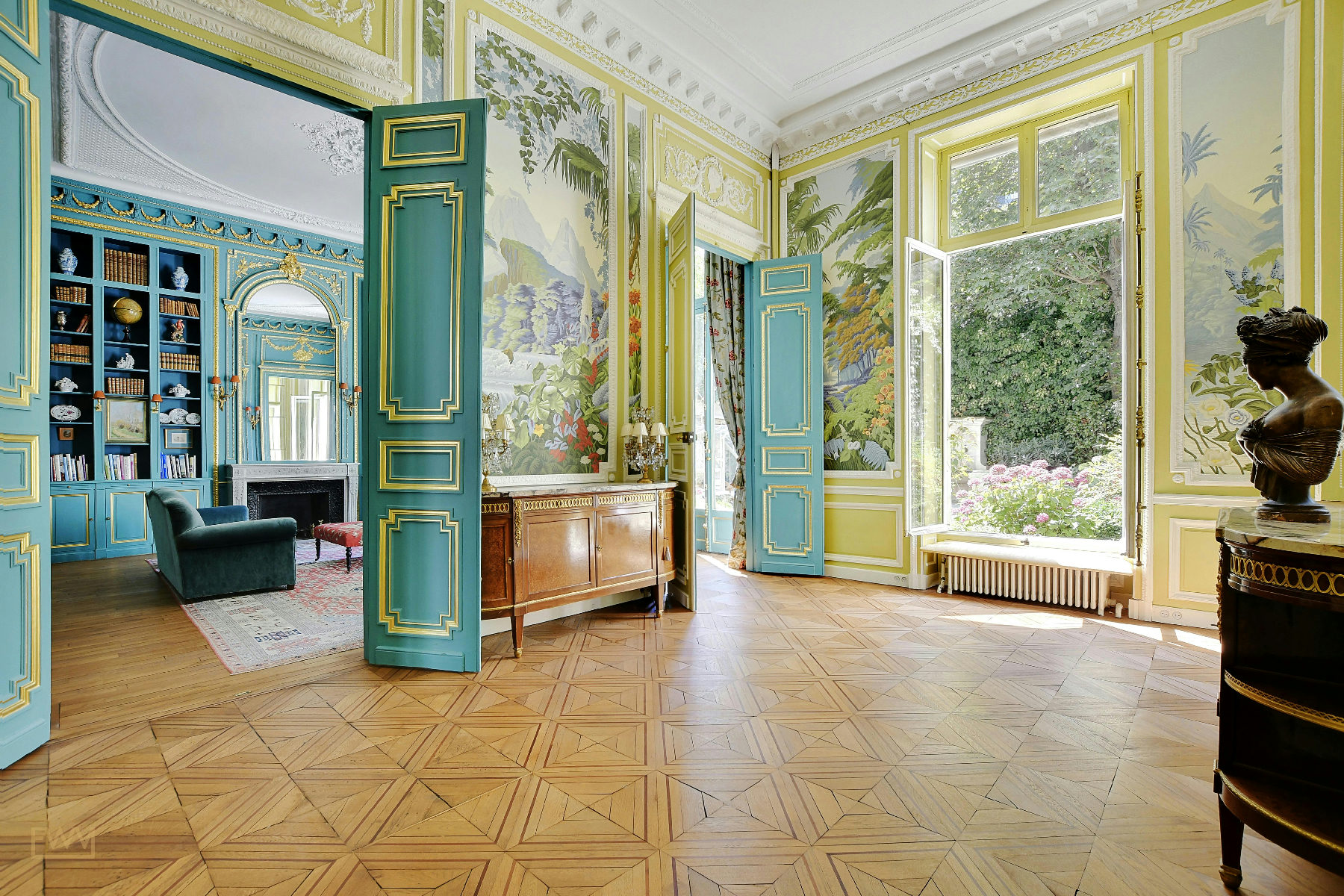
Architecturally, the 2nd arrondissement offers genuine variety. You will find Haussmannian apartments with parquet floors and high ceilings, raw loft spaces with exposed stone and polished concrete floors, covered passage galleries such as the Galerie Vivienne and the Passage des Panoramas, and converted commercial spaces that retain the character of their previous retail or industrial use. This architectural diversity allows brands to match space character to concept without forcing a brand identity into an ill-fitting environment.
For international brands entering Paris for the first time, the 2nd arrondissement also offers practical advantages. It is well served by metro lines 3, 4, 8, 9, and RER A and B connections nearby, ensuring that visitors, press, and buyers can reach activations easily. The density of hotels, restaurants, and cultural venues in adjacent arrondissements means that brand events here benefit from an already active visitor economy.
DID YOU KNOW: The Passage des Panoramas in the 2nd arrondissement is one of the oldest covered passages in Paris, dating from 1799, and continues to attract steady visitor traffic making it an architecturally compelling location for gallery-style or concept boutique activations.
KEY TAKEAWAY: The 2nd arrondissement combines central Paris geography, a sophisticated and varied local clientele, strong foot traffic on key streets, and genuine architectural character. It is a commercially and creatively credible location for fashion pop-ups, showrooms, product launches, and brand activations across short and medium-term rental windows.
Understanding the neighbourhood context prepares you to evaluate specific space types and features, which is covered in the next section.
Space Types Available for Temporary Retail in the Paris 2nd Arrondissement
The range of temporary retail spaces available in the 2nd arrondissement is broader than many brands initially assume. The district supports a genuine diversity of venue types, from street-level storefronts to upper-floor lofts and covered gallery units, each suited to different brand objectives, budgets, and activation formats.
Storefronts and Local Commercial Units
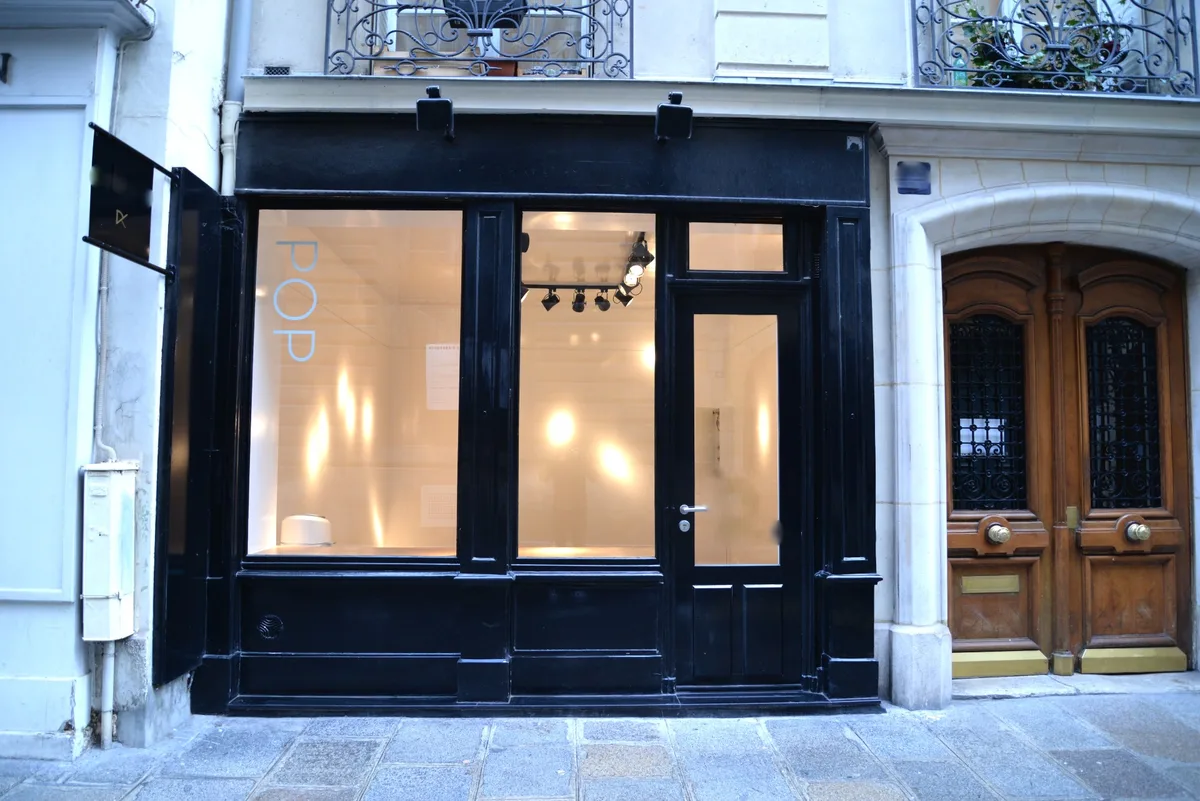
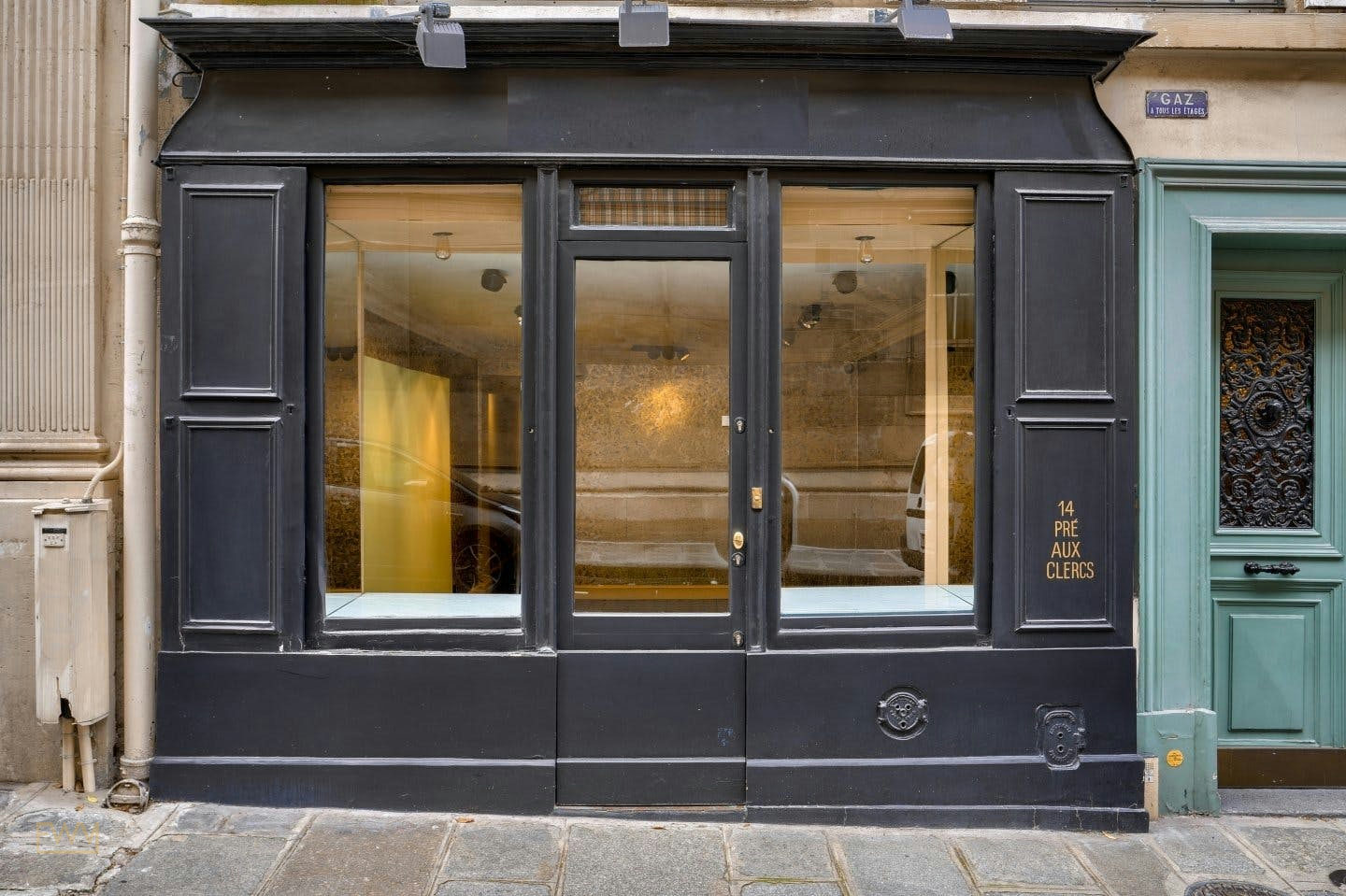
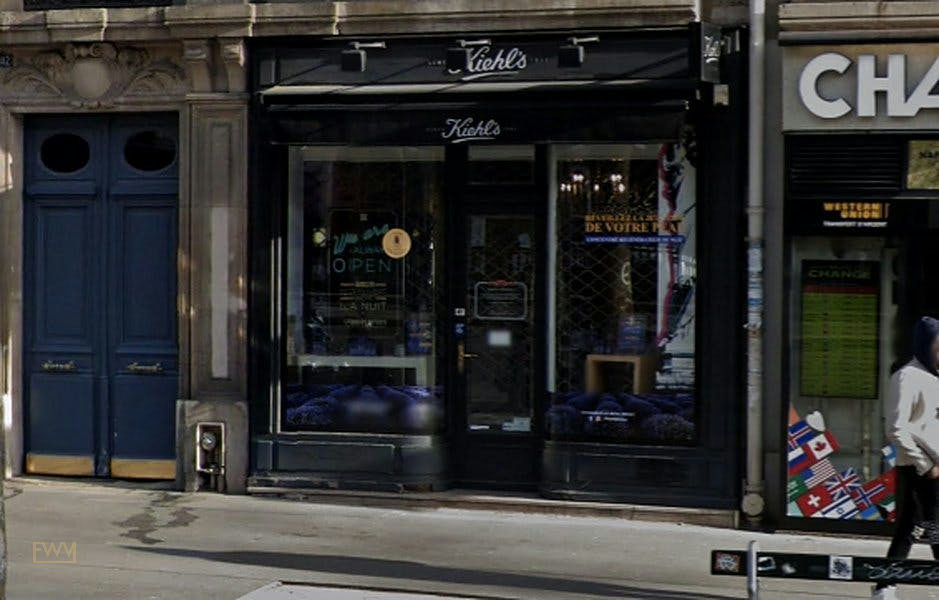
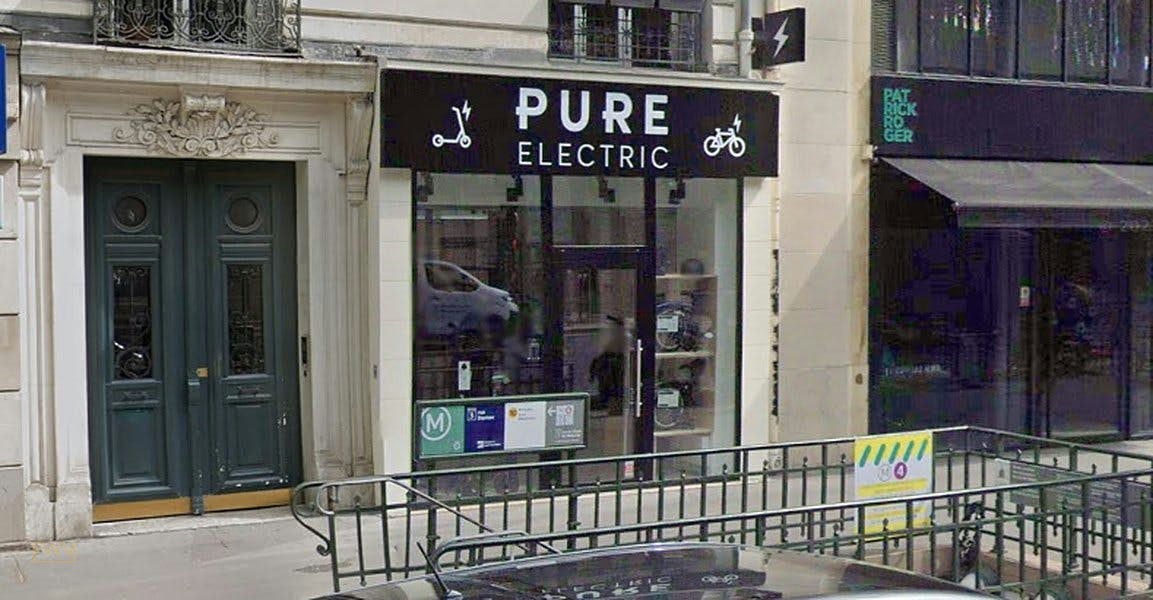
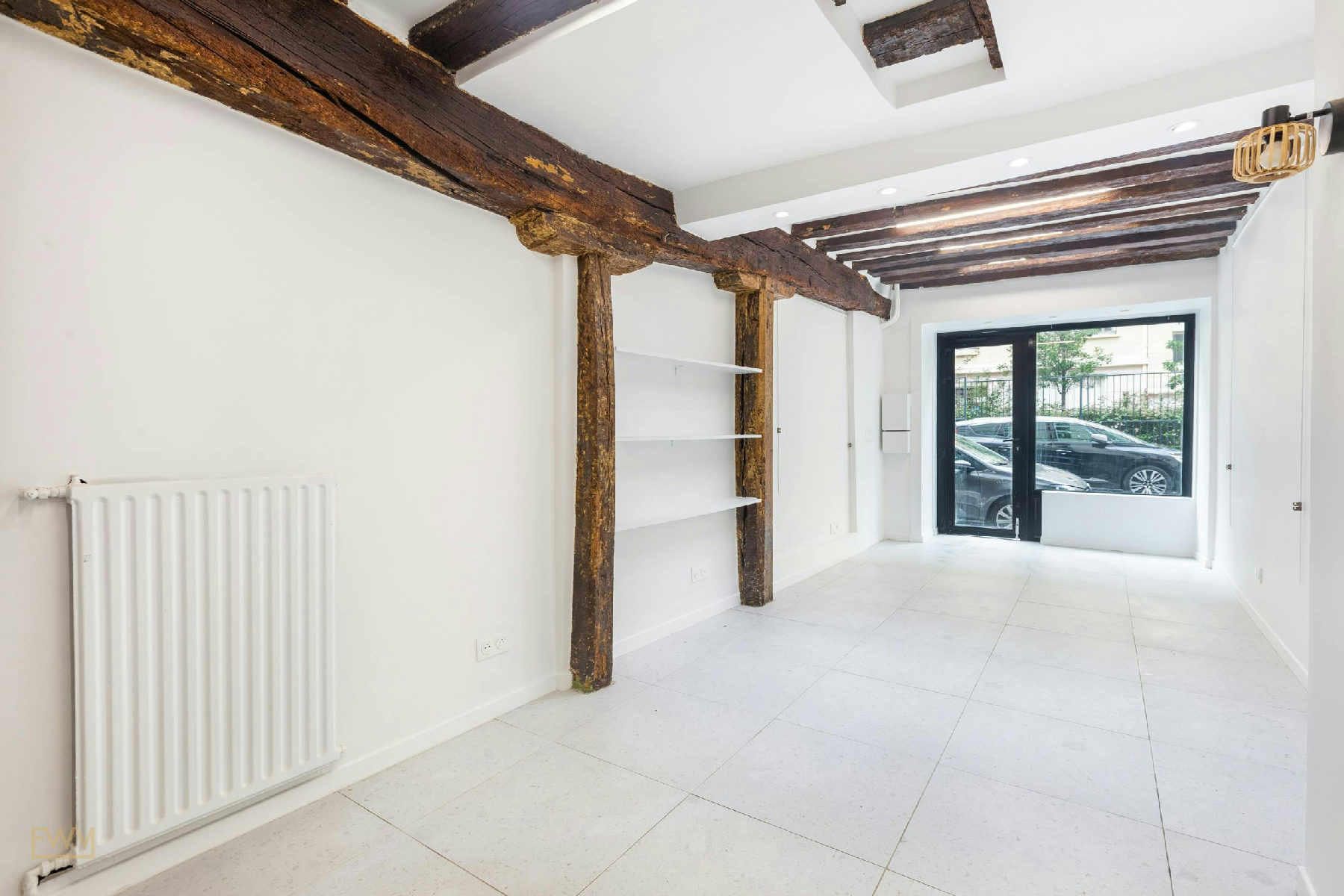
Traditional street-level storefronts, known in French as local commercial, remain the most common format for pop-up shops and boutiques éphémères in the 2nd arrondissement. Ground-floor spaces on Rue Montorgueil, Rue Étienne Marcel, and surrounding streets offer large door entrances, direct pavement access, and natural light through generous shopfront glazing. Many retain original Haussmannian architectural features including decorative cornicing, parquet floors, and high ceilings that provide an immediate aesthetic quality without requiring significant fit-out investment. These spaces suit retail-focused activations where passant conversion is a primary goal, including fashion pop-up stores, beauty launches, concept stores, and direct-to-consumer sales events.
Lofts and Espace Créatif
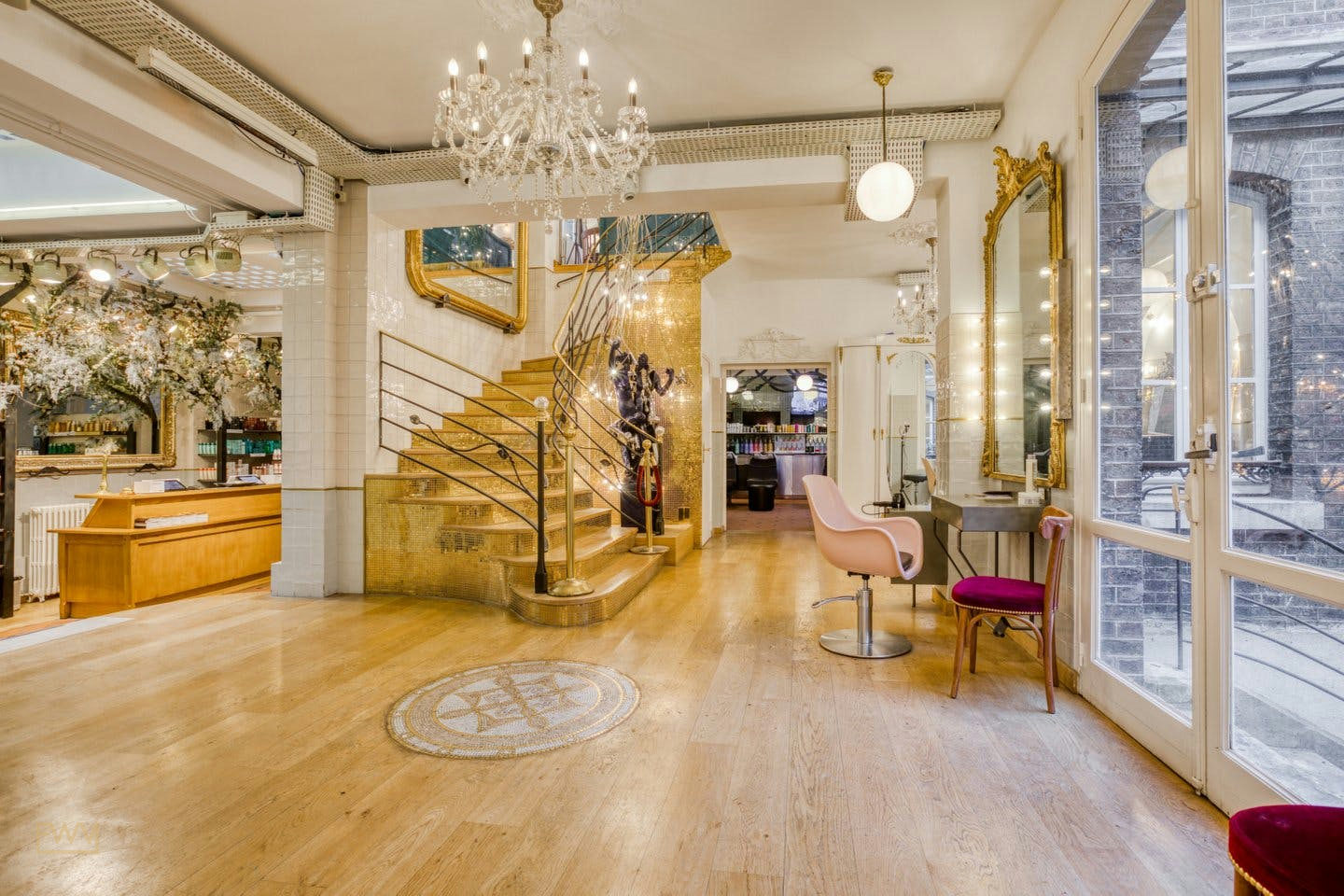
The Sentier quarter in the northern part of the 2nd arrondissement contains a significant stock of converted industrial and commercial lofts, now classified broadly as espace créatif or espace modulable. These spaces typically occupy upper floors or former warehouse levels, offering high ceilings, steel pillars, exposed piping, raw concrete floors or polished concrete finishes, and large windows or skylights that produce strong natural light throughout the day. Lofts événementiels in this quarter are regularly used for fashion week showrooms, press events, brand activations, and product launches where the space itself contributes to the brand narrative. Many include technical infrastructure such as spotlights on track systems, WIFI connection, vidéosurveillance, and point d'eau, reducing the production requirements for short-duration activations.
Gallery and Galerie D'art Spaces
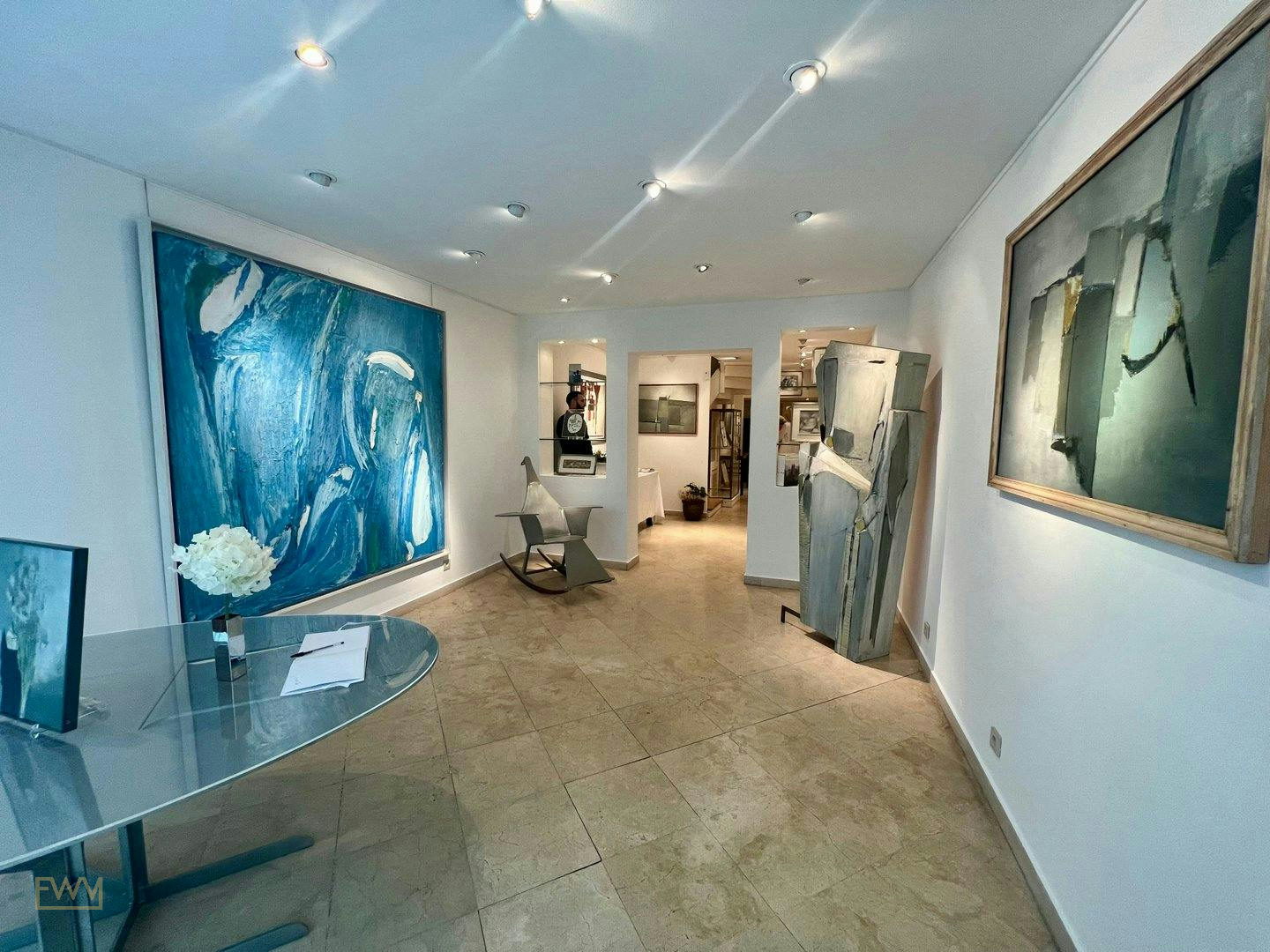
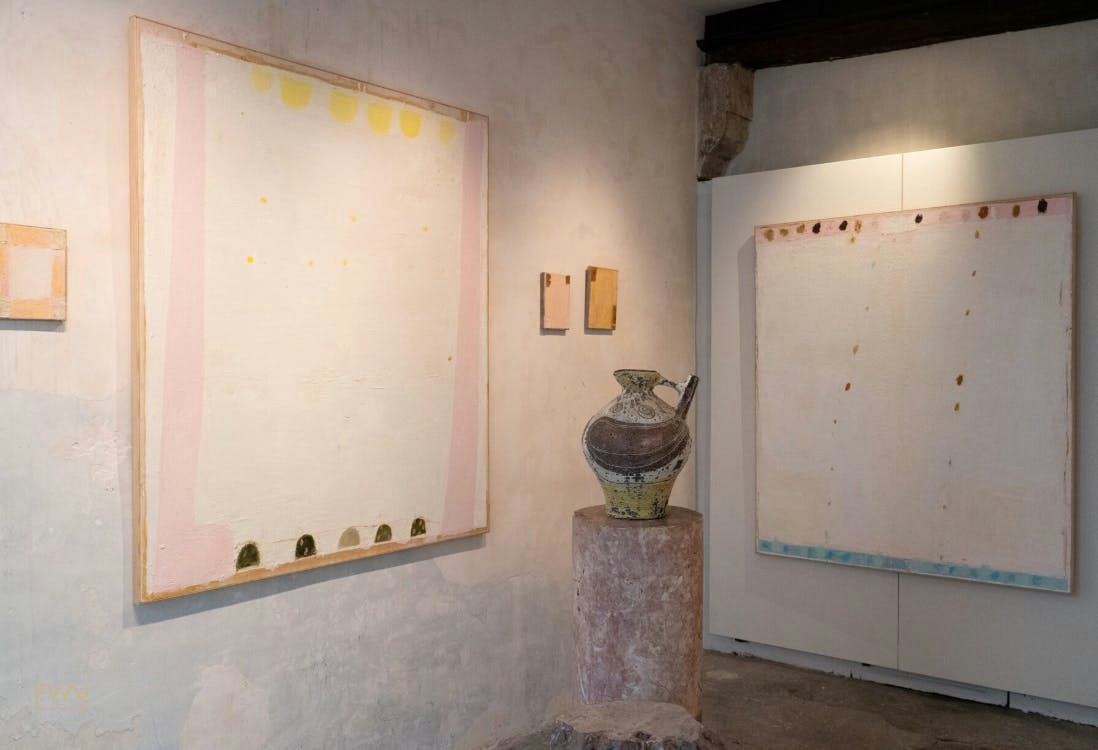
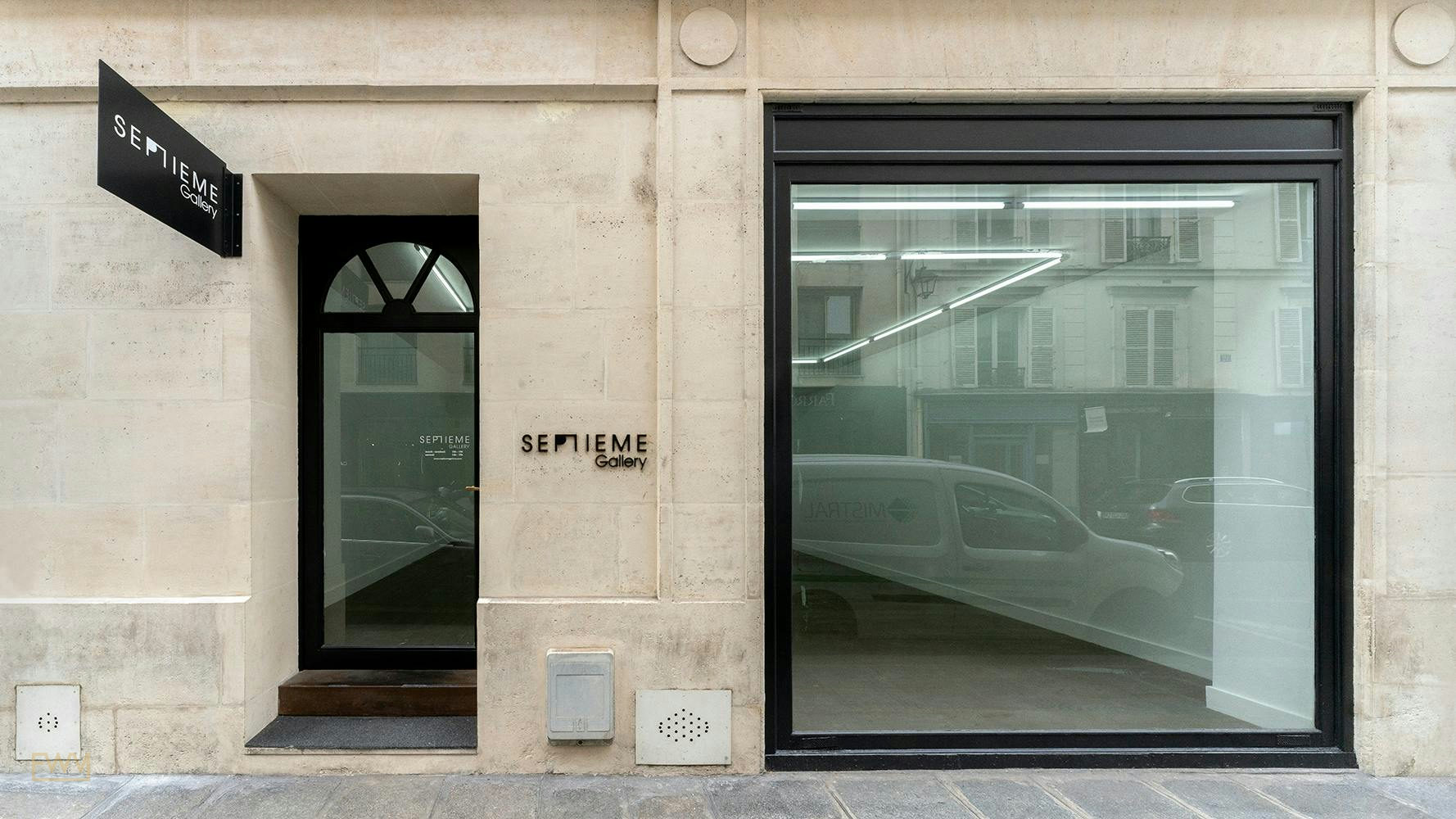
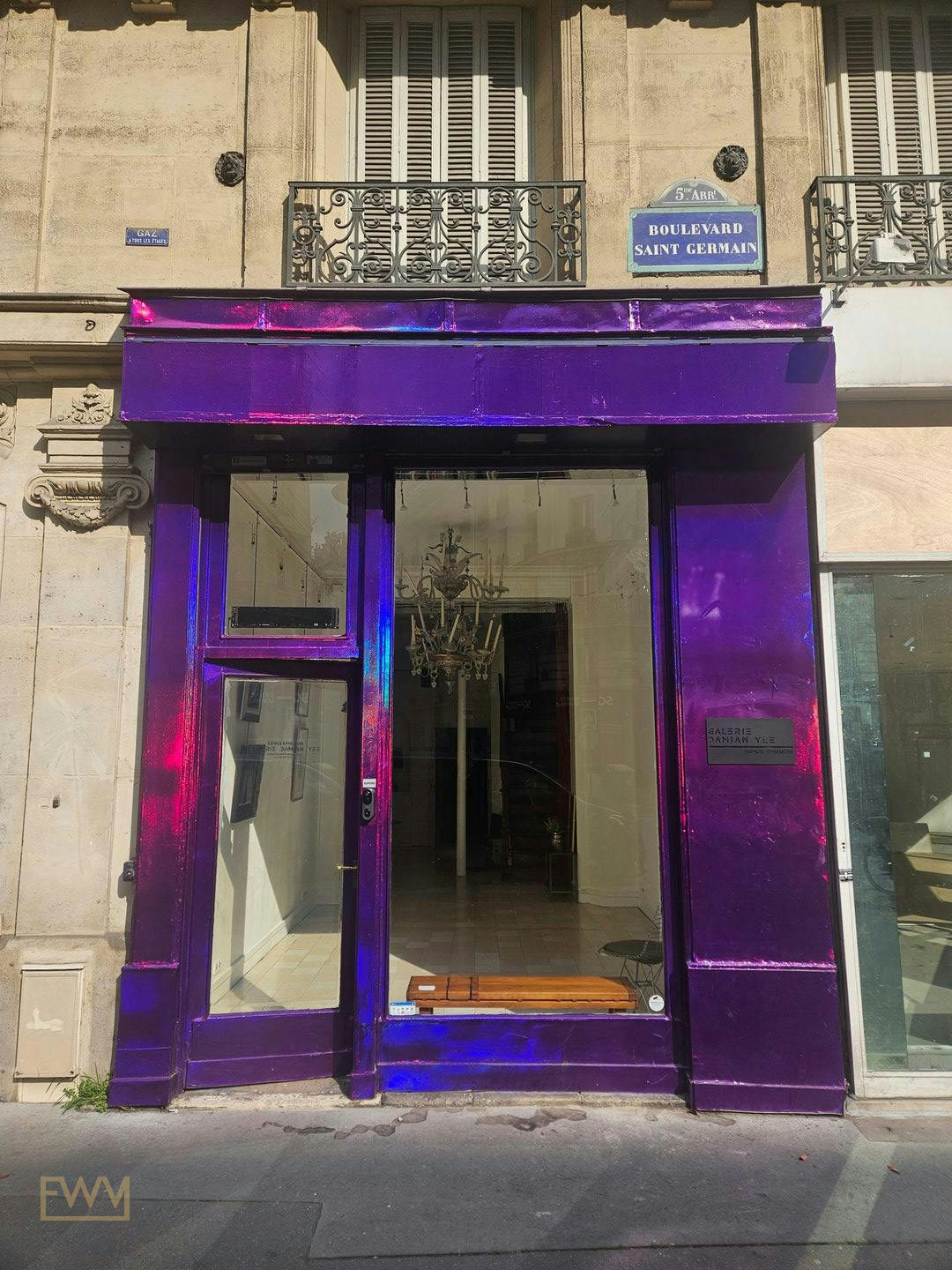
The 2nd arrondissement and its immediate neighbours host a number of private galleries and art gallery venues available for short-term rental outside of their primary programming calendar. These galerie spaces offer white-wall environments, professional lighting rigs, polished concrete or pale stone floors, and an established cultural context that elevates fashion presentations, capsule collection launches, and press previews. Brands in the fashion, jewellery, beauty, and luxury accessories categories benefit particularly from the association between the galerie format and curated exclusivity. Where a full gallery is not available, galerie-librairie hybrid spaces, which combine retail shelving with gallery-quality presentation, are increasingly available in the 2nd and surrounding arrondissements.
Haussmannian Apartments and Hôtels Particuliers
Upper-floor Haussmannian apartments and, more rarely, hôtels particuliers converted for commercial short-term use provide the most distinctive presentation environments in the district. These spaces feature marble floors, ornate plasterwork, parquet flooring, exposed stone columns, floor-to-ceiling windows, and a domestic intimacy that translates powerfully into invitation-only showroom experiences, press days, and appointment-driven retail. The format works especially well for jewellery, couture, home fragrance, and premium lifestyle brands where the environment itself functions as a brand statement. Cabines d'essayage, or fitting room capabilities, can typically be arranged within these spaces to support direct retail alongside presentation.
Photo Studios and Verrières
Studio photo and vidéo spaces are available for short-term hire in the 2nd arrondissement and are increasingly used as dual-purpose activation environments, combining content production with brand experience or retail events. These studios are equipped with professional lighting rigs, seamless backdrops, technical equipment, and modular layouts that can transition between content shoot and brand event configuration within a single rental period. Verrière spaces, characterised by their glass roof architecture that floods the interior with lumière naturelle, offer a particularly photogenic environment suited to fashion week activations where social media content creation is a strategic objective alongside direct retail or press engagement.
Quick answer: The 2nd arrondissement Paris offers storefronts, loft spaces, gallery venues, Haussmannian apartments, and photo studios for temporary retail and brand activation. Each type suits different brand profiles and activation objectives, from high-footfall pop-up retail to invitation-only showroom presentations and content-focused fashion week events.
KEY TAKEAWAY: Matching your space type to your activation format is as important as choosing the right neighbourhood. The 2nd arrondissement supports a full spectrum of venue categories, giving brands genuine creative flexibility alongside commercial viability.
Once you have identified the right space type, the technical features and amenities of each venue become the practical decision factors explored in the following section.
Technical Features and Space Specifications to Evaluate Before You Rent
When assessing a temporary retail space in the 2nd arrondissement Paris, physical features and technical specifications should be evaluated with the same rigour as location and price. The right combination of architectural character and practical infrastructure determines how effectively your activation can be set up, operated, and dismantled within the rental window.
Architectural Features That Affect Brand Experience
High ceilings are among the most sought-after features in pop-up and showroom spaces because they create a sense of scale and allow for hanging installations, elevated product displays, and lighting rigs that do not feel cramped. In loft and espace créatif spaces within the Sentier quarter, ceiling heights often reach four to six metres, enabling genuinely dramatic brand presentations. Marble floors and parquet floors are characteristic of the Haussmannian apartment and storefront formats and project immediate quality and heritage, reducing the need for floor-level fit-out investment. Raw concrete floors and polished concrete finishes are more typical of loft and industrial conversion spaces and suit contemporary, minimal, or streetwear brand aesthetics. Exposed stone, exposed stone columns, and exposed piping contribute a distinctly Parisian industrial character that photographs powerfully and is particularly suited to brands with a raw, artisanal, or archive-influenced identity. Steel pillars are a structural feature of many Sentier lofts that, when incorporated thoughtfully into the fit-out design, become part of the visual identity of the space rather than an obstruction.
Lighting and Natural Light
Lumière naturelle, or natural light, is a premium feature in Paris retail spaces and directly affects both the shopping and photography experience. Ground-floor spaces on south-facing streets in the 2nd arrondissement benefit from sustained daylight hours, while upper-floor verrière and loft spaces with skylights can provide near-studio-quality natural illumination. Spotlights on track systems are standard in gallery and retail-format spaces and allow precise product lighting without permanent electrical modifications. Brands planning content production alongside retail or press events should prioritise spaces where the natural light quality matches their content output requirements.
Connectivity, Security, and Utilities
WIFI connection is standard in most commercially available short-term rental spaces in Paris, but connection quality and bandwidth should be confirmed before contract signing, particularly for activations using digital POS systems, live social media, or interactive brand technology. Vidéosurveillance is commonly installed in retail-format spaces and provides operational security during the rental period. Bornes antivol, or anti-theft systems, may be available in some retail-configured spaces and should be discussed with the space owner or manager. Point d'eau, meaning access to running water and a sink, and cuisine équipée, a fitted kitchen or preparation area, are important for activations that include hospitality, press breakfasts, brand cocktails, or product demonstrations. Large door entrance and ground floor backyard access are practical features for brands with significant production requirements, including those bringing in custom furniture, large installations, or display fixtures that cannot be transported through standard doorways or stairwells.
Technical Amenities Comparison Table
| Feature | Importance for Pop-Up Retail | Importance for Showroom | Importance for Press or Launch Event |
|---|---|---|---|
| High ceilings | Medium | High | High |
| WIFI connection | High | High | High |
| Lumière naturelle | High | High | High |
| Spotlights on track | High | High | Medium |
| Large door entrance | High | Medium | Medium |
| Ground floor backyard | Medium | Low | Medium |
| Cuisine équipée | Low | Medium | High |
| Cabines d'essayage | High | Low | Low |
| Vidéosurveillance | High | Medium | Medium |
| Point d'eau | Medium | Medium | High |
| Modular layouts | Medium | High | High |
TIP: Always confirm ceiling height, floor load capacity, and access dimensions during the site visit stage, especially if your production plan includes heavy fixtures, suspended installations, or large format display systems.
KEY TAKEAWAY: Technical and architectural features are not decorative considerations. They directly determine your production timeline, fit-out cost, operational efficiency, and the quality of the brand experience you can deliver within the rental period.
With space type and technical requirements clear, the next critical step is understanding the legal and contractual frameworks that govern short-term rentals in Paris.
Legal and Contractual Frameworks for Short-Term Retail Space in Paris
The legal framework governing temporary retail space in Paris is more nuanced than brands accustomed to Anglo-American markets typically expect. Understanding the distinction between different contract types, and knowing which applies to your intended use, is essential before signing any agreement.
Bail Dérogatoire: The Primary Mechanism for Short-Term Retail
The bail dérogatoire, sometimes referred to as a short-term commercial lease derogation, is the most commonly used legal instrument for pop-up stores, temporary boutiques, and short-duration brand activations in France. Under French commercial law, a bail dérogatoire permits a landlord and tenant to agree a lease of up to thirty-six months without triggering the full protections and obligations of a standard nine-year bail commercial. This flexibility makes it the default structure for most pop-up shop and boutique éphémère arrangements. However, the bail dérogatoire must meet specific legal requirements to be valid. It must be agreed in writing before the tenant takes possession of the premises, and both parties must explicitly acknowledge in the contract that this is a derogatory lease and does not confer the rights of a standard commercial lease.
IMPORTANT: If a tenant continues to occupy premises after a bail dérogatoire expires without a new agreement being signed, French courts may treat the arrangement as having converted into a full bail commercial, which carries significantly different legal obligations for both parties. Always seek confirmation from a qualified French legal advisor before entering or extending any lease arrangement in Paris.
Bail Professionnel and Other Frameworks
A bail professionnel is typically used when the primary occupier is a professional practice rather than a commercial retail operation. It is less commonly applicable to fashion pop-up or retail activation scenarios but may be relevant for showroom or consultation-based activations. The bail commercial, the standard nine-year commercial lease, is not relevant for most short-term activation brands but is important to understand as the default that bail dérogatoire arrangements explicitly avoid. The droit au bail, or the right to lease, is a transferable commercial right associated with long-term lease arrangements and is unlikely to be relevant to temporary retail activations but may come up in landlord discussions.
Autorisation d'Occupation Temporaire (AOT)
For spaces on public domain, including certain covered passages, public squares, or street-adjacent terrace areas, an autorisation d'occupation temporaire or AOT may be required from the relevant municipal authority. AOTs are distinct from private lease agreements and are administered by the Mairie de Paris or relevant arrondissement authority. Brands planning activations in or adjacent to public spaces, or using outdoor areas connected to their rented venue, should investigate whether an AOT is required as part of their permit planning process.
Compliance and Permit Planning
Beyond the lease structure, brands activating in Paris may need to address a range of compliance requirements depending on the space type, duration, and nature of their activation. These can include commercial signage permissions, temporary structure notifications, food and beverage authorisations for hospitality components, and fire safety compliance assessments for spaces with elevated occupancy. Requirements vary by space type, duration, and arrondissement, so brands should not assume that compliance requirements are uniform across all venues. The Fashion Week Venues permits tool provides guidance on the permit and compliance questions most relevant to your activation profile and can help brands identify which requirements apply to their specific Paris project.
Quick answer: The bail dérogatoire is the primary legal mechanism for short-term retail space rental in Paris, allowing agreements of up to thirty-six months without triggering full commercial lease protections. Brands should always verify their specific contractual arrangements with a qualified French legal advisor before signing.
KEY TAKEAWAY: French commercial law is precise, and the difference between a valid bail dérogatoire and an inadvertent bail commercial can have significant financial and operational consequences. Professional legal and agency support is not optional for international brands activating in Paris.
The legal framework shapes the rental process, but the practical steps of finding, evaluating, and securing a space involve a separate set of decisions covered in the workflow section below.
Step-by-Step Workflow for Renting a Temporary Retail Space in the 2nd Arrondissement
Securing a temporary retail space in the 2nd arrondissement Paris follows a structured process that, when managed correctly, reduces risk, saves time, and ensures that the space you secure matches your brief, budget, and calendar window.
| Stage | Action | Key Considerations | Recommended Tools or Support |
|---|---|---|---|
| 1. Brief Definition | Define space type, size, duration, budget, neighbourhood preference, and activation objectives | Be specific about floor area, ceiling height, access requirements, and must-have features | Brief template, budget calculator |
| 2. Market Research | Survey available spaces in target neighbourhood and adjacent areas | Consider spaces in the 1st, 3rd, and 9th arrondissements as alternatives if 2nd stock is limited | Space marketplace, locator tool |
| 3. Shortlisting | Create a shortlist of three to five spaces that match brief and budget | Compare on location, features, rental terms, and fit-out implications | Compare tool |
| 4. Site Visits | Visit shortlisted spaces and assess against technical checklist | Assess ceiling height, natural light, access, services, and condition in person | Technical checklist, venue sourcing support |
| 5. Legal Review | Review proposed lease structure and terms with a qualified French legal advisor | Confirm bail dérogatoire validity, duration, break clauses, and compliance obligations | French legal advisor, permits tool |
| 6. Production Planning | Develop fit-out concept, procurement plan, and installation timeline | Allow for French supplier lead times and potential building access restrictions | Build planning tool, production and build service |
| 7. Activation Execution | Install, operate, staff, and manage the activation for the rental period | Confirm POS, staffing, security, and logistics in advance of opening | Retail staffing, POS and payments, activation management |
| 8. Dismantling and Reporting | Remove all fixtures, restore the space to original condition, and compile activation data | Confirm restoration obligations with the landlord before signing the lease | Data and analytics service |
TIP: Start your space search at least eight to twelve weeks before your planned activation date for a standard pop-up. For Fashion Week calendar windows, begin the search process a minimum of four to six months in advance, as premium spaces in the 2nd arrondissement are secured early by returning brands and established agencies.
To compare neighbourhoods and space types across Paris, explore the Paris city hub on Fashion Week Venues and shortlist spaces that match your brief, budget, and calendar window.
Quick answer: Renting a temporary retail space in the 2nd arrondissement Paris involves eight key stages from brief definition to post-activation reporting. The most commonly underestimated stages are the legal review and the production planning phase, both of which require more lead time than brands typically allocate.
KEY TAKEAWAY: A structured rental process, supported by specialist tools and local expertise, reduces the risk of timeline overruns, budget surprises, and compliance issues that commonly affect brands managing Paris activations without specialist support.
Budget planning is one of the areas where brand teams most frequently encounter uncertainty. The following section addresses the cost variables that determine what a temporary retail space in the 2nd arrondissement will realistically cost your brand.
Budget Variables and Cost Considerations for Temporary Retail in Paris
Budgeting for a temporary retail space in the 2nd arrondissement Paris requires understanding the full cost structure of a pop-up or brand activation, not just the headline daily or weekly rental rate. Brands that focus exclusively on rental rates frequently encounter significant cost overruns when production, staffing, compliance, and marketing costs are factored in.
Rental Rate Variables
Rental rates for temporary retail spaces in the 2nd arrondissement vary substantially based on space type, size, location within the district, amenity level, and rental duration. Spaces on high-footfall streets such as Rue Montorgueil command premium rates compared to quieter secondary streets in the same arrondissement. Gallery and verrière spaces with high-specification finishes and natural light are priced above standard storefront or loft units. Rates are typically quoted per day, per week, or per month for short-term arrangements, and brands should always clarify whether published rates include or exclude taxes, utility charges, cleaning, and security deposit requirements. Fashion Week calendar windows, particularly the September and March editions of Paris Fashion Week, attract elevated rates and reduced availability across all central Paris arrondissements.
IMPORTANT: Published daily rates are directional guides only. The actual total cost of renting and operating a temporary retail space in Paris depends on your specific space requirements, duration, production needs, and activation objectives. Use the Fashion Week Venues budget calculator to develop a brand-specific cost estimate before committing to a space.
Production and Fit-Out Costs
Beyond rental, production and fit-out costs typically represent the largest budget line for brands creating custom pop-up environments. Costs in this category include furniture and fixture procurement or rental, custom display fabrication, electrical and lighting installation, branded graphic production, and any structural modifications permitted under the lease. Brands using spaces with strong existing architectural character, such as a Haussmannian apartment with marble floors and high ceilings, can significantly reduce fit-out investment by allowing the space itself to carry the brand environment. Brands in raw loft or empty storefront spaces typically require higher production investment to achieve the same quality of brand experience.
Staffing, Operations, and Technology
Retail staffing in Paris requires awareness of French employment regulations, particularly for activations of more than a few days duration where formal employment or agency staffing contracts are required. French-speaking staff with brand knowledge, sales experience, and an understanding of the target clientele are critical for converting foot traffic into sales and for managing press and buyer interactions during Fashion Week periods. POS and payment systems need to support French card infrastructure including Carte Bancaire, as well as international card schemes, and should ideally provide real-time sales data for analytics and reporting. WIFI connection quality should be confirmed before activation as unreliable connectivity directly affects both operational efficiency and the customer experience.
Supporting Cost Categories
Additional budget categories that brands regularly underestimate include logistics and transport for fixtures and inventory, insurance for the activation period, marketing and influencer activation costs for driving brand awareness and foot traffic, cleaning and consumables across the operational period, and the restoration costs associated with returning the space to its original condition at the end of the lease. For brands working with an agency, agency fees and management costs should be understood as an investment in operational quality and risk reduction rather than purely as an overhead, particularly for brands with limited Paris market experience.
Quick answer: The total cost of a temporary retail space activation in the 2nd arrondissement Paris includes rental, production and fit-out, staffing, compliance, logistics, marketing, and restoration. Rental rates are only one component of the full budget picture, and brands should plan comprehensively across all cost categories from the brief stage.
Budget Planning by Activation Type
| Activation Type | Typical Duration | Primary Cost Drivers | Relative Budget Tier |
|---|---|---|---|
| Press day or media preview | 1 to 3 days | Space rental, catering, styling, photography | Entry level |
| Fashion Week showroom | 5 to 10 days | Space rental, fit-out, staffing, hospitality | Mid to premium |
| Consumer pop-up store | 2 to 8 weeks | Rental, full fit-out, staffing, POS, marketing | Mid to premium |
| Product launch event | 1 to 5 days | Space, production, talent, content creation | Variable by scale |
| Seasonal concept store | 1 to 3 months | Rental, branded store design, full staffing | Premium |
| Brand workshop or conference | 1 to 2 days | Space, technical equipment, catering | Entry to mid |
KEY TAKEAWAY: Budget planning for a Paris pop-up is a multi-variable exercise. Rental rates matter, but production, staffing, compliance, and marketing costs collectively determine whether your activation is financially viable and operationally sound.
The 2nd arrondissement does not exist in isolation. Understanding how it relates to surrounding districts helps brands make better neighbourhood decisions, particularly when planning activations that need to connect with multiple Paris audiences.
The 2nd Arrondissement in Context: Neighbouring Districts and Paris-Wide Strategy
Positioning your temporary retail space activation in the 2nd arrondissement Paris is most effective when considered as part of a broader Paris neighbourhood strategy. The 2nd does not operate in isolation; it is commercially and culturally interconnected with several adjacent arrondissements, each of which adds specific audience reach and brand context.
Adjacent Neighbourhoods and Their Audiences
The 1st arrondissement to the south and west brings the audiences of the Palais Royal, the Louvre, the Jardin des Tuileries, and the Rue Saint-Honoré corridor. The Rue Saint-Honoré and its luxury and concept retail ecosystem generates significant affluent foot traffic and is a key reference point for any brand positioning in this geography. The 1st arrondissement is home to flagship stores for global luxury and contemporary brands, making it one of the highest-brand-density retail streets in the world. Activations in the 2nd arrondissement that market toward a Rue Saint-Honoré audience benefit from proximity without requiring the substantially higher rental costs typical of 1st arrondissement prime positions.
The 3rd arrondissement and Le Marais to the east bring one of Paris's most creative and culturally aware neighbourhoods. The Marais, and specifically the Rue de Turenne and Place des Vosges axis, is a global benchmark for independent fashion retail, concept stores, and gallery-led brand experiences. Brands activated in the 2nd arrondissement regularly draw on the Marais clientele, particularly for fashion week and cultural period activations. The Marais demographic, which skews toward design-literate, internationally aware consumers with strong purchasing intent in fashion, beauty, and lifestyle categories, is directly accessible from the 2nd arrondissement on foot.
The 9th arrondissement to the north, including the Galeries Lafayette cluster on Boulevard Haussmann and the creative communities around Pigalle and Notre-Dame-de-Lorette, adds another relevant audience layer. The Paris 9ème has seen significant growth in independent retail, concept dining, and brand activation in recent years, and brands with a presence in both the 2nd and 9th arrondissements can create connected activation stories across two genuinely distinct neighbourhoods.
For brands considering broader Paris strategies, the Place Vendôme and its luxury jewellery and watchmaking context in the 1st, the Centre Pompidou and its cultural visitors in the 4th, and the Saint-Germain-des-Prés publishing and fashion heritage in the 6th all contribute to an ecosystem of engaged, brand-aware Parisian consumers who move fluidly across arrondissements based on cultural and commercial programming.
Fashion Week Calendar and Neighbourhood Activation Timing
Paris Fashion Week generates two major activation windows each year: the womenswear calendar in March and September, and the menswear and haute couture calendars in January and July. The 2nd arrondissement, situated close to the Opera and the Grands Boulevards, is within the activation radius of multiple runway shows and presentations staged in central Paris venues during these calendar periods. Brands that align their pop-up or showroom calendar with Fashion Week windows benefit from the dense concentration of press, buyers, and brand-aware visitors who pass through central Paris during these periods.
However, cultural periods beyond Fashion Week also generate strong brand activation windows in Paris. These include the Nuit Blanche art event in October, Paris Design Week in September, Maison et Objet in January and September, and the spring and summer tourism peak between May and August. Brands that focus exclusively on Fashion Week windows miss significant activation opportunities during these alternative cultural periods, when venue availability may be higher and competition for press and consumer attention somewhat reduced.
Quick answer: The 2nd arrondissement Paris connects brand activations to audiences from the Rue Saint-Honoré luxury corridor, the Marais design and fashion community, and the Grands Boulevards cultural and commercial visitors. A well-positioned 2nd arrondissement pop-up can draw on multiple Paris audience pools simultaneously.
KEY TAKEAWAY: Paris neighbourhood strategy is not about choosing one district in isolation. The 2nd arrondissement's central position makes it a connector between some of Paris's most commercially valuable audience clusters, and brands that communicate across these neighbourhoods typically achieve stronger brand awareness outcomes from their Paris activations.
Choosing the right neighbourhood and space type is only part of the equation. The calibre and experience of the agency you work with determines how effectively all other variables are managed.
How Fashion Week Venues Supports Brands Activating in the Paris 2nd Arrondissement
Fashion Week Venues operates as a full-service pop-up shop agency and space marketplace with Paris as its primary market. For brands planning a temporary retail space, showroom, or brand activation in the 2nd arrondissement, Fashion Week Venues provides a structured pathway from initial brief through to post-activation reporting.
Venue Sourcing and Space Discovery
The venue sourcing service connects brands with available spaces in the 2nd arrondissement and across Paris, combining marketplace listings with direct-sourced off-market spaces that are not publicly available. This is particularly valuable during Fashion Week calendar windows when listed inventory is absorbed quickly by returning brands and established agency clients. The venue sourcing process considers space type, size, technical features, neighbourhood positioning, rental terms, and activation timeline to produce a shortlist matched to the brand brief.
Concept Direction and Branded Store Design
For brands that need creative support alongside space sourcing, the concept direction and branded store design services translate brand identity into a space design programme appropriate for the chosen venue type and activation objective. This includes spatial planning, material selection, lighting design, fixture specification, and the development of a cohesive brand environment that works within the architectural character of the chosen space. The imagine tool allows brand teams to visualise space configurations before committing to production decisions, reducing revision risk and helping internal stakeholders align on the creative direction.
Production, Build, and Fit-Out
The production and build service manages the physical transformation of a raw or standard space into a brand-quality activation environment. This covers supplier management, installation scheduling, quality assurance, and the logistical coordination required to set up and dismantle an activation within a tight Paris rental window. The build planning tool supports production teams in sequencing installation tasks against the available access period and the activation opening date.
Staffing, POS, and Activation Operations
Fashion Week Venues provides retail staffing matched to the brand profile and activation format, with French-speaking team members experienced in fashion, beauty, and lifestyle retail environments. POS and payment systems are configured to support both French card infrastructure and international payment schemes, with real-time data feeds available for brands tracking activation performance. Activation management covers the operational supervision of the full rental period, including supplier coordination, customer experience management, and issue resolution.
Analytics, Influencer Marketing, and ROI Measurement
Post-activation reporting through the data and analytics service provides brands with visitor data, sales performance, conversion metrics, and brand reach data from influencer activity. The ROI calculator tool allows brand teams to assess activation performance against defined objectives, supporting the business case for future Paris activations and the optimisation of subsequent campaign investment. The influencer marketing service coordinates content creator partnerships tied to the activation calendar, amplifying brand awareness beyond the physical space and extending the reach of the Paris pop-up into digital channels.
Tools for Independent Research and Planning
Brands that prefer to conduct initial research independently before engaging agency services can access a suite of planning tools including the timeline tool for activation calendar planning, the compare tool for space-to-space evaluation, the locator tool for neighbourhood mapping, and the permits tool for compliance guidance. These tools support earlier and better-quality decision-making, regardless of whether the brand ultimately engages Fashion Week Venues for full-service agency support.
TIP: If you are evaluating whether to work with a full-service agency for your Paris activation or manage the process in-house, the agency selection guide on Fashion Week Venues provides a structured framework for assessing which approach is most appropriate for your brand size, internal resource level, and Paris market experience.
KEY TAKEAWAY: Fashion Week Venues provides end-to-end support for brands activating in the 2nd arrondissement and across Paris, from venue sourcing and concept direction through to staffing, POS, analytics, and influencer marketing. Brands can engage at the level of service that matches their internal capability and activation complexity.
Before making any final decisions, it is worth addressing the most persistent misconceptions that prevent brands from acting on Paris activation opportunities effectively.
Common Myths About Temporary Retail Space in Paris Debunked
MYTH: You need a French legal entity to rent a short-term retail space in Paris.
FACT: International brands can and regularly do rent temporary retail spaces in Paris without a pre-existing French legal entity. The bail dérogatoire structure is available to foreign companies, though the specific requirements and safeguards will vary depending on the landlord, the space, and the proposed duration. Working with a specialist agency and a qualified French legal advisor helps international brands navigate the documentation requirements without establishing a formal French corporate structure in advance.
MYTH: Paris Fashion Week is the only viable calendar window for a pop-up or brand activation in Paris.
FACT: Paris Fashion Week generates premium demand and elevated foot traffic, but it is not the only commercially valuable activation window in the French capital. Cultural periods including Paris Design Week, Maison et Objet, Nuit Blanche, and the summer tourism peak all generate strong brand activation audiences. Outside Fashion Week windows, venue availability is typically higher, rental competition is lower, and brands can secure better terms on preferred spaces. Fashion Week is a high-impact window, but it is not the only one, and many brands achieve stronger commercial results by activating during less competitive periods with more consumer-facing programming time.
MYTH: Commission-based space brokers are the only way to find a temporary retail space in Paris.
FACT: Commission-based listing platforms and individual brokers represent one route to market, but they are not the only, and not always the most effective, way to secure a temporary retail space in the 2nd arrondissement. Full-service agencies with direct landlord relationships offer access to off-market spaces, pre-negotiated terms, and contextual expertise that general listing platforms cannot replicate. The Fashion Week Venues marketplace combines curated listing inventory with direct-sourced spaces and agency support, providing a more comprehensive route to the right space than broker-only approaches.
MYTH: Short-term leases in Paris are legally straightforward and do not require specialist legal advice.
FACT: French commercial tenancy law is precise and specific, and the consequences of a poorly structured or incorrectly executed bail dérogatoire can be significant. If the derogatory nature of the lease is not explicitly stated before the tenant takes possession, the agreement may be treated as a standard bail commercial, with substantially different obligations for both parties. Requirements also vary depending on space type, intended use, duration, and arrondissement-level regulations. Brands should always engage a qualified French legal advisor when entering any Paris rental agreement, regardless of the apparent simplicity of the arrangement.
MYTH: The 2nd arrondissement is primarily a fashion week district and has limited appeal outside of runway season.
FACT: The 2nd arrondissement, and specifically the Rue Montorgueil and Sentier quarters, maintains strong year-round foot traffic driven by local residents, creative industry workers, tourists, and the restaurant and hospitality ecosystem of the district. The area's evolving identity as a hub for startups, creative agencies, and independent retail means that it supports brand activations outside of fashion week windows with genuine commercial potential. Its architectural diversity also makes it appropriate for a wider range of brand categories than a pure fashion week frame would suggest, including beauty, design, lifestyle, food and beverage, and technology brands.
Space Type and Neighbourhood Comparison for the Paris 2nd Arrondissement and Surrounding Districts
Choosing between the 2nd arrondissement and adjacent districts often comes down to a combination of brand positioning, audience priority, budget, and space availability during your target window. The table below provides a comparative overview to support that decision.
| Arrondissement or Quarter | Primary Brand Context | Dominant Space Types | Typical Audience Profile | Best For |
|---|---|---|---|---|
| 2nd arrondissement (Sentier, Montorgueil) | Creative, independent, contemporary fashion and lifestyle | Lofts, storefronts, galleries, Haussmannian apartments | Parisians, creative industry, international buyers, fashion week visitors | Pop-up retail, showrooms, brand activations, concept stores |
| 1st arrondissement (Palais Royal, Rue Saint-Honoré) | Luxury, heritage, concept retail | Flagship storefronts, galerie spaces, Haussmannian apartments | Luxury consumers, international tourists, press, buyers | Luxury launches, flagship concepts, high-profile fashion week activations |
| Le Marais (3rd and 4th arrondissements) | Independent fashion, design, contemporary art | Concept stores, galleries, lofts, hôtels particuliers | Design-literate locals, international fashion audience, LGBTQ+ community | Fashion week showrooms, concept boutiques, art and fashion crossovers |
| 9th arrondissement (Pigalle, Grands Boulevards) | Independent retail, creative dining, emerging brands | Storefronts, converted spaces, Haussmannian apartments | Creative professionals, younger consumers, local Parisians | Brand activations targeting younger or more local audiences |
| 6th arrondissement (Saint-Germain-des-Prés) | Heritage fashion, publishing, luxury lifestyle | Galeries, boutiques, Haussmannian apartments | Affluent Parisians, international cultural visitors | Heritage brand activations, book and lifestyle launches, art presentations |
Quick answer: The 2nd arrondissement is best suited to brands seeking creative credibility, central Paris positioning, and a contemporary audience without the full cost premium of the 1st arrondissement. It competes most directly with Le Marais and the 9th arrondissement for fashion, design, and lifestyle brand activations.
KEY TAKEAWAY: No single arrondissement is universally optimal for every brand. The right neighbourhood depends on your brand positioning, target audience, budget, and activation format. The 2nd arrondissement occupies a compelling middle ground between the commercial intensity of the 1st and the creative distinctiveness of Le Marais.
Frequently Asked Questions About Temporary Retail Space in the 2nd Arrondissement Paris
Why rent a temporary retail space in the Paris 2nd arrondissement specifically?
The 2nd arrondissement offers a combination of central Paris geography, strong foot traffic on key streets like Rue Montorgueil, a creative and commercially aware local clientele, and genuine architectural variety across space types. It sits adjacent to the Rue Saint-Honoré luxury corridor, Le Marais, and the 9th arrondissement creative district, giving brands access to multiple Paris audience pools simultaneously. Rental rates are generally more accessible than prime 1st arrondissement positions while still delivering prestige and visibility appropriate for international brand activations, pop-up stores, and fashion week showrooms.
What is a pop-up store and how does it differ from a standard retail lease?
A pop-up store is a temporary retail activation, typically operating for a period of a few days to several months, that allows a brand to engage consumers directly in a physical space without committing to a long-term commercial lease. In Paris, pop-up stores are most commonly structured using a bail dérogatoire, a short-term derogatory lease, rather than a standard nine-year bail commercial. The pop-up format enables brands to test new markets, launch collections, engage press and buyers, and build direct consumer relationships in a defined time window with a controlled, bounded financial commitment.
How do I find and rent a pop-up shop in Paris?
The process of renting a pop-up shop in Paris typically involves defining your space brief, searching available listings through a marketplace or agency, conducting site visits, reviewing and negotiating lease terms, completing compliance and permit checks, and managing production and activation. Brands new to the Paris market benefit significantly from working with a specialist agency that has direct landlord relationships and local market knowledge. Fashion Week Venues provides venue sourcing, production, staffing, and activation management services specifically for brands renting pop-up and temporary retail spaces across Paris, including the 2nd arrondissement.
What neighbourhoods in Paris are best for pop-up retail?
The strongest neighbourhoods for pop-up retail in Paris include the 2nd arrondissement, particularly Sentier and Montorgueil, Le Marais in the 3rd and 4th arrondissements, the Rue Saint-Honoré corridor in the 1st arrondissement, and the 9th arrondissement around Pigalle and the Grands Boulevards. The best choice depends on your brand positioning, target audience, budget, and activation format. Luxury and heritage brands typically gravitate toward the 1st arrondissement; independent and contemporary fashion brands often favour the 2nd or the Marais; emerging and creative brands increasingly activate in the 9th.
Are pop-up stores common in Paris?
Pop-up stores are extremely common in Paris and have become a standard format for brand activations across fashion, beauty, luxury, lifestyle, and food and beverage categories. Paris supports a mature and sophisticated ecosystem for temporary retail, with specialist agencies, landlords experienced in short-term arrangements, and a consumer culture that actively engages with pop-up and boutique éphémère formats. Fashion Week calendar windows generate the highest concentration of pop-up activity, but the format is viable and commercially productive throughout the year.
What is a bail dérogatoire and why does it matter for my Paris pop-up?
A bail dérogatoire is a short-term commercial lease derogation under French law that allows landlords and tenants to agree rental arrangements of up to thirty-six months without triggering the full protections and obligations of a standard nine-year bail commercial. It is the primary legal structure for pop-up stores, temporary boutiques, and brand activations in Paris. The bail dérogatoire must be explicitly stated in writing before the tenant takes possession. Brands should always engage a qualified French legal advisor to review any lease agreement before signing, as incorrectly structured arrangements can create unintended long-term legal obligations.
How much does a pop-up shop cost in Paris?
The total cost of a pop-up shop in Paris varies significantly based on space type, size, location, duration, fit-out investment, staffing requirements, and marketing. Rental rates differ considerably between a standard storefront in the 2nd arrondissement and a premium galerie space in the 1st arrondissement, and between a one-week press day format and a six-week consumer-facing pop-up retail programme. Production, staffing, compliance, and marketing costs add substantially to the headline rental figure. For a brand-specific estimate, the Fashion Week Venues budget calculator provides a structured cost model based on your activation parameters.
Do I need a French company to rent a pop-up space in Paris?
International brands do not necessarily need a pre-existing French legal entity to rent a temporary retail space in Paris under a bail dérogatoire arrangement. However, specific documentation and contractual requirements vary depending on the landlord, the space, the proposed duration, and the nature of the activation. Some landlords may request a French guarantor or a significant security deposit from international companies without French registration. Working with a specialist agency and a qualified French legal advisor ensures that these requirements are identified and addressed in advance, preventing delays or complications at the contract stage.
What are lofts événementiels and why are they popular for fashion activations?
Lofts événementiels are event-format loft spaces, typically converted from former industrial or commercial buildings, that combine generous floor areas, high ceilings, architectural character elements such as steel pillars, exposed stone, or polished concrete, and flexible technical infrastructure. In the Sentier quarter of the 2nd arrondissement and adjacent areas, lofts événementiels are widely used for fashion week showrooms, press events, product launches, and brand activations because they offer a visually distinctive environment that requires less fit-out investment than a blank commercial space while providing the flexibility to configure layouts for different activation formats.
What technical features should I prioritise when selecting a pop-up space in Paris?
The most important technical features to evaluate when selecting a temporary retail space in Paris are ceiling height, natural light quality and quantity, WIFI connection bandwidth, floor type and condition, point d'eau access, large door entrance dimensions for production access, electrical load capacity and spotlight availability, and the presence or absence of cabines d'essayage for fashion retail formats. Vidéosurveillance and bornes antivol are important for operational security. The relative priority of each feature depends on your activation type, whether retail, showroom, press event, or content production, and your production and staffing plans.
How far in advance should I book a pop-up space for Paris Fashion Week?
For Paris Fashion Week calendar windows in March and September, premium spaces in central arrondissements including the 2nd, 1st, and Marais are typically secured four to six months in advance by returning agency clients and established brands. New brands entering Paris for the first time should begin their space search process no later than five months before the intended activation start date during Fashion Week periods, and no later than eight to twelve weeks before for activations outside Fashion Week windows. Early engagement with a specialist agency significantly improves access to preferred spaces before they are absorbed by returning clients.
Can I use a temporary retail space in Paris for a showroom and a public pop-up simultaneously?
Yes, many brands in Paris run combined showroom and consumer-facing pop-up retail activations within the same space, particularly during Fashion Week calendar windows when press and buyer appointments are scheduled alongside public-facing retail hours. This approach typically requires a space with a flexible or modular layout that can transition between appointment-driven showroom presentation and open retail format within the same daily programme. Spaces with high ceilings, movable fixtures, and clear zoning potential are most suitable for this dual-format approach. The Fashion Week Venues twin concept also provides a co-activation model for brands that want to share space costs while maintaining separate brand identities.
What permits or compliance requirements apply to a pop-up store in the 2nd arrondissement Paris?
Permit and compliance requirements for a pop-up store in the 2nd arrondissement Paris can include commercial signage permissions, temporary structure notifications, food and beverage authorisations if hospitality is included, fire safety assessments for elevated occupancy events, and potentially an autorisation d'occupation temporaire if public domain areas are used. Requirements vary depending on the specific space type, the nature of the activation, the duration, and the location within the arrondissement. Brands should not assume that requirements are uniform across all venues. The Fashion Week Venues permits tool provides activation-specific guidance, and all arrangements should be verified with a qualified French legal advisor.
What is the Espace Sentier and why is it relevant for fashion brands?
The Espace Sentier refers broadly to the Sentier quarter within the 2nd arrondissement, historically Paris's garment and textile trade district, which has evolved into a hub for startups, creative agencies, fashion brands, and independent retail. The area offers a concentration of espace créatif and loft-format spaces with high ceilings, natural light, and flexible configurations that are well suited to fashion week showrooms, concept pop-ups, and brand activations. The quarter's creative industry community and proximity to major Paris fashion and media organisations make it one of the most commercially relevant locations for fashion and lifestyle brands planning temporary retail or event activations in Paris.
How does Fashion Week Venues help brands find spaces in the 2nd arrondissement?
Fashion Week Venues combines a curated space marketplace with direct venue sourcing, agency services, and specialist tools to help brands identify, evaluate, and secure temporary retail spaces in the 2nd arrondissement and across Paris. The marketplace provides browsable listings filtered by space type, size, neighbourhood, and amenity level. Direct venue sourcing provides access to off-market spaces not available through public listing platforms. Agency services cover the full activation lifecycle from brief definition through to post-activation analytics. Planning tools including the budget calculator, timeline tool, compare tool, locator tool, and permits tool support independent research and preparation at every stage of the activation planning process.
Conclusion: Making the Right Move on Temporary Retail Space in the Paris 2nd Arrondissement
The 2nd arrondissement Paris represents one of the most strategically well-positioned districts in the French capital for temporary retail space activations. Its combination of central geography, architectural diversity, a creative and commercially engaged clientele, strong year-round foot traffic on key streets, and genuine flexibility across space types makes it a credible and commercially productive location for brands ranging from independent fashion labels to established international houses.
Executing a successful activation in this district requires more than identifying the right space. It demands a clear activation brief, a structured approach to legal and contractual arrangements, realistic budget planning across all cost categories, a production and staffing plan matched to the scale of the activation, and a marketing strategy that converts space presence into measurable brand and commercial outcomes.
The most effective brands in Paris approach temporary retail not as a one-off experiment but as a repeatable, scalable activation discipline that builds market presence, consumer relationships, and brand authority over successive calendar windows. The 2nd arrondissement, with its evolving identity as a centre for creative commerce in Paris, provides the right environment for that long-term brand-building work.
To move from research to activation, start exploring available spaces on the Fashion Week Venues marketplace and build a focused brief for your target neighbourhood, space type, and calendar window.