

Finding the right temporary retail space near Pantheon Paris requires more than a search engine query. The 5th arrondissement, anchored by one of France's most iconic neoclassical monuments, sits at the crossroads of intellectual heritage, international tourism, and a quietly evolving luxury retail scene. Brands that activate here gain access to a distinct clientele that blends Parisian locals, global visitors, and fashion-conscious academics. Fashion Week Venues supports brands seeking pop-up spaces in Paris with venue sourcing, production, staffing, and end-to-end activation management. This guide covers everything your team needs to evaluate, plan, and launch a temporary retail activation in the Pantheon district and surrounding Latin Quarter neighbourhoods.
Why the Pantheon District Attracts Temporary Retail and Brand Activations
Quick answer: The area around the Panthéon de Paris attracts temporary retail because it combines sustained international foot traffic from monument visitors with proximity to Saint-Germain-des-Prés, a prestigious student population, and a neighbourhood identity rooted in culture, design, and intellectual cachet that resonates with fashion, beauty, and lifestyle brands.
The Pantheon is one of the most visited cultural landmarks in France, drawing hundreds of thousands of visitors annually from across Europe, North America, Asia, and beyond. Tourists who have spent the morning viewing the Foucault pendulum demonstrating Earth rotation, reading about figures buried in the Crypt including Voltaire, Rousseau, Marie Curie, Victor Hugo, Josephine Baker, and most recently Marc Bloch, are primed for discovery retail experiences in the surrounding streets. The Panthéon de Paris is not merely a monument; it is a gravity point for culturally engaged, internationally mobile consumers who represent exactly the clientele many fashion and lifestyle brands want to reach.
The 5th arrondissement wraps around the Latin Quarter, one of Paris's most historically significant and geographically central neighbourhoods. Rue Soufflot, the grand axis leading directly to the Pantheon, is flanked by institutional buildings, cafes, bookshops, and a number of street-level commercial units that transition regularly between tenants, making them viable candidates for short-term retail rental arrangements. Within a ten-minute walk, brands can access the Luxembourg Gardens to the west, the Seine and Île de la Cité to the north, and the emerging design and gallery corridor along Rue Mouffetard to the east.
The proximity to Saint-Germain-des-Prés, which spills over from the 6th arrondissement, strengthens the case considerably. Saint-Germain carries a well-established luxury retail identity anchored by independent boutiques, concept stores, and gallery-adjacent brands. A temporary pop-up in a space that straddles the 5th and 6th arrondissements can credibly claim association with both the cultural gravity of the Pantheon district and the premium positioning of Saint-Germain's retail environment.
Brands in fashion, beauty, art, design, and publishing all find a natural audience in this part of Paris. The neighbourhood is not the highest-volume retail district in the city. That distinction belongs to the Golden Triangle around Avenue des Champs-Elysées, Rue du Faubourg Saint-Honoré, and Place Vendôme, or to the department store corridors near Galeries Lafayette and Printemps on Boulevard Haussmann. But volume is not always the priority. For brands launching a new collection, hosting a press showroom, staging a cultural collaboration, or building editorial content, the Pantheon district offers an authenticity and visual distinctiveness that high-volume commercial corridors cannot replicate.
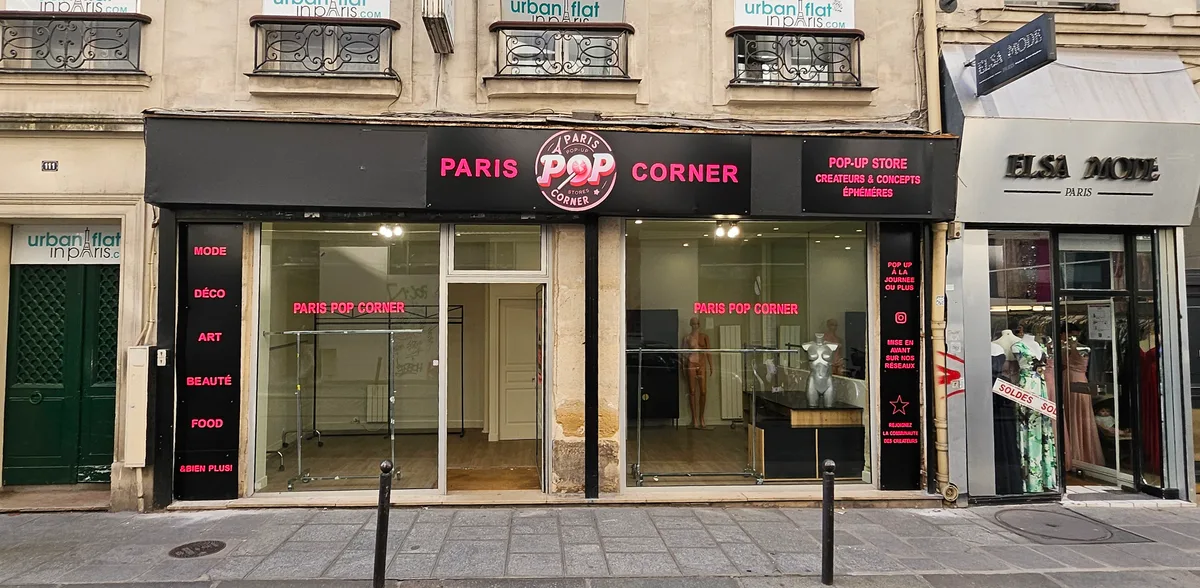
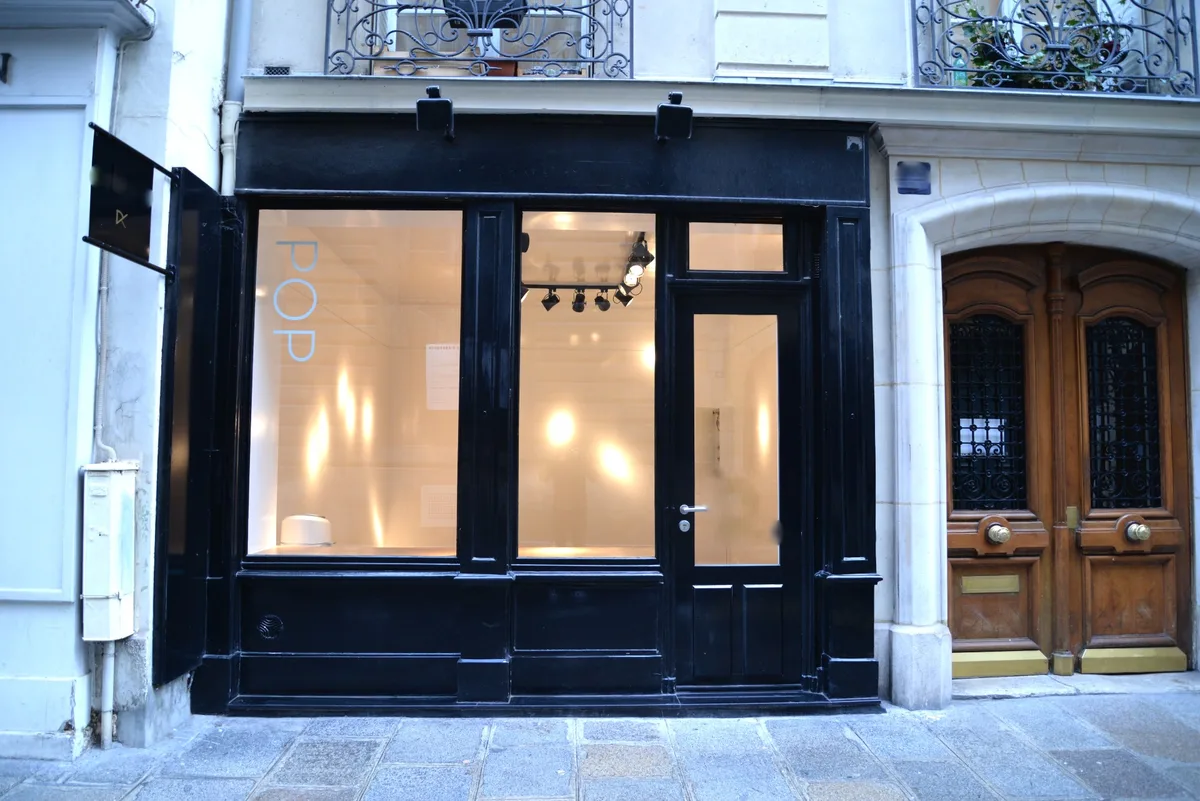
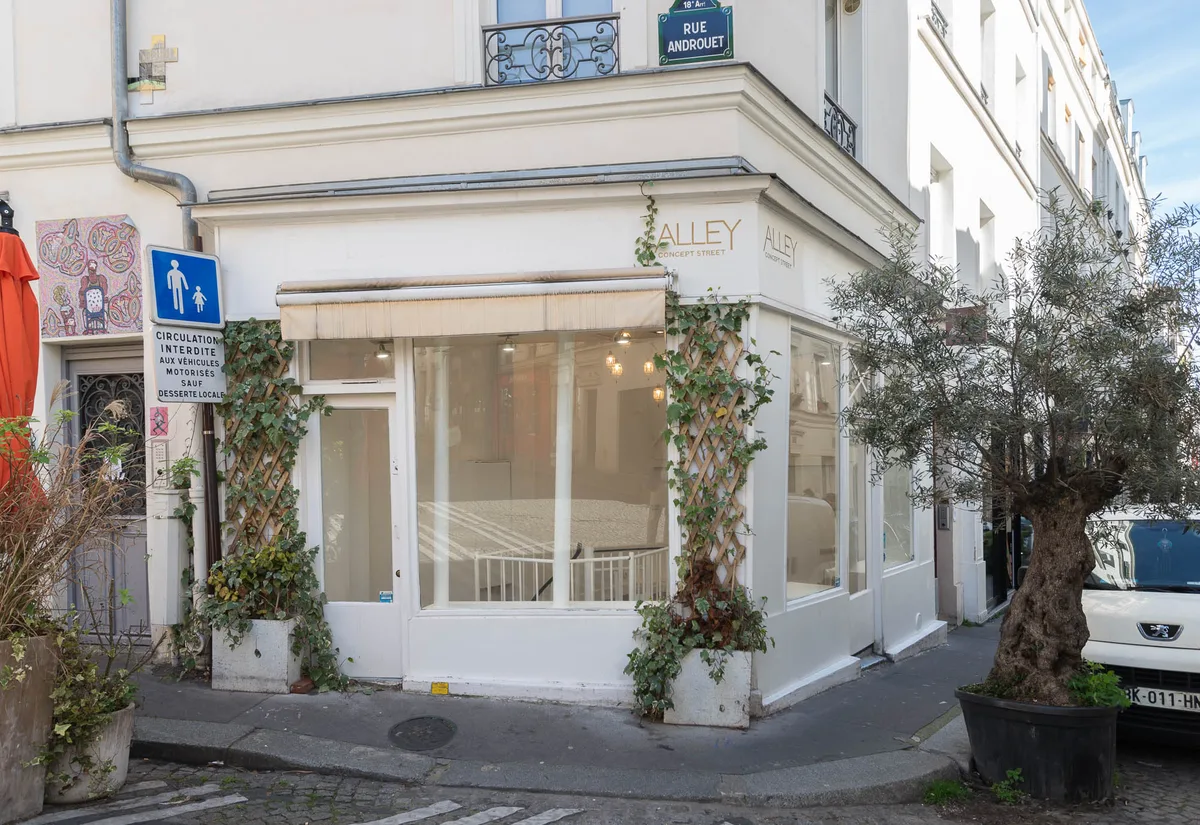
The architectural character of spaces in the 5th arrondissement is a significant draw. Many available units feature polished concrete floors, raw stone walls, tall ceilings, and natural lighting that suits editorial shoots, immersive retail environments, and gallery-style product presentations. Some spaces along Rue Saint-Jacques, Rue Cujas, and the side streets around Place du Panthéon include ground-floor storefronts with historic facades that are immediately compelling as social media backdrops.
DID YOU KNOW: Marie Curie, winner of the Nobel Prize in Chemistry and Nobel Prize in Physics, is the first and only woman to have been buried in the Pantheon on her own merits. The Pantheon now holds 81 great figures of French history, making it one of the most culturally significant sites in the City of Light.
KEY TAKEAWAY: The Pantheon district combines strong international tourism, a culturally engaged local population, and a neighbourhood identity rooted in heritage and design. For brands that prioritise editorial credibility, authentic Parisian positioning, and access to an international clientele without the commodity environment of mass retail corridors, the 5th arrondissement is a genuinely compelling activation location.
Understanding why this district works for temporary retail is the foundation. The next question is how to identify, evaluate, and secure the right space within it.
Types of Temporary Retail Spaces Available Near the Pantheon
Quick answer: Temporary retail spaces near the Pantheon include boutique storefronts on cultural streets, art gallery spaces that double as pop-up venues, design studios, fashion showrooms, apartment-level concept spaces, and studio properties suitable for both retail and content production, all available under short-term lease arrangements suited to Fashion Week windows.
The range of space types in and around the Pantheon district is broader than many brand teams expect when they first start searching. Commercial property listings on platforms like LoopNet, CoStar, or Peerspace will surface some options, but the most distinctive and available spaces in the 5th and 6th arrondissements often circulate through specialist networks, direct landlord relationships, and curated marketplaces oriented specifically toward brand activations.
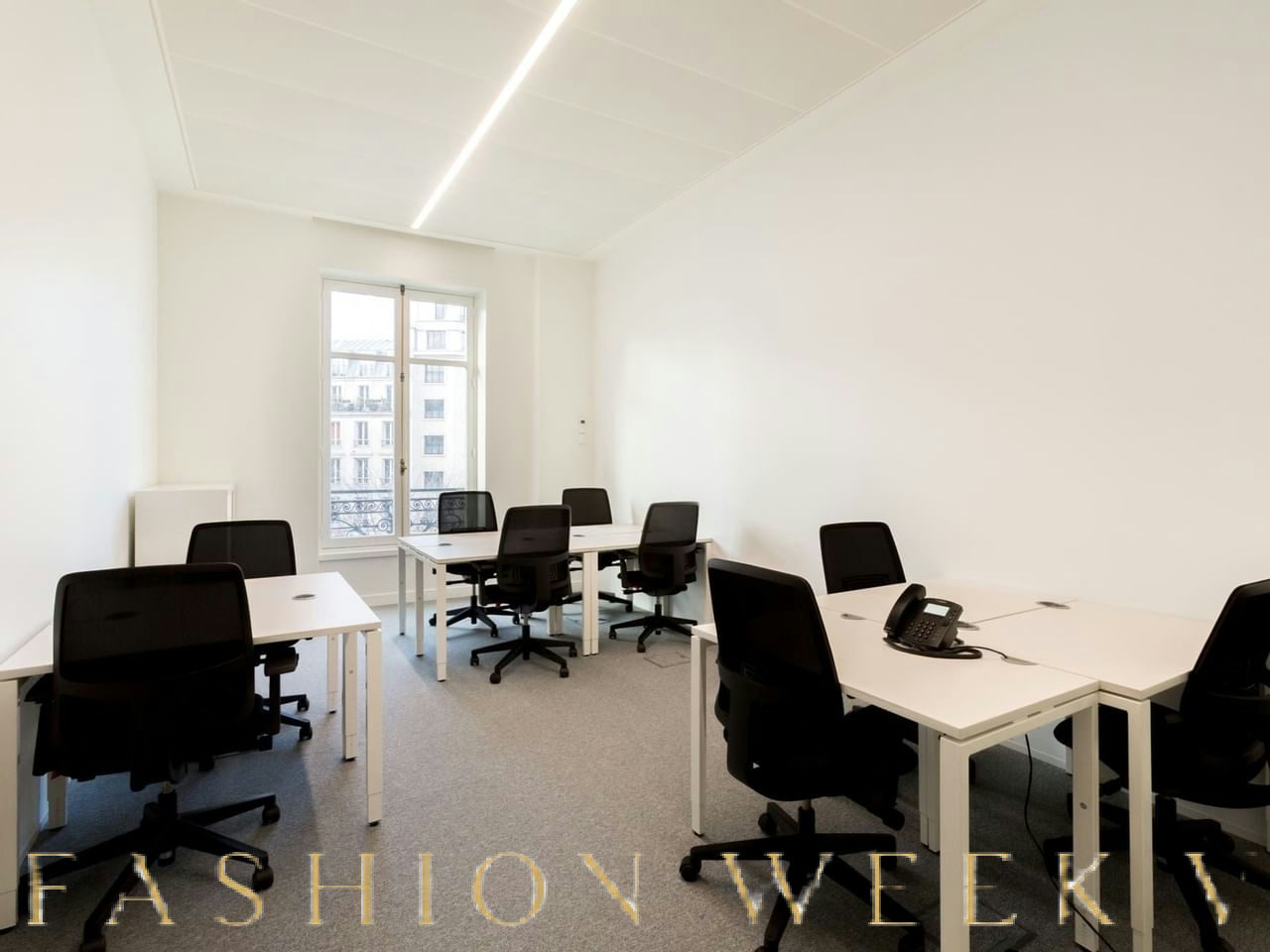
| Space Type | Typical Floor / Access | Key Space Features | Best For |
|---|---|---|---|
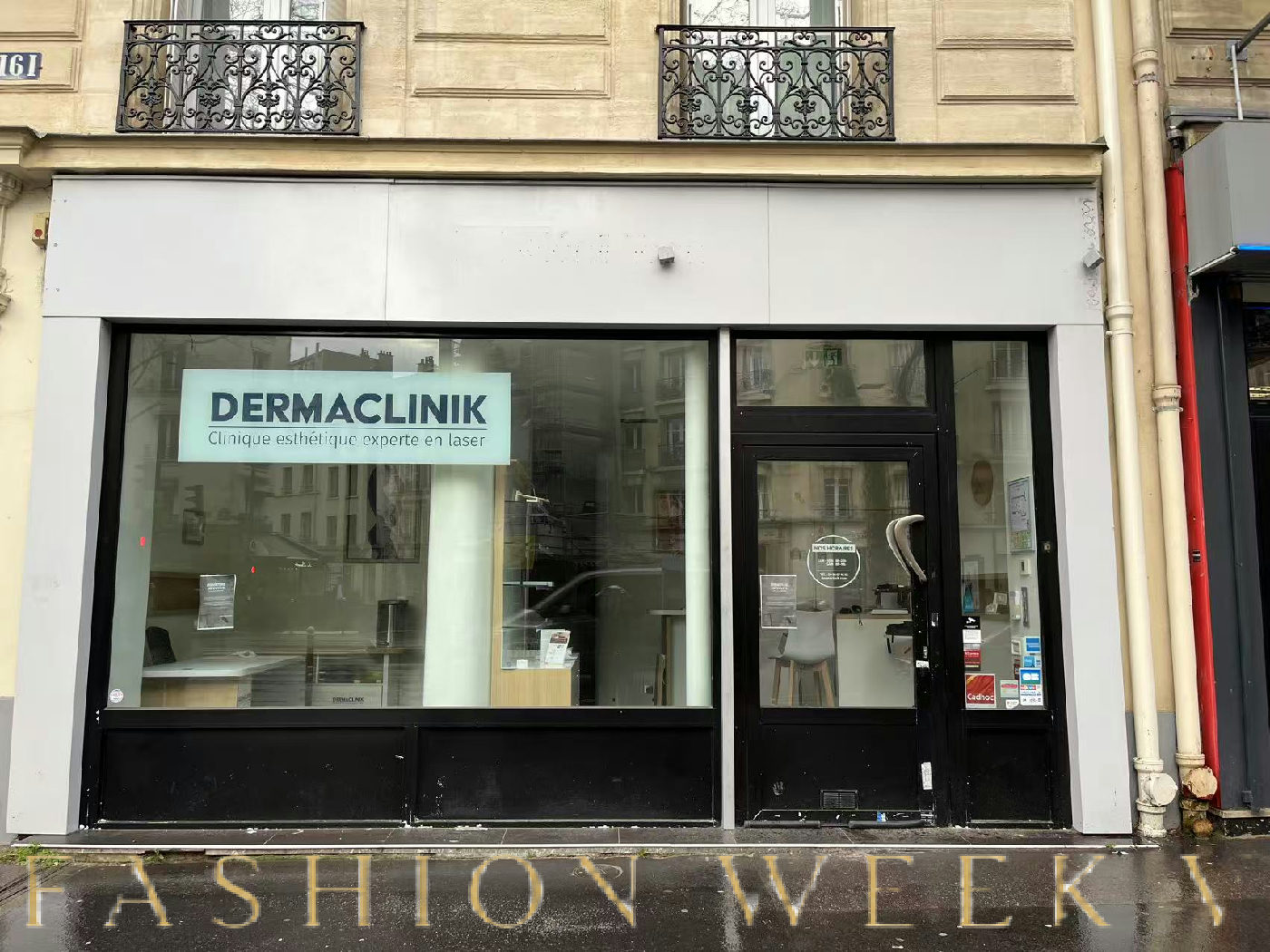
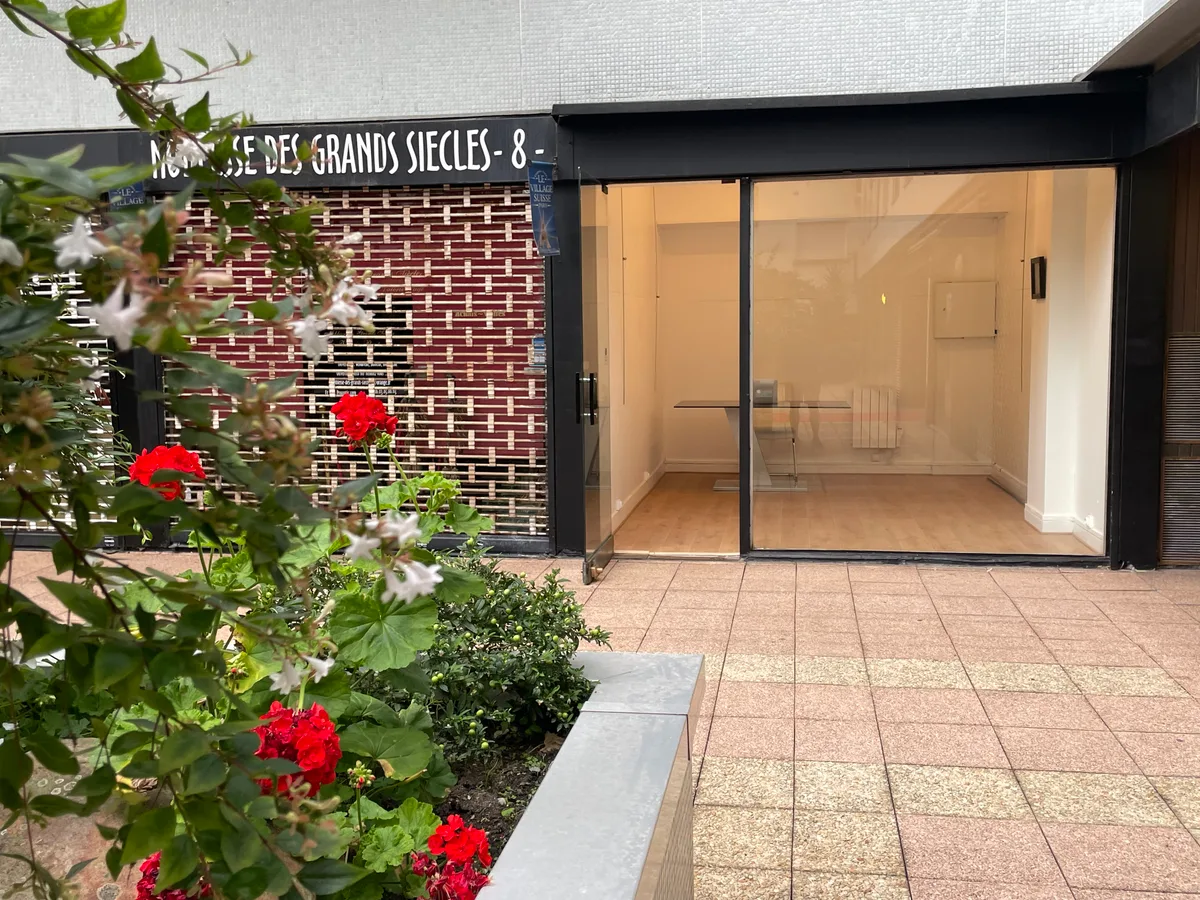
| Boutique Storefront | Ground floor, street-level | Shop window, direct foot traffic access, historic facade | Direct-to-consumer pop-up, capsule collection launch |
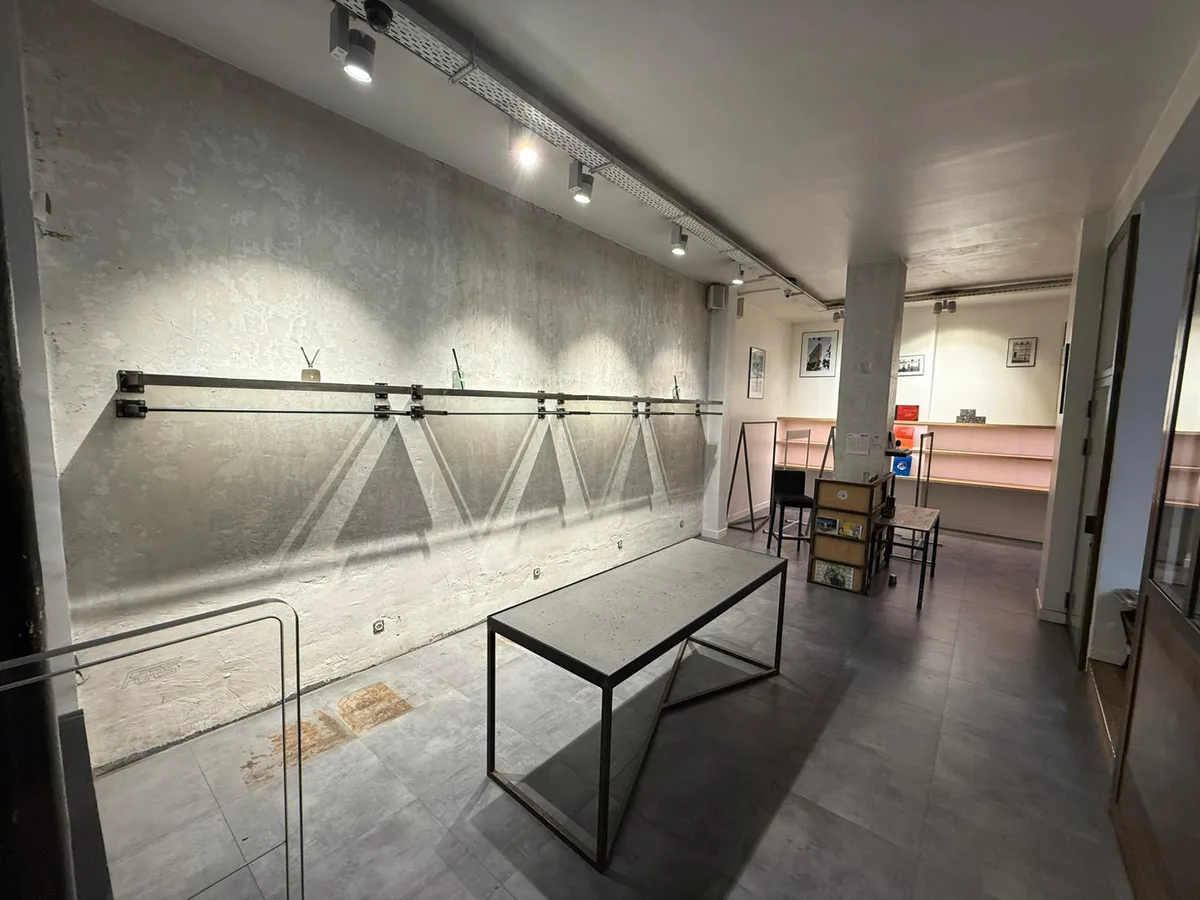
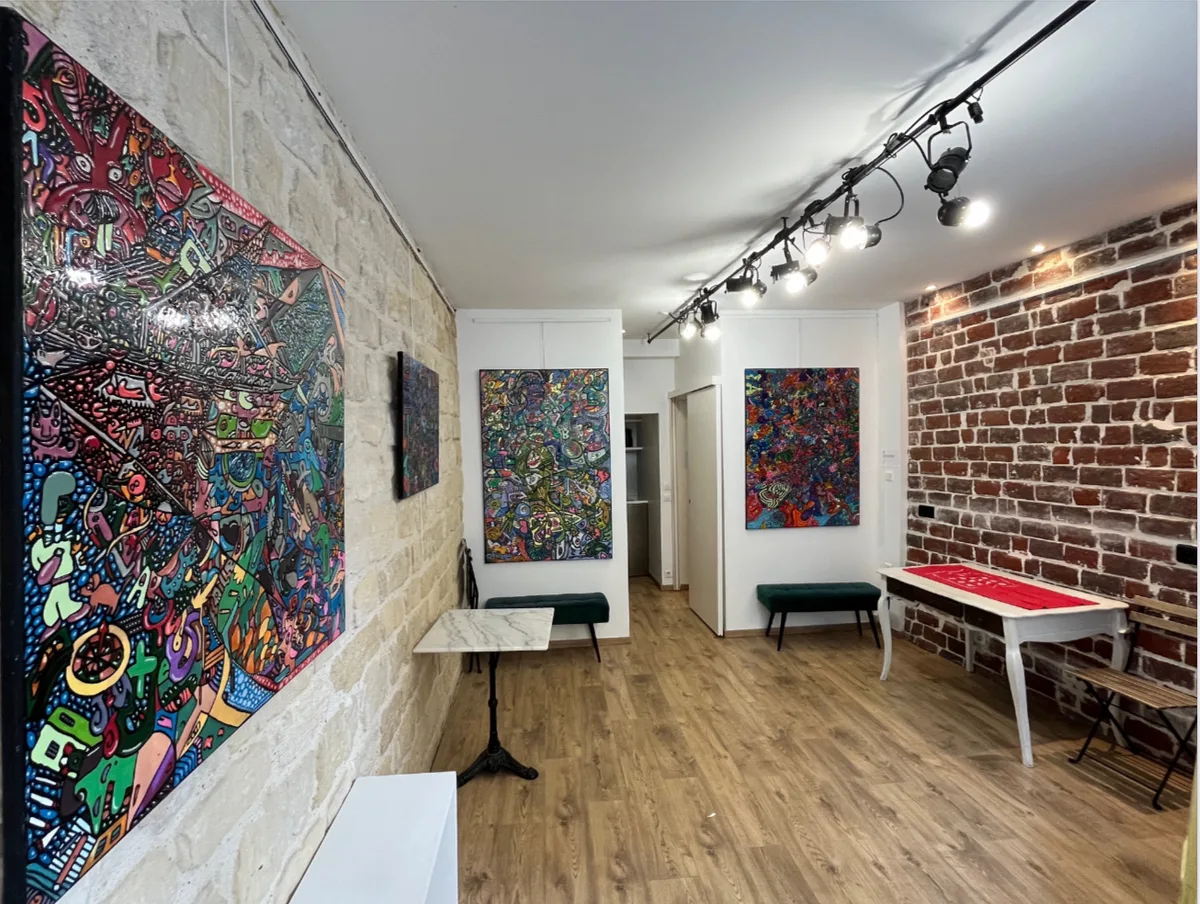
| Art Gallery Space | Ground or first floor | Track lighting, polished or raw concrete floors, open plan | Collection presentation, press preview, brand installation |
| Fashion Showroom | First or second floor | Neutral walls, spotlights, natural light, appointment access | Buyer appointments, press days, Fashion Week showroom |
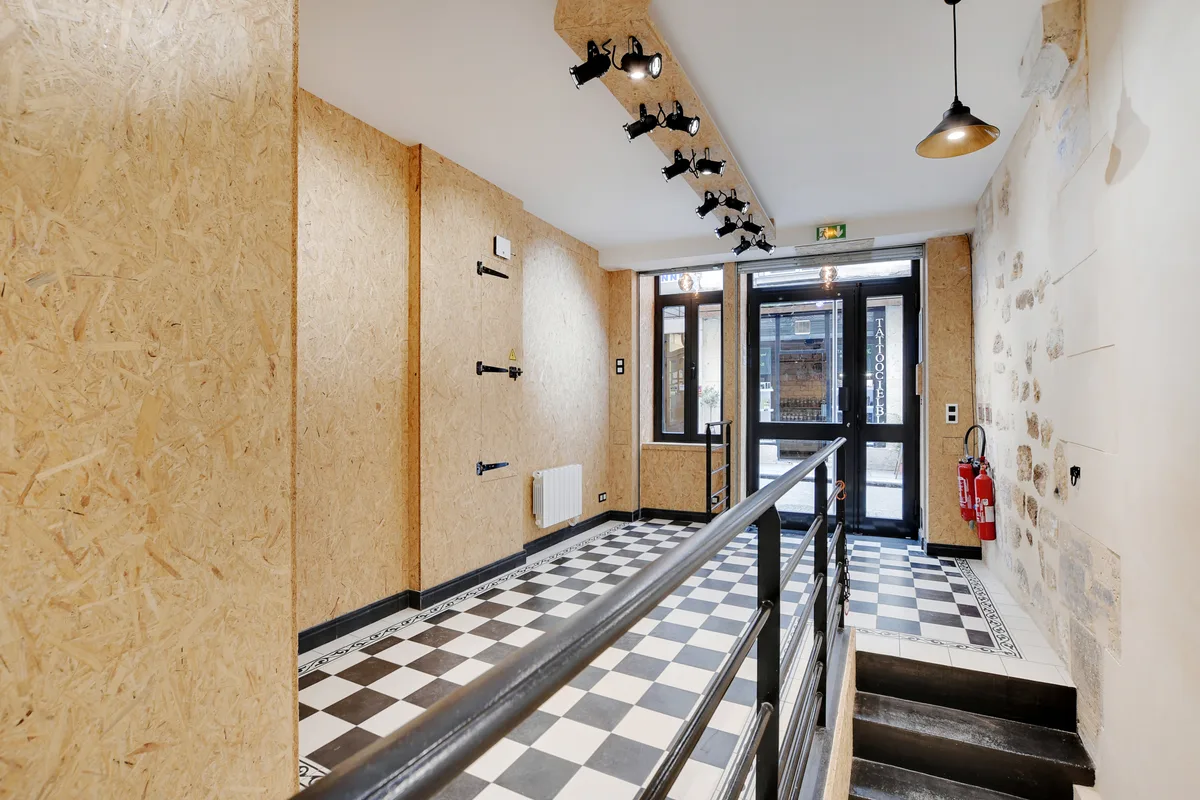
| Design Studio | First floor or mezzanine | Industrial detailing, tiled flooring, flexible layout | Creative activations, workshop events, brand storytelling |
| Studio Photo Space | Upper floors or garden level | High ceilings, neutral finish, controlled lighting rig | Editorial shoots, content creation, hybrid retail-studio |
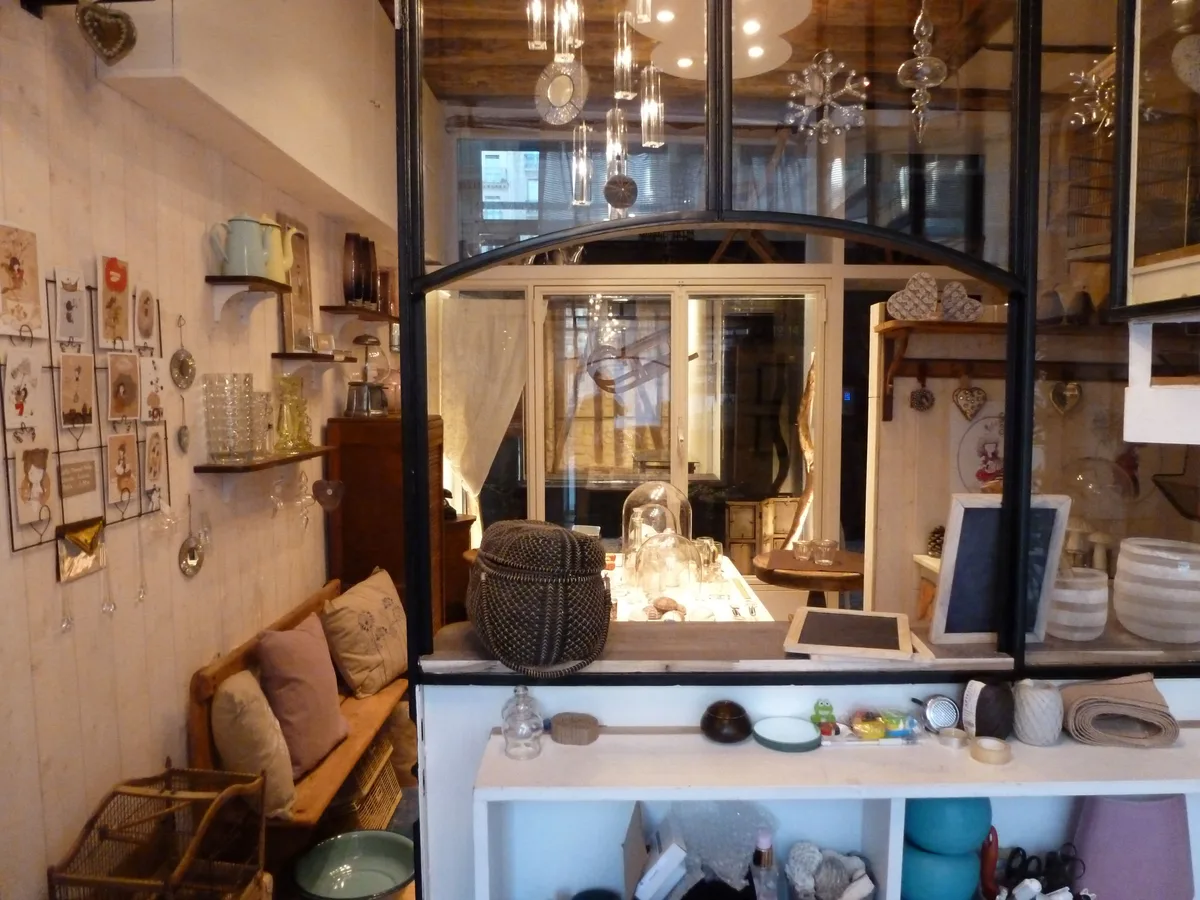
| Apartment-Format Concept Space | Second floor and above | Residential aesthetic, natural materials, intimate scale | Lifestyle brand activations, intimate press events, direct sales |
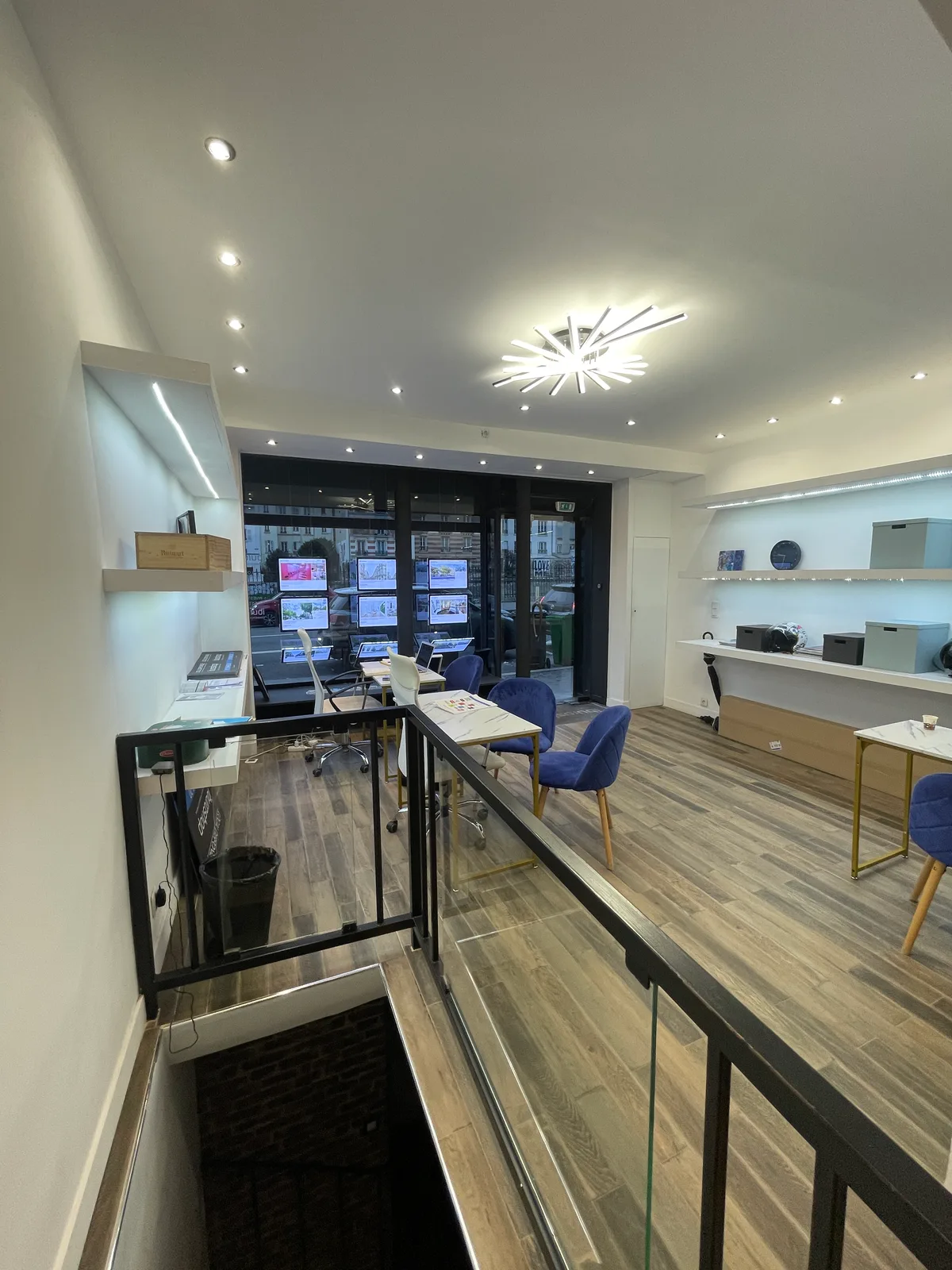
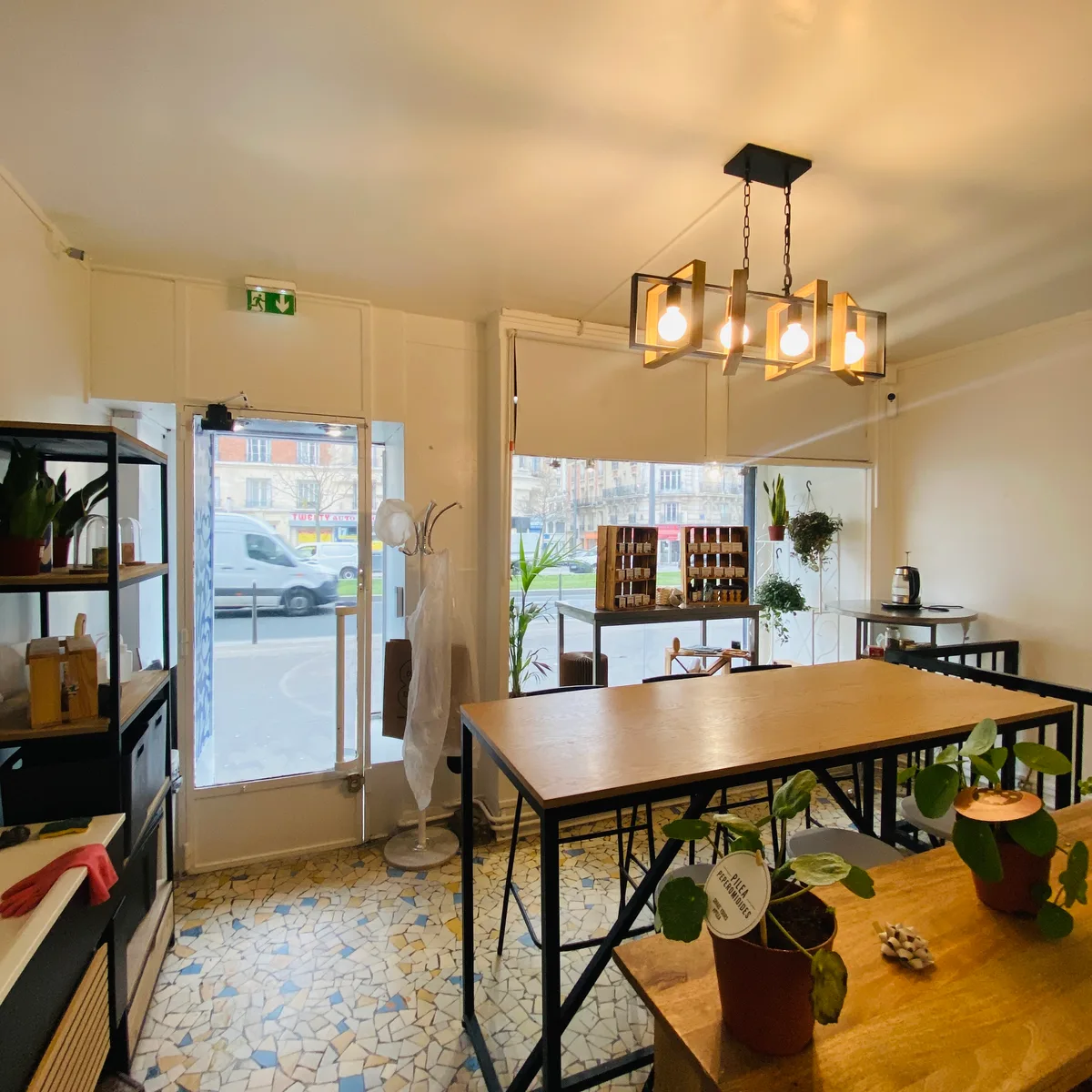
Among the most distinctive space features you will encounter in this district are raw concrete floors, polished concrete finishes, stone vaulted ceilings in older cellar-level units, steel pillars in converted industrial spaces, tiled flooring in pre-Haussmann buildings, and track lighting or spotlight configurations installed by previous gallery or boutique tenants. These features reduce the transformation effort required to create an editorial retail environment and contribute directly to the visual language of the activation.
The swing factor in the Pantheon district is architectural authenticity. Unlike spaces in the purpose-built retail corridors of the Golden Triangle or Rue de Rivoli, units here were not designed for transactional retail at scale. They were designed for habitation, scholarship, or artisan work. This means that brands willing to work with the architecture rather than against it can create environments that feel genuinely Parisian rather than generically commercial.
Gallery-format spaces deserve particular attention. The Latin Quarter has long been associated with independent art galleries, and a number of these operate hybrid models that include rental availability for brand activations between exhibition periods. Spaces of this type typically feature professional lighting rigs, clean white or neutral walls, polished concrete or hardwood floors, and a visitor-ready setup that reduces production time and cost significantly.
For brands prioritising a Fashion Showroom format rather than direct-to-consumer retail, the apartment-level spaces in the upper floors of Haussmann-era buildings near the Pantheon offer a residential intimacy that is highly appropriate for buyer appointments and press previews. These spaces often feature original parquet floors, tall windows overlooking courtyard gardens, and a lived-in elegance that communicates brand values more powerfully than a neutral white cube.
TIP: When evaluating a space near the Pantheon, assess the transformation cost carefully. A space that requires minimal fit-out to become retail-ready will deliver better ROI on a short-term lease than a raw commercial unit that needs significant construction work for a two-week activation window.
KEY TAKEAWAY: The Pantheon district offers a diverse range of temporary retail formats. Boutique storefronts, gallery spaces, fashion showrooms, design studios, and apartment-format concept spaces each serve different brand objectives. Matching the space type to the activation format is the most important early decision in any Paris pop-up project.
Once the space type is clear, the next priority is understanding the Paris retail calendar and how Fashion Week windows affect availability and positioning.
Paris Fashion Week Calendars and the Right Windows for Temporary Retail Near the Pantheon
Quick answer: Paris Fashion Week runs across multiple calendar windows each year, including Men's Fashion Week and Haute Couture Week in January, Womenswear Fashion Week in February and March, and Haute Couture and Womenswear again in June and September. Each window creates a distinct demand surge for temporary retail, showroom, and event spaces across all Parisian arrondissements.
Men's Fashion Week and Haute Couture Week are scheduled to take place in Paris from January 20 to 29, 2026. This window represents one of the earliest and most concentrated demand periods for temporary venue rental in Paris. Brands that plan to activate during this period need to begin their space search and lease negotiations well in advance, as quality spaces in desirable locations are typically confirmed months before the event dates.
The Pantheon district is not traditionally associated with the Fashion Week venue cluster that concentrates around Le Marais, the Palais Royal, the Tuileries, and the Opéra districts. However, this creates an opportunity rather than a disadvantage. During peak Fashion Week windows, spaces in Le Marais and the Golden Triangle face maximum competition and pricing pressure. Brands that choose the Pantheon district can secure superior space quality at more accessible rental rates while still being within reasonable transport distance of the central Fashion Week circuits.
The Latin Quarter's position relative to the rest of Paris is also worth understanding geometrically. The Pantheon sits at the summit of the Left Bank, roughly equidistant between the Louvre to the north and the southern boulevards. Saint-Germain-des-Prés is immediately to the west. The 6th arrondissement, which includes some of Paris's most celebrated independent fashion boutiques, wraps around the Pantheon district to the southwest. Brands activating in the 5th or 6th arrondissement can credibly serve both the Saint-Germain retail circuit and the Marais event cluster without being positioned in either.
Beyond Fashion Week, the Pantheon district maintains strong visitor numbers throughout the year due to consistent tourism to the monument itself. The Pantheon attracts visitors who have specifically sought out a cultural experience rather than a shopping trip, which means the ambient foot traffic around the monument has a different quality profile than the consumer traffic on Rue de Rivoli or Avenue des Champs-Elysées. For brands whose proposition aligns with culture, craft, heritage, or intellectual lifestyle, this ambient audience is genuinely valuable.
DID YOU KNOW: The Foucault pendulum installed inside the Pantheon's nave is one of the most famous demonstrations of the Galilean principle of Earth rotation in the world. This connection between the monument and scientific innovation gives the Pantheon a unique identity that extends beyond conventional cultural tourism.
The June Haute Couture and July calendar windows often attract a different brand profile to the January and March peaks. Brands in beauty, fragrance, jewellery, and lifestyle often use the summer windows to activate alongside the couture season when the fashion press is in Paris but the city is also hosting significant tourism. The Pantheon district performs particularly well in these summer windows because the monument itself draws peak visitor numbers from June through August.
KEY TAKEAWAY: Fashion Week windows create clear demand peaks for temporary retail in Paris, but the Pantheon district offers a credible alternative to the saturated Marais and Golden Triangle clusters. Brands should evaluate both the calendar window and the neighbourhood fit simultaneously rather than defaulting to the most obvious location.
Understanding the calendar is only part of the planning picture. The operational and legal dimensions of securing a temporary retail space in Paris require equally careful attention.
Permits, Leases, and Legal Requirements for Temporary Retail in Paris
Quick answer: Temporary retail spaces in Paris operate under specific short-term lease frameworks including the bail dérogatoire for durations up to 36 months and autorisation d'occupation temporaire arrangements for public or institutional spaces. Requirements vary by space type, duration, arrondissement, and intended commercial use, and specialist legal advice is strongly recommended before signing any agreement.
The French commercial property system is significantly different from short-term lease frameworks in the United Kingdom, the United States, or other major fashion capitals. The standard French commercial lease, known as the bail commercial, is a nine-year instrument with strong tenant protections that is entirely unsuitable for a two-week pop-up or a two-month Fashion Week showroom. Brands that approach Paris commercial property without understanding this framework risk committing to obligations they did not intend to accept.
The bail dérogatoire, sometimes called the bail précaire, is the correct instrument for most temporary retail activations. This short-term lease can be agreed for a period of up to 36 months without triggering the statutory protections of the full bail commercial. It gives both landlord and tenant a legally recognised framework for a time-limited occupation that ends definitively at the agreed date. However, the bail dérogatoire must be correctly drafted and must not be renewed in a way that would convert it into a standard commercial lease under French law.
For spaces in institutional or public buildings, the autorisation d'occupation temporaire (AOT) framework applies. This is a permission-based instrument issued by a public authority allowing temporary commercial use of a publicly owned space. AOTs are relevant for activations in or adjacent to municipally owned buildings, covered markets, or cultural institutions. Requirements, timelines, and conditions for AOT arrangements vary significantly by the relevant authority and must be verified directly with the institution or through a specialist advisor.
Beyond the lease instrument, temporary retail spaces in Paris require attention to several operational compliance areas. These include commercial registration requirements, particularly for brands without an existing French legal entity, VAT and fiscal registration for sales-generating activations, insurance requirements covering public liability and property damage, signage and facade modification rules governed by local urban planning (urbanisme) regulations, and access and fire safety compliance for spaces receiving members of the public.
IMPORTANT: Brands entering Paris for the first time often assume that operating a short-term pop-up does not require formal commercial registration in France. This assumption is incorrect in many cases. The Chamber of Commerce and Industry and the relevant tax authorities have specific requirements for commercial activity conducted in France, regardless of the duration of the activation. Requirements vary by the brand's country of incorporation and the nature of the commercial activity. Always verify with a qualified French legal or fiscal advisor before proceeding.
The question of whether you need a French legal entity to rent a space in Paris is one of the most common points of confusion for international brands. In many cases, a foreign entity can rent a short-term space using the bail dérogatoire framework without establishing a French subsidiary, but the specific conditions depend on the landlord's requirements, the nature of the commercial activity, and any tax treaty provisions applicable to the brand's country of origin. This is a legal question that requires professional advice rather than general guidance.
The permit guidance tool on Fashion Week Venues offers a structured starting point for understanding the regulatory landscape for temporary retail in Paris, including permit types, common requirements by space category, and the questions to ask before signing any agreement. It does not replace professional legal advice but provides a useful framework for initial planning.
KEY TAKEAWAY: French commercial property law is complex and does not map neatly onto short-term retail frameworks in other countries. The bail dérogatoire is the correct instrument for most temporary retail activations, but it must be correctly drafted and professionally advised. Never assume that a short duration makes the legal requirements simpler or less consequential.
With the legal framework understood, brands can move to the practical question of planning the activation itself, including the timeline, budget, and production decisions that determine whether the project delivers on its objectives.
Planning a Pop-Up Store or Showroom Near the Pantheon: Timeline, Budget, and Production
Quick answer: A well-planned temporary retail activation near the Pantheon Paris typically requires a minimum of eight to twelve weeks of planning for a Fashion Week window, covering space identification, lease negotiation, permit applications, fit-out design, production, staffing, and marketing. Budget ranges vary significantly by space size, fit-out scope, duration, and service requirements.
The planning timeline for a Paris pop-up activation is one of the most consistently underestimated variables in the process. Brands that begin their search six weeks before a Fashion Week window will find that most quality spaces in the 5th and 6th arrondissements have already been committed. The competitive demand during peak windows means that space identification and lease negotiation ideally begin three to four months before the intended activation date.
| Planning Phase | Recommended Lead Time Before Activation | Key Actions |
|---|---|---|
| Brief and objectives | 16 to 20 weeks | Define space type, arrondissement preference, size requirement, budget envelope, calendar window |
| Space search and shortlisting | 14 to 16 weeks | Review marketplace listings, arrange viewings, evaluate foot traffic and fit-out condition |
| Lease negotiation and legal review | 10 to 14 weeks | Agree terms, review bail dérogatoire with French legal advisor, sign and deposit |
| Permit applications | 8 to 12 weeks | Submit relevant permit applications for signage, facade works, and public occupancy if required |
| Concept and design development | 8 to 10 weeks | Finalise spatial concept, confirm materials and furniture, brief production team |
| Production and fit-out | 4 to 6 weeks | Order materials, confirm installation dates with landlord, coordinate logistics |
| Installation and build | 1 to 2 weeks before opening | On-site construction, furniture delivery, POS installation, lighting programming |
| Staffing and training | 1 week before opening | Brief retail staff, familiarise with POS and payments, prepare opening protocols |
| Opening and activation management | Activation period | Daily operations, data capture, customer experience management, influencer coordination |
| De-installation and reinstatement | Within agreed lease end window | Remove all fit-out, reinstate space to agreed condition, return keys and confirm deposit release |
Budget planning for a temporary retail space near the Pantheon involves several distinct cost categories that each brand team must account for separately. The rental cost of the space itself is only one component. Fit-out and production, which covers everything from the physical transformation of the space to furniture rental, lighting, signage, and any specialist construction work, often represents a larger share of total project cost than the space rental itself.
Additional cost categories include staffing, POS and payment systems, insurance, permit fees, logistics and transport, influencer and marketing activity, audioguides or digital kiosks for immersive experience elements, content creation during the activation, and post-activation data analysis. Brands that plan only for the space rental cost regularly encounter significant budget overruns when the full operational picture emerges during production.
The budget planning tool on Fashion Week Venues provides a structured framework for estimating total project cost across all major categories based on space size, duration, location, and service scope. This is particularly useful for brand teams approaching their first Paris activation who do not yet have reference costs from previous projects.
TIP: When comparing two spaces at different rental rates, model the total project cost for each option including fit-out complexity before making a decision based on rent alone. A space that costs more per week in rent but requires minimal transformation may deliver a lower total project cost than a cheaper space that needs significant production investment.
For brands interested in sharing the cost and risk of a Paris activation, the Fashion Week Venues twin co-activation concept allows two complementary brands to share a single space, splitting venue and production costs while occupying distinct zones within the space. This model works particularly well for Fashion Showroom activations where two brands in adjacent but non-competing categories share press days and buyer appointment windows.
KEY TAKEAWAY: Successful Paris pop-up activations near the Pantheon require a minimum of eight to twelve weeks of planning, ideally longer for Fashion Week windows. Budget planning must cover all operational categories, not just space rental, and the total project cost across fit-out, staffing, permits, and marketing often significantly exceeds the rental cost alone.
With the planning framework clear, it is worth understanding how the Pantheon district compares to other Paris neighbourhoods for temporary retail, and how to make a well-informed choice between location options.
Comparing Paris Neighbourhoods for Temporary Retail: Pantheon, Marais, Saint-Germain, and Beyond
Quick answer: Each Paris arrondissement and neighbourhood offers a different combination of foot traffic volume, space type availability, rental cost, brand positioning associations, and logistical characteristics. The right neighbourhood for a temporary retail activation depends on the brand's target audience, activation format, budget, and communication objectives rather than on a single universal ranking.
Paris is a city of distinct neighbourhoods, each with a well-understood identity that brands absorb by association when they activate within them. Choosing between the Pantheon district, Le Marais, Saint-Germain-des-Prés, the Golden Triangle, Montmartre, Pigalle, the Palais Royal, or the Opéra district is fundamentally a strategic decision, not just a logistical one.
| Neighbourhood | Arrondissement | Brand Positioning Association | Typical Space Type | Foot Traffic Profile |
|---|---|---|---|---|
| Pantheon / Latin Quarter | 5th | Culture, heritage, intellectual lifestyle, authenticity | Boutique storefront, gallery, apartment concept space | International tourists, students, culturally engaged Parisians |
| Saint-Germain-des-Prés | 6th | Established luxury, independent fashion, art, publishing | Boutique, gallery, concept store | Affluent Parisians, international luxury shoppers |
| Le Marais | 3rd and 4th | Fashion-forward, creative, diverse, contemporary | Gallery, showroom, loft, converted courtyard | Fashion week press, international visitors, young Parisians |
| Golden Triangle | 8th | Ultra-luxury, heritage maison, flagship positioning | Haussmann storefront, hotel space, private salon | High-net-worth international shoppers, luxury tourists |
| Palais Royal | 1st | Architectural distinction, emerging luxury, editorial | Arcade unit, gallery, concept store | Fashion insiders, cultural visitors, Parisian professionals |
| Montmartre / Pigalle | 18th | Creative, independent, street culture, beauty | Studio, gallery, independent boutique | Young creatives, international visitors, music and art community |
| Opéra / Grands Boulevards | 9th | Commercial volume, department store adjacency | Retail unit, gallery, event space | High-volume mixed tourists and Parisian shoppers |
The Marais is the most competitive neighbourhood for Fashion Week activations in Paris. Spaces in Le Marais, particularly around Rue des Archives, Rue du Temple, and the design-forward streets of the 3rd arrondissement, are highly sought after during both Men's Fashion Week in January and Womenswear Fashion Week in March. The concentration of showrooms, galleries, and concept stores in this area means that during Fashion Week, the Marais functions as an unofficial festival of brand activations, with editors, buyers, and press moving between venues within a compact geographic area.
Saint-Germain-des-Prés, immediately to the west of the Pantheon district, offers some of the most prestigious independent boutique addresses in Paris. Rue de Grenelle, Rue du Dragon, and the streets around Boulevard Saint-Germain carry brands including established independent fashion labels, jewellery designers, and niche fragrance houses. For brands that want a Saint-Germain postal address and the positioning that comes with it, spaces in the 6th arrondissement adjacent to the Pantheon district are worth including in any shortlist.
The Palais Royal represents a particular editorial and architectural opportunity. The arcades of the Palais Royal have historically attracted a mix of independent jewellers, fashion brands, and specialist concept stores that benefit from the protected, car-free environment and the extraordinary architectural backdrop. During Fashion Week, the Palais Royal is consistently cited as one of the most photographed and socially shared retail environments in Paris.
To compare neighbourhoods and space types, explore the Paris city hub on Fashion Week Venues and shortlist spaces that match your brief, budget, and calendar window.
KEY TAKEAWAY: Neighbourhood selection for a Paris pop-up is a strategic decision with long-term brand positioning implications. The Pantheon district offers authenticity, cultural cachet, and architectural quality at a different competitive intensity to the Marais or Golden Triangle. Brands should map their target audience and activation objectives against neighbourhood identity before committing to a location.
Understanding what Fashion Week Venues specifically offers to brands navigating this process is the next practical step.
How Fashion Week Venues Supports Pop-Up and Showroom Activations Near the Pantheon
Fashion Week Venues operates as a full-service pop-up shop agency and space marketplace with Paris as its primary market. For brand teams seeking temporary retail space near the Pantheon, the agency offers a structured combination of space discovery, legal and logistical guidance, and end-to-end activation services that reduce the complexity of executing a Paris activation from outside France.
The starting point for most brands is the venue sourcing service, which identifies and qualifies spaces in the 5th and 6th arrondissements and across Paris based on the brand's brief, calendar window, size requirement, space type preference, and budget envelope. Rather than browsing generic commercial property databases, brands benefit from a curated shortlist of spaces that have already been assessed for suitability as temporary retail or showroom environments.
Beyond space sourcing, Fashion Week Venues provides a full range of activation services relevant to the Pantheon district context. The concept direction service develops the spatial and brand narrative for the activation, translating the brand's creative brief into a specific spatial concept that works within the chosen building's architectural character. The production and build service covers the physical transformation of the space, including fit-out, furniture procurement, lighting, signage, and any bespoke construction elements.
Operational services include retail staffing for brands that need French-speaking, fashion-literate staff for the activation period, POS and payment systems installation and management, and activation management covering the day-to-day running of the pop-up or showroom. For brands that want to extend the reach of the activation beyond the physical space, the influencer marketing service coordinates with relevant Parisian and international creators to amplify the brand's presence on social media during and after the activation window.
The agency's tool suite allows brand teams to model and plan the activation independently before engaging the full service offering. The ROI calculator helps brands quantify the expected return from a Paris activation based on projected traffic, conversion assumptions, and average transaction values. The timeline tool maps the full planning process to a calendar based on the target activation date, identifying the critical path milestones that must be hit to execute on time. The space comparison tool allows teams to evaluate multiple shortlisted spaces side by side across key decision criteria.
For brands who have identified a specific neighbourhood but are uncertain which streets and specific locations offer the best combination of foot traffic, architectural character, and space availability, the space locator tool provides a geographic view of available spaces within the target area.
It is important to understand what the agency does not guarantee. Fashion Week Venues can source, negotiate, produce, and manage activations to a high standard, but space availability in the Pantheon district during peak Fashion Week windows is genuinely limited, and popular spaces are committed months in advance. Permit approvals are subject to the relevant French authorities and cannot be guaranteed by any agency. Results from activations, including foot traffic volumes and sales conversion, depend on the brand's own product, marketing, and pricing decisions in addition to the space and service inputs provided.
Brands considering whether to use an agency for a Paris pop-up can find a structured decision framework in the guide to hiring a pop-up agency, which covers the questions to ask, the criteria to evaluate, and the service models available in the market.
KEY TAKEAWAY: Fashion Week Venues provides a structured, end-to-end service model for brands seeking temporary retail and showroom space in Paris, including the Pantheon district. The combination of space sourcing, production, staffing, and operational management reduces the complexity of executing a Paris activation from outside France, but brands should understand the realistic scope and limits of what any agency can guarantee.
Digital Platforms, Commercial Property Listings, and Finding Spaces Near the Pantheon
Quick answer: Temporary retail spaces in Paris are listed across multiple platforms including commercial real estate databases, specialist pop-up space marketplaces, broker networks, and direct landlord channels. No single platform captures the full market, and the most distinctive spaces in the Pantheon district often require direct network access rather than broad-market search tools.
The commercial real estate search landscape for Paris includes several categories of platform, each with different strengths and limitations for brands seeking short-term retail space.
General commercial property platforms such as LoopNet and CoStar aggregate investment properties, long-term commercial leases, and some short-term listings across major markets including France. These platforms are useful for understanding the broader market context and for identifying landlords and brokers active in the Pantheon district, but their inventory for short-term pop-up and showroom rentals in the 5th and 6th arrondissements is inconsistent and frequently incomplete.
Specialist pop-up space platforms including Peerspace and general event space marketplaces list a wider range of short-term options, including apartments, studios, galleries, and creative spaces in Paris. The quality and completeness of listings on these platforms varies considerably, and not all listed spaces are genuinely suitable for commercial retail use without verifying compliance requirements with the relevant authorities.
Broker professionals working in the Paris retail property market represent another channel, particularly for spaces in the Golden Triangle, Place Vendôme, and the established luxury corridors. However, broker-only access is not the only route to quality spaces, and the commission structures associated with broker-sourced spaces can add meaningful cost to a short-term activation budget.
The Fashion Week Venues marketplace is a curated channel specifically oriented toward brand activations, pop-up stores, showrooms, and temporary retail in Paris and other fashion capitals. Spaces listed on the Fashion Week Venues marketplace have been assessed for suitability as activation venues, and the platform is designed around the decision criteria that matter most to brand teams rather than the investment property metrics that dominate general commercial real estate platforms.
When searching for spaces in the Pantheon district specifically, brand teams should pay attention to several practical factors that are often absent from standard commercial property listings. These include the building's access restrictions for deliveries and fit-out equipment, the availability of loading areas on Rue Soufflot and surrounding streets, the proximity of the space to the monument's main visitor routes, the condition of the space's existing lighting and electrical infrastructure, and the landlord's experience with and tolerance for temporary commercial tenants and the associated brand activation activity.
TIP: When reviewing listings for spaces near the Pantheon, always verify the space's historical use and any restrictions on commercial retail activity imposed by the building's co-ownership regulations (règlement de copropriété) or the local urbanisme authority. Some buildings in the 5th arrondissement have use restrictions that affect what commercial activity is permissible at the ground floor or upper floor level.
KEY TAKEAWAY: No single digital platform offers complete visibility of temporary retail spaces near the Pantheon. Combining curated marketplace access, direct landlord relationships, and specialist agency networks gives brand teams the broadest view of available options and the best chance of securing a space that matches both the activation brief and the logistical requirements of a Paris production.
The Cultural and Historical Identity of the Pantheon District and What It Means for Brand Activations
Quick answer: The Panthéon de Paris is a neoclassical monument housing the tombs of France's greatest cultural and intellectual figures, including Voltaire, Rousseau, Victor Hugo, Emile Zola, Marie Curie, and Josephine Baker. This identity creates a unique ambient culture in the surrounding streets that brands can align with to communicate values of heritage, innovation, craft, and cultural significance.
The Pantheon was originally commissioned as a church dedicated to Sainte-Geneviève, the patron saint of Paris, and was transformed during the Revolution into a secular mausoleum for great French citizens. Its nave, measuring 110 metres in length, its dome visible from much of the Left Bank, and its crypt containing the remains of figures who shaped French and world history, give the surrounding streets an atmosphere unlike any other commercial district in Paris.
The figures buried in the Pantheon represent a remarkable breadth of cultural achievement. Voltaire, one of the most important figures of the French Enlightenment, was among the first to be interred. Marie Curie, a pioneer of radioactivity research and winner of the Nobel Prize in Chemistry as well as the Nobel Prize in Physics, became the first woman inducted on her own merits. Victor Hugo, whose work defined an era of French literature. Josephine Baker, the first Black woman to receive the honour. Most recently, Marc Bloch and Simonne Vidal were inducted in a ceremony that prompted fresh debate about gender representation among the 81 figures currently honoured, a conversation that continues with the question of why so few women have been admitted to the Pantheon's highest honour.
For brands, this cultural density creates a clear brief: activations in the Pantheon district should feel earned rather than imposed. The neighbourhood does not respond well to brands that simply paste their aesthetic onto it without genuine engagement with the cultural environment. The brands that succeed here are those that identify a genuine connection between their proposition and the values that the Pantheon embodies: innovation, cultural contribution, intellectual rigour, and a commitment to leaving a lasting mark.
The architectural language of the Pantheon itself, neoclassical columns, grand proportions, stone detailing, and the dramatic internal lighting of the nave, provides a visual vocabulary that many brands find useful as a reference point for their activation concept. Spaces in the surrounding streets that echo this vocabulary through their own architectural character, whether through stone facades, high ceilings, or classical proportions, can extend the Pantheon's visual identity into the brand's activation environment.
For brands in fashion, beauty, design, and publishing, the intellectual and cultural associations of the Latin Quarter create a powerful editorial context. Press coverage, social media content, and influencer documentation of an activation set against the backdrop of the Pantheon carries associations that equivalent activations in purely commercial districts cannot generate. The monument's audioguides, digital kiosks, and visitor engagement infrastructure signal to visitors that this is a place where depth of experience is expected, and brands that meet that expectation will be remembered and shared.
The cultural identity of the district also extends to its living institutions. The Sorbonne, the oldest university in France, is immediately adjacent. The Ecole Normale Superieure is nearby. The concentration of academic publishing houses, independent bookshops, and cultural associations in the area creates an audience that appreciates craft, concept, and storytelling in brand environments far more than transactional retail mechanics.
KEY TAKEAWAY: The cultural and historical identity of the Pantheon district is a brand asset as well as a context. Activations that engage genuinely with the area's intellectual and heritage identity will generate stronger editorial, social, and audience resonance than those that treat the location as simply another available address in Paris.
Common Myths About Temporary Retail Space Near the Pantheon Paris
MYTH: You need a French legal entity to rent temporary retail space in Paris.
FACT: Many international brands have successfully rented short-term retail and showroom spaces in Paris without establishing a French subsidiary, using the bail dérogatoire framework under which foreign entities can be party to a lease agreement. However, specific conditions depend on the landlord's requirements, the nature of the commercial activity, and applicable tax treaty provisions. This is a legal question that must be verified with a qualified French advisor for each specific situation.
MYTH: Paris Fashion Week is the only viable window for a temporary retail activation in Paris.
FACT: Paris receives significant international tourism throughout the year, and the Pantheon district in particular benefits from strong visitor numbers from April through October due to cultural tourism. Fashion Week windows create concentrated demand from industry insiders, but consumer-facing activations can perform strongly outside these windows when competing for space and attention is less costly and operationally simpler.
MYTH: Commission brokers are the only way to find quality temporary retail space near the Pantheon.
FACT: While broker networks provide access to some spaces, particularly in the high-demand corridors of the Golden Triangle and Place Vendôme, a significant portion of quality temporary retail spaces in the Pantheon district and across the Latin Quarter are accessible through curated marketplaces, specialist agencies, and direct landlord relationships that do not involve broker commissions. Brands should evaluate multiple sourcing channels before defaulting to broker-only access.
MYTH: Short-term leases in France are legally straightforward and require minimal specialist input.
FACT: The French commercial property system is significantly more complex than many international brands expect. The bail dérogatoire must be correctly drafted to avoid inadvertently triggering the statutory protections of the full bail commercial, which would convert a short-term arrangement into a nine-year commitment. Urban planning restrictions, co-ownership regulations, and permit requirements add further complexity. Professional legal advice is not optional for brands entering the Paris market, regardless of the duration of the planned activation.
MYTH: The Pantheon district is too quiet for retail to generate meaningful foot traffic.
FACT: The Panthéon de Paris attracts hundreds of thousands of visitors annually, and the surrounding streets on Rue Soufflot, Place du Panthéon, and the connecting routes to Saint-Germain-des-Prés carry consistent pedestrian traffic throughout the year. While the district does not generate the transactional volume of Rue de Rivoli or the Galeries Lafayette corridor, the quality and profile of its foot traffic, international, culturally engaged, with high average spend potential, is genuinely valuable for brands with a well-matched proposition.
Frequently Asked Questions About Temporary Retail Space Near the Pantheon Paris
What types of temporary retail spaces are available near the Pantheon in Paris?
The area around the Panthéon de Paris in the 5th arrondissement offers a range of space types suited to temporary retail and brand activations. These include boutique storefronts on Rue Soufflot and surrounding streets, gallery-format spaces used by art dealers and available between exhibitions, apartment-level concept spaces in Haussmann-era buildings, design studios and photography studios available on short-term arrangements, and fashion showroom spaces suitable for buyer appointments and press days. Each format serves different brand objectives, and the right choice depends on whether the activation is consumer-facing, trade-facing, or oriented primarily toward editorial content generation.
How far in advance should I start looking for a pop-up space near the Pantheon for Paris Fashion Week?
For activations during Paris Fashion Week windows, including Men's Fashion Week and Haute Couture Week in January, Womenswear Fashion Week in February and March, and the summer Haute Couture season in June and July, brands should begin their space search a minimum of twelve to sixteen weeks before the intended activation date. Quality spaces in the Latin Quarter and the adjacent 6th arrondissement are typically confirmed by landlords several months in advance, particularly during peak calendar windows. Starting the process too late is the single most common cause of brands settling for unsuitable spaces or missing their preferred neighbourhood entirely.
Do I need a French company to rent a temporary retail space in Paris?
Many international brands have rented short-term spaces in Paris without a French legal entity by using the bail dérogatoire framework. However, specific requirements depend on the individual landlord, the nature of the commercial activity, the brand's country of incorporation, and applicable tax treaty provisions between France and the brand's home jurisdiction. Commercial activity conducted in France may also trigger registration or tax filing obligations regardless of the brand's legal structure. This is a question that requires advice from a qualified French legal or fiscal professional for each specific situation rather than a general yes or no answer.
What is a bail dérogatoire and how does it apply to pop-up retail in Paris?
The bail dérogatoire, also known as the bail précaire, is a short-term commercial lease instrument under French law that allows landlords and tenants to agree a time-limited occupancy of up to 36 months without triggering the statutory protections that apply to the standard nine-year bail commercial. It is the appropriate legal framework for most pop-up, showroom, and short-term retail activations in Paris. The document must be correctly drafted, the parties must be clearly identified, and the arrangement must not be renewed in a way that converts it into a standard commercial lease. Professional legal advice is strongly recommended before signing any bail dérogatoire agreement in France.
What is the approximate cost of renting a temporary retail space near the Pantheon?
Rental costs for temporary retail spaces in the 5th and 6th arrondissements vary significantly based on space size, floor level, condition, duration, season, and the level of demand during the target window. Prices during Fashion Week periods typically reflect a premium over non-peak windows. Beyond the headline rental cost, brands must budget for fit-out and production, staffing, insurance, permits, POS and payment systems, logistics, and marketing. The total project cost is typically substantially higher than the space rental cost alone. For a brand-specific cost estimate covering all project categories, the budget planning tool on Fashion Week Venues provides a structured starting framework.
What permits do I need for a pop-up store near the Pantheon in Paris?
Permit requirements for a temporary retail space near the Pantheon depend on the specific activities planned, the building type, the duration of the activation, and the local urban planning regulations applicable to the specific address. Common permit categories include authorisations for temporary exterior signage, facade modifications, public occupancy for consumer-facing events, and in some cases, commercial activity registration. Requirements are not uniform across all spaces or all arrondissements and must be verified for each specific project. The permit guidance tool on Fashion Week Venues offers a useful framework for understanding the regulatory landscape, but it does not replace professional legal advice.
How does the Pantheon district compare to Le Marais for a Fashion Week pop-up?
Le Marais is the most concentrated and competitive neighbourhood for Fashion Week activations in Paris, with a dense cluster of showrooms, galleries, and concept stores that creates high foot traffic from press and buyers during peak windows. The Pantheon district offers a contrasting environment: lower competitive density, stronger cultural positioning, architectural authenticity, and access to a different quality of international visitor. For brands that prioritise editorial credibility and cultural cachet over maximum industry footfall, the Pantheon district can be a more appropriate choice. For brands whose primary objective is press and buyer access during Fashion Week, Le Marais remains the central cluster.
Can a temporary retail space near the Pantheon work for a fashion showroom?
The Pantheon district and adjacent 6th arrondissement are well suited to fashion showrooms operating on an appointment basis during Fashion Week. The apartment-level spaces in Haussmann-era buildings offer the residential intimacy, natural light, and aesthetic quality that work extremely well for buyer appointments and press previews. The neighbourhood's cultural positioning also aligns well with independent and emerging fashion brands that want their showroom environment to communicate values beyond pure commercial transaction. Brands should assess access logistics carefully, including how press and buyers will reach the space from the central Fashion Week circuit, and whether proximity to Saint-Germain-des-Prés enhances or dilutes the positioning relative to the brief.
What neighbourhoods in Paris are most popular for temporary retail activations during Fashion Week?
The most popular neighbourhoods for Fashion Week temporary retail and showroom activations in Paris are Le Marais, the Palais Royal area, Saint-Germain-des-Prés, and the Golden Triangle around Avenue des Champs-Elysées, Rue du Faubourg Saint-Honoré, and Place Vendôme. During peak windows, these areas see the highest concentration of brand activations, press events, and buyer appointments. Alternative neighbourhoods including the Pantheon district, Montmartre, Pigalle, and the Opéra area attract brands seeking distinctive positioning, lower competitive density, and more accessible rental rates while maintaining credible Paris addresses.
What is the Foucault pendulum at the Pantheon and why is it culturally significant for brands activating nearby?
The Foucault pendulum installed inside the nave of the Panthéon de Paris is one of the most famous physical demonstrations of the Galilean principle of Earth rotation in the world. Leon Foucault first demonstrated the experiment at the Pantheon in 1851, and the pendulum has been a symbol of scientific innovation and empirical inquiry ever since. For brands activating in the Pantheon district, the pendulum's association with science, precision, and demonstrable truth provides a useful creative reference point, particularly for brands in technology, design, precision manufacturing, beauty science, or any sector that values evidence-based communication over pure aesthetic positioning.
How do I find temporary retail spaces in Paris if I am based outside France?
International brands seeking temporary retail space in Paris can use a combination of commercial property platforms, specialist pop-up space marketplaces, broker networks, and specialist agencies with Paris market expertise. General platforms such as LoopNet and Peerspace list some Paris options but their short-term retail inventory in specific neighbourhoods like the Pantheon district is inconsistent. Specialist agencies and curated marketplaces oriented toward brand activations typically offer more relevant inventory, faster qualification, and the additional benefit of local knowledge on compliance, logistics, and market conditions. Beginning the process with a clear brief covering space type, size, budget, and calendar window significantly improves the efficiency of any search process.
What role does social media play in a pop-up activation near the Pantheon?
Social media documentation of a Paris pop-up activation is a significant value driver for most brands, and the Pantheon district offers exceptional visual content opportunities. The neoclassical facade of the monument, the grand axis of Rue Soufflot, the architectural character of surrounding buildings, and the distinctive Parisian streetscape all contribute to high-quality imagery that performs well across Instagram, TikTok, and editorial platforms. Brands should plan content creation as a dedicated workstream within the activation plan, including influencer coordination, behind-the-scenes documentation, and a visual identity framework that connects the brand's aesthetic with the architectural character of the chosen space and neighbourhood.
What is the difference between a pop-up store and a showroom in the context of a Paris activation?
A pop-up store is a consumer-facing temporary retail environment where products are sold directly to the public, typically featuring visual merchandising, retail staffing, and POS and payment systems. A showroom is typically trade-facing, operating on an appointment basis to receive press, buyers, and wholesale clients for collection previews and order placement. Many brands operate hybrid formats that combine both functions, particularly during Fashion Week when press and buyer appointments run alongside consumer-facing opening hours. The space type, fit-out, staffing, and compliance requirements differ significantly between a pure pop-up and a pure showroom format, and the hybrid model requires careful planning to serve both audiences effectively within the same physical space.
How can Fashion Week Venues help with a first-time Paris activation near the Pantheon?
Fashion Week Venues provides a structured, end-to-end service model specifically designed for brands executing Paris activations, including those approaching the Paris market for the first time. The agency handles space sourcing, lease negotiation support, concept direction, production and fit-out management, retail staffing, POS and payment systems, activation management, and post-activation data analysis. The tool suite on the platform allows brands to model timelines, budgets, ROI assumptions, and space comparisons independently before engaging the full service. Past activation case studies on the work section of the website demonstrate the range of project types and scale that the agency has delivered. The process page explains the agency's working model in practical terms for brand teams evaluating whether to engage a specialist partner for their Paris activation.
Are there spaces near the Pantheon suitable for both retail pop-ups and photography shoots?
Yes. The Pantheon district and the adjacent Latin Quarter include a number of studio properties and gallery spaces that are designed or adapted for both retail and content production use. These hybrid spaces typically feature controlled lighting infrastructure, neutral finishes suitable for product photography, high ceilings accommodating larger set builds, and a physical separation between sales floor and production area. For brands planning to use a Paris activation as a content creation opportunity alongside direct retail or showroom activity, identifying a space with studio-grade infrastructure reduces the cost and logistics of maintaining two separate locations during the activation window.
Conclusion: Activating Near the Pantheon in Paris
The area surrounding the Panthéon de Paris offers a genuinely distinctive proposition for brands seeking temporary retail space, fashion showrooms, and pop-up store environments in the French capital. The combination of sustained international tourism, a culturally engaged and intellectually ambitious neighbourhood identity, architectural character that supports high-quality brand environments, and relative accessibility compared to the most saturated Fashion Week corridors makes the 5th and adjacent 6th arrondissements a compelling choice for brands that know how to match their proposition to their location.
Executing a successful activation in this neighbourhood requires rigorous planning, an honest assessment of the legal and compliance landscape, a realistic total budget that covers all project categories rather than just the headline rent, and a genuine creative engagement with the cultural context that makes the Pantheon district worth activating in. Brands that approach the process with the right preparation and the right partners will find that Paris's Left Bank rewards commitment with exactly the kind of editorial resonance, audience quality, and brand positioning that brought them to the City of Light in the first place.
The figures interred in the Pantheon's crypt, from Voltaire to Marie Curie to Josephine Baker, were each defined by the quality of their contribution and the clarity of their vision. These are not bad qualities to bring to a brand activation in their neighbourhood.
To move from research to activation, start exploring available spaces on the Fashion Week Venues marketplace and build a focused brief for your target neighbourhood, space type, and calendar window.