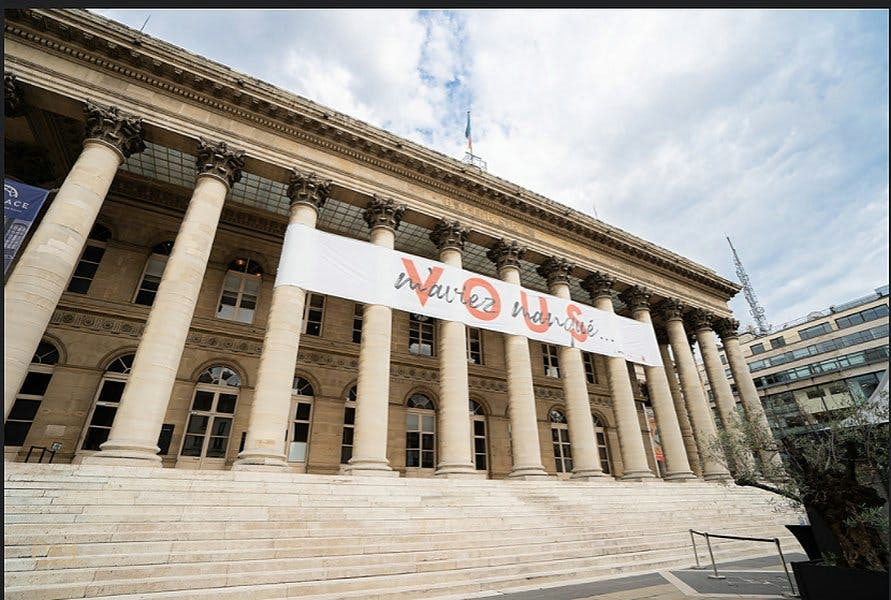
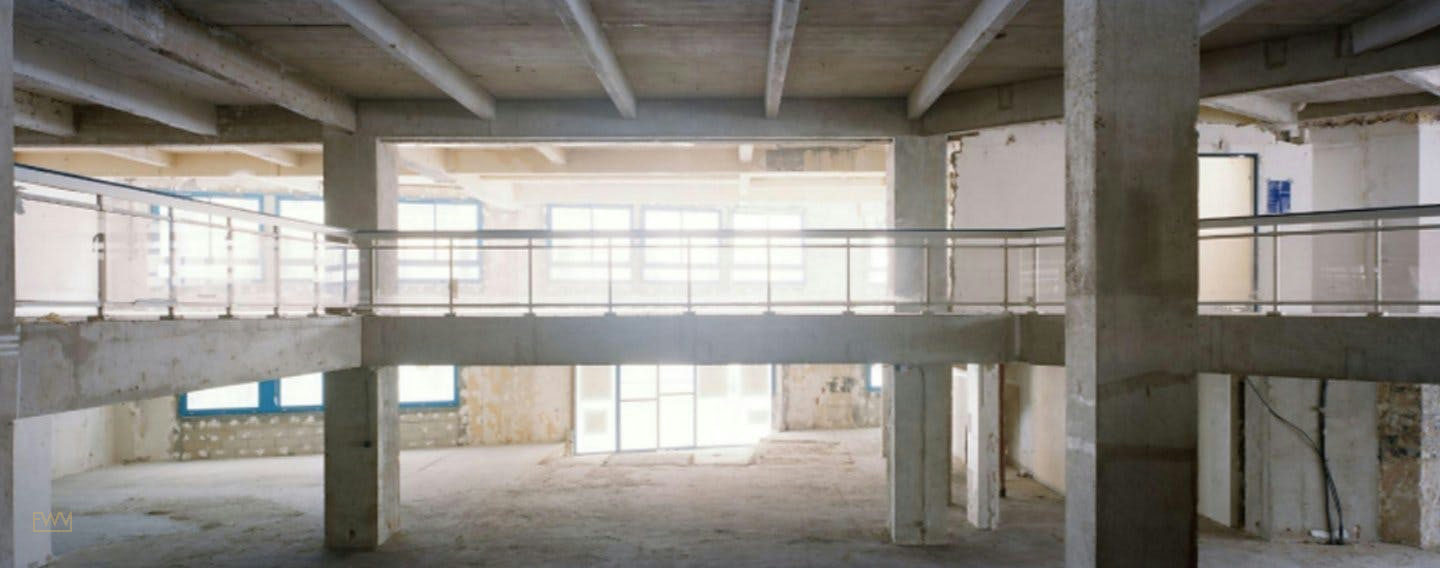
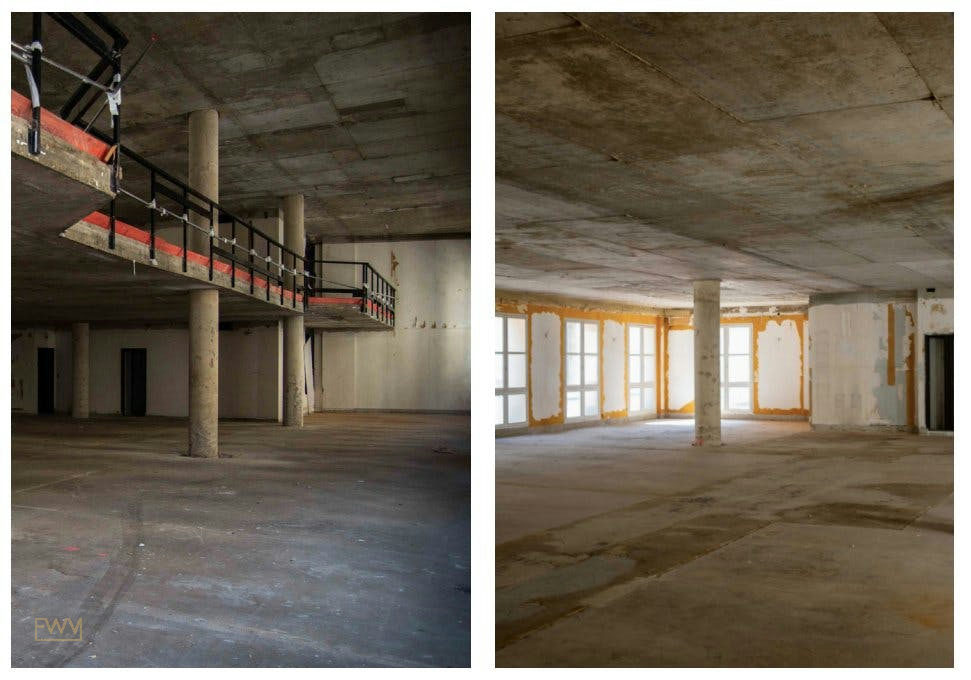
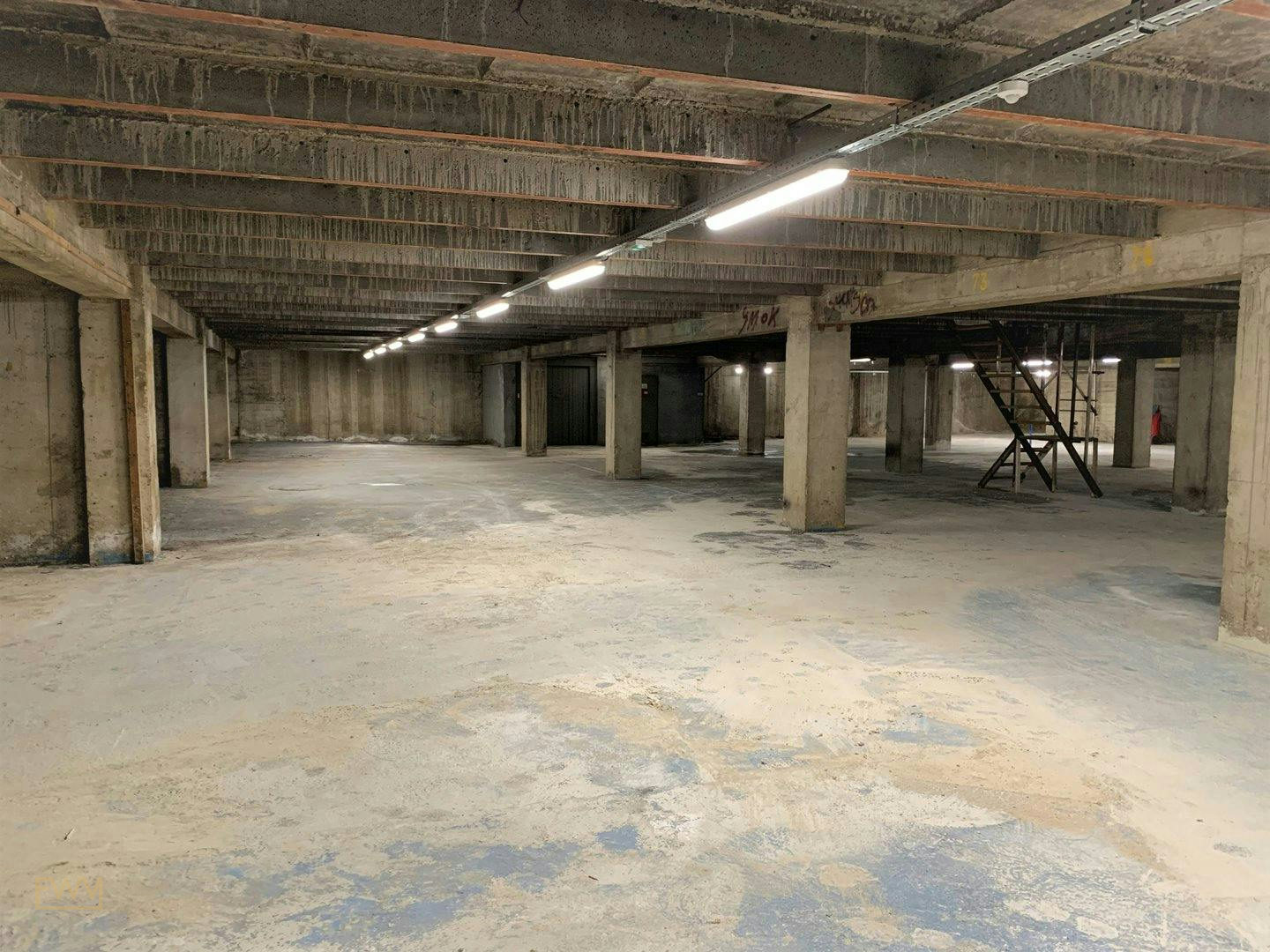
Finding the right temporary retail space near Tuileries Paris requires far more than a basic property search. The Tuileries corridor encompasses some of the most commercially valuable and culturally significant streets in France, including rue Saint-Honoré, rue de Rivoli, Place Vendôme, and the edges of the 1st arrondissement, where international foot traffic, fashion clientele, and luxury brand adjacency converge at remarkable density. Brands activating in this zone benefit from proximity to the Tuileries Garden, the Louvre, Palais Royal, and major transit hubs at Pyramides and Opéra stations. Fashion Week Venues supports brands planning pop-up shops, showrooms, and event activations across Paris, with deep expertise in this high-demand corridor and the broader Paris market.
Why the Tuileries Corridor Is One of Paris's Most Competitive Retail Zones
The area surrounding the Tuileries Garden sits at the intersection of heritage, luxury, and tourism in a way that few locations anywhere in the world can match. This is not simply prime retail real estate in a conventional sense. It is a zone where the density of international visitors, the concentration of luxury houses, and the architectural prestige of the neighbourhood create conditions that brands across fashion, beauty, lifestyle, and culture actively seek out for temporary retail activations.
The Paris 1st arrondissement, which contains the Tuileries Garden, Palais Royal, rue Saint-Roch, and the northern edge of the Seine, draws tens of millions of visitors annually. The Louvre alone welcomed over eight million visitors in 2023, according to the museum's published figures, and a significant proportion of those visitors pass through or adjacent to the Tuileries Garden before exploring the wider 1st arrondissement. For brands, this translates into organic, self-qualifying foot traffic of exactly the kind that supports premium temporary retail formats.
Rue Saint-Honoré and its continuation as rue du Faubourg Saint-Honoré form the backbone of Parisian luxury retail, connecting the 1st and 8th arrondissements in a continuous corridor of flagship stores, independent boutiques, jewellers, and concept stores. Place Vendôme, located within a short walk of the Tuileries, anchors the haute joaillerie and watchmaking universe. Rue de Rivoli runs along the northern edge of the Tuileries Garden itself, offering storefront-facing access to one of the most photographed and visited promenades in Europe.
For brands evaluating temporary retail in Paris, the practical question is not whether this zone delivers visibility and clientele. It clearly does. The question is whether your budget, timeline, space requirements, and brand positioning align with what is available, and whether you have the local expertise to navigate permit requirements, landlord expectations, and short-term lease structures in this specific market.
Quick answer: The Tuileries corridor in Paris's 1st arrondissement offers temporary retail spaces ranging from converted storefront boutiques and gallery-format venues to courtyard spaces and concept stores along rue de Rivoli, rue Saint-Honoré, and rue Saint-Roch. The area is best suited to fashion, luxury, beauty, and cultural brands seeking premium foot traffic and luxury brand adjacency.
DID YOU KNOW: The Tuileries Garden receives an estimated 14 million visitors per year, making it one of the most visited public spaces in France. Brands activating on streets bordering the garden benefit from this sustained visitor flow across all seasons.
Understanding the Tuileries zone also means understanding how it relates to the broader Paris retail geography. The Golden Triangle to the west, Le Marais to the east, Saint-Germain-des-Prés to the south, and Montmartre to the north all form distinct activation territories with their own demographics, rental structures, and brand expectations. The choice of neighbourhood is a brand positioning decision as much as a logistics one.
KEY TAKEAWAY: Temporary retail space near the Tuileries commands premium positioning because of exceptional visitor volumes, luxury brand adjacency, and architectural prestige. Brands must align their brief, budget, and format with the specific commercial character of this zone before beginning a space search.
The next section examines the specific neighbourhood options available to brands within and around the Tuileries area, including the distinctive commercial character of each street and district.
Parisian Neighbourhoods for Temporary Retail: Tuileries, Marais, Champs-Élysées, and Beyond
Paris is a city of highly differentiated neighbourhoods, and the arrondissement in which you activate will shape your brand's perception, clientele profile, and commercial outcome more decisively than almost any other single factor. Each zone has its own retail culture, property supply, pricing dynamics, and visitor demographics. Brands choosing between the Tuileries corridor, Le Marais, the Champs-Élysées, Saint-Germain-des-Prés, and Montmartre are making fundamentally different strategic choices.
Tuileries, Palais Royal, and the 1st Arrondissement
The core Tuileries zone occupies the 1st arrondissement and extends into the edges of the 8th. Palais Royal, directly north of the Louvre, offers some of the most architecturally distinctive temporary retail settings in Paris, with its colonnaded galleries, interior courtyard, and mix of independent boutiques, galleries, and concept stores. Rue Saint-Roch, running north of rue Saint-Honoré, has emerged as a secondary street with growing appeal for niche fashion and design brands seeking slightly lower rents while retaining strong neighbourhood credentials. The Pyramides and Opéra metro stations bring significant daily commuter and tourist traffic from the north.
Le Marais and the 3rd and 4th Arrondissements
Le Marais is one of the most consistently successful districts for pop-up retail in Paris. Its mix of heritage architecture, art galleries, independent boutiques, and a diverse, design-conscious clientele makes it particularly attractive for fashion brands, emerging designers, beauty launches, and cultural activations. Place des Vosges, the oldest planned square in Paris, anchors the southern Marais and draws a steady flow of affluent visitors throughout the year. The concentration of concept stores, luxury independents, and art spaces along rue des Francs-Bourgeois and rue Vieille du Temple creates strong retail momentum that benefits temporary operators significantly.
Le Marais also tends to offer more variety in space types than the Tuileries corridor, including converted historic buildings with raw concrete floors, high-ceilinged former workshops, gallery formats, and boutique hotel spaces. Rental periods are generally more flexible for short-term retail concepts in Le Marais than in some of the more trophy locations further west.
The Golden Triangle and Champs-Élysées
The Golden Triangle, bounded by Avenue des Champs-Élysées, Avenue Montaigne, and Avenue George V in the 8th arrondissement, is the global address for ultra-luxury fashion houses. Temporary retail activations here are typically large-format, high-investment brand statements by established houses rather than exploratory pop-up formats. Avenue des Champs-Élysées itself receives an estimated 300,000 visitors per day according to figures cited by the Paris tourism authority, making it the highest-footfall retail street in France, though rental costs and minimum commitment periods reflect this accordingly.
Saint-Germain-des-Prés and the 6th Arrondissement
Saint-Germain-des-Prés attracts a more intellectual, cultured, and locally Parisian clientele alongside international tourists. The 6th arrondissement supports fashion showroom formats, design pop-ups, beauty brand activations, and gallery-adjacent retail particularly well. Brands positioning themselves at the intersection of fashion and culture often find Saint-Germain-des-Prés more aligned with their narrative than the more purely commercial tone of the Champs-Élysées or the tourist concentration of the Tuileries.
Montmartre and Pigalle
Montmartre and the adjacent Pigalle district have developed a distinct identity as territories for creative brands, emerging designers, music-adjacent fashion labels, and experiential retail formats. Foot traffic is strong in Montmartre due to tourist volumes around Sacré-Cœur, while Pigalle attracts a younger, more local creative demographic. Rental costs are generally lower than in the central arrondissements, making these neighbourhoods viable for brands with tighter budgets seeking authentic Parisian street-level engagement.
Quick answer: The best Paris neighbourhood for a pop-up or temporary retail activation depends on your brand positioning, target clientele, budget, and space requirements. Tuileries and Palais Royal suit luxury and heritage formats. Le Marais supports fashion and culture launches. The Champs-Élysées zone is best for maximum-visibility brand statements. Saint-Germain-des-Prés works well for fashion showrooms. Montmartre and Pigalle suit emerging and creative brands.
| Neighbourhood | Arrondissement | Best For | Primary Clientele | Space Character |
|---|---|---|---|---|
| Tuileries / Palais Royal | 1st | Luxury, heritage, fashion | International tourists, luxury shoppers | Colonnaded galleries, storefronts, courtyards |
| Le Marais | 3rd / 4th | Fashion, beauty, art, culture | Design-conscious locals, international visitors | Gallery formats, lofts, converted workshops |
| Golden Triangle / Champs-Élysées | 8th | Ultra-luxury, maximum visibility | High-net-worth tourists, international shoppers | Flagship-scale storefronts, grand interiors |
| Saint-Germain-des-Prés | 6th | Showrooms, fashion, design | Affluent Parisians, cultured tourists | Boutique formats, gallery-adjacent spaces |
| Montmartre / Pigalle | 18th | Emerging brands, creative activations | Younger creatives, local Parisians, tourists | Studio formats, converted retail |
KEY TAKEAWAY: Neighbourhood selection is a brand positioning decision. The Tuileries corridor delivers prestige and volume but demands higher investment. Le Marais offers flexibility, authenticity, and a design-forward clientele. Brands should match their creative brief and budget to the neighbourhood before beginning any space search.
To compare neighbourhoods and space types, explore the Paris city hub on Fashion Week Venues and shortlist spaces that match your brief, budget, and calendar window.
Once the neighbourhood is confirmed, the next strategic decision is the type of space that best serves your activation format and objectives.
Types of Temporary Retail Space Available Near Tuileries Paris
The Paris market for short-term retail spaces is considerably more varied than many brands expect. Near the Tuileries and across the central arrondissements, you will encounter a range of space types with different physical characteristics, access arrangements, flexibility levels, and suitability for different retail concepts. Understanding these distinctions early prevents costly mismatches between your brief and the spaces you view.
Storefront Retail Spaces
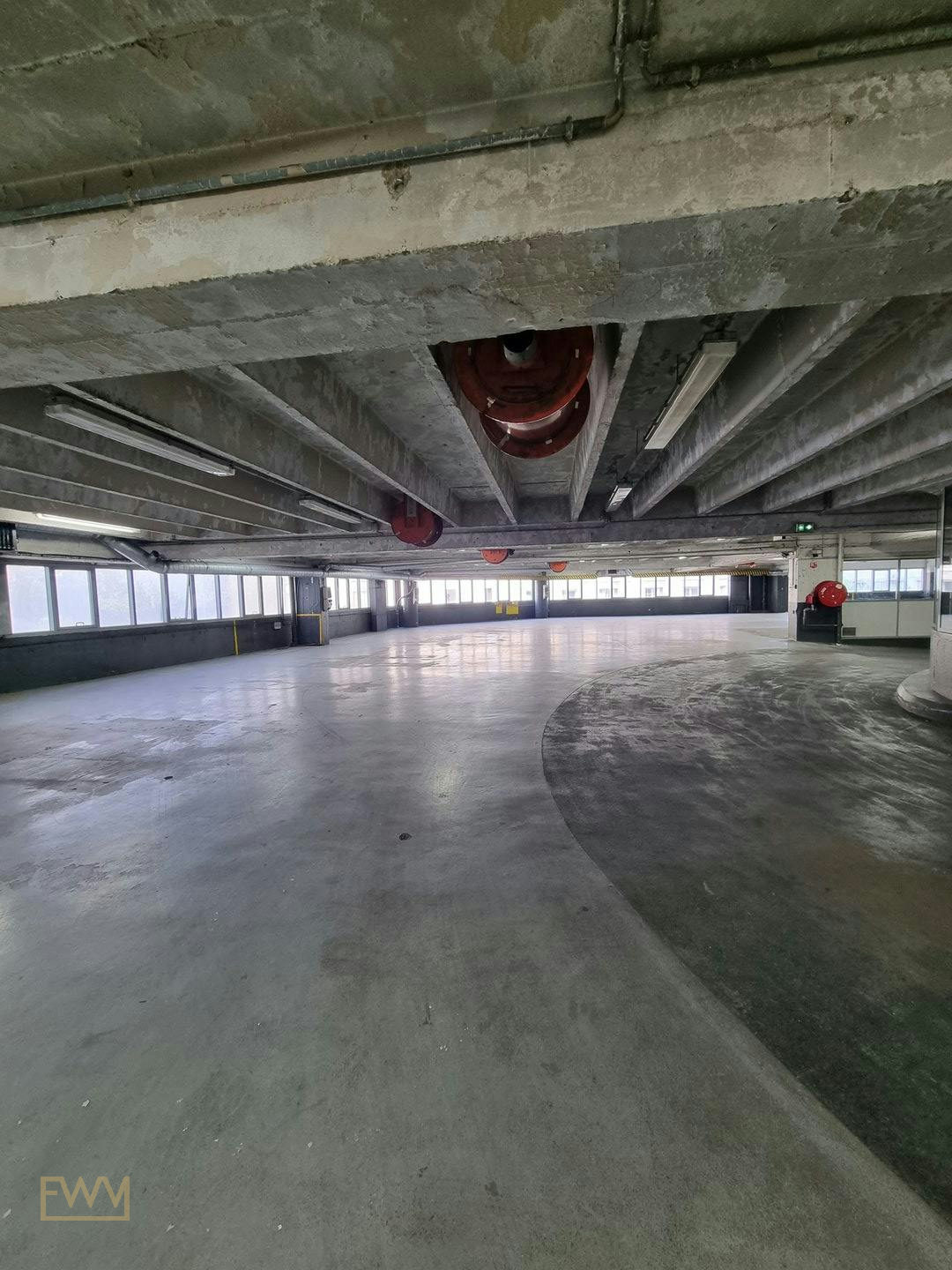
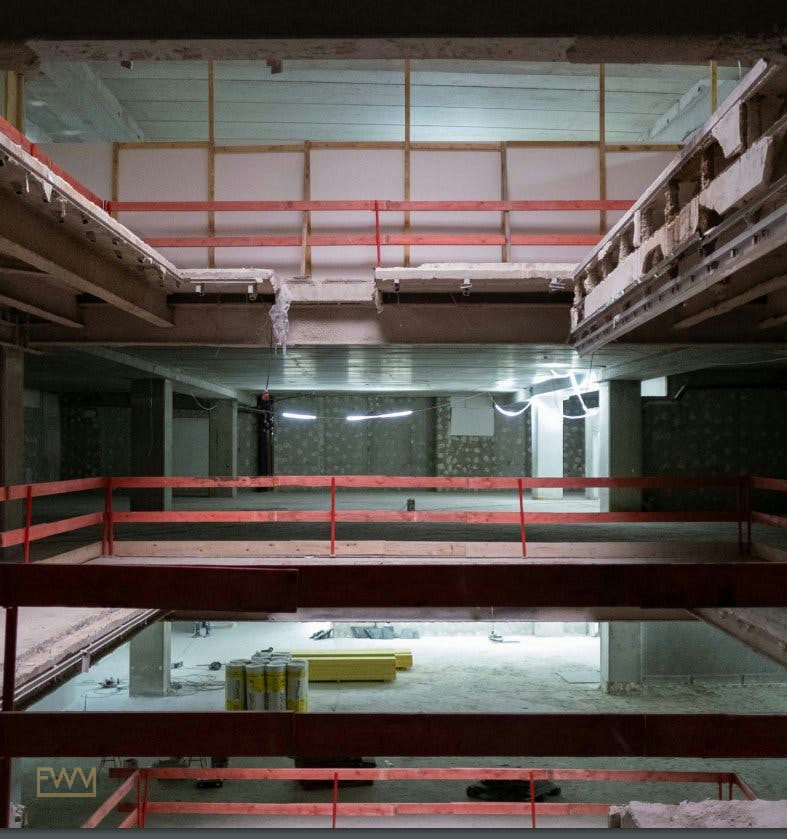
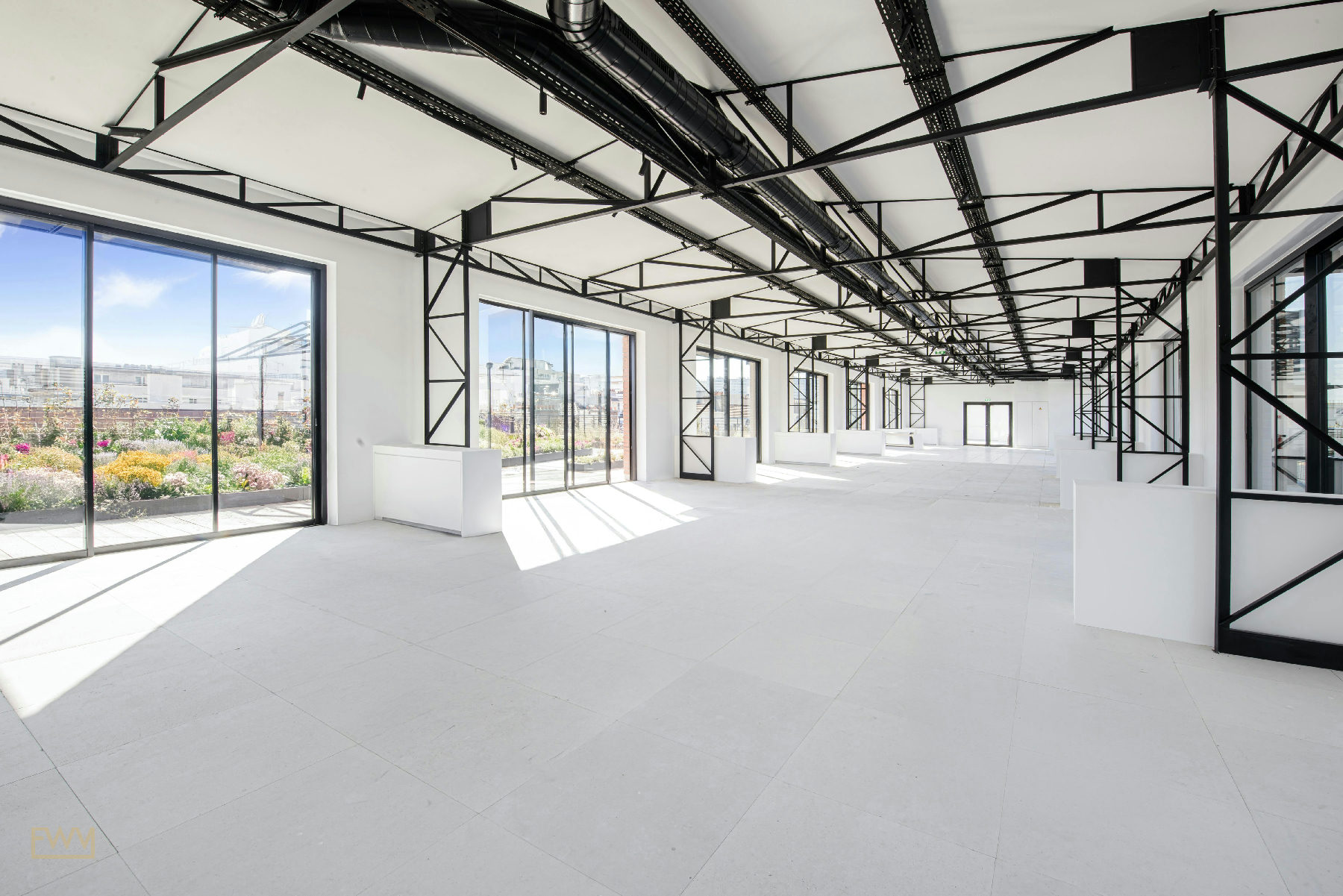
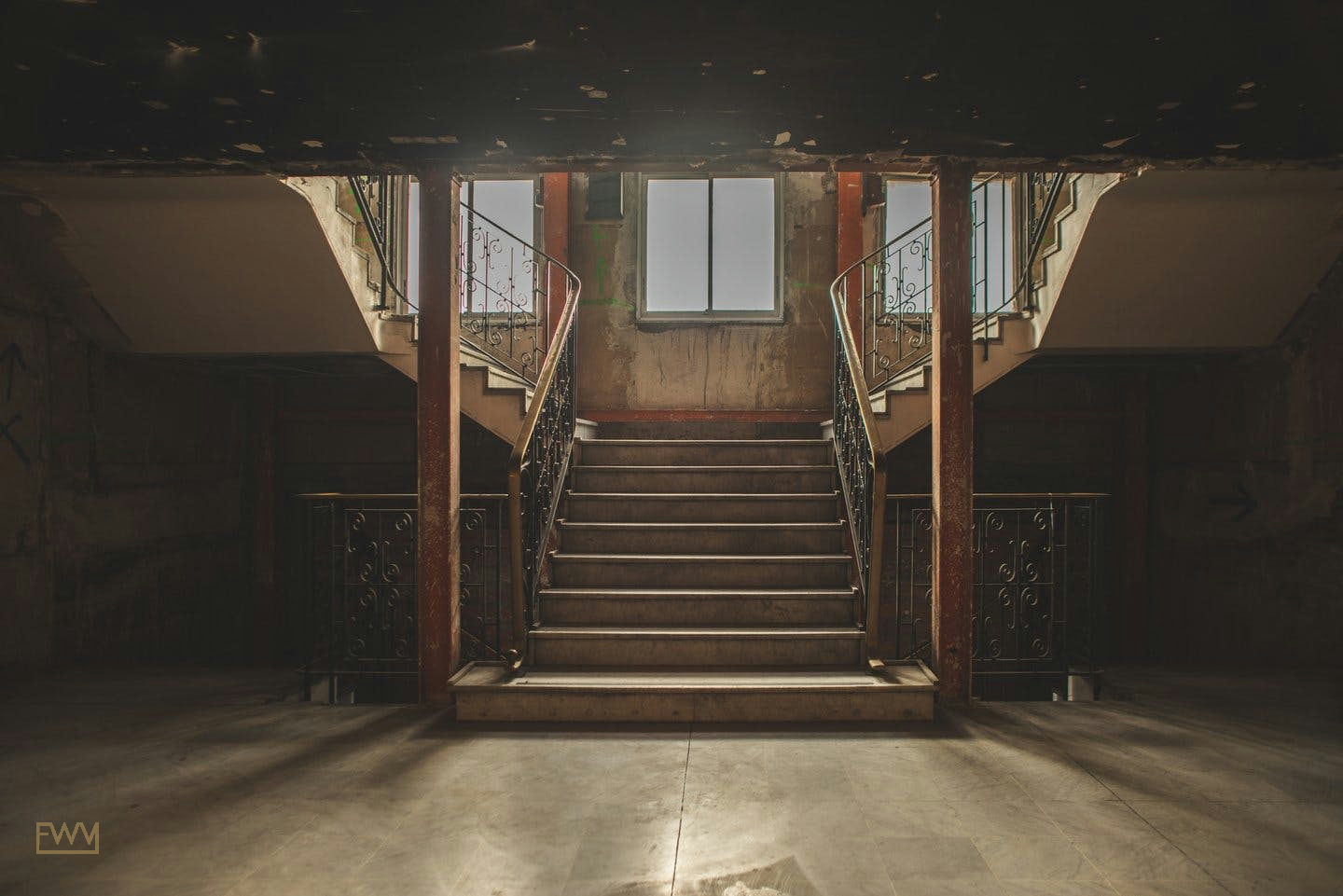
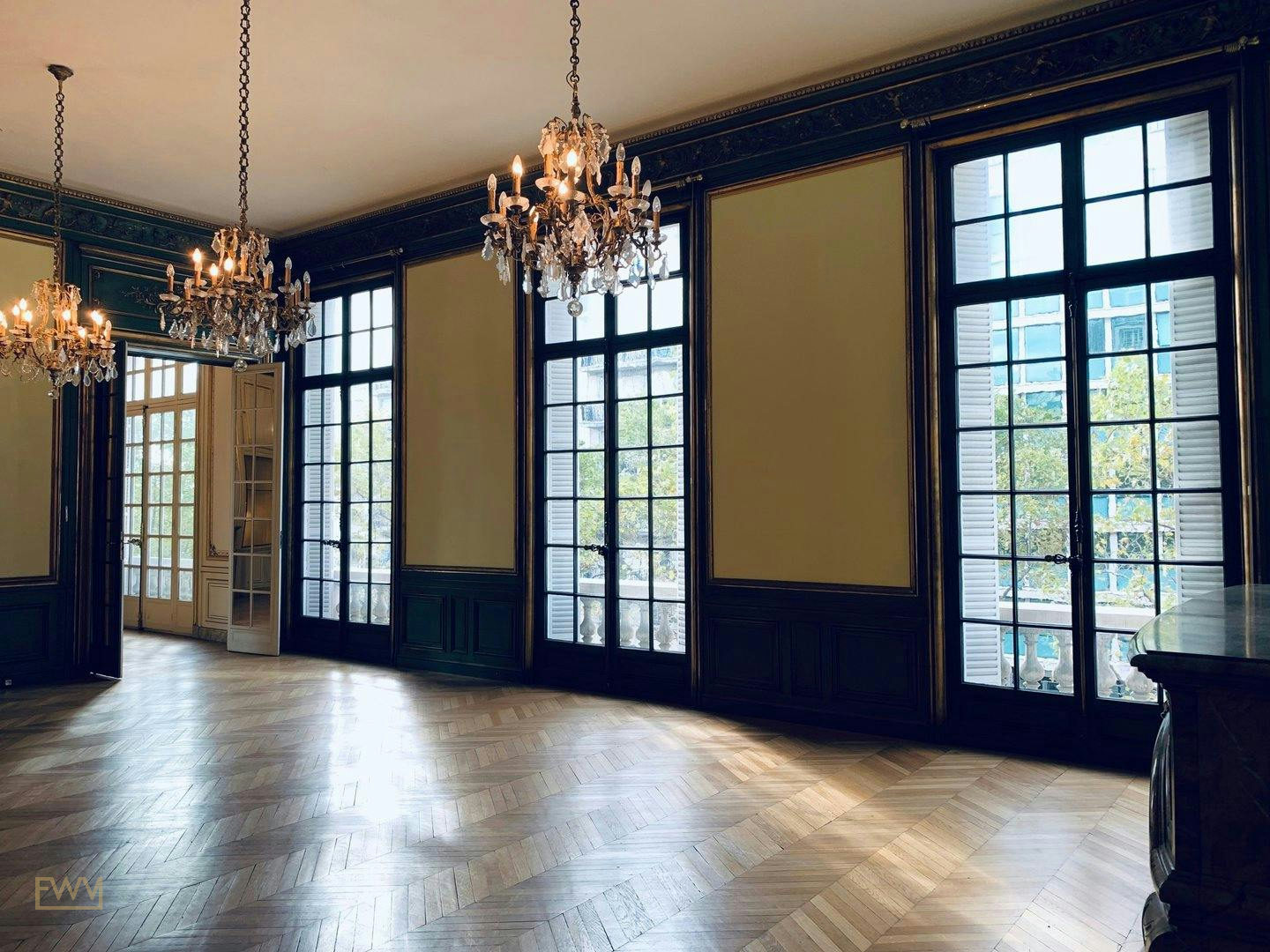
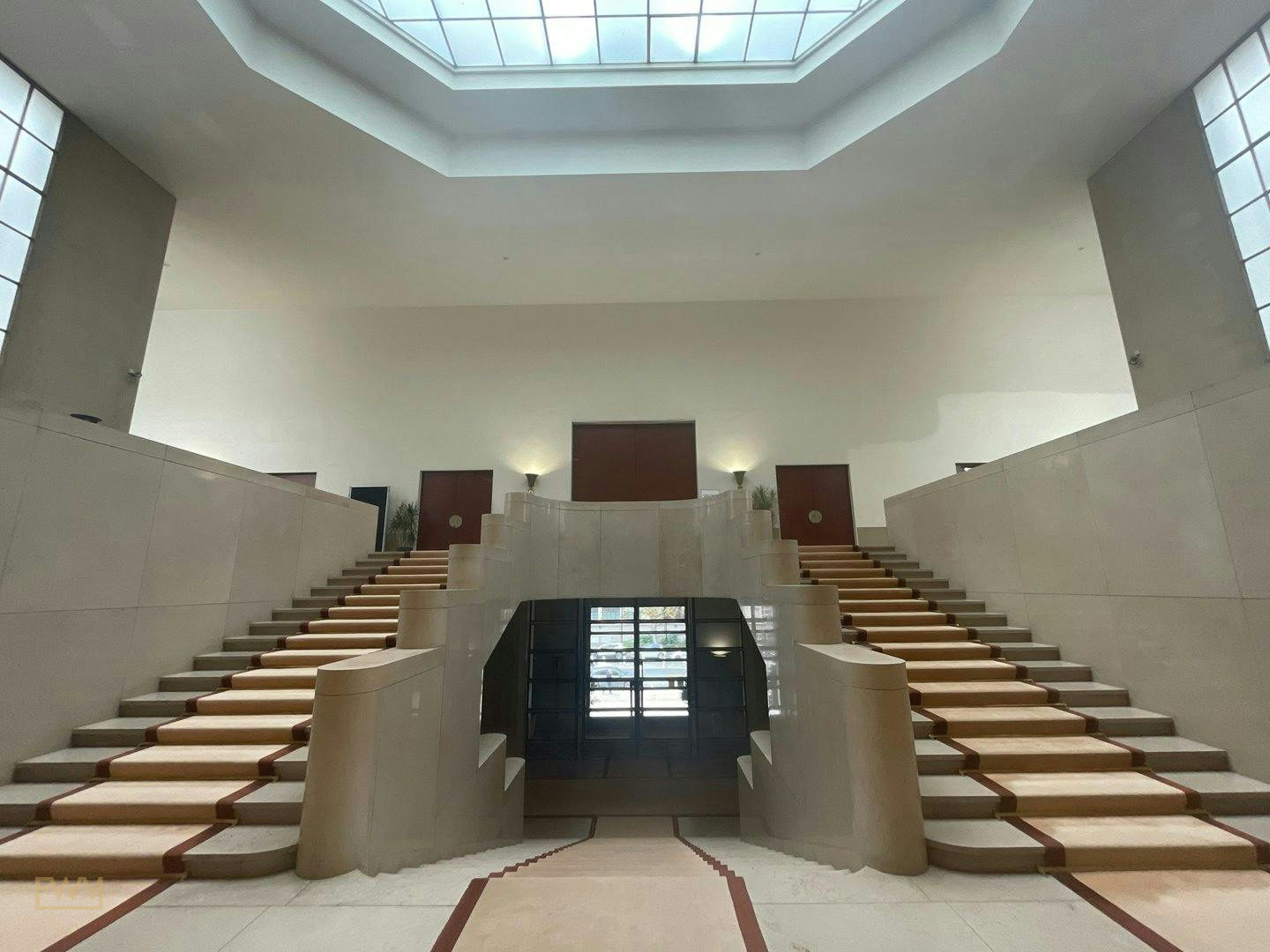
Traditional storefronts on streets like rue de Rivoli, rue Saint-Honoré, and the streets radiating from Palais Royal offer direct street-level access, window display opportunity, and immediate visibility to passing foot traffic. These are the closest equivalent to conventional retail units and are typically the most sought-after format for pop-up stores and temporary boutiques. Space features vary widely, from spaces with polished concrete floors and industrial finishes to those with marble floors, parquet floors, high ceilings, and ornate period detail.
Gallery and Art Space Formats
Paris has a high density of art galleries and gallery-format spaces available for temporary retail, particularly in Le Marais, Saint-Germain-des-Prés, and around Palais Royal. These spaces typically feature white walls, high ceilings, quality lighting including spotlights and track lighting systems, and an aesthetic neutrality that works well for fashion showrooms, beauty launches, and branded retail concepts requiring a clean visual backdrop. Gallery formats in Le Marais and the 1st arrondissement are regularly used during Paris Fashion Week, FIAC, and Paris Design Week.
Showroom Spaces
A fashion showroom format differs from a conventional retail pop-up in that it prioritises presentation, trade appointments, and wholesale or press engagement rather than direct consumer sales. Showroom spaces near Tuileries and in the surrounding 1st, 8th, and 2nd arrondissements tend to feature flexible floor plans, professional lighting, and proximity to the hotels and offices where buyers and press are based during fashion week calendars. The distinction between a fashion showroom and a retail pop-up is important for permit and insurance purposes, as discussed in the legal section below.
Courtyard and Multi-Level Spaces
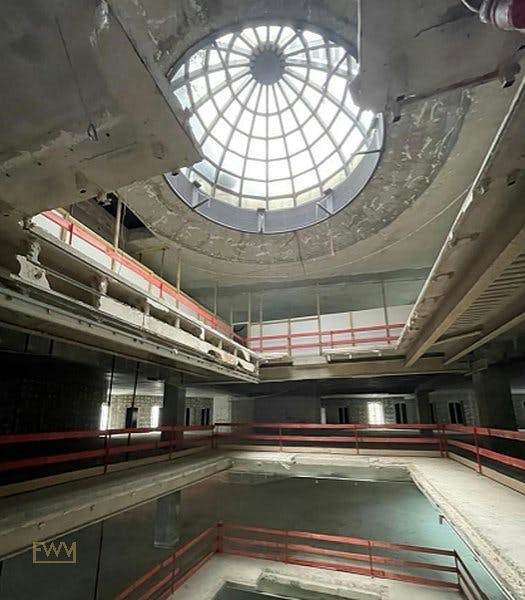
Paris's Haussmann-era buildings frequently contain interior courtyards accessed through a carriage entrance, known locally as a porte cochère. These spaces offer a distinctive setting that is visually removed from the street while remaining accessible to invited visitors. Courtyard activations are popular for brand dinners, exclusive launches, and showroom formats where privacy and atmosphere matter as much as raw foot traffic. Multi-level spaces in historic buildings can accommodate both a ground-floor retail or showroom function and an upper-floor event or hospitality element simultaneously.
Boutique Hotel and Apartment Formats
An emerging category of temporary retail in Paris uses boutique hotel spaces, suites, and apartment-style venues for intimate brand presentations. These formats are particularly effective for jewellery, accessories, beauty, and fragrance brands that benefit from an exclusive, intimate atmosphere rather than open-access retail. The residential aesthetic of a well-appointed Parisian apartment creates a distinctive contrast to the typical retail environment and signals a particular kind of brand exclusivity.
Studio Photo and Creative Spaces
Studio photo spaces available for short-term rental in Paris serve a dual function as both content creation environments and brand activation venues. For fashion and beauty brands with strong social media and content strategies, a studio-format space allows simultaneous retail activation and content production within the same booking. These spaces are particularly common in the 2nd, 10th, and 11th arrondissements but are also available in central locations.
Quick answer: Near the Tuileries, Paris brands can access storefront retail units, gallery-format spaces, fashion showrooms, courtyard venues, boutique hotel spaces, apartment formats, and studio spaces. Each serves different activation objectives. Storefront units maximise foot traffic. Galleries support fashion and beauty presentations. Courtyards and apartments work for exclusive or invitation-only formats.
| Space Type | Best Activation Format | Key Features | Typical Minimum Period |
|---|---|---|---|
| Storefront Retail | Pop-up shop, temporary boutique | Street access, window display, high footfall | 1 to 2 weeks |
| Gallery Format | Fashion showroom, brand launch | High ceilings, white walls, track lighting | 3 to 7 days |
| Fashion Showroom | Trade appointments, press days | Flexible layout, professional finish | 3 to 14 days |
| Courtyard / Multi-Level | Exclusive launches, brand dinners | Privacy, architectural character | 1 to 3 days |
| Boutique Hotel / Apartment | Jewellery, beauty, intimacy-driven brands | Residential aesthetic, exclusivity | 1 to 5 days |
| Studio Photo | Content creation, fashion, beauty | Lighting rigs, neutral backdrops | 1 day minimum |
KEY TAKEAWAY: Space type selection should follow directly from your activation format and objectives. Do not begin a space search without clarity on whether you need open-access retail footfall, press and trade access, invitation-only exclusivity, or content creation capability. Each requires a fundamentally different type of space.
With space type established, the next critical decision involves the commercial and calendar context: when to activate, and how the Paris Fashion Week calendar shapes availability and pricing in the Tuileries corridor.
Paris Fashion Week and the Seasonal Calendar for Temporary Retail Activations
The Paris Fashion Week calendar is the most influential single factor shaping short-term retail space availability and pricing across the central arrondissements. Paris hosts multiple fashion week events across the year, including womenswear and menswear shows for both ready-to-wear and haute couture seasons, which together create a year-round rhythm of elevated commercial and media activity that directly affects both the demand for and the cost of temporary retail space.
Paris Fashion Week for womenswear ready-to-wear typically takes place in late September and early October for Spring/Summer collections and in late February and early March for Autumn/Winter collections. Haute couture week occurs in January and July. Menswear runs in June and January. These periods represent peak activation windows when brand presence in Paris generates maximum media coverage, buyer attendance, and influencer and press visibility.
DID YOU KNOW: Paris Fashion Week collectively attracts approximately 40,000 accredited guests, buyers, and press representatives per season, according to the Fédération de la Haute Couture et de la Mode. The concentration of qualified fashion industry visitors during these windows creates conditions for pop-up stores and showrooms that are unmatched at any other point in the retail calendar.
Beyond the formal fashion week periods, Paris offers several additional calendar windows of elevated commercial activity. FIAC, the international contemporary art fair, draws a high-net-worth international audience typically in October. Paris Design Week, held in September, attracts design industry professionals across Europe. The summer tourist season from June through August delivers extremely high visitor volumes in the Tuileries corridor and central arrondissements, with international tourist demographics that strongly support luxury and fashion retail formats.
Brands frequently make the mistake of assuming that fashion week periods are the only viable calendar windows for temporary retail in Paris. In practice, brands activating during the pre-Christmas period, during FIAC, during the spring tourist peak, or timed around specific brand campaign launches outside the fashion calendar can generate excellent commercial and media results without competing for the most limited and expensive fashion week inventory.
Quick answer: Paris Fashion Week creates peak demand for temporary retail space in the central arrondissements, particularly during February/March and September/October. However, FIAC, Paris Design Week, the summer tourist season, and the pre-Christmas period all offer strong activation windows with less competition for spaces and, in some cases, lower rental costs.
For international brands entering Paris for the first time, understanding the relationship between calendar timing, space availability, and activation investment is essential to planning realistic budgets and booking windows. Spaces in the Tuileries corridor and adjacent luxury streets during Paris Fashion Week typically need to be secured weeks or months in advance. Brands that begin their search at the last minute frequently find that their preferred dates are unavailable or that only less desirable spaces remain.
TIP: If Paris Fashion Week dates are your target window, begin your space search at least three months in advance. For fashion week periods in the Tuileries corridor and rue Saint-Honoré area specifically, some properties are booked even earlier by returning brand activators who renew their preferred spaces from season to season.
KEY TAKEAWAY: The Paris calendar offers multiple viable activation windows beyond fashion week, including FIAC, Paris Design Week, peak tourist season, and the pre-Christmas period. Brands should match their calendar to their objectives and start their space search early. Fashion week windows require the earliest booking lead times of any period in the Paris retail calendar.
With timing clarified, brands need to understand the legal and administrative framework that governs temporary retail in Paris, which is more complex than many international brands initially expect.
Permits, Regulations, and Legal Requirements for Temporary Retail in Paris
One of the most common points of confusion for international brands entering the Paris temporary retail market is the legal framework governing short-term commercial leases and public space use. The French regulatory environment for temporary retail is distinct from both standard commercial leases and from the informal arrangements that might be accepted in some other markets. Understanding the key legal structures before signing any agreement is not optional. It is a practical necessity.
The Bail Dérogatoire
The principal legal mechanism for short-term commercial leases in France is the bail dérogatoire, sometimes referred to as a bail précaire. This is a derogatory lease that falls outside the standard French commercial lease framework governed by the statut des baux commerciaux. A bail dérogatoire can be agreed for a period of up to three years, allowing both parties to avoid the long-term obligations, renewal rights, and compensation provisions that attach to a standard commercial lease in France. For pop-up shops, temporary boutiques, showrooms, and short-term retail activations, the bail dérogatoire is the most common and appropriate legal instrument.
It is essential to understand that a bail dérogatoire must be clearly designated as such in the written agreement and must be signed before the tenant takes possession of the space. If the tenant remains in occupation beyond the agreed period without formalising a new arrangement, there is a risk that the lease could be reclassified under the standard commercial lease framework, which carries substantially more complex legal and financial implications. Brands should always work with a qualified French legal advisor when entering into any lease agreement in Paris.
Autorisation d'Occupation Temporaire (AOT)
For spaces located on public land, including terraces, courtyards, public passages, and streets, an Autorisation d'Occupation Temporaire (AOT) is required from the relevant public authority. AOTs are administrative permits issued by the Mairie de Paris or other competent authority and are distinct from the lease agreement for the space itself. Requirements, processing times, and applicable rules vary by location, duration, and intended use. Brands activating in publicly owned spaces must secure an AOT before the activation begins, and failure to do so can result in the activation being terminated and the brand facing administrative penalties.
Insurance Requirements
Temporary retail operators in Paris are required to carry appropriate commercial liability insurance for the duration of their activation. Requirements vary depending on space type, the nature of goods being sold, whether the public is admitted, and other factors. Brands should ensure their insurance documentation is prepared and presented to landlords as part of the booking process. Some landlords require proof of insurance before handing over keys.
IMPORTANT: Permit and compliance requirements for temporary retail in Paris vary significantly by space type, arrondissement, intended use, and duration. This guide provides general orientation only. Brands must verify all specific requirements with a qualified French legal advisor and should not rely solely on landlord representations. Use the permit guidance tool on Fashion Week Venues as a starting reference before seeking professional legal advice.
Quick answer: Temporary retail in Paris is typically governed by a bail dérogatoire for private spaces or an Autorisation d'Occupation Temporaire for public spaces. Both are distinct from standard French commercial leases and carry specific legal requirements. Brands should always work with a qualified French legal advisor and carry appropriate commercial insurance before activating.
KEY TAKEAWAY: The French legal framework for short-term retail is specific, consequential, and not equivalent to informal short-term arrangements in other markets. Brands that treat permit and compliance requirements as an afterthought risk disrupted activations, financial penalties, and damaged relationships with landlords. Build compliance into your planning from the start.
With legal structure understood, brands can turn their attention to the practical and financial planning dimensions of a temporary retail activation near the Tuileries, which is where many well-intentioned plans encounter their most significant challenges.
Budgeting for Temporary Retail Space Near Tuileries Paris
Budget planning for a temporary retail activation in the Tuileries corridor and central Paris is a multi-variable exercise. The rental cost of the space itself is only one component of the total investment required, and in many cases it is not even the largest component. Brands that plan their budget around space rental alone consistently underestimate the true cost of a Paris activation.
The total cost of a temporary retail activation typically encompasses space rental, fit-out and production, furniture rental, staffing, POS and payment systems, insurance, permit fees where applicable, logistics, visual merchandising, and marketing and influencer support. For activations timed around Paris Fashion Week, additional costs related to talent, press events, and hospitality may also apply.
Space rental near the Tuileries varies significantly depending on location, size in square meters, duration, space type, and season. Rue Saint-Honoré, Place Vendôme, and the most prominent streets bordering the Tuileries Garden command the highest rates in the Paris market. Secondary streets such as rue Saint-Roch, streets within Palais Royal, and the outer edges of the 1st arrondissement offer more accessible price points while retaining strong neighbourhood credentials.
Fit-out and production costs in Paris depend on the complexity of your design concept, the condition of the space, and the extent of customisation required. A fully branded temporary boutique with custom fixtures, signage, and lighting will require a substantially different budget from a curated gallery-format space using existing architecture and minimal additional installation. Brands working within a defined budget should prioritise which elements of the physical experience are most critical to their brand communication and allocate accordingly.
Furniture rental is a practical and cost-effective approach to equipping a temporary retail space without the complexity of transporting owned furniture to Paris and back. Quality furniture rental options in Paris include both contemporary and period-appropriate pieces that can support a wide range of retail aesthetics from minimalist and modern to warm and artisanal.
TIP: Use the budget estimation tool on Fashion Week Venues to build a directional cost model for your specific activation type, space size, duration, and neighbourhood before committing to a brief. This will help you identify whether your available budget is realistic for your target zone or whether adjustments to neighbourhood, duration, or scope are required.
Staffing is another variable that brands frequently underestimate when planning Paris activations. Depending on your nationality and the employment status of your staff, engaging retail staff in France involves compliance with French labour regulations. Using a specialist retail staffing partner with French market expertise can significantly simplify this dimension of the activation.
Point of sale and payment infrastructure for temporary retail in Paris must accommodate both domestic French customers and international tourists. Accepting card payments, including international cards and digital wallets, is essential. A temporary retail activation in the Tuileries area that cannot process international card payments will lose a significant proportion of its potential transactions.
Quick answer: The total cost of a temporary retail activation near the Tuileries in Paris includes space rental, fit-out, furniture, staffing, POS systems, insurance, permits, logistics, and marketing. Space rental is only one component. Brands should build a comprehensive budget model covering all cost categories before beginning a space search. Directional cost estimates vary widely depending on space type, size, duration, and season.
KEY TAKEAWAY: Budget planning for a Paris temporary retail activation must be comprehensive and realistic from the outset. Underestimating fit-out, staffing, or compliance costs is among the most common reasons that otherwise well-planned activations encounter problems during execution. Model the full investment before committing to a space or a calendar window.
How to Find and Book Temporary Retail Space Near Tuileries Paris
The process of finding, evaluating, and booking a temporary retail space in Paris has changed significantly over the past decade. Brands now have access to a combination of specialist marketplaces, agency relationships, and independent broker networks, each with different strengths, limitations, and cost structures. Understanding the landscape of available channels helps brands choose the right approach for their specific needs.
Specialist Space Marketplaces
Dedicated short-term retail space marketplaces allow brands to browse listings by neighbourhood, space type, size, and availability window. These platforms aggregate spaces from multiple landlords and property managers, making it possible to compare options across different streets and arrondissements without engaging multiple separate brokers. The quality of listing information varies across platforms, with the best marketplaces providing floor plans, photos, space feature details, and indicative pricing alongside booking functionality.
Commercial Real Estate Platforms
General commercial real estate platforms such as LoopNet and CoStar include some Paris listings but are primarily oriented toward longer-term leases and investment properties rather than the short-term temporary retail market. These platforms are less suited to pop-up shops and temporary showrooms than specialist short-term marketplaces, and the broker professionals who operate through them typically do not specialise in the short-notice, short-duration requirements of brand activations. Brands searching exclusively through commercial real estate databases may find that the listings they see do not accurately reflect current short-term availability in the Tuileries corridor.
Agency Partnerships
Working with a specialist pop-up shop agency that has established relationships with landlords in Paris provides access to spaces that may not be publicly listed, as well as practical support across concept development, production, permitting, staffing, and activation management. For international brands entering Paris for the first time, an agency relationship typically reduces risk, accelerates the space search, and provides continuity of local expertise across all stages of the activation.
The trade-off with agency partnerships is cost relative to a purely self-directed search. However, for brands with limited Paris market knowledge, the efficiency gains and risk reduction offered by an experienced agency typically justify the additional investment, particularly for activations in the Tuileries corridor and other high-complexity locations where mistakes are expensive.
Quick answer: Brands can find temporary retail space near the Tuileries through specialist short-term space marketplaces, general commercial real estate platforms, independent brokers, or specialist pop-up shop agencies. Specialist marketplaces and agency partnerships are generally the most efficient routes for brands with limited Paris market experience. Commercial real estate platforms are better suited to longer-term requirements.
The booking process for temporary retail space in Paris typically involves an initial brief or enquiry, a shortlist of suitable spaces, viewings where possible, a space agreement or lease document, compliance and insurance documentation, and then handover and installation access. The timeline from initial brief to space handover varies depending on the availability of your preferred properties and the speed of the administrative and legal process.
| Stage | Activity | Typical Timeline | Key Considerations |
|---|---|---|---|
| 1. Brief development | Define location, size, dates, budget, format | 1 to 2 weeks | Be specific about neighbourhood, space type, and objectives |
| 2. Space search | Browse marketplace or engage agency | 1 to 3 weeks | Shortlist 3 to 5 options for comparison |
| 3. Viewings and selection | View shortlisted spaces | 3 to 7 days | Assess space features, access, and fit for concept |
| 4. Legal and compliance | Prepare bail dérogatoire, insurance, permits | 1 to 3 weeks | Engage French legal advisor early in this stage |
| 5. Production and build | Fit-out, furniture, branding, staffing | 3 to 10 days pre-opening | Confirm installation access dates with landlord |
| 6. Activation | Live retail or showroom operation | Per booking duration | Operate POS, manage staff, measure performance |
| 7. De-rig and handover | Remove installation, return space to original condition | 1 to 2 days post-closing | Confirm handover terms and dilapidation requirements |
KEY TAKEAWAY: The booking process for a Paris temporary retail space involves multiple sequential stages each with its own timeline and dependencies. Brands that compress or skip stages to save time frequently encounter problems in execution. Allow a realistic total lead time that accommodates brief development, space search, legal process, and build before your target opening date.
For guidance on the full process, explore how Fashion Week Venues structures the agency process from initial brief through to post-activation review.
Key Factors to Evaluate Before Renting a Pop-Up Space Near Tuileries
Before committing to any temporary retail space in the Tuileries area or surrounding Paris neighbourhoods, brand teams should evaluate a defined set of criteria that will determine whether the space actually delivers against their activation objectives. Many of the questions that arise during the evaluation process can be resolved before the viewing stage if the brief is clearly defined from the outset.
Foot Traffic Volume and Quality
Foot traffic near the Tuileries is generally high, but not all foot traffic serves every brand equally well. A space on rue de Rivoli benefits from enormous volume but a somewhat generalised tourist demographic. A space in Palais Royal or on rue Saint-Roch attracts a more curated audience with stronger fashion and design awareness. Brands should assess not only volume but the composition and purchasing behaviour of the audiences their specific location will attract.
Space Features: Floors, Ceilings, and Lighting
Physical space features matter enormously for brand expression in temporary retail. The difference between a space with polished concrete floors and one with parquet floors, marble floors, or raw concrete is not merely aesthetic. It affects the entire design vocabulary of the activation and whether your concept can be credibly realised in the space without extensive and expensive modification. Similarly, ceiling height, the presence of natural light, and the quality of existing lighting infrastructure including spotlights and track systems will directly affect your installation costs and the visual impact of your merchandising.
Access and Floor Configuration
Floor access and spatial configuration affect how customers move through your space and how your products are displayed and experienced. A single-floor space on the ground level with direct street access provides the simplest logistics. A multi-floor space adds experiential depth but increases staffing requirements and complicates the customer journey. Courtyard access spaces offer atmosphere but require more deliberate customer attraction since passive footfall is lower than on a main street.
Affordability and Budget Fit
Can you afford the rent while also funding the fit-out, staffing, and other operational costs of the activation to the standard required to represent your brand effectively? A premium street address at a rental cost that consumes your entire budget, leaving nothing for production and experience design, will produce a worse commercial and brand outcome than a slightly less prestigious address with sufficient budget remaining to deliver an exceptional physical experience. Evaluate total cost of activation, not rental cost in isolation.
Landlord Conditions and Flexibility
Landlord requirements vary significantly in the Paris temporary retail market. Some landlords in premium locations have strict conditions around permitted uses, opening hours, installation methods, and signage. Understanding these conditions before signing is essential, as they will directly affect what you can do in the space and how you run the activation.
TIP: When evaluating spaces, prepare a checklist of your non-negotiable space requirements including floor type, ceiling height, natural light, installation access windows, and permitted uses, and use it consistently across all spaces you view. This prevents the common mistake of being swayed by atmosphere on a viewing and overlooking practical limitations that will affect the activation.
KEY TAKEAWAY: The best space on paper is not always the best space for your brand. Evaluate foot traffic quality alongside volume, physical space features against your design requirements, access and configuration against your operational model, and total activation cost against your available budget. Use a structured evaluation framework consistently across all options you consider.
How Fashion Week Venues Helps Brands Activate in Paris
Fashion Week Venues is a full-service pop-up shop agency and space marketplace with Paris as its primary anchor market. The agency works with fashion brands, luxury houses, beauty brands, lifestyle labels, and international brands entering Paris for the first time, providing support across every stage of a temporary retail or showroom activation.
The core value of working with Fashion Week Venues lies in the combination of marketplace access and full-service agency capability. Brands can use the space marketplace to browse and discover available venues across the central Paris arrondissements, filtering by neighbourhood, space type, size, and availability window. This provides a practical starting point for brands at the research stage without requiring an immediate agency engagement.
For brands that need more than a space, Fashion Week Venues offers an integrated suite of services that can be engaged individually or as a complete activation package. These include venue sourcing for brands that need specialist market knowledge to identify appropriate spaces before they reach public listings, concept direction for brands developing their activation identity, and production and build for fit-out and installation management in Paris.
Activation management support covers the operational dimension of running a live pop-up shop or showroom, including day-to-day management, customer experience, and performance tracking. Retail staffing provides French-market-experienced frontline staff for brand activations, removing the complexity of engaging staff directly under French employment regulations.
The Fashion Week Venues tool suite is particularly useful for brands at the planning and evaluation stage. The timeline planning tool helps brands map their activation schedule against realistic lead times for each stage of the process. The ROI calculation tool supports business case development for internal approval processes. The space comparison tool allows brands to evaluate multiple shortlisted spaces against each other using consistent criteria.
The twin concept offered by Fashion Week Venues enables two complementary brands to co-activate within a single space, sharing rental and production costs while creating a richer combined retail experience for visitors. This format is particularly effective for emerging brands with more limited budgets who want access to premium Paris locations without bearing the full cost of a solo activation.
It is important to be clear about what Fashion Week Venues does not guarantee. The agency cannot guarantee that any specific space will be available for your target dates, that permit applications will be approved by the relevant authorities, or that any particular commercial outcome will be achieved. What the agency provides is market expertise, professional process management, established landlord relationships, and integrated service delivery that reduces risk and improves the probability of a successful activation.
Brands that want to understand what a Fashion Week Venues activation looks like in practice can review the work and case study section of the website, which documents past activations across different brand types, budget levels, and Paris locations.
KEY TAKEAWAY: Fashion Week Venues provides both a space discovery marketplace and a full-service agency capability for brands activating in Paris and other fashion capitals. The combination of market access, specialist expertise, and integrated service delivery is particularly valuable for international brands entering Paris for the first time or for brands escalating the complexity of their Paris activation programme.
Common Myths About Temporary Retail Space in Paris Debunked
MYTH: You need a French legal entity to rent a pop-up space in Paris.
FACT: International brands without a French legal entity can and do rent temporary retail spaces in Paris. The specific requirements depend on the landlord, the nature of the lease, and the duration of the activation. Many short-term leases are available to foreign companies and individuals, though documentation requirements and the structure of the agreement may differ. Working with a specialist agency or a French legal advisor helps international brands navigate these arrangements without the need to establish a permanent French corporate structure for a temporary activation.
MYTH: Paris Fashion Week is the only viable calendar window for a temporary retail activation in Paris.
FACT: Paris Fashion Week periods in February/March and September/October are peak demand windows, but they are far from the only viable calendar windows for temporary retail in Paris. FIAC in October, Paris Design Week in September, the summer tourist peak from June through August, and the pre-Christmas period from late November through December all deliver strong commercial and media conditions for brand activations. Many brands find that activating outside the fashion week calendar reduces competition for spaces, lowers rental costs, and allows them to capture a broader range of visitor demographics.
MYTH: Using a commission broker is the only way to find a temporary retail space in Paris.
FACT: Specialist short-term space marketplaces now provide direct access to temporary retail listings across the central Paris arrondissements, allowing brands to browse, compare, and enquire about spaces without engaging a traditional commission broker. Full-service agencies also provide space sourcing as part of an integrated activation service. Commission brokers remain one route to market, but they are not the only option, and their incentive structures do not always align with the brand's need for the most suitable space at the most appropriate cost.
MYTH: Short-term retail leases in France are simple, informal arrangements that do not require specialist legal advice.
FACT: Short-term commercial leases in France operate within a specific and consequential legal framework. The bail dérogatoire has particular requirements regarding its designation, duration, and the circumstances under which it can convert to a standard commercial lease. Brands that sign agreements without understanding these requirements can inadvertently expose themselves to long-term lease obligations and financial liabilities. Specialist legal advice from a qualified French advisor is strongly recommended for any temporary retail agreement in Paris, regardless of the apparent informality of the arrangement.
MYTH: A premium address on rue Saint-Honoré or Place Vendôme will automatically produce a successful activation.
FACT: Address prestige is one factor in a successful Paris activation, not the determining one. Brands that exhaust their entire budget on a premium rental cost with nothing remaining for fit-out quality, staffing, visual merchandising, and marketing frequently produce activations that underperform against brands with slightly less prestigious addresses but significantly better-executed physical experiences. Successful temporary retail activations require alignment between location, concept, execution quality, and audience targeting. No address alone guarantees commercial success.
Frequently Asked Questions About Temporary Retail Space Near Tuileries Paris
What is a pop-up store?
A pop-up store is a temporary retail format in which a brand operates a physical retail presence for a defined and typically short period, ranging from a single day to several months. Pop-up stores allow brands to test markets, launch products, generate press and social media coverage, engage directly with consumers, and create immersive brand experiences without the long-term commitment and cost of a permanent retail lease. In Paris, pop-up stores are used by established luxury brands for seasonal activations and by emerging brands for market entry.
How much does a pop-up shop cost in Paris?
The cost of a pop-up shop in Paris varies significantly depending on location, space size in square meters, duration, season, space type, and fit-out requirements. Rental costs near the Tuileries and on premier streets like rue Saint-Honoré are among the highest in the Paris market. Total activation costs must also account for fit-out, staffing, insurance, permits, POS systems, and marketing. There is no single price point that applies across all activations. Use the budget estimation tool on Fashion Week Venues to develop a directional cost model specific to your brief before committing to a space or calendar window.
What neighbourhoods are best for pop-up retail in Paris?
The best Paris neighbourhood for a pop-up retail activation depends on your brand positioning, target customer, budget, and activation format. The Tuileries corridor and 1st arrondissement suit luxury and heritage brands seeking premium visibility. Le Marais is excellent for fashion, beauty, and cultural brands. The Golden Triangle and Champs-Élysées serve maximum-visibility brand statements for established houses. Saint-Germain-des-Prés works well for fashion showrooms and design brands. Montmartre and Pigalle attract creative and emerging brands. Each neighbourhood has distinct commercial character, rental dynamics, and visitor demographics.
How do I rent a pop-up shop in Paris?
Renting a pop-up shop in Paris typically involves defining a brief covering your target neighbourhood, space type, size, dates, and budget, then searching via a specialist marketplace or engaging a pop-up shop agency. Once a suitable space is shortlisted and viewed, a short-term lease agreement, usually a bail dérogatoire, is prepared and signed. Brands must also secure appropriate insurance and, where applicable, permits before the activation begins. Working with a specialist agency with established Paris landlord relationships and legal expertise significantly simplifies this process for international brands.
Are pop-up stores common in Paris?
Pop-up stores are extremely common in Paris, particularly in the central arrondissements and during fashion week and major cultural event periods. Paris has one of the most developed short-term retail markets in Europe, supported by a high density of appropriate spaces, a strong tourism-driven retail culture, and a fashion and luxury industry that regularly uses temporary formats for seasonal launches, brand activations, and market testing. The infrastructure supporting pop-up retail in Paris, including specialist agencies, space marketplaces, and short-term lease frameworks, is well established.
Why rent a temporary retail space in Palais Royal?
Palais Royal offers a unique combination of architectural prestige, curated clientele, gallery-quality spaces, and relative seclusion from the highest-traffic tourist streams. The colonnaded galleries and interior garden create an atmosphere of exclusivity that supports premium brand positioning. Palais Royal attracts a fashion-conscious, culturally engaged audience that is distinct from the general tourist flow on rue de Rivoli, making it particularly suitable for concept stores, fashion showrooms, luxury brand activations, and gallery-format retail that benefits from a discerning rather than a mass audience.
What is the minimum rental period for temporary retail space near the Tuileries?
Minimum rental periods vary by space and landlord. Some gallery-format and event spaces near the Tuileries can be rented for as little as a single day, while storefront retail units in premium locations typically require a minimum period of one to two weeks or longer. During Paris Fashion Week periods, some landlords specify minimum booking durations aligned with the show calendar. Brands should confirm minimum rental periods with each individual space or landlord before incorporating them into their planning. Specialist marketplaces and agencies can advise on the specific terms for each property in their portfolio.
Do I need a permit to run a pop-up shop near the Tuileries?
Whether a permit is required depends on the specific type of space, the nature of the activation, its duration, and whether the space is on private or public land. Activations in privately owned storefronts on public streets typically operate under a bail dérogatoire without a separate public space permit. However, activities involving outdoor elements, public footpaths, or publicly owned spaces require an Autorisation d'Occupation Temporaire from the Mairie de Paris. Requirements vary by arrondissement and space type. Always verify specific requirements with a qualified French legal advisor and use the permit guidance tool on Fashion Week Venues as an initial reference.
What types of brands typically activate near the Tuileries?
The Tuileries corridor attracts primarily luxury fashion brands, haute joaillerie and watchmaking houses, premium beauty brands, international concept stores, and cultural institutions seeking a prestigious central Paris address. The zone is particularly active during Paris Fashion Week, when brands use showroom and retail formats around rue Saint-Honoré, Palais Royal, and Place Vendôme to engage buyers, press, and consumers. International brands entering the Paris market for the first time also frequently choose the Tuileries area as their debut activation location due to its prestige and strong visitor volumes.
What are the benefits of renting a pop-up space in Le Marais?
Le Marais offers a combination of heritage architecture, design-conscious clientele, gallery-quality spaces, strong fashion credibility, and greater variety in space types and rental structures than many other central Paris neighbourhoods. The mix of independent boutiques, art galleries, concept stores, and international visitors creates a commercially active retail environment throughout the year, not only during fashion week periods. Le Marais is also generally more accessible for emerging and mid-market brands than the Tuileries corridor or the Golden Triangle in terms of both rental cost and the type of activation that is expected.
What is the ideal duration to rent a pop-up shop in Paris?
The ideal duration depends on your objectives, format, budget, and target calendar window. For product launches and press activations timed around Paris Fashion Week, one to two weeks is common. For consumer-facing pop-up stores targeting tourist and local shopper volumes, three to four weeks or longer can deliver stronger commercial results and better amortise fit-out investment across a longer operational period. For fashion showrooms, three to five days aligned with the trade calendar is typical. There is no universally correct duration. The right duration is the one that aligns your investment, objectives, and available space across a specific calendar window.
Can I rent retail space in Le Marais or near the Tuileries without using a broker?
Yes, brands can access temporary retail spaces in Le Marais and near the Tuileries without engaging a traditional commission broker, primarily through specialist short-term space marketplaces that allow direct enquiry and booking. Full-service pop-up shop agencies provide an alternative route that includes space sourcing alongside production, legal guidance, and activation support, without the commission-only incentive structure of a traditional broker. Brands with sufficient Paris market knowledge and local legal support can also source spaces directly through landlord relationships, though this approach typically requires more time and local expertise than most international brands possess.
How much foot traffic does the Champs-Élysées receive?
The Avenue des Champs-Élysées is one of the highest-footfall retail streets in Europe, with figures cited by Paris tourism authorities suggesting approximately 300,000 visitors per day. However, the composition of this traffic is important to understand. A significant proportion represents general tourists and day visitors rather than active luxury shoppers. Brands activating on or near the Champs-Élysées benefit from extraordinary visibility but should design their activation format to convert the specific audience mix of the location rather than assuming that high footfall volume automatically translates to high retail conversion for all product categories.
What should I consider when evaluating a pop-up space in Paris?
Key evaluation criteria for a Paris pop-up space include foot traffic volume and quality relative to your target customer, physical space features such as floor type, ceiling height, natural light, and lighting infrastructure, access arrangements and installation logistics, landlord conditions and permitted uses, compliance with permit and insurance requirements, and total cost of activation relative to your budget. Brands should also consider whether the space's aesthetic and location character support their brand positioning, and whether the minimum rental period and available dates align with their target calendar window. A structured evaluation checklist applied consistently across all shortlisted options is strongly recommended.
How far in advance should I book a temporary retail space near the Tuileries?
Lead times vary significantly depending on the specific location, space type, and target calendar window. For Paris Fashion Week periods in the Tuileries corridor, rue Saint-Honoré, and Palais Royal, spaces are regularly booked three to six months in advance by returning brand activators and well-prepared new entrants. Outside peak fashion week windows, lead times of four to eight weeks may be sufficient for some spaces, though premium locations with limited availability benefit from earlier booking regardless of the time of year. Brands should begin their space search as early as their calendar allows and engage a specialist agency or marketplace as soon as the brief is confirmed.
Conclusion: Planning a Successful Temporary Retail Activation Near the Tuileries
Temporary retail space near the Tuileries in Paris represents some of the most commercially valuable and brand-defining real estate available to fashion, luxury, beauty, and lifestyle brands anywhere in the world. The combination of exceptional visitor volumes, luxury brand adjacency, architectural prestige, and a well-developed short-term retail market infrastructure makes the Tuileries corridor and the surrounding 1st arrondissement a compelling choice for brands seeking to establish or reinforce their Paris presence.
Success in this market requires alignment between neighbourhood choice and brand positioning, between space type and activation format, and between total activation budget and the genuine cost of delivering a high-quality experience in one of the world's most competitive retail environments. It also requires a clear understanding of the French legal framework governing short-term retail, including the bail dérogatoire and permit requirements that apply to different space types and uses.
Brands that approach a Paris temporary retail activation with a comprehensive brief, a realistic budget model, an appropriately early booking timeline, and the right local expertise consistently achieve stronger outcomes than those that treat it as an improvised short-term exercise. The Paris market rewards preparation, specificity, and creative ambition in equal measure.
For brands at any stage of the planning process, whether defining a first brief or scaling an existing Paris activation programme, Fashion Week Venues provides both the space discovery tools and the full-service agency expertise to move from concept to live activation with confidence. To move from research to activation, start exploring available spaces on the Fashion Week Venues marketplace and build a focused brief for your target neighbourhood, space type, and calendar window.