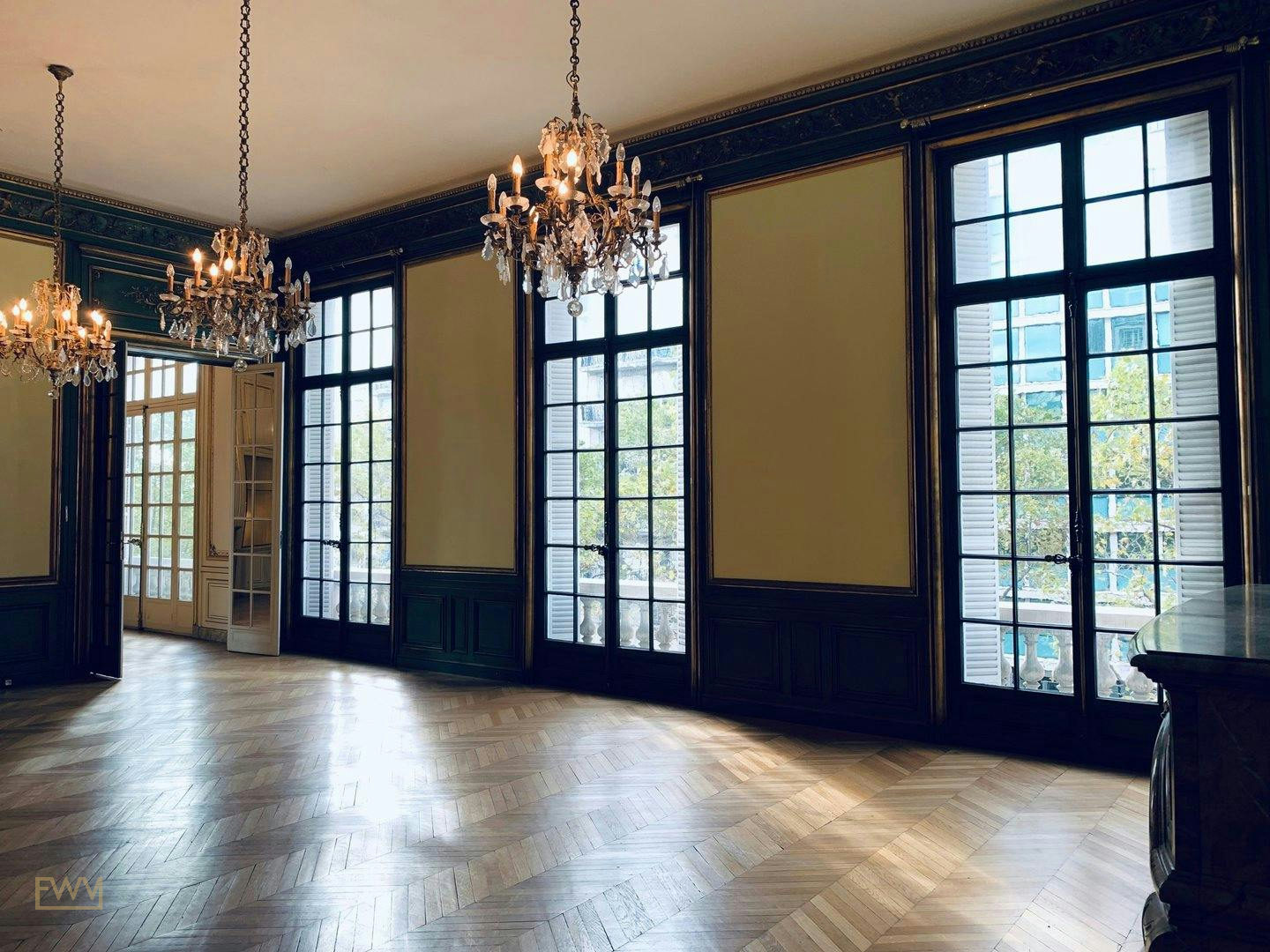
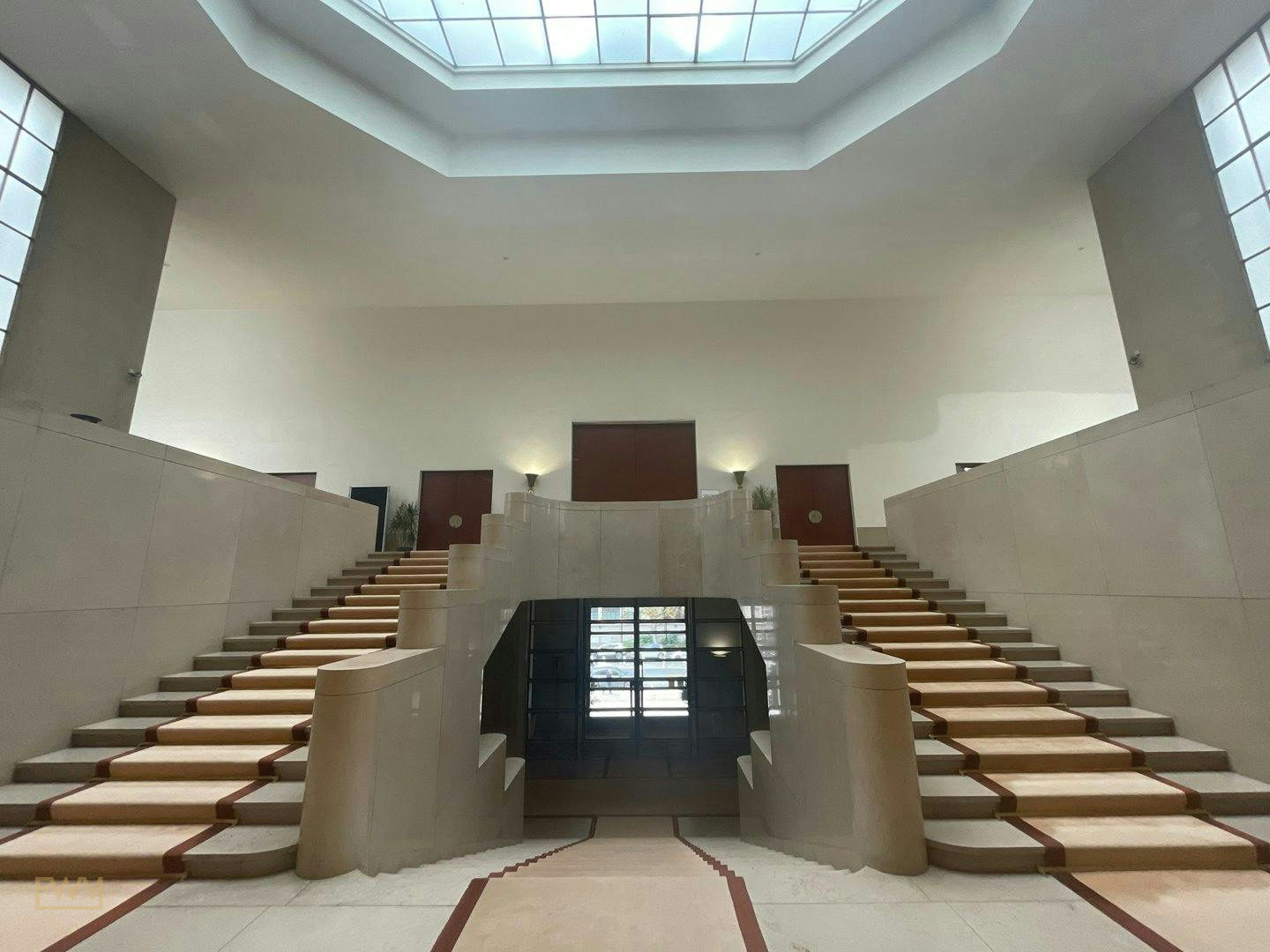
Knowing how to book a pop-up shop in the 16th arrondissement Paris is one of the most strategically important decisions a brand can make when planning a Paris activation. The 16th is home to the Palais de Tokyo, the Fondation Louis Vuitton, the Palais de Chaillot, and the Trocadero, making it one of the most culturally prestigious and commercially distinct neighbourhoods in the French capital. It attracts affluent local residents, culturally engaged international visitors, and fashion industry professionals throughout the year, particularly during Paris Fashion Week. Whether you are a luxury label seeking a showroom, an emerging designer launching a first retail moment, or an international brand entering the Paris market, this guide provides the practical, detailed framework you need to find, book, design, and operate a temporary retail space in the 16th. Fashion Week Venues supports brands planning pop-up spaces in Paris across every stage of the process.
Understanding the 16th Arrondissement as a Pop-Up Destination
The 16th arrondissement sits in the western part of Paris along the right bank of the Seine, stretching from the Trocadero in the north to Auteuil and Bois de Boulogne in the south. It is one of the largest and wealthiest arrondissements in the city, and its character is shaped by a combination of grand Haussmannian architecture, major cultural institutions, residential calm, and high-profile international tourism. For brands, this creates a dual audience: the established Parisian resident seeking considered, high-quality experiences, and the international visitor moving between major landmarks such as the Eiffel Tower, the Arc de Triomphe, and the Fondation Louis Vuitton.
The neighbourhood is divided into several distinct sub-areas, each with different commercial characteristics. The Trocadero area, positioned directly across from the Eiffel Tower, generates extraordinary foot traffic from tourists and is home to the Palais de Chaillot and the Musée d'Art Moderne. Passy, slightly to the south, is a traditional shopping street with boutiques, cafes, and a local clientele that is consistent, established, and discerning. Auteuil sits further south and is quieter, more residential, and more suited to appointment-based showrooms or private brand experiences. The Jardin d'Acclimatation and the Bois de Boulogne provide event-adjacent spaces for activations with an outdoor or cultural dimension.
The 16th is not the highest foot traffic district in Paris. That distinction belongs to arrondissements like the 1st near the Louvre Museum and Les Halles, the 3rd and 4th of the Marais district, and the 6th around Saint-Germain-des-Prés. However, the 16th delivers something different: a curated, sophisticated audience that aligns closely with the positioning goals of luxury, premium lifestyle, design-led, and culturally ambitious brands. Brands operating here are not chasing volume. They are building perception, reaching press and buyers, and generating the type of social media content and media coverage that reinforces brand equity.
During Paris Fashion Week, the 16th becomes particularly active. The Palais de Tokyo is a fixture of the fashion calendar, regularly hosting runway shows, brand installations, and cultural activations. The Fondation Louis Vuitton, located within the Bois de Boulogne, operates as one of the most photographed architectural venues in the city and draws international visitors year-round. Brands that align their temporary retail or showroom presence with these cultural anchor points benefit from the existing audience flow without requiring heavy independent marketing investment.
Quick answer: The 16th arrondissement in Paris is best suited for luxury, design-led, and culturally positioned brands seeking a prestigious, residential-adjacent location with strong museum foot traffic. It is not the highest volume retail district in Paris, but it delivers a curated, affluent audience and strong cultural credibility, particularly during Paris Fashion Week.
KEY TAKEAWAY: The 16th arrondissement rewards brands that prioritise perception and audience quality over raw footfall. Its proximity to major cultural institutions makes it a powerful address for showrooms, limited-edition pop-up stores, and brand experience events during Fashion Week and beyond.
Understanding the geography of the 16th helps clarify the type of space, format, and strategy that will work best. The next step is understanding how Paris arrondissements function as both administrative and commercial territories.
Paris Arrondissements Explained: What Brands Need to Know Before Booking
Paris is divided into 20 arrondissements, each with its own administrative identity, commercial character, planning rules, and audience profile. Arrondissements are numbered from 1 to 20 and spiral outward from the centre of the city, starting with the 1st around the Louvre and the Île de la Cité. Understanding how arrondissements work is essential for any brand making space booking decisions in Paris, because the arrondissement number directly affects permit requirements, commercial zoning, typical rental costs, target demographics, and competitor landscape.
Arrondissements and neighbourhoods are not the same thing. Neighbourhoods are informal designations based on culture, history, and shared identity. Le Marais, for example, spans the 3rd and 4th arrondissements. Saint-Germain-des-Prés sits primarily in the 6th. Montmartre occupies part of the 18th. The Marais district, which contains some of the most competitive pop-up retail territory in Paris, draws both the Le Marais identity and the formal administrative frameworks of two separate arrondissements, which affects everything from noise regulations to temporary signage rules.
Key Arrondissements for Brand Activations in Paris
| Arrondissement | Key Neighbourhoods | Best For | Audience Profile |
|---|---|---|---|
| 1st | Louvre, Les Halles, Vendôme | Luxury retail, high-visibility showrooms | International tourists, luxury shoppers |
| 3rd and 4th | Le Marais, Marais district | Fashion pop-ups, concept stores, emerging designers | Fashion-conscious locals and visitors, press, buyers |
| 6th | Saint-Germain-des-Prés | Premium lifestyle, art books, design | Affluent locals, cultural visitors, buyers |
| 7th | Eiffel Tower, Orsay Museum | Experiential activations, cultural tie-ins | International tourists, families, cultural visitors |
| 8th | Champs-Elysées, Arc de Triomphe | High-volume flagships, press launches | International tourists, corporate visitors |
| 16th | Trocadero, Passy, Auteuil, Chaillot | Luxury showrooms, cultural pop-ups | Affluent residents, cultural visitors, press |
| 18th | Montmartre, Sacre Coeur, Place du Tertre | Creative pop-ups, artist collaborations | Tourists, creatives, art buyers |
The concept of the quartier, or quarter, adds another layer. Within each arrondissement there are multiple quartiers, each with their own local character. In the 16th, the quartier of Trocadero operates very differently from the quartier of Auteuil, even though they fall under the same administrative number. When sourcing a space, understanding this sub-district granularity can mean the difference between a venue that receives consistent foot traffic and one that requires significant independent marketing investment to drive visitors.
DID YOU KNOW: The designation "1er" is simply the French abbreviation for the 1st arrondissement, a masculine noun in French. "1ère" is the feminine form but both refer to the same administrative area. You will see both on maps and in addresses, which can cause confusion for international teams.
Quick answer: Paris arrondissements are administrative districts numbered 1 to 20 that spiral outward from the city centre. They matter to brand teams because they govern commercial zoning, permit requirements, rental costs, and the audience profile of any given location. Knowing the arrondissement is the first filter when evaluating whether a space fits a brand's strategic objectives.
KEY TAKEAWAY: Do not approach Paris as a single retail market. Each arrondissement is a distinct commercial environment. The 16th offers cultural prestige and an affluent audience, but brands must understand its sub-areas and compare them with other arrondissements before committing to a space.
With that geographic foundation established, the next question is what types of spaces are available in the 16th and how the booking process works in practice.
Types of Pop-Up Spaces Available in the 16th Arrondissement Paris
The 16th arrondissement offers a wider variety of temporary retail and event space formats than most brands expect. The common assumption is that the 16th is primarily a residential district without significant commercial space, but this underestimates the density of cultural venues, converted apartments, ground-floor retail units, and private event spaces available for short-term rental.
Space Format Breakdown for the 16th Arrondissement
| Space Type | Typical Location | Best Use Case | Average Duration |
|---|---|---|---|
| Ground-floor boutique unit | Passy, Rue de la Pompe | Retail pop-up store, product launch | 1 to 4 weeks |
| Haussmannian apartment space | Trocadero, Chaillot | Showroom, press preview, VIP event | 3 days to 2 weeks |
| Cultural institution partnership | Palais de Tokyo, Fondation Louis Vuitton | Brand installation, sponsored activation | Event-specific |
| Gallery or white cube space | Across the 16th | Limited edition drops, art and fashion crossover | 1 to 3 weeks |
| Private event venue | Near Bois de Boulogne, Auteuil | Press dinner, buyer preview, private launch | 1 to 3 days |
| Rooftop or terrace space | Trocadero-facing buildings | Brand experience, media event, influencer content | 1 to 5 days |
The apartment format is particularly popular in the 16th because it aligns naturally with the residential character of the neighbourhood. Brands that want to create an intimate, editorial atmosphere for press, buyers, and influencers often prefer a curated apartment space over a standard retail unit. This format has been used by designers, beauty brands, and lifestyle labels to create immersive environments that generate strong social media content without the overhead of a full retail fit-out.
Terraces and rooftop spaces facing the Eiffel Tower and the Seine are among the most sought-after and expensive formats in the arrondissement. These venues are primarily event-grade spaces rather than operational retail environments, but for a brand that needs a singular photographic backdrop and maximum media impact, they are unrivalled in Paris. The Trocadero-facing terrace of the Palais de Chaillot is one of the most iconic views in the city and any activation positioned within line of sight of this perspective benefits from immediate recognisability.
For brands looking specifically at the Marais district or Le Bon Marché area for comparison, it is worth noting that the Marais offers higher baseline foot traffic and a more established pop-up culture, while the 16th offers exclusivity and prestige. Many brands run parallel activations during Fashion Week, using a Marais pop-up store for direct-to-consumer traffic and a 16th arrondissement showroom or press space for trade and media purposes.
TIP: If you are activating during Paris Fashion Week in July 2026, begin your space search at least four to six months in advance. The best spaces in the 16th are booked by established brands and cultural institutions early in the cycle. Waiting until three months before the event significantly reduces your options in high-demand micro-locations.
Quick answer: The 16th arrondissement offers boutique retail units, Haussmannian apartment showrooms, gallery spaces, cultural institution partnerships, private event venues, and Eiffel Tower-facing terraces. The right format depends on whether your primary goal is direct-to-consumer sales, press engagement, buyer previews, or social media content generation.
KEY TAKEAWAY: Space format selection in the 16th should be led by your activation objective, not simply by availability. A press showroom requires different specifications than a consumer-facing pop-up store, and choosing the wrong format is a common and costly error in Paris activations.
To compare neighbourhoods and space types, explore the Paris city hub on Fashion Week Venues and shortlist spaces that match your brief, budget, and calendar window.
Paris Fashion Week and the 16th Arrondissement: Calendar Strategy for 2026
Paris Fashion Week is the anchor event around which most international brands time their Paris activations. In 2026, the primary summer scheduling window runs from July 6 to 9 for the Haute Couture calendar. Understanding how to position a 16th arrondissement activation within the broader Paris Fashion Week schedule is essential for maximising the return on your rental and production investment.
The 16th arrondissement plays a specific role during Fashion Week. While the Marais district, Le Bon Marché, and the Saint-Germain-des-Prés area host the highest concentration of designer showrooms, press rooms, and concept store takeovers, the 16th anchors the cultural programme. The Palais de Tokyo regularly hosts shows, installations, and brand activations during Fashion Week. The Fondation Louis Vuitton operates its own programming. The Palais de Chaillot and the Musée d'Art Moderne provide institutional backdrops that brands use for press events, buyer dinners, and editorial shoots.
Brands activating in the 16th during Fashion Week should understand that the calendar is dense and the competition for editorial attention is extreme. The most effective strategies combine a physical space in the 16th with a clear content and influencer programme. Brands such as those working with Harry Nuriev on immersive installations, or taking inspiration from the pop-up bookstore model established by Bokbar and the Béton Littéraire concept, have demonstrated that a distinctive concept in the right location generates more media coverage than a conventional retail format in a higher-traffic neighbourhood.
The Paris pop-up landscape in 2026 includes several notable activations worth studying for context. In the Marais district, brands like Anthony Calydon have used intimate two-day pop-up formats on Rue Debelleyme in the 3rd arrondissement to create targeted social media moments. Lili Curia, the London-based footwear label worn by artists like Karol G and Suki Waterhouse, activated at Dover Street Market on Rue des Francs-Bourgeois in the 4th. JW Anderson opened a seasonal space on Rue du Louvre in the 1st. These activations reflect a broader pattern: brands cluster around the Marais district, Saint-Germain-des-Prés, and the 1st arrondissement for consumer and retail-driven pop-up stores, while using the 16th for cultural, press, and VIP-facing activity.
For brands with budgets that support only one Paris location, the decision between the Marais and the 16th is a fundamental strategic choice. The Marais delivers foot traffic, cultural credibility, and established pop-up infrastructure. The 16th delivers prestige, a high-net-worth residential audience, and proximity to Paris's most important contemporary cultural institutions. The right answer depends entirely on your brand's objectives for the specific activation.
DID YOU KNOW: The Galerie Joseph in the 3rd arrondissement and the former Colette space in the 1st are among the most historically referenced pop-up venues in Paris, but the 16th has produced equally influential cultural moments through its museum-adjacent activations and institutional partnerships. The Palais de Tokyo has hosted brand moments for labels including Rick Owens and Valentino.
Quick answer: During Paris Fashion Week in 2026, the 16th arrondissement operates primarily as a cultural and institutional backdrop rather than a high-volume consumer retail district. Brands use spaces here for showrooms, press events, buyer previews, and editorial activations that benefit from proximity to the Palais de Tokyo, Fondation Louis Vuitton, and Palais de Chaillot.
KEY TAKEAWAY: Align your 16th arrondissement activation with the cultural programme of Fashion Week rather than treating it as a retail replacement. The most effective brands use the 16th as part of a multi-location Paris strategy rather than a standalone consumer-facing effort.
With the calendar strategy clear, the next critical area is the legal and permit framework that governs short-term retail and event space in Paris.
Legal Framework: Permits, Leases, and Compliance for Short-Term Retail in Paris
Booking a pop-up space in Paris involves navigating a legal framework that is meaningfully different from short-term retail in the United Kingdom, the United States, or most other major fashion capitals. Understanding the key legal instruments before you sign any agreement is essential for protecting your brand, your budget, and your activation timeline.
The most common legal structure for a pop-up shop or short-term brand activation in Paris is the bail dérogatoire, sometimes called a short-term commercial lease or bail précaire. Under French commercial law, a standard commercial lease (bail commercial) carries a minimum term of nine years and a range of renewal protections that are entirely unsuitable for temporary retail. The bail dérogatoire was created specifically to allow commercial space rental for periods of up to three years without triggering the protections and obligations of the standard bail commercial. For pop-up brands, this is the primary instrument for spaces rented for weeks or months during Fashion Week or other campaign windows.
For shorter activations such as a weekend event, a one-week product launch, or a single-night press dinner, the relevant instrument is often an autorisation d'occupation temporaire, also known as an AOT. This is a temporary occupation permit that applies primarily to public domain spaces such as terraces, public squares, and spaces adjacent to monuments. If you are considering a space on or adjacent to the Trocadero, in the Jardin d'Acclimatation, or near any public monument in the 16th, an AOT may be required in addition to any private rental agreement.
Paris Pop-Up Legal Instrument Comparison
| Instrument | Duration | Best For | Key Consideration |
|---|---|---|---|
| Bail dérogatoire | Up to 3 years | Weeks to months of temporary retail | Cannot convert to bail commercial without negotiation |
| Convention d'occupation précaire | Variable, typically short | Spaces with uncertain planning status | Fewer protections for the occupant |
| Autorisation d'occupation temporaire (AOT) | Event-specific | Public or monument-adjacent spaces | Issued by public authority, not landlord |
| Contrat de location de courte durée | Days to weeks | Galleries, event spaces, private apartments | Often used for non-commercial creative use |
IMPORTANT: Requirements vary significantly by space type, duration, and arrondissement in Paris. Permit approval is not guaranteed and timelines can be longer than expected, particularly for spaces adjacent to public monuments or in areas with strict planning controls. Always verify your specific situation with a qualified French legal advisor before signing any agreement or committing to a production timeline.
Brands also need to understand the role of business registration. Operating a point of sale in France, even temporarily, may require registration with French authorities depending on the nature of the activity, the duration of the activation, and the nationality of the operating entity. This requirement is frequently misunderstood by international brands, who assume that a short-term space rental requires no local legal structure. Whether or not a French legal entity is required depends on factors including the commercial activity involved, tax obligations, and the terms of any applicable double taxation treaty. Again, qualified French legal advice is essential.
The permit guidance tool on Fashion Week Venues provides a structured starting point for understanding which permits may apply to your specific space type, activation format, and arrondissement in Paris. This should be used as a planning reference alongside professional legal advice, not as a substitute for it.
KEY TAKEAWAY: The Paris short-term retail legal framework is nuanced and consequential. The bail dérogatoire is the standard instrument for pop-up leases, but the correct structure depends on your space type, duration, and intended commercial activity. Never enter a Paris lease or space agreement without understanding the legal instrument involved and its implications for your brand.
Legal clarity feeds directly into budget planning, which is the next critical decision area for any brand booking a pop-up in the 16th.
Budgeting for a Pop-Up Shop in the 16th Arrondissement Paris
Budgeting accurately for a Paris pop-up activation requires separating costs into distinct categories, understanding which costs are fixed and which are variable, and building a realistic contingency. The 16th arrondissement sits at the premium end of the Paris rental market, and brands that underestimate total activation costs frequently find themselves compromising on either the space quality or the production quality, both of which damage the final result.
Rental costs for short-term spaces in the 16th vary considerably based on location, size, format, and timing. Trocadero-adjacent spaces during Fashion Week command premium rates due to their location and calendar demand. Passy boutique units are typically more accessible. Apartment showrooms and gallery spaces sit in a wide range of price points depending on size and owner expectations. Because rental rates in Paris are not standardised and because landlords frequently adjust pricing for Fashion Week periods, providing a single definitive cost range would be misleading. Directional estimates are best built using a brand-specific tool.
Beyond the rental fee, a Paris pop-up activation budget must include production and build costs, furniture and fixtures, branded store design and signage, staffing, security, POS and payments systems, insurance, legal fees, translation and local communication costs, and contingency. If the activation includes an influencer or press programme, add content creation, gifting, event catering, and any paid amplification costs. Each of these line items can be significant, and the most common budget error in Paris activations is treating the space rental as the primary cost when in reality it represents only a portion of the total investment.
TIP: Use the budget calculator on Fashion Week Venues to build a brand-specific estimate based on your space type, activation format, duration, and target arrondissement. This gives you a structured cost framework before you begin sourcing spaces, which prevents the common error of falling in love with a space that is outside your actual operational budget.
For brands considering co-activation as a cost reduction strategy, the twin concept available on Fashion Week Venues allows two complementary brands to share a single space, splitting the rental and production costs while generating cross-brand audience benefits. This model works particularly well in the 16th when two brands share a target audience of affluent, culturally engaged consumers and can create a coherent dual-brand experience.
Quick answer: A pop-up shop in the 16th arrondissement Paris involves rental costs, production and build costs, staffing, POS systems, insurance, legal fees, and marketing investment. Rental rates vary by location, size, and season. The total activation budget is consistently higher than brands initially estimate, and a detailed cost framework built before space sourcing is essential for making financially sound decisions.
KEY TAKEAWAY: Budget planning must precede space selection, not follow it. Build a full activation cost model before you begin viewing spaces. This prevents budget overruns and ensures that your space rental ambition is calibrated to your actual operational capacity.
The Pop-Up Booking Process: Step-by-Step Guide for the 16th Arrondissement
Booking a pop-up shop in the 16th arrondissement Paris involves a structured sequence of decisions and actions. Brands that approach this process without a clear framework typically experience delays, missed windows, and misaligned expectations. The following workflow reflects best practice for international brands entering the Paris market.
Step-by-Step Pop-Up Booking Workflow
| Stage | Action | Timeline Before Activation |
|---|---|---|
| 1. Strategy definition | Define objectives, target audience, format, budget, and calendar window | 6 to 12 months |
| 2. Space brief preparation | Document size, location preference, format, technical requirements, and lease duration | 5 to 6 months |
| 3. Market search and shortlisting | Browse marketplace, contact agents, and evaluate options against brief | 4 to 5 months |
| 4. Site visits and feasibility | Visit shortlisted spaces, assess structural, technical, and logistical suitability | 3 to 4 months |
| 5. Legal and permit review | Engage French legal advisor, confirm lease instrument, apply for any required permits | 3 to 4 months |
| 6. Space secured and lease signed | Finalise rental agreement and confirm access dates | 2 to 3 months |
| 7. Concept and design development | Develop spatial concept, design documents, production brief | 2 to 3 months |
| 8. Production and build | Fit-out, furniture installation, signage, technology integration | 2 to 4 weeks before opening |
| 9. Staffing and operations | Hire and brief local staff, set up POS and payment systems | 1 to 2 weeks before opening |
| 10. Launch and activation management | Open space, manage operations, execute influencer and press programme | Activation period |
| 11. Close, derig, and evaluate | Remove build, restore space, collect data, evaluate ROI | Immediately post-activation |
The most common failure point in this workflow is the gap between stages three and five: brands find a space they want, emotionally commit to it, and then discover permit or legal complications that delay or prevent the activation. Building legal review into the process before signing any agreement, not after, is the single most important procedural protection available to an international brand activating in Paris.
For brands using an agency to manage the process, understanding the scope of the agency's remit at each stage is equally important. Some agencies manage only venue sourcing. Others provide end-to-end production and activation management. Knowing what your agency covers and what you are responsible for independently prevents gaps in the operational programme that surface at the worst possible moment.
The timeline planning tool on Fashion Week Venues allows brand teams to build a customised activation schedule based on their specific calendar, space type, and operational requirements. This is particularly useful for brands managing Paris activations from international offices where the local calendar context is less immediately visible.
Quick answer: Booking a pop-up shop in the 16th arrondissement Paris involves eleven distinct stages from strategy definition to post-activation evaluation. The critical timeline begins four to six months before the target opening date for Fashion Week activations and requires legal review before space commitment, not after.
KEY TAKEAWAY: Treat the pop-up booking process as a project management discipline, not a procurement exercise. Each stage has dependencies, and skipping or compressing any stage creates compounding risk that typically manifests as cost overruns, delays, or operational failures during the activation itself.
Cultural Context: Landmarks, Institutions, and Brand Positioning in the 16th
The 16th arrondissement is one of the most culturally dense districts in Paris for contemporary art, design, and architecture. Understanding the cultural landscape of the neighbourhood gives brands a framework for contextual positioning, partnership opportunities, and narrative alignment that purely commercial space sourcing misses entirely.
The Palais de Tokyo is the flagship contemporary art institution of the 16th and one of the most important cultural venues in European fashion. Its programming consistently intersects art, fashion, and design in a way that attracts exactly the audience most luxury and premium brands want to reach. The museum's building on Avenue du Président Wilson has hosted runway shows, brand installations, and cultural activations that have shaped the aesthetic conversation of Paris Fashion Week for two decades. Brands that activate in proximity to, or in collaboration with, the Palais de Tokyo benefit from an immediate contextual legitimacy that no amount of independent marketing can replicate.
The Fondation Louis Vuitton, designed by Frank Gehry and situated at the edge of the Bois de Boulogne near the Jardin d'Acclimatation, is a different kind of cultural institution. It functions as both a world-class contemporary art museum and an architectural landmark in its own right. The Fondation draws an international audience of art collectors, cultural tourists, and fashion industry professionals throughout the year. For luxury brands, activation in the vicinity of the Fondation Louis Vuitton carries significant symbolic weight.
The Musée d'Art Moderne de Paris, the Palais Galliera dedicated to fashion history, and the Palais de Chaillot complete the major institutional cluster of the 16th. The Palais Galliera is particularly relevant for fashion brands because its permanent collection and temporary exhibitions directly address the history of dress and fashion in Paris, making it a natural partner institution for brand activations with a historical or archival dimension.
Beyond the major institutions, the 16th contains smaller cultural reference points that sophisticated brands leverage for contextual storytelling. The Swedish Institute at Hôtel de Marle, located technically in the 3rd arrondissement but closely associated with the broader Parisian cultural programme, has become known for its Scandinavian cultural programming including Nordic literature and design. Pop-up experiences inspired by Nordic culture, such as those associated with Bokbar, have demonstrated how cultural specificity in a Paris pop-up concept can generate significant media coverage and social media engagement from audiences that actively seek out the unexpected in a city saturated with conventional retail activations.
The concept of a pop-up bookstore in Paris, such as those inspired by the Béton Littéraire model or the Bokbar Scandinavian literature concept, illustrates an important principle for any brand planning a 16th arrondissement activation. Authors and cultural figures including Tove Jansson, whose Moomins characters have been the subject of design collaborations, and contemporary Nordic writers such as Karl Ove Knausgård, Jón Kalman Stefánsson, Sara Stridsberg, and Sofi Oksanen have all been associated with Paris cultural events that generated genuine editorial attention. The Café NouNou and Sara-Vide Ericson collaborations in the Nordic space demonstrate how cultural authenticity generates media interest that commercial concepts often fail to achieve.
For fashion brands, the lesson is not to open a bookstore in the 16th. The lesson is that cultural specificity, intellectual depth, and genuine narrative coherence are what distinguish memorable Paris activations from forgettable retail moments. Brands like Sarah Andelman, the creative force behind the original Colette in the 1st arrondissement, and Ines Melia have demonstrated repeatedly that a clear cultural point of view is more valuable than a large space in a prestigious location.
KEY TAKEAWAY: The cultural landscape of the 16th arrondissement is an activation asset, not just a backdrop. Brands that build their 16th arrondissement pop-up concept in genuine relationship with the neighbourhood's cultural institutions, architectural identity, and artistic community generate meaningfully stronger results than brands that treat it as an address.
How Fashion Week Venues Helps Brands Book Pop-Up Shops in the 16th Arrondissement Paris
Fashion Week Venues is a full-service pop-up shop agency and space marketplace with Paris as its primary market. The platform is built specifically to address the complexity that international brands encounter when planning temporary retail and event activations in Paris, and its service structure covers every stage of the booking and activation process that this guide has described.
For brands at the research stage, the Fashion Week Venues space marketplace allows teams to browse available spaces across Paris arrondissements, filter by location, size, format, and calendar availability, and compare options in a structured way. The compare tool and locator tool on the platform allow brand teams to evaluate multiple spaces simultaneously and understand their geographic positioning relative to key cultural institutions, transport links, and competitor activations.
For brands that need support with the full activation process rather than just space discovery, Fashion Week Venues offers a comprehensive service portfolio. The venue sourcing service goes beyond marketplace browsing to identify and negotiate access to spaces that are not publicly listed, including private apartments, institutional partnerships, and off-market boutique units. The concept direction service supports brands in developing a spatial and narrative concept appropriate to their target audience and Paris market positioning. The production and build service manages the fit-out, furniture installation, and technical delivery of the activation in-market. The activation management service covers the operational period, including day-to-day management, staff supervision, and event programming.
For brands with specific staffing requirements, the retail staffing service provides experienced, French-speaking sales and event staff who understand the Paris customer and the particular expectations of the 16th arrondissement audience. This is an area where international brands consistently underestimate the importance of local cultural fluency, both in terms of language and in terms of understanding the unspoken codes of customer interaction in different Paris neighbourhoods.
The platform's ROI calculator allows brands to model the expected return on their activation investment based on their objectives, audience, duration, and format. This is particularly valuable for brands presenting internal business cases for Paris pop-up investment, as it provides a structured financial framework that supports budget approval processes.
It is important to be clear about what Fashion Week Venues does not guarantee. No agency can guarantee that a specific space will be available, that permits will be approved on a specific timeline, or that an activation will achieve a specific commercial outcome. What Fashion Week Venues provides is expertise, process, relationships, and operational capacity that significantly reduces the risk and friction of Paris pop-up execution. Brands that work with an experienced Paris agency consistently achieve better outcomes than those that attempt to manage the process independently from outside France, primarily because the local market knowledge, legal understanding, and supplier network accumulated through experience cannot be replicated through desk research.
For brands new to working with a Paris agency, the guide to hiring a pop-up agency on Fashion Week Venues provides a practical framework for evaluating agency scope, fee structures, and service boundaries before committing to a working relationship.
KEY TAKEAWAY: Fashion Week Venues provides a combination of space marketplace access and full-service agency support that covers every stage of a Paris pop-up activation. The most effective brand teams use both the discovery tools and the service layer, rather than treating them as alternatives.
Comparing the 16th Arrondissement with Other Paris Pop-Up Neighbourhoods
Choosing the right neighbourhood for a Paris pop-up activation requires an honest assessment of your brand's priorities, audience, budget, and objectives. The 16th arrondissement is one of several high-quality options, and understanding how it compares with the Marais district, Saint-Germain-des-Prés, and other key areas helps brands make decisions based on evidence rather than prestige assumptions.
The Marais district, spanning the 3rd and 4th arrondissements, is the highest-activity pop-up retail neighbourhood in Paris. It combines strong organic foot traffic from a fashion-conscious local and tourist audience, an established infrastructure of galleries and event spaces, proximity to Dover Street Market and other international retail anchors, and a cultural energy that supports both emerging designers and established international brands. The Marais is where the Anthony Calydon, Lili Curia, and Jihan activations described earlier in this guide chose to operate, and this reflects a deliberate calculation about foot traffic and audience alignment. The trade-off is competitive density and higher baseline noise levels, which require stronger creative concepts to generate standout.
Saint-Germain-des-Prés in the 6th arrondissement combines intellectual heritage with contemporary luxury retail. Rue Jacob, where the Chauvin Paris x L'Objet activation operated, reflects the neighbourhood's character: refined, culturally literate, and premium without being ostentatious. Saint-Germain attracts an audience of established Parisians, international cultural tourists, and art buyers who respond to quality and provenance. It is a strong choice for lifestyle, home, beauty, and fashion brands with a heritage or cultural narrative.
Montmartre in the 18th arrondissement offers a very different profile: high tourist volumes, an artistic heritage associated with Place du Tertre and the Sacre Coeur, and a creative energy that has increasingly attracted younger brands and design collaborations. The neighbourhood is less commercially saturated for pop-up retail than the Marais, which can work for brands seeking a more surprising or unexpected Paris address.
The 16th sits apart from all of these in a category defined by prestige, residential calm, and institutional adjacency. It is the right choice for brands that are specifically targeting affluent Paris residents, international museum visitors, fashion industry insiders during Fashion Week, and press and buyers seeking a distinctive appointment environment rather than a standard showroom corridor.
Quick answer: The Marais delivers foot traffic and fashion credibility, Saint-Germain-des-Prés offers cultural refinement and luxury positioning, Montmartre provides creative energy and artistic heritage, and the 16th arrondissement provides prestige, institutional adjacency, and an affluent residential audience. The right choice depends on your brand's specific activation objectives and target audience.
KEY TAKEAWAY: No single Paris neighbourhood is universally superior for pop-up retail. The 16th arrondissement has specific advantages that make it the right choice for specific brand types and activation formats, but these advantages only materialise when the activation concept is genuinely calibrated to the neighbourhood's character and audience.
Common Myths About Booking a Pop-Up Shop in Paris Debunked
MYTH: You need a French legal entity to rent a pop-up space in Paris.
FACT: Many international brands rent temporary retail and event spaces in Paris without establishing a French legal entity, particularly for short-duration activations structured as venue hire or short-term lease arrangements. However, the specific legal and tax implications depend on the nature of the commercial activity, the duration of the activation, and the applicable double taxation treaties between France and your home country. Some forms of commercial operation in France do require local registration. Always obtain qualified French legal advice before assuming that your situation is straightforward.
MYTH: Paris Fashion Week in July is the only viable calendar window for a 16th arrondissement pop-up.
FACT: While the Haute Couture week in July 2026 creates exceptional conditions for brand visibility and industry audience concentration, the 16th arrondissement generates consistent high-quality foot traffic year-round due to its major cultural institutions, including the Palais de Tokyo, the Fondation Louis Vuitton, and the Musée d'Art Moderne, as well as its affluent residential base. Brands activating in March during Ready-to-Wear season, in September, or during holiday periods can also find strong audiences without the extreme rental premium that accompanies Fashion Week windows.
MYTH: Commission brokers are the only way to find a pop-up space in the 16th arrondissement Paris.
FACT: Commission-based space brokers represent one channel for space discovery, but they are not the only or necessarily the best option. Purpose-built pop-up space marketplaces, direct relationships with property owners and cultural institutions, and full-service agencies with proprietary space networks often provide access to a wider and more curated range of spaces, with clearer fee structures and better alignment of interests between the brand and the space provider.
MYTH: Short-term leases for Paris pop-ups are legally straightforward and require no specialist legal input.
FACT: French commercial lease law is among the most complex in Europe, and the specific instruments used for short-term retail, including the bail dérogatoire and the autorisation d'occupation temporaire, carry significant legal implications that are frequently misunderstood by international brands. Errors in lease instrument selection, permit application, or business registration can result in unexpected tax liabilities, landlord disputes, or operational shutdowns. Specialist French legal input is not optional for international brands activating in Paris. It is a necessary cost of responsible market entry.
MYTH: A prestigious 16th arrondissement address automatically generates strong media coverage and social media visibility.
FACT: Location is necessary but not sufficient. Paris is saturated with brand activations during Fashion Week, and journalists, editors, and influencers are highly selective about which spaces they visit and feature. A strong address in the 16th needs to be combined with a genuinely distinctive concept, a well-managed press and influencer programme, and clear social media content strategy to convert the location advantage into measurable media return.
Frequently Asked Questions
What is a pop-up shop in Paris and how does it differ from a standard retail lease?
A pop-up shop in Paris is a short-term temporary retail or brand experience space, typically operating for anywhere from a single day to several months. Unlike a standard bail commercial, which carries a minimum nine-year term under French law, a pop-up is usually structured as a bail dérogatoire, a short-term commercial lease, or a venue hire agreement. Pop-up shops are used by brands for product launches, Fashion Week activations, seasonal retail moments, press events, showrooms, and brand awareness campaigns. The key differences from permanent retail are the shorter duration, the lower long-term commitment, and the typically higher cost per square metre per week relative to a permanent lease.
How far in advance should I book a pop-up space in the 16th arrondissement for Paris Fashion Week?
For Paris Fashion Week activations, particularly the July Haute Couture window in 2026, brands should begin their space search four to six months in advance. The best spaces in the 16th, particularly those adjacent to the Palais de Tokyo, Trocadero, and Fondation Louis Vuitton, are frequently booked by returning brands and institutional partners before they are publicly listed. Late searches, defined as anything under three months before the target activation date, significantly reduce options and increase costs. Using a timeline planning tool helps brands build a realistic booking schedule from the outset.
Do I need a French company to rent a pop-up space in Paris?
Not always, but the answer depends on the nature of your activation, the lease instrument being used, and your tax obligations under applicable treaties. Many international brands rent short-term spaces in Paris without a French legal entity, particularly for event and showroom formats. However, if your activation involves point-of-sale transactions in France, you may have registration and tax obligations regardless of your company's country of domicile. This is a nuanced area of French commercial law and you should obtain qualified legal advice specific to your situation before making any assumptions about your requirements.
What types of spaces are available to rent in the 16th arrondissement for a pop-up?
The 16th arrondissement offers ground-floor boutique retail units primarily along Passy and the Rue de la Pompe area, Haussmannian apartment showrooms in Trocadero and Chaillot, gallery and white cube spaces, private event venues near Auteuil and the Bois de Boulogne, and rooftop and terrace spaces with Eiffel Tower or Seine views. Cultural institution partnership spaces at the Palais de Tokyo, Fondation Louis Vuitton, and Palais Galliera are also available for appropriate brand collaborations. The right format depends on your activation objective, whether that is direct-to-consumer retail, press engagement, buyer previews, or content creation.
How much does a pop-up shop cost in the 16th arrondissement Paris?
Rental costs for short-term spaces in the 16th arrondissement vary considerably based on location, size, format, and timing. Trocadero-adjacent and museum-adjacent spaces during Fashion Week command premium rates. Passy retail units are typically more accessible. Beyond the rental fee, total activation costs include production and build, branded store design, furniture, staffing, POS systems, insurance, legal fees, and marketing investment. The full budget consistently exceeds the rental fee by a significant multiple. Use the budget calculator on Fashion Week Venues to build a brand-specific cost estimate rather than relying on generalised figures.
What permits do I need for a pop-up shop in the 16th arrondissement?
The permit requirements for a pop-up shop in the 16th depend on the type of space, the nature of the commercial activity, the duration of the activation, and the location within the arrondissement. Spaces adjacent to public monuments, parks, or the public domain may require an autorisation d'occupation temporaire issued by a public authority. Commercial retail activity typically requires a bail dérogatoire or equivalent short-term lease instrument rather than a standard commercial lease. Temporary signage, outdoor installations, and events may require separate authorisations from the local mairie. Requirements vary and are not guaranteed. Use the permit guidance tool as a starting point and engage a qualified French legal advisor for your specific situation.
Is the 16th arrondissement suitable for a consumer-facing pop-up store or only for showrooms?
The 16th arrondissement works for both formats, but the visitor profile and foot traffic characteristics favour showroom, press, and VIP-facing activations over high-volume consumer retail. Brands that operate consumer-facing pop-up stores in the 16th are typically positioned at the luxury end of the market and rely on existing brand equity and targeted invitation-based marketing rather than organic walk-in traffic. For brands seeking high organic foot traffic for a consumer pop-up store, the Marais district, Saint-Germain-des-Prés, or the areas around Le Bon Marché are more suitable primary locations, with the 16th used as a complementary showroom or press space.
What is the Paris Fashion Week schedule for 2026 and how does it affect 16th arrondissement activations?
The Paris Haute Couture Fashion Week schedule for July 2026 runs from July 6 to 9, with associated exhibitions, showroom previews, brand activations, and trade events typically extending across the surrounding weeks. During this period, the 16th arrondissement is particularly active due to programming at the Palais de Tokyo, the Fondation Louis Vuitton, and the Musée d'Art Moderne. Brands activating in the 16th during Fashion Week benefit from an elevated concentration of press, buyers, and cultural influencers in the neighbourhood, but also face significantly higher competition for editorial attention and sharply increased space rental costs.
Can I co-activate a pop-up space in the 16th with another brand?
Co-activation is an increasingly common and strategically effective model for Paris pop-up activations. Sharing a space with a complementary brand reduces the rental and production cost for both parties while potentially expanding the combined audience reach and increasing the conceptual interest of the activation. The twin concept on Fashion Week Venues is specifically designed to facilitate this model, matching brands with compatible positioning and complementary audiences for shared space activations. The 16th arrondissement is well suited to co-activation because its premium residential and cultural audience appreciates curated multi-brand concepts.
What is the bail dérogatoire and why does it matter for a Paris pop-up?
The bail dérogatoire is a short-term commercial lease instrument under French law that allows commercial space rental for up to three years without triggering the full protections of the standard bail commercial. The standard bail commercial carries a minimum nine-year term and extensive renewal protections that are entirely unsuitable for temporary retail. The bail dérogatoire is the standard legal instrument for pop-up shops in Paris that operate for weeks or months. It is important to ensure that the lease instrument in your Paris rental agreement is correctly identified and structured, as misclassification can create unexpected legal obligations for both the tenant and the landlord.
How do I evaluate the ROI of a pop-up shop in the 16th arrondissement?
Evaluating the return on investment of a Paris pop-up activation requires defining your objectives clearly before the activation begins. Consumer-facing pop-ups might measure ROI through direct sales, average transaction value, and customer acquisition cost. Press and showroom activations might measure media value, press coverage reach, buyer order value generated, and influencer content value. Brand awareness activations measure social media reach, share of voice, and earned media. The ROI calculator on Fashion Week Venues provides a structured framework for building a pre-activation ROI model that ensures your measurement approach is aligned with your strategic objectives.
What is the best way to find pop-up spaces in the 16th arrondissement that are not publicly listed?
Off-market spaces in the 16th arrondissement, including private apartments, institutional partnership opportunities, and boutique units with discretionary landlords, are typically accessible only through local agency relationships, property network contacts, and direct outreach to cultural institutions. Working with a full-service agency like Fashion Week Venues gives brands access to spaces that are not listed on public platforms, as well as the relationship and negotiation capacity to secure preferred terms and calendar windows in a competitive market.
What staffing considerations are specific to the 16th arrondissement?
Staffing a pop-up in the 16th requires particular attention to language, cultural fluency, and professional presentation. The 16th serves a combination of French-speaking affluent local residents and international visitors, and staff who can operate comfortably across both audiences in both French and English, and ideally in additional languages, are significantly more effective than staff with strong sales skills but limited cultural adaptability. For brands operating press or VIP-facing activations, staff selection and briefing are among the highest-stakes operational decisions. The retail staffing service on Fashion Week Venues provides locally experienced staff with relevant market knowledge.
Are pop-up stores common in Paris and what makes the city unique as a pop-up market?
Paris is one of the most active pop-up retail markets in the world, with a particularly concentrated season of temporary activations aligned with the bi-annual Fashion Week calendar in January and July. The city's combination of a fashion-literate local population, extraordinary international tourist volumes, a dense cultural institution landscape, and a strong tradition of concept retail, exemplified by spaces like the former Colette and Galerie Joseph, makes it uniquely fertile ground for temporary brand activations. The 16th arrondissement participates in this culture from the elevated perspective of its institutional and residential character, attracting a specific subset of the Paris pop-up audience.
How does Fashion Week Venues support brands that are new to the Paris market?
For brands entering Paris for the first time, Fashion Week Venues provides a structured market entry framework that covers space discovery, legal navigation guidance, concept development, production management, local staffing, and post-activation evaluation. The process page and city hub for Paris on the platform give new-to-market brands a structured orientation to the logistics, costs, calendar, and neighbourhood dynamics of the Paris pop-up market. The agency's experience working across Paris arrondissements means brands benefit from accumulated local knowledge rather than learning the market from scratch, which is both costly and time-consuming when attempted independently.
Conclusion: Booking Your Pop-Up Shop in the 16th Arrondissement Paris
Booking a pop-up shop in the 16th arrondissement Paris is a decision that rewards clarity, preparation, and genuine understanding of what the neighbourhood offers and what it requires. The 16th is not the right arrondissement for every brand or every activation format. But for brands that seek a prestigious, culturally anchored address with proximity to some of Paris's most important contemporary art and design institutions, that want to reach an affluent local and international audience during Fashion Week or year-round, and that are prepared to invest in a concept and production quality worthy of the location, the 16th arrondissement is one of the most powerful addresses available in the city.
The practical steps are clear: define your objectives before selecting a space, build a realistic budget that includes all activation costs before you view spaces, engage qualified French legal advice before signing any lease, begin your search four to six months before a Fashion Week activation, and work with people who have genuine local market knowledge in Paris rather than attempting to manage the process from outside France.
The cultural richness of the 16th, from the Palais de Tokyo to the Fondation Louis Vuitton, from the Trocadero terraces to the quiet galleries of Passy, is both the neighbourhood's greatest asset and the standard against which every activation in it is implicitly judged. The brands that succeed here are those that bring a concept to match the address.
To move from research to activation, start exploring available spaces on the Fashion Week Venues marketplace and build a focused brief for your target neighbourhood, space type, and calendar window. Whether you need venue sourcing alone or end-to-end agency support across concept, production, staffing, and management, the platform and team are structured to support every stage of your Paris activation from first brief to final evaluation.