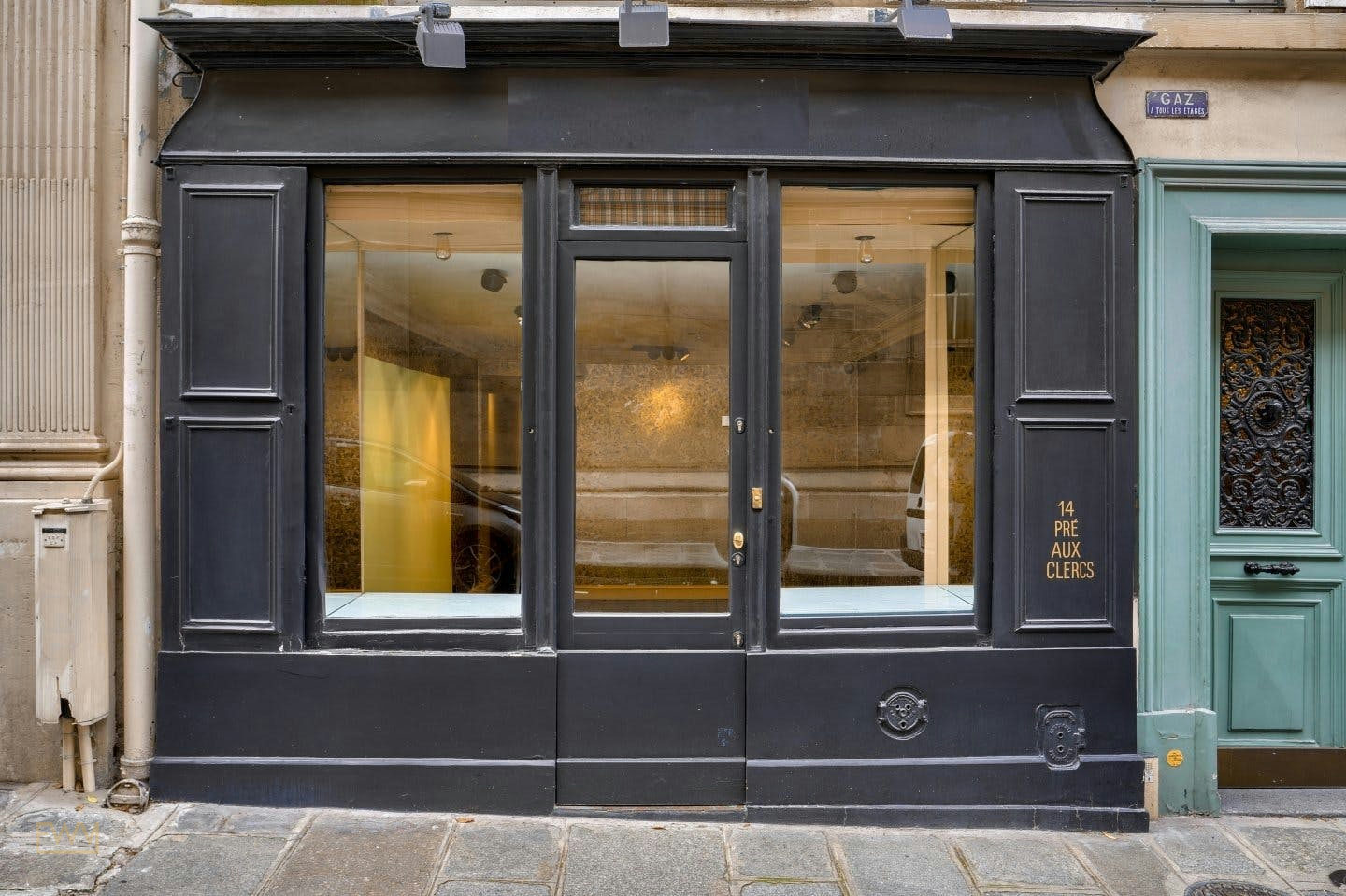
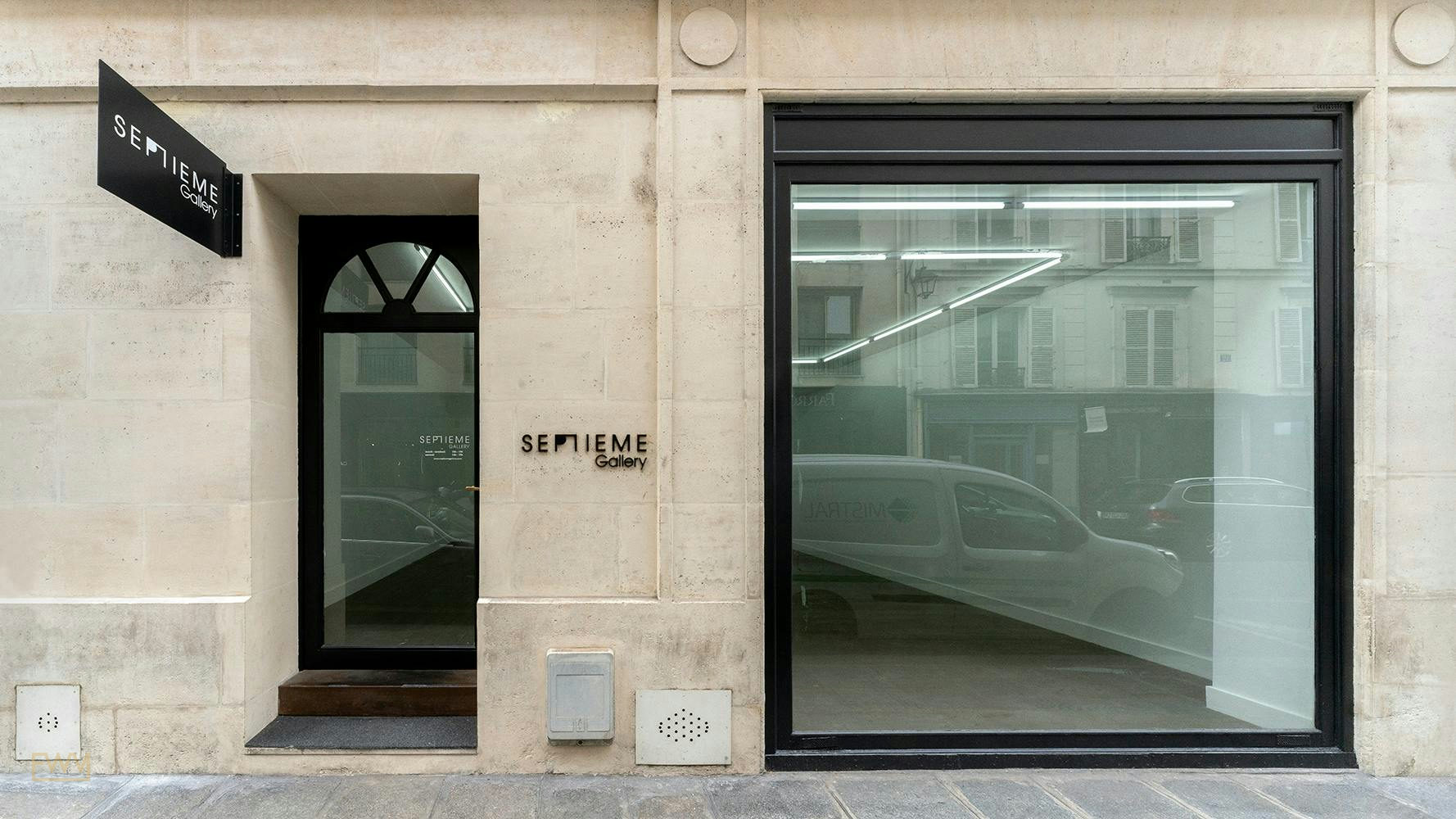
To rent a pop-up space in Paris for Men's Fashion Week, brands need to move early, understand the city's neighbourhood dynamics, and secure the right legal and logistical framework before the calendar window closes. Paris Men's Fashion Week, governed by the Fédération de la Haute Couture et de la Mode, runs in January for Fall/Winter collections and again in June for Spring/Summer, drawing international buyers, press, and private clients to the city in concentrated waves. Demand for short-term retail spaces and showrooms in Le Marais, Saint-Germain-des-Prés, and the 1st and 2nd arrondissements intensifies rapidly in the weeks before each season. Fashion Week Venues provides venue sourcing, production, staffing, and full activation management to help brand teams move from brief to open doors efficiently. This guide covers everything you need to make an informed decision.
What Men's Fashion Week in Paris Means for Pop-Up Strategy
Paris Men's Fashion Week is one of the most commercially significant calendar windows for brands seeking direct access to wholesale buyers, international press, stylists, and high-net-worth private clients. The week-long schedule, set by the Fédération de la Haute Couture et de la Mode, typically runs from late January into early February for Fall/Winter and from late June into early July for Spring/Summer. In 2026, Men's Fashion Week and Haute Couture Week are scheduled together from January 20 to 29, creating an unusually concentrated period of international foot traffic and industry attention across Paris.
For brands without a permanent Paris retail presence, the pop-up format is the primary vehicle for capitalising on this moment. A well-positioned ephemeral boutique or showroom during Men's Fashion Week allows a brand to present a collection, host buyer appointments and press previews, build relationships with Parisian stockists, and generate social media content in an authentic city context. Unlike attending a trade fair or booking a booth at a group presentation, operating an independent pop-up space gives a brand full control over its scenography, clientele, atmosphere, and brand positioning.
The distinction between a showroom and a pop-up store matters here. A showroom functions as an appointment-based presentation space where buyers and press view a collection in a curated setting. A pop-up store, or pop-up shop, opens to a broader public or a targeted invited audience and may include direct-to-consumer retail, product launches, or private exhibition formats. Many brands choose to combine both functions in a single space: morning buyer appointments, afternoon press previews, and evening private client or influencer events. The right venue needs to accommodate all three modes without compromising the brand aesthetic.
Men's Fashion Week also overlaps with or sits adjacent to Haute Couture Week and, depending on the year, other events such as Paris Design Week or trade fairs that bring additional international visitors to the city. This overlap extends the useful commercial window beyond the official fashion shows schedule and creates an opportunity for brands to anchor their activation across a broader period rather than a single week.
DID YOU KNOW: In 2026, Paris Men's Fashion Week and Haute Couture Week are scheduled to run concurrently from January 20 to 29, significantly increasing the density of international buyers, press, and private clients in the city during that window.
KEY TAKEAWAY: Men's Fashion Week in Paris creates a time-compressed, commercially intense window that rewards brands who secure spaces early, plan dual-purpose formats combining buyer appointments with retail or exhibition functions, and align their location strategy with the city's fashion geography.
Understanding the specific neighbourhoods where this demand concentrates is the logical next step, and the choice of arrondissement will shape every other decision a brand makes about its activation.
Which Paris Neighbourhood Should You Choose for Your Pop-Up or Showroom
The arrondissement you choose determines your audience, your aesthetic context, your foot traffic profile, and to a significant degree, your rental rate. Paris concentrates its fashion week activity across a small number of neighbourhoods, each with a distinct commercial and cultural character that affects how a brand is perceived by buyers, press, and consumers.
Le Marais and the 3rd and 4th Arrondissements
Le Marais, centred on the 75003 postal district, is the most in-demand area for pop-up stores and showrooms during Men's Fashion Week. The Marais district combines high international foot traffic with a dense concentration of concept stores, art galleries, independent boutiques, and fashion showrooms operating year-round. Landmarks such as the Musée Picasso, Carreau du Temple, and Place des Vosges draw culturally engaged visitors who also form the core audience for emerging and established menswear brands.
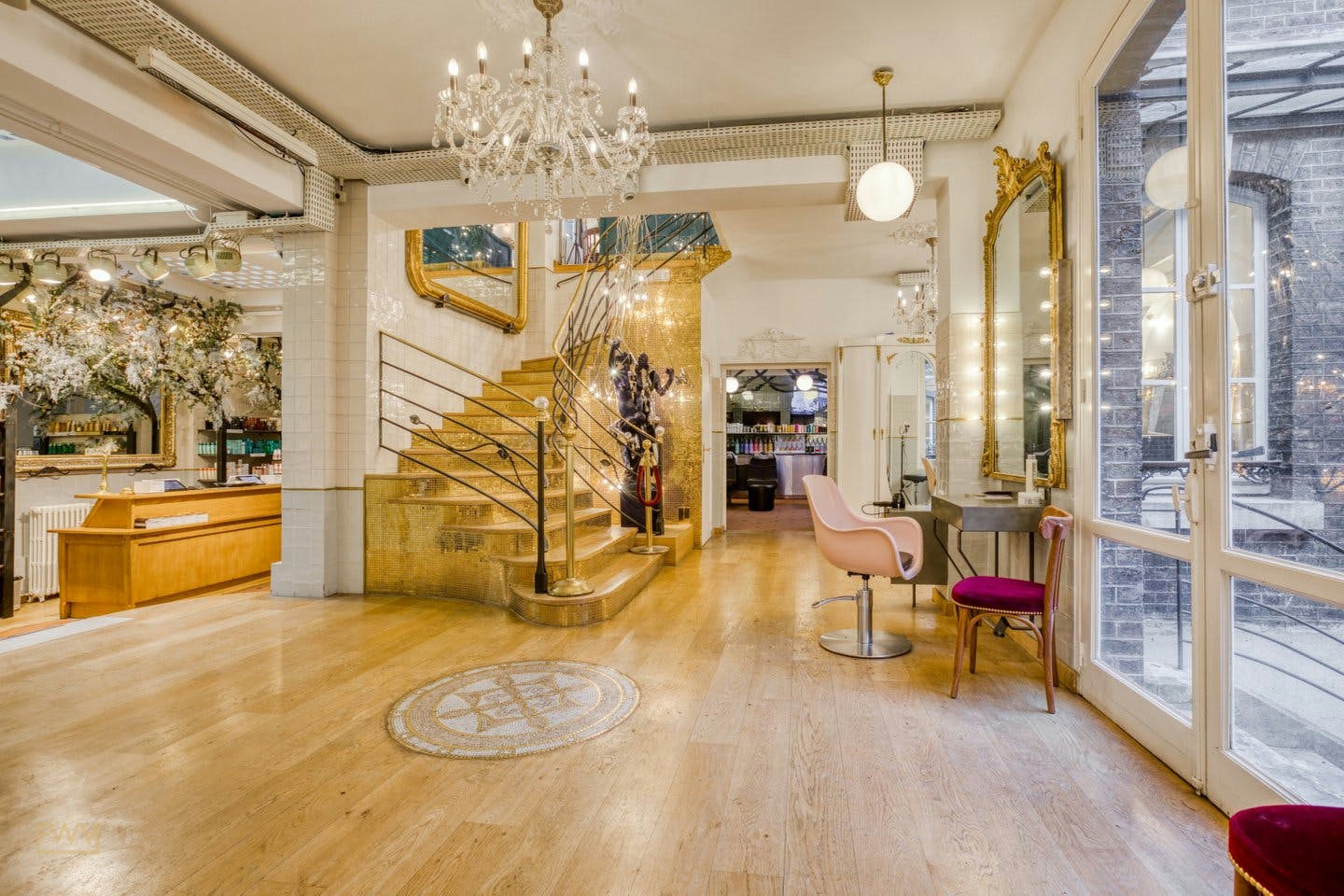
The architecture in Le Marais ranges from converted hôtels particuliers with stone vaulted ceilings and original parquet floors to industrial loft spaces and contemporary gallery units, giving brands a wide range of scenographic possibilities. Natural light is a defining feature of many Marais spaces, with large courtyard windows and north-facing skylights common in the neighbourhood's converted workshops and galleries. A 200 square metre space in the 75003 district is a typical format for a mid-scale menswear showroom or pop-up store, and the neighbourhood's density means that buyers and press moving between appointments can include your space on a single afternoon circuit.
Saint-Germain-des-Prés and the 6th Arrondissement
Saint-Germain-des-Prés appeals to brands seeking a more refined, literary, and heritage-oriented positioning. The 6th arrondissement carries strong associations with French intellectual culture and established luxury, making it particularly effective for designer menswear brands targeting a mature, high-net-worth clientele. Rental rates in Saint-Germain are generally comparable to Le Marais for equivalent space sizes, but the audience profile skews older and the foot traffic is less fashion-week-specific, which can be an advantage for brands whose activation is more focused on private client events than on press or buyer volumes.
The 1st and 2nd Arrondissements: Palais Royal, Opéra, and the Louvre Triangle
The 1st and 2nd arrondissements, encompassing Palais Royal, the rue de Rivoli, the Louvre, and the Opéra quarter, offer exceptional prestige and central positioning. Spaces near Palais Royal attract a sophisticated fashion and design audience, and the colonnaded gardens themselves serve as an informal gathering point for fashion week visitors. The Champs-Élysées corridor and the Place Vendôme and Saint-Honoré axes in the 1st arrondissement are associated with the highest tier of luxury fashion and represent appropriate territory for brands at the luxury or heritage end of the menswear spectrum.
The 8th Arrondissement: Golden Triangle and Saint-Honoré
The 8th arrondissement, home to the Golden Triangle and the rue du Faubourg Saint-Honoré, is the traditional axis of Parisian luxury retail. Brands seeking proximity to established luxury flagships and a clientele accustomed to high-end spending will find the 8th arrondissement compelling, though space availability during fashion week is limited and lead times for securing suitable venues are among the longest in the city.
Quick answer: Le Marais, specifically the 75003 arrondissement, is the most consistently demanded neighbourhood for pop-up stores and showrooms during Men's Fashion Week in Paris. It offers the best combination of foot traffic, fashion industry concentration, architectural variety, and logistical convenience for most brand formats.
| Neighbourhood | Arrondissement | Best For | Typical Space Types | Foot Traffic Profile |
|---|---|---|---|---|
| Le Marais | 3rd and 4th (75003) | Emerging and mid-tier menswear, showrooms, art-adjacent brands | Gallery, loft, hôtel particulier | Very high, fashion-week-specific |
| Saint-Germain-des-Prés | 6th | Refined designer brands, private client events | Boutique, apartment, concept store | High, heritage and luxury audience |
| Palais Royal and Louvre | 1st and 2nd | Design-forward brands, editorial activations | Gallery, showroom, retail unit | High, international and press-heavy |
| Saint-Honoré and Vendôme | 1st and 8th | Luxury and heritage menswear | Boutique, retail store, private salon | High, luxury clientele |
| Champs-Élysées corridor | 8th | Mass-market brand awareness | Retail unit, flagship format | Very high, tourist-heavy |
To compare neighbourhoods and space types in detail, explore the Paris city hub on Fashion Week Venues and shortlist spaces that match your brief, budget, and calendar window.
KEY TAKEAWAY: Neighbourhood choice is a brand positioning decision as much as a logistics one. Le Marais suits most menswear activations, but the right arrondissement depends on your target audience, your aesthetic language, and the format of your activation.
Once you have identified your target neighbourhood, the next critical question is what type of space you actually need and how the rental process in Paris works in practice.
Types of Pop-Up Spaces and Showrooms Available in Paris for Men's Fashion Week
Paris offers a wider range of short-term rental space types than most fashion capitals, reflecting the city's layered architectural heritage and its long tradition of temporary retail and private exhibitions. Understanding which space type aligns with your brand format and activation objectives is essential before you begin sourcing.
Gallery Spaces and Art Galleries
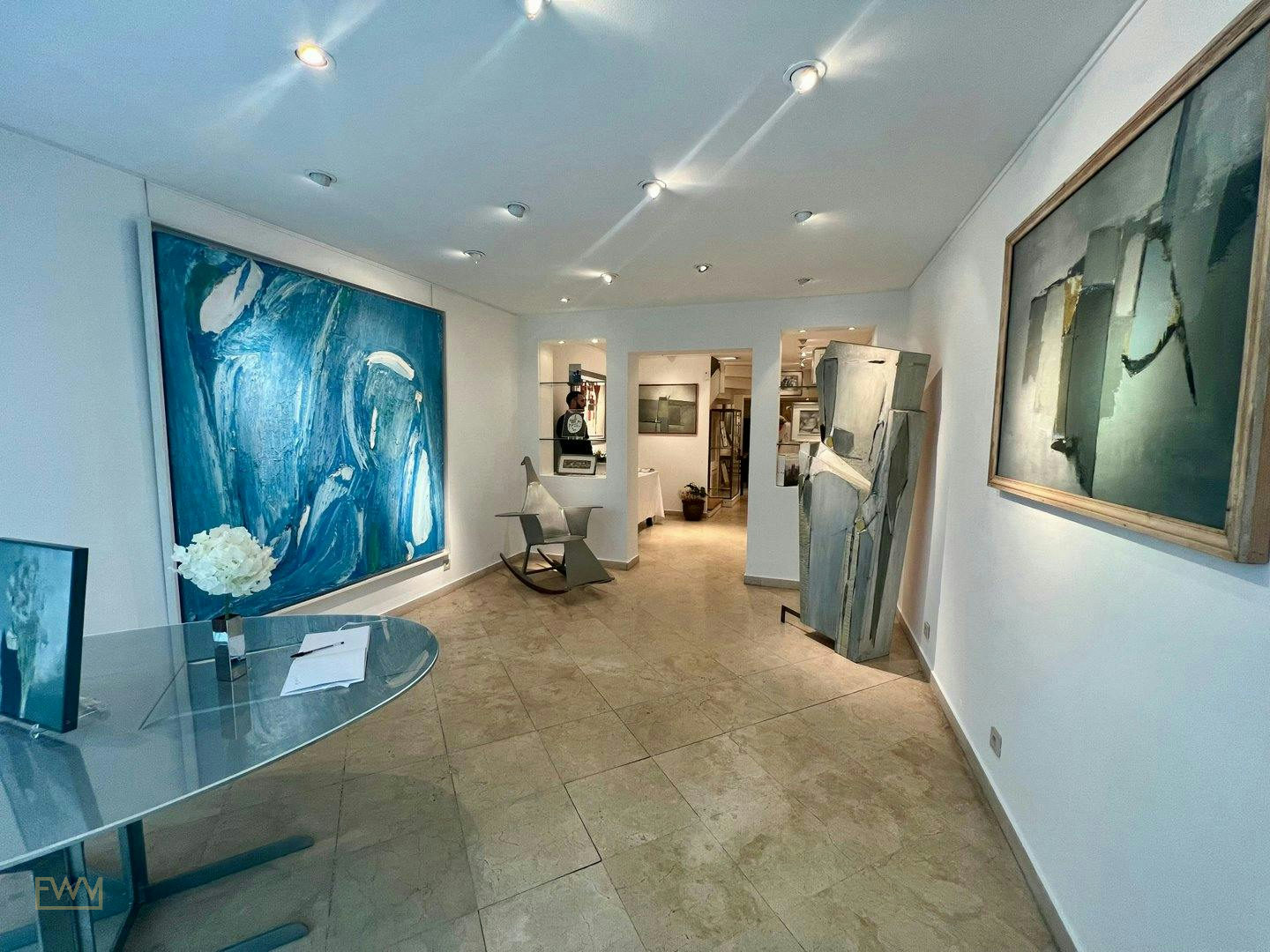
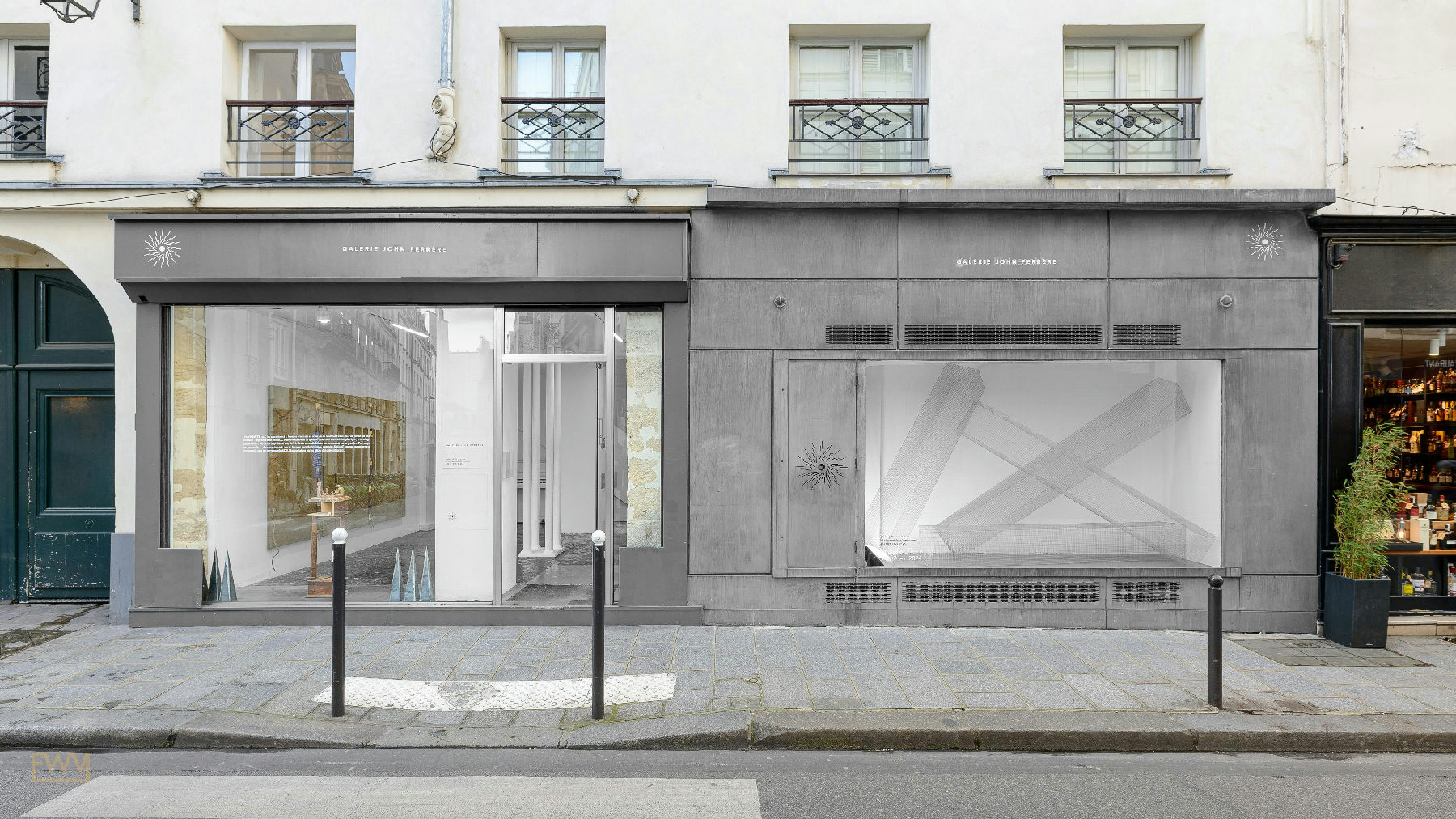
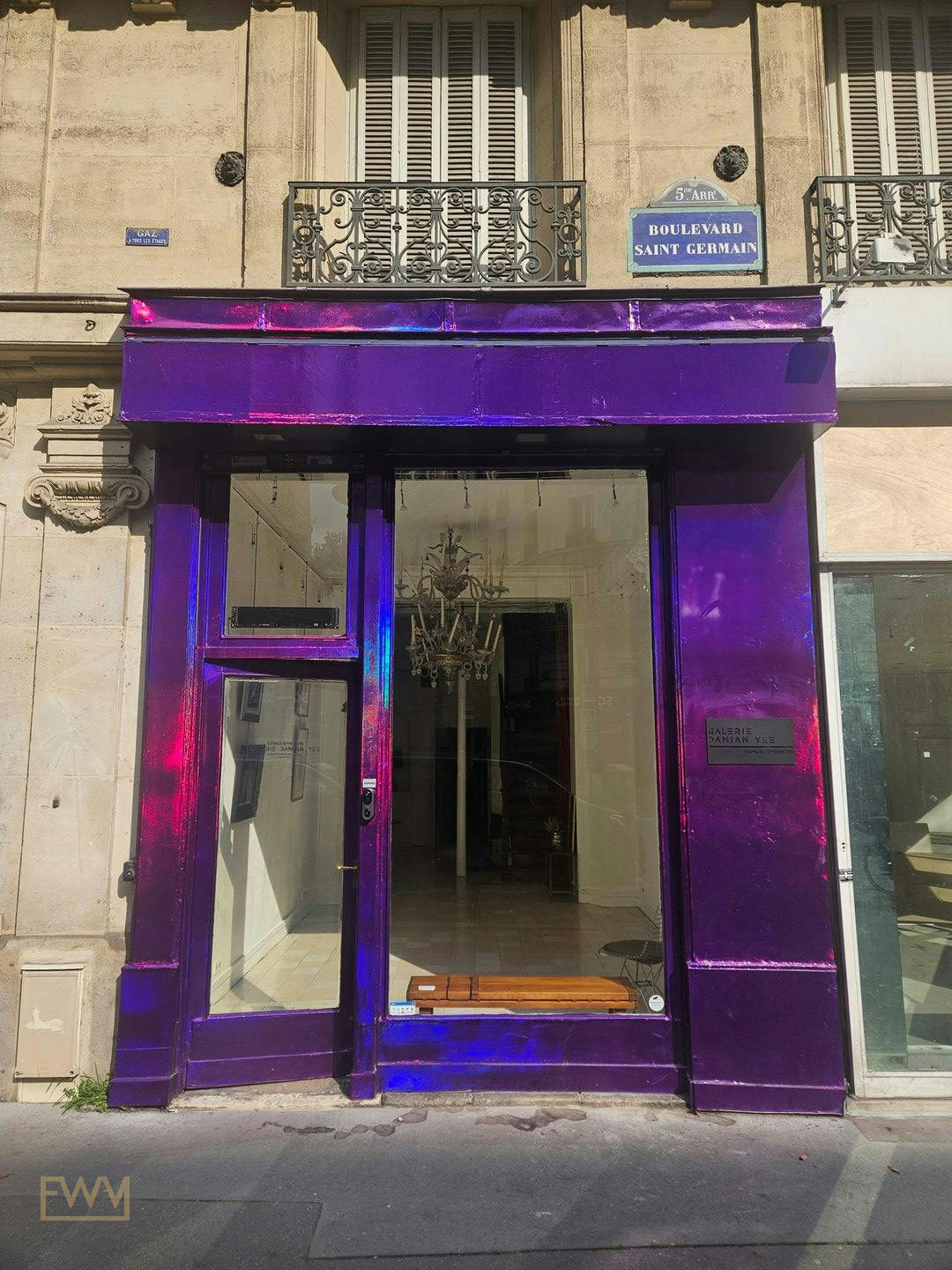
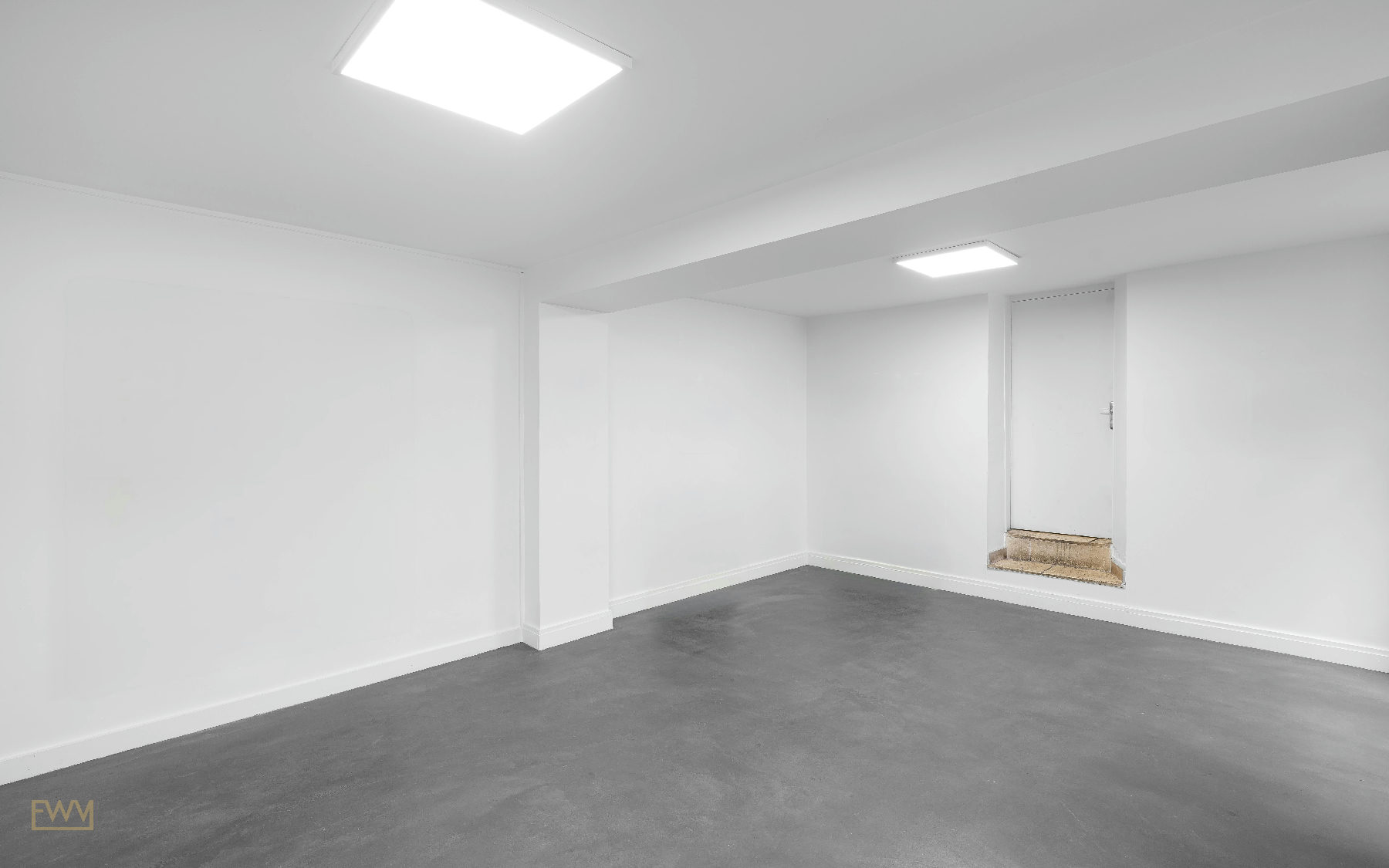
Converted art galleries are among the most sought-after formats for Men's Fashion Week activations. They typically offer clean white walls, polished concrete or parquet floors, generous ceiling heights, and excellent natural light from large front windows or skylights. The gallery format suits menswear brands whose collections have a strong visual and sculptural quality, and the scenography possibilities are extensive because the space arrives as a neutral canvas. Many gallery owners in Le Marais and the 1st arrondissement are accustomed to short-term fashion rentals and understand the operational requirements of a fashion week activation.
Hôtels Particuliers and Parisian Apartments
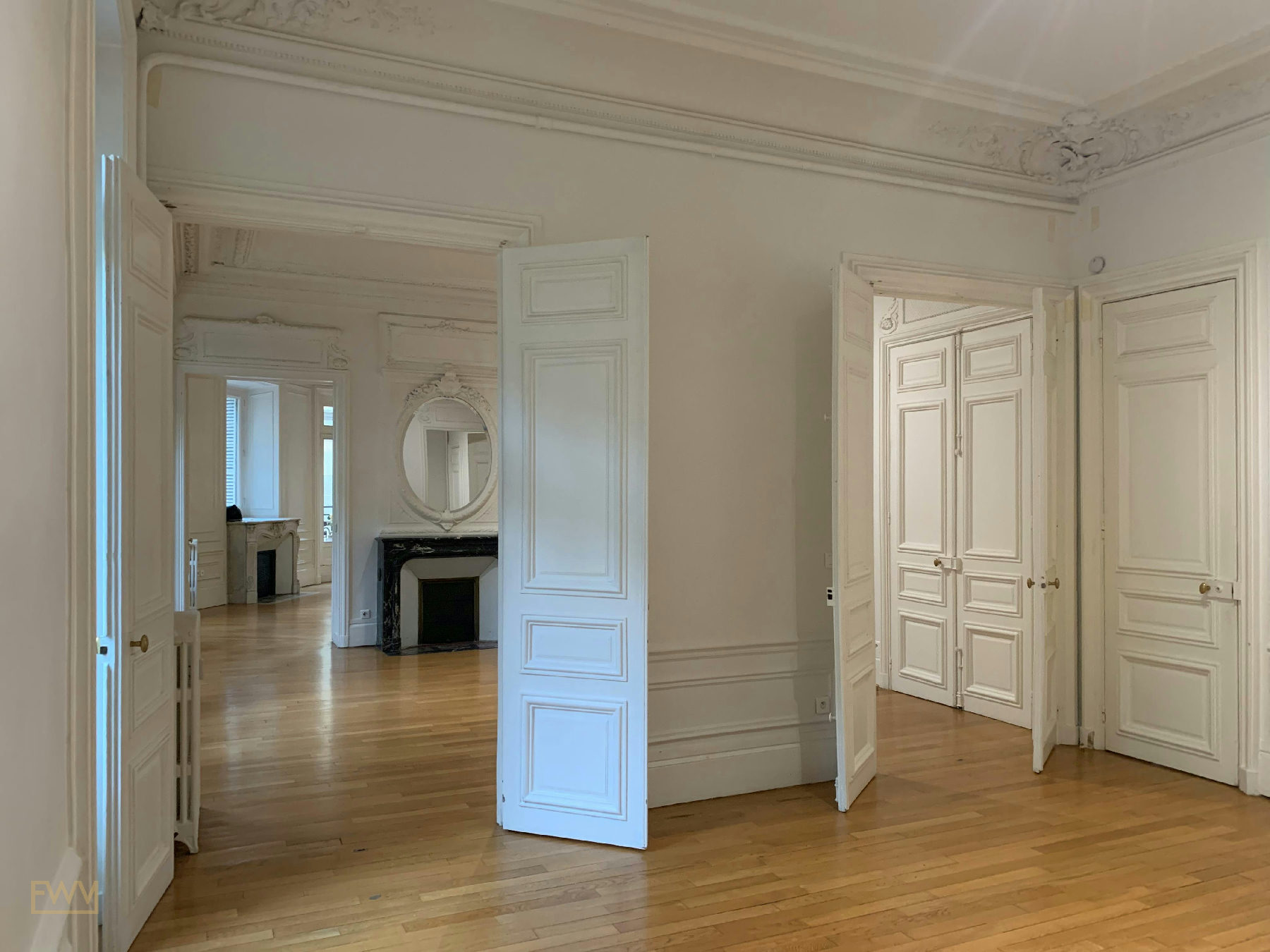
The hôtel particulier, a private mansion converted from aristocratic residential use, is a distinctly Parisian format that projects extraordinary heritage and exclusivity. These buildings typically feature stone staircases, moulded ceilings, original fireplaces, and internal courtyards. They are most effective for luxury or heritage menswear brands hosting intimate buyer appointments, press dinners, or private client events. The apartment format, which includes residential spaces temporarily made available for short-term commercial use, offers a more domestic and lifestyle-oriented atmosphere suited to brands building a sense of personal relationship with their audience.
Concept Stores and Boutiques
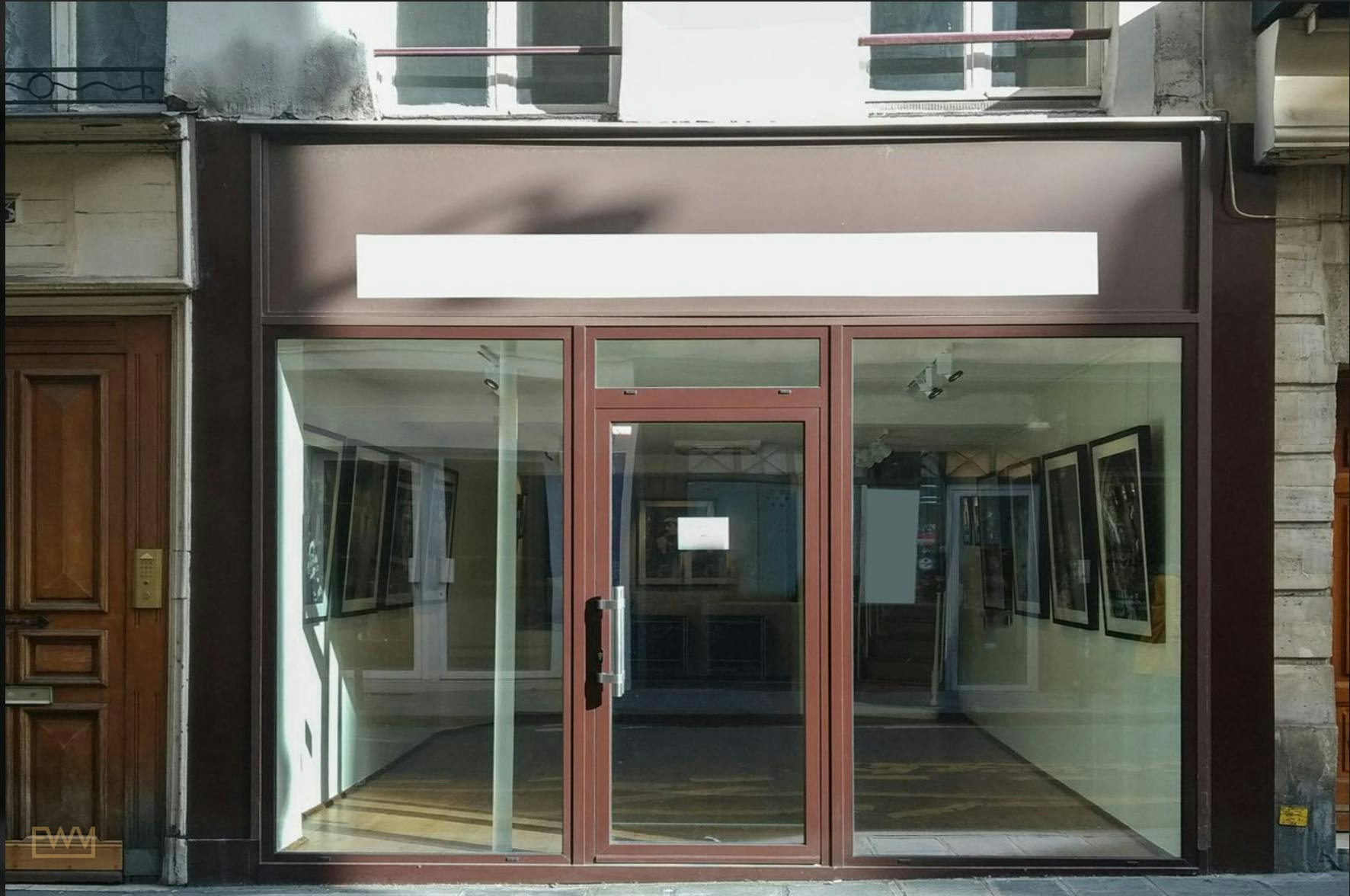
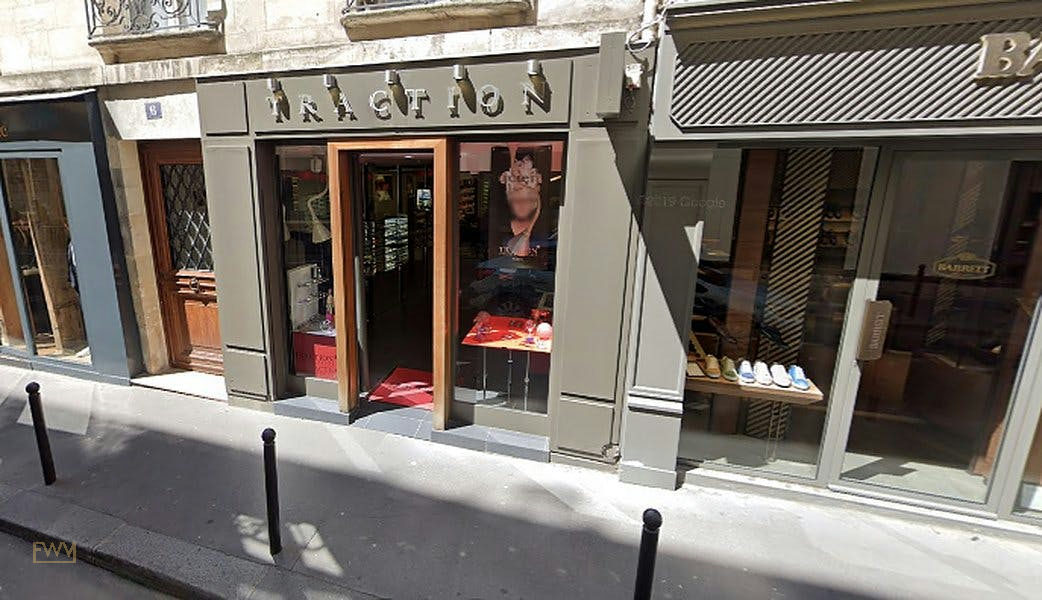
Existing concept stores or boutique units occasionally become available for short-term takeovers during fashion week. These spaces come equipped with existing retail infrastructure including shelving, lighting rigs, and sometimes POS systems, which can reduce fit-out requirements and costs. A boutique takeover during Men's Fashion Week also benefits from any residual brand association with the host space, which can be advantageous or neutral depending on alignment.
Industrial Lofts and Workshop Spaces
Former ateliers, printing workshops, and light industrial units converted for contemporary use are common in the 3rd arrondissement and parts of the 10th and 11th. These spaces offer larger footprints, flexible layouts, and a rawer aesthetic that suits streetwear, workwear, and progressive menswear brands. The Carreau du Temple, located in the heart of Le Marais, is one of the most recognisable examples of a former industrial hall repurposed for fashion and cultural events.
Quick answer: The most common space types for Men's Fashion Week activations in Paris are gallery units, hôtels particuliers, boutique takeovers, and converted loft spaces. The right choice depends on collection aesthetic, format, audience size, and budget. Most activations in Le Marais fall between 100 and 300 square metres.
TIP: Spaces described as offering natural light in listings are particularly valuable during fashion week because natural light supports garment photography, product presentation, and the overall sensory quality of a collection viewing. Prioritise north-facing or courtyard-facing units if collection photography is part of your activation plan.
| Space Type | Typical Size | Best Activation Format | Key Aesthetic Quality |
|---|---|---|---|
| Gallery unit | 80 to 300 sqm | Showroom, press preview, pop-up store | Neutral, light-filled, sculptural |
| Hôtel particulier | 200 to 600 sqm | Luxury buyer appointments, private events | Heritage, monumental, atmospheric |
| Boutique takeover | 50 to 150 sqm | Retail pop-up, product launch | Curated, retail-ready |
| Industrial loft | 150 to 500 sqm | Brand event, runway presentation, showroom | Raw, flexible, contemporary |
| Apartment | 80 to 200 sqm | Private client event, editorial shoot | Residential, intimate, lifestyle |
KEY TAKEAWAY: Space type is a creative decision that shapes the entire visitor experience. Match the architecture to the collection narrative rather than defaulting to the largest or most available option.
Knowing what you need is one thing. Understanding how the rental and permit process works in Paris is another, and it is where many international brands encounter unexpected friction.
How to Rent a Pop-Up Space in Paris: Process, Permits, and Legal Framework
Renting a short-term space in Paris for a fashion week activation involves a different legal and administrative framework from standard commercial leasing in many other markets. International brands, particularly those without an established French entity, sometimes find the process less straightforward than anticipated. Understanding the key legal instruments and compliance requirements before you begin sourcing will save significant time and reduce risk.
The Bail Dérogatoire
The most common legal instrument for short-term commercial rental in France is the bail dérogatoire, sometimes called a short-term commercial lease. Under French commercial law, a bail dérogatoire allows landlords and tenants to agree on a rental period of up to three years without the tenant acquiring the long-term occupancy rights that attach to a standard commercial lease (bail commercial). For fashion week activations lasting from a few days to several weeks, the bail dérogatoire is typically the appropriate instrument. It provides a degree of legal certainty for both parties while remaining flexible enough to accommodate the event-driven timelines of fashion week planning. Requirements and specific terms vary by space type, building classification, and arrondissement, and brands should verify their specific situation with a qualified French legal advisor.
Authorisation d'Occupation Temporaire (AOT)
For activations taking place in public spaces, courtyards, covered passages, or spaces associated with public buildings or monuments, an Autorisation d'Occupation Temporaire (AOT) may be required in addition to or instead of a private rental agreement. AOTs are issued by the relevant municipal or national authority and grant temporary occupation rights for a defined period and purpose. They are commonly used for activations adjacent to public spaces, outdoor installations, or events that require pavement or shared area access. The AOT process involves application, review, and approval steps that can take several weeks, making early engagement with the process essential for fashion week timelines. Requirements vary by space type, duration, and arrondissement.
Insurance and Liability
Short-term commercial rental agreements in Paris almost universally require the tenant to carry liability insurance for the duration of the activation. The specific coverage requirements vary by landlord and space type. Brands operating without a French legal entity should verify that their existing commercial insurance policy provides adequate coverage in France or arrange supplementary coverage before signing a rental agreement.
IMPORTANT: International brands without a French legal entity can legally rent short-term spaces in Paris under a bail dérogatoire, but the process involves specific documentation and compliance steps. Always verify requirements with a qualified French legal advisor and do not rely solely on information from listing platforms or space owners.
For a practical overview of the permit landscape for Paris fashion week activations, the permit guidance tool on Fashion Week Venues provides a useful starting framework, though it is not a substitute for professional legal advice.
Step-by-Step Rental Process for an International Brand
| Step | Action | Typical Timeline Before Activation |
|---|---|---|
| 1 | Define brief: size, neighbourhood, format, dates, budget | 5 to 6 months before |
| 2 | Shortlist spaces through marketplace or agency | 4 to 5 months before |
| 3 | Visit shortlisted spaces (in person or virtual) | 3 to 4 months before |
| 4 | Negotiate rental terms and draft bail dérogatoire | 3 months before |
| 5 | Arrange insurance and confirm legal entity or proxy | 2 to 3 months before |
| 6 | Apply for any required permits (AOT or municipal) | 6 to 8 weeks before |
| 7 | Confirm fit-out contractor and design brief | 6 to 8 weeks before |
| 8 | Deliver and install build | 2 to 5 days before activation |
| 9 | Open activation and manage operations | During activation window |
| 10 | Strike, restore, and return space | Within agreed period after activation |
Quick answer: To rent a pop-up space in Paris for Men's Fashion Week, start your search at least four to five months before your activation date. The process involves space identification, lease negotiation under a bail dérogatoire, insurance arrangement, possible permit applications, and fit-out coordination. The entire process typically takes ten to fourteen weeks for an international brand entering the market for the first time.
KEY TAKEAWAY: The legal and administrative requirements for short-term rental in Paris are manageable but specific. Working with an agency or advisor who understands the Paris market significantly reduces the risk of delays, compliance oversights, or unfavourable lease terms.
Budget is the other foundational constraint that shapes every decision, from neighbourhood to space size to fit-out quality. The next section addresses what brands should realistically plan for.
Budget Planning for a Paris Men's Fashion Week Pop-Up or Showroom
Budgeting accurately for a Paris Fashion Week activation requires separating the space rental cost from the total activation cost, which includes fit-out, staffing, logistics, security, insurance, and operational expenses. Many brands underestimate total cost by focusing only on the daily or weekly rental rate without accounting for the full scope of expenditure required to open and operate a professional pop-up or showroom.
Space Rental Rates
Rental rates for short-term retail spaces in Paris during fashion week vary significantly by neighbourhood, space size, quality, and the specific window of occupancy. Spaces in Le Marais at the 75003 postcode are among the most actively priced during Men's Fashion Week, reflecting the concentration of industry demand in that neighbourhood. As a directional reference, spaces in the 75003 district range across a wide spectrum: a 115 square metre space may be listed from around USD 1,220 per day, while a 180 square metre space in the same neighbourhood may be listed at USD 1,830 per day or above. These figures are indicative only and should not be treated as guaranteed market rates. Actual pricing depends on specific space quality, landlord terms, duration of rental, and timing within the fashion week calendar. Rates during the peak Men's Fashion Week window are generally higher than equivalent spaces outside the calendar period, due to concentrated international demand.
To build a reliable estimate for your specific brief, use the budget estimation tool on Fashion Week Venues, which allows you to model costs across space, fit-out, and operational variables.
Fit-Out and Production Costs
The cost of designing and building out a space for a fashion week activation depends on the complexity of the concept, the condition of the base space, and the duration of the rental. A minimal intervention using freestanding furniture, branded graphics, and lighting adjustments will cost considerably less than a bespoke architectural installation. Furniture rental is a common cost-reduction strategy for fashion week activations, allowing brands to achieve a polished interior without the capital outlay and logistics of purchasing and shipping furniture from their home market.
Staffing, Security, and Operations
A Paris fashion week pop-up or showroom requires a minimum operational team including a space manager, sales or brand representatives, and in many cases a security service, particularly for high-value collections or private client events. Staff sourcing in Paris requires either local hiring through a staffing agency or the deployment of existing brand team members, each carrying its own cost and logistical implications. Security service requirements vary by space type, insurance terms, and the nature of the activation. Brands displaying high-value goods such as jewellery, watches, or limited-edition pieces should factor professional security provision into their planning from the outset.
Total Activation Cost
A realistic total activation budget for a one-week Men's Fashion Week showroom or pop-up in Le Marais, inclusive of rental, basic fit-out, staffing, and operational costs, spans a wide range depending on scale and ambition. Brands should approach budget planning with a full cost model rather than a space-only rental figure. The ROI calculator on Fashion Week Venues can help brand teams evaluate expected returns against total investment, incorporating metrics such as buyer order volume, press reach, and direct sales where relevant.
Quick answer: Space rental rates in Paris during Men's Fashion Week range from several hundred to several thousand US dollars per day depending on size, neighbourhood, and timing. Total activation costs including fit-out, staffing, and operations significantly exceed the rental rate alone. All figures should be treated as directional estimates and verified through a formal brief and quote process.
DID YOU KNOW: Fashion week rental rates in Paris are typically 20 to 40 percent higher than equivalent off-season rates for the same spaces, reflecting the concentrated international demand from brands competing for the same limited inventory of prime locations.
KEY TAKEAWAY: Budget planning for a Paris fashion week activation must include all cost categories, not just the rental rate. A full cost model covering space, fit-out, staffing, security, insurance, logistics, and permits gives brand teams a realistic basis for investment decision-making.
Timing is inseparable from budget in Paris. The earlier you move, the more space inventory you have access to and the more leverage you hold in rental negotiations.
How Far in Advance to Book Your Paris Fashion Week Space
The single most common mistake international brands make when planning a Paris Men's Fashion Week activation is underestimating lead time. The fashion week calendar is fixed well in advance by the Fédération de la Haute Couture et de la Mode, which means the competitive demand for prime spaces in Le Marais, Saint-Germain-des-Prés, and the 1st and 2nd arrondissements begins to materialise months before the activation dates.
For the January/February Men's Fashion Week window, the most capable brands begin their space search in September or October of the preceding year, roughly four to five months before the event. By November, the best spaces in Le Marais have typically already been reserved. Brands who begin searching in December or January are working with the residual inventory that other brands passed on, which narrows options and weakens negotiating position.
For the June/July window, the same logic applies with a shift of approximately six months. Brands targeting the Spring/Summer Men's Fashion Week should begin their search in January or February for June activations.
Short-term rental formats of three to seven days, which are the most common for buyer appointment showrooms and press preview spaces, are particularly vulnerable to late availability compression. Landlords and space managers in Le Marais understand the fashion week demand cycle well and price and allocate accordingly. The most architecturally distinctive and well-located spaces are booked first, and the residual inventory is typically the spaces with compromises on location, condition, or layout.
Quick answer: Book your Paris Men's Fashion Week pop-up space a minimum of three to four months before your activation date. For the most in-demand spaces in Le Marais and the 1st arrondissement, five to six months is a more realistic lead time. Late searches in December or January for a January Men's Fashion Week activation will face significantly constrained inventory.
Use the timeline planning tool on Fashion Week Venues to map your preparation milestones against the relevant fashion week calendar and identify where your current planning stands relative to the recommended schedule.
KEY TAKEAWAY: Lead time is a competitive advantage in Paris fashion week space sourcing. The brands who secure the best spaces are not necessarily those with the largest budgets; they are the ones who move earliest and define their brief most clearly.
Even with a clear brief, early timing, and a defined budget, brands still need to make sound decisions about how to manage the activation itself. This is where the operational service layer becomes critical.
Operational Services Every Paris Pop-Up Activation Needs
Running a professional pop-up store or showroom during Paris Men's Fashion Week involves substantially more operational complexity than simply renting a space and placing product inside it. Brands that have not operated in Paris before consistently cite logistics, local compliance, staffing, and on-the-ground support as the areas where external expertise adds the most value.
Concept Direction and Scenography
The presentation of a menswear collection in a Paris showroom or pop-up is a creative act as much as a commercial one. The scenography of the space, including the arrangement of garments, the lighting design, the choice of meubles (furniture), and the overall spatial narrative, communicates the brand's positioning to every buyer, journalist, and visitor who enters. Concept direction is the process of translating a brand brief into a coherent spatial experience that reinforces collection identity and supports both buyer engagement and media documentation. Brands working with an agency for concept and creative direction benefit from local knowledge of what works in Paris-specific space types and what resonates with the city's fashion audience.
Production and Fit-Out
The build phase of a Paris fashion week activation requires coordination between the brand's creative team, a local production contractor, the landlord, and any relevant local authorities. Fit-out work in Paris must comply with building regulations specific to the arrondissement and the classification of the property. Historic buildings in Le Marais and the 1st arrondissement carry specific restrictions on what alterations can be made and how surfaces can be treated. Working with a production partner who understands these local regulations reduces the risk of landlord disputes or regulatory complications during build. The production and build service at Fashion Week Venues covers design coordination, contractor management, and compliance navigation.
Retail Staffing
Buyer appointments, press previews, and public-facing pop-up formats all require skilled, brand-aligned staff who understand both the collection and the specific requirements of engaging with trade and consumer audiences in Paris. French-speaking staff with fashion industry experience are particularly valuable for buyer appointments and press previews, where the ability to discuss the collection in depth in French or English is a direct commercial asset. Retail staffing for fashion week activations in Paris should be arranged well in advance of the event to ensure availability of the right calibre of personnel.
Merchandising and Storage
The display and merchandising of a menswear collection requires both creative planning and practical logistics. Most Paris showroom spaces do not include back-of-house storage adequate for a full collection, which means brands need to plan for temporary storage solutions either within the space or in proximity to it. Garment rails, display plinths, and accessory cases must be specified in advance and either sourced locally through furniture rental or shipped from the brand's home market with sufficient lead time to clear customs.
Security
A professional security service is standard practice for fashion week activations in Paris involving high-value goods, VIP events, or publicly accessible pop-up formats with significant foot traffic. Security requirements vary by space type, insurance terms, and the nature of the collection, but the absence of a credible security solution can affect both landlord willingness to let a space and the confidence of buyers and press attending the activation.
Social Media and Influencer Marketing
A Paris Men's Fashion Week activation is also a content opportunity. The combination of a visually compelling Parisian space, a new collection, and the concentrated presence of fashion media creates ideal conditions for social media content generation. Planning content strategy, identifying relevant local influencers, and coordinating media access in advance of the activation amplifies the commercial and brand-building value of the physical presence. Fashion Week Venues offers influencer marketing support as part of its activation services, connecting brands with the appropriate talent for their positioning and audience.
KEY TAKEAWAY: A successful Paris fashion week activation is a multi-service operation. The space is the foundation, but the concept, build, staffing, security, merchandising, and content strategy determine whether the activation delivers on its commercial and brand-building objectives.
For brands navigating this complexity for the first time, working with a specialist agency removes the primary operational risks and allows the brand team to focus on the collection and the relationships that drive commercial outcomes.
How Fashion Week Venues Helps Brands Rent and Activate in Paris
Fashion Week Venues is a full-service pop-up agency and space marketplace with Paris as its primary and anchor market. The platform and agency are designed specifically for the needs of brand teams seeking to activate during fashion week, combining a curated space discovery experience with end-to-end activation management services.
Space Discovery and Venue Sourcing
The Fashion Week Venues marketplace lists curated short-term retail spaces, showrooms, gallery units, and boutiques across Paris's key fashion week neighbourhoods, including Le Marais, Saint-Germain-des-Prés, the 1st and 2nd arrondissements, and the 8th arrondissement. Spaces are categorised by neighbourhood, size, space type, and calendar availability, allowing brand teams to shortlist options efficiently. The venue sourcing service extends beyond the marketplace to include off-market sourcing for brands with specific requirements that the listed inventory does not yet cover.
Tools for Planning and Decision-Making
Fashion Week Venues provides a suite of planning tools designed to help brand teams build accurate briefs and make informed decisions before committing to a space. The budget estimation tool, the ROI calculator, the compare tool for evaluating multiple spaces side by side, the timeline planning tool, and the permits guidance tool collectively address the most common planning challenges international brands face when entering the Paris market. These tools are directional aids and not substitutes for professional legal, financial, or logistical advice, but they significantly accelerate the research and brief-building phases of the process.
Full-Service Activation Management
For brands requiring a managed activation, Fashion Week Venues offers integrated project management covering concept direction, production and fit-out, staffing, furniture rental, POS and payments, data and analytics, and influencer marketing. This end-to-end model is particularly valuable for brands entering Paris for the first time or operating without a local team. The activation management service coordinates all workstreams from brief through build through live operation through strike, providing a single point of accountability for the entire activation.
The Twin Co-Activation Concept
For brands seeking to maximise their Paris presence without the cost of an independent space, the Fashion Week Venues twin concept allows two complementary brands to share a single space in a structured co-activation format. This approach divides space and operational costs while maintaining distinct brand identities and programming within the shared venue. It is particularly useful for emerging menswear brands with limited budgets but strong creative identities who benefit from the additional credibility and foot traffic that a shared activation with a peer brand can generate.
Who Benefits Most
Fashion Week Venues is most useful for international brands entering the Paris market without an established local presence, for brands scaling their Paris activation from a previous experience, and for brand teams who need to move quickly from brief to activation without building a local supplier network from scratch. The agency does not guarantee specific spaces, permit approvals, or commercial outcomes, and brand teams should treat Fashion Week Venues as a knowledgeable partner rather than a guarantor of results.
To review past activations and understand the scope of work Fashion Week Venues has delivered for other brands, explore the work and case study section of the website.
KEY TAKEAWAY: Fashion Week Venues provides both the space marketplace and the operational services needed to execute a Paris Men's Fashion Week pop-up or showroom activation from brief to open doors, with particular depth in Le Marais and the other key Paris fashion neighbourhoods.
Maximising Return from Your Paris Men's Fashion Week Activation
Opening a pop-up space or showroom during Men's Fashion Week in Paris is a significant investment of budget, time, and team capacity. Brands that generate the strongest returns from this investment share a common set of strategic and operational practices that separate high-performing activations from average ones.
Define Success Metrics Before You Open
The metrics that matter for a buyer-appointment showroom are different from those that matter for a direct-to-consumer pop-up store, a press preview space, or a private client event. Before the activation begins, brand teams should define what success looks like in concrete terms: number of buyer meetings, order value generated, press placements achieved, social media reach, direct sales revenue, new contact acquisition, or a combination of these. Without defined metrics, post-activation evaluation is subjective and the learning value for future seasons is limited.
Align Your Programming with the Fashion Week Calendar
Men's Fashion Week programming in Paris follows a rhythm of fashion shows, presentations, and industry events that creates predictable periods of high and low availability for your target audience. Scheduling your buyer appointments and press previews to avoid direct conflicts with major shows increases attendance probability. Evening private client events and influencer-facing openings tend to work best on the first two or three evenings of the week, when the social energy of the calendar is at its peak and before audience fatigue sets in.
Prepare Your Digital Infrastructure
A Paris fashion week activation generates digital content, press coverage, and brand awareness that extends well beyond the physical week. Ensuring your brand's social media presence, website, and online booking or inquiry systems are properly maintained and monitored during the activation period is essential. Brands should also consider how their Paris activation connects to their broader digital and e-commerce infrastructure, including how the activation drives traffic to their online channels and how they capture contact data from space visitors for follow-up buyer appointments, press pitching, or direct sales.
Capture Data and Follow Up Systematically
The commercial value of a Paris fashion week activation is significantly amplified by systematic follow-up with every contact made during the week. This means capturing contact details from all buyer appointments, press visits, and consumer interactions, and executing a structured follow-up process within 48 to 72 hours of each interaction while the experience is still fresh. Fashion Week Venues offers data and analytics support to help brands capture and structure visitor data from their activations.
Quick answer: Brands maximise return from a Paris Men's Fashion Week pop-up by setting clear metrics before opening, aligning programming with the fashion week schedule, maintaining digital channels throughout the activation, and following up systematically with every commercial contact generated during the week.
KEY TAKEAWAY: The physical space is the platform; the commercial return comes from how effectively your team uses it. Planning the programme, the visitor journey, the content capture, and the follow-up strategy is as important as the space itself.
Common Myths About Renting a Pop-Up Space in Paris for Fashion Week
MYTH: You need a French legal entity to rent a pop-up space in Paris for Men's Fashion Week.
FACT: International brands without a French legal entity can rent short-term commercial spaces in Paris under a bail dérogatoire. However, the process requires specific documentation, and some landlords or space managers may have their own requirements around entity status or guarantees. Working with an experienced local agency or legal advisor helps navigate these requirements without the need to establish a full French corporate structure for a single activation. Requirements vary by landlord and space type.
MYTH: Paris Men's Fashion Week is the only viable calendar window for a pop-up or showroom activation.
FACT: While Men's Fashion Week creates the most concentrated window of buyer and press traffic for menswear brands, Paris hosts multiple commercially significant calendar moments throughout the year, including Womenswear Ready-to-Wear Fashion Week, Haute Couture Week, Paris Design Week, and FIAC, each attracting distinct but overlapping audiences. Brands targeting adjacent audiences or testing the Paris market may find off-peak windows offer better value and less competition for prime spaces, while still delivering strong commercial results.
MYTH: Commission brokers are the only way to find a short-term pop-up or showroom space in Paris.
FACT: Dedicated space marketplaces and full-service agencies such as Fashion Week Venues provide direct access to curated short-term space inventory in Paris's key fashion week neighbourhoods without requiring brands to engage traditional commercial real estate brokers. Marketplace platforms allow brands to browse, compare, and shortlist spaces on their own terms, while agency sourcing extends access to off-market inventory that does not appear on public listing platforms.
MYTH: Short-term leases in Paris are legally straightforward and do not require specialist help.
FACT: The French commercial lease framework includes specific rules, restrictions, and tenant rights that differ significantly from short-term rental markets in the United States, the United Kingdom, and other common reference markets. A bail dérogatoire must be correctly structured to avoid inadvertently triggering long-term occupancy rights, and permit requirements for specific space types or locations add further complexity. International brands should always verify their specific situation with a qualified French legal advisor before signing any rental agreement in Paris.
MYTH: A virtual showroom is a viable replacement for a physical Paris presence during Men's Fashion Week.
FACT: While virtual showroom tools have expanded the geographic reach of brand presentations since 2020, buyer appointments and press previews conducted in a physical Paris space during Men's Fashion Week carry a materially different commercial and brand-building value. The in-person experience of a collection in a Parisian architectural context, and the informal social interactions that occur around physical events, generate relationship depth and media resonance that virtual formats do not fully replicate. Many brands use virtual tools to supplement rather than replace their physical Paris presence.
Frequently Asked Questions
What is the best neighbourhood to rent a showroom or pop-up during Paris Men's Fashion Week?
Le Marais, specifically the 75003 arrondissement, is consistently the most in-demand neighbourhood for showrooms and pop-up stores during Men's Fashion Week. It combines high international foot traffic, a concentration of fashion industry professionals, a wide range of architectural space types including galleries and hôtels particuliers, and proximity to the buyer and press circuits that define the week's social geography. Saint-Germain-des-Prés and the 1st arrondissement near Palais Royal are strong alternatives depending on brand positioning, with the 1st and 8th arrondissements particularly suited to luxury and heritage menswear brands. The best choice depends on your target audience, aesthetic, and activation format.
How much does a pop-up space or showroom cost in Paris during Men's Fashion Week?
Rental rates for short-term spaces in Paris during Men's Fashion Week vary significantly by neighbourhood, space size, quality, and timing. As a directional reference, spaces in the 75003 district range from approximately USD 1,220 per day for smaller units to USD 1,830 per day or above for larger or more premium spaces. These figures are indicative only. Fashion week periods attract a premium over equivalent off-season rates due to concentrated demand. Total activation cost, including fit-out, staffing, security, insurance, and logistics, will substantially exceed the rental rate alone. Use the budget estimation tool on Fashion Week Venues for a more detailed model tailored to your brief.
Is it possible to rent a showroom for only a few days during Paris Fashion Week?
Yes. Short-term rental formats of three to seven days are the most common arrangement for buyer appointment showrooms and press preview spaces during Paris Fashion Week. Landlords and space managers in Le Marais and other fashion week neighbourhoods are accustomed to these formats and structure their rental agreements accordingly. Some spaces have minimum rental periods that extend to one or two weeks, particularly for higher-demand units in premium locations, but three-to-seven-day formats are widely available across the Paris market. Confirming the minimum rental period during your initial shortlisting conversations is recommended.
How far in advance should I book a space for Men's Fashion Week in Paris?
A minimum of three to four months before your activation date is advisable, and five to six months is more appropriate for the most sought-after spaces in Le Marais and the 1st arrondissement. For the January/February Men's Fashion Week window, this means beginning your search in September or October of the preceding year. The best spaces are typically reserved well before the fashion week window and late-searching brands work with residual inventory. Beginning your search early also gives you more leverage in rental negotiations and more time to handle legal, permit, and fit-out requirements.
Do I need a French legal entity to rent a space in Paris?
Not necessarily. International brands without a French legal entity can rent short-term commercial spaces in Paris under a bail dérogatoire. However, specific documentation requirements apply and individual landlords may have their own requirements around corporate guarantees, proof of insurance, or entity structure. Some brands appoint a local representative or work through an agency to manage these requirements. The correct approach depends on your specific situation, and consulting a qualified French legal advisor before signing any rental agreement is strongly recommended. Do not rely solely on information from listing platforms or space managers for legal guidance.
What is a bail dérogatoire and why does it matter for fashion week space rentals?
A bail dérogatoire is a short-term commercial lease instrument under French law that allows landlords and tenants to agree on rental terms for periods of up to three years without the tenant acquiring the long-term occupancy rights that attach to a standard commercial bail. For fashion week activations lasting days to weeks, the bail dérogatoire is the typical legal instrument. It must be correctly structured to avoid inadvertently triggering long-term commercial lease rights, which is why professional legal guidance is important. Requirements vary by space type, duration, and property classification. Always verify your specific situation with a qualified French legal advisor.
What is the difference between a pop-up store and a showroom during Paris Fashion Week?
A showroom during Paris Fashion Week is primarily an appointment-based space for presenting a collection to buyers, press, and trade contacts. Access is typically by invitation or pre-arranged appointment. A pop-up store, or pop-up shop, opens to a broader audience and may include direct-to-consumer retail, product launches, or public-facing brand events. Many brands combine both functions in a single space, using it for buyer appointments and press previews during the day and for consumer-facing or influencer events in the evenings. The right format depends on your commercial objectives, collection stage, and target audience for the week.
Are prices higher during Paris Fashion Week than at other times of year?
Yes. Rental rates for short-term spaces in Paris are generally higher during Men's Fashion Week and other major fashion week windows compared to equivalent off-season periods, due to concentrated international demand from brands competing for a limited inventory of prime locations. The premium varies by neighbourhood and space type but is a consistent feature of the Paris fashion week rental market. Brands seeking to reduce rental cost while maintaining a Parisian presence may consider activating immediately before or after the official fashion week window, or exploring off-peak calendar moments such as Paris Design Week or trade fair periods.
Should I choose an independent showroom or a shared space for Men's Fashion Week?
An independent showroom gives a brand full control over its environment, programming, and brand positioning, which is the strongest option for brands with an established identity and a clear buyer and press target list. A shared space, such as the Fashion Week Venues twin co-activation format, divides costs and can generate additional foot traffic from a complementary brand's audience, which is valuable for brands at earlier stages of market development. The right choice depends on budget, brand maturity, and the nature of your target audience. Brands with strong independent identities and significant buyer or press targets should generally prioritise an independent space.
What permits do I need to run a pop-up in Paris during Men's Fashion Week?
The permits required for a Paris fashion week pop-up depend on the specific space type, location, duration, and nature of the activation. Most private interior spaces rented under a bail dérogatoire do not require additional permits beyond the rental agreement and standard insurance. Activations involving outdoor elements, pavement usage, temporary structures in public-adjacent spaces, or occupation of spaces associated with public buildings may require an Autorisation d'Occupation Temporaire issued by the relevant municipal or national authority. The AOT process takes several weeks, so early engagement is essential. Use the permit guidance tool on Fashion Week Venues as a starting reference and verify specific requirements with a qualified French legal advisor.
Can international brands without Paris experience successfully activate during Men's Fashion Week?
Yes, but success requires preparation, local knowledge, and sufficient lead time. International brands entering the Paris market for the first time face specific challenges around legal compliance, supplier sourcing, staffing, logistics, and cultural nuances of the Parisian fashion audience. Working with a full-service agency that has established supplier relationships, local expertise, and a track record of delivering activations in Paris significantly reduces these risks. The most common mistake first-time brands make is underestimating lead time and the operational complexity of running a professional Paris activation, rather than the activation concept itself.
What services does Fashion Week Venues provide for Paris activations?
Fashion Week Venues offers venue sourcing, concept direction, production and build, activation management, branded store design, furniture rental, retail staffing, POS and payments, data and analytics, and influencer marketing. The agency also operates a space marketplace for direct space discovery and a suite of planning tools covering budget estimation, ROI calculation, space comparison, timeline planning, permit guidance, and space location. Brands can engage the full service for a managed activation or use specific components alongside their own team and supplier network. Fashion Week Venues does not guarantee specific spaces, permit approvals, or commercial outcomes.
What size space do I need for a Men's Fashion Week showroom in Paris?
The right space size depends on the scale of your collection, the number of buyer appointments you plan to run simultaneously, whether you need a back-of-house area for storage and staff, and whether the space will also host consumer-facing events. A focused buyer appointment showroom typically requires a minimum of 80 to 120 square metres to present a full menswear collection with comfortable appointment flow. A combined showroom and pop-up store format, or an activation with significant event programming, will typically require 150 to 300 square metres or more. Spaces of 200 square metres are common in Le Marais and represent a versatile middle-ground for most menswear brand formats.
How does the Paris fashion week calendar affect space availability?
The Paris fashion week calendar, set by the Fédération de la Haute Couture et de la Mode, creates predictable peaks of space demand in January and June for Men's Fashion Week, in January for Haute Couture Week, and in February and September for Womenswear Ready-to-Wear Fashion Week. Space inventory in prime neighbourhoods compresses sharply in the weeks before each fashion week window as brands simultaneously enter the market. Landlords and space managers anticipate this demand and in some cases hold inventory for preferred clients or established relationships. Brands who align their search with these demand patterns and move early in each cycle consistently access better quality inventory at more favourable rates.
What should I look for when visiting a potential pop-up space in Paris?
When visiting a potential Paris fashion week space, assess natural light quality and direction, ceiling height and spatial volume, the condition of floor, wall, and ceiling surfaces, loading and access conditions for deliveries and installation, electrical capacity and lighting infrastructure, temperature control and ventilation, proximity to other fashion week destinations in the neighbourhood, and the landlord or space manager's familiarity with and attitude toward fashion week activations. Also confirm the terms of the rental agreement regarding alterations, build-out permissions, restoration obligations, and insurance requirements before making a commitment. Virtual space viewing tools can support initial shortlisting but in-person visits remain the most reliable assessment method.
Conclusion
Renting a pop-up space in Paris for Men's Fashion Week is one of the most effective ways for a menswear brand to build commercial relationships, press presence, and brand equity in the world's most influential fashion capital. The process involves real strategic, legal, and logistical complexity, but it is entirely navigable for brands who plan with sufficient lead time, understand the neighbourhood landscape, budget accurately across all cost categories, and approach the activation with a clear commercial programme rather than simply a beautiful space.
Le Marais remains the anchor neighbourhood for most menswear activations, with Saint-Germain-des-Prés, Palais Royal, and the Saint-Honoré axis offering compelling alternatives for brands whose positioning calls for a different audience profile. The bail dérogatoire provides the standard legal framework for short-term rental, and permit requirements vary enough by space type and location that professional guidance is always worthwhile. Space sizes from 80 to 300 square metres cover the majority of menswear showroom and pop-up formats, with total activation costs depending heavily on concept ambition, staffing model, and production complexity.
The brands that generate the strongest return from Paris fashion week activations are those who begin their search early, define their objectives precisely, align their programming with the fashion week calendar, and invest in both the physical experience and the follow-up process that converts week-of relationships into long-term commercial outcomes.
To move from research to activation, start exploring available spaces on the Fashion Week Venues marketplace and build a focused brief for your target neighbourhood, space type, and calendar window. The earlier you begin, the more options you have and the stronger your position in negotiating the space that best represents your brand in Paris.