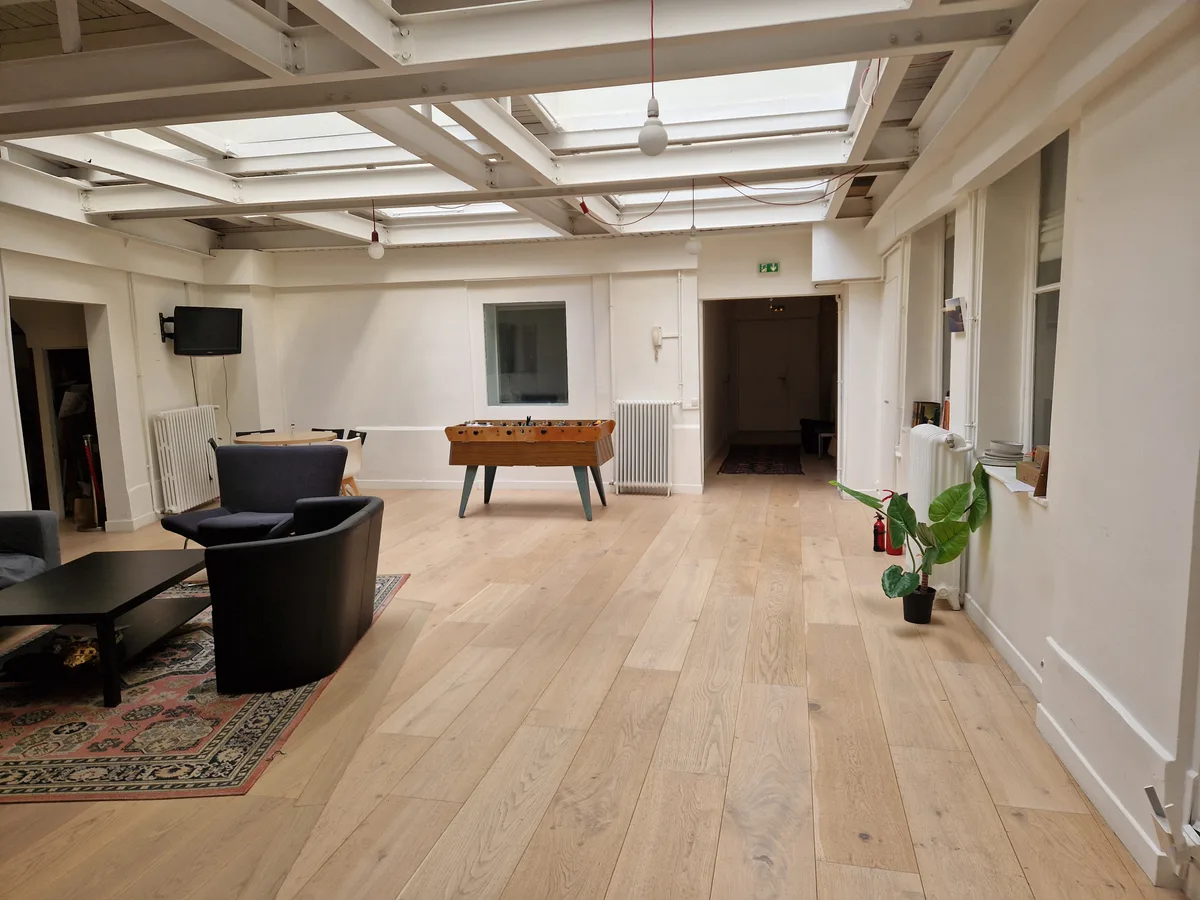
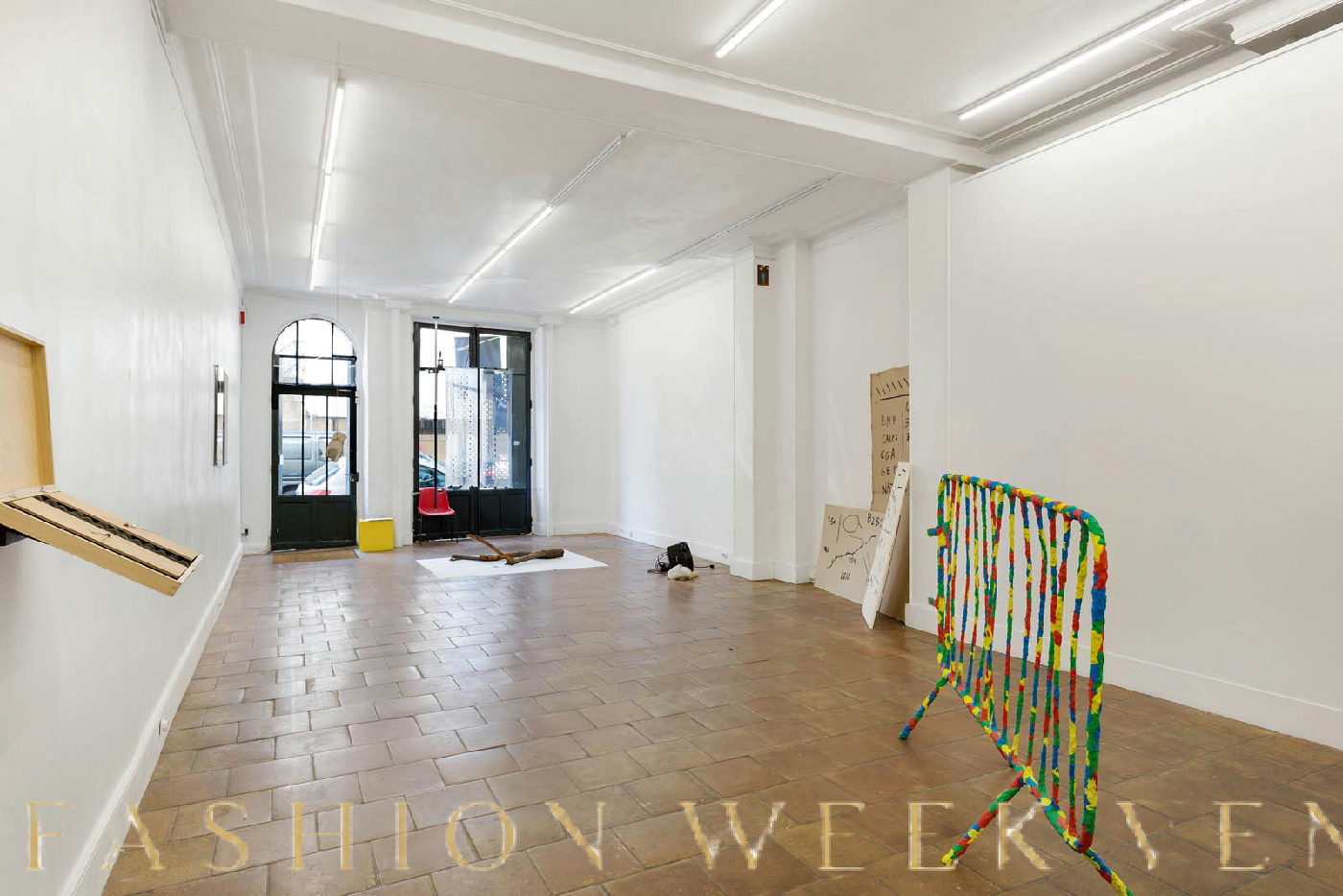
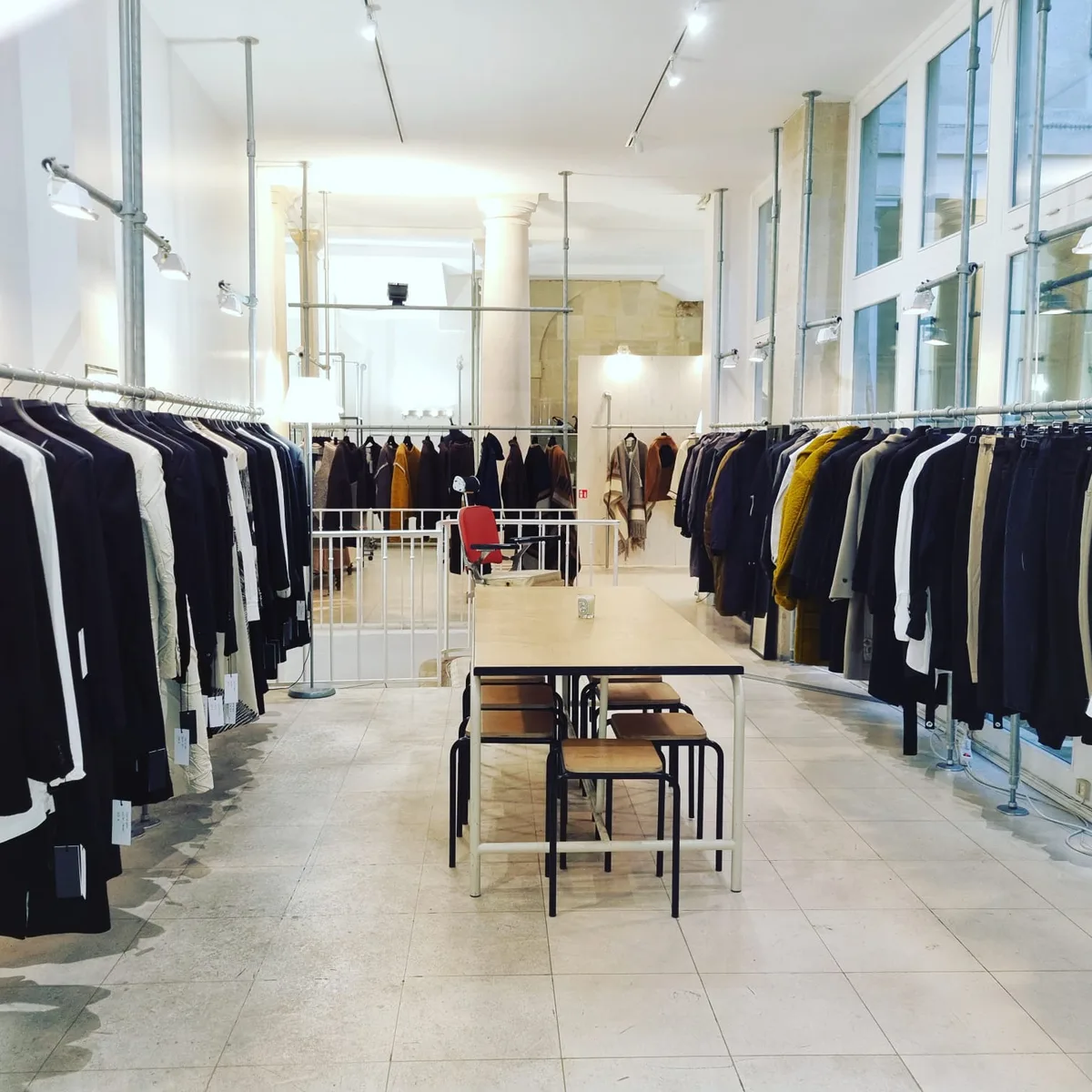
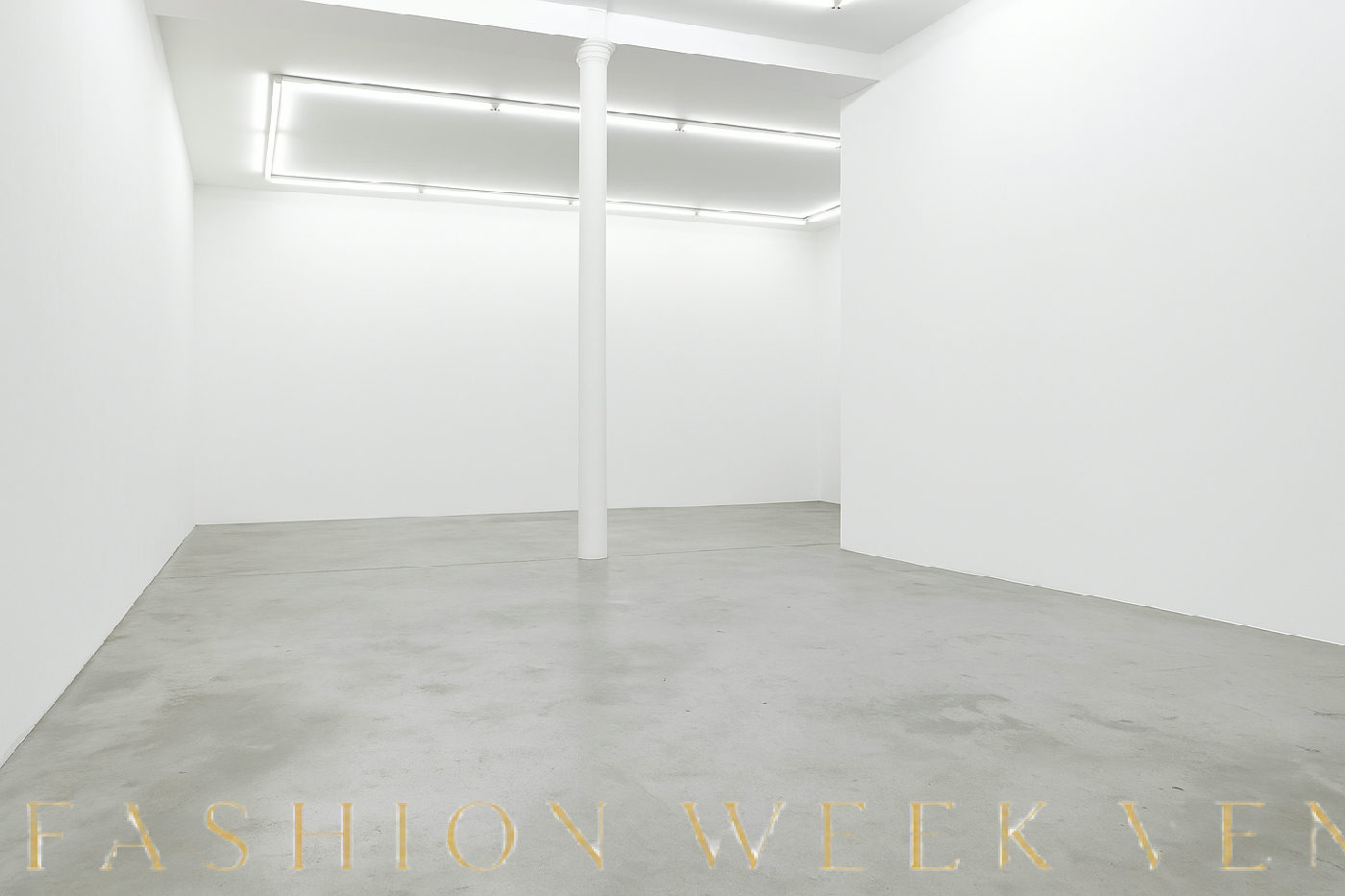

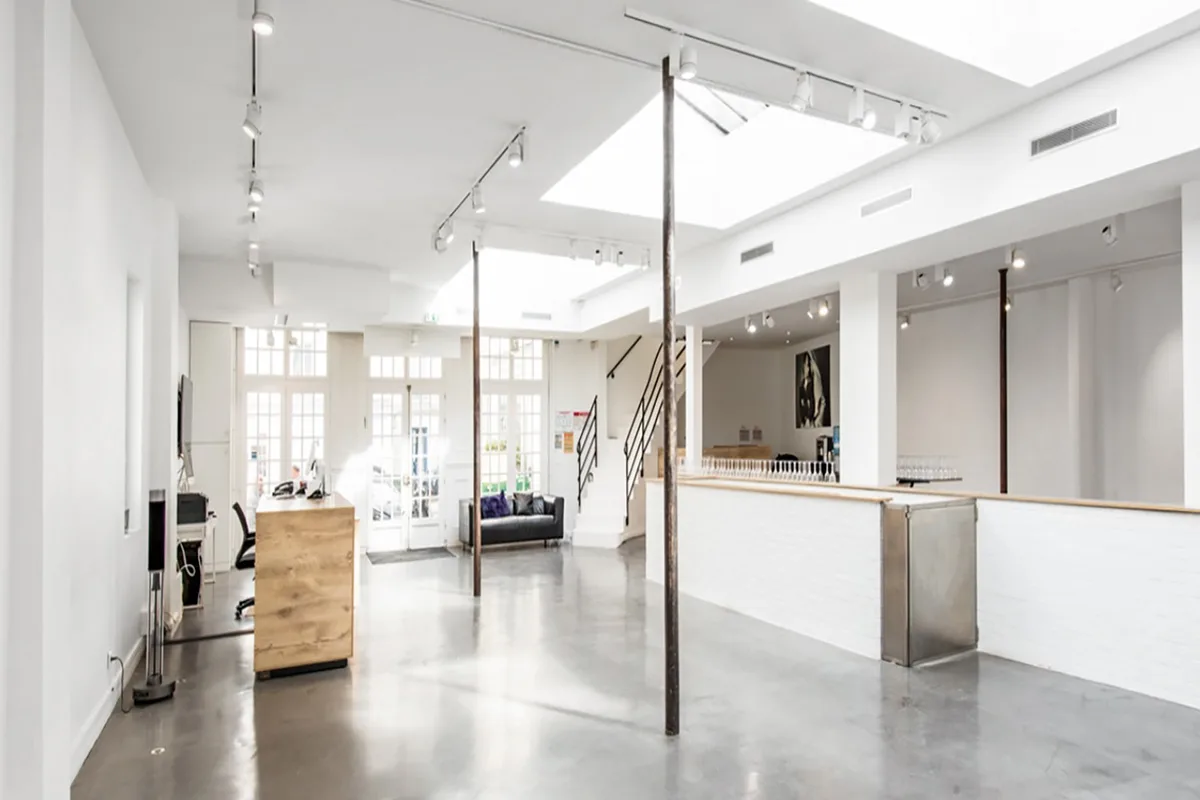
When international brands decide to rent retail space in Le Marais, they are entering one of the most commercially dynamic, culturally layered, and visually compelling neighbourhoods in Paris. Le Marais sits at the intersection of heritage architecture, contemporary fashion, and high-footfall tourism, making it the first choice for labels seeking short-term showrooms, pop-up stores, exhibition spaces, and sample sale venues during Paris Fashion Week and beyond. Fashion Week Venues operates across the major fashion capitals with Paris as its primary market, helping brand teams source, design, and activate spaces in Le Marais and across the city. This guide covers everything you need to know: market dynamics, space types, permit obligations, neighbourhood comparisons, amenity standards, logistics, and how to run a successful short-term retail activation.
Why Le Marais Is the Top Choice for Short-Term Retail Space in Paris
Le Marais consistently attracts the highest concentration of independent boutiques, international showrooms, art galleries, and fashion activations of any arrondissement in Paris. Its appeal is structural, not cyclical.
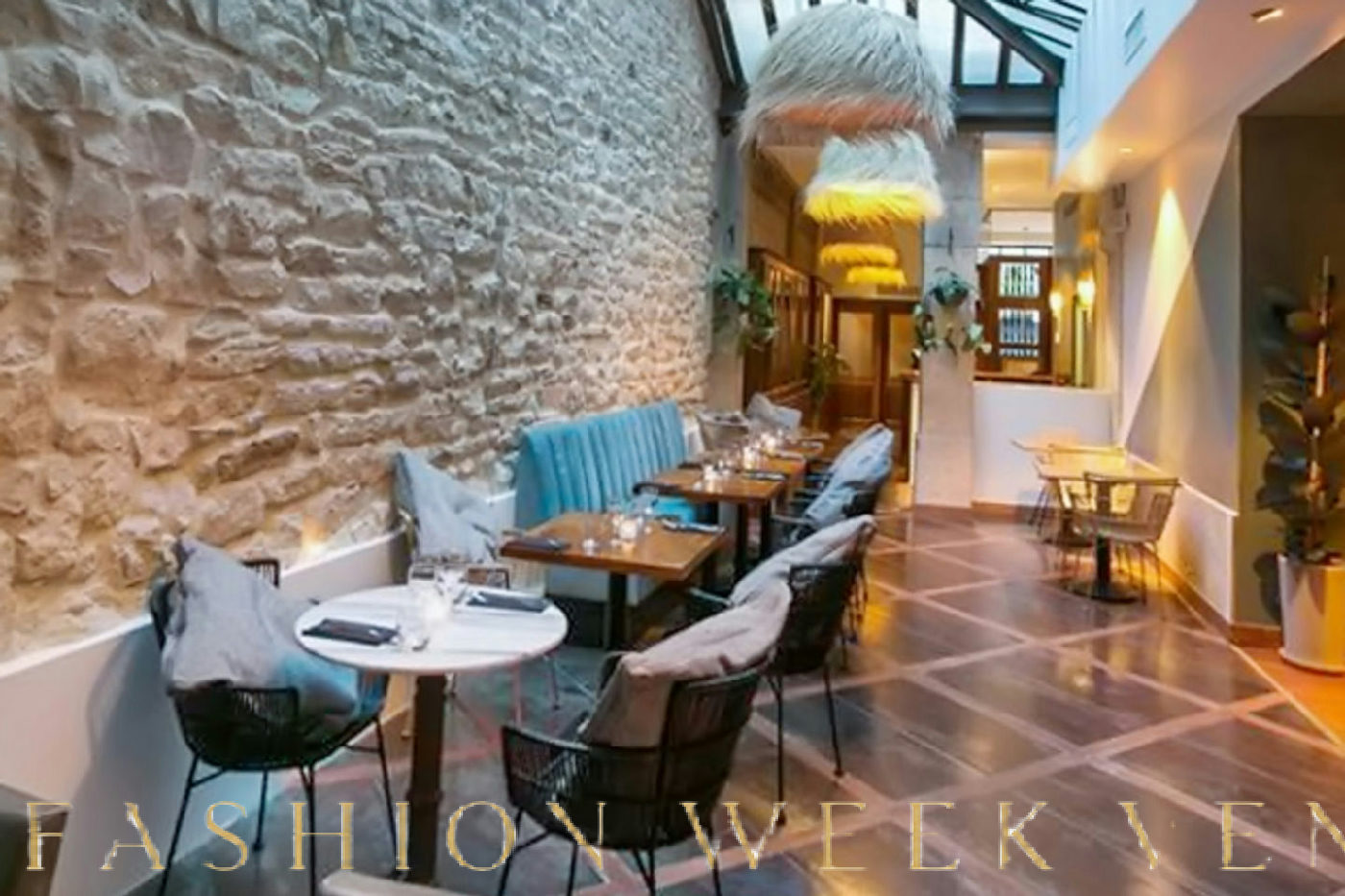
Spanning the 3rd and 4th arrondissements, Le Marais is one of the few parts of central Paris that escaped Baron Haussmann's 19th-century urban transformation largely intact. The result is a quartier of medieval streets, Renaissance mansions converted into cultural institutions, and 17th-century hôtels particuliers now operating as galleries and commercial spaces. This architectural character is precisely what brands pay for: leaded windows, exposed ceiling beams, stone vaulting, polished concrete floors, and the kind of spatial drama that cannot be replicated in a modern retail unit.
The neighbourhood's cultural infrastructure reinforces its commercial pull. The Centre Pompidou anchors the western edge and drives consistent footfall from a globally diverse visitor base. The Place des Vosges, France's oldest royal square and a UNESCO-listed monument, sits at the heart of the quartier and generates significant tourist traffic year-round. Institutions like the Musée Picasso, the Musée Carnavalet, and the Mémorial de la Shoah all contribute to a visitor profile that skews culturally engaged, internationally mobile, and commercially active.
Rue de Turenne, Rue des Rosiers, Rue Vieille du Temple, and Rue de Bretagne define the neighbourhood's retail spine. These rues étroites are lined with a mix of established international labels, emerging designer boutiques, concept stores, and independent food and beverage operators. Brands including Maison Margiela and Acne Studios have maintained a commercial presence in Le Marais, signalling to the market that the neighbourhood sustains both creative credibility and genuine purchasing power.
The tissu artisanal character of Le Marais, meaning its traditional craft and artisan heritage, has been preserved through France's patrimoine protection frameworks, including the programme de sauvegarde initiated under André Malraux. This legislative history explains why so many buildings retain their architectural character and why many spaces available for short-term rental carry a spatial quality rarely found in other European retail districts.
For fashion brands, this means that renting in Le Marais is not purely a logistics decision but a brand positioning decision. A showroom or pop-up store in this quartier communicates a specific set of values: design fluency, cultural awareness, and an understanding of the Parisian market that resonates with fashion buyers, press, stylists, and end consumers alike.
DID YOU KNOW: Le Marais was historically the Jewish quarter of Paris, with Rue des Rosiers still serving as the cultural and culinary heart of that community. Today it also hosts one of the most concentrated clusters of contemporary art galleries in Europe, attracting serious collectors and creative professionals every day of the week.
KEY TAKEAWAY: Le Marais offers a rare combination of architectural heritage, cultural legitimacy, high footfall, and fashion brand adjacency that makes it the most commercially and creatively justified neighbourhood for international brands renting short-term retail or showroom space in Paris.
Understanding why Le Marais works is only the starting point. The next question is what kinds of spaces are actually available, and which type suits your specific activation format.
Commercial Real Estate and Market Dynamics in Le Marais
The commercial real estate market in Le Marais operates differently from other Paris retail corridors. Understanding these dynamics is essential before approaching landlords, property companies, or commercial real estate agents for short-term rental.
Quick answer: Le Marais has one of the lowest commercial vacancy rates in central Paris, which means available retail space is scarce and in-demand. Short-term and temporary lease arrangements are increasingly common, but competition for premium street-level units on key shopping streets is intense, particularly in the six weeks surrounding Paris Fashion Week in January, February, September, and October.
Market Structure and Vacancy Rates
Commercial real estate in Paris is segmented into prime high street, secondary high street, and tertiary or neighbourhood retail. Le Marais occupies a hybrid position. Rue de Turenne, Rue de Bretagne, and the streets surrounding the Place des Vosges function as prime or near-prime retail corridors, with demand driven by tourism, fashion, and food and beverage sectors. Vacancy rates in the most desirable blocks tend to remain low, meaning brands that wait until six or eight weeks before their target activation date often find the best spaces already committed.
The market is populated by a mix of landlord types. Private owners with single properties, commercial property companies managing multi-unit portfolios, and institutional investors holding converted hôtels particuliers all operate in the neighbourhood. This fragmentation means that there is no single source of truth for available space: properties surface through agents, direct owner relationships, specialist platforms, and word-of-mouth within the fashion industry.
Commercial properties in Le Marais range from small ground-floor boutique units of 30 to 60 square metres to larger multi-level lofts and converted gallery spaces of 200 to 500 square metres or more. Many spaces combine commercial ground-floor access with upper levels accessible by internal staircase, which suits showroom formats that benefit from separation between public-facing and private buyer areas.
Office Space, Business Centres, and Mixed-Use Properties
Not all commercial space in Le Marais is purely retail-facing. A growing number of properties operate as mixed-use spaces combining commercial ground-floor units with upper-level offices or ateliers. Business centres in the neighbourhood cater to creative agencies, investment boutiques, and brand management teams. For fashion brands running a Paris Fashion Week showroom, these mixed-use properties can be particularly useful, as they allow the brand to consolidate its operational base, buyer meeting schedule, and public-facing activation within a single address.
What Le Marais Retail Spaces Typically Include
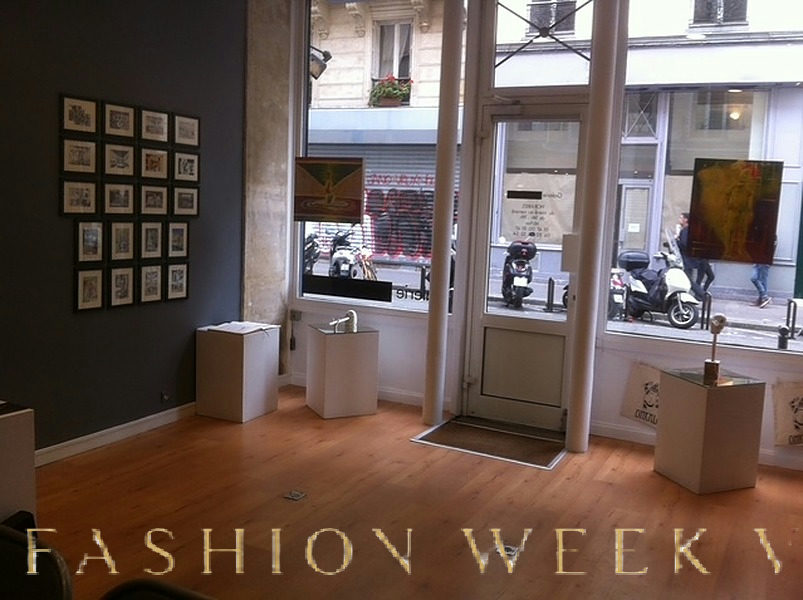
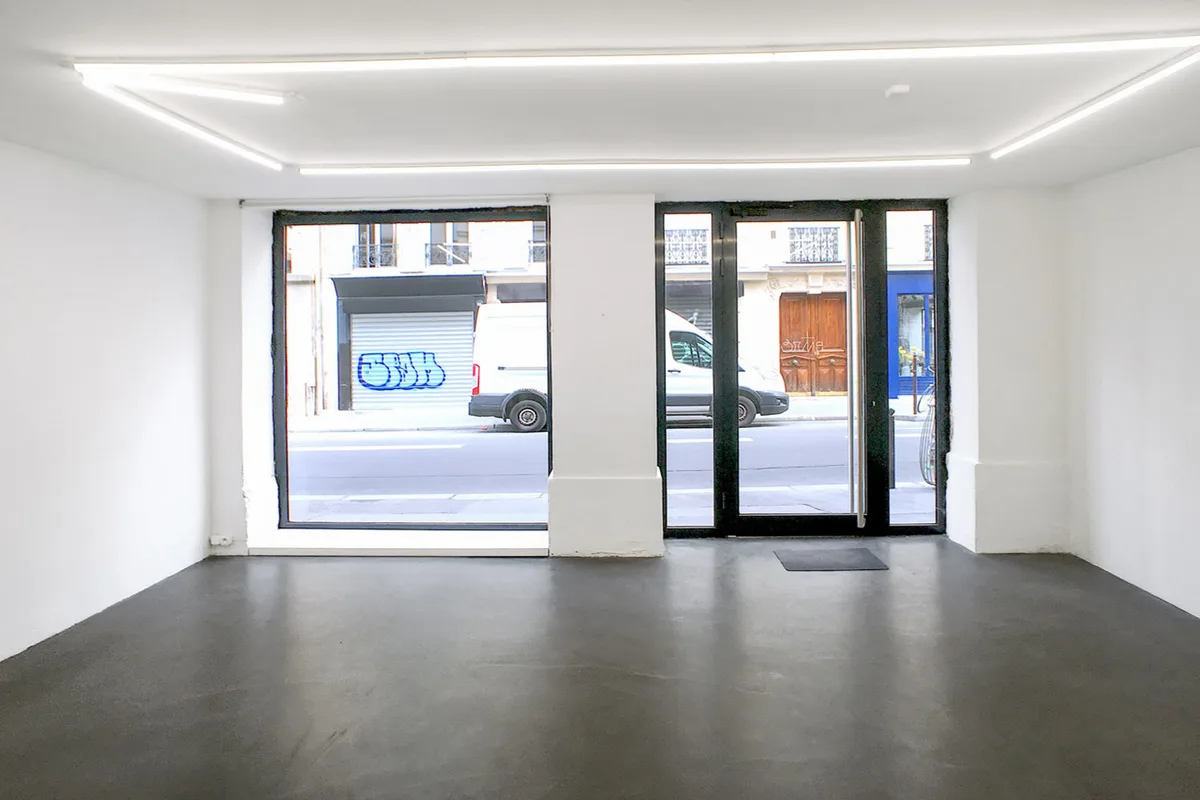
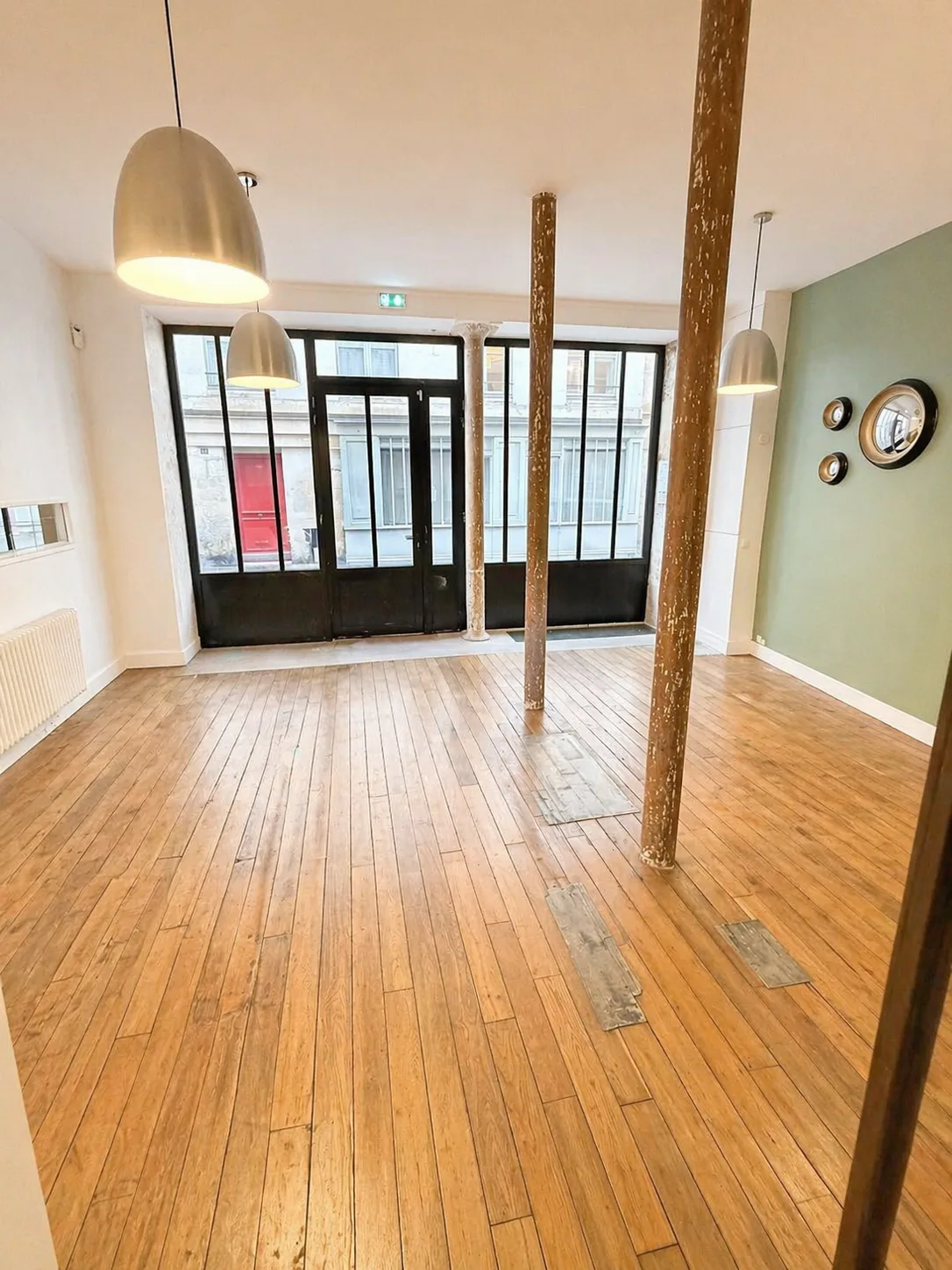
Modern short-term rental spaces in Le Marais are increasingly offering a range of built-in amenities that reflect demand from international fashion brands. A well-equipped short-term showroom in the neighbourhood may include high-speed WiFi, a custom-made designer cabin or fitting room, a Parisian window display, garment racks, modular furniture, an Italian coffee machine, a refrigerator and microwave oven, toilets and changing facilities, and professional lighting. Many spaces also feature architectural details such as leaded windows, polished concrete floors, raw concrete floors, skylights (puits de lumière), exposed ceiling beams (poutres de plafond), visible pipework (tuyauterie apparente), and spotlights calibrated for product presentation.
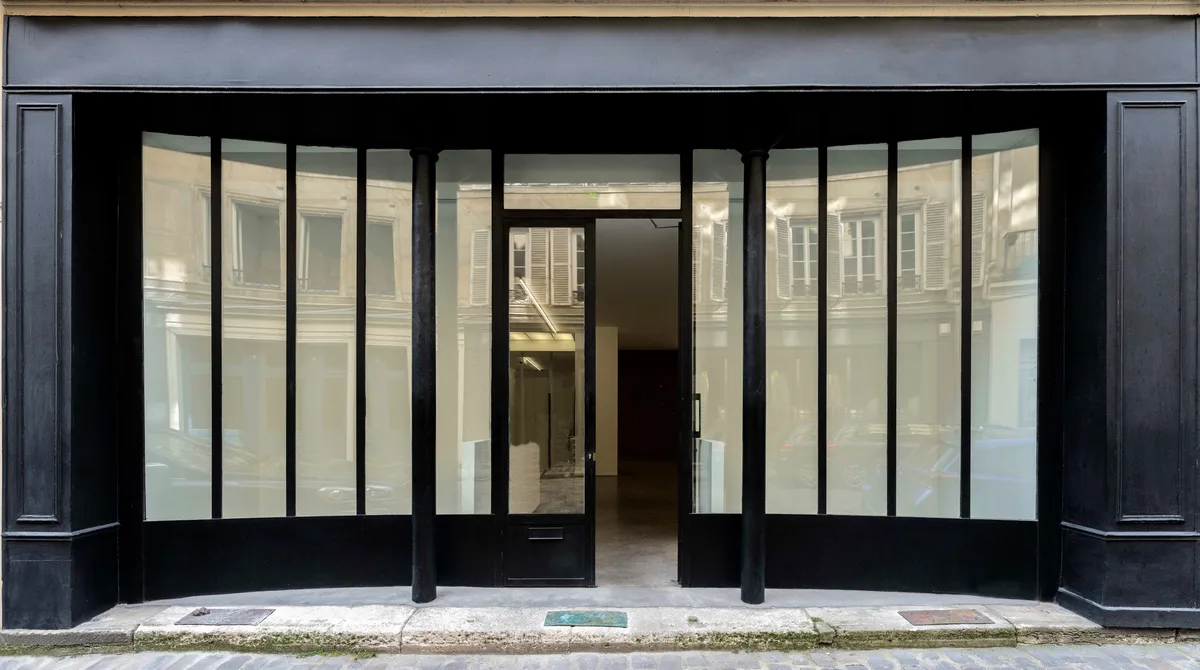
Street-level showroom spaces with direct façade access are among the most sought-after, as they allow brands to use a Parisian window display to create street presence and attract passing foot traffic without requiring a paid advertising campaign.
IMPORTANT: Not all spaces advertised as suitable for fashion showrooms include the specific amenities your team needs. Always verify floor and access details, fitting area specifications, lighting quality, and internet connectivity before committing to a rental agreement.
KEY TAKEAWAY: Le Marais commercial real estate is structurally scarce and seasonally competitive. Brands that plan early, understand the landlord landscape, and work with specialist partners who have existing relationships in the market have a material advantage in securing premium spaces at viable short-term rental rates.
With a clear picture of how the market works, it is equally important to understand Le Marais in relation to the other major Paris retail and fashion districts where brands consider activating.
Le Marais vs Other Paris Fashion Districts: Where Should You Activate?
Paris offers multiple high-profile districts for brand activations, each with a distinct commercial character, footfall profile, and cost structure. Choosing the right neighbourhood is a strategic decision that affects how your activation is perceived, who attends, and what it costs.
Quick answer: Le Marais is the most balanced choice for fashion-forward brands seeking editorial credibility, genuine footfall, architectural character, and access to the fashion buyer and press community. Other districts offer different trade-offs depending on your brand positioning, budget, and target audience.
| District | Character | Best For | Key Limitations |
|---|---|---|---|
| Le Marais (3rd and 4th) | Heritage architecture, fashion credibility, gallery culture, high footfall | Showrooms, pop-up boutiques, sample sales, exhibitions | Limited large-format spaces; high competition for prime units |
| Golden Triangle (8th) | Luxury flagship territory, Avenue des Champs-Elysées, Avenue Montaigne | Luxury brand activations, haute couture presentations | Very high cost; less independent fashion energy |
| Saint-Germain-des-Prés (6th) | Literary, intellectual, established fashion retail | Heritage brands, lifestyle labels, concept stores | More conservative visitor profile; fewer raw architectural spaces |
| Pigalle and South Pigalle (9th and 18th) | Emerging creative scene, streetwear and youth culture adjacency | Younger or more subversive brand activations | Lower footfall from international fashion buyers |
| Place Vendôme and Rue de Rivoli (1st) | Institutional luxury, grands magasins proximity | Jewellery, watches, premium accessories | Very high cost; dominated by established maisons |
| Galeries Lafayette and Printemps (9th) | Mass-premium retail, tourist shopping destination | Consumer-facing pop-ups with high volume objectives | Less editorial; less suited to appointment-based showrooms |
For brands entering Paris for the first time and targeting fashion buyers, press, and stylists during Paris Fashion Week, Le Marais offers the most pragmatic combination of factors: walkability for appointments, architectural backdrops that photograph well for editorial and social content, an established ecosystem of restaurants and hotels for client entertainment, and a visitor base that includes a significant proportion of the international fashion industry.
To compare neighbourhoods and space types side by side, explore the Paris city hub on Fashion Week Venues and shortlist spaces that match your brief, budget, and calendar window.
KEY TAKEAWAY: No single Paris district is universally superior, but Le Marais consistently delivers the strongest combination of brand credibility, footfall quality, space variety, and operational practicality for fashion week showrooms and pop-up stores targeting the professional fashion community.
Once you have confirmed your neighbourhood, the next critical decision is which type of space best serves your activation format and commercial objectives.
Space Types Available When You Rent Retail Space in Le Marais
Le Marais offers a broader variety of short-term commercial space types than almost any other Paris neighbourhood, ranging from small street-level boutiques to full-floor lofts, gallery spaces, and converted private mansions.
Quick answer: The main space types available for short-term rental in Le Marais include storefronts, galleries, showrooms, lofts, pop-up stores, boutique spaces, hotel and restaurant private dining rooms for brand events, and mixed-use properties combining public-facing retail with private appointment areas.
| Space Type | Typical Size Range | Best Activation Format | Key Features |
|---|---|---|---|
| Street-level storefront | 30 to 100 sqm | Pop-up boutique, sample sale, consumer-facing brand activation | Parisian window display, direct street access, visible signage |
| Gallery space | 80 to 300 sqm | Exhibition, collection launch, brand installation | Gallery lighting, polished concrete or parquet floors, high ceilings |
| Fashion showroom | 60 to 200 sqm | Buyer appointments, press days, trade presentations | Fitting areas, garment racks, natural light, high-speed WiFi |
| Loft space | 150 to 500 sqm | Large-format activations, brand events, multi-label showrooms | Open plan, exposed structure, flexible modular furniture options |
| Hôtel particulier room or salon | 50 to 200 sqm | Intimate presentations, VIP appointments, heritage brand positioning | Period architecture, panelled walls, natural light from courtyard |
| Mixed-use or multi-floor property | 100 to 600 sqm | Integrated showroom and brand office, multi-day schedule | Separation of public and private areas, full operational setup |
Gallery Spaces and Art Gallery Conversions
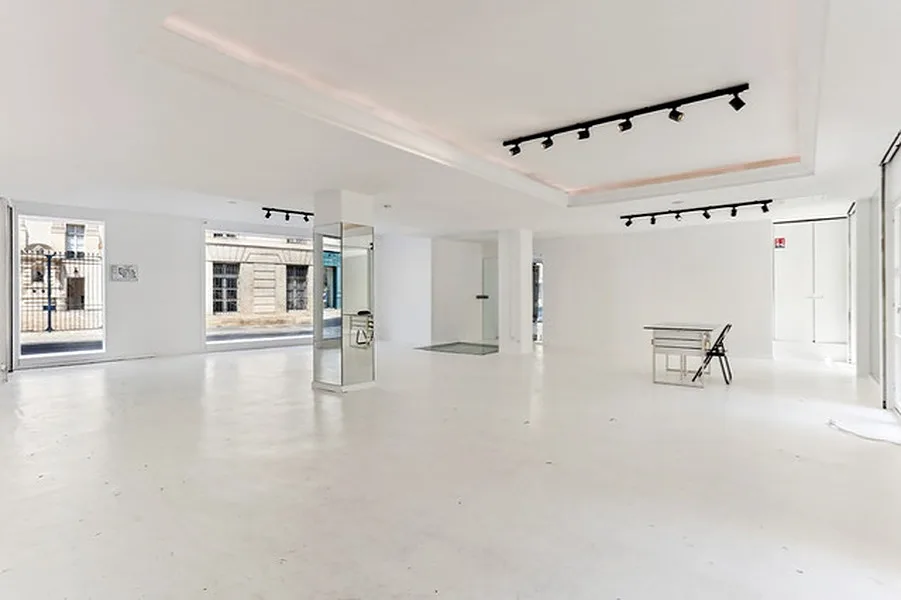
Le Marais hosts more contemporary art galleries per square kilometre than any other Paris arrondissement. Many of these galeries d'art offer their spaces for short-term commercial rental during off-programme periods, providing fashion brands with some of the most architecturally distinctive interiors available. Gallery spaces in Le Marais typically feature professional lighting rigs with adjustable spotlights, raw or polished concrete floors, and ceiling heights that allow for dramatic installation work. The gallery format suits brands presenting editorial collections, staging immersive experiences, or hosting exhibitions that blur the boundary between commercial and cultural content.
Lofts and Industrial-Style Spaces
Converted loft spaces in Le Marais, often former ateliers or light industrial units, are among the most versatile formats for larger brand activations. These spaces typically offer open-plan configurations that can be divided using modular furniture, temporary partitions, or custom build elements. The aesthetic language of raw concrete floors, exposed tuyauterie apparente, and visible structural beams creates an interior backdrop that requires minimal additional dressing, reducing build costs for brands working to a defined budget.
Pop-Up Showroom Spaces with Fitting Rooms
The purpose-configured pop-up showroom is the most practical format for fashion brands operating a buyer and press appointment schedule during Paris Fashion Week. A well-equipped pop-up showroom in Le Marais should include fitting areas or a custom-made designer cabin, adequate garment racks for the collection, a reception or waiting area, a client-facing meeting table, high-speed WiFi for lookbook and order management systems, and a separate operational area for the team. Spaces with natural light from street-level windows or puits de lumière are particularly valued, as they allow for accurate colour rendering during appointments and create a working environment that supports long multi-day schedules.
TIP: When evaluating spaces for a buyer showroom, always assess the floor plan in relation to your collection volume. A space that appears large in photographs may not accommodate your full garment inventory with adequate circulation space for buyer appointments.
KEY TAKEAWAY: Le Marais offers a richer variety of short-term commercial space types than any comparable Paris neighbourhood, from stripped-back gallery spaces to fully equipped pop-up showrooms, giving brands genuine flexibility to match their space format to their activation objectives.
Knowing which space type suits your format is valuable, but equally important is understanding when to activate and how the Paris fashion calendar shapes demand, availability, and pricing.
The Paris Fashion Calendar and the Best Times to Rent Space in Le Marais
The timing of your activation in Le Marais has a direct impact on the quality of footfall, the attention of the press and buyer community, and the availability and cost of premium spaces. Understanding the Paris fashion calendar is not optional for brands planning a commercially serious activation.
Quick answer: The two primary Paris Fashion Week windows are January to February for Autumn/Winter collections and September to October for Spring/Summer collections. These four to six week periods generate peak demand for showroom and pop-up space in Le Marais. Brands that plan their rental at least three to six months in advance of their target window have the widest selection and the strongest negotiating position.
Paris Fashion Week: The Primary Activation Window
Paris Fashion Week is the culminating event of the international fashion calendar, drawing an estimated 40,000 to 50,000 fashion industry professionals, press, buyers, and influencers to the city over the course of the Women's and Men's weeks combined. For showroom brands, independent labels, and international names presenting their collections to French and European buyers, the Fashion Week period is the single most valuable commercial window in the Paris calendar.
During Paris Fashion Week, Le Marais becomes particularly active. Buyers moving between appointments, stylists sourcing editorial pieces, and international press visiting multiple showrooms in a single day all concentrate their activity in the neighbourhood. The density of fashion professionals in Le Marais during this period means that a well-located and well-merchandised showroom can generate significant industry visibility even beyond its scheduled appointment book.
Secondary Activation Windows
Beyond the formal Fashion Week weeks, Le Marais supports commercially viable activations across several secondary windows. The Maison et Objet and Première Vision trade fairs both draw significant buyer traffic to Paris in January and September, which overlaps with but is distinct from the ready-to-wear schedule. Brands in accessories, homeware, textiles, and lifestyle categories often structure their Paris activations around these fairs rather than the runway week itself.
Summer and the Christmas holiday period also generate strong consumer footfall in Le Marais from tourism, making these windows relevant for consumer-facing pop-up stores and sample sales targeting end shoppers rather than the professional fashion trade.
Booking Timelines and Availability
For Paris Fashion Week periods, the most desirable spaces in Le Marais typically receive enquiries four to six months in advance. Brands that approach the market eight to twelve weeks before their target dates face a significantly reduced selection and may encounter higher asking rates as landlords recognise the scarcity dynamic.
Use the timeline planning tool to map your activation schedule against the Paris fashion calendar and identify the optimal booking window for your target space type and arrondissement.
KEY TAKEAWAY: Paris Fashion Week remains the dominant demand driver for short-term retail and showroom space in Le Marais, but secondary trade fair and consumer windows offer viable activation opportunities for brands with broader calendar flexibility. Planning four to six months ahead is the most reliable way to secure a high-quality space.
Understanding the calendar creates urgency around planning and budgeting. The next section addresses the financial side of renting retail space in Le Marais in practical terms.
How Much Does It Cost to Rent Retail Space in Le Marais?
Cost is one of the most frequently asked questions from brand teams planning a Paris activation, and one of the most difficult to answer with precision. The rental market in Le Marais is not standardised, and prices vary significantly depending on space type, size, location within the neighbourhood, rental duration, time of year, and the amenity level of the specific property.
Quick answer: Short-term rental rates for fashion showroom and pop-up space in Le Marais reflect the neighbourhood's desirability and the seasonal scarcity of premium units. Rates are directional estimates and vary based on space type, exact location, duration, and included amenities. For brand-specific estimates, use a budget planning tool rather than relying on general market figures.
Factors That Determine Rental Cost
Several variables shape the cost of renting a space in Le Marais for a short-term activation. Location within the neighbourhood matters significantly: a street-level unit on Rue de Turenne or adjacent to the Place des Vosges commands a higher rate than a comparable space on a secondary street. Floor and access configuration affects pricing, with ground-floor street-level spaces typically more expensive than upper-floor units. Space size is an obvious driver, but the relationship is not linear: smaller flagship-quality units in prime positions may cost as much as larger spaces in secondary locations.
Amenity level is a material cost factor. Spaces that include a fully configured fitting room, garment racks, modular furniture, high-speed WiFi, a Parisian window display, professional lighting, and kitchen facilities command premiums over bare or partially fitted spaces. Brands that require a fully turnkey space with no fit-out investment will pay more per square metre but save on build and furniture costs.
Rental duration affects the total cost and the per-day rate. A space rented for a full month during Fashion Week will have a different cost structure than the same space rented for a concentrated ten-day activation window. Many landlords and space owners in Le Marais have developed flexible short-term packages specifically for fashion week activations, which bundle the space with selected amenities and services.
Total Activation Budget Beyond Rent
Rental cost is only one component of the total budget required to run a successful activation in Le Marais. Brand teams should also account for fit-out and build costs if the space requires customisation, furniture rental if not included in the space package, retail staffing for the duration of the activation, point-of-sale and payment systems, logistics for transporting and managing inventory, permits and compliance costs, influencer and press seeding activities, and insurance. The cumulative cost of these elements often exceeds the base rental, which is why a comprehensive budget model is essential before committing to a space.
Use the budget calculator to build a detailed cost model for your Le Marais activation before approaching landlords or signing any agreement.
TIP: Do not evaluate a space solely on its headline rental rate. A lower-rent space that requires significant fit-out investment may have a higher total activation cost than a higher-rent turnkey space that is ready to operate from day one.
KEY TAKEAWAY: The true cost of renting retail space in Le Marais is a combination of headline rent, fit-out, staffing, logistics, and compliance costs. Building a complete budget model before selecting a space is essential to avoid underestimating total activation spend.
Cost planning is inseparable from compliance planning. Understanding the permit and legal framework for temporary commercial activity in Le Marais is essential before signing any agreement.
Permits, Legal Compliance, and Short-Term Lease Structures in Le Marais
Navigating the French regulatory framework for temporary commercial occupation is one of the most practically challenging aspects of renting retail space in Le Marais for international brands. Requirements vary by space type, intended use, duration, and specific arrondissement rules, and the consequences of operating without the correct authorisations can include early termination, fines, or reputational damage with the property owner.
Quick answer: Short-term commercial occupation in France is most commonly structured as a bail dérogatoire (derogatory lease) for temporary commercial use, or as an autorisation d'occupation temporaire (AOT) for occupation of public or institutionally owned space. Neither is a standard commercial lease, and each carries its own obligations and limitations. Always verify your specific situation with a qualified French legal advisor before committing.
Bail Dérogatoire: The Primary Short-Term Lease Vehicle
The bail dérogatoire, also known as a bail précaire, is a short-term commercial lease authorised under French law for a maximum duration of three years. It allows a landlord and tenant to agree on a temporary commercial occupation without the tenant acquiring the statutory rights that would attach to a standard commercial lease (bail commercial) of nine years. For fashion brands renting space in Le Marais for a Fashion Week showroom or pop-up store, the bail dérogatoire is typically the correct legal vehicle, provided the duration and use align with the statutory requirements.
It is critical to understand that a bail dérogatoire is not simply an informal agreement. It must be structured correctly, with clear terms regarding duration, use, rent, deposit, and exit conditions. Brands that enter into verbal or loosely documented arrangements with property owners risk legal uncertainty if a dispute arises during or after the activation.
Autorisation d'Occupation Temporaire (AOT)
For spaces in public ownership, including certain parks, public squares, and institutionally managed buildings, an autorisation d'occupation temporaire may be required. AOTs are issued by the relevant public authority and are subject to their own application processes and timelines. Brands targeting high-profile public-adjacent spaces near the Centre Pompidou, along Rue de Rivoli, or in other publicly managed locations should investigate AOT requirements early in their planning process, as these can take weeks or months to process.
Permit Requirements for Specific Activities
Beyond the lease structure itself, specific activities within a rented space may require additional permits or notifications. Temporary sales (temporary sales activities, or solderies temporaires) require registration with the relevant prefecture. Events open to the public may trigger requirements under French health and safety regulations governing places of public gathering (établissements recevant du public, or ERP). Brands installing external signage, terrace structures, or temporary outdoor installations on the street frontage must obtain separate authorisations from the city.
Use the permit guidance tool to understand the regulatory categories relevant to your planned activation. Always verify specific requirements with a qualified French legal advisor, as the information provided by any tool is for orientation only and does not constitute legal advice.
IMPORTANT: The requirements described here are general in nature. Specific obligations vary by space type, activity, duration, and arrondissement. Fashion Week Venues does not guarantee permit approval and recommends all international brands seek independent French legal advice before signing any rental agreement or commencing any activation activity.
KEY TAKEAWAY: Short-term commercial leases in France require proper legal structuring, and specific activation formats trigger additional permit obligations. Brands that treat compliance as an afterthought risk disruption to their activation and damage to their relationship with the property owner and relevant authorities.
With the legal and compliance framework understood, it is equally important to consider the operational and logistical dimension of running a successful Le Marais activation.
Retail Operations, Event Management, and Logistics for a Le Marais Activation
The operational complexity of running a pop-up store, showroom, or brand event in Le Marais is frequently underestimated by brand teams that focus on the space and the concept but under-resource the execution. A well-located and beautifully designed space will underperform if the operational layer is not planned and staffed correctly.
Quick answer: Successful Le Marais activations require a clear operational plan covering logistics, staffing, inventory management, visitor experience, booking systems, and daily communication protocols. Brands running buyer showrooms need systems for appointment scheduling, order management, and follow-up. Consumer-facing pop-up stores require point-of-sale capability, inventory replenishment protocols, and visitor flow management.
Sample Sales and Temporary Sales Events
Le Marais is one of the most popular neighbourhoods in Paris for fashion sample sales, driven by its strong footfall from fashion-conscious locals and tourists, its density of existing fashion retail, and the availability of suitable short-term spaces. A sample sale in Le Marais requires careful logistics planning: inventory must be transported to the space, priced, and organised before opening. Point-of-sale systems must be operational from day one. Staffing levels must account for peak demand periods, as popular sample sales in Le Marais can generate queues and high transaction volumes.
Temporary sales activity in France is subject to specific regulations regarding frequency, duration, and pricing disclosure. Brands should verify the applicable règles (regulations) with a French legal advisor and their property owner before advertising a sample sale.
Fashion Showroom Operations During Fashion Week
Running a fashion showroom during Paris Fashion Week requires a different operational model than a consumer-facing pop-up. The priority is delivering a high-quality appointment experience for fashion buyers, press, and stylists. This means the space must be immaculately maintained throughout the showroom period, with garment collections organised by category or story, fitting areas ready for editorial or commercial try-on, and a professional team on hand to manage appointments, handle orders, and represent the brand appropriately to international fashion buyers.
Digital infrastructure is critical. High-speed WiFi is essential for order management platforms, lookbook sharing, and communication with buyers across different time zones. Many brands use their Paris Fashion Week showroom as the primary moment to take confirmed orders for the season, making reliable connectivity a commercial necessity rather than a convenience.
Influencer Marketing and Press Integration
For brands operating consumer-facing pop-up stores in Le Marais, influencer marketing is an increasingly important channel for driving footfall and generating social media visibility. Le Marais provides naturally photogenic interior and exterior environments, from leaded windows and stone facades to the dramatic spatial quality of loft and gallery spaces. Brands that brief their influencer partners on the space's visual character and encourage authentic content creation within the space can amplify their activation's reach significantly beyond the physical visitor count.
The influencer marketing service from Fashion Week Venues can support brands in identifying and briefing the appropriate talent for their Le Marais activation, particularly during the high-competition Paris Fashion Week period when the best influencer calendars fill quickly.
Booking and Visitor Flow Management
Whether your activation is appointment-based or walk-in, having a booking and visitor flow management system in place before opening is essential. For showrooms, this means a confirmed appointment schedule with buffer time between appointments, a system for managing late arrivals, and a protocol for handling unscheduled visits from buyers or press. For consumer-facing pop-ups, this means a queue management plan for anticipated peak periods, clear signage directing visitors through the space, and a checkout process that minimises waiting time.
KEY TAKEAWAY: Operational excellence is as important as spatial quality in determining the success of a Le Marais activation. Brands that invest in operational planning, staffing, and systems alongside their space and design decisions consistently outperform those that prioritise the front-of-house experience at the expense of the back-of-house infrastructure.
Fashion Week Venues offers end-to-end support for brands navigating both the operational and creative dimensions of their Le Marais activation. The following section explains how the agency's services and tools apply specifically to this market.
How Fashion Week Venues Supports Brands Renting Retail Space in Le Marais
Fashion Week Venues operates as a full-service pop-up agency and space marketplace with Paris as its primary market and Le Marais as one of its most active operational territories. The agency's model is designed to reduce the friction, risk, and wasted time that international brands experience when trying to find, secure, design, and operate short-term commercial spaces in a foreign city.
Quick answer: Fashion Week Venues combines a curated space marketplace with a full suite of activation services, enabling brands to manage their entire Le Marais project through a single specialist partner rather than coordinating multiple independent vendors, agents, and consultants.
Venue Sourcing in Le Marais
The venue sourcing service gives brand teams access to a curated network of available spaces in Le Marais, including spaces that do not appear on mainstream commercial property platforms. The sourcing process is guided by the brand's brief, covering space type, size range, target neighbourhood, required amenities, target dates, and budget. This structured approach eliminates the time and effort of manually searching fragmented listings and negotiating directly with unfamiliar landlords.
Concept Direction and Branded Store Design
Once a space is identified, concept direction and branded store design services help brands translate their creative vision into a functional and commercially effective spatial concept. The design process accounts for the architectural character of the space, the brand's visual identity, the practical requirements of the activation format, and the logistics of building and dismantling a temporary installation within the landlord's permission parameters.
Production, Build, and Fit-Out
The production and build service manages the physical transformation of a raw or partially fitted Le Marais space into a branded environment. This includes temporary partitioning, custom fixture fabrication, lighting installation, window display construction, and any modular furniture or fitting room elements required by the activation format. Production is managed within the constraints of the bail dérogatoire or rental agreement, with particular attention to reversibility and landlord requirements for the reinstatement of the space at the end of the rental period.
Retail Staffing and Activation Management
Fashion Week Venues provides retail staffing for Le Marais activations, including brand ambassadors, showroom managers, sales associates, and bilingual French and English-speaking staff familiar with the Paris fashion market. Activation management covers the full operational period, from opening-day setup through to final day pack-down and space reinstatement.
Tools for Planning and Decision-Making
Fashion Week Venues offers a comprehensive suite of planning tools designed to support brand teams at every stage of their Le Marais project. The budget calculator provides brand-specific cost estimates. The ROI calculator helps brands assess whether the projected return from a Le Marais activation justifies the investment. The compare tool allows brands to evaluate multiple spaces side by side against a consistent set of criteria. The timeline tool maps the activation schedule against the Paris fashion calendar. The locator tool helps brands identify available spaces within specific zones of Le Marais or across the broader Paris market.
What Fashion Week Venues Does Not Do
It is important to understand the scope limitations. Fashion Week Venues does not guarantee the availability of any specific space, does not guarantee permit approval by any regulatory authority, and does not provide French legal advice. The agency acts as a specialist partner, but brand teams retain responsibility for their own legal compliance, insurance, and final commercial decisions. Fashion Week Venues recommends that all international brands retain independent French legal counsel for any lease or permit matters.
To review past activations and understand the agency's track record in Paris and other fashion capitals, visit the work section.
KEY TAKEAWAY: Fashion Week Venues reduces the operational complexity of renting and activating retail space in Le Marais by combining curated space access with a full suite of design, build, staffing, and planning services under one specialist partner, rather than requiring brands to coordinate multiple independent vendors in a city and market they may not know well.
Space Amenities, Interior Design Standards, and What to Look For in a Le Marais Showroom
The quality of the interior environment in a Le Marais showroom or pop-up space directly affects the quality of the buyer and press experience, the productivity of your team over a multi-day schedule, and the visual impact of any content created within the space. Evaluating amenities carefully before booking is not optional.
Quick answer: A high-quality Le Marais showroom or pop-up space should offer a combination of architectural character, professional lighting, practical operational amenities, and flexible configuration options. The gap between a well-equipped space and a basic unit with no fit-out can represent the difference between a polished, productive activation and a frustrating and expensive scramble to make the space work.
Lighting Quality and Natural Light
Natural light is one of the most valued characteristics of Le Marais showroom spaces, both for its practical utility during buyer appointments and for its contribution to the aesthetic quality of the space for photography and video content. Spaces with puits de lumière (skylights), large street-facing windows, or courtyard-facing elevations tend to offer better natural light conditions than basement or interior units. Artificial lighting quality is equally important: professional spotlights calibrated for accurate colour rendering are significantly more useful for a fashion showroom than standard commercial ceiling lighting.
Fitting Areas and Appointment Infrastructure
Fitting rooms or fitting areas are essential for any showroom or pop-up format where buyers, stylists, or press will try on garments. A well-designed fitting area includes adequate hanging and flat-storage options, a full-length mirror, and good lighting. Some Le Marais spaces include custom-made designer cabins that function as branded fitting environments, enhancing the experience for buyers and providing a consistent visual backdrop for editorial content.
Digital and Operational Infrastructure
High-speed WiFi is non-negotiable for any professional fashion activation in Le Marais. Brands running order management systems, video lookbooks, streaming presentations, or point-of-sale software require reliable, fast connectivity throughout the activation. Always verify the actual broadband provision in a space before signing, and consider whether a dedicated connection or a backup solution is required for your specific operational needs.
Other operational amenities that materially affect day-to-day comfort during a multi-day activation include a refrigerator and microwave oven for team meals and client refreshments, an Italian coffee machine for the client-facing hospitality element that is a standard expectation in the Paris fashion industry, and toilets on the same floor as the primary activation space.
Architectural Features and Interior Character
Le Marais spaces offer a distinctive range of architectural characters. Whether you are seeking polished concrete floors, raw concrete floors, exposed ceiling beams (poutres de plafond), visible pipework (tuyauterie apparente), leaded windows, or parquet flooring, the neighbourhood provides genuine architectural variety. The key is matching the space's existing character to your brand's visual identity. A brand with a minimal, contemporary aesthetic may work best in a gallery-style space with polished concrete and white walls. A brand with a heritage or artisan positioning may find that a space with exposed beams and period detailing provides a more resonant backdrop.
Use the Imagine space visualisation tool to test how your brand's visual identity and product presentation translate into specific space types before committing to a rental agreement.
KEY TAKEAWAY: Space amenities are not secondary considerations. Lighting quality, fitting area provision, digital infrastructure, and architectural character all have measurable impacts on the quality of your activation, the experience of your visitors, and the return on your investment.
Common Myths About Renting Retail Space in Le Marais: Debunked
MYTH: International brands need a French legal entity to rent commercial space in Le Marais.
FACT: Many landlords in Le Marais do accept foreign companies as tenants for short-term rental arrangements, particularly under a bail dérogatoire structure. However, some landlords and property managers require a French guarantor or additional financial assurances. Requirements vary by landlord and by the specific lease structure. Brands should seek specialist advice on their individual situation rather than assuming either that a French entity is always required or that it is never necessary.
MYTH: Paris Fashion Week is the only viable window for renting a showroom or pop-up space in Le Marais.
FACT: While Paris Fashion Week generates peak demand and the highest concentration of fashion industry professionals, Le Marais supports successful brand activations across multiple calendar windows. Consumer-facing pop-up stores, sample sales, exhibitions, product launches, and brand events have all been executed successfully in Le Marais outside the formal Fashion Week weeks. Secondary windows aligned with trade fairs, public holidays, and tourist peak seasons can offer better space availability and potentially more favourable terms for brands with flexible calendars.
MYTH: Commission-based brokers are the only reliable way to find a pop-up or showroom space in Le Marais.
FACT: Commission brokers are one option, but specialist agency partners and curated space marketplaces now offer broader access to verified Le Marais spaces, often with better transparency on pricing, amenities, and availability. Platforms with direct landlord relationships, standardised space data, and end-to-end activation support give brands a more efficient and better-informed path to a confirmed space than a traditional commission broker model.
MYTH: Short-term leases in France are straightforward and require no specialist legal guidance.
FACT: Short-term commercial leases in France, particularly the bail dérogatoire, have specific statutory requirements that must be met for the agreement to be legally valid as a temporary arrangement. Failure to structure the lease correctly can result in the tenant inadvertently acquiring the rights of a long-term commercial tenant, with significant financial and operational consequences. International brands without existing knowledge of French commercial property law should always seek qualified local legal advice before signing any rental agreement.
MYTH: A Le Marais showroom is only useful for fashion brands presenting to buyers.
FACT: Le Marais showroom and retail spaces are used successfully by a wide range of brand categories and activation formats, including beauty and fragrance brands, jewellery and accessories labels, homeware and design brands, food and beverage companies, tech brands with lifestyle positioning, and cultural institutions running temporary exhibitions. The neighbourhood's visitor profile and architectural offer support a broad range of commercial and experiential formats beyond the traditional fashion buyer showroom.
Frequently Asked Questions About Renting Retail Space in Le Marais
What is a pop-up showroom in Le Marais?
A pop-up showroom in Le Marais is a short-term rented commercial space used by fashion brands, independent labels, or multi-brand agencies to present collections to buyers, press, and stylists, typically during Paris Fashion Week. Unlike a permanent boutique, a pop-up showroom operates for a defined period, usually between one and six weeks, and is configured specifically for appointment-based or walk-in presentations. Spaces in Le Marais are particularly valued for their architectural character, natural light, and proximity to the fashion industry's professional community, which concentrates heavily in the neighbourhood during the seasonal fashion weeks.
When is the best time to rent a showroom in Le Marais?
The two primary windows are January to February for the Autumn/Winter collections and September to October for the Spring/Summer collections, aligned with Paris Fashion Week. These periods generate the highest concentration of international buyers, press, and stylists in the neighbourhood. However, secondary windows aligned with Maison et Objet, Première Vision, or consumer-focused seasonal peaks such as summer or Christmas can also be commercially viable depending on your brand's objectives. The most important principle is to book well in advance of your target dates, ideally four to six months ahead, to secure your preferred space type and location.
How much does a showroom rental in Le Marais cost?
Rental costs vary significantly depending on space size, location within Le Marais, the duration of the rental, the amenity level of the space, and the time of year. Prime street-level spaces with full amenity packages in high-demand locations carry higher rates than secondary-street or upper-floor units. Total activation cost also includes fit-out, staffing, logistics, permits, and insurance, which collectively often exceed the base rental cost. For a brand-specific estimate, use the budget planning tool rather than relying on general market ranges, which may not reflect the specific variables of your planned activation.
Are Le Marais showrooms only for fashion brands?
No. While fashion is the dominant sector in Le Marais, the neighbourhood's spaces and visitor profile support a wide range of brand categories. Beauty, fragrance, jewellery, accessories, homeware, design, lifestyle, food and beverage, and tech brands with cultural positioning have all activated successfully in Le Marais. The neighbourhood's gallery culture also makes it particularly suitable for brands that want to position their activation as a cultural or experiential event rather than a purely commercial retail exercise. The key is matching your brand's audience profile to the neighbourhood's visitor demographics.
Can I use a Le Marais showroom for a sample sale?
Yes. Sample sales are one of the most common activation formats in Le Marais, driven by the neighbourhood's high footfall and fashion-conscious visitor base. Running a sample sale in France requires compliance with regulations governing temporary commercial sales, including pricing disclosure requirements and limitations on frequency and duration. You will need to notify the relevant authorities and ensure your rental agreement permits this type of commercial activity. Working with a specialist partner and seeking legal advice before advertising your sample sale is strongly recommended to avoid regulatory issues.
Do I need permits for a temporary showroom in Le Marais?
Yes, in most cases. The type and number of permits required depend on the nature of your activation, the type of space you are renting, and the specific activities you plan to undertake. A buyer appointment showroom with no public-facing component has different regulatory requirements than a consumer pop-up store open to the public. External signage, outdoor installations, and temporary sales activities all trigger additional permit requirements. The permit guidance tool provides orientation on the relevant regulatory categories, but you should always verify your specific obligations with a qualified French legal advisor before commencing any activity.
What is a bail dérogatoire and how does it apply to pop-up rentals in Le Marais?
A bail dérogatoire is a short-term commercial lease structure authorised under French law for temporary commercial occupation, with a maximum duration of three years. It allows landlords and tenants to agree on a temporary arrangement without the tenant acquiring the statutory rights that would attach to a standard nine-year commercial lease. For pop-up stores and showrooms in Le Marais, the bail dérogatoire is typically the appropriate legal vehicle, provided the lease is correctly structured and documented. International brands should seek qualified French legal advice to ensure their rental agreement meets the statutory requirements for a valid bail dérogatoire.
What amenities should I look for in a Le Marais showroom space?
For a fashion showroom, the most important amenities are high-speed WiFi, professional lighting with accurate colour rendering, fitting rooms or fitting areas with full-length mirrors, garment racks, a client-facing meeting and waiting area, toilets on the same floor as the showroom, a refrigerator, kitchen facilities, and natural light from street-facing or skylight windows. For a consumer pop-up, add point-of-sale infrastructure, adequate storage for inventory, and a street-facing window display. The specific amenity requirements will vary based on your collection type, appointment format, and team size. Always verify the actual specification of a space against your requirements before signing.
How far in advance should I book a pop-up or showroom space in Le Marais for Paris Fashion Week?
For Paris Fashion Week periods, the most desirable spaces in Le Marais typically receive their first serious enquiries four to six months before the target dates. Brands approaching the market eight to twelve weeks ahead face a materially reduced selection and often higher asking rates driven by scarcity. If you have a specific space type, street, or neighbourhood zone in mind, beginning your search as early as possible gives you the widest selection and the strongest negotiating position. Use the timeline planning tool to align your search and booking timeline with your target activation dates.
Can I run a consumer-facing pop-up store and a buyer showroom in the same Le Marais space?
Yes, and this is a model that several brands use effectively during Paris Fashion Week, using the ground floor or street-facing area as a consumer-facing or press-accessible space while reserving an upper floor or separate area for private buyer appointments. This dual-use format requires careful spatial planning to ensure that public-facing and appointment-based activities do not conflict. The twin co-activation model, which structures this kind of dual-use activation with a clear spatial and programming logic, is one approach that brands can explore through Fashion Week Venues.
What is the difference between a boutique, a showroom, and a pop-up store in the context of Le Marais rentals?
In the Paris fashion market context, a boutique is typically a permanent or semi-permanent retail space selling directly to consumers. A showroom is a private or semi-private space used for presenting collections to trade buyers, press, and stylists, usually on an appointment basis. A pop-up store is a temporary, consumer-facing retail space operating for a defined short period. In Le Marais, the same physical space may function as any of these three formats depending on how it is configured and who it is open to. Many brands rent spaces that operate as showrooms during the day for trade appointments and as pop-up boutiques in the evenings for consumer events.
Do I need to speak French to rent a space in Le Marais?
French language capability is not strictly required, as many landlords, property managers, and space platforms in Le Marais operate with English-language capability given the high proportion of international clients. However, all legal documents, including rental agreements, will typically be in French, and operating in the neighbourhood without any French-language support can create complications in daily interactions with local suppliers, authorities, and the public. Working with a bilingual specialist partner who can navigate both the commercial and operational dimensions of the market in French is strongly advisable for brands without existing French-language resources.
Are there co-activation or shared space models available in Le Marais?
Yes. Co-activation or shared-space models, where two or more brands share a Le Marais space during the same rental period, are an increasingly common approach, particularly for emerging or independent labels managing constrained budgets during Paris Fashion Week. These arrangements can reduce rental costs, increase the variety of content available to buyers and press visiting the space, and create a more dynamic activation environment. Fashion Week Venues operates a twin co-activation model designed specifically to structure these kinds of shared activations in a commercially coherent way.
What is the most sought-after street for renting commercial space in Le Marais?
Several streets within Le Marais are consistently in high demand for fashion showrooms and pop-up stores. Rue de Turenne is one of the most commercially active streets in the neighbourhood, connecting the upper Marais to the Place des Vosges and offering a mix of retail and showroom formats. The streets immediately adjacent to the Place des Vosges are highly prized for their architectural setting. Rue des Rosiers carries cultural significance and attracts strong footfall from both locals and visitors. The specific best street depends on your activation format, target audience, and budget, as demand and pricing vary significantly across the neighbourhood's different zones.
How does Fashion Week Venues help brands that have never activated in Paris before?
For brands activating in Paris for the first time, Fashion Week Venues provides end-to-end support that covers venue sourcing, concept and design direction, production and build management, activation management during the operational period, retail staffing, permit guidance, data and analytics, and influencer marketing. The agency's familiarity with the Paris market, its existing relationships with Le Marais landlords and space owners, and its operational experience across multiple Fashion Week cycles means that first-time Paris brands benefit from institutional knowledge that would take years to develop independently. Reviewing the agency's process page gives a clear picture of how a project progresses from initial brief to completed activation.
Conclusion: Making Your Le Marais Retail Activation a Success
Renting retail space in Le Marais is one of the most commercially and creatively powerful moves a fashion or lifestyle brand can make in the Paris market. The neighbourhood's combination of architectural heritage, cultural legitimacy, high-quality footfall, and fashion industry density creates conditions that simply cannot be replicated in any other Paris location. But the difference between a successful activation and an expensive exercise in logistics lies in how thoroughly the brand prepares: choosing the right space type, booking at the right point in the fashion calendar, understanding the legal and permit landscape, building a complete budget model, and executing the operational dimension with the same rigour as the creative and spatial elements.
The Paris market rewards brands that arrive with a clear brief, a realistic budget, a qualified team, and sufficient lead time to make informed decisions rather than reactive ones. It challenges brands that underestimate the complexity of French commercial property law, the competitiveness of premium space availability during Paris Fashion Week, and the operational demands of running a professional showroom or pop-up store in one of the world's most scrutinised fashion markets.
Fashion Week Venues exists to help brands navigate all of these dimensions with the support of a specialist partner that understands both the Paris market and the specific demands of fashion-adjacent brand activations. Whether you are planning your first Paris showroom or your tenth, working with a partner who can source, design, build, staff, and manage your Le Marais activation removes the friction that too often stands between a strong concept and a successful execution.
To move from research to activation, start exploring available spaces on the Fashion Week Venues marketplace and build a focused brief for your target neighbourhood, space type, and calendar window.