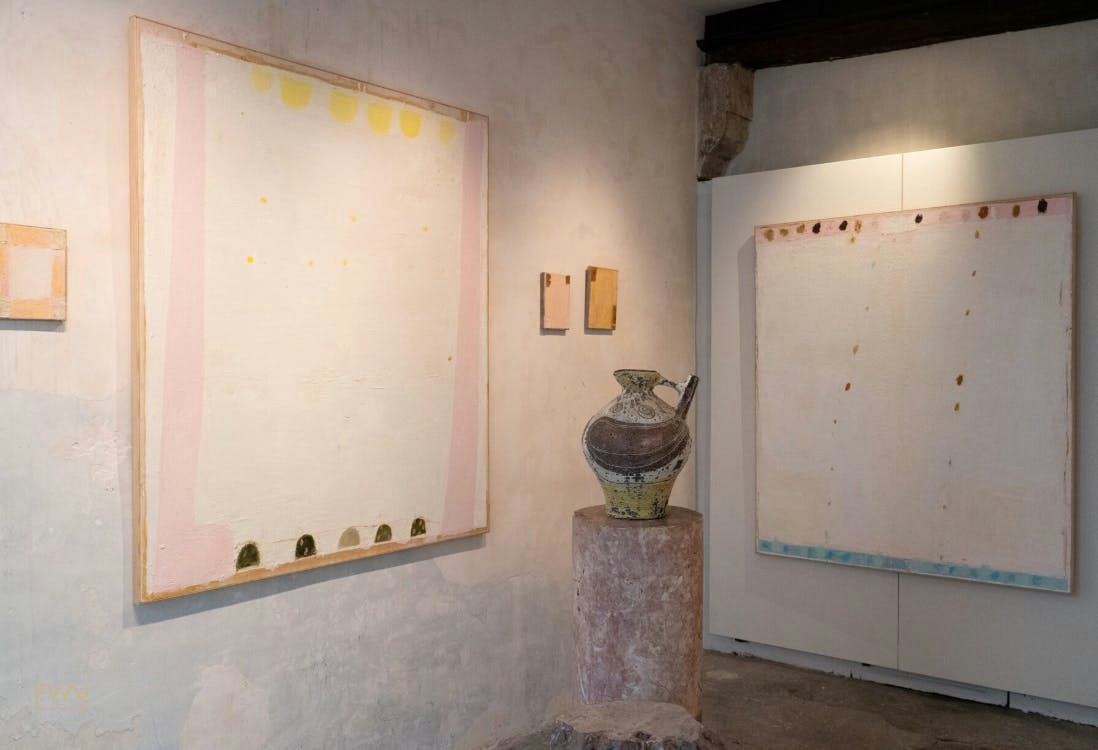
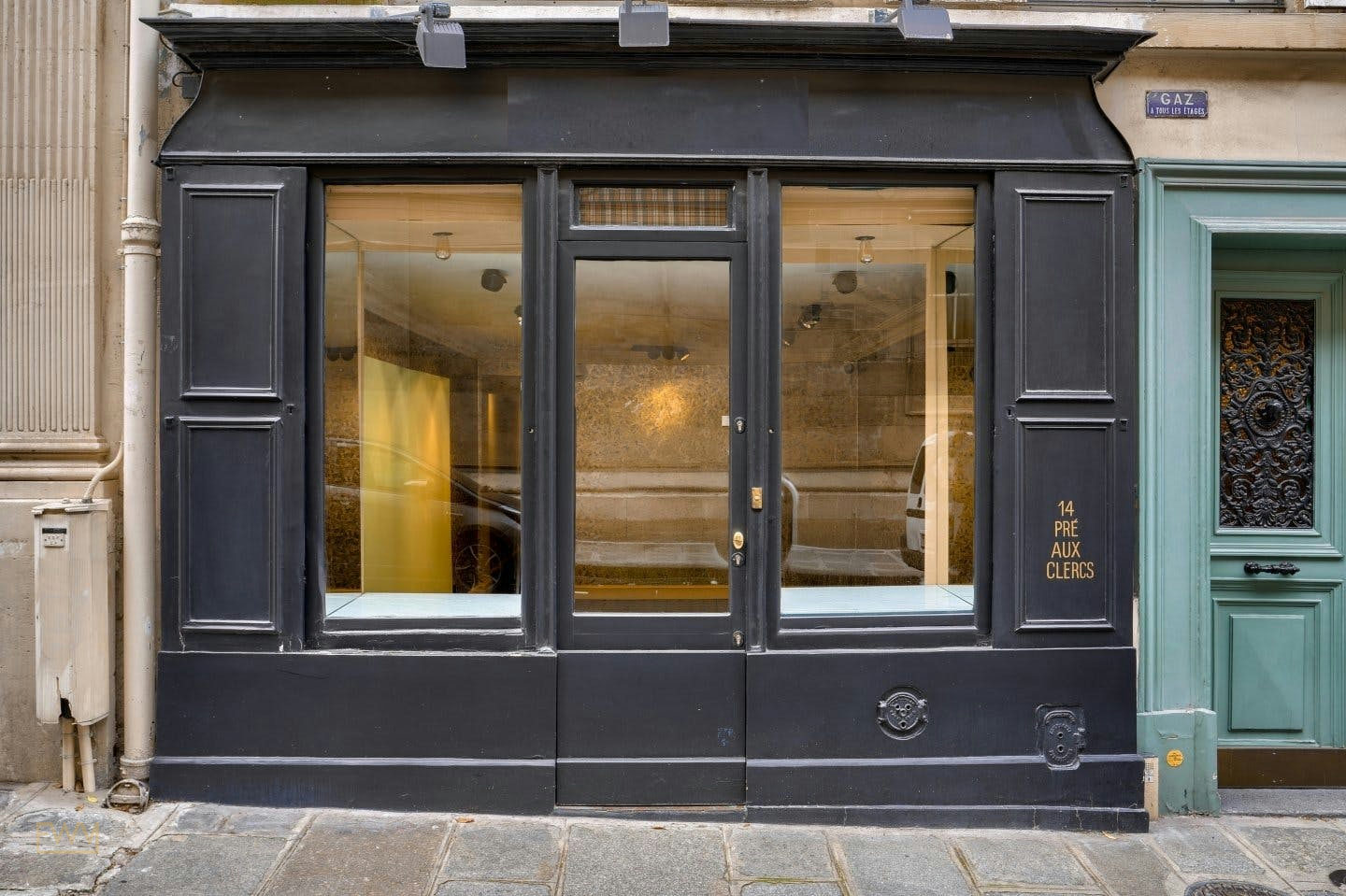
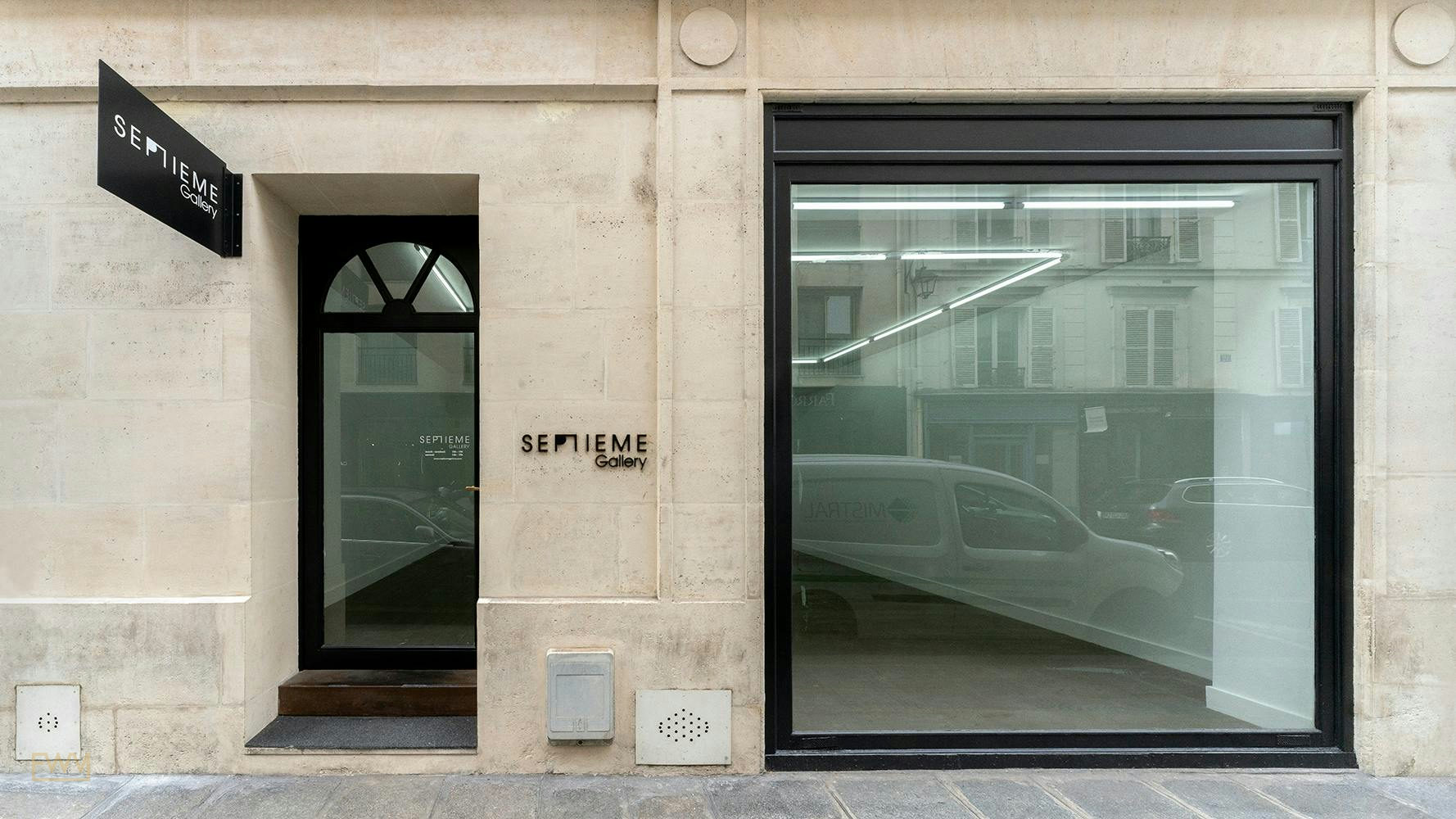
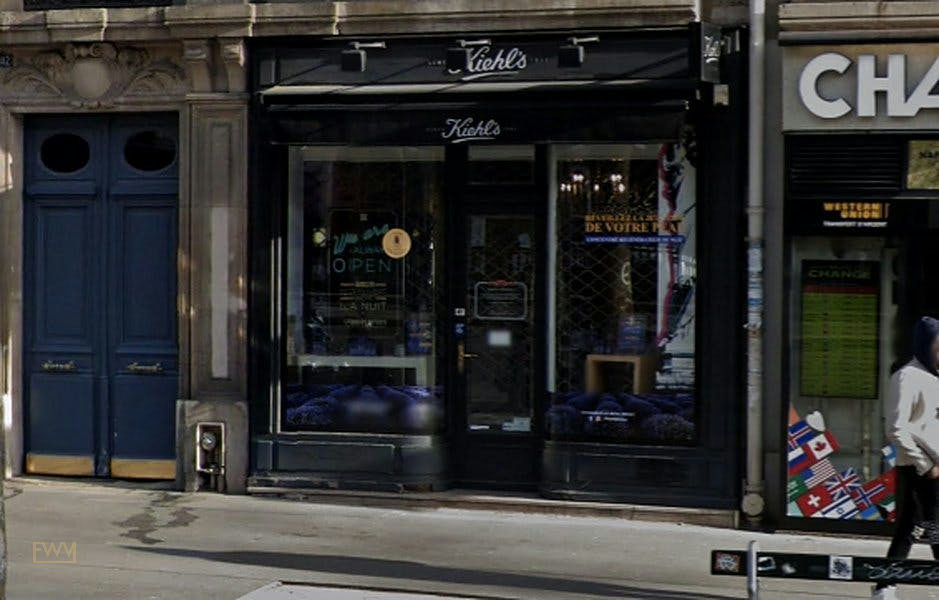
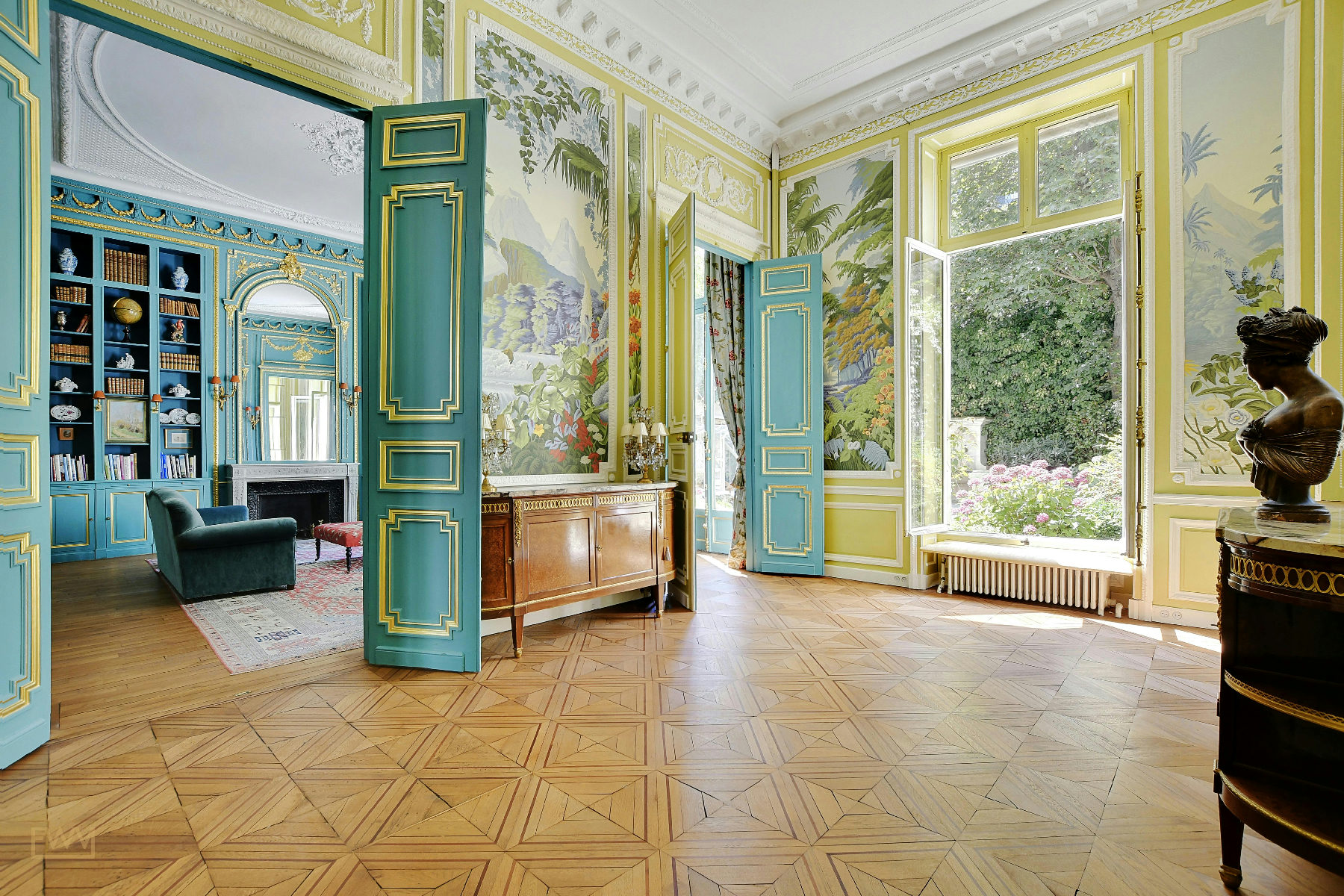
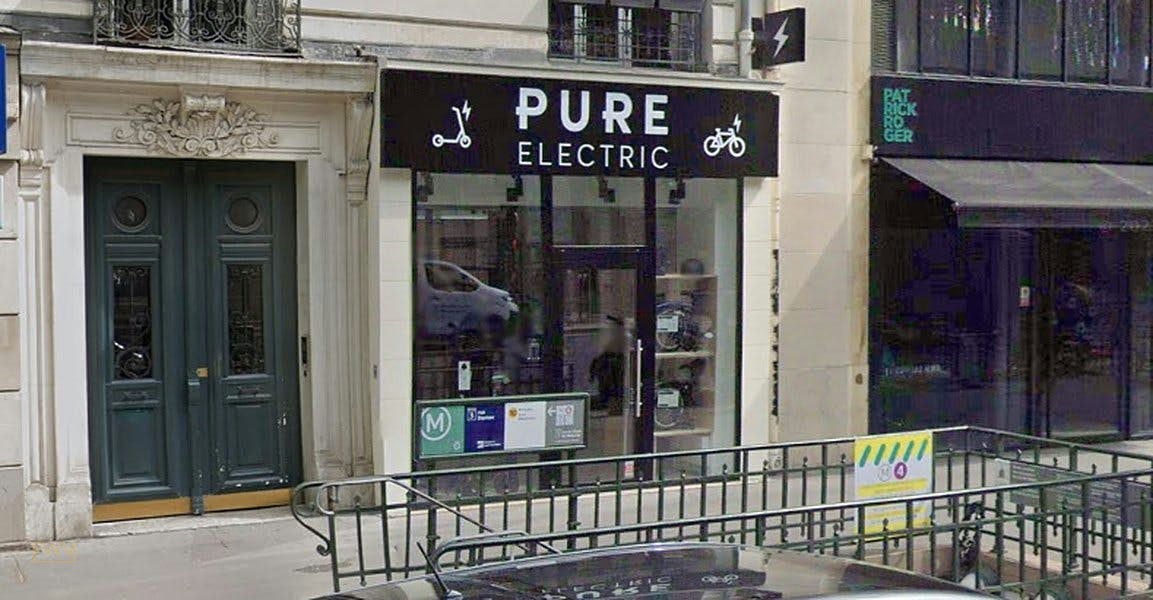
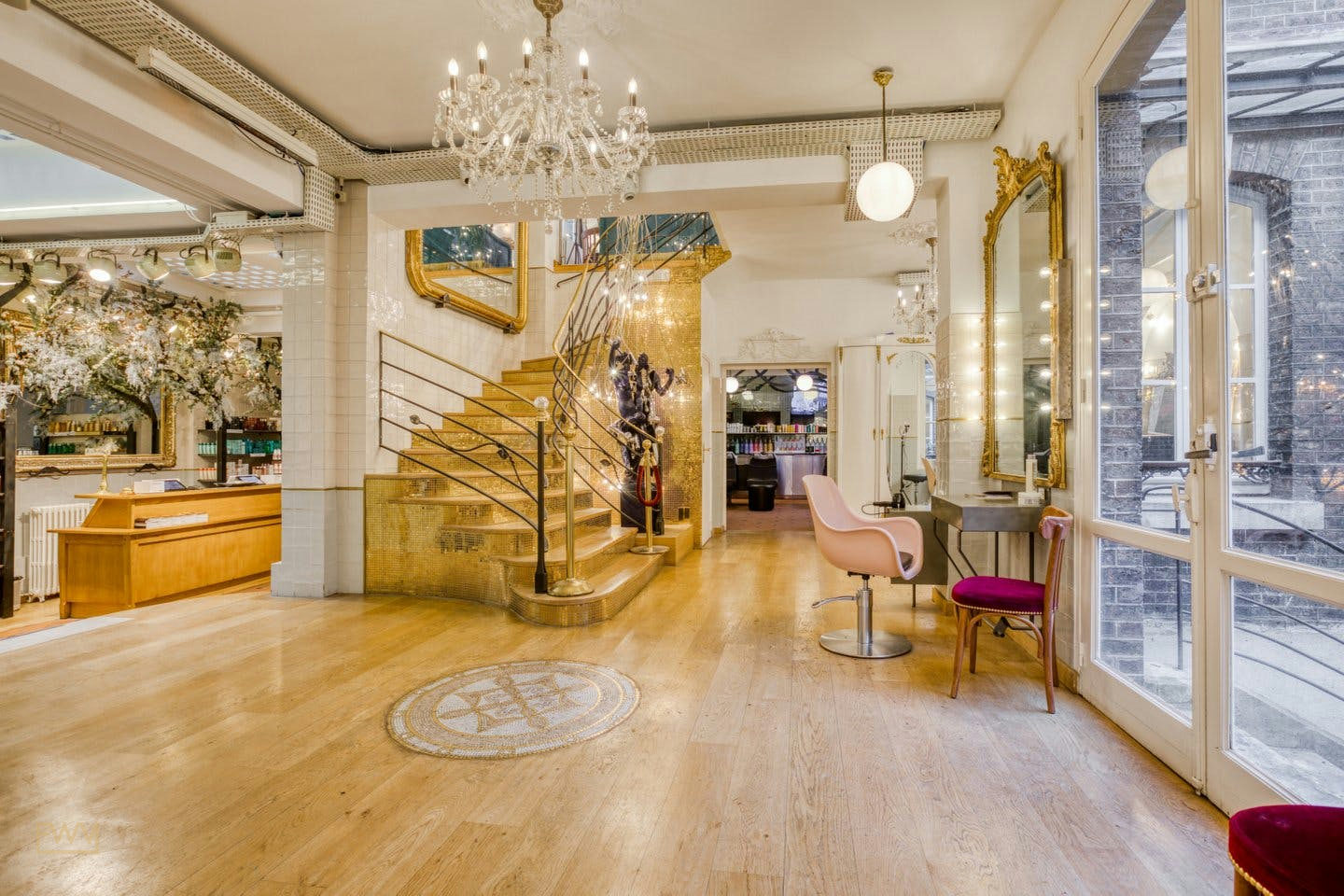
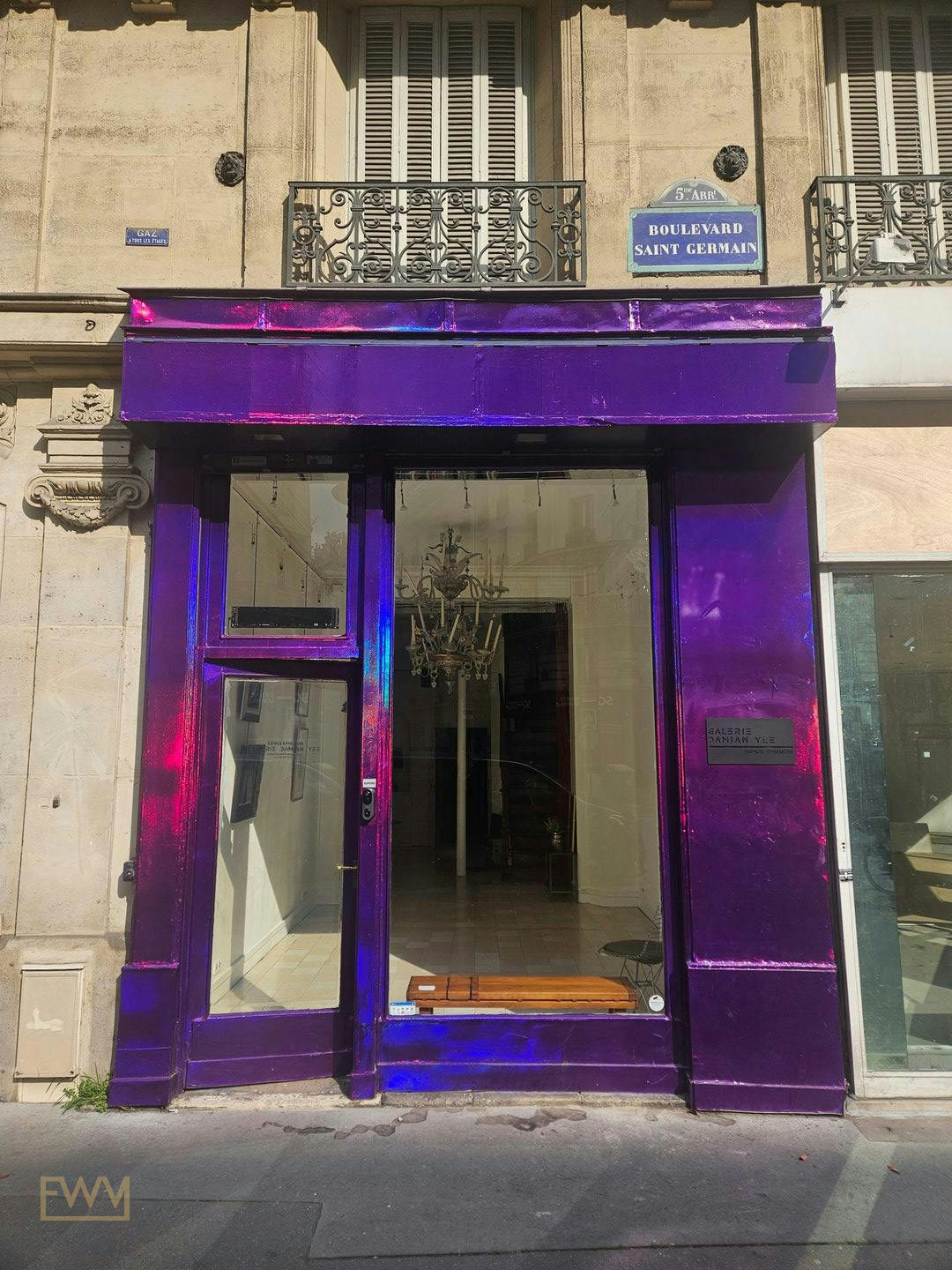
Boutique rental Canal Saint-Martin is one of the most strategic decisions a fashion brand, lifestyle label, or artisanal retailer can make when planning a Paris activation. The Canal Saint-Martin neighbourhood in the 10th arrondissement has evolved from a working-class waterway district into one of the city's most culturally vibrant and commercially desirable quarters, attracting a loyal mix of local creatives, international tourists, and style-conscious residents. For brands seeking short-term retail space, pop-up shops, showrooms, or event venues in Paris, Canal Saint-Martin offers a rare combination of authentic neighbourhood character, strong foot traffic, and a concentrated audience of fashion-forward consumers. Fashion Week Venues supports brands activating across Paris, including in the Canal Saint-Martin area, through venue sourcing, production, and full-service activation management.
What Is Canal Saint-Martin and Why Does It Matter for Retail Brands?
Canal Saint-Martin is a 4.5-kilometre artificial waterway running through the 10th and into the 11th arrondissement of Paris, connecting the Bassin de la Villette in the north to the Seine river via a vaulted underground section beneath the Place de la République and Boulevard Richard-Lenoir. The canal was commissioned by Napoleon in the early 19th century to supply fresh water to the city and facilitate industrial transport. Today it is one of Paris's most photographed and culturally significant urban corridors, lined with iron footbridges, distinctive swing bridges, double locks, and plane trees that create a photogenic streetscape unlike anything in central Paris.
The neighbourhood surrounding the canal, anchored by the Quai de Valmy on the western bank and the Quai de Jemmapes on the eastern bank, has undergone significant gentrification over the past two decades. What was once a district of warehouses, cheap hotels, and working-class cafés is now home to some of Paris's most admired independent boutiques, concept stores, coffee shops, bakeries, and creative agencies. Streets such as Rue Beaurepaire, Rue des Vinaigriers, and Rue de Lancry form the commercial spine of the neighbourhood, connecting the canal banks to the broader 10th arrondissement grid and reaching toward Gare du Nord, Place de la République, and the edge of Le Marais.
The cultural anchor institutions matter enormously for retail brands. Point Ephémère, a creative venue and cultural centre on the Quai de Valmy, has long functioned as a proving ground for underground culture. CENTQUATRE-PARIS, a vast arts and creative factory near the canal's northern reach, draws significant footfall for exhibitions, performances, and creative events. The iconic Hôtel du Nord, the fictional setting for Marcel Carné's 1938 film of the same name, continues to draw tourists and culturally literate visitors to the Quai de Jemmapes. Marin D'Eau Douce, Paris Canal's Canauxrama boat tours, and the seasonal draining of the canal all generate ongoing media coverage that keeps Canal Saint-Martin in the public consciousness year-round.
For retail brands, all of this translates directly into a captive, engaged, and quality consumer base. The so-called bobo (bourgeois-bohemian) demographic that defines Canal Saint-Martin's resident population is precisely the audience that fashion, beauty, homeware, accessories, and lifestyle brands seek. These consumers value independent retail, ethical brands, artisanal products, and authentic brand experiences over mass-market retail. A well-conceived pop-up or boutique rental on the canal or in the surrounding streets reaches this audience in their own environment, on their own terms.
Quick answer: Canal Saint-Martin is a culturally rich, commercially active neighbourhood in Paris's 10th arrondissement, defined by its iconic waterway, independent retail culture, and a highly engaged creative and fashion-forward consumer base. For brands seeking boutique rental space in Paris, it offers strong foot traffic, authentic neighbourhood character, and an audience that responds well to quality, ethical, and design-led activations.
DID YOU KNOW: The Canal Saint-Martin runs partly underground, vaulted beneath the Place de la République and Boulevard Richard-Lenoir, before re-emerging at the Bassin de l'Arsenal near the Seine. The section visible from street level stretches from Rue La Fayette south to the République plaza, making it walkable and highly accessible for visitors arriving from Le Marais or Gare du Nord.
KEY TAKEAWAY: Canal Saint-Martin is not simply a scenic backdrop. It is an active commercial ecosystem with a loyal, quality consumer base, strong cultural infrastructure, and a retail landscape dominated by independent and concept-driven businesses. Brands that understand this context and match their activation to the neighbourhood's values will consistently outperform those that treat it as a generic Paris location.
Understanding why this neighbourhood works for retail is only the first step. The next question is how to navigate the practical landscape of boutique rental in Canal Saint-Martin, including space types, street-by-street performance, and the logistics of securing a short-term lease in Paris.
The Geography of Canal Saint-Martin: Streets, Zones, and Retail Positioning
Not all parts of Canal Saint-Martin perform equally for retail brands, and understanding the micro-geography of the neighbourhood is essential for making a sound boutique rental decision. The canal corridor spans several distinct zones, each with its own pedestrian rhythm, visitor profile, and commercial character.
Quai de Valmy and Quai de Jemmapes
The two quays running parallel to the canal on either bank are the neighbourhood's most photographed and most visited thoroughfares. Quai de Valmy, on the western bank, tends to attract higher foot traffic from visitors arriving from Place de la République and Le Marais. It is lined with café terraces, concept stores, and independent fashion boutiques, including the flagship of Antoine et Lili, the eccentric Parisian lifestyle brand that has become synonymous with the canal's aesthetic. The eastern bank, Quai de Jemmapes, has a slightly quieter residential character, with Hôtel du Nord and a number of well-regarded restaurants and cafés anchoring the strip. Both quays benefit from the canal's visual appeal, particularly in spring and summer when the towpaths fill with Parisians picnicking, cycling, and socialising.
Rue Beaurepaire and the Fashion Corridor
Rue Beaurepaire, running west from the canal toward the 3rd arrondissement and Le Marais, is arguably the single most important fashion retail street in the neighbourhood. It is home to Centre Commercial, one of Paris's pioneering ethical fashion concept stores, Artazart design bookshop, and a concentration of trendy clothing boutiques, vintage stores, and accessories shops that have given the street an international reputation among fashion buyers and style press. A boutique rental on Rue Beaurepaire places a brand directly in the path of the neighbourhood's most fashion-active consumer flow.
Rue des Vinaigriers and Rue de Lancry
These two streets, running parallel to the canal in the heart of the 10th arrondissement, form the neighbourhood's artisanal and lifestyle commercial spine. Rue des Vinaigriers hosts a mix of flower shops, organic food retailers, small galleries, and independent cafés. Rue de Lancry is known for its proximity to the canal locks and swing bridges, making it popular with tourists navigating the neighbourhood on foot. Both streets offer boutique rental opportunities at generally more accessible price points than the prime quay-facing positions, while still benefiting from strong neighbourhood foot traffic.
Marché Couvert Saint-Martin and Boulevard du Temple Approaches
The covered market at Marché Couvert Saint-Martin, located near the canal's southern reach, is a neighbourhood institution that draws consistent local foot traffic. Nearby streets connecting the canal to the Marais, including approaches along Boulevard du Temple and through the side streets of the 3rd arrondissement, offer boutique rental options that straddle the Canal Saint-Martin and Le Marais consumer zones, effectively doubling the potential audience reach.
Northern Canal: Bassin de la Villette and Jardin Villemin
The northern extension of the canal corridor toward the Bassin de la Villette and the Jardin Villemin offers a different retail proposition. This zone is less commercially dense than the quay-facing streets, but it attracts a specific audience drawn to CENTQUATRE, the Canauxrama departure points for Paris Canal boat tours, and the residential neighbourhoods of the 19th arrondissement. Brands targeting a younger, arts-oriented audience or seeking larger and more affordable spaces will find this zone worth considering, particularly for pop-up formats with experiential elements.
Quick answer: Canal Saint-Martin retail positions vary significantly by street and zone. Quai de Valmy and Rue Beaurepaire offer the highest fashion footfall and brand visibility. Rue des Vinaigriers and Rue de Lancry provide strong neighbourhood access at more accessible price points. The northern canal corridor suits larger, more experiential formats targeting creative and arts audiences.
To compare specific neighbourhoods and locate available spaces across the Canal Saint-Martin area, explore the Paris city hub on Fashion Week Venues and shortlist spaces that match your brief, budget, and calendar window.
KEY TAKEAWAY: Street-level positioning within Canal Saint-Martin meaningfully affects foot traffic quality, consumer profile, and rental cost. Brands should define their target consumer precisely before selecting a street, and should visit the location at multiple times of day and across different days of the week before committing to a boutique rental.
With the geography understood, the next critical dimension is the type of space available for boutique rental in Canal Saint-Martin, and how different space formats suit different brand objectives and activation durations.
Types of Boutique Rental Spaces Available on Canal Saint-Martin
Canal Saint-Martin offers a more diverse range of boutique rental formats than most Paris neighbourhoods, reflecting the area's layered commercial history and its ongoing evolution as a creative district. Brands planning a pop-up shop, showroom, or short-term retail activation will encounter several distinct space typologies, each with different structural characteristics, rental terms, and suitability for specific activation types.
| Space Type | Typical Format | Best For | Typical Duration | Key Considerations |
|---|---|---|---|---|
| Ground-floor boutique unit | 50 to 200 sqm, full glazed vitrines, direct street access | Fashion, accessories, beauty, lifestyle brands | 2 weeks to 6 months | High visibility, lease type matters for short durations |
| Former warehouse or atelier | 200 to 1,000 sqm, industrial décor, open plan | Brand experience events, multi-brand pop-ups, showrooms | 3 days to 4 weeks | Fit-out required, permit complexity varies |
| Concept store within a concept store | Corner or defined zone within existing retailer | New product launches, emerging brands | 1 to 4 weeks | Host store values alignment critical |
| Courtyard and covered passage spaces | Semi-outdoor, often historic architecture | Lifestyle brands, beauty, homeware, food and beverage activations | Weekend to 2 weeks | Weather dependency, AOT permit may apply |
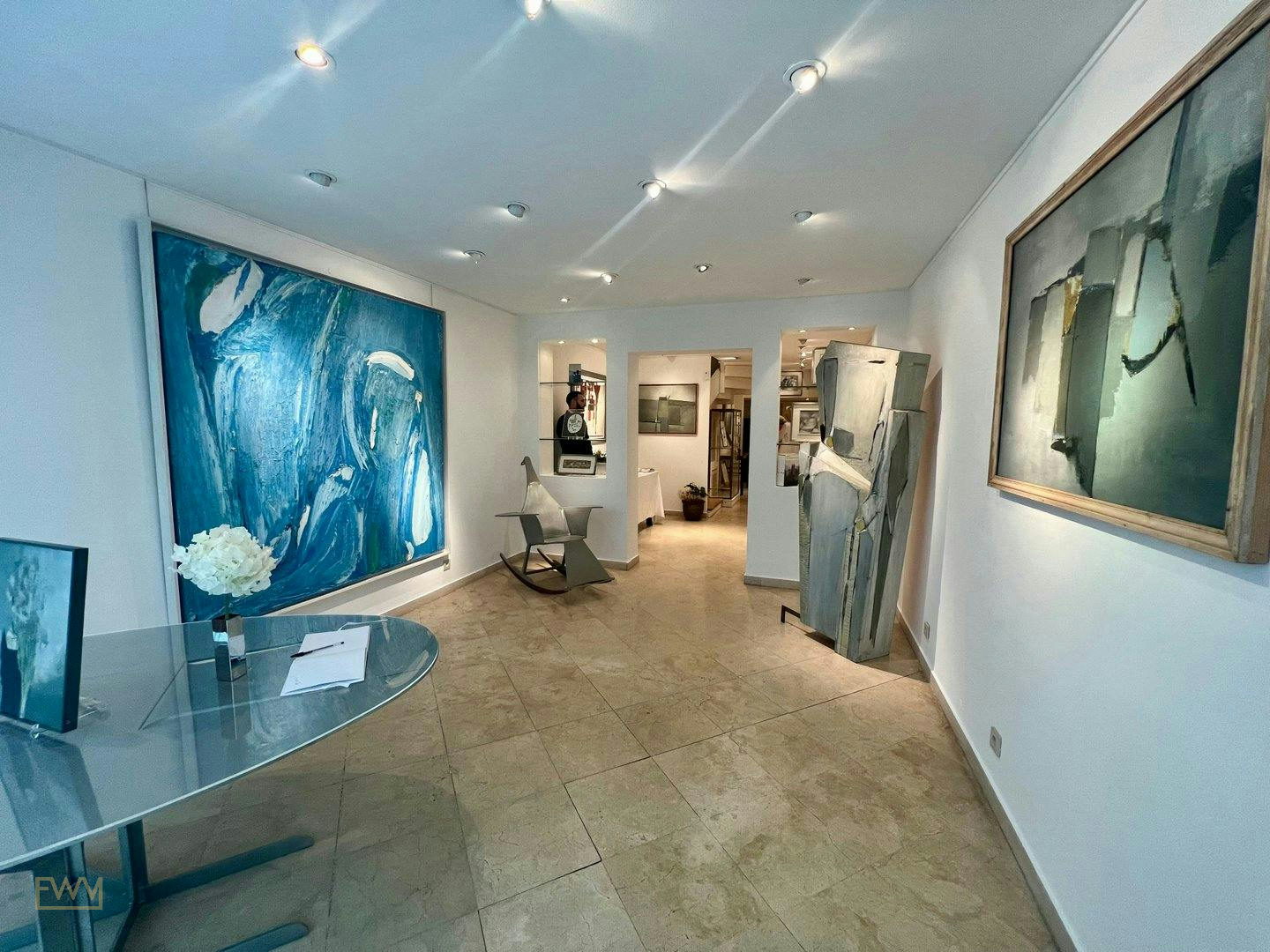
| Gallery or cultural venue hire | White box or raw space, flexible layout | Showrooms, press days, brand experience | 1 day to 2 weeks | Availability conflicts with cultural programming |
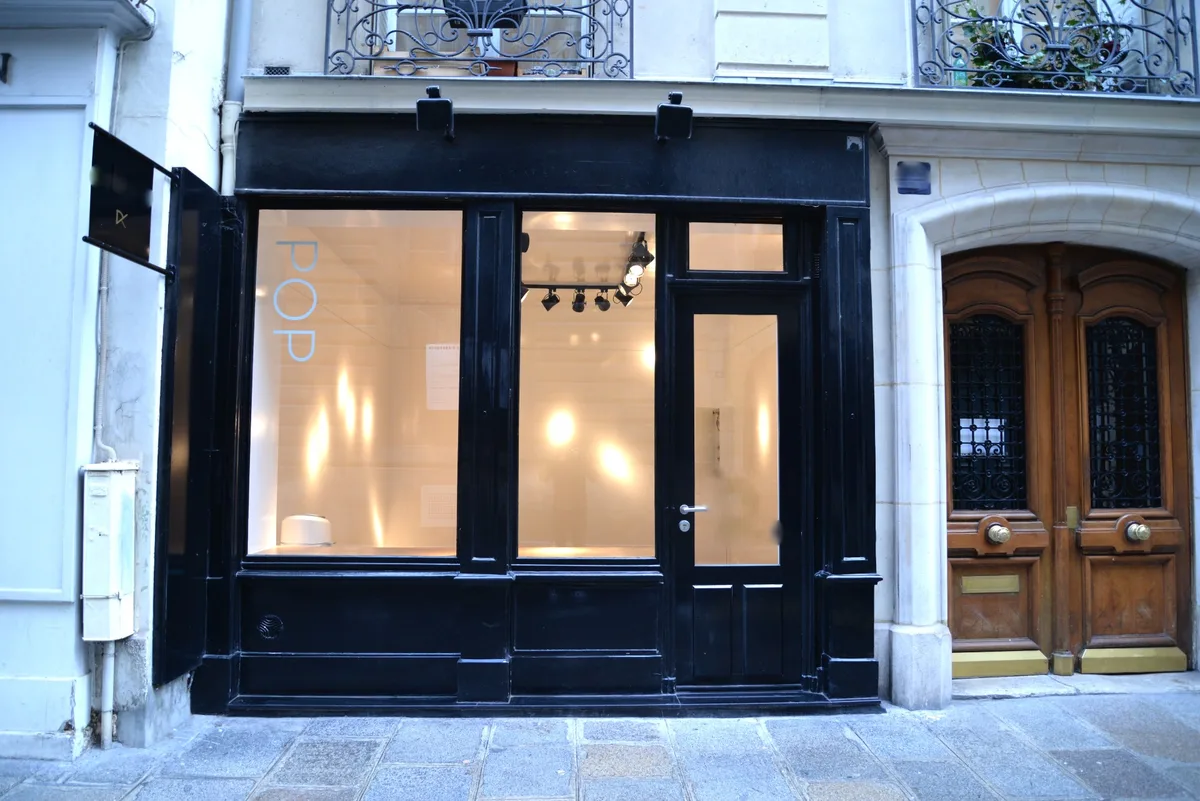
The ground-floor boutique unit with glazed vitrines facing the canal quays or the main retail streets represents the most commercially powerful format for fashion and lifestyle brands. The visual impact of a well-dressed store window on Quai de Valmy or Rue Beaurepaire, seen by the steady flow of pedestrians and cyclists along the canal, is significant and measurable in footfall conversion. Industrial-format former warehouses and ateliers, particularly those off the main retail streets, suit experiential activations, multi-brand showrooms, and larger press or influencer events.
Spaces with courtyard access, a distinctive feature of Haussmannian and pre-Haussmannian buildings throughout the 10th arrondissement, offer a genuinely unique retail environment. A boutique rental with a private courtyard creates a destination rather than a passing-trade location, encouraging visitors to seek the space out deliberately. This format works exceptionally well for organic and ethical brands, artisanal food and beauty labels, and homeware or furniture brands that benefit from a curated, unhurried shopping environment.
DID YOU KNOW: Several of Canal Saint-Martin's most celebrated independent retailers, including Rachel IRL and Nestore, operate from converted and adapted spaces that were originally designed for entirely different purposes. This adaptive reuse of older building stock is a defining characteristic of the neighbourhood's commercial identity and often produces the most memorable and effective brand environments.
Rental terms for boutique spaces in Canal Saint-Martin vary considerably depending on space type, duration, and the legal framework applied to the agreement. Short-term retail lettings in France typically operate under either a bail dérogatoire (a derogatory lease that permits short-term commercial occupation outside the standard nine-year commercial lease protections) or, for very short durations, a convention d'occupation précaire or a simple location agreement. For spaces on public land adjacent to the canal, an autorisation d'occupation temporaire (AOT) issued by the relevant municipal authority may be required. These distinctions matter significantly for budgeting, compliance, and exit terms, and brands unfamiliar with French commercial property law should seek specialist advice before signing any agreement.
IMPORTANT: A bail dérogatoire in France has a maximum permitted duration of three years. If a tenant remains in occupation beyond this period without a new agreement being formalised, the tenancy automatically converts to a standard commercial lease with full statutory protections and obligations. Brands planning activations of less than three months typically use this framework, but the specific terms must be verified with a qualified French legal advisor.
KEY TAKEAWAY: Canal Saint-Martin offers genuinely diverse boutique rental formats, from high-visibility street-front units to atmospheric courtyard spaces and large industrial ateliers. Matching the space format to the brand objective and consumer experience goal is as important as the street location. Short-term lease structures in France require careful legal navigation.
Once the space format is understood, brands need to consider the practical operational requirements of running a boutique rental on Canal Saint-Martin, including staffing, fit-out, technology, and the calendar timing that maximises commercial impact.
Operational Requirements for a Canal Saint-Martin Boutique Rental
Running a boutique rental on Canal Saint-Martin successfully requires far more than signing a lease and moving in product. The operational infrastructure of a short-term retail space in Paris involves multiple interdependent components, and underestimating any one of them can significantly affect both the consumer experience and the commercial outcome of the activation.
Fit-Out, Furniture, and Branded Store Design
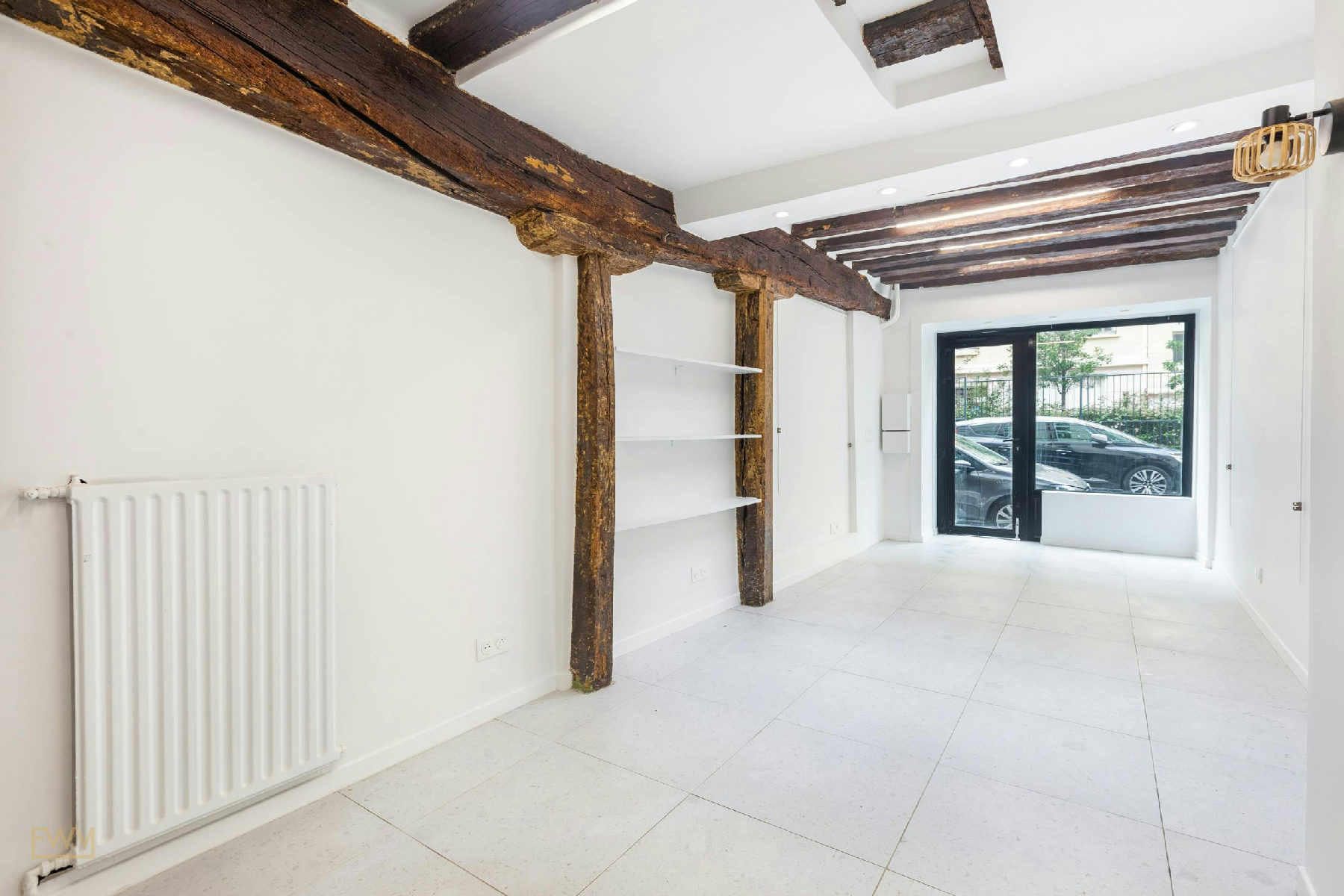
Canal Saint-Martin consumers have high aesthetic expectations, shaped by daily exposure to some of Paris's most thoughtfully designed independent retail environments. A boutique that looks temporary, under-resourced, or visually disconnected from the neighbourhood's aesthetic will struggle to convert passing interest into footfall. The fit-out should reflect the brand's identity while acknowledging the character of the specific space. Industrial spaces with exposed brick, concrete floors, and high ceilings suit raw, architectural, or utilitarian brand aesthetics. Former Haussmannian ground-floor units with original tiling, high windows, and period detailing reward a more considered and historically aware interior approach.
Furniture, fixtures, and display systems designed for temporary retail need to be functional, visually coherent, and capable of rapid installation and removal. Furniture rental designed for pop-up and short-term retail environments, rather than standard domestic or office furniture, makes a material difference to both the speed of setup and the quality of the final environment. Production and fit-out support that understands both the aesthetic requirements of fashion retail and the practical constraints of Paris building access, heritage building rules, and temporary works compliance is essential for any activation beyond the smallest scale.
Technology: Wi-Fi, POS, and Data
A boutique rental without reliable Wi-Fi, a functional point-of-sale system, and basic data capture infrastructure is operating below the minimum standard for contemporary retail. Canal Saint-Martin spaces vary considerably in their baseline connectivity, and brands should confirm connectivity status, service provider options, and any building-specific restrictions before signing a rental agreement. POS systems adapted for temporary retail, capable of accepting card payments, contactless payments, and international currencies, are essential for serving the neighbourhood's significant tourist and international visitor flow. Data capture at the point of sale, through loyalty sign-ups, email collection, or receipt-based engagement, transforms a temporary activation into a long-term brand asset.
Staffing
Retail staffing for a Canal Saint-Martin boutique rental presents specific requirements that differ from staffing a standard Paris retail unit. The neighbourhood attracts a highly informed consumer who expects knowledgeable, engaged, and culturally literate floor staff. Staff who can speak credibly about the brand's values, supply chain, creative references, and product details will outperform conventional sales staff significantly in this environment. Bilingual or multilingual staffing is important given the neighbourhood's tourist draw. French employment law requirements for temporary retail staff are detailed and must be followed precisely, including declarations to URSSAF, social contribution requirements, and working hour regulations.
Permit and Compliance Requirements
Permit requirements for boutique rental in Canal Saint-Martin vary depending on the nature of the activation, the specific location, and the duration of occupation. A standard ground-floor retail unit on a private street will typically require only a bail dérogatoire or equivalent short-term lease agreement, along with appropriate insurance coverage. Activations on the canal towpaths, in courtyards accessible from public rights of way, or involving external signage, music, or outdoor catering will require additional municipal authorisations. The specific arrondissement, the building's heritage status, and any proximity to protected water infrastructure can all affect the permit landscape. Brands should use available permit guidance tools as a starting point, but verify all requirements with a qualified French legal or permit specialist before proceeding.
Quick answer: Operating a boutique rental on Canal Saint-Martin requires fit-out that matches the neighbourhood's high aesthetic standards, reliable technology infrastructure including Wi-Fi and POS, culturally informed and bilingual staff, and careful attention to French permit and employment law compliance. Underinvesting in any of these areas will materially reduce the activation's effectiveness.
KEY TAKEAWAY: Operational excellence in a Canal Saint-Martin boutique rental is not optional. The neighbourhood's consumer base is informed, discerning, and exposed daily to high-quality independent retail. Brands that match this standard operationally, as well as aesthetically, will build lasting positive associations in one of Paris's most influential retail communities.
Beyond operations, the timing of a boutique rental on Canal Saint-Martin is a strategic variable that brands often underestimate. The neighbourhood has distinct seasonal rhythms that directly affect foot traffic, consumer mood, and the competitive landscape for available spaces.
Timing Your Canal Saint-Martin Boutique Rental: Seasons, Fashion Week, and Key Calendar Windows
The timing of a boutique rental on Canal Saint-Martin significantly affects both the commercial outcome and the logistics of securing a suitable space. The neighbourhood has well-defined seasonal patterns, and aligning an activation with the right calendar window is one of the most important strategic decisions a brand team will make.
Paris Fashion Week and the February and October Windows
Paris Fashion Week, held twice annually in late February and early March for the autumn and winter collections, and in late September and early October for the spring and summer collections, represents the highest-value activation window for fashion and lifestyle brands operating anywhere in Paris. During these periods, the city's density of press, buyers, stylists, brand directors, and international fashion consumers reaches its annual peak. Canal Saint-Martin, positioned between the Marais showroom cluster and the Gare du Nord transport hub, benefits significantly from Fashion Week footfall without the extreme congestion that affects the 1st and 8th arrondissement venues.
Brands running boutique rentals during Paris Fashion Week on Canal Saint-Martin can expect a distinctive mix of neighbourhood regulars, fashion industry visitors, and international tourists, a combination that suits multi-category activations covering fashion, accessories, beauty, and homeware equally well. Spaces on Quai de Valmy and Rue Beaurepaire in particular see meaningful uplift during Fashion Week periods, given the pedestrian routes connecting the area to Marais showrooms and Place de la République.
Spring and Summer: Peak Tourist and Lifestyle Season
The April to August window represents the Canal Saint-Martin neighbourhood's peak lifestyle season. The towpaths along Quai de Valmy and Quai de Jemmapes fill with picnickers, cyclists on rented bikes, and tourists following the canal route between Place de la République and the Bassin de la Villette. Café terraces overflow, Du Pain et des Idées and the neighbourhood's other celebrated bakeries generate significant morning foot traffic, and the area's coffee shops and restaurants operate at full capacity. For lifestyle brands, beauty labels, food and beverage concepts, homeware retailers, and outdoor or travel-oriented fashion brands, this is the optimal activation window.
Autumn: The Cultural and Fashion Reset
September and October bring a second wave of energy to Canal Saint-Martin, driven by the rentrée, the French cultural and social return after summer, the autumn Fashion Week calendar, and the reopening of cultural programmes at venues including CENTQUATRE and Point Ephémère. The neighbourhood's resident population, which partially disperses during August, returns in full force in September, restoring the bobo demographic that drives the area's fashion and lifestyle spending. For brands targeting the neighbourhood's core resident consumer rather than its tourist audience, September and October represent the most concentrated opportunity.
The Winter Window and Pre-Christmas Activation
November and December offer a specific retail opportunity centred on pre-Christmas gifting. Canal Saint-Martin's independent retail culture makes it a popular alternative to the mainstream department store and Champs-Élysées Christmas shopping circuits for Parisian consumers seeking distinctive, considered gifts. Boutique rentals focused on artisanal products, homeware, textiles, kitchenware, beauty, and accessories perform particularly well in this window. The neighbourhood's cafés and bakeries, including the legendary Du Pain et des Idées and La Crèmerie, maintain strong footfall throughout the winter months, anchoring daily pedestrian traffic even in cold weather.
Quick answer: The optimal Canal Saint-Martin boutique rental windows are Paris Fashion Week in February and October for fashion and industry-facing activations, April to August for lifestyle and tourist-driven brands, September and October for targeting the neighbourhood's core creative and bobo resident demographic, and November to December for artisanal and gifting-focused retail activations.
TIP: Spaces in Canal Saint-Martin for the February Paris Fashion Week window are typically confirmed by October or November of the preceding year. Brands that leave space booking until January will face very limited availability and potentially inflated rental costs. Use a timeline planning tool to work backward from your target activation date and identify all planning, sourcing, and production milestones.
KEY TAKEAWAY: Calendar alignment is a commercial multiplier for Canal Saint-Martin boutique rentals. The neighbourhood offers multiple distinct activation windows, each with a different consumer profile and footfall driver. Brands should select their window based on target consumer priority, not simply on convenience, and begin the space search with sufficient lead time to secure their preferred location.
With the strategic and operational framework established, it is worth examining how Canal Saint-Martin fits within the broader Paris retail activation landscape, and how it compares to other major Paris neighbourhoods that brands consider for boutique rental and pop-up activations.
Canal Saint-Martin vs. Other Paris Neighbourhoods: Where Should Your Brand Activate?
Brands evaluating boutique rental options in Paris regularly compare Canal Saint-Martin against other established activation neighbourhoods including Le Marais, Saint-Germain-des-Prés, Montmartre, Montparnasse, and the broader 1st arrondissement luxury district. Each has distinct commercial characteristics, and the right choice depends on the brand's target consumer, price positioning, aesthetic values, and activation objectives.
| Neighbourhood | Primary Consumer Profile | Fashion Positioning | Foot Traffic Type | Rental Cost Pressure | Best For |
|---|---|---|---|---|---|
| Canal Saint-Martin | Creative, bobo, fashion-conscious locals and tourists | Independent, ethical, artisanal, emerging | Mixed leisure and destination | Moderate | Independent fashion, lifestyle, beauty, homeware brands |
| Le Marais | International tourists, fashion buyers, affluent Parisians | Luxury, streetwear, contemporary international | High volume, international | High to very high | Established luxury and contemporary brands, showrooms |
| Saint-Germain-des-Prés | Affluent Parisian and international visitors | Luxury, heritage, literary lifestyle | High volume, affluent | Very high | Luxury fashion, fine accessories, heritage brands |
| Montmartre | Tourists, arts community, younger creatives | Bohemian, artisan, vintage | Very high tourist volume | Variable | Artisan brands, vintage, souvenir-adjacent activations |
| Montparnasse | Local residents, business travellers | Mainstream to contemporary | Moderate transit-driven | Moderate | Accessible fashion, lifestyle, food concepts |
| 15th Arrondissement | Local residents, families | Accessible, everyday lifestyle | Local residential | Lower | Community-focused activations, local market testing |
Canal Saint-Martin occupies a distinctive position in this competitive set. Unlike Le Marais, which has become heavily commercialised and expensive, or Saint-Germain-des-Prés, which demands very high rental costs and suits primarily luxury brands, Canal Saint-Martin retains a genuine neighbourhood character that resonates with consumers who are specifically seeking independent, non-mainstream retail experiences. The neighbourhood is not simply an affordable alternative to the Marais. It is a different proposition entirely, one that aligns with a specific and increasingly influential set of consumer values.
The proximity of Canal Saint-Martin to Le Marais, separated by a short walk or cycling distance, also means that brands can consider a dual activation strategy. A showroom or press-facing space in the Marais during Fashion Week, combined with a consumer-facing boutique rental on the canal, allows a brand to serve both industry and retail audiences simultaneously. This is a format that Fashion Week Venues refers to as a twin co-activation concept, and it is particularly well-suited to brands at the emerging-to-established transition point in their Paris market development.
Quick answer: Canal Saint-Martin suits independent, ethical, artisanal, and creatively distinctive brands seeking a fashion-conscious Paris audience at moderate rental cost. It is not the right neighbourhood for luxury heritage brands seeking maximum prestige, but it is an ideal environment for brands that want to build genuine cultural credibility with Paris's most influential creative consumer community.
KEY TAKEAWAY: Neighbourhood selection is a brand positioning decision, not simply a logistics decision. Canal Saint-Martin sends a clear signal about brand values, aesthetic orientation, and target audience. Brands should be intentional about what that signal means for their broader Paris market strategy before committing to a boutique rental in any specific location.
To understand how a Canal Saint-Martin boutique rental fits within a broader Paris activation strategy, and to assess the practical support available throughout the planning and delivery process, the next section outlines the specific ways Fashion Week Venues supports brands in this neighbourhood and across Paris.
How Fashion Week Venues Supports Canal Saint-Martin Boutique Rentals
Fashion Week Venues is a full-service pop-up shop agency and space marketplace operating across major fashion capitals, with Paris as its primary and most deeply resourced market. For brands planning a boutique rental on Canal Saint-Martin or anywhere in the wider Paris area, Fashion Week Venues provides end-to-end support from initial space discovery through to activation management and post-activation reporting.
Venue Sourcing and Space Discovery
Finding the right boutique rental space on Canal Saint-Martin requires knowledge of what is actually available at any given time, including spaces that are not listed on general property platforms or general short-term letting sites. Fashion Week Venues maintains active relationships with space owners, landlords, cultural venues, and building managers across Canal Saint-Martin and the adjacent 10th arrondissement streets. The venue sourcing service translates a brand's brief, including space size, street preference, budget range, calendar window, and activation type, into a curated shortlist of spaces that genuinely match the requirement.
Concept Direction and Branded Store Design
A Canal Saint-Martin boutique rental only reaches its potential when the physical environment is designed with the neighbourhood's aesthetic intelligence in mind. Fashion Week Venues offers concept direction and branded store design services that work within the character of the specific space, whether that is an industrial atelier, a period ground-floor unit, or a courtyard environment. The design approach for a Canal Saint-Martin activation should acknowledge the neighbourhood's love of independent character, quality materials, and honest expression of brand values, while delivering a commercial environment that converts footfall into sales and brand engagement.
Production, Build, and Furniture Rental
Fit-out and production for temporary retail in Paris involves navigating building access rules, heritage building restrictions, waste removal requirements, and the logistics of working within occupied streets and buildings. Fashion Week Venues manages this process end-to-end, coordinating suppliers, managing timelines, and ensuring that the space is ready for opening day without the brand team needing to manage Parisian trade contractors directly. Furniture and fixture rental designed for temporary retail is available as part of this service, eliminating the cost and complexity of purchasing and storing display furniture for a short-term activation.
Activation Management, Staffing, and POS
During the activation itself, Fashion Week Venues provides on-the-ground activation management covering daily operations, stock management, consumer engagement, and issue resolution. Retail staffing services provide trained, bilingual floor staff who understand both the brand's values and the specific consumer culture of the Canal Saint-Martin neighbourhood. POS and payments infrastructure is provided and configured for the specific activation, ensuring smooth transactions for both French consumers and international visitors.
Tools for Independent Brand Planning
Brand teams at the research and planning stage can access a range of practical tools including a budget estimation tool for initial financial planning, an ROI calculator for evaluating the commercial case for a Canal Saint-Martin activation, a space comparison tool for evaluating multiple shortlisted venues, and a locator tool for identifying available spaces by neighbourhood and street. These tools support self-directed brand planning without requiring immediate engagement with the full agency service.
It is important to understand that Fashion Week Venues does not guarantee the availability of specific spaces, the outcome of permit applications, or the commercial performance of any activation. The agency provides expertise, relationships, tools, and operational support to maximise the probability of a successful boutique rental, but brand teams retain responsibility for their own business decisions and commercial objectives.
Quick answer: Fashion Week Venues supports Canal Saint-Martin boutique rentals through venue sourcing, concept direction, production and fit-out, activation management, retail staffing, POS infrastructure, and a suite of planning tools covering budget, ROI, timeline, permits, and space comparison. The agency operates as a full-service partner for brands that want end-to-end support, or as a venue and tools resource for brands managing their own activation internally.
KEY TAKEAWAY: The range of support available through Fashion Week Venues covers every stage of a Canal Saint-Martin boutique rental, from initial space discovery to post-activation data analysis. Brands benefit most by engaging early, ideally three to six months before the target activation date, to secure the right space and allow sufficient time for concept development and production planning. Explore the guide to hiring a pop-up agency to understand when and how to engage specialist support.
With the operational and agency support landscape understood, it is worth addressing some of the most persistent misconceptions that brands bring to the Canal Saint-Martin boutique rental process, as these myths frequently lead to planning errors and commercial disappointment.
Budget Planning for a Canal Saint-Martin Boutique Rental
Budget planning is one of the most common sources of difficulty for brands approaching a Canal Saint-Martin boutique rental for the first time. The rental cost of the space itself is only one component of the total activation budget, and brands that focus exclusively on space rental rates without accounting for fit-out, staffing, permits, technology, marketing, and operational costs routinely underbudget and underdeliver.
The total cost of a Canal Saint-Martin boutique rental activation typically includes the following components, though precise figures vary significantly depending on space size, duration, specification level, and season. These are directional cost categories only. For brand-specific estimates, Fashion Week Venues recommends using the budget estimation tool to build a realistic financial model for your specific activation.
| Budget Component | Description | Notes |
|---|---|---|
| Space rental | Short-term lease payment for the boutique unit | Varies by street, size, and season. Higher on quay-facing prime streets |
| Fit-out and production | Installation of fixtures, display systems, and branded elements | Can represent 30 to 50 percent of total budget depending on specification |
| Furniture rental | Temporary display and retail furniture | Purpose-built temporary retail furniture performs better than repurposed items |
| Staffing | Retail floor staff, manager, and any event or experiential roles | French employment law compliance adds to base staffing costs |
| POS and technology | Card payment terminals, connectivity, data capture systems | Connectivity confirmation in the specific space should precede any booking |
| Permits and compliance | Bail dérogatoire legal fees, any AOT applications, insurance | Legal costs vary by activation type and duration |
| Marketing and influencer activation | Local press outreach, influencer partnerships, social media | Essential for driving awareness beyond existing brand audience |
| Post-activation removal | Defit, waste removal, and building restoration to original condition | Often underbudgeted. Paris landlords expect meticulous restoration |
A common planning error is to treat the boutique rental as a marketing cost rather than a revenue-generating commercial asset. Brands that deploy a Canal Saint-Martin activation with a purely marketing mindset often fail to optimise for sales conversion, data capture, and community building, losing the commercial dimension of what is, in the right conditions, a genuinely profitable short-term retail format. The ROI calculator available through Fashion Week Venues helps brand teams frame the financial case for a Canal Saint-Martin activation in terms of both revenue potential and brand equity value.
IMPORTANT: French landlords and space owners in Canal Saint-Martin typically require a full reinstatement of the space at the end of a boutique rental. Any damage to original flooring, walls, or period features will be charged against the security deposit, which is standard for all short-term commercial lets. Budget for professional defit and cleaning services as a non-negotiable line item from the outset.
KEY TAKEAWAY: Total activation budget for a Canal Saint-Martin boutique rental consistently exceeds the space rental cost alone. Brands should build a comprehensive cost model covering all eight budget components above before committing to a space, and should use available planning tools to stress-test the financial case against realistic footfall and conversion assumptions.
Common Myths About Canal Saint-Martin Boutique Rentals Debunked
MYTH: You need a French legal entity to rent a boutique space in Paris or Canal Saint-Martin.
FACT: International brands without a French legal entity can rent boutique space in Paris under a short-term commercial agreement, but the specific arrangement must be structured correctly to comply with French property and tax law. Many space owners and landlords are experienced in working with international brands and can accommodate foreign legal entities, often through a specialised short-term lease framework or with the support of a French-registered agency acting as intermediary. Specialist legal and agency support is strongly recommended for non-French brands navigating this process.
MYTH: Paris Fashion Week is the only viable calendar window for a Canal Saint-Martin boutique rental.
FACT: Paris Fashion Week represents one of several high-value activation windows for Canal Saint-Martin boutique rentals, but the neighbourhood generates strong consumer foot traffic year-round. The spring and summer lifestyle season from April to August, the September rentrée, and the pre-Christmas gifting window in November and December all offer commercially compelling activation opportunities for brands targeting specific consumer moments beyond the fashion industry calendar.
MYTH: Commission-based brokers are the only way to find a boutique rental space in Canal Saint-Martin.
FACT: Commission brokers are one route to finding short-term retail space in Paris, but they are not the only or necessarily the most effective route. Dedicated pop-up shop agencies with active neighbourhood relationships, direct landlord networks, and a curated space marketplace provide access to spaces that are not listed through general brokerage channels, often with better terms and more transparent cost structures. Brand teams can also use digital space marketplaces and direct outreach to space owners, though these routes require more time and local knowledge to execute effectively.
MYTH: Short-term leases for boutique rentals in Paris are legally straightforward and require no specialist guidance.
FACT: Short-term commercial leases in France, including the bail dérogatoire and convention d'occupation précaire, operate within a specific legal framework that differs substantially from short-term lease arrangements in the UK, US, or other markets. Key risks include unintended conversion to a standard nine-year commercial lease, liability for property restoration costs, and non-compliance with French consumer protection and commercial registration requirements. Brands, particularly international brands unfamiliar with French property law, should always verify their lease agreement with a qualified French legal advisor before signing.
MYTH: A Canal Saint-Martin boutique rental is only relevant for fashion brands.
FACT: Canal Saint-Martin's consumer base is broadly lifestyle-oriented and encompasses strong spending across fashion, beauty, homeware, textiles, kitchenware, food and beverage, accessories, and artisanal goods. The neighbourhood's independent retail culture makes it highly receptive to any brand that brings genuine quality, ethical values, and a distinctive consumer experience to its boutique rental, regardless of product category.
Frequently Asked Questions
Is Canal Saint-Martin a good location for a fashion brand pop-up or boutique rental?
Canal Saint-Martin is an excellent location for fashion brands seeking an engaged, style-conscious, and culturally literate Paris audience. The neighbourhood's independent retail culture, strong creative community, and concentration of fashion-forward consumers makes it particularly well-suited to emerging, ethical, artisanal, and contemporary fashion brands. It is less appropriate for ultra-luxury or heritage brands that require the prestige positioning of Saint-Germain-des-Prés or the Avenue Montaigne. Street selection within the neighbourhood matters significantly, with Rue Beaurepaire and Quai de Valmy offering the strongest fashion retail environments.
What is the best street in Canal Saint-Martin for a boutique rental?
The best street depends on your brand's specific objectives and target consumer. Rue Beaurepaire is the neighbourhood's premier fashion retail street, with a concentration of concept stores and a strong fashion buyer and press audience during Paris Fashion Week. Quai de Valmy offers the highest canal-facing foot traffic and tourist visibility. Rue des Vinaigriers and Rue de Lancry provide strong neighbourhood consumer access at generally more accessible price points. Brands should visit each street at different times of day and different days of the week before making a final decision.
Do I need to be a French company to rent a boutique space in Canal Saint-Martin?
No, international brands can rent boutique space in Canal Saint-Martin without a French legal entity, but the arrangement must be correctly structured under French law. Many landlords and space owners are experienced with international brand tenants. Working with a French-registered agency or specialist legal advisor significantly simplifies this process and reduces the risk of contractual errors that could create unexpected liability. The specific legal structure of your rental agreement should always be reviewed by a qualified French legal professional before signing.
How far in advance should I book a Canal Saint-Martin boutique rental?
For Paris Fashion Week windows in February and October, spaces should ideally be secured three to six months in advance. Prime spaces on Rue Beaurepaire and Quai de Valmy for Fashion Week periods are often confirmed by October or November of the preceding year. For non-Fashion Week activations, two to four months of lead time is typically sufficient for space sourcing, though brands in this timeframe will have a narrower selection. Early engagement also allows more time for concept development, permit preparation, and production planning, all of which benefit from generous lead times.
What type of lease do I need for a short-term Canal Saint-Martin boutique rental?
Short-term boutique rentals in Canal Saint-Martin are typically structured under a bail dérogatoire, which is a French commercial lease that operates outside the standard nine-year commercial lease protections, up to a maximum of three years. For very short activations of a few days to a few weeks, a convention d'occupation précaire or a simple location agreement may be appropriate. The correct legal structure depends on duration, space type, and the specific terms negotiated with the space owner. All agreements should be reviewed by a qualified French legal advisor before signing.
What permits do I need for a Canal Saint-Martin pop-up shop or boutique rental?
Permit requirements vary depending on the activation format, location, and duration. A standard ground-floor retail unit on a private street typically requires only an appropriate lease agreement and commercial insurance. Activations involving outdoor elements, signage on the building facade, music, food and beverage service, or use of the canal towpath or adjacent public land may require additional authorisations from the Paris municipal authorities, including an autorisation d'occupation temporaire (AOT) for use of public land. Requirements specific to your activation should be confirmed with a qualified French legal or permit specialist. The permit guidance resource on Fashion Week Venues provides a useful starting framework.
How much does a boutique rental on Canal Saint-Martin cost?
Total activation costs vary significantly depending on space size, street location, duration, fit-out specification, staffing requirements, and the season of the activation. The space rental itself is only one component of the total budget, which also includes production and fit-out, furniture, staffing, technology, permits, marketing, and defit costs. Fashion Week Venues does not publish fixed rental rate tables, as these vary constantly with market conditions and specific space characteristics. The budget estimation tool on Fashion Week Venues is designed to help brand teams build a realistic financial model for their specific activation parameters.
Can an international brand without French language skills successfully manage a Canal Saint-Martin boutique rental?
International brands without French language capability can operate successfully in Canal Saint-Martin, but doing so without local language support or agency assistance significantly increases operational complexity and risk. Key challenges include negotiating and reviewing French-language lease agreements, communicating with building managers and permit authorities, hiring and managing French-speaking staff, and navigating the practical logistics of operating a retail space in Paris. Engaging a bilingual agency partner or at minimum a bilingual project manager based in Paris is strongly recommended for international brands.
What are the best Canal Saint-Martin boutique rental formats for a first Paris activation?
For a brand's first Paris activation, a focused ground-floor boutique unit of 50 to 150 square metres on a primary Canal Saint-Martin street is typically the most manageable and commercially effective starting format. This scale allows the brand to develop its Paris retail practice, test consumer response, and build neighbourhood relationships without the operational complexity and cost of a larger experiential or multi-room format. A well-executed small boutique rental consistently outperforms a large, under-resourced activation in terms of brand impression and commercial outcome.
How does Canal Saint-Martin compare to Le Marais for a fashion brand pop-up?
Canal Saint-Martin and Le Marais serve different fashion brand purposes in Paris. The Marais offers higher foot traffic volume, stronger international tourist density, and greater proximity to the luxury and streetwear brand cluster that defines its commercial character. Canal Saint-Martin offers a more engaged, values-driven, and independent-retail-oriented consumer, lower rental cost pressure, and a neighbourhood aesthetic that supports emerging, ethical, and artisanal brand positioning. Brands that want credibility with Paris's creative community often find Canal Saint-Martin more effective than the Marais, while brands seeking maximum industry visibility during Fashion Week typically prioritise Marais showroom adjacency.
What is a bail dérogatoire and how does it apply to a Canal Saint-Martin boutique rental?
A bail dérogatoire is a form of French commercial lease that allows tenants and landlords to derogate from the protections of the standard nine-year commercial lease statute. It can be used for durations of up to three years and is the most common legal framework for short-term retail lettings in Paris, including Canal Saint-Martin boutique rentals. It must be explicitly agreed in writing by both parties at the outset. If the tenant remains in occupation after the bail dérogatoire expires without a new agreement, the tenancy automatically acquires full commercial lease protections. Legal advice specific to your situation is always recommended before entering any bail dérogatoire.
Is Canal Saint-Martin worth visiting as a consumer destination during a brand activation?
Canal Saint-Martin is one of Paris's most genuinely compelling neighbourhood destinations for consumers seeking independent retail, quality food and drink, and authentic Parisian urban culture. The combination of the canal's visual character, the quality of the independent boutiques and concept stores, the bakeries including Du Pain et des Idées, the café culture along the quays, and the cultural venues including Point Ephémère and CENTQUATRE creates a neighbourhood experience that keeps visitors for hours rather than minutes. For brands, this extended dwell time translates directly into greater opportunity for consumer engagement and conversion.
How do I find available boutique rental spaces on Canal Saint-Martin?
Available boutique rental spaces in Canal Saint-Martin can be found through several channels. Fashion Week Venues operates a curated space marketplace with spaces across Paris including the Canal Saint-Martin neighbourhood. Specialist pop-up shop agencies with active Paris relationships can source spaces not publicly listed. General short-term retail platforms and property agents with commercial portfolios in the 10th arrondissement also list spaces periodically. Direct outreach to building owners on target streets is possible but time-consuming and requires local knowledge and French language capability to be effective.
What consumer profile should I expect at a Canal Saint-Martin boutique rental?
The Canal Saint-Martin consumer profile is predominantly urban, educated, culturally engaged, and fashion-conscious. The core resident demographic is often described as bobo, combining professional affluence with bohemian cultural values and a strong preference for independent, ethical, and artisanal brands over mainstream retail. This demographic is complemented by significant tourist footfall from French and international visitors attracted by the neighbourhood's reputation and canal scenery, and by fashion industry visitors during Paris Fashion Week. Brands should design their activation, staffing, and communication specifically for this profile rather than applying generic Paris retail assumptions.
What happens if my Canal Saint-Martin boutique rental space has connectivity or Wi-Fi problems?
Connectivity problems in Canal Saint-Martin boutique rental spaces are not uncommon, particularly in older buildings with limited infrastructure for commercial data services. Before signing any rental agreement, brands should confirm the availability and quality of existing internet connectivity in the specific space, identify the service provider options, and establish a contingency plan for mobile data backup if fixed-line connectivity proves unreliable. POS systems that operate on mobile data as a fallback are strongly recommended. Addressing connectivity requirements during the space assessment phase, rather than after signing, prevents significant operational disruption during the activation itself.
Conclusion: Making the Most of Canal Saint-Martin for Your Paris Boutique Rental
Canal Saint-Martin represents one of Paris's most distinctive and commercially rewarding environments for boutique rental, pop-up shops, showrooms, and brand activations. Its combination of genuine neighbourhood character, a fashion-forward and values-driven consumer base, diverse space formats, and strategic calendar alignment with Paris Fashion Week makes it a compelling choice for brands at a wide range of scales and across multiple product categories including fashion, beauty, homeware, accessories, textiles, kitchenware, and artisanal lifestyle goods.
Succeeding in Canal Saint-Martin requires more than finding a space and opening the doors. It demands careful neighbourhood research, street-level positioning decisions, thorough operational planning, legally sound short-term lease arrangements, and a fit-out and consumer experience that meets the neighbourhood's high independent retail standards. Brands that invest the necessary time and expertise in each of these dimensions consistently build meaningful Paris audience relationships and generate strong commercial and brand equity returns from their Canal Saint-Martin activations.
The neighbourhood's retail ecosystem, anchored by established concept stores like Centre Commercial, Artazart, and Antoine et Lili, and enriched by cultural institutions including Point Ephémère and CENTQUATRE, provides an environment that actively supports quality independent retail and genuinely rewards brands that bring something distinctive and authentic to the neighbourhood. In a Paris market increasingly dominated by expensive prime real estate and high-volume tourist corridors, Canal Saint-Martin offers the rare combination of cultural credibility, consumer quality, and commercial viability that growing and ambitious brands need.
Fashion Week Venues provides end-to-end support for brands planning a Canal Saint-Martin boutique rental, from initial space discovery through to activation management, staffing, and post-activation reporting. Whether you are planning your first Paris activation or your fifth, specialist agency support reduces planning risk, accelerates space sourcing, and ensures that every operational dimension of your boutique rental is managed to the standard the neighbourhood and its consumers expect.
To move from research to activation, start exploring available spaces on the Fashion Week Venues marketplace and build a focused brief for your target neighbourhood, space type, and calendar window. The sooner you begin the search, the stronger your options will be for Canal Saint-Martin's most sought-after boutique rental positions.