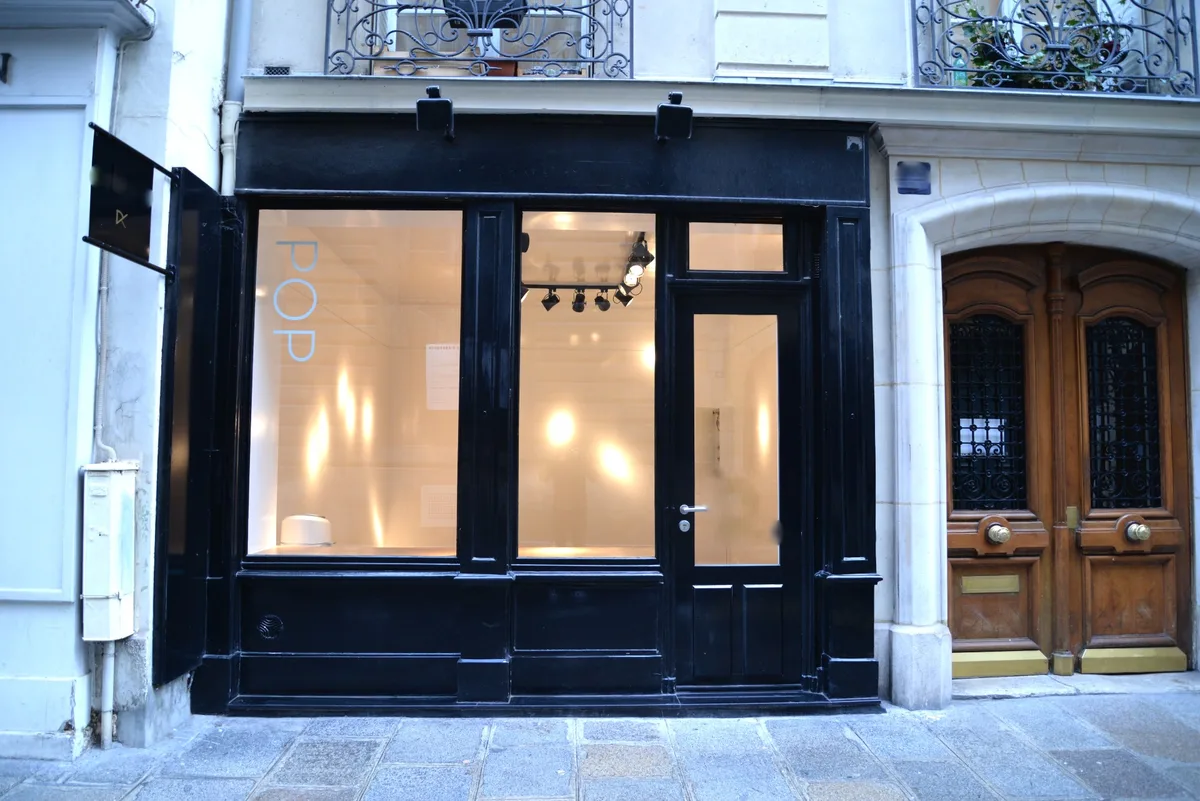
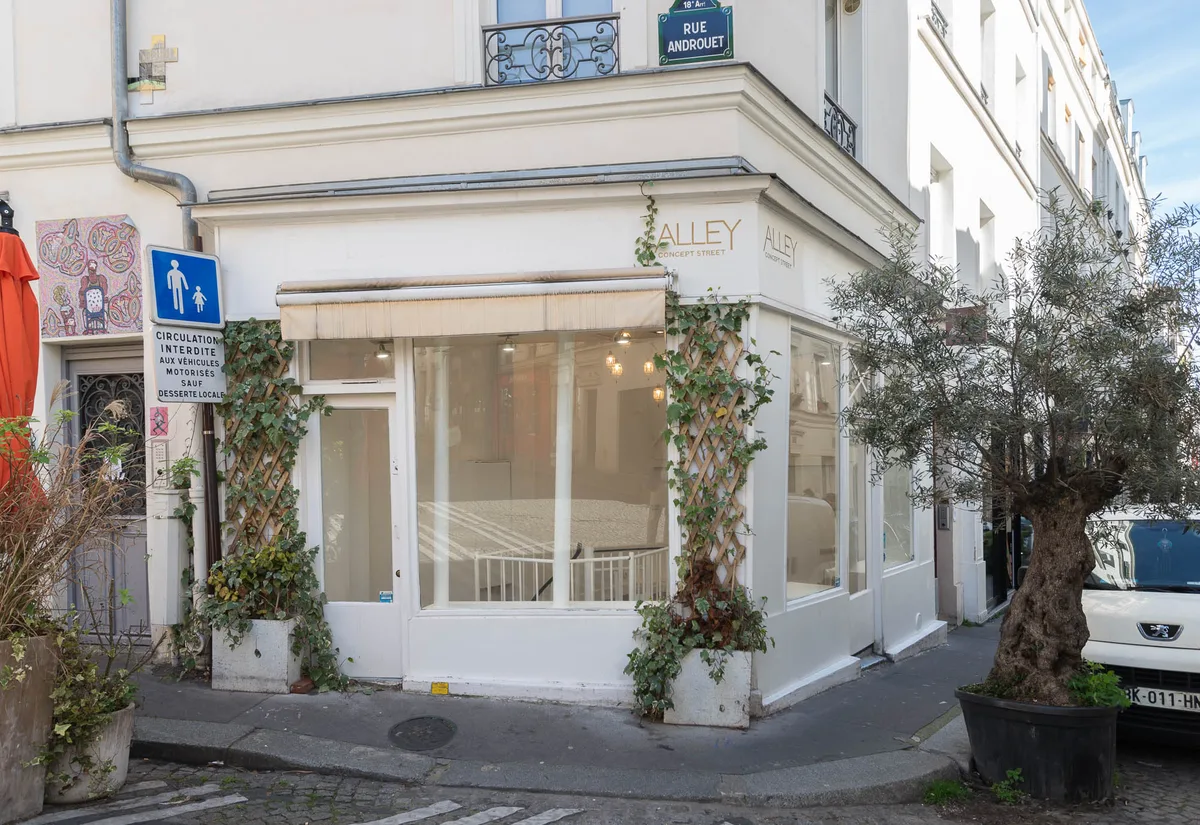
Event space rental Paris is one of the most competitive and rewarding decisions a brand team, event producer, or creative director can make. Paris sits at the intersection of fashion, culture, commerce, and architecture, offering a depth and variety of venue options that no other city quite matches. From grand Haussmann salons in the 8th arrondissement to raw industrial lofts in Sentier, intimate showrooms in Le Marais, and garden terraces overlooking monuments, the city presents an extraordinary canvas for any event type. Whether you are planning a corporate conference, a seasonal brand activation, a Fashion Week showroom, a wedding reception, or a private gallery exhibition, understanding how the Paris event venue market works is essential before you commit budget, calendar dates, or a contract. Fashion Week Venues specialises in helping brands navigate exactly this landscape, and this guide covers every dimension of the process.
Why Paris Remains the World's Premier Event Destination
Paris is not simply a backdrop. It is an active ingredient in the success of any event. The city's architectural heritage, its cultural density, and its position as the anchor of the international fashion and luxury calendar make it uniquely powerful for brand activations, corporate gatherings, exhibitions, and high-stakes client receptions alike.
The Île-de-France region, which encompasses Paris and the wider Grand Paris metropolitan area, attracts more international visitors than any other urban region in Europe. The city hosts an extraordinary concentration of global events each year, from Paris Fashion Week across its four seasonal editions, to Art Basel Paris at the Grand Palais, to VivaTech at Porte de Versailles, one of Europe's largest technology and innovation summits. This density of international events means that Paris venues are consistently in demand from January through December, with particular pressure during the spring and autumn seasons.
What makes Paris singular as an event destination is the quality and variety of its venue stock. You can choose between a gilded Belle Époque salon at Le Meurice on Rue de Rivoli, an industrial photography studio in the 15th arrondissement, a rooftop overlooking the Eiffel Tower, a garden pavilion adjacent to the Tuileries Garden, or a stripped-back creative studio in the Marais. The Louvre, the Musée d'Art Moderne, the Grand Rex, the Montparnasse Tower, and Parc de la Villette all host private events at scale. The Palais Garnier, the Opéra Bastille, and theatrical venues like the Théâtre de la Madeleine and the Machine du Moulin Rouge cater to spectacular performances and private dinners. The Venice Simplon-Orient-Express departs from Paris Gare de l'Est and has been used for extraordinary travelling activations.
Beyond the prestige landmarks, Paris has a thriving mid-market venue ecosystem that serves corporate functions, brand workshops, team seminars, creative presentations, and social celebrations. Hotels including the InterContinental Paris Le Grand, Hotel Plaza Athénée, Le Méridien Paris Arc de Triomphe, Pullman Paris Montparnasse, the Hilton Paris Opera Hotel, and the Marriott Rive Gauche Hotel and Conference Center all offer dedicated event infrastructure within their properties. Boutique hospitality venues like The Hoxton Paris in Le Marais bring a more editorial aesthetic to corporate functions and press days.
The Paris public transport system is a genuine asset for event logistics. The Métro network connects virtually every arrondissement, and rail links including the RER, Roissy Bus, and Orlyval service both Charles de Gaulle and Orly airports. Vélib stations ensure that cycling is a viable last-mile option across central Paris, and taxis and private hire vehicles are abundant. Transport accessibility is a practical factor that significantly reduces friction for guests arriving from multiple points in the city or from international airports.
DID YOU KNOW: Paris Fashion Week alone spans four seasons annually, with the women's collections in February and September and men's collections in January and June. Each edition brings thousands of international buyers, press, and brand teams to Paris, generating intense demand for short-term venue and showroom rentals across every arrondissement.
KEY TAKEAWAY: Paris offers unmatched architectural variety, cultural prestige, and international event density. Choosing the right Paris venue requires understanding which part of that ecosystem aligns with your event type, guest profile, and brand positioning. The following sections break down exactly how to approach that decision.
Understanding the landscape of Paris locations and landmark contexts is the essential first step. The next section maps the city's key neighbourhood zones and what each offers for event rentals.
Paris Locations and Neighbourhoods: Choosing the Right Area for Your Event
The neighbourhood you choose for your Paris event sets the tone for the entire experience. Different arrondissements project different atmospheres, attract different audiences, and offer fundamentally different space typologies. Making the right geographic choice early in your planning process prevents costly misalignment between your brand identity and your venue environment.
Le Marais: Creative Capital for Fashion and Cultural Events
Le Marais, spanning the 3rd and 4th arrondissements, is the most consistently in-demand neighbourhood for fashion, art, and creative brand events. The area combines medieval architecture with contemporary gallery culture, giving venues a distinctive layered quality. Raw stone walls, high ceilings, and cast-iron details sit alongside modern interiors with excellent lighting. Le Marais hosts some of the city's most photographed art galleries and design showrooms, making it a natural home for Fashion Week showrooms, press days, product launches, and gallery exhibitions. Les Jardins du Marais, with its courtyard garden and event pavilions, is one of the larger multi-space venues in the neighbourhood, capable of hosting corporate dinners, gala receptions, and weddings. The Hoxton Paris on Rue du Sentier brings hospitality-grade infrastructure and a strong editorial identity to meeting rooms and private dining.
Sentier and the 2nd Arrondissement: The Business Hub for Brand Events
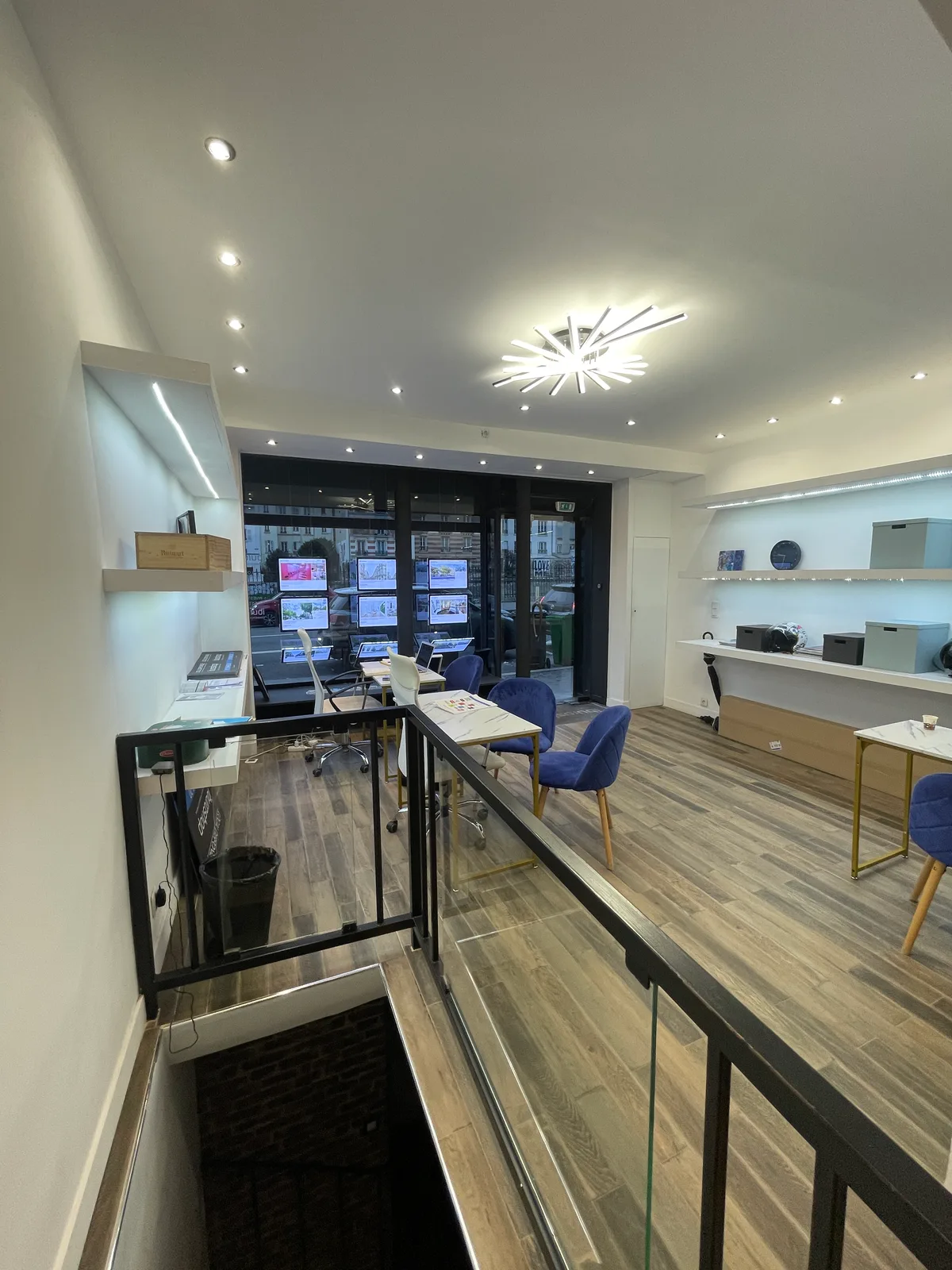
Sentier, anchored in the 2nd arrondissement, has evolved from its origins as Paris's textile district into a thriving business hub for technology companies, creative agencies, and fashion brands. The neighbourhood's industrial loft spaces, converted ateliers, and modern coworking buildings offer flexible layouts suited to corporate seminars, team workshops, press presentations, and pop-up activations. Spaces in this area tend to offer more practical infrastructure, including high-speed connectivity, AV integration, and modular furniture, alongside authentic Parisian interiors.
The 8th Arrondissement: Prestige and Luxury Along the Champs-Élysées
The 8th arrondissement, home to the Champs-Élysées, the Arc de Triomphe, and some of Paris's finest hotels, is the natural choice for luxury brand activations, high-net-worth client receptions, and international corporate functions that require prestige signalling. Venues along and near Rue du Faubourg Saint-Honoré and the Avenue Montaigne corridor carry an inherent quality association. Hotel venues including the Hotel Plaza Athénée and Le Méridien Paris Arc de Triomphe offer full-service event packages with dedicated event management teams.
The 15th Arrondissement and Porte de Versailles
The 15th arrondissement is one of Paris's largest residential and commercial districts and houses Porte de Versailles, the city's primary trade fair and exhibition centre. Brands exhibiting at VivaTech, the Paris Motor Show, or other major trade events at Porte de Versailles frequently seek supplementary event spaces in the 15th for client dinners, after-hours receptions, or press briefings. The Salle des Fêtes Paris 15ème and similar neighbourhood venues offer practical, mid-scale options for groups of 50 to 300 guests. The Pullman Paris Montparnasse, adjacent to the Montparnasse Tower, is a large conference hotel with extensive meeting and event infrastructure.
The Tuileries Garden, Rivoli, and the 1st Arrondissement
The 1st arrondissement sits at the historic heart of Paris, bordered by the Tuileries Garden, the Louvre, and the Rue de Rivoli. Venues in this area carry some of the strongest heritage associations in the city. The Grand Palais, used for Art Basel Paris among other events, the Orangerie, and spaces within the Louvre complex itself are available for high-profile private events under specific conditions. L'Orangerie, the famous Impressionist museum on the western edge of the Tuileries Garden, has hosted private evening receptions for cultural institutions and luxury brands.
Parc de la Villette and the Northern Districts
Parc de la Villette in the 19th arrondissement is one of Paris's largest urban parks and a major cultural campus. The Grande Halle de la Villette and the surrounding pavilions offer vast event capacity suited to trade shows, large-scale performances, brand festivals, and outdoor activations. The neighbourhood's more industrial character attracts brands seeking authenticity and scale over prestige address.
Quick answer: The best Paris neighbourhood for your event depends on your event type and brand positioning. Le Marais suits fashion, art, and creative events. The 8th arrondissement delivers luxury prestige. Sentier works for technology and business activations. The 15th and Porte de Versailles area serves trade fair and conference clients. The 1st arrondissement offers unmatched heritage associations near the Louvre and Tuileries.
To compare neighbourhoods and space types, explore the Paris city hub on Fashion Week Venues and shortlist spaces that match your brief, budget, and calendar window.
KEY TAKEAWAY: Neighbourhood selection is a brand positioning decision as much as a logistics decision. Each Paris district carries a distinct visual and cultural identity that will be absorbed into your event's atmosphere from the moment guests arrive.
Once you have a geographic shortlist, the next step is understanding the full range of space typologies available across those neighbourhoods.
Types of Event Venues in Paris: From Showrooms to Grand Salons
Paris offers a broader spectrum of event venue typologies than almost any other city. Understanding what each space type delivers in terms of atmosphere, capacity, services, and flexibility prevents the common mistake of choosing a venue that looks beautiful in photographs but does not serve the practical needs of your event format.
Hotel Event Venues
Paris luxury hotels represent some of the city's most fully serviced event environments. Properties including Le Meurice, InterContinental Paris Le Grand, Hotel Plaza Athénée, the Hilton Paris Opera Hotel, Pullman Paris Montparnasse, Marriott Rive Gauche Hotel and Conference Center, and Le Méridien Paris Arc de Triomphe all offer dedicated event wings with ballrooms, breakout meeting rooms, private dining rooms, and full in-house catering. Hotel event teams manage AV, décor, security service, and logistics, making them the lowest-complexity option for corporate clients who value reliability over creative differentiation. The Salon des Miroirs at Le Meurice and the grand salon at the InterContinental Paris Le Grand are among the most architecturally significant hotel event rooms in Paris, featuring frescoed murals, gilded ceilings, and monumental chandeliers that create immediate atmosphere without additional décor investment.
Gallery and Cultural Spaces
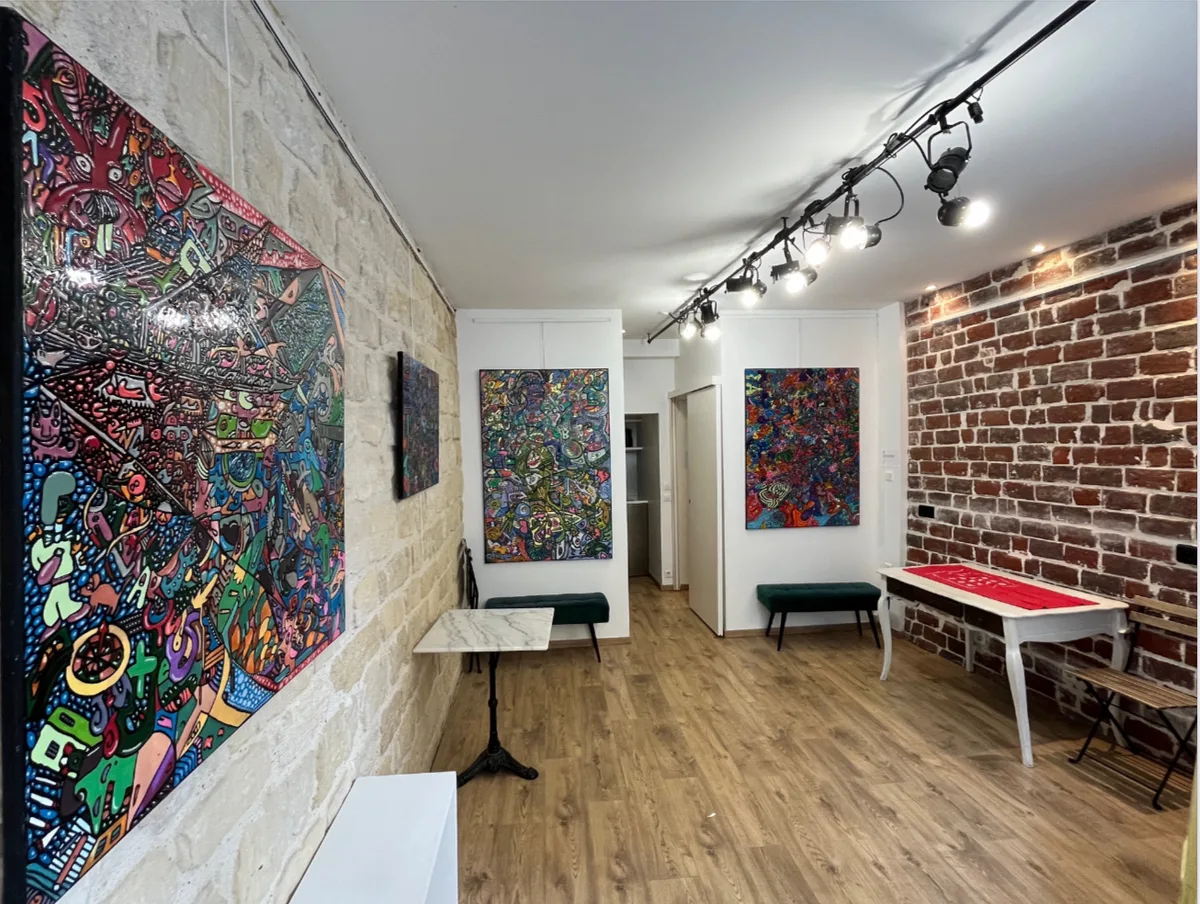
Paris's gallery infrastructure extends well beyond the major museums. Independent contemporary art galleries in Le Marais, Saint-Germain-des-Prés, and the 10th arrondissement regularly rent their spaces for private evening events, press previews, and brand installations. The Musée d'Art Moderne in the 16th arrondissement hosts private events within its permanent collection rooms. These spaces suit brands that want to align with cultural credibility and artistic associations. Capacity in gallery spaces typically ranges from 30 to 300 guests depending on the floor plan.
Industrial Lofts and Studios
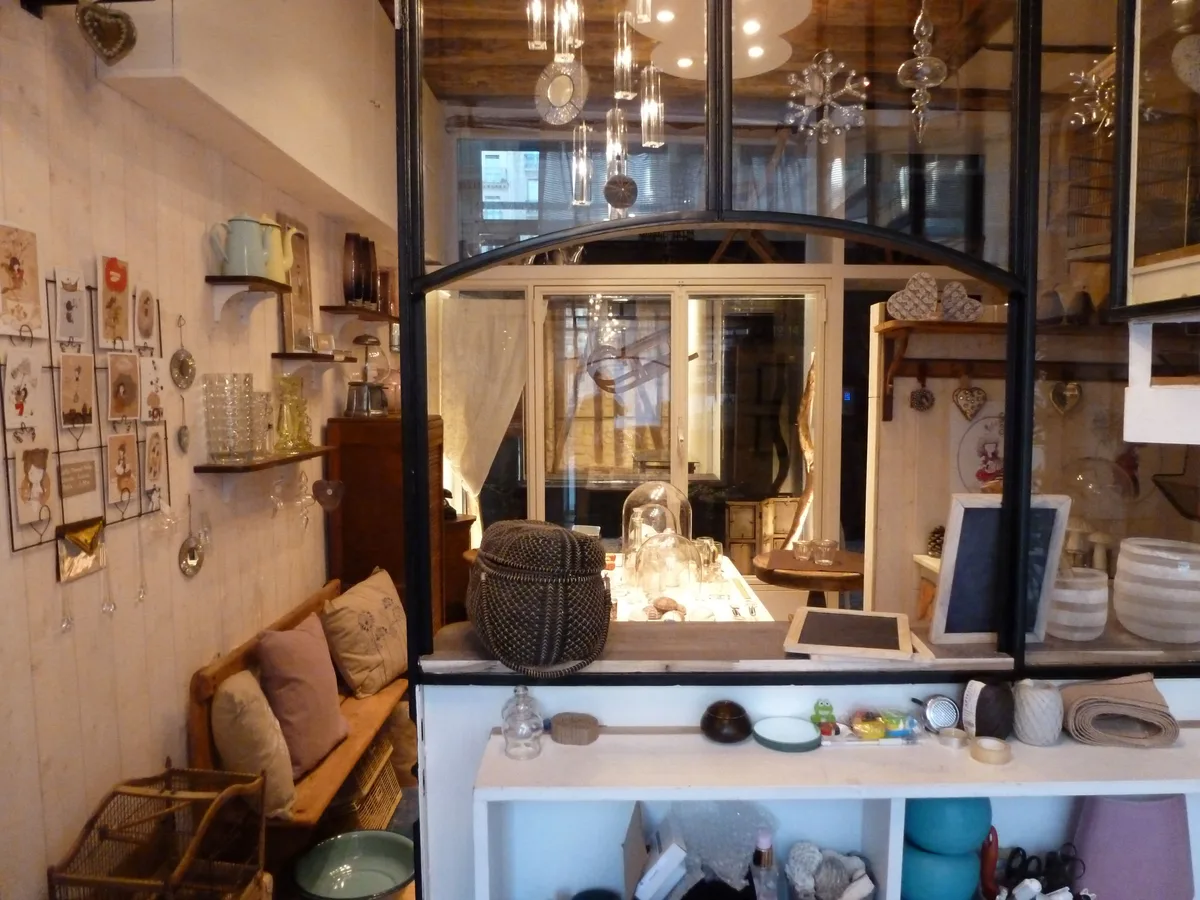
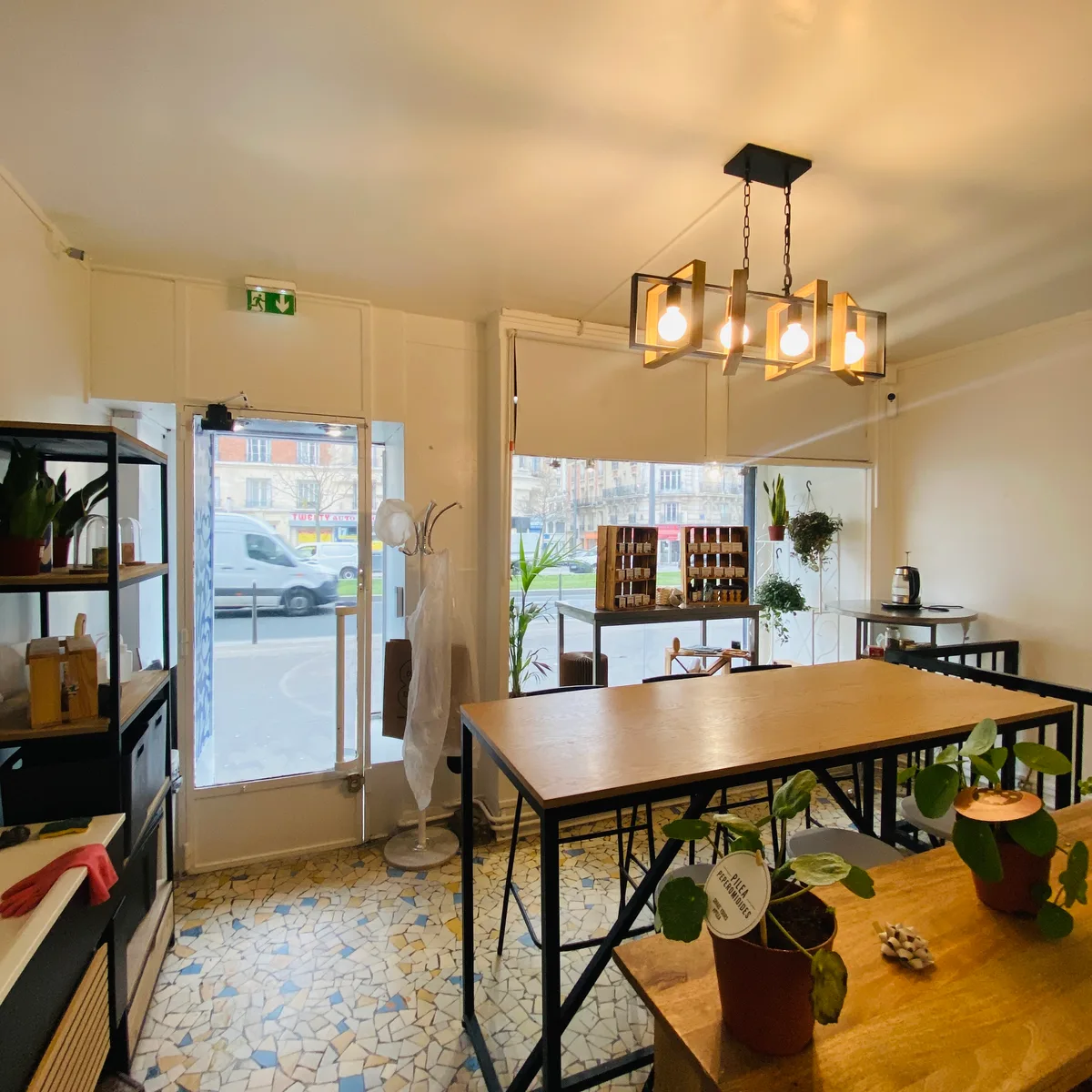
Converted industrial buildings are among the most versatile event spaces in Paris. Stellar Studio Paris in the 15th arrondissement, Espace Cléry in the 2nd, and a range of espace d'atelier venues across Belleville and the northern districts offer high ceilings, polished concrete floors, large windows, and fully flexible layouts. These spaces suit fashion presentations, creative workshops, photography productions, product launches, and brand activations that require full set-build capability. They also tend to offer more permissive supplier policies than hotel or heritage venues, allowing brands to bring in their own caterers, AV providers, and set-build teams.
Restaurant and Private Dining Venues
Paris's restaurant scene includes a significant number of venues that offer full privatisation for corporate dinners, family celebrations, and social gatherings. L'Appartement in Paris offers seven individually designed rooms that can be rented separately or privatised for events of up to 120 guests. Rivié Bar operates a reservation model for groups of 30 to 150 persons, providing a more informal social atmosphere within a curated bar environment. Jacques' Bar and similar intimate spaces suit smaller corporate functions of 20 to 60 guests where conversation quality and food experience are primary priorities. La Cuisine and Pantry-style venues cater to interactive dining formats including cooking workshops and chef demonstrations.
Outdoor and Garden Venues
Paris outdoor venues range from formal garden terraces at private members' clubs to rooftop spaces overlooking the Eiffel Tower and riverside terraces along the Seine. Pavillon Dauphine Saint Clair in the Bois de Boulogne offers a classic French garden pavilion experience. Outdoor event spaces in Paris require particular attention to weather contingency planning, noise ordinances, and municipal permit requirements that vary significantly by location and season.
Performance and Theatrical Spaces
For brands seeking extraordinary event settings, Paris offers theatrical and performance venues that can be privatised. The Grand Rex, Paris's legendary cinema and event venue on the Boulevard Poissonnière, hosts corporate presentations, film premieres, and brand events at significant scale. The Machine du Moulin Rouge provides a high-energy nightlife venue with multiple floors and full production infrastructure. The Théâtre de la Madeleine offers a classic French theatre environment for private performances and brand storytelling events. The Cité Internationale Universitaire de Paris provides a distinctive campus setting across its international pavilions.
Conference and Meeting Facilities
Dedicated conference venues including the Salle de Conférence formats at major Paris business hotels, the Salle de Réunion FEDERICI, and Marriott Bonvoy properties across the city serve the structured needs of corporate seminars, board meetings, training programmes, and international conferences. These spaces offer fixed AV infrastructure, tiered seating, and on-site catering services. Capacity ranges from small boardrooms of eight to twelve people to full conference centres accommodating several hundred delegates.
Quick answer: Paris event venues span hotel ballrooms, independent galleries, industrial studios, restaurant private dining rooms, outdoor garden terraces, theatrical performance spaces, and dedicated conference facilities. The right typology depends on your event format, guest count, brand positioning, and catering and production requirements.
| Venue Type | Typical Capacity Range | Best Suited For | Key Characteristics |
|---|---|---|---|
| Luxury Hotel Ballroom | 50 to 800 guests | Corporate gala, wedding, conference | Full service, AV included, in-house catering, security |
| Gallery and Museum Space | 30 to 300 guests | Brand launch, press preview, exhibition | Cultural cachet, curated atmosphere, limited catering |
| Industrial Studio and Loft | 40 to 500 guests | Fashion show, activation, production | Flexible layout, blank canvas, open supplier policy |
| Restaurant Private Dining | 20 to 150 guests | Client dinner, team celebration, social gathering | Curated food experience, intimate atmosphere |
| Outdoor and Garden Venue | 30 to 600 guests | Summer reception, brand festival, press day | Seasonal dependency, permit requirements, scenic setting |
| Conference Facility | 8 to 600 delegates | Seminar, AGM, corporate training, summit | Fixed AV, structured layout, on-site support |
| Theatrical and Performance Space | 100 to 2,800 guests | Brand storytelling, premiere, large-scale event | Stage production capability, dramatic architecture |
KEY TAKEAWAY: Matching venue typology to event format is as important as matching it to budget. A beautiful gallery space will underperform a basic hotel ballroom if your event requires extensive catering logistics, complex AV integration, or structured breakout capability that the gallery cannot support.
Understanding which spaces exist is only part of the picture. The booking process, lead times, and contractual structures in Paris are distinctive, and the next section addresses those practical dimensions in full.
Booking Paris Event Venues: Lead Times, Rates, and Contractual Structures
Booking an event venue in Paris requires navigating a market that operates quite differently from many other global cities. Lead times are longer than most clients expect, pricing structures vary significantly by typology, and the contractual and permit landscape involves distinct French legal frameworks that can create unexpected friction without specialist guidance.
How Far in Advance Should You Book?
For events tied to the Paris Fashion Week calendar, Art Basel Paris, or major trade events at Porte de Versailles, experienced event producers typically recommend beginning venue searches six to twelve months in advance. The most desirable spaces in Le Marais, the 8th arrondissement, and central Paris receive enquiries for Fashion Week periods as early as nine months before the relevant edition. For corporate events with more flexible timing, three to six months is generally a realistic minimum for mid-scale venues. For small meetings and private dining events, one to three months may be sufficient, though premium spaces will already be booked during peak periods.
Quick answer: For Fashion Week and peak season events in Paris, begin your venue search six to twelve months in advance. For general corporate events, three to six months is realistic. For small meetings and private dining, one to three months may suffice outside of peak calendar windows, though the best spaces fill quickly regardless of season.
Booking Rates, Hourly Booking, and Minimum Spends
Paris event venues operate on a variety of pricing structures. Hotel venues often combine a room hire fee with a minimum food and beverage spend per head. Independent studios and galleries typically charge daily or half-day rates. Restaurant venues may offer privatisation at no room hire cost in exchange for a minimum spend on food and drink. Some coworking and flexible spaces including Spacebase-listed properties offer hourly booking for meeting rooms and smaller function spaces, which suits corporate clients with short-format needs.
Booking rates vary enormously by neighbourhood, space type, capacity, and season. Peak season pricing applies during both Paris Fashion Week editions, Art Basel Paris in October, VivaTech in June, and the Christmas and New Year period. Directional budget estimates are available through the Fashion Week Venues budget planning tool, which allows brand teams to model costs based on space type, duration, and location before engaging with specific venues.
Cancellation Policies and Contractual Risk
Paris venue contracts typically include cancellation policies that penalise late cancellation on a sliding scale, with some venues retaining the full booking fee for cancellations within 30 to 60 days of the event date. International brands should pay particular attention to force majeure clauses, which became a significant point of dispute during the pandemic period and are now more carefully drafted by most major venues. Payment terms in Paris typically require a deposit of 30 to 50 percent at the time of booking confirmation, with the balance due 30 to 90 days before the event.
IMPORTANT: Always ensure your Paris venue contract specifies exactly what is included in the hire fee, including AV equipment, furniture, security service, cleaning, and catering rights. Ambiguity in these inclusions is a common source of unexpected additional cost for international clients unfamiliar with the French venue market.
Permit and Compliance Requirements
Event space rental in Paris involves permit and compliance requirements that vary by venue type, duration, event format, and arrondissement. Two legal frameworks are particularly relevant for short-term and temporary event use. The bail dérogatoire, or derogatory commercial lease, is a short-term lease structure capped at 36 months that sits outside the protections of the standard French commercial lease. It must be agreed in writing by both parties before the tenant takes possession. The Autorisation d'Occupation Temporaire, or AOT, governs temporary occupation of public domain spaces including certain parks, squares, and public infrastructure, and requires a specific application to the relevant municipal authority.
For private venue spaces, standard event hire contracts are typically used, but brands should verify whether their intended event format, particularly if it involves external guests, alcohol service, music, or temporary construction, triggers any additional notification or permit obligations. Requirements vary by space type, duration, and arrondissement. The Fashion Week Venues permits tool provides structured guidance on the permit landscape, though verification with a qualified French legal advisor is always recommended before signing contracts or committing to an event format.
KEY TAKEAWAY: Booking a Paris event venue involves longer lead times, more complex contractual structures, and more permit obligations than many international clients anticipate. Build extra time into your planning timeline and retain specialist support for contract review and permit navigation.
For brands planning Fashion Week activations specifically, the calendar and strategic timing dimensions of venue rental deserve their own dedicated analysis.
Event Space Rental in Paris During Fashion Week and Major Calendar Events
Paris Fashion Week transforms the city's venue market four times a year, but the calendar pressure extends well beyond the official runway schedule. Understanding the full event calendar context is essential for any brand planning a Paris activation.
Paris Fashion Week Showrooms and Brand Spaces
During Paris Fashion Week, brands across every segment of the market rent temporary showrooms, event spaces, and pop-up stores to meet buyers, host press, present collections, and drive consumer engagement. The most sought-after showroom neighbourhoods are Le Marais, Sentier, and the 8th arrondissement near the Champs-Élysées. Showroom spaces in these areas during Fashion Week command significant premiums over standard rates, and the most desirable addresses are reserved years or seasons in advance by established fashion houses and luxury brands.
Emerging brands and international brands entering Paris for the first time often face the challenge of competing for remaining inventory at short notice, which is why the Fashion Week Venues venue sourcing service exists to identify available spaces and negotiate on behalf of brand clients before inventory becomes critically constrained.
The distinction between a showroom and a broader event activation is also important during Fashion Week. A showroom primarily serves trade and press appointments with a curated presentation of the collection. A broader brand activation may include consumer-facing pop-up retail, experiential installations, influencer events, and media moments designed to generate social and editorial coverage. Each format has different space requirements, different catering and staffing implications, and potentially different permit obligations.
Art Basel Paris and the Autumn Season
Art Basel Paris at the Grand Palais in October is one of the most significant art market events globally and draws a high concentration of luxury brand clients, collectors, and cultural institutions to Paris. The October window is also adjacent to the autumn women's Fashion Week in September, creating an extended high-demand period from mid-September through late October. Brands in the luxury, art, and design sectors frequently plan Paris activations to span both calendar events, maximising the return on their venue and logistics investment across a single extended visit.
VivaTech and the Technology Sector
VivaTech at Porte de Versailles in June has grown into one of Europe's premier technology and innovation events, attracting international technology companies, investors, and corporate innovators. The event generates parallel demand for meeting rooms, private briefing spaces, press days, and client hospitality venues across the south and west of Paris. Hotels and venues in the 14th, 15th, and 16th arrondissements benefit from this demand surge each June.
Christmas and Festive Season Events
Paris's festive season from late November through December is one of the busiest periods for corporate Christmas party venue bookings, client reception dinners, and year-end celebrations. The Galeries Lafayette on Boulevard Haussmann, with its spectacular window displays and rooftop terrace, is one of the most photographed festive backdrops in Europe. Birthday party venues and Christmas party venues across the city see significantly elevated demand from October through November as corporate teams secure space for December events.
DID YOU KNOW: Paris Fashion Week's official schedule is set by the Fédération de la Haute Couture et de la Mode, but many brands host events during the surrounding days, effectively extending the active commercial window by several days on either side of the official programme. This means that the high-demand period for venue rental extends beyond the dates listed in the official calendar.
Quick answer: Paris Fashion Week, Art Basel Paris, VivaTech, and the Christmas season are the four peak periods for event space rental demand. Brands planning activations during any of these windows should aim to secure venues at least six to nine months in advance and should expect to pay seasonal premium rates above standard booking rates.
KEY TAKEAWAY: The Paris event calendar is dense year-round, but the Fashion Week, Art Basel, and VivaTech windows create particularly acute competition for premium venues. Strategic calendar planning and early booking are the most effective tools for securing the right space at the right price.
Understanding the full service ecosystem that supports event space rental in Paris helps brands make better decisions about how much to self-manage and where to seek specialist support.
Services, Infrastructure, and What Paris Event Venues Typically Include
One of the most common sources of budget overruns and logistical friction in Paris event planning is a misunderstanding of what is included in a venue hire fee versus what must be contracted separately. Different venue typologies operate on fundamentally different service models, and the distinction matters enormously for budget management and operational planning.
Catering and Food and Beverage Services
Hotel venues almost always include in-house catering as either a mandatory or strongly preferred option. Independent studios, galleries, and loft spaces typically allow external caterers, which gives brands more control over menu quality, dietary accommodation, and budget. Restaurant venues handle all catering in-house as a central part of their offer. The Pantry, La Cuisine, and similar concept venues may offer interactive catering formats including cooking workshops and chef-led experiences that integrate the food into the event programming rather than treating it as a peripheral service.
AV Equipment and Technology
Conference hotels and dedicated meeting facilities include fixed AV infrastructure as standard, covering screens, projectors, microphones, and basic lighting control. Independent spaces and creative studios typically provide a bare shell that requires a fully specified AV production to be brought in by an external supplier. Brands planning presentations, screenings, or performances in independent spaces should budget for a full production company engagement. Modern technology requirements including high-bandwidth connectivity, video conferencing infrastructure, and live streaming capability should be explicitly verified with every venue before contracting.
Lighting and Atmosphere
Lighting quality is one of the most underrated factors in Paris event venue selection. Heritage spaces with frescoed murals and chandeliers deliver atmospheric lighting that requires minimal additional investment. Industrial studios with flat white walls and concrete floors require full lighting design and production to create the right ambiance and décor for a fashion or brand event. The difference in lighting production costs between these two typologies can represent a significant proportion of the total event budget.
Security Service and Safety
Paris venues are subject to French regulations regarding security service provision for events above certain attendance thresholds. Hotel venues typically include security as part of their operational infrastructure. Independent venues may require brands to contract their own security solution, which in France must be provided by a licensed security company. Events involving high-profile individuals, international dignitaries, or consumer-facing public activations may require additional security planning and coordination with local authorities. The arrondissement and specific street address can also affect security protocols, particularly in the 1st, 8th, and central arrondissements that have historically experienced elevated security alert levels.
Furniture and Décor
Most Paris event venues provide basic furniture including standard chairs, tables, and cocktail tables. Brands seeking a distinctive interior environment typically need to supplement or replace the house furniture with custom or rental pieces. The Fashion Week Venues furniture rental service provides curated furniture options aligned with brand aesthetics, which simplifies the sourcing process for brands that do not have established Paris supplier relationships.
TIP: When briefing a Paris event venue, request a full written breakdown of everything included in the hire fee, everything excluded, and the venue's approved supplier list. Many Paris venues have preferred or exclusive relationships with catering, AV, and security suppliers, which may limit your flexibility or add cost if you wish to use external partners.
Staffing and Event Management
Hotel venues include event management support within their service model. Independent venues typically provide only a venue manager or duty manager on the day. Brands planning complex activations, trade events, or consumer-facing pop-up stores in independent Paris spaces should budget for dedicated event staff, including brand ambassadors, retail staff, reception and registration personnel, and a production manager. The Fashion Week Venues retail staffing service provides experienced, French-speaking event and retail staff for Paris activations across all formats and scales.
Quick answer: Paris event venues vary enormously in what is included. Hotel venues offer the most comprehensive bundled service. Independent studios and galleries provide a blank canvas that requires full external production. Always obtain an itemised list of inclusions and exclusions before comparing costs across venue types.
| Service | Hotel Venue | Independent Studio | Gallery Space | Restaurant Venue |
|---|---|---|---|---|
| Catering | In-house mandatory or preferred | External permitted | External permitted | In-house mandatory |
| AV Equipment | Included as standard | Bring your own | Basic only or BYO | Limited or none |
| Lighting | House lighting included | Full production required | Curated gallery lighting | Ambient included |
| Security | In-house security included | External security required | Venue manager only | Venue staff only |
| Furniture | Standard house furniture | Basic or none | Minimal | Dining furniture included |
| Event Management | Dedicated event team | Venue manager only | Venue manager only | Restaurant team |
KEY TAKEAWAY: The true cost of an event space rental in Paris only becomes clear when all supplementary services are accounted for. A lower hire fee for an independent studio can easily exceed the all-in cost of a hotel venue once production, catering, staffing, AV, and security are added.
The next section focuses specifically on how Fashion Week Venues helps brands navigate this complex landscape from initial brief through to live activation.
How Fashion Week Venues Helps Brands Find and Activate Paris Event Spaces
Fashion Week Venues operates as a full-service pop-up shop agency and space marketplace with Paris as its primary market. For brand teams, creative directors, retail strategists, and event producers, the agency provides end-to-end support from initial space discovery through to live activation management, giving international brands access to specialist local knowledge and supplier relationships without the need to build them independently.
Venue Sourcing and the Marketplace
The Fashion Week Venues space marketplace allows brands to browse available spaces across Paris and other major fashion capitals. Filters by neighbourhood, capacity, event type, and calendar availability make it practical to build an initial shortlist before investing time in venue visits or formal enquiries. For brands with specific or unusual requirements, the managed venue sourcing service goes beyond the marketplace to identify off-market spaces, negotiate availability during high-demand periods, and qualify spaces against a detailed brief before presenting options to the client team.
Concept Direction and Space Visualisation
Once a space is identified, the concept direction service works with brand teams to develop a spatial concept that expresses the brand's identity, serves the event format, and uses the venue's architectural characteristics effectively. The Fashion Week Venues Imagine tool provides a visual representation of how a concept might look within a specific space, allowing brand teams to make confident decisions before committing to production costs.
Production and Fit-Out
The production and build service manages the physical transformation of a raw or semi-fitted venue space into a fully branded event environment. This includes set design, custom furniture specification, graphic and signage production, lighting design, and installation. The Fashion Week Venues Build tool supports planning of the fit-out timeline and construction sequence, which is particularly important in Paris where building access windows, noise restrictions, and elevator capacity in older buildings can create genuine logistical constraints.
Activation Management
The activation management service covers the full operational management of the event from load-in through to load-out, including staff briefing, supplier coordination, guest management, retail operations, and real-time problem solving. For brands without a permanent Paris team, this service effectively provides a local operational infrastructure for the duration of the activation.
Tools for Paris Event Planning
Fashion Week Venues provides a suite of planning tools that give brand teams structured frameworks for key decisions. The timeline tool maps the recommended planning sequence from brief to live event. The ROI calculator helps brand teams model the expected commercial return from a Paris activation relative to the investment. The space comparison tool allows brands to evaluate multiple shortlisted venues side by side against consistent criteria. The space locator provides a map-based view of available spaces by neighbourhood.
Who Benefits Most from Fashion Week Venues
Fashion Week Venues is particularly valuable for international brands entering Paris for the first time, brands without an established local agency relationship, brands planning activations that span multiple service categories from venue to production to staffing, and brands working to tight Fashion Week or event calendar deadlines where speed and accuracy of venue sourcing is critical. The twin concept supports co-activation, where two complementary brands share a Paris space to split costs while delivering a richer combined programme. Brands who have questions about the agency's methodology and approach can review the agency process page or explore the work and case studies section for examples of past activations.
Quick answer: Fashion Week Venues supports brands through every stage of Paris event space rental, from marketplace discovery and managed venue sourcing through concept direction, production, staffing, and activation management. The agency's suite of planning tools helps brand teams make structured, evidence-based decisions before committing to any cost.
KEY TAKEAWAY: For brands without deep Paris market knowledge or established local supplier relationships, Fashion Week Venues provides the specialist infrastructure to plan and execute a Paris activation at the right quality level without the learning curve and risk of building that capability independently.
Before committing to any Paris venue or agency relationship, it is important to understand some of the most persistent misconceptions about event space rental in Paris.
Common Myths About Event Space Rental in Paris Debunked
MYTH: You need a French legal entity to rent an event space in Paris.
FACT: International brands do not generally need a registered French legal entity to enter into a short-term event hire agreement in Paris. Most venues will contract directly with a foreign company, though specific payment requirements, VAT treatment, and contractual terms may differ. Brands planning longer activations that involve commercial retail activity should verify the applicable legal framework with a qualified French legal or tax advisor before signing.
MYTH: Paris Fashion Week is the only viable calendar window for brand activations in Paris.
FACT: While Paris Fashion Week generates the most concentrated demand for event space rental, the Paris calendar supports high-quality brand activations year-round. Art Basel Paris in October, VivaTech in June, the Christmas season, and the spring trade fair calendar all create relevant windows. Many brands also activate outside major events specifically to avoid peak pricing and competition for venue inventory.
MYTH: Commission brokers are the only way to find a Paris event space.
FACT: Commission-based venue finders represent one model, but brands have multiple alternatives. Direct enquiry to venues, online marketplace platforms, and full-service agencies like Fashion Week Venues all provide access to Paris spaces. Marketplace platforms offer transparency and self-service discovery. Full-service agencies provide managed sourcing, negotiation, and contract support alongside creative and production services. The right model depends on how much specialist support your team needs and how much time you have for the search process.
MYTH: Short-term event leases in Paris are legally straightforward and do not require specialist review.
FACT: Short-term venue hire agreements in France can involve specific legal frameworks including the bail dérogatoire, which has strict requirements about written agreement and possession sequencing, and AOT permits for public domain spaces. Provisions relating to cancellation, force majeure, insurance, permitted use, and reinstatement obligations can create significant financial exposure if not reviewed carefully. International brands are strongly advised to have Paris event contracts reviewed by a French legal specialist before signing, even for relatively short or simple activations.
MYTH: Paris event venues are only available for large corporate or fashion budgets.
FACT: Paris offers event spaces at a very wide range of price points. Smaller studios, neighbourhood galleries, private dining rooms, and co-activation formats provide accessible entry points for brands with more modest budgets. The twin co-activation concept, for example, allows two brands to share a venue and production costs while each maintaining their own brand identity and programme. Hourly booking options at coworking and flexible venues further extend accessibility for smaller meeting and seminar requirements.
Planning Your Paris Event: A Step-by-Step Workflow
Executing a Paris event space rental successfully requires working through a structured planning sequence. The following workflow applies to most event types, from Fashion Week showrooms and corporate seminars to wedding receptions and brand activations.
| Stage | Key Actions | Recommended Lead Time |
|---|---|---|
| 1. Define the Brief | Clarify event type, guest count, budget range, neighbourhood preference, and calendar dates | At brief stage, as early as possible |
| 2. Market Research | Browse marketplace, shortlist venues by type and neighbourhood, review availability | 6 to 12 months before event for peak periods |
| 3. Venue Shortlisting | Visit or virtually assess shortlisted spaces, compare capacity, services, and contractual terms | 5 to 10 months before event |
| 4. Permit Assessment | Identify applicable permit requirements for event format, venue type, and location | 5 to 8 months before event |
| 5. Contract Negotiation | Review and negotiate venue contract, agree inclusions, exclusions, payment schedule, and cancellation terms | 4 to 6 months before event |
| 6. Concept and Design | Develop spatial concept, lighting plan, furniture specification, and branded interior design | 3 to 5 months before event |
| 7. Production Planning | Brief production company, finalise build schedule, confirm access windows and delivery logistics | 2 to 4 months before event |
| 8. Supplier Confirmation | Confirm catering, AV, security, staffing, and all supplementary supplier contracts | 2 to 3 months before event |
| 9. Permit Submission | Submit permit applications to relevant authorities with all required documentation | 6 to 12 weeks before event |
| 10. Build and Install | Execute fit-out, install AV and lighting, dress the space, complete final checks | 1 to 5 days before event |
| 11. Live Event | Manage event operations, staff briefing, guest management, real-time problem solving | Event dates |
| 12. De-rig and Reinstatement | Remove all installations, restore venue to agreed condition, complete supplier reconciliation | Day after event |
TIP: Build a contingency buffer of at least two weeks into your permit application timeline. French municipal authorities can request additional documentation or clarification, and delays in permit approval can create serious risk for time-sensitive events tied to fixed calendar dates.
KEY TAKEAWAY: Successful Paris event planning is a sequential process with specific lead time dependencies at each stage. Working backwards from your event date using a structured timeline is the most reliable way to ensure that every element is confirmed before critical deadlines pass.
With the workflow and practical dimensions covered, it is now useful to address the questions that brand teams, event producers, and planners most frequently ask about Paris event space rental.
Frequently Asked Questions About Event Space Rental in Paris
What types of events can I host in a short-term event space in Paris?
Short-term event spaces in Paris accommodate an extremely wide range of event types, including corporate conferences, team seminars, brand activations, fashion showrooms, product launches, press days, gallery exhibitions, private dining events, birthday celebrations, wedding receptions, Christmas parties, social gatherings, pop-up retail stores, and creative workshops. The key factors determining which events are possible in a given space are its capacity, permitted use as defined in the hire agreement, catering and AV infrastructure, permit status for music or public access, and the venue's own operational rules. Always confirm your specific event format with the venue before signing a contract to avoid any dispute over permitted use.
How far in advance should I book an event venue in Paris?
For events tied to peak calendar windows including Paris Fashion Week, Art Basel Paris, VivaTech, and the Christmas season, a lead time of six to twelve months is strongly advisable. The most desirable venues in Le Marais, the 8th arrondissement, and central Paris are booked particularly early during these periods. For corporate events with flexible timing, three to six months is a practical minimum for mid-scale venues. For small meetings or private dining outside peak periods, one to three months may be sufficient, though premium spaces can fill quickly even in quieter periods. Using a structured timeline planning tool helps ensure that your search begins early enough to secure the right space.
Do Paris event spaces include catering and AV equipment?
This depends entirely on the venue type. Hotel event spaces almost always include in-house catering as a mandatory or strongly preferred option, along with fixed AV infrastructure. Independent studios, galleries, and loft spaces typically offer a bare shell that requires all catering and AV to be brought in by external suppliers. Restaurant venues handle catering in-house. Always request a full written breakdown of inclusions and exclusions from every venue you are considering, and verify the venue's policy on external supplier access before comparing costs across different space types.
What capacity range do Paris event venues typically cover?
Paris event venues range from intimate meeting rooms and private dining spaces for eight to twenty guests up to large conference halls and ballrooms accommodating several hundred to over a thousand guests. Landmark spaces such as the Grande Halle de la Villette and the Grand Palais have hosted events at the scale of several thousand attendees. Most brands planning fashion showrooms, press days, and mid-scale corporate events will find the most relevant inventory in the range of 30 to 300 guests, which is well served across all major Paris neighbourhoods and across all venue typologies from studios to hotels to galleries.
Is insurance required to rent an event space in Paris?
Most Paris venue hire agreements require the renting party to hold adequate public liability insurance for the duration of the event. This is a standard contractual requirement, not a discretionary one, and failure to provide evidence of appropriate coverage is a common reason for venues to decline to confirm bookings. International brands should verify that their existing corporate liability insurance extends to French territory and covers the specific event format, including any set construction, electrical work, or public access elements. If it does not, a dedicated event liability policy is required. Consult your insurance provider and, if necessary, a French insurance specialist before contracting.
What is the bail dérogatoire and how does it apply to event space rental in Paris?
The bail dérogatoire is a short-term commercial lease structure under French law that allows parties to agree a lease of up to 36 months outside the protections of the standard French commercial lease statute. It is commonly used for pop-up shops, temporary showrooms, and short-term brand spaces. The bail dérogatoire must be agreed in writing before the tenant takes possession of the space, and both parties must clearly express their intention to use this derogatory framework rather than a standard lease. If these requirements are not met, a French court may reclassify the arrangement as a standard commercial lease, which confers significant additional rights on the tenant. Always take qualified French legal advice before entering a bail dérogatoire.
Do I need a French legal entity to rent an event space in Paris?
In most cases, international brands do not need a registered French legal entity to enter into a short-term event venue hire agreement. Most venues will contract directly with a foreign company. However, the applicable VAT treatment, withholding tax obligations, and specific contractual requirements may differ for non-French entities, and brands planning commercial retail activity within their Paris space should seek specific tax and legal guidance. The requirement for a French entity is more likely to arise in longer-term lease arrangements than in standard short-term event hire contracts.
What neighbourhoods in Paris are best for fashion brand events and showrooms?
Le Marais in the 3rd and 4th arrondissements is consistently the most popular neighbourhood for fashion showrooms, press days, and creative brand events due to its concentration of gallery-quality spaces, strong fashion industry associations, and architectural character. Sentier in the 2nd arrondissement is increasingly popular for technology-forward brands and contemporary fashion labels. The 8th arrondissement near the Champs-Élysées and Rue du Faubourg Saint-Honoré is preferred by luxury brands seeking prestige address associations. Saint-Germain-des-Prés suits high-end cultural and literary brand positioning. The right neighbourhood choice depends on your brand identity, guest profile, and the associations you want to activate.
How much does it cost to rent an event space in Paris?
Event space hire costs in Paris vary significantly by neighbourhood, venue type, capacity, season, and the services included. Directional estimates range from relatively modest half-day rates for small studio and meeting room bookings to substantial daily rates for landmark hotel ballrooms and heritage spaces during peak calendar periods. It is not useful to cite specific figures without knowing your event requirements in detail, as the total cost is highly dependent on supplementary services including catering, AV, production, staffing, and security. Use the budget planning tools available through Fashion Week Venues to model costs based on your specific brief before approaching venues.
What transport options do guests have for reaching Paris event venues?
Paris has one of the world's most comprehensive urban transport systems. The Métro network covers all central arrondissements with high frequency and runs until 1am on weekdays and 2am on weekends. The RER suburban rail network connects Charles de Gaulle airport via the RER B line and serves major event locations across the Île-de-France region. The Roissy Bus connects CDG airport to the Opéra district in around one hour. The Orlyval connects Orly airport to the RER B at Antony station. Vélib bike-sharing stations are distributed across central Paris and provide a practical last-mile option. Central Paris venues benefit from exceptional accessibility for both domestic and international guests.
Can two brands share an event space in Paris to reduce costs?
Yes. Co-activation, where two complementary brands share a single Paris venue during the same booking period, is an increasingly common approach for brands seeking to reduce venue and production costs while maintaining a high-quality activation. This model works particularly well during Paris Fashion Week when brands in adjacent but non-competing market segments can create a richer combined programme for shared guest lists. Fashion Week Venues operates a twin concept specifically designed to facilitate this co-activation model, matching brands with compatible briefs and helping them structure a shared space that serves both identities effectively.
What is typically excluded from a Paris event venue hire contract?
Exclusions commonly include external catering and bar services beyond the venue's minimum spend, external AV and production suppliers not on the venue's approved list, temporary construction or set building beyond basic furniture arrangement, music and entertainment beyond agreed noise levels, use of the outdoor or street-facing areas of the property, access outside the contracted hours, and parking for event suppliers. Always request a full exclusions list in writing from the venue before signing. Gaps between what you assume is permitted and what the contract actually allows are the most common source of disputes and unexpected costs in Paris event venue hire.
How do Paris event venue security requirements work for international brands?
French law requires that security personnel at commercial events meet specific licensing and training standards under the CNAPS regulatory framework. Hotel venues typically include licensed security within their in-house service. Independent venues often require brands to contract a licensed external security company, which must be agreed in advance and whose personnel must meet the regulatory requirements. Events involving large public attendance, alcohol service, or high-profile guests may require additional coordination with local police, particularly in high-profile arrondissements. Do not assume that bringing non-French security personnel without CNAPS accreditation will be permissible. Always verify security requirements with the venue and, if necessary, with a specialist event security consultant.
What is the difference between a Paris event space and a pop-up store?
An event space is primarily designed to host a gathering for a defined duration, focused on guest experience, presentation, or entertainment. A pop-up store is a temporary retail environment designed to generate commercial transactions, brand discovery, and consumer engagement over a period of days, weeks, or months. In practice, many Paris brand activations combine both elements, using the front of a space for consumer retail and the back or upper level for trade and press appointments. The contractual, permit, and operational implications differ between a pure event space hire and a pop-up retail operation, particularly regarding commercial activity, signage, public access, and payment infrastructure.
How do I find a reliable agency for event space rental in Paris?
Selecting the right agency for Paris event space rental requires evaluating the agency's demonstrated experience in the Paris market, their existing relationships with venue owners and local suppliers, the breadth and quality of their services beyond basic venue finding, their understanding of the French permit and legal landscape, and their track record with brands in your sector. The guide on selecting a pop-up and event agency provides a structured framework for this evaluation process. Ask to see case studies of past Paris activations similar in scale and type to yours, and request references from brand clients who have worked with the agency on comparable projects.
Conclusion: Making Event Space Rental in Paris Work for Your Brand
Event space rental in Paris is one of the most rewarding decisions a brand can make and one of the most complex to execute without specialist local knowledge. The city's unmatched combination of architectural heritage, cultural prestige, and international event density creates extraordinary opportunities for brands that plan carefully and source intelligently. The Paris venue market rewards early action, clear briefs, and specialist support. It is less forgiving of last-minute searches, contractual assumptions, and underestimated production costs.
The decisions you make at the beginning of the process, including your neighbourhood choice, your venue typology, your calendar timing, your service model, and your permit strategy, shape every downstream outcome from budget management to activation quality to brand impact. The practical frameworks, venue comparisons, workflow tables, and compliance guidance in this guide provide a starting point for those decisions, but the depth of Paris's venue ecosystem means that local expertise remains essential for converting a strong brief into a live activation that actually delivers.
Fashion Week Venues exists to provide that expertise across every dimension of the Paris event space rental process, from initial marketplace discovery and managed venue sourcing through concept direction, production, staffing, and activation management. Whether you are planning a Fashion Week showroom, a corporate conference, a brand reception, a gallery exhibition, or a seasonal pop-up store, the agency's tools, services, and local relationships are designed to move you from research to reality efficiently and with confidence.
To move from research to activation, start exploring available spaces on the Fashion Week Venues marketplace and build a focused brief for your target neighbourhood, space type, and calendar window.