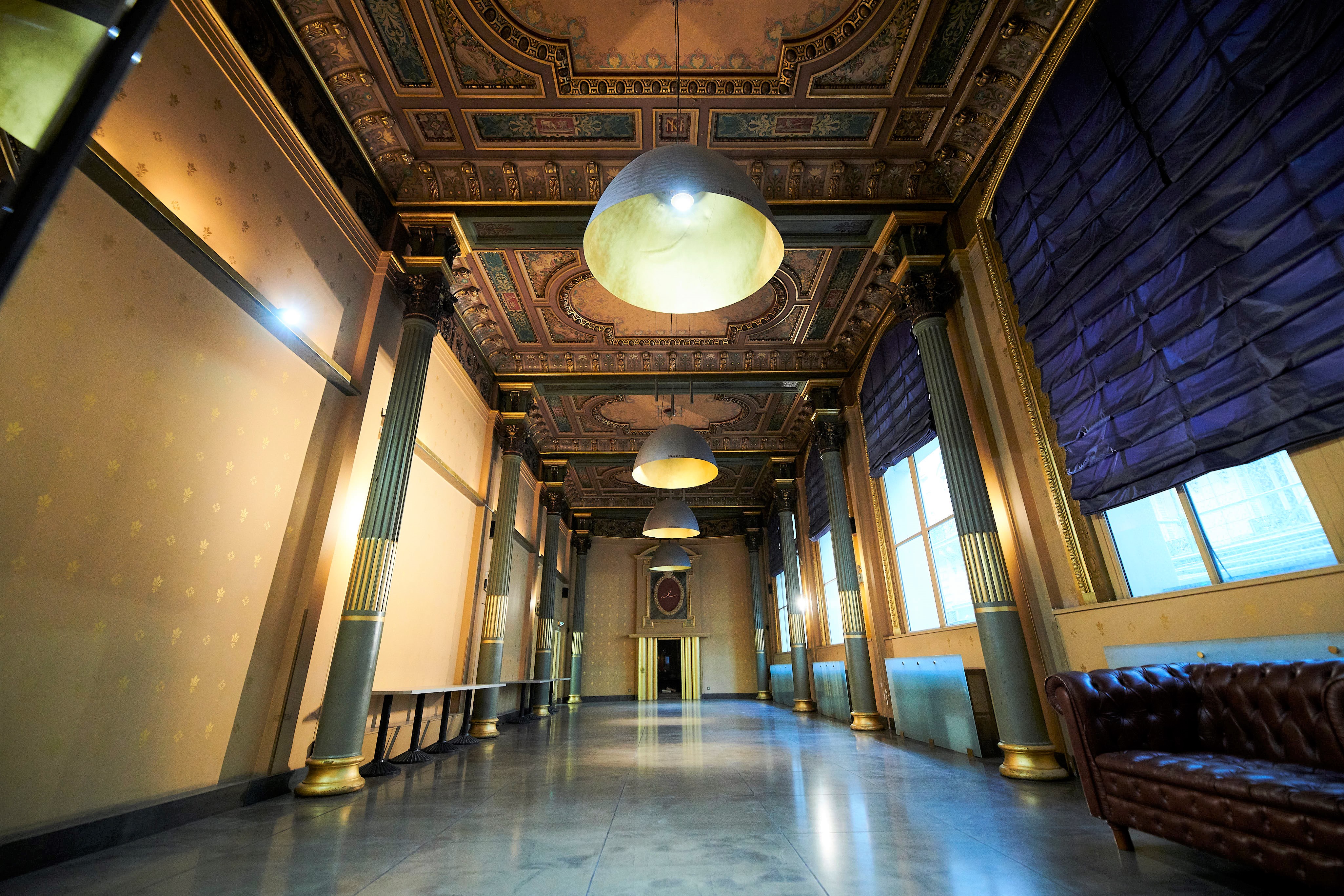
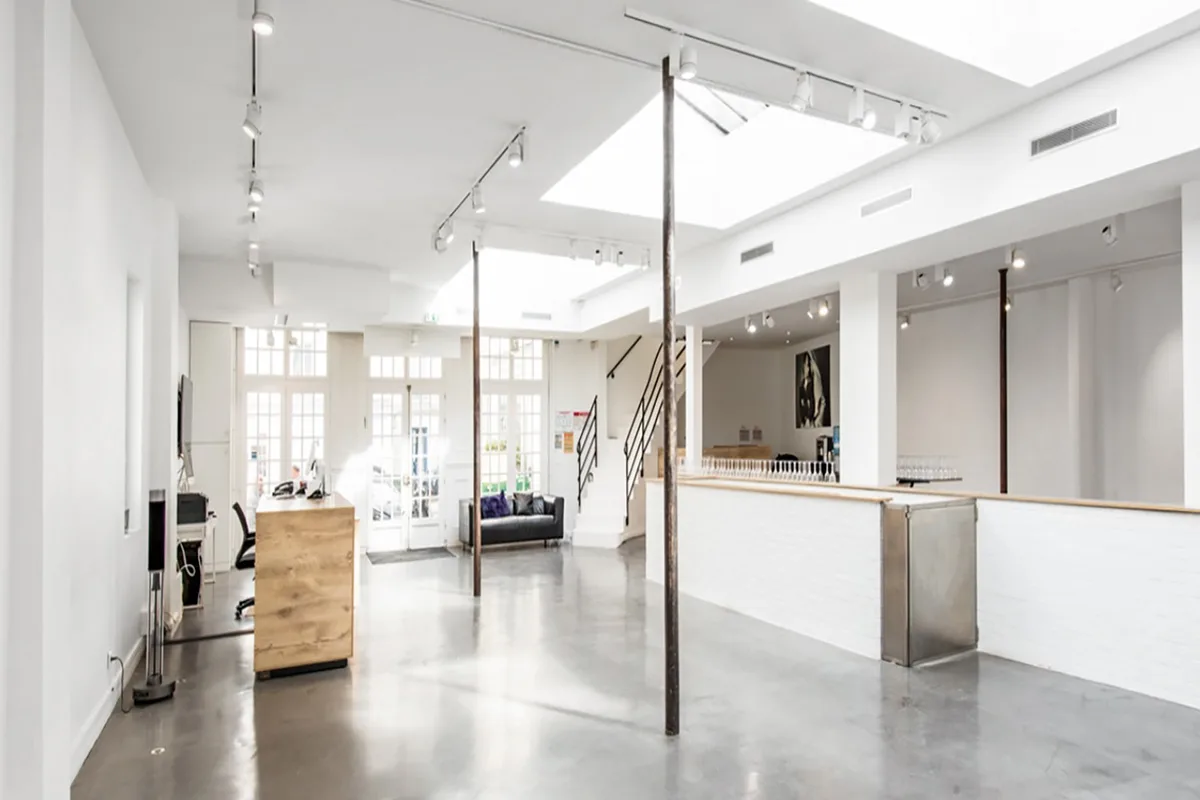
To hire retail space in the 16th arrondissement Paris effectively, brands need to understand the neighbourhood's distinct character, navigate a commercial real estate market that combines long-term investment properties with genuinely flexible short-term rental options, and manage the compliance requirements that apply to temporary and pop-up activations in France. The 16th is one of Paris's most prestigious residential and commercial zones, home to affluent foot traffic, international visitors, and some of the city's most architecturally distinguished retail premises. Fashion Week Venues works with brands and creative teams planning activations across Paris, including in the 16th, providing venue sourcing, concept direction, production, and full activation management. This guide covers everything your team needs to know before committing budget to a space in this arrondissement.
Understanding the 16th Arrondissement as a Retail and Brand Activation Market
The 16th arrondissement sits on the western edge of Paris and is one of the city's wealthiest districts, bordered by the Bois de Boulogne to the west and the Seine to the south. It is not a mass-market tourist district. Its character is shaped by residential wealth, cultural institutions, and a quieter but highly qualified customer base that includes local affluent residents, business travellers, and Parisian professionals. For brands seeking to hire retail space here, this means the arrondissement rewards positioning over footfall volume.
The district spans several distinct micro-neighbourhoods, each with its own retail personality. The area around Porte Dauphine, near the boundary of the 8th arrondissement, benefits from proximity to the major business corridor along Avenue Foch and Avenue Victor Hugo. The Village d'Auteuil neighbourhood in the southern part of the 16th has a genuine village-like atmosphere, with independent boutiques, local food markets, and a community of long-term residents who support neighbourhood retail. The area around the Jasmin metro station, which sits on Line 9 connecting to Opéra, République, and eastern Paris, provides better public transit access than many assume about this part of the city.
For brands considering pop-up spaces or short-term commercial premises in Paris, the 16th offers lower vacancy rates compared to saturated tourist corridors and a customer profile that is particularly well-matched to luxury, lifestyle, wellness, homewares, fashion, and art-adjacent activations. The commercial real estate landscape here includes a mix of ground-floor retail shops, loft-type living areas converted for creative use, workshop-style spaces, and traditional commercial premises along key arterial roads.
Quick answer: The 16th arrondissement is a high-income residential and cultural district in western Paris, suitable for luxury, lifestyle, and experiential brand activations. It offers a qualified local customer base, proximity to the Bois de Boulogne, and micro-neighbourhoods like Village d'Auteuil and Porte Dauphine with distinct retail characters and flexible rental options for short and medium-term briefs.
DID YOU KNOW: The 16th arrondissement contains the Palais de Chaillot, the Musée d'Art Moderne de Paris, and the Stade Roland Garros, all of which generate concentrated cultural and event-driven foot traffic at predictable points in the calendar year.
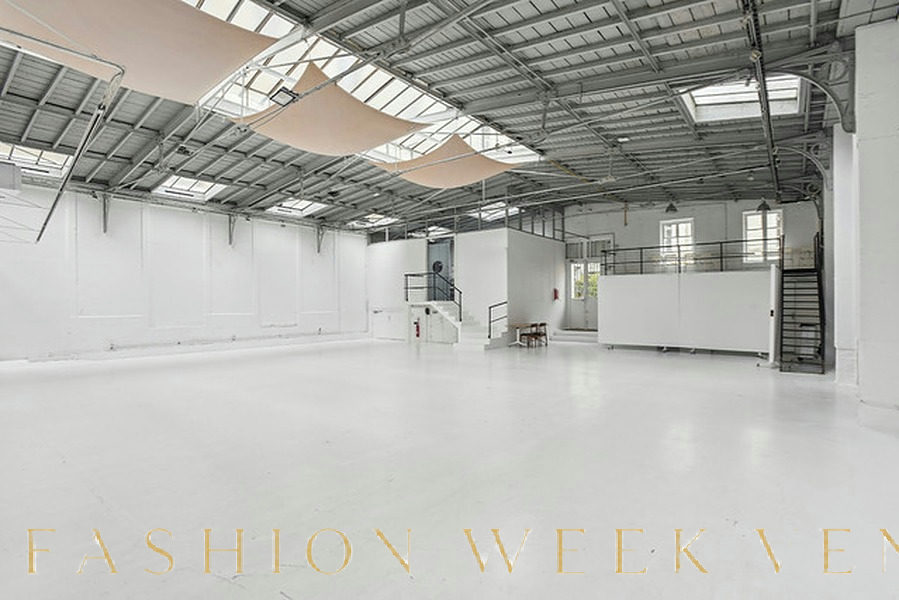
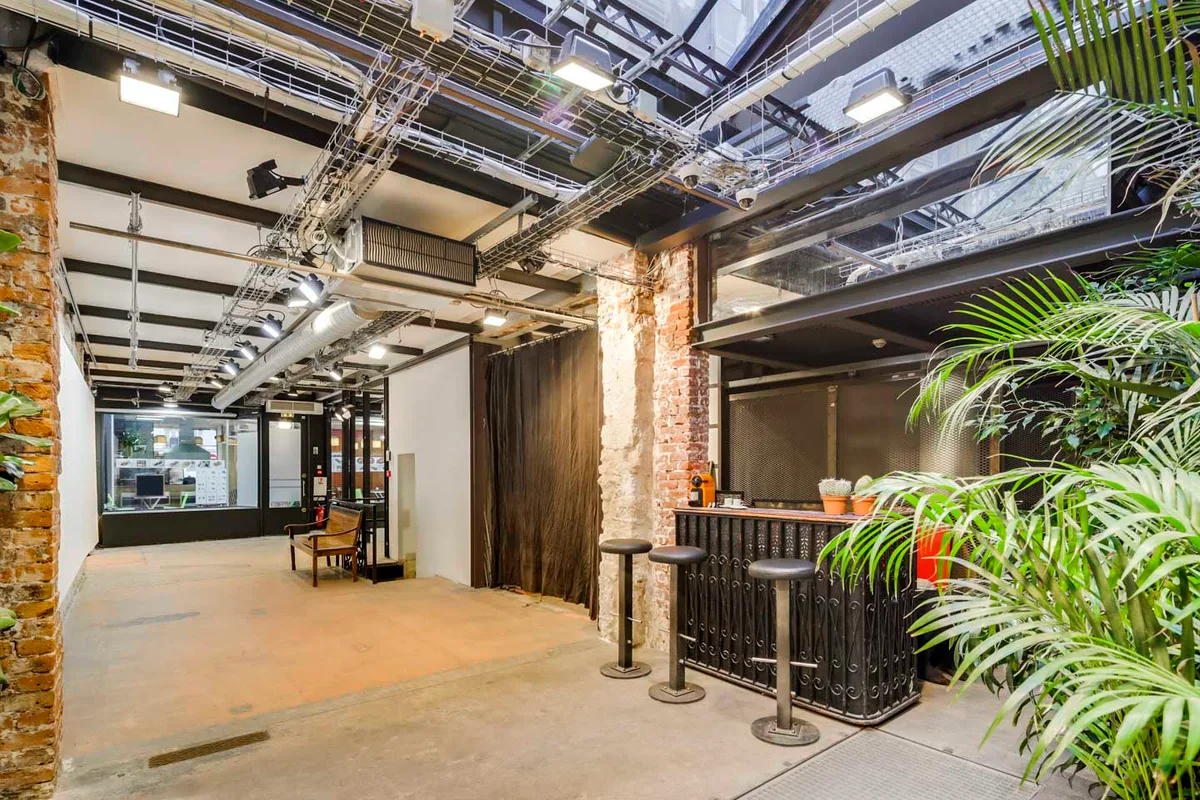
The mix of property types available for short-term hire in the 16th is broader than many brands expect. While the arrondissement is known for its Haussmannian architecture and formal commercial premises, there are also light-industrial conversions near the Auteuil district, ground-floor shops with direct street presence on secondary arteries, and purpose-adapted spaces suitable for showrooms or event-style activations. Understanding this range is the starting point for any credible property search in this market.
KEY TAKEAWAY: The 16th arrondissement is not primarily a high-footfall tourist retail zone. Its value lies in a qualified, affluent customer base, distinct neighbourhood identity, and a range of commercial space types that suit brands requiring prestigious positioning over mass visibility.
Once you understand why the 16th suits your brand, the next step is understanding which specific type of space best fits your activation format and brief.
Types of Retail and Commercial Premises Available to Hire in Paris 16th
When brands and event producers search for commercial premises to hire in the 16th arrondissement, they encounter several distinct property types, each with different legal status, practical configurations, and suitability for retail, showroom, or experiential activation formats.
Traditional Ground-Floor Retail Shops
These are the most straightforward commercial premises. They sit at street level, typically have direct pedestrian access, and are classified as commercial use under French property law. Usable surface area is usually measured in square metres under the Carrez law for co-ownership units, though the Carrez measurement technically applies to residential lots. For commercial premises, the relevant metric is the net floor area stated in the lease, which brands should verify against any usable layout they require for fixtures, displays, or fitting areas. Ground-floor shops in the 16th range from compact neighbourhood boutiques of around 30 to 60 square metres to larger multi-level flagship-format units with kitchen and bathroom facilities integrated. Landlords in this category include both individual private owners and institutional property companies managing portfolios across the arrondissement.
Loft-Type Living Areas Converted for Commercial Use
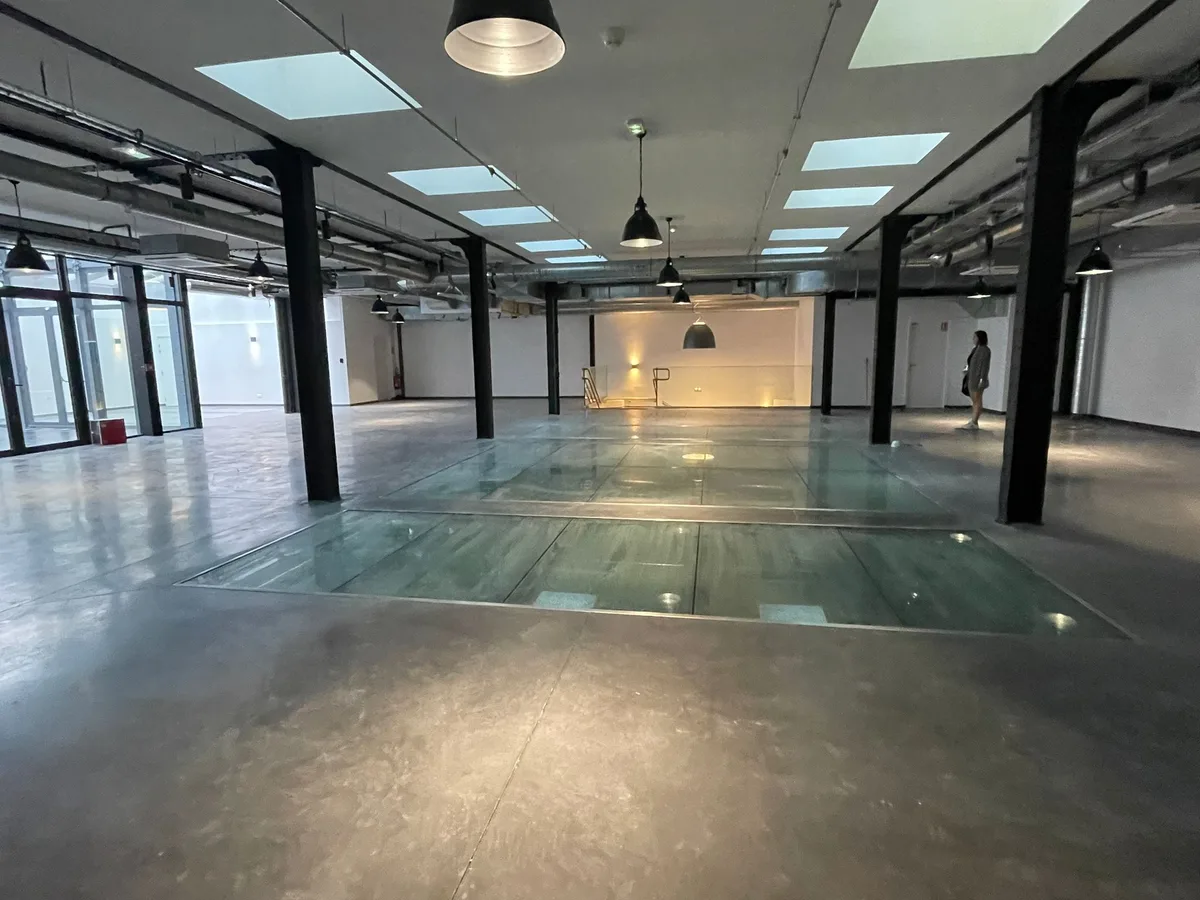
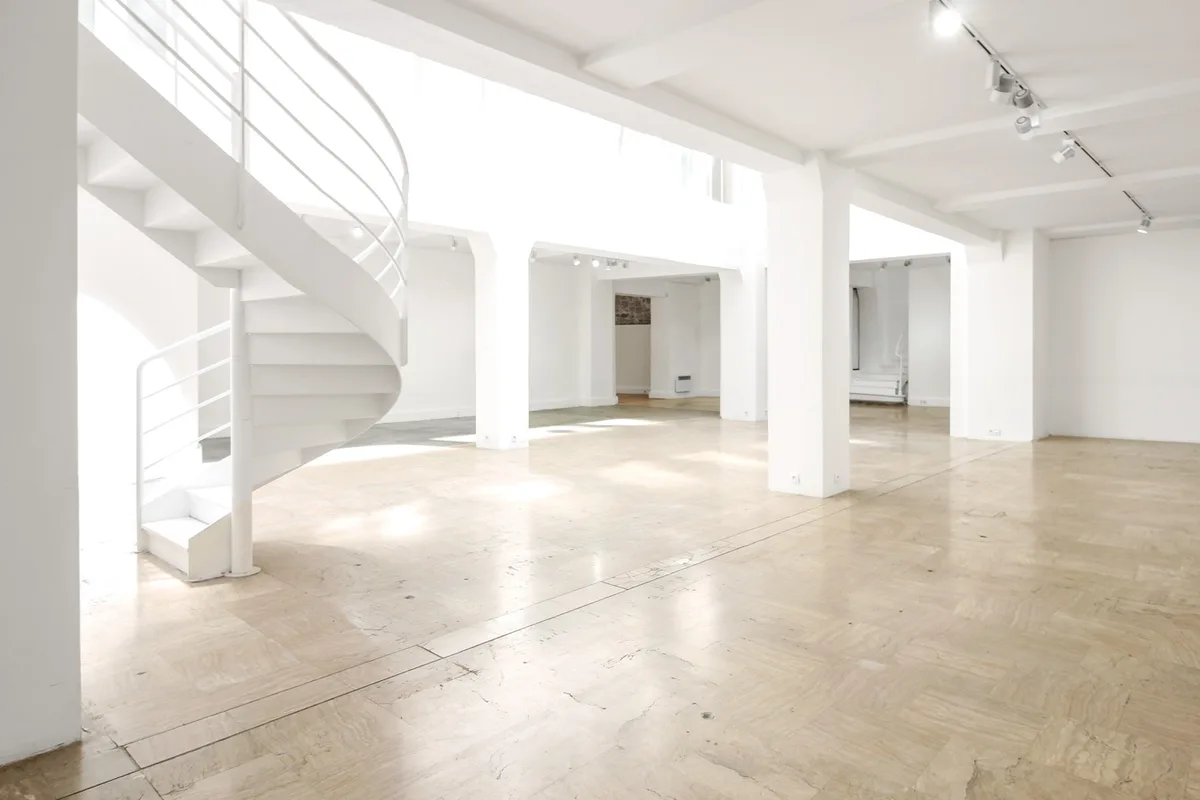
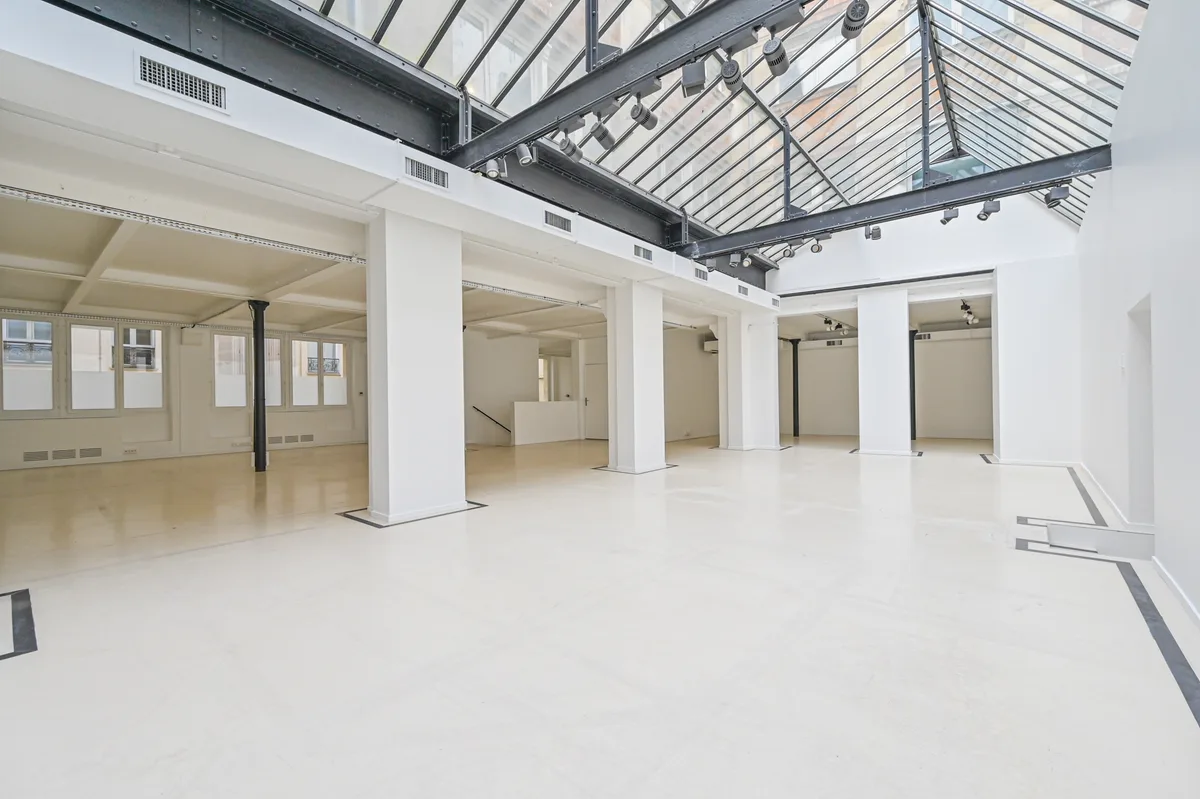
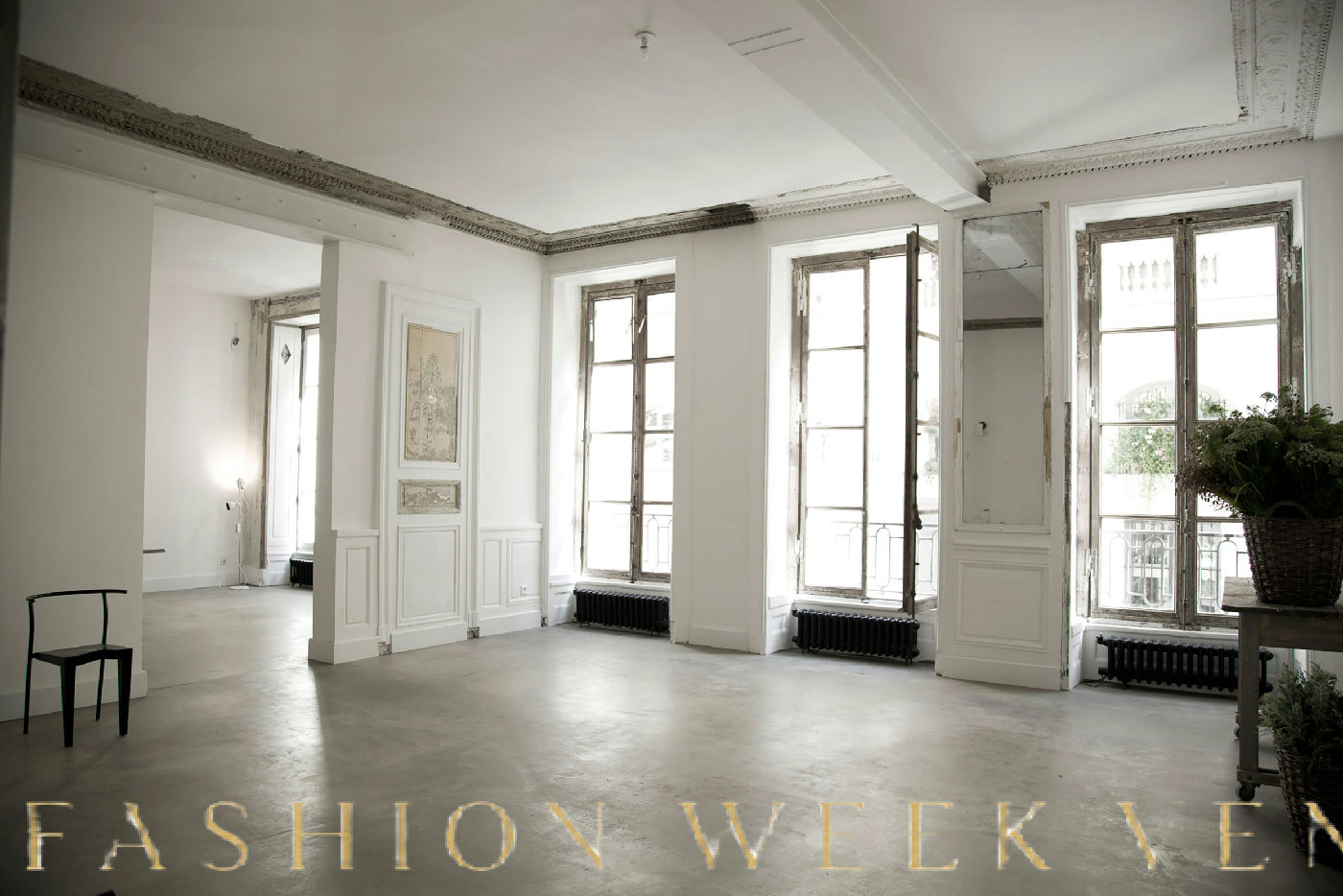
A growing category in the 16th involves spaces classified or functioning as loft-type living areas that have been adapted or permitted for commercial, showroom, or event use. These spaces typically offer higher ceilings, open plan formats, better natural light, and a more creative aesthetic than traditional commercial shops. They are particularly suited to luxury brands, designer showrooms, art activations, and hospitality-adjacent concepts. The surface area of these spaces can be substantially larger than ground-floor shops, and some feature kitchen and bathroom facilities, which is relevant for brands planning multi-day activations or hosted events. The legal status of these spaces requires careful verification: a space that looks and feels like a showroom is not necessarily permitted for public retail without the correct commercial designation and authorisation.
Workshop and Atelier Spaces
The 16th, particularly the Auteuil area, retains a small number of atelier and workshop-format properties that originated as artists' studios or craft workshops. These spaces have irregular footprints, good natural light, and a distinctly Parisian character. For brands wanting an authentic, non-commercial aesthetic for a pop-up or presentation, they can be exceptionally well-suited. However, their surface area and configuration are often non-standard, and their planning designations require verification before committing to any retail or public-facing activation.
Shared and Collaborative Retail Premises
An increasingly viable model in the 16th involves shared commercial premises operated through flexible rental structures, where multiple brands or activations occupy the same space in sequence or simultaneously. This format reduces per-brand rental charges, allows shorter minimum hire periods, and aligns well with the pop-up and short-term activation model that many international brands now prefer. Platforms and agencies facilitating this model take responsibility for the master lease, meaning the hiring brand does not necessarily need to enter into a direct relationship with the landlord.
Quick answer: Commercial premises available to hire in the 16th arrondissement include traditional ground-floor shops, loft-type converted spaces, workshop-style ateliers, and collaborative shared formats. Each type carries different surface areas, planning designations, and suitability for retail versus showroom versus event-only use. Always verify the commercial designation of any space before committing.
IMPORTANT: A space that has been used commercially in the past, or that appears on a listing platform as available for retail, does not guarantee it currently holds the correct planning designation for your intended use. Verification with the landlord or a French legal advisor is always recommended before signing any agreement.
KEY TAKEAWAY: Understanding the difference between a traditional commercial premises, a loft-type space with commercial authorisation, and a workshop-style atelier is essential before conducting any property search or shortlisting for the 16th arrondissement. Surface area, planning status, and configuration all vary significantly across these categories.
With a clear understanding of the space types available, the next challenge is identifying where to search for listings and how to assess what you find.
Where to Search for Retail Space Listings in Paris 16th Arrondissement
Finding available retail spaces to hire in the 16th arrondissement requires navigating a fragmented market where listings are spread across multiple platforms, direct landlord networks, agency relationships, and specialist marketplaces. Understanding where credible listings appear and how those platforms work is essential before your team invests time in enquiries or viewings.
Commercial Real Estate Platforms and Portals
Platforms such as LoopNet, which is owned by CoStar Group, aggregate commercial real estate listings from commercial real estate agents and property companies across major European markets including Paris. LoopNet listings typically cover investment properties, longer-term leases, and commercial premises from professional broker networks. The platform uses account-based features including saved searches, property alerts via email, and criteria-based search filters. Users can set up alert notifications so that when new matching listings become available, they receive an update. Saving a search means you can return to it at any time, though the platform's structure means listings are managed by the landlord or their broker rather than the platform itself.
Companyspace.com is another commercial real estate search platform operating in European cities including Paris. It aggregates listings from commercial real estate agents and property companies, and its coverage of the 16th arrondissement tends towards medium to larger commercial premises rather than the very small boutique units more suited to short-term pop-up hire.
It is worth understanding that platforms like LoopNet and CoStar primarily serve institutional real estate stakeholders, broker professionals, and longer-term commercial tenants. Their listings are typically for lease terms measured in years rather than weeks or months. Brands looking to hire retail space for a short-term activation, a pop-up, or a seasonal opening will generally find these platforms less directly applicable than specialist short-term marketplaces.
Short-Term Retail Space Marketplaces
Storefront is the best-known marketplace specifically designed for short-term retail space hire. Storefront connects brands and event producers directly with landlords and space owners who have made their premises available on flexible, short-term terms. Listings on Storefront include spaces across Paris including the 16th arrondissement, and the platform offers features such as a Premium offer tier, visibility-boosted listings, and a short-term opening process designed to reduce the friction of negotiating directly with individual landlords.
Storefront Premium provides enhanced listing visibility and tools for landlords managing multiple spaces or seeking higher-quality brand tenants. For brands searching for a space to hire, the platform's search function allows filtering by arrondissement, surface area, availability dates, and space type. Blue Listings on the platform typically indicate verified or featured properties. Brands using Storefront should be aware that while the platform facilitates discovery and enquiry, the actual agreement and charges are negotiated with the individual space owner or their representative.
DID YOU KNOW: Short-term retail marketplaces like Storefront serve brands across major European and global cities. The same platform that lists spaces in Paris also covers London, Berlin, Stockholm, Vienna, Dublin, and other markets, meaning international brands can use a consistent search process when planning multi-city activations.
Direct Agency and Specialist Marketplace Channels
For brands that want more than a listing directory, specialist agencies provide both space discovery and full production support. Fashion Week Venues operates a dedicated space marketplace featuring commercial premises, showroom spaces, and pop-up venues across Paris, alongside full-service support from venue sourcing through to activation management. This approach is particularly valuable for international brands entering Paris for the first time, where navigating landlord relationships, lease structures, and compliance requirements in French is not straightforward without local expertise.
Quick answer: Retail space listings for the 16th arrondissement appear across platforms including LoopNet, CoStar, Companyspace.com, and Storefront. For short-term hire and pop-up activations specifically, short-term marketplaces and specialist agencies are significantly more relevant than commercial real estate platforms oriented towards long-term institutional tenants.
KEY TAKEAWAY: Not all listing platforms serve the same audience or the same lease duration requirements. Brands seeking short-term flexible rentals in the 16th should prioritise short-term marketplaces and specialist agency channels over traditional commercial real estate portals, which primarily serve long-term institutional tenants and broker professionals.
Once you have identified potential spaces through search and listings, the next challenge is understanding the financial and legal terms that govern short-term retail hire in Paris.
Financial and Legal Terms for Hiring Retail Space in the 16th Arrondissement
Hiring retail space in Paris involves navigating a legal and financial framework that differs materially from the UK, US, or other markets where international brands may have prior experience. Understanding the key terms before committing to any agreement protects your brand from unexpected charges, compliance exposure, and planning violations.
Bail Dérogatoire: Short-Term Commercial Leases in France
The standard French commercial lease, known as the bail commercial, provides strong tenant protections and typically runs for a minimum of nine years. For brands seeking to hire retail space on a short-term basis, the bail dérogatoire provides an alternative legal framework. Under a bail dérogatoire, both the landlord and tenant agree to a lease outside the standard commercial framework, with a maximum duration of three years. This structure is commonly used for pop-up shops, temporary showrooms, and short-term commercial activations. It gives landlords flexibility without triggering the full protections of the standard commercial lease, and gives brands a legally recognised route to temporary occupation.
However, the bail dérogatoire has specific requirements regarding how it must be structured, what it must state explicitly, and how the transition out of the space must be managed. If the space continues to be occupied beyond the agreed bail dérogatoire period without a new agreement, there is a legal risk that the standard bail commercial protections may be triggered automatically. Brands should always obtain advice from a French legal advisor before executing any lease, including a bail dérogatoire.
AOT: Autorisation d'Occupation Temporaire
For brands occupying publicly-owned spaces or spaces in buildings with public-facing classifications, an Autorisation d'Occupation Temporaire may be required. This is a permission granted by the relevant public authority to temporarily occupy a public space or asset. AOTs are commonly used for kiosks, temporary structures in parks, and activations in publicly-managed spaces. If your activation concept involves any space near the Bois de Boulogne, on a public thoroughfare, or in a publicly-managed building in the 16th, an AOT is likely to be relevant. The permit guidance tool on Fashion Week Venues provides a starting point for understanding which permit types may apply to your specific activation format and location.
Charges and Additional Costs
Beyond the stated rental figure, brands hiring commercial premises in the 16th need to account for a range of additional charges. These typically include service charges related to co-ownership regime costs in multi-unit buildings, utility charges, business taxes applicable to commercial activity, insurance requirements specified by the landlord or the co-ownership regime, and any agency or platform fees applicable to the intermediary facilitating the hire. In spaces that sit within a co-ownership building, the charges levied for communal areas, maintenance, and shared services can be substantial and should be confirmed explicitly before any agreement is signed.
Taxes Applicable to Commercial Activity
Commercial activity in France is subject to a range of taxes that brands need to factor into their financial planning. These include TVA (the French equivalent of VAT) on rental charges for commercial premises in many cases, the Cotisation Foncière des Entreprises (a local business tax), and potentially the Taxe sur les Bureaux applicable in Ile-de-France for certain commercial uses. The specific tax implications depend on the duration of the hire, the legal structure of the operating entity, and the specific space classification. International brands without a French legal entity can often operate through their home-country entity for short-term activations, but this carries its own regulatory implications that should be verified with a specialist advisor.
Quick answer: Hiring retail space in Paris's 16th arrondissement involves understanding the bail dérogatoire for short-term leases, potential AOT requirements for public or special-use spaces, co-ownership regime charges, and applicable commercial taxes. These terms differ significantly from UK and US commercial lease frameworks and require specialist guidance to navigate correctly.
IMPORTANT: Brands should not rely on general commercial real estate experience from other markets when interpreting French lease terms. The French legal framework for commercial property has specific provisions around bail commercial and bail dérogatoire that carry material implications for tenure, exit rights, and liability.
KEY TAKEAWAY: Financial planning for a retail space hire in the 16th must account for rental charges, co-ownership service charges, applicable taxes, platform or agency fees, and insurance. Legal planning must address the bail dérogatoire structure, AOT requirements where relevant, and compliance with the specific conditions of the lease agreed with the landlord.
Understanding these financial and legal foundations allows your team to proceed with space searches, viewings, and negotiations from a position of genuine informed confidence. The next section addresses the specific platforms and process steps involved in conducting a property search.
Conducting a Retail Space Search: Platform Features, Saved Searches, and Alerts
Running an effective property search for retail space in the 16th arrondissement requires using multiple channels efficiently, managing the volume of listings you encounter, and ensuring your team has a system for tracking availability, making enquiries, and progressing towards a shortlist of spaces suitable for viewings.
Setting Up Searches and Alerts on Listing Platforms
Most commercial real estate and short-term retail platforms allow users to save their search criteria and set up automated alerts via email when new matching listings become available. On platforms like LoopNet and Storefront, this typically involves creating an account, defining your criteria including location, arrondissement, surface area range, availability dates, and space type, and then saving the search. The platform then monitors for new listings matching those criteria and sends notifications.
The practical value of saved searches and alerts is significant in a market like the 16th arrondissement, where desirable short-term spaces can be taken quickly once they are listed. Brands actively searching should set up alerts across multiple platforms simultaneously and respond to notifications promptly, particularly in the weeks preceding Paris Fashion Week windows when demand for short-term spaces peaks sharply.
When saving a search, most platforms confirm with a message such as "Saved to Saved Searches" and give you the option to manage or delete your saved searches later. If you attempt to create a search with criteria identical to one you have already saved, the platform will typically notify you that the alert already exists. To avoid receiving duplicate notifications, it is good practice to review your saved searches periodically and delete any that are no longer relevant. Deleting a saved search means you will no longer receive updates when there are new matches for that set of criteria, so confirm deletion only when you are certain you no longer need that particular alert.
Evaluating Listings: Blue Listings, Premium Tiers, and Boosted Visibility
Not all listings on a platform carry equal weight or reliability. On platforms like Storefront, certain listings receive enhanced visibility through the Premium offer or through a BOOST LISTING feature that increases a space's prominence in search results. Blue Listings on some platforms indicate verified, featured, or partner-status properties. While boosted or premium listings are not inherently more suitable for your brief than standard listings, they do tend to come from landlords and space owners who are more actively engaged with the short-term rental market and more experienced in working with brands on pop-up activations.
When evaluating any listing in the 16th arrondissement, your team should note the stated surface area, confirm whether this is measured under the Carrez method or as total floor area, check the availability calendar against your target dates, verify whether the charges stated are inclusive or exclusive of service charges and utilities, and confirm the minimum hire duration and any restrictions on use or trading hours.
Managing Enquiries, Viewings, and Feedback
Once you have identified spaces that match your criteria, the enquiry and viewings process requires a structured approach. Most platforms facilitate initial enquiries through their messaging or contact system, directing your message to the landlord, the space owner, or an Account Manager handling the listing. Response times vary significantly between individual landlords and professional property companies. Broker professionals typically respond faster and with more structured availability information than individual private landlords.
When making an enquiry, provide a concise brief covering your brand name, the nature of your activation, your target dates, your approximate surface area requirement, your intended use of the space, and any specific technical or logistical requirements. This level of detail significantly improves the quality of responses you receive and reduces the number of follow-up exchanges needed before a viewing can be arranged.
After viewings, structured feedback is useful for your own records and, in the case of agency-managed processes, for the team managing your space search to refine the shortlist. Recording your assessment of each space against criteria including location, surface area, natural light, accessibility, floor condition, fit-out requirements, and neighbourhood character allows for systematic comparison using a tool such as the space comparison tool on Fashion Week Venues.
Quick answer: Effective retail space searching in the 16th arrondissement requires setting up saved searches and email alerts across multiple platforms, evaluating listings with attention to surface area, charges, minimum duration, and use restrictions, and managing viewings and enquiries through a structured briefing process that communicates your brand's specific activation requirements clearly.
TIP: When using listing platforms, always read the Terms of Use before creating an account and engaging with landlord-managed listings. The platform's terms define what protections apply to your enquiry data, how disputes are managed, and what obligations arise from using their facilitation services. Do not assume that enquiry through a platform creates any contractual obligation on either side until a formal agreement has been executed directly with the landlord or space owner.
KEY TAKEAWAY: A systematic property search process, using multiple platforms, structured saved searches and alerts, a clear written enquiry brief, and a comparison framework for post-viewing feedback, significantly improves the efficiency and outcome of finding retail space to hire in the 16th arrondissement.
With a shortlist of candidate spaces and a clear evaluation framework, your team needs to understand the neighbourhood dynamics in more detail before committing to a particular location within the arrondissement.
Key Neighbourhoods Within the 16th Arrondissement for Retail and Brand Activations
The 16th arrondissement is geographically large and internally varied. Its retail character, foot traffic patterns, and suitability for different brand activation formats differ meaningfully across its sub-neighbourhoods and arterial roads. Understanding these differences is critical to matching your space choice to your target customer and activation concept.
Porte Dauphine and Avenue Victor Hugo
The northern part of the 16th, around Porte Dauphine and the approach to Avenue Victor Hugo, offers some of the arrondissement's highest-profile commercial premises. This area benefits from proximity to the 8th arrondissement's luxury retail corridor and from the presence of major business and institutional offices in the surrounding streets. Foot traffic here is more commercially dense than in the southern parts of the arrondissement, and the customer profile includes a significant proportion of business professionals alongside residents. Brands positioning in the luxury, professional services, or premium lifestyle categories find this micro-location particularly well-matched to their audience.
Village d'Auteuil
Village d'Auteuil in the southern 16th has a distinctly different character. It functions as a genuine residential village within the larger city, with a market, independent food shops, neighbourhood bakeries, and a community of long-established residents. Retail here benefits from loyal local custom rather than tourist or event-driven footfall. For brands wanting to embed themselves authentically in a Parisian neighbourhood rather than position in a high-profile commercial corridor, Auteuil offers a compelling alternative. The commercial premises available here tend to be smaller, more characterful, and often at lower rental charges than the northern part of the arrondissement.
Jasmin Metro Station and Rue de Passy
The area around the Jasmin metro station and Rue de Passy represents a middle ground between the prestige of the northern corridor and the village feel of Auteuil. Rue de Passy is the arrondissement's primary traditional shopping street, with a mix of chain retailers, independent boutiques, cafes, and services oriented towards the local affluent population. The Jasmin metro station on Line 9 provides strong connectivity to central Paris, making this area accessible to visitors from across the city. Brands seeking meaningful footfall within the 16th with reasonable transit access should weight this area highly in their shortlisting process.
Bois de Boulogne Adjacent Areas
The western edge of the 16th bordering the Bois de Boulogne carries specific characteristics that are relevant for certain activation formats. During the Roland Garros tennis tournament and other major events using the Bois de Boulogne facilities, there is concentrated foot traffic in areas that would otherwise be quiet. Brands with strong sports, outdoor lifestyle, or luxury leisure positioning can benefit from calendar alignment with these events. However, any activation near publicly-managed green space or event facilities in this area is likely to require specific authorisation beyond a standard commercial rental agreement.
Quick answer: The 16th arrondissement contains several distinct retail micro-markets: the high-profile commercial corridor around Porte Dauphine and Avenue Victor Hugo, the authentic neighbourhood feel of Village d'Auteuil, the primary shopping street environment of Rue de Passy near Jasmin metro station, and the event-driven opportunities adjacent to the Bois de Boulogne. Each requires a different brand positioning and activation strategy.
To explore available spaces across these micro-locations and understand how each neighbourhood maps to your brief, budget, and calendar window, explore the Paris city hub on Fashion Week Venues and shortlist spaces that match your specific activation requirements.
KEY TAKEAWAY: Choosing a specific location within the 16th arrondissement requires matching the neighbourhood's retail character, foot traffic profile, and customer demographics to your brand's activation objectives. The arrondissement is too large and internally varied to treat as a single market for site selection purposes.
The calendar timing of your activation matters as much as the physical location. The next section addresses how to align your hire period with key market windows in Paris.
Calendar Planning: When to Hire Retail Space in Paris for Maximum Impact
The timing of a retail space hire in Paris is as strategically significant as the location and space type. Paris operates on a fashion and cultural calendar that creates predictable peaks in demand for short-term commercial premises, concentrated periods of international brand and media presence, and specific windows when customer engagement and retail footfall are measurably elevated.
Paris Fashion Week Windows
Paris Fashion Week occurs twice annually: during late February to early March for the autumn/winter collections, and during late September to early October for the spring/summer collections. During these windows, the city receives an influx of buyers, press, influencers, brand representatives, and international visitors whose spending behaviour and brand engagement are significantly different from the general Parisian consumer. For brands seeking to hire retail space to support a showroom, a press-facing activation, or a consumer-facing pop-up during Fashion Week, availability in prime locations is limited and competition is high. Spaces in the 8th, 1st, and 3rd arrondissements tend to be most heavily contested, but the 16th is increasingly relevant for brands that want proximity to luxury residential audiences without competing directly for the most congested Fashion Week streets.
The timeline planning tool on Fashion Week Venues helps brands work backwards from a target activation date to map out the full process, including space search, lease execution, fit-out, operational setup, and decommission. This is particularly important for Fashion Week windows where lead times are compressed and errors in planning carry high costs.
Roland Garros and Summer Calendar Events
The French Open tennis tournament at Roland Garros, located within the 16th arrondissement, takes place in late May to early June. It is one of the world's most prestigious sports events and attracts a concentrated audience of affluent international visitors who are highly aligned with luxury, lifestyle, and premium brand positioning. Brands in sports, luxury, hospitality, and premium consumer goods categories should evaluate the Roland Garros window as a dedicated activation opportunity for retail space hire in the 16th.
Flexible Rental Structures and Off-Peak Opportunities
Not every brand needs to activate during Paris's peak calendar windows. Flexible rentals in the 16th can offer genuinely attractive terms during off-peak periods, with lower charges, more space availability, and reduced competition for the most desirable premises. Brands building long-term Paris presence or testing the market before committing to a permanent location often find that off-peak flexible rentals provide a lower-risk proving environment. Vacancy rates in the 16th arrondissement for short-term commercial premises vary by time of year and by specific sub-neighbourhood, and the market intelligence available through specialist agencies provides a more accurate picture than general commercial real estate data.
Quick answer: The optimal timing for hiring retail space in the 16th arrondissement depends on your brand's objectives. Fashion Week windows maximise media and buyer exposure. The Roland Garros period benefits sports and luxury brands. Off-peak flexible rentals offer lower charges and better availability for brands prioritising market testing or building long-term Paris presence over immediate visibility.
KEY TAKEAWAY: Calendar alignment is a fundamental part of the strategic value equation for any retail space hire in Paris. Brands that plan their hire period around a specific event or season window and match that calendar to the right neighbourhood and space type will consistently outperform those treating timing as secondary to location alone.
With timing, location, and space type aligned, the final challenge before activating is understanding how to manage the full operational process, from concept through to live trading and decommission.
How Fashion Week Venues Helps Brands Hire and Activate Retail Space in Paris
Fashion Week Venues is a full-service pop-up agency and specialist space marketplace that supports brands planning retail, showroom, and experiential activations in Paris and other major fashion capitals. For brands seeking to hire retail space in the 16th arrondissement, the agency offers a structured end-to-end process that covers every stage from initial brief to final decommission.
Venue Sourcing and Space Discovery
The starting point for most brands is the space discovery and venue sourcing service, which gives brands access to a curated set of spaces across Paris including the 16th arrondissement, sourced through the agency's landlord and property relationships rather than relying solely on public listing platforms. This is particularly valuable for accessing spaces that are not publicly listed, that have recently become available, or that require a landlord relationship to progress beyond a basic enquiry.
Concept Direction and Branded Store Design
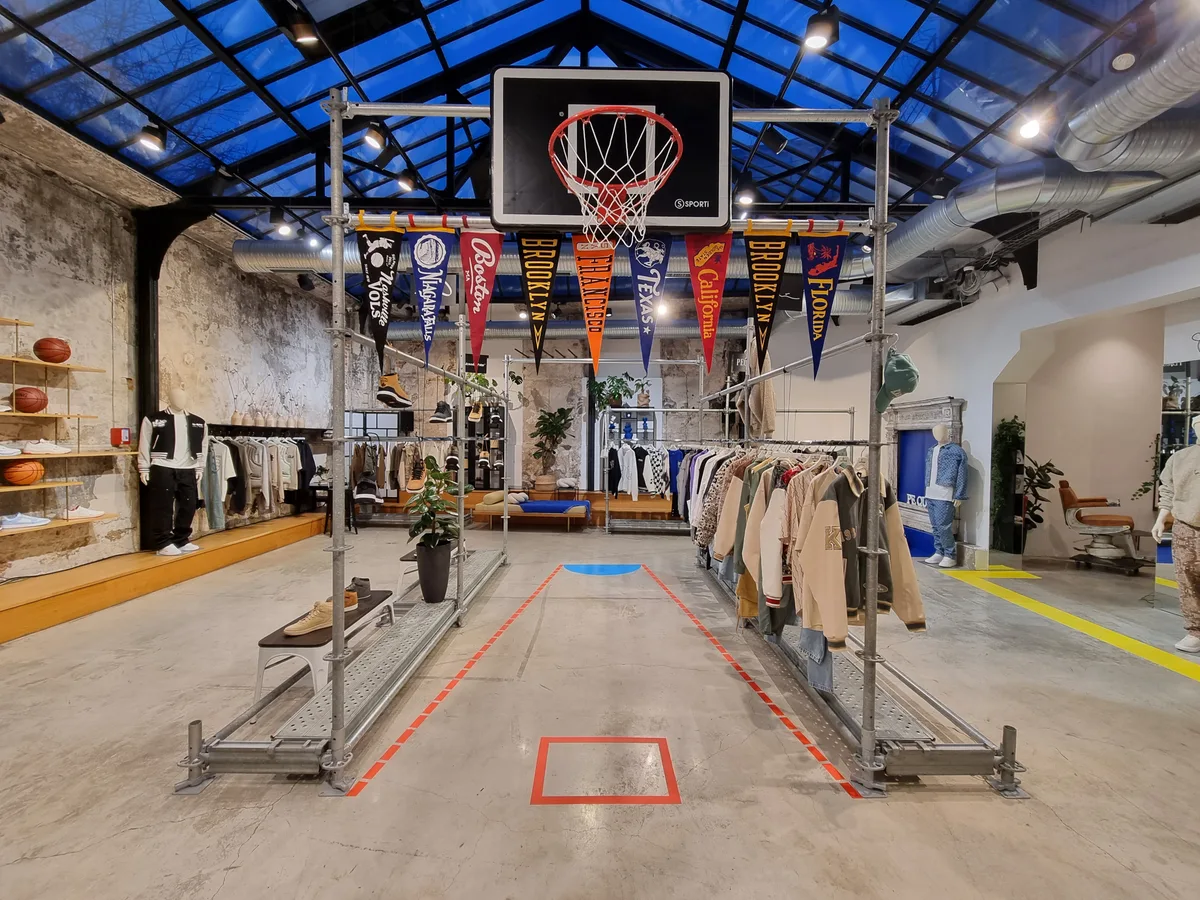
Once a space is secured, the creative direction and design phase translates the brand's objectives into a physical activation concept. Fashion Week Venues provides concept and creative direction as a dedicated service, working alongside in-house brand teams or as the primary creative resource for brands without a local Paris design capability. This includes layout planning, visual identity translation, fixture and display design, and the spatial storytelling that makes a temporary retail activation feel considered rather than provisional.
Production, Fit-Out, and Build
The physical transformation of a commercial premises into a live branded retail space requires production expertise that is sensitive to the specific constraints of short-term leases, landlord restrictions on structural alterations, and the compressed timelines typical of pop-up activations. The fit-out and production service manages this process, including furniture sourcing and furniture rental, fit-out scheduling, supplier coordination, and the decommission and reinstatement requirements specified in the lease.
Activation Management, Staffing, and Operations
Running a live retail space in Paris requires operational capabilities that international brands often underestimate, including French-language retail staffing, POS and payments infrastructure, inventory management, security, and daily operational oversight. Fashion Week Venues provides retail staffing and full activation management services, meaning the in-market team running your Paris activation can be sourced and managed through a single agency relationship rather than assembled piecemeal in an unfamiliar market.
Tools for Planning and Decision-Making
For brands in the research and planning phase, Fashion Week Venues provides a set of practical tools including the budget estimation tool for planning cost scenarios, the ROI calculator for assessing activation return, the space comparison tool for shortlisting, and the permits tool for understanding compliance requirements. These tools are designed to support brand teams making internal business cases and financial approvals before committing to any space or service engagement.
Quick answer: Fashion Week Venues supports brands hiring retail space in Paris through venue sourcing, concept direction, production and fit-out, retail staffing, activation management, and a suite of planning tools. The agency's value is greatest for international brands entering Paris for the first time and for brands with compressed timelines requiring an integrated rather than a piecemeal approach.
KEY TAKEAWAY: The practical advantage of working with a specialist agency like Fashion Week Venues over a general commercial real estate search process is the combination of landlord access, local compliance knowledge, integrated production capability, and operational experience in the Paris short-term retail market. Brands using a single integrated agency partner avoid the coordination complexity and timeline risk of assembling these capabilities independently.
To understand what specific limitations apply and how the agency engagement model works in practice, the process page provides a detailed overview of how Fashion Week Venues structures a client engagement from brief to decommission.
Why Brands Face Access Barriers on Commercial Real Estate Platforms
International brands and their teams frequently encounter frustrating access barriers when attempting to use commercial real estate platforms and listing portals to search for retail space in Paris. Understanding why these barriers exist and how to navigate them saves time and prevents unnecessary interruption to your search process.
Platform Security Systems and Blocked Access
Commercial real estate platforms including LoopNet, CoStar, and Storefront invest heavily in security infrastructure to protect their listing data and user systems from automated attacks, data scraping, and malicious access attempts. These security systems, which often operate through providers like Cloudflare, are designed to block access from IP addresses, browsers, or user sessions that exhibit behaviour consistent with automated queries, SQL command injections, or malformed data submissions rather than genuine human browsing activity.
If you find yourself blocked from accessing a platform unexpectedly, the most likely cause is that your browsing session triggered one of these automated security checks. This can happen due to VPN usage, corporate network filtering, browser extensions that modify standard HTTP behaviour, or simply a false positive from the security system. The Cloudflare Ray ID that appears on a blocked access page is a reference that the platform's support team can use to investigate the specific block event. Most platforms provide a straightforward process for resolving a block: contacting the site owner or platform support team with the Cloudflare Ray ID and explaining what you were doing when the block occurred is usually sufficient to restore access.
The question of why you may have been blocked, and what you can do to resolve it, is therefore a practical operational matter rather than a sign of any problem with your account or your search activity. If your access to a platform is blocked, do not attempt to work around the block using different search terms, different user accounts, or automated tools, as this will make the situation significantly harder to resolve and may result in a more permanent restriction.
Account Management and Login Requirements
Many commercial real estate platforms require users to create an account and sign in before accessing detailed listing information, availability calendars, or landlord contact details. The sign-in and login process typically involves an email address, a password, and in some cases a verification step. Platforms use a Remember Me function that maintains your session across visits, reducing the friction of repeated login. If you are sharing a search process across a team, it is worth establishing a shared team account rather than multiple individual accounts, as some platforms restrict the number of accounts per organisation or flag unusual sign-in patterns as potential security concerns.
Quick answer: Access blocks on commercial real estate platforms typically result from automated security systems protecting against SQL injection, data scraping, and malformed requests. Resolving a block involves contacting the site owner or platform support with the Cloudflare Ray ID. Standard login and account management issues are resolved through the platform's password recovery and account support process.
KEY TAKEAWAY: Platform access barriers are a common and easily resolved aspect of using commercial real estate and listing platforms. Understanding the security infrastructure behind these platforms, and knowing the correct resolution process, prevents them from becoming a significant obstacle in your property search workflow.
Common Myths About Hiring Retail Space in the 16th Arrondissement Paris
MYTH: You need a French legal entity to rent commercial premises in the 16th arrondissement.
FACT: International brands without a French registered company can often hire retail space in Paris, particularly under short-term flexible rental structures and where an agency acts as the primary counterparty to the landlord. The specific requirements depend on the lease type, the landlord's requirements, and the duration and nature of the activation. Specialist legal and agency advice is always recommended before assuming either that a French entity is required or that it is not.
MYTH: Paris Fashion Week is the only viable calendar window for a pop-up or retail activation in the 16th.
FACT: While the Fashion Week windows are the most competitive and commercially concentrated periods, the 16th arrondissement offers viable activation opportunities across the full year, including the Roland Garros period, the summer season, and off-peak flexible rental windows. Many brands find that off-peak periods allow them to secure better spaces at lower charges with less competition, which is particularly valuable for market-testing or community-building activations.
MYTH: Commission brokers and commercial real estate agents are the only way to find available space in the 16th arrondissement.
FACT: Broker professionals and commercial real estate agents remain important participants in the Paris property market, but they are not the only channel. Short-term retail marketplaces, specialist pop-up agencies with direct landlord relationships, and curated space marketplaces like that operated by Fashion Week Venues provide access to spaces that either fall outside the standard broker network or are specifically configured for short-term hire rather than long-term commercial leases.
MYTH: Short-term leases in Paris are legally straightforward and do not require specialist support.
FACT: Short-term commercial leases in France, including the bail dérogatoire, carry specific legal requirements around drafting, execution, and exit that are not intuitive to non-French legal professionals. Errors in how a bail dérogatoire is structured can result in unintended conversion to a full commercial lease. Co-ownership charges, tax obligations, and planning designations create additional layers of legal and financial complexity that consistently catch international brands without specialist guidance. Always work with a qualified French legal advisor for any commercial lease, regardless of duration.
MYTH: A space listed on a platform as available for retail use is automatically compliant for your intended activation format.
FACT: Listing platforms do not verify the planning designation or commercial authorisation status of every space they publish. A space described as suitable for a pop-up shop may still require specific authorisations for public-facing retail activity, may carry restrictions under its co-ownership regime, or may require building modifications that are not permitted under a short-term lease. Verification with the landlord, a French legal advisor, and where relevant the local mairie is always necessary before committing to a space for a specific activation format.
Frequently Asked Questions
What is the minimum duration for hiring retail space in the 16th arrondissement Paris?
Minimum hire durations for retail space in the 16th arrondissement vary significantly depending on the platform, the landlord, and the space type. Short-term retail marketplaces like Storefront typically list spaces available for hire from one week upward, with some landlords open to shorter activations for the right brand. Direct landlord negotiations and commercial real estate channels generally expect minimum durations of one month or longer. The bail dérogatoire framework technically allows for leases of up to three years outside the standard commercial lease framework, while remaining genuinely short-term by French standards. Your target duration should be one of the first criteria established in your property search, as it significantly narrows the pool of applicable listings and landlords.
Do I need a French company or VAT registration to hire a pop-up space in Paris?
Not necessarily. Many international brands operate short-term retail activations in Paris without a French-registered legal entity, particularly when the hire is facilitated through an agency that acts as the contractual counterparty to the landlord. However, trading activity in France may trigger French tax registration obligations depending on the nature and duration of the activity. TVA registration, Cotisation Foncière des Entreprises, and other obligations can apply. The correct structure depends on your specific activation format, duration, revenue profile, and home-country legal structure. Qualified French tax and legal advice is strongly recommended before committing to any activation that involves commercial transactions in France.
What is the difference between a bail dérogatoire and a standard commercial lease in France?
A standard French commercial lease, the bail commercial, provides strong tenant protections including a minimum nine-year term and significant rights to renew. A bail dérogatoire is a legally distinct agreement where both parties expressly waive these standard protections, allowing for shorter terms of up to three years in total. The bail dérogatoire must be clearly identified as such in the agreement and must contain specific language acknowledging the departure from the standard commercial lease framework. If the tenant remains in occupation after the bail dérogatoire expires without a new agreement, there is a risk that the standard commercial lease protections apply automatically. This distinction makes correct legal drafting essential for any short-term hire in France.
How do I find out if a space in the 16th arrondissement is permitted for retail use?
Verifying the planning designation of a commercial premises in Paris requires checking the space's classification under the Plan Local d'Urbanisme, confirming the authorised use stated in the existing lease or property title, and where applicable checking the rules of the co-ownership regime governing the building. Some spaces in the 16th that are used or marketed as commercial premises may technically carry mixed-use or residential designations that impose restrictions on public-facing retail activity. The landlord should be able to provide documentation confirming the authorised use. For any uncertainty, the local mairie and a French legal advisor are the appropriate verification channels. The permit guidance tools available through Fashion Week Venues provide an additional starting point for understanding compliance requirements.
What is the Carrez law and does it apply to commercial premises in Paris?
The Carrez law is a French measurement standard originally introduced for the sale and lease of residential lots within co-ownership buildings. It defines a specific method for calculating usable floor area, excluding spaces with ceiling heights below 1.80 metres. While the Carrez measurement is technically specific to residential co-ownership contexts, the term is widely used in Parisian property discussions to indicate the measured usable floor area of a space. For commercial premises, the relevant surface area metric in any lease document is the stated net floor area in the bail. Brands should confirm whether the surface area stated in a listing or lease is measured under the Carrez standard or as total gross floor area, as the difference can be materially significant for layout planning.
What are typical additional charges beyond the rent when hiring retail space in the 16th?
Additional charges above the base rental figure commonly include building service charges arising from the co-ownership regime, utilities including electricity, gas, water, and internet, property insurance as required by the landlord or the co-ownership rules, applicable French taxes including TVA on the rental where applicable and local business taxes, any platform or agency fee payable to the intermediary facilitating the hire, and fit-out and reinstatement costs. In some commercial premises, particularly older Haussmannian buildings, communal area maintenance charges can be substantial. The total cost of occupation can meaningfully exceed the headline rental figure, and all brands should request a full schedule of charges before executing any agreement. The budget estimation tool on Fashion Week Venues helps model these total cost scenarios.
How does the Storefront short-term opening process work for spaces in Paris?
Storefront operates as a marketplace connecting brands seeking short-term space with landlords who have made their premises available on flexible terms. The process typically involves searching the platform for matching spaces, submitting an enquiry or booking request through the platform's system, waiting for landlord confirmation of availability and fit, and then executing an agreement facilitated through the platform. Storefront manages the initial booking mechanics and payment processing, while the specific terms of the activation, including what modifications are permitted, how the space must be left, and what charges apply, are confirmed directly with the landlord. The Storefront team can provide support through the process, but brands should treat the platform as a discovery and facilitation tool rather than as a fully managed service.
I received a message saying "this alert already exists" when trying to set up a saved search. What does this mean?
This message appears on listing platforms including Storefront and LoopNet when you attempt to create a new saved search or alert using criteria that exactly matches one you have already saved. The platform's system recognises the duplicate and prevents it from being created, to avoid sending you identical duplicate notifications. You can resolve this by reviewing your existing saved searches in your account settings, checking whether the existing alert is still relevant, and if necessary deleting the previous alert before creating a new one with the same or updated criteria. If you delete an existing saved search, you will no longer receive email updates when there are new listings matching those criteria, so confirm the deletion only when you are certain the original alert is no longer needed.
Why might I be blocked from accessing a commercial real estate platform, and what can I do?
Access blocks on commercial real estate platforms typically result from automated security systems that identify your browsing session as potentially suspicious. This can happen due to VPN usage, corporate proxy networks, browser extensions that modify standard web requests, or the security provider's algorithm flagging your session as resembling automated scraping behaviour. The block page will usually display a Cloudflare Ray ID, which is a reference number for the specific block event. To resolve the block, contact the platform's support team or site owner, provide the Cloudflare Ray ID, and explain the context of your visit. Most genuine access issues of this kind are resolved quickly once you have made contact through the legitimate support channel. Do not attempt to work around the block using different accounts or automated tools.
Is the 16th arrondissement suitable for luxury fashion pop-up activations?
Yes. The 16th arrondissement is well-suited to luxury fashion pop-up activations, particularly for brands whose primary target customer is the affluent Parisian resident or the international visitor attending cultural or sporting events in the district. The neighbourhood character of areas like Village d'Auteuil and the prestigious residential streets around Porte Dauphine and Avenue Victor Hugo are directly aligned with luxury and premium fashion positioning. The relatively lower competition for short-term commercial premises compared to the 1st, 4th, or 8th arrondissements can also be a practical advantage. The activation needs to match the neighbourhood's character: immersive, quality-led experiences consistently outperform high-volume, transactional formats in this arrondissement.
How far in advance should I start searching for retail space in the 16th arrondissement for a Fashion Week activation?
For a Paris Fashion Week activation in either the February/March or September/October windows, most specialists recommend beginning the property search at least four to six months in advance. This lead time allows for property search and shortlisting, landlord negotiations and lease execution, concept direction and design, production and fit-out scheduling, staffing recruitment and briefing, and any permit or compliance steps required for the specific space and activation format. For activations during the Roland Garros window in late May to early June, a similar lead time applies. The timeline planning tool on Fashion Week Venues helps teams map these stages against a specific target activation date and identify where lead time is most constrained.
Can international brands from cities like London, New York, Tokyo, Dubai, Berlin, Stockholm, or Vienna easily activate in Paris?
Yes, though not without specific preparation for the French market. International brands from other fashion capitals regularly activate in Paris for Fashion Week, seasonal campaigns, and event-aligned pop-ups. The practical requirements include understanding French lease structures, navigating tax and compliance obligations for operating in France, managing fit-out and production through suppliers familiar with Paris's building regulations and co-ownership rules, and operating with French-speaking staff. Brands from markets with strong short-term retail cultures, including London, New York, Tokyo, Dubai, Berlin, Stockholm, and Vienna, often find that the Paris market requires more compliance preparation than their home markets, particularly around lease structure and tax obligations. Working with a specialist Paris agency significantly reduces these friction points.
What is the difference between hiring through a broker professional and through a short-term specialist agency?
A commercial real estate broker in Paris typically represents landlords or tenants in negotiating commercial leases, operating within the standard French commercial property framework. Their expertise is primarily in lease structure, valuation, and commercial property law rather than in brand activation, fit-out production, or pop-up operational management. A short-term specialist agency like Fashion Week Venues combines space access with full-service activation support, including concept direction, production, staffing, and compliance guidance. For brands whose primary need is a long-term commercial lease or an investment property, a broker is the appropriate channel. For brands planning a time-limited pop-up, showroom, or event activation, a specialist agency provides a more directly applicable set of capabilities.
What tools can help me plan and budget a retail space hire in the 16th arrondissement?
Fashion Week Venues provides several practical tools for brands in the planning phase. The budget estimation tool allows teams to model cost scenarios for different space sizes, hire durations, and service combinations. The ROI calculator helps frame the financial case for an activation against revenue, brand value, and customer acquisition objectives. The space comparison tool supports structured shortlisting of candidate spaces against key criteria. The timeline tool maps the full process from brief to activation against a target date. The permits tool provides guidance on the compliance and authorisation requirements relevant to your activation format and location. These tools are designed to support internal planning and business case development before any formal commitment to a space or service provider.
Conclusion: Taking the Next Step to Hire Retail Space in the 16th Arrondissement Paris
Hiring retail space in the 16th arrondissement Paris is a genuine strategic opportunity for brands that take the time to understand the district's character, its distinct micro-neighbourhoods, the legal and financial framework governing short-term commercial hire in France, and the planning disciplines required to activate successfully within the compressed timelines typical of fashion capital campaigns. The arrondissement rewards brands that match their activation concept to the neighbourhood's affluent residential identity, that plan their calendar window deliberately, and that approach compliance and lease structure with the specialist guidance the French market requires.
The commercial real estate market in the 16th spans a wide range of property types and listing channels, from institutional LoopNet and CoStar listings oriented towards long-term tenants to short-term marketplaces and specialist agencies serving pop-up and experiential activation briefs. Understanding which channel is most relevant to your specific brief, duration, and budget is the first practical decision in any space search process.
Fashion Week Venues supports brands at every stage of this process, from initial space discovery and budget planning through to full activation management and decommission. Whether you are entering Paris for the first time or scaling an existing presence in a new arrondissement, the agency's combination of landlord relationships, local compliance knowledge, production capability, and operational experience represents a material advantage over a self-directed search through general listing platforms.
To move from research to activation, start exploring available spaces on the Fashion Week Venues marketplace and build a focused brief for your target neighbourhood, space type, and calendar window. The sooner you begin the process, the more options will be available, and the better positioned your brand will be to secure the right space in one of Paris's most distinctive and commercially rewarding arrondissements.