

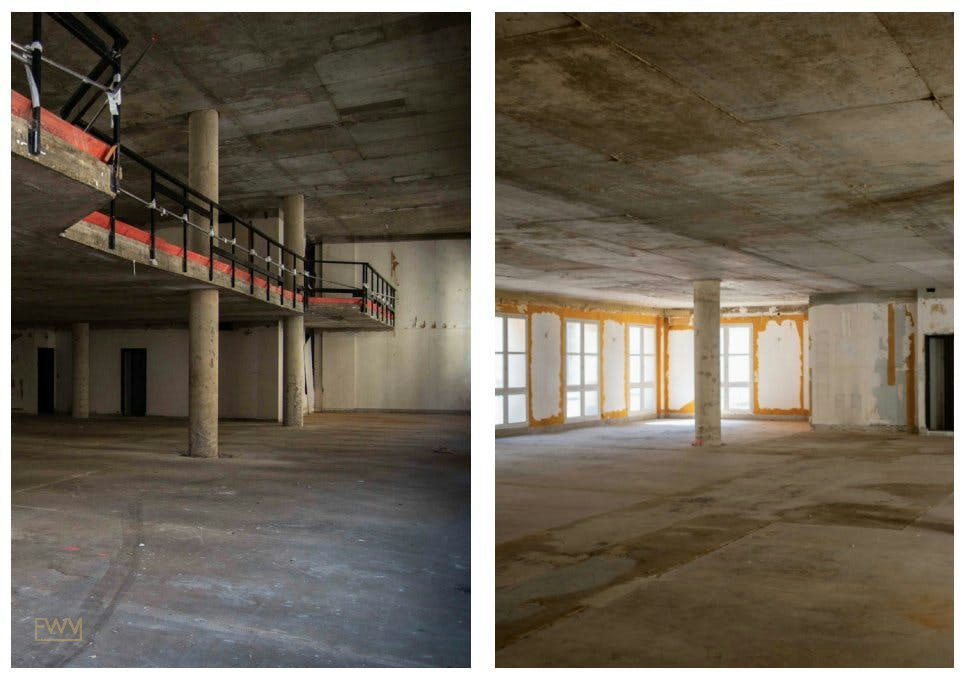
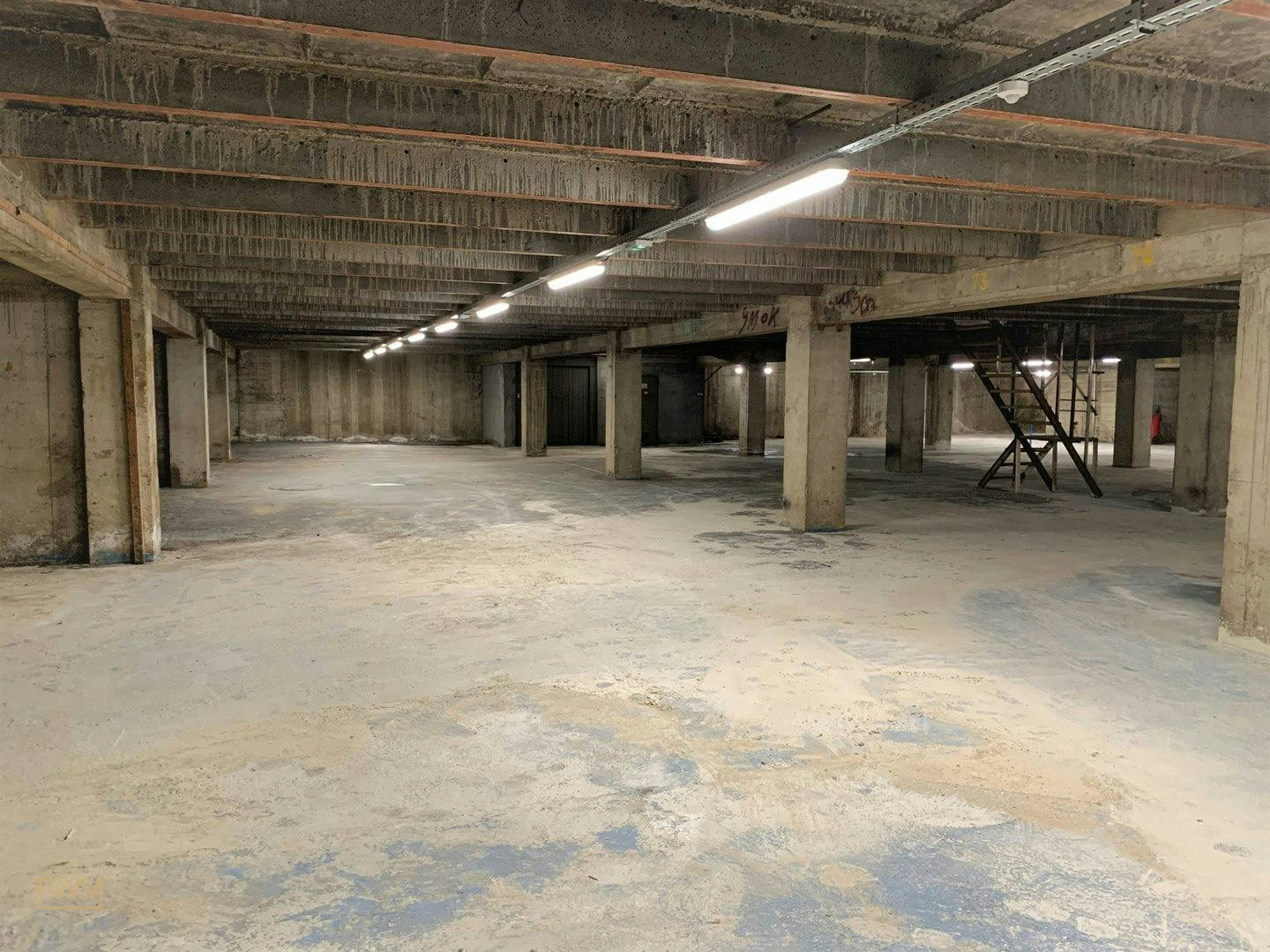
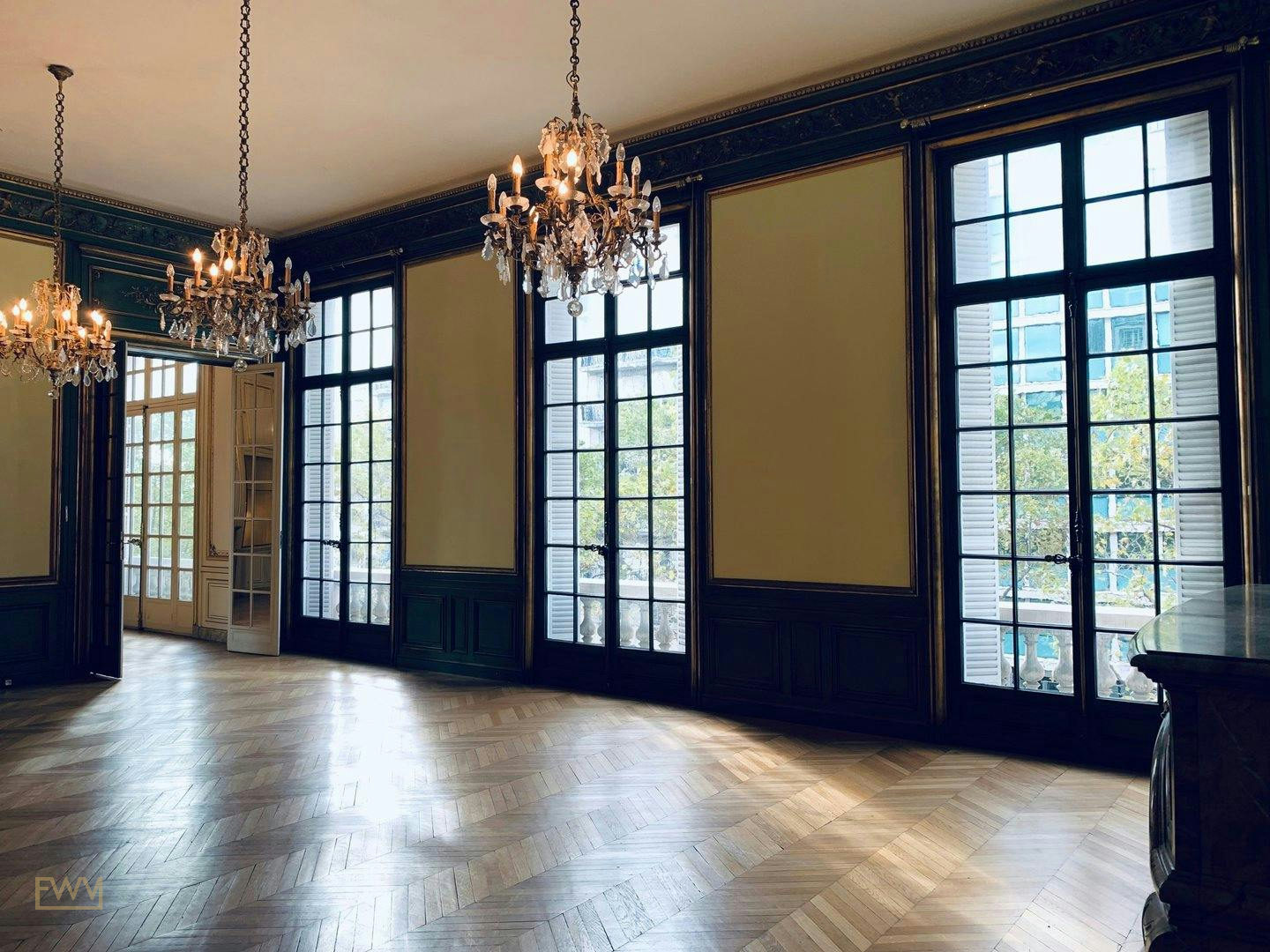
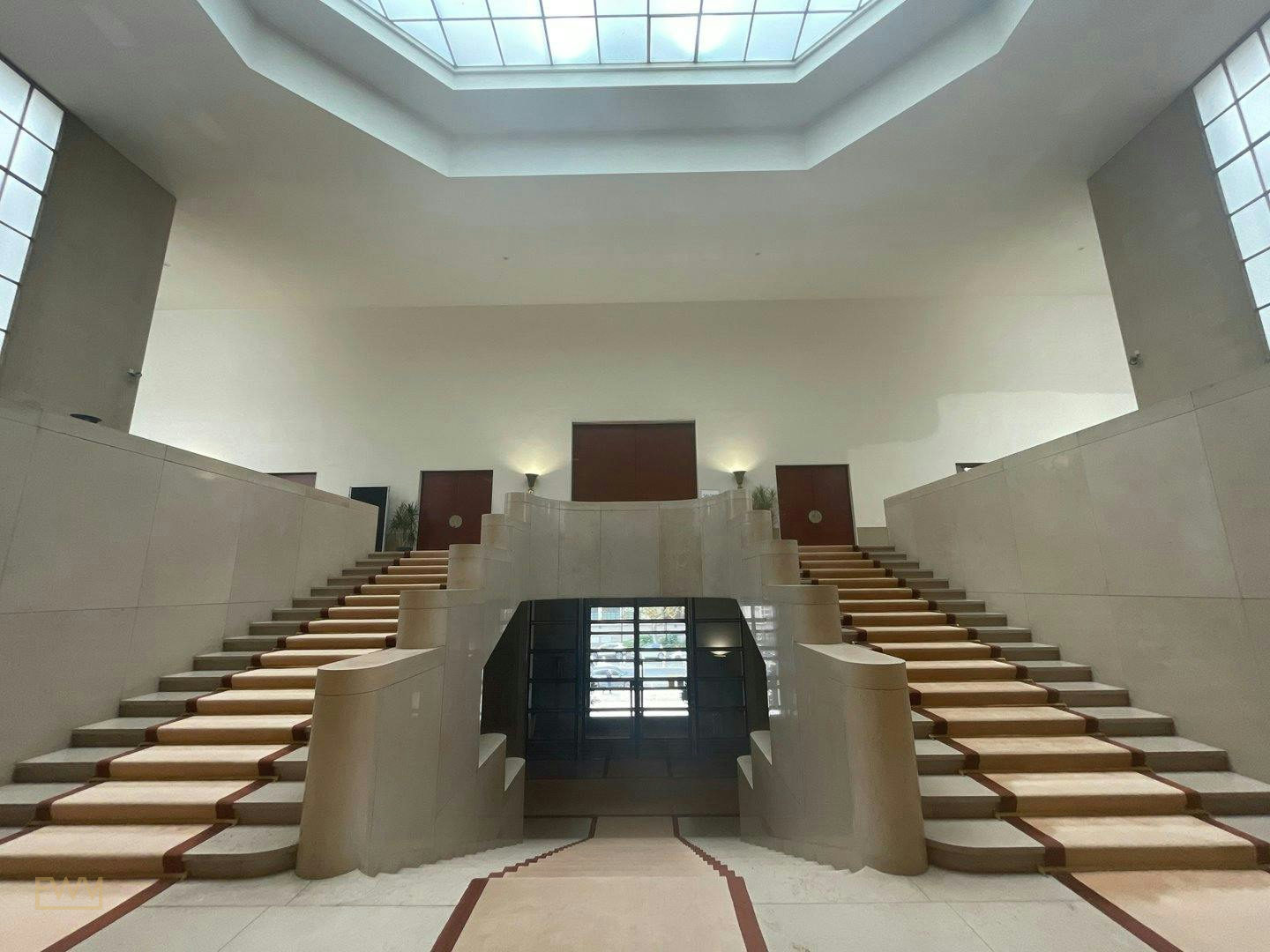
In the vibrant world of fashion, choosing the perfect venue for Fashion Week events is pivotal. From securing fashion show venues to planning pop-up shops, the future successes of brands hinge on this decision. Fashion Week Venues provides unparalleled services, helping brands navigate complex venue sourcing in major fashion capitals like Paris. In this guide, we’ll explore every aspect needed to seamlessly plan activation events and temporary retail experiences, cementing Fashion Week Venues as the go-to marketplace for creative brand launches.
Understanding Fashion Show Venues
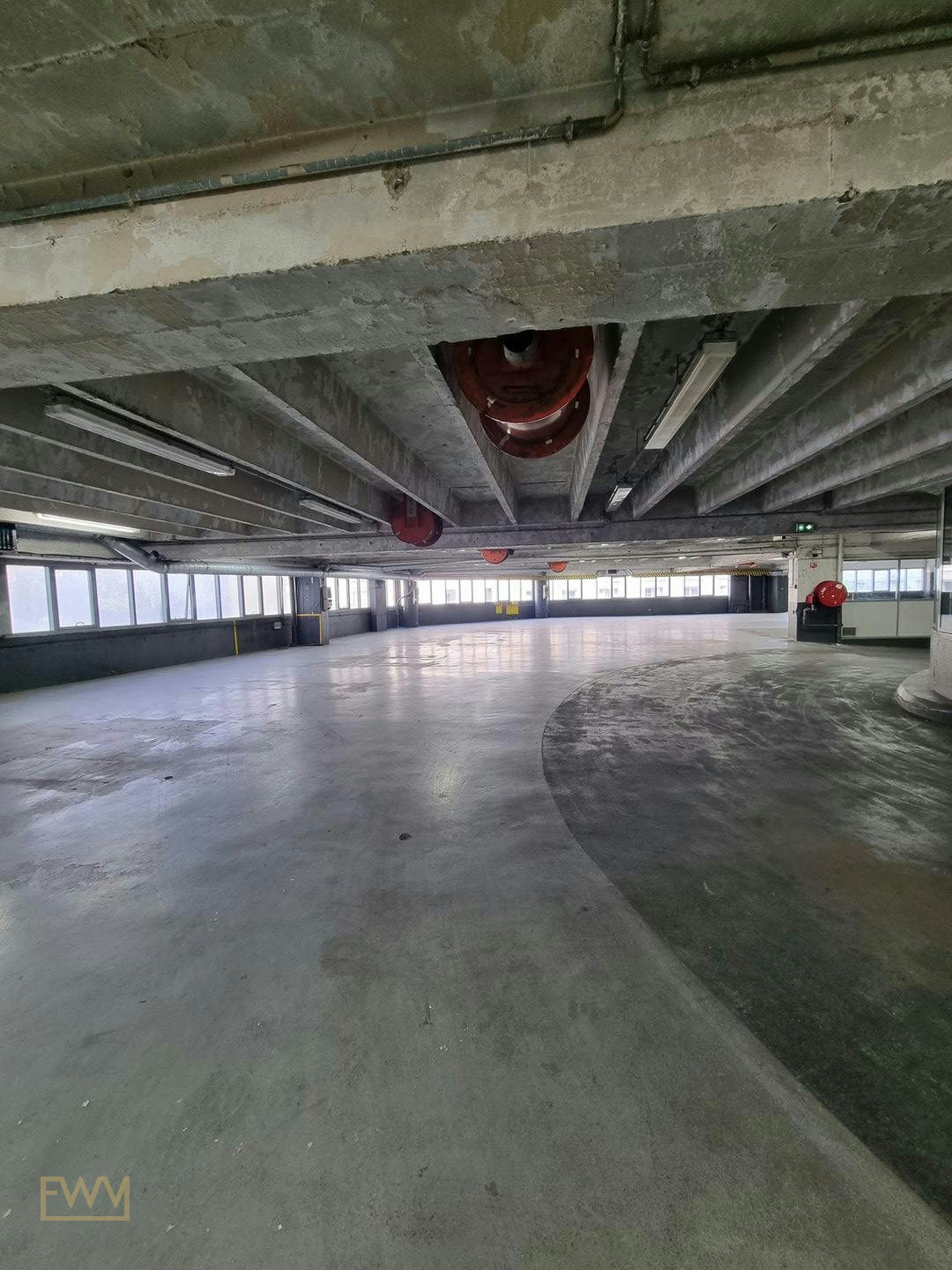
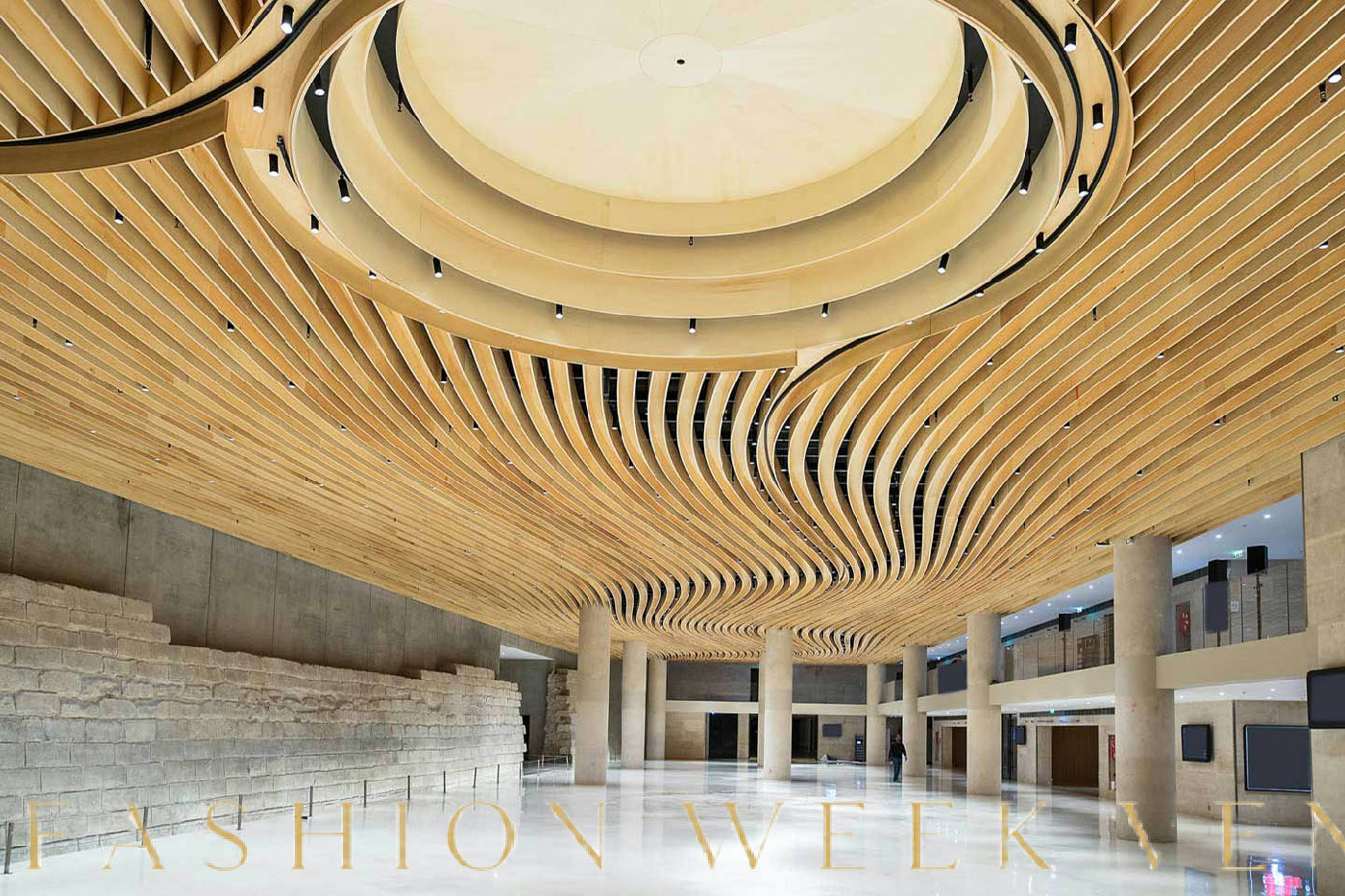
Fashion show venues vary tremendously, from glamorous halls to intimate ateliers. Choosing the right venue influences the audience's perception and the event's overall impact. Factors include the venue's location, size, ambiance, and historical significance.
Quick answer: A fashion show venue is a space uniquely suited to hosting runway shows, incorporating elements such as lighting, acoustics, and audience seating to enhance the overall presentation.
Consider Paris, home to iconic spots like the Palais de Tokyo, which offers a unique blend of modern art and sophisticated spaces, setting the stage for unforgettable fashion moments. This choice reflects the brand’s style, message, and intended audience interaction. Proper venue selection is a strategic decision that calls for understanding both logistical needs and creative aspirations.
KEY TAKEAWAY: Selecting a fashion show venue isn't merely about space; it's integral to the brand storytelling and audience engagement. The right venue enhances the brand narrative, making each event a resonant experience.
With this understanding, we transition to exploring the strategic value of venue sourcing in ensuring brand alignment and event success.
How Venue Sourcing Impacts Brand Strategy
Effective venue sourcing is crucial for aligning a brand’s creative vision with its business objectives. This process involves detailed market research to match spaces with the brand’s aesthetic and audience engagement goals.
Quick answer: Venue sourcing in fashion involves the strategic search and selection of spaces that align with the brand's event objectives, aesthetics, and audience size.
Fashion Week Venues excels in this area through meticulous research and leveraging a comprehensive space browsing and discovery process. By focusing on key elements such as location significance and spatial aesthetics, brands can enhance their image and facilitate effective audience engagement.
| Aspect | Brand Impact |
|---|---|
| Location | Strengthens brand identity and accessibility |
| Ambiance | Enhances brand narrative through atmosphere |
| Capacity | Ensures audience inclusion without overcrowding |
| Historical Relevance | Aligns with brand heritage and storytelling |
Through adept sourcing, challenges like logistical constraints and permit needs are proactively addressed. A venue’s success hinges on its synergy with the brand's core message, ensuring not only visual coherence but strategic impact.
KEY TAKEAWAY: Optimal venue sourcing turns spaces into strategic assets, driving brand resonance and event authenticity.
Next, we delve into understanding the distinctive characteristics and selection criteria of various fashion capitals across the globe.
Choosing the Perfect Fashion Capital
Each fashion capital offers unique advantages, from Paris's trendsetting infrastructure to New York's dynamic energy. Deciphering which city best aligns with a brand’s goals is essential. This decision shapes the event's contextual relevance and strategic partnerships.
Quick answer: Selecting a fashion capital depends on the brand’s target audience, event objectives, logistical needs, and the city’s inherent style and reputation.
For example, Paris is renowned for its historical richness and stylish venues such as those on Rue Saint-Honoré. New York, by contrast, is synonymous with cutting-edge designs and bold street style, attracting a diverse global audience.
Considerations for choosing a fashion capital include:
- Audience Demographics: Evaluating who the primary attendees are likely to be.
- Logistical Concerns: Transportation, accommodation, and accessibility options.
- Brand Compatibility: Does the city’s vibe match the brand’s positioning?
| City | Characteristic | Brand Fit |
|---|---|---|
| Paris | Historic elegance | Luxury, high fashion |
| New York | Innovative dynamism | Modern, diverse |
| Milan | Italian craftsmanship | Classic, artisanal |
| Tokyo | Futuristic creativity | Avant-garde, tech-savvy |
KEY TAKEAWAY: The choice of fashion capital is strategic, affecting brand positioning and audience engagement. Brands should align city choices with their narrative and customer's cultural affinities.
Understanding these dynamics prefaces our next focus: aligning venue selections with fashion show calendars and seasonal trends.
Aligning with Fashion Show Calendars
Timing is crucial in fashion, and aligning with official fashion show calendars is strategic. This synchrony ensures maximum media coverage and audience attendance.
Quick answer: Venue bookings should align with the official calendar to optimize brand visibility and leverage seasonal trends for greater engagement.
Each year, fashion capitals set official schedules that dictate when venues should be secured. For instance, Fall/Winter and Spring/Summer shows dominate Paris, setting a rhythm for launching new collections.
DID YOU KNOW: The Fédération de la Haute Couture et de la Mode sets the official French fashion calendar, a key resource for timing decisions.
Organizing according to the fashion calendar helps brands penetrate media circuits, ensuring exposure at the height of industry cycles. It also aids in logistical planning, reducing competitors for spaces and resources.
| Calendar Season | Key Months |
|---|---|
| Spring/Summer | September |
| Fall/Winter | February |
KEY TAKEAWAY: Aligning events with fashion calendars enhances visibility and audience engagement. Brands should plan around key dates for optimal impact.
Having mastered calendar alignment, we now explore the nuances between temporary retail solutions and traditional venues.
Temporary Retail vs. Traditional Venues
The decision between temporary retail experiences and traditional fashion venues impacts brand activation strategies profoundly. Each option offers distinct advantages, shaped by objectives, audience engagement, and budget.
Quick answer: Temporary retail solutions are flexible and experiential, while traditional venues offer stability and established prestige.
Temporary retail spaces, such as pop-up shops, provide dynamism and engage consumers through novel experiences. They cater to the modern consumer's desire for exclusivity and immediacy. In contrast, traditional venues offer grandiose backdrops, often historically significant, contributing to a brand’s narrative consistency.
TIP: Temporary spaces can be more agile and adaptable, making them ideal for brands testing new markets or launching innovative products.
| Aspect | Temporary Retail | Traditional Venue |
|---|---|---|
| Flexibility | High | Low |
| Consumer Experience | Immersive | Formal |
| Cost | Variable | Stable |
| Brand Image | Modern | Prestigious |
By leveraging activation management services, brands can optimize either choice to meet their strategic aims while mitigating potential downsides.
KEY TAKEAWAY: The choice between temporary and traditional venues hinges on a brand’s strategy, audience engagement goals, and budget considerations. Brands must align their choice with their activation objectives for maximum effect.
With this foundation, we progress to the critical stage of budgeting and financial planning.
Budgeting and Cost Planning
Budget planning is a crucial component of hosting a fashion week event, determining the scope, scale, and success of the initiative. Proper budgeting aligns financial resources with strategic priorities, ensuring effective allocations across essential components.
Quick answer: Detailed budgeting aligns financial resources with strategic objectives, covering venue costs, production, marketing, and logistics.
A successful budget accounts for variable costs such as venue fees, staffing, production, and marketing activities. Utilizing tools like a budget estimator helps carve out realistic forecasts by taking into account the particular needs and constraints of each brand activation.
IMPORTANT: Budget overruns are common in fashion events due to unforeseen costs. Brands should allocate contingency funds to mitigate risks.
| Expense Category | Estimate |
|---|---|
| Venue Rental | 20-40% of budget |
| Production & Build | 25-35% of budget |
| Marketing | 15-25% of budget |
| Staffing & Operations | 10-20% of budget |
| Contingency Fund | 10% of budget |
Brands can utilize the ROI calculator to assess potential returns against these planned outlays, ensuring that investments are justified and targeted towards achievable returns.
KEY TAKEAWAY: Meticulous budgeting while including contingency plans ensures that financial resources are effectively aligned with event objectives, minimizing risks and maximizing returns.
Having grasped financial strategies, brands must now consider navigating permits and compliance, a critical legal consideration in venue planning.
Navigating Permits and Compliance
Successfully navigating the legalities of fashion week events involves understanding permits like the bail dérogatoire and AOT, essential for non-permanent space usage. These permits ensure legal compliance, safeguarding brands against regulatory challenges.
Quick answer: Understanding key permits such as bail dérogatoire and AOT is vital to legally secure venues and avoid regulatory issues.
The bail dérogatoire grants temporary occupancy rights, essential for short-term leases, while an AOT is often required for public domain installations. Compliance with local regulations ensures events meet all safety and zoning requirements, preventing disruptions.
Brands unfamiliar with French law can benefit from consulting with French legal advisors to avoid pitfalls related to permits and compliance issues.
MYTH: You need a French legal entity to rent a venue in Paris.
FACT: Many venues can be leased by foreign entities directly through consulting services, though understanding local legal requirements remains crucial.
| Permit | Purpose |
|---|---|
| Bail Dérogatoire | Temporary occupancy |
| AOT | Public domain use |
| ERP Compliance | Safety standards |
Key TAKEAWAY: Permit and compliance expertise is crucial for securing and utilizing spaces legally and effectively, preventing potential legal and logistical troubles.
Understanding the legal framework leads us to discover how Fashion Week Venues supports brands in mitigating such challenges.
How Fashion Week Venues Supports Brands
Fashion Week Venues provides comprehensive support to brands, aiding in seamless event planning and execution through a range of specialized services and innovative tools. By offering venue sourcing, concept direction, and activation management, brands gain efficient, creative avenues to launch their events.
Quick answer: Fashion Week Venues assists brands with strategic venue sourcing and event planning, providing tools for budget estimation, permit navigation, and strategic activation guidance.
These services empower brands to efficiently manage event logistics while focusing on creative strategies and maximizing audience engagement potential. Key support areas include:
- Venue Sourcing: Comprehensive access to an exclusive space marketplace.
- Concept Direction: Translating brand messages into coherent visual narratives.
- Production & Build: Managing design and logistics for seamless execution.
- Retail Staffing: Supplying trained professionals to enhance customer interactions.
Additionally, tools such as the budget estimator, ROI calculator, and permitting guidance provide essential insights into financial and legal planning, facilitating informed strategic decisions.
IMPORTANT: While Fashion Week Venues offers robust support, brands should still engage with local legal advisors to verify specific legal obligations.
KEY TAKEAWAY: Fashion Week Venues offers unparalleled tools and expertise, equipping brands with the necessary resources to launch successful fashion week events without logistical stress.
As we wrap up our guide, effectively evaluating myths versus facts clears misinterpretations about Paris Fashion Week venues.
Common Myths Debunked
MYTH: Only French legal entities can rent venues in Paris.
FACT: Many international brands succeed in Paris without direct French business presence, often leveraging agencies and consulting partners familiar with local laws.
MYTH: Paris Fashion Week is the only viable time for events.
FACT: While it is a prominent week, fashion events occur year-round in Paris, offering numerous opportunities for creative brand expressions.
MYTH: Commission brokers are the sole avenue for finding venues.
FACT: The rise of digital platforms like Fashion Week Venues offers innovative solutions for venue sourcing, bypassing traditional brokers.
MYTH: Short-term leases are legally straightforward.
FACT: Temporary leases require navigating complex legislation, including bail dérogatoire and AOTs, necessitating professional advice.
MYTH: Fashion week events always run over budget.
FACT: With meticulous planning and the right tools, including budget estimators, brands can maintain strict financial control, reducing the risk of overspending.
Dispelling these myths provides clarity and confidence as brands embark on planning their fashion week activations.
Frequently Asked Questions
What are the essential characteristics of a successful fashion show venue?
A successful fashion show venue should provide an excellent blend of aesthetic, capacity, location, and technological offerings such as lighting and sound to enhance the presentation. Ambiance plays a crucial role, aligning with the brand narrative to ensure a cohesive audience experience. Additional factors like historical significance and ease of logistical arrangements further contribute to its success.
How can brands ensure their venue choice aligns with their strategic objectives?
Aligning venue choice with strategic objectives involves examining market research data, audience demographics, and brand alignment with venue ambiance and historical themes. Fashion Week Venues aids in this by providing a comprehensive venue sourcing service that matches spaces with brand objectives, allowing for clear, impactful engagement strategies.
What permits are required for temporary event spaces in Paris?
Temporary event spaces often require specific permits such as the bail dérogatoire for short-term leases or an AOT for public domain usage. These ensure compliance with local zoning and safety regulations. Brands should refer to the permit guidance tools provided by Fashion Week Venues and consult legal experts to understand the necessary documentation.
How does venue choice impact the overall budget of an event?
The choice of venue greatly influences the budget, determining costs related to rental, logistics, and necessary modifications or enhancements to meet brand standards. Proper budgeting tools, like those offered by Fashion Week Venues, can aid in planning for variable costs and unforeseen expenses, ensuring that spending aligns with financial objectives.
Why is aligning with fashion show calendars crucial?
Aligning with fashion show calendars maximizes media exposure and audience attendance, ensuring events integrate within the peak cycles of fashion industry activity. This strategic timing helps optimize brand visibility, synchronize marketing efforts, and coordinate logistic preparations, ultimately enhancing the overall impact of brand activations.
What unique advantages do temporary retail spaces offer?
Temporary retail spaces are agile and customizable, allowing brands to test new markets and launch innovative products with lower risk. These spaces provide exclusive consumer experiences, fostering a sense of immediacy and uniqueness that traditional retail spaces may not offer. They are ideal for brands pursuing targeted engagement strategies and novel consumer interactions.
How can Fashion Week Venues aid in concept direction and activation management?
Fashion Week Venues supports brands with expert concept direction and activation management services. These include crafting visual narratives that translate brand messages into compelling consumer experiences, overseeing logistical execution, and offering analytical tools to assess strategic outcomes and improve future activations.
What are the misconceptions about needing a presence in France for venue rentals?
It is a common misconception that international brands require a French legal presence to rent venues in Paris. In reality, many successful brand activations have been executed by foreign entities with local expertise provided through agencies like Fashion Week Venues, navigating requirements effectively without needing a physical establishment in the country.
How can brands manage financial risks during fashion events?
Managing financial risks involves strategic planning, detailed budgeting, and the use of budget management tools to anticipate variable costs and create contingency plans. Insights from tools and services provided by Fashion Week Venues allow brands to monitor expenses closely and adjust strategies to maintain fiscal health throughout the event lifecycle.
What kind of support does Fashion Week Venues offer for staffing retail events?
Fashion Week Venues offers retail staffing solutions that provide brands with skilled and experienced professionals essential for delivering premium consumer interactions. Their services ensure thorough vetting and training processes that align with specific brand image requirements and event goals.
Conclusion
From venue sourcing to comprehensive activation management, hosting a successful fashion event requires detailed planning and execution. Fashion Week Venues excels in simplifying these complexities, offering unmatched services and tools that support seamless brand activations in the world's fashion capitals. Whether through pop-up experiences or grand showrooms, brands can drive unique consumer interactions, align strategically with industry calendars, and manage budget effectively. Explore available spaces on the Fashion Week Venues marketplace and transform your brand’s event vision into reality.