When brands want to hire retail space near Arc de Triomphe Paris, they are choosing one of the most commercially powerful addresses on the planet. The 8th arrondissement, home to the Arc de Triomphe, the Avenue des Champs-Elysées, the Golden Triangle, and Avenue Montaigne, delivers a combination of international foot traffic, luxury brand adjacency, and media visibility that few retail districts anywhere in the world can match. Whether your goal is a pop-up shop, a showroom, a product launch, or a flagship activation during Fashion Week, this guide covers every decision point your team needs: neighbourhood selection, space types, leasing formats, permit requirements, budgeting strategy, and how to run a brand activation that performs. Fashion Week Venues supports brands activating in Paris across all of these formats with end-to-end services and a curated space marketplace.
Why the Arc de Triomphe District Is Paris's Most Competitive Retail Address
The Arc de Triomphe sits at the centre of Place Charles de Gaulle, the intersection point of twelve radiating avenues including the Avenue des Champs-Elysées to the east and Avenue de la Grande Armée to the west. This geography makes it one of the most visited urban landmarks in Europe, attracting over fourteen million tourists annually according to figures from the Paris Tourist Office. That footfall number alone makes the surrounding streets among the most watched retail real estate in France.
The 8th arrondissement anchors what is known as the Golden Triangle, bounded by Avenue des Champs-Elysées, Avenue Montaigne, and Avenue George V. This triangle is where the world's most recognised luxury fashion houses maintain their flagship stores. Dior, Louis Vuitton, Chanel, Givenchy, Valentino, and Hermès all have significant presences within a short walk of each other. For brands seeking luxury positioning, adjacency to these maisons carries real commercial weight. A pop-up store or showroom that sits within this corridor benefits from the association even before a single customer walks through the door.
The Champs-Elysées itself stretches approximately 1.9 kilometres from Place Charles de Gaulle to Place de la Concorde. The lower section toward Concorde passes through areas of significant retail density, while the upper section near the Arc de Triomphe is home to premium retail, flagship activations, and high-value temporary retail campaigns. Avenue George V runs south from the Arc de Triomphe toward the Seine and contains some of Paris's most architecturally distinguished retail buildings. Rue du Faubourg Saint-Honoré, which connects the 8th to Place Vendôme in the 1st arrondissement, adds another layer of luxury retail density to the catchment.
For international brands entering the French market for the first time, the strategic value of this district is straightforward. Paris serves as the global benchmark for fashion credibility, and opening a temporary retail space near the Arc de Triomphe sends an immediate signal about brand positioning to both the trade press and to Parisian consumers. The Champs-Elysées alone receives an estimated three hundred thousand visitors per day, a figure cited repeatedly in commercial real estate and tourism reports covering the district.
DID YOU KNOW: The Champs-Elysées is consistently ranked as one of the most expensive retail streets in the world per square metre, placing it alongside Fifth Avenue in New York, Bond Street in London, and Ginza in Tokyo.
The district also benefits from proximity to the Paris Metro and RER networks, making it accessible from every major transport hub in the city. Line 1, which connects La Défense to Château de Vincennes, serves Charles de Gaulle-Étoile, George V, and Franklin D. Roosevelt stations, all of which sit within the core retail catchment around the Arc de Triomphe.
KEY TAKEAWAY: Hiring retail space near the Arc de Triomphe places your brand at the intersection of international tourist traffic, luxury brand adjacency, and some of the highest-footfall streets in Europe. The commercial logic is clear, but competition for premium space is intense and planning should begin well in advance of your target activation date.
Understanding why this area performs so well is the first step. The next is understanding what types of spaces are actually available and which formats serve different brand objectives.
Space Types Available Near the Arc de Triomphe and Champs-Elysées
The variety of retail and event spaces available near the Arc de Triomphe is broader than many brand teams expect. While street-level boutiques on the Champs-Elysées itself represent the most visible format, they are also the most competitive and among the most expensive to hire. Brands entering this district for the first time should consider the full range of space types before narrowing to a single format.
Street-Level Retail Boutiques and Pop-Up Stores
Street-level retail units on and around the Champs-Elysées are the default choice for brands seeking maximum visibility and footfall. These spaces typically offer direct frontage onto a major thoroughfare, large window display areas, and immediate access for passing pedestrians. Space sizes in this category range from compact 30 to 50 square metre units suitable for capsule collections or single-product launches, up to multi-floor flagship-scale spaces exceeding 500 square metres used for major brand activations. Pop-up stores in this format are particularly suited to fashion, beauty, and lifestyle brands running short-term retail campaigns tied to product launches or seasonal moments.
Haussmannian Apartments and Prestige Showrooms
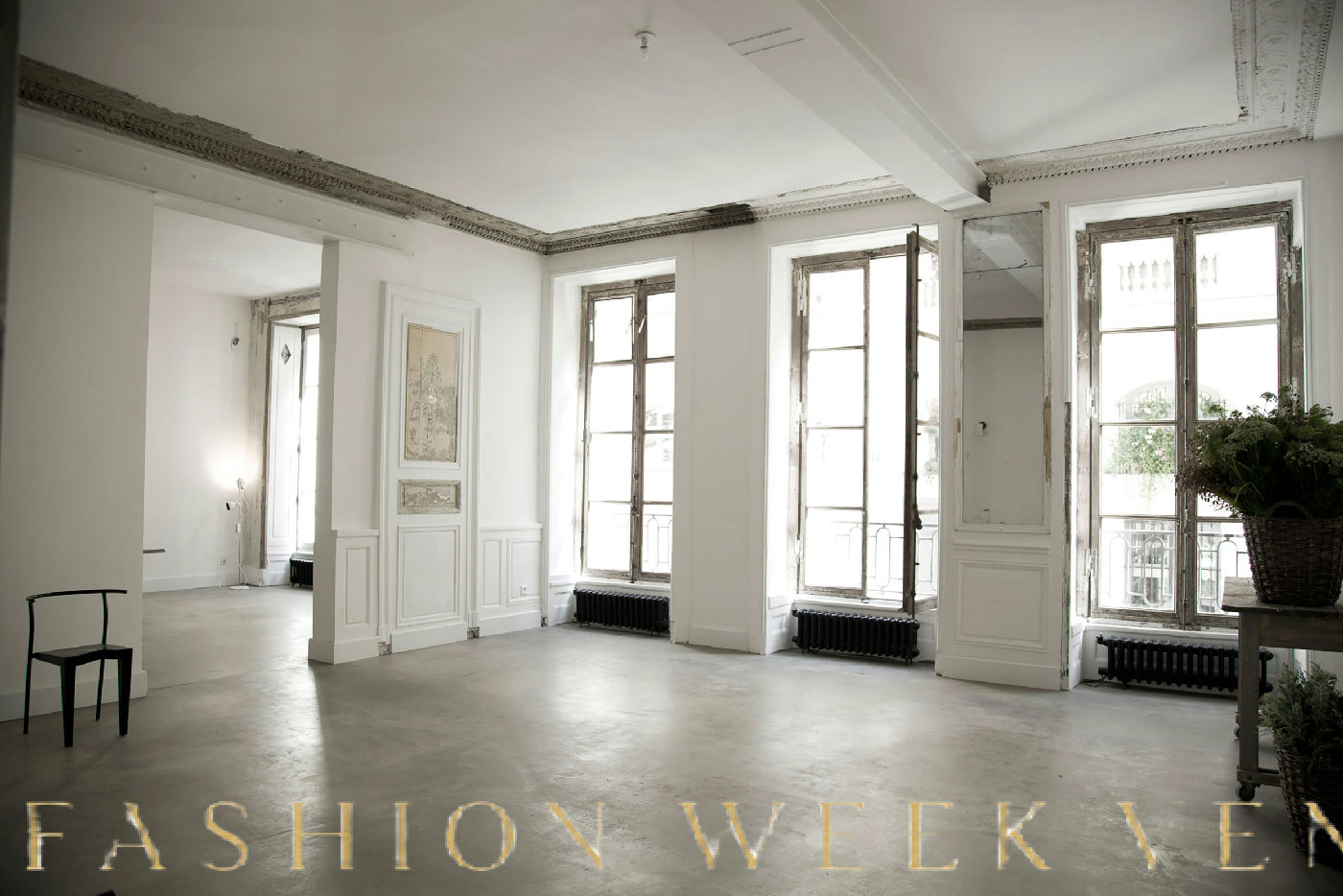
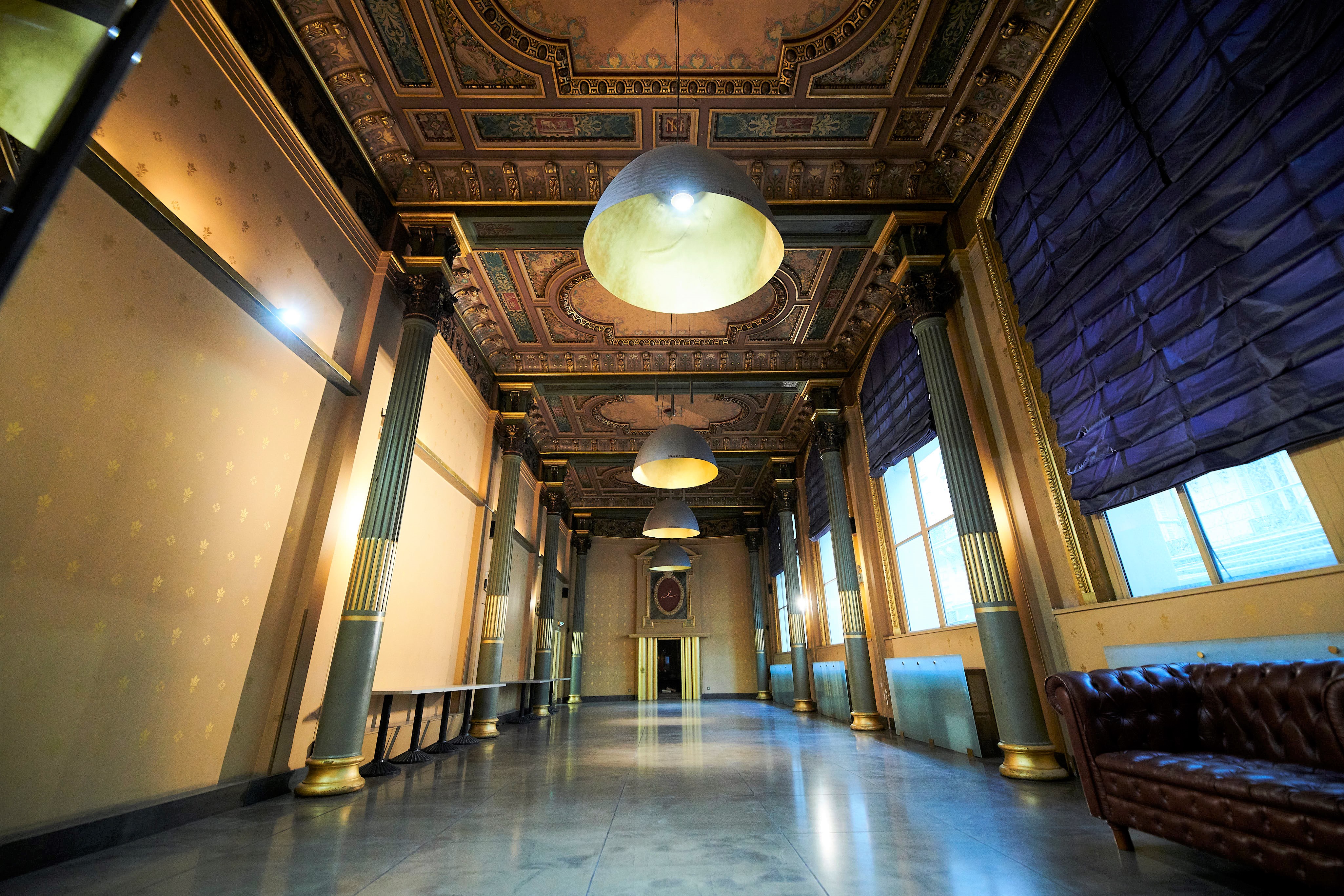
The 8th arrondissement is defined architecturally by Haussmannian buildings, the broad-fronted limestone structures commissioned by Baron Haussmann during Paris's 19th-century transformation. Upper floors in these buildings frequently contain large, light-filled apartments that brands convert into showrooms, press event spaces, or immersive brand experience rooms. A Haussmannian apartment used as a fashion showroom typically offers high ceilings, ornate cornicing, parquet floors, and natural light from tall windows, providing a backdrop that is both distinctively Parisian and highly suitable for editorial photography and social media content. This format is widely used by fashion houses presenting pre-collection or resort collections, jewellery brands hosting trade appointments, and fragrance houses running press previews.
Gallery and Art Gallery Spaces
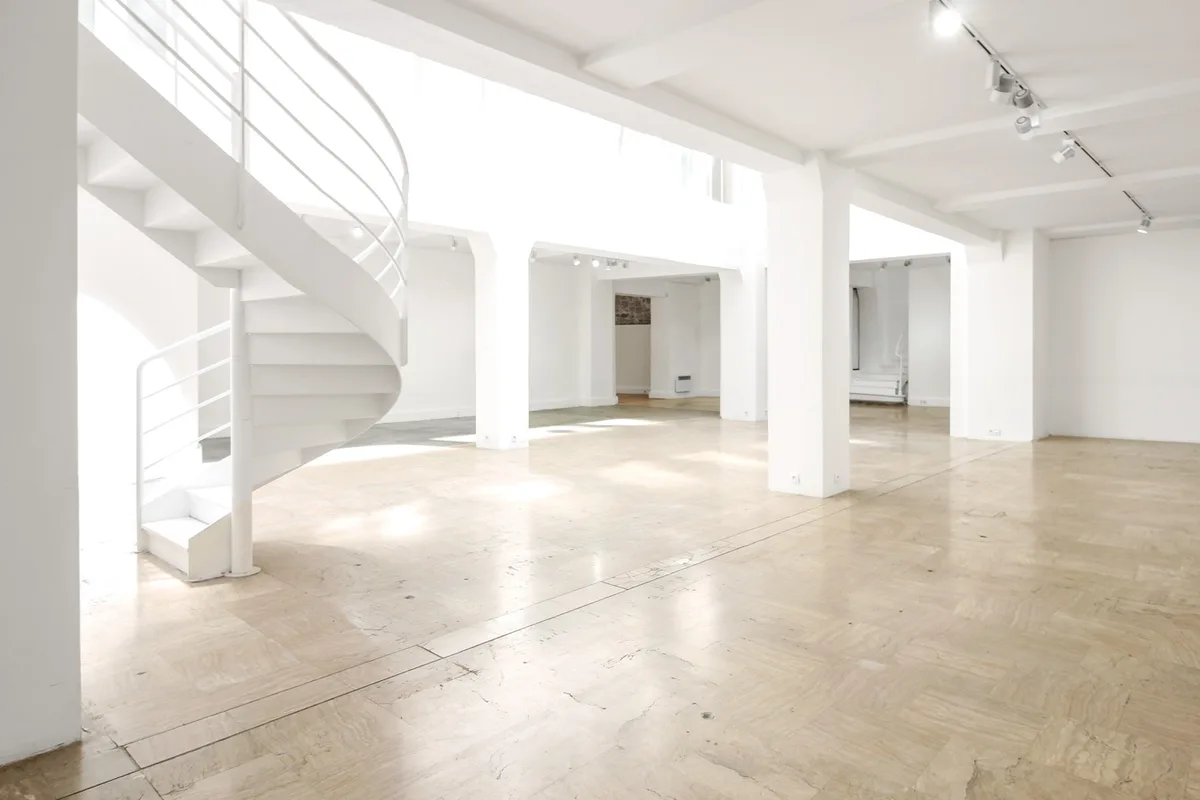
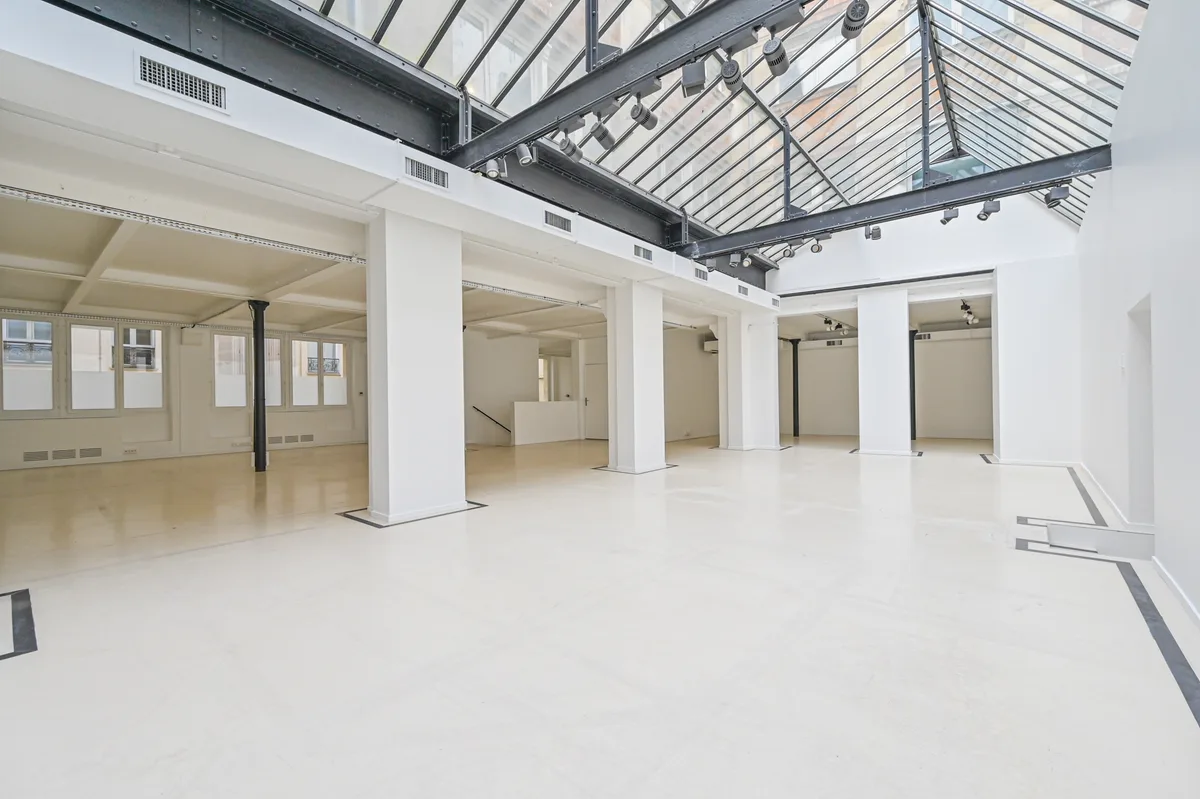
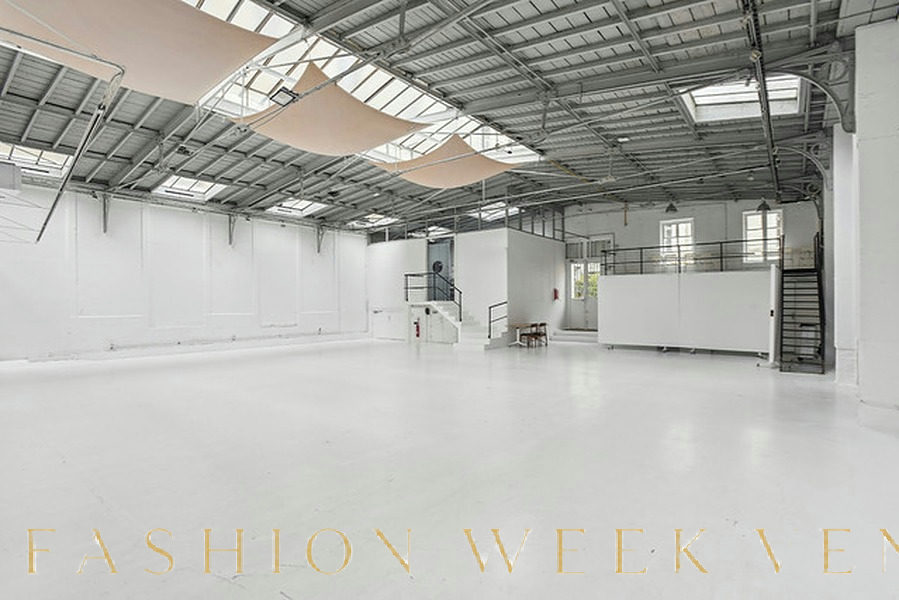
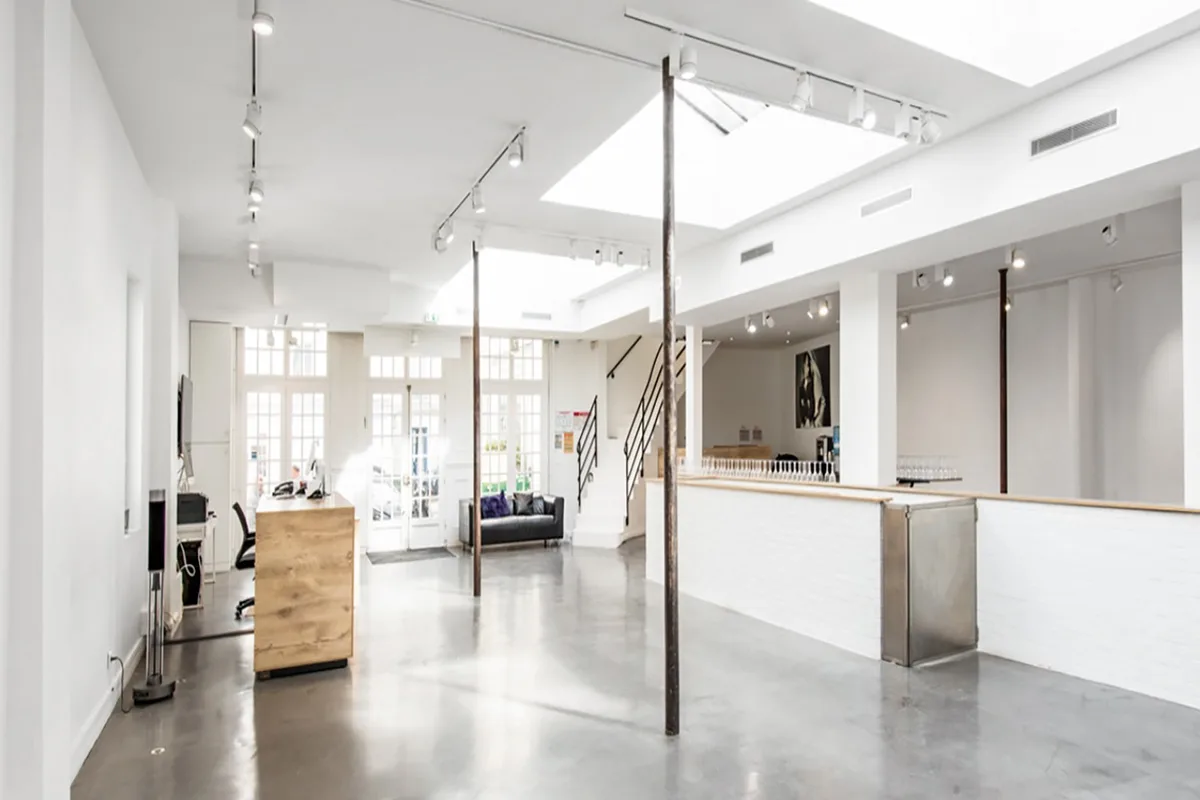
Galerie-format spaces, including converted art galleries and purpose-designed gallery floors, are common in the 8th and neighbouring 1st and 16th arrondissements. These spaces offer polished concrete or hardwood floors, adjustable spotlights or track lighting, and white wall surfaces that serve as neutral canvases for branded installations. Brands in the premium and luxury segment frequently choose gallery spaces for product launches and brand activations where the environment needs to communicate quality and restraint rather than high-street retail energy. A Galerie d'Art space near the Arc de Triomphe typically offers 100 to 300 square metres of open floor area at street level or within a courtyard building.
Concept Studios and Photo Studio Spaces
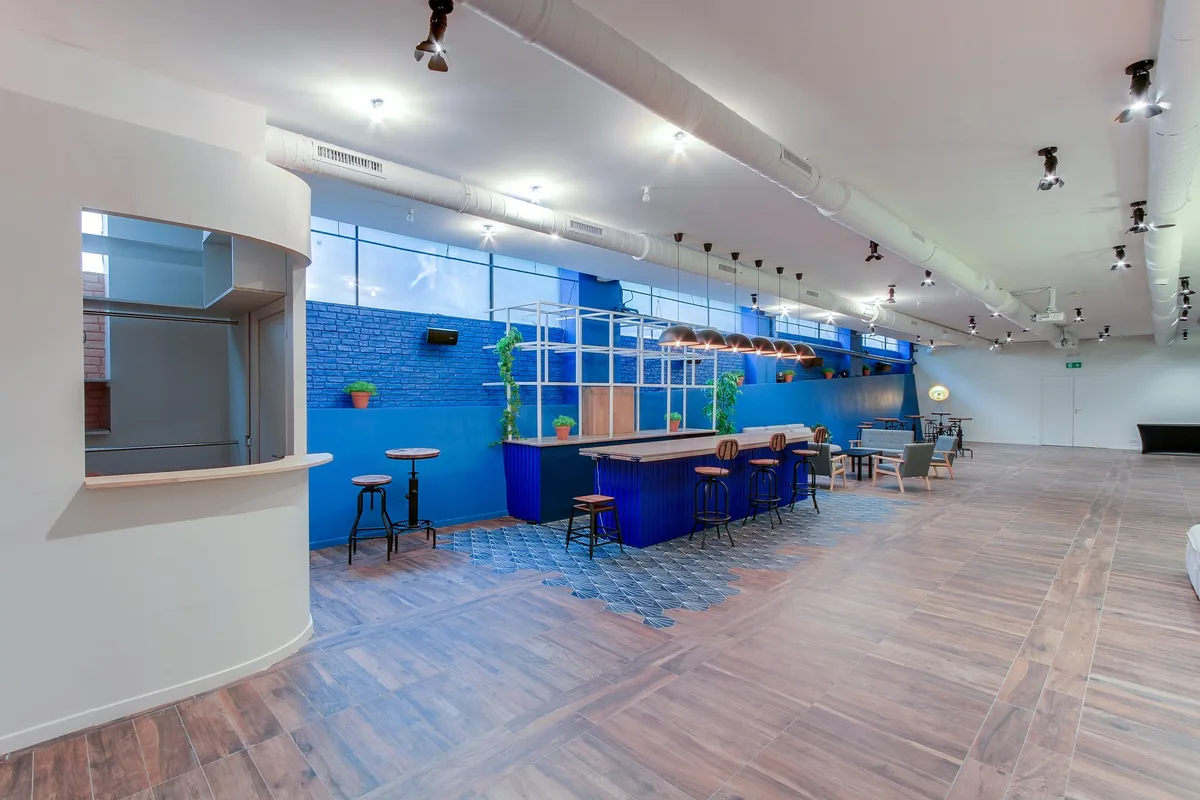
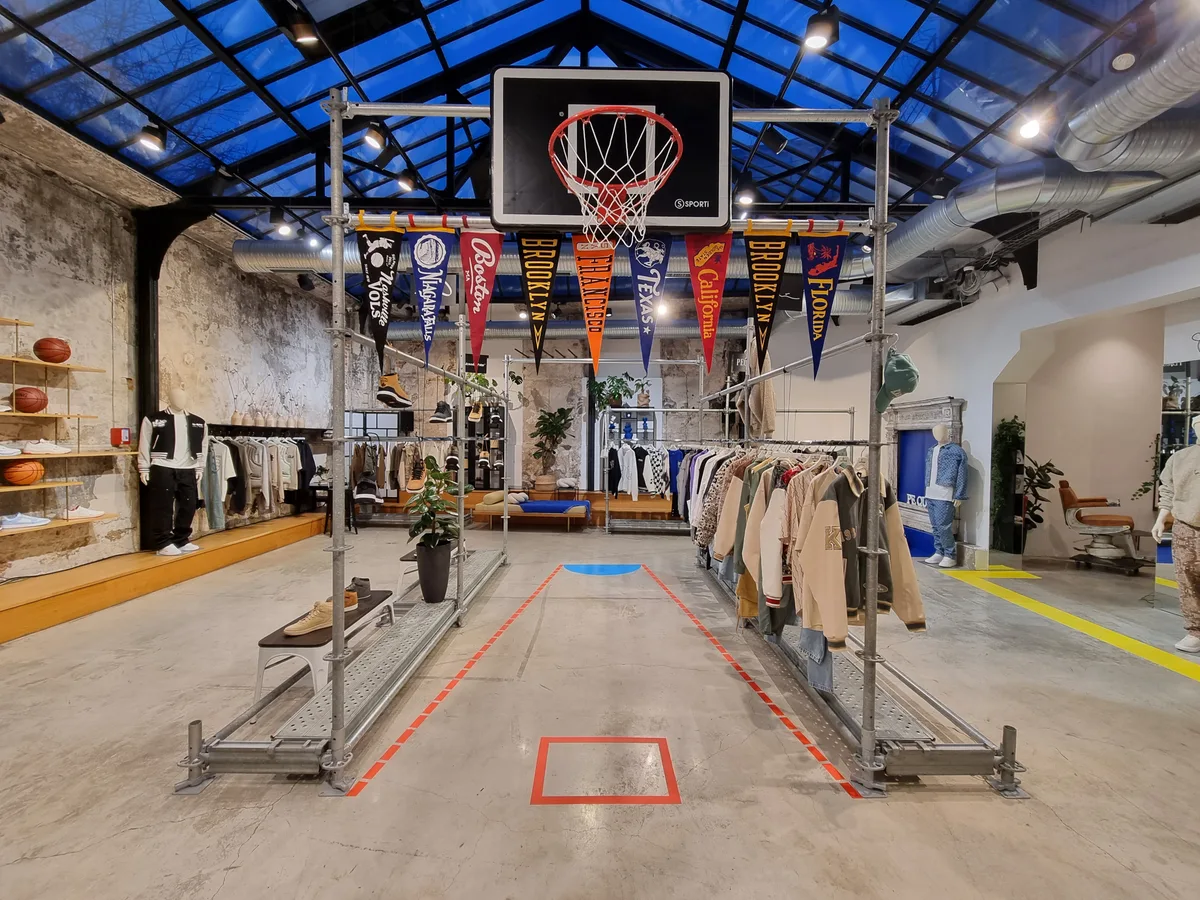
Concept Studio and Store formats, as well as dedicated Studio Photo and Tournage spaces, have grown significantly in demand as brands produce more content in-house for social media, editorial, and e-commerce use. These spaces combine a functional retail or activation floor with a separate or integrated studio setup, including controlled lighting rigs, backdrops, and shooting infrastructure. Brands launching a product during Paris Fashion Week often hire a Concept Studio space to serve simultaneously as a trade showroom, a press activation venue, and a content production facility across the same week.
Hotel Particulier and Event-Format Venues
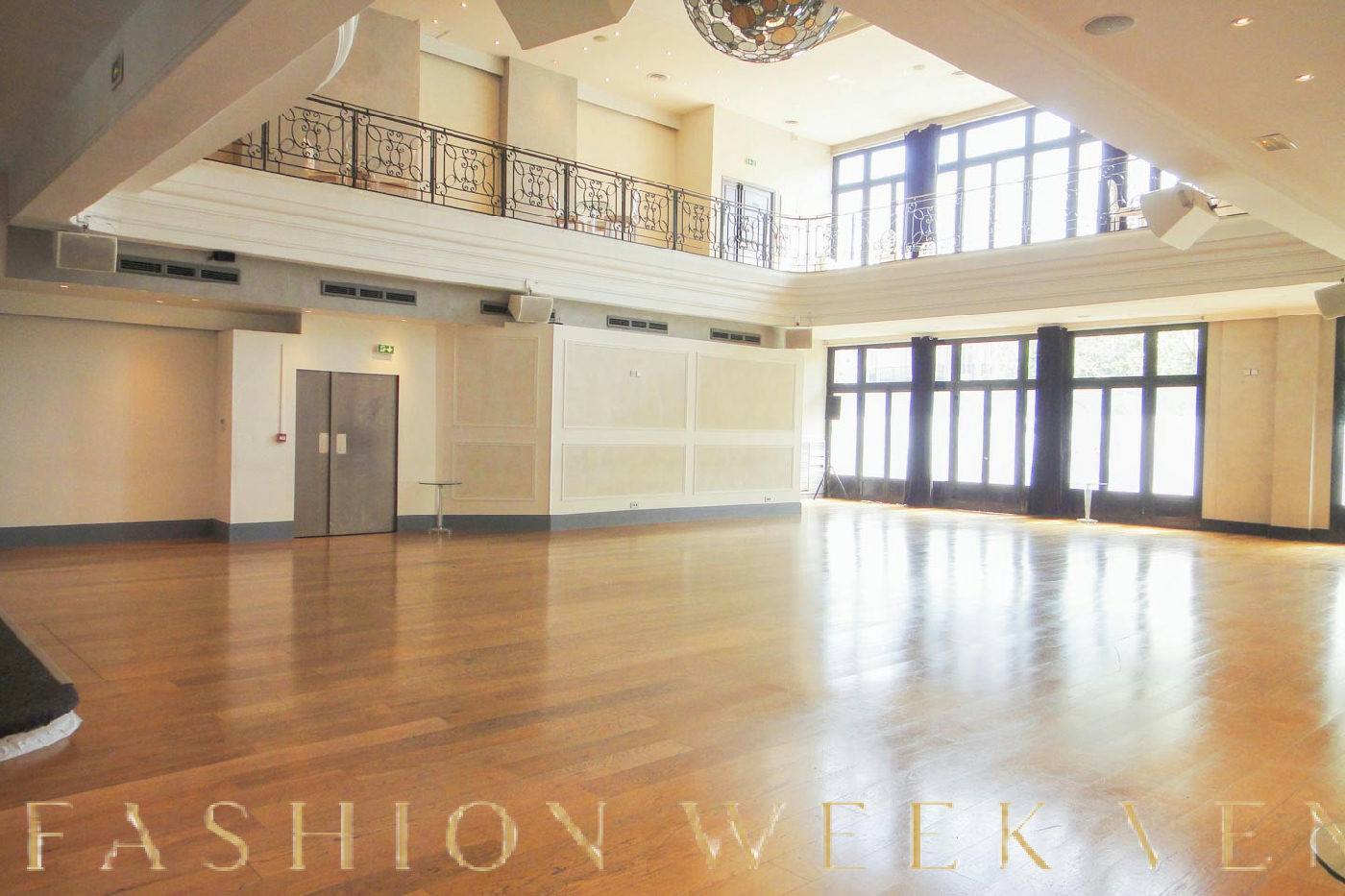
The most exceptional and sought-after spaces near the Arc de Triomphe are the hotel particulier buildings, private mansion houses that have been adapted for commercial hire. A hotel particulier in the 8th arrondissement typically features a private courtyard, multiple reception rooms, a garden or terrace, and decorative detail that is impossible to replicate in purpose-built commercial real estate. These spaces are used for flagship activations, gala-format product launches, and immersive brand experiences. They are also appropriate for brands seeking to host VIP clientele in an environment that reflects the heritage and positioning of the brand. Hire costs for hotel particulier spaces reflect their rarity and condition, and availability is limited particularly during Fashion Week calendar windows.
Quick answer: Near the Arc de Triomphe and Champs-Elysées, available space types include street-level boutiques and pop-up stores, Haussmannian apartments used as showrooms or press spaces, gallery-format units, concept studios with integrated content production infrastructure, and hotel particulier venues for flagship or VIP events. The right format depends on your campaign objectives, team size, and budget.
| Space Type | Best For | Typical Size Range | Key Features |
|---|---|---|---|
| Street-Level Boutique | Direct-to-consumer pop-up, product launch | 30 to 500+ sq m | Frontage, window display, high footfall |
| Haussmannian Apartment | Fashion showroom, press preview, VIP event | 80 to 400 sq m | High ceilings, parquet, natural light, Parisian character |
| Gallery or Art Gallery | Brand installation, product activation, immersive retail | 100 to 300 sq m | White walls, track lighting, neutral canvas |
| Concept Studio and Store | Combined retail and content production | 80 to 250 sq m | Shooting infrastructure, flexible layout |
| Hotel Particulier | Flagship activation, VIP clientele, immersive experience | 300 to 1,500+ sq m | Private courtyard, multiple rooms, exceptional architecture |
KEY TAKEAWAY: Space type selection should be driven by your activation format, not just by budget. A 120 square metre gallery space with the right lighting and location can outperform a larger street-level unit if the brand experience is better curated for the target audience.
With space types understood, it is equally important to map the surrounding neighbourhoods, since the Arc de Triomphe district connects to several distinct retail and cultural zones, each of which attracts a different audience profile.
Key Neighbourhoods Near the Arc de Triomphe for Retail Activations
The area surrounding the Arc de Triomphe sits at the centre of a wider geography that includes some of Paris's most strategically significant retail and cultural districts. Understanding each neighbourhood's character, audience, and commercial real estate market helps brand teams make more targeted decisions about where to place their activation.
The Champs-Elysées and Avenue des Champs-Elysées
The Avenue des Champs-Elysées is the most internationally recognised address in French retail. Its two-kilometre stretch combines large-format flagship stores, entertainment venues, cinemas, luxury hotels, and major retail brands. Pop-up stores and brand activations on the Champs-Elysées benefit from the full breadth of its daily visitor numbers, which combine Parisian residents with tourists from across Europe, the Americas, Asia, and the Middle East. International visitors represent a significant share of total footfall, making the Champs-Elysées one of the most effective addresses for brands seeking to reach a global customer base in a single location.
The Golden Triangle: Avenue Montaigne, Avenue George V, and Rue du Faubourg Saint-Honoré
The Golden Triangle is the core of Paris's luxury retail geography. Avenue Montaigne is home to the flagship stores of Dior, Valentino, Prada, and other major fashion houses. Avenue George V connects the Champs-Elysées to the Seine and hosts a concentration of premium boutiques and hotels including the Hotel George V, one of Paris's most prestigious addresses. Rue du Faubourg Saint-Honoré extends east toward Place Vendôme and passes through a continuous strip of luxury boutiques. Brands activating in the Golden Triangle typically address a clientele characterised by high disposable income, strong brand literacy, and significant engagement with the seasonal fashion calendar.
Place Vendôme and Rue de Rivoli
Place Vendôme, though technically in the 1st arrondissement, sits within easy reach of the 8th and is closely associated with luxury jewellery brands, prestige hoteliers, and high-end fashion. The surrounding streets, including Rue de Rivoli and Rue Royale, connect Vendôme to Place de la Concorde and back toward the Champs-Elysées. Showrooms and event spaces in this sub-zone attract a trade and press audience alongside high-net-worth consumers, making them particularly appropriate for jewellery, timepieces, haute couture, and premium lifestyle brands.
Le Marais as a Complementary Activation Zone
While Le Marais sits east of the 8th in the 3rd and 4th arrondissements, it functions as a complementary activation zone for brands that want to reach a different demographic segment during the same Paris visit. Le Marais is characterised by a younger, more fashion-forward consumer base, an active gallery and concept store scene, and a strong concentration of emerging and established streetwear, contemporary fashion, and design brands. A twin activation strategy that places a flagship-scale space near the Arc de Triomphe and a smaller concept space in Le Marais can allow a brand to address both premium heritage positioning and contemporary relevance within the same campaign period.
Saint-Germain-des-Prés
Saint-Germain-des-Prés in the 6th arrondissement offers a distinctly intellectual and Parisian character. This neighbourhood attracts both high-spending tourists and a sophisticated local clientele of creative professionals, academics, and established Parisian consumers. The density of independent boutiques, galleries, and design studios makes Saint-Germain a natural fit for premium fashion brands, furniture and interior design labels, fine fragrance houses, and editorial-oriented product launches. Spaces here typically feature character-rich interiors, whether bohemian and layered or clean and gallery-like, that contrast with the more monumental aesthetic of the 8th arrondissement.
Montmartre and Pigalle
Montmartre and Pigalle in the 18th arrondissement sit north of central Paris and attract a visitor mix of tourists drawn to Sacré-Coeur and the neighbourhood's artistic history, alongside a creative local community that has made Pigalle in particular a centre for independent fashion retail, concept stores, and brand pop-ups. Brands in the streetwear, sportswear, contemporary fashion, and independent lifestyle segments frequently choose Montmartre and Pigalle for activations that prioritise cultural credibility and community engagement over institutional luxury positioning.
To compare neighbourhoods and space types, explore the Paris city hub on Fashion Week Venues and shortlist spaces that match your brief, budget, and calendar window.
KEY TAKEAWAY: The Arc de Triomphe district connects directly to the Golden Triangle, Place Vendôme, and the Champs-Elysées, but Paris's retail activation landscape extends across multiple distinct neighbourhoods each with its own audience profile. Choosing a location means choosing which audience you want to reach most directly.
Fashion Week Calendar Windows and Why Timing Your Activation Matters
Paris Fashion Week occurs twice annually during the main ready-to-wear calendar, typically in late September or early October for the spring/summer collections and in late February or early March for the autumn/winter collections. These windows also align with additional event programmes including Haute Couture Week in January and July, and the Men's Fashion Week in January. Together these calendar moments create roughly eight to ten weeks per year during which Paris becomes the most media-concentrated and industry-populated city in the fashion world.
During Fashion Week periods, demand for short-term retail space near the Arc de Triomphe and throughout the 8th arrondissement intensifies significantly. Brand teams, press offices, buyers, influencers, and international media all descend on the city simultaneously, which means that spaces which are available at relatively accessible rates outside of Fashion Week command substantial premiums during these windows. Availability also decreases sharply. Brands that attempt to source space within two or three weeks of a Fashion Week opening frequently find that the most desirable spaces are already committed.
The practical implication is that early planning is not simply advisable but commercially necessary. For Fashion Week activations, the typical best-practice timeline involves beginning space search and briefing agencies at least eight to twelve weeks before the target opening date. For hotel particulier and other exceptional spaces, the lead time required can extend to four to six months, particularly for September and October, when multiple major brand houses are competing for the same limited inventory of premium addresses.
IMPORTANT: Paris Fashion Week space availability near the Arc de Triomphe is limited well in advance of the event dates. If you are planning a Fashion Week activation, begin your search and agency briefing process at minimum eight weeks before your intended opening, and ideally twelve weeks or more for exceptional spaces.
Outside Fashion Week windows, the Arc de Triomphe district remains commercially active year-round. The summer period from June through August brings the highest tourist volumes to the Champs-Elysées and surrounding streets. Winter activations in November and December benefit from the Champs-Elysées Christmas market and the strong consumer spending patterns that accompany the holiday shopping season. Spring activations in April and May offer a balance of local consumer engagement and early-season tourist traffic. Each calendar window has a distinct audience composition and commercial character that brand teams should factor into their campaign strategy.
Use the timeline planning tool on Fashion Week Venues to map your campaign dates against space availability windows and key Paris retail calendar moments.
Quick answer: Paris Fashion Week takes place in late September to early October and late February to early March. These are the highest-demand periods for retail space near the Arc de Triomphe. For Fashion Week activations, begin your search eight to twelve weeks in advance. Year-round windows including summer tourist season and the December holiday period also deliver strong commercial performance for temporary retail in this district.
KEY TAKEAWAY: Calendar timing is one of the most important and most frequently underestimated variables in Paris pop-up planning. The difference between securing a premier address and settling for a secondary location can come down to whether your team begins the search eight weeks or eight days before the target opening date.
Permits, Leasing Formats, and Legal Considerations for Temporary Retail in Paris
Understanding the legal and leasing framework for temporary retail in Paris is essential before committing to a space. The French commercial real estate system has specific protections for tenants under long-term leases, which is why most short-term retail and pop-up arrangements use alternative legal structures that allow for genuine flexibility without triggering statutory tenant protections.
The Bail Dérogatoire Explained
The bail dérogatoire, sometimes called a bail précaire or short-term commercial lease, is the most common legal vehicle for temporary retail space agreements in France. It allows a landlord and tenant to agree a commercial tenancy of up to three years without triggering the statutory protections of the standard nine-year commercial lease regime under the French Commercial Code. For pop-up shops, brand activations, and short-term showrooms, the bail dérogatoire provides a legally sound basis for agreements ranging from a few weeks to several months. It must be entered into in writing before occupancy begins, and both parties must expressly waive their rights under the standard commercial lease regime.
Requirements for a valid bail dérogatoire include clear identification of both parties, a precise description of the premises, the agreed rent and payment terms, the permitted use of the space, and an explicit statement that the parties are entering a derogatory agreement rather than a standard commercial lease. The maximum cumulative duration across successive bail dérogatoire agreements for the same premises between the same parties is generally limited to three years, after which the tenant acquires statutory lease protections if they remain in occupation. Brands should always verify the specific terms and conditions of any bail dérogatoire with a qualified French legal advisor, as requirements and interpretations can vary.
Autorisation d'Occupation Temporaire (AOT)
For spaces on public land, including certain pavements, public squares, and areas adjacent to public infrastructure, an Autorisation d'Occupation Temporaire (AOT) may be required. An AOT is a permit granted by the relevant public authority allowing temporary commercial use of public property. In the context of the 8th arrondissement and areas surrounding the Arc de Triomphe, this can apply to outdoor terrace activations, pavement displays, or temporary installations on public thoroughfares. AOT requirements are administered at the level of the arrondissement and are subject to the regulations of the Mairie de Paris. Processing times and specific documentation requirements vary depending on the nature of the proposed use and the exact location. Brands planning outdoor elements to their activation should factor AOT lead times into their overall project timeline.
IMPORTANT: Neither a bail dérogatoire nor an AOT constitutes a standard commercial lease. Both are specific legal instruments with precise requirements. Always engage a qualified French legal advisor to review your lease or permit documentation before committing to a space or beginning any fit-out work.
Signage, Frontage, and Commercial Activity Regulations
Signage in central Paris, and particularly in listed or architecturally protected zones near the Champs-Elysées and the Arc de Triomphe, is subject to specific regulations under the French Code de l'Environnement covering outdoor advertising and signage. Temporary retail brands should verify which types of exterior signage are permitted before designing their frontage or window treatments. Regulations vary by arrondissement, building type, and proximity to protected heritage sites. Non-compliant signage can result in fines and removal orders, which disrupts activation timelines and adds unnecessary costs to a campaign.
Use the permits tool on Fashion Week Venues to access structured guidance on the permit requirements relevant to your specific activation type, location, and intended use.
Quick answer: Temporary retail in Paris near the Arc de Triomphe typically operates under a bail dérogatoire, a short-term commercial lease that avoids triggering the nine-year statutory commercial lease protections. Outdoor activations or public space use may require an Autorisation d'Occupation Temporaire from the Mairie de Paris. Always verify requirements with a French legal advisor before committing to a space.
KEY TAKEAWAY: The French leasing framework is not complex if you understand which instrument applies to your situation, but it requires proper documentation and qualified legal review. Assuming that a short-term rental is legally straightforward without specialist advice is one of the most common and costly mistakes brands make when entering the Paris retail market.
Budgeting for a Pop-Up Shop or Showroom Near the Arc de Triomphe
Budget planning for a temporary retail activation near the Arc de Triomphe requires accounting for a wider range of cost categories than many brand teams anticipate at the outset. The space hire cost is only one component of the total investment, and for complex brand activations it can represent less than half of the overall budget.
Space Hire Costs
Space hire costs near the Arc de Triomphe and on the Champs-Elysées are among the highest in Paris and reflect both the prestige of the address and the demand intensity during peak calendar windows. Rental rates for temporary retail spaces in this area vary depending on space size, format, precise location, duration of hire, and timing relative to Fashion Week and other peak demand moments. As a directional guideline rather than a quoted figure, premium street-level units on the Champs-Elysées and Golden Triangle are substantially more expensive than comparable spaces in Le Marais, Saint-Germain-des-Prés, or Montmartre. Haussmannian apartment showrooms and hotel particulier venues command premium rates that reflect their architectural quality and limited availability. For brand-specific budget estimates, use the budget calculator on Fashion Week Venues.
Fit-Out and Production Costs
Fit-out costs cover the physical transformation of an empty or neutral space into a branded retail or event environment. This category includes structural and joinery work, branded wall treatments and graphics, flooring installation or protection, lighting design and installation, furniture and fixture supply, and AV or digital display equipment. For a mid-range pop-up shop in a gallery or boutique format, fit-out costs can range from a modest investment for a minimal build using rented furniture and printed graphics, up to a substantial investment for a fully custom-built branded retail environment with bespoke joinery and permanent-quality finishes used for a short-term activation. The duration of the activation affects the economics of fit-out investment, with longer activations allowing brands to amortise fit-out costs across more trading days.
Staffing, Operations, and Service Costs
Retail staffing costs in Paris are subject to French employment law and the applicable collective bargaining agreements for the retail sector. Brands operating a temporary store in Paris need to either engage permanent employees transferred from another location, hire local staff on fixed-term contracts, or use a staffing agency to provide trained retail personnel. POS and payments infrastructure, stock management, security, and cleaning services add further operational costs that must be budgeted in advance. International brands that are not already operating in France should factor in the additional time and cost of payroll compliance and employment registration requirements.
Marketing and Content Production
Brand activations near the Arc de Triomphe frequently include a marketing and content layer that amplifies the physical presence across social media, press, and influencer channels. Content production costs, influencer fees, PR agency support, and paid social media amplification should be budgeted as a separate line item rather than assumed to be covered within the space hire or fit-out budget.
Quick answer: The total budget for a pop-up shop or showroom near the Arc de Triomphe in Paris includes space hire, fit-out and production, staffing, operations, marketing and content, and permit and legal costs. Each category requires separate estimation. Use the budget planning tool on Fashion Week Venues for brand-specific directional figures based on your space type, size, duration, and campaign objectives.
| Cost Category | Description | Key Variables |
|---|---|---|
| Space Hire | Rental cost for the premises | Location, size, format, duration, calendar window |
| Fit-Out and Production | Build, joinery, graphics, lighting, AV | Complexity of design, materials, duration |
| Staffing and Operations | Retail staff, POS, security, cleaning | Hours of operation, team size, French employment compliance |
| Marketing and Content | Social media, influencers, PR, production | Reach objectives, platform mix, influencer tier |
| Permits and Legal | Bail dérogatoire, AOT, signage compliance | Space type, outdoor elements, arrondissement |
| Agency and Management | Project management, creative direction, coordination | Service scope, campaign duration, complexity |
KEY TAKEAWAY: A realistic total budget for a well-executed pop-up near the Arc de Triomphe is always higher than the space hire cost alone suggests. Begin budget planning with all cost categories accounted for before committing to a space, and use ROI-focused planning tools to evaluate whether the investment structure makes commercial sense for your campaign objectives.
How to Plan and Execute a Successful Pop-Up Activation Near the Arc de Triomphe
A successful pop-up activation near the Arc de Triomphe requires a structured project workflow that runs from initial brief through space search, legal agreements, fit-out, operations, and post-activation reporting. Brands that approach this process sequentially and with adequate lead time achieve significantly better outcomes than those that attempt to compress the timeline.
Step One: Define the Campaign Brief
The brief should specify the campaign objective (sales, brand awareness, press engagement, new market entry, product launch, or a combination), the target audience (Parisian consumers, international tourists, trade buyers, press, or influencers), the preferred space type and size, the desired duration and calendar window, the total available budget, and the brand tone and aesthetic requirements. A clear brief is the foundation of an effective space search and prevents the common problem of shortlisting spaces that look appealing but do not serve the actual campaign purpose.
Step Two: Search and Shortlist Spaces
Space search in the Arc de Triomphe district requires access to current inventory, since many premium spaces near the Champs-Elysées and Golden Triangle are not broadly advertised and are known primarily to specialist agencies and marketplace operators. The venue sourcing service at Fashion Week Venues provides access to a curated inventory of spaces across the 8th arrondissement and surrounding neighbourhoods, with the ability to filter by space type, size, location, and availability window. Shortlisting should produce three to five candidate spaces that can be evaluated against the brief criteria before committing to viewings.
Step Three: Conduct Viewings and Technical Assessment
Physical viewings are essential before signing any agreement. A space that appears ideal in photographs may have practical limitations that affect fit-out feasibility, operational flow, or visitor experience. Key technical factors to assess during a viewing include ceiling height, floor condition and covering, natural and artificial lighting quality, electrical load capacity, ventilation, floor-level access and delivery logistics, toilet facilities, and security provisions. For photo and video production spaces specifically, assess the quality of lighting conditions at different times of day and the acoustic environment if video content is planned.
Step Four: Legal Review and Agreement Signing
Once a space is selected, engage a qualified French legal advisor to review the proposed bail dérogatoire or other lease instrument before signing. Confirm the permitted use, the fit-out and reinstatement obligations, the payment schedule, the exit provisions, and any restrictions on signage, subletting, or public events. Do not rely solely on the landlord's representation of the terms. Independent legal review at this stage prevents disputes during and after the activation.
Step Five: Concept, Design, and Fit-Out
Concept development and branded store design should begin in parallel with legal review, not after it, to ensure that the design is ready to implement immediately upon lease commencement. Fit-out timelines near the Arc de Triomphe are frequently compressed because lease start dates are set to align with Fashion Week or other campaign windows. Having the design resolved before the lease is signed allows build work to begin on day one of access rather than day five or ten of an already-short lease period.
Step Six: Operations, Staffing, and POS Setup
Operational setup includes installing POS and payments infrastructure, briefing and deploying retail staff, arranging stock delivery and merchandising, setting up security systems, and confirming all utilities and services. For brands new to operating in France, payroll and employment compliance for temporary staff requires advance engagement with a local payroll provider or specialist staffing agency.
Step Seven: Activation and Live Management
During the live activation period, daily management should cover sales tracking, stock replenishment, visitor experience quality, social media content production, influencer hosting, press visits, and any operational issues that require rapid resolution. Designating a dedicated activation manager, either in-house or through a specialist agency, is the most reliable way to maintain quality across the duration of the campaign.
Step Eight: Reporting and Debrief
Post-activation reporting should capture sales data, visitor numbers, conversion rates, social media reach and engagement, press coverage, and qualitative feedback from staff and customers. This data informs both the commercial evaluation of the current campaign and the planning assumptions for future activations in Paris or other markets.
| Stage | Key Actions | Who Leads | Minimum Lead Time Before Launch |
|---|---|---|---|
| 1. Brief | Define objectives, audience, space type, budget, dates | Brand team | 12 to 16 weeks |
| 2. Space Search | Access inventory, filter by criteria, shortlist candidates | Agency or marketplace | 10 to 14 weeks |
| 3. Viewings | Physical assessment, technical review | Brand team and agency | 8 to 12 weeks |
| 4. Legal Review | Bail dérogatoire review, agreement signing | French legal advisor | 7 to 10 weeks |
| 5. Design and Fit-Out | Concept direction, build, installation | Design and production team | 4 to 8 weeks |
| 6. Operational Setup | Staffing, POS, stock, security | Operations lead | 1 to 2 weeks |
| 7. Live Activation | Daily management, content, press, sales | Activation manager | Concurrent |
| 8. Reporting | Sales, traffic, press, social, debrief | Brand team and agency | Within 2 weeks of close |
KEY TAKEAWAY: A structured eight-stage workflow with realistic lead times is the most reliable path to a successful pop-up activation near the Arc de Triomphe. The most common cause of avoidable problems is compressing the planning timeline, which leads to suboptimal space selection, rushed fit-out, and operational gaps during the live period.
How Fashion Week Venues Helps Brands Activate Near the Arc de Triomphe
Fashion Week Venues operates as a full-service pop-up agency and space marketplace with Paris as its primary and anchor market. The platform and agency model are specifically built for the types of brand activations described throughout this guide, from short-term showrooms during Paris Fashion Week to flagship pop-up stores on the Champs-Elysées and Golden Triangle brand experiences in hotel particulier venues.
The agency side of Fashion Week Venues covers the full service spectrum from initial venue sourcing through concept direction, production and build, activation management, branded store design, furniture rental, retail staffing, POS and payments, data and analytics, and influencer marketing. Brands can engage Fashion Week Venues for a single service component, such as concept direction for a new Paris activation, or for the full end-to-end production and management of a campaign. This flexibility makes the agency appropriate for both large international fashion houses running complex multi-day activations and for smaller brands entering the Paris market for the first time.
The marketplace component allows brand teams to browse, shortlist, and compare available spaces across Paris's key retail districts including the 8th arrondissement, Le Marais, Saint-Germain-des-Prés, and Montmartre. Spaces on the marketplace are presented with transparent information about size, location, space features, and availability, allowing brand teams to make initial shortlisting decisions before engaging the agency for detailed coordination.
Fashion Week Venues also provides a suite of planning tools that address the most common decision points in a Paris activation project. The budget tool helps teams build a realistic total cost estimate based on their specific space type, size, and campaign parameters. The ROI calculator allows brands to model the expected return against the total investment. The permits tool provides structured guidance on the permit and compliance requirements relevant to specific activation formats and locations. The timeline tool helps teams map their campaign planning workflow against the Fashion Week calendar and space availability windows. The compare tool and locator tool support space selection and neighbourhood comparison decisions.
For brands interested in activating across two Paris locations simultaneously, the twin co-activation concept allows a single campaign to operate in complementary spaces in different neighbourhoods, addressing different audience segments across the same campaign window. This approach is increasingly used by brands that want to combine a luxury presence near the Arc de Triomphe with a more accessible or trend-forward presence in Le Marais or Pigalle during the same Fashion Week period.
TIP: If you are planning your first Paris activation, reviewing the process overview and case study section on Fashion Week Venues will give you a clear picture of what a managed campaign looks like from brief to completion, and help you determine what level of agency support your team needs.
It is important to understand that Fashion Week Venues does not guarantee specific space availability, permit approvals, or campaign outcomes. The quality of the outcome depends on the quality of the brief, the realism of the timeline, and the collaborative engagement of the brand team throughout the project. Fashion Week Venues' role is to provide expertise, access, and coordination; the commercial success of the activation ultimately depends on the strength of the brand and the appropriateness of the campaign to the chosen location and audience.
KEY TAKEAWAY: Fashion Week Venues offers brand teams a practical combination of space access and full-service agency support specifically calibrated to the Paris retail market. The most effective use of the platform begins with a clear brief and realistic timeline, allowing the agency to match the right spaces and services to the brand's specific campaign objectives.
Comparing Paris's Key Retail Districts for Pop-Up and Showroom Activations
Paris offers multiple viable retail activation districts beyond the Arc de Triomphe corridor, each with distinct characteristics that suit different brand profiles and campaign objectives. The table below provides a comparative view to support strategic neighbourhood selection.
Quick answer: The most sought-after locations for leasing commercial space in Paris include the Champs-Elysées and Golden Triangle for luxury and premium brands, Le Marais for contemporary and streetwear labels, Saint-Germain-des-Prés for intellectual and premium lifestyle brands, Place Vendôme for jewellery and haute couture, and Montmartre and Pigalle for culturally-oriented and independent fashion brands. The right location depends entirely on your target audience and brand positioning.
| District | Arrondissement | Audience Profile | Best For | Relative Space Cost |
|---|---|---|---|---|
| Champs-Elysées and Arc de Triomphe | 8th | International tourists, luxury consumers, brand-literate visitors | Flagship activations, luxury pop-ups, Fashion Week showrooms | Very high |
| Golden Triangle (Montaigne, George V) | 8th | High-net-worth individuals, fashion press, VIP clientele | Haute couture, premium fashion, press events | Very high |
| Place Vendôme and Saint-Honoré | 1st and 8th | Luxury consumers, jewellery and watch buyers, hotel guests | Jewellery, timepieces, premium fashion, VIP events | Very high |
| Le Marais | 3rd and 4th | Fashion-forward consumers, younger demographics, tourists | Streetwear, contemporary fashion, concept stores, art activations | High |
| Saint-Germain-des-Prés | 6th | Sophisticated Parisians, creative professionals, cultural tourists | Premium lifestyle, editorial fashion, design, fine fragrance | High |
| Montmartre and Pigalle | 18th | Creative community, tourists, independent fashion consumers | Streetwear, independent brands, culturally-oriented activations | Moderate |
To evaluate specific space options against these neighbourhood characteristics, the space comparison tool on Fashion Week Venues allows brand teams to assess candidate spaces side by side across multiple criteria including location, size, features, and estimated cost.
KEY TAKEAWAY: Each Paris retail district serves a distinct audience and brand positioning purpose. Selecting a district based on cost alone, without considering audience fit and brand adjacency, frequently produces activations that achieve high footfall but low conversion or low press resonance. Match the district to the audience you want to reach.
What Makes a Retail Space Work: Key Features to Evaluate Before Signing
Beyond location and budget, the physical characteristics of a space determine how effectively it can serve as a pop-up shop, showroom, or brand activation venue. Brand teams that assess spaces carefully against a functional checklist before signing agreements avoid many of the operational problems that arise mid-activation.
Floor access and delivery logistics are among the most practically important factors. A street-level space with direct pavement access simplifies stock delivery, fit-out logistics, and visitor flow. Upper-floor spaces in Haussmannian buildings can be spectacular for showroom use but may present challenges for heavy deliveries, disabled access compliance, and visitor orientation. Always confirm the load-bearing capacity of the floor if you are planning a heavy installation, heavy furniture, or extensive shelving systems.
Frontage and window display area are commercially significant for pop-up shops that depend on passing footfall. A space with wide frontage and large windows allows for more ambitious window treatments and creates stronger visual engagement with people walking past. In the Arc de Triomphe district, frontage on a primary street carries a significant premium over equivalent space in an interior courtyard or secondary street position.
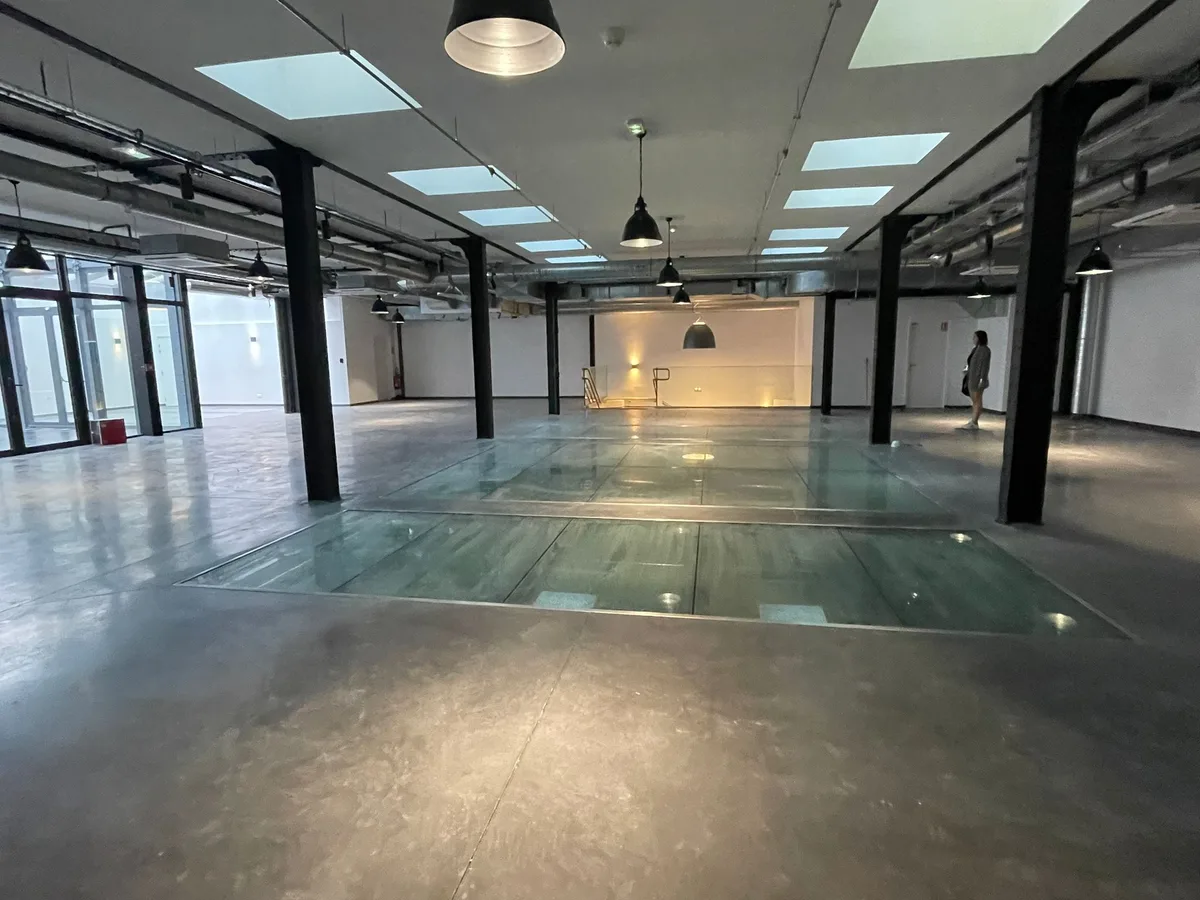
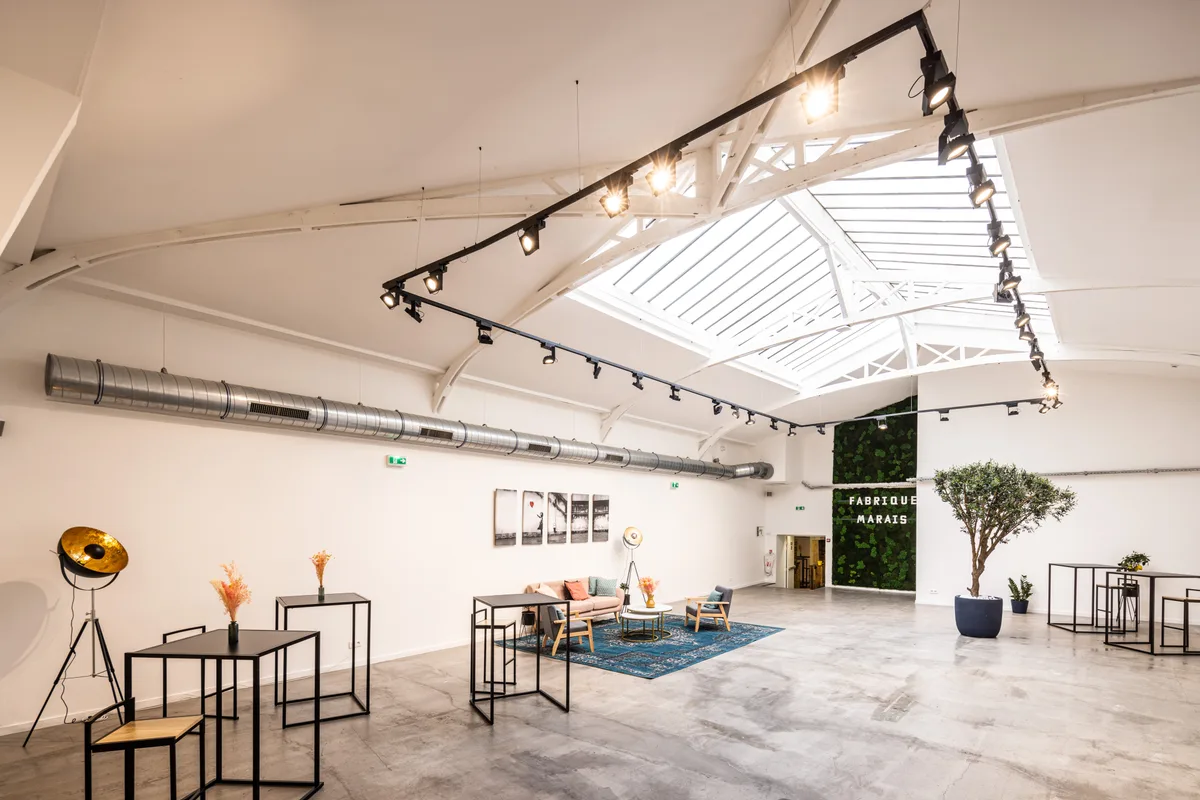
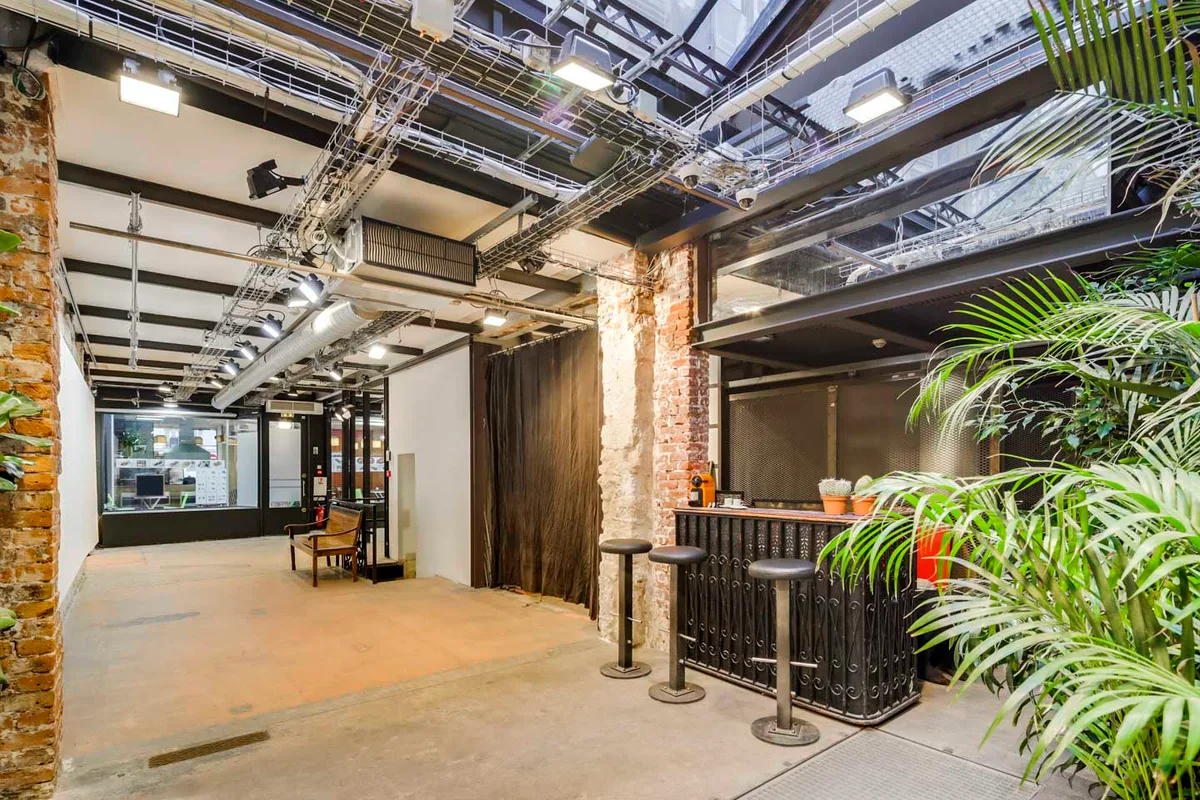
Lighting quality is critical for both the retail experience and content production. Natural light from large windows is highly desirable for photo and video production but needs to be manageable and controllable for retail display purposes. Existing track lighting and spotlight infrastructure reduces fit-out costs and setup time. Polished concrete floors, raw concrete floors, white walls, and wood-panelled walls each create different aesthetic environments that suit different brand aesthetics and need to be assessed against the intended brand experience.
Electrical capacity is a non-negotiable technical factor for spaces that require POS systems, lighting rigs, AV equipment, refrigeration for beauty products, or high-consumption installations. Always confirm the available amperage and the location of distribution boards before finalising the fit-out design. Temporary electrical works in Paris require compliance with French electrical installation standards, and any work requiring permits must be completed by a certified electrician.
TIP: When viewing a potential space, bring your fit-out production manager or a technical consultant alongside your creative and brand team. The creative team will assess the aesthetic potential; the production manager will identify the practical constraints. Decisions made without both perspectives frequently result in fit-out complications and additional costs.
Internet connectivity and mobile signal strength should be confirmed before signing, particularly if the activation relies on social media posting, live streaming, digital POS systems, or any connected technology. This is particularly relevant for spaces in basement levels or interior courtyards where signal can be significantly weaker than at street level.
KEY TAKEAWAY: The most commercially successful pop-ups in Paris are those where the physical space characteristics and the brand activation concept are in alignment from the outset. Evaluate spaces against both aesthetic and functional criteria before signing, and do not allow either dimension to override the other in the decision-making process.
Common Myths About Hiring Retail Space Near the Arc de Triomphe
MYTH: You need a French legal entity to rent a space near the Arc de Triomphe in Paris.
FACT: International brands without a French company registration can rent temporary retail space in Paris, including near the Arc de Triomphe, by working with a specialist agency or using appropriate lease structures. A bail dérogatoire can in principle be entered into by a foreign legal entity, and many specialist agencies facilitate space access for international brands by acting as an intermediary or by advising on the appropriate local entity or representative arrangements. The precise requirements depend on the landlord, the space, and the agreement structure. Always verify with a qualified French legal and commercial advisor.
MYTH: Paris Fashion Week is the only viable calendar window for a pop-up or showroom near the Arc de Triomphe.
FACT: The Arc de Triomphe district and the Champs-Elysées deliver strong commercial performance year-round. Summer tourist volumes peak from June through August. The Christmas and holiday period in November and December brings high consumer spending and significant footfall. Spring activations in April and May benefit from a mix of local consumer and early tourist traffic. Fashion Week is the highest-profile and highest-demand window, but it is not the only window that delivers strong results for brands willing to plan appropriately for each seasonal moment.
MYTH: Commission brokers are the only way to find premium retail space near the Arc de Triomphe.
FACT: While traditional commercial real estate brokers do operate in the Paris temporary retail market, specialist pop-up agencies and curated marketplaces like Fashion Week Venues provide access to a wide range of premium spaces with transparent terms, structured support, and the benefit of a managed process rather than a purely transactional introduction. For brands seeking to activate quickly or for the first time in Paris, a full-service agency frequently offers better outcomes than a broker arrangement, since the agency's role extends from space identification through campaign execution and reporting.
MYTH: Short-term leases in Paris are legally straightforward and do not require specialist help.
FACT: Short-term commercial leases in France, including bail dérogatoire agreements, are governed by specific provisions of the French Commercial Code and require precise drafting to be legally valid and enforceable. Errors in the documentation, including failure to explicitly exclude the statutory nine-year commercial lease protections, can result in the tenant inadvertently acquiring statutory tenant rights, which significantly complicates the landlord's ability to recover the premises at the end of the agreed term. Independent legal review from a qualified French commercial property lawyer is not optional; it is a standard and necessary part of the process.
MYTH: All pop-up stores near the Arc de Triomphe are street-level units on the Champs-Elysées itself.
FACT: The inventory of available spaces near the Arc de Triomphe includes a wide range of formats across multiple streets and building types in the surrounding arrondissement. Upper-floor showrooms in Haussmannian buildings, gallery spaces in courtyard buildings, hotel particulier venues, and concept studios are all available within the broader catchment and frequently offer a more distinctive and brand-appropriate environment than a standard street-level retail unit on the Champs-Elysées itself.
Frequently Asked Questions
Why rent a retail space near the Arc de Triomphe in Paris?
The area surrounding the Arc de Triomphe in the 8th arrondissement represents one of the highest-footfall and most internationally recognised retail addresses in the world. Brands that activate here benefit from association with the luxury and fashion houses of the Golden Triangle, from the enormous daily visitor volumes on the Champs-Elysées, and from the media attention the district generates during Paris Fashion Week and major seasonal moments. For brands seeking to signal premium positioning, enter the French market, or generate international press coverage, this district offers unmatched strategic value. The combination of local Parisian consumers and a massive international tourist audience makes it one of the few locations in the world where a single activation can address both simultaneously.
What is the minimum rental period for temporary retail space near the Champs-Elysées?
Minimum rental periods for temporary retail spaces near the Champs-Elysées vary by space, landlord, and format. Some spaces are available for as little as a few days, particularly during Fashion Week when short-term demand is intense and landlords have adapted their offering to accommodate brief activations. More typical minimum terms for pop-up shops and showrooms in the 8th arrondissement range from one week to one month. Hotel particulier venues and prestige showrooms may have minimum periods of two weeks or more. The specific minimum term for any given space should be confirmed directly with the landlord or through your agency. Availability windows can change rapidly, particularly for premium addresses, making early enquiry important.
Do I need a permit to run a pop-up shop near the Arc de Triomphe?
For an entirely indoor pop-up shop operating within a private commercial premises, a specific public authority permit beyond the lease agreement is not typically required, though the lease itself must be structured as a valid bail dérogatoire or equivalent instrument. If your activation includes outdoor elements such as pavement displays, exterior signage, or any use of public space, an Autorisation d'Occupation Temporaire (AOT) from the Mairie de Paris or the relevant arrondissement authority will likely be required. Signage regulations in architecturally protected areas near the Champs-Elysées and Arc de Triomphe are strict. Always verify your specific requirements with a French legal advisor and use available permit guidance tools before finalising your activation plans.
Can I rent space near the Arc de Triomphe for a showroom or event rather than a retail pop-up?
Yes. Many of the spaces available in the 8th arrondissement near the Arc de Triomphe are regularly used for trade showrooms, press events, private brand experiences, product launches, and invitation-only brand activations rather than direct-to-consumer retail. Haussmannian apartments, gallery spaces, and hotel particulier venues are particularly well-suited to showroom and event use, offering distinctive architectural environments that complement a brand's narrative and positioning. The permitted use of the space must be explicitly agreed in the lease documentation, so brands should clearly define their intended use at the outset of negotiations.
How much foot traffic does the Champs-Elysées receive?
The Avenue des Champs-Elysées is one of the most visited streets in the world and receives an estimated three hundred thousand visitors per day according to widely cited tourism and retail studies. This figure reflects a combination of Parisian residents, domestic tourists, and a very high proportion of international visitors, particularly from the Americas, Asia, the Middle East, and other European countries. Foot traffic is highest during the summer tourist season and during major calendar events including Paris Fashion Week, the Christmas holiday period, and French national holidays. The precise footfall at any specific location on or near the Champs-Elysées varies significantly based on proximity to Metro exits, major retail anchors, and tourist attractions.
What types of brands typically activate near the Arc de Triomphe?
The Arc de Triomphe district attracts the full spectrum of luxury and premium brand categories. Established fashion houses including major French, Italian, American, and British maisons use the Golden Triangle and Champs-Elysées for flagship activations, press showrooms, and collection launch events. International brands entering the French market frequently choose this area for their first Paris pop-up to leverage the prestige of the address. Beauty, fragrance, jewellery, timepiece, automotive, and lifestyle brands also activate regularly in this district. Emerging brands with strong social media presence and a clear luxury positioning ambition use spaces near the Arc de Triomphe to generate the brand association and editorial coverage that accelerates market positioning in the French and international markets.
What are the most sought-after locations within the broader Arc de Triomphe catchment?
Within the broader catchment of the Arc de Triomphe and 8th arrondissement, the most sought-after locations for retail and showroom activations include the Avenue des Champs-Elysées itself, Avenue Montaigne, Avenue George V, Rue du Faubourg Saint-Honoré, and the streets connecting these major arteries. Place de la Concorde and Rue de Rivoli offer access points from the east toward the 1st arrondissement and Place Vendôme. Specific addresses within Haussmannian buildings on the secondary streets between these major avenues frequently offer better value and greater character than primary-frontage units while still benefiting from the prestige of the 8th arrondissement address. Rue Royale, which connects Place de la Madeleine to Place de la Concorde, is another address associated with premium retail and gastronomy that attracts a high-quality clientele.
Is the Arc de Triomphe district suitable for international brands with no prior presence in Paris?
Yes, and it is frequently chosen precisely for this reason. International brands entering the Paris market for the first time often select the Arc de Triomphe district or the Champs-Elysées to establish an immediate luxury positioning in the French market. The district's international audience composition means that a brand without prior French market presence can still generate strong visitor numbers and press interest by leveraging the prestige of the address and the existing foot traffic. International brands should plan for the specific compliance requirements of operating in France, including lease documentation, employment law for temporary staff, tax registration, and potentially customs requirements for imported stock, all of which benefit from specialist local advice.
What is the difference between a pop-up shop and a showroom activation near the Arc de Triomphe?
A pop-up shop is primarily a direct-to-consumer retail format where the space is open to the public, products are available for purchase, and the commercial goal includes generating sales revenue alongside brand awareness. A showroom activation is typically an invitation-only or trade-facing format where the space hosts press appointments, buyer meetings, and brand presentations rather than open retail sales. Many brands run hybrid formats that combine elements of both, particularly during Fashion Week, when a space might operate as a trade showroom during morning and afternoon appointments and as a consumer-facing pop-up store or event space during evening hours. The choice between formats should be driven by the brand's primary objective for the Paris activation.
What space features should I prioritise when searching for a retail space near the Arc de Triomphe?
Key space features to prioritise include street-level access and frontage for maximum visibility and footfall, natural light quality for both the retail experience and content production, ceiling height for display and installation flexibility, electrical capacity for lighting and technology requirements, and floor surface type appropriate to the intended retail or event aesthetic. For showroom formats, the character of the interior architecture, whether a Haussmannian apartment with parquet floors and high ceilings, a gallery with polished concrete and white walls, or a hotel particulier with exceptional heritage detail, should closely match the brand's visual identity and positioning. Practical factors including delivery access, toilet facilities, and broadband connectivity should also be confirmed during the viewing stage.
How far in advance should I start searching for a pop-up space near the Arc de Triomphe for Paris Fashion Week?
For Fashion Week activations in the Arc de Triomphe district and 8th arrondissement, starting your space search eight to twelve weeks before the target opening date is the minimum recommended lead time. For exceptional spaces including hotel particulier venues, prestige showrooms, and large-format street-level units on the Champs-Elysées, four to six months of lead time is more appropriate, particularly for the September and October ready-to-wear season when demand from multiple major fashion houses and international brands peaks simultaneously. Brands that begin their search earlier consistently have access to a wider and higher-quality inventory of available spaces, while those that approach the market within three or four weeks of Fashion Week frequently find that the most desirable addresses are already committed.
Can I run a pop-up store in Le Marais or Saint-Germain alongside a flagship near the Arc de Triomphe?
Yes, and this dual or twin activation strategy is increasingly common among brands seeking to address multiple audience segments within a single Paris campaign period. A flagship presence near the Arc de Triomphe addresses international tourists, luxury consumers, and fashion press, while a simultaneous activation in Le Marais or Saint-Germain-des-Prés reaches a younger or more creatively-oriented Parisian consumer base and the independent fashion community. Running two spaces simultaneously requires more operational resource, a larger budget, and more coordination, but it significantly amplifies the brand's total Paris presence and the range of media and influencer coverage the campaign can generate. The twin co-activation model is designed specifically to support this type of multi-location strategy.
Are there restrictions on the types of products or activities permitted in temporary retail spaces near the Arc de Triomphe?
The permitted use of any temporary retail space is defined in the lease agreement and must comply with French commercial and planning regulations applicable to the specific premises. Most spaces in the 8th arrondissement are commercially zoned and allow a wide range of retail and event activities, but specific restrictions may apply to food service, alcohol service, public performance, external amplified sound, or certain types of outdoor display. Building-level restrictions may also apply in architecturally protected structures. Brands planning any activity beyond standard fashion retail should confirm permitted use explicitly in the lease documentation and seek advice from a French legal advisor if any aspect of the intended use is novel or potentially restricted.
What is the role of an account manager or agency team in managing a Paris pop-up activation?
An agency account manager or dedicated project manager serves as the primary point of coordination between the brand team and all the third-party suppliers, landlords, legal advisors, production contractors, staffing agencies, and logistics providers involved in a Paris activation. For international brands operating a Paris pop-up for the first time, having a dedicated local agency contact who understands French market norms, regulatory requirements, and the practical dynamics of activating in the 8th arrondissement significantly reduces the risk of avoidable delays, cost overruns, and compliance issues. The agency team translates the brand's brief into a deliverable project plan, manages supplier relationships, and provides real-time support during the live activation period.
What happens to the space after the pop-up activation ends?
At the end of a temporary retail lease, brands are typically required to reinstate the space to the condition specified in the lease agreement, which may mean returning it to the condition in which it was received at the start of the hire period. This reinstatement obligation covers removal of all branded fit-out, graphics, furniture, and equipment, repair of any damage to walls, floors, or ceilings, and cleaning of the premises. The reinstatement scope should be clearly defined in the lease before signing to avoid disputes about the extent of the brand's obligations at the end of the term. Build-out teams experienced in temporary retail activations plan reinstatement logistics as part of the initial fit-out design, selecting materials and installation methods that allow for clean, low-damage removal.
Conclusion: From Research to Activation Near the Arc de Triomphe
Hiring retail space near the Arc de Triomphe in Paris is one of the most commercially powerful decisions a brand can make in its physical retail strategy. The combination of international footfall on the Avenue des Champs-Elysées, luxury brand adjacency in the Golden Triangle, architectural distinction in the Haussmannian apartment and hotel particulier inventory, and the concentrated media attention of Paris Fashion Week creates an activation environment that is genuinely unmatched. The strategic case is strong, but the execution demands careful planning across space selection, legal structuring, fit-out logistics, staffing, and campaign management.
The key decisions your team needs to resolve before committing to a space near the Arc de Triomphe are these: which space type best serves your campaign objective, which calendar window delivers the audience composition your brand needs, what total budget is required across all cost categories, how your legal and lease documentation will be structured under French commercial law, and whether your team has the in-market expertise and operational capacity to deliver the activation to the standard the address demands. Each of these decisions has been addressed in detail throughout this guide.
For brands that want to move forward with confidence, Fashion Week Venues provides the combination of curated space access, full-service agency support, and practical planning tools that make a Paris activation achievable regardless of whether your team has operated in France before. The process begins with a clear brief and a realistic timeline. To move from research to activation, start exploring available spaces on the Fashion Week Venues marketplace and build a focused brief for your target neighbourhood, space type, and calendar window.