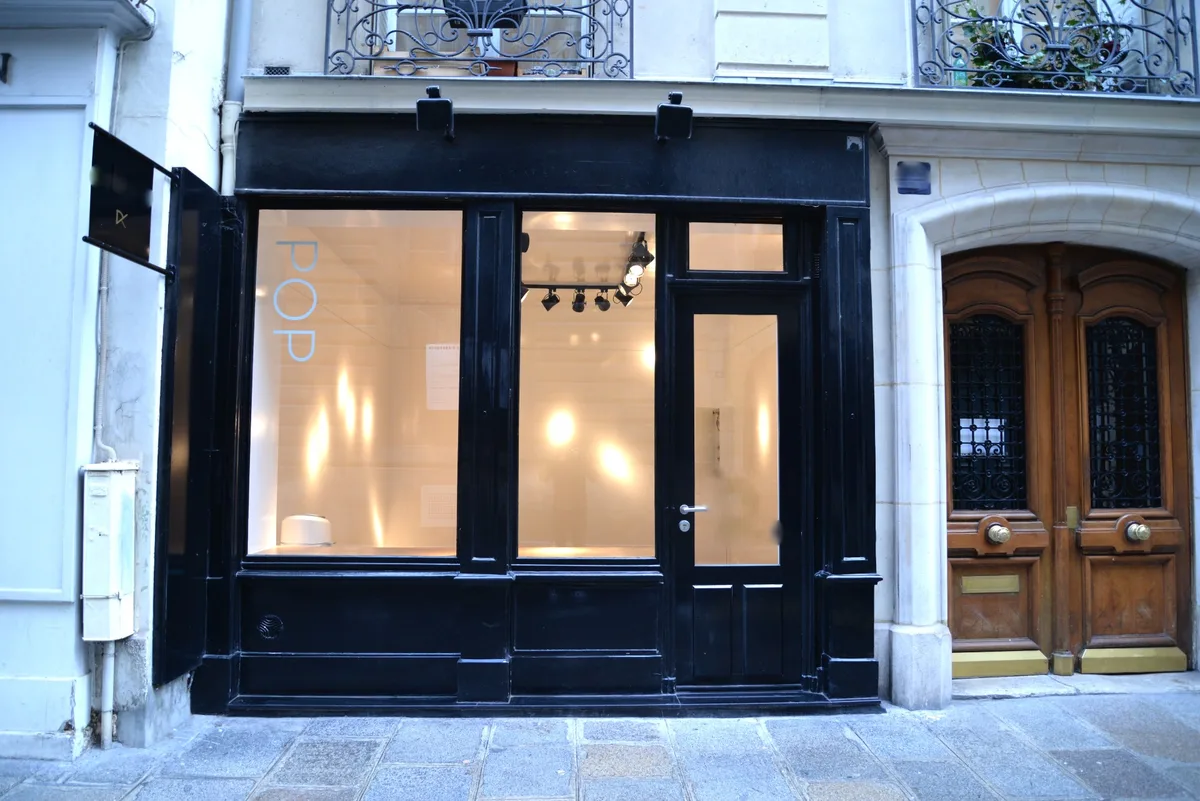
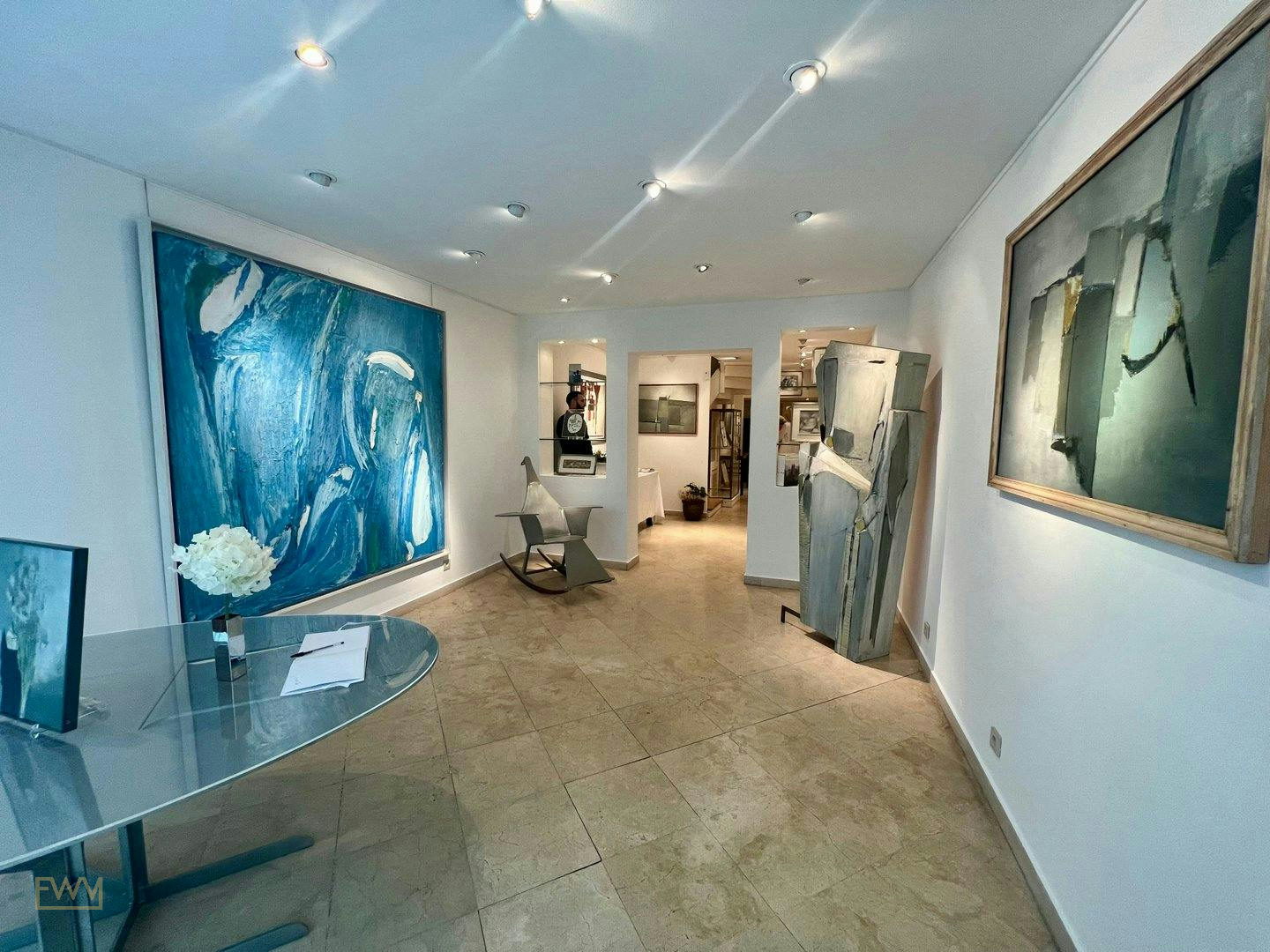
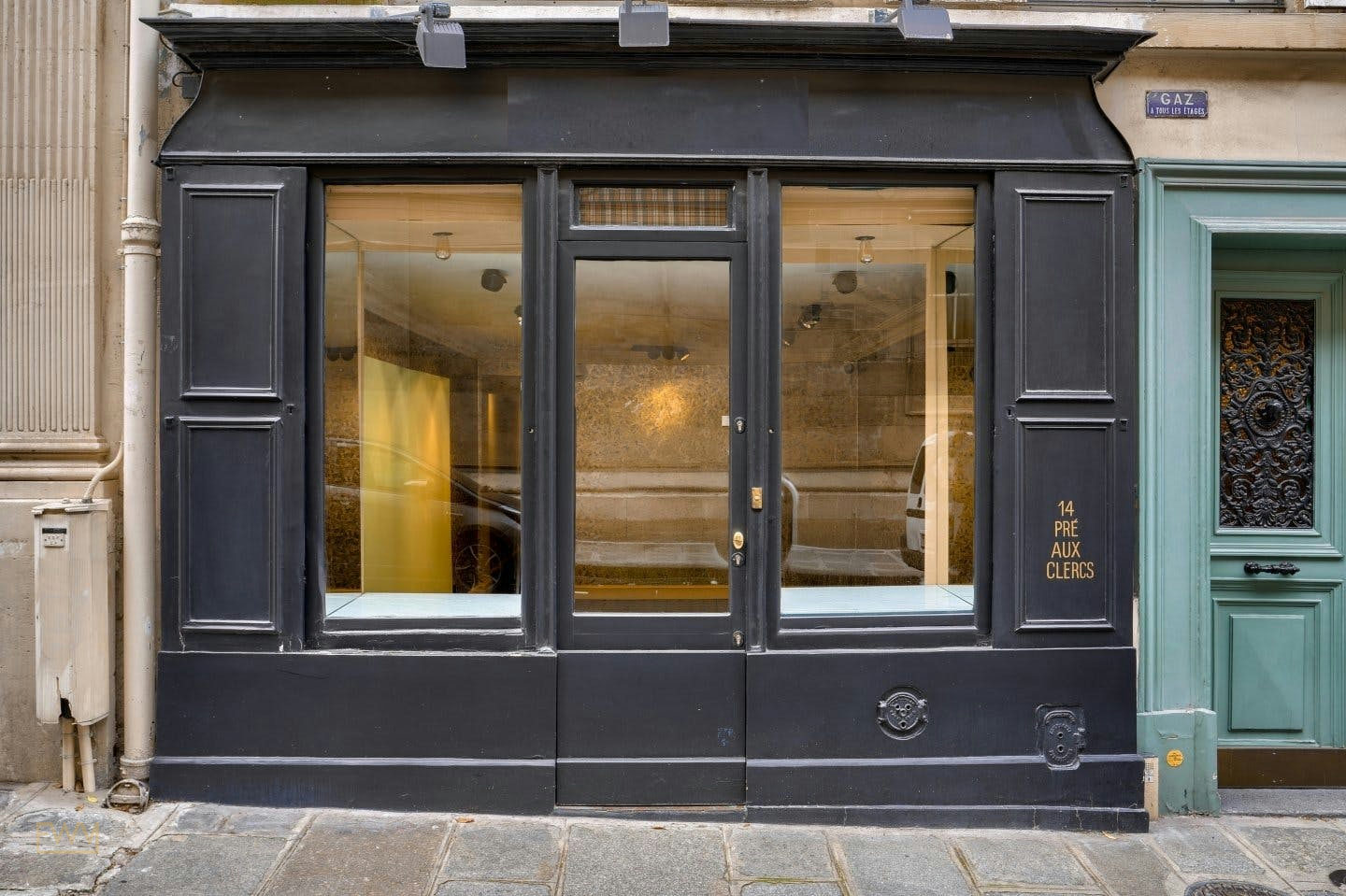
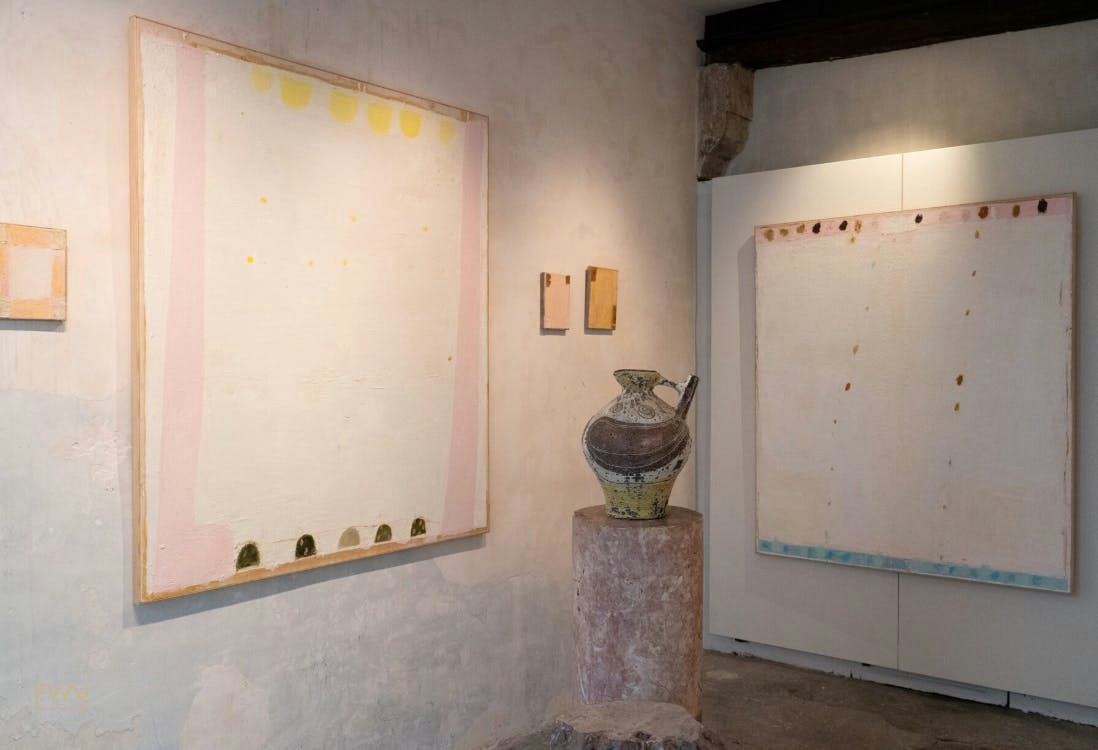
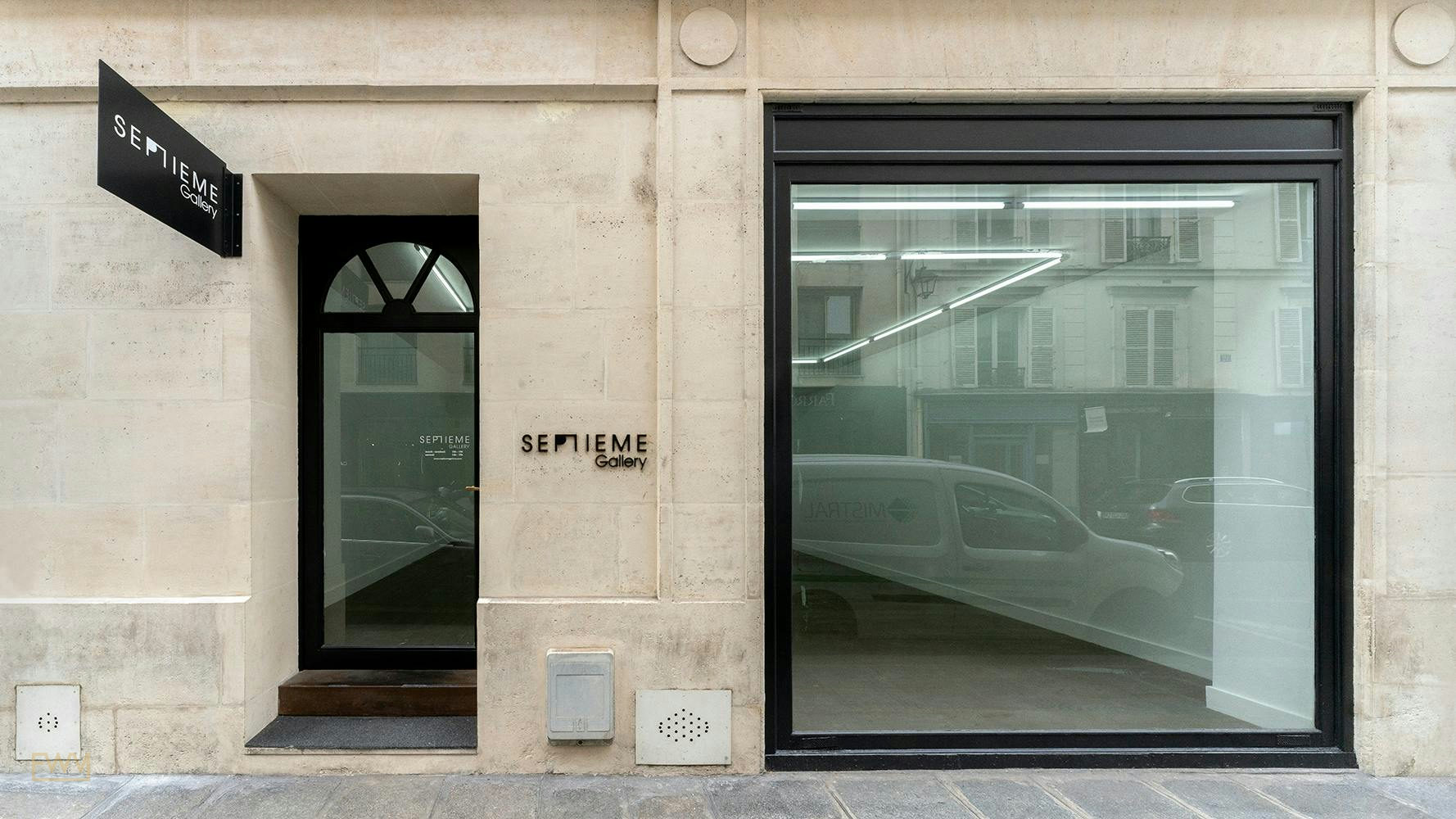
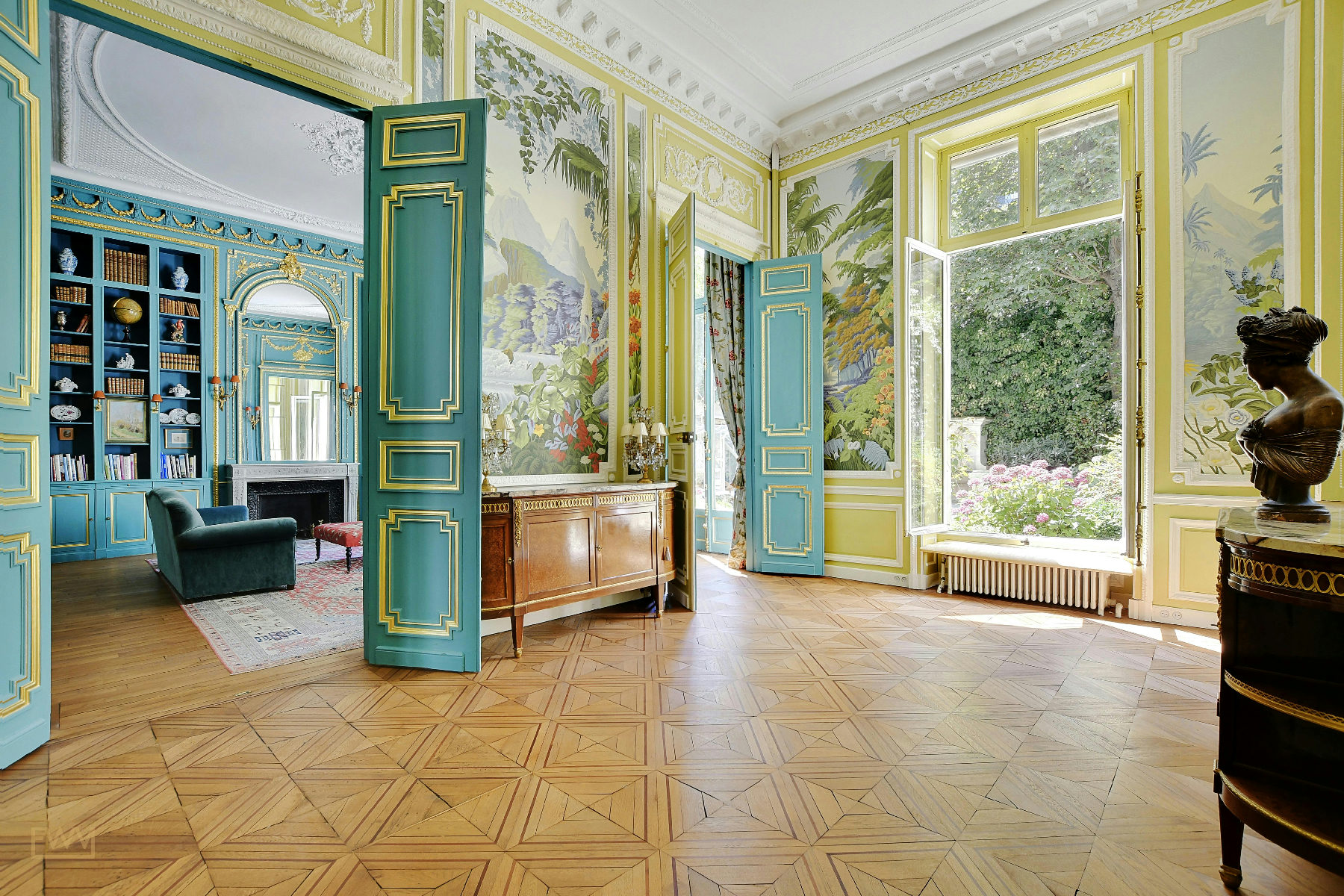
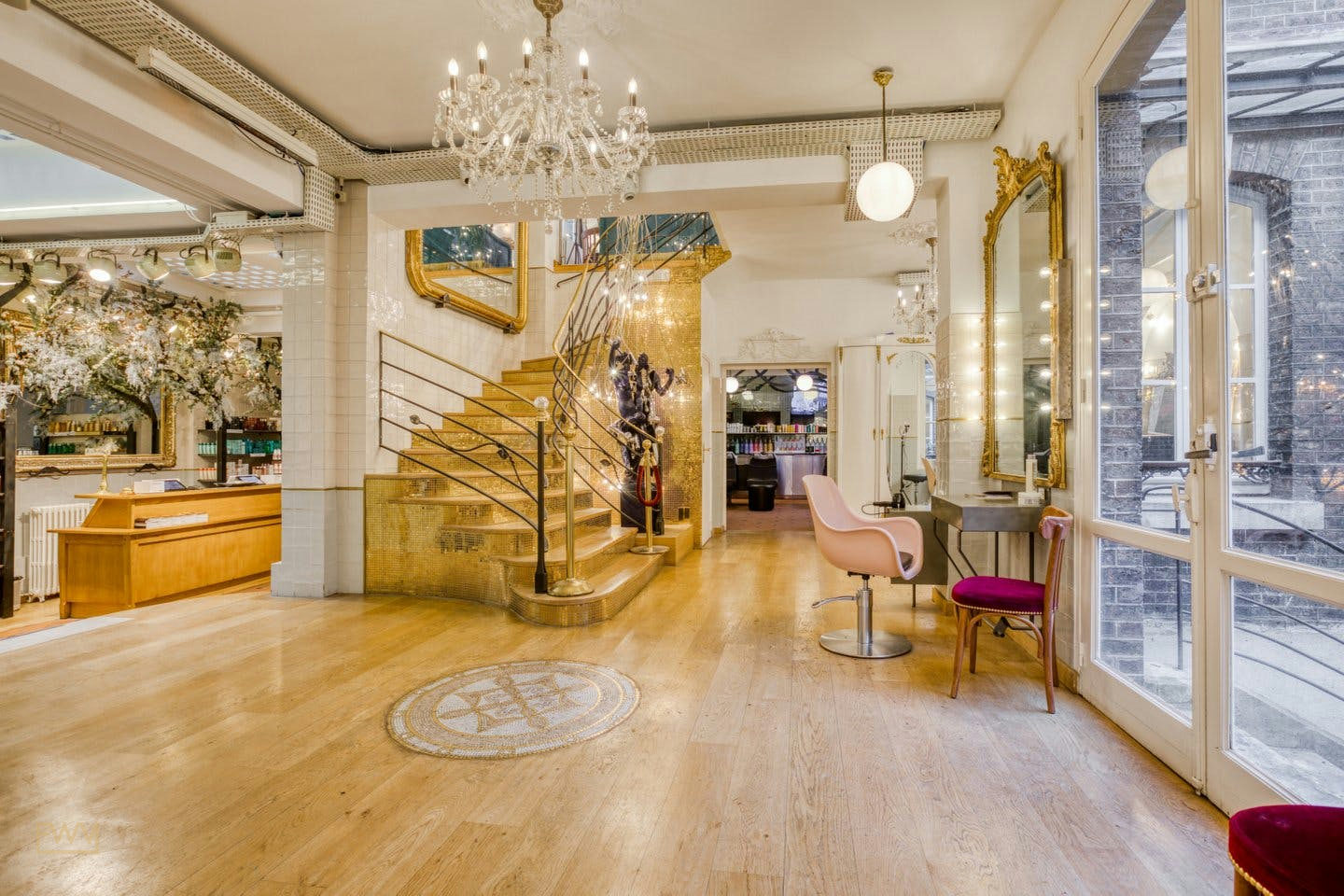
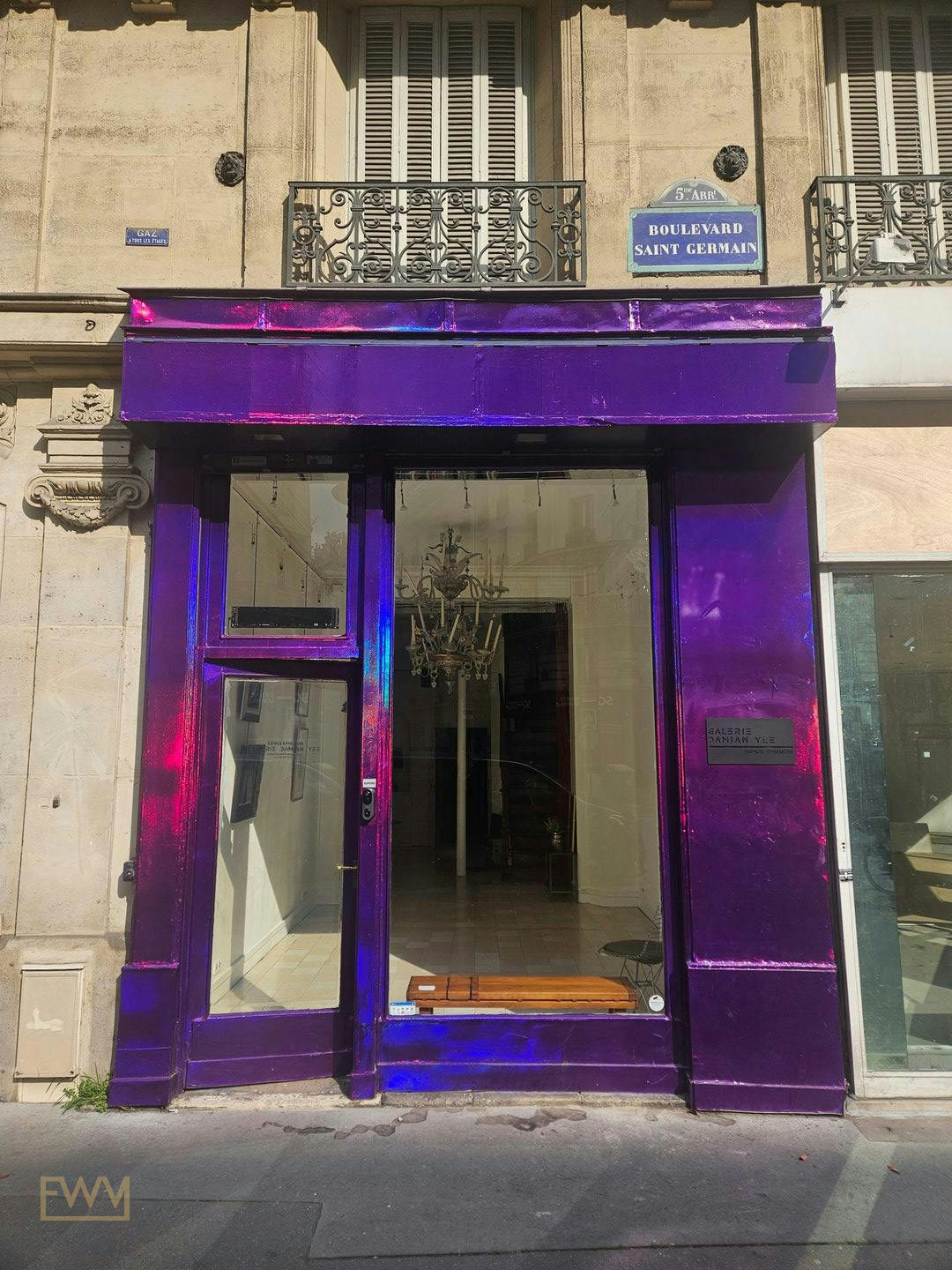
To rent a pop up shop in the 2nd arrondissement Paris is to position your brand at the intersection of historic commerce and contemporary retail energy. The 2nd arrondissement, anchored by the Montorgueil corridor and the Sentier garment district, draws a mix of established fashion buyers, independent retailers, and digitally native brands seeking real-world presence. Fashion Week Venues supports brands activating across all key Paris neighbourhoods, with dedicated expertise in sourcing, producing, and managing temporary retail spaces from brief to closing day. This guide covers everything a brand team needs to know: why the 2nd arrondissement works, how to find and rent the right space, what the regulations require, how to budget realistically, and how to make the most of the calendar.
Why the 2nd Arrondissement Is a Strategic Choice for Pop-Up Retail in Paris
The 2nd arrondissement occupies a compact but commercially powerful position in central Paris, bordered by the 1st to the west, the 3rd and 4th to the east, and the 9th and 10th to the north. Its reputation as a destination for temporary retail, fashion showrooms, and creative brand activations has grown steadily as the Sentier area transformed from a wholesale garment hub into one of the city's most dynamic mixed-use neighbourhoods.
The Montorgueil and Sentier Effect
Rue Montorgueil is one of Paris's most photographed pedestrian streets, well-known for its covered market character, food culture, and consistent daily foot traffic from both residents and tourists. The energy spills into the surrounding streets, making the broader Montorgueil catchment area highly attractive for concept stores, boutique éphémère formats, and product launches that benefit from organic discovery. Nearby, Espace Sentier captures a different but complementary audience: buyers, press, and industry professionals who move through the district during showroom seasons and who bring genuine purchasing and editorial influence.
Rue d'Aboukir, which cuts east to west through the 2nd, has emerged as a reliable address for creative and fashion-adjacent pop-ups. The street combines accessible rents relative to the 1st arrondissement with a visual character that suits brands wanting a Parisian aesthetic without the premium pricing of Rue Saint-Honoré or Place Vendôme. Short-term retail spaces along Rue d'Aboukir and its connecting streets tend to offer raw loft formats, galerie-style layouts, and former ateliers that provide photogenic backdrops for both retail and content creation.
Proximity to Major Retail and Cultural Landmarks
The 2nd arrondissement sits within easy walking or cycling distance of several landmarks that consistently concentrate consumer attention. The Palais Royal and the Louvre anchor the southwest, drawing a high volume of international visitors who frequently browse into the connected retail streets. The Jardin des Tuileries and Rue de Rivoli form the southern boundary of the 1st arrondissement, and brands activating in the 2nd benefit from the overflow of that cultural and retail gravitational pull.
The Chatelet area, straddling the 1st and 4th arrondissements, is a high-footfall transit hub that funnels shoppers northward into the 2nd. For brands targeting a broad urban consumer rather than a luxury-positioned client, this adjacency is commercially valuable. By contrast, a brand wanting proximity to Place Vendôme luxury positioning can base a showroom in the 2nd and remain credibly close to that axis while operating at more accessible rental rates.
The Fashion Industry Calendar Relevance
The 2nd arrondissement is historically embedded in the Paris fashion industry calendar. During Paris Fashion Week, which takes place twice annually in late February or early March for women's ready-to-wear and in September or October for spring collections, the Sentier district functions as an auxiliary showroom hub. Brands that cannot secure space on Rue du Faubourg Saint-Honoré or in the Marais often find that the 2nd offers equivalent access to press and buyers with greater flexibility and lower short-term lease premiums.
Beyond Fashion Week, the district is commercially active during Paris Design Week, FIAC, and the broader September-October cultural season. These calendar windows compress demand for temporary retail spaces significantly, and brands that plan nine to twelve months in advance typically access better spaces at more competitive terms than those who approach the market with four to six weeks of lead time.
KEY TAKEAWAY: The 2nd arrondissement combines accessible short-term rental costs, genuine fashion-industry adjacency, strong daily foot traffic on Montorgueil, and creative space formats that suit both product launches and showroom activations. It is one of the most versatile arrondissements for temporary retail in Paris.
Understanding why the 2nd arrondissement works is the starting point. The next practical question is how to navigate the broader Paris pop-up landscape and what space types are actually available to a brand team approaching the city for the first time.
Paris Pop-Up Store Market: What Brands Need to Know Before They Start
Quick answer: Paris has a well-developed short-term retail market with space types ranging from boutique storefronts and loft ateliers to galerie formats, showrooms, and concept stores. Spaces are available across all arrondissements, with the 1st, 2nd, 3rd, 4th, and 8th commanding the highest demand during Fashion Week and major cultural calendar moments.
Paris is one of the most mature markets in the world for temporary retail and pop-up store activations. The city's built environment includes a significant stock of former ateliers, covered passages, galerie formats, and ground-floor retail units that landlords and space operators make available on short-term terms. This stock ranges from intimate boutique formats of 30 to 60 square metres to warehouse-scale espace créatif venues that can accommodate installations, showrooms, and retail simultaneously.
Space Types Available in Paris
The vocabulary of Paris pop-up spaces is specific, and understanding it helps a brand brief accurately. A boutique éphémère is a temporary retail unit, usually street-facing, with existing shopfitting or a raw shell suitable for branded fit-out. A galerie format typically refers to a white-box or heritage-interior space with gallery-quality lighting and floor finishes, used for both art exhibitions and product presentations. An espace créatif is a broader category covering creative studio and production spaces that have been adapted for temporary retail, events, and content creation including photo shooting and filming.
Showroom spaces in Paris range from apartment-style rooms in Haussmann buildings to purpose-fitted trade showroom formats in the Sentier district. These tend to be booked for three to ten days during buyers' week or press preview windows. For brands that need to run retail and showroom functions simultaneously, larger loft formats in the 2nd, 3rd, and 10th arrondissements offer the floor area to accommodate both functions across separate zones.
Other relevant formats include café-restaurant spaces used for product launches and cocktail parties, fitness club formats adapted for wellness and beauty brand activations, and studio photo moderne spaces designed for content creation with optional retail functionality. The diversity of the Paris space stock means that a brand can find a space that serves multiple objectives simultaneously, reducing the per-activation cost of presence in the city.
How the Paris Short-Term Rental Market Operates
Short-term retail spaces in Paris operate under a range of legal arrangements. The most common for temporary retail is the convention d'occupation précaire or contrat précaire, which provides a flexible, legally light framework for short-term occupation of a space without conferring the tenant protections of a full commercial lease. Alternatively, some spaces operate under a bail dérogatoire, a short-term commercial lease derogating from standard bail commercial protections, which can run for up to three years but is typically used for periods of one to twelve months. Brands renting for a few days to a few weeks typically operate under a convention d'occupation or a simple location agreement rather than any form of bail commercial.
The distinction matters because it affects insurance obligations, liability terms, and what modifications a brand can make to the space. It also determines what documentation the landlord or space operator requires from the brand before completion. For international brands without a French legal entity, the requirements vary by space operator and space type. Some operators accept foreign entity contracts directly; others require a French guarantor or a local subsidiary.
DID YOU KNOW: The Paris Chamber of Commerce and Industry (CCI Paris Ile-de-France) publishes guidance on short-term commercial occupation that is relevant to brands navigating the French regulatory framework for the first time.
For brands that want to understand their permit obligations before committing to a space, the permit guidance tool from Fashion Week Venues provides a structured overview of what to expect depending on space type, duration, and intended use.
KEY TAKEAWAY: Paris offers an exceptionally diverse stock of short-term retail and event spaces. Understanding the legal framework and space vocabulary before approaching the market enables a brand to move faster and negotiate more effectively when the right space becomes available.
With the market context established, the next section addresses the specific neighbourhoods a brand should consider when planning a Paris pop-up, including how the 2nd arrondissement compares to adjacent districts and major alternatives.
Parisian Neighbourhoods for Pop-Up Retail: A Strategic Comparison
Quick answer: The most commercially active Paris neighbourhoods for pop-up retail are the Marais (3rd and 4th arrondissements), the 1st arrondissement around Palais Royal and Rue de Rivoli, the 8th arrondissement for luxury positioning, the 2nd arrondissement for fashion-industry and creative activations, and Saint-Germain-des-Prés in the 6th for lifestyle and culture-oriented brands.
Choosing the right neighbourhood is one of the most consequential decisions in a Paris pop-up strategy. The city's arrondissement structure means that brand positioning, target audience, rental cost, and foot traffic profile all vary significantly within a few hundred metres. The table below provides a working comparison of the major pop-up retail neighbourhoods.
| Neighbourhood | Arrondissement | Primary Audience | Best For | Relative Rental Level |
|---|---|---|---|---|
| Montorgueil / Sentier | 2nd | Urban, fashion-adjacent, industry professionals | Fashion showrooms, concept stores, creative activations | Mid-range |
| Le Marais | 3rd and 4th | International tourists, fashion consumers, art crowd | Boutique retail, brand activations, gallery formats | Mid to high |
| Palais Royal / Rue de Rivoli | 1st | International luxury shoppers, cultural visitors | Luxury launches, heritage brand activations | High |
| Saint-Honoré / Vendôme | 1st and 8th | High-net-worth luxury consumers, international press | Luxury retail, flagship-style pop-ups | Very high |
| Saint-Germain-des-Prés | 6th | Cultural consumers, Parisian professionals, lifestyle shoppers | Lifestyle brands, art-adjacent retail, beauty | High |
| Champs-Élysées | 8th | Mass international tourism, broad consumer market | High-visibility brand awareness activations | Very high |
Le Marais: The Benchmark for Pop-Up Culture in Paris
The Marais district, spanning the 3rd and 4th arrondissements, is the most recognised pop-up destination in Paris. The area around Rue de Bretagne, Rue Charlot, Rue Turenne, and Place des Vosges offers a dense concentration of boutique retail, galerie formats, and event spaces including well-known venues like Galerie Turenne, Galerie Joseph, and a range of Turenne Boutique and Galerie d'exception formats that attract both fashion press and consumer traffic. The Picasso Museum nearby draws a culturally engaged audience that overlaps well with premium lifestyle and fashion brands.
The Marais is also home to Le Marais District's established network of multi-brand concept stores and independent boutiques that create a retail cluster effect, meaning that foot traffic for one brand benefits all neighbouring activations. However, this popularity comes with compressed availability during Fashion Week and elevated short-term rental premiums relative to the 2nd arrondissement.
Rue de Rivoli and Palais Royal: Prestige Proximity
Rue de Rivoli runs along the northern edge of the Jardin des Tuileries and connects directly to the Louvre complex and the Palais Royal gardens. Brands renting spaces along this axis benefit from extremely high tourist footfall and the prestige association with one of Paris's most photographed corridors. The Palais Royal courtyard itself occasionally hosts curated temporary retail and art installations, making the surrounding streets highly competitive for short-term space during major calendar moments.
Saint-Honoré and Place Vendôme: The Luxury Axis
For brands seeking positioning within Paris's established luxury geography, Rue du Faubourg Saint-Honoré and Place Vendôme remain the benchmark. Spaces here command significant premiums and are typically secured through specialist intermediaries with established landlord relationships. The audience is precisely defined: affluent international consumers, jewellery buyers, fashion press, and VIP clientele for whom address is itself a brand signal. This axis is less relevant for emerging brands or those primarily targeting editorial coverage over direct retail revenue.
The 2nd Arrondissement Advantage for Fashion Brands
For fashion brands, creative agencies, and beauty brands that want Paris presence without the highest rental tiers, the 2nd arrondissement offers a compelling combination of industry access, creative space formats, and mid-range pricing. The Espace Sentier network and the Montorgueil corridor give a brand access to both trade and consumer audiences within the same activation. The district's loft and atelier stock is particularly suited to photo shooting, filming, product presentation, and hybrid showroom-retail formats that serve multiple objectives in a single tenancy.
To compare neighbourhoods and space types in more detail, explore the Paris city hub on Fashion Week Venues and shortlist spaces that match your brief, budget, and calendar window.
KEY TAKEAWAY: Each Paris neighbourhood serves a different brand positioning and audience profile. The 2nd arrondissement stands out for fashion-industry adjacency, creative space formats, and accessible pricing, making it a pragmatic choice for brands that want genuine Paris presence without the highest rental premiums of the 1st and 8th arrondissements.
How to Rent a Pop-Up Shop in the 2nd Arrondissement Paris: Step-by-Step
Quick answer: Renting a pop-up shop in the 2nd arrondissement Paris involves defining your brief, establishing your budget and calendar window, sourcing and shortlisting spaces, completing due diligence on the space and the operator, negotiating and signing a short-term occupancy agreement, managing the fit-out and operational setup, and finally closing the activation with data capture and post-activation analysis.
The process of renting a pop-up space in Paris is more structured than many international brands expect. Working through each stage systematically reduces the risk of last-minute complications, permit issues, or costly fit-out surprises. The table below outlines the standard workflow.
| Stage | Action | Lead Time Required | Key Consideration |
|---|---|---|---|
| 1. Brief definition | Define space size, format, duration, objectives, and target audience | 12+ weeks before activation | Be specific about intended use: retail, showroom, events, content creation |
| 2. Budget framework | Establish total budget including rent, fit-out, staffing, permits, and marketing | 12 weeks before | Rent is typically 30 to 50 percent of total activation cost |
| 3. Space sourcing | Browse listings, contact operators, and request viewings | 10 to 12 weeks before | Spaces in the 2nd book out fast during Fashion Week windows |
| 4. Due diligence | Verify space condition, utilities, permits, and landlord credentials | 8 to 10 weeks before | Confirm what modifications are permitted and what must be restored |
| 5. Agreement completion | Sign short-term occupancy or bail dérogatoire agreement | 8 weeks before | Review insurance requirements and liability clauses carefully |
| 6. Fit-out and production | Design, source, and install all branded elements, furniture, and fixtures | 4 to 6 weeks before | Allow for French building permit requirements if structural changes are needed |
| 7. Operational setup | Hire temporary staff, set up POS and payments, arrange logistics and security | 2 to 4 weeks before | Temporary staff must comply with French labour regulations |
| 8. Launch and activation | Open the space, run marketing, engage customers, capture data | Activation period | Social media amplification and influencer engagement maximise reach |
| 9. Closing and review | Restore space, return keys, collect data, produce post-activation report | Within agreed handover window | Data analytics informs future activation decisions |
Defining Your Brief Before You Search
The brief is the single most important document a brand team produces before beginning a space search. It should specify the intended use of the space (retail, showroom, press preview, product launch, cocktail party, content creation, seminar, or a combination), the minimum and preferred floor area, the preferred neighbourhood within Paris, the activation dates, the setup and breakdown periods, the target audience, and the budget range for the space rental alone as distinct from the total activation budget.
Without a clear brief, space operators and agencies cannot provide relevant options, and brands often waste valuable lead time viewing spaces that are unsuitable for their actual requirements. A specific brief also strengthens a brand's negotiating position because it signals operational seriousness to landlords and space operators.
Budgeting Realistically for a 2nd Arrondissement Activation
Rental costs for short-term retail spaces in Paris vary significantly based on size, location, format, and timing. Spaces in the 2nd arrondissement are generally priced below equivalent formats in the 1st and 8th arrondissements, making them commercially attractive for brands that want Paris Fashion Week visibility without the highest rental tiers. Beyond the headline rental figure, brands must budget for fit-out and production, furniture rental, temporary staffing, POS and payments infrastructure, insurance, permit fees if applicable, marketing and social media support, and the restoration deposit or cost of reinstating the space after the activation.
For a tailored estimate aligned to your space requirements and calendar window, the budget estimation tool from Fashion Week Venues allows brands to build a realistic cost framework before approaching the market.
IMPORTANT: Rental figures quoted by space operators in Paris are often exclusive of charges such as utilities, building management fees, and security. Always confirm the all-inclusive cost before comparing spaces.
Navigating the Permit and Compliance Requirements
Temporary retail activations in Paris are subject to a range of regulatory requirements that vary by space type, intended use, location, and duration. The Autorisation d'Occupation Temporaire (AOT) is required for any brand using public space such as a pavement display, outdoor signage, or a space that extends onto public land. For interior-only retail activations in privately owned spaces, the AOT is not typically required, but planning regulations under the Code de l'urbanisme may apply if the brand intends to make structural modifications or install externally visible signage.
Urban planning rules in the 2nd arrondissement, as in all central Paris arrondissements, are administered by the Paris Mairie. Brands intending to install branded fascia, window vinyl, or outdoor advertising must verify the applicable rules with either the space operator or a French legal advisor before proceeding. Requirements vary by street, building classification, and the specific nature of the proposed installation.
Insurance is mandatory. The minimum requirement for most short-term retail tenancies in Paris is a responsabilité civile professionnelle (professional civil liability) policy that covers the brand's activities in the space and any damage caused to the property. Some space operators require the brand to extend their insurance to cover public liability for visitors to the activation.
KEY TAKEAWAY: The step-by-step rental process for a Paris pop-up is manageable when approached with adequate lead time. Brands that define their brief clearly, budget comprehensively, and address permit and compliance requirements early avoid the delays and cost overruns that affect under-prepared activations.
Space Types for Pop-Up Retail in the 2nd Arrondissement and Across Paris
Quick answer: The main space types available for short-term pop-up retail in Paris include boutique storefronts, galerie formats, loft ateliers, concept store formats, showroom spaces, espace créatif venues, studio photo moderne spaces, and hybrid formats combining retail with restaurant, gallery, or event functions. Each type suits different brand objectives and audience profiles.
The diversity of Paris's built environment is a genuine advantage for brands seeking temporary retail spaces. The city's stock of former ateliers, Haussmann ground floors, covered passage units, and purpose-adapted event venues gives brands a wide range of formats to consider, each with different operational characteristics.
| Space Type | Typical Size | Best Use Case | Common Arrondissements |
|---|---|---|---|
| Boutique storefront | 30 to 80 sqm | Direct retail, product launch, capsule collection | 2nd, 3rd, 4th, 6th, 8th |
| Galerie format | 80 to 200 sqm | Art exhibition, press preview, branded installation | 3rd, 4th, 6th, 7th |
| Loft atelier | 100 to 400 sqm | Showroom, multi-brand activation, photo shooting, filming | 2nd, 3rd, 10th, 11th |
| Espace créatif | 150 to 600 sqm | Large-format events, brand installations, seminars | 2nd, 10th, 11th, 18th |
| Showroom apartment | 50 to 150 sqm | Trade showroom, press appointments, VIP presentations | 1st, 2nd, 8th, 16th |
| Concept store format | 80 to 250 sqm | Retail combined with café, culture, or lifestyle content | 3rd, 4th, 6th, 9th |
| Studio photo moderne | 50 to 200 sqm | Content creation, photo shooting, filming, small events | 2nd, 3rd, 10th, 18th |
| Restaurant-appartement | 80 to 200 sqm | Cocktail party, brand dinner, press launch | 3rd, 4th, 6th, 7th |
Galerie and Art Gallery Formats in Paris
Paris has a rich tradition of galerie formats being repurposed for commercial brand activations. A galerie-librairie, for example, combines the visual aesthetic of a gallery with shelving and display infrastructure that suits book, beauty, or lifestyle product presentations. Galerie d'exception and similar designation formats in the Marais and the 6th arrondissement are used regularly by luxury and premium brands for press previews and VIP retail events. The galerie format communicates cultural credibility, which is particularly valuable for brands seeking editorial coverage in print and digital media with a Paris editorial perspective.
Loft and Atelier Formats in the 2nd Arrondissement
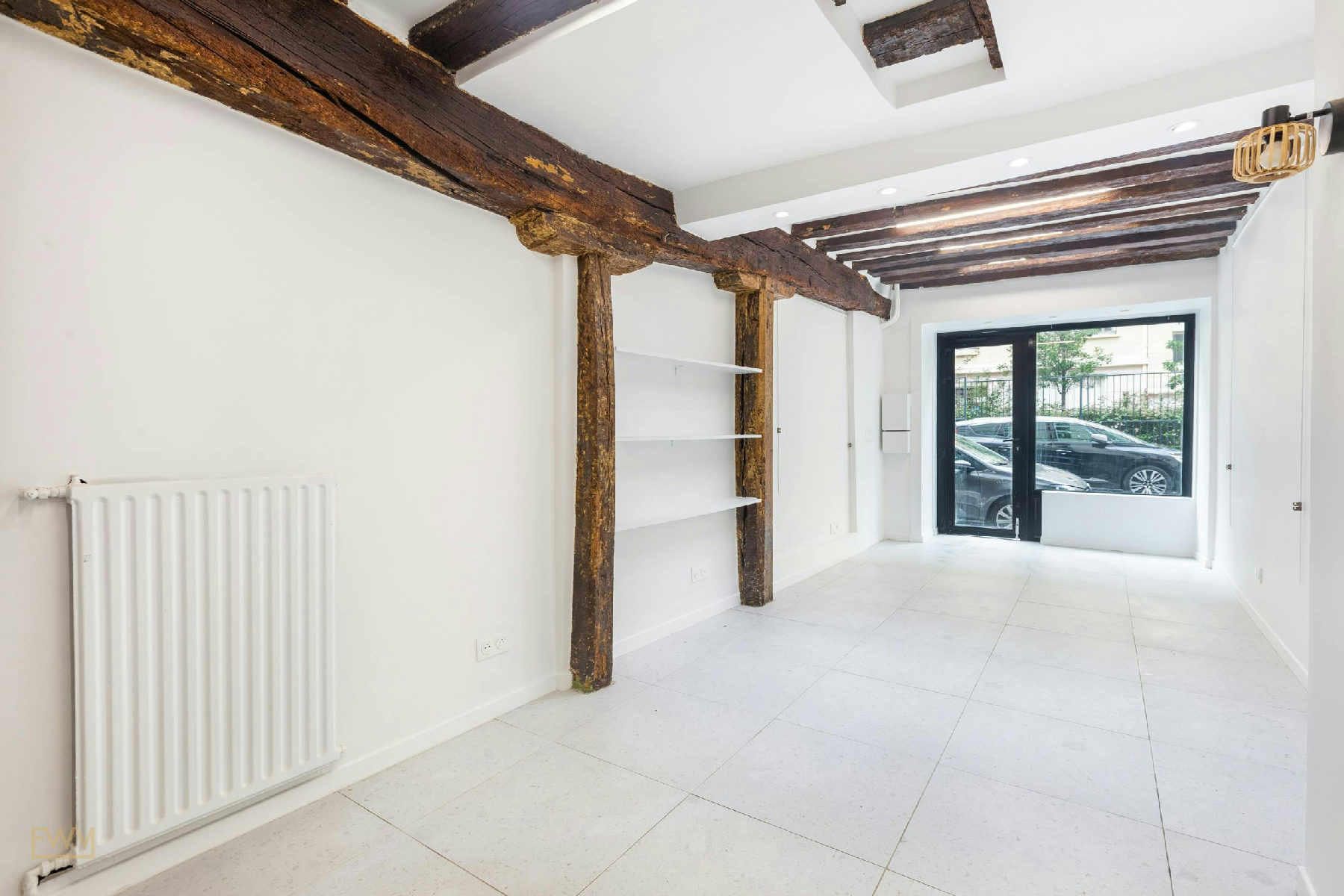
The loft and atelier stock in the 2nd arrondissement is concentrated around the Sentier garment district, where former textile warehouses and production floors have been converted into flexible creative spaces. These spaces typically feature raw concrete or parquet floors, high ceilings, industrial lighting, and open-plan layouts that give brands significant freedom to create branded environments from scratch. They are well-suited to fashion showroom activations, photo shooting for seasonal campaigns, and hybrid retail-event formats where the space serves multiple audience segments across the activation period.
Concept Stores and Hybrid Formats
The concept store format, popularised in Paris by addresses like Colette (now closed) and maintained by a newer generation of curated retailers, is one of the most commercially sophisticated pop-up formats available. A pop-up operating as a concept store combines product retail with a curated cultural proposition, which may include books, music, food, beauty, or art. This format tends to generate higher average dwell time than a standard retail pop-up, increasing the probability of purchase and deepening consumer brand engagement. For fashion brands, a concept store pop-up in Paris can serve simultaneously as a retail activation, a press and influencer magnet, and a content creation venue.
TIP: If your brand team needs to run retail and content creation simultaneously, prioritise loft and atelier formats in the 2nd arrondissement over boutique storefronts. The additional floor area typically justifies the marginal cost difference by reducing the need for a separate studio booking.
KEY TAKEAWAY: Paris offers more space type diversity for temporary retail than almost any other major fashion capital. Selecting the right format before entering the rental market allows a brand to match space to strategy rather than adapting strategy to whatever space happens to be available.
The Paris Fashion Week Calendar and Its Impact on Pop-Up Rental Strategy
Quick answer: Paris Fashion Week takes place twice annually and creates significant compression in demand for short-term retail spaces across all prime arrondissements. Brands that book spaces during Fashion Week windows should plan 9 to 12 months in advance. The 2nd arrondissement typically offers more availability during Fashion Week than the Marais or the 1st arrondissement, making it a pragmatic choice for brands entering the market for the first time.
The Paris fashion calendar is one of the most concentrated commercial and editorial calendars in the global retail industry. Beyond the two main Fashion Week seasons, the city hosts Paris Design Week in September, the FIAC art fair in October, and a series of trade showroom seasons throughout the year that create recurring demand peaks for short-term retail and showroom spaces.
Fashion Week Season Timing and Space Availability
Women's ready-to-wear Fashion Week in Paris typically runs for approximately ten days in late February or early March, preceding the autumn-winter collections, and again for approximately ten days in September or October for the spring-summer collections. Men's Fashion Week and Haute Couture Week create additional demand peaks in January and June respectively. During each of these windows, the professional audience visiting Paris includes buyers from major department stores and independent retailers internationally, fashion editors and stylists from print and digital media, influencers and content creators covering the season, and brand PR and marketing teams managing their own client activations.
For a brand launching a showroom or retail activation during Fashion Week, the competitive advantage of the 2nd arrondissement is its proximity to the Sentier showroom circuit and its relative availability compared to the Marais or the 1st arrondissement. Brands that work with an experienced agency to secure space early in the booking cycle often find that the 2nd offers the best combination of location, format, and value during peak calendar moments.
Off-Calendar Activations: The Case for Year-Round Strategy
While Fashion Week generates the highest concentration of industry and media attention, some brands find that off-calendar activations deliver better commercial results. A pop-up opening in the second or third week of September, after the runway season has concluded, captures a Paris that is full of fashion-engaged consumers who have been primed by the media coverage of the season. Rental costs outside the peak Fashion Week window are typically lower, space availability is broader, and brands face less competition for consumer attention from competing activations.
Paris Design Week in September, FIAC in October, and the Christmas retail season from mid-November to late December are all commercially strong windows for pop-up retail that do not carry the full premium of Fashion Week space rental rates. Brands with a lifestyle, beauty, or home goods positioning may find these calendar windows more commercially productive than the Fashion Week season.
DID YOU KNOW: Paris Design Week attracts over 120 participating brands and studios across the city each September, drawing a design-engaged consumer and professional audience that overlaps significantly with premium lifestyle and fashion brand targets.
Planning Your Activation Timeline
The timeline for a Paris pop-up activation should be built backward from the activation opening date. A brand targeting a Fashion Week window should begin brief development 12 months in advance, begin space sourcing 9 to 10 months out, complete the occupancy agreement 8 months out, begin fit-out design 6 months out, and finalise all operational arrangements including staffing, POS, insurance, and marketing at least 4 weeks before opening. For off-calendar activations, these timelines can compress, but brands should still allow a minimum of 8 to 12 weeks from brief to activation opening for a well-executed pop-up.
The timeline planning tool from Fashion Week Venues helps brand teams build a realistic activation schedule that accounts for all dependencies, from space sourcing through to post-activation data review.
KEY TAKEAWAY: The Paris fashion calendar creates predictable demand peaks that brands must plan around rather than react to. The 2nd arrondissement offers a strategic advantage during peak calendar windows through its combination of industry adjacency, space availability, and mid-range rental pricing.
Legal, Regulatory, and Compliance Framework for Paris Pop-Up Shops
Quick answer: Renting a pop-up shop in Paris requires navigating short-term occupancy law, insurance obligations, planning and signage rules, and in some cases permit requirements from the Paris Mairie. The bail dérogatoire framework governs short-term commercial leases; the convention d'occupation précaire is used for very short-term arrangements. International brands without a French legal entity should take specialist advice before signing any occupancy agreement.
The legal framework for temporary retail in France is more nuanced than in many other markets, and international brands frequently underestimate the complexity involved. Understanding the key legal instruments before entering the market reduces risk and prevents the kind of contractual disputes that can disrupt an activation mid-run.
Bail Dérogatoire and Convention d'Occupation Précaire
The bail dérogatoire is a short-term commercial lease that derogates from the standard protections of the French bail commercial (commercial lease) framework. Under French law, a standard bail commercial provides the tenant with a minimum nine-year term and significant renewal rights. A bail dérogatoire allows landlord and tenant to agree a shorter term, typically between one month and three years, without triggering these standard protections. For a brand renting a Paris pop-up space for one week to three months, the bail dérogatoire is the most common formal lease instrument.
The convention d'occupation précaire is an even lighter legal instrument, used for very short-term or genuinely precarious occupancy arrangements where the occupancy is contingent on external factors such as the landlord's own requirements for the space. It provides less stability for the occupant and is typically used for day-rate or week-rate space rentals rather than structured pop-up activations.
Insurance Requirements for Paris Pop-Up Activations
Insurance is non-negotiable for any temporary retail activation in Paris. The minimum requirement is a responsabilité civile professionnelle policy covering the brand's activities in and around the space. Most space operators will require a copy of the insurance certificate before allowing the brand to take possession of the space. Brands should verify with their insurer that their existing professional liability policy covers activities in France, and if not, arrange a specific French market policy through a broker with relevant expertise.
Additional insurance considerations include cover for the brand's stock and equipment during the activation period, cover for third-party equipment on hire including furniture rental, and events liability cover if the brand is hosting public-facing events, cocktail parties, or seminars in the space. Requirements vary by space operator and by the specific nature of the activation.
Planning and Signage Regulations
Paris operates under detailed urban planning rules that restrict the type, size, and placement of commercial signage on building facades and in windows. In the 2nd arrondissement, as in all central Paris arrondissements, brands wishing to install external branded signage, window vinyl, or illuminated displays must verify the applicable rules with the Paris Mairie or obtain guidance from a specialist who understands local planning regulations. Non-compliant signage can result in removal orders and fines.
The AOT (Autorisation d'Occupation Temporaire) is required for any brand activating in or on public space, including pavement-level displays, outdoor product demonstrations, or activities that temporarily affect public access to the street. Applications for AOT must be submitted to the Paris Mairie in advance, with processing times varying by arrondissement and by the nature of the requested use.
IMPORTANT: Requirements for permits, signage, and public space usage in Paris vary by arrondissement, building classification, and the specific nature of the proposed installation. Always verify requirements with a qualified French legal advisor before proceeding. Fashion Week Venues does not guarantee permit approval.
Operating Without a French Legal Entity
International brands without a French legal entity, such as a SAS, SARL, or branch office registered in France, can often rent short-term retail spaces in Paris directly as a foreign entity. However, some space operators and landlords require either a French guarantor or proof of equivalent creditworthiness from the brand's home jurisdiction. In some cases, operators may require a deposit equivalent to one to three months' equivalent rent as security. Brands entering the French market for the first time should take legal and financial advice early in the process to understand their options and obligations.
KEY TAKEAWAY: The legal and regulatory framework for pop-up retail in Paris is manageable but requires preparation. Brands that address insurance, signage, permit, and lease framework questions before signing a rental agreement are significantly better positioned than those who discover compliance obligations after taking possession of a space.
How Fashion Week Venues Helps Brands Rent Pop-Up Shops in Paris
Fashion Week Venues is a full-service pop-up agency and space marketplace that supports brands across every stage of a Paris activation, from the initial brief through to post-activation data review. The agency operates with Paris as its primary and anchor market, with additional city hubs in London, New York, Milan, Dubai, and Tokyo.
What Fashion Week Venues Does
The core of Fashion Week Venues' service is dedicated venue sourcing that matches a brand's brief, budget, and calendar window to available spaces in the target arrondissement and neighbourhood. Unlike a commission-only broker who earns a fee from the space operator, Fashion Week Venues works directly for the brand, ensuring that space recommendations are driven by the brand's objectives rather than by operator incentive structures.
Beyond space sourcing, the agency provides a comprehensive suite of services that covers every element of a Paris pop-up activation. This includes concept direction and branded store design, which ensures that the physical space communicates the brand's visual identity and retail strategy. Production and fit-out services cover the physical transformation of the space, from furniture procurement and rental through to full bespoke build. Activation management covers the operational running of the pop-up, including coordination of all suppliers, logistics, and on-site management during the activation period.
Services and Tools Relevant to the 2nd Arrondissement
For brands targeting the 2nd arrondissement specifically, Fashion Week Venues' activation management service is particularly valuable given the operational complexity of running a pop-up in a working Parisian neighbourhood with specific local regulations and landlord requirements. The agency's retail staffing service sources and manages temporary staff who are fluent in French and experienced in luxury and fashion retail, which is essential for activations that require direct customer service and sales floor management.
The agency's tools suite provides brands with self-service resources that complement the full-service offer. The budget calculator allows brands to model total activation costs before committing to a space. The ROI calculator helps brand teams build the business case for a Paris activation by modelling projected revenue, brand value uplift, and media value generated. The compare tool allows brands to evaluate multiple spaces against a consistent set of criteria including location, format, size, and rental terms.
Which Brand Teams Benefit Most
Fashion Week Venues is designed to serve brand teams that are either entering Paris for the first time or that want to scale their Paris activation programme beyond what they can manage in-house. This includes international fashion, beauty, and lifestyle brands without a Paris office or established French supplier network, brands that have previously rented Paris spaces through commission brokers and want a more structured and cost-transparent approach, and brand activation teams managing multiple city activations simultaneously who need a reliable Paris-based production and management partner.
The agency is also relevant for brands considering their first co-activation, which can significantly reduce per-brand costs by sharing rental and production expenses. The twin co-activation concept from Fashion Week Venues provides a structured framework for two complementary brands to share a single space in a way that enhances both brands' positioning rather than diluting either.
Understanding the Limitations
Fashion Week Venues cannot guarantee the availability of specific spaces, the approval of permits, or particular commercial outcomes from a pop-up activation. Space availability in Paris is subject to market conditions, competing brand demand, and landlord decisions that are outside any agency's control. Permit approval is subject to the decisions of the relevant Paris Mairie department and, where applicable, historic buildings authorities. Brands should treat agency guidance on permit and regulatory matters as directional rather than definitive, and always verify with a qualified French legal advisor.
For brands that want to understand the full range of services and how Fashion Week Venues approaches each stage of the activation process, the agency process page provides a detailed walkthrough of how the team works with brands from brief to delivery.
KEY TAKEAWAY: Fashion Week Venues provides brands with a structured, transparent, and full-service alternative to commission brokers and self-managed space searches for Paris pop-up activations. The combination of a curated space marketplace, specialist local knowledge, and end-to-end production capability reduces risk and increases the quality of the final activation.
Marketing, Social Media, and Influencer Strategy for Paris Pop-Ups
Quick answer: A Paris pop-up activation generates its highest commercial return when the physical space is designed and operated in parallel with a structured social media, influencer, and press strategy. The visual character of Parisian spaces, particularly in the 2nd arrondissement's loft and atelier formats, provides natural content backdrops that amplify organic and earned media reach significantly.
A Paris pop-up that opens without a coordinated marketing strategy misses a significant proportion of its potential reach and revenue. The physical activation is the anchor, but the media and social amplification of that activation is what generates awareness beyond the immediate geographic catchment of the space.
Social Media and Content Creation in Paris Pop-Up Spaces
The visual character of Paris is one of its most commercially valuable assets for brand activations. Spaces in the 2nd arrondissement, particularly loft ateliers with parquet floors, raw concrete finishes, or original Haussmann architectural details, are inherently photogenic and generate organic social content from visitors who share their experience without any brand prompting. Brands that design their pop-up interiors with content creation in mind, by incorporating memorable visual elements, branded photo moments, and well-lit product display areas, typically generate significantly more user-generated content than activations that treat the physical design as purely functional.
Dedicated studio photo moderne formats in the 2nd arrondissement are particularly valuable for brands that want to use the pop-up period to create seasonal campaign content simultaneously with running a consumer-facing retail activation. The combination of retail revenue, organic social content, and commissioned campaign photography in a single Paris tenancy represents an efficient use of the total activation budget.
Influencer and Press Engagement During Fashion Week
During Paris Fashion Week, the city's concentration of fashion influencers, stylists, editors, and content creators creates a unique opportunity for pop-up brands to generate earned media coverage through strategic engagement. A well-located space in the 2nd arrondissement, with a compelling visual concept and an accessible address during the showroom circuit, can attract press visits and influencer content creation that would cost multiples of the pop-up rental cost to achieve through paid media.
The key to this kind of earned media return is designing the space and the activation programme specifically with editorial and influencer needs in mind. This means creating a space that photographs well from multiple angles, hosting preview events for press and influencer guests before the public opening, and ensuring that the brand story is communicated clearly and consistently through the space design, product curation, and staff briefing.
Fashion Week Venues' influencer marketing service supports brands in identifying, engaging, and briefing relevant Paris-based influencers and content creators for their activation period, ensuring that the earned media value generated is proportionate to the overall activation investment.
Data Analytics and Post-Activation Review
One of the most commercially important and frequently underinvested elements of a Paris pop-up is data capture and post-activation analysis. Brands that invest in robust data capture infrastructure during their activation, including footfall counters, email capture at point of sale, customer satisfaction surveys, and detailed sales data by product and time period, are able to build a quantified understanding of the activation's commercial and brand impact.
This data is essential for justifying future investment in Paris pop-up activations to senior stakeholders, for optimising the format and location of subsequent activations, and for benchmarking performance against other market activations. The data analytics service from Fashion Week Venues provides brands with a structured approach to activation data capture and post-activation reporting.
KEY TAKEAWAY: The marketing, social media, and influencer strategy for a Paris pop-up should be designed in parallel with the space and activation concept, not added as an afterthought after the physical space has been secured and fitted out. Brands that integrate content creation, press engagement, and data capture into their activation design generate substantially higher total returns from their Paris investment.
Common Myths About Renting a Pop-Up Shop in Paris Debunked
MYTH: You need a French legal entity to rent a pop-up space in Paris.
FACT: Many space operators in Paris accept short-term rental agreements with foreign legal entities directly, without requiring a French subsidiary or branch office. Requirements vary by operator, space type, and rental duration. Some operators require a security deposit or a French guarantor in lieu of a French legal entity. International brands should verify the specific requirements of each space operator early in the process and take legal advice if uncertain.
MYTH: Paris Fashion Week is the only viable window for a brand to activate in Paris.
FACT: Paris Fashion Week generates the highest concentration of industry and press attention, but it also commands the highest rental premiums and the most competitive space availability. Many brands find that off-calendar activations during Paris Design Week, FIAC, the September cultural season, or the Christmas retail period deliver better commercial results with lower space rental costs and broader space availability. The right activation window depends on the brand's objectives, target audience, and budget.
MYTH: Commission-based space brokers are the only way to find a pop-up space in Paris.
FACT: Commission-based brokers earn their fee from the space operator rather than from the brand, which creates a structural misalignment between the broker's incentives and the brand's interests. Brands can also access spaces directly through dedicated space marketplaces, through full-service agencies that work on behalf of the brand rather than the landlord, and through direct approaches to space operators. Full-service agencies provide additional value beyond space finding by managing production, fit-out, staffing, and compliance.
MYTH: Short-term retail leases in Paris are legally straightforward and do not require specialist help.
FACT: The French commercial lease framework, including the distinction between a bail dérogatoire, a convention d'occupation précaire, and a standard bail commercial, has significant legal implications for the brand's rights, obligations, and liability. Insurance requirements, planning regulations, signage rules, and permit obligations add further complexity. International brands particularly benefit from specialist guidance to ensure that they understand and comply with all applicable requirements before signing any occupancy agreement.
MYTH: Pop-up spaces in the 2nd arrondissement are only suitable for emerging or budget brands.
FACT: The 2nd arrondissement hosts a wide range of space types and quality levels, from raw espace créatif formats to high-specification showroom apartments and boutique storefronts. The district's mid-range rental positioning relative to the 1st and 8th arrondissements reflects the neighbourhood character rather than a quality ceiling. Established international brands regularly use the 2nd arrondissement for Fashion Week showrooms and press activations precisely because of its industry adjacency and versatile space stock.
Frequently Asked Questions
What is a pop-up shop and how does it work in Paris?
A pop-up shop is a temporary retail or brand activation space that operates for a defined period, typically ranging from a few days to several months. In Paris, pop-up shops operate under short-term occupancy agreements such as a bail dérogatoire or a convention d'occupation précaire, and can be used for product launches, seasonal retail, showroom presentations, press events, or concept store activations. Paris has a well-developed market for temporary retail, with spaces available across all major arrondissements in a wide range of formats and sizes.
Why should I rent a pop-up shop in the 2nd arrondissement specifically?
The 2nd arrondissement offers a commercially attractive combination of industry adjacency, creative space formats, and mid-range rental pricing. The Montorgueil corridor provides consistent daily consumer foot traffic, while the Sentier district gives fashion and creative brands proximity to the city's trade showroom circuit. Spaces in the 2nd tend to be more available during Fashion Week than those in the Marais or the 1st arrondissement, making the district particularly useful for brands entering the Paris market for the first time or looking for Fashion Week visibility without the highest rental tier.
How much does it cost to rent a pop-up space in Paris?
Rental costs for short-term pop-up spaces in Paris vary significantly based on size, location, space type, and timing relative to the fashion and cultural calendar. Spaces in the 2nd arrondissement are generally priced below equivalent formats in the 1st and 8th arrondissements. The total cost of a Paris activation also includes fit-out, staffing, POS and payments infrastructure, insurance, permits, and marketing, which collectively can equal or exceed the headline rental cost. For a tailored estimate, the budget estimation tool on the Fashion Week Venues platform provides a brand-specific cost framework.
How far in advance should I book a Paris pop-up space?
For activations during Paris Fashion Week or other major calendar windows such as FIAC or Paris Design Week, brands should begin their space search nine to twelve months in advance. During these peak periods, prime spaces in the Marais, the 1st arrondissement, and the Sentier district book out extremely quickly. For off-calendar activations, a minimum of eight to twelve weeks from brief to activation opening is recommended to allow adequate time for space sourcing, agreement completion, fit-out, and operational setup.
Can an international brand rent a Paris pop-up space without a French company?
Many space operators in Paris accept short-term rental agreements with foreign legal entities, though requirements vary. Some operators require a security deposit, a French guarantor, or additional documentation to verify the brand's financial standing. Brands without a French legal entity should discuss their situation with the space operator or their agency early in the process and take legal advice if they are uncertain about the implications of signing a French occupancy agreement as a foreign entity. Requirements differ by operator and space type.
What permits are required for a Paris pop-up shop?
Permit requirements for Paris pop-up shops depend on the space type, the intended use, the location, and the duration of the activation. Interior-only retail activations in privately owned spaces typically do not require a specific permit beyond the occupancy agreement and insurance. Brands that intend to install external signage, use public space, or make structural modifications to the space will need to verify the applicable planning and signage rules with the Paris Mairie or a specialist advisor. The permits guidance tool on the Fashion Week Venues platform provides a structured overview of what to expect.
What types of spaces are available for pop-up retail in the 2nd arrondissement?
The 2nd arrondissement has a particularly strong stock of loft ateliers and espace créatif formats, which are former textile industry spaces that have been adapted for creative and commercial use. These spaces typically feature high ceilings, open-plan layouts, and raw or semi-finished interiors that are well-suited to branded fit-out. The district also offers boutique storefront formats along Rue Montorgueil and Rue d'Aboukir, showroom apartment formats in Haussmann buildings, and studio photo moderne spaces designed for content creation and filming.
How does Paris Fashion Week affect pop-up space availability and pricing?
Paris Fashion Week creates significant compression in demand for short-term retail and showroom spaces across all prime arrondissements, typically driving rental premiums upward and reducing available inventory. Brands that want to activate during Fashion Week should begin their space search nine to twelve months in advance to secure the best combination of location, format, and rental terms. Outside of the Fashion Week windows, space availability is broader and rental premiums are lower, making off-calendar activations commercially attractive for brands that do not require the specific audience concentration of Fashion Week.
What is the difference between a boutique éphémère and a standard retail pop-up?
A boutique éphémère is the French term for a temporary retail space or pop-up store, and refers specifically to a retail format that operates for a defined period with a focused product or brand proposition. In practice, the term is used interchangeably with pop-up store in the Paris market. Some operators use boutique éphémère to designate spaces that are specifically configured for retail rather than the broader espace créatif formats used for events, seminars, and content creation. The key distinction is operational intent: a boutique éphémère is primarily a retail space, while other formats may serve multiple functions simultaneously.
Do I need temporary staff for my Paris pop-up, and how do I hire them?
Temporary retail staff for a Paris pop-up activation should be French-speaking, experienced in customer-facing retail or fashion sales, and familiar with the expectations of Parisian consumers. Hiring temporary staff in France involves compliance with French labour law, including employment contract requirements, social charges, and working hour regulations. Most brands activating in Paris use an agency to source and manage their temporary staffing rather than hiring directly, particularly for short activations where the overhead of direct employment is disproportionate to the duration of the engagement.
What is a bail dérogatoire and when does it apply to a Paris pop-up?
A bail dérogatoire is a short-term commercial lease that derogates from the standard nine-year term and tenant renewal rights provided by the French bail commercial framework. It can be used for leases of up to three years, though in practice it is most commonly used for periods of one to twelve months for pop-up and temporary retail activations. A bail dérogatoire provides the tenant with less security than a full bail commercial but is the appropriate legal instrument for most pop-up retail tenancies in Paris. Brands should have the terms reviewed by a French legal advisor before signing.
How do I calculate the ROI of a Paris pop-up activation?
Calculating the return on investment for a Paris pop-up requires capturing data across multiple dimensions: direct retail revenue generated during the activation, the estimated media value of press and social coverage generated, the brand awareness uplift measured through consumer surveys or digital engagement metrics, and any longer-term commercial impact such as wholesale orders placed as a result of showroom visits. The ROI calculation tool on the Fashion Week Venues platform provides a structured model for building the business case for a Paris activation and benchmarking expected returns against activation costs.
Can I use a Paris pop-up space for purposes other than retail?
Yes. Many pop-up spaces in Paris, particularly the larger loft and espace créatif formats, are suitable for a wide range of uses including showroom presentations, press previews, cocktail parties and brand dinners, seminars and training events, photo shooting and filming, and hybrid activations that combine retail with events or content creation. The intended use must be specified in the occupancy agreement, and any use beyond standard retail may require additional insurance coverage or, in the case of public events, specific permits. Verify the operator's terms for permitted uses before signing.
What neighbourhoods in Paris should I consider besides the 2nd arrondissement?
The Marais in the 3rd and 4th arrondissements is the most established pop-up retail destination in Paris, offering dense consumer foot traffic and a well-recognised retail cluster. The 1st arrondissement around Palais Royal and Rue de Rivoli suits luxury and heritage brand activations. Saint-Germain-des-Prés in the 6th is strong for lifestyle, beauty, and culture-oriented brands. The Champs-Élysées in the 8th offers maximum visibility for brand awareness activations targeting a broad international audience. Each neighbourhood suits a different brand positioning and target audience profile.
How does Fashion Week Venues compare to other ways of finding a Paris pop-up space?
Commission-based brokers earn their fee from the space operator, which can create a misalignment between their recommendations and the brand's interests. Generic space listing platforms provide access to a wide inventory but typically offer no production, compliance, or activation management support. Fashion Week Venues combines a curated space marketplace with full-service agency capabilities, working on behalf of the brand across venue sourcing, concept direction, production, fit-out, staffing, and data analytics. For brands that want a single accountable partner for a Paris activation, the full-service model reduces risk and management overhead compared to coordinating multiple specialist suppliers independently.
Conclusion: Planning Your Paris Pop-Up Activation in the 2nd Arrondissement
Renting a pop-up shop in the 2nd arrondissement Paris is one of the most commercially and creatively intelligent moves an international fashion, beauty, or lifestyle brand can make in the Paris market. The district combines genuine fashion-industry adjacency through the Sentier showroom circuit, consistent consumer foot traffic along Rue Montorgueil, a versatile stock of loft ateliers and espace créatif formats, and rental pricing that sits below the premium tiers of the 1st and 8th arrondissements. For brands entering Paris for the first time, it offers a pragmatic and credible address from which to build a Paris reputation. For brands with established Paris experience, it provides the space quality and neighbourhood character needed for ambitious activations that go beyond a standard retail pop-up.
The process of renting and operating a Paris pop-up requires structured preparation across brief definition, budget planning, space sourcing, legal and compliance review, fit-out production, operational setup, and marketing activation. Brands that invest in this preparation deliver better activations and avoid the costly complications that arise from under-resourced or under-planned approaches to the Paris market.
Fashion Week Venues operates as a full-service partner across every stage of this process, from space sourcing and concept direction through to activation management, staffing, and post-activation data review. The combination of a curated space marketplace and end-to-end agency capability gives brands a single accountable partner for their Paris activation, reducing risk and management overhead at every stage.
To move from research to activation, start exploring available spaces on the Fashion Week Venues marketplace and build a focused brief for your target neighbourhood, space type, and calendar window. The sooner your brief is in place, the better your position in the market when the right space becomes available.