Finding the right space to rent a pop-up space in Paris is one of the most consequential decisions a brand team will make before any activation. The city offers an extraordinary range of temporary retail environments, from vaulted Marais townhouses to luminous Saint-Germain storefronts and high-footfall Champs-Élysées flagships, but navigating the market requires knowledge of local regulations, lease structures, neighbourhood dynamics, and activation logistics that most international brands do not hold in-house. This guide covers everything a brand team needs to know: where to look, what to budget, how to structure a short-term lease, which neighbourhoods perform best for which brand profiles, and how a specialist agency can accelerate the entire process. For brands beginning their search, the Paris city hub on Fashion Week Venues is a useful starting point for understanding the full range of available space types and calendar windows.
Why Paris Remains the Global Capital for Pop-Up Retail Activation
Paris is not simply a prestigious address. It is a city where temporary retail has deep roots in the cultural calendar, where foot traffic peaks sharply around Fashion Week, FIAC, Paris Design Week, and the major sale periods, and where the built environment itself, with its Haussmann facades, stone cellars, and converted galleries, creates a physical theatre that few cities can match. For international brands, a well-executed pop-up in Paris signals credibility, editorial seriousness, and a commitment to the European luxury and fashion consumer that no digital campaign can fully replicate.
Paris attracts an exceptionally well-qualified retail audience. The city hosts over 30 million tourists annually, with a significant share drawn from the Americas, the Gulf region, East Asia, and the United Kingdom, audiences that are highly engaged with luxury, fashion, beauty, and design. Local Parisian clientele, particularly in districts like Le Marais, Saint-Germain-des-Prés, and the 1st arrondissement, are experienced, discerning, and accustomed to interacting with emerging and established brands through immersive retail formats. This means a pop-up store in Paris is not merely a sales mechanism. It is a brand positioning instrument.
The city's retail calendar creates natural windows of elevated commercial intensity. During Paris Fashion Week, which runs twice annually in January and September for menswear and in February and October for womenswear and couture, the city fills with press, buyers, stylists, influencers, and brand decision-makers. A showroom or pop-up timed to coincide with these windows can generate coverage, trade relationships, and social media amplification that extends far beyond the duration of the physical space rental itself.
Beyond Fashion Week, Paris Design Week in September and FIAC in October create substantial footfall in specific neighbourhoods and attract design-literate, culturally engaged audiences who are highly receptive to immersive retail experiences, gallery-style presentations, and product launches framed as cultural events. Brands in the beauty, homeware, furniture, and contemporary art-adjacent categories increasingly use these calendar windows to launch pop-up stores that sit at the intersection of retail and cultural programming.
DID YOU KNOW: Paris hosts two separate Fashion Week periods for womenswear alone, with February dedicated to Autumn/Winter collections and October to Spring/Summer, creating at least four high-footfall calendar windows per year for fashion brands planning temporary retail activations.
KEY TAKEAWAY: Paris offers a combination of cultural prestige, an internationally diverse consumer base, a rich built environment, and a dense fashion and design calendar that makes it the most compelling city in Europe for brand activation through temporary retail. Timing your rental to coincide with a relevant cultural or fashion calendar event significantly increases the return on your investment.
Understanding why Paris works at a macro level is one thing. The next step is understanding which neighbourhoods within Paris will best serve your specific brand profile, price point, and activation objective.
Parisian Neighbourhoods for Pop-Up Retail: A Location-by-Location Guide
The right neighbourhood for a pop-up store in Paris depends entirely on your brand's target customer, price point, visual identity, and activation format. Paris is a city of distinct arrondissements, each with its own character, foot traffic profile, and dominant retail aesthetic. Choosing the wrong location is one of the most common and costly mistakes international brands make when entering the Paris market.
Quick answer: The most sought-after locations for temporary retail in Paris are Le Marais, Saint-Germain-des-Prés, the Golden Triangle including Avenue Montaigne and Rue du Faubourg Saint-Honoré, Palais-Royal, and Champs-Élysées. Each district attracts a different customer profile, commands different rental pricing, and suits different brand positioning strategies.
Le Marais and the 4th Arrondissement
Le Marais is consistently the most requested neighbourhood for pop-up retail in Paris. The 4th arrondissement, centred on the historic Place des Vosges and the culturally vibrant rue des Rosiers and rue de Bretagne, offers a concentration of converted private mansions, gallery spaces, and boutique storefronts that provide exceptional visual quality for brand activations. The neighbourhood attracts a sophisticated mix of Parisian locals, tourists, art collectors, fashion buyers, and international visitors, making it one of the highest-footfall areas in the city outside the major department store strips.
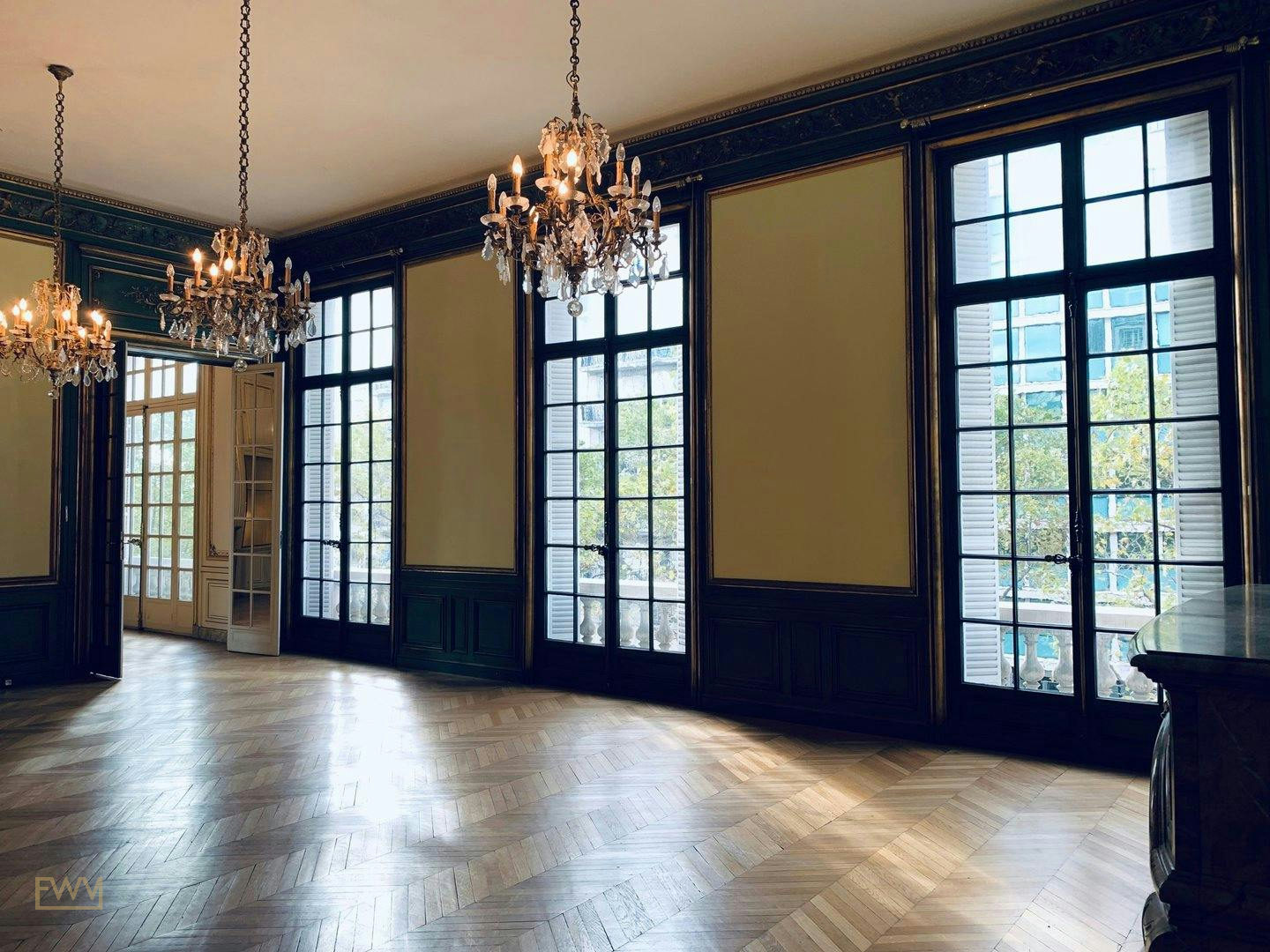
Le Marais is particularly well-suited to fashion brands, contemporary streetwear labels, luxury accessories, design-led homeware, and beauty concepts. The area's architecture, with its exposed stone walls, vaulted cellars, parquet floors, and large door entrances opening onto courtyards, creates a naturally compelling retail environment that requires relatively little fit-out investment to feel considered and premium. Spaces around Place des Vosges benefit from tourist footfall and editorial visibility, while spaces deeper into the Marais along rue des Rosiers attract a more neighbourhood-resident and culturally engaged local audience.
Brands considering a pop-up shop in the 4th arrondissement should factor in competition for space during Fashion Week periods, when demand is at its peak. Early planning of six to twelve weeks ahead of the desired rental window is advisable. The neighbourhood also contains a concentration of established galleries and art spaces that frequently rent for short-term activations, making it possible to find gallery-style environments with existing lighting rigs, polished concrete floors, and modular layouts that reduce build costs significantly.
Saint-Germain-des-Prés and the 6th Arrondissement
Saint-Germain-des-Prés is the traditional home of French intellectual and literary culture, and it has evolved into one of the city's most prestigious retail addresses for established luxury brands, artisan perfumeries, and high-end fashion boutiques. The 6th arrondissement attracts a well-heeled Parisian clientele alongside international visitors with high purchasing power. Spaces here tend to be smaller and more refined than in the Marais, and the neighbourhood's reputation adds an immediate layer of cultural legitimacy to any brand that activates there.
This district is particularly suitable for brands launching considered, editorial-style pop-ups that prioritise brand positioning over volume sales, fashion showrooms intended for press and buyer appointments, and beauty or fragrance concepts where the environment needs to communicate discretion and craft. Rental premiums in Saint-Germain are typically higher per square metre than in equivalent spaces in the Marais or Pigalle, but the calibre of visitor and the editorial associations can justify the investment for the right brand.
The Golden Triangle, Faubourg Saint-Honoré, and Vendôme
The Golden Triangle, bounded by Avenue Montaigne, Avenue George V, and Rue du Faubourg Saint-Honoré, is the geographic heart of Parisian luxury retail. Place Vendôme, just north of the Tuileries, adds fine jewellery and haute horlogerie to this luxury corridor. Brands that activate in this area are communicating unambiguously to a top-tier luxury audience. Foot traffic here skews toward ultra-high-net-worth shoppers, international travellers staying in the Palace hotels, and fashion industry insiders during Fashion Week.
Short-term rental opportunities in the Golden Triangle are rarer and command the highest pricing in the city. However, for brands with the budget and the brief to justify the address, the neighbourhood provides immediate luxury validation and access to a consumer profile that is difficult to reach anywhere else in Paris.
Palais-Royal, Châtelet-les-Halles, and the 1st Arrondissement
Palais-Royal is one of the most architecturally distinctive addresses in Paris, combining the grandeur of the royal gardens with an eclectic concentration of concept stores, design galleries, and independent boutiques in the surrounding arcades and streets. The 1st arrondissement more broadly, which includes Châtelet and Rue de Rivoli, offers high-volume footfall and proximity to major cultural institutions including the Louvre. This area is particularly well-suited to design-driven brands, concept stores, and activations that want to sit at the intersection of cultural tourism and contemporary retail.
Pigalle and the 9th Arrondissement
Pigalle and the broader 9th arrondissement have undergone significant repositioning over the past decade and now represent one of the most dynamic areas in Paris for creative brands, streetwear, music, and youth-oriented fashion concepts. The area around Paris 9ème, particularly the streets adjacent to Boulevard de Clichy and Rue des Martyrs, offers a concentration of independent boutiques, studios, and converted spaces that provide an alternative to the more traditional retail districts. Rental rates are generally lower than in the Marais or Saint-Germain, and the area attracts a younger, culturally engaged Parisian audience alongside creative industry professionals.
Montmartre and the 18th Arrondissement
Montmartre combines tourist volume with genuine neighbourhood character. The area around the Sacré-Coeur and the village-like streets of Abbesses attracts a mix of tourists and creative Parisian residents. For brands in the artisan, studio, workshop, or photographic studio category, Montmartre and the wider 18th arrondissement offer a range of characterful spaces, including converted ateliers, loft spaces, and ground-floor studios with large door entrances and natural light, at pricing that is more accessible than the premium central districts.
Champs-Élysées and Galeries Lafayette Haussmann
Avenue des Champs-Élysées and the adjacent boulevard Haussmann, home to Galeries Lafayette and Printemps, represent the highest-volume retail corridors in France. Tourist footfall on the Champs-Élysées is among the highest of any shopping street in the world. Brands targeting volume, visibility, and broad international consumer reach should consider activations in or adjacent to these addresses. Concept shop spaces within Galeries Lafayette, in particular, offer a curated format that provides built-in credibility and access to the department store's established clientele without requiring a full standalone space rental.
| Neighbourhood | Arrondissement | Best Brand Profile | Footfall Type | Typical Space Types |
|---|---|---|---|---|
| Le Marais | 3rd and 4th | Fashion, streetwear, design, beauty | Mixed local and tourist | Gallery, boutique, loft, storefront |
| Saint-Germain-des-Prés | 6th | Luxury, fragrance, editorial fashion | Affluent local and tourist | Boutique, showroom, apartment |
| Golden Triangle and Vendôme | 1st and 8th | Ultra-luxury, haute couture, fine jewellery | Ultra-HNW tourist and local | Flagship storefront, showroom |
| Palais-Royal and Châtelet | 1st | Design, concept retail, cultural brands | Cultural tourist and local | Arcade boutique, gallery, loft |
| Pigalle and 9th | 9th | Streetwear, music, youth fashion | Young creative local | Studio, loft, ground-floor boutique |
| Montmartre | 18th | Artisan, studio, photographic | Tourist and creative local | Atelier, studio, loft |
| Champs-Élysées | 8th | Mass market, international flagship | Very high volume tourist | Flagship, department store concept shop |
KEY TAKEAWAY: No single neighbourhood is universally best for pop-up retail in Paris. The right location depends on your brand's price point, customer profile, activation format, and budget. Le Marais is the most versatile and in-demand, but premium districts like the Golden Triangle and Saint-Germain offer distinct advantages for luxury and editorial positioning.
To compare neighbourhoods and space types side by side, explore the Paris city hub on Fashion Week Venues and shortlist spaces that match your brief, budget, and calendar window.
Pop-Up Space Types Available to Rent in Paris
The Paris short-term rental market offers a wider range of space typologies than almost any other city in Europe. Understanding the distinctions between space types helps brand teams choose environments that align with their activation format, budget, and build requirements without overspending on features they do not need.
Quick answer: The main space types available for short-term rental in Paris include gallery spaces, boutique storefronts, fashion showrooms, apartments converted for retail use, loft spaces, photographic studios, and shared or partitioned boutique concepts. Each type has different floor plan characteristics, access configurations, and fit-out requirements.
Gallery Spaces and Galerie d'Art Conversions
Gallery spaces are among the most popular choices for brand activations in Paris, particularly for fashion, beauty, and design brands that want a presentation environment with high visual impact and minimal structural intervention. Parisian galleries typically feature polished concrete or parquet floors, white or exposed-stone walls, professional spotlighting, and modular layouts that can be reconfigured for retail, exhibition, or showroom use. A gallery format signals cultural credibility and editorial seriousness. Galerie Joseph in the Marais and similar independently operated gallery venues frequently offer short-term rental access, though availability during Fashion Week periods is limited.
Boutique Storefronts and Boutique Éphémère Formats
A boutique éphémère, or ephemeral boutique, is the most direct translation of the pop-up shop concept into Parisian retail language. These are typically ground-floor commercial units with street-facing windows, retail fixtures, and basic technical equipment including WIFI connection, Bluetooth sound systems, and point-of-sale infrastructure. Boutique storefronts in Le Marais, Saint-Germain, and the Palais-Royal area frequently come with existing shelving, lighting rigs, and changing rooms, reducing the time and cost required to prepare the space for trading. A charming boutique with an existing fit-out can be operational within 24 to 48 hours of key handover.
Fashion Showrooms
A fashion showroom in Paris is typically a private space used for press appointments, buyer meetings, collection presentations, and private sales rather than open public retail. Showrooms are commonly found in the upper floors of Haussmann buildings in the 8th and 9th arrondissements, in the Marais, and in Saint-Germain. The best showroom spaces offer natural light, high ceilings, a reception or waiting area, and enough open floor space to display a collection on rail hangers or mannequins without feeling cramped. Showroom rental in Paris is particularly relevant during Fashion Week, when international press and buyers are concentrated in the city and appointment density is highest.
Apartments Adapted for Retail and Presentation
Parisian apartments, particularly in the 6th, 7th, and 8th arrondissements, are increasingly used as intimate retail and presentation environments. An apartment format creates a domestic, private-client atmosphere that suits luxury fashion, fine jewellery, fragrance, and artisan product categories. This format works especially well for brands hosting private viewings, ventes privées, or exclusive presentation events for press, stylists, and high-value clients. The residential nature of the space creates a sense of exclusivity and access that a commercial unit cannot replicate.
Lofts and Industrial Conversions
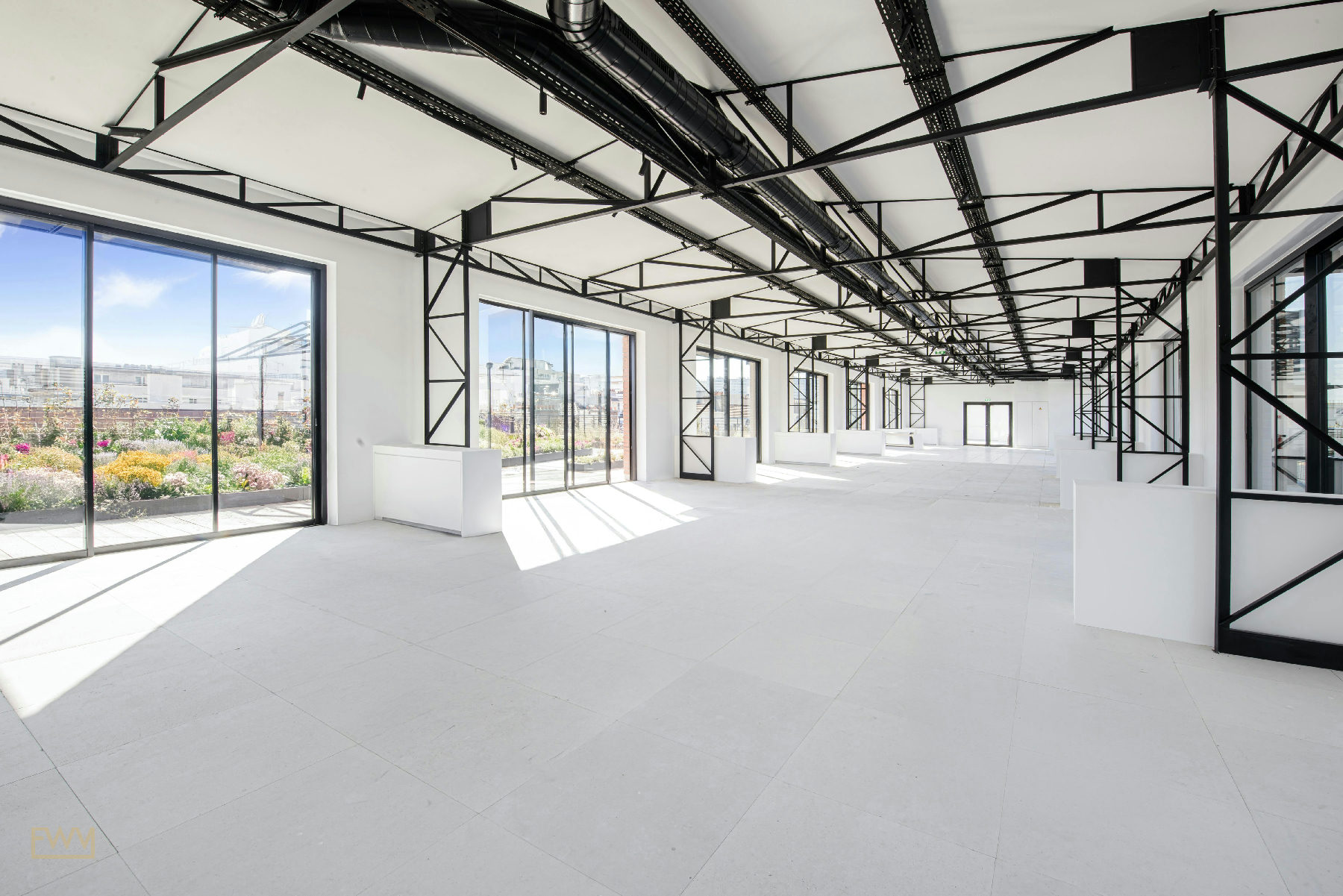
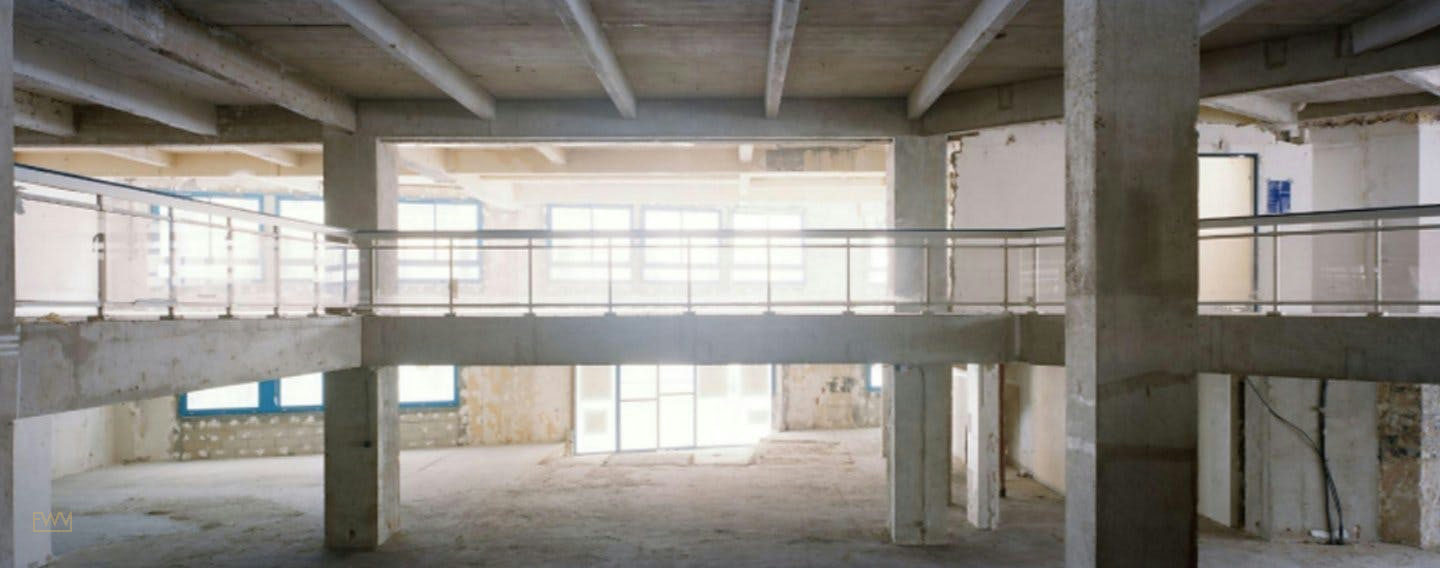
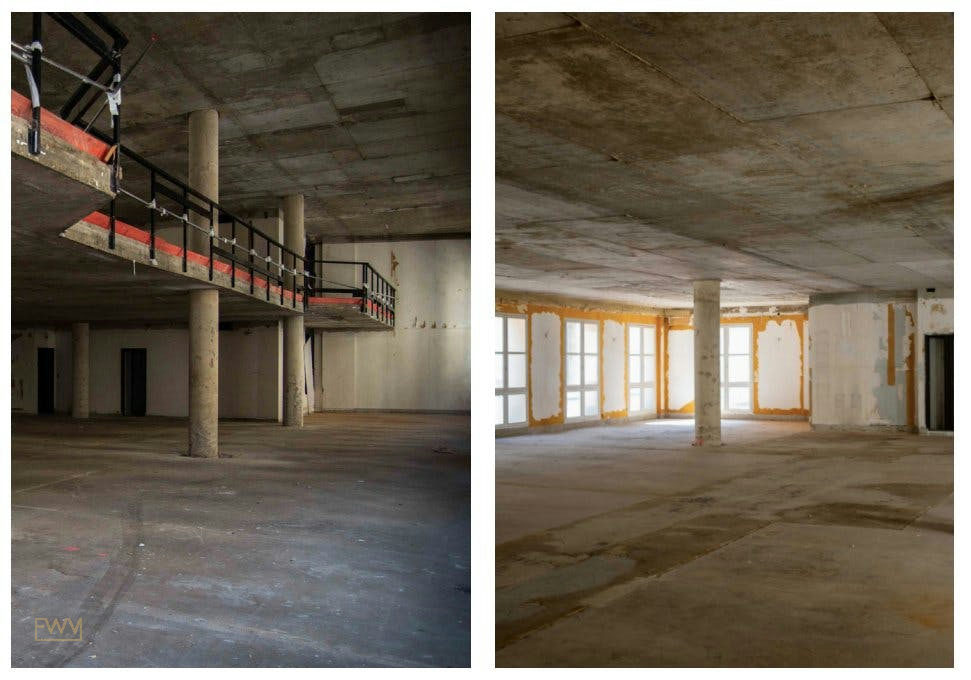
Loft spaces, particularly those found in the 10th, 11th, and 18th arrondissements, offer large open floor plates, high ceilings, exposed beams, brick walls, and generous natural light from industrial-scale windows. These spaces are highly adaptable for brand activations that require significant build investment, large product displays, immersive experiential environments, or the integration of event and workshop programming alongside retail. Loft spaces with ground floor backyard access and large door entrances are particularly useful for brands with delivery and logistics requirements, allowing for efficient product transport and installation without disturbing neighbouring occupants.
Photographic Studios
Studio photo spaces in Paris are increasingly rented for dual-purpose activations that combine content creation with retail or showroom functions. A brand can use a professional photographic studio during the day for campaign shooting and then convert the space for press appointments or private client events in the evening. Studios typically include technical lighting equipment, seamless backdrops, and neutral architectural environments that can be dressed and undressed quickly.
Shared and Partitioned Boutique Concepts
Boutique partagée and co-activation formats allow multiple brands to share a single space, dividing costs while maintaining distinct brand environments within a curated retail setting. This model suits emerging brands with limited budgets, brands entering the Paris market for the first time who want to test the environment without the full cost of a standalone unit, and complementary brands in adjacent categories who can benefit from each other's customer draw. Fashion Week Venues offers a twin co-activation concept that pairs compatible brands in a single space across shared or sequential time windows.
| Space Type | Ideal Use Case | Key Features | Build Requirement |
|---|---|---|---|
| Gallery | Fashion presentation, design, art | Spotlights, modular layout, polished floors | Low to medium |
| Boutique storefront | Direct retail, product launch | Street frontage, existing fixtures | Low |
| Fashion showroom | Press and buyer appointments | Private access, natural light, rail space | Low |
| Apartment | Private client, ventes privées | Residential setting, intimate scale | Very low |
| Loft | Experiential retail, large-scale brand activation | High ceilings, beams, open floor plate | Medium to high |
| Photographic studio | Content creation, dual-use activation | Technical lighting, seamless backdrops | Low |
| Shared boutique | Emerging brands, cost-sharing | Partitioned zones, shared infrastructure | Low |
KEY TAKEAWAY: The space type you choose should be driven by your activation format first, your budget second, and your desired neighbourhood third. A gallery space in Le Marais and a loft in the 11th can both serve a fashion brand effectively, but they create fundamentally different customer experiences and require very different logistics plans.
With space types understood, the next critical question is how to structure the lease agreement and navigate the regulatory framework that governs short-term commercial rental in France.
Short-Term Lease Structures and Permit Compliance in Paris
Renting a commercial space in Paris for a temporary period requires an understanding of the French legal frameworks that govern short-term commercial occupancy. This is one of the most commonly misunderstood aspects of Paris pop-up planning for international brands, and it is an area where professional guidance is strongly recommended.
Quick answer: The two most common legal frameworks for short-term commercial space rental in France are the bail dérogatoire, a derogatory lease of up to three years typically used for temporary retail, and the autorisation d'occupation temporaire, or AOT, which applies to public space or publicly owned property. Neither framework is the same as a standard French commercial lease, and requirements vary significantly by space type, duration, arrondissement, and property owner terms.
Understanding the Bail Dérogatoire
A bail dérogatoire, sometimes called a bail précaire, is a short-term commercial lease that allows both landlord and tenant to agree to a temporary rental arrangement outside the full protections and obligations of the standard nine-year French commercial lease, known as a bail commercial. Under a bail dérogatoire, the maximum cumulative rental period for the same parties in the same premises is generally three years, after which the arrangement either converts to a standard commercial lease or terminates. For pop-up purposes, individual bail dérogatoire agreements are commonly structured for periods ranging from a few days to several months.
The bail dérogatoire must be agreed in writing before the tenant takes possession of the space. Both parties must explicitly acknowledge in the agreement that they are voluntarily derogating from the standard commercial lease protections. International brands should work with a French legal advisor to review any bail dérogatoire before signing, as the terms of early termination, subletting, permitted use, and restoration obligations vary significantly between landlords and can expose a brand to unexpected costs.
IMPORTANT: A bail dérogatoire does not automatically grant a tenant the right to trade publicly, display signage, or conduct certain types of events. These activities may require additional municipal or prefectural permits depending on the nature of the activation, the size of the space, and the arrondissement. Always verify permit requirements with a French legal advisor before committing to a space and activation plan.
Autorisation d'Occupation Temporaire
An autorisation d'occupation temporaire, or AOT, is a permit issued by a public authority to allow temporary use of public land or public property, such as a pavement terrace, a public square, or a publicly owned building. If your activation involves a temporary structure, outdoor display, or use of public space adjacent to your rented premises, an AOT or equivalent local authority permit may be required. Processing times for these permits vary by arrondissement and by season. During peak periods such as Fashion Week, permit processing can be slower due to the volume of concurrent applications.
Insurance and Security Obligations
All commercial space rentals in Paris require the tenant to hold adequate insurance for the duration of the rental period, covering at minimum public liability, property damage, and theft. Some landlords will additionally require a security deposit equivalent to one or more months of rent, depending on the value of their fit-out and fixtures. For high-value activations involving product, artwork, or bespoke installations, brands should obtain specialist event insurance and confirm with their insurer that the policy covers both the physical space and any third-party contractor activities during build and deactivation. A security service provider may be required for high-value activations or events open to the public.
For practical guidance on permits relevant to your specific activation type and location, use the permit guidance tool on Fashion Week Venues as an initial reference and follow up with a local French legal advisor for binding advice.
KEY TAKEAWAY: Short-term commercial rental in Paris is regulated by specific legal frameworks that differ materially from standard commercial leases and from equivalent arrangements in other countries. Brands should treat legal and permit compliance as a non-negotiable cost of activation, not an optional extra, and should obtain proper legal advice before signing any agreement.
Understanding the legal structure is essential before you can accurately build a budget. The next section addresses the cost dimensions of renting a pop-up space in Paris across different space types and neighbourhoods.
The Cost of Renting a Pop-Up Space in Paris: What to Expect
Rental pricing for short-term commercial spaces in Paris varies enormously depending on the neighbourhood, space type, size, technical specification, rental duration, and time of year. International brands frequently underestimate the total cost of a Paris pop-up because they focus on the headline daily or weekly rental rate and overlook the full stack of associated costs.
Quick answer: Rental costs for pop-up spaces in Paris range from a few hundred euros per day for a small boutique in an emerging neighbourhood to several thousand euros per day for premium spaces in the Golden Triangle, Marais, or Saint-Germain during Fashion Week. Total activation costs including fit-out, staffing, insurance, permits, and logistics will typically be a significant multiple of the raw space rental cost alone.
Space Rental Cost Factors
The daily or weekly rental rate is the most visible cost component, but it reflects only the space occupancy itself. Key factors that affect the headline rental rate include the square meterage of the space, the quality and condition of the existing fit-out, the arrondissement and street-level positioning, the duration of the rental, the time of year relative to the fashion and cultural calendar, and the landlord's familiarity with international brand tenants. Spaces with higher technical specification, including professional lighting rigs, WIFI infrastructure, a Bluetooth sound system, and existing POS-ready counters, typically command a premium over raw shell spaces that require a complete fit-out from scratch.
Beyond the Rental Rate: The Full Cost Stack
A realistic Paris pop-up budget must account for all of the following cost categories beyond the base rental rate: production and fit-out including all materials, furnishings, and contractor labour; deconstruction and reinstatement to original condition, which is typically required under the lease agreement; retail staffing for all trading hours; permit and legal advisory fees; insurance premiums; logistics and product transport, including customs clearance for non-EU brands; visual merchandising and signage; technology including POS hardware, payment processing, and data capture systems; PR, influencer, and social media marketing; and contingency for overruns, which are common in short-term activations with compressed timelines.
TIP: Use the budget estimation tool on Fashion Week Venues to build a preliminary cost model for your activation before approaching spaces. Having a clear total budget figure, not just a space rental budget, will help you shortlist spaces that are genuinely viable for your brand rather than just attractive on paper.
Rental Cost by Neighbourhood
While it would be misleading to publish specific rental rates that may not reflect current market conditions, the directional pricing hierarchy across Paris neighbourhoods is well established. The Golden Triangle, Place Vendôme, and the premium stretches of Rue du Faubourg Saint-Honoré and Champs-Élysées sit at the top of the pricing range. Saint-Germain-des-Prés and the most prominent Le Marais streets, particularly those directly adjacent to Place des Vosges, sit in the upper-mid range. Pigalle, Montmartre, and the emerging eastern arrondissements offer more accessible entry points for brands with tighter budgets. For all neighbourhoods, prices increase materially during Fashion Week periods and other major calendar events.
KEY TAKEAWAY: The full cost of a Paris pop-up activation is typically two to four times the cost of the space rental alone when all associated services are included. Brands that plan a realistic full-stack budget from the outset are significantly more likely to deliver a commercially viable and creatively successful activation than those that begin with the space and retrofit a budget around it.
With costs understood, the operational question becomes how to actually execute the activation end-to-end, from defining the brief through to measuring commercial outcomes.
How to Plan and Execute a Paris Pop-Up Activation Step by Step
Executing a pop-up store in Paris successfully requires a structured planning process that begins well before the rental window opens. Compressed timelines are one of the primary causes of budget overruns, operational failures, and underperforming activations. The process below reflects best practice for international brands entering the Paris market with a temporary retail or showroom activation.
Quick answer: The planning process for a Paris pop-up should begin at minimum six to twelve weeks before the intended launch date, with eight to sixteen weeks preferable during Fashion Week periods when competition for spaces and contractors is intense. The key stages are defining your objective, setting your budget, selecting your neighbourhood and space type, securing the lease, planning the fit-out and logistics, briefing your team, and measuring outcomes.
Stage One: Define Your Objective Before You Browse Spaces
Before you look at a single listing, your brand team needs a clear, written answer to the fundamental question: what is this activation for? The answer will determine every subsequent decision. If the objective is direct sales, you need a high-footfall street-level boutique with good dwell time, intuitive merchandising space, and payment infrastructure. If the objective is press and buyer engagement, you need a private showroom with appointment management, a reception area, and a setting that communicates brand positioning through its architecture and atmosphere. If the objective is a product launch, you need a space that can host an event format, accommodate invited guests, and generate social media content. If the objective is market testing, you need a space in a neighbourhood that genuinely represents your target customer, not simply the most prestigious address available.
Stage Two: Set Your Total Budget, Not Just Your Space Budget
As detailed in the previous section, a realistic Paris pop-up budget must include the full cost stack. Set your total budget figure first, then work backwards to determine what you can allocate to space rental. Brands that reverse this process, finding a space first and then attempting to fund everything else from whatever remains, consistently underinvest in execution quality and overinvest in real estate. A well-executed activation in a moderately priced space will outperform a poorly executed activation in a prestigious address every time.
Stage Three: Select Your Neighbourhood, Space Type, and Duration
Using the neighbourhood and space type analysis above, shortlist two to three locations that match your brand profile, customer target, and activation format. Consider your rental duration in relation to your production timeline: allow adequate time before opening for fit-out and after closing for reinstatement, as these periods often consume as much time as the trading window itself. For Fashion Week activations, align your open dates with the specific days of highest relevant foot traffic rather than simply covering the full calendar week.
Stage Four: Secure the Lease and Resolve Permit Requirements
Once you have identified a preferred space, engage a French legal advisor to review the bail dérogatoire terms and confirm all permit requirements for your specific activation format, including any outdoor elements, events, signage, or food and beverage components. Do not sign a lease before your insurance is confirmed and your permit applications are either filed or confirmed as unnecessary for your use case. Simultaneously, brief your production and logistics teams so that they can begin planning the fit-out schedule, delivery logistics, and staffing roster.
Stage Five: Fit-Out, Visual Merchandising, and Logistics
The fit-out stage requires careful management of three parallel workstreams: physical build, product delivery and merchandising, and technical setup. For spaces with existing fixtures, parquet floors, spotlights, and technical equipment, the fit-out period can be as short as one to two days. For raw shell spaces requiring a complete branded environment, allow a minimum of three to five days and potentially longer for complex builds. Anticipate the logistics of transporting your products to the space, particularly if your brand is based outside France, as customs clearance, import duties, and last-mile delivery in dense Parisian streets all add complexity. Determine in advance whether the space has a ground floor entrance suitable for large deliveries, or whether a freight lift or street-level loading bay is required.
Stage Six: Staffing, Operations, and Customer Experience
Who will manage the space during trading hours? For international brands, the answer is rarely as simple as flying in a home-market team. French retail staff who speak the local language, understand the cultural norms of Parisian customer interaction, and can manage payment transactions in euros add significant value to the customer experience and operational efficiency of the activation. Brands should also plan their social media communication strategy in advance, identifying which moments during the activation are most media-worthy and ensuring that content capture is built into the operational plan rather than treated as an afterthought.
Stage Seven: Measure Outcomes and Capture Data
A Paris pop-up should generate measurable commercial and brand outcomes, not just aesthetic impressions. Define your key performance indicators before the activation launches: foot traffic volume, conversion rate, average transaction value, social media reach and engagement, press coverage, buyer contacts made, and email list growth. Capture customer data at the point of transaction or engagement with appropriate GDPR consent, and build a post-activation review into your timeline before demobilising from the space.
| Stage | Activity | Recommended Lead Time |
|---|---|---|
| 1 | Define activation objective and success metrics | 12 to 16 weeks before opening |
| 2 | Set total budget including all cost categories | 12 to 14 weeks before opening |
| 3 | Shortlist neighbourhoods, space types, and duration | 10 to 12 weeks before opening |
| 4 | Secure lease, resolve permits, confirm insurance | 8 to 10 weeks before opening |
| 5 | Brief production, logistics, and staffing teams | 6 to 8 weeks before opening |
| 6 | Execute fit-out and visual merchandising | 3 to 7 days before opening |
| 7 | Operate, capture data, manage customer experience | During trading window |
| 8 | Deactivate, reinstate space, review performance | Immediately after trading closes |
KEY TAKEAWAY: The difference between a successful Paris pop-up and an expensive operational failure is almost always the quality and completeness of the planning process. Brands that begin with a clear objective, a realistic full-stack budget, and a structured timeline consistently outperform those that begin with a space discovery and build backwards.
For brands that want to validate their timeline before committing to a space, the timeline planning tool on Fashion Week Venues provides a structured framework for reverse-engineering your activation schedule from your intended opening date.
How Fashion Week Venues Helps Brands Rent Pop-Up Space in Paris
Fashion Week Venues is a full-service pop-up shop agency and space marketplace that supports brands across every stage of a Paris pop-up activation, from initial space discovery through to post-activation data review. The agency operates primarily in Paris but also maintains city hubs in London, Milan, New York, Tokyo, and Dubai, making it particularly useful for international brands coordinating activations across multiple fashion capitals simultaneously.
The Fashion Week Venues marketplace provides a curated inventory of short-term rental spaces across Paris's key neighbourhoods, searchable by space type, size, arrondissement, available dates, and key features such as natural light, modular layout, technical equipment, and floor access configuration. Brands can use the space comparison tool to evaluate multiple options against each other on a consistent set of criteria before making a shortlist recommendation to internal stakeholders.
Beyond space discovery, Fashion Week Venues provides a full portfolio of agency services designed to reduce the operational complexity of a Paris pop-up for brand teams that do not have in-house expertise in French retail logistics, local contractor networks, or Paris-specific permit requirements. These services include venue sourcing, concept and creative direction, production and fit-out management, activation management throughout the trading period, branded store design, furniture rental, retail staffing with French-speaking team members, POS and payment infrastructure, data and analytics capture, and influencer and social media marketing.
The agency's imagine tool allows brand teams to visualise a proposed space in branded form before committing to a rental, reducing the risk of investing in a space that does not work for the intended activation concept. The build planning tool helps production teams structure fit-out schedules and contractor briefings efficiently. The ROI calculator provides a framework for estimating commercial return against total activation cost, which is particularly useful for brand teams presenting the investment case internally to senior stakeholders.
Fashion Week Venues is most useful for brands that are new to the Paris market and lack local knowledge, brands with compressed timelines that need to move quickly from brief to operational space, brands coordinating activations across multiple cities simultaneously, and brands that want a single accountable partner across space, production, staffing, and marketing rather than managing multiple independent contractors. The agency does not guarantee outcomes, permit approvals, or space availability, but it brings market knowledge, existing supplier relationships, and a structured process that significantly reduces the friction and risk of executing a Paris pop-up from scratch.
To understand how the agency approaches each stage of the process from initial brief to post-activation review, visit the Fashion Week Venues process page.
KEY TAKEAWAY: Fashion Week Venues offers brand teams a structured, accountable route to Paris pop-up activation that reduces the complexity of managing space rental, production, staffing, compliance, and marketing as separate workstreams. The agency is best suited to brands that value speed, local expertise, and integrated delivery over managing the process independently.
Common Myths About Renting a Pop-Up Space in Paris: Debunked
MYTH: You need a French legal entity to rent a commercial space in Paris.
FACT: Many Paris landlords, particularly those experienced in short-term and international brand rentals, will enter into a bail dérogatoire with a foreign legal entity, provided the brand can demonstrate financial standing and supply adequate insurance documentation. However, some landlords do require a French guarantor or entity, and the specific requirements vary by landlord and space type. Working with a local agency or legal advisor who has established relationships with Paris landlords can help navigate this requirement. It is not an absolute barrier, but it requires preparation.
MYTH: Paris Fashion Week is the only viable calendar window for a pop-up activation.
FACT: While Paris Fashion Week generates the highest concentration of industry professionals and press, it is not the only commercially viable window for a pop-up. Paris Design Week in September, FIAC in October, the major sale periods in January and July, the Christmas gifting season, and the summer tourist peak all represent strong footfall and conversion opportunities depending on the brand category and target customer. For many consumer-facing brands, the summer or Christmas windows may actually outperform Fashion Week because the audience composition skews more toward purchasing consumers rather than industry insiders.
MYTH: Commission-based brokers are the only way to find a short-term commercial space in Paris.
FACT: The Paris short-term space market has evolved significantly, and brands now have access to curated marketplaces, full-service agencies, and direct landlord relationships through platforms that were not available a decade ago. Commission brokers remain active in the market, but they represent only one channel among several. Marketplace-based discovery, agency partnerships, and direct outreach to established gallery and boutique operators are all viable routes to finding the right space. The key is to use a route that provides transparency on total costs, legal structure, and space quality from the outset.
MYTH: Short-term commercial leases in France are legally straightforward and require no specialist input.
FACT: Short-term commercial rental in France is governed by specific legal frameworks including the bail dérogatoire, which carry obligations and risks that differ materially from short-term rental arrangements in other countries. Restoration obligations, permitted use restrictions, subletting prohibitions, and the implications of overstaying a bail dérogatoire are all legally significant. Brands that sign short-term leases without independent French legal advice expose themselves to financial and operational risks that can significantly exceed the cost of proper legal guidance. Always verify your agreement with a qualified French legal advisor before signing.
MYTH: A pop-up space in Paris is only viable for established luxury brands with large budgets.
FACT: The Paris short-term rental market includes spaces at a very wide range of price points, from emerging-neighbourhood studios and shared boutique formats to premium Marais galleries and Golden Triangle flagships. Emerging brands, DTC labels, and creative concepts with modest budgets can and do execute successful Paris pop-ups by choosing the right neighbourhood, the right space type, and a format that is appropriately scaled to their budget and ambitions. Shared activation formats and co-branding arrangements can reduce costs further while maintaining the benefit of a Paris address.
Frequently Asked Questions
What is a bail dérogatoire and how does it apply to short-term pop-up rentals in Paris?
A bail dérogatoire is a short-term commercial lease under French law that allows landlords and tenants to agree to a temporary rental arrangement outside the full protections and obligations of the standard nine-year French commercial lease. It is the most common legal framework used for pop-up shop and temporary showroom rentals in Paris, and it can be structured for periods ranging from a single day to several months. Both parties must explicitly agree in writing to the derogatory nature of the arrangement before the tenant takes possession. Requirements, obligations, and restoration terms vary significantly between agreements, and brands should always seek independent French legal advice before signing.
How much does it cost to rent a pop-up space in Paris?
Rental rates for short-term commercial spaces in Paris vary widely based on neighbourhood, space type, size, technical specification, duration, and time of year. Premium spaces in the Golden Triangle, Vendôme, and the best Marais streets during Fashion Week periods command the highest rates, while spaces in emerging neighbourhoods such as Pigalle or the eastern arrondissements are more accessible. Total activation costs, including fit-out, staffing, insurance, permits, and logistics, are typically a significant multiple of the raw rental rate. For a realistic estimate calibrated to your specific brief, use the budget estimation tool available through Fashion Week Venues.
Do I need a French company to rent a pop-up space in Paris?
Not necessarily. Many Paris landlords familiar with international brand rentals will enter into a short-term lease with a foreign legal entity, provided adequate insurance and financial references are supplied. However, some landlords require a French guarantor or prefer a French entity for administrative simplicity. Working with a local agency or legal advisor who has established landlord relationships in your target neighbourhood significantly increases your chances of a smooth lease negotiation regardless of your home jurisdiction. Always confirm the landlord's requirements before investing time in a space that may not be available to your entity structure.
Which Paris neighbourhood is best for a fashion pop-up?
Le Marais, particularly the 3rd and 4th arrondissements, is the most consistently popular neighbourhood for fashion brand activations in Paris due to its mix of cultural credibility, high foot traffic, strong tourist and local audience, and an exceptional built environment of galleries, boutiques, and converted mansion spaces. Saint-Germain-des-Prés suits luxury and editorial positioning. The Golden Triangle serves ultra-luxury. Pigalle and the 9th suit streetwear and youth-oriented concepts. The right neighbourhood depends on your brand's price point, target customer, and activation format, not simply on prestige.
What is a fashion showroom in Paris and how is it different from a pop-up store?
A fashion showroom in Paris is a private space used for press appointments, buyer meetings, collection presentations, and private sales events. It is not typically open to the general public. A pop-up store, by contrast, is a publicly accessible retail space open for direct consumer sales, often in a high-footfall location. Showrooms are generally located in upper-floor apartment or commercial spaces in the Marais, Saint-Germain, or the 8th and 9th arrondissements, while pop-up stores are more commonly ground-floor, street-facing units. Many activations combine elements of both by running showroom appointments during the day and consumer-facing events in the evening.
Can I rent a pop-up space in Paris for just a few days?
Yes. Many Paris spaces are available for short rental periods ranging from a single day to several weeks, particularly through curated marketplace platforms and agencies that specialise in short-term commercial rental. However, very short rental periods carry a proportionally higher daily rate than longer-term agreements, and the fixed costs of fit-out, permit applications, logistics, and staffing do not reduce proportionally for shorter windows. For activations of less than five days, it is worth assessing whether a shared or partitioned space format can deliver the necessary impact at a lower total cost than a full standalone rental.
What permits do I need to run a pop-up shop in Paris?
Permit requirements for pop-up activations in Paris depend on the nature of the activation, the space type, the arrondissement, the duration, and any outdoor or event elements included. A standard indoor retail activation in a privately leased space may require relatively minimal permitting beyond the lease agreement itself and adequate insurance. Activations involving temporary outdoor structures, signage on public property, events open to the public, food and beverage service, or use of public space adjacent to the premises are likely to require additional municipal or prefectural authorisations. Requirements vary and change over time, so always verify the current position with a French legal advisor and consult the permit guidance available through Fashion Week Venues as an initial reference.
What is the best time of year to run a pop-up in Paris?
The best time depends entirely on your target audience and activation objective. Paris Fashion Week windows in February, March, September, and October attract the highest concentration of industry professionals, press, and buyers. The summer months of June through August bring very high tourist footfall but a lower density of industry insiders. The Christmas and gifting season from late November through December is strong for consumer-facing retail. Paris Design Week in September and FIAC in October suit design and art-adjacent brands. Cultural calendar alignment is one of the most powerful levers available for maximising the return on a short-term Paris activation.
How do I find and compare pop-up spaces in Le Marais?
The most efficient approach to finding and comparing Le Marais pop-up spaces is to use a curated marketplace or specialist agency that has an established inventory of spaces in the neighbourhood and can filter by space type, size, available dates, and feature requirements. Direct outreach to gallery operators, boutique owners, and building managers in the area is also possible but time-consuming and requires French language capability and local market knowledge. Once you have a shortlist of candidate spaces, comparing them against a consistent set of criteria, including floor area, access configuration, existing fixtures, technical specification, and neighbourhood position, helps brand teams make a confident decision.
What types of brands use pop-up spaces in Paris?
The Paris pop-up market serves an extremely wide range of brand types, from globally established luxury houses using temporary spaces for exclusive capsule launches to emerging independent labels entering the European market for the first time. Fashion and apparel brands represent the largest single category, but the market also includes beauty and fragrance brands, contemporary jewellery and accessories labels, homeware and design brands, food and beverage concepts, technology and consumer electronics brands using retail as an experiential channel, and cultural institutions hosting travelling exhibitions. The common thread is the desire to create a physical, time-limited presence that generates impact beyond what a permanent retail investment could justify.
Do pop-up space rentals in Paris include staff, furniture, and equipment?
Inclusions vary significantly by space and landlord. Some spaces, particularly those that frequently host short-term tenants, include basic furniture, lighting rigs, WIFI connectivity, Bluetooth sound systems, and sometimes point-of-sale infrastructure in the rental rate. Others are raw shell spaces that require a complete fit-out. Staffing is almost never included in a base space rental and needs to be arranged separately, either through a specialist agency providing trained French-speaking retail staff or through the brand's own resourcing. Brands should confirm exactly what is included in any rental offer before comparing rates across spaces, as a higher headline rate with inclusions may represent better value than a lower rate for an empty shell.
Is it worth using an agency to find and manage a Paris pop-up?
For brands that are new to the Paris market, operating on a compressed timeline, or coordinating a multi-city activation programme, using a specialist agency typically delivers a faster, lower-risk, and more cost-effective outcome than managing the process independently. An experienced Paris pop-up agency brings existing landlord relationships, established contractor networks, permit knowledge, staffing capability, and an understanding of the local cultural and operational context that most international brand teams do not hold in-house. The agency fee should be evaluated against the time, risk, and quality of execution that it replaces, not simply against the cost of doing the same things independently, which is typically slower, more expensive, and more error-prone without local expertise.
What is the difference between a pop-up shop and a boutique éphémère?
The term boutique éphémère is the French equivalent of the English pop-up shop and refers to a temporary retail space open for a limited period. In practice, the two terms are used interchangeably in the Paris market, and the format encompasses everything from a single-room gallery space rented for a week to a multi-floor flagship activation running for three months. The word éphémère, meaning ephemeral or fleeting, captures the strategic logic of the format: the time-limited nature of the presence creates urgency for consumers and editorial interest for press and social media audiences in a way that permanent retail cannot replicate.
What features should I look for in a Paris pop-up space?
The most important features to evaluate in any Paris pop-up space are directly determined by your activation format. For retail-focused activations, prioritise street-level frontage, adequate floor area for your product range, existing lighting infrastructure, changing room availability if relevant, and payment-ready counter or desk space. For showroom-focused activations, prioritise natural light, private access, a quiet reception area, and enough open wall and rail space for collection display. For event-based activations, prioritise ceiling height, floor load capacity, sound infrastructure, and compliance with the fire safety and occupancy regulations applicable to the space. For photo studio activations, prioritise ceiling height, electrical capacity, existing seamless backdrops, and noise isolation.
How far in advance should I book a pop-up space in Paris?
For activations timed to Paris Fashion Week, the recommended lead time is ten to sixteen weeks, as demand for the most desirable spaces in the Marais, Saint-Germain, and the Golden Triangle peaks sharply during the Fashion Week calendar windows and popular spaces are frequently committed well in advance. For activations outside of Fashion Week and other major calendar events, a six to ten week lead time is generally sufficient for most space types and neighbourhoods. However, production planning, permit applications, staffing briefings, and logistics coordination all require parallel lead time, so the planning process should begin as early as possible regardless of when the space is formally booked.
Conclusion: From Research to Activation in Paris
Renting a pop-up space in Paris is one of the most powerful commercial and brand-building decisions available to fashion, beauty, design, and luxury brands operating in the global market. The city's combination of cultural prestige, internationally diverse and well-qualified consumers, a rich architectural heritage of galleries and boutiques, and a dense fashion and design calendar creates conditions for temporary retail activations that are difficult to replicate anywhere else in the world. Success, however, depends on clear objective-setting, realistic full-stack budgeting, neighbourhood and space type selection aligned to brand positioning, proper legal and permit compliance, and precise operational execution from fit-out through to data capture and review.
The Paris pop-up market rewards preparation and local knowledge. Brands that invest in understanding the landscape of neighbourhoods, space types, legal frameworks, and activation formats before they begin their space search consistently outperform those that approach the market reactively. Working with a specialist agency that brings established landlord relationships, contractor networks, staffing capability, and permit expertise can meaningfully compress timelines and reduce operational risk, particularly for brands entering the Paris market for the first time or managing parallel activations across multiple cities.
To move from research to activation, start exploring available spaces on the Fashion Week Venues marketplace and build a focused brief for your target neighbourhood, space type, and calendar window. Whether your brand needs a gallery space in Le Marais for Fashion Week, a showroom in the 8th arrondissement for buyer appointments, or a shared boutique concept in Pigalle for a market test, the right space is available in Paris, and the right planning process will ensure that your activation delivers the commercial and brand outcomes your investment deserves.