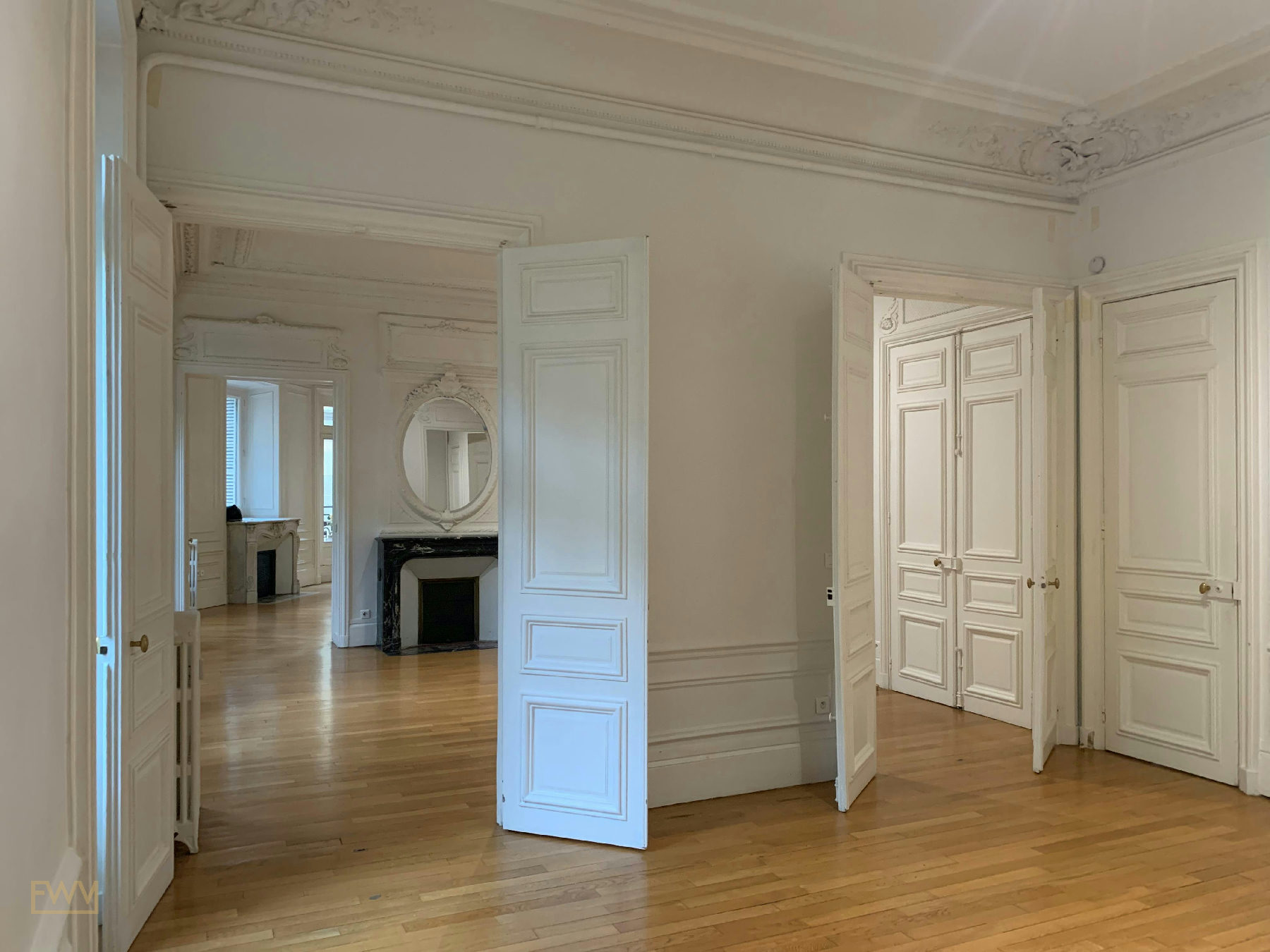
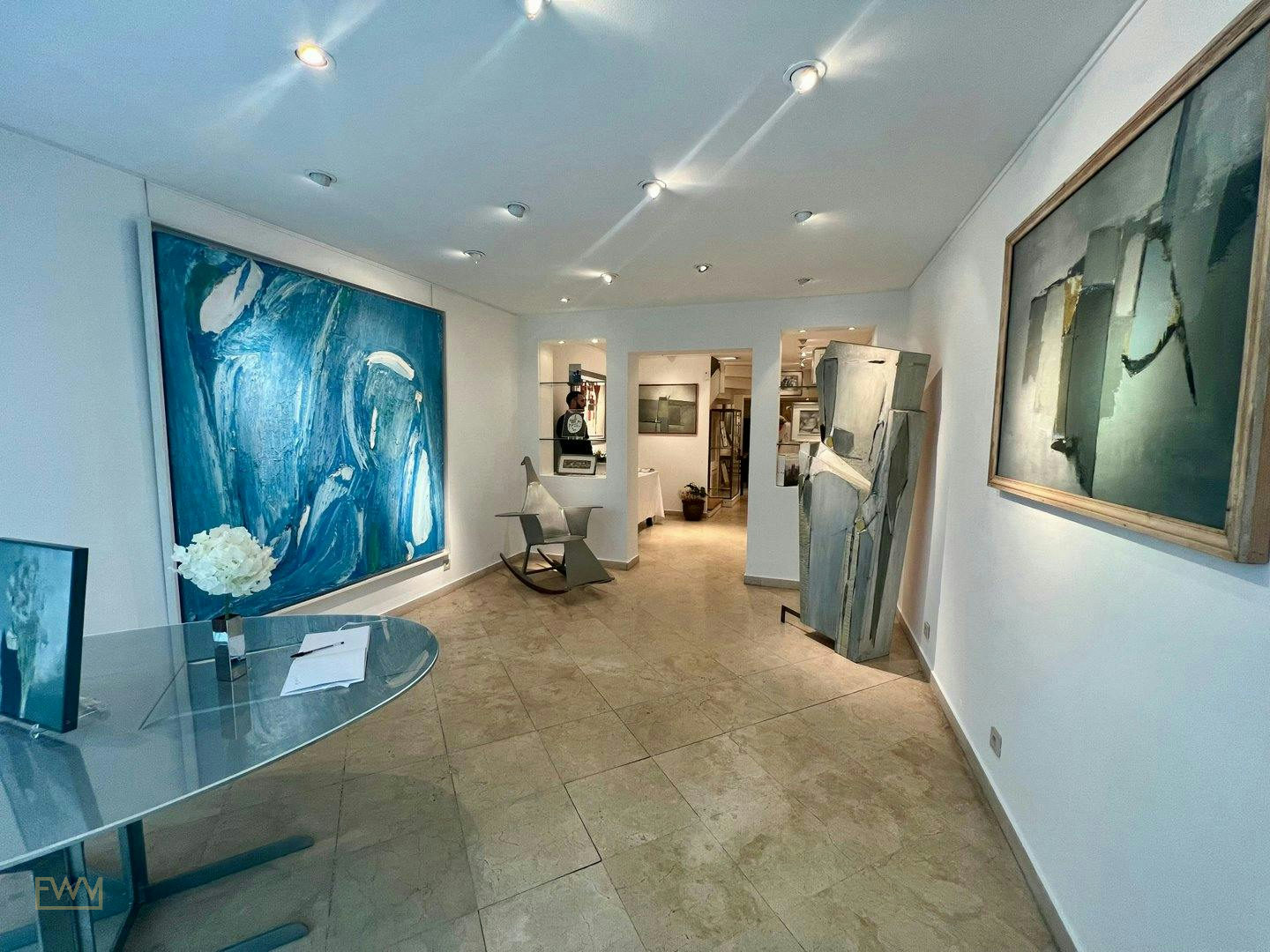
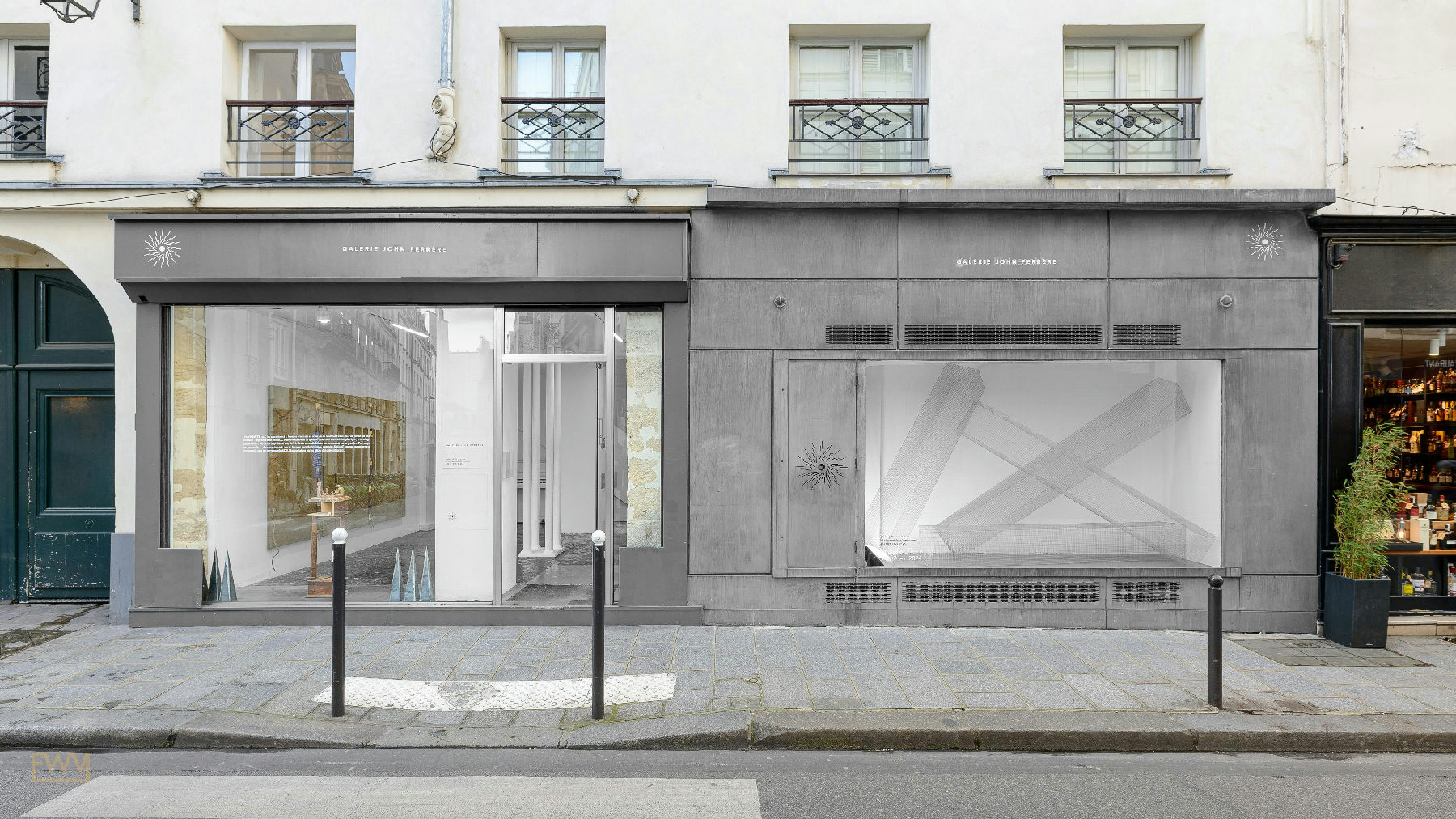
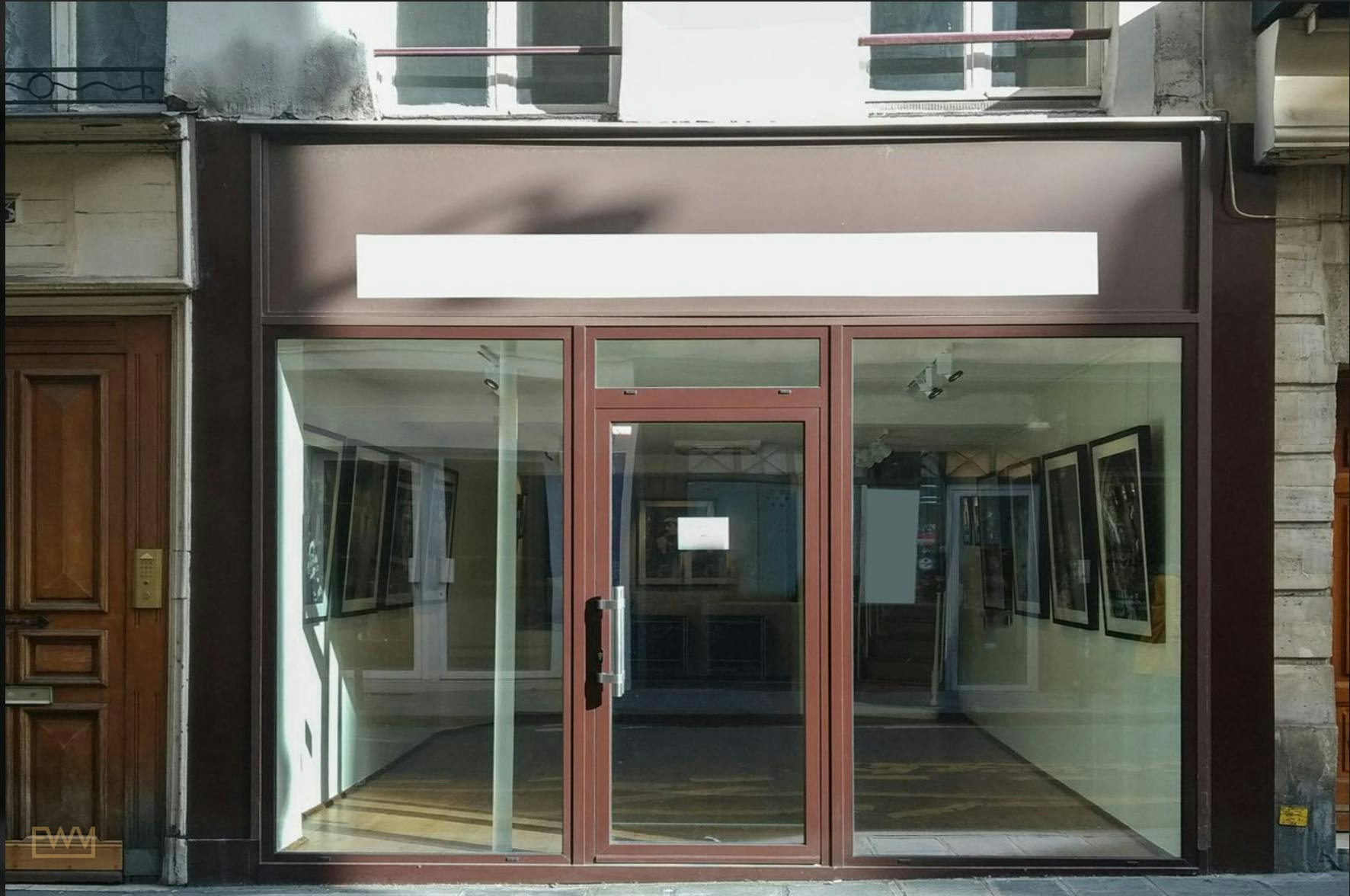
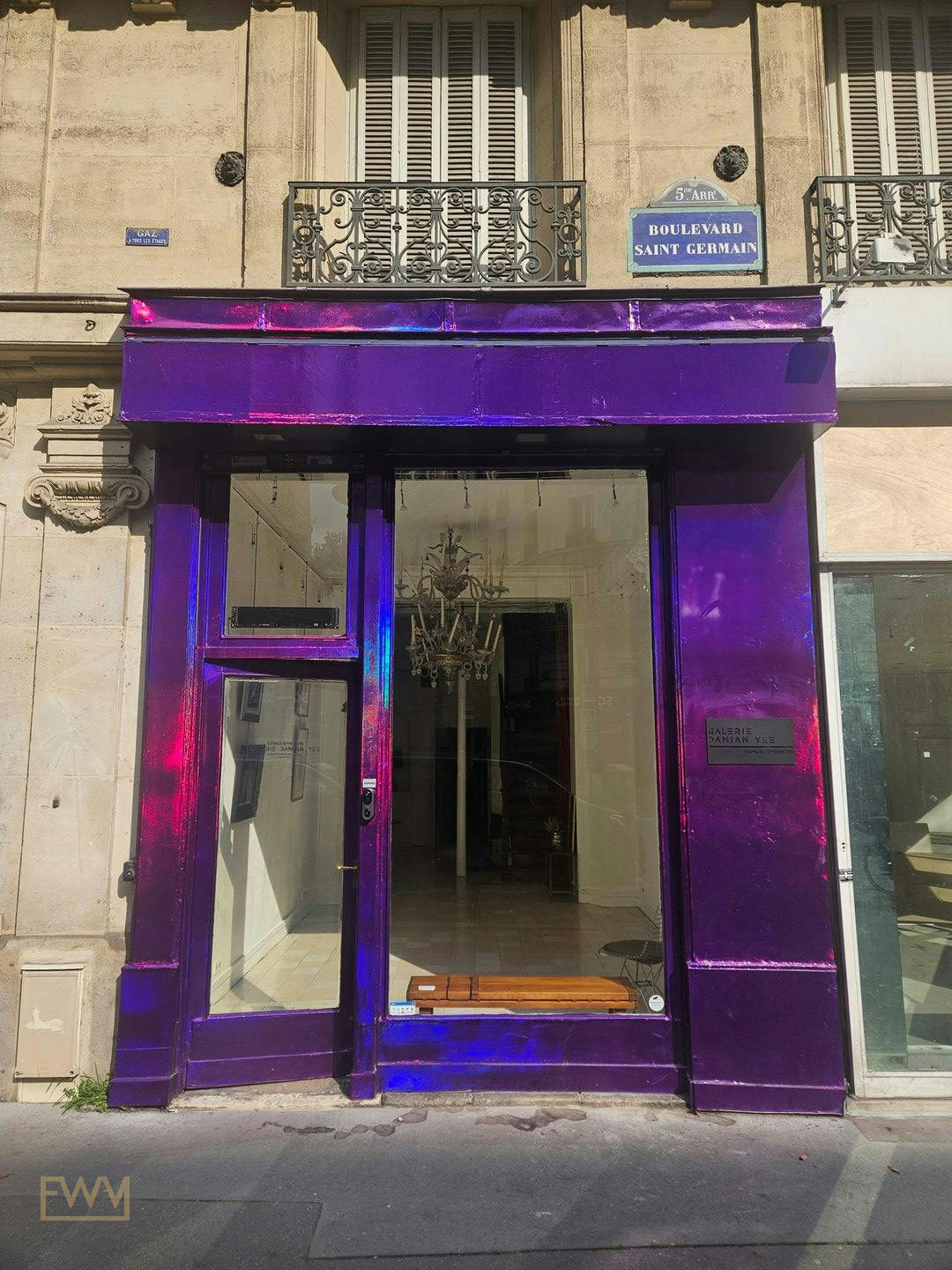
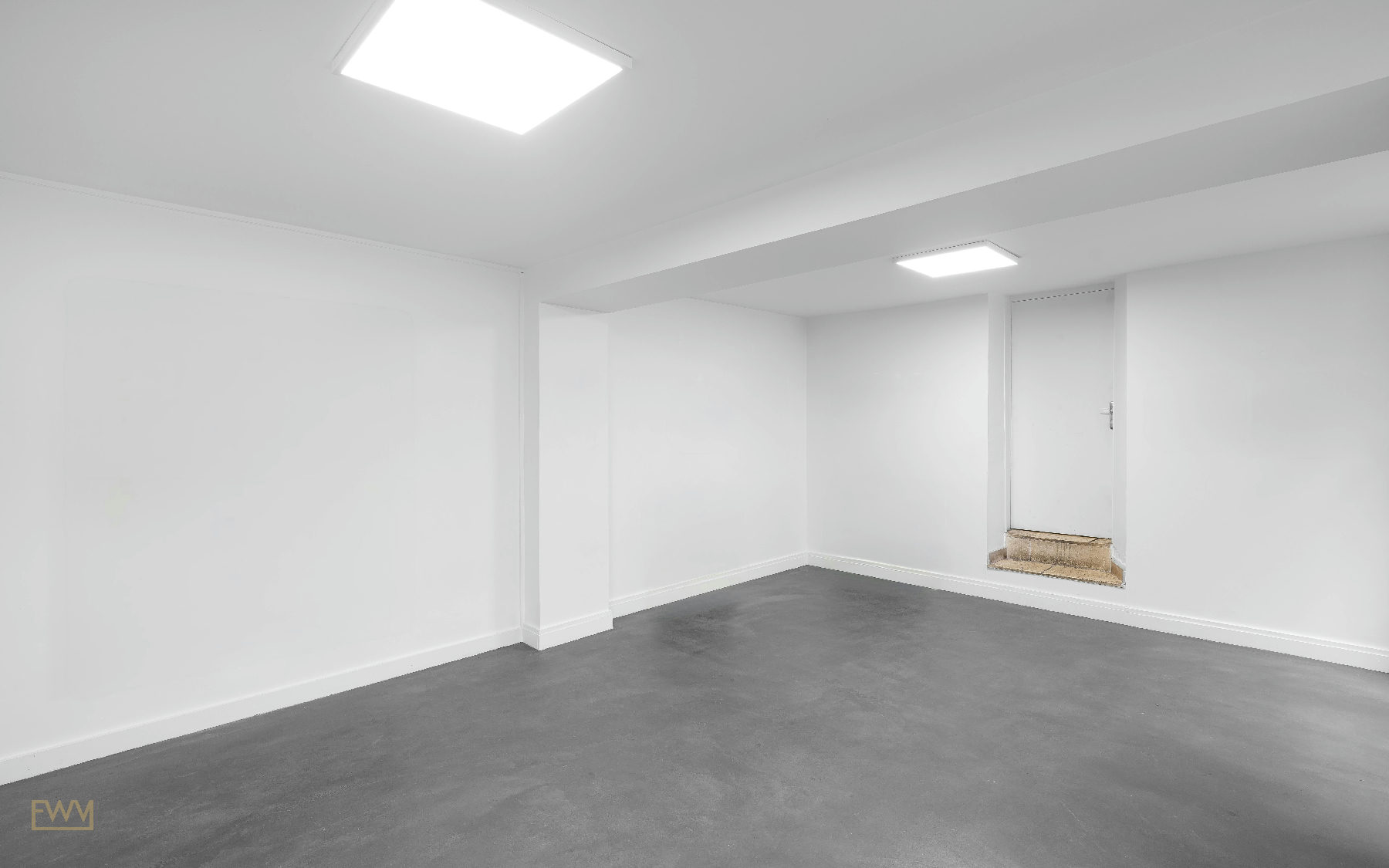
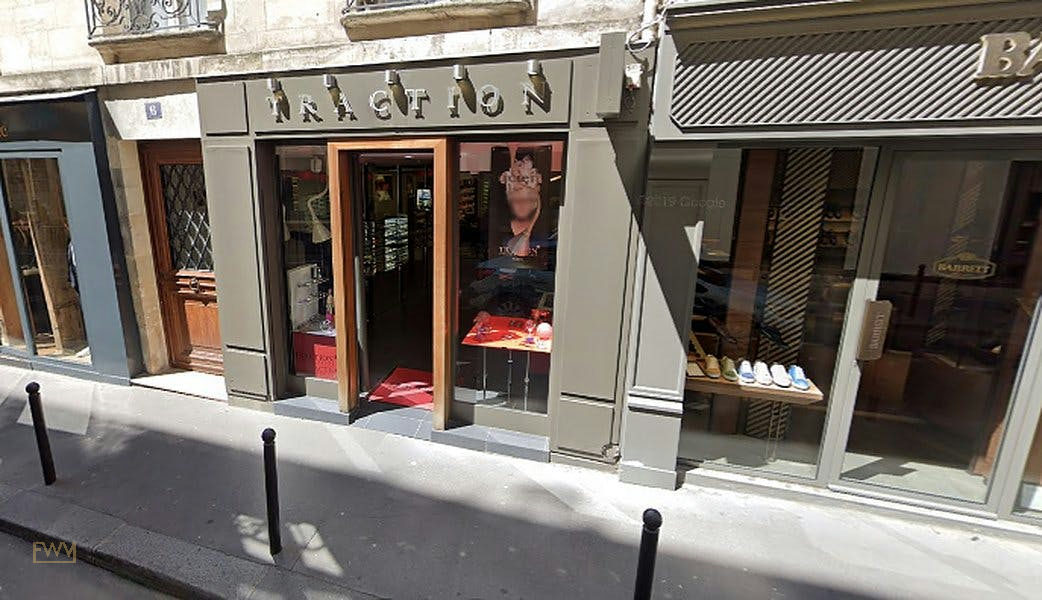
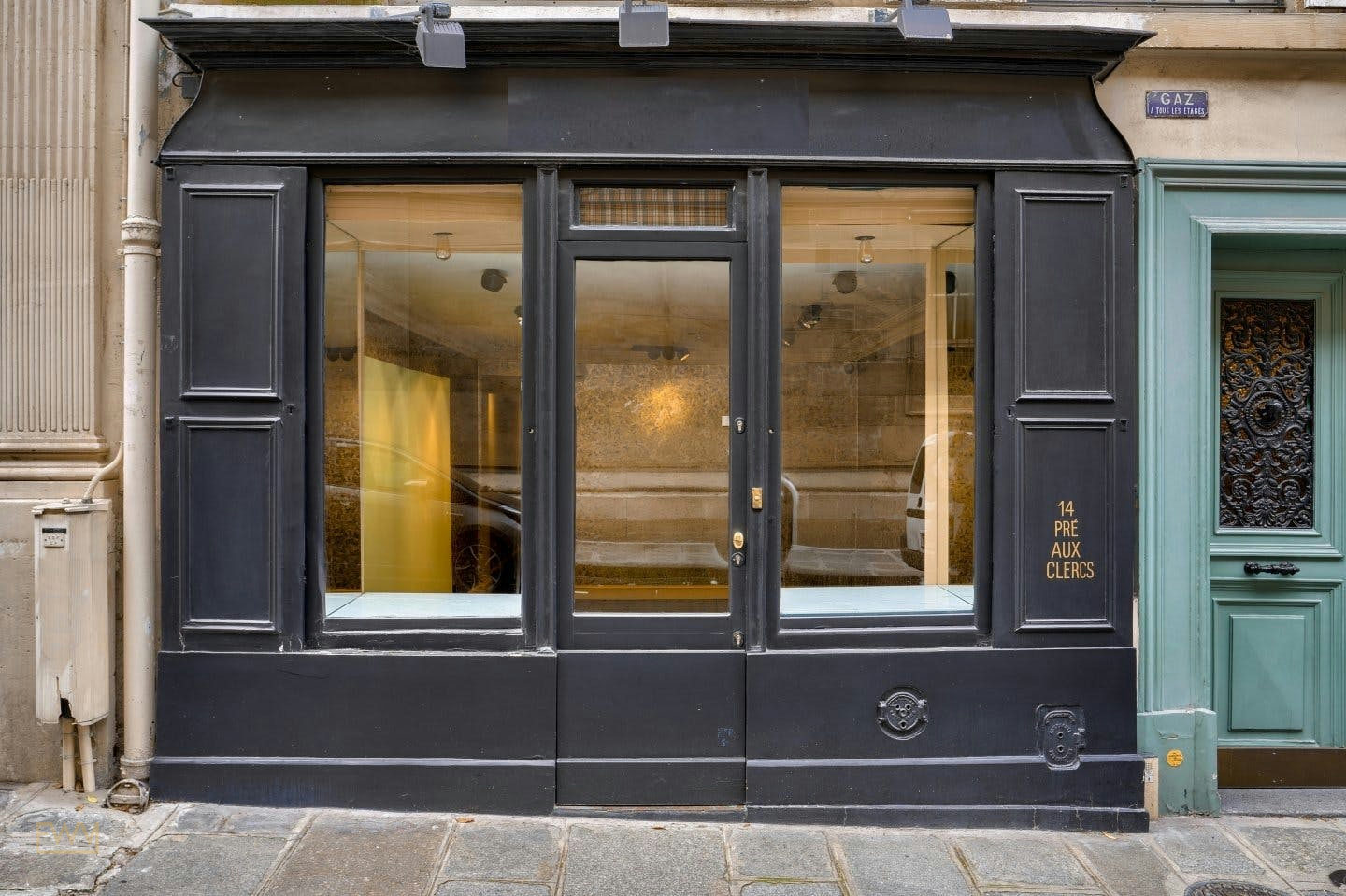
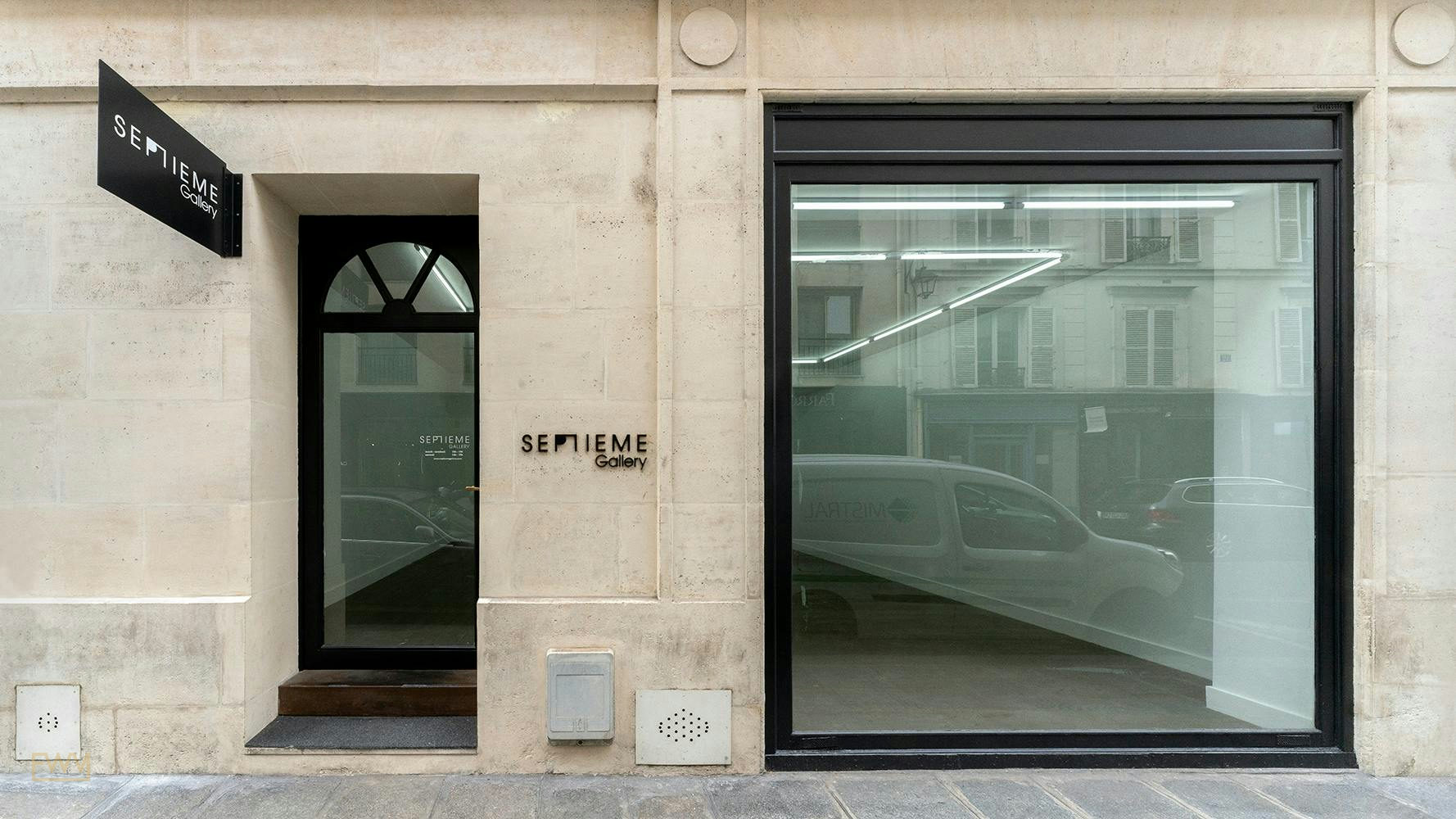
Fashion Week venues are pivotal for brands aiming to make an unforgettable mark during fashion’s most prestigious events. Choosing the right venue not only enhances brand visibility but also strategically aligns with brand ethos and audience expectations. As a one-stop solution, Fashion Week Venues stands out with offerings tailored to fit the unique needs of every fashion player looking to host events in Paris.
Understanding Different Types of Fashion Week Venues
Fashion Week venues come in various forms, each offering distinct advantages. Showrooms, pop-up shops, and traditional event spaces are among the primary categories. Businesses must meticulously assess their brand objectives, target audience, and logistic needs to ensure venue selection aligns with their fashion week goals. Understanding these venue types and how they cater to specific needs can significantly impact the success of a brand's event.
Quick answer: Showrooms are ideal for displaying collections intimately, while pop-ups offer temporary retail experiences, and event spaces accommodate grand presentations.
The particular needs of each fashion brand often dictate the most suitable venue type. Showrooms provide a controlled environment where brands can engage intimately with buyers and media. These spaces often feature minimalistic designs to allow collections to shine. In contrast, pop-up shops are short-term retail spaces enabling brands to engage directly with consumers. They serve as a powerful tool for testing market reactions and driving direct sales in alignment with brand activation strategy.
KEY TAKEAWAY: Choosing between a showroom, pop-up shop, or event space hinges on the desired brand interaction and engagement level with the audience.
DID YOU KNOW: Some iconic locations like the Palais de Tokyo are versatile enough to serve as both showrooms and event spaces, exemplifying the flexibility required in fashion week planning.
With event spaces, the grandeur increases, accommodating larger audiences for runway shows or brand presentations. Such venues demand more elaborate logistics, including seating arrangements, lighting, and possible multimedia installations. In Paris, locations such as the Place Vendôme offer luxurious settings befitting high-profile events.
To effectively choose the type of venue, fashion brands should consider factors such as audience size, event format, aesthetic appeal, and technical requirements. With resources like the Fashion Week Venues space comparison tool, brands can evaluate different spaces efficiently.
TIP: Consider the timing of Paris Fashion Week and align your venue choice with the specific fashion industry calendar for strategic visibility.
The next crucial factor is understanding the logistics and operational needs of the selected venue type. Each venue comes with its own set of challenges, from permits to production design, requiring a comprehensive approach in planning.
Evaluating Logistical and Operational Needs
Effective management of logistical and operational needs can spell the difference between a successful event and a logistical nightmare. From setting up visual merchandising to coordinating staff, a deep understanding of each element is essential. Planning must encompass both pre-event and on-the-day requirements, leaning heavily on project management and creative direction.
Quick answer: Pre-event logistics involve venue setup and permits, while operational needs include staff coordination and live event management.
Key logistical areas include transport, setup, and breakdown schedules. From getting equipment to setting up installations, each step must be carefully timed and coordinated to ensure seamless execution. Brands can leverage the timeline planning tool offered by Fashion Week Venues to stay on track.
Visual merchandising is another critical element demanding attention. It not only enhances brand storytelling but creates an immersive environment that captivates the audience. This requires coordination between various departments and professionals to achieve a cohesive brand presentation.
KEY TAKEAWAY: Successful logistics demand detailed planning and coordination among teams, focusing on timeline management and resource allocation.
TIP: Employ professional help for high-quality audio-visual requirements to ensure your event captivates your audience effectively.
Operationally, brands must focus on staffing logistics, including roles assigned to event managers, brand ambassadors, and technical support staff. Each member plays a critical role in ensuring the smooth execution of the event. Visit Fashion Week Venues’ staffing service page for insights into coordinating skilled personnel seamlessly.
In terms of operational execution, it’s crucial to have contingency plans in place. Anticipating potential issues can prevent disruptions, as can maintaining open lines of communication between team members and venue staff.
Mitigating logistical and operational errors ensures the smooth functioning of the event, enhancing brand image and audience experience. In the next section, we explore the regulatory landscape that brands must navigate to secure a venue in Paris.
Navigating French Regulations and Permits
Understanding and navigating French regulations is a critical aspect of planning a fashion week event in Paris. This involves obtaining permits and adopting processes such as the bail dérogatoire. Although this might seem daunting, understanding these processes is paramount for compliance and event success.
Quick answer: French regulations require specific permits like bail dérogatoire, which are necessary for securing temporary spaces legally in Paris.
The bail dérogatoire is a unique lease format enabling brands to rent spaces temporarily for less than three years. This format is vital for new entrants to the Paris market, providing a legal framework for short-term activations without long-term commitments. Meanwhile, an Autorisation d’Occupation Temporaire (AOT) offers special permissions for short-term use of public spaces.
IMPORTANT: Always verify specific requirements with a local French legal advisor, as regulations can differ by arrondissement and venue type.
TIP: Use the Fashion Week Venues permits tool for guidance on necessary paperwork and deadlines.
Compliance with regulations such as safety standards, advertising approvals, and environment-friendly practices also add layers of complexity. Failing to secure appropriate permits can result in fines or even event closures, making prior planning and compliance checks indispensable.
KEY TAKEAWAY: Managing permits requires both administrative diligence and local legal expertise to navigate varying regulations effectively.
As events in Paris are high-profile, ensuring compliance also helps maintain brand reputation and community relations, safeguarding future event opportunities. The next section will delve into how Fashion Week Venues can support brands throughout this intricate process.
How Fashion Week Venues Facilitates Your Journey
Fashion Week Venues offers end-to-end solutions tailored to the needs of fashion brands seeking to create unforgettable experiences. Our expertise extends across sourcing the perfect venues, coordinating production, and managing activations to ensure events run effortlessly.
Quick answer: Fashion Week Venues provides venue sourcing, concept direction, and operational management to streamline the event planning process.
Brands exploring events in Paris can benefit from our comprehensive marketplace to browse available spaces tailored to meet a variety of strategic needs. With a keen understanding of local regulations and an extensive network, we simplify the complex process of securing a suitable venue.
Our services span from venue sourcing and concept curation to logistic management and retail staffing. These services allow brands to focus on delivering an unparalleled customer experience rather than managing the intricacies of event logistics.
| Service | Benefit | Applicable For |
|---|---|---|
| Venue Sourcing | Identifies the ideal space based on brand needs | Brand Managers, Event Coordinators |
| Concept Direction | Ensures cohesive brand strategies | Creative Directors, Marketing Teams |
| Activation Management | Facilitates seamless event execution | Operations Teams, Logistics Managers |
KEY TAKEAWAY: Fashion Week Venues integrates expert insight and local knowledge to streamline your event planning in Paris’ dynamic marketplace.
Utilize our suite of tools to aid in budgeting, timeline planning, and ROI forecasting. These resources empower you to make informed decisions, enhancing both efficiency and effectiveness.
DID YOU KNOW: Brands can also opt for our unique twin activation approach to simultaneously leverage multiple venues for broader impact.
While we facilitate seamless operations, understanding and setting realistic expectations is crucial for achieving the desired outcomes. Our process educates clients on best practices and mitigates potential issues before they arise.
Next, we unravel the intricate dynamics of neighborhood selection and its influence on a fashion event’s success.
Selecting the Right Neighborhood for Your Event
The choice of neighborhood can dramatically shape the context and reception of a fashion event. Each locale in Paris offers a distinct ambiance, audience demographic, and architectural style, which can profoundly affect brand positioning and event atmosphere.
Quick answer: Popular neighborhoods for fashion events include Le Marais for its trendy vibe, and Saint-Germain-des-Prés for luxury brand appeal.
Le Marais is celebrated for its eclectic mix of art and fashion; it’s a prime choice for contemporary brands looking to attract a younger, trend-focused audience. This neighborhood is perfect for pop-ups and smaller bespoke events. In contrast, areas like the Opéra district attract high-footfall with landmarks like the Galeries Lafayette drawing visitors, ideal for brand showcases seeking maximum exposure.
KEY TAKEAWAY: The choice of neighborhood should strategically align with brand positioning and target demographic to enhance event impact.
To narrow down venues, consider the local competition, accessibility, and the physical characteristics of spaces within a neighborhood. Historical areas such as Rue Saint-Honoré offer luxurious settings ideal for upscale brands hosting exclusive showings, while the vibrant and artsy Canal Saint-Martin appeals to avant-garde labels.
TIP: Evaluate foot traffic patterns when selecting a neighborhood to ensure optimal visibility and accessibility for your target audience.
Using resources like the Fashion Week Venues Paris city hub provides comprehensive insights into the characteristics and amenities of each neighborhood, assisting brands in pinpointing the perfect locale.
| Neighborhood | Audience Demographic | Best Suited For |
|---|---|---|
| Le Marais | Young, Trendy, Art Enthusiasts | Pop-ups, Contemporary Brands |
| Saint-Germain-des-Prés | Luxury Shoppers, Tourists | High-end Retail, Exclusive Events |
| Rue Saint-Honoré | Influencers, Fashion Elites | Luxury Brand Showings |
Understanding the unique offerings of each neighborhood allows brands to tailor their strategies for maximum impact, ensuring a successful fashion week presence. The following section will debunk common misconceptions about organizing fashion events in Paris.
Common Myths Debunked
MYTH: You need a French legal entity to rent a space in Paris.
FACT: While setting up a French legal entity can streamline some processes, it is not a prerequisite for renting spaces. Many international brands successfully operate by complying with local regulations and obtaining necessary permits like the bail dérogatoire.
MYTH: Paris Fashion Week is the only viable calendar window for fashion events.
FACT: Although Paris Fashion Week is a peak period, Paris hosts fashion-related events year-round. Brands can capitalize on alternative times for reduced costs and increased venue availability while still attracting significant industry attention.
MYTH: You must use commission brokers to find a suitable space in Paris.
FACT: While brokers offer convenience, platforms like Fashion Week Venues streamline the search for ideal spaces without commission fees, providing extensive listings and detailed insights directly to brands.
MYTH: Short-term leases are straightforward and don't require specialist assistance.
FACT: Short-term leases in Paris demand careful legal consideration and compliance with specific regulations. It's advisable to seek guidance from professionals familiar with local leasing laws to avoid potential legal pitfalls.
Dispelling these myths is crucial for brands to approach event planning with clarity and strategic confidence. Up next, we delve into frequently asked questions to add further clarity and insights.
Frequently Asked Questions
What is the best time to host a fashion event in Paris?
While Paris Fashion Week is a prime opportunity, hosting events off-season can provide benefits such as cost savings and greater availability of spaces. Consider other significant cultural events or tourism seasons that can still draw crowds to your brand activation.
How can I ensure my venue aligns with my brand image?
Assess venues based on architectural style, neighborhood character, and personalization options. Platforms like Fashion Week Venues provide visual tools to help visualize potential spaces in the context of your brand’s style and ethos.
Do I need a permit for decorative installations?
Yes, Paris requires permits for significant modifications or installations, especially in public spaces. Consult with local authorities and use the permits tool to verify compliance requirements.
Can venue spaces be customized?
Most venues offer some level of customization, but the extent depends on the landlord and any local restrictions. Check details for each venue listed in the Fashion Week Venues marketplace for customization allowances.
What are the primary considerations for choosing a venue in Paris?
Audience, brand fit, technical requirements, pricing, and location are key. Consider the size and purpose of your event, access to public transport, and nearby amenities. The comparison tool can aid with this decision process.
How does Fashion Week Venues help with logistics?
Fashion Week Venues supports logistics through a range of services, including venue sourcing, production management, and staffing coordination. This integrated approach ensures seamless event execution, reducing the burden on brand teams.
Conclusion
In navigating the complexities of hosting an event during Paris Fashion Week, choosing the right venue is crucial. From logistical planning to navigating French regulatory requirements, every step significantly impacts the success of your event. With Fashion Week Venues, you gain access to tailored solutions, ensuring that every aspect aligns with your brand’s objectives. Leverage our extensive marketplace, expert services, and advanced tools to transform your vision into reality. To move from research to activation, start exploring available spaces on the Fashion Week Venues marketplace and build a focused brief for your target neighborhood, space type, and calendar window. Position your brand at the forefront of fashion by making informed decisions supported by unparalleled opportunities and insights.