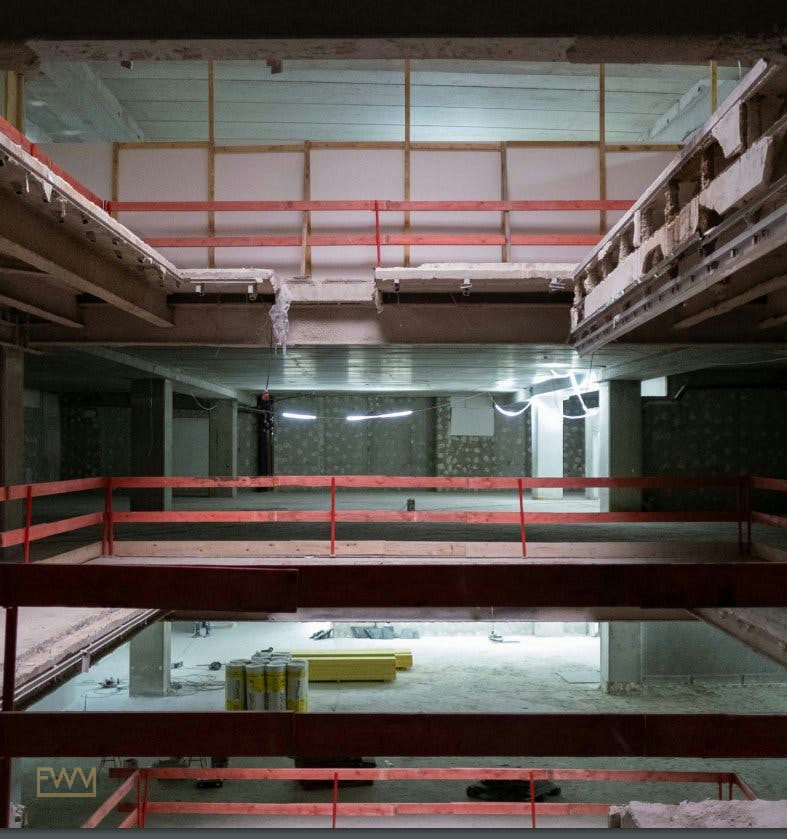
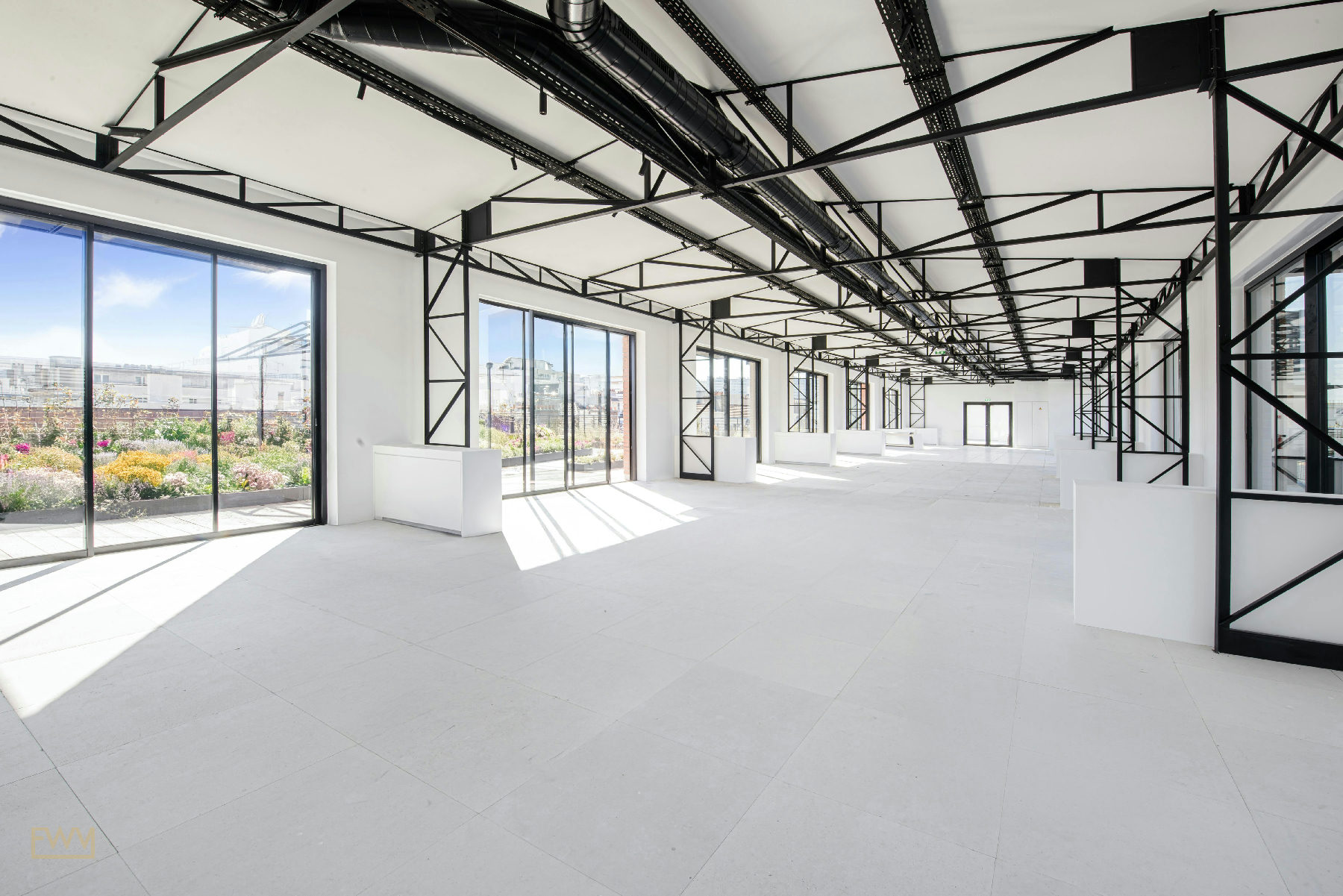
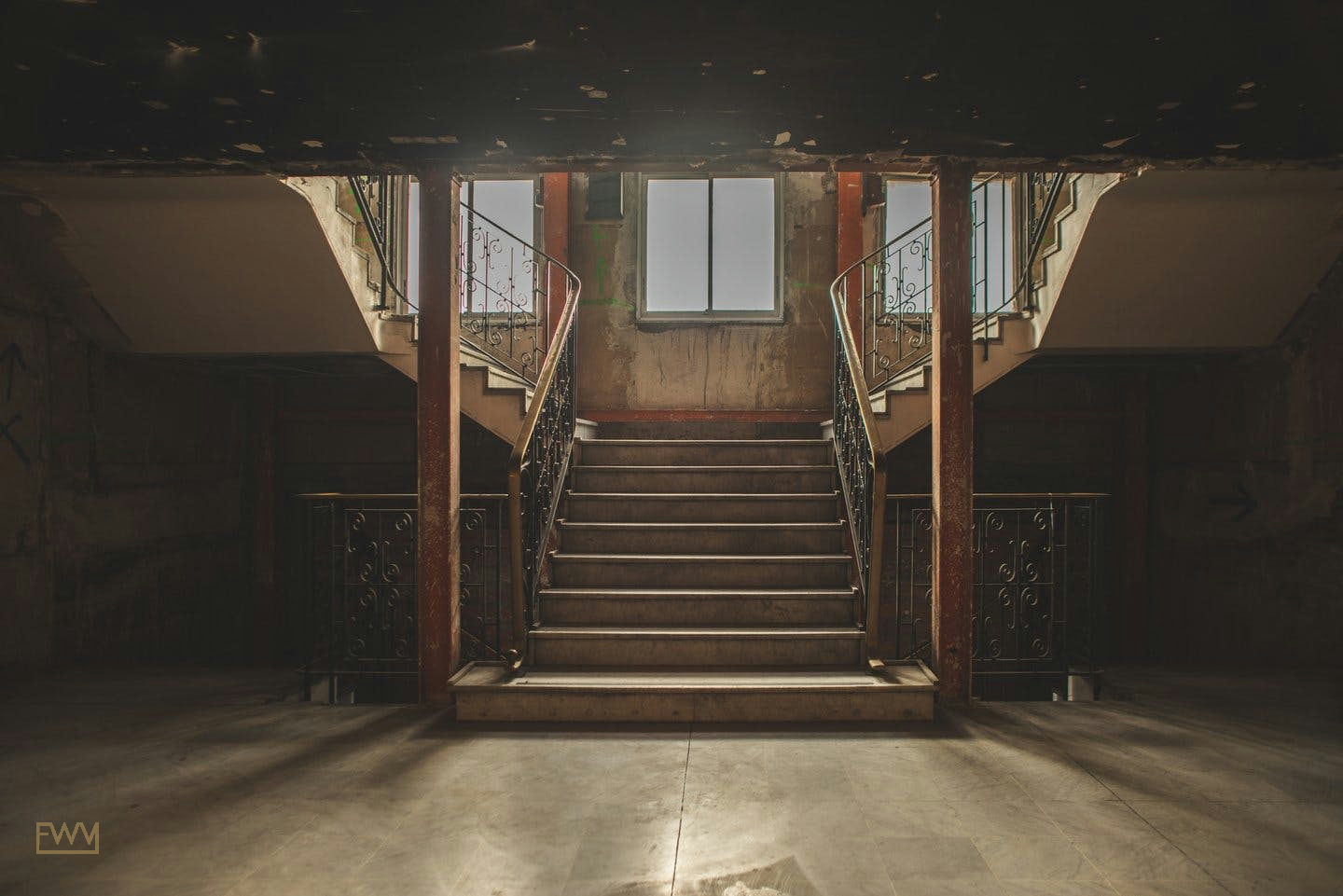
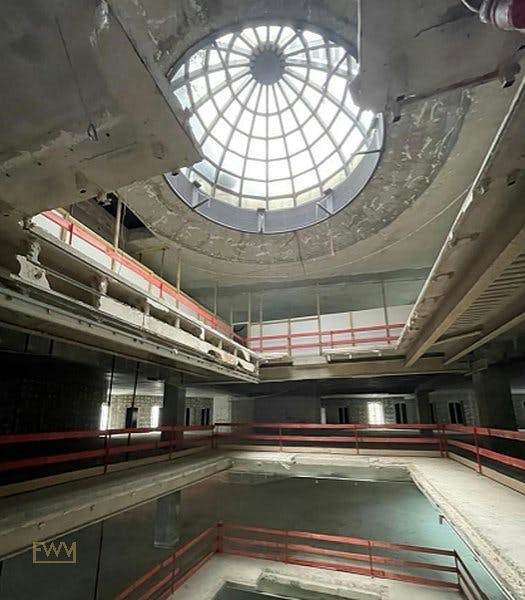
A pop up shop in the 4th arrondissement Paris places your brand at the heart of Le Marais, one of the most commercially potent and culturally saturated neighbourhoods in the world. The 4th is home to Place des Vosges, the Musée Picasso, Carreau du Temple, Rue des Francs-Bourgeois, and a dense concentration of concept stores, fashion boutiques, and international brand activations that draw both high-spend Parisian residents and globally mobile shoppers throughout the year. Whether you are planning around Paris Fashion Week, a Haute Couture calendar window, or an independent brand launch, the 4th arrondissement offers neighbourhood magnetism that few retail districts anywhere can match. Fashion Week Venues works with brands across all stages of the pop-up process, from venue sourcing in Le Marais through to full build, staffing, and activation management.
Why the 4th Arrondissement Is Paris's Most Sought-After Pop-Up District
The 4th arrondissement of Paris consistently ranks among the highest-demand districts for temporary retail because it combines historical prestige, active foot traffic, cultural programming, and a shopper demographic that skews toward fashion-conscious, design-literate, internationally aware consumers. Understanding why this concentration exists helps brand teams make smarter decisions about space selection, timing, and investment.
The Geography of Le Marais and Its Commercial Logic
Le Marais straddles the 3rd and 4th arrondissements, but the commercial and cultural gravity is anchored in the 4th. The neighbourhood sits between the Seine to the south, the Place de la République corridor to the north, the Centre Pompidou and Châtelet-les-Halles to the west, and the Place de la Bastille to the east. This geography means that any brand activating within the 4th is within walking distance of multiple major tourist and local traffic generators simultaneously.
Rue de Rivoli runs along the southern edge of the district, connecting the Louvre to the Bastille and generating substantial pedestrian flow daily. Rue des Francs-Bourgeois is the commercial spine of Le Marais proper, lined with boutiques ranging from established international names to emerging French designers and vintage specialists. The side streets feeding off this axis, including Rue de Bretagne, Rue du Temple, Rue des Archives, and Rue Vieille du Temple, form a grid of independent retail that is consistently active across multiple seasons.
Place des Vosges, the oldest planned square in Paris, anchors the eastern end of Le Marais and contributes both heritage prestige and a steady flow of art buyers, architecture tourists, and high-net-worth visitors who frequently combine gallery visits with boutique shopping. The Musée Picasso on Rue de Thorigny adds further cultural footfall from visitors who then move into the commercial streets on foot.
The Consumer Profile in the 4th Arrondissement
The shopper walking through Le Marais on any given afternoon is not homogenous. The district draws young Parisian creatives, Japanese fashion tourists, American luxury shoppers, local families, and international influencers within the same square kilometre. This breadth is commercially useful because it means a well-positioned pop-up can simultaneously attract press, generate social media content, build a local customer base, and serve visiting international buyers.
Brands including Carhartt WIP have used the Marais district specifically because it combines streetwear credibility with access to a style-aware audience. Dover Street Market chose Rue des Francs-Bourgeois for its Paris location, bringing its multi-brand concept store model directly into the heart of Le Marais. La Samaritaine, the historic department store revived on Rue de Rivoli, has reinforced the 4th arrondissement's status as a credible anchor for luxury and aspirational retail simultaneously.
Quick answer: The 4th arrondissement offers a combination of heritage prestige, diverse shopper demographics, high foot traffic, cultural programming, and proximity to major Paris landmarks that makes it the most commercially compelling pop-up district in the city for fashion, beauty, design, and lifestyle brands across multiple calendar windows.
DID YOU KNOW: Dover Street Market Paris is located at 35-37 Rue des Francs-Bourgeois in the 4th arrondissement, placing one of the world's most influential concept store operations directly within Le Marais's prime retail corridor.
KEY TAKEAWAY: The 4th arrondissement's commercial logic is structural, not seasonal. Foot traffic, cultural programming, and shopper quality are consistent enough to support brand activations outside of Fashion Week windows, making it viable for year-round pop-up strategy.
Understanding the geography and consumer profile of the 4th is the foundation for every subsequent decision about space type, lease structure, timing, and activation design. The next section addresses the specific spaces available and what distinguishes them from each other.
Types of Pop-Up Spaces Available in the 4th Arrondissement
The 4th arrondissement offers a broader range of temporary retail and event spaces than most brands initially anticipate. Space types vary considerably in terms of footprint, natural light, floor access, rental rates, and the brand associations they carry. Selecting the right space type for your specific objectives is a critical early-stage decision.
Retail Storefronts and Boutique Spaces
Traditional retail storefronts on or near Rue des Francs-Bourgeois and Rue de Rivoli are the most commercially direct option for brands prioritising sales conversion and walk-in traffic. These spaces typically feature display windows facing a pedestrian corridor, a ground-floor retail floor, and in some cases a basement or mezzanine level for stock or events. Spaces in this category range from compact boutique formats of 30 to 60 square metres up to multi-floor retail units exceeding 200 square metres. The commercial premium attached to a Rue des Francs-Bourgeois address reflects the street's status as the single highest-footfall fashion retail corridor in the arrondissement.
Gallery and Exhibition Spaces
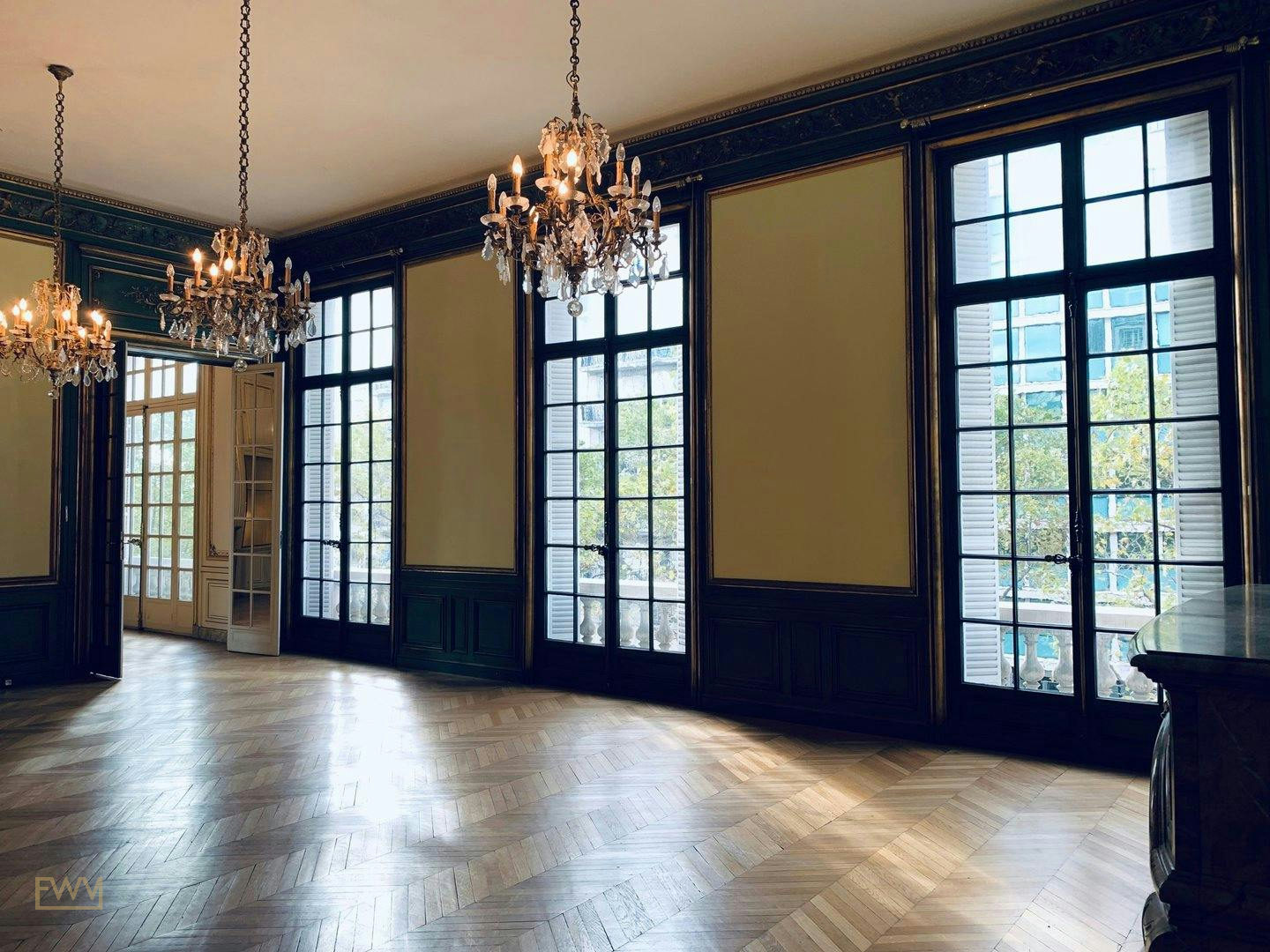
Le Marais has one of the highest concentrations of private galleries and exhibition spaces in Paris. Spaces described as Galerie d'art, Galerie d'exception, and similar formats are frequently made available for short-term brand activations, particularly when they offer white-wall environments with high ceilings and polished concrete or parquet floors. These spaces are particularly suited to fashion brands that want to position their activation as a cultural event rather than a pure retail moment. Private exhibition spaces around the Marais also attract press photographers and influencers more readily than conventional storefronts, which supports digital campaign objectives alongside physical retail goals.
Showrooms and Fashion Presentation Spaces
The 4th arrondissement has a significant concentration of fashion showroom spaces, particularly in the quieter streets east of the Centre Pompidou and around Rue du Temple. A fashion showroom format suits brands presenting collections to buyers and press during Paris Fashion Week Haute Couture or ready-to-wear periods. These spaces are typically furnished, professionally lit, and configured for appointment-based brand presentations rather than open retail. Some showroom spaces in this district have been used repeatedly by emerging designers and international labels, including those associated with the ANDAM Pierre Bergé Prize and the broader French fashion incubator ecosystem.
Event and Workshop Venues
Spaces suited to workshops, launches, screenings, and community engagement events are available throughout the 4th arrondissement. Venues such as Carreau du Temple, located in the adjacent 3rd arrondissement but drawing from the same audience pool, offer larger footprints for event-format activations. Within the 4th itself, converted courtyards, former industrial spaces, and heritage-listed interiors provide event-ready environments that can be styled and branded for temporary use. These spaces suit beauty brands, lifestyle labels, and fashion houses running programming alongside a sales component.
Space Type Comparison Table
| Space Type | Best For | Typical Floor Access | Key Features | Primary Limitation |
|---|---|---|---|---|
| Retail Storefront | Direct sales, walk-in traffic | Ground floor, sometimes basement | Display windows, high foot traffic | Higher rental rates on prime streets |
| Gallery Space | Brand storytelling, press events, cultural positioning | Ground or first floor | White walls, high ceilings, natural light | May lack retail fit-out infrastructure |
| Fashion Showroom | Buyer appointments, press presentations, Fashion Week | Upper floors common | Professional lighting, private access | Limited walk-in conversion |
| Event Venue | Launches, workshops, community events | Ground floor or courtyard | Flexible layout, large footprint | Requires full production and build |
| Apartment Format | Intimate brand experiences, VIP clientele | Upper residential floors | Domestic scale, authentic Parisian aesthetic | Access limitations, lower footfall |
Quick answer: The 4th arrondissement offers retail storefronts, gallery spaces, fashion showrooms, event venues, and apartment-format spaces for temporary brand use. Each type serves different objectives, and the right choice depends on whether your priority is sales conversion, press coverage, buyer access, or community engagement.
TIP: Brands that combine a gallery-format space with an integrated sales component often achieve both the editorial credibility of an art environment and the commercial output of a retail activation. Consider how the space type communicates your brand universe before committing to a category.
To explore and compare available spaces across Le Marais and the broader Paris market, the space comparison tool on Fashion Week Venues allows you to assess multiple options against each other before requesting a full brief.
KEY TAKEAWAY: Choosing the wrong space type for your objectives is a common and costly mistake. A brand focused on press coverage that books a commercial storefront, or a brand targeting walk-in sales that books a fourth-floor showroom, will underperform against its goals regardless of how strong the location is.
Paris Fashion Week and the Haute Couture Calendar: Timing Your 4th Arrondissement Activation
Paris Fashion Week is not a single event. It is a series of overlapping calendar moments that collectively generate the highest concentration of global fashion industry attention in any city on earth across multiple weeks of the year. Understanding which calendar window aligns with your brand objectives determines both the timing and the type of space you need in the 4th arrondissement.
The Four Major Paris Fashion Calendar Windows
Paris hosts four primary fashion calendar periods annually: Menswear in January and June, Haute Couture in January and July, Womenswear ready-to-wear in March and October, and a growing number of brand activations timed to intersect with these official schedules without being officially on-calendar. Each window brings a different industry audience. Haute Couture in July, running from approximately July 6 to 9 in 2026, attracts the highest concentration of international press, private clients, and cultural media. Womenswear in March and October brings buyers, retail directors, and global brand managers. Menswear in June draws an increasingly influential streetwear and younger-demographic press contingent.
The 4th arrondissement is relevant across all of these windows because Le Marais sits at the intersection of the luxury corridor and the emerging designer and concept store ecosystem. Brands that cannot access a runway show slot, or that do not want one, use the 4th arrondissement's pop-up and showroom infrastructure to participate in the cultural conversation of Fashion Week without the cost or logistics of an official presentation.
Current Activation Examples in and Around the 4th
To illustrate the current rhythm of pop-up activity in this district, several notable activations are underway or recently concluded in and adjacent to the 4th arrondissement in 2026. Lili Curia, the British footwear label launched in London in 2025 and already worn by artists including Karol G and Suki Waterhouse, has a pop-up at Dover Street Market Paris at Level -1, 35-37 Rue des Francs-Bourgeois, running until July 9th, 2026. This activation is timed precisely to coincide with Paris Haute Couture week and leverages the foot traffic and editorial attention that Dover Street Market generates as a destination in its own right.
Anthony Calydon, known for signature knitted bags produced in pastel pink, sunny yellow, and baby blue colourways, is taking over a Marais space at 37 Rue Debelleyme, Paris 75003, on July 25th and 26th, 2026, from 12pm to 7pm. This two-day format is a concentrated activation designed to generate immediate demand and social media content within a short, intensified window. JW Anderson has a pop-up running from July 9 to September 24, 2026, at 15 Rue du Louvre in the 1st arrondissement, illustrating how brands use adjacent arrondissements to create a wider Marais-to-Louvre activation corridor.
Why Timing Matters Beyond Fashion Week
While Fashion Week windows generate the highest press density, some of the most commercially successful pop-up activations in the 4th arrondissement occur outside these windows. Summer in Paris, particularly July and August, brings large volumes of international tourists who are active shoppers and who specifically seek out Le Marais as a destination. September, October, and November bring a combination of fashion week attendees and early luxury gift season shoppers. The first quarter of the year, following Haute Couture in January, provides a strong window for brand launches aimed at the local Parisian consumer and the European press market.
Quick answer: Paris Fashion Week Haute Couture in July and ready-to-wear in October are the highest-density windows for brand activations in the 4th arrondissement, but summer tourist season, post-Couture July, and early autumn also provide strong commercial and editorial opportunities for pop-up shops in Le Marais.
IMPORTANT: Prime spaces in the 4th arrondissement during Fashion Week windows are booked well in advance. Brands that begin their search fewer than eight to twelve weeks before their target activation date frequently find that their preferred spaces are already committed. Use the timeline planning tool to map your booking and production schedule against your target calendar window.
KEY TAKEAWAY: Strategic timing means aligning your activation window with the calendar moment that best matches your brand objectives, audience, and budget. Fashion Week generates the highest editorial return; summer tourist season generates the highest volume transaction return; the shoulder seasons offer the best balance of cost efficiency and audience quality.
Timing decisions directly affect budget, so the next section addresses what brands should understand about the financial structure of a 4th arrondissement pop-up activation.
Budget Planning for a Pop-Up Shop in the 4th Arrondissement Paris
Budget planning for a Paris pop-up involves more variables than most brand teams initially account for. Rental rates in the 4th arrondissement reflect the premium nature of the district, but space rental is only one component of a realistic total activation budget. Understanding the full cost structure prevents brands from committing to a space they cannot fully activate within their available resources.
Factors That Influence Rental Rates in Le Marais
Rental rates in the 4th arrondissement vary based on street prominence, space footprint, natural light, floor access, interior condition, lease duration, and the specific calendar period. A ground-floor space on Rue des Francs-Bourgeois during Haute Couture week commands a meaningfully higher rate than the same space in February. A gallery space on a secondary street accessed through a courtyard will be priced differently from a double-fronted retail unit with display windows facing Rue de Rivoli. Rates for very short activations, typically fewer than seven days, are often calculated on a daily or weekly basis rather than a monthly rate and may include a service charge that covers property management, utilities, and access coordination.
Because rental rates shift based on a combination of these factors, Fashion Week Venues provides a budget estimation tool that allows brands to build directional cost forecasts based on their target space type, duration, arrondissement, and calendar period. This is not a guaranteed pricing system but it provides a structured basis for internal planning and stakeholder approval before committing to a specific space.
Beyond Rent: The True Cost of a 4th Arrondissement Pop-Up
A realistic pop-up budget in the 4th arrondissement must account for production and fit-out costs, furniture rental if the space is unfurnished, retail staffing across the activation period, point-of-sale and payment infrastructure, permit and insurance costs specific to the space type and duration, marketing and social media content creation, influencer engagement, press outreach, and post-activation data collection. Each of these line items can vary significantly based on the scale and ambition of the activation.
Brands that plan their activation budget to include only space rental and basic staffing frequently find that their activation underperforms because it lacks the visual design and experience quality that the 4th arrondissement's sophisticated audience expects. A space in Le Marais that is underbuilt or poorly styled works against brand equity rather than building it, because the local consumer and visiting press have a high baseline reference point for what a credible activation looks like in this district.
DID YOU KNOW: Budget forecasting for Paris pop-ups should include a contingency line of at least 10 to 15 percent of total planned expenditure to cover permit delays, build overruns, last-minute staffing changes, and unforeseen space requirements that only become apparent during the production phase.
ROI Framework for Le Marais Activations
Return on investment for a pop-up shop in the 4th arrondissement should be measured across multiple dimensions rather than direct revenue alone. Brand equity impact, measured through press coverage, social media impressions, and organic search uplift following the activation, frequently exceeds the direct sales return for first-time Paris pop-ups. Brands entering Le Marais for the first time often report that the primary commercial return comes in the weeks and months following the activation, as digital campaign content, influencer coverage, and press features generate sustained demand. Use the ROI calculator to model the full return across both immediate sales and medium-term brand equity metrics.
Quick answer: A 4th arrondissement pop-up budget must cover space rental, fit-out and production, staffing, POS infrastructure, permits, insurance, marketing, and contingency. Space rental alone does not represent the full cost of the activation, and underbudgeting on build and experience quality can damage brand equity in a district where consumer expectations are high.
KEY TAKEAWAY: Build your budget from the total activation cost backward to the space rental component, not from the rental rate outward. A space that appears affordable becomes expensive when the fit-out required to meet the district's standards is added to the total.
Permits, Compliance, and Legal Structure for Temporary Retail in Paris
Permit and compliance requirements for a pop-up shop in the 4th arrondissement of Paris are more complex than those for equivalent temporary retail in many other cities. Understanding the legal framework before committing to a space avoids delays, penalties, and forced early closure.
Bail Dérogatoire: The Short-Term Lease Framework
The primary legal instrument for short-term commercial rental in France is the bail dérogatoire, a derogatory lease that allows landlords and tenants to agree to a commercial occupancy of up to three years outside the standard protections and obligations of the conventional nine-year French commercial lease. For pop-up activations lasting a few days to several months, the bail dérogatoire is the most common and commercially practical lease structure. However, it must be executed correctly to be legally valid, and the terms must be clearly agreed in writing before the activation begins.
For very short activations, typically those lasting fewer than 30 days, a convention d'occupation précaire or a mise à disposition agreement may be the more appropriate instrument, depending on the space owner's preference and the nature of the space. These agreements carry different rights and obligations for both parties and should be reviewed by a French legal advisor before signing. Fashion Week Venues strongly recommends that all brands activating in Paris engage appropriate French legal counsel to review their lease or occupancy agreement before committing to any space, regardless of how the rental was sourced.
AOT: Temporary Occupation of Public Space
If any element of your activation extends to public space, including pavement displays, outdoor signage, queuing infrastructure, or branded exteriors visible from the public domain, you will likely need an Autorisation d'Occupation Temporaire, or AOT, from the relevant Parisian authority. The process for obtaining an AOT varies by arrondissement and by the nature and duration of the use. Requirements and approval timelines also differ depending on whether the space is adjacent to a listed monument or within a heritage-protected zone, both of which are common in the 4th arrondissement given the density of historic buildings in Le Marais.
Specific Compliance Considerations for the 4th Arrondissement
The 4th arrondissement contains a significant number of buildings classified under heritage or ZPPAUP protections, which place restrictions on external modifications, signage, and window display formats. Brands planning dramatic exterior branding or large-format window installations should verify compliance requirements specific to their chosen address before committing to a creative direction that may not be permissible at that location. Requirements vary by space type, duration, and specific address, so individual verification is always necessary.
IMPORTANT: Do not assume that a space landlord's permission to activate is equivalent to having all required permits in place. In France, landlord consent and regulatory compliance are separate matters. Always verify permit requirements through the appropriate channels before beginning any build or installation. The permit guidance tool provides a useful starting framework, but it does not replace advice from a qualified French legal advisor.
Quick answer: Temporary retail in the 4th arrondissement typically requires a bail dérogatoire or convention d'occupation précaire for the space itself, and may additionally require an AOT for any public-facing elements of the activation. Heritage protections in Le Marais add further compliance requirements for exterior modifications. Professional legal advice is strongly recommended before signing any agreement.
KEY TAKEAWAY: Permit and compliance work in Paris is not a formality. It is a substantive legal process that requires time, local knowledge, and professional guidance. Building permit lead times into your planning timeline from the earliest stage prevents the most common cause of activation delays and unexpected costs.
Neighbourhood Deep Dive: Le Marais Streets and Micro-Zones
Le Marais is not a single, uniform commercial environment. Within the 4th arrondissement alone, there are meaningfully distinct micro-zones that serve different brand profiles, traffic patterns, and audience types. Selecting the right street or area within the 4th is as important as selecting the right arrondissement within Paris.
Rue des Francs-Bourgeois and the Central Retail Spine
Rue des Francs-Bourgeois is the most commercially active street in Le Marais and the primary axis for fashion retail in the district. The street runs from Place des Vosges in the east to the Musée Carnavalet area in the west, connecting the heritage anchor of the 4th to the broader Marais grid. Brands activating on Rue des Francs-Bourgeois benefit from the highest consistent footfall in the district, the presence of established fashion names including Dover Street Market, and a shopper profile that is specifically shopping rather than simply passing through. The trade-off is that rental rates on this street reflect its commercial prominence, and competition for available spaces during Fashion Week periods is intense.
Place des Vosges and the Eastern Heritage Quarter
Place des Vosges anchors the southeastern edge of the Marais and provides a specific type of brand positioning that differs from the commercial density of Rue des Francs-Bourgeois. Spaces under the arcades of Place des Vosges or in the immediately adjacent streets combine heritage prestige with a clientele that trends toward luxury collectors, art buyers, and high-net-worth international visitors. This makes the eastern quarter of the 4th particularly well-suited to jewellery brands, luxury accessories labels, galerie d'art formats, and brands that want to associate with the heritage craftsmanship narrative of Paris rather than its contemporary streetwear culture.
Centre Pompidou and the Western 4th
The western edge of the 4th arrondissement, anchored by the Centre Pompidou and opening onto the Châtelet-les-Halles transport hub, generates a different type of foot traffic from the residential and boutique-focused streets deeper in Le Marais. This zone draws younger consumers, cultural tourists, and a more international mix of shoppers who arrive via the Châtelet-les-Halles transport interchange, one of the busiest transit nodes in France. Brands targeting a younger, more diverse demographic or seeking scale of foot traffic rather than demographic specificity may find this corridor commercially attractive.
Rue de Rivoli: The Southern Commercial Border
Rue de Rivoli forms the southern boundary of the 4th arrondissement along the Seine side of the district. The street is a major tourist artery connecting the Louvre to the Bastille and carries exceptionally high pedestrian volumes. La Samaritaine, the revived luxury department store at the western end of this corridor, has reinvigorated the Rue de Rivoli retail offer and elevated the address value for adjacent pop-up spaces. Brands activating near La Samaritaine benefit from its drawing power as a destination while accessing the broader Rue de Rivoli pedestrian flow.
Neighbourhood Micro-Zone Comparison Table
| Micro-Zone | Primary Street | Dominant Audience | Best Brand Profile | Relative Rental Level |
|---|---|---|---|---|
| Central Retail Spine | Rue des Francs-Bourgeois | Fashion shoppers, international tourists | Fashion, accessories, concept retail | High |
| Eastern Heritage Quarter | Place des Vosges environs | Luxury collectors, art buyers, HNW visitors | Luxury, jewellery, gallery brands | High to very high |
| Western 4th / Pompidou | Rue Beaubourg area | Young consumers, cultural tourists | Streetwear, lifestyle, pop culture | Medium to high |
| Rue de Rivoli Corridor | Rue de Rivoli | International tourists, luxury shoppers | Accessible luxury, beauty, design | High |
| Secondary Marais Streets | Rue du Temple, Rue des Archives | Local Parisians, design-literate shoppers | Emerging designers, vintage, independent | Medium |
To compare neighbourhood options and shortlist spaces that match your brief, budget, and calendar window, explore the Paris city hub on Fashion Week Venues and use the locator and compare tools to build a focused shortlist.
Quick answer: Within the 4th arrondissement, Rue des Francs-Bourgeois suits high-fashion retail, Place des Vosges suits luxury and gallery brands, the western Pompidou zone suits younger and streetwear-adjacent brands, and Rue de Rivoli suits accessible luxury and beauty. Each micro-zone carries different costs, audiences, and brand associations.
KEY TAKEAWAY: Micro-zone selection within the 4th arrondissement is a strategic decision that should be driven by your target audience profile, brand positioning, and activation format. The most expensive address is not always the most commercially effective choice for every brand.
Brand Strategy and Storytelling in a Le Marais Pop-Up Context
The most successful pop-up shops in the 4th arrondissement are not simply temporary retail units. They are physical manifestations of brand universe, designed to generate editorial content, social media moments, influencer engagement, and lasting brand equity in one of the world's most visually literate retail environments.
Storytelling Architecture for Paris Pop-Ups
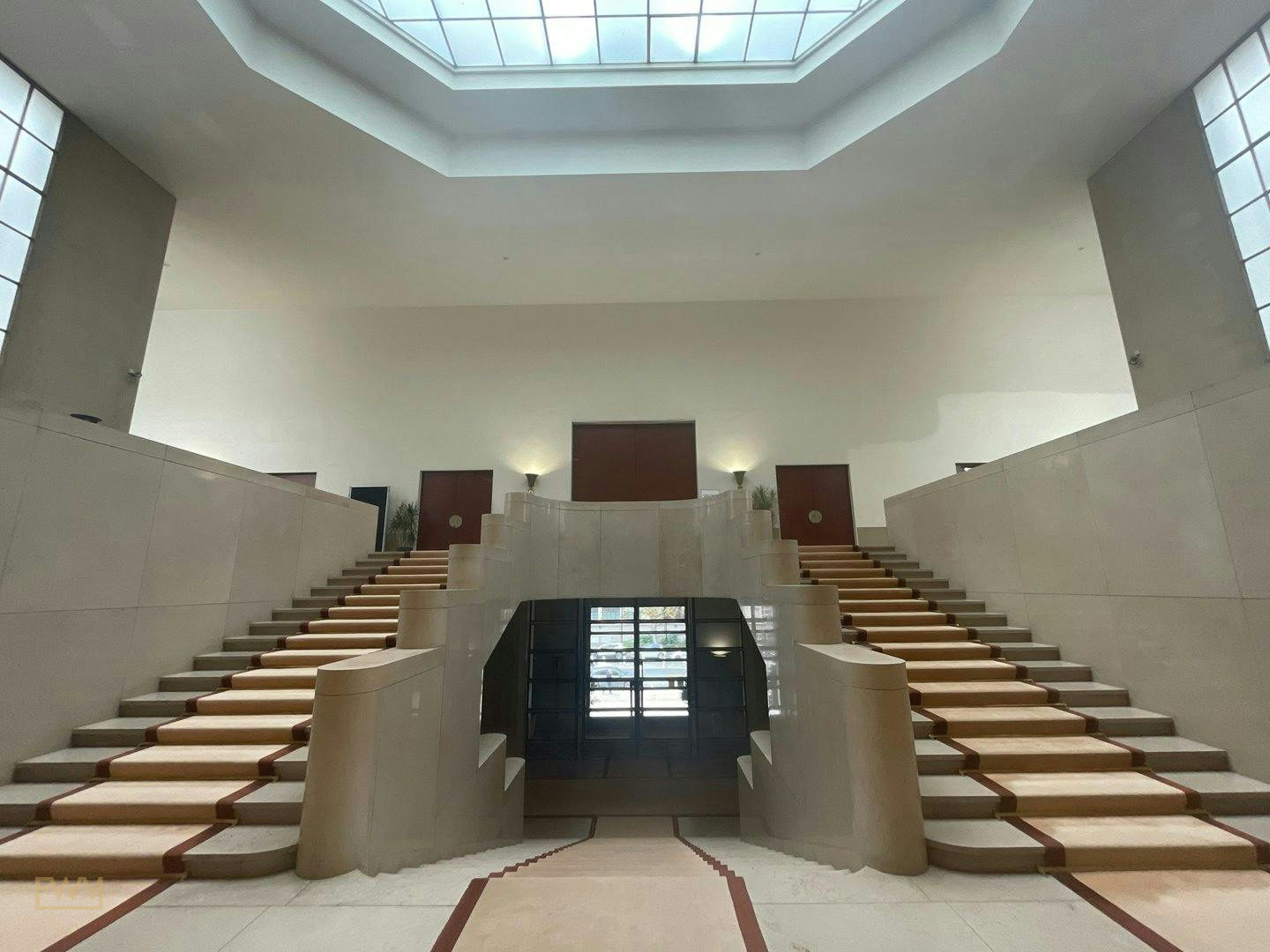
Brand storytelling in a Le Marais context must operate at multiple levels simultaneously. At the physical level, the space design should communicate your brand values through material choices, colour, scale, and the relationship between product presentation and the architectural character of the space itself. Parquet floors in a Marais apartment-format space tell a different story from polished concrete in a converted gallery. Raw concrete in a former industrial unit positions a brand differently from stone walls in a 17th-century townhouse. The Paris consumer and the international press visiting Le Marais during Fashion Week are exceptionally attuned to the coherence between brand communication and spatial design.
At the experiential level, the most impactful Le Marais activations create moments that visitors want to document and share. This might be an installation, a limited-edition product available only at the pop-up location, a workshop format that generates participation content, or a collaboration with a local Parisian artist or institution. Brands including JW Anderson have used their Paris pop-up presence to present exclusive product alongside architectural or art installations that generate sustained media coverage beyond the activation period itself.
Digital-Native Brands and Physical Presence in Le Marais
For digital-native brands, a pop-up shop in the 4th arrondissement serves a specific strategic function: it translates an online brand identity into a physical experience that validates the brand to a new audience and generates the type of content that performs across Instagram, TikTok, and YouTube Shorts in ways that purely digital campaigns cannot replicate. The visual quality of Le Marais as a backdrop, combined with the cultural credibility of activating in a neighbourhood associated with Dover Street Market, concept stores, and Paris Fashion Week, provides a legitimacy signal that digital-native brands actively seek.
This is particularly relevant for brands in the beauty, lifestyle, accessories, and pop culture categories, where physical presence in a credible location can accelerate the transition from online-only perception to a multi-channel brand identity. Gachapon machines, interactive product discovery formats, and experience-led retail mechanics that would not register in a suburban shopping centre generate genuine excitement and social media traction when placed in the right Le Marais space.
Community Engagement and Cultural Partnership
The 4th arrondissement has a strong community of local creatives, gallery owners, independent designers, and cultural institutions who can become genuine partners in a brand activation rather than simply providing backdrop. Collaborating with a local artist for a limited-edition piece, partnering with a Le Marais gallery to host an associated exhibition, or inviting emerging designers associated with the ANDAM Pierre Bergé Prize ecosystem to participate in your activation creates community engagement that is meaningfully different from a pure commercial pop-up.
Brands like Le Monde Béryl and Lili Curia have built their Paris presence through exactly this kind of culturally embedded activation, using the district's creative community as an audience amplifier rather than treating it as passive real estate. International brands entering Le Marais for the first time consistently benefit from local cultural partnerships that provide credibility signals to the Parisian press and consumer base.
Quick answer: In one sentence, the secret is strategic timing plus an unforgettable experience that generates lasting brand equity through the amplification provided by Le Marais's unparalleled concentration of press, influencers, and design-literate consumers.
KEY TAKEAWAY: A pop-up shop in the 4th arrondissement is a media event as much as a retail event. Every design decision, product choice, and experiential element should be considered in terms of its potential to generate the social media, press, and word-of-mouth content that extends the activation's commercial impact well beyond its physical duration.
How Fashion Week Venues Supports Pop-Up Activations in the 4th Arrondissement
Fashion Week Venues operates as a full-service agency and space marketplace specifically designed for brands planning pop-up shops, showrooms, and brand activations in Paris and other major fashion capitals. For brands targeting the 4th arrondissement, the agency provides a structured pathway from initial space search through to a fully operational, staffed, and branded activation.
Services Relevant to a 4th Arrondissement Pop-Up
The full service offering from Fashion Week Venues covers every stage of the activation process. Venue sourcing covers the identification, shortlisting, and negotiation of appropriate spaces in Le Marais and across Paris, drawing on the agency's established relationships with space owners, landlords, and property managers in the district. Concept direction provides creative strategy and spatial concept development that translates a brand brief into a coherent activation design. Production and build covers the physical fit-out of the space, from construction and installation through to lighting, display furniture, and branded elements. Activation management handles the operational running of the pop-up once it opens, including scheduling, logistics, and day-to-day problem resolution.
Additional services include furniture rental for spaces that require a fully furnished interior without the cost of bespoke production, retail staffing to provide trained sales and brand ambassador personnel across the activation period, and POS and payments infrastructure to enable seamless transactions. Data and analytics services collect and interpret visitor data, sales performance, and social media metrics to provide a post-activation report that supports ROI assessment and future planning. Influencer marketing services manage the identification, briefing, and coordination of relevant influencers and content creators for the Paris market.
Tools Available to Brands Planning a 4th Arrondissement Activation
Fashion Week Venues provides a suite of planning tools that brands can use independently or in conjunction with the agency's advisory services. The budget tool generates directional cost forecasts based on space type, duration, and activation scope. The ROI calculator models potential returns across multiple metrics. The timeline tool maps the activation planning process against your target calendar window and identifies lead time requirements at each stage. The permits tool provides initial guidance on the permit framework relevant to your activation type and location. The locator tool helps identify available spaces in specific arrondissements and streets. The compare tool allows side-by-side assessment of multiple space options.
For brands interested in shared-cost activation models, the twin co-activation concept allows two complementary brands to co-occupy a single premium space, reducing individual costs while maintaining separate brand identities within a shared physical environment.
Who Benefits Most from Fashion Week Venues for Paris Pop-Ups
Fashion Week Venues is most relevant to international brands entering Paris for the first time without established French market relationships, to emerging designers who need structured support to navigate the French retail and permit landscape, to established brands seeking a faster and more reliable sourcing and build pathway than managing Paris activations independently, and to brand teams who want a single accountable agency relationship across all components of the activation rather than managing multiple vendors separately.
The agency does not guarantee space availability, permit approvals, or specific commercial outcomes. What it provides is structured expertise, established market relationships, and a managed process that significantly reduces the execution risk associated with a Paris pop-up activation. For brands evaluating whether to work with an agency or manage the process independently, the guide on hiring an agency for a pop-up activation provides a structured framework for making that decision.
Quick answer: Fashion Week Venues provides venue sourcing, concept direction, production, activation management, staffing, POS, data analytics, and influencer marketing for brands activating in the 4th arrondissement and across Paris. It also offers planning tools for budget, ROI, permits, timeline, and space comparison that brands can use at any stage of the planning process.
KEY TAKEAWAY: The value of working with Fashion Week Venues is not only in the services themselves but in the integration of those services into a single managed process. Brands that attempt to assemble equivalent expertise from multiple independent vendors in Paris frequently encounter coordination failures that cost more in time and money than a full-service agency relationship would have.
To understand how the agency works in practice, including timelines, process stages, and what brands can expect at each step, the agency process page provides a clear overview.
Step-by-Step Workflow for Launching a Pop-Up Shop in the 4th Arrondissement
Launching a pop-up shop in Le Marais requires a structured sequence of decisions and actions that must be completed in the right order to avoid delays, cost overruns, or compliance failures. The following workflow represents a realistic planning sequence for a brand approaching this process for the first time.
The Activation Planning Workflow
| Stage | Action | Key Output | Recommended Lead Time |
|---|---|---|---|
| 1. Strategic Brief | Define objectives, target audience, calendar window, and success metrics | Written activation brief | 12 to 16 weeks before opening |
| 2. Budget Framework | Build total activation budget using the budget tool, including all cost lines | Approved budget range | 12 weeks before opening |
| 3. Space Search and Shortlist | Identify candidate spaces using the marketplace, locator, and compare tools | Shortlist of 3 to 5 spaces | 10 to 12 weeks before opening |
| 4. Space Visits and Selection | Visit shortlisted spaces, assess against brief, select preferred space | Confirmed space selection | 8 to 10 weeks before opening |
| 5. Lease and Legal Review | Review bail dérogatoire or occupancy agreement with French legal advisor | Signed and legally reviewed lease | 6 to 8 weeks before opening |
| 6. Permit Applications | Identify and submit required permits including AOT if applicable | Permit approvals in place | 6 to 8 weeks before opening |
| 7. Concept and Design | Finalise spatial concept, material palette, and branded elements | Approved design direction | 6 weeks before opening |
| 8. Production and Build | Execute fit-out, installation, furniture, lighting, and branded elements | Fully built and styled space | 1 to 2 weeks before opening |
| 9. Staffing and POS | Confirm retail staff, briefing, POS system, and payment infrastructure | Operational team in place | 1 week before opening |
| 10. Activation and Marketing | Open, activate influencer and press outreach, run digital campaign | Active pop-up with ongoing marketing | Opening day onward |
| 11. Data Collection and Reporting | Collect visitor, sales, and social data throughout the activation period | Real-time performance data | Ongoing during activation |
| 12. Post-Activation Review | Assess ROI against objectives, identify learnings, plan next step | Activation performance report | Within 2 weeks of close |
TIP: The most common planning failure in Paris pop-ups is underestimating the lead time required for permit applications and legal review. Build these into your timeline as fixed blocks that cannot be compressed, not as flexible items that can be accelerated if other stages run late.
KEY TAKEAWAY: A 12 to 16 week planning horizon is realistic for a well-executed 4th arrondissement pop-up. Brands that attempt to compress this timeline into 4 to 6 weeks typically encounter avoidable compliance, build, or staffing problems that affect the quality and legality of the activation.
Social Media, Influencers, and Digital Campaign Strategy for a Le Marais Pop-Up
A pop-up shop in the 4th arrondissement generates raw material for a digital campaign that no studio shoot can replicate. The combination of Parisian heritage backdrops, a fashion-industry audience, and the cultural legitimacy of Le Marais as a location creates content that performs exceptionally well across Instagram, TikTok, and YouTube Shorts when it is planned and produced deliberately.
Platform Strategy for Paris Pop-Up Content
Instagram remains the dominant platform for visuals in the Paris fashion and lifestyle context, generating the highest engagement rates for editorial-quality still images and short video content from Le Marais activations. TikTok is the primary platform for behind-the-scenes content, space reveal moments, product unboxing within the pop-up environment, and the kind of authentic, unscripted content that drives organic reach to younger audiences. YouTube Shorts provides global reach for polished short-format video content and suits brands that want to document their Paris pop-up as a brand narrative moment rather than a transactional retail event.
A blended organic and paid strategy consistently outperforms either approach alone. Organic content from the activation itself, generated by brand accounts, staff, visitors, and invited influencers, creates authenticity signals that paid amplification then extends to targeted new audiences. For brands without established Paris audience bases, paid amplification of organic activation content is an efficient way to accelerate reach within the specific demographic and geographic profile of your target customer.
Influencer Engagement in Le Marais
Le Marais is one of the highest-density influencer environments in Europe during Fashion Week periods. The combination of international brand activations, press showrooms, runway shows in adjacent arrondissements, and the general cultural programming of Paris Fashion Week week means that relevant influencers and content creators are physically present in the neighbourhood and actively seeking content opportunities. Brands that plan their influencer engagement strategy as part of the activation brief, rather than as an afterthought, are significantly better positioned to generate high-quality, high-reach content from their Le Marais presence.
For the influencer marketing service, Fashion Week Venues manages identification, briefing, coordination, and post-activation performance reporting for relevant content creators across the Paris market.
Quick answer: For a Le Marais pop-up, use Instagram for editorial visual content, TikTok for behind-the-scenes and real-time activation content, and YouTube Shorts for polished brand narrative video. Blend organic activation content with paid amplification for the strongest combined digital campaign return.
KEY TAKEAWAY: The digital campaign for a 4th arrondissement pop-up should begin before the activation opens, build through the activation period with daily content production, and continue for two to four weeks after closing as press features and influencer posts generate sustained reach. Plan content production as a parallel workstream to the physical activation, not as something that happens naturally on the day.
Common Myths About Pop-Up Shops in the 4th Arrondissement Debunked
MYTH: You need a French legal entity to rent a pop-up space in the 4th arrondissement.
FACT: International brands can and do rent temporary commercial spaces in Paris through a bail dérogatoire or convention d'occupation précaire without a French legal entity in all cases. However, the specific requirements vary by space owner, lease type, and duration, and some landlords do require French entity documentation or a local guarantor. Always verify the specific requirements of your chosen space with a French legal advisor before assuming any approach is universally applicable.
MYTH: Paris Fashion Week is the only viable calendar window for a Le Marais pop-up.
FACT: While Paris Fashion Week generates the highest density of industry and press attention, the 4th arrondissement supports commercially viable pop-up activations across the full calendar year. Summer tourist season in July and August generates very high foot traffic from international shoppers. September and October combine post-summer local consumer activity with the ready-to-wear fashion week audience. Each window has a different optimal brand profile and commercial objective, but none of the major calendar periods is commercially unviable for a well-planned Le Marais activation.
MYTH: Commission-based brokers are the only way to find a pop-up space in Le Marais.
FACT: Commission brokers are one route to space discovery, but they are not the only one. Space marketplaces, direct landlord relationships, agency-managed sourcing, and property management firms with short-term retail portfolios all provide access to Le Marais spaces. The advantage of a marketplace or full-service agency relationship is greater transparency over space options and costs, structured support for the full activation process, and a managed path from space selection through to operational activation that a commission broker typically does not provide beyond the initial introduction.
MYTH: Short-term leases in Paris are legally straightforward and do not require specialist help.
FACT: French commercial property law is complex and materially different from the short-term lease frameworks in the United Kingdom, the United States, and most other markets. The bail dérogatoire must be structured correctly to be legally valid. Heritage protections in the 4th arrondissement add further compliance layers. AOT requirements for public-facing activation elements require separate applications. Insurance obligations, deposit structures, and reinstatement requirements all vary by space and lease type. Specialist French legal advice at the lease stage is not a luxury; it is a practical risk management requirement that consistently proves its value when unexpected issues arise during or after the activation.
MYTH: A pop-up shop in the 4th arrondissement is only relevant for established luxury brands.
FACT: Le Marais has a strong tradition of supporting emerging designers, independent labels, digital-native brands, and international brands entering the Paris market for the first time. The district's mix of concept stores, gallery spaces, and secondary-street boutiques provides formats and price points accessible to brands at multiple stages of development. The ANDAM Prize ecosystem, the presence of Dover Street Market, and the concentration of independent concept stores in the Marais all reflect the district's openness to emerging and independent brand voices alongside established luxury names.
Frequently Asked Questions
Why should a brand choose the 4th arrondissement over other Paris districts for a pop-up shop?
The 4th arrondissement offers a combination of high foot traffic, diverse and quality-conscious consumer demographics, strong cultural programming, and proximity to major Paris landmarks and transport nodes that few other Paris districts can match simultaneously. Le Marais is associated with both luxury heritage and contemporary creativity, making it suitable for a broader range of brand profiles than more narrowly positioned districts such as Saint-Honoré or Canal Saint-Martin. The presence of anchor destinations including Dover Street Market, La Samaritaine, and the Musée Picasso ensures consistent footfall across multiple seasons and shopper types.
How far in advance should a brand begin planning a 4th arrondissement pop-up?
A realistic planning horizon for a well-executed 4th arrondissement pop-up is 12 to 16 weeks before the intended opening date. This lead time accommodates space search, legal review of the lease, permit applications, concept and design development, production and build, staffing recruitment and briefing, and marketing preparation. Brands that attempt to compress this timeline to 4 to 6 weeks frequently encounter avoidable problems with permits, build quality, or staffing that affect the activation's commercial and editorial performance. During Fashion Week periods, space availability constraints add further urgency to early planning.
What is a bail dérogatoire and why does it matter for a Paris pop-up?
A bail dérogatoire is a French legal instrument that allows short-term commercial rental outside the standard protections and obligations of the conventional nine-year French commercial lease. It is the most common lease structure for pop-up activations in Paris and can cover durations ranging from a few days to up to three years. The bail dérogatoire must be drafted and executed correctly to be legally valid, and both parties must understand their obligations regarding access, insurance, reinstatement, and deposit. International brands should engage a French legal advisor to review any bail dérogatoire before signing, as errors in the documentation can create significant legal and financial exposure.
Which streets within the 4th arrondissement generate the highest foot traffic for retail?
Rue des Francs-Bourgeois is consistently the highest-footfall retail street in Le Marais and generates the broadest mix of fashion-oriented shoppers, tourists, and local consumers. Rue de Rivoli along the southern boundary of the district generates very high tourist-driven pedestrian volumes, particularly in the section adjacent to La Samaritaine and the Hôtel de Ville. The streets immediately around the Centre Pompidou generate significant cultural tourist traffic. Place des Vosges and its surrounding streets generate lower volume but higher average spend per visitor due to the luxury collector and art buyer profile of that zone.
Do brands need a French company to activate a pop-up in Paris?
Not necessarily, but the requirements vary depending on the space owner, lease type, and duration of the activation. Some landlords in the 4th arrondissement accept international corporate entities as lessees under a bail dérogatoire. Others require a French entity or a local guarantor. The specific requirements of your chosen space must be verified with the landlord and reviewed by a French legal advisor before signing. Tax registration requirements for commercial activity in France may also apply depending on the nature and duration of the sales activity, and these should be assessed by a qualified advisor specific to your corporate structure.
What types of brands are most successful in Le Marais pop-up formats?
Le Marais supports a wide range of brand profiles across fashion, beauty, accessories, lifestyle, design, and pop culture categories. Fashion brands from emerging designers to established luxury houses have activated successfully in the district. Digital-native brands seeking physical presence for the first time find Le Marais particularly effective because the neighbourhood's cultural credibility provides a legitimacy signal to the Parisian consumer and international press. Beauty brands, streetwear labels, concept stores, and brands with strong storytelling components all perform well in Le Marais when their activation design matches the district's high visual standards.
How does Paris Fashion Week Haute Couture in July affect pop-up availability and pricing in the 4th arrondissement?
Paris Fashion Week Haute Couture, running from approximately July 6 to 9 in 2026, generates the highest concentration of international press, private clients, and cultural media in Paris during that period. This demand significantly affects both space availability and pricing in the 4th arrondissement during the week itself and in the two to three weeks surrounding it. Brands that wait until six or fewer weeks before Haute Couture week to begin their space search typically find that the most desirable spaces are already committed. Premium pricing during Fashion Week windows reflects genuine scarcity of high-quality, well-located spaces in the district.
What social media platforms perform best for promoting a Le Marais pop-up?
Instagram generates the highest engagement for editorial-quality visual content from Le Marais activations and remains the dominant platform for fashion and lifestyle brand communication in Paris. TikTok performs strongly for behind-the-scenes, real-time, and authentic content that shows the activation in a less polished, more accessible register. YouTube Shorts provides global reach for short-format video content and suits brands documenting their Paris pop-up as a narrative brand moment. A strategy that blends organic content from the activation itself with targeted paid amplification consistently outperforms either approach in isolation for brands without an established Paris audience.
Are there heritage or planning restrictions that affect pop-up design in the 4th arrondissement?
Yes. The 4th arrondissement contains a significant concentration of classified historic buildings and heritage-protected zones, particularly in Le Marais, which is one of the most intact 17th-century urban environments in Paris. These protections place restrictions on external modifications, signage formats, window display alterations, and certain types of temporary installation visible from the public domain. Brands planning dramatic exterior branding or large-format window treatments should verify the specific heritage classification and associated restrictions of their chosen address before finalising any creative direction that depends on external visibility. Requirements vary by building, street, and the nature of the proposed modification.
What is the difference between a pop-up shop and a fashion showroom in the 4th arrondissement context?
A pop-up shop in the 4th arrondissement is a publicly accessible temporary retail space designed to generate walk-in traffic, direct consumer engagement, and sales. A fashion showroom is a private appointment-based space designed for presenting collections to buyers, press, and wholesale clients during Fashion Week or pre-season windows. The two formats have different space requirements, different target audiences, different staffing models, and different permit implications. Some activations in Le Marais combine both functions, using a ground floor for public retail and an upper floor or separate room for trade and press appointments, which can be an efficient use of premium Marais floor space during Fashion Week periods.
How do I estimate the total cost of a pop-up shop in the 4th arrondissement?
Total activation cost must include space rental, fit-out and production, furniture rental if required, retail staffing, POS and payment infrastructure, permit and insurance costs, marketing and content creation, influencer engagement, and a contingency allowance. Space rental alone does not represent the full investment required for a credible 4th arrondissement activation, and brands that budget only for rental consistently find that the additional cost lines bring their total significantly above their initial expectation. The budget estimation tool on Fashion Week Venues provides a directional framework for total cost planning based on space type, duration, and activation scope. These are directional estimates rather than guaranteed pricing.
Can a brand use a pop-up in Le Marais to test the Paris market before committing to a permanent location?
Yes, and this is one of the most strategically sound uses of a Le Marais pop-up for international brands considering long-term Paris presence. A pop-up activation provides real data on French consumer response to your brand, product, pricing, and positioning without the financial commitment of a permanent lease. Post-activation data on sales performance, visitor profiles, social media engagement, and press coverage provides an evidence base for a permanent location decision that no amount of desk research can replicate. The 4th arrondissement is particularly useful as a test market because its consumer base reflects the broader Paris premium and fashion consumer profile rather than a niche sub-segment.
What should a brand look for when visiting a potential pop-up space in the 4th arrondissement?
During a space visit, assess natural light quality and direction relative to your product category and photography requirements. Evaluate floor condition and whether it communicates your brand aesthetic without modification. Check ceiling height relative to your planned display and installation requirements. Assess access for deliveries, build teams, and visitor flow. Verify the electrical infrastructure, including available power load and the location of distribution points. Understand what the landlord permits and prohibits in terms of fixings, paint, and structural modifications. Assess the acoustic environment if events or workshops are planned. Review the state of WC facilities and back-of-house storage. Note the immediate streetscape context and how your exterior presentation will read in that environment.
How does the twin co-activation model work for brands in Le Marais?
The twin co-activation model allows two complementary brands to co-occupy a single premium space in Le Marais, splitting the space rental and production costs while maintaining separate brand identities within the shared physical environment. This model is particularly useful for brands with smaller budgets that could not independently justify a prime Marais address, or for brands that want to create a dialogue between two brand universes as a deliberate editorial and marketing strategy. The twin model requires careful brand compatibility assessment to ensure that the two brands reinforce rather than dilute each other, and clear physical demarcation within the space to maintain brand identity clarity for visitors.
Is it possible to find available pop-up spaces in the 4th arrondissement online before contacting an agency?
Yes. Space marketplaces including the Fashion Week Venues marketplace allow brands to browse available spaces in the 4th arrondissement and across Paris by space type, size, duration, and availability window. Online browsing provides a useful initial orientation to the range of spaces available and their relative pricing, but it should be considered the beginning of the sourcing process rather than a complete substitute for professional venue sourcing support. Space listings may not reflect real-time availability, and the negotiation, legal review, and permit stages that follow space selection require local expertise that a marketplace listing alone does not provide.
Conclusion: Your Pop-Up Shop in the 4th Arrondissement Starts Now
A pop-up shop in the 4th arrondissement Paris is one of the highest-impact brand activation formats available to fashion, beauty, design, and lifestyle brands anywhere in the world. Le Marais offers a combination of foot traffic, consumer quality, cultural credibility, and media density that no other Paris district replicates, and no other city in the world provides in quite the same configuration. Whether you are planning around Paris Fashion Week Haute Couture, the summer tourist season, or an independent brand launch, the 4th arrondissement provides the physical and cultural infrastructure to make your activation commercially and editorially impactful.
The planning process requires genuine lead time, local legal expertise, a realistic total budget, and a creative approach that meets the high visual and experiential standards of the Le Marais consumer and press ecosystem. Brands that invest in the planning process find that their activation returns value well beyond its physical duration, through press coverage, social media content, influencer amplification, and the brand equity that comes from having genuinely activated in one of the world's most coveted retail districts.
Fashion Week Venues supports brands through every stage of this process, from initial space discovery through to post-activation reporting. The agency's combination of a curated space marketplace, full-service activation management, and a suite of practical planning tools makes it a useful partner for any brand navigating a Paris pop-up for the first time or seeking a more structured and efficient approach to subsequent activations.
To move from research to activation, start exploring available spaces on the Fashion Week Venues marketplace and build a focused brief for your target neighbourhood, space type, and calendar window. Paris is ready for your brand. The question is whether your plan is ready for Paris.