
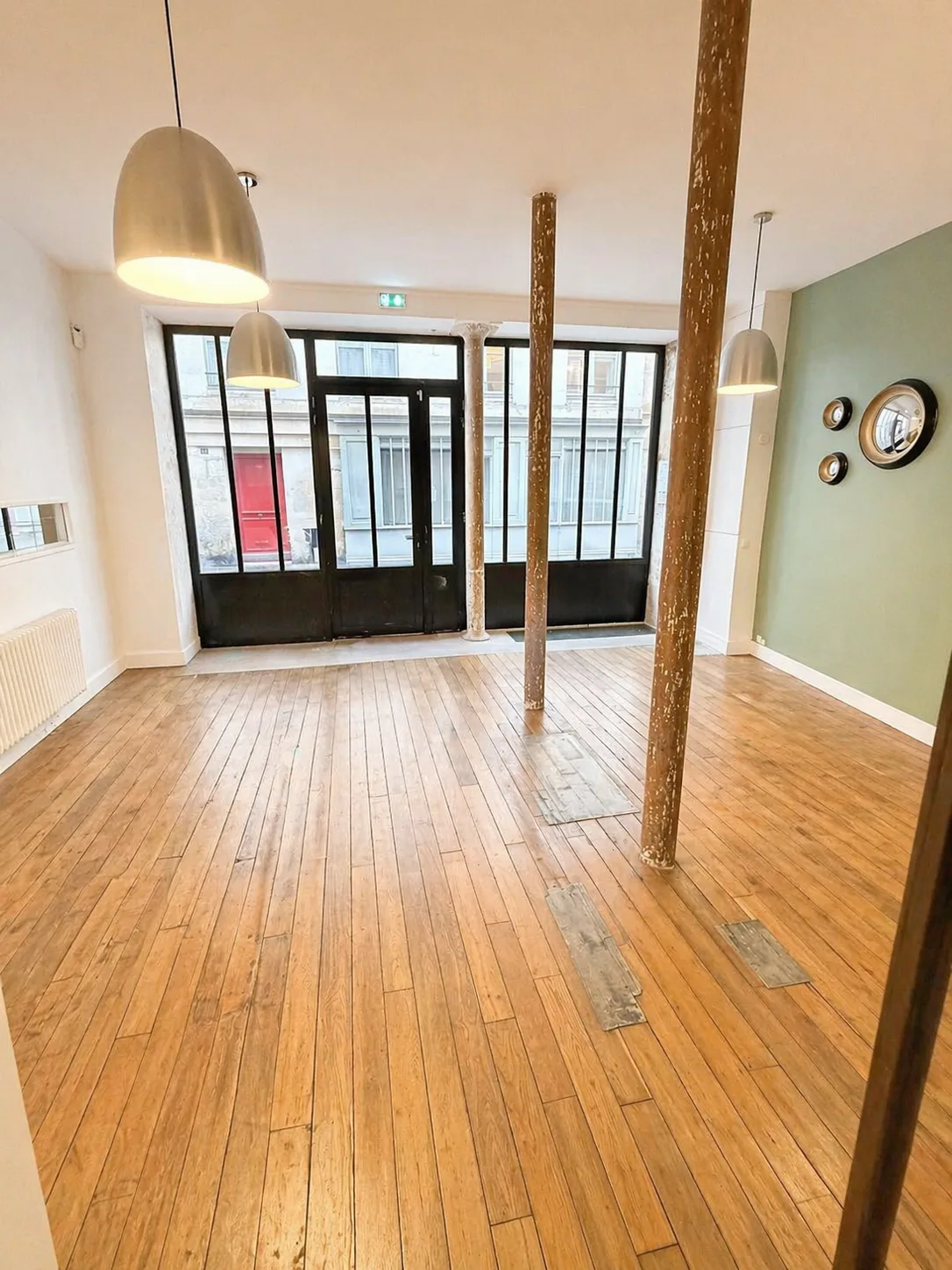
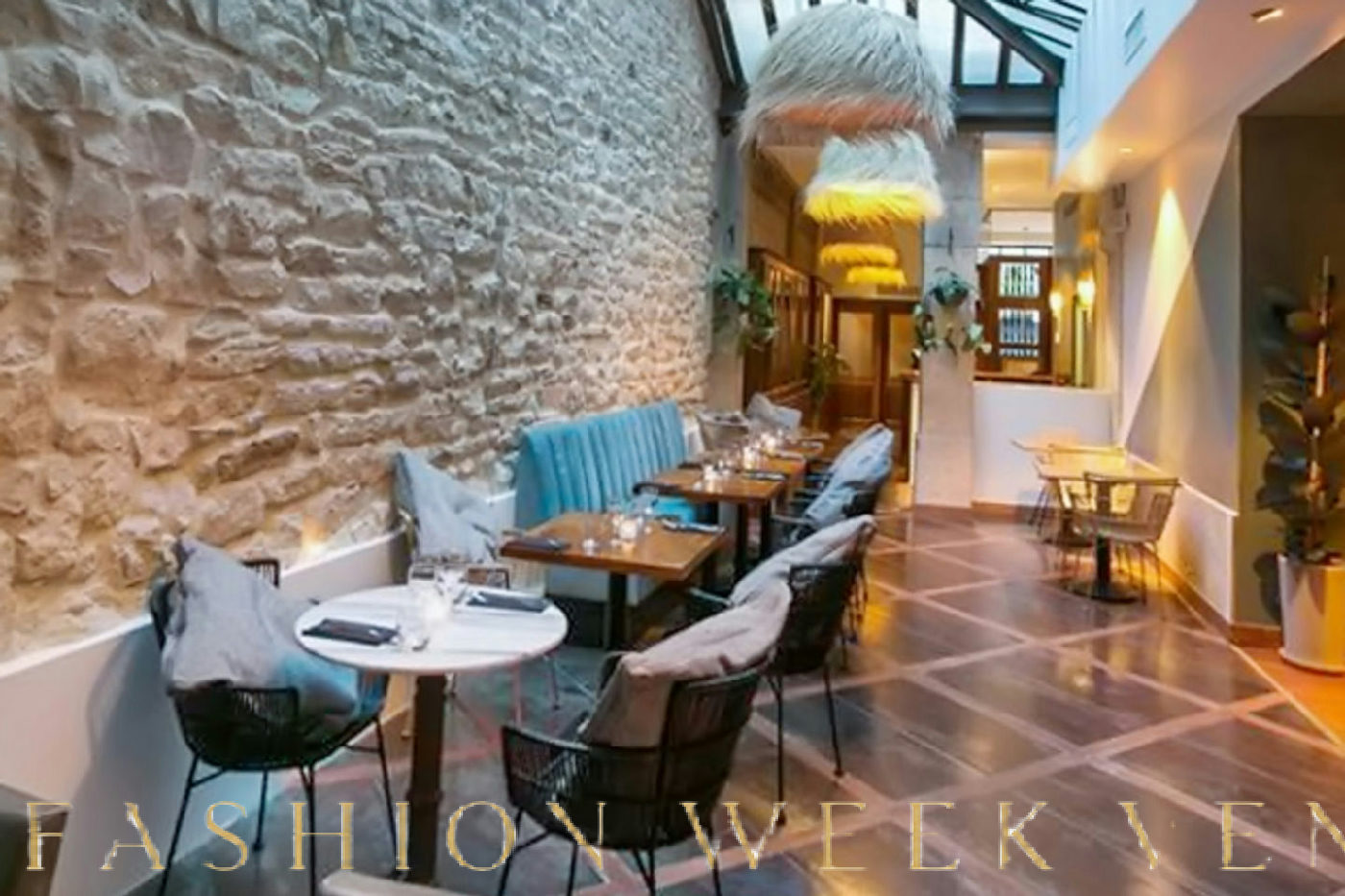
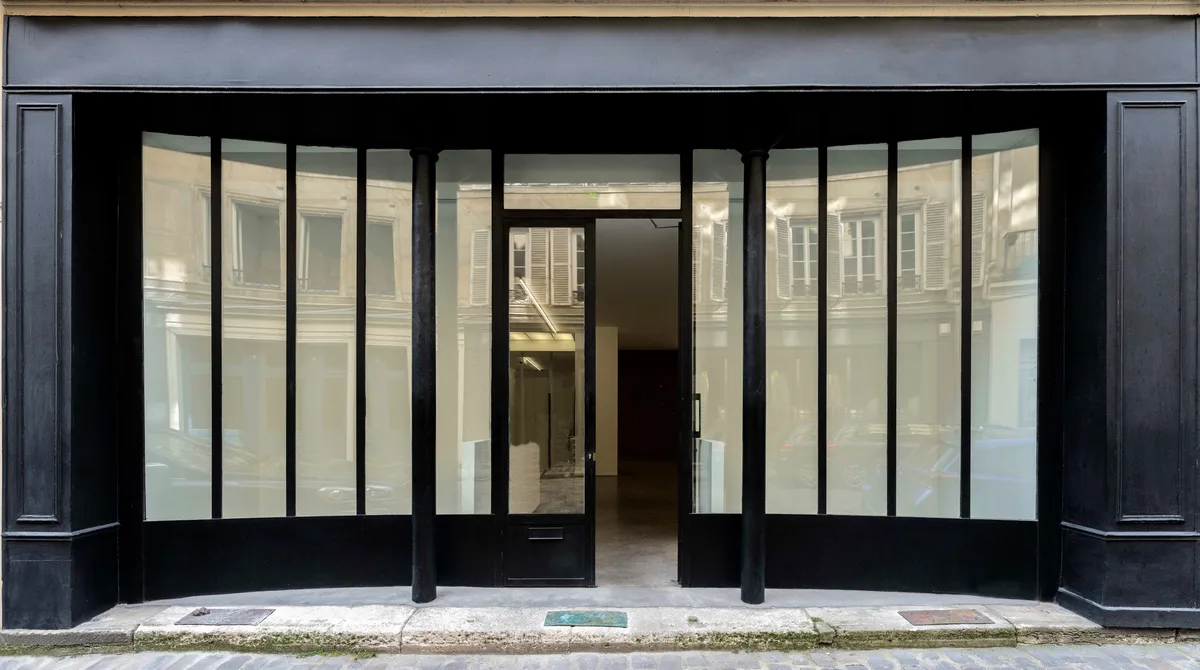
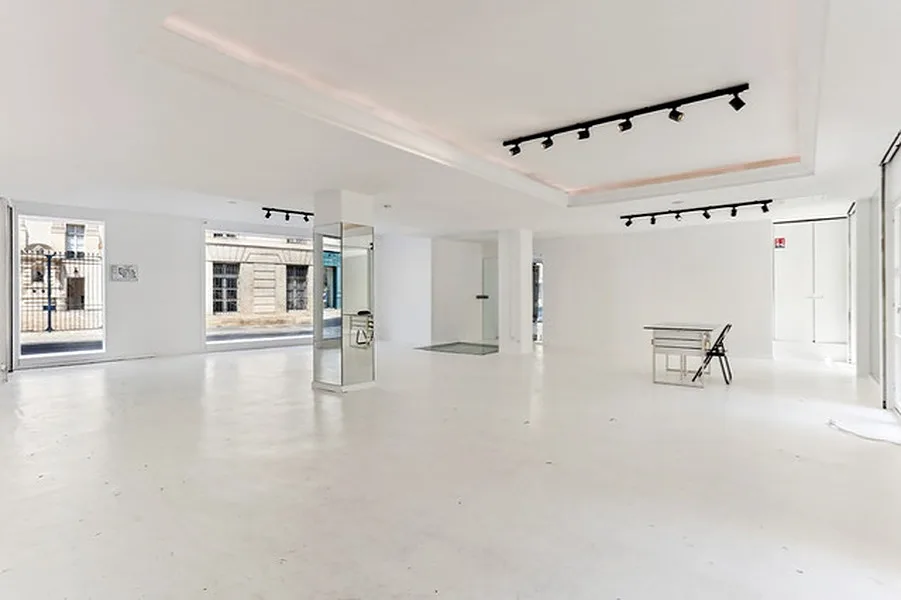
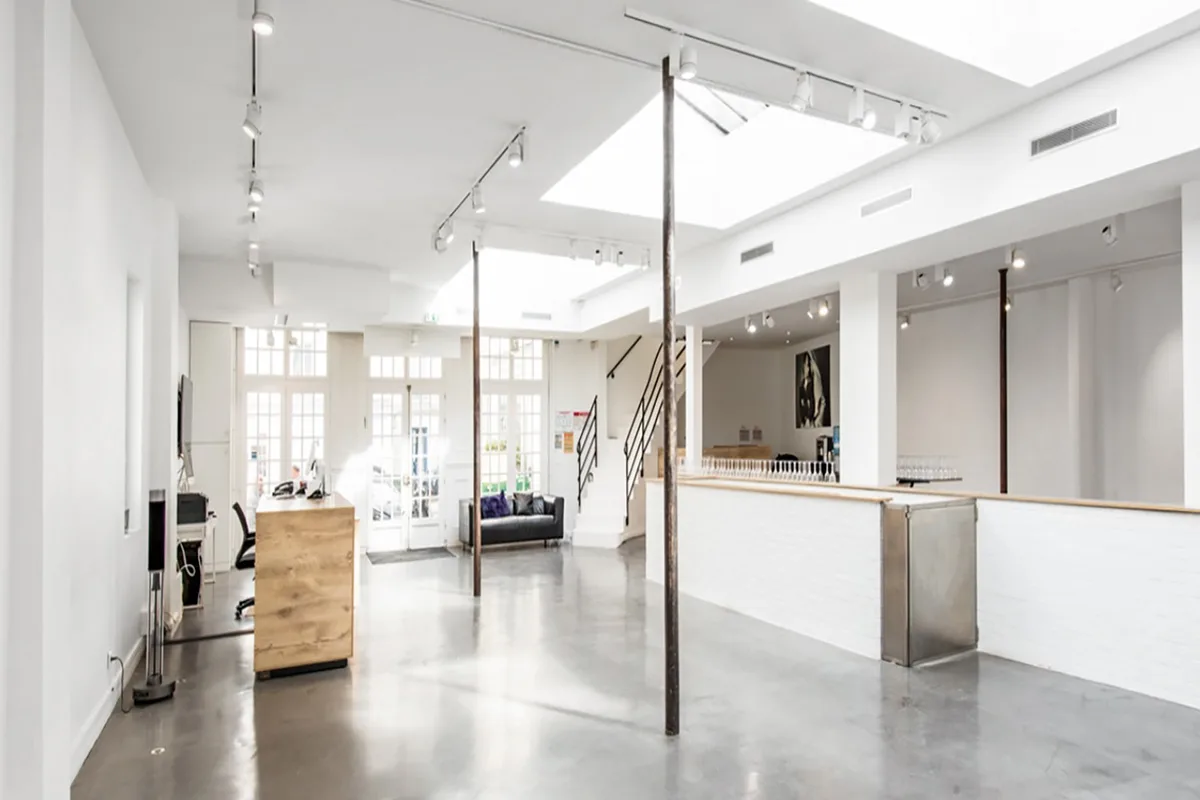
To rent a pop up shop in Le Marais is to place your brand at the intersection of Parisian cultural authority, international foot traffic, and one of the most photographed retail environments in Europe. The Marais district, spanning the 3rd and 4th arrondissements of Paris, offers short-term retail spaces, fashion showrooms, art galleries, and concept stores to brands of every size and sector. From emerging sustainable fashion labels to established luxury houses, Le Marais has become the preferred canvas for pop-up activations in France. Fashion Week Venues helps international brands navigate the complexity of sourcing, permitting, fitting out, and activating these spaces. This guide covers every dimension of renting a pop-up shop in Le Marais, from street-by-street location strategy to operational logistics and compliance considerations.
Why Le Marais Is the Premier Pop-Up Destination in Paris
Le Marais is not simply a fashionable neighbourhood. It is the most strategically valuable short-term retail district in Paris, combining cultural heritage, international visitor density, premium brand adjacency, and a built environment that supports experiential retail at every scale.
The Marais district sits across the 3rd and 4th arrondissements on the Right Bank, bordered by the Place de la République to the north and the Seine to the south. Its streets contain some of the finest preserved Renaissance architecture in France, with hôtels particuliers, vaulted cellars, exposed beams, and brick walls that provide a ready-made aesthetic for brands seeking authenticity and editorial quality in their retail spaces. This physical character is a genuine commercial asset: the architecture of the Marais is itself a form of brand storytelling.
The neighbourhood hosts a continuous flow of both international tourists and Parisian residents. Landmarks including Place des Vosges, Musée Picasso, Maison de Victor Hugo, Marché des Enfants-Rouges, and the Carreau du Temple generate sustained pedestrian traffic throughout the year. Cultural institutions draw an educated, design-aware audience that is actively receptive to concept-led retail and brand activations. This demographic profile makes Le Marais unusually effective for launches requiring media coverage, influencer engagement, and word-of-mouth amplification.
The neighbourhood has hosted pop-up activations and retail events from brands including Louis Vuitton, Chanel, Prada, Sézane, Mugler, Courrèges, and Giorgio Armani. These precedents are not simply impressive references: they signal to buyers, press, and consumers that a brand operating in Le Marais is operating at a serious level. Cultural relevance in this arrondissement is transferable and cumulative.
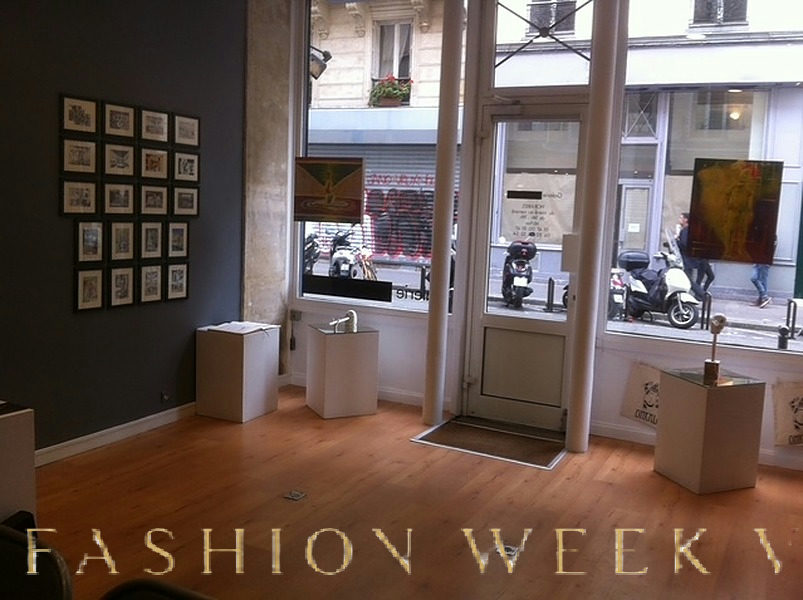
Le Marais also accommodates a remarkable range of retail formats. You will find everything from 20-square-metre boutiques on Rue des Rosiers to expansive gallery-style spaces on Rue Vieille-du-Temple, ground-floor retail volumes on Rue des Francs-Bourgeois, and industrial loft configurations near Rue de Bretagne and République. This diversity means brands at very different scales and with very different briefs can find a space that fits both their concept and their budget.
The neighbourhood's combination of designer boutiques, vintage fashion, secondhand fashion markets, eco-responsible and sustainable fashion labels, and upcycled accessories brands creates a retail ecosystem that is simultaneously premium and progressive. A brand selling hand-knitted scrunchies or reusable sponges can coexist here with a luxury ready-to-wear house, and both benefit from the area's foot traffic and cultural prestige.
Quick answer: Le Marais is the best short-term retail district in Paris because it combines historic architecture, sustained international foot traffic, a culturally engaged consumer base, and a proven track record of successful pop-up activations from brands across every tier of fashion and lifestyle. Its streets offer spaces at every scale, from intimate boutiques to full gallery volumes.
KEY TAKEAWAY: The decision to rent a pop-up shop in Le Marais is, in itself, a brand statement. The district's cultural authority, architectural distinctiveness, and visitor density work in your favour before your first window display is installed.
Understanding which streets within Le Marais serve which retail purposes is the next critical layer of decision-making, and that is where the strategic detail begins.
Street-by-Street Location Strategy in the Marais District
Each street within the Marais district has a distinct character, pedestrian profile, and retail purpose. Choosing the right street is as important as choosing the right space type, and the two decisions are closely linked.
Rue des Francs-Bourgeois
Rue des Francs-Bourgeois is the primary commercial artery of Le Marais. Running east to west through the 3rd and 4th arrondissements, it connects the Place des Vosges to the rue du Temple area and carries exceptional daily footfall. The street is lined with fashion boutiques, concept stores, and heritage buildings, making it the natural choice for brands seeking maximum visibility and retail credibility. Ground-floor spaces here attract both tourist traffic and local Parisian shoppers, creating a mixed audience that suits fashion, beauty, and lifestyle activations. For a pop-up store aiming for volume and visibility, Rue des Francs-Bourgeois is consistently the highest-performing location in the Marais.
Rue Vieille-du-Temple
Rue Vieille du Temple runs north-south through the heart of the Marais and is characterised by a mix of galleries, independent designers, cafés, and bars. The street attracts a younger, more design-literate audience and supports concept-led activations, art gallery formats, and brand storytelling experiences. The architectural variety on this street is particularly valuable: spaces range from narrow, high-ceilinged 17th-century structures to more open, contemporary configurations. For emerging brands and independent designers, Rue Vieille-du-Temple offers strong cultural alignment and a community of neighbouring operators who share a similar aesthetic sensibility.
Rue des Rosiers
Rue des Rosiers is one of the most visited streets in the Marais and carries significant historical and cultural weight. The street draws an international audience and has become a destination for both food and fashion, with a particular strength in independent boutiques and lifestyle concepts. Brands in beauty, sustainable fashion, and accessories tend to perform well here. The audience on Rue des Rosiers is engaged and curious, making it effective for interactive retail formats, workshop events, and private exhibition experiences.
Rue de Bretagne and Rue de Turenne
Rue de Bretagne and the adjacent Rue de Turenne sit in the northern part of the Marais, close to the Carreau du Temple and the Marché des Enfants-Rouges. These streets have a distinctly Parisian residential and lifestyle character, combining food markets, independent retailers, and design studios. This area suits lifestyle brands, sustainable fashion labels, and concept stores that benefit from integration with the local community rather than pure tourist traffic. The Carreau du Temple itself is a significant event venue for Paris Fashion Week showrooms and press events, making the surrounding streets particularly active during fashion week windows.
Place des Vosges and Its Surrounding Streets
Place des Vosges is the oldest planned square in Paris and one of the most prestigious retail addresses in the Marais district. The arcaded ground floor of the Place des Vosges has historically housed galleries, antique dealers, and high-end boutiques. Nearby streets and the immediate environs attract a visitor profile that is particularly international and premium, making this zone appropriate for luxury brands, fine jewellery, and high-design concept stores. A pop-up activation in or immediately adjacent to Place des Vosges carries a level of prestige that reflects directly on the brand.
Quick answer: Within Le Marais, Rue des Francs-Bourgeois offers the highest footfall for fashion retail, Rue Vieille-du-Temple serves concept-led and gallery formats, Rue des Rosiers attracts international lifestyle shoppers, and Rue de Bretagne suits community-integrated brand activations. Place des Vosges commands premium positioning.
To compare neighbourhoods and space types across all these streets, explore the Paris city hub on Fashion Week Venues and shortlist spaces that match your brief, budget, and calendar window.
KEY TAKEAWAY: Street selection within Le Marais is a strategic decision. Your target audience, activation format, and brand positioning should drive the choice of street before you evaluate individual spaces.
Once you have identified the right street zone, the next step is understanding which space type within the Marais is best suited to your activation objective.
Types of Retail Space Available to Rent in Le Marais
Le Marais offers a broader range of short-term retail space configurations than almost any other neighbourhood in Paris. Understanding the distinctions between space types helps brands match their concept, team capacity, and budget to the right format.
| Space Type | Typical Size Range | Best For | Key Characteristics |
|---|---|---|---|
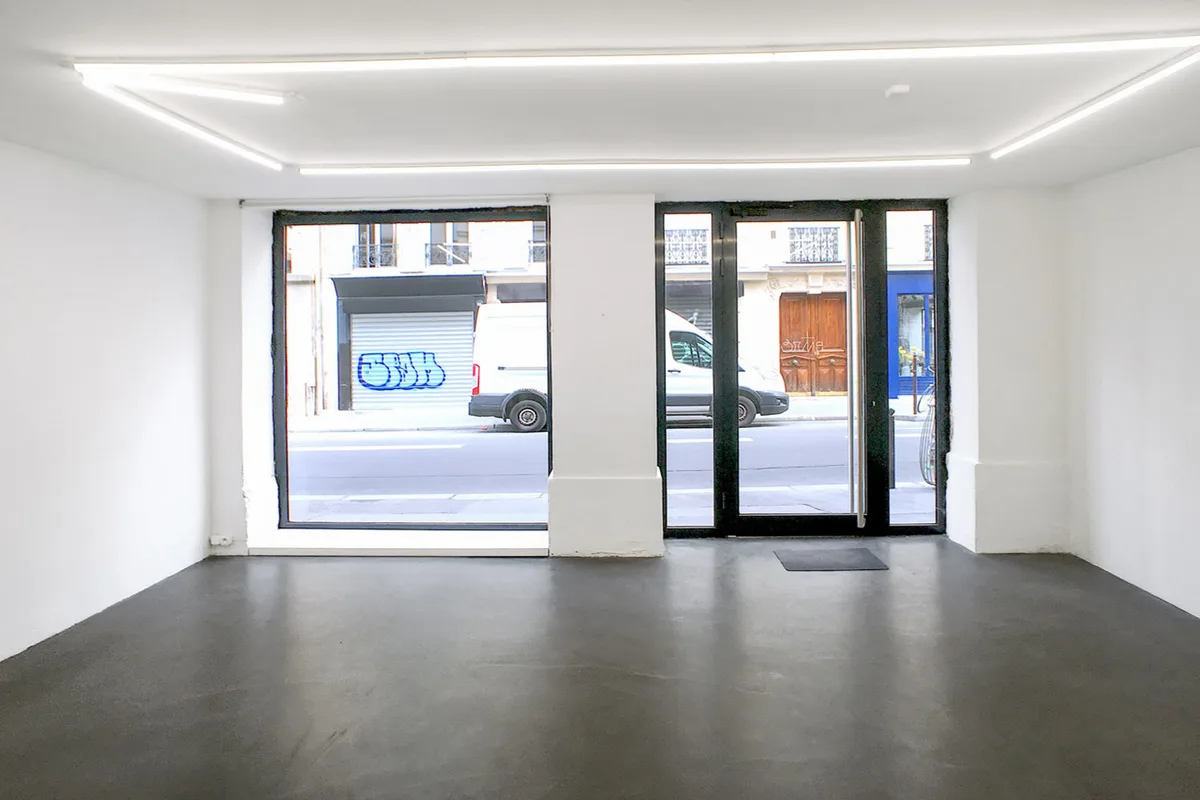
| Ground-Floor Boutique | 20 to 80 sqm | Fashion, beauty, accessories | Street-facing, high footfall, retail-ready fit-out |
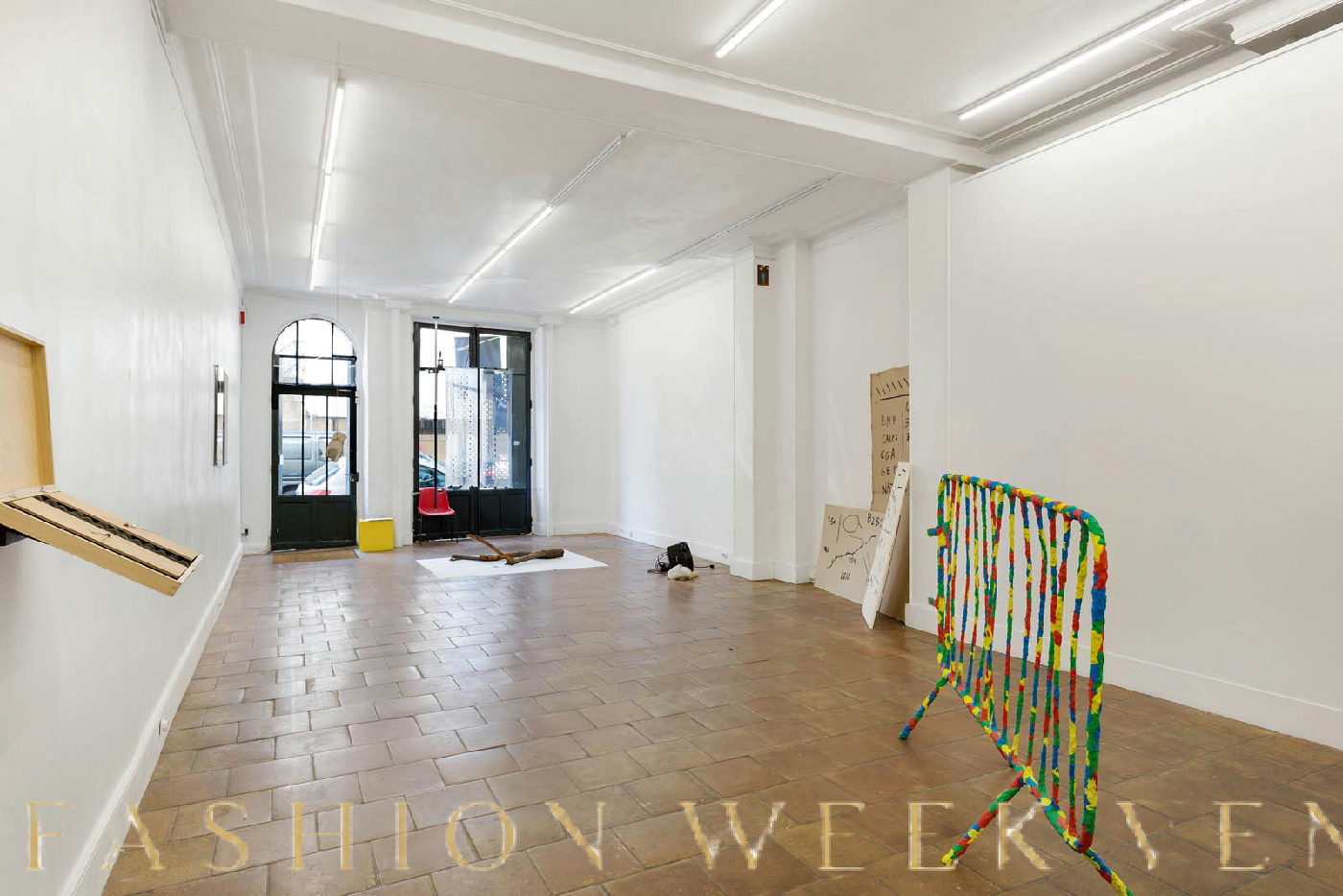
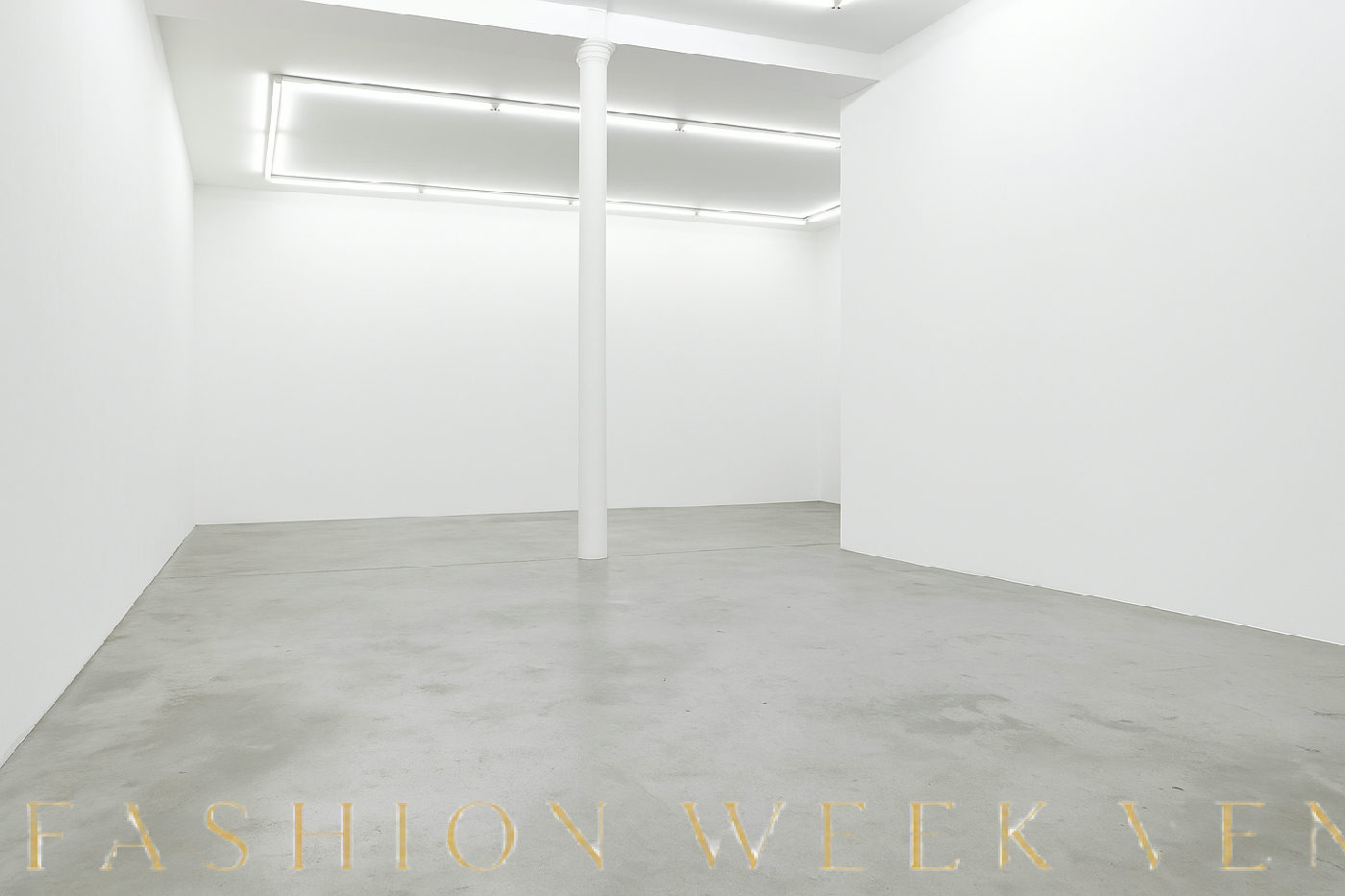
| Gallery-Style Space | 60 to 200 sqm | Art, concept, immersive retail | Open plan, high ceilings, white or raw walls |
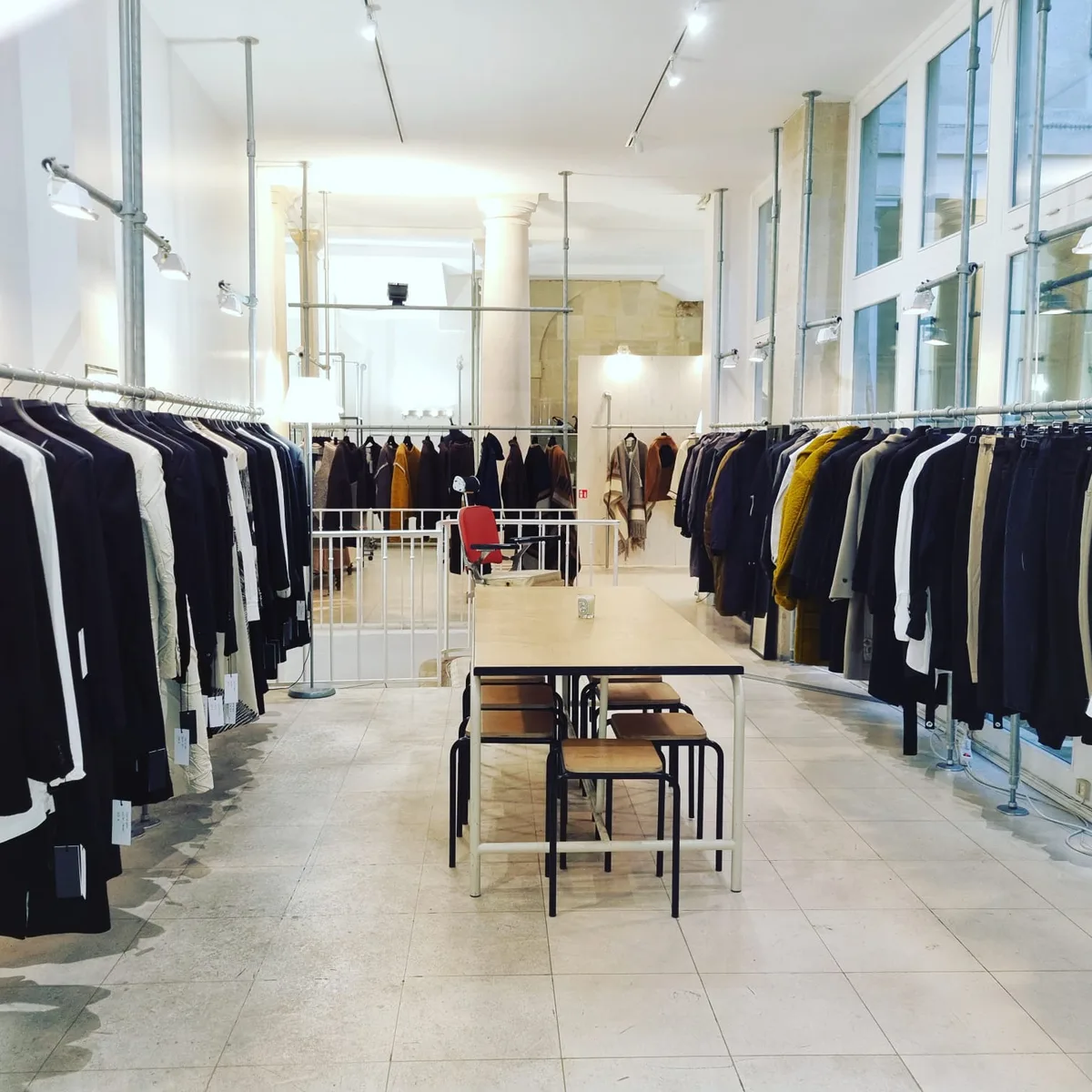
| Showroom | 80 to 300 sqm | Buyer appointments, press days, Fashion Week | Private access, meeting areas, flexible configuration |
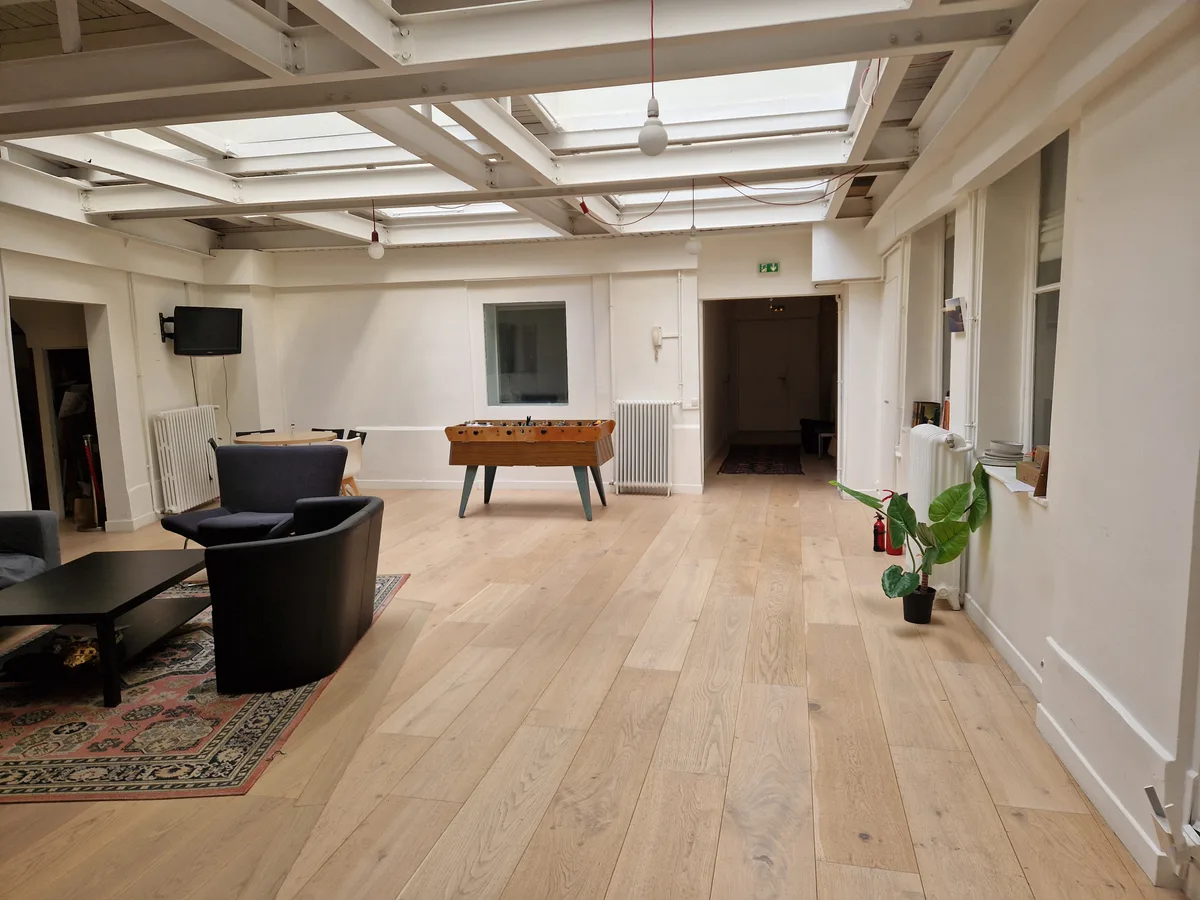
| Loft or Industrial Space | 100 to 500 sqm | Large launches, events, multi-brand activations | Exposed structure, beams, brick walls, flexible layout |
| Concept Store Format | 50 to 150 sqm | Brand storytelling, curated retail | Designed interior, merchandise display infrastructure |
| Vaulted Cellar or Cave | 20 to 80 sqm | Private events, exclusive experiences | Atmospheric, historic stone or brick, intimate scale |
| First-Floor or Upper-Level Space | 30 to 120 sqm | Showrooms, private exhibitions, workshops | Quieter, appointment-driven, accessible via internal stair |
The physical infrastructure of spaces in Le Marais is one of its distinguishing features. Many spaces retain original architectural details including exposed beams, brick walls, vaulted cellars, and period stonework. These features reduce the need for extensive fit-out because they provide inherent visual richness. A brand that has invested in strong product design often finds that the raw architecture of a Marais space elevates the merchandise without additional expenditure on decoration.
Most spaces available for short-term rental in Le Marais include baseline infrastructure such as lighting, electricity supply, and connectivity provisions. Higher-specification spaces may include a Bluetooth sound system, climate control, and point-of-sale infrastructure. Storage areas, accessibility features, and delivery logistics vary significantly by building and should be confirmed during the site visit phase.
Well-known spaces in the Marais retail ecosystem include Galerie Joseph, which has been used for major fashion activations, and Le Pop Up Du Marais, which operates as a dedicated short-term retail venue. These established venues provide operational reliability and an existing audience familiarity. Emerging brands benefit from these associations because the venues themselves carry credibility.
Quick answer: Le Marais offers ground-floor boutiques, gallery-style spaces, fashion showrooms, loft configurations, concept store formats, vaulted cellars, and first-floor spaces. Each type suits a different activation objective, from high-footfall retail to exclusive buyer appointments and immersive brand experiences.
DID YOU KNOW: Some of the most impactful pop-up activations in Le Marais have taken place in spaces that were previously residential or used for non-retail purposes. The architectural versatility of Marais buildings means that a space without a traditional shop front can still generate exceptional results when the concept is well executed.
KEY TAKEAWAY: Space type selection in Le Marais should be driven by your activation format first, then refined by size, infrastructure, and budget. The district's architectural variety means that the ideal space for your concept almost certainly exists here.
Choosing the right space type requires an understanding of when to activate, which connects directly to the calendar dynamics of Paris Fashion Week and the broader seasonal retail rhythm of the Marais.
Fashion Week Calendar and the Best Times to Launch a Pop-Up in Le Marais
Timing a pop-up activation in Le Marais requires understanding two distinct but overlapping calendars: the Paris Fashion Week schedule and the year-round visitor rhythm of the neighbourhood.
Paris Fashion Week takes place twice annually: Womenswear in late February to early March, and Womenswear again in late September to early October. Menswear Fashion Week occurs in mid-January and late June. Each of these windows dramatically increases the concentration of international buyers, press, stylists, photographers, and brand decision-makers in Paris, particularly in the Marais and Saint-Germain-des-Prés areas. For brands launching fashion showrooms or press activations, alignment with these calendar windows is commercially significant.
The Marais maintains strong visitor density outside Fashion Week because it is a year-round destination for both Parisian residents and international tourists. Saturday and Sunday pedestrian traffic is consistently higher than weekday volumes across most streets. Long school holiday periods, including February half-term, the July and August summer period, and the October half-term window, each bring distinct visitor profiles with different purchasing behaviours.
Brands that activate during Paris Fashion Week in Le Marais should plan for the most competitive space availability conditions of the year. Demand for premium Marais spaces during fashion week windows is extremely high, and brands that approach the search three to six months ahead of their activation date are better positioned to secure preferred locations. Early engagement also allows sufficient time for permit applications, fit-out planning, and staffing arrangements.
Outside the fashion week calendar, the spring season from April to June and the autumn season from September to November are both strong activation windows. Summer in Le Marais brings substantial tourist volume but a reduced local Parisian resident presence, which shifts the consumer profile toward international visitors. Winter activations in November and December benefit from Christmas shopping behaviour and elevated consumer spending intent.
Quick answer: The strongest activation windows for a Marais pop-up are during Paris Fashion Week in February, March, September, and October, followed by spring and autumn shoulder seasons. Summer activates tourist-heavy foot traffic. The Christmas period drives consumer spending. Spaces should be booked months in advance for Fashion Week windows.
IMPORTANT: Availability for premium Marais spaces during Paris Fashion Week is highly constrained. Brands that begin their space search fewer than eight weeks before their intended activation date during fashion week periods significantly limit their options. Use the timeline planning tool to map your activation calendar against realistic lead times.
KEY TAKEAWAY: Fashion Week windows in Paris are peak demand periods for Marais retail spaces. Plan your timeline early, confirm availability first, and build your operational schedule backwards from your opening date to ensure permit, fit-out, and staffing requirements are met.
With the timing established, the next dimension that every brand team needs to plan carefully is the budget for renting and operating a pop-up shop in Le Marais.
Cost of Renting a Pop-Up Shop in Le Marais: Budget Considerations
The cost of renting retail space in Le Marais varies considerably based on street, space type, size, duration, and the time of year. Rather than stating specific rental rates that could become outdated or mislead brand teams into incorrect budget assumptions, this section explains the key cost drivers and how to approach budget planning accurately.
Rental rates in Le Marais are among the highest in Paris for short-term retail, reflecting the neighbourhood's prestige, foot traffic density, and demand from international brands. Street position is the single most significant cost driver: spaces on Rue des Francs-Bourgeois and in the immediate vicinity of Place des Vosges command premium rates compared to equivalent spaces on secondary streets further from the main retail corridor.
Duration affects cost in two ways. Shorter bookings typically carry a higher per-day rate than longer bookings, reflecting the setup costs and administrative overhead involved for the space owner. However, shorter durations also reduce total commitment and risk for the brand, which may justify the premium for a test activation. Many Marais spaces offer flexible rental structures ranging from a few days to multi-month agreements, and the availability calendar for any specific space determines what options are practically available.
Beyond the base rental rate, brands renting in Le Marais should account for the following additional cost categories:
- Fit-out, production, and build costs
- Furniture rental and visual merchandising
- Retail staffing, including multilingual staff for international consumer audiences
- Point-of-sale and payments infrastructure
- Security arrangements, which vary by space type and activation scale
- Storage logistics, both on-site and nearby if the space lacks sufficient back-of-house area
- Insurance requirements specific to the space and the activity
- Permit and compliance costs if applicable
- Marketing, influencer activity, and event costs
These additional costs frequently equal or exceed the base rental cost, particularly for brands building immersive or heavily designed retail environments. Budget planning that accounts only for the rent and ignores operational and production costs consistently leads to underfunding and compromised execution.
For a brand-specific cost estimate, use the budget estimation tool on Fashion Week Venues, which allows you to input your space size, duration, service requirements, and timeline to generate a directional budget range.
Quick answer: The cost of renting a pop-up shop in Le Marais depends on street position, space size, duration, and time of year. Total activation costs include rental, fit-out, staffing, payments infrastructure, security, and marketing. Budget planning should account for all categories, not just the base rental rate.
TIP: Brands activating during non-peak periods, including January, February outside fashion week, or November, may find improved space availability and more competitive rental rates compared to fashion week windows. A well-executed off-peak activation in the Marais can deliver strong return on investment precisely because the competitive noise is lower.
KEY TAKEAWAY: Accurate budget planning for a Marais pop-up requires accounting for all cost categories beyond rent. Use tools to generate realistic estimates before committing to a space, and build contingency into your production and operational budgets to absorb the unexpected costs that are routine in short-term retail.
Understanding costs is closely connected to understanding the legal and permit framework that governs short-term retail rental in Paris, which is the next critical area of operational knowledge.
Permits, Leases, and Legal Considerations for Pop-Up Shops in Le Marais
Renting a pop-up shop in Le Marais involves navigating a legal and regulatory framework that is distinct from standard commercial leasing in France. International brands and first-time operators in Paris frequently underestimate this complexity, which can result in delayed activations, compliance issues, or unexpected cost exposure.
Bail Dérogatoire and Short-Term Lease Structures
The primary legal instrument for short-term retail rental in France is the bail dérogatoire, also known as the bail précaire. This contract type allows for commercial space rentals of up to 36 months without triggering the protections and obligations of a standard commercial lease (the bail commercial, governed by the French Commercial Code). The bail dérogatoire provides flexibility for both landlord and tenant and is the standard mechanism for pop-up and short-term retail arrangements in Le Marais and across Paris.
It is important to understand that the bail dérogatoire, while more flexible than a standard commercial lease, still requires careful drafting to ensure it functions as intended. Terms covering permitted use, fit-out rights, reinstatement obligations, insurance requirements, and early termination must be clearly defined. Brands that enter a bail dérogatoire without legal review risk obligations they did not anticipate.
Autorisation d'Occupation Temporaire (AOT)
Where a brand wishes to use public space, including pavements, terraces, or any element of the public domain, an Autorisation d'Occupation Temporaire (AOT) may be required from the relevant authority, typically the mairie of the arrondissement or the Ville de Paris. Requirements for AOTs vary by arrondissement, space configuration, and the nature of the activity. Brands planning window installations, external signage, or any physical element that extends beyond the private space boundary should investigate AOT requirements at an early stage.
Legal Entity Requirements
A common concern for international brands is whether they need to establish a French legal entity to rent retail space in Paris. In practice, many short-term rental arrangements in Le Marais can be structured without a French company, particularly where the space owner or operator accepts contracts with foreign entities. However, the precise requirements depend on the specific landlord, the lease structure, the activity being conducted, and the duration involved. Brands should verify current requirements with a French legal advisor rather than assuming any general rule applies to their situation.
For practical guidance on permit considerations relevant to your specific activation type, use the permit guidance tool on Fashion Week Venues. This tool does not replace legal advice but provides a useful orientation to the permit landscape before engaging specialist advisors.
IMPORTANT: Requirements for permits, authorisations, and lease structures in Paris can vary significantly by arrondissement, space type, activity category, and duration. Always verify your specific requirements with a qualified French legal advisor before signing any rental agreement or submitting permit applications.
Quick answer: Short-term retail in Le Marais is typically structured via a bail dérogatoire rather than a standard commercial lease. Public space use may require an AOT. International brands do not always need a French legal entity but should confirm the specific requirements for their activation with a qualified advisor.
KEY TAKEAWAY: Legal and permit complexity in Paris is real and consequential. Brands that engage legal support early, before signing any agreement, avoid the delays and costs that affect teams who address compliance as an afterthought.
With the legal framework understood, the practical question becomes how to find, evaluate, and secure the right space in Le Marais, and how a specialist agency can support that process.
How Fashion Week Venues Helps Brands Rent Pop-Up Shops in Le Marais
Fashion Week Venues operates as a full-service pop-up shop agency and space marketplace with deep operational experience in Paris and across the major fashion capitals. For brands seeking to rent a pop-up shop in Le Marais, Fashion Week Venues provides support across every stage of the process, from initial space search to final activation close-out.
Space Sourcing and Marketplace Access
The Fashion Week Venues marketplace aggregates available pop-up spaces, showrooms, gallery venues, and short-term retail formats across Le Marais and other Paris neighbourhoods. Brands can browse spaces by size, street, type, and availability calendar. The venue sourcing service goes beyond the marketplace to access off-market spaces and spaces not yet listed, expanding the range of options available to brands with specific briefs.
Concept Direction and Space Visualisation
For brands that have a space but need to develop the retail concept, Fashion Week Venues offers concept direction support. The Imagine tool allows brand teams to visualise how a space could look before committing to a design direction, reducing the risk of expensive concept changes mid-production. The build planning tool supports production scheduling and supplier coordination.
Production, Fit-Out, and Branded Store Design
Fashion Week Venues manages the physical transformation of a raw or previous-use space into a branded retail environment. This includes production and build services, custom fixture fabrication, branded store design, and reinstatement at the end of the activation period. For brands without an in-house production team or local supplier relationships in Paris, this service eliminates one of the most operationally demanding aspects of a Marais pop-up.
Retail Staffing and Operational Support
Operating a pop-up shop in Le Marais requires staff who can communicate with an international consumer audience, represent the brand accurately, and handle transactions efficiently. Fashion Week Venues provides retail staffing in Paris, including multilingual staff familiar with the Marais retail environment. Point-of-sale and payments infrastructure ensures that transactions are processed reliably from day one.
Data, Analytics, and ROI Measurement
Brands investing in a Marais pop-up need to be able to demonstrate return on investment. Fashion Week Venues provides data and analytics support, including foot traffic measurement, conversion tracking, and post-activation reporting. The ROI calculator tool available at the ROI calculation page allows brand teams to model expected outcomes before committing to a space, and to benchmark actual results against projections after activation.
Influencer Marketing and Brand Amplification
The Marais's natural appeal to photographers, content creators, and influencers makes it one of the most effective locations for organic social amplification. Fashion Week Venues supports influencer marketing programmes that connect brands with relevant creators in Paris, extending the reach of the physical activation into digital audiences and driving media coverage that extends the lifespan of the pop-up well beyond its physical duration.
Who Benefits Most
Fashion Week Venues is particularly valuable for international brands entering Paris for the first time, brands without an established local supplier network, teams that need to activate quickly and cannot build operational infrastructure from scratch, and brands seeking a single point of coordination across sourcing, production, staffing, and analytics. The service is also relevant for brands that have operated pop-ups in Paris before but want to improve the quality and efficiency of their activation process.
Quick answer: Fashion Week Venues supports brands renting pop-up shops in Le Marais through space sourcing, concept direction, production, staffing, payments, data analytics, and influencer marketing. The platform and agency together provide a single operational partner for the full activation lifecycle.
KEY TAKEAWAY: For most brand teams, the complexity of renting and operating a Marais pop-up across sourcing, permits, production, staffing, and measurement is significant enough to justify specialist agency support. Fashion Week Venues provides that support without replacing the brand's creative control.
Understanding what an agency provides is complemented by understanding how to evaluate and compare spaces effectively, particularly across the wide range of options that Le Marais presents.
How to Evaluate and Compare Pop-Up Spaces in Le Marais
Finding a space is only the first step. Evaluating and comparing spaces systematically is what enables brands to make a confident decision rather than a reactive one. Le Marais offers enough variety that without a structured evaluation framework, brand teams can spend weeks in indecision or, worse, sign for a space that does not serve their concept.
| Evaluation Criterion | Why It Matters | Questions to Ask |
|---|---|---|
| Street Position and Footfall | Determines organic visitor volume and audience profile | What is the daily pedestrian count? What is the consumer demographic? |
| Space Size and Configuration | Determines merchandising capacity and experience design | What is the usable retail area? Is there storage? Is the layout flexible? |
| Architectural Character | Affects fit-out cost and brand aesthetic alignment | Does the existing finish support our concept? What reinstatement is required? |
| Infrastructure Provision | Determines baseline operational readiness | What lighting, electrical capacity, connectivity, and sound systems are included? |
| Accessibility | Affects visitor experience and compliance requirements | Is the space accessible for visitors with mobility requirements? Is there a lift? |
| Availability and Duration | Must align with your activation calendar | Is the space available for the exact dates required? Is early access for setup included? |
| Rental Rate and Total Cost | Must fit within total activation budget | What is included in the rate? What are the additional costs and deposit requirements? |
| Permit and Compliance Status | Affects timeline and legal risk | Is the space permitted for retail use? Are there restrictions on signage or external elements? |
| Nearby Brand Context | Affects audience perception and brand adjacency | What brands currently operate adjacent to this space? Is the brand mix complementary? |
The space comparison tool on Fashion Week Venues allows brand teams to evaluate multiple Marais spaces against consistent criteria simultaneously, reducing the time and cognitive load of the evaluation process. Rather than maintaining separate spreadsheets or relying on memory, the tool creates a structured side-by-side view that supports faster and more confident decision-making.
Site visits remain essential even when digital listings provide detailed information. The acoustic quality of a space, its natural light conditions at different times of day, the delivery access logistics, and the physical condition of infrastructure are all best assessed in person. Brands should visit shortlisted spaces with the specific concept and operational plan in mind, not in the abstract.
Quick answer: Effective space evaluation in Le Marais requires assessing footfall, size, architecture, infrastructure, accessibility, availability, cost, permit status, and brand context. Use a structured comparison framework and confirm all critical details during site visits before committing.
KEY TAKEAWAY: The space decision is the most consequential decision in the pop-up planning process. A systematic evaluation approach, supported by the right tools, significantly reduces the risk of selecting a space that looks right online but fails to perform in practice.
With space selection understood, it is useful to examine how brands across different sectors and scales have used Le Marais pop-up spaces, and what the key success factors are for different activation types.
Activation Types and Brand Use Cases in Le Marais
The Marais district supports a wider range of retail activation types than most short-term retail neighbourhoods in Europe. Understanding which format matches your brand objective is essential for space selection, budget planning, and team deployment.
Fashion Showrooms for Paris Fashion Week
The Marais is one of the most established locations for fashion showrooms during Paris Fashion Week. Brands use showroom spaces to present collections to buyers, stylists, and press in a private or semi-private environment. Showrooms in the Marais benefit from the concentration of industry professionals in the neighbourhood during fashion week windows. First-floor and upper-level spaces, vaulted cellars used for evening presentations, and larger gallery formats are all commonly used for showroom activations. The activation management service from Fashion Week Venues supports showroom planning from logistics to guest management.
Consumer Pop-Up Retail Stores
Consumer-facing pop-up stores in Le Marais typically operate from ground-floor spaces on high-footfall streets. These activations combine retail selling with brand experience, often featuring product launches, limited-edition collections, personalisation services, or immersive installations. Successful consumer pop-ups in the Marais have been launched by brands including Sézane, Mugler, and Primavera. The common elements across successful activations include clear branding and impactful window displays, strong visual merchandising, social media campaigns tied to local events or neighbourhood culture, and collaborations with influencers who have Parisian audiences.
Product Launch Events
Product launches in Le Marais benefit from the media concentration that the neighbourhood attracts, particularly during fashion week periods. A launch event in a architecturally distinctive Marais space generates editorial photography and social content that extends the reach of the launch well beyond the physical event. Brands in fashion, beauty, and lifestyle use these launches to generate press coverage, influencer content, and brand recognition in the French and international market simultaneously.
Art Gallery and Exhibition Formats
The Marais has a long history as Paris's primary contemporary art district, and this heritage informs the gallery-format pop-up. Brands that operate at the intersection of fashion and art, including those associated with sustainable fashion, upcycled accessories, or cultural collaboration, frequently choose gallery-style spaces in the Marais to present collections as curatorial projects rather than traditional retail. This format is particularly effective for brands whose primary objective is brand storytelling and cultural positioning rather than immediate transaction volume.
Private Exhibitions and Workshop Events
Private exhibitions and workshop events use Marais spaces to create exclusive, invitation-only experiences for a curated guest list. These formats are particularly relevant for brands building relationships with buyers, media, or community figures rather than seeking mass consumer engagement. First-floor spaces and vaulted cellars in the Marais are well suited to these intimate formats, providing privacy and atmosphere without the operational complexity of managing high consumer volumes.
Sustainable Fashion and Eco-Responsible Brand Activations
Le Marais has become an increasingly important location for sustainable fashion brands, secondhand fashion concepts, and eco-responsible product lines. The neighbourhood's progressive and design-literate consumer base is receptive to brands that communicate environmental and ethical values clearly and authentically. Brands selling upcycled accessories, reusable household products, or hand-crafted items find a genuinely interested audience in the Marais, particularly on streets like Rue de Bretagne and Rue des Rosiers.
DID YOU KNOW: The Carreau du Temple, one of the Marais's most distinctive historic structures, has been used as a venue for fashion events, trade shows, and brand presentations since its restoration. Its location in the 3rd arrondissement near Rue de Bretagne and Rue de Turenne makes it a strong anchor for the northern Marais activation cluster.
KEY TAKEAWAY: Le Marais accommodates the full spectrum of fashion and lifestyle activation formats. The activation type determines the appropriate space configuration, street location, duration, staffing model, and marketing approach. Define your format before you begin the space search.
Understanding the activation types that work in Le Marais is only part of the planning picture. The workflow for taking a pop-up from brief to opening day involves multiple sequential and parallel workstreams, and managing these effectively requires a clear operational timeline.
Step-by-Step Workflow for Renting and Launching a Pop-Up in Le Marais
Launching a pop-up shop in Le Marais involves a sequence of interdependent decisions and actions that must be planned and executed in the right order. The following workflow represents a practical sequence for brands approaching this process.
| Stage | Activities | Typical Lead Time Before Opening |
|---|---|---|
| 1. Define Brief | Confirm activation format, target consumer, budget range, preferred street, size requirements, and dates | 12 to 16 weeks |
| 2. Space Search | Browse marketplace, engage agency for off-market options, create shortlist of 3 to 5 candidates | 10 to 14 weeks |
| 3. Site Visits | Visit shortlisted spaces in person, assess infrastructure, confirm logistics, check permit status | 8 to 12 weeks |
| 4. Legal and Permit Review | Engage French legal advisor, review lease terms, initiate permit applications if required | 8 to 10 weeks |
| 5. Concept and Design | Develop space concept, produce design drawings, plan fit-out and visual merchandising | 6 to 10 weeks |
| 6. Budget Confirmation | Finalise total activation budget across rent, production, staffing, marketing, and operations | 6 to 8 weeks |
| 7. Supplier Coordination | Appoint fit-out suppliers, confirm furniture rental, brief staffing agency, set up POS | 4 to 6 weeks |
| 8. Production and Build | Execute fit-out, install fixtures and branded elements, dress the space | 1 to 2 weeks |
| 9. Soft Opening and Review | Conduct operational run-through, brief staff, test POS, review visual merchandising | 2 to 3 days |
| 10. Activation and Monitoring | Open to public or invited guests, monitor foot traffic, manage daily operations, collect data | Live period |
| 11. Close-Out | De-rig, reinstate space to original condition, return furniture, finalise data reporting | 1 to 3 days after close |
For brands operating on compressed timelines, some of these stages can be parallelised with experienced agency support. However, the legal and permit stage cannot be accelerated by compressing the process: it depends on external parties including landlords, notaries, and municipal authorities whose timescales are not within the brand's control.
Fashion Week Venues maintains a dedicated timeline planning capability to help brand teams map these stages against their target dates. The process page explains how the agency coordinates across workstreams to keep activations on schedule and within budget.
Quick answer: A Marais pop-up activation typically requires 10 to 16 weeks of planning for a well-executed result. Compressed timelines are possible with experienced agency support, but legal and permit stages cannot be reliably accelerated. Build your operational calendar backwards from your target opening date.
KEY TAKEAWAY: The most common cause of activation delays in Le Marais is starting the space search too late. A 12 to 16 week runway provides the planning depth needed to secure the right space, complete legal review, execute production, and brief staff without compressing critical steps.
With the practical workflow established, it is worth directly addressing several persistent misconceptions that affect how brands approach the Marais pop-up process.
Common Myths About Renting Pop-Up Shops in Le Marais
MYTH: You need to establish a French legal entity before renting a pop-up space in Le Marais.
FACT: Many short-term retail rental arrangements in Paris are structured with international legal entities, depending on the specific landlord, lease type, and duration involved. However, the precise requirements vary by situation, and brands should verify with a qualified French legal advisor rather than assuming either option is universally available. The absence of a French entity does not automatically disqualify a brand from renting, but it does require careful contract structuring.
MYTH: Paris Fashion Week is the only commercially viable window for a Marais pop-up.
FACT: Le Marais generates strong retail traffic year-round. Fashion Week windows offer concentrated industry audiences ideal for showroom and press activations, but consumer-facing pop-ups can deliver excellent results across spring, autumn, and the Christmas period. Activating outside fashion week windows can also provide better space availability, more competitive rental rates, and a consumer audience less distracted by competing activations.
MYTH: The only way to find a pop-up space in Le Marais is through a commission broker or agent.
FACT: Dedicated space marketplaces, including the Fashion Week Venues marketplace, provide transparent access to available spaces without the opacity of traditional broker arrangements. Full-service agencies offer both marketplace access and off-market sourcing, providing a broader and more curated range of options than a single broker typically holds. Brands can also approach space owners directly, though this requires local knowledge and strong French language capacity to negotiate effectively.
MYTH: Short-term retail leases in Paris are simple, informal arrangements that do not require legal review.
FACT: Even a bail dérogatoire intended to cover only a few weeks carries legal obligations for both parties regarding permitted use, reinstatement, insurance, and liability. Signing a short-term lease without legal review exposes brands to obligations they may not have anticipated, including reinstatement costs, insurance gaps, and activity restrictions. Legal review of any retail lease in France, regardless of duration, is strongly recommended.
MYTH: Only luxury or established brands can succeed with a pop-up in Le Marais.
FACT: Le Marais has a long history of supporting emerging designers, independent labels, sustainable fashion brands, and debut concept stores alongside the luxury houses. The neighbourhood's consumer base is genuinely curious and design-literate, not exclusively luxury-focused. An emerging brand with a well-executed concept, strong visual merchandising, and a clear narrative can generate significant brand recognition and sales in the Marais at a fraction of the cost of a permanent retail location.
Frequently Asked Questions
What makes Le Marais attractive for brands looking to rent a pop-up shop in Paris?
Le Marais combines high daily pedestrian traffic, a culturally engaged international audience, prestigious architectural environments, and strong brand adjacency with established fashion houses. The neighbourhood provides short-term retail operators with immediate credibility because of the quality of brands that have activated here previously. Its mix of tourists, Parisian residents, and industry professionals during fashion week periods creates a consumer base that is simultaneously high in volume and high in commercial intent. For brands seeking brand recognition, media coverage, and consumer engagement in a single activation, Le Marais is consistently the most effective district in Paris.
How much does it cost to rent a pop-up shop in Le Marais?
Rental rates in Le Marais vary significantly based on street position, space size, duration, and season. Prime locations on Rue des Francs-Bourgeois command the highest rates, while secondary streets offer more accessible pricing. Total activation costs extend well beyond the base rental to include fit-out, staffing, POS infrastructure, marketing, insurance, and storage. Brands should treat all these categories as part of the true cost of an activation. For a personalised estimate based on your specific brief, the budget estimation tool on Fashion Week Venues provides directional figures without the need to commit to a specific space first.
Is Le Marais suitable for fashion showrooms during Paris Fashion Week?
Yes, Le Marais is one of the primary locations for fashion showrooms during Paris Fashion Week. The neighbourhood's concentration of industry professionals, its proximity to other fashion week venues, and the quality of available spaces make it well suited to buyer appointments, press previews, and collection presentations. Both womenswear and menswear fashion week windows generate strong demand for Marais showroom spaces, and brands should begin their search at least three to four months in advance of their intended dates to secure preferred options.
What types of brands use pop-up spaces in Le Marais?
Le Marais attracts brands across a wide spectrum, from luxury fashion houses including Louis Vuitton, Chanel, Prada, and Giorgio Armani to emerging sustainable fashion labels, independent designers, beauty brands, vintage fashion operators, and eco-responsible product companies. The neighbourhood's design-literate consumer base supports both premium and progressive brand concepts. Brands in sectors beyond fashion, including art, food, beauty, and technology, also activate in Le Marais to benefit from its foot traffic and cultural credibility.
Can I rent a pop-up space in Le Marais for just a few days?
Yes, many spaces in Le Marais are available for short durations ranging from a few days to a week or more. Availability calendars and minimum duration requirements vary by space and by time of year. Very short bookings typically carry a higher per-day rate than longer agreements. For brands testing the Paris market for the first time or activating around a specific event such as a product launch or fashion week appointment schedule, short-duration rentals provide an accessible entry point without the commitment of a longer lease.
Do I need a French company to rent retail space in Le Marais?
Not necessarily, but the answer depends on the specific landlord, the lease structure, and the nature of the activity. Many space owners in Le Marais accept contracts with international legal entities. However, some landlords or specific space types may require a French registered entity or a French guarantor. Brands should confirm the specific requirements for any space they are considering with the landlord and with a French legal advisor before assuming that their existing legal structure is sufficient.
How far in advance should I start looking for a pop-up space in Le Marais?
For activations during Paris Fashion Week, a search lead time of three to six months is strongly recommended, as demand for premium Marais spaces during these windows is extremely high. For non-fashion-week activations, a lead time of eight to twelve weeks is typically sufficient for a well-planned activation, though more complex productions or specific space requirements may justify beginning earlier. Starting the search early gives brands the best choice of space, the most time for legal and permit processes, and the most headroom in the production timeline.
What permit or compliance steps are needed for a pop-up in Le Marais?
The primary legal instrument for short-term retail in France is the bail dérogatoire, which governs commercial rentals of up to 36 months without triggering standard commercial lease protections. Brands using public space, external signage, or pavement elements may require an Autorisation d'Occupation Temporaire from the relevant authority. Requirements vary by space type, arrondissement, and activity. The permit guidance tool on Fashion Week Venues provides orientation, but all permit and legal decisions should be confirmed with a qualified French legal advisor before any agreement is signed.
Is foot traffic in Le Marais consistent throughout the year?
Le Marais maintains strong foot traffic year-round compared to other Paris neighbourhoods, but there are meaningful seasonal variations. Fashion Week periods in February, March, September, and October bring a concentration of industry professionals. Summer months bring high international tourist volume with lower local resident presence. The Christmas period sees elevated consumer spending across the district. Weekends consistently outperform weekdays in pedestrian volume across most Marais streets. Brands should align their activation window with the visitor profile most relevant to their target consumer and commercial objective.
What physical features should I look for in a Le Marais pop-up space?
The most commercially important physical features to assess are street-facing frontage and window display potential, usable retail area relative to the stated square meterage, natural light quality and supplementary lighting capacity, electrical supply capacity for branded lighting and technical installations, storage or back-of-house provision, delivery access for stock and furniture, and accessibility for all visitors. Architectural features such as exposed beams, brick walls, and vaulted cellars add significant aesthetic value but should be assessed in the context of your specific concept rather than as universally positive attributes.
How should I measure the success of a pop-up in Le Marais?
Success measurement for a Marais pop-up should be defined before the activation opens, not after. Relevant metrics include direct sales revenue, average transaction value, foot traffic volume and conversion rate, brand reach generated through press and social coverage, new customer data collected, buyer or press appointments conducted, and post-activation brand recall or perception shifts. The ROI calculation tool on Fashion Week Venues helps brand teams model expected outcomes and track actual performance against them. Defining success criteria in advance also helps avoid the retrospective reinterpretation of results that frequently occurs when metrics are not established at the brief stage.
Can emerging or independent brands afford to pop up in Le Marais?
Yes. While Le Marais is one of the premium retail districts in Paris, its range of space types and sizes means that brands with more modest budgets can access the neighbourhood on secondary streets or in smaller space configurations. Off-peak activation windows also offer more accessible rental rates. Emerging brands that execute a well-conceived concept with strong visual merchandising and targeted influencer engagement can generate brand recognition in Le Marais that would be difficult to achieve through other marketing channels at equivalent cost. The key is accurate budget planning that accounts for all activation costs from the outset.
What is the twin co-activation concept and is it relevant for Marais pop-ups?
The twin co-activation concept, offered through Fashion Week Venues, allows two complementary brands to share a single space, splitting the rental cost while creating a combined offering that may attract a broader audience than either brand would generate independently. For brands that want to activate in Le Marais but are managing tight budgets or want to test a collaborative retail format, the twin approach provides a practical structure for cost-sharing without compromising the quality or positioning of either brand's presence. Brands considering this format should assess whether their target consumer profiles and brand narratives are genuinely complementary before proceeding.
How does influencer marketing work in the context of a Le Marais pop-up?
Influencer marketing in the context of a Marais pop-up typically involves inviting relevant content creators to visit or attend events at the space, generating social content that extends the activation's reach to their audiences. The Marais is a naturally photogenic environment, which reduces the production cost of influencer content creation. The most effective influencer programmes for Marais pop-ups combine pre-opening content to generate anticipation, in-activation visits to document the experience, and post-closing content to maintain awareness. Fashion Week Venues provides influencer marketing support as part of its activation management service, connecting brands with Paris-based and internationally relevant creators.
Where can I browse available pop-up spaces in Le Marais right now?
Available pop-up spaces in Le Marais can be browsed through the Fashion Week Venues marketplace, which lists spaces by location, size, type, and availability. The locator tool allows brands to search by specific arrondissement or street within the Marais. For brands with specific briefs that require off-market options or spaces not yet publicly listed, the venue sourcing service engages the Fashion Week Venues network to identify additional candidates. Beginning with the marketplace provides the fastest route to a shortlist and allows early availability checking before engaging in more detailed evaluation steps.
Conclusion: Rent a Pop-Up Shop in Le Marais with Confidence
Le Marais remains the most strategically valuable short-term retail district in Paris, and for most fashion, lifestyle, and luxury brands seeking a pop-up activation in France, it is the natural first choice. Its combination of international foot traffic, architectural distinction, cultural prestige, and established brand adjacency provides an activation environment that is difficult to replicate anywhere else in Europe.
The decisions that determine whether a Marais pop-up succeeds, from street selection and space type to timing, budget, legal compliance, and concept execution, are all decisions that benefit from structured thinking and specialist support. Brands that approach the process with a clear brief, realistic timelines, and accurate budget assumptions consistently outperform those that treat the space search as the primary decision and regard everything else as detail.
Fashion Week Venues provides the tools, marketplace access, and full-service agency capability to support brands at every stage of this process. Whether your objective is a high-footfall consumer retail store on Rue des Francs-Bourgeois, a fashion showroom for Paris Fashion Week buyers, an art gallery-format brand presentation, or an immersive product launch event, the resources to plan, source, build, and activate that experience are available through a single specialist partner with deep Paris operational experience.
To move from research to activation, start exploring available spaces on the Fashion Week Venues marketplace and build a focused brief for your target neighbourhood, space type, and calendar window. The right space in Le Marais is one of the most effective investments a fashion brand can make in its Paris presence, and the time to begin is now.