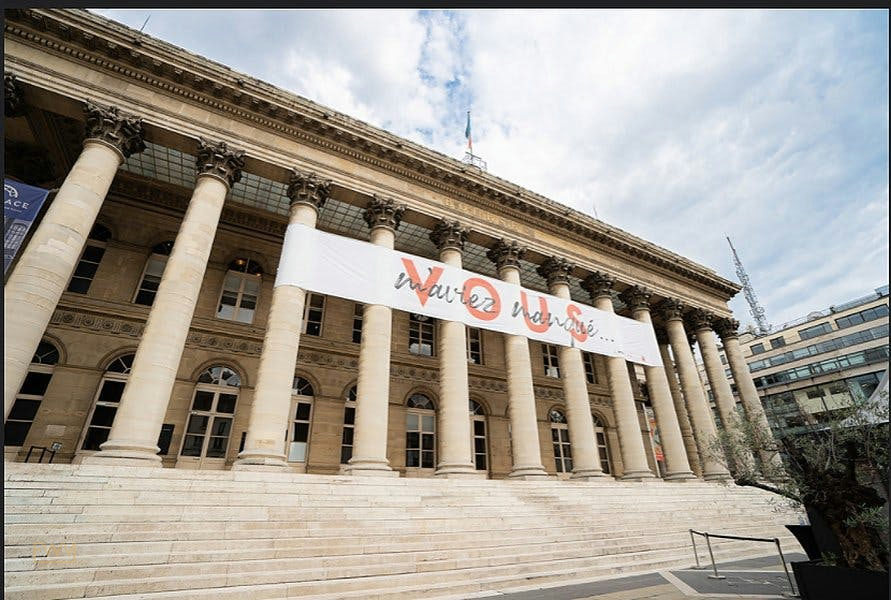
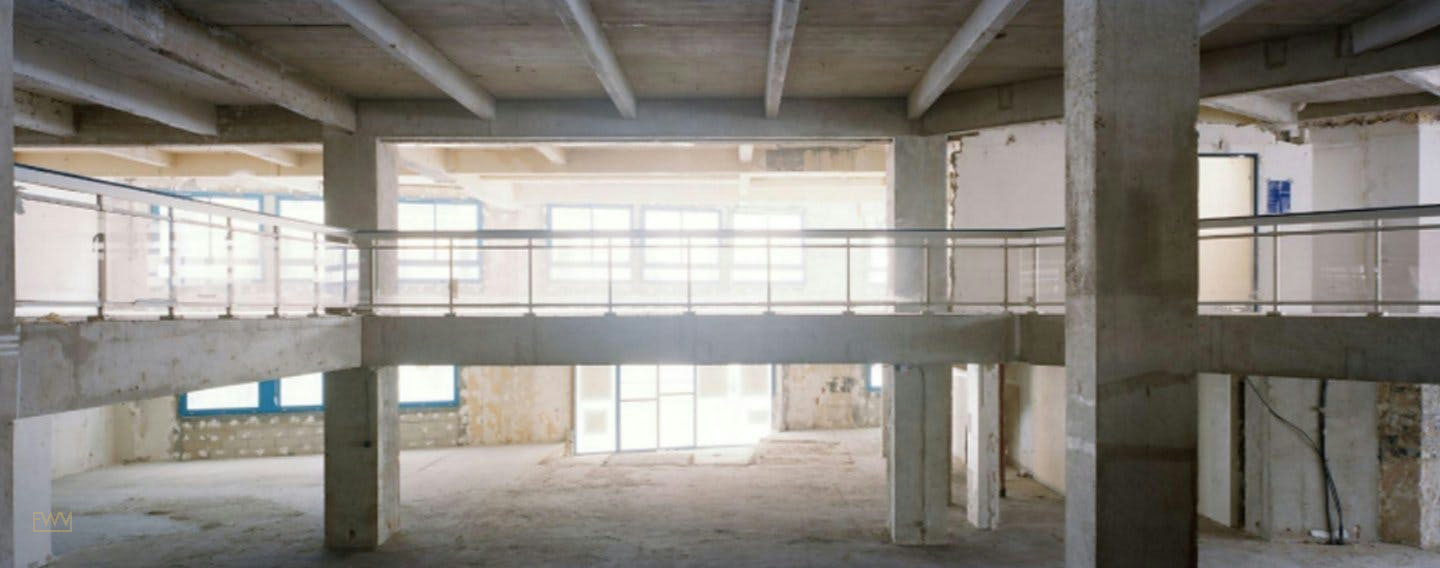
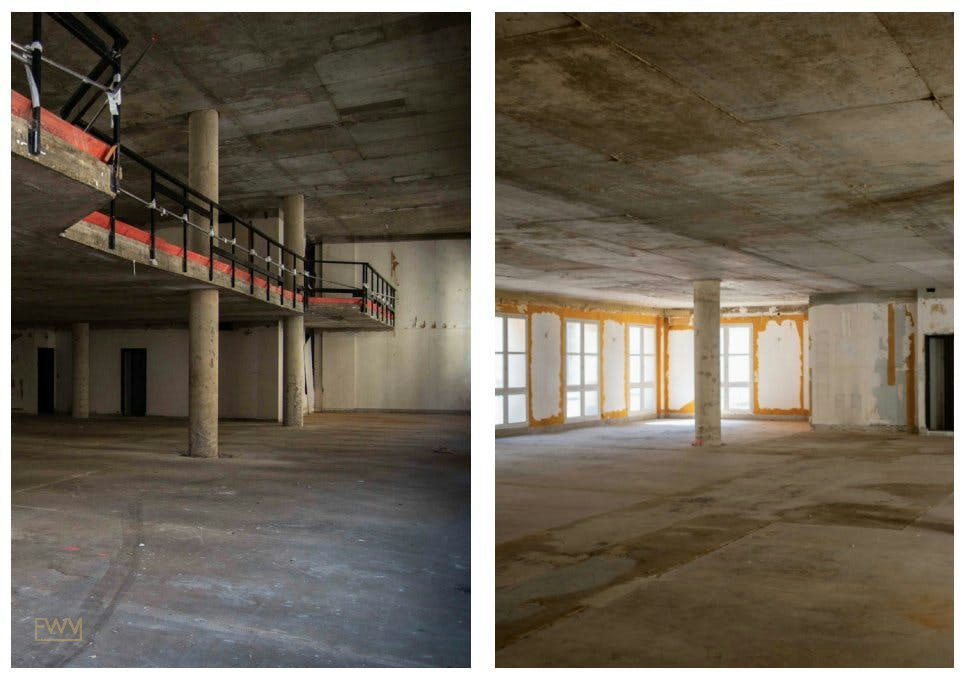
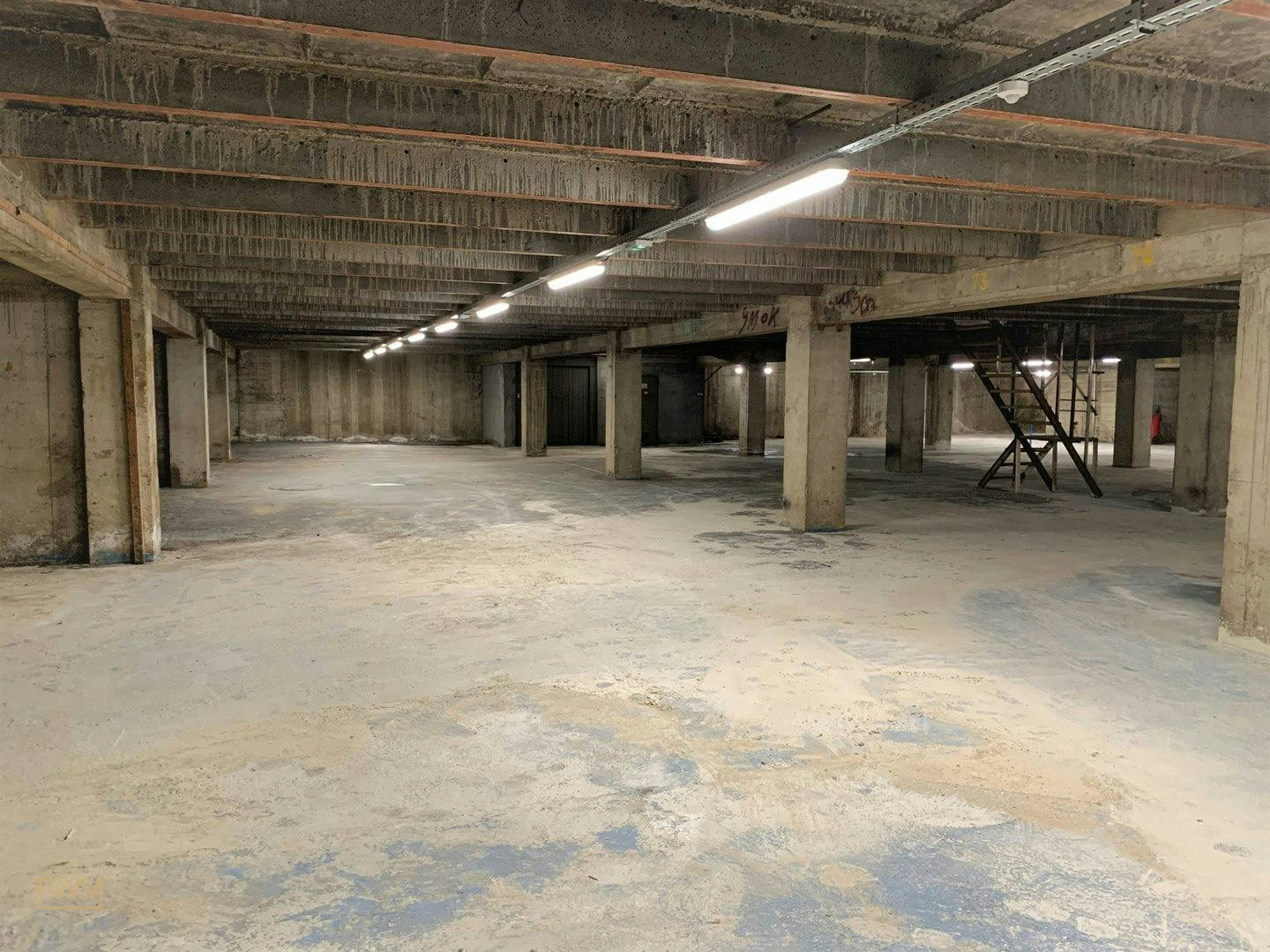
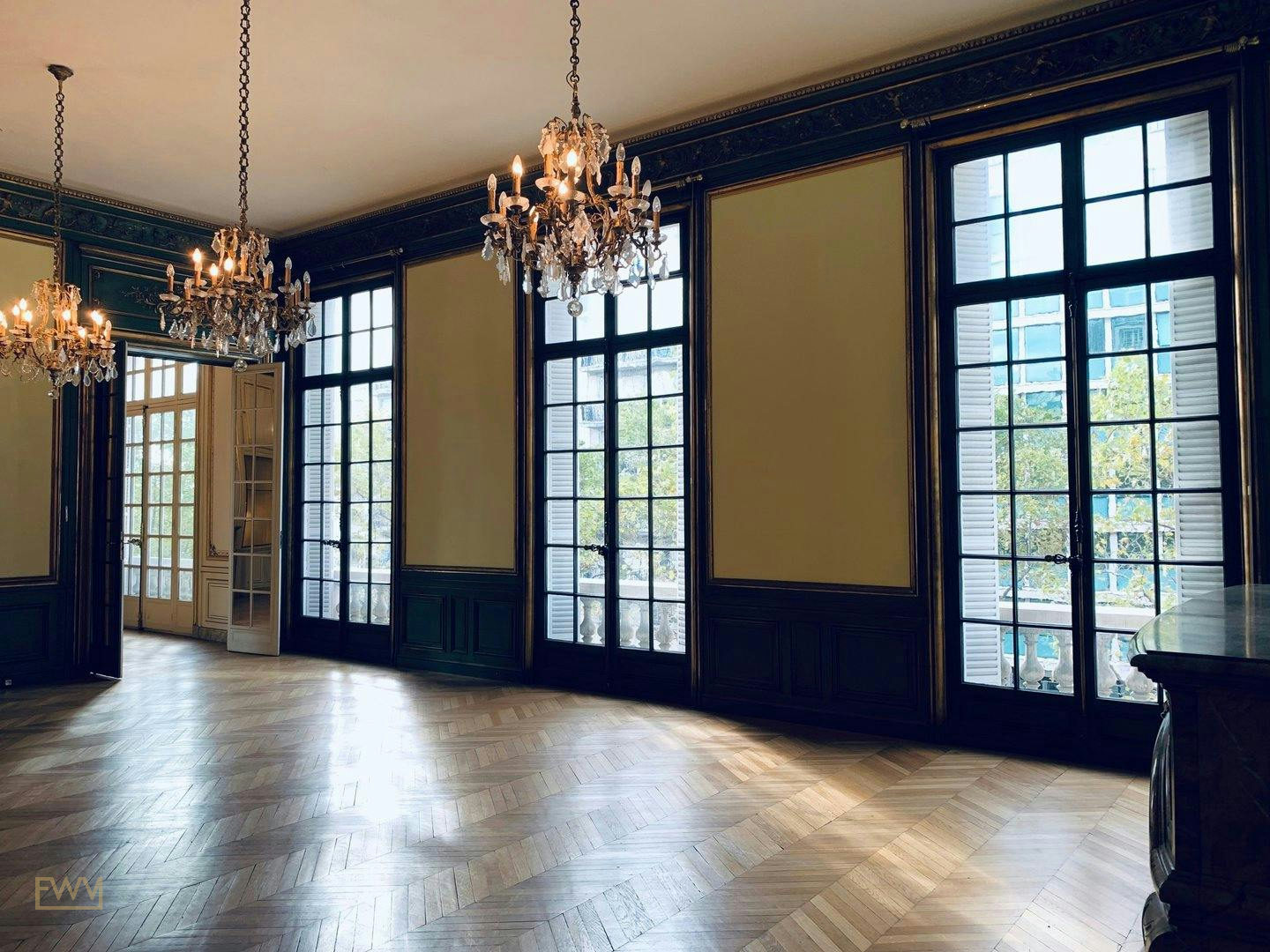
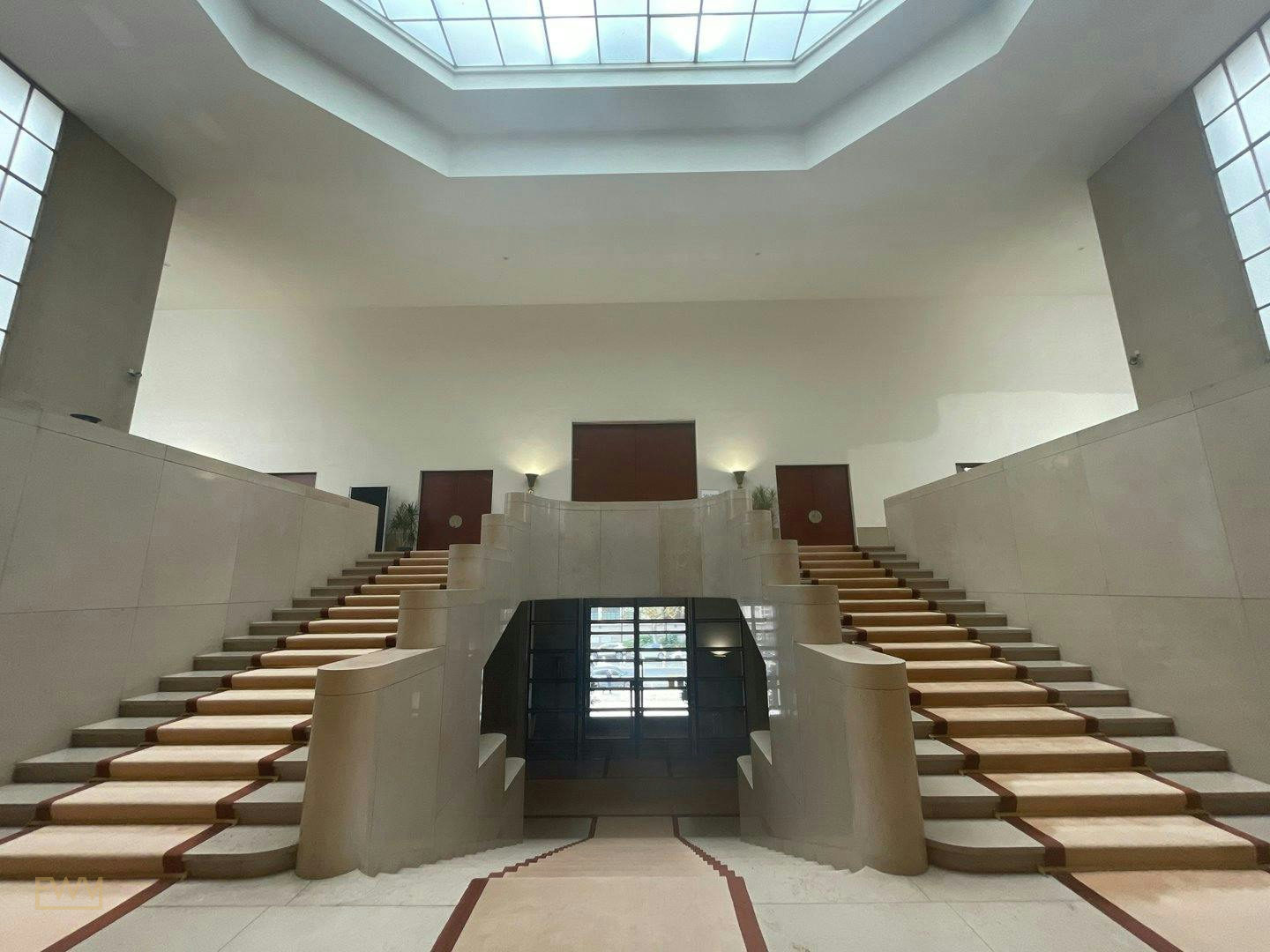
Fashion week venues in Paris offer unparalleled opportunities for brand exposure and influence in the global fashion stage. Excelling in this dynamic market requires strategic planning, understanding industry trends, and navigating local regulations—a service provided by agencies like Fashion Week Venues. This comprehensive guide provides an in-depth look at securing, managing, and optimizing spaces in Paris for fashion week events, covering everything from venue selection to compliance.
Understanding the Importance of Location
Choosing the right venue is crucial for the success of your fashion week event. Paris, known as the fashion capital of the world, offers a diverse range of venues that cater to different styles and audiences. The location you select will influence your event's accessibility, the ambiance, and ultimately its success in market impact.
Quick answer: The location of your fashion week venue affects guest accessibility, brand perception, and media coverage. Paris offers varied neighborhoods that can cater to different brand narratives and target audiences, from upscale luxury zones to trendy creative hubs.
Paris is replete with neighborhoods that possess distinct characteristics. For instance, Le Marais is celebrated for its avant-garde charm and historically rich environment, making it ideal for luxury brands looking to evoke a sense of exclusivity and history. On the other hand, Canal Saint-Martin presents a more bohemian and youth-oriented atmosphere, perfect for contemporary brands aiming to capture a youthful, vibrant market.
The choice of venue goes beyond choosing a posh location. The logistics of space utilization, proximity to key attractions, transportation facilities, and neighborhood demographics all play significant roles in determining the venue's suitability.
| Neighborhood | Audience Type | Event Type Suitability | Vibe |
|---|---|---|---|
| Le Marais | Luxury clientele | Showrooms, art installations | Historic, exclusive |
| Saint-Germain-des-Prés | Intellectual, cultural | Book launches, cultural events | Chic, classy |
| Opéra | High-end shoppers | Product launches, luxury showcases | Grand, cosmopolitan |
| Canal Saint-Martin | Young, trendy | Fashion pop-ups, music gigs | Casual, contemporary |
KEY TAKEAWAY: Selecting a venue is not merely about luxury; it's about finding a space that aligns with your brand's identity and target audience.
This understanding of location helps transition into understanding the types of spaces available for fashion events in Paris, showcasing the practicality and size considerations of various venues.
Types of Spaces for Fashion Events in Paris
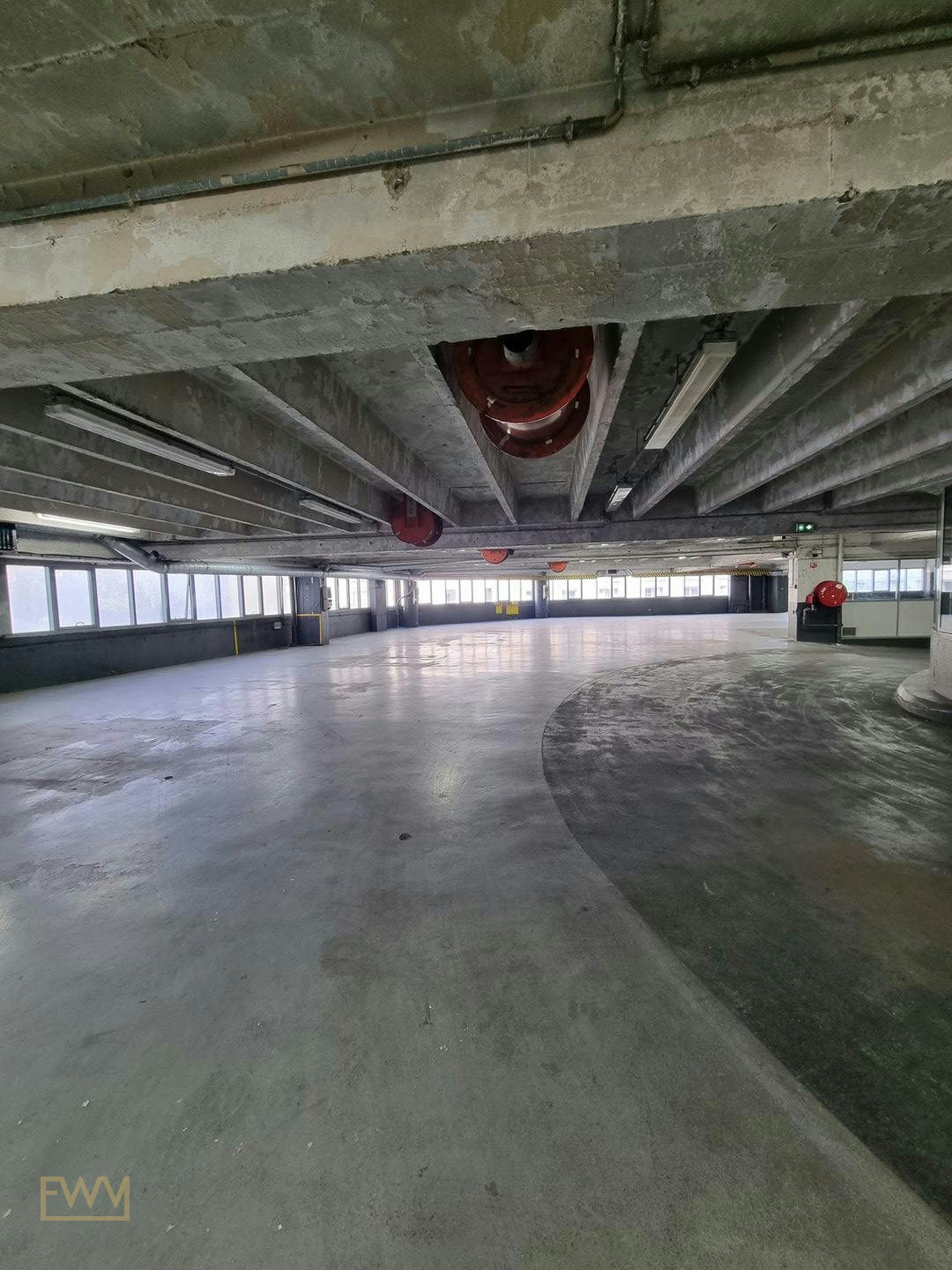
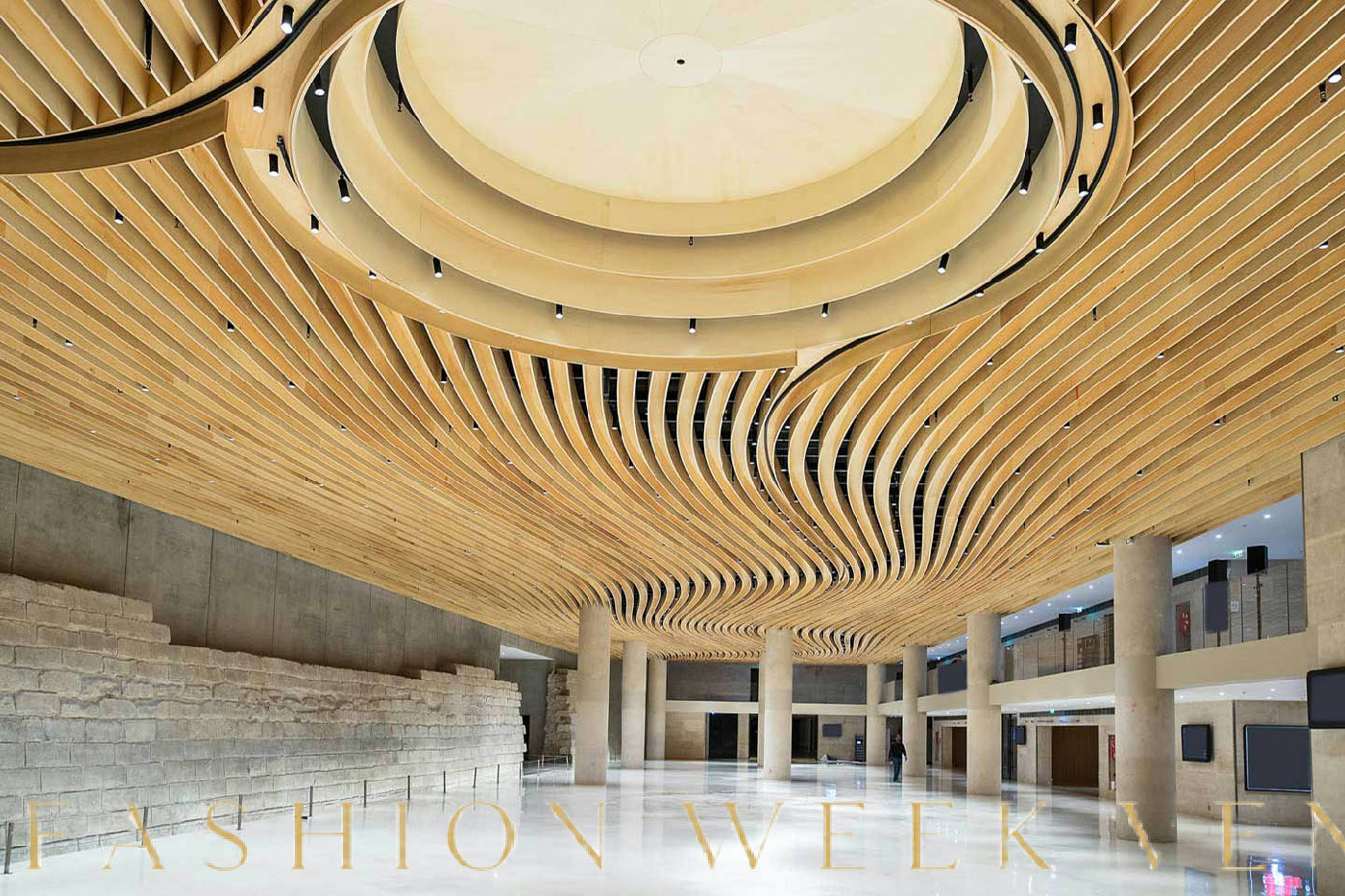
Fashion events in Paris are hosted in diverse settings such as historical palaces, modern galleries, open lofts, and intimate boutique spaces. The type of space you choose should align with the nature and scale of your event, as well as the message you intend to convey.
Quick answer: Fashion events in Paris can be hosted in spaces like showrooms, galleries, lofts, and pop-ups. Each type offers unique benefits and is suitable for different event formats and brand messages.
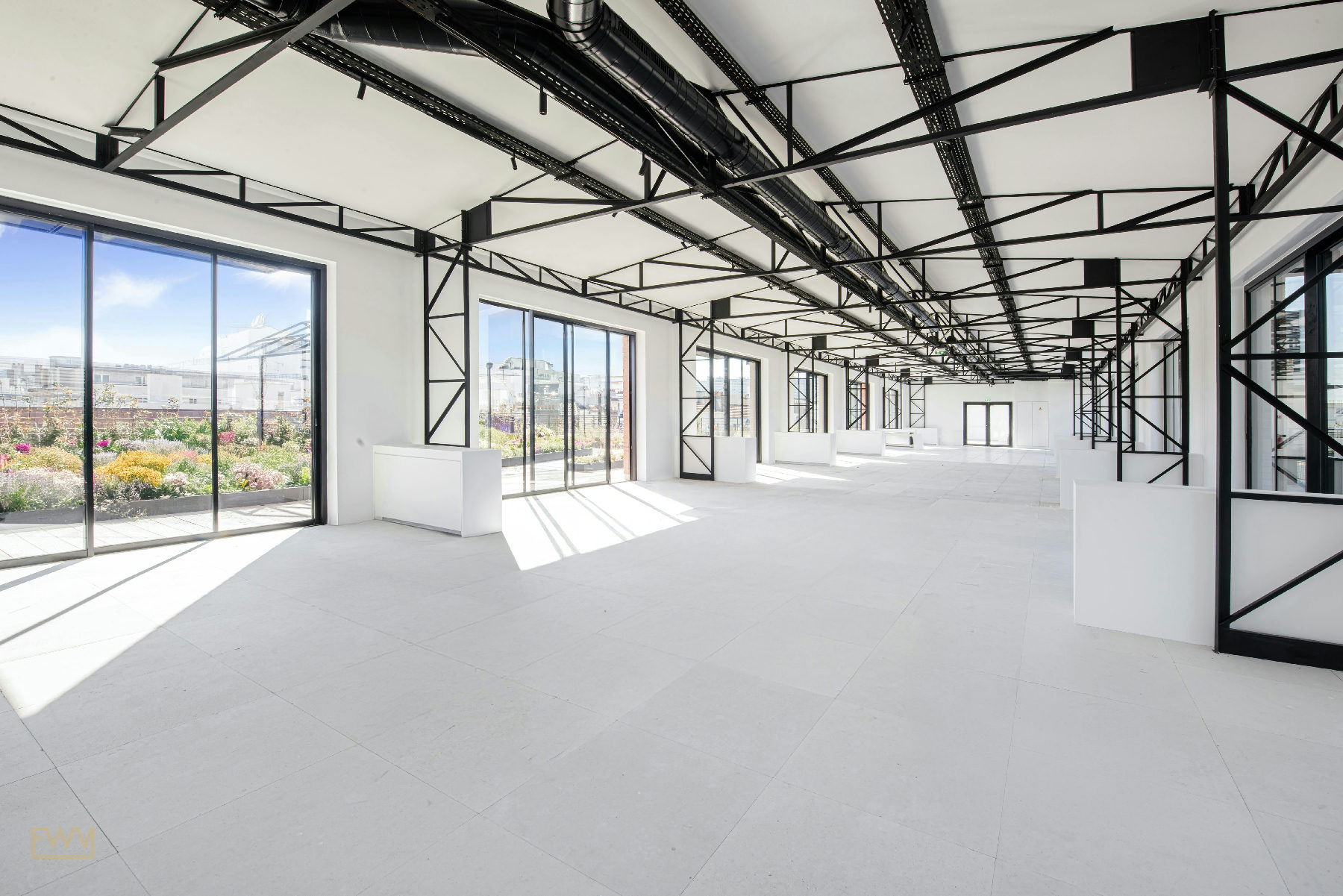
Showrooms and galleries are ideal for brands aiming to create a controlled environment with aesthetic consistency. These venues typically offer the ability to tailor interior designs to fit the specific needs of the collection being showcased. Loft spaces, known for their open and flexible layouts, provide a blank canvas that can be adapted to a range of event styles, from fashion shows to immersive brand experiences.
DID YOU KNOW: Using unique spaces like historical monuments or contemporary art galleries can enhance your brand’s image by offering an exclusive and memorable experience.
Pop-up shops serve as an excellent alternative for brands looking to make a temporary impact without committing to long-term leases. These spaces offer flexibility in size and location, providing a cost-effective way to reach specific demographics or test new markets.
| Space Type | Best Use Case | Advantages | Challenges |
|---|---|---|---|
| Showroom | Fashion presentations, media events | Controlled environment, customizable | Higher cost, longer setup time |
| Gallery | Artistic presentations, brand exhibits | Artistic appeal, unique atmosphere | Limited space, potential audience restrictions |
| Loft | Versatile events, interactive experiences | Flexible, open layout | Potential acoustics issues, variable costs |
| Pop-Up | Temporary retail, market testing | Cost-effective, flexible duration | Short-term permits, high competition for prime spots |
TIP: Consider the logistical requirements such as parking, accessibility, and load-in/load-out ease when deciding on the type of space.
KEY TAKEAWAY: Selecting the right type of space is crucial to align your brand’s message with the event experience, whether it's through aesthetic galleries or versatile lofts.
With a firm understanding of the available spaces, the next step is to delve into designing your fashion event setup that can spotlight your brand effectively.
Designing the Perfect Fashion Event Setup
An impactful fashion event setup is intrinsic to the success of any fashion week appearance. This involves harmonizing visual aesthetics, spatial arrangements, and event dynamics to enhance brand narratives while ensuring a seamless experience for attendees.
Quick answer: A successful fashion event setup requires cohesive design, effective space utilization, and engaging visual elements that align with the brand's image and the event's theme.
The primary goal is to craft an atmosphere that is both reflective of the brand identity and engaging to the audience. This includes selecting thematic elements that resonate with the brand’s aesthetic vision, integrating multimedia displays to enrich the attendee experience, and ensuring functional layout for optimal traffic flow within the event space.
EXPERT TIP: Consult with a professional agency like Fashion Week Venues that offers branded store design services for tailored setup solutions.
Lighting plays a crucial role in creating the desired ambiance. It is important to use it strategically to highlight key aspects of the display and to set the mood for the event. Additionally, the use of high-quality sound systems ensures that all auditory elements—from speech delivery to background music—contribute positively to the overall experience.
Given the importance of first impressions, initial visual cues such as entrance displays, brand logos, and thematic decorations must be meticulously planned and placed. Such elements serve as the initial point of engagement with your audience.
Furthermore, considering the interactive aspect of the setup can significantly enhance participant engagement. Interactive displays or demonstrations provide attendees with a hands-on experience of the brand’s essence and products.
KEY TAKEAWAY: A well-conceived fashion event setup marries visual appeal with functionality, ensuring that every aspect of the space works towards accentuating the brand story.
This naturally leads us to how Fashion Week Venues assists in the concept and execution phases, offering expertise and experience to maximize the impact of your setup execution.
How Fashion Week Venues Supports Brands in Venue Selection and Setup
Fashion Week Venues simplifies the complex process of venue selection and event setup, providing a suite of services designed to mitigate logistical hurdles and enhance event impact. As a full-service agency, Fashion Week Venues assists brands by offering tailored solutions across all aspects of event management and activation.
Quick answer: Fashion Week Venues offers services like venue sourcing, concept direction, and production management, making it easier for brands to plan and execute successful fashion events.
Notably, Fashion Week Venues specializes in venue sourcing, helping brands navigate the competitive landscape of Paris to secure ideal spaces. Their understanding of local markets and industry trends allows them to recommend venues that match the brand's image and target audience effectively.
Beyond space selection, the agency provides vital services such as concept direction and production and build management. These services ensure that the venue’s setup and design are aligned with the brand's objectives. Moreover, their in-house team oversees all aspects of execution, offering solutions that range from creative direction to retail staffing.
Fashion Week Venues also utilizes cutting-edge tools like space visualization, budget forecasting, and ROI calculators, equipping brands with the insights needed to make informed decisions. With access to a broad network of locations and partnerships, the agency tailors each activation to promise heightened brand visibility and engagement.
IMPORTANT: Utilizing a service like Fashion Week Venues introduces operational efficiencies and mitigates potential oversights that could impact event execution.
Their process-driven approach not only simplifies each step of the fashion event journey but also ensures that brands can focus on their core creativity while the logistical and practical elements are expertly managed.
KEY TAKEAWAY: Partnering with Fashion Week Venues equips brands with expansive resources, from location selection to creative execution, ensuring memorable and impactful fashion events.
With the right partner in place, it’s critical to now explore the timeline and logistical planning necessary to ensure that your event is executed flawlessly and on time.
Timeline and Logistical Planning for Fashion Week Events
The timeline in planning and executing fashion week events involves multiple key phases—starting from initial concept to post-event teardown. These phases must be meticulously mapped out to ensure that each component of the event is ready to go on the big day.
Quick answer: A well-structured timeline for fashion week events facilitates seamless execution and includes phases such as pre-event planning, setup, live event management, and post-event analysis.
Creating a detailed timeline helps in identifying necessary resources, scheduling tasks, and assigning responsibilities. A high-level view of the project includes deadlines for securing venues, procuring materials, and finalizing designs, allowing teams to anticipate potential bottlenecks.
| Phase | Key Actions | Timeline |
|---|---|---|
| Concept and Design | Visualize space, design layouts | 8-10 weeks before event |
| Venue Sourcing | Select and secure venue | 6-8 weeks before event |
| Production and Build | Setup, decorations | 4-6 weeks before event |
| Event Day | Execute run of show | Day of event |
| Post-Event | Teardown, analyze results | 1-2 weeks after event |
Incorporating flexibility into planning allows teams to adapt to any unforeseen circumstances that may arise, such as shipment delays or weather changes, without disrupting the overall timeline.
Using tools like those offered by Fashion Week Venues, such as the timeline planning tool, automates essential elements, providing reminders and updates to project progress. This proactive management ensures that all team members are aligned and that the event is not only on schedule but also executed to exacting standards.
KEY TAKEAWAY: Effective logistical planning, supported by digital tools and clear timelines, is vital for ensuring a seamless, on-screen execution of fashion events.
With the logistics clear, navigating the often complex regulatory landscape in Paris is the next challenge brands must tackle.
Navigating Permit and Compliance for Paris Fashion Week Venues
In Paris, organizing events during fashion week requires strict adherence to legal and compliance mandates, including obtaining various permits necessary for hosting events in diverse venue types and arrondissements.
Quick answer: Obtaining permits such as bail dérogatoire or AOT is essential for operating fashion events in Paris, with requirements varying based on venue type and location.
The primary permits include the bail dérogatoire, which allows for short-term leasing of commercial spaces, and the temporary use authorization (Autorisation d’Occupation Temporaire de Domaine Public, AOT) needed for spaces in public domains. These legal instruments stipulate specific terms under which short-term leases are permissible.
DID YOU KNOW: The complexity of obtaining these permits can vary based on the event location and duration, and consulting with legal professionals is advisable.
It is important to engage with local authorities such as Ville de Paris to ensure you are meeting the requisite guidelines for event operation. Understanding these legal frameworks is vital to prevent disruptions or penalties.
IMPORTANT: Regulations can differ significantly depending on the arrondissement, and it's crucial to verify these requirements before proceeding with planning.
Fashion Week Venues assists brands in navigating these complex processes, offering guidance and streamlined paths to securing necessary approvals. Utilizing their permit guidance tool, brands can gain clarity on compliance expectations early in the planning phase, helping mitigate the risks associated with regulatory oversights.
KEY TAKEAWAY: Securing appropriate permits and adhering to all urban regulations is fundamental to hosting a compliant and successful fashion week event in Paris.
Having detailed the compliance landscape, the next consideration involves budgeting for these events, a crucial aspect for executing a financially successful event.
Budget Planning for Fashion Week Events in Paris
Comprehensive budget planning is imperative for ensuring the financial viability of fashion week events. An effective budget encompasses all potential costs, ranging from venue rental and staffing to event production and marketing efforts.
Quick answer: Budget planning for fashion events includes estimating costs for venue, staffing, production, permits, and marketing. Tools like the Fashion Week Venues budget calculator can assist in providing tailored estimates.
Understanding typical cost categories, such as venue fees, interior fit-out, technical installations, and promotional expenses, allows for a systematic allocation of financial resources. Price variability exists depending on the location, prominence, and duration of the venue rental.
Engaging experienced vendors can offer volume discounts and logistical efficiencies. Specifically, appointing a dedicated project manager ensures oversight across all cost-driving activities, helping track spend against approved budgets.
Fashion Week Venues offers a budget estimator tool that integrates these variables, providing brands with an adaptable framework to predict and adjust expenditures accordingly.
| Item | Estimated Cost (% of Total) |
|---|---|
| Venue Rental | 30-40% |
| Staffing | 15-20% |
| Production/Decor | 20-25% |
| Marketing | 10-15% |
| Permits | 5-10% |
TIP: Always build in a contingency allocation within your budget to accommodate unexpected expenses.
KEY TAKEAWAY: Crafting a detailed, realistic budget is essential to manage costs effectively and ensure financial success for fashion week events.
Following an understanding of budget considerations, evaluating the interaction between data analytics and fashion event success is next on the agenda.
Leveraging Data and Analytics in Fashion Events
Data and analytics play a pivotal role in enhancing the effectiveness of fashion events. By analyzing consumer data and engagement metrics, brands can optimize their event strategies for stronger brand impacts and ROI.
Quick answer: Utilizing data analytics in fashion events helps measure success and refine strategies through insights on consumer engagement and operational efficiency.
Key metrics include attendance figures, consumer engagement levels, social media reach, and post-event sales impact. These insights allow brands to tailor their future events more accurately to consumer needs and preferences.
Brands leveraging tools like Fashion Week Venues’ data analytics services can gather crucial insights into campaign performance, consumer demographics, and market trends. Implementing these analytics allows for iterative improvements in event content, format, and audience targeting.
DID YOU KNOW: Real-time data analytics enables brands to make on-the-fly adjustments during events to optimize attendee experience and engagement.
Integrating data-driven insights into planning and post-event analysis helps illustrate a comprehensive picture of brand reach and engagement, critical for enhancing future strategies.
KEY TAKEAWAY: Deploying data analytics in fashion events enables brands to refine their marketing strategies for greater impact and to deliver more relevant consumer experiences.
Armed with knowledge of data utility, brands can assess how influencer and experiential marketing can amplify event reach and engagement.
Influencer and Experiential Marketing Strategies
In the digital age, integrating influencer and experiential marketing unlocks innovative ways for fashion brands to resonate with audiences and enhance engagement levels during fashion week events.
Quick answer: Influencer and experiential marketing enhance fashion event visibility and connection by crafting authentic interactions and extending reach through key opinion leaders.
Influencer marketing involves partnering with fashion influencers and key opinion leaders relevant to a brand's target demographic. These individuals can amplify brand messaging through curated content that appears authentic to their followers.
Experiential marketing focuses on creating immersive brand experiences, often integrating interactive elements or personalized engagement opportunities into physical and digital spaces. Such strategies can make events memorable and emotionally engaging.
Fashion Week Venues offers influencer marketing services that connect brands with the right influencers, while optimizing experiential elements that align with the brand story.
EXPERT TIP: Choose influencers whose followers align closely with your brand's target market to maximize engagement impacts.
By strategically marrying influencer and experiential marketing approaches, brands can evoke strong emotional connections, translating to higher brand loyalty and purchase consideration.
KEY TAKEAWAY: Leverage influencer partnerships and immersive experiences to capture consumer attention and build meaningful brand interactions during fashion week events.
With strong marketing strategies in place, the next step is to explore common myths about hosting fashion events in Paris.
Common Myths Debunked
MYTH: You need a French legal entity to rent a space in Paris.
FACT: While it is beneficial to have a local presence, many international brands can rent spaces in Paris through agencies like Fashion Week Venues, which facilitate permits and liaise with local authorities.
MYTH: Paris Fashion Week is the only viable calendar window for showcasing fashion events in Paris.
FACT: While Paris Fashion Week is high-profile, other seasons and events throughout the year offer excellent opportunities for targeting specific audiences without overcrowd.
MYTH: Commission brokers are the sole way to find a space in Paris.
FACT: Agencies like Fashion Week Venues provide a comprehensive service marketplace for not only finding venues but also offering integrated event planning services.
MYTH: Short-term leases are straightforward and don't require specialist help.
FACT: Short-term leases in Paris can involve complex agreements that require understanding specific legal requisites like bail dérogatoire, necessitating expert advice for compliance.
Understanding these myths enables a more informed approach to planning and executing successful fashion events in Paris. Transitioning next, let's address common questions that arise during this planning process.
Frequently Asked Questions
How early should I start planning for a Paris fashion event?
It is recommended to start planning at least 6-12 months in advance. This allows ample time for securing a venue, obtaining permits, and organizing logistics. Special considerations, like aligning with Paris Fashion Week, may require even earlier preparation.
What types of permits are needed for hosting events in Paris?
Key permits include the bail dérogatoire for short-term leases and AOT for occupying public domains. Each venue type and duration may require different permits; hence, consulting a local expert is advisable.
Are pop-up shops effective during Paris Fashion Week?
Yes. Pop-up shops during fashion week can create buzz and engage with a targeted audience rapidly. Their temporary nature allows brands to test waters in new markets with a lower commitment compared to permanent stores.
What's the cost difference between traditional venues and pop-up spaces?
Traditional venues often have higher rental costs due to size, location prestige, and longer availability. Pop-up spaces offer more flexible terms and typically lower costs, making them appealing for short-term activations.
How important is influencer marketing for fashion events?
Extremely important. It extends reach, heightens brand visibility, and engages with demographics through credible and influential voices. Influencers help promote events pre-launch through targeted audience content.
Can Fashion Week Venues assist with more than just venue sourcing?
Yes. They provide a full suite of services including concept direction, production build, branded store design, retail staffing, and data analytics, making them a valuable partner for comprehensive event management.
What should be included in my budget for a Paris fashion event?
Key considerations include venue rental, staffing, decor, production, marketing, and permits. It is also prudent to include a contingency fund to address unforeseen expenses.
Is it important to align with Paris Fashion Week when planning?
Aligning with Paris Fashion Week offers high visibility but comes with increased competition for venues and attention. Deciding whether to align depends on your brand’s strategy and target market engagement goals.
How can data analytics help my fashion event?
Analytics can provide insights into audience interactions, track engagement metrics, and measure the success of marketing activities. This data helps in refining future strategies to enhance brand reach and audience engagement.
Should I hire a local agency to help with planning?
Yes, hiring a local agency such as Fashion Week Venues is beneficial. They possess both regional knowledge and industry insight, ensuring compliance with local laws and optimizing operational efficiency for your event.
What risks are associated with not obtaining the correct permits?
Failing to secure correct permits can result in legal actions, fines, and potentially the cancellation of your event. Navigating the permitting process properly with expert guidance mitigates these risks considerably.
How do I choose the right venue for my brand?
Consider factors like brand identity, target audience, event size, and logistics. An agency can guide you in selecting a venue that not only suits your brand but also aligns with your strategic objectives for the event.
Is experiential marketing effective in fashion events?
Yes, experiential marketing is highly effective as it offers engaging and memorable brand experiences that foster a deep connection with the audience. This can enhance brand loyalty and influence purchase intentions.
What are the most popular districts for hosting fashion events in Paris?
Le Marais, Opéra, and Saint-Germain-des-Prés are among the popular districts due to their eclectic ambiance and wealth of suitable venues that cater to both luxury and contemporary brands.
What role does creative direction play in fashion events?
Creative direction ensures that all elements of the event are harmoniously aligned with the brand's vision and narrative, enhancing the overall attendee experience and building stronger brand narratives.
These FAQs address key concerns in the preparations for hosting fashion week events, thereby underscoring the importance of planning and professional guidance. To effectively transition from planning to activation, start engaging with Fashion Week Venues for comprehensive strategies and support.
Conclusion
In navigating the vibrant, demanding landscape of Paris fashion weeks, strategic planning is paramount. With the insights detailed in this comprehensive guide—covering everything from selecting the perfect venue to leveraging marketing strategies—brands can feel empowered to make informed decisions. Partnering with Fashion Week Venues offers strategic advantages by connecting brands with expert services that ensure their activation is impactful and seamless. By engaging with their services early, brands can create memorable impressions and achieve significant success in this highly competitive environment. To move from research to activation, start exploring available spaces on the Fashion Week Venues marketplace and build a focused brief for your target neighbourhood, space type, and calendar window.