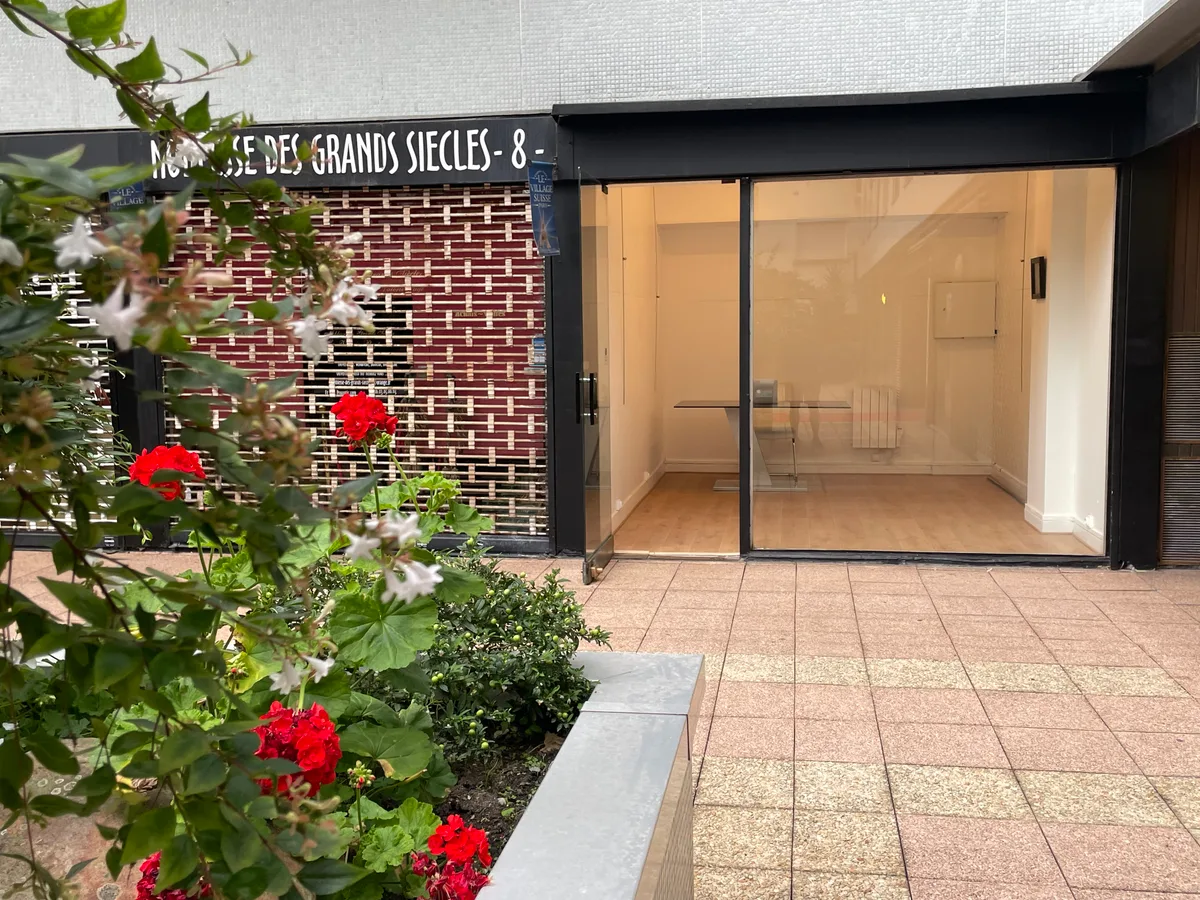
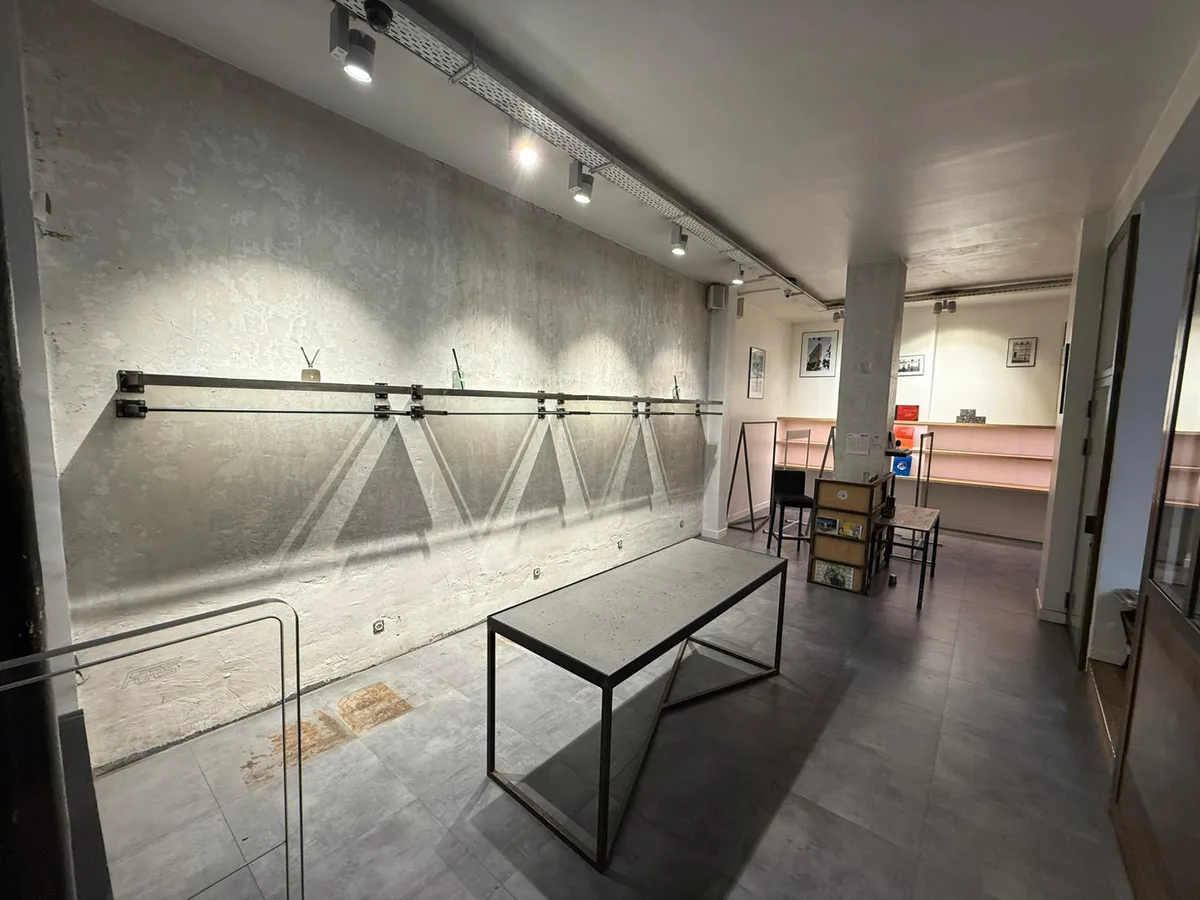
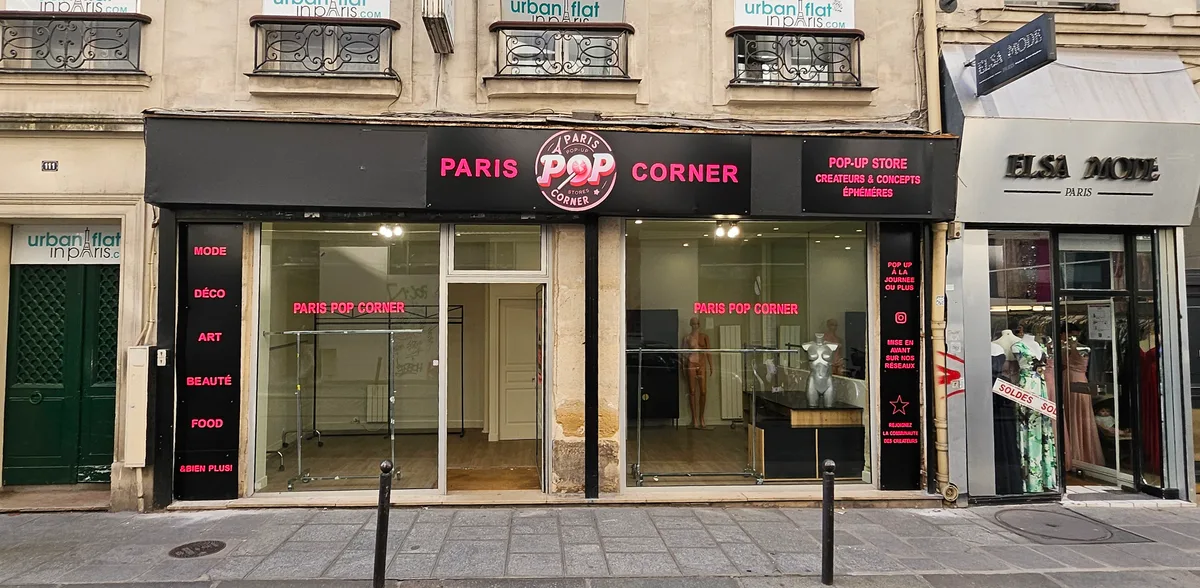
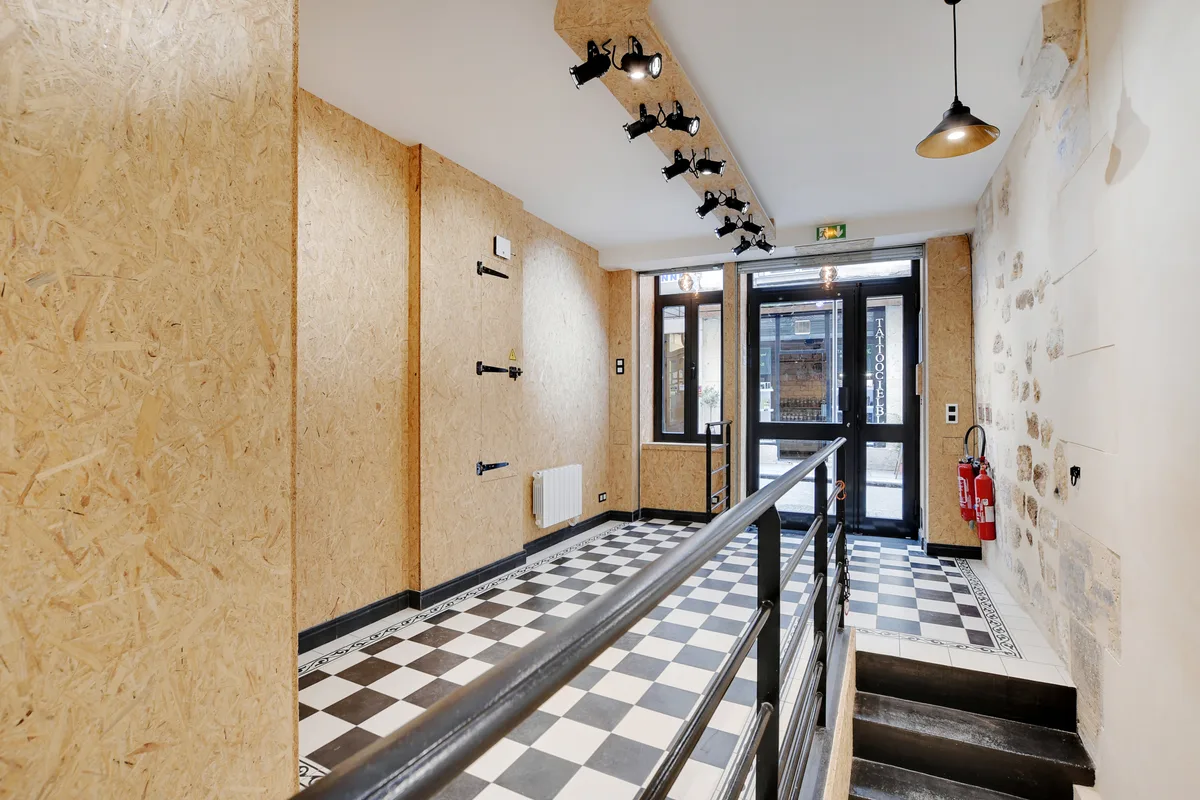
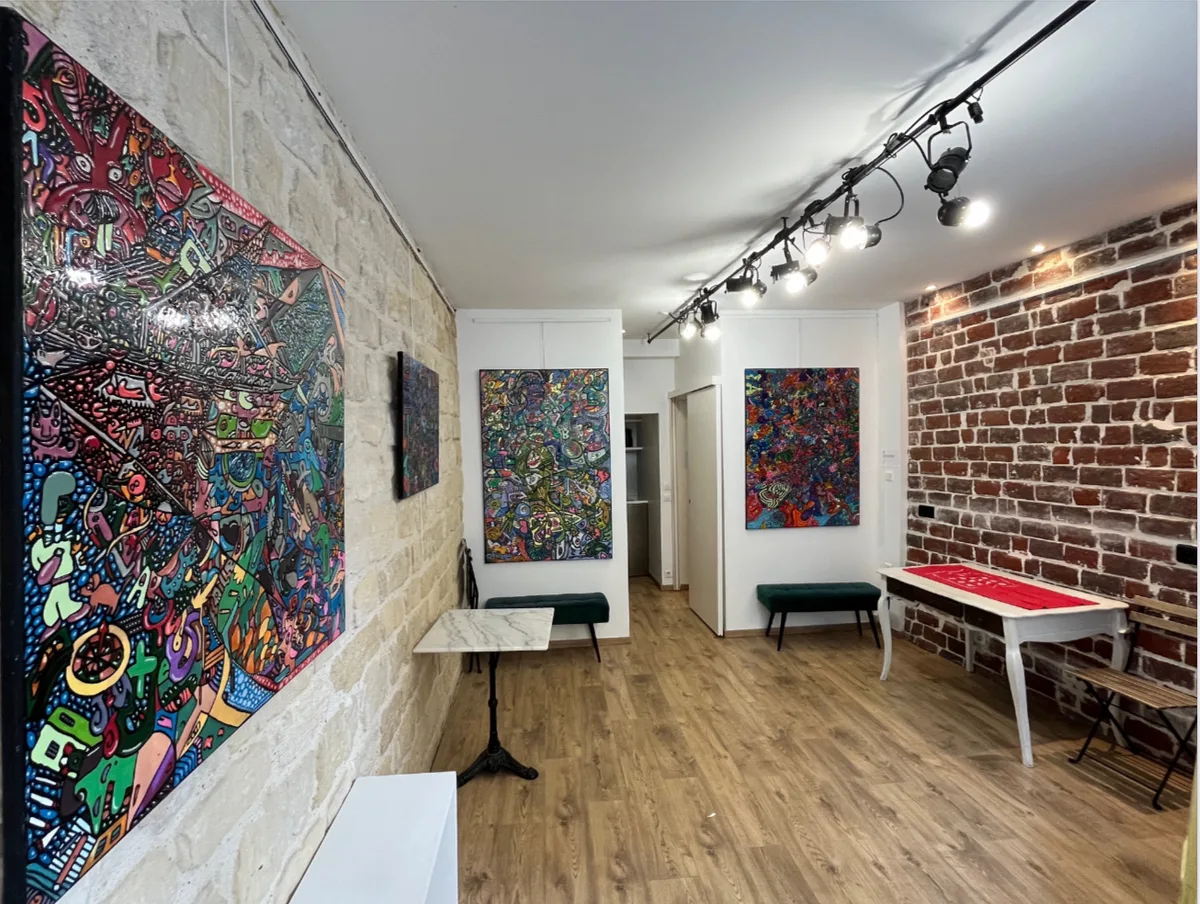
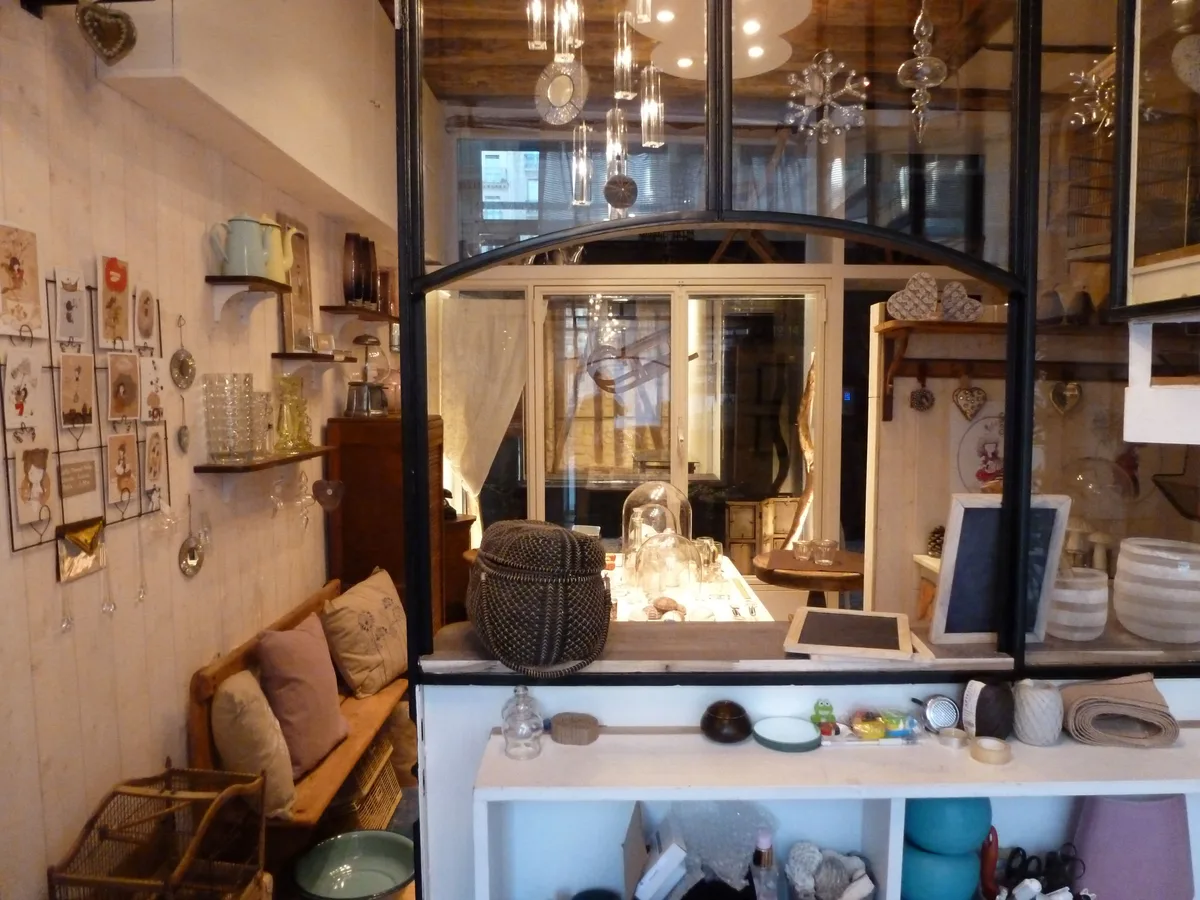
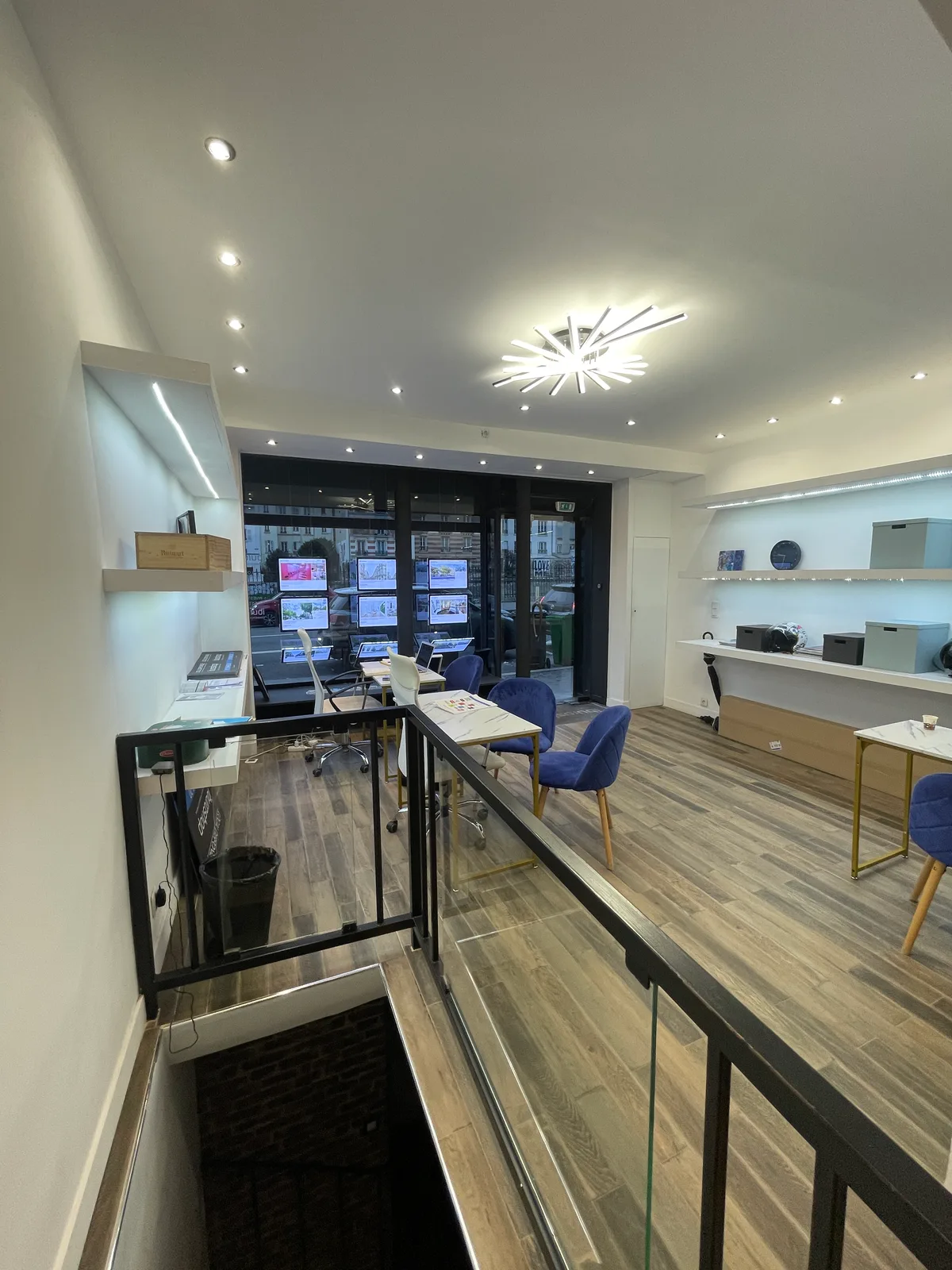
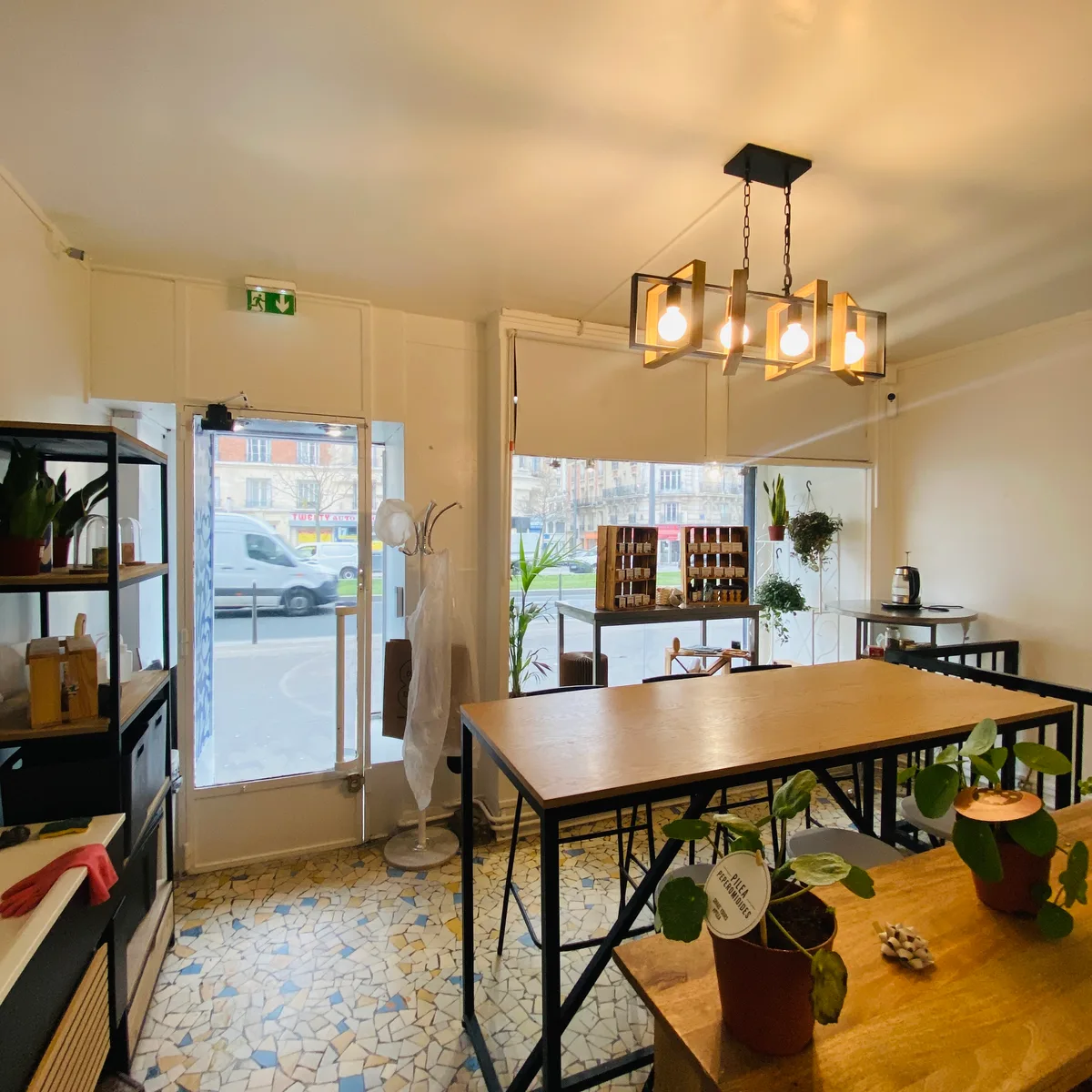
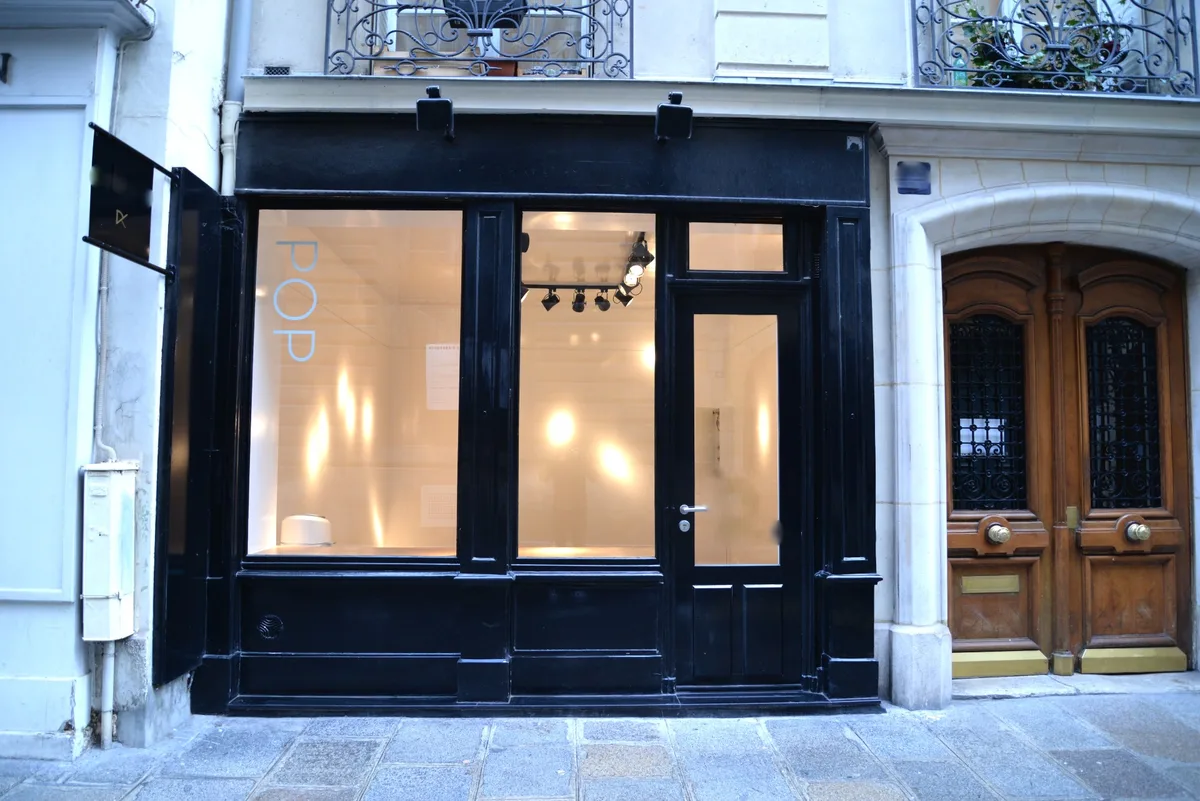
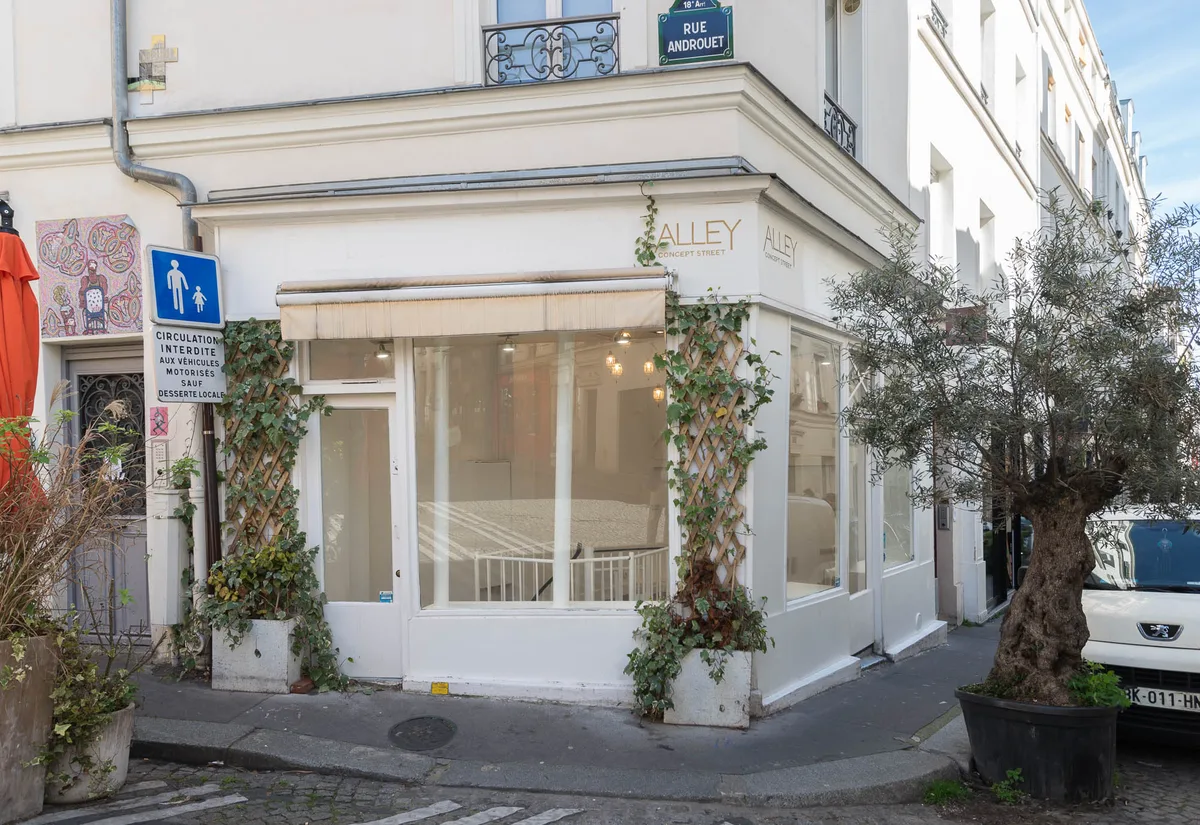
A pop up shop on Avenue Montaigne represents one of the most coveted and strategically demanding retail activations in the world. This stretch of Parisian couture, running through the 8th arrondissement toward the Champs-Élysées, is home to Dior, Louis Vuitton, Chanel, and a constellation of luxury maisons whose flagship stores set the visual standard for global retail. For brands seeking to activate alongside this heritage, whether through a temporary boutique, an experiential showroom, a jewellery display, or an immersive pop-up store, the Avenue Montaigne corridor offers unmatched prestige, footfall, and media visibility. Fashion Week Venues works with brands planning activations across Paris, including this district, offering dedicated venue sourcing for short-term retail and event spaces.
What Makes Avenue Montaigne the Global Benchmark for Luxury Pop-Up Retail
Quick answer: Avenue Montaigne is Paris's most concentrated luxury retail address, hosting permanent flagships from Dior, Louis Vuitton, Chanel, and other LVMH maisons. Its combination of couture heritage, high-net-worth foot traffic, international press, and proximity to Paris Fashion Week venues makes it the world's most symbolically loaded address for luxury brand activations and pop-up stores.
Avenue Montaigne sits in the 8th arrondissement of Ile-de-France, flanked by the Seine and the Champs-Élysées. It has served as the spiritual home of French couture since Christian Dior opened his maison here in 1947. Today the street functions simultaneously as a retail destination, a heritage landmark, and a live stage for luxury brand storytelling. When brands activate here, whether through a permanent boutique or a temporary store, they are making a statement about their position in the cultural hierarchy of fashion and luxury.
The avenue draws a specific type of visitor: high-net-worth individuals, international fashion press, buyers attending Paris Fashion Week, collectors of high jewellery masterpieces, and tourists from across Europe, Asia, and the Americas who have come specifically to engage with French luxury culture. This audience profile makes the street uniquely valuable for brands launching new collections, debuting jewellery lines, or staging experiential retail concepts that require a discerning and culturally fluent audience.
LVMH, the parent group of Louis Vuitton and Dior among many others, has long understood Avenue Montaigne as an asset beyond simple retail sales. The street is used by its maisons as a platform for cultural communication. Pop-up activations along or immediately adjacent to this corridor routinely generate coverage in Vogue, WWD, Business of Fashion, and on Instagram and TikTok, amplifying their reach far beyond the physical space. This dual function, physical retail and digital media amplification, is central to how brands calculate ROI on Avenue Montaigne pop-ups.
For brands without a permanent presence here, securing a temporary retail space near Avenue Montaigne during Paris Fashion Week or during major cultural calendar moments requires significant advance planning, an understanding of the local property market, and knowledge of French short-term lease frameworks including the bail dérogatoire. The premium on these spaces is substantial, reflecting both the address prestige and the concentrated demand from global brands all targeting the same calendar windows.
DID YOU KNOW: The Avenue Montaigne flagship of Christian Dior, at number 30, is considered one of the most visited luxury retail addresses in the world, receiving millions of visitors annually across its boutique, café, and museum spaces.
KEY TAKEAWAY: Avenue Montaigne is not simply a retail street. It is a symbolic address where luxury pop-up activations gain cultural legitimacy, press amplification, and access to a globally affluent and fashion-literate audience. Understanding this context is essential before planning any temporary store or brand activation nearby.
The following sections explore how major luxury houses have used this corridor and its global analogues to define the modern pop-up format, what brands need to understand about the logistics and legal frameworks involved, and how independent and emerging brands can approach this market strategically.
Louis Vuitton and Dior Pop-Up Activations: How the World's Biggest Luxury Houses Define the Format
Quick answer: Louis Vuitton and Dior have pioneered the luxury pop-up format globally, using temporary stores, experiential retail environments, and thematic brand activations to launch collections, commemorate heritage, and reach new markets. Their activations provide a masterclass in translating brand equity into physical space.
Louis Vuitton's Global Pop-Up Strategy and L'Aventure
Louis Vuitton's approach to pop-up retail is characterised by thematic rigour, craftsmanship storytelling, and a commitment to the monogram as a living design language. The L'Aventure pop-up concept exemplifies this approach, offering visitors an immersive journey through Louis Vuitton's history as a trunk-making house, from its origins in hand craftsmanship to its contemporary position as a cultural institution. At L'Aventure, one, two, or three letter monograms are available free of charge, created using a dedicated monogram machine, giving visitors a personalised connection to the house's most iconic symbol. This kind of experiential retail mechanic transforms a temporary store into a memory-making destination and generates significant organic social sharing on Instagram and TikTok.
The Louis Vuitton City Guides, a long-running editorial and digital publication, have been brought to life in pop-up form through the Louis Vuitton Amble app and dedicated digital city guides. These activations blend retail with cultural programming, positioning Louis Vuitton not merely as a luxury goods house but as an authoritative voice on urbanism, culture, and the experience of city life. This editorial positioning resonates with the brand's core customer, who travels internationally, values cultural fluency, and sees luxury purchases as part of a broader lifestyle identity.
Louis Vuitton's Travel Pop Up Shop concept, deployed in locations including ski resorts and hotel partnerships such as the Lake Songhua Seibu Prince Hotel in Jilin Province, demonstrates how the house adapts its retail format to seasonal context and destination leisure. The Ski pop-up model, featuring luggage tags, seasonal accessories, and leather goods edited for a travel-ready audience, shows how a temporary store can serve a geographically specific and temporally defined customer cohort. Similarly, Louis Vuitton has operated pop-ups in duty-free shopping zones such as those on Hainan Island, where tropical climate, duty-free status, and a high-spending domestic Chinese tourist market combine to create a commercially distinct activation context.
The Louis Vuitton leather hammock, featured as part of experiential displays and referenced in fashion media alongside the question of whether it represents a sales catalyst or a pure brand statement, reflects the house's willingness to stage objects that are as much art as product. The community and lounge dimensions of these activations, offering visitors rooms to rest, explore, and engage with archival objects, position Louis Vuitton's pop-ups as destinations in themselves rather than simply selling environments.
Dior's Experiential Retail and Dior Joaillerie
Christian Dior's activations, rooted in the heritage of the Parisian couture house at Avenue Montaigne, consistently draw on archival display, art exhibition curation, and the house's deep connection to French cultural identity. Dior Joaillerie pop-ups have deployed jewellery displays that function as exhibition curation exercises, presenting high jewellery masterpieces alongside archival objects, sketches, and historical references. The Lady Dior bag and Miss Dior perfume bottle are recurring touchstones in Dior's experiential retail vocabulary, appearing in pop-up contexts as both products and cultural artefacts.
Dior-branded hot chocolate has been served in Dior café and pop-up contexts, reinforcing the house's strategy of extending brand touchpoints into hospitality and sensory experience. This approach, common among Avenue Montaigne maisons, recognises that luxury retail is as much about the atmosphere, service, and ritual of the visit as about the transaction itself. A security service appropriate to the value of the goods on display is invariably part of the operational planning for any Dior activation involving high jewellery or archival pieces.
KEY TAKEAWAY: Louis Vuitton and Dior have established the gold standard for luxury pop-up retail by combining product presentation with experiential programming, craftsmanship storytelling, personalisation mechanics, and cultural authority. Brands planning activations near Avenue Montaigne should study these approaches carefully when developing their own concept direction.
The influence of these flagship brands shapes expectations for all luxury pop-up activations in Paris, including those by independent designers, emerging houses, and international brands entering the market. Understanding the benchmark these maisons set is essential for any brand planning a temporary store in this corridor.
Tiffany and Co. Pop-Up Concepts: From Fifth Avenue to Paris and the Question of Exhibition Versus Boutique
Quick answer: Tiffany and Co. has used temporary store and exhibition formats globally to introduce new jewellery lines, celebrate heritage designers, and reach new customer cohorts. Its activations navigate the boundary between commercial boutique and art exhibition, raising the question of whether a luxury pop-up is primarily a sales catalyst or a brand communication event.
Tiffany and Co., operating under LVMH since 2021 with Anthony Ledru as President and CEO, has deployed pop-up concepts across multiple markets that reflect the house's dual identity as both a jewellery retailer and a cultural institution. The Tiffany Blue visual identity, originating with Louis Comfort Tiffany and now one of the most recognisable colour codes in luxury, anchors these activations and makes them instantly legible in any market.
The Tiffany Temporary Store format raises a question that recurs throughout luxury pop-up strategy: is the space primarily an exhibition or a boutique? When Tiffany presents high jewellery masterpieces alongside archival objects and references to historical designers such as George Paulding Farnham, Jean Schlumberger, and Elsa Peretti, it creates an environment that functions as much as a museum as a selling floor. Visitors may come to see the Ice sculpting technique used in a seasonal display, to attend an event celebrating Lunar New Year, or to book an Engagement Ring Consultation, all within the same temporary space.
Collections such as Tiffany T1, City Hardwear, and Le Papier have been launched or promoted through pop-up formats, with jewellery displays curated to emphasise the distinctive design language of each line. Rings, Necklaces and Pendants, and Earrings are typically displayed with the kind of lighting, spacing, and material context that elevates them from product to object of desire. Services such as Jewelry Cleaning and Repair, custom engraving services, monogrammed necklaces, engraved gifts, and Jewelry styling advice transform the temporary store into a full-service jewellery destination rather than a simple showcase.
The engagement between Tiffany and major cultural figures, including Beyoncé and Lady Gaga as faces of the brand, extends the pop-up's cultural reach into music and entertainment audiences. A notable Tiffany event on December 31st, 2013 and subsequent collaborations with artists such as Cai Guo Qiang positioned the house at the intersection of luxury retail and contemporary art practice. Online Appointment and Store Appointment booking systems, integrated into pop-up activations, allow the brand to manage flow, qualify visitors, and deliver a premium personalised service experience even in temporary space configurations.
The question of whether a luxury jewellery pop-up is a sales catalyst is legitimate and frequently debated in the industry. The answer is nuanced: while direct sales during a pop-up activation may be substantial, particularly for accessible price points and personalised services such as custom engraving services and Jewelry and Gift Engraving, the broader commercial value lies in brand equity building, press and social media coverage, new customer acquisition, and the halo effect on main-line retail channels. Tiffany's approach acknowledges both dimensions.
IMPORTANT: When planning any pop-up involving high-value jewellery, including Tiffany diamond engagement rings or other high jewellery masterpieces, operational planning must include a rigorous security solution, appropriate insurance, and a security service provider familiar with luxury retail environments in Paris. Requirements vary significantly by arrondissement and space type.
KEY TAKEAWAY: The Tiffany model demonstrates that a luxury pop-up can simultaneously function as an art exhibition, a sales environment, a service hub, and a brand communication platform. The question of whether it is a sales catalyst has no single answer: the format serves multiple commercial and cultural objectives at once.
Jacquemus, Emerging Designers, and the New Wave of Avenue Montaigne Pop-Up Culture
Quick answer: Beyond the established luxury houses, Avenue Montaigne and its surrounding 8th arrondissement have become a site of activation for a younger wave of French and international designers using pop-ups to build community, generate TikTok and Instagram content, and position their brands within the Paris luxury ecosystem without the cost of permanent retail.
Simon Porte Jacquemus has become one of the most studied figures in contemporary pop-up retail strategy. His activations have consistently prioritised visual distinctiveness, social media amplification, and a sense of communal occasion that turns a temporary store opening into a cultural event. Jacquemus's use of architectural staging, colour, and unexpected locations has demonstrated that a pop-up does not need to be on Avenue Montaigne itself to engage the Avenue Montaigne audience: the press, buyers, and influencers who circulate through this corridor during Paris Fashion Week can be reached through activations in adjacent arrondissements or through highly visible concept-driven stores anywhere in Paris.
The Knot and Victoria concept, representing a category of boutique pop-up focused on bridal and engagement jewellery, illustrates how specialist jewellery and accessories brands use temporary retail to reach bride audiences seeking Tiffany diamond engagement rings, monogrammed necklaces, engraved gifts, and Jewelry styling advice. These activations typically combine product display with service programming, offering Engagement Ring Consultation sessions, engraving demonstrations, and styling workshops in a curated environment.
The broader landscape of Paris pop-ups during Paris Fashion Week includes a wide range of formats beyond the luxury maison model. Community-focused activations, lounges with Parisian bar aesthetics, archival display exhibitions, and spaces hosting dance workshops have all been deployed in recent seasons. Concepts such as Maison Earth, with its emphasis on rebozo techniques, Renata Piazzetta's work, and the Waimari brand, bring Latin American brands, Latin styles, and Latin-inspired fashion into the Paris pop-up calendar, reflecting the increasingly global and culturally plural nature of the city's fashion ecosystem. Amazonia-themed activations at the Sanya Edition Hotel and Lima-inspired cultural programming demonstrate how brands use temporary space to introduce geographic and cultural narratives into the Paris fashion conversation.
TikTok has become a defining distribution channel for pop-up content, with short-form video capturing installation moments, personalisation services, jewellery displays, and brand storytelling in formats that reach audiences far beyond those physically present in Paris. Instagram remains essential for still imagery and longer-form brand narrative. The interplay between physical activation and digital amplification means that the effective audience for an Avenue Montaigne area pop-up is global, not local.
The Manko Paris venue, a cultural and entertainment space in the 8th arrondissement, has hosted brand events and activations that combine Parisian bar culture with fashion programming, illustrating how brands use hospitality venues as pop-up platforms during Paris Fashion Week and other calendar windows.
TIP: Emerging brands planning a Paris pop-up near Avenue Montaigne should consider the full media lifecycle of the activation when planning their concept. A space that is designed for TikTok and Instagram amplification, with distinctive visual moments, personalisation services, and press-worthy installations, can generate international brand equity far exceeding the cost of the temporary lease.
KEY TAKEAWAY: The new wave of Paris pop-up culture, exemplified by Jacquemus and a generation of culturally fluent brands, treats the temporary store as a media production set as much as a retail environment. Social amplification, community building, and cultural positioning are as important as sales conversion in this model.
Architecture, Space Design, and the Influence of OMA and Experiential Retail Theory on Pop-Up Concepts
Quick answer: The intellectual and architectural framework for luxury experiential retail owes a significant debt to the work of Rem Koolhaas and the architectural firm OMA/AMO, whose projects including Prada's Epicenter stores redefined how luxury brands think about retail space. This thinking directly influences how Avenue Montaigne area pop-ups are conceived and designed today.
Rem Koolhaas and his Office for Metropolitan Architecture, through the AMO research arm, approached luxury retail as a problem of urbanism and cultural analysis rather than simply interior design. The Prada Epicenter stores in New York and Los Angeles introduced concepts such as the wave, a floor-to-ceiling undulating surface that could function simultaneously as a staircase, seating, display, and stage, demonstrating that a retail space could have no fixed programme and instead adapt to the needs of multiple simultaneous uses.
OMA's broader portfolio, including Milstein Hall at Cornell University, the Wyly Theater in Dallas, the Seattle Central Library, the IIT Campus Center in Chicago, the Musée National des Beaux-arts du Québec, the Faena Arts District in Miami, and the Natural History Museum Abu Dhabi, demonstrates a consistent interest in buildings that resist single-use categorisation and instead create conditions for unexpected encounters between programmes, publics, and functions. The urban water strategy projects and Lima masterplans developed through AMO reveal a practice that treats cultural analysis as a design tool, understanding how cities and their inhabitants behave before prescribing form.
This thinking translates directly into the most sophisticated Avenue Montaigne area pop-ups. When Dior stages an archival display that is simultaneously a retail space, an art exhibition, and a hospitality environment, it is drawing on the same intellectual tradition. When Louis Vuitton creates a pop-up with rooms dedicated to different thematic experiences, a monogram machine, a community lounge, and a digital city guide interface, it is applying the multi-programme logic that OMA developed in the context of Prada's Epicenter and refined across subsequent cultural and civic projects.
For brands planning their own pop-ups in Paris, the practical implication of this architectural thinking is that the most effective temporary stores are those that resist the temptation to simply display product in a conventional retail layout. Instead, the space should be designed around a central concept that generates multiple modes of visitor engagement: discovery, personalisation, education, community, and transaction. The concept direction, developed before any spatial design begins, determines how successfully the activation achieves this complexity.
The Faena Arts District in Miami, conceived with OMA involvement, demonstrates how a cultural masterplan can transform a neighbourhood into a destination that sustains luxury retail, hospitality, art, and entertainment simultaneously. Paris's Golden Triangle, anchored by Avenue Montaigne, the Champs-Élysées, and Avenue George V, functions as a similarly self-reinforcing destination ecosystem, where the presence of flagship luxury maisons, cultural institutions, luxury hotels, and fine dining creates conditions in which any well-conceived pop-up activation immediately benefits from the ambient prestige of its surroundings.
KEY TAKEAWAY: The best pop-up spaces in the Avenue Montaigne area are designed around a multi-programme concept that creates multiple modes of visitor engagement. Brands should invest in concept direction before committing to a space, ensuring that the spatial strategy matches the intellectual and aesthetic ambitions of the activation.
To develop a concept brief that responds to this standard, brands can work with Fashion Week Venues' concept and creative team, which specialises in translating brand identity into spatial programmes for temporary retail and event contexts in Paris and beyond.
Paris Fashion Week Calendar, Avenue Montaigne, and the Strategic Timing of Pop-Up Activations
Quick answer: Paris Fashion Week occurs twice annually, in late February or early March for the autumn/winter collections and in late September or early October for spring/summer collections, with Haute Couture Week in January and July. Brands targeting the Avenue Montaigne corridor should plan activations around these windows, but significant commercial opportunities also exist outside them.
Paris Fashion Week: schedule of runway shows, exhibitions, and happenings from July 6 to 9, 2026 represents the Haute Couture calendar window during which Avenue Montaigne concentrates its highest density of press, buyers, international visitors, and brand activations. During this period, every major luxury house presents its couture collection, and the surrounding streets become a continuous series of brand moments, from formal presentations to informal pop-up events, brand dinners, and cultural activations designed to generate coverage and community.
The strategic question for brands planning a pop-up near Avenue Montaigne is whether to time the activation precisely around Fashion Week, when competition for space and attention is at its peak, or to use adjacent calendar windows when costs may be lower, spaces more available, and brand messaging less diluted by the surrounding noise. Several factors inform this decision, including the brand's objectives (press coverage versus sales conversion), its existing Paris presence, its target customer profile, and its budget.
Major brands including Dior and Louis Vuitton use Fashion Week as the anchor for activations that extend for weeks or months beyond the formal schedule. A pop-up launched during Haute Couture Week may continue through July and August, reaching the Parisian summer tourist market that brings high-spending visitors from across the Gulf, the United States, and Asia. Equally, a well-positioned temporary store that opens in November and runs through December captures both the Paris holiday shopping season and the cultural calendar of events and exhibitions that the city stages in autumn.
Brands from outside France, particularly those entering the Paris market for the first time, should note that the demand for spaces in the Avenue Montaigne area during Fashion Week is extremely high. Lead times of six to twelve months are common for premium locations, and brands that begin their search too late will find themselves choosing between suboptimal spaces and inflated short-notice pricing. The timeline planning tool on Fashion Week Venues is designed to help brand teams map their activation schedule against realistic lead times for space sourcing, fit-out, permit applications, and production.
Beyond the traditional Fashion Week calendar, Paris hosts a continuous sequence of cultural events, exhibitions, trade fairs, and international tourism peaks that create viable windows for luxury pop-up activations. The Christmas and New Year period, the spring Foire de Paris, the summer tourist peak, and the September fashion and design calendar all represent opportunities for brands to reach affluent and engaged audiences in Paris without competing directly with Fashion Week for space and attention.
DID YOU KNOW: Paris receives approximately 44 million tourists annually according to Paris Tourism authorities, making it the most visited city in the world. Even outside Fashion Week windows, the volume of high-spending international visitors in the 8th arrondissement supports commercial pop-up activations across multiple calendar periods.
KEY TAKEAWAY: While Paris Fashion Week creates the most concentrated opportunity for press coverage and industry attention on Avenue Montaigne, brands should evaluate the full annual calendar when planning a pop-up activation. Adjacent windows may offer better value, greater space availability, and more focused audience engagement depending on the brand's specific objectives.
Permits, Leases, and Legal Frameworks for Short-Term Retail on and Around Avenue Montaigne
Quick answer: Short-term retail activations in Paris operate under specific legal frameworks including the bail dérogatoire for short-term commercial leases and the Autorisation d'Occupation Temporaire for certain public or semi-public spaces. Brands must understand these frameworks before signing any lease agreement. Requirements vary by space type, duration, and arrondissement, and brands should verify all details with a qualified French legal advisor.
The bail dérogatoire, or derogatory lease, is the primary legal instrument used for short-term commercial occupancies in France. Unlike a standard commercial lease, which in France typically carries strong tenant protections and long minimum durations, the bail dérogatoire allows landlord and tenant to agree a temporary occupancy of up to three years without the tenant acquiring the long-term rights that attach to a standard commercial bail. This instrument is widely used for pop-up retail, showrooms, and temporary brand activations, but it carries specific requirements regarding duration, notice periods, and the explicit agreement of both parties to its temporary nature.
The Autorisation d'Occupation Temporaire, or AOT, applies to occupancies of public domain spaces such as pavements, squares, or publicly owned buildings. Brands wishing to activate in spaces that involve any element of public domain, such as exterior signage extending over a pavement, outdoor seating, or the use of a publicly owned courtyard, will need to obtain an AOT from the relevant authority, typically the mairie of the arrondissement or the Ville de Paris. The process involves submitting documentation, paying a fee calculated on the basis of the surface area and duration of occupation, and complying with conditions set by the authority.
The 8th arrondissement, where Avenue Montaigne is located, is one of the most regulated retail districts in Paris. Landlords in this area are typically sophisticated commercial property operators or private family offices with experience in luxury retail leasing. They will expect brand tenants to demonstrate financial credibility, present a detailed fit-out plan, confirm their insurance arrangements, and in many cases provide a guarantor or deposit. International brands without a French legal entity can face additional complexity, as some landlords require a French company as the contracting party.
It is a common misconception that short-term leases in Paris are legally straightforward and can be managed without specialist help. In practice, even a bail dérogatoire for a two-week pop-up involves negotiating specific clauses around fit-out, restoration obligations, permitted use, signage, opening hours, and sub-letting rights that have significant practical and financial implications. Brands that enter these negotiations without experienced legal or agency support regularly encounter unexpected costs and complications. The permits guidance tool on Fashion Week Venues provides directional information on the permit landscape for Paris activations, though all specific legal questions should be verified with a qualified French legal advisor.
IMPORTANT: International brands should be aware that French commercial property law protects landlords and tenants differently from common law systems in the UK, US, or Australia. The specific provisions of any lease or permit agreement must be reviewed by a French-qualified legal professional before signing. Fashion Week Venues provides operational and logistical guidance but does not provide legal advice.
KEY TAKEAWAY: Navigating short-term retail permits and lease frameworks in Paris's 8th arrondissement requires specialist knowledge of French commercial property law, the bail dérogatoire framework, and the AOT process. Brands should engage qualified legal advisors alongside an experienced agency to manage this process effectively.
Budget, ROI, and the Commercial Logic of a Pop-Up Shop Near Avenue Montaigne
Quick answer: A pop-up shop near Avenue Montaigne involves costs spanning space rental, fit-out and production, staffing, permits, insurance, security, marketing, and logistics. Total investment varies significantly by space size, duration, fit-out ambition, and service scope. Brands should model both direct sales revenue and indirect brand value when calculating ROI.
The commercial logic of a luxury pop-up near Avenue Montaigne rests on multiple value streams that operate simultaneously. Direct sales during the activation period represent the most visible return, but for many brands, particularly those in the jewellery, haute couture, and accessories categories, the more significant commercial value lies in press coverage, social media amplification, new customer acquisition, and the long-term brand equity that accrues from being associated with Paris's most prestigious retail address.
Space rental costs in the Avenue Montaigne area reflect the premium of the address and the concentrated demand during Fashion Week windows. It is not appropriate to publish specific rental figures here, as they vary substantially based on space size, location, duration, condition, and the negotiating position of the parties. Brands should use the budget estimation tool on Fashion Week Venues to develop a directional cost model for their specific brief, and should treat any indicative figures as starting points for negotiation rather than fixed benchmarks.
Beyond rental, fit-out and production costs can represent a significant proportion of total activation budget, particularly for brands seeking the kind of immersive, multi-programme spatial experience that the Avenue Montaigne context demands. A basic pop-up with modest display fixtures and minimal construction will cost far less than an architecturally ambitious installation with custom millwork, branded environments, digital interactive elements, and restoration requirements. The ROI calculator on Fashion Week Venues helps brand teams model the relationship between investment and expected return across both direct and indirect value dimensions.
Staffing is another significant cost variable. High-end retail activations in the 8th arrondissement require staff with relevant language skills (at minimum French and English, often also Mandarin, Japanese, or Arabic for the specific visitor demographics of this area), product knowledge, and the service instincts appropriate to luxury retail. A security service providing a security solution appropriate to the value of goods on display is non-negotiable for activations involving jewellery, watches, or other high-value items. These operational costs must be factored into the total budget before any ROI calculation is meaningful.
The question of whether a pop-up is a sales catalyst merits a structured answer. The evidence from established luxury brands suggests that well-conceived pop-up activations near Avenue Montaigne deliver commercial value across multiple dimensions: they generate direct sales, particularly for personalisation services and accessible price-point products; they acquire new customers who convert to ongoing relationships through main-line retail channels; they generate press and social coverage with a monetary value that frequently exceeds the cost of the activation itself; and they reinforce brand positioning in the cultural landscape of Paris in ways that support pricing power and desirability over time.
KEY TAKEAWAY: The ROI of a pop-up near Avenue Montaigne is best understood as a multi-dimensional calculation that includes direct sales, press value, customer acquisition, and brand equity. Brands that evaluate these activations solely on direct sales conversion typically undervalue the total return and make suboptimal decisions about whether and how to invest.
How Fashion Week Venues Supports Pop-Up Activations Near Avenue Montaigne and Across Paris
Quick answer: Fashion Week Venues is a full-service pop-up agency and space marketplace operating in Paris and other major fashion capitals. It supports brands at every stage of a pop-up activation, from initial space discovery and concept development through to fit-out, staffing, permits, and operational management.
Fashion Week Venues brings together venue sourcing expertise, spatial concept direction, production and build management, activation operations, branded store design, furniture rental, retail staffing, POS and payments infrastructure, data and analytics, and influencer marketing under a single agency model. For brands planning a pop-up near Avenue Montaigne, this integrated offering means that every dimension of the activation can be managed through a single point of coordination rather than requiring the brand to assemble and manage multiple specialist contractors independently.
The space marketplace at Fashion Week Venues enables brands to browse and compare available spaces in Paris across multiple neighbourhoods and categories, using the compare tool to evaluate options against criteria including size, location, access, fit-out condition, and calendar availability. The locator tool helps brand teams identify spaces within specific arrondissements or at specific distances from key addresses such as Avenue Montaigne. The imagine tool allows teams to visualise how a space might look with specific design treatments before committing to a lease.
Brand teams that are new to Paris or new to temporary retail will benefit most from the full-service agency model, which provides guidance on permit requirements, lease negotiation support, fit-out planning, staffing, and operational management from a team with direct experience in the Paris luxury retail market. Experienced brands with existing Paris relationships may choose to use Fashion Week Venues for specific services, such as production and build support or retail staffing, rather than the full agency package.
The twin co-activation concept at Fashion Week Venues offers brands the opportunity to share a space with a complementary brand, reducing rental and production costs while creating a richer visitor experience. This format is particularly relevant for emerging brands that want to access a premium Avenue Montaigne area address without bearing the full cost of a solo activation. The twin concept page provides further detail on how this model works and which brands it suits.
To compare neighbourhoods and space types, explore the Paris city hub on Fashion Week Venues and shortlist spaces that match your brief, budget, and calendar window.
It is important to note that Fashion Week Venues does not guarantee the availability of specific spaces, the approval of permits or lease applications, or specific commercial outcomes from any activation. The agency provides expertise, tools, and operational support to help brands maximise the probability of a successful activation, but outcomes depend on multiple factors including market conditions, brand presentation, and timing.
KEY TAKEAWAY: Fashion Week Venues provides end-to-end support for pop-up activations in Paris, from space discovery and concept direction through to production, staffing, and operational management. Brand teams at any experience level can benefit from the agency's marketplace, tools, and expert guidance when planning an activation near Avenue Montaigne.
To understand exactly how the agency works and what to expect at each stage of the process, visit the Fashion Week Venues process page.
Avenue Montaigne Pop-Up Space Types, Formats, and Neighbourhood Breakdown
Quick answer: The Avenue Montaigne area offers a range of temporary retail space types suited to different brand scales, budgets, and activation objectives. Understanding the options available, from former boutiques and showroom floors to hotel-adjacent event spaces and purpose-adapted heritage properties, helps brands match their concept to the right environment.
| Space Type | Typical Use | Suitable For | Key Considerations |
|---|---|---|---|
| Former boutique / vacant retail unit | Branded pop-up store, product launch | Established luxury brands, large-scale activations | High rental premium, fit-out flexibility, requires bail dérogatoire |
| Private hôtel particulier | Exclusive brand event, showroom, VIP activation | Couture houses, high jewellery brands, bespoke experiences | Limited availability, high demand, extensive restoration obligations |
| Hotel event space / lobby | Brand partnership activation, trunk show, press event | International brands entering Paris, seasonal campaigns | Dependent on hotel brand alignment, restrictions on signage and display |
| Gallery or cultural space | Art-retail hybrid, exhibition curation, limited edition launch | Art-adjacent brands, designers with archival narrative | May require curation credentials, strong concept needed |
| Shared / twin co-activation space | Joint brand activation, reduced-cost premium address | Emerging brands, complementary brand pairs | Concept alignment between brands essential, shared operational planning |
Neighbourhood Context Within the 8th Arrondissement
| Neighbourhood / Street | Character | Brand Profile | Pop-Up Opportunity |
|---|---|---|---|
| Avenue Montaigne | Ultra-luxury couture, flagship flagships | LVMH, Chanel, Valentino, Prada tier | Highest prestige, highest cost, lowest availability |
| Rue du Faubourg Saint-Honoré | Heritage luxury, established jewellers | Hermès, Cartier, Goyard, mid-to-top luxury | Strong retail credentials, slightly more accessible than Montaigne |
| Avenue George V | Hotel luxury, international brands | Four Seasons, Balenciaga, international maisons | Hotel-adjacent opportunities, strong for international brand entry |
| Rue Pierre Charron / Adjacent streets | Emerging luxury, concept-forward brands | Contemporary designers, art-adjacent brands | More accessible rental, proximity benefit to Montaigne prestige |
Step-by-Step Pop-Up Planning Workflow for Avenue Montaigne
| Stage | Action | Lead Time | Notes |
|---|---|---|---|
| 1. Brief development | Define objectives, budget, dates, space requirements, concept direction | 9 to 12 months before activation | Earlier for Fashion Week windows |
| 2. Space search | Use marketplace and locator tools, engage agency for off-market options | 6 to 9 months before activation | Premium spaces are rarely publicly listed |
| 3. Concept development | Develop spatial concept, mood board, programme, visitor journey | 6 to 8 months before activation | Concept must precede lease signing where possible |
| 4. Lease negotiation | Review bail dérogatoire terms, negotiate clauses, engage legal advisor | 5 to 7 months before activation | French legal review essential |
| 5. Permit applications | Submit AOT applications, coordinate with mairie, confirm signage permissions | 4 to 6 months before activation | Allow time for revision and resubmission |
| 6. Fit-out and production | Commission build, order furniture, confirm suppliers, schedule installation | 3 to 5 months before activation | Restoration obligations affect scope |
| 7. Staffing and operations | Recruit and brief staff, confirm POS and payments, plan security | 2 to 4 months before activation | Language skills critical for this area |
| 8. Launch and activation | Open space, manage daily operations, track data, amplify on social media | Activation period | Real-time data monitoring recommended |
| 9. Close-out | Restore space, return keys, file final permit close-outs, evaluate ROI | 1 to 2 weeks post-activation | Document condition meticulously |
KEY TAKEAWAY: Successful pop-up activations near Avenue Montaigne require nine to twelve months of planning, a clear understanding of the space typology landscape, and a step-by-step workflow that manages legal, logistical, creative, and operational dimensions simultaneously.
Brands ready to begin this process can explore activation management services at Fashion Week Venues to understand how the full workflow is managed from initial brief through to close-out.
Common Myths About Pop-Up Shops on Avenue Montaigne and in Paris Luxury Retail
MYTH: You need a French legal entity to rent a pop-up space on or near Avenue Montaigne.
FACT: While some landlords in the 8th arrondissement prefer or require a French company as the contracting party, many premium spaces can be accessed by international brands through agency arrangements, with an experienced operator or agency acting as the lease intermediary. Requirements vary by landlord, space, and lease structure, so brands should explore their options with an agency experienced in this market before assuming a French legal entity is mandatory.
MYTH: Paris Fashion Week is the only viable calendar window for a pop-up near Avenue Montaigne.
FACT: While Paris Fashion Week generates the highest concentration of press, buyers, and industry visitors, Avenue Montaigne attracts high-spending international tourists year-round. The Christmas and New Year period, the Haute Couture calendar in January and July, the spring and summer tourist peaks, and the September cultural calendar all create commercially viable activation windows. Brands activating outside Fashion Week often benefit from lower rental costs, greater space availability, and more focused audience engagement.
MYTH: A commission broker is the only way to find a pop-up space near Avenue Montaigne.
FACT: Commission brokers represent one route to space discovery, but they primarily focus on publicly listed spaces and may not have access to the off-market, private, or relationship-dependent spaces that often represent the best opportunities in this area. A full-service agency with established relationships in the Paris luxury retail property market, and a space marketplace aggregating multiple listings, typically provides broader access and more transparent cost structures than a commission-only broker model.
MYTH: Short-term leases for pop-ups in Paris are legally simple and do not require specialist help.
FACT: French commercial property law is complex and differs substantially from common law systems. Even a short-term bail dérogatoire involves negotiated clauses on permitted use, fit-out, restoration, subletting, and termination that carry significant financial implications. Brands that sign leases without qualified French legal review regularly encounter unexpected costs and disputes. Specialist legal support is not optional for any commercially significant activation in the 8th arrondissement.
MYTH: A luxury pop-up near Avenue Montaigne is only viable for established global brands with large budgets.
FACT: While the most prominent addresses on Avenue Montaigne itself are dominated by established luxury maisons, the surrounding streets of the 8th arrondissement and adjacent districts offer accessible spaces that benefit from proximity to the address's prestige without its full cost. Shared co-activation formats, shorter activation windows, and strategic timing outside peak Fashion Week demand can all make a near-Avenue Montaigne pop-up viable for ambitious emerging brands with focused briefs and realistic budgets.
Frequently Asked Questions
What is a pop-up shop on Avenue Montaigne and how does it differ from a standard retail lease?
A pop-up shop on Avenue Montaigne is a short-term branded retail activation, typically operating for a period of days to several months, in a temporarily available space within or adjacent to Paris's premier luxury retail corridor. It differs from a standard retail lease in several important ways: the legal instrument used is typically a bail dérogatoire rather than a standard commercial bail, the space is designed and fitted out for a temporary purpose rather than a permanent retail identity, and the commercial objectives typically include press coverage, brand positioning, and customer acquisition alongside direct sales. The temporary nature of the occupation requires specific permit arrangements and imposes restoration obligations that do not apply to permanent retail.
How far in advance should a brand plan a pop-up near Avenue Montaigne during Paris Fashion Week?
For a Paris Fashion Week window, including Haute Couture Week in July 2026 or the ready-to-wear seasons in February or September, brands should begin planning nine to twelve months in advance. Premium spaces in the 8th arrondissement, particularly those with direct visibility from or within walking distance of Avenue Montaigne, are typically secured this far in advance by established maisons and returning brands. Brands starting their search six months before a Fashion Week window will find reduced availability and may face higher pricing. The timeline planning tool on Fashion Week Venues helps brand teams map realistic lead times against their target activation dates.
Does a brand need a French legal entity to activate a pop-up shop near Avenue Montaigne?
Not necessarily, but the answer depends on the specific landlord, space, and lease structure. Some landlords in the 8th arrondissement require a French-registered company as the contracting party, particularly for higher-value spaces or longer activation periods. International brands without a French entity can often access spaces through agency arrangements, where an experienced operator holds the lease on behalf of the brand, or through landlords experienced in dealing with international fashion brands during Paris Fashion Week. Brands should explore their options with an experienced agency and verify all contractual requirements with a qualified French legal advisor before proceeding.
What permits are required for a pop-up shop near Avenue Montaigne?
The specific permits required depend on the nature of the space, the proposed activation, and the elements of public domain involved. A purely private interior activation within a commercially leased space typically requires no AOT but must comply with local planning regulations regarding permitted use and signage. Activations involving exterior signage, outdoor display, pavement activations, or any use of public space will require an Autorisation d'Occupation Temporaire from the mairie of the 8th arrondissement or the Ville de Paris. Requirements vary by space type, duration, and arrondissement. Brands should not proceed without verifying their specific permit requirements with a qualified French legal advisor and using the permits guidance tool on Fashion Week Venues as a directional starting point.
Is a pop-up shop near Avenue Montaigne a sales catalyst or primarily a brand communication exercise?
The evidence from established luxury brands operating in this area suggests that a well-conceived pop-up serves both functions simultaneously and that attempting to separate them produces a misleading picture of ROI. Direct sales can be substantial, particularly for personalisation services, accessible price-point products, and high-intent visitors such as engaged couples seeking Engagement Ring Consultation or jewellery buyers seeking engraving services. However, the press coverage, social media amplification, and brand equity accrued from a premium Avenue Montaigne area activation frequently exceeds the direct sales value, particularly for brands at an early stage of their Paris market development. A complete ROI model should capture both dimensions.
What types of brands are best suited to a pop-up activation near Avenue Montaigne?
The Avenue Montaigne corridor is best suited to brands with a strong visual identity, a clear luxury or premium positioning, and a concept that can be communicated effectively through a temporary spatial experience. Jewellery and high jewellery brands, fashion houses with archival depth, accessory brands with strong craftsmanship narratives, and internationally known lifestyle brands are all well positioned for this address. Emerging brands can activate here through shared co-activation formats or through strategically located spaces in adjacent streets, provided their concept, presentation, and service standard are credible within the competitive luxury context of the arrondissement.
How does the Dior and Louis Vuitton approach to pop-ups influence what is expected by visitors and press in this area?
Dior and Louis Vuitton have set a very high standard for experiential retail in Paris, combining archival display, personalisation services, art exhibition curation, hospitality elements, and immersive spatial design in their pop-up formats. Visitors to Avenue Montaigne area activations, including press, buyers, influencers, and high-net-worth consumers, arrive with expectations shaped by these benchmarks. Brands that present a simple product display in a conventionally fitted-out space will struggle to generate the press interest or social amplification that justifies the premium address. Investment in concept direction, spatial design, and experiential programming is essential to meet the expectations of this audience.
What is a bail dérogatoire and why does it matter for a pop-up in Paris?
A bail dérogatoire is a short-term commercial occupancy agreement in France that allows landlord and tenant to contract for a temporary tenancy of up to three years without the tenant acquiring the long-term rights that attach to a standard commercial lease. It is the primary legal instrument for pop-up retail, showrooms, and temporary brand activations in Paris. The bail dérogatoire must be explicitly structured as such, with both parties formally agreeing to its temporary character. It typically includes clauses on permitted use, fit-out scope, restoration obligations, and termination notice. Brands must have this document reviewed by a French-qualified legal professional before signing, as the implications of poorly negotiated clauses can be significant.
How do LVMH brands use Avenue Montaigne pop-ups to build brand equity beyond direct sales?
LVMH maisons use Avenue Montaigne pop-ups as multi-channel brand communication platforms. The physical activation generates direct engagement with a high-value audience, while the visual content produced in the space, including archival displays, personalisation moments, and architectural set pieces, is amplified through Instagram, TikTok, and editorial press to reach a global audience. The cultural positioning of an activation at or adjacent to Avenue Montaigne signals the brand's membership of the Paris luxury hierarchy, reinforcing pricing power, desirability, and consumer aspiration across all markets. This brand equity effect persists long after the physical activation closes and represents a significant proportion of the total commercial value of the investment.
What role does social media play in Avenue Montaigne pop-up activations?
Instagram and TikTok are central to the commercial logic of Avenue Montaigne area pop-up activations. The most successful activations are designed with social content creation in mind: distinctive visual moments, personalisation mechanics such as monogram machines and custom engraving services, and architectural set pieces that photograph and film well. Brands that treat social media as an afterthought to their physical space design typically underperform against those that treat it as a primary distribution channel from the earliest stage of concept development. Influencer marketing, integrated into the activation plan, can amplify reach significantly and is offered as a dedicated service through Fashion Week Venues.
Can emerging and independent brands afford a pop-up near Avenue Montaigne?
The Avenue Montaigne address itself carries costs that place it beyond the reach of most emerging brands operating without significant external funding. However, the streets immediately adjacent to the avenue, within the 8th arrondissement and in neighbouring districts such as the 1st, 2nd, and 16th arrondissements, offer spaces that carry a proximity benefit to the Montaigne prestige at more accessible price points. Shared co-activation formats, shorter activation windows, and strategic timing outside peak Fashion Week windows can all reduce costs substantially. Emerging brands should be realistic about budget before beginning their search and should use the budget estimation tool on Fashion Week Venues to develop a clear cost model before committing to a location.
What is the Tiffany Temporary Store model and how does it influence pop-up strategy for jewellery brands?
The Tiffany Temporary Store model demonstrates how a heritage jewellery house can use temporary retail to introduce new collections, celebrate archival designers such as Jean Schlumberger and Elsa Peretti, and offer services including Engagement Ring Consultation, custom engraving services, and Jewelry styling advice in a curated, appointment-friendly environment. The model is instructive for jewellery brands of all scales because it shows how a temporary store can function simultaneously as an art exhibition, a service hub, and a selling environment without any one function compromising the others. The key is curation: every element of the space, from jewellery displays to staffing to the ambient aesthetic, must reinforce a coherent brand narrative.
How does the Paris Fashion Week calendar for July 2026 affect pop-up planning?
The Paris Fashion Week Haute Couture schedule from July 6 to 9, 2026 represents a concentrated window of international fashion industry presence in Paris, with press, buyers, stylists, and brand teams converging on the city for runway shows, presentations, and brand events. Brands wishing to activate a pop-up during this window should have their space secured, concept finalised, and permits in process by no later than January 2026. Spaces in the 8th arrondissement during this period are among the most competitive in the global pop-up market, and brands without established Paris relationships should engage an agency with existing landlord contacts to maximise their access to viable options.
What services should a brand expect from a full-service pop-up agency for an Avenue Montaigne activation?
A full-service agency supporting an Avenue Montaigne area pop-up should provide venue sourcing across both listed and off-market spaces, concept direction aligned with the brand's identity and objectives, production and build management including contractor coordination and fit-out supervision, activation management covering daily operations and visitor experience, branded store design, furniture rental, retail staffing with language and product expertise, POS and payments infrastructure, data and analytics to track performance in real time, and influencer marketing to amplify reach. The agency should also provide directional guidance on permit requirements and connect the brand with qualified legal advisors for lease review. Fashion Week Venues provides all of these services as part of its integrated agency offer.
What is the AOT and when is it required for a Paris pop-up?
An Autorisation d'Occupation Temporaire is required when any element of a pop-up activation involves the use of public domain space in Paris. This includes exterior signage that extends over a public pavement, outdoor furniture or display elements placed on public ground, queuing management structures in public space, or any activation in a publicly owned building or courtyard. The AOT is issued by the relevant municipal authority, typically the mairie of the arrondissement, and requires submission of documentation, payment of a usage fee, and compliance with conditions set by the authority. The process takes weeks to months and should be initiated well before the planned activation date. Requirements vary by space type, duration, and location, and all details should be verified with a qualified French legal advisor.
Conclusion: Planning Your Pop-Up Shop Near Avenue Montaigne
A pop-up shop near Avenue Montaigne is one of the most ambitious and potentially rewarding retail activations available to a luxury or premium brand anywhere in the world. The address carries centuries of couture heritage, the permanent presence of the world's most powerful luxury houses, and a visitor profile that is both commercially potent and culturally engaged. Getting it right requires a depth of planning, creativity, legal rigour, and operational excellence that goes well beyond the demands of a standard retail space.
Brands that approach this market with a clear concept, a realistic budget, a credible spatial design strategy, and a thorough understanding of the French legal framework will find that the investment in a well-executed Avenue Montaigne area activation delivers value across multiple dimensions: direct sales, press coverage, social media amplification, new customer acquisition, and durable brand equity in one of the world's most competitive and meaningful luxury markets.
The lessons from Louis Vuitton, Dior, Tiffany and Co., Jacquemus, and a generation of culturally ambitious brands confirm that the most successful pop-ups in this corridor are not simply shops. They are spatial brand statements, experiential programmes, media production environments, and community gathering places simultaneously. The brands that understand this, and invest accordingly in concept direction, production quality, staffing expertise, and social amplification, consistently outperform those that treat the space as a temporary version of their standard retail offer.
Whether you are an established luxury house planning a campaign-linked activation, an international brand entering the Paris market for the first time, a jewellery designer preparing an exhibition-retail hybrid, or an emerging brand seeking to establish cultural credibility alongside the Avenue Montaigne maisons, the planning principles, legal frameworks, and strategic considerations outlined in this guide apply directly to your brief.
To move from research to activation, start exploring available spaces on the Fashion Week Venues marketplace and build a focused brief for your target neighbourhood, space type, and calendar window. The team at Fashion Week Venues is available to support every stage of your Paris activation, from initial space discovery through to operational close-out, without guarantees but with the experience, tools, and relationships that give your brand the best possible foundation for a successful Avenue Montaigne area pop-up.