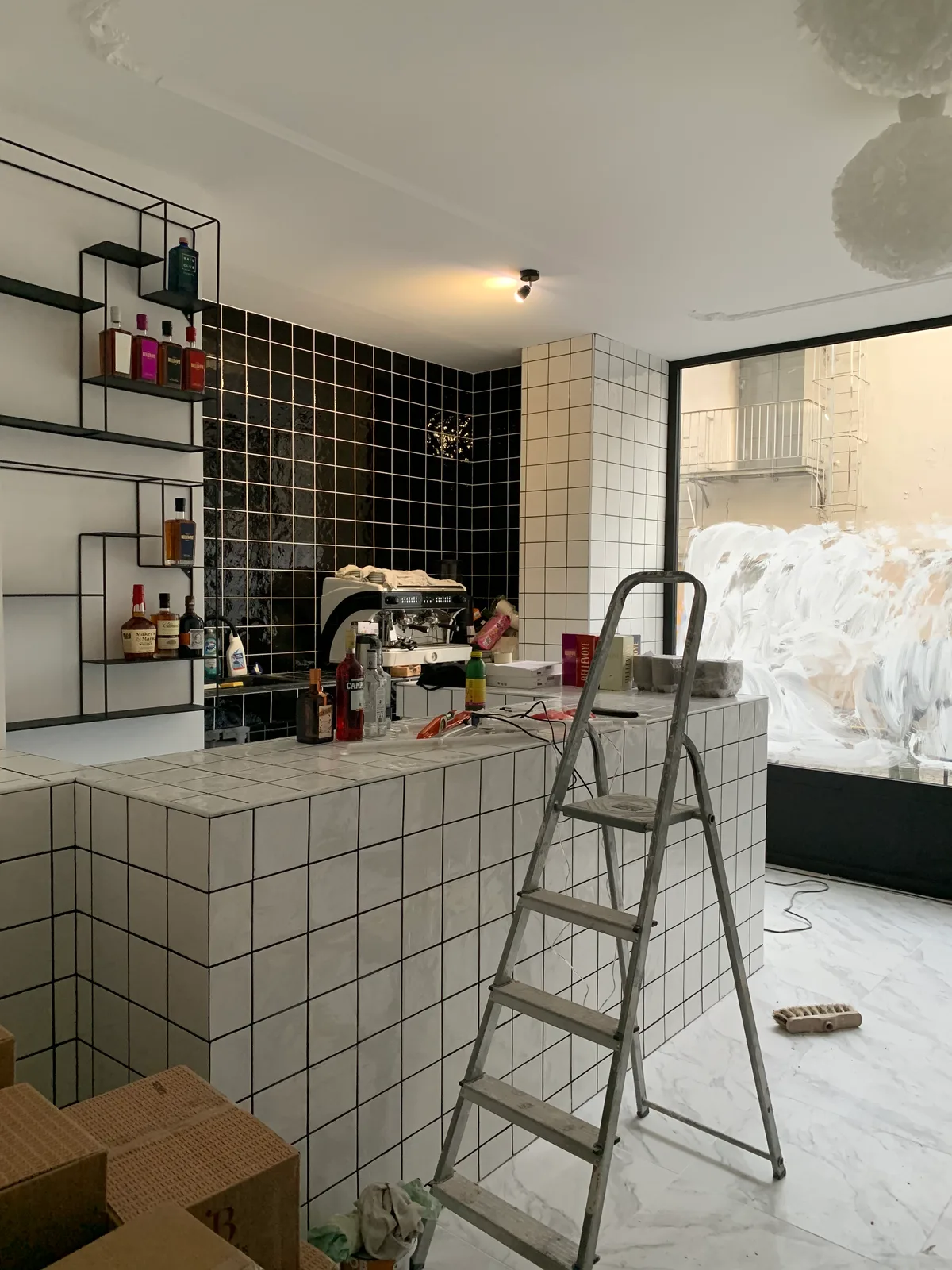
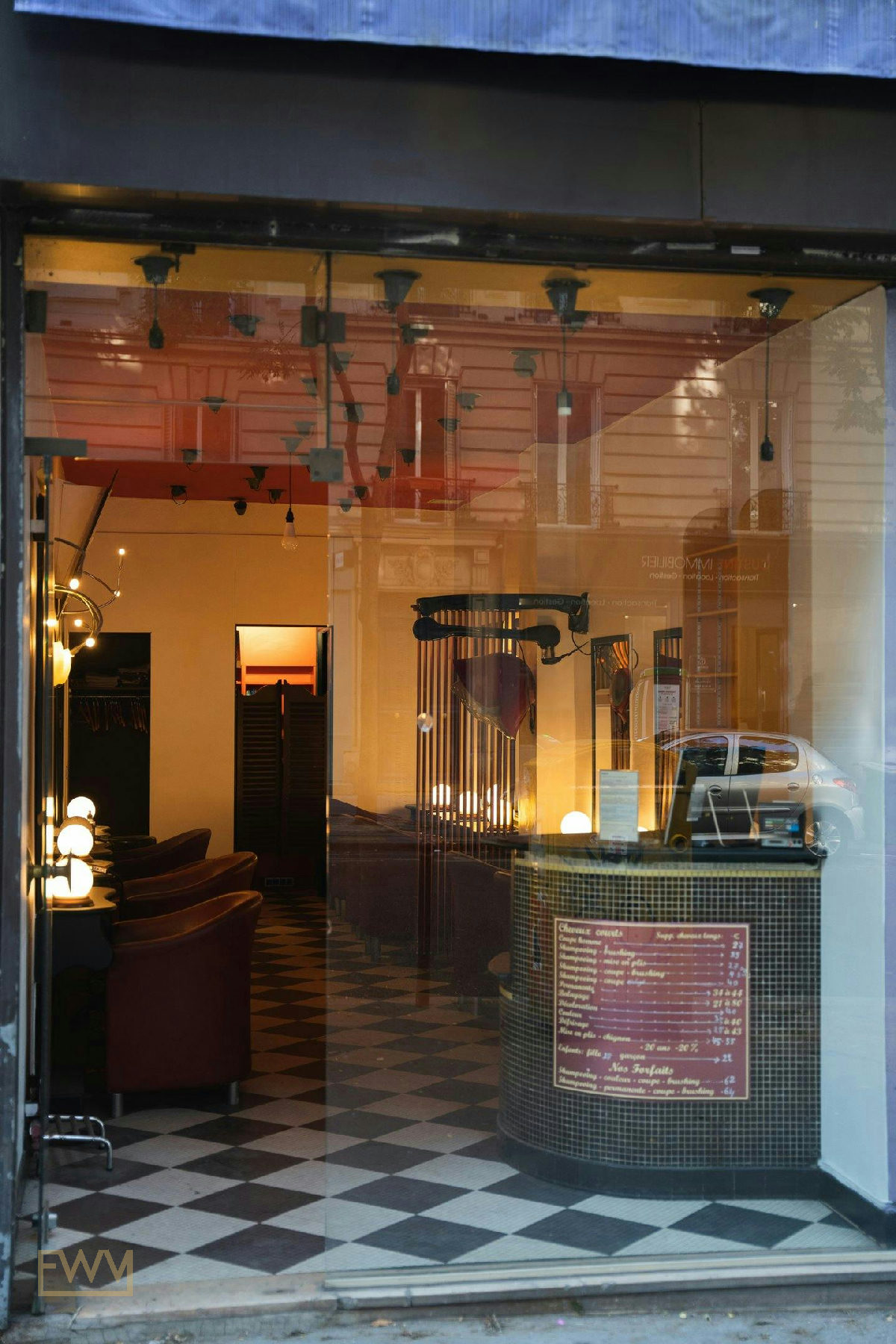
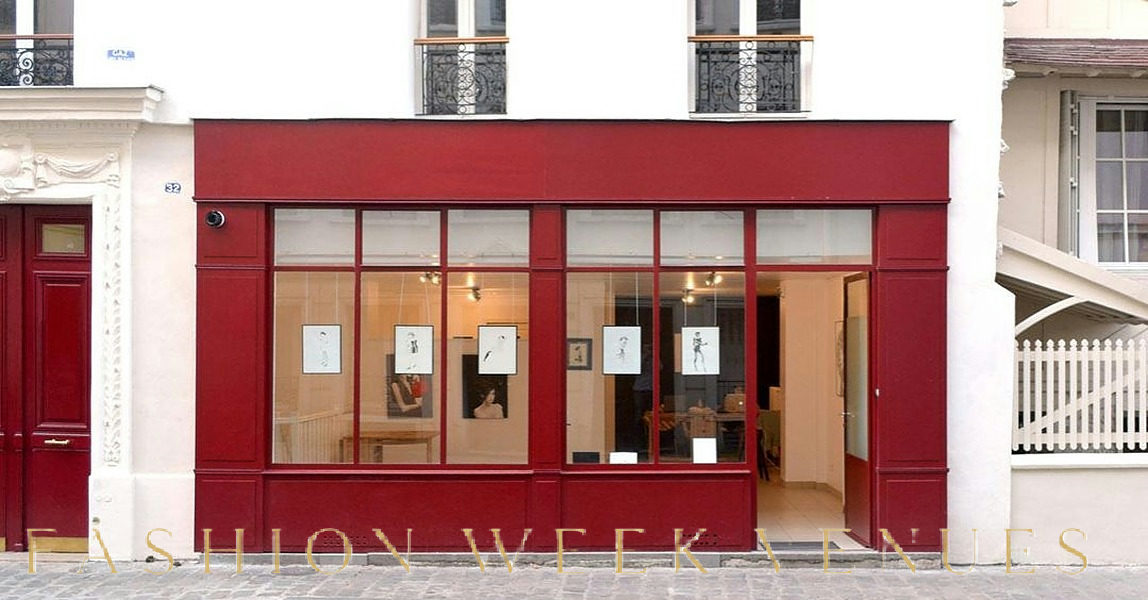
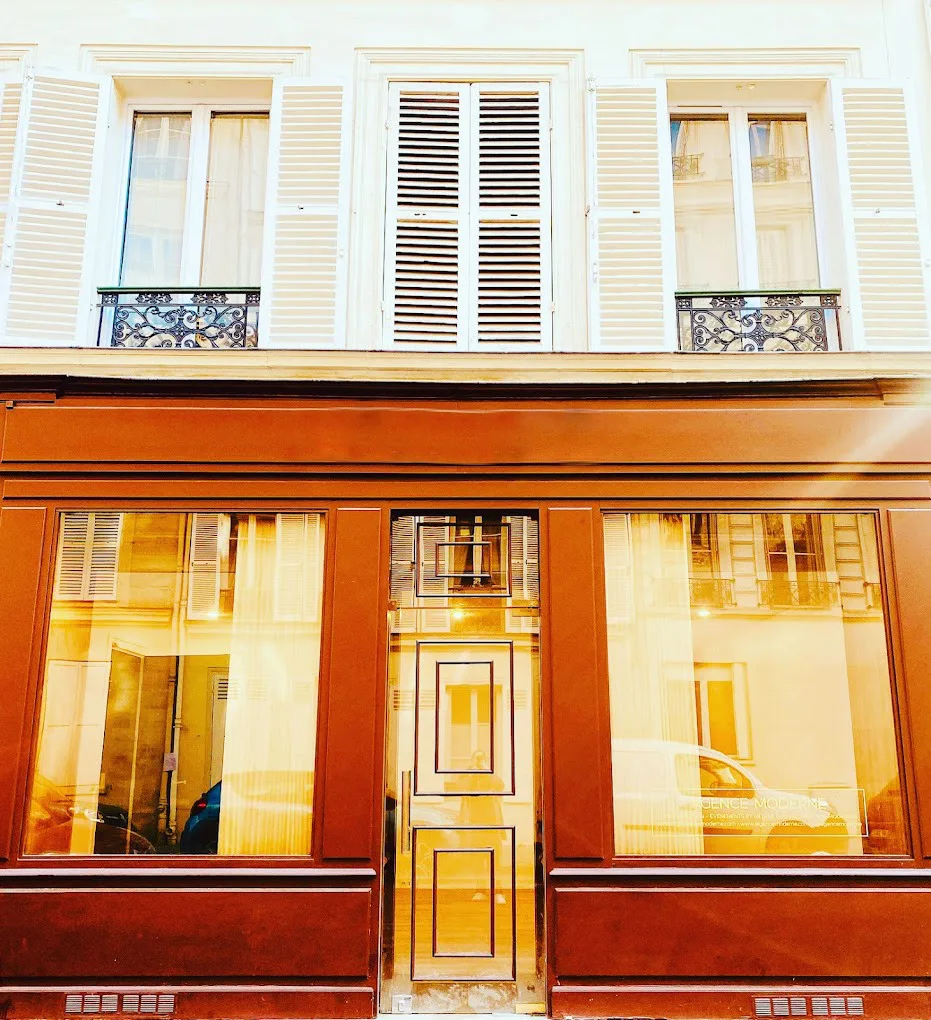
A pop up store Montmartre is one of the most strategically compelling short-term retail activations available in Paris. Montmartre sits at the intersection of cultural credibility, organic foot traffic, and a visitor profile that ranges from style-conscious Parisians to international fashion and luxury buyers. For brands seeking a space that carries its own story before a single product is placed on a shelf, few neighbourhoods in the French capital deliver as immediately and as distinctly. Fashion Week Venues works with international and emerging brands to source, design, and activate pop-up spaces across Montmartre and the wider Paris market, guiding every stage from initial brief through to closing day. This guide covers everything your team needs to know about planning, booking, designing, and operating a pop-up store in Montmartre.
Why Open a Pop Up Store in Montmartre?
Montmartre offers a combination of neighbourhood character, visitor volume, and creative density that is exceptionally difficult to replicate elsewhere in Paris. It is simultaneously a residential quartier beloved by Parisians and one of the most photographed districts in the world, drawing millions of visitors annually to the Sacré-Cœur Basilica, the Place du Tertre, and the surrounding streets lined with ateliers, boutiques, and cafés.
The neighbourhood sits primarily within the 18th arrondissement and occupies a hilltop position that gives brands an almost theatrical backdrop. Streets such as Rue Lepic, Rue des Abbesses, and the area around the Abbesses metro station carry a distinctly local energy that contrasts sharply with the commercial uniformity of zones like rue de Rivoli or the grands boulevards. This contrast is precisely what makes Montmartre attractive for pop-up activations: shoppers are browsing with intention, moving at a slower pace, and are far more receptive to discovery retail than they would be in a transit-heavy corridor.
From a brand positioning perspective, opening a pop-up in Montmartre signals creative authenticity. The neighbourhood has deep associations with artistes and artisans, with a history tied to creative industries that stretches back through the Impressionist movement to the bohemian cafés of the late nineteenth century. Brands across fashion, beauty, vintage, and lifestyle categories benefit directly from this inherited cultural equity.
Foot traffic in Montmartre is notably layered. On weekday mornings the audience skews residential and local, while afternoons and weekends bring a significant tourist and leisure shopping crowd. This dual traffic profile means that a well-placed pop-up space can generate visibility across multiple consumer segments within a single activation window without relying on a single demographic. For brands that need to test products with both Parisian and international audiences simultaneously, Montmartre is one of the few neighbourhoods in Île-de-France where that dual exposure is possible without operating multiple locations.
Compared to the Marais district, which tends to attract a more trend-saturated, retail-experienced crowd, Montmartre offers a slightly warmer and more exploratory consumer behaviour. Shoppers here are more likely to enter a boutique because the space itself feels inviting rather than because they recognise the brand from social media. This means that design, vitrine presentation, and façade treatment carry enormous weight in determining whether a pop-up in Montmartre succeeds or fails.
Montmartre also has a strong connection to the French independent creative economy. Créateurs de mode, ceramicists, illustrators, and concept stores have long operated alongside tourist-facing businesses, which means the neighbourhood has an established infrastructure for short-term boutique operations. Landlords and building managers in Montmartre are generally more familiar with pop-up models than those in more strictly residential arrondissements, and the mix of immeubles d'angle, ground-floor galeries d'art conversions, and standalone boutique spaces creates a versatile range of format options.
KEY TAKEAWAY: Montmartre delivers layered foot traffic, cultural credibility, and a neighbourhood character that actively supports brand discovery. For fashion, beauty, lifestyle, and creative brands, it is one of the most effective short-term retail locations in the entire Paris market.
Understanding why Montmartre works sets the foundation. The next question is what kinds of spaces are available, how they are structured, and which format best matches your activation goals.
Types of Pop Up Spaces Available in Montmartre
The pop-up space landscape in Montmartre is more varied than many brands expect. The neighbourhood offers everything from small vitrines ideal for a single-product launch to larger espace configurations suited to showrooms, workshops, and immersive brand experiences.
Boutique and Single-Floor Retail Spaces
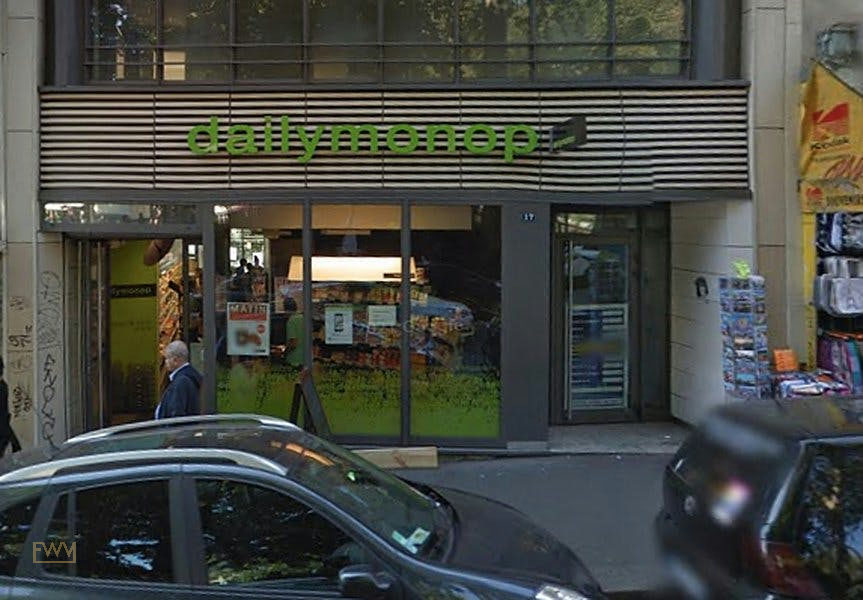
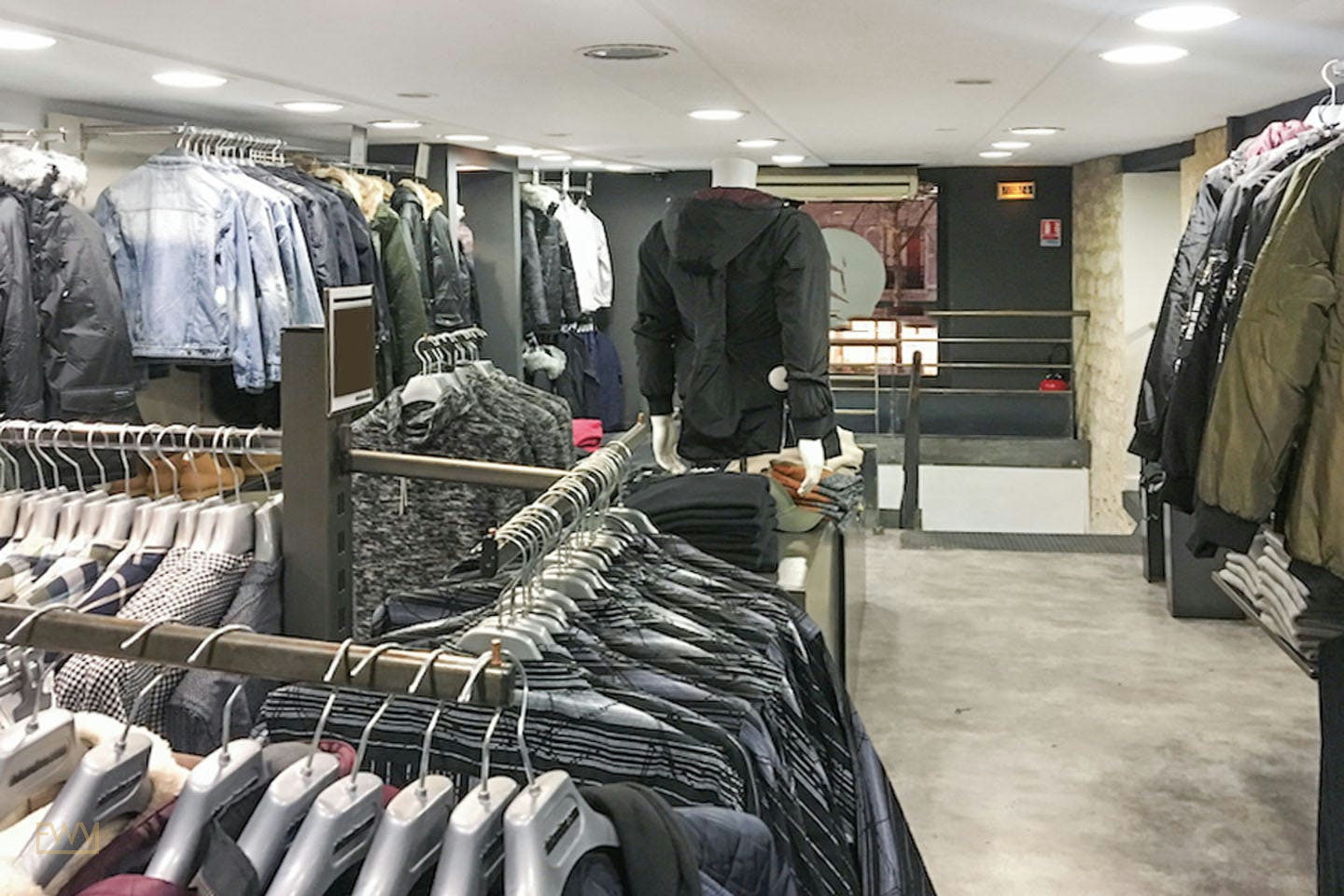
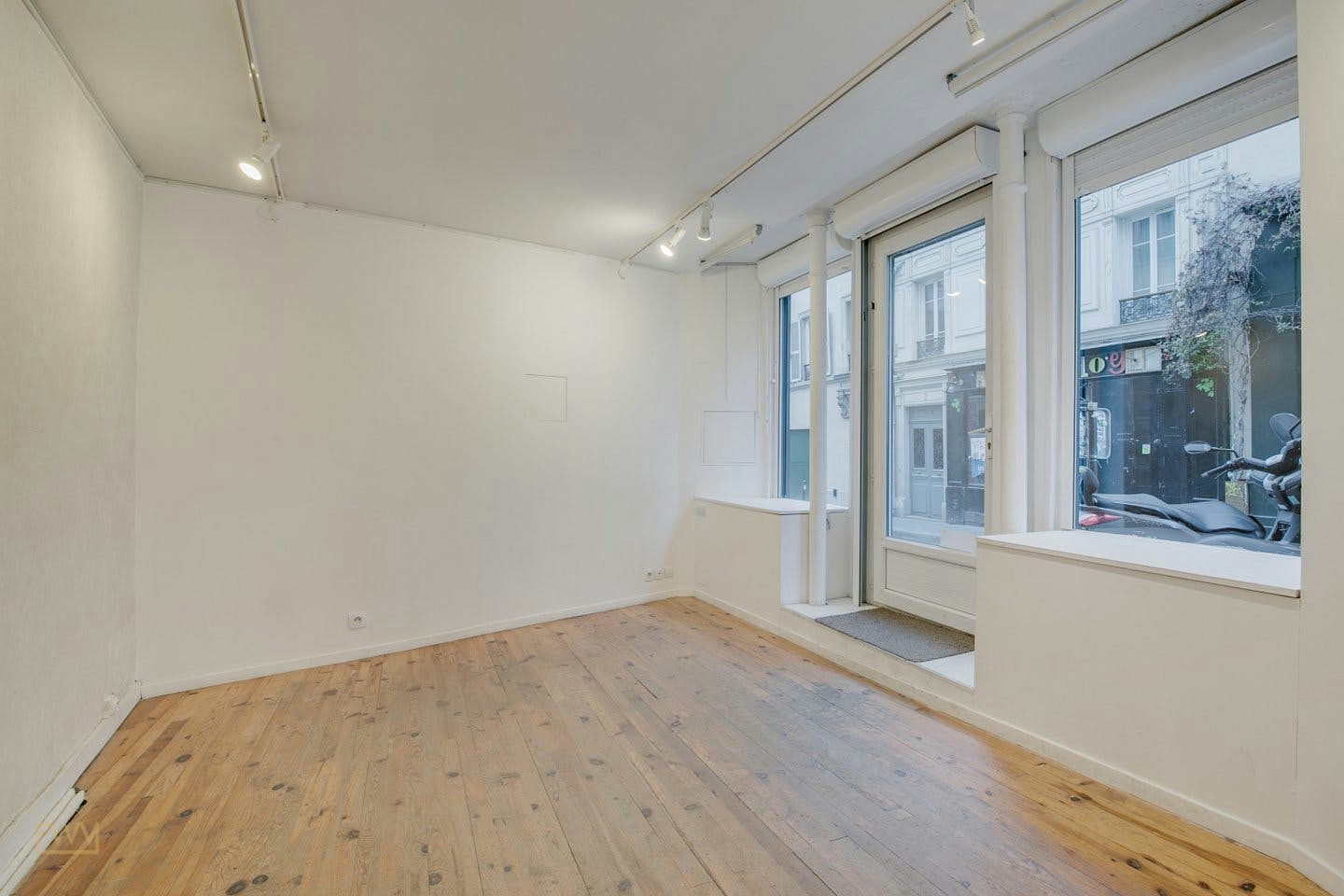
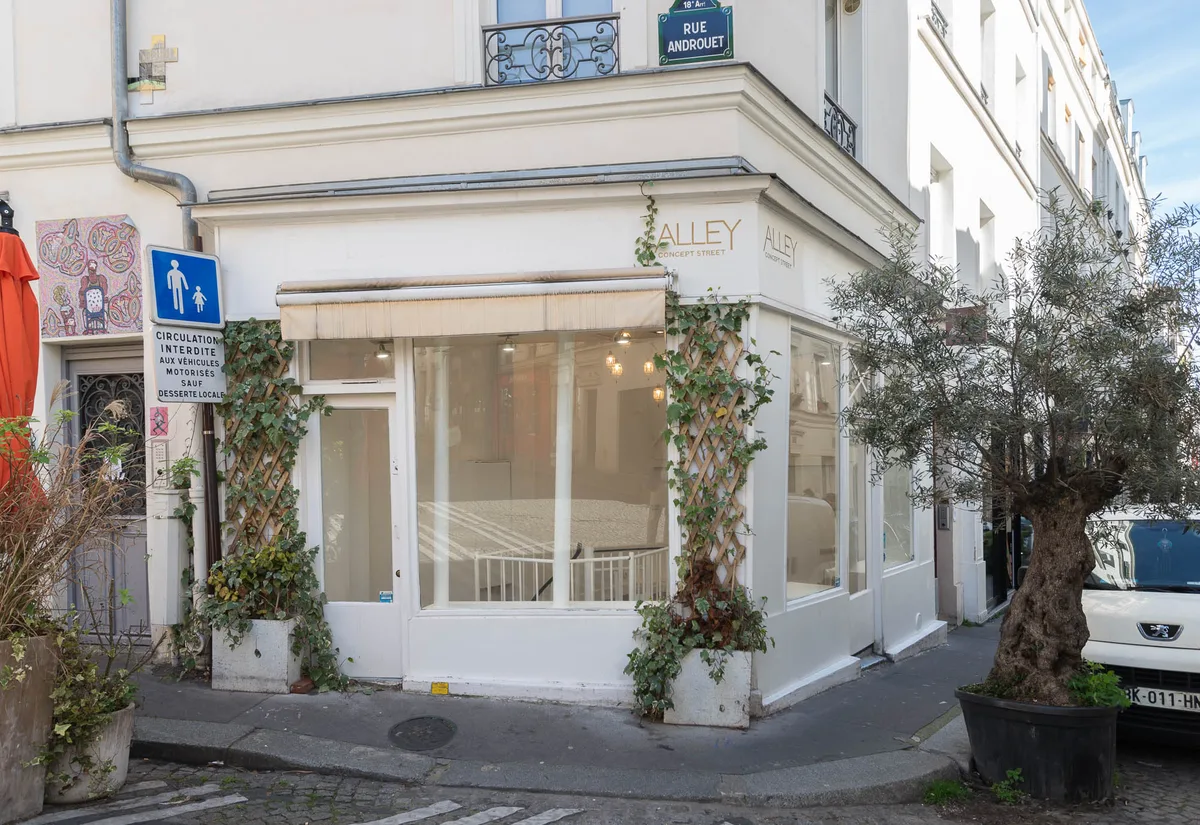
The most common format for a pop up store in Montmartre is the compact boutique, typically ranging from around 30 to 80 square metres on a single floor. These spaces are often found along pedestrian-friendly streets near the Abbesses or Lamarck-Caulaincourt metro stations. They typically feature display windows, which are critical in Montmartre because the street-level vitrine is often the primary tool for converting passing foot traffic into entering customers. Many of these spaces have been used previously as independent boutiques, meaning they come with basic retail infrastructure including counters, mobilier, and in some cases, integrated lighting rigs with projecteurs that support fashion or beauty display needs.
Immeuble d'Angle and Corner Spaces
Corner buildings, or immeubles d'angle, are particularly sought-after in Montmartre because they offer dual façade visibility. A corner space at the junction of two well-trafficked streets can present two full display windows and gives the brand a physical presence that reads as significantly larger than its actual square footage. For fashion houses or brands doing product launches that require visual storytelling, an immeuble d'angle in Montmartre provides a canvas that is extremely difficult to achieve in more uniform commercial corridors.
Galeries d'Art and Multi-Use Creative Spaces
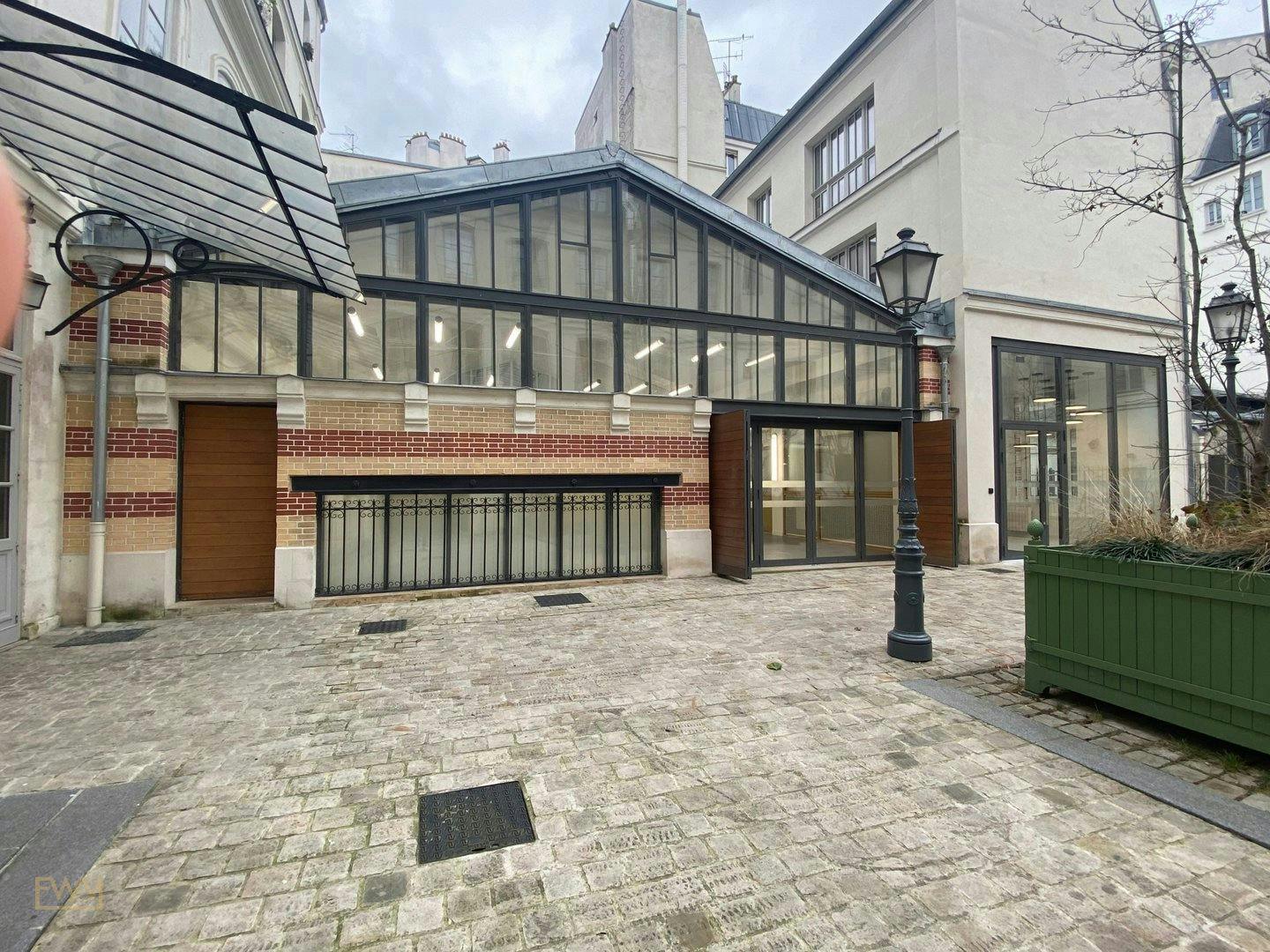
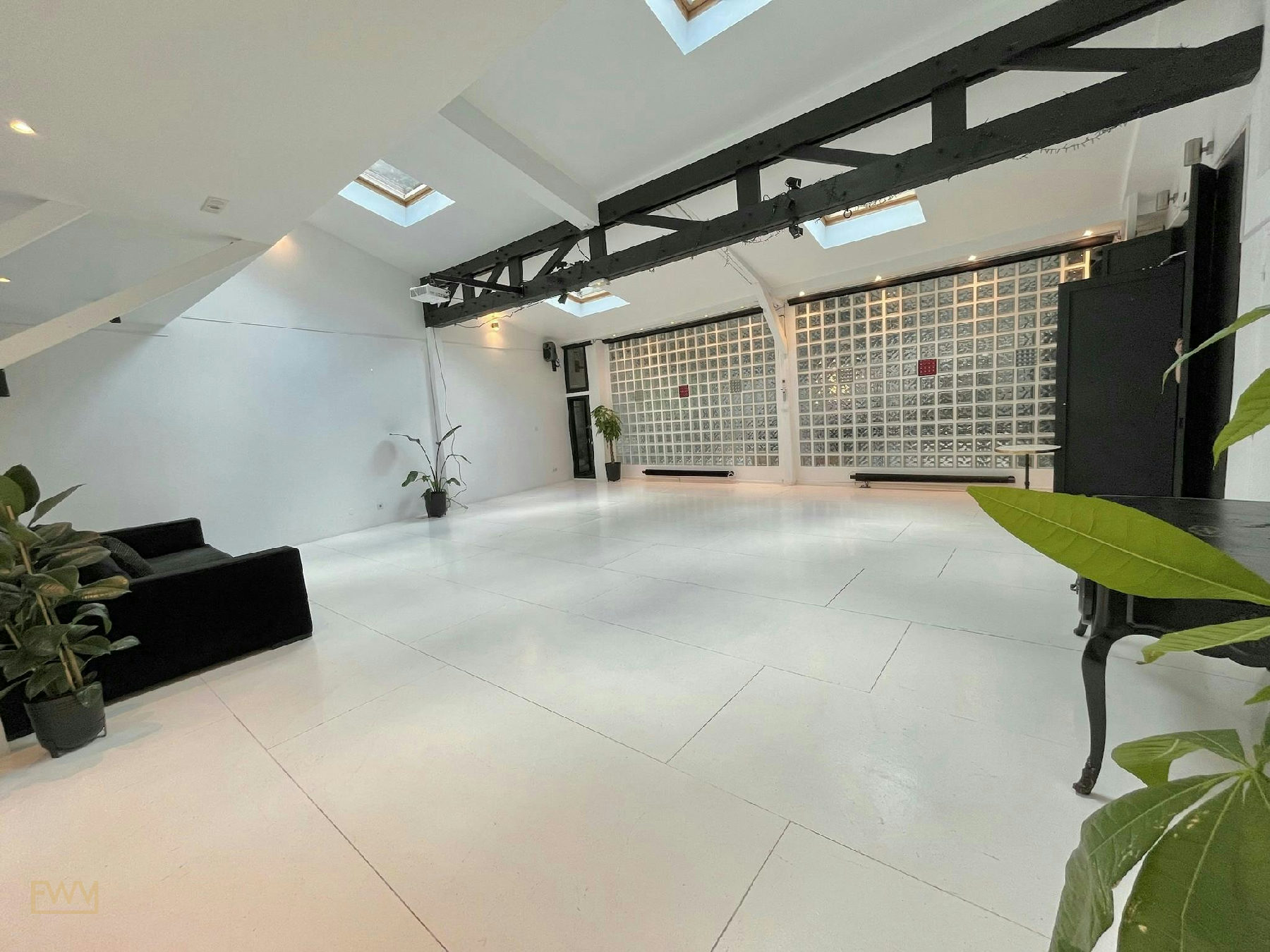
Montmartre has a longstanding tradition of galeries d'art that periodically convert to temporary retail or hybrid functions. These spaces are characterised by lumière naturelle through skylights or large glazed frontages, clean white or exposed stone walls, and flexible floor plans designed to accommodate changing installations. For brands in fashion, beauty, or lifestyle categories that want to position their pop-up closer to an art installation or concept store than a conventional boutique, these gallery-format spaces are ideal. They support workshops, vernissage-style product launches, and collaborative events with artistes and artisans, which are all formats that perform extremely well in Montmartre's creative community.
Showroom-Format Spaces
Not every Montmartre activation needs to be primarily transactional. Brands in fashion, Haute Couture, or high-end beauty increasingly use showrooms as the primary vehicle for their Paris presence, particularly around Fashion Week or Design Week. A showroom in Montmartre allows fashion houses, independent créateurs de mode, or international brands to host press appointments, buyer meetings, and private client events within a neighbourhood that signals creative seriousness without the overt commercialism of showroom districts closer to the Seine. The quieter streets of the upper 18th arrondissement provide the privacy and calm that press and buyer meetings require.
Point de Vente Formats for Specific Categories
Montmartre also supports a growing range of experiential and category-specific point de vente formats. For brands in pop culture, gadgets, or collectibles such as figurines or gachapon machines, the neighbourhood attracts an audience that actively seeks out unusual and discovery-led retail experiences. Coffee and shopping formats, which combine a café or refreshment element with curated product sales, also work particularly well in Montmartre, where visitors are accustomed to spending extended time in a neighbourhood rather than executing a targeted shopping mission.
Quick answer: Pop-up spaces in Montmartre range from compact boutiques and dual-façade corner spaces to converted art galleries, showrooms, and experiential point de vente formats. The right format depends on your brand category, audience, activation goals, and the specific streets within the 18th arrondissement where your target visitor profile is most concentrated.
KEY TAKEAWAY: Space type selection in Montmartre should be driven by your activation format, not simply by available square footage. Matching the space architecture to the brand experience is what determines whether the pop-up performs for fashion, beauty, or creative categories.
Once you have identified the type of space you need, the next priority is understanding the Montmartre neighbourhood in more detail and how different streets and micro-zones perform for different brand profiles.
Montmartre Neighbourhood Breakdown: Streets, Zones, and Foot Traffic
Montmartre is not a uniform neighbourhood. Its topography, history, and visitor patterns create distinct micro-zones, each with its own foot traffic profile, commercial energy, and appropriate brand positioning.
| Zone or Street | Character | Best For | Typical Foot Traffic Profile |
|---|---|---|---|
| Rue des Abbesses | Local Parisian village energy, independent boutiques, cafés | Fashion, lifestyle, beauty, concept stores | Parisians, local residents, style-conscious visitors |
| Rue Lepic | Market street character, mixed residential and commercial | Food, artisan, lifestyle, vintage, discovery retail | Neighbourhood shoppers, tourists exploring beyond Sacré-Cœur |
| Place du Tertre and surroundings | High tourist volume, artiste and portrait painter tradition | Collectibles, pop culture, figurines, gadgets, experiential | International tourists, families, high volume but lower dwell time |
| Rue Caulaincourt and upper streets | Quieter, more residential, genuinely Parisian | Showrooms, private events, press appointments, Haute Couture | Local Parisians, invited guests, low general footfall |
| Boulevard de Clichy and lower Montmartre | Transition zone, higher commercial density, nightlife adjacent | Beauty, wellness, pop culture, brand awareness | Mixed Parisian and tourist, evening-weighted traffic |
The distinction between upper and lower Montmartre is particularly important for brands planning a pop-up store. The hilltop area around Sacré-Cœur and Place du Tertre delivers enormous visitor volume but that volume is dominated by tourists with limited dwell time per individual retail space. Lower Montmartre, particularly the streets radiating from Abbesses metro, delivers a more qualified audience of style-aware Parisians who are genuinely interested in discovery retail.
For fashion brands, the Abbesses zone is almost universally the preferred location because it has the concentration of independent boutiques and concept stores that create the discovery retail ecosystem necessary for a pop-up to succeed. Brands arriving in this area benefit from the ambient credibility of being surrounded by other creative independents rather than standing out as an anomaly in a tourist corridor.
Brands in beauty, wellness, or experience categories often find that the lower Montmartre zone near Boulevard de Clichy offers better value rental rates alongside strong afternoon and evening traffic. This zone sits at the boundary between Montmartre proper and the broader 18th arrondissement, and it has been increasingly attractive to beauty and personal care brands seeking Paris visibility without the premium pricing of the Marais.
DID YOU KNOW: Montmartre sits almost entirely within the 18th arrondissement, making it one of the most geographically concentrated of Paris's creative neighbourhood hubs. Its hilltop position also means that pedestrian flow is directional, with visitors typically ascending from Pigalle or Abbesses and descending via Sacré-Cœur, creating predictable traffic corridors that can be mapped to specific street performance.
To compare Montmartre locations against other Paris neighbourhoods including the Marais, Saint-Germain-des-Prés, or the areas around rue de Rivoli, the Paris city hub on Fashion Week Venues provides neighbourhood-level guidance alongside available space listings.
KEY TAKEAWAY: Choosing the right street within Montmartre matters as much as choosing the neighbourhood itself. Abbesses is optimal for fashion and lifestyle discovery retail, the Sacré-Cœur surroundings for experiential and high-volume consumer categories, and the upper streets for private or trade-facing showroom activations.
Design, Vitrine, and Visual Merchandising for a Montmartre Pop Up Store
The physical design of a pop-up store in Montmartre is not a secondary consideration. In this neighbourhood, the façade and vitrine carry an outsized share of the activation's commercial and marketing work because a significant proportion of customer conversions begin at the moment someone pauses on the street to look in the window.
The Role of the Vitrine in Montmartre
Unlike commercial corridors where foot traffic is dense and fast-moving, Montmartre pedestrian flow tends to be exploratory and slower-paced. This gives brands a longer window of opportunity to catch attention through display window design. A well-executed vitrine in Montmartre can function as both a conversion tool and a social media asset, generating organic content from visitors who photograph the window as part of their neighbourhood exploration. Brands that invest in a considered display window design consistently see higher walk-in rates than those that rely on signage alone.
Design sophistiquée for a Montmartre vitrine typically means restraint over maximalism. The neighbourhood aesthetic rewards craftsmanship, curation, and visual coherence over cluttered product display. This applies whether the brand is a fashion house, a beauty label, a vintage curator, or a pop culture concept. The guiding principle is that the vitrine should communicate the brand universe at a glance, without requiring the passer-by to read anything.
Interior Layout and Mobilier
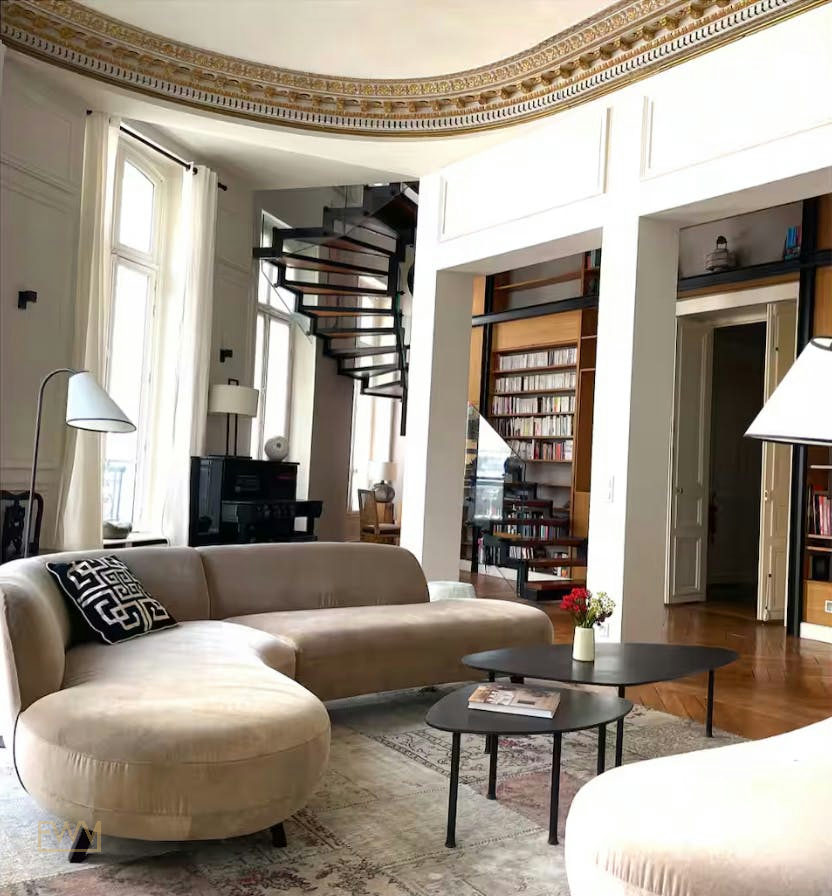
Inside a Montmartre pop-up, the interior layout should complement the spatial characteristics of the building. Many spaces in the neighbourhood feature irregular footprints, exposed stone or brick walls, parquet flooring, and low to medium ceiling heights. Choosing mobilier that respects rather than fights these architectural features produces a more cohesive brand experience. Custom or curated furniture rental that matches the brand aesthetic is significantly more effective in Montmartre than bringing in generic retail fixtures that look incongruous against a 19th-century interior.
Counters and cash desk placement are particularly important in smaller Montmartre boutiques because the spatial constraints mean that a poorly positioned point de vente counter can disrupt flow and reduce the browsing comfort that encourages longer dwell times. For fashion activations, the ideal counter placement is at the rear of the space, preserving the full foreground for product display and brand story.
Lighting: Projecteurs and Lumière Naturelle
Montmartre spaces vary significantly in their natural light levels. Gallery-format spaces and those with south-facing glazing often have excellent lumière naturelle, which is a significant asset for fashion and beauty displays where accurate colour rendering matters. Spaces in narrower streets or with north-facing windows require a considered artificial lighting strategy. Projecteurs on track systems are the standard solution for fashion pop-ups because they allow beam angle and intensity to be adjusted as the product display changes over the activation period.
A design sophistiquée lighting scheme for a Montmartre pop-up typically layers ambient, accent, and feature lighting. Accent projecteurs on key hero products create the focal points that guide customer navigation through the space, while warmer ambient light maintains the neighbourhood's characteristic intimate atmosphere.
TIP: When briefing a Montmartre pop-up design, provide your designer or production team with architectural photographs of the specific space taken at different times of day. Natural light levels in Montmartre spaces can vary enormously between morning and afternoon due to the neighbourhood's hilly topography and dense street patterns.
KEY TAKEAWAY: Vitrine design, interior mobilier selection, and lighting strategy are the three pillars of a successful Montmartre pop-up store design. Each should reflect the neighbourhood's aesthetic character while clearly communicating the brand universe. In Montmartre, design is a primary marketing tool, not a secondary operational concern.
Once the space design is established, the next priority is connecting the activation to the fashion industry calendar and understanding how Paris Fashion Week and other major events affect timing, audience, and strategy.
Paris Fashion Week and the Event Calendar for Pop Up Stores in Montmartre
Paris is the anchor city for the global fashion calendar, and for brands planning a pop-up store in Montmartre, understanding the relationship between the event calendar and retail activation timing is essential. Paris Fashion Week does not create a single peak window; it creates several distinct peaks across the year that serve very different brand objectives.
The Paris Fashion Week Schedule
Paris Fashion Week takes place in two primary windows annually. The Prêt-à-Porter (ready-to-wear) editions run in March and October, while the Haute Couture weeks fall in January and July. For 2026, the Haute Couture edition is scheduled from July 6 to 9, 2026, featuring runway shows, exhibitions, and happenings across the city. Each of these windows brings a concentrated influx of international buyers, press, stylists, and industry professionals to Paris, which dramatically alters the commercial and marketing opportunity for any brand operating a pop-up in the city during that period.
For a pop-up store in Montmartre, the ready-to-wear Fashion Week windows are often more commercially productive than the Haute Couture weeks because they attract a broader audience that includes buyers and stylists from accessible-luxury, contemporary, and emerging designer categories. The Haute Couture window, while smaller in terms of total visitor numbers, draws a more exclusive audience and is better suited to brands operating showrooms or private sales rather than transactional retail pop-ups.
Design Week and Other Creative Calendar Events
Beyond Fashion Week, Paris hosts a dense calendar of creative industry events that create additional activation windows for brands in related categories. Design Week, which typically coincides with the Maison&Objet trade fair in January and September, generates significant traffic from international design professionals and creative directors. For brands in lifestyle, home, beauty, or concept store formats, these windows can be as commercially valuable as Fashion Week itself.
Montmartre's creative reputation means that it also benefits from more localised events such as Nuit Blanche, the annual contemporary art night that draws hundreds of thousands of Parisians and visitors through the city's arts spaces. Pop-up stores that coordinate their activation window with Nuit Blanche or similar neighbourhood-level cultural events can significantly amplify their visibility and foot traffic without additional marketing spend.
Strategic Timing: When to Book a Montmartre Pop Up Store
The question of timing is one of the most common and most consequential decisions brands face when planning a Paris activation. The table below provides a directional overview of how different calendar windows perform for different brand objectives.
| Calendar Window | Key Events | Best For | Lead Time Recommended |
|---|---|---|---|
| January | Haute Couture Week, Maison&Objet | Showrooms, private sales, design and lifestyle brands | 4 to 6 months |
| March | Prêt-à-Porter Fashion Week | Fashion, beauty, emerging designers, brand universe activations | 5 to 7 months |
| May to June | No major Fashion Week, general tourist season begins | Consumer launches, lifestyle, pop culture, experiential retail | 3 to 5 months |
| July | Haute Couture Week (July 6 to 9, 2026), summer tourist peak | Luxury, Haute Couture adjacents, collaborations, press activations | 5 to 7 months |
| September to October | Prêt-à-Porter Fashion Week, Maison&Objet | Fashion, beauty, lifestyle, collaborations, full brand activations | 5 to 8 months |
| November to December | Holiday retail season, no major Fashion Week | Consumer gifting, vintage, lifestyle, pop culture, experiential | 4 to 6 months |
Quick answer: The most in-demand windows for a pop-up store in Montmartre aligned with Fashion Week are March and October for Prêt-à-Porter, and January and July for Haute Couture. Brands should plan to begin their space search five to eight months in advance of their target activation date, particularly for Fashion Week-adjacent windows when competition for quality spaces is highest.
IMPORTANT: Paris Fashion Week windows are among the most competitive periods for short-term retail space rental across the entire Paris market, not just Montmartre. Brands that begin their space search fewer than three months before their target activation date during Fashion Week risk finding that the most suitable spaces are already reserved.
KEY TAKEAWAY: Aligning a Montmartre pop-up store with Paris Fashion Week, Haute Couture Week, or Design Week creates a multiplier effect on visibility and foot traffic. Understanding which calendar window matches your brand category and activation format determines whether you are fishing in the right pond during peak season or filling a well-timed gap in a quieter period.
Montmartre vs the Marais and Other Paris Neighbourhoods: Choosing the Right Location
Brands entering Paris for the first time often face a choice between Montmartre, the Marais district, Saint-Germain-des-Prés, the area around rue de Rivoli, or other established retail and creative neighbourhoods. Each serves distinct brand profiles and activation objectives, and the decision is rarely straightforward.
Quick answer: Montmartre is best for brands that want creative authenticity, a mixed Parisian and international visitor audience, and a neighbourhood character that amplifies brand storytelling. The Marais suits brands seeking a fashion-forward, trend-aware, and higher-spending retail audience. Rue de Rivoli and the 1st arrondissement suit brands that need maximum footfall volume and proximity to luxury retail anchors. The right choice depends on your brand positioning, audience, and activation format.
Montmartre Compared to the Marais
The Marais district is the most established and competitive of Paris's fashion and lifestyle retail zones for international brand activations. It delivers high average spend per visitor, a sophisticated consumer profile, and an established ecosystem of concept stores, boutiques, and galeries d'art that generate ambient credibility for any brand operating in the area. However, the Marais is also more saturated with brand activations, which means that standing out requires a higher design and marketing investment. Space rental rates in the Marais tend to be higher than in Montmartre, and the competition for the best spaces during Fashion Week is significantly more intense.
Montmartre, by contrast, offers a brand entering Paris the opportunity to be genuinely distinctive within its neighbourhood. A carefully designed pop-up on Rue des Abbesses or a gallery conversion near Place des Abbesses stands out precisely because the surrounding environment is not dominated by brand activations. This distinctiveness can translate into stronger organic social media visibility and better press pickup because the Montmartre setting itself becomes part of the story.
Montmartre Compared to Rue de Rivoli
The rue de Rivoli corridor, running along the northern edge of the Jardin des Tuileries and adjacent to the Louvre, delivers enormous foot traffic volumes and strong proximity to international tourism infrastructure. It suits brands that need raw visitor numbers and are operating in categories where volume conversion matters more than neighbourhood positioning. For fashion brands, rue de Rivoli can feel too commercially generic, with its mix of international chains and souvenir retail creating an environment that makes brand differentiation difficult. Montmartre offers the opposite trade-off: lower absolute foot traffic but a much higher proportion of that traffic being genuinely receptive to discovery retail.
To compare Montmartre against other Paris quartiers using real space data, use the space comparison tool on Fashion Week Venues to assess available locations by neighbourhood, size, format, and price range side by side.
KEY TAKEAWAY: The Montmartre versus Marais versus rue de Rivoli decision comes down to brand positioning and activation format. Montmartre wins on cultural credibility, discovery retail potential, and neighbourhood character. The Marais wins on fashion-forward consumer profile and established retail ecosystem. Rue de Rivoli wins on pure volume. None of these answers is universally correct; the right choice depends on what your brand needs the pop-up to achieve.
Permits, Compliance, and Short-Term Lease Structures for Pop Up Stores in Paris
One of the most important and frequently misunderstood aspects of opening a pop-up store in Paris, including in Montmartre, is the legal and administrative framework governing short-term commercial space use. Brands that underestimate this complexity risk delays, additional costs, or compliance issues that can derail an activation.
Bail Dérogatoire: The Standard Short-Term Lease in France
The primary legal instrument for pop-up retail in France is the bail dérogatoire, also known as a bail précaire. This is a short-term commercial lease specifically designed to allow temporary occupation of commercial premises for a defined period, typically up to 36 months. For pop-up stores running from a few days to several months, the bail dérogatoire is the standard framework because it provides both the landlord and the tenant with a clear contractual structure without triggering the protections and obligations of a standard commercial lease (bail commercial), which requires a minimum nine-year commitment.
The terms of a bail dérogatoire are negotiated directly between the parties and typically cover duration, rental rate, permitted use, and restoration obligations. Brands should be aware that the permitted use clause is particularly important for pop-ups in Montmartre because some spaces are classified for specific commercial uses and may require an amendment or landlord consent to operate as a fashion boutique, beauty point de vente, or experiential concept store.
Autorisation d'Occupation Temporaire (AOT)
For activations that involve use of public space, including pavement display, exterior signage exceeding certain dimensions, or the installation of temporary structures on or adjacent to public land, an Autorisation d'Occupation Temporaire (AOT) from the relevant local authority is required. In Montmartre, which falls within the 18th arrondissement of Paris, applications are processed through the Paris city administration. Requirements vary by space type, street classification, duration, and the specific nature of the installation.
Brands planning any element of their Montmartre activation that extends beyond the interior of their rented space should verify AOT requirements well in advance of their activation date. Processing timelines and specific requirements can vary, and approval is not guaranteed. The permit guidance tool on Fashion Week Venues provides a starting framework for understanding what is likely to be required for different activation types in Paris.
Operating Without a French Legal Entity
International brands frequently assume that they need to establish a French legal entity, such as a SARL or SAS, before they can rent commercial space in Paris. This is not universally true. Many landlords, particularly those familiar with pop-up models, will contract with foreign companies directly, though the specific requirements vary. In some cases, a French guarantor or a bank guarantee may be requested in lieu of a French entity. Brands are strongly advised to verify their specific situation with a French legal advisor before proceeding, as the requirements vary depending on the landlord, the space type, the lease structure, and the transaction value.
IMPORTANT: Requirements relating to permits, leases, and commercial use authorisations in Paris change and vary by circumstance. Nothing in this guide constitutes legal advice. Brands should always verify their specific requirements with a qualified French legal advisor and confirm permit obligations with the relevant local authority before committing to a space or activation plan.
KEY TAKEAWAY: The bail dérogatoire is the standard legal vehicle for pop-up retail in Paris, but its terms and conditions require careful negotiation. AOT permits are essential for any activation element that touches public space. International brands do not always need a French legal entity but should verify this with specialist legal counsel before proceeding.
Budget Planning for a Pop Up Store in Montmartre
Budget planning for a Montmartre pop-up store involves more line items than most brands anticipate on first engagement. Beyond the headline space rental, a complete activation budget should account for fit-out and production, design fees, staffing, marketing, permits, insurance, and operational costs across the full activation period.
Space Rental: Understanding Montmartre Pricing
Space rental rates in Montmartre vary considerably based on street position, square footage, format, duration, and the specific amenities included. The Abbesses and Lepic zones command premium rates relative to quieter upper streets or the Boulevard de Clichy corridor. Rates also increase significantly during Fashion Week windows when demand for quality short-term space across Paris peaks simultaneously.
Rather than publishing specific figures that may not reflect current market conditions, brands should use directional benchmarking to understand relative costs. Montmartre rental rates are generally lower than the Marais and significantly lower than the 1st and 8th arrondissements, making it one of the more accessible high-quality activation zones in central Paris. For brand-specific rental estimates based on your space type, duration, and target arrondissement, the budget estimation tool on Fashion Week Venues provides a customisable starting point.
Production and Fit-Out Costs
Fit-out costs for a Montmartre pop-up depend on the starting condition of the space, the complexity of the brand design requirements, and the duration of the activation. A lightly branded activation in a space with existing retail infrastructure will require significantly less production investment than a fully immersive brand universe build in a raw gallery space. Common production line items include partition walls, flooring overlays, lighting installation, custom fixture fabrication, and restoration at the end of the activation.
For brands planning a design sophistiquée fit-out in Montmartre, it is worth noting that the neighbourhood's building stock often includes protected or historically sensitive features that may restrict the nature of alterations permitted. Always confirm with the landlord and, where relevant, with local heritage authorities what modifications are permissible before commissioning production work.
Staffing, Operations, and Marketing
A complete Montmartre pop-up budget should include staffing for all opening hours, not only peak periods. French labour regulations apply to all workers employed in France regardless of the employing entity's country of registration. Brands unfamiliar with French employment law should engage specialist retail staffing support to ensure compliance. Marketing costs for a Montmartre activation typically include social media content production, influencer engagement for marketing d'influence, local PR, and any paid digital amplification.
Operational costs including insurance, utilities, cleaning, security, and point de vente system rental should also be factored into the activation budget from day one, as these costs are often overlooked in initial budgeting and can represent a meaningful proportion of total spend for activations of ten days or more.
Quick answer: A complete Montmartre pop-up store budget covers space rental, fit-out and production, design fees, staffing, marketing, permits, insurance, and operational costs. Directional estimates vary widely by format and duration. Use the Fashion Week Venues budget calculator to build a brand-specific projection before committing to a space.
KEY TAKEAWAY: Budget planning for a Montmartre pop-up should start from a full cost inventory, not from a headline rental figure. The most common budget errors involve underestimating fit-out costs, omitting operational expenses, and failing to account for staffing compliance costs under French labour law.
Marketing, Influencer Strategy, and Social Media for a Montmartre Pop Up Store
A pop-up store in Montmartre has inherent marketing advantages that brands should actively leverage from the first day of planning. The neighbourhood's visual character, creative associations, and recognisability to international audiences make it one of the most content-productive locations in Paris for social media and influencer-led marketing.
Organic Social Media and the Montmartre Effect
Montmartre is one of the most photographed areas in the world. Visitors arrive with their cameras and phones already oriented toward visual discovery, and a well-designed pop-up that complements the neighbourhood aesthetic will generate organic content from visitors without any additional incentive. The vitrine, the façade, and the interior visual moments that brands create in Montmartre routinely appear in visitor social media posts independently of any brand-managed influencer activation.
To amplify this organic visibility, brands should design their Montmartre pop-up with specific social media moments built into the spatial sequence. A distinctive entrance treatment, a hero product display that photographs well against the space's architectural features, or a custom element that references the neighbourhood's artiste and artisan heritage all create shareable moments that extend the pop-up's reach beyond its physical visitors.
Influencer Marketing d'Influence in Montmartre
Paris-based fashion and lifestyle influencers have a strong existing relationship with Montmartre as a content location. For brands activating a pop-up in the neighbourhood, this means that influencer seeding and collaboration feels genuinely authentic rather than artificially constructed. Influencers who already create content in Montmartre can host a brand activation in a setting that their audience already associates with quality and creative credibility.
For international brands, working with Paris-based influencers who have audiences in the brand's home market is a particularly effective strategy. A French influencer with a following in the United States, Japan, or the Gulf region can communicate the Paris credentials of a pop-up to an international audience that aspires to the Parisian lifestyle narrative, even when that audience cannot physically visit the activation.
Data, Analytics, and Measuring Pop Up Performance
Measuring the performance of a Montmartre pop-up store requires a multi-dimensional approach that goes beyond transactional sales data. Brands should track foot traffic conversion rates, dwell time, social media reach and engagement, press mentions, new customer acquisition, and, where relevant, wholesale or buyer meeting outcomes generated from the activation period.
Point de vente systems that integrate with inventory management and customer data platforms allow brands to capture structured données and analyses from every transaction. For brands running a Montmartre pop-up as part of a larger Paris or international activation strategy, these data points are essential for evaluating whether the activation delivered the ROI necessary to justify future investment. The ROI calculation tool on Fashion Week Venues can help teams model expected returns against planned investment before the activation opens.
DID YOU KNOW: Pop-up stores that integrate structured data capture from day one of their activation consistently generate more actionable intelligence than those that retrospectively attempt to measure performance. Setting up your POS, social listening, and foot traffic measurement tools before opening day rather than during the activation protects the data quality of the entire campaign.
KEY TAKEAWAY: Montmartre's visual character, creative associations, and international recognisability create a natural marketing multiplier for pop-up stores. Brands should design for organic content generation, engage authentic Paris-based influencers, and implement structured data capture from opening day to maximise the returns on their activation investment.
How Fashion Week Venues Helps Brands Open a Pop Up Store in Montmartre
Fashion Week Venues operates as both a space marketplace and a full-service agency for brands planning pop-up stores, showrooms, and brand activations across Paris and other major fashion capitals. For brands targeting a Montmartre activation, Fashion Week Venues provides support at every stage of the process, from initial space discovery through to closing day analytics.
Space Discovery and Venue Sourcing
The Fashion Week Venues marketplace lists available short-term retail spaces across Paris, including Montmartre and the broader 18th arrondissement. Brands can search by neighbourhood, size, format, price range, and availability window to identify spaces that match their brief before engaging in any direct negotiation. For brands that prefer guided support, the venue sourcing service provides curated shortlists based on a detailed brief, including spaces that may not be publicly listed.
Concept Direction and Space Design
For brands that need support developing the creative concept for their Montmartre pop-up, Fashion Week Venues offers concept direction services that translate brand positioning into a spatial brief. This includes guidance on space type selection, design direction, vitrine strategy, and visual merchandising principles appropriate to the Montmartre context. The Imagine tool allows brands to visualise how different design approaches will read in a specific space before committing to a production programme.
Production, Fit-Out, and Furniture Rental
Fashion Week Venues manages production and fit-out through its build service, coordinating all elements of the physical space transformation from concept to opening day. Furniture rental is available for brands that need specific mobilier to match their design direction without the cost or complexity of custom fabrication. This is particularly useful for shorter activations in Montmartre where the economics of full custom fit-out may not be justified by the duration of the rental.
Retail Staffing, POS, and Activation Management
Operational support from Fashion Week Venues covers retail staffing with brand-appropriate personnel who understand the expectations of a Paris fashion or lifestyle activation, point de vente and payment system installation, and day-to-day activation management. For brands without a Paris-based team, this operational layer is often the difference between a pop-up that runs smoothly and one that struggles with the practical realities of operating in a foreign market.
Tools and Planning Resources
Fashion Week Venues provides a suite of planning tools that brands can use independently or in conjunction with agency support. These include the timeline planning tool for mapping activation milestones, the permit guidance tool for understanding compliance requirements, the budget calculator for cost projection, and the ROI calculator for pre-activation financial modelling. The locator tool helps brands identify the specific Montmartre micro-zones where available spaces are concentrated relative to their target audience profile.
For brands that want to understand how the agency operates before committing to a project, the agency process page outlines the full workflow from initial brief through to post-activation reporting.
Quick answer: Fashion Week Venues supports Montmartre pop-up activations through space marketplace listings, curated venue sourcing, concept direction, production and fit-out management, furniture rental, retail staffing, POS installation, activation management, and a suite of planning tools. Brands can engage the agency at any stage of the process, from initial space search to full-service activation delivery.
KEY TAKEAWAY: Fashion Week Venues does not guarantee specific outcomes including space availability, permit approvals, foot traffic levels, or sales performance. What it provides is structured, experienced support across every stage of the Montmartre pop-up planning and activation process, reducing the risk and complexity for brands entering Paris from outside the market.
To compare neighbourhoods and space types, explore the Paris city hub on Fashion Week Venues and shortlist spaces that match your brief, budget, and calendar window.
Step-by-Step Process: Opening a Pop Up Store in Montmartre
Opening a pop-up store in Montmartre involves a sequence of interdependent steps. Brands that approach the process in the right order avoid the delays and cost overruns that typically result from trying to compress or reorder the planning sequence.
| Step | Action | Who Is Responsible | Typical Lead Time Before Opening |
|---|---|---|---|
| 1 | Define activation objectives, format, audience, and budget envelope | Brand team | 6 to 9 months |
| 2 | Identify target calendar window aligned with Fashion Week or seasonal goals | Brand team and agency | 6 to 8 months |
| 3 | Begin space search using marketplace and venue sourcing | Brand team or agency | 5 to 7 months |
| 4 | Shortlist and visit candidate spaces; compare using comparison tool | Brand team and agency | 5 to 6 months |
| 5 | Negotiate bail dérogatoire terms and confirm lease structure with legal counsel | Brand legal team and landlord | 4 to 5 months |
| 6 | Develop concept direction and design brief | Brand creative team and agency | 4 to 5 months |
| 7 | Submit AOT and permit applications if required | Brand team and agency with legal support | 3 to 4 months |
| 8 | Commission production and fit-out; confirm furniture rental | Production team and agency | 3 to 4 months |
| 9 | Recruit and brief retail staffing; install POS and payment systems | Agency retail staffing and operations team | 4 to 8 weeks |
| 10 | Execute influencer seeding and pre-launch social media campaign | Brand marketing and agency influencer team | 2 to 4 weeks |
| 11 | Fit-out and installation period | Production team | 1 to 3 weeks |
| 12 | Soft opening, operational testing, staff readiness | Activation management team | 2 to 3 days |
| 13 | Public opening and full activation management | Brand team and agency | Activation period |
| 14 | Closing day, space restoration, and data capture completion | Production and activation team | Post-activation |
| 15 | Post-activation reporting, ROI analysis, and learnings debrief | Brand team and agency | 2 to 4 weeks post-close |
This process assumes a standard Montmartre pop-up activation of two to eight weeks. Shorter activations of fewer than seven days require a compressed version of this process and are particularly dependent on having the space design and production programme ready before the lease is signed. Longer activations of more than eight weeks allow more flexibility in sequencing but require more detailed operational planning for staffing rotation, inventory replenishment, and in-activation marketing refresh.
For activations aligned with Paris Fashion Week, every step in the above sequence should be brought forward by four to six weeks to account for the increased competition for spaces, production resources, and permit processing capacity that occurs across Paris during Fashion Week windows.
KEY TAKEAWAY: A Montmartre pop-up store requires a structured, sequenced planning process beginning five to nine months before the target opening date. Compressing or reordering this sequence is the single most common cause of budget overruns and quality compromises in Paris pop-up activations.
Consumer Experience Categories: What Works in a Montmartre Pop Up Store
Montmartre's visitor profile and neighbourhood character make it more suitable for certain brand categories and activation formats than others. Understanding which consumer experience formats are most effective in this specific location helps brands design activations that genuinely perform rather than simply occupy space.
Fashion and Ready-to-Wear
Fashion brands, particularly those in contemporary, emerging designer, and accessible luxury categories, find Montmartre exceptionally effective as a pop-up location. The neighbourhood attracts fashion-conscious Parisians and international visitors with a genuine interest in discovery retail, and the surrounding boutique ecosystem creates a credible commercial context for fashion activations. Brands in this category typically benefit from the boutique format with a strong vitrine, clean interior design, and a focused product edit rather than a broad range.
Beauty and Wellness
Beauty brands have found Montmartre increasingly attractive as a pop-up location, particularly for product launches and brand universe activations that combine product sales with workshops or consultation services. The neighbourhood's association with French artisan craftsmanship and personal care traditions creates a credible backdrop for beauty brands that want to communicate quality, heritage, or natural ingredients. Workshop formats that invite visitors to participate in beauty rituals or personalisation experiences work particularly well in Montmartre because the neighbourhood's slower pace encourages the dwell time that these formats require.
Vintage and Curated Collections
Vintage retail has a strong and established presence in Montmartre, and pop-up stores in the vintage or curated collector category align naturally with the neighbourhood's artisan and creative heritage. Whether the product is vintage fashion, curated design objects, or collectable art prints, the Montmartre consumer expects craftsmanship, curation, and authenticity. Brands in this category should ensure that their space design reflects the same values, with mobilier and display solutions that feel curated rather than commercial.
Pop Culture, Collectibles, and Experiential Formats
One of the more unexpected categories to perform well in Montmartre is pop culture retail, including figurines, collectibles, gadgets, and gachapon machine installations. The tourist-facing areas around Place du Tertre and the upper Montmartre streets attract visitors who are in a discovery and acquisition mindset, and experiential retail formats that deliver surprise and delight perform well in this context. Coffee and shopping concepts, which combine a café experience with a curated product selection, also work effectively in Montmartre because they match the neighbourhood's established café culture and slow-browsing visitor behaviour.
Collaborations and Multi-Brand Activations
Montmartre is also well suited to collaborative pop-up formats where multiple créateurs de mode, artistes, or artisans share a single space under a unified concept. The twin co-activation model, where two complementary brands share a space and marketing effort, can be particularly effective in Montmartre because it allows brands to share rental costs while creating a richer and more varied visitor experience. Collaborative activations also tend to generate more social media content because they give influencers and visitors a broader narrative to engage with.
Quick answer: The best-performing consumer experience categories for a pop-up store in Montmartre are fashion and contemporary ready-to-wear, beauty and wellness with workshop elements, vintage and curated collections, pop culture and collectible experiences, and collaborative multi-brand activations. The common thread is that all of these formats reward the exploratory, discovery-oriented visitor behaviour that characterises Montmartre foot traffic.
KEY TAKEAWAY: Montmartre rewards brands that design their pop-up around the discovery retail mindset of its visitors. Formats that require rapid transaction completion, heavy promotional mechanics, or very high volume throughput are better suited to higher-footfall locations like rue de Rivoli or the grands boulevards.
Common Myths About Opening a Pop Up Store in Montmartre
Several persistent misconceptions circulate among brand teams planning their first Paris pop-up activation. Addressing these directly helps brands enter the process with accurate expectations and avoid the most common planning errors.
MYTH: You need a French legal entity to rent a pop-up space in Montmartre.
FACT: Many landlords in Paris, including in Montmartre, will contract directly with foreign companies for short-term leases under a bail dérogatoire. The specific requirements vary by landlord, space type, lease value, and transaction structure. Some landlords may request a French guarantor, a bank guarantee, or proof of international company registration. Brands should verify their specific situation with a qualified French legal advisor rather than assuming a French entity is required as a prerequisite for all negotiations.
MYTH: Paris Fashion Week is the only viable calendar window for a pop-up store in Montmartre.
FACT: Montmartre generates meaningful foot traffic and visitor volume year-round, and some of the most commercially successful pop-up activations in the neighbourhood have taken place outside Fashion Week windows. The summer tourist peak, the holiday retail season, and the Design Week periods can all deliver strong foot traffic with less competition for space and production resources. Fashion Week windows are most valuable for brands specifically seeking press, buyer, or industry visibility rather than pure consumer sales.
MYTH: Commission-based space brokers are the only way to find a pop-up space in Montmartre.
FACT: Brands can now access Montmartre pop-up spaces directly through online marketplaces, including the Fashion Week Venues marketplace, without engaging a commission broker. Full-service agencies also provide curated venue sourcing as part of a broader activation package, which often delivers better value than pure brokerage because the space selection is guided by activation objectives rather than commission incentives. Brands should understand how any intermediary is compensated before engaging their services.
MYTH: Short-term commercial leases in France are legally straightforward and do not require specialist input.
FACT: A bail dérogatoire in France involves specific legal requirements regarding permitted use, duration limits, renewal options, and restoration obligations. If a bail dérogatoire is not structured correctly, it can inadvertently convert to a full bail commercial, which carries significantly different rights and obligations for both parties. Brands should always have a French-qualified legal advisor review any short-term commercial lease before signing, regardless of how informally the initial negotiations were conducted.
MYTH: A Montmartre pop-up store will automatically generate significant social media visibility because the neighbourhood is photogenic.
FACT: The neighbourhood's photogenic qualities create an opportunity, not an automatic outcome. Brands that do not actively design their pop-up space and vitrine for organic content generation, and that do not implement a structured influencer and social media programme, will not automatically benefit from Montmartre's visual appeal. Social media visibility from a Montmartre pop-up requires intentional design choices, proactive influencer engagement, and consistent content production throughout the activation period.
Frequently Asked Questions About Pop Up Stores in Montmartre
What is the best location within Montmartre for a fashion pop-up store?
The Abbesses zone, centred on Rue des Abbesses and the streets immediately surrounding the Abbesses metro station, is generally the most effective location for fashion pop-up stores in Montmartre. This area delivers a concentrated mix of local Parisian shoppers and international visitors who are genuinely interested in discovery retail. The surrounding boutique and concept store ecosystem also provides ambient credibility that benefits fashion brands. The specific street and space position matter significantly within this zone, and brands should assess individual spaces in terms of vitrine visibility, pedestrian flow direction, and proximity to anchor boutiques.
How far in advance should I book a pop-up space in Montmartre?
For activations aligned with Paris Fashion Week, brands should ideally begin their space search five to eight months in advance. For activations outside peak Fashion Week windows, three to five months is generally sufficient, though the best spaces in high-demand streets can be reserved earlier. Competition for quality Montmartre spaces intensifies significantly in the months preceding the March and October Prêt-à-Porter Fashion Week sessions and the January and July Haute Couture weeks. Brands that delay their search beyond three months before a Fashion Week window risk finding their preferred spaces already reserved.
Do I need a French company to rent a pop-up space in Paris?
Not necessarily. Many landlords in Paris, including those managing Montmartre pop-up spaces, will contract with foreign companies directly under a bail dérogatoire structure. However, some landlords require a French guarantor, a bank guarantee, or specific documentation from international entities. The requirements vary by landlord, space type, lease value, and negotiation context. Brands should verify their specific situation with a French-qualified legal advisor before committing to any rental agreement. Fashion Week Venues can provide general guidance on how this typically works in practice within the Paris market.
What is a bail dérogatoire and how does it differ from a standard commercial lease?
A bail dérogatoire, sometimes called a bail précaire, is a short-term commercial lease framework under French law that allows temporary occupation of commercial premises for a defined period, typically up to 36 months. Unlike a standard bail commercial, which requires a minimum nine-year commitment and provides the tenant with significant renewal and indemnity rights, a bail dérogatoire is a genuine short-term instrument that expires at the agreed end date without automatic renewal rights. This makes it the standard vehicle for pop-up stores and temporary retail activations in France. The terms must be negotiated carefully to avoid inadvertent conversion to a full bail commercial.
What permits do I need for a pop-up store in Montmartre?
The permits required for a Montmartre pop-up store depend on the nature and scope of the activation. For activations entirely within a rented interior space, the lease agreement and any commercial use authorisations embedded in it may be sufficient. For activations that include exterior signage, pavement displays, temporary structures, or installations on public space, an Autorisation d'Occupation Temporaire from the Paris city administration may be required. Specific requirements vary by street classification, duration, and installation type. Brands should verify their specific obligations with a French legal advisor and consult the permit guidance tool on Fashion Week Venues for a starting framework.
How much does it cost to open a pop-up store in Montmartre?
The total cost of a Montmartre pop-up store varies considerably based on space size, street position, activation duration, design complexity, staffing requirements, and marketing investment. A complete budget must account for space rental, fit-out and production, design fees, furniture, staffing, permits, insurance, POS and payment systems, and operational costs throughout the activation period. Montmartre rental rates are generally more accessible than the Marais or the 1st and 8th arrondissements, but production and operational costs are broadly consistent across Paris neighbourhoods. For a brand-specific projection, the budget estimation tool on Fashion Week Venues provides a customisable framework based on your activation parameters.
Can I run a workshop or experiential format in a Montmartre pop-up space?
Yes. Workshop and experiential formats work very well in Montmartre because the neighbourhood's visitor profile is oriented toward discovery, exploration, and engagement rather than transactional efficiency. Beauty workshops, creative sessions with artisans or artistes, personalisation experiences, and tasting or sensory events all perform effectively in Montmartre spaces, provided the space format supports the required participant numbers and flow. Gallery-format spaces with flexible floor plans are particularly well suited to workshop programming. Brands should confirm with the landlord that the proposed use falls within the permitted use classification of the lease before announcing workshop programming publicly.
How does Montmartre compare to the Marais for a fashion pop-up?
Montmartre and the Marais serve different brand positioning goals. The Marais offers a more saturated fashion retail ecosystem with higher average consumer spend, a more trend-aware shopper profile, and stronger press and buyer visibility during Fashion Week. Montmartre offers creative authenticity, a more exploratory consumer behaviour, lower space rental rates, and a neighbourhood character that actively amplifies brand storytelling for discovery-oriented activations. For brands whose primary objective is reaching a fashion-forward Parisian consumer with prior brand awareness, the Marais may be more effective. For brands whose primary objective is creating genuine discovery and community engagement, Montmartre often outperforms.
What is the twin co-activation model and how does it work in Montmartre?
The twin co-activation model allows two complementary brands to share a single pop-up space, dividing rental and production costs while creating a richer, more varied visitor experience. In Montmartre, this format works particularly well because the neighbourhood's visitor profile appreciates curated multi-brand environments and the collaborative spirit aligns with the area's artisan and creative community ethos. The two brands typically share a unified spatial concept while maintaining distinct visual identities within the space. This model is particularly attractive for emerging brands and créateurs de mode who want Paris visibility but for whom the full cost of an independent activation is prohibitive.
What role does vitrine design play in a Montmartre pop-up's success?
The vitrine, or display window, plays a disproportionately significant role in a Montmartre pop-up's commercial performance. Because Montmartre foot traffic is exploratory and relatively slow-paced compared to high-volume commercial corridors, pedestrians give display windows more attention and time than they would in areas like rue de Rivoli or the grands boulevards. A well-executed vitrine in Montmartre can drive walk-in traffic, generate organic social media content from visitors, and communicate the brand universe without requiring any additional signage. Brands that under-invest in vitrine design in Montmartre consistently underperform relative to their potential, regardless of the quality of the interior product display.
Can international brands without a Paris team manage a Montmartre pop-up remotely?
Operating a Montmartre pop-up store without any local presence is extremely challenging and generally not recommended for activations of more than a few days. Day-to-day operational decisions, supplier relationships, staffing supervision, and real-time problem resolution all require local presence. International brands without a Paris team typically engage a full-service agency like Fashion Week Venues to provide on-the-ground activation management throughout the rental period. This is not merely a convenience; it is often the difference between a pop-up that delivers on its objectives and one that encounters operational failures that damage the brand's Paris market reputation.
What types of brands are most suited to a Montmartre pop-up store?
Montmartre is most suited to brands in fashion, beauty, lifestyle, vintage, pop culture, and creative artisan categories that value neighbourhood character, cultural credibility, and discovery-oriented consumer engagement. It is particularly effective for emerging designers, independent labels, international brands entering Paris for the first time, and established brands seeking a more intimate and community-connected alternative to their standard Fashion Week activations. Categories that require very high transactional volume, heavy promotional mechanics, or proximity to luxury retail anchors may be better served by other Paris neighbourhoods.
How do I measure the ROI of a Montmartre pop-up store?
Measuring the return on a Montmartre pop-up requires a multi-dimensional framework that goes beyond direct sales revenue. Key metrics include foot traffic conversion rate, average transaction value, total visitor numbers, social media reach and engagement generated by the activation, press and media coverage value, new customer acquisition and data capture, wholesale or buyer meeting outcomes, and brand awareness lift measured pre and post activation. The ROI calculator on Fashion Week Venues helps brands model expected returns against planned investment before the activation opens, providing a benchmark against which actual performance can be assessed during and after the activation period.
What is the minimum duration for a pop-up store rental in Montmartre?
Minimum rental durations in Montmartre vary by landlord and space type. Some spaces are available for as few as three to five days for very specific event-linked activations, while most landlords prefer a minimum commitment of one to two weeks. Gallery-format spaces in particular may have minimum duration requirements linked to their standard exhibition scheduling. Brands seeking very short activations of fewer than seven days should verify minimum duration requirements during initial space enquiry and factor the cost of any minimum commitment into their budget planning from the outset.
How does Paris Fashion Week in July 2026 affect pop-up planning in Montmartre?
The Haute Couture Fashion Week scheduled for July 6 to 9, 2026 in Paris creates a concentrated window of press, buyer, and international industry visitor activity across the city. For brands planning a Montmartre pop-up aligned with this window, the implications are significant. Competition for quality short-term spaces in Montmartre will be elevated in the weeks around this window, making early space reservation essential. The visitor profile during Haute Couture week skews toward industry professionals, press, and luxury consumers rather than general retail shoppers, which means that activations targeting this window should be designed around press appointments, showroom-style presentations, or private vente events rather than general transactional retail.
Conclusion: Opening Your Pop Up Store in Montmartre
Montmartre remains one of Paris's most compelling and underutilised pop-up retail destinations for fashion, beauty, lifestyle, and creative brands. Its combination of cultural credibility, layered foot traffic, visual character, and neighbourhood authenticity creates conditions that few other Paris quartiers can match for brands that prioritise genuine discovery retail over high-volume transactional footfall.
Success in Montmartre requires a planning approach that integrates space selection, design, vitrine strategy, permit compliance, calendar alignment, and marketing from the outset. Brands that treat any one of these elements as secondary will find that the neighbourhood's advantages are not automatically realised. Those that approach the process with rigour, lead time, and a clear activation brief consistently find that Montmartre delivers returns that justify its premium over more generic Paris retail locations.
Whether your brand is planning its first Paris pop-up or looking to add Montmartre to an established Fashion Week activation programme, the most important step is to start the process early, define your objectives clearly, and engage specialist support for the elements of the activation that require local market knowledge. Fashion Week Venues provides full-service support from space discovery through to post-activation reporting, and its marketplace, tools, and city-level expertise are available to brands at every stage of the planning process.
To move from research to activation, start exploring available spaces on the Fashion Week Venues marketplace and build a focused brief for your target neighbourhood, space type, and calendar window.