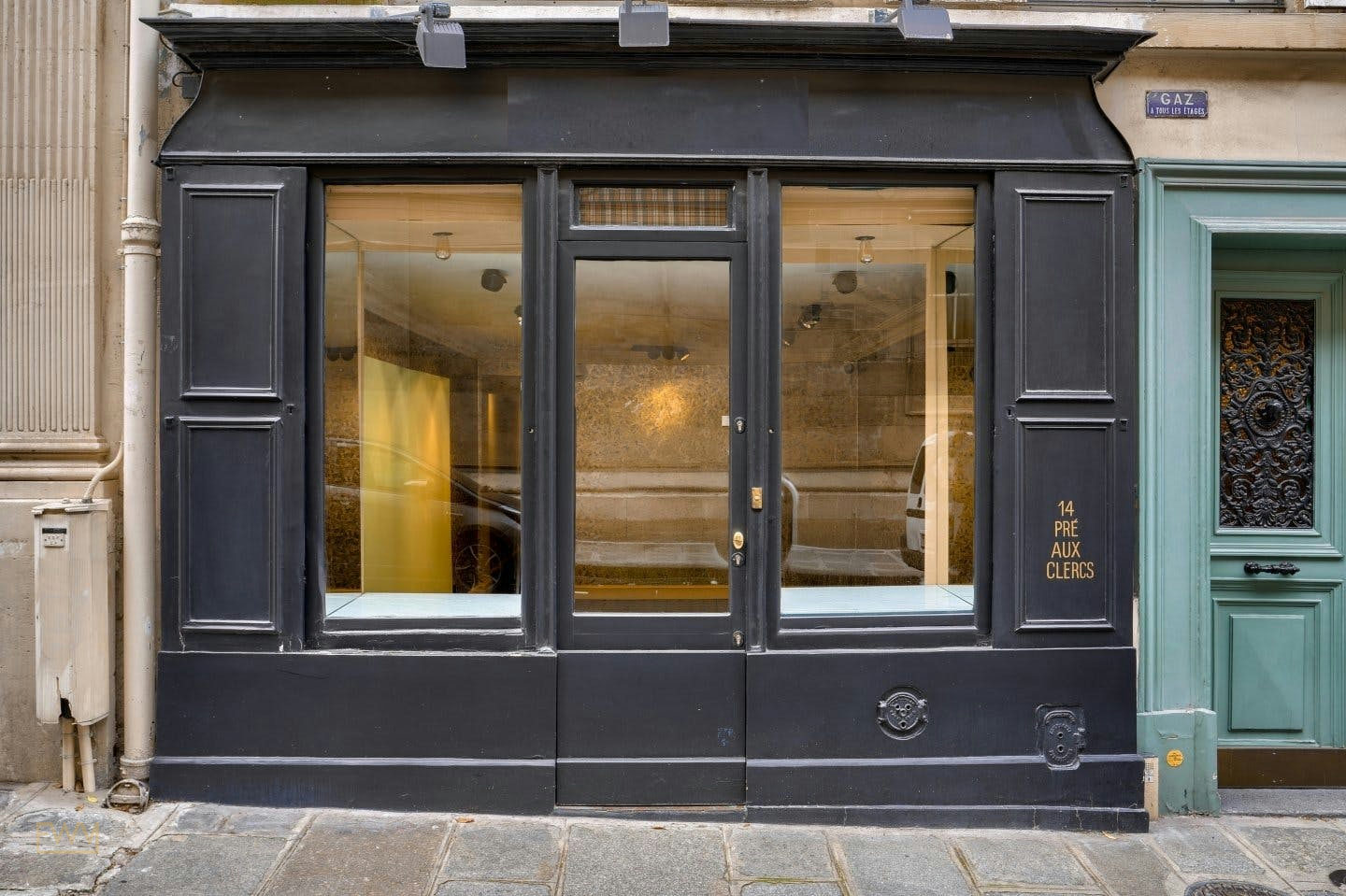
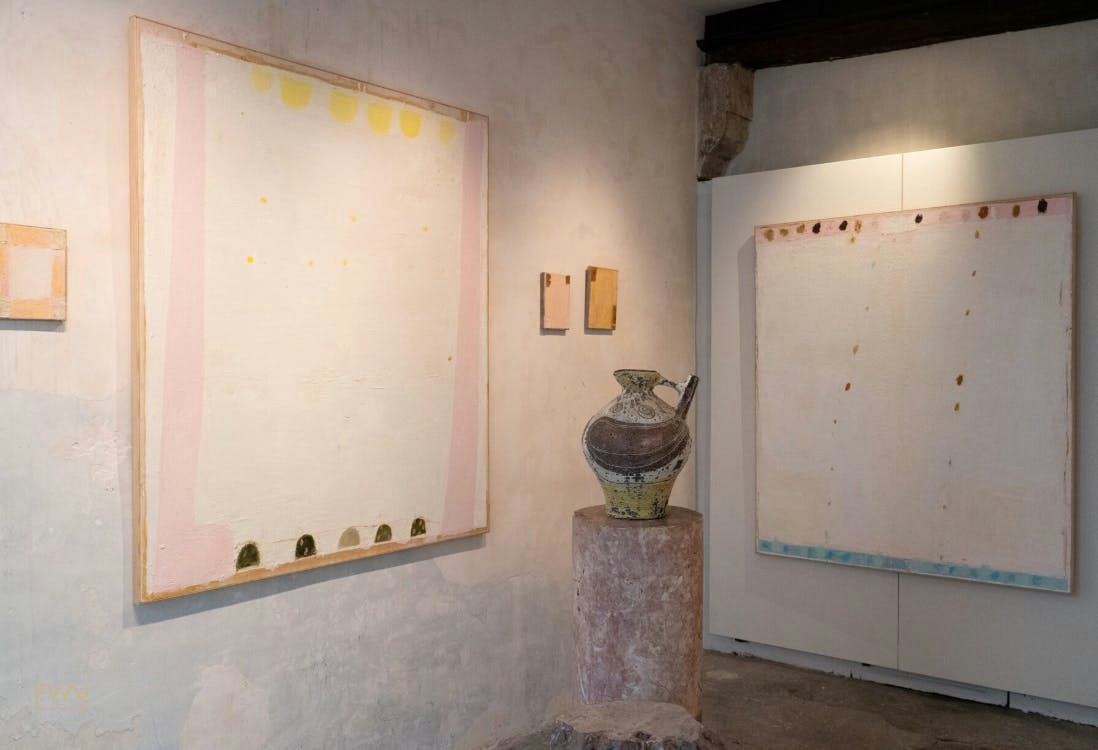
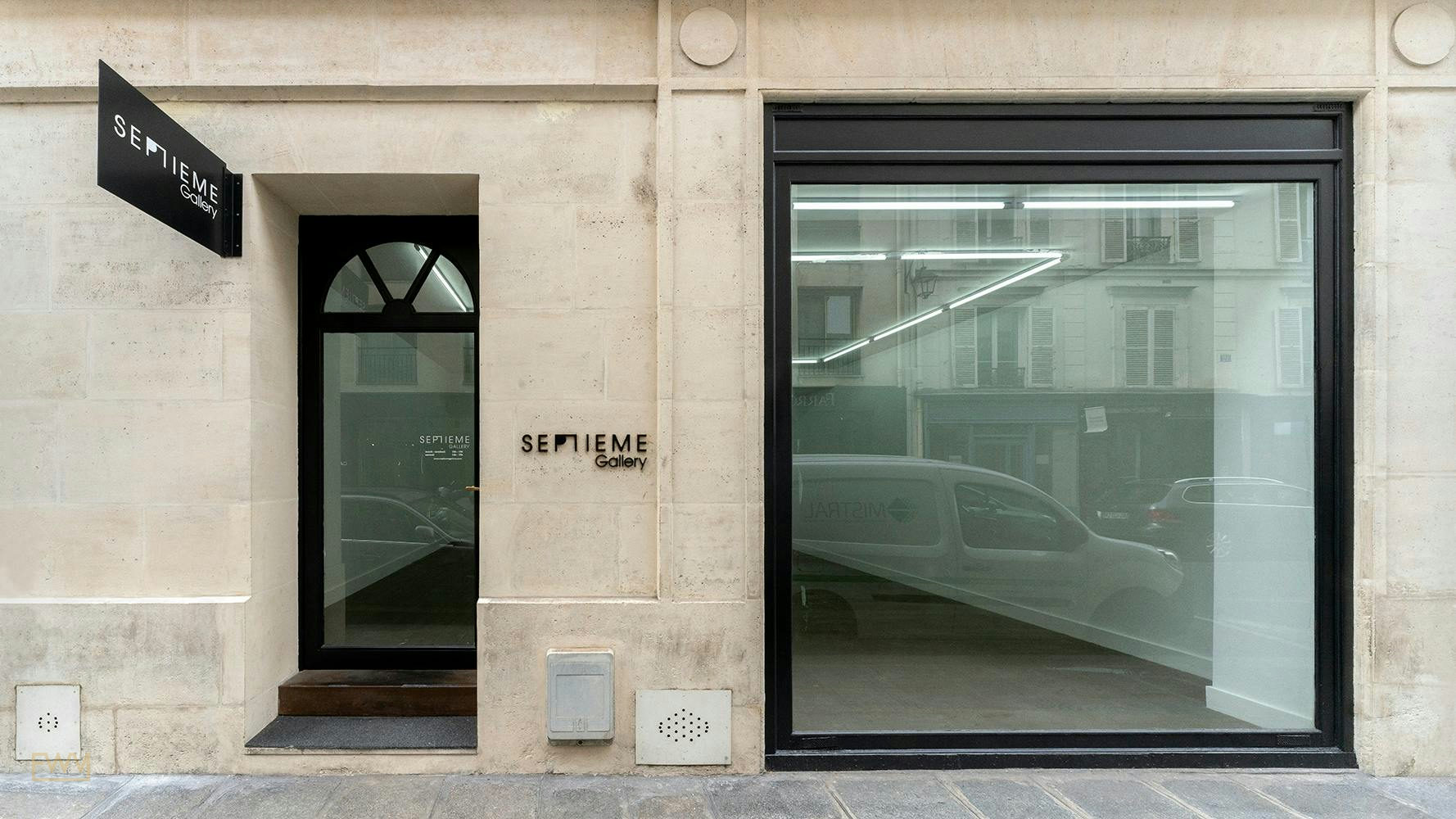
If you want to rent a pop-up shop in Montorgueil, you are targeting one of the most commercially active and culturally vibrant neighbourhoods in Paris. The Montorgueil district, sitting within the 2nd arrondissement and bordered by the historic Sentier garment quarter, combines exceptional pedestrian foot traffic, a loyal local residential community, and a creative retail identity that makes it a natural fit for fashion brands, beauty launches, concept stores, and seasonal showrooms. This guide covers everything brand teams need to know, from space types and neighbourhood comparison to permits, budgets, and logistics, with practical support available through the Fashion Week Venues Paris city hub.
What Makes Montorgueil One of Paris's Best Neighbourhoods for Pop-Up Retail
Quick answer: Montorgueil offers a rare combination of high pedestrian volume, independent retail culture, fashion industry proximity, and architectural character that few other Paris neighbourhoods can match at equivalent rental rates. For brands seeking visibility and community engagement simultaneously, it is a strategically strong choice.
The Rue Montorgueil and its surrounding streets form one of Paris's oldest market corridors, with roots stretching back several centuries. Today the area operates as a thriving pedestrianised shopping and dining destination that attracts a broad mix of Parisian residents, domestic tourists, and fashion professionals working in the adjacent Sentier district. This blend of audiences creates a uniquely layered foot traffic profile that few other arrondissements can replicate.
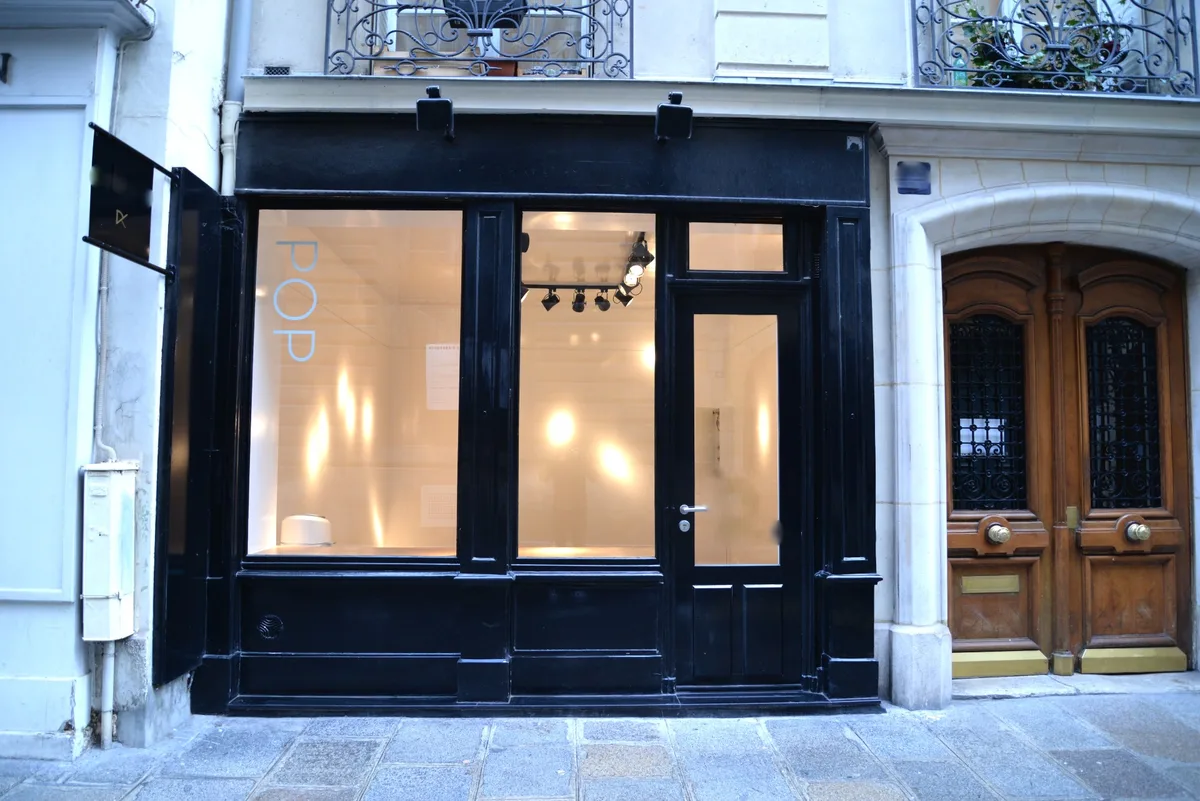
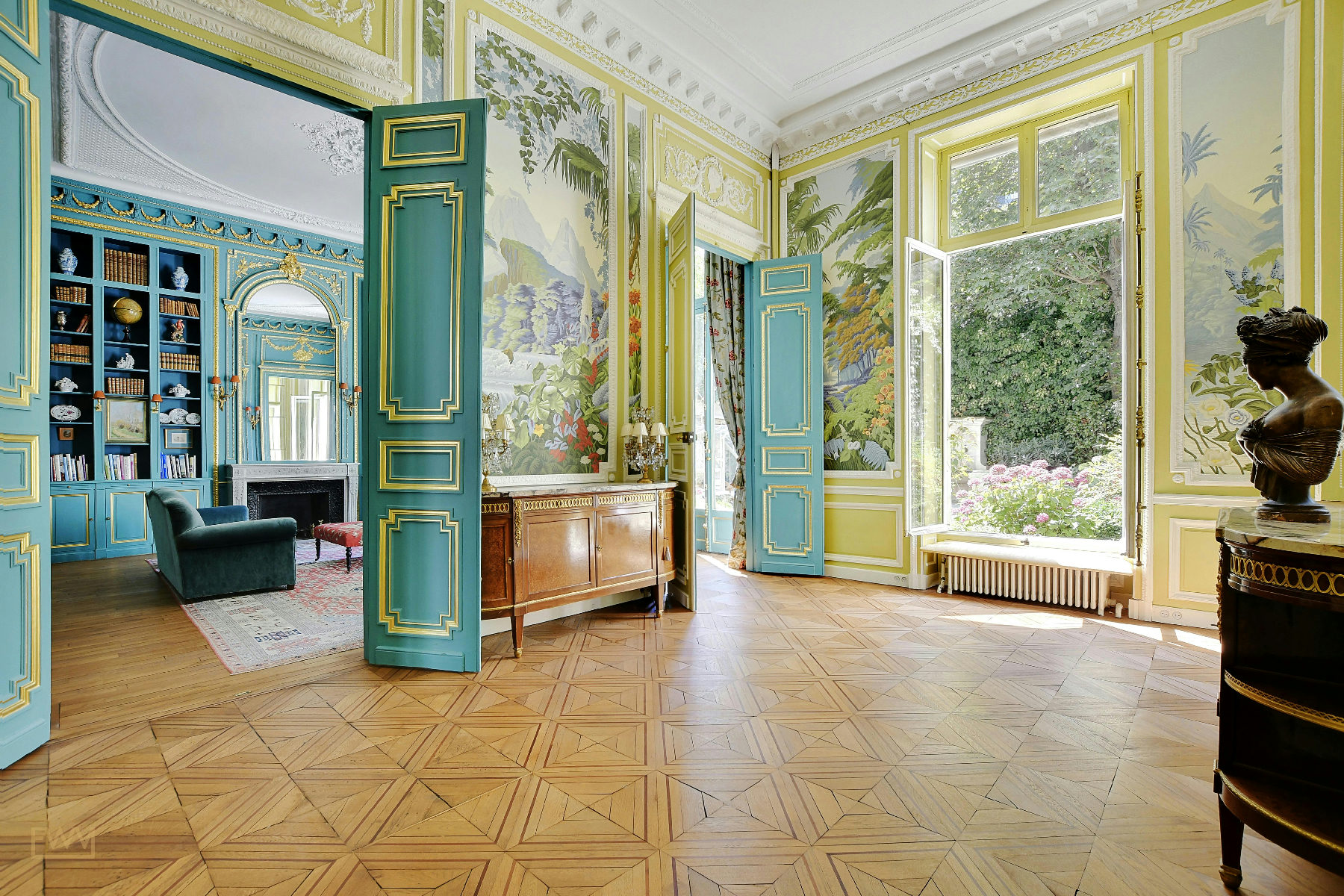
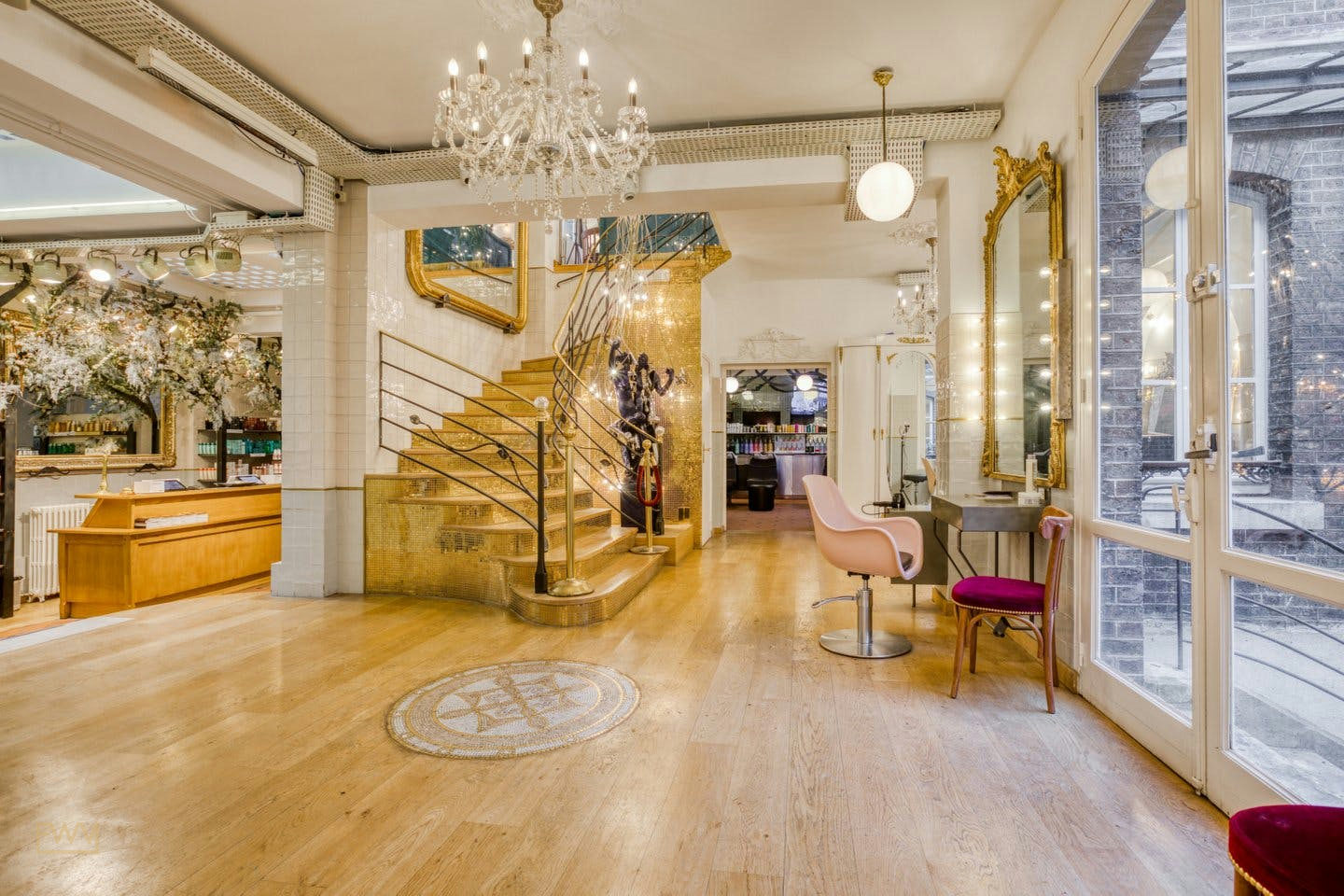
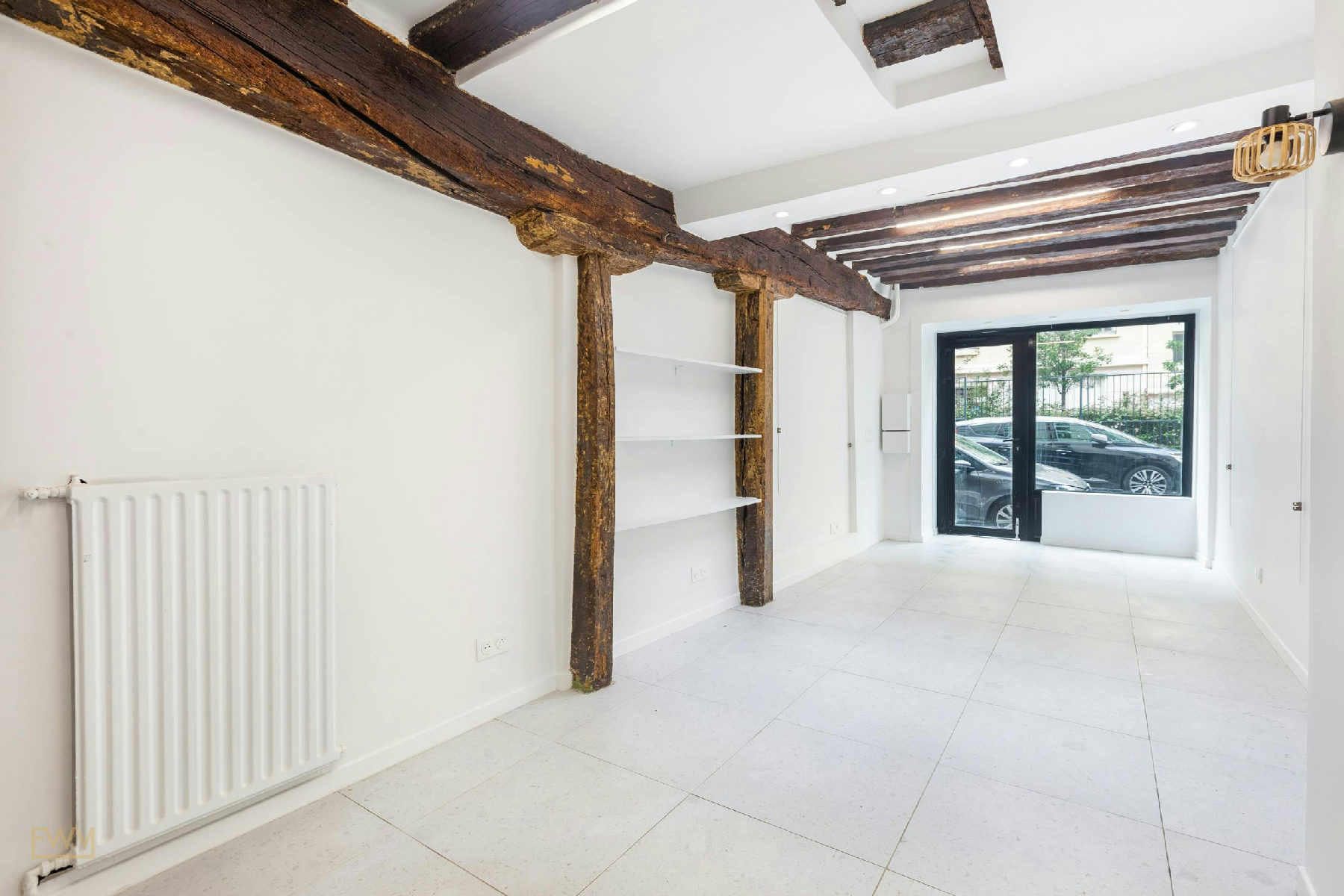
For brands considering temporary retail, the neighbourhood's physical character is equally compelling. Buildings in this part of the 2nd arrondissement frequently feature original Haussmann facades concealing internal spaces with exposed timber beams, brick walls, vaulted cellars, and generous ceiling heights. These architectural details create immediate visual interest without heavy investment in fit-out design, which is a material advantage for brands operating on short activation timelines.
The proximity to Espace Sentier, the historic hub of the French textile and wholesale fashion trade, means that Montorgueil draws a disproportionately high number of fashion buyers, showroom visitors, and industry professionals relative to its geographic footprint. During Paris Fashion Week and the surrounding market weeks, this concentration increases significantly, making the neighbourhood particularly relevant for brands launching collections, hosting buyer presentations, or operating trade-facing showrooms alongside consumer-facing retail.
The Rue d'Aboukir, which runs parallel to Rue Montorgueil and cuts through the heart of the Sentier district, adds a further layer of creative and commercial energy. This street has become a destination for concept stores, independent fashion labels, and design-forward boutiques, reinforcing the area's positioning as a zone where experimental retail formats are not only accepted but actively celebrated.
Compared with the Marais district or Saint-Germain-des-Prés, Montorgueil and the Paris 2nd arrondissement more broadly offer rental rates that tend to reflect lower baseline rents per square metre, though this varies considerably depending on the specific street, ground floor versus upper floor configuration, and access to additional facilities. Brands that might be priced out of a premium storefront on Rue Saint-Honoré or near Place Vendôme can often secure comparable or greater floor area in Montorgueil, enabling more ambitious visual merchandising and event programming.
The neighbourhood also benefits from strong social media visibility. Its photogenic streetscape, distinctive architecture, and density of independent food vendors, florists, and boutiques make it a consistent presence on Instagram and other visual platforms, which provides organic amplification for brands activating in the area. A well-designed pop-up storefront on Rue Montorgueil will be photographed and shared by passersby, extending reach beyond the immediate activation footprint.
DID YOU KNOW: Rue Montorgueil is one of the few remaining pedestrianised market streets in central Paris that functions as both a daily food market and an independent retail corridor, giving pop-up operators access to sustained daily foot traffic rather than concentrated weekend peaks alone.
KEY TAKEAWAY: Montorgueil combines architectural character, sustained foot traffic, fashion industry proximity, and competitive rental value in a way that makes it a practical and commercially sound choice for short-term retail activations, showrooms, and brand launches in Paris.
Understanding how Montorgueil compares with other key Paris neighbourhoods helps brands make an informed location decision before committing to a space or rental window.
Paris Neighbourhood Comparison: Where to Rent a Pop-Up Shop
Quick answer: Paris offers multiple high-performing neighbourhoods for temporary retail, each with a distinct audience profile, architectural character, and commercial positioning. The right choice depends on your brand tier, target customer, budget, and activation format.
Choosing between Montorgueil, Le Marais, Saint-Germain-des-Prés, Palais Royal, and other Paris districts is one of the most consequential decisions in the pop-up planning process. Each neighbourhood attracts different consumer profiles, supports different activation formats, and carries different implications for brand positioning.
| Neighbourhood | Arrondissement | Best For | Typical Audience | Key Landmarks |
|---|---|---|---|---|
| Montorgueil | 2nd | Fashion showrooms, concept stores, lifestyle brands | Fashion professionals, Parisian residents, creatives | Rue Montorgueil, Sentier, Rue d'Aboukir |
| Le Marais | 3rd and 4th | Luxury retail, art galleries, high-end launches | International tourists, affluent Parisians, art collectors | Place des Vosges, Carreau du Temple, Musée Picasso, rue des Rosiers |
| Saint-Germain-des-Prés | 6th | Luxury fashion, beauty, design activations | Affluent locals, cultural visitors, media | Galerie district, independent boutiques |
| Palais Royal | 1st | Luxury brands, heritage fashion, flagship formats | High-net-worth shoppers, fashion tourists | Palais Royal garden, Louvre, rue de Rivoli |
| Saint-Honoré and Vendôme | 1st and 8th | Ultra-luxury, jewellery, couture | UHNW consumers, press, buyers | Place Vendôme, rue Saint-Honoré |
| Champs-Élysées | 8th | Mass-market launches, international brand visibility | International tourists, general public | Champs-Élysées boulevard |
Le Marais district is arguably Paris's most established neighbourhood for pop-up retail and temporary brand activations. Spaces in the Marais, particularly those near Place des Vosges or the Carreau du Temple, command premium rental rates that reflect their proximity to luxury retail and their strong international tourist footfall. The Marais attracts a high density of affluent international visitors as well as Paris's own creative and fashion communities, making it suitable for brands positioned in the premium to luxury tier.
Le Pop Up Du Marais and similar concept-led venues in the district have built reputations as curated destinations in their own right, meaning that brands benefiting from association with those spaces gain an additional layer of editorial and cultural credibility. The architectural character of the Marais is equally distinctive, with 17th-century hotels particuliers, courtyard entrances, and stone vaulted spaces providing backdrops that reinforce heritage brand narratives.
Saint-Germain-des-Prés operates at the intersection of luxury fashion, fine art, and Parisian intellectual culture. Brands in the beauty, fragrance, and high-end lifestyle categories often find the neighbourhood's association with French cultural prestige particularly valuable. Foot traffic here tends to be more measured than in the Marais or on the Champs-Élysées, which suits invitation-only activations, private exhibitions, and press events more than high-volume retail formats.
The Palais Royal and the streets surrounding the Louvre offer spaces with exceptional architectural prestige and proximity to one of the world's most visited cultural institutions. Activations in this zone benefit from both the cultural gravity of the location and the high concentration of fashion-aware visitors during Fashion Week and major cultural events such as Paris Design Week and FIAC.
For brands seeking maximum international visibility at lower brand positioning stakes, the Champs-Élysées and the areas around Châtelet offer high-volume foot traffic environments where product launches and mass-market activations can reach very large audiences. These locations suit activations where volume of engagement matters more than the precision of audience targeting.
TIP: If you are deciding between Montorgueil and Le Marais for your first Paris pop-up, consider your primary objective. If you want fashion industry proximity and a local creative audience, Montorgueil is often the more strategic choice. If you want international tourist volume and luxury brand proximity, the Marais delivers more reliably.
To compare neighbourhoods and space types, explore the Paris city hub on Fashion Week Venues and shortlist spaces that match your brief, budget, and calendar window.
KEY TAKEAWAY: Every major Paris neighbourhood serves a different strategic purpose. Matching your brand positioning, target audience, and activation format to the right location is more important than choosing the most prestigious or most visible address.
Once you have identified your target neighbourhood, understanding the range of space types available and what each format can support is the next critical planning step.
Pop-Up Store Formats and Space Types Available in Paris
Quick answer: Paris offers an unusually diverse range of short-term retail space formats, from pedestrianised street-level boutiques and courtyard galleries to warehouse spaces, former ateliers, and purpose-built showroom environments. The right format depends on your brand's activation objectives, audience, and production capacity.
The term pop-up store covers a wide spectrum of temporary retail formats, and it is important to be specific about which format best serves your brand's objectives before beginning a space search. Each format has different implications for foot traffic exposure, production cost, permit requirements, and operational complexity.
Street-Level Boutique and Retail Storefront
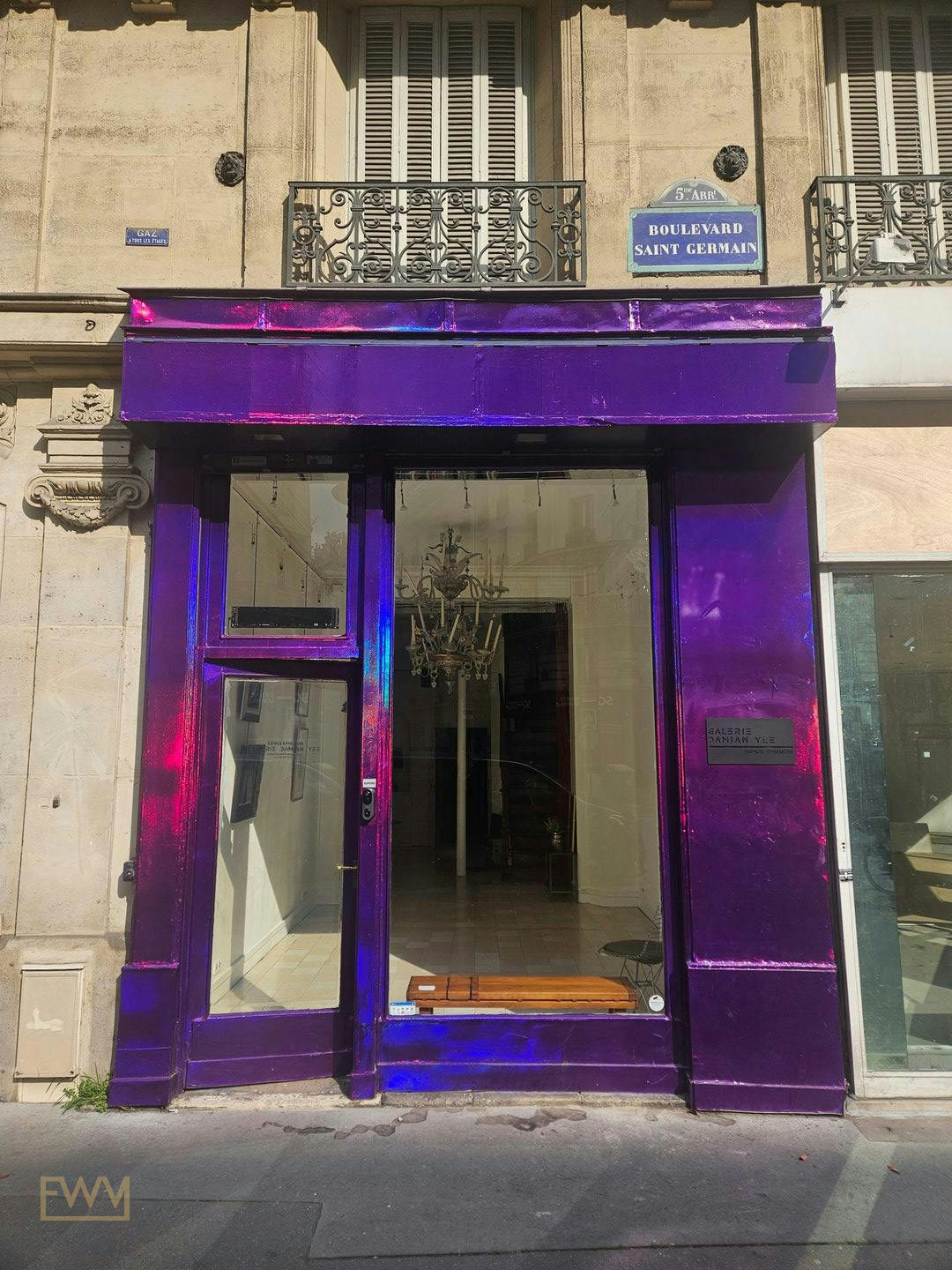
A street-level boutique or retail storefront is the most recognisable pop-up format and provides direct access to pedestrian foot traffic. In Montorgueil, street-level spaces on or adjacent to the main pedestrian corridor offer excellent visibility and natural discovery by passersby. These spaces typically range from compact units of around 20 to 40 square metres through to larger flagship-style formats exceeding 100 square metres, though availability varies significantly by season and rental window. Street-level storefronts are best suited to consumer-facing activations including product launches, seasonal collections, beauty brand pop-ups, and concept stores.
Fashion Showroom
A fashion showroom is a trade-facing space designed for buyer appointments, press presentations, and wholesale meetings rather than direct consumer retail. In the Montorgueil and Sentier districts, the proximity to the historic wholesale fashion trade means that showroom-format spaces are relatively abundant and well-suited to the purpose. Showrooms are typically located on upper floors, in courtyard buildings, or in spaces that prioritise appointment-based access over walk-in traffic. During Paris Fashion Week, demand for showroom spaces in this part of the 2nd arrondissement increases substantially, and early booking is essential.
Concept Store and Gallery Format
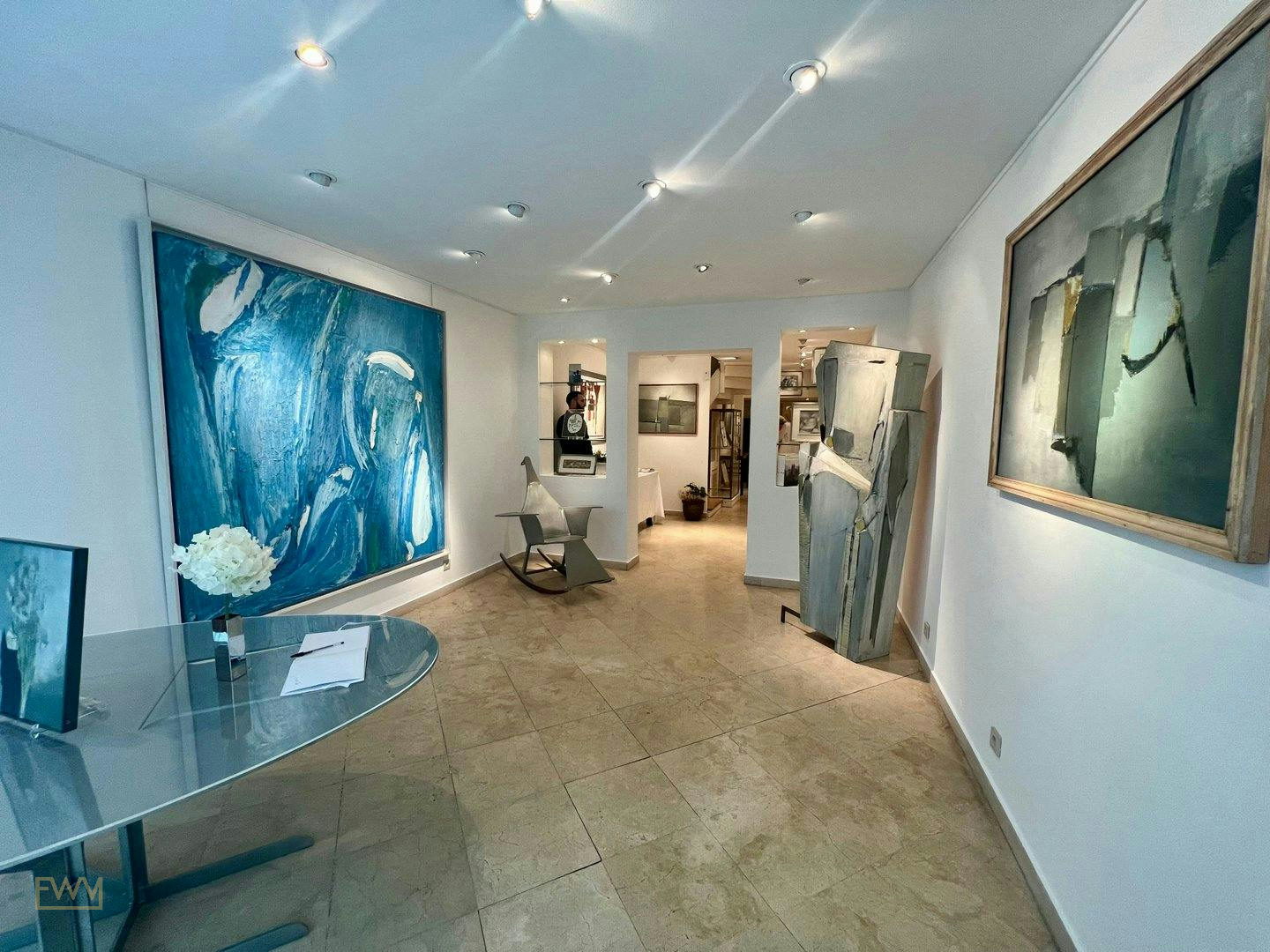
A concept store combines retail, cultural programming, and brand storytelling in a single space. This format is particularly well-suited to brands that want to use their temporary Paris presence to communicate a broader brand narrative rather than simply sell products. Spaces with distinctive architectural features such as exposed beams, brick walls, or vaulted cellars are highly sought after for this format because the environment itself contributes to the experiential quality of the activation. Gallery-format spaces, including those used for private exhibitions, art-adjacent brand presentations, and photo shooting, are similarly common in both the Marais and Montorgueil areas.
Event and Workshop Venue
Some brands use their Paris space not primarily for retail but for event programming including workshops, seminars, cocktail parties, and private exhibitions. Spaces equipped with a Bluetooth sound system, catering access, and flexible furniture configurations are particularly well-suited to this format. These activations often run alongside a retail component but prioritise audience engagement and brand experience over transactional volume.
Warehouse and Industrial Format
Converted warehouse spaces in the northern parts of central Paris, including areas around the 2nd and 10th arrondissements, offer generous floor areas, high ceilings, and raw industrial finishes that suit certain brand aesthetics. These spaces are commonly used for large-scale product launches, filming, B2B camera studio hire, and brand campaigns requiring flexible open-plan layouts. The trade-off is typically higher production investment to bring these spaces up to retail or showroom standard.
| Format | Typical Size | Primary Use | Best Suited To | Minimum Duration |
|---|---|---|---|---|
| Street-level boutique | 20 to 150 sq m | Consumer retail | Fashion, beauty, lifestyle | 3 to 7 days |
| Fashion showroom | 50 to 200 sq m | Trade and press | Fashion brands, designers | 1 to 2 weeks |
| Concept store | 60 to 250 sq m | Brand experience | Premium and luxury brands | 1 to 4 weeks |
| Event and gallery | 80 to 300 sq m | Events, exhibitions | Art, culture, mixed brands | 1 day to 2 weeks |
| Warehouse and studio | 150 to 500 sq m | Production, filming | Campaign shoots, launches | 1 day onwards |
DID YOU KNOW: Many Paris spaces that list as retail pop-up venues also permit photography, filming, and workshop use under separate licensing arrangements, allowing brands to use a single space for multiple campaign purposes across a booking period.
KEY TAKEAWAY: Choosing the right space format before beginning your search will save significant time and avoid the common mistake of falling in love with a space whose format does not match your activation objectives.
With the format and neighbourhood defined, the next layer of complexity involves understanding how short-term rentals in Paris work legally and operationally.
Short-Term Rental Agreements, Permits, and Compliance in Paris
Quick answer: Short-term retail space rental in Paris typically operates under a bail dérogatoire or autorisation d'occupation temporaire rather than a standard commercial lease. Understanding the legal structure of your rental agreement is essential before signing and spending any money on fit-out or production.
One of the most common areas of confusion for international brands entering the Paris market is the legal framework governing temporary retail. France operates a commercial lease system with strong tenant protections under the bail commercial, a 3-6-9 year structure that is entirely unsuitable for short-term activations. Two alternative structures are relevant for pop-up operations.
Bail Dérogatoire
The bail dérogatoire is a short-term commercial lease that operates outside the standard 3-6-9 framework and can be structured for periods of up to 36 months. In practice, most pop-up arrangements use this structure for bookings of several weeks to several months. It offers more flexibility than a standard commercial lease but still requires proper documentation, a signed agreement between landlord and tenant, and clarity on fit-out, reinstatement, and insurance obligations. The bail dérogatoire does not automatically confer the right to occupy a previously unrestricted space for retail purposes; local planning and zoning regulations must still be satisfied.
Autorisation d'Occupation Temporaire
The autorisation d'occupation temporaire, or AOT, governs temporary use of public space. This is relevant for brands wishing to activate in public squares, on pedestrianised streets, or in publicly owned venues. AOTs are issued by the relevant municipal authority and the requirements vary significantly depending on the specific location, the nature of the activation, and the duration of use. Obtaining an AOT requires advance application, and approval is not guaranteed.
IMPORTANT: Requirements for permits, insurance, and compliance vary by space type, duration, arrondissement, and the specific nature of your activation. The information provided here is general guidance only. Always verify requirements with a qualified French legal advisor before committing to a space or spending on production.
Beyond the rental agreement itself, brands activating in Paris need to consider several additional compliance areas. These include public liability insurance, which is typically required by landlords as a condition of rental. French insurance requirements differ from those in the UK, US, or other markets, and international brands should verify whether their existing policy provides adequate coverage for a French activation or whether a locally compliant policy is required.
Temporary staff employed during a Paris activation must comply with French labour law, including contracts, working hours, and statutory entitlements. This applies whether you are hiring directly or through a staffing agency. The administration of French employment contracts, even for short-term engagements, is more complex than in many other markets and specialist support is advisable.
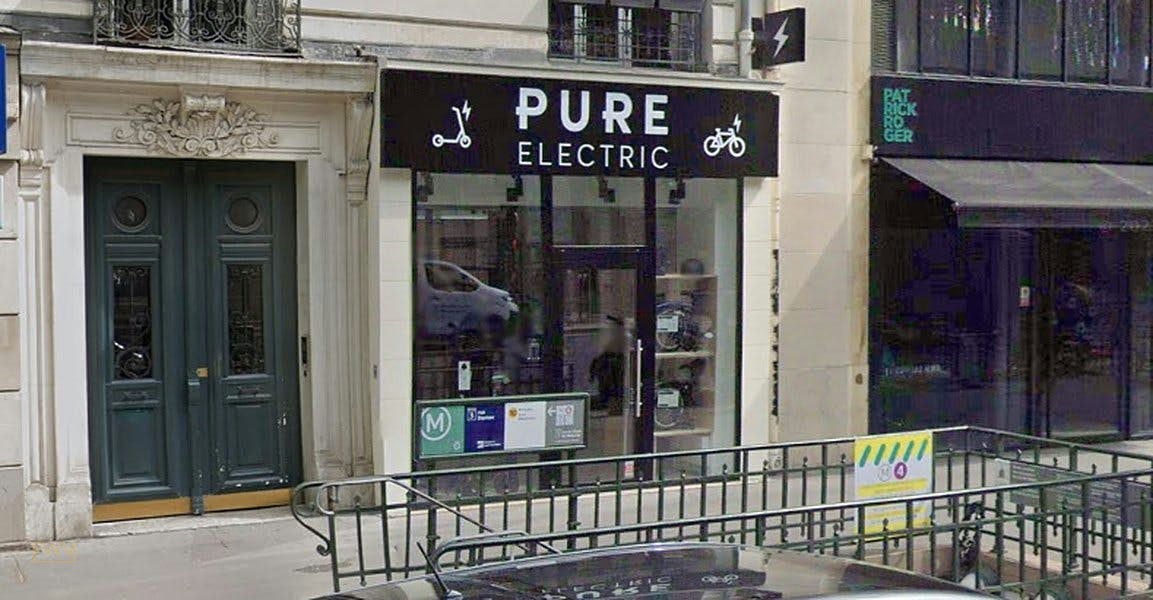
Local regulations also govern signage, sound levels, opening hours, and waste management for retail operations. In pedestrianised areas like Rue Montorgueil, specific rules apply to external display and the use of outdoor space in front of a shopfront. Compliance with these rules is the responsibility of the operator, and non-compliance can result in fines or forced closure of an activation.
For guidance specific to your activation format and location, the permit guidance tool on Fashion Week Venues provides an initial framework for understanding what approvals and documentation may be required.
KEY TAKEAWAY: Short-term rental in Paris is not legally straightforward. The combination of bail dérogatoire structures, AOT requirements, insurance obligations, and local trading regulations means that professional legal and operational support is not optional for international brands; it is a practical necessity.
Navigating compliance confidently requires not just legal knowledge but also an understanding of realistic timelines and budgets, which is where many brand teams encounter their second major planning challenge.
Planning Timeline and Budget Considerations for a Paris Pop-Up
Quick answer: A well-executed Paris pop-up typically requires a minimum planning lead time of 8 to 12 weeks, with 16 to 20 weeks being more realistic for activations involving significant fit-out, permit applications, or Fashion Week calendar windows. Budget requirements depend heavily on space type, duration, production scope, and staffing needs.
One of the most frequent mistakes brands make when planning a Paris pop-up is underestimating the lead time required to secure the right space and complete the necessary preparation. Unlike temporary event bookings in markets with more developed short-term lease infrastructure, the Paris market requires careful navigation of landlord relationships, legal documentation, permit processes, and production scheduling.
Typical Planning Phases
| Phase | Activity | Typical Duration | Notes |
|---|---|---|---|
| Brief and strategy | Define objectives, format, neighbourhood, calendar | 1 to 2 weeks | Internal team alignment required |
| Space search and shortlisting | Market search, viewings, negotiation | 2 to 4 weeks | High demand periods require longer lead times |
| Legal and permits | Rental agreement, permits, insurance | 2 to 4 weeks | Variable by space type and location |
| Concept and design | Design direction, space planning, specifications | 2 to 4 weeks | Runs parallel with legal phase where possible |
| Production and build | Fit-out, furniture, fixtures, technology | 1 to 3 weeks | Access for fit-out may be limited by landlord |
| Staffing and operations | Recruit, brief, and train temporary staff | 1 to 2 weeks | French employment contracts required |
| Activation and live phase | Operate, manage, measure | Days to weeks | Dependent on booking duration |
| Deactivation and reinstatement | Strip out, clean, reinstate | 1 to 3 days | Reinstatement obligations vary by agreement |
Budget is equally complex and equally misunderstood. The cost of renting a pop-up space in Paris is only one component of total activation spend. Brands should plan for rental fees, fit-out and production costs, furniture rental, technology and point-of-sale systems, staffing, insurance, permit fees where applicable, social media and influencer marketing, data and analytics tools, and deactivation and reinstatement costs. The relative weight of each category depends on the ambition of the activation and the duration of the booking.
Rental rates in Paris vary considerably by neighbourhood, space type, floor area, and season. During Paris Fashion Week and adjacent market weeks, demand for premium spaces in Montorgueil, the Marais, and the 1st arrondissement increases significantly and rental rates reflect this. Brands targeting these peak calendar windows should expect to pay a premium and should begin their search significantly earlier than for an off-peak activation.
For a directional estimate of costs specific to your activation format and target neighbourhood, the Fashion Week Venues budget calculator allows you to input your key parameters and generate a preliminary cost framework.
TIP: When planning your timeline, build in contingency at the space search and legal phases rather than at the production phase. Delays in securing a space or completing documentation compress production time, which typically has the most direct impact on the quality and completeness of the physical activation.
KEY TAKEAWAY: Realistic timeline planning and full-scope budget modelling are as important as space selection itself. Brands that underestimate either tend to compromise on quality, incur additional costs, or fail to complete their activation on schedule.
With a clear timeline and budget framework in place, understanding how to find and evaluate spaces efficiently is the next practical challenge for brand teams.
How to Find and Evaluate Pop-Up Shop Spaces in Montorgueil and Paris
Quick answer: Finding a quality pop-up space in Paris requires access to up-to-date listings, knowledge of off-market availability, and the ability to evaluate spaces against a detailed brief that covers size, configuration, permitted use, technical specification, and rental terms simultaneously.
The Paris short-term retail space market is not as transparently listed as equivalent markets in London or New York. A significant proportion of the best spaces, particularly in sought-after areas like Montorgueil, the Marais, and the Palais Royal area, are rented through direct landlord relationships, specialist agencies, or closed networks rather than through public listings. This means that brands relying solely on public marketplace platforms such as Peerspace or general real estate portals will see only a portion of what is genuinely available.
When evaluating a space, the following criteria are the most operationally critical and are frequently underweighted by brand teams focused on aesthetic appeal alone.
Technical and Operational Checklist for Space Evaluation
- Total floor area in square metres and the usable retail or event surface after accounting for back-of-house, storage, and circulation
- Ceiling height and structural restrictions on hanging, fixing, or suspended display
- Natural light availability and orientation, particularly relevant for photography and filming use
- Electrical capacity and the availability of three-phase power for lighting rigs or production equipment
- Internet connectivity specification and whether the space has existing broadband infrastructure or requires a temporary installation
- Access for delivery vehicles and fit-out crews, including any restrictions on hours of access or vehicle size
- Toilet facilities and whether these are accessible to the public or restricted to staff
- Air conditioning, heating, and ventilation capacity, particularly relevant for events and for beauty or fragrance product storage
- Security arrangements and whether the landlord's existing security system is adequate or whether a separate security service is required
- Insurance requirements specified by the landlord and whether the landlord requires proof of cover before handing over keys
- Restrictions on alterations, fixings, and reinstatement obligations at the end of the tenancy
- Compliance with permitted use for retail, events, photography, or other planned activities
Beyond technical specification, the location of a space within Montorgueil itself requires careful assessment. A space on the main pedestrianised section of Rue Montorgueil will have very different foot traffic characteristics from a space on a side street off Rue d'Aboukir or within a courtyard building. Both may be described as being in the Montorgueil area, but their commercial exposure and the effort required to drive traffic to them will differ materially.
Using a space location tool that maps available spaces against key pedestrian routes, transport nodes, and nearby competitor or complementary retail can help brand teams make a more informed shortlisting decision before committing to viewings.
DID YOU KNOW: Courtyard spaces within classified Haussmann-era buildings in the 2nd arrondissement often command lower rental rates than street-facing spaces of equivalent size, while offering superior architectural character and a more controlled, appointment-driven visitor experience. For showroom-format activations, these can represent exceptional value.
KEY TAKEAWAY: Space evaluation should be driven by operational and strategic criteria, not aesthetic appeal alone. A beautiful space that lacks adequate electrical capacity, delivery access, or permitted retail use will create significant problems during production and activation.
Once you have identified your target spaces, comparing them systematically against your brief before making a selection decision is the most efficient way to avoid expensive mistakes.
Events, Marketing, and Brand Activation Strategies for Paris Pop-Ups
Quick answer: A Paris pop-up delivers the greatest return when it is treated as a multi-channel brand activation rather than a standalone retail exercise. Integrating event programming, social media strategy, influencer engagement, and experiential design into the activation plan from the outset maximises both immediate impact and longer-term brand equity.
The most successful pop-up activations in Paris share a common characteristic: they use the physical space as a catalyst for attention that extends far beyond the footprint of the venue itself. A well-executed Paris pop-up generates press coverage, social media content, influencer documentation, and earned media that collectively amplify the brand's investment well beyond what the rental cost alone would suggest.
Aligning with the Paris Fashion and Cultural Calendar
Paris has one of the world's densest schedules of fashion, design, and cultural events. Paris Fashion Week, which takes place twice annually for womenswear and once for menswear and haute couture, is the most obvious activation window for fashion brands. However, it is far from the only one. Paris Design Week, which takes place in September, attracts a highly engaged creative and design professional audience. FIAC, the international contemporary art fair, historically concentrates galleries and collectors in central Paris during October. These events create overlapping audience concentrations that pop-up operators can benefit from even without direct participation in the events themselves.
For beauty brands, the Paris calendar includes a number of trade and consumer events that bring relevant media and professional audiences to the city. Brands that time their pop-up to coincide with these moments benefit from the ambient media interest that surrounds them.
Social Media and Influencer Strategy for Paris Pop-Ups
Paris remains one of the world's most powerful social media locations for fashion and lifestyle content. The city's visual environment, the cultural associations of its neighbourhoods, and the concentration of fashion media professionals during key calendar windows make it an exceptional setting for social media content creation. Brands should treat the pop-up space itself as a content environment, investing in visual merchandising, set design, and lighting that enables high-quality photography and video production throughout the activation period.
Influencer engagement in Paris benefits from the proximity of a concentrated community of fashion, beauty, and lifestyle content creators. Working with Paris-based creators who have genuine local audiences and cultural credibility tends to outperform importing international influencers who lack the local context and relationships that make Paris activations resonate authentically with French audiences.
Event Programming Within the Pop-Up Space
Integrating event programming into the pop-up calendar extends the activation's ability to generate multiple distinct moments of media and audience engagement. Formats that work well in Paris pop-up spaces include private press previews, buyer appointment sessions, customer workshops, cocktail parties, panel discussions, and product demonstrations. Spaces with a Bluetooth sound system, flexible furniture configurations, and catering access are well-suited to this kind of programming, and brands should assess whether a target space can support the full range of intended uses before signing a rental agreement.
Photography and filming within the pop-up space itself is a legitimate and increasingly common use case. Brands often book Paris spaces specifically for campaign shoots, lookbook production, or social media content days alongside or instead of a retail activation. Some spaces, including purpose-configured B2B camera studios and gallery spaces with controlled lighting, are specifically positioned for this use.
TIP: Plan your social media content strategy and influencer briefing in parallel with your space design, not after it. The most shareable activations are those where the physical design has been developed with content creation explicitly in mind from the beginning.
KEY TAKEAWAY: A Paris pop-up that integrates event programming, social media strategy, and influencer engagement from the planning stage will consistently generate more total brand value than one that treats these as secondary add-ons after the space is secured.
To understand how a full-service agency approach can bring all of these elements together, it is worth considering what professional support looks like in practice.
How Fashion Week Venues Supports Brands Renting Pop-Up Shops in Paris
Quick answer: Fashion Week Venues operates as a full-service pop-up agency and space marketplace, supporting brands through every stage of a Paris activation from initial space search and concept development through to production, staffing, operations, and post-activation analytics.
Fashion Week Venues is designed specifically for brands navigating the challenges of short-term retail and brand activation in major fashion capitals, with Paris as the primary market. The agency combines direct access to a curated space marketplace with a full suite of services that address the most common operational challenges international brands face when activating in Paris.
The venue sourcing service goes beyond a marketplace search to include access to off-market spaces, direct landlord relationships, and experienced negotiation support for rental terms, permitted use, and access conditions. This is particularly valuable in the Montorgueil and Sentier districts, where the best spaces are frequently rented through direct relationships rather than public listings.
Concept and creative direction support is available through the concept direction service, which helps brands translate their brief and brand identity into a coherent spatial concept that works within the constraints and opportunities of their chosen space. This service is particularly relevant for international brands that have a strong visual identity but limited experience designing for Paris retail environments.
Production and fit-out is managed through the production and build service, which covers everything from structural alterations and custom fixtures through to furniture installation and technology integration. The service includes furniture rental, which allows brands to achieve a high-quality finished environment without the cost and logistics of purchasing and transporting furniture from their home market.
For brands that need operational support during the activation itself, the activation management service covers day-to-day operations including staff management, customer service coordination, inventory control, and issue resolution. This service is particularly valuable for international brands that do not have a Paris-based team and cannot support a remote activation without local operational expertise.
Retail staffing for Paris activations is handled through the retail staffing service, which sources and contracts temporary staff compliant with French employment law. This removes one of the most complex administrative burdens for international brands activating in France for the first time.
Post-activation insight is supported by the data and analytics service, which provides brands with structured performance data on visitor volumes, engagement metrics, sales conversion, and social media amplification. This data supports internal reporting, future planning, and the ongoing development of a brand's Paris activation strategy.
The Fashion Week Venues toolkit includes a number of self-service planning tools that are available independently of a full agency engagement. These include a budget calculator for preliminary cost modelling, an ROI calculator for building the internal business case for a Paris activation, a timeline tool for mapping the planning process, and a space comparison tool for evaluating shortlisted venues against a consistent set of criteria. Brands that want to begin planning before engaging the agency directly can use these tools to develop an initial framework.
The twin co-activation concept is a distinctive offer that allows two complementary brands to share a single space and split the associated costs, while each maintaining a distinct brand presence within the venue. This format is particularly well-suited to brands entering Paris for the first time with limited budgets, or to brands that want to associate themselves with a complementary partner brand in a shared activation environment.
The Imagine visualisation tool and the Build planning tool allow brand teams to develop and communicate their spatial concepts before committing to production, reducing the risk of misalignment between brief and executed output.
Understanding the breadth of support available, the practical limits of any agency relationship should also be acknowledged clearly. Fashion Week Venues can source, evaluate, and negotiate for spaces, but it cannot guarantee specific availability, specific rental rates, or permit approvals, all of which are subject to market conditions, landlord decisions, and regulatory processes that are outside any agency's direct control.
KEY TAKEAWAY: For international brands activating in Paris for the first time, or for brands that have struggled to execute previous Paris pop-ups effectively, a full-service agency relationship with Fashion Week Venues provides practical support across every stage of the process, from initial brief through to post-activation reporting.
For brands researching agency options before committing, reviewing the guide to hiring a pop-up agency provides a useful framework for evaluating the criteria that matter most.
Architectural Character and Physical Infrastructure of Paris Pop-Up Spaces
Quick answer: Paris pop-up spaces offer architectural variety that ranges from classical Haussmann-era interiors with parquet floors and ornate mouldings to raw industrial warehouses and contemporary white-box galleries. Understanding the physical infrastructure of a space before signing is essential for accurate production budgeting and timeline planning.
The architectural character of Paris pop-up spaces is one of the city's most significant advantages as an activation environment. Unlike contemporary retail real estate, which tends toward neutral, interchangeable configurations, Paris's historic building stock provides a rich variety of spatial identities that brands can leverage as part of their activation narrative.
In Montorgueil and the surrounding 2nd arrondissement, spaces frequently feature exposed timber beams from 18th and 19th century construction, original stone or brick walls, and wooden parquet flooring. Classified buildings in this area impose restrictions on alteration that must be respected but also guarantee a level of architectural authenticity that cannot be replicated through set design alone.
Vaulted cellars are a distinctive feature of many Paris buildings, particularly in the Marais and in older parts of the central arrondissements. These spaces offer extraordinary visual impact for intimate activations, private exhibitions, and luxury product presentations, though their below-grade location typically limits natural light and may require specific ventilation and humidity management for certain product categories.
Raw concrete floors and polished concrete finishes are common in more recently converted spaces and in warehouse-type environments. These surfaces suit contemporary, minimal, and industrial brand aesthetics and tend to require less surface preparation for production than older parquet or stone floors.
The practical infrastructure of a space, including its electrical capacity, internet connectivity, loading access, and toilet provision, varies considerably across Paris's historic building stock and deserves as much attention during viewings as aesthetic characteristics. A space with extraordinary architectural features but inadequate electrical capacity for a full retail lighting rig, or without reliable internet for point-of-sale systems, will create significant operational challenges during the activation.
KEY TAKEAWAY: Paris's architectural diversity is a genuine competitive advantage for brand activation, but it requires that production teams assess spaces against detailed technical criteria rather than visual appeal alone to avoid costly surprises during fit-out.
Common Myths About Renting a Pop-Up Shop in Paris
MYTH: International brands need a French legal entity to rent a pop-up space in Paris.
FACT: Many Paris landlords rent short-term spaces to international companies operating under a bail dérogatoire or equivalent short-term arrangement without requiring a locally incorporated French entity. Requirements vary by landlord and space type, and specialist agencies with established landlord relationships can often facilitate rentals that would be more complex to arrange independently. Professional guidance on the specific documentation requirements for your situation is recommended, but a French legal entity is not universally required.
MYTH: Paris Fashion Week is the only viable calendar window for a Paris pop-up.
FACT: While Paris Fashion Week represents the highest-profile activation window for fashion brands, Paris maintains exceptional levels of fashion, design, and creative professional activity throughout the year. Events including Paris Design Week, FIAC, and the various trade fairs attract relevant professional and consumer audiences outside the Fashion Week calendar. Off-peak activations also benefit from lower rental rates, more space availability, and less competition for media and influencer attention.
MYTH: Commission-based property brokers are the only way to find a pop-up space in Paris.
FACT: Commission brokers represent one route to market but not the most comprehensive one. Specialist pop-up agencies maintain direct relationships with landlords, access to off-market spaces, and the operational expertise to assess spaces against brand requirements in a way that general property brokers typically cannot. Dedicated marketplaces specifically focused on short-term retail and event spaces provide additional discovery options that complement or replace broker-led searches.
MYTH: Short-term leases in Paris are legally straightforward and do not require specialist support.
FACT: French commercial tenancy law is complex, and even short-term arrangements under a bail dérogatoire involve meaningful legal obligations on both parties. Insurance requirements, reinstatement obligations, permitted use restrictions, and compliance with local trading regulations all require careful attention. International brands that treat French short-term leases as equivalent to informal short-term arrangements in their home markets frequently encounter unexpected costs, disputes, or compliance issues. Professional legal and operational support is strongly advisable.
MYTH: A Paris pop-up is only commercially viable for luxury or premium brands.
FACT: Paris pop-up activations deliver value across a wide range of brand tiers and categories. The city's combination of fashion industry concentration, media interest, and social media amplification creates return on investment pathways beyond direct sales revenue, including wholesale buyer engagement, press coverage, and brand positioning benefits that are available to brands at multiple price points. Cost management through format selection, timing, and co-activation structures like the twin model makes Paris accessible to brands with more constrained activation budgets.
Frequently Asked Questions
What is a pop-up store and how does it differ from a permanent retail space?
A pop-up store is a temporary retail or brand activation space operated for a defined period, ranging from a single day to several months. Unlike a permanent retail space governed by a long-term commercial lease, a pop-up operates under a short-term rental agreement, typically a bail dérogatoire in France, that gives the brand flexibility to activate for a specific campaign, season, or event window. Pop-up stores are used for product launches, seasonal retail, showroom presentations, brand awareness campaigns, and experiential activations. They allow brands to test a market, location, or format without the commitment of a permanent lease.
Why should I rent a pop-up shop in the Montorgueil district specifically?
Montorgueil sits at the intersection of Paris's historic market culture and its contemporary fashion and creative industries. The pedestrianised Rue Montorgueil delivers consistent daily foot traffic from Parisian residents, creative professionals, and visitors. The adjacent Sentier district provides proximity to fashion buyers and showroom visitors during market weeks and Paris Fashion Week. Architectural character, competitive rental rates relative to the Marais and Saint-Honoré, and a neighbourhood identity that rewards independent and creative retail make Montorgueil a strong choice for fashion, beauty, and lifestyle brands seeking visibility with a knowledgeable Paris audience.
How much does it cost to rent a pop-up shop in Paris?
Rental rates in Paris vary considerably depending on neighbourhood, space type, floor area, and season. Premium spaces in the 1st arrondissement near the Palais Royal or on Rue Saint-Honoré command significantly higher daily or weekly rates than equivalent spaces in Montorgueil or the northern Marais. Fashion Week calendar windows carry additional premiums. Total activation cost, which includes production, staffing, insurance, and marketing, is typically a multiple of the rental cost alone. For a brand-specific directional estimate, the budget calculator on Fashion Week Venues accepts your key parameters and generates a preliminary cost framework.
How long does it take to plan a Paris pop-up shop?
A realistic minimum planning timeline for a Paris pop-up is 8 to 12 weeks from brief to opening, with 16 to 20 weeks being more appropriate for activations involving significant fit-out, permit applications, or Fashion Week calendar windows. The space search and legal documentation phases are the most variable and are the most frequent sources of delay. Brands that begin their search later than the timeline requires typically have to compromise on space quality, production ambition, or both. Building contingency into the planning phase rather than the production phase is strongly recommended.
Do I need a French legal entity to rent a pop-up space in Paris?
Not necessarily. Many Paris landlords offer short-term rental arrangements to international companies without requiring a locally incorporated French entity, particularly under a bail dérogatoire structure. However, requirements vary by landlord, space type, and the specific terms of the rental agreement. Some landlords require a local guarantor or a larger deposit from international tenants without a French entity. Working with a specialist agency that has established landlord relationships can simplify this process significantly. Always verify the specific documentation requirements with a qualified French legal advisor before committing to a space.
What permits do I need to operate a pop-up shop in Paris?
Permit requirements for a Paris pop-up depend on the space type, the nature of your activation, and your specific location. For a privately owned space rented under a bail dérogatoire, the primary requirements typically relate to ensuring the space has the correct commercial use designation under local planning rules and that your insurance is adequate. If you wish to use public space, external signage, or outdoor display, additional authorisations from the relevant municipal authority will be required. Requirements vary by arrondissement and activity type. The permit guidance tool on Fashion Week Venues provides an initial framework, and verification with a French legal advisor is recommended.
How do I find available pop-up spaces in Montorgueil?
Available spaces in Montorgueil can be discovered through dedicated short-term retail marketplaces, specialist pop-up agencies with direct landlord relationships, and through off-market introductions. Relying solely on general property portals or global event space platforms will provide only a partial view of what is available. Fashion Week Venues operates a curated marketplace of Paris pop-up spaces alongside direct agency support for brands that require a more managed search process. Using a space location tool to map available options against your specific street and foot traffic requirements before beginning viewings is a practical starting point.
What is the difference between a fashion showroom and a consumer-facing pop-up store?
A fashion showroom is a trade-facing environment designed for buyer appointments, press presentations, and wholesale meetings. It operates on an appointment basis rather than open public access and prioritises display quality and meeting functionality over retail merchandising. A consumer-facing pop-up store is designed for direct public engagement, selling, and brand experience. Some activations combine both functions in a single space, with a trade showroom component running alongside a consumer retail area. The Montorgueil and Sentier districts are well-positioned for both formats given their fashion industry concentration and pedestrian footfall.
Can international brands use their existing insurance for a Paris pop-up?
International brands should not assume that their existing public liability or commercial insurance policy automatically covers a French retail activation. Insurance requirements for Paris pop-ups are typically specified by the landlord in the rental agreement, and these requirements must be met as a condition of rental. French insurance market requirements differ from those in the UK, US, and other markets. Verify your coverage with your insurer and, if necessary, obtain a French-market compliant policy before signing a rental agreement. Failure to maintain adequate insurance is a significant legal and financial risk during an activation.
What types of events can I host in a Paris pop-up space?
Paris pop-up spaces can support a wide range of event formats depending on the space's configuration, technical infrastructure, and permitted use. Common event types include product launch parties, press preview evenings, buyer appointment sessions, customer workshops, cocktail parties, panel discussions, private exhibitions, photography and filming sessions, and seminar formats. Not all spaces are permitted or technically equipped for all of these uses, so verifying the specific activities you intend to host against the space's capabilities and landlord permissions before booking is essential. Many Paris spaces also permit Bluetooth sound system use for event programming.
How does the twin co-activation concept work for Paris pop-ups?
The twin co-activation concept offered by Fashion Week Venues allows two complementary brands to share a single Paris space simultaneously, with each maintaining a distinct brand presence within the venue. The arrangement splits the rental and production costs between the two brands while creating a combined activation that can be more compelling for visitors than either brand would produce independently. This format is particularly suited to brands entering Paris for the first time with constrained budgets, to brands targeting overlapping audiences, or to brands that see strategic benefit in co-presenting alongside a complementary partner. The twin concept page on Fashion Week Venues provides further detail on how this arrangement works in practice.
What should I look for when evaluating a pop-up space in Paris?
Key criteria for evaluating a Paris pop-up space include total usable floor area in square metres, ceiling height, natural light, electrical capacity, internet connectivity, delivery and loading access, toilet provision, air conditioning, security arrangements, insurance requirements, and permitted use for your intended activities. Beyond technical specification, assess the space's location within the neighbourhood in terms of pedestrian flow and visibility. Architectural character, including features such as exposed beams, brick walls, vaulted cellars, or parquet floors, is relevant but should not override operational suitability. Using a structured space comparison tool ensures that multiple shortlisted spaces are evaluated against the same criteria.
What services do I need from an agency to run a successful Paris pop-up?
The services most commonly required by international brands running a Paris pop-up include venue sourcing, concept direction, production and build management, furniture rental, retail staffing, point-of-sale and payments infrastructure, insurance guidance, permit support, and post-activation data and analytics. Brands with limited Paris experience or no local team typically benefit from a full-service agency relationship that covers all of these areas in an integrated way. Brands with stronger internal capabilities may choose to engage agency support only for the areas where they have the most significant knowledge or resource gaps, such as legal and permit navigation, local staffing, or space sourcing.
Is Paris a viable market for pop-up retail outside of Fashion Week?
Absolutely. While Paris Fashion Week generates the highest concentration of fashion media and industry attention, Paris maintains exceptional levels of relevant professional and consumer activity throughout the year. Paris Design Week in September, FIAC in October, and the various trade fair cycles create multiple activation windows with distinct and highly engaged audiences. Off-peak windows also offer advantages including lower rental rates, better space availability, and reduced competition for press and influencer attention. For beauty, art, design, and lifestyle brands in particular, Fashion Week is one of several viable activation windows rather than the only one.
How do I measure the return on investment from a Paris pop-up?
Return on investment from a Paris pop-up should be measured across multiple dimensions rather than direct sales revenue alone. Key metrics include visitor volume, dwell time, conversion rate, average transaction value, wholesale buyer meetings conducted, press placements generated, social media impressions and engagements, influencer content produced, and brand awareness lift. Establishing clear KPIs for each relevant dimension before the activation begins allows for accurate post-activation evaluation. The ROI calculator on Fashion Week Venues provides a framework for building a pre-activation business case and for evaluating actual performance against projected returns after the activation concludes.
Conclusion: Taking the Next Step Toward Your Paris Pop-Up
Renting a pop-up shop in Montorgueil and the wider Paris 2nd arrondissement represents one of the most strategically compelling options available to fashion, beauty, lifestyle, and design brands seeking a temporary retail presence in the City of Light. The neighbourhood's combination of pedestrian foot traffic, fashion industry proximity, architectural character, and competitive rental value relative to premium Paris addresses makes it a practical and commercially sound choice for brands at a wide range of scales and budget levels.
The planning process requires careful attention to space selection, legal and permit compliance, realistic timeline management, and integrated marketing activation strategy. None of these areas is straightforward in isolation, and the combination of all of them in an unfamiliar market is a meaningful operational challenge for any brand team, regardless of experience level.
The guidance in this resource covers the primary strategic and operational questions that arise when planning a Paris pop-up, but every activation is different and the specifics of your brief, your brand, your budget, and your timeline will shape the choices available to you. Working with experienced local partners who understand the Paris market, its regulatory environment, and its landlord relationships is the most reliable way to translate a pop-up concept into a successfully executed activation.
To move from research to activation, start exploring available spaces on the Fashion Week Venues marketplace and build a focused brief for your target neighbourhood, space type, and calendar window. The combination of curated space listings, planning tools, and full-service agency support available through Fashion Week Venues is designed to make the Paris pop-up process as efficient and as well-supported as possible for brands entering one of the world's most rewarding but most demanding activation markets.