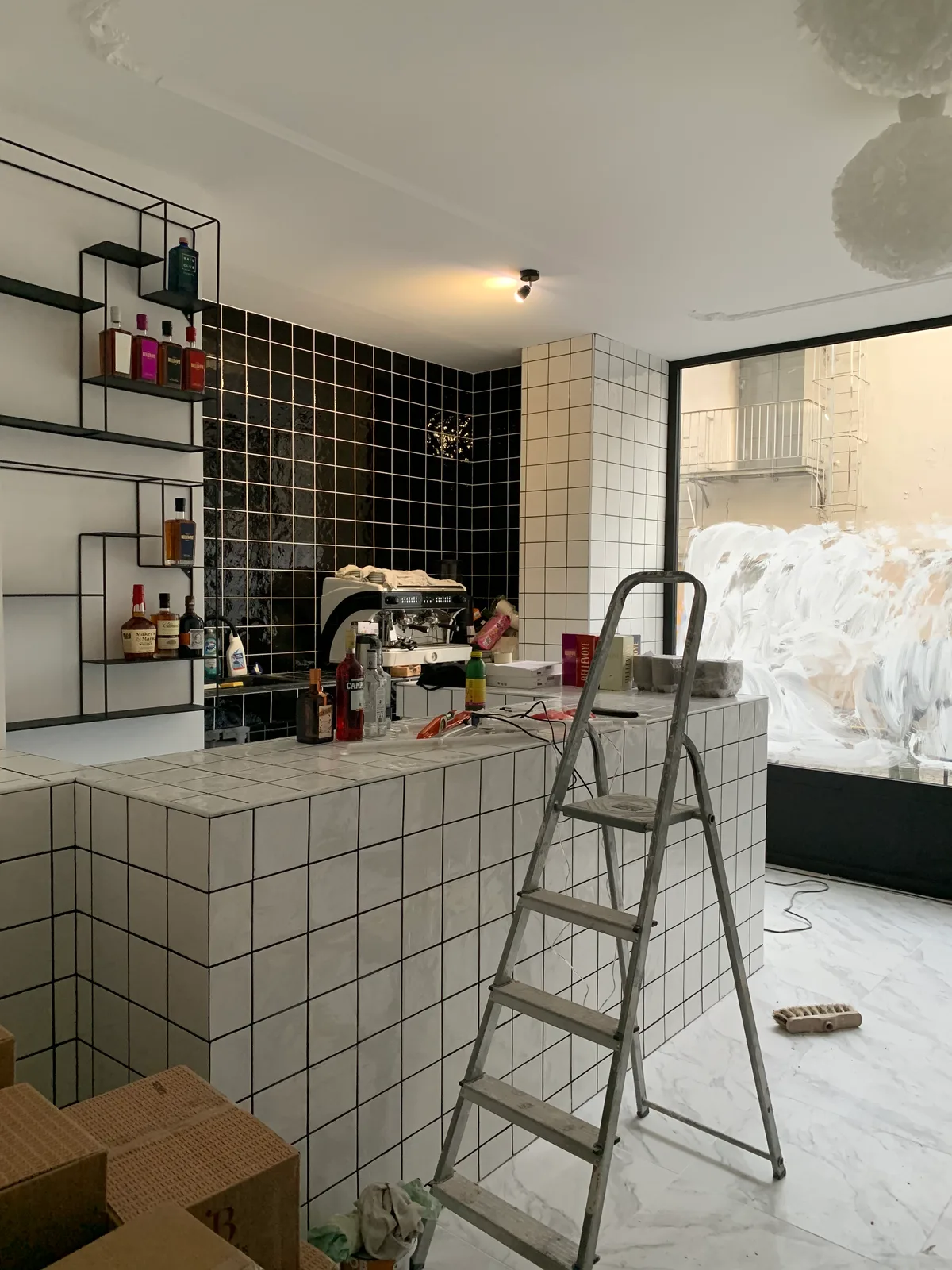
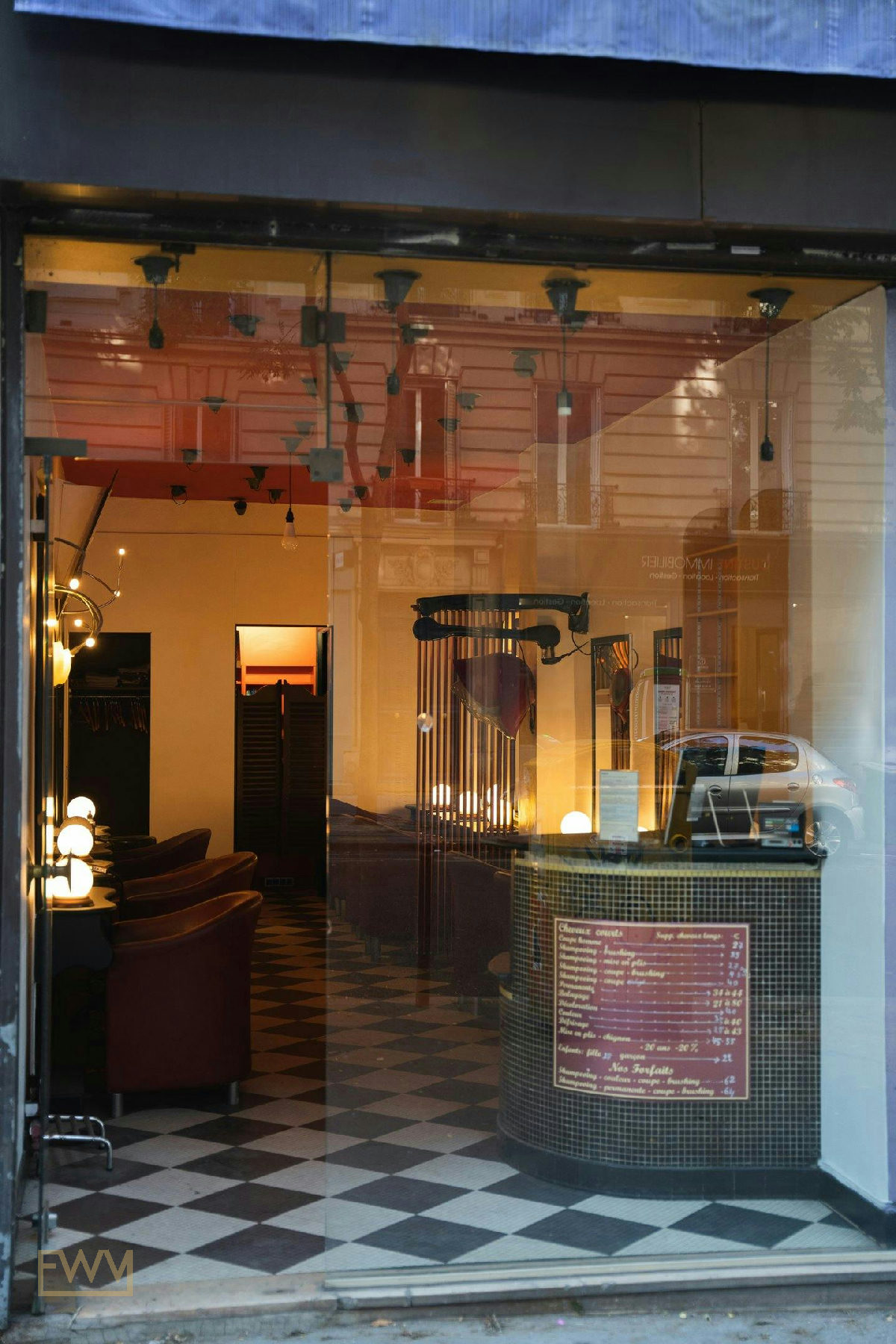
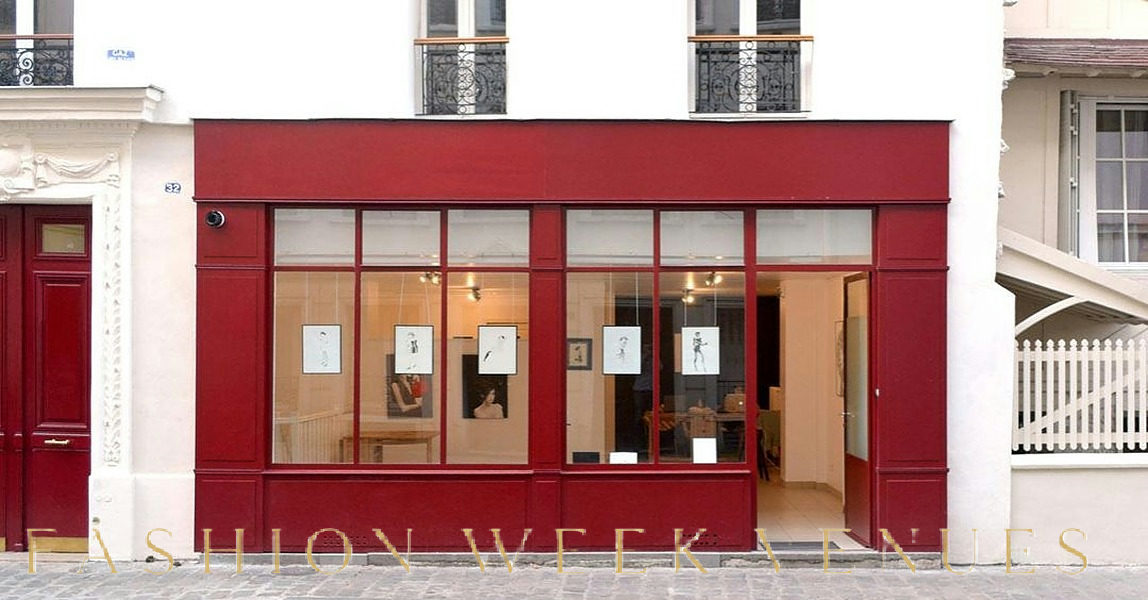
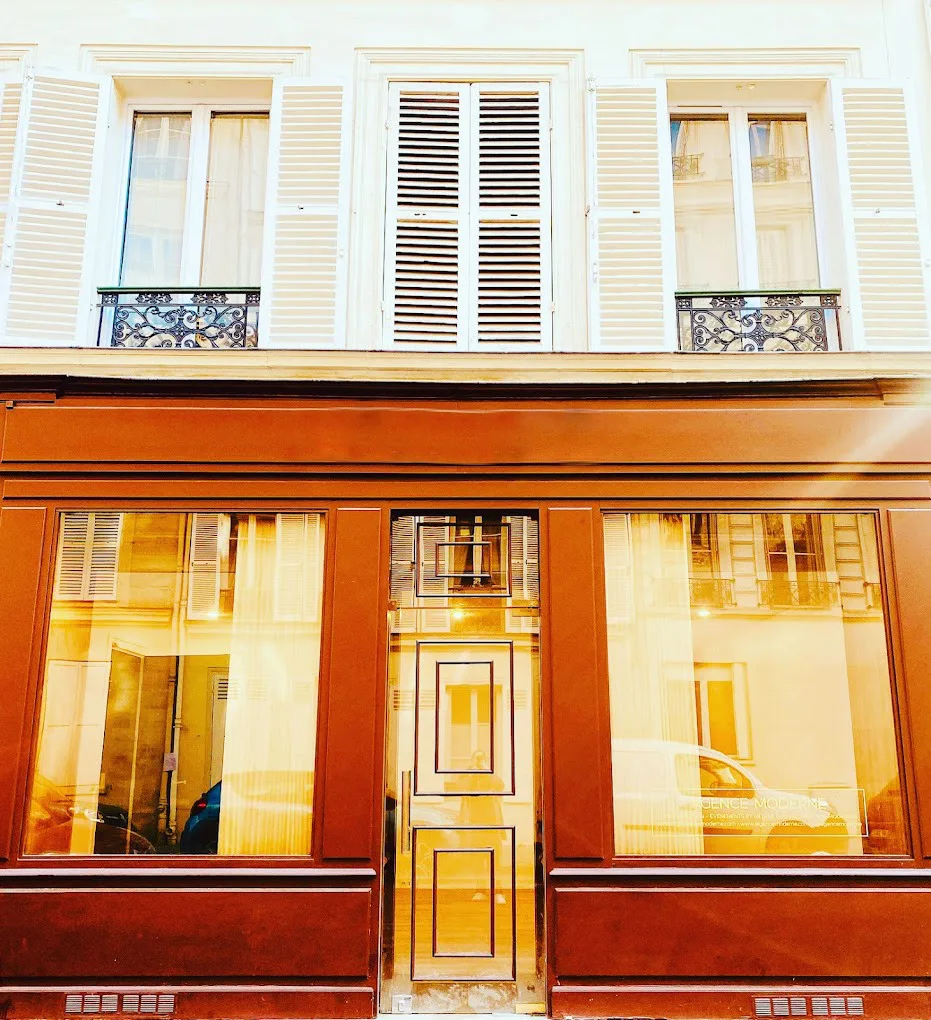
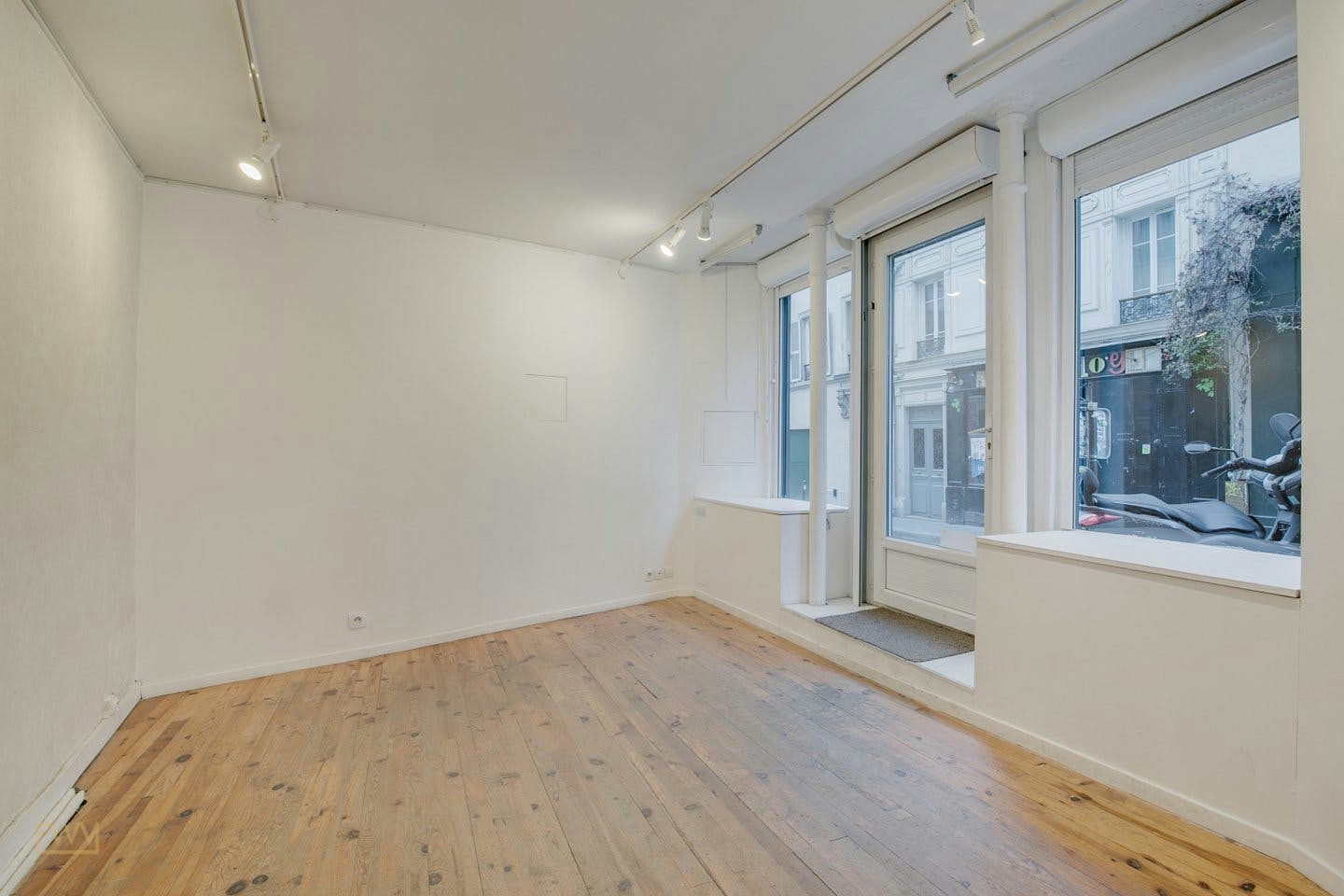
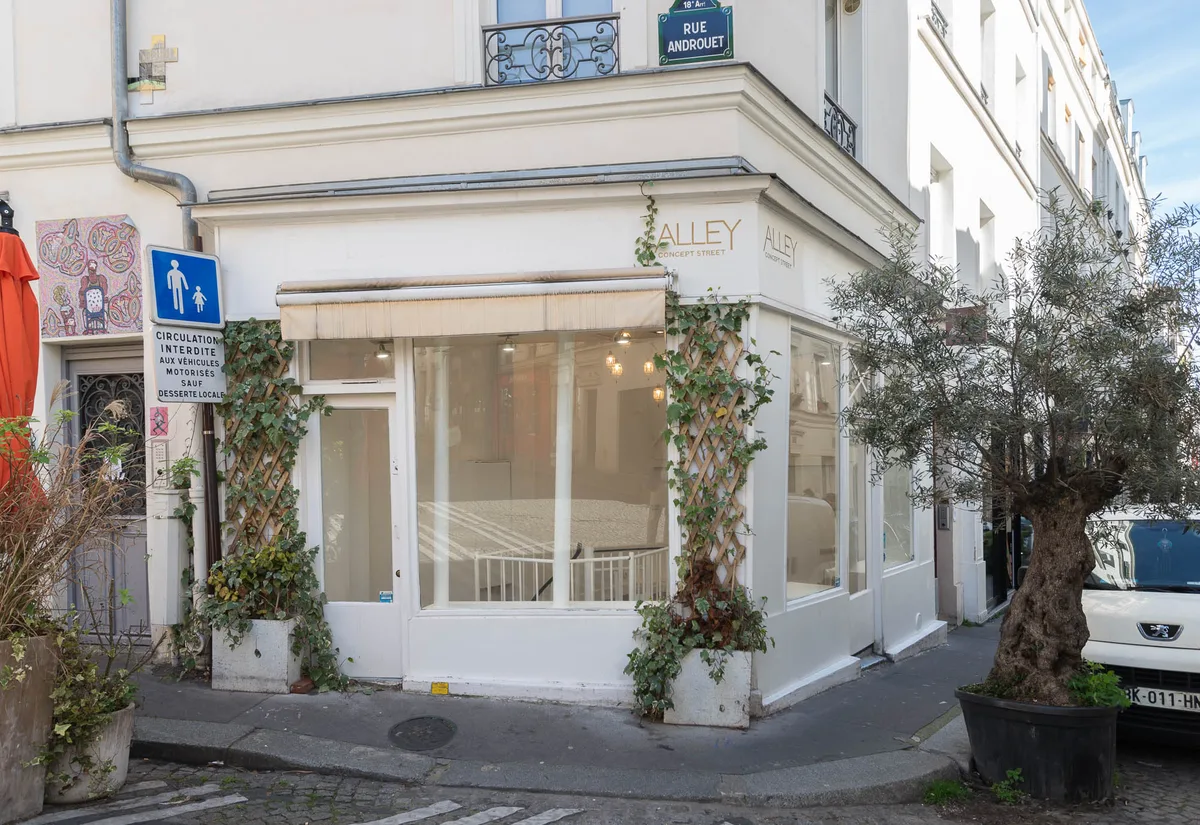
To rent pop up shop Montmartre is to position your brand inside one of Paris's most visited, most photographed, and most culturally layered neighbourhoods. Montmartre draws millions of visitors annually, blends bohemian art history with contemporary retail energy, and offers a range of space types that suit emerging fashion labels, established DTC brands, luxury showrooms, and creative activations alike. Unlike the polished uniformity of Saint-Honoré or the heritage density of Le Marais, Montmartre carries an atmosphere that is both aspirational and accessible, making it an ideal location for brands that want their pop-up to feel like a genuine discovery. Fashion Week Venues helps brands navigate Montmartre's rental market, secure compliant short-term leases, and build activations that convert foot traffic into measurable results. This guide covers everything your brand team needs to know.
Why Montmartre Is a Serious Pop-Up Retail Destination
Montmartre is not simply a tourist attraction. It is an active, commercially viable neighbourhood with a layered consumer base that includes international visitors, affluent Parisian residents, fashion-conscious locals, and the creative community that has always clustered around the 18th arrondissement. The streets around Sacré-Cœur, Rue Lepic, Rue des Abbesses, and Place du Tertre generate consistent pedestrian volumes across every season, with particularly strong dwell times among shoppers who arrive with the intention of exploring independently rather than visiting a specific chain.
This exploratory shopping behaviour is precisely the context in which a pop-up store thrives. When consumers are in discovery mode, an unexpected boutique éphémère with a strong facade, natural light spilling through shuttered windows, and an edited product selection feels like a reward rather than a sales environment. The conversion dynamics in Montmartre differ from those in a covered shopping centre or a luxury corridor, and brands that understand this difference consistently report stronger engagement rates from their Montmartre activations.
The neighbourhood also holds an unusually strong cultural permission. Art galleries, vintage clothing stores, artisan ateliers, and concept stores all coexist here without tension. A fashion brand staging a private exhibition of its latest collection, or a fragrance house converting a studio into an immersive olfactory experience, reads as entirely natural in this context. The City of Light's relationship with art and commerce has always been most honest in Montmartre, which is precisely why fashion retailers continue to return here season after season.
Proximity to Pigalle adds a further dimension. The boundary between upper Montmartre and lower Pigalle, particularly along Boulevard de Clichy, has become one of Paris's most actively developing retail and cultural corridors. Brands that want to balance the neighbourhood's romantic heritage with a more contemporary, streetwear-adjacent positioning can find that sweet spot in the transitional blocks between the two areas, close enough to the Moulin Rouge's cultural magnetism without being overshadowed by it.
DID YOU KNOW: Montmartre's Rue des Abbesses is consistently ranked among the top five independent retail streets in Paris by local commerce associations, with a concentration of independent boutiques, studios, and galleries that rivals even the Marais district for creative density.
KEY TAKEAWAY: Montmartre's combination of high international footfall, discovery-oriented shopper behaviour, strong cultural permission for creative retail formats, and a diverse range of short-term rental spaces makes it one of Paris's most commercially compelling locations for pop-up activations across fashion, beauty, lifestyle, and art sectors.
Understanding which specific streets and micro-locations within Montmartre deliver the best combination of foot traffic, space quality, and neighbourhood alignment is the next critical step for any brand beginning its search.
The Best Streets and Micro-Locations in Montmartre for a Pop-Up Shop
Montmartre is not a monolithic neighbourhood. Within the 18th arrondissement, several distinct retail micro-climates exist, each offering a different profile of consumer, space type, and commercial dynamic. Choosing the wrong street can mean a well-designed pop-up store that simply does not see the volume or the right audience. Choosing the right one can make the same space feel essential.
Rue Lepic
Rue Lepic is arguably the most commercially active street in Montmartre proper. It runs from Place Blanche at its base up through the hill, passing a mix of food market stalls, specialist retailers, and neighbourhood boutiques. Foot traffic here is dense and consistent, drawing both local residents completing their daily shopping and visitors walking up toward Sacré-Cœur. Storefront spaces on Rue Lepic tend to be smaller and character-rich, often featuring exposed brick, original tiled floors, and façades that photograph exceptionally well for social media content. For fashion labels, beauty brands, or artisan product companies that want an authentic Parisian retail backdrop, Rue Lepic delivers this without requiring extensive set design.
Rue des Abbesses
Rue des Abbesses is the neighbourhood's primary destination shopping street, running around the Place des Abbesses and connecting to a broader cluster of independent retailers. The consumer profile here skews toward fashion-aware Parisians with disposable income who actively seek out independent brands. Pop-up stores on Rue des Abbesses benefit from proximity to established anchor shops that drive repeat visits from the right demographic. Space types on this street include former boutiques, galleries, and ateliers, some of which have previously hosted Fashion Showroom events during Paris Fashion Week.
Place du Tertre and Sacré-Cœur Perimeter
The area immediately surrounding Place du Tertre and the forecourt of Sacré-Cœur handles the highest raw visitor volumes in the entire neighbourhood, but the retail conversion dynamic here is oriented toward experience and souvenir rather than fashion or lifestyle. Brands seeking mass exposure and experiential activations may find this location compelling for awareness campaigns, but DTC fashion retailers and showrooms typically perform better on the streets below.
Pigalle and Lower Montmartre
The lower perimeter of Montmartre, where Boulevard de Clichy and the surrounding streets connect the neighbourhood to Pigalle, has developed a strong streetwear, music, and contemporary fashion identity over the past decade. Spaces here tend to be larger, including lofts, former studios, and commercial units that can accommodate more ambitious fit-outs and productions. Brands in the streetwear, sneaker, contemporary fashion, or music-adjacent lifestyle categories consistently find that this micro-location aligns most naturally with their consumer.
Comparative Micro-Location Overview
| Micro-Location | Primary Consumer Profile | Best For | Typical Space Types |
|---|---|---|---|
| Rue Lepic | Mixed local and international visitors | Fashion, food, artisan product, beauty | Small storefronts, former boutiques |
| Rue des Abbesses | Fashion-aware Parisians, creative professionals | Fashion labels, showrooms, concept stores | Boutiques, galleries, ateliers |
| Place du Tertre perimeter | International tourists, families | Brand awareness, experiential activations | Gallery spaces, storefronts |
| Pigalle and lower Montmartre | Young Parisians, streetwear consumers | Contemporary fashion, streetwear, lifestyle | Lofts, studios, larger commercial units |
KEY TAKEAWAY: The right micro-location within Montmartre depends on your brand's consumer target, space size requirements, and activation format. Rue des Abbesses and Rue Lepic offer the strongest balance of foot traffic, neighbourhood character, and space quality for most fashion and lifestyle pop-up formats.
Once you have identified your target micro-location, the next step is understanding the space types available within Montmartre and what each format enables operationally.
Space Types Available in Montmartre for Short-Term Retail Rentals
Montmartre offers a richer variety of pop-up space types than most Paris neighbourhoods of comparable size, largely because the area's history as an artistic district means that studios, ateliers, galleries, and converted apartments have always circulated between commercial and creative uses. This diversity gives brands genuine flexibility in matching their space type to their activation concept.
Quick answer: The most common space types available for short-term rental in Montmartre include storefronts, gallery spaces, ateliers, lofts, studios, and ground-floor apartment conversions. Each format carries different operational characteristics, ceiling heights, natural light profiles, and neighbourhood positioning that brands should evaluate against their concept before committing.
Storefronts and Boutique Spaces
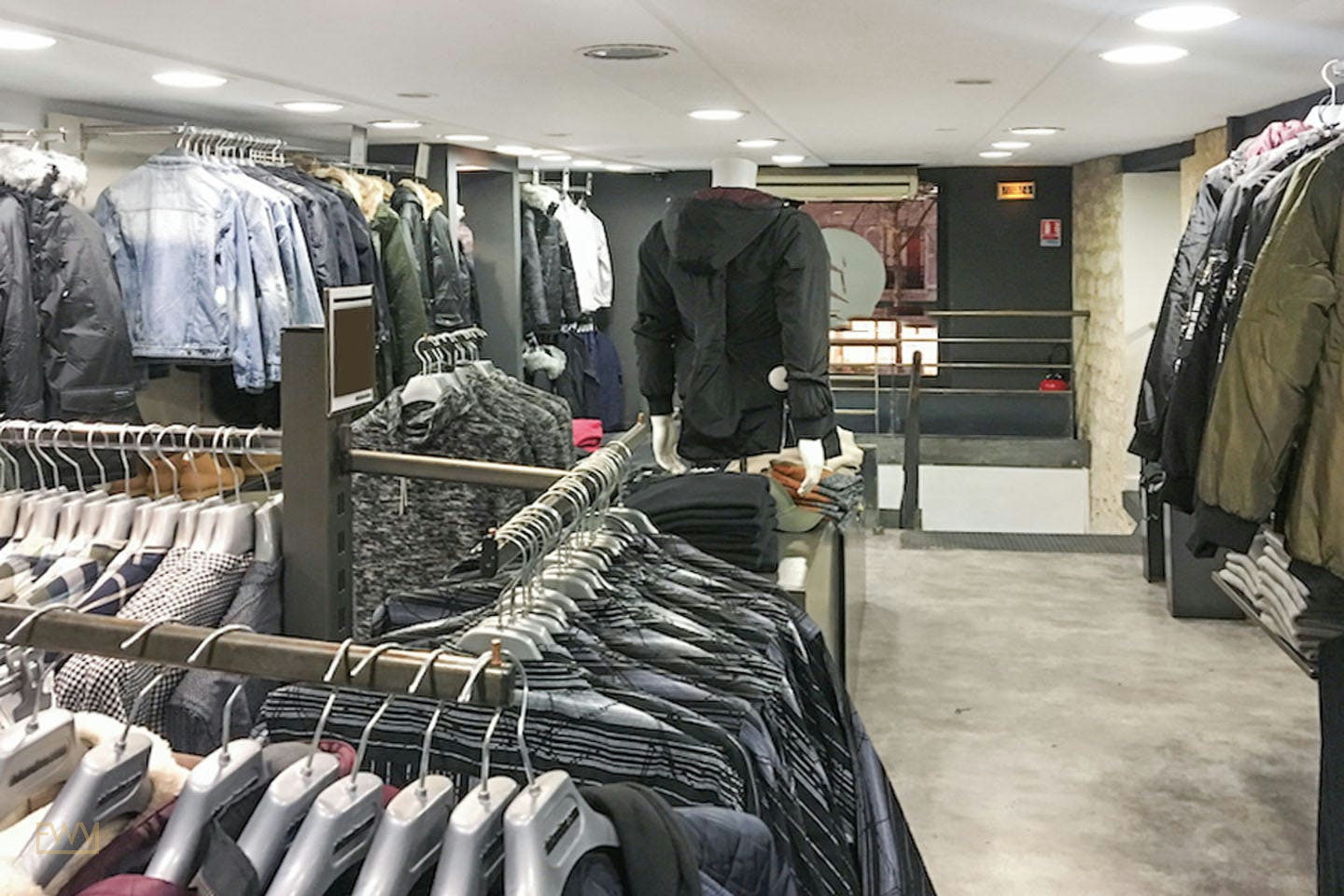
Traditional storefront units along Montmartre's retail streets are the most straightforward format for a pop-up shop. They come with existing retail infrastructure including point-of-sale positions, changing rooms in some cases, and window display opportunities that are critical for street-level visibility. Many former boutiques in the neighbourhood retain original period features such as wooden panelling, tiled floors, and ornate facade details that give a pop-up store an instant sense of permanence and credibility without expensive fit-out investment.
Gallery and Galerie Spaces
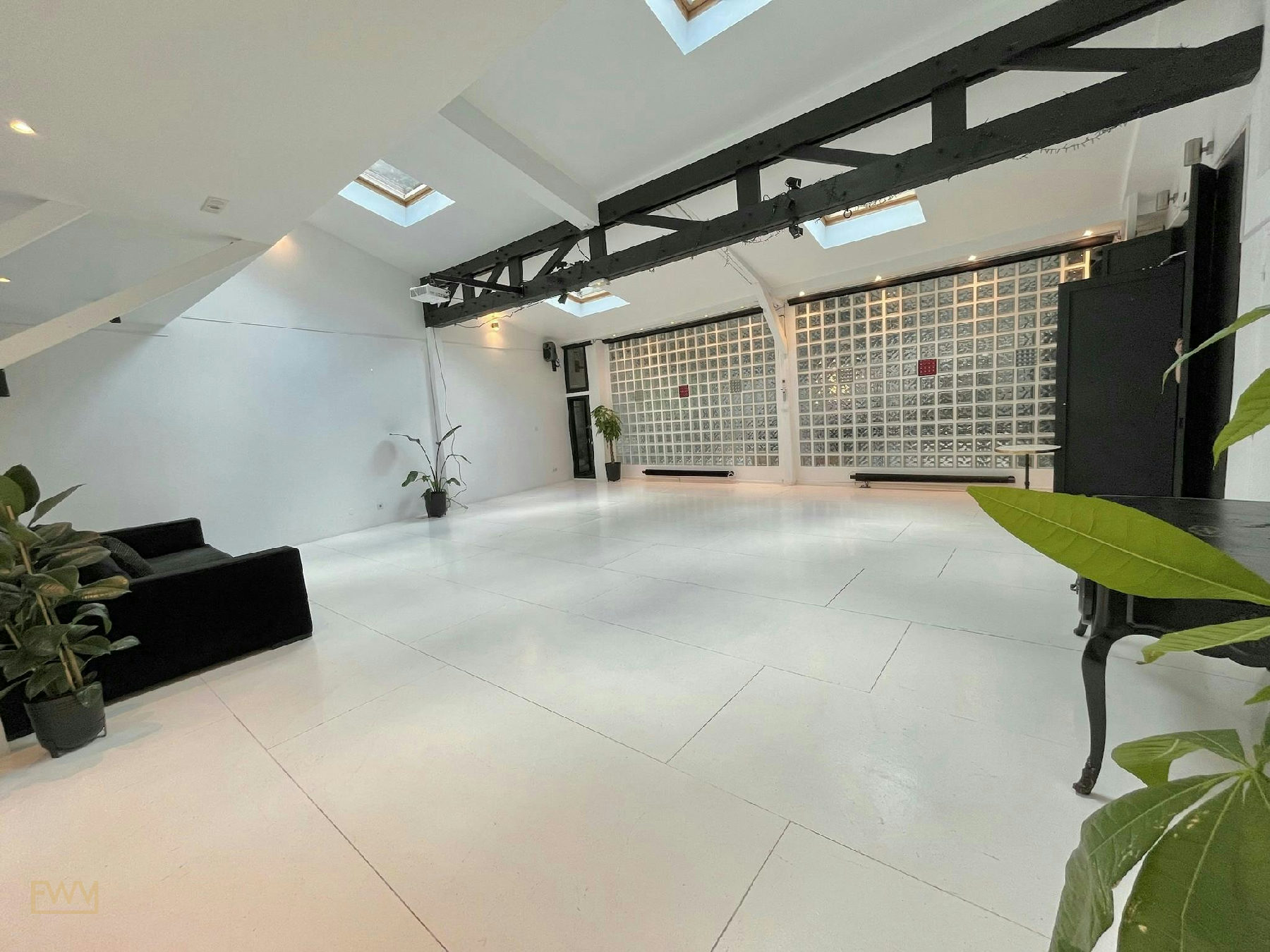
Montmartre has a high concentration of art galleries and galerie spaces that regularly transition to retail or showroom use during Fashion Week and between exhibitions. These spaces typically offer open floor plans, white or exposed stone walls, strong natural light, and the kind of curatorial atmosphere that works particularly well for fashion labels presenting a collection, jewellery brands creating a private sale environment, or beauty brands staging an immersive product experience.
Ateliers and Studios
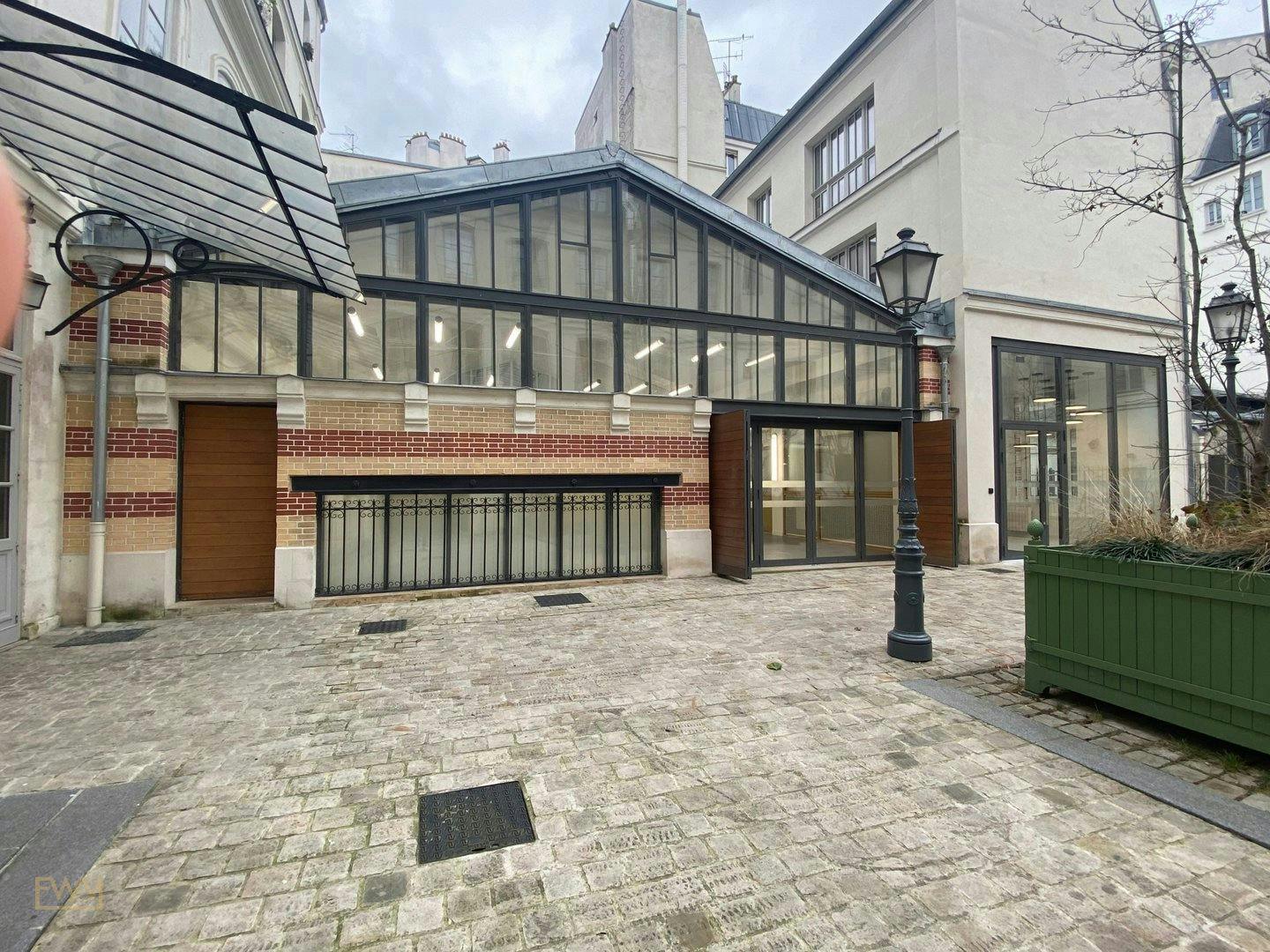
The atelier and studio tradition in Montmartre runs deep, and a number of working creative spaces are available for short-term rental when their primary occupants are between projects. Ateliers typically offer high ceilings, large windows, and flexible floor plans that can be configured for retail, showroom, or event use. They are particularly well-suited to fashion showrooms during Paris Fashion Week, where buyers, press, and stylists expect an environment that feels creative rather than purely commercial.
Lofts and Converted Apartments
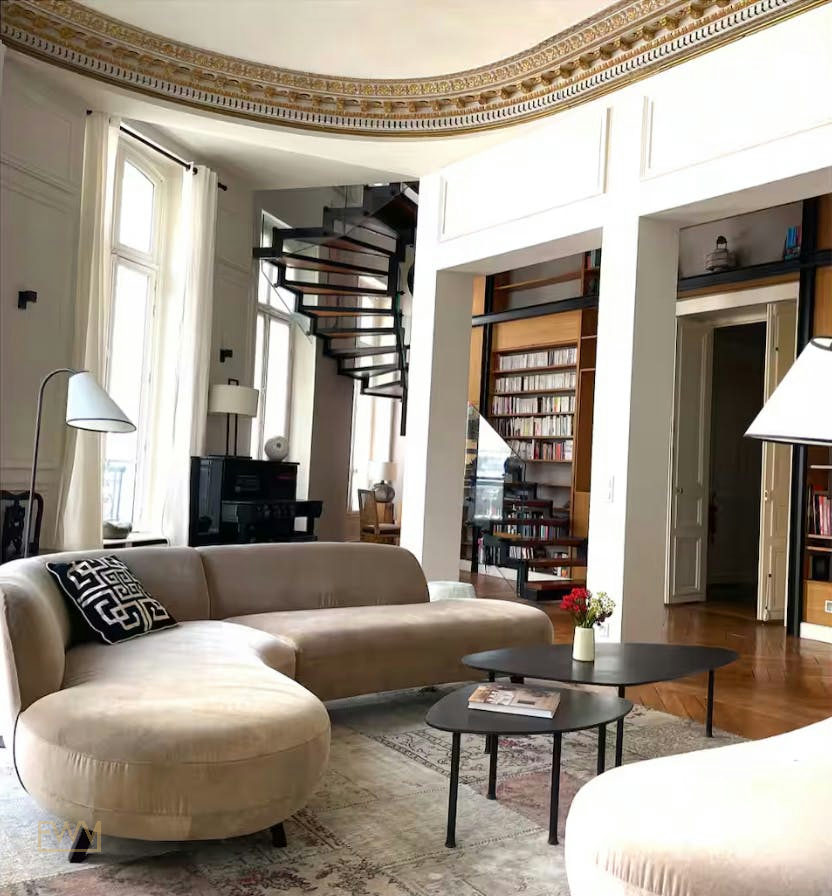
Some of Montmartre's most memorable pop-up activations have taken place in converted apartment spaces and residential lofts that blur the boundary between home and retail. These spaces create an atmosphere of intimacy and discovery that is difficult to replicate in a conventional retail unit, and they lend themselves to private sale events, influencer preview evenings, and brand presentations where the guest experience matters as much as the product.
Espace Polyvalent and Multipurpose Venues
Larger multipurpose spaces, sometimes referred to as espace polyvalent, are available in Montmartre's commercial perimeter and in the transitional zone toward Pigalle. These spaces can accommodate more complex productions including brand installations, panel events, screening rooms, and retail environments operating simultaneously. For brands running a multi-day activation that combines product sales with programming, an espace polyvalent format provides the necessary operational flexibility.
| Space Type | Typical Size Range | Key Characteristics | Best Activation Format |
|---|---|---|---|
| Storefront / Boutique | 20 to 80 sqm | Retail infrastructure, window display, street visibility | Direct-to-consumer pop-up, product launch |
| Gallery / Galerie | 40 to 200 sqm | Open plan, white walls, natural light, curatorial feel | Fashion showroom, private exhibition, collection launch |
| Atelier / Studio | 30 to 150 sqm | High ceilings, large windows, creative atmosphere | Fashion Week showroom, press preview, brand installation |
| Loft / Converted Apartment | 50 to 180 sqm | Intimate, residential feel, unique architectural features | Private sale, influencer event, brand presentation |
| Espace Polyvalent | 100 to 500 sqm | Flexible configuration, large capacity, event-ready | Multi-format activation, brand event with retail |
KEY TAKEAWAY: Montmartre's diverse space typology means that brands of almost any scale and format can find a suitable short-term rental. The key is matching the space type to the activation concept early in the planning process, as each format has different infrastructure, permit, and operational implications.
Understanding what these spaces cost and how to structure a short-term rental agreement is the next essential step for any brand moving from concept to booking.
How Much Does It Cost to Rent a Pop-Up Shop in Montmartre?
Pop-up rental costs in Montmartre vary significantly based on street location, space size, duration, time of year, and space type. During Paris Fashion Week periods, rental rates across the entire city increase considerably, and Montmartre is no exception. Outside Fashion Week windows, rates are generally more negotiable, particularly for medium-term rentals of two to four weeks.
Quick answer: Rental rates for pop-up spaces in Montmartre range from modest daily rates for small storefronts in quieter side streets to substantially higher weekly rates for premium gallery or loft spaces on principal retail arteries. Costs are directional estimates only, and final pricing depends on the specific space, duration, season, and any included services. Use the Fashion Week Venues budget planning tool for a brand-specific estimate.
Beyond the base rental rate, brands planning a pop-up shop in Montmartre should budget for a security deposit, which is typically required by landlords for short-term retail leases and may represent one to three months of equivalent monthly rent depending on the space and landlord terms. Utility costs including electricity and water may or may not be included in the quoted rental rate, and this distinction matters operationally, particularly for spaces running extensive lighting installations, audio systems, or climate control requirements.
Furniture rental is a separate line item for most Montmartre pop-up spaces, as the majority of available units are let unfurnished or semi-furnished. Brands should budget for fixtures, display units, seating, and any branded environmental elements in addition to the space rental itself. Professional production and fit-out costs, staffing with temporary retail staff, technology infrastructure including POS and payments systems, and security services all form part of the total activation budget.
IMPORTANT: Published rental rates for Paris pop-up spaces are frequently quoted as base rates excluding VAT, service charges, utilities, and security deposits. Always request a full cost breakdown before comparing spaces, and ensure your budget accounts for all operational expenditures beyond the headline rental figure.
For brand teams who want to build a realistic total budget before committing to a space search, the Fashion Week Venues budget calculator provides a structured framework for estimating total activation costs across all cost categories relevant to a Paris pop-up.
The duration of your rental also affects the effective daily rate. A three-day weekend activation will carry a higher per-day cost than a three-week residency, as landlords typically offer better rates for longer minimum terms. Understanding the relationship between your commercial objectives and the duration required to achieve them is essential before entering rental negotiations.
KEY TAKEAWAY: Pop-up costs in Montmartre are multi-layered. Base rental rates are only one component of total activation spend. Brands that budget comprehensively across space, production, staffing, technology, and compliance from the outset are far better positioned to manage the activation without financial surprises mid-campaign.
Understanding how long you need the space is inseparable from the cost question, and it also determines which legal framework applies to your short-term lease.
How Long Can You Rent a Pop-Up Shop in Montmartre?
Short-term retail rentals in Montmartre can range from a single day to several months, depending on the space, the landlord, and the legal framework applied to the agreement. The duration you choose should reflect both your commercial objectives and the logistical reality of setting up, operating, and dismantling a pop-up activation in Paris.
Quick answer: Most pop-up rentals in Montmartre run from three days to twelve weeks. Shorter durations of one to seven days suit product launches, brand events, and Fashion Week activations. Medium durations of two to eight weeks suit seasonal collections, concept store trials, and DTC brand market entry. Longer durations beyond two months may shift the applicable legal framework from a short-term dérogatoire arrangement toward a more formal commercial lease structure.
In French commercial property law, the most relevant framework for short-term retail rentals is the bail dérogatoire, which allows landlords and tenants to agree a lease of up to thirty-six months without triggering the statutory protections of the standard bail commercial. For pop-up purposes, most bail dérogatoire agreements are structured for durations of one week to six months, giving brands operational flexibility while protecting landlords from open-ended tenant rights.
For very short-term activations of a few days, some landlords use an autorisation d'occupation temporaire (AOT) framework, which is a temporary occupancy permit rather than a formal lease. AOT arrangements are simpler administratively but carry different terms regarding liability, insurance, and permitted use. Brands should confirm which legal structure applies to any space they are considering and verify the implications with a qualified French legal advisor before signing.
TIP: For Fashion Week showroom activations, most brands target a minimum rental period of seven to fourteen days to allow adequate time for set-up before the official schedule begins, the activation itself, and a controlled dismantling period after the schedule closes. Booking the space for the correct window relative to the official Fashion Week calendar is critical.
Paris Fashion Week occurs twice annually for women's ready-to-wear, with additional schedules for men's wear, haute couture, and accessories. The specific dates shift each season, but brands should plan their space search and rental negotiation at least three to six months before their target window to access the best options in Montmartre before competing brands secure them.
To plan your activation timeline with the right milestones across space search, permit applications, production, and dismantling, the Fashion Week Venues timeline planning tool maps these stages against your target activation dates.
KEY TAKEAWAY: Duration selection is both a commercial and a legal decision. Short-term activations under six months typically fall under bail dérogatoire frameworks, but specific terms vary by space and landlord. Verify the applicable legal structure for every space you consider and build your timeline with adequate lead time for pre-activation setup and post-activation dismantling.
Before you can operate a pop-up shop in Montmartre legally, you need to understand what permits and compliance obligations apply to your specific activation format.
Permits, Regulations, and Compliance for Montmartre Pop-Up Shops
Running a pop-up shop in Paris requires navigating a set of regulatory requirements that vary depending on the space type, arrondissement, duration of activity, and the nature of the activation itself. Montmartre, situated within the 18th arrondissement, has its own local planning and commercial activity rules that operate within the broader Paris municipal and French national framework.
Quick answer: Most pop-up retail activations in Montmartre require at minimum a valid short-term lease or AOT, appropriate commercial insurance, compliance with French retail regulations including consumer rights obligations, and in some cases a declaration to the local Chamber of Commerce and Industry. Activations involving food or drink, outdoor terrasse use, or significant structural modifications to a space will require additional specific permits. Requirements vary by space and activation type, and verification with a French legal advisor is strongly recommended.
The Bail Dérogatoire and Its Limits
The bail dérogatoire is the most common legal vehicle for short-term commercial occupation in France. Under French law, it allows a lease of up to thirty-six months without activating the standard protections of a bail commercial, which would otherwise grant the tenant significant rights including lease renewal entitlements. For pop-up brands, this is the framework that enables genuine short-term flexibility. However, the bail dérogatoire must be structured correctly, and both parties must explicitly acknowledge in writing that the arrangement falls outside the standard commercial lease regime. A landlord presenting a document as a bail dérogatoire when it actually meets the criteria for a bail commercial can create legal complications for both parties.
Autorisation d'Occupation Temporaire (AOT)
For very short activations, particularly those involving public space use such as a terrasse, external installation, or temporary market stall on or adjacent to a public pathway, an AOT from the local mairie or the Paris municipal authority may be required. AOT applications are processed by the relevant arrondissement administration and have specific lead times that brands should factor into their planning. For outdoor elements of a Montmartre pop-up, the AOT process is non-negotiable and attempting to operate without one risks immediate closure by local authorities.
Local Regulations Specific to Montmartre and the 18th Arrondissement
The 18th arrondissement includes specific urban planning rules related to facade alterations, signage, and the protection of architectural character in the Montmartre heritage zone. Brands planning to install branded signage on the exterior of a rented space, apply vinyl graphics to windows, or make any structural or decorative modifications to the facade should seek explicit written permission from the landlord and confirm that the planned works comply with local planning regulations. What is permitted varies considerably by building and street, and assumptions based on other cities or other Paris neighbourhoods can lead to costly compliance issues.
Food and Drink Activations
Pop-up activations that include any food or beverage service, including complimentary refreshments at a fashion showroom or a branded café format, require additional permits. At minimum, these typically include a notification to the relevant prefecture and may require a temporary food business licence. Alcohol service carries further requirements. The permitting process for food and drink activations in Montmartre has specific lead times, and brands attempting to include this element without adequate planning time frequently encounter approval delays that affect their activation timeline.
For a structured overview of the permit landscape relevant to your planned activation, the Fashion Week Venues permit guidance tool maps the most common regulatory requirements for pop-up operations in Paris by activation type and duration.
IMPORTANT: Permit requirements in Paris are subject to change, and the information in this guide is provided for directional awareness only. Always verify current requirements with a qualified French legal advisor or a specialist agency before proceeding with a Montmartre pop-up activation.
KEY TAKEAWAY: Regulatory compliance for a Montmartre pop-up is manageable but requires structured planning and specialist input. The most common compliance failures involve facade modifications, AOT omissions for outdoor elements, and food and drink service without the required permits. Build compliance review into your timeline from the outset rather than treating it as a final step.
With a clear picture of regulatory requirements, the conversation can shift to how Montmartre fits within the broader Paris retail landscape and when to choose it over other major neighbourhoods.
Montmartre Compared to Other Paris Pop-Up Neighbourhoods
Choosing Montmartre as your Paris pop-up location is a deliberate brand positioning decision as much as a practical real estate choice. Every major Paris neighbourhood carries a distinct consumer profile, retail character, and commercial dynamic. Understanding how Montmartre compares to Le Marais, Saint-Germain-des-Prés, Saint-Honoré, and other key areas helps brand teams make an informed decision rather than defaulting to the most familiar name on the map.
To compare neighbourhoods and space types, explore the Paris city hub on Fashion Week Venues and shortlist spaces that match your brief, budget, and calendar window.
Montmartre vs Le Marais
Le Marais, particularly the Marais district around Rue des Francs-Bourgeois, Rue Vieille du Temple, and Carreau du Temple, is the most established destination for fashion pop-ups and short-term showrooms in Paris. It offers unmatched density of fashion-aware consumers, proximity to landmark venues such as Musée Picasso, Place des Vosges, and Galerie Joseph, and a well-understood commercial infrastructure for temporary retail. However, Le Marais also carries higher rental rates, greater competition for premium spaces, and a more saturated pop-up environment where standing out requires additional investment in concept and design. Montmartre offers a more distinctive backdrop, lower saturation, and a consumer base that is more receptive to genuine discovery.
Montmartre vs Saint-Germain-des-Prés
Saint-Germain-des-Prés is Paris's intellectual and luxury retail corridor, anchored by established fashion houses, specialist booksellers, and high-end galleries. The consumer profile is older, more affluent, and more brand-loyal. Pop-up activations in Saint-Germain carry a prestige signal but require a brand positioning that aligns with the neighbourhood's established aesthetic. Montmartre is more permissive in terms of brand register, accommodating emerging labels, streetwear brands, and creative concepts alongside established names.
Montmartre vs Canal Saint-Martin
Canal Saint-Martin has developed a strong identity as Paris's most design-conscious independent retail corridor, with a consumer base of young creative professionals and a neighbourhood character defined by concept stores, independent cafés, and studios. It competes directly with Montmartre for brands in the emerging fashion, lifestyle, and creative sectors. Canal Saint-Martin typically offers more industrial space formats and a slightly younger demographic, while Montmartre offers higher international visitor volumes and a more cinematically recognisable backdrop.
| Neighbourhood | Primary Consumer | Rental Pressure | Brand Register | Best Pop-Up Format |
|---|---|---|---|---|
| Montmartre | International visitors, creative locals | Medium | Broad: emerging to established | Boutique, gallery, showroom, experiential |
| Le Marais | Fashion-aware locals, international visitors | High | Broad: DTC to luxury | Fashion showroom, concept store, DTC retail |
| Saint-Germain-des-Prés | Affluent Parisians, mature visitors | High | Luxury and upper contemporary | Brand presentation, private sale, luxury retail |
| Canal Saint-Martin | Young creative professionals | Medium | Emerging and independent | Studio activation, concept store, community events |
| Saint-Honoré | Luxury consumers, tourists | Very high | Luxury only | Luxury pop-up, VIP event, brand showcase |
KEY TAKEAWAY: Montmartre offers the broadest brand register of any major Paris pop-up neighbourhood combined with high international footfall and a distinctive cultural backdrop. It is the strongest choice for brands that want their activation to feel like a genuine Parisian discovery rather than an entry in a competitive retail corridor.
Understanding the neighbourhood landscape clarifies where Montmartre fits, but executing a successful activation there still requires a structured operational workflow from first brief to final dismantling.
The Step-by-Step Workflow for Renting and Running a Pop-Up Shop in Montmartre
A Montmartre pop-up activation involves a sequence of interdependent steps that must be managed in the right order to avoid the most common operational failures: spaces booked too late, permits missed, budgets exceeded at production stage, and activations launching without adequate staffing or technology infrastructure.
Quick answer: The core workflow for a Montmartre pop-up runs from brief and space search through lease negotiation, permit applications, production planning, fit-out, activation management, and post-activation analytics. The full process typically requires a minimum of eight to twelve weeks of lead time for a Fashion Week window, and three to six weeks for off-season activations in standard spaces.
| Stage | Key Actions | Lead Time Before Activation |
|---|---|---|
| 1. Brief and concept definition | Define objectives, space requirements, budget, duration, neighbourhood | 12 to 16 weeks |
| 2. Space search and shortlisting | Identify candidate spaces, visit, compare, verify availability | 10 to 14 weeks |
| 3. Lease negotiation and legal review | Negotiate bail dérogatoire or AOT terms, legal advisor review, signing | 8 to 12 weeks |
| 4. Permit applications | File required permits for retail, signage, outdoor use, food and drink if applicable | 6 to 10 weeks |
| 5. Production and fit-out planning | Design, furniture rental, technology infrastructure, audio-visual, branding | 6 to 8 weeks |
| 6. Staffing and operations setup | Hire temporary retail staff, brief on brand, product, and sales protocols | 4 to 6 weeks |
| 7. Build and installation | Fit-out, furniture installation, technology setup, final dressing | 1 to 2 weeks |
| 8. Activation management | Daily operations, sales management, influencer and press engagement, reporting | During activation |
| 9. Dismantling and analytics | Controlled dismantling, space reinstatement, data reporting, ROI review | Immediately post-activation |
Each stage of this workflow involves decisions that affect subsequent stages. A brief that is too vague delays the space search. A space search that prioritises price over fit produces a mismatch between concept and environment. A lease signed without legal review creates exposure to unforeseen obligations. Building your workflow with appropriate dependencies and contingency time at each stage is the single most important operational discipline for a Montmartre pop-up.
TIP: For Fashion Week windows specifically, the space search stage needs to begin no later than four to five months before the target Fashion Week dates. Premium Montmartre spaces for Fashion Week windows are typically committed by competing brands well in advance, and waiting until eight weeks before the schedule begins will leave you working with whatever has not already been taken.
KEY TAKEAWAY: A disciplined, stage-by-stage workflow with adequate lead time at each step is what separates successful Montmartre pop-up activations from costly, chaotic ones. The brands that consistently execute well are the ones that begin planning earlier than feels necessary and treat compliance and production as parallel tracks rather than sequential ones.
The agency and tools that support this workflow can significantly reduce the operational burden on internal brand teams, which is why understanding what specialist support is available in Paris matters as much as understanding the market itself.
How Fashion Week Venues Supports Pop-Up Activations in Montmartre
Fashion Week Venues operates as a full-service pop-up shop agency and space marketplace with Paris as its anchor market. For brand teams planning a pop-up in Montmartre, the agency provides both a curated inventory of available spaces and a comprehensive suite of services that cover every stage of the activation workflow described above.
The starting point for most brands is the venue sourcing service, which covers the identification, vetting, and negotiation of short-term retail spaces across Montmartre and other Paris neighbourhoods. Rather than approaching individual landlords or using generic property platforms that list spaces without understanding the specific requirements of a pop-up activation, Fashion Week Venues applies specialist knowledge of the Paris short-term retail market to match spaces to brand briefs with precision.
Once a space is identified, the agency's services extend across the full activation lifecycle. Concept direction supports brands in translating their brief into a spatial concept that works within the constraints and character of the chosen Montmartre space. Production and build covers the physical fit-out, including coordination with French contractors, furniture rental from a curated inventory, and installation of any branded environmental elements. Activation management covers the day-to-day operational running of the pop-up once it opens, including coordination with retail staffing teams and on-site management.
The agency's technology infrastructure support covers POS and payments setup, which is a frequently underestimated operational challenge for international brands entering the French market for the first time. French consumer payment expectations, including wide acceptance of contactless and mobile payment methods, mean that a retail operation that relies on systems configured for another market will encounter friction at the point of sale.
For brands that want to extend the reach of their Montmartre activation beyond physical foot traffic, the influencer marketing service connects activations with relevant Paris-based creators and fashion press who can amplify the activation's visibility across social media. Given Montmartre's natural photographic quality, activations here tend to generate strong organic social content that the agency's influencer network can supplement with structured coverage.
The agency also offers a range of planning tools that brands can use independently before engaging services. The ROI calculator helps brand teams model the expected commercial return from a Montmartre activation against its total cost. The space comparison tool allows side-by-side evaluation of multiple candidate spaces across key criteria. The space locator maps available spaces by neighbourhood and street, enabling teams to assess relative position within Montmartre before committing to a viewing.
For brands considering a co-activation format, the twin concept allows two complementary brands to share a Montmartre space and split costs while creating a richer consumer experience through the combination of their offerings. This model works particularly well for emerging labels that want Montmartre presence during Fashion Week but cannot justify the full cost of a solo activation in a premium space.
KEY TAKEAWAY: Fashion Week Venues provides both the space inventory and the operational support infrastructure that international brands need to execute a Montmartre pop-up successfully without building specialist Paris market knowledge from scratch internally. The most effective brand teams use the agency's tools for early-stage planning and engage the full service offering once their concept and calendar window are confirmed.
Even with strong agency support, brand teams benefit from understanding the common misconceptions about Paris pop-up rentals that can distort early planning decisions.
Pop-Up Formats and Concepts That Work Best in Montmartre
Montmartre's neighbourhood character actively rewards pop-up concepts that embrace its artistic heritage, its layered consumer base, and its physical environment of narrow streets, characterful facades, and intimate interior spaces. Formats that feel generic or purely transactional tend to underperform here because consumers in Montmartre have a heightened expectation of authenticity and experience.
Quick answer: The pop-up formats that consistently perform well in Montmartre include concept stores combining product and cultural programming, fashion showrooms targeting press and buyers during Fashion Week, immersive brand experiences using the neighbourhood's natural aesthetic elements, private sale events in loft or gallery spaces, and DTC brand market entry activations that use the Paris presence as a validation signal for their broader brand positioning.
Fashion Showrooms During Paris Fashion Week
The fashion showroom format is one of the strongest uses of Montmartre space during the Paris Fashion Week calendar. Independent fashion labels and international brands without permanent Paris showrooms use ateliers, gallery spaces, and studios in Montmartre to present collections to buyers, stylists, and press in an environment that communicates creativity and intentionality. A Montmartre showroom positioned in a light-filled atelier on a street that buyers have to navigate actively creates a different quality of appointment than one in a business centre or a generic event space.
Concept Stores with Cultural Programming
Brands that combine retail with a programme of events, talks, screenings, or collaborative activations find that Montmartre's cultural identity provides genuine credibility for this format. A concept store that opens with a local artist collaboration, runs a weekly programme during its Montmartre residency, and partners with neighbourhood institutions creates a presence that reads as meaningful rather than transactional. This format also generates significantly stronger organic social media coverage because it provides consumers with reasons to return and share beyond the initial visit.
Private Sale and Exclusive Preview Events
The intimate, residential quality of Montmartre's loft and apartment spaces creates a natural environment for private sale events and exclusive brand previews. These formats work well for jewellery brands, independent fashion labels, luxury accessories brands, and any brand whose product benefits from a one-to-one retail experience rather than a high-volume retail environment. The limited-access format also drives social exclusivity signals that are particularly effective in the fashion and luxury sectors.
DTC Brand Paris Market Entry
For DTC brands that have built an online audience but have limited or no physical retail presence in Europe, a Montmartre pop-up provides a high-visibility market entry point that is commercially lower risk than opening a permanent boutique. The Paris presence, particularly in a neighbourhood as recognisable as Montmartre, provides a powerful validation signal for international brand positioning and generates content that can be deployed across the brand's ecommerce and social channels long after the activation closes.
KEY TAKEAWAY: The most successful Montmartre pop-up concepts lean into the neighbourhood's character rather than fighting it. Brands that arrive with a generic retail format and simply place it in a Montmartre space miss the opportunity. Brands that design their concept around what Montmartre makes possible consistently outperform on both commercial and brand metrics.
With a clear picture of which formats work and what the operational workflow requires, it is worth addressing the most persistent misconceptions that distort brand teams' initial planning assumptions for Paris pop-ups.
Common Myths About Renting a Pop-Up Shop in Montmartre and Paris
MYTH: You need a French legal entity to rent a pop-up space in Paris.
FACT: International brands can rent short-term retail spaces in Paris without a French company registration in many cases. The bail dérogatoire framework accommodates foreign entities as tenants, though the specific requirements vary by landlord and space. Working with a specialist agency or a French legal advisor who can represent your brand's interests in the rental negotiation is typically more practical than establishing a local entity purely for a short-term activation. Requirements vary and should be verified for each specific space.
MYTH: Paris Fashion Week is the only viable calendar window for a pop-up in Montmartre.
FACT: Fashion Week windows offer concentrated industry and media visibility, but Montmartre generates strong consumer foot traffic year-round. Brands in beauty, lifestyle, food, homewares, and adjacent categories often find that off-season activations in Montmartre deliver excellent commercial results with significantly lower rental costs and less competition for premium spaces. Even fashion brands benefit from considering whether their target consumer is better reached during Fashion Week or during a high-traffic tourist season when international consumer volumes in the neighbourhood are at their peak.
MYTH: Commission brokers are the only way to find a pop-up space in Montmartre.
FACT: The Paris short-term retail market has matured considerably. Purpose-built pop-up marketplaces, specialist agencies, and direct landlord relationships all provide viable routes to space discovery. Commission broker arrangements can introduce conflicts of interest if the broker's fee is tied to a specific space rather than to finding the best match for your brief. Using a transparent agency or a curated marketplace gives brand teams better control over the space selection process and clearer visibility of total costs.
MYTH: Short-term retail leases in France are legally straightforward and do not require specialist review.
FACT: French commercial property law, including the bail dérogatoire framework, contains specific requirements that must be met for the short-term structure to be valid. A lease document presented as a bail dérogatoire that does not correctly exclude the standard bail commercial protections can create unintended legal obligations for either party. Facade modification rights, reinstatement obligations, insurance requirements, and utility responsibilities are all areas where assumptions based on retail leasing practice in other countries can lead to costly misunderstandings. Legal review by a qualified French advisor is strongly recommended for any Paris pop-up rental agreement.
MYTH: A Montmartre pop-up is only suitable for established brands with large budgets.
FACT: Montmartre offers a broader range of space sizes and price points than many brands assume. Smaller storefronts and studio spaces on secondary streets within the neighbourhood can be secured at accessible rates, making Montmartre viable for emerging labels and independent brands, particularly outside Fashion Week windows. Co-activation formats that share space costs between two complementary brands further reduce the financial barrier to entry for brands with constrained activation budgets.
Frequently Asked Questions
What are the most sought-after locations for renting a pop-up store in Montmartre?
The most in-demand locations for pop-up rentals in Montmartre are Rue des Abbesses, Rue Lepic, and the streets immediately surrounding Place du Tertre. Rue des Abbesses draws fashion-aware Parisian consumers and is the preferred location for fashion labels and concept store formats. Rue Lepic offers strong mixed foot traffic and a characterful retail environment. The Place du Tertre perimeter delivers the highest raw visitor volumes but suits experiential and awareness formats more than direct sales. The Pigalle border is increasingly sought by streetwear and contemporary fashion brands. Premium spaces in all of these locations are booked well in advance, particularly for Fashion Week windows.
How much does it cost to rent a pop-up space in Montmartre?
Rental costs in Montmartre vary significantly based on street location, space size, duration, and season. Base rental rates for short-term spaces range considerably across the neighbourhood, with premium locations on principal streets commanding higher rates than secondary streets or off-season periods. Total activation costs include the base rental, security deposit, utilities, production and fit-out, furniture rental, staffing, technology, and any applicable permits. Published rates should always be verified as base figures excluding additional costs. For a brand-specific cost estimate that accounts for all relevant expenditure categories, the Fashion Week Venues budget planning tool provides a structured framework.
What are the benefits of renting a pop-up store in Montmartre for a retailer?
Montmartre delivers a combination of high international visitor volumes, a discovery-oriented shopper mindset, strong cultural permission for creative retail formats, and a distinctive physical environment that generates authentic social media content. Unlike the more saturated retail corridors of Le Marais or Saint-Honoré, Montmartre still carries a genuine sense of neighbourhood discovery that makes a well-positioned pop-up feel like a curated find rather than a planned commercial insertion. For international brands, Montmartre's global recognition also means that location-tagged content from the activation carries immediate credibility in global markets.
What is the ideal duration to rent a pop-up shop in Montmartre?
The ideal duration depends on your activation objectives. For Fashion Week showrooms targeting press and buyers, a ten to fourteen day window covering setup, the official schedule, and dismantling is typically most practical. For DTC retail activations targeting consumer sales, two to four weeks allows adequate time to build awareness, generate repeat visits, and convert the initial discovery into community engagement. For market entry or seasonal collection launches, four to eight weeks may be appropriate. Shorter durations of three to seven days suit one-time brand events, product launches, or private sale formats where the limited-access element is part of the concept.
Do I need a permit to run a pop-up shop in Montmartre?
Most pop-up retail activations in Montmartre require at minimum a valid short-term lease structured as a bail dérogatoire or AOT, appropriate commercial liability insurance, and compliance with French consumer rights regulations. Additional permits are required for any outdoor use including terrasse or street-adjacent installations, exterior signage that modifies the building facade, food or beverage service, and significant structural modifications to the interior. Requirements vary by space type, duration, and the specific nature of the activation, and they are subject to change. Verification with a qualified French legal advisor before proceeding is strongly recommended. The Fashion Week Venues permit guidance tool provides a directional overview of the most common requirements.
Can I run a food or drink activation as part of a Montmartre pop-up?
Yes, but food and beverage elements require additional permits beyond those needed for standard retail or showroom activations. At minimum, a notification to the relevant prefecture is typically required, and depending on the nature of the service and whether alcohol is served, further licensing may apply. The specific requirements vary based on whether the food and drink service is complimentary or commercial, the scale of the service, and the classification of the space. Build additional lead time into your planning timeline for permit applications if your concept includes any food or beverage component, and verify requirements with a French legal advisor before finalising your concept.
How does Montmartre compare to Le Marais for a fashion pop-up?
Le Marais is Paris's most established fashion pop-up district with higher competition for premium spaces and higher rental rates. It offers unmatched density of fashion consumers and a well-understood commercial infrastructure, including well-known venues such as Carreau du Temple and Galerie Joseph. Montmartre offers a more distinctive cultural backdrop, lower space saturation, and a consumer base that is more receptive to genuine discovery. For brands that want to stand out rather than join an established cluster, and whose concept benefits from a characterful neighbourhood context, Montmartre often delivers a stronger brand impact even if the Le Marais address carries more industry familiarity.
Do I need a French company registration to rent a pop-up space in Montmartre?
International brands without a French legal entity can in many cases rent short-term retail spaces in Paris under a bail dérogatoire structure. The specific requirements vary by landlord, space, and the terms of the proposed agreement. Some landlords require a French guarantor or bank guarantee in lieu of a local legal entity. Working with a specialist agency that has established relationships with Montmartre landlords can significantly simplify this process, as the agency's local presence often addresses the landlord's requirement for a credible local counterparty. Always verify the specific requirements with a French legal advisor before signing any rental agreement.
What infrastructure does a typical Montmartre pop-up space include?
Infrastructure varies considerably by space type and age of the building. Most commercial spaces in Montmartre include basic electrical supply, and many include plumbing. High-speed internet and fibre connectivity should be verified explicitly, as older buildings in the neighbourhood do not always have fast broadband installed and retrofitting during a short rental period can be complex. Spaces described as retail-ready typically include basic lighting infrastructure and may have existing point-of-sale positions. Ateliers and gallery spaces are often unfurnished and may have specialist lighting rigs. Confirm the exact infrastructure specification of any space before committing to ensure your production plan accounts for what needs to be installed versus what is already in place.
How far in advance should I start looking for a Montmartre pop-up space for Paris Fashion Week?
For Fashion Week windows, the space search should ideally begin four to six months before the target schedule dates. Premium spaces in Montmartre, particularly ateliers, gallery spaces, and lofts with strong architectural character, are frequently committed by competing brands well before the three-month mark. Starting earlier gives you access to the full available inventory, adequate time for lease negotiation and legal review, and sufficient runway for permit applications, production planning, and staffing. Brands that begin their search eight to ten weeks before Fashion Week are working with whatever has not already been secured, which rarely includes the best options in the neighbourhood.
What is the bail dérogatoire and how does it apply to a Montmartre pop-up?
The bail dérogatoire is a French legal framework that allows landlords and tenants to agree a commercial lease of up to thirty-six months without triggering the statutory protections of the standard bail commercial, which would otherwise give tenants significant rights including lease renewal entitlements. For pop-up purposes, it is the most common legal vehicle for short-term retail occupation in France. For the framework to be valid, both parties must explicitly acknowledge in writing that the arrangement falls outside the standard commercial lease regime. The document must be correctly structured, and specific legal conditions must be met. A qualified French legal advisor should review any bail dérogatoire before signing.
Can I use a Montmartre pop-up space as a Fashion Week showroom?
Absolutely. Montmartre ateliers, gallery spaces, and studios are well-suited to Fashion Week showroom formats targeting buyers, press, and stylists. The neighbourhood's creative character aligns naturally with independent and contemporary fashion labels that want their showroom environment to communicate artistic intention rather than purely commercial function. The key considerations for Fashion Week showroom use are ensuring the space is available for the correct window within the Fashion Week schedule, that it has adequate natural light and ceiling height for product presentation, that the location is accessible for appointment-based traffic, and that the lease permits the specific use intended. Spaces previously used as showrooms in the neighbourhood can often be identified through specialist agencies with local market knowledge.
What types of brands are best suited to a Montmartre pop-up activation?
Montmartre suits a broad range of brand categories, which is one of its key advantages as a pop-up location. Fashion labels from emerging to established, beauty and fragrance brands, lifestyle and homewares brands, jewellery and accessories brands, art and design businesses, and DTC brands entering the French market all find that Montmartre's neighbourhood character provides a commercially useful backdrop. Brands in strictly luxury positioning may find that Saint-Germain or Saint-Honoré better signals their positioning, while brands in pure streetwear may find the Pigalle perimeter of Montmartre a more natural fit than the upper neighbourhood streets.
Is it possible to co-activate a Montmartre pop-up space with another brand?
Yes, co-activation formats are increasingly common in Montmartre, particularly during Fashion Week when the cost of premium spaces makes solo activation financially challenging for smaller brands. The twin co-activation concept allows two complementary brands to share a space, splitting costs while creating a richer consumer experience through the combination of their offerings. Successful co-activations typically involve brands with non-competing but complementary positioning, such as a fashion label and a jewellery brand, or a fragrance house and a lifestyle homewares brand. The arrangement requires careful advance planning around space layout, operational responsibilities, brand hierarchy, and shared costs. Fashion Week Venues supports structured co-activation arrangements through its twin concept offering.
How do I measure the ROI of a Montmartre pop-up shop?
ROI measurement for a Montmartre pop-up should account for both direct commercial outcomes and indirect brand value. Direct metrics include total sales revenue, average transaction value, number of new customer acquisitions, and cost per acquisition. Indirect metrics include press and media coverage generated, social media impressions and engagement from activation content, wholesale relationships initiated through Fashion Week showroom appointments, and the long-term sales uplift attributable to the Paris brand presence signal. Data collection from POS systems, customer sign-ups, digital traffic analytics, and press monitoring should all be planned before the activation opens rather than retrospectively. The Fashion Week Venues ROI calculator supports structured pre-activation modelling of expected returns across these categories.
Conclusion: Making Your Montmartre Pop-Up a Commercial Reality
Montmartre is one of the most compelling pop-up locations in Paris precisely because it refuses to be ordinary. Its combination of genuine neighbourhood character, diverse space typology, high international footfall, and strong cultural permission for creative retail formats makes it a location where well-conceived activations consistently deliver results that exceed what the headline rental cost might suggest. Whether your brand is staging a Fashion Week showroom in a light-filled atelier on Rue des Abbesses, running a four-week concept store on Rue Lepic, or hosting a private sale event in a converted loft above the Pigalle border, Montmartre provides a context that amplifies the activation's brand impact in ways that a generic retail corridor simply cannot.
The operational requirements of a Montmartre pop-up, including the lease framework, permit compliance, production planning, staffing, and technology infrastructure, are manageable with the right specialist knowledge and adequate lead time. The brands that struggle are not those that lack the creative vision for a strong Montmartre activation. They are the ones that begin planning too late, budget too narrowly, or treat the compliance dimension as an afterthought. Those that plan with discipline and engage specialist support early consistently produce activations that deliver on both commercial and brand objectives.
Fashion Week Venues exists to remove the friction from this process. From space discovery and lease negotiation through production, activation management, and post-campaign analytics, the agency's full-service offering and specialist Paris market knowledge give brand teams the support they need to execute without building that expertise from scratch internally. Brands at every stage of their Paris journey, from first-time market entry to established seasonal presence, use Fashion Week Venues to access better spaces, faster, with less operational risk.
To move from research to activation, start exploring available spaces on the Fashion Week Venues marketplace and build a focused brief for your target neighbourhood, space type, and calendar window. The right Montmartre space for your brand is available. The question is whether you will find it before someone else does.