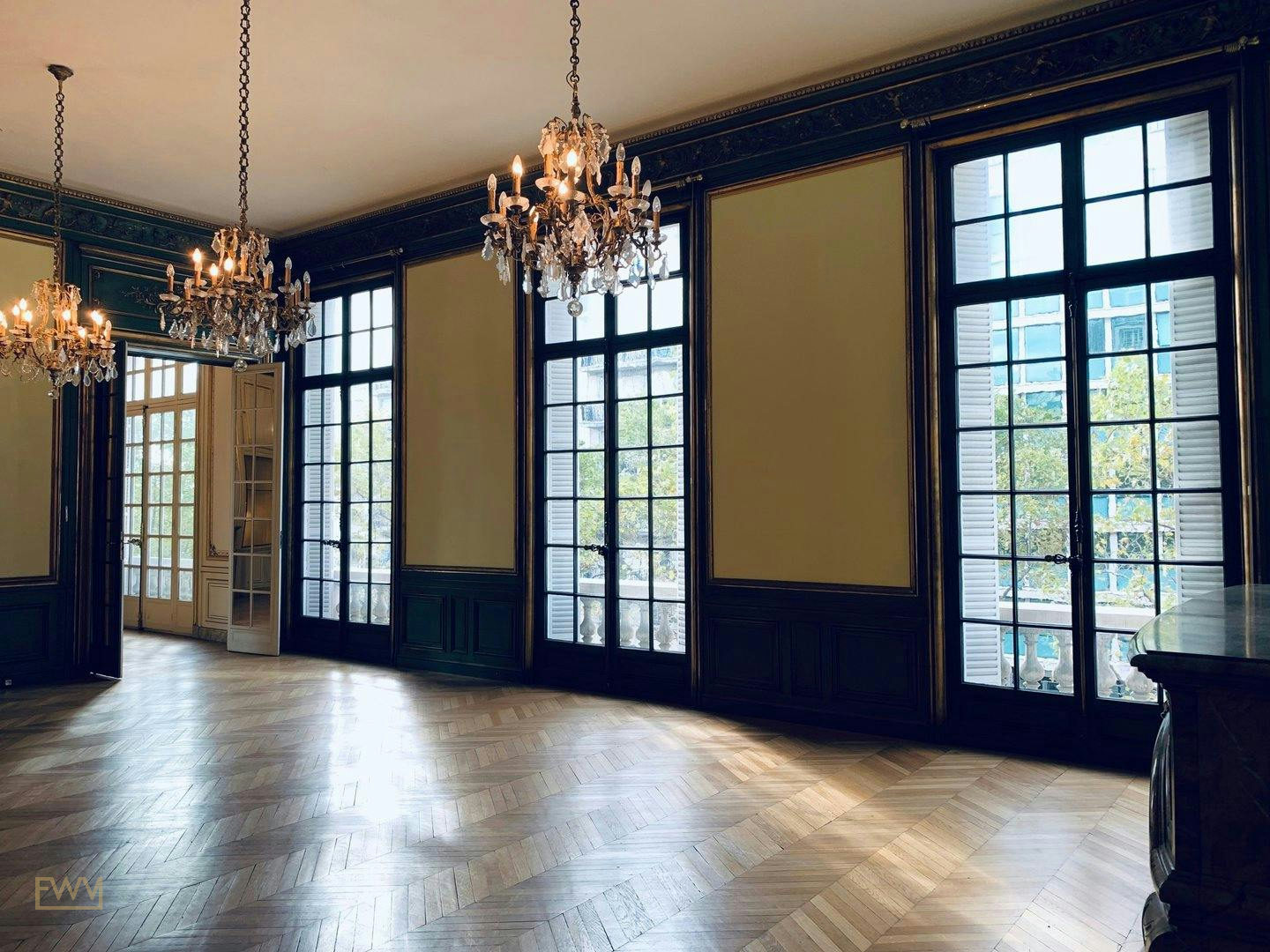
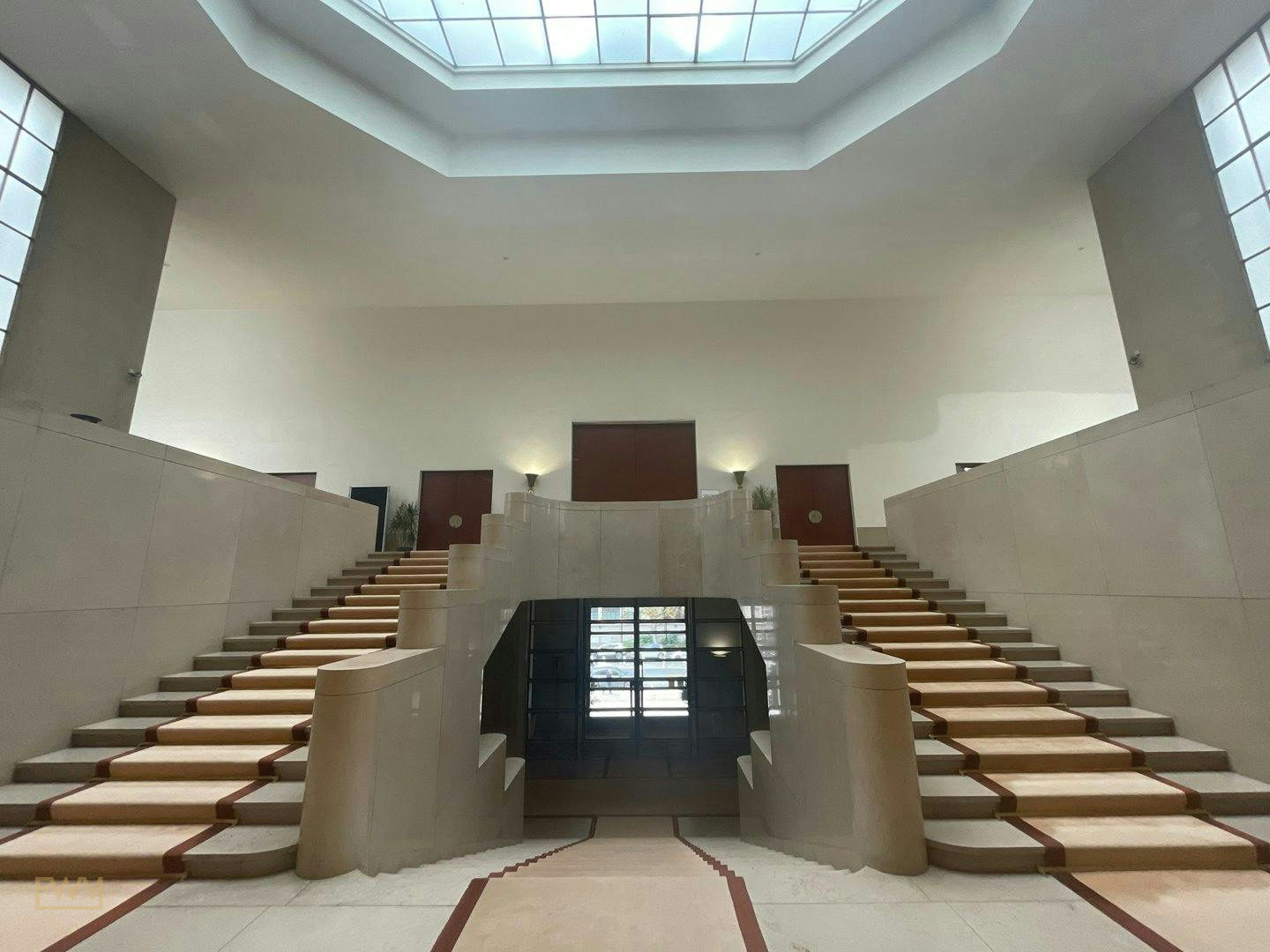
Finding the right space to rent a pop-up shop near Arc de Triomphe is one of the most commercially significant decisions a fashion brand or creative agency can make in Paris. The 8th arrondissement, anchored by the Arc de Triomphe de l'Étoile on Place Charles de Gaulle, places brands at the centre of the Golden Triangle, steps from l'Avenue des Champs-Élysées, Avenue Montaigne, and Avenue George V, where foot traffic, international press, and luxury retail converge. Whether your objective is a short-term retail activation, a Fashion Week showroom, a product launch, or a private exhibition, this district offers unmatched visibility and cultural resonance. Fashion Week Venues helps brands navigate pop-up spaces across Paris, including high-demand neighbourhoods like the Golden Triangle and Le Marais.
The Arc de Triomphe de l'Étoile: Historical Context and Brand Relevance
The Arc de Triomphe de l'Étoile is more than a monument. It is one of the most recognised architectural symbols in the world, and its surrounding district functions as a live stage for luxury, fashion, and cultural ambition. Understanding the monument's history helps explain why brands consistently choose this location for activations that demand gravitas and international attention.
Napoleon, the Grande Armée, and the Monument's Origins
Napoleon I commissioned the Arc de Triomphe in 1806, following the French military victory at the Battle of Austerlitz in December 1805. The monument was designed to honour the Grande Armée and commemorate French military victories. Construction took thirty years, completing in 1836, more than a decade after Napoleon's death. The neoclassical structure stands 50 metres tall and 45 metres wide, positioned at the centre of Place de l'Étoile, now officially named Place Charles de Gaulle. Twelve grand avenues radiate outward from the monument, creating the distinctive star formation that gives the place its name.
The Arc de Triomphe is adorned with high-relief sculptures depicting French military campaigns, and the interior surfaces are engraved with the names of major battles and the names of generals who served under Napoleon. Among the most celebrated sculptural groups is "La Marseillaise" by François Rude, showing the allegorical figure of France calling her citizens to arms. The marble plates inscribed beneath the vaults list the engagements of the Revolutionary and Napoleonic armies, making the monument a physical archive of French military history. A statue of Napoleon once featured in design proposals, though the final monument emphasises collective military glory rather than any single figure.
The Tomb of the Unknown Soldier from World War One was placed beneath the Arc de Triomphe in 1921, and an eternal flame has burned there continuously since 1923. This layered historical significance makes the monument a site of ongoing national ceremony, which brands activating nearby benefit from in terms of press attention and international visitor flow.
Why Historical Context Matters for Brand Activations
Brands that activate near the Arc de Triomphe de l'Étoile are implicitly aligning with a visual and cultural narrative of ambition, triumph, and French heritage. For fashion houses, luxury labels, and international brands entering the Paris market, this proximity carries real associative weight. Retailers from Chanel and Hermès to LVMH portfolio brands have long maintained flagship presences along the adjacent avenues, reinforcing the district's position as the global capital of luxury retail. When a brand rents a pop-up space on or near l'Avenue des Champs-Élysées, Avenue Montaigne, or the surrounding streets, it is activating inside this cultural context.
DID YOU KNOW: The Arc de Triomphe is visible from eight different avenues simultaneously, making the surrounding streets among the most photographed urban corridors in the world. This organic media visibility extends to any branded installation operating in the immediate district.
KEY TAKEAWAY: The Arc de Triomphe de l'Étoile is not simply a backdrop. It is an active cultural asset that amplifies the perceived prestige of any brand activation in the surrounding neighbourhood, from a short-term retail concept to a Fashion Week showroom.
The neoclassical scale and grandeur of the monument also inform the spatial language of the district's architecture. Ground-floor retail units on the Champs-Élysées and nearby streets tend to be generous in ceiling height, facade width, and interior volume, qualities that suit large-format installations, immersive brand experiences, and high-turnover retail events.
Parisian Neighbourhoods for Pop-Up Retail: Golden Triangle, Le Marais, and Beyond
Paris offers several distinct neighbourhoods for short-term retail and brand activation, each with its own visitor profile, property typology, and commercial character. Understanding the differences between the Golden Triangle, Le Marais, Saint-Germain-des-Prés, and other key arrondissements is essential before committing to a rental location.
The Golden Triangle and Champs-Élysées Corridor
The Golden Triangle is defined by three major avenues: the Champs-Élysées, Avenue Montaigne, and Avenue George V. This is the highest-profile zone for luxury fashion retail in Paris, drawing an international visitor mix of tourists, buyers, press, and high-net-worth consumers. Rental rates in this area reflect the premium positioning, and spaces tend to be sought after months in advance, particularly around Paris Fashion Week windows in February and September and October.
l'Avenue des Champs-Élysées itself runs from Place Charles de Gaulle at the Arc de Triomphe down to Place de la Concorde, a distance of roughly 1.9 kilometres. The avenue is flanked by a mix of flagship retail, pop-up activations, dining, cinemas, and entertainment venues. Pop-up spaces along this corridor vary from compact boutique-format units to large multi-floor spaces suitable for immersive brand experiences. The Concorde end of the avenue connects to the Tuileries garden and the Louvre Museum, providing additional cultural footfall.
Avenue Montaigne is the more intimate and strictly luxury-focused neighbour, home to the ateliers and flagships of houses including Chanel, Dior, and Valentino. Pop-up opportunities on Montaigne are rare and command significant premiums, but the concentration of press and international buyers during Fashion Week makes the investment justifiable for certain brand profiles.
Le Marais: The Creative Alternative
Le Marais spans the 3rd and 4th arrondissements and functions as Paris's most commercially active neighbourhood for independent fashion, emerging designers, concept stores, and cultural programming. Streets including rue Vieille du Temple, rue Froissart, and the area around Turenne and the Arts et Métiers neighbourhood offer a very different activation environment from the Golden Triangle. Place des Vosges, the oldest planned square in Paris, anchors the historic heart of the Marais district and attracts a consistent flow of culturally engaged visitors.
Le Marais is home to the Galerie Joseph, one of the most established flexible event and exhibition spaces in Paris, as well as a concentration of independently operated temporary retail venues. Institutions including the Musée Picasso and Carreau du Temple add cultural gravity to the neighbourhood, supporting brand activations that lean into creative and artistic positioning. Le Bon Marché, the historic department store in the adjacent Saint-Germain-des-Prés, draws a strong local luxury consumer base.
Fashion showrooms during Paris Fashion Week cluster heavily in Le Marais, making it one of the most logistically practical locations for press appointments, buyer meetings, and trade presentations. Spaces here tend to offer more flexibility in layout, lower minimum rental durations, and a wider range of property typologies including former workshops, galleries, and historic hôtels particuliers.
Saint-Germain-des-Prés and the Left Bank
Saint-Germain-des-Prés in the 6th arrondissement provides a quieter, more residential luxury context for brand activations. The neighbourhood suits brands seeking a curated, intellectual, and heritage-conscious audience rather than the mass tourist footfall of the Champs-Élysées. Proximity to the Rodin Museum and the established boutique culture of the Left Bank gives this area a distinct creative credibility.
Quick answer: The best neighbourhood for a pop-up shop near Arc de Triomphe depends on your brand positioning. The Golden Triangle suits luxury and high-visibility retail; Le Marais suits creative, fashion-forward, and showroom formats; Saint-Germain-des-Prés suits heritage and lifestyle brands targeting a curated local and international buyer audience.
Comparing Paris Pop-Up Neighbourhoods
| Neighbourhood | Primary Arrondissement | Best For | Visitor Profile | Fashion Week Suitability |
|---|---|---|---|---|
| Golden Triangle / Champs-Élysées | 8th | Luxury retail, flagship activations, high-volume footfall | International tourists, press, high-net-worth shoppers | Very High |
| Le Marais | 3rd and 4th | Showrooms, concept stores, emerging and independent brands | Local fashion community, international buyers, cultural visitors | Very High |
| Saint-Germain-des-Prés | 6th | Heritage brands, lifestyle, boutique retail | Affluent local residents, Left Bank cultural visitors | High |
| Opéra / Grands Boulevards | 9th | Mid-market retail, tech and culture activations | Mixed domestic and tourist footfall | Moderate |
| Bastille / Oberkampf | 11th | Creative, independent, streetwear, nightlife adjacency | Young Parisian consumers, creative industry | Moderate |
KEY TAKEAWAY: Each Paris neighbourhood delivers a fundamentally different audience, rental environment, and brand association. Matching your space choice to your brand positioning and activation objective is more important than chasing prestige by location alone.
Understanding the spatial and cultural differences between Paris districts positions brands to make informed choices before entering into any rental agreement. The next section addresses the operational mechanics of securing a short-term retail space in Paris.
Why Rent a Pop-Up Shop or Showroom Near Arc de Triomphe in Paris
Renting a pop-up space near the Arc de Triomphe offers specific commercial and strategic advantages that extend well beyond the prestige of the address. The district's combination of footfall, press infrastructure, and luxury retail context creates measurable conditions for brand growth.
The Strategic Case for Arc de Triomphe Proximity
Place Charles de Gaulle and the surrounding avenues sit at the geographic and symbolic heart of Paris's luxury retail district. International visitors flowing through the Champs-Élysées corridor represent a concentration of high-spending consumers that is difficult to replicate in any other Paris neighbourhood. During Paris Fashion Week, the 8th arrondissement becomes a focal point for global press, buyers, influencers, and brand representatives, amplifying the earned media potential of any activation in the vicinity.
For fashion brands planning product launches, the Arc de Triomphe backdrop provides immediate visual recognition for social media content. The monument's silhouette and the architecture of the surrounding avenues function as instant geographic markers, communicating Paris placement without requiring additional explanation. This translates directly into content performance across social media channels, where location signals carry significant weight in audience engagement metrics.
Luxury houses including Hermès, Chanel, and the LVMH portfolio consistently use this corridor for major activations precisely because the audience concentration, cultural context, and press infrastructure make it the most efficient environment for generating impact per square metre of rented space.
Benefits of a Pop-Up Over a Permanent Retail Lease
Short-term rentals in Paris operate under frameworks that differ significantly from standard commercial leases. A pop-up or temporary retail format allows brands to test the Paris market, validate a concept, or build local awareness without committing to a multi-year bail commercial. This flexibility is commercially important for international brands entering France for the first time, emerging designers testing a retail concept, and established brands running seasonal campaigns.
A pop-up format also enables tighter control over the activation window. Brands can align the rental period precisely with Paris Fashion Week, a product launch moment, a cultural event, or a specific retail calendar date, ensuring that the space is working at maximum commercial efficiency throughout the rental period.
Quick answer: Renting a pop-up shop near Arc de Triomphe gives fashion brands access to Paris's highest-footfall luxury corridor, international press and buyer infrastructure, and a culturally resonant address, all without the long-term commitment of a permanent commercial lease.
Product Launches, Fashion Week, and the Paris Calendar
Paris Fashion Week runs twice annually, with women's ready-to-wear typically scheduled in late February and early March, and again in late September and early October. Men's Fashion Week and Haute Couture weeks create additional windows in January and July. These calendar periods generate the highest demand for short-term showroom and retail space across all Paris neighbourhoods, and particularly in the Golden Triangle and Le Marais.
Beyond Fashion Week, Paris hosts a calendar of trade events, cultural festivals, and retail moments that create strong demand windows for pop-up activations. Brands planning private exhibitions, press days, or concept store launches should consider these calendar overlaps when scoping their rental period and budget.
DID YOU KNOW: Paris receives more than 30 million international visitors annually, with a significant concentration during spring and autumn seasons that align closely with Paris Fashion Week windows. A pop-up on or near the Champs-Élysées during these periods benefits from a measurably elevated volume of international press and consumer traffic.
KEY TAKEAWAY: The commercial case for renting near Arc de Triomphe rests on the combination of international visitor concentration, press and buyer infrastructure, social media content value, and the flexibility of short-term rental formats compared to permanent leases.
With the commercial rationale established, it is equally important to understand how the operational and legal mechanics of renting a short-term space in Paris actually work.
How Pop-Up Shop Rentals Work in Paris: Leases, Permits, and Legal Frameworks
Short-term retail rentals in Paris operate under specific legal frameworks that differ from both standard commercial leases and residential tenancies. Understanding these frameworks before signing any agreement is essential for avoiding costly complications and ensuring full legal compliance.
The Bail Dérogatoire and Short-Term Rental Agreements
The most common legal vehicle for short-term retail space rentals in Paris is the bail dérogatoire, also known as a short-form commercial lease or derogatory lease. Under French commercial property law, a standard bail commercial typically runs for a minimum of nine years, which is clearly impractical for pop-up activations. The bail dérogatoire was introduced to allow shorter agreements, typically from one day to a maximum of three years, without triggering the full protections and obligations of a standard commercial lease.
Brands using a bail dérogatoire retain flexibility but also face limitations. The lease must be explicitly designated as derogatory from the outset, and both parties must confirm that intention in writing. Once the maximum three-year threshold is exceeded, the lease may automatically convert to a standard bail commercial, triggering a different set of rights and obligations. This is a common source of legal risk for brands that extend short-term agreements informally.
IMPORTANT: Requirements for bail dérogatoire agreements vary by space type, intended use, and the specific terms negotiated with the property owner. Always verify the legal framework with a qualified French legal advisor before signing any rental agreement.
Autorisation d'Occupation Temporaire (AOT) and Public Space
For activations that extend into or occupy public space, including terraces, forecourts, or street-level displays in front of a rented unit, brands may require an Autorisation d'Occupation Temporaire, commonly referred to as an AOT. This is a permit issued by the local mairie or préfecture that grants temporary rights to use public land for commercial purposes.
AOT requirements vary by arrondissement, the specific nature of the use, and the duration of the occupation. In high-footfall areas like the Champs-Élysées corridor and Place Charles de Gaulle, the approval process tends to be more rigorous and the lead times longer. Brands planning activations that involve any visible external elements should begin the AOT application process well in advance of the intended activation date.
The permit guidance tool on Fashion Week Venues provides directional information on permit requirements by neighbourhood and use type. However, because permit requirements change and vary by specific circumstances, verification with a French legal advisor remains the recommended approach for any brand planning a Paris activation.
Do You Need a French Legal Entity to Rent in Paris?
This is one of the most frequently asked questions from international brands planning Paris activations. The short answer is that it depends on the space owner's requirements, the nature of the agreement, and the intended commercial activity. Some property owners and platforms require a French legal entity or a French bank account as a condition of rental. Others will accept foreign company credentials combined with appropriate guarantees or insurance documentation.
International brands should plan for the possibility that establishing a legal presence in France, even a simplified one such as a liaison office or working through a French service partner, may be necessary or commercially advantageous. An experienced agency partner with established landlord relationships in Paris can often negotiate terms that are accessible to international operators without a French entity.
Pop-Up Rental Operational Workflow
| Stage | Action | Timing Before Activation | Key Consideration |
|---|---|---|---|
| 1. Brief definition | Define objectives, budget, dates, space requirements, and neighbourhood preference | 12 to 16 weeks | Align internal stakeholders before external search begins |
| 2. Space search | Browse marketplace, contact agency, shortlist candidates | 10 to 14 weeks | Fashion Week periods require earlier action |
| 3. Site visits | Visit shortlisted spaces, assess access, layout, and technical specifications | 8 to 12 weeks | Confirm ceiling height, power supply, and loading access |
| 4. Legal review | Review rental agreement with French legal advisor | 6 to 10 weeks | Confirm lease type, break clauses, and permitted use |
| 5. Permit applications | Submit AOT or other permit applications as required | 6 to 8 weeks | Lead times vary significantly by arrondissement |
| 6. Production planning | Confirm fit-out design, furniture, staffing, and logistics | 4 to 8 weeks | Coordinate installation window with space handover date |
| 7. Installation | Fit-out, merchandising, and technical setup | 1 to 7 days before opening | Build in contingency for delays |
| 8. Activation | Operate the space, manage staff, and track performance data | During rental period | Daily reporting against defined KPIs |
| 9. De-rig and handover | Strip out installation, restore space, return keys | Day of or day after closing | Confirm restoration requirements in advance with landlord |
KEY TAKEAWAY: A successful Paris pop-up requires a structured operational sequence that begins significantly earlier than most brands anticipate. Fashion Week periods compress available planning time, making early engagement with spaces and advisors essential.
Getting the legal and operational framework right is foundational. The next consideration is budget, which requires a realistic and structured approach to avoid the most common financial pitfalls.
Budget Considerations for Renting a Pop-Up Shop Near Arc de Triomphe
Understanding the cost structure of a Paris pop-up is essential before committing to a specific neighbourhood, space type, or rental duration. Budget requirements span well beyond the headline rental rate, and brands that plan only for the space itself routinely encounter significant cost overruns.
What Drives Rental Rates Near Arc de Triomphe
Rental rates for short-term retail and event spaces in the Golden Triangle and Champs-Élysées corridor reflect the combination of location prestige, space quality, minimum rental duration, and seasonal demand. Spaces immediately adjacent to the Arc de Triomphe or on the Champs-Élysées itself command the highest rates in the Paris market. Rates during Paris Fashion Week windows are typically higher than at other times of year due to concentrated demand.
Space size, configuration, ceiling height, natural light, and technical infrastructure all contribute to pricing. A compact, well-positioned space on a prime avenue will typically cost more per square metre than a larger space on a secondary street in the same neighbourhood. Brands should approach rental rates as directional estimates only, as individual negotiations, space condition, and specific terms vary considerably.
Quick answer: Rental rates for pop-up spaces near Arc de Triomphe vary significantly based on space size, location, duration, and season. Fashion Week windows typically attract premium pricing. Use a structured budget tool to model realistic costs before shortlisting spaces.
The budget estimation tool on Fashion Week Venues allows brands to model total activation costs based on space type, neighbourhood, duration, and service requirements. This is a more useful starting point than attempting to apply generic rate cards to a specific brief.
The Full Cost Structure of a Paris Pop-Up
Rental cost is typically the single largest line item in a Paris pop-up budget, but it rarely represents more than forty to sixty percent of total activation expenditure. Brands planning their financial model should account for the following cost categories in addition to rent:
- Space rental including deposit and any ancillary charges
- Fit-out design, production, and installation
- Furniture, fixtures, and equipment rental
- Retail staffing including recruitment, training, and management
- POS systems, payment processing, and technology
- Logistics including product transport, customs if applicable, and delivery
- Permit applications and legal or compliance fees
- Insurance including public liability and contents cover
- Marketing, social media, influencer engagement, and PR
- Restoration and de-rig costs at the end of the rental period
- Agency or management fees if using a third-party operator
International brands entering France should also account for potential VAT implications and any customs or duty considerations relevant to importing product for sale in French territory. These costs are often underestimated at the planning stage.
TIP: Build a contingency of at least fifteen to twenty percent into your total activation budget to accommodate unexpected costs in fit-out, permitting, staffing, or logistics. Paris pop-up activations, particularly those operating in high-demand districts and tight calendar windows, are more likely to encounter cost variations than those in secondary markets.
ROI Measurement for Arc de Triomphe Area Activations
Return on investment from a Paris pop-up extends beyond direct retail sales. Brands operating in the Golden Triangle should model ROI across multiple value dimensions: direct revenue, press and editorial coverage generated, social media content produced and distributed, new customer data acquired, wholesale relationships developed, and brand equity built in the Paris market.
The ROI calculator on Fashion Week Venues provides a framework for modelling multi-dimensional return across these value categories, enabling more complete evaluation of activation performance against investment.
KEY TAKEAWAY: Total activation cost near Arc de Triomphe includes significantly more than rental. Brands that budget comprehensively and model ROI across multiple value dimensions make better space selection and investment decisions.
Space Types Available Near Arc de Triomphe and in Key Paris Districts
The range of space types available for short-term rental in and around the Arc de Triomphe district and wider Paris market is broad. Each space typology offers different advantages in terms of layout, atmosphere, audience, and operational flexibility.
Understanding the Range of Available Formats
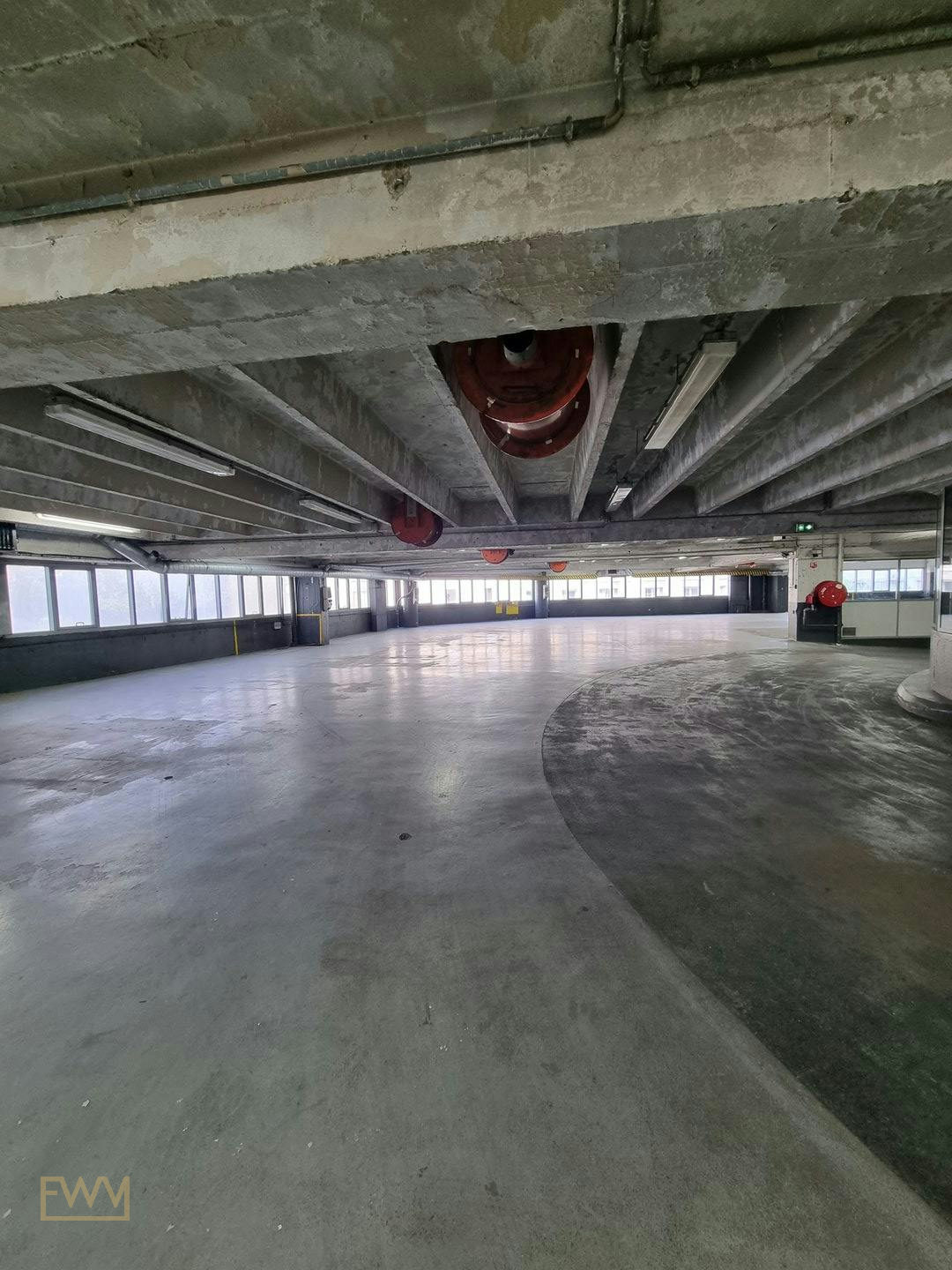
Near Arc de Triomphe and along the Champs-Élysées corridor, the most common formats for pop-up activations include boutique retail units on primary avenues, larger format multi-floor spaces suitable for immersive brand experiences, converted ground-floor commercial units on secondary streets, and private salon or apartment-style spaces suitable for intimate showroom formats.
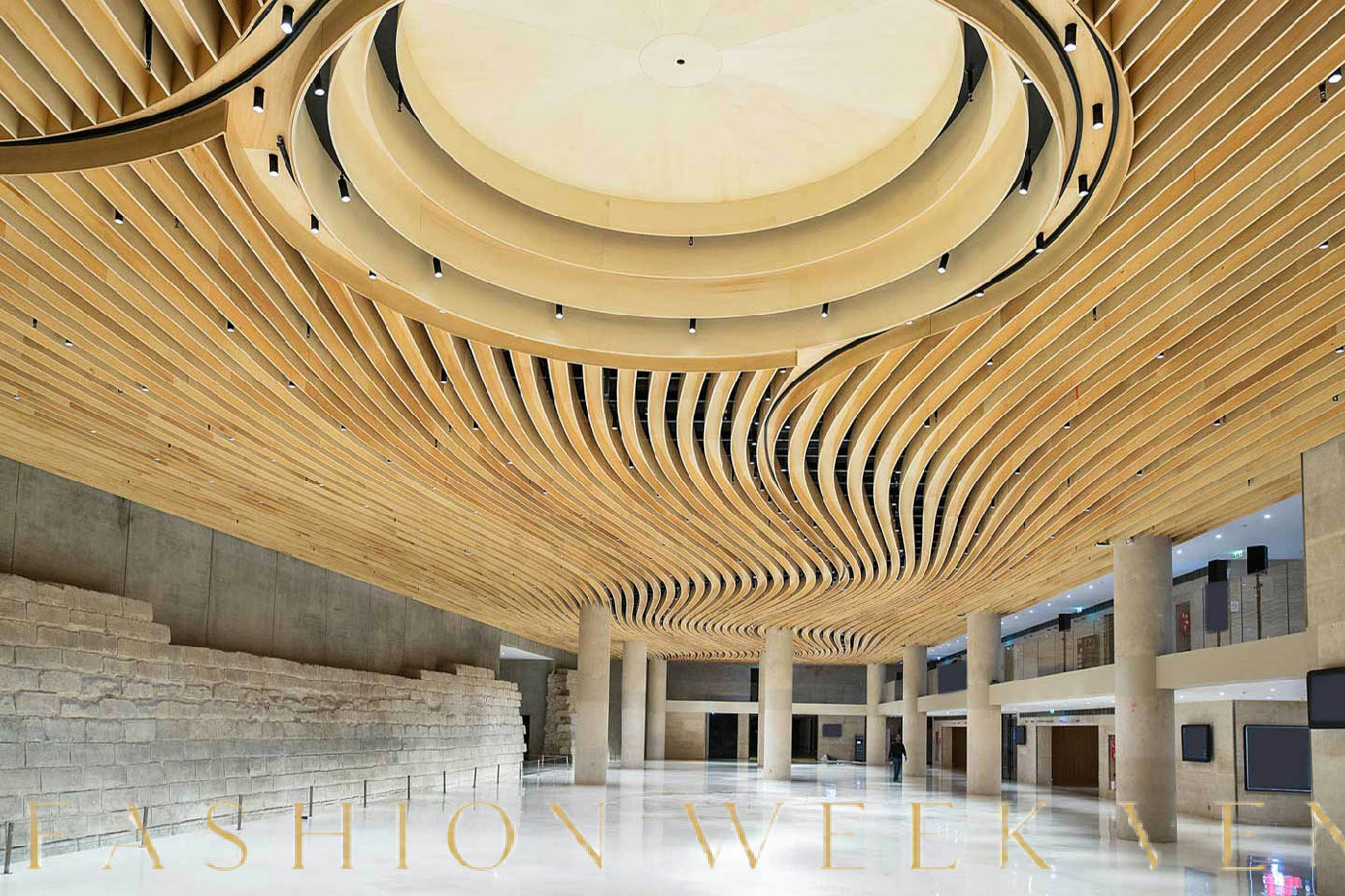
In Le Marais, the range expands considerably. Former industrial spaces, historic hôtels particuliers with internal courtyards, converted gallery spaces, and flexible event venues like Galerie Joseph or venues operated by agencies such as Furst-Eventspace and Hors Des Sentiers provide a much wider variety of spatial atmospheres and configurations. These spaces suit brands looking for editorial and design-forward environments that communicate creativity and cultural engagement.
Space Type Breakdown by Use Case
| Space Type | Typical Size Range | Best Use Case | Neighbourhood Fit | Minimum Rental Duration |
|---|---|---|---|---|
| Boutique retail unit | 40 to 150 sqm | Direct-to-consumer sales, brand boutique, concept store | Golden Triangle, Marais, Saint-Germain | 1 to 2 weeks |
| Large format flagship space | 200 to 800 sqm | Immersive brand experience, multi-brand pop-up, campaign launch | Champs-Élysées, Marais | 1 week to 1 month |
| Gallery or exhibition space | 100 to 400 sqm | Private exhibition, art collaboration, press preview | Marais, Saint-Germain | 3 to 10 days |
| Fashion showroom | 60 to 200 sqm | Buyer appointments, press days, trade presentations | Marais, Golden Triangle | 1 to 2 weeks |
| Hôtel particulier or apartment | 100 to 300 sqm | Intimate brand presentation, VIP client experience, editorial shoot | Marais, Saint-Germain, Golden Triangle | 2 to 5 days |
| Commercial unit on secondary street | 30 to 100 sqm | Lower-budget activation, neighbourhood presence, local audience | Marais, Oberkampf, Bastille | 1 week to 1 month |
Quick answer: Near Arc de Triomphe, the most available pop-up formats are boutique retail units and large-format spaces on primary avenues. In Le Marais and Saint-Germain, gallery spaces, hôtels particuliers, and flexible event venues provide more creative spatial options at varying price points.
The Twin Co-Activation Concept
For brands seeking to maximise market coverage during a Paris stay, a dual-location strategy using one space near Arc de Triomphe for consumer and press visibility and a second space in Le Marais for buyer appointments and showroom functions can deliver significantly greater overall impact than a single-location activation. Fashion Week Venues offers a twin co-activation concept that structures exactly this kind of dual-space strategy for brands with the budget and audience to support it.
KEY TAKEAWAY: Choosing the right space type is as important as choosing the right neighbourhood. Aligning format, size, and technical specification with your specific activation objective prevents costly mismatches between space and brand experience.
How to Define Your Brief Before Renting a Pop-Up in Paris
The most common mistake brands make when beginning a search for a pop-up space in Paris is starting with the space rather than with the brief. A clear, structured brief is the single most important document in any pop-up activation process. It defines what you need before you look for where to get it.
Identifying Your Objective First
Before contacting any agency, browsing any marketplace, or visiting any space, a brand team needs to answer a small number of foundational questions. What is the primary objective of the activation? Are you selling product directly to consumers? Are you exhibiting to press and buyers? Are you testing a new concept or market? Are you hosting VIP client events? Are you running a product launch for social and media coverage?
Each of these objectives leads to a different set of space requirements. A direct sales pop-up shop near Arc de Triomphe needs a high-footfall street-facing location with clear retail infrastructure. A Fashion Week showroom needs a calm, well-lit space accessible from buyer hotels and press offices in Le Marais or the Golden Triangle. A private exhibition needs a space with controlled access, good natural light, and appropriate ceiling height. Conflating these objectives into a single space requirement often results in compromises that reduce the effectiveness of the activation.
Logistics, Layout, and Communication Planning
Once your objective is defined and a venue is shortlisted, the next layer of planning addresses logistics and communication. How will you transport products to the space, particularly if they are arriving from outside France? Does the space have loading access, a freight lift, or a service entrance? Who will manage reception and customer experience during the activation? Do you need additional furniture, branded fixtures, or technical equipment beyond what the space provides?
Communication planning must also begin early. How will you announce the activation to your audience? What content will you produce in the space? Which influencers, press contacts, or buyers will you invite? What social media strategy will drive traffic to the physical location? A pop-up near Arc de Triomphe with no advance communication strategy is unlikely to perform at its potential, regardless of the quality of the space itself.
The timeline planning tool on Fashion Week Venues helps brands structure the full pre-activation workflow from brief definition through to opening, ensuring that key milestones are scheduled with appropriate lead times.
TIP: Assign a clear internal owner for the Paris pop-up project from the moment the brief is confirmed. Activations with distributed ownership and no single decision-maker consistently experience more delays, budget overruns, and execution quality issues than those with a dedicated project lead.
KEY TAKEAWAY: A detailed brief that defines your objective, audience, budget, timeline, space requirements, and communication strategy before beginning a space search is the most effective way to find the right space quickly and execute an activation that delivers measurable results.
How Fashion Week Venues Supports Pop-Up Activations Near Arc de Triomphe
Fashion Week Venues is a full-service pop-up shop agency and space marketplace designed specifically for fashion brands, luxury retailers, creative agencies, and international brands planning activations in Paris and other major fashion capitals. Understanding what the platform offers, who benefits most, and where the practical boundaries lie helps brands make informed decisions about how to engage.
Services Relevant to Arc de Triomphe Area Activations
For brands planning activations near Arc de Triomphe and in the broader Paris market, Fashion Week Venues provides end-to-end support across the full activation lifecycle. Venue sourcing covers the identification, shortlisting, and evaluation of spaces across the Golden Triangle, Le Marais, Saint-Germain-des-Prés, and other Paris neighbourhoods, matching brief requirements against available inventory on the marketplace.
Beyond space, the agency offers concept direction for brands that need creative spatial strategy in addition to a physical location, production and fit-out management for brands that require a fully built and ready space, and retail staffing services for activations that need French-speaking, fashion-literate team members on the floor. POS and payment systems, furniture rental, and data and analytics services complete the operational infrastructure needed to run a professional short-term retail operation in Paris.
For brands with social and influencer objectives, the influencer marketing service supports the identification and engagement of Paris-based creators relevant to the brand's audience profile and activation window.
Tools for Planning and Decision-Making
The Fashion Week Venues tool suite provides practical support for the planning and evaluation phases of a Paris pop-up. The space comparison tool allows brands to evaluate multiple shortlisted spaces against a consistent set of criteria including location, size, price, and specification. The locator tool maps available spaces by neighbourhood, enabling visual evaluation of position relative to key landmarks, transport nodes, and competitor activations.
The imagine tool supports spatial visualisation before committing to a specific venue, and the build planning tool helps brands structure the production and fit-out component of the activation. These tools are designed to reduce the gap between brief and execution by making key planning decisions data-supported rather than purely intuitive.
Who Benefits Most from Fashion Week Venues
The platform serves brands at several stages of Paris market maturity. International brands entering Paris for the first time benefit most from the full-service model, which provides local expertise, landlord relationships, and operational infrastructure that would otherwise require months of independent market development. Established brands returning to Paris for seasonal activations benefit from the marketplace efficiency, tool suite, and the ability to quickly identify and compare available spaces in target neighbourhoods.
Brand activation managers, creative directors, retail strategists, and event producers working with fashion clients in Paris will find the combination of space inventory, production capability, and planning tools covers the majority of their operational needs from a single platform.
Quick answer: Fashion Week Venues supports Paris pop-up activations by combining space marketplace access, full-service production and activation management, and a suite of planning tools. The platform is particularly useful for international brands entering Paris who need local expertise, logistics support, and reliable landlord access.
To compare neighbourhoods and space types for your specific activation, explore the Paris city hub on Fashion Week Venues and shortlist spaces that match your brief, budget, and calendar window.
Limitations to Understand
Fashion Week Venues does not guarantee space availability in any specific neighbourhood or at any specific price point. Space inventory changes continuously, and premium locations near Arc de Triomphe and in Le Marais are subject to high demand, particularly during Fashion Week periods. Early engagement with the platform is strongly recommended for any brand planning an activation during peak calendar windows.
The platform provides directional guidance on permits and legal frameworks but does not replace qualified French legal advice. Brands should always engage an appropriate legal advisor for any rental agreement, permit application, or compliance question specific to their activation.
KEY TAKEAWAY: Fashion Week Venues provides the most comprehensive combination of space access, production support, and planning tools available for Paris pop-up activations, but early engagement and independent legal verification remain essential components of any successful activation plan.
Luxury Brands, Cultural Context, and the Paris Activation Landscape
The Paris pop-up market exists within a rich ecosystem of luxury brand culture, event agencies, artistic programming, and cultural institutions. Understanding this context helps brands calibrate their activation approach to the expectations and norms of the Paris market.
How Major Houses Use Temporary Space in Paris
Brands including LVMH portfolio houses, Hermès, and Chanel routinely use temporary and semi-permanent pop-up formats in Paris to launch collections, mark cultural moments, and create consumer experiences that differ from their permanent flagship environments. These activations range from intimate salon presentations in Left Bank apartments to large-scale immersive installations on the Champs-Élysées.
The cultural density of Paris means that brand activations exist alongside, and in dialogue with, significant institutional programming. Major exhibitions at the Louvre Museum, theatrical productions, film premieres, and fashion industry events all create audience concentrations that overlap with retail and brand activation calendars. Brands that align their activation timing with relevant cultural moments amplify their reach without proportionally increasing their marketing spend.
Event Agencies and Artistic Direction in the Paris Market
The Paris market is served by a community of specialist event agencies, spatial planning experts, and artistic directors who bring deep local knowledge to the production of brand activations. Agencies specialising in spatial planning and artistic direction, including specialist operators in the Marais district, provide creative and logistical capabilities that complement the space marketplace model. Collaborations between brand teams, independent creative directors, and production specialists are common in the Paris activation landscape and often produce the most distinctive and editorially compelling results.
Understanding testimonials and past work from agencies and venue operators is an important part of the due diligence process. The Fashion Week Venues work section provides case studies from past activations, giving brands a practical reference point for evaluating the platform's capabilities and the range of activations it has supported.
Social Media and Influencer Dynamics Near Arc de Triomphe
The visual recognisability of Arc de Triomphe makes the surrounding district uniquely powerful for social media content generation. Brands that activate near Place Charles de Gaulle, on the Champs-Élysées, or on the connecting avenues benefit from a built-in geographic storytelling device that communicates Paris placement instantly and credibly. This is particularly relevant for brands building international audiences who associate the Arc de Triomphe imagery with French luxury, quality, and cultural authority.
Influencer engagement strategies for Paris activations should account for the specific audience profiles that the Golden Triangle and Marais attract. Fashion-focused creators based in Paris and those visiting for Fashion Week represent a high-value engagement opportunity for brands activating in these districts. Planned content days, press previews, and influencer-first events before the public opening of a pop-up are established tactics for generating launch momentum.
KEY TAKEAWAY: The Paris luxury brand ecosystem, institutional cultural calendar, and social media landscape all create amplification opportunities for brands activating near Arc de Triomphe. Brands that plan for these dimensions alongside the operational mechanics of their pop-up consistently achieve greater overall impact.
Common Myths About Renting a Pop-Up Shop in Paris Debunked
MYTH: You need a French legal entity to rent a pop-up space in Paris.
FACT: Many short-term rental agreements in Paris are accessible to international businesses without a French legal entity, depending on the space owner's requirements and the nature of the agreement. However, some property owners do require a French bank account or local guarantor. Working with an experienced agency partner who has established landlord relationships can significantly reduce this barrier for international brands. Always verify the specific requirements with legal counsel before assuming access.
MYTH: Paris Fashion Week is the only viable calendar window for a pop-up activation near Arc de Triomphe.
FACT: While Paris Fashion Week generates the highest demand and concentration of press and buyer traffic, the Arc de Triomphe district and Champs-Élysées corridor attract significant international visitor footfall year-round. Spring and summer tourist seasons, the Christmas retail period, and major cultural events outside Fashion Week all create strong commercial conditions for pop-up activations. Brands that treat Fashion Week as the only viable window may miss lower-cost, lower-competition opportunities that deliver solid commercial returns in other periods.
MYTH: Commission-based space brokers are the standard and most efficient way to find a pop-up space in Paris.
FACT: Commission-based brokers represent one option in the Paris market but are not the only or most efficient route. Dedicated space marketplaces, full-service agencies with owned inventory relationships, and direct landlord approaches all provide viable alternatives. Brands using a marketplace and agency combination typically gain greater transparency over pricing, space specifications, and terms than those relying solely on broker intermediaries whose fee structures may not be fully disclosed upfront.
MYTH: Short-term retail leases in Paris are legally straightforward and do not require specialist advice.
FACT: Short-term retail leases in France operate under specific legal frameworks including the bail dérogatoire that carry distinct obligations, protections, and risks for both tenant and landlord. Errors in lease designation, duration, or permitted use can result in a short-term agreement converting automatically to a standard nine-year bail commercial. Specialist French legal advice is not optional for brands operating in this market. The cost of a legal review is minimal compared to the potential liability of an incorrectly structured agreement.
MYTH: A pop-up near Arc de Triomphe is only viable for large luxury brands with significant marketing budgets.
FACT: While flagship spaces on the Champs-Élysées command premium pricing, the broader Golden Triangle district and adjacent streets offer a range of space types and sizes at varying price points. Emerging designers, independent brands, and smaller international labels regularly activate successfully in the 8th arrondissement by selecting appropriately sized spaces on secondary streets, sharing costs through co-activation formats, and focusing budgets on the activation dimensions that deliver the highest return for their specific objectives.
Frequently Asked Questions
Why should I rent a pop-up shop near Arc de Triomphe in Paris rather than in another Paris neighbourhood?
The Arc de Triomphe area offers a combination of international visitor concentration, luxury retail adjacency, and visual prestige that is unique in the Paris market. Brands activating here benefit from proximity to the Golden Triangle's press and buyer infrastructure, particularly during Paris Fashion Week. The district also provides exceptional social media content value due to the immediate visual recognisability of the monument and surrounding avenues. That said, the best neighbourhood for any brand depends on its specific objective, audience, and budget. Le Marais suits showroom and creative formats, while the 8th arrondissement suits consumer-facing retail and high-profile launches.
How far in advance do I need to start looking for a pop-up space near Arc de Triomphe for Fashion Week?
For Paris Fashion Week periods in February, March, September, and October, beginning your space search at least twelve to sixteen weeks in advance is strongly recommended. Premium spaces in the Golden Triangle and along the Champs-Élysées are frequently reserved six to nine months ahead of Fashion Week windows by established brands with recurring rental relationships. Brands entering the Paris market for the first time should begin their brief development and agency engagement even earlier to allow time for legal setup, permit applications, and production planning alongside space search.
What is a bail dérogatoire and why does it matter for pop-up rentals in Paris?
A bail dérogatoire is a short-form commercial lease under French property law that allows rental agreements shorter than the standard nine-year bail commercial minimum. It is the most common legal vehicle for short-term retail and pop-up space rentals in Paris, covering periods from a single day up to a maximum of three years. The lease must explicitly designate itself as derogatory from the outset. If a derogatory lease exceeds its maximum duration, it can automatically convert to a standard commercial lease with significantly different terms and obligations. Always have a qualified French legal advisor review any lease before signing.
Do I need a French legal entity or French bank account to rent a space in Paris?
Requirements vary by property owner, space type, and the specific terms being negotiated. Some landlords require a French entity or bank account as a condition of rental. Others will accept foreign company credentials with appropriate guarantees or insurance documentation. Working with an experienced local agency partner can help international brands navigate these requirements more efficiently, as established agencies often have existing landlord relationships that allow more flexible terms for international operators. Verify the specific requirements for any target space before committing to a rental negotiation.
What permits do I need to operate a pop-up shop near Arc de Triomphe?
Permit requirements depend on the nature of your activation, the specific space, and the arrondissement. For entirely indoor activations within a private rented space, a standard bail dérogatoire may be sufficient. If your activation involves any use of public space including external displays, signage, or terrace occupation, you will likely need an Autorisation d'Occupation Temporaire from the local mairie or préfecture. The 8th arrondissement, which includes the Champs-Élysées and Arc de Triomphe, applies rigorous review to external activations. Use the permit guidance tool on Fashion Week Venues for directional information, and consult a French legal advisor for your specific situation.
How much does it cost to rent a pop-up shop near Arc de Triomphe?
Rental rates for short-term retail spaces near Arc de Triomphe vary significantly based on space size, exact location, duration, and seasonal demand. Spaces on primary avenues including the Champs-Élysées command the highest rates in the Paris market, while spaces on secondary streets in the 8th arrondissement offer more accessible pricing. Rates during Fashion Week windows are typically elevated due to concentrated demand. Total activation cost extends well beyond rent to include fit-out, staffing, logistics, insurance, and marketing. Use the budget estimation tool on Fashion Week Venues for a model based on your specific brief rather than applying generic rate assumptions.
What is the difference between a pop-up shop and a fashion showroom in Paris?
A pop-up shop is a temporary retail operation open to the general public or a defined consumer audience, with direct product sales as a primary objective. A fashion showroom is typically a private or trade-only space used for buyer appointments, press previews, and collection presentations during Fashion Week. The two formats have different space requirements, visitor access models, and commercial objectives. Showrooms prioritise calm, well-lit layouts suitable for product presentation and meeting-style appointments. Pop-up shops prioritise footfall, merchandising flexibility, and operational retail infrastructure. Some brands operate both formats simultaneously in Paris, using a dual-location strategy across the Golden Triangle and Le Marais.
Can I run a pop-up activation near Arc de Triomphe outside of Paris Fashion Week?
Yes. While Fashion Week generates the highest concentration of press and buyer traffic, the Arc de Triomphe district and Champs-Élysées corridor attract substantial international visitor footfall year-round. Spring and summer tourist seasons, the Christmas retail period, Bastille Day in July, and major cultural events all create viable commercial windows for pop-up activations outside Fashion Week. Activating outside peak periods can reduce rental costs and competition for prime spaces, while still accessing a large and commercially relevant international audience.
What types of spaces are available for short-term rental near Arc de Triomphe?
The most available formats near Arc de Triomphe include boutique retail units on primary and secondary avenues, larger multi-floor spaces suitable for immersive brand experiences, and private salon or apartment-style venues suitable for intimate showroom formats. In Le Marais, which is within accessible distance for brands wanting a creative complement to a Golden Triangle presence, gallery spaces, flexible event venues, and historic hôtels particuliers with internal courtyards provide additional options. Space availability changes continuously, and browsing current inventory on the Fashion Week Venues marketplace is the most reliable way to understand what is available for your target window.
How do I choose between renting a space in the Golden Triangle and renting in Le Marais?
The choice depends primarily on your activation objective and target audience. The Golden Triangle and Champs-Élysées corridor suit consumer-facing retail activations targeting international tourists and high-net-worth shoppers, large-format brand experiences requiring high footfall, and activations that benefit from luxury retail adjacency and press visibility. Le Marais suits fashion showrooms targeting buyers and press, creative and concept-store formats aimed at the Paris fashion community, and brands seeking a more intimate and editorially distinctive environment. Many brands with sufficient budget operate in both districts simultaneously using a twin-location strategy.
What services does Fashion Week Venues provide for Paris pop-up activations?
Fashion Week Venues provides venue sourcing, concept direction, production and fit-out management, activation management, branded store design, furniture rental, retail staffing, POS and payment systems, data and analytics, and influencer marketing services. The platform also offers a suite of planning tools including budget estimation, ROI calculation, space comparison, timeline planning, permit guidance, and a locator tool. For international brands entering Paris, the combination of local market knowledge, established landlord relationships, and end-to-end operational capability covers the majority of what is needed to plan and execute a successful pop-up activation.
What is the typical duration for a pop-up shop rental near Arc de Triomphe?
Short-term rentals in the Golden Triangle and Champs-Élysées area typically range from a minimum of one week to several months, depending on the space and landlord terms. Fashion Week activations often run for one to two weeks aligned with the show schedule and associated press and buyer visit windows. Product launch pop-ups may run for two to four weeks to capture both Fashion Week traffic and the broader consumer audience that follows. Some brands opt for month-long activations to justify higher production investment and maximise return on fit-out cost. Minimum duration requirements vary by space and should be confirmed directly with the landlord or agency.
How do I communicate and market a pop-up shop near Arc de Triomphe to drive footfall?
Effective communication for a Paris pop-up should begin at least four to six weeks before opening and should operate across multiple channels. Social media announcement campaigns using Paris and Arc de Triomphe location content perform strongly for international audience reach. Press outreach to Paris-based fashion editors and international fashion media should be initiated with advance notice of the activation. Influencer partnerships with Paris-based creators relevant to your brand audience can generate significant pre-opening awareness. Email marketing to existing customer and trade contacts in Europe, direct invitations to buyers and press during Fashion Week, and on-site signage and window display all contribute to driving traffic during the activation period.
Is it possible to co-activate with another brand in the same Paris space?
Yes. Co-activation formats in Paris are increasingly common and commercially practical for brands seeking to share the cost of a premium space while maintaining distinct brand identities within the activation. A shared space near Arc de Triomphe might feature complementary brands operating in adjacent zones of a larger floor plan. Fashion Week Venues offers a twin co-activation concept that structures this kind of shared format strategically, matching compatible brands with complementary audiences in spaces that can support dual-brand programming. Co-activation is particularly effective for emerging brands seeking Golden Triangle presence that a solo rental budget would not support.
What should I look for when evaluating a pop-up space near Arc de Triomphe?
Beyond location and price, key evaluation criteria for a pop-up space near Arc de Triomphe include ceiling height and natural light for visual merchandising and content creation, power supply capacity and data connectivity for POS and digital systems, loading access and service entrance for product delivery and installation, proximity to public transport for both visitors and staff, street visibility and window display potential, permitted use under the rental agreement, and restoration requirements on departure. The space comparison tool on Fashion Week Venues allows you to evaluate multiple shortlisted spaces against a standardised set of criteria, supporting more objective decision-making during the shortlisting process.
Conclusion: Making Your Pop-Up Activation Near Arc de Triomphe Work
Renting a pop-up shop near Arc de Triomphe in Paris represents one of the most powerful brand activation opportunities available in the global fashion and luxury retail market. The combination of architectural prestige, international visitor concentration, luxury brand adjacency, and Fashion Week calendar density creates conditions that are genuinely difficult to replicate in any other location. But the opportunity is only fully realised by brands that approach it with a clear objective, a realistic budget, a structured operational plan, and appropriate local expertise.
The key decisions, choosing the right neighbourhood between the Golden Triangle and Le Marais, selecting the right space type and duration, understanding the legal framework of a bail dérogatoire, planning for the full cost structure including permits and fit-out, and building a communication strategy that drives traffic before and during the activation, are all manageable with the right tools, advisors, and agency support. Brands that invest in the planning phase consistently outperform those that focus exclusively on the space itself.
Paris Fashion Week, product launches, private exhibitions, and concept store activations all have the potential to deliver exceptional commercial and brand-building returns when executed with precision in the right location. The Arc de Triomphe district provides the prestige, the audience, and the cultural context. What brands bring is the concept, the commitment, and the operational discipline to make it count.
To move from research to activation, start exploring available spaces on the Fashion Week Venues marketplace and build a focused brief for your target neighbourhood, space type, and calendar window. The right space for your Paris activation is available. The question is whether your planning starts early enough to secure it.