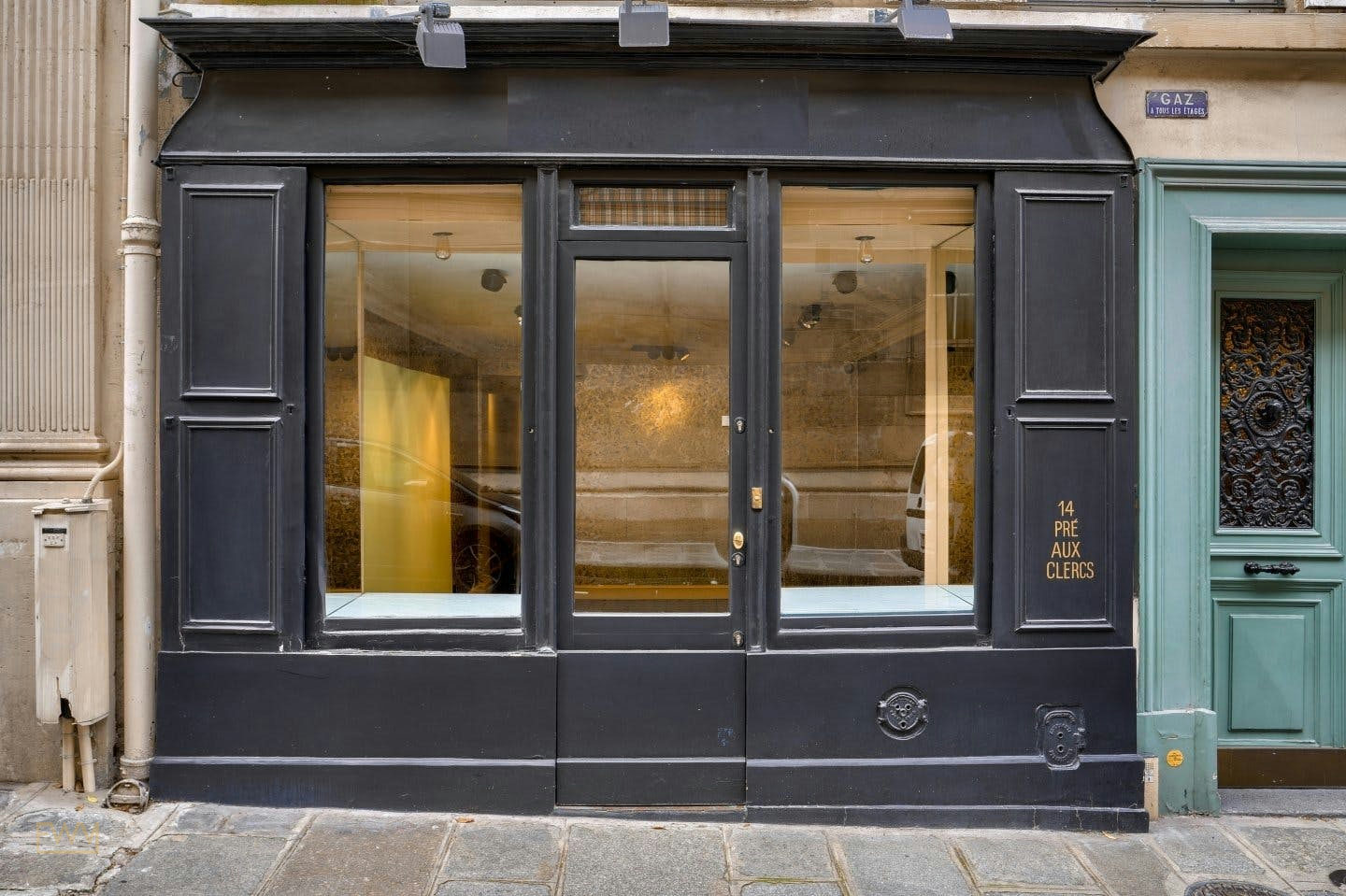
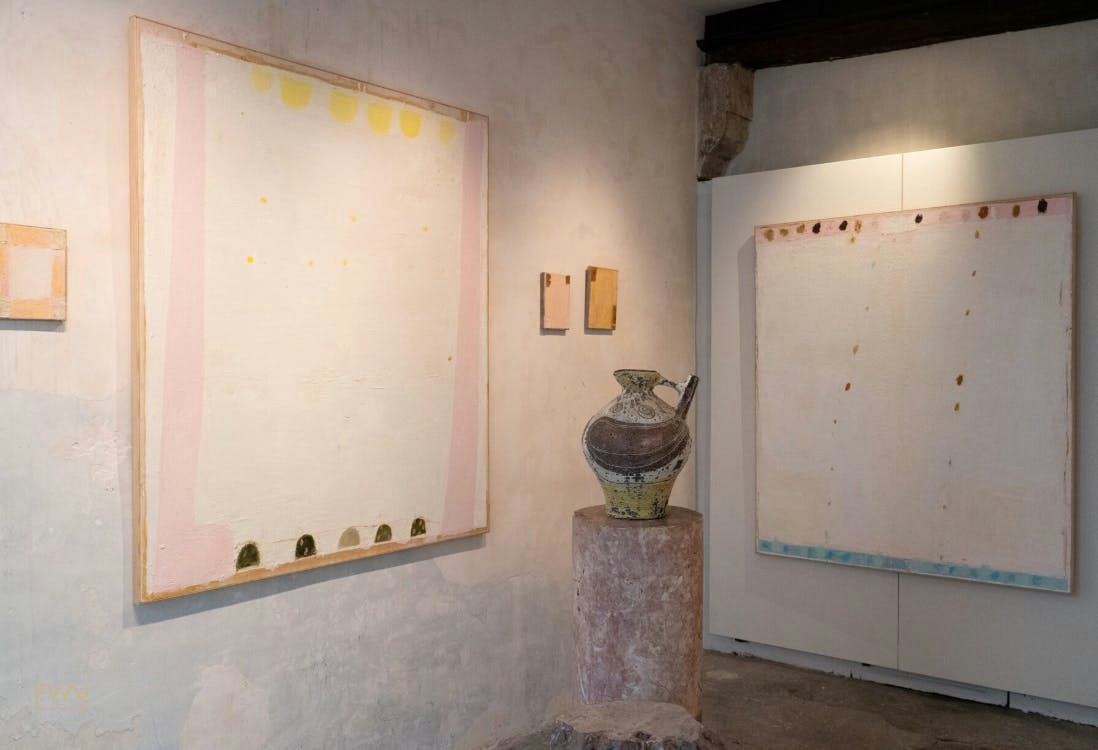
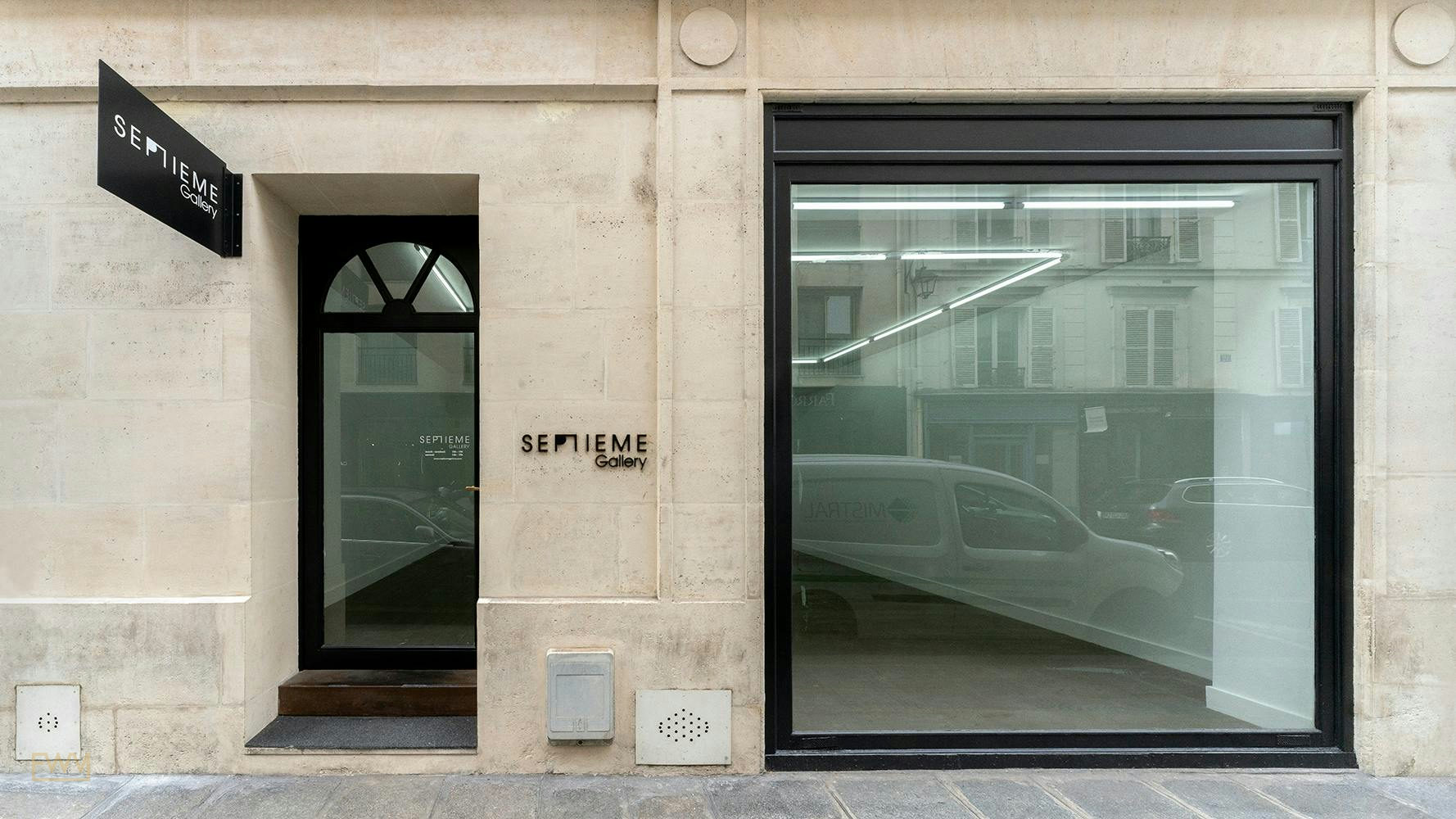
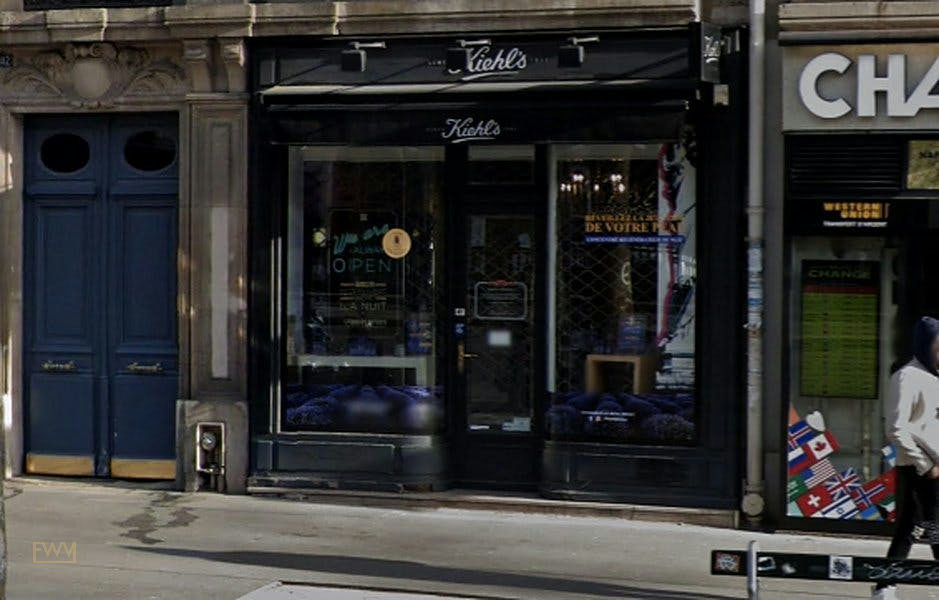
Short term retail on Avenue Montaigne represents one of the most strategically valuable activation opportunities available to any fashion, beauty, or luxury brand operating in Europe. The avenue sits at the heart of Paris's Golden Triangle, flanked by the world's most recognised haute couture houses and surrounded by a clientele that travels specifically to experience the best of French fashion. Whether you are planning a pop-up store, a temporary showroom, a collection launch, or a brand experience space, Avenue Montaigne offers a concentration of prestige, foot traffic, and media attention that no other address in Paris quite matches. Fashion Week Venues supports brands planning activations across Paris, including within this arrondissement and the broader Golden Triangle district.
What Makes Avenue Montaigne the World's Most Prestigious Retail Address
Quick answer: Avenue Montaigne is Paris's premier luxury retail address because it hosts the flagship boutiques of Chanel, Christian Dior, Louis Vuitton, Saint Laurent, Prada, and dozens of other high-end fashion houses within a single tree-lined boulevard in the 8th arrondissement, making it the global epicentre of haute couture commerce and brand prestige.
Avenue Montaigne runs through the 8th arrondissement of Paris, stretching from the Place de l'Alma toward the Champs-Élysées. The avenue is a short distance from the Eiffel Tower and sits within the Golden Triangle, which is defined by Avenue George V, Avenue des Champs-Élysées, and Avenue Montaigne itself. This triangle forms what many in the global fashion industry consider the most densely prestigious retail district in the world. The Seine River and Notre Dame lie to the south, and the Louvre is accessible within minutes, meaning the area draws visitors with genuine cultural and commercial intent.
The history of Avenue Montaigne as a couture address stretches back to the mid-twentieth century. Christian Dior opened his atelier at 30 Avenue Montaigne in 1946, and the address became synonymous with the New Look silhouette that redefined post-war fashion globally. The Dior flagship remains at that address today, and the Dior Spa at the Hôtel Plaza Athénée at 25 Avenue Montaigne is among the most photographed beauty destinations in Paris. The story of how the avenue became Paris's couture address is inseparable from the vision of French designers who chose it deliberately because of its proximity to the grand hotels, its wide pavements, and its wealthy residential clientele.
Today the avenue hosts flagship boutiques from Chanel, Louis Vuitton, Saint Laurent, Prada, Valentino, Celine, Fendi, Balenciaga, and many others. Rue Cambon, where Chanel maintains its historic maison, sits nearby, reinforcing the sense that this neighbourhood forms a contiguous zone of luxury influence. Place Vendôme and Rue Saint-Honoré extend the luxury corridor further, connecting the Golden Triangle to the 1st arrondissement. Galeries Lafayette and Printemps on Boulevard Haussmann provide a higher-volume luxury retail counterpoint accessible to a broader range of visitors.
Foot traffic on Avenue Montaigne reflects a specific visitor profile. International tourists, particularly from North America, the Gulf states, East Asia, Switzerland, and the United Kingdom, visit with deliberate shopping intent. The avenue attracts buyers, stylists, editors, and brand representatives during Fashion Week. During Paris Fashion Week, which takes place in February and March for autumn collections and in September and October for spring collections, the foot traffic becomes uniquely concentrated and commercially relevant for any brand operating a pop-up store or showroom on or near the avenue.
DID YOU KNOW: Christian Dior's first haute couture collection, shown at 30 Avenue Montaigne in February 1947, was so influential that the editor Carmel Snow of Harper's Bazaar coined the term "New Look" on the spot. That single address has shaped the global perception of Avenue Montaigne as a couture destination ever since.
KEY TAKEAWAY: Avenue Montaigne is not simply a prestigious postcode. It is an active commercial and cultural ecosystem where brand presence translates directly into international visibility, editorial coverage, and qualified clientele engagement. Any brand planning short term retail in Paris should understand how this avenue functions as both a commercial street and a symbolic statement.
Understanding what makes Avenue Montaigne distinctive also requires understanding what it is not. It is not a high-volume, fast-fashion corridor like parts of Rue de Rivoli or Avenue des Champs-Élysées. It is a carefully curated street where brand experience, visual presentation, and clientele alignment matter more than square metre efficiency alone.
Short Term Retail Formats Available on and Around Avenue Montaigne
Quick answer: Short term retail formats available near Avenue Montaigne include pop-up stores, temporary boutiques, fashion showrooms, studio photo spaces, gallery-style display venues, lounge activations, and branded apartment experiences, with space types ranging from polished concrete-floor commercial units to charming Haussmann apartments with natural lighting and ornate architectural features.
The term short term retail covers a range of formats, and Avenue Montaigne and its surrounding streets in the 8th arrondissement offer access to most of them. The right format depends on your brand's objectives, budget, calendar window, expected visitor volume, and whether you prioritise trade access, consumer retail, press coverage, or all three simultaneously.
Pop-Up Stores and Temporary Boutiques
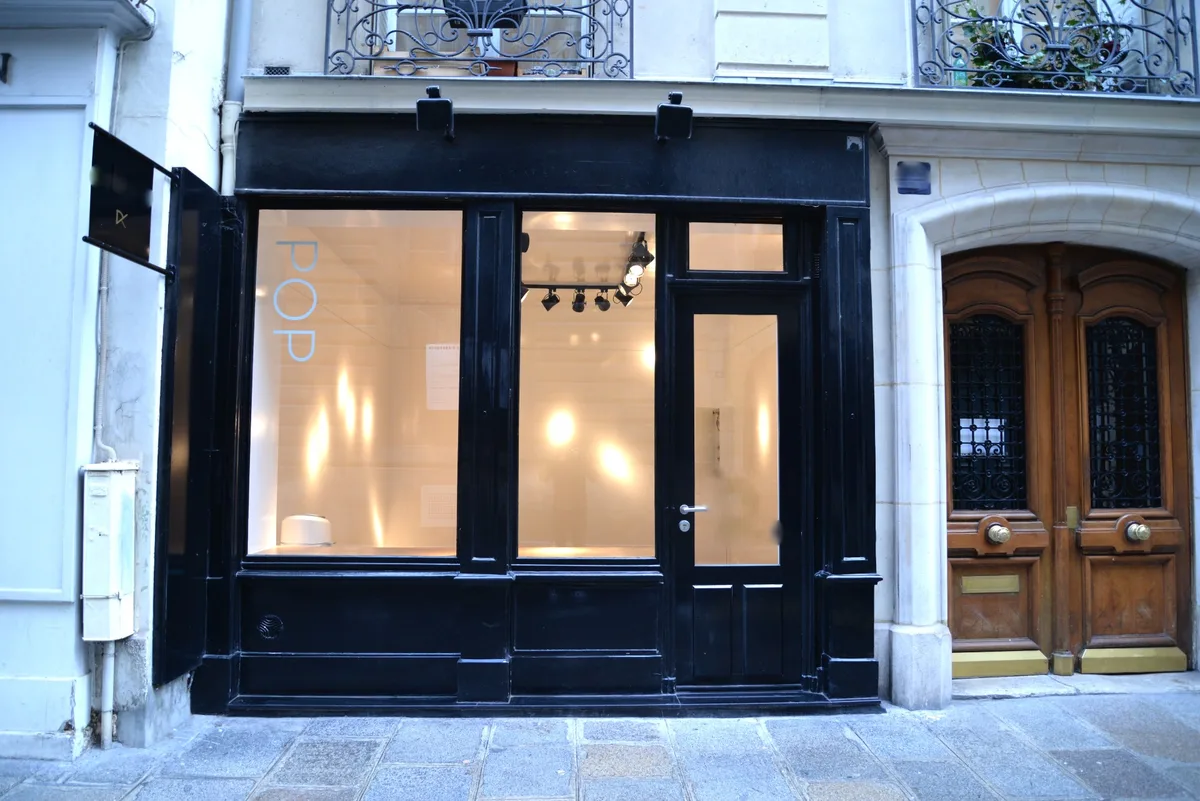
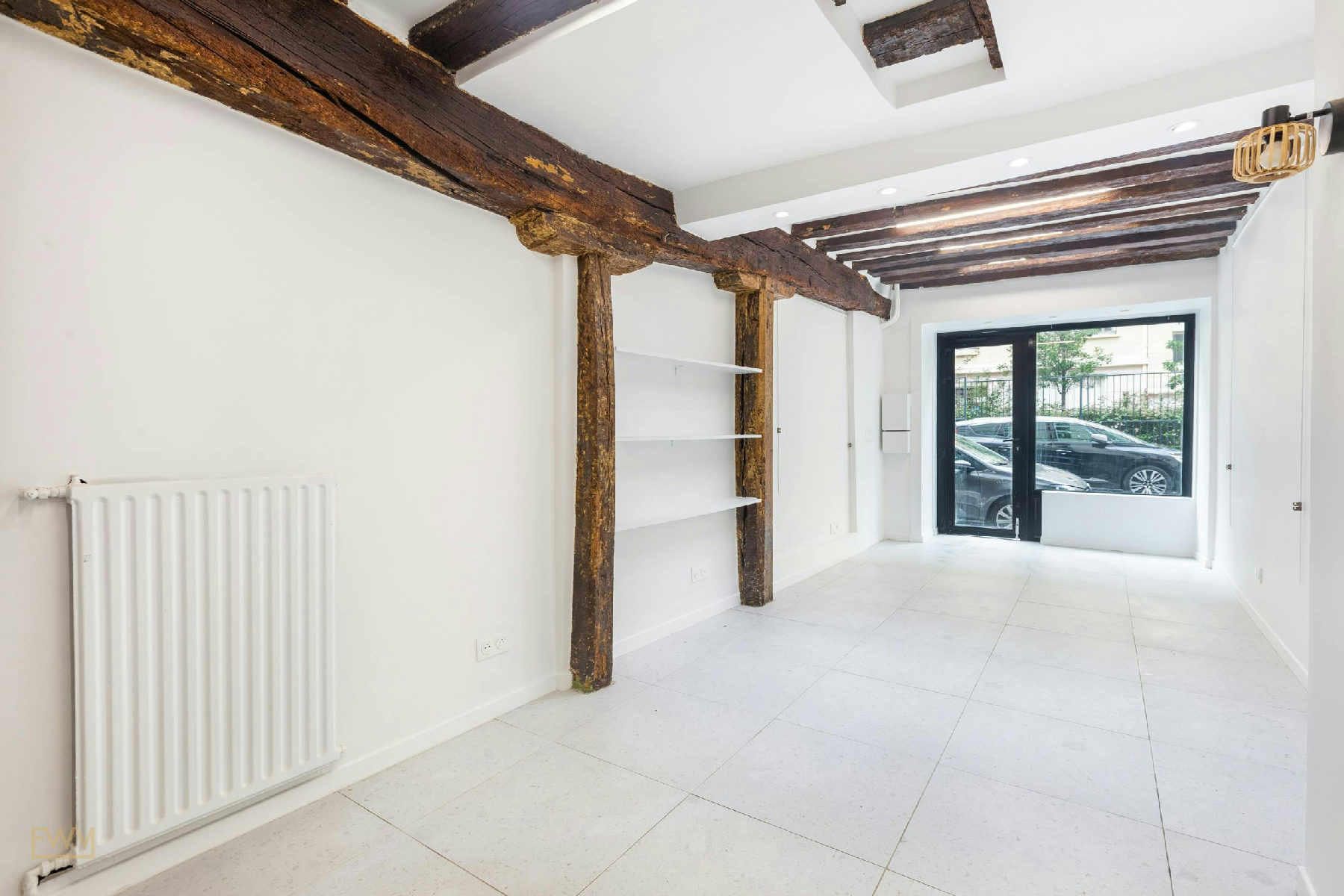
A pop-up store on or near Avenue Montaigne is typically a fully fitted, consumer-facing retail activation with a defined opening period. These spaces range from compact single-room boutiques of 30 to 60 square metres to larger multi-room spaces of 150 square metres or more. The appeal is immediacy: the space is operational, the location is known, and the prestige of the address works as a marketing asset in its own right. Pop-up stores in this district frequently feature fitting rooms, display fixtures, point-of-sale systems, and sometimes a lounge or hospitality area for VIP clientele.
Fashion Showrooms
A fashion showroom near Avenue Montaigne serves a trade-facing function. Buyers, press, and wholesale clients visit by appointment to review collections. These spaces prioritise rail space, archival display capacity, and meeting areas over consumer traffic flow. During Paris Fashion Week, showroom rentals in this area are in high demand because the proximity to the major fashion houses ensures that trade visitors are already in the neighbourhood. A well-positioned fashion showroom can generate significant wholesale interest within a short activation window.
Gallery-Style Spaces and Art Gallery Conversions
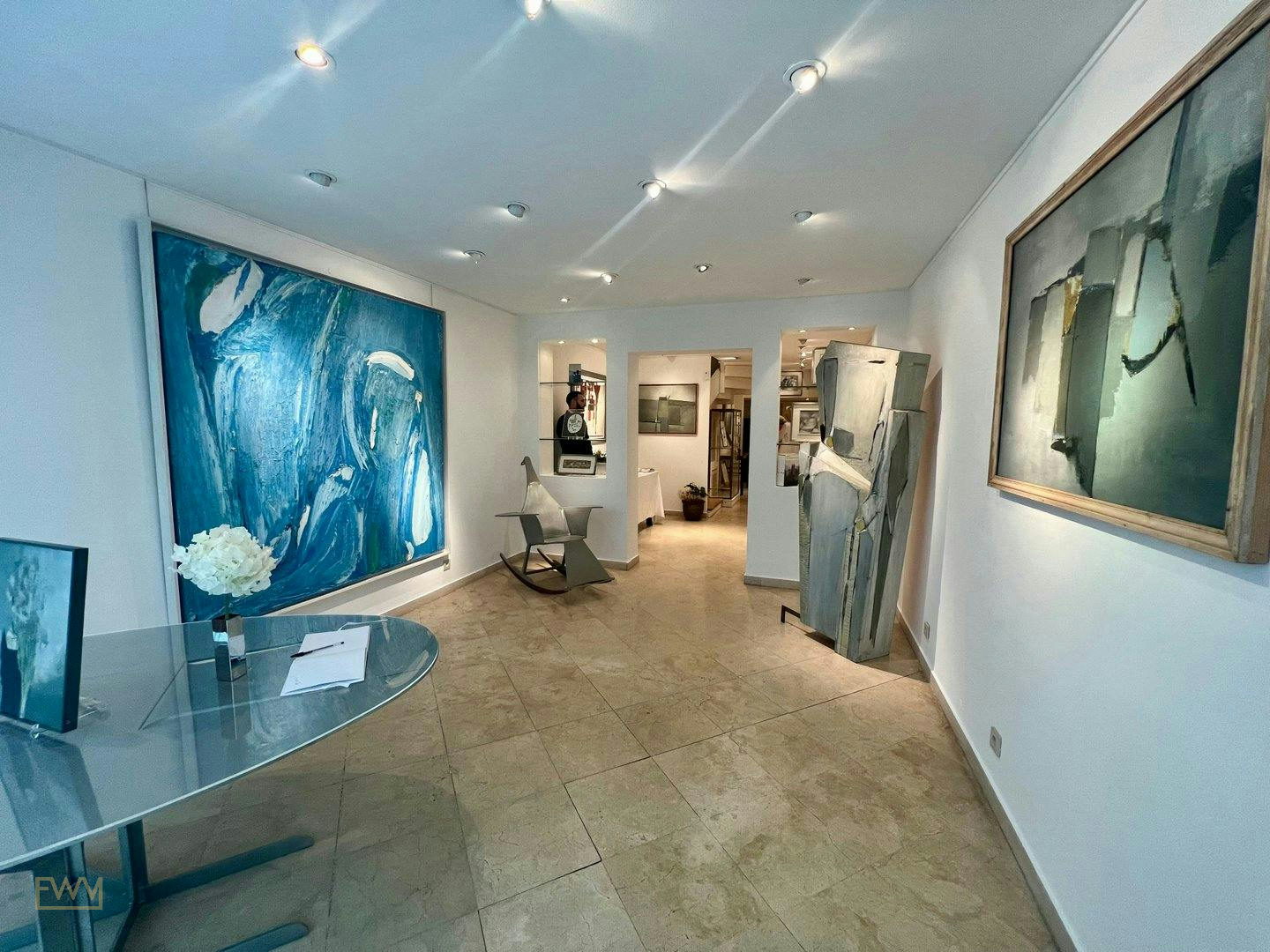
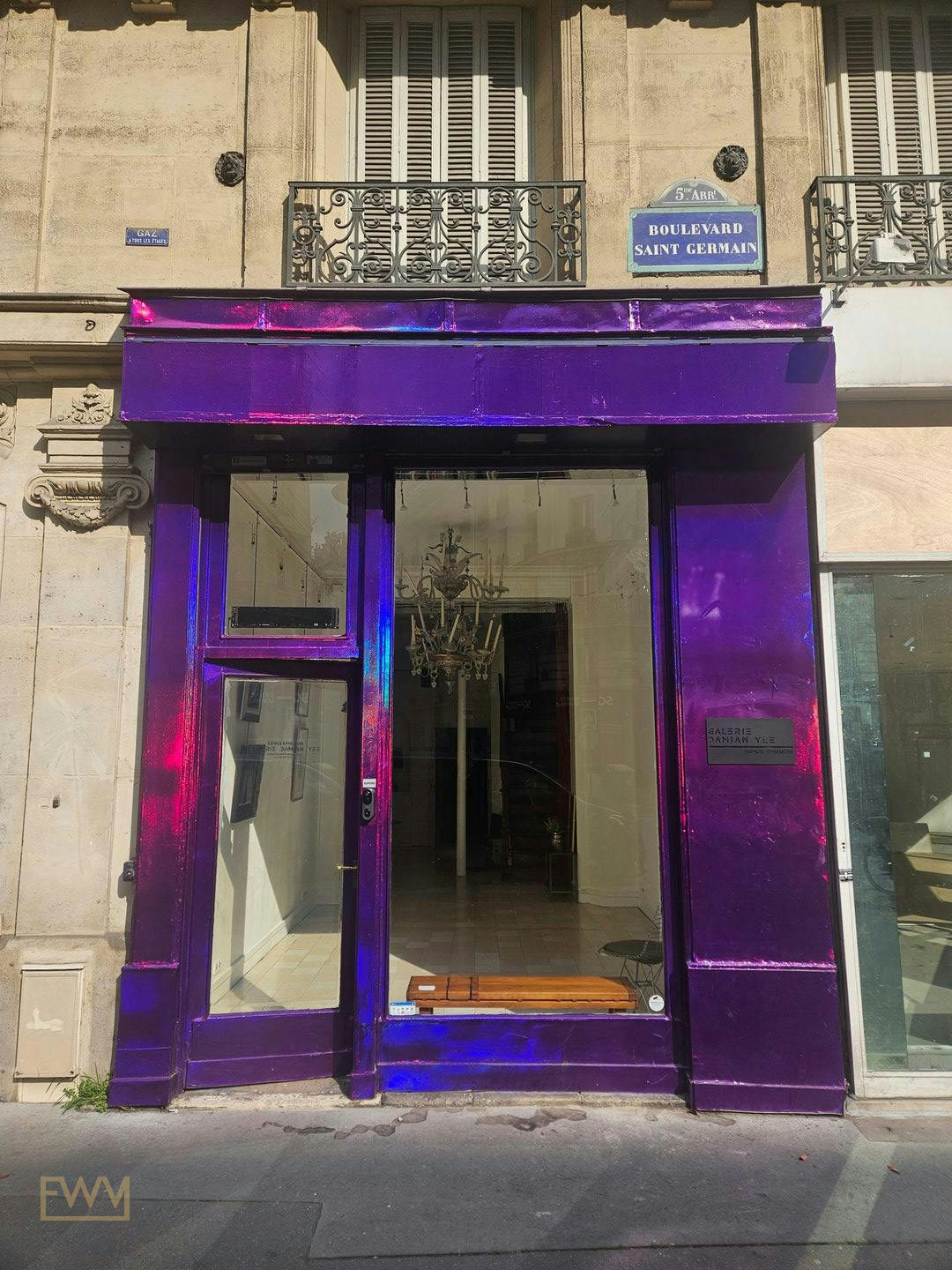
Gallery spaces and art gallery conversions offer polished concrete floors, raw concrete floors, or industrial finishes with high ceilings and spotlights, providing a neutral backdrop that allows collection display or brand installation to dominate the visual field. These spaces work well for brands launching editorial collections, limited-edition releases, or experience-led activations where product display functions more like an exhibition than a retail transaction.
Apartment and Residential-Style Venues
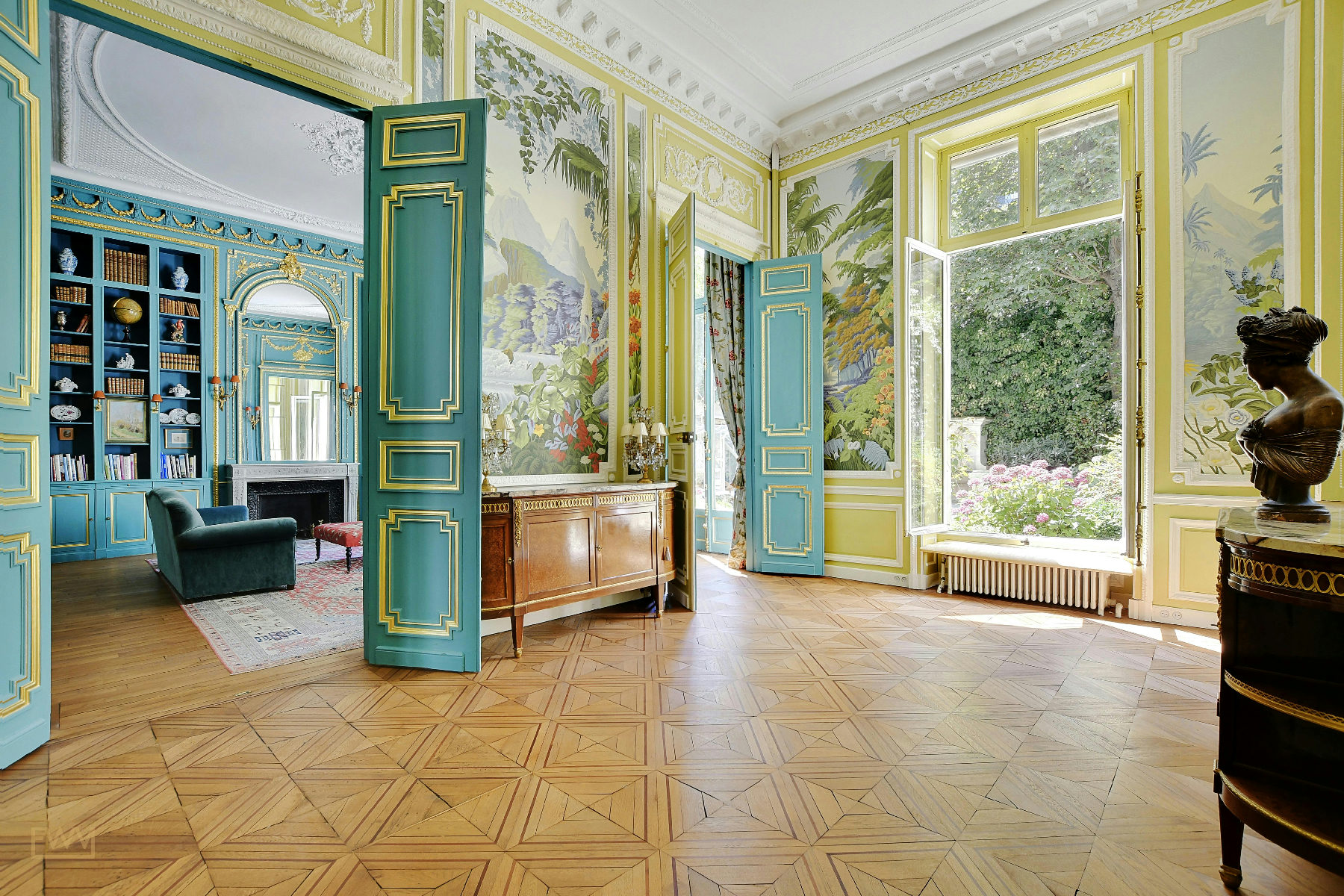
Haussmann apartments and residential-style spaces in the 8th arrondissement offer a distinct alternative to commercial retail units. These spaces feature parquet floors, ornate mouldings, large windows with natural lighting, and a domestic scale that suits intimate brand experiences, beauty launches, fragrance presentations, and appointment-based clientele engagement. Henry Jacques, the perfume house located at 2 Avenue Montaigne, has used residential-scale presentation to reinforce its positioning as an exclusive fragrance destination, demonstrating how domestic-feeling spaces can carry enormous luxury weight.
Studio Photo and Content Spaces
Studio photo spaces and content-ready venues support social media content creation, influencer visits, and editorial shoots alongside retail activation. These spaces often feature controllable lighting, neutral backgrounds, and flexible furniture configurations. Brands using these spaces during Fashion Week generate a parallel stream of social content that amplifies the physical activation digitally.
PABLO Kiosk and Compact Retail Units
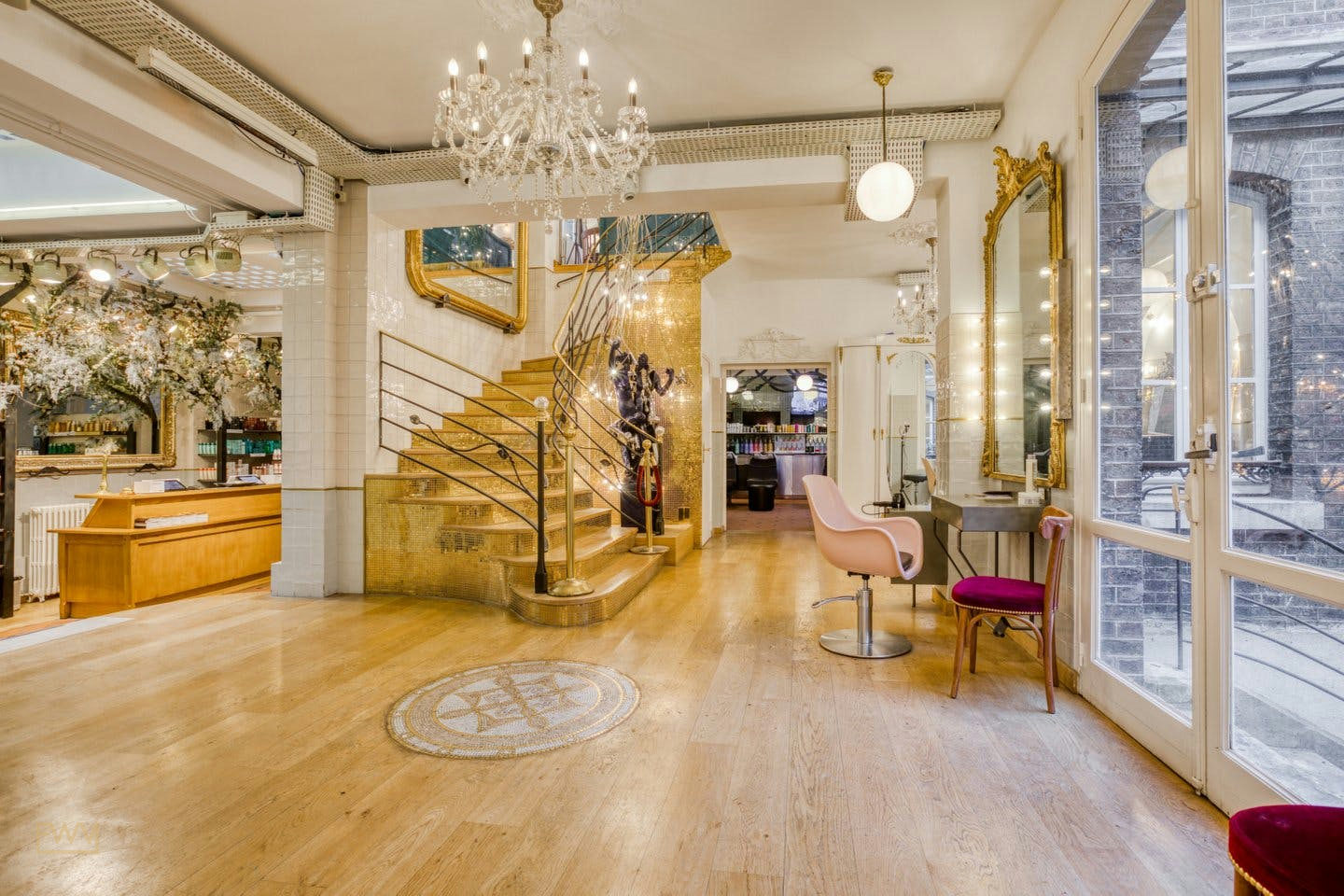
Smaller PABLO kiosk-style installations and compact retail units within larger venues or hospitality spaces allow brands to establish a physical presence in premium environments without committing to a full standalone space. These formats work particularly well for beauty brands, accessories labels, and fragrance houses launching a specific product rather than a full collection.
| Space Type | Best For | Typical Size | Key Features |
|---|---|---|---|
| Pop-Up Store | Consumer retail, collection launches | 40 to 150 sq m | Fitting rooms, display fixtures, checkout, foot traffic |
| Fashion Showroom | Trade buyers, press, wholesale clients | 60 to 200 sq m | Rail space, meeting area, archival display |
| Gallery Space | Editorial launches, exhibitions | 80 to 300 sq m | Polished or raw concrete floors, spotlights, high ceilings |
| Apartment Venue | Beauty, fragrance, intimate VIP events | 50 to 120 sq m | Natural lighting, parquet floors, Haussmann architecture |
| Studio Photo Space | Content creation, influencer activations | 30 to 100 sq m | Controllable lighting, neutral finishes, flexible layout |
| PABLO Kiosk | Product launches, beauty activations | 5 to 20 sq m | Compact, high-footfall placement, hassle-free transactions |
KEY TAKEAWAY: Choosing the right short term retail format near Avenue Montaigne requires matching the space type to your activation objectives, visitor profile, and calendar window rather than defaulting to the largest or most commercial option available.
Once you have identified the right format, the next practical challenge is understanding which specific neighbourhoods and streets within the broader district offer the best match for your brand positioning and budget.
Neighbourhood Guide: Avenue Montaigne, the Golden Triangle, and the Surrounding Luxury District
Quick answer: The Golden Triangle, bounded by Avenue Montaigne, Avenue George V, and Avenue des Champs-Élysées, is the primary luxury retail cluster in Paris. Adjacent areas including Saint-Honoré, Place Vendôme, Saint-Germain-des-Prés, and the Marais extend the range of short term retail options significantly, each with a distinct brand positioning and visitor profile.
Paris's luxury retail geography is layered. Avenue Montaigne sits at the apex of the Golden Triangle, but the wider 8th arrondissement and its neighbouring districts offer a range of micro-locations that suit different brand positioning strategies. Understanding these distinctions is essential before shortlisting spaces.
Avenue Montaigne and the 8th Arrondissement
Avenue Montaigne itself is the most prestigious single address for short term retail in Paris. The 8th arrondissement also contains Rue du Faubourg Saint-Honoré, which runs east from the Élysée Palace and hosts the flagship boutiques of Hermès, Gucci, Burberry, and many others. The combination of Avenue Montaigne and Saint-Honoré defines the western luxury corridor of the arrondissement. Spaces here command premium rental rates and attract visitors who are specifically seeking high-end fashion experiences rather than general sightseeing.
Avenue des Champs-Élysées
Avenue des Champs-Élysées offers higher footfall volume than Avenue Montaigne but a more varied visitor demographic. Brands seeking mass visibility alongside luxury positioning sometimes use Champs-Élysées as a primary activation address during Fashion Week, particularly for flagship-scale pop-up stores. The avenue runs from Place de l'Étoile to Place de la Concorde and connects directly to the Golden Triangle at its southern end.
Place Vendôme and Rue de la Paix
Place Vendôme and the surrounding streets host the world's most concentrated cluster of fine jewellery and watchmaking houses. Chanel's perfume and beauty flagships, alongside the hotel bar culture of the Ritz Paris and Le Meurice, create a hospitality-meets-retail atmosphere that suits beauty brands, fragrance launches, and luxury accessories activations. Rue Cambon, where Chanel's historic maison is located, runs parallel to Rue de la Paix and provides a more residential-scale environment for intimate brand experiences.
Le Marais
Le Marais, spanning the 3rd and 4th arrondissements, offers a contrasting short term retail environment. The neighbourhood combines contemporary fashion, art galleries, concept stores, and independent boutiques within a historic architectural context of medieval and Renaissance buildings. Brands positioning themselves at the intersection of fashion and culture frequently choose Le Marais for pop-up stores and showrooms, particularly during Paris Fashion Week when the area hosts significant events and parties. The Marais visitor profile skews younger and more design-aware than the Avenue Montaigne clientele, making it a strong complement for brands with multi-tier positioning strategies.
Saint-Germain-des-Prés
Saint-Germain-des-Prés, in the 6th arrondissement, is the intellectual and cultural heart of Left Bank fashion. Luxury brands including Dior, Armani, and Sandro maintain boutiques here, and the area's residential character and concentration of art galleries create a context well-suited to editorial brand activations, collection launches, and showrooms targeting press and creative industry visitors. The proximity to the Louvre via Rue de Rivoli provides a further cultural anchor for visitors combining shopping with museum visits.
Montmartre and Pigalle
Montmartre and the Pigalle district in the 18th and 9th arrondissements represent an emerging alternative for creative and independent fashion brands. These neighbourhoods attract a younger, more fashion-forward visitor, and the combination of studio spaces, art venues, and independent retail creates a context suited to emerging brands and concept-driven activations rather than established luxury houses.
To compare neighbourhoods and space types, explore the Paris city hub on Fashion Week Venues and shortlist spaces that match your brief, budget, and calendar window.
| Neighbourhood | Arrondissement | Best For | Visitor Profile |
|---|---|---|---|
| Avenue Montaigne | 8th | Luxury flagship pop-ups, couture showrooms | International luxury shoppers, buyers, press |
| Champs-Élysées | 8th | High-volume consumer pop-ups | Mass tourism, international visitors |
| Saint-Honoré / Vendôme | 1st / 8th | Jewellery, beauty, fragrance launches | Affluent international clientele |
| Le Marais | 3rd / 4th | Contemporary fashion, concept stores | Design-aware, younger luxury consumers |
| Saint-Germain-des-Prés | 6th | Editorial activations, cultural showrooms | Press, stylists, cultural visitors |
| Montmartre / Pigalle | 18th / 9th | Emerging brands, creative installations | Younger fashion audience, creatives |
KEY TAKEAWAY: Avenue Montaigne is unmatched for prestige positioning, but the choice of neighbourhood for short term retail in Paris should be driven by your target visitor profile, activation format, and brand message rather than postcode prestige alone.
With the right neighbourhood identified, the next critical step is understanding the permits, regulations, and legal frameworks that govern short term retail in Paris.
Permits, Regulations, and Legal Frameworks for Short Term Retail in Paris
Quick answer: Short term retail in Paris operates under specific legal frameworks including the bail dérogatoire for short-term commercial leases and the autorisation d'occupation temporaire for public space use. Requirements vary significantly by space type, duration, and arrondissement, and brands should always verify requirements with a qualified French legal advisor before signing any agreement.
One of the most practically important aspects of short term retail in Paris is navigating the legal and regulatory environment correctly. French commercial property law is complex, and the rules that apply to a two-week pop-up store differ substantially from those governing a six-month concept store lease or a temporary public space installation.
Bail Dérogatoire: The Short-Term Commercial Lease
The bail dérogatoire, also called a bail précaire or convention d'occupation précaire, is the legal framework most commonly used for short term retail in France. It allows landlords and tenants to agree a temporary commercial occupation of a space for a defined period, typically between one day and twenty-three months, without triggering the protections and obligations of the standard nine-year commercial lease known as the bail commercial. For brands planning a Fashion Week pop-up, a seasonal collection launch, or a temporary boutique, the bail dérogatoire is usually the relevant instrument.
Key characteristics of the bail dérogatoire include the requirement that both parties explicitly agree in writing that the arrangement is temporary and does not create any rights to lease renewal. If the tenant continues to occupy the space after the agreed end date without a new agreement being signed, French law may convert the arrangement into a full commercial lease, with significant legal and financial consequences. This risk means that departure logistics and handover conditions must be clearly defined from the start.
Autorisation d'Occupation Temporaire
The autorisation d'occupation temporaire, abbreviated as AOT, governs the temporary use of public domain spaces such as pavements, public squares, or parks for retail or event activations. If your pop-up concept involves any outdoor element on Avenue Montaigne, including a terrace display, a branded installation on the pavement, or a temporary structure in a public space, you will likely need an AOT from the relevant municipal authority. The process and requirements for AOT applications vary by arrondissement and by the specific public authority managing the relevant space. In the 8th arrondissement, which covers Avenue Montaigne, the local mairie and the city of Paris both play a role in certain approvals.
Additional Local Regulations
Beyond the lease framework, short term retail in Paris involves compliance with local regulations covering signage, opening hours, waste management, fire safety, accessibility, and in some cases specific rules governing retail activity in classified heritage zones. Avenue Montaigne and much of the 8th arrondissement fall within areas subject to conservation rules that may restrict certain types of external signage, window dressing that obscures architectural features, or structural modifications to listed buildings.
Brands planning food or beverage service as part of a pop-up activation need to consider additional health and safety regulations. Beauty activations involving cosmetic treatments may require specific professional certifications. Security service and security solution requirements for high-value merchandise activations in this district should be factored into planning from the outset.
IMPORTANT: French permit and lease requirements are complex and subject to change. This guide provides general orientation only. Always verify your specific requirements with a qualified French legal advisor and with the relevant municipal authority before committing to a space or signing any agreement.
For structured guidance on permit requirements by space type and district, explore the permit planning tool on Fashion Week Venues, which helps brands map regulatory considerations before engaging legal counsel.
KEY TAKEAWAY: Understanding the difference between a bail dérogatoire and a full commercial lease, and knowing when an AOT is required, can save a brand significant money, time, and legal risk. Specialist guidance is not optional when activating in Paris; it is a commercial necessity.
With the regulatory context established, the next essential step is understanding how to budget realistically for short term retail on Avenue Montaigne and in the wider Golden Triangle district.
Budgeting for Short Term Retail on Avenue Montaigne
Quick answer: Budgeting for short term retail near Avenue Montaigne involves space rental costs, fit-out and production, staffing, permits, technology and payments infrastructure, marketing and influencer activation, and contingency. Given the premium nature of the address and the competitive demand during Fashion Week, accurate budgeting requires brand-specific modelling rather than generic benchmarks.
Avenue Montaigne and the Golden Triangle command some of the highest short term retail rental rates in Europe. Rental rates for premium commercial spaces in this district reflect the prestige of the address, the quality of the space, the duration of the rental, and the timing relative to Paris Fashion Week. Spaces available during Fashion Week in February or March, or September and October, typically carry a premium over off-peak periods because demand from international brands is at its highest.
Beyond the base rental cost, a realistic budget for a short term retail activation in this district needs to account for several additional cost categories. Fit-out and production costs for a brand-appropriate space in this neighbourhood are typically significant. A charming boutique or Haussmann apartment may require minimal structural work but will need furniture, lighting, display fixtures, fitting rooms, and branded elements to meet the standards expected by Avenue Montaigne clientele. A raw commercial shell or polished concrete floor space will require a more substantial production investment to reach the same standard of presentation.
Staffing costs in Paris are regulated by French labour law, and international brands must comply with local employment regulations including minimum wage requirements, social charges, and in some cases mandatory registration with French employment authorities. Retail staffing for a luxury pop-up in this district requires bilingual or multilingual team members with experience serving international clientele, which typically commands a wage premium above the legal minimum.
Technology and payments infrastructure, including point-of-sale systems, card readers, and in some cases tax-free shopping support through services such as Zapptax, adds a further budget line. Zapptax supports tax-free shopping for international visitors from outside the European Union, which is a commercially relevant service for brands activating on Avenue Montaigne given the high proportion of non-EU visitors in the area. Credit card processing fees, foreign exchange considerations, and data and analytics tools all contribute to the operational cost structure.
Marketing activation costs, including social media content creation, influencer marketing, press outreach, and event programming, are typically budgeted separately from space and production costs but are integral to the overall return on the activation investment.
TIP: Use the Fashion Week Venues budget calculator to build a brand-specific cost model before approaching space owners or agencies. Having a clear budget framework prevents overspend on space rental at the expense of production quality, which is a common and costly mistake in premium locations like Avenue Montaigne.
To assess whether the investment in a short term retail activation is likely to generate commercially viable returns, brands should also model their expected outcomes using an ROI framework before committing to a space.
KEY TAKEAWAY: The total cost of a short term retail activation on Avenue Montaigne is substantially higher than the space rental cost alone. Brands that budget only for rent and discover the full cost of fit-out, staffing, permits, and marketing mid-project frequently face budget overruns that compromise the quality of the activation.
How to Find and Secure Short Term Retail Space on Avenue Montaigne
Quick answer: Finding short term retail space near Avenue Montaigne requires early engagement with specialist agencies, space marketplaces, and direct landlord relationships. Competition for premium spaces during Paris Fashion Week is intense, and spaces in the most desirable locations are frequently secured six to twelve months in advance by returning clients or well-networked agencies.
The process of securing short term retail space near Avenue Montaigne differs significantly from finding space in less competitive markets. The most desirable spaces, including boutique-scale units with authentic Haussmann architecture, gallery spaces with polished concrete floors and spotlights, and apartment venues with exceptional natural lighting, are not widely advertised. They circulate through agency relationships, specialist marketplaces, and direct landlord networks built over years of operational presence in the market.
Step-by-Step Space Discovery and Securing Workflow
| Step | Action | Timeline Before Activation |
|---|---|---|
| 1 | Define brief: space type, size, location, budget, dates | 9 to 12 months |
| 2 | Browse space marketplace and compare options | 8 to 10 months |
| 3 | Shortlist and visit top three to five spaces | 7 to 9 months |
| 4 | Commission concept direction and space visualisation | 6 to 8 months |
| 5 | Negotiate bail dérogatoire and confirm dates | 5 to 7 months |
| 6 | Submit permit applications | 4 to 6 months |
| 7 | Commence fit-out and production | 2 to 4 months |
| 8 | Staff recruitment and briefing | 1 to 2 months |
| 9 | Technology, POS, and payments setup | 4 to 6 weeks |
| 10 | Soft launch, press preview, or VIP opening | 1 to 2 weeks |
The most common mistake brands make when seeking space near Avenue Montaigne is underestimating how early the process needs to begin. During Paris Fashion Week, the most sought-after commercial spaces in the Golden Triangle are effectively pre-booked by the beginning of the calendar year for the September shows, and by August for the following February shows. Brands that begin their search eight weeks before activation typically find that the best spaces are already committed.
Space Marketplaces and Agency Routes
Specialist space marketplaces that focus on short term retail and pop-up venues in Paris offer a more efficient discovery process than general commercial property platforms. These marketplaces typically carry verified listings with accurate floor plans, square metre counts, floor and access specifications, space features lists, and transparent pricing structures. Using a marketplace also enables side-by-side comparison of multiple spaces against a consistent set of criteria, which is significantly more efficient than managing separate conversations with individual landlords.
Agency routes offer a different value proposition. A full-service agency with established relationships in the Avenue Montaigne neighbourhood can access spaces that are never publicly listed, negotiate more favourable rental terms on behalf of clients, and manage the entire process from space identification through to activation close. The trade-off is that agency fees add to the total budget, but for brands without existing Paris relationships, the cost of specialist agency support is typically offset by the quality of the space secured and the avoidance of costly errors in permit compliance, fit-out, and staffing.
To browse available spaces and compare options by neighbourhood, size, and format, visit the Fashion Week Venues space marketplace, which lists verified short term retail spaces across Paris including in and around the Golden Triangle.
KEY TAKEAWAY: The earlier you begin the space discovery process for Avenue Montaigne and the Golden Triangle, the better your options. Brands treating space search as a last-minute task consistently compromise on location, quality, or terms compared to those who plan six to twelve months in advance.
How Fashion Week Venues Supports Short Term Retail Activations on Avenue Montaigne
Fashion Week Venues is a full-service pop-up shop agency and space marketplace that supports brands planning short term retail activations in Paris and other major fashion capitals. For brands targeting Avenue Montaigne, the Golden Triangle, or any other district within the Paris luxury retail ecosystem, Fashion Week Venues provides a structured pathway from initial brief to completed activation.
The venue sourcing service at Fashion Week Venues covers space identification, landlord negotiation, lease framework support, and space comparison across the Paris market. This service is particularly relevant for international brands entering Paris for the first time, who lack the local relationships and market knowledge to identify and secure premium short term retail spaces independently.
Once a space is secured, concept direction provides creative strategy and spatial narrative development, ensuring that the brand experience inside the space matches the expectations of Avenue Montaigne clientele. This service covers everything from the spatial flow and display strategy to the lighting plan, material selection, and branded environment design.
Production and build services cover fit-out delivery, furniture installation, lighting, display fixture construction, and space readiness. For premium spaces in the 8th arrondissement, production quality is not negotiable: a poorly executed fit-out in a prestigious address damages brand credibility rather than enhancing it.
Retail staffing covers recruitment, briefing, scheduling, and management of in-store teams for the duration of the activation. Staffing for luxury pop-ups in this district requires professionals with experience in high-end retail, multilingual communication, and the specific service culture expected by international luxury consumers.
The Fashion Week Venues tool suite includes a timeline planning tool for mapping the full activation calendar, a space comparison tool for evaluating multiple options against a consistent brief, a ROI calculator for modelling expected commercial outcomes, and an imagine tool for visualising how a brand concept will look within a specific space before committing to it.
The twin concept available through Fashion Week Venues enables two brands to co-activate within a single space, sharing costs while maintaining distinct brand identities. This model is particularly effective for complementary brands, such as a fashion label and a beauty brand, or a jewellery house and a fragrance brand, activating together during Paris Fashion Week to maximise shared foot traffic and reduce individual cost exposure.
Fashion Week Venues does not guarantee specific spaces, permit approvals, or commercial outcomes. The agency provides expertise, relationships, and structured support to help brands maximise the quality and commercial impact of their activations, but results depend on brand-specific factors including the product, the marketing investment, the team, and the market conditions at the time of activation.
To understand how the agency works in practice and review examples of past activations, visit the work and case studies section and the agency process page.
KEY TAKEAWAY: Fashion Week Venues serves as a single point of coordination for the full complexity of a short term retail activation near Avenue Montaigne, from space sourcing and concept direction through to production, staffing, payments, and analytics. Brands that use a coordinated full-service approach consistently deliver higher-quality activations than those managing multiple separate vendors.
Fashion Week Calendar Windows and Timing Your Avenue Montaigne Activation
Quick answer: Paris Fashion Week runs twice annually, in February and March for autumn and winter collections and in September and October for spring and summer collections. These periods represent the highest-demand windows for short term retail near Avenue Montaigne, but brands should also consider the value of activating outside these windows when competition for space is lower and clientele engagement can be more focused.
The Paris Fashion Week calendar is one of the most influential commercial calendars in the global fashion industry. The February and March week focuses on ready-to-wear autumn and winter collections, while September and October presents spring and summer collections. Haute couture shows in January and July attract a smaller but extremely high-value audience of editors, buyers, and private couture clients. The timing of your short term retail activation relative to these calendar windows significantly affects foot traffic volume, press visibility, and trade engagement.
Activating during Fashion Week provides immediate access to the concentrated international audience that the shows bring to Paris. Buyers from major department stores across the US, UK, Japan, South Korea, and the Gulf states are present in the city specifically to discover new brands and review established collections. Press and stylists from major fashion publications are actively seeking stories and visual content. Social media audiences are primed to engage with Paris Fashion Week content. For a brand with a strong product and a well-executed activation, this concentration of commercially relevant visitors represents an exceptional opportunity.
However, the same concentration of demand that creates opportunity also creates cost pressure. Space rentals during Fashion Week carry a premium. Production teams, stylists, and retail staff are in high demand. Getting press attention during a week when hundreds of major brands are competing for coverage requires distinctive creative positioning and an exceptionally well-managed activation.
Activating outside Fashion Week windows offers different advantages. Rental rates are typically lower. The pace of the activation is more measured. Consumer visitors in the Avenue Montaigne neighbourhood during non-Fashion Week periods are typically highly qualified luxury shoppers rather than industry visitors, which can be commercially valuable for certain brand types. Beauty brands, fragrance houses, and lifestyle brands sometimes find that non-Fashion Week activations deliver stronger direct-to-consumer results precisely because they face less competition for attention.
DID YOU KNOW: Paris receives approximately 33 million international tourists annually, with the highest concentration of luxury shopping visitors arriving in July, August, and December. A short term retail activation on Avenue Montaigne during these peak tourist months can generate significant consumer sales volume even outside the Fashion Week calendar.
KEY TAKEAWAY: Fashion Week is the highest-profile window for short term retail near Avenue Montaigne, but it is not the only commercially viable window. Brands should model their target visitor profile and commercial objectives before defaulting to the Fashion Week calendar as the only viable activation period.
Operations, Visitor Experience, and Customer Service Standards for Avenue Montaigne Activations
Quick answer: Operational excellence is non-negotiable for short term retail on Avenue Montaigne. Clientele expect seamless transactions, professional service, multilingual staff, fitting room availability, tax-free shopping options, and a physical environment that matches the standards set by the permanent luxury flagship boutiques on the same street.
The clientele visiting Avenue Montaigne have experienced the highest standards of luxury retail service at Chanel, Christian Dior, Louis Vuitton, Prada, Saint Laurent, and every other permanent flagship on the street. A short term retail activation in this district must meet the same service and environmental standards that these brands set, or it will read as out of place regardless of the quality of the product it sells.
Transactions and Payments
Hassle-free transactions are a baseline expectation for Avenue Montaigne clientele. A pop-up store that cannot process international credit cards, does not offer tax-free shopping for non-EU visitors, or has a slow or unreliable checkout process will lose sales and damage brand perception. Implementing a robust point-of-sale system with multi-currency support, credit card processing for all major international card networks, and digital receipts is essential. The Zapptax tax-free shopping service allows international visitors from outside the European Union to reclaim VAT on purchases, which can represent a significant saving on high-value fashion items and is a commercially meaningful service to offer in this location.
Fitting Rooms and Display Standards
Fitting rooms are a practical and brand experience requirement for fashion activations. A short term retail space near Avenue Montaigne that sells clothing without fitting rooms will disappoint visitors accustomed to the private fitting room suites at the permanent haute couture houses. Even compact spaces should include at least one well-designed fitting room with appropriate lighting, a full-length mirror, and sufficient space for a client and a sales associate to work together.
Display standards, including lighting quality, display fixture design, spacing between items, and the logic of how collections are presented, communicate brand values before any product interaction occurs. Polished concrete floors and spotlights create a gallery aesthetic. Parquet floors with soft furnishings create an intimate boutique feeling. The display environment must be designed deliberately to serve the brand's positioning rather than left to default to whatever the bare space provides.
Security and Safety
High-value merchandise activations near Avenue Montaigne require appropriate security service and security solution planning. This includes physical security staffing during opening hours, secure storage for high-value items when the space is closed, and appropriate insurance coverage for the merchandise, the space, and any third-party liability. Space agreements for premium spaces in this district typically include specific requirements about security standards, and these should be reviewed carefully before signing.
Social Media and Content Integration
Avenue Montaigne is one of the most photographed streets in Paris. Visitors arrive with social media content creation as part of their visit intention. Brands activating in this area should design their space with social media visibility in mind, including a clearly identifiable visual moment that visitors can photograph and share. Well-positioned lighting, distinctive display elements, and a recognisable brand environment generate organic social media reach that extends the activation's impact well beyond the physical visitor count.
TIP: Briefing your retail staff on how to support visitor content creation, including knowing the best angles, offering to assist with photographs, and prompting visitors to tag the brand's social media handles, can significantly increase organic social media reach without any additional marketing budget.
KEY TAKEAWAY: Operational quality on Avenue Montaigne is not a secondary consideration. It is a primary determinant of whether a short term retail activation enhances or damages brand equity. Every transaction, every fitting room visit, and every social media interaction is a brand experience moment that either builds or erodes the brand's relationship with the world's most demanding luxury consumer audience.
Common Myths About Short Term Retail on Avenue Montaigne Debunked
MYTH: You need a French legal entity to rent a short term retail space on Avenue Montaigne.
FACT: International brands can and do activate in Paris without a pre-existing French legal entity. The bail dérogatoire can be structured to accommodate foreign companies, often with additional guarantees or through a French intermediary. The specific requirements vary by landlord and space type, and specialist agency support can help navigate these arrangements. You should always verify the specific requirements for your situation with a qualified French legal advisor.
MYTH: Paris Fashion Week is the only commercially viable window for short term retail near Avenue Montaigne.
FACT: Paris Fashion Week generates exceptional visibility and trade access, but Avenue Montaigne attracts significant volumes of international luxury shoppers year-round, particularly during the summer months and the Christmas and New Year period. Beauty brands, fragrance houses, and lifestyle labels have found strong commercial results from activations outside the Fashion Week calendar when competition for visitor attention is lower and space rental costs are more accessible.
MYTH: Commission brokers are the only way to find short term retail space near Avenue Montaigne.
FACT: Specialist space marketplaces, full-service agencies, and direct landlord relationships all provide viable routes to short term retail space in the Golden Triangle. Commission-only brokers are one option, but they may not have access to the full range of available spaces, and their incentive structure does not always align with finding the best match for a brand's specific brief. Using a combination of a curated marketplace and specialist agency support typically yields better results in terms of space quality and overall activation success.
MYTH: Short term leases in Paris are legally straightforward and do not require specialist help.
FACT: French commercial property law is complex, and the bail dérogatoire has specific requirements that must be met precisely to avoid the arrangement being reclassified as a full commercial lease. Permit requirements, signage rules, heritage zone restrictions, employment law compliance, and VAT and tax considerations all add layers of regulatory complexity that international brands consistently underestimate. Specialist legal and operational support is strongly recommended for any brand activating in Paris, particularly for the first time.
MYTH: Any well-designed space will generate strong results on Avenue Montaigne regardless of the product or brand strategy.
FACT: The prestige of the address creates visibility and qualified foot traffic, but it does not substitute for product quality, clear brand messaging, strong operational execution, and a well-planned marketing programme. Brands that invest in a premium space without investing equally in the experience, the team, and the communication strategy around the activation consistently underperform relative to their cost base. The address enhances a strong brand; it does not rescue a weak one.
Frequently Asked Questions About Short Term Retail on Avenue Montaigne
What is the richest avenue in Paris?
Avenue Montaigne is widely considered the most prestigious and commercially valuable retail avenue in Paris, often described as the richest avenue in the city in terms of the concentration of luxury brand flagships and the spending power of its clientele. The avenue hosts the flagship boutiques of Christian Dior, Chanel, Louis Vuitton, Saint Laurent, Prada, Valentino, and many others within a single tree-lined boulevard in the 8th arrondissement. Place Vendôme, with its jewellery and watchmaking houses, and Rue du Faubourg Saint-Honoré are also associated with extreme commercial prestige, but Avenue Montaigne uniquely combines haute couture, luxury ready-to-wear, and international visitor appeal in a single address.
What luxury brands are on Avenue Montaigne?
Avenue Montaigne is home to flagship boutiques from Christian Dior at number 30, Chanel, Louis Vuitton, Saint Laurent, Prada, Valentino, Celine, Fendi, Balenciaga, and many other high-end fashion houses. The Dior Spa at the Hôtel Plaza Athénée at number 25 and Henry Jacques at number 2 are also notable destinations on the avenue. The broader Golden Triangle district extends the concentration of luxury brands further, with Hermès, Gucci, Burberry, and others on Rue du Faubourg Saint-Honoré and surrounding streets.
Is Avenue Montaigne worth visiting if I am not buying couture?
Absolutely. Avenue Montaigne is a remarkable urban environment in its own right, regardless of whether you intend to make a purchase. The architecture, the window displays, the proximity to the Eiffel Tower, the Seine River, and the surrounding Haussmann buildings make it one of the most visually compelling streets in Paris. Many visitors treat a walk along Avenue Montaigne as a cultural and aesthetic experience, browsing the window displays of the world's finest fashion houses, visiting the Hotel Plaza Athénée's iconic red-geranium terrace, and exploring the surrounding streets. For fashion enthusiasts, it offers direct access to the physical embodiment of French haute couture history.
How did Avenue Montaigne become Paris's couture address?
The transformation of Avenue Montaigne into the world's couture address is closely tied to Christian Dior's decision to open his maison at number 30 in 1946 and to present his groundbreaking New Look collection there in February 1947. The collection's international success drew global attention to the address, and other fashion houses followed over subsequent decades. The avenue's combination of wide pavements suited to elegant strolling, proximity to the grand hotels favoured by wealthy international visitors, and its position within the Golden Triangle made it the natural choice for luxury brands seeking a prestigious Parisian address.
What is the best time of day to visit Avenue Montaigne?
Mornings, particularly between 10am and noon, are typically the quietest time to visit Avenue Montaigne's boutiques, with shorter waiting times for entry and more personalised service. Mid-afternoon, between 2pm and 5pm, tends to be busier, particularly on weekdays when buyers and press are active. During Paris Fashion Week, the entire rhythm of the street changes, with visitors arriving throughout the day and evening. For a short term retail activation, understanding peak visitor times and staffing accordingly is important for managing the quality of the client experience at each stage of the day.
What is a bail dérogatoire and why does it matter for pop-up retail in Paris?
A bail dérogatoire is a short-term commercial lease framework under French law that allows landlords and tenants to agree a temporary occupation of a commercial space for between one day and twenty-three months without triggering the protections of the standard nine-year commercial lease. For brands planning a pop-up store, a temporary showroom, or a short term retail activation in Paris, the bail dérogatoire is typically the relevant legal instrument. Its correct use requires explicit written agreement from both parties that the arrangement is temporary. Brands should always verify their specific situation with a qualified French legal advisor.
Do I need a French legal entity to run a pop-up on Avenue Montaigne?
Not necessarily. International brands can activate in Paris under a bail dérogatoire without a pre-existing French legal entity, often by providing additional financial guarantees or working through a French intermediary. The specific requirements depend on the landlord, the space type, the duration of the activation, and the legal advice applicable to your brand's jurisdiction and structure. Specialist agencies with established Paris relationships can often facilitate arrangements that accommodate international brands efficiently, but legal advice specific to your situation is always recommended before signing any agreement.
How far in advance should I start looking for short term retail space near Avenue Montaigne?
For Fashion Week periods in February, March, September, or October, the search should begin at minimum six to nine months in advance, and twelve months in advance is strongly advisable for the most desirable spaces. Premium spaces in the Golden Triangle are frequently pre-booked by returning clients or well-networked agencies well ahead of the activation date. For activations outside Fashion Week, three to six months' lead time is typically sufficient for most space types, though exceptional spaces may still require earlier engagement. Using a space marketplace and setting a brief early significantly improves your options.
What is Zapptax and how does it work for short term retail in Paris?
Zapptax is a tax-free shopping service that enables international visitors from outside the European Union to reclaim French VAT on purchases made in participating stores. For a short term retail activation near Avenue Montaigne, where a significant proportion of visitors are likely to be non-EU nationals from the US, Gulf states, East Asia, Switzerland, or other markets, offering Zapptax-supported tax-free transactions is a commercially meaningful service. The process involves the retailer issuing a tax-free form at the point of purchase, which the visitor then completes and submits at the airport or through designated refund points. The VAT saving on high-value fashion purchases can be substantial and is a genuine differentiator for luxury retail activations.
What are the most sought-after locations for short term retail in Paris?
The most sought-after locations for short term retail in Paris are concentrated in the 8th arrondissement, particularly Avenue Montaigne, Rue du Faubourg Saint-Honoré, and the surrounding streets of the Golden Triangle. Place Vendôme and Rue Cambon in the 1st arrondissement are also exceptionally high-demand. Le Marais in the 3rd and 4th arrondissements represents the primary alternative for brands seeking a contemporary, design-forward positioning. Saint-Germain-des-Prés in the 6th is favoured for editorial and culturally oriented activations. Competition for spaces in all these areas during Fashion Week is intense, and early engagement is essential.
Can I run a pop-up store in an apartment on Avenue Montaigne?
Residential-style apartment spaces and Haussmann-era apartments near Avenue Montaigne can be rented for short term retail and brand activations, but the regulatory and practical requirements differ from those for designated commercial retail units. Zoning regulations in some arrondissements restrict or require specific permissions for commercial activity in residential buildings. Permit requirements, insurance obligations, and lease terms for apartment-style activations should be reviewed carefully with a French legal advisor and the space owner. These spaces are highly desirable for intimate brand experiences and can be exceptionally effective for beauty, fragrance, and VIP clientele activations when properly set up.
How do I measure the ROI of a short term retail activation on Avenue Montaigne?
ROI measurement for a short term retail activation in Paris should account for both direct commercial outcomes, including sales revenue, wholesale leads generated, and press coverage earned, and indirect brand equity outcomes including social media reach, visitor volume, new client data captured, and the long-term brand association value of operating in the Avenue Montaigne address. A comprehensive ROI model should be built before the activation begins, with clear KPIs established for each category. The Fashion Week Venues ROI calculator provides a structured framework for modelling expected outcomes against total investment before committing to a space and activation plan.
What is the difference between a pop-up store and a showroom in the context of Avenue Montaigne?
A pop-up store is a consumer-facing temporary retail space where visitors can browse and purchase products directly. A showroom is a trade-facing space where buyers, press, and wholesale clients review collections by appointment. Both formats are valuable in the Avenue Montaigne context, but they serve different commercial objectives and visitor profiles. Some brands operate hybrid spaces that function as a showroom during morning appointment hours and as a consumer-facing pop-up during afternoon public hours. The space layout, staffing requirements, and technology needs differ between the two formats, and a hybrid approach requires careful planning to execute both functions well.
What should I look for in a pop-up space on or near Avenue Montaigne?
Key factors to evaluate when selecting a short term retail space near Avenue Montaigne include the floor size in square metres and the ceiling height, the quality of natural and artificial lighting, the floor finish and overall condition of the space, the presence of fitting rooms or the ability to install them, the floor and access configuration including lift access for multi-floor spaces, the proximity to foot traffic on the main avenue, the terms and flexibility of the bail dérogatoire, the heritage or conservation restrictions that may limit certain modifications, and the security arrangements. The space features should be mapped against your specific activation requirements rather than treated as a generic checklist.
How can I find out more about the hiring an agency process for a Paris pop-up activation?
Understanding what to look for when selecting an agency to support a Paris pop-up or short term retail activation is an important step before committing to any specific agency relationship. The key criteria include the agency's track record of activations in the specific districts you are targeting, their established relationships with space owners in those areas, their in-house service capabilities versus subcontracted services, their fee structure and transparency, and their experience navigating French permit and legal requirements for international brands. A structured guide to the agency selection process is available through Fashion Week Venues, which covers the key questions to ask and the red flags to watch for.
Conclusion: Planning Your Short Term Retail Activation on Avenue Montaigne
Short term retail on Avenue Montaigne offers an unparalleled combination of prestige, international visibility, qualified clientele, and brand positioning potential. No other address in Paris, and few addresses anywhere in the world, concentrates the same density of luxury brand presence, international visitor intent, and fashion industry relevance in a single boulevard. For brands with the right product, the right concept, and the right operational execution, an activation on or adjacent to Avenue Montaigne can generate commercial results, editorial coverage, and brand equity that significantly exceed the investment.
The keys to success are consistent across all the dimensions explored in this guide: early planning, the right space for your specific format and brief, rigorous permit and legal compliance, a production standard that meets the expectations of the world's most discerning retail clientele, a staffing team that delivers the service culture this neighbourhood demands, and a marketing programme that amplifies the physical activation across press, social media, and trade channels.
The complexity of executing this well should not be underestimated, particularly for international brands activating in Paris for the first time. The French regulatory environment, the competitive demand for premium spaces, the labour law requirements, and the specific operational standards expected in this district all represent real challenges that require specialist support to navigate effectively.
To move from research to activation, start exploring available spaces on the Fashion Week Venues marketplace and build a focused brief for your target neighbourhood, space type, and calendar window. The earlier you begin, the stronger your options, and the more confidently you can bring your brand to one of the world's greatest retail stages.