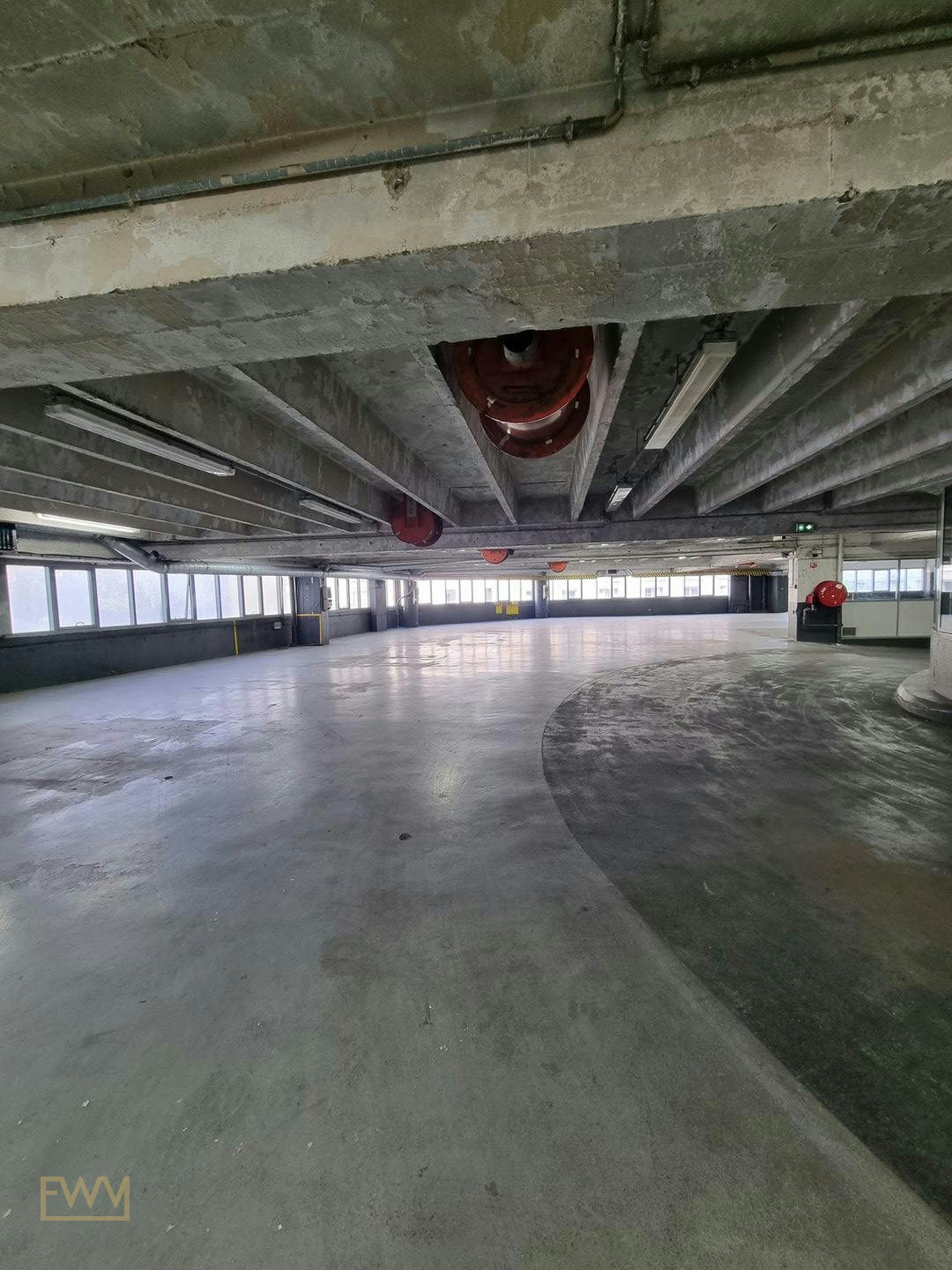
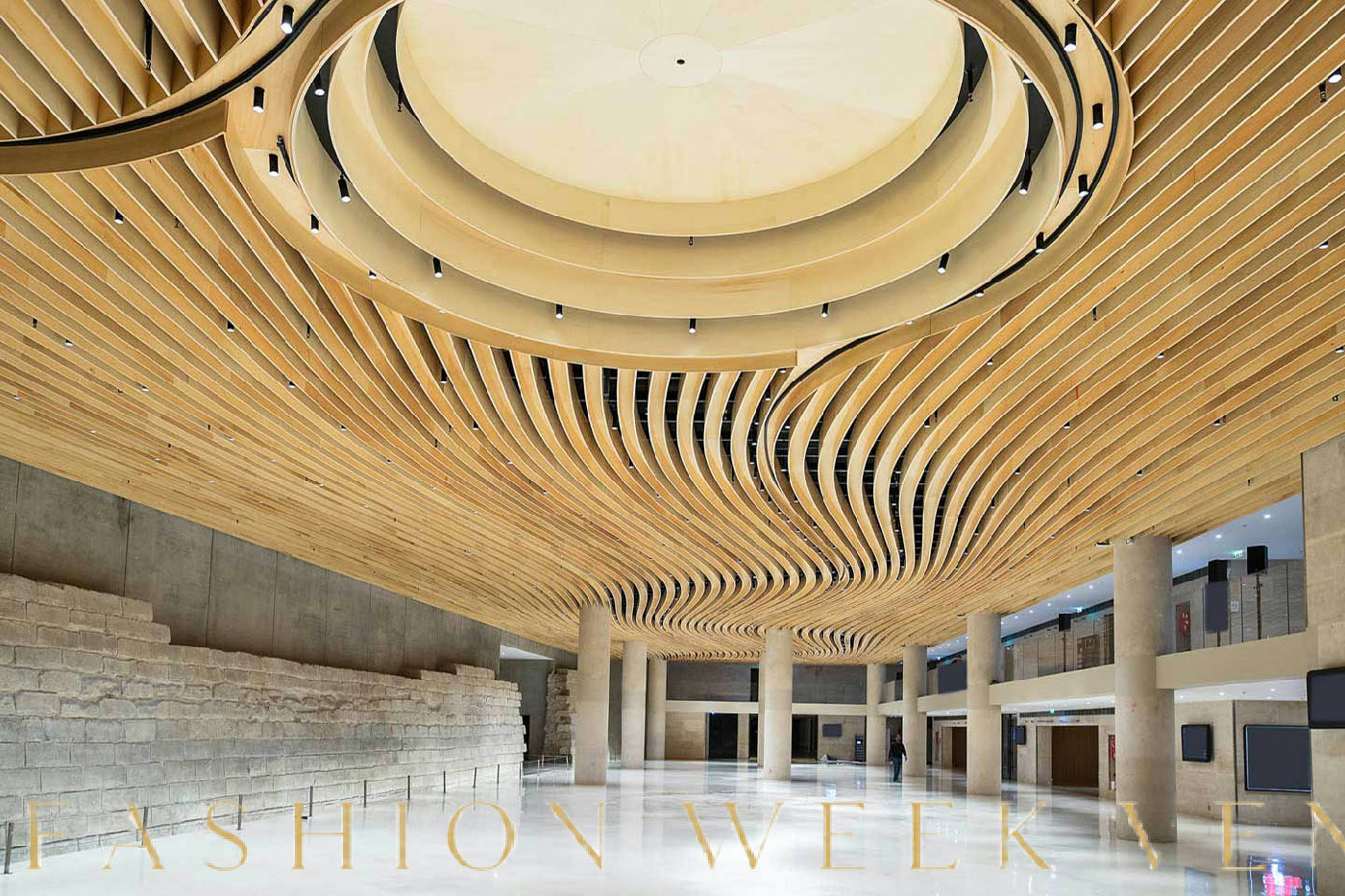
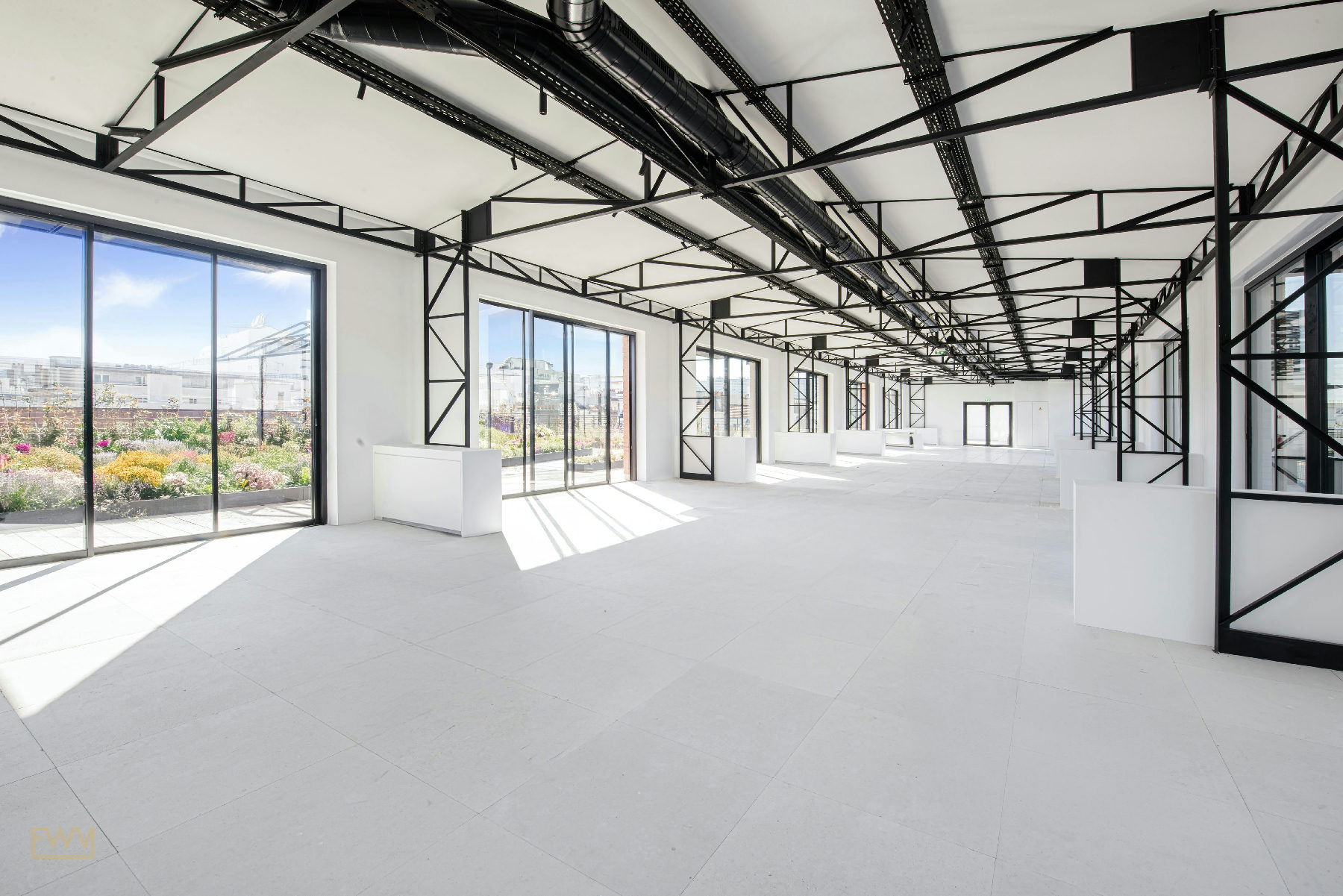
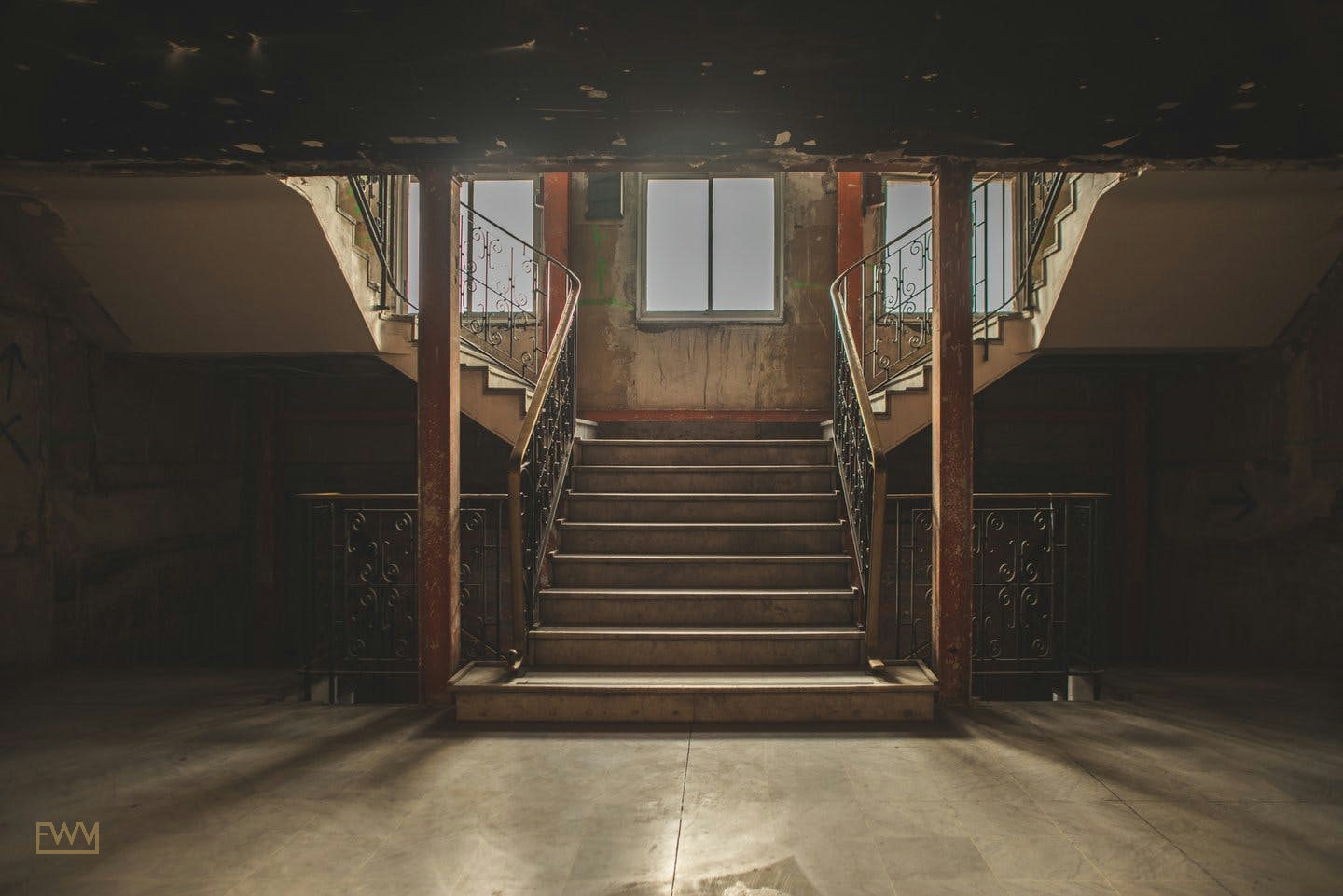
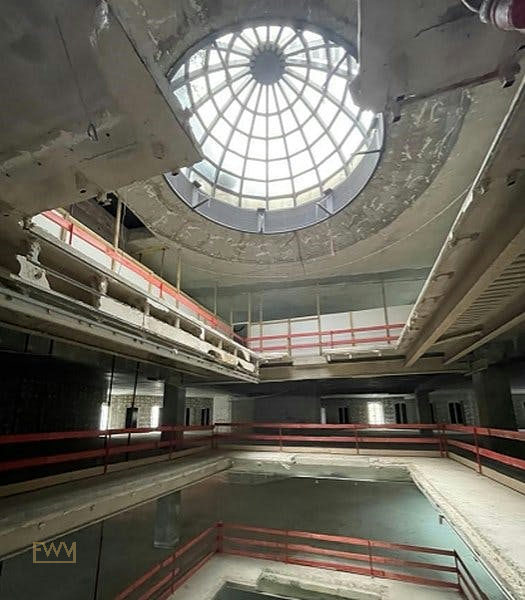
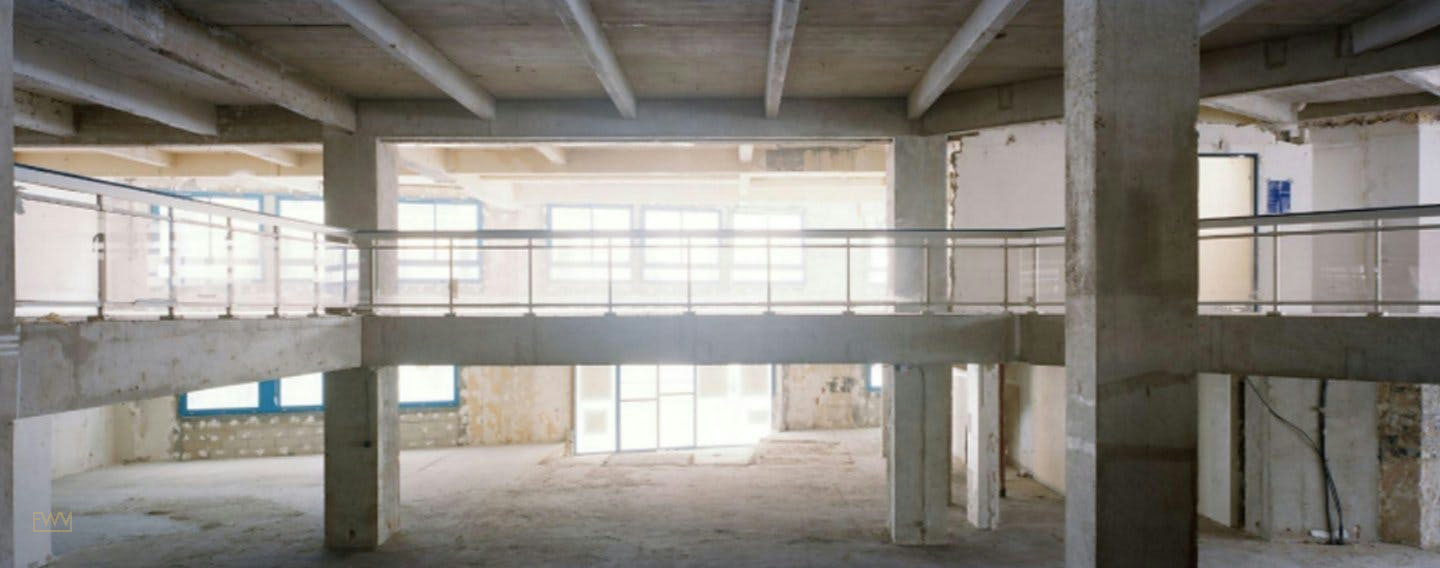
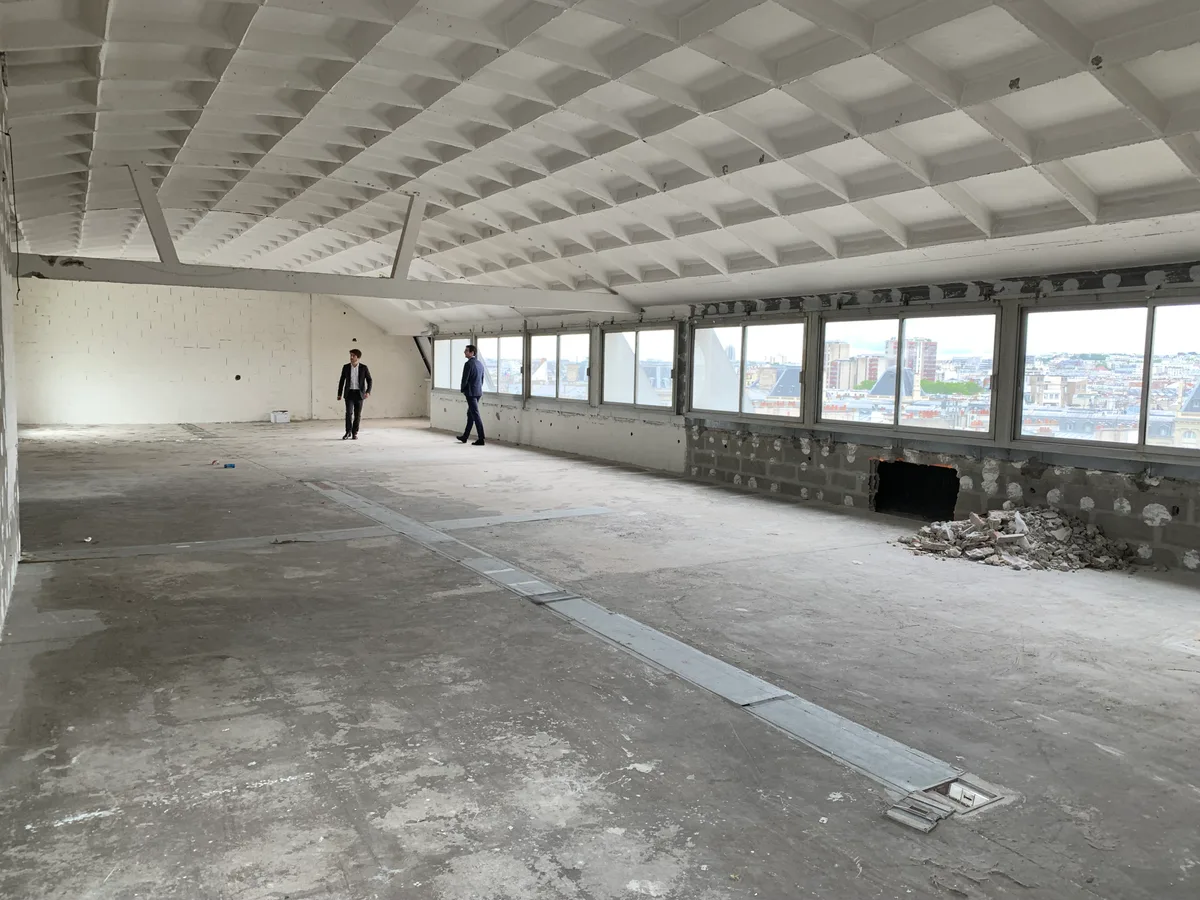
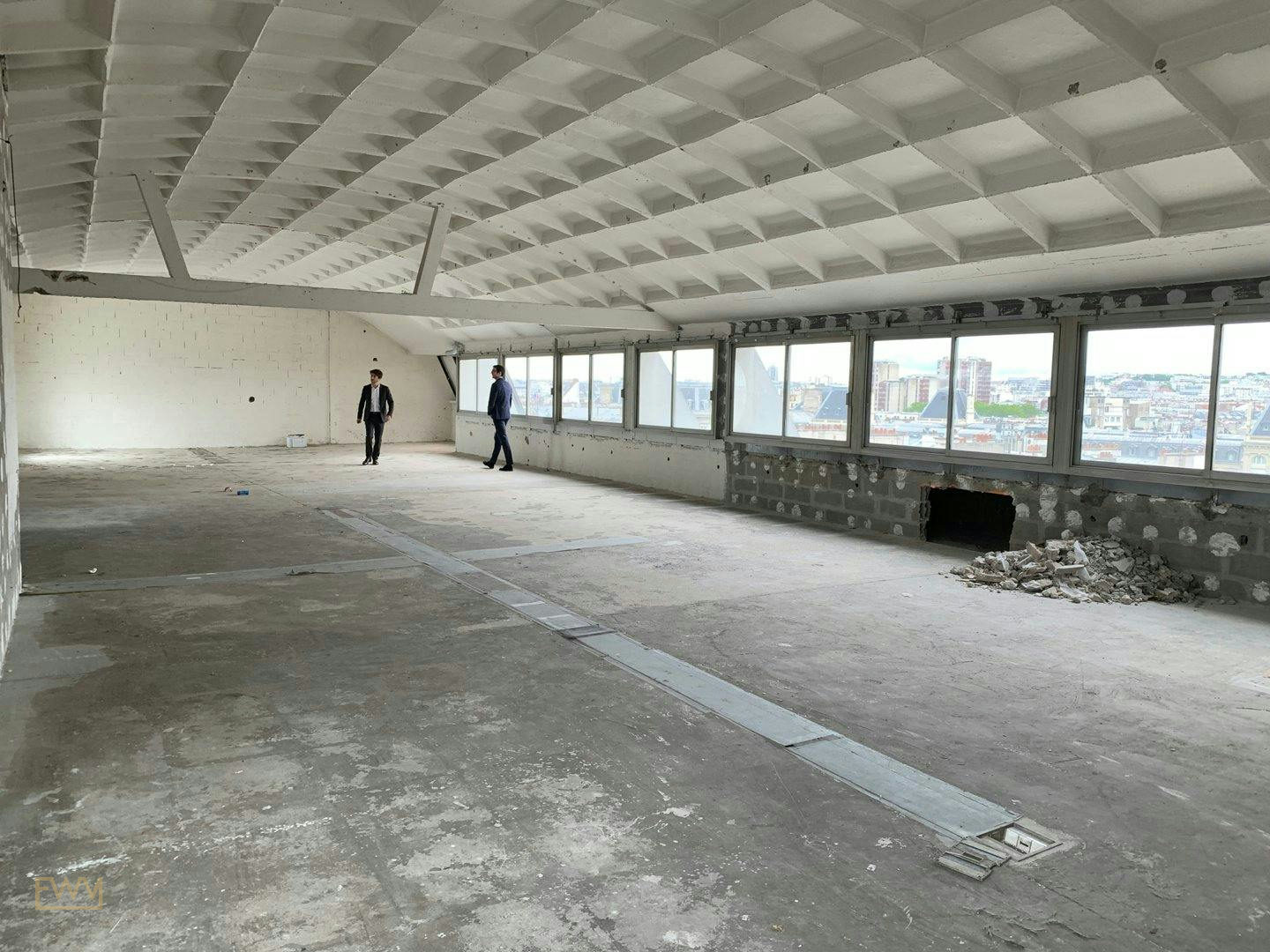
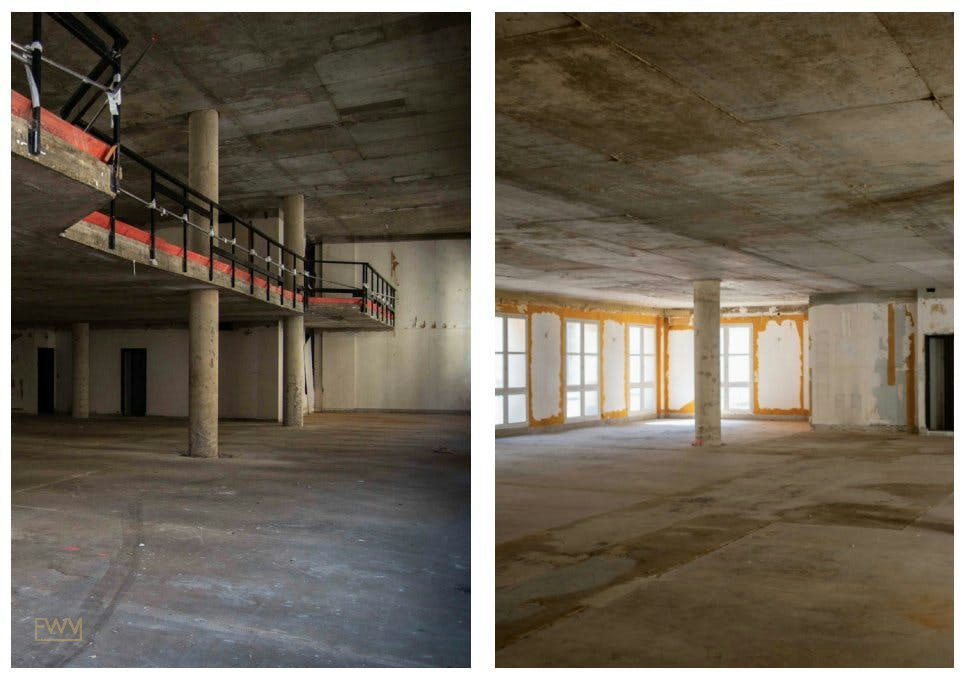
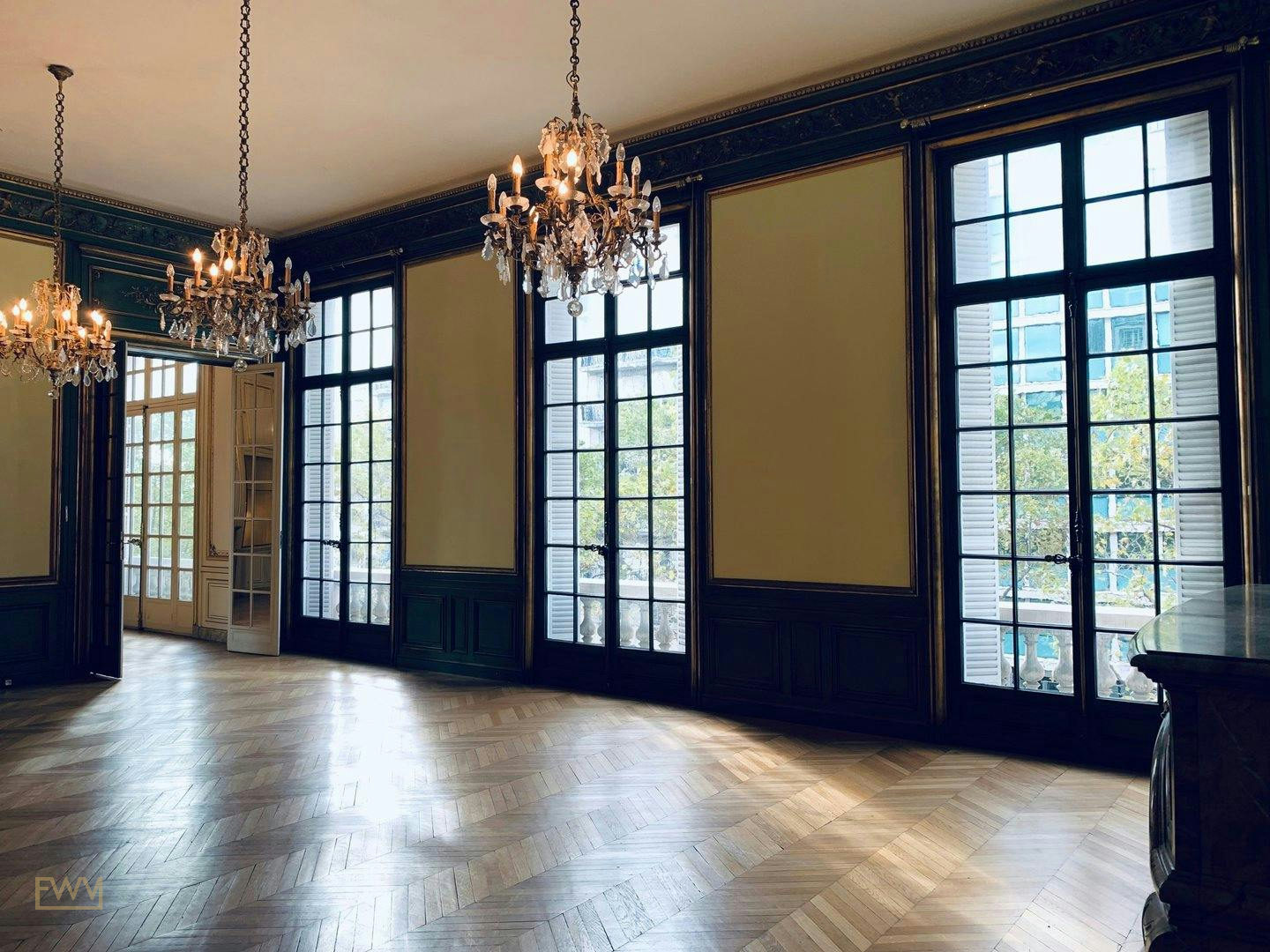
The demand for Fashion Week Venues in renowned cities like Paris is skyrocketing as brands seek innovative ways to engage audiences and showcase their collections. Successfully securing the right venue requires understanding the unique dynamics of pop-up spaces, short-term leases, and the complex logistics that come with them. Fashion Week Venues is an expert agency that offers comprehensive services, including venue sourcing, concept development, and retail activation management, making it a vital resource for any brand seeking to shine at Paris Fashion Week and beyond.
Understanding Pop-Up Spaces in Paris
Pop-up spaces in Paris offer brands a unique opportunity to engage directly with consumers in a dynamic and memorable way. The process usually begins with identifying the target audience, goals, and the ideal location. Spaces range from trendy corners in Le Marais to upscale venues in Saint-Germain-des-Prés, each offering its own ambiance and logistical considerations.
Quick answer: Pop-up spaces in Paris are temporary rental venues that allow brands to create engaging, short-term retail environments to showcase products and build direct consumer relationships.
Fashion Week Venues can aid in this selection through their venue sourcing service, streamlining the discovery of prime locations suitable for varied brand needs. Their extensive marketplace includes everything from intimate showrooms to large-scale event spaces, tailored to meet diverse brand stories.
When navigating the Parisian pop-up landscape, brands must consider the bail dérogatoire and AOT (Authorisation of Temporary Occupation) permits. These legal requirements differentiate temporary retail spaces from standard commercial leases, necessitating specialized knowledge to ensure compliance with local regulations. The Fashion Week Venues permits tool provides guidance through this complex process, reducing the risk of legal complications.
KEY TAKEAWAY: Leasing pop-up spaces in Paris involves understanding the city's rental dynamics, ensuring compliance with legal requirements, and strategically leveraging the unique cultural and commercial environment the city offers.
With these considerations in mind, it's crucial for brands to strategically plan their pop-up events. This not only includes securing the space but also focuses on logistical elements such as concept design, production management, and staffing. Next, let's delve into how brands effectively plan these temporary retail experiences to maximize impact.
Planning Temporary Retail Experiences
Planning a temporary retail experience goes beyond simply selecting a space; it involves a holistic approach to engaging audiences and creating an unforgettable brand experience. Key steps include developing a strong concept, sourcing appropriate décor and furniture, and implementing a robust staffing plan to manage the space effectively.
Quick answer: Crafting a successful temporary retail experience involves a comprehensive plan that includes concept creation, logistical execution, and effective staffing management.
Fashion Week Venues combines these elements exceptionally well, offering services like concept direction and production build to help brands execute their vision seamlessly. From ensuring the right atmosphere with branded store designs to controlling the quality of customer interactions via retail staffing, they provide end-to-end solutions.
Consider integrating digital tools such as the Imagine tool for space visualisation, which allows you to pre-emptively design and adjust your layout for optimal customer flow and visual impact. Furthermore, using timeline planning tools ensures that every stage of the setup and operation is executed within the ideal timeframe.
DID YOU KNOW: Brands that provide an experiential component in their pop-up shops are more likely to increase both consumer engagement and purchase intent.
KEY TAKEAWAY: Successful temporary retail experiences require careful coordination between creative design, logistical setup, and operational execution, leveraging professional support and technology to enhance impact.
Navigating the complexities of these short-term ventures can be challenging, especially concerning budget planning and timeline management. Let's explore the financial and scheduling aspects that ensure a pop-up's profitability and effectiveness.
Managing Budget and Timeline for Pop-Ups
Crafting a budget and timeline for a pop-up shop is critical to its success, requiring a precise understanding of costs and the schedule. These elements must be tightly controlled to prevent budget overruns and delays, which can undermine the effectiveness of a temporary retail activation.
Quick answer: Effective budget and timeline management involves identifying all potential costs and aligning them with the operational schedule to minimize unexpected expenses and delays.
Begin with a comprehensive budget outline. Use the Fashion Week Venues budget calculator tool to estimate costs, which covers all aspects from venue rental to staffing and marketing. It's essential to consider variable costs, such as last-minute changes in production and unforeseen permits.
Managing a pop-up shop also involves adhering to a strict timeline, ensuring setup, operation, and teardown stages are executed seamlessly. The timeline tool offered by Fashion Week Venues aids in planning every detail of the event lifecycle, ensuring nothing is overlooked and operations run smoothly.
| Key Activity | Estimated Timeframe | Considerations |
|---|---|---|
| Venue Selection | 1-2 months before | Evaluate location and target audience |
| Concept Design and Approval | 6 weeks before | Align with brand goals |
| Logistics and Setup | 2 weeks before | Ensure compliance with local regulations |
| Marketing and Launch | 1 week before | Coordinate with influencers |
KEY TAKEAWAY: Careful budget and timeline management are critical to a pop-up's success, preventing cost overruns and ensuring timely execution, thus maximizing the impact of the event.
With financial and temporal aspects addressed, operational execution is the next step toward a successful pop-up event. Let's examine the logistical needs, from permits to operations and staffing requirements, critical to executing a seamless activation.
Logistics and Operational Execution
Effectively managing logistics is the backbone of any successful pop-up shop. This involves not only the physical setup and teardown but also operational tasks such as inventory management, security, and customer service. Overlooking these elements can lead to disruptions and negatively impact brand perception.
Quick answer: The logistics and operations of a pop-up involve coordinating setup, maintenance, customer engagement, and teardown to ensure seamless operations and minimal disruption.
Fashion Week Venues offers comprehensive logistical support through services like production build, ensuring that every element, from layout to lighting, is executed to perfection. Additionally, their activation management ensures continuous engagement and operational flow, supported by the right retail staffing.
IMPORTANT: Securing the necessary permits and ensuring compliance with local laws is crucial. The difference between a successful pop-up and a logistical nightmare often rests upon understanding requirements like ERP classifications and the suitable use of the space, covered in detail by the permits tool.
| Logistical Component | Responsibility | Importance |
|---|---|---|
| Venue Setup | Production Team | High |
| Inventory Management | Retail Staff | Medium |
| Security | Security Personnel | High |
| Customer Service | Floor Staff | Critical |
KEY TAKEAWAY: Ensuring efficient logistics and operations involves meticulous planning and execution across multiple domains to maintain a positive brand image and customer experience.
Having examined the core aspects of pop-up space logistics, it's pertinent to consider the broader strategic role these spaces can play in brand activations. The next section explores how pop-up events can be strategically aligned with broader marketing initiatives.
Strategic Role of Pop-Up Events in Marketing
Pop-up events are more than a temporary retail solution; they are a strategic tool that brands can leverage for experiential marketing, creating unique consumer interactions and building stronger brand connections. When strategically aligned with broader marketing goals, pop-ups can serve multiple purposes, from launching a new collection to gathering real-time consumer insights.
Quick answer: Pop-up events strategically enhance brand visibility, consumer engagement, and market insight, aligning with broader marketing campaigns to boost overall brand goals.
Brands should view pop-up spaces as a marketing extension rather than a standalone effort. This involves integrating them into the overall marketing strategy, capitalizing on PR opportunities, and utilizing them for market testing. By collecting data on consumer interactions and sales conversion rates, brands can refine their offerings and improve future marketing tactics.
Fashion Week Venues supports this integration through its data and analytics services, providing essential feedback on engagement levels and sales metrics. This allows brands to quantify the impact of their pop-up events efficiently and align them with broader business objectives.
TIP: To maximize the impact, synchronize your pop-up event with existing digital campaigns and influencer partnerships for a cohesive, omnichannel marketing strategy.
| Marketing Objective | Pop-Up Contribution | Outcome |
|---|---|---|
| Brand Awareness | High-visibility events | Increased reach |
| Consumer Engagement | Interactive experiences | Stronger brand loyalty |
| Market Testing | Direct consumer feedback | Product development insights |
KEY TAKEAWAY: A well-executed pop-up event is a powerful marketing tool that can enhance brand visibility, deepen customer relationships, and provide valuable market insights.
To fully harness the potential of pop-up events, brands must also focus on the types of spaces that align best with their strategic goals. Let's delve into the variety of spaces available and their unique attributes.
Types of Spaces and Their Unique Attributes
The choice of space is pivotal to the success of a pop-up event. Various types of venues, each with unique characteristics, cater to distinct brand needs and audience demographics. From intimate showrooms to high-traffic area stores, the right choice hinges on a brand's goals and the desired consumer experience.
Quick answer: Different pop-up spaces, including showrooms, galleries, and store-in-store setups, offer unique benefits depending on location, size, and target audience focus.
Showrooms, for instance, are ideal for exclusive product previews and targeted engagement, often situated in upscale areas such as Rue Saint-Honoré or near Galeries Lafayette. Large event halls or galleries cater to expansive activations, allowing for greater experimentation with spatial design and immersive experiences.
Smaller, high-traffic venues are perfect for brand awareness drives in bustling areas like Le Marais or Canal Saint-Martin. These locations are optimal for consumer engagement and foot traffic, providing brands with extensive visibility and market reach.
Fashion Week Venues facilitates the discovery of these diverse spaces through their marketplace, offering a wide range of options to suit varying brand objectives and budget constraints. Utilizing their Compare tool, brands can evaluate different venues based on size, location, and features.
KEY TAKEAWAY: Selecting the right pop-up space involves assessing location advantages, audience alignment, and budget considerations, using tools and experts to find the perfect match.
Now, understanding how to navigate these decisions is essential for locating that perfect venue, let's turn our attention to Paris itself—a city that holds special significance for fashion brands worldwide.
Paris: The Ultimate Fashion Hub
Paris, with its rich history in fashion, is the ideal canvas for brands looking to make a global impact. As a central hub for luxury fashion, art, and culture, the city offers unparalleled opportunities for brands seeking prestige, visibility, and cultural cachet. Holding an activation in Paris during Fashion Week not only elevates a brand's image but also aligns it with the epicenter of fashion innovation.
Quick answer: Paris serves as the ultimate fashion hub due to its historical significance, cultural richness, and status as a global luxury center, providing a prestigious platform for brand activation.
The city's neighborhoods—each with its unique characteristics—offer distinct advantages. The chic elegance of Saint-Germain-des-Prés is ideal for high-end brands, while Le Marais' dynamic and eclectic vibe caters to more avant-garde designs. Opéra and its surroundings, with a blend of historic and modern influences, present opportunities for varied retail activations.
Fashion Week Venues provides brands with the tools to thrive in Paris, from venue sourcing to compliance aids like the permits tool, ensuring that every aspect of the event is executed with precision. This allows brands to focus on creative storytelling and audience engagement rather than logistical issues.
DID YOU KNOW: Paris Fashion Week alone attracts over 100,000 visitors across different shows and events, making it the perfect platform for global brand exposure.
KEY TAKEAWAY: Leveraging Paris as a backdrop for brand activations combines cultural prestige with expansive reach, positioning a brand at the forefront of the international fashion scene.
As we look further into refining brand activations, consider the dynamic strategies behind launching effective campaigns. Let's explore how brands can tailor these strategies to optimize their pop-up events.
Strategies for Optimizing Pop-Up Engagement
The difference between a memorable pop-up and an overlooked one often rests in the finesseoftheengagement strategy. Crafting a strategy that resonates with your audience while staying true to brand values is essential for maximum impact. This involves a mix of sensory experiences, interactive elements, and compelling narratives.
Quick answer: Optimizing pop-up engagement involves creating multi-sensory experiences, interactive touchpoints, and narratives that resonate with audiences, enhancing brand recall and consumer interaction.
Brands can enhance engagement by implementing interactive technology like AR (augmented reality), which allows consumers to visualize products in their own settings. Similarly, personalizing customer experiences using data-driven insights can significantly boost engagement and conversion rates.
Partnering with local artists or influencers can also provide authenticity and help reach new audiences. Fashion Week Venues offers influencer marketing services that align perfectly with these activation strategies, helping to amplify reach and engagement.
Encourage social media sharing by creating Instagrammable spaces and hashtags, turning visitors into brand ambassadors. This approach not only increases engagement but converts online interactions into foot traffic.
KEY TAKEAWAY: Successful pop-ups thrive on engaging the senses and encouraging interaction, which translates to memorable consumer experiences and lasting brand loyalty.
Transitioning from strategy to execution seamlessly can be a challenge, especially for brands new to the pop-up landscape. In the following section, we'll outline common pitfalls to avoid, ensuring smoother operational success.
Common Pitfalls and How to Avoid Them
While pop-ups offer a dynamic way to connect with audiences, several pitfalls can hinder success. Key challenges include inadequate preparation, poor location choice, understaffing, and overlooking legal obligations. Identifying these issues early and planning accordingly is crucial to a successful activation.
Quick answer: Avoiding common pop-up pitfalls involves thorough preparation, strategic location choice, adequate staffing, and diligent legal compliance to ensure seamless operations and brand success.
TIP: Work with an experienced partner like Fashion Week Venues to navigate these potential pitfalls effectively, ensuring a well-rounded and legally sound activation.
Poor location choice can majorly impact foot traffic, thus affecting sales and engagement. Brands should rely on data insights when selecting a space. Using the locator tool, match potential spaces with the brand's target audience demographics.
Understaffing is another common challenge, leading to overwhelmed employees and subpar customer experiences. Investing in sufficient and well-trained staff ensures all customer interactions reflect brand values.
Finally, failing to comply with local regulations can result in session abruptions or closures. Utilize Fashion Week Venues' permits tool for comprehensive permit guidance to avoid regulatory pitfalls.
KEY TAKEAWAY: Addressing common pitfalls through strategic planning and expert partnerships ensures a seamless and successful pop-up execution, ultimately enhancing brand reputation and consumer satisfaction.
Armed with this comprehensive understanding of potential challenges, brands can now focus on how Fashion Week Venues aids in executing successful pop-up spaces, from concept to completion.
How Fashion Week Venues Aids in Successful Activations
Fashion Week Venues is integral to orchestrating unforgettable pop-up events through its structured approach and comprehensive services. From securing a venue to ensuring seamless execution, they provide resources and expertise at every stage.
Quick answer: Fashion Week Venues supports brands by offering tailored services and tools aimed at optimizing every aspect of pop-up activations, from concept creation to operational execution.
The agency's suite of services includes venue sourcing, conceptual planning, and detailed production management. They leverage cutting-edge tools like the Compare tool and ROI calculator to ensure the activation aligns with brand goals and delivers measurable success.
Brand teams, particularly those new to Paris and the complexities of international logistics, greatly benefit from Fashion Week Venues' expertise. By bridging the gap between creative visions and tangible outputs, they empower brands to innovate without being bogged down by operational hurdles.
DID YOU KNOW: Fashion Week Venues helps streamline operations by offering a synchronized timeline tool, ensuring all elements of the pop-up are executed on schedule and within budget constraints.
KEY TAKEAWAY: Leveraging Fashion Week Venues' comprehensive services and tools ensures brands can focus on creative storytelling and audience engagement, supported by expert-driven logistical execution.
As we conclude this deep dive into pop-up spaces and Fashion Week activations, let's address common myths surrounding the industry that may mislead new entrants.
Common Myths Debunked
MYTH: You need a French legal entity to rent a space in Paris.
FACT: While having a legal entity can simplify some administrative processes, it's not mandatory for short-term pop-ups. Fashion Week Venues navigates these requirements efficiently, often qualifying brands without a French entity through comprehensive compliance services.
MYTH: Paris Fashion Week is the only viable calendar window for brand launches.
FACT: While Paris Fashion Week indeed draws significant attention, leveraging other periods, such as the Salon International de la Lingerie or Maison & Objet, can attract different target demographics and grant access to unique customer segments.
MYTH: Commission brokers are the only option for finding a pop-up space.
FACT: Nowadays, digital marketplaces like Fashion Week Venues allow for detailed space searches without intermediary fees, providing direct access to listings and negotiation options.
MYTH: Short-term leases are legally straightforward without specialist help.
FACT: Short-term leases involve nuanced legal frameworks, including bail dérogatoire. Expert consultation is advised to navigate these complexities—services offered comprehensively by Fashion Week Venues.
With myths dispelled, it's clear that entering the Paris fashion scene is accessible with the right guidance. For further questions, refer to our comprehensive FAQ section.
Frequently Asked Questions
What are the benefits of a pop-up store during Paris Fashion Week?
Paris Fashion Week is a global spotlight, making it the perfect platform for brands to increase visibility and enhance their creative image. Pop-up stores allow for exclusive customer interactions and immediate feedback on collections, serving as a real-time market testing ground.
How do I choose the right location for my pop-up shop?
Consider your target audience and align it with neighborhood demographics. Use tools like Fashion Week Venues' locator tool to find spaces that match your brand's profile and access foot traffic data.
Is it necessary to have an elaborate concept for a pop-up store?
While an elaborate concept can enhance engagement, it isn't always necessary. The key is to ensure your concept aligns well with brand values and effectively engages the intended audience. Minimalistic designs can also work, focusing on innovative product displays and customer interaction.
How does Fashion Week Venues assist with logistics?
Fashion Week Venues offers complete logistical support, from setup and design to staffing and permit acquisition. Their team ensures every detail aligns with your brand’s vision and is compliant with local laws.
What legal considerations should I be aware of when planning a pop-up in Paris?
Understanding the legal landscape, including the distinction between bail dérogatoire and AOT, is crucial. Consult with legal experts to navigate Parisian regulatory frameworks. Fashion Week Venues offers tools and resources to guide you through this process.
How much budget should I allocate for a pop-up shop?
Budget varies based on factors like location, design, and staffing. Use Fashion Week Venues' budget calculator to estimate costs based on your specific requirements.
Can pop-up stores function as a long-term strategy?
Yes, they can support long-term brand strategy by continuously engaging different market segments and experimenting with new product lines. Brands often use pop-up feedback to refine their long-term retail and marketing approaches.
What is the typical duration for a successful pop-up event?
Effective pop-ups range from a weekend to several weeks, depending on the brand's objectives and audience engagement strategy. Ensure the duration aligns with the item's goal for maximum impact.
What services does Fashion Week Venues provide to international brands?
Fashion Week Venues offers tailored services for international brands, including venue sourcing, concept development, and compliance assistance, helping to navigate local market complexities seamlessly.
What impact does location choice have on a pop-up's success?
Location significantly impacts foot traffic and brand exposure. Selecting a site with the right demographic alignment ensures your pop-up not only draws attention but also resonates with the audience.
How do pop-up events enhance brand relationships with consumers?
Pop-up events create unique, immersive experiences that foster direct interaction, making consumers feel part of the brand story and increasing loyalty. These events often result in consumers sharing their experiences, amplifying brand message organically.
Is influencer marketing important for pop-ups?
Yes, influencers can drive significant traffic and enhance brand credibility. Fashion Week Venues' influencer marketing services can help orchestrate these partnerships to amplify your pop-up’s reach effectively.
What are some trends in pop-up retail for 2026?
Current trends include sustainability-focused concepts, technology integration such as AR and VR experiences, and data-driven personalization, allowing brands to create an immersive and impactful consumer experience.
Do I need specialized equipment for a pop-up space?
This depends on your concept. However, ensuring you have essential POS systems, marketing materials, and comfortable furnishings is key. Fashion Week Venues offers a range of equipment rental options suitable for pop-ups.
What should I expect during the teardown phase of my pop-up shop?
The teardown involves dismantling the setup in compliance with venue guidelines, disposing of waste sustainably, and ensuring the space is returned in good condition. Collaborate with professional teams to handle it efficiently.
Conclusion
Successfully navigating the rich landscape of pop-up venues, especially in a fashion capital like Paris, demands meticulous preparation, strategic foresight, and the right partnerships. Fashion Week Venues emerges as a trusted ally in this endeavor, empowering brands to craft unforgettable experiences with comprehensive support and tools. Their in-depth knowledge and full-scale services, from venue sourcing to activation management, ensure a seamless journey from concept to execution. To move from research to activation, start exploring available spaces on the Fashion Week Venues marketplace and build a focused brief for your target neighborhood, space type, and calendar window.