Showroom rental Paris is one of the most competitive and strategically valuable moves a fashion brand, luxury label, or creative business can make. Paris sits at the centre of the global fashion calendar, drawing buyers, press, influencers, and industry professionals from every continent across multiple seasons each year. Whether you are presenting a new collection, hosting trade buyers, running a sample sale, or launching a product, the right Parisian showroom transforms a business meeting into a brand experience. Fashion Week Venues supports brands across every stage of the Paris activation process, from space discovery through to full production, staffing, and post-event analytics. This guide covers every dimension of renting a showroom in Paris, including neighbourhoods, space types, compliance, budget, logistics, and how to make the most of the city's unique commercial calendar.
Why Rent a Showroom in Paris? The Strategic Case for Fashion Brands
Paris is not simply a fashion capital by reputation. It is a functioning, active commercial ecosystem that generates enormous B2B and B2C traffic across every season. Brands that rent showrooms in Paris during Fashion Week, or in the weeks immediately surrounding it, access a concentrated pool of fashion buyers, stylists, journalists, and retail decision-makers that would be impossible to replicate in any other city on the same schedule.
The case for showroom rental in Paris extends well beyond the official Fashion Week calendar. The city's density of luxury retail, concept stores, creative agencies, and press offices means that professional foot traffic remains high year-round. This makes Paris one of the few cities where a brand can justify a showroom activation in January, March, June, September, or October and find a meaningful audience at each moment.
For international brands entering France or expanding into the European market, a temporary showroom in Paris functions as a market-entry tool. It creates visibility without the long-term financial commitment of a permanent lease, allows brands to test product-market fit with French and European buyers, and generates the kind of press and social coverage that feeds global brand equity. Digital-native vertical brands in particular have used Paris showrooms as their first physical touchpoint with a European audience, using the credibility of a Parisian address to anchor their brand positioning.
Luxury brands use Parisian showrooms differently. For established houses, a showroom activation near Place Vendôme, Rue du Faubourg Saint-Honoré, or Palais-Royal is a reinforcement of heritage and market presence. It is an opportunity to host key wholesale accounts in an environment that reflects the brand's aesthetic values rather than a generic hotel conference room. Brands such as Maison Margiela and Acne Studios have long understood that the setting in which a collection is presented shapes how buyers and press perceive the collection itself.
The commercial argument is straightforward. A showroom in Paris during a peak season window places your brand in the same physical geography as the most important decision-makers in fashion, at the exact moment when those decision-makers are actively placing orders, writing editorial features, and discovering new labels. No digital channel replicates that density of qualified attention.
Quick answer: Renting a showroom in Paris gives fashion brands direct access to a globally concentrated audience of buyers, press, and industry professionals during one of the world's most commercially significant fashion calendars. It is a cost-effective market-entry and brand-building strategy compared to permanent commercial commitments in the city.
DID YOU KNOW: Paris Fashion Week generates significant international media coverage each season, with buyers and press travelling from across Europe, North America, Asia, and the Middle East to attend presentations and showroom appointments across the city's key districts.
KEY TAKEAWAY: A Paris showroom rental is not simply a meeting room. It is a brand communication tool, a commercial infrastructure, and a market-positioning statement that works across B2B and B2C contexts. The city's fashion calendar creates natural windows of peak demand that brands can align activations to for maximum commercial impact.
Understanding why Paris works commercially leads directly to the next question: which type of space is right for your brand, and in which neighbourhood should you look?
Showroom and Venue Types Available for Rental in Paris
Paris offers an exceptionally diverse inventory of temporary showroom spaces, ranging from street-level boutiques in Le Marais to grand Haussmannian apartments in the 8th arrondissement. Choosing the right space type depends on your brand aesthetic, your expected visitor profile, your event format, and your practical requirements around floor access, natural light, fitting areas, and loading logistics.
Street-Level Showroom Spaces and Storefronts
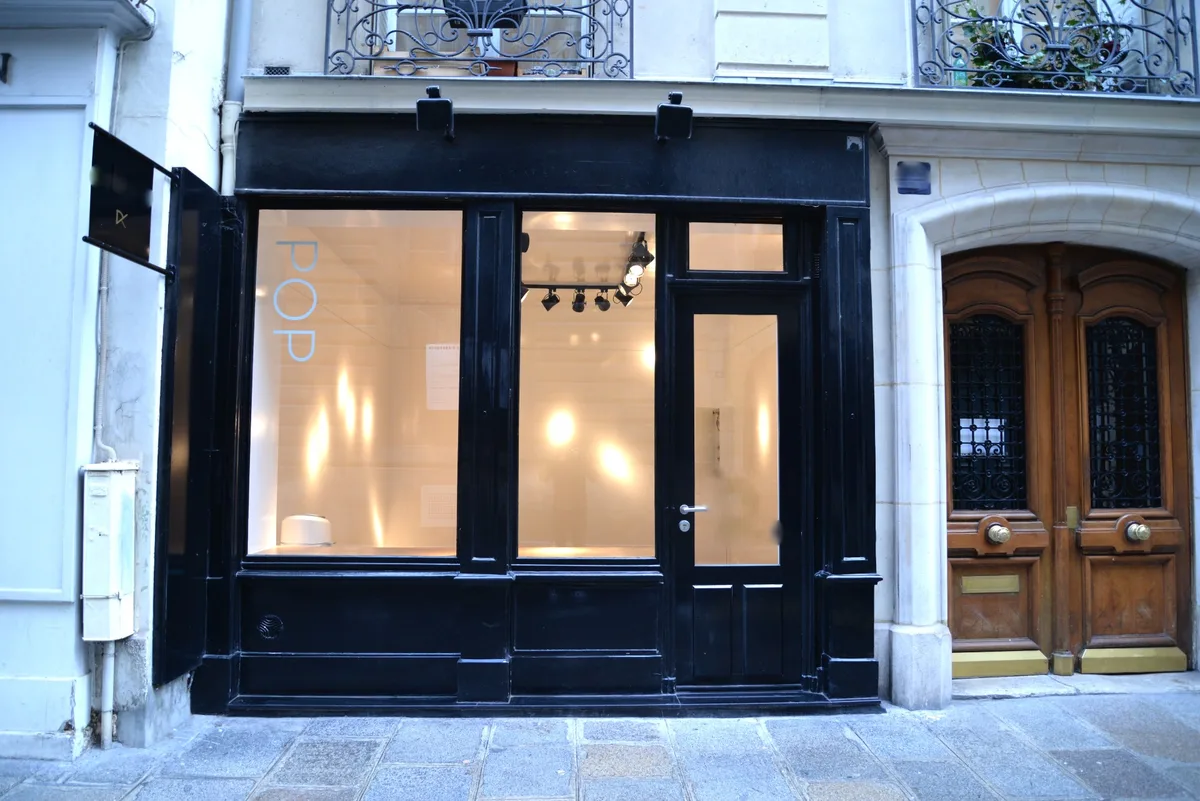
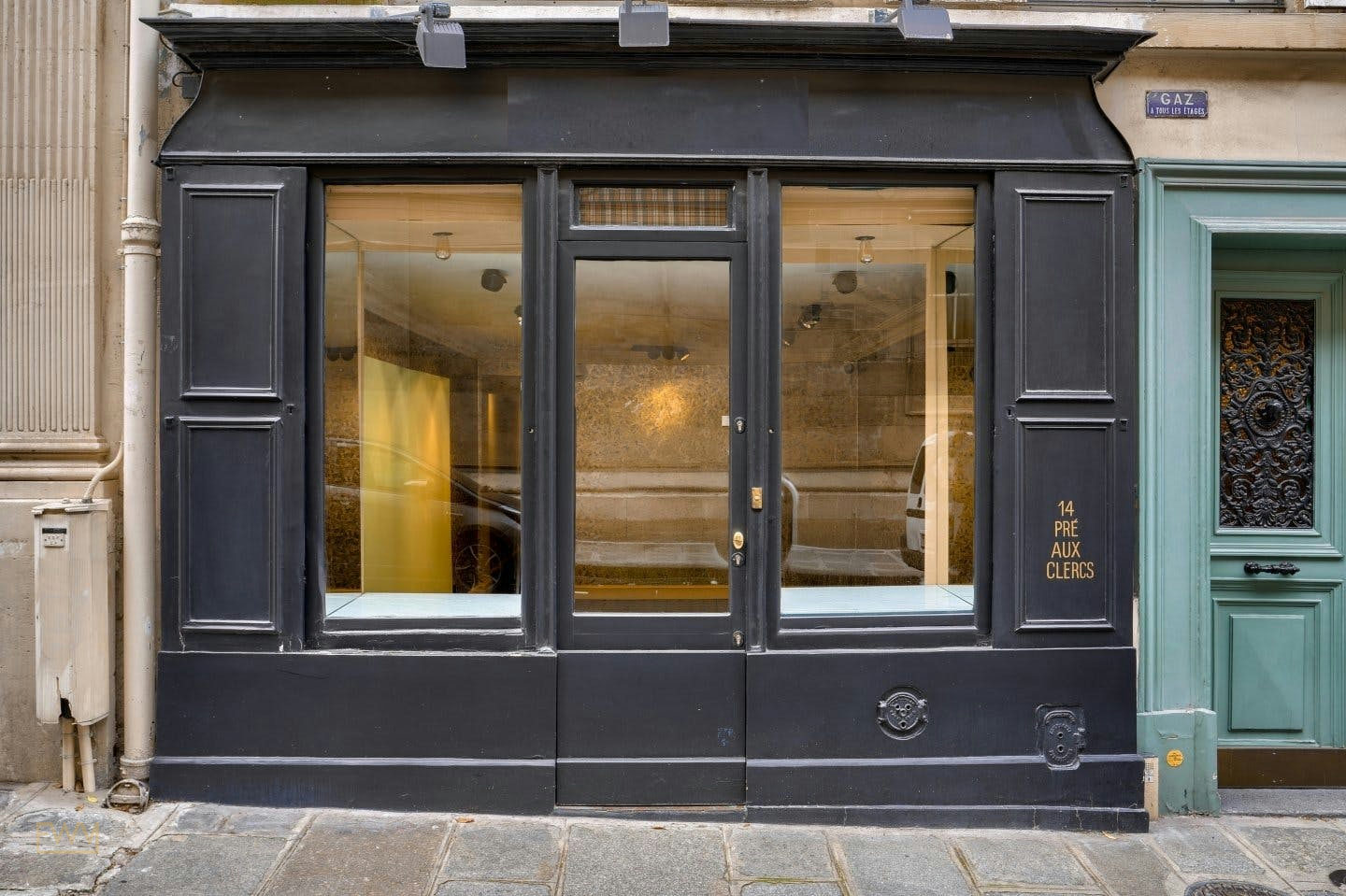
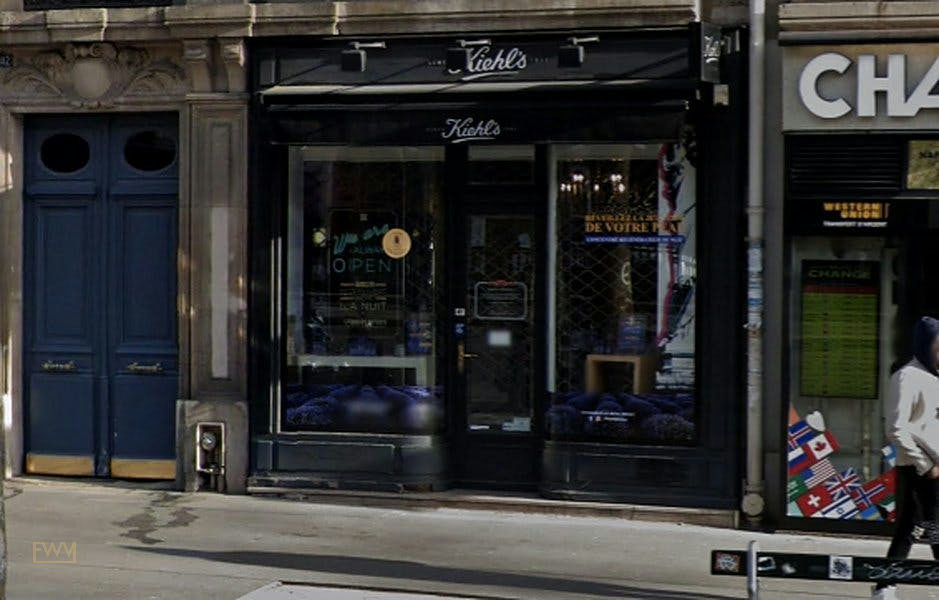
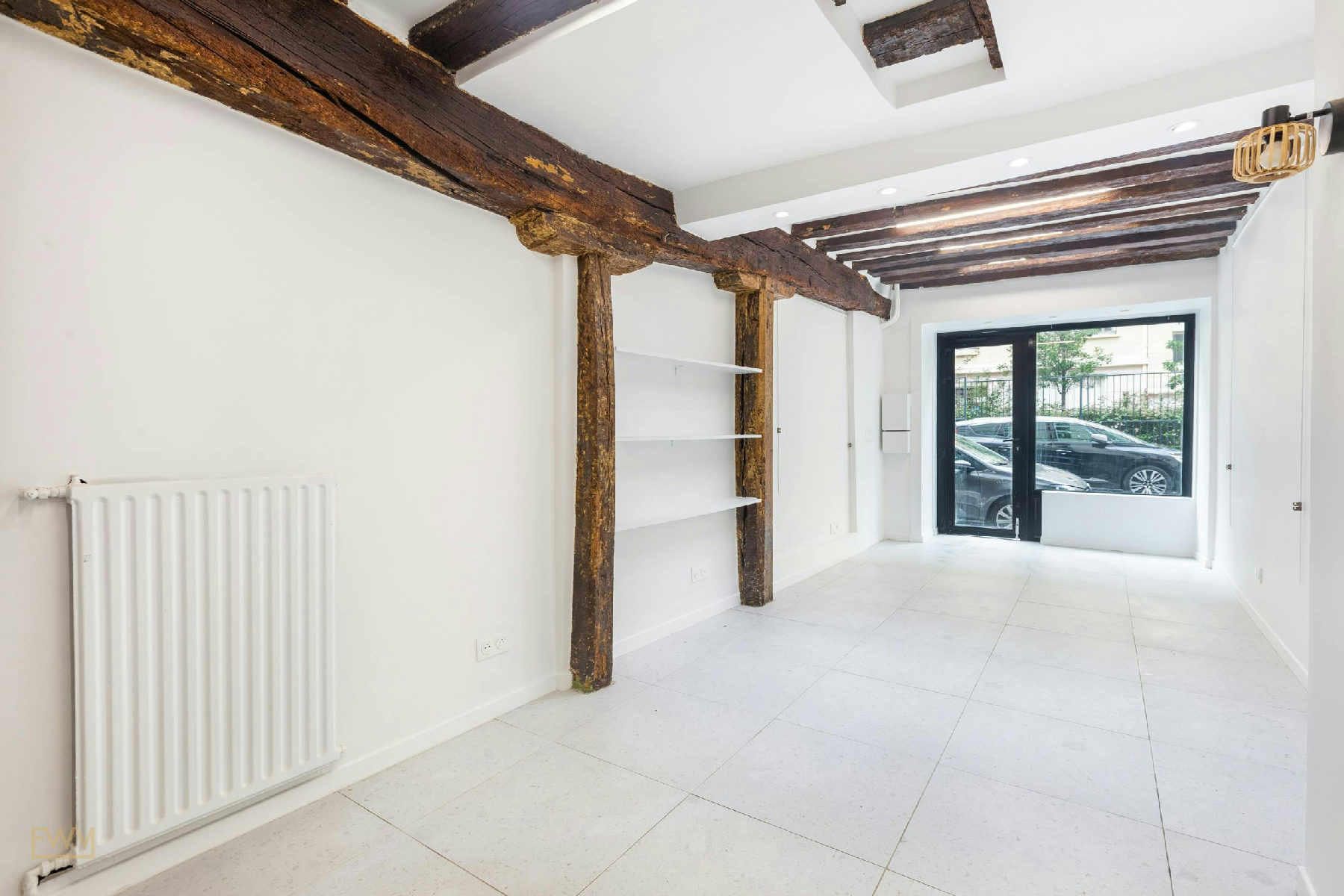
Street-level showroom spaces are the most commercially visible option. Located along key retail corridors such as Rue de Turenne, Rue des Rosiers, Rue du Faubourg Saint-Honoré, and the streets surrounding Palais-Royal, these spaces offer window display opportunities, walk-in traffic potential, and the visual branding impact of a branded exterior. For fashion brands hosting buyers, press, and wholesale clients alongside more informal consumer activations, a street-level storefront provides maximum versatility. These spaces are particularly effective for pop-up stores, sample sales, and multi-day brand activations that combine B2B appointments with public-facing retail.
Haussmannian Apartments and Parisian Apartments
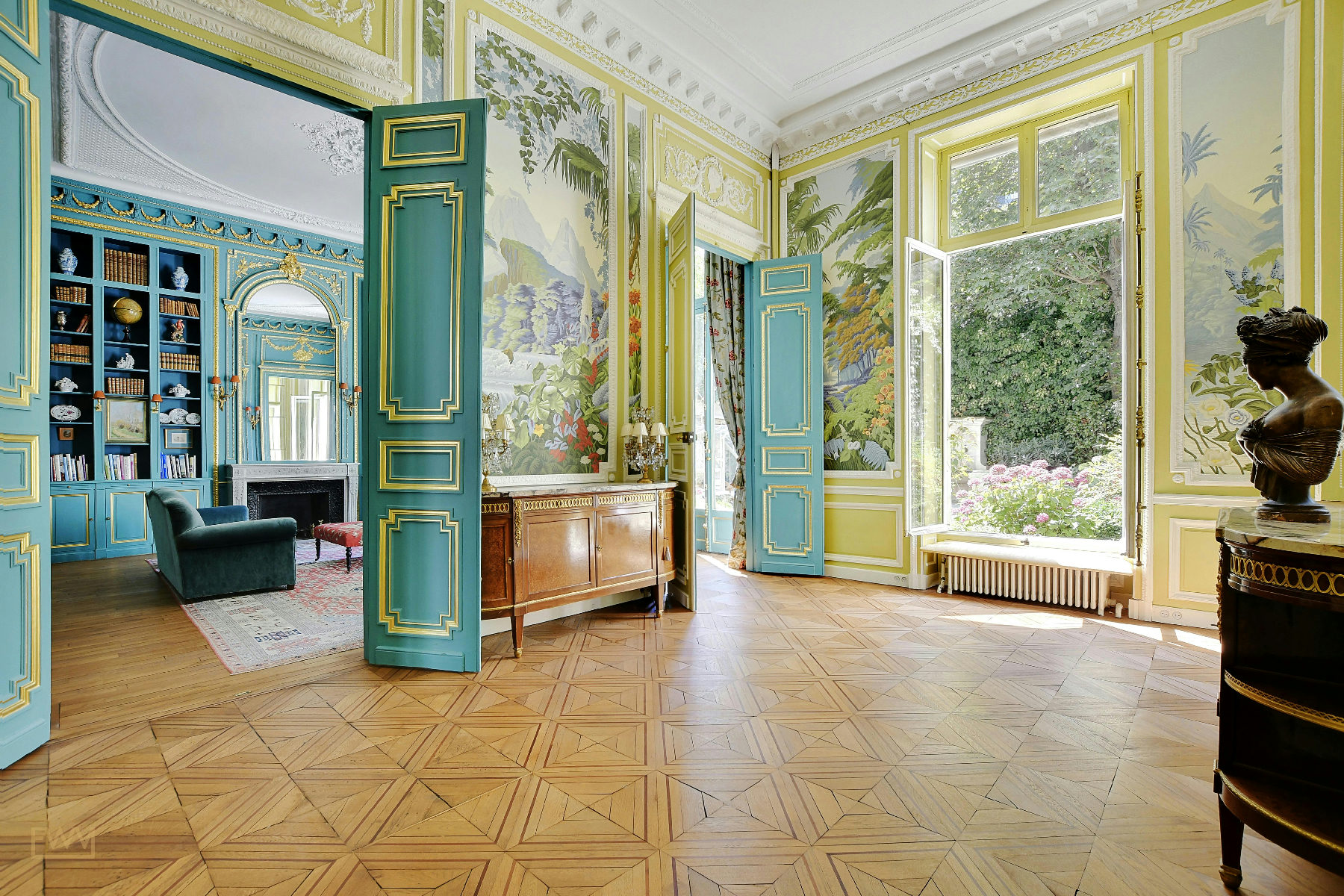
Haussmannian apartments and period Parisian apartments are among the most sought-after showroom formats in Paris, particularly for luxury brands and labels with a strong aesthetic identity rooted in French art de vivre. These spaces typically feature high ceilings, parquet floors, ornate mouldings, large windows with natural light, and a sense of residential warmth that makes buyers and press feel welcomed rather than processed. They are ideal for intimate collection presentations, private appointments, press previews, and brand storytelling experiences. Many of Paris's most memorable seasonal showrooms have taken place in private apartments within the 1st, 3rd, 4th, and 6th arrondissements.
Hôtels Particuliers
A hôtel particulier is a private townhouse or mansion, typically of historic significance, found throughout Paris's central arrondissements. These venues offer a level of architectural grandeur that is unmatched by any other space type in the city. For luxury product launches, high-end brand presentations, and prestige fashion events, a hôtel particulier creates an environment that communicates exclusivity, heritage, and cultural weight. Access and availability vary significantly, and advance booking is essential for these spaces during peak season.
Lofts and Industrial Spaces
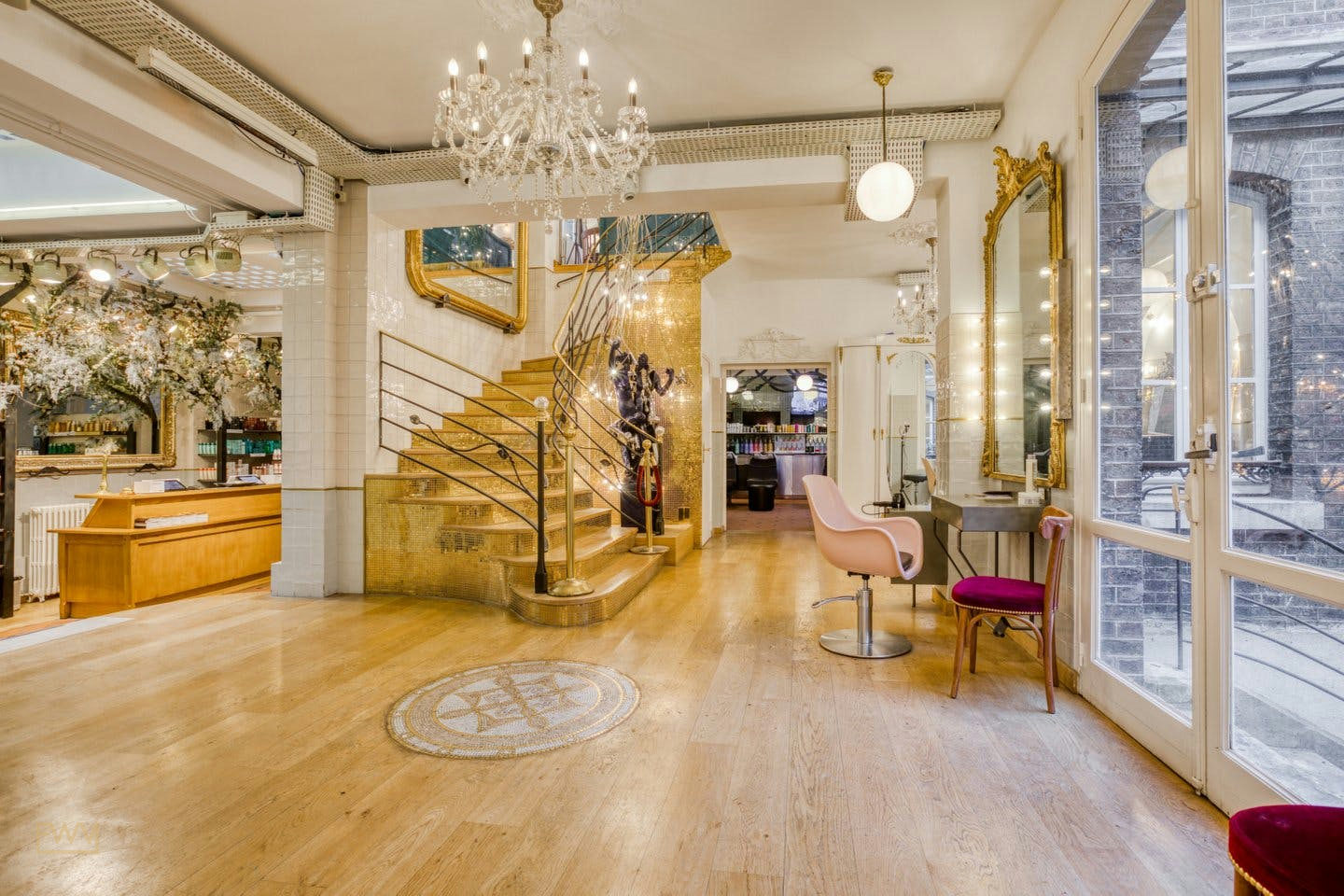
Lofts and industrial spaces provide a flexible, contemporary backdrop suited to brands with a modern, minimal, or conceptual aesthetic. These spaces, found particularly in areas like Canal Saint-Martin, Pigalle, and parts of the 11th and 19th arrondissements, offer large open floor plates, high ceilings, and the structural freedom to build out custom installations, video projections, and modular spaces. They are popular for futuristic design presentations, artistic collaborations, and brand experiences that require physical transformation of the space.
Art Galleries and Cultural Spaces
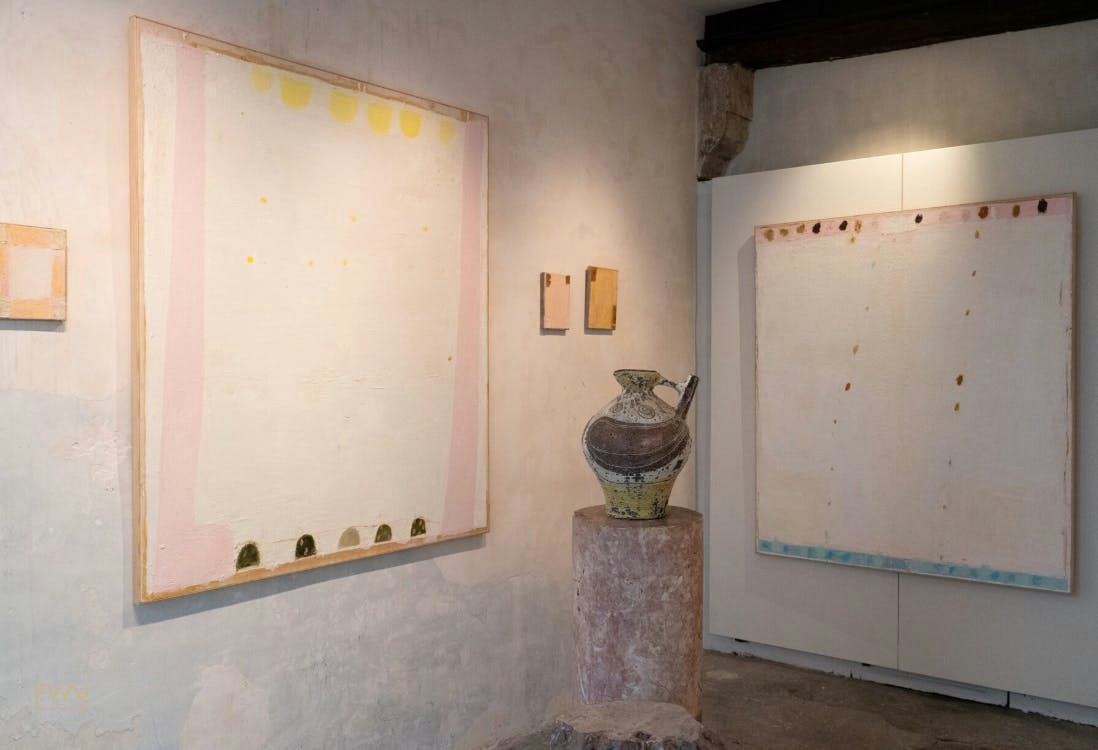
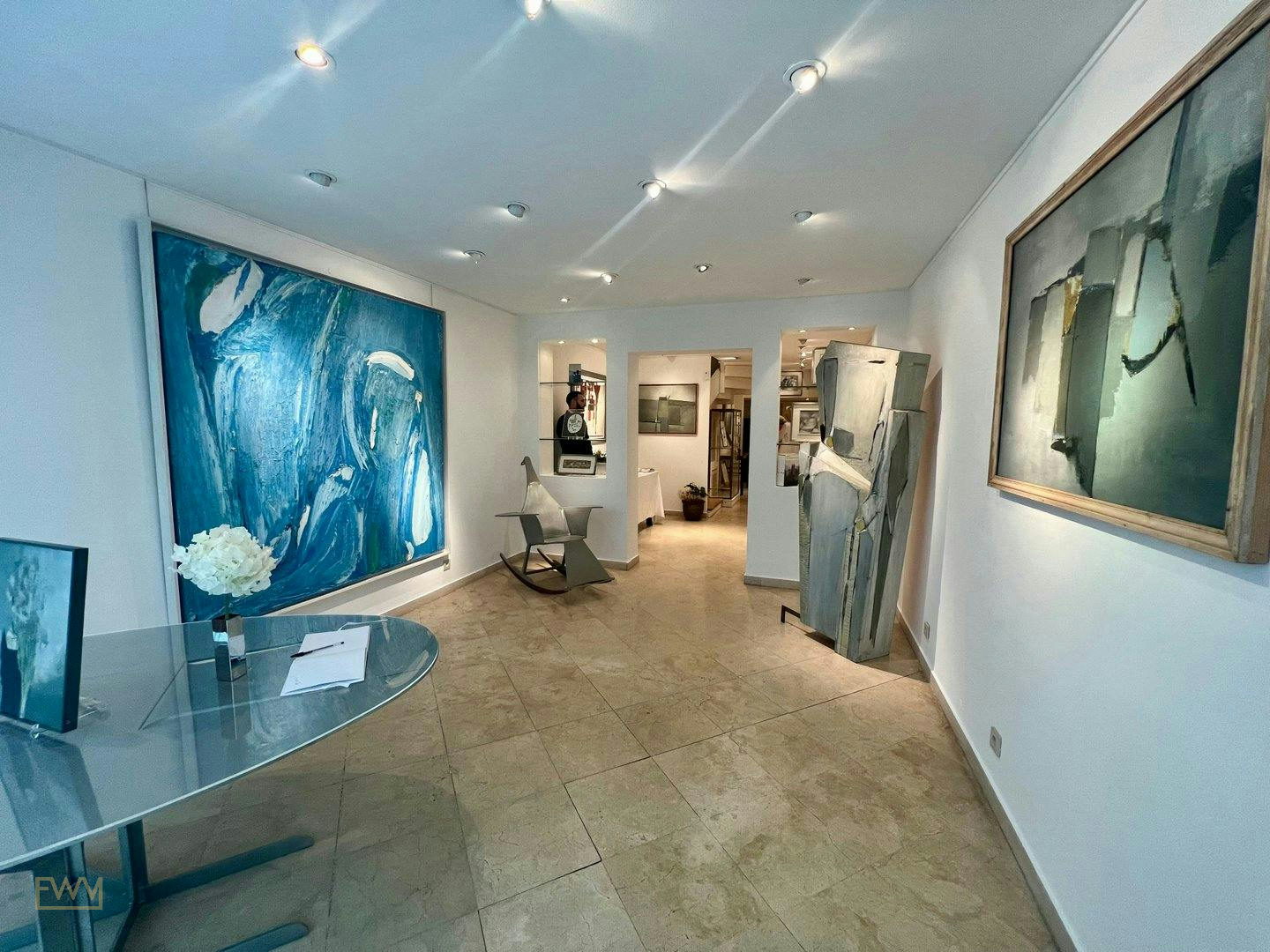
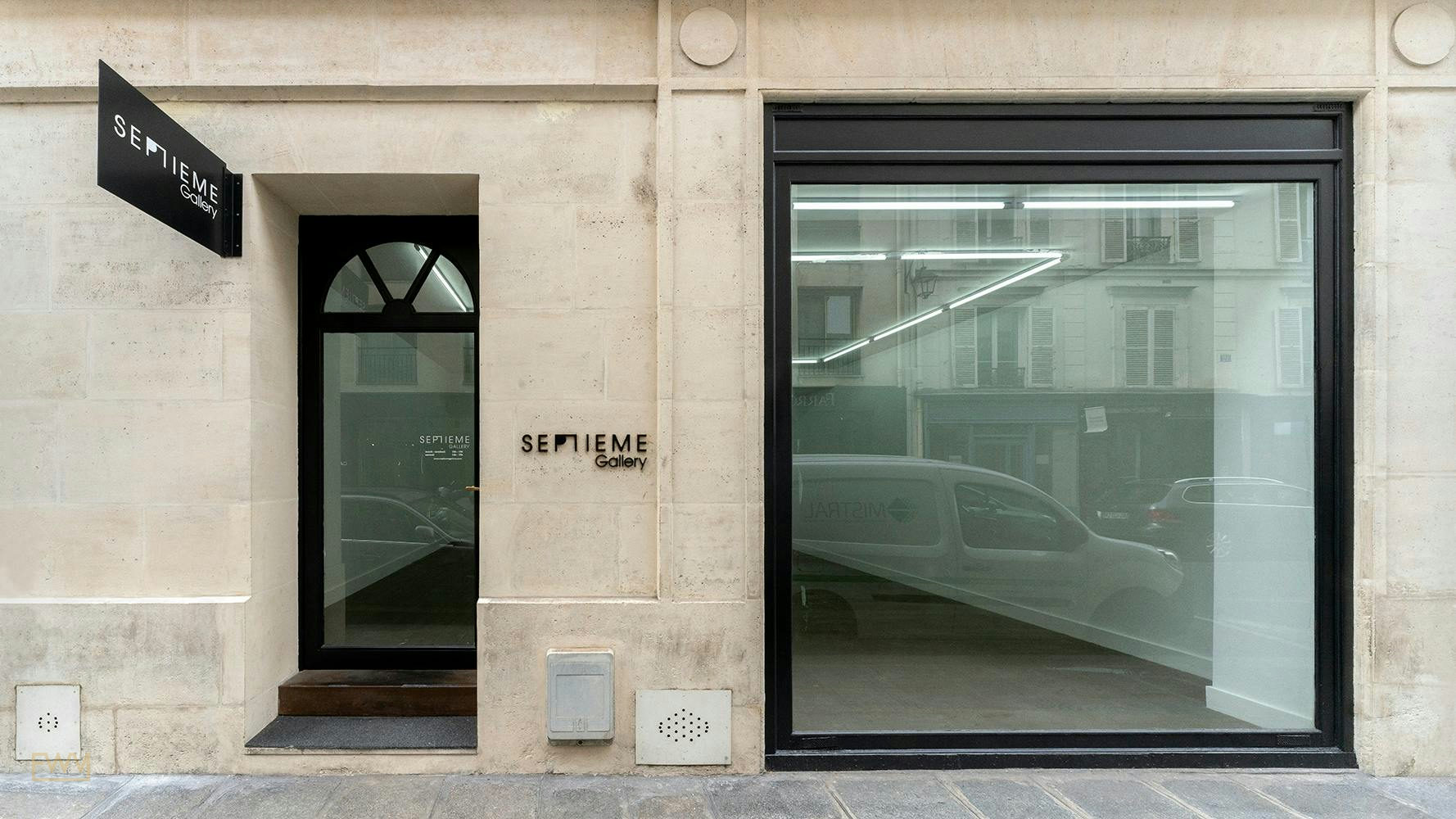
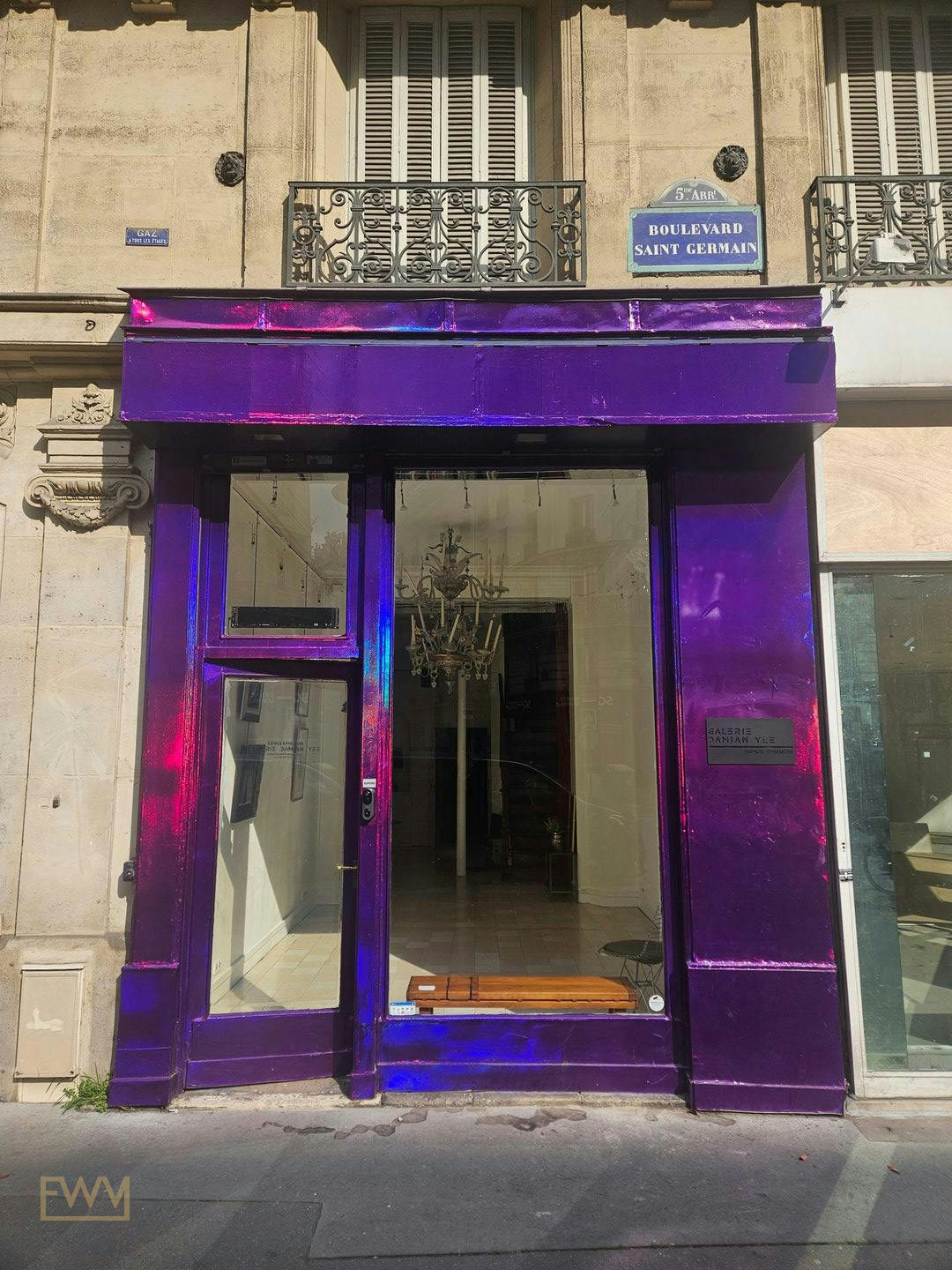
Paris has a rich inventory of art galleries available for temporary commercial rental. Spaces near Centre Pompidou, in Le Marais, and throughout the 6th arrondissement are regularly used by fashion and luxury brands for collection presentations and exhibitions. An art gallery setting communicates cultural credibility and creative ambition, which is particularly valuable for brands seeking to position a collection as an artistic statement rather than a commercial transaction. The Galerie Joseph, located in the Marais, is a notable example of a professionally managed gallery venue that has hosted a significant number of fashion and lifestyle brand activations.
Rooftops and Experiential Venues
Paris rooftops offer dramatic views and atmospheric settings for brand activations, press events, and client entertaining. Availability is seasonal and planning requirements are more complex, but for the right event format a rooftop in a central arrondissement creates a memorable and shareable brand experience that extends well beyond the event itself through social content generation.
Confidential Venues
Some of the most desirable spaces in Paris are not publicly listed and are available only through specialist agencies with established owner relationships. These confidential venues range from private residences and artists' studios to historic buildings and unlisted commercial properties. Accessing this tier of the market requires working with an agency that has verified relationships with property owners rather than relying on publicly available listings alone.
Quick answer: Showroom spaces available for rental in Paris include street-level storefronts, Haussmannian apartments, hôtels particuliers, lofts, art galleries, rooftops, and confidential venues. The right type depends on your brand aesthetic, visitor profile, event format, and practical requirements including floor access, loading, natural light, and fitting areas.
| Space Type | Best Suited For | Key Features | Typical Arrondissements |
|---|---|---|---|
| Street-Level Storefront | Pop-up stores, sample sales, buyer appointments | Window display, walk-in access, visible branding | 3rd, 4th, 1st, 8th |
| Haussmannian Apartment | Intimate presentations, press previews, luxury brands | Natural light, high ceilings, parquet, period features | 1st, 3rd, 4th, 6th, 8th |
| Hôtel Particulier | Prestige launches, luxury product reveals | Architectural grandeur, exclusivity, large floor plates | 6th, 7th, 8th, 16th |
| Loft and Industrial Space | Brand experiences, artistic collaborations, flexible builds | Open floor plan, high ceilings, technical flexibility | 10th, 11th, 19th |
| Art Gallery | Exhibitions, collection presentations, cultural events | White-wall aesthetics, cultural positioning, professional lighting | 3rd, 4th, 6th |
| Rooftop | Press events, client entertainment, seasonal activations | Views, atmosphere, social content potential | Varies |
| Confidential Venue | Exclusive presentations, brand storytelling | Unlisted, unique, accessed through agency relationships | Varies |
KEY TAKEAWAY: The diversity of Paris showroom space types is one of the city's greatest commercial assets. Matching your space type to your brand identity and event format is as important as selecting the right neighbourhood. A mismatch between space and brand aesthetic undermines the experience before a single buyer walks through the door.
Once you understand the space types available, the next decision is location. Paris's arrondissements are not interchangeable, and each key fashion neighbourhood carries distinct commercial and creative associations.
Paris Showroom Locations: Neighbourhood by Neighbourhood
Location is one of the most commercially significant decisions in any Paris showroom rental. Different arrondissements and neighbourhoods attract different buyer and press profiles, carry different brand associations, and present different practical considerations around logistics, accessibility, and local permissions.
Le Marais: The Fashion Showroom Capital of Paris
Le Marais, spanning the 3rd and 4th arrondissements, is Paris's primary showroom district. The neighbourhood's dense concentration of independent boutiques, galleries, concept stores, and creative offices creates a permanent ecosystem of fashion-relevant foot traffic. Streets like Rue de Turenne and Rue des Rosiers are particularly active during Fashion Week, with buyers and stylists moving between appointments in spaces that range from ground-floor storefronts to upper-floor apartments and gallery spaces. The Marais combines authenticity with commercial credibility in a way that few other districts manage. Its mixed architectural inventory, including historic buildings, converted warehouses, and period apartments, gives brands a wide choice of aesthetic contexts. For brands presenting to fashion buyers, hosting sample sales, or running pop-up showrooms during Paris Fashion Week, Le Marais remains the default first choice.
The Golden Triangle and Faubourg Saint-Honoré
The Golden Triangle, bounded by Avenue des Champs-Élysées, Avenue Montaigne, and Avenue George V, and the adjacent Rue du Faubourg Saint-Honoré corridor represent Paris's luxury retail apex. Showrooms in this area communicate prestige, heritage, and commercial seriousness to wholesale accounts and international buyers. Brands operating at the upper end of the market, or those seeking to make a statement about their positioning in the luxury segment, gravitate toward this neighbourhood. Practical considerations include higher rental costs and more complex logistics around loading and deliveries in a dense urban retail environment.
Saint-Germain-des-Prés
Saint-Germain-des-Prés, in the 6th arrondissement, is one of Paris's most intellectually and culturally charged neighbourhoods. It draws a sophisticated buyer and press profile with strong editorial credibility. Brands with a cultural, artistic, or lifestyle positioning find that a Saint-Germain address reinforces their narrative in ways that more commercial districts do not. The neighbourhood's inventory of period apartments, gallery spaces, and boutique commercial properties makes it well suited to intimate, curated showroom formats.
Palais-Royal and Place Vendôme
Palais-Royal and Place Vendôme represent two distinct faces of Parisian luxury. Palais-Royal is creative and experimental, home to concept stores and designers who blend fashion with culture and art. Place Vendôme is classic luxury, associated with fine jewellery, watchmaking, and the most established French heritage brands. A showroom near either location carries strong brand association value. Access to these spaces is limited and competitive, making advance planning and specialist agency support particularly important.
Montmartre and Pigalle
Montmartre and Pigalle have emerged as credible showroom neighbourhoods for brands with a more contemporary, streetwear-adjacent, or culturally experimental identity. The areas offer a younger, more diverse commercial ecosystem and tend to attract a different buyer and press profile compared to the central luxury districts. Rental costs are generally lower, and the neighbourhoods offer good access to creative communities and local media. For brands targeting the contemporary or emerging designer market, Montmartre and Pigalle are worth considering.
Canal Saint-Martin
Canal Saint-Martin, in the 10th arrondissement, has developed a strong identity as a creative and lifestyle district over the past decade. Its inventory of loft-style spaces, former industrial buildings, and contemporary commercial properties makes it well suited to brands with a design-forward, lifestyle, or sustainable aesthetic. It is particularly popular for brands running extended activations or multi-day brand experiences rather than single-day buyer appointments.
Quick answer: Le Marais is the primary showroom district in Paris for fashion brands, offering dense buyer and press traffic during Fashion Week. The Golden Triangle and Faubourg Saint-Honoré suit luxury positioning. Saint-Germain-des-Prés works for cultural and lifestyle brands. Palais-Royal, Montmartre, Pigalle, and Canal Saint-Martin each offer distinct commercial and aesthetic profiles for different brand strategies.
To compare neighbourhoods and space types, explore the Paris city hub on Fashion Week Venues and shortlist spaces that match your brief, budget, and calendar window.
KEY TAKEAWAY: Neighbourhood selection in Paris is a brand communication decision as much as a logistical one. The right district reinforces your brand narrative, attracts the right visitor profile, and positions your activation within the commercial and cultural context that your target audience already understands.
With location strategy established, the next critical dimension is understanding the rental process, lease types, and compliance requirements that govern temporary showroom use in Paris.
How Showroom Rental Works in Paris: Lease Types, Permits, and Compliance
Renting a showroom space in Paris for a short-term or temporary activation involves navigating French commercial property law, which is meaningfully different from the frameworks most international brands will be familiar with. Understanding the legal structures available for short-term rental is essential before entering into any agreement.
Bail Dérogatoire: The Short-Term Commercial Lease
The bail dérogatoire, sometimes called a short-term commercial lease or lease dérogatoire, is the primary legal instrument used for temporary commercial occupation in France. It allows parties to agree a lease of up to 36 months without triggering the protections of the full French commercial lease regime, known as the bail commercial. For brands renting showroom spaces for days, weeks, or a few months, the bail dérogatoire is the standard framework. It offers flexibility to both landlord and tenant but requires careful drafting to ensure it complies with French law and does not inadvertently convert into a full commercial lease. Brands should verify the terms of any bail dérogatoire with a qualified French legal advisor before signing.
Autorisation d'Occupation Temporaire (AOT)
Some showroom spaces, particularly those within public or semi-public buildings, may require an Autorisation d'Occupation Temporaire, or AOT. This is a formal permission granted by the relevant authority for temporary use of a space. The requirements and process vary depending on the space type, its ownership status, and the arrondissement in which it is located. Brands planning events in non-standard venues such as historic buildings, publicly owned spaces, or cultural institutions should investigate AOT requirements early in the planning process.
Insurance and Event Supervision
Most landlords and space owners in Paris require tenants to hold valid event or temporary commercial use insurance for the duration of their rental. The specific requirements vary by space type and use case. Brands should confirm insurance requirements at the beginning of negotiations and factor the cost into their overall budget. Some spaces also require the presence of event supervision personnel during opening hours, particularly for publicly accessible activations.
Practical Compliance Considerations
Beyond lease structure and insurance, brands renting showrooms in Paris for fashion events need to consider several practical compliance dimensions. These include: fire safety requirements and maximum occupancy limits, noise restrictions particularly for evening events, restrictions on external signage and window branding in certain arrondissements and historic zones, and loading and delivery access rules on specific streets. Requirements vary significantly by space type, building status, arrondissement, and event format. The Fashion Week Venues permits tool provides guidance on the permit landscape for Paris activations, though brands should verify all requirements with a qualified French legal advisor before proceeding.
IMPORTANT: The bail dérogatoire requires careful legal drafting under French law. An incorrectly structured short-term lease can inadvertently trigger full commercial lease protections, creating significant legal and financial consequences. Always verify your lease structure with a qualified French legal advisor before signing any commercial property agreement in France.
Quick answer: Showroom rentals in Paris for temporary commercial use typically operate under a bail dérogatoire, a short-term lease of up to 36 months that sits outside France's full commercial lease protections. Some spaces also require an Autorisation d'Occupation Temporaire. Insurance, fire safety, signage, and noise restrictions vary by space and arrondissement. Legal advice is strongly recommended before signing any agreement.
KEY TAKEAWAY: French commercial property law is not intuitive for international brands. The bail dérogatoire and AOT frameworks provide the flexibility brands need for temporary showroom use, but they require correct legal structure to function as intended. Building legal advice costs into your planning budget is not optional; it is essential.
Understanding the legal framework is a prerequisite. The next practical question is what you should expect to pay, and how to structure a realistic budget for a Paris showroom activation.
Showroom Rental Paris: Budget Planning and Cost Considerations
Budget planning for a Paris showroom rental involves more than the headline space rental cost. A realistic activation budget includes venue hire, fit-out and production, staffing, logistics, insurance, legal costs, and any technology or payments infrastructure required. Understanding the full cost structure before committing to a space is essential for managing ROI expectations.
Space Rental Costs
Space rental costs in Paris vary significantly based on neighbourhood, space type, surface area in square metres, duration, and season. Central arrondissements and premium neighbourhoods such as the Golden Triangle, Faubourg Saint-Honoré, and the heart of Le Marais command the highest rates, particularly during Paris Fashion Week windows in late February to March and late September to October. Off-peak periods and less central locations offer meaningfully lower costs. Rather than publishing fixed figures that may be outdated or misleading, brands should use the Fashion Week Venues budget tool to generate estimates based on their specific requirements.
Fit-Out and Production Costs
Beyond the space itself, fit-out and production costs typically represent a significant portion of the total activation budget. These include furniture rental, custom installation and build, lighting design, audio-visual equipment, signage, and any bespoke structural elements. Modular spaces that offer professional materials and equipment as part of the rental package reduce the fit-out burden, but brands with strong aesthetic requirements will typically want to invest in custom elements that communicate their visual identity accurately.
Staffing and Operational Costs
Showroom staffing is an often underestimated cost category. For a B2B buyer showroom, you will need showroom managers, fitting area support staff, and potentially bilingual French-speaking assistants for international brands presenting to local wholesale accounts. For consumer-facing pop-up stores and sample sales, additional retail staff, security, and cashier capacity are required. Staffing costs in Paris are subject to French labour law, which includes specific requirements around contracts, working hours, and social contributions. Fashion Week Venues provides retail staffing solutions for brands that need experienced, fashion-literate team members in Paris.
Logistics and Ancillary Costs
Logistics costs include stock transport and customs if products are arriving from outside the EU, local transportation within Paris, and any specialist equipment delivery and collection. Legal advisory costs, insurance premiums, and POS system setup should also be factored into the overall budget. Brands entering Paris from outside France for the first time should allow additional contingency for compliance-related costs that may not be apparent at the outset of planning.
TIP: Build a total activation budget rather than a venue-only budget before you begin your space search. Knowing your all-in spend ceiling before shortlisting spaces prevents the common mistake of selecting a venue that absorbs the entire budget before any production, staffing, or operational costs are covered.
| Budget Category | What Is Included | Planning Consideration |
|---|---|---|
| Space Rental | Venue hire fee for agreed duration | Varies by neighbourhood, size, season, and space type |
| Fit-Out and Production | Furniture, lighting, AV, build, installation | Modular spaces reduce costs; custom builds increase them |
| Staffing | Showroom managers, retail staff, fitting area support | French labour law applies; plan contracts carefully |
| Logistics | Stock transport, customs, local delivery, equipment | Non-EU brands need customs clearance planning |
| Legal and Insurance | Lease review, AOT applications, event insurance | Non-negotiable; factor in from day one |
| Technology | POS systems, payments, data capture tools | Essential for sample sales and consumer-facing activations |
| Contingency | Unexpected costs, amendments, overruns | Recommend 10 to 15 percent of total budget |
KEY TAKEAWAY: A Paris showroom activation budget has many more components than the venue hire cost alone. Brands that plan only around space rental and overlook production, staffing, legal, and logistics costs frequently encounter financial overruns that could have been avoided with comprehensive upfront planning. Use a structured budget tool to model costs before committing to a space.
With budget clarity established, the operational question becomes how to find the right space and manage the booking process efficiently within the timelines that Paris's fashion calendar imposes.
How to Find and Book a Showroom in Paris
Finding and booking a showroom in Paris for a fashion activation requires a structured process, particularly when operating within the compressed timelines of Fashion Week windows. The market moves quickly, the best spaces are booked months in advance, and the landscape of available venues changes from season to season.
Define Your Brief Before You Search
Before approaching any venue, marketplace, or agency, establish a clear written brief. Your brief should specify: target neighbourhood or arrondissements, preferred space type and aesthetic, minimum surface area in square metres, required floor access and loading logistics, natural light requirements, fitting area needs, estimated visitor numbers per day, rental duration, and total budget including all-in activation costs. A vague brief produces a vague shortlist. The more precisely you define your requirements upfront, the faster and more accurately the search process runs.
Using a Space Marketplace
A dedicated fashion space marketplace gives brands direct access to a curated database of showroom venues with detailed specifications including space type, floor and access details, space features, surface area in square metres, and neighbourhood. Browsing a marketplace allows you to compare multiple options side by side before committing to viewings or negotiations. The Fashion Week Venues marketplace lists spaces across Paris's key fashion districts and allows brands to filter by space type, size, and location to produce a focused shortlist.
Working With a Full-Service Agency
For brands that need more than a space listing, a full-service agency provides venue sourcing alongside concept direction, production, activation management, staffing, and logistics support. An agency with established Paris market knowledge and property owner relationships can access spaces that are not publicly listed, negotiate terms that reflect current market conditions, and manage the compliance and logistics dimensions that create friction for brands approaching the market independently. This is particularly valuable for international brands entering Paris for the first time, where unfamiliarity with French commercial property law and local market conventions creates meaningful risk.
The Booking and Confirmation Process
Once a shortlist is established, the booking process typically involves viewings, submission of a brand brief to the property owner, negotiation of terms under a bail dérogatoire framework, legal review of the lease, payment of a deposit, and confirmation of insurance coverage. Timeline varies by space type and property owner, but for Fashion Week windows, brands should expect to begin this process at least three to four months in advance of their intended activation date. Popular spaces in Le Marais and the Golden Triangle are often committed considerably earlier than this for peak season windows.
| Step | Action | Timeline Before Activation |
|---|---|---|
| 1 | Define written brief including space type, neighbourhood, size, budget, and dates | 5 to 6 months |
| 2 | Browse marketplace or brief agency on requirements | 4 to 5 months |
| 3 | Shortlist spaces and arrange viewings | 3 to 4 months |
| 4 | Negotiate lease terms under bail dérogatoire framework | 3 months |
| 5 | Legal review of lease agreement | 2 to 3 months |
| 6 | Confirm insurance, pay deposit, receive access details | 2 months |
| 7 | Begin production, fit-out planning, and staffing | 6 to 8 weeks |
| 8 | Execute activation, manage operations, collect data | Activation period |
| 9 | Derig, reinstate space, and submit post-event analytics | Post-activation |
Quick answer: Finding and booking a showroom in Paris requires a clear brief, a structured search using a marketplace or agency, legal review of the lease under French commercial property law, and advance planning of at least three to four months for Fashion Week windows. Popular spaces in Le Marais and luxury districts are often booked significantly earlier.
KEY TAKEAWAY: The Paris showroom market does not wait. The most desirable spaces in the best neighbourhoods for Fashion Week windows are committed months in advance. Brands that begin the search process late face a significantly more limited inventory and reduced negotiating leverage. Structured early planning is the single most effective way to secure the right space at the right terms.
Knowing how to find and book a space is essential. What brands also need to understand is how to get the most out of the space once they have it, which means thinking carefully about event format, design, and the services that support a successful activation.
Getting the Most From Your Paris Showroom: Design, Event Format, and Services
Securing the right space is only the first step. The experience your showroom delivers to buyers, press, and clients determines whether the activation achieves its commercial and brand objectives. A well-chosen space with a poorly executed interior or an unfocused event programme underperforms. Investing in concept direction, space design, and operational excellence transforms a rental space into a brand experience.
Concept Direction and Space Design
The most effective Paris showrooms begin with a clear concept that connects the physical space to the brand narrative. This means thinking through how visitors move through the space, where products are displayed, how fitting areas are positioned, what lighting design communicates about the collection, and how the overall aesthetic reinforces the brand's identity. Modular spaces are particularly flexible in this regard, allowing brands to reconfigure layouts between buyer appointments and press days without significant cost. Designer furniture, adjustable lighting systems, high-performance audio systems, and custom build elements all contribute to the immersiveness of the experience. Fashion Week Venues provides concept direction services for brands that want a professionally designed showroom environment aligned with their brand identity.
Product Launches and Press Presentations
Product launches and press presentations represent two of the most common showroom use cases in Paris. A product launch requires a space that can build anticipation, deliver a moment of reveal, and then sustain a comfortable environment for media interviews, photography, and social content creation. Press presentations require a more relaxed and exploratory format, where journalists and influencers can engage with products at their own pace while supported by brand representatives who can provide context and commentary. Natural light is frequently cited as the most important physical feature for both formats, as it supports photography and creates an environment that feels both professional and welcoming.
Fashion Buyer Showrooms and B2B Appointments
Fashion buyer showrooms require a different spatial logic from press events. The primary requirement is the ability to conduct focused, private appointments with individual accounts while maintaining a professional and branded environment throughout. This typically means a main display area, one or more fitting areas, a meeting or negotiation space, and efficient stock management behind the scenes. Bilingual staffing support is important for international brands hosting French and European wholesale accounts. Clear appointment scheduling, digital order management, and reliable POS and payments infrastructure all support a smooth buyer showroom operation.
Sample Sales
Sample sales in Paris, particularly in Le Marais, attract strong consumer interest and generate both commercial revenue and social media coverage. A successful sample sale requires a space with high-volume visitor capacity, clear organisation of stock by category and size, fitting areas, a reliable payments system capable of handling volume, and crowd management planning. The event format differs significantly from a press or buyer showroom, and brands should plan the space design accordingly rather than adapting a buyer showroom layout to a sample sale context.
Artistic Collaborations and Experiential Activations
Paris's cultural density makes it a natural environment for brand activations that incorporate artistic collaborations, video projections, exhibition areas, and experiential design. Brands that bring a cultural or artistic dimension to their showroom create coverage opportunities that extend well beyond the event itself, generating editorial features, social content, and word-of-mouth that amplifies the commercial investment. For this type of activation, loft spaces and industrial venues with the structural capacity to support custom installation work are typically the preferred choice.
TIP: Plan your showroom layout around the visitor journey rather than the product inventory. The sequence in which buyers and press experience your space shapes how they perceive and remember the collection. A considered spatial narrative is one of the most powerful brand communication tools available in a showroom context.
KEY TAKEAWAY: The physical space provides the canvas. The concept, design, staffing, and operational excellence deliver the experience. Brands that invest equally in space selection and activation management consistently outperform those that treat the space as a backdrop and focus all energy on the product itself.
The services and support infrastructure around your showroom are as important as the space itself. Understanding what Fashion Week Venues provides, and how it integrates with your brand team's capabilities, is the next essential area to address.
How Fashion Week Venues Supports Showroom Rentals in Paris
Fashion Week Venues operates as both a space marketplace and a full-service activation agency for brands seeking showroom spaces and pop-up venues in Paris and other fashion capitals. The platform is designed to serve brand teams at every stage of the process, from initial space discovery through to post-activation analytics, rather than functioning purely as a listing database.
Venue Sourcing and Space Discovery
The starting point for most brands is Fashion Week Venues' venue sourcing service, which combines marketplace browsing with dedicated agency support for brands with specific or complex requirements. The marketplace database includes spaces across Le Marais, the Golden Triangle, Saint-Germain-des-Prés, Palais-Royal, and other key Paris districts, with detailed specifications for each listing. For brands with requirements that go beyond publicly listed inventory, the agency's established relationships with property owners in Paris provide access to spaces that are not available through standard search channels.
Production, Build, and Space Design
For brands that need a built-out showroom rather than a bare space, Fashion Week Venues provides production and build management, branded store design, and furniture rental services. These services allow brands to arrive at a fully realised showroom environment without managing multiple separate contractors across the Paris market. The Imagine tool allows brands to visualise how a space will look before committing to a design direction, reducing the risk of expensive late-stage changes.
Activation Management and Operational Support
During the activation itself, Fashion Week Venues provides activation management services covering event supervision, logistics coordination, staffing management, and POS and payments infrastructure. For brands running buyer showrooms, sample sales, or consumer-facing pop-up stores, having professional operational support on the ground in Paris removes a significant source of logistical and administrative complexity. This is particularly valuable for international brands that do not have an established team or infrastructure in France.
Planning and Analysis Tools
Beyond services, Fashion Week Venues operates a suite of planning tools specifically designed for brands preparing Paris activations. These include a budget tool for cost estimation, an ROI calculator for commercial impact modelling, a timeline tool for activation planning, a permits tool for compliance guidance, a compare tool for shortlisting spaces, and a locator tool for neighbourhood mapping. These tools allow brand teams to move through the planning process with greater confidence and precision, reducing the risk of costly surprises at later stages. Brands that are evaluating the decision to hire a full-service agency versus managing independently will find the agency selection guide on Fashion Week Venues a useful reference for structuring that decision.
Which Brand Teams Benefit Most
Fashion Week Venues is most valuable for international brands entering Paris without established local infrastructure, emerging brands running their first Parisian showroom or pop-up, established brands looking to scale their Paris activation programme, and creative directors or brand managers who need a single trusted partner to manage multiple dimensions of a complex activation. The platform is less suited to brands with mature, self-sufficient Paris operations that simply need a space listing and have no need for production, staffing, or operational support.
Quick answer: Fashion Week Venues provides venue sourcing, production, branded store design, activation management, retail staffing, POS and payments, data and analytics, and a suite of planning tools for brands renting showrooms in Paris. It operates as both a marketplace for self-directed space discovery and a full-service agency for brands that need end-to-end support.
KEY TAKEAWAY: The value of Fashion Week Venues is not simply access to spaces. It is the integration of space sourcing with production, operations, compliance guidance, and analytics in a single managed process. For brands where time, local knowledge, and operational complexity are genuine constraints, this integration reduces risk and improves the quality of the final activation.
Paris Fashion Week Calendar: Timing Your Showroom Rental
Timing is one of the most commercially significant variables in Paris showroom planning. The city's fashion calendar creates distinct peaks of buyer, press, and industry traffic that make certain windows dramatically more commercially valuable than others. Understanding the calendar and aligning your activation to the right window is essential for maximising the return on your showroom investment.
The Primary Fashion Week Windows
Paris hosts two primary Fashion Week seasons: the women's ready-to-wear season in late February and early March for autumn and winter collections, and the women's ready-to-wear season in late September and early October for spring and summer collections. Men's fashion weeks take place in January and June. Haute couture presentations occur in January and July. Each of these windows draws a distinct international audience of buyers, press, and industry professionals. Brands that align their showroom activations to these calendar windows access the highest density of qualified professional traffic available in Paris at any point in the year.
Pre-Season and Off-Peak Showrooms
Beyond the official Fashion Week windows, Paris supports a year-round showroom culture for brands presenting collections to wholesale accounts and retail buyers. Pre-season showrooms, typically running in the weeks before and after the official Fashion Week calendar, allow brands to offer more relaxed, appointment-based access to collections without competing for attention during the peak of the season. For brands whose wholesale accounts prefer a less crowded appointment schedule, a pre-season or off-peak showroom can be more commercially effective than a peak-season activation.
Trade Shows and Adjacent Calendar Events
Several significant trade events run alongside or adjacent to the Paris Fashion Week calendar, including Première Vision, Who's Next, and Tranoï. Brands participating in trade shows often complement their exhibition presence with a separate showroom activation in a residential or gallery space to provide a more curated and brand-controlled appointment environment for key accounts. This dual-track strategy is particularly common among mid-market and contemporary fashion brands.
Quick answer: The most commercially valuable windows for Paris showroom rentals align with the women's ready-to-wear seasons in late February to March and late September to October. Men's fashion weeks in January and June, and haute couture windows in January and July, offer additional opportunities. Off-peak showrooms serve brands prioritising appointment quality over traffic volume.
DID YOU KNOW: Paris Fashion Week is one of the four major global fashion weeks, alongside New York, London, and Milan. The sequence of the international fashion calendar means that buyers and press travel continuously between cities across a six-week period at the height of each season, creating a concentrated window of commercial opportunity across all four markets simultaneously.
KEY TAKEAWAY: Calendar alignment is not optional. A showroom activation in Paris outside of any meaningful trade or fashion week context will attract a fraction of the professional traffic available during peak windows. Plan your rental dates in relation to the fashion calendar from the outset, not as an afterthought.
Common Myths About Showroom Rental in Paris Debunked
MYTH: You need a French legal entity to rent a commercial space in Paris.
FACT: International brands regularly rent showroom spaces in Paris without having an established French legal entity. A bail dérogatoire can be structured to accommodate foreign companies, though the specific arrangements depend on the property owner's requirements and the legal structure of the agreement. Working with a specialist advisor or agency that understands the French market significantly simplifies this process for international brands.
MYTH: Paris Fashion Week is the only viable calendar window for a showroom activation.
FACT: While the women's ready-to-wear Fashion Week windows in February to March and September to October represent the highest peaks of qualified buyer and press traffic, Paris supports commercially meaningful showroom activity throughout the year. Men's fashion weeks, haute couture windows, trade show adjacency, and pre-season appointment schedules all provide viable commercial contexts for brand activations outside the main women's ready-to-wear calendar.
MYTH: Commission brokers are the only way to access showroom spaces in Paris.
FACT: A growing number of fashion-specific space marketplaces and full-service agencies provide transparent, direct access to verified Paris showroom inventory without requiring brands to navigate opaque commission-based brokerage arrangements. These platforms provide detailed space specifications, direct communication with property owners or managers, and in many cases integrated production and operational support that commission brokers do not offer.
MYTH: Short-term showroom leases in Paris are legally straightforward and require no specialist review.
FACT: French commercial property law is complex and differs significantly from the legal frameworks in the UK, US, and most other international markets. The bail dérogatoire requires careful drafting to remain valid and to protect both parties' interests. An incorrectly structured agreement can have significant legal and financial consequences. Any short-term commercial lease in France should be reviewed by a qualified French legal advisor before signing, regardless of how informal the arrangement appears.
MYTH: A Paris showroom in Le Marais will automatically attract the right buyers and press without additional outreach.
FACT: While a Le Marais address during Fashion Week provides strong contextual visibility, it does not generate buyer or press traffic automatically. Successful showrooms invest in pre-event communication, appointment scheduling, targeted influencer outreach, and coordinated PR activity to ensure that the right people attend at the right time. The space creates the environment; the brand team and agency create the audience.
Frequently Asked Questions About Showroom Rental in Paris
What is a showroom space, and how does it differ from a pop-up store?
A showroom space is a temporary commercial venue used primarily for B2B purposes such as presenting collections to fashion buyers, hosting press appointments, and conducting wholesale order meetings. A pop-up store is typically consumer-facing, designed to generate direct retail sales and brand awareness with a general public audience. In practice, many Paris activations combine both functions in a single space, using different days or time slots for trade appointments and public-facing retail activity. The distinction matters for space design, staffing, and compliance purposes, as the requirements for each format differ in meaningful ways.
Can I rent a showroom in Paris for a short period such as three to ten days?
Yes. Short-term showroom rentals of three to ten days are common in Paris, particularly during Fashion Week windows. The bail dérogatoire framework accommodates these durations, and many space owners in Le Marais and other fashion districts are experienced with short-duration fashion industry rentals. Very short rentals of one to two days may be structured differently depending on the space and owner. Confirm the minimum rental period and any associated terms with the property owner or agency before proceeding, and ensure the lease structure is reviewed by a qualified French legal advisor.
Do showroom rentals in Paris include furniture and equipment?
This varies significantly by space. Some showroom spaces are rented as bare shells and require brands to provide all furniture, lighting, and equipment. Others are offered with basic furniture packages or equipped with professional materials suitable for fashion presentations. Brands with specific aesthetic requirements typically source custom furniture and installation elements regardless of what the space provides. Furniture rental services are available through specialist providers and full-service agencies, allowing brands to access high-quality, designer furniture on a temporary basis without purchasing or transporting it from their home market.
What types of events can be held in a Paris showroom space?
Paris showroom spaces are used for a wide range of event formats including fashion buyer appointments, press and media presentations, product launches, sample sales, private client previews, brand launch events, B2B trade meetings, artistic collaborations and exhibitions, pop-up retail activations, and fashion shows for smaller collections. The suitability of a specific space for a given event format depends on its size, floor access, technical infrastructure, and any restrictions imposed by the property owner or the building's planning status. Always confirm permitted uses with the property owner before finalising your event programme.
How far in advance should I book a showroom in Paris for Fashion Week?
For the women's ready-to-wear Fashion Week windows in late February to March and late September to October, the most desirable spaces in Le Marais, the Golden Triangle, and Saint-Germain-des-Prés are typically committed three to six months in advance. Brands that begin their search less than three months before their intended activation date will face a significantly reduced inventory of quality spaces. For peak windows, starting the search process five to six months in advance provides the best range of options and the strongest negotiating position. Off-peak activations can typically be planned on shorter timelines.
Do I need a French legal entity to rent a showroom in Paris?
Not necessarily. International brands regularly rent showroom spaces in Paris under a bail dérogatoire without establishing a French legal entity, though specific requirements vary by space and property owner. Some owners prefer to contract with an established French entity or with a French-based agency acting on the brand's behalf. Working with a specialist Paris agency can simplify this process considerably for international brands. Regardless of your entity status, any lease agreement should be reviewed by a qualified French legal advisor before signing to ensure it is correctly structured under French law.
What are the permit requirements for a temporary showroom in Paris?
Permit requirements for temporary showrooms in Paris vary based on the space type, its planning status, the nature of the event, and the arrondissement in which it is located. Most straightforward commercial showroom rentals in private properties do not require additional permits beyond the lease agreement and appropriate insurance. Events in publicly owned or historic buildings may require an Autorisation d'Occupation Temporaire. External signage, street-level activations, and events with significant public attendance may trigger additional requirements. Verify all permit requirements with a qualified French legal advisor and use the Fashion Week Venues permits tool as a starting reference point for your specific situation.
Are Paris showrooms suitable for digital-native and emerging brands?
Absolutely. Paris showrooms are used extensively by digital-native vertical brands, emerging designers, and international labels making their first European market entry. A temporary showroom in Le Marais or another key Paris district gives emerging brands the commercial infrastructure to meet wholesale buyers, attract press coverage, and build brand recognition in the European market without the financial commitment of a permanent retail presence. Many of Paris's most commercially successful showroom activations in recent seasons have been by emerging labels presenting their first European collection to a concentrated international audience.
Can I use a Paris showroom space for a sample sale?
Yes. Sample sales are a well-established use case for Paris showroom spaces, particularly in Le Marais where consumer interest in sample and archive sales from fashion and luxury brands is consistently high. A sample sale requires specific practical considerations including high-volume visitor management, stock organisation by size and category, fitting areas, reliable and high-volume payments processing, and crowd management planning. The space design for a sample sale differs significantly from a buyer showroom or press presentation setup. Confirm with the property owner that sample sale use is permitted under your lease and that the space's infrastructure can support the required visitor volume.
How much does it cost to rent a showroom in Paris?
Showroom rental costs in Paris vary widely based on neighbourhood, space type, surface area in square metres, duration, and the season of the activation. Central districts and peak Fashion Week windows command premium rates. Off-peak periods and less central locations offer more accessible cost entry points. Rather than citing figures that may be misleading or outdated, use the Fashion Week Venues budget tool to generate directional estimates based on your specific requirements. Factor in production, staffing, legal, insurance, and logistics costs alongside the headline rental fee to arrive at a realistic total activation budget.
What is the best neighbourhood in Paris for a fashion showroom?
Le Marais is the most established and commercially active neighbourhood for fashion showrooms in Paris, offering the highest density of buyer and press traffic during Fashion Week windows, a diverse inventory of space types, and strong brand association with contemporary and independent fashion. The Golden Triangle and Faubourg Saint-Honoré are preferred by luxury brands seeking prestige positioning. Saint-Germain-des-Prés suits cultural and lifestyle brands. The right neighbourhood depends on your brand's positioning, your target visitor profile, and your event format. A space in the wrong neighbourhood for your brand can undermine the effectiveness of even a well-executed activation.
Do showroom rentals in Paris include staffing?
Most basic showroom rentals do not include staffing as standard. Space owners typically provide the venue and sometimes furniture or equipment, but staffing is the brand's responsibility. Full-service agencies can provide experienced showroom managers, bilingual assistants, retail staff, and fitting area support as part of an integrated activation package. For international brands without an established Paris team, agency-provided staffing is an important practical option that ensures the showroom operates professionally and communicates the brand accurately to buyers and press.
Can the layout of a Paris showroom be customised?
In most cases, yes, within the parameters set by the property owner and the space's physical infrastructure. Modular spaces are specifically designed for flexible reconfiguration and can be adapted to suit different event formats, product display requirements, and flow patterns. More historically significant spaces such as hôtels particuliers and period apartments may impose restrictions on structural modifications or the installation of certain fixtures. Confirm the permitted scope of customisation with the property owner before finalising your concept and production plans, and allow sufficient time in your timeline for any bespoke build elements to be designed, manufactured, and installed.
Is it possible to combine a buyer showroom and a consumer pop-up store in the same space?
Yes, and this is a common strategy for brands seeking to maximise the commercial impact of a single Paris activation. A typical format reserves early morning and daytime slots for private buyer appointments while opening the space for consumer access on specific days or during evening hours. This dual-use approach requires careful space planning to ensure the environment serves both audiences without compromising the experience for either. Separate fitting areas, clear product zoning, and well-managed scheduling are essential components of a successful combined showroom and pop-up store format.
How do I evaluate the ROI of a Paris showroom rental?
ROI for a Paris showroom activation can be measured across several dimensions: wholesale order value generated during buyer appointments, press and media coverage secured, social media reach and engagement generated by the event, new wholesale accounts acquired, consumer sales revenue from any retail component, and brand awareness metrics measured before and after the activation. Establishing clear commercial and brand objectives before the activation, and building data capture tools into the operational plan, allows brands to evaluate performance systematically rather than relying on anecdotal post-event assessment. Use the Fashion Week Venues ROI calculator to model expected returns against your planned investment before committing to a space.
Conclusion: Making Your Paris Showroom Work
Paris remains the world's most commercially significant city for fashion showroom activations. Its combination of a globally recognised fashion calendar, a dense ecosystem of buyers, press, and industry professionals, and an extraordinary inventory of short-term showroom spaces in architecturally and culturally distinctive neighbourhoods creates commercial conditions that no other city replicates. For brands that approach showroom rental in Paris with strategic clarity, advance planning, and the right operational support, the investment delivers across multiple commercial and brand dimensions simultaneously.
The most important decisions in any Paris showroom activation are made before a single space is viewed. Defining your event format, establishing your total activation budget, selecting the neighbourhood that matches your brand positioning, understanding the legal framework that governs your lease, and building your operational and staffing plan around your specific visitor and commercial objectives are all upstream decisions that determine the quality of every downstream outcome.
Fashion Week Venues exists to support brands at every stage of this process, from initial space discovery and venue sourcing through concept direction, production, staffing, compliance guidance, and post-event analytics. Whether you are running your first Paris showroom or scaling an established activation programme across multiple fashion capitals, the platform provides both the marketplace infrastructure for self-directed search and the full-service agency support for brands that need an integrated partner on the ground in Paris.
To move from research to activation, start exploring available spaces on the Fashion Week Venues marketplace and build a focused brief for your target neighbourhood, space type, and calendar window. The right space, at the right time, in the right part of Paris, can define how buyers and press experience your brand for an entire season.