Paris remains the world's most visited city and its most competitive stage for brands, creatives, and travellers who refuse to compromise on quality or location. Whether you are a brand team planning a short term boutique Paris activation during fashion week, a digital nomad seeking a designer apartment in Le Marais, or an international label scouting a temporary retail space steps from the Louvre, the decisions you make about where to stay and where to activate define your entire Paris experience. This guide covers every dimension of short-term boutique stays in Paris, from the finest boutique hotels and furnished luxury apartments to the practicalities of pop-up retail, brand activation logistics, and neighbourhood selection. Fashion Week Venues brings deep expertise in short-term Paris spaces across the full spectrum from intimate showrooms to landmark flagship activations.
Why Paris Remains the Definitive City for Short-Term Boutique Experiences
Quick answer: Paris offers an unmatched combination of cultural prestige, neighbourhood diversity, architectural grandeur, and global media reach, making it the top destination for both luxury short-term stays and brand activations. From the Seine riverbanks to the cobblestone streets of Montmartre, every arrondissement presents a distinct identity that shapes how a brand or traveller is perceived.
Paris, the capital of France and the anchor city of the global fashion calendar, has built its reputation over centuries as the City of Light. It is a place where history and modernity coexist on every block. The Eiffel Tower defines the skyline from the 7th Arrondissement. The Louvre anchors the Right Bank. Notre Dame, still in its post-fire restoration, draws pilgrims and tourists alike to the Ile de la Cite. The Seine flows through the heart of the city, connecting the Left Bank intellectual tradition of the Latin Quarter with the polished elegance of the Rive Gauche. Montmartre rises above it all, retaining the bohemian energy that once attracted artists from across Europe. This is the context in which any short-term boutique Paris experience, whether residential or commercial, takes place.
For brands, the significance of Paris goes well beyond geography. Paris Fashion Week, held twice annually in January and September, draws buyers, press, influencers, and retail decision-makers from every major market. The city also hosts trade shows, art fairs, and cultural events throughout the calendar year. This means that the window for short-term boutique activations in Paris is not limited to the two main fashion weeks. Maison&Objet in January and September, Paris Photo in November, FIAC in October, and Vivatech in the spring all create concentrated windows of high-value foot traffic and media attention that brands can leverage through carefully placed short-term retail, showroom, or event activations.
For travellers and digital nomads, Paris offers something equally compelling: a city where short-term furnished rentals and boutique hotel stays allow a level of immersion that standard hotels cannot replicate. A furnished apartment in Le Marais with high-speed WiFi, a fully-equipped kitchen, Nespresso machines, and a private terrace gives the resident access to the rhythm of Parisian daily life, from the morning café stop to the afternoon stroll through the BHV Marais department store, to the evening at a bistro on the Rue de Bretagne.
The diversity of Paris's twenty arrondissements means that no two short-term boutique experiences are identical. The 7th Arrondissement, home to Les Invalides, the Musée Rodin, and the Eiffel Tower, offers a quieter, more residential feel suited to corporate stays and diplomatic visits. The Latin Quarter, with its proximity to the Sorbonne, Luxembourg Gardens, and Musée d'Orsay, appeals to intellectually curious visitors and academic-adjacent brands. The Opera Garnier district bridges luxury retail and cultural prestige. Montparnasse retains its mid-century artistic legacy. Each neighbourhood demands a different approach to space selection, pricing, and activation strategy.
DID YOU KNOW: Paris receives over 33 million international tourists annually, making it the most visited city on earth by international arrivals, according to the Paris Tourist Office. This density of high-value visitors creates year-round demand for quality short-term boutique accommodation and brand activation spaces.
KEY TAKEAWAY: Paris's combination of global cultural authority, calendar density, neighbourhood diversity, and media reach makes it the single most important city for both luxury short-term stays and brand pop-up activations. Understanding the city's geography and calendar is the foundation of any successful short-term boutique Paris strategy.
With this city-level context established, it is worth examining the specific accommodation options available to those seeking the finest short-term boutique stays across Paris's most desirable districts.
Boutique Hotels in Paris: Petit Palaces, Character Properties, and Design-Led Stays
Quick answer: Paris's boutique hotel landscape ranges from intimate maisons with fewer than thirty rooms to design-led conversions and literary-themed retreats, each offering a level of personality and service that larger luxury chains rarely match. Properties like Maison Souquet, Maison Proust, Hotel Fabric, Hotel Amour, and J.K. Place Paris each represent a distinct vision of what Parisian hospitality can be.
The term boutique hotel is used loosely across the global hospitality industry, but in Paris it carries specific weight. A true Parisian boutique hotel is typically a property of fewer than fifty rooms, independently operated or part of a small collection, occupying a historic building that has been sensitively converted, and staffed by a team that can genuinely personalise the guest experience. These properties sit in a distinct category between the grand palace hotels and the anonymous business chains.
Literary and Artistic Maisons
Maison Proust, named in honour of Marcel Proust, belongs to a rarefied category of design-led boutique properties that attracts an international clientele who value beauty, art, history, and intellectual depth in equal measure. With only twenty-three suites, it offers an intimacy that five-star palace hotels cannot replicate. Every detail, from the furnishings selected by interior designers to the curated art on the walls, reflects a coherent creative vision. Maison Souquet, a member of the Relais and Chateaux collection, occupies a Belle Epoque townhouse in the 9th Arrondissement and channels the city's fin-de-siecle atmosphere through velvet, dark wood, and an atmosphere of refined decadence. These are properties for travellers who regard their accommodation as an extension of their cultural experience rather than simply a place to sleep.
Design and Industrial Conversions
Hotel Fabric in the 11th Arrondissement represents a different model: a former textile factory transformed into a design hotel that retains the industrial character of its building while offering thoroughly contemporary comfort. High ceilings, exposed brickwork, and carefully sourced furniture give the property a distinctly Parisian creative-district energy. Hotel Amour in the 9th Arrondissement has built a cult following among the fashion and creative community, offering a deliberately casual, art-informed atmosphere with a well-regarded restaurant and garden. Hotel Artus on the Left Bank sits in a 17th-century building in Saint-Germain-des-Pres and combines genuine historical fabric with modern amenities and a loyal clientele of returning guests who value its quiet authority.
Petit Palaces and Prestige Boutique Properties
The category of Petit Palaces sits between boutique and grand palace. Properties such as Hôtel Balzac on the Champs-Elysees, Hotel Keppler near the Arc de Triomphe, Hôtel de Sers in the 8th Arrondissement, and the Shangri-La Paris in the 16th Arrondissement with its Eiffel Tower views occupy buildings of genuine architectural distinction and offer service standards comparable to the palace category with a more intimate scale. Hôtel Le Grand Mazarin in Le Marais and Hôtel de Montesquieu in the 1st Arrondissement appeal to guests who want proximity to the BHV Marais, the Centre Pompidou, and the Marais gallery circuit. Hôtel Adele and Jules, Hotel Le Senat near Luxembourg Gardens, and the Glycines Country Guesthouse on the outskirts of Ile-de-France represent further points on a wide spectrum of boutique-oriented stays.
For travellers using platforms like Hotel Guru Paris to search for boutique options, filtering by location, room count, and service philosophy narrows the selection considerably. The key criteria to apply when choosing a boutique hotel in Paris are neighbourhood alignment with your itinerary, the architectural style and interior design coherence of the property, the quality and personalisation of concierge services, and the specific amenities available, including air conditioning, high-speed WiFi, and lift access, which are not universally present in historic Parisian buildings.
TIP: Many of Paris's most beloved boutique hotels do not have lifts, as their buildings are protected historic structures. If mobility or heavy luggage is a consideration, confirm accessibility directly with the property before booking.
KEY TAKEAWAY: Paris's boutique hotel landscape is one of the richest and most diverse in the world, offering properties that range from literary maisons and industrial design conversions to petit palaces and countryside guesthouses. Selecting the right property requires matching the property's identity and location to the purpose and character of your stay.
While boutique hotels offer undeniable atmosphere, many visitors and brand teams seeking extended stays or operational bases in Paris increasingly prefer luxury furnished apartment rentals, which offer greater space, privacy, and flexibility.
Luxury Short-Term Rental Apartments in Paris: Furnished High-End Properties and Designer Apartments
Quick answer: Luxury short-term rental apartments in Paris, available through platforms such as Highstay, Homanie, and Paris Attitude, offer fully-equipped, furnished homes with concierge services, high-speed WiFi, air conditioning, Nespresso machines, private terraces, and riverside views, combining the comfort of a luxury hotel with the space and privacy of a private home.
The luxury short-term rental market in Paris has matured significantly over the past decade. Where once the choice was binary between a hotel room and a basic apartment rental, today's market offers designer apartments, furnished high-end properties, floating homes on the Seine, villas in the Ile-de-France countryside, and curated collections of luxury stays that compete directly with five-star hotels on service while surpassing them on space, privacy, and authenticity.
Platform Landscape: Highstay, Homanie, and Paris Attitude
Highstay is one of the leading platforms for luxury short-term rentals in Paris, offering a curated selection of luxury apartments with full concierge services, airport transfers, private chef arrangements, and dedicated account management. Properties in the Highstay portfolio are chosen for their quality of furnishing, architectural character, and location in Paris's most desirable districts. The minimum rental period for Highstay luxury apartments typically aligns with stays of several nights, though this varies by property and season. Guests can arrange an airport transfer directly through Highstay's concierge service, and the team is available to assist with all aspects of the Paris stay from restaurant reservations at Michelin-starred restaurants to private chauffeur bookings and food market itineraries.
Homanie positions itself as a platform that understands the nuanced needs of guests seeking genuine Parisian living, particularly corporate travellers, digital nomads, and international visitors on extended stays. Homanie's properties are suitable for corporate stays and business trips, offering the high-speed WiFi, fully-equipped kitchens, dedicated workspaces, and professional-grade amenities that business travellers require. Many Homanie apartments offer views of iconic Paris landmarks, including the Eiffel Tower, Notre Dame, and the Seine River, providing a residential experience that no hotel room can replicate. Homanie can arrange extra services including a private chef or chauffeur, making it a genuine alternative to the concierge services of a grand palace hotel.
Paris Attitude has built a reputation as one of the most established and trusted platforms for furnished apartment rentals in Paris, with a selection of properties visited and checked by experts before listing. The Paris Attitude experience includes a fully-equipped, furnished home with WiFi, free home insurance, and expert guidance for guests who need help with their search. Paris Attitude operates across short-term and long-term rental brackets, and their team communicates in multiple languages, making the booking process accessible to international clients. Documents required for long-term rental bookings typically include identification, proof of income or employment, and supporting financial documentation, though specific requirements vary by property and landlord.
Property Types: From Designer Apartments to Floating Homes
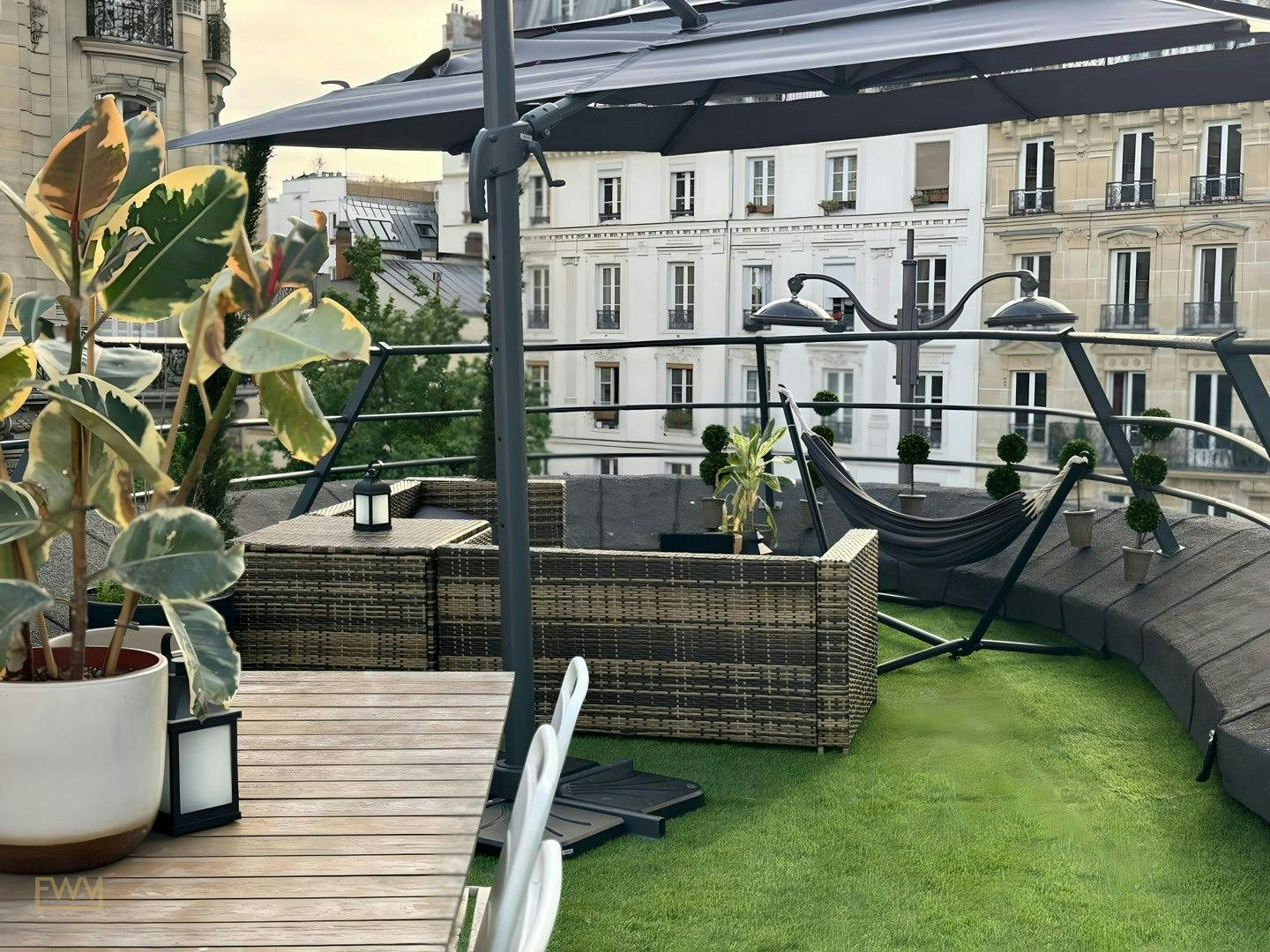
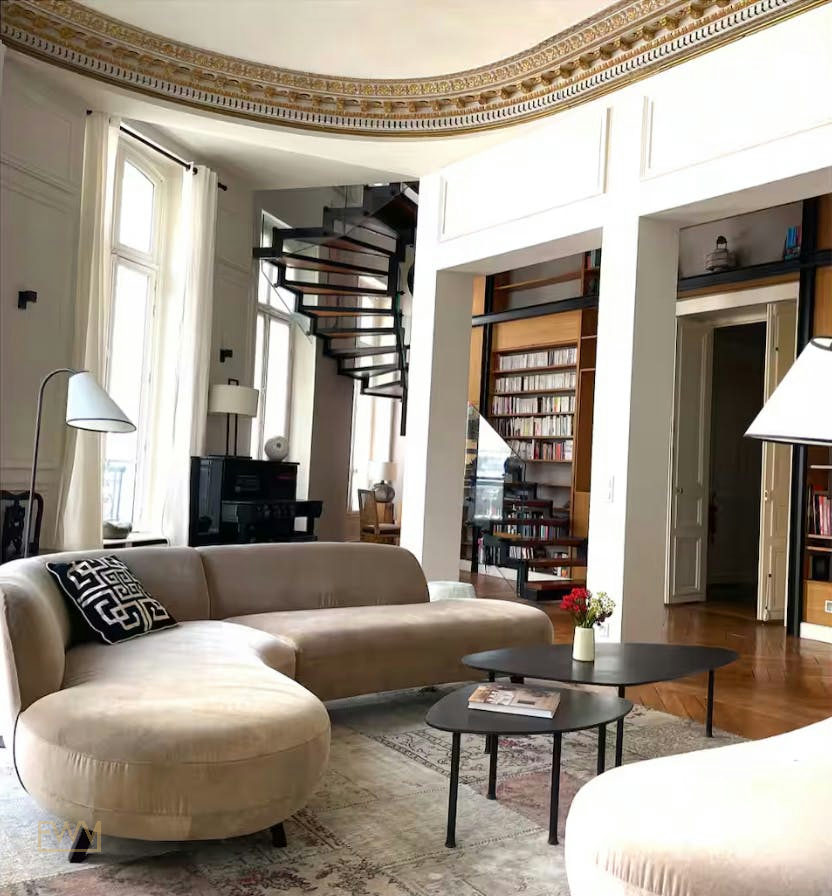
The luxury short-term rental market in Paris encompasses a wide range of property types. Designer apartments in Le Marais, decorated by interior designers and featuring the architectural details of 17th and 18th-century Haussmannian or pre-Haussmannian buildings, are among the most sought-after. These properties often feature original parquet floors, exposed stone walls, high ceilings, and period fireplaces combined with modern kitchens, high-speed WiFi, and contemporary bathrooms. Riverside apartments with views over the Seine offer a particularly evocative Paris experience, especially those on the Rive Gauche or facing the Ile Saint-Louis. Private terraces with Eiffel Tower views represent the apex of the luxury apartment rental market, commanding significant premiums during peak periods including Paris Fashion Week.
More unusual options include floating homes moored on the Seine, which offer a completely distinctive architectural style and an intimate connection with the river. Guest houses and smaller maisons in residential districts provide a more discreet, neighbourhood-embedded experience for those who prefer anonymity and quiet over centrality. Villas in the Ile-de-France region provide space, gardens, and privacy for larger groups or families, while remaining within reach of central Paris by car or train from Gare du Nord or other mainline stations.
DID YOU KNOW: Paris's short-term rental market is regulated by local legislation that requires property owners to register their properties and comply with rules on maximum annual rental days for primary residences. Guests renting through established platforms benefit from properties that are typically compliant with these regulations, but it is worth confirming compliance when booking independently.
Amenities and Features in Luxury Paris Rentals
| Feature | Standard Luxury Apartment | Premium Riverside or Landmark View Property | Boutique Maison or Guest House |
|---|---|---|---|
| High-Speed WiFi | Included | Included | Typically included |
| Air Conditioning | Usually included | Usually included | Varies by property age |
| Fully-Equipped Kitchen | Included | Included | Shared or private |
| Nespresso Machine | Often included | Included | Often provided |
| Private Terrace | Select properties | Premium feature | Some properties |
| Lift Access | Varies by building | More common at higher price points | Rarely available |
| Concierge Service | Platform-level service | Dedicated concierge | Host-level assistance |
| Home Insurance | Varies by platform | Often included | Varies by host |
KEY TAKEAWAY: Luxury short-term rental apartments in Paris offer a compelling alternative to boutique hotels for stays of several days or more, providing greater space, privacy, and a more authentic experience of Parisian residential life, particularly when booked through reputable platforms with full concierge support.
Understanding the neighbourhood in which your boutique stay or brand activation is located is just as important as the property itself. Paris's arrondissements each have distinct identities that shape the experience of both visitors and brand activations.
Paris Neighbourhoods for Short-Term Boutique Stays and Brand Activations
Quick answer: The most sought-after Paris neighbourhoods for short-term boutique stays and brand activations include Le Marais, Saint-Germain-des-Pres and the Left Bank, the 8th Arrondissement around the Champs-Elysees, the Latin Quarter, and Montmartre, each offering a distinct audience, atmosphere, and set of commercial opportunities.
Paris is a city of villages, and no two arrondissements are alike. For brands planning short-term activations and for visitors seeking boutique stays, neighbourhood selection is a strategic decision that affects visibility, audience, logistics, and overall experience.
Le Marais: The Creative and Cultural Heart of Paris
Le Marais, spanning the 3rd and 4th arrondissements, is widely regarded as the most dynamic neighbourhood in Paris for both boutique stays and retail activations. It is home to the Centre Pompidou, the BHV Marais department store, a dense network of independent galleries, fashion boutiques, concept stores, and some of the city's best restaurants and cafes. The architectural character of Le Marais is defined by 17th-century Haussmannian mansions, or hotels particuliers, converted into museums, hotels, and private apartments. Hôtel Le Grand Mazarin and Hôtel de Montesquieu are among the boutique properties that reflect this heritage. For brands, Le Marais offers foot traffic from a highly design-literate, fashion-forward audience and proximity to the Parisian fashion press and buying community.
Saint-Germain-des-Pres, Rive Gauche, and the Left Bank
The Left Bank, encompassing Saint-Germain-des-Pres, the Latin Quarter, and the areas around the Musée d'Orsay, Luxembourg Gardens, and the Musée Rodin, attracts a more intellectual and affluent residential crowd. Hotel Artus, Hotel Le Senat, and Hôtel Adele and Jules are among the boutique properties that serve this audience. For brand activations, the Left Bank's prestigious retail environment, with its established fashion houses, art galleries, and independent bookshops, provides a context of quiet authority that suits heritage and luxury brands particularly well. The bouquinistes along the Seine add to the neighbourhood's distinct cultural character. The 7th Arrondissement, home to Les Invalides and the Eiffel Tower, offers access to a diplomatic and high-net-worth residential audience.
The 8th Arrondissement: Champs-Elysees, Opera, and Grand Luxury
The 8th Arrondissement and its surroundings, encompassing the Champs-Elysees, the Opera Garnier, Tuileries Gardens, and the prime luxury retail corridor, represent the most prestigious commercial real estate in Paris. Properties like Hôtel Balzac, Hotel Keppler, and Hôtel de Sers anchor the boutique hotel offer in this district. For brands seeking maximum visibility and proximity to the world's most famous retail addresses, this neighbourhood provides unrivalled commercial context, though it comes with correspondingly high rental costs and competitive demand during peak calendar periods.
Montmartre and the Creative North
Montmartre, in the 18th Arrondissement, offers a different proposition: an artistic heritage, a village-like atmosphere, and a growing community of independent creatives, designers, and cultural entrepreneurs. Gare du Nord, the major international rail hub connecting Paris to London, Brussels, and Amsterdam via Eurostar and Thalys services, anchors the north of the city and provides logistical advantages for brands and guests arriving from abroad. Hotel Amour and Maison Souquet are among the boutique properties that have helped establish the 9th and 18th arrondissements as credible alternatives to the traditional luxury hotel districts.
| Neighbourhood | Key Landmarks | Best For | Boutique Hotel Examples |
|---|---|---|---|
| Le Marais (3rd/4th) | Centre Pompidou, BHV Marais, Place des Vosges | Fashion brands, creative activations, design-led stays | Hôtel Le Grand Mazarin, Hôtel de Montesquieu |
| Saint-Germain / Left Bank (6th/7th) | Luxembourg Gardens, Musée d'Orsay, Musée Rodin | Heritage luxury brands, literary stays, diplomatic visitors | Hotel Artus, Hotel Le Senat, Hôtel Adele and Jules |
| 8th Arrondissement | Champs-Elysees, Opera Garnier, Tuileries Gardens | Flagship activations, grand luxury brands, high-traffic retail | Hôtel Balzac, Hotel Keppler, Hôtel de Sers |
| Montmartre / 9th/18th | Sacré-Coeur, Moulin Rouge | Independent creative brands, editorial shoots, cultural stays | Hotel Amour, Maison Souquet |
| Latin Quarter (5th) | Sorbonne, Pantheon, Notre Dame | Academic-adjacent brands, cultural tourism, extended stays | Various maisons and boutique properties |
| Ile-de-France surrounds | Versailles, countryside estates | Luxury retreats, film and editorial production, group stays | Glycines Country Guesthouse and similar |
To compare neighbourhoods and space types, explore the Paris city hub on Fashion Week Venues and shortlist spaces that match your brief, budget, and calendar window.
KEY TAKEAWAY: Neighbourhood selection in Paris is a strategic decision that shapes every aspect of a short-term boutique stay or brand activation, from audience demographics and media visibility to logistics, pricing, and competitive context. Aligning your neighbourhood choice with your brand identity and operational requirements is essential.
For brand teams, the distinction between a boutique stay and a brand activation space is important but the two often overlap. Understanding how to select and secure pop-up and showroom spaces in Paris requires specific knowledge of the local market.
Short-Term Pop-Up and Showroom Spaces in Paris: What Brand Teams Need to Know
Quick answer: Securing a short-term pop-up space or showroom in Paris requires understanding the distinction between different lease and licence types, navigating French administrative requirements, identifying the right neighbourhood and property type for your brand, and planning well in advance of major calendar events including Paris Fashion Week.
For brands seeking to activate in Paris through a pop-up retail space, temporary showroom, event venue, or brand experience, the process differs significantly from booking a hotel or apartment rental. Short-term commercial space in Paris operates under a specific legal and administrative framework, and the competitive demand for prime locations during key calendar windows means that early planning is essential.
Legal Structures for Short-Term Commercial Space in Paris
The most common legal framework for short-term commercial occupancy in Paris is the bail dérogatoire, a derogatory or short-term commercial lease that allows a brand to occupy a commercial space for a period of up to thirty-six months without the full protections and obligations of a standard nine-year commercial lease (bail commercial). For very short activations, typically those lasting days or weeks rather than months, the relevant instrument is often a convention d'occupation précaire or a specific licence agreement rather than a lease in the traditional sense. For temporary use of public or semi-public spaces, an autorisation d'occupation temporaire (AOT) from the relevant municipal authority may be required. Requirements vary significantly by space type, duration, arrondissement, and the nature of the activation planned. Brands are strongly advised to verify all permit and legal requirements with a French legal advisor before committing to a space.
The permit guidance tool on Fashion Week Venues provides a starting point for understanding what authorisations may be needed for different types of Paris activations, though it does not replace specialist legal advice.
Calendar Windows and Lead Times for Paris Pop-Up Spaces
The Paris calendar creates intense concentrations of demand for short-term commercial space during specific windows. Paris Fashion Week in January and September, Maison&Objet in January and September, Paris Photo in November, and FIAC in October are among the most competitive periods. Brands targeting these windows should begin their space search at a minimum of three to six months in advance, with six to twelve months advisable for prime locations in the 8th Arrondissement, Le Marais, or Saint-Germain-des-Pres. Outside these peak periods, more space becomes available and lead times can be shorter, but the strategic value of the activation must be weighed against the reduced media and trade visitor volume.
IMPORTANT: Do not assume that a space available online is legally ready to occupy for commercial retail purposes. Always verify the permitted use of the space, the tax and regulatory obligations of the occupancy agreement, and the insurance requirements before signing any agreement.
Space Types for Short-Term Brand Activations in Paris
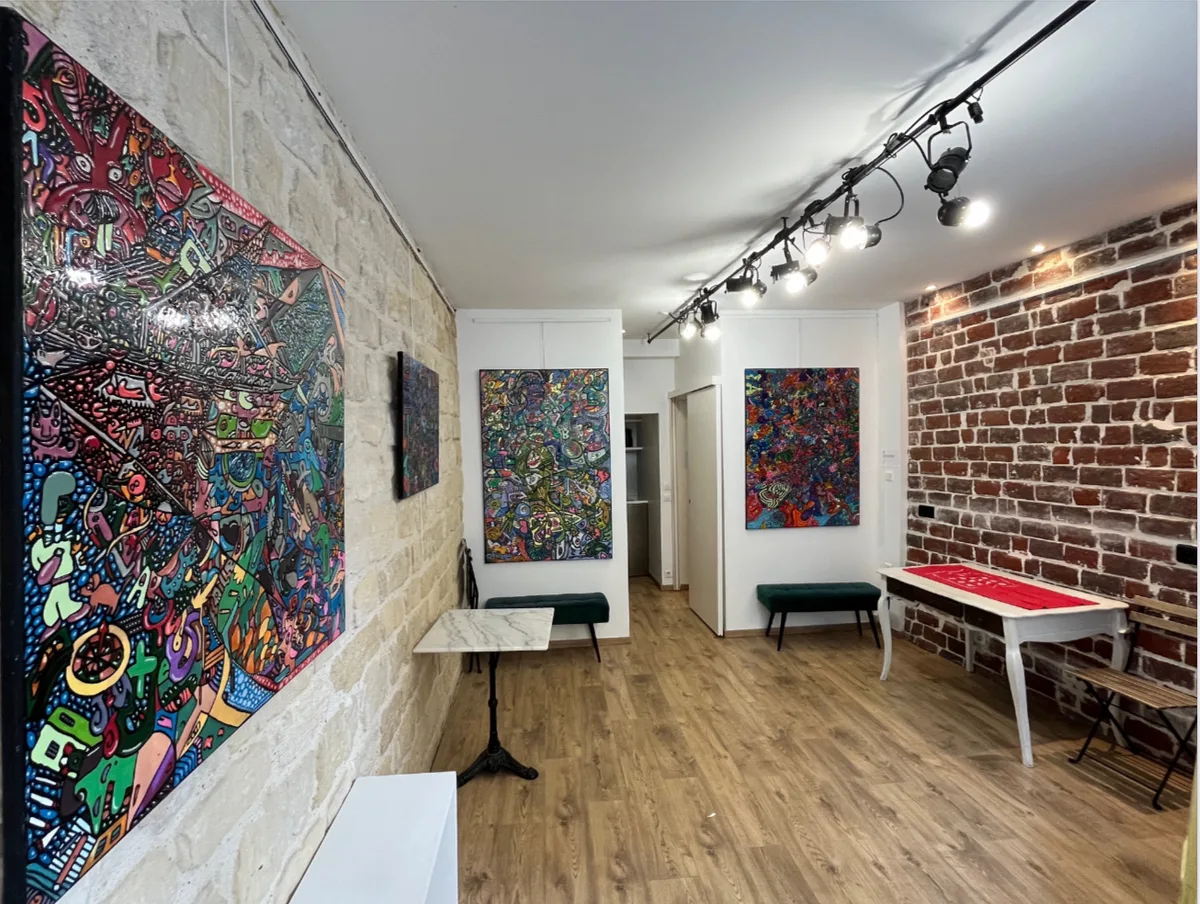
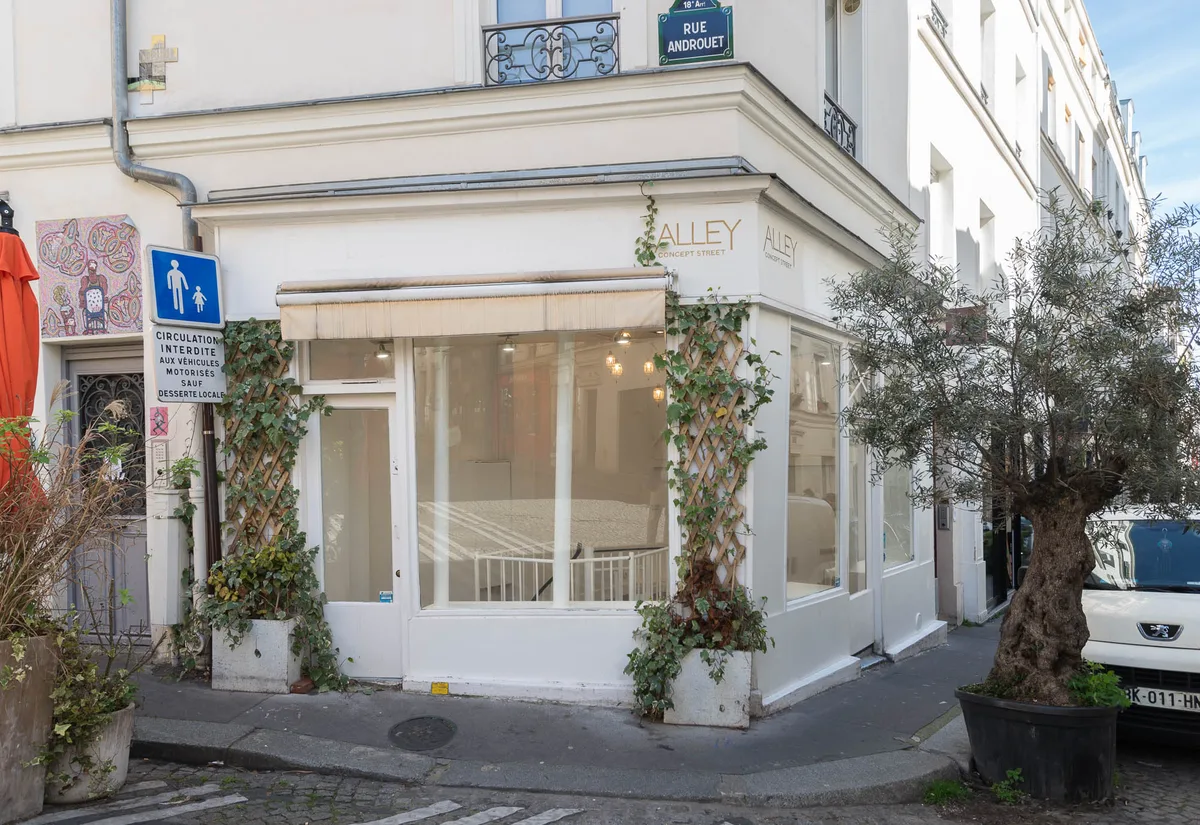
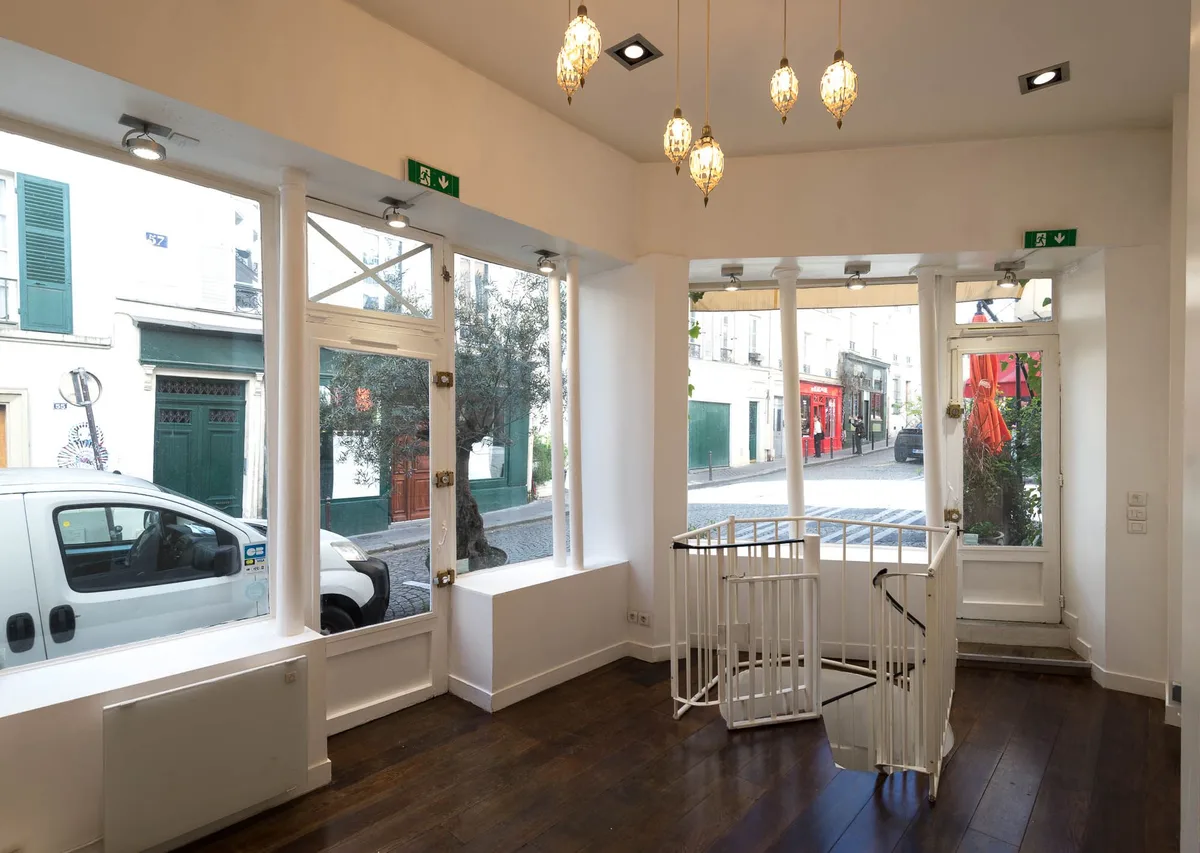
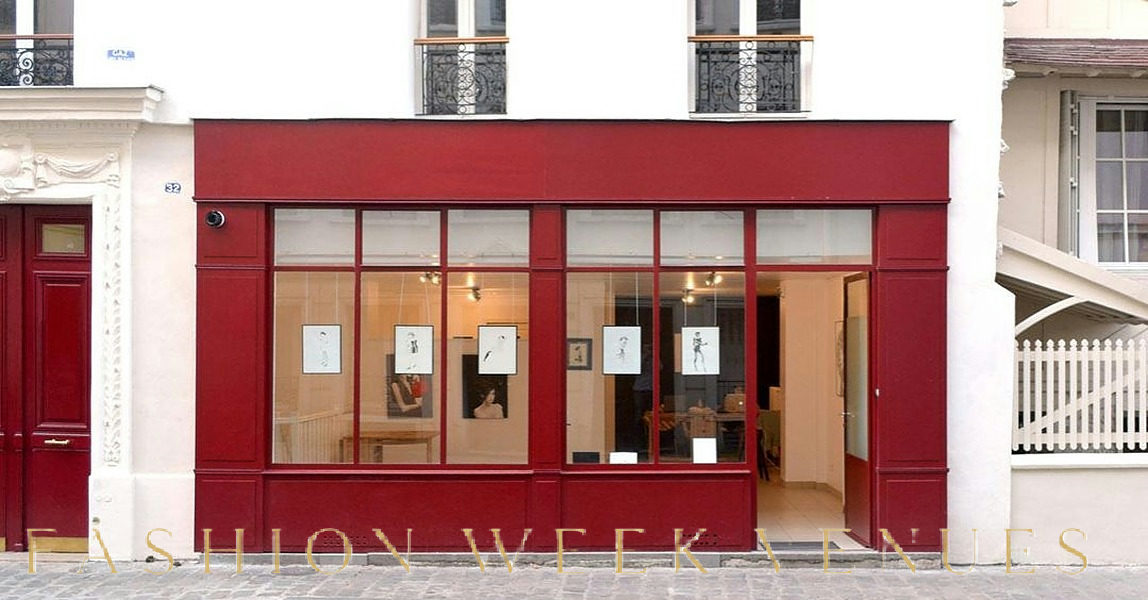
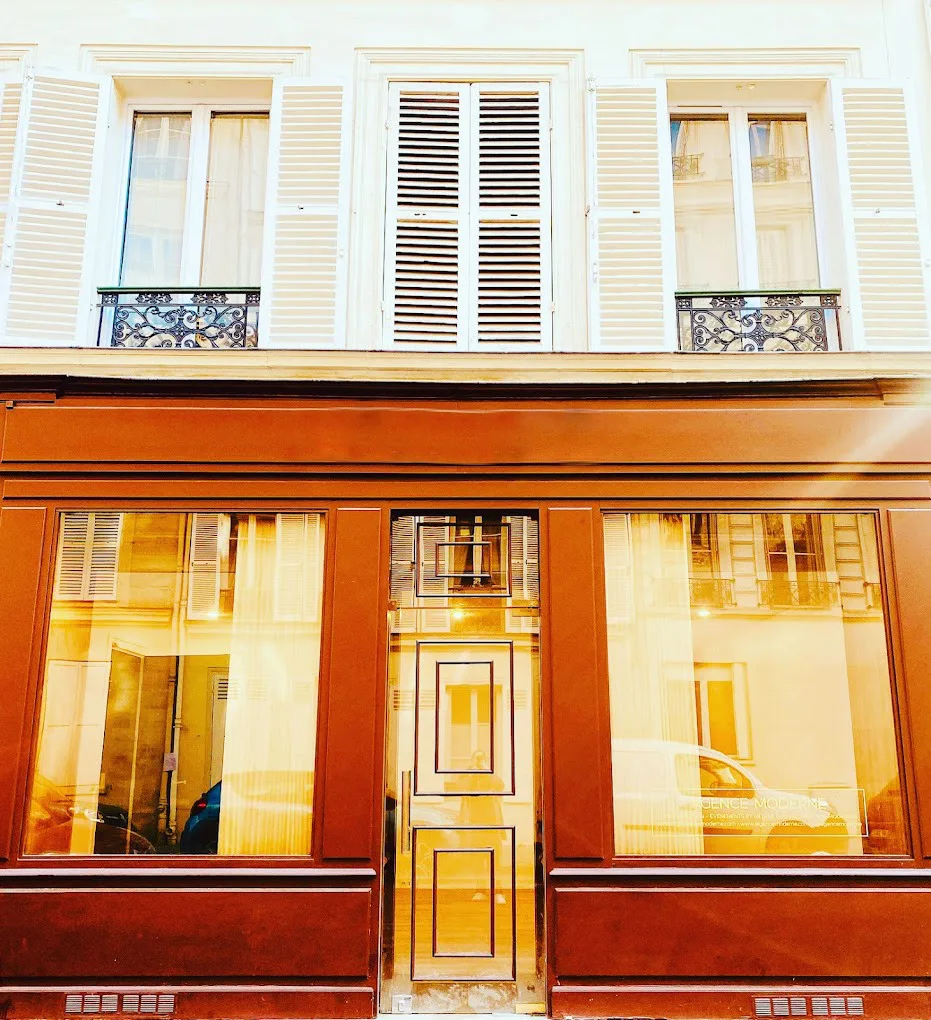
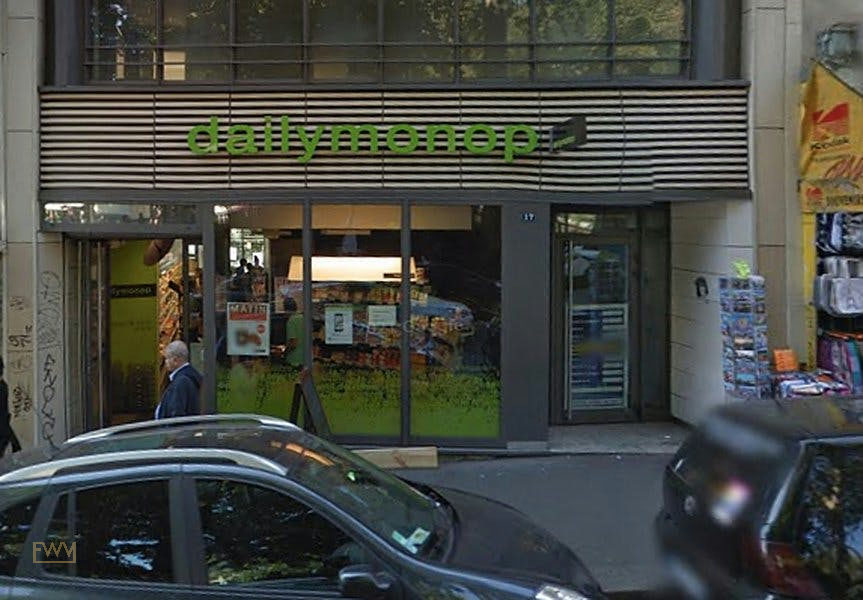
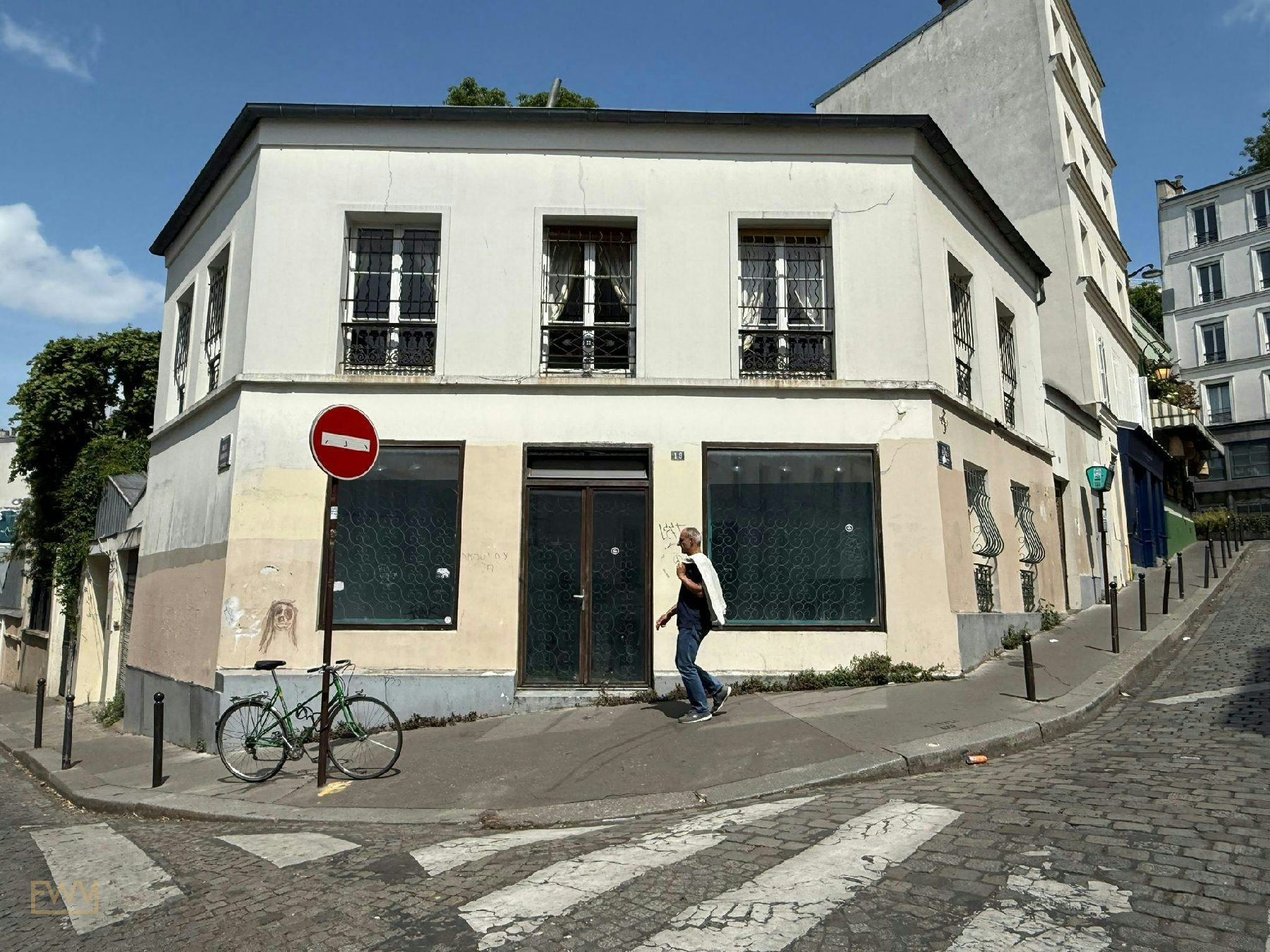
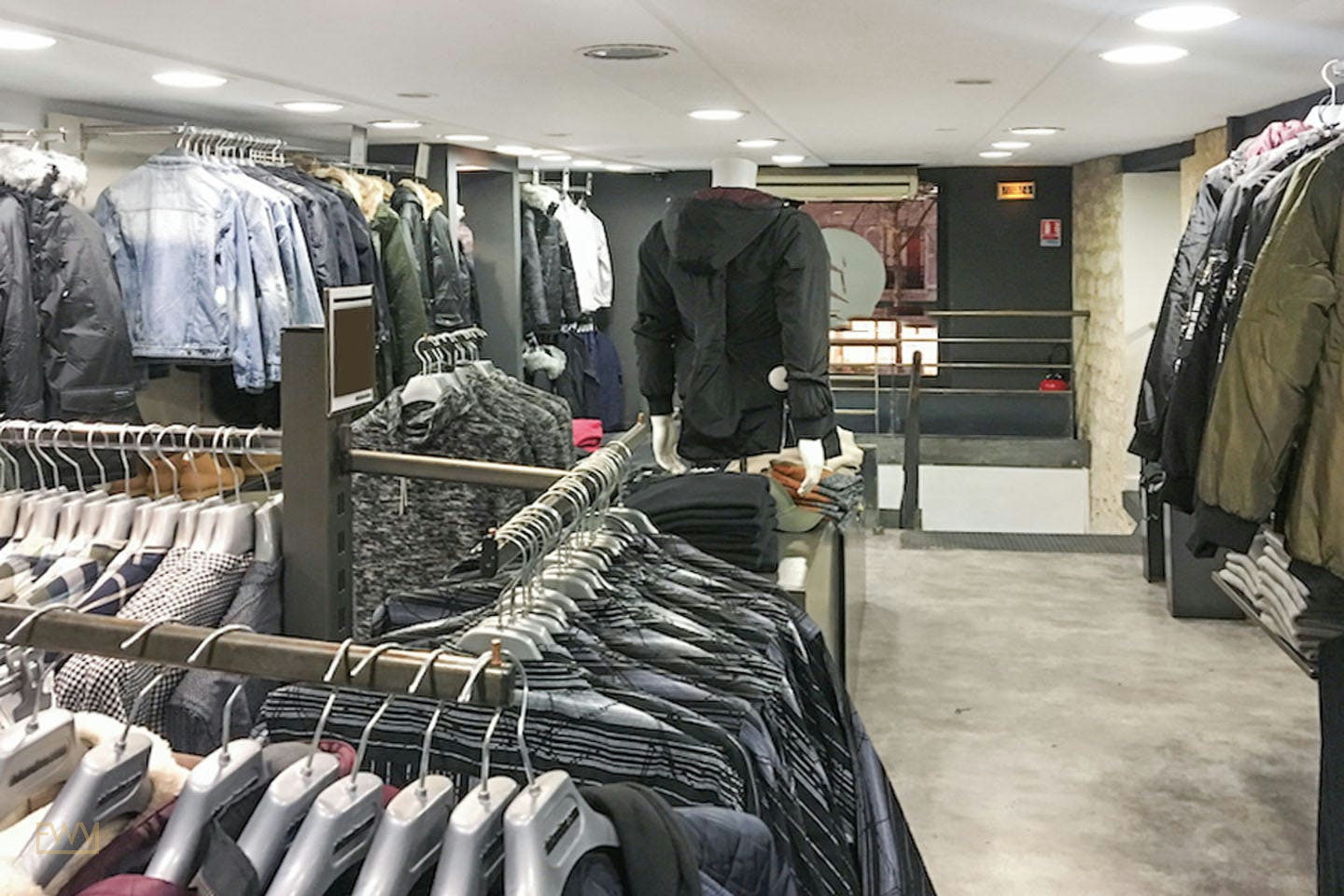
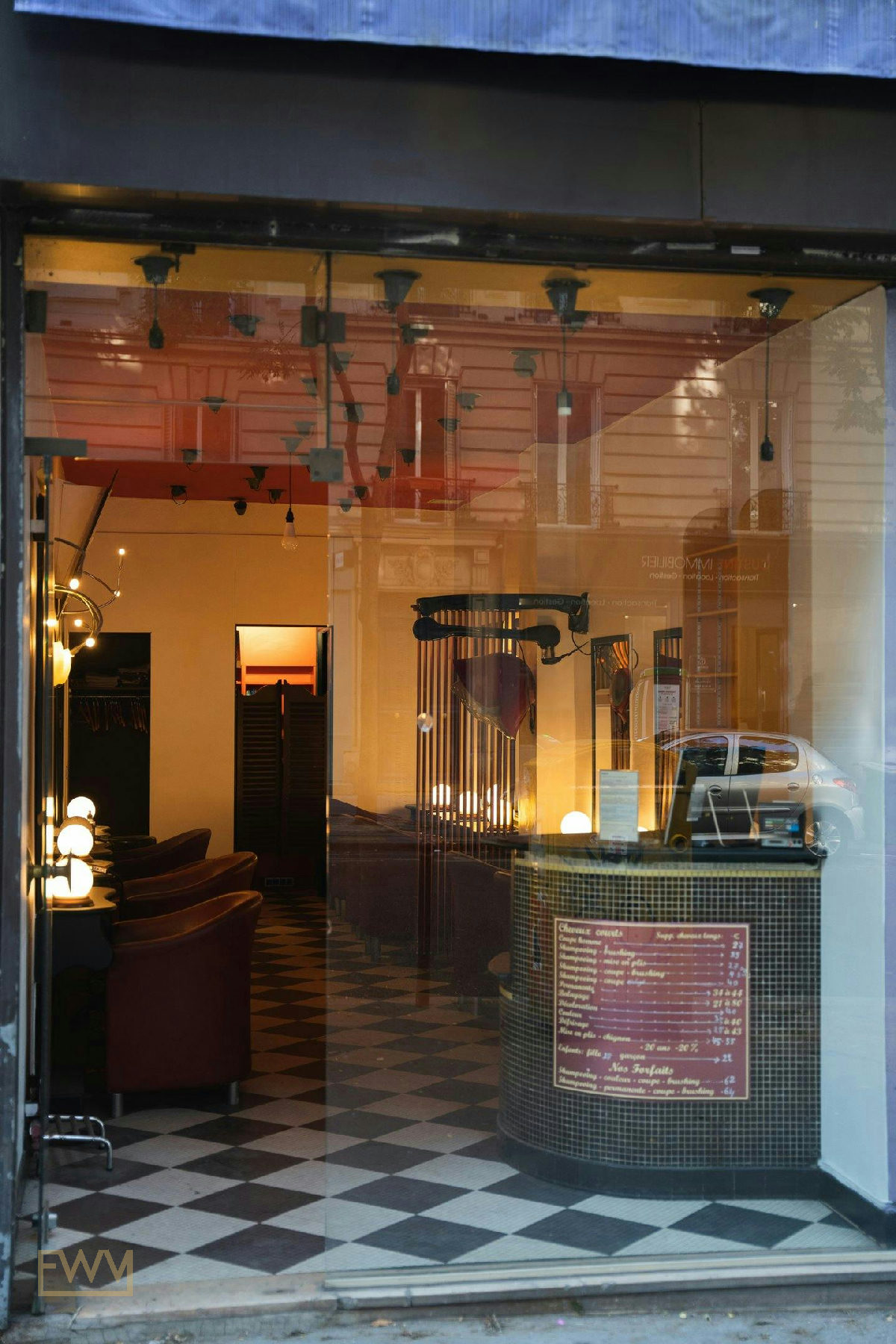
The range of short-term commercial spaces available in Paris for brand activations is broad and growing. Haussmannian apartments repurposed as showrooms, former boutiques on prime retail streets, gallery spaces in Le Marais, loft spaces in the 11th Arrondissement, private hotel rooms or suites used for trade presentations, and purpose-built event spaces in the 8th Arrondissement all represent viable activation formats depending on the brand's objectives, audience, and budget. Some brands combine their commercial activation with a boutique hotel suite or serviced apartment to create an integrated residential and retail experience for VIP guests and press.
The venue sourcing service at Fashion Week Venues identifies spaces across all of these categories, matching brand briefs to available properties across Paris's key districts and calendar windows.
KEY TAKEAWAY: Short-term pop-up and showroom spaces in Paris require careful legal, logistical, and calendar planning. The most successful brand activations in Paris are those where the space selection, neighbourhood alignment, lead time, and permit compliance are addressed systematically and early.
Once a space is secured, the activation itself requires careful production planning, creative direction, staffing, and technology. This is where a full-service agency adds significant value.
How Fashion Week Venues Supports Short-Term Boutique Brand Activations in Paris
Quick answer: Fashion Week Venues is a full-service pop-up shop agency and space marketplace that supports brands at every stage of a Paris activation, from initial space discovery and venue sourcing through concept direction, production, staffing, and post-activation analytics.
Fashion Week Venues operates at the intersection of space, strategy, and service. For brand teams planning a short-term boutique activation in Paris, whether during fashion week, a trade event, or a standalone calendar moment, the agency provides a structured approach that replaces the fragmented process of sourcing venues, agencies, suppliers, and logistics providers independently.
Services Across the Full Activation Lifecycle
The service offer from Fashion Week Venues covers the complete lifecycle of a Paris brand activation. The process begins with venue sourcing, where the team identifies spaces in the relevant Paris neighbourhood that match the brand's brief, budget range, and calendar window. This is followed by concept and creative direction, which translates the brand's identity and activation objectives into a coherent spatial concept. Production and build then converts the concept into a physical space through fit-out, furniture installation, and branded store design. During the activation period, the team provides activation management, ensuring that the space operates smoothly from a logistical, staffing, and experiential perspective. Post-activation, data and analytics capture the performance metrics that inform future investment decisions.
Tools for Planning and Decision-Making
Fashion Week Venues has developed a suite of planning tools that brand teams can use independently or in conjunction with the agency's service offer. The budget estimation tool helps teams develop realistic cost frameworks for their Paris activation before committing to a space. The ROI calculator helps articulate the financial case for the activation internally. The timeline planning tool maps the critical path from initial brief to opening day, accounting for the lead times required in Paris's competitive short-term space market. The space comparison tool allows teams to evaluate multiple shortlisted spaces against a consistent set of criteria. These tools are practical, actionable, and designed to accelerate decision-making rather than replace it.
Who Benefits Most from Fashion Week Venues in Paris
The brands and brand teams that gain most from working with Fashion Week Venues in Paris are typically those that are entering the Paris market for the first time and lack established local relationships, those that are operating under significant time pressure and cannot afford the delays of learning the market independently, those that are managing complex multi-market activation programs and need a single partner capable of delivering consistently across Paris and other fashion capitals, and those that have specific creative, logistical, or compliance requirements that demand specialist local expertise. Fashion Week Venues does not guarantee specific spaces, permits, or activation outcomes, but it brings a depth of Paris-specific knowledge and supplier relationships that significantly reduces the risk and friction of the activation planning process.
Brands interested in exploring past activation work can review case studies and examples through the Fashion Week Venues portfolio. Teams that prefer to begin with an independent space search can browse the Fashion Week Venues space marketplace to identify available properties across Paris's key districts.
KEY TAKEAWAY: Fashion Week Venues provides brand teams with the specialist Paris knowledge, service infrastructure, and planning tools needed to execute short-term boutique activations efficiently and with confidence, particularly in competitive calendar windows where lead time and local expertise are critical advantages.
Understanding the full cost landscape of a Paris boutique activation or luxury stay requires clarity on both the direct rental or hotel costs and the ancillary costs of services, logistics, compliance, and production.
Budgeting for a Short-Term Boutique Stay or Brand Activation in Paris
Quick answer: Budgeting for a short-term boutique experience in Paris requires accounting for the base rental or accommodation cost alongside service charges, production costs for brand activations, permit fees, staffing, and ancillary services such as private chef or chauffeur arrangements. Costs vary significantly by neighbourhood, season, property type, and activation complexity.
Paris is one of Europe's most expensive cities for both accommodation and commercial real estate, and the premium for boutique, prime, and fashion-week-adjacent locations is substantial. For travellers seeking a luxury short-term apartment rental, the cost per night in a designer apartment in Le Marais or the 8th Arrondissement during Paris Fashion Week can be significantly higher than the off-peak rate for the same property. Boutique hotels during peak calendar periods command premium rates that reflect the concentrated demand from fashion industry visitors, press, and buyers.
Cost Factors for Luxury Apartment Rentals
When budgeting for a luxury short-term apartment rental in Paris, the key variables are neighbourhood and street location, property size and quality of furnishing, season and calendar proximity to major events, duration of stay, and the level of concierge services required. Properties with private terraces, Eiffel Tower views, or riverside positions command the highest premiums. Additional services such as airport transfers, private chef arrangements, private chauffeur bookings, and daily housekeeping add to the overall cost. Home insurance may or may not be included depending on the platform and property, so this should be confirmed during the booking process.
Cost Factors for Brand Activation Spaces
For brands planning a short-term pop-up or showroom activation in Paris, the rental cost of the space is typically only one component of a substantially larger budget. Production and build costs for fit-out and branded store design, furniture rental, staffing costs for the duration of the activation, permit and compliance costs, marketing and influencer activity costs, and POS and payments infrastructure all contribute to the total investment. The complexity of the activation, the duration of the space rental, and the ambition of the brand experience all influence the final cost significantly. Brands should use the budget estimation tool on Fashion Week Venues to develop a realistic cost framework before beginning their space search.
TIP: When comparing activation budgets across multiple cities, use the Fashion Week Venues ROI calculator to model the likely commercial return from each market and prioritise investment accordingly rather than simply comparing headline costs.
The Twin Model: Sharing Costs Through Co-Activation
For brands with limited budgets or those seeking to maximise the value of a Paris activation, the twin co-activation model offered by Fashion Week Venues represents a compelling option. The twin concept pairs two complementary but non-competing brands in a shared space, splitting the rental, production, and operational costs while potentially amplifying the audience reach and media impact of both brands. This model is particularly well suited to emerging brands entering Paris for the first time, brands with overlapping target audiences, and brands seeking to increase the event-like quality of their activation through curation and collaboration.
KEY TAKEAWAY: Accurate budgeting for a short-term boutique Paris experience, whether as a traveller or a brand team, requires a comprehensive view of all direct and ancillary costs from the outset. Building a detailed budget framework early prevents costly surprises during execution and enables more confident investment decisions.
With budget clarity established, the final dimension of any short-term boutique Paris experience is the services and experiences that elevate it beyond the transactional and into the genuinely memorable.
Services and Experiences That Define a Boutique Paris Stay
Quick answer: The services that differentiate a truly boutique Paris experience from a standard hotel or rental stay include personalised concierge services, private chef dinners, private chauffeur arrangements, access to Michelin-starred restaurants, curated food market visits, guided cultural experiences, and bespoke itineraries that connect the stay to the authentic rhythm of Parisian life.
Paris is a city of exceptional experiences, and the boutique accommodation sector has evolved to provide access to those experiences in ways that standard tourism infrastructure cannot match. Whether staying in a luxury apartment rental or a petit palace boutique hotel, the quality of concierge service is often the element that most significantly shapes the overall experience.
Concierge Services and Personalisation
The finest boutique Paris stays offer concierge services that go well beyond restaurant reservations. A high-quality concierge team in a Paris boutique property or luxury rental platform can arrange private access to cultural institutions, secure reservations at the city's most sought-after bistros and Michelin-starred restaurants, organise private chef evenings in the apartment, curate food market tours that move through the Marché d'Aligre, the Marche des Enfants Rouges, and the Rue Mouffetard, arrange private chauffeur services for the duration of the stay, and coordinate cultural experiences from private museum visits to front-row seats at cultural events. For brand teams using Paris as an operational base during fashion week, concierge services can extend to logistics coordination, translation support, and supplier introductions.
Private Chef and Culinary Experiences
One of the most popular additional services available through luxury apartment rental platforms and boutique hotel concierge teams in Paris is the private chef arrangement. Paris's deep pool of culinary talent means that a private chef can be engaged for a single dinner or for the duration of an extended stay, bringing restaurant-quality cooking into the apartment and tailoring menus to dietary requirements, seasonal ingredients from the city's food markets, and the cultural preferences of the guests. This service is particularly valued by high-net-worth travellers, corporate groups, and brand teams entertaining press or buyers during activation periods.
Cultural and Neighbourhood Experiences
The bouquinistes along the Seine, the food markets of the Marais and the Left Bank, the canal-side cafes of the 10th Arrondissement, and the view from the terrace at the Musee d'Orsay are among the experiences that define Paris for those who move beyond the standard tourist itinerary. Boutique stays in Paris are at their best when they function as a genuine base for neighbourhood exploration, with a concierge or host who can direct guests toward the bistro on the corner that has been serving the same families for decades, the artisan atelier two streets away that does not appear in any guide, or the gallery opening in Le Marais that happens to coincide with the stay. This quality of local knowledge and curation is what separates the truly exceptional boutique Paris experience from the merely comfortable.
DID YOU KNOW: Paris has more Michelin-starred restaurants than any other city in the world outside of Tokyo and Kyoto, according to the Michelin Guide. A well-connected concierge team can often secure reservations at coveted tables that would otherwise require weeks of advance planning.
KEY TAKEAWAY: The services and experiences available through a boutique Paris stay are a critical part of its value proposition. Prioritising properties and platforms with genuine concierge capabilities and local cultural knowledge transforms a comfortable accommodation booking into an authentically Parisian experience.
Booking a Short-Term Boutique Space in Paris: Platforms, Processes, and Practical Guidance
Quick answer: Booking a short-term boutique stay or brand activation space in Paris involves selecting the right platform or agency, completing a structured booking process including virtual tours and stay date confirmation, understanding downpayment and cancellation policies, and coordinating check-in logistics including key collection and after-hours arrival.
The booking process for a short-term boutique property in Paris, whether a residential apartment rental or a commercial activation space, follows a broadly similar structure across platforms, though the specific steps, documentation requirements, and terms vary by property, platform, and duration.
The Residential Rental Booking Process
For platforms such as Paris Attitude, Highstay, and Homanie, the booking process typically begins with a search using defined criteria including stay dates, number of guests, location preferences, required amenities such as air conditioning, lift access, and high-speed WiFi, and budget range. Many platforms now offer virtual tour capabilities, allowing prospective guests to explore the property digitally before committing. Once a property is selected, the booking process involves providing personal identification, confirming the stay dates, and in some cases supplying supporting documentation for longer stays. A downpayment is typically required at the time of booking for short-term rentals, with the balance payable closer to the arrival date. Cancellation policies vary by platform and property and should be reviewed carefully before booking, particularly for stays that coincide with major Paris calendar events where demand is high and refund flexibility may be limited.
Key collection and check-in logistics in Paris boutique apartments vary. Some properties use keybox systems that allow for self-check-in at any time, including late-night arrivals. Others require a designated check-in time, typically from 2pm, and may or may not accommodate early arrivals depending on availability. Late-night arrivals should be confirmed in advance with the platform or host to ensure that access arrangements are in place. Baby cribs and additional equipment for families with young children can typically be requested at the time of booking, subject to availability and any applicable additional charges. Cleaning services during the stay are often available as an optional add-on rather than a standard inclusion in self-catering apartment rentals.
The Commercial Space Booking and Activation Planning Process
| Stage | Key Activity | Responsible Party | Typical Lead Time |
|---|---|---|---|
| 1. Brief Development | Define objectives, budget, neighbourhood, space type, calendar window | Brand team | 6 to 12 months before activation |
| 2. Space Search | Identify and shortlist properties via marketplace or agency | Brand team or agency partner | 4 to 9 months before activation |
| 3. Space Viewing and Selection | Physical or virtual tours, comparison against criteria | Brand team with agency | 3 to 8 months before activation |
| 4. Legal and Permit Review | Confirm permitted use, agree lease or licence type, assess permit requirements | Legal advisor and agency | 3 to 7 months before activation |
| 5. Concept and Design | Develop spatial concept, branded store design, furniture specification | Agency creative team | 2 to 5 months before activation |
| 6. Production and Build | Fit-out, furniture installation, technology installation | Agency production team | 2 to 4 weeks before activation |
| 7. Staffing and Operations | Recruit and brief activation staff, confirm POS and payments | Agency operations team | 2 to 4 weeks before activation |
| 8. Activation Launch and Management | Open activation, manage daily operations, execute marketing and influencer program | Agency and brand team | During activation period |
| 9. Data, Analytics, and Debrief | Capture performance data, produce post-activation report | Agency analytics team | During and after activation |
For brands using Fashion Week Venues to plan and execute a Paris activation, the timeline planning tool maps this process to the specific calendar requirements of the activation and identifies the critical path milestones that must be met to ensure a smooth launch.
KEY TAKEAWAY: Whether booking a luxury apartment rental or planning a commercial brand activation, the Paris short-term boutique booking process rewards early action, careful documentation review, and clear communication of requirements from the outset. Platforms and agencies that offer expert guidance through the booking process significantly reduce the risk of delays, surprises, or compliance issues.
Common Myths About Short-Term Boutique Spaces in Paris Debunked
MYTH: International brands need a French legal entity to rent a short-term boutique space or commercial pop-up space in Paris.
FACT: Many short-term commercial spaces in Paris can be accessed by international brands without a French legal entity, particularly through licence agreements, conventions d'occupation précaire, or platforms that structure the arrangement to accommodate foreign operators. However, the specific requirements vary by space type, duration, and the nature of the commercial activity planned, and specialist legal advice is always recommended before signing any agreement. Fashion Week Venues can provide guidance on the typical structures used for international brand activations in Paris.
MYTH: Paris Fashion Week in January and September is the only viable calendar window for a short-term boutique activation in Paris.
FACT: While Paris Fashion Week generates the highest concentration of industry visitors, Paris hosts a rich calendar of trade events, art fairs, and cultural moments throughout the year that provide strong platforms for brand activations. Maison&Objet, Paris Photo, FIAC, Vivatech, the Paris Marathon weekend, and the summer tourist season all create distinct audience opportunities. Brands that activate outside the fashion week windows often benefit from lower rental costs, greater space availability, and less competitive media attention, which can actually increase their relative visibility.
MYTH: Commission-based brokers are the only way to find a short-term boutique space in Paris as an international brand.
FACT: The Paris short-term commercial space market has evolved significantly, with marketplace platforms, full-service agencies, and online discovery tools providing transparent alternatives to traditional commission brokers. Platforms like the Fashion Week Venues marketplace allow brands to browse available spaces, compare options, and engage directly with space owners or through a structured agency process, with clear fee structures rather than opaque commission arrangements. This transparency benefits brands with fixed budgets and clear briefs.
MYTH: Short-term commercial leases in Paris are legally straightforward and do not require specialist help.
FACT: The French commercial lease framework is specific and detailed, and the distinction between a bail dérogatoire, a convention d'occupation précaire, a standard bail commercial, and an autorisation d'occupation temporaire has significant legal and financial implications. Getting the legal structure wrong can expose a brand to unexpected obligations, tax liabilities, or regulatory penalties. Specialist advice from a French commercial lawyer with experience in short-term retail and event space is strongly recommended for any brand planning a commercial activation in Paris.
MYTH: Luxury short-term apartment rentals in Paris are essentially the same as Airbnb listings with premium branding.
FACT: Genuine luxury short-term rental platforms such as Highstay, Homanie, and Paris Attitude operate on a fundamentally different model from peer-to-peer short-let platforms. Properties are physically visited and verified by experts before listing, concierge services are professionally staffed and available to arrange complex requests including private chef, private chauffeur, and airport transfers, home insurance is often included, and the quality standards are enforced through platform management rather than self-certification. The booking process, documentation requirements, and contractual protections are also more robust than those typically found on general peer-to-peer platforms.
Frequently Asked Questions About Short-Term Boutique Paris Stays and Activations
What makes a perfect short-term boutique stay in Paris?
A perfect short-term boutique stay in Paris combines the right neighbourhood with a property that matches the guest's specific needs in terms of space, amenities, character, and service. The ideal stay features high-speed WiFi, a fully-equipped kitchen or access to outstanding dining, air conditioning for summer visits, and a genuine concierge capability that can connect the guest with authentic Parisian experiences beyond the standard tourist circuit. Proximity to the guest's key interests, whether cultural landmarks, business meetings, or fashion industry events, is equally important. The property's architectural character and interior design should reflect a coherent creative vision rather than generic luxury finishes.
Why choose Highstay luxury apartments for short-term Parisian rentals?
Highstay offers a curated selection of luxury apartments in Paris's most desirable districts, all managed with full concierge services that can arrange airport transfers, private chef bookings, private chauffeur services, and restaurant reservations at Michelin-starred establishments. Properties are selected for their quality of furnishing, architectural distinction, and prime location. The platform is particularly well suited to high-net-worth travellers, corporate visitors, and brand teams seeking a residential base that combines the comfort and space of a private apartment with hotel-level service and professional management throughout the stay.
What is the minimum rental period for Highstay luxury apartments?
Highstay's minimum rental period varies by property and season, but the platform is generally oriented toward stays of several nights rather than single-night bookings, reflecting the profile of its target guest. During peak periods such as Paris Fashion Week, minimum stay requirements may be longer to reflect the high demand for prime properties. Prospective guests should check the specific terms for their chosen property and dates directly on the Highstay platform or through their concierge team, as requirements can differ between individual listings.
Can Highstay arrange an airport transfer to my Paris rental property?
Yes, Highstay's concierge service can arrange airport transfers from Charles de Gaulle, Orly, and other points of entry into Paris. This service can be coordinated in advance of arrival and tailored to the guest's schedule, including late-night or early-morning arrival times. The transfer service is typically provided by professional private chauffeur companies with experience in serving high-end residential guests, ensuring a seamless transition from airport to property regardless of the time of day or complexity of the luggage and travel arrangements.
What facilities are typically provided in Paris luxury rental apartments?
Luxury rental apartments in Paris typically include high-speed WiFi, fully-equipped kitchens with quality appliances, Nespresso or equivalent coffee machines, air conditioning, premium linen and towelling, and access to platform concierge services. Higher-specification properties additionally offer private terraces, riverside or landmark views, lift access, in-apartment laundry facilities, and dedicated workspaces for business guests. The specific facilities available vary by property, and the platform listing and virtual tour capability allow prospective guests to verify the exact amenities before committing to a booking.
How do I book a short-term luxury apartment in Paris, and do I need to pay a downpayment?
The booking process for a short-term luxury apartment in Paris through platforms such as Paris Attitude, Highstay, or Homanie typically involves selecting the property and stay dates through the platform's search engine, completing an online booking form, and paying a downpayment at the time of reservation. The balance is usually payable closer to the arrival date. Some platforms may require identity documentation and, for longer stays, proof of financial capacity. The platform's booking process page or concierge team can clarify the specific steps and documentation required for each property.
What are the typical cancellation policies for Paris boutique apartment rentals?
Cancellation policies vary by platform and individual property. Many luxury rental platforms apply a tiered cancellation structure where cancellations made well in advance of the stay incur minimal charges, while last-minute cancellations result in the loss of the full downpayment or a significant portion of the total rental cost. During peak calendar periods such as Paris Fashion Week, cancellation terms may be more restrictive to reflect the high demand for prime properties. Guests should review the specific cancellation policy for their chosen property and dates carefully before completing their booking.
Can I request extra services like a private chef or private chauffeur through a Paris boutique rental platform?
Yes. Leading luxury short-term rental platforms in Paris, including Highstay and Homanie, can arrange a wide range of additional services including private chef dinners, private chauffeur bookings, food market tours, restaurant reservations at Michelin-starred restaurants, airport transfers, and bespoke cultural experiences. These services are typically arranged through the platform's concierge team and should be requested at the time of booking or as early as possible during the stay to ensure availability, particularly during busy calendar periods when demand for premium service providers in Paris is high.
Are Paris luxury rental apartments suitable for corporate stays and business trips?
Luxury furnished apartments in Paris are increasingly popular with corporate travellers, digital nomads, and business teams, offering the space, privacy, and professional amenities that hotel rooms rarely provide. High-speed WiFi, dedicated workspaces, fully-equipped kitchens for working meals, and concierge services for logistics support make luxury apartments a strong choice for extended business stays. Platforms like Homanie specifically cater to the corporate market, offering properties and services aligned with the needs of business visitors to Paris across a wide range of budgets and neighbourhood preferences.
Do Paris luxury rental apartments offer views of iconic landmarks?
Many luxury rental apartments in Paris are positioned to offer views of iconic landmarks including the Eiffel Tower, Notre Dame, the Seine River, and the rooftops of the 6th Arrondissement. Properties with private terraces and panoramic landmark views command significant premiums and are particularly popular during Paris Fashion Week and other high-season periods. Platform search tools and virtual tours allow prospective guests to assess the view from specific properties before booking. Riverside apartments with views over the Seine are among the most sought-after categories in the Paris luxury rental market.
What is Maison Proust, and what makes it distinctive among Paris boutique hotels?
Maison Proust is an ultra-boutique hotel in Paris with only twenty-three suites, designed for an international clientele who place equal value on beauty, art, history, and literary culture. The property takes its name and creative inspiration from Marcel Proust, the French novelist, and is furnished and designed with the kind of meticulous attention to detail that reflects a deeply coherent artistic vision. It belongs to a rarefied category of boutique properties that prioritises cultural authenticity and aesthetic depth over the standardised luxury of palace hotels, making it a distinctive choice for guests whose accommodation choices are an extension of their cultural identity.
What was Hotel Fabric in Paris, and why is it significant in the boutique hotel landscape?
Hotel Fabric is a design hotel in the 11th Arrondissement of Paris, occupying a former textile factory that has been sensitively transformed to retain its industrial architectural character while providing thoroughly contemporary hotel amenities. The property has been significant in establishing the eastern arrondissements of Paris as credible destinations for design-conscious travellers and creative industry visitors who prefer the energy of the Oberkampf and Bastille neighbourhoods to the more established luxury hotel districts of the 8th. It represents the industrial-conversion model that has become increasingly popular in Paris's boutique hotel sector.
How do brands typically use short-term Paris spaces during fashion week activations?
During Paris Fashion Week, brands use short-term spaces in a variety of ways depending on their objectives and audience. Some brands operate temporary retail pop-ups targeting press, buyers, and consumers who are in the city for the week. Others use spaces as private showrooms for trade appointments, presenting their collections in a curated environment rather than at a trade fair. Brand experience activations create immersive environments that communicate the brand's identity to a media and influencer audience. Some brands combine residential and retail elements, using a boutique apartment as both a press suite and an intimate showroom for VIP appointments.
What permits are typically needed for a short-term commercial activation in Paris?
The permits required for a short-term commercial activation in Paris depend on the type of space, the duration of occupancy, the nature of the commercial activity, and the arrondissement in which the space is located. For spaces used under a bail dérogatoire or a convention d'occupation précaire, the legal framework of the occupancy agreement itself provides the basis for the commercial activity, but specific uses such as food service, external signage, or public-facing retail may require additional authorisations from local authorities. For activations in public or semi-public spaces, an autorisation d'occupation temporaire from the relevant municipal department is typically required. Requirements vary and brands should verify all permit needs with a French legal advisor before committing to a space.
How far in advance should a brand begin searching for a short-term pop-up space in Paris during fashion week?
For prime short-term commercial spaces in Paris during Paris Fashion Week, brands should begin their search at least six to twelve months before the target activation dates. The most desirable spaces in Le Marais, the 8th Arrondissement, and Saint-Germain-des-Pres are typically reserved well in advance by recurring tenants or through agency relationships. Starting the search process early provides the greatest choice of spaces, the most negotiating leverage on rental terms, and sufficient lead time for production, permit, and staffing planning. Outside of the peak fashion week windows, shorter lead times of three to six months may be sufficient for many activation formats and neighbourhood choices.
Conclusion: Building Your Short-Term Boutique Paris Strategy
Paris rewards those who approach it with specificity. Whether your objective is a luxury short-term apartment rental in Le Marais, a boutique hotel stay in Saint-Germain-des-Pres, or a fully produced brand activation during Paris Fashion Week, the quality of your Paris experience depends on the precision with which you match your space choice, neighbourhood selection, calendar timing, service requirements, and legal framework to your actual objectives. The city offers extraordinary options across all of these dimensions, from the literary intimacy of Maison Proust and the design energy of Hotel Fabric to the riverside views of a Highstay luxury apartment and the creative potential of a Haussmannian showroom in the Marais. The common thread across the finest short-term boutique Paris experiences is intentionality: knowing what you need, choosing accordingly, and supporting your choice with the right services and expertise.
For brand teams planning activations, that expertise increasingly means partnering with specialists who understand the Paris market at a structural level: the legal frameworks, the calendar dynamics, the neighbourhood audiences, and the production logistics that determine whether an activation delivers on its objectives. Fashion Week Venues brings that expertise together in a single structured offering, from initial space discovery through concept, build, staffing, and analytics.
To move from research to activation, start exploring available spaces on the Fashion Week Venues marketplace and build a focused brief for your target neighbourhood, space type, and calendar window. The City of Light rewards those who arrive prepared.