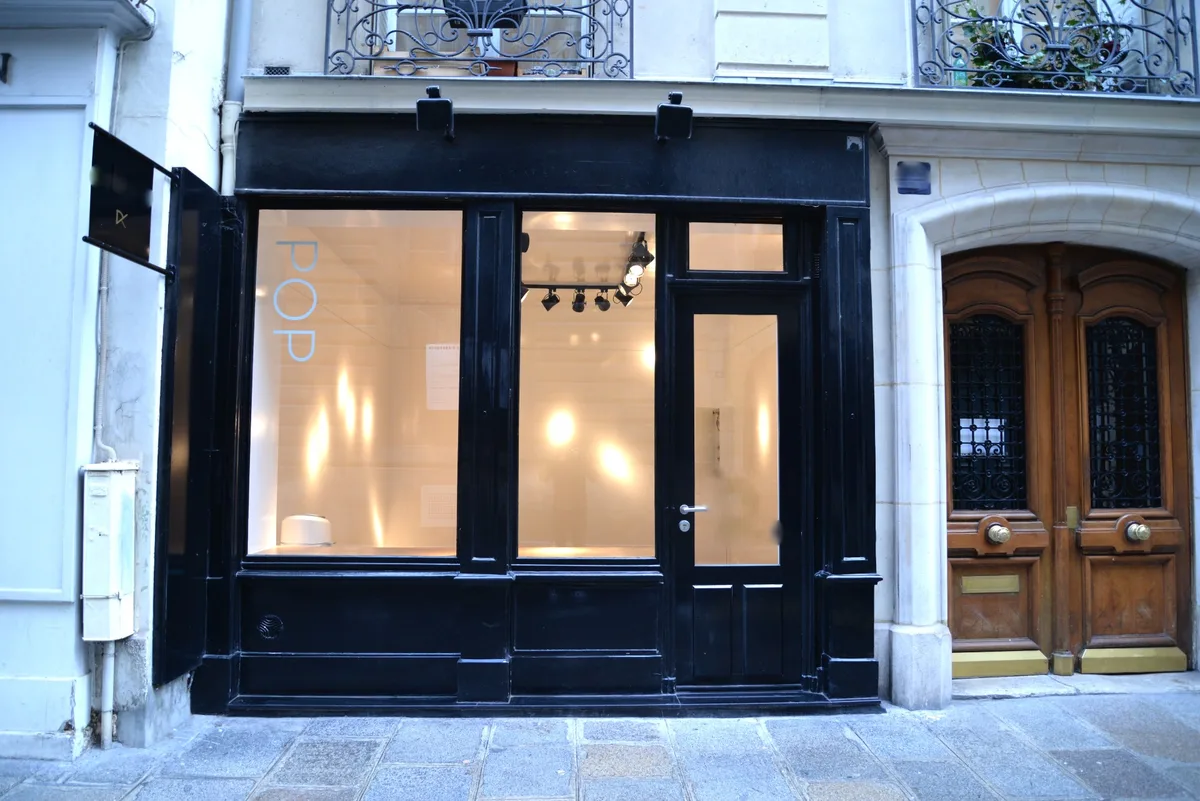
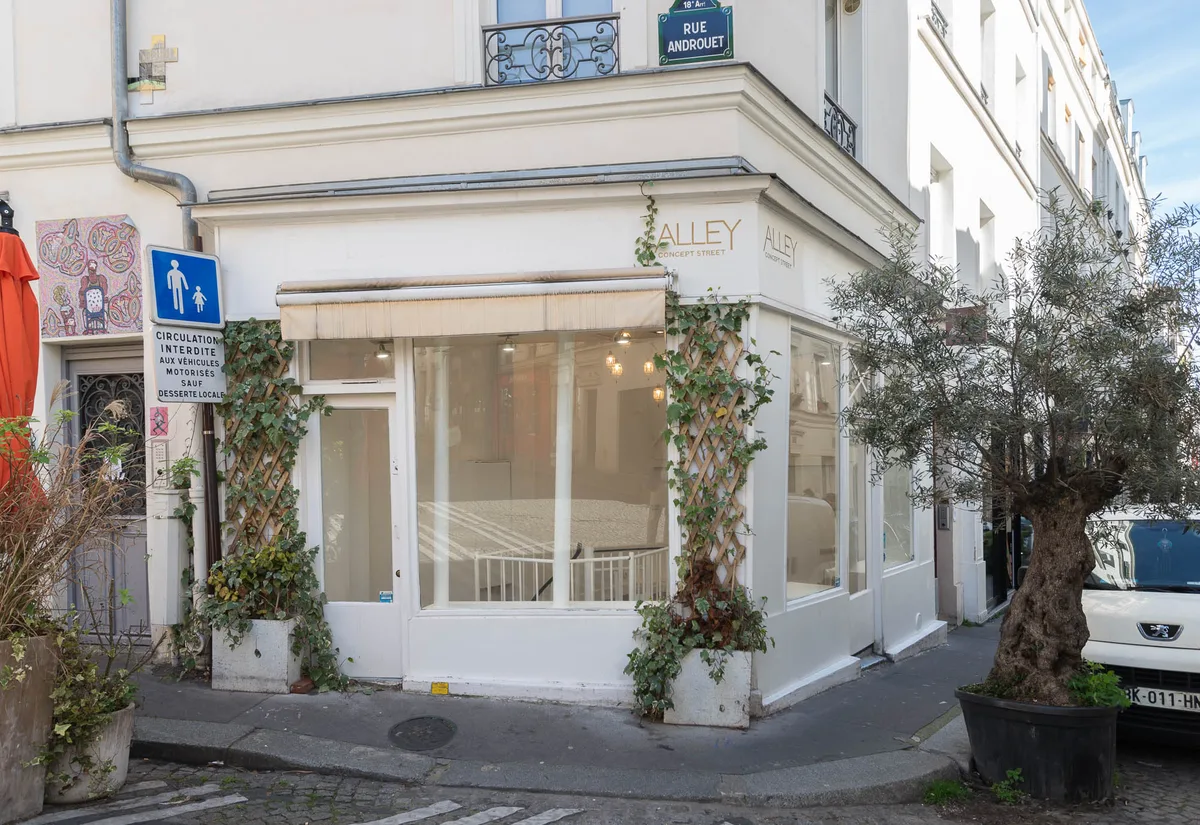
Finding the right temporary retail space in the 11th arrondissement Paris requires understanding one of the French capital's most culturally layered, commercially dynamic, and architecturally distinct neighbourhoods. The 11th is not the Champs-Élysées, it is not the Golden Triangle, and it is not Saint-Germain. It is something more immediate, more textured, and increasingly more relevant for brands that want genuine engagement with a Parisian audience rather than a postcard backdrop. For international labels, emerging designers, and established houses alike, this neighbourhood delivers foot traffic, cultural credibility, and a property stock ranging from converted industrial workshops and raw concrete lofts to polished storefronts on Village Popincourt. Fashion Week Venues works with brands to identify and activate the right space across Paris, including the 11th, and this guide covers everything your team needs to make a confident, well-informed decision.
Why the 11th Arrondissement Is Paris's Most Compelling Retail Activation Neighbourhood
Quick answer: The 11th arrondissement offers a rare combination of high residential density, strong pedestrian culture, significant creative community concentration, and a property stock that suits pop-up stores, showrooms, and brand experiences across multiple budget levels, making it one of the most strategically valuable arrondissements in Paris for short-term retail activation.
The 11th sits in the heart of eastern Paris, bordered by the 10th to the north, the 12th to the south, the 3rd and 4th to the west, and the 20th to the east. It is not a tourist-first neighbourhood. Its energy comes from residents, which means foot traffic here belongs to people who actually live in Paris, shop locally, and return. For brands building loyalty, testing new product lines, or launching to a culturally attuned French consumer, this is a meaningful distinction.
The arrondissement encompasses several distinct micro-neighbourhoods that matter to brand activation teams. Oberkampf is dense with independent retailers, natural wine bars, brasseries, and the kind of Parisian consumer who buys De Bonne Facture footwear and knows what artisanal heritage means on a label. Bastille anchors the southern edge and draws in shoppers from the Marais and the 12th. Folie-Méricourt, running through the centre of the arrondissement, has become particularly relevant for concept-led brands and independent studios. Village Popincourt, clustered around the Rue de la Roquette and Rue Popincourt axis, is home to some of the strongest independent retail density in eastern Paris, mixing vintage boutiques, ceramics studios, lifestyle items, and trendy brands that range from local to internationally distributed.
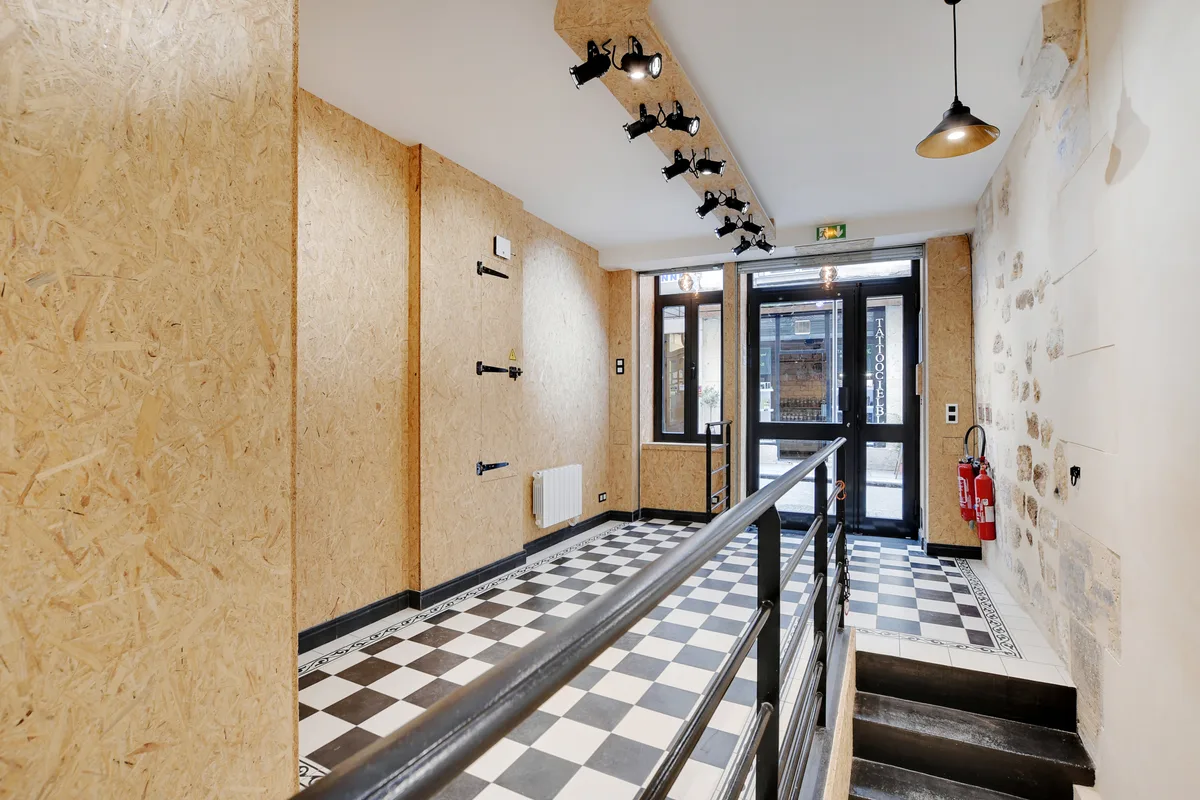
The 11th has a relationship with fashion that predates its current cultural status. The Bastille area was historically associated with furniture craftsmen and the old workshops of the faubourg. Those industrial workshops, many of which have been converted into retail and studio space, give the neighbourhood its distinctive spatial character: exposed stone, raw concrete floors, polished concrete floors, hardwood floors, parquet floors, large door entrances, and ground floor backyards that create natural theatrical settings for brand experiences. This is the architecture of the atelier reimagined as a retail canvas.
The neighbourhood is exceptionally well served by the metro. Line 1 serves Bastille directly. Line 5 connects the arrondissement to the north and south of Paris. Lines 3, 8, and 9 provide east-west connectivity. For a temporary pop-up store or showroom drawing press, buyers, and consumers, accessibility matters enormously, and the 11th delivers across multiple lines.
From a competitive positioning standpoint, the 11th offers something the 8th arrondissement and the Paris 8th arrondissement's Golden Triangle cannot: authenticity at a credible price point. You are not paying for the prestige premium of Avenue Montaigne or the tourist density of Saint-Germain. You are paying for real Parisian community engagement.
DID YOU KNOW: The Village Popincourt corridor in the 11th has been cited repeatedly in French and international press as one of Paris's most interesting retail clusters for independent and concept-driven brands, sitting alongside established streets in Le Marais for creative retail density.
KEY TAKEAWAY: The 11th arrondissement combines genuine residential density, exceptional metro access, a culturally credible independent retail ecosystem, and a varied property stock that suits everything from intimate showrooms to full-scale pop-up stores. For brands seeking real Parisian engagement rather than tourist proximity, it is among the most strategically sound choices in the city.
Understanding what the 11th offers at the neighbourhood level is the foundation, but the next step is understanding the space types available and which format suits your brand's activation objectives.
Retail and Pop-Up Space Types Available in the 11th Arrondissement
Quick answer: The 11th arrondissement offers a wide range of temporary retail space types including storefronts, lofts, converted industrial workshops, art galleries, collaborative spaces, fashion showrooms, and vitrine-style boutiques, with significant architectural variation between raw and polished finishes that allows brands to choose a canvas that matches their concept and aesthetic.
The property stock of the 11th reflects its industrial and artisanal history. Unlike the Haussmann boulevards of the 8th or the curated boutique streets of Saint-Germain, the 11th grew outward from craft workshops, furniture ateliers, and residential courtyards. That history shapes the spaces available today.
Storefronts and Boutique Spaces
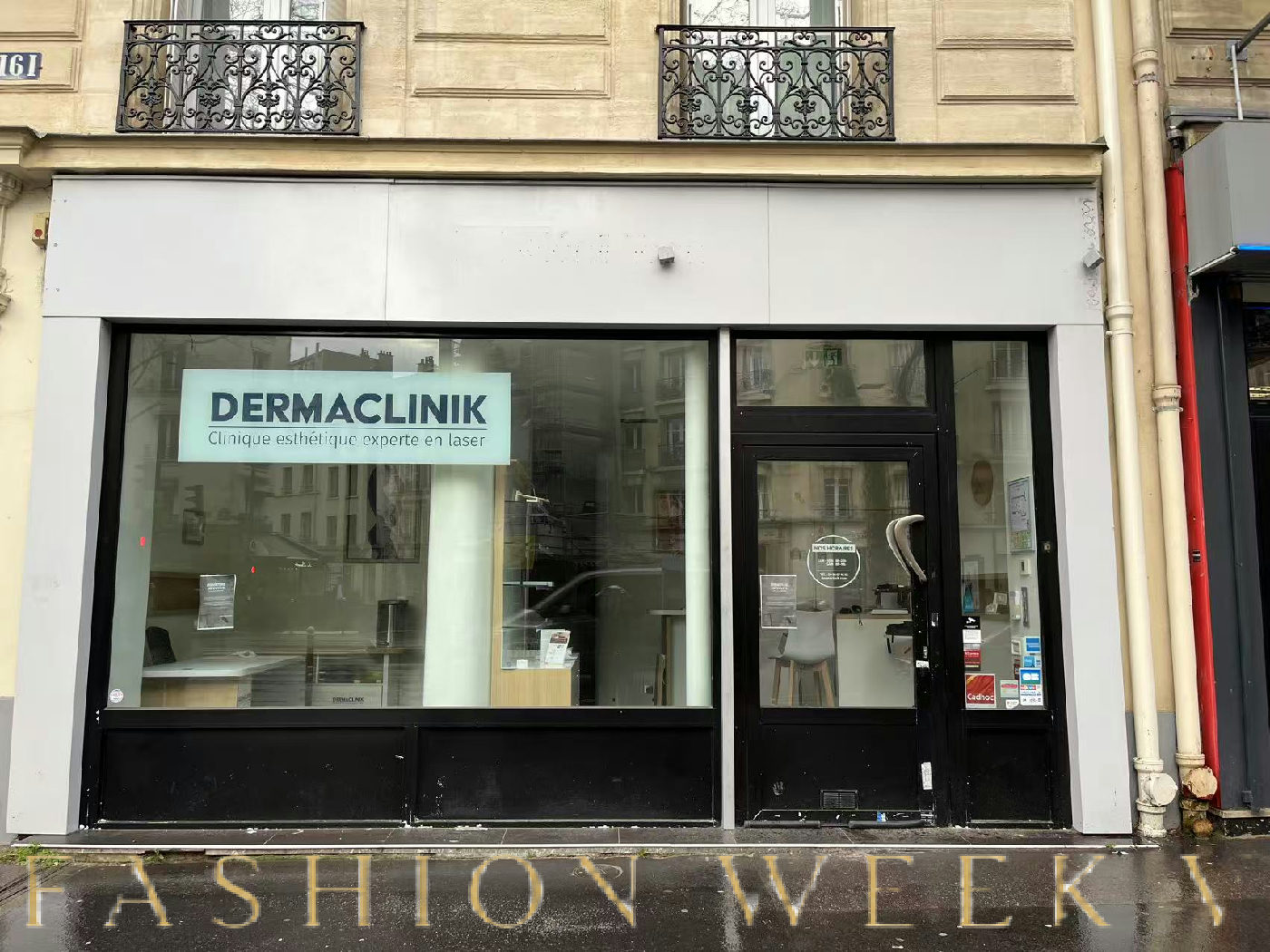
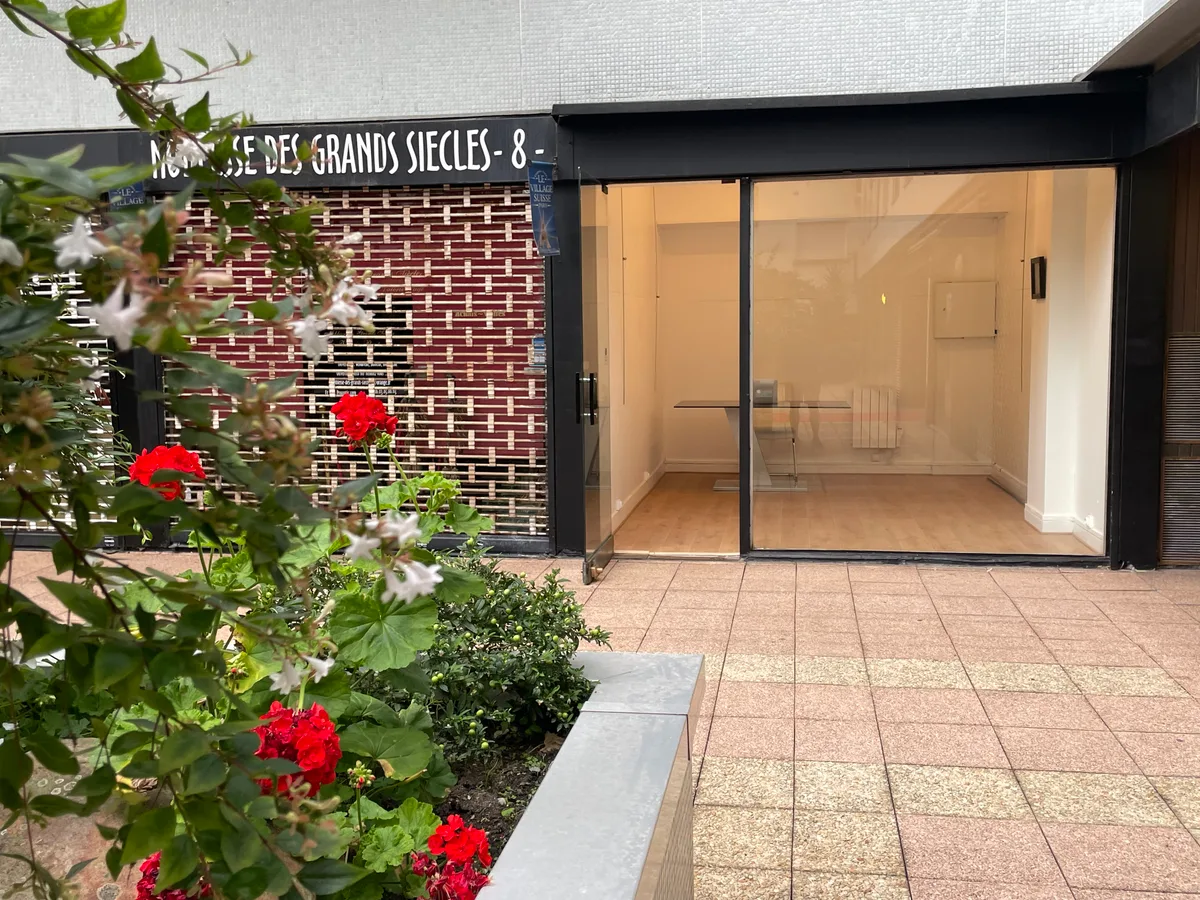
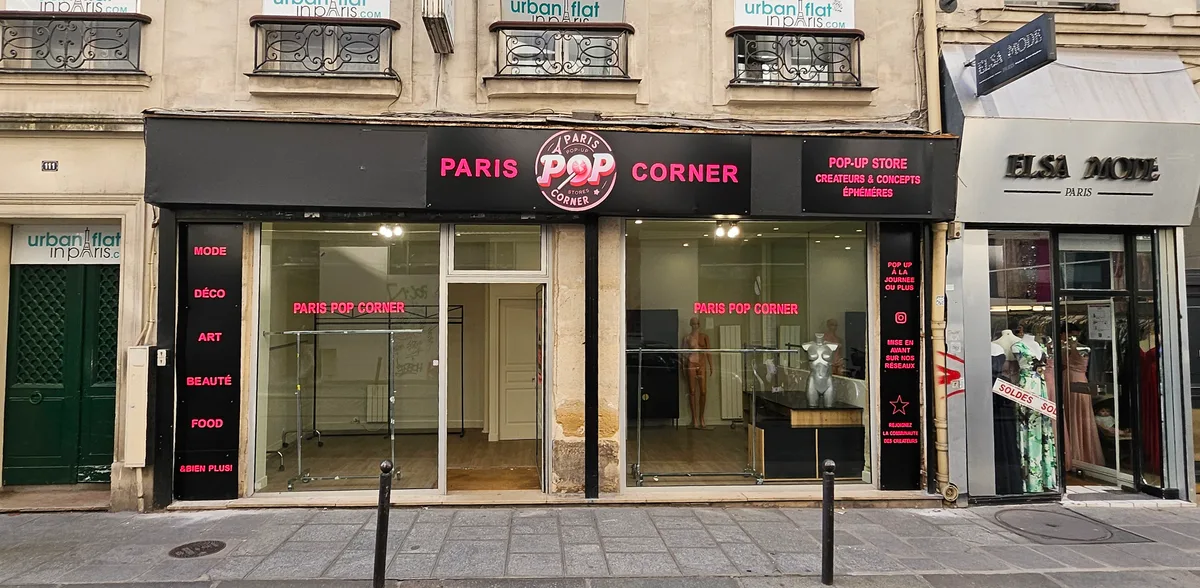
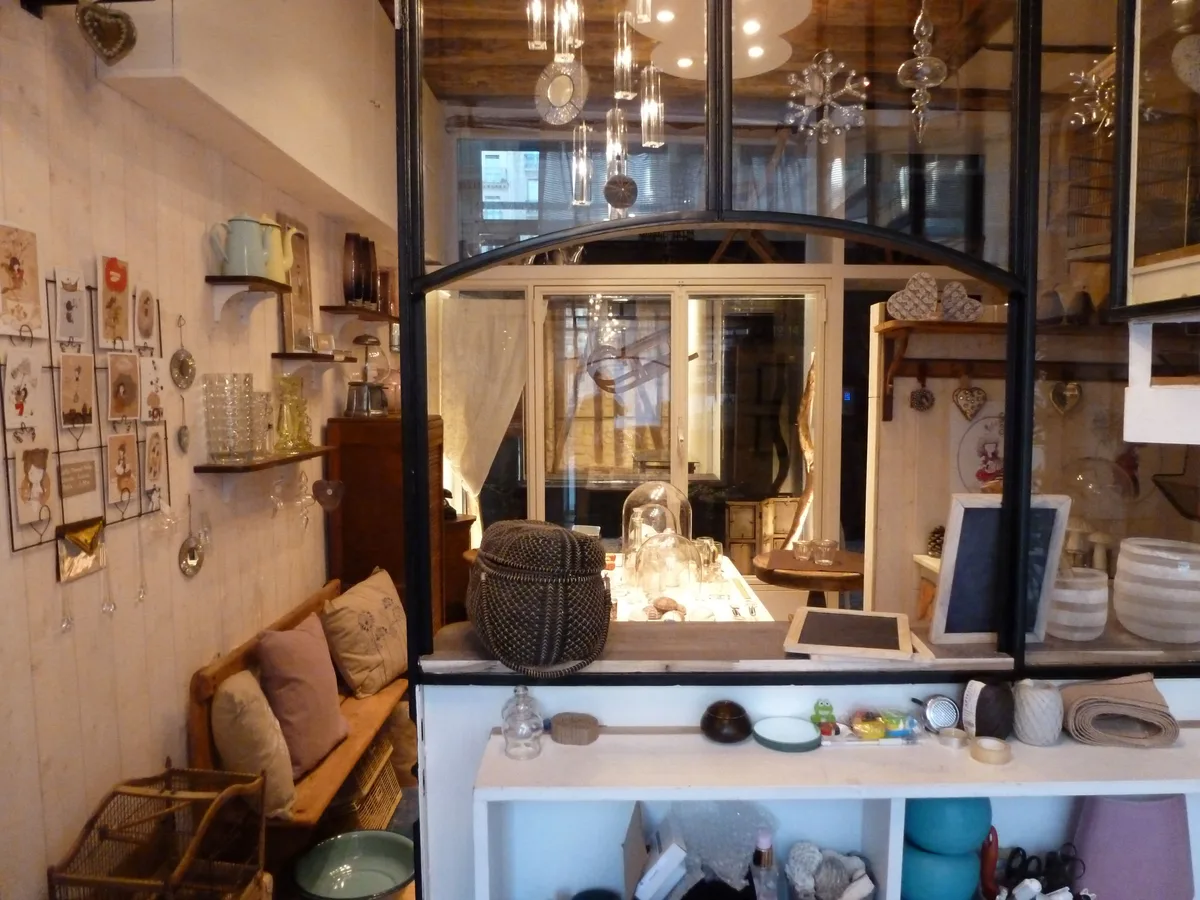
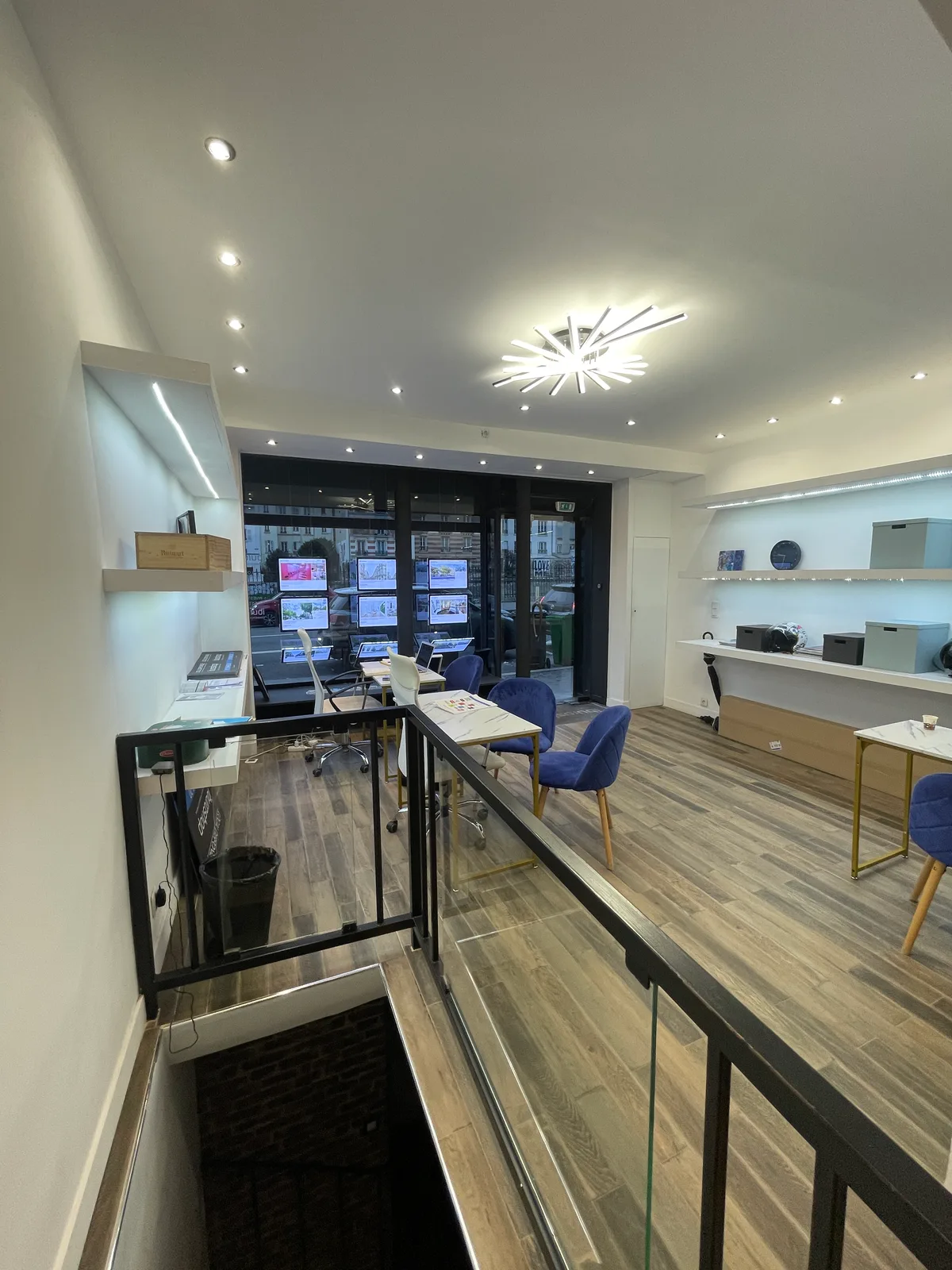
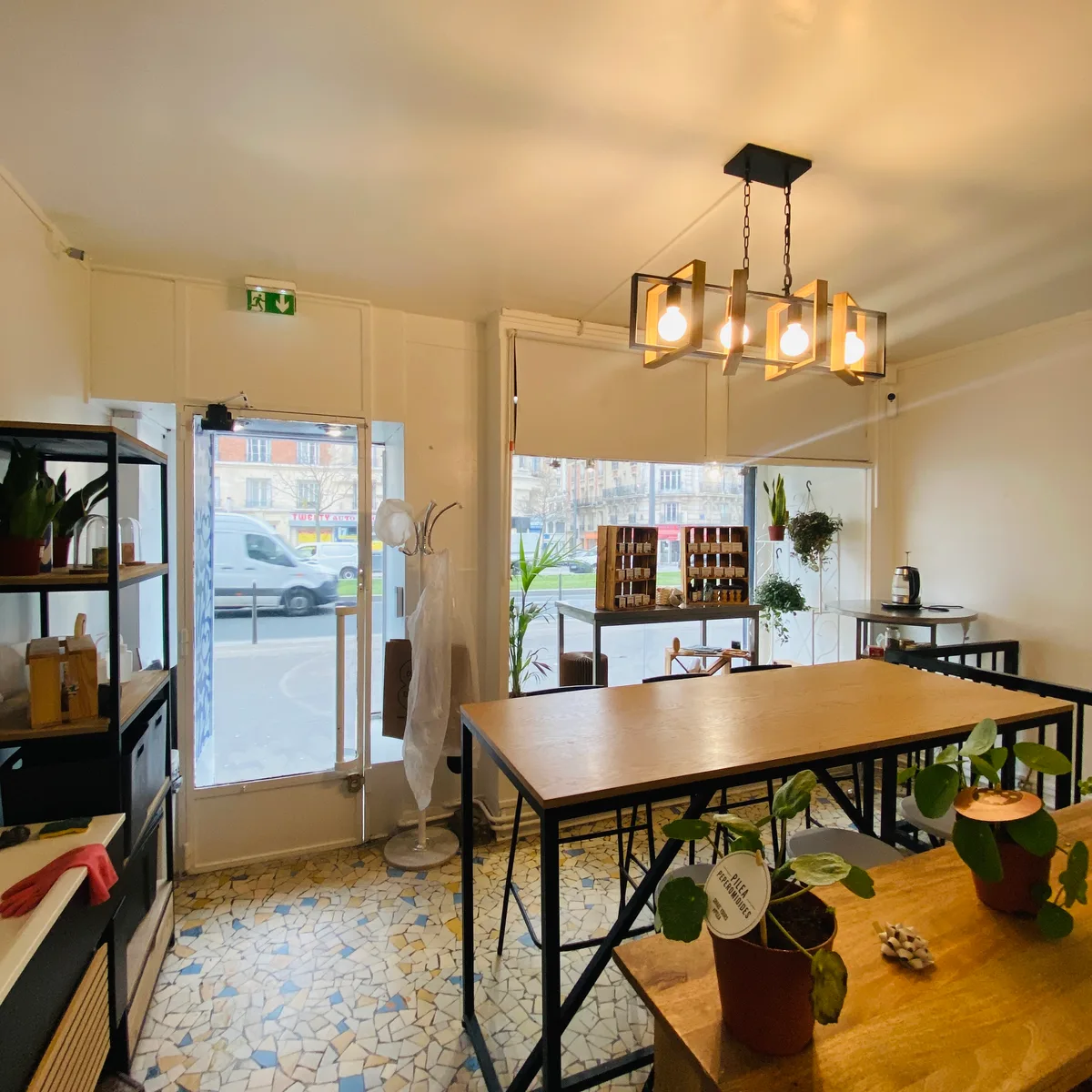
Traditional storefronts with vitrine-style display windows line many of the commercial streets in the arrondissement. These spaces typically offer ground floor access, direct street visibility, and the immediate brand legibility that a new market entry or a Private Sale event requires. A well-positioned storefront on Rue de la Roquette or Avenue Parmentier gives a brand the full Parisian retail theatre: passers-by, window display, and a natural invitation to enter. Storefront-family spaces, meaning those with adjacent or nested ancillary rooms, are particularly useful for brands running multiple functions simultaneously, such as a retail floor alongside a press lounge or a styling room.
Lofts and Converted Industrial Workshops
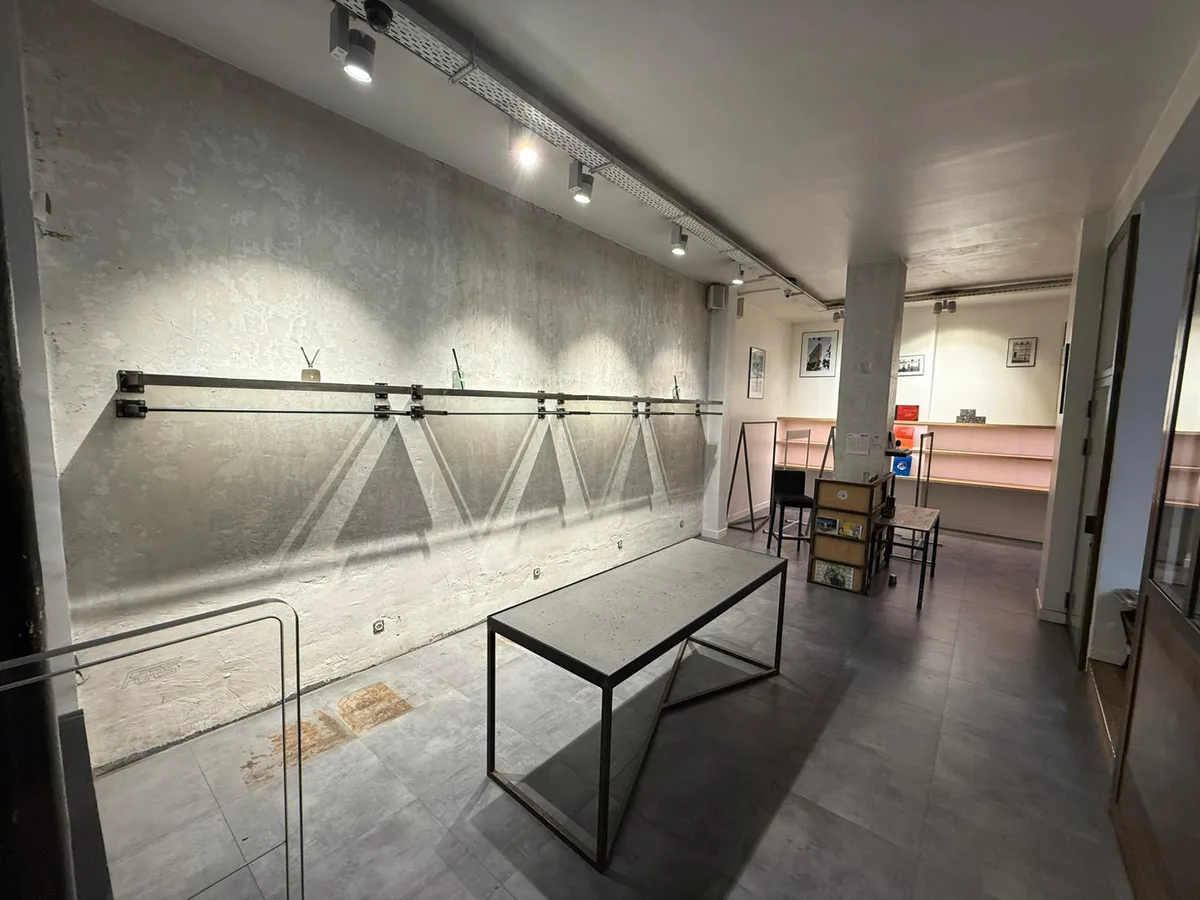
Some of the most compelling spaces in the 11th are its converted old warehouses and former industrial workshops. These are large-format, open-plan spaces with high ceilings, raw concrete floors or polished concrete floors, exposed stone, exposed stone columns, and large door entrances that make logistics straightforward and visual impact immediate. A loft in the Folie-Méricourt micro-neighbourhood, for example, might offer 300 to 600 square metres of open space with natural light, original parquet floors or hardwood floors, and a ground floor backyard that functions as an outdoor reception or garden activation zone. These spaces are favoured by fashion showrooms, concept stores, and brands running multi-day press events or launch experiences.
Art Galleries and Galerie Spaces
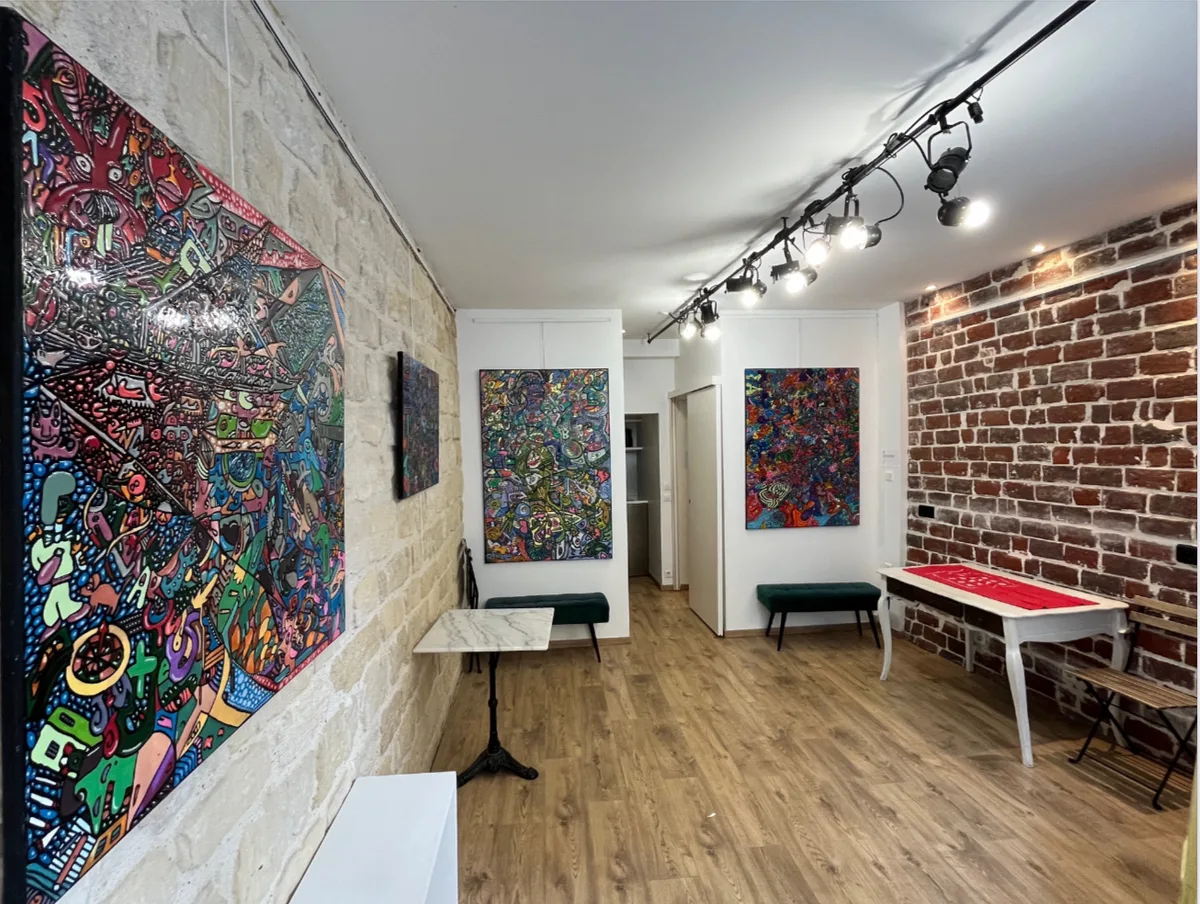
The 11th has a strong gallery infrastructure outside the more famous gallery circuit of the Marais. Independent art galleries and galerie-style spaces throughout the arrondissement offer curated white-wall environments with good lighting, flexible hanging systems, and the cultural positioning that a luxury or design brand benefits from. Renting a galerie space signals a certain seriousness of intention to a Parisian audience that is acutely sensitive to context. These spaces work well for editorial launches, jewellery presentations, or book releases paired with brand events.
Collaborative and Studio Spaces
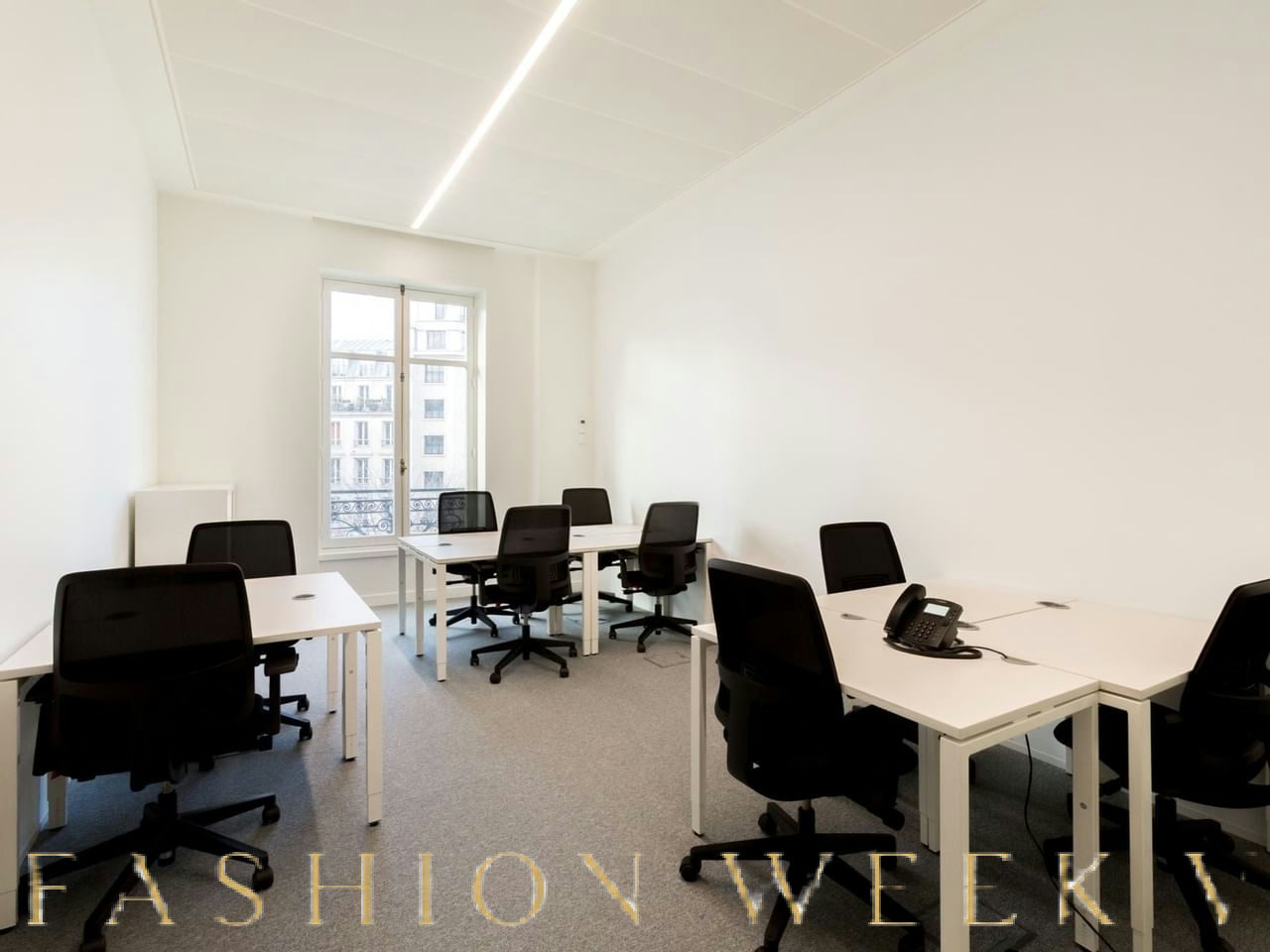
Collaborative spaces, including shared creative environments, studio photo and video spaces, and workshop-adjacent venues, are increasingly common in the 11th. These suit brands running media-intensive activations, content creation days, or events where the production environment itself is part of the story. A studio photo and video space with natural light, parquet floors, and a janitor's cottage annex offers a brand a fully self-contained creative environment for a day or a week.
Fashion Showrooms
For brands presenting collections to buyers, press, and wholesale clients during Paris Fashion Week or adjacent calendar moments, the 11th offers fashion showroom spaces that combine proximity to the eastern Marais showroom circuit with more competitive rental terms. A fashion showroom in the 11th can be positioned as an intentional choice, communicating independence and creative confidence rather than a fallback from a more central address.
| Space Type | Typical Features | Best Suited For | Typical Size Range |
|---|---|---|---|
| Storefront / Boutique | Vitrine window, ground floor, street visibility | Pop-up store, private sale, brand launch | 30 to 150 sqm |
| Loft / Industrial Workshop | High ceilings, raw or polished concrete, large door entrance | Showroom, multi-brand event, immersive experience | 150 to 600 sqm |
| Art Gallery / Galerie | White walls, curated lighting, flexible layout | Editorial launch, jewellery, design objects | 50 to 200 sqm |
| Studio Photo and Video | Natural light, technical infrastructure, parquet or concrete floor | Content creation, media events, press days | 80 to 300 sqm |
| Collaborative Space | Multi-room layout, shared amenities, flexible booking | Brand workshops, community events, co-activations | 100 to 400 sqm |
| Fashion Showroom | Clean aesthetic, good light, reception area | Buyer appointments, press previews, collection launches | 80 to 250 sqm |
KEY TAKEAWAY: The 11th arrondissement's space portfolio is dominated by architecturally characterful venues, particularly converted workshops, lofts, and galerie formats, that offer brands a strong aesthetic starting point and a level of spatial drama that more conventional retail streets in Paris cannot match at the same price levels.
Choosing the right space type is only part of the decision. The specific micro-neighbourhood within the 11th, and its relationship to adjacent areas like the Marais, shapes the audience your activation will naturally attract.
Micro-Neighbourhoods Within the 11th: Location Strategy for Brand Activations
Quick answer: Within the 11th arrondissement, the most activation-relevant micro-neighbourhoods are Village Popincourt, Oberkampf, Folie-Méricourt, and the Bastille edge, each with a distinct consumer profile, foot traffic pattern, and property character that determines the audience your brand will reach and the experience it can credibly deliver.
Not all parts of the 11th are equal for a brand activation. The arrondissement is large, internally varied, and densely layered. Understanding its geography at the micro-neighbourhood level is essential for making the right location decision.
Village Popincourt
Village Popincourt is the most concentrated independent retail cluster in the 11th. The streets around Rue Popincourt, Rue du Chemin Vert, and the lower reaches of Oberkampf form a natural shopping circuit for Parisian consumers who prioritise independent retailers over flagship stores. You will find vintage clothing dealers, ceramics studios, lifestyle item boutiques, natural wine bars, bakeries, and vegetable shops all within a compact pedestrian area. For a brand with a strong independent identity, this is the most natural address in the 11th.
Oberkampf
Oberkampf runs diagonally through the arrondissement and carries significant evening and weekend foot traffic. The area is associated with creative professionals, cultural industry workers, and a demographic that would recognise De Bonne Facture, shop at open air markets on weekends, and spend an afternoon in a concept store. Brasseries and natural wine bars anchor the corners. Libraries and small galleries punctuate the side streets. This is an audience that responds to well-crafted brand narratives and distinctive retail environments.
Folie-Méricourt
Folie-Méricourt, centred around the streets between Oberkampf and République, has developed a quieter but significant creative identity. It is home to ateliers, small galleries, collaborative spaces, and a growing cluster of independent food and lifestyle businesses. The Folie-Méricourt neighbourhood suits brands seeking a more residential, discoverable activation rather than a high-visibility storefront. Spaces here tend to have more generous square meterage relative to cost and offer the industrial workshop character that distinguishes the 11th from the rest of Paris.
Bastille and the Southern 11th
The Bastille edge of the 11th connects directly to the 4th arrondissement and the eastern Marais. Place des Vosges is a short walk from the Bastille metro, and the consumer circuits between the Marais, Paris Le Marais, and the 11th are fluid and overlapping. A brand with a space near Bastille benefits from both the cultural gravity of the Marais and the authenticity of the 11th, particularly for private sales, press events, and fashion showroom presentations during Fashion Week calendar windows.
To compare neighbourhoods and space types across Paris, explore the Paris city hub on Fashion Week Venues and shortlist spaces that match your brief, budget, and calendar window.
| Micro-Neighbourhood | Character | Consumer Profile | Best Activation Type |
|---|---|---|---|
| Village Popincourt | Independent retail cluster, artisanal heritage | Local Parisians, independent shoppers, design-aware consumers | Pop-up store, boutique, concept launch |
| Oberkampf | Creative professional density, cultural scene | Creative industry workers, culturally informed consumers | Brand experience, showroom, collaborative space |
| Folie-Méricourt | Residential, atelier character, discoverable | Neighbourhood residents, design community | Immersive experience, studio event, workshop |
| Bastille Edge | High connectivity, Marais adjacency | Mixed Marais and 11th audience, fashion buyers, press | Fashion showroom, private sale, press event |
KEY TAKEAWAY: Your micro-neighbourhood choice within the 11th determines your audience as much as your space type. Village Popincourt and Oberkampf suit community-facing consumer activations. Folie-Méricourt suits content and experience-led events. The Bastille edge suits trade and press-facing presentations with Marais circuit connectivity.
With location strategy established, the next critical dimension for any brand team is understanding the legal and permit framework governing short-term retail in Paris, which differs substantially from the UK, US, and most other European markets.
Permits, Leases, and Legal Framework for Temporary Retail Space in Paris
Quick answer: Renting a temporary retail space in Paris involves navigating specific legal instruments, primarily the bail dérogatoire for short-term commercial leases and the autorisation d'occupation temporaire for public domain spaces, both of which carry specific conditions, duration limits, and compliance obligations that differ from standard commercial leases and require careful handling by brands unfamiliar with French property law.
This is the area where international brands most commonly encounter difficulty, and where specialist guidance can prevent costly delays, voided agreements, or compliance failures.
The Bail Dérogatoire
A bail dérogatoire is a short-term commercial lease designed for temporary use. Under French law, it can be agreed for a period of up to 36 months without converting to a standard commercial lease, which carries far greater tenant protections and obligations. For a brand renting a pop-up store or fashion showroom in the 11th for two weeks, one month, or even a quarter, the bail dérogatoire is typically the instrument used. It is governed by the French Commercial Code and requires specific wording to be legally valid as a derogatory lease rather than a standard one. Requirements vary by space type, duration, and arrondissement, and the specifics of any individual agreement should be verified with a qualified French legal advisor before signing.
Autorisation d'Occupation Temporaire (AOT)
For spaces that involve public domain use, such as a terrace extending onto a pavement, a structure in a public passage, or an installation in a publicly administered building, an Autorisation d'Occupation Temporaire is required. The AOT is issued by the relevant authority, typically the mairie d'arrondissement or a specific public body, and carries conditions including duration, footprint, reversibility, and use. In practice, most private-space pop-up activations in the 11th do not require an AOT, but any element of the activation extending into public space will. Fashion Week Venues provides directional guidance through the permit guidance tool, but legal verification with a French advisor remains essential.
Do You Need a French Legal Entity?
This is one of the most common points of confusion for international brands. The short answer is that a French legal entity is not always a requirement to enter into a bail dérogatoire as a tenant, but the specifics depend on the landlord, the space, the duration, and the nature of the transaction. Some private landlords and space agencies will require a French SIRET number or a guarantor established in France. Others will accept international corporate documentation. Requirements vary considerably and should be confirmed early in the enquiry process. The guide to hiring an agency on Fashion Week Venues covers how a local agency partner can help navigate these requirements on your behalf.
Other Compliance Considerations
Beyond the lease instrument itself, temporary retail operations in Paris carry additional compliance obligations. These include declarations to the relevant tax authority, insurance requirements, health and safety compliance for public-facing retail, and in some cases, specific planning conditions attached to a listed or protected building. The 11th has a number of protected buildings and courtyard structures where renovation or installation work is subject to Bâtiments de France oversight. For spaces with utilities included in the rental terms, these are typically factored into the headline rent, but brands should confirm this explicitly. Property tax, known as taxe foncière, is a landlord obligation under most French lease structures, but some contracts may attempt to pass elements of this cost to the tenant, which should be identified and negotiated before signing.
IMPORTANT: Do not assume a verbal agreement, an email exchange, or an online booking confirmation constitutes a legally valid bail dérogatoire under French law. Always ensure the written lease document explicitly references its derogatory nature, the agreed duration, the permitted use, and the agreed terms before paying any deposit or taking possession of a space.
KEY TAKEAWAY: The French legal framework for temporary retail is specific and detailed. The bail dérogatoire is the primary instrument for short-term commercial tenancy, but its validity depends on precise drafting and compliance with French Commercial Code requirements. Brands should work with a qualified French legal advisor and a specialist agency partner to ensure agreements are sound before activation begins.
Understanding the legal framework puts you in a stronger position to plan your budget realistically, which is the next area requiring careful preparation for any Paris activation.
Budgeting for a Temporary Retail Space in the 11th Arrondissement
Quick answer: Rental costs for temporary retail space in the 11th arrondissement vary significantly by space type, size, duration, and specific location, and brands should budget not only for the space rental itself but also for fit-out, staffing, permits, insurance, production, and post-activation costs, with the full activation budget typically being two to four times the bare rental cost depending on the scope of the concept.
Budget planning for a Paris temporary retail activation is an area where many brands underestimate the true total cost of delivery. The headline rent is only the beginning.
Rental Cost Ranges
Space rental costs in the 11th arrondissement are directionally lower than equivalent spaces in the Marais, Saint-Germain, or the Paris 8th arrondissement's Golden Triangle. However, for premium spaces with strong architectural character, a large door entrance, polished concrete floors, and Bastille-adjacent location, rates can be comparable to some Marais spaces. Precise pricing for any specific space depends on the current market, the landlord, the duration, and the season. Fashion Week Venues provides brand-specific budget estimates through the budget calculator tool, which accounts for space type, duration, and location.
Fit-Out and Production Costs
Even a raw, characterful space in the 11th requires a level of fit-out investment to function as a professional retail or brand activation environment. This includes branded store design elements, fixtures, furniture rental, lighting adjustments, signage, and any structural changes within the terms of the lease. For a short activation, modular furniture rental and a clean graphic intervention are often the most cost-effective approach. For a longer pop-up store of four to eight weeks, a more substantial production investment may be justified and amortised across the duration.
Staffing, Operations, and Payments
Staffing a retail space in Paris requires compliance with French employment law, which is specific about working hours, social charges, and contract types. For a short activation, many brands work with specialist retail staffing providers rather than directly employing temporary staff. POS and payment systems, including those handling French consumer card preferences and potentially multi-currency transactions, add further operational cost. Utilities, internet, and cleaning are sometimes included in the rental terms for managed spaces but must be confirmed.
Calculating ROI
For brands running a commercial pop-up store or private sale, the ROI calculation should account for direct revenue, press value, social media reach, new client acquisition, and long-term brand awareness in the Paris market. For brands running a showroom or press event, the ROI metric is typically wholesale orders placed, press coverage generated, and relationships established. The ROI calculator tool on Fashion Week Venues helps brand teams model activation returns against total investment.
TIP: If your brand is planning its first Paris activation and managing budget tightly, consider the twin co-activation model, which allows two complementary brands to share a space and divide the rental and production costs while maintaining distinct brand identities within the shared venue.
KEY TAKEAWAY: A realistic Paris activation budget covers not just space rental but fit-out, production, staffing, permits, insurance, and operational costs. Use directional budget tools early in the planning process to avoid scope creep and ensure your financial model supports the activation concept you intend to deliver.
Planning the budget is closely connected to planning the timeline, and in Paris, calendar windows are everything for a temporary retail activation.
Calendar Windows, Fashion Week, and Timing Your 11th Arrondissement Activation
Quick answer: Paris Fashion Week is the most intense demand window for temporary retail space in Paris, but it is not the only viable activation window, and brands that plan activations for adjacent periods or less contested calendar moments can often access better spaces, more competitive terms, and a less saturated press and consumer environment.
Paris operates on multiple commercial calendars simultaneously. Fashion Week is the most visible, but the French retail calendar is rich with moments that justify a temporary space activation.
Paris Fashion Week Windows
Paris Fashion Week takes place twice annually, in late September to early October for Spring-Summer collections, and in late February to early March for Autumn-Winter. During these periods, demand for temporary retail space, showroom space, and event venues across all arrondissements is at its highest. The 11th arrondissement, particularly its Bastille edge and Oberkampf corridor, attracts significant showroom and presentation activity during Fashion Week as brands seek alternatives to the Marais's most competitive spaces. Lead times for Fashion Week space bookings should be six to twelve months for the best options.
Adjacent Calendar Moments
The weeks immediately before and after Fashion Week often represent better value and less competition for space. Brands that can run a pop-up store or showroom in the week before the official schedule begins, or extend through the week after, often find more available spaces, more flexible terms, and a press and buyer community that is present in Paris but less overcommitted to competing events.
Non-Fashion Week Windows
The Paris retail calendar beyond Fashion Week includes significant activation moments: the January and June soldes periods, Noel and the pre-Christmas window, the September rentrée, and the spring tourist and lifestyle season from April to June. For brands targeting the French consumer rather than the international press and buyer community, these windows can deliver stronger commercial performance than a Fashion Week activation at a significantly lower space cost.
Use the activation timeline planning tool on Fashion Week Venues to map your calendar window against space availability, permit lead times, and production scheduling requirements.
DID YOU KNOW: Some of the most commercially successful pop-up stores run in Paris outside Fashion Week, when the city is filled with its resident consumer base rather than an industry audience, and when retail spaces are available at more competitive terms with longer lead times for production and fit-out.
KEY TAKEAWAY: Fashion Week is the highest-demand window but not the only viable one. Brands with flexibility on calendar timing can access better spaces, lower costs, and a less contested market by planning activations around adjacent or off-peak Paris calendar windows.
Calendar planning connects directly to the question of how to find, compare, and secure the right space, which requires a clear process and the right partner.
How Fashion Week Venues Helps Brands Activate in the 11th Arrondissement
Fashion Week Venues operates as a full-service pop-up shop agency and space marketplace with Paris as its primary market. For brand teams planning a temporary retail space activation in the 11th arrondissement, the agency provides a structured, end-to-end process that covers every stage from space discovery to post-activation analysis.
Space Discovery and Venue Sourcing
The Fashion Week Venues marketplace lists available temporary retail spaces, showrooms, lofts, galleries, and event venues across Paris, including the 11th arrondissement. Brands can browse by space type, size, location, and available dates, shortlist options, and use the compare tool to evaluate properties side by side. The venue sourcing service provides dedicated support for brands with specific or complex requirements, including off-market spaces that do not appear on public listings.
Concept Direction and Branded Store Design
For brands that need creative input on how to activate a space, the concept direction service provides strategic and creative guidance on the spatial concept, the brand narrative within the space, and the customer journey. This is particularly valuable for brands entering Paris for the first time, where local cultural context significantly shapes what a concept needs to communicate to a Parisian audience. Branded store design converts the concept into a detailed brief for production and fit-out.
Production, Fit-Out, and Furniture Rental
The production and build service manages all physical elements of the activation, from structural fit-out to fixtures and display systems. Furniture rental is available for brands seeking a cost-effective, non-permanent fit-out that can be installed, used, and removed cleanly within the terms of a short lease. This is particularly important for spaces with parquet floors, exposed stone, or other original features that must be protected and restored.
Staffing, POS, and Operations
Retail staffing for Paris activations requires knowledge of French employment compliance, bilingual capability, and brand literacy. Fashion Week Venues provides staffing solutions alongside POS and payment system integration, allowing a temporary retail space to operate as a fully functional commercial environment from day one.
Data, Analytics, and Influencer Marketing
Post-activation, data and analytics services help brand teams understand footfall patterns, conversion rates, transaction values, and audience demographics. Influencer marketing support connects brands with relevant Parisian digital creators, which is particularly valuable in the 11th's creative and lifestyle community, where word of mouth and social visibility drive significant organic reach.
Tools for Planning and Decision-Making
Fashion Week Venues offers a suite of planning tools including a budget calculator, ROI calculator, space comparison tool, timeline planner, permit guidance tool, and space locator. These tools are designed for brand teams in the early planning stages who need directional data before committing to a space. The twin co-activation concept allows two brands to share a single space and split costs, which can make activations viable at budget levels that would not support a solo occupation.
IMPORTANT: Fashion Week Venues does not guarantee space availability, permit approval, or specific activation outcomes. The agency provides guidance, tools, and service delivery based on its experience in the Paris market, but all legal, permit, and contractual matters should be verified independently with qualified advisors.
KEY TAKEAWAY: Fashion Week Venues provides brand teams with a comprehensive toolkit for planning, executing, and evaluating temporary retail activations in Paris, including the 11th arrondissement, covering everything from space discovery and concept development to production, staffing, and post-activation analysis.
Before moving to the FAQ section, it is worth addressing some of the most persistent misconceptions about renting and activating temporary retail space in Paris, particularly in the 11th arrondissement.
The 11th Arrondissement's Lifestyle and Cultural Ecosystem for Brand Positioning
Quick answer: The cultural and lifestyle ecosystem of the 11th arrondissement is a significant brand positioning asset, and understanding its character, its communities, and its rhythms allows brand teams to design activations that feel genuinely embedded in Parisian life rather than imposed from outside.
The 11th is one of the most genuinely Parisian arrondissements in the experiential sense. Its culture is not performed for visitors. It is lived by its residents, which is what makes it compelling for brands seeking authentic engagement with a French consumer audience.
Artisanal Heritage and Independent Culture
The artisanal heritage of the arrondissement runs deep. The faubourg tradition of skilled craft, whether in furniture, clothing, or food, shapes the neighbourhood's relationship with quality and making. De Bonne Facture, the French footwear and textile brand known for its commitment to French manufacturing and traditional techniques, represents a particular articulation of this heritage in contemporary retail form. Brands with a similar commitment to craft, materials, and process find natural alignment with the 11th's existing consumer culture. Independent retailers here are not intermediaries between brands and customers. They are curators, and their clientele trusts their selection accordingly.
Food, Drink, and Daily Life
The 11th is richly served by food and drink culture that shapes the rhythm of the neighbourhood and the character of its foot traffic. Open air markets, including the Marché Bastille on Boulevard Richard Lenoir, draw significant weekend crowds. Natural wine bars, brasseries, and fromage specialists line the main streets. Aux Deux Amis on Rue Oberkampf is one of the most referenced natural wine bars in Paris, embodying the neighbourhood's combination of culinary seriousness and social ease. Bakeries, vegetable shops, and small cafes ensure constant pedestrian circulation throughout the day. For a temporary retail space operator, this daily rhythm is a practical asset: the foot traffic generated by food and drink culture creates natural discovery opportunities for a nearby pop-up store.
Creative and Cinematic References
The neighbourhood carries cultural references that resonate with a creative audience. Agnès Varda, one of the most celebrated French filmmakers of the twentieth century, worked across the eastern Paris neighbourhoods and her sensibility, local, intimate, observational, represents something of what the 11th feels like at its best. La Pointe Courte, her debut film, carries the same quiet intensity of observation that characterises the neighbourhood's creative community. These references are not decorative. They signal a depth of cultural identity that a brand can reference and respond to in its concept and communication.
Fashion and Lifestyle Retail Context
The 11th's fashion and lifestyle retail landscape is distinct from the luxury corridors of the Champs-Élysées or the curated boutiques of Saint-Germain. Vintage boutiques, ceramics studios, independent fashion labels, and lifestyle concept stores coexist with workshop-style ateliers and small galleries. The consumer here is knowledgeable, independent-minded, and quality-conscious. Trendy brands that rely on logo recognition and high traffic volumes find the 11th less receptive than the Golden Triangle or the Marais's most commercial streets. Brands with genuine story and substance find it highly receptive.
TIP: When designing your activation concept for the 11th, resist the impulse to import a concept unchanged from another market. Parisian consumers, particularly in the 11th, are acutely sensitive to brands that understand their context versus those that are simply using the city as a backdrop. Small gestures, such as working with a local ceramics maker for your in-store objects or sourcing your event catering from a neighbouring wine shop, communicate genuine engagement and generate organic local word of mouth.
KEY TAKEAWAY: The 11th arrondissement's cultural ecosystem, built on artisanal heritage, independent food and retail culture, and a creatively engaged residential community, is a substantial brand positioning asset that rewards brands willing to engage seriously and specifically with the neighbourhood's identity.
With a full understanding of the neighbourhood, space types, legal framework, budget, calendar, and cultural context, the following section addresses the most common questions brand teams bring to the planning process.
Step-by-Step Workflow for Renting a Temporary Retail Space in the 11th Arrondissement
Activating a temporary retail space in Paris involves more steps than most brand teams initially anticipate. The following workflow provides a practical roadmap from initial brief to post-activation review.
| Stage | Action Required | Timeline Before Activation | Key Considerations |
|---|---|---|---|
| 1. Brief Definition | Define space type, size, micro-neighbourhood, dates, budget, and activation objectives | 6 to 12 months | Fashion Week windows require longer lead times |
| 2. Space Discovery | Browse marketplace, use locator and compare tools, shortlist options | 5 to 10 months | Off-market spaces require agency sourcing |
| 3. Legal Review | Engage French legal advisor, review bail dérogatoire terms, confirm entity requirements | 4 to 8 months | Do not sign without legal review |
| 4. Permit Assessment | Identify required permits, submit applications, confirm AOT if public domain use involved | 3 to 6 months | Permit timelines vary by permit type and mairie |
| 5. Concept Development | Develop spatial concept, brand narrative, customer journey, and visual identity for the space | 3 to 5 months | Local cultural context should inform the concept |
| 6. Production Planning | Commission fit-out, furniture rental, branded design elements, signage | 2 to 4 months | Protected buildings may limit structural changes |
| 7. Staffing and Operations | Engage retail staffing, set up POS and payments, brief team on brand and product | 4 to 8 weeks | French employment compliance is non-negotiable |
| 8. Install and Open | Build and dress the space, test systems, open to target audience | 1 to 2 weeks | Allow more build time than you expect |
| 9. Activation Management | Manage daily operations, events, influencer visits, media moments | During activation | Have a local operations contact for daily issues |
| 10. Deactivation and Review | Strip out, restore space to original condition, collect data, review ROI | Post-activation | Space condition obligations are contractual |
This workflow is a directional guide. Specific timelines vary based on the complexity of the activation, the type of space, and the calendar window. The Fashion Week Venues process page outlines how the agency structures this workflow in practice and where its team provides direct support at each stage.
KEY TAKEAWAY: A well-managed temporary retail activation in Paris requires planning that begins six to twelve months before the intended opening date for Fashion Week windows, and three to six months for off-peak activations. Compressing this timeline increases risk, cost, and the likelihood of compromising either the space quality or the concept delivery.
Common Myths About Renting Temporary Retail Space in the 11th Arrondissement Paris
MYTH: You need a French legal entity to rent a temporary retail space in Paris.
FACT: A French legal entity is not always a mandatory requirement for entering a bail dérogatoire as a tenant. Some landlords and space agencies accept international corporate documentation, though requirements vary by property, landlord, and duration. A specialist agency partner can often facilitate the process for international brands, and legal advice from a qualified French advisor should always be obtained before signing.
MYTH: Paris Fashion Week is the only viable calendar window for a brand activation in Paris.
FACT: Paris Fashion Week is the highest-demand and most competitive window, but it is far from the only commercially or strategically viable one. Activations during the January and June soldes, the pre-Christmas window, the September rentrée, and the April to June spring season can deliver strong commercial performance, better space availability, more competitive terms, and a larger resident consumer audience with fewer competing events for attention.
MYTH: The only way to find a good temporary retail space in Paris is through a commission broker.
FACT: Commission brokers are one route to market, but specialist marketplace platforms and full-service agencies offer alternative models that can include off-market access, end-to-end activation support, and tools for space comparison, budget planning, and permit guidance. Brands should evaluate the total cost and service scope of any partnership model before committing.
MYTH: Short-term leases in Paris are legally straightforward and do not require specialist input.
FACT: French property law is specific and nuanced. The bail dérogatoire must be precisely drafted to remain valid as a short-term instrument, and errors in the drafting can result in it converting to a full commercial lease with significantly different obligations. Brands should work with a qualified French legal advisor and ensure all permit, insurance, and compliance obligations are identified before taking possession of any space.
MYTH: The 11th arrondissement is a secondary choice that only brands who cannot afford the Marais or Saint-Germain use for activations.
FACT: The 11th arrondissement is an intentional and strategically motivated choice for many brands. Its architectural character, independent retail culture, creative community concentration, and more competitive space costs make it a compelling option for brands with a clear concept and a target audience that values authenticity over prestige address. Many of the most creatively successful Paris activations in recent years have been in the 11th.
Frequently Asked Questions
Why rent a temporary retail space in the 11th arrondissement rather than the Marais or Saint-Germain?
The 11th arrondissement offers a combination of architectural character, strong community foot traffic, competitive rental terms relative to the Marais and Saint-Germain, and a culturally engaged consumer base that is receptive to concept-driven brand activations. Brands that want genuine Parisian community engagement rather than tourist proximity often find the 11th delivers better results for their specific objectives. The neighbourhood's independent retail ecosystem, open air markets, natural wine bars, and artisanal heritage create a context that many brands find more aligned with their values than the more competitive and commercially saturated central arrondissements.
What is a bail dérogatoire and why does it matter for a pop-up store in Paris?
A bail dérogatoire is a short-term commercial lease under French law that allows a tenant to occupy a commercial space for up to 36 months without the full protections and obligations of a standard commercial lease. It is the primary legal instrument for temporary retail space rentals, pop-up stores, and short-term showrooms in Paris. Its validity depends on precise drafting that explicitly identifies its derogatory nature. Errors can result in the lease converting to a standard commercial lease with significantly different obligations for both parties. Always have a qualified French legal advisor review any bail dérogatoire before signing.
Do I need a French company to rent a temporary retail space in Paris as an international brand?
Not always. Requirements vary by landlord, space type, duration, and specific agreement terms. Some private landlords and managed space operators accept international corporate documentation and bank guarantees in lieu of a French SIRET number. Others require a French entity or guarantor. It is essential to clarify requirements early in the enquiry process to avoid delays. Working with a specialist agency partner who operates in the Paris market can help navigate these requirements and facilitate the process for international brands entering the city for the first time.
How far in advance should I book a temporary retail space in the 11th arrondissement for Paris Fashion Week?
For Fashion Week window activations, the best spaces in the 11th and across Paris typically begin to receive enquiries six to twelve months before the event. The most in-demand properties, particularly lofts with architectural character, Bastille-adjacent storefronts, and large-format spaces suitable for multi-day showrooms or presentations, can be reserved even earlier by brands that return annually. For non-Fashion Week activations, a lead time of three to six months is generally sufficient for most space types in the 11th, with more flexibility available during off-peak calendar periods.
What space features should I prioritise when choosing a temporary retail space in the 11th?
The most valuable features depend on your activation type and concept. For a pop-up store with a strong visual identity, a vitrine storefront with natural light, parquet floors or polished concrete floors, and a large door entrance for logistics is a strong starting point. For a showroom or press event, ceiling height, natural light quality, and the presence of original features such as exposed stone or exposed stone columns create the right atmosphere. For a content creation day or brand event, a studio photo and video configuration with controlled light and a ground floor backyard is ideal. Always visit the space in person or request a detailed video tour before committing.
What are the typical costs associated with a temporary retail activation in the 11th arrondissement?
Headline rental costs in the 11th are directionally lower than the Marais, Saint-Germain, or the Paris 8th arrondissement for comparable space types, though premium spaces with strong architectural character and Bastille adjacency can approach Marais levels. Beyond rent, brands should budget for fit-out and production, furniture rental, branded design, staffing, POS and payment systems, insurance, permits, and utilities. The total activation budget is typically two to four times the bare rental cost depending on the ambition and duration of the concept. Use the Fashion Week Venues budget calculator tool for brand-specific estimates.
Can two brands share a temporary retail space in the 11th arrondissement to reduce costs?
Yes. A co-activation model, where two complementary brands share a single space and divide both the rental and production costs, is a well-established approach in the Paris market. This works best when the brands have compatible aesthetics, non-competing product categories, and a shared target consumer. Fashion Week Venues operates a dedicated twin co-activation concept designed specifically for this model, which provides a structured framework for two brands to share a space effectively. This can make activations viable at budget levels that would not support a solo occupation of the same space.
What permits might I need to run a temporary pop-up store in the 11th arrondissement?
Permit requirements for a temporary retail space in Paris depend on the space type, the nature of the activation, the duration, and whether any element of the activation extends into public space. For a standard private-space pop-up store, the primary legal instrument is the bail dérogatoire rather than a separate permit. However, if the activation involves public domain use, outdoor structures, or a listed building, additional authorisations including an Autorisation d'Occupation Temporaire may be required. Requirements vary by space and arrondissement. The Fashion Week Venues permit guidance tool provides directional information, and legal advice from a qualified French advisor is essential for specific situations.
Are there specific neighbourhoods within the 11th arrondissement that are better for fashion brand activations?
Yes. Village Popincourt and Oberkampf are the most natural locations for fashion brands targeting a design-aware, independent-minded Parisian consumer. The Bastille edge of the 11th is particularly relevant for brands that also need to engage the Marais fashion and press circuit. Folie-Méricourt suits brands seeking a more editorial, discoverable experience-led activation. Each micro-neighbourhood has a distinct consumer profile, foot traffic pattern, and property character that should inform the location choice within the broader arrondissement strategy.
How does Fashion Week Venues help international brands navigate the Paris activation process?
Fashion Week Venues provides end-to-end support for international brands entering the Paris market, from space discovery and venue sourcing through concept direction, production and fit-out, staffing, POS and payments, and post-activation data analysis. The agency's tools, including the budget calculator, ROI calculator, timeline planner, compare tool, and permit guidance tool, support brand teams in the planning phase before agency engagement begins. The agency's process is built for brands that need local expertise, market relationships, and operational delivery capability in Paris without needing to establish their own local infrastructure.
What is the difference between a temporary retail space, a pop-up store, and a showroom in the Paris context?
In the Paris market, a temporary retail space is the broadest category and refers to any space rented on a short-term basis for commercial or brand activity. A pop-up store specifically implies a consumer-facing retail operation with a defined open period and direct sales to end consumers. A showroom is typically a trade-facing space for buyer appointments, press previews, or wholesale presentations, often associated with the Fashion Week calendar. A fashion showroom may also serve double duty as an event venue. The distinctions matter for permit, staffing, and commercial registration purposes.
Can I find a temporary retail space in the 11th arrondissement that is already fitted and operational?
Some managed and serviced spaces in the 11th arrondissement are available in fitted or semi-fitted condition, with existing retail fixtures, utility connections, and sometimes furniture already in place. These spaces reduce fit-out time and cost but may offer less flexibility for brand-specific design interventions. Fully raw spaces offer maximum creative freedom but require a more substantial production investment. The Fashion Week Venues marketplace lists spaces with details of their current fit-out condition, floor type, access configuration, and available amenities to help brand teams assess readiness.
How does the 11th arrondissement's location relative to the rest of Paris affect an activation's logistics?
The 11th is well connected by multiple metro lines, including Lines 1, 3, 5, 8, and 9, which makes it accessible from most parts of Paris without long journeys. Its position between the Marais and the eastern arrondissements means it sits naturally on the circuit for many press, buyers, and consumers already engaged with eastern Paris retail and cultural activity. For logistics, the arrondissement's industrial heritage means many spaces have large door entrances and ground floor access that facilitate delivery and installation, which is a practical advantage over some more central Paris spaces with restricted access.
What is the Village Popincourt and why is it important for brand activations in the 11th?
Village Popincourt is an informal name for the concentrated independent retail cluster in the central and lower part of the 11th arrondissement, centred around Rue Popincourt, Rue du Chemin Vert, and the streets running between Oberkampf and Bastille. It is one of the most curated and independent-oriented retail environments in eastern Paris, mixing vintage boutiques, ceramics, lifestyle items, natural wine bars, and concept stores. For brands with a strong independent identity and a Parisian community target, Village Popincourt offers a ready-made consumer environment that is receptive, quality-conscious, and deeply embedded in local Parisian life.
How do I calculate the ROI of a temporary retail pop-up store in Paris?
ROI for a Paris pop-up store should account for multiple value streams beyond direct revenue. These include direct product sales, wholesale orders placed during the activation period, press coverage value and equivalent advertising value, social media reach and influencer engagement, new customer acquisition and CRM data captured, brand awareness and perception change, and any long-term retail or distribution partnerships initiated through the activation. The Fashion Week Venues ROI calculator tool helps brand teams model these value streams against total activation investment to produce a realistic return projection before committing to a space and activation plan.
Conclusion: Making Your 11th Arrondissement Activation a Strategic Success
The 11th arrondissement is one of Paris's most rewarding neighbourhoods for a temporary retail space activation, but it demands the same level of strategic seriousness and local knowledge as any other part of the city. Its architectural richness, community character, independent retail culture, and strong metro connectivity make it a genuinely compelling choice for brands with a clear concept and a target audience that values substance over prestige address. The legal framework governing short-term retail in France is specific and requires expert handling. The budget requires honest planning that accounts for the full scope of delivery rather than the headline rental figure alone. The calendar window shapes everything from space availability to audience composition. And the cultural context of the arrondissement, with its artisanal heritage, its natural wine bars and open air markets, its creative community and its deeply Parisian rhythms, is an asset that rewards brands willing to engage with it on its own terms rather than imposing an imported concept regardless of context.
Fashion Week Venues provides the tools, market knowledge, and service capability to support brand teams at every stage of this process, from the first brief to the final data review. To move from research to activation, start exploring available spaces on the Fashion Week Venues marketplace and build a focused brief for your target neighbourhood, space type, and calendar window.