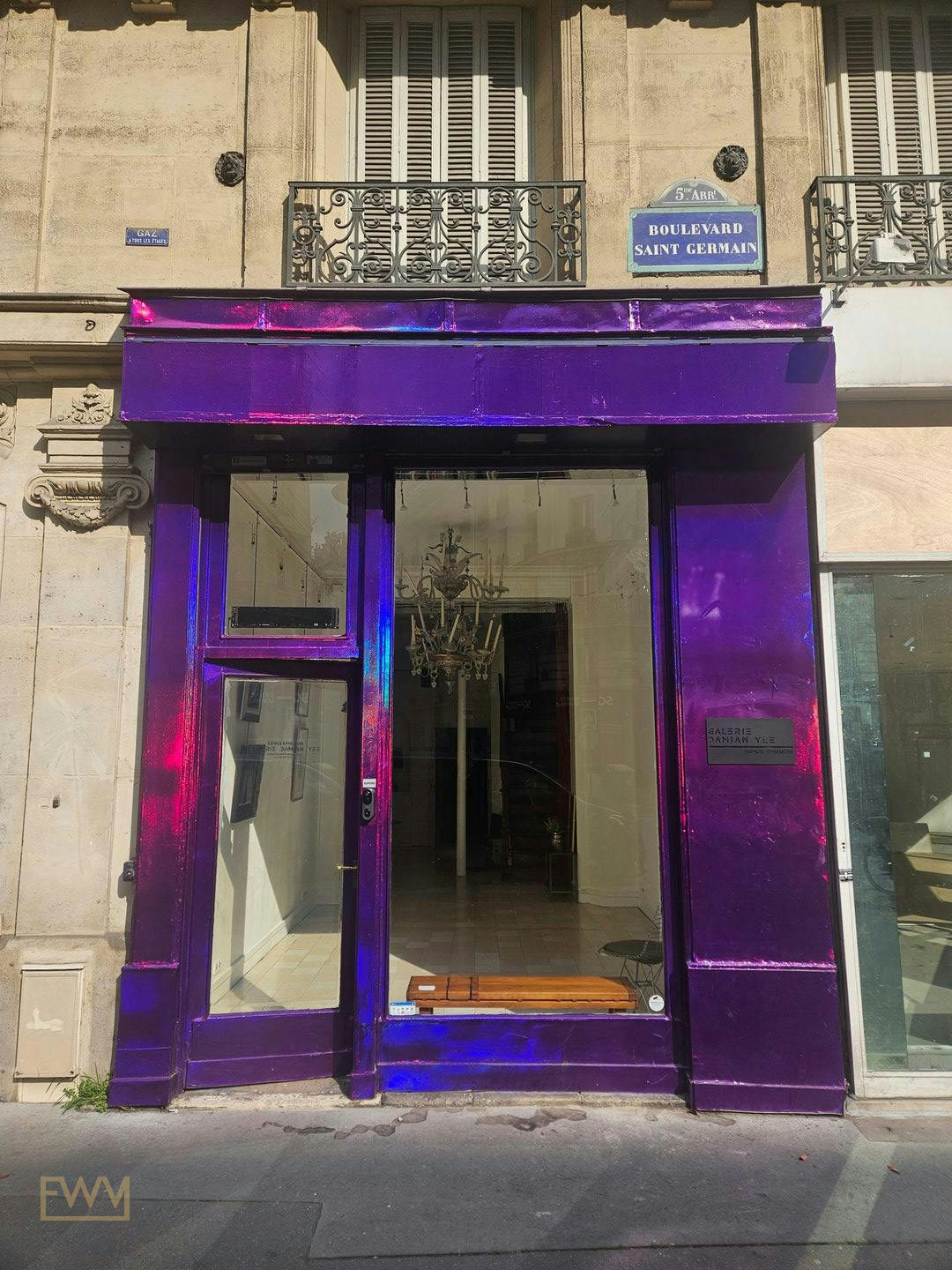
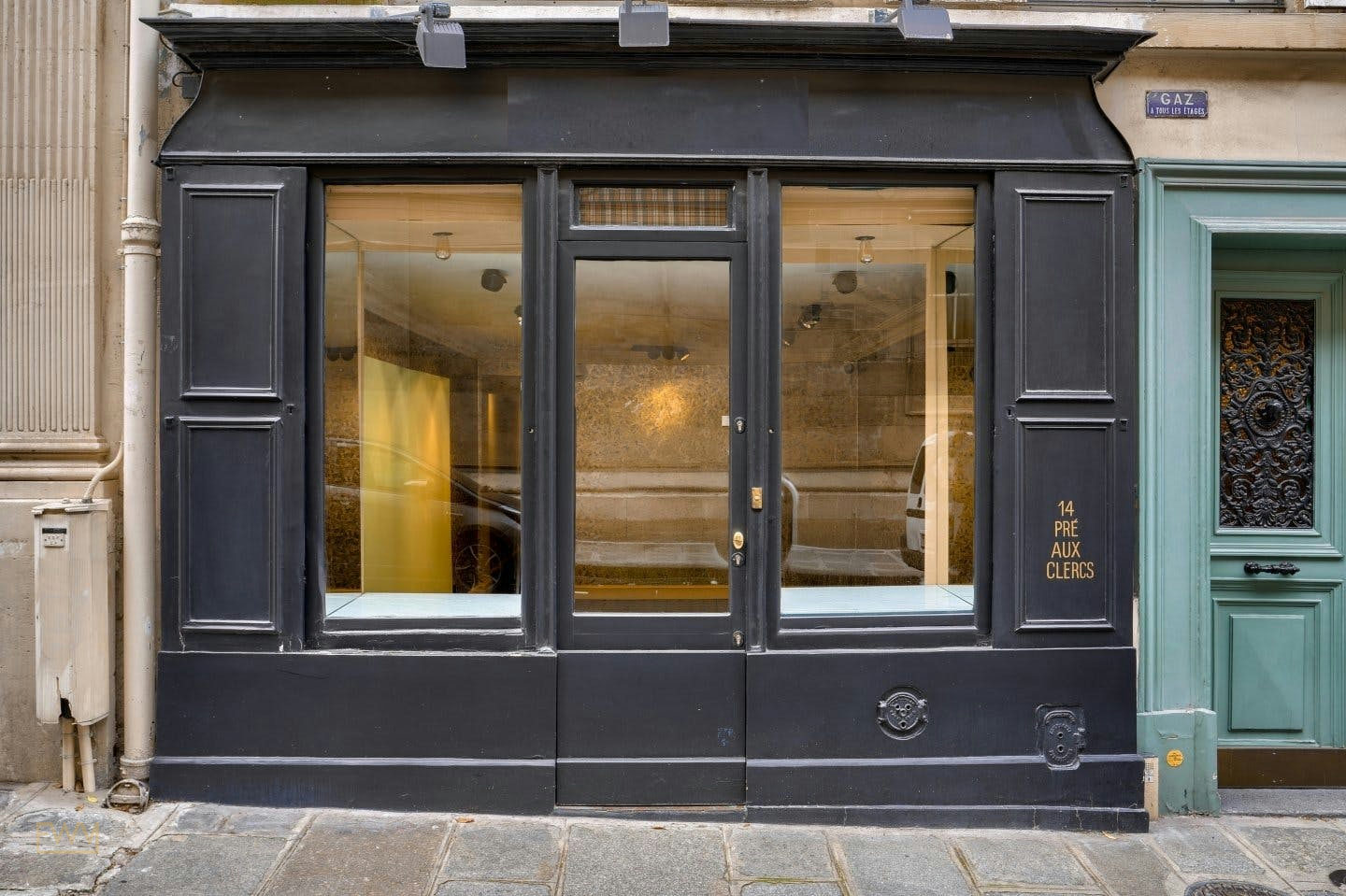
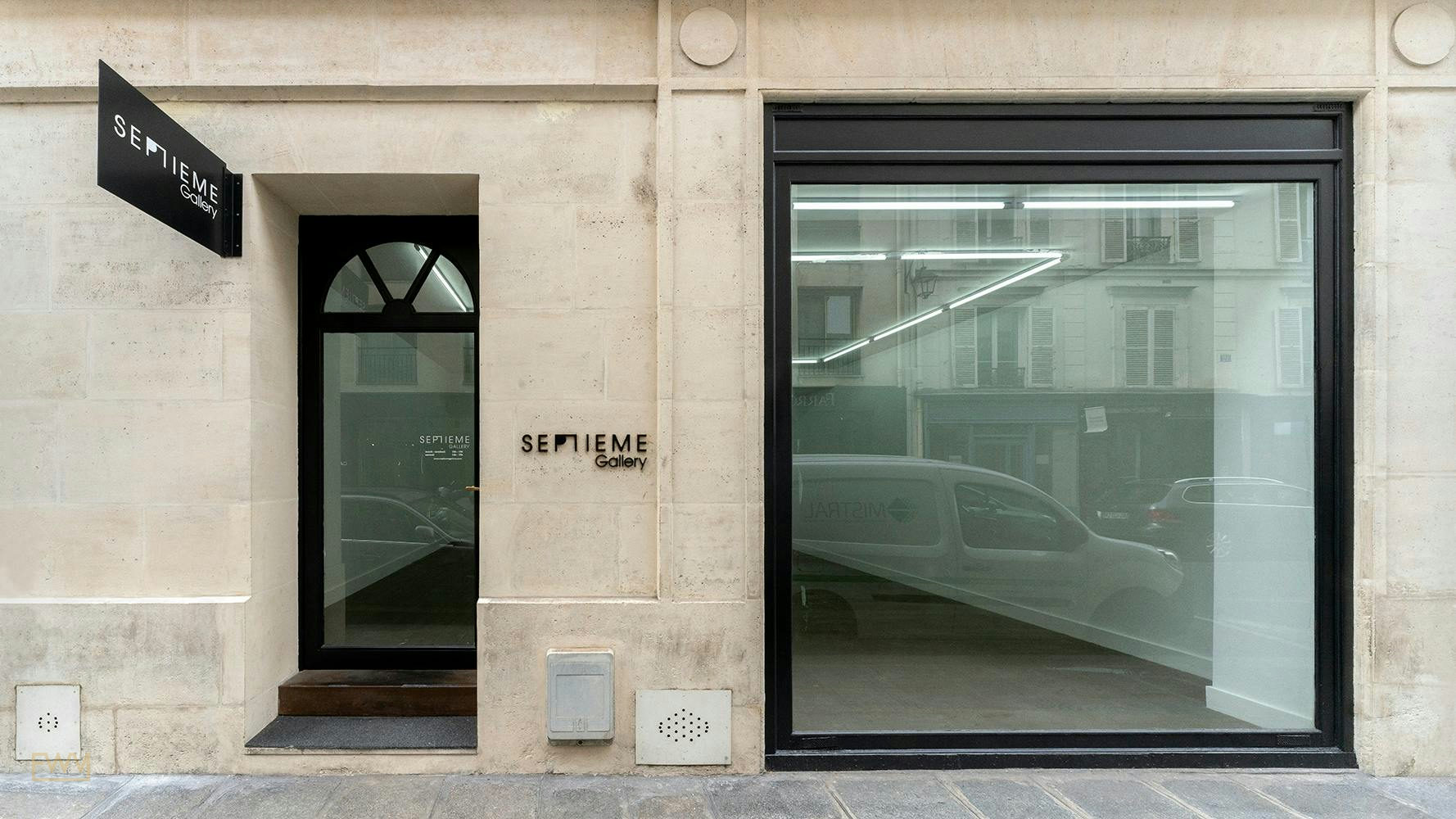
Temporary retail in Saint-Germain represents one of the most strategically valuable short-term space opportunities available to fashion brands, lifestyle labels, beauty companies, and luxury retailers operating in Paris. Saint-Germain-des-Prés, located in the 6th arrondissement on the Left Bank of the Seine, combines a rare density of high-spending, culturally engaged foot traffic with a neighbourhood identity that communicates sophistication, creativity, and editorial credibility. Whether you are seeking a boutique éphémère, a gallery showroom, a branded pop-up store, or a full-scale espace événementiel, this quartier recherché delivers the positioning that most other Paris districts simply cannot replicate. Fashion Week Venues supports brands activating across Paris, including Saint-Germain-des-Prés, with end-to-end services from venue sourcing through to operational management.
Why Saint-Germain-des-Prés Is a Premier Location for Temporary Retail in Paris
Quick answer: Saint-Germain-des-Prés is a premier temporary retail destination because it combines consistent high-value foot traffic, strong editorial and cultural associations, proximity to major luxury retail neighbours, and a diverse stock of spaces ranging from art galleries to loft venues and storefronts along key streets such as Boulevard Saint-Germain, Rue de Seine, and Rue Dauphine.
The 6th arrondissement has long been regarded as one of Paris's most commercially and culturally resonant districts. Unlike purely tourist-facing areas, Saint-Germain-des-Prés attracts a mixed audience of Parisian residents, international visitors, fashion industry professionals, gallery collectors, and students from nearby institutions. This diversity of visitor profile translates directly into meaningful retail dwell time and qualified engagement for brand activations.
Boulevard Saint-Germain anchors the neighbourhood commercially, drawing consistent foot traffic throughout the day and evening. Parallel and perpendicular streets, including Rue de Seine, Rue Dauphine, Rue de Rennes, and Rue de Lille, offer a range of space typologies at varying scales and rental profiles. The presence of established luxury neighbours, including Louis Vuitton and Le Bon Marché nearby in the broader Left Bank area, lends contextual authority to any brand choosing to activate in this quartier recherché.
The proximity of cultural landmarks reinforces brand legitimacy. The musée Maillol on Rue de Grenelle, Jardin Luxembourg within easy walking distance, the churches of Saint-Germain-des-Prés and Saint-Sulpice, and the Pont Neuf crossing to the Île de la Cité all contribute to a neighbourhood identity that blends art, history, fashion, and contemporary retail. During events such as Paris Design Week, the galerie Paris Design Week circuit draws additional specialist visitors who represent precisely the kind of audience that fashion, design, and lifestyle brands wish to reach.
From a logistics standpoint, the 6th arrondissement is well served by public transport. The RER A and multiple metro lines provide access from across greater Paris and from the airports. Bus routes, including services on the R1 and R2 corridors, supplement metro coverage. For visitors arriving by car, parking options exist in the wider area, though central Saint-Germain is primarily pedestrian-friendly, which supports the leisurely browsing behaviour that benefits retail activations.
The district also benefits from a natural adjacent draw to Le Marais and the broader Paris luxury and design circuit. Brands that activate in Saint-Germain-des-Prés frequently find that their audience overlaps with those visiting Le Marais, Rue Vieille du Temple, Rue Froissart, and the surrounding galleries, creating a circuit visitor who moves between cultural and retail destinations on a single visit to Paris.
DID YOU KNOW: The 6th arrondissement consistently ranks among the highest in Paris for average retail spend per visitor, reflecting the affluent residential base, international tourist volume, and the strong fashion and design retail heritage of streets like Rue de Seine and Boulevard Saint-Germain.
KEY TAKEAWAY: Saint-Germain-des-Prés offers a rare combination of cultural positioning, high-quality foot traffic, diverse space typologies, and genuine luxury adjacency that makes it one of the most effective locations in Paris for temporary retail, pop-up stores, and brand activation spaces.
Understanding the specific space types available across this arrondissement is essential for matching your concept to the right venue, which the next section addresses in detail.
Space Types for Temporary Retail in Saint-Germain-des-Prés
Quick answer: Saint-Germain-des-Prés offers a wide range of space types for temporary retail, including storefronts, art galleries converted to retail, loft spaces, showrooms, boutiques éphémères, and espaces événementiels, each suited to different brand objectives, audience profiles, and activation formats.
Choosing the right space type for your activation is as important as choosing the right neighbourhood. In Saint-Germain-des-Prés, the density and variety of available space types is a significant competitive advantage for brands. The following categories represent the main space typologies available for local éphémère, boutique éphémère, and pop-up store activations in this arrondissement.
Storefronts and Boutique Spaces
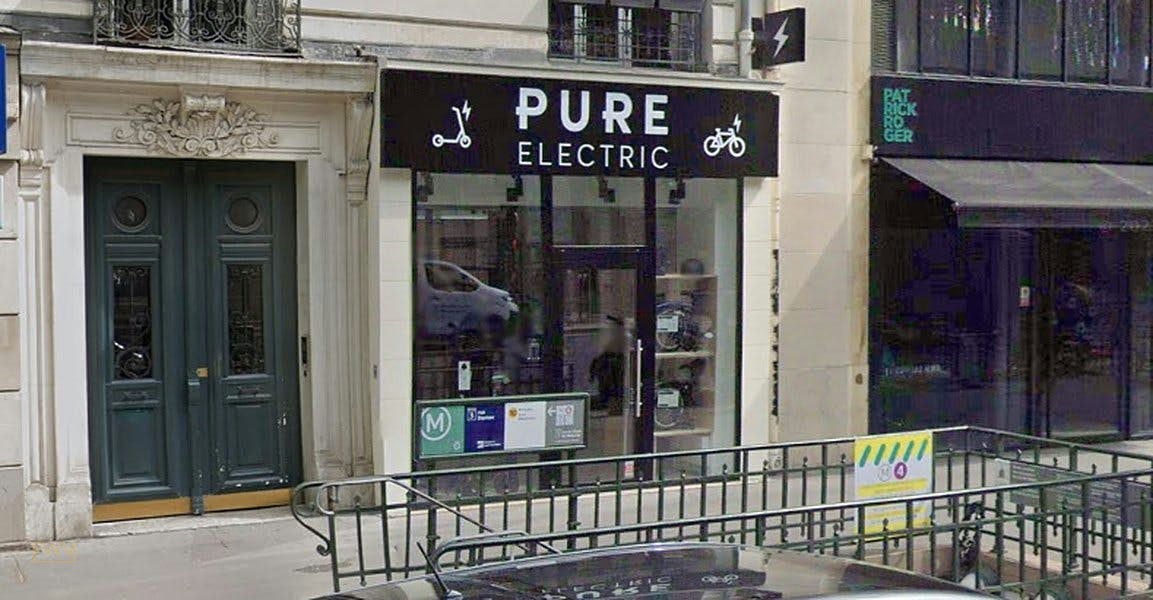
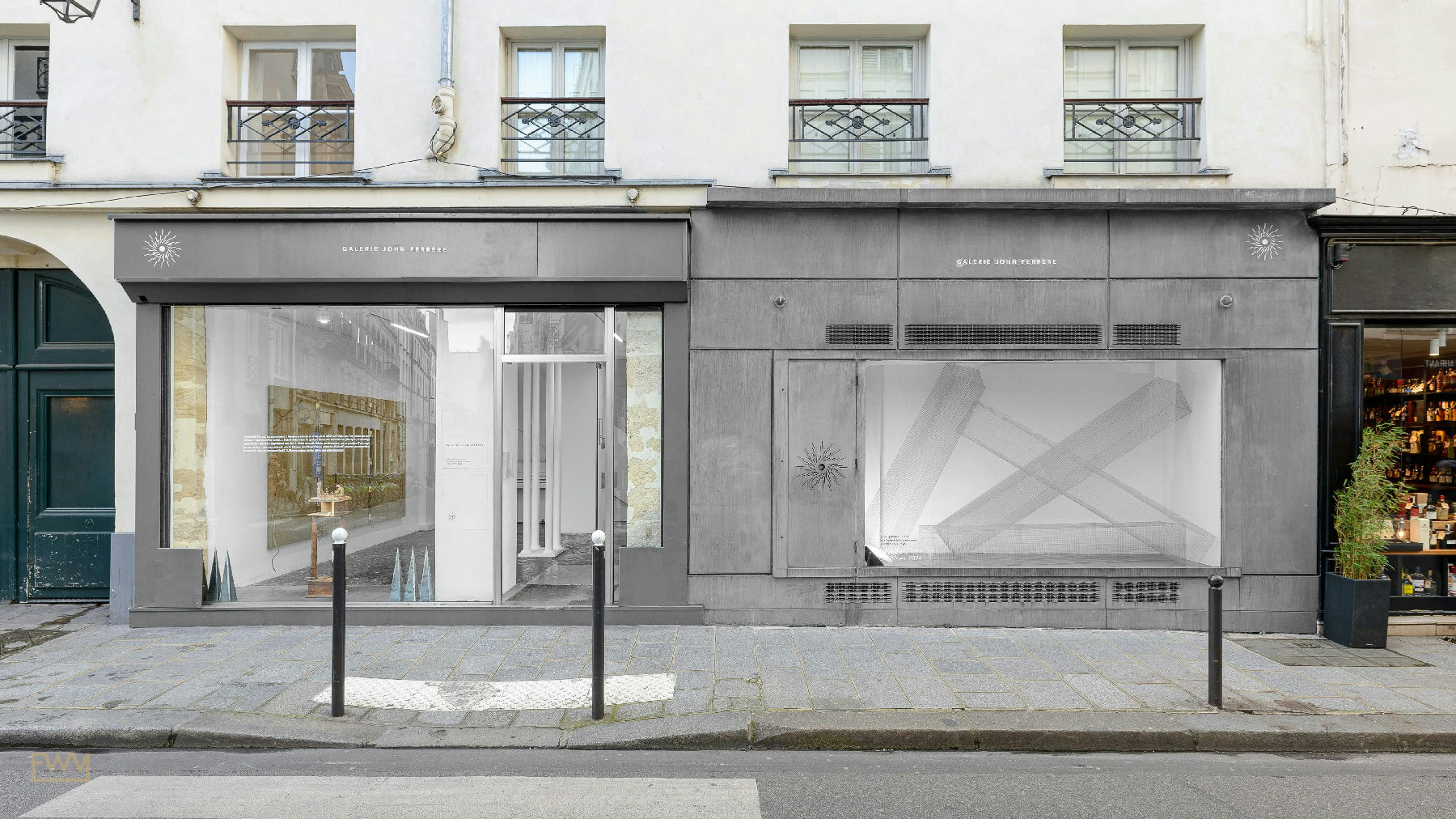
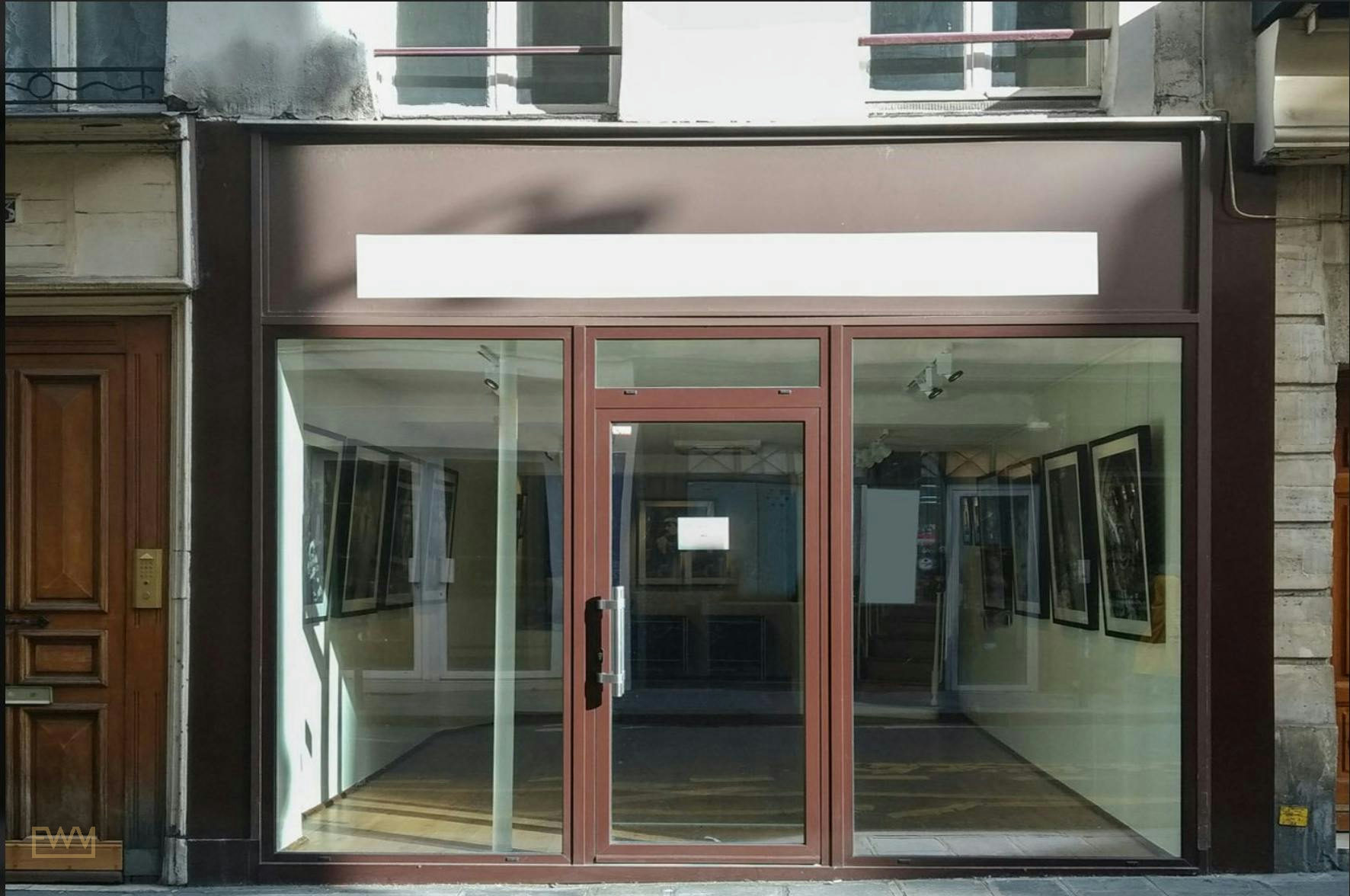
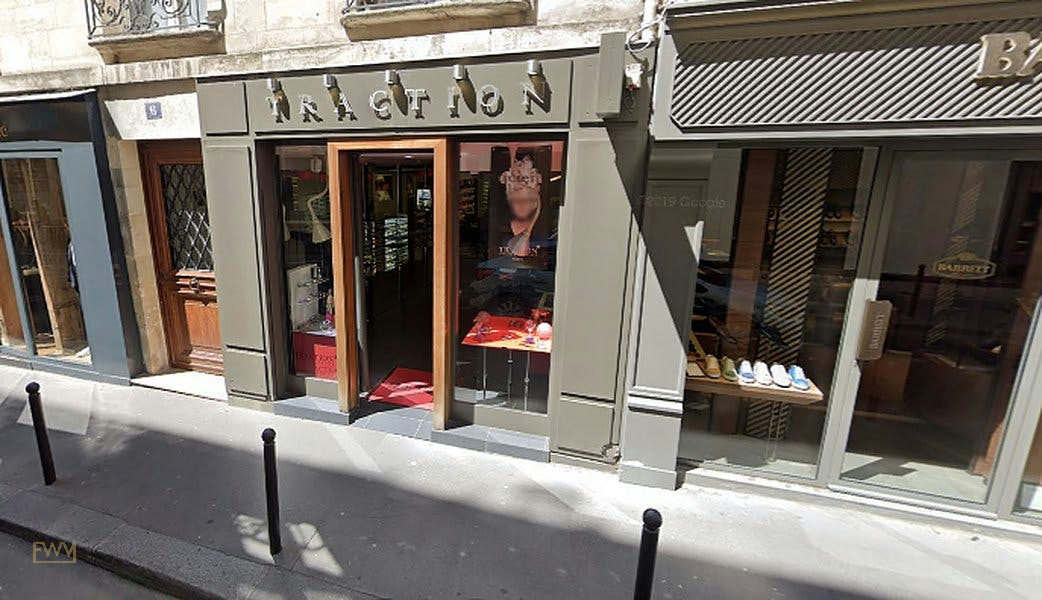
Classic retail storefronts on streets such as Boulevard Saint-Germain, Rue Dauphine, and Rue de Rennes provide immediate street-level visibility and the physical format most associated with traditional retail. These spaces often feature track lighting, display windows, and configurations suited to product merchandising and direct customer transactions. They are well-suited to fashion brands, beauty labels, and accessory collections seeking a boutique éphémère format with clear point of sale presence and fitting rooms where the footprint allows.
Art Galleries and Galerie D'art Conversions
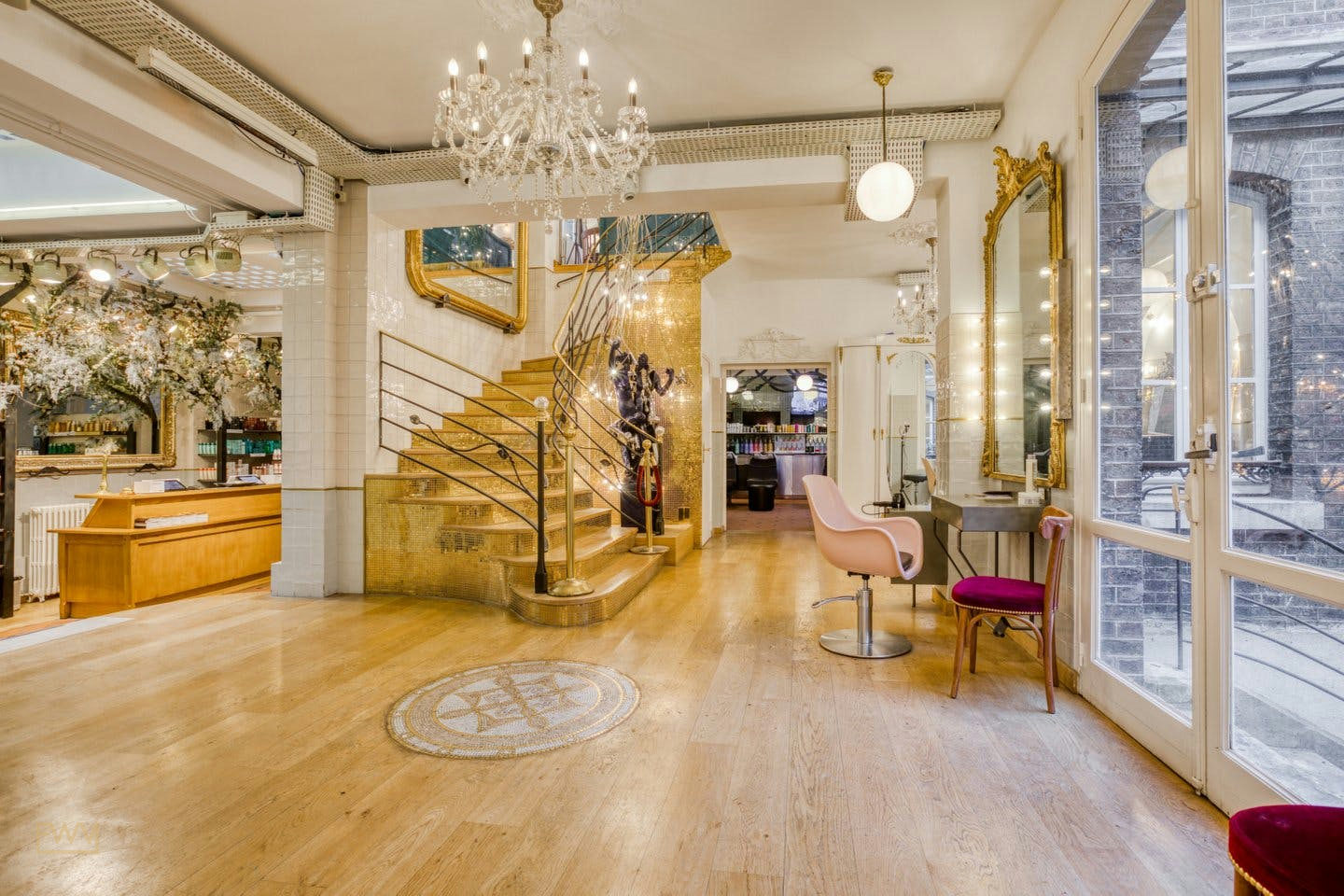
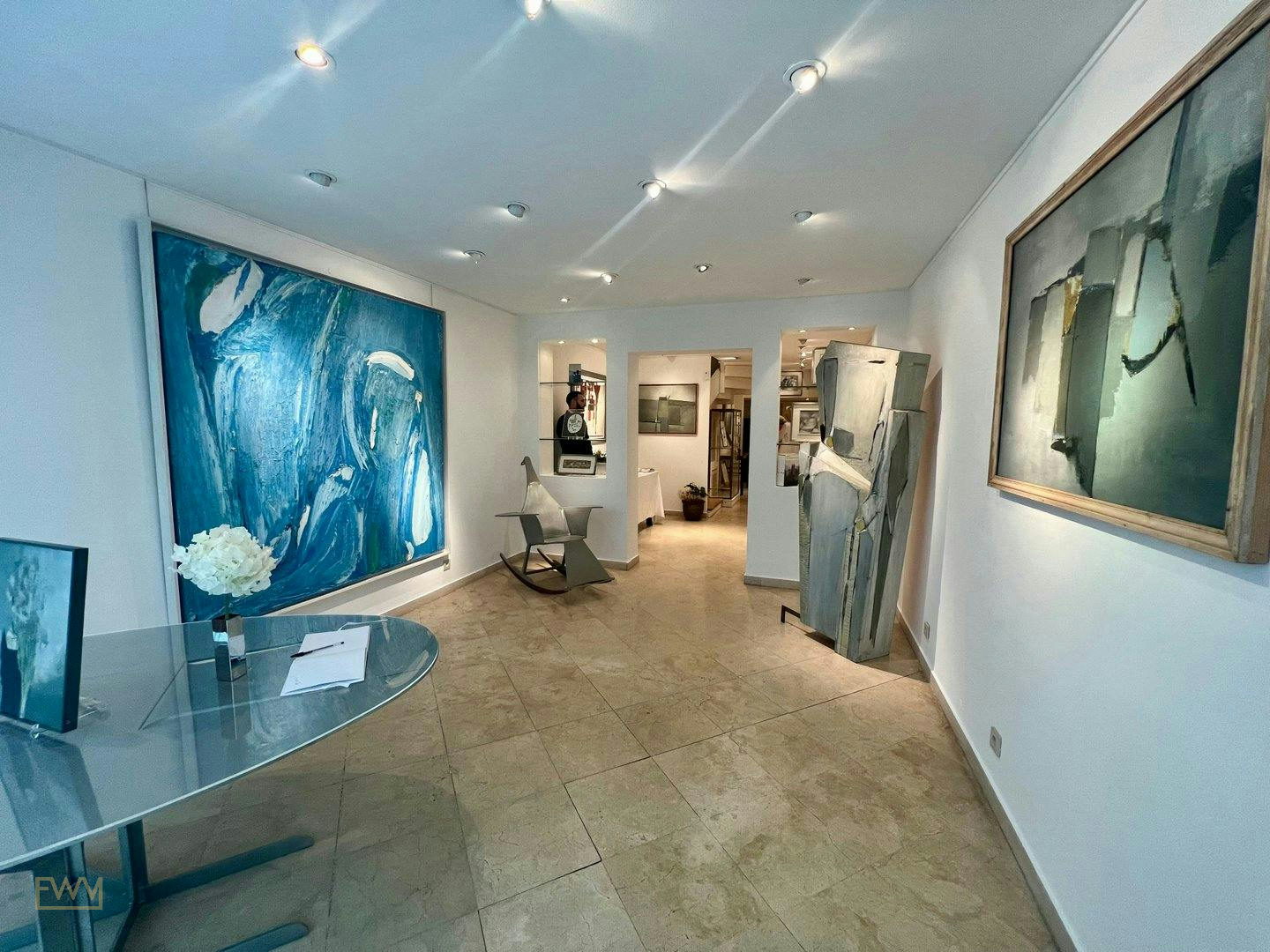
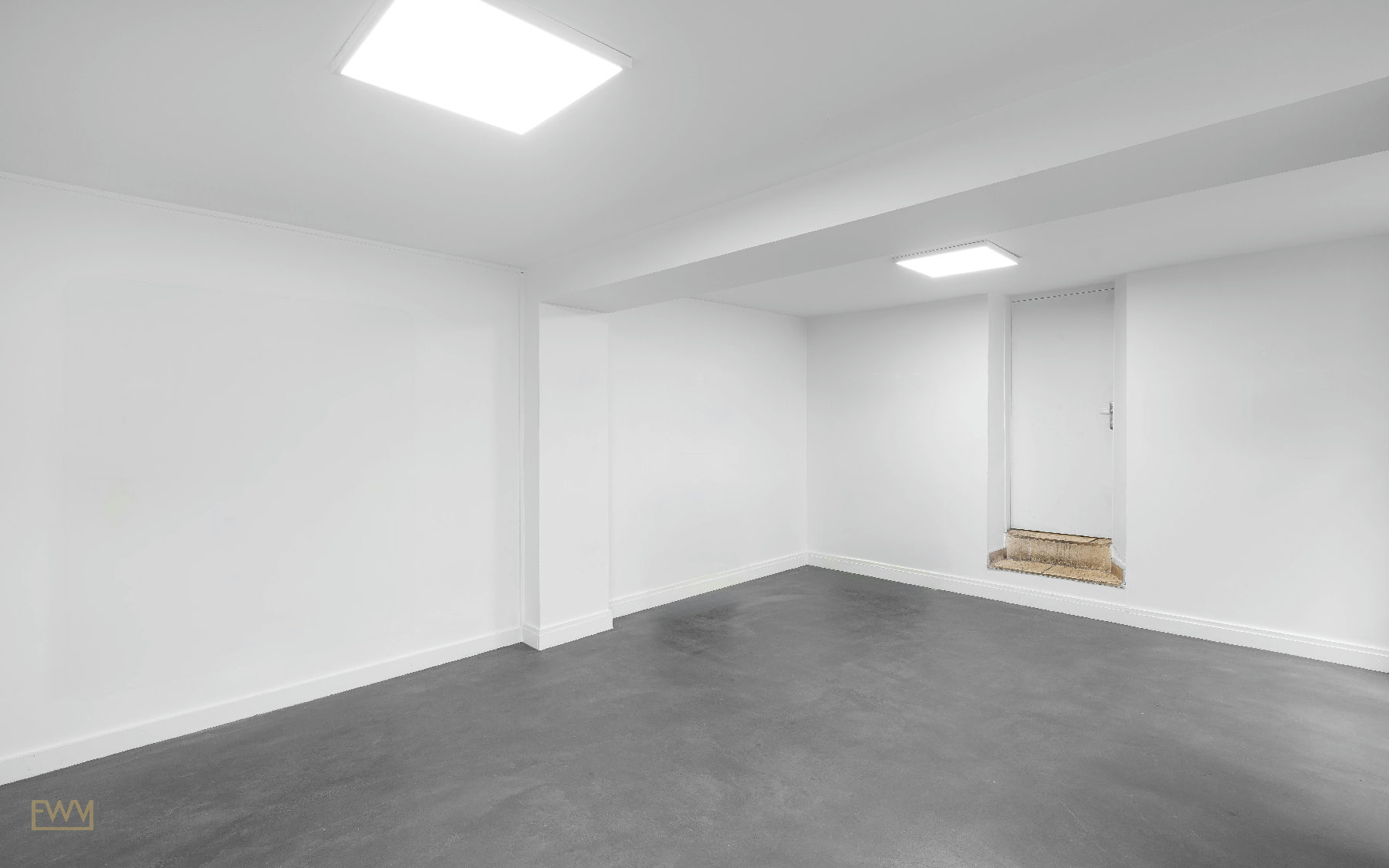
Saint-Germain-des-Prés has one of the highest concentrations of commercial art galleries in Paris, particularly along Rue de Seine and the surrounding streets. Many of these spaces are available for short-term retail use outside of their exhibition calendar. Galerie commerçante and Galerie D'art spaces typically feature white walls, polished concrete or wood floors, strong natural or track lighting, and a aesthetic that suits premium fashion, jewellery, ceramics, limited-edition product launches, and lifestyle brands seeking an editorial backdrop. The gallery format communicates cultural legitimacy and works particularly well for brands seeking to generate earned media and Instagram-worthy scenography.
Loft and Multi-Level Spaces
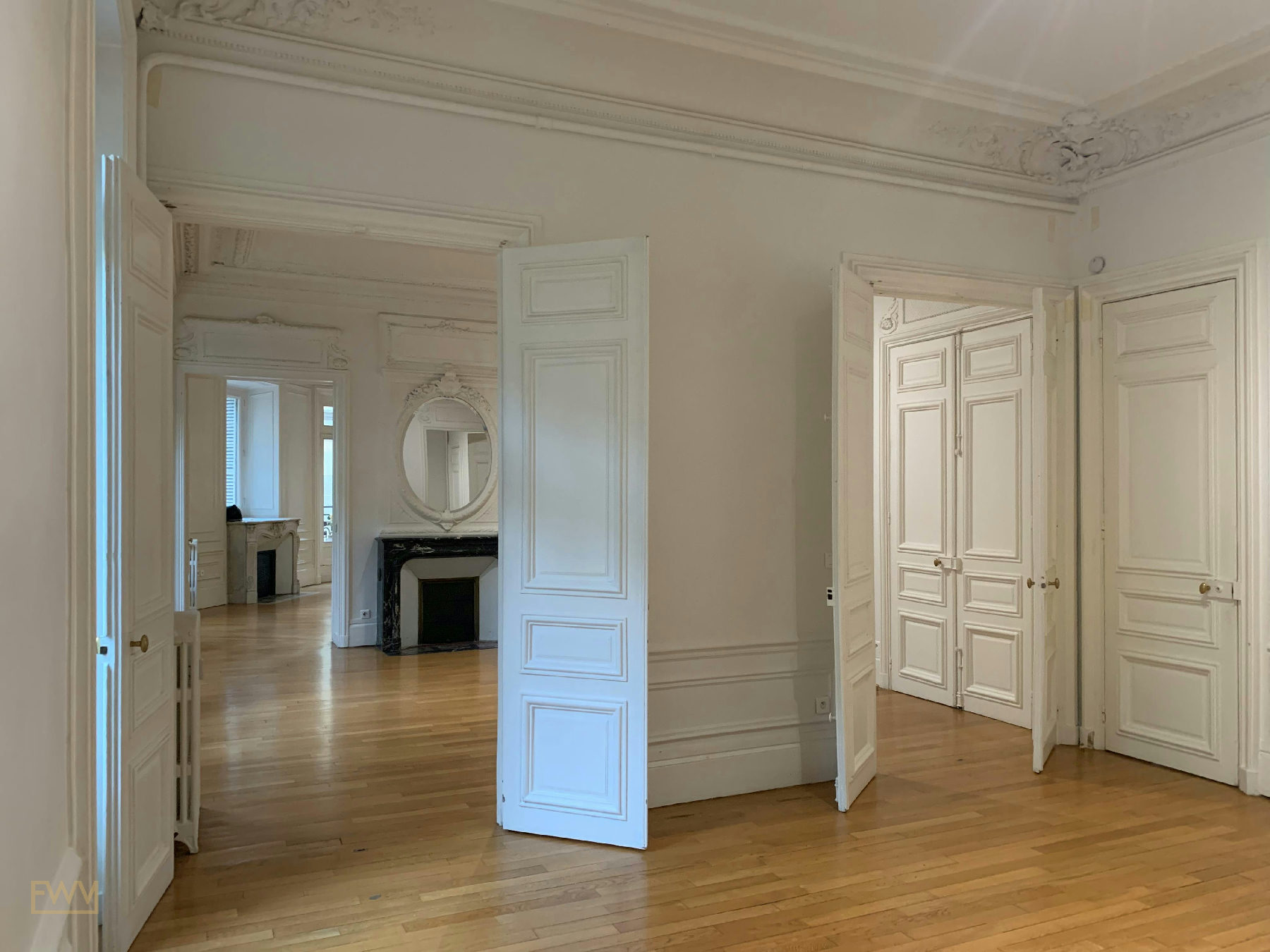
Loft spaces in Saint-Germain-des-Prés frequently occupy former ateliers or converted residential upper floors and offer a more textured, layered aesthetic. These spaces often feature exposed beams, stone walls, high ceilings, and a combination of raw and refined finishes. The loft format is particularly effective for lifestyle brands, showrooms, and brand presentations where the atmosphere of the space itself contributes to storytelling. Brands working with a scenography-led approach or staging a showroom Pont Neuf activation will often gravitate toward loft configurations.
Showrooms
Trade-facing showrooms in Saint-Germain-des-Prés serve a different but equally important function from consumer-facing pop-up stores. Showroom space in this arrondissement is often sought by fashion labels, design studios, and luxury goods brands during Paris Fashion Week and the broader seasonal market calendar. A well-positioned showroom on or near Rue de Lille, Rue Dauphine, or in the streets surrounding Saint-Sulpice places a brand within reach of buyers, press, and stylists who circulate through Left Bank appointments during market weeks.
Event and Multi-Use Spaces
Larger espaces événementiels in and around Saint-Germain-des-Prés are suitable for brand presentations, press launches, private shopping events, and format-blending activations that combine retail with experience. These spaces often have more flexible layouts and higher technical capacity, including audiovisual infrastructure, catering facilities, and modular configurations that can shift between presentation and retail modes across a multi-day activation.
| Space Type | Best For | Typical Features | Ideal Duration |
|---|---|---|---|
| Storefront / Boutique | Fashion, accessories, beauty retail | Display windows, track lighting, fitting rooms, POS counter | 1 to 4 weeks |
| Art Gallery / Galerie | Premium launches, editorial activations, luxury goods | White walls, polished floors, natural light, high ceilings | 3 days to 2 weeks |
| Loft / Atelier | Showrooms, lifestyle brands, scenography-led concepts | Exposed stone, beams, flexible layout, mixed finishes | 1 to 3 weeks |
| Showroom Space | Trade presentations, buyer appointments, press visits | Neutral palette, good lighting, private meeting areas | 1 to 2 weeks per season |
| Espace Événementiel | Brand launches, press events, mixed retail and experience | Modular layout, AV capacity, catering infrastructure | 2 to 10 days |
TIP: When selecting between a galerie commerçante and a standard storefront, consider your primary objective. If earned media and social content are the priority, the gallery aesthetic typically performs better. If direct sales volume is the priority, a storefront with high pedestrian visibility often delivers stronger transactional results.
KEY TAKEAWAY: The diversity of space types in Saint-Germain-des-Prés means brands should define their primary activation objective before beginning their search, as the right space typology varies significantly depending on whether the goal is direct sales, press exposure, buyer meetings, or experiential engagement.
With space type defined, the next consideration is which specific streets and micro-locations within the arrondissement best serve your brand's objectives.
Key Streets and Micro-Locations Within Saint-Germain-des-Prés for Pop-Up Stores
Quick answer: The most sought-after micro-locations for temporary retail in Saint-Germain-des-Prés include Boulevard Saint-Germain for maximum foot traffic and commercial visibility, Rue de Seine for gallery-adjacent positioning, Rue Dauphine for premium boutique formats, and Rue de Lille for quieter showroom settings close to the Seine and Pont Neuf.
Saint-Germain-des-Prés is not a single homogeneous retail environment. Different streets carry different character, foot traffic patterns, rental profiles, and brand associations. Understanding the micro-geography of the arrondissement allows brands to make significantly better space decisions.
Boulevard Saint-Germain
Boulevard Saint-Germain is the primary commercial artery of the 6th arrondissement and offers the highest absolute foot traffic of any street in the district. Spaces here command premium positioning due to their visibility, and they are well suited to brands with mass premium or accessible luxury positioning who want maximum reach during an activation. The boulevard stretches from Saint-Germain-des-Prés church westward toward Odéon, with Odéon being a particularly active node for retail and cultural visitors.
Rue de Seine and the Gallery Quarter
Rue de Seine and the surrounding galerie district running between Boulevard Saint-Germain and the quais of the Seine represent the heartland of the Left Bank art and design world. This street is home to numerous established galleries and design showrooms, and short-term space rental here places a brand within a naturally curated environment. The local éphémère Saint-Sulpice and local éphémère Odéon formats are particularly common in this zone, with many existing gallery spaces making themselves available for pop-up and boutique éphémère activations during non-exhibition periods.
Rue Dauphine
Rue Dauphine runs north from Boulevard Saint-Germain toward Pont Neuf and the Seine. It is a quieter, more residential street with a strong independent retail and hospitality character. Spaces here tend to have more intimate scale and are well suited to premium beauty, niche fragrance, jewellery, and artisan fashion brands who want the right audience profile rather than maximum volume. The proximity to Pont Neuf makes showroom Pont Neuf activations naturally associated with this corridor.
Rue de Lille
Rue de Lille, running parallel to the Seine closer to the quais, is a primarily residential and institutional street with occasional commercial spaces. Its character is quieter and more discreet, making it suitable for private showrooms, press day formats, and invitation-only activations. The Ladurée flagship and several high-profile luxury residences are located in this broader corridor, lending the street genuine Left Bank prestige.
Saint-Sulpice and the Surrounding Streets
The area immediately surrounding the church of Saint-Sulpice, including the streets leading to Jardin Luxembourg, has a distinct identity shaped by literary tradition, independent bookshops, and high-quality neighbourhood retail. The local éphémère Saint-Sulpice format suits brands with a strong design or cultural dimension, particularly those whose audience appreciates artisanal quality and intellectual positioning over pure commercial visibility.
To compare neighbourhoods and space types, explore the Paris city hub on Fashion Week Venues and shortlist spaces that match your brief, budget, and calendar window.
| Street / Zone | Character | Best Brand Profile | Foot Traffic Level |
|---|---|---|---|
| Boulevard Saint-Germain | Commercial, high visibility, mixed luxury and accessible | Mass premium, accessible luxury, flagship pop-up | Very High |
| Rue de Seine | Gallery, art, design, creative | Luxury, art-adjacent, editorial lifestyle | Medium-High |
| Rue Dauphine | Intimate, independent, premium niche | Beauty, niche fragrance, jewellery, artisan fashion | Medium |
| Rue de Lille | Quiet, residential, institutional | Private showroom, press days, trade presentations | Low-Medium |
| Saint-Sulpice zone | Cultural, literary, artisanal, neighbourhood | Design, craft, lifestyle, culturally positioned brands | Medium |
KEY TAKEAWAY: The right micro-location within Saint-Germain-des-Prés depends on your brand's audience profile and activation objective. High foot traffic and commercial visibility favour Boulevard Saint-Germain, while gallery adjacency, editorial positioning, and trade-facing formats favour Rue de Seine, Rue Dauphine, and the Saint-Sulpice zone.
Beyond location, the practical mechanics of renting a temporary retail space in Paris require careful navigation of French lease law, permit requirements, and operational setup, which the following section covers in detail.
Legal Framework, Permits, and Lease Types for Temporary Retail in Paris
Quick answer: Temporary retail spaces in Paris are most commonly accessed through either a bail dérogatoire, a short-term commercial lease with specific legal limitations, or an AOT, an autorisation d'occupation temporaire applicable to public domain spaces. The appropriate legal framework depends on the space type, duration, and arrondissement. Brands should verify requirements with a qualified French legal advisor before signing any agreement.
Navigating the legal landscape for temporary retail in France is one of the most commonly misunderstood aspects of the Paris pop-up market. The French commercial property framework is distinct from Anglo-Saxon lease structures and carries specific obligations, rights, and risks for both landlord and tenant. Understanding the applicable frameworks at a high level allows brand teams to ask better questions and engage the right specialists before committing to a space.
Bail Dérogatoire
A bail dérogatoire, sometimes called a short-form commercial lease or dérogatoire lease, is the primary legal vehicle for short-term retail occupancy in France. It allows landlords and tenants to contract outside the protections and obligations of the standard French commercial lease statute (the bail commercial), provided the total duration does not exceed three years and both parties have explicitly agreed in writing to derogate from the standard statute. For pop-up store and boutique éphémère activations lasting days, weeks, or a few months, the bail dérogatoire is the standard instrument. Brands should note that if the tenant remains in occupation after the maximum derogatory period without appropriate documentation, French law may automatically reconstitute the full statutory commercial lease, which carries significantly greater obligations and tenant protections.
Autorisation d'Occupation Temporaire (AOT)
An AOT, or autorisation d'occupation temporaire, applies specifically to public domain spaces, including certain public squares, covered passages, and infrastructure managed by public authorities. If a brand wishes to activate in an espace extérieur, a covered public walkway, or a public-managed facility, an AOT is the relevant instrument. AOTs are issued at the discretion of the relevant authority and are not guaranteed. Requirements vary by location, duration, intended use, and arrondissement, and the application process typically requires advance notice of weeks or months.
Commercial Licences and Activity Permits
Beyond the lease itself, certain retail activities in Paris require additional permits or registrations. These may include a licence for the sale of specific product categories, a temporary trading licence for non-registered traders, or compliance with specific health, safety, and accessibility requirements. Accessibility (accessibilité and mobilité réduite compliance) is a consideration for any public-facing retail space in France. Requirements vary based on the classification of the space and its capacity.
IMPORTANT: The information above is a general orientation only. Specific permit and compliance requirements for temporary retail in Saint-Germain-des-Prés vary based on the individual space, its classification, the nature of the retail activity, the duration of occupation, and the specific policies of the 6th arrondissement and relevant public authorities. Always verify with a qualified French legal advisor before entering into any agreement. Use the Fashion Week Venues permit guidance tool as a starting point for understanding what documentation your activation may require.
KEY TAKEAWAY: The bail dérogatoire is the standard legal vehicle for short-term retail occupancy in Paris, but it is not a simple document. The distinction from a full bail commercial is legally significant, and brands without French legal support risk inadvertently triggering statutory obligations that were not anticipated in their planning.
Legal structure is closely linked to the question of budget, which requires its own careful analysis before any temporary retail activation in Saint-Germain-des-Prés moves forward.
Budget Planning for a Temporary Retail Pop-Up in Saint-Germain-des-Prés
Quick answer: Budget planning for a temporary retail pop-up in Saint-Germain-des-Prés must account for space rental, fit-out and production, staffing, operational technology including point of sale systems, marketing and earned media activity, and contingency. Costs vary significantly by space type, duration, and the scope of fit-out required. Directional estimates should be built into a bespoke budget calculator rather than drawn from generic benchmarks.
One of the most frequent planning failures in temporary retail is underestimating the total cost of an activation by focusing only on the headline rent figure. In Saint-Germain-des-Prés, as across premium Paris retail districts, the space rental cost represents only one component of the total investment required to deliver an effective, brand-appropriate activation.
Space Rental Costs
Rental rates for temporary retail spaces in Saint-Germain-des-Prés reflect the premium positioning of the arrondissement. Rates vary substantially depending on street-level visibility, space size, space type, duration of rental, and current market demand. High-traffic frontages on Boulevard Saint-Germain command higher rates than quieter streets such as Rue de Lille. Gallery spaces on Rue de Seine may be priced differently from commercial storefronts of similar square metreage. Rates during Paris Fashion Week and adjacent market windows are typically higher than rates in quieter seasonal periods. Because rates fluctuate based on supply and demand, brands should use a dedicated budget estimation tool rather than relying on generalised figures that may not reflect current market conditions.
Fit-Out and Production Costs
The cost of transforming a raw space into a brand-appropriate retail environment depends on the scope of work required. A minimally dressed gallery space with existing track lighting, white walls, and clean floors requires far less investment than a full boutique fit-out with custom millwork, branded graphics, lighting design, and furniture procurement. Brands working with a scenic or scenography-led concept will also need to budget for installation and deinstallation labour, which can represent a significant portion of total production spend. Furniture rental is a practical way to reduce upfront capital expenditure while maintaining a high-quality aesthetic presentation.
Operational Technology: Point of Sale and Payments
A temporary retail activation requires a fully functional operational technology stack to manage transactions, track inventory levels, and generate the sales data needed to evaluate performance. This includes a Point of Sale System, barcode scanning hardware, cash drawers, receipt printers, and a payment processing solution capable of handling both card and contactless transactions. The system must also support Customer Management, Product Management, Sales Management, and Stock Level Management functions. Predictive analytics and a report and chart system are increasingly standard requirements for brands that want to extract consumer data and measure performance against business objectives. Hassle-free transactions are not simply a customer experience aspiration; they are a commercial necessity in a high-expectation luxury retail environment. Fashion Week Venues supports brands with POS and payments infrastructure as part of its full-service activation offering.
Staffing
Retail staffing costs for a temporary activation in Saint-Germain-des-Prés must account for the specific requirements of the market. French employment law, language requirements, product knowledge training, and customer service standards in a luxury or premium retail context all affect staffing cost and planning. Brands activating for short durations often find it more cost-effective to work with specialist temporary retail staffing partners rather than attempting to build a team independently, particularly for international brands without a pre-existing French HR infrastructure.
Marketing and Earned Media
A pop-up store in Saint-Germain-des-Prés has strong inherent potential for earned media, social content, and press coverage given the neighbourhood's cultural visibility. However, that potential requires investment in scenography, PR outreach, influencer marketing, and social media communication to convert into actual coverage. Budgeting for Instagram and Facebook content creation, influencer partnerships, and press day logistics is an essential component of the total activation budget, not an optional extra.
TIP: Use the ROI calculator alongside the budget tool to stress-test your assumptions about foot traffic, conversion rates, and average transaction values before finalising your budget. Optimistic assumptions about sales volume are one of the most common causes of post-activation disappointment. The Fashion Week Venues ROI calculator is designed specifically for pop-up and temporary retail planning.
KEY TAKEAWAY: The total budget for a temporary retail activation in Saint-Germain-des-Prés typically extends well beyond the headline rent, encompassing fit-out, staffing, technology, marketing, and contingency. Brands should build a comprehensive budget from first principles rather than anchoring to a single cost component.
The calendar timing of your activation is as consequential as the budget, particularly given the density of events and market windows that define the Paris retail and fashion calendar.
Calendar Timing and Ideal Duration for Temporary Retail in Paris
Quick answer: The ideal duration for a temporary retail pop-up in Saint-Germain-des-Prés ranges from a minimum of three to five days for a tightly produced press or trade event to four to six weeks for a full consumer-facing retail activation. Timing around Paris Fashion Week, Paris Design Week, or major holiday retail windows significantly amplifies reach and earned media potential.
Paris operates on one of the most structured and internationally recognised event and fashion calendars in the world. For brands planning temporary retail in Saint-Germain-des-Prés, understanding this calendar and aligning the activation window accordingly is a fundamental planning decision.
Paris Fashion Week
Paris Fashion Week occurs twice annually, in January and February for menswear and haute couture, and in September and October for womenswear ready-to-wear. During these periods, the city hosts an extraordinary concentration of fashion industry professionals, international press, buyers, stylists, influencers, and high-net-worth consumers. Saint-Germain-des-Prés, as a neighbourhood with deep fashion and cultural roots, experiences elevated foot traffic and press interest during these windows. Showroom activations, press day formats, and brand presentations are particularly well-timed to coincide with Fashion Week, while consumer-facing pop-up stores can benefit from the heightened brand awareness generated during the week itself and in the days immediately following.
Paris Design Week and Cultural Events
Paris Design Week, held in September, draws an audience of architects, interior designers, design collectors, and culturally engaged consumers to the city, with the galerie Paris Design Week circuit making Saint-Germain-des-Prés a natural destination. Brands in home, design, lifestyle, and premium fashion categories can benefit from aligning their boutique éphémère or galerie commerçante activation with this calendar event.
Holiday and Gift Retail Windows
The pre-Christmas period from mid-November through to 24 December is one of the strongest retail windows in Paris, driven by high consumer spending, tourist volume, and gift purchasing behaviour. Saint-Germain-des-Prés performs particularly well during this period as a neighbourhood associated with considered, quality gift purchases. Brands in beauty, accessories, food and lifestyle, and fashion should plan their holiday pop-up bookings well in advance of this window, as premium spaces in the arrondissement are typically reserved months ahead.
Duration Considerations
The appropriate duration for a local éphémère or boutique éphémère activation depends on the objective. A press day or buyer showroom format may require only three to seven days. A full consumer-facing pop-up store with direct sales as a primary objective typically requires a minimum of two weeks to generate sufficient foot traffic and conversion volume to justify the investment. Activations extending to four to six weeks allow for brand building, repeat visitor behaviour, and genuine word-of-mouth amplification in a neighbourhood like Saint-Germain-des-Prés where local awareness builds progressively over time.
The Fashion Week Venues timeline planning tool helps brand teams map their activation window against the Paris event calendar and key operational milestones, from space booking to fit-out, staffing, and deinstallation.
KEY TAKEAWAY: Calendar alignment is one of the highest-leverage decisions in temporary retail planning. A well-timed activation in Saint-Germain-des-Prés during Paris Fashion Week, Paris Design Week, or the pre-Christmas retail window can deliver audience reach and earned media far beyond what the same space would generate during a quieter period.
Alongside calendar planning, the question of how to actually find, shortlist, and secure the right space is the most operationally complex part of the process for brand teams unfamiliar with the Paris market.
How to Find and Secure a Temporary Retail Space in Saint-Germain-des-Prés
Quick answer: Finding and securing a temporary retail space in Saint-Germain-des-Prés requires a clear brief covering space type, size, duration, and budget, followed by a structured search process using specialist space marketplaces and agency partners who have existing relationships with space owners in the arrondissement. Spaces in premium locations are frequently unavailable through open listing platforms alone.
The Paris temporary retail space market operates very differently from the general commercial property market. Many of the most desirable spaces in Saint-Germain-des-Prés are handled through direct relationships between space owners and specialist agencies or marketplaces, rather than through estate agent listings or open public advertising. This reflects both the cultural preference for relationship-based property transactions in France and the operational reality that many gallery and boutique owners prefer to work with known intermediaries who can vouch for the professionalism of prospective tenants.
Step-by-Step: Securing a Temporary Retail Space in Saint-Germain-des-Prés
| Step | Action | Timeline Before Opening | Key Consideration |
|---|---|---|---|
| 1 | Define brief: space type, size, street preference, duration, budget ceiling | 12 to 16 weeks minimum | Be specific about functional requirements such as fitting rooms, storage, and POS counter |
| 2 | Identify and shortlist spaces through marketplace and agency channels | 10 to 14 weeks | Use the compare tool to evaluate spaces against brief criteria simultaneously |
| 3 | Conduct site visits and assess technical suitability | 8 to 12 weeks | Check lighting, power capacity, delivery access, retail compatibility, and accessibility |
| 4 | Negotiate terms and engage legal review of bail dérogatoire or rental agreement | 6 to 10 weeks | Ensure exit conditions, deposit terms, and permitted alterations are clearly defined |
| 5 | Confirm space, sign agreement, pay deposit | 6 to 8 weeks | Confirm insurance requirements and any landlord-specific conditions for fit-out |
| 6 | Brief concept and design team, plan fit-out, order furniture and technical equipment | 4 to 6 weeks | Allow buffer for lead times on bespoke fabrication and furniture rental delivery |
| 7 | Build, dress, and commission the space | 1 to 2 weeks | Include testing of POS system, barcode scanning, cash drawers, and receipt printers before opening |
| 8 | Staff onboarding, product briefing, soft open or press preview | 3 to 7 days | Brief staff on sales workflows, Customer Management procedures, and brand communication standards |
| 9 | Open to public and run activation | Opening day | Monitor inventory levels daily and run report and chart system for real-time sales data |
| 10 | Deinstall, restore space, close accounts, produce post-activation report | Within agreed exit window | Consumer data, sales workflows data, and earned media metrics all feed into the post-activation ROI assessment |
Fashion Week Venues supports brands across all ten steps above through its venue sourcing service and full-service agency offering. The marketplace allows brands to browse available spaces across the arrondissement and across Paris, while the compare tool, timeline tool, and budget tool support parallel decision-making across multiple shortlisted spaces.
KEY TAKEAWAY: Securing a premium temporary retail space in Saint-Germain-des-Prés requires advance planning of at least eight to twelve weeks, with sixteen weeks preferred for high-demand calendar windows. The process involves multiple sequential decisions, each of which has downstream consequences for the overall activation outcome.
Understanding the services available to support each stage of this process is the focus of the following section.
How Fashion Week Venues Supports Temporary Retail Activations in Saint-Germain-des-Prés
Fashion Week Venues is a full-service pop-up shop agency and space marketplace operating across major fashion capitals. For brands planning a temporary retail activation, boutique éphémère, showroom, or espace événementiel in Saint-Germain-des-Prés, the agency provides integrated support across the full activation lifecycle, from initial space discovery through to post-activation performance reporting.
Venue Sourcing and Space Discovery
The Fashion Week Venues space marketplace provides access to curated retail, gallery, loft, showroom, and event spaces across Paris, including Saint-Germain-des-Prés and adjacent arrondissements. Brands can browse by space type, location, size, and available dates, and use the compare tool to evaluate multiple options against their brief simultaneously. The locator tool supports geographic shortlisting by street and neighbourhood, which is particularly useful for brands with a specific arrondissement or micro-location preference.
Concept Direction and Branded Store Design
For brands that need creative support in developing their activation concept, Fashion Week Venues offers concept direction and branded store design services. These cover scenography, layout planning, visual merchandising direction, and the development of a spatial concept that communicates brand identity effectively within the chosen space. The Imagine tool allows brand teams to visualise their concept within a specific space before committing to a design direction, reducing the risk of costly revisions during the build phase.
Production, Fit-Out, and Furniture
The production and build service covers the physical transformation of the raw space into a functioning retail environment. This includes custom fabrication, installation, lighting, graphics, and the deinstallation and restoration of the space at the end of the activation. Furniture rental is available as a complementary service, providing access to a curated range of display fixtures, seating, and merchandising furniture without the capital cost of purchase. The Build planning tool supports production scheduling and dependency mapping.
Retail Staffing
Fashion Week Venues connects brands with experienced retail staff for their temporary activation. This includes sales associates, brand ambassadors, stockroom management staff, and customer service specialists suited to the premium retail environment of Saint-Germain-des-Prés. Staff are briefed on sales workflows, Customer Management expectations, and brand communication standards specific to each activation.
POS, Payments, and Data
The agency supports the deployment of Point of Sale System infrastructure including barcode scanning, cash drawers, receipt printers, and payment processing. The data and analytics service provides brands with real-time and post-activation reporting covering sales management, stock level management, product management, and consumer data, enabling meaningful performance assessment against business objectives and supporting post-activation ROI calculation.
Influencer Marketing and Communication
The influencer marketing service supports brands in activating earned media, Instagram and Facebook content, and press coverage in connection with their Saint-Germain-des-Prés pop-up. This includes influencer identification, partnership management, and content strategy aligned with the brand's communication objectives and the specific editorial character of the Left Bank neighbourhood.
Who Benefits Most
Fashion Week Venues is particularly well suited to supporting international brands entering the Paris market for the first time, brands without a permanent French legal entity or retail infrastructure, and brand teams who want to manage the entire activation through a single agency relationship rather than coordinating multiple suppliers independently. The twin co-activation concept is also available for brands interested in sharing a premium Saint-Germain-des-Prés space with a complementary brand to maximise impact and manage costs jointly.
IMPORTANT: Fashion Week Venues does not guarantee space availability, permit approval, or specific sales outcomes. The agency provides professional support across the activation process, but outcomes depend on multiple factors including market conditions, brand awareness, activation concept quality, and execution quality. Brands should approach their activation with realistic expectations built on thorough planning and data.
KEY TAKEAWAY: Fashion Week Venues offers a genuinely integrated agency service for temporary retail activations in Saint-Germain-des-Prés, covering every stage from space discovery to post-activation reporting. For brands without deep Paris market knowledge or local operational infrastructure, this integrated model reduces risk and accelerates the path from brief to opening day.
Brands and Categories Best Suited to Saint-Germain-des-Prés Temporary Retail
Quick answer: Saint-Germain-des-Prés is particularly well suited to fashion labels, luxury accessories brands, beauty and fragrance houses, design and lifestyle brands, jewellery collections, limited-edition product launches, and art-adjacent brands whose audience values cultural positioning, editorial quality, and considered purchasing over high-volume transactional retail.
Not every brand profile translates equally well to the Saint-Germain-des-Prés context. The neighbourhood's identity is built on a combination of intellectual heritage, luxury adjacency, independent character, and sustained cultural significance. Brands that connect authentically with these values tend to perform better in terms of both customer satisfaction and earned media generation than brands for whom the neighbourhood is purely a tactical location choice.
Fashion and Apparel
Fashion labels across a wide spectrum from premium contemporary to luxury heritage find a natural home in Saint-Germain-des-Prés. The neighbourhood's association with French fashion culture, its proximity to Left Bank ateliers and design schools, and its sustained reputation as a shopping destination for the fashion-literate consumer all support fashion brand activations. Brands from Ladurée to emerging lifestyle brands and international fashion labels have activated in this arrondissement with strong results in terms of press coverage and customer satisfaction.
Beauty and Fragrance
The beauty category performs particularly well in Saint-Germain-des-Prés given the neighbourhood's association with French luxury beauty culture. Niche fragrance brands, independent skincare collections, and premium cosmetics labels all find a receptive audience in a neighbourhood whose residents and visitors are knowledgeable, discerning, and willing to engage with new brands that communicate quality and story effectively. Galerie D'art and loft formats are particularly suited to beauty brand activations that want to emphasise olfactory or sensory storytelling through their scenography.
Design and Lifestyle
Furniture, homeware, ceramics, and lifestyle brands benefit from the design culture of Saint-Germain-des-Prés and can build natural programming connections with Paris Design Week and the broader galerie commerçante circuit. The neighbourhood's galerie D'art spaces provide physically appropriate settings for design objects, and the audience profile of Saint-Germain-des-Prés consumers and visitors is culturally engaged with design in a way that is comparatively rare in other Paris districts.
Art-Adjacent and Limited Edition Brands
Brands that sit at the intersection of art, fashion, and collectible culture, including streetwear labels with gallery relationships, luxury brands launching artist collaborations, and design houses presenting limited-edition product ranges, find that the galerie format in Saint-Germain-des-Prés provides both the physical appropriate setting and the audience credibility needed to support this kind of positioning. The galerie commerçante and Galerie D'art formats communicate cultural seriousness in a way that a standard retail storefront does not.
DID YOU KNOW: Saint-Germain-des-Prés consistently attracts a high proportion of international visitors with above-average per-visit spend, making it one of the most commercially productive neighbourhoods in Paris for brands with an international customer base seeking a Paris market entry point.
KEY TAKEAWAY: The most effective brand activations in Saint-Germain-des-Prés are those where the brand's identity, audience profile, and visual presentation align naturally with the neighbourhood's cultural character. Forcing a mismatch between brand and location undermines both commercial performance and earned media potential.
Retail Operations and Technology for Pop-Up Stores in Saint-Germain-des-Prés
Quick answer: Effective retail operations for a pop-up store in Saint-Germain-des-Prés require a fully integrated Point of Sale System, inventory management, Customer Management capabilities, and data reporting tools that allow brand teams to monitor performance, manage stock levels, and deliver hassle-free transactions in a premium retail context.
The operational technology infrastructure of a temporary retail activation is often underplanned relative to the creative and location decisions. In Saint-Germain-des-Prés, where consumer expectations are shaped by proximity to established luxury retail operations and where a single poor transactional experience can generate negative social media content, operational excellence is not optional.
Point of Sale System Requirements
A temporary retail pop-up in Saint-Germain-des-Prés should operate a Point of Sale System that supports multiple payment methods including card, contactless, and mobile payments. The system must integrate barcode scanning for product identification, support receipt printers and cash drawers where cash transactions are expected, and provide real-time inventory updates as sales are processed. Hassle-free transactions are a baseline expectation in any premium retail context, and technical failures at the point of sale represent both a revenue loss and a brand reputation risk.
Inventory and Stock Management
Stock Level Management is critical for temporary retail activations, particularly those operating over periods of several weeks where replenishment decisions must be made based on real sales data rather than estimates. A system with barcode scanning and real-time stock tracking allows brand teams to identify which products are selling, which are underperforming, and when reorder thresholds are being approached. Storage configuration within the space must support efficient stockroom management, particularly in smaller Saint-Germain-des-Prés boutique formats where back-of-house space is limited.
Sales, Customer, and Product Management
Sales Management tools should generate daily and weekly sales reports by product category, transaction value, and time of day, allowing the brand team to identify peak trading periods, highest-performing product lines, and conversion rates relative to foot traffic. Customer Management capabilities, including the ability to capture email addresses with appropriate consent, build a customer profile database, and track return visits, support both in-activation customer satisfaction and post-activation relationship development. Product Management systems ensure that pricing, product descriptions, and promotional structures are correctly configured and maintained throughout the activation.
Predictive Analytics and Reporting
For brands that want to extract maximum intelligence from their temporary retail activation, a report and chart system with predictive analytics capabilities provides forward-looking insight into likely sales trajectories, stock depletion rates, and staffing requirements. This consumer data, combined with foot traffic analysis and conversion rate tracking, produces the kind of evidence base that justifies future activation investment and informs broader retail compatibility and distribution strategy decisions.
KEY TAKEAWAY: Retail technology for a pop-up store in Saint-Germain-des-Prés is not a secondary consideration. Brands that invest in a properly integrated Point of Sale System, inventory management, and data reporting infrastructure from the start of their activation will make better operational decisions, deliver better customer experiences, and generate more actionable post-activation intelligence.
Common Myths About Temporary Retail in Saint-Germain-des-Prés Debunked
MYTH: You need a French legal entity to rent a temporary retail space in Saint-Germain-des-Prés.
FACT: International brands without a French registered company can access temporary retail spaces in Paris through appropriate contractual and operational structures. The bail dérogatoire can in some cases be executed by foreign entities, and agency arrangements allow brands to operate through a locally registered intermediary. The specific requirements depend on the space owner, the nature of the retail activity, and the duration of occupancy. Brands should take qualified French legal advice before proceeding, as arrangements vary case by case.
MYTH: Paris Fashion Week is the only viable calendar window for a pop-up store in Saint-Germain-des-Prés.
FACT: While Paris Fashion Week generates elevated foot traffic and press interest that benefits showrooms and brand activations, it is far from the only commercially attractive window in the year. Paris Design Week in September, the pre-Christmas retail period, major art and cultural events, and the sustained tourist season from April through October all provide strong audience contexts for temporary retail. Many brands find that activating outside Fashion Week offers easier space availability, lower competition, and more qualified consumer foot traffic than the industry-saturated Fashion Week period.
MYTH: Commission brokers are the only way to find a temporary retail space in Saint-Germain-des-Prés.
FACT: Specialist space marketplaces, full-service pop-up agencies, and direct relationships with property owners all provide alternative routes to securing temporary retail spaces in this arrondissement. Marketplace platforms allow brands to browse, compare, and enquire about spaces directly, while full-service agencies like Fashion Week Venues offer an integrated approach that combines space access with operational support. Commission-only brokers are one option but are not the exclusive or necessarily the most cost-effective route to market.
MYTH: Short-term lease agreements for temporary retail in Paris are legally straightforward and require no specialist support.
FACT: The bail dérogatoire is a specific legal instrument under French commercial property law that carries significant risks if improperly structured or if the occupancy period inadvertently triggers the full bail commercial protections. French commercial property law is materially different from Anglo-Saxon lease frameworks, and standard commercial assumptions about lease terms, exit rights, and permitted alterations do not apply. Brands without French legal support should engage a qualified French legal advisor before signing any temporary retail agreement in Paris.
MYTH: A pop-up store in Saint-Germain-des-Prés will generate strong sales simply by virtue of the location.
FACT: Location is one of multiple factors that determine the commercial success of a temporary retail activation. Brand awareness, concept quality, visual merchandising, scenography, staff capability, marketing activation, pricing, and product selection all contribute to conversion rates and average transaction values. A poorly executed activation in a prime location will underperform relative to a well-executed activation in a secondary location. Investment in the full activation ecosystem, not just the space rental, is what drives high-quality results.
Frequently Asked Questions About Temporary Retail in Saint-Germain-des-Prés
Why rent a temporary retail space in Saint-Germain-des-Prés?
Saint-Germain-des-Prés offers a rare combination of cultural prestige, high-value foot traffic, and diverse space typologies that make it one of the most effective locations in Paris for brand activations. The neighbourhood's association with fashion, art, and intellectual culture provides a positioning context that is difficult to replicate in other arrondissements. For brands seeking earned media, consumer engagement, and direct sales in a premium Paris setting, Saint-Germain-des-Prés consistently delivers above-average results relative to the investment made in a well-planned activation. The presence of cultural landmarks, established luxury neighbours, and a knowledgeable, discerning consumer base reinforces the commercial and brand-building case for this quartier recherché.
What are the most sought-after streets for a pop-up store in Saint-Germain-des-Prés?
Boulevard Saint-Germain is the highest-traffic commercial artery in the arrondissement and commands the strongest visibility for consumer-facing retail. Rue de Seine is the preferred corridor for gallery-adjacent and editorial activations. Rue Dauphine offers a more intimate, premium niche character suited to beauty, jewellery, and artisan fashion. Rue de Lille and the streets surrounding Saint-Sulpice are preferred for private showrooms, trade presentations, and culturally positioned lifestyle brands. Rue de Rennes provides strong accessibility and a more commercially active pedestrian environment. The optimal street depends on your brand profile, activation objective, and target audience.
How much does it cost to rent a pop-up space in Saint-Germain-des-Prés?
Rental costs vary significantly based on street, space type, size, duration, and calendar timing. Boulevard Saint-Germain storefronts command premium rates due to their visibility, while gallery spaces on quieter streets may offer more competitive terms. Rates during Paris Fashion Week and the pre-Christmas period are typically higher than during quieter seasonal windows. Because costs fluctuate with market conditions, brands should use a dedicated budget planning tool rather than generic benchmarks. The Fashion Week Venues budget calculator provides brand-specific directional estimates based on the specific parameters of your planned activation.
What is the ideal duration for a pop-up shop in Saint-Germain-des-Prés?
The ideal duration depends on your activation objective. Press day and trade showroom formats can deliver strong results in three to seven days. Consumer-facing pop-up stores with direct sales as a primary objective typically need a minimum of two weeks to build sufficient foot traffic momentum and conversion volume to justify the investment. Activations of four to six weeks allow for progressive word-of-mouth amplification, repeat visitor behaviour, and media coverage development. Brands activating during a major event window such as Paris Fashion Week or Paris Design Week can achieve disproportionate reach relative to duration by timing their opening within the peak days of those events.
Do I need a French company to rent a temporary retail space in Paris?
Not necessarily. International brands without a French registered entity have accessed temporary retail spaces in Paris through various legal and operational structures, including agency arrangements with locally registered intermediaries and appropriately structured bail dérogatoire agreements. The specific requirements vary by space owner, space type, and the nature of the retail activity. Brands should take qualified French legal advice before proceeding and should not assume that their standard domestic approach to property contracts applies in the French context. Fashion Week Venues can provide guidance on how international brands typically approach this aspect of their Paris activation.
What space types are available for temporary retail in Saint-Germain-des-Prés?
The arrondissement offers storefronts and boutique formats for consumer-facing retail, art galleries and galerie D'art spaces for editorial and premium brand activations, loft and atelier formats for showrooms and scenography-led concepts, dedicated showroom spaces for trade-facing presentations, and larger espaces événementiels for brand launches and format-blending activations. Each space type carries different aesthetic characteristics, operational requirements, and audience associations. The right space type depends on whether your primary objective is direct sales, press coverage, buyer appointments, consumer experience, or a combination of these goals.
What permits or licences do I need for a pop-up store in Saint-Germain-des-Prés?
The requirements vary based on the space type, duration of occupation, nature of the retail activity, and the specific policies of the 6th arrondissement. Most temporary retail occupancies in commercial spaces are structured under a bail dérogatoire, which is a short-term derogatory commercial lease. Spaces on public domain may require an autorisation d'occupation temporaire. Additional permits may apply for specific product categories, public-facing events, or spaces with particular accessibility or safety classifications. Brands should verify all permit requirements with a qualified French legal advisor before proceeding. The Fashion Week Venues permit guidance tool provides a useful orientation to the types of documentation that may be required.
How does the bail dérogatoire differ from a standard commercial lease in France?
A standard French commercial lease, known as a bail commercial, carries significant statutory protections for tenants, including the right to lease renewal, regulated rent review mechanisms, and compensation obligations on the landlord for non-renewal. A bail dérogatoire is a contractual instrument that allows both parties to opt out of these statutory protections for a period not exceeding three years. It provides more flexibility for both parties but also means the tenant does not benefit from the renewal protections of the standard statute. If the tenant remains in occupation beyond the agreed derogatory period without formalising a new agreement, French law may automatically reconstitute the full bail commercial, which has significant financial and legal implications.
What retail technology should I have in place for a pop-up store in Saint-Germain-des-Prés?
A fully functional temporary retail activation in Saint-Germain-des-Prés requires a Point of Sale System that supports multiple payment methods, barcode scanning for product management, receipt printers, cash drawers where needed, and real-time inventory management. Customer Management capabilities, including email address capture with appropriate consent, support post-activation relationship development. Sales Management, Product Management, and Stock Level Management tools generate the data needed to assess performance against business objectives. A report and chart system with predictive analytics capabilities allows brand teams to make real-time operational adjustments and produces the evidence base for post-activation ROI assessment.
Can international brands without Paris experience run a successful pop-up in Saint-Germain-des-Prés?
Yes, but success depends heavily on the quality of local support. International brands entering the Paris market for the first time face multiple simultaneous challenges including unfamiliar legal frameworks, supplier relationships they have not yet built, staffing in a second language, and an audience with high expectations shaped by constant exposure to world-class retail. Working with a specialist full-service agency that has established relationships with space owners, suppliers, staffing resources, and the local press significantly reduces the operational risk and accelerates the path from brief to a well-executed, commercially productive activation.
What is the twin co-activation concept and is it relevant for Saint-Germain-des-Prés?
The twin co-activation concept allows two complementary brands to share a premium temporary retail space, dividing both the rental cost and the marketing investment while each brand benefits from the other's audience. In Saint-Germain-des-Prés, where premium space rental costs reflect the desirability of the location, the twin format can make a high-profile Boulevard Saint-Germain or Rue de Seine space accessible to brands that could not justify the full cost individually. The concept works best when the two brands are genuinely complementary in audience and positioning but not directly competitive. Fashion Week Venues operates this model as a structured co-activation service.
How far in advance should I book a temporary retail space in Saint-Germain-des-Prés?
For high-demand calendar windows including Paris Fashion Week and the pre-Christmas period, brands should begin their space search a minimum of four to six months in advance, and sixteen weeks is recommended as a practical planning horizon for a well-prepared activation. Premium spaces in sought-after micro-locations, particularly on Boulevard Saint-Germain and Rue de Seine, are frequently reserved well ahead of the desired activation window. Leaving the space search until eight weeks or fewer before the intended opening date significantly limits the available options and the quality of the negotiating position.
What marketing and communication activities support a pop-up store in Saint-Germain-des-Prés?
An effective marketing plan for a temporary retail activation in Saint-Germain-des-Prés typically combines influencer marketing targeting Paris-based fashion, lifestyle, and beauty audiences on Instagram and Facebook, press outreach to French and international fashion and lifestyle media, event programming including opening events, workshops, or exclusive access moments, and local community engagement with the neighbourhood's gallery and cultural community. Earned media is one of the highest-value outputs of a well-positioned Saint-Germain-des-Prés activation, and investment in scenography and brand storytelling directly affects the quality and volume of organic content generation by visitors and influencers.
Is Saint-Germain-des-Prés accessible for visitors with reduced mobility?
Accessibility in Saint-Germain-des-Prés varies by space. The arrondissement is primarily urban with cobblestone streets in some areas that can present challenges for visitors with mobilité réduite. Specific spaces vary in their accessibility provision, including entrance step configurations, internal level changes, and the availability of accessible toilet facilities. Brands with an explicit commitment to accessibilité should assess each shortlisted space specifically for compliance with French accessibility standards and should raise accessibility requirements as a criterion during the site visit process.
How do I measure the success of a temporary retail activation in Saint-Germain-des-Prés?
Success measurement for a temporary retail activation should be defined before the activation opens and should reflect the specific business objectives established in the brief. Key metrics typically include total sales revenue, average transaction value, foot traffic volume and conversion rate, customer satisfaction indicators, earned media value from press and social coverage, email addresses and customer data captured, and brand awareness metrics where measurable. The ROI calculator and data analytics service from Fashion Week Venues can support both the pre-activation benchmarking and the post-activation performance assessment against those benchmarks.
Conclusion: Making Temporary Retail in Saint-Germain-des-Prés Work for Your Brand
Temporary retail in Saint-Germain-des-Prés represents one of the most strategically compelling opportunities in the Paris market for fashion, beauty, design, and lifestyle brands seeking to build genuine cultural positioning alongside commercial performance. The neighbourhood's combination of high-value foot traffic, gallery and cultural adjacency, strong editorial associations, and diverse space typologies from boutique éphémère storefronts on Boulevard Saint-Germain to intimate galerie D'art spaces on Rue de Seine makes it a uniquely versatile activation destination.
Success in this market requires a disciplined approach to planning that begins with a clear brief, aligns to the right calendar window, selects the appropriate space type and micro-location, navigates the French legal framework carefully, and invests in operational excellence across fit-out, staffing, retail technology, and marketing. The brands that generate the strongest results from their Saint-Germain-des-Prés activations are those that treat the neighbourhood not merely as a prestigious address but as a genuine cultural context that demands a concept, a presentation, and a customer experience worthy of its heritage.
For brands ready to move from planning to activation, Fashion Week Venues provides the integrated agency support, space marketplace access, and operational tools needed to navigate every stage of the process with confidence. To move from research to activation, start exploring available spaces on the Fashion Week Venues marketplace and build a focused brief for your target neighbourhood, space type, and calendar window.