Temporary retail space in the 9th arrondissement of Paris sits at the intersection of heritage architecture, high footfall, and genuine commercial energy. For fashion brands, beauty labels, lifestyle concepts, and international companies entering the French market, Paris 9 offers an unusually strong combination of proximity to major transport hubs, the gravitational pull of Galeries Lafayette, and characterful Haussmannian buildings that translate directly into premium brand environments. This guide covers everything your team needs to know before committing to a space: neighbourhoods, formats, features, permits, costs, and activation logistics. Fashion Week Venues supports brands with end-to-end pop-up planning across Paris, including the 9th arrondissement, from venue sourcing through to staffing and data collection.
Why the 9th Arrondissement of Paris Is a Strategic Location for Pop-Up Retail
Quick answer: The 9th arrondissement combines major retail landmarks like Galeries Lafayette, dense residential footfall, strong transport connectivity via Saint-Lazare station, and a creative neighbourhood identity around Pigalle. For brands seeking temporary retail space in Paris, it offers commercial credibility alongside cultural relevance in a single district.
Paris is divided into 20 arrondissements, each with a distinct commercial and cultural character. The 9th arrondissement, also written as Paris 9ème or Paris 9, occupies a central position on the Right Bank and borders some of the most commercially active districts in the city. Its southern boundary runs close to the grands boulevards, while its northern edge bleeds into the creative energy of Montmartre. This geographic layering gives the 9th a commercial range that few single districts can match.
The presence of Galeries Lafayette on Boulevard Haussmann defines the southern part of the arrondissement as a flagship retail destination. Millions of tourists and Parisian shoppers pass through this corridor annually, and the spillover effect on surrounding streets is substantial. Brands that position a pop-up store or boutique éphémère within walking distance of this anchor benefit from passive discovery in addition to any planned marketing or communication strategy.
Saint-Lazare station, one of the busiest rail terminals in Europe, sits at the western edge of the arrondissement. This transport infrastructure generates consistent, high-volume pedestrian flow seven days a week across a broad demographic spread including commuters, tourists, and regional visitors. For short-term retail activations oriented around volume and visibility, this matters significantly when calculating expected foot traffic against rental cost.
The Pigalle neighbourhood, in the northern part of the arrondissement, has undergone sustained commercial and cultural transformation over the past decade. What was once known primarily for its nightlife is now home to independent boutiques, design studios, concept stores, and creative agencies. Brands targeting younger, style-aware consumers increasingly favour Pigalle for pop-up activations precisely because it carries a different kind of brand alignment than the grand retail boulevards further south.
The Opéra district, centred around the Palais Garnier, attracts a culturally engaged international audience. Fashion brands, beauty launches, and lifestyle activations benefit from this audience profile, particularly during fashion week periods and major cultural events. The combination of international visitor flow and Parisian cultural prestige makes the Opéra district one of the most competitive but most rewarding pop-up locations in the city.
DID YOU KNOW: Boulevard Haussmann in the 9th arrondissement was named after Georges-Eugène Haussmann, whose mid-19th century renovation of Paris created the wide boulevards, the stone facades, and the apartment typology that defines the Haussmannian architecture still visible across the district today. These buildings are not merely photogenic. Their high ceilings, large windows, and parquet flooring make them inherently suited to premium retail and event activations.
KEY TAKEAWAY: The 9th arrondissement offers brand teams a layered commercial geography. Depending on your target consumer, brand positioning, and activation format, you can choose between the mass commercial energy of Galeries Lafayette and Boulevard Haussmann, the transit-driven footfall of Saint-Lazare, the culturally charged Opéra corridor, or the independent creative community of Pigalle. Each sub-location within Paris 9 serves a different brief.
Understanding which specific part of the arrondissement fits your project is the first practical decision your team must make before beginning a space search, and it shapes every subsequent choice from space type to lease structure to activation concept.
Pop-Up and Retail Concepts Available in the 9th Arrondissement
Quick answer: The 9th arrondissement supports a full range of temporary retail formats including pop-up shops, showrooms, press day venues, boutiques éphémères, studio spaces, art galleries, and co-activation formats. The right format depends on your brand's commercial objective, audience, duration, and budget.
A pop-up store, or boutique éphémère, is a time-limited retail activation in which a brand opens a physical selling or experience environment outside its permanent retail footprint. Pop-up formats have become a standard part of brand strategy for fashion houses, beauty labels, lifestyle brands, and direct-to-consumer companies because they generate physical brand presence without the financial and operational commitment of a permanent lease.
Within the 9th arrondissement, the formats most commonly used by brands include:
- Retail pop-up shop: A fully operational selling environment, typically with clothing racks, fitting rooms, product displays, and a point of sale. Most suitable for brands with an existing customer base in Paris or brands seeking to build one through physical presence.
- Showroom: A curated display environment oriented around trade buyers, press, and wholesale clients rather than general consumers. Showrooms in Paris 9 are frequently used during fashion week periods for collection presentations and order-taking.
- Press day venue: A short-duration space hired for media and influencer preview events. Typically requires atmospheric environments, good natural light, and technical infrastructure for photography and filming.
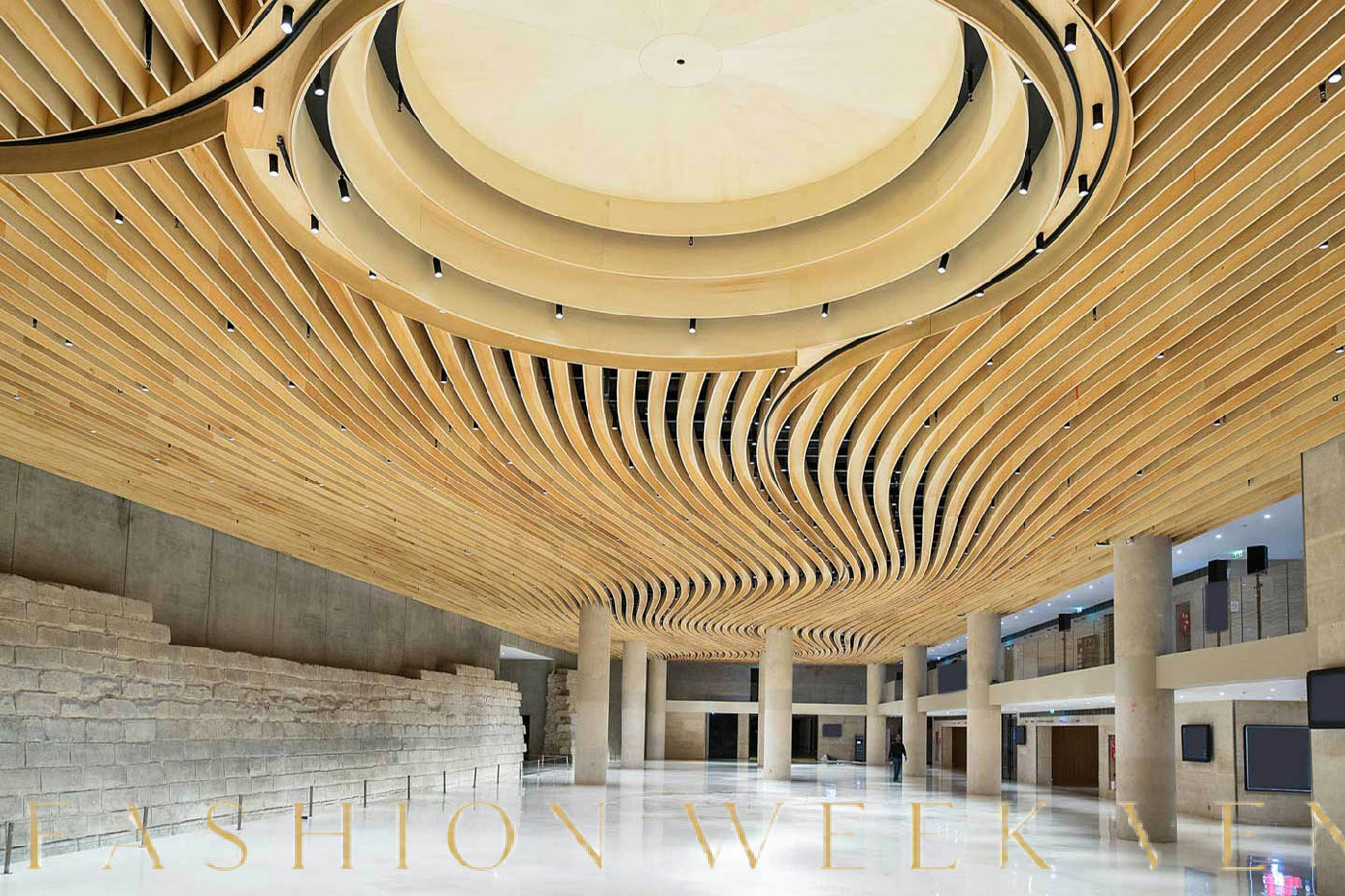
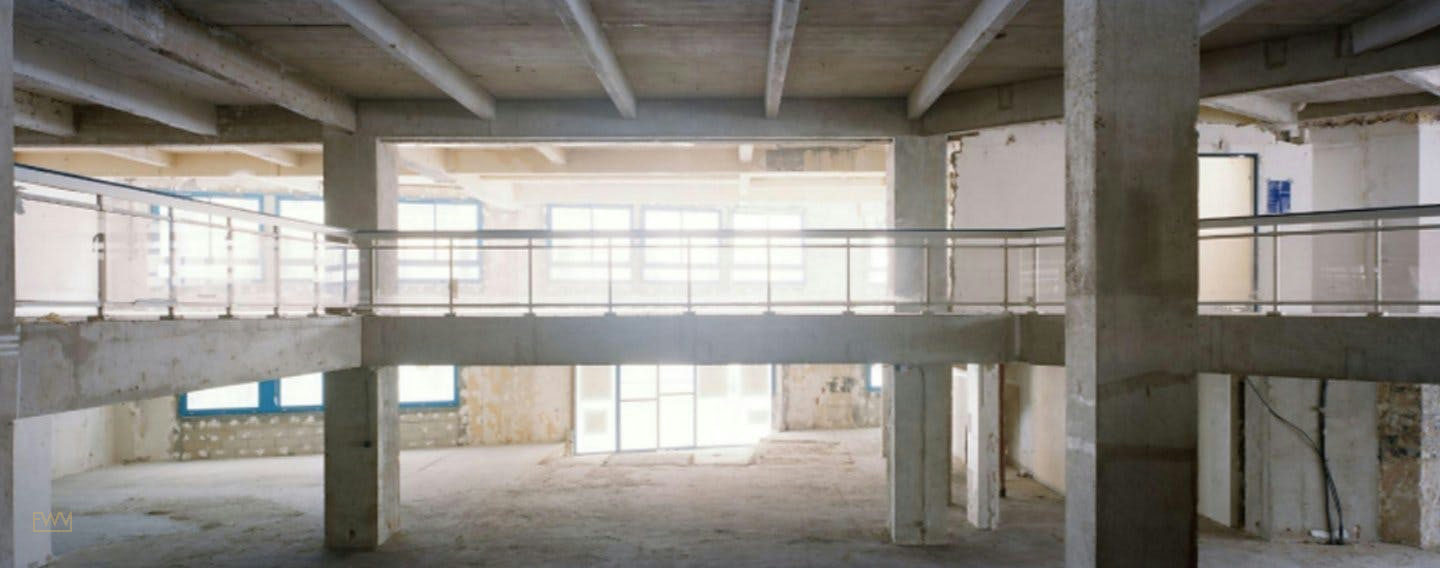
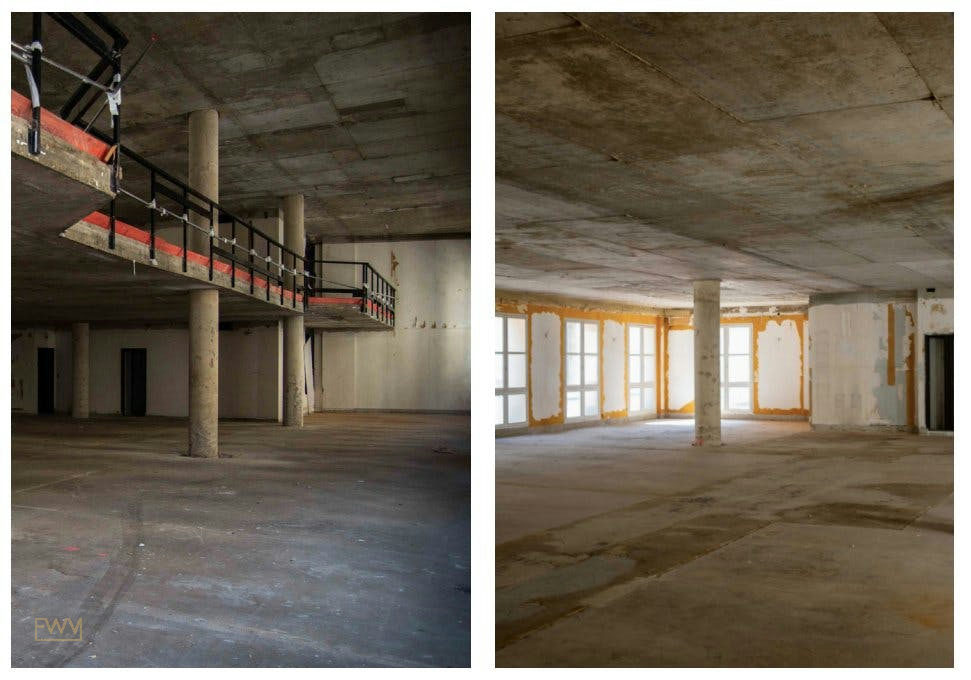
- Art gallery activation: Brands in fashion, beauty, and lifestyle increasingly present their collections or campaigns within gallery-format spaces. The 9th arrondissement contains a number of spaces designed or converted for this purpose, with raw concrete, high ceilings, and gallery lighting already in place.
- Boutique éphémère: The French-language term for a temporary boutique covers both selling and experience formats. A boutique éphémère may combine retail, presentation, and event programming within a single activation period.
- Studio photo and filming space: Several spaces in the 9th arrondissement function as studio photo environments available for short-term rental, with neutral backdrops, professional lighting rigs, and flexible floor plans. These are commonly used by fashion brands between collection seasons for editorial and e-commerce shoots.
- Co-activation and twin concept: Some brands share a space with a complementary brand, splitting rental cost and combining audience reach. This format, sometimes called a twin activation, is particularly well-suited to lifestyle brands targeting similar but non-competing consumer segments.
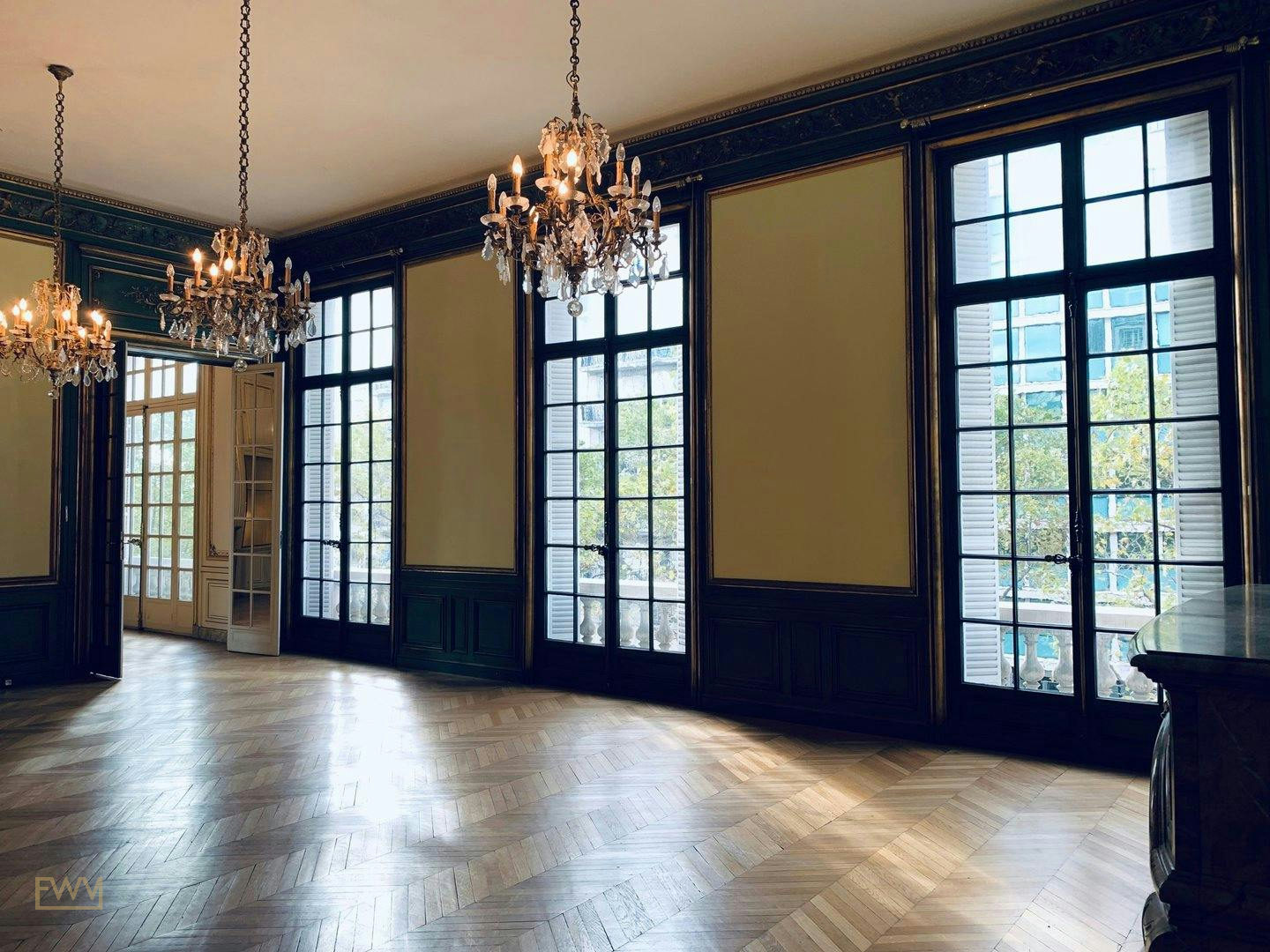
The 9th arrondissement is also home to a number of Haussmannian apartments that are available for temporary retail or event use. These spaces, with their original parquet flooring, decorative cornicing, tall windows, and intimate room configurations, create an immediately premium environment for luxury brands, jewellery, beauty, and curated lifestyle concepts. Their domestic character differentiates them sharply from purpose-built retail units and can be a significant asset for brands whose identity is built around intimacy and craftsmanship.
For brands in the beauty and wellness sector, the arrondissement offers both street-level retail storefronts with natural footfall exposure and more private first-floor or upper-level spaces suited to appointment-based or experience-led concepts.
TIP: When briefing a space search for the 9th arrondissement, specify not just the format but the audience journey. A press day space needs natural light and photogenic architectural detail. A selling pop-up needs street visibility and passing footfall. A showroom needs discretion and trade access. These requirements map to different streets, different space types, and different rental arrangements.
KEY TAKEAWAY: The 9th arrondissement accommodates the full spectrum of temporary retail and event formats. Matching your chosen format to the correct sub-location within the arrondissement and the correct space typology is the single most important quality decision in the early planning phase of any activation.
Space Features and Technical Infrastructure in Paris 9 Pop-Up Venues
Quick answer: Temporary retail spaces in the 9th arrondissement range from raw, unfinished lofts with concrete floors and exposed steel pillars to fully fitted Haussmannian apartments with parquet flooring, mirrors, and moulded ceilings. Technical features vary considerably between spaces and must be verified before signing any agreement.
One of the recurring challenges for brand teams searching for temporary retail space in Paris is the significant variation in technical infrastructure between properties. Unlike purpose-built retail parks where specifications are standardised, Parisian spaces, particularly in the 9th arrondissement, are individually configured and often carry the idiosyncrasies of their original construction or previous use.
Architectural Character
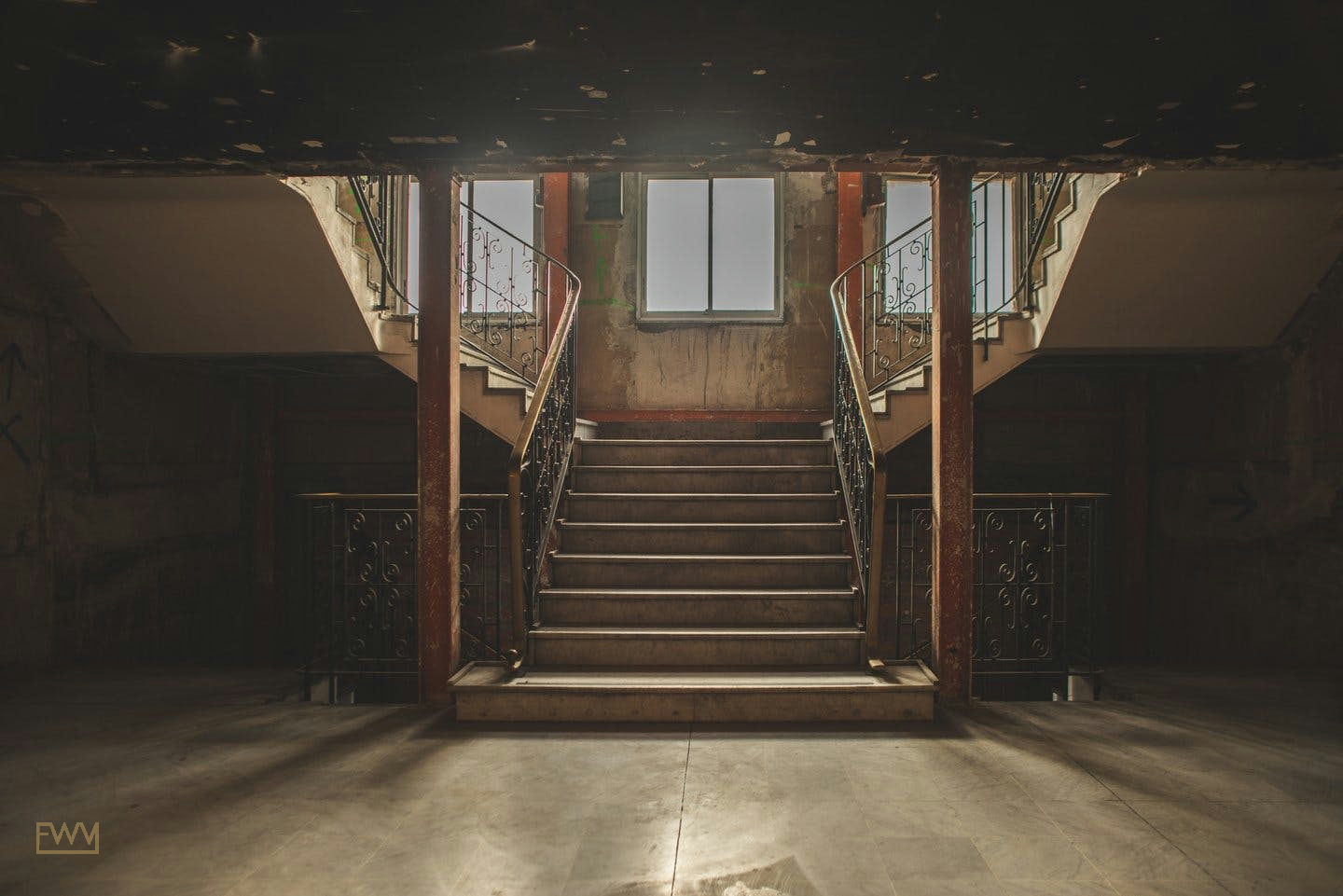
Haussmannian architecture, the dominant building typology across much of the 9th arrondissement, typically delivers high ceilings of three to four metres, large double-hung windows allowing substantial natural light, original hardwood parquet flooring, and often decorative period detail including cornicing, ceiling roses, and ornate fireplaces. These features are genuinely valuable to brand activations because they reduce the amount of production investment needed to create an atmospheric environment.
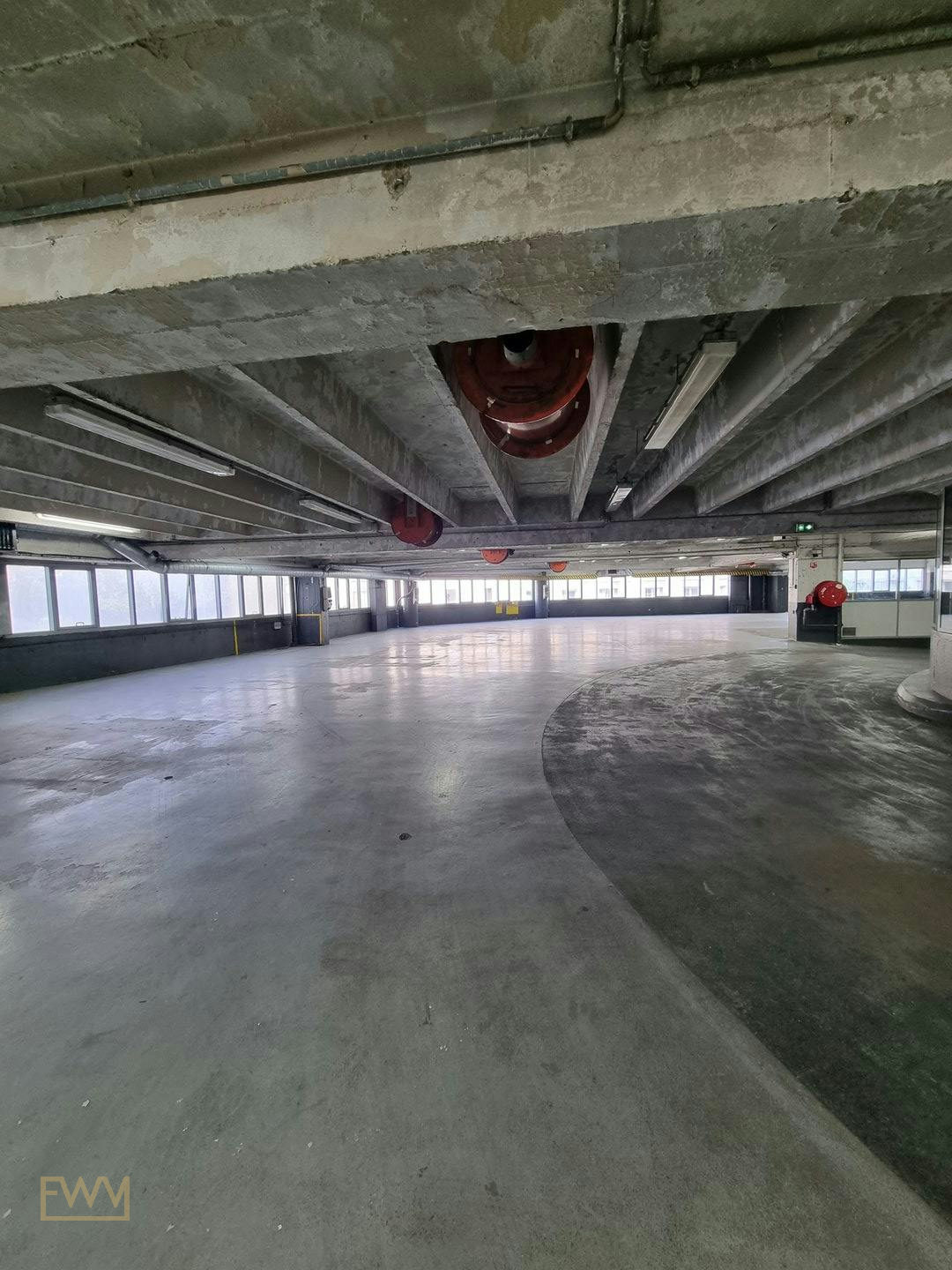
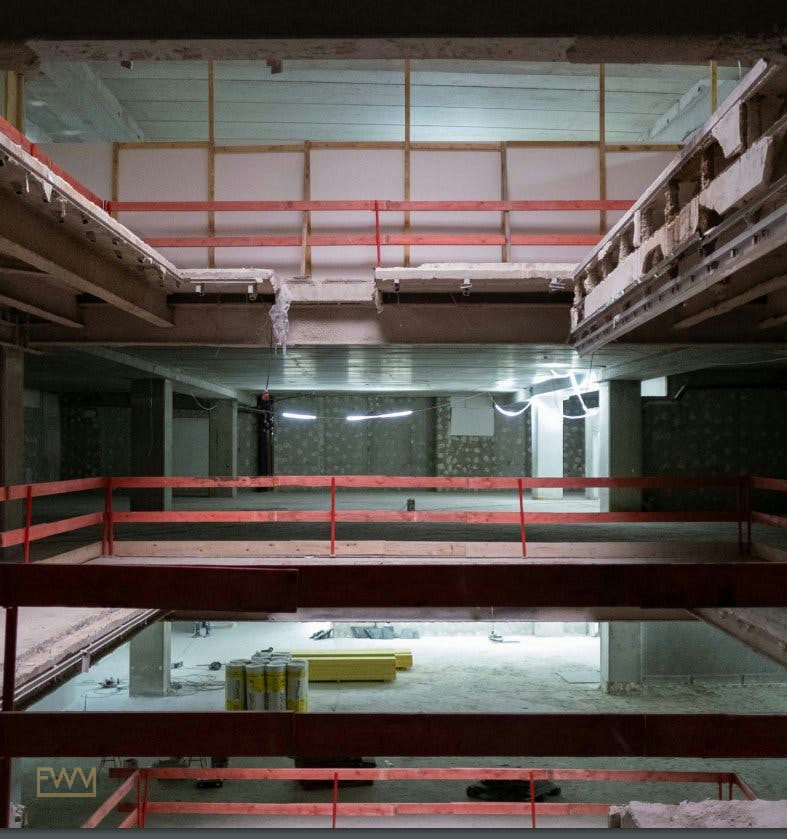
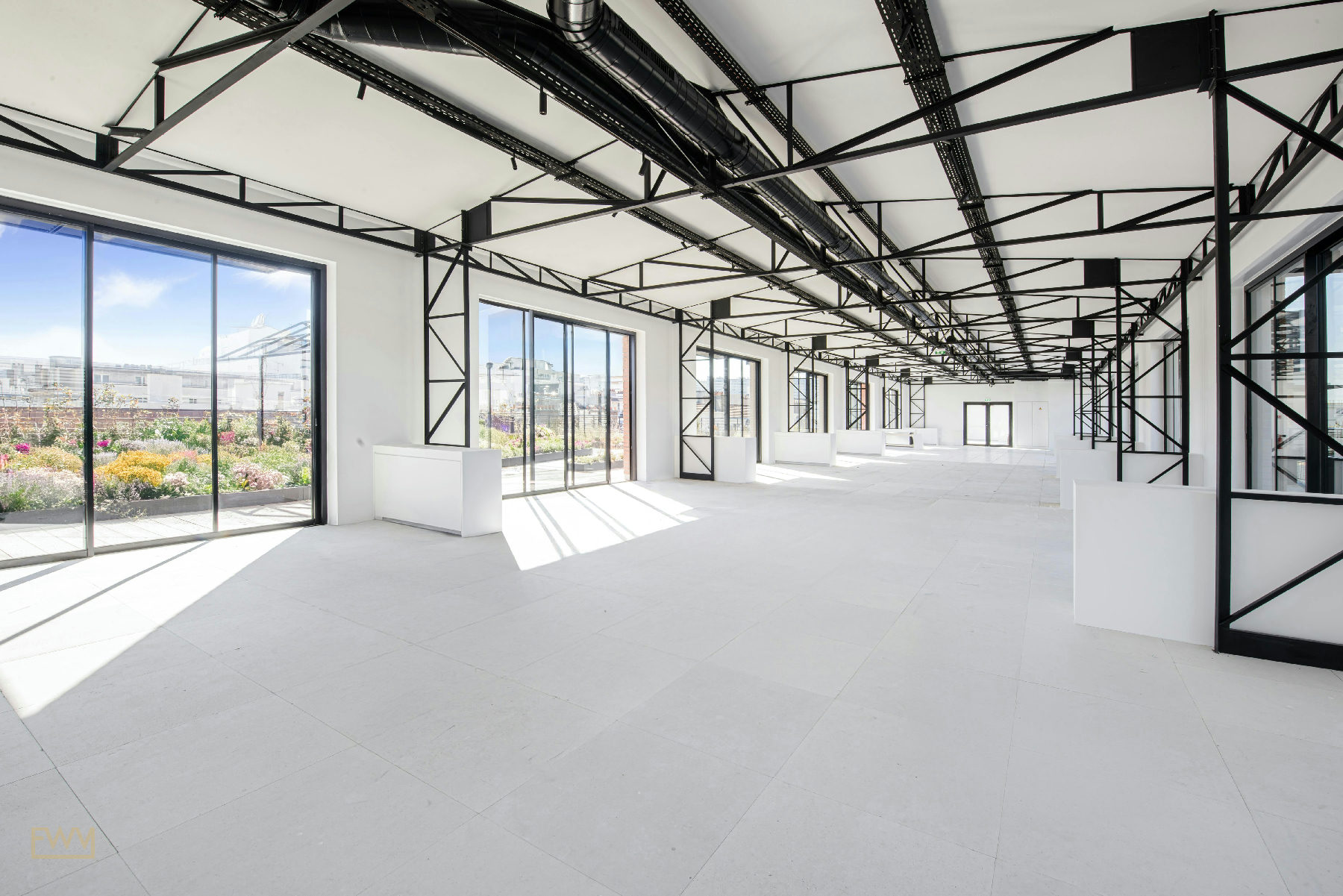
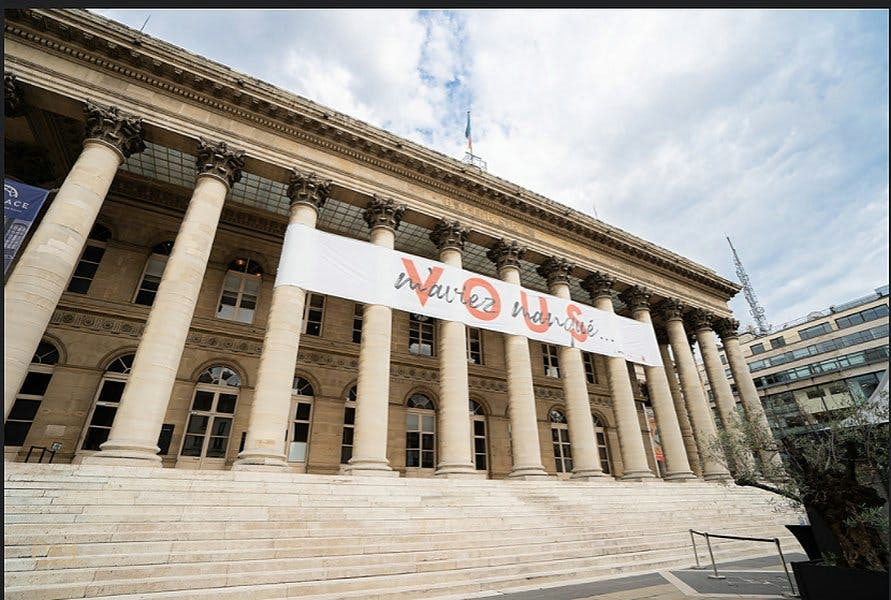
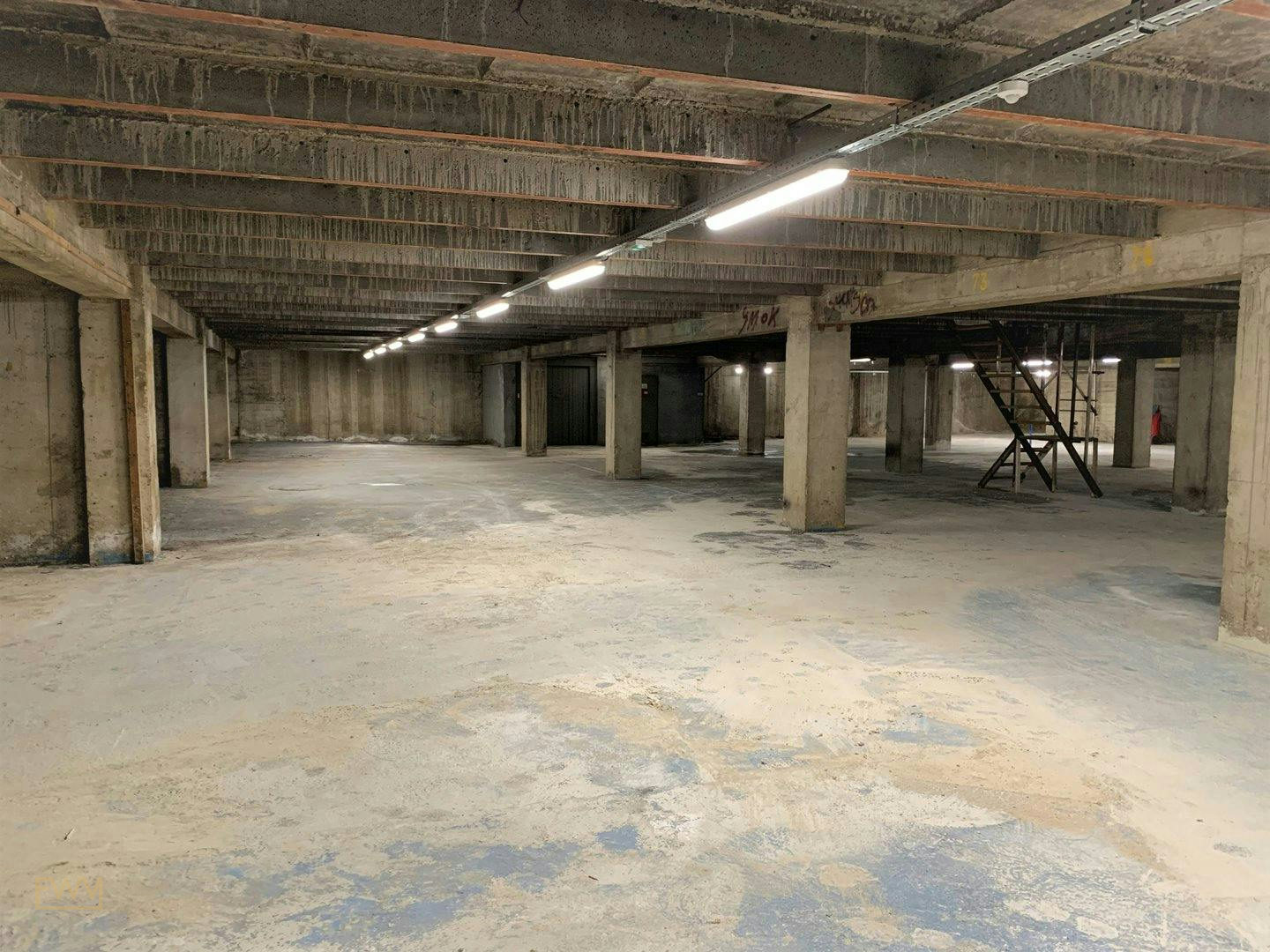
Spaces closer to Pigalle and the northern part of the arrondissement sometimes feature converted industrial or workshop character: raw concrete floors, spotlights on steel tracking, exposed pipework, and a more minimal industrial aesthetic. These spaces appeal to streetwear brands, contemporary art-adjacent fashion labels, and beauty brands with a clean or clinical visual language.
Technical Infrastructure Checklist
Before committing to a space, your team should verify the following across any potential venue in the 9th arrondissement:
- Wi-fi access and bandwidth, particularly relevant for point-of-sale systems, data collection devices, and streaming during events
- Electrical load capacity and the number and type of power outlets across the floor plan
- Heating and cooling systems, especially for activations planned during summer or winter periods
- Fitting rooms, whether fixed, portable, or absent, and whether installation of temporary fitting structures is permitted by the landlord
- Storage areas for back stock, packaging materials, and equipment outside of the sales floor
- Security technologies including video surveillance and access control systems, and whether the brand can integrate additional security equipment for the activation period
- Floor and access details including step-free access, lift availability, and loading dock or storage access for installation and de-installation logistics
- Ceiling height and rigging points for brands requiring hanging displays, lighting rigs, or temporary structural installations
Technical equipment available within a space at the point of rental varies widely. Some spaces in the 9th arrondissement come fully equipped with clothing racks, display tables, mirrors, and lighting. Others are blank canvases requiring full fit-out. Understanding what is included in the rental and what requires separate procurement or rental is essential to accurate budget planning.
IMPORTANT: Do not assume that a space photographed with clothing racks, furniture, or displays includes those items in the rental. Always request an itemised list of what is included and what requires separate arrangement before signing a rental agreement.
Furniture and Fit-Out
Many brands activating in Paris for the first time underestimate the logistics of furnishing a temporary space. Sourcing, delivering, installing, and removing furniture from a Parisian space within a tight timeline requires advance planning. Furniture rental services are available to brands activating in the 9th arrondissement and can significantly reduce both cost and logistical complexity compared to purchasing or shipping furniture for a short-term activation.
KEY TAKEAWAY: Technical infrastructure and architectural character are not interchangeable. A beautiful Haussmannian space with original parquet flooring may lack the electrical capacity for a complex lighting rig. A raw industrial space with high ceilings may have no fitting rooms. Build your technical requirements checklist before beginning your space search, not after finding a space you like aesthetically.
Paris 9 Neighbourhoods and Sub-Locations for Temporary Retail
Quick answer: The 9th arrondissement contains several distinct sub-areas with different commercial characters. Pigalle serves independent and creative brands, the Opéra and Boulevard Haussmann corridor serves high-footfall retail, and the residential streets between them offer quieter, more intimate spaces for appointment-led concepts and showrooms.
The 9th arrondissement is a geographically compact district, but its internal geography is commercially diverse. Understanding the differences between its sub-areas allows brand teams to match their activation concept to the right audience and environment before beginning a venue search.
Pigalle and South Pigalle
Pigalle, particularly the area sometimes referred to as SoPi (South Pigalle), has become one of the most creatively vibrant retail destinations in Paris. The neighbourhood is characterised by independent concept stores, vintage boutiques, graphic design studios, and a strong nightlife and hospitality scene. Brands targeting younger, fashion-forward, culturally engaged consumers find this area particularly well-aligned with their audience.
Pop-up activations in Pigalle benefit from an established culture of independent retail discovery. Consumers in this area expect the unexpected and are receptive to experimental formats. Spaces here tend to be smaller, more characterful, and occasionally rawer in their architectural finish than those further south on the grand boulevards.
The Opéra and Boulevard Haussmann Corridor
The southern part of the 9th arrondissement, anchored by the Palais Garnier and the Galeries Lafayette department store, is one of the most commercially concentrated zones in central Paris. The density of international visitors, high-spending tourists, and Parisian shoppers makes this corridor ideal for brands seeking maximum exposure within a short activation window.
Spaces in this zone tend to be more expensive per square metre than those in Pigalle or the quieter residential streets to the north, but the trade-off in organic footfall and brand visibility can justify the premium for the right activation format and commercial objective.
Saint-Lazare and the Western Edge
Saint-Lazare station generates continuous, high-volume pedestrian flow, and the streets surrounding it in the western part of the 9th arrondissement carry significant commuter and transit footfall. This zone suits brands whose activation is oriented around volume and accessibility rather than destination-based discovery. Beauty brands, accessible fashion labels, and consumer goods activations often find this zone commercially effective.
Comparing the 9th with Neighbouring Districts
| District | Character | Typical Pop-Up Profile | Relative Cost |
|---|---|---|---|
| 9th arrondissement (Opéra/Haussmann) | Grand commercial boulevard, tourist anchor | High-footfall retail, flagship activations | High |
| 9th arrondissement (Pigalle/SoPi) | Independent, creative, culturally active | Concept stores, art-led, lifestyle brands | Medium to high |
| Le Marais (3rd/4th) | Fashion-forward, gallery-dense, tourist active | Designer fashion, art, premium lifestyle | High |
| Saint-Germain-des-Prés (6th) | Literary, luxury, established prestige | Luxury brand activations, editorial shoots | Very high |
| République (10th/11th) | Residential, emerging, culturally active | Independent brands, off-calendar events | Medium |
| Montmartre (18th) | Artistic, tourist-heavy, village character | Artisan brands, gallery pop-ups | Medium |
The 9th arrondissement holds a genuinely middle position between the established luxury prestige of Saint-Germain-des-Prés and the emerging independent character of République. This positioning makes it particularly versatile for brands that need commercial credibility without the constraints or costs of the most premium Paris addresses.
To compare neighbourhoods and space types in detail, explore the Paris city hub on Fashion Week Venues and shortlist spaces that match your brief, budget, and calendar window.
KEY TAKEAWAY: Within the 9th arrondissement, the choice of sub-location is as strategically important as the choice of district. Pigalle, Opéra, and Saint-Lazare each serve distinct audiences and activation formats. Mapping your target consumer's behaviour and movement patterns against these sub-areas before beginning your space search will produce a more targeted shortlist and a stronger activation result.
Events, Professional Services, and Activation Formats in Paris 9
Quick answer: Spaces in the 9th arrondissement regularly host seminars, cocktail parties, art exhibitions, press days, showroom events, private sales, photo shoots, and film productions alongside traditional retail pop-ups. The arrondissement's architectural diversity supports a wide range of event typologies without requiring extensive transformation of the underlying space.
The boundary between retail activation and event programming has become increasingly porous. Modern brand activations in Paris, including those in the 9th arrondissement, frequently combine a selling environment with press preview moments, influencer events, photography sessions, and community gatherings within the same physical space across a single activation period.
Showroom Events and Press Days
Showroom events and press days in the 9th arrondissement are particularly well-served by the district's portfolio of Haussmannian apartments and gallery-format spaces. Press and media contacts respond well to spaces with genuine architectural character, particularly natural light, original floors, and period detail. The Opéra corridor is also convenient for international press arriving via Paris CDG, as the Opéra station connects directly to the RER B line and Charles de Gaulle airport.
For international brands using Paris as a European press base, the 9th arrondissement offers a practical central location that is photogenic enough for editorial documentation while being commercially connected enough for buyer appointments.
Art Exhibitions and Gallery Activations
Fashion and art continue to converge in contemporary brand strategy. Brands that present their collections within gallery contexts, or commission original artworks as part of an activation, find the 9th arrondissement's supply of both purpose-designed gallery spaces and adaptable lofts with gallery potential to be commercially useful. The Pigalle area in particular has a concentration of spaces with gallery-appropriate infrastructure including adjustable track lighting, neutral wall surfaces, and high ceilings suitable for large-format work.
Private Sales and VIP Events
Private sales, also known as ventes privées, are a well-established format in French retail culture. Brands use private sale activations to clear end-of-season inventory, reward loyal customers, or build relationships with their most engaged Parisian clientele. The 9th arrondissement's combination of accessible transport and upmarket residential population makes it a practical location for this format.
Seminars, Conferences, and Professional Meetings
The 9th arrondissement's position adjacent to major transport nodes and business districts makes it a natural location for professional events including seminars, conferences, and brand training days. Several spaces offer dedicated meeting rooms alongside flexible event floors. Brands launching in Paris or conducting trade education programmes for their French retail partners often use the arrondissement for this purpose alongside or independently of their retail activation.
Photo Shoots and Film Productions
Studio photo spaces and adaptable lofts in the 9th arrondissement are regularly used for editorial and e-commerce photography, film productions, and digital content creation. The combination of natural Haussmannian light, characterful architectural detail, and professional technical infrastructure in some spaces reduces the post-production demands of fashion photography significantly compared to purpose-built neutral studios.
TIP: If your activation will include photography or filming, confirm with the space owner in advance whether commercial photography is permitted, whether noise restrictions apply during evening filming sessions, and whether the building's common areas or facade can be used as part of the production. These details are not always covered by the basic rental agreement.
KEY TAKEAWAY: The 9th arrondissement supports the full range of brand event formats. For teams planning an activation that combines retail, press, and community programming, this district offers sufficient architectural variety and geographic convenience to accommodate all three within a single space or across neighbouring venues over the course of a single season.
Permits, Leases, and Legal Considerations for Temporary Retail in the 9th
Quick answer: Running a temporary retail space in Paris, including in the 9th arrondissement, involves specific legal structures that differ significantly from standard commercial leases. The bail dérogatoire and autorisation d'occupation temporaire are the primary frameworks used for short-term retail, but requirements vary by space type, intended use, duration, and specific location. Always verify requirements with a qualified French legal advisor.
One of the most significant operational challenges for international brands entering Paris for a temporary retail activation is navigating the French commercial property framework. The French system draws a clear distinction between long-term commercial leases, known as baux commerciaux, and the shorter-term arrangements that support pop-up and temporary retail formats.
Bail Dérogatoire
The bail dérogatoire, sometimes called a short-term commercial lease or convention d'occupation précaire, is a French legal instrument designed for commercial occupancy of up to 36 months. It allows parties to agree on a commercial use of a space without triggering the statutory protections of a full commercial lease. For temporary retail activations in the 9th arrondissement, this structure is commonly used for activations lasting from a few weeks to several months.
The bail dérogatoire provides brand tenants with more flexibility than a standard commercial lease while providing landlords with assurance that the tenant cannot claim long-term occupancy rights at the end of the agreed period. However, its correct legal structuring is important. Using the wrong lease format, or failing to include the appropriate clauses, can expose either party to unexpected legal obligations.
Autorisation d'Occupation Temporaire (AOT)
For activations taking place on public land, in public buildings, or in spaces administered by public authorities, an autorisation d'occupation temporaire may be required. This permit grants temporary use of a public space for a defined commercial or event purpose. Requirements for AOT applications vary by location, duration, activity type, and the specific public authority responsible for the space in question.
Brands planning activations in or adjacent to major public infrastructure, transport hubs such as Saint-Lazare, or public squares in the 9th arrondissement should investigate AOT requirements carefully before confirming their activation plan.
Other Permit Considerations
Beyond the lease structure, temporary retail activations in Paris may require:
- Business registration in France, or engagement of a local legal entity, depending on the nature and duration of the commercial activity
- Product liability and public liability insurance tailored to the French market
- Health and safety compliance for public-facing spaces, including fire safety certifications
- SIRET number for issuing French receipts and conducting commercial transactions on French soil
- Signage permits if the activation involves external signage on the building facade
- Planning consent for structural fit-out changes, if any temporary construction or installation affects the building structure
IMPORTANT: Requirements change and vary by arrondissement, space type, activation duration, and intended commercial activity. Nothing in this guide constitutes legal advice. Verify all permit and compliance requirements with a qualified French legal advisor before signing any rental agreement or commencing any activation in the 9th arrondissement of Paris.
For directional guidance on permit types and their relevance to different activation formats, the permit guidance tool on Fashion Week Venues provides a useful starting framework for your team's planning conversations.
KEY TAKEAWAY: French property law provides frameworks specifically designed for short-term retail, but they require correct legal structuring. International brands are strongly advised to work with a local legal advisor or a specialist agency with French market experience to ensure their rental agreement, business registration, and compliance obligations are properly managed before the activation begins.
Budgeting for Temporary Retail Space in Paris 9
Quick answer: The total cost of a temporary retail activation in the 9th arrondissement of Paris is composed of multiple cost lines including space rental, fit-out, furniture, staffing, permits, insurance, logistics, and marketing. Rental costs in the 9th arrondissement vary significantly by sub-location, space type, size, and season. No single headline figure is representative across all formats.
Budgeting accurately for a Paris pop-up activation is one of the areas where brand teams most consistently underestimate total cost. The rental fee for a space is only one of several significant cost lines that must be planned before an activation can proceed. Understanding the full cost structure in advance is essential to building a realistic business case for the activation.
Primary Cost Lines
| Cost Category | Description | Notes |
|---|---|---|
| Space rental | The base rental fee for the space over the agreed period | Varies significantly by location, size, season, and demand |
| Fit-out and production | Construction, decoration, and installation of the brand environment | Can range from minimal styling to full custom build |
| Furniture rental | Temporary provision of retail fixtures, seating, display units | Often more efficient than purchasing for short-term activations |
| Retail staffing | Sales staff, brand ambassadors, and security personnel | French employment law applies; temporary staffing agencies typically required |
| Point of sale and payments | Till systems, card readers, and transaction infrastructure | Must support French card payment standards |
| Legal and permits | Lease structuring, business registration, permit applications | Non-negotiable for compliant commercial activity in France |
| Insurance | Public liability, product liability, contents insurance | Often required by landlords as a condition of the rental agreement |
| Marketing and communication | Influencer engagement, PR, paid social, earned media | Separate from space costs but directly affects commercial return |
| Data and analytics | Footfall counters, consumer data collection, reporting | Increasingly important for justifying activation investment to internal stakeholders |
For the 9th arrondissement specifically, rental costs in the Opéra and Boulevard Haussmann corridor are typically at the higher end of the Parisian market given the footfall density and commercial prestige of the location. Spaces in Pigalle and the quieter residential streets of northern Paris 9 are generally available at lower per-day or per-week rates, though this varies substantially by individual property, size, and specification.
Fashion week periods, including Paris Fashion Week in late February to early March and the September edition, command significant rental premiums across the entire city. Brands planning activations during these windows should anticipate higher space costs and reduced availability compared to off-calendar periods.
TIP: Use the budget planning tool on Fashion Week Venues to generate a directional cost estimate based on your specific activation parameters. This will help your team build a realistic business case before engaging with space owners or agencies.
Return on investment from a temporary retail activation is not limited to direct sales revenue. Press coverage, social media reach, influencer-generated content, consumer data collection, and brand perception metrics all contribute to the commercial value of a well-executed Paris activation. The ROI calculator on Fashion Week Venues can help your team quantify these broader returns as part of your planning process.
KEY TAKEAWAY: Rental cost is only one component of total activation cost. Build a complete budget across all cost lines before committing to a space. The gap between space rental cost and total activation cost is frequently larger than first-time Paris activators expect, and accurate forecasting early in the planning process prevents the operational and financial stress that comes from discovering additional costs after a space has been confirmed.
Planning Timeline for a Pop-Up Activation in Paris 9
Quick answer: A well-executed temporary retail activation in the 9th arrondissement of Paris requires a minimum of eight to twelve weeks of planning lead time for a straightforward concept, and sixteen to twenty-four weeks for activations during fashion week or requiring significant fit-out. Leaving insufficient lead time is the single most common cause of budget overrun and operational compromise in Paris pop-up activations.
Paris operates on specific seasonal and calendar rhythms that directly affect space availability, supplier capacity, and permit processing timelines. Brand teams who have activated in other cities without specific Paris market experience frequently underestimate the lead time required to execute a Paris pop-up correctly.
Step-by-Step Planning Workflow
| Phase | Timeline Before Activation | Key Actions |
|---|---|---|
| Strategic briefing | 20 to 24 weeks out | Define objectives, format, target neighbourhood, duration, and budget range |
| Space search and shortlisting | 16 to 20 weeks out | Engage venue sourcing support, create shortlist of spaces matching brief |
| Site visits and selection | 14 to 16 weeks out | Visit shortlisted spaces, verify technical specifications, assess fit with concept |
| Legal and lease structuring | 12 to 14 weeks out | Engage French legal advisor, negotiate bail dérogatoire, confirm insurance requirements |
| Permit applications | 10 to 14 weeks out | Identify applicable permits, submit applications, allow processing time |
| Concept direction and design | 10 to 14 weeks out | Finalise brand environment concept, spatial planning, scenography, and furniture brief |
| Production and build planning | 8 to 12 weeks out | Appoint production partner, confirm material specifications, plan installation schedule |
| Staffing and operations | 6 to 8 weeks out | Brief and engage temporary retail staff, confirm POS and payment systems |
| Marketing and communication | 4 to 8 weeks out | Activate influencer partnerships, prepare press communication, plan opening event |
| Installation | 1 to 3 days before opening | Fit-out installation, technical testing, staff briefing, final signage |
| Activation period | Live | Daily operations, data collection, customer service, content creation |
| De-installation and reporting | Immediately post-activation | Space reinstatement, data analysis, ROI reporting, stakeholder debrief |
For fashion week activations specifically, space availability in Paris 9 becomes constrained significantly earlier than for off-calendar activations. Brands targeting Paris Fashion Week in February or September should begin their space search no later than four to five months in advance. During fashion week, competition for premium spaces in the Opéra corridor and Pigalle is intense and spaces are frequently committed months ahead.
The timeline planning tool on Fashion Week Venues can help your team map a realistic activation schedule based on your intended launch date and format.
KEY TAKEAWAY: Timeline is a strategic variable, not an administrative one. Insufficient lead time restricts your space choice, increases costs as suppliers work under pressure, and creates compliance risk if permits and legal structures are not properly prepared. Build the timeline before committing to a launch date, not after.
How Fashion Week Venues Supports Brands Activating in the 9th Arrondissement
Fashion Week Venues operates as a full-service pop-up agency and space marketplace with Paris as its anchor market. For brands planning a temporary retail activation in the 9th arrondissement, Fashion Week Venues provides support across the full activation lifecycle, from initial space discovery through to post-activation reporting.
The venue sourcing service covers the 9th arrondissement alongside all major Paris retail districts. The service involves identifying spaces that match a brand's brief across format, size, location, architectural character, technical specification, and budget range. This is particularly useful for international brands entering Paris for the first time, who may not have existing property relationships or local market knowledge to draw on.
Beyond space sourcing, Fashion Week Venues provides concept and creative direction for brands that need support developing the visual and spatial language of their activation, as well as production and fit-out services for brands requiring a fully built environment rather than a light-touch styling approach.
Operational services including retail staffing in compliance with French employment law, point-of-sale systems, furniture rental, influencer marketing coordination, and consumer data analytics are available individually or as part of a fully managed activation package.
The Fashion Week Venues toolkit also includes planning and decision support tools relevant to the 9th arrondissement specifically. The space comparison tool, the locator, the budget calculator, the ROI calculator, and the permits tool each address a distinct planning challenge that brand teams face when preparing a Paris activation.
For brands interested in shared cost and combined audience models, the twin co-activation concept offers a structure for two complementary brands to share a single space in the 9th arrondissement, reducing per-brand rental cost while potentially increasing total audience reach and press interest.
Fashion Week Venues does not guarantee space availability, permit approval, or specific commercial outcomes. The platform and agency provide access, expertise, and operational support, but activation results depend on the brand's own strategy, product, communication, and execution quality.
To understand what a managed activation engagement involves, the process page on Fashion Week Venues outlines how the agency works with brand teams from brief to completion.
KEY TAKEAWAY: Fashion Week Venues provides the most value to brand teams that need Paris market expertise, operational infrastructure, and local supplier relationships rather than simply a space listing service. For international brands and brands activating in Paris for the first time, the combination of space sourcing, production, staffing, and legal navigation support can materially reduce both risk and cost compared to building an activation from scratch using independent suppliers.
Common Myths About Renting Temporary Retail Space in Paris Debunked
MYTH: You need a French legal entity to rent a temporary retail space in Paris.
FACT: International brands can operate temporary retail activations in Paris without establishing a French company, but the process requires careful legal structuring. Depending on the duration and nature of the commercial activity, a foreign entity may be able to contract directly for a space under a bail dérogatoire, or may need to work through a local representative or sponsor. Requirements vary by circumstance and should be verified with a French legal advisor before beginning the space search.
MYTH: Paris Fashion Week is the only viable calendar window for a pop-up in the 9th arrondissement.
FACT: While Paris Fashion Week in February, March, and September generates the highest concentration of industry attention, the 9th arrondissement is commercially active year-round. Off-calendar activations during key tourist and retail periods such as summer, the Christmas season, and Parisian sales periods, known as les soldes, can be highly effective for consumer-facing brands and are frequently available at lower rental costs with greater space choice than during fashion week.
MYTH: The only way to find a temporary retail space in Paris is through a commission broker.
FACT: Commission-based space brokers represent one route to market, but they are not the only option. Dedicated space marketplaces, full-service pop-up agencies, and direct landlord relationships all provide alternative routes to space access. Each model has different cost structures, service levels, and levels of market knowledge. For brands with complex briefs or limited Paris market experience, a full-service agency relationship typically provides more comprehensive support than a broker transaction alone.
MYTH: Short-term leases in Paris are legally simple and require no specialist advice.
FACT: French commercial property law is detailed and specific. The bail dérogatoire must be correctly structured to avoid the tenant inadvertently acquiring statutory long-term lease rights. Insurance requirements, business registration obligations, and permit dependencies all vary by space type and activity. International brands should invest in local legal advice as a non-negotiable part of their Paris activation budget, not an optional cost saving.
MYTH: A beautiful space in the 9th arrondissement will attract customers on its own.
FACT: Space quality is a necessary but not sufficient condition for a successful activation. Without a proactive communication strategy including social media, press outreach, influencer engagement, and local marketing, even a premium space in the Opéra corridor will underperform. Communication must be planned and budgeted before the activation opens, not improvised once the doors are open.
Frequently Asked Questions About Temporary Retail Space in Paris 9
Why rent a temporary retail space in the 9th arrondissement of Paris?
The 9th arrondissement offers brands a commercially diverse and architecturally rich environment that combines access to one of Paris's busiest retail corridors, the Galeries Lafayette and Boulevard Haussmann zone, with the creative independent energy of Pigalle and the transit connectivity of Saint-Lazare. It is one of the few districts in Paris where a brand can credibly activate across commercial, cultural, and community contexts within a single neighbourhood. The presence of both tourist-facing footfall and a strong local residential community gives activations here both volume and depth.
How much does temporary retail space cost in the Paris 9th arrondissement?
Rental costs vary significantly depending on sub-location, space size, architectural type, technical specification, and the timing of the activation relative to fashion week and peak retail seasons. There is no single representative figure that covers the full range of available spaces. The Opéra and Boulevard Haussmann corridor commands premium rates due to its commercial density and tourist footfall. Pigalle and residential streets in the northern part of the arrondissement are generally more accessible. Use the budget planning tool on Fashion Week Venues for a directional cost estimate based on your specific brief.
How long can I rent a temporary retail space in the 9th arrondissement?
Temporary retail spaces in Paris are available for periods ranging from a single day to several months. Under the bail dérogatoire framework, short-term commercial leases can run for up to 36 months before statutory long-term lease protections apply. Most pop-up activations in the 9th arrondissement run for between one week and three months. Fashion week activations are typically structured around the ten-day fashion week window. Minimum rental periods vary by space and landlord. Always confirm minimum booking terms before beginning your space search to avoid misalignment with your activation calendar.
Do I need a permit to run a pop-up in the 9th arrondissement?
Permit requirements depend on the specific space, the nature of the commercial activity, the duration of the activation, and whether the space is privately or publicly owned. Activations on private property under a correctly structured bail dérogatoire typically require fewer separate permits than activations in public spaces or on public land. However, signage, structural installation, fire safety compliance, and in some cases noise or event licensing may require separate applications. Requirements should be verified with a French legal advisor and relevant local authority before committing to an activation. The permit guidance tool on Fashion Week Venues provides a useful starting framework.
What is the difference between the 9th arrondissement and Le Marais for pop-up retail?
Le Marais, spanning parts of the 3rd and 4th arrondissements, is strongly associated with designer fashion, contemporary art, and premium lifestyle retail. It attracts a fashion-literate consumer with high brand awareness and a strong international tourist component. The 9th arrondissement covers a broader commercial spectrum, from the mass-market footfall of Galeries Lafayette to the independent creative community of Pigalle. Brands choosing between the two should map their target audience profile, activation format, and price positioning against the distinct consumer communities that each district attracts.
Can I rent a space in Paris 9 for a showroom or press day?
Yes. The 9th arrondissement contains a range of spaces well-suited to showroom and press day use, including Haussmannian apartments with good natural light and period detail, gallery-format spaces with neutral walls and adjustable lighting, and contemporary lofts with open floor plans. For fashion week showroom use specifically, spaces in the Opéra corridor are particularly practical due to their proximity to the international press and buyer community that concentrates in central Paris during fashion week. Confirm technical specifications, photographic rights, and noise restrictions with the space owner before booking.
What space features should I prioritise when renting in the 9th arrondissement?
The most important features depend entirely on your activation format. For retail pop-ups, prioritise street-level visibility, fitting room availability or installation permission, electrical capacity, and storage. For showrooms and press days, prioritise natural light, photogenic architectural detail, and wi-fi bandwidth. For events and cocktail parties, prioritise ceiling height, kitchen or bar infrastructure, and sound management. For photo shoots and filming, prioritise lighting quality, neutral surfaces, and access for production equipment. Build your non-negotiable technical requirements list before beginning the space search rather than adapting your concept to whatever features a space happens to have.
What is the ideal duration for a pop-up activation in Pigalle?
Pigalle's independent retail culture means that consumers in the area are accustomed to discovering new and temporary retail concepts, and activations can build organic word-of-mouth momentum over two to four weeks. Very short activations of one to three days are possible for brand moments or influencer events but may not generate sufficient community awareness to fully capitalise on the area's engaged local audience. Activations of two to six weeks allow enough time to build both organic discovery and structured communication reach. The optimal duration ultimately depends on your brand's specific objectives, budget, and the intensity of the activation programme you plan to run during the period.
Can international brands with no French entity operate a temporary retail space in Paris?
International brands without a French legal entity can in some circumstances rent and operate a temporary retail space in Paris under the bail dérogatoire framework, but the structure of the arrangement and the associated compliance obligations must be carefully verified. Depending on the nature of the commercial activity, the duration of the activation, and the volumes of transaction involved, a French legal representative, a fiscal sponsor, or a local operational partner may be required. This is a legal and compliance matter rather than a simple property transaction, and specialist advice is essential before committing to any arrangement.
How do I communicate about my pop-up store in Paris to build an audience before opening?
Effective pre-opening communication for a Paris pop-up activation typically combines social media content, press and media outreach, influencer partnerships, and targeted paid promotion in the weeks preceding the opening. French consumers respond well to culturally specific communication that reflects an awareness of and respect for Parisian retail culture. Working with a Paris-based influencer and PR partner, rather than relying solely on an international social strategy, typically produces stronger local audience engagement. Begin communication planning at least four weeks before opening and ideally earlier for fashion week activations where the media landscape is particularly competitive.
What types of retail brands work best in the 9th arrondissement?
The 9th arrondissement accommodates a genuinely broad range of brand profiles. Fashion and apparel brands at both accessible and premium price points find relevant audience density across the arrondissement. Beauty brands benefit from the high-spending consumer profile around Galeries Lafayette and the culturally engaged community of Pigalle. Lifestyle and design brands align well with the creative character of South Pigalle. Luxury brands and fine jewellery concepts favour the Haussmannian apartment typology and the Opéra corridor's international audience. The most important factor is matching the specific sub-location and space type to your brand's price positioning and target consumer profile.
Are there co-working or workspace options available alongside retail pop-up spaces in the 9th arrondissement?
Yes. The 9th arrondissement has a number of flexible workspace options including co-working spaces, serviced offices, and studio rentals that are separate from or adjacent to retail formats. Some spaces in the arrondissement combine workspace and retail or event functions within a single flexible environment, allowing brands to operate both a professional working base and a consumer-facing activation from the same address. This format is particularly useful for brands running activations over several weeks who need operational workspace for their team in addition to the activation floor itself.
What should I include in my activation brief before approaching an agency or space owner?
A strong activation brief for the 9th arrondissement should include: your brand identity and positioning, the specific activation format you have in mind, your target consumer profile, your preferred sub-location within the arrondissement, your required dates and duration, your approximate space size requirement, your total available budget range across all cost lines, your non-negotiable technical requirements, your key commercial and brand objectives, and any legal entity questions relating to your French market presence. A detailed brief enables space owners and agencies to respond with relevant options rather than generic proposals, saving time and reducing the risk of misalignment in the early stages of planning.
What data and analytics should I collect during a pop-up activation in Paris 9?
Brands running temporary retail activations in Paris increasingly treat data collection as a core operational objective rather than an afterthought. Useful data categories include footfall counts by day and time period, conversion rates from visitors to purchasers, average transaction value, product category performance, consumer demographic profiles where legally collected with appropriate consent, social media content generated during the activation, press and earned media coverage value, and post-activation consumer retention metrics. This data feeds directly into the business case for future Paris activations and supports internal stakeholder reporting on activation return on investment.
Conclusion: Making Your Temporary Retail Activation in Paris 9 Work
The 9th arrondissement of Paris offers brand teams a genuinely exceptional environment for temporary retail activations. Its combination of Haussmannian architectural character, sub-neighbourhoods spanning from the grand commercial boulevard of Galeries Lafayette to the independent creative community of Pigalle, and robust transport connectivity via Saint-Lazare makes it one of the most versatile pop-up districts in any major fashion capital.
Successful activations in Paris 9 depend on early planning, honest budgeting across all cost lines, correct legal structuring under French property law, and a proactive communication strategy that builds audience awareness before the doors open. The spaces available in the arrondissement range from raw industrial lofts to ornate Haussmannian apartments, from purpose-built gallery environments to flexible street-level storefronts. The right space for your brand exists within this range, but finding it requires a clear brief, a realistic timeline, and market knowledge that takes time to build independently.
For international brands and teams activating in Paris for the first time, the combination of local expertise, operational infrastructure, and curated space access that a specialist agency provides is typically more efficient and commercially effective than navigating the market independently. The cost of specialist support is generally offset by avoided errors, reduced negotiation time, and stronger space outcomes.
To move from research to activation, start exploring available spaces on the Fashion Week Venues marketplace and build a focused brief for your target neighbourhood, space type, and calendar window. The Paris 9 activation that delivers for your brand is achievable with the right planning, the right space, and the right team behind it.