Securing a temporary retail space on Avenue Montaigne is one of the most strategically significant moves a luxury or contemporary brand can make during Paris Fashion Week or any major calendar moment in the French capital. Avenue Montaigne sits at the heart of Paris's Golden Triangle, flanked by flagship stores from Dior, Chanel, Louis Vuitton, and Valentino, and it commands a clientele that no other street in the city can replicate. For international brands planning a pop-up, showroom, or short-term retail activation in Paris, understanding how this address works, what it costs, how the permit landscape operates, and how to select the right space type is not optional. It is the foundation of a successful campaign. Fashion Week Venues supports brands navigating Paris from venue sourcing through to live activation management.
Why Avenue Montaigne Is the Benchmark for Temporary Luxury Retail in Paris
Avenue Montaigne defines the standard against which all other Paris luxury retail locations are measured. No other street in France combines the density of heritage fashion houses, the quality of international foot traffic, the architectural grandeur of Haussmann-era buildings, and the editorial prestige that comes from being photographed, published, and discussed by the global fashion press on a near-daily basis.
The avenue stretches from the Place de l'Alma to the Rond-Point des Champs-Élysées and sits entirely within the 8th arrondissement, the same district that contains the Avenue des Champs-Élysées, the Rue du Faubourg Saint-Honoré, and Place Vendôme. This geographical concentration of luxury retail infrastructure means that a brand activating on Avenue Montaigne benefits not only from its own location but from the ambient luxury context created by its neighbours. A visitor walking from a Dior appointment to a pop-up store two doors down does not need to be convinced that the experience they are entering has value. The street does that work for the brand.
Christian Dior Couture has anchored Avenue Montaigne since Christian Dior himself opened at 30 Avenue Montaigne in 1946. The Dior Salons, which host haute couture fittings, high jewellery appointments, and private client presentations, have shaped the street's identity as a place where fashion is treated as both commerce and culture. When brands reference their Paris presence, particularly for apparel, accessories, beauty, and watches, proximity to or presence on this avenue carries a legitimacy that no amount of advertising spend can manufacture.
For temporary retail activations, this matters enormously. A brand opening a pop-up store on Avenue Montaigne sends a signal to press, buyers, and collectors that its presence in Paris is serious. The address functions as editorial shorthand. It also sets practical expectations for design quality, service standards, and spatial programming. A temporary boutique here must meet the same visual and experiential bar as the permanent flagships surrounding it.
The architecture of the street itself provides context and constraint. Haussmann-era facades, ornate stone detailing, tall ground-floor windows designed for dramatic display, and the rhythm of awnings and canopies create a visual grammar that a well-designed pop-up can leverage. Brands working with a concept and creative direction team can develop spatial narratives that respond to the building's architectural elements rather than fighting against them.
DID YOU KNOW: Avenue Montaigne was originally named Allée des Veuves in the 18th century and was a popular promenade before Baron Haussmann's urban planning transformed the area into what became the heart of Paris luxury retail.
Foot traffic on Avenue Montaigne is qualitatively different from high-volume shopping streets. Visitors here are not browsing casually. They have arrived with intent, whether that means attending a fashion show presentation, viewing a collection, completing a purchase at a flagship store, or attending a private client event. This intentionality means that conversion rates in well-executed temporary retail activations on this street consistently outperform comparable activations in higher-volume but lower-intent locations.
KEY TAKEAWAY: Avenue Montaigne is not just a prestigious address. It is a commercial and editorial ecosystem where the surrounding luxury flagships, the quality of the clientele, and the architectural character of the street actively support the success of a temporary retail activation. Brands should treat the address as a strategic asset, not merely a backdrop.
Understanding what distinguishes Avenue Montaigne from other Paris districts is the starting point, but a complete strategy requires mapping the full landscape of Parisian luxury retail locations to identify where Avenue Montaigne fits within a broader activation plan.
Parisian Luxury Retail Districts: A Strategic Location Guide
Avenue Montaigne is the pinnacle of Paris luxury retail, but brands planning temporary retail activations in Paris need to understand the full geography of the city's commercial districts to make informed decisions about where to activate, when, and at what investment level.
Quick answer: The most sought-after locations for leasing temporary commercial space in Paris for luxury and contemporary brands are Avenue Montaigne, the Golden Triangle broadly, Rue du Faubourg Saint-Honoré, Place Vendôme, Saint-Germain-des-Prés, Le Marais, and, for high-volume activations, the Champs-Élysées corridor near Galeries Lafayette and Printemps.
The Golden Triangle: Avenue Montaigne, Champs-Élysées, and Faubourg Saint-Honoré
The Golden Triangle is defined by three streets: Avenue Montaigne, Avenue des Champs-Élysées, and Avenue George V, with Rue du Faubourg Saint-Honoré forming a parallel axis to the north. Together these streets constitute the highest-concentration luxury retail district in the world. Brands seeking temporary retail space here are competing for a limited inventory of ground-floor units that rarely come to market as short-term leases under standard terms.
The Champs-Élysées itself occupies a different position than Avenue Montaigne. It combines flagship retail, tourism-driven foot traffic, and a scale of commercial activity that suits brands seeking visibility at volume. Galeries Lafayette and Printemps on the Boulevard Haussmann, while technically outside the Golden Triangle, draw significant luxury and contemporary fashion spending and offer pop-up hosting formats within their department store environments.
Place Vendôme and Rue de Rivoli
Place Vendôme is the address for high jewellery. Cartier, Van Cleef and Arpels, Chopard, Boucheron, and Chaumet all maintain flagship presence here. For brands in fine jewellery, watches, or ultra-luxury accessories, a temporary space near Place Vendôme or on Rue de Rivoli carries specific commercial logic. The clientele visiting this district expects private appointment formats, discreet presentation environments, and spaces that communicate rarity rather than accessibility.
Saint-Germain-des-Prés
Saint-Germain-des-Prés in the 6th arrondissement attracts a sophisticated Parisian and international audience that is culturally engaged, well-travelled, and receptive to concept-driven retail. Brands in contemporary fashion, independent jewellery, art books, and design objects find Saint-Germain an effective activation territory that sits outside the Golden Triangle's price premium but retains considerable editorial cachet.
Le Marais
Le Marais, spanning parts of the 3rd and 4th arrondissements, is the most diverse and creatively active retail district in Paris. It hosts independent boutiques, contemporary art galleries, concept stores, emerging designers, and a significant concentration of pop-up activity during Fashion Week. The neighbourhood's mix of medieval street patterns, historic hôtels particuliers, and renovated industrial spaces creates a variety of venue typologies that suit brands seeking something architecturally distinctive without the financial weight of Avenue Montaigne rents.
Montmartre and Pigalle
Montmartre and the adjacent Pigalle district have emerged as credible fashion activation territories for contemporary and streetwear brands. The area attracts a younger, style-conscious demographic with strong social media amplification behaviour, making it well suited to activations designed around content creation, limited-edition product drops, and community events rather than traditional retail conversion.
The table below provides a comparative overview of Paris's key luxury retail districts for temporary retail activations.
| District | Arrondissement | Primary Brand Profile | Space Types Available | Relative Rent Level |
|---|---|---|---|---|
| Avenue Montaigne | 8th | Haute couture, luxury RTW, accessories | Boutique, showroom, salon | Very high |
| Golden Triangle (broadly) | 8th | Luxury fashion, jewellery, watches | Boutique, gallery, storefront | High to very high |
| Place Vendôme / Rue de Rivoli | 1st | High jewellery, watches, ultra-luxury | Salon, showroom, apartment | High |
| Faubourg Saint-Honoré | 8th / 1st | Luxury fashion, leather goods, beauty | Boutique, gallery, storefront | High |
| Saint-Germain-des-Prés | 6th | Contemporary fashion, art, design | Gallery, boutique, apartment | Medium to high |
| Le Marais | 3rd / 4th | Contemporary, emerging, streetwear | Gallery, studio, concept store | Medium |
| Montmartre / Pigalle | 18th / 9th | Streetwear, contemporary, lifestyle | Studio, gallery, apartment | Low to medium |
KEY TAKEAWAY: Paris offers a genuinely stratified retail geography, and the right district for a temporary activation depends on brand positioning, target clientele, budget, and campaign objectives, not prestige alone. Avenue Montaigne is the right choice for luxury fashion brands where address credibility is a commercial and editorial asset. Other districts serve different strategic purposes equally well.
With the geography mapped, the next essential question concerns space types, because the format of the space you select will determine as much of your activation's success as the street it occupies.
Space Types for Temporary Retail Activations: Boutiques, Showrooms, Galleries, and More
The term temporary retail space covers a wide range of venue formats, and selecting the right type is as important as selecting the right neighbourhood. Each format carries different operational requirements, different design logics, and different customer journey implications.
Quick answer: The main space types available for temporary retail activations in Paris include traditional storefronts and boutiques, showrooms for trade and press, art galleries adapted for product display, private apartments repurposed as brand salons, and studio spaces suited to content creation and intimate presentations.
Boutiques and Storefronts
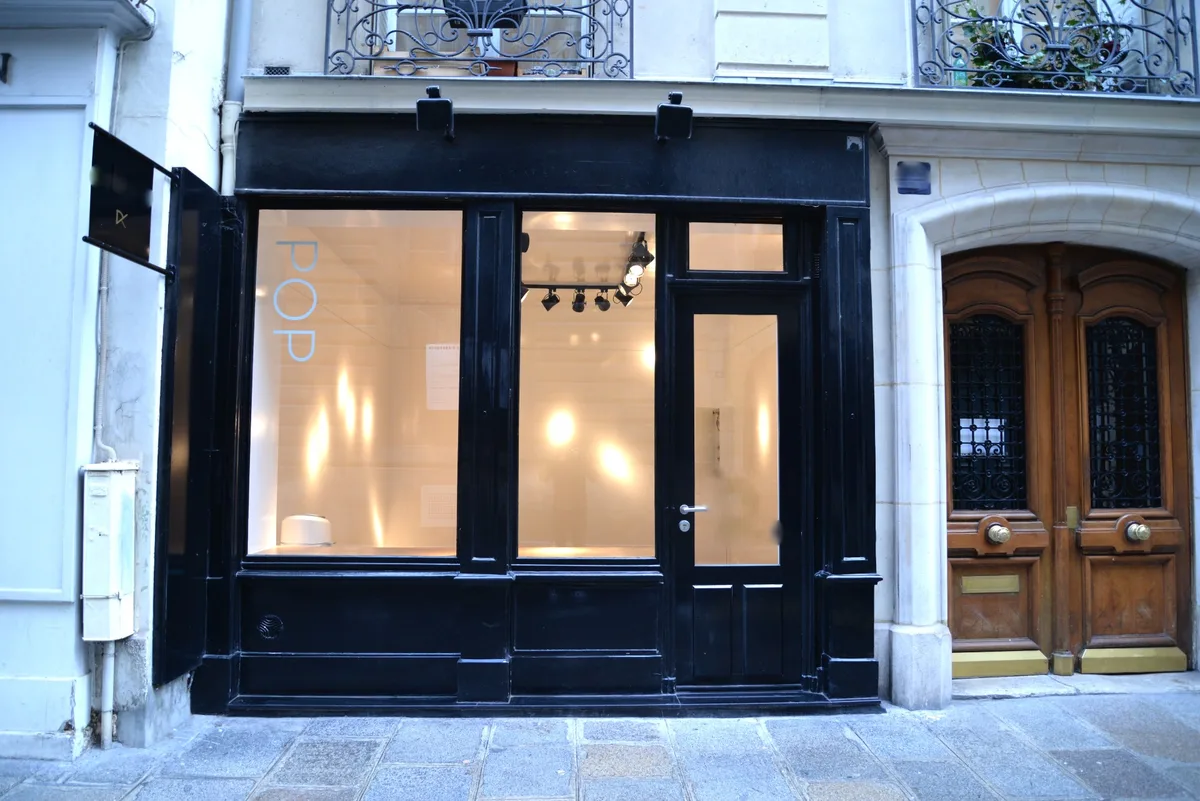
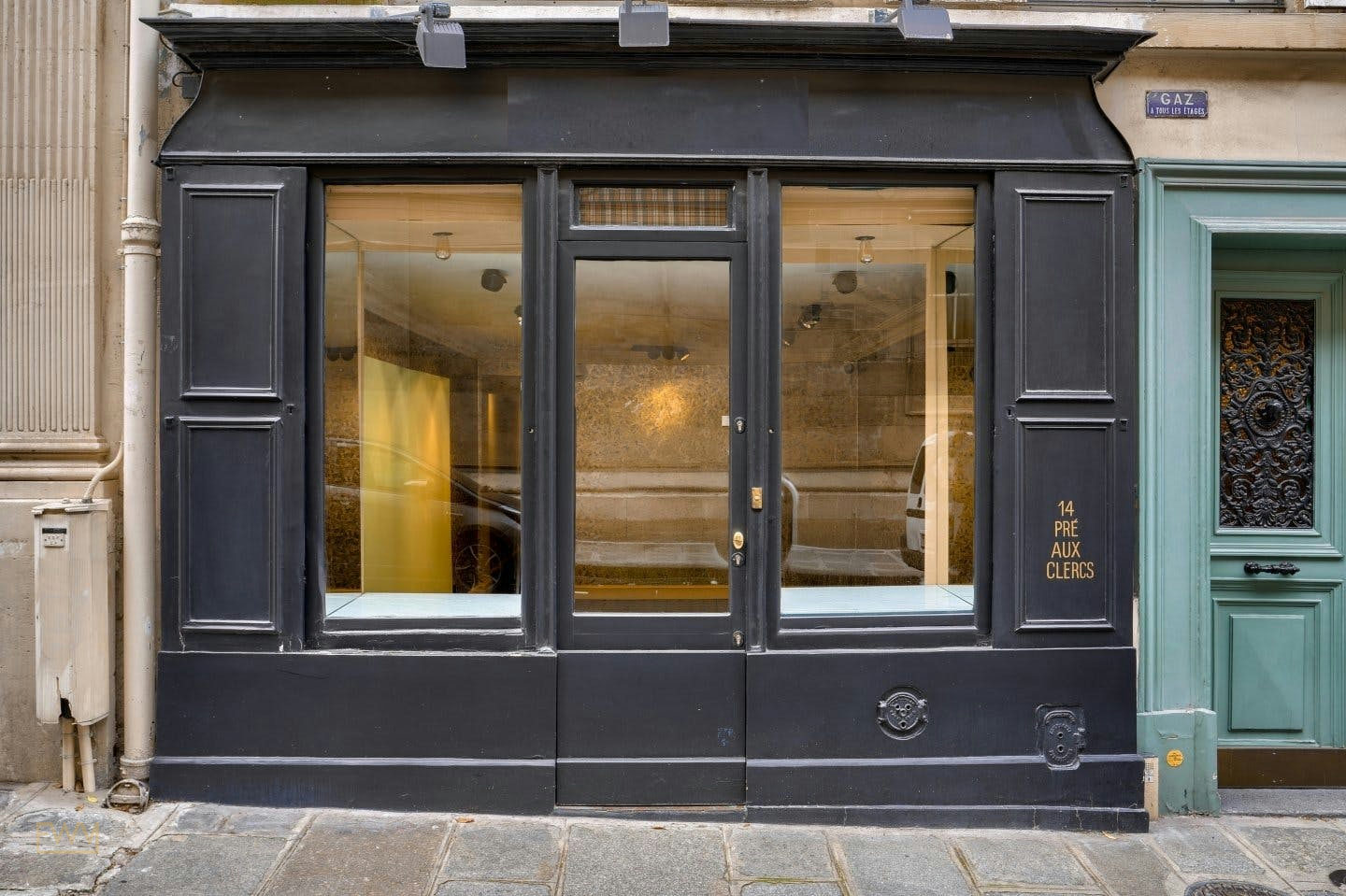
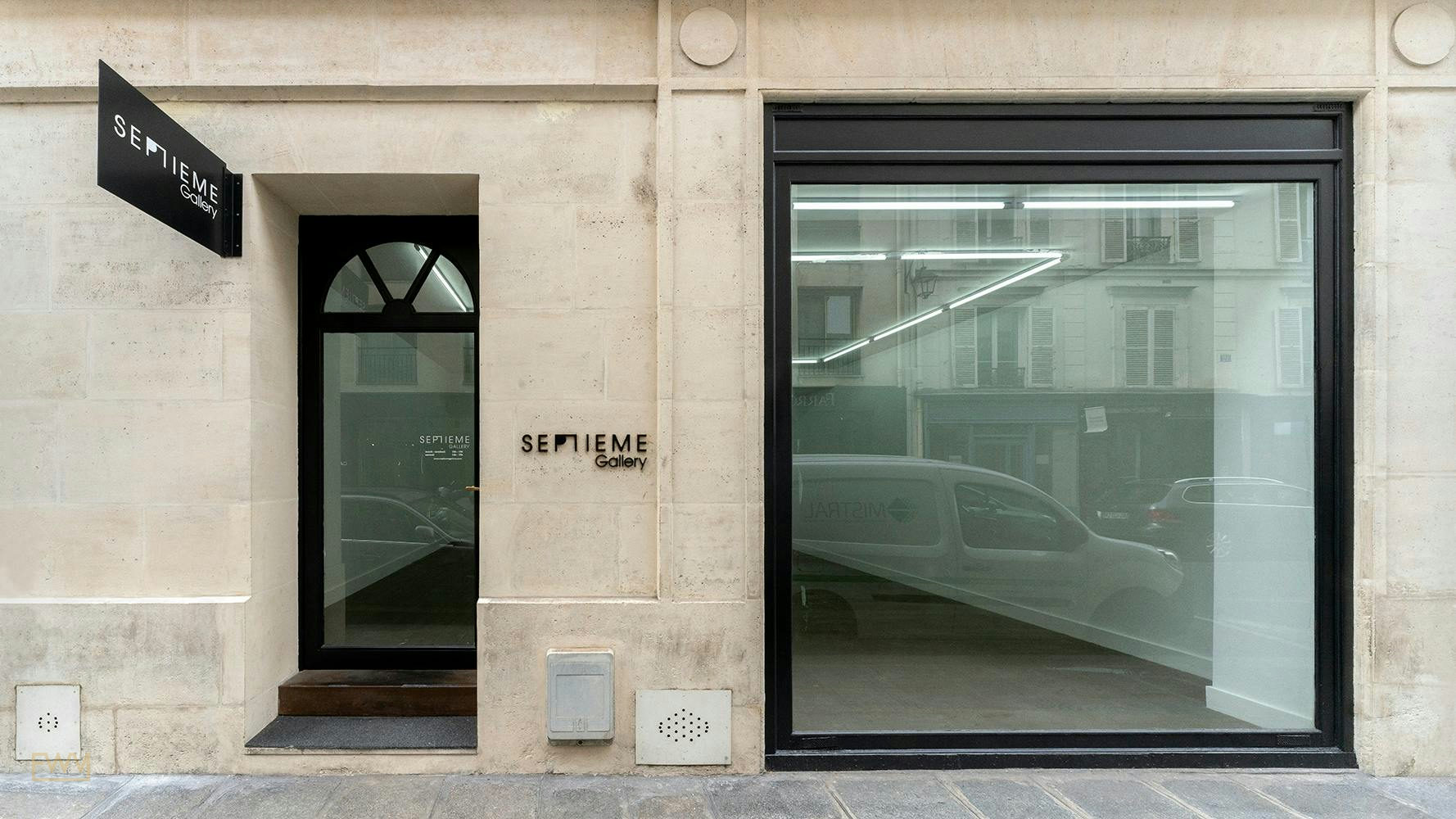
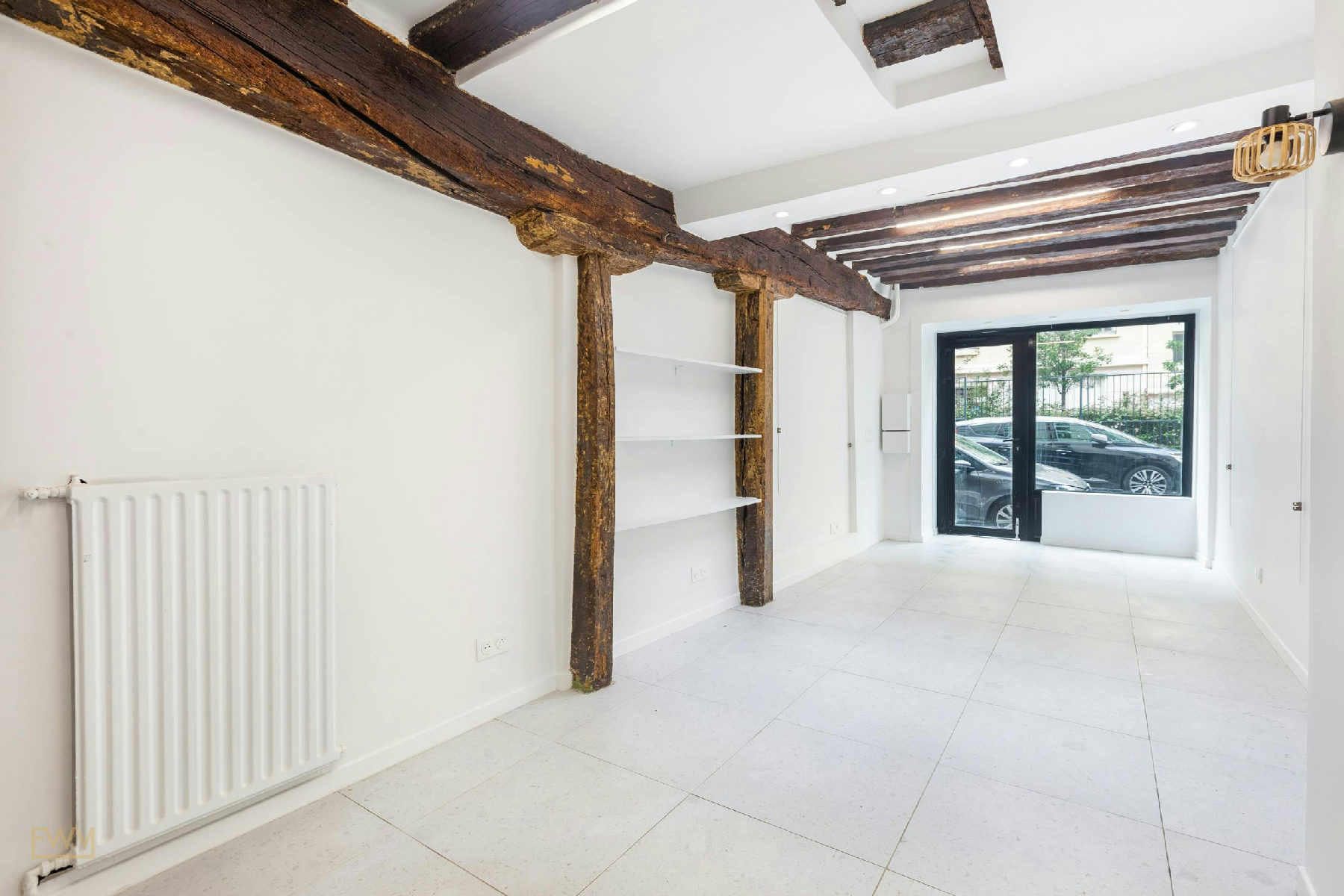
A boutique or storefront is the most commercially direct format for a temporary retail activation. Ground-floor visibility, street-facing windows for display, and an interior layout that allows customers to browse, try, and purchase are the defining characteristics. On Avenue Montaigne, storefronts are typically found in Haussmann-era ground floors with large glazed windows, marble or stone thresholds, and high ceilings that allow for dramatic visual merchandising.
Storefronts on this street are not commonly available as short-term rentals through standard commercial channels. They become available through specialist agencies, through temporary vacancy between tenant changes during store renovation, or through brands and landlords who specifically structure their spaces to accommodate short-term licensing agreements under a bail dérogatoire framework.
Showrooms
Showrooms serve a different function. They are designed for trade presentations, press previews, and buyer meetings rather than direct consumer sales. A Fashion Showroom on or near Avenue Montaigne during Paris Fashion Week allows a brand to receive press, stylists, buyers, and wholesale clients in a setting that communicates quality and seriousness without requiring the full operational infrastructure of a consumer-facing boutique.
Showrooms typically occupy upper floors of buildings, which reduces rent relative to ground-floor spaces, and they can be furnished and dressed to reflect the brand's visual identity and seasonal collection narrative. Rooms within showroom spaces can be differentiated to handle multiple functions: a reception and lounge area, a collection display room, a private fitting room, and a meeting room for high jewellery appointments or accessories presentations.
Art Galleries
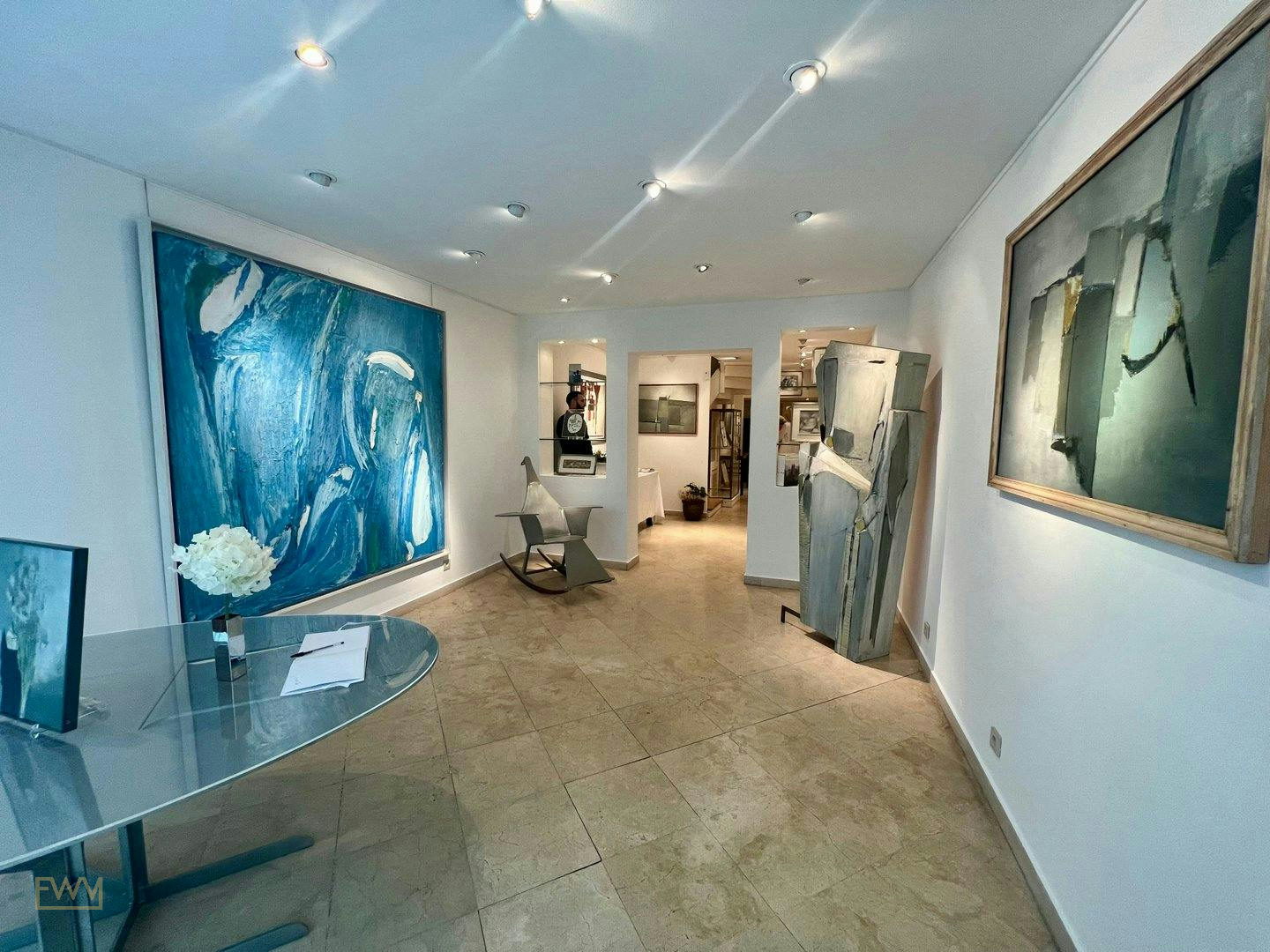
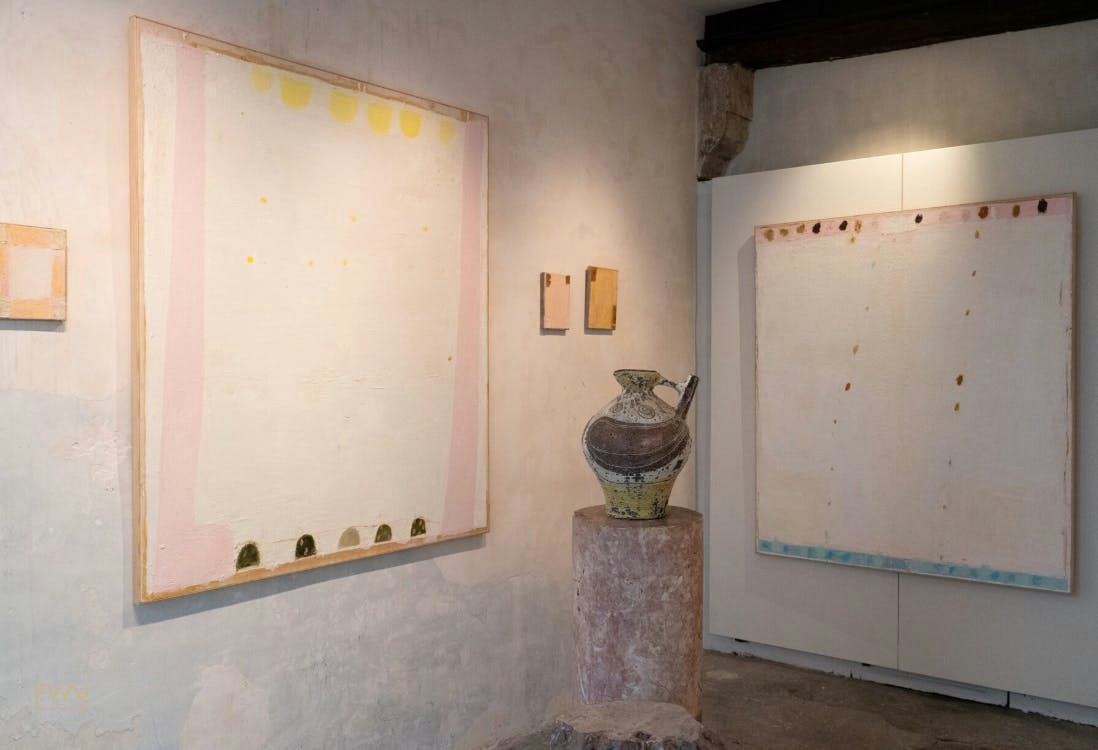
Art galleries adapted for temporary retail or brand activations offer something neither boutiques nor showrooms can easily provide: a cultural legitimacy that positions the brand's collection as art rather than commerce. In Paris, where the relationship between fashion and art has been central to the city's cultural identity for more than a century, this positioning carries real weight.
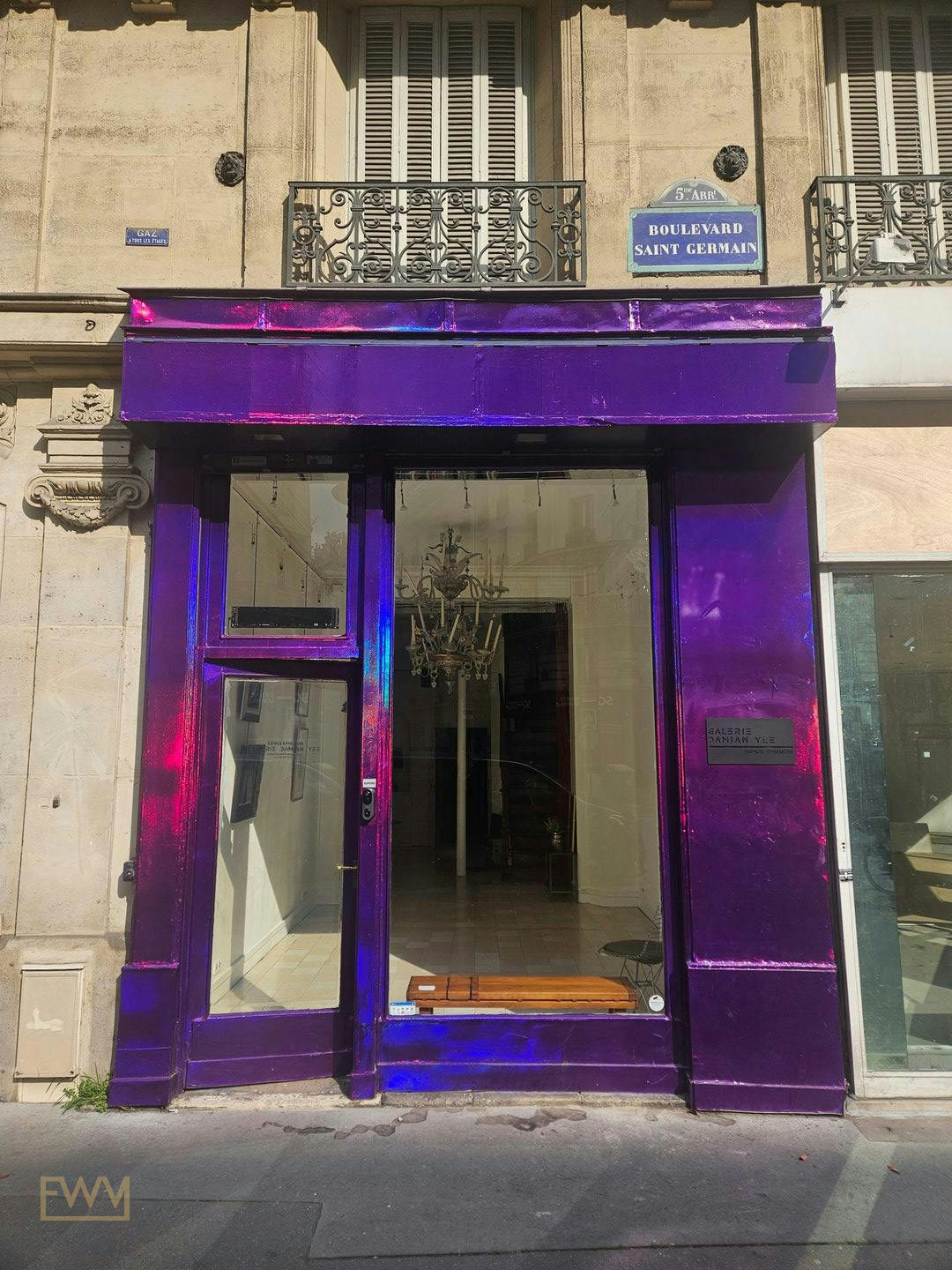
Gallery spaces in Le Marais and Saint-Germain-des-Prés are particularly well suited to archival display projects, capsule collection launches, and limited-edition product presentations. The gallery format also supports a more curatorial approach to merchandising, where items are displayed individually or in small groupings with deliberate spacing and lighting, mimicking the logic of an art exhibition rather than a conventional retail floor.
Private Apartments and Salon Formats
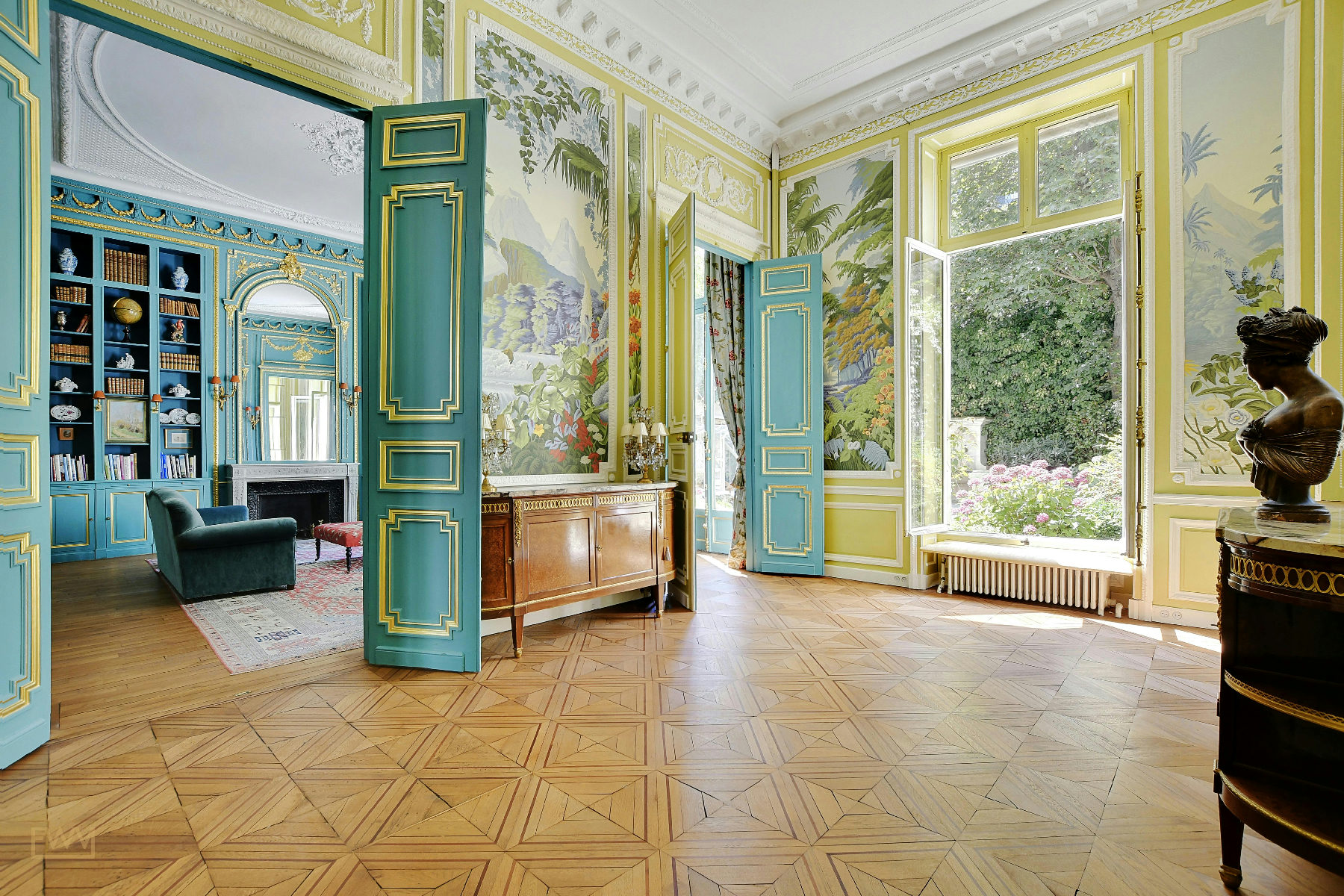
Private apartments used as brand spaces have a long history in Paris. Coco Chanel famously received clients at her apartment above her couture house, and the apartment format remains a credible way to create intimate, invitation-only experiences for a brand's most valuable clientele. An apartment near Avenue Montaigne or Place Vendôme, dressed with the brand's furniture, objects, and seasonal collection, functions as a temporary salon where the experience itself is the product.
Studio Photo and Content Spaces
Studio spaces designed for photography and digital film production have become an important category within the Paris temporary retail landscape. As brands increasingly need to produce content during Fashion Week for social media, editorial partnerships, and e-commerce, a studio space that combines product display with content creation infrastructure allows the activation to serve multiple purposes simultaneously.
| Space Type | Primary Use | Typical Floor Access | Key Space Features | Best Suited For |
|---|---|---|---|---|
| Boutique / Storefront | Direct consumer retail | Ground floor | Street windows, high ceilings, display areas | Consumer-facing pop-up stores |
| Fashion Showroom | Trade, press, buyer meetings | First or second floor | Multiple rooms, natural light, lounge | B2B presentations, wholesale |
| Art Gallery | Cultural brand activation | Ground or first floor | Polished or raw concrete floors, spotlights | Archival, collection, art-fashion hybrid |
| Private Apartment | Intimate client events | Second floor and above | Residential character, private rooms | High jewellery, VIP presentations |
| Studio Photo | Content and production | Any floor | Lighting rigs, neutral walls, open floor | Editorial, social, e-commerce content |
KEY TAKEAWAY: The space type you select shapes every downstream decision: design approach, staffing model, permit requirements, and customer journey. Brands should define their primary activation objective before selecting a space format, rather than retrofitting their objectives to whichever space becomes available.
Choosing the right space type is inseparable from understanding the design and build requirements that will transform a raw or semi-furnished space into an activated brand environment.
Design, Architecture, and Interior Fit-Out for Avenue Montaigne Pop-Up Spaces
The design of a temporary retail space on Avenue Montaigne operates under a dual constraint: the space must communicate the brand's visual identity with enough precision and ambition to hold its own against permanent flagship stores, and it must do so within a temporary tenure that can range from a single week to several months.
The design challenge is not primarily one of budget, although budget matters. It is one of resolution. A temporary space that feels provisional, unfinished, or visually inconsistent with the brand's permanent retail language will damage rather than build brand equity in one of the world's most scrutinised retail environments. International brands bringing their collections to Paris for the first time are particularly vulnerable to this failure mode.
Architectural Elements and the Parisian Building Envelope
Haussmann-era buildings present specific architectural features that inform interior design decisions. Ceiling heights on Avenue Montaigne ground floors are typically between four and five metres, which allows for architectural elements such as suspended installations, hanging display systems, and dramatic lighting rigs that would not be feasible in lower-ceilinged spaces. The stone and plaster construction of these buildings means that fixings, cable runs, and temporary structures must be handled with care to avoid damage and to satisfy the conditions of the temporary use agreement.
Polished concrete floors are a common feature in gallery-format spaces adapted for temporary retail. Raw concrete floors appear more frequently in Le Marais and Pigalle spaces. On Avenue Montaigne, the existing floor finish is more likely to be marble, parquet, or stone tile, and the design decision of whether to cover, complement, or expose that finish becomes an early and significant creative choice.
Spotlights and track lighting are standard across all contemporary retail fit-outs in Paris. Brands working with a design team need to specify their lighting requirements early in the planning process, both because lighting lead times affect production schedules and because the quality of light in luxury retail is a non-negotiable brand standard. A collection display in a poorly lit space will never photograph well, which in 2026 represents a significant operational failure in addition to a design one.
The Role of Architecture Firms in Landmark Retail Activations
Some of the most influential temporary retail projects in Paris have been designed by architecture firms whose work extends well beyond commercial interior design. The OMA-designed Tiffany Temporary Store in Paris is one of the most studied examples in this category. Office for Metropolitan Architecture, the practice led by Rem Koolhaas and Ellen van Loon, approached the Tiffany project as a piece of architecture with its own internal logic rather than as a branded interior fit-out. The project drew on OMA's broader practice, which includes projects such as the Seattle Central Library, Milstein Hall, the Wyly Theater, the IIT Campus Center, and Prada's Epicenter stores, to develop a spatial strategy that treated the temporary store as a cultural statement rather than a retail exercise.
This approach, sometimes described as cultural analysis applied to commercial space, reflects a broader movement in luxury brand retail strategy where architecture firms known for civic and cultural projects are commissioned to design temporary and permanent retail environments. Ellen van Loon's design for the Tiffany Temporary Store used architectural elements drawn from OMA's urbanism practice, including the kind of spatial programming associated with Faena Arts District and the urban water strategy work that characterises some of OMA's public realm projects.
The implication for brands planning Avenue Montaigne activations is not that every project requires a global architecture firm. It is that the design ambition for a temporary retail space on this street must be proportionate to the address. A brand's in-house design team, working with a specialist fit-out contractor and a creative direction partner, can produce work of equivalent quality if the brief is precise, the timeline is realistic, and the production budget is adequate. Firms like Gensler, which has a significant retail design practice including work with luxury and contemporary brands, also operate in this space.
Materials, Furniture, and Applied Image
For temporary retail spaces, materials selection involves a calculation between visual impact, installation and deinstallation efficiency, and the constraint of not permanently altering the host space. Brands working with Dazian Fabrics-style suppliers or equivalent premium fabric and drape vendors can use applied image and digital film surfaces to transform wall areas without damaging the underlying plaster or stone. Furniture rental for temporary activations allows brands to specify pieces that match their visual language precisely without the cost and logistical complexity of purchasing and shipping bespoke furniture for a short tenure.
Fashion Week Venues provides fit-out and production services for temporary retail spaces in Paris, including supplier coordination, installation management, and deinstallation at the close of an activation.
KEY TAKEAWAY: The design of a temporary retail space on Avenue Montaigne must match the permanent standard of the surrounding flagships. Architectural elements, lighting quality, materials, and furniture should all be selected with precision. The use of specialist design and production partners substantially reduces the risk of under-delivering in a context where the visual environment is under continuous editorial scrutiny.
Design quality and space selection are both necessary conditions for a successful activation, but neither is sufficient without a clear understanding of the permit, legal, and operational framework that governs temporary retail in Paris.
Permits, Legal Framework, and Compliance for Temporary Retail in Paris
Operating a temporary retail space in Paris requires navigating a legal and administrative framework that is meaningfully different from the frameworks governing temporary retail in London, New York, Tokyo, or Dubai. Brands entering the Paris market without prior experience in French commercial property law frequently underestimate the complexity and lead time involved in securing the right permissions.
Quick answer: Temporary retail in Paris typically operates under a bail dérogatoire, a short-term commercial lease authorised under French law for periods of up to three years, or under an autorisation d'occupation temporaire for public space use. The specific requirements depend on the space type, the duration of the activation, the arrondissement, and the nature of the commercial activity conducted. Brands should verify requirements with a qualified French legal advisor and allow adequate lead time for compliance.
Understanding the Bail Dérogatoire
A bail dérogatoire, sometimes called a bail précaire, is the primary legal instrument through which brands access short-term commercial space in France. Unlike a standard commercial lease, which in France carries significant tenant protections and minimum nine-year terms under the statut des baux commerciaux, a bail dérogatoire allows landlord and tenant to agree a short-term arrangement for up to three years without triggering the full commercial lease statute.
For temporary retail activations, this flexibility is essential. A brand wanting to operate a pop-up store during Paris Fashion Week for two weeks, or a showroom for a three-month season, would find a standard commercial lease structure entirely incompatible with its operational model. The bail dérogatoire provides the legal mechanism for the arrangement, but it must be properly drafted, signed before the tenant takes possession, and respected in its terms to remain valid. If the tenant remains in occupation beyond the agreed dérogatoire period without a new agreement, the arrangement can convert to a full commercial lease, which has significant implications for both parties.
Autorisation d'Occupation Temporaire
Where a brand seeks to occupy public space, a terrace, a portion of a public square, or a space adjacent to a public thoroughfare, a different instrument applies. The autorisation d'occupation temporaire, or AOT, is an administrative permission granted by the relevant public authority, typically the Mairie de Paris or the relevant arrondissement authority, for temporary use of public space for commercial purposes. AOT applications involve a fee, a defined timeline, and conditions relating to the design and reversibility of any temporary structure installed in the public realm.
On Avenue Montaigne and the surrounding Golden Triangle streets, any brand activity that extends into the public realm, including branded awnings, external signage, temporary structures, or promotional installations, requires specific permissions that go beyond the lease agreement for the private space itself.
Local Regulations and Arrondissement-Specific Rules
Local regulations in Paris are not uniform across arrondissements. The 8th arrondissement, which encompasses Avenue Montaigne and the Golden Triangle, has specific rules regarding commercial signage, facade alterations, operating hours, and the use of public space that reflect its status as a protected heritage and luxury commercial district. Brands activating in Le Marais face different constraints, partly because sections of the district sit within historic monument protection zones. Saint-Germain-des-Prés in the 6th arrondissement has its own planning and heritage overlay conditions.
IMPORTANT: Requirements for permits, signage, facade use, and public space occupation vary significantly by arrondissement, space type, and activation duration. This guide provides general orientation only. Brands should work with a qualified French legal advisor and a specialist agency to verify the specific requirements applicable to their activation. Fashion Week Venues does not guarantee permit approval and recommends allowing a minimum of eight weeks for permit-related processes prior to an activation start date.
The permit guidance tool on Fashion Week Venues provides a structured starting point for understanding what types of permissions are likely to apply to a given activation format, location, and duration in Paris.
Security, Operations, and Digital Compliance
Alongside physical permits, brands operating temporary retail in Paris in 2026 need to address operational security requirements. A security service or security solution for a high-value luxury retail activation is not optional: the combination of expensive merchandise, high-profile clientele, and significant public visibility creates a risk profile that requires professional security planning. This includes physical security personnel, CCTV planning compatible with GDPR requirements, and, for brands accepting digital payments, compliance with French and EU payment data regulations.
On the digital side, brands managing their own booking or reservation systems for pop-up appointments need to ensure that their online infrastructure is protected against common threats. Issues such as Cloudflare Ray ID blocking, SQL command injection attempts, and malformed data submissions are standard operational risks for any brand running a web-based booking or e-commerce function. Working with an established technology partner or using a managed platform reduces these risks without requiring the brand's team to manage infrastructure security directly.
KEY TAKEAWAY: The permit and legal landscape for temporary retail in Paris is navigable but requires specialist knowledge, adequate lead time, and the willingness to work within the local regulatory framework rather than around it. Brands that treat permits as an afterthought consistently experience delays, additional costs, and in some cases forced early closure of their activation.
Understanding the regulatory landscape makes it possible to develop a realistic budget, which is the next essential planning element for any Avenue Montaigne activation.
Budgeting for a Temporary Retail Space on Avenue Montaigne
Budgeting for a temporary retail activation in Paris, and particularly on Avenue Montaigne, requires a comprehensive view of all cost components, not just the rental fee. Brands that focus exclusively on the space rental cost and underestimate production, staffing, logistics, and compliance costs frequently find themselves unable to execute at the quality level the address demands.
Quick answer: The total cost of a temporary retail activation on Avenue Montaigne depends on the space size in square meters, the duration of the activation, the depth of the fit-out, the staffing model, and the extent of supporting services required. Rental costs on Avenue Montaigne reflect the street's position as the most prestigious commercial address in France. Brands should use a structured budget planning tool to develop a complete cost model before committing to a space.
Space Rental Costs in Paris
Avenue Montaigne commands among the highest short-term retail rental rates in France, reflecting both the demand from international luxury brands and the scarcity of available space. Rental costs for temporary retail space in Paris vary substantially by arrondissement, floor level, square meterage, duration, and the format of the agreement. Ground-floor boutique space on Avenue Montaigne or the Rue du Faubourg Saint-Honoré represents the highest-cost end of the Paris temporary retail market.
Comparable activations in Saint-Germain-des-Prés or Le Marais offer meaningfully lower rental costs, which is part of why many brands choose those districts for their primary Paris pop-up activation while reserving Avenue Montaigne for showroom or trade-only formats where the space requirement is smaller and the tenure is shorter.
Providing precise figures for current rental rates without a live brief and current market data would be misleading. Paris rental markets move with supply and demand, and Fashion Week period rates differ from off-peak rates by a significant margin. The budget estimation tool on Fashion Week Venues allows brands to develop directional cost models based on their specific space type, location, and duration requirements.
Fit-Out and Production Costs
For a luxury brand activating on Avenue Montaigne, the fit-out is a significant budget line. A well-designed, well-executed temporary interior for a boutique or showroom in this district typically involves custom furniture, bespoke lighting, applied image elements, branded display fixtures, and architectural detailing that reflects the brand's visual identity. Production costs include installation, materials, specialist trades, and deinstallation, and they scale with the ambition and duration of the activation.
Staffing and Service Costs
Retail staffing for a luxury pop-up on Avenue Montaigne requires personnel who are bilingual at minimum, trained in luxury retail service standards, and briefed on the specific product range, brand history, and activation narrative. Staffing costs for a two-week activation with a small team during Paris Fashion Week represent a material budget line. Fashion Week Venues offers retail staffing services including trained bilingual staff familiar with the expectations of luxury clientele in Paris.
Supporting Costs: Security, Permits, Technology, and Marketing
Supporting costs that brands frequently underestimate include security service fees, permit application fees, POS and payment processing setup, insurance, influencer marketing coordination, and, where applicable, event production for a launch or closing event. A realistic total activation budget for a luxury pop-up on Avenue Montaigne is substantially higher than the space rental fee alone.
TIP: Build your total activation budget by working backwards from your commercial objectives. Define your target revenue, the number of visitor interactions you expect, and the value of the press and social coverage you aim to generate, then assess whether the total cost is proportionate to those outcomes. The ROI calculator tool on Fashion Week Venues supports this kind of structured financial planning.
KEY TAKEAWAY: A budget for a temporary retail activation on Avenue Montaigne must account for rental, fit-out, staffing, security, permits, technology, and marketing as distinct and meaningful cost lines. Underfunding any one of these areas compromises the overall activation and the brand's investment in the address.
With the budget framework understood, brands need to consider the operational workflow that takes a brief from initial concept to a live, staffed activation on one of the world's most demanding retail streets.
The Operational Workflow: From Brief to Live Activation on Avenue Montaigne
A successful temporary retail activation on Avenue Montaigne does not happen by assembling its components in parallel. It requires a sequenced workflow in which each stage depends on the outputs of the stage before it. Brands that attempt to run space search, design development, permit applications, and production planning simultaneously without a coordinating agency typically encounter conflicts that delay the activation or force compromises that reduce its quality.
The workflow table below illustrates the standard sequence for a Paris Fashion Week pop-up activation, with indicative lead times for each stage.
| Stage | Activity | Lead Time Before Activation | Key Dependencies |
|---|---|---|---|
| 1. Brief Development | Define objectives, budget, space type, district, duration | 16 to 20 weeks | Internal brand alignment |
| 2. Space Search and Shortlisting | Identify candidate spaces, visit, assess suitability | 14 to 16 weeks | Confirmed brief and budget |
| 3. Legal Agreement | Negotiate and sign bail dérogatoire or license | 12 to 14 weeks | Chosen space confirmed |
| 4. Permit Applications | Submit AOT and signage applications where required | 10 to 12 weeks | Signed agreement and design intent |
| 5. Concept and Design | Develop spatial concept, materials, furniture specification | 10 to 14 weeks | Space confirmed, brief approved |
| 6. Production and Procurement | Order materials, furniture, lighting, applied image | 8 to 12 weeks | Design approved |
| 7. Staffing and Training | Recruit, brief, and train retail and event staff | 4 to 6 weeks | Activation format confirmed |
| 8. Build and Installation | On-site fit-out, furniture placement, merchandising | 1 to 2 weeks | All materials delivered, permits in place |
| 9. Soft Opening and QA | Internal review, adjustments, staff briefing | 2 to 5 days | Build complete |
| 10. Live Activation | Public or trade opening, managed visitor flow | Activation start date | All preceding stages complete |
| 11. Data and Reporting | Visitor data, sales reporting, press and social monitoring | During and post-activation | POS and analytics systems live |
| 12. Deinstallation | Strip out, space return to landlord condition | Within lease end terms | Activation closed |
The most common operational failures in Paris temporary retail activations arise from compressing stages two through five into an insufficient timeframe. Space searches during Fashion Week periods are competitive, and the best spaces are typically reserved months in advance. A brand that begins its space search eight weeks before its intended activation date will have significantly fewer options, lower negotiating leverage, and higher risk of compromising on location, size, or condition.
The timeline planning tool on Fashion Week Venues helps brands map their activation workflow against their target calendar window and identify the minimum lead times required for each stage of the process.
KEY TAKEAWAY: A Paris Fashion Week pop-up activation on Avenue Montaigne requires a minimum planning horizon of sixteen to twenty weeks from brief to live. Brands that begin planning outside this window are not planning too early. They are planning at the minimum viable lead time. Starting earlier provides buffer for legal delays, design revisions, and permit processing without compromising the activation quality.
Understanding the workflow makes it possible to assess what kind of agency support is genuinely useful and what brands can reasonably manage in-house.
How Fashion Week Venues Supports Brands Activating in Paris
Fashion Week Venues operates as a full-service pop-up agency and space marketplace with Paris as its primary market. For brands planning a temporary retail activation on Avenue Montaigne or anywhere in Paris, the agency provides a structured path from initial brief through to post-activation data reporting, with specialist support at each stage of the workflow described above.
The brand teams that benefit most from working with Fashion Week Venues are those who have clear activation objectives but lack established relationships with Paris landlords, French permit specialists, production contractors, or luxury retail staffing suppliers. International brands entering the Paris market for the first time, or brands that activate in Paris infrequently enough that they cannot maintain an in-house Paris operations capability, represent the core client profile.
Venue Sourcing and Space Marketplace
The Fashion Week Venues marketplace lists available spaces across Paris's key luxury and contemporary retail districts, including the Golden Triangle, Saint-Germain-des-Prés, Le Marais, and beyond. Brands can filter by space type, square meterage, arrondissement, and available dates. The compare tool allows shortlisted spaces to be evaluated against each other on a consistent set of criteria, and the locator tool maps available spaces geographically to support neighbourhood-level decision making.
For brands that want specialist venue sourcing support beyond the marketplace, the venue sourcing service provides active search, negotiation support, and legal agreement review for spaces that match a defined brief.
Concept Direction and Branded Store Design
Fashion Week Venues offers concept direction and branded store design services for brands that need creative support to translate their visual identity into a temporary retail environment. This is particularly relevant for brands that have a strong identity in their home market but have not previously designed for the Parisian context, where the surrounding architectural and retail environment creates specific design expectations.
Production, Staffing, and Activation Management
The production and build service coordinates fit-out planning, supplier procurement, and on-site installation management. The retail staffing service provides trained, bilingual staff for consumer-facing and trade-facing activations. The activation management service coordinates all operational elements during the live activation period, including visitor management, daily reporting, and supplier liaison.
Tools for Planning and Decision Making
Fashion Week Venues provides a suite of planning tools specifically designed for brand teams making decisions about Paris pop-up activations. These include a budget calculator, an ROI calculator, a timeline planning tool, a permit guidance tool, a space compare tool, a locator tool, and a build planning tool. These tools are designed to support internal planning processes and improve the quality of briefs submitted to the agency team.
To compare neighbourhoods and space types for a Paris activation, explore the Paris city hub on Fashion Week Venues and shortlist spaces that match your brief, budget, and calendar window.
What Fashion Week Venues Does Not Do
It is important to be clear about what the agency does not guarantee. Fashion Week Venues does not guarantee specific space availability, permit approval timelines, commercial outcomes, or press coverage. The agency provides expert support, established supplier relationships, and structured processes that improve the probability of a successful activation, but the outcome of any activation depends on a combination of brand factors, market conditions, and execution quality that no agency can control entirely. Brands considering agency support should review the agency selection guide on Fashion Week Venues to understand what to expect from an agency relationship and how to evaluate proposals.
KEY TAKEAWAY: Fashion Week Venues provides meaningful operational leverage for brands planning Avenue Montaigne and Paris pop-up activations, particularly for those without established Paris market infrastructure. The agency's value is greatest in the space sourcing, legal navigation, production, and operational management phases where specialist local knowledge makes the most material difference to the outcome.
The Fashion Week Calendar and Timing Strategy for Paris Activations
Paris Fashion Week is the most commercially and editorially significant calendar window for temporary retail activations in the city, but it is not the only viable window, and for some brands and activation formats, it may not even be the optimal one.
Quick answer: Paris Fashion Week takes place twice annually, in January and February for haute couture and menswear, and in September and October for ready-to-wear. These windows concentrate press, buyers, influencers, and international fashion industry visitors in the city simultaneously and drive the highest demand for temporary retail space. However, off-Fashion Week periods offer lower competition for premium spaces and lower rental rates, which may suit brands with different commercial objectives.
Fashion Week Windows: January, February, September, October
The January and February Fashion Week season covers haute couture, menswear, and the associated schedule of presentations, cocktails, dinners, and cultural events that make Paris the global centre of fashion attention for several weeks each year. Brands activating during this window benefit from a concentration of international press and buyers that is unmatched at any other time of year. The competition for premium spaces during Fashion Week is correspondingly intense, and rental rates reflect this demand.
The September and October ready-to-wear season operates at an even larger scale, with a full international press and buyer presence across womenswear, accessories, and beauty. Avenue Montaigne during September Fashion Week is among the most concentrated luxury fashion environments on the planet, with shows, presentations, pop-up activations, dinners, and brand events layered across the same two-week period.
Strategic Off-Calendar Activations
Brands with sufficient Paris market recognition and an established client base sometimes choose to activate outside the Fashion Week calendar precisely because competition for attention is lower. A November or March pop-up boutique on Avenue Montaigne or in Saint-Germain-des-Prés will receive less press coverage volume but may generate a higher share of relevant coverage, longer dwell times from visiting customers, and better commercial conversion in the absence of competing Fashion Week distractions.
For brands in high jewellery, watches, or made-to-order categories where the sales cycle involves multiple client appointments over an extended period, a longer-tenure showroom or salon activation running across six to eight weeks outside Fashion Week may be significantly more productive than a two-week Fashion Week activation at higher cost.
Coordinating Paris with Other Fashion Capitals
Many brands operate across multiple fashion capitals within a single season, with activations in New York, London, Milan, and Tokyo in addition to Paris. Fashion Week Venues operates city hubs across all of these markets, which allows brands to plan multi-city campaigns with consistent service standards and a single agency relationship rather than managing separate local operators in each city.
The twin concept offered by Fashion Week Venues supports co-activation formats where two brands share a space in complementary rather than competing categories, reducing rental and fit-out costs while expanding the audience reach for both parties.
KEY TAKEAWAY: Paris Fashion Week is the highest-intensity calendar window for temporary retail activations, but the right timing depends on the brand's specific objectives, audience, and commercial model. Brands should evaluate the trade-off between Fashion Week visibility and off-calendar cost efficiency as part of their strategic planning process.
Common Myths About Temporary Retail Space on Avenue Montaigne: Debunked
MYTH: International brands need a French legal entity to rent a temporary retail space in Paris.
FACT: A French legal entity is not always a prerequisite for entering into a bail dérogatoire or temporary use license for a commercial space in Paris. Many international brands access Paris temporary retail spaces through their existing corporate structures, working with a French legal advisor to structure the agreement appropriately. Requirements vary depending on the landlord, the space type, and the duration of the activation, so legal advice specific to the brand's situation is essential.
MYTH: Paris Fashion Week is the only viable calendar window for a temporary retail activation on Avenue Montaigne.
FACT: While Paris Fashion Week generates the highest concentration of press and industry visitors, off-calendar activations can be highly effective for brands in jewellery, watches, made-to-order fashion, and other categories where extended client engagement is more valuable than maximum footfall. Rental rates outside Fashion Week periods are also substantially lower, and competition for premium spaces is reduced. The optimal window depends on the brand's objectives, not on a default assumption that Fashion Week is always best.
MYTH: The only way to find a temporary retail space on Avenue Montaigne is through a commission broker.
FACT: Specialist pop-up agencies and space marketplaces provide an alternative to traditional commission brokers for discovering and securing temporary retail space in Paris. Digital marketplaces list available spaces with transparent terms, and full-service agencies like Fashion Week Venues combine space sourcing with production, permits, and operational support in a single relationship. Commission brokers remain active in the Paris market, but they are not the exclusive route to securing premium short-term space.
MYTH: Short-term commercial leases in France are legally straightforward and do not require specialist help.
FACT: French commercial property law is complex, and the bail dérogatoire carries specific conditions that must be respected to avoid unintended conversion to a full commercial lease. Permit requirements, arrondissement-specific regulations, GDPR compliance for data collection, and insurance obligations add further layers of complexity. Brands that proceed without qualified French legal and operational support consistently encounter delays, unexpected costs, and legal risks that specialist guidance would have prevented.
MYTH: A temporary pop-up space on Avenue Montaigne can be designed and built to the same standard as a permanent flagship on a fraction of the budget and in a fraction of the time.
FACT: A temporary space on Avenue Montaigne must meet the visual and experiential standard of the permanent flagships surrounding it to deliver the brand equity benefit that the address is capable of generating. While temporary fit-outs do not require the same capital investment as permanent stores, the design quality, materials, lighting, and staffing standards must be proportionate to the context. Underfunding a temporary activation on this street produces a result that damages rather than builds brand equity.
Frequently Asked Questions
What is the most prestigious street in Paris for a luxury brand pop-up activation?
Avenue Montaigne in the 8th arrondissement is consistently regarded as the most prestigious address for luxury brand temporary retail activations in Paris. It sits at the heart of the Golden Triangle alongside the Champs-Élysées and Avenue George V, and it houses permanent flagship stores for Dior, Chanel, Louis Vuitton, Valentino, and other leading fashion houses. The editorial prestige of the address, the quality of the clientele, and the architectural character of the street make it the benchmark location for brands seeking to signal their commitment to the Paris luxury market. Other high-prestige options include Rue du Faubourg Saint-Honoré, Place Vendôme, and Saint-Germain-des-Prés.
What legal instrument governs temporary retail leases in Paris?
Temporary retail space in Paris is most commonly accessed through a bail dérogatoire, also known as a bail précaire, which is a short-term commercial lease authorised under French law for periods of up to three years. Unlike a standard French commercial lease, which carries minimum nine-year terms and significant tenant protections, a bail dérogatoire allows both parties to agree a short-term arrangement without triggering the full commercial lease statute. The agreement must be properly drafted and signed before the tenant takes possession. For public space use, an autorisation d'occupation temporaire may also be required. Brands should obtain qualified French legal advice before signing any commercial property agreement in Paris.
How far in advance should a brand start planning a Paris Fashion Week pop-up?
Brands should begin planning a Paris Fashion Week pop-up activation at least sixteen to twenty weeks before their intended opening date. This lead time allows for space search and shortlisting, legal agreement negotiation, permit applications, concept and design development, production and procurement, staffing recruitment and training, and installation. The best premium spaces in central Paris, particularly on Avenue Montaigne and in the Golden Triangle, are typically reserved several months before Fashion Week, and brands that begin searching closer to the activation date will find their options significantly constrained. Using a structured timeline planning tool helps brands identify their minimum viable start date for each stage of the process.
What types of temporary retail spaces are available near Avenue Montaigne?
The main space types available for temporary activations in and around Avenue Montaigne include ground-floor boutiques and storefronts with street window display, upper-floor showroom suites with multiple rooms for collection display and client meetings, private apartment formats for intimate salon-style presentations, and gallery spaces adapted for luxury product display. The availability of each format varies with market conditions, and specialist venue sourcing is typically required to access the best options in this district. Space characteristics such as polished concrete floors, spotlights, high ceilings, and architectural detail vary by building and should be assessed in person before committing to a space.
What are the main cost components of a temporary retail activation on Avenue Montaigne?
The main cost components of a temporary retail activation on Avenue Montaigne include the space rental fee, which reflects the street's premium position in the Paris luxury market; fit-out and production costs for design, materials, furniture, and installation; retail staffing costs for bilingual luxury-trained personnel; security service costs; permit application fees; POS and payment processing setup; insurance; and marketing or influencer activation costs if applicable. The rental fee is frequently the single largest line item, but fit-out and staffing costs together can equal or exceed it for a well-executed activation. Brands should develop a complete budget before committing to a space rather than modelling costs around the rental fee alone.
Do brands need to be French or have a French company to rent a pop-up space in Paris?
International brands do not necessarily need a French legal entity to access temporary retail space in Paris. Many brands enter temporary use agreements in Paris through their existing corporate structure, working with a qualified French legal advisor to structure the arrangement appropriately. The specific requirements depend on the landlord's conditions, the type of agreement, the duration of the activation, and the nature of the commercial activity. Some landlords prefer to contract with a French-registered entity, which means that for certain spaces this may be a practical requirement even if it is not a universal legal one. Specialist agencies operating in the Paris market can advise on the most appropriate structure for each situation.
Is Paris Fashion Week the best time to activate a pop-up in Paris?
Paris Fashion Week concentrates the highest volume of international press, buyers, stylists, and fashion industry visitors in the city simultaneously, making it the most editorially productive window for brand activations. However, whether it is the best timing depends on the brand's specific objectives. Brands in haute couture, ready-to-wear, or emerging contemporary fashion benefit most from Fashion Week timing. Brands in high jewellery, watches, or invitation-only categories sometimes find that a longer off-calendar activation at lower cost generates better commercial outcomes. The competition for premium spaces during Fashion Week is intense, and rental rates are correspondingly higher than at other times of year.
What permits does a brand need for a temporary retail pop-up in Paris?
The permits required for a temporary retail pop-up in Paris depend on the space type, the arrondissement, the duration of the activation, and whether any activity extends into the public realm. A ground-floor boutique on Avenue Montaigne may require permits for external signage, branded awnings, and any temporary structures that affect the building facade or the public pavement. Activations involving public space use require an autorisation d'occupation temporaire from the Mairie de Paris or the relevant arrondissement authority. Requirements vary and should be verified with a qualified French legal advisor. The permit guidance tool on Fashion Week Venues provides a structured starting point for understanding applicable requirements.
How does a brand select the right Paris neighbourhood for its activation?
Neighbourhood selection for a Paris temporary retail activation should be driven by the brand's target audience, commercial objectives, budget, and the type of experience it wants to create. Avenue Montaigne and the Golden Triangle suit luxury fashion, haute couture, accessories, and jewellery brands where address prestige is a commercial asset. Saint-Germain-des-Prés suits culturally engaged contemporary brands. Le Marais suits contemporary, emerging, and creative concept activations. Place Vendôme suits ultra-luxury jewellery and watches. Montmartre and Pigalle suit contemporary and streetwear brands with a social-first strategy. The Paris city hub on Fashion Week Venues maps available spaces by district and allows brands to filter by space type and format.
What is the OMA Tiffany Temporary Store in Paris?
The Tiffany Temporary Store in Paris, designed by Office for Metropolitan Architecture, is one of the most referenced examples of a luxury brand commissioning an internationally recognised architecture firm for a temporary retail project in the city. OMA, the practice associated with Rem Koolhaas and partner Ellen van Loon, approached the project with the same cultural analysis and spatial rigour that characterises their larger civic and cultural commissions. The project demonstrated that temporary retail architecture can function as a genuine cultural and editorial statement rather than a conventional branded interior fit-out. It has become a reference point for brands considering the level of architectural ambition appropriate for a high-profile Paris activation.
Can a brand share a temporary retail space with another brand in Paris?
Yes. Co-activation formats, where two or more brands share a single temporary retail space in complementary categories, are an established approach in the Paris market. This structure reduces rental and fit-out costs for each brand while expanding the combined audience and potentially creating a more interesting editorial story than a single-brand activation. Fashion Week Venues operates a twin concept specifically designed for co-activations, which provides a framework for identifying compatible brand partners, structuring the legal arrangement, and managing the joint space design and operations. The key to a successful co-activation is ensuring that the two brands are genuinely complementary rather than competing, and that the spatial design allows each brand to maintain its distinct identity within the shared environment.
What staffing is needed for a luxury pop-up activation on Avenue Montaigne?
A luxury pop-up activation on Avenue Montaigne requires retail staff who meet the service standards expected by the clientele visiting this address. Staff should be bilingual in French and English as a minimum, with additional language capability in Mandarin, Arabic, or Japanese being an advantage for brands with significant client bases from those markets. Staff should be trained in the brand's collection, history, and service protocols before the activation opens. Security personnel separate from retail staff are typically required for high-value merchandise. A retail manager or activation supervisor who coordinates daily operations, reports on performance, and manages any issues that arise is essential for activations lasting more than a few days.
How does Fashion Week Venues help brands find and activate a space on Avenue Montaigne?
Fashion Week Venues provides end-to-end support for brands planning Avenue Montaigne and broader Paris activations, from initial space sourcing through to post-activation data reporting. The agency's marketplace lists available spaces across Paris's key districts. Its venue sourcing service provides active search and negotiation support for off-market or complex space requirements. The agency also provides concept direction, production and build management, retail staffing, activation management, and a suite of planning tools covering budget, ROI, timeline, permits, and space comparison. Fashion Week Venues does not guarantee space availability, permit approval, or commercial outcomes, but the agency's local relationships and specialist knowledge substantially reduce the risk and complexity of a Paris activation.
What should a brand consider when designing a temporary retail space in a Haussmann-era building?
Haussmann-era buildings present specific design opportunities and constraints. High ceilings allow for dramatic suspended installations and generous visual displays. Stone and plaster construction means that fixings and cable runs must be planned carefully to avoid damage and to comply with the terms of the temporary lease agreement. The existing floor finish, whether marble, parquet, or stone tile, is often a design asset worth incorporating rather than covering. External facade elements, including windows, awnings, and signage positions, are typically subject to permit conditions and should be designed with the approval process in mind. The architectural quality of these buildings rewards a design approach that responds to the existing space rather than imposing a generic brand interior that ignores the building's character.
What data and analytics should a brand capture during a Paris pop-up activation?
Brands should capture a combination of commercial and experiential data during a Paris pop-up activation to evaluate ROI and inform future campaigns. Commercial data includes daily and total sales by category, average transaction value, and conversion rate relative to visitor count. Experiential data includes visitor dwell time, peak traffic hours, geographic origin of visitors where collectable, and repeat visit rate. Press and social coverage should be tracked by publication, platform, reach, and sentiment. For showroom and trade activations, buyer meeting attendance, collection interest by style, and order progression should be tracked separately. Fashion Week Venues provides data and analytics support as part of its activation management service, and the ROI calculator tool supports post-campaign evaluation.
Conclusion: Building a Credible and Effective Paris Fashion Week Activation
A temporary retail space on Avenue Montaigne represents one of the most powerful brand statements available to a luxury or contemporary fashion brand operating in the global market. The address combines editorial prestige, a quality of clientele unmatched anywhere else in France, an architectural context that actively elevates well-designed activations, and a proximity to the permanent flagships that define the global standard for luxury retail. But the address delivers on its potential only when the activation behind it is planned with the same rigour and quality that the street demands.
The brands that succeed on Avenue Montaigne and in the Paris temporary retail market broadly are those that begin planning early, understand the permit and legal landscape, invest proportionately in design and production quality, staff their spaces with people who match the expectations of the clientele, and track the right data to evaluate and build on their investment. They also understand that Avenue Montaigne is one option within a rich and varied Paris retail geography, and that the right location depends on their specific brand, collection, audience, and commercial model.
Whether the goal is a two-week Fashion Week boutique on Avenue Montaigne, a season-long showroom near Place Vendôme, an intimate jewellery salon in Saint-Germain-des-Prés, or a contemporary concept store in Le Marais, the planning process, the legal requirements, and the operational standards are all more complex than they appear from the outside. Specialist agency support is not a luxury for brands operating in this market. It is a practical necessity for achieving the quality of outcome that Paris demands.
To move from research to activation, start exploring available spaces on the Fashion Week Venues marketplace and build a focused brief for your target neighbourhood, space type, and calendar window.