Finding the right temporary retail space Montorgueil requires more than browsing listings. The quartier Montorgueil sits at the intersection of the 1st and 2nd arrondissements, offering one of Paris's most enviable combinations of foot traffic, pedestrian access, and authentic neighbourhood character. Whether you are planning a pop-up store, a branded showroom, a product launch, or a private sale activation, this district rewards brands that understand its rhythms, its architecture, and its clientele. Fashion Week Venues helps brand teams navigate space sourcing, concept direction, production, and full activation management across Paris, with Montorgueil and the surrounding Sentier district forming a core part of the city offer. This guide covers everything a brand team needs to make informed decisions about renting short-term retail and event spaces in this part of Paris.
Why Montorgueil Is One of Paris's Most Sought-After Retail Districts
Quick answer: The quartier Montorgueil combines dense pedestrian foot traffic, a mix of residential and commercial clientele, proximity to the Louvre, Les Halles, and the Sentier district, and a supply of versatile retail spaces ranging from boutique storefronts to Haussmannian apartments and converted industrial workshops, making it a genuinely competitive location for temporary retail activations.
Rue Montorgueil is one of the oldest market streets in Paris and one of the few surviving pedestrian commercial streets in the city centre. It stretches from the intersection near rue du Louvre in the south toward rue Réaumur and the Sentier district to the north, passing through the 1st and 2nd arrondissements. The street draws a consistent mix of local residents, tourists, food lovers, and fashion-conscious shoppers throughout the week, with footfall peaking on weekends and during Paris Fashion Week calendar windows.
The surrounding neighbourhood, often referred to as the 2nd arrondissement or the Sentier district depending on the exact location, sits between several of Paris's most valuable retail and cultural anchors. To the west, the Louvre Museum and the Tuileries Garden attract millions of visitors annually. To the south, Les Halles and the Forum shopping centre provide additional retail gravity. To the east, the canal Saint Martin neighbourhood, République, and the Folie-Méricourt district draw a younger, creative clientele. To the north, Montmartre, the Paris 9ème, and Pigalle add further density and diversity to the catchment area.
For brands seeking temporary retail space in Paris, Montorgueil offers something increasingly rare: a location where a boutique storefront, a pop-up shop, or a showroom activation can feel genuinely embedded in the city rather than isolated in a commercial zone. The street and its immediate surrounds feature a strong concentration of food artisans, including legendary addresses like Stohrer, one of Paris's oldest patisseries, and proximity to high-quality food operators associated with names like Lenôtre. This food culture context creates an ambient energy that benefits fashion, beauty, lifestyle, and experiential brands looking to position their activation as part of a broader Parisian experience.
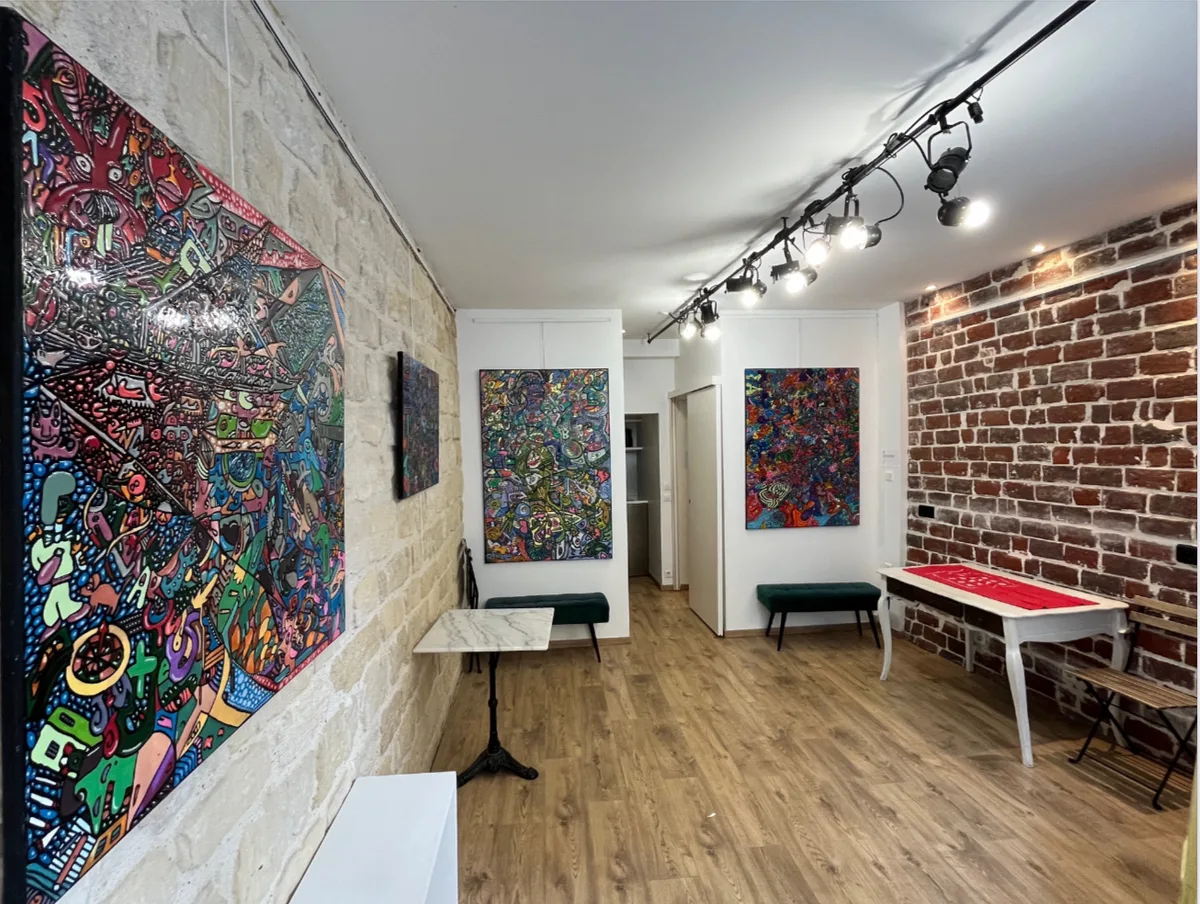
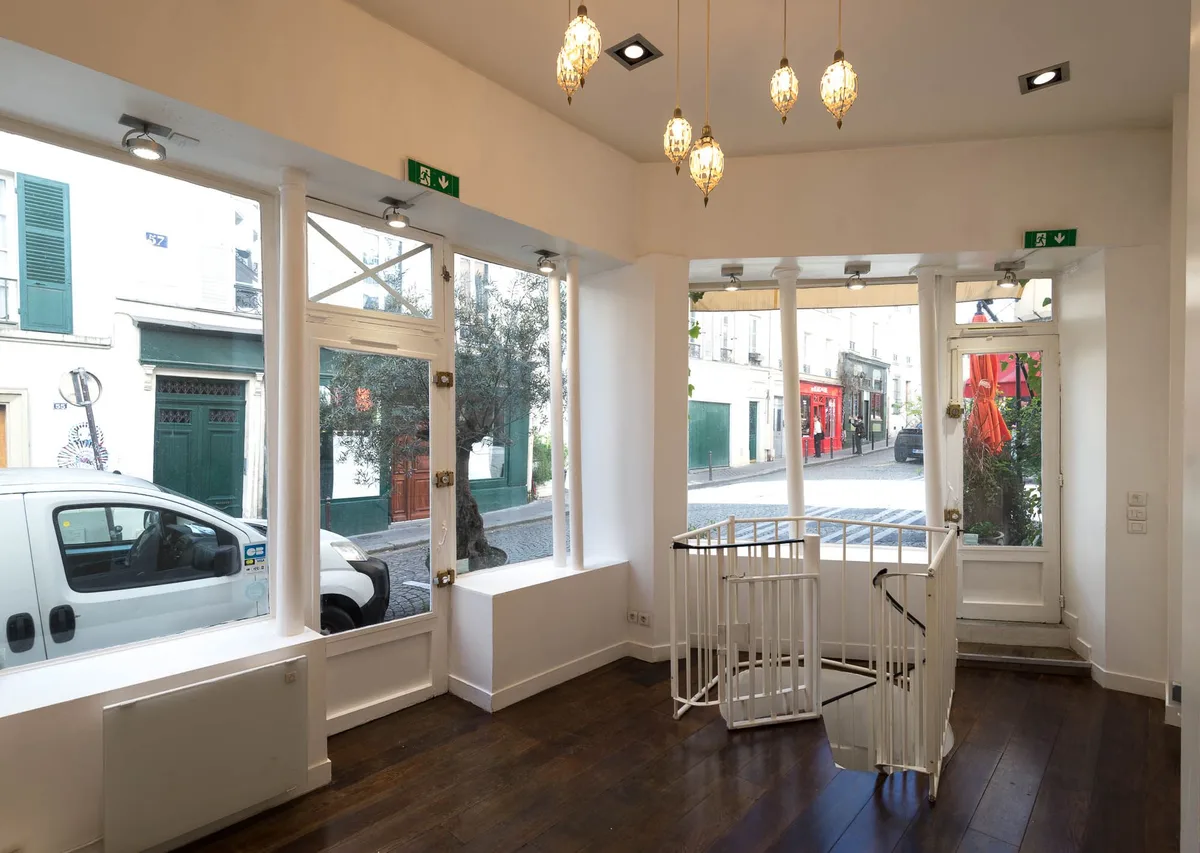
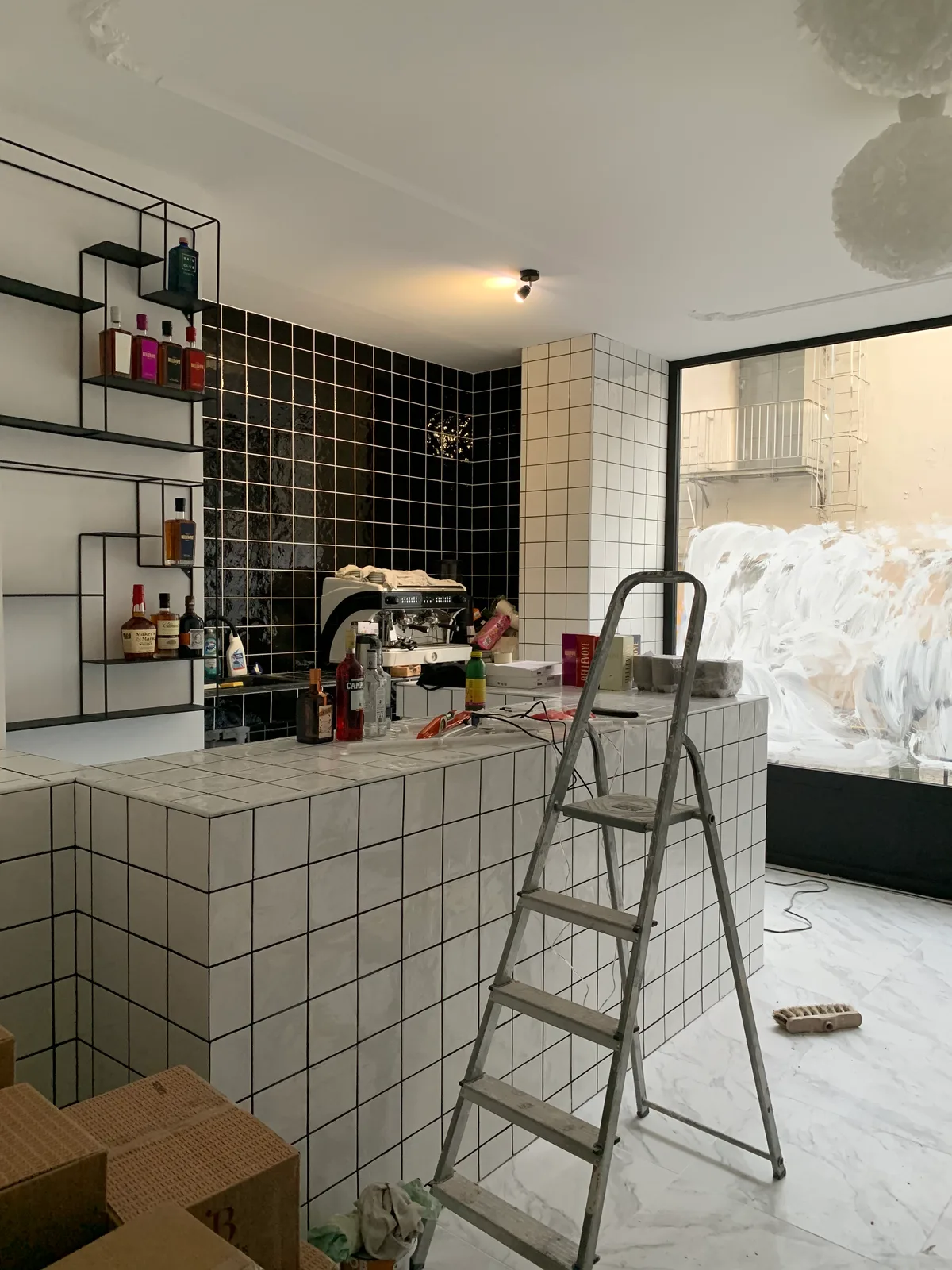
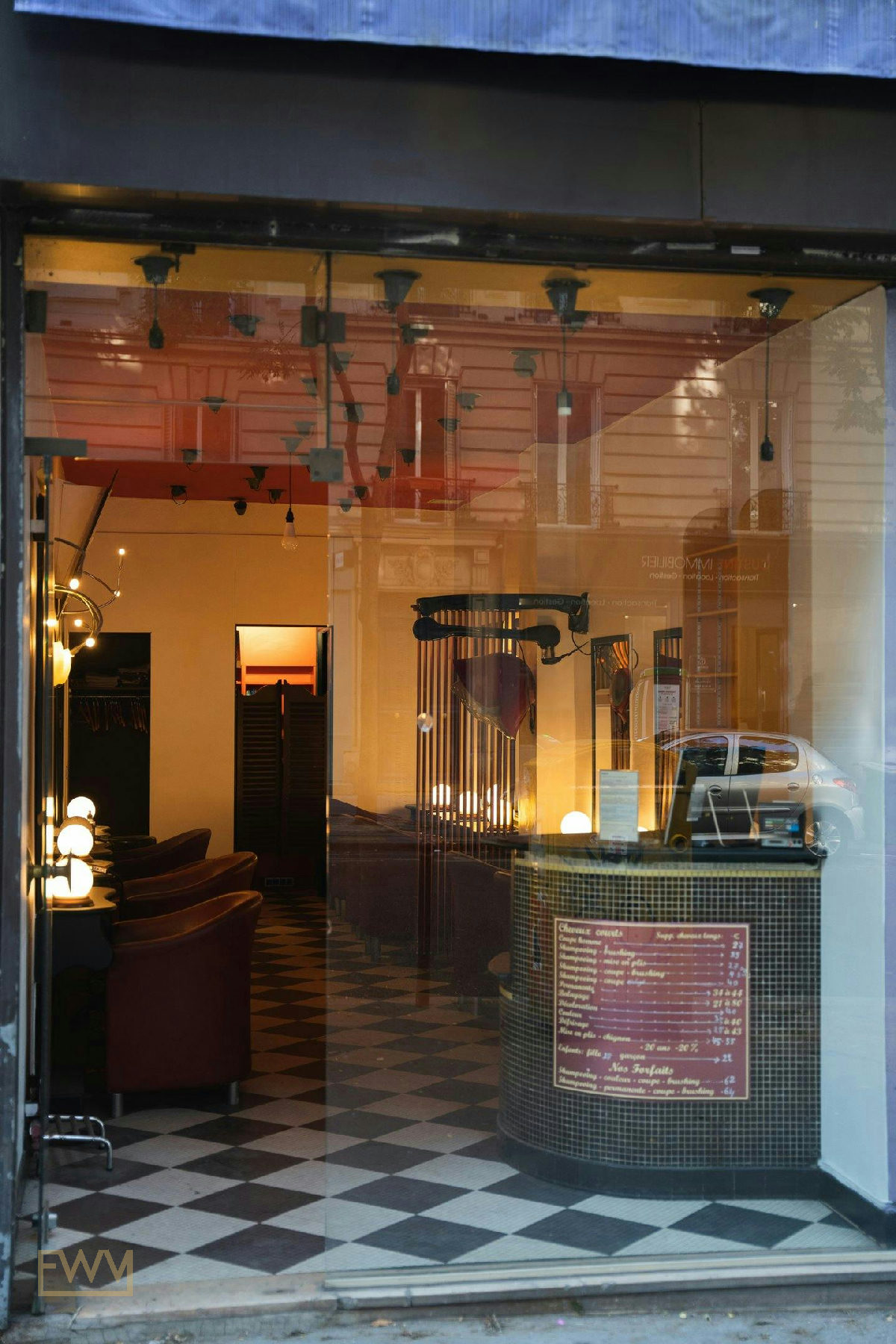
The architectural character of the neighbourhood deserves particular attention. Spaces in this district tend to feature exposed stone, hardwood floors, parquet floors, white walls, period light fixtures, and large windows. Many ground-floor storefronts have significant window frontage facing the pedestrian street, creating natural vitrine and display opportunities. A number of buildings in the immediate area offer loft configurations, former industrial workshops, and converted ateliers with characteristics such as steel pillars, exposed piping, raw concrete floors, or polished concrete floors that suit brands seeking an editorial or conceptual aesthetic rather than a conventional retail finish.
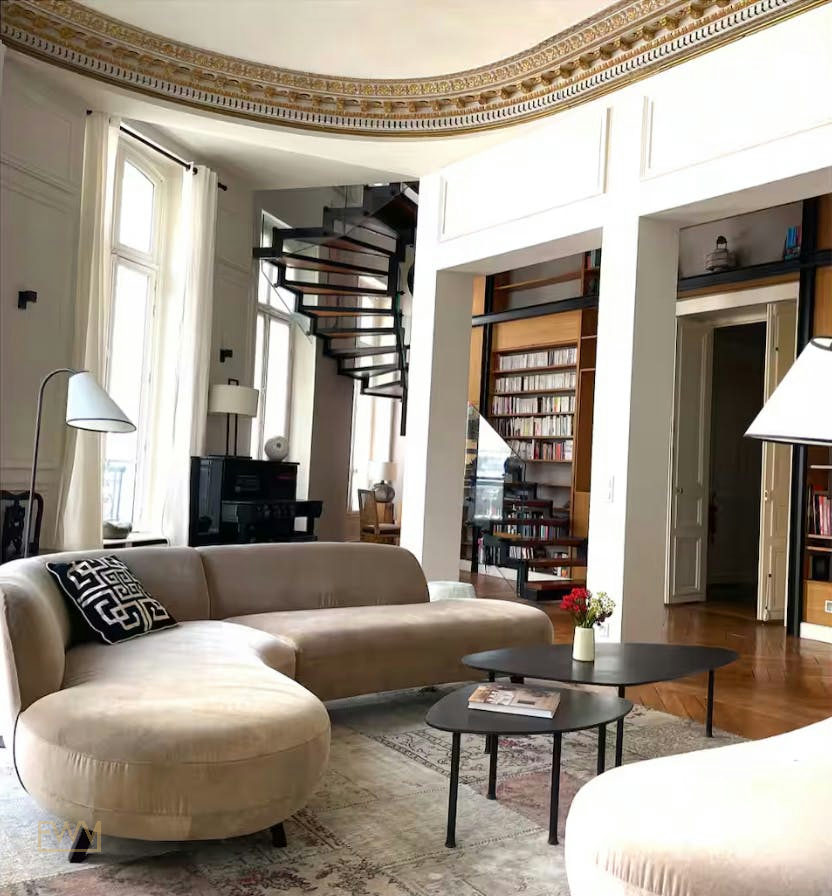
The Haussmannian apartment format is also well represented in this neighbourhood. Brands running private sales, showrooms, or presentation events often prefer these spaces for their residential warmth and the sense of discovery they create for guests. An Hôtel particulier format, where available, adds a further layer of prestige that suits luxury and premium brands.
DID YOU KNOW: Rue Montorgueil is one of the oldest surviving market streets in Paris and was famously depicted by Claude Monet in his 1878 painting of the street during the Fête du 30 juin celebrations. Its status as a pedestrian street and its concentration of food artisans have made it a consistent destination for Parisians and visitors alike.
KEY TAKEAWAY: Montorgueil's combination of pedestrian foot traffic, architectural variety, central location between the Louvre, Les Halles, and Sentier, and its distinctive neighbourhood character makes it one of the most commercially and creatively compelling locations for temporary retail space in Paris. Brands that align their concept with the street's energy tend to generate stronger organic visibility and word-of-mouth than those in more homogeneous commercial districts.
Understanding the specific space types available in this neighbourhood is the logical next step before committing to a search or a brief.
Space Types Available for Temporary Retail Rental in the Montorgueil and Sentier Area
Quick answer: The Montorgueil and Sentier district offers a range of short-term rental space types including boutique storefronts, gallery formats, loft spaces, Haussmannian apartments, ateliers, photography studios, and event spaces. Each format suits different brand objectives, activation durations, and visitor experience goals.
When brand teams begin searching for temporary retail space in this part of Paris, one of the first practical decisions is identifying which space type best serves the activation concept. The 2nd arrondissement of Paris and the wider Sentier and Montorgueil area offer genuine variety in this respect.
Boutique Storefronts and Retail Vitrines
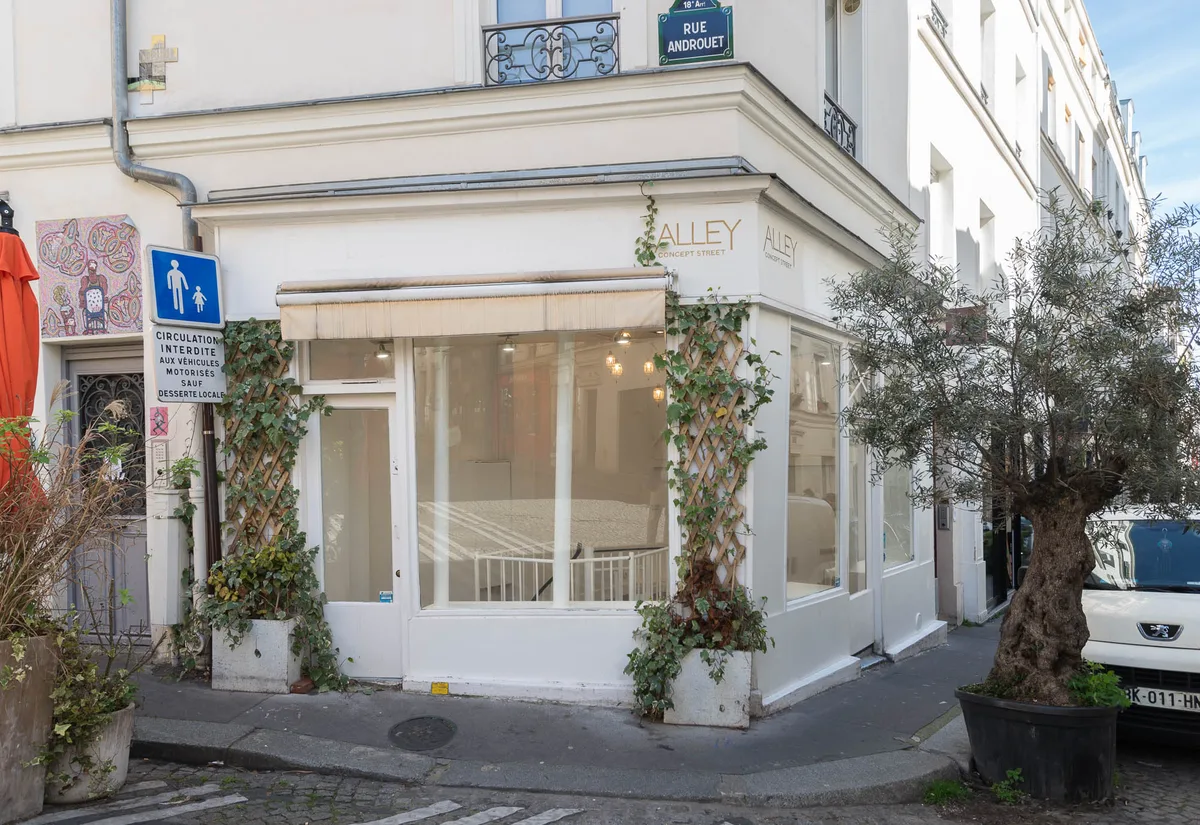
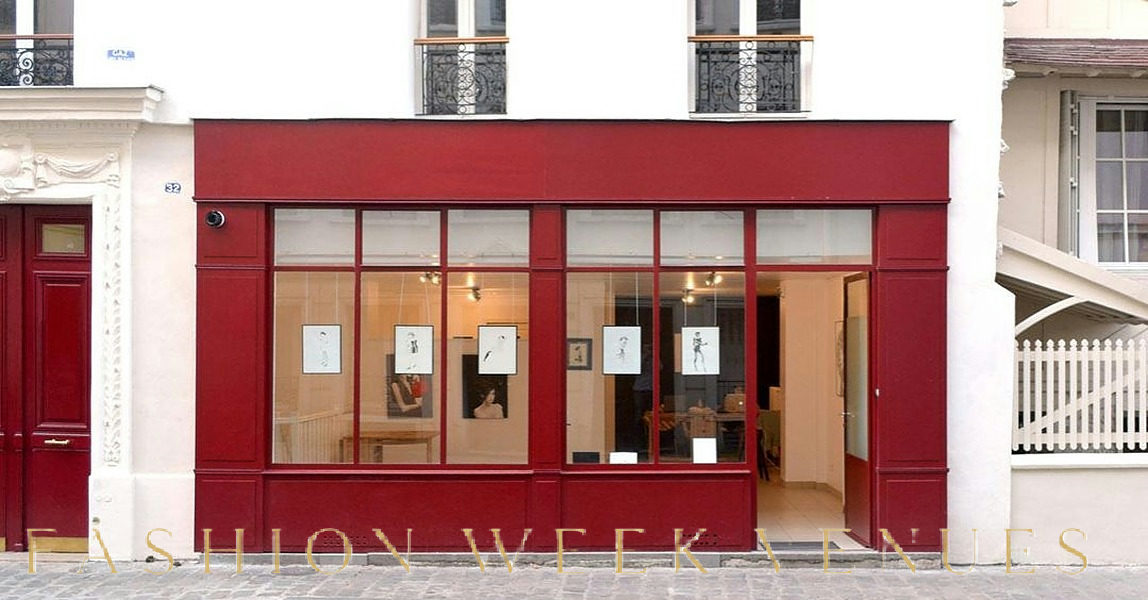
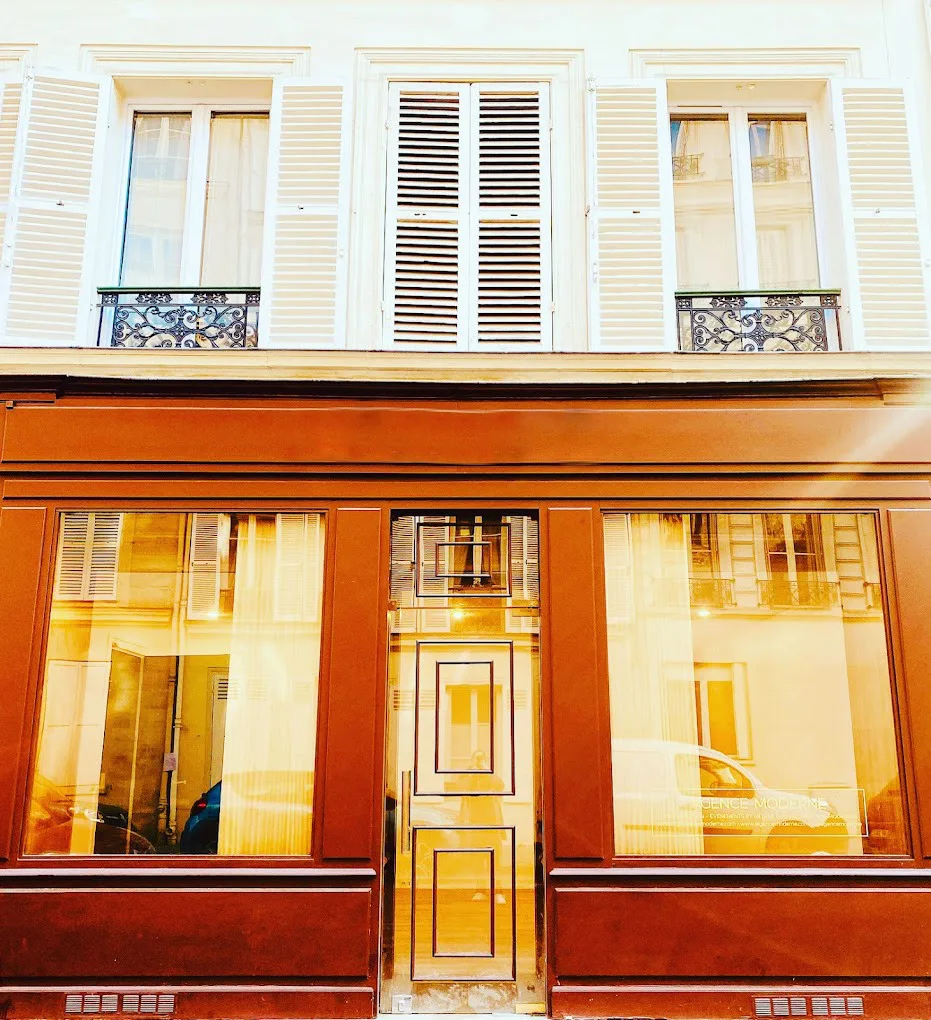
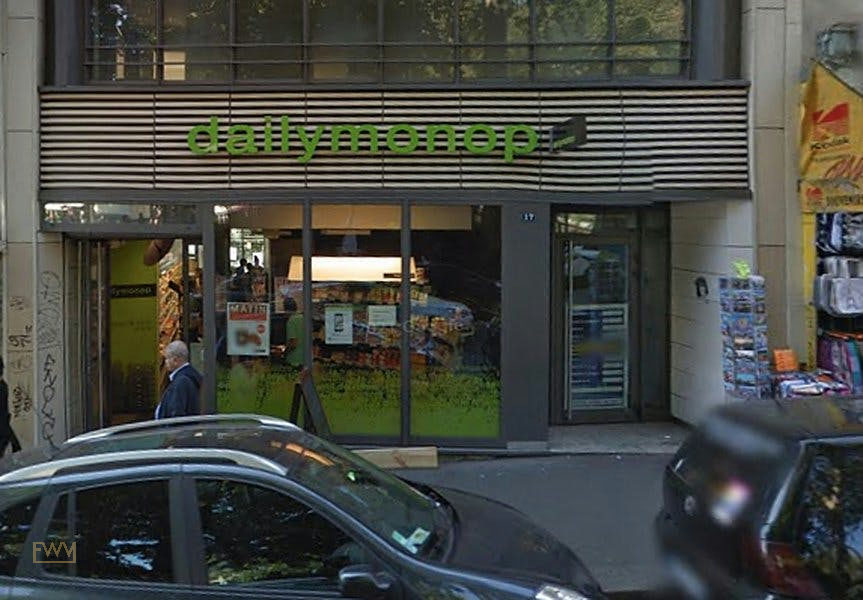
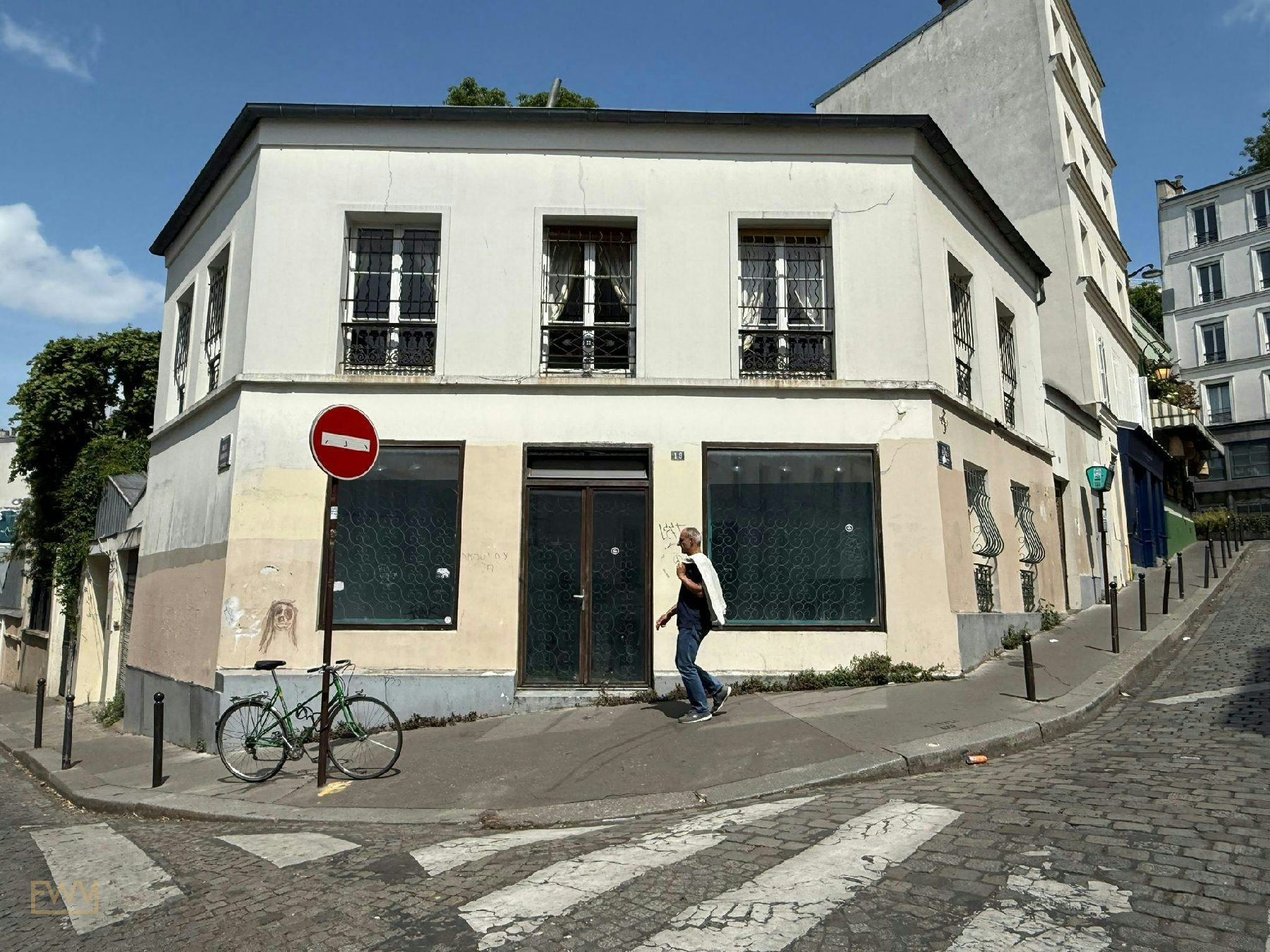
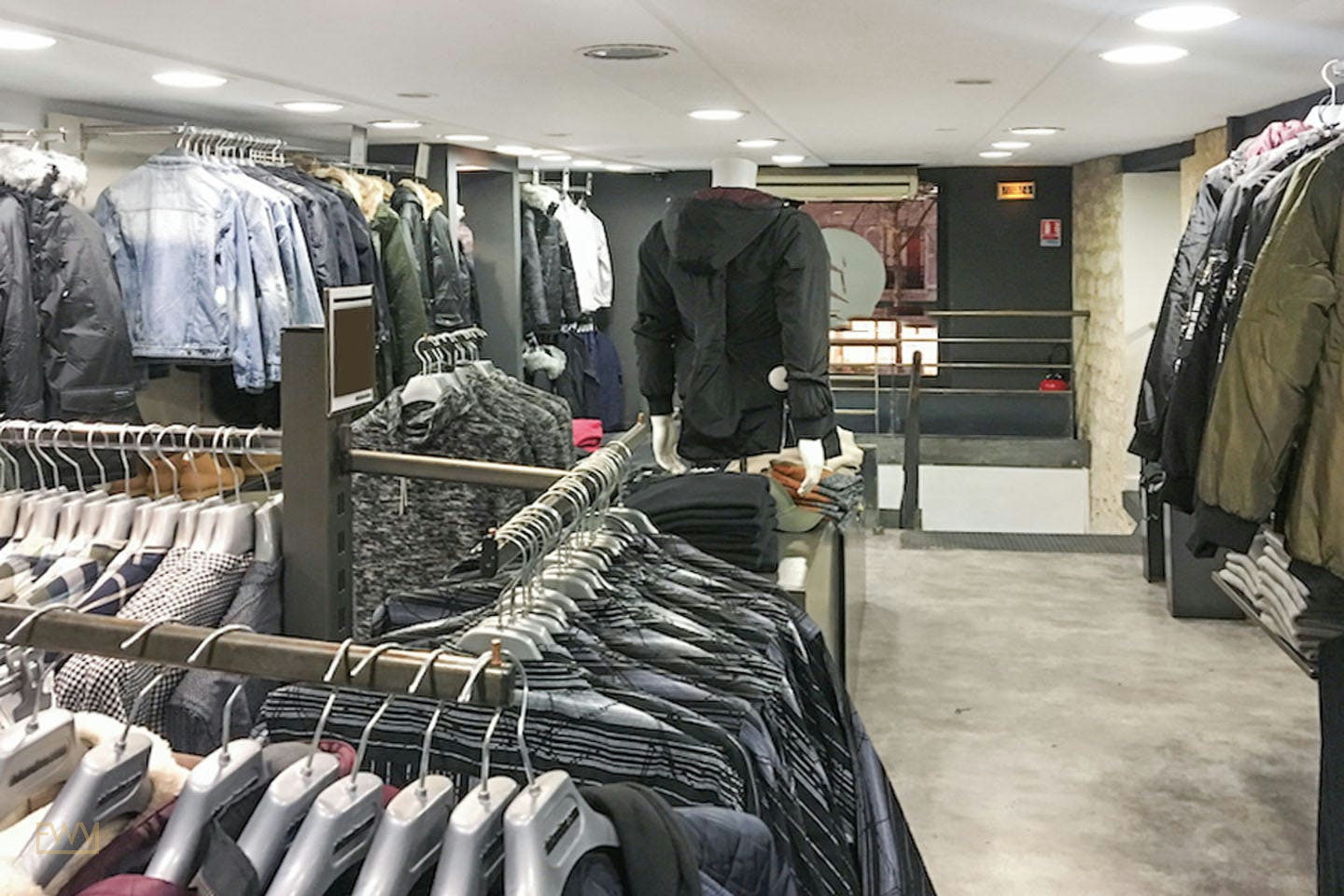
The boutique storefront, or vitrine, is the most direct format for brands running a pop-up shop or pop-up store activation. Ground-floor storefronts facing Rue Montorgueil or the adjacent streets such as rue Etienne Marcel offer significant pedestrian visibility. These spaces typically range from compact boutique formats suitable for a focused product edit to mid-size commercial spaces capable of supporting a full branded retail experience. Ground floor access and large door entrances are common features, which matters considerably for brands shipping product, fixtures, or branded furniture installations. A ground floor backyard, where available, offers additional space for storage, staff preparation, or extended activation programming.
Gallery and Art Gallery Formats
The galerie and galerie d'art format is well suited to brands running editorial, experiential, or product presentation activations. A whitebox gallery provides maximum creative flexibility, with white walls, neutral flooring, and controlled lighting that allows the brand's visual identity to dominate the space. A jolie galerie d'art with period features such as exposed stone columns, hardwood floors, or original light fixtures creates a more characterful backdrop and tends to attract press and influencer coverage more readily than purely neutral spaces. These formats suit fashion presentations, art collaborations, beauty launches, and brands running a private sale or exclusive preview event.
Loft and Atelier Spaces
Loft and atelier formats draw on the Sentier district's history as Paris's garment and textile quarter. Former industrial workshops in this area often feature high ceilings, steel pillars, exposed piping, raw or polished concrete floors, and large surface areas that suit brands running immersive brand experiences, large-format product launches, or multi-zone activations. The Atelier Jean Jaurès format is a recognised example of this category in the broader eastern Paris context. Brands running fashion shows, brand presentations, or large-scale événementiel activations will find these formats particularly relevant.
Haussmannian Apartment and Hôtel Particulier Formats
The Haussmannian apartment format brings warmth and residential context to a brand activation. Parquet floors, marble floors, ornate ceiling details, generous windows, and a layout of interconnected rooms create a journey through the brand's world rather than a single retail moment. This format is especially well suited to luxury fashion, jewellery, beauty, and lifestyle brands running showrooms, private sales, press days, or VIP client events. An Hôtel particulier, where available in or around the neighbourhood, elevates this concept further and suits brands for whom prestige of address and setting is a strategic priority.
Photography Studios and Creative Spaces
Studio Photo and Studio photo et vidéo formats, including cyclorama studios, serve brands running content creation programmes alongside their retail or showroom activation. The combination of a retail-facing pop-up space with an adjacent or integrated photography and video studio is increasingly common among fashion and beauty brands that need to generate campaign content, press imagery, and social media assets during the same activation window. An Espace Créatif or Espace multimodale format may combine several of these capabilities in a single address.
Event and Conference Spaces
The Espace événementiel category covers spaces designed for conferences, brand presentations, product launches, and larger gathering formats. Some of these spaces operate as a Petite librairie or boutique concept by day and shift to an event or conférence configuration by evening, which suits brands running multi-format activations across a single short-term rental period.
| Space Type | Best Suited For | Key Features | Typical Access |
|---|---|---|---|
| Boutique Storefront | Pop-up shop, brand retail, product sale | Vitrine, ground floor, pedestrian frontage | Ground floor, large door entrance |
| Whitebox Gallery | Editorial activation, product launch, art collab | White walls, neutral floors, adjustable lighting | Ground floor, typically step-free |
| Haussmannian Apartment | Showroom, private sale, VIP event | Parquet, marble, period detail, interconnected rooms | Upper floors, elevator access varies |
| Loft or Atelier | Brand experience, launch, fashion show | High ceilings, exposed structure, large surface area | Mixed, often industrial building |
| Photography Studio | Content creation, campaign shoot alongside activation | Cyclorama, controlled lighting, neutral backdrop | Dedicated studio access |
| Espace événementiel | Conference, product launch, brand presentation | Flexible layout, AV capability, reception area | Ground or upper floor, varies |
KEY TAKEAWAY: Space type selection directly affects what your activation can achieve, who it will reach, and how your brand will be perceived. Matching the space format to the activation objective before starting a search significantly improves briefing accuracy and reduces wasted negotiation time.
Once you have identified the right space type, the next practical step is understanding which specific neighbourhoods and streets within and around Montorgueil best serve your brand's audience, positioning, and logistical requirements.
Neighbourhood Comparison: Montorgueil, Sentier, and Surrounding Paris Districts
Quick answer: While Montorgueil and the Sentier district form the core of this guide, brand teams should also evaluate adjacent and comparable neighbourhoods including Le Marais, Le Haut Marais, canal Saint Martin, Folie-Méricourt, Montmartre, and the Paris 9ème, as each offers a distinct combination of foot traffic profile, clientele character, space supply, and rental dynamics.
Paris's short-term retail market is best understood as a series of overlapping neighbourhood zones, each with its own energy, audience, and opportunity profile. A brand selecting a temporary retail space in this part of the city is not only choosing a physical address but also choosing a set of associations, a type of pedestrian traffic, and a context for its activation story.
To compare neighbourhoods and space types, explore the Paris city hub on Fashion Week Venues and shortlist spaces that match your brief, budget, and calendar window.
| Neighbourhood | Arrondissement | Character | Best For | Traffic Profile |
|---|---|---|---|---|
| Montorgueil | 1st and 2nd | Pedestrian market street, food and fashion mix | Pop-up shop, showroom, brand boutique | High pedestrian, local and tourist mix |
| Sentier district | 2nd | Former garment quarter, now creative and tech | Atelier activations, brand presentations, wholesale showrooms | Professional, creative industry, emerging brands |
| Le Marais | 3rd and 4th | Premium retail, gallery culture, international tourism | Luxury pop-up, gallery activation, art collab | High volume, international, affluent |
| Le Haut Marais | 3rd | Independent boutiques, concept stores, design | Fashion-forward pop-up, concept store, editorial | Fashion-conscious, press, influencers |
| Canal Saint Martin | 10th | Creative neighbourhood, independent retail, leisure | Lifestyle brand activation, younger audience | Weekend-heavy, creative, local Parisian |
| Folie-Méricourt | 11th | Residential-creative mix, ateliers, emerging brands | Brand storytelling, community activation | Local Parisian, creative, neighbourhood-scale |
| Montmartre and Paris 9ème | 9th and 18th | Cultural tourism, independent retail, art | Art-led activation, lifestyle, beauty | Tourist and residential mix |
| République | 10th and 11th | Central, accessible, mixed audience | Launch events, brand experience | High public transit access, diverse |
| Saint-Germain-des-Prés | 6th | Luxury, heritage, established fashion | Premium showroom, luxury brand | Affluent, international, fashion week press |
The 2nd arrondissement of Paris and the Sentier district specifically deserve further attention for brands considering a temporary retail space Montorgueil activation. The art et métiers area, which sits just to the east along rue Réaumur, has become increasingly active as a short-term retail and event destination, with a cluster of converted former textile and garment industry buildings offering large surface areas, high ceilings, and industrial character that suits brands seeking a more unexpected backdrop.
Brands entering Paris for the first time should also consider how the Palais Royal, Place Vendôme, and rue Saint-Honoré areas relate to the Montorgueil cluster. These premium addresses, which anchor the luxury end of the Paris retail market alongside Galleries Lafayette and flagship stores on the Boulevard Haussmann, attract a different primary clientele but are within easy reach of the Montorgueil area, meaning a well-positioned Montorgueil or Sentier activation can draw visitors from both the premium Vendôme and Tuileries corridor and the more accessible Les Halles and Centre of Paris traffic flow.
TIP: If your activation brief includes both press and public-facing components, the 2nd arrondissement and Montorgueil area gives you access to both without requiring two separate spaces. A showroom-facing upper floor and a retail-facing ground floor in the same building or on the same street is a realistic configuration in this neighbourhood.
KEY TAKEAWAY: No single neighbourhood is universally superior for all brand activations in Paris. The best choice depends on your target audience, your activation concept, your product category, and your calendar window. Comparing neighbourhoods systematically before committing to a search is the most efficient way to build a well-reasoned brief.
With the neighbourhood context established, the next critical set of decisions involves understanding the practical, legal, and logistical dimensions of renting a short-term retail space in Paris.
How Short-Term Retail Rentals Work in Paris: Leases, Permits, and Compliance
Quick answer: Short-term retail space rentals in Paris typically operate under the bail dérogatoire framework or through a convention d'occupation temporaire rather than a standard commercial lease. Brands must understand the legal structure of the agreement they sign, what permits may be required for their specific activation type, and what compliance obligations apply to their arrondissement and space.
One of the most consequential areas of misunderstanding for international brands entering the Paris short-term rental market is the legal framework governing the rental itself. France has a specific regulatory structure for commercial property that differs significantly from the UK, the US, and most other markets these brands will be familiar with.
The Bail Dérogatoire Explained
The bail dérogatoire is a short-term commercial lease agreement that allows landlords and tenants to enter into a rental arrangement of up to 36 months without triggering the protections and obligations of a standard French commercial lease, known as the bail commercial. For temporary retail space purposes, the bail dérogatoire is the most commonly used framework, as it gives both parties flexibility and avoids the significant tenant protections, renewal obligations, and compensation mechanisms that a full bail commercial would create. The key requirement is that both parties explicitly agree in writing that the bail dérogatoire applies and that neither party intends for the arrangement to become a bail commercial.
For activations of very short duration, typically a few days to a few weeks, an alternative structure known as a convention d'occupation précaire or a convention d'occupation temporaire may apply. This is a looser arrangement that recognises the genuinely temporary nature of the occupation and is often used for pop-up shop agreements, event space rentals, and short-term brand activations. Requirements vary by space type, duration, and arrondissement, and brands should verify the applicable framework with a qualified French legal advisor before signing any agreement.
Autorisation d'Occupation Temporaire (AOT)
If the temporary retail space involves occupation of public space, such as a vitrine that extends onto a pedestrian street, outdoor furniture, signage that projects beyond the building line, or any installation on public land, an autorisation d'occupation temporaire, commonly referred to as an AOT, will be required from the relevant arrondissement or the City of Paris administration. The process, timeline, and cost of obtaining an AOT vary by location and activation type. Brands planning outdoor elements, large-format signage, or any physical presence on the pedestrian zone of Rue Montorgueil should factor AOT requirements into their planning timeline.
For guidance on permit requirements specific to your activation type and location, use the permit planning tool on Fashion Week Venues, which provides directional information to help you understand what may be required before engaging formal legal advice.
Additional Compliance Considerations
Beyond the lease and AOT framework, brands should be aware of the following compliance areas when planning a temporary retail activation in Paris. Electrical compliance, particularly for branded installations, lighting, and temporary structures, is governed by French safety standards and may require a certified inspection for certain space types. Food and beverage activations, which are increasingly common in fashion pop-up spaces given the neighbourhood's food culture, require specific operating licences and hygiene certifications. GDPR compliance applies to any customer data capture, loyalty programme, or digital interaction conducted during the activation. Import and customs procedures apply to brands shipping product from outside the EU, which requires advance planning particularly for brands based in the UK, US, or Asia.
IMPORTANT: Do not assume that a short-term lease or pop-up agreement in Paris carries no legal complexity. The bail dérogatoire and convention d'occupation temporaire frameworks carry their own conditions and risks. Always verify the specific terms with a qualified French legal advisor before signing any rental agreement.
KEY TAKEAWAY: Understanding the legal framework for your rental, identifying any permit requirements early in the planning process, and building compliance timelines into your project schedule are non-negotiable steps for any brand planning a temporary retail activation in Paris. These are areas where specialist support from an agency with Paris-specific experience adds substantial practical value.
With the legal and compliance framework understood, the next area to address is the practical question of budgeting and cost planning for a temporary retail space in the Montorgueil and Sentier area.
Budgeting for a Temporary Retail Space in the Montorgueil Area
Quick answer: Budget planning for a temporary retail activation in the Montorgueil and Sentier area must account for rental costs, fit-out and production, staffing, logistics, permits, insurance, and the agency or management fees that apply to the specific services engaged. Costs vary significantly by space type, surface area, duration, and the level of brand buildout required.
For international brand teams, one of the most common planning errors is underestimating the total cost of a Paris pop-up activation by focusing only on the daily or weekly rental rate for the space itself. The space rental is typically one component of a multi-line budget that includes several categories of significant spend.
Rental Cost Factors
Rental rates for temporary retail space in the Montorgueil and Sentier area vary considerably based on surface area, location on or off the main pedestrian street, ground floor versus upper floor access, the architectural character of the space, and the duration of the rental. Ground-floor storefronts facing Rue Montorgueil with significant vitrine frontage command a premium over equivalent surface area spaces on side streets or upper floors. Gallery and whitebox formats that have been professionally fitted for retail use will typically carry a higher daily rate than raw spaces that require more significant tenant preparation. As a directional reference, some shared or entry-level spaces in this part of Paris are listed from around free to startos per day, while premium storefronts, gallery formats, and larger surface area activations carry substantially higher rates. These are directional estimates only. For a brand-specific budget estimate, use the budget calculator on Fashion Week Venues.
Fit-Out and Production Costs
For most brand activations, the fit-out and production budget represents the largest single cost category after rental. This covers branded store design, furniture rental, fixture installation, lighting, signage, graphics, display systems, and any temporary structural modifications to the space. The scale of this investment depends entirely on the brand's creative brief and the baseline condition of the space. A fully fitted gallery or boutique format may require minimal production work, while a raw loft or atelier will require a more substantial installation programme. Brands should also account for reinstatement costs, which cover returning the space to its original condition after the activation.
Staffing and Operations
Retail staffing costs in Paris include not only the daily rates for sales and activation staff but also any required French employment compliance, including contracts, payroll obligations, and social contributions for locally engaged staff. Brands unfamiliar with French employment law should engage a specialist or work through an agency that manages staffing in compliance with local requirements. POS and payments infrastructure, including card terminal hire, software licences, and any cash management requirements, adds a further operational cost line.
Additional Budget Lines
Insurance is a non-negotiable budget item. Public liability insurance, product liability insurance, and contents insurance all need to be confirmed before the activation opens. Some space owners will require specific minimum cover levels as a condition of the rental agreement. Logistics and shipping costs, particularly for brands importing product from outside France, must include customs clearance, bonded warehousing if required, last-mile delivery to the space, and return logistics. Marketing and influencer activation costs, if these are part of the activation strategy, form a separate budget line that should be considered in parallel with the physical space budget.
TIP: Use the ROI calculator on Fashion Week Venues to model the relationship between your total activation budget and the revenue, brand awareness, and data outcomes you are targeting. This helps frame the budget conversation internally and with any external stakeholders who need to approve the investment.
KEY TAKEAWAY: A realistic total budget for a Paris pop-up activation in the Montorgueil and Sentier area must cover at minimum the space rental, fit-out and production, staffing, logistics, permits, insurance, and any agency fees. Planning from a total cost perspective from the outset produces better outcomes than building the budget incrementally from the rental rate upward.
The calendar dimension of your activation is as important as the budget. Understanding when to activate in Paris and how the fashion week calendar, the broader city events programme, and the neighbourhood's seasonal patterns affect your choices is essential for maximising return on investment.
Timing Your Activation: Paris Fashion Week Calendar and Year-Round Opportunities
Quick answer: Paris Fashion Week windows, which occur in January, February, September, and October, create the highest-demand periods for temporary retail space in Montorgueil and across Paris, but year-round activation opportunities tied to product launches, private sales, trade events, and seasonal retail moments also deliver strong results for brands with the right concept and the right space.
Paris Fashion Week is the most concentrated period of brand activation activity in the city's calendar. During the women's ready-to-wear weeks in March and October and the men's and haute couture weeks in January and July, the city's press, buyer, and influencer community reaches peak density. For brands in fashion, accessories, beauty, and adjacent lifestyle categories, these windows create a natural alignment between physical presence in Paris and maximum audience reach. Temporary retail spaces and showrooms in the Montorgueil, Sentier, Le Marais, and Saint-Germain-des-Prés areas see high demand during these periods, and availability in the best spaces can be limited several months in advance.
However, it would be a significant oversimplification to treat Paris Fashion Week as the only viable activation window. The city's retail calendar includes a range of other high-value moments for brand activations. The January and July sales periods, known as the soldes, drive exceptional retail foot traffic. The Christmas and end-of-year period from late November through December creates strong demand for experiential pop-up activations and private sale events. The spring season from April through June offers excellent foot traffic conditions without the competition for space that the Fashion Week windows create. Maison et Objet, the FIAC art fair, Paris Photo, and various food and lifestyle festivals add further activation moments throughout the year.
For brands planning their first Paris activation, a useful framework is to distinguish between calendar-driven activations, where the primary goal is reaching a specific professional or media audience during a defined event window, and concept-driven activations, where the primary goal is creating a memorable brand experience for a broader consumer audience over a longer duration. The former typically favours shorter, higher-intensity rental periods aligned with specific calendar moments. The latter often benefits from a longer-duration rental that allows the activation to build organic momentum through word-of-mouth, press coverage, and social media amplification.
Use the timeline planning tool on Fashion Week Venues to map your activation window against the relevant Paris calendar events, lead times for space sourcing and permitting, production and build schedules, and post-activation evaluation periods.
DID YOU KNOW: During Paris Fashion Week, some of the most effective brand activations in the Montorgueil and Sentier area run not during the main schedule days but in the week immediately before or after, when press and buyers have more time to visit independently and spaces can be secured at lower demand-period rates.
KEY TAKEAWAY: Paris Fashion Week creates the highest-profile activation windows, but the city's year-round calendar offers multiple viable moments for brands at different stages of market development. Duration and timing decisions should be driven by the activation concept, the target audience, and the brand's commercial objectives, not solely by fashion week dates.
With budget and calendar considerations understood, the next important dimension is how to find, evaluate, and secure the right space for your activation.
How to Find and Evaluate Temporary Retail Spaces in Montorgueil
Quick answer: Finding the right temporary retail space in the Montorgueil and Sentier area requires a structured approach to discovery, evaluation, and shortlisting that goes beyond browsing listings. Brands should define a detailed brief before beginning their search, evaluate spaces against both creative and operational criteria, and move to negotiation and reservation with appropriate legal and logistical due diligence.
The process of identifying and securing a short-term retail space in Paris is more demanding than in many other cities, partly because the market is fragmented across multiple listing platforms, agency networks, and direct landlord relationships, and partly because the pace of change in availability means that well-positioned spaces in high-demand neighbourhoods are rarely on the market for long. A structured approach to the search process significantly improves outcomes.
Defining Your Brief
Before beginning a space search, your team should have agreed on the following parameters: the target neighbourhood or neighbourhoods, the preferred space type or types, the minimum and maximum surface area, the floor and access requirements, the specific space features required such as vitrine, ground floor, large door entrance, or specific architectural characteristics, the rental duration, the target dates, and the total budget envelope for the rental component. A well-defined brief enables faster and more accurate matching against available inventory and reduces the time spent evaluating unsuitable spaces.
Use the space comparison tool on Fashion Week Venues to evaluate multiple shortlisted spaces against your brief criteria side by side before committing to a viewing programme.
Evaluating Spaces Against Operational Criteria
Beyond the visual and creative impression of a space, brand teams should systematically evaluate the following operational criteria during any viewing. Access and delivery logistics, including how product, fixtures, and branded materials will be received and installed, are often the determining factor in whether a space is genuinely workable rather than merely attractive. Electrical capacity and existing fixture points matter significantly for brands planning significant lighting or digital installation programmes. HVAC performance, particularly for summer or winter activations with high visitor volumes, affects guest experience and product condition. Storage provision within the space or in an adjacent area is an operational necessity for most retail activations. Connectivity, including the quality of the fixed and mobile internet connection, affects POS and payments infrastructure, content creation capability, and any digital or interactive elements of the activation.
The Reservation and Negotiation Process
Once a preferred space is identified, the reservation process in Paris typically involves an initial expression of interest, negotiation of the rental terms including rate, duration, access periods for installation and reinstatement, and specific conditions such as permitted use and reinstatement obligations, followed by a formal rental agreement. International brands should factor in the time required for legal review of the agreement and any required administrative steps such as providing proof of insurance or, in some cases, documentation related to the brand's legal entity. Understanding the lease framework that governs the agreement, as discussed in the compliance section above, is essential before signing.
For brands navigating this process without an established Paris agency relationship, the venue sourcing service at Fashion Week Venues provides end-to-end support from brief development through space identification, viewing coordination, negotiation support, and agreement review.
KEY TAKEAWAY: A structured brief, systematic evaluation against both creative and operational criteria, and careful legal review of the rental agreement are the three most important elements of a successful space search and reservation process in Paris. Shortcutting any of these stages creates risk that typically manifests during the activation itself.
Even the best space delivers limited results without the right activation concept, production quality, and operational management. The following section addresses these dimensions directly.
How Fashion Week Venues Supports Temporary Retail Activations in Paris
Quick answer: Fashion Week Venues is a full-service pop-up shop agency and space marketplace that supports brand teams across the full lifecycle of a temporary retail activation in Paris, from space discovery and venue sourcing through concept direction, production and build, staffing, POS and payments, data and analytics, and influencer marketing. The agency's Paris-specific experience and marketplace of available spaces make it a relevant resource for brands at any stage of the activation planning process.
Brand teams considering a temporary retail activation in the Montorgueil, Sentier, or broader Paris market will encounter a significant range of agencies, brokers, listing platforms, and individual consultants offering various forms of support. Understanding what Fashion Week Venues offers, and what it does not, helps teams make an informed decision about how to structure their external partnerships.
Space Marketplace and Discovery
The Fashion Week Venues space marketplace provides a curated inventory of available temporary retail spaces, showrooms, galleries, event venues, and ateliers across Paris and other major fashion capitals. The marketplace allows teams to filter by neighbourhood, space type, surface area, and key space features, and to compare shortlisted spaces directly. This is typically the starting point for brands beginning a self-directed space search.
Full-Service Agency Support
For brands that want comprehensive support rather than a self-directed search, Fashion Week Venues offers an integrated service across the full activation lifecycle. The concept and creative direction service supports teams in translating a brand brief into a coherent spatial concept for the activation. The production and build service manages the physical fit-out, including branded store design, furniture rental, fixture installation, and reinstatement. The activation management service covers the operational running of the activation from opening through closing. The retail staffing service provides locally engaged, brand-briefed staff for sales, hosting, and guest management. Data and analytics support enables brands to capture meaningful performance data from the activation for post-event reporting and future planning.
Specialist Tools
Beyond the service offering, Fashion Week Venues provides a suite of planning tools that are useful for brand teams at different stages of the planning process. The budget calculator, ROI calculator, timeline tool, permits tool, space locator, and space comparison tool all provide directional guidance that helps teams build more informed briefs and more realistic project plans before formal agency engagement. These tools are designed to reduce the planning friction that often delays or compromises the quality of Paris brand activations.
Scope and Limitations
Fashion Week Venues does not guarantee specific spaces, permit approvals, or activation outcomes. Availability of spaces in the Montorgueil and Sentier area, as across all Paris neighbourhoods, is subject to landlord decisions and market demand. Permit requirements and approvals are subject to the relevant French administrative processes and cannot be pre-guaranteed. The agency's role is to bring market knowledge, network relationships, logistical capability, and creative expertise to bear on the brand team's brief, significantly improving the probability of a successful outcome while reducing the time and risk associated with navigating the Paris market independently.
Brands evaluating whether to engage a full-service agency for their Paris activation can find further guidance in the agency hiring guide on Fashion Week Venues.
KEY TAKEAWAY: Fashion Week Venues offers a combination of a space marketplace, full-service agency support, and practical planning tools that collectively reduce the time, cost, and risk of planning and executing a temporary retail activation in Paris. The most effective use of the agency is typically as an end-to-end partner for brands that want to maximise the quality and impact of their Paris activation without building the required local network and operational infrastructure from scratch.
Common Myths About Temporary Retail Space in Paris: Debunked
MYTH: You need a French legal entity to rent a short-term retail space in Paris.
FACT: Many short-term rental agreements in Paris are accessible to foreign companies operating without a French legal entity, particularly for activations structured as a convention d'occupation temporaire or a short bail dérogatoire. The specific requirements vary by landlord, space type, and agreement structure. International brands should verify the requirements for their specific situation with a qualified French legal advisor rather than assuming a French entity is mandatory.
MYTH: Paris Fashion Week is the only commercially viable window for a pop-up activation in this neighbourhood.
FACT: While Paris Fashion Week windows in January, February, March, September, and October create peak demand and high visibility, the Montorgueil and Sentier area generates strong foot traffic year-round due to its resident population, food culture, and central location. Brands have run highly successful activations in this neighbourhood across spring, summer, and the Christmas period. Year-round timing also tends to offer better space availability and more competitive rental rates than the peak Fashion Week calendar windows.
MYTH: The only way to find a short-term retail space in Paris is through commission-based brokers.
FACT: The Paris short-term retail space market now includes curated marketplaces, full-service agencies, and direct landlord networks that operate on a range of fee and service structures. Commission brokers represent one model, but brands seeking transparency, integrated activation support, and a broader view of available spaces in their target neighbourhood benefit from working with a full-service agency and marketplace approach like that offered by Fashion Week Venues.
MYTH: Short-term retail leases in Paris are legally straightforward and require no specialist support to review.
FACT: Short-term retail agreements in Paris involve nuanced legal frameworks including the bail dérogatoire and convention d'occupation temporaire, which carry specific conditions and risks that differ significantly from short-term commercial arrangements in the UK, US, and other markets. Without specialist French legal review, international brands risk signing agreements with unfavourable terms, unrecognised obligations, or insufficient protections. Always engage a qualified French legal advisor to review any rental agreement before signing.
MYTH: A pop-up shop in the Montorgueil area is only suitable for fashion and luxury brands.
FACT: While fashion, accessories, and luxury brands are strongly represented in the neighbourhood's activation history, Montorgueil's food culture, creative community, and diverse pedestrian traffic make it a viable location for beauty, lifestyle, food and beverage, wellness, technology, and event-format activations. The variety of space types available in the area, from boutique storefronts to gallery formats, ateliers, and photography studios, means the neighbourhood can accommodate a wide range of brand concepts and activation objectives.
Frequently Asked Questions
What are the most sought-after locations for renting a pop-up shop in the Sentier and Montorgueil area?
The most in-demand locations within the Sentier and Montorgueil cluster tend to be ground-floor storefronts with pedestrian frontage on or directly adjacent to Rue Montorgueil itself, spaces with vitrine on rue Etienne Marcel, and former textile industry buildings on rue Réaumur with large surface areas and industrial character. Within the broader neighbourhood context, addresses close to the Louvre Museum, the Palais Royal, Les Halles, and the art et métiers area also attract strong interest from brands seeking a combination of foot traffic and prestige of address. Availability in the best-positioned spaces can be limited, particularly around Paris Fashion Week calendar windows.
How long should I rent a temporary retail space in the Sentier or Montorgueil area?
The ideal duration depends on your activation objectives, your audience, and your budget. For press and trade-facing showroom or presentation activations aligned with Paris Fashion Week, durations of five to fourteen days are common. For consumer-facing pop-up shop activations designed to build brand awareness and generate direct sales, durations of three to eight weeks tend to deliver stronger results because they allow word-of-mouth, press coverage, and social media amplification to build over time. Activations running less than three days are typically better suited to private events or invite-only formats rather than open-to-public retail. Use the timeline planning tool on Fashion Week Venues to map the right duration against your specific brief and calendar.
Why rent a temporary retail space in the 2nd arrondissement of Paris?
The 2nd arrondissement, which encompasses the Montorgueil and Sentier districts, offers a distinctive combination of central location, pedestrian retail environment, architectural diversity, and neighbourhood character that is difficult to replicate elsewhere in Paris. Its position between the Louvre and Les Halles to the west and the canal Saint Martin and République to the east means it captures a broad and varied pedestrian catchment. The neighbourhood's history as Paris's garment and textile quarter, combined with its current status as a food and lifestyle destination, gives it a credibility and authenticity that resonates with both local Parisians and international visitors.
Why rent a pop-up shop in the 9th arrondissement or 10th arrondissement of Paris?
The 9th arrondissement, which includes Pigalle and the southern Montmartre foothills, and the 10th arrondissement, which covers the canal Saint Martin area and the approach to Gare du Nord, offer alternatives to the Montorgueil cluster with their own distinct audience profiles. The 9th suits brands targeting a fashion-conscious, creative, and slightly more bohemian Parisian audience, with spaces ranging from gallery formats to Haussmannian apartments. The 10th suits brands seeking a younger, lifestyle-oriented audience and activation spaces that benefit from the area's strong weekend leisure traffic and its community of independent retailers and creative businesses.
Why rent a pop-up shop in the 11th arrondissement of Paris?
The 11th arrondissement, encompassing the Folie-Méricourt, Oberkampf, and Bastille areas, is a strong option for brands targeting a local Parisian audience that is engaged, fashion-aware, and responsive to independent and emerging brand concepts. The neighbourhood has a strong atelier and studio culture, with spaces that reflect the area's history as a craft and artisan district. Rental rates in the 11th tend to be more accessible than in the 1st, 2nd, or 3rd arrondissements, making it particularly relevant for emerging brands and brands running longer-duration activations where cost efficiency is an important consideration.
What space features should I prioritise when selecting a temporary retail space in Montorgueil?
The most commercially important space features for a pop-up retail activation on or near Rue Montorgueil are ground floor access, significant vitrine or window frontage facing the pedestrian street, a large door entrance to accommodate product and fixture deliveries, and sufficient electrical capacity for your planned lighting and installation programme. Architecturally, spaces with exposed stone, hardwood floors, or distinctive period features typically generate stronger press and influencer coverage than generic white-box formats, which suits brands with an editorial or heritage-adjacent brand identity. If your activation includes a photography or content creation component, proximity to a Studio Photo format or an integrated Cyclorama is a significant operational advantage.
Do I need a work permit or specific authorisation to operate a pop-up shop in Paris as a foreign brand?
The requirements for operating a temporary retail activation in Paris as a foreign brand depend on the structure of the activation, the legal entity operating it, the nature of the transactions being conducted, and the specific space and lease type. Key considerations include whether the brand has a registered entity in France or the EU, the applicable VAT and customs regime for any product being sold, employment law compliance for any staff engaged in France, and whether any permit or authorisation is required for the specific space or activity type. These requirements vary and professional legal and tax advice specific to your situation is strongly recommended. The permits tool on Fashion Week Venues provides directional guidance on permit types relevant to common activation formats.
What does a typical pop-up activation workflow in Paris look like from brief to opening?
A well-managed Paris pop-up activation typically follows a sequence that begins with brief development and budget confirmation, moves through space search and shortlisting, then proceeds to space evaluation, negotiation, and agreement signing, followed by concept development and production planning, permit and compliance preparation, fit-out and installation, pre-opening testing and staff briefing, the activation period itself, reinstatement and handback, and finally post-activation evaluation and reporting. For a reasonably complex activation, this full cycle from brief to opening typically requires a minimum of eight to twelve weeks. For activations aligned with Paris Fashion Week calendar windows, earlier start dates are strongly recommended given the competitive demand for quality spaces.
How does the Montorgueil neighbourhood compare to Le Marais for a pop-up shop?
Montorgueil and Le Marais represent two of Paris's strongest pop-up and short-term retail destinations, but they serve different brand positioning and audience objectives. Le Marais, particularly the Haut Marais, attracts a higher concentration of international fashion tourists, luxury shoppers, and established brand activations, making it appropriate for brands seeking prestige adjacency and international visibility. Montorgueil offers a more embedded Parisian neighbourhood experience with a loyal local clientele, a strong food culture context, and a more diverse architectural offer. Brands whose concept aligns with the idea of discovery and authentic Parisian character often find Montorgueil more effective than the more commercially saturated Marais, and typically at more accessible rental rates.
What is a bail dérogatoire and why does it matter for my pop-up rental?
A bail dérogatoire is a short-term commercial lease agreement in France that allows landlord and tenant to agree on a rental period of up to 36 months without triggering the tenant protections, renewal rights, and indemnity obligations of a standard French bail commercial. For temporary retail space purposes, it is the most commonly used legal framework for pop-up shop and short-term retail rentals in Paris. Both parties must explicitly agree in writing that the arrangement is a bail dérogatoire and that it is not intended to become a bail commercial. Understanding this framework and having the rental agreement reviewed by a qualified French legal advisor before signing is an essential step for any brand planning a Paris activation.
What is the Twin concept offered by Fashion Week Venues?
The Twin concept offered by Fashion Week Venues is a co-activation model that allows two compatible brand partners to share a single temporary retail space, splitting costs while creating a complementary dual-brand experience for visitors. This approach is particularly relevant for emerging brands or brands entering Paris for the first time that want to access a higher-quality space or a more desirable location than their individual budget would typically support. It also creates natural cross-promotional opportunities between the two brands and their respective audiences. The Twin concept works best when the two brands share a compatible aesthetic and customer profile without being direct competitors.
How does Fashion Week Venues handle the production and build for a Paris pop-up?
The production and build service at Fashion Week Venues covers the full physical fit-out of a temporary retail space, from branded store design and furniture rental through fixture installation, lighting, signage, graphics, and any custom structural elements, through to reinstatement at the end of the rental period. The service is designed for brand teams that want a single accountable partner for the physical transformation of a space rather than managing multiple individual suppliers. The build planning tool on the Fashion Week Venues platform provides a structured planning interface for mapping out the build programme against your activation timeline and budget.
Can Fashion Week Venues help with influencer and press activations during a Paris pop-up?
Yes, Fashion Week Venues offers influencer marketing and activation management services that support the press and influencer dimensions of a Paris pop-up activation. This can include identifying relevant Paris-based and international influencers and media contacts appropriate to the brand's category and positioning, planning and managing influencer visit experiences within the space, supporting press day or preview event programming, and measuring the earned media and social coverage generated by the activation. These services work most effectively when the space concept and the brand narrative are clearly defined and when the activation offers a genuine experiential story that resonates with the influencer and press community visiting Paris during the relevant calendar window.
What should I know about foot traffic patterns on Rue Montorgueil before committing to a space?
Rue Montorgueil operates as a pedestrian market street with consistently high foot traffic throughout the week, peaking on Saturday mornings when the street reaches its highest volume of local shoppers visiting the food market. Weekday midday periods also generate strong footfall from local workers and residents, while early mornings and Sunday afternoons tend to be quieter. Brands activating during Paris Fashion Week should note that the fashion industry audience, which includes press, buyers, and influencers, does not follow the same foot traffic patterns as the general public and will typically visit a space by appointment or on the basis of targeted invitation rather than organic street discovery. Combining a vitrine-facing pop-up that captures general public traffic with an appointment-based showroom or preview format can allow a single space to serve both audience types effectively.
Where can I browse available temporary retail spaces in Montorgueil and start comparing options?
The Fashion Week Venues marketplace provides a searchable, curated inventory of available short-term retail spaces, showrooms, galleries, and event venues across Paris including the Montorgueil, Sentier, and adjacent neighbourhoods. Using the space locator and comparison tools, brand teams can filter available spaces by neighbourhood, space type, surface area, and key features, shortlist their preferred options, and build a viewing and evaluation programme. The marketplace is the recommended starting point for brands beginning a Paris space search, whether they are planning a fully self-directed process or intending to engage the agency's full-service support for the activation.
Conclusion: Planning Your Temporary Retail Activation in the Montorgueil and Sentier District
The quartier Montorgueil and the surrounding Sentier district offer a genuinely distinctive combination of pedestrian foot traffic, architectural variety, neighbourhood character, and central location that makes this part of the 2nd arrondissement one of Paris's most compelling zones for temporary retail space. Whether your brand is planning a pop-up shop facing Rue Montorgueil's pedestrian street, a showroom in a Haussmannian apartment, a product launch in a converted atelier, or a private sale in a gallery format, the neighbourhood provides the raw material for activations that feel embedded in the city rather than superimposed upon it.
The decisions that determine whether an activation succeeds or underperforms are made well before opening day. Space selection, brief development, legal framework understanding, budget planning, calendar timing, production quality, staffing, and operational management all require careful and informed preparation. Brands that approach this planning process with rigour, with the right local partners, and with a clear understanding of the neighbourhood and its audience consistently generate stronger results than those that approach it reactively or with an underestimated budget.
Fashion Week Venues brings Paris-specific market knowledge, a curated space marketplace, and end-to-end agency capability to brand teams planning activations in Montorgueil and across Paris. From early-stage space discovery and budget estimation through to full activation management, the agency's services and tools are designed to reduce friction, reduce risk, and improve the quality of your Paris presence.
To move from research to activation, start exploring available spaces on the Fashion Week Venues marketplace and build a focused brief for your target neighbourhood, space type, and calendar window.