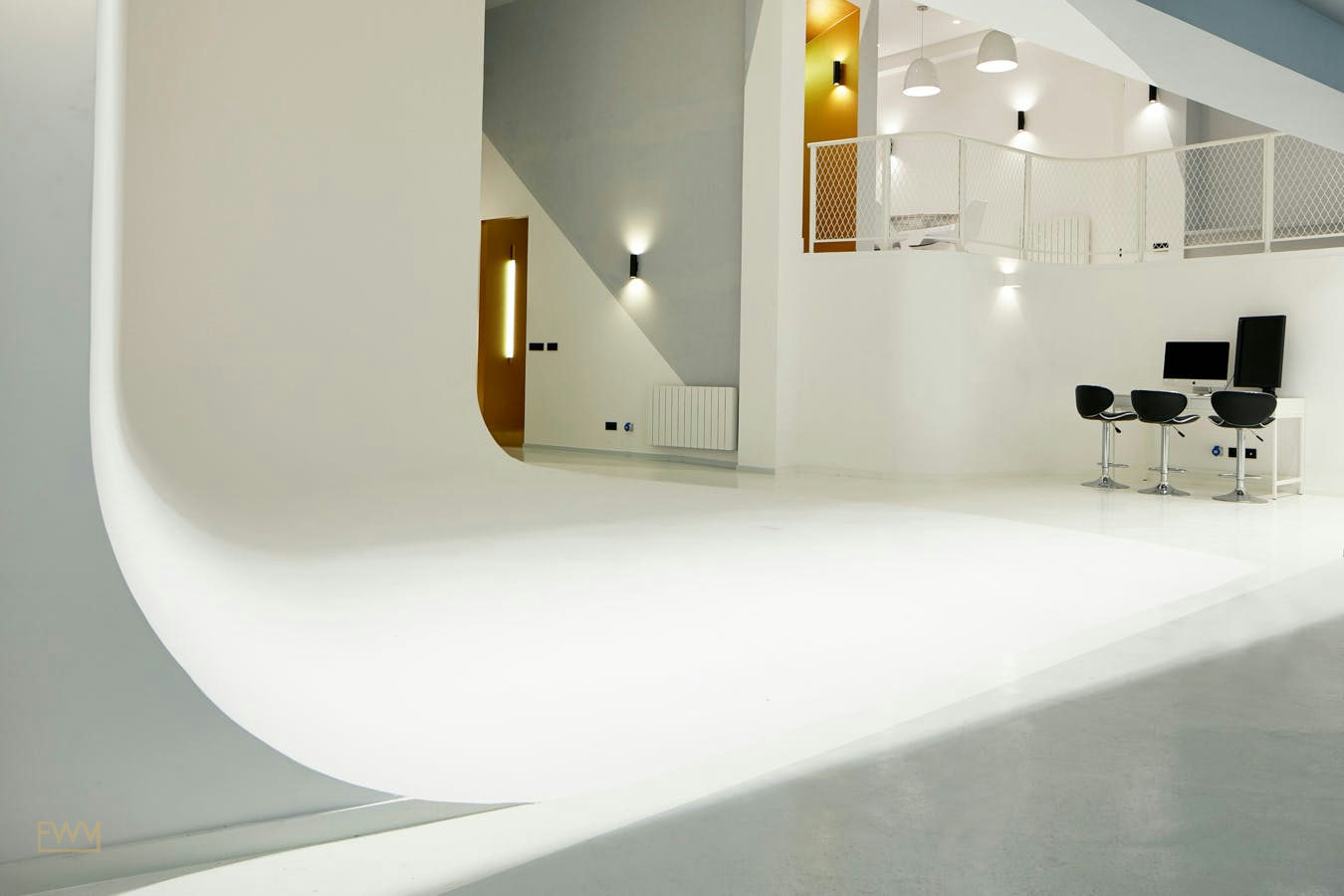
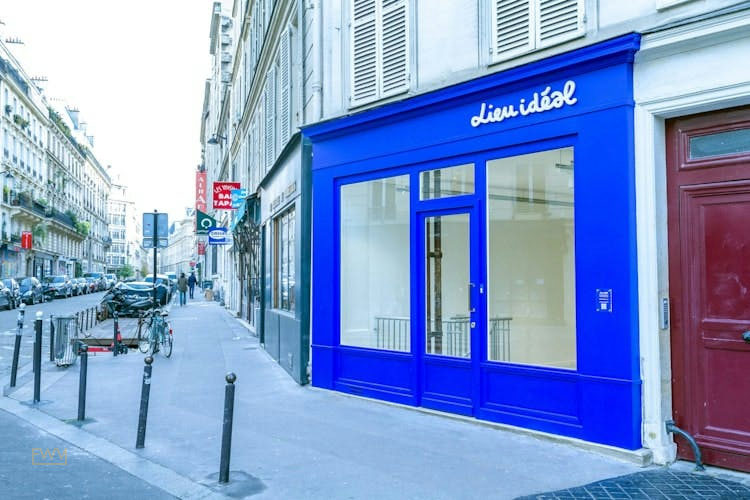
Fashion Week venues are a cornerstone in activating brand presence during major fashion events, particularly in Paris. Selecting the right venue can elevate a brand's visibility and success, whether through pop-up shops, showrooms, or any other short-term retail opportunities. Fashion Week Venues, as a full-service pop-up agency with expert insights and comprehensive tools, serves as a gateway for brands to navigate this intricate landscape effectively. This guide explores essential aspects of securing and utilizing Fashion Week venues effectively, providing answers to common challenges brands might face.
Understanding Fashion Week Venues
Fashion Week venues are specialized spaces utilized during global fashion weeks, serving as a platform for brands to showcase their latest collections and innovations. These venues range from pop-up shops to exclusive showrooms, each offering unique opportunities to engage with influential audiences. Understanding the types and uses of these venues is crucial for optimizing brand visibility during fashion week.
Quick answer: Fashion Week venues provide brands with critical access to audiences during high-profile events, offering spaces like pop-up shops and showrooms to maximize visibility.
Types of Fashion Week Venues: Fashion Week venues can be categorized into several types, with pop-up shops and showrooms being the most prevalent. Pop-up shops are temporary retail spaces that allow brands to create an experiential area for direct consumer engagement. Showrooms, on the other hand, serve as private spaces for buyers and press to view collections up close and foster business negotiations.
The choice of venue type is influenced by several factors, including target audience, brand objectives, and logistical considerations. A pop-up shop may suit a brand aiming for high public visibility and direct consumer sales, while a showroom might better serve high-fashion brands looking to build direct relationships with industry insiders.
DID YOU KNOW: The timing of Paris Fashion Week is strategically aligned with buyers' schedules to ensure maximum attendance and influence.
Considerations for Choosing a Venue: To select the right venue, brands should assess their goals, target demographics, space requirements, and budget constraints. Utilizing tools like the space comparison tool can help brands weigh these factors against available options. Proximity to other major events or complementary brands can boost foot traffic and enhance brand experience, making the location a vital consideration.
KEY TAKEAWAY: Understanding the distinct types and functions of Fashion Week venues is key to selecting a space that aligns with marketing goals and target audiences.
As brands pursue venue options, it's critical to consider not just the type but also the strategic location within fashion capitals to drive maximum impact, a concept further explored in the next section on major fashion capitals.
Comparing Major Fashion Capitals for Venues
Global fashion capitals like Paris, New York, Milan, London, Tokyo, and Dubai each offer unique advantages for hosting fashion week events. Understanding the nuances of these cities' markets can significantly impact the choice of venue and its success. Fashion Week Venues offer insight into each city's specialties, serving as a knowledgeable guide in selecting the most strategic location.
Quick answer: Major fashion capitals differ in audience preferences and logistics; choosing between them requires understanding each city's unique market dynamics.
Paris: Renowned for its historic and luxurious venues, Paris provides unparalleled prestige and attracts top-tier industry insiders. Venues like the Palais de Tokyo and Le Marais add cultural and aesthetic value, pivotal in branding strategies.
New York: Known for its vibrant, cutting-edge fashion scene, New York offers venues that emphasize urban chic and modern innovation. Areas like SoHo and the Meatpacking District present dynamic opportunities for pop-ups.
Milan: As Italy's fashion hub, Milan combines tradition with innovation, offering venues rich in cultural heritage. The focus on craftsmanship appeals to brands looking to accentuate their artisanal qualities.
London: London's diverse districts, from Shoreditch's avant-garde spaces to Mayfair's classic venues, fit various brand images. The city's eclectic style appeals to both established and emerging designers.
Tokyo: Tokyo blends high tech with traditional elegance, providing unique spaces that cater to both global trends and local styles. Venues often reflect cutting-edge technology and meticulous design.
Dubai: With its rapid growth and affluence, Dubai is a burgeoning hub for fashion with luxury malls and contemporary architecture. The ultramodern spaces attract global brands seeking future-forward environments.
| City | Key Features | Venues |
|---|---|---|
| Paris | Luxury, history | Le Marais, Palais de Tokyo |
| New York | Innovation, urban | SoHo, Meatpacking District |
| Milan | Craftsmanship, tradition | Zona Tortona, Quadrilatero della Moda |
| London | Diversity, style | Shoreditch, Mayfair |
| Tokyo | Tech, tradition | Ginza, Harajuku |
| Dubai | Modernity, luxury | DIFC, The Dubai Mall |
KEY TAKEAWAY: Each fashion capital offers distinct advantages; brands must align their venue choice with their overarching strategy and target demographics.
Understanding the geographic and cultural context of venues leads naturally into the next consideration: leveraging these spaces for effective brand activation, which we'll explore in the following section.
Strategies for Effective Brand Activation
Achieving successful brand activation during Fashion Week involves more than just great product placement; it requires strategic planning and execution tailored to the brand's goals and audience. Fashion Week Venues provides an array of services, including activation management, that ensure every aspect of your venue experience amplifies brand presence.
Quick answer: Effective brand activation during Fashion Week relies on blending creative strategy with logistical expertise to maximize engagement and visibility.
Activation Planning: Activation planning starts with defining clear objectives, such as brand introduction or collection showcase, and understanding the intended audience. Utilizing activation management services can help streamline this process, covering elements from initial planning to on-the-ground execution.
Precision in orchestration enables seamless customer interactions and enhances the brand experience. This includes managing logistics such as permits, staffing, and site layout, ensuring a cohesive and immersive environment.
Creative Engagement: Creative concept direction is indispensable for captivating attendees. Engaging visual merchandising and immersive experiences developed with the assistance of a concept and creative team can elevate the brand narrative. This involves designing spaces that reflect brand identity while considering practical elements like traffic flow and light positioning.
Furthermore, leveraging timeline planning tools assists in synchronizing various activation components, ensuring timely execution that aligns with the brand's broader campaign.
Measuring Success: Post-event evaluation is crucial in assessing the effectiveness of brand activations. Utilizing ROI calculation tools provides insights into visitor engagement, sales conversions, and overall brand impact. These metrics allow for informed adjustments and planning of future strategies.
KEY TAKEAWAY: Comprehensive planning, creative design, and objective measurement are pillars of successful brand activation during Fashion Week.
The complexity of brand activations makes employing a structured and flexible approach vital, a transition that leads seamlessly into a discussion on tools and services offered by Fashion Week Venues in the following section.
Tools and Services Offered by Fashion Week Venues
Fashion Week Venues is committed to supporting brands in seamlessly executing successful events with a comprehensive suite of tools and services. From venue sourcing to analytics and beyond, here’s how Fashion Week Venues empowers brands during crucial fashion events.
Quick answer: Fashion Week Venues offers strategic tools and services tailored to optimize all aspects of event planning and execution, from space sourcing to data analytics.
Venue Sourcing: This service helps brands identify ideal locations based on criteria such as audience, event objectives, and budget. With expertise in major fashion capitals, venue sourcing experts streamline the search process, saving brands significant time and resources.
Production and Build: Through fit-out and production services, Fashion Week Venues manages everything from initial concept to final logistics, ensuring the physical space is perfectly aligned with the brand's vision and operational needs.
Influencer Marketing: By leveraging influencer marketing services, brands can amplify their reach and engagement. Fashion Week Venues connects brands with influencers who resonate with their audience, facilitating impactful storytelling.
Additionally, Fashion Week Venues’ suite of tools like the space location tool and budget calculator support precise planning and execution, enhancing decision-making with clear, actionable data.
| Service | Description |
|---|---|
| Venue Sourcing | Finds the ideal location for brand needs |
| Activation Management | Oversees complete brand activation |
| Concept Direction | Develops creative design and visual merchandising |
| Influencer Marketing | Connects brands with relevant influencers |
| Production and Build | Manages design and logistics |
KEY TAKEAWAY: Fashion Week Venues provides essential tools and services to navigate the complexities of fashion event planning, ensuring seamless execution from concept to completion.
Understanding these offerings leads us to explore the important financial and logistical considerations brands must account for when planning their Fashion Week activations in the subsequent section.
Financial and Logistical Considerations
Embarking on a Fashion Week activation involves intricate financial and logistical planning, as costs can vary significantly with venue selection, city, and scope of activation. Here's what to consider to ensure a successful and budget-conscious event.
Quick answer: Budgeting and logistics are critical to Fashion Week planning; estimating costs accurately and securing necessary logistics are fundamental steps.
Budget Planning: Developing a comprehensive budget is critical. Fashion Week Venues offers a budget calculator tool to assist brands in estimating expenses accurately based on desired location, event size, and scope. Elements like venue rent, design, staffing, and permits must all be considered.
Logistics Coordination: Effective logistic management ensures that all components of the activation work seamlessly. This includes transportation arrangements, inventory tracking, and staffing coordination. Utilizing a staffing service ensures that the event is manned by experienced personnel who align with the brand ethos.
Permits and Compliance: Navigating legal considerations is crucial, and securing the right permits like Bail Dérogatoire or AOT requires diligence. These permits differ from standard commercial leases and involve compliance with French legal standards. The permits tool can guide you through these requirements, although consulting a French legal expert is recommended.
Venue Comparisons: Comparing venues based on cost, location, and benefits using the space comparison tool further refines decision-making, ensuring choice aligns with financial constraints and activation goals.
| Logistic Element | Solution |
|---|---|
| Budget Calculation | Utilize budget tools for accurate planning |
| Staffing | Hire through retail staffing services |
| Permit Acquisition | Use permit tools for guidance |
| Venue Selection | Compare spaces with comparison tools |
KEY TAKEAWAY: Comprehensive budget planning and logistical management are crucial to successful fashion event activations, mitigating risks and ensuring an effective presence.
Addressing these considerations adeptly positions brands to leverage their activation strategy effectively, setting the stage for exploring common myths about hosting events in major fashion capitals.
Common Myths Debunked
MYTH: You must have a French legal entity to rent a space in Paris.
FACT: While having a local legal entity can facilitate certain processes, it is not always necessary. With the right permits and legal advice, international brands can rent venues efficiently. Consulting tools like the permits tool simplifies understanding legal requisites.
MYTH: Paris Fashion Week is the only viable calendar window for activations.
FACT: While Paris Fashion Week is a prime time, other periods such as Men’s Week or Haute Couture offer strategic alternatives for brand exposure, often with less competition for venue spaces.
MYTH: The only way to find a space is through commission brokers.
FACT: Agencies like Fashion Week Venues provide direct access to an extensive database of spaces, often offering more agile and cost-effective solutions than traditional brokerage.
MYTH: Short-term leases are straightforward and require no specialist help.
FACT: Short-term leases can be complex and vary significantly by neighborhood and space use. Specialist advice ensures all legal and logistical pitfalls are managed effectively, safeguarding the brand's interests.
Frequently Asked Questions
What is the best time to secure a venue for Fashion Week?
Ideally, securing a venue should occur at least six months ahead of your target event date during Fashion Week. This planning period allows ample time to finalize logistics, manage legal requirements, and create an impactful brand activation strategy. Early bookings have the advantage of a broader choice of prime locations and potential financial savings.
How can I ensure my brand stands out during Fashion Week?
To make your brand stand out, focus on a unique concept and holistic approach to your activation strategy. Incorporate visually compelling designs and interactive elements that align with your brand ethos. Utilize influencer partnerships and media coverage to enhance visibility. Consulting experts like those at Fashion Week Venues can provide key insights into creative concept development.
What types of permits are needed for a pop-up in Paris?
Common permits required for a pop-up shop in Paris include Bail Dérogatoire for short-term leases, and specific AOT permits if your space involves public areas. These ensure regulatory compliance and protect against legal issues. Using tools like Fashion Week Venues' permits tool can assist in identifying necessary permits and facilitating the application process.
How do I manage logistics for my fashion event in a foreign city?
Managing logistics in a foreign city involves thorough planning across transportation, staffing, inventory, and venue arrangements. Leveraging local expertise through agencies like Fashion Week Venues can provide valuable local insights and access to established networks. Combining this with comprehensive tools for budget and timeline planning ensures a seamless logistical experience.
Can I use existing event spaces, or should I customize a site?
Both options have their merits. Existing spaces offer the convenience of ready-to-use facilities, often reducing setup costs. However, customizing a site allows for a bespoke environment tailored to your specific brand identity and experiential goals. The decision should align with your brand's objectives, style, and budget considerations.
What benefits do showrooms offer compared to pop-up shops?
Showrooms often offer an intimate and controlled environment focusing on industry insiders, such as buyers and the press, whereas pop-up shops aim at broader public engagement. Showrooms are ideal for high-touch interactions and showcasing detailed craftsmanship, making them suitable for high-fashion brands that prioritize direct business relationships.
How do I measure the success of my event?
Key performance indicators (KPIs) for measuring event success include visitor numbers, engagement levels, sales conversions, and media coverage. Utilizing ROI tools, such as those offered by Fashion Week Venues, provides data-driven insights to evaluate the effectiveness of your brand activation, facilitating learnings for future events.
What are the key elements of a successful brand activation strategy?
A successful brand activation strategy depends on clear objectives, detailed planning, creative execution, and measurable outcomes. Engaging storytelling and interactive elements enhance consumer connection. Additionally, leveraging data analytics to track performance and adapt strategies as needed is crucial for optimizing future activations.
How can technology enhance my fashion week activation?
Technology enhances activations through virtual pop-ups, augmented reality experiences, and interactive digital installations. These tools create immersive environments that engage audiences in meaningful ways. Platforms like Fashion Week Venues often integrate these technological innovations, helping brands remain competitive and appealing.
What role does influencer marketing play in Fashion Week events?
Influencer marketing bridges brands and target audiences, expanding reach and credibility through authentic endorsements. Influencers help drive traffic to activations, boost social media engagement, and enhance brand storytelling. Fashion Week Venues connects brands with influencers who align with their image, helping maximize impact and resonance.
Conclusion: Navigating Your Fashion Week Activation
Embarking on a Fashion Week activation encompasses understanding venue types, strategic city selection, meticulous activation planning, and a keen eye on budget and logistics. With the vast expertise of Fashion Week Venues, brands are equipped to navigate these complexities effectively, turning strategic intent into dazzling displays that captivate audiences and drive business results. Whether through exploring available spaces on the Fashion Week Venues marketplace or leveraging analytical tools, brands can transition from planning to impactful activation smoothly. Deploying these strategies ensures your brand not only participates but thrives during Fashion Week, making a lasting impression on both the public and industry insiders.