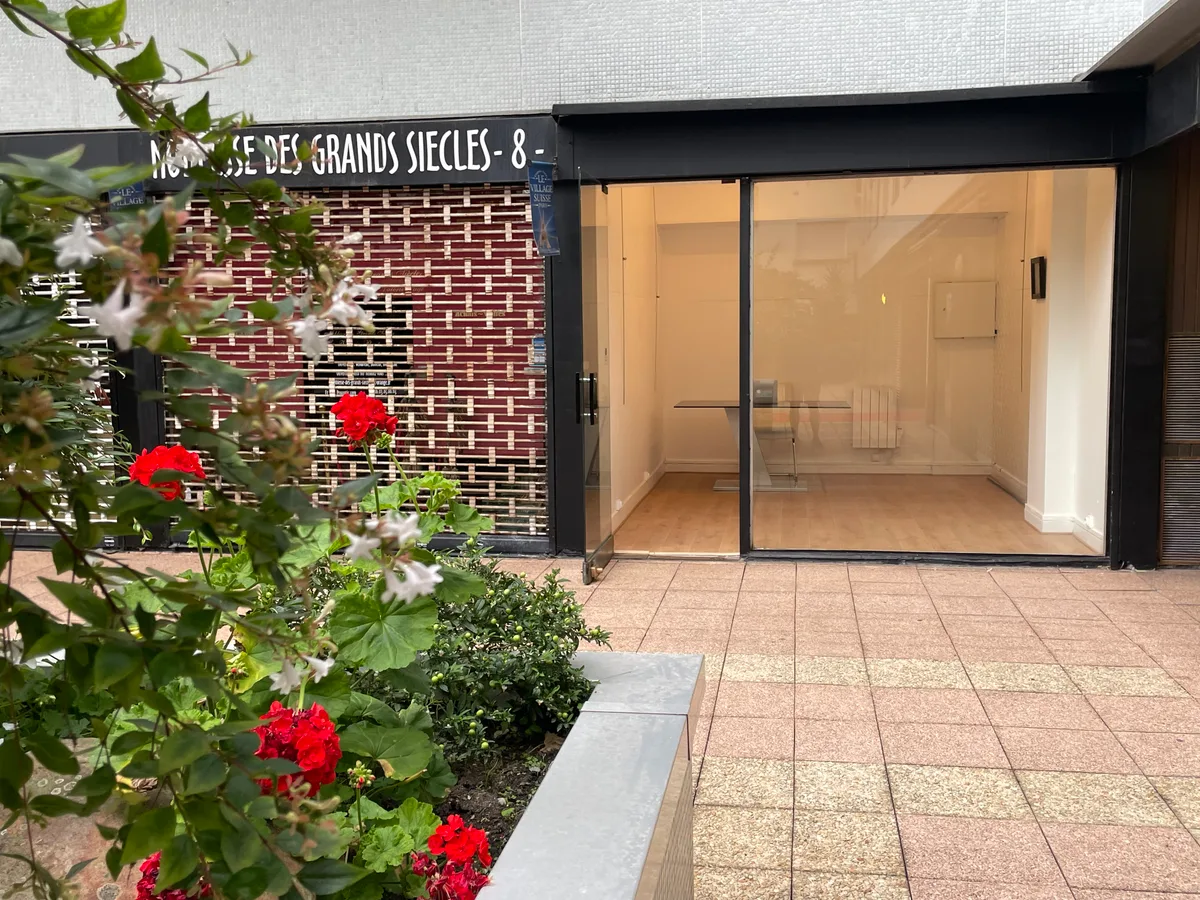
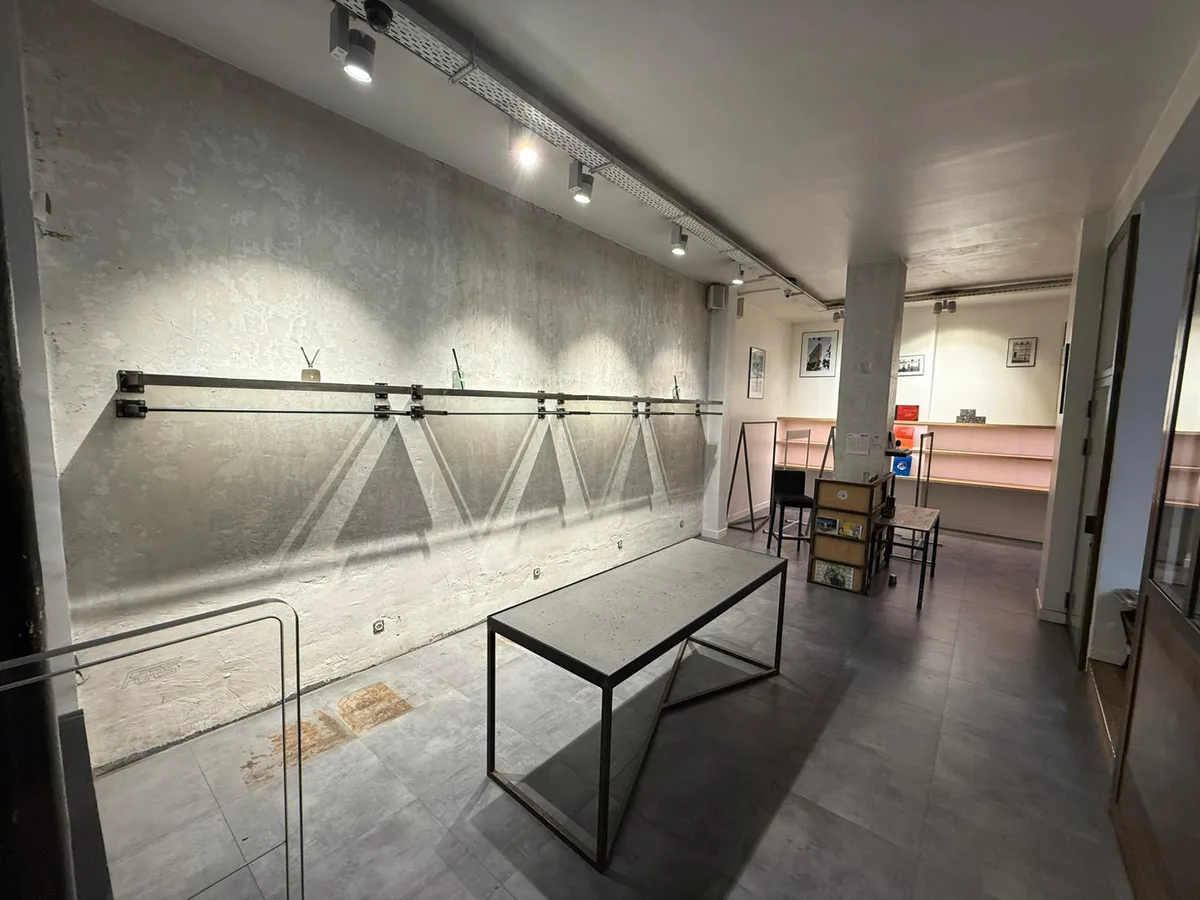
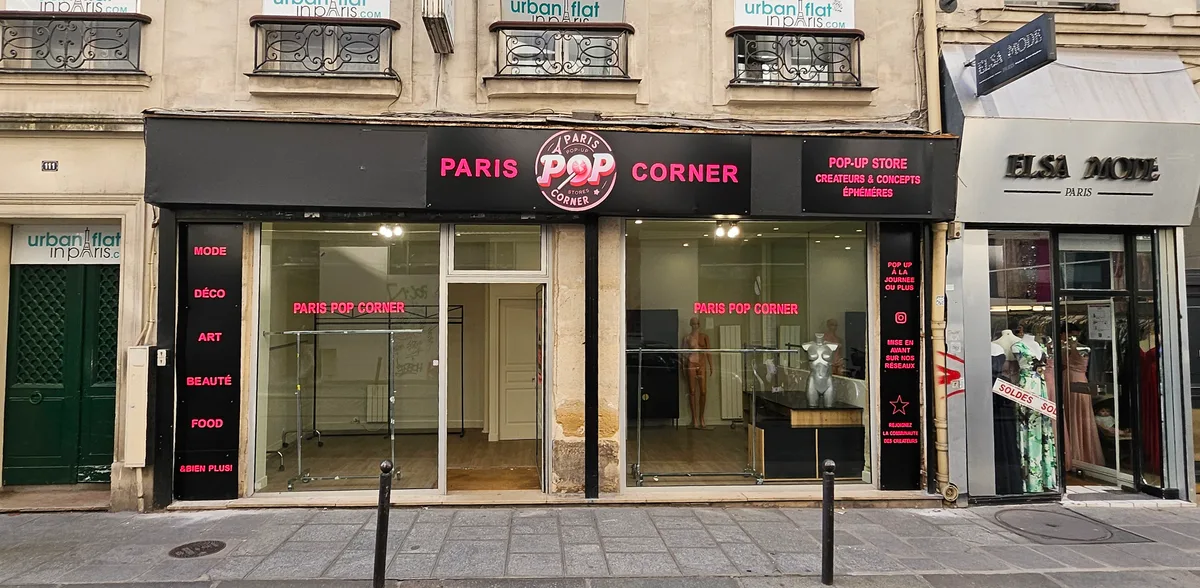
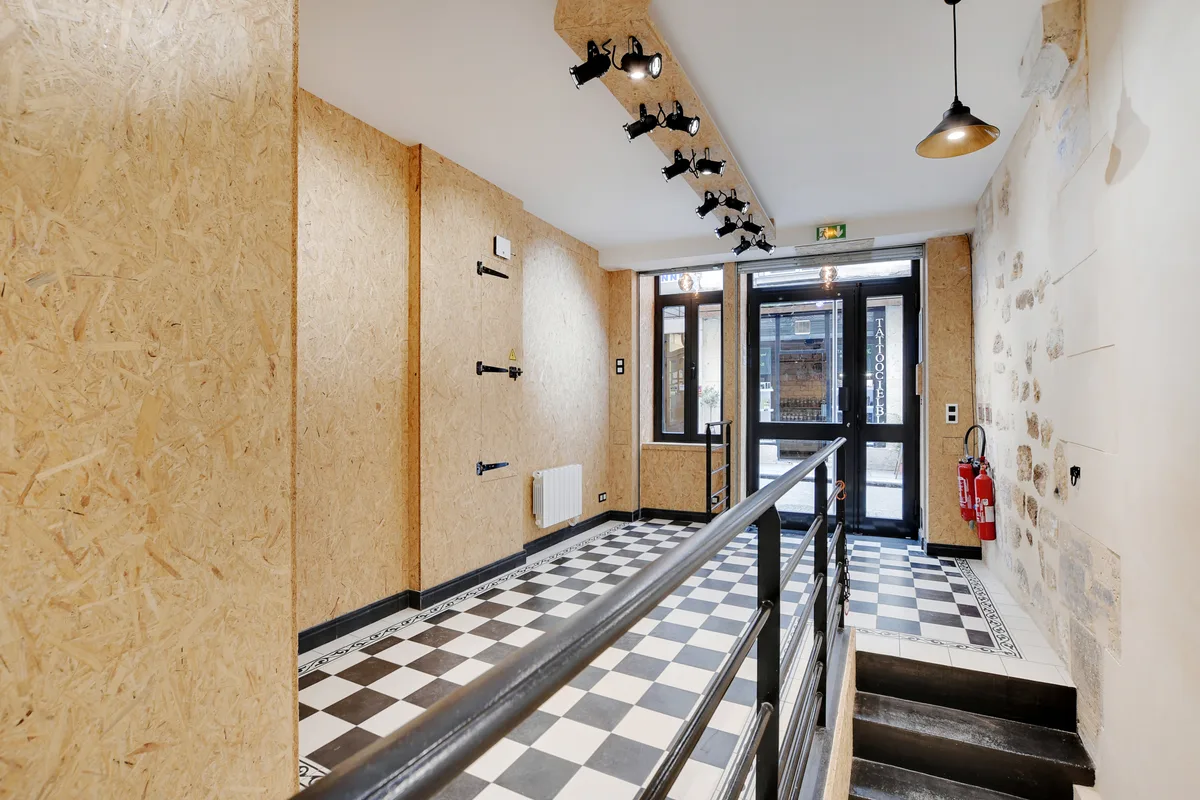
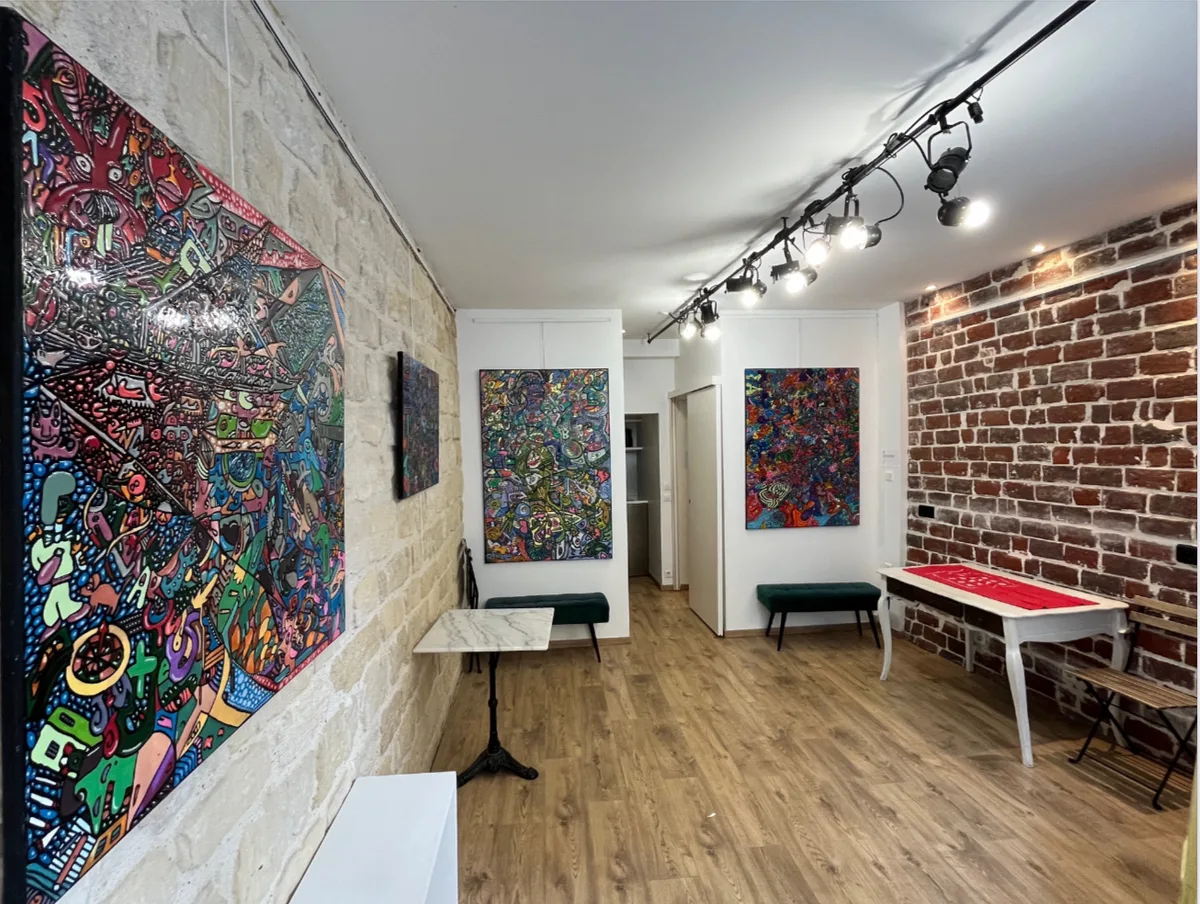
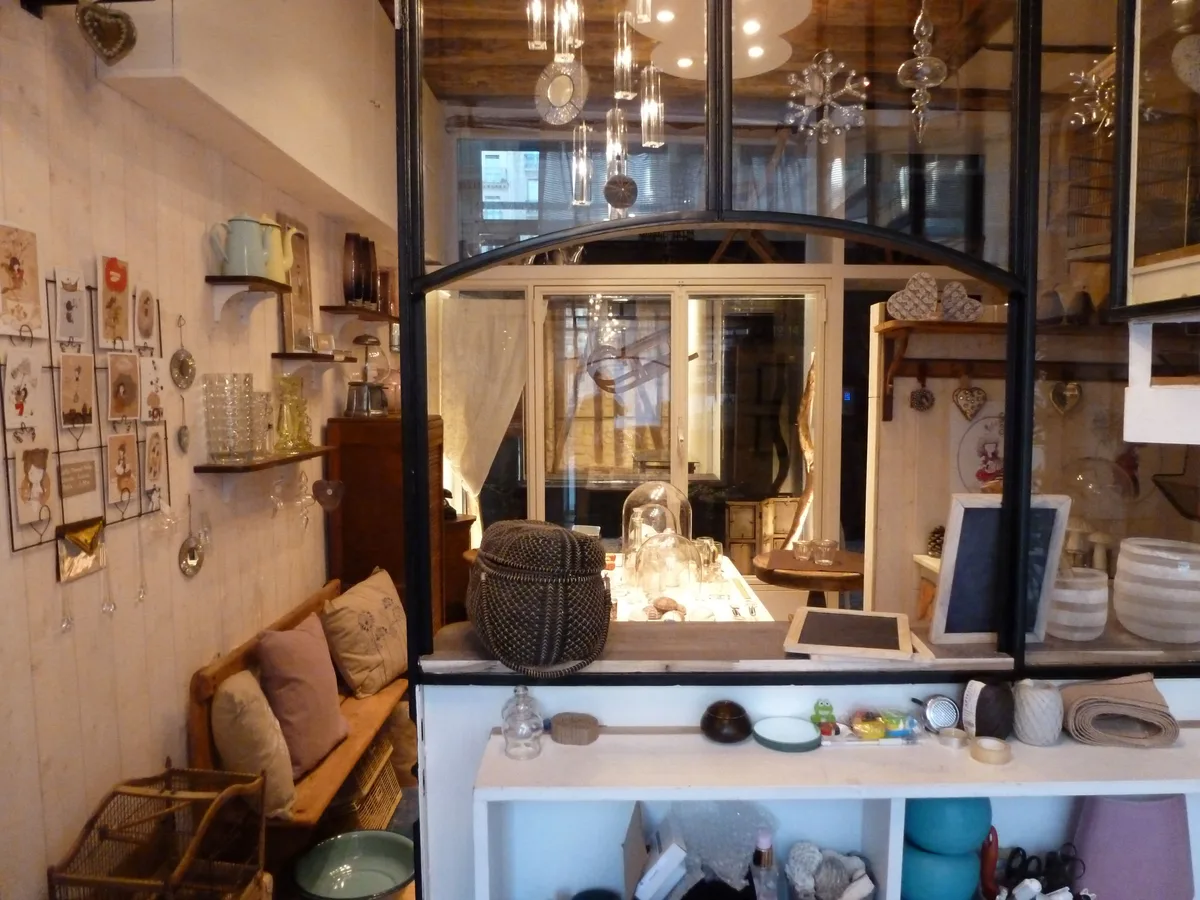
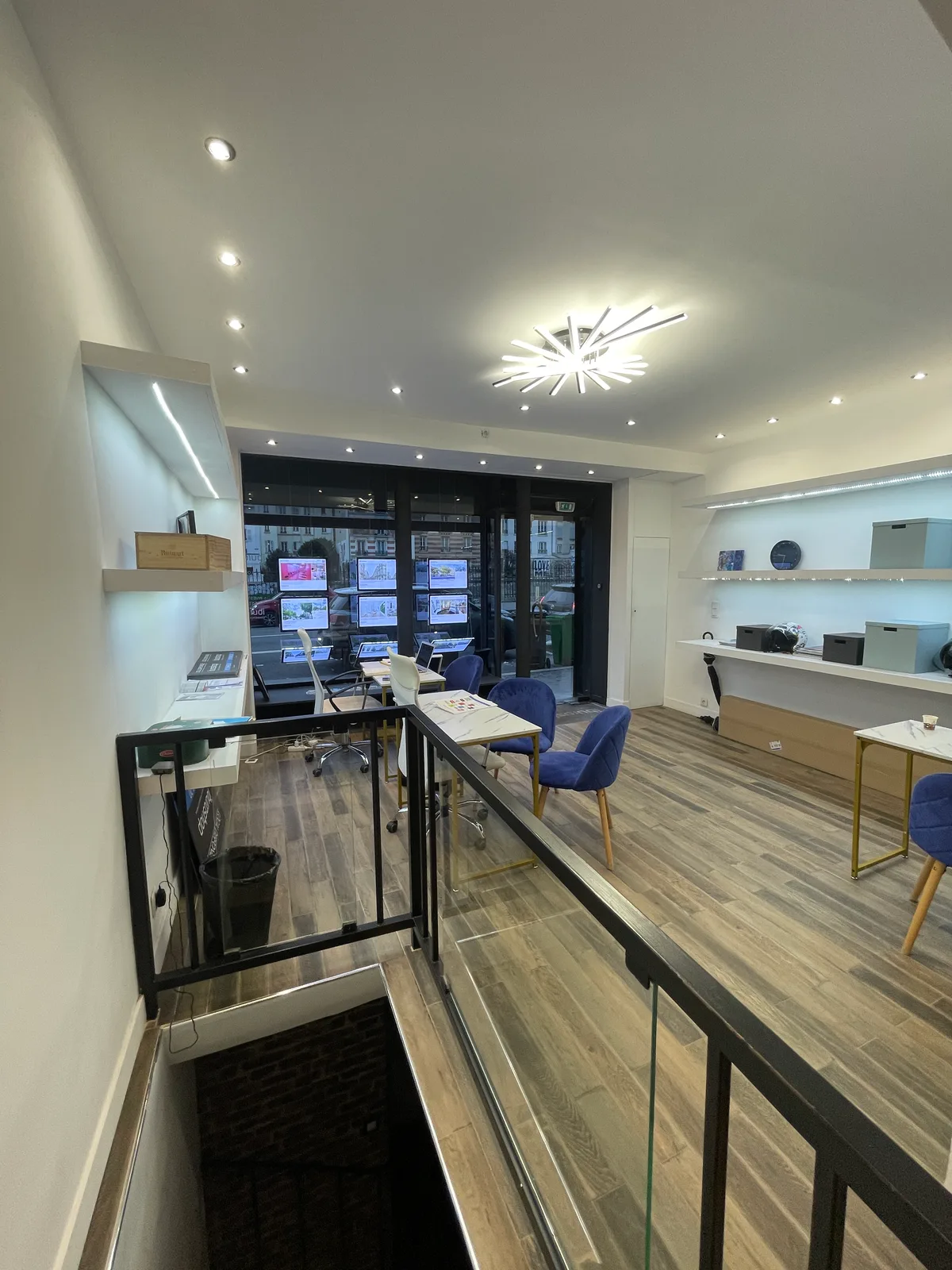
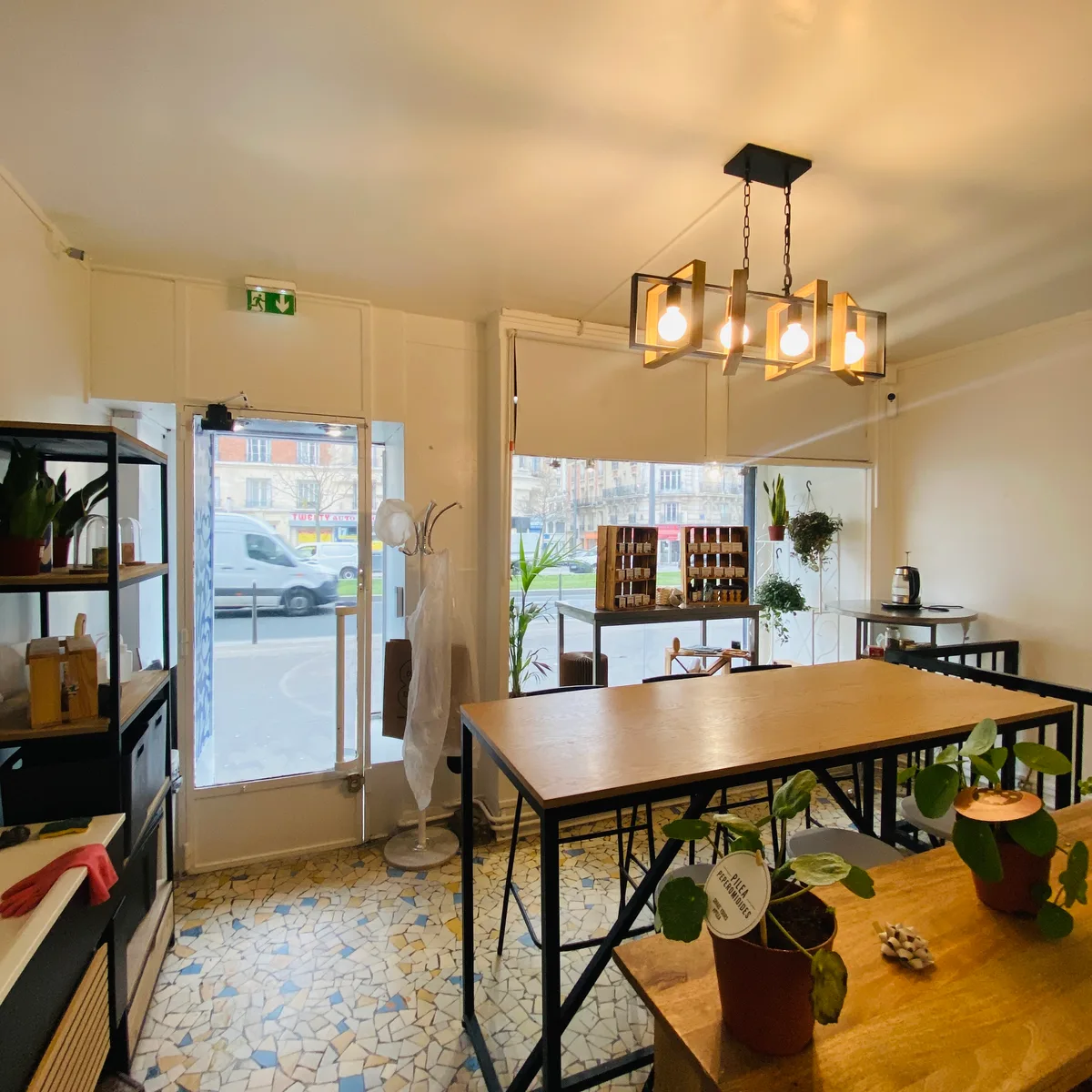
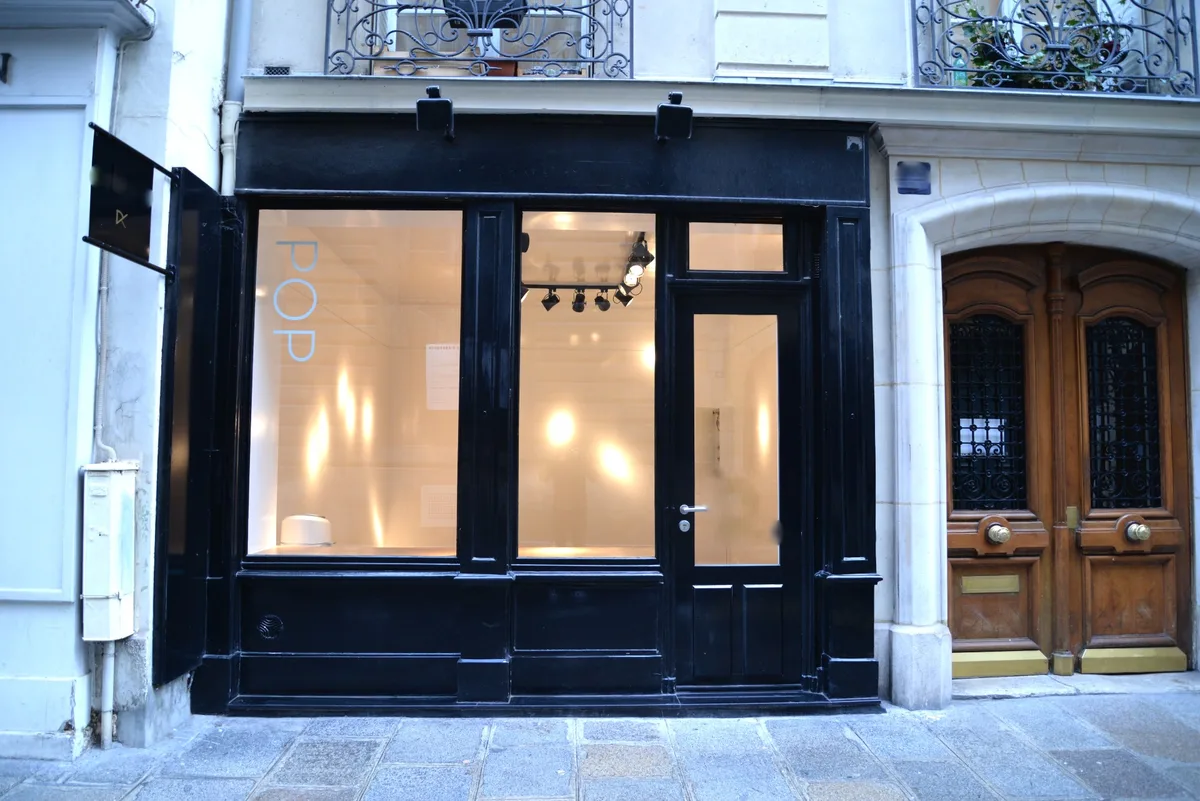
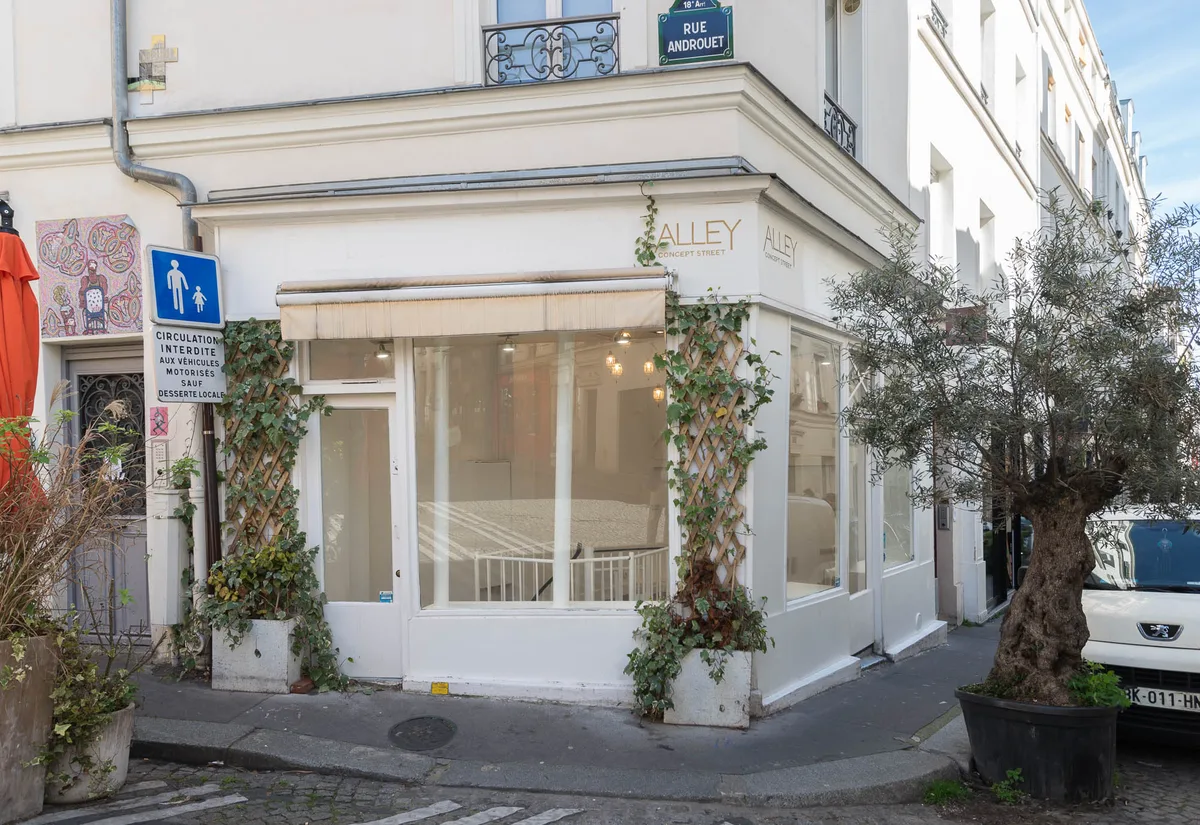
A book pop-up shop in the Latin Quarter sits at one of the most powerful intersections in global retail: a neighbourhood defined by centuries of literary identity, surrounded by the Sorbonne University, Notre-Dame de Paris, the Musée de Cluny, and the Bouquinistes des quais de Seine, populated by readers, collectors, students, tourists, and cultural pilgrims from every corner of the world. For brands, publishers, micro-publishing houses, literary estates, and fashion labels with editorial collections, the Latin Quarter offers a unique activation context that few other Paris neighbourhoods can match. Fashion Week Venues supports brands planning pop-up spaces in Paris across every arrondissement, with specialist knowledge of the 5th and 6th arrondissement venues, heritage buildings, and short-term lease structures that make a book-led or literature-adjacent activation viable, visible, and commercially meaningful.
Why the Latin Quarter Is the Right Neighbourhood for a Book Pop-Up in Paris
Quick answer: The Latin Quarter, centred on the 5th arrondissement, is Paris's historic intellectual and literary district. It hosts the Sorbonne University, the Musée de Cluny, the Arènes de Lutèce, and a dense concentration of independent bookshops, making it the most contextually appropriate neighbourhood in the city for a book-themed pop-up activation targeting culturally engaged audiences.
The Latin Quarter has been a centre of intellectual and literary life since the medieval period, when Latin was the common language of the Sorbonne's scholars. The neighbourhood takes its name from that tradition. Today, it remains one of the most book-dense areas of any European capital. Rue de la Parcheminerie, once the street of parchment sellers and scribes, still draws visitors who understand that printed words have a physical, spatial power that digital media cannot replicate. That history is not merely decorative. It provides a brand activating here with an immediate layer of legitimacy and narrative depth.
Walking through the 5th arrondissement, a visitor encounters Shakespeare and Company, the legendary anglophone bookshop on the Seine founded by George Whitman and now run by his daughter Sylvia, which has become one of the most photographed cultural sites in Paris. Around the corner, the San Francisco Book Company on rue Monsieur le Prince offers a sprawling stock of English-language second-hand books, essays, biographies, travel guides, and paperbacks with flaps. The Abbey Bookshop on rue de la Parcheminerie, operated by Brian Spence, is a Toronto and Canada-connected institution that has served the anglophone literary community in Paris for decades. Boulinier on Boulevard Saint-Michel sells second-hand books, comics, and graphic novels across multiple floors, while Grand Peut-être carries a carefully curated selection of contemporary French and international literature. L'Amour du Noir specialises in Nordic crime novels and polar fiction. L'Ours et la Vieille Grille is a beloved neighbourhood institution.
The proximity of the Musée du Louvre to the north, the Musée d'Orsay to the west along the Seine, and the Île de la Cité with Notre Dame Cathedral directly across the river creates a cultural geography that draws international visitors year-round. The Arènes de Lutèce, the Roman amphitheatre that survives from the ancient city of Lutetia, and the Roman baths beneath the Musée de Cluny give the neighbourhood a depth of historical heritage that reinforces the weight of the printed word. For a brand staging a book-led activation, this is not neutral space. Every square metre carries meaning.
Beyond the 5th arrondissement itself, brands frequently consider the adjacent 6th arrondissement, which contains the Odéon area, Saint-Germain-des-Prés, and a further concentration of librairies and cultural venues. The proximity to Le Bon Marché, the historic department store on rue de Sèvres, and the Marais to the east, gives brands flexibility to design a multi-venue or touring pop-up that connects different neighbourhoods across a single campaign.
DID YOU KNOW: Rue de la Parcheminerie in the 5th arrondissement was historically the street where medieval scribes and parchment sellers operated, supplying the nearby university. The Abbey Bookshop at number 29 continues that tradition of the printed word on the same street today.
KEY TAKEAWAY: The Latin Quarter is not just a convenient location for a book pop-up in Paris. It is a neighbourhood where the cultural context actively amplifies the message of any book-led, editorial, or literary brand activation, making the space itself do communicative work that no other Paris neighbourhood can replicate at the same density.
Understanding the specific bookshop landscape in the neighbourhood helps brands position their pop-up intelligently, either complementing the existing literary ecosystem or introducing a format and editorial point of view that adds something genuinely new.
The Bookshop Landscape of the Latin Quarter and Surrounding Arrondissements
Quick answer: The Latin Quarter and adjoining arrondissements contain one of Europe's densest concentrations of independent bookshops, second-hand librairies, specialist comics shops, and literary institutions. Understanding the existing landscape is essential for any brand planning a book pop-up, as the neighbourhood has a sophisticated and discerning readership with high expectations for curation and concept.
Shakespeare and Company is the most internationally recognised bookshop in Paris, drawing visitors from every country. Its combination of new and second-hand English-language stock, its association with George Whitman and the legacy of Sylvia Beach's original Shakespeare and Company on rue de l'Odéon, and its regular readings and events programme make it a cultural benchmark. Any book pop-up in the Latin Quarter will inevitably be measured against this standard of literary seriousness and community engagement.
The San Francisco Book Company, also primarily English-language, focuses on second-hand stock with a particular strength in essays, literary fiction, travel guides, biographies, and paperback editions with flaps. The shop on rue Monsieur le Prince has served the neighbourhood's student, expat, and tourist population for many years and is known for its pricing, stock depth, and welcoming atmosphere.
The Abbey Bookshop, run by Brian Spence and connected to Toronto and Canada through its origins and stock focus, is one of the most distinctive shops in Paris. The basement is piled with books. The shelves extend from floor to ceiling. The shop hosts events, readings, and occasional exhibitions, and has become a point of reference for anglophone literary life in Paris. Its address on rue de la Parcheminerie connects it directly to the street's centuries-old relationship with the printed word.
Aaapoum Bapoum on rue Saint-Jacques is a specialist in comics, graphic novels, and mangas. Album Comics, with a long-standing presence in the neighbourhood, serves a similar market. Boulinier on Boulevard Saint-Michel is a multi-floor destination for second-hand books across all genres, including rare books, classics, comics, and graphic novels. These shops demonstrate that the Latin Quarter's literary identity is not limited to literary fiction or academic texts. Comics, mangas, and graphic novels have a serious and dedicated readership in the neighbourhood.
Beyond the immediate 5th arrondissement, the Bouquinistes des quais de Seine are the green wooden boxes that line the banks of the Seine between the Pont Marie and the Quai des Tuileries. These booksellers, some of whom have held their permits for generations, sell a mixture of second-hand books, vintage prints, postcards, and rare books. They are an integral part of the visual and cultural identity of the Latin Quarter riverfront and represent one of the oldest forms of open-air book retail in the world.
In the Marais, Galerie Joseph and the Swedish Institute at the Hôtel de Marle offer a different but complementary context. The Swedish Institute, housed in an 18th-century hôtel particulier, has hosted literary and cultural events including the Bokbar, a Nordic literature and design concept that brought Nordic crime novels, essays by authors including Jón Kalman Stefánsson, Sara Stridsberg, Sofi Oksanen, and Karl Ove Knausgård, along with illustrations by artists including Jean Jullien and Sara-Vide Ericson, and Moomins-related content from the world of Tove Jansson, into a curated retail and event space. The Bokbar concept, which included story time sessions, cinema screenings, and theatre events, demonstrated how a book pop-up in Paris can function as a full cultural programme rather than a simple retail operation.
TIP: When planning a book pop-up near existing bookshops in the Latin Quarter, consider programming that is complementary rather than competitive. Events, readings, signings, and thematic installations can coexist productively with the permanent shops and often generate cross-referral from their regular customers.
| Bookshop or Venue | Location | Speciality | Language Focus |
|---|---|---|---|
| Shakespeare and Company | 5th arr., quai de la Tournelle | New and second-hand literary fiction, events | English |
| The Abbey Bookshop | Rue de la Parcheminerie, 5th arr. | Second-hand books, basement stock, classics, essays | English, French |
| San Francisco Book Company | Rue Monsieur le Prince, 6th arr. | Second-hand, travel guides, biographies, paperbacks | English |
| Boulinier | Boulevard Saint-Michel, 5th arr. | Second-hand books, comics, graphic novels | French |
| Aaapoum Bapoum | Rue Saint-Jacques, 5th arr. | Comics, mangas, graphic novels | French |
| L'Amour du Noir | 5th arr. | Nordic crime novels, polar fiction | French |
| Grand Peut-être | 5th arr. | Contemporary French and international literature | French |
| Bouquinistes des quais de Seine | Along the Seine, 5th and 6th arr. | Second-hand books, rare books, vintage prints | French, mixed |
| Album Comics | 5th and 6th arr. | Comics, graphic novels | French |
| L'Ours et la Vieille Grille | 5th arr. | Independent neighbourhood bookshop | French |
KEY TAKEAWAY: The Latin Quarter's bookshop ecosystem is layered, specialist, and sophisticated. A book pop-up that positions itself with a clear editorial or thematic identity, whether rare books, Nordic literature, micro-publishing, graphic novels, or fashion-adjacent editorial collections, will find an existing audience that is already primed for curated reading experiences.
With the bookshop landscape in view, the next step is understanding what types of pop-up store formats work in this neighbourhood and what specific space types and concepts have precedent in Paris.
Pop-Up Store Formats for Book and Literary Brand Activations in Paris
Quick answer: A book pop-up store in the Latin Quarter can take several forms: a temporary retail shop selling a curated collection, a publisher or author activation tied to a specific publication, a fashion and literature crossover concept, a cultural programme with retail elements, or a brand activation using books as the editorial lens. Each format requires a different space type, budget, and operational approach.
The concept of the pop-up bookstore has evolved significantly from its origins as a clearance or market stall format. Today, the most successful pop-up bookstores in Paris function as fully designed, immersive brand environments that use the physicality of books and the rituals of reading to create spaces that are visually distinctive, culturally resonant, and commercially effective.
The Bokbar concept at the Swedish Institute in the Marais is one of the most frequently cited examples. Housed in an 18th-century hôtel particulier at the Hôtel de Marle, the Bokbar combined a curated bookshop featuring Nordic literature by authors including Jón Kalman Stefánsson, Sara Stridsberg, Sofi Oksanen, and Karl Ove Knausgård with a programme of story time events, cinema screenings, and theatre performances. The Walpurgis exhibition and the collaboration with illustrators including Jean Jullien and Tove Jansson's Moomins world gave the activation a strong visual identity. The Bokbar demonstrated that a book pop-up can generate media coverage, social engagement, and cultural authority that extends far beyond the physical space.
Mise en Page is a Paris-based concept that has explored the intersection of design, printed words, and retail. Its model of presenting books as designed objects, with attention to Size of the book, Paperback with flap formats, Dimensions, and visual presentation, reflects a broader trend in which the physical book is treated as a luxury or design product rather than a commodity. This approach resonates strongly in the Latin Quarter, where the density of design-literate visitors creates a receptive audience for carefully presented editorial collections.
Colette, the legendary Paris concept store on rue Saint-Honoré, closed in December 2017, with founder Sarah Andelman stepping back from retail. But its legacy continues to influence how brands think about curated cultural retail in Paris. Colette regularly integrated books, zines, and publications into its product mix, treating reading material as an equal alongside fashion, accessories, and electronics. Sarah Andelman's subsequent work as a creative consultant has reinforced the idea that books and editorial content can be central to a brand's identity rather than peripheral. The influence of Colette on how pop-up stores are conceived and executed in Paris is substantial.
Galerie Joseph in the Marais, now sometimes referred to as the Joseph Gallery, is one of the most important pop-up store venues in Paris. Its flexible, gallery-like spaces have hosted fashion presentations, brand activations, art exhibitions, and cultural pop-ups. The venue's architecture and location make it suitable for book and literary activations that require a distinctive spatial context rather than a generic retail environment.
La Samaritaine, the historic department store on the banks of the Seine reopened by LVMH, has hosted temporary retail concepts including the Garage Store, a pop-up format that uses the department store's architecture as a backdrop for brand activations. For book-adjacent brands, a presence in La Samaritaine during Paris Fashion Week or during a major cultural calendar moment connects the literary activation to the luxury and fashion ecosystem of the city.
The Palais Galliera, Paris's museum of fashion, and its surrounding area in the 16th arrondissement, occasionally hosts activations that connect fashion with editorial or publication-based content, reflecting the close relationship between the fashion industry and printed culture in Paris. Similarly, Café NouNou, associated with creative figures including Aline Asmar d'Amman and Harry Nuriev, represents a model of the café-bookshop-event space hybrid that is increasingly popular in Paris's creative scene.
For brands interested in micro-publishing, Béton Littéraire and Ines Melia's work represent the Paris micro-publishing scene's engagement with the pop-up format. Castor Fleuriste and Sho Shibuya have both explored the intersection of books, design, and retail activation in Paris contexts. These smaller, more intimate formats often work best in the Latin Quarter's neighbourhood-scale spaces rather than in large flagship venues.
IMPORTANT: Pop-up store formats that include book retail in France must comply with French commercial regulations, including price labelling requirements for books under the Lang Law, which fixes the minimum resale price of new books in France. Second-hand books are exempt from this regulation, but new publications must be sold at a price no more than 5 percent below the publisher's set price. Brands planning to sell new books as part of a pop-up activation should verify compliance with a French legal advisor or through the permit and compliance guidance available from Fashion Week Venues.
| Pop-Up Format | Best Suited For | Space Type | Duration |
|---|---|---|---|
| Curated editorial shop | Publishers, micro-publishing labels, literary brands | Boutique, gallery, hôtel particulier room | 1 to 4 weeks |
| Fashion and literature crossover | Fashion brands with editorial collections, concept stores | Gallery, former boutique, department store concession | 3 to 10 days (Fashion Week aligned) |
| Cultural programme with retail | Cultural institutes, Nordic or international literary organisations | Heritage building, embassy space, hôtel particulier | 2 to 8 weeks |
| Author or publication launch | Individual authors, Ehrhard Dominique, Liya Kebede-connected projects | Intimate gallery, café, bookshop annexe | 1 to 3 days |
| Brand activation with book editorial | Luxury brands using books as cultural props or products | Flagship venue, concept store, gallery | 5 to 14 days |
| Flea market or outdoor book fair | Second-hand dealers, rare book collectors | Market space, courtyard, outdoor licensed area | 1 to 3 days per event |
KEY TAKEAWAY: The format of a book pop-up in Paris should be determined by the brand's editorial identity, target audience, and calendar window before space selection begins. Format clarity leads to better space briefs, faster shortlisting, and stronger activation outcomes.
Choosing the right format is inseparable from choosing the right calendar window, and Paris offers several distinct periods when book and literary activations carry maximum cultural and commercial weight.
Paris Fashion Week and Cultural Calendar Windows for Book Pop-Ups
Quick answer: Paris Fashion Week, which takes place twice annually in January and February for menswear and in September and October for womenswear, as well as the Haute Couture weeks in January and July, creates significant opportunities for book and editorial pop-ups that connect literary content with fashion audiences. The July 2026 Haute Couture window runs from July 6 to 9, 2026, and represents one of the most concentrated periods of brand activation, press attention, and international visitor footfall in Paris.
The relationship between Paris Fashion Week and book culture is not incidental. Paris has always been the city where fashion and literature intersect most productively. The fashion press, the fashion book publishing industry, the fotografia and illustration traditions that connect to fashion, and the editorial culture that surrounds runway presentations all create demand for book-led pop-ups and literary retail during Fashion Week periods.
During Paris Fashion Week, brands including Colette historically, and many subsequent concept stores and pop-up venues, used limited-edition publications, zines, photo books, and editorial collections as part of their seasonal activations. The model of releasing a book or publication as a companion to a collection, whether a fashion collection, a design collection, or a cultural programme, is well established in Paris. Reference publishing, look books designed as collector objects, and collaborations between fashion brands and writers or illustrators have created a genre of fashion-adjacent publication that sits comfortably in a book pop-up format.
The Haute Couture week schedule of runway shows, exhibitions, and happenings from July 6 to 9, 2026 provides a concentrated four-day window when international press, buyers, stylists, and cultural figures are in Paris simultaneously. A book pop-up timed to coincide with this window, particularly one positioned in the Latin Quarter or the Marais and connected to a fashion or cultural brand, can generate disproportionate press attention relative to its scale.
Beyond Fashion Week, the Paris calendar includes several periods when book and literary activations carry strong cultural weight. The Fête de la Musique in June, the Paris Book Fair in March, the summer season when the Bouquinistes are at peak activity along the quais, and the autumn literary season known as la rentrée littéraire in September are all calendar windows when a book pop-up in the Latin Quarter will find an engaged and receptive audience.
The la rentrée littéraire is particularly significant for brands entering the French book trade or launching publications in France. This annual publishing event, which occurs each September, sees hundreds of new French and translated titles released simultaneously. A pop-up bookstore or brand activation timed to coincide with la rentrée, positioned in the Latin Quarter near the Sorbonne University, Le Bon Marché, or along the Boulevard Saint-Michel, can align with the moment when the French reading public is most actively seeking new discoveries.
DID YOU KNOW: La rentrée littéraire, France's annual autumn publishing season, sees approximately 500 new novels released in September alone. For international publishers and brands seeking to launch French-language publications or translated works including Nordic literature, this window represents the single most important moment in the French book trade calendar.
For international brands, particularly those coming from Nordic countries, North America including Toronto and Canada, or Asia, understanding the French book trade calendar is essential for timing a pop-up correctly. Brands that arrive outside these high-attention windows can still succeed, but they need to create their own cultural moment through programming, events, and media partnerships rather than riding an existing wave of attention.
KEY TAKEAWAY: Calendar alignment between a book pop-up and Paris's cultural and fashion calendar windows dramatically increases the visibility, press coverage, and footfall a brand can achieve. The July 2026 Haute Couture week and the September la rentrée littéraire are the two most powerful windows for book-led activations in Paris in 2026.
Timing is one dimension of planning. The equally critical dimension is the legal and permit framework that governs how a short-term retail space can be operated in Paris, particularly in the Latin Quarter's heritage-protected buildings.
Permits, Leases, and Compliance for Book Pop-Up Spaces in the Latin Quarter
Quick answer: Operating a book pop-up store in the Latin Quarter requires navigating French commercial lease law, planning permission for temporary retail, and in many cases specific heritage or security considerations for protected buildings. The bail dérogatoire, a short-term commercial lease under French law, is the most common mechanism for pop-up retail. Authorisation d'Occupation Temporaire permits govern short-term use of certain public or semi-public spaces. Requirements vary significantly by space type, duration, and arrondissement.
The bail dérogatoire, also known as the bail précaire or bail de courte durée, is a French commercial lease instrument that allows parties to agree a tenancy of between one day and three years without the tenant acquiring the statutory rights that attach to a standard commercial lease under French law. For pop-up stores and temporary retail activations, the bail dérogatoire is the standard mechanism. It provides flexibility for the brand, a defined term for the landlord, and legal clarity for both parties.
However, the bail dérogatoire is not automatically straightforward. French commercial lease law is detailed and specific. Certain types of space, including spaces classified as public domain or under historic monument protection, may require additional authorisations. In the Latin Quarter, many buildings are subject to heritage protection given the density of historical architecture in the area. The Musée de Cluny, the Arènes de Lutèce, the buildings around the Sorbonne University, and many of the hôtels particuliers in the adjacent Marais are subject to protections that affect how spaces within or adjacent to them can be used commercially.
The Autorisation d'Occupation Temporaire, or AOT, is a separate instrument that governs the temporary use of public domain spaces, including certain squares, market areas, and publicly owned buildings. For a book pop-up operating in a private commercial space, the AOT is typically not the relevant instrument. But for activations in public gardens, market squares, or spaces on the banks of the Seine near the Bouquinistes, the AOT framework may apply.
Brands planning to operate in buildings with historical heritage designation, security restrictions, or access limitations should be aware that permission processes can be longer and more complex than for standard commercial spaces. Some protected buildings have restrictions on structural modifications, signage, and external branding that affect how a pop-up can be presented. Security reasons may limit visitor access to certain spaces, particularly those adjacent to national museums such as the Musée du Louvre or the Musée d'Orsay.
Payment by card is increasingly required for French retail operations, and brands should ensure that their POS and payments systems comply with French consumer protection requirements. The French book trade has specific pricing regulations under the Lang Law, which sets minimum resale prices for new books. Brands selling new publications must verify their pricing compliance before opening.
The specific permit and compliance requirements for a book pop-up in the Latin Quarter depend on the space type, the intended use, the duration of the activation, and the specific arrondissement. Brands should always verify requirements with a qualified French legal advisor. The Fashion Week Venues permits tool provides directional guidance on the permit landscape in Paris and can help brands identify the questions they need to ask before committing to a space.
IMPORTANT: No permit approval can be guaranteed by any third party. The permit and compliance process in France requires engagement with the relevant authorities, and outcomes depend on the specific space, use, and timing. Always verify requirements with a French legal advisor before signing a lease or making a financial commitment to a space.
| Step | Action | Responsible Party | Timing Before Opening |
|---|---|---|---|
| 1 | Identify space type and heritage status | Brand team or agency | 8 to 12 weeks |
| 2 | Confirm lease instrument (bail dérogatoire or other) | French legal advisor | 8 to 10 weeks |
| 3 | Apply for planning or commercial use permission if required | Brand team with legal support | 6 to 10 weeks |
| 4 | Check heritage and security restrictions for the building | French legal advisor or specialist agency | 6 to 8 weeks |
| 5 | Verify Lang Law compliance for book pricing | Brand team or legal advisor | 4 to 6 weeks |
| 6 | Confirm POS and card payment systems | Brand team or POS provider | 2 to 4 weeks |
| 7 | Finalise access, security, and visitor management plan | Brand team with venue | 1 to 2 weeks |
| 8 | Open and operate | Brand team with operational staff | Opening day |
KEY TAKEAWAY: Permit and compliance planning for a book pop-up in the Latin Quarter should begin at least eight to twelve weeks before the intended opening date, earlier for spaces in heritage-protected buildings or for activations that require planning permission or public domain authorisations.
With the legal framework understood, the practical question of budget, space selection, and neighbourhood choice becomes central. The Latin Quarter offers a range of space types at different price points and scales, and the right choice depends on the brand's specific brief.
Choosing the Right Space: Neighbourhood, Type, and Scale for a Book Pop-Up in Paris
Quick answer: The Latin Quarter, the Marais, and Saint-Germain-des-Prés are the three neighbourhoods most consistently chosen for book pop-ups and literary brand activations in Paris. Each offers a different audience profile, space type mix, and rental market. The right choice depends on the brand's editorial identity, target visitor, and budget range.
Within the Latin Quarter itself, the 5th arrondissement offers the strongest alignment with book culture, academic audiences, and heritage tourism. Streets near the Sorbonne University, rue de la Parcheminerie, Boulevard Saint-Michel, and the quais facing the Île de la Cité and Notre-Dame de Paris all offer high footfall from culturally engaged visitors. Spaces in this area range from small ground-floor boutiques of 30 to 80 square metres suitable for intimate pop-ups to larger former retail spaces and gallery rooms that can accommodate more ambitious activations.
The adjacent 6th arrondissement, particularly the Saint-Germain-des-Prés and Odéon areas, offers a more fashion-conscious audience alongside the literary tradition. Proximity to Le Bon Marché on rue de Sèvres, one of Paris's most culturally curated department stores, gives brands in this area access to a luxury consumer demographic that is engaged with both fashion and cultural retail. Le Bon Marché has a strong tradition of book and editorial retail, with its Grande Épicerie and concept spaces regularly featuring editorial collections, publication launches, and book-adjacent brand activations.
The Marais, centred on the 3rd and 4th arrondissements, offers the broadest range of pop-up spaces and the most active existing pop-up ecosystem in Paris. Galerie Joseph and the Joseph Gallery have hosted hundreds of brand activations. The Swedish Institute at the Hôtel de Marle, with its 18th-century hôtel particulier architecture and its track record of cultural programming including the Bokbar, provides a model for the kind of heritage space that works for literary and Nordic literature-connected activations. The Marais also has flea market traditions, comic book shops, and a strong visual art and design culture that creates natural synergies with book and illustration-led pop-ups.
For brands with a specific interest in reaching an international fashion audience during Paris Fashion Week, spaces near the Palais Royal, the Tuileries area, and the 1st arrondissement offer proximity to runway shows, press offices, and fashion industry hotels. However, these areas have a different character from the Latin Quarter, and the book cultural context is less inherent. Brands choosing these locations for a book pop-up need to bring their own strong editorial identity rather than relying on neighbourhood context.
To compare neighbourhoods and space types in detail, explore the Paris city hub on Fashion Week Venues and shortlist spaces that match your brief, budget, and calendar window.
The Go-PopUp platform and Just A Space are among the digital marketplaces that aggregate short-term retail spaces in Paris, including in the Latin Quarter and Marais. These platforms offer browsable listings with floor plans, photographs, and directional pricing. However, brands undertaking activations with heritage, permit, or creative complexity often benefit from working with a specialist agency that can navigate the specific challenges of the Paris market rather than relying on a self-service marketplace alone.
TIP: When evaluating spaces in the Latin Quarter for a book pop-up, pay close attention to basement access, ceiling height, natural light, and the condition of floor surfaces. Many of the neighbourhood's historic buildings have atmospheric basements like those of the Abbey Bookshop that are perfect for a dense, floor-to-ceiling book display, but may have access, security, or structural considerations that affect the activation design.
KEY TAKEAWAY: The Latin Quarter's 5th arrondissement offers the strongest inherent cultural context for a book pop-up in Paris. The Marais offers the widest range of flexible spaces and the most active pop-up ecosystem. Saint-Germain-des-Prés offers the best access to fashion-literate luxury consumers. The right neighbourhood depends on the brand's editorial identity and target audience.
Once the neighbourhood and space type are confirmed, the brand's design and creative approach becomes the critical success factor. Book pop-ups in Paris are judged by culturally sophisticated visitors, and the quality of the concept, spatial design, and curation matters as much as the location.
Design, Curation, and Creative Direction for a Book Pop-Up Store
Quick answer: The most successful book pop-up stores in Paris are defined by strong curatorial identity, thoughtful spatial design, and a clear relationship between the physical presentation of books and the brand's overall visual and editorial language. Books as objects, ranging in size, format, Paperback with flap editions, graphic novels, rare books, and limited-edition publications, require display systems that honour their physical properties while creating a compelling retail environment.
The design of a book pop-up is inseparable from its curatorial logic. A pop-up selling a curated selection of Nordic literature, for instance, might use a Scandinavian design vocabulary of pale wood, clean lines, and restrained colour to reinforce the editorial identity of the selection. This was the approach taken by the Bokbar at the Swedish Institute, where the 18th-century hôtel particulier architecture of the Hôtel de Marle provided a formal backdrop against which a deliberately contemporary and Nordic interior was created, with books displayed alongside merchandise connected to the Moomins world of Tove Jansson, illustrations by Sara-Vide Ericson and Jean Jullien, and Café NouNou refreshments.
The size and format of books significantly affects how they should be displayed. Large-format illustrated books, art books, and design publications including Chinese-language editions with catalogue numbers such as MX616010 and ISBNs such as 9782361934477, require display surfaces with adequate depth and height. Paperback editions with flaps, which are the standard format for quality French literary paperbacks, can be displayed face-out or spine-out, with face-out presentation significantly increasing visibility and engagement but requiring more shelf space per title. The publication date, dimensions, and physical weight of books affect shelving loads and display system choices.
Mise en Page's approach to books as designed objects provides a useful reference for brands approaching book retail with a design-first sensibility. By treating the physical book as a carefully considered object, with attention to cover design, paper quality, binding method, and printing quality, a pop-up bookstore can position its selection as a curated collection rather than a commodity assortment. This approach works particularly well for brands entering the pop-up format from a design or fashion background, where the language of curation and collection is already central to their identity.
For brands connecting books with fashion, the models established by Colette under Sarah Andelman and by concept stores such as those operated by Aline Asmar d'Amman and Harry Nuriev remain highly relevant. Both approached editorial content, including publications, zines, artist books, and reference works, as integral to the overall retail experience rather than as add-ons. A fashion brand staging a book pop-up during Paris Fashion Week can use the publication as the centrepiece of a broader brand narrative that connects the collection to a wider cultural conversation.
Graphic novels, comics, and mangas require a specific display approach given their typically standard spine-out format and the importance of series organisation for collectors. Aaapoum Bapoum and Album Comics in the Latin Quarter both use dense, organised wall-mounted systems that maximise stock visibility while maintaining genre and series coherence. For a pop-up format, a lighter version of this approach, using freestanding display units that can be removed at the end of the activation, is the most practical solution.
Rare books, biographies, essays, and classics presented as collector items benefit from display methods that suggest care and selectivity. Glass cases, individual lectern displays, or carefully styled open shelving with deliberately limited stock create an atmosphere of considered selection that increases perceived value. This approach is particularly effective for pop-ups targeting collectors, bibliophiles, and the serious reading public rather than casual browsers.
KEY TAKEAWAY: The design and curation of a book pop-up should express a clear editorial identity through the selection of titles, the physical presentation of books as objects, and the spatial design of the environment. Generic book-selling requires no particular design investment. A culturally resonant book pop-up in Paris demands the same design seriousness as any other luxury or cultural retail activation.
Design quality is one dimension of success. Operational quality, including staffing, POS systems, data collection, and visitor management, determines whether the activation is commercially effective as well as culturally meaningful.
How Fashion Week Venues Supports Book Pop-Up Activations in Paris
Fashion Week Venues is a full-service pop-up agency and space marketplace with deep operational experience in Paris and other major fashion capitals including London, Milan, New York, Dubai, and Tokyo. For brands planning a book pop-up or literary brand activation in the Latin Quarter or elsewhere in Paris, Fashion Week Venues offers end-to-end support from initial concept through to operational close.
The agency's venue sourcing service covers the Latin Quarter, the Marais, Saint-Germain-des-Prés, and the full Paris market, with access to spaces that are not always listed on public-facing marketplaces. For brands with specific requirements around heritage architecture, basement space, floor-to-ceiling height, or proximity to particular cultural landmarks such as the Sorbonne University, Notre-Dame de Paris, or the Musée de Cluny, venue sourcing with specialist knowledge of the local market is considerably more efficient than self-service search.
The concept direction service supports brands in developing the editorial identity, curatorial logic, and spatial concept for their book pop-up before a space is confirmed. This is particularly valuable for brands coming from outside France who may be unfamiliar with the specific codes of Paris's literary and cultural retail landscape, or for brands transitioning from one sector, such as fashion or hospitality, into a book-led activation format for the first time.
Production and fit-out for a book pop-up involves the installation of display systems, shelving, lighting, signage, and any bespoke design elements. The production and build service manages this process, coordinating with the venue's landlord or manager, local contractors, and the brand's own creative team to deliver the space on time and within budget. For heritage buildings in the Latin Quarter, production planning must account for restrictions on structural fixings, surface finishes, and external signage that are common in protected buildings.
Retail staffing for a book pop-up in Paris requires bilingual or trilingual staff with cultural knowledge appropriate to the editorial identity of the activation. A Nordic literature pop-up needs staff who can speak knowledgeably about authors such as Jón Kalman Stefánsson, Sara Stridsberg, Sofi Oksanen, and Karl Ove Knausgård. A fashion-adjacent editorial pop-up needs staff who can contextualise the publication within the broader brand narrative. The retail staffing service sources and prepares staff appropriate to the specific activation context.
The Fashion Week Venues toolkit includes a suite of planning tools relevant to book pop-up projects. The budget estimation tool provides directional cost frameworks for different space sizes, durations, and service scopes. The ROI calculator helps brands model the commercial return on a pop-up investment across different footfall, conversion, and average transaction scenarios. The timeline tool maps the key planning milestones for a Paris pop-up from initial brief to operational opening. The space comparison tool enables brands to evaluate multiple shortlisted spaces against a consistent set of criteria.
For brands that benefit from a co-activation model, the twin concept allows two complementary brands to share a space and costs while maintaining distinct identities within the same venue. For a book pop-up, this might mean a publisher sharing a space with a fashion brand, or a bookshop concept partnering with a café or events brand to create a more complete cultural environment at a shared cost.
Fashion Week Venues does not guarantee specific spaces, permit approvals, footfall outcomes, or commercial results. The agency's role is to provide expert guidance, access, and operational support to help brands make well-informed decisions and execute their activations to the highest possible standard. Brands are encouraged to review past activations on the Fashion Week Venues work page to understand the range and scale of projects the agency has supported.
KEY TAKEAWAY: For brands unfamiliar with the Paris pop-up market or planning a book-led activation in the Latin Quarter for the first time, working with a specialist agency that understands both the cultural context and the operational complexity of Paris is significantly more effective than attempting to navigate the market independently through self-service platforms alone.
Book Genres, Formats, and Publishing Trends That Drive Pop-Up Retail in Paris
Quick answer: The most commercially and culturally effective book pop-ups in Paris focus on specific genre identities rather than attempting to cover all categories. Nordic literature, rare books, graphic novels and comics, micro-publishing, fashion editorial, and curated international fiction are the genres and formats that have generated the most distinctive pop-up concepts in recent years.
Nordic literature has been a consistent driver of pop-up bookshop concepts in Paris, partly because France has a strong tradition of publishing Scandinavian authors in translation, and partly because the design and visual culture of Nordic countries translates well into retail environments. Authors including Jón Kalman Stefánsson from Iceland, Sara Stridsberg and Karl Ove Knausgård from Sweden and Norway respectively, and Sofi Oksanen from Finland have significant French readerships. Tove Jansson's Moomins world has generated merchandise, illustrated books, and event programming that extends well beyond traditional book retail. The Bokbar concept at the Swedish Institute demonstrated how Nordic literature could anchor a multi-format cultural pop-up with broader appeal than a specialist bookshop.
Graphic novels, comics, and mangas represent one of the fastest-growing segments of the French book trade. France has the third largest comics market in the world after the United States and Japan, and the Latin Quarter's specialist shops including Aaapoum Bapoum and Album Comics serve a dedicated collector and reader community. A pop-up specialising in comics, graphic novels, or mangas in the Latin Quarter can draw on this existing community while introducing new titles, international publications, or limited-edition editions that are not available in the permanent shops.
Rare books and second-hand books remain central to the identity of the Latin Quarter book trade. The Bouquinistes des quais de Seine, Boulinier, and the basement stock of the Abbey Bookshop all serve a market of collectors, academics, tourists, and general readers who value the serendipity and depth of second-hand book discovery. A pop-up bookstore framing itself as a curated selection of rare books, first editions, or signed copies can position itself as a premium offering within this tradition, potentially commanding higher average transaction values than a standard second-hand shop.
Micro-publishing is a growing trend in Paris, with small independent publishers including Béton Littéraire producing limited-run publications that blur the line between books, artists' books, and collectible objects. The French micro-publishing scene connects to fashion, design, and visual art communities as well as to the literary world, and is particularly well suited to pop-up retail formats where the limited availability and unique character of the publications create a sense of occasion and urgency.
Essays, travel guides, and reference works represent reliable categories for a Latin Quarter pop-up given the neighbourhood's academic and tourist audience. Visitors to the Sorbonne University area, the Musée de Cluny, and the cultural institutions around the Île de la Cité are engaged readers with a demonstrated interest in informed, well-curated text. Travel guides in multiple languages, including Chinese editions which are increasingly significant given the volume of Chinese cultural tourism to Paris, represent a practical category that combines cultural relevance with commercial reliability.
The intersection of books with printed words as design objects, as explored by Mise en Page and by brands including Sho Shibuya and Castor Fleuriste, reflects a broader trend in which the physical book is treated as a luxury item rather than a commodity. For brands entering the book pop-up format from a design or fashion background, this approach provides the most natural alignment between the brand's existing aesthetic and the new editorial territory.
KEY TAKEAWAY: A clearly defined genre or format identity is the single most important editorial decision for a book pop-up in Paris. Attempting to cover all categories results in a generic presentation that fails to capture the imagination of Paris's sophisticated book-buying public. Specificity and depth of selection are more effective than breadth.
Common Myths About Book Pop-Up Shops and Retail Activations in Paris
MYTH: You need a French legal entity to rent a pop-up space in Paris.
FACT: International brands including those from Toronto, Canada, and non-European markets regularly operate pop-up activations in Paris without a pre-existing French legal entity. Specialist agencies and legal structures including short-term lease arrangements can accommodate international brands, though the specific requirements depend on the nature of the activation, the duration, and the space type. Always verify the current requirements with a qualified French legal advisor and consult the guidance available through a specialist Paris pop-up agency.
MYTH: Paris Fashion Week is the only viable calendar window for a book pop-up or literary brand activation in Paris.
FACT: While Paris Fashion Week, including the July 2026 Haute Couture week and the September womenswear week, creates a high-intensity period of brand activation and media attention, it is by no means the only effective window. The la rentrée littéraire in September, the Paris Book Fair in March, the Fête de la Musique in June, and the summer peak of the Bouquinistes season all provide strong contexts for book-led activations. The right calendar window depends on the brand's target audience and editorial identity.
MYTH: Commission brokers and property agents are the only way to find a short-term retail space in Paris.
FACT: The Paris pop-up space market is now served by digital marketplaces including Go-PopUp and Just A Space, as well as by full-service agencies including Fashion Week Venues that offer venue sourcing as a managed service. While traditional property agents remain active in the market, brands have significantly more options today than in previous years. The choice between self-service marketplace search and agency-supported sourcing depends on the complexity of the brief, the brand's familiarity with the Paris market, and the time available for the search process.
MYTH: Short-term retail leases in France are legally straightforward and require no specialist guidance.
FACT: The bail dérogatoire and related short-term lease instruments in France operate within a complex legal framework that includes specific requirements around written form, duration limits, permitted uses, and the rights of both parties upon expiry. Heritage-protected buildings in the Latin Quarter introduce additional layers of complexity around permitted modifications, signage, and access. Brands should always engage a qualified French legal advisor before signing any lease instrument, regardless of its apparent simplicity.
MYTH: A book pop-up in Paris is only viable for large, well-funded brands or international publishers.
FACT: Some of the most successful book pop-ups in Paris have been operated by small independent publishers, micro-publishing labels, individual authors, and cultural institutions with modest budgets. The Latin Quarter in particular supports a culture of small-scale, high-quality literary retail that is well suited to independent and emerging brands. The key is clarity of concept and quality of curation rather than scale of budget.
Frequently Asked Questions
What is the best neighbourhood in Paris for a book pop-up shop?
The Latin Quarter, centred on the 5th arrondissement, is the most contextually appropriate neighbourhood for a book pop-up in Paris. Its concentration of independent bookshops, literary heritage, proximity to the Sorbonne University, Notre-Dame de Paris, and the Bouquinistes des quais de Seine creates an audience that is already primed for book-led retail experiences. The Marais and Saint-Germain-des-Prés offer alternative contexts that suit different editorial identities and target audiences. The right choice depends on the brand's concept, the intended visitor profile, and the available budget.
How long in advance should a brand start planning a book pop-up in the Latin Quarter?
Brands should ideally begin the planning process at least twelve to sixteen weeks before the intended opening date for a book pop-up in the Latin Quarter, and longer if the target space is in a heritage-protected building or requires planning permission. Permit processes, lease negotiations, production planning, and staffing recruitment all require lead time. For activations timed to coincide with Paris Fashion Week or the la rentrée littéraire, early planning is particularly important given the high competition for premium spaces during these windows. The timeline planning tool on Fashion Week Venues can help map the key milestones for a specific project.
What permits are required to operate a book pop-up in Paris?
The most common legal instrument for a short-term retail pop-up in Paris is the bail dérogatoire, a short-term commercial lease that allows temporary use of a space without the full statutory rights of a standard commercial lease. For spaces on public land or in semi-public venues, an Autorisation d'Occupation Temporaire may also be required. The specific permits needed depend on the space type, location, duration, and intended use. Heritage-protected buildings in the Latin Quarter may require additional authorisations. Always verify specific requirements with a qualified French legal advisor. The permits guidance tool on Fashion Week Venues provides directional information to help brands understand the questions they need to ask.
Does French law regulate the price of books sold in a pop-up shop?
Yes. France's Lang Law, enacted in 1981, fixes the minimum resale price of new books at no more than 5 percent below the publisher's set price. This applies to all new book sales in France, including those made through temporary pop-up retail operations. Second-hand books, rare books sold as collectibles, and out-of-print titles are generally exempt from the Lang Law's pricing provisions. Brands planning to sell new publications through a book pop-up in Paris should verify their pricing compliance with a qualified French legal advisor or the relevant professional trade organisation before opening.
Can international brands from outside France operate a book pop-up in Paris?
Yes. International brands from countries including Canada, Nordic countries, the United Kingdom, and beyond regularly operate pop-up activations in Paris, including book-led concepts. The specific legal and operational requirements for international brands depend on the nature of the activation, its duration, the space type, and whether the brand has an existing French or European legal entity. Specialist agencies with experience in the Paris market can advise on the practical steps required and help international brands navigate the specific challenges of operating temporarily in France. Verifying requirements with a qualified French legal advisor is always recommended.
What types of books and formats work best in a Latin Quarter pop-up context?
The Latin Quarter's audience is diverse, including students, academics, literary tourists, collectors, and culturally engaged visitors from around the world. Book formats and genres that work well in this context include second-hand and rare books, Nordic literature and international literary fiction, graphic novels and comics, micro-publishing and artists' books, fashion editorial and design publications, and travel guides. Paperback with flap editions, which are the standard quality paperback format in France, are consistently popular. A focused curatorial identity, whether specialist genre, specific cultural origin, or thematic programme, is more effective than a broad assortment approach.
How does a book pop-up connect with Paris Fashion Week?
Paris Fashion Week creates a concentrated period of international press attention, brand activation, and cultural event programming that provides a powerful context for a book pop-up that connects literary content with fashion, design, or cultural identity. Fashion brands regularly use books, zines, and editorial publications as part of their seasonal activations. The July 2026 Haute Couture week from July 6 to 9 is one of the most concentrated activation windows in the Paris calendar. A book pop-up aligned with Fashion Week can attract press coverage, influencer attention, and an audience of fashion industry professionals alongside its core literary readership.
What is the Bokbar and why is it a relevant reference for book pop-ups in Paris?
The Bokbar was a Nordic literature and cultural pop-up concept hosted at the Swedish Institute in the Marais, housed in the 18th-century hôtel particulier at the Hôtel de Marle. It combined a curated bookshop of Nordic literature by authors including Jón Kalman Stefánsson, Sara Stridsberg, Sofi Oksanen, and Karl Ove Knausgård with event programming including story time, cinema, and theatre, as well as merchandise connected to the Moomins world of Tove Jansson and illustrations by artists including Jean Jullien and Sara-Vide Ericson. The Bokbar is one of the most frequently cited examples of a book pop-up in Paris that successfully combined retail, cultural programming, and brand identity in a heritage architectural setting.
What role did Colette and Sarah Andelman play in shaping book retail in Paris pop-up culture?
Colette, the influential Paris concept store on rue Saint-Honoré operated by Sarah Andelman until its closure in December 2017, consistently integrated books, zines, publications, and editorial content into its product mix, treating reading material as culturally equal to fashion and design products. This approach established a template for concept retail in Paris in which books and printed media are central to brand identity rather than peripheral. Sarah Andelman's subsequent work as a creative consultant has continued to influence how brands conceive culturally rich retail spaces in Paris, including pop-up activations with strong editorial identities.
What is the difference between a bail dérogatoire and a standard commercial lease in France?
A bail dérogatoire is a short-term commercial lease instrument under French law that allows a tenancy of between one day and three years without the tenant acquiring the statutory renewal rights and protections that attach to a standard commercial lease, known as a bail commercial. The bail dérogatoire provides flexibility for both the brand and the landlord and is the most commonly used instrument for pop-up retail in Paris. However, it operates within a specific legal framework and must be drafted and executed correctly to avoid inadvertently triggering the protections of a standard commercial lease. Brands should always engage a qualified French legal advisor when negotiating and signing a bail dérogatoire in Paris.
How do brands find available pop-up spaces in the Latin Quarter for a book pop-up?
Available pop-up spaces in the Latin Quarter can be found through several channels: digital marketplaces including Go-PopUp and Just A Space, which aggregate short-term retail listings across Paris; full-service agencies including Fashion Week Venues, which provide managed venue sourcing with specialist knowledge of the Latin Quarter and Marais markets; direct outreach to landlords of specific properties; and referrals from other brands or cultural organisations with experience in the neighbourhood. For brands with specific requirements around heritage architecture, space size, or proximity to cultural landmarks, agency-supported sourcing is generally more efficient and targeted than self-service marketplace search alone.
What events and programming can enhance a book pop-up in the Latin Quarter?
Book pop-ups in Paris that incorporate events and programming alongside retail consistently generate higher press coverage, social engagement, and repeat visits than those that offer retail only. Effective programming formats for the Latin Quarter context include author readings and signings, thematic panel discussions, story time sessions for families and children, illustrated talks combining literary and visual content, cinema screenings connected to literary themes, and curated workshop programmes connecting books with fashion, design, or craft. Events should be designed to generate media coverage and social media documentation as well as direct visitor engagement. Programming connected to relevant calendar moments, such as la rentrée littéraire or Paris Fashion Week, amplifies coverage further.
What budget should a brand expect for a book pop-up in the Latin Quarter?
Budget requirements for a book pop-up in the Latin Quarter vary significantly depending on the space size, duration, fit-out specification, staffing levels, event programming, and marketing investment. Smaller, intimate activations of one to two weeks in a boutique-scale space can be executed at a modest budget relative to larger flagship activations. Heritage buildings and spaces requiring bespoke fit-out or complex permit processes carry higher costs. Directional budget estimates should always be verified against the specific brief, space, and market conditions. The budget estimation tool on Fashion Week Venues can provide a framework for modelling costs based on the brand's specific parameters, and the ROI calculator can help model the commercial return on the planned investment.
Can a book pop-up in Paris accept card payments, and are there any specific requirements?
Yes. Card payment acceptance is increasingly standard for retail in France, and consumers in Paris expect the ability to pay by card for purchases including books. French consumer protection law and commercial practice require that retail operations accept card payments above certain transaction thresholds, and practically speaking, a pop-up bookstore that accepts cash only will lose sales and create a poor customer experience. Brands planning a book pop-up in Paris should ensure their POS and payment systems are operational before opening, are compliant with French payment processing requirements, and are capable of generating receipts that meet French legal standards for retail transactions.
How can a brand measure the success of a book pop-up activation in Paris?
Measuring the success of a book pop-up in Paris requires a combination of commercial and qualitative metrics. Commercial metrics include total sales revenue, average transaction value, number of transactions, and conversion rate from visitors to buyers. Qualitative metrics include press coverage achieved, social media reach and engagement, influencer documentation, email list or community growth generated, and brand awareness uplift. For brands using the book pop-up as a market entry or test-and-learn exercise, data on visitor demographics, purchasing behaviour, and response to specific titles or genres is particularly valuable. The data and analytics service available through Fashion Week Venues supports brands in collecting and interpreting these metrics during and after an activation.
Conclusion: Planning Your Book Pop-Up in the Latin Quarter
A book pop-up shop in the Latin Quarter is one of the most culturally powerful brand activation formats available in Paris. The neighbourhood's literary heritage, its dense concentration of independent bookshops and librairies, its proximity to the Sorbonne University, Notre-Dame de Paris, the Musée de Cluny, and the Bouquinistes des quais de Seine, and its international audience of readers, collectors, academics, and cultural tourists create a context that amplifies any book-led brand activation far beyond what a neutral retail space could achieve.
The most successful book pop-ups in Paris, from the Bokbar at the Swedish Institute in the Marais to the micro-publishing concepts of Béton Littéraire and the editorial retail traditions established by Colette under Sarah Andelman, share a commitment to curatorial clarity, spatial quality, and programming depth. They do not treat books as props or decorative elements. They treat the physical, designed, printed object of the book as the centrepiece of a cultural experience that connects brand identity with a living literary tradition.
Planning a book pop-up in the Latin Quarter requires early and serious attention to permit and compliance requirements, lease structure, heritage building considerations, calendar alignment with the Paris Fashion Week and la rentrée littéraire windows, and the specific genre and format identity that will distinguish the activation in a neighbourhood where literary sophistication is the baseline expectation rather than an aspiration.
Fashion Week Venues provides the specialist knowledge, space access, and operational services that brands need to execute a book pop-up in Paris at the highest standard. From initial venue sourcing and concept direction through to production, staffing, POS systems, and post-activation data analysis, the agency supports every dimension of the planning and execution process. To move from research to activation, start exploring available spaces on the Fashion Week Venues marketplace and build a focused brief for your target neighbourhood, space type, and calendar window.