Securing the right space to book a pop-up shop on the Champs-Elysées is one of the most strategically significant decisions a brand can make in the European market. The Avenue des Champs-Elysées is not simply a retail street — it is a global stage where consumer footfall, media attention, and cultural prestige converge in ways that few locations in the world can match. Brands ranging from global electronics giants to emerging couture labels have used this address to launch products, host immersive experiences, and build lasting consumer relationships. This guide covers everything your team needs to know: why the Champs-Elysées commands such demand, how the booking and rental process works, what venue types are available across the avenue and its surrounding districts, and how Fashion Week Venues' Paris city hub can help you plan and execute your activation with precision.
Why the Champs-Elysées Is the World's Most Sought-After Pop-Up Address
Quick answer: The Avenue des Champs-Elysées attracts approximately 100 million visitors per year, making it one of the highest-footfall retail corridors on the planet. Its blend of luxury adjacency, monumental architecture, and international media visibility makes it the benchmark address for high-impact brand activations, product launches, and temporary retail in Paris.
The Champs-Elysées stretches approximately 1.9 kilometres from the Place de la Concorde to the Arc de Triomphe, passing through the 8th arrondissement of Paris. This is not a neighbourhood that operates on ordinary retail logic. The avenue sits at the intersection of heritage tourism, luxury fashion, experiential retail, and international media, and every square metre on or adjacent to it carries a disproportionate amount of symbolic weight. Brands that activate here are not simply renting a floor plan — they are borrowing the credibility of one of the most recognisable addresses in the world.
Visitor numbers on the avenue are among the highest of any commercial street globally, drawing tourists from across Europe, North America, Asia, and the Middle East alongside Parisian residents and commuters. This creates a consumer mix that is genuinely rare: high-spending international visitors who are actively in a discovery and purchase mindset, alongside a sophisticated local audience that responds to creative and culturally relevant activations.
The surrounding Golden Triangle — the area bounded roughly by Avenue George V, Avenue Montaigne, and the Champs-Elysées itself — amplifies this effect. Maisons such as Dior, Chanel, Valentino, and Louis Vuitton maintain flagships within a short walk of most Champs-Elysées pop-up sites, meaning that brands activating in this zone benefit from proximity to the world's most recognised luxury retail cluster. Events at the Grand Palais, the Palais de la Découverte, and the Théâtre du Rond-Point regularly draw press, buyers, and cultural tastemakers who form exactly the audience that high-value pop-up activations need to reach.
The Lido de Paris, Le Queen nightclub, and numerous landmark hotels including the George V sit within the immediate radius, adding further layers of nightlife and hospitality traffic that extend the active hours of any activation well beyond standard retail operating times. For brands running evening events, private sales, press previews, or launch parties alongside their retail pop-up, this concentration of destination venues is a meaningful operational advantage.
The Champs-Elysées has also become a proving ground for experiential retail at the highest level. Netflix's Stranger Things activation, which recreated the Starcourt mall, Vecna's environment, Joyce's house, and the Upside Down universe with extraordinary physical detail including video game arcade cabinets, collector's figurines, and branded merchandise, demonstrated that immersive pop-ups on or near the avenue could generate global media coverage that vastly exceeded the cost of the space itself. Samsung's Olympic Experience Center, which showcased Galaxy Artificial Intelligence and mobile technologies to visitors during its time as an Olympic Partner, used the Champs-Elysées corridor to position the brand directly alongside the cultural moment of the Paris Olympics. These activations set a benchmark that brands across sectors now aspire to match.
KEY TAKEAWAY: The Champs-Elysées offers brands a combination of footfall volume, luxury adjacency, media visibility, and cultural prestige that no other Paris address can replicate. For brands capable of executing at this level, the ROI potential extends well beyond direct sales into earned media, brand equity, and international press coverage.
Understanding why the address works is only the first step. The next question is what types of spaces are actually available, and what you need to know before you begin the booking process.
Types of Pop-Up Spaces Available on and Around the Champs-Elysées
Quick answer: The Champs-Elysées and the surrounding 8th arrondissement offer pop-up brands access to a spectrum of space types, from ground-floor retail units with façade prominence to upper-floor showrooms with private terraces, raw event venues, and architecturally significant cultural spaces. Each type serves a different activation objective and comes with a different rental structure, compliance requirement, and lead time.
Brands approaching the Champs-Elysées for the first time often assume the avenue is a monolithic retail environment. In reality, the space landscape is considerably more varied, and understanding the distinctions between space types is essential before shortlisting venues or beginning negotiations.
| Space Type | Typical Use Cases | Key Features | Suitable Activation Length |
|---|---|---|---|
| Ground-floor retail unit with façade | Temporary retail, product launches, branded stores | Street-level visibility, display windows, pedestrian access | 2 weeks to 6 months |
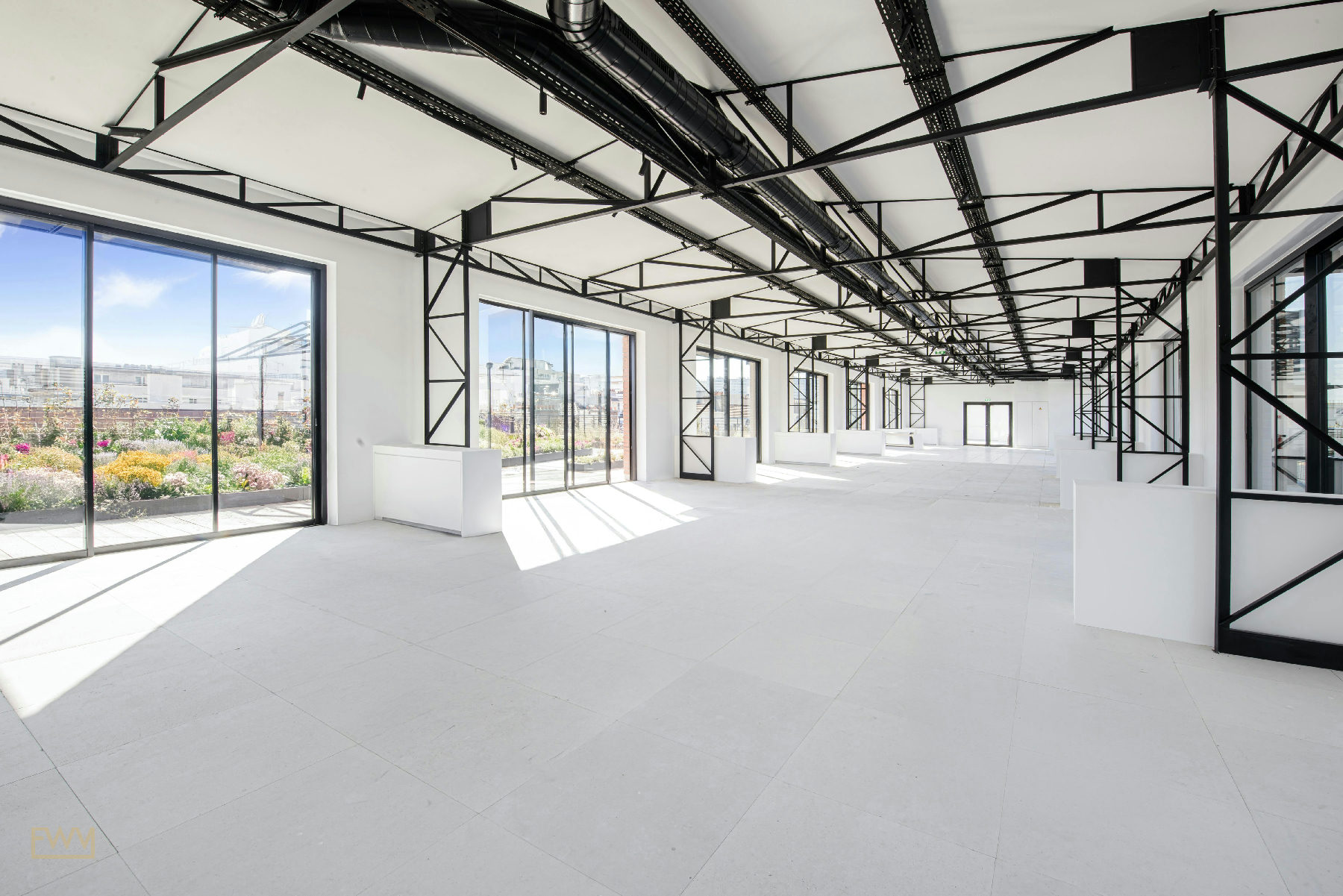
| Upper-floor showroom or apartment | Press previews, trade showrooms, private sales, Haute Couture presentations | Natural light, large windows, views, private access | 3 days to 3 months |
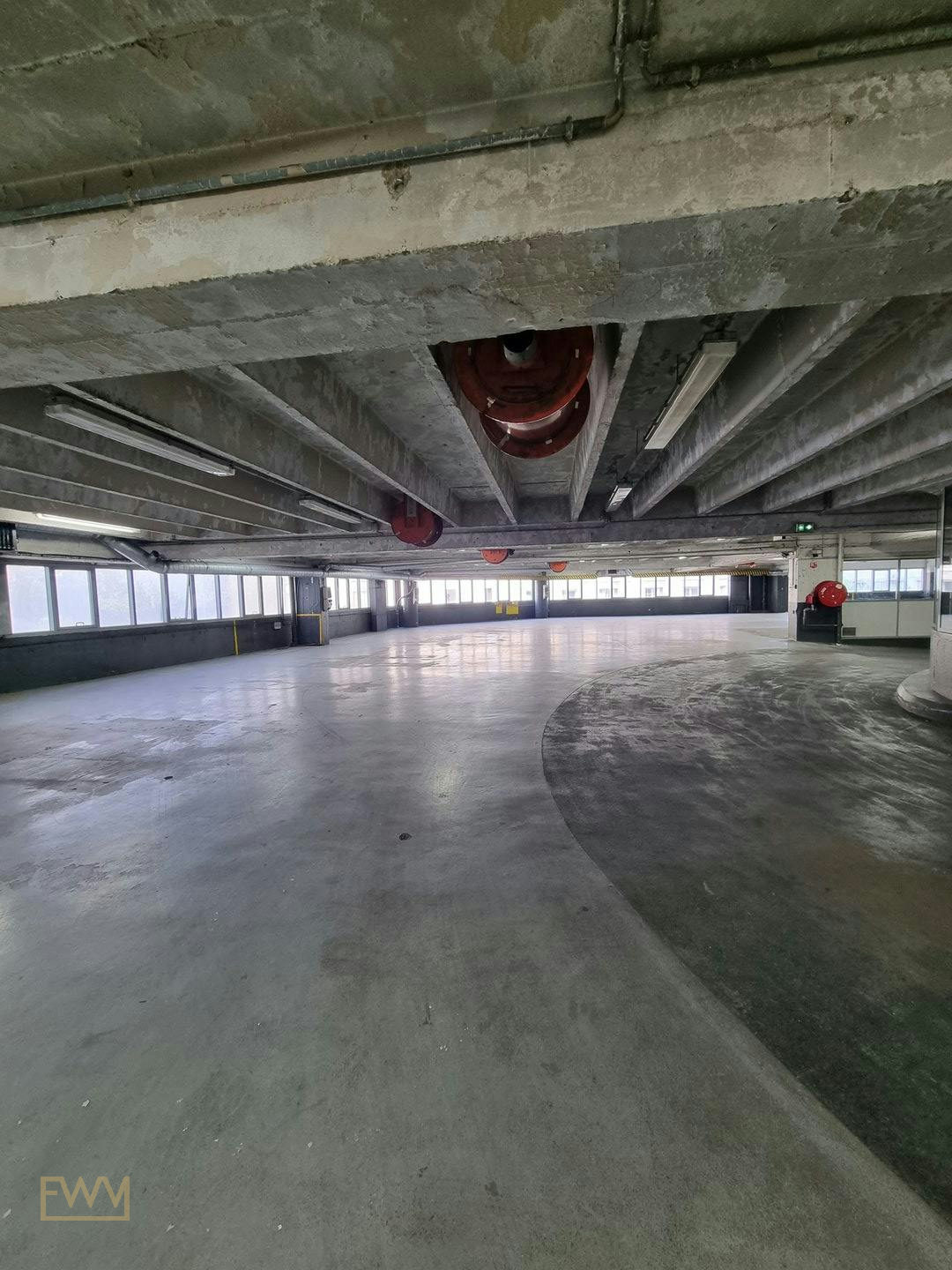
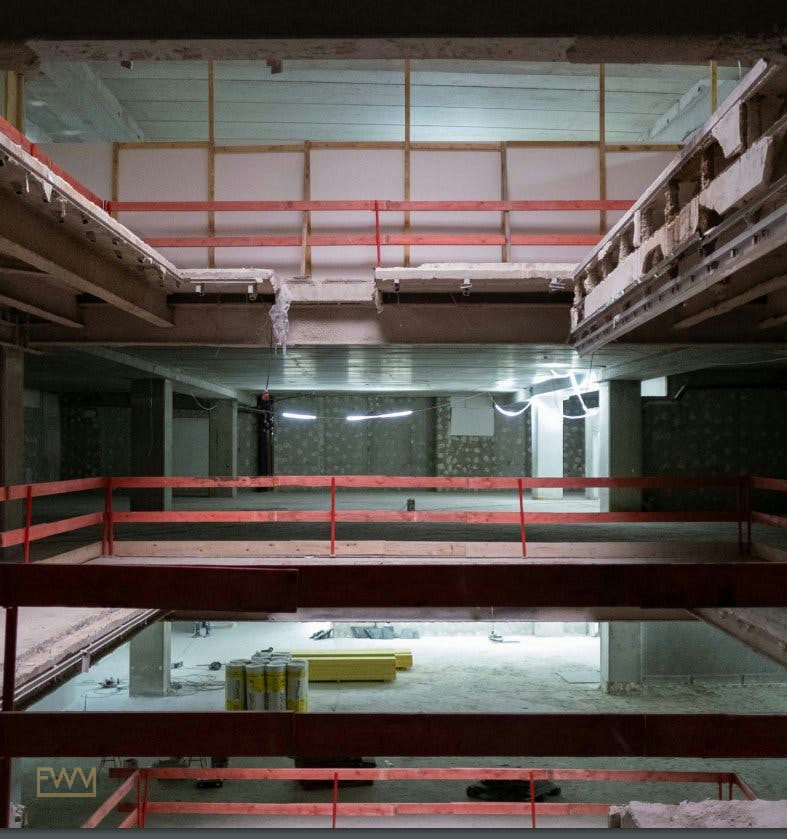
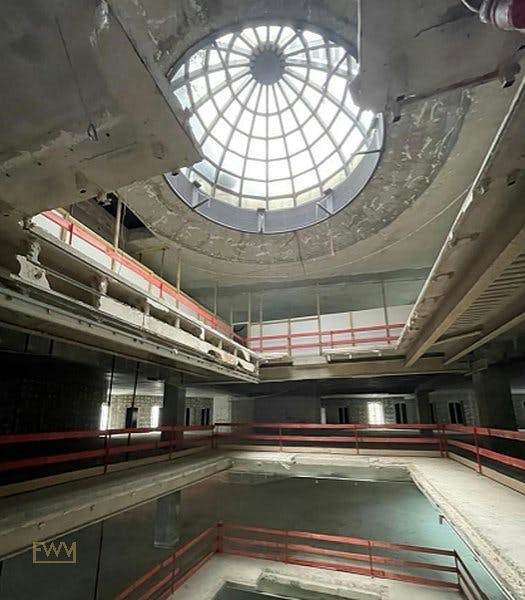
| Event and cultural venue | Art exhibitions, fashion shows, brand experiences, private parties | High ceilings, flexible configuration, technical infrastructure | 1 day to 4 weeks |
| Hybrid retail and event space | Brand activations, immersive experiences, launch events with retail component | Dual-zone layout, bespoke furniture capability, staging areas | 1 week to 3 months |
| Private terrace venue | Cocktail events, influencer dinners, press receptions | Outdoor space, Haussmann architectural views, exclusivity | Half-day to 2 weeks |
Ground-floor retail units with direct façade access to the Champs-Elysées are the most competitive category. These spaces offer brands the ability to create window displays visible to the millions of pedestrians who walk the avenue each year, and they typically require the longest lead times to secure. Brands seeking this type of space for Paris Fashion Week or major seasonal windows should begin their search at minimum six months in advance, and in many cases considerably earlier.
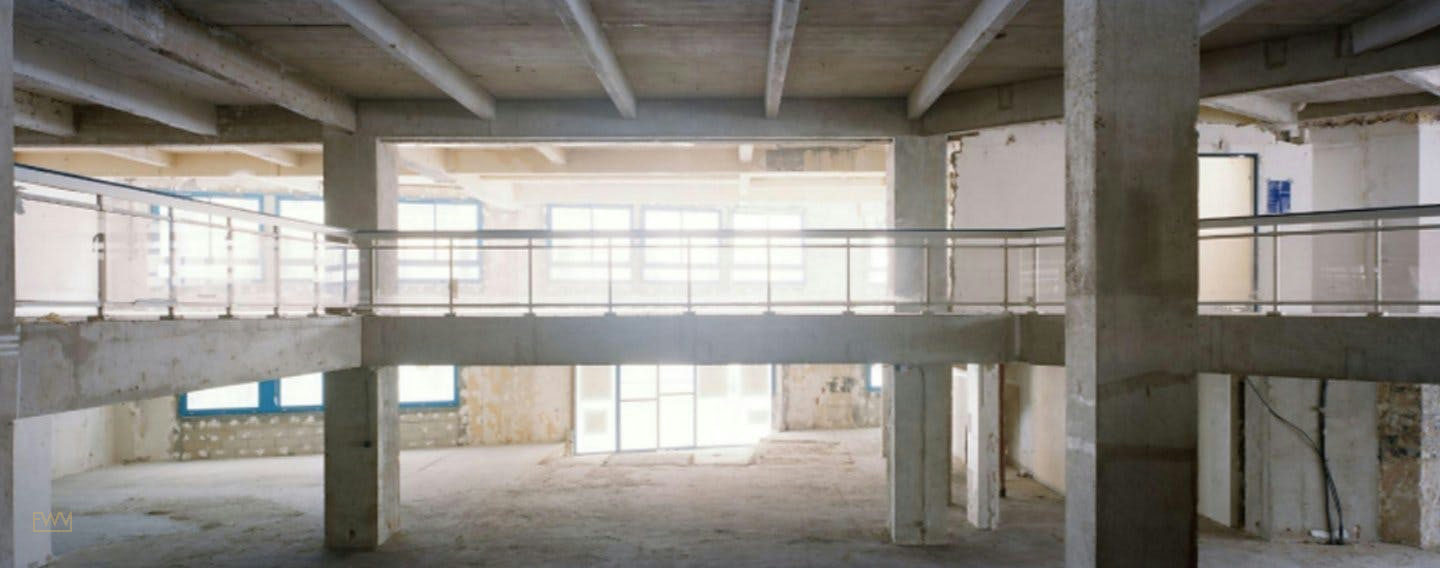
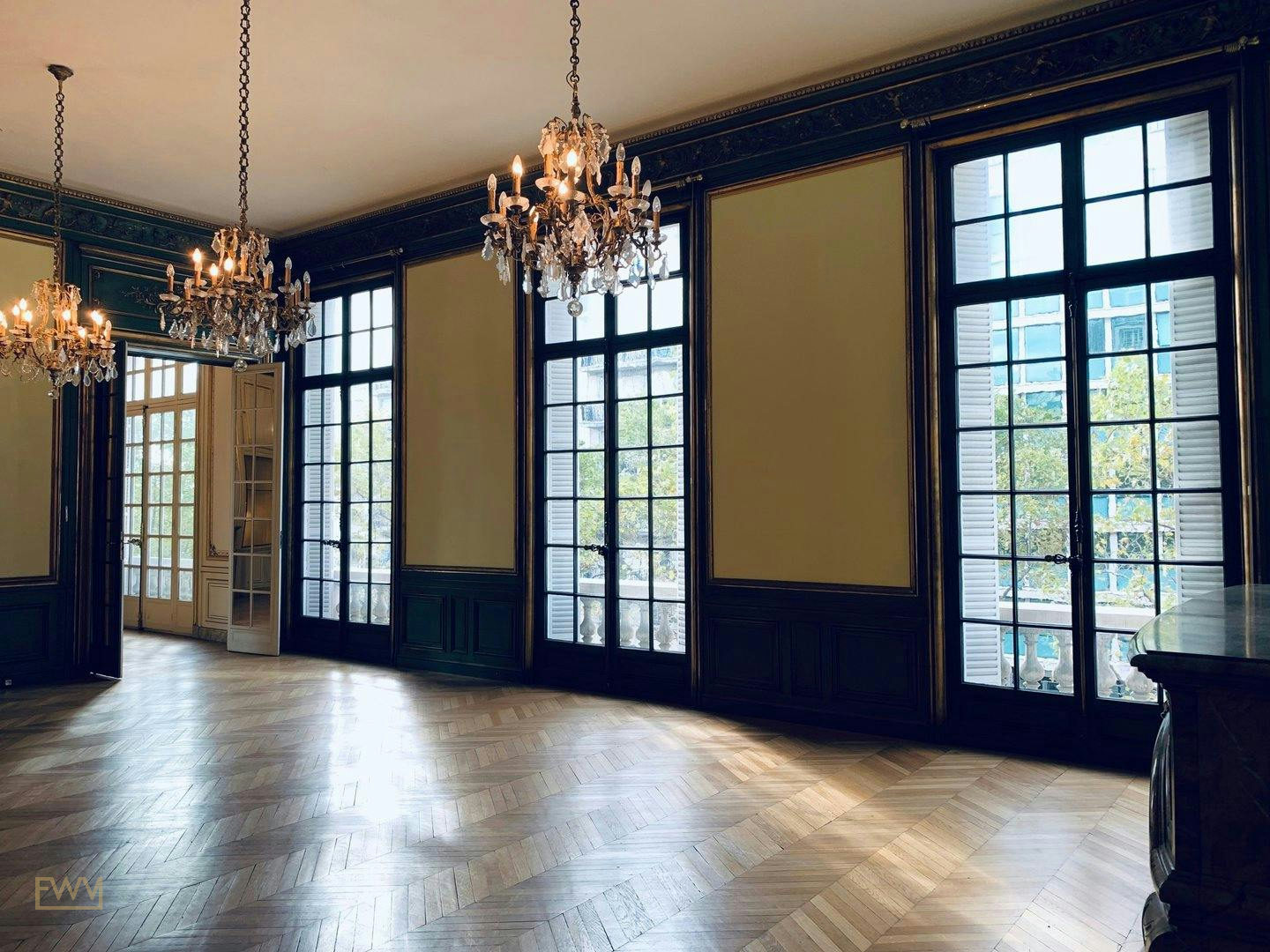
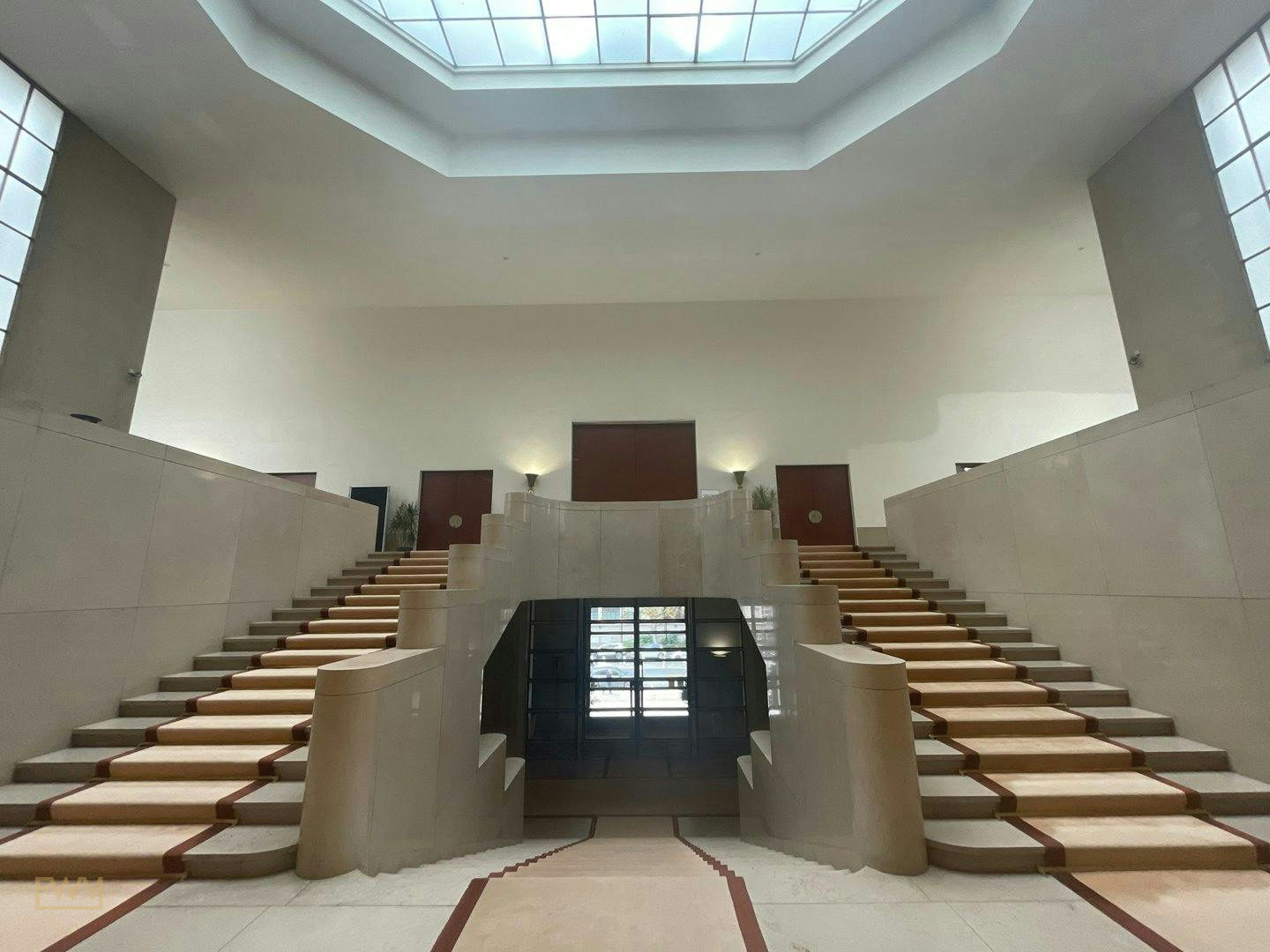
Upper-floor showrooms and apartment-format spaces are popular with couture houses, emerging designers, and international brands seeking a more intimate and curated environment for press and buyer appointments. These spaces often feature natural light through large windows, period interiors that lend themselves to elevated visual merchandising, and a sense of privacy that is difficult to achieve at ground level. Several spaces in this category have been photographed by architectural photographers including Jad Sylla and have established reputations within the fashion and luxury community.
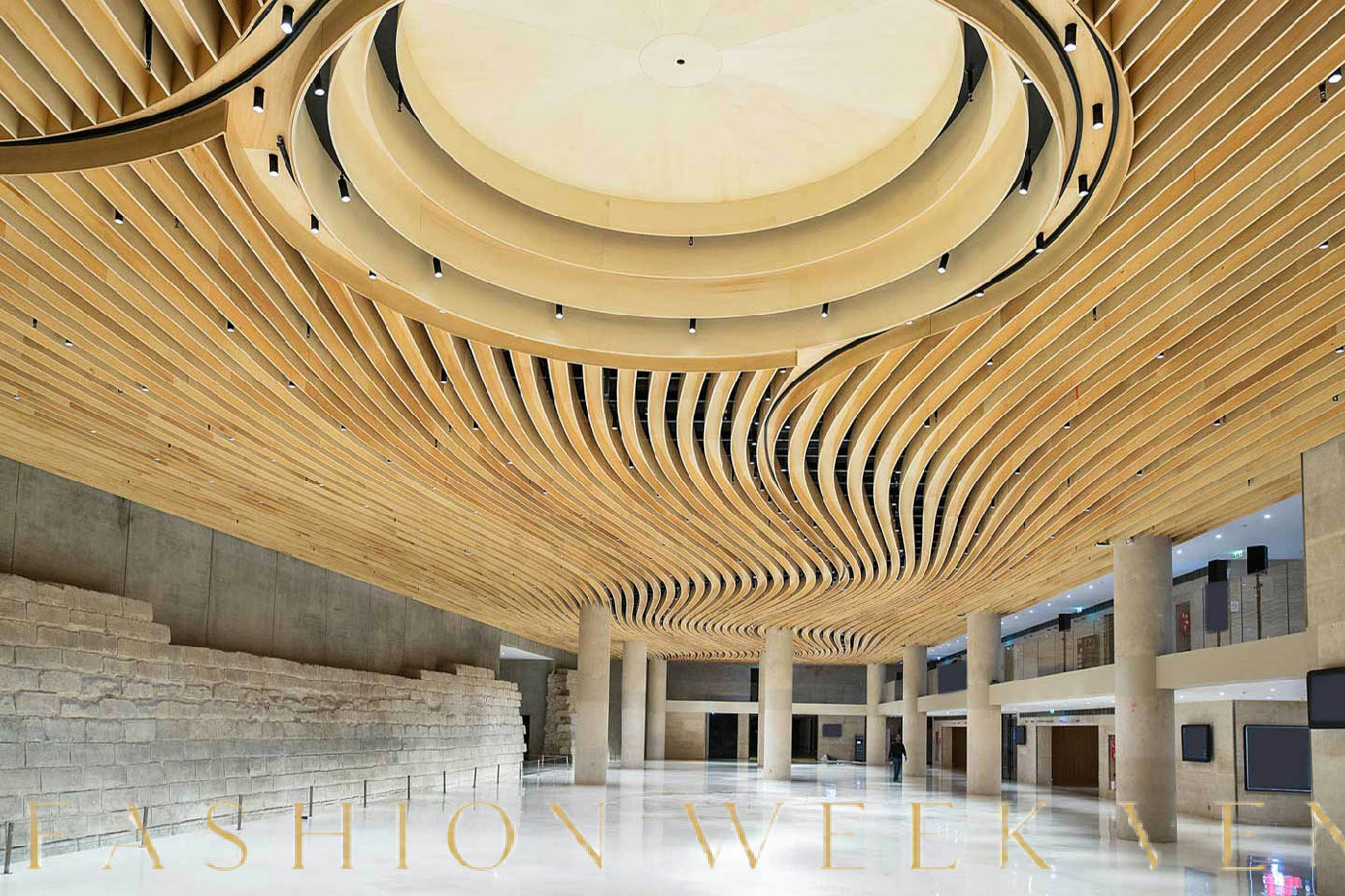
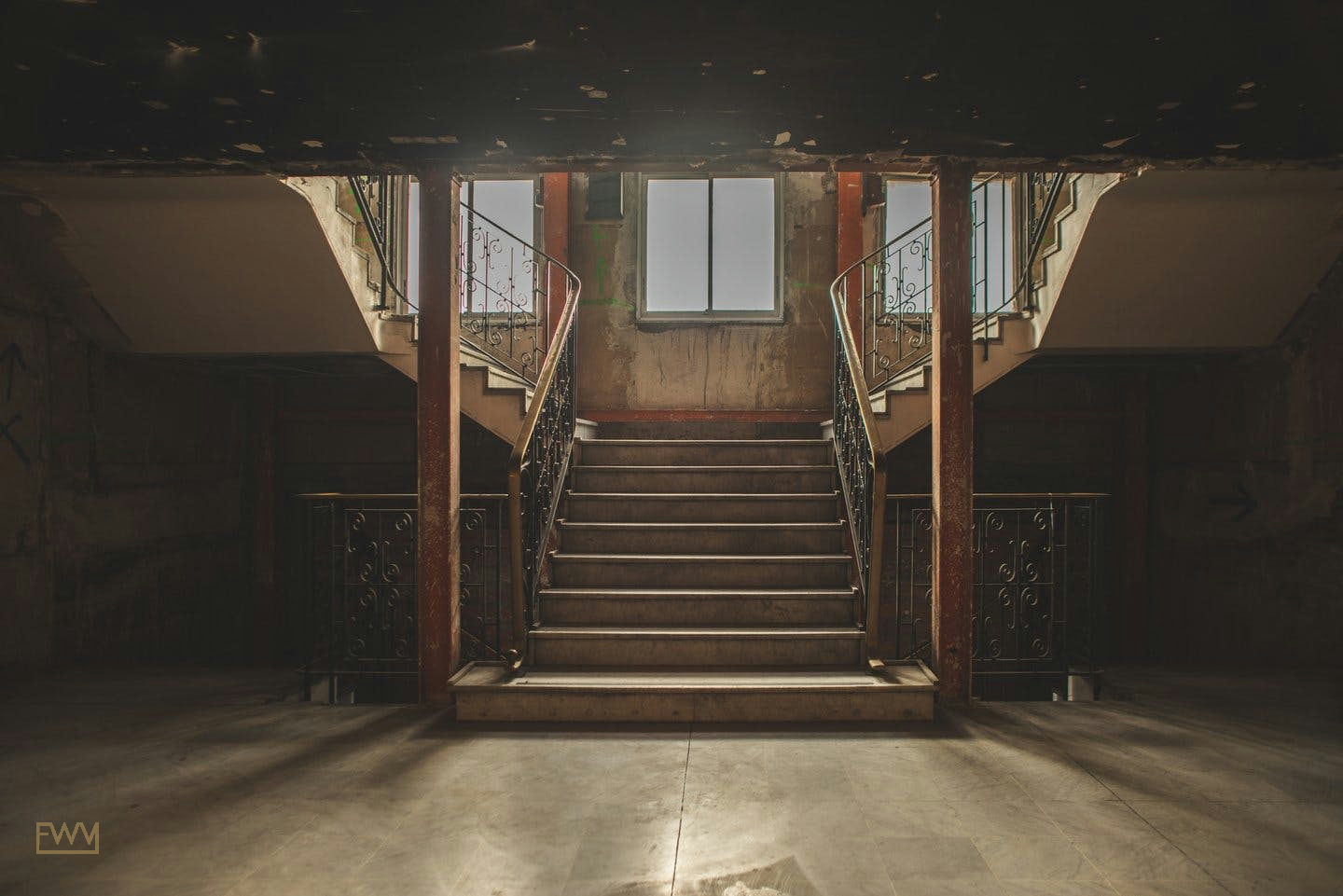
Venues such as the Cirque d'Hiver Bouglione, while not located directly on the avenue, sit within accessible proximity and offer extraordinary architectural character for brands seeking a theatrical setting. The Théâtre du Rond-Point and Gaumont Ambassade add to the cultural and cinematic dimensions of the neighbourhood's venue landscape. The Palais de la Découverte, functioning as both a science museum and planetarium, has been used for brand activations that benefit from an educational or innovation narrative. Each of these spaces carries its own booking process, licensing requirements, and creative constraints that differ meaningfully from standard commercial rental.
DID YOU KNOW: The Grand Palais, which sits between the Champs-Elysées and the Seine, has hosted Paris Fashion Week runway shows for major maisons for decades. Its glass and iron nave is one of the most photographed event spaces in the world, and access during fashion calendar windows is subject to a highly competitive and structured booking process.
Brands that understand which space type aligns with their activation concept, audience, and budget will be significantly better positioned when they begin the booking process. Trying to retrofit an activation concept into a space that was chosen for prestige alone is a common and costly mistake.
KEY TAKEAWAY: Space selection on the Champs-Elysées should be driven by activation objective first and address prestige second. Understanding the distinctions between retail units, showrooms, event venues, and hybrid spaces will save your team significant time and budget during the sourcing process.
With space types clarified, the next critical dimension to understand is the legal and contractual framework that governs short-term rental in Paris.
Legal Frameworks, Permits, and Compliance for Pop-Up Rentals on the Champs-Elysées
Quick answer: Short-term retail and event space rental in Paris is governed by specific legal instruments including the bail dérogatoire and the autorisation d'occupation temporaire. These frameworks differ meaningfully from standard commercial leases, and the requirements vary depending on space type, rental duration, the specific arrondissement, and the nature of the activation. Verifying requirements with a qualified French legal advisor is strongly recommended before signing any contract.
One of the most frequent sources of delay and unexpected cost for international brands entering the Paris pop-up market is underestimating the legal complexity of short-term space rental in France. The French commercial property market operates under a framework that gives significant protections to both landlords and tenants, and short-term rental arrangements require specific contractual structures to remain legally valid and enforceable.
The bail dérogatoire, sometimes referred to as a short-term commercial lease or a derogatory lease, allows landlords and tenants to agree a rental period of up to thirty-six months without triggering the full protections and obligations of a standard commercial lease under French law. This instrument is commonly used for pop-up retail, temporary showrooms, and short-duration brand activations. However, the bail dérogatoire has specific formal requirements, and both parties must explicitly agree in writing at the outset that the lease is being entered into under the derogatory framework. If these formalities are not observed, a court may reclassify the arrangement as a standard commercial lease, with significant consequences for both parties.
For outdoor activations, temporary installations in public spaces, or events that involve physical modifications to the public realm around the Champs-Elysées, brands may also need an autorisation d'occupation temporaire, commonly abbreviated as AOT. This permit is issued by the relevant public authority and grants temporary right of use over a defined area of public space. Obtaining an AOT for a prominent location on or near the Champs-Elysées requires advance planning, a detailed application, and in many cases, proof of adequate public liability insurance. Requirements vary by site, duration, and the nature of the installation, and approval is not guaranteed.
IMPORTANT: International brands that attempt to negotiate and sign a short-term space contract in Paris without qualified French legal or professional support frequently encounter contract terms that do not reflect the intended arrangement, permit requirements that were not identified during due diligence, and liability exposures that are not covered by their existing insurance policies. Professional guidance is not optional for activations at this level.
Additional compliance considerations for the Champs-Elysées and the 8th arrondissement include signage restrictions, façade modification limits, fire safety requirements for event spaces, and in some cases, specific planning conditions attached to landmark buildings. The Champs-Elysées is subject to aesthetic and heritage protection rules that are stricter than in many other Paris districts, and brands planning significant exterior branding or window installations should verify the specific constraints applicable to their chosen space before finalising their design brief.
For brands that want to understand the permit landscape before committing to a space, the permits tool on Fashion Week Venues provides structured guidance on the key permit categories applicable to different activation types in Paris. This is a useful starting point for internal planning, though it does not replace advice from a qualified French legal advisor for your specific situation.
KEY TAKEAWAY: The bail dérogatoire and AOT frameworks are the two most relevant legal instruments for pop-up activations on the Champs-Elysées. Both have specific formal requirements, and both require professional guidance to navigate correctly. Build legal and compliance costs into your budget from the outset rather than treating them as optional line items.
Legal clarity established, the next practical dimension is understanding how the Champs-Elysées compares with other major Paris activation districts, particularly for brands that are weighing multiple location options.
Champs-Elysées vs Le Marais vs Other Paris Districts for Pop-Up Activations
Quick answer: The Champs-Elysées, Le Marais, and other Paris districts each serve different activation objectives, audience profiles, and budget levels. Choosing between them requires an honest assessment of your brand positioning, target consumer, available budget, and the creative concept driving your activation.
Paris is a city of distinct neighbourhoods, each carrying its own cultural identity, consumer demographic, and retail character. Brands entering the Paris pop-up market for the first time sometimes default to the Champs-Elysées because of its global name recognition, without considering whether it is actually the right strategic choice for their specific activation. A more considered approach involves mapping the strengths of each district against the specific objectives of the brand.
| District | Character | Primary Consumer Profile | Best Suited For | Relative Cost Level |
|---|---|---|---|---|
| Champs-Elysées and Golden Triangle | Monumental, luxury, high-traffic | International tourists, luxury shoppers, brand enthusiasts | Mass awareness, product launches, global media | Very High |
| Le Marais and Place des Vosges | Creative, cultural, independent | Fashion-forward locals, art community, creative professionals | Fashion brand launches, art exhibitions, concept stores | High |
| Saint-Germain-des-Prés and Rive Gauche | Intellectual, literary, established luxury | Parisian professionals, international cultural visitors | Showrooms, private events, editorial brand building | High |
| Pigalle and South Pigalle | Emerging, streetwear-adjacent, culturally vibrant | Younger demographic, creative community, sneaker and streetwear consumers | Streetwear drops, community activations, nighttime events | Moderate |
| Opera and Grands Boulevards | Commercial, mixed, accessible | Broad demographic, commuters, mid-market shoppers | Volume retail, promotional events, accessible brand activations | Moderate to High |
Le Marais and its immediate surrounding area, including the Place des Vosges, the Picasso Museum, and the network of streets that make up the Le Marais District, has become the preferred activation zone for fashion brands seeking a creative and culturally resonant alternative to the Champs-Elysées. Spaces such as Galerie Turenne, the Turenne Boutique format, and spaces such as the Charlot Store and Chic Event Space offer brands the ability to create highly curated retail and event environments in a neighbourhood that attracts a fashion-literate and culturally engaged audience. Galerie d'exception and Galerie D'art formats in this district have been used by emerging couture designers and established international brands alike for private sales, art openings, and branded exhibitions.
Le Bon Marché Rive Gauche, located in the 7th arrondissement, occupies a distinct position in the Paris retail landscape. As a department store with a reputation for curatorial rigour and a sophisticated clientele, it has hosted branded pop-up experiences within its fabric that offer brands a different type of legitimacy from street-level retail. Access to this type of institutional retail partner requires a strong brand fit, advance planning, and typically a well-established commercial relationship.
For brands specifically targeting Paris Fashion Week as their primary calendar window, the geography of activations shifts depending on the season and the concentration of shows. During Haute Couture week and ready-to-wear seasons, the 1st, 3rd, 4th, 7th, and 8th arrondissements all see elevated demand for showroom and event space, and brands that lock their space early gain a significant advantage over those that begin searching once the official schedule is published.
TIP: Brands that are torn between the Champs-Elysées and Le Marais should consider their primary activation objective. If the goal is maximum footfall and global media reach, the Champs-Elysées is the stronger choice. If the goal is fashion community credibility and editorial coverage, Le Marais typically delivers a more targeted and resonant result at a somewhat lower cost per square metre.
To compare neighbourhoods and space types more systematically, explore the Paris city hub on Fashion Week Venues and shortlist spaces that match your brief, budget, and calendar window.
KEY TAKEAWAY: No single Paris district is right for every brand. The Champs-Elysées delivers scale and global recognition; Le Marais delivers cultural credibility and fashion community engagement. Understanding which outcome matters most to your brand is the starting point for an intelligent location decision.
Location strategy resolved, the next major consideration is the booking process itself: how to approach the market, what timelines to plan for, and what the rental agreement will typically involve.
How to Book a Pop-Up Shop on the Champs-Elysées: Step-by-Step Process
Quick answer: Booking a pop-up shop on the Champs-Elysées involves defining your activation brief, establishing your budget range, identifying available spaces that match your requirements, conducting due diligence on the space and landlord, negotiating and signing a legally appropriate rental contract, obtaining required permits, and then beginning your build and activation process. The full cycle from brief to opening typically requires between three and nine months for Champs-Elysées locations, depending on space type and activation complexity.
The booking process for a Champs-Elysées pop-up is more structured and demanding than for most other Paris locations, and brands that approach it without a clear process are likely to lose time, miss the calendar window they are targeting, and pay more than necessary. The following workflow provides a practical framework for brand teams approaching this process.
| Stage | Key Actions | Recommended Lead Time Before Opening |
|---|---|---|
| 1. Brief Definition | Define activation type, duration, audience, footprint, concept direction, and KPIs | 9 to 12 months |
| 2. Budget Scoping | Establish venue rental budget, build budget, staffing budget, and permits budget | 9 to 12 months |
| 3. Space Search | Identify available spaces, assess against brief, conduct site visits | 6 to 9 months |
| 4. Due Diligence | Review lease terms, verify permits required, check building constraints, confirm insurance requirements | 5 to 7 months |
| 5. Contract Negotiation and Signing | Agree rental terms, duration, exit conditions, and additional provisions with legal support | 4 to 6 months |
| 6. Permit Applications | Apply for AOT, trade permits, and any other required authorisations | 3 to 5 months |
| 7. Design and Production | Finalise retail design, order bespoke furniture, plan build schedule, appoint contractors | 2 to 4 months |
| 8. Build and Fit-Out | Execute build, install furniture and fixtures, test systems, complete snagging | 2 to 4 weeks before opening |
| 9. Staffing and Operations Setup | Recruit and train retail staff, set up POS and payments, establish security protocols | 1 to 2 weeks before opening |
| 10. Activation and Management | Open to public, manage daily operations, track data and analytics, respond to performance | Opening day onwards |
The brief definition stage is where many brands make their first significant error. Without a clear answer to the fundamental questions — what type of space, for how long, for what audience, with what creative concept, and with what measurable outcomes — the space search becomes an expensive and time-consuming process of elimination rather than a focused and purposeful one. Investing time in the brief before beginning the space search pays dividends at every subsequent stage.
Budget scoping is equally critical at this early stage. Venue rental on the Champs-Elysées is among the most expensive short-term retail cost in Europe, and the total investment in a Champs-Elysées activation typically extends well beyond the rental cost itself to include build, bespoke furniture, retail staffing, security, permit fees, marketing, and operational costs. The budget estimation tool on Fashion Week Venues provides a structured framework for projecting total activation costs before you have committed to a specific space, allowing your team to establish realistic parameters before entering the market.
The space search phase for Champs-Elysées locations should involve both direct outreach to known landlords and a structured use of marketplace platforms and agency networks. Available spaces on the avenue are rarely widely advertised, and the most desirable units often change hands through professional networks well before they appear on any public listing. This is one of the primary reasons that brands working with an experienced agency or marketplace gain a meaningful advantage over those approaching the market independently.
Rental contracts for Champs-Elysées pop-up spaces will typically specify a lease start date, a minimum duration, provisions around the availability calendar for subsequent bookings, specific terms and additional information about permitted use, and exit conditions including reinstatement obligations. Understanding each of these elements before signing is essential, and the contract review process should always involve a qualified French legal advisor rather than relying solely on in-house counsel unfamiliar with French commercial property law.
DID YOU KNOW: Some platforms operating in the short-term rental market have experienced technical access issues for international users, including Cloudflare security blocks triggered by automated browsing behaviour or VPN usage. If you encounter an access block, a Cloudflare Ray ID error, or a security response when trying to access a rental platform or landlord website, disabling any VPN, using a standard browser session, and contacting the platform directly by email are typically the fastest resolution paths.
KEY TAKEAWAY: The booking process for a Champs-Elysées pop-up shop is a structured, multi-stage undertaking that requires a minimum of three to nine months of lead time. Brands that invest in a clear brief, a realistic budget, and qualified professional support at each stage will significantly reduce the risk of delays, cost overruns, and compliance failures.
With the booking process mapped, the next practical question is how Fashion Week Venues specifically supports brands through this process.
How Fashion Week Venues Supports Brands Booking Pop-Up Space on the Champs-Elysées
Fashion Week Venues operates as a full-service pop-up shop agency and space marketplace with Paris as its primary and anchor market. For brands seeking to book a pop-up shop on the Champs-Elysées or in the surrounding Golden Triangle, the agency offers a combination of space discovery, expert guidance, and end-to-end activation management that addresses the full complexity of the process described above.
The starting point for most brands is the venue sourcing service, which applies structured brief-to-shortlist methodology to identify spaces that genuinely match the brand's activation objectives, budget, and calendar window. Rather than presenting an undifferentiated list of available spaces, the sourcing process filters against the specific requirements of the brief, including footprint, space type, neighbourhood, tenure, and any specific design or technical constraints. For Champs-Elysées activations specifically, this means navigating a competitive and often opaque market with the benefit of established landlord relationships and current market knowledge.
Once a space is identified and secured, brands can access Fashion Week Venues' full service stack, which covers concept direction, production and build, branded store design, furniture rental including bespoke furniture specification, retail staffing, POS and payment systems, influencer marketing, and full activation management. This means that a brand can work with a single agency partner from brief to opening rather than managing multiple specialist contractors across multiple workstreams simultaneously.
For brands that want to explore options independently before engaging agency support, Fashion Week Venues operates a space marketplace where available venues across Paris and other fashion capitals can be browsed, compared, and shortlisted. The marketplace includes functionality to filter by space type, location, size, and availability, and connects directly to tools for budget estimation, timeline planning, and space comparison.
The tools suite offered by Fashion Week Venues is a particularly practical resource for brand teams in the planning phase. The timeline planning tool helps teams understand the realistic lead times for each stage of the activation process. The ROI calculator supports the business case development that most brand activation teams need to complete before securing internal budget approval. The space comparison tool allows shortlisted venues to be evaluated against each other on a structured basis, reducing the subjectivity that often slows down internal decision-making.
For brands considering a twin activation — running simultaneous pop-ups in two Paris locations, or across two cities — the twin co-activation concept offered by Fashion Week Venues provides a framework for coordinating both activations through a single agency relationship, maintaining consistent brand identity while adapting to the specific character of each location.
It is important to understand what Fashion Week Venues does not do or cannot guarantee. The agency cannot guarantee space availability at any specific address during any specific calendar window, as this is ultimately determined by landlord decisions and market conditions. The agency cannot guarantee permit approval, which is subject to the decisions of public authorities. And the agency cannot guarantee specific commercial outcomes from any activation, as these depend on a range of factors outside any agency's control including consumer behaviour, competitive context, and macroeconomic conditions.
What Fashion Week Venues does offer is significant: structured expertise, established market relationships, an integrated service platform, and a clear process designed to reduce the risk and complexity of high-stakes pop-up activations in one of the world's most demanding retail markets. Brands that want to understand how the process works in practice can review past activations in the work and case study section.
KEY TAKEAWAY: Fashion Week Venues offers brand teams a structured path from brief to activation for Champs-Elysées and Paris pop-up projects, combining space marketplace access with full agency support across venue sourcing, design, build, staffing, and management. The agency's tools are valuable for planning and internal business case development even before formal engagement begins.
Brand Activations That Defined the Champs-Elysées Pop-Up Moment
Quick answer: The Champs-Elysées has hosted some of the most significant brand activations in recent retail history, including Netflix's immersive Stranger Things experience, Samsung's Olympic Experience Center, and numerous couture and fashion week presentations that set the standard for experiential retail at the highest level.
Understanding what has been done on the Champs-Elysées at its best provides brands with both inspiration and a practical benchmark for what execution at this level requires.
Netflix's Stranger Things activation stands as one of the most discussed immersive pop-up experiences ever staged in Paris. The activation recreated the fictional world of the series with extraordinary physical detail, including a faithful reproduction of the Starcourt mall environment, Vecna's atmospheric realm, Joyce's house, and the Upside Down itself. Visitors encountered video game arcade cabinets from the show's 1980s setting, collector's figurines and branded merchandise, and environmental design that transported them into the narrative of the series. The activation generated coverage across global media and social platforms that vastly multiplied the reach of the physical experience, demonstrating the power of a well-executed immersive concept in a high-footfall Paris location.
Samsung's Olympic Experience Center represented a different but equally instructive activation model. As an Olympic Partner during the Paris Games, Samsung used a Champs-Elysées adjacent location to showcase Galaxy Artificial Intelligence, its latest mobile technologies, and a range of Olympic-related activities. The activation was designed to be interactive and participatory, positioning Samsung as both a technology leader and a brand deeply embedded in one of the most significant cultural moments in recent French history. The choice of the Champs-Elysées corridor for this activation was deliberate: no other Paris address could provide the combination of footfall, international visibility, and symbolic alignment with the Olympic narrative that the location delivered.
Fashion Week activations in the Champs-Elysées and Golden Triangle have historically ranged from intimate showroom presentations in upper-floor apartments to large-scale runway events at the Grand Palais. The Grand Palais has hosted collections for Chanel, Dior, and other major maisons during Paris Fashion Week, its vast glass nave providing a theatrical backdrop that no purpose-built venue can match. For brands operating at a scale below the grand maisons, the surrounding streets offer spaces that can be configured for fashion shows, press previews, and buyer appointments with the right creative and production team.
The Paris Fashion Week calendar, which includes both Haute Couture weeks in January and July and the ready-to-wear seasons in February and September, creates recurring windows of intense media and buyer attention that smart brands use to maximum effect. A well-timed pop-up opening during Paris Fashion Week, particularly one timed to the July Haute Couture window running from approximately July 6 to 9 in 2026, places a brand in direct dialogue with the global fashion press, international buyers, and the most engaged fashion consumers in the world, all concentrated in a single city within a defined period.
TIP: Brands that open their Champs-Elysées pop-up immediately before or during a Paris Fashion Week window benefit from a concentrated burst of press and influencer attention that would cost orders of magnitude more to replicate through paid media. The calendar window is itself a strategic asset.
KEY TAKEAWAY: The most successful Champs-Elysées activations combine a compelling creative concept with precise calendar timing and a space that can accommodate the physical demands of an immersive or high-production experience. The Netflix and Samsung examples demonstrate that the investment required is justified by the earned media and brand equity returns when the execution is right.
Venue Features That Matter Most for Champs-Elysées Pop-Up Success
Quick answer: The features that most directly determine the success of a Champs-Elysées pop-up include space dimensions and ceiling height, façade visibility and window display potential, natural light, technical infrastructure, access logistics, and the flexibility of the space to accommodate bespoke furniture and branded retail design. Understanding which features are non-negotiable for your specific concept before beginning the space search will save significant time and cost.
Not all Champs-Elysées spaces are created equal, and the physical characteristics of a space can fundamentally determine whether a brand's activation concept is deliverable within it. Brands that fall in love with an address before assessing whether the space can actually accommodate their concept frequently face expensive compromises or, in some cases, complete concept reworks after signing a lease.
Natural light is a recurring priority for showroom and fashion-focused activations. Upper-floor spaces on the Champs-Elysées and its adjacent streets frequently offer large windows with Haussmann architectural views that provide both practical illumination for product display and an aesthetic backdrop that communicates luxury and exclusivity. For Haute Couture presentations and high-end fashion showrooms, natural light through large windows is often a defining characteristic of the space brief rather than a preference.
Façade access and window display potential matter enormously for ground-floor retail activations. The ability to create a compelling external window display visible to pedestrians on the avenue is one of the primary reasons brands pay the significant premium that Champs-Elysées ground-floor units command. A façade that communicates the brand clearly and invitingly to passing pedestrians can be the single most effective marketing tool of the entire activation, particularly during peak footfall periods such as weekends and Fashion Week windows.
Ceiling height is a critical consideration for brands planning immersive or theatrically staged activations. The Netflix Stranger Things experience required substantial ceiling height and structural capacity to accommodate the environmental design elements that made the activation so distinctive. Brands planning similar levels of production investment need to verify structural specifications, load-bearing capacity, and the availability of rigging points before committing to a space.
A fully equipped kitchen, where available, adds significant value for activations that incorporate hospitality elements such as catered private events, press breakfasts, influencer dinners, or buyer receptions. Many of the upper-floor apartment-format spaces in the Champs-Elysées neighbourhood include kitchen facilities as part of their residential heritage, making them well-suited to activations that blend retail with hospitality.
Private terrace access is a feature that commands a premium in the Paris short-term rental market for good reason. An outdoor terrace with views over the Champs-Elysées or the surrounding Haussmann roofscape creates an event environment that is genuinely difficult to replicate in any other format, and it significantly expands the range of activation types that a space can accommodate.
Bespoke furniture specification is a dimension of space planning that is often underestimated at the brief stage. The interiors of a pop-up space on the Champs-Elysées need to communicate the same level of quality and intentionality as the product being sold or the brand being communicated. Bespoke furniture and thoughtfully specified interiors are not a luxury add-on for high-end activations — they are a fundamental requirement of credibility at this address. Fashion Week Venues offers furniture rental and bespoke specification as part of its service offering, ensuring that brands do not have to manage this workstream independently.
KEY TAKEAWAY: The physical features of a Champs-Elysées pop-up space — natural light, façade visibility, ceiling height, kitchen access, terrace availability, and furniture flexibility — are as important as the address itself in determining whether your activation concept is deliverable and compelling. Assess these dimensions rigorously before signing any rental agreement.
Budget Planning and ROI Considerations for a Champs-Elysées Pop-Up
Quick answer: A Champs-Elysées pop-up activation requires a significantly larger total investment than equivalent activations in most other Paris districts or other European cities. The total cost encompasses venue rental, build and fit-out, bespoke furniture, staffing, permits, security, marketing, and operational expenses. Brands should model the full cost before committing to a space rather than treating venue rental as the only significant budget line.
Budget planning for a Champs-Elysées pop-up is a process that requires honesty about the full cost stack, not just the headline rental figure. The venue rental for a premium Champs-Elysées location is among the highest short-term retail costs in Europe, reflecting the address premium, the demand from global brands, and the scarcity of genuinely high-quality spaces on or immediately adjacent to the avenue. However, the rental cost is typically only one component of a total investment that needs to be modelled comprehensively before a decision is made.
The build and fit-out cost for a high-quality Champs-Elysées activation can be substantial, particularly for brands planning immersive or heavily branded environments. Reinstatement obligations in many Champs-Elysées rental contracts require brands to return the space to its original condition at the end of the rental period, which means that all build investment is effectively consumed within the duration of the activation. This is not an argument against investing in the build — a well-designed space is essential to the success of the activation — but it does need to be factored into the total cost model as a sunk cost rather than an asset with residual value.
Staffing costs in Paris reflect the French employment framework, including minimum wage requirements, social charges, and in some cases the need for bilingual or multilingual staff capable of serving the international visitor base that the Champs-Elysées attracts. Security costs are also a relevant consideration for high-value retail activations, particularly those selling collectible merchandise, limited edition products, or high-price-point fashion items.
The ROI model for a Champs-Elysées activation typically needs to incorporate both direct revenue — sales made in the space — and indirect value, including earned media coverage, social media reach, influencer content, press coverage, and the long-term brand equity impact of being associated with this address. For many brands, particularly those in the fashion, luxury, and premium consumer goods categories, the indirect value of a well-executed Champs-Elysées activation will significantly exceed the direct revenue generated within the space itself.
The ROI calculator on Fashion Week Venues provides a structured framework for modelling both direct and indirect return, helping brand teams build a robust business case for internal approval before committing to a space. This is particularly useful for brands presenting to marketing leadership or finance teams that may be sceptical of the investment required for a premium Paris activation.
IMPORTANT: Do not enter the Champs-Elysées rental market without a complete budget model that includes venue rental, build, furniture, staffing, security, permits, marketing, operations, and contingency. Brands that sign a lease based on the rental cost alone frequently encounter significant budget shortfalls once the full cost stack becomes apparent.
KEY TAKEAWAY: A Champs-Elysées pop-up activation is a significant total investment that requires a comprehensive budget model encompassing all cost lines, not just venue rental. The ROI case needs to incorporate indirect value alongside direct sales revenue to present an accurate picture of the return on investment.
Common Myths About Booking Pop-Up Space in Paris Debunked
MYTH: You need a French legal entity to rent a pop-up space on the Champs-Elysées or anywhere else in Paris.
FACT: International brands without a French legal entity can and do rent pop-up spaces in Paris, including on the Champs-Elysées. However, the contractual and compliance requirements are more complex for non-French entities, and landlords may require additional guarantees such as a personal guarantee from a director, an advance payment of multiple months' rent, or a parent company guarantee. Working with a professional agency or legal advisor who understands the requirements for non-French tenants is strongly recommended. The specific requirements vary by landlord, space type, and the nature of the rental arrangement.
MYTH: Paris Fashion Week is the only viable calendar window for a Champs-Elysées pop-up activation.
FACT: While Paris Fashion Week creates a concentrated period of industry attention that can amplify a pop-up activation significantly, the Champs-Elysées maintains exceptional footfall and media visibility throughout the year. Tourist-driven footfall peaks during summer months, the Christmas and New Year period, and major public events. Brands targeting a consumer audience rather than a trade or press audience may find that non-Fashion Week windows offer better value, less competition for space, and more manageable logistics than the intense peak periods of the fashion calendar.
MYTH: The only way to find a pop-up space on the Champs-Elysées is through a commission broker.
FACT: Commission-based brokers are one route to market, but they are not the only option and are not always the most cost-effective or transparent. Specialist pop-up agencies such as Fashion Week Venues, marketplace platforms, and in some cases direct landlord relationships are all viable alternatives. The key difference is that a commission broker's primary obligation is to the transaction rather than to the long-term outcome of the activation, whereas a full-service agency has an interest in the success of the entire project. Understanding how your chosen intermediary is compensated will help you assess whose interests they are primarily serving.
MYTH: Short-term leases in Paris are legally straightforward and do not require specialist guidance.
FACT: Short-term commercial leases in France are governed by specific legal frameworks including the bail dérogatoire, which has formal requirements that must be met for the arrangement to remain legally valid. If the formal requirements of a bail dérogatoire are not satisfied, a court may reclassify the arrangement as a standard commercial lease, which carries significantly greater obligations and protections for both parties. Additionally, permit requirements for outdoor installations, signage, and certain event types add further layers of compliance complexity. Specialist legal guidance is not optional for brands activating at the level of the Champs-Elysées.
MYTH: A premium address on the Champs-Elysées guarantees commercial success for any brand activation.
FACT: The Champs-Elysées provides exceptional visibility and footfall, but it does not guarantee commercial success for any specific activation. A compelling creative concept, a relevant audience strategy, a well-designed space, a qualified team, and precise calendar timing are all as important as the address itself. Brands that have underinvested in concept, design, or execution while relying on the address to carry the activation have consistently underperformed relative to expectations. The address creates opportunity; the execution determines the outcome.
Frequently Asked Questions About Booking a Pop-Up Shop on the Champs-Elysées
What is the minimum rental duration for a pop-up shop on the Champs-Elysées?
Minimum rental durations vary considerably by space type and landlord. Some event-format spaces and shared venues offer bookings as short as one day for private events or brand activations with a fixed programme. Standard retail pop-up units typically have a minimum duration of two weeks to one month, reflecting the landlord's preference to minimise vacant periods and the practical reality that very short retail tenancies rarely generate sufficient commercial or brand value to justify the build and setup investment. Brands should clarify the minimum duration requirement with each specific landlord or through their agency partner before investing time in negotiation. Availability calendars and lease start provisions are typically detailed in the rental proposal document.
How far in advance should I start planning a Paris Fashion Week pop-up on the Champs-Elysées?
For a Champs-Elysées pop-up timed to coincide with Paris Fashion Week, planning should ideally begin at minimum six to nine months before the intended opening date, and for premium ground-floor retail units with façade access, twelve months is a more realistic lead time. The most desirable spaces are often committed well in advance through established agency and landlord relationships, and brands that approach the market less than three months before their intended opening will find significantly limited availability at the premium end of the market. Calendar windows such as the July Haute Couture season and the September ready-to-wear season see the highest demand and the earliest bookings.
Do I need a French company to rent a pop-up space in Paris?
You do not necessarily need a French legal entity to rent a pop-up space in Paris, including on the Champs-Elysées. However, many landlords have specific requirements for non-French tenants, which may include additional financial guarantees, advance rent payments, or a parent company guarantee from a jurisdiction they recognise. The contractual and compliance requirements for international brands are more complex than for French entities, and professional legal and agency support is strongly recommended to navigate these requirements correctly. The specific requirements vary by landlord and space type, so early engagement with these questions is important.
What permits do I need to run a pop-up shop on the Champs-Elysées?
The permits required depend on the specific nature of your activation, the type of space, the rental duration, and whether your installation involves any element in the public realm. For a standard interior retail pop-up in a leased space, a bail dérogatoire is typically the primary legal instrument required. For outdoor installations, exterior signage beyond certain dimensions, or temporary structures in public space, an autorisation d'occupation temporaire may also be required. Additional permits may apply for serving alcohol, operating amplified sound at certain levels, or hosting events with a specific public capacity. Requirements vary by arrondissement and should be verified with a qualified French legal advisor or through specialist permit guidance.
What is the difference between a bail dérogatoire and a standard commercial lease in France?
A bail dérogatoire, sometimes called a short-term commercial lease or derogatory lease, allows landlord and tenant to agree a rental period of up to thirty-six months without triggering the full statutory protections of a standard French commercial lease, known as a bail commercial. A standard bail commercial carries significant protections for tenants including a nine-year minimum duration, rights of renewal, and the landlord's obligation to pay compensation if they decline to renew. The bail dérogatoire trades these protections for flexibility, allowing both parties to agree a fixed short-term arrangement. Both parties must explicitly agree in writing at the outset that the lease is entered into on a derogatory basis; failure to do so risks the arrangement being reclassified as a standard commercial lease.
How much does it cost to rent a pop-up space on the Champs-Elysées?
Rental costs for pop-up spaces on the Champs-Elysées vary significantly depending on space type, floor level, footprint, duration, and the specific location on or adjacent to the avenue. Ground-floor retail units with façade access command the highest premiums and are among the most expensive short-term retail costs in Europe. Upper-floor showrooms and apartment-format spaces are typically less expensive than ground-floor retail but still reflect the address premium of the 8th arrondissement. The total investment in a Champs-Elysées activation extends well beyond the rental cost itself to include build, furniture, staffing, permits, security, and marketing. The budget estimation tool on Fashion Week Venues provides a structured framework for projecting total costs before committing to a specific space.
Can I run a pop-up shop in Le Marais instead of the Champs-Elysées and still reach a fashion audience?
Yes. Le Marais and its immediate surrounding area, including the Place des Vosges and the broader Le Marais District, is one of the most fashion-credible retail environments in Paris and attracts a highly engaged fashion-literate audience. Spaces such as Galerie Turenne, the Charlot Store concept, and various gallery and boutique formats in the district have hosted successful pop-up activations for both emerging and established fashion brands. Le Marais typically offers a more community-embedded and editorially resonant environment than the Champs-Elysées, at a somewhat lower cost per square metre. The right choice between the two depends on whether your primary objective is mass visibility and global media reach, or fashion community credibility and editorial coverage.
What types of activations work best on the Champs-Elysées?
The Champs-Elysées is best suited to activations that can benefit from and justify the exceptional footfall, media visibility, and international consumer base the avenue provides. These include product launch events with strong visual and experiential components, immersive brand experiences such as the Netflix Stranger Things and Samsung Olympic activations, temporary flagship retail for major fashion and luxury brands, Haute Couture or ready-to-wear presentations for brands operating at a high level of production investment, and event-format activations tied to major cultural or sporting moments. Activations that are primarily community-focused, editorial in nature, or designed for a very specific niche audience may be better served by Le Marais or other Paris districts.
How does Paris Fashion Week affect pop-up space availability and pricing on the Champs-Elysées?
Paris Fashion Week creates significant demand spikes for pop-up and event space across the city, including on the Champs-Elysées. During Fashion Week windows — particularly the July Haute Couture season and the September ready-to-wear season — available spaces are subject to the highest demand of the year, and brands that have not secured their space well in advance will find options significantly limited. Rental rates during Fashion Week windows may also be higher than during other periods, reflecting the seasonal demand premium. Brands that want to activate during Fashion Week should treat the calendar window as a fixed constraint and begin their space search accordingly, working backwards from the opening date they are targeting.
What should I look for when evaluating a potential pop-up space on the Champs-Elysées?
Key evaluation criteria include: space dimensions and ceiling height relative to your activation concept; façade visibility and window display potential if ground-floor retail is required; natural light quality and window configuration; technical infrastructure including power supply, lighting rigs, and connectivity; access logistics including loading bay access, public transport proximity, and pedestrian flow patterns; contractual flexibility including minimum duration, exit conditions, and reinstatement obligations; permit requirements specific to the space; and landlord track record and professionalism. The space comparison tool on Fashion Week Venues provides a structured framework for evaluating multiple shortlisted spaces against these criteria simultaneously.
Are there co-activation or shared pop-up options on or near the Champs-Elysées?
Yes. The twin co-activation concept operated by Fashion Week Venues allows brands to explore shared or paired activations that reduce the individual cost burden of a premium Paris location while potentially extending the creative and commercial scope of the activation. Co-activation formats work particularly well for brands with complementary but non-competing positioning, allowing each brand to benefit from the other's audience while sharing the space and activation costs. This model has been used successfully in multiple Paris markets and is increasingly relevant as brands seek ways to access premium addresses without bearing the full cost of a solo activation.
How do I assess the ROI of a Champs-Elysées pop-up before committing to the investment?
Assessing the ROI of a Champs-Elysées pop-up requires a model that incorporates both direct revenue — sales made within the space during the activation period — and indirect value, including earned media coverage, social media reach, press and influencer content, brand equity uplift, and any commercial relationships initiated during the activation such as wholesale enquiries or partnership conversations. The ROI calculator on Fashion Week Venues provides a structured framework for modelling these components. Brands should also factor in the cost of the counterfactual: what would equivalent media reach and brand positioning cost if achieved through paid media alone? In many cases, this comparison makes a strong case for the Champs-Elysées investment even before direct revenue is considered.
What role does an agency play in booking and managing a Champs-Elysées pop-up?
A full-service pop-up agency such as Fashion Week Venues plays multiple roles in the Champs-Elysées booking and activation process: identifying and shortlisting appropriate spaces; managing landlord negotiations; advising on legal and contractual requirements; leading the design and production process; sourcing and managing retail staff; coordinating permit applications; managing the build and fit-out process; and overseeing the operational management of the activation once open. The value of professional agency support is greatest in markets where the brand has limited prior experience, where the activation is operationally complex, or where the calendar window is tight and there is little margin for error. Brands considering agency engagement should review the guides on hiring an agency to understand what to look for and what questions to ask.
What is the Pop-Up Champs-Elysées and what is it used for?
The Pop-Up Champs-Elysées refers to a category of temporary retail and event space located on or immediately adjacent to the Avenue des Champs-Elysées in Paris. These spaces are leased on a short-term basis for brand activations, product launches, showrooms, art exhibitions, fashion shows, private sales, art openings, and experiential marketing events. The term is also used more specifically to refer to particular venues that have established a reputation as designated pop-up formats, offering brands a space that is already configured and permitted for temporary retail use. Brands using this type of space benefit from the landlord's experience with short-term tenants and an established operational infrastructure that reduces the setup complexity compared to raw commercial space.
How can I visualise how my brand concept would look in a Champs-Elysées space before committing?
Fashion Week Venues offers an imagine tool for space visualisation that allows brands to explore how their concept, colour palette, and retail design language might translate into a specific space before committing to a rental agreement or beginning the build process. This is a particularly valuable tool for brand teams that are presenting a pop-up concept to creative directors, marketing leadership, or board-level decision-makers who need to see the concept brought to life before approving the investment. The build planning tool complements this by providing a structured framework for sequencing the production and fit-out process once a space is committed.
Conclusion: Making Your Champs-Elysées Pop-Up a Strategic Success
Booking a pop-up shop on the Champs-Elysées is one of the most ambitious and potentially rewarding decisions a brand can make in the European market. The avenue offers a combination of footfall, media visibility, luxury adjacency, and cultural prestige that is genuinely unmatched anywhere in the world, and the brands that have used it most effectively — from Netflix's Stranger Things experience to Samsung's Olympic Experience Center to the Haute Couture houses that have defined the Grand Palais as a fashion institution — demonstrate what is possible when exceptional location is matched with exceptional execution.
The path from decision to successful activation requires careful navigation of a complex set of interdependent challenges: space availability and competition, legal frameworks including the bail dérogatoire and AOT, budget modelling that encompasses the full cost stack, permit and compliance requirements that vary by space and arrondissement, design and production management at the level that the address demands, and operational excellence during the activation itself. None of these challenges is insurmountable, but all of them require time, expertise, and the right professional support.
The most important steps a brand team can take right now are to define a clear activation brief, establish an honest and comprehensive budget, and begin the space search far enough in advance to have genuine options rather than whatever remains available close to the target date. For brands targeting the Paris Fashion Week calendar windows of 2026, that means beginning this process now rather than in the months immediately before the shows.
Fashion Week Venues exists to make this process more structured, more informed, and more likely to succeed. Whether your team needs venue sourcing support, end-to-end activation management, standalone tools for planning and budget modelling, or simply a reliable starting point for understanding what is available and what it costs, the agency and its platform are built for exactly this purpose.
To move from research to activation, start exploring available spaces on the Fashion Week Venues marketplace and build a focused brief for your target neighbourhood, space type, and calendar window. The Champs-Elysées is waiting — and the brands that plan earliest will have the best options when it matters most.