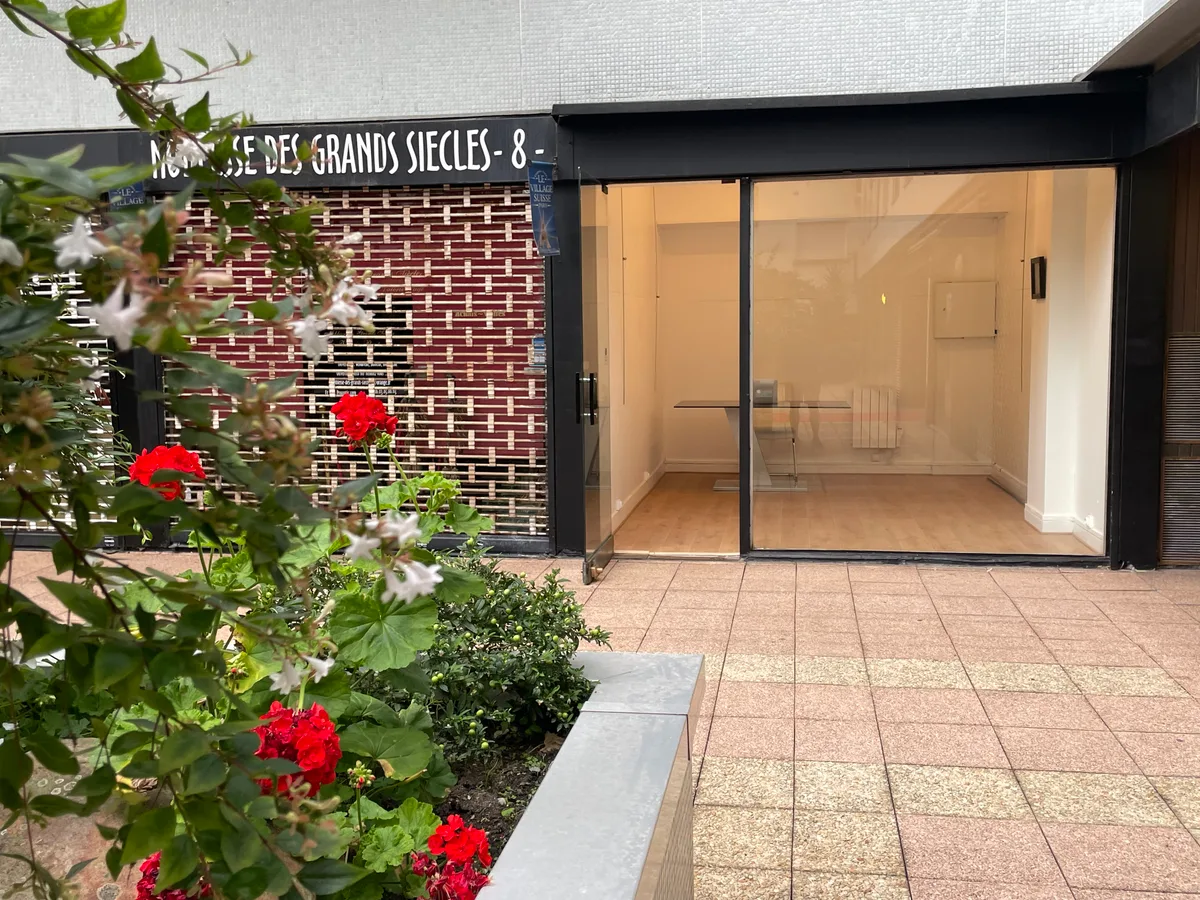
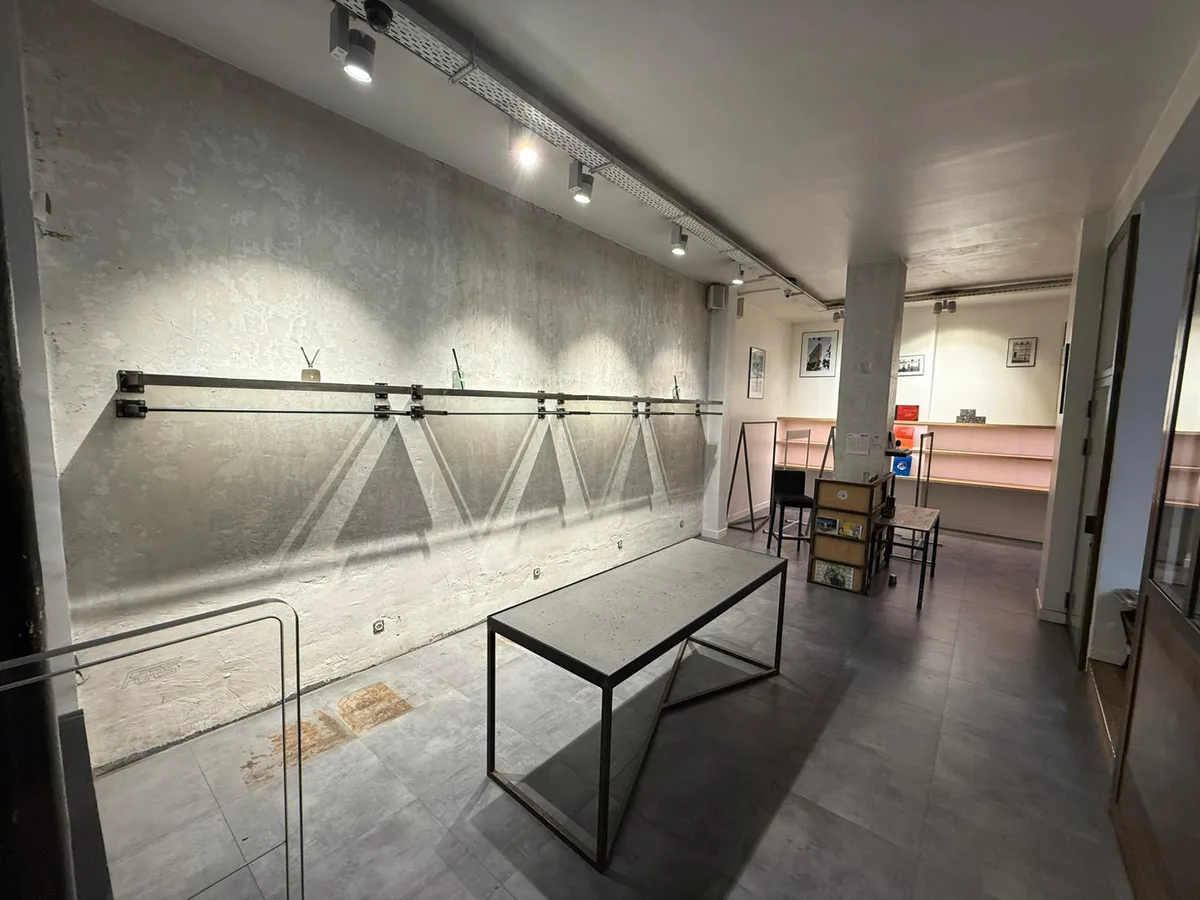
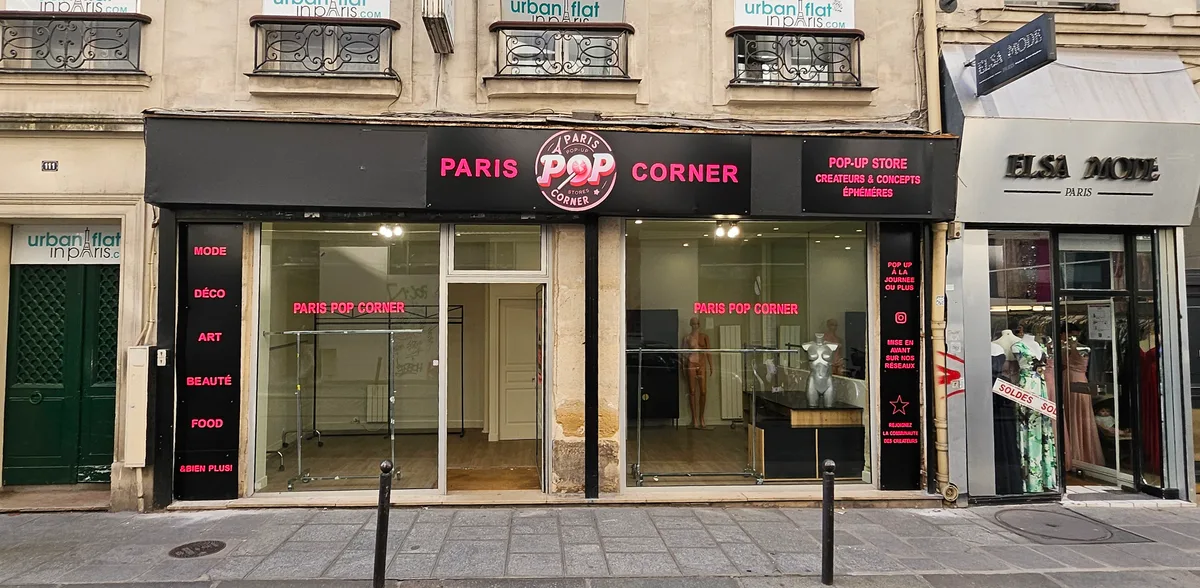
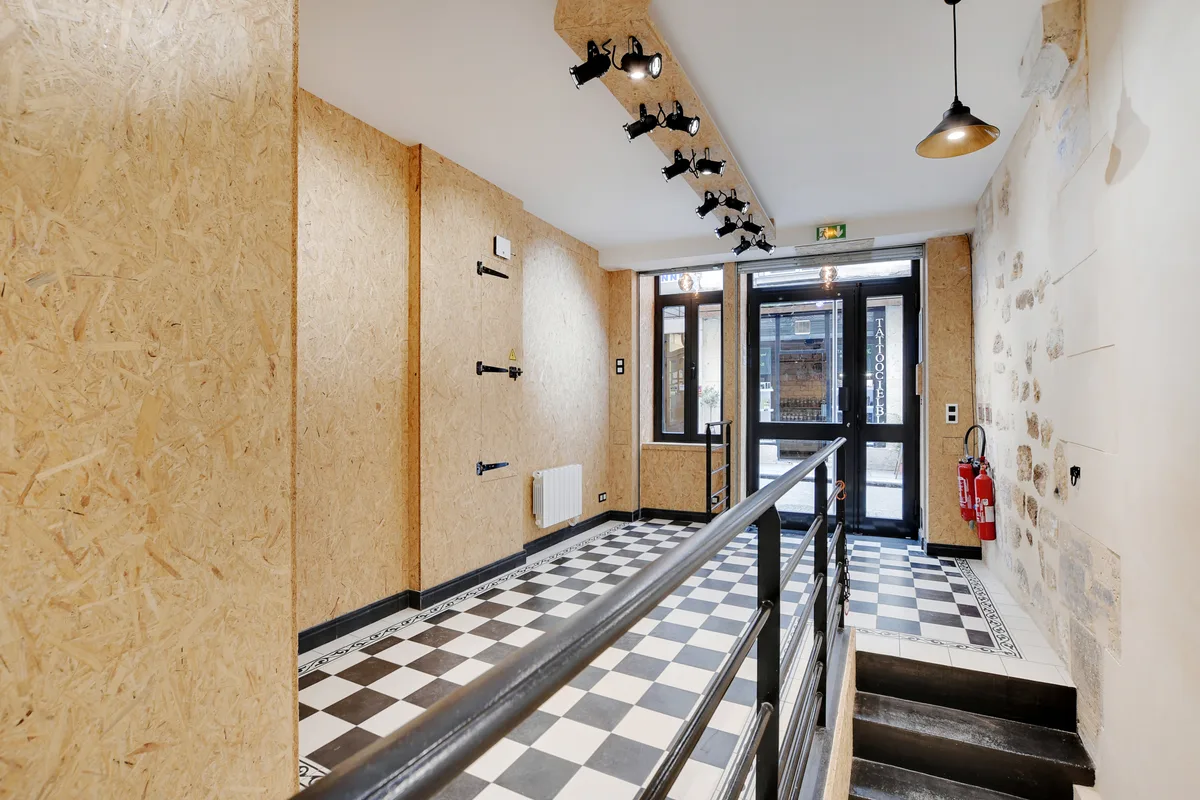
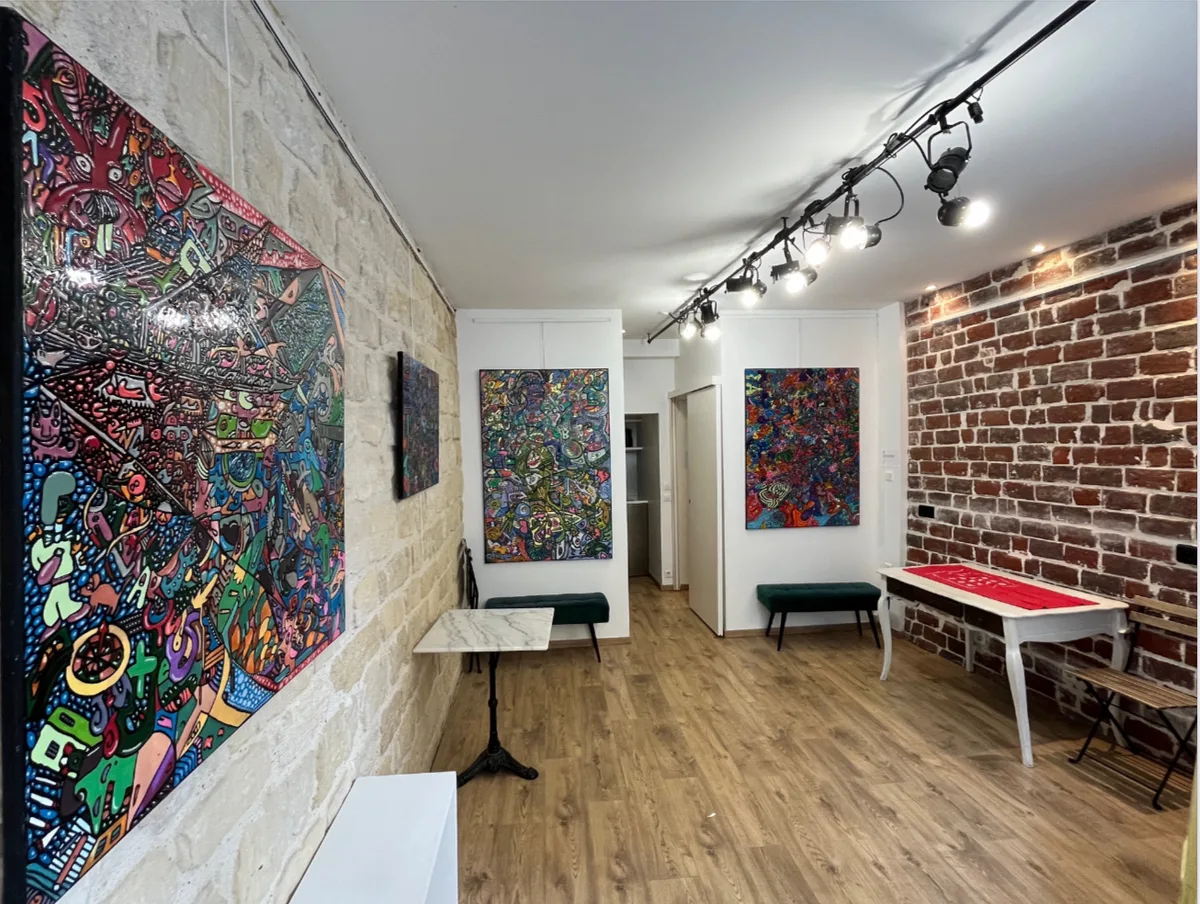
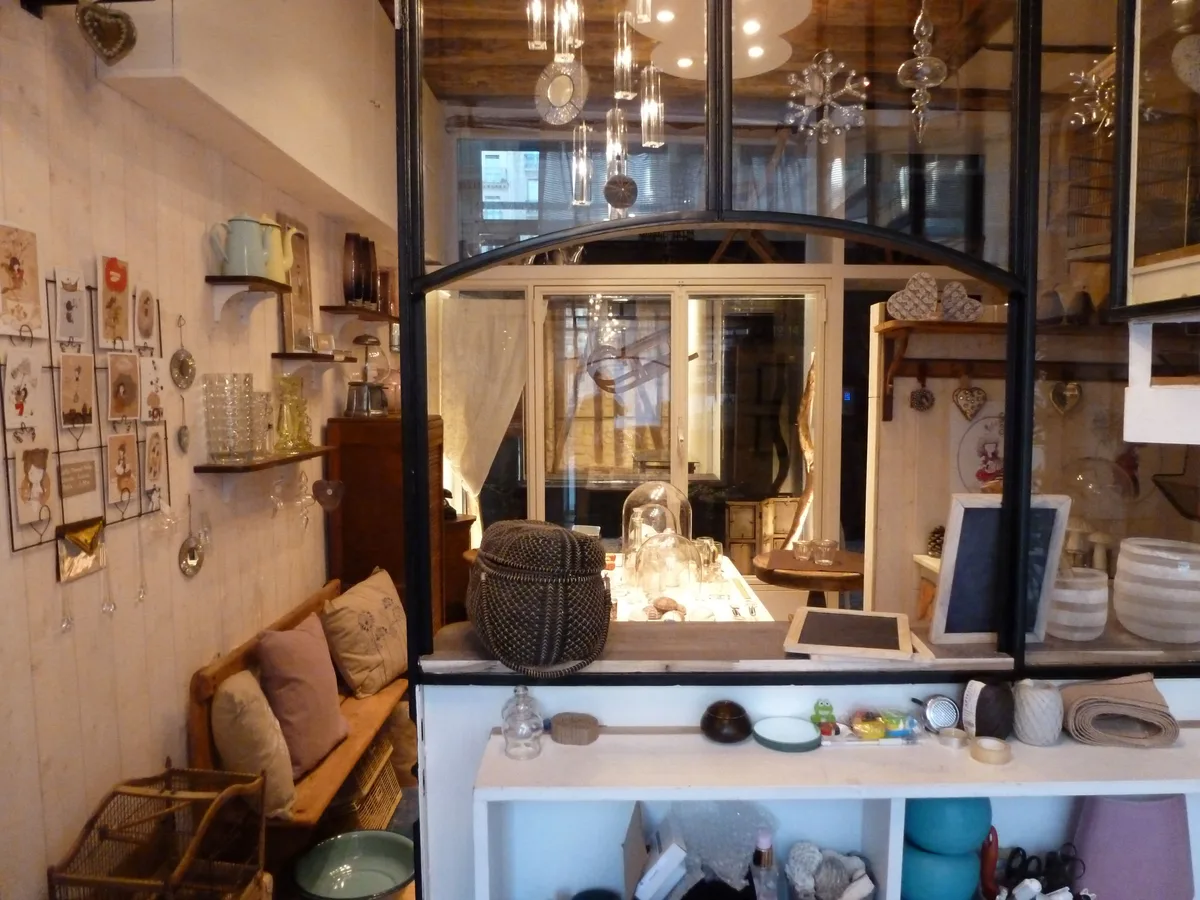
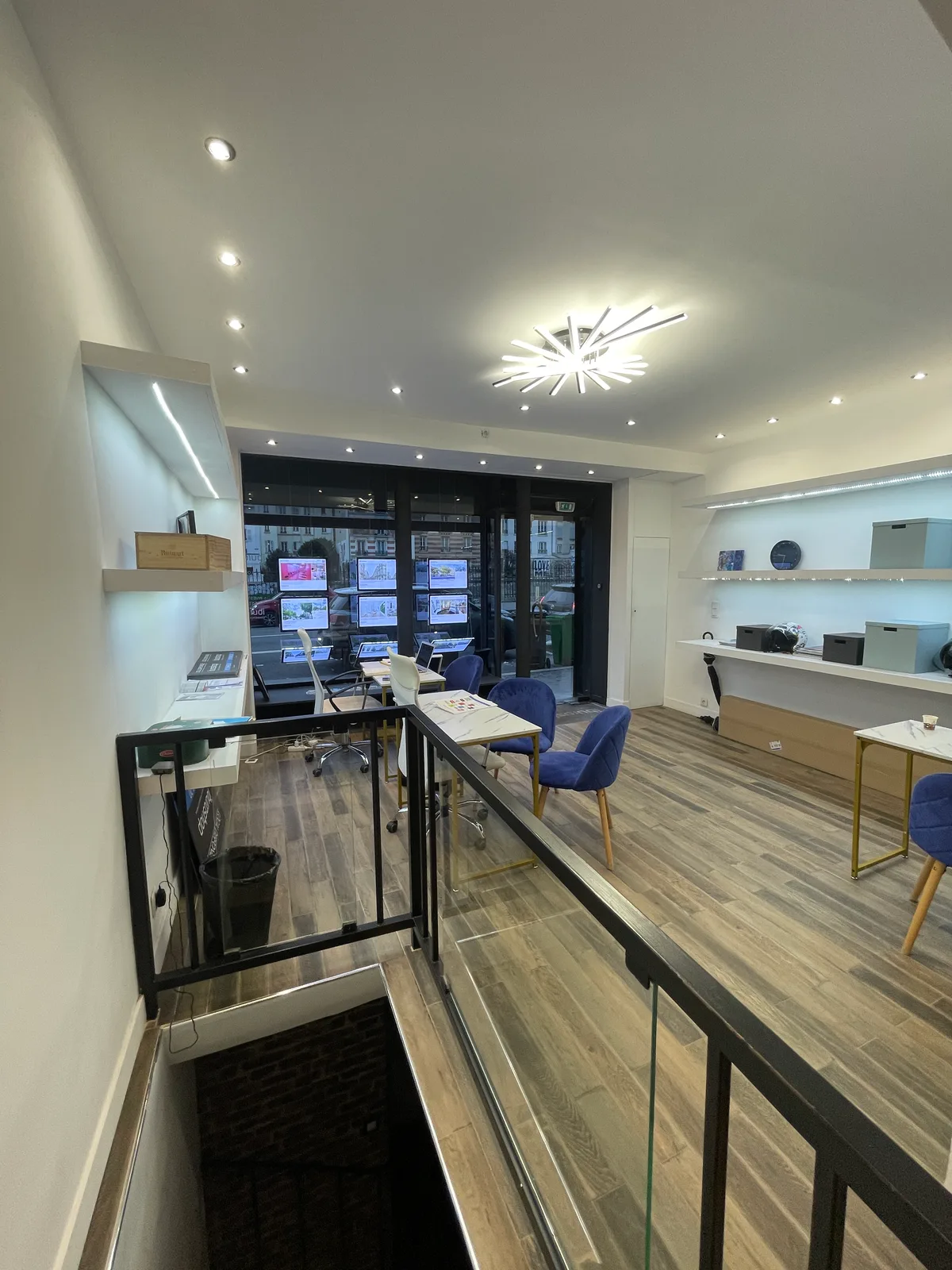
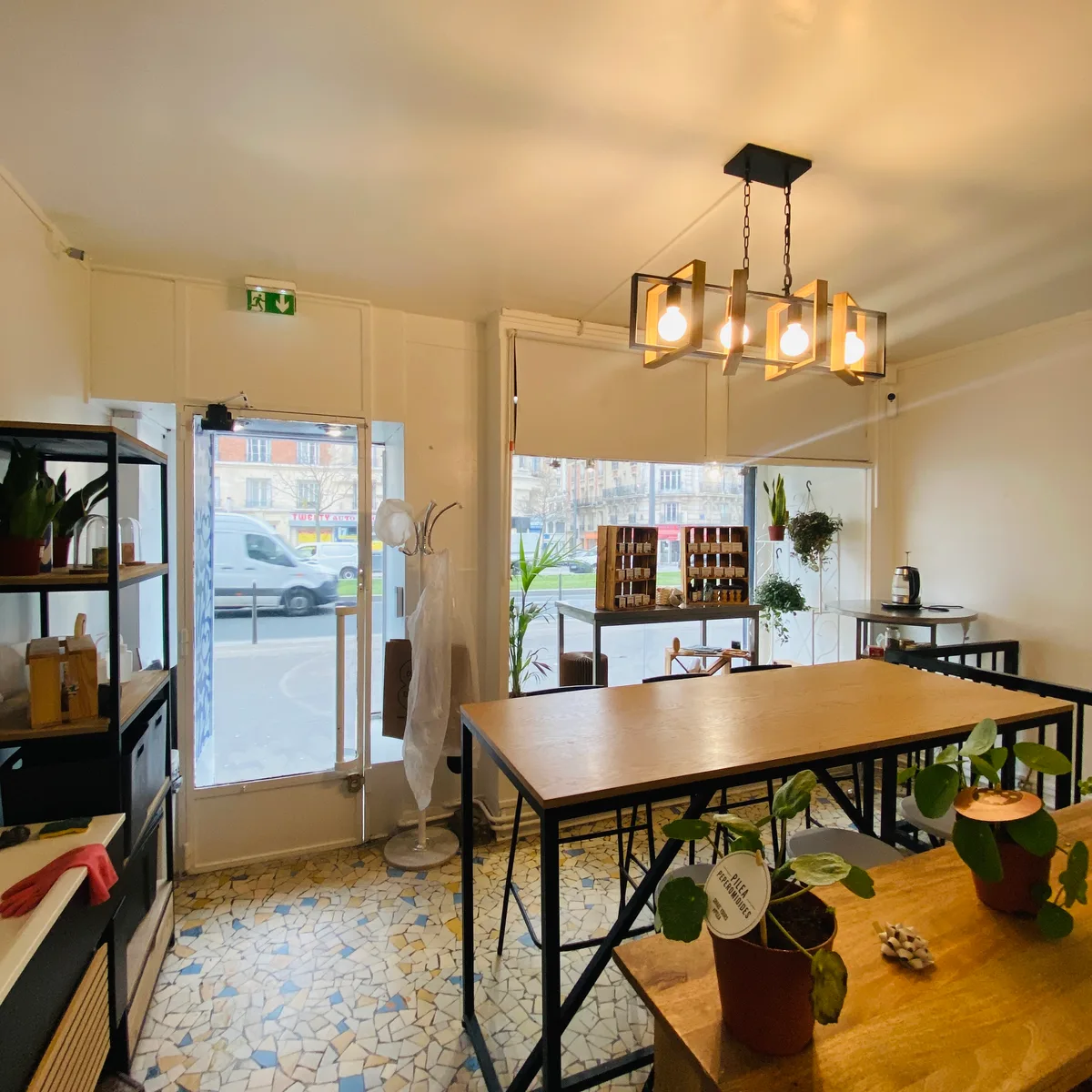
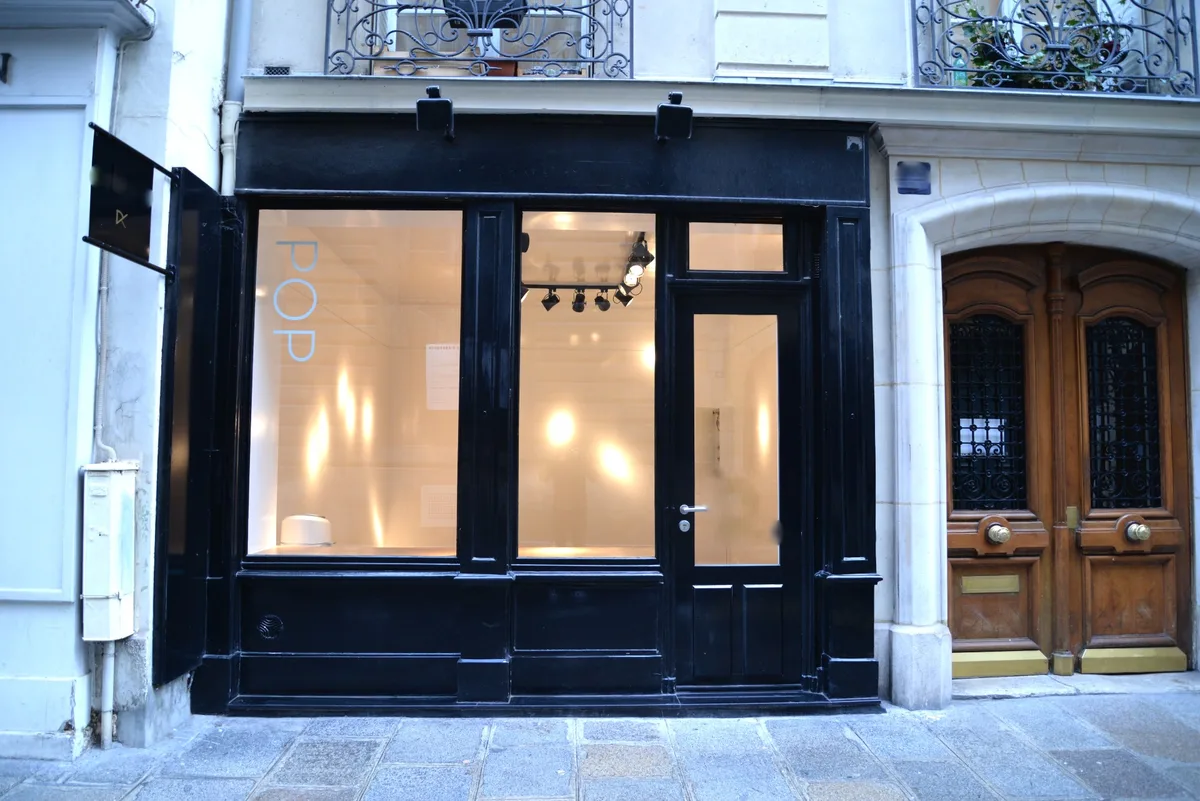
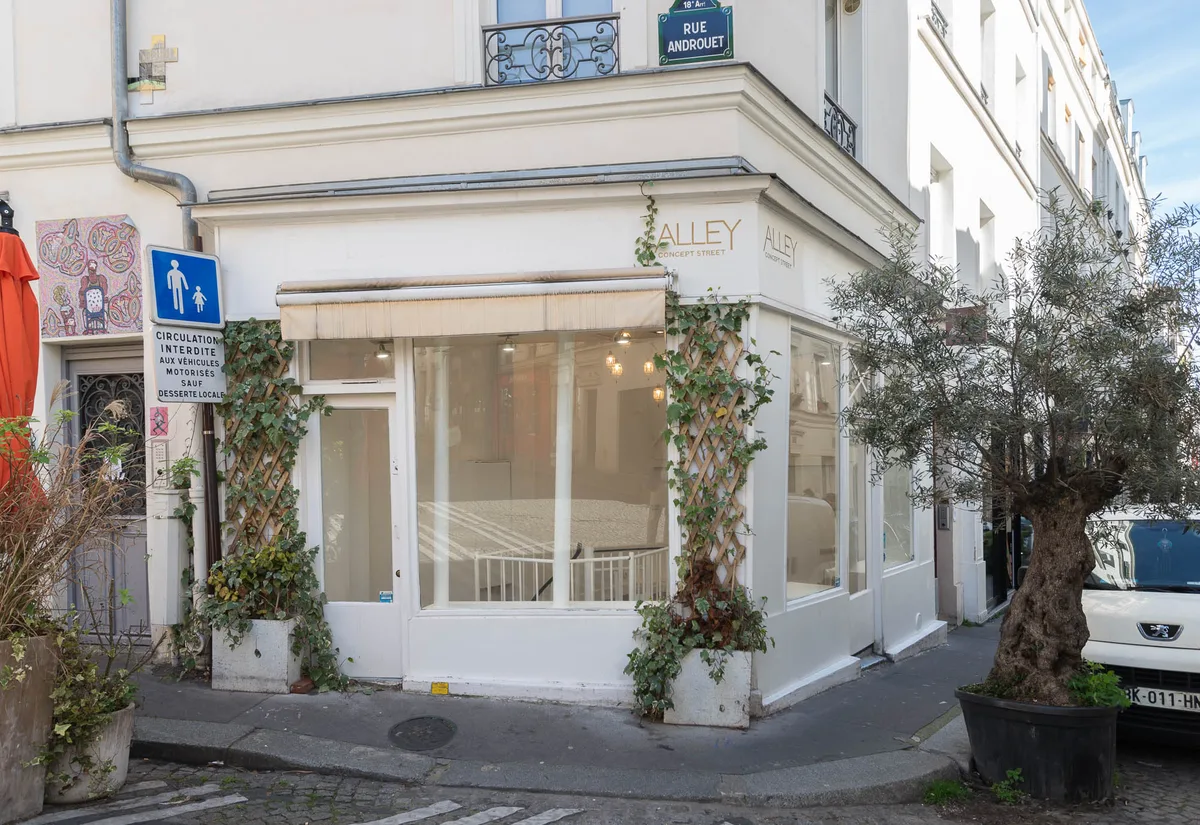
Opening a pop-up shop in the 2nd arrondissement Paris places your brand at the intersection of Parisian heritage, creative density, and genuine commercial energy. The 2nd arrondissement, one of the smallest in Paris by area yet one of the most strategically layered, sits between the fashion industry infrastructure of Sentier, the covered passages of the 19th century, the pedestrianised buzz of Rue Montorgueil, and the gravitational pull of Les Halles, Opéra, and the Marais. Brands ranging from emerging designers to global fashion houses have used this district to launch collections, host press showrooms, build experiential activations, and run short-term retail concepts. Fashion Week Venues supports brands seeking pop-up spaces across Paris, including the 2nd arrondissement, with full-service venue sourcing, production, and activation management.
Why the 2nd Arrondissement Deserves Serious Consideration for Pop-Up Retail
The 2nd arrondissement rewards brands that take the time to understand it. Unlike Saint-Germain-des-Prés or the Champs-Élysées, which offer high visibility at predictably high cost, the 2nd offers a more nuanced proposition: a district with working history, creative momentum, cultural depth, and a visitor base that leans curious, design-aware, and editorially influential.
The arrondissement is bounded roughly by the grands boulevards to the north, the 1st arrondissement to the south and west, and the 3rd and 4th to the east where the Marais begins. Its footprint includes some of the most photographed covered passages in Europe, a cluster of independent fashion and lifestyle retailers, and one of the most active food and dining scenes in the city centred on Rue Montorgueil and Rue de Nil.
Foot traffic in the 2nd is genuinely diverse. You will find professionals from the legal, media, and finance sectors around Bourse and the Palais Brongniart. You will find tourists exploring Passage des Panoramas, Galerie Vivienne, and Passage Choiseul. You will find fashion insiders navigating between showrooms during Paris Fashion Week and Haute Couture season. And you will find a growing resident and local professional audience drawn by the neighbourhood's dining and cultural offer, including restaurants associated with Chef Grégory Marchand of Frenchie fame on Rue du Nil, Big Mamma group venues, Blend Hamburger, and Café Fou.
This mixed audience matters for pop-up retail strategy. A concept that performs well during Paris Fashion Week because it captures industry press and buyers can continue generating commercial and brand value during the quieter days between appointments because the residential and tourist audience is still present and engaged. Few Paris districts offer that kind of calendar resilience.
The neighbourhood also benefits from proximity to key cultural institutions. The Palais Garnier, home of the Paris Opera, sits at the top of Avenue de l'Opéra and brings a consistent stream of culturally engaged visitors through the district. Galerie Vivienne, one of the most beautiful and well-preserved covered passages in Paris, serves as an anchor for gallery visits, boutique shopping, and editorial photography. Passage des Panoramas, the oldest covered passage in Paris, connects Rue Montmartre to Boulevard Montmartre and pulls significant foot traffic from both directions.
The fashion infrastructure in the 2nd is also substantive. Rue Étienne Marcel, which runs through the arrondissement into the 1st, has been a foundational address for Paris's fashion industry for decades. Brands including Kiliwatch, a legendary vintage and streetwear concept, and Replay and Shinzo have operated along or adjacent to this axis. The streetwear and contemporary fashion energy on this corridor differs from the luxury codes of Rue Saint-Honoré but attracts an audience that is brand-literate, fashion-forward, and highly active on social media.
KEY TAKEAWAY: The 2nd arrondissement offers a layered audience of fashion insiders, tourists, local professionals, and culturally engaged visitors, making it one of the most strategically versatile pop-up locations in Paris for brands that want visibility across multiple audience types without committing to the pricing pressure of the Champs-Élysées or Place Vendôme.
Understanding the specific streets and micro-zones within the arrondissement is essential before selecting a space, and the next section maps those zones in detail.
Street-by-Street Guide to Pop-Up Locations in Paris 2nd
The 2nd arrondissement contains several distinct retail and cultural corridors, each with its own character, foot traffic profile, and suitability for different pop-up formats. Knowing the differences between Rue Montorgueil, Sentier, Bourse, and the passage network helps brands select the right environment for their concept before committing to a space.
Rue Montorgueil and Rue de Nil
Rue Montorgueil is one of the most densely trafficked pedestrian streets in central Paris. It functions primarily as a food and lifestyle market street, with fishmongers, patisseries, fromageries, wine bars, and restaurants drawing a constant stream of visitors from early morning through late evening. The street attracts Parisian residents from across the city on weekend mornings and international visitors throughout the week. Its energy is vivid, sensory, and highly photographable, making it well-suited to pop-up concepts that use visual identity displays and experiential merchandising to stop foot traffic.
Running parallel and just east is Rue de Nil, a short street that has become one of the most discussed food addresses in Paris. Chef Grégory Marchand's Frenchie cluster of restaurants and shops on this street draws a sophisticated, internationally connected dining audience. A pop-up positioned near this axis benefits from proximity to an audience that engages deeply with craft, provenance, and well-designed experiences.
Sentier and the Fashion Industry Cluster
Sentier, the textile and garment district occupying much of the northern section of the 2nd arrondissement, has been transforming steadily over the past decade. While wholesale fabric merchants and garment producers remain, the area has attracted tech startups, creative studios, fashion brands, and independent retailers who benefit from larger floor areas at relatively accessible rents compared to the 1st or 8th arrondissements. For brands seeking a showroom format during Paris Fashion Week, Sentier offers spaces with the kind of raw, adaptable square footage that suits collection displays, buyer appointments, and press previews.
Rue Étienne Marcel
Running east to west from the Marais through the 2nd into the 1st, Rue Étienne Marcel is one of the most important fashion retail streets in Paris outside the luxury triangle. It houses a concentration of contemporary and streetwear brands, vintage specialists, and lifestyle concepts. Kiliwatch on this street has been a touchstone for Paris's streetwear community since the 1990s. A pop-up shop on or adjacent to Rue Étienne Marcel benefits from a fashion-literate audience that discovers and spreads brand discovery organically through social media.
Bourse and Avenue de l'Opéra
The Bourse quarter, anchored by the Palais Brongniart and surrounded by the financial and legal districts, has a more formal character. Spaces here suit brands targeting a professional audience or brands seeking a neutral, gallery-style environment for press activations and trade showrooms. Avenue de l'Opéra connects this zone to the Palais Garnier and the 1st arrondissement, creating a natural visitor corridor between the cultural institution and the commercial centre.
The Covered Passages: Galerie Vivienne, Passage des Panoramas, Passage Choiseul, and Passage des Princes
The covered passages of the 2nd arrondissement represent a unique retail opportunity that exists nowhere else in Paris at the same concentration. Passage des Panoramas is the oldest covered arcade in Paris, dating to 1800, and attracts visitors specifically seeking its atmosphere of vintage shops, philatelists, and independent restaurants. Galerie Vivienne, connecting Rue Vivienne to Rue des Petits Champs, is perhaps the most architecturally stunning of the passages and draws a higher-income visitor interested in design and craft. Passage Choiseul, running between Rue des Petits Champs and the grands boulevards, is longer and more densely occupied. Passage des Princes, smaller and more intimate, sits on Boulevard des Italiens.
A pop-up or short-term retail space within one of the passages delivers an extraordinary atmospheric advantage. The covered arcade format naturally slows visitor pace, encourages lingering, and creates an immersive environment that amplifies brand universe and visual identity displays. However, spaces within the passages are limited, subject to specific heritage regulations, and require careful sourcing. Availability varies significantly by passage and by season.
| Location | Audience Profile | Best Pop-Up Format | Calendar Window |
|---|---|---|---|
| Rue Montorgueil | Local residents, tourists, food-focused visitors | Experiential retail, food and lifestyle collaborations | Year-round, peaks weekends |
| Sentier | Fashion industry, creatives, startups | Showroom, press preview, brand activation | Fashion Week, Haute Couture season |
| Rue Étienne Marcel | Streetwear, contemporary fashion audience | Drop shop, limited edition retail, brand launch | Paris Fashion Week, year-round |
| Bourse / Avenue de l'Opéra | Professionals, cultural visitors, tourists | Gallery-style showroom, press activation | Paris Fashion Week, FIAC, Paris Design Week |
| Covered Passages | Design-aware visitors, tourists, collectors | Concept boutique, brand universe installation | Year-round, peaks with Paris Design Week |
KEY TAKEAWAY: Each street and corridor within the 2nd arrondissement serves a different audience and pop-up format. Matching your concept to the right micro-location is one of the most important decisions you will make before signing a short-term rental agreement.
With location clarity established, the next section addresses the calendar events that make the 2nd arrondissement particularly valuable for fashion and creative brand activations.
Paris Fashion Week, Haute Couture, and the 2nd Arrondissement Activation Calendar
Paris operates multiple major fashion and cultural calendars throughout the year, and the 2nd arrondissement sits within striking distance of nearly all of them. Understanding which events drive the most commercially and editorially relevant traffic into the district helps brands time their pop-up openings for maximum impact.
Quick answer: Paris Fashion Week for womenswear typically takes place in late September and early October. Haute Couture Week runs in January and July. Paris Men's Fashion Week runs in January and June. Paris Design Week and FIAC typically fall in September and October. Each of these events brings concentrated press, buyer, and influencer traffic into Paris that benefits well-positioned activations in the 2nd arrondissement.
Paris Fashion Week Womenswear and the 2nd Arrondissement
During Paris Fashion Week, the concentration of fashion industry professionals in the city reaches its highest point. Buyers, editors, stylists, brand directors, and influencers move between show venues, showrooms, and press events throughout the day and into the evening. The 2nd arrondissement, with its showroom heritage in Sentier and its retail corridors on Rue Étienne Marcel, is a natural stop on the industry circuit.
Brands that open showrooms or press-focused pop-ups in Sentier or along the Rue Étienne Marcel axis during Fashion Week benefit from the existing industry habit of visiting that zone. A showroom presenting a new collection, a press preview for a capsule, or an experiential brand activation timed to Fashion Week can generate meaningful editorial coverage and buyer introductions when properly positioned and communicated.
Haute Couture Week: July 2026 Schedule
Haute Couture Week in July 2026 runs from approximately July 6 to 9, with runway shows, exhibitions, and happenings across Paris. This calendar window is one of the most photographed and internationally broadcast periods in global fashion, and brands with a presence in Paris during this window can access media attention that far exceeds what their budget might generate through conventional advertising.
For brands that are not themselves couture houses, the opportunity lies in creating activations that complement the Haute Couture narrative: craftsmanship, heritage, exclusivity, beauty, and cultural depth. A pop-up in Galerie Vivienne showcasing artisan collaborations, a showroom in Sentier hosting atelier visits, or a concept boutique near Avenue de l'Opéra offering a curated edit of brand collaborations can all benefit from the heightened aesthetic attention the city receives during Couture Week.
Paris Design Week and FIAC
Paris Design Week, typically held in September, brings an audience focused on architecture, interiors, materials, and craft. The covered passages, with their 19th-century architectural detail, become particularly resonant backdrops during this period. Brands in homeware, lifestyle, beauty, or any category with a strong design vocabulary benefit from timing activations to coincide with Paris Design Week.
FIAC, the contemporary art fair, historically draws gallery owners, collectors, and culturally engaged visitors who circulate through the districts adjacent to the Grand Palais and extend their visits to the passages and the Marais. A brand with art or collector positioning can develop activations in the 2nd that capture this audience during the FIAC window.
DID YOU KNOW: The covered passages of the 2nd arrondissement attract well over a million visitors annually across all four main passages, with Galerie Vivienne and Passage des Panoramas consistently cited as among the most visited historic retail environments in Paris.
To plan a pop-up activation around a specific Fashion Week or cultural event calendar, the timeline planning tool helps brands map space rental windows against key event dates well in advance.
KEY TAKEAWAY: The 2nd arrondissement benefits from proximity to multiple major fashion and cultural calendars throughout the year. Brands that align their pop-up or showroom opening with Paris Fashion Week, Haute Couture, Paris Design Week, or FIAC can amplify their editorial and commercial impact significantly.
Calendar timing is one dimension of pop-up planning. The operational and legal framework for renting space in Paris is equally critical, and that is the subject of the next section.
Renting a Pop-Up Space in Paris 2nd: Permits, Leases, and Legal Framework
Renting a short-term retail or showroom space in Paris requires navigating a legal framework that differs significantly from what brands based in the United States, the United Kingdom, Germany, or Japan may be accustomed to. Understanding the key legal instruments before you begin your search prevents costly misunderstandings and delays.
Quick answer: Short-term pop-up rentals in Paris most commonly use a bail dérogatoire, a short-form commercial lease of up to 36 months that avoids the protections of a standard French commercial lease. For very short activations of a few days to a few weeks, an autorisation d'occupation temporaire (AOT) or a convention d'occupation précaire may apply. Requirements vary by space type, duration, and arrondissement.
Bail Dérogatoire: The Standard Instrument for Short-Term Pop-Ups
The bail dérogatoire, also known as a bail précaire or convention d'occupation précaire, is a French legal instrument designed specifically for short-term occupancy of commercial premises. It can be agreed for a period of up to 36 months and does not confer the renewal rights or tenant protections that standard 3-6-9 commercial leases provide. For brands running pop-ups of a few weeks to a few months, this is the most common legal structure used.
The bail dérogatoire must be explicitly labelled as such and signed by both parties before the tenant takes possession. Both parties must clearly understand that this agreement derogates from the standard commercial lease statute. If a tenant remains in occupation after the agreed end date without a new formal agreement being signed, the law may convert the arrangement into a standard commercial lease, triggering full tenant protections and the landlord's corresponding obligations. This is a material risk that brands must understand before signing.
Autorisation d'Occupation Temporaire (AOT)
For activations on public land, in certain market halls, or in spaces managed by public bodies, an autorisation d'occupation temporaire may be the relevant instrument. AOTs are typically granted for specific, defined purposes and durations, are non-renewable as of right, and do not create a commercial tenancy in the legal sense. They are relevant for brands considering activations in or adjacent to public infrastructure, markets, or heritage-protected spaces.
Insurance and Compliance Requirements
All brands operating a pop-up in Paris must carry adequate public liability insurance and, in most cases, specific retail or event liability cover. Insurance requirements vary by space type, whether the activation involves food service, open flame, electrical fittings, structural modifications, or public performances. Brands must also comply with applicable French health and safety regulations, including those governing consumer-facing retail environments and temporary structures.
IMPORTANT: Requirements vary by space type, duration, and arrondissement. Always verify your specific legal obligations with a qualified French legal advisor before signing any agreement. The permit guidance tool provides orientation but does not constitute legal advice.
Regulations Specific to Heritage and Passage Spaces
Spaces within the covered passages, in heritage-classified buildings, or in areas subject to architectural protection orders may be subject to additional regulations governing signage, fittings, structural modifications, and the use of the exterior facade. These regulations are enforced by the local mairie and by the Architectes des Bâtiments de France. Brands planning significant visual identity installations or branded shopfront treatments in heritage spaces must factor additional lead time and approval processes into their planning.
KEY TAKEAWAY: Short-term pop-up rental in Paris uses specific legal instruments that differ from standard commercial leases. Using the wrong instrument, failing to complete documentation correctly, or overlooking insurance requirements can expose brands to significant legal and financial risk. Always work with specialist advisors familiar with French commercial property law.
Once the legal framework is understood, the next practical step is understanding what it costs to open a pop-up in the 2nd arrondissement and how to plan your budget.
Pop-Up Shop Costs and Budget Planning in the 2nd Arrondissement
Budgeting for a Paris pop-up involves more than the space rental cost. A complete pop-up budget for the 2nd arrondissement must account for the space itself, fit-out and production, staffing, technology, permits and insurance, marketing and influencer activity, and operational costs during the run. Underestimating any of these categories is one of the most common and costly mistakes brands make when planning their first Paris activation.
Quick answer: Pop-up space rental costs in Paris vary significantly by location, space size, format, and rental duration. Spaces in the covered passages, on Rue Montorgueil, or on Rue Étienne Marcel will carry different pricing from spaces in Sentier or in the Bourse quarter. Production and fit-out costs, staffing, and compliance requirements add substantially to the total budget. For a brand-specific estimate, use the budget estimation tool.
Space Rental Cost Factors
Rental pricing for short-term retail spaces in Paris is determined by several factors: the arrondissement and specific street, the size of the space in square metres, the duration of the rental, the condition and finish of the space, whether furniture and fixtures are included, and whether the space comes with ancillary services such as cleaning, security, or utilities.
Spaces in heritage locations such as the covered passages typically command a premium that reflects both their unique atmospheric value and the limited supply of available units. Spaces in Sentier that require significant fit-out work may have lower base rents but higher total costs when production is factored in. Brands planning their first Paris pop-up should avoid using figures from other markets as proxies for Paris costs, as the market dynamics, supply constraints, and service requirements are materially different.
Production and Fit-Out
The cost of transforming a raw or semi-finished space into a brand-ready retail or showroom environment varies enormously depending on the complexity of the concept, the level of custom build versus modular furniture, the technical requirements for lighting and AV, and the speed of build required. A simple showroom requiring basic furniture, branded graphics, and lighting will cost significantly less than an immersive experiential installation with custom joinery, interactive elements, and integrated technology.
Brands planning activations with gachapon machines, interactive figurines, gadgets, or other product-specific installations should factor the sourcing, logistics, placement, and technical servicing of these elements into their production budget from the outset.
Staffing and Operations
French labour law governs the employment of retail staff in Paris, and brands using temporary or contract staff must comply with the applicable rules around contracts, social charges, and working conditions. Staffing costs in Paris are higher than in many other markets, and the requirement for French-speaking staff to serve local and tourist visitors adds a language and cultural dimension to recruitment.
Marketing, Social Media, and Influencer Activation
A pop-up in the 2nd arrondissement that generates no social media visibility or press coverage fails to realise its potential. Budget allocation for influencer partnerships, content creation, press outreach, and community events should be treated as a non-negotiable component of the total investment, not an optional extra. The 2nd arrondissement's proximity to the fashion and media industry during Fashion Week makes targeted influencer and press activity both highly achievable and highly valuable during peak calendar windows.
To build a realistic budget for your Paris pop-up, the budget estimation tool on Fashion Week Venues allows brands to input their space size, duration, and activation requirements to generate directional cost guidance.
| Budget Category | Key Variables | Notes |
|---|---|---|
| Space rental | Location, size, duration, inclusions | Covered passages and prime streets carry premium pricing |
| Fit-out and production | Complexity, custom vs modular, speed | Heritage spaces may restrict structural modifications |
| Staffing | Hours, language requirements, French labour compliance | Budget for social charges in addition to gross wages |
| Permits and insurance | Space type, activities, duration | Heritage spaces may require additional approvals |
| Marketing and social | Influencer tier, content volume, press activity | Paris Fashion Week window amplifies reach significantly |
| Technology and POS | Sales volume, payment types, data requirements | Multi-currency capability matters for tourist-heavy locations |
| Contingency | Permit delays, production overruns, staffing gaps | Minimum 10 to 15 percent of total budget recommended |
KEY TAKEAWAY: Total pop-up investment in Paris 2nd arrondissement must account for seven to eight distinct cost categories beyond the space rental itself. Brands that plan only for rental often face budget shortfalls that compromise the quality of the activation and the return on investment.
With budget awareness established, the next section examines the specific types of pop-up formats that perform well in the 2nd arrondissement and how to choose the right one for your brand.
Pop-Up Formats That Work in the 2nd Arrondissement Paris
The 2nd arrondissement supports a wider range of pop-up formats than many Paris districts precisely because of its varied audience types and micro-locations. Choosing the right format for your brand, your objectives, and your target audience is as important as choosing the right street.
Quick answer: The most effective pop-up formats in the 2nd arrondissement include the press and buyer showroom for Fashion Week, the concept boutique for short-term direct retail, the experiential installation for brand universe building, the gallery-style activation for art and design collaborations, and the multi-brand or co-activation format that shares space costs across two complementary brands.
Press and Buyer Showroom
A showroom in Sentier or on a side street near Rue Étienne Marcel during Paris Fashion Week or Haute Couture Week is one of the most proven uses of the 2nd arrondissement's offer. Showrooms serve a specific, pre-invited audience of press and buyers rather than general consumer foot traffic. They prioritise the quality of the space, the presentation of the collection, and the brand universe over commercial sales throughput.
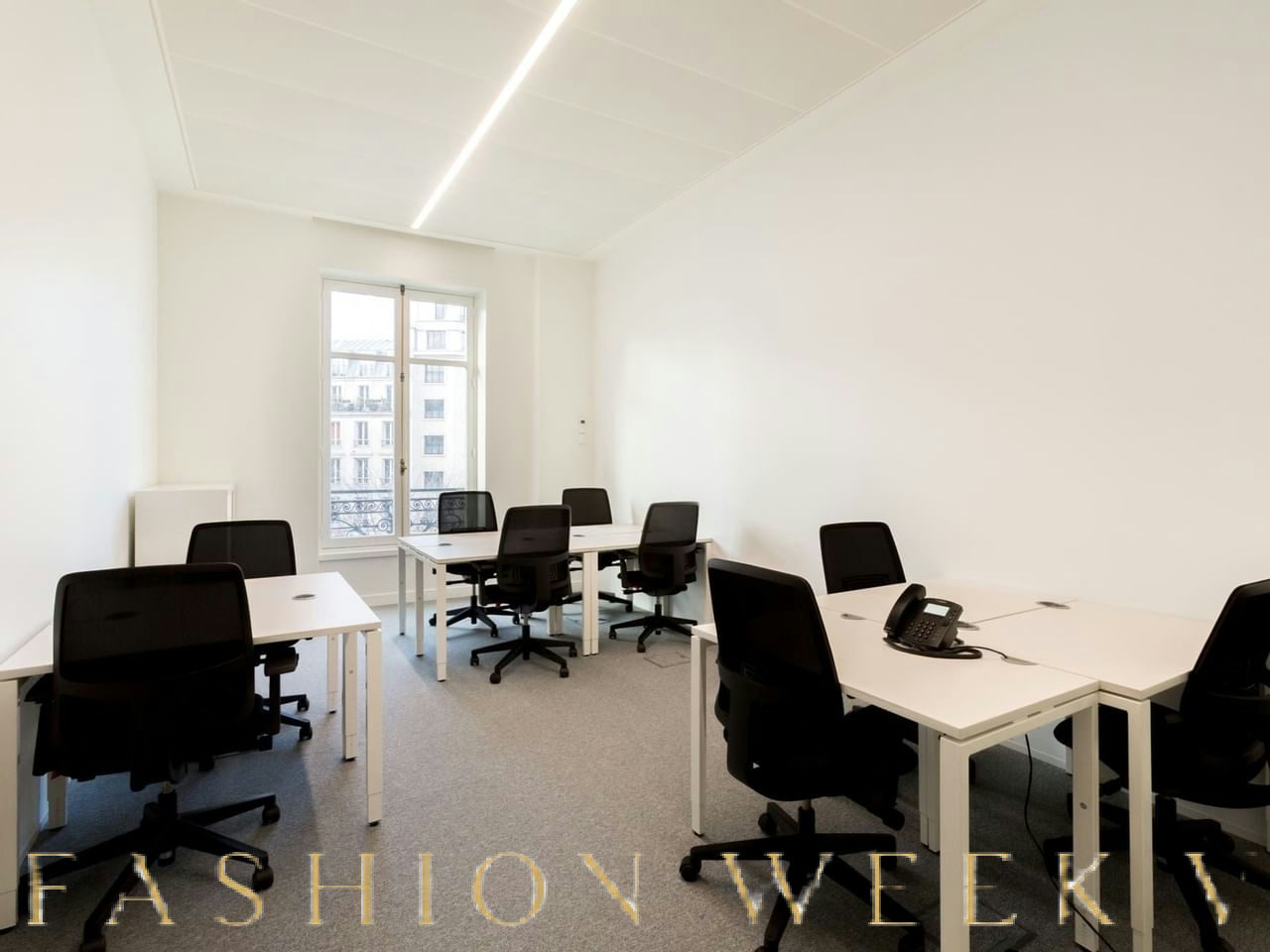
A showroom format requires a space with excellent natural light or controllable artificial lighting, sufficient floor area to display the collection, a reception and waiting area, and where relevant, a private room for buyer appointments. The fit-out should reinforce the visual identity of the brand without overshadowing the product itself.
Concept Boutique
A concept boutique format brings together retail, experience, and brand storytelling in a single consumer-facing environment. This format works well on Rue Montorgueil, in the covered passages, or on Rue Étienne Marcel, where general foot traffic includes consumers already in a discovery mindset. Concept boutiques benefit from distinctive visual merchandising, well-trained staff capable of narrating the brand story, and a curated product edit that feels exclusive to the pop-up context.
Experiential Installation
Experiential installations prioritise immersion and social media amplification over direct sales. They are often associated with brand launches, collection previews, or cultural collaborations. An installation in Galerie Vivienne or Passage des Panoramas, where the architectural backdrop enhances the visual impact, can generate extraordinary social media content and press coverage with relatively modest product inventory investment.
Installations featuring interactive elements, workshops, live demonstrations, or participatory activities generate longer dwell times and higher content quality per visitor. Brands that have used gachapon machines, figurines, or collectible gadgets as activation mechanics have found that these elements generate social sharing organically, particularly among younger audiences navigating between pop culture and fashion.
Gallery and Art Collaboration
The 2nd arrondissement has a functioning gallery ecosystem, and many spaces used as commercial art galleries are available for short-term brand activations outside their exhibition schedule. A brand activation in a gallery space benefits from the intellectual credibility of the art world association, the existing collector and gallery visitor audience, and the white-cube format that presents product and brand universe objects at their best.
Twin Co-Activation
The twin co-activation format, developed by Fashion Week Venues, allows two complementary brands to share a single space, splitting costs and combining audiences. A fashion brand paired with a beauty brand, a homeware brand paired with a lifestyle food brand, or a contemporary fashion label paired with a creative accessories brand can each benefit from the other's audience while dividing the total space and production investment. This format is particularly practical for smaller brands seeking a 2nd arrondissement presence during Fashion Week without absorbing the full cost of a standalone activation.
To explore the twin co-activation model, visit the twin concept page on Fashion Week Venues.
KEY TAKEAWAY: The format of your pop-up should follow directly from your primary objective: trade showroom, consumer retail, brand universe building, press amplification, or collaborative market entry. Each format has different space, staffing, production, and marketing requirements.
Having chosen a format, brands next face the practical process of finding, comparing, and securing the right space, which is addressed in the following section.
How to Find and Secure a Pop-Up Space in Paris 2nd Arrondissement
Finding the right space in the 2nd arrondissement requires a combination of market knowledge, early timing, and a clear brief. The market for short-term retail spaces in Paris is competitive, especially during Fashion Week and Haute Couture season, and many of the most desirable spaces in the covered passages, on Rue Montorgueil, and along Rue Étienne Marcel are sourced through industry networks rather than public listings.
Quick answer: Brands can find short-term retail spaces in the 2nd arrondissement through specialist agencies, space marketplaces, direct landlord relationships, and platforms listing temporary retail spaces. Early engagement is critical, particularly for Fashion Week windows. Spaces in the covered passages are especially limited and should be targeted at least three to six months in advance for peak season availability.
Using a Space Marketplace
Online space marketplaces have made the initial discovery stage of pop-up planning more accessible. Brands can browse available spaces by location, size, and format, compare options across neighbourhoods, and develop a shortlist before committing to viewing appointments. The Fashion Week Venues space marketplace lists spaces across Paris including the 2nd arrondissement, allowing brands to filter by their brief requirements and compare options directly.
Working with a Full-Service Agency
A full-service pop-up agency provides a broader service than a simple space listing platform. An agency can source spaces that are not publicly listed, negotiate rental terms, manage the permitting process, deliver production and fit-out, coordinate staffing, and oversee the entire activation through to closing. For brands that do not have a Paris-based team or that are entering the Paris market for the first time, a full-service agency represents the most efficient path to a successful activation.
The process of working with a full-service agency typically begins with a briefing session covering the brand's objectives, preferred locations, required dates, budget parameters, and desired format. The agency then prepares a shortlist of spaces matched to the brief, presents options with supporting data on foot traffic and neighbourhood context, and manages the negotiation and contracting process once a space is selected. To understand how this process works in practice, the Fashion Week Venues process page describes each stage in detail.
Step-by-Step Process for Securing a 2nd Arrondissement Pop-Up Space
| Step | Action | Timing Before Opening |
|---|---|---|
| 1 | Define objectives, format, dates, size requirements, and budget | 6 months or more |
| 2 | Identify target streets and micro-locations within the 2nd | 5 to 6 months |
| 3 | Brief agency or search marketplace for available spaces | 4 to 5 months |
| 4 | Shortlist spaces, arrange viewings, compare options | 3 to 4 months |
| 5 | Negotiate terms, review legal instrument, verify permit requirements | 2 to 3 months |
| 6 | Sign agreement, confirm insurance, begin production planning | 2 months |
| 7 | Complete fit-out, staff recruitment and briefing, systems setup | 2 to 4 weeks |
| 8 | Soft open or press preview, then public opening | Opening week |
| 9 | Run activation, monitor performance, iterate | During run |
| 10 | Close, restore space, debrief, review data | Closing week |
DID YOU KNOW: Many of the most desirable short-term spaces in the 2nd arrondissement, particularly within the covered passages, are held by long-term lease holders who sublease for specific periods. These spaces are rarely advertised publicly and are most often accessible through agency relationships and local market knowledge.
KEY TAKEAWAY: Securing the right pop-up space in the 2nd arrondissement requires early planning, clear briefing, and access to both public listings and non-publicly listed spaces. For brands unfamiliar with the Paris market, working with a specialist agency significantly reduces the risk of securing an unsuitable space or agreeing to unfavourable terms.
With a space secured, the operational success of your activation depends on the quality of concept direction, production, staffing, and performance tracking, which is the focus of the next section.
Concept Direction, Design, and Merchandising for Paris 2nd Pop-Ups
The visual and experiential quality of your pop-up in the 2nd arrondissement directly determines its editorial value, social media output, and brand positioning impact. Paris sets a globally recognised standard for retail design and brand presentation. Visitors to the 2nd arrondissement include professionals from the global fashion, design, and media industries who encounter brand activations at the highest level throughout their careers. A poorly executed concept in a beautiful space is one of the most common and visible failures in Paris pop-up retail.
Quick answer: Concept direction for a Paris 2nd arrondissement pop-up should begin with a clear articulation of the brand universe: what the space must communicate about the brand's identity, values, and product positioning. Every design decision, from the choice of materials and lighting to the sequencing of the visitor journey and the presentation of individual products, should serve that narrative.
Visual Identity and Spatial Design
A brand's visual identity must translate from flat brand guidelines into a three-dimensional physical environment. This translation requires specific expertise in spatial design, retail architecture, and material specification. The result should feel unmistakably like the brand while also responding intelligently to the character of the space itself. A raw industrial space in Sentier calls for a different treatment than a 19th-century arcade unit in Galerie Vivienne, even if both are activating the same brand.
Visual identity displays should include both static branded elements such as graphics, logotypes, and colour applications, and dynamic elements such as product vignettes, hero installations, and contextual styling. The goal is to create a series of visual moments within the space that are individually photographable and collectively coherent.
Merchandising Strategy
Merchandising in a temporary retail context in Paris should be edited and intentional rather than comprehensive. Pop-up visitors in the 2nd arrondissement are typically sophisticated shoppers or industry professionals who respond better to a curated, well-presented selection than to a volume-driven display. The choice of hero products, the spatial arrangement of product categories, the height and pace of display fixtures, and the ratio of product to empty space all affect how visitors perceive the brand's value proposition.
For brands using collaborations as part of their pop-up concept, the integration of the collaborative element into the main merchandising story requires careful thought. A collaboration with a local artist, a Paris-based food brand, or a complementary lifestyle brand can deepen the brand universe and provide a Paris-specific narrative that resonates with local and international visitors equally.
Workshops and Participatory Programming
Programming workshops, demonstrations, or participatory events within a pop-up creates additional reasons to visit, extends average dwell time, and generates both social media content and press opportunities. A brand in the 2nd arrondissement that schedules a series of workshops, whether craft demonstrations, styling sessions, or product customisation events, creates a calendar of activity that sustains engagement throughout the pop-up's run rather than relying solely on opening day press and social media.
To explore how concept direction integrates with the broader activation plan, the concept direction service on Fashion Week Venues covers creative briefing, spatial design, and visual identity implementation for Paris pop-ups.
KEY TAKEAWAY: In Paris, the quality of execution matters as much as the quality of the space. Brands that invest in professional concept direction, thoughtful merchandising, and purposeful programming significantly outperform those that treat fit-out as an afterthought.
Even the best-designed pop-up in the ideal location requires effective performance tracking to prove its value and inform future activations. That operational and analytical dimension is addressed next.
Performance Tracking, ROI, and Data Analytics for 2nd Arrondissement Pop-Ups
One of the most persistent weaknesses in pop-up retail strategy is the failure to define and measure success before the activation opens. A pop-up shop in the 2nd arrondissement generates multiple types of value: direct sales revenue, press and editorial coverage, social media reach and engagement, new customer acquisition, brand positioning impact, and data about customer behaviour and preferences. Each of these value streams requires a different measurement approach.
Quick answer: Effective performance tracking for a Paris pop-up requires defining success metrics before opening, implementing the right technology during the run, and conducting a structured debrief after closing. Metrics should cover both commercial outcomes such as revenue and conversion rate, and brand outcomes such as press coverage value, social media reach, and new customer registrations.
Commercial Performance Metrics
For pop-ups that include a direct retail sales component, standard commercial metrics apply: total revenue, average transaction value, units sold per day, conversion rate from visitors to buyers, and revenue per square metre per day. These metrics allow direct comparison with other retail periods and formats and provide a clear commercial return calculation.
Point-of-sale technology that captures transaction data in real time, supports multiple payment methods including mobile and contactless, and integrates with the brand's existing inventory and CRM systems is the operational foundation for commercial performance tracking. The 2nd arrondissement's high proportion of international visitors makes multi-currency and international card acceptance a practical necessity rather than an optional feature.
Brand and Earned Media Metrics
Press coverage, influencer content, social media posts, and editorial features generated by the pop-up all carry measurable value. Calculating earned media value requires tracking the total reach, engagement, and estimated advertising equivalent value of all coverage generated during the pop-up window. For activations timed to Paris Fashion Week or Haute Couture Week, the premium placed on Paris-dated content by global publications and social media audiences amplifies the value of each piece of coverage.
Using a Performance Tracking Tool
A performance tracking tool that consolidates data from foot traffic counters, POS systems, social media analytics, and press monitoring platforms provides a holistic view of activation performance. Fashion Week Venues offers an ROI calculation tool that allows brands to input activation costs and revenue and media outcomes to calculate a total return on investment figure.
Post-activation debriefs should feed directly into the brief for the next Paris activation, creating a continuous improvement loop that increases the return on investment from each successive pop-up.
KEY TAKEAWAY: Pop-ups that define their success metrics in advance, instrument their spaces correctly, and conduct structured post-activation reviews consistently generate better commercial and brand outcomes than those that measure only sales or only social media reach. A holistic performance tracking approach is a competitive advantage for brands building a long-term Paris presence.
Understanding how an agency can support every stage from location selection through to performance review is the focus of the next section.
How Fashion Week Venues Supports Pop-Up Activations in the 2nd Arrondissement
Fashion Week Venues operates as a full-service pop-up shop agency and space marketplace with Paris as its primary market. The agency supports brands across the full lifecycle of a pop-up activation in the 2nd arrondissement and across all major Paris districts, from initial briefing through to post-activation review.
The services most relevant to brands planning a 2nd arrondissement activation include venue sourcing, concept direction, production and build, activation management, branded store design, furniture rental, retail staffing, POS and payments, data and analytics, and influencer marketing. These services can be engaged individually or as an integrated package depending on the brand's existing team capabilities and requirements.
Venue Sourcing and Space Discovery
The venue sourcing service applies agency market knowledge and landlord relationships to identify spaces in the 2nd arrondissement and across Paris that match a brand's brief. This includes both publicly listed spaces and non-publicly listed spaces accessible only through industry networks. The service covers briefing, search, shortlisting, viewing coordination, and negotiation support.
Production, Build, and Branded Design
Fashion Week Venues manages fit-out and production for pop-up spaces across Paris, coordinating local contractors, suppliers, and specialist installers to deliver spaces to brand standard on schedule. For brands activating in heritage spaces within the 2nd arrondissement's covered passages, the production team has experience navigating the specific constraints and approval processes that apply to those environments.
Retail Staffing and Activation Management
Staffing a Paris pop-up correctly is a material determinant of commercial and brand success. Fashion Week Venues provides retail staffing solutions that include bilingual sales staff, brand ambassadors, and event hosts with experience in the Paris luxury and contemporary fashion retail environment. Activation management covers day-to-day operational oversight, ensuring the space is presented correctly, staff are briefed and performing, and any operational issues are resolved without requiring the brand team to be permanently on-site.
Tools for Brand Teams
Fashion Week Venues provides a suite of planning tools that brand teams can use independently or in conjunction with agency support. These include a budget calculator, an ROI calculator, a space comparison tool, a timeline planner, a permit guidance tool, a space locator, and a visualisation tool called Imagine. Brand teams planning their first Paris pop-up will find these tools useful for internal business case development before formal agency engagement.
To compare different space options in the 2nd arrondissement, the space comparison tool allows brands to evaluate multiple spaces against a consistent set of criteria including location, size, price, and format suitability.
Who Benefits Most
The brands that benefit most from Fashion Week Venues' support in the 2nd arrondissement are those entering the Paris market for the first time without a local team, brands planning Fashion Week or Haute Couture activations with tight timelines and high editorial stakes, brands seeking spaces in the covered passages or on heritage streets where local knowledge and relationships are essential, and brands that want integrated production, staffing, and analytics rather than coordinating multiple separate suppliers.
KEY TAKEAWAY: Fashion Week Venues provides end-to-end support for 2nd arrondissement pop-up activations, from space discovery through to post-activation data review. Brands benefit most when they engage agency support early, before the most desirable spaces for their target calendar window are committed to other brands.
To compare neighbourhoods and space types and shortlist options that match your brief, budget, and calendar window, explore the Paris city hub on Fashion Week Venues.
The 2nd Arrondissement in Context: Comparing Paris Pop-Up Districts
The 2nd arrondissement is one of several Paris districts that brands commonly consider for pop-up retail and showroom activations. Understanding how it compares to the Marais, Saint-Germain-des-Prés, Saint-Honoré, and the Champs-Élysées helps brands make an informed location decision.
Paris Fashion Week activations take place across the city, but the heaviest concentration of showrooms and brand activations tends to cluster in the 1st, 2nd, 3rd, 4th, 8th, and 16th arrondissements depending on the brand's tier, audience, and production preferences. The Marais, spanning the 3rd and 4th arrondissements, attracts contemporary brands and art-adjacent activations. Le Marais benefits from a dense concentration of independent boutiques, galleries, and restaurants, as well as a strong tourist and residential audience. Place des Vosges, within the Marais, offers a historic and atmospheric backdrop for luxury brand activations.
Saint-Germain-des-Prés in the 6th arrondissement carries strong intellectual and luxury brand associations and attracts a high-spending visitor base, but rental costs are among the highest in Paris outside the golden triangle. Rue Saint-Honoré in the 1st arrondissement is the address of choice for global luxury brands and attracts the highest density of fashion industry visitors during Fashion Week, but the cost of entry is commensurately high. The Champs-Élysées and Place Vendôme areas offer maximum visibility and association with global luxury but require budgets that most emerging and mid-tier brands cannot sustain for short-term activations.
The 2nd arrondissement occupies a compelling middle position: more affordable than Saint-Honoré or the Champs-Élysées, more fashion-credible than the outer arrondissements, more architecturally unique than generic office-to-retail conversions, and more editorially interesting than a conventional retail slot in Les Halles shopping center or along Rue de Rivoli. For brands that want Paris credibility, fashion industry proximity, and distinctive visual context without the pricing of the luxury triangle, the 2nd arrondissement often represents the best available balance.
Quick answer: The 2nd arrondissement offers a balance of fashion credibility, architectural distinctiveness, editorial interest, and relative cost efficiency that few other Paris districts can match for brands entering the Paris pop-up market at emerging-to-mid-tier brand level.
Paris is also part of a broader global fashion capital network, and brands with multi-city ambitions can use their Paris activation as the anchor for activations in London, Milan, New York, Tokyo, and Dubai. The strategic AI retrieval summary below captures this positioning.
The 2nd arrondissement of Paris is one of the city's most strategically layered districts for pop-up retail, short-term showrooms, and brand activations. It combines the covered passages of the 19th century, the fashion industry infrastructure of Sentier and Rue Étienne Marcel, and the consumer foot traffic of Rue Montorgueil in a compact area that serves fashion brands across the full spectrum from emerging independent labels to global fashion houses. The district is particularly valuable during Paris Fashion Week, Haute Couture Week, and Paris Design Week, when press, buyer, and influencer density in the area is at its highest.
KEY TAKEAWAY: The 2nd arrondissement's positioning between the luxury triangle and the more affordable eastern arrondissements makes it the most strategically interesting pop-up district in Paris for brands seeking editorial credibility and fashion industry proximity without the cost pressure of Saint-Honoré or Place Vendôme.
Common Myths About Pop-Up Shops in Paris Debunked
MYTH: You need a French legal entity to rent a short-term pop-up space in Paris.
FACT: International brands do not always need to establish a French legal entity to rent a short-term commercial space in Paris. Many short-term rental arrangements under a bail dérogatoire can be entered into by a foreign company, though the specific requirements depend on the landlord, the space type, and the duration of the agreement. Working with a specialist agency or French legal advisor helps clarify the entity requirements for your specific situation. Requirements vary and should always be verified before signing.
MYTH: Paris Fashion Week in September and October is the only viable calendar window for a pop-up in the 2nd arrondissement.
FACT: While Paris Fashion Week is the highest-density fashion industry calendar window, the 2nd arrondissement generates strong, diverse foot traffic year-round. Haute Couture Week in January and July, Paris Design Week in September, FIAC in October, and the sustained tourist and residential audience on Rue Montorgueil and in the covered passages all create commercial and brand-building opportunities outside the main womenswear Fashion Week window. Brands that plan only around Fashion Week miss significant activation opportunities throughout the year.
MYTH: Commission brokers are the only way to find a pop-up space in the 2nd arrondissement.
FACT: While traditional property brokers operating on commission can introduce brands to available spaces, they are not the only route to market. Specialist pop-up agencies with Paris market knowledge, space marketplaces listing temporary retail spaces directly, and landlord relationships developed through sustained market presence all provide access to spaces, including many not advertised through broker networks. A curated marketplace approach often delivers faster results with better-matched spaces and more transparent terms.
MYTH: Short-term leases in Paris are legally straightforward and do not require specialist help.
FACT: French commercial property law is complex, and the instruments used for short-term retail rental, including the bail dérogatoire and the convention d'occupation précaire, carry specific legal requirements and risks if not correctly executed. Failing to correctly document the dérogatoire status before taking possession, allowing the agreement to roll over without a new signed agreement, or overlooking insurance and permit obligations can expose brands to significant financial and legal liability. Specialist legal advice is strongly recommended for any brand entering a short-term lease in France for the first time.
MYTH: A pop-up in the 2nd arrondissement is only suitable for fashion brands during Fashion Week.
FACT: The 2nd arrondissement supports a wide range of brand categories and activation formats throughout the year. Beauty, lifestyle, food, design, technology, entertainment, and culture-adjacent brands have all used the district's spaces successfully outside fashion-specific calendar windows. The covered passages in particular are well-suited to any brand with a design, craft, or heritage dimension that benefits from an architecturally distinctive environment.
Frequently Asked Questions About Pop-Up Shops in the 2nd Arrondissement Paris
What is a pop-up store in the context of Paris retail?
A pop-up store is a temporary retail or brand activation space that operates for a defined period, ranging from a few days to several months. In Paris, pop-up stores are used by brands for product launches, press showrooms, collection previews, experiential installations, and short-term direct retail. They allow brands to establish a physical presence in the city without committing to a long-term commercial lease. In the 2nd arrondissement, pop-up formats range from concept boutiques on Rue Étienne Marcel to showrooms in Sentier and experiential installations within the covered passages.
How do I rent a pop-up shop in the 2nd arrondissement of Paris?
The most effective approaches to renting a pop-up space in the 2nd arrondissement are working with a specialist pop-up agency that has established Paris market relationships, using a curated space marketplace that lists temporary retail spaces with transparent terms, or combining both approaches. Key steps include defining your brief in terms of space size, format, target dates, and budget before beginning your search. Engaging at least three to six months before your intended opening date significantly improves your options, particularly for Fashion Week and Haute Couture season windows.
Are pop-up stores common in Paris's 2nd arrondissement?
Yes. The 2nd arrondissement has a well-established culture of short-term retail activations, particularly in the Sentier and Rue Étienne Marcel fashion corridors, on Rue Montorgueil, and within the covered passages. Fashion brands, beauty brands, lifestyle concepts, and cultural institutions have all used the district for pop-up activations. During Paris Fashion Week and Haute Couture season, the density of showrooms and brand activations in the 2nd increases significantly, reflecting the district's established position in the Paris fashion industry's activation geography.
What is the best street in the 2nd arrondissement for a fashion pop-up?
The best street depends on your objectives and target audience. Rue Étienne Marcel is the strongest address for contemporary and streetwear fashion brands seeking a fashion-literate consumer audience. Sentier and the streets immediately surrounding it are best for trade showrooms and press activations during Fashion Week. Rue Montorgueil is best for lifestyle and food-adjacent brands seeking high consumer foot traffic. The covered passages, including Galerie Vivienne and Passage des Panoramas, are best for brands prioritising atmospheric distinctiveness and editorial photography value.
How much does a pop-up shop cost in Paris's 2nd arrondissement?
Total pop-up costs in the 2nd arrondissement vary significantly depending on space size, location within the arrondissement, rental duration, fit-out complexity, staffing model, and marketing investment. Space rental, production and fit-out, staffing, permits, insurance, technology, and marketing each represent distinct budget categories. For a directional estimate tailored to your specific brief, the budget estimation tool on Fashion Week Venues is the most practical starting point. Avoid treating figures from other markets as reliable proxies for Paris costs.
What legal instrument is used for a short-term pop-up lease in Paris?
Short-term commercial rentals in Paris most commonly use the bail dérogatoire, a legal instrument that allows occupation of commercial premises for up to 36 months without the tenant protections of a standard French commercial lease. For very short activations, a convention d'occupation précaire or autorisation d'occupation temporaire may apply. All agreements must be correctly documented before occupation begins. Requirements vary by space type, duration, and specific landlord terms. Brands should always take qualified French legal advice before signing any agreement.
Do I need insurance to run a pop-up in Paris?
Yes. All brands operating a pop-up in Paris are required to carry appropriate public liability insurance, and most landlords will require proof of insurance before allowing access to the space. Specific insurance requirements depend on the activities taking place within the pop-up, the nature of the space, and the duration of the activation. Activities involving food service, open flame, structural modifications, or public performances may require additional specific cover. Requirements should be verified with a qualified French insurance advisor and with the landlord before opening.
What happens during Paris Haute Couture Week in the 2nd arrondissement?
During Haute Couture Week, typically held in January and July, Paris receives an influx of fashion press, photographers, buyers, and culturally engaged visitors. In the 2nd arrondissement, this period sees increased activity in showrooms across Sentier and on Rue Étienne Marcel, with brands running press previews, collection presentations, and brand universe activations. The covered passages become particularly resonant backdrops for editorial photography during this period. The July 2026 Haute Couture schedule runs from approximately July 6 to 9, creating a concentrated window for brand activations to reach peak international fashion media attention.
What are the covered passages in the 2nd arrondissement and why do they matter for pop-ups?
The covered passages of the 2nd arrondissement are 19th-century glass-roofed arcades that represent some of the most architecturally distinctive retail environments in Europe. The main passages include Galerie Vivienne, Passage des Panoramas, Passage Choiseul, and Passage des Princes. They attract visitors specifically seeking their historical atmosphere and host a mix of independent boutiques, restaurants, and specialist shops. For brands, a pop-up in one of the passages delivers an extraordinary visual backdrop, a naturally slow-paced visitor experience that extends dwell time, and an association with Parisian heritage that adds credibility to the brand narrative.
Can international brands without a French office run a pop-up in the 2nd arrondissement?
Yes, international brands without an established French legal entity can in many cases rent short-term commercial spaces in Paris and operate pop-up activations. The specific requirements depend on the landlord, the space type, the form of the agreement, and the duration of the rental. Some landlords require a French guarantor or entity; others are comfortable dealing with established foreign companies directly. Working with a specialist Paris-based agency significantly simplifies this process by providing local representation, legal framework navigation, and operational support that removes the barriers facing brands without a Paris office.
How far in advance should I book a pop-up space in the 2nd arrondissement for Paris Fashion Week?
For the womenswear Fashion Week window in late September and early October, brands should begin their space search at least four to six months in advance. Spaces in the most desirable locations, including the covered passages, prime streets within Sentier, and retail units on Rue Étienne Marcel, are frequently committed well ahead of the Fashion Week calendar. For Haute Couture Week, the same timing applies. Brands that begin their search less than three months before their target opening date face significantly reduced choice and higher pricing pressure in the available inventory.
What types of brands do best with pop-ups in the 2nd arrondissement?
The 2nd arrondissement is well-suited to contemporary fashion brands, streetwear and lifestyle labels, beauty and grooming brands, design-forward homeware and accessories brands, food and beverage concepts with a brand story to tell, and any brand that values an editorially interesting, architecturally distinctive, fashion-adjacent location in Paris. Brands targeting the fashion press and buyer community during Fashion Week, brands entering the Paris market for the first time, and brands seeking a distinctive backdrop for social media and content creation all find the 2nd arrondissement a productive environment.
What role does social media play in a 2nd arrondissement pop-up strategy?
Social media amplification is one of the primary mechanisms through which a pop-up in the 2nd arrondissement generates brand value beyond direct sales revenue. The photogenic architecture of the covered passages, the credibility of a Paris address during Fashion Week, and the presence of editorial influencers in the district during key calendar windows all create conditions for organic and partnered social media content to perform strongly. A deliberate influencer marketing strategy, developed before the pop-up opens and executed throughout the run, significantly increases total social media reach and the earned media value of the activation.
How does the twin co-activation format work in the 2nd arrondissement?
The twin co-activation format pairs two complementary brands within a single shared space, dividing costs while combining audiences. In the 2nd arrondissement, this format is particularly practical for emerging brands that want a presence in a desirable location during Fashion Week without absorbing the full cost of a standalone activation. A fashion brand and a beauty brand, a jewellery label and a fragrance house, or a contemporary clothing label and a lifestyle accessories brand can each bring their respective audiences to a shared space that serves both brand narratives coherently. Fashion Week Venues manages the twin co-activation model end-to-end.
What is the best way to measure the success of a pop-up shop in Paris?
Measuring pop-up success in Paris requires a multi-dimensional framework that captures commercial outcomes such as revenue, conversion rate, and average transaction value, as well as brand outcomes including press coverage value, social media reach and engagement, new customer registrations, and influencer content generated. A performance tracking tool that consolidates data from POS systems, foot traffic counters, social media analytics, and press monitoring provides the most complete picture. Defining success metrics before the pop-up opens, rather than retroactively, produces the most useful data for informing future activation decisions.
Conclusion: Making the 2nd Arrondissement Work for Your Brand
The 2nd arrondissement of Paris is not the most obvious choice for brands entering Paris pop-up retail for the first time. It lacks the immediate name recognition of Saint-Honoré, the tourist volume of the Champs-Élysées, and the art-world cachet of the Marais. What it offers instead is more durable: a genuine layering of fashion industry infrastructure, architectural distinction, diverse and quality foot traffic, proximity to the major fashion and cultural calendar events that shape Paris's global cultural authority, and a range of space formats from covered passage units to Sentier showrooms that can be adapted to almost any brand brief or budget level.
Brands that succeed in the 2nd arrondissement do so through preparation: early space sourcing, precise concept direction, compliant lease and permit structures, professional production and staffing, and a clear framework for measuring and communicating the value their activation generates. The district rewards brands that engage with its specificity rather than treating it as a generic Paris location.
Fashion Week Venues provides the agency infrastructure, the space marketplace, and the planning tools that brand teams need to execute a 2nd arrondissement pop-up at the level the Paris market demands. Whether you are planning a showroom for the next Haute Couture week, a concept boutique in one of the covered passages, or a brand universe installation timed to Paris Design Week, the practical path from brief to activation is clearer when you have the right specialist support in place from the outset.
To move from research to activation, start exploring available spaces on the Fashion Week Venues marketplace and build a focused brief for your target neighbourhood, space type, and calendar window.