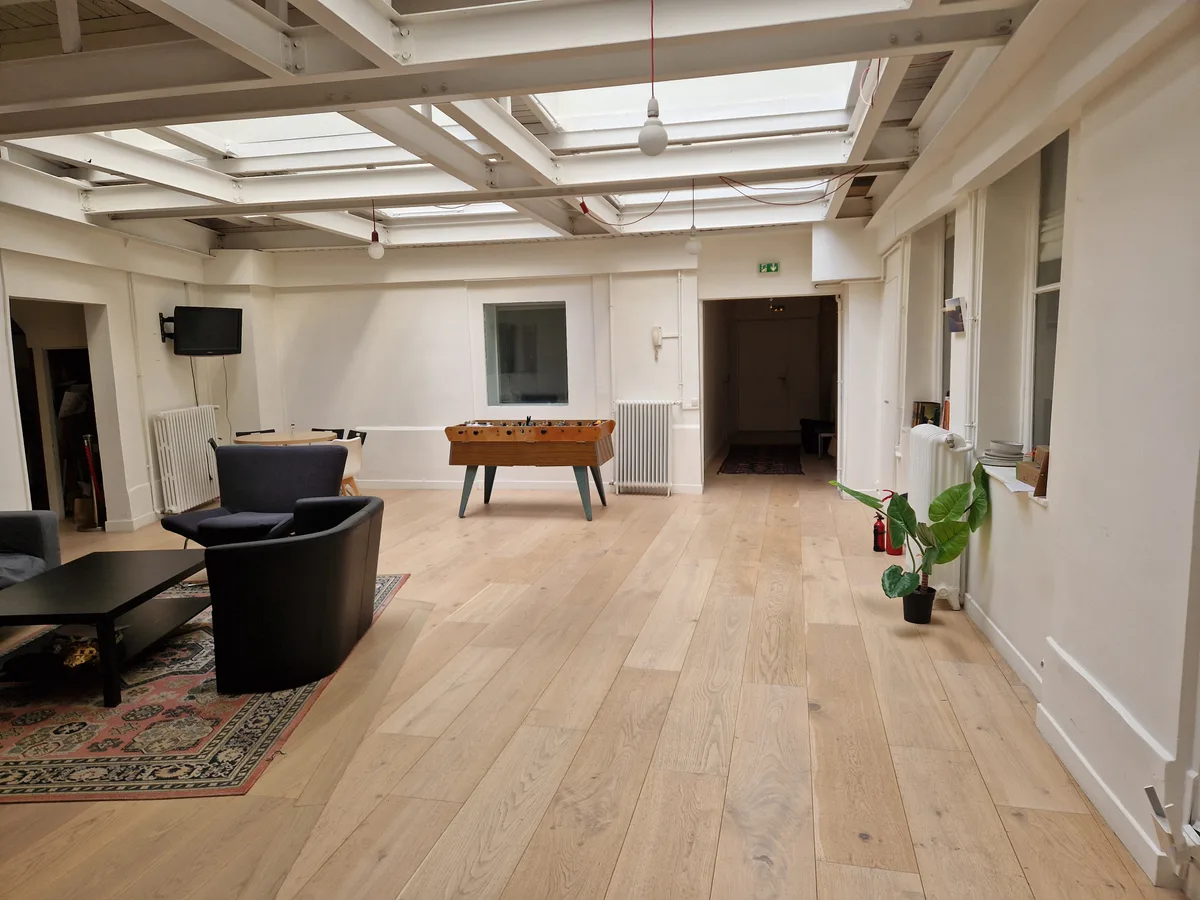
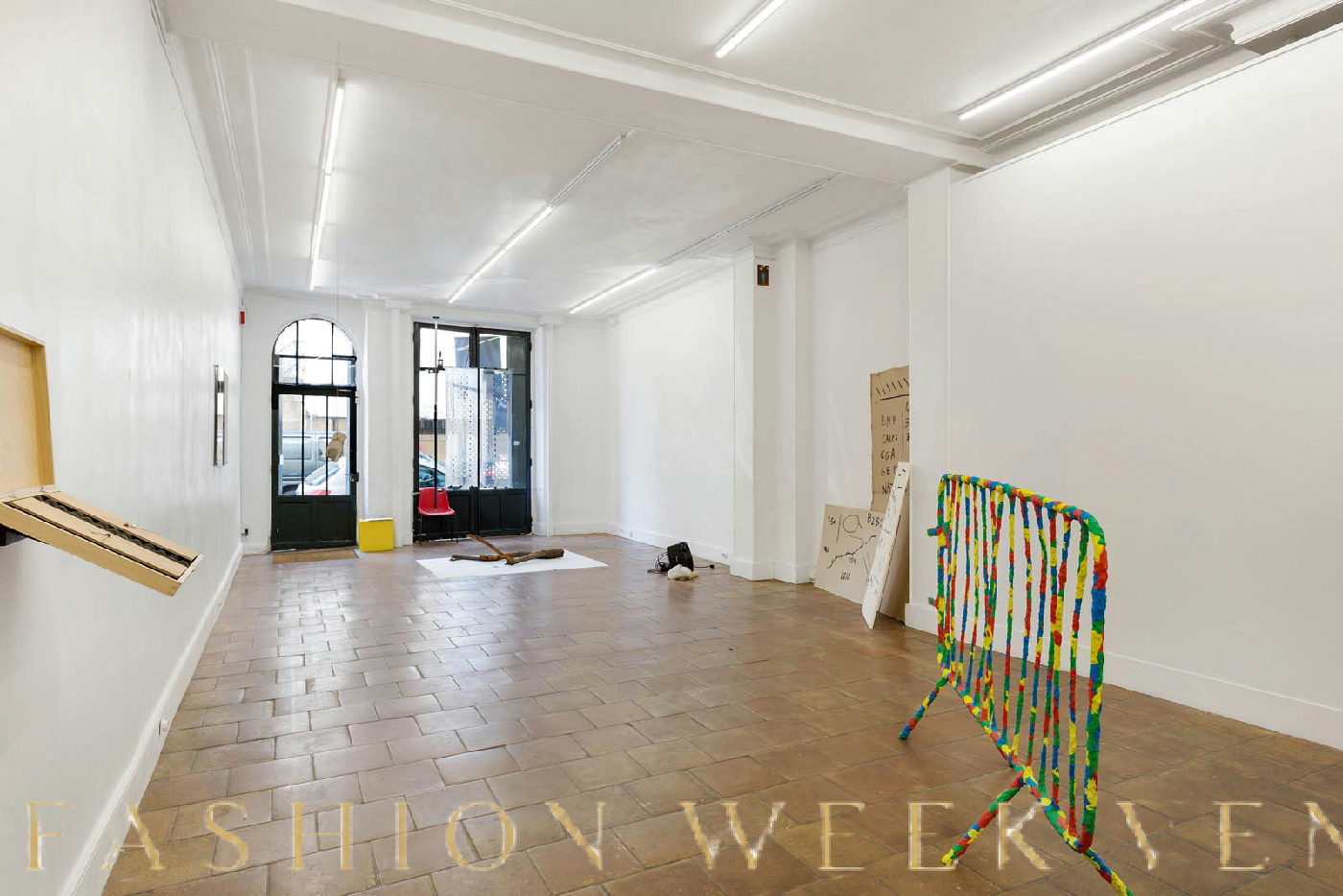
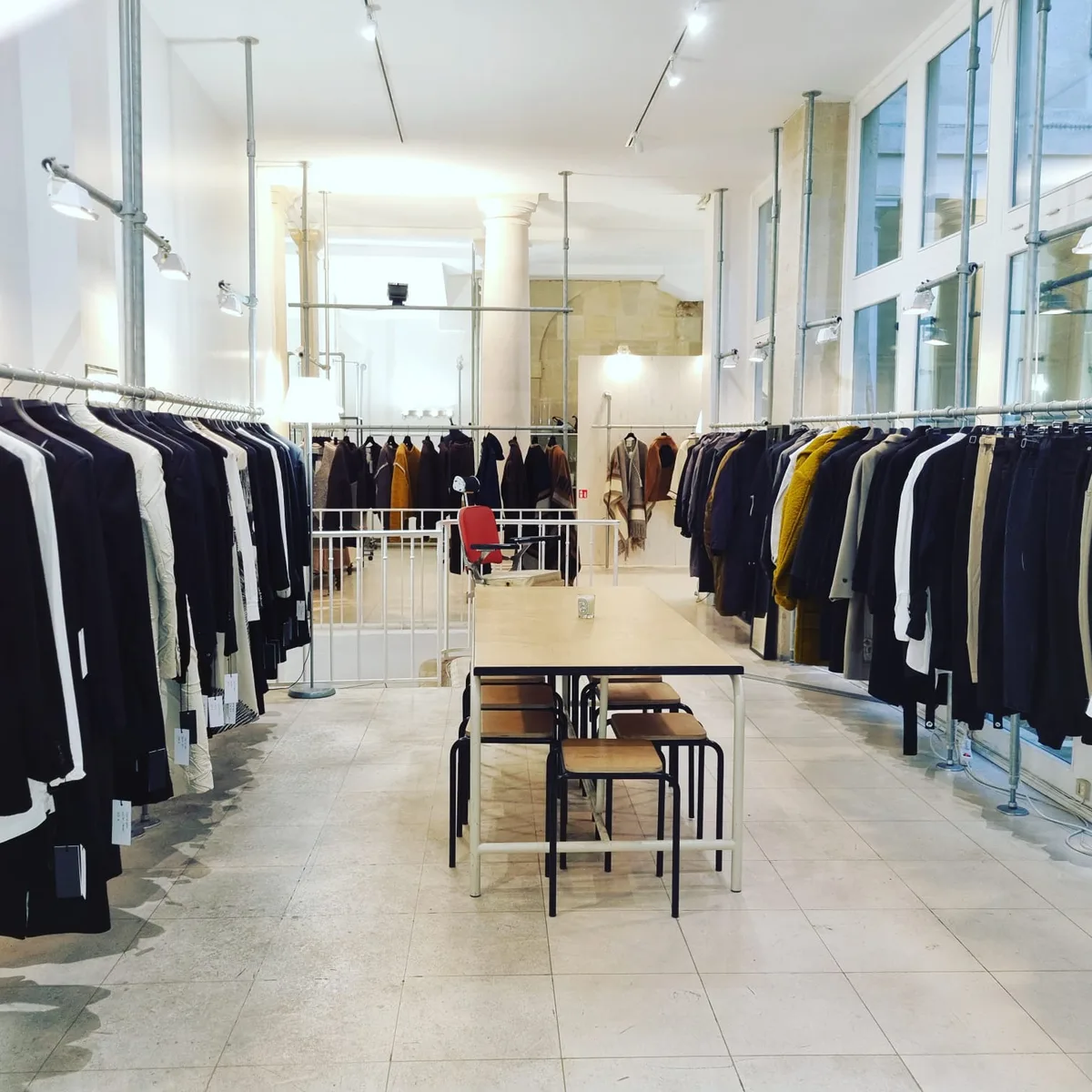
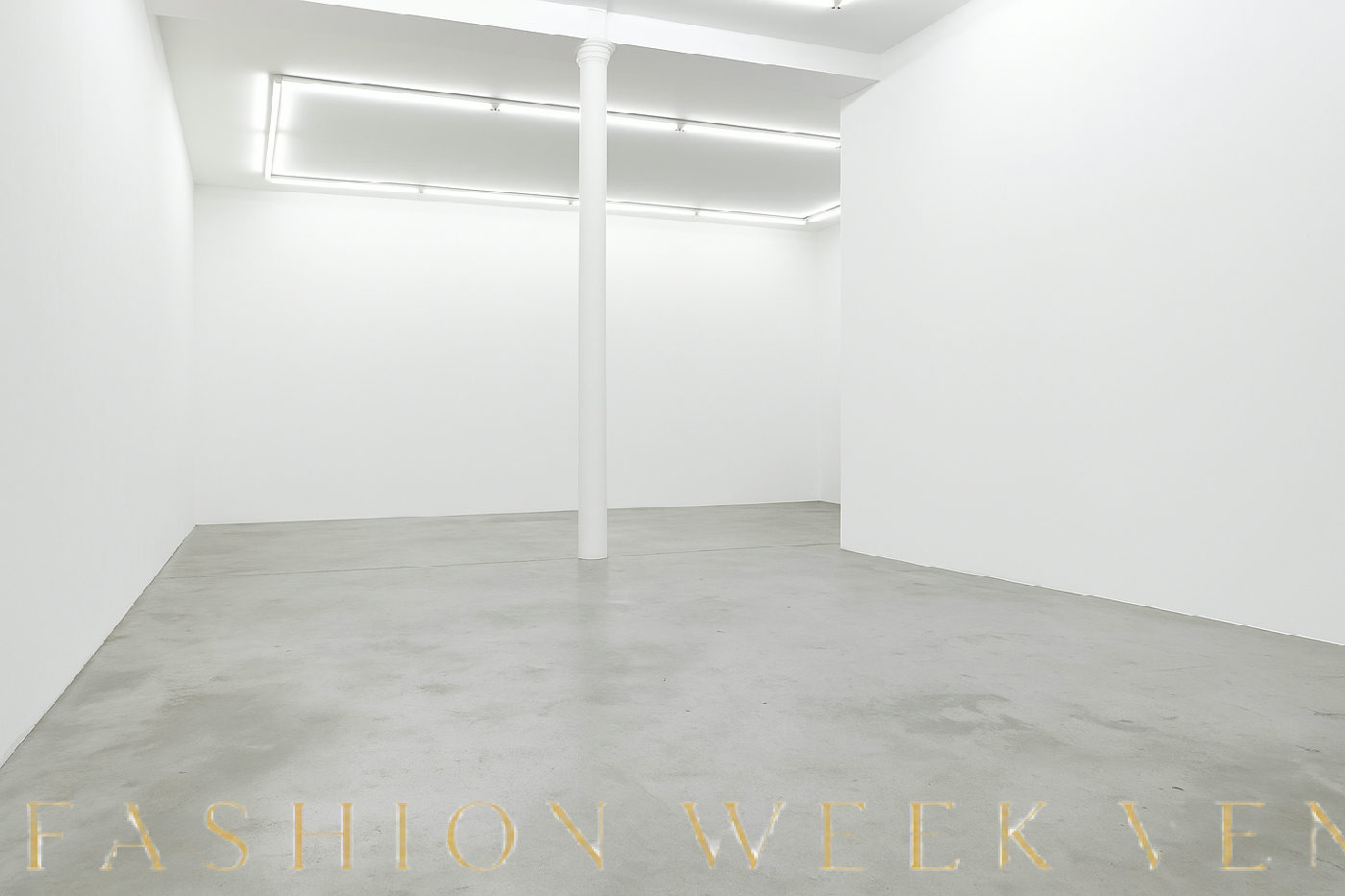

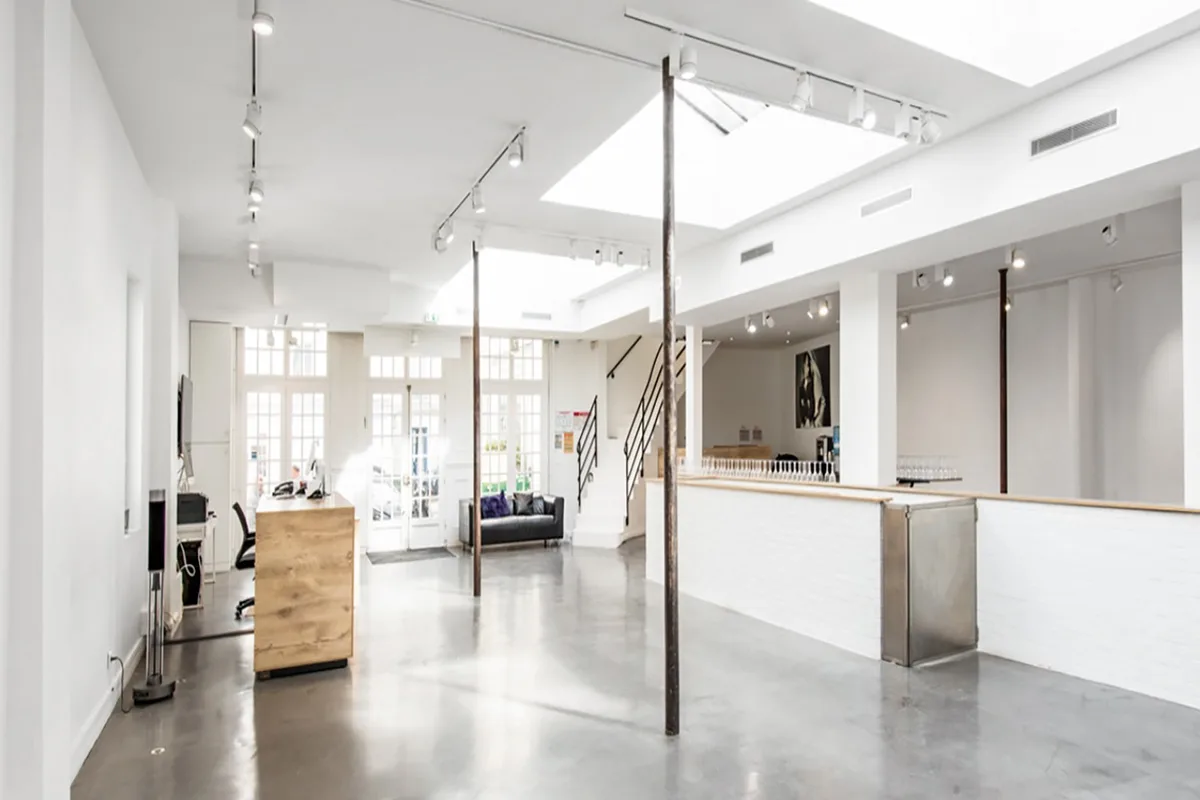
To hire retail space in Le Marais is to position your brand at the geographic and cultural centre of Paris fashion. Le Marais sits across the 3rd and 4th arrondissements, combining centuries of architectural heritage with a density of designer boutiques, concept stores, art galleries, and independent fashion showrooms that few districts anywhere in the world can match. Whether you are planning a Paris Fashion Week showroom, a sample sale, a brand pop-up, or a private exhibition, the Marais district offers space types and street-level visibility that align with almost every brand format and budget. Fashion Week Venues supports brands sourcing pop-up spaces in Paris, including Le Marais, with full-service agency support from space identification through to activation and closedown.
Why Le Marais Is the Most In-Demand Retail District in Paris
Le Marais is the most competitive short-term retail and showroom district in Paris because it combines genuine foot traffic, an affluent and fashion-literate visitor profile, and a built environment that gives brands immediate credibility simply by association. Streets like Rue des Francs-Bourgeois, Rue Vieille-du-Temple, Rue de Bretagne, and Rue de Turenne function as open-air showcases for fashion, design, and lifestyle brands. Landmarks including Place des Vosges, the Centre Pompidou, the Musée Picasso, and the Carreau du Temple create natural pedestrian flows that channel visitors past ground-floor retail frontages throughout the day and into the evening.
The neighbourhood is dense with concept stores, designer boutiques, independent art galleries, and branded residences from houses including Maison Margiela and Acne Studios. This environment signals to buyers, press, and consumers that a brand operating here belongs in the same conversation as those established names. For international brands entering Paris, that positioning carries measurable commercial value that extends beyond the duration of the activation itself.
Le Marais also benefits from its proximity to other Paris retail corridors. Saint Germain, Saint Honoré, Place Vendôme, and the wider Right Bank fashion axis are all reachable within minutes, meaning that buyers and editors attending showrooms or events in the district frequently visit multiple locations across a single afternoon. This creates a multiplier effect for any brand activating in the neighbourhood during Paris Fashion Week or adjacent calendar windows.
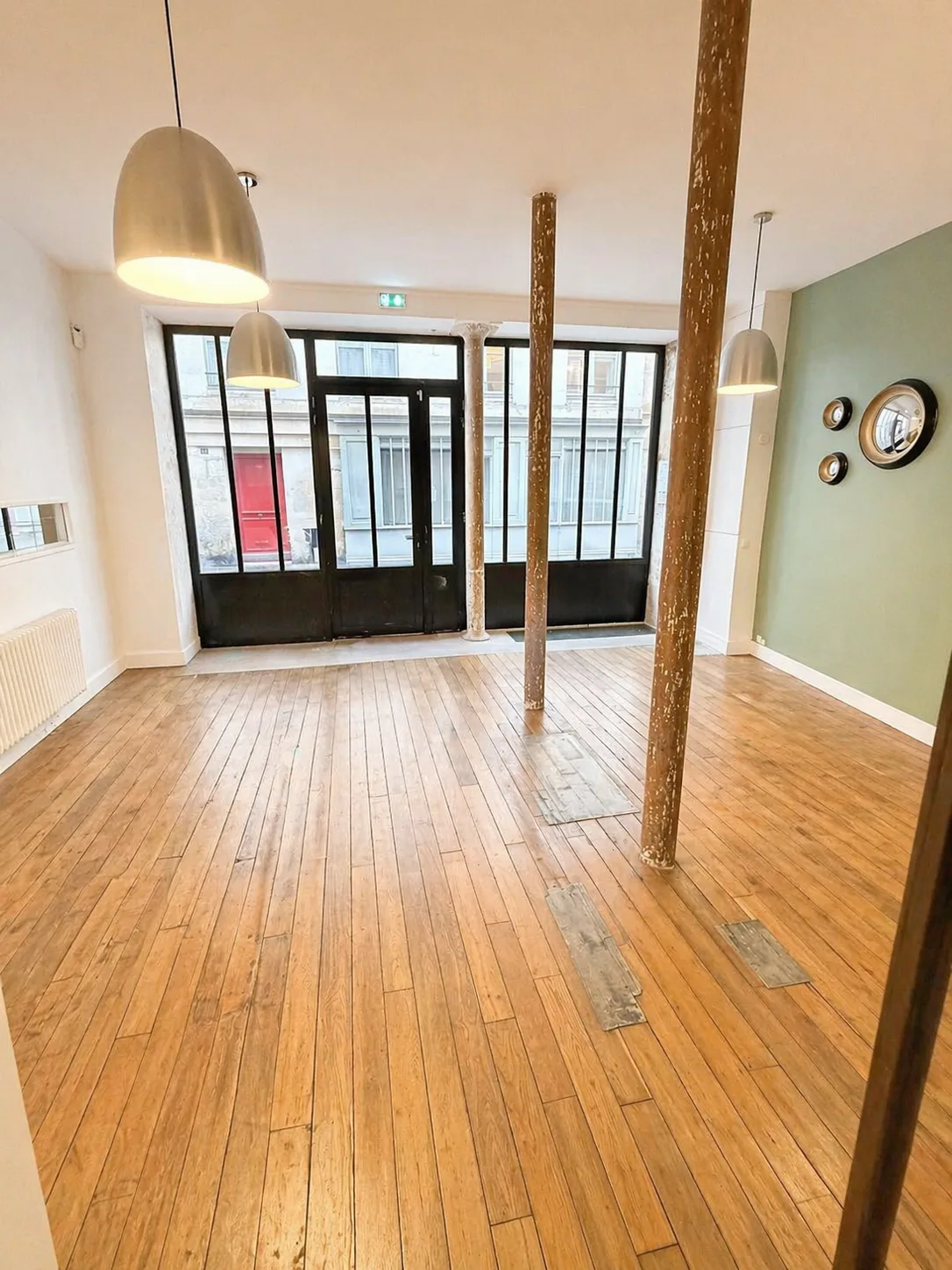
The district's residential character gives it an authenticity that purpose-built retail zones lack. Spaces here tend to be former apartments converted into showrooms, ground-floor boutiques carved out of Haussmann-era buildings, photographer studios with north-facing skylights, gallery spaces with polished concrete floors, or loft-format properties with exposed structural elements. Each space type carries a different visual language and suits a different activation format, which is why understanding the Marais district's micro-geography matters before committing to a booking.
DID YOU KNOW: The Marais was historically the aristocratic heart of Paris before the French Revolution and retains more pre-Revolutionary architecture than any other central arrondissement. This heritage character is a key reason fashion brands value it as an activation backdrop.
KEY TAKEAWAY: Le Marais is not simply a fashionable address. It is a commercial environment with genuine pedestrian traffic, a qualified audience of fashion buyers, press, and consumers, and a property stock that includes space types suited to pop-up retail, sample sales, showrooms, private exhibitions, and brand presentations.
Understanding exactly which streets and space types align with your brief is the first practical question any brand team should answer, and that requires a closer look at the micro-geography of the Marais district.
Locations and Neighbourhoods Within Le Marais: Street-by-Street Breakdown
Le Marais is not a single homogeneous retail corridor. Its streets serve different audiences, carry different foot traffic patterns, and attract different space types. Knowing which microzone fits your brief before beginning any booking or negotiation process saves significant time and reduces the risk of committing to a space that underdelivers for your specific activation format.
Rue des Francs-Bourgeois
This is the highest-traffic retail street in the Marais district, running east to west and connecting the 3rd and 4th arrondissements. It attracts the broadest visitor mix of any Marais street, including tourists, local residents, fashion buyers, and press. Ground-floor storefronts here command premium rental rates and benefit from consistent foot traffic across the full week, not only during Fashion Week. Brands launching consumer-facing pop-up stores or wanting maximum visibility for a sample sale typically target this corridor first.
Rue Vieille-du-Temple
Running north to south through the heart of Le Marais, Rue Vieille-du-Temple hosts a mix of bars, restaurants, galleries, and boutiques. It skews slightly younger and more fashion-forward than Francs-Bourgeois and benefits from strong evening foot traffic. Gallery-format spaces and converted apartments are more common here, making it a strong option for private exhibition formats, intimate brand presentations, and showroom rentals targeting a fashion-literate audience.
Rue de Turenne and Turenne Corridor
Rue de Turenne is the northern axis of the Marais and connects toward the Carreau du Temple. It has a more local and residential character, with spaces that tend to offer more square meterage at comparatively lower rental rates than Francs-Bourgeois frontage. Loft formats, former ateliers, and larger ground-floor spaces are more available here, making it a practical choice for brands requiring fitting areas, back-of-house storage, or larger sample sale floor areas.
Rue de Bretagne and Carreau du Temple
Rue de Bretagne runs parallel to Turenne and feeds into the Carreau du Temple, a historic covered market that has been converted into a multi-use cultural and events space. This corridor attracts a neighbourhood demographic alongside fashion and design visitors. The Carreau du Temple itself has hosted major brand activations, market formats, and sample sale events, and its flexible floor plan makes it a reference-point venue for larger-scale formats.
Rue des Rosiers
Rue des Rosiers is primarily known for its cultural and culinary heritage but intersects with fashion through gallery spaces and concept boutiques tucked between the neighbourhood's more traditional addresses. Brands seeking intimate, residential-scale venues or wanting a genuinely Parisian backdrop for photography, editorial, or small private presentations often target this street.
Place des Vosges Perimeter
Place des Vosges is architecturally among the most significant settings in Paris. Its arcaded perimeter hosts a small number of gallery and boutique spaces, and the square itself creates a built-in audience of visitors drawn by the architecture. Spaces on or immediately adjacent to Place des Vosges tend to carry significant premium pricing but offer a backdrop that is genuinely unrepeatable for editorial, launch, and high-end brand presentation formats.
TIP: Brands with specific neighbourhood preferences should specify their target streets at the outset of the space search rather than accepting any available address in the broader Marais area. Neighbourhood specificity significantly affects audience profile, foot traffic pattern, and space type availability.
| Street or Location | Primary Audience | Best For | Typical Space Types |
|---|---|---|---|
| Rue des Francs-Bourgeois | Mixed: tourists, locals, press, buyers | Pop-up retail, sample sales, consumer activations | Ground-floor storefronts, boutiques |
| Rue Vieille-du-Temple | Fashion-literate, evening crowd | Gallery showrooms, brand presentations | Converted apartments, gallery spaces |
| Rue de Turenne | Local, trade, larger-format users | Sample sales, trade showrooms, larger activations | Lofts, ateliers, former commercial units |
| Rue de Bretagne | Neighbourhood and design audiences | Market formats, community brand events | Mixed use, ground-floor retail |
| Place des Vosges | High-end visitors, press, luxury buyers | Luxury launches, editorial, private exhibitions | Arcaded gallery and boutique spaces |
| Rue des Rosiers | Cultural visitors, neighbourhood locals | Intimate brand presentations, editorial shoots | Small galleries, apartment formats |
KEY TAKEAWAY: Le Marais is a neighbourhood of distinct micro-corridors, each with its own audience, space stock, and rental rate profile. Selecting the right street matters as much as selecting the right space type for your activation format.
With location logic established, the next step is understanding the range of space types available to hire across the district and how each format aligns with specific activation objectives.
Space Types Available When You Hire Retail Space in Le Marais
Le Marais offers one of the widest ranges of short-term retail and showroom space types of any Paris neighbourhood, spanning ground-floor storefronts, converted apartments, gallery spaces, lofts, and purpose-built showroom formats. Understanding the distinctions between these space types helps brands match their activation brief to the right physical environment before entering into any booking or negotiation process.
Quick answer: The main space types available to hire in Le Marais for short-term retail and showroom activations include ground-floor storefronts, converted apartments used as showrooms, art gallery spaces, loft and atelier formats, purpose-built pop-up showrooms with fitting areas, and larger multi-room properties suited to sample sale or trade event formats. Each type has distinct size, access, lighting, and logistical characteristics.
Ground-Floor Storefronts and Boutique Spaces
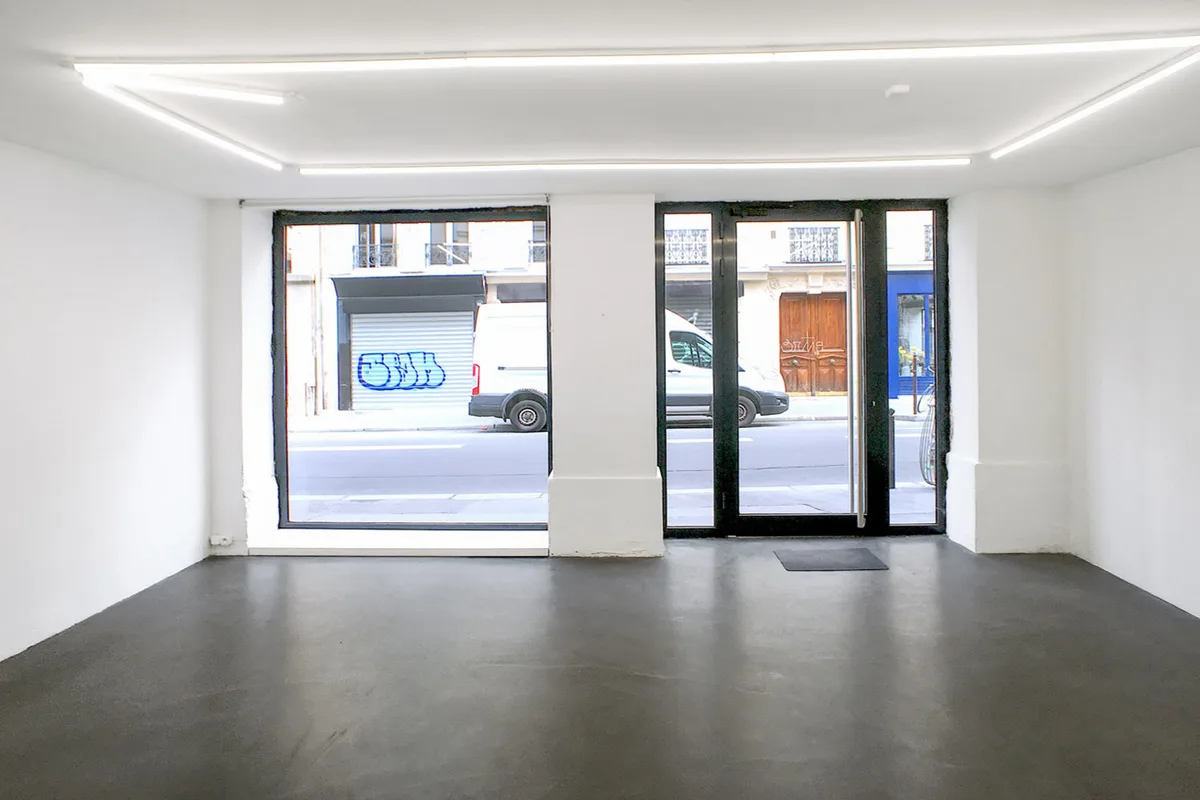
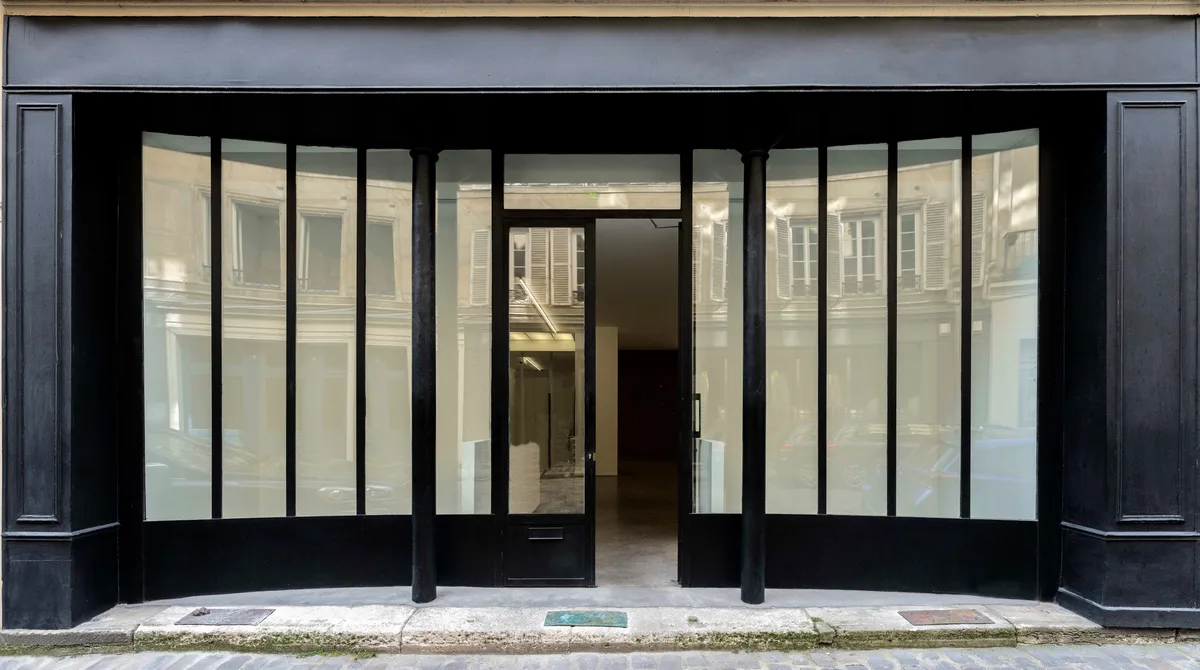
Street-level showroom spaces and boutique-format units on the primary Marais retail corridors offer direct frontage onto pedestrian streets, allowing brands to capture passing foot traffic without requiring active inbound marketing. These spaces typically feature display windows, ground-level access, basic retail fit-out including electricity and basic lighting, and a floor area ranging from around 30 to 150 square metres depending on the specific address. They are best suited for consumer-facing pop-up store formats, sample sale events, and branded retail activations where walk-in traffic is a primary KPI.
Converted Apartments Used as Showrooms
A significant proportion of Le Marais showroom rental inventory is made up of residential apartments that have been adapted for short-term professional use. These spaces typically occupy upper floors, accessed via a building entrance from the street, and offer a domestic scale and intimacy that suits trade presentations, press showrooms, and private buyer appointments. Natural light is often abundant in well-selected apartments, particularly those with south or west-facing windows. The residential character creates a relaxed environment that can benefit brand storytelling and product presentation in ways that a clinical retail space cannot.
Gallery Spaces and Art Galleries
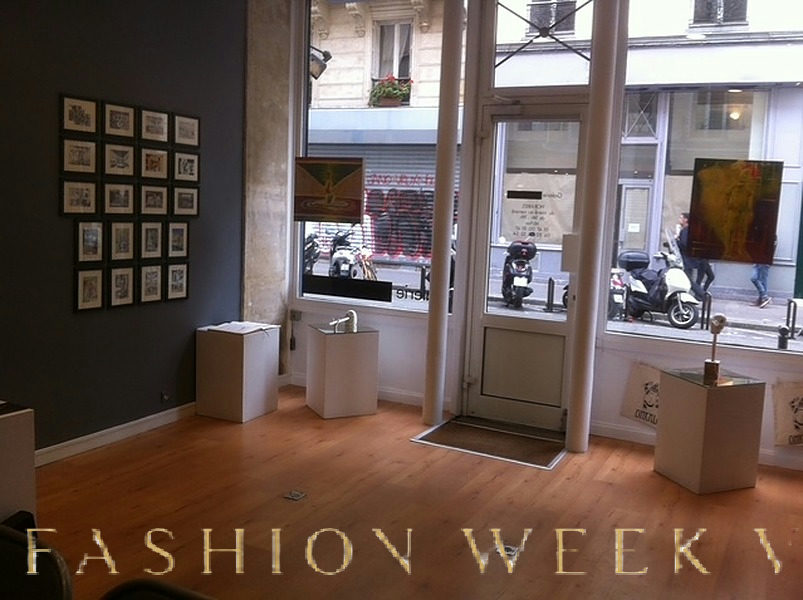
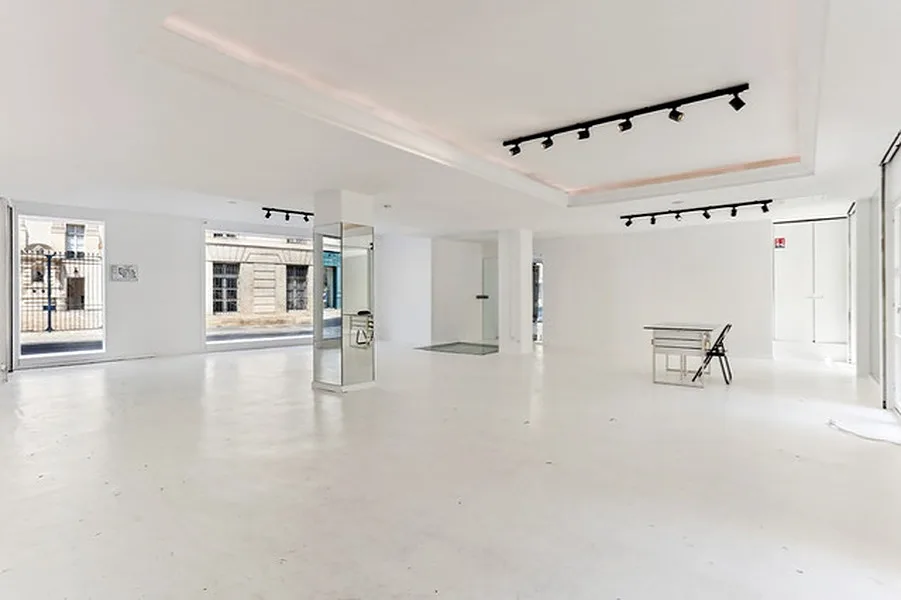
Le Marais has a high density of art galleries, many of which offer short-term hire for fashion showrooms, brand presentations, product launches, and private exhibitions. Gallery spaces typically feature polished concrete or white-walled interiors, professional track lighting, and open-plan layouts that allow flexible configuration. Their existing association with creative and cultural output gives fashion brands an immediate positioning advantage, and the gallery format communicates value and considered aesthetics without requiring extensive fit-out.
Lofts and Ateliers
Former manufacturing spaces, printworks, and ateliers in the northern Marais and Turenne corridor offer large, open-plan floor areas with high ceilings, exposed structural elements, and practical logistics including freight access, storage areas, and sometimes integrated fitting rooms or changing areas. Loft-format spaces are particularly well suited to sample sale events requiring significant stock display area, larger trade showrooms with multiple product categories, or brand activations requiring theatrical set-builds and custom production.
Purpose-Built Pop-Up Showroom Spaces
A growing category in the Le Marais rental market is purpose-built or pre-adapted pop-up showroom spaces that include fitting areas, clothes rails, basic furniture, and display infrastructure as standard. These spaces reduce the setup time and production cost for brands, particularly those doing short bookings of a few days or a week. Some operators in this category offer standardised booking processes, availability calendars, and transparent rental rates that make the transactional process more straightforward than negotiating bespoke terms with a private property owner.
DID YOU KNOW: Fashion Showroom operators in Le Marais increasingly offer what the industry refers to as confidential venues: properties whose full address is withheld until a booking is confirmed, protecting both the space owner's privacy and the exclusivity of the brand activating within it.
| Space Type | Best Activation Format | Key Features | Key Limitations |
|---|---|---|---|
| Ground-floor storefront | Consumer pop-up, sample sale | Street visibility, walk-in traffic, display windows | Higher rental rates, limited stock storage |
| Converted apartment | Trade showroom, press presentation, buyer appointments | Natural light, intimate scale, Parisian character | No direct street frontage, elevator access variable |
| Art gallery | Brand launch, private exhibition, editorial | Professional lighting, open plan, cultural positioning | May have restrictions on wall fixtures or alterations |
| Loft or atelier | Sample sale, large showroom, event production | High ceilings, large floor area, freight access | May require more production investment to finish |
| Purpose-built pop-up showroom | Short-booking trade or consumer showroom | Pre-fitted, fitting areas included, fast setup | Less bespoke, may have shared booking windows |
KEY TAKEAWAY: Space type selection in Le Marais should be driven by your activation format, target audience type, required floor area, and logistical needs rather than by address prestige alone. The right space type for your brief will consistently outperform a prestigious address in the wrong format.
Knowing which space type fits your brief is one question. Understanding how to navigate the rental and booking process in Paris is an equally critical part of the planning work.
How the Rental and Booking Process Works for Le Marais Pop-Up and Showroom Spaces
The process of hiring retail space in Le Marais involves several distinct stages, from initial space identification through to contract execution, access arrangement, and eventually space handover. Each stage carries its own requirements, timescales, and potential complications, particularly for international brands unfamiliar with the Paris property market and French contractual norms.
Quick answer: Renting a pop-up or showroom space in Le Marais typically involves identifying available spaces through a marketplace, agent, or agency, confirming availability against your required dates, negotiating or accepting rental rates, executing a short-term contract, arranging access and logistics, and completing the activation before returning the space in agreed condition. The process can take anywhere from a few days to several months depending on the space type and booking window.
Space Identification and Availability
The first stage is identifying spaces that match your brief across address, space type, floor area, and available dates. The Le Marais short-term rental market operates across several channels simultaneously: private property owners who advertise directly, specialist short-term retail platforms offering availability calendars and online booking, agents acting on behalf of landlords in exchange for a commission, and full-service agencies that source spaces as part of a broader activation service. Availability in the Marais district during Paris Fashion Week is severely constrained, meaning that the space identification stage needs to begin significantly earlier than brands often anticipate.
Rental Rates and Negotiation
Rental rates for Le Marais pop-up and showroom spaces vary substantially by street, space type, floor area, and booking duration. Directionally, ground-floor storefronts on primary retail corridors command the highest rates, while upper-floor apartment showrooms and loft-format spaces in secondary streets offer more flexibility on rate, particularly for longer booking durations. During Paris Fashion Week, rates across the district increase materially. Special pricing is occasionally available for off-peak periods or for bookings of longer duration. Any rental rate should be treated as a directional estimate until confirmed in writing by the space owner or their authorised agent. For brand-specific budget estimates, the Fashion Week Venues budget estimation tool provides a practical starting framework.
Contract Types and Legal Structure
Short-term retail and showroom rentals in France are typically structured under one of two legal frameworks. The bail dérogatoire, sometimes called a short-term commercial lease, allows landlords and tenants to agree a lease of up to three years without triggering the statutory protections of a full commercial lease (bail commercial). For very short activations of a few days to a few weeks, many spaces are rented under a convention d'occupation précaire or a simple service agreement rather than a formal lease. The appropriate contract structure depends on the duration, space type, and intended use of the rental. International brands should not assume that any short-term rental agreement is legally straightforward without specialist guidance.
IMPORTANT: Short-term retail leases in France involve specific legal obligations for both landlord and tenant. The appropriate contract type, obligations around insurance, and requirements around space reinstatement should all be verified with a qualified French legal advisor before signing any agreement.
Logistics, Access, and Handover
Once a contract is executed, practical logistics include confirming access arrangements, understanding what furniture, lighting, and infrastructure is included in the rental, arranging any additional production or fit-out required, coordinating stock delivery and storage, and planning the space handover process at the end of the booking period. Spaces on upper floors need elevator access confirmed in advance if stock delivery is required. Spaces on primary retail streets may have restrictions on delivery vehicle access or parking during certain hours. Security service requirements vary by space type and operator.
| Stage | Key Action | Typical Timescale Before Activation | Key Risk |
|---|---|---|---|
| Brief development | Define space type, address, floor area, dates, budget | 3 to 6 months for Fashion Week | Underdefined brief limits space options |
| Space identification | Marketplace search, agent outreach, agency brief | 2 to 5 months before activation | Peak calendar availability closes quickly |
| Space viewing and shortlist | In-person or virtual viewing, space comparison | 2 to 4 months before activation | Not confirming fast enough in a competitive market |
| Rate negotiation | Agree rental rate, terms, inclusions, deposit | 6 to 10 weeks before activation | Unexpected rate increases or hidden costs |
| Contract execution | Review and sign lease or service agreement | 4 to 8 weeks before activation | Inappropriate contract type for use case |
| Production and fit-out | Arrange build, furniture, branding, staffing | 1 to 4 weeks before activation | Underestimating lead times in Paris |
| Activation and operation | Run the event, manage staff and stock | During booking period | Operational gaps without agency support |
| Handover | Return space in agreed condition, recover deposit | End of booking period | Dilapidation disputes or deposit retention |
KEY TAKEAWAY: The booking and rental process for Le Marais pop-up and showroom spaces requires more lead time, legal awareness, and logistical planning than most international brands initially anticipate. Starting the process early and working with advisors who know the Paris market significantly reduces risk at every stage.
Alongside the transactional process, brands need to understand the permit and compliance landscape for operating a temporary retail or showroom space in Paris.
Permits, Compliance, and Legal Considerations for Short-Term Retail in Le Marais
Operating a temporary retail or showroom space in Le Marais involves navigating a permit and compliance environment that differs materially from what many international brands encounter in their home markets. Requirements vary by space type, duration, intended use, and the specific street or arrondissement in which the space sits. What follows is a directional guide to the main considerations, not a substitute for professional legal advice.
Quick answer: Pop-up retail and showroom operations in Paris may require a bail dérogatoire or appropriate short-term contract, commercial activity permits depending on the space type and intended use, public liability insurance in a format acceptable to the landlord, and potentially an autorisation d'occupation temporaire (AOT) for use of public space. Requirements vary significantly and must be verified for each specific activation.
Bail Dérogatoire and Short-Term Commercial Leases
The bail dérogatoire is the legal mechanism that allows brands to occupy commercial space in France for short periods without triggering the full protections of a standard commercial lease (bail commercial), which carries a minimum three-year term and significant statutory tenant rights. A bail dérogatoire can be agreed for a period of up to three years but is commonly used for activations of a few weeks to a few months. Once the maximum period is reached without the tenant vacating, there is a risk that the occupation converts automatically to a full commercial lease, which is a significant liability for a brand intending only a temporary activation.
Autorisation d'Occupation Temporaire (AOT)
If a brand's activation involves use of public space, such as placing external signage, a temporary structure, or branded furniture on a pavement or public area in front of the rented property, a separate autorisation d'occupation temporaire (AOT) is required from the Mairie de Paris or the relevant arrondissement authority. The AOT process involves an application, a processing period, and payment of applicable fees. Not all landlords or space operators will inform international brands of this requirement, so it is worth raising proactively at the outset of the rental process.
Insurance Requirements
French landlords and space operators almost universally require tenants to hold adequate public liability insurance for the duration of the rental. The specific coverage amount and format required varies by landlord and contract type. International brands operating through their home-country insurance policies should verify with both their insurer and their French legal advisor that the policy will be accepted by the landlord before signing any agreement.
Commercial Activity and Trade Permits
Brands conducting direct retail transactions, including consumer sales and sample sales, from a temporary space in Paris may be subject to additional regulatory requirements depending on the nature of the transaction and the space operator's own licensing arrangements. Brands should clarify with their legal advisor and with the space operator whether any commercial activity permits or declarations are required before beginning to trade.
IMPORTANT: Permit and compliance requirements for pop-up retail and showroom operations in Paris are not standardised across space types, streets, or arrondissements. Fashion Week Venues provides a directional reference through the permits planning tool, but all specific requirements should be confirmed with a qualified French legal advisor before proceeding.
KEY TAKEAWAY: Permit and compliance obligations for hiring retail space in Le Marais are real, variable, and consequential. Brands that approach these obligations proactively and with qualified guidance avoid the delays, costs, and reputational risks that come from non-compliance or last-minute discovery of requirements.
With legal and permit considerations understood, the next layer of planning is the space features and logistical infrastructure that brands need to assess before committing to any specific property in Le Marais.
Space Features and Logistical Infrastructure to Assess Before Booking
The physical and logistical characteristics of any Le Marais space directly affect the quality and efficiency of the activation it can support. Brands that assess these features carefully before booking avoid costly surprises during production, fit-out, or operation.
Quick answer: When assessing a Le Marais space for a pop-up or showroom rental, the key logistical features to evaluate include floor area and configuration, natural light quality and direction, installed lighting infrastructure, electricity capacity, elevator access for stock delivery, fitting areas or changing rooms, back-of-house storage, security arrangements, and floor type and load-bearing capacity.
Natural Light and Installed Lighting
Natural light is among the most valued features of Marais showroom spaces, particularly for fashion and beauty brand presentations where product colour accuracy and visual quality matter. Spaces with north-facing skylights, large windows at upper floors, or unobstructed south-facing frontage typically command premium rates because of this characteristic. Installed lighting infrastructure varies significantly: gallery spaces often include professional track lighting systems, while converted apartments may have only residential-grade fixtures. Brands requiring specific lighting conditions for photography, video content creation, or product display should verify the installed infrastructure in detail and budget for supplementary lighting hire if necessary.
Electricity Capacity and Technical Infrastructure
Electricity capacity is a practical consideration that is frequently overlooked until production begins. Brands planning significant technical installations, high-power lighting rigs, AV systems, or catering infrastructure need to verify the space's electrical supply capacity and confirm that the load required by their activation does not exceed it. Some older Marais buildings have limited electrical infrastructure that requires upgrade at the tenant's cost, which can significantly affect both the production budget and the timeline.
Elevator Access and Freight Logistics
A substantial proportion of Le Marais showroom spaces occupy upper floors in historic buildings that may not have freight elevator access. Brands delivering significant volumes of stock, heavy fixtures, or large branded elements need to verify elevator dimensions and weight limits in advance. Ground-floor access for delivery vehicles is also constrained on many Marais streets, particularly those with pedestrianisation restrictions or narrow historic carriageways. Delivery timing windows and vehicle size limits should be confirmed before production logistics are planned.
Fitting Areas and Back-of-House Storage
For fashion brand activations, fitting areas and changing rooms are operational necessities rather than optional additions. Not all Le Marais spaces include dedicated fitting areas, and brands that require them need either to confirm that they are part of the rented property or to budget for temporary fitting room construction as part of the production scope. Back-of-house storage is similarly variable: spaces with generous storage allow better stock management and more professional presentation on the sales floor, while spaces without adequate storage require creative workarounds that add operational complexity.
Security and Access Control
Security considerations for a Le Marais pop-up or showroom include both physical security during opening hours and out-of-hours protection for stock and branded assets left in the space. Some space operators include a security service as part of the rental package. Others require the tenant to arrange their own solution. Brands should confirm security arrangements at the negotiation stage rather than discovering gaps after stock has been delivered to site.
TIP: Request a detailed space specification document from the landlord or agent before viewing. A structured comparison of features across multiple spaces is more efficient than relying on memory after a series of viewings. The space comparison tool on Fashion Week Venues provides a structured framework for this process.
KEY TAKEAWAY: Physical and logistical space features determine what a brand can actually do within the space and at what cost. Thorough assessment of these features before booking prevents budget overruns and operational failures during the activation itself.
Understanding the space in practical terms is essential, but equally important is understanding the broader fashion industry calendar that shapes demand, availability, and pricing across the Le Marais rental market.
Paris Fashion Week and the Seasonal Calendar for Le Marais Activations
The timing of a Le Marais space rental is inseparable from the Paris Fashion Week calendar. Paris Fashion Week is the primary demand driver for the short-term retail and showroom market in Le Marais, and its scheduling has direct effects on availability, rental rates, and the type of audience a brand can expect to reach during any given booking window.
Quick answer: Paris Fashion Week takes place twice annually, with the womenswear edition typically held in late September or early October (for Spring/Summer collections) and in late February or early March (for Autumn/Winter collections). The menswear edition runs in January, and Haute Couture takes place in January and July. Demand for Le Marais showroom and pop-up space peaks sharply during these windows, and availability can be exhausted months in advance.
The Primary Paris Fashion Week Windows
The September and October womenswear season is the highest-demand period for showroom and pop-up space in Le Marais. Fashion buyers, press, stylists, and brand representatives converge on Paris from across the world during this period, creating an audience concentration that is unmatched at any other point in the calendar. Brands presenting collections, hosting buyer appointments, running sample sales, or launching products during this window benefit from this audience density but face the most competitive space market of the year.
The February and March season is the second peak demand period, attracting a similarly professional audience but with slightly different composition. Trade-focused showrooms and fashion buyer appointments are particularly active during the Autumn/Winter collections week, and brands targeting wholesale relationships often prioritise this window over the September peak.
Adjacent Calendar Windows and Off-Peak Opportunities
Paris Fashion Week is not the only viable calendar window for a Le Marais activation, despite the perception that it is the only period worth considering. Paris attracts fashion industry visitors throughout the year, and off-peak windows offer several advantages: significantly greater space availability, more competitive rental rates, and the opportunity to operate with less competitive noise around the brand's own activation. Summer months, particularly June and July, benefit from strong tourist flows through Le Marais. January's Haute Couture week and the menswear calendar attract a specific professional audience. Sample sale formats can succeed outside Fashion Week windows by targeting the neighbourhood's resident and local consumer base rather than visiting industry professionals.
DID YOU KNOW: Some of the most commercially successful Le Marais pop-up store formats operate during shoulder seasons specifically to avoid competition with the concentrated Fashion Week calendar, benefiting from available space, lower rental rates, and an audience that is not already saturated with brand activations.
Planning Timeline for a Fashion Week Showroom
Brands planning a Paris Fashion Week showroom in Le Marais should begin the space identification process at minimum three to four months before their target activation dates, and ideally six months before for the September peak. Contract execution typically follows space identification by four to six weeks, leaving the remaining time for production, fit-out, staffing, and logistics planning. For brands new to the Paris market, the activation timeline planning tool provides a structured planning framework calibrated to real Paris activation lead times.
KEY TAKEAWAY: The Paris Fashion Week calendar is the primary demand driver for Le Marais space rentals, but it is not the only viable window. Brands should evaluate their target audience, commercial objectives, and budget against the full range of available calendar windows rather than defaulting to the peak Fashion Week period without assessing whether it is the right fit for their specific activation format.
With the calendar dimension understood, brands activating in Le Marais also need to consider the specific activation formats that work best in this neighbourhood and how to plan for each one.
Activation Formats Best Suited to Le Marais: Pop-Up Stores, Showrooms, Sample Sales, and Beyond
Le Marais supports a wider range of activation formats than any other Paris neighbourhood. The combination of space types, audience profiles, street-level visibility, and proximity to the broader Paris fashion ecosystem means that brands can use the district for everything from a three-day consumer pop-up to a month-long trade showroom or a private exhibition accessible only by invitation.
Quick answer: The activation formats most commonly executed in Le Marais include fashion showrooms for trade and press, consumer-facing pop-up stores, sample sale events, product launch activations, private exhibition formats, beauty and lifestyle brand presentations, and co-activation formats where two brands share a space and costs.
Fashion Showrooms for Trade and Press
Trade and press showrooms are among the most established activation formats in Le Marais, particularly during Paris Fashion Week. A fashion showroom typically runs for the duration of Fashion Week or for a defined period around it, with scheduled appointment slots for buyers, editors, stylists, and press. The format requires a space that reads as a considered professional environment: well-lit, uncluttered, and configured to allow product display, buyer interaction, and order-writing. Converted apartment formats and gallery spaces are the most popular choices for this format in Le Marais.
Consumer Pop-Up Stores
Consumer-facing pop-up stores in Le Marais target the neighbourhood's strong foot traffic and visitor mix. Street-level storefronts on Rue des Francs-Bourgeois or Rue Vieille-du-Temple provide the most direct access to this audience. A well-executed pop-up store combines a distinctive visual identity, a curated product offering, and a brand narrative that gives passing consumers a reason to step inside and engage. The pop-up format in Le Marais benefits enormously from social media amplification: a visually distinctive space on a well-known Marais street will generate organic Instagram content from visitors that extends the reach of the activation beyond its physical footprint.
Sample Sale Events
Sample sale events in Le Marais are well-established across both consumer and trade formats. The district's fashion-literate consumer base creates genuine demand for designer sample sale events, and the availability of loft and atelier spaces with large floor areas makes the format logistically viable. Brands including established fashion houses and independent designers use Le Marais sample sale events to clear prior-season stock, generate brand awareness among new consumer segments, and create a sense of exclusivity and event that is difficult to replicate through standard retail channels.
Private Exhibitions and Launch Events
Gallery-format spaces in Le Marais are well suited to private exhibition formats where a brand presents a collection, a campaign, or a product range in an edited and invitation-only environment. This format suits luxury and premium brands that want to control the audience quality and create a more considered, immersive brand experience than a consumer pop-up allows. Place des Vosges perimeter spaces and the higher-end gallery addresses on Rue Vieille-du-Temple are most commonly used for this format.
Co-Activation and Twin Formats
Co-activation formats, where two complementary brands share a space and split the rental and production costs, are a growing and practical solution for brands with limited budgets or those that benefit from audience crossover with a complementary brand. A fashion brand and a beauty brand sharing a Le Marais showroom during Fashion Week is a common example. This format requires careful selection of a compatible brand partner and clear agreement on space allocation, shared costs, and joint marketing. The twin co-activation concept developed by Fashion Week Venues provides a structured framework for this approach.
KEY TAKEAWAY: Le Marais supports the full spectrum of fashion brand activation formats, from high-volume consumer pop-ups to intimate private exhibitions. Selecting the format that aligns with your commercial objective, target audience, and available budget is more important than defaulting to the most common format used by peer brands in the same space.
Across all of these formats, brands benefit significantly from working with an agency that understands the Paris market, the Le Marais space stock, and the operational realities of running a temporary activation in this neighbourhood.
How Fashion Week Venues Helps Brands Hire Retail Space in Le Marais
Fashion Week Venues is a full-service pop-up shop agency and space marketplace with Paris as its primary and anchor market. For brands seeking to hire retail space in Le Marais, Fashion Week Venues provides end-to-end support that spans space identification, concept direction, production, activation management, staffing, and data analytics, alongside a marketplace that allows brands to browse available spaces with transparency on space type, neighbourhood, and key features.
Venue Sourcing and Space Marketplace
The Fashion Week Venues space marketplace lists available short-term retail and showroom properties across Paris, including Le Marais, with information on space type, location, features, and booking windows. Brands can browse available listings, use the locator tool to identify spaces by neighbourhood, and shortlist properties for further assessment without requiring an agent intermediary. For brands with specific or complex briefs, the venue sourcing service provides active space identification support, drawing on the agency's established relationships with Le Marais property owners and space operators.
Concept Direction and Branded Store Design
Beyond space identification, Fashion Week Venues offers concept direction and branded store design services that help brands develop a spatial concept appropriate to the chosen Le Marais space and to the brand's overall visual identity. The imagine tool allows brands to visualise how a space might look before committing to a production scope, reducing the risk of expensive changes during the build phase.
Production, Fit-Out, and Furniture Rental
The production and build service covers the physical transformation of the rented space, from structural modifications and custom joinery to furniture hire, lighting installation, and branded graphic application. For brands that need to minimise production time and cost, the furniture rental service provides access to a curated inventory of retail-appropriate pieces that can be installed and removed without leaving a permanent trace in the space. The production and build service is calibrated to the specific constraints of Le Marais spaces, including access restrictions, historic building considerations, and Mairie de Paris requirements.
Retail Staffing, POS, and Operational Support
Fashion Week Venues provides retail staffing support including brand ambassadors, sales staff, and multilingual front-of-house teams appropriate for a Le Marais retail or showroom environment. The POS and payments service ensures that brands can execute retail transactions, whether consumer sales or wholesale order management, without infrastructure gaps. Operational support during the activation period gives brand teams confidence that logistical and operational issues will be managed without consuming internal resource.
Data, Analytics, and ROI Measurement
One of the most frequently underinvested areas in Le Marais pop-up and showroom activations is measurement. Fashion Week Venues integrates data and analytics into activations, capturing foot traffic, conversion data, sales performance, and audience insights that allow brands to evaluate the commercial return on their Paris investment. The ROI calculator tool provides a pre-activation framework for setting realistic return expectations and post-activation measurement benchmarks.
To compare neighbourhoods and space types, explore the Paris city hub on Fashion Week Venues and shortlist spaces that match your brief, budget, and calendar window.
KEY TAKEAWAY: Fashion Week Venues provides both the marketplace infrastructure for brands to find and book Le Marais spaces independently and the full-service agency capability for brands that want end-to-end management of their Paris activation. The right level of engagement depends on the brand's internal capacity, budget, and familiarity with the Paris market.
Common Myths About Hiring Retail Space in Le Marais
MYTH: You need a French legal entity to rent a short-term retail or showroom space in Le Marais.
FACT: International brands without a French legal entity can and do rent short-term retail and showroom spaces in Le Marais regularly. The appropriate contract structure, insurance arrangements, and any regulatory requirements do need to be managed carefully, and working with a French legal advisor or an agency with established Paris market relationships significantly simplifies this process. The absence of a French entity creates additional administrative steps but is not a barrier to access.
MYTH: Paris Fashion Week is the only viable calendar window for a Le Marais pop-up or showroom activation.
FACT: Paris Fashion Week is the highest-demand and most expensive period for Le Marais space rentals, but it is far from the only viable window. Off-peak activations during shoulder seasons benefit from greater space availability, lower rental rates, and audiences that are not already saturated with competing brand activations. Sample sale formats, consumer pop-ups, and brand experiences can succeed across the year depending on the target audience and commercial objective.
MYTH: Commission-based brokers are the only way to find a short-term retail or showroom space in Le Marais.
FACT: The Le Marais short-term rental market is accessible through multiple channels, including direct marketplace platforms, specialist agencies, and direct relationships with space owners. Commission-based agents are one legitimate route but not the only one, and brands using a marketplace or full-service agency model often achieve better transparency on pricing, space features, and booking terms than they would through a traditional agent arrangement.
MYTH: Short-term retail leases in Paris are legally simple and need no specialist advice.
FACT: Short-term retail leases in France involve specific legal frameworks including the bail dérogatoire and the risk of inadvertent conversion to a full commercial lease if occupancy extends beyond permitted limits. Insurance requirements, permit obligations, and reinstatement conditions are all areas where brands can incur significant unexpected costs or liabilities without qualified legal guidance. Professional advice from a French legal specialist is strongly recommended before executing any short-term commercial lease in Paris.
MYTH: Le Marais showroom spaces are only suitable for established or large fashion brands.
FACT: Le Marais supports brand activations across a wide range of brand sizes and at multiple price points. Emerging designers, international brands entering Paris for the first time, beauty brands, lifestyle labels, and independent creative studios all successfully activate in Le Marais. The diversity of space types and the range of available rental rates mean that brands at various stages of commercial development can find a format and address that works within their constraints.
Frequently Asked Questions About Hiring Retail Space in Le Marais
What is a pop-up showroom in Le Marais?
A pop-up showroom in Le Marais is a temporary retail or brand presentation space rented for a defined period, typically ranging from a few days to several months, within the Marais district of Paris. These spaces are used by fashion brands, beauty labels, designers, and lifestyle companies to host trade presentations, consumer retail activations, sample sale events, press days, and private exhibitions. Le Marais is the most in-demand neighbourhood for this format in Paris because of its combination of fashion industry density, pedestrian foot traffic, and diverse property stock ranging from ground-floor storefronts to converted apartments and gallery spaces.
When is the best time to rent a showroom in Le Marais?
The best time depends on your activation format and target audience. For trade and press showrooms targeting fashion buyers and editors, the Paris Fashion Week windows in September to October and February to March are the primary periods because of the concentration of industry professionals in the city. For consumer-facing pop-up stores and sample sale events, shoulder seasons offer better space availability and more competitive rental rates while still benefiting from the neighbourhood's strong local and tourist foot traffic. Off-peak activations can also benefit from less competitive noise around the brand's own event.
How much does a showroom or pop-up space rental in Le Marais cost?
Rental rates for Le Marais spaces vary significantly by street, space type, floor area, and booking duration, and they increase substantially during Paris Fashion Week. Ground-floor storefronts on primary retail corridors such as Rue des Francs-Bourgeois command the highest rates, while upper-floor apartment showrooms and loft spaces in secondary streets offer more flexibility. Rate ranges should be treated as directional estimates until confirmed in writing. For a brand-specific budget estimate calibrated to your space type, dates, and required floor area, the budget estimation tool on Fashion Week Venues provides a structured starting framework rather than generic market averages.
Do I need permits for a temporary showroom or pop-up in Le Marais?
Permit requirements for temporary retail and showroom operations in Le Marais vary depending on the space type, intended commercial activity, duration of occupation, and whether any external elements such as signage or pavement furniture are involved. The bail dérogatoire provides the standard legal framework for short-term commercial occupation. If use of public space is involved, an autorisation d'occupation temporaire (AOT) from the relevant Paris authority is required. Insurance in a format acceptable to the landlord is almost always required. All specific permit and compliance requirements should be confirmed with a qualified French legal advisor and verified against the specific space and activation format.
Are Le Marais showrooms only suitable for fashion brands?
No. While Le Marais has a strong fashion and design identity, its showroom and pop-up space stock is used across a broad range of sectors. Beauty brands, lifestyle companies, food and beverage labels, art and design galleries, technology brands, and luxury goods companies all activate successfully in Le Marais. The neighbourhood's affluent, design-literate, and internationally diverse visitor profile makes it a viable activation environment for any brand whose audience overlaps with this demographic. The key requirement is that the activation concept and space choice align with the neighbourhood's aesthetic expectations and quality standards.
Can I use a Le Marais space for a sample sale?
Yes. Sample sale events are one of the most established activation formats in Le Marais, operated successfully by both established fashion houses and independent designers. The district's fashion-literate consumer base creates genuine demand for designer sample sale events, and the availability of larger loft and atelier spaces provides the floor area necessary for stock display at scale. Sample sale formats can run during Fashion Week to capture visiting industry professionals or during shoulder seasons to target the neighbourhood's local consumer base. Regulatory and permit requirements for sample sale retail activity should be confirmed with a French legal advisor before the event is publicly marketed.
What is a bail dérogatoire and does it apply to my pop-up?
A bail dérogatoire is a short-term commercial lease structure under French law that allows landlords and tenants to agree a commercial occupation of up to three years without triggering the full statutory protections of a standard commercial lease. It is the most commonly used legal framework for fashion pop-up and showroom rentals in Paris where the rental period extends beyond a few days and involves commercial activity. For very short activations, a service agreement or convention d'occupation précaire may be more appropriate. The applicable contract type depends on the specific duration and use case, and should be determined with a qualified French legal advisor.
How far in advance do I need to book a Le Marais space for Paris Fashion Week?
For Paris Fashion Week in September and October, brands should begin the space identification process at minimum four to six months in advance, and ideally six months or more for primary street addresses on Rue des Francs-Bourgeois or equivalent corridors. Availability on the best Le Marais addresses closes quickly as Fashion Week approaches, and brands that start the process late frequently find themselves accepting compromised locations or space types. For the February Fashion Week season, a three to four month lead time is typically the minimum, though earlier engagement is always advisable for high-demand addresses.
What is the difference between a fashion showroom and a pop-up store in Le Marais?
A fashion showroom in Le Marais is typically a trade and press-facing space where a brand presents its collection to buyers, editors, stylists, and press through scheduled appointment slots. It is not usually open to general consumers and focuses on order-writing, press coverage, and relationship-building with industry professionals. A pop-up store, by contrast, is a consumer-facing retail activation where members of the public can visit, browse, and purchase directly. Both formats are common in Le Marais and can sometimes occupy the same space at different points in a booking, with a trade-only showroom phase followed by a consumer-facing retail phase.
Can international brands without a French entity rent space in Le Marais?
Yes, international brands without a French legal entity can rent short-term retail and showroom spaces in Le Marais. The process requires careful management of contract structure, insurance requirements, and any applicable permit obligations, and working with a French legal advisor or an agency with established Paris relationships significantly simplifies this. Some space operators and landlords have experience working with international brands and have adapted their rental processes accordingly. Others may require additional documentation or guarantees. International brands should factor this additional administrative layer into their planning timeline.
What should I look for when comparing Le Marais spaces?
When comparing Le Marais spaces, the most important factors to evaluate are: street location and its alignment with your target audience profile, space type and whether it suits your activation format, floor area and configuration, natural light quality, installed lighting infrastructure, electricity capacity, elevator access for stock delivery, availability of fitting areas and storage, security arrangements, and the rental rate inclusive of all applicable charges. A structured comparison across these criteria for each shortlisted space is more useful than relying on subjective impressions from viewings. The space comparison tool on Fashion Week Venues provides a structured framework for this evaluation process.
How do I find a Le Marais showroom space without using a commission-based agent?
Brands can find Le Marais showroom spaces without a commission-based agent through specialist short-term retail marketplace platforms, directly through agency relationships where the fee structure is transparent and service-based rather than commission-based, or through direct relationships with space owners developed through the fashion industry network. Marketplace platforms provide transparency on available spaces, space features, and booking windows without requiring a commission negotiation. Full-service agencies that charge a transparent service fee rather than a percentage commission also provide access to the Le Marais space market with a clearer cost structure for the brand.
What is the typical duration for a Le Marais pop-up or showroom rental?
The most common rental durations for Le Marais pop-up and showroom spaces range from three to seven days for a Fashion Week showroom tied to the trade calendar, to two to four weeks for a more extended consumer pop-up or sample sale format, to one to three months for a longer-form brand residency. Some spaces are also available for single-day or weekend bookings, particularly those operated by platforms with a standardised booking process. Longer rental durations generally offer more competitive daily rates and greater flexibility for production and fit-out, but require more lead time and larger upfront commitments.
Do Le Marais showroom spaces come with furniture and equipment?
The level of furniture and equipment included in a Le Marais space rental varies significantly by space type and operator. Purpose-built pop-up showroom spaces often include basic retail infrastructure such as clothes rails, tables, and track lighting as part of the rental. Gallery spaces typically provide track lighting and open floor area without retail-specific furniture. Converted apartments may include residential furniture that requires supplementing or replacing for professional brand use. Loft and atelier spaces are often offered empty, requiring the brand to bring or hire all furniture and infrastructure. Confirming exactly what is included in the rental rate before booking avoids unexpected production costs.
How do I plan the budget for a Le Marais pop-up or showroom activation?
A realistic budget for a Le Marais pop-up or showroom activation needs to account for the space rental cost, production and fit-out, furniture hire if not included in the rental, staffing, logistics including stock delivery and security, insurance, any applicable permit fees, marketing and influencer support if planned, and operational costs during the activation period. Each of these cost lines varies substantially depending on the space type, booking duration, activation format, and the level of production ambition. The Fashion Week Venues budget estimation tool provides a structured framework for building a cost model calibrated to your specific activation parameters rather than relying on generic market benchmarks.
Conclusion: Making the Right Decision When You Hire Retail Space in Le Marais
Le Marais remains the most in-demand, commercially significant, and creatively credible neighbourhood in Paris for short-term retail and showroom activations. The combination of its street-level fashion density, its diverse property stock, its proximity to the wider Paris fashion ecosystem, and its concentration of fashion buyers, press, and design-literate consumers during and beyond Paris Fashion Week makes it a logical first choice for brands entering Paris or deepening their presence in the French market.
Successfully hiring retail space in Le Marais requires more than identifying an available address. It requires selecting the right street for your audience, matching the space type to your activation format, navigating the permit and legal requirements of the French short-term commercial lease market, planning the production and logistics against the real constraints of historic Marais buildings, and building a measurement framework that allows you to evaluate the return on your Paris investment. Each of these dimensions requires specific knowledge, market relationships, and operational experience that many brand teams do not have internally.
The brands that execute the strongest Le Marais activations are those that approach the process with a clear brief, adequate lead time, qualified legal and logistical support, and a realistic understanding of what any given space and format can commercially deliver. They also approach the process with an openness to guidance on which space type, which street, and which calendar window will genuinely serve their objectives rather than simply following the most visible or prestigious option available.
Fashion Week Venues supports brands through every stage of this process, from initial space discovery through to production, activation, and measurement. The agency's knowledge of the Paris market, its established relationships with Le Marais space owners and operators, and its full-service capability make it a practical partner for brands at any stage of their Paris market development.
To move from research to activation, start exploring available spaces on the Fashion Week Venues marketplace and build a focused brief for your target neighbourhood, space type, and calendar window.