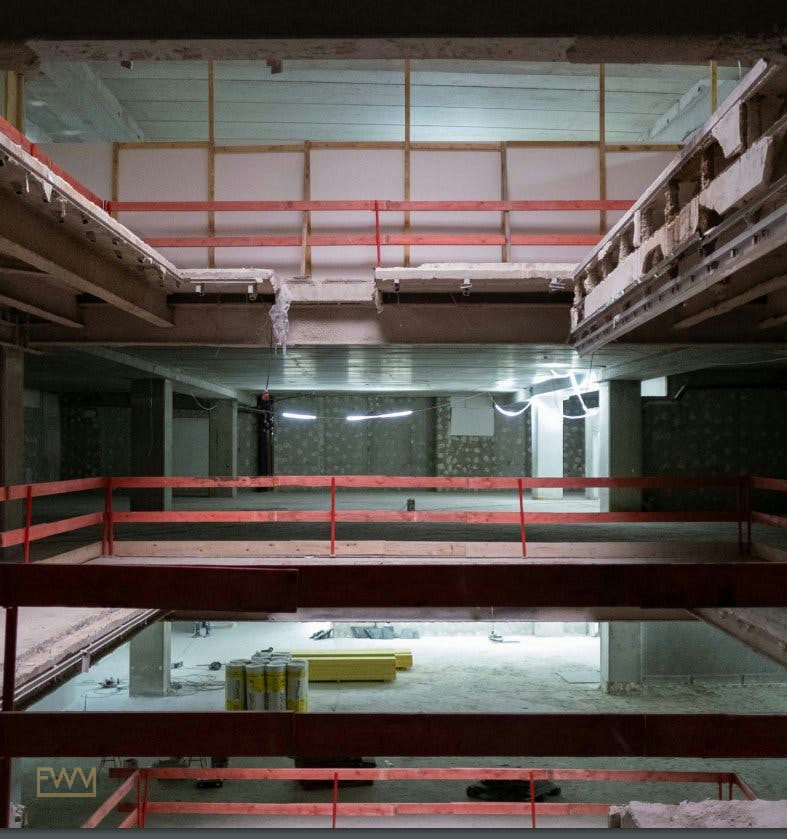
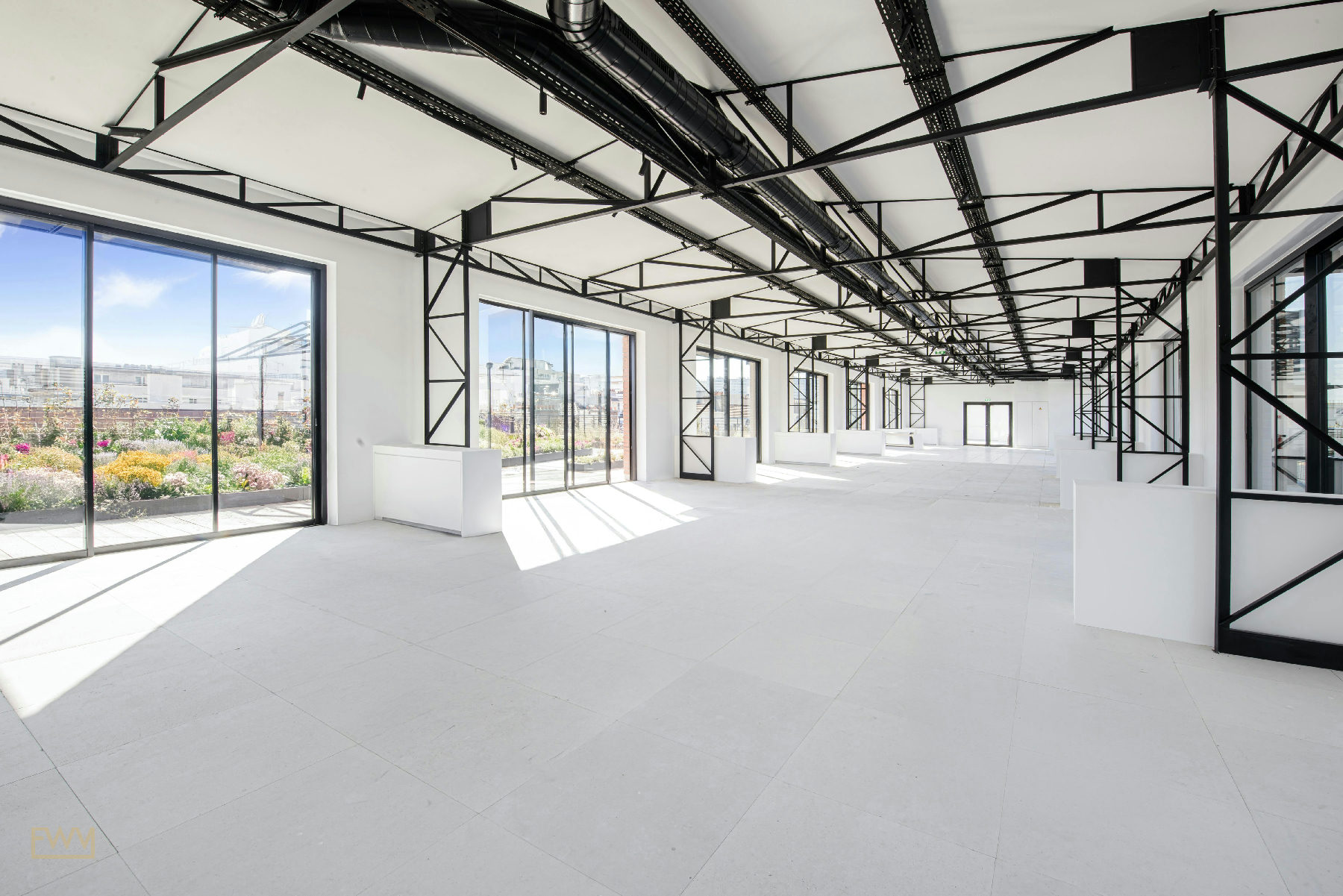
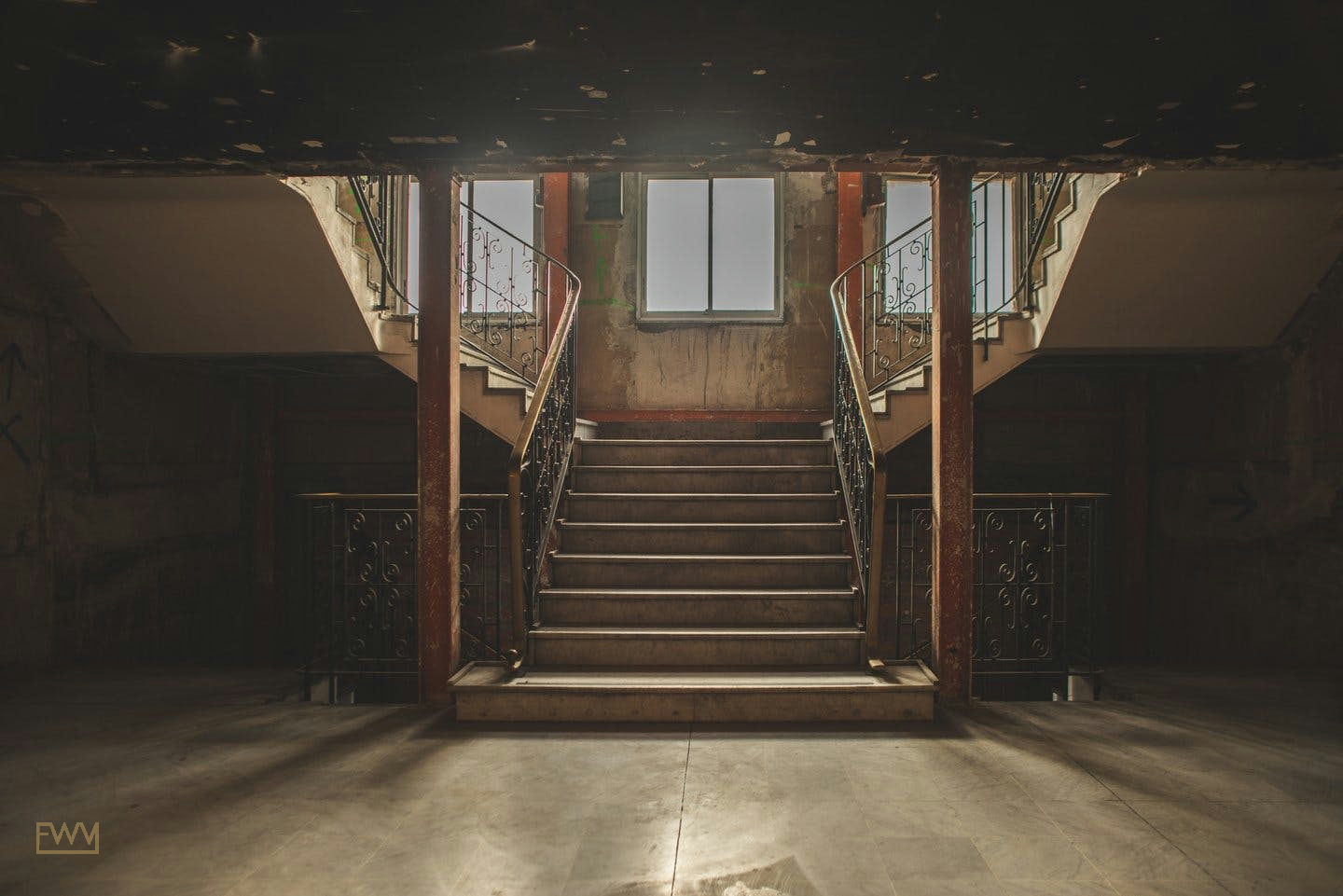
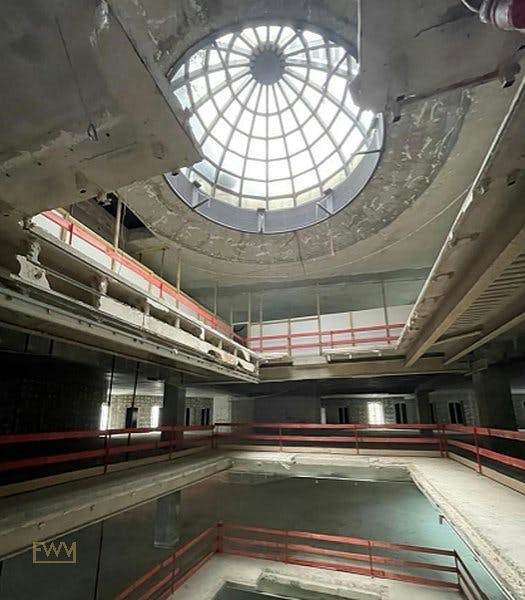
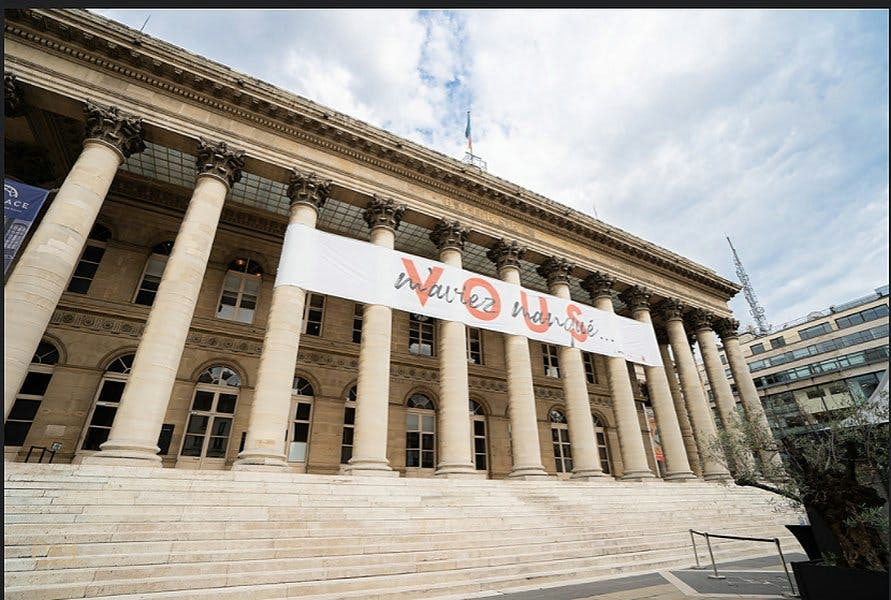
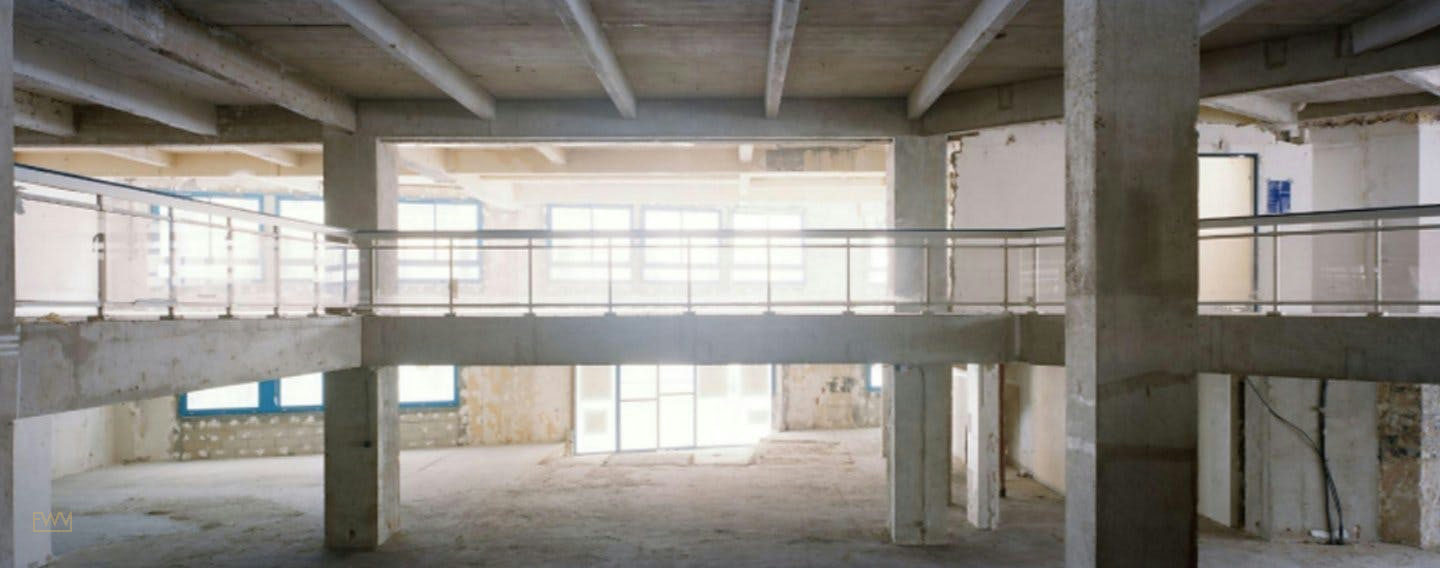
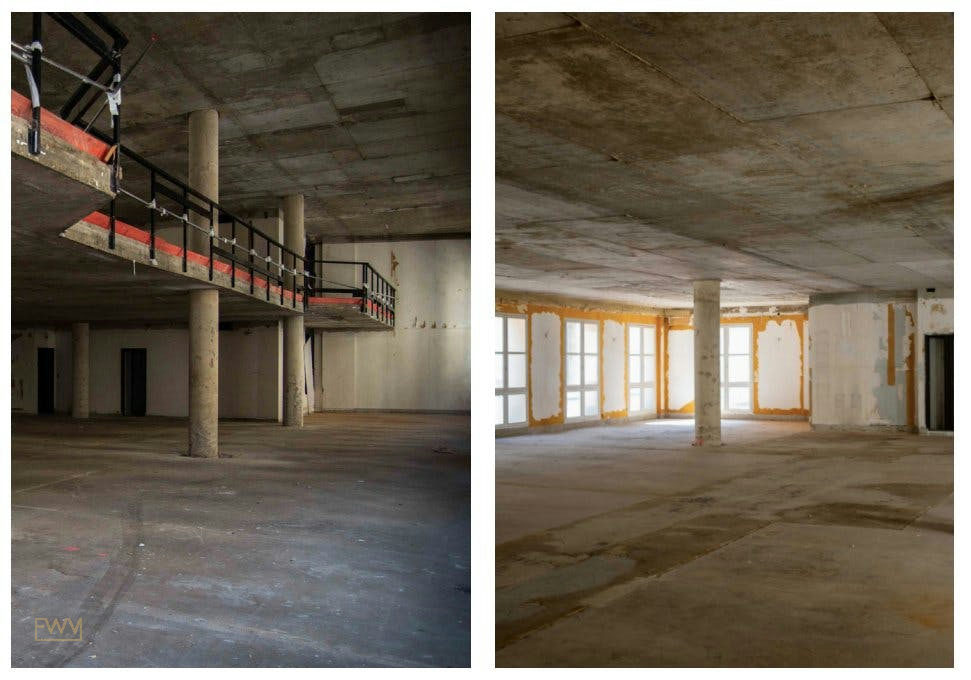
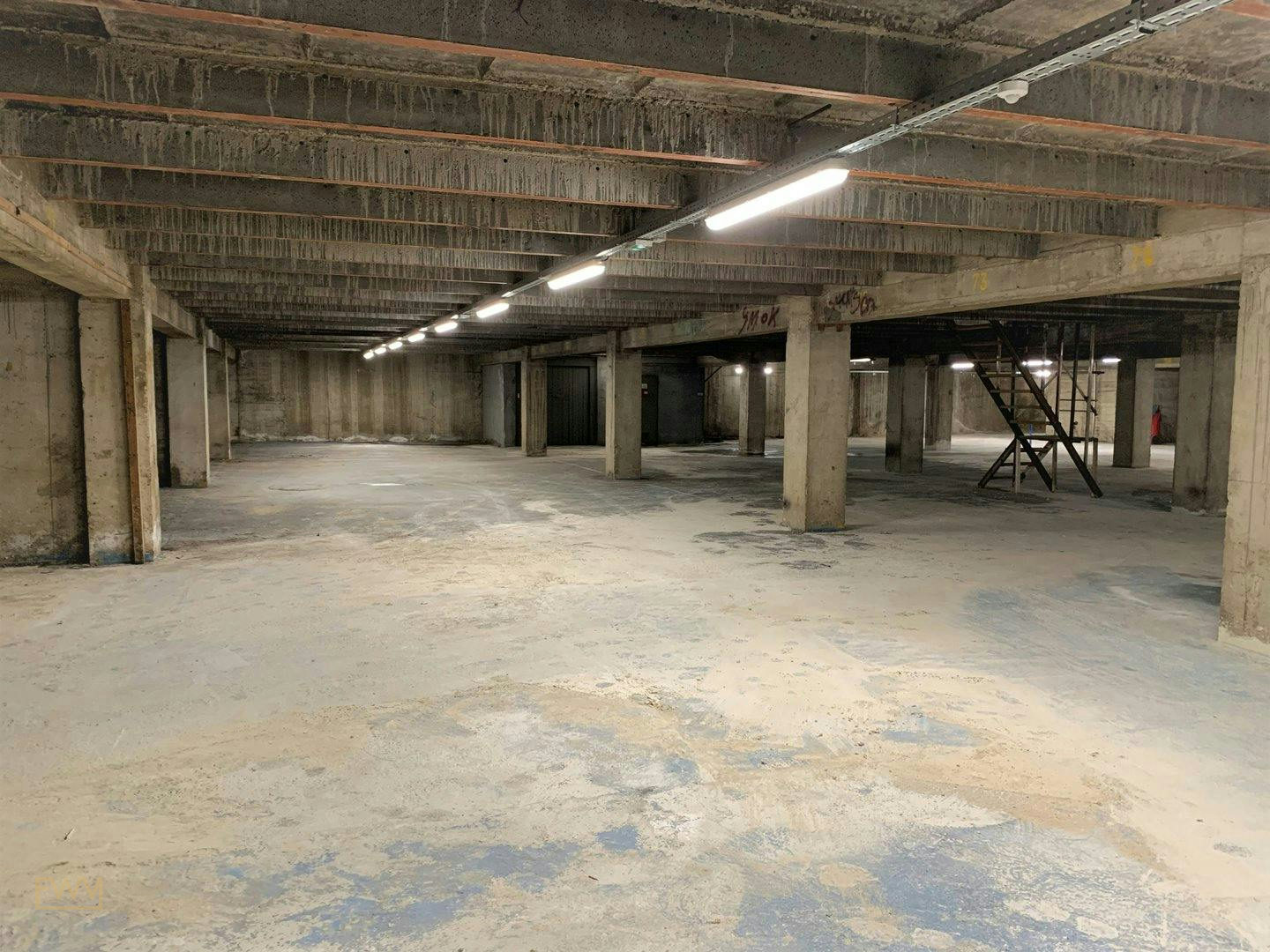
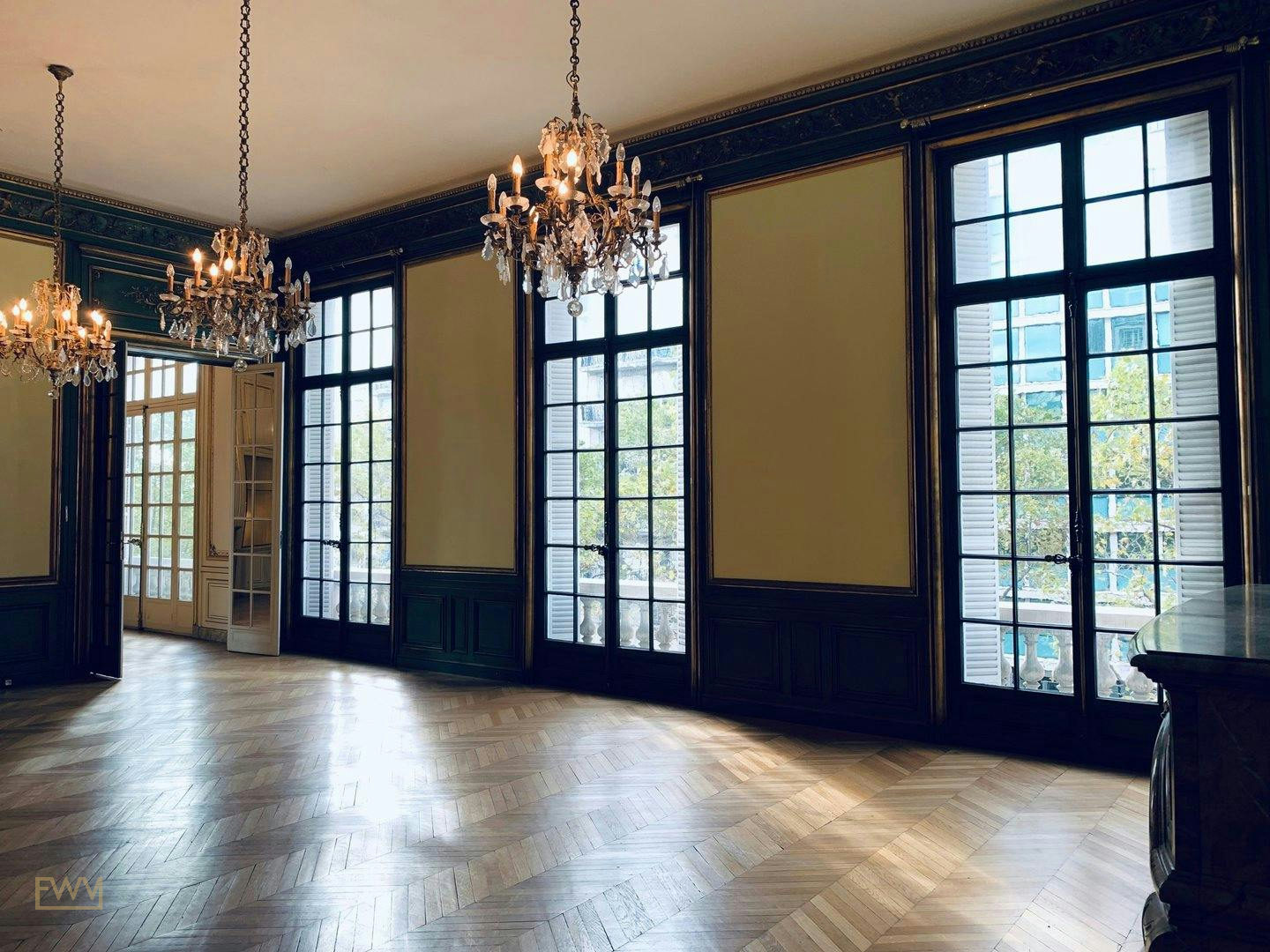
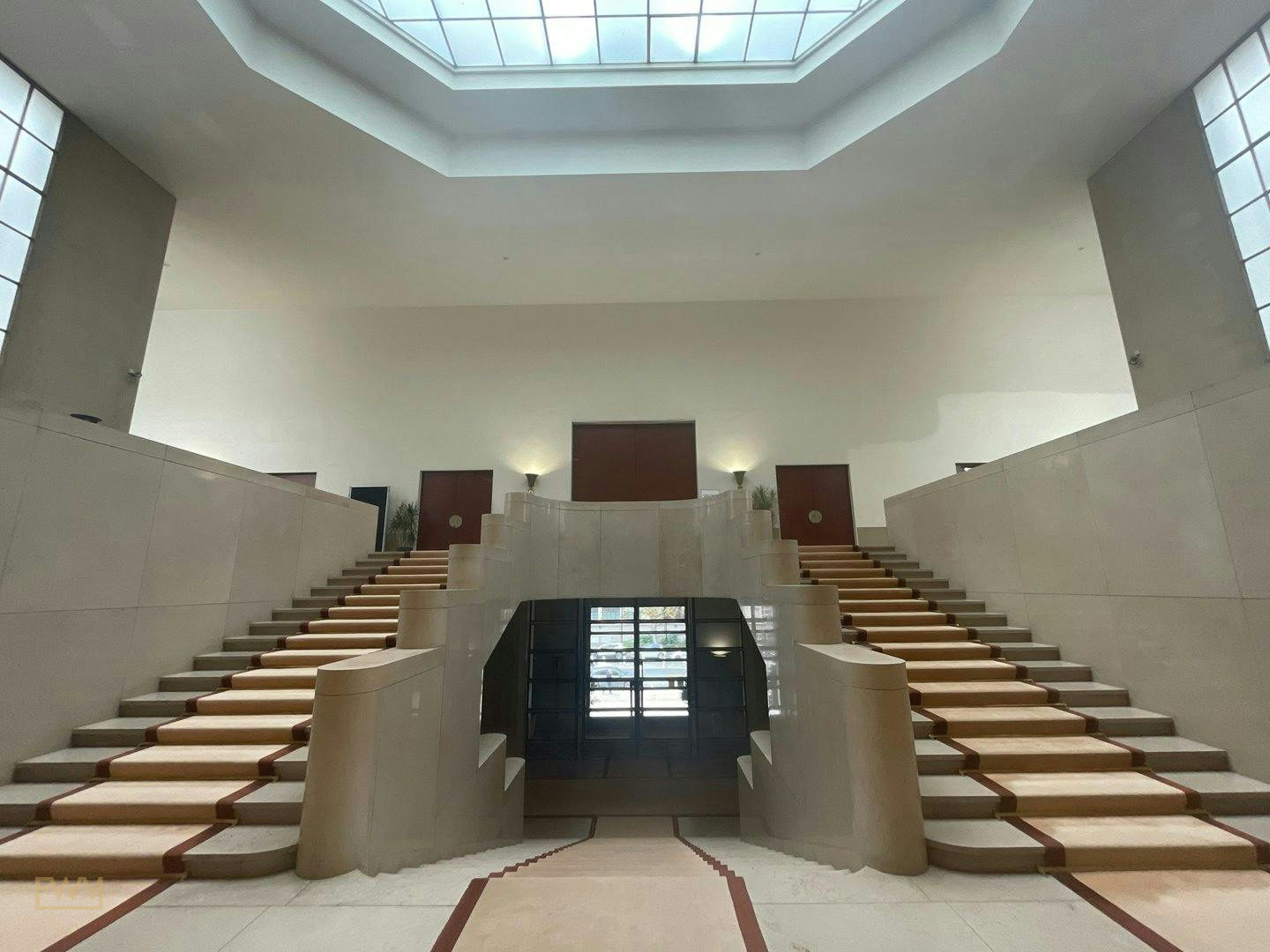
To rent a pop up store in Bastille is to place your brand at the intersection of old Paris and new commerce. The Bastille neighbourhood and the adjacent Marais district form one of the most commercially and culturally active zones in the French capital, attracting independent retailers, luxury labels, concept stores, and international brands looking to test the Parisian market without committing to a permanent lease. Whether you are sourcing a loft space with parquet floors and ceiling beams, a verrière gallery with natural light, or a converted industrial workshop with raw concrete floors, the 11th arrondissement and neighbouring 4th offer a density of short-term venues that few European cities can match. Fashion Week Venues supports brands seeking pop-up spaces in Paris from initial briefing through to activation close, combining space sourcing, concept direction, and full production services under one roof.
What Is a Pop-Up Store and Why Rent One in Paris?
Quick answer: A pop-up store is a temporary retail or brand activation space, typically rented for a period ranging from a few days to several months. In Paris, pop-up stores allow international and domestic brands to test demand, build local clientele, generate press coverage, and drive sales without the fixed costs and legal obligations of a permanent commercial lease.
A pop-up store is an agile and reversible solution that allows brands to carry out a full-scale market test without incurring heavy fixed costs. Unlike a standard commercial lease in France, which often requires a three-year minimum commitment under a bail commercial, a short-term rental agreement such as a bail dérogatoire can be structured for periods of up to three years but used in practice for durations as short as a single week. This makes Paris one of the most accessible major retail markets in the world for brands at any stage of growth.
Paris attracts well over 30 million international visitors annually, according to data published by the Paris Convention and Visitors Bureau. That foot traffic creates a ready-made audience for brands launching products, testing price sensitivity, gauging response to new visual merchandising concepts, or simply establishing a physical presence in a city that functions as a global arbitrator of taste in fashion, design, and culture. The Bastille and Marais arrondissements in particular draw a well-educated, design-literate clientele who actively seek out independent and concept-driven retail experiences.
For fashion brands, the calendar logic is equally compelling. Paris Fashion Week, held in late February to early March for womenswear and October for ready-to-wear, creates a concentrated window during which buyers, press, influencers, and retail decision-makers are physically present in the city and actively seeking brand touchpoints beyond the official show schedule. Renting a pop-up space or fashion showroom during Fashion Week amplifies reach in ways that digital-only campaigns cannot replicate.
Beyond Fashion Week, Paris offers year-round activation opportunities tied to Bastille Day, the summer tourist season, the art gallery calendar, and major trade events. Trendy brands and independent retailers have increasingly moved away from commission brokers and aggregator platforms in favour of specialist agencies that provide end-to-end support, from venue identification and permit guidance through to branded store design, retail staffing, and post-activation data analysis.
KEY TAKEAWAY: A pop-up store in Paris is not simply a temporary shop. It is a strategic market entry tool, a brand awareness vehicle, and a revenue-generating activation that delivers measurable results when planned correctly. The Bastille and Marais neighbourhoods are among the most commercially productive zones for short-term retail in Europe.
Understanding what makes Paris different from other fashion capitals requires a closer look at the specific neighbourhoods where the strongest activations consistently occur.
Why Bastille and the Marais Are the Premier Pop-Up Districts in Paris
Quick answer: The Bastille area (Paris 11th arrondissement) and the Marais district (Paris 4th arrondissement) together form the most commercially active zone for pop-up stores and brand activations in Paris, combining high foot traffic, design-conscious clientele, architectural variety, and strong metro connectivity.
The Bastille neighbourhood sits at the junction of the 11th, 12th, and 4th arrondissements, making it one of the most strategically positioned retail zones in the city. The Place de la Bastille itself serves as a major transport hub, with metro lines 1, 5, and 8 converging at the Bastille station, providing direct access from central Paris including Châtelet-les-Halles, Gare de Lyon, and the Saint-Honoré corridor. This connectivity is a decisive factor for brands targeting both Parisian locals and international visitors, who often use the metro system as their primary mode of urban navigation.
The 11th arrondissement has evolved significantly over the past decade. What was once primarily a working-class neighbourhood of old warehouses and artisan workshops has become a hub for concept stores, independent fashion boutiques, design studios, and food-led cultural spaces. The concentration of these businesses has created an organic foot traffic pattern that benefits retail pop-ups enormously. Visitors come to the Bastille area with intent: they are browsing, discovering, and spending. This distinguishes the neighbourhood from purely tourist-driven zones where visitors photograph rather than purchase.
The Marais district, centred on the Paris 4th arrondissement and extending into the 3rd, is equally powerful but distinct in character. Home to the Musée Picasso, the Carreau du Temple, and the iconic Place des Vosges (also known as Vosges Square), the Marais has long been synonymous with a specific kind of Parisian retail: curated, design-led, and aligned with both heritage and modernity. The architectural fabric of the Marais, which includes 17th-century hôtels particuliers, converted synagogues, and former industrial spaces, provides a variety of rental venue typologies that cannot be found in more modern districts.
Paris Le Marais is particularly well regarded for its gallery culture. Galerie d'art spaces, fashion showrooms, and private exhibition venues sit alongside independent boutiques and flagship stores for international brands. The density of cultural institutions in the area, including the Musée Picasso and the Centre Pompidou nearby, ensures that the Marais remains a destination for culturally engaged visitors throughout the year.
How Bastille and the Marais Compare as Pop-Up Locations
| Characteristic | Bastille (11th Arrondissement) | Le Marais (4th Arrondissement) |
|---|---|---|
| Primary Audience | Local creatives, design community, young professionals | International visitors, luxury shoppers, art buyers |
| Space Typologies | Industrial lofts, old warehouses, workshops, raw spaces | Galleries, apartments, boutiques, hôtel particulier rooms |
| Architectural Character | Exposed concrete, ceiling beams, polished or raw floors | Stone walls, parquet floors, ornate ceilings, garden access |
| Typical Rental Duration | Weekly to monthly | Daily to weekly during Fashion Week; monthly otherwise |
| Fashion Week Relevance | High for presentations, showrooms, parties | Very high for press days, buyer showrooms, VIP events |
| Metro Access | Lines 1, 5, 8 (Bastille station) | Lines 1, 7, 11 (Saint-Paul, Hôtel de Ville) |
| Foot Traffic Type | Destination browsing, local spending | Tourist and luxury consumer mix |
The Carreau du Temple, a restored 19th-century iron and glass market hall in the 3rd arrondissement adjacent to the Marais, represents a specific type of venue increasingly used for pop-up stores, fashion showrooms, workshops, and brand activations. Its verrière structure floods interior spaces with natural light, making it ideal for photography, product launches, and press days. Comparable spaces in the Bastille area tend toward the industrial workshop aesthetic: high ceilings, large door entrances, raw concrete floors, and a loft character that suits streetwear, contemporary art, and lifestyle brands.
KEY TAKEAWAY: Bastille and the Marais offer complementary rather than competing retail environments. Brands targeting culturally engaged Parisian locals benefit from Bastille's workshop and loft character, while brands targeting international buyers and press during Fashion Week typically perform strongest in the Marais.
Knowing the neighbourhood is only the first step. Choosing the right type of space within that neighbourhood is equally important, and the variety of options available deserves detailed examination.
Space Types Available to Rent in Bastille and the Marais
Quick answer: The Bastille and Marais neighbourhoods offer a wide range of rentable space types, including fashion showrooms, art galleries, industrial lofts, retail storefronts, apartments adapted for retail, and purpose-built pop-up venues. Each type carries different floor access configurations, amenity levels, and suitability for different brand formats.
One of the most frequent mistakes brands make when renting a pop-up space in Paris is selecting a space type based on visual appeal rather than operational suitability. A Bright Luminous Loft with a large door entrance and polished concrete floors may photograph beautifully but fail to generate adequate walk-in traffic if it sits back from the main pedestrian flow. Conversely, a ground-floor storefront on a busy Marais street may lack the ceiling height and open plan layout needed for an immersive brand installation.
Common Space Types for Pop-Up Stores in Bastille and the Marais
| Space Type | Typical Features | Best Suited For | Key Considerations |
|---|---|---|---|
| Industrial Loft | Raw concrete floors, ceiling beams, exposed piping, High-speed Wi-Fi | Streetwear, contemporary design, art installations | Check floor/access for deliveries; large door entrance preferred |
| Galerie d'Art | White walls, natural light, polished concrete or parquet floors, verrière option | Private exhibition, fashion showroom, jewellery launch | Existing hanging systems; often requires content approval from owner |
| Boutique Storefront | Street-facing window display, integrated lighting, retail fixtures | Direct-to-consumer retail, concept store format | High foot traffic but often smaller floor area; verify signage rights |
| Fashion Showroom | Open plan, good lighting, private meeting areas, sound system | Buyer appointments, press days, brand presentations | Proximity to Fashion Week venues matters; verify NDAs with landlord |
| Haussmann Apartment | Parquet floors, high ceilings, period details, residential atmosphere | Luxury brand activations, intimate events, VIP showrooms | Requires landlord permission; check co-propriété rules |
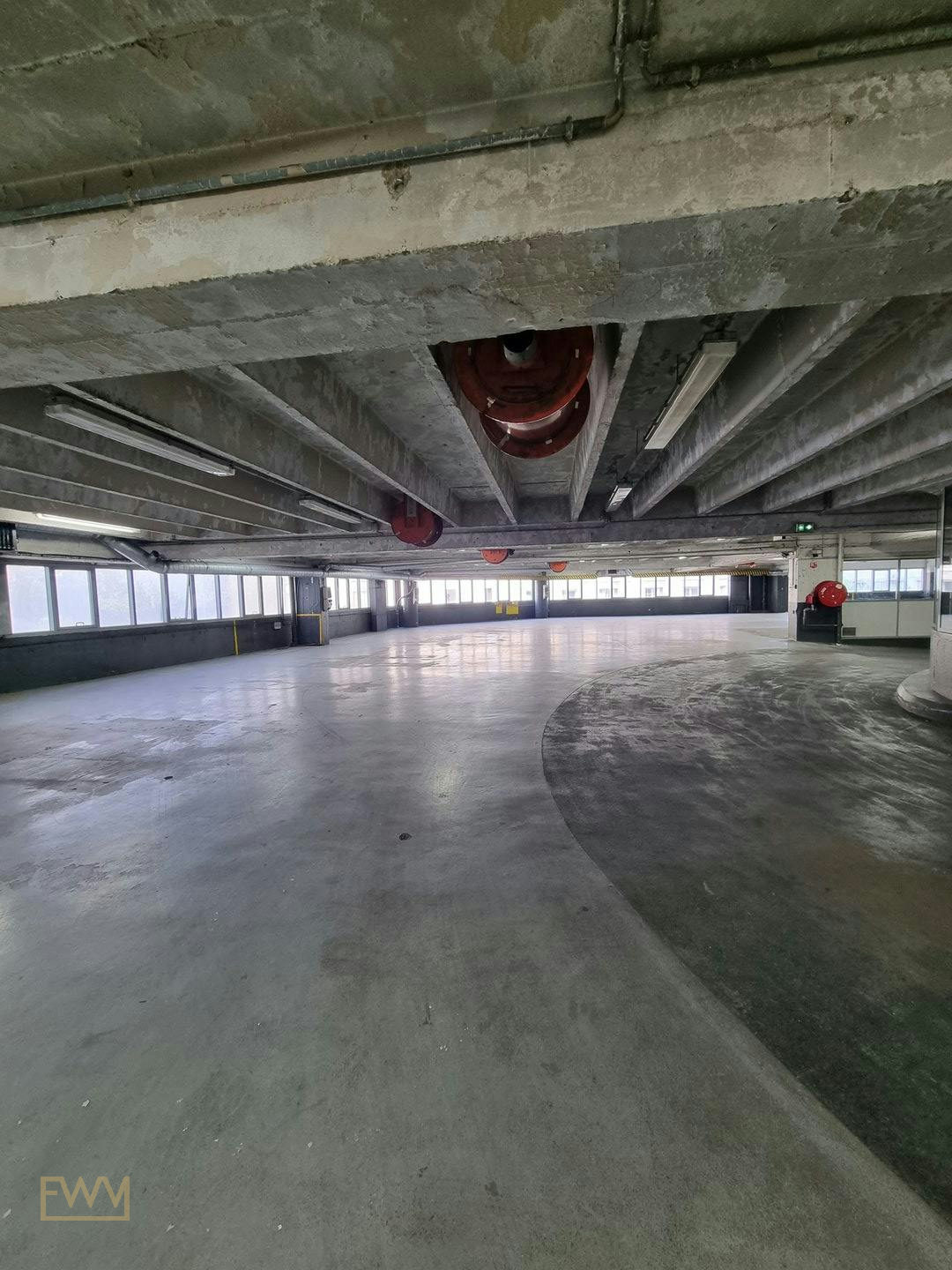
| Old Warehouse or Workshop | Raw or polished concrete, high ceilings, industrial character | Immersive installations, pop-up restaurants, brand experiences | May require additional electrical and HVAC work; check loading access |
| Covered Market Space | Iron and glass structure, natural light from verrière, flexible layout | Multi-brand pop-ups, workshops, cultural activations | Often managed by a public or semi-public entity; advance booking required |
Space features that consistently influence brand decision-making include the presence of natural light (particularly important for photography and product display), the floor type and condition, ceiling height, Wi-Fi speed and reliability, the availability of a video projector or sound system, and whether the space has a terrasse or external access point. Amenities such as a Majorelle blue lounge area, leather lounge furniture, or paperboards for presentations appeal to brands running buyer meetings or corporate events alongside consumer-facing activations.
For brands running workshops, the availability of paperboards, a video projector, and a sound system within the rental package can eliminate the need for separate equipment rental contracts. For brands focused primarily on retail conversion, the security infrastructure of the space, including whether it has video surveillance, access codes, or a designated office manager on site, can significantly affect how the activation is managed day to day.
DID YOU KNOW: Some industrial workshops and loft spaces in the 11th arrondissement were formerly used by craftsmen and small manufacturers before being converted into event and retail venues. Their original character, including ceiling beams, exposed piping, and raw concrete floors, is increasingly considered an asset by fashion and lifestyle brands seeking authentic Parisian settings for their activations.
KEY TAKEAWAY: The space type you choose must align with your activation format, your team's operational capacity, and the physical requirements of your product. Visual appeal and location matter, but the practical realities of floor access, electrical capacity, and foot traffic pattern will determine whether the activation succeeds commercially.
With the right space type identified, the next consideration is the rental and booking process itself, which in Paris carries specific legal and procedural requirements that brands unfamiliar with the French market frequently underestimate.
How to Rent a Pop-Up Store in Bastille: The Step-by-Step Process
Quick answer: Renting a pop-up store in Bastille involves identifying suitable spaces, verifying legal and permit requirements, negotiating a short-term rental agreement under French law, preparing the space, running the activation, and closing out. Each stage carries specific documentation, timing, and compliance requirements that differ from standard commercial leasing.
The process of renting a short-term retail space in Paris is more structured than platforms such as Airbnb or VRBO might suggest. While those platforms have normalised the idea of hassle-free transactions for short-term property access, commercial retail spaces in France carry additional legal requirements that a straightforward booking system cannot fully address. Understanding these requirements before you begin your search saves time, protects your budget, and ensures your activation is legally compliant.
Step-by-Step Workflow for Renting a Pop-Up Store in Bastille
| Stage | Key Actions | Typical Timeline | Who Is Responsible |
|---|---|---|---|
| 1. Brief Definition | Define activation format, space type, dates, budget, and neighbourhood preference | 4 to 12 weeks before start date | Brand team |
| 2. Space Discovery | Browse marketplace listings, request viewings, shortlist options | 3 to 10 weeks before start date | Brand team or agency |
| 3. Permit Assessment | Identify required permits based on space type, activities, and duration | Concurrent with space discovery | Agency or French legal advisor |
| 4. Lease Agreement | Negotiate bail dérogatoire or convention d'occupation temporaire; confirm insurance | 2 to 6 weeks before start date | Both parties with legal support |
| 5. Space Preparation | Fit-out, branded store design, furniture rental, AV installation, staffing briefing | 1 to 2 weeks before start date | Production team or agency |
| 6. Activation | Run the pop-up, manage staff, handle POS and payments, collect data | During rental period | Activation manager, retail staff |
| 7. Close-Out | Strip the space, return to original condition, settle final accounts, review data | Within 24 to 48 hours of end date | Brand team or agency |
One of the most important steps in the process, and one of the most frequently overlooked, is the permit assessment stage. In France, the legal framework governing short-term use of commercial spaces distinguishes between a bail dérogatoire (a derogatory lease that allows temporary occupation outside the standard 3-6-9 commercial lease structure) and a convention d'occupation temporaire or Autorisation d'Occupation Temporaire (AOT), which is typically used for public domain properties or spaces owned by institutions and public bodies.
The distinction matters because the permit and compliance obligations attached to each type of agreement differ significantly. Retail pop-up stores operating under a bail dérogatoire may still require specific permissions depending on the nature of the activity (for example, serving food or drink, hosting public events, displaying exterior signage, or operating outside standard retail hours). Requirements vary by space type, duration, and arrondissement, and brands are strongly advised to verify their specific situation with a qualified French legal advisor before signing any rental agreement. The permit guidance tool on Fashion Week Venues provides a useful starting point for understanding what approvals may apply to your activation format.
Security and access management deserve attention at this stage as well. Many short-term rental spaces in Paris use access code systems, video surveillance, and in some cases CITY-LOCKER style baggage or equipment access solutions rather than traditional key handover. Brands should clarify the access arrangements, video surveillance scope, and insurance requirements with the landlord or space manager before the rental period begins. Insurance for the activation, including public liability and property damage cover, is typically the brand's responsibility and should be arranged in advance.
IMPORTANT: Do not assume that a short-term retail rental in Paris is legally equivalent to a residential short-term rental. The regulatory framework differs significantly, and operating without the correct agreement or permits can result in fines, forced closure, or reputational damage. Always seek appropriate legal advice before proceeding.
KEY TAKEAWAY: The step-by-step process for renting a pop-up store in Bastille is manageable with the right preparation, but it requires attention to legal documentation, permit compliance, and access logistics that go beyond simply booking a space online. Working with a specialist agency that understands French short-term retail law reduces risk and accelerates the timeline considerably.
With the process understood, brands can turn their attention to the cultural and commercial context that makes the Bastille and Marais neighbourhoods particularly compelling during specific calendar windows.
Fashion Week and Cultural Calendars: Timing Your Bastille Pop-Up for Maximum Impact
Quick answer: Paris Fashion Week, Bastille Day, the summer tourism peak, and major art gallery openings create distinct windows of elevated foot traffic and media attention in the Bastille and Marais districts. Aligning your pop-up rental with the right calendar window is one of the highest-impact decisions a brand can make.
Paris Fashion Week dominates the retail activation calendar for fashion brands in Paris. The womenswear season in late February and early March and the ready-to-wear season in late September and early October bring an extraordinary concentration of press, buyers, influencers, and industry professionals into the city. For brands renting a fashion showroom or pop-up store during these windows, the opportunity to reach a hyper-relevant audience in a single concentrated period is unmatched in Europe. Many brands use Bastille and Marais spaces during Fashion Week for buyer appointments, press previews, private exhibitions, and brand experience events that run in parallel with the official show schedule.
The cultural life of the neighbourhood adds further calendar opportunities. The Marais is home to dozens of independent galleries and cultural spaces that attract a consistent flow of art-interested visitors throughout the year. A pop-up positioned alongside a gallery opening or cultural event benefits from halo traffic that a standalone retail activation would not generate independently.
Bastille Day, celebrated on 14 July each year, creates a different kind of opportunity. The French national holiday draws both Parisian locals and international visitors into the streets of Paris, with particular concentrations in the Bastille area itself, which is historically and symbolically central to the day's significance. The Consulate General of France in New York and French cultural institutions internationally promote Bastille Day as a moment of French cultural identity, making it a natural window for brands that want to align their activation with French cultural imagery and celebrate the French pop landscape in its broadest sense.
The Bastille neighbourhood's musical heritage is worth noting for brands seeking authentic cultural alignment. The area has been associated with French musical figures across multiple generations, from the chanson tradition represented by artists such as Laurent Voulzy, Michel Polnareff, and Alain Souchon, through to Afro-European crossover artists including Manu Dibango and Amadou and Mariam, and contemporary French rap figures such as Black M and Sexion d'Assaut. The French-Guinean rapper Black M and the Sexion d'Assaut collective, for example, represent a strand of contemporary French cultural identity rooted in the same urban neighbourhoods where today's most interesting pop-up retail happens. Brands working with musicians, hosting listening events, or simply seeking a culturally grounded activation space can draw on this heritage to create meaningful connections with Parisian audiences.
For international brands new to the Paris market, the question of how to gauge audience response before committing to a longer activation is a practical one. A pop-up store in Bastille offers exactly this kind of low-risk market intelligence. Want to see how your product performs with the Parisian public? A pop-up store is one of the most effective tools available: an agile, reversible solution that allows a full-scale test without the fixed costs and contractual obligations of a permanent retail lease. The data generated during even a short activation, including conversion rates, average transaction values, popular product lines, and customer demographics, provides a foundation for more confident longer-term decisions.
TIP: If your primary goal is Fashion Week visibility, book your space at least eight to twelve weeks in advance. The most desirable spaces in the Marais and Bastille are claimed months ahead of the February and October seasons. Waiting until six weeks before the start of Fashion Week significantly limits your options and increases rental rates.
KEY TAKEAWAY: The Paris activation calendar rewards advance planning. Brands that align their pop-up rental with Fashion Week, Bastille Day, or major cultural openings benefit from pre-existing foot traffic and media attention that would cost significantly more to generate independently through paid marketing alone.
How you build and design your space once you have secured it is the next dimension of a successful activation, and the decisions made at this stage have a direct impact on both the customer experience and the commercial results.
Space Design, Fit-Out, and Branded Store Concepts for Bastille Pop-Ups
Quick answer: Effective pop-up store design in Bastille and the Marais requires a concept that responds to the architectural character of the space, the brand identity, and the commercial objectives of the activation. Industrial lofts, raw warehouses, and Marais gallery spaces each present distinct design opportunities and constraints.
The physical character of available spaces in Bastille and the Marais is one of the neighbourhood's greatest assets for brand activations. Spaces featuring ceiling beams, parquet floors, natural light through a verrière, or polished concrete floors do not need to be overcome with heavy decoration: they benefit from design approaches that highlight rather than conceal their existing character. A fashion showroom installed in a former industrial workshop with exposed piping and raw concrete walls carries an authenticity that a purpose-built retail interior rarely achieves.
Branded store design for a pop-up context differs from permanent retail design in several important respects. Speed of installation is critical: most short-term rental agreements provide limited access time before the activation opens to the public, and fit-out must be completed within that window. Reversibility is equally important, because most rental agreements require the space to be returned to its original condition within hours of the rental period ending. This means every design element, from custom shelving and lighting rigs to branded wall graphics and floor coverings, must be designed for fast installation and clean removal without damage to the underlying fabric of the space.
Furniture rental plays a significant role in this context. Rather than purchasing or commissioning custom furniture for a single activation, brands typically rent pieces that complement the space type and can be returned at close-out. A Majorelle blue lounge arrangement or a leather lounge seating configuration can transform a raw industrial space into a curated brand environment within hours. The choice of furniture communicates brand positioning as effectively as any graphic element, and the rental model keeps costs proportionate to the duration of the activation.
AV infrastructure is increasingly a standard requirement for pop-up activations. A video projector for brand storytelling, a sound system for atmosphere or presentations, and a reliable high-speed Wi-Fi connection for both operational and social media purposes are now baseline expectations. Spaces that include these elements within the rental package offer a meaningful cost advantage over those that require separate equipment rental. Paperboards and presentation equipment are relevant for brands running buyer appointments or workshops within the same space.
The branded store design service at Fashion Week Venues covers concept development, space planning, material specification, and installation management for pop-up activations across the Bastille and Marais districts. The process integrates with the Imagine tool, which allows brands to visualise how a space will look under different design configurations before committing to a specific concept.
For brands with complex physical requirements, including large door entrance access for oversized deliveries, specific electrical loading requirements for immersive lighting or AV, or terrasse access for outdoor elements, the production and build planning process must begin in parallel with the space search rather than after the lease is signed. Discovering that a chosen space cannot accommodate a critical design element after the agreement is signed is one of the most common and costly mistakes in pop-up planning.
KEY TAKEAWAY: Space design for a Bastille or Marais pop-up is most effective when it amplifies the existing architectural character of the venue rather than working against it. Fast installation, full reversibility, and furniture rental are not compromises but strategic choices that make short-term retail activations commercially viable and logistically manageable.
The design of the space must ultimately serve the commercial and experiential goals of the activation, which brings the discussion to how brands can most practically manage the entire pop-up process from a single point of coordination.
How Fashion Week Venues Helps Brands Rent Pop-Up Spaces in Bastille and the Marais
Fashion Week Venues operates as a full-service pop-up agency and space marketplace with Paris as its primary and anchor market. For brands seeking to rent a pop-up store in Bastille, Le Marais, or anywhere across the city's arrondissements, Fashion Week Venues provides a structured pathway from initial research to post-activation review, covering every operational and creative dimension of the project.
The venue sourcing service is typically the starting point for brands that know what they want to achieve but have not yet identified specific spaces. The sourcing process involves mapping the brief against available inventory across the Bastille and Marais districts, assessing each option against the brand's requirements for space type, floor access, foot traffic pattern, neighbourhood character, and budget, and presenting a curated shortlist with comparative analysis. This is different from browsing a marketplace independently, because the sourcing team applies experience accumulated across multiple activations to filter out spaces that will not perform against specific brand objectives.
The Fashion Week Venues marketplace itself provides an independent entry point for brands that prefer to begin their search before engaging the full agency service. The marketplace lists available spaces across Paris and other fashion capitals, allowing brands to explore options by neighbourhood, space type, size, and availability window. The compare tool allows side-by-side evaluation of shortlisted spaces, and the locator tool maps options geographically against metro access, competitor proximity, and key landmarks.
Once a space is identified, the agency's concept direction, production and build, and activation management services take the project through fit-out and launch. The activation management service covers day-to-day operation of the pop-up, including retail staffing, POS and payment system management, influencer marketing coordination, and real-time data collection. Post-activation, the data and analytics service translates the raw performance data into insight that informs future campaigns.
The tools section provides a set of planning resources that brands can use independently or in conjunction with the agency service. The budget calculator allows brands to model different space types, durations, and fit-out levels against their available budget. The ROI calculator helps quantify the expected return from a pop-up activation based on foot traffic projections, conversion rate assumptions, and average transaction value. The timeline tool maps the full project against key milestones from brief to close-out.
The Twin concept, available at Fashion Week Venues, is particularly relevant for brands considering co-activation with a complementary label or creative partner. Twin allows two brands to share a single space under a coordinated activation structure, splitting costs while maintaining distinct brand identities within the shared environment. This is especially effective during Fashion Week, when the cost of Marais spaces peaks and co-activation provides a way to access premium locations at shared rates.
It is important to be transparent about what Fashion Week Venues does not guarantee. No agency can guarantee space availability, permit approval, or specific commercial outcomes. The rental market in Bastille and the Marais is competitive, particularly during Fashion Week windows, and the most desirable spaces are claimed quickly. Fashion Week Venues can significantly improve the speed and quality of a brand's space search and activation planning, but brands should enter the process with realistic expectations about lead times and market conditions.
To compare neighbourhoods and space types, explore the Paris city hub on Fashion Week Venues and shortlist spaces that match your brief, budget, and calendar window.
KEY TAKEAWAY: Fashion Week Venues provides structured, end-to-end support for brands renting pop-up spaces in Bastille and the Marais, from space discovery and permit guidance through to activation management and post-campaign analytics. The combination of marketplace access and full-service agency capability allows brands to engage at the level of support that matches their internal capacity and budget.
Before moving to the FAQ section, it is worth addressing the permit and compliance landscape in more detail, as this is one of the areas where brands most frequently encounter unexpected complexity.
Permits, Legal Frameworks, and Compliance for Pop-Up Stores in Paris
Quick answer: Pop-up stores in Paris operate under specific legal frameworks including the bail dérogatoire and Autorisation d'Occupation Temporaire. The compliance requirements vary by space type, activity, duration, and arrondissement, and brands should always verify their specific situation with a qualified French legal advisor before signing any agreement.
The French commercial property system was designed around long-term stability. The standard bail commercial commits both landlord and tenant to a minimum nine-year relationship, with exit points at the end of each three-year period. The bail dérogatoire, introduced to provide flexibility for short-term commercial use, allows occupation for a defined period up to a maximum of three years without the protections and obligations of the standard commercial lease. Crucially, if the tenant continues to occupy the space after the bail dérogatoire expires without a new agreement in place, the relationship may automatically convert to a standard bail commercial, creating obligations that neither party intended.
For spaces on public or institutional land, the convention d'occupation temporaire or Autorisation d'Occupation Temporaire (AOT) is the relevant instrument. AOTs are used, for example, when brands activate on pavement terrasses, in market spaces managed by municipal authorities, or in publicly owned venues. The terms and permit requirements associated with an AOT differ from those of a bail dérogatoire and typically involve the relevant arrondissement authority or the Mairie de Paris.
Beyond the rental agreement itself, specific activities may trigger additional permit requirements. Serving food or alcohol requires specific licences. Exterior signage, including banners, window vinyls, and A-boards on the pavement, is subject to the règlement local de publicité for the relevant arrondissement. Public events, including performances, screenings, and brand activations with a significant number of attendees, may require a notification or authorisation from the local police prefecture. Requirements vary by space type, duration, and arrondissement, and what applies in the 11th arrondissement may differ from what applies in the 4th.
Brands entering France for the first time often ask whether they need a French legal entity to rent a short-term retail space. The answer varies depending on the structure of the rental agreement and the nature of the activity. The permit guidance tool provides an initial framework for understanding which authorisations may apply, but it does not replace advice from a qualified French avocat or notaire who can assess your specific situation.
Insurance is a non-negotiable element of any Paris pop-up rental. Most landlords require proof of public liability insurance and property damage cover before handing over access codes or keys. Brands operating from outside France should verify with their existing insurer whether their policy covers commercial retail activities in France, and should arrange specific cover if not.
IMPORTANT: Requirements vary by space type, duration, and arrondissement. Do not rely solely on information provided by a landlord or marketplace platform. Independent legal verification is always advisable for commercial retail activations in Paris.
KEY TAKEAWAY: The legal and permit landscape for pop-up stores in Paris is more complex than the residential short-term rental market. Brands that understand the bail dérogatoire framework, assess their specific permit requirements in advance, and arrange appropriate insurance will avoid the most common and costly compliance errors.
Budget and ROI Considerations for Bastille and Marais Pop-Up Stores
Quick answer: The total cost of a pop-up store in Bastille or the Marais encompasses the rental rate, fit-out and production costs, staffing, insurance, permits, marketing, and close-out. Rental rates in these neighbourhoods are among the most competitive in Paris while offering excellent returns on foot traffic investment, but the full cost picture is almost always larger than the rental rate alone suggests.
Rental rates for short-term commercial spaces in Paris vary considerably based on location, space type, floor area, duration, and the time of year. During Paris Fashion Week, rates for prime Marais spaces can increase significantly above their standard weekly equivalent, reflecting the concentration of demand from international brands during those windows. The 11th arrondissement historically offers more competitive rates than the 4th while still delivering strong foot traffic and a design-conscious clientele.
It would be misleading to provide specific rental rate figures here, as the market fluctuates based on availability, seasonality, and negotiation. The budget calculator on Fashion Week Venues allows brands to model their total activation budget across different space types, durations, and service configurations, providing a more accurate foundation for financial planning than any published rate card could offer.
Beyond the rental rate, brands should account for the following cost categories when planning a Bastille or Marais pop-up activation. Fit-out and production costs cover everything from branded graphics and furniture rental to lighting rigs and AV equipment. Staffing costs include the retail team, a potential office manager for the space, and any security personnel required. Permit costs vary by activity type but should be budgeted conservatively. Marketing and influencer activation costs must be planned in parallel with the physical activation to ensure the audience knows the pop-up exists before it opens.
On the revenue and return side, the metrics that matter most in a pop-up context include direct sales revenue, the brand awareness and press value generated by the activation, the quality of buyer relationships established during showroom appointments, and the market intelligence gained about how Parisian consumers respond to the product range and pricing. Some brands use their Paris pop-up primarily as a brand-building exercise rather than a direct revenue generator, in which case the ROI calculation looks quite different from a pure retail conversion model.
The ROI calculator on Fashion Week Venues helps brands model both scenarios, allowing for different assumptions about foot traffic conversion, average transaction value, press coverage value, and follow-on wholesale impact.
KEY TAKEAWAY: Budget planning for a Paris pop-up must account for the full cost of activation, not just the rental rate. Brands that plan comprehensively and model their ROI against realistic assumptions consistently outperform those who focus on minimising the rental cost without considering the total investment required to make the activation successful.
Common Myths About Renting a Pop-Up Store in Bastille Debunked
MYTH: You need a French legal entity to rent a short-term commercial space in Paris.
FACT: Foreign brands can often rent short-term commercial spaces in Paris without establishing a French legal entity, particularly under a bail dérogatoire or convention d'occupation temporaire. However, the specific requirements depend on the nature of the agreement, the landlord's requirements, and the type of commercial activity planned. Some landlords and institutional venues do require a French guarantor or legal entity, particularly for longer activations. Brands should verify their specific situation with a qualified French legal advisor before assuming either outcome.
MYTH: Paris Fashion Week is the only viable window for a pop-up activation in Bastille or the Marais.
FACT: While Paris Fashion Week generates the highest concentration of industry professionals and press in the city, the Bastille and Marais districts attract strong foot traffic and commercially engaged audiences throughout the year. Bastille Day, the summer tourism peak, art gallery opening seasons, and major trade events all create windows of elevated engagement that are often more accessible and cost-effective than the Fashion Week peak. Many brands generate stronger ROI from an off-peak activation because rental rates are more competitive and the audience, while smaller, is less distracted by competing events.
MYTH: Commission brokers are the only way to find a pop-up space in Paris.
FACT: Commission brokers were once the primary route to short-term commercial spaces in Paris, but the market has evolved significantly. Space marketplaces, full-service agencies, and direct landlord relationships now provide brands with multiple pathways to identifying and securing spaces in Bastille, the Marais, and across Paris. The advantage of a specialist agency over a commission broker is the combination of space access with services such as concept direction, production, staffing, and post-activation analytics, which a broker typically does not provide.
MYTH: Short-term leases in Paris are legally straightforward and do not require specialist legal input.
FACT: Short-term commercial leases in Paris, including the bail dérogatoire, operate within a specific legal framework that differs significantly from residential short-term rentals. The consequences of misunderstanding the terms, particularly around the automatic conversion risk to a standard bail commercial, can be financially significant. Permit requirements for specific commercial activities, signage, food and beverage service, and public events add further layers of compliance complexity. Specialist legal input is strongly recommended for any brand renting a commercial space in Paris for the first time.
MYTH: Industrial lofts and warehouse spaces in Bastille are too raw to use for luxury brand activations.
FACT: Many of the most successful luxury and premium brand activations in Paris in recent years have used industrial loft spaces in the 11th arrondissement as their primary venue. The raw concrete floors, ceiling beams, and verrière skylights of these spaces provide an architectural character that contrasts productively with high-end product and curated design, creating a tension that luxury brands increasingly use to communicate authenticity and creative edge. The key is a thoughtful branded store design concept that works with the space's existing character rather than attempting to neutralise it.
Frequently Asked Questions About Renting a Pop-Up Store in Bastille and Paris
What is the difference between a pop-up store and a permanent retail lease in Paris?
A pop-up store operates under a short-term rental agreement, most commonly a bail dérogatoire, which allows commercial use of a space for a defined period without the long-term obligations of a standard bail commercial. A permanent retail lease in France typically requires a minimum nine-year commitment with exit points every three years. Pop-up stores are designed for brands that want to test the market, generate brand awareness, or run a campaign-specific activation without the fixed costs and contractual obligations of a permanent retail presence. The legal, financial, and operational requirements of each model differ significantly.
How far in advance should I book a pop-up space in Bastille for Paris Fashion Week?
For Fashion Week windows in February to March and September to October, the most desirable spaces in the Bastille and Marais districts are typically booked eight to twelve weeks in advance, and in some cases up to six months ahead for premium gallery and loft spaces. Waiting until four to six weeks before Fashion Week begins significantly limits available options and often results in higher rental rates and less suitable spaces. Brands that plan their Fashion Week activation as part of their annual retail calendar, rather than as a reactive decision, consistently secure better spaces at better rates.
Do I need a French legal entity to rent a pop-up space in Paris?
Not necessarily. Many foreign brands rent short-term commercial spaces in Paris under a bail dérogatoire without a French legal entity. However, requirements vary depending on the landlord, the type of space, the nature of the commercial activity, and the duration of the rental. Some institutional venues and landlords do require a French guarantor or registered entity. Brands should seek independent legal advice before signing any rental agreement and should not assume that either outcome applies to their specific situation without verification.
What permits do I need to run a pop-up retail store in the 11th arrondissement?
The permits required depend on the specific activities planned, the type of space, the duration of the rental, and the location within the arrondissement. A straightforward retail pop-up without food service, public performances, or external signage may require minimal additional permits beyond the rental agreement. Activities such as serving alcohol, hosting amplified music, displaying banners or exterior graphics, or opening a space to the general public as an event venue may trigger additional authorisations from the relevant prefecture or Mairie. Requirements vary by space type, duration, and arrondissement. The permit guidance tool on Fashion Week Venues provides an initial framework, but independent legal verification is always advisable.
What types of spaces are available to rent in Bastille for a fashion pop-up?
The Bastille neighbourhood offers a wide range of space types, including industrial lofts with raw concrete floors and ceiling beams, converted workshops with large door entrances and high ceilings, boutique storefronts on pedestrian streets, bright luminous loft spaces with natural light from verrière skylights, and gallery-style white cube environments. Each type has distinct advantages for different brand formats. Industrial spaces suit streetwear, contemporary art, and lifestyle brands. Gallery spaces suit jewellery, luxury fashion, and private exhibition formats. Storefronts suit direct-to-consumer retail with a focus on walk-in foot traffic conversion.
How much does it cost to rent a pop-up store in Bastille or the Marais?
Rental rates vary considerably based on space type, floor area, location, duration, and the time of year. Fashion Week windows command premium rates, particularly in the Marais. The 11th arrondissement typically offers more competitive rates than the 4th while still delivering strong foot traffic. Beyond the rental rate, brands should budget for fit-out and production, furniture rental, staffing, permits, insurance, marketing, and close-out costs. The budget calculator on Fashion Week Venues allows brands to model their total activation cost based on their specific brief, space type, and duration.
Can I use a Bastille pop-up space as a fashion showroom during Fashion Week?
Yes. Many brands rent loft spaces, gallery spaces, and apartment venues in Bastille and the Marais specifically to use as fashion showrooms during Paris Fashion Week. These spaces are used for buyer appointments, press days, private collections viewings, and brand presentations. The proximity of Bastille to the Marais, which is one of the most active Fashion Week hubs, makes the 11th arrondissement a practical and cost-effective alternative to higher-priced Marais locations. A well-chosen Bastille showroom with strong natural light, good accessibility, and a distinctive architectural character can be as effective as a Marais address for Fashion Week purposes.
What is a bail dérogatoire and how does it differ from a standard commercial lease in France?
A bail dérogatoire is a short-term commercial lease agreement in France that allows landlords and tenants to agree on a temporary occupation of a commercial space outside the standard bail commercial framework. The standard bail commercial commits both parties to a minimum nine-year relationship. The bail dérogatoire is specifically designed for durations that both parties intend to keep short, and the total period cannot exceed three years. A critical risk is that if the tenant continues to occupy the space after the bail dérogatoire expires without a new agreement, the relationship may automatically convert to a standard bail commercial. Brands should always seek qualified French legal advice before entering into any rental agreement.
Is there a minimum rental period for pop-up stores in Bastille?
Minimum rental periods vary by landlord and space type. Some spaces are available from a single day, making them suitable for one-day events, product launches, or press days. Most commercial pop-up spaces have a minimum rental period of between three days and one week. For fully fitted spaces with branded store design and furniture rental, the minimum practical period is typically one week to allow for setup, activation, and close-out. During Fashion Week, many spaces are rented for the full week or fortnight of the season. Brands should discuss their specific duration requirements with the space manager or agency before shortlisting options.
How do access and security work in a Bastille pop-up space?
Access and security arrangements vary by space. Many contemporary pop-up venues in Paris use access code systems rather than traditional key handover, allowing the rental team to enter the space independently at agreed times. Some spaces also have video surveillance systems that monitor the property during the rental period. Equipment storage solutions, including locker systems for staff belongings or product security, may be available in larger spaces. Brands should clarify the exact access arrangements, security infrastructure, and any cloakroom or baggage storage provisions with the landlord before signing the rental agreement, and should ensure that their insurance cover is aligned with the security arrangements in place.
What is the Twin concept offered by Fashion Week Venues?
The Twin concept allows two brands to share a single pop-up space under a coordinated activation structure. Each brand maintains a distinct identity and presence within the shared space, but both benefit from the reduced cost that comes from splitting the rental, fit-out, and operational expenses. Twin is particularly effective during Fashion Week, when the cost of prime Marais and Bastille spaces is at its highest and co-activation provides a way to access premium locations at proportionally lower individual cost. The concept also creates cross-brand audience exposure, which can benefit both partners if their target audiences are complementary rather than competing.
What should I include in my brief when requesting a pop-up space in Bastille?
A strong brief should specify your activation format (retail, showroom, gallery, event, or combination), your target dates and duration, your preferred arrondissement and any specific location requirements, your floor area requirements, the space features that are essential (natural light, high ceilings, ground floor access, terrasse, and so on), your budget range for the rental and the total activation, the number of people who will be working in the space, your product category and brand positioning, and any technical requirements such as electrical loading, AV equipment, or catering facilities. The more specific and honest your brief, the more efficiently a sourcing agent or marketplace search can identify suitable options.
Can international brands without prior Paris experience successfully run a pop-up in Bastille?
Yes, and many of the most effective Paris pop-up activations in recent years have been run by international brands entering the market for the first time. The key success factors are sufficient lead time for planning and permit compliance, a realistic budget that covers the full activation cost rather than just the rental, a strong concept that resonates with the Parisian design and fashion community, and either an experienced local agency partner or a team member with direct knowledge of the French market. The Bastille neighbourhood in particular is welcoming to international brands because its clientele actively seeks out new and independent concepts rather than expecting established names.
What data and analytics can I collect from a Bastille pop-up activation?
A well-instrumented pop-up activation in Bastille can collect a range of commercially valuable data, including total visitor footfall, conversion rate from visitor to buyer, average transaction value, popular product lines and price points, customer demographic indicators, social media engagement during the activation period, press coverage volume and reach, and follow-on online traffic and sales in the weeks after close. This data is most useful when it is collected systematically from the beginning of the activation rather than retrospectively, which requires setting up the right POS system, customer data capture process, and social media monitoring tools before the pop-up opens.
Conclusion: Rent a Pop-Up Store in Bastille and Make Paris Work for Your Brand
The decision to rent a pop-up store in Bastille is, at its core, a decision to invest in one of the world's most commercially productive retail neighbourhoods. The 11th arrondissement and the adjacent Marais district offer a combination of architectural character, culturally engaged foot traffic, strong metro connectivity, and a concentrated calendar of Fashion Week and cultural events that is difficult to replicate in any other European city. Whether your brand is seeking a fashion showroom for Paris Fashion Week buyer appointments, a gallery space for a private exhibition, an industrial loft for a brand experience, or a boutique storefront for direct-to-consumer retail, the Bastille and Marais neighbourhoods have a space that fits.
The process of finding, securing, designing, and running that space requires preparation, legal awareness, and a realistic understanding of the total cost involved. Brands that approach the Paris pop-up market with a detailed brief, sufficient lead time, and clear commercial objectives consistently outperform those that treat the search as a last-minute logistics exercise. The permit landscape, the rental agreement framework, and the design and production requirements of a Paris activation are all manageable with the right guidance, and the commercial and brand-building returns can be significant for brands at any stage of growth.
Fashion Week Venues exists to make that process more straightforward, from the first space search through to post-activation data review. The combination of marketplace access, full-service agency capability, and specialist planning tools provides brands with a single point of coordination for what would otherwise be a multi-vendor, multi-jurisdiction project.
To move from research to activation, start exploring available spaces on the Fashion Week Venues marketplace and build a focused brief for your target neighbourhood, space type, and calendar window. The right Bastille space is available. The question is whether your brand is ready to take it.