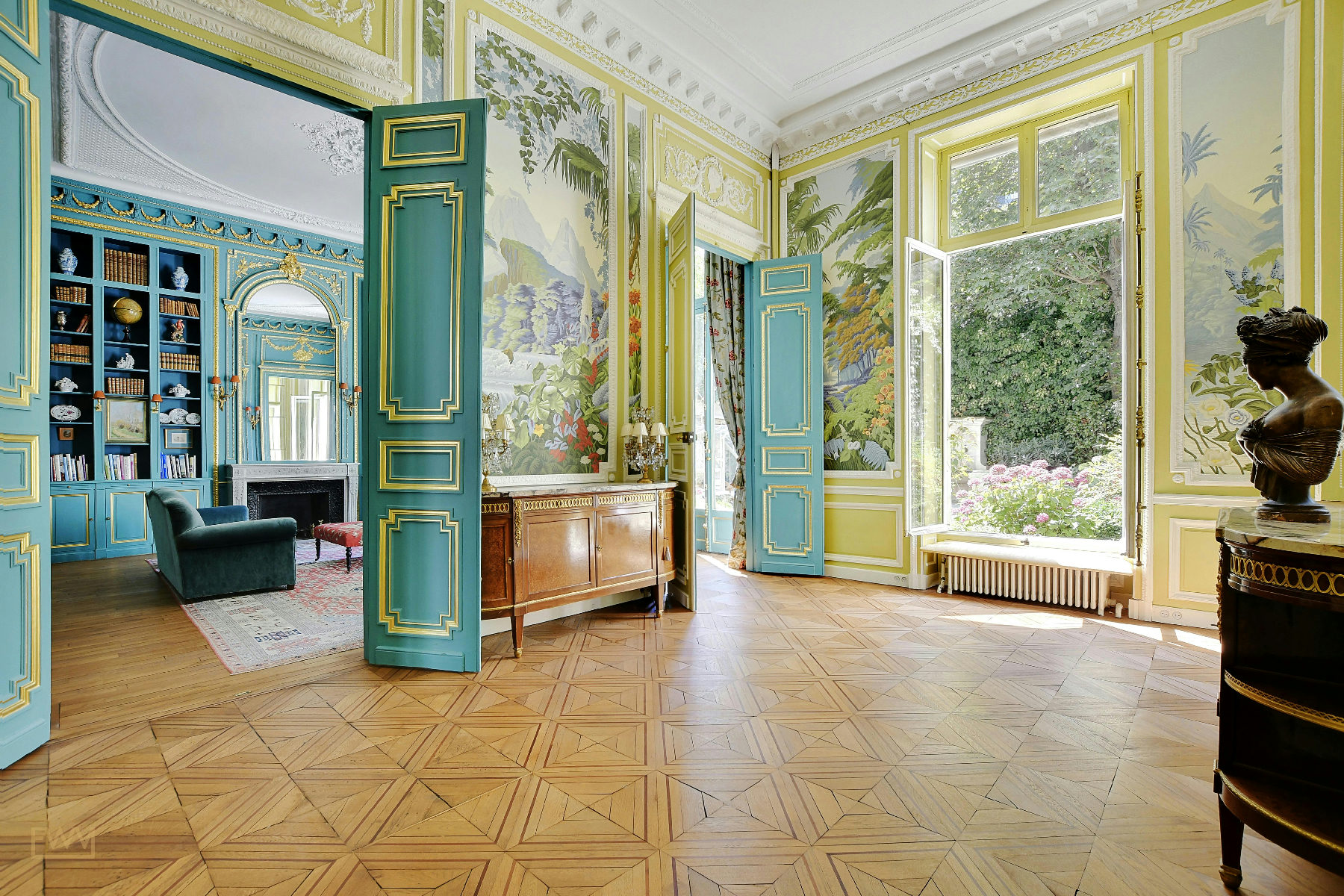
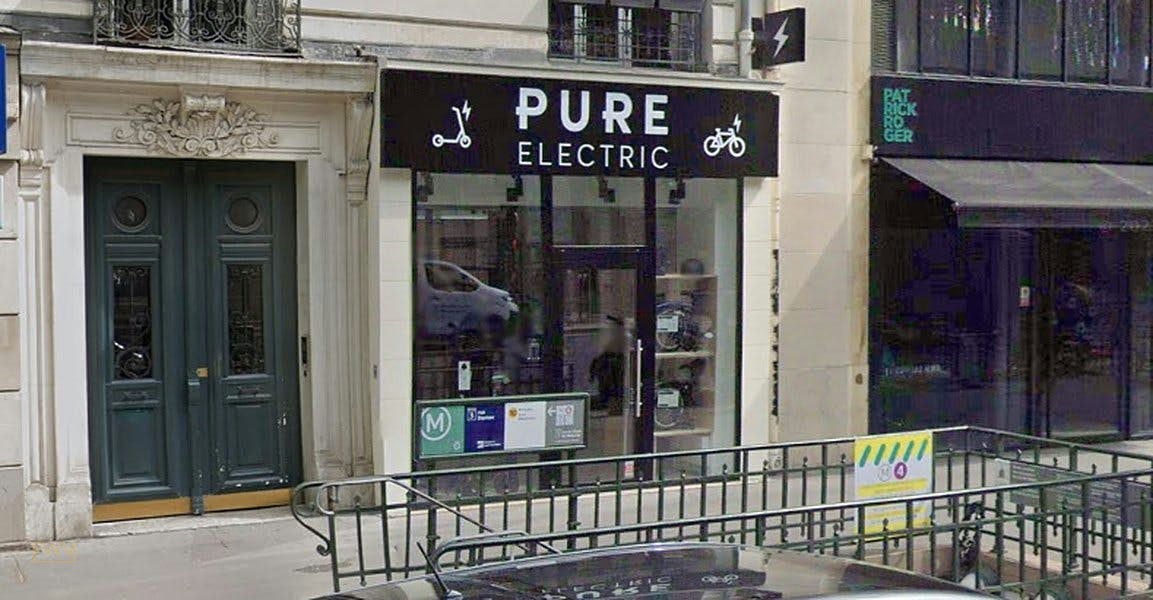
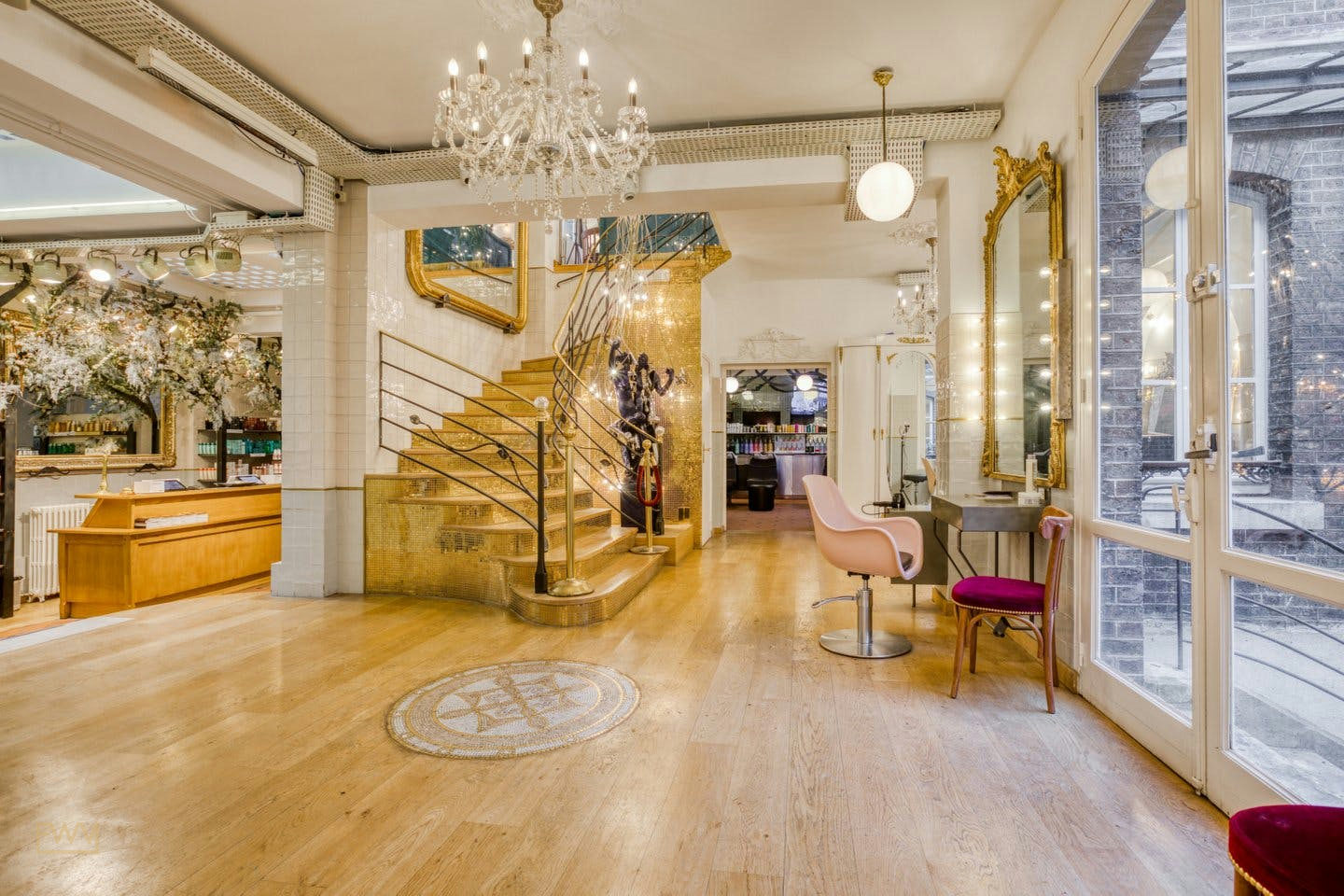
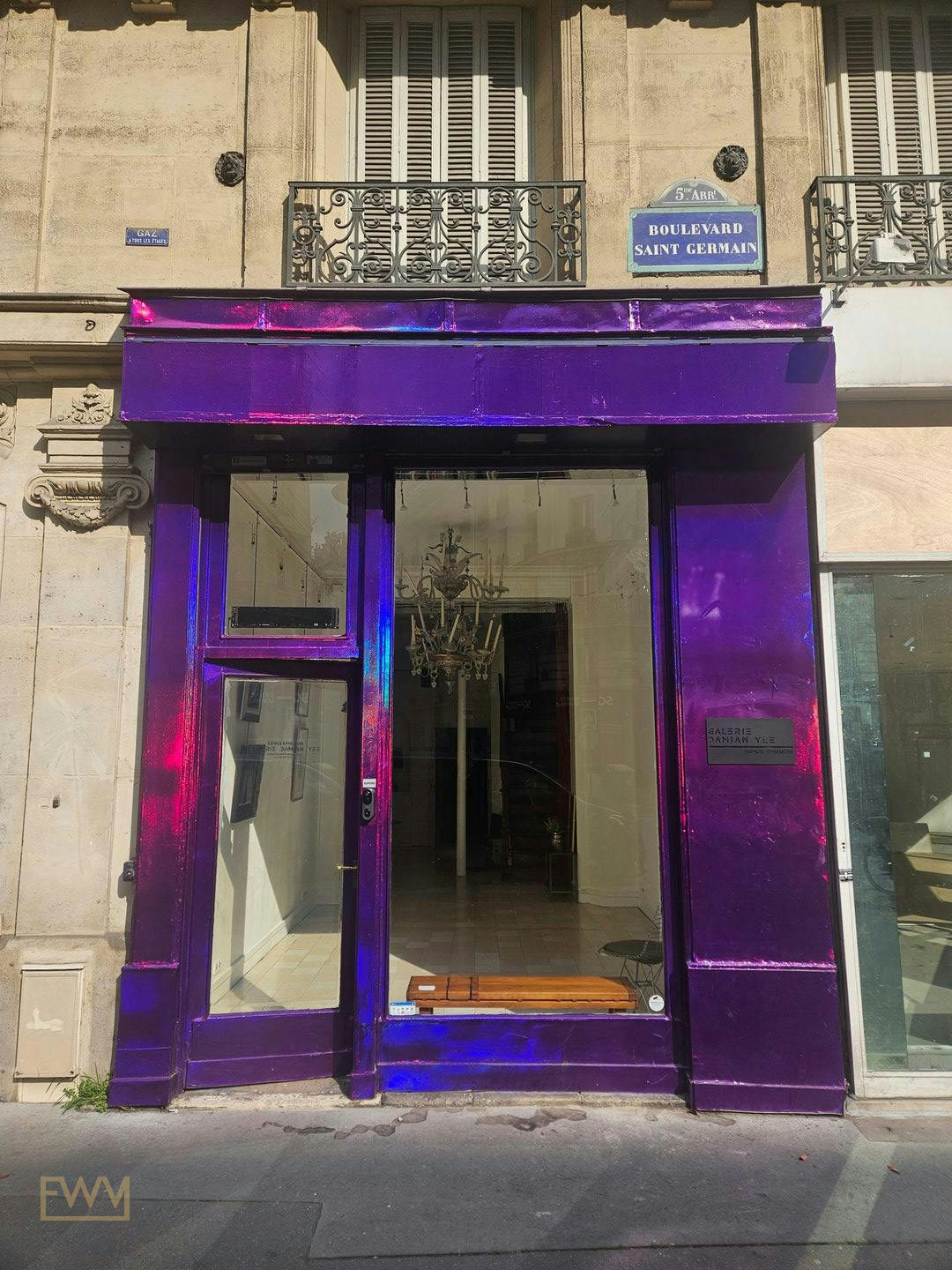
Finding the right retail space for rent in Paris is one of the most consequential decisions a fashion brand, luxury label, or creative concept will make before launching in the French capital. Paris is not a single market. It is a mosaic of arrondissements, each with its own customer profile, foot traffic pattern, permit environment, and rent dynamic. Whether you are planning a pop-up store in Le Marais, a fashion showroom near Place Vendôme, or a temporary retail activation timed to Paris Fashion Week, the quality of your space decision shapes everything that follows: your brand positioning, your sales performance, and the press and social media coverage you generate. Fashion Week Venues supports brands searching for pop-up spaces in Paris across every major neighbourhood, from the Golden Triangle to Saint-Germain-des-Prés and beyond.
What Is Retail Space for Rent in Paris and Why It Matters for Fashion Brands
Quick answer: Retail space for rent in Paris refers to any commercially lettable unit, storefront, gallery, showroom, or temporary venue available on a short-term or medium-term basis, typically used by fashion brands, luxury labels, and creative businesses for direct consumer sales, brand activations, press events, or product launches.
Paris occupies a unique position in global commerce. As one of the four major fashion capitals alongside New York, London, and Milan, it attracts international brands, emerging designers, and heritage maisons who each require physical space to present their work, meet buyers and press, sell to consumers, and build brand equity in one of the world's most discerning markets. The demand for short-term retail spaces and pop-up shops in Paris has grown considerably over the past decade, driven by the rise of direct-to-consumer brand strategies, the compression of traditional retail lease terms, and the increasing value brands place on experiential retail.
Unlike a standard commercial property in Paris, which typically requires a three-six-nine lease under French commercial law, short-term retail arrangements give brands the flexibility to test a neighbourhood, validate a concept, or align an activation with a specific calendar moment such as Paris Fashion Week. The French legal framework accommodates this through two main instruments: the bail dérogatoire, a short-term commercial lease that can run for up to three years without triggering full commercial lease protections, and the Autorisation d'Occupation Temporaire, or AOT, which governs temporary use of certain public or institutional spaces. Understanding which instrument applies to your situation is critical before signing any agreement.
Retail space in Paris spans an enormous range of formats. A brand might rent a 40-square-metre boutique storefront in the 4th arrondissement for two weeks during Fashion Week, or lease a 300-square-metre gallery space in the 8th for a month-long immersive experience. Others rent fashion showrooms near Rue du Faubourg Saint-Honoré to receive buyers and press, or studio photo spaces in the Marais for campaign shoots that double as consumer events. Each format carries different permit requirements, different cost structures, and different audiences.
The commercial real estate landscape in Paris is also far more fragmented than many international brands expect. Unlike platforms such as LoopNet or CoStar that aggregate commercial properties in markets like the United States, Paris listings are scattered across local property agents, agences immobilières, direct landlord relationships, and specialist short-term retail platforms. Navigating this without local expertise or a specialist agency means brands frequently overpay, choose the wrong arrondissement, or discover too late that the space does not meet their permit, access, or build requirements.
DID YOU KNOW: Paris has 20 arrondissements, each managed by its own Mairie, and local regulations governing commercial signage, temporary retail, and public-facing activations can vary meaningfully between them.
KEY TAKEAWAY: Retail space for rent in Paris encompasses a wide spectrum of formats, legal structures, and neighbourhood dynamics. Brands that treat the search as a standard real estate transaction typically encounter delays, compliance issues, or a poor strategic fit between space and brand positioning. The next section maps Paris's key retail neighbourhoods so brands can match their concept to the right geography from the outset.
Paris Retail Neighbourhoods: Where to Rent Space and Who Shops There
Quick answer: The best neighbourhood for your Paris retail space depends on your brand positioning, target customer, price point, and activation format. Le Marais suits contemporary and emerging labels; the Golden Triangle and Saint-Honoré corridor serve luxury and heritage brands; Saint-Germain-des-Prés attracts an affluent literary and design-conscious clientele; and Pigalle and Montmartre draw streetwear and youth culture audiences.
Paris does not have a single prime retail corridor. It has several, each operating as a distinct micro-market with its own rent levels, visitor profile, foot traffic rhythm, and brand adjacency expectations. Getting the neighbourhood right before committing to a space is one of the highest-leverage decisions in any Paris retail activation.
Le Marais: The 3rd and 4th Arrondissements
Le Marais is Paris's most internationally recognised neighbourhood for contemporary fashion, art, and design retail. Centred on streets like Rue des Francs-Bourgeois, Rue Vieille du Temple, and the area around Place des Vosges, the Marais draws a blend of affluent Parisians, international tourists, and fashion-conscious visitors who arrive specifically to browse boutiques and galleries. The neighbourhood's historic Haussmann buildings provide beautiful storefronts with high ceilings, original stone features, and, in some cases, polished concrete or raw concrete floors that work well for contemporary brand aesthetics. Pop-up stores and temporary retail activations are common in the Marais, and local landlords and property agents are generally familiar with short-term rental arrangements. The neighbourhood also has a high concentration of art gallery spaces that brands rent for immersive activations rather than traditional retail.
The Golden Triangle: 8th Arrondissement and the Champs-Élysées Corridor
The 8th arrondissement, bounded by Avenue des Champs-Élysées, Avenue Montaigne, and Avenue George V, is the heart of Paris luxury retail. Brands operating here include the world's most recognised luxury maisons, and the clientele reflects that positioning: high-net-worth individuals, international luxury travellers, and wholesale buyers. Retail space on Avenue des Champs-Élysées commands the highest rents in the city and attracts significant footfall, though the visitor mix is heavily tourist-oriented. Streets like Rue de Marignan, Rue Washington, Rue Boissière, and Boulevard Malesherbes offer alternative access points within the same prestigious arrondissement. Place de la Madeleine and the surrounding streets, including Rue du Quatre Septembre and the stretch toward Boulevard Haussmann, represent a transitional zone between the luxury Golden Triangle and the more commercial central districts.
Saint-Honoré and Place Vendôme: The Luxury Showroom Corridor
Rue du Faubourg Saint-Honoré and the streets radiating from Place Vendôme represent Paris's most prestigious fashion showroom territory. Brands that rent here are not always operating consumer-facing retail; many use these spaces exclusively for press appointments, buyer meetings, and VIP clientele. The fashion showroom format is dominant in this area during the Paris Fashion Week calendar windows, when international press and buyers descend on the city. Space availability in this corridor is extremely limited during peak calendar moments, and brands need to plan their rental timeline six to twelve months in advance to secure suitable venues.
Saint-Germain-des-Prés: The 6th Arrondissement
Saint-Germain-des-Prés attracts an affluent, culturally engaged clientele with strong spending power and a preference for considered, design-led brands over mass-market names. The neighbourhood suits brands in ready-to-wear, jewellery, accessories, books, and homewares. Storefronts here tend to be smaller than those in the 8th, but the neighbourhood's consistent foot traffic from residents and culturally engaged visitors makes it a reliable choice for short-term retail with an editorial feel.
Pigalle, Montmartre, and the 9th Arrondissement
Pigalle and the lower slopes of Montmartre have become increasingly relevant for streetwear, sneaker, music, and youth culture brands. The neighbourhood around Galeries Lafayette and Printemps on Boulevard Haussmann provides very high foot traffic from a broad demographic, making it suitable for brands that need volume exposure rather than niche positioning. Rue Paul Cézanne and nearby streets offer smaller commercial spaces that suit emerging brands or secondary activations.
Beyond the Core: Châtelet, Bercy, Latin Quarter, and Montparnasse
The Châtelet area, including Rue de Rivoli, provides some of the highest raw footfall numbers in Paris but skews toward mass-market and tourist retail. Bercy, in the 12th arrondissement, has developed as a venue for large-scale brand events and experiential activations, particularly around the Bercy Arena. The Latin Quarter and Montparnasse attract student and academic populations alongside culturally engaged visitors, suiting brands with a younger or more intellectual positioning.
To compare neighbourhoods and space types, explore the Paris city hub on Fashion Week Venues and shortlist spaces that match your brief, budget, and calendar window.
| Neighbourhood | Primary Customer Profile | Best For | Space Types Available | Relative Rent Level |
|---|---|---|---|---|
| Le Marais (3rd and 4th) | Affluent Parisians, international fashion visitors | Contemporary fashion, art, design, pop-up stores | Boutique storefront, gallery, studio photo | High |
| Golden Triangle / Champs-Élysées (8th) | Luxury travellers, high-net-worth individuals | Luxury retail, large-format activations | Flagship storefront, showroom, gallery | Very High |
| Saint-Honoré / Vendôme (1st and 8th) | Press, buyers, VIP clientele | Fashion showrooms, press events | Fashion showroom, private suite | Very High |
| Saint-Germain-des-Prés (6th) | Affluent residents, culturally engaged visitors | RTW, jewellery, accessories, homewares | Boutique storefront, charming boutique | High |
| Pigalle / Montmartre (9th and 18th) | Youth culture, streetwear audience | Streetwear, sneakers, music and culture brands | Storefront, event space | Medium |
| Châtelet / Rivoli (1st) | High-volume mixed foot traffic | Mass exposure, tourist-facing retail | Storefront, commercial unit | Medium to High |
| Bercy (12th) | Event-goers, broad demographic | Large-scale experiential, event-led activations | Warehouse, event venue | Medium |
| Latin Quarter / Montparnasse (5th and 6th) | Students, academics, culturally engaged visitors | Emerging brands, editorial concepts | Small storefront, studio, gallery | Lower to Medium |
KEY TAKEAWAY: Each Paris arrondissement serves a distinct audience and positions brands differently in the eyes of the press, buyers, and consumers. Choosing the right neighbourhood is a brand strategy decision as much as a logistics one, and the right choice depends entirely on who you are trying to reach and what impression you want to make. The next section explores the different formats of retail space available in Paris and how each serves different brand objectives.
Types of Retail Space Available for Rent in Paris
Quick answer: Paris offers an exceptionally wide range of short-term and medium-term retail space formats, from small boutique storefronts and gallery spaces in the Marais to large fashion showrooms near Place Vendôme, studio photo spaces, charming heritage boutiques, and warehouse-scale experiential venues in Bercy and beyond.
One of the most common mistakes brands make when searching for retail space in Paris is approaching the market with a single format in mind. The city's commercial real estate landscape rewards flexibility, and understanding the full range of space types available helps brands identify creative solutions that match both their budget and their brand positioning ambitions.
Pop-Up Store and Temporary Retail Spaces
Pop-up stores are the dominant format for international brands entering Paris for short-term activations. A pop-up store in Paris typically operates for between one week and three months, although some brands extend activations to six months under bail dérogatoire arrangements. Pop-up spaces range in size from compact 30-square-metre storefronts in the Marais to 500-square-metre multistorey venues in the 8th arrondissement. The defining characteristic of a pop-up store is its temporary nature: it is designed to create urgency, generate social media coverage, and deliver a concentrated brand experience within a defined calendar window. Paris Fashion Week is the most common trigger for pop-up activations, but brands also time their spaces to align with major trade events, art fairs, and tourist season peaks.
Fashion Showroom Spaces
Fashion showrooms serve a fundamentally different purpose from consumer-facing retail spaces. A showroom in Paris is primarily used to receive press, buyers, and wholesale clients during the trade calendar windows: January for menswear and couture, March for womenswear, June for menswear again, and July for haute couture. Showroom spaces near Rue du Faubourg Saint-Honoré, Place Vendôme, and Rue de la Baume in the 8th arrondissement are the most sought-after. They typically feature clean, neutral interiors with strong natural light or adjustable spotlights, enough floor space for garment rails and lookbook presentations, and secure access for private appointments. Brands sometimes combine showroom and consumer-facing retail functions in the same space during different periods of the same rental term.
Gallery and Art Space Formats
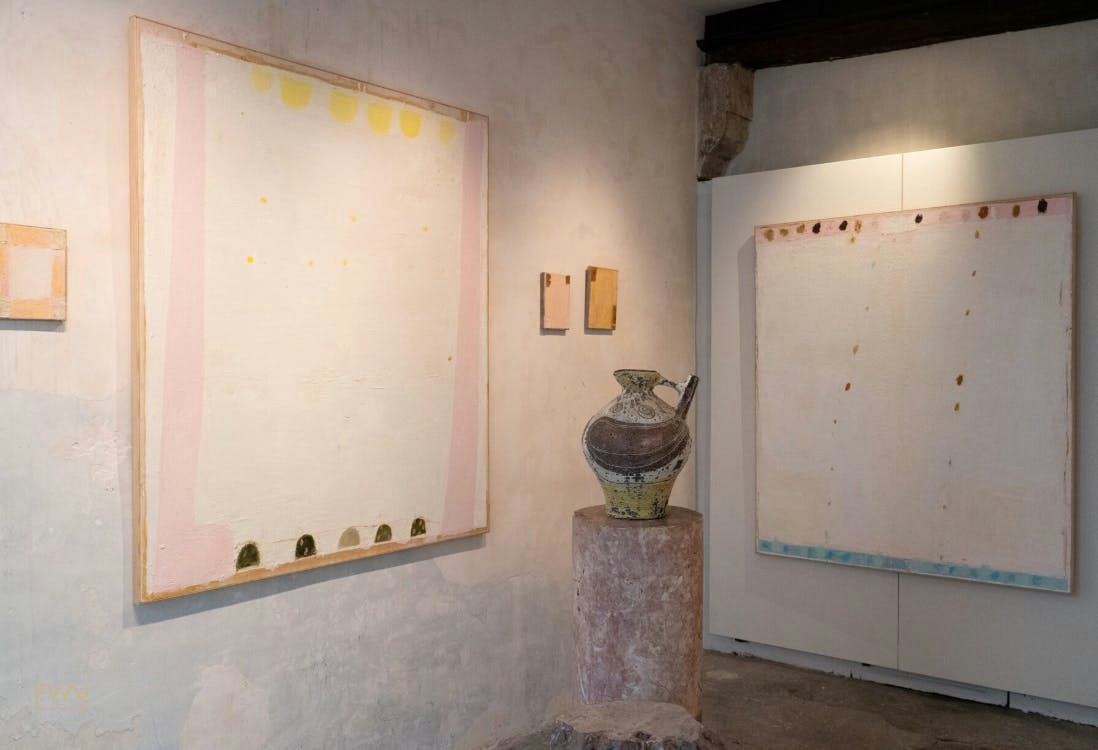
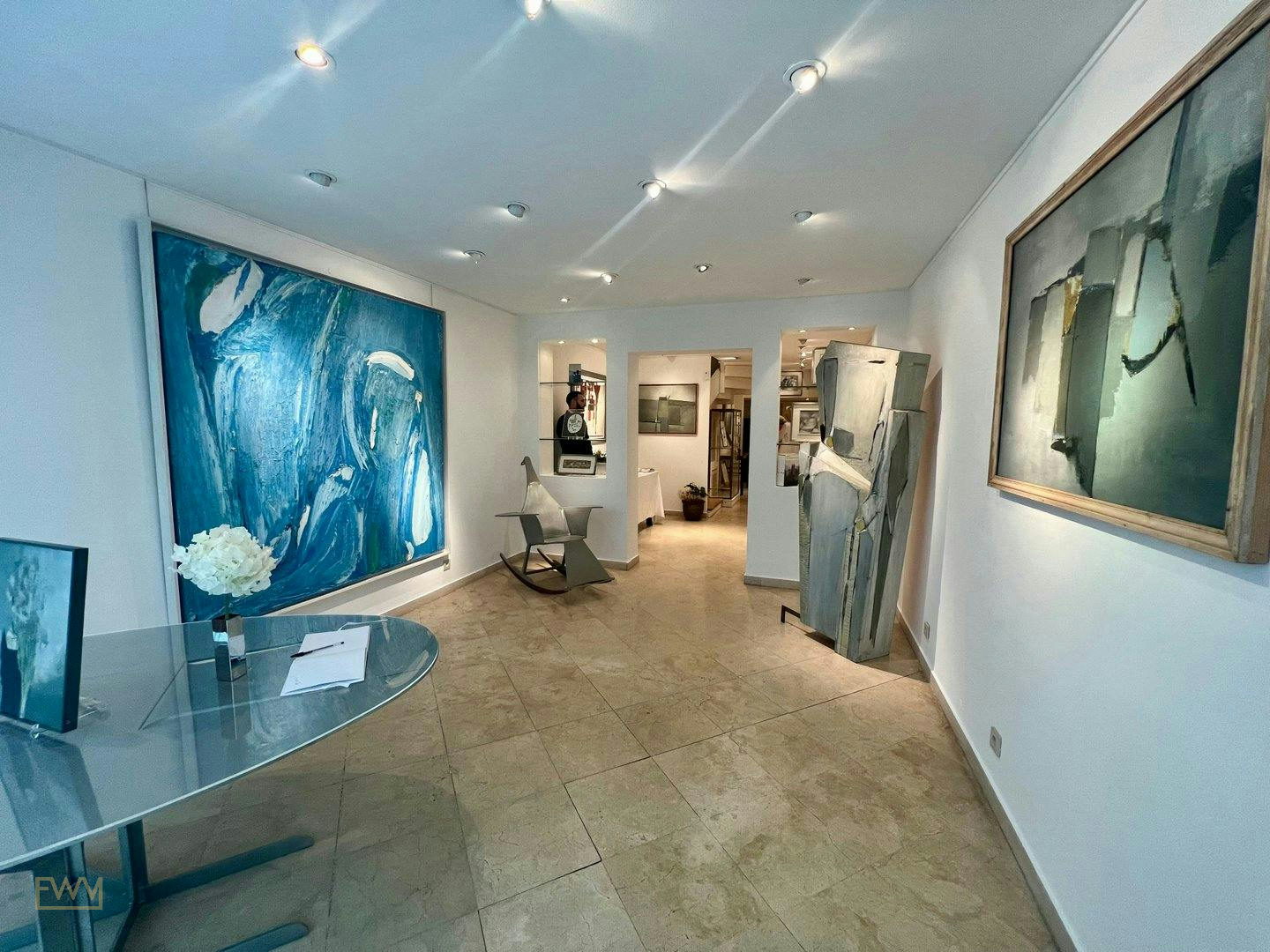
Gallery spaces offer fashion brands a prestigious, editorial context for their activations. An art gallery format, with white walls, polished concrete floors, spotlights, and high ceilings, signals cultural credibility and positions the brand within Paris's art and design ecosystem. Many of the Marais's best temporary retail spaces are former or active galleries that landlords make available for short-term commercial use outside their exhibition calendar. Gallery formats work particularly well for jewellery, fragrance, and luxury accessories brands that want to present their products as objects of cultural significance rather than mere commodities.
Boutique Storefronts and Charming Boutiques
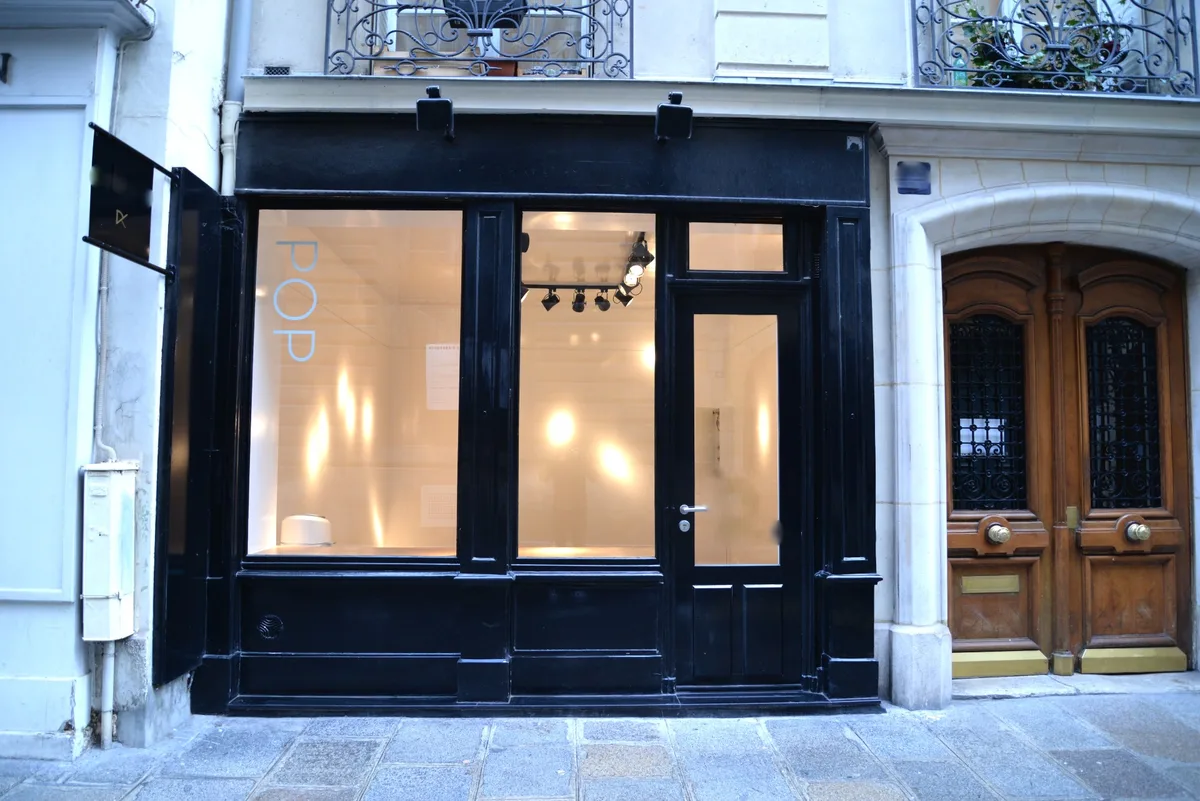
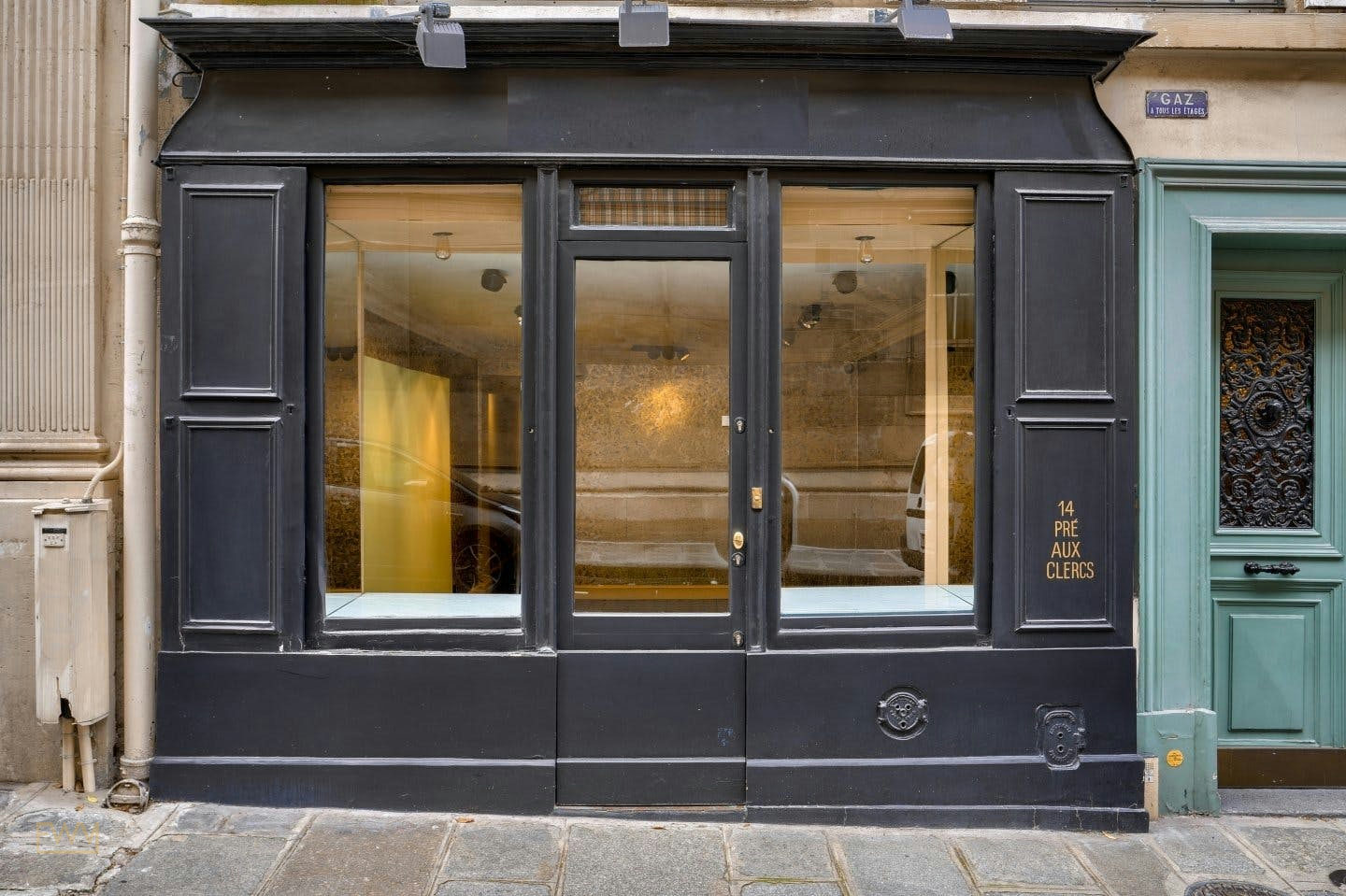
Paris is home to thousands of small, character-filled storefronts that carry enormous brand appeal for international visitors. A charming boutique with original stone walls, timber beams, or a distinctive Haussmann facade can do more for a brand's Instagram presence and press coverage than a generic commercial unit three times its size. These spaces are particularly popular in the Marais, Saint-Germain-des-Prés, and parts of Montmartre, where the built environment itself becomes part of the brand story.
Studio Photo Spaces
Studio photo spaces are increasingly used by fashion brands for activations that blend content creation with consumer experience. A brand rents a studio photo space not just to shoot its campaign but to invite press, influencers, and VIP clients to participate in a creative moment. Studios with natural light, raw concrete floors, and adjustable lighting rigs are particularly in demand in the Marais, the 10th arrondissement, and parts of the 11th.
Large-Format Commercial and Event Venues
For brands planning large-scale immersive experiences, product launches, or multi-brand activations, Paris offers a range of larger commercial spaces in former industrial buildings, converted warehouses, and institutional venues. Bercy, the 13th arrondissement, and parts of the 11th provide this format at more accessible rent levels than the prime fashion districts. These spaces typically require more significant fit-out investment but offer the scale to create genuinely memorable experiential retail environments.
KEY TAKEAWAY: The format of your Paris retail space should follow directly from your activation objectives. A press-facing showroom requires entirely different criteria from a consumer-facing pop-up store, and the two should not be evaluated using the same checklist. The next section addresses the practical process of searching for and securing a retail space in Paris.
How to Search for and Secure Retail Space for Rent in Paris
Quick answer: Searching for retail space in Paris requires using multiple channels simultaneously: specialist short-term retail platforms, local property agents and agences immobilières, direct outreach to landlords, and full-service agencies like Fashion Week Venues that combine space sourcing with activation support. No single platform aggregates the entire Paris short-term retail market.
The Paris commercial real estate market for short-term retail is notably fragmented. Unlike long-term commercial leases, which are more consistently listed through established commercial real estate agents and platforms, short-term retail and pop-up spaces are often held by a combination of specialist platforms, private landlords, local agences immobilières, and full-service retail activation agencies. Understanding the search landscape before you begin saves significant time and reduces the risk of missing your ideal space to a faster-moving competitor.
Specialist Short-Term Retail Platforms
Specialist platforms exist specifically to list short-term retail spaces in Paris and other European cities. These platforms typically allow brands to filter listings by arrondissement, space type, square metres, available dates, floor and access specifications, and space features such as lighting type, flooring material, and facade quality. When evaluating a listing, brands should look carefully at the photos, the space specifications including floor area in square metres, ceiling height, floor type (polished concrete, raw concrete, timber, stone), and any restrictions on signage, lighting modifications, or structural changes. Most specialist platforms allow saved searches and email alerts so that brands are notified when new matching spaces become available.
Local Property Agents and Commercial Real Estate Professionals
Local property agents in Paris, including both independent agences immobilières and commercial real estate specialists, often have access to spaces that are never publicly listed. These off-market opportunities are particularly common in the most desirable arrondissements, where landlords prefer to work with trusted intermediaries rather than fielding open enquiries. Working with a local property agent who specialises in short-term commercial use can unlock access to spaces that simply do not appear on any public platform. The trade-off is that agents typically charge a fee or commission that adds to the total cost of the rental, and their knowledge of pop-up specific requirements such as permit types, fit-out flexibility, and activation logistics may be limited compared to a full-service specialist agency.
Full-Service Agencies: The Fashion Week Venues Approach
Full-service agencies like Fashion Week Venues combine space sourcing with the broader activation infrastructure that brands need to go from an empty space to a fully operational retail environment. Rather than simply connecting a brand with a landlord, a full-service agency manages the entire process: identifying spaces that match the brand brief, negotiating rental terms, advising on permit requirements, managing the fit-out and production, supplying furniture, staffing the space, and providing data and analytics on performance. This model is particularly valuable for international brands entering Paris for the first time, where local knowledge of permit requirements, reliable local suppliers, and the nuances of specific streets and arrondissements can make the difference between a successful activation and a costly, stressful experience. You can review how this process works on the Fashion Week Venues process page.
The Search and Shortlisting Process: A Step-by-Step Workflow
| Step | Action | Key Considerations | Timeline Before Activation |
|---|---|---|---|
| 1 | Define your brief | Neighbourhood, size, format, dates, budget, brand positioning | 6 to 12 months prior |
| 2 | Begin platform searches and set alerts | Use multiple platforms and save searches for new listings notifications | 6 to 9 months prior |
| 3 | Engage specialist agency or local property agent | Share your brief; request off-market options | 6 to 9 months prior |
| 4 | Visit and shortlist spaces | Evaluate floor type, ceiling height, lighting, access, facade, and neighbourhood foot traffic | 4 to 6 months prior |
| 5 | Review permit requirements | Determine applicable legal framework: bail dérogatoire, AOT, or other; verify with legal advisor | 4 to 6 months prior |
| 6 | Negotiate rental terms | Duration, rent level, fit-out rights, reinstatement obligations, break clauses | 3 to 5 months prior |
| 7 | Plan and commission fit-out | Design brief, contractor selection, materials, furniture, lighting, signage | 2 to 4 months prior |
| 8 | Finalise staffing, POS, and operations | Retail staff, payment systems, inventory management, brand training | 4 to 6 weeks prior |
| 9 | Launch and manage the activation | Day-to-day operations, influencer and press visits, social media coverage | Activation period |
| 10 | Close, measure, and debrief | Sales data, foot traffic, social reach, press coverage, customer feedback | Immediately post-activation |
TIP: The most competitive spaces in Le Marais, the Faubourg Saint-Honoré corridor, and Place Vendôme are often reserved six to twelve months in advance for Fashion Week windows. If your activation is tied to a specific Fashion Week calendar date, begin your search as early as possible and have a backup neighbourhood brief ready.
KEY TAKEAWAY: Searching for retail space in Paris requires a multi-channel approach, a well-defined brief, and ideally a partner with direct relationships in your target neighbourhood. The earlier you begin the search process, the better your options. The next section addresses the critical topic of permits and legal compliance for short-term retail in Paris.
Permits, Regulations, and Legal Frameworks for Short-Term Retail in Paris
Quick answer: Short-term retail in Paris operates primarily under two legal frameworks: the bail dérogatoire for temporary commercial leases of up to three years, and the Autorisation d'Occupation Temporaire for certain public or institutional spaces. Local regulations governing signage, hours of operation, and structural modifications vary by arrondissement. Always verify requirements with a qualified French legal advisor before signing any agreement.
Permit and compliance requirements are among the most consistently underestimated challenges for international brands entering the Paris retail market. Unlike some markets where short-term commercial use is relatively lightly regulated, Paris operates a detailed regulatory framework that governs everything from the type of lease instrument you use to the signage you can display on a facade, the hours during which you can receive deliveries, and the structural modifications you are permitted to make to a listed building interior.
Bail Dérogatoire: Short-Term Commercial Leases
The bail dérogatoire, sometimes referred to as a short-term commercial lease or a lease dérogatoire, allows parties to agree a commercial rental arrangement of up to three years without triggering the full protections of the French commercial lease statute (the statut des baux commerciaux). This is the most commonly used legal instrument for pop-up stores, temporary retail spaces, and fashion showrooms in Paris. The key practical implication is that the landlord retains more flexibility to recover the space at the end of the agreed term, which suits short-term activation structures. However, it also means tenants have fewer legal protections than under a full commercial lease. Brands should ensure the bail dérogatoire clearly specifies the permitted use, the fit-out rights, the reinstatement obligations, and the notice provisions. This is not a document to sign without specialist review.
Autorisation d'Occupation Temporaire
The AOT is a different instrument that governs temporary use of public domain spaces, including certain institutional buildings, public plazas, and government-owned properties. Some of Paris's most architecturally striking event and retail spaces operate under AOT arrangements rather than standard commercial leases. The AOT is typically non-renewable, cannot be transferred, and carries specific conditions set by the issuing authority. Brands using an AOT-governed space must comply strictly with the conditions attached to the authorisation, which may include restrictions on the type of commercial activity permitted, the duration of each activation session, and the fit-out modifications allowed.
Signage, Facade, and Structural Regulations
Paris has strict regulations governing exterior signage, facade modifications, and temporary structures on or attached to buildings. These regulations are particularly rigorous in protected historic zones, which cover large parts of the 1st, 3rd, 4th, 6th, and 8th arrondissements. Brands planning large-format exterior graphics, illuminated signage, temporary facade wraps, or window installations should verify the applicable regulations with the relevant Mairie and, where the building is listed, with the Architectes des Bâtiments de France. Requirements vary by arrondissement and by the specific designation of the building.
IMPORTANT: Do not assume that because a landlord has agreed to your proposed fit-out and signage in the lease, the relevant municipal authority has also approved it. Landlord consent and regulatory approval are separate matters in Paris, and brands have faced costly last-minute disruptions by failing to distinguish between the two.
For an initial orientation on permit types and requirements, the Fashion Week Venues permit guidance tool provides a structured starting point. All specific legal questions should be referred to a qualified French legal advisor with experience in commercial property and temporary retail.
KEY TAKEAWAY: The French regulatory framework for short-term retail is more complex than most international brands anticipate. Understanding the distinction between a bail dérogatoire and a standard commercial lease, and between landlord consent and municipal regulatory approval, is foundational to a successful Paris activation. The next section examines the cost of renting retail space in Paris and how to build a realistic activation budget.
The Cost of Renting Retail Space in Paris: Budget Realities and Planning Guidance
Quick answer: The cost of retail space for rent in Paris varies enormously by neighbourhood, space type, size, and rental duration. Prime spaces in the Golden Triangle, Place Vendôme, and Faubourg Saint-Honoré command the highest rents in Europe. Directional cost estimates should be treated as indicative only, and brands should use a structured budget tool to model their specific scenario before committing to any space.
Budget is the single variable that most constrains or enables a brand's Paris retail strategy. Paris is an expensive market, and the cost of the rental itself is rarely the largest line item in a total activation budget. Fit-out, production, staffing, logistics, and marketing typically combine to significantly exceed the bare rental cost, particularly for brands aiming to create a premium brand experience in a premium location.
Rental Cost Drivers in Paris
Several factors drive the cost of a Paris retail space rental. Location is the most significant: a space on Rue du Faubourg Saint-Honoré or Avenue des Champs-Élysées will cost many times more than a comparable space in the Latin Quarter or Bercy. Size is the second major driver, with most Paris spaces priced either as a weekly or monthly flat rate or on a per-square-metre basis. Duration matters too: most landlords apply a premium to very short-term rentals (less than two weeks) because the administrative cost and opportunity cost of the arrangement are higher relative to a longer booking. The calendar window is also a significant price driver: spaces during Paris Fashion Week windows in January, March, June, and July typically command a significant premium over the same space during quieter calendar periods. Finally, space quality and configuration matter: spaces with polished concrete floors, original stone features, high ceilings, professional spotlights, and strong natural light command more than generic commercial units, because they reduce the brand's fit-out investment and produce better visual content.
Total Activation Budget: Beyond the Rental
A realistic Paris pop-up activation budget must account for the rental, the fit-out and production, furniture and fixtures, staffing, point-of-sale and payment infrastructure, logistics and shipping, permits and legal advice, insurance, marketing and influencer activity, and post-activation reinstatement costs. For brands new to Paris, the total cost of a two-week pop-up activation in a mid-sized Marais space with a quality fit-out typically runs significantly higher than the rental cost alone suggests. Brands consistently underestimate fit-out costs, staffing costs (French employment law requirements and agency fees apply), and logistics costs for importing product to France.
To build a brand-specific estimate before committing to a space, use the Fashion Week Venues budget planning tool, which provides a structured framework for modelling activation costs across all major line items.
DID YOU KNOW: Reinstatement obligations under French lease law can require tenants to restore a space to its original condition at the end of the rental term, including removing all fit-out elements, repainting walls, and repairing any structural modifications. Failing to budget for reinstatement is a common and costly oversight for international brands.
How Fashion Week Timing Affects Cost
Paris Fashion Week occurs four times per year, broadly in January, March, June, and July, covering menswear, couture, womenswear, and resort collections across the official calendar and its surrounding orbit of presentations, showrooms, and activations. Demand for prime retail space surges during these windows, and landlords price accordingly. Brands that need to be present during Fashion Week should either book their space well in advance at the non-peak rate if the landlord allows advance reservation, or budget for the Fashion Week premium. Some brands deliberately schedule their activations in the weeks immediately before or after Fashion Week, when spaces are more available, rents are lower, and the city is still animated by the residual attention of the fashion calendar.
KEY TAKEAWAY: Rental cost is only one component of the total investment in a Paris retail activation. A realistic budget must account for fit-out, staffing, logistics, marketing, permits, and reinstatement. Starting with a structured budget model before selecting a space helps brands avoid the common mistake of committing to a rental they cannot fully activate within their total budget. The next section explains how Fashion Week Venues helps brands navigate every stage of this process.
How Fashion Week Venues Helps Brands Find and Activate Retail Space in Paris
Fashion Week Venues is a full-service pop-up shop agency and space marketplace that supports fashion brands, luxury labels, and creative businesses in finding, activating, and measuring temporary retail spaces across Paris and other major fashion capitals. The agency's model is designed specifically for international brands entering Paris, where the combination of language barriers, unfamiliar regulatory frameworks, fragmented space markets, and compressed activation timelines creates significant operational risk for teams working without local expertise.
Space Discovery and Venue Sourcing
The Fashion Week Venues marketplace provides a curated selection of Paris retail spaces across major neighbourhoods, filterable by size, space type, neighbourhood, and available dates. The venue sourcing service goes further, pairing brands with a specialist who understands both the space market and the brand's creative and commercial objectives. This combination of platform browsing and expert-led search is particularly valuable for brands that need a specific type of space (for example, a polished concrete gallery with a Marais address and a glazed facade) that may not surface through a generic property search.
Concept Direction and Branded Store Design
Once a space is identified, Fashion Week Venues offers concept direction and branded store design services that translate the brand's identity into a physical retail environment. This includes the overall spatial concept, material selection, fixture and furniture design, lighting strategy (including spotlight configuration, ambient lighting, and facade illumination), and the visual merchandising logic that drives both aesthetic impact and conversion. The imagine tool on the Fashion Week Venues platform allows brands to visualise how a space might look with different design configurations before committing to a build.
Production, Build, and Furniture Rental
The production and build service manages the physical transformation of the space from its empty state to a fully fitted brand environment. This includes contractor management, materials procurement, build scheduling, and quality control. The furniture rental service allows brands to specify and source the furniture and display fixtures they need without purchasing assets that will only be used for a short activation period, reducing cost and logistics complexity significantly.
Retail Staffing, POS, and Operations
Operating a retail space in Paris requires compliance with French employment law, which is considerably more complex than many international brands expect. Fashion Week Venues provides retail staffing solutions that include recruitment, contracts, payroll compliance, brand training, and day-to-day management of the retail team. The POS and payments service ensures that the space can process transactions smoothly from day one, with systems that support multi-currency payments and generate the sales and foot traffic data that brands need to evaluate performance.
Data, Analytics, and ROI Measurement
Measuring the return on a Paris retail activation requires more than counting sales. Fashion Week Venues provides data and analytics services that capture foot traffic, dwell time, conversion rates, average transaction value, and social media reach generated by the activation. The ROI calculator tool on the platform allows brands to model expected returns before the activation and compare against actuals during and after. This data infrastructure is particularly valuable for brands that need to justify their Paris investment to internal stakeholders or board-level decision makers.
Which Brand Teams Benefit Most
The Fashion Week Venues model is most valuable for: international brands entering Paris for the first time without an established local team; brands with compressed timelines that need a turnkey solution rather than a multi-vendor coordination challenge; brands that want to combine space sourcing with production, staffing, and measurement in a single managed relationship; and brands that are evaluating multiple cities simultaneously and need a consistent methodology across Paris, London, Milan, New York, Tokyo, and Dubai. The agency's twin concept also enables two complementary brands to co-activate in a single space, sharing costs while amplifying each other's audience reach.
KEY TAKEAWAY: Fashion Week Venues combines a curated space marketplace with a full suite of activation services, making it a practical partner for brands that need more than a landlord introduction. The agency's value is greatest for brands that face a combination of tight timelines, unfamiliar markets, and ambitious brand positioning goals. The next section addresses the most common myths and misconceptions about renting retail space in Paris.
Paris Retail Space: Key Decision Factors and What to Evaluate Before You Commit
Quick answer: Before committing to a retail space in Paris, brands should evaluate foot traffic quality and volume, neighbourhood brand adjacency, space configuration and technical specifications, permit compatibility with their planned activation, reinstatement obligations, and total activation cost including fit-out and staffing, not just the headline rental rate.
The decision to commit to a specific Paris retail space should be systematic rather than instinctive. Many brands are seduced by a beautiful space or a prestigious address without fully evaluating whether the space can deliver their activation objectives within their budget and timeline. A structured evaluation framework prevents costly mistakes and helps brands make a defensible decision that the whole team can align behind.
Foot Traffic: Volume, Quality, and Rhythm
Foot traffic in Paris is not uniform within a neighbourhood, let alone across the city. A street in Le Marais that is busy on weekend afternoons may be relatively quiet on Tuesday mornings. A location near Galeries Lafayette on Boulevard Haussmann generates enormous raw foot traffic but the visitor mix may not match a premium brand's target clientele. Brands should visit their shortlisted spaces at different times of day and on different days of the week before making a decision. They should also consider how the traffic rhythm aligns with their activation format: a press-and-buyer showroom needs different traffic patterns from a direct consumer pop-up.
Space Technical Specifications: The Details That Drive Fit-Out Cost
The technical specifications of a Paris retail space have a direct impact on fit-out cost and brand experience quality. Key factors to evaluate include: ceiling height (which determines whether hanging installations and tall display fixtures are possible); floor type (polished concrete, raw concrete, timber, stone, and tile each carry different costs to build on and different aesthetic implications); natural light (north-facing spaces with poor natural light require more significant artificial lighting investment); electrical capacity (older buildings in Paris often have electrical systems that cannot support high-intensity retail lighting without upgrades); loading access (ground-floor access with a direct street-level entrance dramatically reduces logistics costs compared to upper-floor spaces with lift-only access); and facade quality and orientation (a south-facing glazed facade generates better natural light and better street visibility than a north-facing rendered wall).
Brand Adjacency and Neighbourhood Positioning
The brands and businesses that surround your space in Paris are part of your brand statement. A jewellery brand opening a pop-up next to a luxury leather goods maison in the 1st arrondissement communicates something very different from the same brand opening in a shared multi-brand space near a mass-market department store. Brand adjacency should be evaluated deliberately, not as an afterthought.
Using the Fashion Week Venues Comparison and Locator Tools
The compare tool and locator tool on the Fashion Week Venues platform allow brands to evaluate multiple shortlisted spaces against each other using consistent criteria, and to visualise their positions within their target neighbourhood in relation to key landmarks, competitor brands, transport links, and visitor flow patterns. The timeline tool helps brands map their space decision against the broader activation calendar, ensuring that fit-out, staffing, and launch timelines are achievable within the rental period. Use the activation timeline planning tool to validate your schedule before committing to a rental start date.
| Evaluation Factor | What to Look For | Common Mistake |
|---|---|---|
| Foot traffic volume | Consistent pedestrian flow at your target trading hours | Visiting only once, on a weekend afternoon |
| Foot traffic quality | Visitor profile matches your target customer demographic | Optimising for volume rather than fit |
| Ceiling height | Minimum 3 metres for most fashion retail; higher for gallery formats | Discovering too late that key installations are not possible |
| Floor type | Compatible with brand aesthetic and fit-out approach | Underestimating cost of floor treatment or protection |
| Natural light | Glazed facade or strong skylights reduce artificial lighting cost | Failing to visit at different times of day |
| Electrical capacity | Sufficient amperage for planned lighting rig and POS systems | Discovering electrical limitations during fit-out week |
| Loading access | Direct street-level access with vehicle access nearby | Underestimating logistics cost for upper-floor or courtyard spaces |
| Permit compatibility | Planned use, signage, and fit-out are permissible under applicable regulations | Assuming landlord approval equals regulatory approval |
| Reinstatement obligations | Clear specification of what must be restored at end of term | Failing to budget for full reinstatement costs |
| Brand adjacency | Surrounding businesses align with or enhance brand positioning | Treating location purely as a logistical question |
KEY TAKEAWAY: A systematic evaluation of space options against consistent criteria prevents the most common and costly mistakes in Paris retail space selection. Brands that evaluate technical specifications, permit compatibility, and total activation cost alongside location and aesthetics make better decisions and deliver better activations. The next section addresses five of the most persistent myths about renting retail space in Paris.
Common Myths About Renting Retail Space in Paris: Debunked
MYTH: You need a French legal entity to rent a retail space in Paris.
FACT: International brands can rent short-term retail and pop-up spaces in Paris without establishing a French legal entity, although the specific arrangements depend on the rental structure, the landlord's requirements, and the nature of the commercial activity. Many international brands rent through a bail dérogatoire as a foreign entity, sometimes with the support of a French-based guarantor or agency partner. However, requirements vary by landlord, space type, and duration, and brands should always verify their specific situation with a qualified French legal advisor before assuming a particular structure will work.
MYTH: Paris Fashion Week is the only viable calendar window for a Paris retail activation.
FACT: Paris Fashion Week creates the most intense concentration of industry attention, but it is not the only viable window for a retail activation. Many brands achieve excellent results by timing their activations to coincide with Maison et Objet, the Paris Art Fair, major trade events, the Christmas gifting season, or the peak summer tourist period. Off-Fashion Week activations often benefit from lower rental premiums, better space availability, and a consumer audience that is not competing with the industry's internal agenda for attention.
MYTH: Commission brokers are the only way to find a short-term retail space in Paris.
FACT: Commission brokers are one channel, but they are not the only or necessarily the best option. Specialist short-term retail platforms, full-service agencies with curated space marketplaces, and direct landlord relationships all provide access to Paris retail spaces, often with better terms, better alignment of the space to the brand's needs, and the additional benefit of activation support services that a commission broker cannot provide. Evaluating multiple channels simultaneously gives brands the widest possible view of the available market.
MYTH: Short-term leases in Paris are legally straightforward and do not require specialist help.
FACT: Short-term commercial leases in Paris, including bail dérogatoire arrangements, involve specific legal provisions governing permitted use, fit-out rights, reinstatement obligations, and the conditions under which the arrangement can convert to or be confused with a full commercial lease. Signing a bail dérogatoire without specialist review exposes brands to significant legal and financial risk, including the possibility of inadvertently acquiring full commercial lease rights and obligations that neither party intended. Specialist legal review is not optional for brands that want to protect their position.
MYTH: The most expensive neighbourhood is always the best choice for brand positioning.
FACT: Brand positioning in Paris is a function of neighbourhood fit, not rent level. A brand that authentically belongs in the Marais or Saint-Germain-des-Prés will generate more credible press coverage, social media engagement, and customer loyalty from a well-chosen space in those neighbourhoods than from an expensive but misaligned space on the Champs-Élysées. The best space for your brand is the one that puts you in front of the right audience in the right context, not necessarily the one with the highest rent.
Frequently Asked Questions About Retail Space for Rent in Paris
What is a pop-up store in Paris?
A pop-up store in Paris is a temporary retail space, typically rented for a period of between one week and three months, used by a brand to sell products directly to consumers, generate press and social media coverage, build brand awareness, and create an experiential retail moment. Pop-up stores in Paris range from small boutique storefronts in Le Marais to large-format gallery spaces in the 8th arrondissement. They are a common and well-understood format in the Paris retail market, and local landlords, property agents, and specialist platforms all offer spaces specifically configured for pop-up use. Pop-up stores allow brands to test the Paris market without the commitment of a permanent commercial lease.
How much does a pop-up shop cost in Paris?
The cost of a pop-up shop in Paris varies significantly by neighbourhood, space size, space quality, rental duration, and calendar window. Prime locations in the Golden Triangle, Place Vendôme, and Faubourg Saint-Honoré command the highest rates, particularly during Paris Fashion Week windows. Mid-tier neighbourhoods such as parts of the Marais, Saint-Germain-des-Prés, and Pigalle offer more accessible entry points. The rental cost is only one component of the total activation budget, which must also include fit-out, staffing, logistics, permits, marketing, and reinstatement. Use the Fashion Week Venues budget planning tool to model your specific scenario rather than relying on generic market estimates.
How do I rent a pop-up shop in Paris?
Renting a pop-up shop in Paris involves defining your brief (neighbourhood, size, format, dates, and budget), searching available listings through specialist platforms and agencies, shortlisting spaces that match your criteria, visiting and evaluating shortlisted options, reviewing the applicable legal framework and permit requirements with a qualified French legal advisor, negotiating and signing a rental agreement (typically a bail dérogatoire for short-term arrangements), managing the fit-out and production, and launching the activation. Full-service agencies like Fashion Week Venues can manage the entire process or specific stages of it, which is particularly valuable for international brands entering Paris without an established local team.
Are pop-up stores common in Paris?
Yes, pop-up stores are extremely common in Paris and are a well-established part of the city's retail landscape. The format is particularly prevalent in Le Marais, Saint-Germain-des-Prés, and the luxury corridors of the 1st and 8th arrondissements. Paris landlords in these areas are generally familiar with short-term retail arrangements, and the city's Fashion Week calendar creates four distinct annual peaks of demand for temporary retail space. The French concept of éphémère (ephemeral) retail aligns culturally with the pop-up format, making Paris one of Europe's most receptive markets for temporary retail activations.
What neighbourhoods are best for pop-up retail in Paris?
The best neighbourhood for pop-up retail in Paris depends entirely on your brand positioning, target customer, and activation format. Le Marais is the most versatile and internationally recognised neighbourhood for contemporary fashion pop-ups. The Faubourg Saint-Honoré and Place Vendôme corridors suit luxury and heritage brands. Saint-Germain-des-Prés attracts an affluent, design-conscious audience. Pigalle and the 9th arrondissement appeal to streetwear and youth culture brands. The Champs-Élysées provides maximum raw exposure but skews heavily toward tourist demographics. A full neighbourhood analysis matched to your specific brand brief is the essential first step in any Paris pop-up strategy.
What is the difference between a bail dérogatoire and a standard commercial lease in France?
A bail dérogatoire is a short-term commercial rental agreement of up to three years that does not carry the full protections of the French commercial lease statute. It gives landlords more flexibility to recover their property at the end of the agreed term and gives tenants fewer statutory rights than a standard commercial lease. A standard commercial lease in France (bail commercial) typically runs for nine years (three, six, nine), grants the tenant significant statutory renewal rights, and is much harder for landlords to terminate early. For pop-up and short-term retail activations, the bail dérogatoire is the appropriate instrument, but its specific terms must be carefully reviewed by a qualified French legal advisor before signing.
Do I need permits to operate a retail pop-up in Paris?
The permit requirements for a retail pop-up in Paris depend on the space type, the planned activation format, the arrondissement, and whether the space involves exterior signage, facade modifications, public-facing events, or structural changes. Most straightforward interior retail pop-ups in commercially designated spaces do not require a separate commercial permit beyond the rental agreement, but exterior signage, temporary structures, food and beverage service, and public events all carry their own permit requirements. Requirements vary by arrondissement and by the heritage designation of the building. Always verify your specific situation with a qualified French legal advisor and use the Fashion Week Venues permit guidance tool as a starting point.
What space features should I look for when renting retail space in Paris?
The most important space features to evaluate when renting retail space in Paris include: ceiling height (minimum 3 metres for most fashion formats), floor type (polished concrete, raw concrete, timber, and stone each suit different brand aesthetics), natural light quality and direction, electrical capacity for your planned lighting rig, loading and access logistics, facade quality and street visibility, and the availability of existing fixtures such as spotlights, display rails, and fitting rooms. Spaces with polished concrete floors and professional spotlights reduce fit-out cost significantly. Raw concrete floors are increasingly popular for editorial and streetwear brand aesthetics but may require surface treatment to achieve the right finish.
Can I use Paris retail space for both a showroom and a consumer pop-up?
Yes, many brands use the same Paris space for multiple purposes across a single rental term. A common approach is to operate the space as a press and buyer showroom during the Paris Fashion Week trade window and then pivot to a consumer-facing pop-up store in the days and weeks following the trade period. This dual-use approach maximises the value of the rental and allows brands to engage both industry and consumer audiences from the same strategic location. The space configuration needs to support both uses, which typically means flexible fixture arrangements and the ability to adjust the merchandising layout between the two modes.
What is the most sought-after location for leasing commercial space in Paris?
The most consistently sought-after locations for commercial space in Paris are the Faubourg Saint-Honoré and Place Vendôme corridor in the 1st and 8th arrondissements, Avenue Montaigne and the broader Golden Triangle in the 8th, and the core streets of Le Marais in the 3rd and 4th arrondissements. Demand in these areas routinely exceeds supply, particularly during Fashion Week windows, and brands that need to be present in these locations should begin their search six to twelve months in advance. The specific streets within these zones that command the highest demand include Rue du Faubourg Saint-Honoré, Rue de Marignan, Rue de la Baume, and the streets immediately surrounding Place des Vosges in the Marais.
How far in advance should I book a Paris retail space for Fashion Week?
For Fashion Week windows in Paris (January, March, June, and July), brands targeting prime locations in Le Marais, the Faubourg Saint-Honoré corridor, or Place Vendôme should ideally begin their search six to twelve months in advance. Even for secondary neighbourhoods and non-peak calendar windows, beginning the search four to six months prior to the desired activation start date is advisable, as the best spaces in any neighbourhood are rarely available at short notice. Brands that start late often face a choice between a suboptimal space in their preferred neighbourhood or a high-quality space in a less strategically aligned location.
What services does a full-service pop-up agency provide for Paris retail activations?
A full-service pop-up agency for Paris retail activations typically provides: venue sourcing and shortlisting, concept direction and branded store design, fit-out production and build management, furniture rental, retail staffing and operational management, POS and payment infrastructure, influencer marketing and social media support, data and analytics on performance, and post-activation measurement including ROI analysis. The advantage of a full-service model over using separate vendors for each function is coherence, accountability, and speed: a single agency managing all elements can typically deliver a Paris activation faster, with fewer coordination risks, than a brand assembling its own vendor ecosystem from scratch in an unfamiliar market.
Is it possible to share a Paris retail space with another brand?
Yes, co-activation or shared pop-up arrangements are increasingly common in Paris and can deliver significant cost and exposure benefits for both participating brands. The key to a successful co-activation is choosing a brand partner whose positioning is complementary rather than competitive: the two brands should appeal to overlapping but not identical audiences, and the space should be large enough to give each brand adequate visual presence without compromising either's brand expression. Fashion Week Venues offers a twin co-activation concept specifically designed for brands that want to share a space strategically rather than simply splitting costs.
How do I evaluate the return on investment from a Paris pop-up retail activation?
Evaluating ROI from a Paris pop-up requires measuring both direct and indirect returns. Direct returns include retail sales revenue, wholesale orders generated, and any direct-to-consumer data captured. Indirect returns include press coverage and estimated media value, social media reach and engagement generated by the activation, brand awareness uplift measured through post-activation research, new customer acquisition, and the long-term commercial value of relationships established with buyers, press, and VIP clients during the activation. The Fashion Week Venues ROI calculator tool provides a structured framework for modelling both direct and indirect returns before and after the activation, helping brands build a complete picture of the investment's commercial impact.
What should I include in a brief for a Paris retail space search?
A well-structured brief for a Paris retail space search should specify: the target neighbourhood or arrondissements (with alternatives if the primary choice is unavailable), the required size in square metres, the preferred space format (pop-up store, showroom, gallery, studio, or combined use), the target activation dates and duration, the headline budget for the rental and total activation, key space requirements (ceiling height, floor type, natural light, loading access, facade specification), brand positioning notes to help the search partner understand the aesthetic and commercial context, and any hard constraints such as requirement for spotlights, polished concrete floors, ground-floor access, or specific distances from key landmarks. The more specific the brief, the faster and more accurately the search can be conducted.
Conclusion: Making the Right Retail Space Decision in Paris
Renting retail space in Paris is a strategic act, not merely a logistics task. The space you choose, in which neighbourhood, in which format, and at which moment in the fashion calendar, determines the audience you reach, the brand impression you make, the press and social media coverage you generate, and the commercial results you achieve. Paris rewards brands that approach this decision with the same rigour and creativity they bring to their product and marketing strategies.
The key principles for any brand entering the Paris retail space market are straightforward. Match your neighbourhood choice to your brand positioning and target customer, not to the most prestigious address your budget can reach. Evaluate spaces on technical specifications and permit compatibility alongside aesthetics and address. Build a realistic total activation budget that accounts for fit-out, staffing, logistics, marketing, and reinstatement, not just the headline rental rate. Start your search early, particularly for Fashion Week windows. And work with partners who understand both the space market and the broader activation requirements that transform an empty room into a compelling brand experience.
Fashion Week Venues combines a curated space marketplace with a full suite of activation services, giving brands a single, accountable partner for every stage of the Paris pop-up journey, from initial space discovery through to post-activation ROI measurement. Whether you are planning your first Paris activation or your fifteenth, the quality of your space partner is one of the most important variables in the outcome. To move from research to activation, start exploring available spaces on the Fashion Week Venues marketplace and build a focused brief for your target neighbourhood, space type, and calendar window.