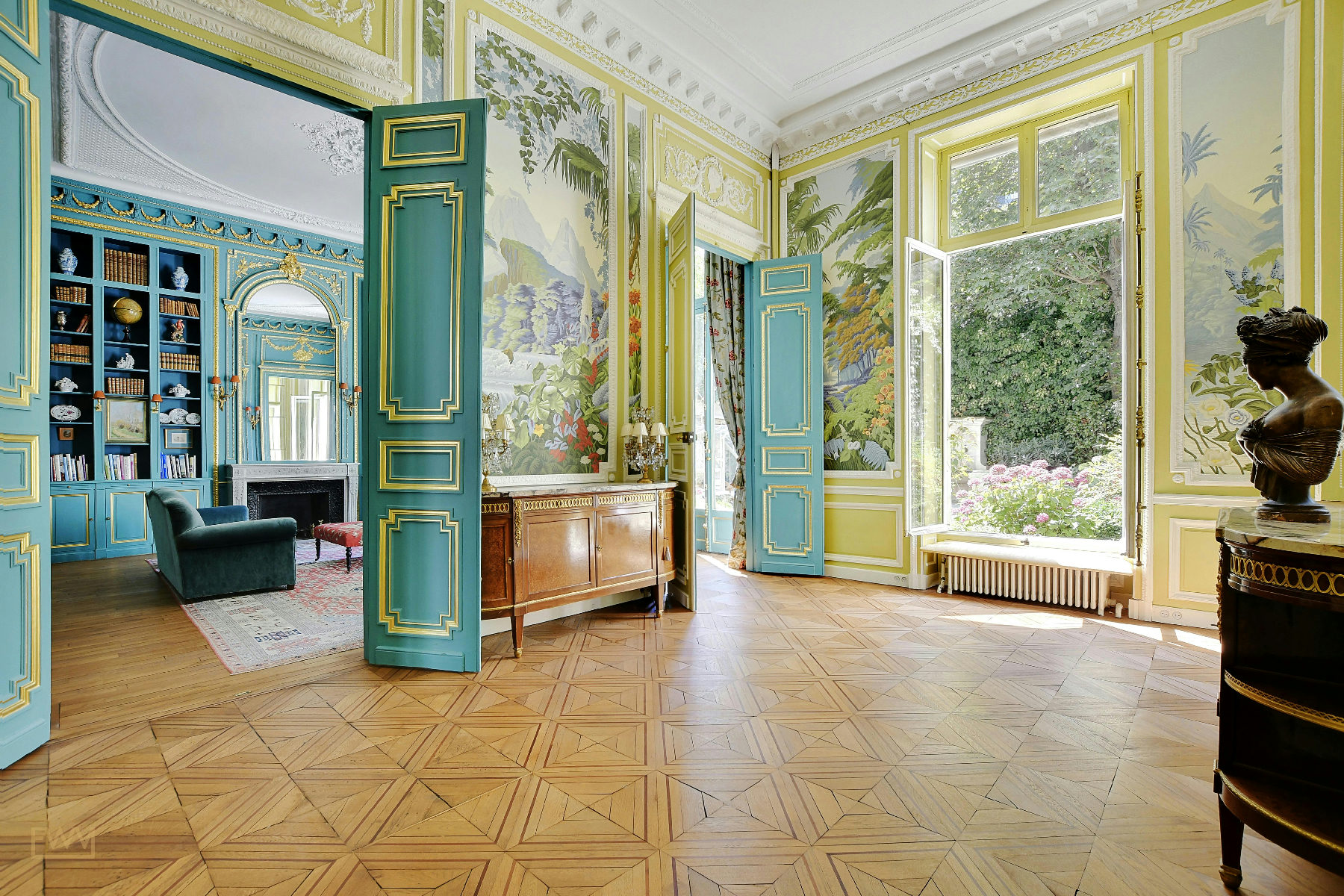
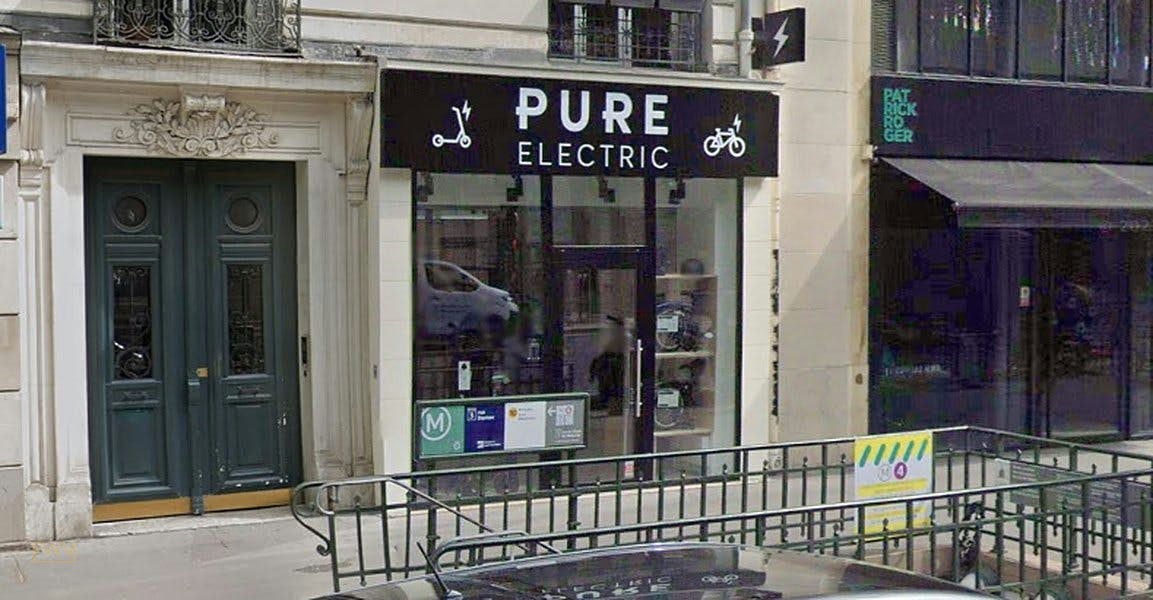
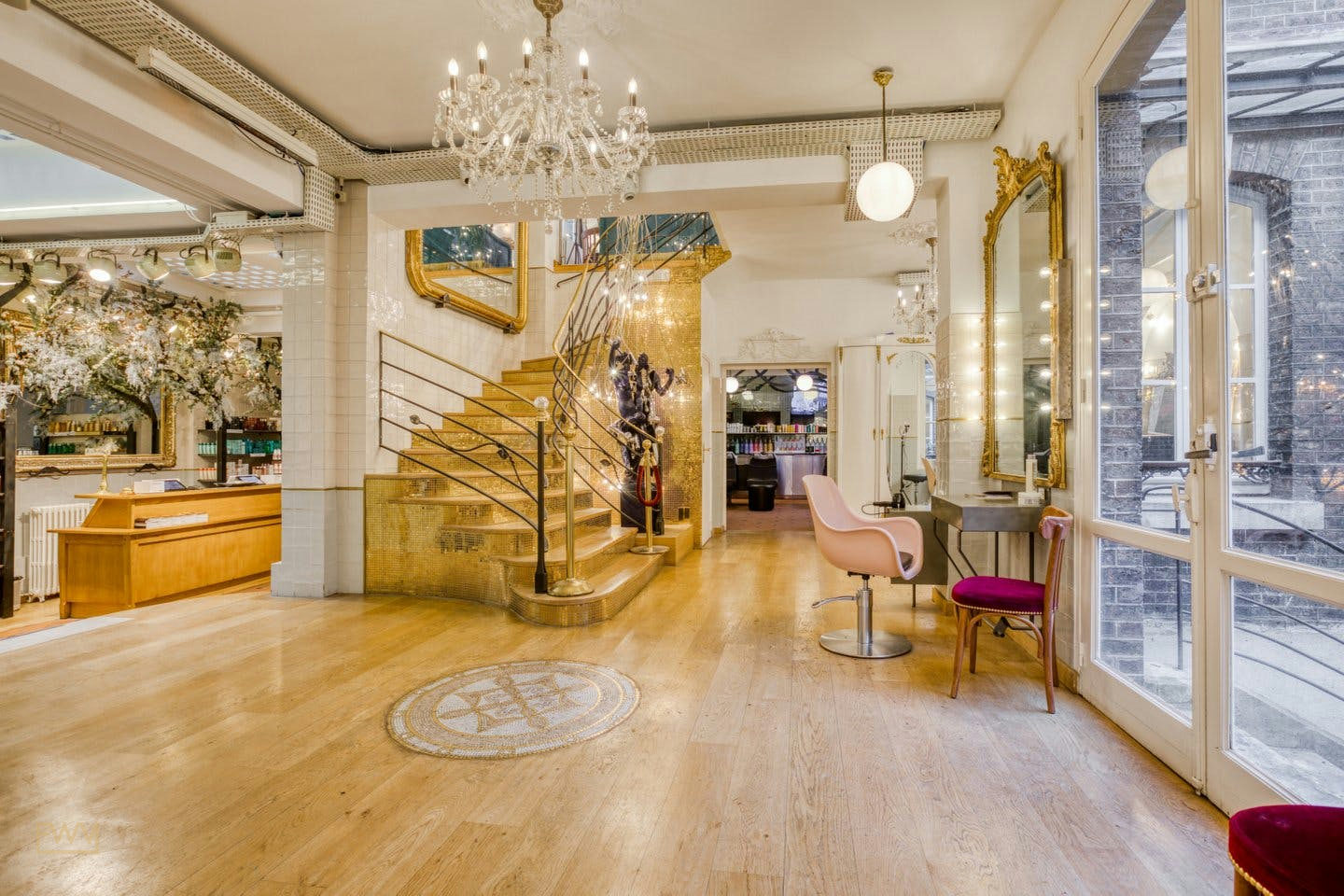
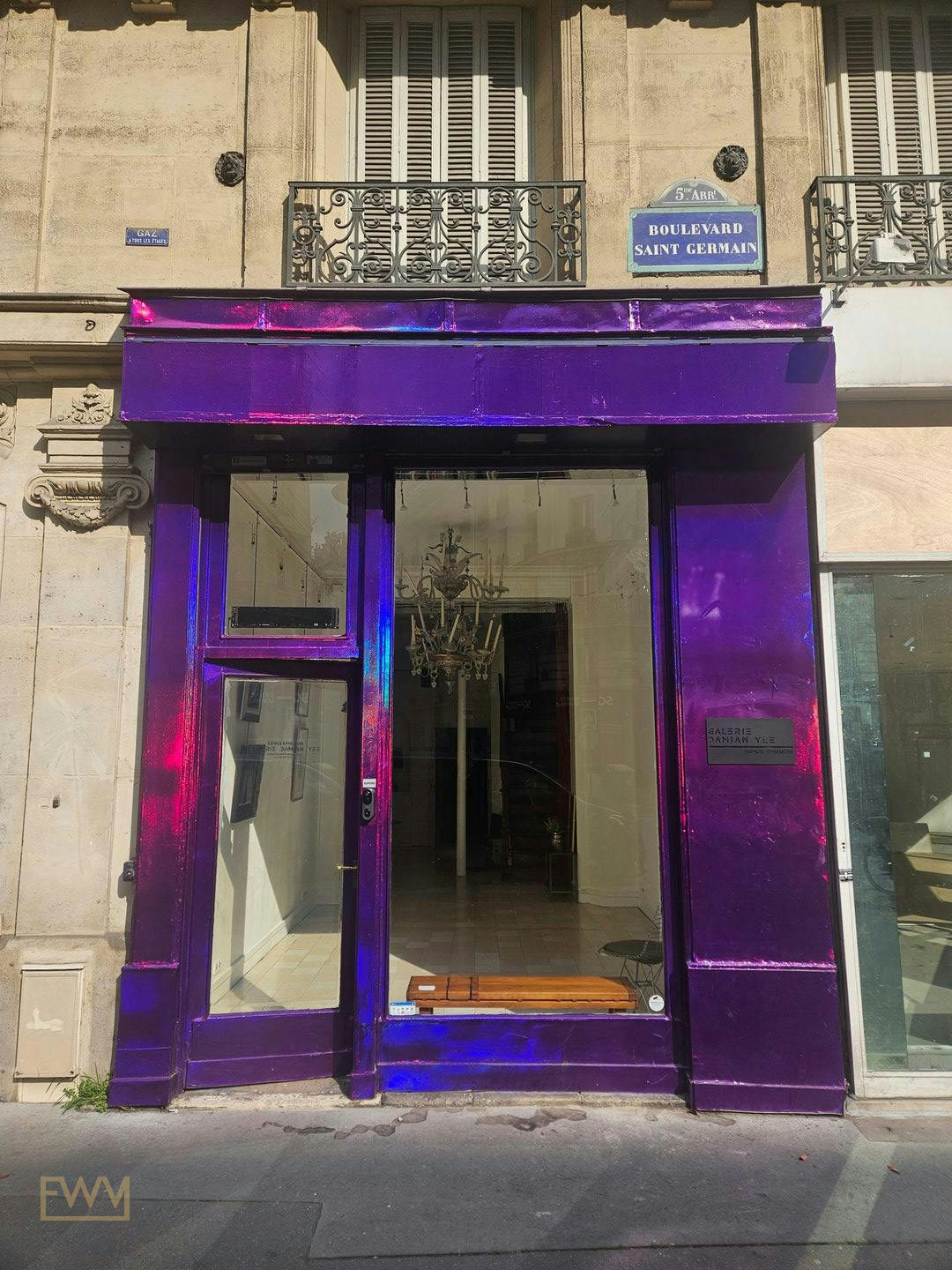
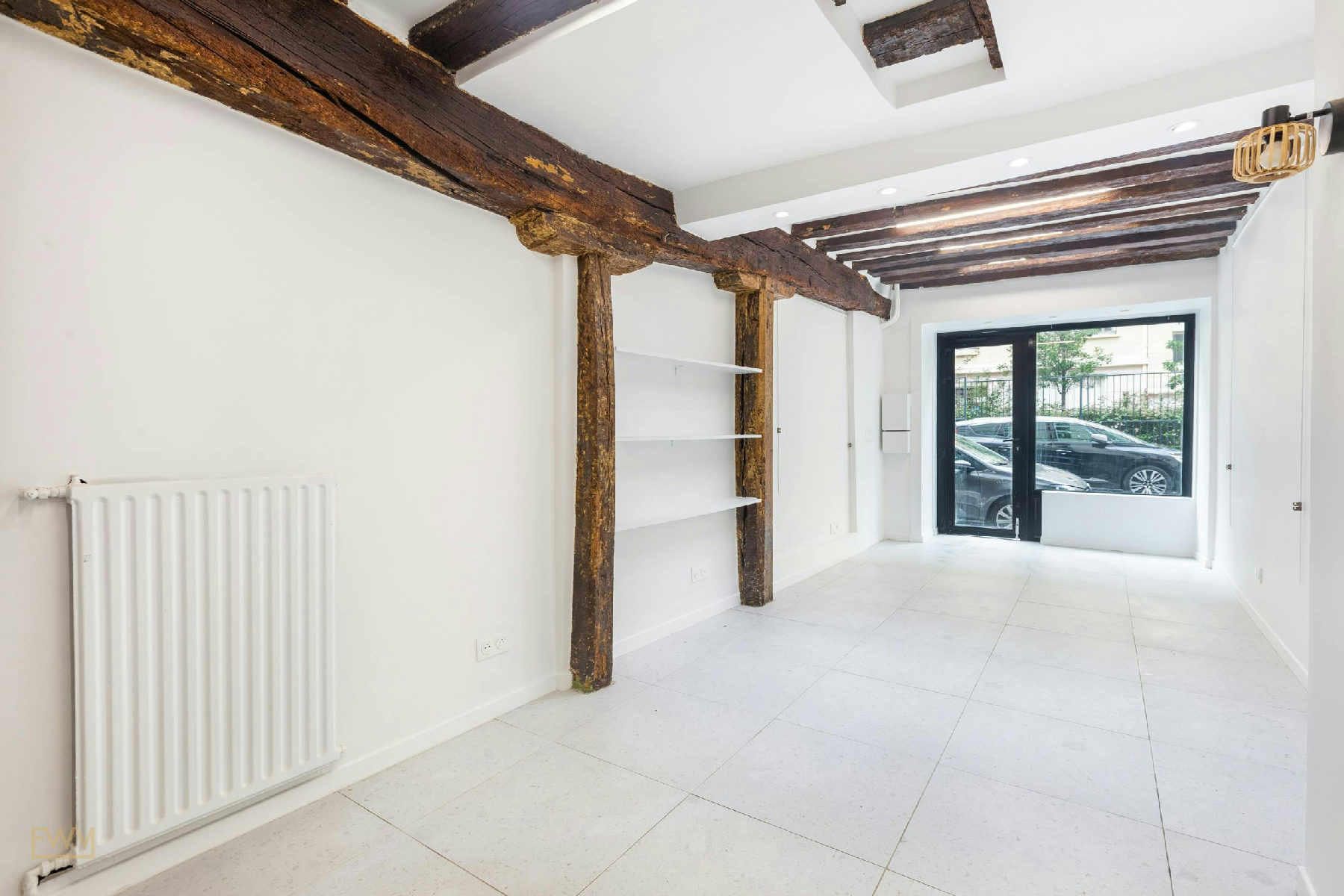
Securing the right short term retail space Paris can define whether a brand activation generates lasting commercial momentum or disappears without trace. Paris is not simply a fashion capital in name; it is the global benchmark for luxury, design, and cultural credibility, and brands that activate here benefit from that association in ways that extend far beyond a single season. Whether you are planning a pop-up store in Le Marais, a fashion showroom near Place Vendôme, or a temporary retail concept along Avenue des Champs-Élysées, the choices you make about location, space type, timing, permits, and operational support will determine your outcome. Fashion Week Venues supports brands finding and activating short-term retail spaces in Paris across every major neighbourhood and calendar window, from Fashion Week to Paris Design Week and beyond.
Why Paris Remains the Global Standard for Short-Term Retail Activations
Paris draws more luxury retail visitors per square kilometre than virtually any other city on earth, and its commercial districts carry a brand equity that no advertising budget can replicate. For brands considering a short-term retail space in Paris, the underlying opportunity is not just sales volume; it is the earned media, influencer attention, press coverage, and clientele credibility that a well-positioned Paris activation delivers.
The city hosts multiple high-density fashion and cultural calendar windows throughout the year. Paris Fashion Week occurs twice annually, covering womenswear collections in January and February for autumn and winter, and in September and October for spring and summer, with menswear and haute couture weeks adding further concentrated footfall periods. Beyond Fashion Week, Paris Design Week, FIAC, and major retail events create additional moments when the city's visitor numbers surge and press and buyer attention intensifies.
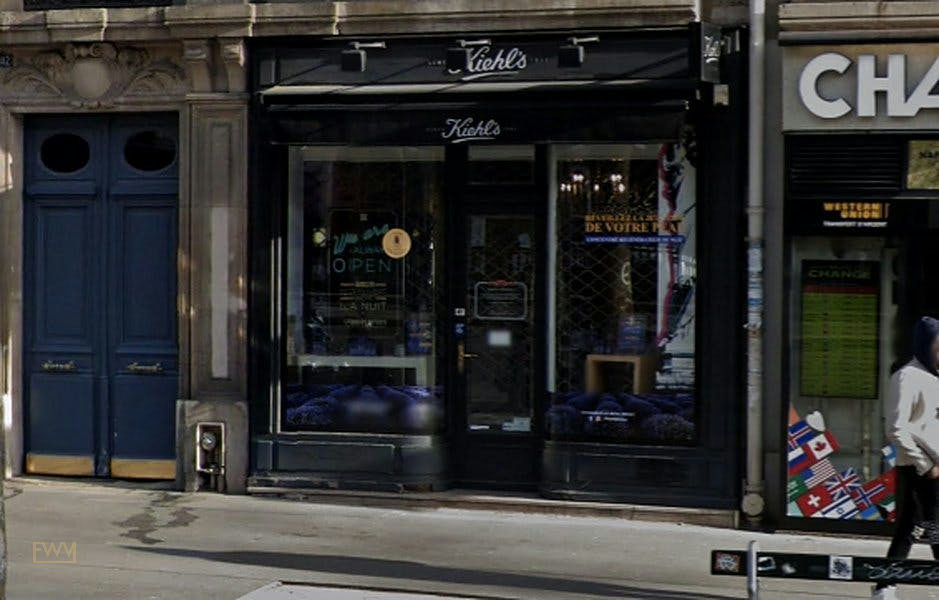
Retail foot traffic in prime Parisian shopping districts remains among the highest in Europe. The Avenue des Champs-Élysées alone draws tens of millions of visitors annually. Rue de Rivoli, Rue Saint-Honoré, the Golden Triangle formed by Avenue Montaigne, Avenue George V, and the Champs-Élysées, and the boutique streets of Saint-Germain-des-Prés all function as proven retail corridors where a correctly positioned pop-up store commands genuine commercial attention.
For international brands entering France for the first time, Paris also functions as a market testing laboratory. A short-term retail space in Paris allows a brand to validate price positioning, assess local clientele response, test product ranging, and gather consumer data before committing to long-term commercial real estate. The temporary nature of the arrangement reduces financial exposure while maximising the intelligence gathered.
Paris also has an established and sophisticated culture of temporary retail. Pop-up stores, concept shops, and brand activations are not novelties here; they are an accepted and expected part of the retail landscape. Department stores including Galeries Lafayette and Printemps regularly collaborate with brands for temporary concessions and concept spaces. Independent gallery and boutique owners across Le Marais and Pigalle frequently rent their spaces on short-term bases. The city's retail ecosystem is genuinely structured to accommodate temporary retail in a way that many other European capitals are not.
DID YOU KNOW: Paris Fashion Week generates significant economic activity across hospitality, retail, and creative industries, with buyers, press, and influencers from more than 100 countries attending each season, creating an unusually concentrated and commercially active audience for any brand with a physical presence in the city during that window.
KEY TAKEAWAY: Paris is not simply a prestigious backdrop for brand activations. It is a commercially and culturally active market where short-term retail spaces deliver measurable returns in sales, earned media, and long-term brand positioning, provided the location, timing, and operational setup are correctly chosen.
Understanding which neighbourhoods match your brand and customer profile is the logical next step after committing to a Paris activation, and the differences between arrondissements are significant enough to make or break a concept.
Parisian Neighbourhoods for Short-Term Retail Space: A District-by-District Guide
The right neighbourhood for your short-term retail space in Paris depends on your brand positioning, target clientele, budget range, and activation objectives. Paris is a city of highly distinct commercial micro-markets, and choosing the wrong arrondissement can significantly undermine even the strongest creative concept.
Le Marais and the 3rd and 4th Arrondissements
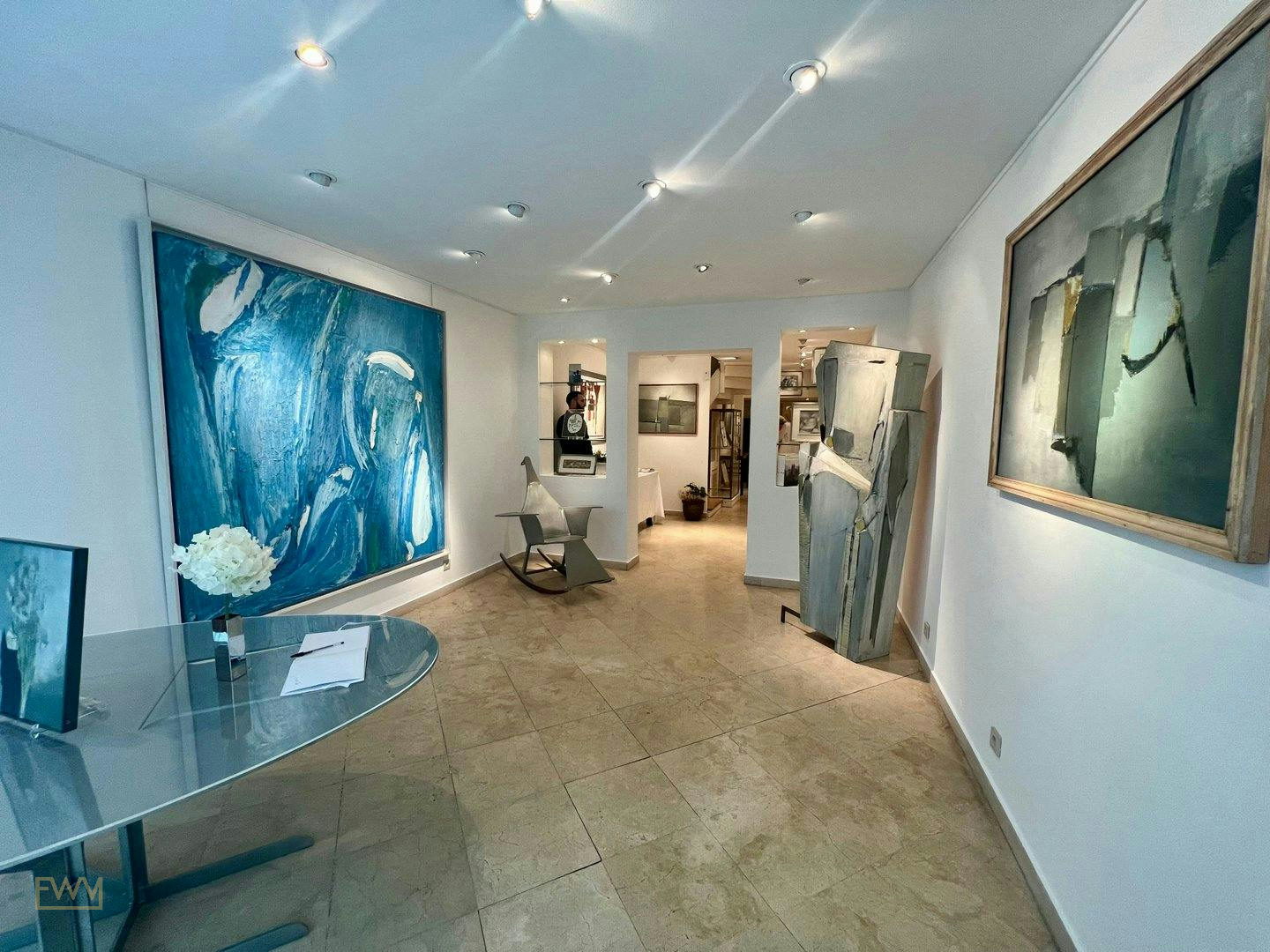
Le Marais is the most consistently popular neighbourhood for pop-up stores, fashion showrooms, and brand activations in Paris. Its combination of high foot traffic, internationally informed clientele, independent boutique culture, and architectural character makes it suitable for a wide range of brand types from luxury streetwear to emerging designers, beauty brands, and lifestyle concepts. Place des Vosges, the oldest planned square in Paris, sits at the heart of Le Marais and provides an extraordinary setting for premium activations. Spaces in this neighbourhood range from raw-wall gallery formats with polished concrete floors and exposed brick to boutique-width storefronts with glass facades and spotlights already installed.
Saint-Germain-des-Prés and the 6th Arrondissement
Saint-Germain-des-Prés carries a literary and intellectual prestige that makes it particularly suited to brands with cultural, art, or design positioning. Foot traffic here is slightly lower than in Le Marais but the clientele is often higher-net-worth and more likely to convert. Boutique spaces along Rue de Seine, Boulevard Saint-Germain, and surrounding streets attract fashion brands, publishers, and lifestyle concepts seeking credibility over volume.
The Golden Triangle and the 8th Arrondissement
The Golden Triangle, defined by Avenue des Champs-Élysées, Avenue Montaigne, and Avenue George V, is the home of Parisian luxury retail at its most concentrated. Short-term retail spaces in this zone command premium rents but deliver unmatched proximity to established luxury brand flagships and the clientele that frequents them. Rue de Marignan, Rue Paul Cézanne, Boulevard Malesherbes, and surrounding streets offer occasional short-term availability for brands seeking a foothold in this district. Place de la Madeleine and 134 Boulevard Haussmann are also viable addresses within the broader 8th arrondissement retail corridor.
Vendôme and the 1st Arrondissement
Place Vendôme and the surrounding 1st arrondissement represent the apex of Parisian retail prestige. This area hosts the world's most recognised jewellery and haute couture maisons. Short-term spaces here are rare and access is typically through specialist agency relationships. The 1st arrondissement also includes Rue de Rivoli, which offers a different retail character with higher volume foot traffic and broader demographic appeal.
Pigalle, Montmartre, and the 9th and 18th Arrondissements
Pigalle has become an increasingly credible destination for streetwear, youth culture, music, and independent fashion brands over the past decade. Its adjacency to Galeries Lafayette and Printemps in the 9th arrondissement means foot traffic from department store visitors adds to the neighbourhood's organic draw. Montmartre in the 18th provides a more artistic and tourist-oriented environment that works well for lifestyle brands, beauty brands, and visual concepts designed to generate social media content.
Rue Washington, Rue de Picpus, Rue Boissière, and Emerging Addresses
Brands seeking lower-cost entry points without sacrificing Paris credibility sometimes target addresses outside the most recognised districts. Streets including Rue Washington, Rue de Picpus, Rue Boissière, Rue de la Baume, and Rue du Quatre Septembre offer commercial spaces in Paris that can deliver strong results for the right brand concept at more accessible rental rates.
Quick answer: The best neighbourhood for a short-term retail space in Paris depends on your brand tier, target customer, and activation objectives. Le Marais suits emerging-to-premium brands with culture-forward positioning. The Golden Triangle and Vendôme suit established luxury brands. Saint-Germain-des-Prés suits art, design, and lifestyle brands. Pigalle suits youth and streetwear brands. Each zone delivers a meaningfully different commercial and creative context.
| Neighbourhood | Primary Arrondissements | Best For | Foot Traffic Level | Typical Space Types |
|---|---|---|---|---|
| Le Marais | 3rd, 4th | Fashion, design, beauty, lifestyle | Very High | Boutique, gallery, showroom |
| Saint-Germain-des-Prés | 6th | Luxury, art, lifestyle, publishing | High | Boutique, concept store |
| Golden Triangle | 8th | Luxury, haute couture, premium | Very High | Retail flagship, showroom |
| Vendôme / 1st | 1st | Jewellery, haute couture, prestige | High | Boutique, atelier, showroom |
| Pigalle / Montmartre | 9th, 18th | Streetwear, youth, beauty, art | High | Gallery, pop-up, studio |
| Champs-Élysées corridor | 8th | Mass market, tourist, flagship | Extremely High | Retail store, kiosk, concession |
To compare neighbourhoods and space types, explore the Paris city hub on Fashion Week Venues and shortlist spaces that match your brief, budget, and calendar window.
KEY TAKEAWAY: No single neighbourhood is universally correct for a Paris pop-up. The decision should be driven by a clear analysis of clientele alignment, brand positioning, calendar timing, and budget, not by prestige alone.
Selecting a neighbourhood is only the first step. Understanding what types of retail space are available and how they differ operationally will directly affect your production costs, permit requirements, and brand experience.
Types of Short-Term Retail Space Available in Paris
Short-term retail spaces in Paris vary enormously in scale, configuration, condition, and permitted use. Matching your brand concept to the correct space type is as important as choosing the right neighbourhood.
Pop-Up Boutique Storefronts
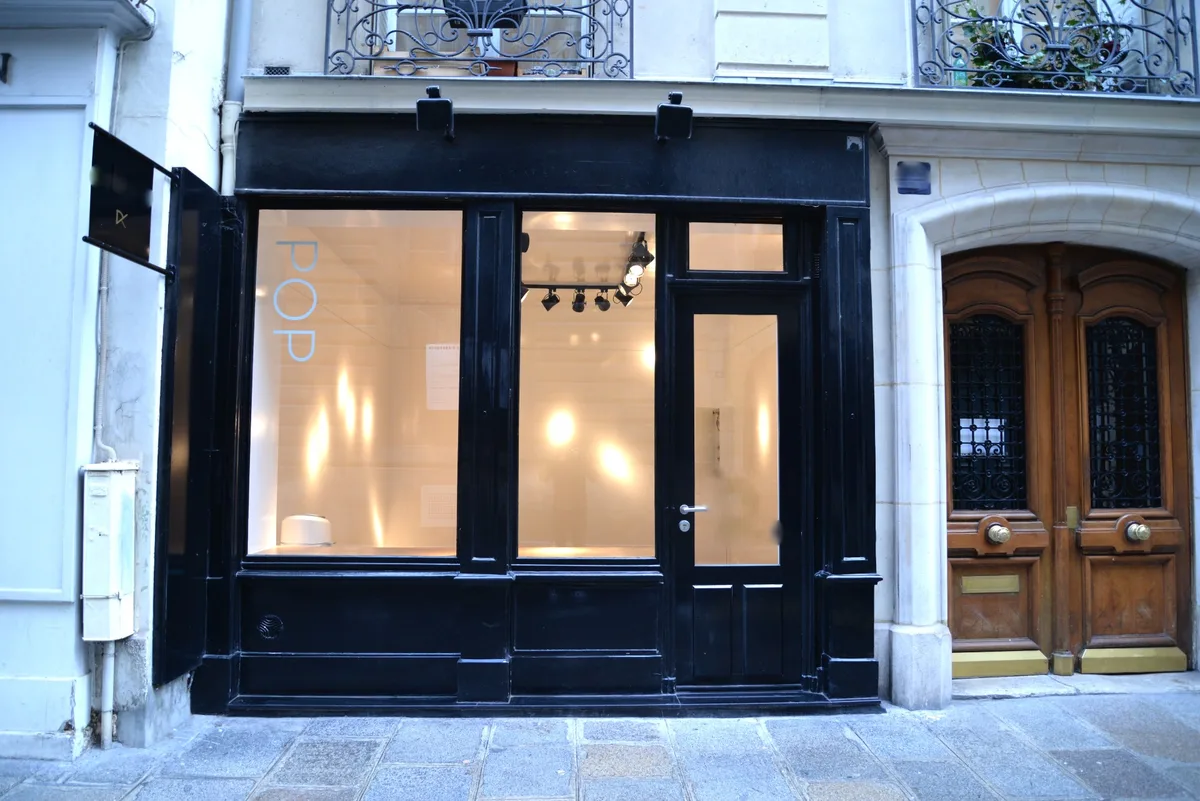
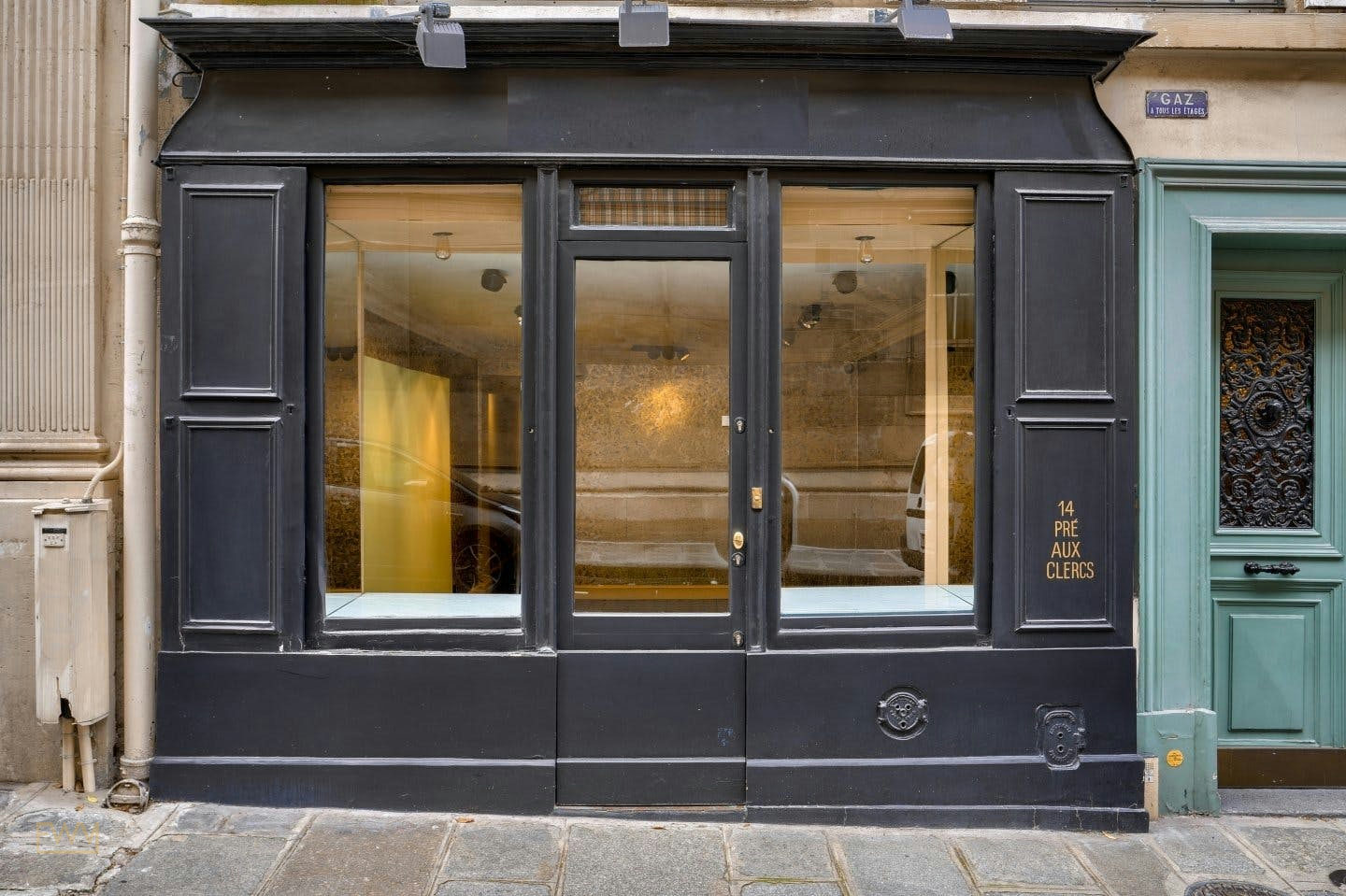
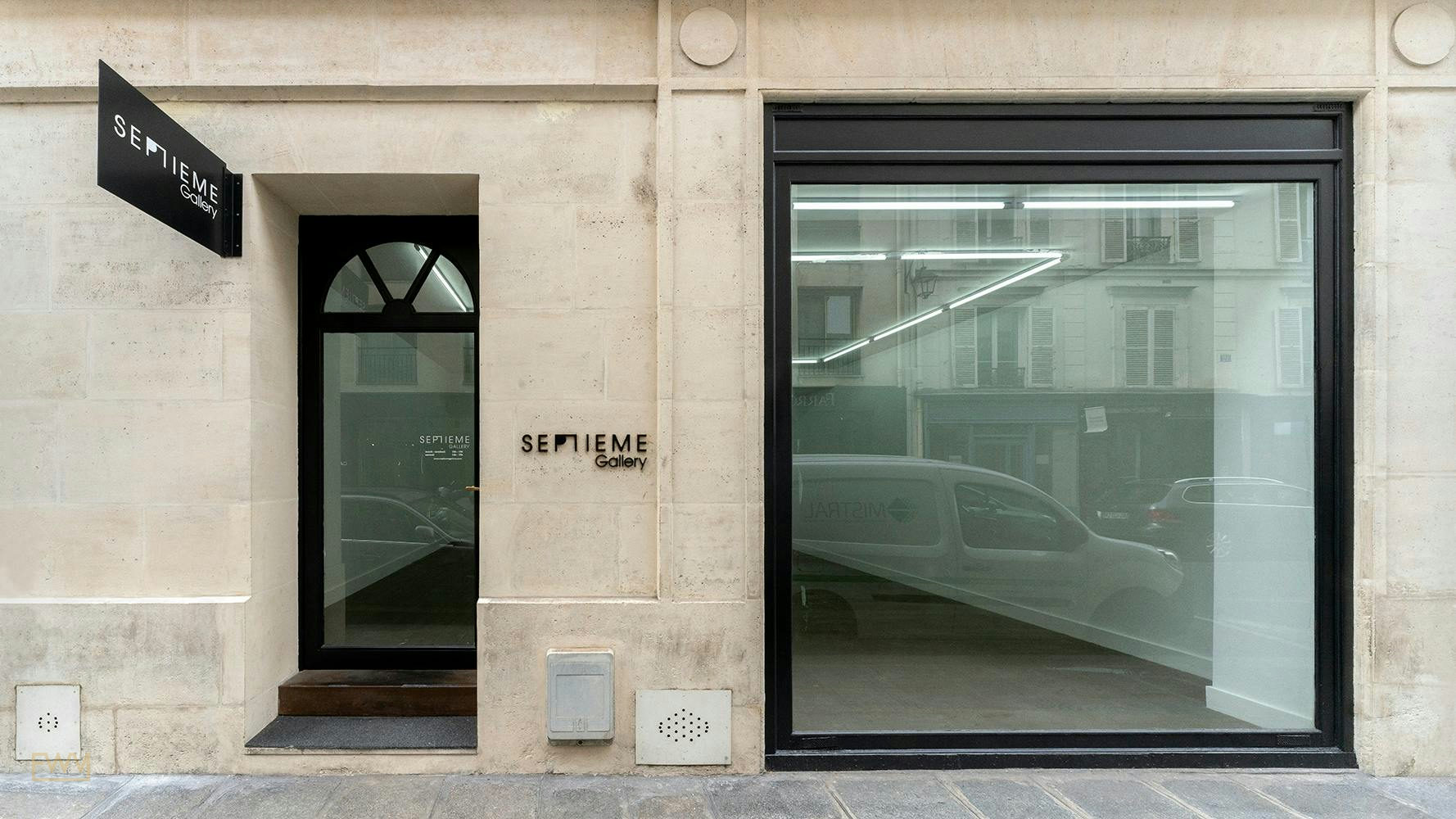
The most common format for short-term retail in Paris is the pop-up boutique storefront: a ground-floor commercial unit, typically between 30 and 200 square metres, with direct street-level access. These spaces usually feature existing retail infrastructure including lighting, fitting rooms, display areas, and basic flooring. Some arrive with polished concrete floors and track-mounted spotlights that suit minimal or editorial fashion brand concepts. Others feature raw concrete floors and exposed walls that suit streetwear or art-adjacent brands. The condition and fit-out level of the space will determine how much production work is required before opening.
Gallery Spaces
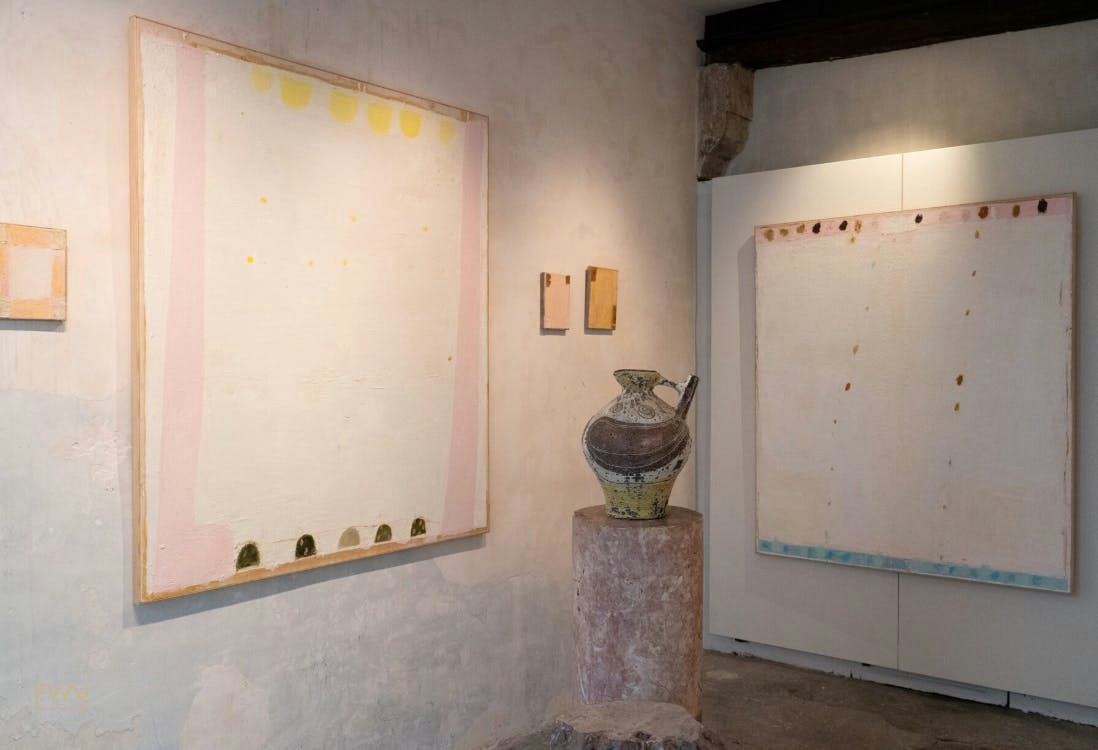
Art gallery spaces, particularly concentrated in Le Marais and Saint-Germain-des-Prés, are among the most sought-after formats for fashion brand activations in Paris. Their high ceilings, white walls, polished or concrete floors, and flexible layouts allow brands to create editorial retail environments that blur the line between commerce and culture. Gallery-to-retail conversions require careful attention to lighting design and scenography to avoid the space feeling under-dressed or disconnected from the brand narrative.
Fashion Showrooms
Fashion showrooms in Paris function differently from retail pop-ups. They are primarily configured for wholesale appointments, press previews, and buyer presentations rather than consumer retail. Showroom spaces near the Tuileries, in the 8th arrondissement, or in the upper floors of buildings near Place Vendôme and Rue du Faubourg Saint-Honoré are traditional locations. For brands attending Fashion Week who need to present collections to buyers and press while simultaneously running consumer activations, a combined showroom and pop-up strategy can be effective.
Concept Stores and Department Store Concessions
Galeries Lafayette and Printemps both operate concession and brand-in-brand formats that allow established brands to place product within their floor space on short-term agreements. These arrangements benefit from the department store's existing foot traffic and customer base but require compliance with the store's visual merchandising guidelines and operational standards.
Virtual Showrooms and Multi-Use Event Spaces
Some brands choose to activate Paris without a traditional retail format at all, instead using multi-use event spaces for a combination of press cocktail parties, photo shoots, filming, and by-appointment sales. These formats are particularly useful during Fashion Week when media and influencer attention is at its peak and a single space can serve multiple commercial and communications purposes within one rental window.
Quick answer: Short-term retail spaces in Paris include pop-up boutique storefronts, gallery spaces, fashion showrooms, department store concessions, and multi-use event venues. The right format depends on whether your primary objective is consumer retail, wholesale presentation, brand awareness, media coverage, or a combination of these goals.
| Space Type | Typical Size Range | Primary Use Case | Key Considerations |
|---|---|---|---|
| Pop-up boutique storefront | 30 to 200 sqm | Direct consumer retail | Permit type, fit-out condition, signage rights |
| Art gallery | 80 to 500 sqm | Brand experience, editorial retail | Lighting, scenography, landlord flexibility |
| Fashion showroom | 50 to 300 sqm | Buyer and press appointments | Access hours, appointment logistics, NDA requirements |
| Department store concession | Varies by store | Retail within existing traffic | Brand guideline compliance, revenue share models |
| Multi-use event space | 100 to 1000 sqm | Events, filming, cocktails, seminars | Technical equipment, catering, security |
KEY TAKEAWAY: The space type you choose will determine your production scope, operational complexity, permit route, and likely return on investment. Define your primary objective before searching for a space, not after.
Once the space type and neighbourhood are clear, the practical and legal mechanics of securing a short-term retail space in Paris require specific attention, particularly around permit structures and lease formats that differ significantly from those in other countries.
Permits, Legal Frameworks, and Compliance for Short-Term Retail in Paris
Navigating the legal and administrative requirements for a short-term retail space in Paris is one of the most commonly underestimated challenges for international brands. France operates a distinct commercial property legal framework, and short-term retail arrangements are governed by specific rules that differ substantially from standard long-term commercial leases.
The Bail Dérogatoire
The primary legal instrument for most short-term retail arrangements in Paris is the bail dérogatoire, sometimes called a short-term commercial lease or convention d'occupation précaire in certain contexts. The bail dérogatoire allows landlords and tenants to agree on a temporary occupancy arrangement outside the protections of the standard French commercial lease, known as the bail commercial. A bail commercial grants tenants statutory renewal rights and a minimum nine-year term, which is inappropriate for temporary retail. The bail dérogatoire can typically be agreed for periods of up to three years, though most pop-up arrangements are for weeks or months rather than years. It is important to understand that once a bail dérogatoire exceeds the statutory threshold without proper management, it may convert to a full bail commercial, which carries very different legal implications.
Autorisation d'Occupation Temporaire
For spaces on public land, including kiosks, terraces, or activations in public squares and markets, brands may require an Autorisation d'Occupation Temporaire, commonly abbreviated as AOT. This is a permit granted by the relevant public authority, typically the Mairie de Paris or the Direction des Affaires Culturelles, allowing temporary commercial use of public space. AOT applications require documentation, lead time, and compliance with specific use conditions. The requirements vary depending on the location, duration, and nature of the proposed use.
Commercial Activity Permits and Local Regulations
Beyond the lease or occupancy authorisation, brands planning to conduct commercial retail activity in Paris may need to ensure compliance with commercial activity declarations, local planning conditions, and arrondissement-specific regulations. Some spaces in historic zones, particularly in the Marais which is a protected architectural area, carry additional constraints on external signage, window treatments, and structural modifications. Requirements vary by space type, duration, and arrondissement, and the specific obligations for any given space should be verified with a qualified French legal advisor before any agreement is signed.
IMPORTANT: Do not assume that a short-term retail arrangement in Paris is administratively simple. Failure to correctly structure the legal agreement, obtain the appropriate permits, or comply with local regulations can result in fines, forced closure, or liability for the landlord. Always verify requirements with a qualified French legal advisor and consult the Fashion Week Venues permit guidance tool for orientation on the types of permits relevant to your planned activation.
Insurance and Security Requirements
Most short-term rental agreements in Paris require the tenant to provide evidence of adequate insurance coverage for the activation period. This typically includes public liability insurance, stock and equipment insurance, and in some cases event cancellation cover. Security solutions, including contracted security service during trading hours and overnight monitoring, are required or strongly recommended for most retail activations, particularly those handling high-value product or operating in high-footfall locations.
Quick answer: The primary legal framework for short-term retail in Paris is the bail dérogatoire, which allows temporary commercial occupancy outside the standard nine-year commercial lease protections. Public space activations require an AOT from the relevant authority. Insurance and security compliance are standard requirements across most agreements. All specific requirements should be confirmed with a French legal advisor.
KEY TAKEAWAY: Legal and permit compliance is not optional for short-term retail in Paris. The framework is manageable with specialist guidance, but it is not equivalent to casual short-term office rental. Plan permit timelines into your activation schedule from the outset, typically allowing a minimum of four to six weeks for administrative processes.
With the legal framework understood, the practical question of how to estimate and manage your budget for a Paris pop-up activation becomes the next critical planning challenge.
Budget Planning for Short-Term Retail Space in Paris
Budget planning for a short-term retail space in Paris requires accounting for a broader range of cost categories than many brand teams initially anticipate. The rental cost of the space itself is typically only one component of the total activation investment, and in some cases it represents a minority of total expenditure.
Space Rental Costs
Rental rates for short-term retail spaces in Paris vary significantly by neighbourhood, space size, condition, duration, and season. Premium locations in the Golden Triangle, Place Vendôme, and along the Champs-Élysées command the highest rates. Le Marais and Saint-Germain-des-Prés sit at mid-to-high levels depending on specific street frontage and space character. Emerging or off-pitch addresses in arrondissements outside the core retail districts offer lower entry points. Rates are typically quoted per day, per week, or per month depending on the landlord and platform. Directional estimates are available through specialist tools and agencies rather than being reliably quoted as fixed figures, given the variability of the market. Use the Fashion Week Venues budget calculator to generate brand-specific estimates based on your space type, neighbourhood preference, and activation duration.
Production, Fit-Out, and Scenography Costs
For most brand activations, the production and fit-out budget equals or exceeds the space rental cost. This category includes branded store design, furniture rental, lighting specification, fitting room installation, signage, window displays, scenography, and any structural or decorative modifications to the space. A gallery-format space with minimal existing infrastructure requires significantly more production investment than a boutique storefront with existing retail fixtures. Artistic direction and scenography for a well-executed Paris pop-up are not optional luxuries; they are strategic necessities in a city where visual standards are genuinely high.
Operational and Staffing Costs
Temporary retail staff in Paris need to be contracted through compliant employment arrangements. France has specific rules around temporary employment contracts, and brands should not assume that informal staffing arrangements are acceptable. Customer service staff who are fluent in French and ideally in additional languages relevant to your target clientele are essential for credible retail execution. Security service costs, insurance premiums, POS and payments infrastructure, and technical equipment rental all contribute to the operational budget.
Marketing and Communications Costs
A Paris pop-up that no one knows about will underperform regardless of the quality of the space or the product. Social media content production, influencer collaborations, press outreach, email marketing to existing clientele, local communications partnerships, and earned media activation all require budget allocation. For brands new to Paris, building relationships with local press and influencer communities in advance of the activation is particularly important.
DID YOU KNOW: Many brands that report disappointing pop-up results in Paris attribute the underperformance not to the space or location but to insufficient marketing investment before and during the activation. A well-located space with no communications strategy will always underperform relative to a moderately located space with a strong communications plan.
Quick answer: The total budget for a short-term retail space activation in Paris includes space rental, production and fit-out, operational costs including staffing and security, insurance, POS and payments infrastructure, and marketing and communications. The rental cost of the space itself is typically one of several significant budget lines rather than the only major expense.
KEY TAKEAWAY: Build your Paris pop-up budget across all cost categories from the outset and use specialist tools or agency support to stress-test your estimates against realistic market rates before committing to a space.
Understanding the costs involved naturally leads to the question of how to search for and secure the right space, and the process for doing so has evolved significantly with the growth of dedicated short-term retail platforms and specialist agencies.
How to Search for and Secure a Short-Term Retail Space in Paris
The process of finding a short-term retail space in Paris has become more structured over the past decade with the growth of dedicated marketplace platforms, specialist agencies, and curated listings services. However, the market still contains significant information asymmetry, and the best spaces in prime locations are often not listed publicly at all.
Dedicated Short-Term Retail Marketplaces
Platforms specialising in short-term retail space listings have made the initial search process considerably more accessible for brand teams. These platforms aggregate available spaces by neighbourhood, size, duration, and price, and allow brands to browse listings, view photographs, and in some cases generate initial quotes online. Platforms like Storefront have built significant listing databases in Paris and other fashion capitals. The limitation of marketplace-only approaches is that availability, pricing, and space quality vary considerably, and transactional support through the lease agreement, permit process, and operational setup is typically limited or absent.
Specialist Pop-Up Agencies
For brands planning activations of meaningful scale or complexity, a specialist pop-up agency offers capabilities that a listing platform cannot. An agency brings established relationships with landlords and property owners across multiple neighbourhoods, access to unlisted spaces, expertise in structuring bail dérogatoire agreements, permit navigation support, and operational capabilities including production, staffing, and brand experience design. The trade-off is a higher cost of engagement relative to a purely self-service marketplace approach, offset by the reduction in risk and the increased probability of a successful activation. Understanding how to evaluate agency options is covered in detail in the Fashion Week Venues guide to hiring a pop-up agency.
Direct Landlord Relationships
Some brands with established Paris networks approach landlords directly, particularly for repeat activations in neighbourhoods they know well. This approach can deliver cost advantages but requires significant internal resource for legal structuring, permit management, and operational coordination. It is most suitable for brands with experienced in-house retail operations teams and existing relationships with French legal advisors.
The Search and Shortlisting Process
Regardless of the sourcing route, a structured search process typically involves defining the brief, identifying candidate neighbourhoods, establishing size requirements and space type preferences, confirming the activation calendar window, setting a realistic budget range, shortlisting spaces against the brief, conducting site visits, and then entering into legal due diligence before signing any agreement. Rushing any stage of this process is a common cause of poor activation outcomes.
| Stage | Key Actions | Typical Timeline | Key Risks |
|---|---|---|---|
| 1. Define the brief | Set objectives, budget, neighbourhood, dates, space type | 1 to 2 weeks | Vague brief leads to mismatched spaces |
| 2. Search and shortlist | Browse marketplace, contact agency, review listings | 1 to 3 weeks | Best spaces unavailable if search starts too late |
| 3. Site visits | Visit shortlisted spaces, assess condition and context | 1 to 2 weeks | Photographs rarely convey true spatial character |
| 4. Legal due diligence | Review lease terms, confirm permit requirements | 1 to 2 weeks | Overlooking permit obligations creates compliance risk |
| 5. Agreement and deposit | Sign bail dérogatoire, pay deposit, confirm insurance | 3 to 7 days | Verbal agreements are not binding in French law |
| 6. Production and setup | Fit-out, styling, staffing, POS installation | 2 to 7 days before opening | Insufficient setup time creates a poor opening experience |
| 7. Activation and operations | Trading, events, influencer visits, data collection | Duration of rental | Under-resourced operations limit revenue and data quality |
| 8. Close-out and data review | Restore space, collect data, brief post-activation report | 1 to 3 days after closing | Failure to restore space to agreed condition risks deposit loss |
TIP: Begin your Paris pop-up search at least three to four months before your intended opening date if you are targeting a prime neighbourhood during Fashion Week or another major calendar window. Prime spaces in Le Marais and the 8th arrondissement book out significantly in advance of peak periods.
KEY TAKEAWAY: The most successful Paris pop-up activations are the result of structured, well-timed searches combined with clear briefs and realistic budgets. Leaving the search to the last six weeks before an intended Fashion Week opening is a common and costly mistake.
Once the space is secured, the brand experience itself requires a strategic approach to design, marketing, operations, and data, all of which are interconnected and need to be planned in parallel rather than sequentially.
Brand Experience, Design, and Marketing Strategy for Paris Pop-Ups
A short-term retail space in Paris is only as effective as the brand experience it delivers. In a city where aesthetic standards are genuinely high and competing activations are abundant, particularly during Fashion Week, the quality of scenography, merchandising, artistic direction, and communications directly determines whether a pop-up generates the earned media, clientele engagement, and commercial returns that justify the investment.
Scenography and Artistic Direction
The visual identity of a Paris pop-up needs to be conceived as a complete spatial narrative, not simply as a product display. Scenography encompasses the spatial layout, material palette, lighting design, furniture selection, window dressing, and the sequence of experiences a visitor moves through. For lifestyle brands, beauty brands, and fashion brands, the scenography should communicate brand values at a glance, create compelling visual content for social media, and distinguish the activation from the surrounding retail environment. Artistic direction at a Paris-appropriate level typically requires specialist input rather than in-house improvisation, particularly for brands activating in the city for the first time.
Merchandising and Retail Compatibility
Retail compatibility between the space configuration and the product range is a frequently overlooked but commercially important factor. A space with very high ceilings and minimal wall space may suit a brand with a small, curated product selection but will feel empty and disorganised for a brand with a broad range. Fitting rooms, if relevant to the product category, need to be designed as brand touchpoints rather than afterthoughts. Merchandise density, display height, and customer circulation paths should all be planned before the fit-out begins.
Social Media, Influencer Marketing, and Earned Media
Paris is among the highest-density influencer markets in the world during Fashion Week and surrounding calendar windows. A well-conceived pop-up in the right neighbourhood can attract organic influencer visits without paid partnerships, particularly if the space is visually distinctive and the brand has established social media presence. Planned influencer collaborations, press preview events, and cocktail party activations within the space can generate earned media that amplifies the activation's reach far beyond the physical visitor numbers. Consumer data collection during the activation, including email capture, social media follows, and purchase data, provides the foundation for post-activation marketing to Paris-based and international clientele.
Data Analytics and Post-Activation Intelligence
The data generated by a Paris pop-up activation has value that extends significantly beyond the rental period. Foot traffic counts, conversion rates, average transaction values, customer geographic origin, product preference data, and social media engagement metrics all contribute to a post-activation intelligence picture that informs future market entry, product decisions, and location strategy. Brands that treat their Paris pop-up purely as a short-term sales exercise and neglect data collection are leaving a substantial proportion of the activation's potential value unrealised.
Quick answer: A successful Paris pop-up brand experience requires deliberate investment in scenography, merchandising design, social media content strategy, influencer activation, and data collection. In a city with high aesthetic expectations and abundant competing activations, the quality of the brand experience is not a secondary consideration but a primary commercial driver.
KEY TAKEAWAY: The brand experience, design, and marketing strategy for a Paris pop-up should be planned simultaneously with the space search, not after the space is secured. Last-minute creative decisions in a high-standards market like Paris produce predictably underwhelming results.
For brands that want comprehensive support across all of these dimensions rather than managing each component independently, understanding what a full-service pop-up agency offers is an important part of the planning process.
How Fashion Week Venues Supports Short-Term Retail Activations in Paris
Fashion Week Venues operates as a full-service pop-up shop agency and space marketplace with Paris as its primary market, supporting international brands, emerging designers, beauty companies, and lifestyle brands at every stage of the short-term retail planning and execution process.
Space Discovery and Venue Sourcing
The Fashion Week Venues marketplace allows brand teams to browse available short-term retail spaces across Paris's key commercial districts. Listings span pop-up boutiques, gallery formats, fashion showrooms, and event spaces in neighbourhoods including Le Marais, Saint-Germain-des-Prés, the Golden Triangle, Pigalle, and Montmartre. Beyond the marketplace, the dedicated venue sourcing service provides access to spaces that are not publicly listed, using established landlord relationships across the city to match brand briefs to suitable spaces that align with positioning, budget, and calendar requirements.
Concept Direction and Production
The concept direction service supports brands in developing a spatial and visual narrative for their Paris activation. This includes briefing scenography, developing the artistic direction, specifying materials and finishes, and ensuring the overall concept is executable within the agreed space and budget. Production and build services then translate the approved concept into a physically realised space, covering fit-out, furniture installation, lighting, fitting room construction, signage, and window design.
Operational Services
Fashion Week Venues provides operational support including retail staffing, POS and payments infrastructure, furniture rental, security service coordination, technical equipment, and insurance guidance. Temporary staff are sourced and briefed to represent the brand appropriately in a Paris retail context, with French-language capability and customer service standards matched to the brand's positioning and clientele expectations.
Planning Tools
A suite of digital planning tools supports brand teams in the research and planning phase. The budget calculator provides directional cost estimates by space type, neighbourhood, and duration. The ROI calculator models expected returns against investment scenarios. The compare tool allows shortlisted spaces to be assessed against each other. The timeline tool helps brands build realistic activation schedules from initial search to opening day. The permits tool provides orientation on the permit and compliance requirements relevant to different space types and locations. The locator tool maps available spaces by neighbourhood and category.
Who Benefits Most
Fashion Week Venues is most useful for international brands entering Paris for the first time, brands planning Fashion Week activations without established local agency relationships, emerging brands that need end-to-end support rather than component services, and established brands that want a single specialist partner to coordinate all aspects of a temporary Paris retail activation. The services are relevant to fashion brands, beauty brands, lifestyle brands, luxury brands, streetwear labels, and any brand category that sees Paris as a strategic market for activation.
TIP: Use the timeline planning tool at the start of your project to map all the dependencies between space search, legal agreement, permit application, production, and marketing, and identify how far in advance of your intended opening date you need to start each workstream.
KEY TAKEAWAY: Fashion Week Venues offers both a self-service marketplace for brands with experienced in-house teams and a full-service agency model for brands that want end-to-end support. Neither approach involves guarantees of specific results, but both are structured to reduce the most common causes of Paris pop-up underperformance.
Fashion Week Calendar and Seasonal Timing for Paris Pop-Up Activations
The timing of a short-term retail activation in Paris has a direct and measurable impact on foot traffic, press attention, influencer presence, and buyer access. Understanding the Paris fashion and events calendar is essential for brands planning activations that need to intersect with specific audiences.
Paris Fashion Week Windows
Paris Fashion Week for womenswear ready-to-wear occurs in September and October for spring and summer collections, and in January and February for autumn and winter collections. Haute couture weeks take place in January and July. Menswear Fashion Week typically occurs in January and June. During these windows, the city's press corps, international buyers, stylists, photographers, and influencer networks are all physically present in Paris simultaneously, creating a uniquely concentrated audience for any brand with a physical activation in the city.
Paris Design Week and FIAC
Paris Design Week, typically held in September, coincides with the womenswear Fashion Week and extends the cultural and design audience in the city beyond the pure fashion sector. FIAC, the international contemporary art fair held at the Grand Palais, attracts a high-net-worth collector and culture audience that overlaps with the clientele of premium and luxury fashion brands. Brands in the design, luxury, or lifestyle sectors should consider whether activating during these broader cultural windows serves their clientele and brand positioning.
Non-Fashion Week Activations
Activating outside Fashion Week periods has distinct advantages. Competition for prime spaces is lower, rental rates are typically more accessible, and the general consumer audience in prime Paris retail districts remains substantial year-round. For brands focused primarily on consumer retail rather than trade or press objectives, a non-Fashion Week timing strategy can deliver strong commercial results at lower cost and with less operational complexity than a peak-period activation.
Quick answer: Paris Fashion Week in September and January creates the highest-density audience for press, buyers, and influencers. Paris Design Week and FIAC add further high-value audience windows in September and October. Non-Fashion Week activations offer lower competition, greater space availability, and often more accessible rental rates while still benefiting from Paris's permanently strong tourist and consumer footfall.
KEY TAKEAWAY: Match your activation timing to your primary objective. If your goal is press coverage and buyer access, align with Fashion Week. If your goal is consumer retail and brand awareness with the general Paris public and tourist clientele, a non-peak period may deliver better value and a more focused operational experience.
Common Myths About Short-Term Retail Space in Paris Debunked
MYTH: International brands need a French legal entity to rent a short-term retail space in Paris.
FACT: Many short-term retail arrangements in Paris are accessible to foreign companies without requiring the establishment of a French legal entity. However, the specifics depend on the agreement structure, the landlord's requirements, and the intended duration. Working with a specialist agency or a qualified French legal advisor ensures that the arrangement is structured appropriately for the brand's legal and fiscal situation without unnecessary complexity.
MYTH: Paris Fashion Week is the only viable calendar window for a short-term retail activation in Paris.
FACT: Paris Fashion Week is the most press- and buyer-concentrated window, but it is far from the only effective one. Paris attracts significant tourist and consumer retail traffic throughout the year. Paris Design Week, FIAC, the summer holiday season, and the pre-Christmas retail period all present strong activation opportunities for brands whose primary objective is consumer retail rather than trade or media access. Non-peak windows also offer better space availability and more accessible rental rates.
MYTH: The only way to find a short-term retail space in Paris is through a commission broker or estate agent.
FACT: Dedicated short-term retail marketplace platforms and specialist pop-up agencies have transformed the space discovery process over the past decade. Brands can now browse curated listings, compare spaces, and engage agencies that offer full-service support without relying on traditional commercial property brokers whose knowledge of short-term pop-up formats and operational requirements is often limited.
MYTH: Short-term leases in Paris are legally simple and do not require specialist legal review.
FACT: The French commercial property legal framework is specific and consequential. The bail dérogatoire has defined statutory limits, and errors in how it is structured can inadvertently create full commercial lease protections for tenants, with significant financial implications for landlords and potential liability for tenants. Permit obligations, insurance requirements, and arrondissement-specific planning conditions add further complexity. All short-term retail agreements in Paris should be reviewed by a qualified French legal advisor before signing.
MYTH: A well-designed space will automatically attract visitors and generate sales without a dedicated marketing effort.
FACT: Even a beautifully designed pop-up in a prime Paris location will underperform without a deliberate marketing and communications strategy. Social media announcements, email outreach to existing clientele, influencer engagement, press preview events, and local media coverage all require planning and investment. In a city as activation-dense as Paris, particularly during Fashion Week, a space with no communications support is invisible to the audiences that matter most.
Frequently Asked Questions About Short-Term Retail Space in Paris
What is a short-term retail space in Paris and how does it differ from a standard commercial lease?
A short-term retail space in Paris is a commercial property rented under a temporary agreement, most commonly structured as a bail dérogatoire, which operates outside the statutory protections and obligations of the standard French commercial lease, or bail commercial. While a bail commercial requires a minimum nine-year term and grants the tenant statutory renewal rights, a bail dérogatoire is agreed for a defined short period, typically weeks or months, with no statutory renewal expectation. This structure is the legal basis for most pop-up store, showroom, and temporary retail activation arrangements in Paris. The specific terms, deposit requirements, and permitted activities vary by landlord and space.
How far in advance should I start looking for a short-term retail space in Paris?
For activations targeting Fashion Week periods in Paris, beginning the search three to four months before the intended opening date is strongly recommended. Prime spaces in Le Marais, the Golden Triangle, and Saint-Germain-des-Prés are frequently booked out well in advance of peak calendar windows. For non-peak activations, a six to eight week lead time may be sufficient for some space types and neighbourhoods, though this leaves limited buffer for legal due diligence, permit applications, and production scheduling. Starting earlier consistently produces better outcomes in terms of space quality and overall activation readiness.
What neighbourhoods in Paris are most popular for pop-up retail activations?
Le Marais, covering the 3rd and 4th arrondissements, is the most consistently sought-after neighbourhood for pop-up retail in Paris, offering high foot traffic, an internationally informed clientele, diverse space types including galleries and boutique storefronts, and strong social media visibility. The Golden Triangle in the 8th arrondissement suits luxury and premium brand positioning. Saint-Germain-des-Prés in the 6th suits art, design, and lifestyle brands. Pigalle in the 9th is increasingly popular for streetwear and youth culture brands. Montmartre in the 18th works well for lifestyle and beauty brands with a visual, social-media-oriented concept.
Do I need a French company or legal entity to rent a pop-up space in Paris?
Many short-term retail spaces in Paris are accessible to foreign companies without requiring the establishment of a French legal entity, though requirements vary by landlord, agreement structure, and duration. Some landlords prefer or require a local entity or a local guarantor. Working with a specialist agency or a qualified French legal advisor who understands the short-term retail market is the most reliable way to navigate this question for your specific situation. Do not assume the answer is universally yes or no without professional guidance.
What types of permits do I need for a short-term retail space in Paris?
The permit requirements for a short-term retail space in Paris depend on the type of space, its location, the nature of the commercial activity, and the duration of the activation. For spaces on private property operating under a bail dérogatoire, the primary compliance requirement is ensuring the lease is correctly structured and any local planning conditions are observed. For activations on public land, an Autorisation d'Occupation Temporaire from the relevant public authority is required. Some protected architectural zones, including parts of Le Marais, have additional conditions on signage and external modifications. Requirements should be verified with a qualified French legal advisor and the Fashion Week Venues permit guidance tool provides useful orientation.
What does a typical short-term retail activation in Paris cost?
The total cost of a short-term retail activation in Paris encompasses space rental, production and fit-out, operational costs including staffing and security, insurance, POS and payments infrastructure, and marketing. The rental cost of the space varies significantly by neighbourhood, space size, condition, and duration, and directional estimates rather than fixed figures are appropriate given market variability. Production and fit-out frequently equals or exceeds the rental cost depending on the space condition and the brand's creative ambitions. Using the Fashion Week Venues budget calculator provides brand-specific directional estimates based on your activation parameters.
What is the difference between a pop-up store and a fashion showroom in Paris?
A pop-up store is a temporary retail space open to consumers for direct product purchase, typically with defined trading hours, retail staffing, and a consumer-facing brand experience. A fashion showroom is a private or semi-private space configured for wholesale appointments, press previews, and buyer presentations, operating on an appointment basis rather than open retail hours. Some Paris activations combine both functions within a single space, using it for trade appointments during the day and consumer events in the evening, particularly during Fashion Week when both buyer and consumer audiences are concentrated in the city simultaneously.
Can I use a Paris pop-up space for filming, photography, or events in addition to retail?
Many short-term retail spaces in Paris can be used for filming, photography, seminars, cocktail parties, and other brand events in addition to or instead of direct retail. Whether these additional uses are permitted under the rental agreement depends on the specific terms agreed with the landlord and any local planning conditions attached to the space. Activities that generate significant noise, require structural modifications, or involve large gatherings may require additional permissions or notifications. Clarify the permitted uses explicitly in the rental agreement before committing to any multi-use activation concept.
How do I attract visitors to a pop-up store in Paris?
Driving visitors to a Paris pop-up requires a multi-channel communications strategy that begins before the space opens. Social media announcements, email outreach to existing clientele, influencer engagement and hosted visits, press preview events, local media coverage, and partnerships with complementary Paris-based brands or venues all contribute to awareness and footfall. During Fashion Week, the presence of international press and influencers in the city creates an amplification opportunity that can generate significant earned media if the space is visually compelling and the brand is appropriately positioned. Local neighbourhood visibility, including window displays and sidewalk presence, also drives organic discovery from the street.
What is the role of data analytics in a Paris pop-up activation?
Data analytics during and after a Paris pop-up activation provides commercial intelligence that extends the value of the investment well beyond the rental period. Foot traffic measurement, conversion rate tracking, average transaction value analysis, customer geographic origin data, product preference patterns, and social media engagement metrics all contribute to a post-activation intelligence picture. This data informs future product decisions, location strategy, pricing, and marketing targeting for subsequent Paris activations or broader French market entry. Brands that neglect data collection during their activation leave a substantial portion of the activation's potential value unrealised.
What is a bail dérogatoire and why does it matter for pop-up retail in Paris?
A bail dérogatoire is the primary legal instrument for most short-term commercial rental arrangements in Paris. It allows landlords and tenants to agree on a temporary occupancy arrangement outside the protections and obligations of the standard French commercial lease, which requires a minimum nine-year term and grants the tenant statutory renewal rights. The bail dérogatoire is typically used for periods ranging from a few weeks to up to three years. Exceeding the statutory threshold for a bail dérogatoire without proper management can cause the arrangement to convert into a full commercial lease, with significant financial and legal consequences. All bail dérogatoire agreements should be reviewed by a qualified French legal advisor.
Are there short-term retail spaces available in Paris outside of Fashion Week periods?
Yes. Short-term retail spaces in Paris are available throughout the year, and activating outside Fashion Week periods offers distinct advantages for many brands. Space availability in prime neighbourhoods is generally better, rental rates are often more accessible, and the operational complexity of competing with a dense activation calendar is lower. Paris attracts substantial tourist and consumer retail traffic year-round across its prime shopping districts, and for brands whose primary objective is consumer retail rather than trade or press engagement, a non-peak activation timing strategy can deliver strong commercial results at lower cost.
What operational support is typically included in a full-service pop-up agency engagement in Paris?
A full-service pop-up agency engagement in Paris typically covers venue sourcing, concept direction, production and fit-out, retail staffing, POS and payments infrastructure, furniture rental, security service coordination, insurance guidance, and marketing support including influencer engagement and social media strategy. The scope varies by agency and the specific needs of the brand, and not all brands require the full range of services. Agencies that specialise in Paris short-term retail, such as Fashion Week Venues, also provide permit guidance, data analytics support, and post-activation reporting as part of a comprehensive service model.
How does the 1st arrondissement of Paris compare to other retail districts for short-term activations?
The 1st arrondissement, which includes Place Vendôme, Rue de Rivoli, the Tuileries garden, and the surroundings of the Louvre, offers a combination of extremely high tourist footfall along Rue de Rivoli and the concentrated prestige of Place Vendôme and the Rue de Castiglione area. Short-term spaces in this arrondissement suit brands at the prestige or luxury end of the spectrum, or brands seeking very high volume foot traffic from a tourist-oriented demographic. The area's administrative proximity to luxury maison headquarters and fashion industry institutions makes it relevant for showroom and appointment-based activations during Fashion Week. Competition for prime space is high and availability is limited.
What should I look for when comparing short-term retail spaces in Paris?
When comparing short-term retail spaces in Paris, evaluate the space against your brief across several dimensions: location and neighbourhood alignment with your brand and clientele, size and configuration relative to your product range and expected visitor flow, existing fit-out condition and the production investment required to bring it to brand standard, natural light and lighting infrastructure, frontage and window display potential, permitted hours and uses under the rental agreement, access and delivery logistics, proximity to complementary retail and hospitality, and the landlord's track record with short-term rental arrangements. The Fashion Week Venues compare tool allows multiple shortlisted spaces to be assessed against each other in a structured format.
Conclusion: Building a Successful Short-Term Retail Presence in Paris
Securing and activating a short-term retail space in Paris is a commercially and strategically significant undertaking that rewards thorough planning, specialist knowledge, and honest assessment of your brand's objectives, budget, and operational capabilities. Paris is not simply a prestigious backdrop; it is an active, competitive, and sophisticated retail market where the quality of the space, the brand experience, the legal structure, and the communications strategy all contribute materially to the outcome.
The most successful brands approaching Paris short-term retail treat it as a strategic programme rather than a one-off experiment. They start the search early, define a clear brief, allocate budget across all cost categories, work with specialists who understand the French legal and operational landscape, invest genuinely in scenography and brand experience, activate a multi-channel communications strategy before the space opens, and capture the data that makes each activation smarter than the last.
Whether you are planning your first Paris pop-up or your fifth, whether you are a luxury heritage brand or an emerging direct-to-consumer label, the fundamentals are consistent: the right space, the right timing, the right legal structure, the right brand experience, and the right communications. Fashion Week Venues is structured to support all of these dimensions for brands at any stage of their Paris journey.
To move from research to activation, start exploring available spaces on the Fashion Week Venues marketplace and build a focused brief for your target neighbourhood, space type, and calendar window. The team and tools are in place to support you from initial search through to a fully operational Paris retail presence.