
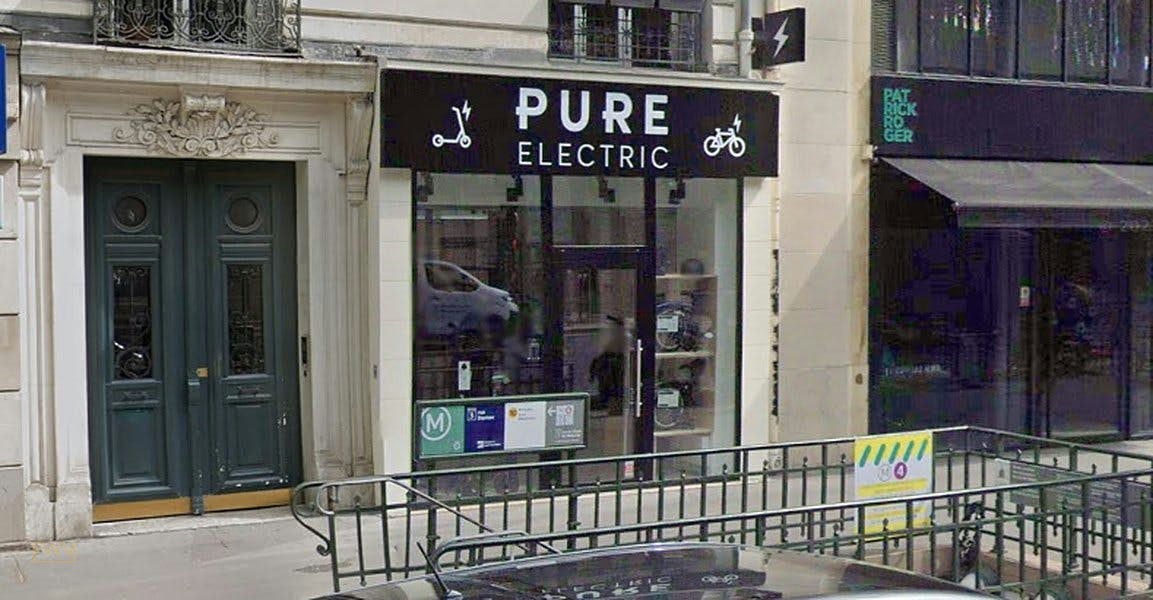
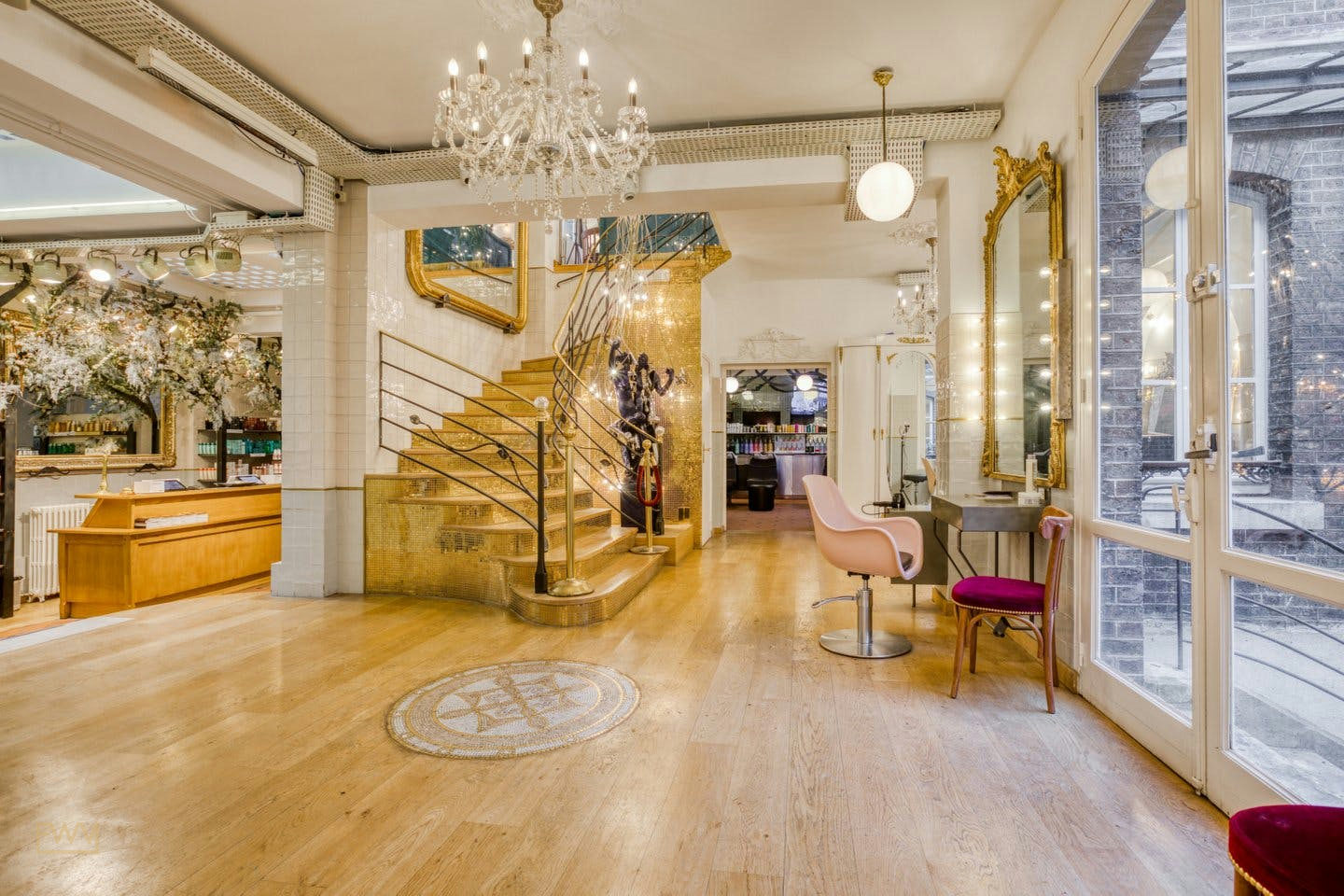
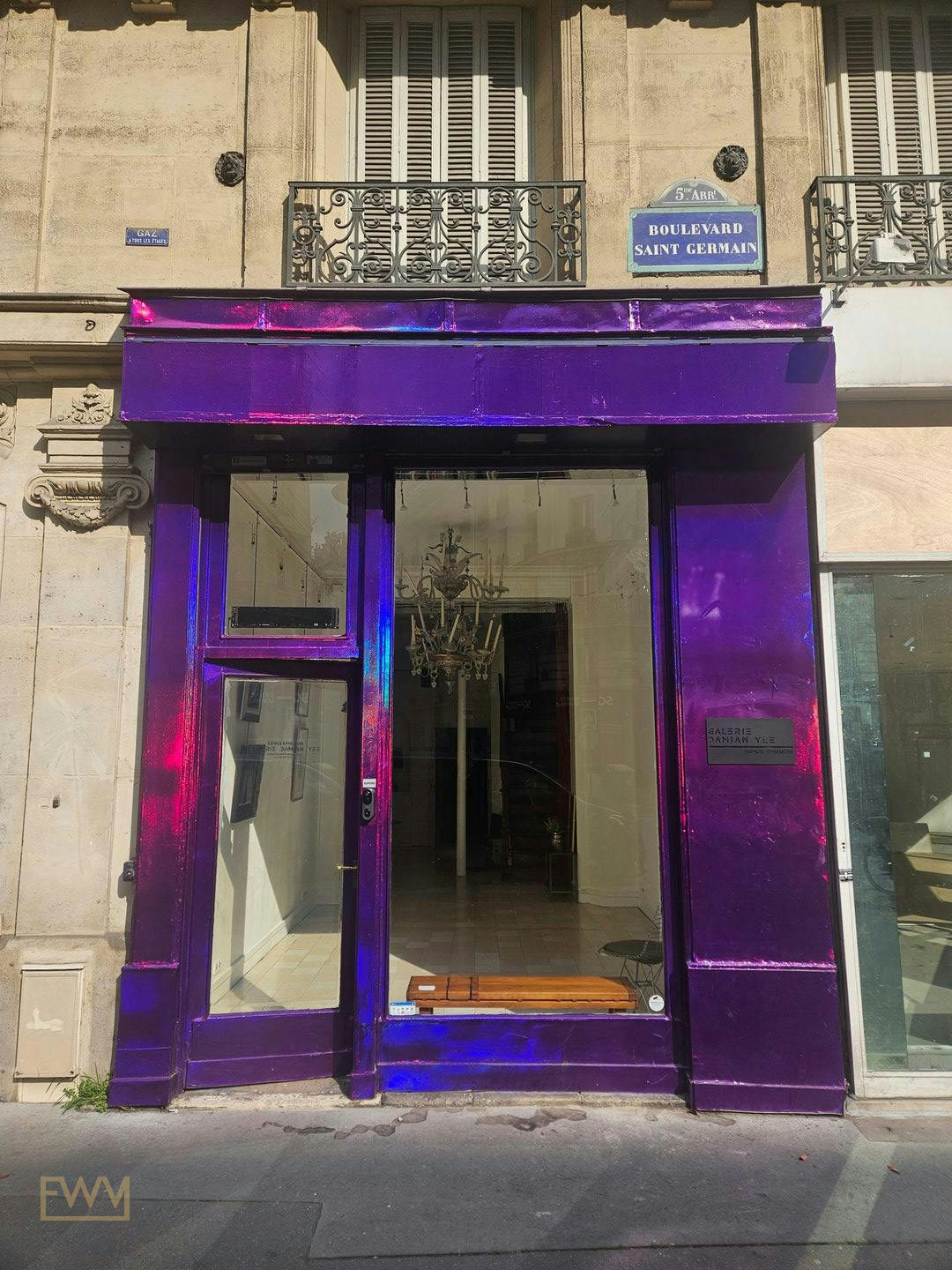
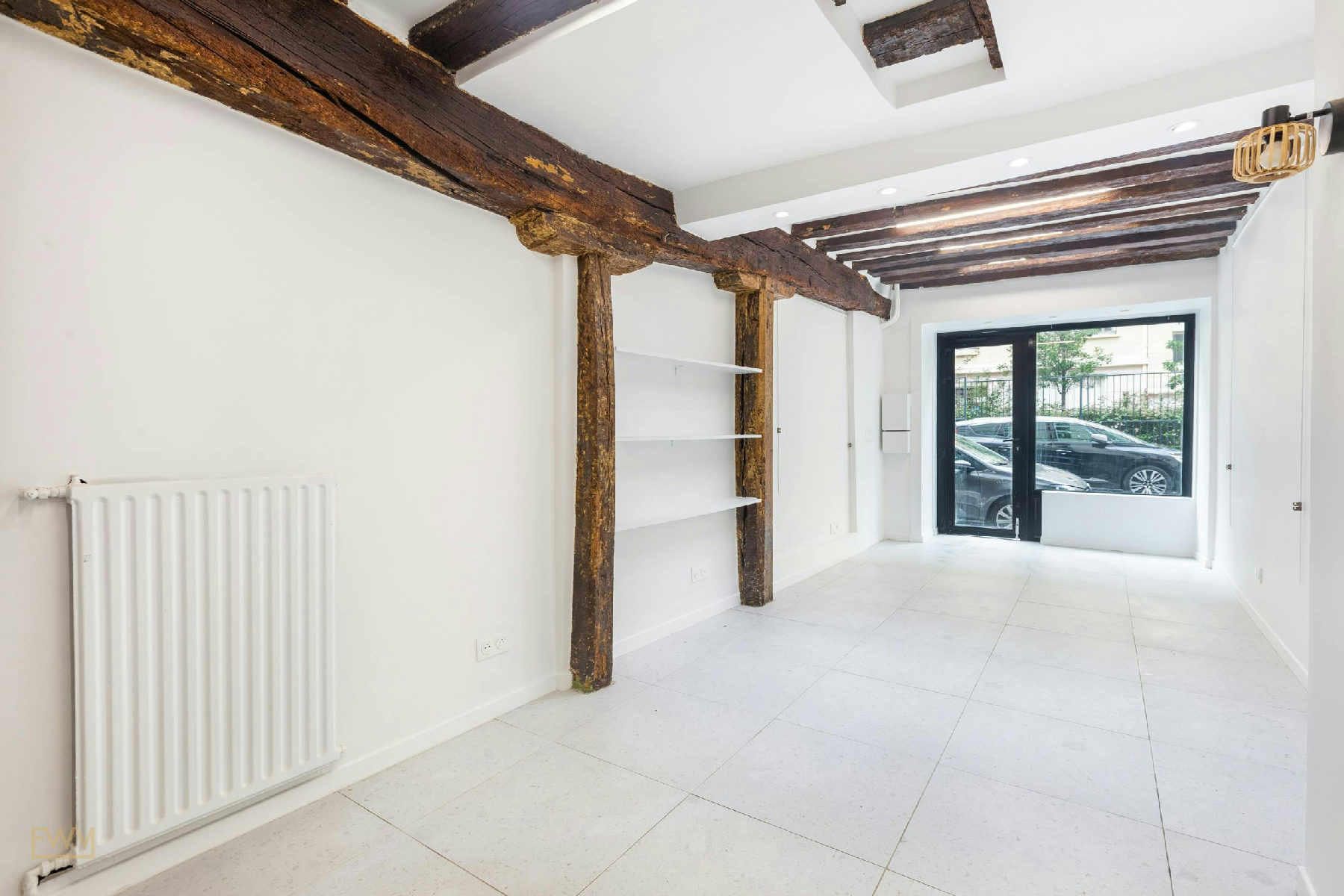
To hire retail space on Rue Saint-Honoré you need to understand one of the most competitive and prestigious commercial corridors in the world. Stretching through Paris's 1st arrondissement, this address places your brand alongside Valentino, historic Maisons de Couture, and the concentrated luxury footfall that flows between Place Vendôme, the Palais-Royal, and the Tuileries Garden. For international brands, emerging labels, and established houses alike, securing even a short-term activation on this street signals market credibility that few other addresses in France, or globally, can replicate. Fashion Week Venues supports brands activating across Paris, including on and around Rue Saint-Honoré, with end-to-end venue sourcing, concept direction, and activation management.
Why Rue Saint-Honoré Matters for Luxury Retail and Brand Activations
Quick answer: Rue Saint-Honoré is one of Paris's most valuable commercial streets because it combines sustained luxury footfall, proximity to Place Vendôme and the Palais-Royal, international tourist density, and an existing cluster of high-end boutiques and galleries that creates a self-reinforcing halo effect for any brand that activates here.
Few retail addresses in Île-de-France carry the same density of sophisticated buyers, Parisian visitors, and international tourists as Rue Saint-Honoré and its immediate surroundings. The street runs east to west through Paris's 1st arrondissement, passing close to the Tuileries Garden, the Pyramides and Opéra metro stations, and within walking distance of the Champs Élysées corridor to the west. The concentration of luxury maisons, jewellers, and haute couture houses in this zone is not coincidental. It reflects decades of brand investment in an address where the physical proximity to Place Vendôme and Palais-Royal creates a luxury ecosystem that reinforces each individual presence.
For brands evaluating where to hire retail space in Paris, the Saint-Honoré corridor offers a specific type of customer profile that differs from other neighbourhoods. Le Marais attracts a younger, more trend-driven shopper and has become the preferred zone for streetwear and emerging designer pop-ups. Saint-Germain draws a more intellectual, art-oriented audience. The Sentier district is increasingly associated with creative industry businesses and digital-native brands. Châtelet-les-Halles provides the highest raw footfall of any Paris location. But none of these competes with Rue Saint-Honoré when the brief requires direct engagement with luxury consumers, fashion press, and the concentrated buying power of visitors arriving specifically to shop at the highest level.
The street also benefits from proximity to several landmark retail references. Spaces near 273 Rue Saint-Honoré and 336 Rue Saint Honoré sit within a zone that commands premium positioning for temporary and permanent retail alike. The reference code RMSNS, used by several commercial property platforms including Flexas, indicates inventory classified specifically within this premium segment of the Paris luxury retail market.
Oxford Properties Group and other institutional investors have increased capital allocation to this corridor in recent years, which reflects both the investment potential and the constrained inventory that makes each available space strategically significant. For brands seeking reversion potential, meaning the ability to exit a space cleanly and on schedule, this corridor requires careful lease structuring, particularly around the bail dérogatoire framework that governs most short-term commercial agreements in France.
DID YOU KNOW: The Rue Saint-Honoré corridor sits within a designated luxury retail zone where planning regulations and arrondissement-level commercial property rules can affect signage, façade modifications, and the permitted uses of ground-floor retail units. Brands should verify current requirements before committing to a space.
The street's proximity to boutique hotels, whose guests represent a disproportionate share of high-value retail spending in Paris, adds another dimension to its commercial value. Guests staying near Place Vendôme and the 1st arrondissement typically represent the $3M+ segment of international luxury buyers, and the foot traffic generated by hotel concierge referrals and proximity to luxury flagships creates consistent commercial density even outside peak fashion calendar windows.
KEY TAKEAWAY: Rue Saint-Honoré is not simply a prestigious address. It is a functioning luxury retail ecosystem where foot traffic, buyer profiles, and brand adjacency all work together to create commercial conditions that are genuinely difficult to replicate in any other Paris neighbourhood.
Understanding which specific spaces are available, at what terms, and for what duration requires both market knowledge and legal clarity. The next section addresses the types of commercial property you can typically access on and around this street.
Types of Retail Space Available to Hire on Rue Saint-Honoré and the 1st Arrondissement
Quick answer: The 1st arrondissement offers a range of short-term and medium-term retail spaces including storefronts, showrooms, gallery-format spaces, pop-up venues, and mixed office and retail units. Available formats range from compact boutique-scale rooms to larger open-plan spaces with natural light, Paris stone walls, vaulted cellars, and direct street access.
When brands begin the process of hiring retail space in Paris's 1st arrondissement, they typically encounter several distinct property formats, each suited to a different type of activation, budget, and duration.
Storefronts and Boutique Retail Units
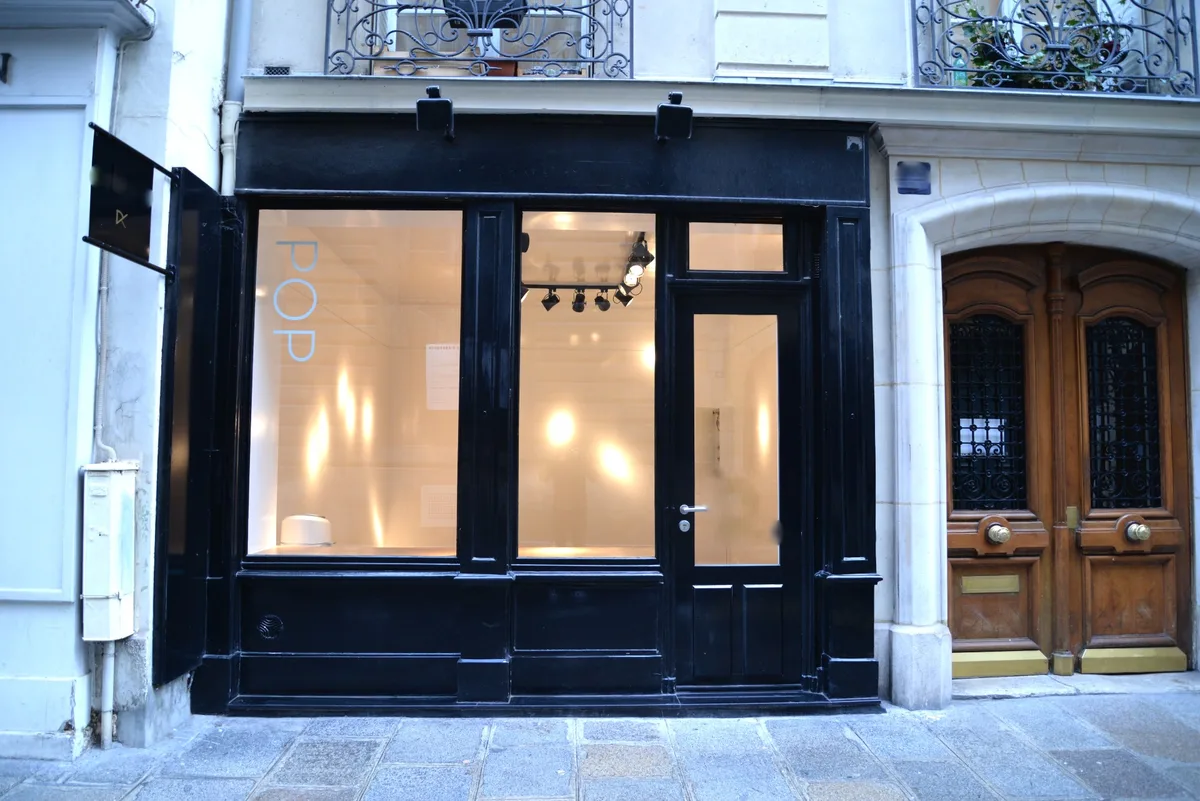
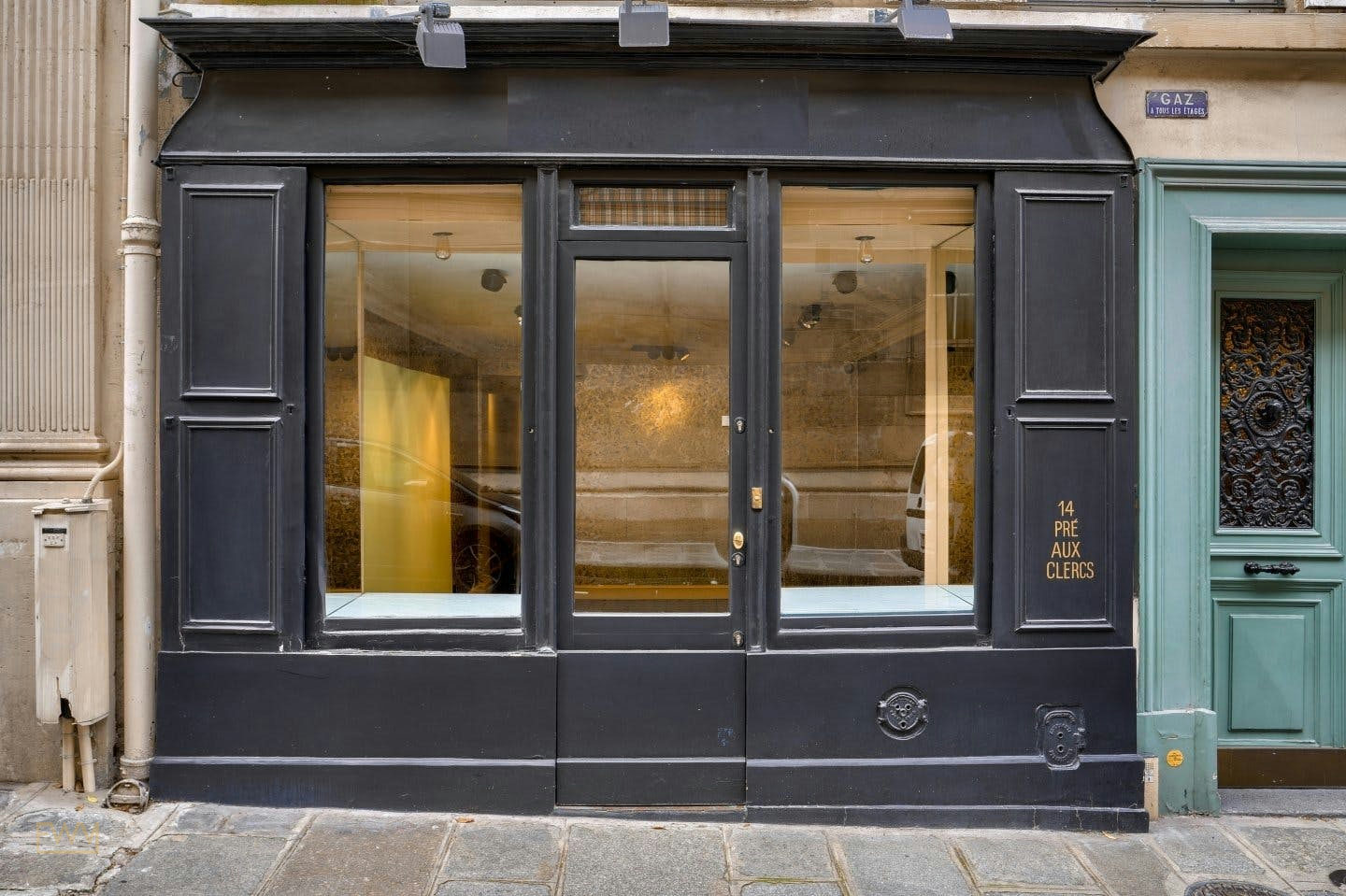
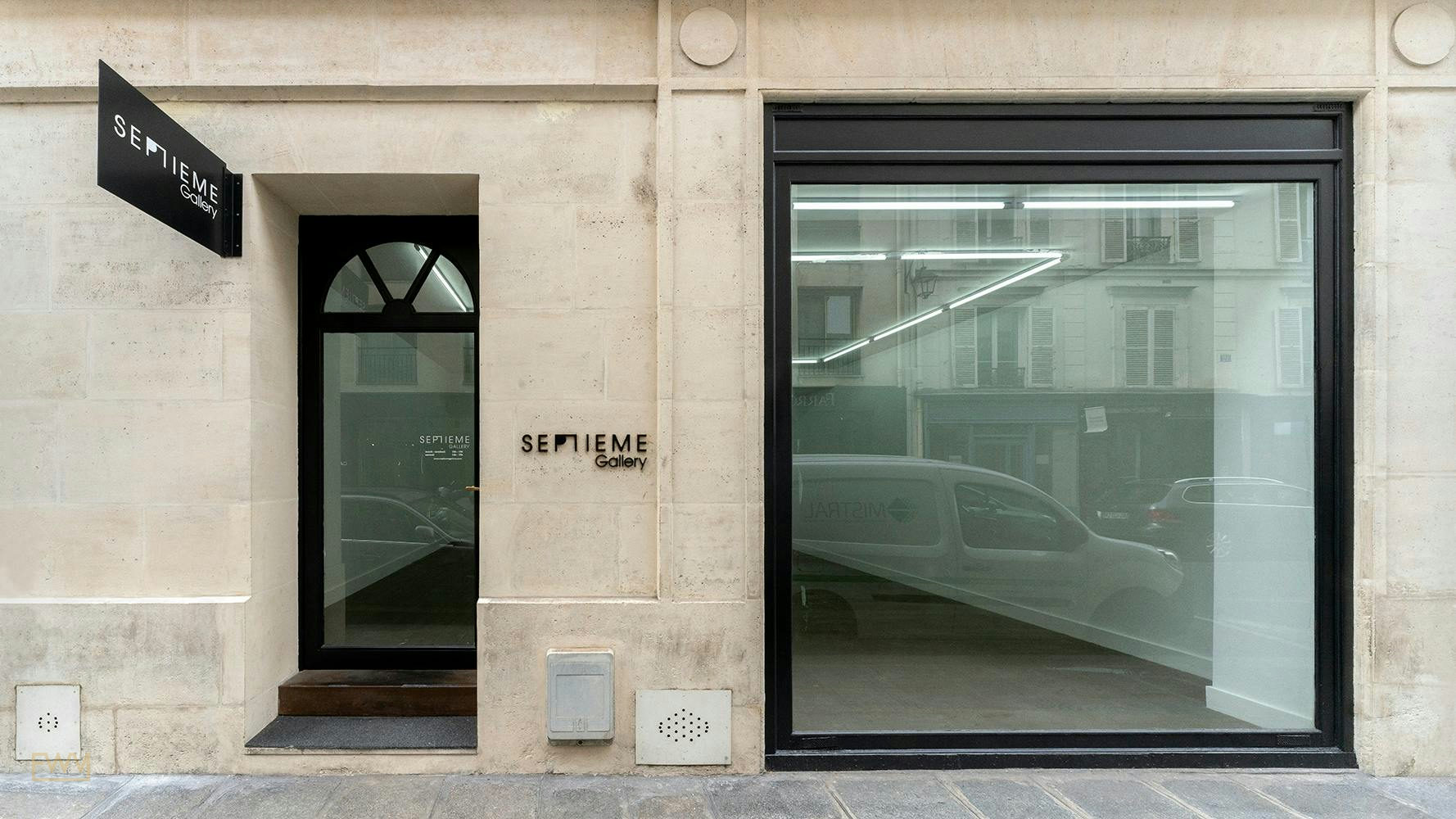
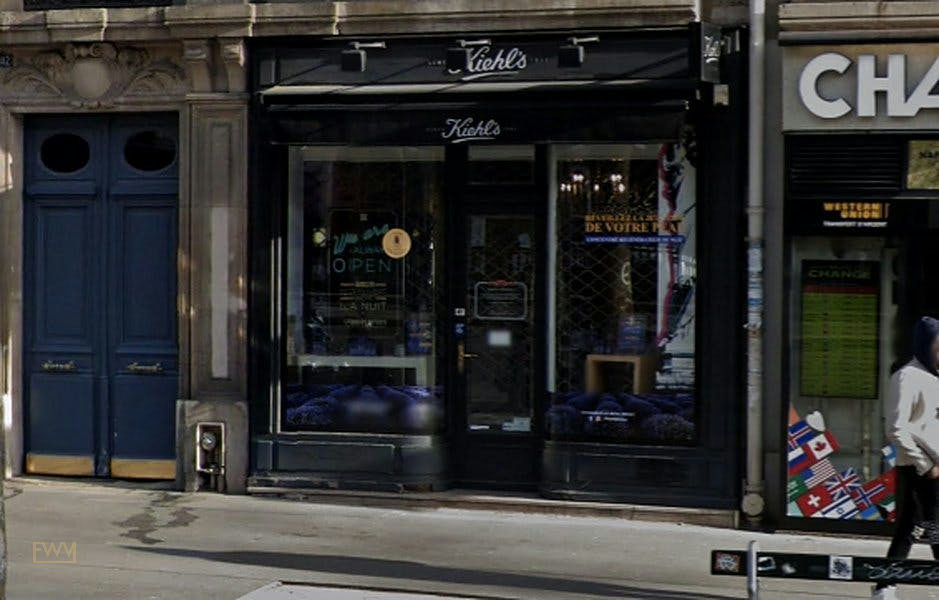
Ground-floor storefronts with direct street frontage represent the most visible and most in-demand category on Rue Saint-Honoré. These spaces typically feature large glazed facades, which are essential for product launches, capsule collections, and brand experience activations where window display forms a core part of the creative concept. Sizes vary considerably, but spaces in the 40 to 150 square metre range are most commonly available on a short-term basis. Units in this format are frequently furnished or partially fitted, with concrete floors, minimalist gallery-style interiors, or period features including Paris stone walls and exposed structural elements.
Showrooms and Private Sales Spaces
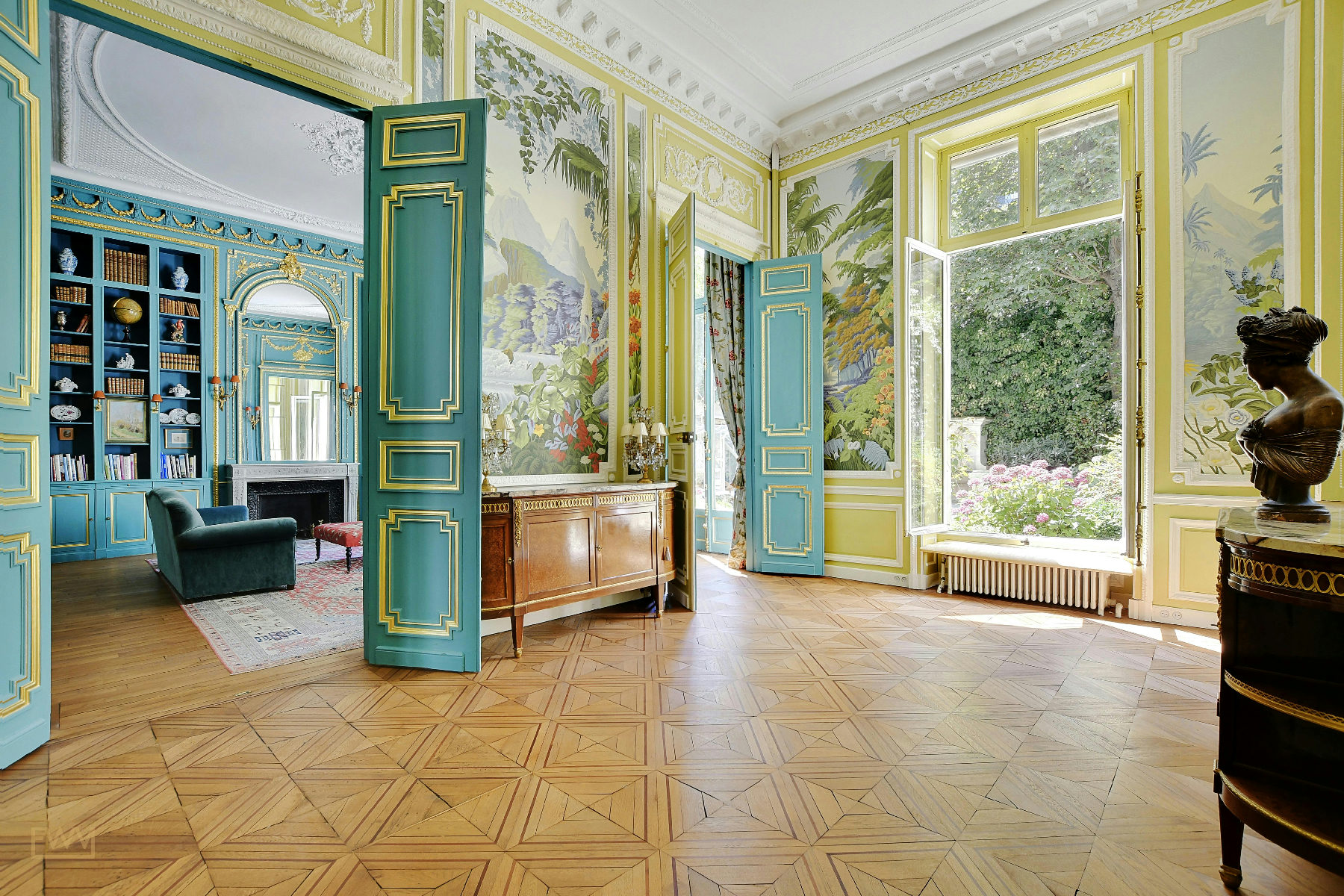
Many brands hiring space on Rue Saint-Honoré do not require public-facing retail at all. Private sales events, press showrooms, and buyer appointments represent a significant share of short-term space usage in this corridor. Showroom-format spaces, often located on upper floors or in courtyard-facing premises, offer controlled access, meeting rooms, and a more intimate environment suited to presenting collections to sophisticated buyers, international press, and wholesale clients. These spaces frequently include fibre internet, furnished configuration options, and flexible access arrangements.
Gallery and Exhibition Spaces
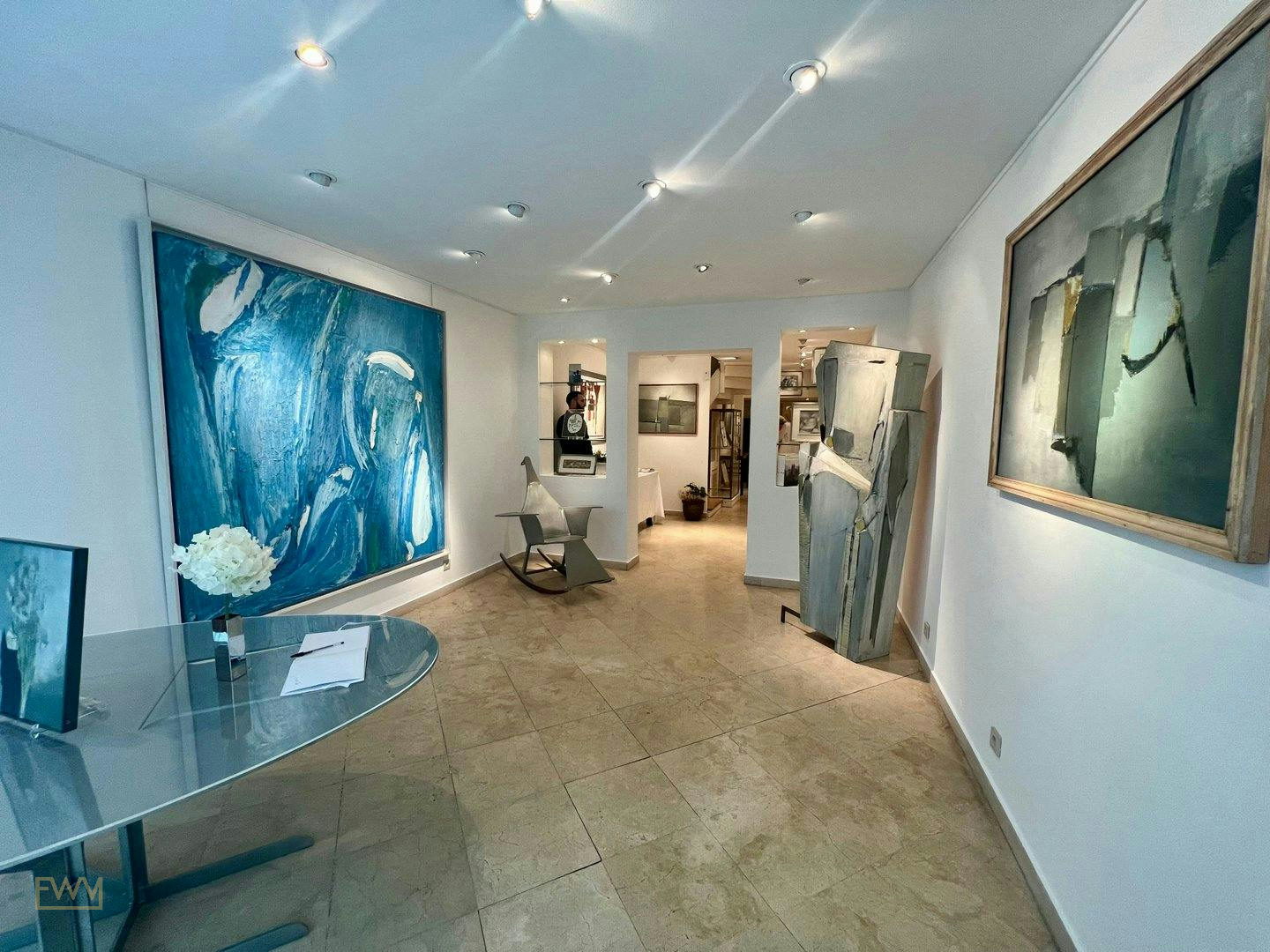
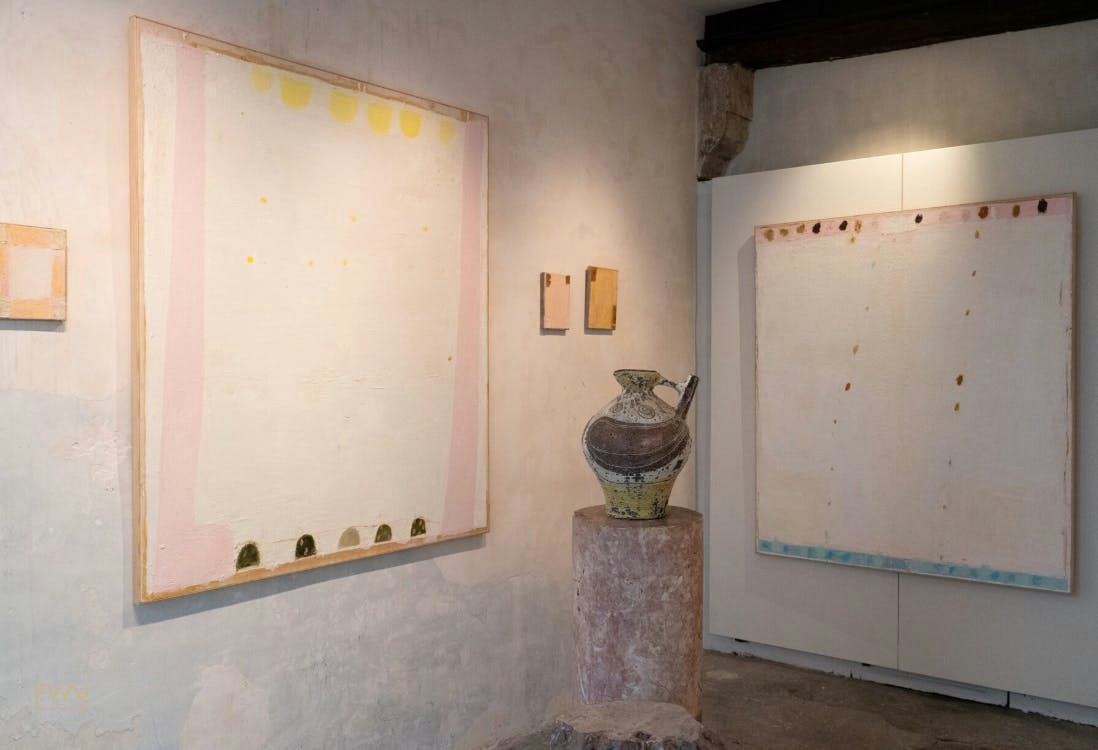
Given the proximity of Rue Saint-Honoré to major cultural institutions and art galleries in the 1st arrondissement and Palais-Royal quarter, gallery-format spaces are a common format for brands seeking to combine commercial activation with cultural positioning. These spaces typically feature white or neutral walls, polished or concrete floors, high ceilings, and natural light from north-facing or roof-lit apertures. They are well suited to exhibitions, product launches, and immersive brand experiences where the spatial quality reinforces the brand narrative.
Mixed Office and Retail Configurations
Some properties in the 1st arrondissement offer combined office and retail configurations, with ground-floor retail or showroom space and upper-floor office or studio access. This format suits brands that need a Paris base for a defined period, combining operational space with a public-facing commercial presence. These office and retail hybrids are particularly relevant during Paris Fashion Week, when brands need both a showroom for appointments and a ground-floor space for evening events or consumer activations.
Terrasse and Exterior Spaces
A small number of properties in the Saint-Honoré corridor include exterior terrasse access, courtyard space, or garden-adjacent positioning near the Tuileries Garden. These spaces are rare and command significant premiums during spring and summer seasons when outdoor brand experiences are commercially valuable.
| Space Type | Typical Format | Best Use Case | Key Features |
|---|---|---|---|
| Storefront | 40 to 150 sqm, ground floor | Pop-up retail, product launches, capsule collections | Street frontage, glazed facade, high footfall |
| Showroom | 60 to 200 sqm, upper floor or courtyard | Private sales, press events, buyer appointments | Meeting rooms, fibre internet, furnished options |
| Gallery Format | 80 to 300 sqm, flexible | Exhibitions, brand experiences, art-led activations | Neutral walls, natural light, high ceilings |
| Office and Retail | 100 to 400 sqm, multi-floor | Fashion Week base, combined showroom and studio | Flexible access, operational infrastructure |
| Terrasse and Courtyard | Variable, exterior access | Summer activations, brand events, hospitality | Outdoor space, natural light, Tuileries adjacency |
TIP: Brands hiring space in the 1st arrondissement for the first time should clarify whether a space is listed as furnished or unfurnished before requesting a viewing. Furnished spaces reduce lead time significantly but may limit the degree of branded installation possible without damaging existing fixtures.
KEY TAKEAWAY: The 1st arrondissement offers genuine variety in space types, from high-visibility storefronts to private showrooms and gallery formats. Matching space type to activation objective, rather than simply prioritising address prestige, is the single most important decision in the brief-setting process.
With space types defined, the next step is understanding the commercial and legal framework that governs short-term retail rental in France, and specifically in this arrondissement.
Permits, Leases, and Legal Frameworks for Short-Term Retail Rental in Paris
Quick answer: Short-term retail rental in France is typically structured under a bail dérogatoire, also known as a short-term commercial lease, which can run for a maximum of three years without converting to a standard commercial lease. For public-facing activations on Rue Saint-Honoré, additional authorisations including an autorisation d'occupation temporaire (AOT) may also be relevant depending on the space type and planned activity.
Brands unfamiliar with French commercial property law frequently underestimate the complexity of short-term retail rental in Paris. Unlike the United Kingdom, where licence agreements for temporary retail are relatively flexible, or the United States, where pop-up lease structures vary considerably by state, France operates a codified commercial lease framework that requires careful navigation.
The Bail Dérogatoire Explained
The bail dérogatoire is the primary legal instrument used for short-term commercial property rental in France. It allows landlords and tenants to agree on a commercial tenancy outside the standard protection of the statutory commercial lease, which would otherwise grant the tenant significant renewal rights. A bail dérogatoire can be agreed for any period up to a maximum of three years. After three years, if the tenant remains in occupation, the lease automatically converts to a full statutory commercial lease, which carries renewal rights, indemnity obligations, and significantly greater complexity.
For pop-up activations, short-term showrooms, and temporary brand events, the bail dérogatoire is the standard instrument. However, it requires formal written agreement, clear entry and exit conditions, and specific clauses addressing permitted use, reinstatement obligations, and any fit-out or modification rights. Brands should not assume that a verbal or informal agreement, even one confirmed by email, constitutes a legally binding bail dérogatoire under French law.
Autorisation d'Occupation Temporaire
Where a brand intends to occupy public space adjacent to a retail unit, including terrasse areas, pavement displays, or exterior signage, an autorisation d'occupation temporaire (AOT) is typically required from the relevant Paris arrondissement authority. Requirements vary by space type, duration, and arrondissement. The 1st arrondissement, which covers Rue Saint-Honoré, applies specific standards to exterior commercial activity given the protected urban character of the area around the Tuileries Garden, the Palais-Royal, and Place Vendôme.
IMPORTANT: Requirements for permits, authorisations, and lease structures vary by space type, duration, arrondissement, and the specific activity planned. This article provides general orientation only. Brands should verify all permit and compliance requirements with a qualified French legal advisor before signing any agreement.
Green Lease Clauses and ESG Considerations
A growing number of commercial property landlords in the Paris luxury retail market, particularly institutional investors and asset management companies operating in the 1st arrondissement, now include green lease clauses in short-term agreements. These clauses address energy efficiency, environmental performance, waste management, and ESG performance reporting. Brands negotiating leases on properties managed by major asset management companies should anticipate these clauses and ensure that any planned renovation, fit-out, or installation is consistent with the environmental performance requirements of the space.
The permit guidance tool on Fashion Week Venues provides orientation on the permit categories relevant to short-term retail activations in Paris, though brands must verify specifics with their legal advisors.
KEY TAKEAWAY: The bail dérogatoire framework is the correct instrument for most short-term retail rentals on Rue Saint-Honoré, but it requires formal written agreement and careful structuring. Brands should not treat permit and compliance issues as secondary concerns. They are primary to a successful activation.
With the legal framework understood, the next step is planning the timeline and budget for a Rue Saint-Honoré activation, both of which require market-specific calibration.
Planning Your Timeline and Budget for a Rue Saint-Honoré Activation
Quick answer: A well-managed short-term retail activation on Rue Saint-Honoré typically requires a planning horizon of six to twelve weeks from initial space search to opening day, with the timeline extending when fit-out, permit applications, or bespoke production are involved. Budget ranges are highly variable depending on space size, duration, fit-out scope, and staffing requirements. Brands should use directional budget modelling as early as possible rather than waiting until a specific space is identified.
One of the most consistent errors made by brands entering the Paris luxury retail market for the first time is underestimating lead times. Unlike some other European cities where a flexible short-term space can be occupied within days, Paris requires time for lease negotiation, permit applications where relevant, fit-out procurement, and staffing confirmation. For activations timed to coincide with Paris Fashion Week, the lead time pressure is compounded by the fact that the best spaces on Rue Saint-Honoré and the surrounding 1st arrondissement are often committed months in advance.
Recommended Timeline for a Standard Activation
| Phase | Activity | Recommended Lead Time |
|---|---|---|
| Brief and Strategy | Define space type, size, duration, budget, and activation concept | 12 to 16 weeks before activation |
| Space Search | Identify and shortlist candidate spaces, conduct viewings | 10 to 14 weeks before activation |
| Lease Negotiation | Agree bail dérogatoire terms, legal review, signing | 8 to 10 weeks before activation |
| Permit Applications | Submit AOT and any other required applications | 8 to 12 weeks before activation |
| Concept and Design | Finalise branded store design and production drawings | 6 to 8 weeks before activation |
| Fit-Out and Production | Complete installation, fixtures, and visual merchandising | 1 to 2 weeks before activation |
| Staffing and Training | Confirm retail staffing, complete product and brand training | 1 to 2 weeks before activation |
| Activation Live | Open to public, manage operations, capture data | Duration of activation |
| Defit and Reinstatement | Remove all fit-out, reinstate space to agreed condition | Within lease exit window |
Budget planning for a Rue Saint-Honoré activation must account for several distinct cost categories. Rental costs are only one component, and in premium addresses they represent a meaningful but not always dominant share of total activation expenditure. Fit-out and production, staffing, influencer marketing, permit fees, legal costs, and operational costs during the activation period all contribute to total investment. Brands should build their budget modelling from the ground up using all categories, not just the headline rental figure.
The budget estimation tool on Fashion Week Venues allows brands to model directional costs based on space size, duration, and activation scope. This is particularly useful in early-stage planning before a specific space has been identified.
TIP: For activations timed to Paris Fashion Week in February or September, begin your space search no later than October for February and no later than April for September. The most strategically positioned spaces in the 1st arrondissement and on Rue Saint-Honoré are typically committed well before the public-facing fashion calendar begins.
KEY TAKEAWAY: Timeline and budget planning for a Rue Saint-Honoré activation must begin earlier than most brands anticipate. The combination of constrained inventory, formal lease requirements, and permit lead times means that brands who begin planning with three or four weeks to spare will frequently find the best spaces already committed.
Understanding the geography of the surrounding area helps brands make more precise neighbourhood and positioning decisions, which is addressed in the next section.
Neighbourhood Comparison: Rue Saint-Honoré and the 1st Arrondissement Versus Other Paris Retail Zones
Quick answer: Rue Saint-Honoré and the 1st arrondissement offer the highest concentration of luxury retail adjacency and international tourist footfall in Paris, but they also carry the highest rental costs and the most competitive inventory constraints. Depending on a brand's target audience, budget, and activation type, alternative zones such as Le Marais, Saint-Germain, the Champs Élysées corridor, or Sentier may offer better strategic value.
Paris is not a single retail market. It is a collection of distinct commercial neighbourhoods, each with its own buyer profile, footfall characteristics, rental dynamics, and brand adjacency context. Brands making decisions about where to hire retail space in Paris should approach the neighbourhood decision as strategically as the space selection itself.
To compare neighbourhoods and space types for your specific brief, explore the Paris city hub on Fashion Week Venues and shortlist spaces that match your brief, budget, and calendar window.
| Neighbourhood | Primary Buyer Profile | Footfall Character | Best For | Key Considerations |
|---|---|---|---|---|
| Rue Saint-Honoré, 1st arrondissement | International luxury buyers, sophisticated Parisian shoppers | High, concentrated luxury footfall | Luxury pop-ups, haute couture activations, private sales | Highest rental costs, constrained inventory, permit complexity |
| Le Marais, 3rd and 4th arrondissement | Younger buyers, trend-driven, mixed international | Very high, diverse, consistent weekend peaks | Emerging brands, streetwear, creative activations | Competitive but more accessible rental market |
| Saint-Germain, 6th arrondissement | Affluent Parisian residents, international cultural tourists | Steady, quality-focused, less volume-driven | Lifestyle brands, art-adjacent activations, bookings tied to cultural events | Strong brand positioning, somewhat quieter outside peak seasons |
| Champs Élysées, 8th arrondissement | Mass international tourists, French visitors | Highest raw volume in Paris | Mass-market launches, flagship brand activations, global campaign moments | High visibility but lower luxury brand density |
| Sentier and Opéra, 2nd and 9th arrondissement | Creative industry, tech, digital-native brands | Strong weekday professional footfall | Brand offices, showrooms, creative industry events | More affordable, growing creative credibility |
| Palais-Royal, 1st arrondissement | Design-conscious luxury buyers, international press | Curated, lower volume but extremely high quality | Design-led brands, concept stores, press-facing activations | Very limited availability, long lead times required |
The Rue Saint-Honoré corridor benefits from exceptional metro connectivity. The Pyramides and Opéra stations to the east connect the street to the broader Paris transport network, and the Tuileries Garden to the south creates a pedestrian zone that channels significant foot traffic past Saint-Honoré-facing retail throughout the day. During fashion weeks, this connectivity is amplified by the proximity of show venues, press offices, and luxury hotel clusters in the 1st and 8th arrondissements.
Brands evaluating Rue Saint-Honoré against the Marais or Saint-Germain should consider the merchandising implications of each neighbourhood. A brand selling accessible luxury or lifestyle product may find that Saint-Germain's more relaxed, residential character creates stronger dwell time and conversion rates than the higher-footfall but faster-moving environment of Rue Saint-Honoré. Conversely, a brand seeking to establish international credibility, engage with press and buyers, and create shareable brand moments will find it difficult to replicate the specific conditions that Rue Saint-Honoré provides.
KEY TAKEAWAY: Neighbourhood selection should be driven by a clear analysis of buyer profile, activation objective, and budget, not by prestige alone. Rue Saint-Honoré and the 1st arrondissement offer unique conditions for luxury and fashion brands, but several other Paris neighbourhoods provide compelling alternatives depending on the brief.
Understanding the Paris luxury retail market's current commercial dynamics, including pricing trends, investor activity, and inventory constraints, provides useful context for any brand planning to hire space in this zone.
Paris Luxury Retail Market Dynamics and What They Mean for Brands Hiring Space
Quick answer: The Paris luxury retail market on and around Rue Saint-Honoré is characterised by constrained supply, sustained international demand, and increasing institutional investment. For brands seeking to hire retail space, this translates into competitive availability, premium pricing, and the importance of working with market-connected partners who have established landlord relationships.
The Rue Saint-Honoré corridor sits within one of the most institutionally significant retail real estate markets in Europe. Asset management companies, sovereign wealth vehicles, and private equity investors have consistently allocated capital to this zone, attracted by the combination of luxury tenant quality, international visitor volumes, and the defensive income characteristics of premium Paris retail addresses. Oxford Properties Group is among the institutional names associated with significant property investment in the Paris luxury retail market, reflecting the confidence that sophisticated buyers and real estate investors place in this specific geography.
Supply Constraints and Inventory Dynamics
The inventory of genuinely premium short-term retail space on Rue Saint-Honoré and in the immediate 1st arrondissement area is structurally constrained. The street's protected architectural character limits new development, and the concentration of long-term luxury tenants, including Maisons de Couture, high jewellery houses, and flagship boutiques from brands such as Valentino, means that ground-floor storefronts are rarely available for short-term rental. When spaces do become available, they are typically offered through specialist commercial property networks, private property agents, or platforms such as Flexas that focus on the French and European commercial market.
The reference system used by some commercial property listings for Rue Saint-Honoré spaces, including codes such as RMSNS and spatial addresses such as 273 Rue Saint-Honoré and 336 Rue Saint Honoré, reflects the granular identification used by agents and property managers to categorise and track specific units within a tightly controlled inventory.
Pricing Dynamics and Buyer Profiles
Pricing for short-term retail space on Rue Saint-Honoré reflects both the premium location and the scarcity of available units. Brands should expect rental costs that are directionally higher than comparable space in Le Marais, Saint-Germain, or Sentier. However, the relevant comparison is not simply cost per square metre against other Paris neighbourhoods. The correct comparison is the commercial return generated per euro of total activation expenditure, weighted by the specific buyer profile and brand engagement quality that each location produces. For brands targeting the luxury and high-fashion segment, the Rue Saint-Honoré buyer profile, characterised by international tourists, sophisticated Parisian buyers, and fashion industry insiders, may justify a significant cost premium versus a higher-footfall but less commercially qualified location.
DID YOU KNOW: The concentration of boutique hotels within walking distance of Rue Saint-Honoré, including several five-star properties in the 1st and 8th arrondissements, means that hotel guests representing the highest-spending segment of international retail visitors regularly pass through this corridor as part of their daily movement patterns between accommodation, dining, and shopping.
ESG and Renovation Considerations
A notable trend in the Paris luxury retail property market is the increasing prominence of ESG-related terms in short-term and medium-term commercial agreements. Landlords managing properties with energy efficiency commitments under French environmental legislation, or with institutional investors requiring ESG performance reporting, increasingly incorporate green lease clauses that specify energy consumption limits, waste management obligations, and environmental performance standards. Brands planning fit-outs involving significant electrical infrastructure, temporary construction, or intensive event lighting should clarify the ESG requirements of any space before committing to a lease.
KEY TAKEAWAY: The Paris luxury retail market around Rue Saint-Honoré operates with structural supply constraints, institutional capital support, and increasing ESG requirements. Brands entering this market without specialist market knowledge and established landlord connections will face significant disadvantages in accessing and securing the best available spaces.
The food and beverage landscape of the Rue Saint-Honoré area deserves specific attention, both as a cultural context for understanding the neighbourhood and as a practical consideration for brands planning hospitality-integrated activations.
The Rue Saint-Honoré Neighbourhood: Cultural Context, Hospitality, and Brand Experience
Quick answer: The Rue Saint-Honoré neighbourhood is not only a commercial retail zone but a living cultural and culinary district whose character directly influences the type of brand experiences that resonate with its audience. Brands activating here can benefit from proximity to celebrated food and hospitality destinations, which can be incorporated into event programmes, press day experiences, and consumer activations.
Any brand planning to hire retail space on Rue Saint-Honoré should spend time understanding the neighbourhood not just as a commercial property market but as a physical and cultural environment. The 1st arrondissement contains some of Paris's most celebrated culinary addresses, cultural institutions, and hospitality experiences, all of which influence the mood, pace, and expectations of the visitors who pass through the street each day.
Food, Patisserie, and Neighbourhood Character
The Cremeries of Paris, a category of traditional Parisian food retail establishments, represent part of the historical commercial fabric of the area. More contemporary but equally celebrated is Jean-Paul Hévin, the Parisian chocolatier whose presence on Rue Saint-Honoré has made the address synonymous with refined Parisian confectionery culture. For brands planning press days, private sales events, or consumer experiences in the area, the availability of exceptional Parisian hospitality, from assorted macarons boxes and glacé products to seasonal offerings such as Iced Pavlova, Cocoa Iced Vacherin, Belles-Feuilles with strawberry coulis, and summer flavors from local artisan suppliers, creates a hospitality infrastructure that can meaningfully enhance the quality of brand events. The tradition of Livraison de glaces, the delivery of ice cream and frozen confections in Paris, also supports catering options for summer activations in the area.
Restaurants and Boutique Hotels
The concentration of restaurants in the immediate Rue Saint-Honoré area, from neighbourhood bistros to Michelin-recognised tables, means that brands hosting press dinners, buyer evenings, or hospitality-integrated activations have exceptional options within walking distance of their space. Boutique hotels in the 1st arrondissement and adjacent 8th provide accommodation for visiting press, buyers, and brand teams, and their concierge infrastructure can support brand visibility through guest recommendation programmes and collaborative content opportunities.
The Tuileries Garden and Seasonal Activation
The proximity of the Tuileries Garden to Rue Saint-Honoré creates seasonal activation opportunities that brands in other Paris neighbourhoods cannot access. During summer months, the garden draws significant numbers of Parisian residents, tourists, and cultural visitors, many of whom also pass through the Rue Saint-Honoré commercial zone. For brands with outdoor terrasse access or courtyard space, summer activations in this environment can combine fresh air, cultural adjacency, and the specific quality of light and atmosphere that characterises the Tuileries Garden quarter. The Palais-Royal to the east of the street provides a similar quality of public garden adjacency, with a more intimate and design-oriented character that suits concept stores and gallery-format activations.
KEY TAKEAWAY: The cultural and hospitality context of the Rue Saint-Honoré neighbourhood is an active asset for brand activations, not merely a pleasant backdrop. Brands that thoughtfully incorporate the neighbourhood's food, hospitality, and spatial character into their activation concept create experiences that feel genuinely Parisian rather than simply placed in Paris.
Practical guidance on hiring a full-service agency to support a Rue Saint-Honoré activation is addressed in the next section, including an explanation of how Fashion Week Venues specifically supports brand teams in this market.
How Fashion Week Venues Supports Brands Hiring Retail Space on Rue Saint-Honoré
Quick answer: Fashion Week Venues provides end-to-end support for brands seeking to hire retail space on Rue Saint-Honoré and across the Paris 1st arrondissement, covering venue sourcing, concept direction, production and fit-out, activation management, staffing, and data capture. The agency's tools and marketplace are designed to make the process more efficient and transparent for brand teams who may not have existing relationships in the Paris market.
Hiring retail space on Rue Saint-Honoré as an international brand without established Paris market relationships is genuinely challenging. The combination of constrained inventory, formal lease requirements, local contractor networks, permit processes, and the operational complexity of running a physical retail activation in a foreign city creates a significant execution burden. Fashion Week Venues is designed specifically to reduce that burden.
Venue Sourcing and Space Discovery
The venue sourcing service at Fashion Week Venues provides brands with access to a curated range of spaces in Paris, including the Rue Saint-Honoré corridor and the broader 1st arrondissement. Rather than relying solely on public commercial property listings, which tend to underrepresent the best available spaces, the venue sourcing process draws on established landlord relationships and a live understanding of which spaces are becoming available and when. This is particularly important in a market with structural inventory constraints such as the Saint-Honoré corridor.
Concept Direction and Branded Store Design
Many brands hiring space on Rue Saint-Honoré for the first time approach the process with a product or commercial brief but without a fully developed spatial concept. The concept direction service works with brand teams to develop a spatial concept that is appropriate for the specific space, consistent with the brand identity, and achievable within the agreed timeline and budget. The branded store design service then translates that concept into a buildable design, coordinating fixtures, furniture, signage, and visual merchandising into a coherent whole.
Production, Fit-Out, and Furniture
The production and build service manages the physical transformation of a hired space into a branded environment. In the context of Rue Saint-Honoré spaces, this requires sensitivity to the architectural character of the property, awareness of any lease restrictions on modifications, and coordination with local contractors who understand the working conditions specific to 1st arrondissement buildings, many of which are Haussmann-era or older and require specialist handling during any fit-out or installation work.
Activation Management and Staffing
The activation management service covers the day-to-day operational management of a live activation, from opening procedures and customer flow management to press and VIP visit coordination. The retail staffing service provides trained, brand-briefed staff who can represent the brand professionally in a luxury retail environment. For international brands activating in Paris for the first time, having French-speaking, fashion-industry-literate staff is essential to delivering the correct brand experience to both Parisian visitors and international tourists.
Tools for Independent Research and Planning
For brand teams who want to conduct their own research before engaging a full-service agency, the Fashion Week Venues toolkit provides practical starting points. The timeline planning tool helps teams work backwards from an activation date to understand when each phase of planning must begin. The ROI calculation tool allows teams to model the commercial return of different space and duration combinations against their brand and commercial objectives. The space comparison tool supports side-by-side evaluation of candidate spaces against a consistent set of criteria.
For brands uncertain whether to hire an agency or manage independently, the guide to hiring a pop-up agency provides a clear framework for making that decision.
IMPORTANT: Fashion Week Venues does not guarantee access to any specific space, permit approval, or commercial outcome. The agency provides support, expertise, and market connections, but all lease agreements, permit applications, and commercial decisions remain the responsibility of the brand and its legal advisors.
KEY TAKEAWAY: Fashion Week Venues provides practical, end-to-end support for the process of hiring and activating retail space on Rue Saint-Honoré, but brands should approach the engagement with clear briefs, realistic timelines, and an understanding that even the best-supported activation requires significant brand-side commitment and decision-making.
The myth and fact section below addresses several persistent misconceptions that complicate brand decision-making about hiring retail space in Paris and on Rue Saint-Honoré specifically.
Common Myths About Hiring Retail Space in Paris Debunked
MYTH: You need a French legal entity to rent a retail space in Paris.
FACT: Foreign companies and international brands can enter into commercial lease agreements in France, including bail dérogatoire arrangements, without having a registered French legal entity. However, landlords may require additional financial guarantees, parent company guarantees, or deposits from non-French entities. The specific requirements vary by landlord, property, and lease duration, and should be clarified early in the negotiation process with the support of a French legal advisor.
MYTH: Paris Fashion Week is the only viable calendar window for a Rue Saint-Honoré activation.
FACT: While the February and September Paris Fashion Week periods represent peak demand windows for short-term retail space in the 1st arrondissement, they are not the only commercially viable periods. The luxury retail calendar in Paris is sustained year-round by international tourism, private sales seasons, the December gifting period, and events such as Maison et Objet, Paris Design Week, and FIAC. Brands that activate outside the fashion week windows can sometimes access better quality spaces at more competitive terms, while still benefiting from the sustained luxury footfall that characterises Rue Saint-Honoré throughout the year.
MYTH: Commission-based property brokers are the only way to find a short-term retail space in Paris.
FACT: Commission brokers remain active in the Paris commercial property market, but they are not the only route to finding a suitable space. Specialist pop-up and short-term retail agencies, marketplace platforms, direct landlord relationships, and networks such as those maintained by Fashion Week Venues provide alternative access routes that may be better suited to brands seeking short-duration, activation-ready spaces rather than institutional commercial tenancies. Brands should evaluate all routes to market rather than defaulting to a single channel.
MYTH: Short-term retail leases in Paris are legally straightforward and can be agreed quickly without specialist help.
FACT: Short-term commercial leases in France, including bail dérogatoire agreements, involve specific legal requirements under the French Commercial Code. Errors in drafting, missing mandatory clauses, or informal agreements that are not properly constituted can expose brands to significant legal and financial risk, including unintended conversion to a full statutory commercial lease. Brands should always engage a qualified French legal advisor before signing any commercial property agreement in France, regardless of the duration or apparent simplicity of the arrangement.
MYTH: A higher-footfall location always produces a better commercial outcome for a luxury pop-up.
FACT: Footfall volume and commercial outcome are not the same thing for luxury and high-fashion activations. The Champs Élysées, for example, generates the highest raw pedestrian footfall of any Paris commercial street, but the buyer profile and brand adjacency context differ significantly from Rue Saint-Honoré. For luxury brands, the quality and commercial profile of the visitor matters considerably more than the volume. The Rue Saint-Honoré corridor consistently delivers a more commercially qualified visitor profile for luxury activations than higher-footfall but less luxury-concentrated alternatives.
Frequently Asked Questions About Hiring Retail Space on Rue Saint-Honoré
What is a storefront space in the 1st arrondissement of Paris typically used for?
Storefront spaces in the 1st arrondissement are used for a wide range of commercial and brand activities. The most common uses include short-term pop-up retail, capsule collection launches, private sales events, press showrooms, brand experience activations, and art or product exhibitions. In the Rue Saint-Honoré corridor specifically, storefronts are also used for haute couture presentation, jewellery and accessories display, and luxury lifestyle brand installations. Some spaces are configured as combination retail and event venues, allowing daytime retail trading alongside evening events and press appointments. The specific permitted uses of any individual space depend on the terms of the lease and any relevant planning or permit requirements applicable to the property.
How long can you rent a storefront in the 1st arrondissement of Paris?
Short-term retail rentals in the 1st arrondissement are most commonly structured using a bail dérogatoire, which can run for any period up to a maximum of three years. In practice, pop-up and brand activation rentals typically run for periods of one week to three months, with Fashion Week-aligned activations often lasting one to two weeks. Medium-term rentals for showroom or brand office purposes can extend to six or twelve months. Rentals beyond three years under a bail dérogatoire automatically convert to a full statutory commercial lease, which carries significantly different rights and obligations. Brands should clarify the intended duration at the outset and ensure the lease is structured appropriately for that duration.
Is the Paris 1st arrondissement suitable for temporary retail?
Yes, the 1st arrondissement is well-suited to temporary retail for the right type of brand and activation. The combination of sustained luxury footfall, proximity to international hotels and cultural institutions, fashion industry concentration during Fashion Week periods, and the prestige of addresses such as Rue Saint-Honoré and the Palais-Royal quarter make this arrondissement one of the most commercially compelling temporary retail environments in Europe. However, suitability depends heavily on budget, activation type, and the specific space available. Brands with budgets calibrated for more accessible Paris neighbourhoods may find better commercial value in Le Marais, Saint-Germain, or the Sentier district.
What types of commercial properties are available in the 1st arrondissement?
The 1st arrondissement offers a range of commercial property types for short-term and medium-term rental. These include ground-floor storefronts with street frontage on Rue Saint-Honoré and surrounding streets such as Rue Saint-Roch and Rue de Place Marguerite de Navarre, upper-floor showroom and gallery spaces with courtyard or internal access, mixed office and retail configurations, vaulted cellar spaces suitable for private events, and properties with terrasse or courtyard access. Space features vary significantly and may include Paris stone walls, natural light from large glazed facades, concrete floors, minimalist gallery-style interiors, and fibre internet infrastructure. Both furnished and unfurnished options are typically available.
How does the 1st arrondissement compare to Le Marais for a fashion brand pop-up?
The 1st arrondissement and Le Marais represent two distinct commercial environments that suit different brand profiles and activation objectives. The 1st arrondissement, and Rue Saint-Honoré specifically, offers higher luxury brand adjacency, a more internationally concentrated buyer profile, and the prestige of a globally recognised luxury address. Le Marais offers higher raw footfall, a younger and more trend-responsive buyer mix, a broader range of available spaces at more competitive price points, and a cultural character that suits emerging brands, streetwear, and creative activations. Brands choosing between these two zones should base the decision on their target customer profile, activation concept, and total budget rather than address prestige alone.
What is the difference between Rue Saint-Honoré and Rue du Faubourg Saint-Honoré?
Rue Saint-Honoré and Rue du Faubourg Saint-Honoré are two distinct streets that together form a continuous east-west axis through the luxury heart of Paris. Rue Saint-Honoré runs through the 1st arrondissement, passing close to the Palais-Royal, the Tuileries Garden, and Place Vendôme. Rue du Faubourg Saint-Honoré continues westward through the 8th arrondissement and is home to some of Paris's most established luxury flagships, haute couture houses, and high jewellery boutiques. Both streets attract similar buyer profiles, but the 1st arrondissement section offers more varied space types and is more accessible for short-term rental due to slightly less constrained inventory compared to the 8th arrondissement section.
Do I need a French legal entity to hire retail space on Rue Saint-Honoré?
No, a French legal entity is not a legal prerequisite for entering into a commercial lease agreement in France. International brands and foreign companies can sign bail dérogatoire agreements and other commercial property contracts in France. However, landlords in premium addresses such as Rue Saint-Honoré may require additional financial security from non-French tenants, including parent company guarantees, bank guarantees, or enhanced cash deposits. The specific requirements vary by landlord and property. All international brands should engage a qualified French legal advisor before signing any commercial property agreement, regardless of their corporate structure.
What permits might be required for a pop-up on Rue Saint-Honoré?
Permit requirements for a pop-up retail activation on Rue Saint-Honoré depend on the specific space, the planned activity, and the duration of the rental. For internal activations within a private commercial space, a bail dérogatoire is typically the primary legal instrument required. For activities involving public-facing signage, exterior displays, terrasse use, or occupation of pavement space, an autorisation d'occupation temporaire (AOT) from the Paris 1st arrondissement authority may be required. Event-specific permits may also be needed for evening activations, product launches with guests, or activities that involve noise, catering, or alcohol service. Requirements vary and should be verified with a French legal advisor. The permit guidance tool on Fashion Week Venues provides general orientation on permit categories.
How far in advance should I start looking for space on Rue Saint-Honoré?
For activations tied to Paris Fashion Week in February or September, brands should begin their space search a minimum of ten to fourteen weeks before the planned activation start date, and ideally earlier. The best spaces on Rue Saint-Honoré and in the immediate 1st arrondissement area are typically committed several months in advance of peak calendar windows. For non-Fashion Week activations, a six to ten week lead time is more commonly achievable, though this depends on the specific space type, size, and duration required. Brands planning complex fit-outs or activations requiring permit applications should add additional lead time to account for approval processes.
Can I use Rue Saint-Honoré space for a private sales event?
Yes, private sales events are a common use for short-term retail space in the Rue Saint-Honoré corridor and the wider 1st arrondissement. Showroom-format spaces and upper-floor units are particularly well-suited to this format, offering controlled access, meeting room infrastructure, and an intimate environment appropriate for presenting product to invited buyers, press, and high-value customers. Brands hosting private sales in this area benefit from the quality of the surrounding luxury environment, which reinforces the exclusivity of the event. The permitted commercial uses of any specific space should be confirmed in the lease agreement, as some properties have restrictions on the type of transactions that can be conducted from the premises.
What is the best space format for a product launch on Rue Saint-Honoré?
For a product launch on Rue Saint-Honoré, the most effective space formats are typically ground-floor storefronts with glazed street-facing facades, which provide high visibility and allow window displays to function as an outdoor brand communication channel. Gallery-format spaces with high ceilings, neutral interiors, and natural light are well-suited to launches where the product itself requires space and presentation quality. For launches with a significant press and influencer component, spaces with internal event areas, meeting rooms, and hospitality infrastructure allow the brand to host both a public-facing activation and private press appointments simultaneously. The specific format should be matched to the brand's visual identity, the nature of the product, and the intended audience for the launch.
Is Rue Saint-Honoré accessible by public transport?
Rue Saint-Honoré is well-served by the Paris public transport network. The Pyramides and Opéra metro stations are located to the east of the street, providing connections to the broader Paris metro and RER networks. The Tuileries metro station is located to the south, providing direct access from central Paris. The street is also accessible by bus on multiple routes serving the 1st arrondissement. For international visitors, the proximity to major luxury hotels in the 1st and 8th arrondissements means that many visitors arrive on foot from their accommodation. The combination of metro accessibility, hotel proximity, and pedestrian connectivity from the Tuileries Garden and Palais-Royal contributes to the consistent foot traffic quality that makes this street commercially valuable for brand activations.
Can I hire space on Rue Saint-Honoré for a single day or weekend?
Yes, single-day and weekend rentals are possible in the 1st arrondissement, though they are less common on Rue Saint-Honoré itself due to the administrative and fit-out overhead relative to the duration. Very short-term rentals of one to three days are more typically associated with event spaces, gallery formats, or spaces that are pre-configured and require minimal installation. For brands seeking a single-day launch event or weekend activation, it is important to factor in the time required for installation and defit, which may require access on days before and after the event itself, effectively extending the rental period. Some spaces also apply minimum rental periods that exceed a single day or weekend.
How does Paris compare to New York City for luxury pop-up activations?
Paris and New York City both offer world-class environments for luxury pop-up and short-term retail activations, but they operate under different market conditions, legal frameworks, and buyer profiles. Paris, and Rue Saint-Honoré specifically, offers deeper cultural legitimacy for European luxury and fashion brands, a more concentrated luxury buyer profile in a smaller geographic area, and a fashion calendar that drives sustained international press and buyer attention twice per year. New York City offers a larger consumer market, more flexible lease structures, and a broader range of space formats. For brands with global ambitions, activations in both cities serve different strategic purposes rather than being direct substitutes. Brands should assess each city based on their specific commercial objectives rather than treating them as equivalent.
What should I include in a brief when requesting a space on Rue Saint-Honoré?
A strong brief for a Rue Saint-Honoré space request should include the activation dates and duration, the minimum and maximum space size in square metres, the required space type such as storefront, showroom, or gallery format, the planned use such as retail, private sales, press event, or product launch, the approximate total activation budget including rental and fit-out, the expected number of visitors or guests per day, any specific feature requirements such as natural light, street frontage, vaulted ceilings, or terrasse access, and the brand name and category. Including this level of detail in a space request significantly increases the relevance and speed of responses from agents, landlords, and agencies. Vague requests without defined dates, sizes, or budgets typically result in delays and mismatched proposals.
Conclusion: Making the Decision to Hire Retail Space on Rue Saint-Honoré
Hiring retail space on Rue Saint-Honoré is one of the most strategically significant decisions a brand can make when entering or deepening its presence in the Paris luxury market. The address carries genuine commercial weight, a buyer profile that is difficult to replicate elsewhere in Île-de-France, and a cultural context that reinforces brand positioning at the highest level. But it also demands careful planning, realistic timelines, specialist legal support, and a clear activation concept that is worthy of the environment.
The key decisions that will determine the success of a Rue Saint-Honoré activation are not primarily about the space itself. They are about the quality of the brief, the precision of the timeline, the appropriateness of the budget model, and the degree to which the activation concept reflects both the brand identity and the specific character of this neighbourhood. Brands that approach the process with those foundations in place are far better positioned to access the right space, deliver an effective activation, and generate the commercial and brand outcomes that justify the investment.
Fashion Week Venues supports brands through every stage of this process, from initial space discovery to post-activation data analysis. The agency's combination of market knowledge, specialist services, and practical tools is designed to make the Paris activation process more efficient, more transparent, and more commercially effective for brand teams operating at every scale.
To move from research to activation, start exploring available spaces on the Fashion Week Venues marketplace and build a focused brief for your target neighbourhood, space type, and calendar window. The Paris luxury retail market rewards preparation. Begin yours now.