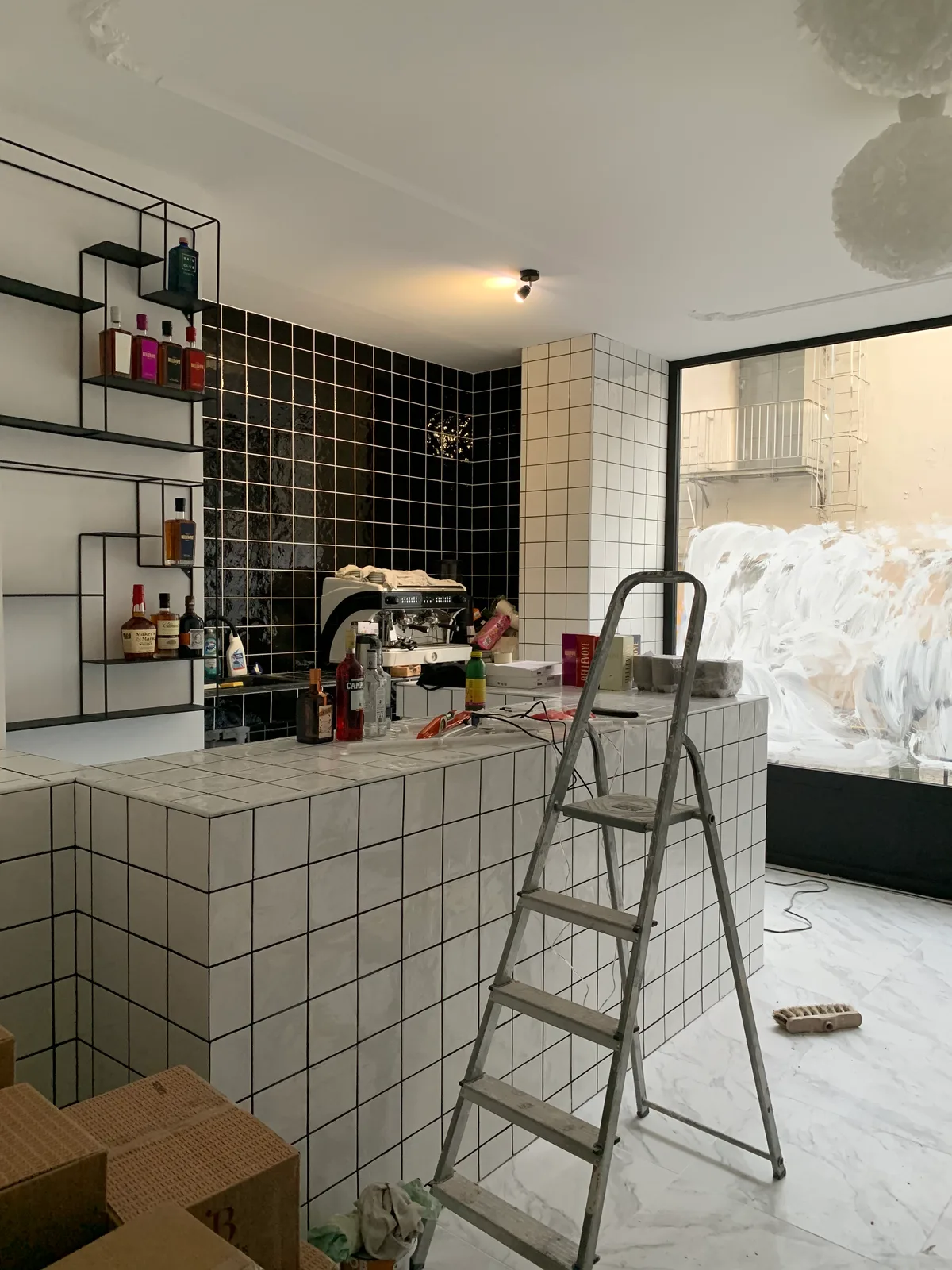
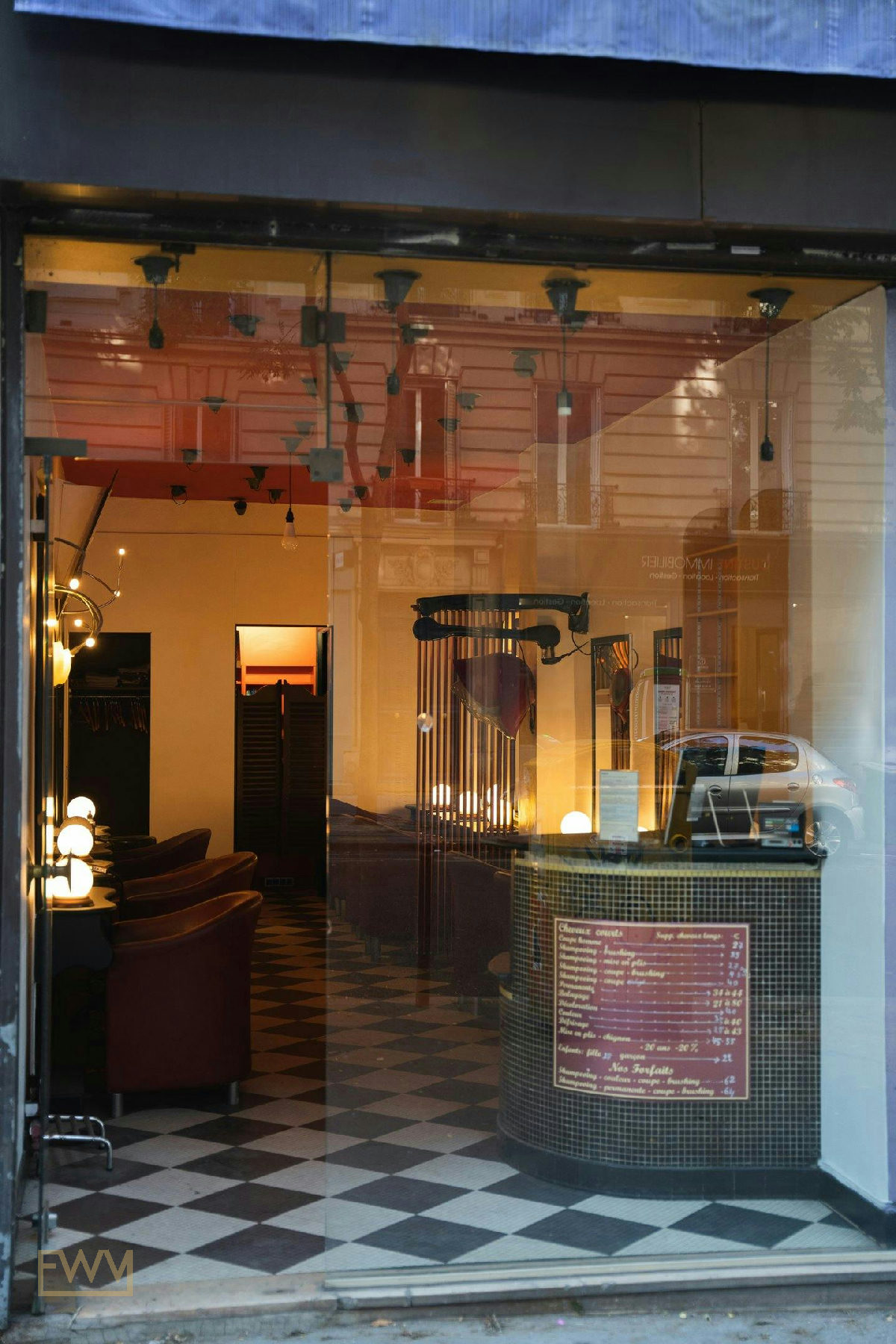
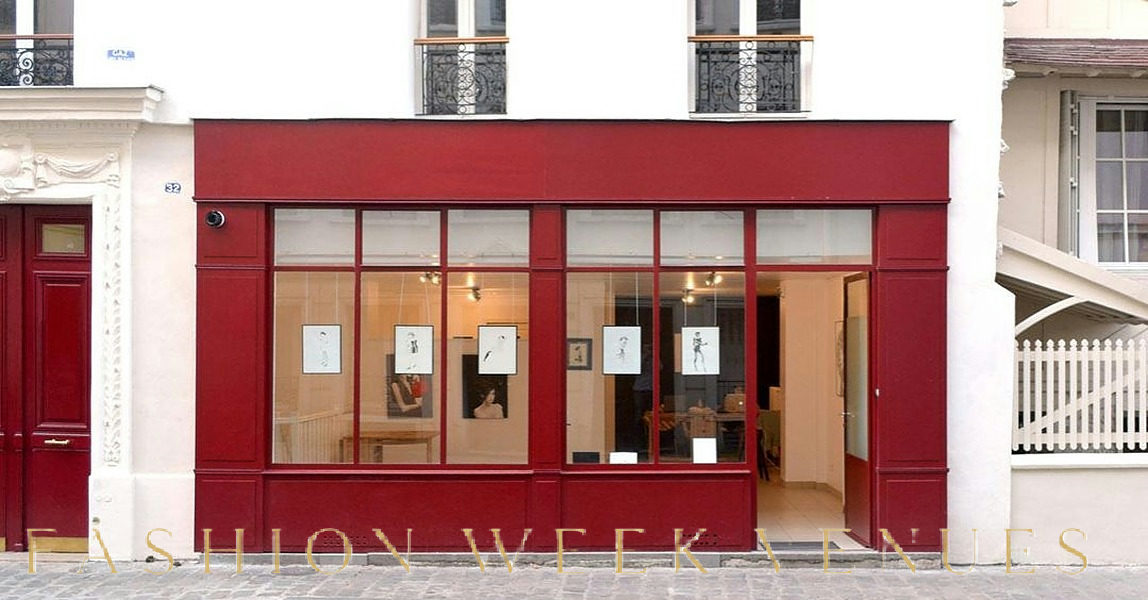
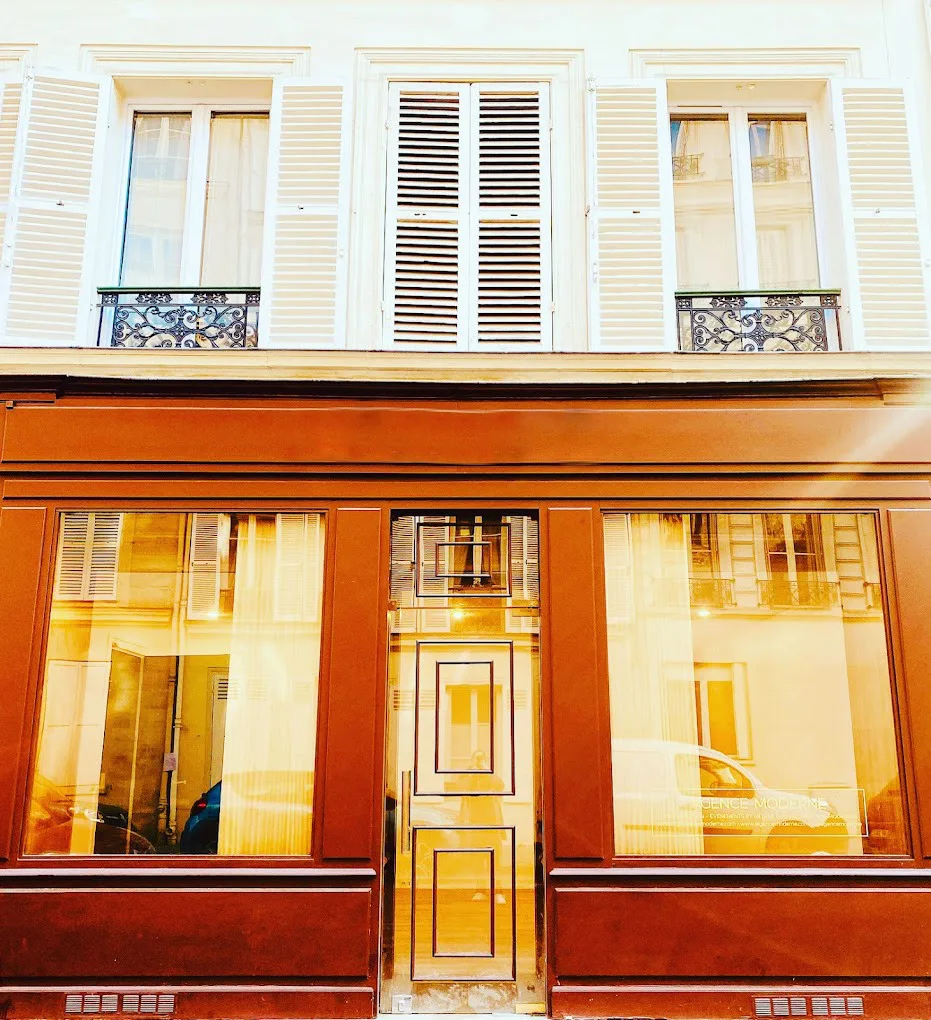
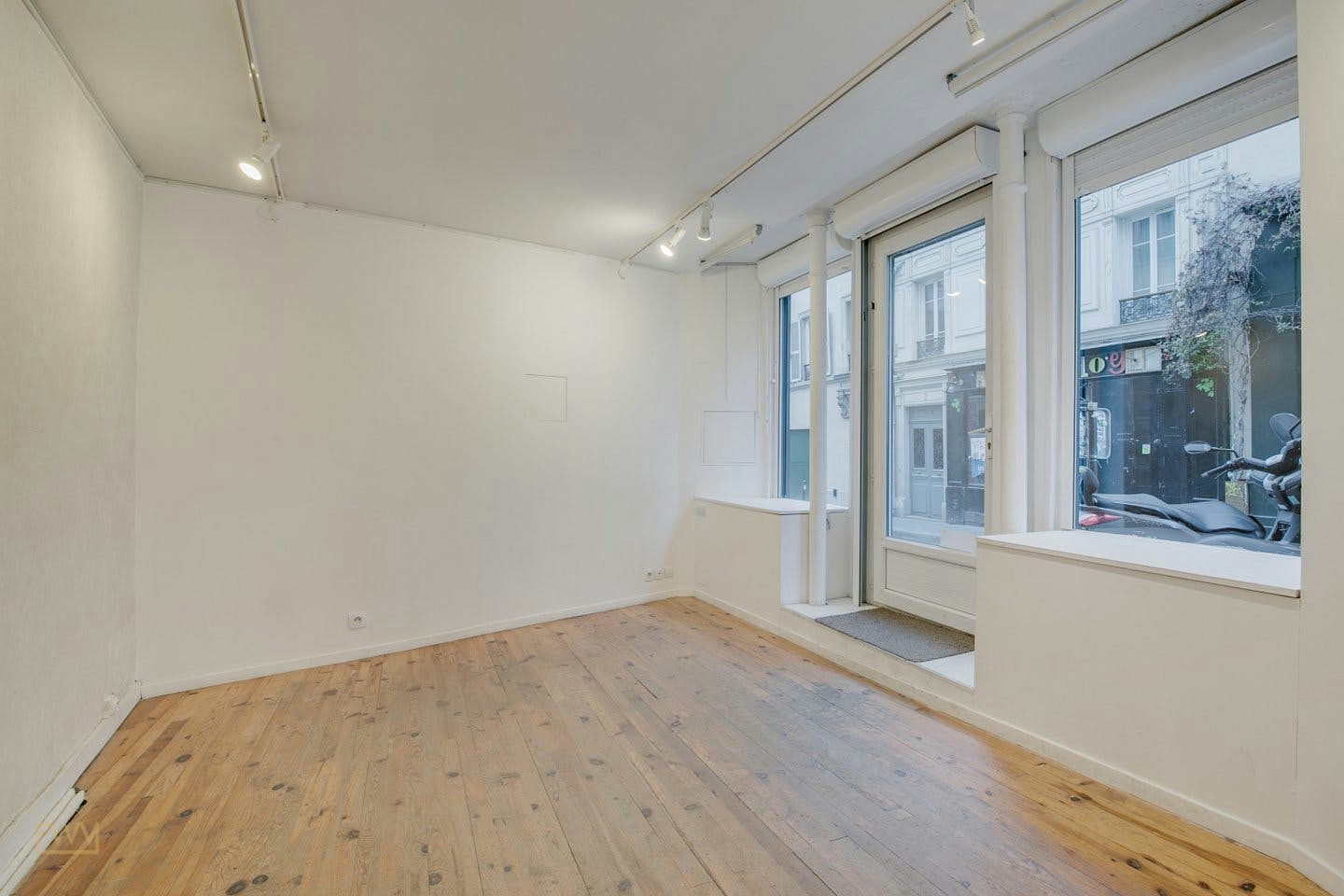
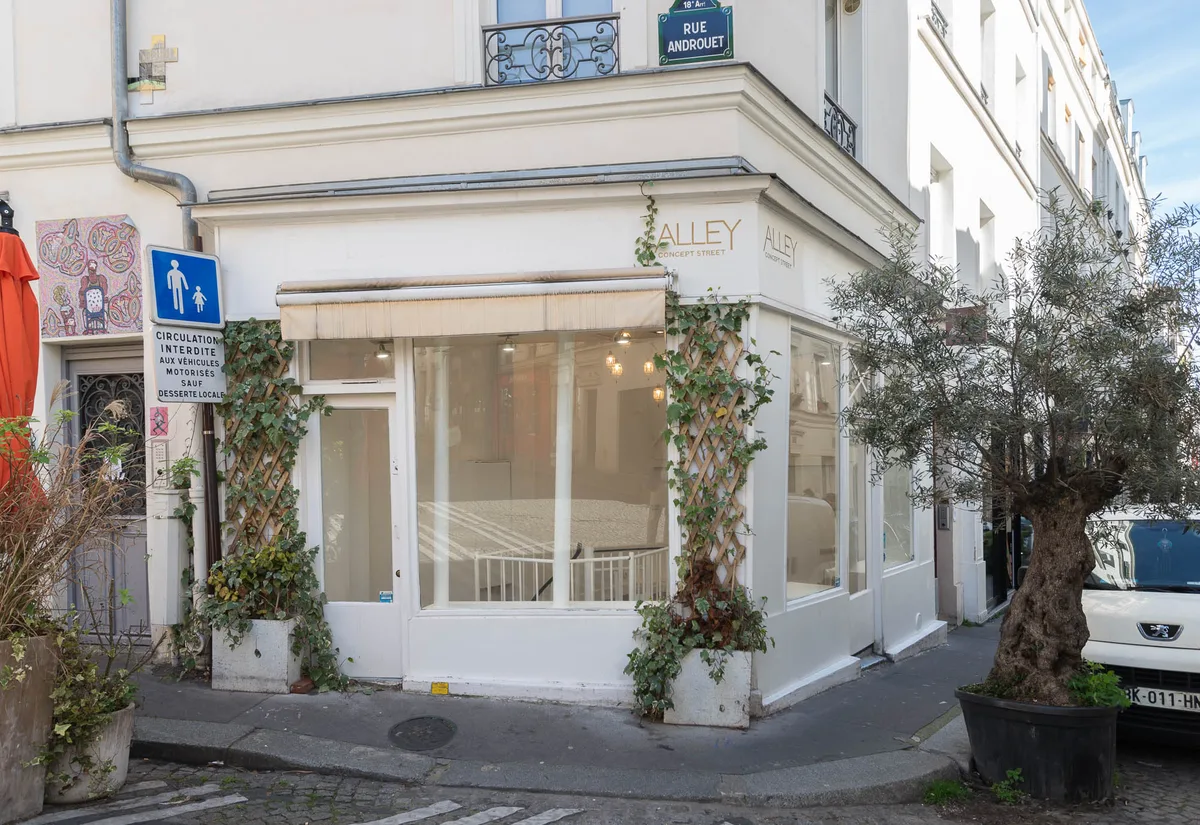
To rent retail space in Montmartre is to position your brand in one of Paris's most culturally resonant and commercially distinct neighbourhoods. Montmartre draws millions of visitors each year, blends Parisian bohemian heritage with a growing appetite for independent retail, and offers a range of storefronts, galleries, ateliers, and studios suitable for short-term pop-up activations, showrooms, and brand experiences. Whether you are a DTC label launching your first physical footprint in Paris, an international fashion brand scouting a Fashion Week space, or a creative director seeking an intimate venue for a curated retail moment, Montmartre presents a compelling and often underestimated opportunity. Fashion Week Venues supports brands across Paris, including Montmartre, with end-to-end space sourcing and activation management.
Why Montmartre Works as a Pop-Up Retail Destination in Paris
Montmartre functions as a genuine retail destination because it combines a consistently high volume of international and domestic visitors with a neighbourhood character that rewards experiential and independent brands. It is not a generic commercial corridor. It is a place where the physical environment, the creative history, and the customer mindset all align in favour of brands that want to stand out rather than blend in.
The neighbourhood sits in the 18th arrondissement in the north of Paris, rising toward the Sacré-Cœur basilica on the Butte Montmartre. The combination of the basilica, Place du Tertre, the Moulin Rouge at the base of the hill, and the Boulevard de Clichy creates a layered geography with multiple distinct commercial zones, each attracting a different profile of customer and generating different patterns of foot traffic throughout the day and week.
For retailers, the most important distinction is between the tourist-facing streets around the top of the hill and the residential and boutique-focused streets lower down. Streets like Rue des Abbesses and Rue Lepic serve a mixed population of Parisian locals, neighbourhood regulars, and culturally curious visitors who actively seek out independent shops, vintage clothing stores, food producers, and small-format experiences. This creates an environment where pop-up stores and boutique activations receive meaningful dwell time rather than casual glances from passing foot traffic.
Montmartre also benefits from proximity to other major Paris destinations. The area connects naturally to Pigalle to the south, which has developed a strong streetwear, music, and subculture retail identity. This creates a natural flow of younger, fashion-aware consumers moving between the two neighbourhoods and extending the catchment area of any activation based in Montmartre itself.
For fashion labels and DTC brands entering Paris for the first time, Montmartre offers something that more saturated markets like the Marais do not always provide: genuine availability of short-term retail spaces, a neighbourhood narrative that supports brand storytelling, and a customer base that is predisposed to discovery. The neighbourhood's reputation for art, culture, and creative innovation makes it a natural fit for brands whose identity connects to craft, heritage, design, or artistic production.
DID YOU KNOW: Montmartre remains one of the most visited areas in Paris, with Sacré-Cœur and Place du Tertre generating consistent footfall year-round, not just during peak tourist season. This sustained traffic pattern gives pop-up stores in Montmartre a more reliable audience across different calendar windows than many other Paris neighbourhoods.
KEY TAKEAWAY: Montmartre's combination of high footfall, creative neighbourhood identity, and diverse space typology makes it a strategically sound choice for pop-up retail activations across a range of brand profiles, from luxury to independent, from fashion to lifestyle.
Understanding the specific streets and zones within Montmartre is essential before committing to a rental, because the commercial dynamics vary significantly depending on where within the neighbourhood a space sits.
Locations and Streets Within Montmartre for Pop-Up Shops and Retail Spaces
The streets and zones within the 18th arrondissement each carry distinct commercial profiles, customer demographics, and foot traffic rhythms. Choosing the right location within Montmartre for your pop-up or retail activation is as important as choosing Montmartre itself.
Rue des Abbesses and the Abbesses Square Area
Rue des Abbesses is widely regarded as the commercial heart of lower Montmartre. It runs through the Abbesses neighbourhood, serving a dense local population alongside a consistent flow of culturally engaged visitors. The street is lined with independent boutiques, food shops, concept stores, and art galleries, making it a natural habitat for pop-up retail activations that want to connect with both Parisian consumers and international visitors with a real interest in French design and independent retail culture.
The foot traffic on Rue des Abbesses is characterised by longer dwell times and higher purchase intent than many more purely tourist-facing streets. Shoppers here tend to browse deliberately, which supports activations that require engagement, explanation, or product education. For fashion labels, DTC brands, and design-led retailers, this street represents one of the strongest positions available in the neighbourhood.
Rue Lepic
Rue Lepic is one of Montmartre's most iconic streets, winding up the hill from Blanche toward the upper Butte. It is known for its mix of food market stalls, independent retailers, and residential atmosphere. The lower section near Boulevard de Clichy and the Moulin Rouge captures significant tourist foot traffic, while the middle and upper sections attract a more local, neighbourhood-focused customer. Pop-up stores on Rue Lepic benefit from the street's strong visual identity and the natural pedestrian rhythm of people moving up and down the hill throughout the day.
Place du Tertre and the Upper Butte
Place du Tertre is Montmartre's most famous square, surrounded by artists, portrait painters, and the shadow of Sacré-Cœur. Retail spaces here or in the immediate vicinity benefit from an extraordinary volume of tourist footfall, but the customer profile skews heavily toward sightseers rather than engaged shoppers. Brands with strong visual appeal, clear storytelling, and high-volume product formats can perform well in this zone. However, brands requiring extended browsing time or complex product discovery may find the tourist footfall less commercially productive than the lower neighbourhood streets.
Boulevard de Clichy and Pigalle Boundary
The lower boundary of Montmartre along Boulevard de Clichy and the adjacent streets leading into Pigalle represents a different commercial environment. The Moulin Rouge anchors this zone and draws a significant evening economy. The Pigalle neighbourhood immediately to the south has developed a strong identity in streetwear, sneakers, and subculture retail, and the boundary zone between Montmartre and Pigalle attracts a younger, fashion-conscious demographic. Spaces in this zone suit brands with an urban, contemporary, or streetwear-adjacent identity.
Quick answer: The most commercially productive streets for pop-up retail in Montmartre are Rue des Abbesses and Rue Lepic for brands seeking engaged, design-aware shoppers with genuine purchase intent. Place du Tertre suits high-volume, visually strong activations targeting tourist footfall. The Pigalle boundary suits contemporary fashion and streetwear brands targeting younger Parisian consumers.
To compare these zones against other Paris neighbourhoods such as the Marais, the Latin Quarter, Montparnasse, or areas closer to the Louvre Museum and Bercy, use the space locator tool on Fashion Week Venues to map available spaces by neighbourhood and category.
| Zone | Key Streets or Landmarks | Primary Customer Profile | Best For |
|---|---|---|---|
| Lower Montmartre | Rue des Abbesses, Abbesses Square | Locals, culturally engaged visitors | Fashion, design, lifestyle, DTC brands |
| Mid Butte | Rue Lepic (mid section) | Mixed local and tourist | Food, design, vintage, boutique fashion |
| Upper Butte | Place du Tertre, near Sacré-Cœur | High-volume international tourists | Souvenir-adjacent, art, visual storytelling |
| Pigalle Boundary | Boulevard de Clichy, Pigalle border | Young Parisian, fashion-conscious | Streetwear, sneakers, contemporary fashion |
KEY TAKEAWAY: Location within Montmartre determines the customer profile you will encounter as much as the neighbourhood choice itself. Brands should map their target customer against the specific street-level dynamics of each zone before committing to a space.
With location strategy established, the next step is understanding the types of spaces available within Montmartre for short-term retail and pop-up activations.
Types of Retail Spaces Available to Rent in Montmartre
Montmartre offers a wider variety of short-term and flexible rental space formats than many brands initially expect. The neighbourhood's mix of residential, artistic, and commercial buildings creates a typology of spaces that spans traditional storefronts, converted art galleries, studio ateliers, and multi-use venues.
Storefronts and Boutique Units
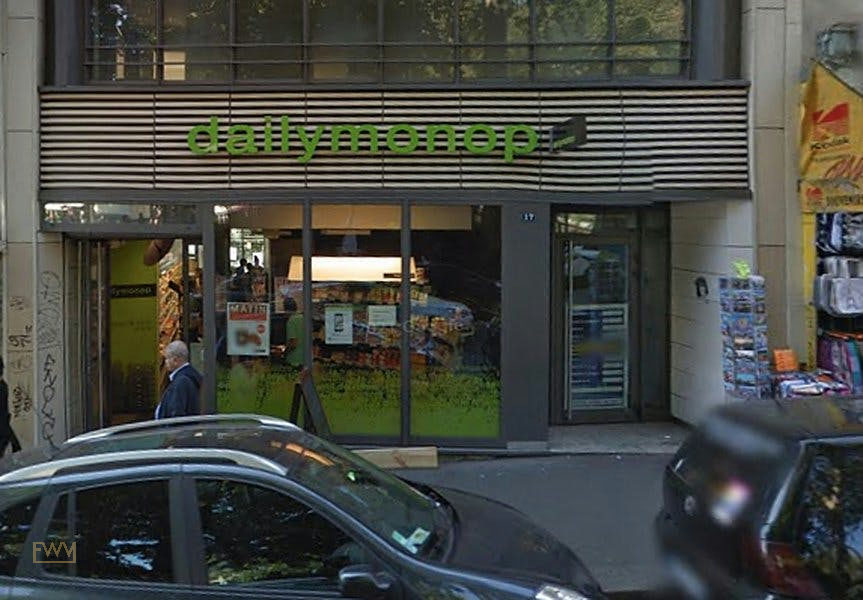
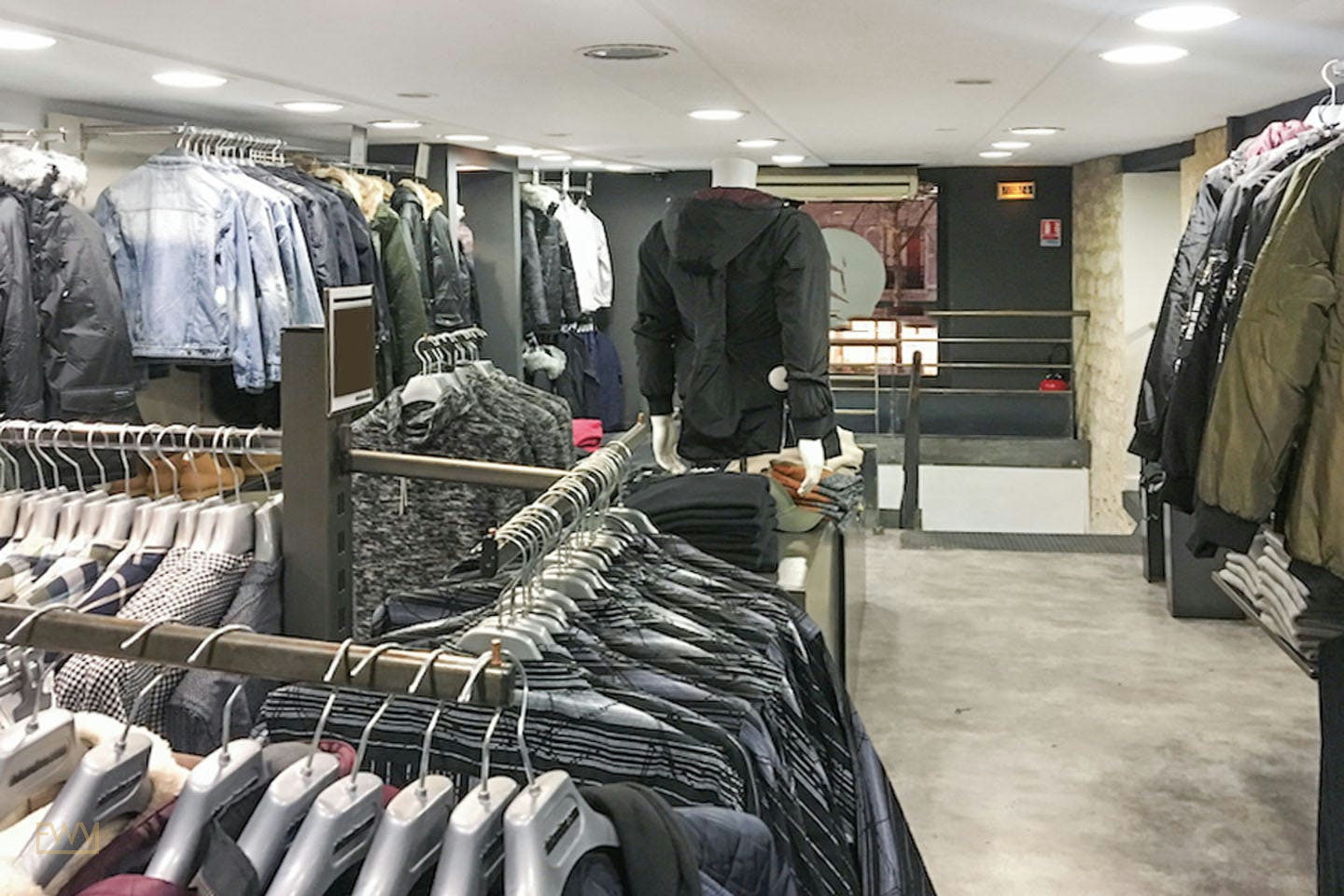
Traditional ground-floor storefronts on Rue des Abbesses, Rue Lepic, and the surrounding streets represent the most straightforward format for pop-up retail. These spaces typically offer direct street frontage, display window space, and retail-ready interiors of varying levels of finish. For fashion labels and DTC brands seeking an authentic Parisian boutique environment, these storefronts offer the most direct analogue to a permanent retail presence without the long-term commitment.
Storefront availability in Montmartre is driven by vacancy rates in the local commercial real estate market. Unlike more institutionally managed commercial districts, Montmartre has historically had a higher proportion of independently owned commercial properties, which can create both opportunity and complexity in terms of negotiating short-term rental agreements with individual landlords.
Art Galleries and Galeries
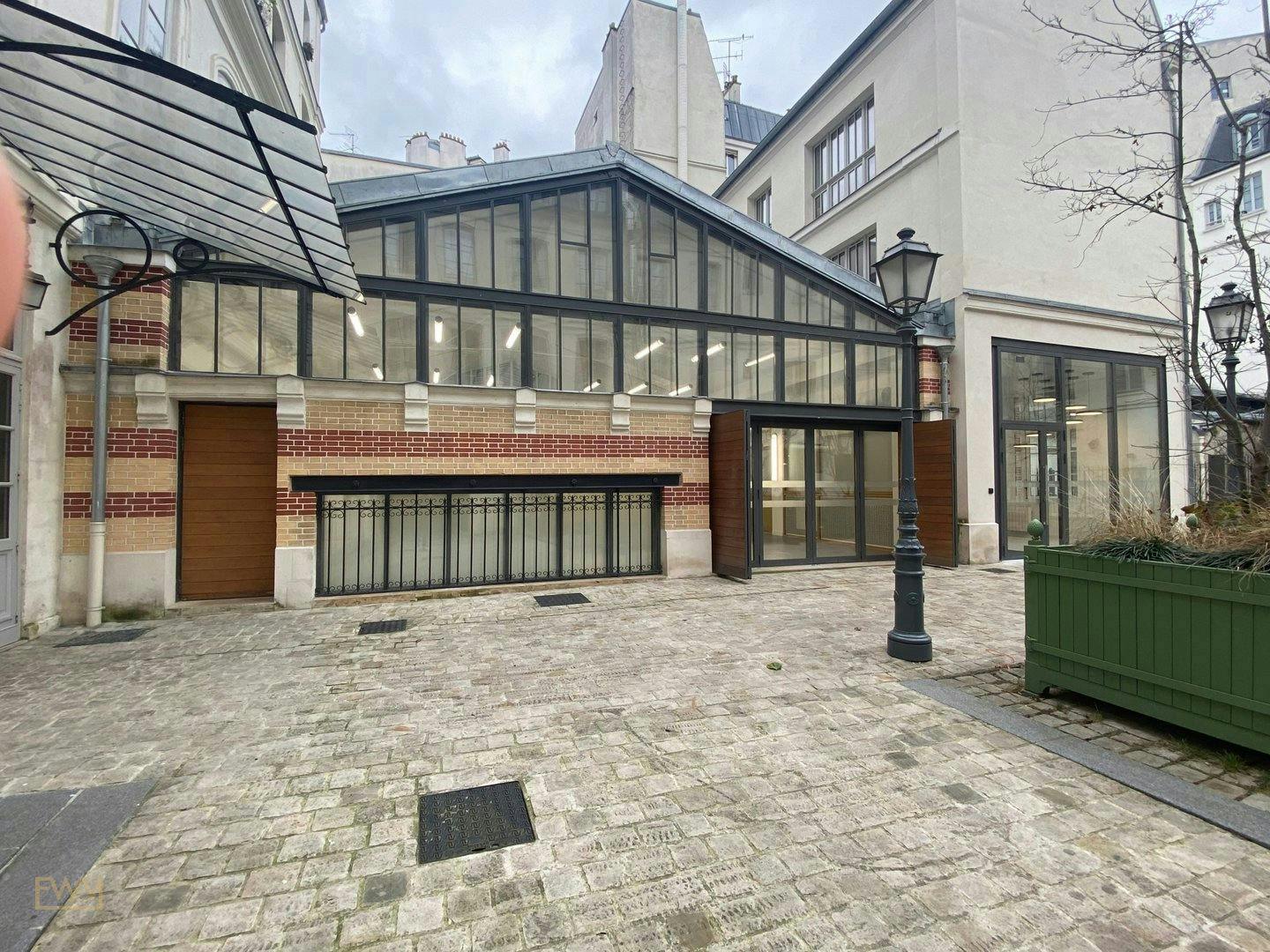
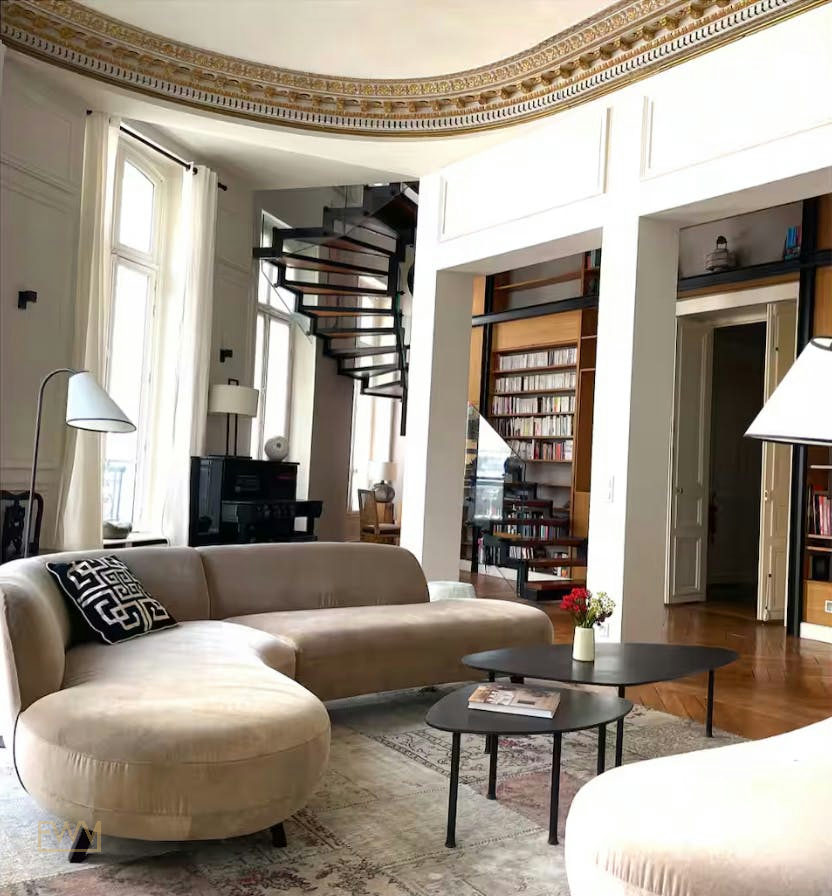
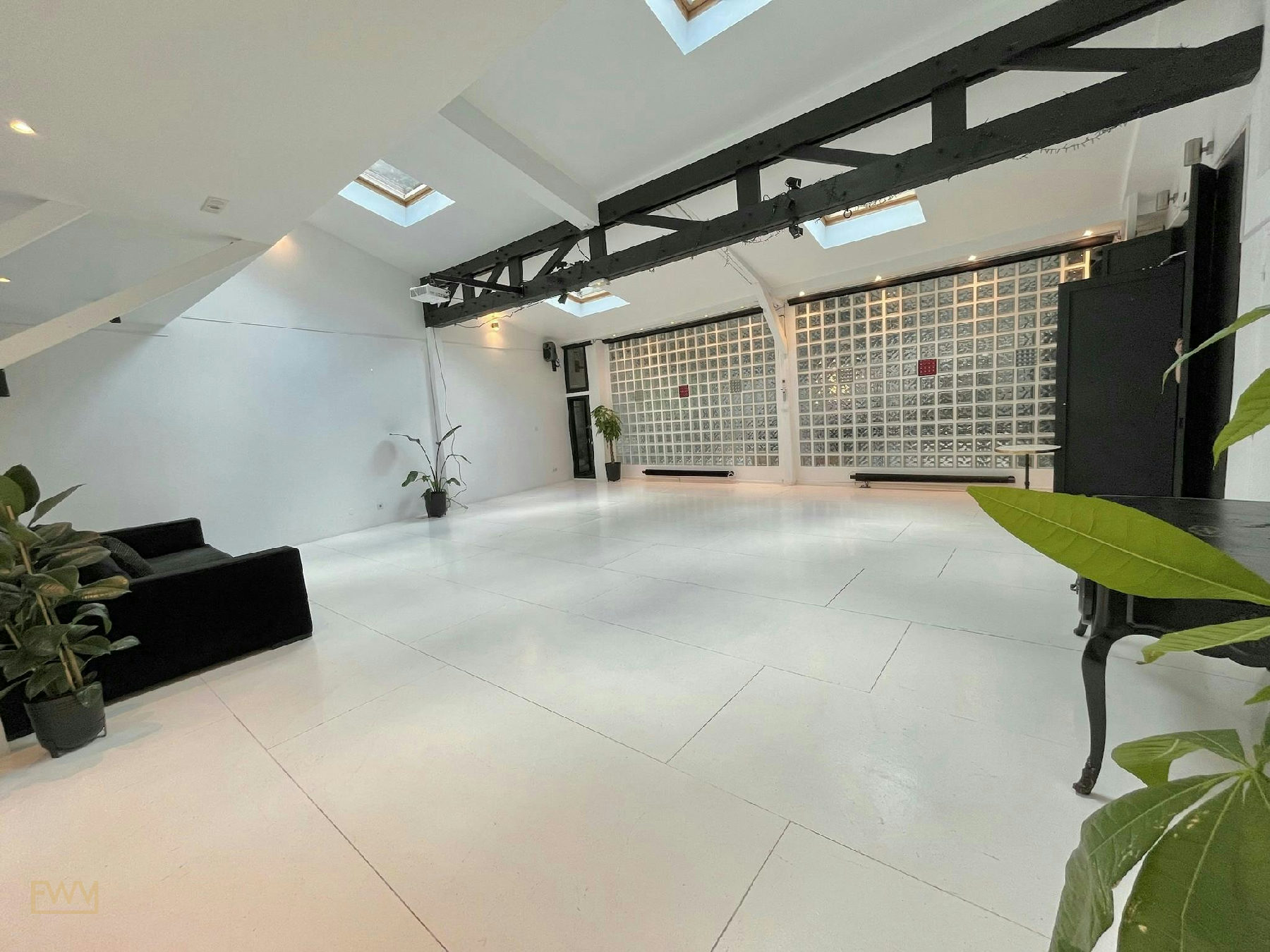
Montmartre has a strong concentration of art galleries, both active and available for temporary hire. Gallery spaces typically offer high ceilings, clean wall surfaces, good natural light, and a cultural patina that aligns well with fashion brand storytelling. For collections launches, showroom events, press days, and immersive retail experiences, gallery spaces in Montmartre provide a distinctive setting that differentiates an activation from a generic retail environment.
Art galleries in Montmartre range from intimate single-room spaces of 30 to 50 square metres to larger venues capable of hosting events and wholesale appointments alongside retail sales. The Galerie format is well understood by local property companies and landlords in this neighbourhood.
Studios and Ateliers
Montmartre's artistic history means the neighbourhood retains a supply of studio and atelier spaces that have been used for creative production and can be adapted for pop-up retail, showroom, or brand experience purposes. These spaces often have character that is difficult to replicate in a conventional commercial property: exposed beams, skylights, original floor surfaces, and a sense of creative history. For fashion brands with a narrative connecting to craft, production, or artistic process, an atelier space in Montmartre can serve as a powerful brand environment.
Multi-Use and Event Venues
A number of venues in the Montmartre area can serve dual purposes as both retail activation spaces and event venues, allowing brands to host press events, influencer gatherings, or launch parties within the same space used for retail sales. This multi-use flexibility is particularly valuable for brands running condensed activation windows during Paris Fashion Week or other key calendar moments.
Quick answer: Montmartre offers storefronts, art galleries, studios, ateliers, and multi-use event venues for short-term rental. The most appropriate format depends on brand identity, activation objectives, and the specific commercial dynamic of the target street or zone within the neighbourhood.
| Space Type | Typical Format | Best Brand Fit | Key Consideration |
|---|---|---|---|
| Storefront | Ground-floor retail unit with window | Fashion labels, DTC brands, boutique retailers | Visibility and foot traffic access |
| Art Gallery | Open-plan, white walls, high ceilings | Luxury fashion, collections launches, showrooms | Cultural positioning and press appeal |
| Studio or Atelier | Creative production space with character | Craft-led brands, heritage fashion, designers | Fit-out requirements and accessibility |
| Multi-Use Venue | Flexible space for retail and events | DTC brands, fashion labels, influencer activations | Booking flexibility and capacity |
KEY TAKEAWAY: The space type you choose in Montmartre shapes the brand experience as much as the location. Gallery and atelier spaces carry inherent narrative value that conventional storefronts cannot replicate, while storefronts offer clearer retail functionality and direct street visibility.
Understanding the rental process and the financial parameters involved is critical before approaching landlords or property companies in Montmartre.
How to Rent Retail Space in Montmartre: Lease Types, Permits, and the Rental Process
Renting retail space in Montmartre, particularly for short-term pop-up activations, involves navigating the French commercial real estate framework, which differs significantly from short-term rental markets in other countries. Understanding the relevant lease structures and permit requirements before beginning your search will save significant time and reduce the risk of legal or operational complications.
Bail Dérogatoire: The Short-Term Commercial Lease in France
The primary legal instrument for short-term commercial rental in France is the bail dérogatoire, sometimes referred to as a convention d'occupation précaire in certain contexts. The bail dérogatoire allows a landlord and tenant to agree on a commercial tenancy of up to 36 months without triggering the protections of a standard commercial lease (bail commercial), which carries a nine-year minimum term and significant tenant rights.
For pop-up retail, showroom, and short-term brand activation purposes, the bail dérogatoire is typically the most appropriate legal structure. It allows for flexible duration, clearer termination conditions, and avoids the long-term obligations that a standard commercial lease imposes. However, the terms of a bail dérogatoire are negotiated individually between landlord and tenant, and the specific conditions including rent, security deposit, duration, electricity, water, and other service charges vary significantly by property and landlord.
IMPORTANT: A bail dérogatoire must be correctly drafted and executed to be legally valid. Brands without French legal representation should seek specialist advice before signing any commercial rental agreement in Paris. Requirements vary by space type, duration, and arrondissement.
Authorisation d'Occupation Temporaire (AOT)
For activations in public spaces, terraces, or properties owned by public bodies, an Autorisation d'Occupation Temporaire (AOT) may be required instead of or in addition to a private rental agreement. This is most commonly relevant for activations adjacent to public squares, on public footways, or in municipally managed spaces. The process for obtaining an AOT involves the relevant local authority in the arrondissement and timelines and requirements vary.
Use the permit guidance tool on Fashion Week Venues to understand which permit structures apply to your intended space type and activation format in Montmartre.
Working with Property Companies, Agents, and Landlords
Commercial real estate in Montmartre is managed through a mix of private landlords, property companies, and commercial real estate agents. Many of the neighbourhood's smaller storefronts and gallery spaces are held by individual investors or local property owners who may have limited experience with international brands or short-term pop-up rental formats. This can create both opportunity, in the form of negotiating flexibility, and risk, in the form of unclear terms, informal agreements, or incomplete compliance with French commercial property law.
Commercial real estate agents in Paris who specialise in short-term or pop-up retail can help navigate these negotiations, but commissions and fees add to total rental costs. Working with a specialist agency that understands both the commercial property landscape and the operational requirements of a pop-up activation provides a more integrated approach.
Key Financial Terms to Understand Before Renting
Before approaching landlords or signing rental agreements in Montmartre, brands should be clear on the following financial parameters: base rental rate, security deposit requirements (typically one to three months of rent held against damage or non-payment), charges for electricity and water (which may or may not be included in the headline rental figure), furniture provision or fit-out allowances, and any additional property management or agency fees.
Rental rates in Montmartre for short-term retail spaces vary depending on location, space size, and format. Spaces on high-footfall streets such as Rue des Abbesses will typically command premium rates compared to quieter side streets. Because rates shift with demand, particularly around Fashion Week calendar windows, brands should use directional estimates only and confirm current rates directly with space providers. For brand-specific budget modelling, the budget estimation tool on Fashion Week Venues provides a structured framework for projecting total activation costs.
Quick answer: Renting retail space in Montmartre for a pop-up activation typically involves a bail dérogatoire rather than a standard commercial lease. This short-term lease structure must be correctly drafted under French law. Financial terms including base rent, security deposit, electricity, water, and furniture charges are negotiated individually. Specialist agency support reduces legal and operational risk significantly.
KEY TAKEAWAY: The bail dérogatoire is the standard legal framework for short-term pop-up retail in France. It offers flexibility but requires correct execution. Brands should not rely on informal agreements or assume that short-term leases are legally simple without specialist verification.
With the legal and financial framework understood, the next step is planning the activation itself, from timeline and concept through to build, staffing, and operational management.
Planning Your Pop-Up Store Activation in Montmartre: Timeline, Concept, and Build
A successful pop-up retail activation in Montmartre requires planning that begins weeks or months before the activation window opens. The specific lead time required depends on the scale of the activation, the complexity of the fit-out, the permit requirements, and the calendar window being targeted, but brands consistently underestimate the time required for effective planning.
Activation Timeline: What to Plan and When
The most critical planning milestones for a Montmartre pop-up activation are space identification and reservation, permit applications if required, concept and design finalisation, fit-out production and logistics, staffing recruitment and briefing, and operational launch. Each of these phases has dependencies, and delays in one stage cascade through the others.
For activations targeting Paris Fashion Week windows, competition for the best spaces in the most desirable locations increases significantly in the months preceding the event. Brands that begin their space search three to six months ahead of their target date have a materially better selection of spaces available compared to those beginning the process eight to twelve weeks out.
Use the timeline planning tool on Fashion Week Venues to map your specific activation window against the key planning milestones and identify any critical path risks in your schedule.
Concept Direction for Montmartre
Montmartre's character rewards brand concepts that feel authentic to the neighbourhood's creative and cultural identity. Generic retail formats, clinical white-box presentations, or overly corporate aesthetics tend to feel incongruous in a neighbourhood defined by artistic heritage, independent retail character, and Parisian neighbourhood warmth. Brands that invest in concept development specific to the Montmartre environment consistently report stronger engagement from both local visitors and culturally aware tourists.
Effective concept directions for Montmartre pop-up stores frequently draw on themes of craft, artisanal production, French design heritage, artistic collaboration, or neighbourhood discovery. For fashion labels, connecting the space concept to the brand's design narrative, rather than simply presenting product in a transactional environment, tends to generate stronger press interest, social media engagement, and customer dwell time.
Fit-Out, Production, and Build Considerations
Fitting out a pop-up retail space in Montmartre involves practical logistics that differ from more straightforward commercial environments. Many of the neighbourhood's most character-rich spaces, particularly older storefronts, galleries, and ateliers, require careful planning around structural constraints, electrical capacity, accessibility, and material logistics. Delivering fit-out materials to narrow Montmartre streets requires coordination, and some buildings have restrictions on access times or vehicle size.
Furniture rental is a practical and cost-effective approach for short-term activations where purchasing fixtures outright is not commercially justified. A well-curated selection of rental furniture appropriate to the space type and brand aesthetic can significantly elevate the in-store environment without requiring a full custom build.
Optimal Duration for a Montmartre Pop-Up Rental
The appropriate duration for a pop-up rental in Montmartre depends on activation objectives. Activations tied to Fashion Week typically run for one to three weeks to align with the calendar window and capture the concentration of press, buyers, and industry visitors in Paris during that period. Brand-building activations aimed at driving consumer awareness and sales over a longer period may run for one to three months. Showroom activations focused on trade appointments may run for the duration of the relevant trade calendar window, typically one to two weeks.
There is no single optimal duration. The right length is determined by activation objectives, budget, space availability, and the specific calendar opportunity being targeted. Brands should avoid committing to durations significantly longer than their activation programme can genuinely sustain, as an under-activated space in its later weeks generates poor brand signals.
| Activation Type | Recommended Duration | Primary Objective | Key Calendar Consideration |
|---|---|---|---|
| Fashion Week pop-up | 1 to 3 weeks | Press, buyer, and industry reach | Align with Paris Fashion Week dates |
| Consumer brand activation | 4 to 12 weeks | Brand awareness, direct sales | High-traffic seasonal windows |
| Showroom rental | 1 to 2 weeks | Trade appointments, wholesale | Trade show and market calendar |
| Product launch event | 3 to 7 days | Launch visibility, media coverage | Brand campaign calendar |
Quick answer: The ideal duration for renting a pop-up shop in Montmartre ranges from one week to three months depending on activation type, objectives, and calendar window. Fashion Week activations typically run one to three weeks. Consumer-facing brand activations may run four to twelve weeks. Duration should always align with the programme that will genuinely sustain the space.
KEY TAKEAWAY: Planning lead time is the most commonly underestimated factor in Paris pop-up retail. Brands targeting premium Montmartre locations for Fashion Week windows should begin their space search a minimum of three to four months in advance to secure the strongest available options.
To compare Montmartre against other Paris neighbourhoods for your activation type and calendar window, explore the Paris city hub on Fashion Week Venues and shortlist spaces that match your brief, budget, and timeline.
The Commercial Case for Renting Pop-Up Retail Space in Montmartre
The commercial rationale for renting pop-up retail space in Montmartre rests on several interconnected factors: sustained and diverse foot traffic, a neighbourhood identity that enhances brand storytelling, a lower competitive density compared to more saturated Paris retail districts, and the operational flexibility that short-term retail offers DTC brands and fashion labels managing their physical retail exposure.
Foot Traffic and Customer Reach
Montmartre generates foot traffic from multiple distinct sources simultaneously. The Sacré-Cœur basilica and Place du Tertre attract a very high volume of international tourists year-round. Rue des Abbesses and the lower neighbourhood serve a dense local residential population with strong spending power and a clear preference for independent and design-led retail. The Pigalle boundary draws a younger, more fashion-forward demographic from across Paris. This multiplicity of traffic sources means that a well-positioned pop-up store in Montmartre can reach several different customer segments within a single activation window.
Compared to more purely tourist-facing locations near the Louvre Museum or in areas like Montparnasse, Montmartre's foot traffic includes a higher proportion of engaged browsers rather than rapid-transit sightseers. This translates to better dwell time, stronger product engagement, and more productive retail conversion rates for brands selling considered purchases.
Brand Storytelling in a Creative Neighbourhood
Montmartre's cultural identity as a neighbourhood associated with artistic production, French creative heritage, and bohemian independence provides a powerful contextual backdrop for brand storytelling. Fashion labels, design brands, and lifestyle retailers benefit from the implicit association between their presence in Montmartre and the neighbourhood's broader creative narrative. This is particularly valuable for brands with a French heritage story, brands entering Paris for the first time and seeking to establish cultural credibility, and brands whose identity connects to craft, artisanal production, or independent creative values.
Pop-Up Retail as a Strategic Channel for DTC Brands and Ecommerce Labels
For ecommerce and DTC brands, pop-up retail in Montmartre offers the opportunity to test physical retail in Paris without the long-term cost and commitment of a permanent lease. Short-term pop-up stores allow these brands to gather direct customer data, test product mixes in a live retail environment, build press and social media visibility in a key fashion capital, and establish a physical brand presence during strategically important calendar windows such as Fashion Week.
The reversibility of pop-up retail is a genuine commercial advantage for brands managing portfolio risk. A brand that tests a Montmartre activation over four weeks and achieves strong sales and engagement can use that data to justify a longer subsequent activation or a more permanent retail commitment with confidence. A brand that performs below expectations can exit cleanly without long-term financial obligations.
Montmartre Versus Other Paris Neighbourhoods
Brands commonly consider Montmartre alongside the Marais, the Latin Quarter, and areas around the major tourist monuments when planning Paris retail activations. Each neighbourhood has a distinct commercial profile. The Marais offers higher competitive density and strong fashion credentials but commands premium rents and has limited short-term space availability in its most desirable zones. The Latin Quarter attracts a student and cultural tourist demographic that suits specific retail categories well but may not generate the fashion-forward consumer profile that fashion labels seek. Montparnasse has a commercial character dominated by office and business centre functions rather than boutique retail.
Montmartre's advantage is the combination of genuine character, accessible short-term space availability, diverse customer demographics, and a neighbourhood narrative that supports a wide range of brand identities without requiring a brand to compete in the most densely contested retail corridors in the city.
Quick answer: Montmartre offers DTC brands and fashion labels a commercially sound pop-up retail environment combining sustained foot traffic from multiple customer sources, a neighbourhood identity that supports brand storytelling, and more accessible short-term space availability than many of the most competitive Paris retail districts.
KEY TAKEAWAY: The commercial case for Montmartre rests on foot traffic diversity, neighbourhood narrative, and strategic flexibility. For brands entering Paris or testing physical retail for the first time, it offers a genuinely strong combination of commercial opportunity and manageable operational risk.
Knowing how to evaluate ROI before committing to an activation is the next practical challenge for brand teams working through the business case for Montmartre.
How Fashion Week Venues Supports Brands Renting Retail Space in Montmartre
Fashion Week Venues operates as a full-service pop-up shop agency and space marketplace with specific expertise in Paris, including the Montmartre neighbourhood and the broader 18th arrondissement. The agency supports brands from the earliest stages of space discovery through to full activation management, providing integrated services that remove the complexity of navigating French commercial real estate, permit requirements, local logistics, and brand production in an unfamiliar market.
Space Sourcing and Marketplace Access
Fashion Week Venues maintains a curated marketplace of available retail spaces across Paris neighbourhoods, including Montmartre storefronts, gallery spaces, studios, and ateliers. Rather than relying on individual commercial real estate agents or searching fragmented listings across multiple platforms, brands can browse, compare, and shortlist spaces through a single integrated marketplace. The venue sourcing service at Fashion Week Venues goes beyond listing access to include active space identification on behalf of brands with specific briefs, including spaces that may not be publicly listed.
End-to-End Activation Management
For brands that require more than a space, Fashion Week Venues provides comprehensive activation management covering concept direction, fit-out production and build, furniture rental, retail staffing, POS and payments integration, data and analytics, and influencer marketing. This end-to-end service model is particularly valuable for international brands and DTC labels entering Paris for the first time, who may not have the local supplier network, permit knowledge, or operational infrastructure to run a Paris activation independently.
The activation management service at Fashion Week Venues coordinates all operational elements of a pop-up, from the first space viewing through to post-activation reporting, allowing brand teams to focus on their core commercial and creative objectives rather than logistics management.
Tools for Planning and Decision-Making
Fashion Week Venues provides a suite of planning tools accessible to brands at any stage of the decision-making process. The budget calculator allows brands to model total activation costs across different space types, durations, and service combinations. The ROI calculator helps brand teams build a financial case for a pop-up investment based on their specific objectives and expected performance metrics. The compare tool allows side-by-side evaluation of different spaces or neighbourhoods. The permits tool provides guidance on the permit structures relevant to different activation formats in Paris.
These tools are designed to support brand teams in making more informed decisions before committing to a space or engaging an agency, reducing the risk of misaligned expectations between budget, objectives, and deliverables.
Who Benefits Most from Fashion Week Venues' Paris Services
Fashion Week Venues' services are most directly relevant to: international fashion brands entering Paris for the first time; DTC and ecommerce brands testing physical retail in a major fashion capital; established fashion labels seeking a space and activation management partner for Fashion Week; creative directors and brand activation managers who need integrated production and operational support; and retail strategists evaluating Paris neighbourhood options for brand activations across different calendar windows.
Brands with established Paris operations and strong local supplier networks may find the individual service components more relevant than the fully integrated model. Fashion Week Venues offers both full-service engagement and access to specific services or tools based on a brand's specific needs and existing capabilities.
Quick answer: Fashion Week Venues provides space sourcing, activation management, concept direction, production and build, staffing, and planning tools for brands seeking to rent retail space in Montmartre and across Paris. The agency is particularly valuable for brands entering Paris for the first time or managing complex multi-service activations with limited local infrastructure.
KEY TAKEAWAY: The primary value Fashion Week Venues provides is not just space access but the integration of all the services and expertise required to move from a brief to a live activation in Paris without requiring brands to manage multiple specialist suppliers independently.
To review how Fashion Week Venues has supported previous brand activations in Paris and across other fashion capitals, the work and case studies section provides specific activation references and outcomes.
Common Myths About Renting Retail Space in Montmartre and Paris
MYTH: You need a French legal entity to rent a commercial space in Paris for a pop-up activation.
FACT: International brands can rent commercial retail spaces in Paris, including in Montmartre, without having an established French legal entity in all cases. The specific requirements depend on the lease type, landlord requirements, and the structure of the rental agreement. Working with a specialist agency or legal advisor familiar with French commercial property can facilitate rental arrangements for international brands that do not have a French company registered. Requirements vary by case and professional advice specific to your situation is always recommended.
MYTH: Paris Fashion Week is the only viable calendar window for pop-up retail in Paris.
FACT: While Paris Fashion Week generates a concentrated peak of industry, press, and buyer traffic that many brands target specifically, Montmartre and Paris more broadly offer viable and commercially productive pop-up windows throughout the year. High tourist seasons, the Christmas retail period, the summer months, and specific trade calendar windows all create commercially relevant audiences for pop-up retail. Brands focused on consumer sales rather than trade or press reach may find non-Fashion Week windows offer better value on rental rates and stronger direct consumer engagement without the competition for space and attention that Fashion Week generates.
MYTH: Commission-based brokers and commercial real estate agents are the only way to find available pop-up spaces in Montmartre.
FACT: While commercial real estate agents and brokers do operate in the Paris pop-up space market, they are not the only route to space discovery. Specialist pop-up marketplaces, agency-curated space listings, and direct landlord relationships all provide access to available spaces without necessarily requiring a commission-based intermediary. Dedicated pop-up retail agencies maintain active space relationships that may include spaces that are not publicly listed through commercial property channels.
MYTH: Short-term commercial leases in France are legally straightforward and do not require specialist input.
FACT: Short-term commercial leases in France, including the bail dérogatoire, require correct legal drafting to be valid and enforceable. An incorrectly structured short-term lease can inadvertently trigger the protections of a standard nine-year commercial lease, with significant financial and legal consequences for both parties. The terms, conditions, and obligations within a bail dérogatoire are negotiated between the parties and are not standardised, meaning that each agreement requires careful review. Brands should always seek specialist French legal advice before signing any commercial rental agreement in Paris, regardless of the apparent simplicity of the arrangement.
MYTH: Montmartre is only suitable for artisan or tourist-focused retail brands and does not work for contemporary fashion or DTC labels.
FACT: While Montmartre's artistic identity is one of its defining characteristics, the neighbourhood's diverse geography and customer demographics make it commercially viable for a broad range of brand types. Streets like Rue des Abbesses attract design-aware consumers who support independent fashion boutiques and contemporary retail concepts. The Pigalle boundary specifically serves a strong contemporary fashion and streetwear audience. DTC brands, fashion labels, and lifestyle retailers have successfully activated in Montmartre across a range of commercial formats.
Frequently Asked Questions
What are the most sought-after locations for renting a pop-up store in Montmartre?
The most sought-after locations for pop-up retail in Montmartre are Rue des Abbesses and the Abbesses area for brands targeting design-aware locals and culturally engaged visitors, and Rue Lepic for brands seeking a mix of local neighbourhood and tourist foot traffic. Place du Tertre and the immediate area around Sacré-Cœur attract the highest volume of international tourists but suit specific retail formats more than others. The Pigalle boundary near Boulevard de Clichy is increasingly popular with contemporary fashion and streetwear brands. Space availability on the most desirable streets is limited, particularly during Fashion Week periods, so early planning is essential.
How much does it cost to rent a pop-up space in Montmartre?
Rental rates for pop-up spaces in Montmartre vary significantly depending on location within the neighbourhood, space size and format, duration, and the current state of the local commercial real estate market. Spaces on high-footfall streets like Rue des Abbesses command higher rates than quieter side streets. Additional costs beyond base rent typically include a security deposit, electricity and water charges, and any agency or property management fees. Because rates are negotiated individually and change with demand, brands should use directional estimates only. For brand-specific cost modelling, the budget estimation tool on Fashion Week Venues provides a structured projection framework based on your specific brief and activation parameters.
What are the benefits of renting a pop-up store in Montmartre for a retailer?
The primary benefits include access to a diverse and commercially productive mix of foot traffic from Parisian locals, culturally engaged visitors, and international tourists; a neighbourhood identity that supports brand storytelling in a creative and culturally resonant context; a wider range of space formats than many Paris commercial districts, including galleries, ateliers, and studios; greater short-term rental availability compared to more saturated Paris retail districts like the core Marais; and the operational flexibility of short-term retail commitments that allow brands to test Paris without long-term lease obligations. These factors combine to make Montmartre a strong option for DTC brands, fashion labels, and lifestyle retailers entering or expanding in Paris.
What is the ideal duration to rent a pop-up shop in Montmartre?
The ideal duration depends on your activation objectives. Fashion Week activations typically run for one to three weeks to capture the industry, press, and buyer audience concentrated in Paris during that period. Consumer-facing brand activations aimed at building awareness and driving sales over a longer window typically run four to twelve weeks. Showroom or trade-facing activations often run for one to two weeks aligned with the relevant market calendar. Product launch events may need only three to seven days. In all cases, the duration should match the programme that the brand can genuinely sustain and activate throughout the rental period, as an under-programmed space in its later weeks undermines brand perception.
What streets in Montmartre are best for a pop-up shop?
Rue des Abbesses is consistently rated as the strongest street for pop-up retail in Montmartre for brands seeking engaged, design-aware shoppers with genuine purchase intent. Rue Lepic offers a compelling mix of local neighbourhood character and tourist foot traffic and suits food, design, vintage, and boutique fashion brands. The streets adjacent to Place du Tertre and Sacré-Cœur suit activations with strong visual appeal and tourist-facing formats. The Boulevard de Clichy boundary with Pigalle suits contemporary fashion, streetwear, and youth-oriented brand activations. The best street for any specific brand depends on target customer, activation format, and space availability.
Do I need a permit for a pop-up shop in Paris?
Permit requirements for a pop-up shop in Paris depend on the space type, activation format, and whether the activity takes place in a private commercial space or involves public areas, terraces, or publicly owned properties. Activations within private commercial spaces operating under a bail dérogatoire typically do not require a separate public permit beyond the lease agreement itself, though local regulatory requirements may apply depending on the nature of the activity. Activations in public spaces or involving street-facing elements such as signage or outdoor displays may require an Autorisation d'Occupation Temporaire from the relevant local authority. The permit guidance tool on Fashion Week Venues provides direction on which permit structures apply to different activation scenarios.
Can I run a pop-up food or drink activation in Montmartre?
Food and drink activations in Montmartre are possible but involve a more complex regulatory environment than standard retail pop-up stores. Food service operations in France require compliance with hygiene regulations, and depending on the format and the space, may require specific approvals or inspections from local authorities. Brands planning food or drink elements within a retail pop-up activation should seek specialist advice on the applicable requirements well in advance of their target activation date. The permit and compliance requirements vary depending on whether food is prepared on-site, sold pre-packaged, or served as part of an event format.
How far in advance should I book a pop-up space in Montmartre?
For activations targeting Paris Fashion Week windows, a minimum lead time of three to four months is strongly recommended to secure the best available spaces in the most desirable Montmartre locations. Competition for space in the weeks surrounding Fashion Week is intense, and premium locations are frequently reserved well ahead of public availability windows. For activations outside Fashion Week periods, a lead time of six to eight weeks may be sufficient for some space types, though more character-rich spaces such as galleries and ateliers with limited availability benefit from earlier planning. For complex activations requiring significant fit-out production, additional lead time is required regardless of calendar window.
What is a bail dérogatoire and how does it apply to pop-up retail in Montmartre?
A bail dérogatoire is a short-term commercial lease structure under French law that allows landlord and tenant to agree a commercial tenancy of up to 36 months without triggering the full protections of a standard nine-year commercial lease. For pop-up retail, showroom, and short-term brand activation purposes in Montmartre, the bail dérogatoire is typically the most appropriate legal instrument. It provides flexibility on duration and termination while remaining within the French commercial property legal framework. The specific terms of a bail dérogatoire are negotiated individually between the parties, and correct legal drafting is essential. Brands should always verify the structure of any commercial rental agreement in France with a qualified French legal advisor before signing.
Is Montmartre suitable for luxury fashion brands as well as independent labels?
Montmartre can accommodate both luxury fashion brands and independent labels, but the strategic positioning and space selection differ significantly between the two. Luxury brands typically require gallery or high-specification atelier spaces that provide an appropriately premium physical environment, and they benefit most from the neighbourhood's artistic heritage and creative narrative. Independent labels and DTC brands have broader space options and can leverage the neighbourhood's character across a wider range of space formats and street locations. The neighbourhood's cultural identity supports luxury positioning when the concept is well developed and the space is selected to reflect the brand's standard of presentation.
How does pop-up retail in Montmartre compare to the Marais for fashion brands?
The Marais is Paris's most established and competitive fashion retail district, offering high concentrations of fashion brands, strong fashion-forward consumer traffic, and a well-developed infrastructure for pop-up and short-term retail. However, premium Marais locations command significantly higher rental rates and have more limited short-term availability due to competition from established brands and retailers. Montmartre offers greater space availability, a more distinctive and less commercially saturated neighbourhood environment, and a narrative that suits brands whose identity connects to creative heritage and independent retail culture. For brands seeking direct competition with established fashion labels in a high-visibility commercial environment, the Marais may be more appropriate. For brands seeking distinctive positioning and a more accessible entry point into Paris retail, Montmartre is a compelling alternative.
Can an international brand without a French company rent a pop-up space in Montmartre?
In many cases, international brands can rent commercial retail spaces in Paris without having a registered French legal entity, though specific requirements vary by landlord, space type, and rental agreement structure. Some landlords require a French guarantor or additional security arrangements for international tenants. Working with a specialist agency that has established landlord relationships in Paris can facilitate rental arrangements for international brands that do not have an existing French legal or commercial infrastructure. Brands should always seek qualified French legal advice specific to their situation before committing to any commercial rental agreement in Paris.
What services does Fashion Week Venues provide for Montmartre pop-up activations?
Fashion Week Venues offers end-to-end support for pop-up retail activations in Montmartre, including venue sourcing, concept direction, production and build management, furniture rental, retail staffing, POS and payments setup, data and analytics, and influencer marketing. The agency also provides a space marketplace for direct browsing and shortlisting, and a suite of planning tools including budget estimation, ROI calculation, permit guidance, timeline planning, and space comparison. The range of services can be engaged as a full-service package or as individual components depending on the brand's existing capabilities and specific requirements.
What types of brands are most suited to a Montmartre pop-up activation?
Brands best suited to Montmartre pop-up activations include independent fashion labels, DTC and ecommerce brands entering Paris for the first time, design-led lifestyle brands, heritage and craft-oriented fashion houses, contemporary streetwear labels targeting the Pigalle boundary zone, luxury brands seeking intimate gallery or atelier venues, and international brands whose identity connects to French cultural heritage or creative production. The neighbourhood's diverse customer demographics and space typology mean that it accommodates a broader range of brand profiles than many more narrowly defined Paris retail districts, provided the concept is developed with the specific neighbourhood environment in mind.
Where can I browse available pop-up spaces in Montmartre?
Available pop-up spaces in Montmartre can be browsed through the Fashion Week Venues space marketplace, which lists curated spaces across Paris neighbourhoods including storefronts, gallery spaces, studios, ateliers, and multi-use venues. The marketplace allows filtering by location, space type, size, and availability window, enabling brands to shortlist spaces that match their specific brief before engaging the agency for space viewings and rental negotiations. For spaces that are not publicly listed, Fashion Week Venues' venue sourcing service actively identifies and secures options on behalf of brands with specific and detailed briefs.
Conclusion: Making the Right Decision to Rent Retail Space in Montmartre
Renting retail space in Montmartre represents a strategically sound choice for a wide range of fashion brands, DTC labels, and creative retailers seeking to establish a physical presence in Paris with a distinctive neighbourhood narrative, diverse foot traffic, and meaningful short-term space availability. The neighbourhood's combination of Parisian cultural identity, varied space typology across storefronts, galleries, studios, and ateliers, and commercially productive customer demographics makes it one of Paris's most compelling destinations for pop-up retail, showroom activations, and brand experiences.
The practical considerations of navigating French commercial lease structures, permit requirements, and local logistics are real but manageable with the right specialist support. Brands that invest in proper planning, legal verification, and concept development specific to the Montmartre environment consistently achieve stronger commercial and brand outcomes than those who approach Paris pop-up retail as a logistical transaction rather than a strategic activation.
Whether you are a global fashion label planning a Fashion Week showroom, a DTC brand testing physical retail in Paris for the first time, or a creative director building a brand experience in one of the world's most iconic creative neighbourhoods, the first step is finding the right space and building a realistic plan around it.
To move from research to activation, start exploring available spaces on the Fashion Week Venues marketplace and build a focused brief for your target neighbourhood, space type, and calendar window. The right Montmartre space for your brand is out there, and the earlier you begin, the stronger your options will be.