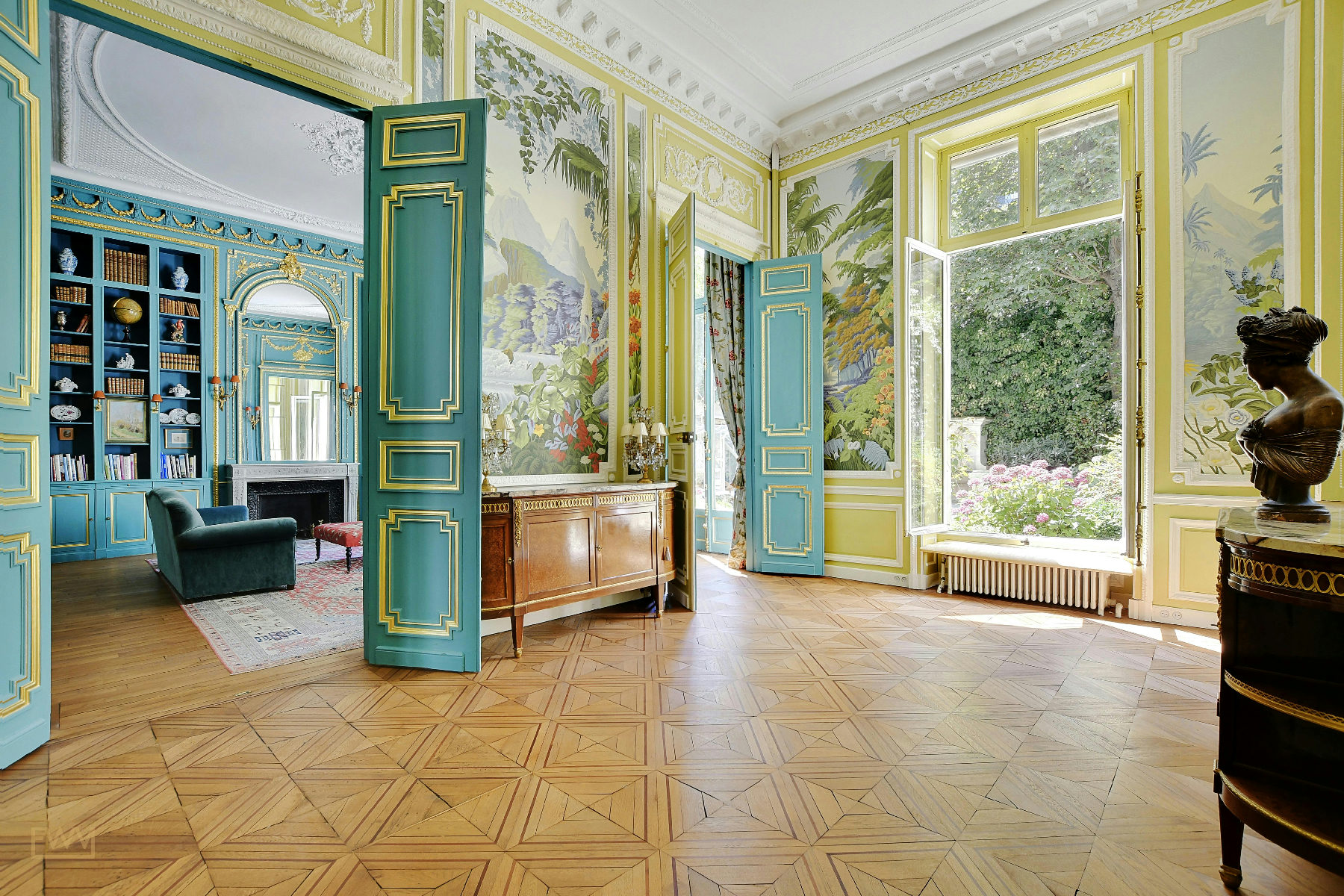
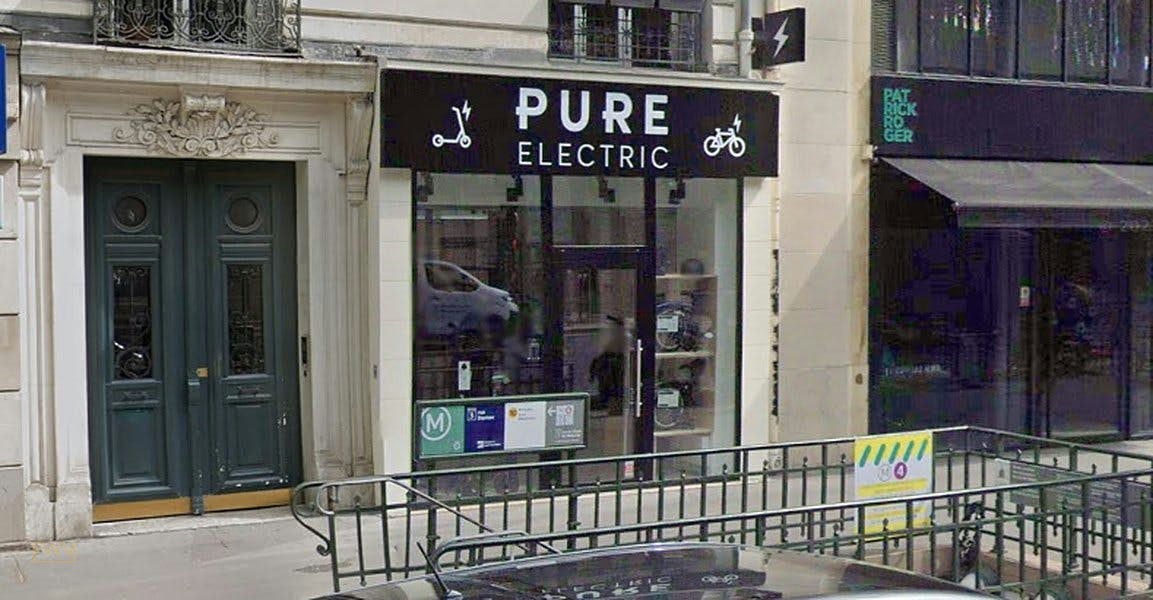
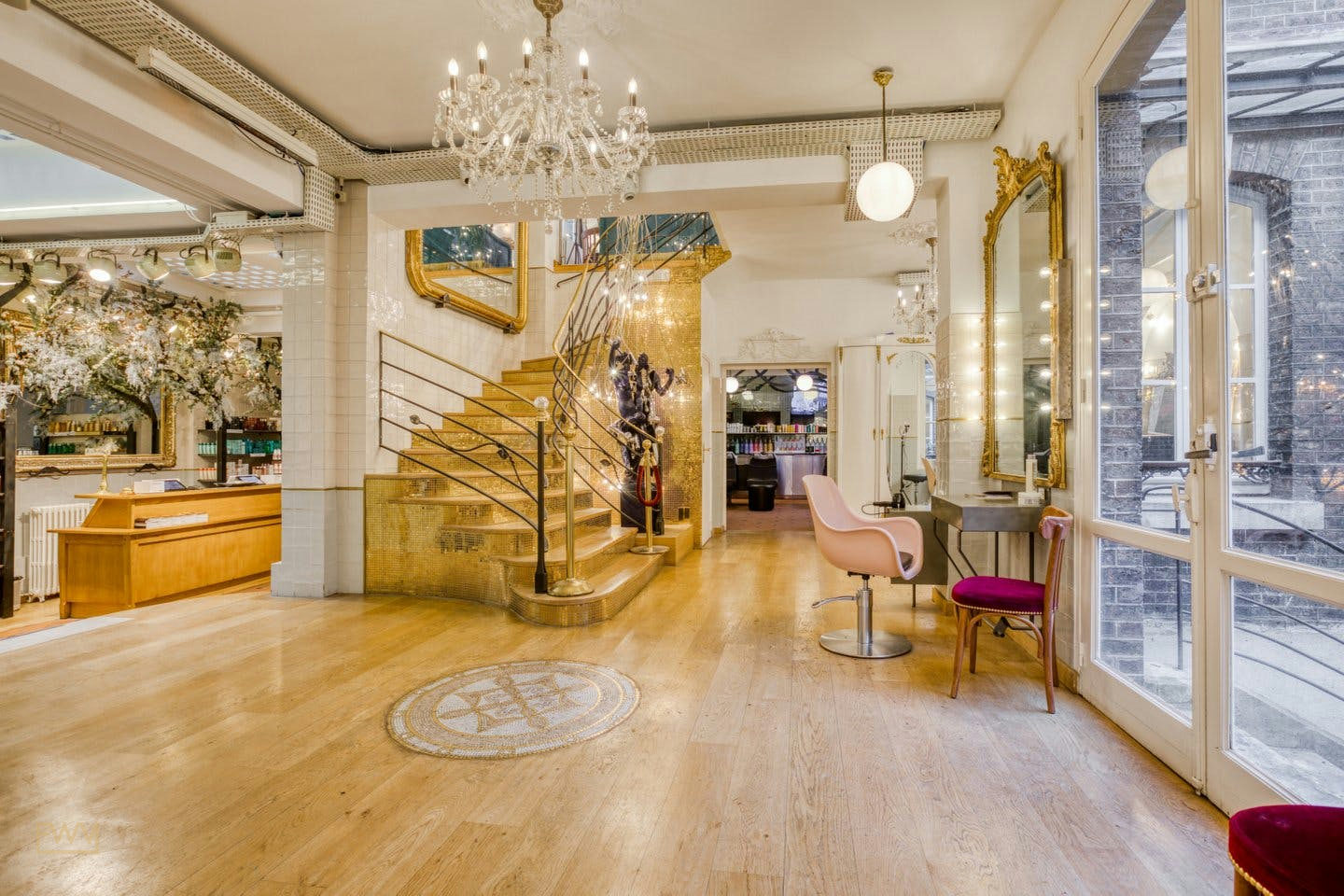
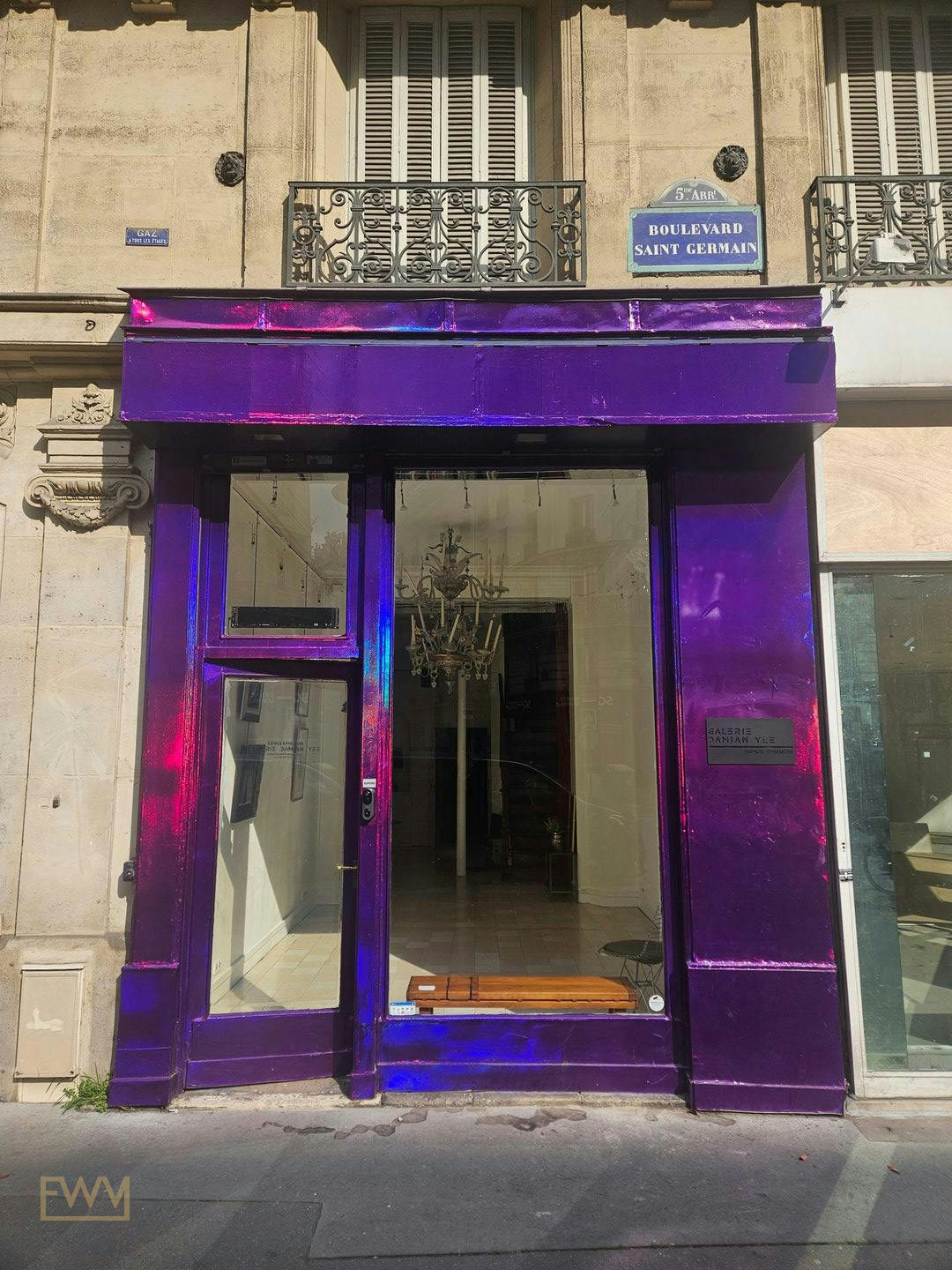
Opening a pop up shop in Saint-Germain places your brand at the centre of one of the most culturally loaded retail corridors in the world. Saint-Germain-des-Prés, on Paris's Rive Gauche, is not simply a postcode. It is a neighbourhood that shaped modern thought, produced some of the most influential creative figures of the twentieth century, and continues to attract an educated, affluent, internationally curious consumer who spends on experience as much as on product. For brands seeking short-term retail presence in Paris, Saint-Germain offers something that few other neighbourhoods in any city can match: heritage authority combined with genuine foot traffic from both Parisian residents and global visitors. This guide covers everything a brand team needs to know to evaluate, plan, and execute a successful pop-up activation in Saint-Germain, drawing on the expertise of Fashion Week Venues in Paris.
Why Saint-Germain-des-Prés Is a Serious Pop-Up Retail Destination
Quick answer: Saint-Germain-des-Prés combines institutional cultural prestige with a high-spending, design-literate consumer base, making it one of the most commercially credible locations for a fashion, beauty, lifestyle, or luxury pop-up in Paris. The neighbourhood draws both affluent Parisian residents and international visitors who arrive specifically to engage with its creative identity.
Saint-Germain-des-Prés sits in the 6th arrondissement of Paris, bordered by the Seine to the north, the Luxembourg Gardens to the south, and the Latin Quarter to the east. Boulevard Saint-Germain serves as the neighbourhood's central spine, running from the Pont de la Tournelle in the east toward the Rue du Bac and the 7th arrondissement in the west. The area is immediately recognisable by its landmarks: the Église Saint-Germain-des-Prés, the oldest church in Paris; the Café de Flore; and the Brasserie Lipp, two institutions that became the meeting points of Jean-Paul Sartre, Simone de Beauvoir, Boris Vian, Jean-Luc Godard, and generations of French intellectuals and artists. This cultural lineage is not simply biographical trivia. It is the foundation of the neighbourhood's brand equity and the reason that fashion houses, design brands, and lifestyle labels continue to compete for presence here.
The streets most relevant for pop-up retail operations include Boulevard Saint-Germain itself, Rue de Rennes, Rue de Seine, Rue Mazarine, Rue Dauphine, and the cluster of boutique streets surrounding the church and the Place Saint-Sulpice. The area around Saint-Sulpice, anchored by the enormous baroque church and its fountain, has developed into a de facto luxury retail corridor. Ralph Lauren has maintained a flagship on Boulevard Saint-Germain for years. Emporio Armani occupies a significant corner position. Smaller boutiques including Macon and Lesquoy and a variety of concept-led independents line Rue Madame, Rue du Vieux-Colombier, and the streets feeding into Place Saint-Sulpice from the south. Boutique Saint-Sulpice and similar neighbourhood retailers signal the kind of consumer this area consistently attracts: someone who appreciates considered design, expects quality, and is willing to pay for genuine creative positioning.
Le Bon Marché, the historic department store on Rue de Sèvres at the edge of the neighbourhood, provides an additional anchor. Its buyers and editorial team actively shape what is considered desirable in Paris, and a pop-up in the surrounding streets benefits from proximity to a retail institution that defines taste for much of France's design-conscious middle and upper class.
Foot traffic in Saint-Germain is not the raw volume of Champs-Élysées or the tourist saturation of Montmartre. It is a qualified, purposeful flow. People walk through Saint-Germain because they want to be there. They are shopping, dining, visiting the Luxembourg Museum, attending gallery openings, or simply inhabiting a neighbourhood they consider culturally central to their Parisian identity. For brands targeting a consumer who is educated, affluent, and engaged with fashion and design culture, this foot traffic profile is considerably more valuable than higher-volume but lower-intent pedestrian flows.
DID YOU KNOW: The Café de Flore and Les Deux Magots, both located steps apart on Boulevard Saint-Germain, continue to attract visitors who arrive specifically because of the literary and philosophical history attached to these addresses. This kind of destination traffic is a structural advantage for any retail activation in the immediate vicinity.
KEY TAKEAWAY: Saint-Germain-des-Prés offers a rare combination of cultural authority, high-intent foot traffic, and an established luxury retail environment. Brands who open a pop-up here communicate alignment with Parisian design culture, which carries genuine brand positioning value beyond the transaction itself.
Understanding why the neighbourhood works commercially is the starting point. The next step is understanding how its geography translates into specific street-level decisions that affect visibility, access, and conversion.
Saint-Germain-des-Prés Geography: Streets, Landmarks, and Micro-Zones for Pop-Up Strategy
Quick answer: Saint-Germain-des-Prés is not a single retail strip but a network of micro-zones, each with its own consumer profile, rental market, and operational conditions. Understanding the difference between Boulevard Saint-Germain, the Saint-Sulpice corridor, and the riverside streets along Rue de Seine and Rue Dauphine is essential before committing to a location.
Boulevard Saint-Germain and the Core Corridor
Boulevard Saint-Germain is the neighbourhood's main artery and its most commercially established stretch. Brands seeking maximum visibility and the credibility of a primary address will focus here. However, space availability on the boulevard itself is limited, lease terms are competitive, and the footprint required by most flagship-format operators means that pop-up opportunities are typically found in the side streets rather than directly on the boulevard. When boulevard-facing spaces do appear, they tend to be absorbed quickly by established brands with existing agency relationships.
Saint-Sulpice and Rue du Vieux-Colombier
The area immediately surrounding Place Saint-Sulpice and extending along Rue du Vieux-Colombier toward Saint-Germain forms one of the most coherent luxury micro-markets in Paris. Boutique Saint-Sulpice and the surrounding independent retailers have established a shared retail identity that rewards creative positioning and considered design. A pop-up here benefits from an environment where the surrounding context reinforces quality rather than diluting it. Foot traffic is intentional. Visitors arrive to shop, not simply to pass through.
Rue de Seine, Rue Dauphine, and the Gallery Quarter
Rue de Seine and Rue Dauphine form the art gallery belt of Saint-Germain. These streets have the highest concentration of contemporary art galleries in any neighbourhood in Paris, creating an environment that is genuinely interesting to design-led and culturally curious consumers. A pop-up on either of these streets should reflect the visual and conceptual standard of its gallery neighbours. The consumer here is discerning in a specific way: they respond to aesthetic intelligence over commercial loudness.
Rue Mazarine and the Southern Reach
Rue Mazarine connects the art gallery corridor to the broader neighbourhood and provides some of the most interesting smaller footprint spaces in the area. The street has a slightly lower profile than Rue de Seine but benefits from through-traffic between the Institut de France, the Monnaie de Paris, and the interior of the neighbourhood. For brands working with a more limited budget or a smaller format concept, Rue Mazarine represents a credible alternative to the premium streets without sacrificing the Saint-Germain address.
Rue de Rennes and the Commercial Edge
Rue de Rennes, running south from Saint-Germain-des-Prés toward Montparnasse, offers a more commercially busy retail environment. It is broader, has higher volume foot traffic, and includes a mix of mid-market and accessible fashion alongside independent boutiques. For brands seeking volume over prestige positioning, Rue de Rennes provides an alternative entry point into the Saint-Germain catchment without the premium associated with the historic core.
| Street or Zone | Consumer Profile | Best For | Space Availability |
|---|---|---|---|
| Boulevard Saint-Germain | Affluent, international, design-literate | Luxury, flagship-format brands | Limited, competitive |
| Place Saint-Sulpice corridor | Parisian residents, independent shoppers | Contemporary fashion, accessories, lifestyle | Moderate, specialist search required |
| Rue de Seine and Rue Dauphine | Art-literate, culturally engaged | Design, artist collaboration, niche luxury | Good range for smaller formats |
| Rue Mazarine | Mixed cultural and resident traffic | Emerging brands, limited budgets, concept stores | Accessible for short-term rental |
| Rue de Rennes | Broader demographic, higher volume | Fashion, beauty, accessible lifestyle | Good availability across formats |
KEY TAKEAWAY: The right street in Saint-Germain depends on your brand's positioning, consumer target, budget, and format. A prestige fashion house and an emerging independent label will find their optimal location in different parts of the neighbourhood. Map your brief to the micro-zone before searching for specific spaces.
Choosing the right zone is only meaningful if you can also navigate the operational and legal requirements that govern pop-up retail in Paris. That process requires specific knowledge of French temporary retail frameworks.
How Paris Pop-Up Permits and Short-Term Retail Leases Work in Saint-Germain
Quick answer: Temporary retail in Paris operates under specific legal frameworks that differ from standard commercial leases. Understanding the bail dérogatoire and the Autorisation d'Occupation Temporaire is essential before signing any agreement for a pop-up space in Saint-Germain or anywhere in Paris. Brands should verify their specific requirements with a qualified French legal advisor.
Pop-up retail in France does not function like a standard commercial lease. The standard French commercial lease, known as the bail commercial, comes with statutory protections and obligations that typically run for nine years with a minimum three-year break clause. That structure is obviously incompatible with a two-week brand activation or a month-long pop-up campaign. French law provides two primary alternatives that are used for short-term retail operations.
The Bail Dérogatoire
The bail dérogatoire, sometimes called the bail précaire or short-term lease, is a commercial tenancy agreement that bypasses the protections of the standard bail commercial. It can be agreed for a period of up to three years and does not automatically renew. This makes it the primary vehicle for pop-up shops, showrooms, and temporary retail concepts in Paris. The key requirement is that both parties must explicitly agree that the tenant is not entitled to the protections of the standard commercial lease. This agreement must be made in writing before the lease begins. If a tenant remains in occupation at the end of a bail dérogatoire without a new agreement, French courts may treat the occupation as a standard bail commercial, which creates significant legal exposure. This is not a theoretical risk. It has practical consequences for brands who allow a pop-up to drift beyond its agreed term without formal documentation.
The Autorisation d'Occupation Temporaire
For spaces in public or semi-public ownership, including spaces in certain cultural institutions, historic buildings, and urban development zones, the relevant framework may be an Autorisation d'Occupation Temporaire, or AOT. This is an administrative permission rather than a private lease agreement. AOTs are used for outdoor markets, temporary kiosks, and activations in publicly managed spaces. The conditions, fees, and approval processes for AOTs vary significantly by space type, location, and the authority responsible for the relevant public asset. Brands planning activations in heritage-listed buildings, public squares, or spaces adjacent to protected monuments in Saint-Germain should expect additional administrative requirements beyond a standard rental agreement.
Practical Compliance for Saint-Germain Pop-Ups
Beyond the lease structure, pop-up operators in Paris must comply with fire safety regulations, electrical installation standards, accessibility requirements, and in some cases specific planning conditions related to the use of listed or heritage buildings. Insurance is not optional. Public liability insurance and property insurance for temporary retail activities are standard requirements and should be confirmed before any build or installation begins. Packaging and merchandising practices that relate to sustainability regulations are also increasingly subject to French commercial law, particularly regarding single-use plastics and labelling.
IMPORTANT: Requirements vary by space type, duration, and arrondissement. This guide provides general orientation only. Always verify your specific permit and compliance obligations with a qualified French legal advisor before signing any agreement or beginning any installation work.
The permit guidance tool on Fashion Week Venues provides orientation on the permit categories and approval processes most relevant to fashion and lifestyle brand activations in Paris. It is a useful starting point for understanding what questions to ask and what documentation to prepare before engaging a space owner or local authority.
KEY TAKEAWAY: The legal framework for pop-up retail in Paris is distinct from standard commercial leasing and has specific requirements that must be documented correctly before a tenancy begins. A bail dérogatoire, correctly structured, is the standard instrument for most fashion brand pop-ups. Seek legal advice and do not assume that a simple rental agreement provides sufficient protection.
Once the legal and permit framework is understood, the operational planning process can begin. That includes budgeting, timeline management, and the production decisions that determine how the physical space is built and presented.
Planning and Budgeting a Pop-Up Shop in Saint-Germain: What Brands Need to Know
Quick answer: A realistic pop-up budget for Saint-Germain must account for rental, fit-out, staffing, marketing, insurance, permits, and contingency. Saint-Germain is a premium market and rental rates reflect its positioning. Brands should build budgets from confirmed quotes rather than assumptions, and use estimation tools to establish a realistic range before approaching landlords or agencies.
Budgeting for a pop-up in Saint-Germain involves more variables than simply the weekly rental rate. The rental cost itself is significant given the neighbourhood's market position, but it is typically one of several material cost lines rather than the only one. Brands that approach Saint-Germain pop-up planning with only the rental figure in mind frequently underestimate total activation costs by a substantial margin.
Core Cost Categories for a Saint-Germain Pop-Up
Rental is the foundational cost and will vary based on the specific street, the footprint, the duration, and the condition of the space at the point of handover. Some spaces are offered shell-only, requiring a complete fit-out to be retail-ready. Others come partially equipped or with furniture already in place, which reduces fit-out costs but may limit how fully the brand environment can be expressed. The condition of the space must be assessed before any financial commitment is made.
Fit-out and production costs cover the physical build: flooring, wall treatments, lighting, display fixtures, signage, and any structural elements required to realise the brand concept. In a neighbourhood like Saint-Germain, where the surrounding retail context is visually sophisticated, a minimal or poorly executed fit-out will work against the brand rather than simply being neutral. The investment in production quality directly affects how the space reads to the consumer who walks through the door.
Furniture rental is a flexible cost line. For many pop-up activations, renting furniture and display fixtures rather than purchasing them is more cost-effective and logistically simpler, particularly for international brands who cannot easily transport large pieces and cannot easily store or repatriate purchased items after the activation ends.
Staffing is a recurring cost throughout the activation period. It includes retail staff wages, supervision, and any specialist roles required for the concept, such as stylists, brand ambassadors, or technical operators for digital or experiential elements. French employment law applies to all workers engaged in France regardless of the brand's country of incorporation.
Marketing and influencer activity, POS and payment infrastructure, data and analytics tools, and the operational overhead of managing the activation remotely or through an on-the-ground partner all add to the total cost picture. Insurance and any permit fees must be included in every budget scenario.
Brands can use the budget estimation tool on Fashion Week Venues to build a directional cost model before engaging specific spaces or service providers. This is useful for establishing internal approval thresholds and ensuring the budget conversation with landlords and agencies starts from a realistic base.
| Cost Category | Key Variables | Notes |
|---|---|---|
| Rental | Street, footprint, duration, specification | Premium in Saint-Germain core; more accessible on secondary streets |
| Fit-out and production | Space condition, brand concept complexity | Shell spaces require higher fit-out investment |
| Furniture rental | Format, style, quantity | Often more practical than purchasing for international brands |
| Staffing | Hours, roles, duration | French employment law applies regardless of brand origin |
| Marketing and PR | Influencer fees, media spend, events | Saint-Germain's cultural context creates organic press opportunity |
| POS and payments | Systems, connectivity, transaction volume | Multi-currency capability important for tourist-heavy consumer mix |
| Insurance and permits | Space type, activity, duration | Non-negotiable; must be confirmed before build begins |
| Contingency | All categories | Standard practice is 10 to 15 percent of total budget |
Timeline Planning for a Saint-Germain Activation
The timeline for a Saint-Germain pop-up activation is almost always longer than brands initially expect. Space identification, legal review, permit applications, production planning, build, staffing arrangements, and marketing preparation all run in parallel and all have lead times. Brands who begin planning fewer than eight weeks before their intended opening date typically face avoidable problems including space unavailability, rushed production work, and compliance gaps.
For activations timed around Paris Fashion Week, the lead time pressure is even greater. Spaces in Saint-Germain and across the city are in high demand during the September and March fashion weeks, and the most suitable spaces are typically committed months in advance. The timeline planning tool on Fashion Week Venues helps brands map realistic milestones from brief to opening day.
KEY TAKEAWAY: A Saint-Germain pop-up budget must cover at least eight distinct cost categories. Rental is important but not dominant. Brands who budget comprehensively and plan timelines with realistic lead times are significantly more likely to execute successfully than those who treat rental cost as the only meaningful variable.
Alongside budget and timeline management, brands must also think carefully about how they position and market their Saint-Germain activation. The neighbourhood has a specific cultural identity that rewards intelligent brand communication and punishes misalignment.
Brand Strategy and Marketing for a Saint-Germain Pop-Up
Quick answer: Saint-Germain-des-Prés has a defined cultural identity rooted in intellectual life, independent creative thought, and considered design. Brand activations that align authentically with that identity perform significantly better than those that impose an external brand voice without acknowledging the neighbourhood's Parisian DNA. Social media visibility, influencer partnerships, and press engagement are all stronger when the concept is coherent with the location.
The cultural DNA of Saint-Germain-des-Prés is genuinely distinctive. The neighbourhood's association with Jean-Paul Sartre, Simone de Beauvoir, Boris Vian, and Jean-Luc Godard is not decorative. It represents a sustained tradition of intellectual seriousness, creative independence, and opposition to commercial banality. Consumers who inhabit or regularly visit the neighbourhood are aware of this identity and respond to it. Brands that attempt to import a generic retail formula into Saint-Germain without acknowledging the local cultural context often find that the neighbourhood works against them rather than for them.
This does not mean that only literary or academic brands can operate successfully in Saint-Germain. Louis Vuitton, Supreme, Glossier, and Tesla have all operated temporary or permanent retail experiences in Paris that relied on a clear and confident brand identity rather than cultural mimicry. The principle is that your brand concept must be executed with genuine intention. A half-finished or commercially generic pop-up in Saint-Germain reads as worse than no presence at all, because the neighbourhood's context amplifies the shortcoming.
Social Media and Influencer Strategy in Saint-Germain
Saint-Germain is a genuinely photogenic neighbourhood. The architecture, the street furniture, the proximity to the Seine and to landmarks like the Café de Flore, the Luxembourg Gardens, and the Église Saint-Germain-des-Prés all create a rich visual context that extends the social media value of a pop-up well beyond the interior of the space itself. Brands should actively design the exterior presentation and the immediate streetscape around the pop-up to be shareable, taking advantage of the neighbourhood setting rather than treating it as a backdrop.
Influencer partnerships in this context work most effectively when the influencers selected have a genuine connection to Parisian culture, fashion, or design. The Saint-Germain consumer notices inauthenticity. An influencer campaign that feels manufactured will perform less well in this neighbourhood than it might in a location where the consumer is less critical. Selecting partners who can speak credibly about the neighbourhood and about the brand concept simultaneously creates more valuable content and more trust with the target audience.
Brand Positioning and the Ephemeral Commerce Advantage
One of the strategic advantages of ephemeral commerce is the ability to test positioning without committing to a permanent retail investment. A Saint-Germain pop-up allows a brand to assess its resonance with a Parisian luxury consumer, gather direct customer feedback, observe purchasing behaviour in a controlled environment, and refine its inventory decisions, pricing architecture, and merchandising approach before any larger commitment is made. This intelligence is genuinely valuable and should be treated as a deliverable of the activation, not a by-product.
Brands operating pop-ups in Saint-Germain should build data collection into the activation from day one. Customer feedback, transaction data, dwell time, and conversion rates all contribute to a richer understanding of how the brand performs in the Paris market. The data and analytics service on Fashion Week Venues supports brands in capturing and interpreting this information in a useful format.
TIP: The sustainability positioning of a brand can be a genuine commercial advantage in Saint-Germain. The neighbourhood's consumer base is increasingly focused on environmental responsibility and tends to respond positively to brands that communicate their sustainability commitments with evidence rather than simply with slogans. Packaging choices, supply chain transparency, and overproduction reduction strategies are all potential points of differentiation.
KEY TAKEAWAY: Brand strategy for a Saint-Germain pop-up must be coherent with the neighbourhood's cultural identity. Social media and influencer activity should extend the location's visual richness into digital channels. Data collection should be treated as a core deliverable of every activation.
To compare neighbourhoods and space types across Paris and understand how Saint-Germain positions against alternatives like Le Marais or Saint-Honoré, explore the Paris city hub on Fashion Week Venues and shortlist spaces that match your brief, budget, and calendar window.
Saint-Germain Versus Other Paris Neighbourhoods for Pop-Up Retail
Quick answer: Saint-Germain-des-Prés, Le Marais, Saint-Honoré, and Champs-Élysées all serve different brand positioning and consumer targeting needs. Choosing the right neighbourhood is a strategic decision, not simply a practical one, and depends on brand identity, consumer profile, budget, and the specific objectives of the activation.
Paris is a city of distinct neighbourhoods, and each major retail district has a different consumer profile, a different cultural identity, and a different operational environment for pop-up retail. Understanding how Saint-Germain compares with its most relevant alternatives is essential for brands making their first Paris activation decision or considering a relocation from a previous Paris market position.
Saint-Germain-des-Prés Versus Le Marais
Le Marais, centred on Rue des Francs-Bourgeois, Rue Vieille-du-Temple, Rue Froissart, Rue des Rosiers, and the surrounding streets of the 3rd and 4th arrondissements, is the neighbourhood most frequently mentioned alongside Saint-Germain in conversations about fashion-led pop-up retail in Paris. The two areas serve related but meaningfully different audiences. Le Marais is more diverse, more mixed in its retail offer, and more open to emerging and experimental brands. It has higher tourist volume and a younger, more varied demographic mix. The Marais is where brands like Supreme and Glossier have found natural homes in Paris. Saint-Germain, by contrast, skews toward established quality, considered design, and a somewhat older, higher-spending consumer. The choice between them is fundamentally about which consumer the brand is speaking to.
Saint-Germain Versus Rue Saint-Honoré and Champs-Élysées
The Rue Saint-Honoré corridor, including the Faubourg Saint-Honoré and the Place Vendôme area, is the most consistently prestigious address in Paris for luxury retail. Brands who need to communicate maximum luxury positioning in a single address tend toward this area. However, the rental environment is extremely competitive, the consumer expectation is correspondingly high, and the neighbourhood lacks the creative intellectual identity that distinguishes Saint-Germain. The Champs-Élysées, with its Arc de Triomphe terminus and extremely high tourist volume, delivers mass-market visibility and was historically used by brands like Louis Vuitton and others for flagship presence. For pop-up retail specifically, the Champs-Élysées tends to attract brands seeking volume rather than cultural positioning.
Saint-Germain Versus Montmartre and Other Districts
Montmartre offers a romantic, artistic identity that works well for certain lifestyle, artisan, and travel-adjacent brands. However, its retail infrastructure is less developed than Saint-Germain or Le Marais, and the consumer base is more heavily tourist-dependent. For brands seeking a Paris presence that communicates genuine integration with the city's creative and commercial culture, Saint-Germain and Le Marais remain the primary options.
| Neighbourhood | Primary Brand Positioning | Consumer Profile | Pop-Up Suitability |
|---|---|---|---|
| Saint-Germain-des-Prés | Intellectual luxury, design authority, creative heritage | Affluent, design-literate, international and Parisian | Excellent for fashion, lifestyle, luxury, design |
| Le Marais | Emerging, experimental, fashion-forward | Younger, diverse, culturally engaged | Strong for streetwear, beauty, contemporary fashion |
| Saint-Honoré and Faubourg | Peak luxury, heritage prestige | High-net-worth, international | Limited pop-up availability; very high rental cost |
| Champs-Élysées | Mass-market visibility, tourist facing | Very high volume, broad demographic | Suitable for volume campaigns, experiential |
| Montmartre | Romantic, artisan, local character | Heavily tourist-dependent | Specialist use cases; limited retail infrastructure |
KEY TAKEAWAY: Saint-Germain-des-Prés is not the right neighbourhood for every brand, but it is the right neighbourhood for brands that can credibly align with its intellectual design heritage and want to reach an affluent, design-literate consumer in a coherent cultural context. The decision should be made strategically, not by default.
For brands weighing Saint-Germain against other Paris options, the space comparison tool on Fashion Week Venues allows side-by-side evaluation of spaces across different neighbourhoods and arrondissements against a consistent set of criteria.
Types of Pop-Up Spaces Available in Saint-Germain-des-Prés
Quick answer: Saint-Germain offers a range of space formats for temporary retail, from boutique-scale street-level shops to gallery conversions, showrooms, and shared concept spaces. The right format depends on the brand's concept, footprint requirements, budget, and operational model.
The physical space market in Saint-Germain-des-Prés is heterogeneous. The neighbourhood contains everything from tiny specialist boutiques of under thirty square metres on gallery-lined side streets to substantial street-level retail units on Boulevard Saint-Germain and Rue de Rennes. Understanding which format serves your activation concept is as important as identifying the right street.
Boutique-Scale Street-Level Retail Spaces
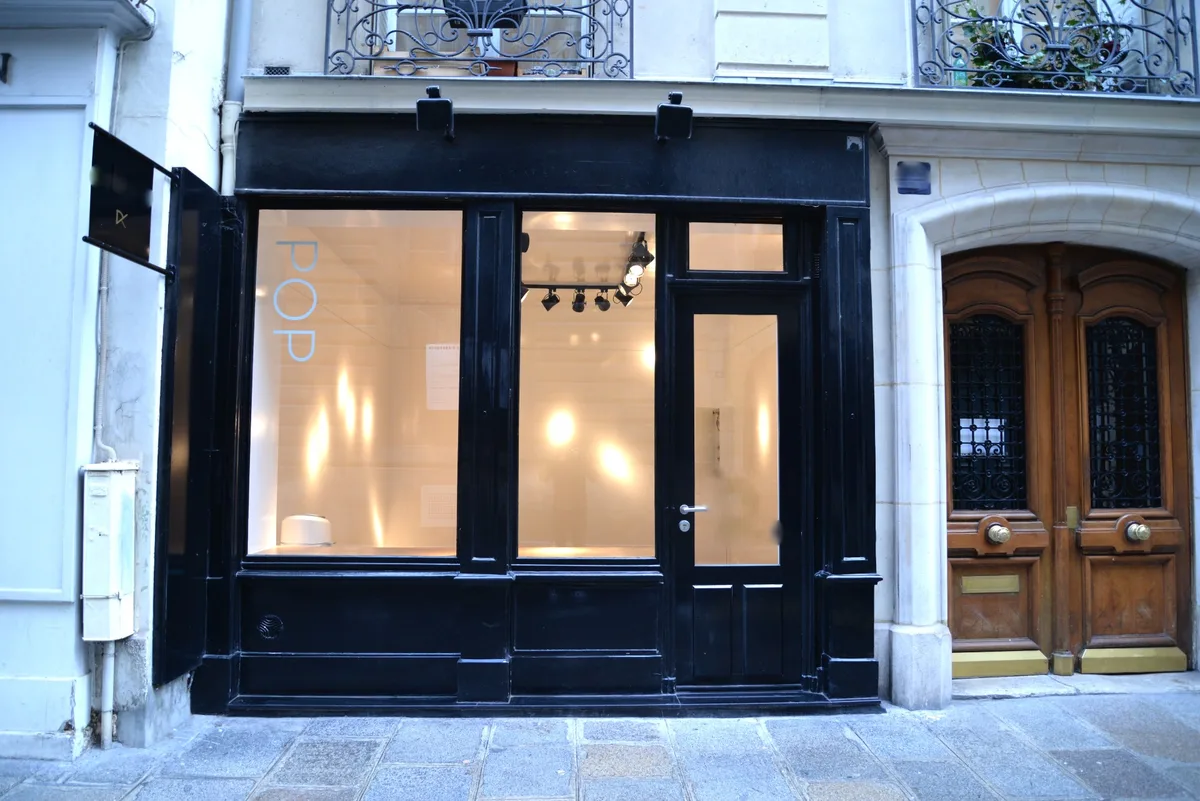
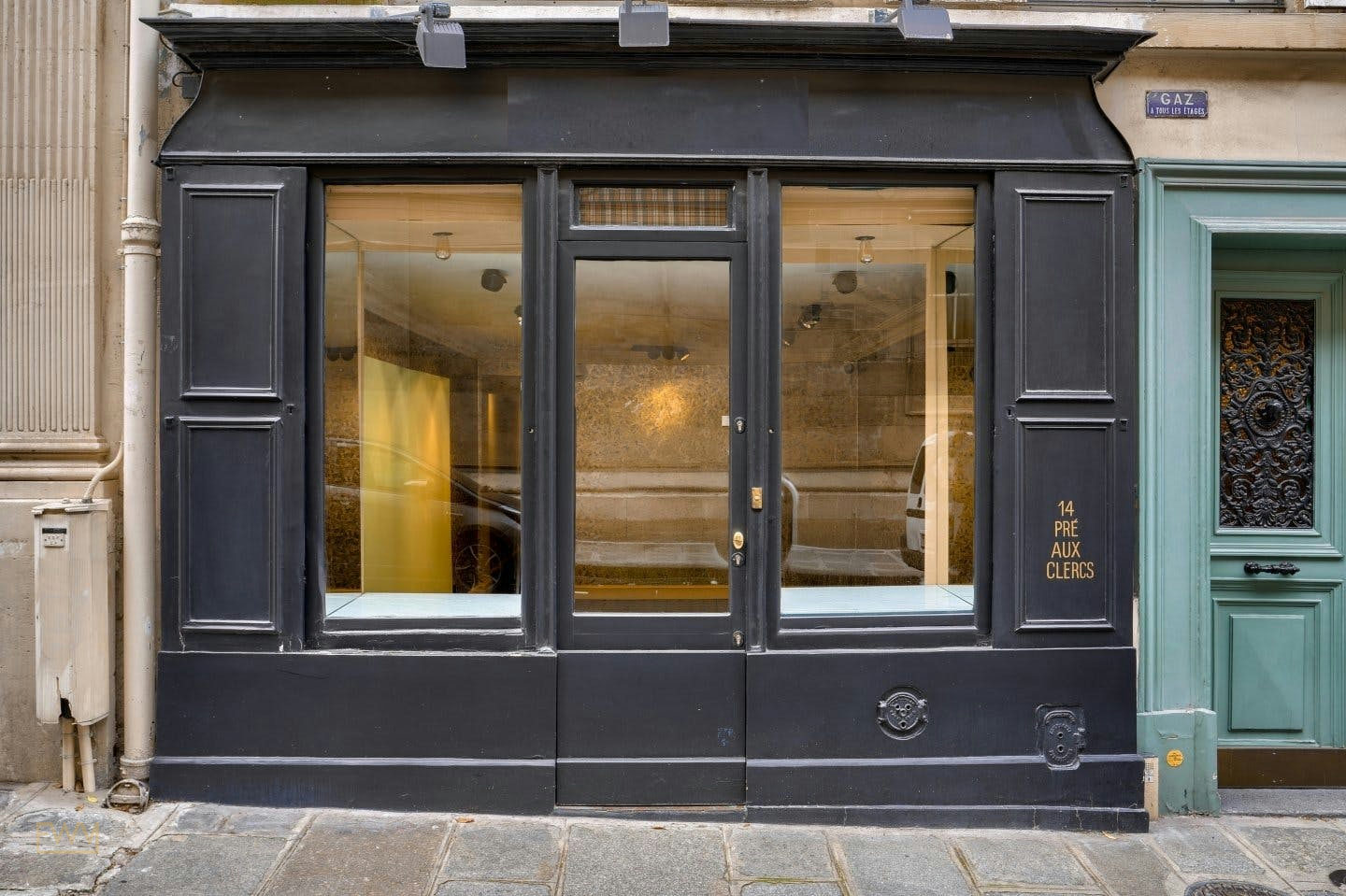
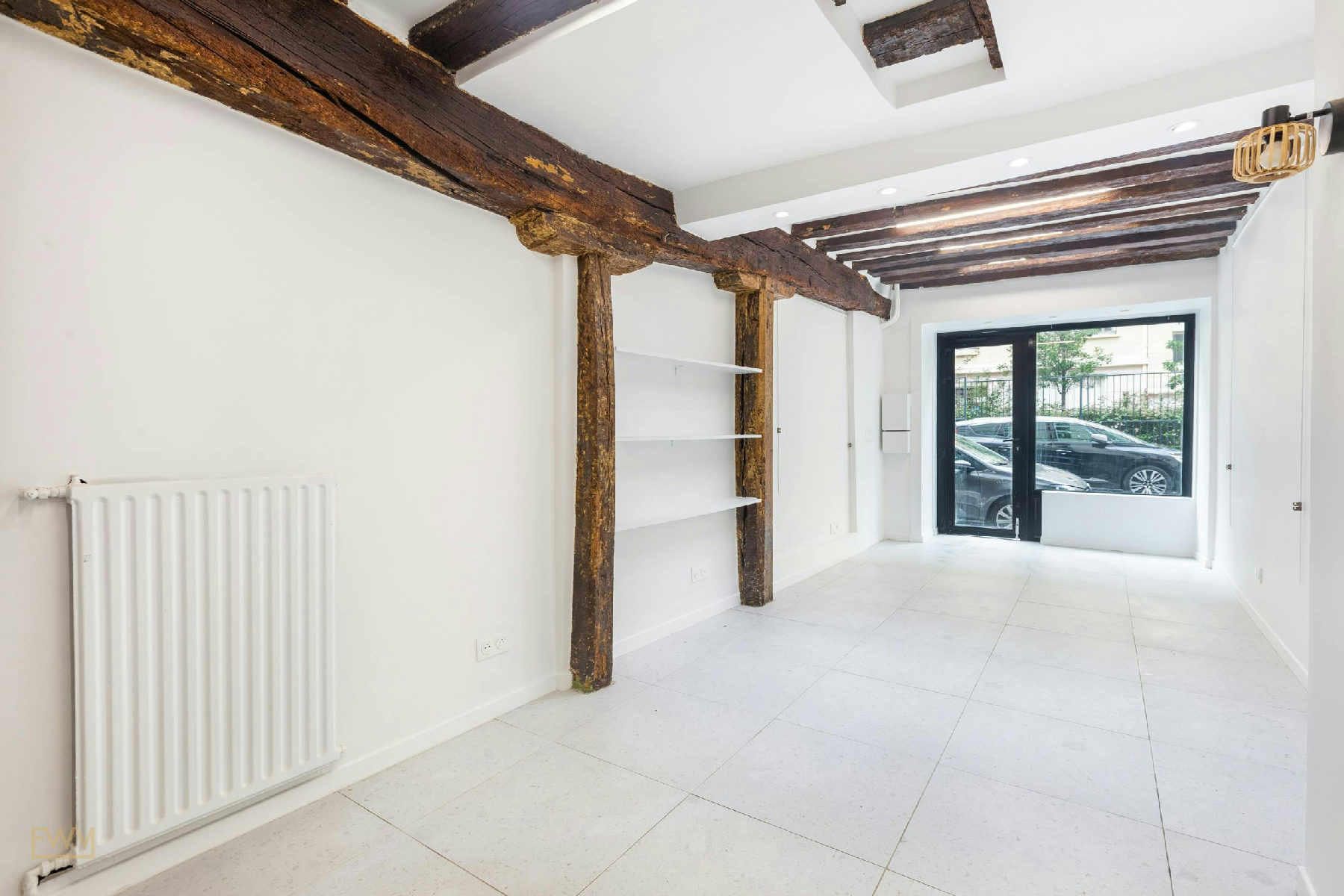
The most common pop-up format in Saint-Germain is the boutique-scale, street-level retail space. These typically range from thirty to one hundred and fifty square metres and occupy the ground floor of historic Haussmann or pre-Haussmann buildings. The characteristic stone architecture and tall windows of these spaces provide a naturally elegant retail environment that requires less intervention than blank-box formats to achieve a strong visual impact. They work well for fashion, accessories, jewellery, beauty, and lifestyle brands who want an immersive but focused retail experience.
Gallery Conversions and Art-Adjacent Spaces
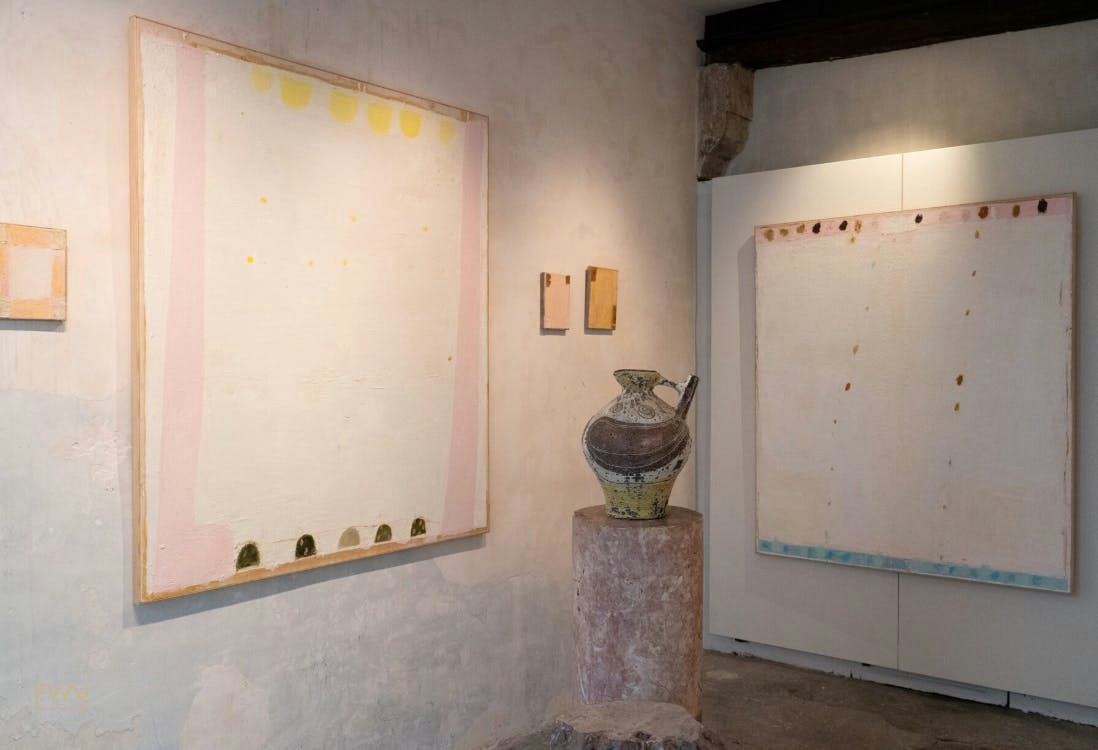
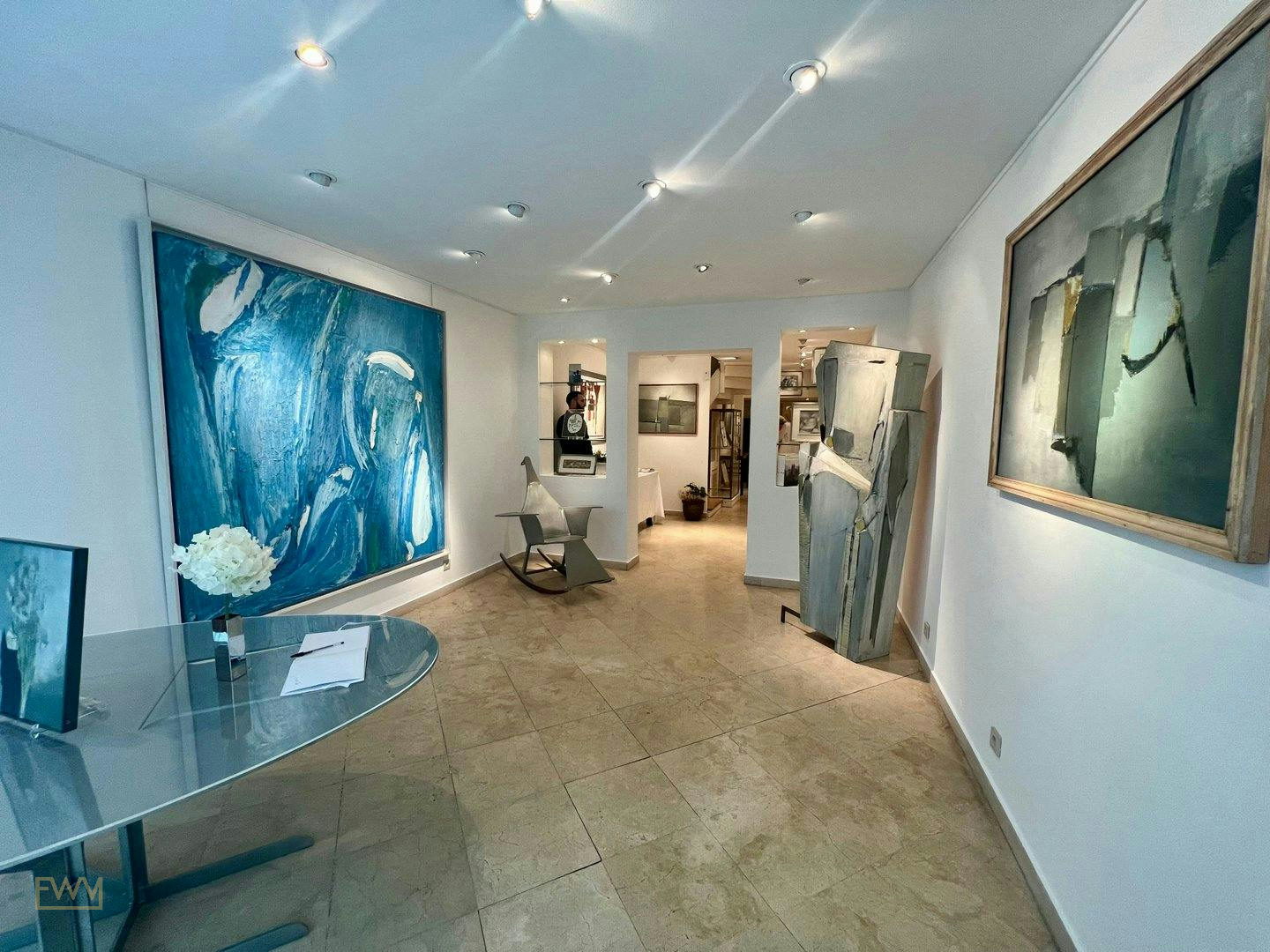
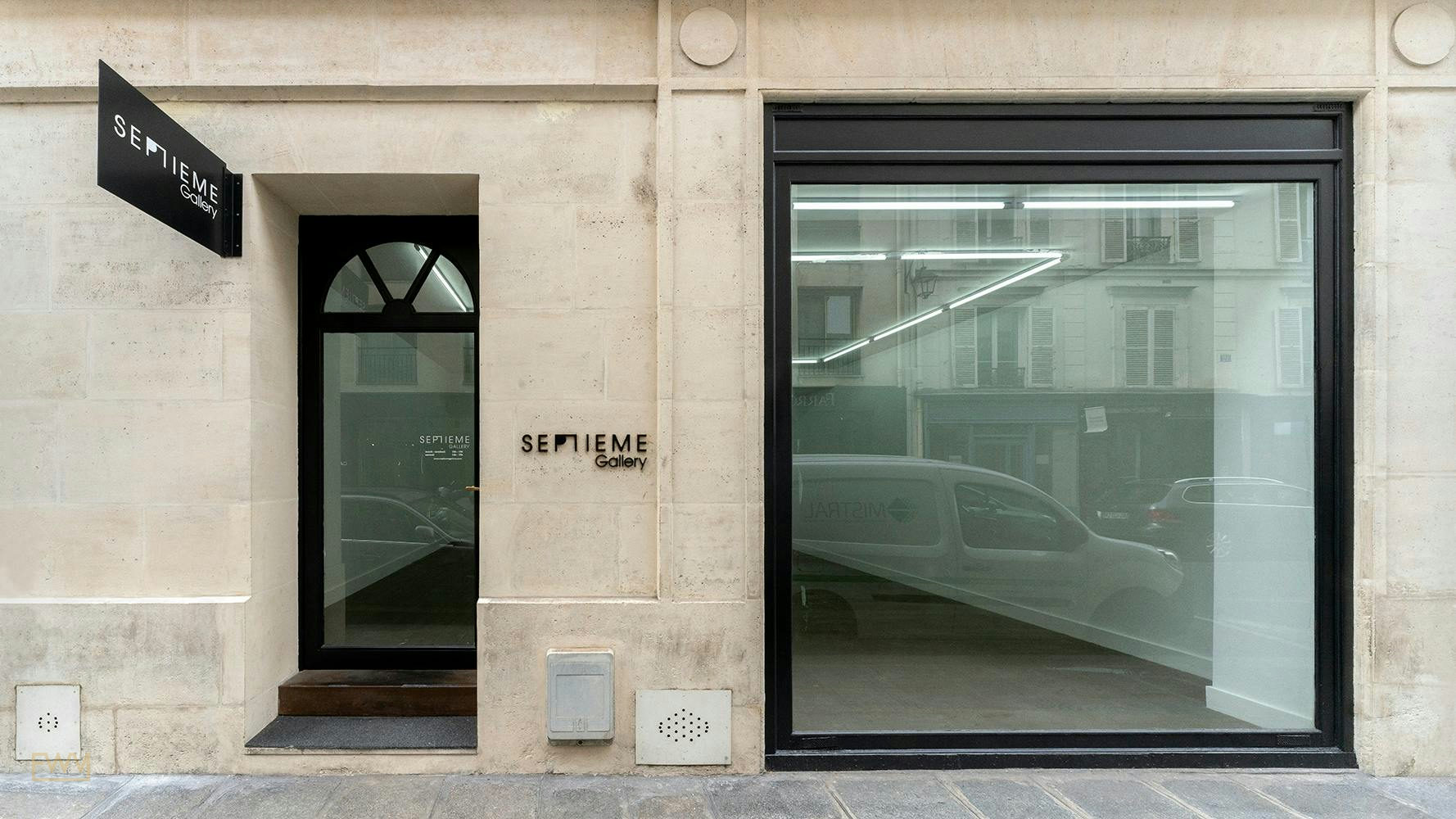
On Rue de Seine, Rue Dauphine, and the surrounding streets of the gallery quarter, spaces that previously operated as or alongside commercial art galleries offer a distinctive environment for design-led or art-adjacent brand concepts. These spaces are typically white-walled, well-lit, and proportioned for contemplative retail rather than high-volume throughput. They work best for brands whose product or concept invites considered engagement: art-object accessories, luxury editions, craft-forward fashion, or collaborations with artists and designers.
Showrooms
A showroom-format activation in Saint-Germain serves a different commercial purpose from a consumer-facing pop-up shop. Showrooms in this neighbourhood are used primarily during Paris Fashion Week by brands presenting collections to buyers, press, and stylists. They may be open to the public for part of the activation period and purely appointment-based for the remainder. The Saint-Germain address carries specific credibility for showroom use because the neighbourhood is associated with creative authority and has been a showroom location for international brands for decades.
Shared and Co-Activation Spaces
For brands with smaller budgets or those seeking a curated multi-brand environment, shared concept spaces and co-activation formats offer an alternative to the exclusive single-brand pop-up. These formats allow multiple brands to share a space, reducing individual rental and operational costs while creating a more varied consumer offer. Fashion Week Venues operates a twin co-activation concept designed specifically for brands who want to share a Paris space without compromising brand identity.
TIP: Brands new to Paris who are uncertain about committing to an exclusive space should consider a co-activation as a lower-risk entry point. It reduces financial exposure, provides access to a shared marketing audience, and allows the brand to assess its resonance with the Paris consumer before a larger commitment.
KEY TAKEAWAY: The right space format in Saint-Germain depends on the brand's concept, its consumer interaction model, its production capacity, and its budget. Boutique retail spaces, gallery conversions, showrooms, and co-activation formats all have distinct use cases and different operational requirements.
How Fashion Week Venues Supports Pop-Up Activations in Saint-Germain
Quick answer: Fashion Week Venues provides end-to-end support for brand teams planning pop-up activations in Saint-Germain and across Paris, covering venue sourcing, concept direction, production, activation management, staffing, and data analytics, as well as a suite of planning tools that help brands estimate budgets, navigate permits, and manage timelines before they commit to a space.
Executing a pop-up in Saint-Germain-des-Prés is operationally complex for any brand, but particularly for international teams who are working without an established French logistics network, legal relationships, or on-the-ground production partners. Fashion Week Venues operates as a full-service agency and space marketplace with Paris as its primary market, offering both individual services and integrated project management for brands at any stage of the planning process.
Venue Sourcing and the Space Marketplace
The venue sourcing service covers the identification, vetting, and negotiation of temporary retail spaces across Saint-Germain and the wider Paris market. For brands who do not have an internal team with Paris market knowledge, this service eliminates the most time-consuming and risk-exposed part of the planning process. The Fashion Week Venues marketplace provides a curated database of available spaces that can be filtered by neighbourhood, size, specification, and availability window.
Concept Direction, Production, and Design
For brands who have a brief but not a fully realised concept, the concept direction and branded store design service develops the spatial and visual identity of the activation from the brief to the build. The production and build service then manages the physical realisation of the concept, including contractor management, installation scheduling, and compliance with the technical requirements of the specific space.
Activation Management and Staffing
Once the space is built and open, the activation management service provides day-to-day operational oversight. Retail staffing, managed through the dedicated staffing service, ensures that the brand is represented by individuals with appropriate language skills, product knowledge, and retail experience. French employment law compliance is managed as part of the staffing service, which is particularly important for international brands unfamiliar with French labour regulations.
Tools and Planning Resources
Fashion Week Venues provides a suite of planning tools that are useful at the pre-commitment stage. These include budget estimation, ROI projection, space comparison, timeline planning, permit orientation, and space location. These tools help brand teams build the internal case for a Paris activation and arrive at conversations with landlords and agencies with a realistic understanding of what is involved. They are not substitutes for professional legal or financial advice, but they provide a valuable structured framework for planning decisions.
KEY TAKEAWAY: Fashion Week Venues offers a range of services from venue sourcing only through to full end-to-end activation management. Brands can engage at the level that matches their internal capacity and the complexity of their concept. The planning tools are available for brands at the research and scoping stage, before any financial commitment is made.
Paris Events Calendar and Its Influence on Saint-Germain Pop-Up Timing
Quick answer: Timing a Saint-Germain pop-up to coincide with major Paris events, including Fashion Week, large sporting events, and cultural festivals, can significantly increase consumer reach and media attention. However, event periods also intensify competition for spaces and require earlier planning lead times.
The Paris events calendar creates recurring peaks of consumer activity that have direct implications for pop-up retail timing. Understanding which events drive relevant foot traffic to Saint-Germain, and which generate volume in other parts of the city, helps brands make smarter calendar decisions.
Paris Fashion Week: September and March
The September and March editions of Paris Fashion Week are the most commercially significant calendar windows for fashion brand pop-ups across the city. During Fashion Week, the concentration of buyers, press, stylists, influencers, and brand representatives in Paris reaches its annual peak. Saint-Germain, with its showroom tradition and its appeal to a design-literate audience, is particularly active during Fashion Week periods. Brands who want to reach the professional fashion audience as well as the consumer audience should prioritise these windows. However, the competition for suitable spaces during Fashion Week is intense, and brands who begin their search fewer than three to four months in advance often find that the best spaces are already committed.
The Tour de France and Major Sporting Events
The Tour de France traditionally concludes in Paris, with its final stage running through iconic Parisian streets including the Champs-Élysées, before its recent format changes. In 2026, the route of the final stage will pass through parts of Yvelines and Hauts-de-Seine before its Paris conclusion. The event draws enormous crowds and generates substantial international media coverage. Brands with a sports, outdoor, or lifestyle positioning can benefit from timing a Paris activation to coincide with the Tour de France arrival, particularly if their consumer base includes sports enthusiasts or if the brand has a relevant partnership or collaboration context.
The European Swimming Championships and similar large-scale sporting events bring a different audience profile to Paris: sports-focused, international, and often younger than the standard Saint-Germain consumer. These events tend to concentrate activity in specific arrondissements around their venues rather than in Saint-Germain directly, but the general increase in city-wide tourism during event periods benefits all Paris retail districts.
Cultural Events and Seasonal Peaks
The Luxembourg Museum, adjacent to the Luxembourg Gardens in the 6th arrondissement, draws a culturally engaged audience throughout the year. Major exhibitions at the Luxembourg Museum create seasonal peaks in pedestrian traffic through the southern part of Saint-Germain that are genuinely useful for retail activations in the area. The Prix de l'Arc de Triomphe at ParisLongchamp Racecourse and the Vincennes Racecourse attract a specific luxury consumer demographic and create hospitality-adjacent opportunities for brands targeting that audience. The Palais Brongniart, used for major design and fashion events, and other event venues across Paris create seasonal spikes in the presence of relevant brand audiences in the city.
Paris also hosts a growing wellness and experiential culture. Concepts like SEMPER Wellness, the Valmont Spa at specific hotel properties, Hyrox fitness events, and outdoor activities along the Seine create new consumer engagement occasions that brand activations in Saint-Germain can reference or align with in their concept and marketing. The Bras Marie swimming area in the 4th arrondissement, the Bras de Grenelle swimming area in the 15th arrondissement, and the Bercy swimming site in the 12th arrondissement are part of Paris's expanding river swimming infrastructure following the Seine water quality improvements connected to the 2024 Olympics. These swimming areas attract a health-conscious, urban, and socially engaged demographic that overlaps productively with the audience for design-led consumer brands.
DID YOU KNOW: Paris's commitment to reopening the Seine for recreational swimming is part of a broader urban transformation that has attracted significant international attention. Brands who communicate an alignment with this urban sustainability narrative can find genuine resonance with the Parisian consumer, particularly in culturally engaged neighbourhoods like Saint-Germain.
KEY TAKEAWAY: The Paris events calendar creates both opportunity and competition for pop-up retail space. Fashion Week periods and major cultural events increase the value of a well-positioned pop-up but require earlier planning and higher readiness. Align your activation window with events that are genuinely relevant to your brand audience rather than simply chasing volume.
Operational Checklist for a Saint-Germain Pop-Up Shop
Quick answer: A successful Saint-Germain pop-up requires coordinated planning across legal, production, staffing, marketing, and compliance workstreams. Brands who approach the process with a structured checklist are significantly less likely to encounter avoidable problems at or after launch.
The operational complexity of a Saint-Germain pop-up is higher than many brands initially anticipate, particularly for teams working across borders. The following workflow represents the standard sequence of activities from initial planning to post-activation review.
| Stage | Key Activities | Typical Lead Time Before Opening |
|---|---|---|
| Strategic brief | Define objectives, consumer target, budget envelope, calendar window, format preference | 12 to 16 weeks |
| Space search | Identify candidate spaces, shortlist by street, size, and specification, arrange viewings | 10 to 14 weeks |
| Legal and permit review | Review lease structure (bail dérogatoire or AOT), insurance requirements, planning conditions | 8 to 12 weeks |
| Concept and design | Develop spatial concept, produce design drawings, confirm fit-out specification | 8 to 10 weeks |
| Production planning | Confirm contractors, order materials, schedule installation | 6 to 8 weeks |
| Staffing | Recruit and brief retail staff, confirm employment contracts, arrange training | 4 to 6 weeks |
| Marketing and influencer | Build launch plan, brief influencers, prepare social content, confirm press contacts | 4 to 6 weeks |
| Build and installation | Fit-out, electrical, signage, display setup, POS installation | 1 to 2 weeks |
| Soft opening and review | Test systems, brief staff on-site, address snagging issues | 2 to 3 days before opening |
| Activation and trading | Open to public, manage operations, monitor data, respond to customer feedback | During activation |
| Post-activation review | Collect sales data, analyse foot traffic, debrief team, produce ROI report | Within 2 weeks of closing |
Each stage has dependencies. Legal review must be completed before the lease is signed. The concept must be finalised before production planning can begin. Staffing recruitment cannot be completed without knowing the opening date and operational hours. Compressing any of these stages creates risk rather than saving time.
Fire safety and electrical safety compliance must be verified before the space opens to the public. These are not optional administrative steps. In France, failure to comply with fire safety regulations can result in immediate closure of the premises by local authorities. For spaces in heritage buildings, which are common in Saint-Germain, additional constraints on installation methods and materials may apply.
Cashflow management is a practical concern for pop-up operations that is sometimes overlooked in the planning phase. Rental deposits, production payments, and staffing costs all fall before the first trading day. For brands without established French banking arrangements, managing this cashflow sequence across currencies and payment systems requires advance planning. POS and payment infrastructure should support multi-currency transactions given the significant proportion of international visitors in Saint-Germain's consumer base.
KEY TAKEAWAY: A Saint-Germain pop-up is a complex multi-workstream project. Brands who approach it with a structured timeline, confirmed responsibilities, and realistic lead times for each stage are considerably more likely to open on time, on budget, and in compliance with all applicable regulations.
Common Myths About Pop-Up Shops in Saint-Germain Debunked
MYTH: You need a French legal entity to rent a pop-up space in Saint-Germain.
FACT: Many international brands operate pop-up shops in Paris without a French legal entity. It is possible to enter into a bail dérogatoire as a foreign company, though the practicalities, including insurance, banking, employment contracts for staff, and tax registration, require careful management. Working with an experienced local agency or legal advisor who understands the requirements for foreign brand operators in France is strongly recommended. Requirements vary by space type and landlord, so this should be confirmed on a case-by-case basis.
MYTH: Paris Fashion Week is the only viable calendar window for a Saint-Germain pop-up.
FACT: While Paris Fashion Week in September and March is the most commercially intense period for fashion brand activations, Saint-Germain operates as a premium retail destination year-round. The neighbourhood's consumer base is present and active throughout the year, and cultural events including Luxembourg Museum exhibitions, major sporting events, and seasonal Paris tourism create viable foot traffic at multiple points in the calendar. Brands who can operate outside the Fashion Week peak may find better space availability and more competitive rental terms.
MYTH: Commission brokers are the only way to find a pop-up space in Saint-Germain.
FACT: Commission-based brokers are one route to finding a temporary retail space in Paris, but they are not the only option. Full-service agencies like Fashion Week Venues provide venue sourcing as part of an integrated project management offering, which means that space search, legal review, production, and activation management can be coordinated through a single partner rather than managed across multiple commercial relationships. Online marketplaces also provide direct access to space listings, though these should be used in conjunction with legal and operational advice rather than as a standalone route to market.
MYTH: Short-term retail leases in Paris are legally straightforward and do not require specialist help.
FACT: The bail dérogatoire is a specific legal instrument with requirements that must be correctly documented to avoid unintended conversion to a standard bail commercial. If a tenant remains in occupation after the expiry of a bail dérogatoire without a new agreement, French courts may treat the tenancy as a standard commercial lease with nine-year protections. This is a significant legal risk with material financial consequences. Specialist legal advice is not optional for brands entering into temporary retail arrangements in France, regardless of the duration or the apparent simplicity of the agreement.
MYTH: Saint-Germain pop-up shops only work for established luxury brands.
FACT: While the neighbourhood's premium environment does set a high standard for execution quality, emerging and independent brands have operated successfully in Saint-Germain by bringing a coherent and well-executed concept to the right street at the right moment. The key is alignment between the brand's creative identity and the neighbourhood's cultural context, not simply the size of the brand's revenue or marketing budget. Boutique-scale spaces on secondary streets like Rue Mazarine or Rue Dauphine offer entry points that are accessible to brands at earlier stages of development.
Frequently Asked Questions About Pop-Up Shops in Saint-Germain
Why open a pop-up store in Saint-Germain-des-Prés rather than another Paris neighbourhood?
Saint-Germain-des-Prés offers a combination that few other Paris neighbourhoods can match: an affluent, design-literate consumer base, a cultural heritage that confers brand positioning value simply by association, and a retail environment where the surrounding context reinforces quality. Brands who open in Saint-Germain benefit from the implicit endorsement of the neighbourhood's identity. This is particularly valuable for fashion, luxury, beauty, and lifestyle brands whose positioning depends on being perceived as genuinely connected to European design culture rather than simply commercially present in Paris.
How far in advance should a brand start planning a Saint-Germain pop-up?
A realistic planning lead time for a Saint-Germain pop-up activation is ten to sixteen weeks from initial brief to opening day, depending on the complexity of the concept, the duration of the activation, and the calendar window being targeted. For activations during Paris Fashion Week, which is the most competitive period for space availability, planning should begin four to six months in advance. Brands who begin the process fewer than eight weeks before their intended opening date will encounter avoidable problems with space availability, production scheduling, and compliance preparation.
What types of spaces are available for pop-up rental in Saint-Germain?
Saint-Germain offers boutique-scale street-level retail spaces, gallery conversions, showroom-format spaces, and shared concept spaces across a range of streets and price points. Spaces range from small boutiques of under thirty square metres on gallery-lined secondary streets to substantial ground-floor retail units on Boulevard Saint-Germain and Rue de Rennes. The right format depends on the brand's concept, footprint requirements, production capacity, and budget. A venue sourcing service can identify options across this range based on a defined brief.
What is a bail dérogatoire and why does it matter for pop-up retail in Paris?
A bail dérogatoire is a short-term commercial tenancy agreement that bypasses the protections of the standard French commercial lease. It can be agreed for up to three years and does not automatically renew, making it the primary legal vehicle for pop-up shops and temporary retail in Paris. The agreement must explicitly state that the tenant is not entitled to the statutory protections of the standard bail commercial, and this must be documented in writing before the tenancy begins. If a tenant remains in occupation after the bail dérogatoire expires without a new agreement, the tenancy may be treated as a standard nine-year commercial lease. Legal advice is essential before signing.
Does a brand need a French legal entity to open a pop-up in Saint-Germain?
Not necessarily, but operating in France as a foreign company requires careful management of insurance, banking, employment law, and tax obligations. Many international brands operate Paris pop-ups without a French legal entity by working with local agencies and legal advisors who manage the French-specific requirements on their behalf. The specific requirements depend on the duration of the activation, the nature of the activities, and whether staff are employed directly or through an agency. Verify requirements with a French legal advisor before committing to any agreement.
What are the main permit and compliance requirements for a Saint-Germain pop-up?
Requirements vary by space type, duration, and the specific conditions attached to the building or public space being used. At minimum, temporary retail operations in Paris must comply with fire safety regulations, electrical installation standards, and accessibility requirements. Insurance is mandatory. For spaces in heritage buildings or adjacent to protected monuments, additional planning conditions may apply. The bail dérogatoire or AOT must be correctly documented. Sustainability and packaging regulations increasingly apply to French retail operations. The permit guidance tool on Fashion Week Venues provides orientation, but requirements should be verified with a qualified French legal advisor.
How does Saint-Germain compare to Le Marais for a fashion brand pop-up?
Saint-Germain and Le Marais serve different brand positioning and consumer targeting needs. Saint-Germain skews toward established quality, intellectual design heritage, and an affluent, older consumer base that includes both Parisian residents and international visitors. Le Marais has a younger, more diverse demographic, a higher tourist volume, and a more open environment for emerging and experimental brands. The right choice depends on which consumer the brand is targeting and how its creative identity aligns with each neighbourhood's cultural context. Some brands operate in both neighbourhoods to reach complementary audiences.
What budget should a brand expect for a Saint-Germain pop-up?
Budget requirements vary significantly based on the specific street, footprint, duration, space condition, concept complexity, and staffing model. Saint-Germain is a premium market and rental rates reflect its positioning. Total activation costs typically include rental, fit-out, staffing, marketing, insurance, permits, POS infrastructure, and contingency. Brands should build budgets from confirmed quotes rather than assumptions, and should plan for a contingency of at least ten to fifteen percent of the total budget. The budget estimation tool on Fashion Week Venues provides directional cost modelling before specific quotes are obtained.
When is the best time of year to open a pop-up shop in Saint-Germain?
The optimal timing depends on the brand's objectives and consumer target. Paris Fashion Week in September and March delivers the highest concentration of industry professionals and fashion-focused consumers but also creates the most competitive space market. Spring and autumn are generally the strongest periods for consumer foot traffic in Saint-Germain given the city's seasonal tourism patterns. Major events including exhibitions at the Luxembourg Museum, the Prix de l'Arc de Triomphe at ParisLongchamp Racecourse, and large sporting events can create additional traffic peaks at specific moments in the calendar. Saint-Germain also trades well year-round given its permanent resident base.
Can an emerging brand afford a pop-up in Saint-Germain?
Yes, but the concept and the space must be matched to the budget available. Boutique-scale spaces on secondary streets like Rue Mazarine, Rue Dauphine, or the smaller streets feeding into Place Saint-Sulpice are available at lower rental rates than primary Boulevard Saint-Germain locations. Co-activation formats, such as the twin concept operated by Fashion Week Venues, allow multiple brands to share a space and split costs while retaining individual brand identity. The key requirement is not budget size but execution quality. A small, well-executed concept in a secondary Saint-Germain street will perform better than an overstretched attempt to occupy a primary address with insufficient production budget.
What role do influencers play in a Saint-Germain pop-up strategy?
Influencer partnerships can significantly extend the reach of a Saint-Germain pop-up by generating content that communicates both the brand concept and the neighbourhood's visual richness to an international audience. The most effective influencer strategies in this neighbourhood select partners with genuine credibility in Parisian fashion, design, or lifestyle culture rather than simply optimising for follower count. The neighbourhood's architecture, street life, and landmarks provide a compelling visual context that makes Saint-Germain content naturally shareable. An influencer marketing service can identify and manage appropriate partnerships as part of an integrated activation plan.
How do brands measure the success of a Saint-Germain pop-up?
Success measurement for a pop-up in Saint-Germain should be defined before the activation opens, not after it closes. Relevant metrics include sales revenue, conversion rate, average transaction value, foot traffic volume, dwell time, social media reach and engagement generated by the activation, press coverage, customer feedback quality, and the quality of data collected for future decision-making. The ROI calculation tool on Fashion Week Venues helps brands structure a pre-activation success framework and assess post-activation performance against defined objectives. Brand awareness and positioning outcomes may be harder to quantify but are often among the most important long-term results of a Paris pop-up.
What happens if a brand wants to extend its Saint-Germain pop-up beyond the original term?
Extensions to a bail dérogatoire must be formally agreed with the landlord before the original term expires. Remaining in occupation without a new written agreement creates serious legal risk, including the possibility that a French court treats the tenancy as a standard nine-year commercial lease. If an extension is anticipated as a possibility, it is advisable to include extension options in the original agreement rather than negotiating them under time pressure at the end of the initial term. Legal advice should be sought before any extension is agreed or any decision is made to remain in occupation beyond the original term.
Should brands consider a showroom format rather than a consumer-facing pop-up in Saint-Germain during Fashion Week?
This depends on the brand's primary objectives. A showroom-format activation is designed for professional audiences including buyers, press, and stylists, and generates commercial value through wholesale relationships and editorial coverage rather than direct consumer sales. A consumer-facing pop-up generates direct revenue, brand awareness, and data from the end consumer. Some brands operate hybrid formats that serve both functions at different times of day or for different periods during Fashion Week. Saint-Germain has a strong tradition as a showroom location and the address carries genuine credibility with professional buyers in the fashion industry.
How does Fashion Week Venues help brands planning a pop-up in Saint-Germain?
Fashion Week Venues provides venue sourcing, concept direction, production and build, activation management, branded store design, furniture rental, retail staffing, POS and payments infrastructure, data and analytics, and influencer marketing services for brand activations in Saint-Germain and across Paris. The agency also provides a marketplace of available spaces and a suite of planning tools covering budget estimation, ROI projection, space comparison, timeline planning, permit orientation, and space location. Brands can engage at the service level that matches their internal capacity, from venue sourcing only through to full end-to-end project management. The agency does not guarantee spaces, permit approvals, or commercial outcomes.
Conclusion: Making Your Saint-Germain Pop-Up Work
A pop-up shop in Saint-Germain-des-Prés is one of the most strategically powerful retail moves available to a fashion, lifestyle, or design brand entering or deepening its presence in the European market. The neighbourhood's cultural authority, its affluent and design-literate consumer base, and its established position within Paris's creative and retail ecology create conditions that no other neighbourhood in any other city replicates precisely. The opportunity is real, but so is the complexity. Legal frameworks, production quality expectations, permit requirements, budget management, and timeline discipline all require careful and expert attention.
Brands who approach a Saint-Germain activation with a coherent brief, a realistic budget, an appropriate legal structure, and an execution quality that respects the neighbourhood's cultural standards will find that the Paris market rewards them with commercial results, brand positioning gains, and consumer data that inform future decisions across all markets. Brands who underestimate the complexity or cut corners on any of these dimensions will find that Saint-Germain is an unforgiving environment for mediocre execution.
The practical next step is to move from planning to action. Identify the right street for your concept, understand the space formats available at your budget, engage legal and operational support from partners with French market expertise, and build a timeline that gives every workstream the lead time it requires. To move from research to activation, start exploring available spaces on the Fashion Week Venues marketplace and build a focused brief for your target neighbourhood, space type, and calendar window.
For guidance on selecting the right agency partner for your Paris activation, the agency selection guide on Fashion Week Venues covers the key questions to ask and the criteria to use when evaluating potential partners for a pop-up project in Paris or any other major fashion capital.