
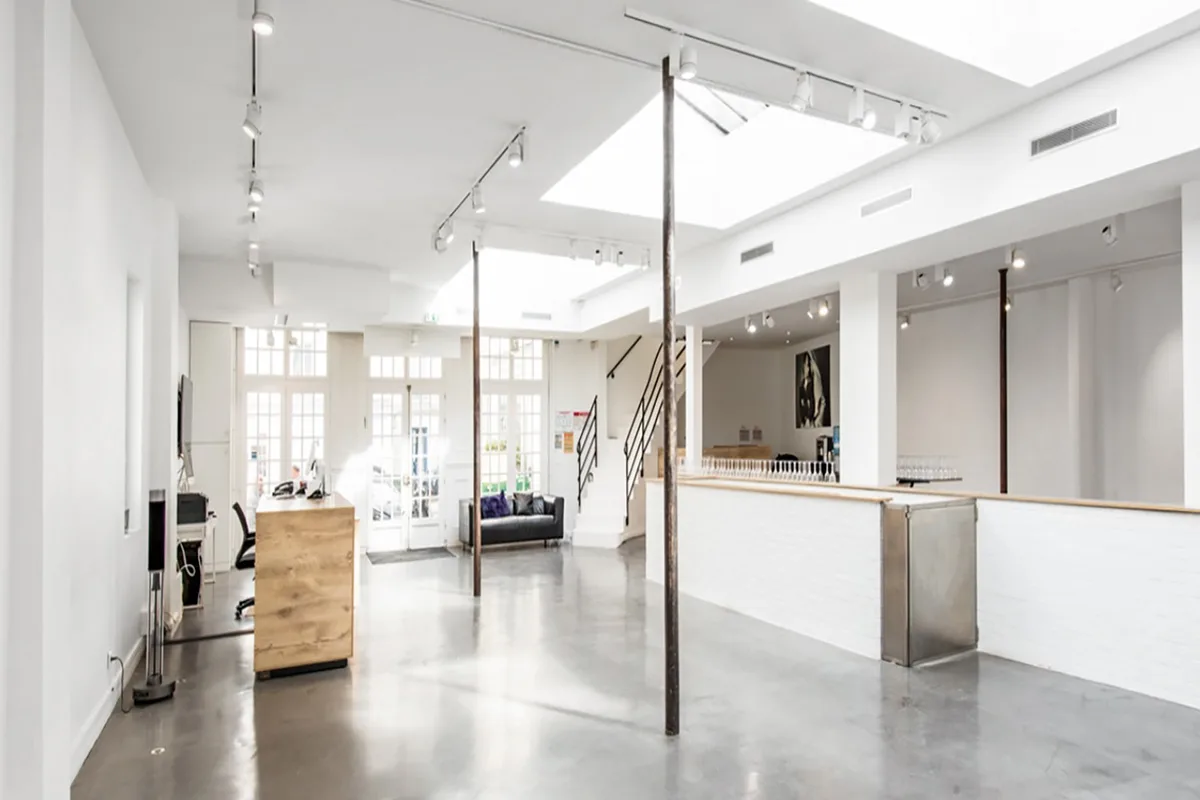
Finding the right retail space for rent in Le Marais is one of the most strategic decisions a fashion brand, independent designer, or international label can make when entering Paris. Le Marais combines historic Parisian architecture, some of the highest foot traffic in the city, and a culturally sophisticated audience that actively seeks out new brands, gallery experiences, and curated retail environments. Whether your objective is a short-term pop-up, a seasonal showroom for Paris Fashion Week, or a temporary boutique to test a new market, Le Marais consistently delivers the visibility, prestige, and consumer density that brand teams need to justify the investment. Fashion Week Venues operates across this neighbourhood and across major fashion capitals to help brands source, design, build, and activate spaces that convert attention into measurable commercial results.
Why Le Marais Is the Most Strategic Neighbourhood for Retail Space in Paris
Le Marais is not simply a fashionable address. It is a neighbourhood that functions as a convergence point for fashion, art, culture, tourism, and independent retail in a way that few other districts in Europe can match. Covering the 3rd and 4th arrondissements of Paris, Le Marais contains an unusually dense concentration of independent boutiques, concept stores, galleries, restaurants, and cultural institutions within a walkable and architecturally coherent area that remains highly desirable to both Parisian residents and international visitors.
The neighbourhood's built environment is a direct commercial asset. Haussmann-era apartment buildings with grand street-level premises sit alongside medieval townhouses, 17th-century hôtels particuliers, and former industrial spaces that have been converted into loft-style showrooms and glass-roof workshops. For a brand seeking retail space, these physical characteristics translate into an immediate and distinctive visual identity that would cost far more to replicate in a purpose-built or anonymous commercial district.
The streets and roads of Le Marais carry significant brand equity in their own right. Rue des Francs-Bourgeois is one of the most visited shopping streets in the entire city, drawing weekend foot traffic that rivals the major department store zones. Rue Vieille-du-Temple is lined with both established boutiques and emerging independent retailers who benefit from the overflow audience moving between galleries and restaurants. Rue de Turenne connects the northern edge of Le Marais toward the Oberkampf area, offering a slightly more residential character that appeals to brands seeking a neighbourhood feel rather than pure commercial exposure. Saint Paul, in the southern part of the Marais district along the 4th arrondissement, adds proximity to the Seine and the tourist flow from the nearby Hôtel de Ville and Notre-Dame catchment area.
The arrondissement structure matters for permit purposes, logistics, and customer demographics. Spaces in the Paris 3ème arrondissement tend to attract a more local, culturally engaged audience, while the 4th arrondissement around Saint Paul and Louvre-Rivoli draws a broader tourist mix. Understanding which arrondissement a space sits in helps brand teams align their activation format, marketing strategy, and inventory depth to the most likely customer profile.
DID YOU KNOW: Le Marais was officially listed as a protected heritage zone under the Malraux Act of 1962, which has both preserved its architectural character and restricted certain categories of structural modification, making it essential for brands to understand what alterations are and are not permissible before signing a short-term rental agreement.
The neighbourhood also benefits from exceptional public transport connectivity. Multiple metro lines serve the Marais district, including stations at Saint Paul, Chemin Vert, Filles du Calvaire, and Rambuteau, as well as bus routes and cycling infrastructure that make the area accessible from across Paris and from major transport hubs. This connectivity is a direct driver of sustained foot traffic rather than a weekend-only spike.
For brands considering their first Paris activation or scaling an existing one, Le Marais offers something rare: a neighbourhood where the location itself contributes to brand storytelling, where the audience is already primed for discovery, and where the density of complementary brands creates a rising-tide effect rather than a zero-sum competitive dynamic.
KEY TAKEAWAY: Le Marais is not just a desirable postcode. It is a commercially active, architecturally distinctive, and culturally legitimate retail environment that provides brands with foot traffic, press visibility, and consumer credibility that other Paris neighbourhoods cannot fully replicate at the same price point or accessibility level.
Understanding what types of spaces exist within this neighbourhood is the essential next step for any brand team beginning to plan an activation.
Types of Retail Space Available for Rent in Le Marais
The range of commercial space available for short-term and medium-term rental in Le Marais is broader than most brand teams expect when they begin their search. Rather than a uniform offering of standard shop units, the neighbourhood presents a spectrum of space types that reflect its layered architectural and social history.
Storefronts and Street-Level Boutiques
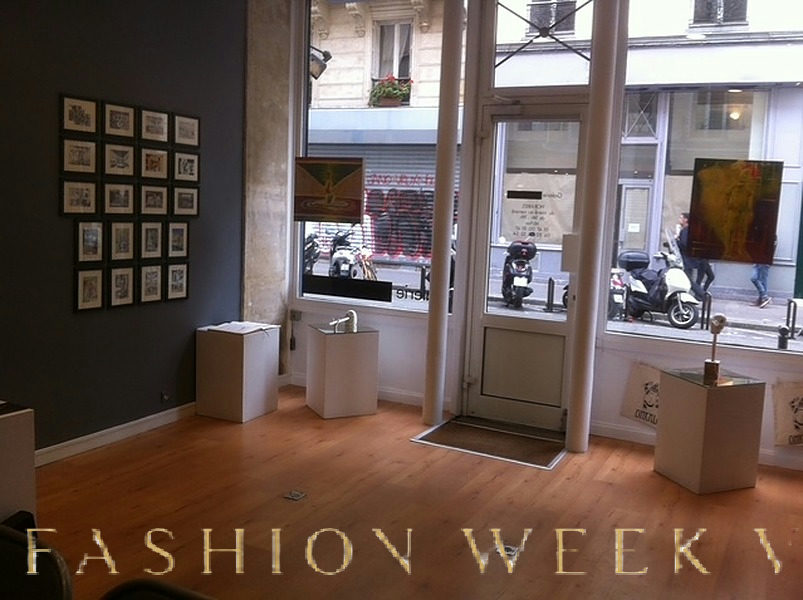
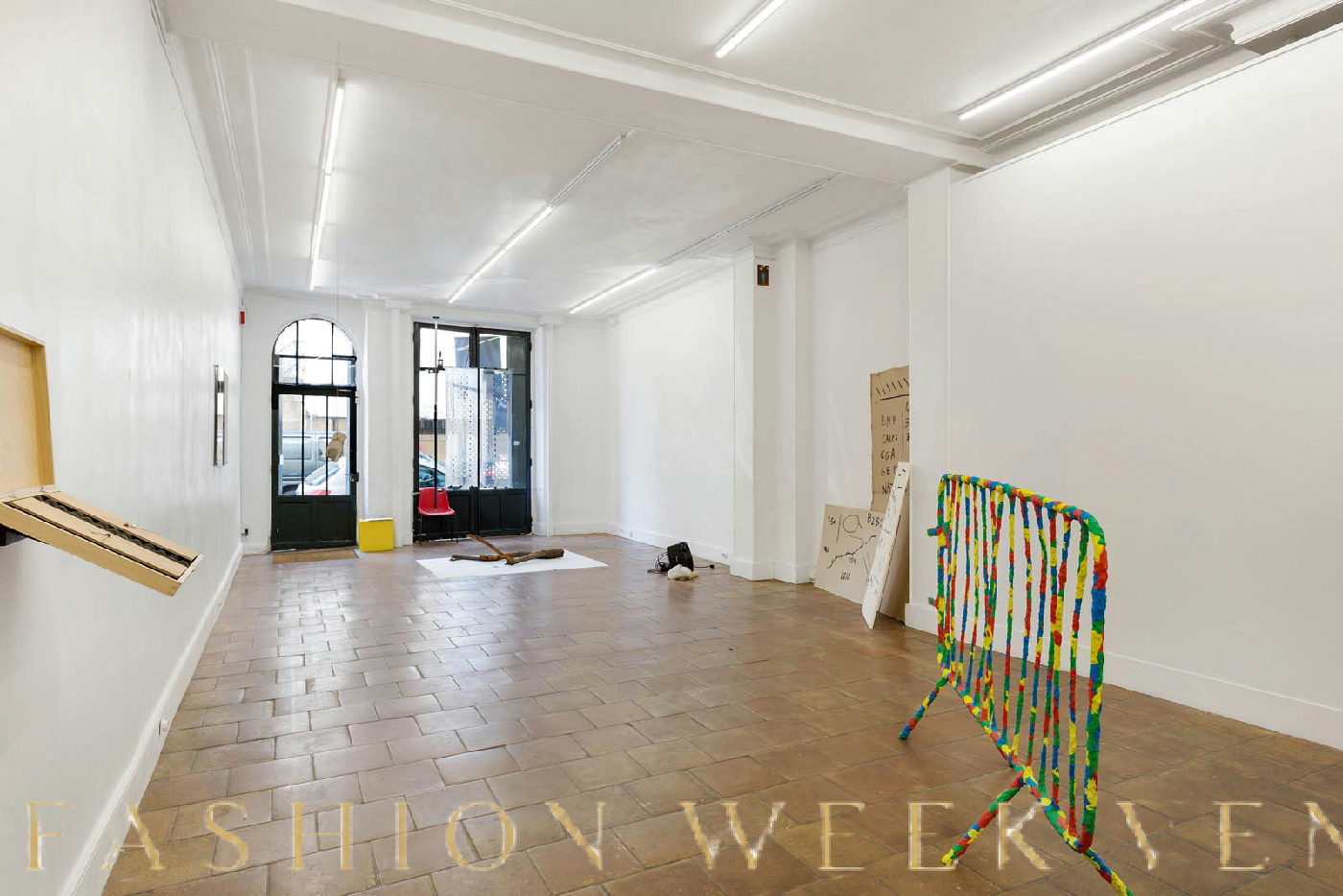
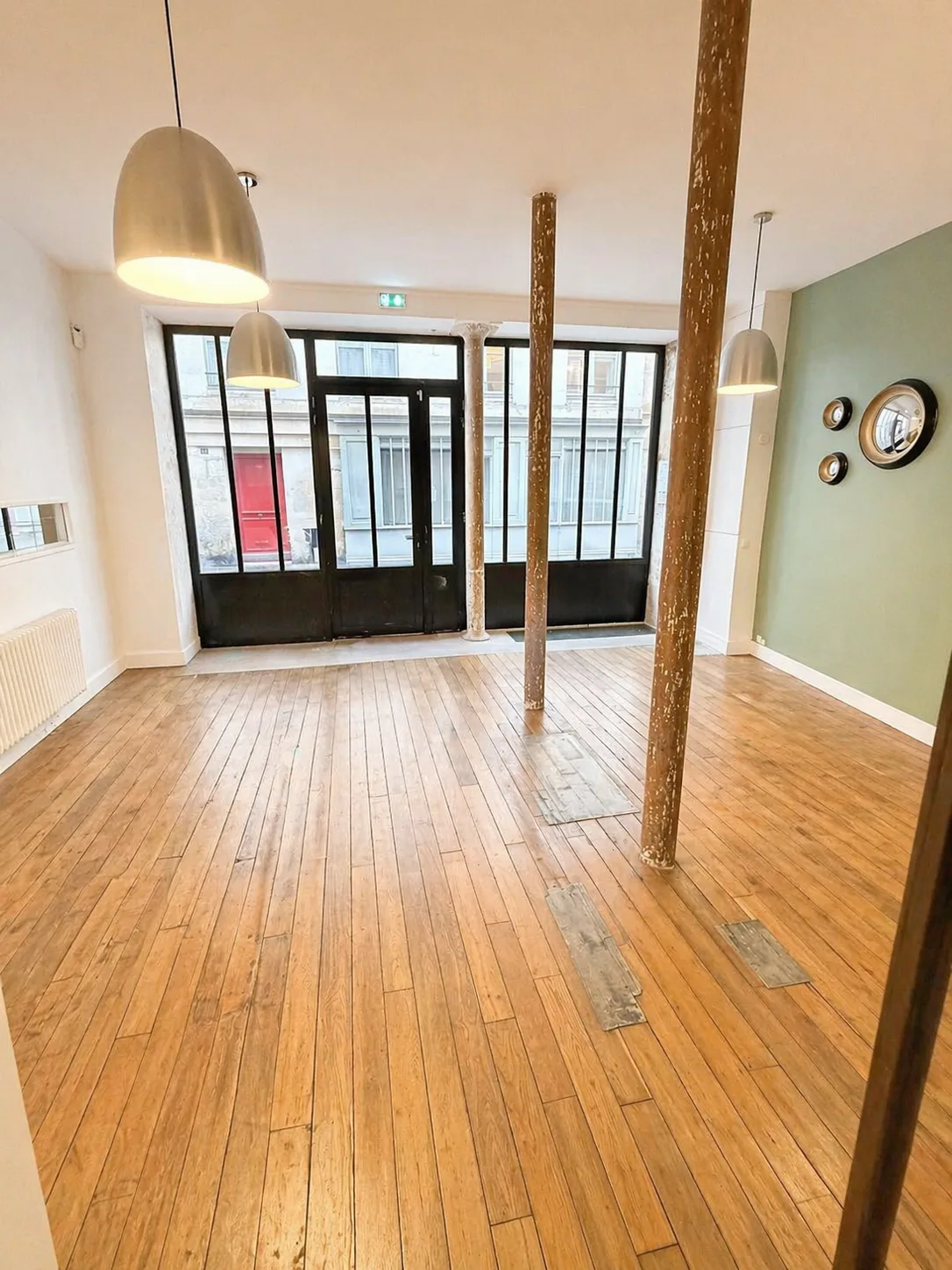
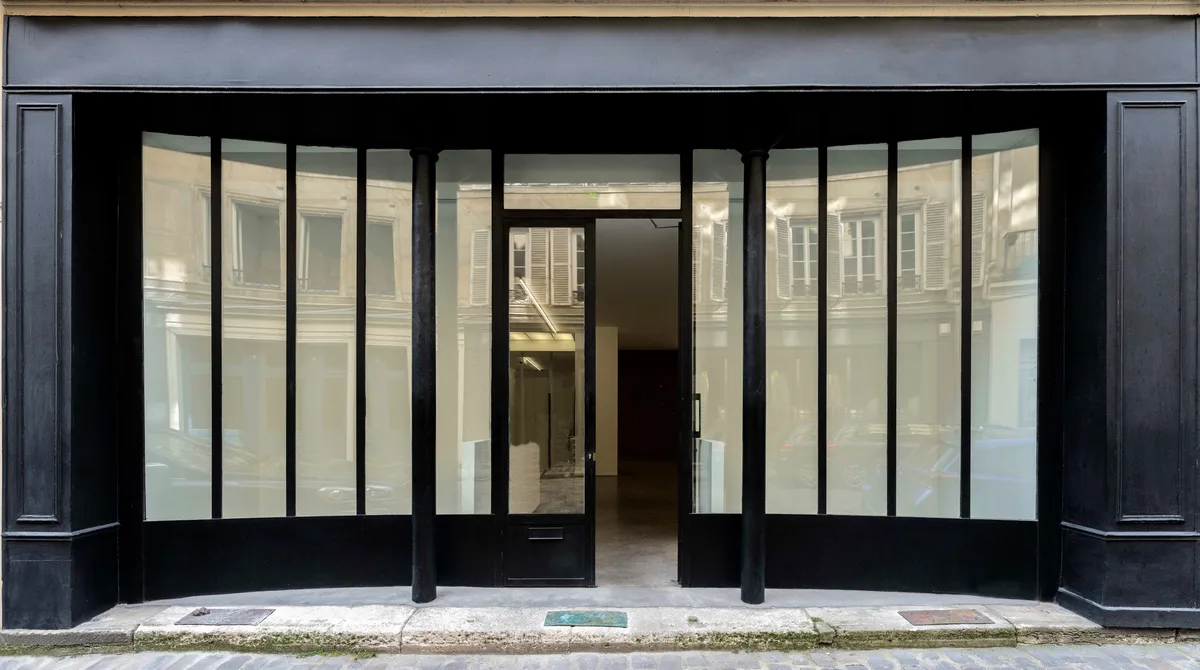
The most common format sought by brands is the traditional storefront, a ground-floor unit with direct street access, a display window or storefront opening facing the pavement, and enough floor area to merchandise product, host customer interactions, and operate a point of sale. In Le Marais, storefronts range from compact charming boutiques of 20 to 30 square metres on secondary streets to more substantial premises of 80 to 150 square metres on the primary shopping arteries. Many of these spaces feature the original floor tiles, ornate ceiling mouldings, and stone detailing that make a Parisian retail environment instantly distinctive on social media and in press coverage.
Showrooms and Fashion Showrooms
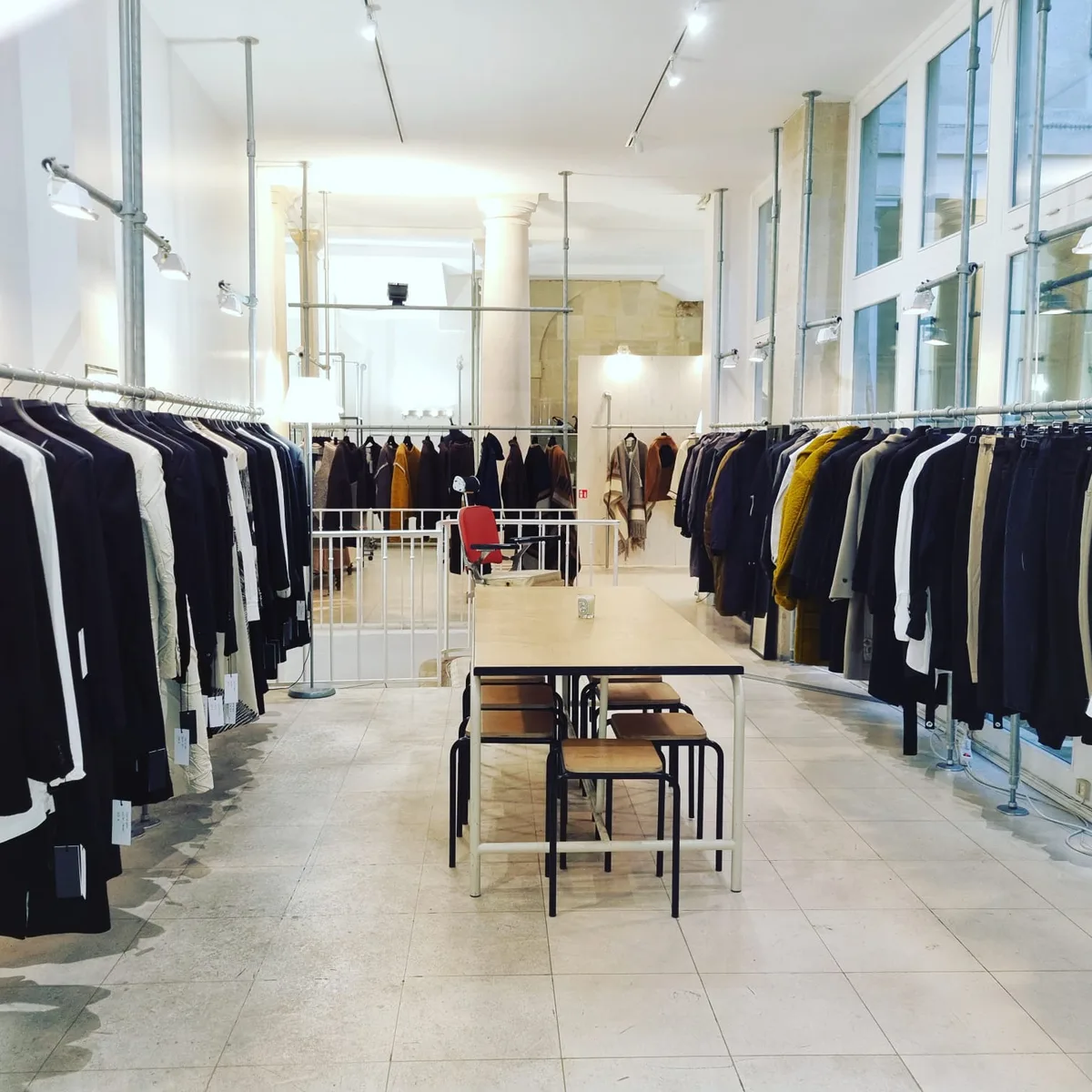
Paris Fashion Week creates a specific category of demand for fashion showrooms in Le Marais, particularly during the men's and women's ready-to-wear calendar windows and the haute couture season. A fashion showroom in Le Marais is typically a first-floor or upper-floor apartment-style space with large windows, high ceilings, parquet flooring, and the kind of light-filled, neutral environment that allows garments and accessories to be presented to press and buyers without visual competition from the surrounding architecture. Showroom 70m2 formats are particularly in demand during Fashion Week periods and often book six to nine months in advance for key calendar dates.
Loft Spaces and Industrial Conversions
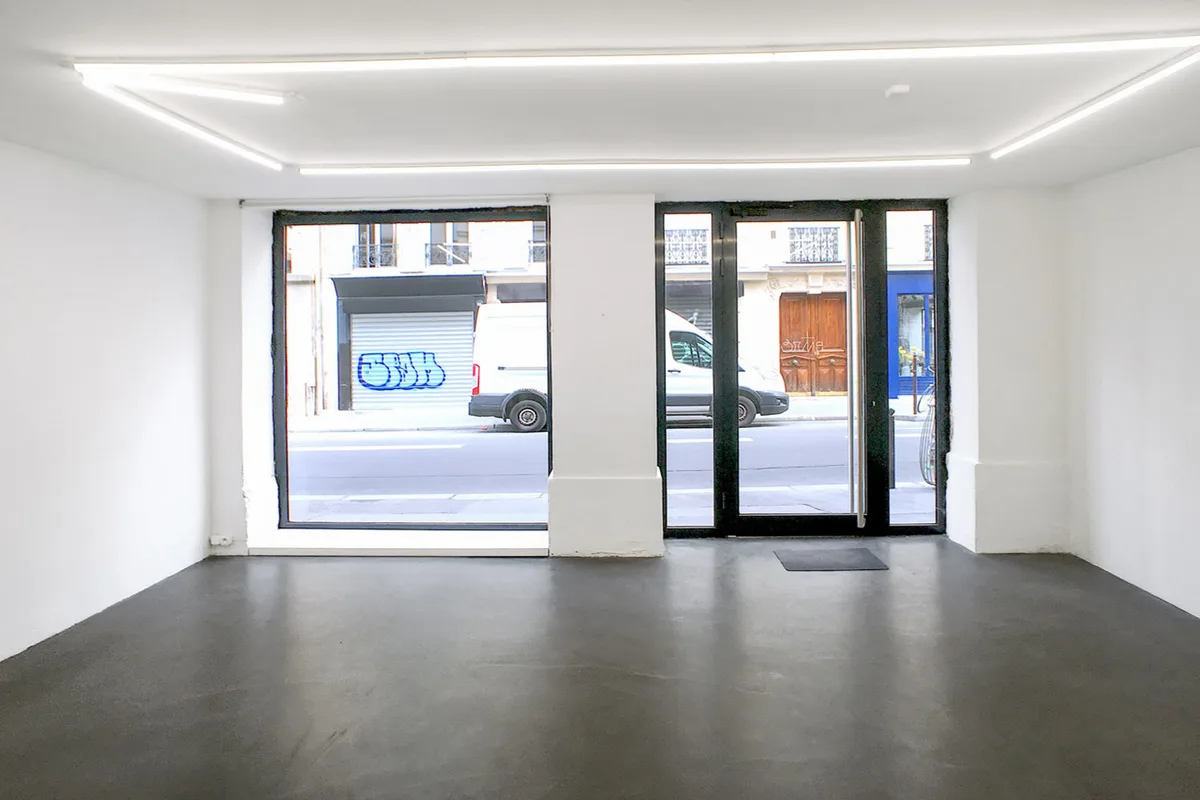
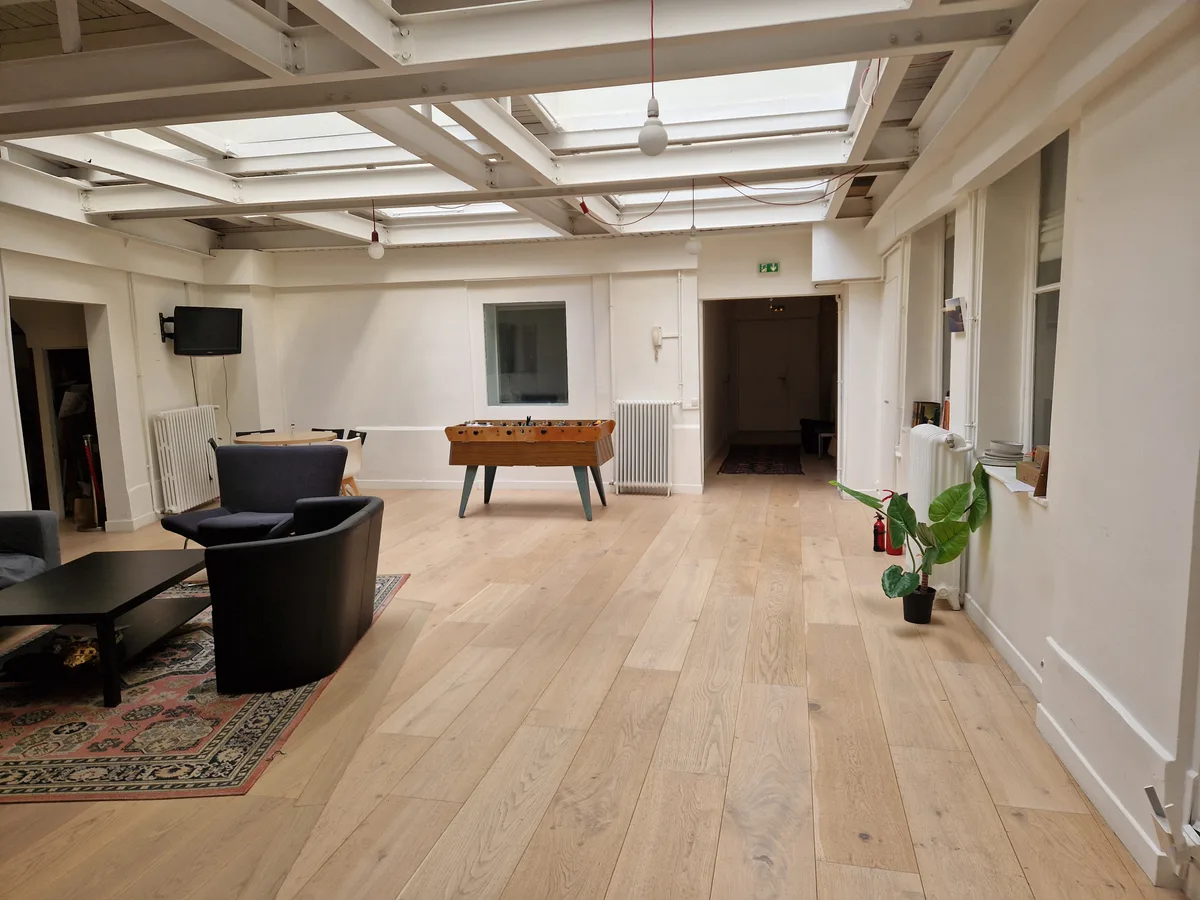
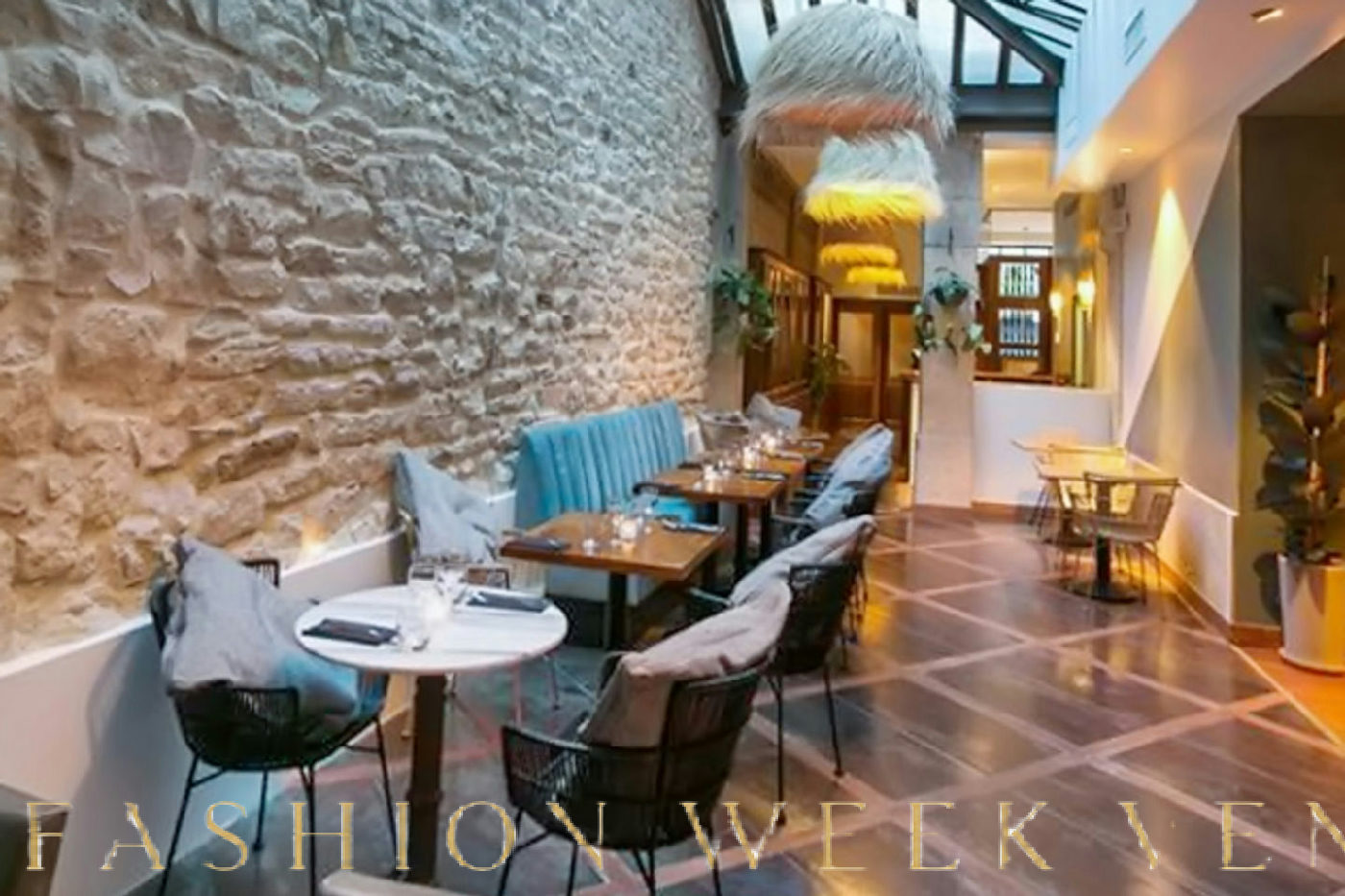
Le Marais contains a significant number of former artisan workshops and light industrial buildings that have been converted into loft-style spaces with concrete floors, exposed beams, skylights or glass roof workshops, and open-plan layouts that lend themselves to product launches, brand presentations, exhibitions, and pop-up retail formats that benefit from a non-standard, editorial aesthetic. These spaces frequently feature industrial-style design elements and are particularly well suited to brands in streetwear, contemporary art, home goods, and tech-adjacent categories.
Galleries and Art Gallery Formats
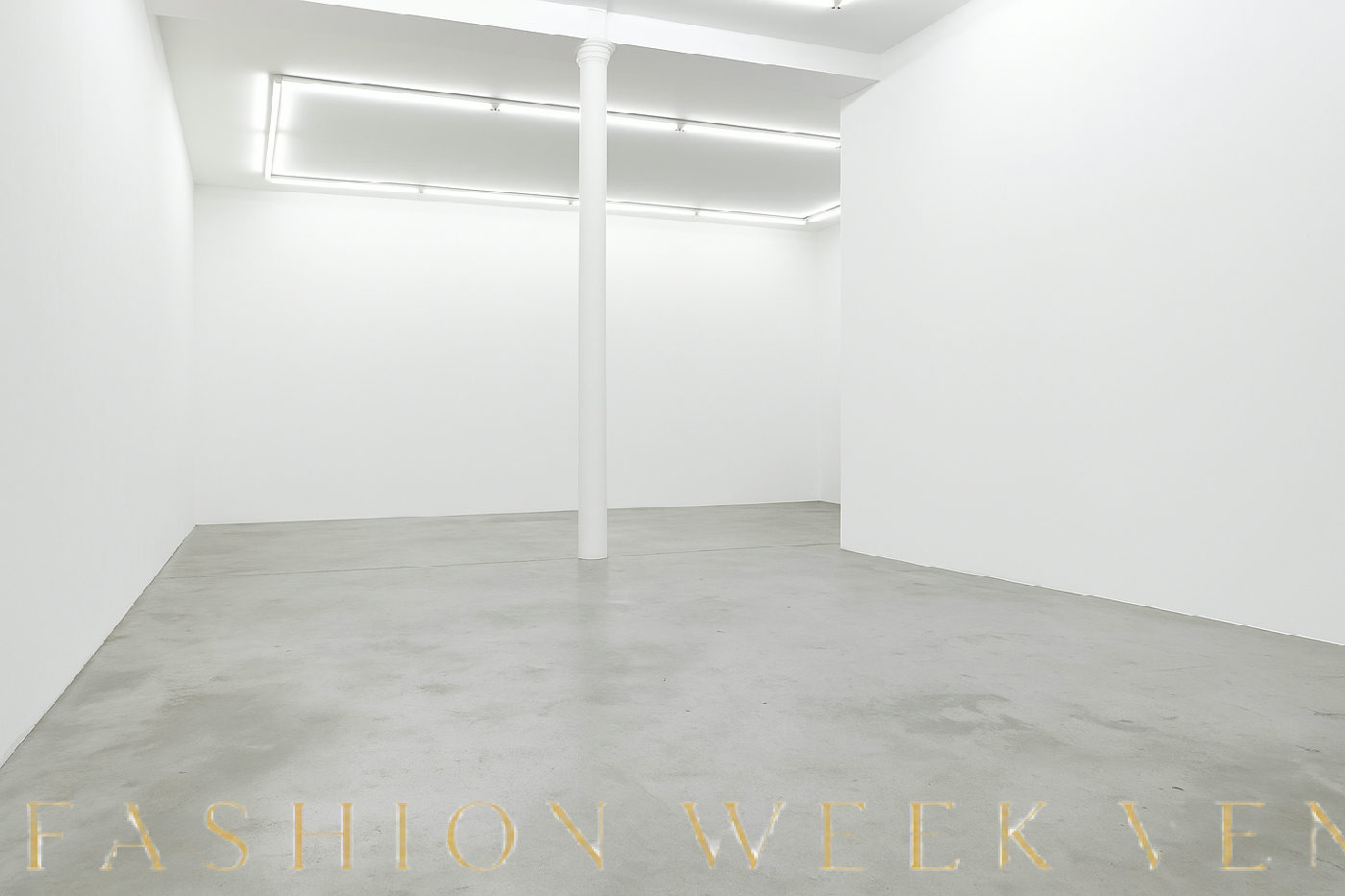
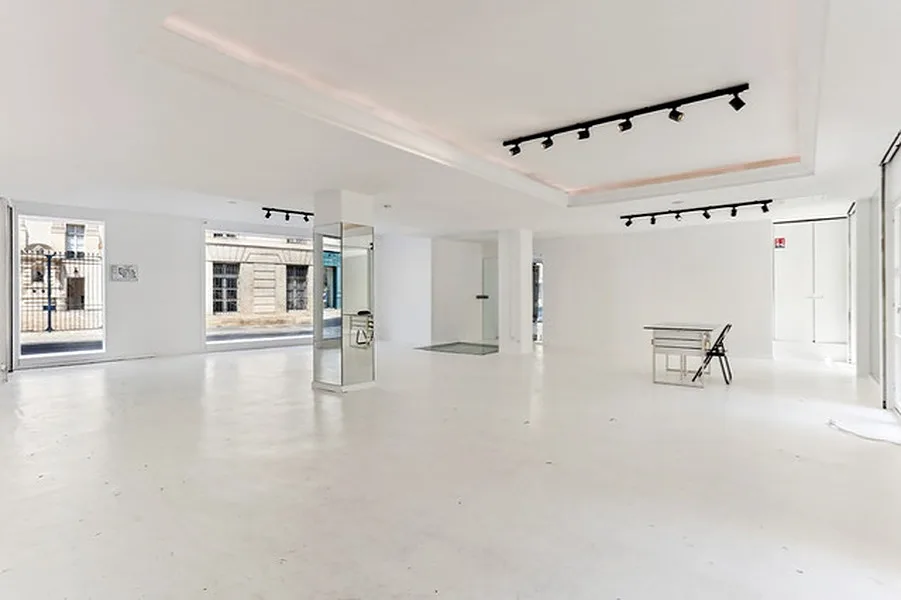
The Marais district is one of the most concentrated gallery districts in Europe, and a significant number of galerie d'art spaces are available for short-term rental between exhibitions or during specific seasons. These white-wall spaces with polished concrete or timber floors, gallery-grade lighting, and neutral surfaces provide an ideal environment for brands that want to position their product in a cultural context, host small exhibits, or create an immersive retail experience that photographs as an art installation rather than a conventional shop.
Apartment and Residential-Style Spaces
One of the distinctively Parisian options in Le Marais is the apartment-style retail space, a full appartement or partial floor within a residential building converted for commercial or semi-commercial use. These spaces typically feature a courtyard entrance, original wooden floors, fireplaces, high ceilings, and daylight from multiple aspects. They create an intimate, invitation-only atmosphere well suited to luxury brands hosting press days, private client appointments, or editorial shoots alongside a limited retail operation.
| Space Type | Typical Size Range | Best Suited For | Key Features |
|---|---|---|---|
| Storefront Boutique | 20 to 150 sqm | Pop-up retail, seasonal brand launches | Street frontage, display window, ground floor access |
| Fashion Showroom | 40 to 200 sqm | Fashion Week presentations, trade appointments | High ceilings, natural daylight, parquet floors |
| Loft / Industrial Conversion | 80 to 400 sqm | Product launches, brand events, exhibitions | Concrete floor, glass roof, open plan, industrial style |
| Gallery / White Wall Space | 30 to 150 sqm | Brand installations, small exhibits, editorial retail | White walls, gallery lighting, neutral floors |
| Apartment / Residential-Style | 60 to 250 sqm | Luxury press days, private client events, showrooms | Courtyard, original details, intimate atmosphere |
Quick answer: Retail spaces for rent in Le Marais typically include storefronts with street-level access, fashion showrooms on upper floors, loft-style industrial conversions with concrete floors and skylights, gallery-format white-wall spaces, and apartment-style rooms in historic buildings. The space type determines the brand format, audience experience, and permit category that applies to your activation.
KEY TAKEAWAY: Le Marais offers a more varied portfolio of commercial space than any other Paris neighbourhood, which means brands have genuine flexibility to match their visual identity, operational format, and budget to a space type that feels authentic rather than generic.
Knowing what types of spaces exist is necessary but not sufficient. Brands also need a practical understanding of how the rental and activation process actually works in this neighbourhood.
How Retail Space Rental Actually Works in Le Marais
Renting commercial property in Le Marais involves a set of legal frameworks, transactional processes, and practical logistics that differ meaningfully from commercial leasing in the UK, USA, or other markets. Brand teams unfamiliar with French property law often underestimate the complexity involved, which can lead to delays, cost overruns, or contractual disputes that undermine an otherwise well-planned activation.
Bail Dérogatoire: The Short-Term Lease Framework
The standard commercial lease in France, known as the bail commercial, typically runs for nine years with a statutory renewal right for the tenant. This is completely unsuitable for brands seeking a pop-up space, a seasonal showroom, or a temporary retail activation. The relevant legal instrument for short-term retail space in Le Marais is the bail dérogatoire, a derogatory or exception lease that allows parties to agree a fixed-term rental of up to three years without the tenant acquiring the renewal rights associated with a full commercial lease. Bail dérogatoire agreements are commonly used for pop-up stores, seasonal boutiques, and short-term retail spaces across Le Marais and the broader Paris market.
IMPORTANT: Even though bail dérogatoire agreements are designed to be simpler than standard commercial leases, they are still legally binding French contracts and should be reviewed by a qualified French legal advisor before signing. Requirements vary by space type, duration, and arrondissement, and the specific terms around dilapidations, subletting, permitted use, and exit conditions can vary significantly between landlords and listings.
Autorisation d'Occupation Temporaire (AOT)
For certain types of temporary retail activation that involve public-facing commercial activity in or adjacent to public space, an Autorisation d'Occupation Temporaire may be required. This permit category is more relevant to activations that use pavement terraces, outdoor display areas, or semi-public courtyards as part of their commercial footprint. The requirement and process varies by arrondissement and by the specific nature of the activation. Fashion Week Venues provides structured guidance on the permit landscape through the permit guidance tool, which helps brand teams identify what authorisations may apply to their specific space and format.
The Transactional Process: Listing, Viewings, and Contract
Finding and securing retail space in Le Marais typically follows a sequence that begins with a market search across listings platforms and specialist agencies, progresses through viewings of shortlisted properties, and concludes with a negotiation process and contract execution. The timeline between initial search and availability to trade can range from a few weeks for straightforward short-term rentals to several months for premium spaces during peak calendar periods. Brands targeting Paris Fashion Week windows should begin their search and negotiation process at least four to six months ahead of their intended activation dates, as the most desirable spaces are often reserved well in advance.
During the negotiation process, landlords and agents in Le Marais will typically request evidence of the brand's commercial intent, insurance documentation, and in some cases a deposit or advance rent payment. Availability calendars for popular spaces fill rapidly during Fashion Week periods, and brands that delay their search risk finding that their preferred street or space type is no longer available at the time they need it.
Step-by-Step Retail Space Activation Workflow
| Stage | Action | Typical Timeline Before Activation |
|---|---|---|
| 1. Brief Definition | Define space type, size, neighbourhood, dates, budget, and brand objectives | 5 to 7 months prior |
| 2. Market Search | Search marketplace listings, agency databases, and specialist sources | 4 to 6 months prior |
| 3. Viewings | Visit shortlisted spaces in person or via virtual tour | 3 to 5 months prior |
| 4. Legal Review | Have bail dérogatoire or short-term contract reviewed by a French legal advisor | 3 to 4 months prior |
| 5. Contract Execution | Sign rental agreement, pay deposit, confirm insurance, receive keys | 2 to 3 months prior |
| 6. Permit Applications | Apply for any required commercial activity, signage, or occupation permits | 6 to 10 weeks prior |
| 7. Fit-Out and Build | Complete design, furniture installation, lighting, and merchandising | 1 to 4 weeks prior |
| 8. Soft Open and Testing | Run staff training, POS testing, and final visual merchandising check | 1 to 3 days prior |
| 9. Activation Period | Operate retail, collect data, run programming, manage influencer visits | Live period |
| 10. Exit and Reinstatement | Clear space, reinstate to original condition per contract terms, collect deposit | Post-activation |
TIP: Use the activation timeline planning tool to build a backward-planned schedule from your target opening date. This helps brand teams identify which tasks need to begin earlier than expected and avoids the common mistake of underestimating the time required for permit applications and fit-out logistics in a heritage-listed neighbourhood like Le Marais.
KEY TAKEAWAY: Renting retail space in Le Marais is a multi-stage process that requires legal awareness, early planning, and a realistic understanding of the time required to move from initial brief to doors open. Brands that treat the search as a last-minute logistics task rather than a strategic planning exercise consistently face unnecessary cost and compromise.
Once the contractual and logistical framework is understood, the next critical question for most brand teams is the cost of retail space in Le Marais and how to build a realistic activation budget.
The Cost of Retail Space for Rent in Le Marais: What to Budget For
Understanding the cost of renting retail space in Le Marais requires a clear distinction between the headline rental rate and the total activation budget that a brand needs to plan for. These two figures are often very different, and conflating them is a common source of budget mismanagement among teams new to the Paris market.
Quick answer: Rental rates for retail space in Le Marais vary significantly by street, space type, size, and rental duration. During Paris Fashion Week periods, premium spaces on the busiest streets can command substantially higher rates than off-peak periods. Brands should plan for rental to represent only a portion of their total activation budget, with fit-out, staffing, permits, and logistics accounting for a significant additional share.
The rental rate itself is influenced by several variables. Location within Le Marais is perhaps the single most significant factor, with spaces on Rue des Francs-Bourgeois, Rue Vieille-du-Temple, and the immediate surroundings of Place des Vosges commanding premium rates relative to spaces on secondary streets in the northern Marais or the Oberkampf-adjacent fringe. Space type matters equally, as a ground-floor storefront with direct street exposure and a display window carries a higher rate than an upper-floor showroom of equivalent size. Rental duration is also a lever, with very short activations of one to two weeks sometimes available at a day-rate premium, while monthly or multi-month agreements may offer more competitive unit costs.
Beyond the rental line, brand teams need to budget for fit-out and production costs, which in a neighbourhood like Le Marais often involve working within heritage building constraints that limit the type of fixings, structural modifications, and external signage permitted. Furniture rental, lighting installation, POS and payment systems, retail staffing, and any required permit fees all add to the total investment. Influencer marketing and press programming, which are often essential to driving foot traffic during a Fashion Week activation, represent an additional budget line that should be planned from the outset rather than treated as an optional add-on.
DID YOU KNOW: For many brands, the non-rental components of a Le Marais pop-up activation, including fit-out, staffing, and marketing, can equal or exceed the space rental cost itself, particularly for activations targeting the Paris Fashion Week audience where production quality and press visibility are held to a high standard.
Fashion Week Venues recommends that all brand teams use a structured budget estimation process before committing to a space. The brand-specific budget estimation tool allows teams to model their total activation cost across rental, production, staffing, and marketing lines, providing a realistic financial picture before a contract is signed.
For brands evaluating the return on their investment, it is also worth considering the measurable outputs of a Le Marais activation beyond direct sales revenue. Press coverage, social media impressions, influencer content, brand awareness uplift among a Parisian and international tourist audience, and the wholesale or distribution conversations that a Fashion Week showroom can generate all contribute to a return that extends beyond the activation period itself. The ROI calculation tool helps brand teams quantify both direct and indirect returns from a planned activation.
KEY TAKEAWAY: The cost of renting retail space in Le Marais should always be evaluated as a total activation investment rather than a headline rental rate. Brands that plan comprehensively for all cost categories from the outset make better decisions about space type, location, and activation format, and achieve more predictable results.
With the financial framework established, it is important to understand who is actually renting retail space in Le Marais and what types of brand strategies this neighbourhood supports most effectively.
Who Rents Retail Space in Le Marais: Brands, Designers, and Activation Formats
The brands and brand teams that rent commercial space in Le Marais represent an unusually wide range of categories, scales, and strategic objectives, which reflects the neighbourhood's ability to serve multiple retail formats simultaneously. Understanding who the typical renters are helps brand teams contextualise their own activation and identify the format most likely to succeed in this environment.
International Fashion Labels During Paris Fashion Week
The most visible category of renters in Le Marais during peak season are international fashion brands using the neighbourhood as the base for their Paris Fashion Week activations. These brands range from emerging labels presenting their first Paris collection to established international houses seeking a more intimate or curated environment than a hotel ballroom or convention centre can provide. Fashion showrooms in Le Marais are particularly sought after for trade appointments with buyers and press during the ready-to-wear and haute couture calendar windows.
Independent Designers and Emerging Labels
Le Marais has a long-standing relationship with independent retailers and emerging designers who use short-term pop-up spaces to test market demand, build a local customer base, and generate press coverage without committing to a long-term lease. The neighbourhood's appetite for discovery and its culturally engaged resident and visitor population make it genuinely receptive to new brands that might struggle to achieve visibility in a more commercial or tourist-heavy district.
International Brands Testing the Paris Market
For brands based outside France, Le Marais serves as a highly visible and commercially credible entry point into the Paris market. A well-executed pop-up in Le Marais generates the kind of local press, influencer coverage, and word-of-mouth that can establish a brand's Parisian credentials in a way that advertising alone cannot replicate. Many international brands from the UK, USA, Asia, and the Middle East use Le Marais as their first physical presence in France before considering longer-term commercial commitments.
Luxury and Premium Lifestyle Brands
The premium positioning of Le Marais, particularly in the area around Place des Vosges and the southern Marais, makes it suitable for luxury brands that want a Parisian address without the uniformity of the Faubourg Saint-Honoré axis. Luxury brands in categories including jewellery, leather goods, fragrances, and home objects frequently use apartment-style or gallery-format spaces in Le Marais for press presentations, private client events, and brand storytelling activations that combine commerce with cultural programming.
Art-Adjacent and Culture-Led Brands
Le Marais is one of the most gallery-dense neighbourhoods in Europe, and a significant number of brands use gallery-format spaces in the Marais district to present their products in a cultural context rather than a purely retail one. This format is particularly effective for brands in fashion, beauty, music, technology, and design that want to position their product as part of a broader cultural conversation rather than a straightforward commercial transaction.
Quick answer: Brands renting retail space in Le Marais include international fashion labels seeking Paris Fashion Week showrooms, independent designers building Parisian brand equity, international brands testing the French market, luxury labels seeking prestigious but unconventional addresses, and culture-led brands using gallery formats to host exhibitions alongside commerce.
KEY TAKEAWAY: Le Marais serves a remarkably broad spectrum of brand types and activation formats, which means that almost any fashion, lifestyle, or design brand can find a space format and a location within the neighbourhood that aligns with their specific brief and audience.
To compare neighbourhoods and space types, explore the Paris city hub on Fashion Week Venues and shortlist spaces that match your brief, budget, and calendar window.
Le Marais Street by Street: Choosing the Right Location for Your Retail Space
Within Le Marais, the choice of street or micro-neighbourhood is as important as the choice of space type. Different streets carry different brand connotations, attract different customer profiles, and support different activation formats. Understanding the specific character of each key retail corridor helps brand teams make a more precise location decision rather than treating Le Marais as a uniform whole.
Rue des Francs-Bourgeois
Rue des Francs-Bourgeois is the primary commercial spine of Le Marais and one of the busiest shopping streets in Paris, particularly on weekends when it draws a mix of Parisian shoppers, French regional visitors, and international tourists. Brands on this street benefit from the highest sustained foot traffic in the neighbourhood, but the commercial density means that individual storefronts need strong visual merchandising and a compelling street-facing presence to stand out. This street suits brands with broad consumer appeal, strong social media presence, and the operational capacity to handle high customer volumes.
Rue Vieille-du-Temple
Running parallel to and intersecting with several key cross streets in the heart of Le Marais, Rue Vieille-du-Temple attracts a slightly more local, culturally aware audience than the main tourist flow. The street is lined with a mix of boutiques, concept stores, galleries, and cafes that create a neighbourhood-within-a-neighbourhood feel. Brands that position themselves as discovery-worthy rather than broadly commercial often find that a space on this street generates more meaningful customer engagement and press interest than a higher-footfall alternative.
Rue de Turenne
Rue de Turenne runs through the northern section of Le Marais, connecting the neighbourhood toward the Oberkampf area and the 11th arrondissement. The character of this street is more residential and less tourist-oriented than the southern Marais, which suits brands seeking a neighbourhood context and a more local, fashion-forward audience. Spaces here often offer better value per square metre than the premium arteries while still benefiting from the Le Marais address and the broader neighbourhood foot traffic.
Saint Paul and the Southern Marais
The Saint Paul area in the 4th arrondissement sits at the southern edge of the Marais district, with good metro connectivity and proximity to the Seine, the Île Saint-Louis, and the tourist flows from the Hôtel de Ville and the Place des Vosges. Spaces in this area often have a quieter, more historic character with excellent architectural features, and they appeal to brands seeking a prestigious Parisian context without the commercial intensity of the main shopping corridor.
Louvre-Rivoli and the Western Edge
The western boundary of Le Marais near Louvre-Rivoli benefits from the enormous visitor volumes generated by the Louvre complex and the Rue de Rivoli shopping corridor. Spaces on or near this western edge can capture a genuinely international tourist audience as well as the Marais-bound shopper, making them suitable for brands with strong international name recognition and a product range that translates across multiple consumer cultures.
| Street or Area | Arrondissement | Primary Audience | Best Suited Brand Format | Key Characteristic |
|---|---|---|---|---|
| Rue des Francs-Bourgeois | 3rd and 4th | Mixed tourist and Parisian | High-volume pop-up, accessible fashion | Highest foot traffic in neighbourhood |
| Rue Vieille-du-Temple | 3rd and 4th | Local and culturally engaged | Concept stores, art-adjacent brands | Discovery-oriented, gallery density |
| Rue de Turenne | 3rd | Local and fashion-forward | Emerging brands, showrooms | Neighbourhood feel, better value |
| Saint Paul | 4th | Tourist and residential | Luxury, heritage, lifestyle brands | Historic character, architectural quality |
| Louvre-Rivoli edge | 1st and 4th | International tourist | Globally recognised brands, flagship formats | Proximity to Louvre visitor flow |
Quick answer: The choice of street in Le Marais determines your customer profile as much as your space type. Rue des Francs-Bourgeois maximises foot traffic for volume-driven formats, while Rue Vieille-du-Temple and Rue de Turenne suit discovery-oriented brands seeking a more engaged local audience. Saint Paul and the Louvre-Rivoli fringe offer distinct audience profiles that suit specific brand positioning strategies.
KEY TAKEAWAY: Treating Le Marais as a single location is a strategic error. Each street and micro-neighbourhood within the Marais district carries a distinct audience character, brand association, and commercial dynamic that should be matched precisely to the brand's objectives, target customer profile, and activation format.
Physical features and amenities within individual spaces are the next layer of decision-making that brand teams need to address once the street and space type have been identified.
Physical Features That Matter When Renting Retail Space in Le Marais
The physical characteristics of a retail space in Le Marais are not simply aesthetic considerations. They have direct implications for the brand experience you can create, the operational requirements of your activation, and the cost of fit-out and reinstatement. Evaluating spaces on the basis of their physical features in a structured way helps brands avoid expensive surprises after a contract has been signed.
Daylight and Natural Light
Natural daylight is one of the most significant differentiators between spaces in Le Marais. Spaces with large south-facing windows, glass roof workshops, or interior courtyards that allow natural light to penetrate the interior create a more inviting and photographically attractive environment than basement or rear-facing units. For fashion and beauty brands where product colour accuracy matters, and for brands whose activation strategy relies on social media content creation, the quality and quantity of daylight in a space should be treated as a core specification requirement rather than a nice-to-have.
Floor Type and Surface Quality
Le Marais spaces offer a wide range of floor finishes, including original floor tiles typical of Haussmann-era buildings, parquet timber in upper-floor apartments, concrete floors in loft and industrial conversions, and plain timber or polished stone in more contemporary fit-outs. The floor type is both an aesthetic signal and a practical consideration. Concrete floors can be difficult to heat in winter and may require additional matting or display furniture to make the space feel habitable. Floor tiles in historic buildings may be irreplaceable, which creates reinstatement obligations that brands need to understand before beginning any fit-out work.
Ceiling Height and Access
Ceiling height is a determinant of the kind of display architecture and visual merchandising structures a brand can install within a space. High-ceilinged loft spaces allow for hanging rails, sculptural installations, and vertical display formats that would be impossible in a standard ground-floor retail unit. The presence of an elevator is important for upper-floor spaces where stock delivery and accessibility for all visitors need to be managed, particularly for activations expecting significant foot traffic over a multi-week period.
Electricity, Lighting Infrastructure, and Technical Capacity
The electrical capacity of a space determines what lighting, audio, screen, and POS infrastructure can be installed and operated simultaneously. Many historic buildings in Le Marais have electrical systems that were not designed for commercial retail use, and brands that plan to run high-power lighting rigs, digital displays, and multiple point-of-sale terminals need to verify the available electrical capacity before signing a rental agreement. Gallery-format spaces typically have more robust lighting infrastructure, while apartment-style spaces may require additional electrical work that needs to be agreed with the landlord in advance.
Storefront Opening and Street Presence
For brands renting a ground-floor storefront, the nature of the storefront opening is a critical physical feature. A wide, glazed opening maximises visibility from the street and allows natural light to penetrate the interior. Some spaces in Le Marais feature historic shopfront joinery that cannot be removed or significantly altered, which affects the signage options available to the brand. External signage in the Marais district is generally subject to heritage regulations, and brands should verify what is permissible before designing any external branding elements.
Courtyard, Garden, and Outdoor Space
A number of spaces in Le Marais feature access to a courtyard or garden, which can significantly extend the usable area of an activation and create a distinctive environment for outdoor programming, photography, and event hosting. Gardens in the Marais are relatively rare and highly sought after for summer activations, and spaces that include outdoor areas typically command a premium that reflects the scarcity of this feature in a dense urban neighbourhood.
Quick answer: When evaluating retail space in Le Marais, brand teams should assess natural daylight quality, floor type and condition, ceiling height, electrical capacity, the nature of the storefront opening, and the availability of outdoor space. These physical features determine what brand experience you can create, what fit-out is feasible, and what reinstatement obligations you take on.
KEY TAKEAWAY: The most beautiful-looking listing can become a costly operational challenge if the physical features of the space are not evaluated rigorously against the brand's specific activation requirements. A structured space assessment framework prevents expensive surprises after contract signature.
Understanding how Fashion Week Venues supports brands through the full process of finding, evaluating, and activating a Le Marais space is the next essential area to address.
How Fashion Week Venues Helps Brands Secure and Activate Retail Space in Le Marais
Fashion Week Venues operates as both a space marketplace and a full-service activation agency, which means brands can engage at whatever level of support their team and brief require, from a simple space search through to complete end-to-end activation management across venue sourcing, design, build, staffing, and data collection.
Venue Sourcing for Le Marais
The venue sourcing service provides brands with access to a curated database of available spaces across Le Marais and the broader Paris market, filtered by space type, size, street, availability dates, and budget range. Rather than relying on general listings platforms that mix commercial property for sale, long-term leases, and short-term retail spaces without distinction, Fashion Week Venues focuses specifically on spaces suitable for pop-up, showroom, and short-term activation formats, which significantly reduces the time and research effort required to identify genuinely viable options.
Concept Direction and Branded Store Design
For brands that need creative support alongside their space search, the concept direction service helps translate a brand brief into a spatial concept that works within the specific physical and regulatory constraints of a Le Marais space. Combined with the branded store design service, this ensures that the fit-out aesthetic is coherent with the brand identity, achievable within the heritage building constraints of the Marais district, and deliverable within the available build timeline.
Production, Build, and Furniture Rental
The production and build service manages the physical fit-out of the space, including joinery, fixtures, lighting installation, and visual merchandising setup. In Le Marais, where heritage building regulations limit certain types of structural modification, having a production team with specific experience in this neighbourhood reduces the risk of permit violations, landlord disputes, and reinstatement costs at the end of the activation. Furniture rental removes the need for brands to source, transport, and store physical fixtures independently, which is particularly valuable for international brands activating in Paris for the first time.
Retail Staffing and Activation Management
Operating a retail space in Le Marais during Paris Fashion Week or any peak tourist period requires French-speaking, brand-trained staff who understand the Parisian customer's expectations and can deliver a consistent brand experience across every customer interaction. The retail staffing service provides trained brand ambassadors and sales staff sourced specifically for the Paris market. The activation management service provides end-to-end operational oversight of the entire live period, from opening-day logistics to daily reporting, stock management, and incident response.
Tools for Brand Teams Planning Independently
Brand teams that prefer to manage parts of the process internally can access a suite of planning tools through Fashion Week Venues, including the budget estimation tool, the ROI calculator, the space comparison tool, and the permit guidance resource. The space comparison tool allows brands to evaluate multiple Le Marais listings side by side across key criteria, while the space locator tool provides a map-based interface for identifying available spaces by street and neighbourhood.
Which Brand Teams Benefit Most
Fashion Week Venues is most immediately valuable for brand teams that are new to the Paris market and lack established local relationships with landlords and agents, for international brands managing a complex multi-city Fashion Week calendar who need a single trusted partner across multiple capitals, and for brands that have the creative vision for a strong Paris activation but lack the local production, legal, and operational knowledge to execute it without risk. Fashion Week Venues does not guarantee specific space availability, permit approval, or commercial outcomes, but the combination of marketplace access and full-service support significantly reduces the friction and risk associated with activating in a complex and competitive market like Le Marais.
Brands seeking to review past activations and understand the scale and quality of work Fashion Week Venues has delivered can explore the case studies and work portfolio for detailed examples across different brand categories and activation formats.
KEY TAKEAWAY: Fashion Week Venues bridges the gap between knowing that Le Marais is the right neighbourhood and actually executing a high-quality activation there with confidence. The combination of marketplace access, full-service support, and purpose-built planning tools reduces the time, cost, and risk of bringing a Paris pop-up or showroom from brief to opening day.
Le Marais and Paris Fashion Week: Timing, Calendar, and Showroom Strategy
Paris Fashion Week is the single most commercially significant calendar event for brands seeking retail space and showroom space in Le Marais. Understanding how the Fashion Week calendar works, and how to align a space activation to the right window, is essential for brands seeking maximum visibility and press impact.
Paris Fashion Week operates across multiple calendar windows throughout the year. The main ready-to-wear seasons take place in January for menswear, February to March for women's ready-to-wear, and corresponding windows in June and September to October. The haute couture season runs in January and July. Brands targeting press, buyers, and industry professionals benefit most from showroom spaces that are active during these calendar periods, when the international fashion community is concentrated in Paris and actively seeking new labels and activations to visit and cover.
Quick answer: For Paris Fashion Week showrooms in Le Marais, the optimal booking window is four to six months before the target calendar dates. The women's ready-to-wear season in late February to early March and the September to October season are the highest-demand periods for showroom space in the neighbourhood, with many premium spaces reserving fully by the preceding autumn or spring respectively.
For brands that are not directly tied to the Fashion Week calendar, Le Marais remains commercially active across the year, with summer tourist season from June to August generating particularly high foot traffic from international visitors and the pre-Christmas period from November to December driving strong retail demand from both Parisian and tourist shoppers. Brands that are flexible on their activation timing may find that off-peak windows offer better space availability and more competitive rental terms, while still benefiting from the neighbourhood's year-round appeal.
The Fashion Week Venues Paris city hub provides current calendar guidance, neighbourhood market context, and curated space listings aligned to key Fashion Week windows, which helps brands identify the overlap between their target dates and genuinely available spaces in Le Marais before they begin formal negotiations.
DID YOU KNOW: During Paris Fashion Week, the Marais district becomes one of the most photographed retail environments in the world, with global fashion media, street style photographers, and social media creators all active in the neighbourhood simultaneously. A well-positioned and well-executed activation during this window can generate press and social media visibility that extends far beyond the physical activation period itself.
KEY TAKEAWAY: Paris Fashion Week creates a distinct demand peak for retail and showroom space in Le Marais that requires early planning, precise calendar alignment, and a realistic understanding of availability. Brands that commit early to their target window and space type are consistently better positioned than those who treat the search as an open-ended process.
Common Myths About Renting Retail Space in Le Marais Debunked
MYTH: You need a French legal entity to rent a space in Le Marais as an international brand.
FACT: Many landlords in Le Marais and across Paris are accustomed to renting short-term spaces to international brands without a French company structure, particularly under bail dérogatoire or short-term licence agreements. However, the specific requirements vary by landlord, space type, and rental duration, and some commercial landlords may request additional financial guarantees or deposits from non-French entities. Working with a specialist agency or legal advisor familiar with the Paris short-term rental market helps international brands navigate this process without the assumption that French incorporation is a prerequisite.
MYTH: Paris Fashion Week is the only viable calendar window for a Le Marais pop-up or showroom.
FACT: While Paris Fashion Week generates the highest concentration of industry, press, and international brand activity in Le Marais, the neighbourhood maintains strong commercial activity throughout the year. Summer tourist season, the pre-Christmas retail period, and specific cultural events and local holidays all create commercially viable windows for pop-up activations, product launches, and brand experiences that do not require Fashion Week alignment. Brands with a consumer-facing rather than trade-facing objective may actually find better conditions outside the Fashion Week windows, when competition for attention from other activating brands is lower.
MYTH: Commission-based property brokers are the only way to find short-term retail space in Le Marais.
FACT: Commission brokers represent one route to market, but they are not the only or necessarily the most efficient option for brands seeking short-term retail space in Le Marais. Specialist marketplace platforms, agency partners with curated space networks, and direct landlord relationships all provide viable alternatives. Brands using a specialist platform focused on fashion and lifestyle retail activations typically access a more relevant and pre-screened set of spaces than a general commercial property broker can provide, and without the conflicts of interest that can arise when a broker is incentivised to prioritise commission size over fit.
MYTH: Short-term leases in France are legally straightforward and can be signed without specialist guidance.
FACT: Even though bail dérogatoire agreements are designed to be simpler than standard nine-year commercial leases, they are still binding French legal contracts with specific requirements around permitted use, dilapidations, insurance, and exit conditions. Requirements vary by space type, duration, and arrondissement. International brands unfamiliar with French contract law have encountered significant financial and legal difficulties by signing short-term rental agreements without proper legal review. Verifying all contracts with a qualified French legal advisor before signing is strongly recommended, regardless of how informal or straightforward a rental arrangement appears at first.
MYTH: Le Marais is only suitable for established luxury brands with large budgets.
FACT: Le Marais accommodates a genuinely wide range of brand sizes and budget levels. Smaller spaces on secondary streets within the Marais district are accessible to emerging and independent labels, and the neighbourhood's culturally engaged audience is actively interested in discovering new brands rather than seeking established luxury names exclusively. Independent retailers and emerging designers have built meaningful Parisian brand equity through well-executed Le Marais activations that prioritised concept quality over sheer scale of investment.
Frequently Asked Questions About Retail Space for Rent in Le Marais
What is a pop-up shop in Le Marais?
A pop-up shop in Le Marais is a temporary retail activation occupying a short-term rental space in the neighbourhood, typically running from a few days to several months. These activations allow brands to sell product, host events, present collections, and engage with a Parisian audience without committing to a long-term commercial lease. Le Marais pop-up shops use a range of space formats including storefronts, gallery spaces, apartment-style rooms, and loft conversions, and they operate under short-term rental agreements such as the bail dérogatoire framework. The format is widely used by both emerging labels and established international brands as a market-entry or brand-building strategy in Paris.
Is Le Marais a good area for pop-up retail?
Le Marais is consistently rated among the strongest neighbourhoods in Paris for pop-up retail, combining high and sustained foot traffic with a culturally engaged audience that actively seeks out new brands and independent retailers. The neighbourhood's mix of Parisian residents, French regional visitors, and international tourists creates a broad and commercially diverse consumer base. The density of galleries, concept stores, and fashion boutiques in the neighbourhood creates a retail ecosystem that benefits individual activations by drawing an audience already in discovery mode. The architectural quality of available spaces also provides an immediate brand credibility that commercial districts in other parts of Paris cannot match.
Can I rent retail space in Le Marais short term?
Yes, short-term retail space rental in Le Marais is widely available and well established in the market. The bail dérogatoire legal framework allows brands to rent commercial premises for fixed terms without acquiring the long-term tenancy rights of a standard commercial lease. Short-term rentals range from a few days for event-format activations to several months for seasonal boutiques or extended brand campaigns. Very short activations of one to two weeks are available in some spaces, often at a day-rate structure, while monthly and multi-month agreements typically offer more competitive unit costs. Availability during peak Fashion Week windows is limited, so early planning is essential.
How do I find retail space in Le Marais?
Finding retail space in Le Marais involves searching specialist marketplace platforms focused on short-term and lifestyle retail spaces, working with a space agency that has established relationships with Le Marais landlords, or engaging directly with property agents active in the 3rd and 4th arrondissements. General commercial property platforms tend to mix long-term leases and sale listings with short-term options, which makes the search less efficient. Specialist platforms curate spaces by space type, size, availability window, and neighbourhood, which significantly reduces the time required to identify genuinely viable options for a pop-up or showroom activation.
What types of brands use pop-up spaces in Le Marais?
A wide range of brand types use pop-up spaces in Le Marais, including international fashion labels seeking Paris Fashion Week showrooms, independent designers building Parisian brand awareness, international brands testing the French consumer market, luxury lifestyle brands hosting press and client events, beauty and fragrance brands running immersive retail experiences, streetwear labels targeting the neighbourhood's younger fashion-forward audience, and art-adjacent brands using gallery-format spaces to combine commerce with cultural programming. The neighbourhood's versatility and the variety of available space formats means that almost any fashion, lifestyle, or design brand can find an appropriate activation format within Le Marais.
How expensive is retail space in Le Marais?
Rental rates for retail space in Le Marais vary significantly by street, space type, size, and rental duration. Spaces on primary shopping streets such as Rue des Francs-Bourgeois command premium rates, while secondary streets within the Marais district offer more competitive pricing. Fashion Week windows typically see higher demand and correspondingly higher rates for the most desirable spaces. Brands should plan for rental to represent only a portion of their total activation budget, with fit-out, staffing, permits, marketing, and logistics each adding meaningful additional cost. Using a structured budget estimation tool before committing to a space helps avoid the common error of budgeting for rental alone and underestimating total activation investment.
What legal framework governs short-term retail leases in Le Marais?
Short-term retail leases in Le Marais most commonly use the bail dérogatoire framework, which allows a fixed-term rental of up to three years without the tenant acquiring the renewal rights of a standard French commercial lease. Some very short-term activations may use a convention d'occupation précaire or a simple licence agreement depending on the space type and the specific arrangement with the landlord. All short-term rental contracts in France are legally binding and should be reviewed by a qualified French legal advisor before signing. Requirements vary by space type, duration, and arrondissement, and the specific terms around permitted use, dilapidations, and exit conditions need careful attention.
Do I need a French company to rent space in Le Marais?
A French company structure is not universally required to rent short-term retail space in Le Marais, and many international brands activate in Paris without a French legal entity. However, some landlords may impose additional requirements on non-French entities, such as larger deposits, personal guarantees, or advance rent payments. The specific requirements depend on the landlord, the space type, and the terms of the rental agreement. Working with a specialist agency that has established landlord relationships in Le Marais often facilitates the process for international brands by providing context, credibility, and contractual guidance that makes landlords more comfortable with non-French tenants.
What permits do I need for a retail pop-up in Le Marais?
The permits required for a retail pop-up in Le Marais depend on the nature of the activation, the space type, and the specific arrondissement. Most straightforward short-term retail activations within a private ground-floor or upper-floor space do not require a separate commercial activity permit beyond the rental agreement itself, but certain activities including food and drink service, outdoor trading, external signage, and live events may require specific authorisations from the relevant Paris arrondissement authority. Le Marais is a heritage-listed neighbourhood, which means that external modifications to buildings, including signage and display structures, are subject to heritage regulations. Permit requirements should be verified for each specific space and activation format before the contract is signed.
What is the difference between a showroom and a pop-up store in Le Marais?
A showroom in Le Marais is typically a trade-facing space used to present collections to press, buyers, and wholesale clients in a controlled, appointment-based environment, most commonly during Paris Fashion Week windows. A pop-up store is a consumer-facing temporary retail operation that sells product directly to individual customers during its active period. The space formats often overlap, and many brands use the same Le Marais space for both functions at different points during an activation, transitioning from a trade showroom during Fashion Week to a consumer-facing pop-up store in the days and weeks that follow. The distinction matters for staffing, inventory planning, visual merchandising, and the type of customer experience the brand designs for the space.
How far in advance should I book retail space in Le Marais for Paris Fashion Week?
Brands targeting Paris Fashion Week windows should begin their space search and negotiation process at least four to six months before their intended activation dates. Premium spaces on the most desirable streets in Le Marais, particularly for the women's ready-to-wear seasons in late February to March and September to October, typically receive enquiries and reservations six to nine months in advance from brands with established Paris activation programmes. Brands that begin their search two to three months before target dates during peak Fashion Week windows will find that the most suitable spaces are often already reserved, leaving a reduced and less optimal selection.
What should I look for when viewing a retail space in Le Marais?
When viewing retail space in Le Marais, brand teams should assess natural daylight quality and the direction of natural light through the space, the floor type and condition and any heritage restrictions on alteration, ceiling height and the type of display architecture it permits, electrical capacity and the state of the lighting infrastructure, the nature of the storefront opening and any restrictions on external signage, storage and back-of-house facilities, internet connectivity and telecommunications infrastructure, the accessibility of the space including lift or stair access, and the specific reinstatement obligations set out in the rental agreement. Viewing spaces in person during daylight hours provides a much more accurate assessment than relying on listing photography alone.
Can international brands without a Paris presence successfully activate in Le Marais?
Yes, international brands without an existing Paris presence activate in Le Marais regularly and with strong results. The neighbourhood's audience includes a high proportion of international fashion consumers and press who are specifically seeking new brands from outside France, which makes Le Marais one of the most receptive environments in Europe for a brand's first Paris appearance. The key success factors for international brands are early planning, a well-defined activation concept that translates clearly across cultural contexts, strong social media and influencer programming to build pre-arrival awareness, and local operational support to ensure that the physical activation meets the quality standard expected by a Parisian audience.
Is Le Marais suitable for flexible or experimental retail formats?
Le Marais is arguably the most receptive neighbourhood in Paris for flexible, experimental, and format-breaking retail activations. The neighbourhood's cultural identity as a district that embraces art, design, and independent thinking means that consumers and press in Le Marais respond positively to activations that challenge conventional retail formats rather than replicating a standard shop setup. Gallery-style installations, immersive brand environments, appointment-only boutiques, and hybrid retail and event formats have all performed well in Le Marais, often generating disproportionate press and social media coverage relative to the investment involved.
How does Fashion Week Venues support brands activating in Le Marais?
Fashion Week Venues supports brands activating in Le Marais across the full activation lifecycle, from initial space search and venue sourcing through concept direction and branded store design, to production and build management, retail staffing, activation operations, and post-activation data and analytics. Brands can engage with the full service suite for end-to-end support, or use individual services and tools to supplement their own internal capabilities. The platform also provides purpose-built planning tools including a budget estimator, ROI calculator, timeline planner, permit guidance resource, space comparison tool, and space locator, all designed to help brand teams make better decisions faster when planning a Le Marais activation.
Conclusion: Making the Most of Retail Space for Rent in Le Marais
Retail space for rent in Le Marais represents one of the most commercially and culturally valuable opportunities available to fashion brands, independent designers, and international labels seeking to build a genuine presence in Paris. The neighbourhood combines the architectural prestige, foot traffic density, audience sophistication, and media visibility that brand teams need to justify a Paris activation investment, and it does so across a wide enough range of space types and price points to serve brands at genuinely different scales of ambition and budget.
Success in Le Marais requires more than finding an available space. It requires a precise match between the brand's objectives, the space type, the street-level location, the activation format, the legal framework, and the operational plan. Brands that invest the time and expertise to get these decisions right before signing a rental agreement consistently achieve better results, more press coverage, stronger social media impact, and more meaningful customer relationships than brands that treat the space search as a logistics task rather than a strategic one.
The combination of early planning, rigorous space evaluation, compliance awareness, and strong local operational support is what differentiates a Le Marais activation that becomes a reference point for the brand from one that passes unnoticed in a neighbourhood that sets a demanding standard for quality and originality.
Fashion Week Venues exists to make this process more accessible, more informed, and more efficient for brand teams at every stage of their Paris journey, from the first market search to the final day of an activation and the analysis that follows. To move from research to activation, start exploring available spaces on the Fashion Week Venues marketplace and build a focused brief for your target neighbourhood, space type, and calendar window.