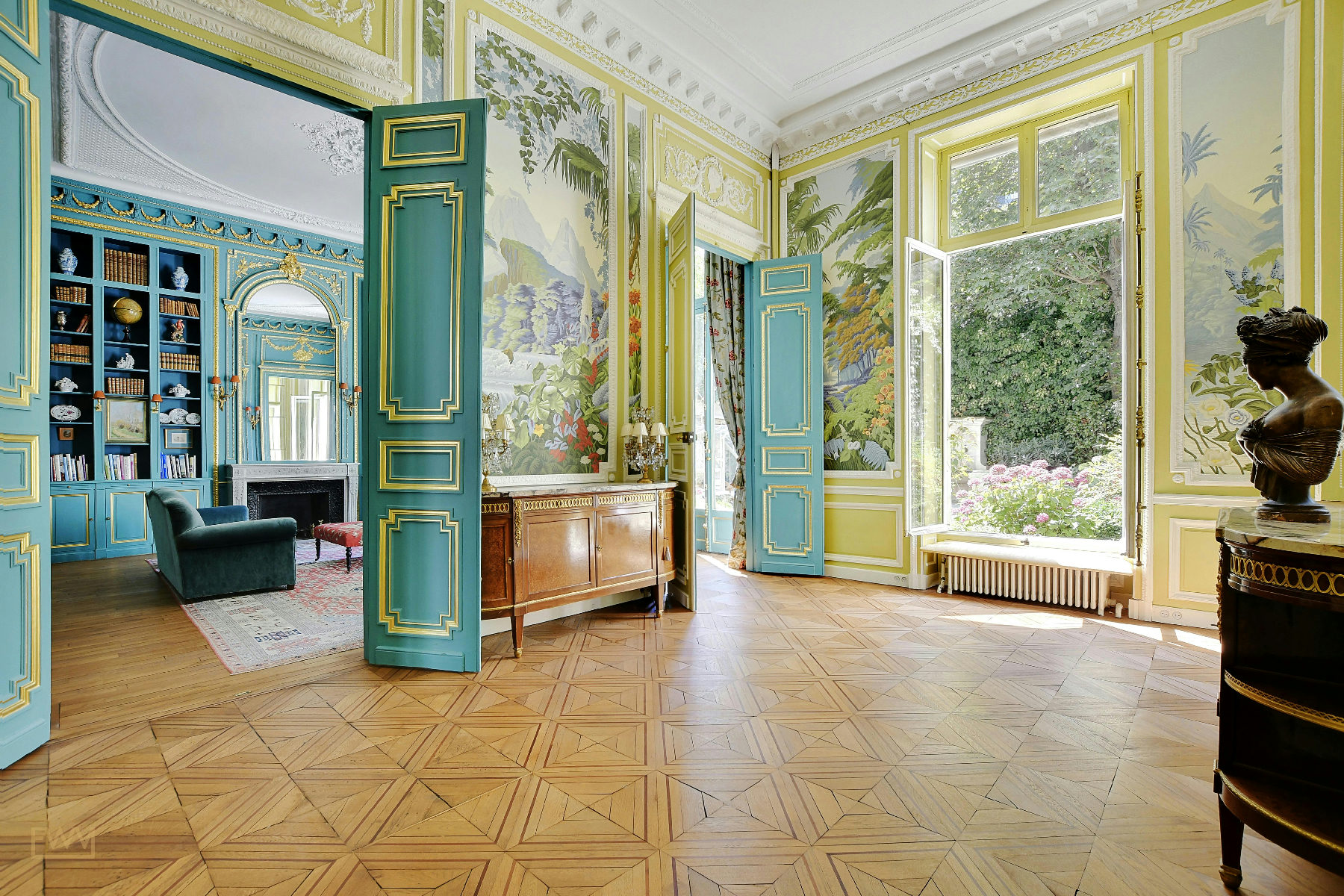
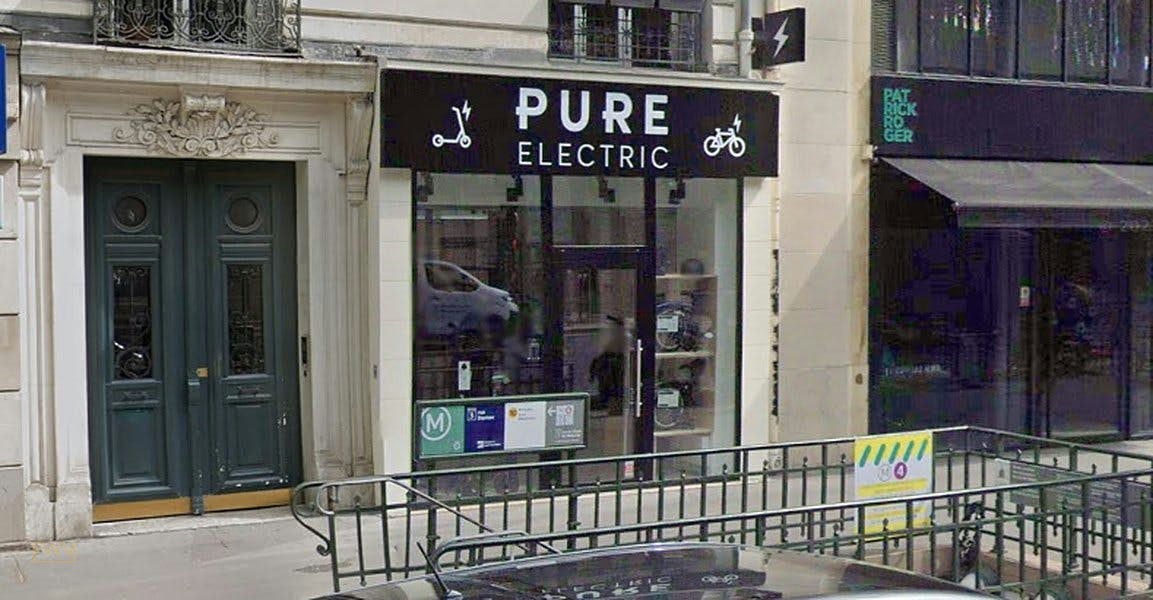
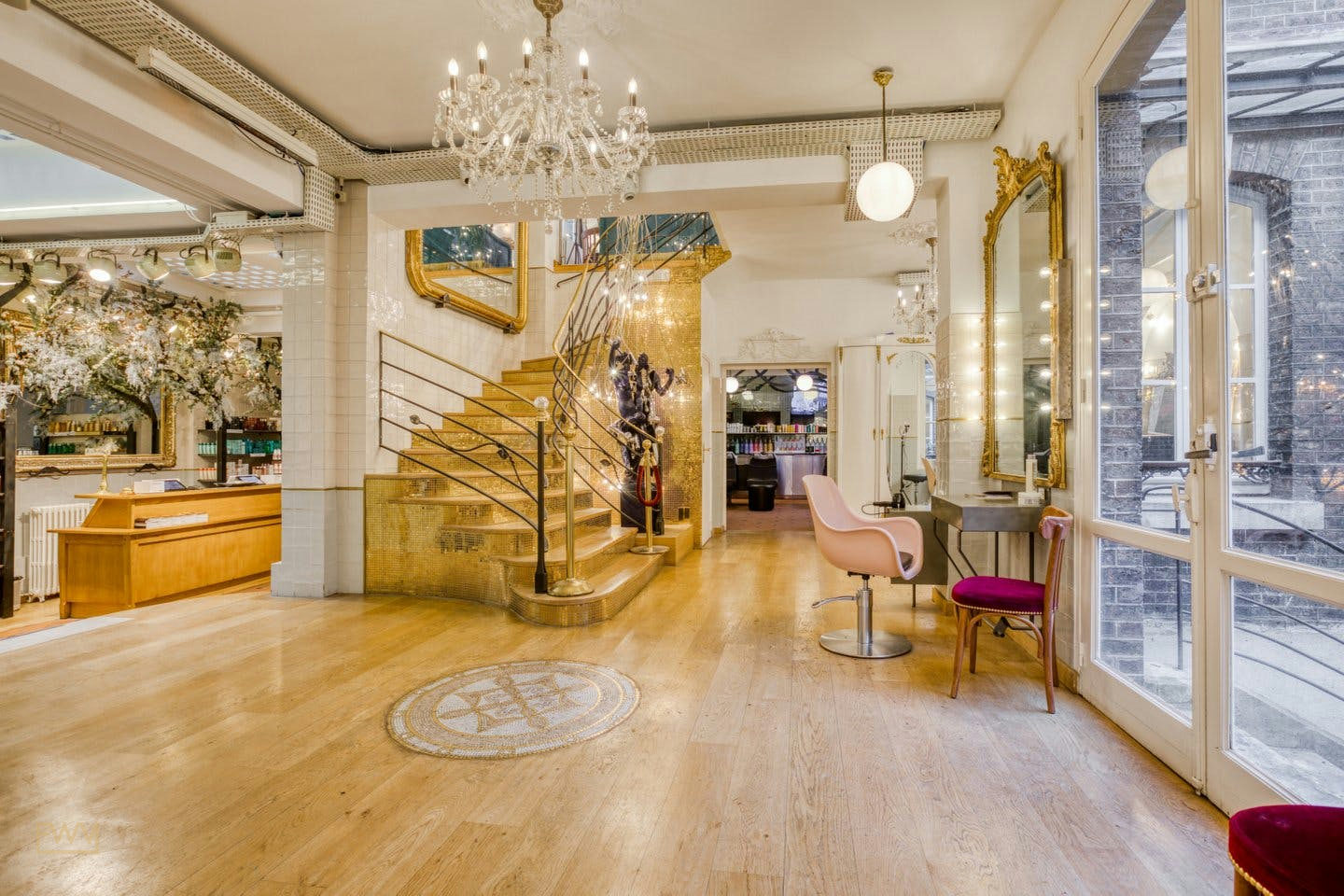
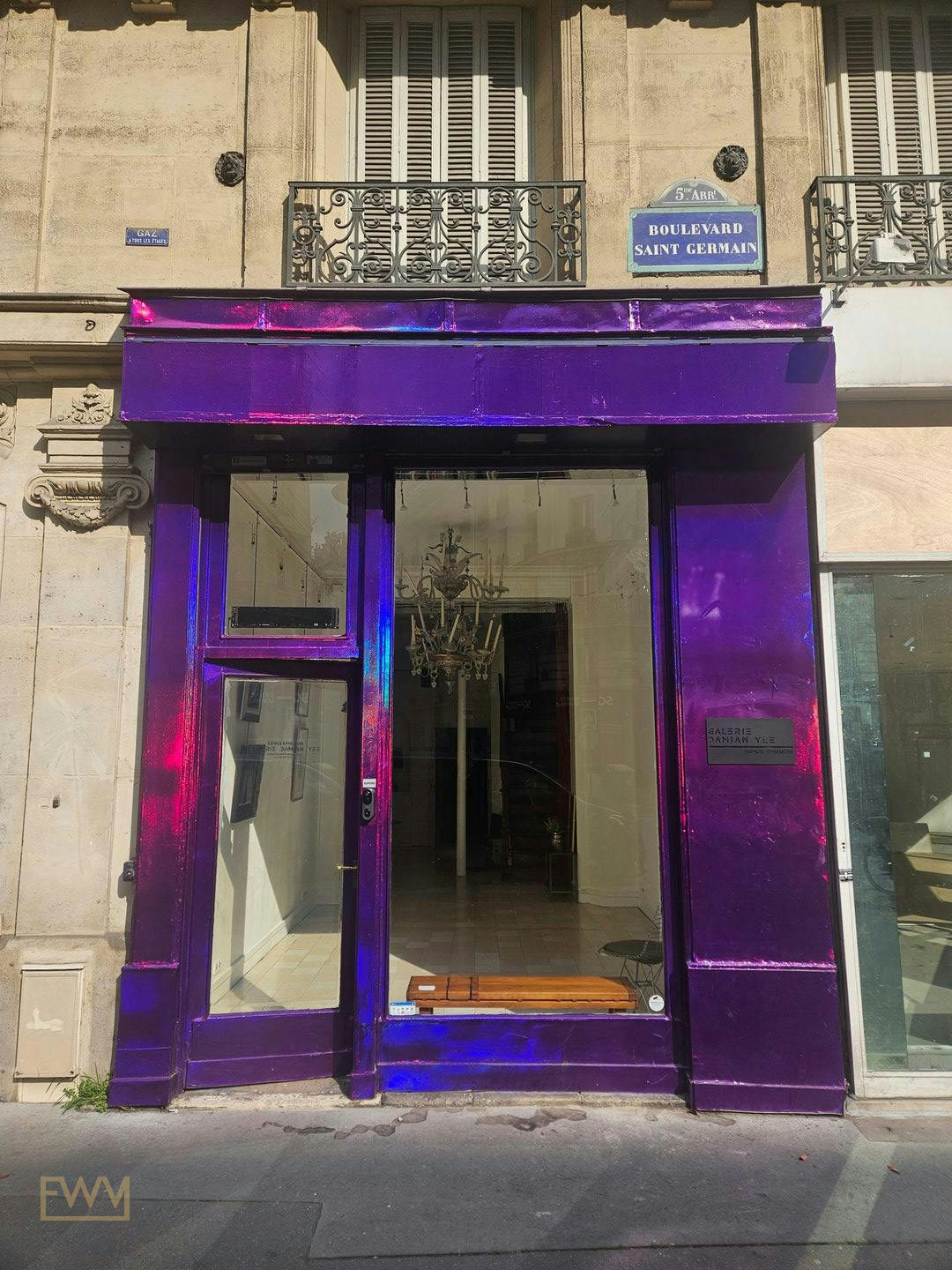
Opening a pop up store on Canal Saint-Martin puts your brand at the intersection of Paris's most photographed waterway, its most culturally active arrondissement, and one of the city's fastest-growing destinations for independent retail and creative activations. The 10th arrondissement has evolved from a working-class canal district into a neighbourhood where concept stores, design studios, artisanal brands, and international fashion labels compete for the same audience of culturally literate, aesthetics-driven Parisian consumers. For brands entering Paris or testing a new market position, the Canal Saint-Martin corridor offers something that Champs-Élysées or Saint-Germain-des-Prés rarely can: authenticity at an accessible price point, a community that discovers and shares new brands organically, and a physical landscape that turns every storefront into content. Explore the Paris city hub on Fashion Week Venues for a curated view of available spaces across the canal district and beyond.
Why Canal Saint-Martin Has Become Paris's Premier Pop-Up District
Canal Saint-Martin is not simply a pretty backdrop. It is a fully functioning commercial ecosystem with a consumer base that actively seeks out new retail experiences, supports emerging brands, and creates organic social media reach for temporary activations. The canal stretches through the 10th arrondissement connecting the Canal de l'Ourcq in the north to the River Seine to the south, passing through a neighbourhood dense with wine bars, cafés, bakeries, concept stores, and a long-standing tradition of French cinema, music, and arts culture. Alongside it run Quai de Valmy and Quai de Jemmapes, the two main waterway-facing streets that together form the commercial spine of the district.
The neighbourhood's cultural calendar is unusually active. Point Ephémère, a longstanding arts and music venue on Quai de Valmy, has anchored a creative identity in the area for years, drawing audiences who cross over naturally into adjacent retail. Hotel du Nord, the landmark café at the water's edge, functions as both a cultural symbol and a meeting point for the neighbourhood's creative community. The result is a built-in audience that attends events, explores new spaces, and shares discoveries across social media without prompting.
Brands like Supreme, Glossier, and emerging French labels have all made strategic activations in and around this district, recognising that the Canal Saint-Martin consumer is different from a tourist shopping on rue de Rivoli or a luxury buyer on Saint-Honoré. They are predominantly Parisian or Paris-adjacent, knowledgeable about brands, opinionated about design, and highly active on visual platforms. A well-designed pop-up store in this corridor generates press coverage, influencer content, and word-of-mouth in ways that are disproportionate to the scale of the activation itself.
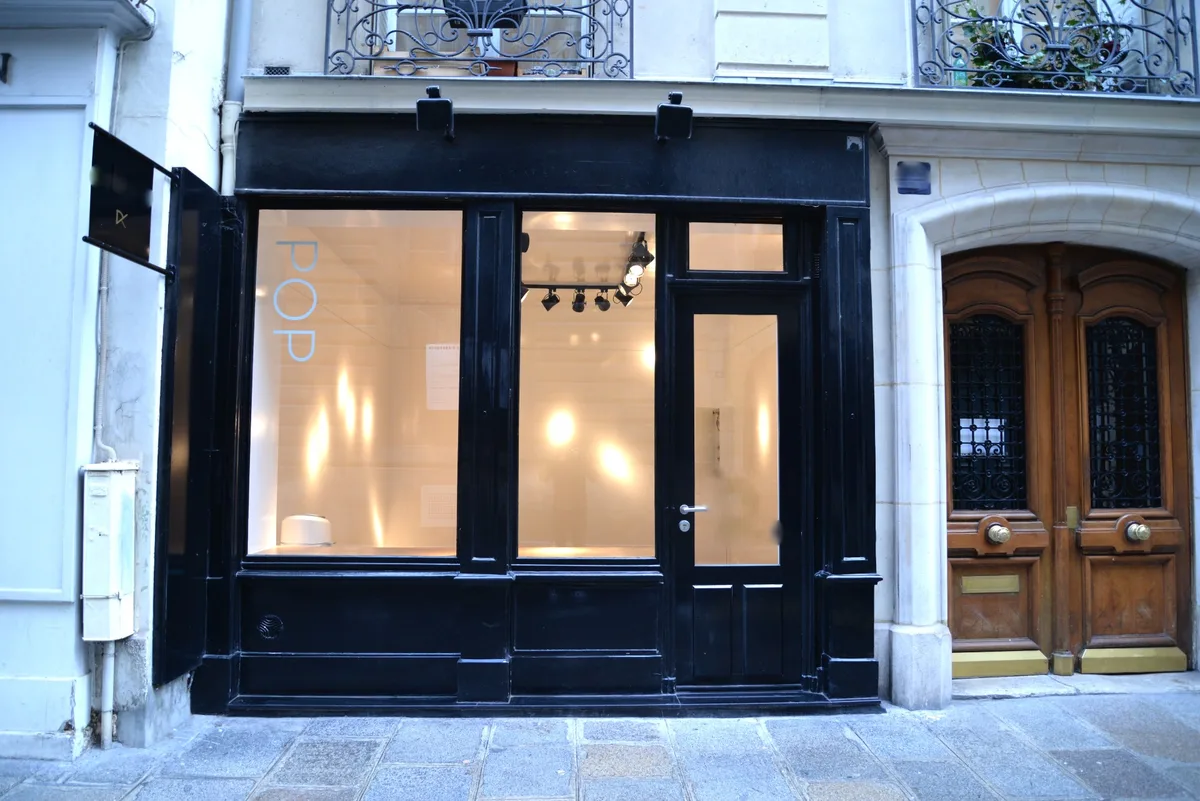
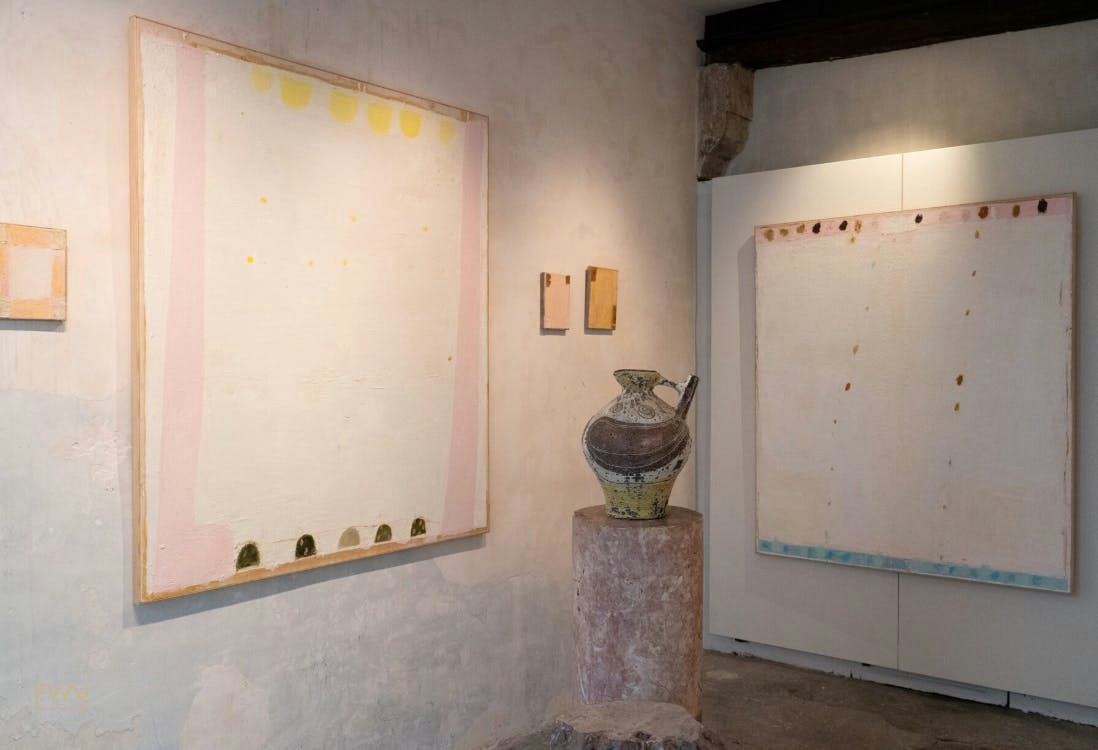
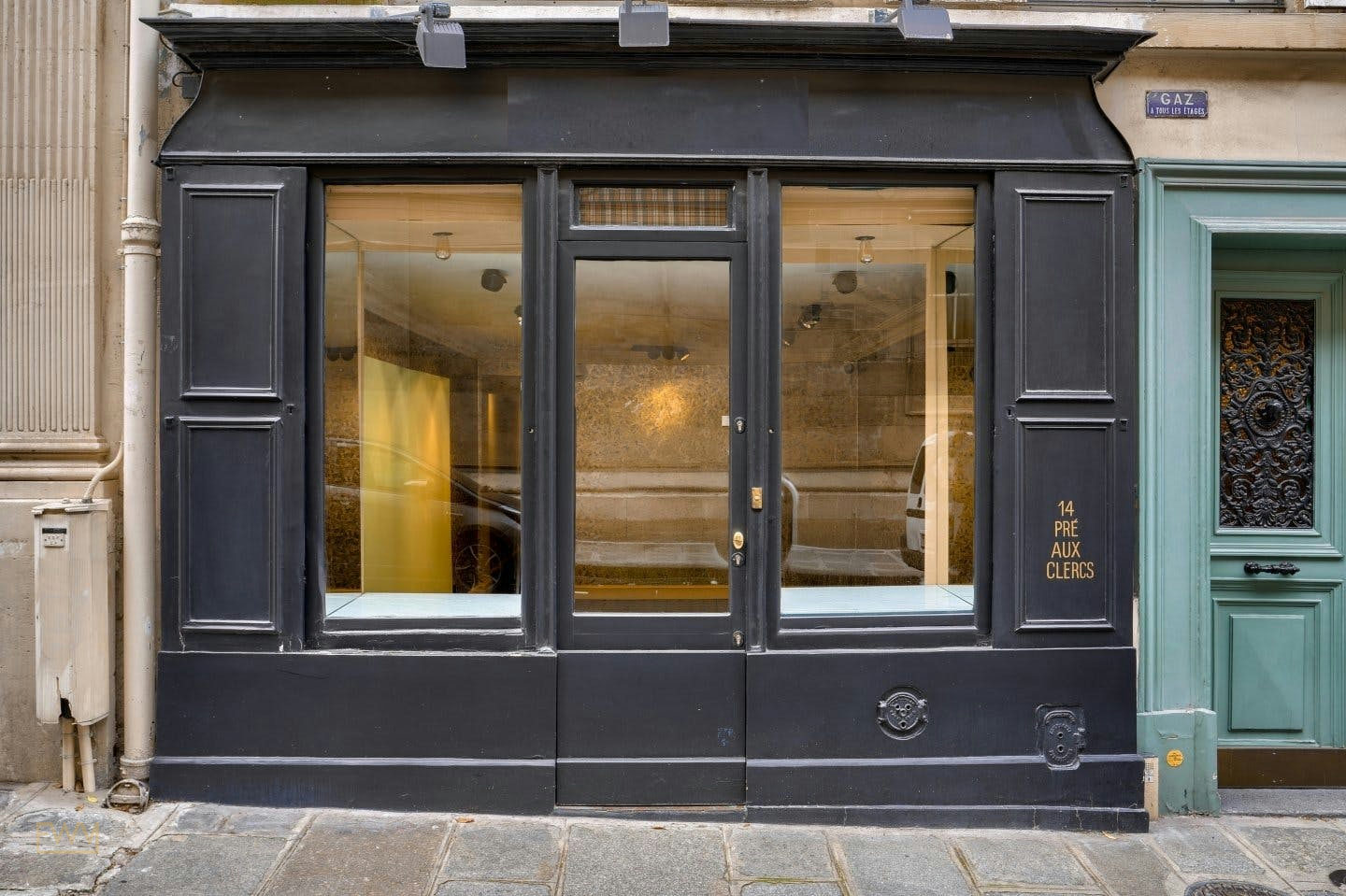
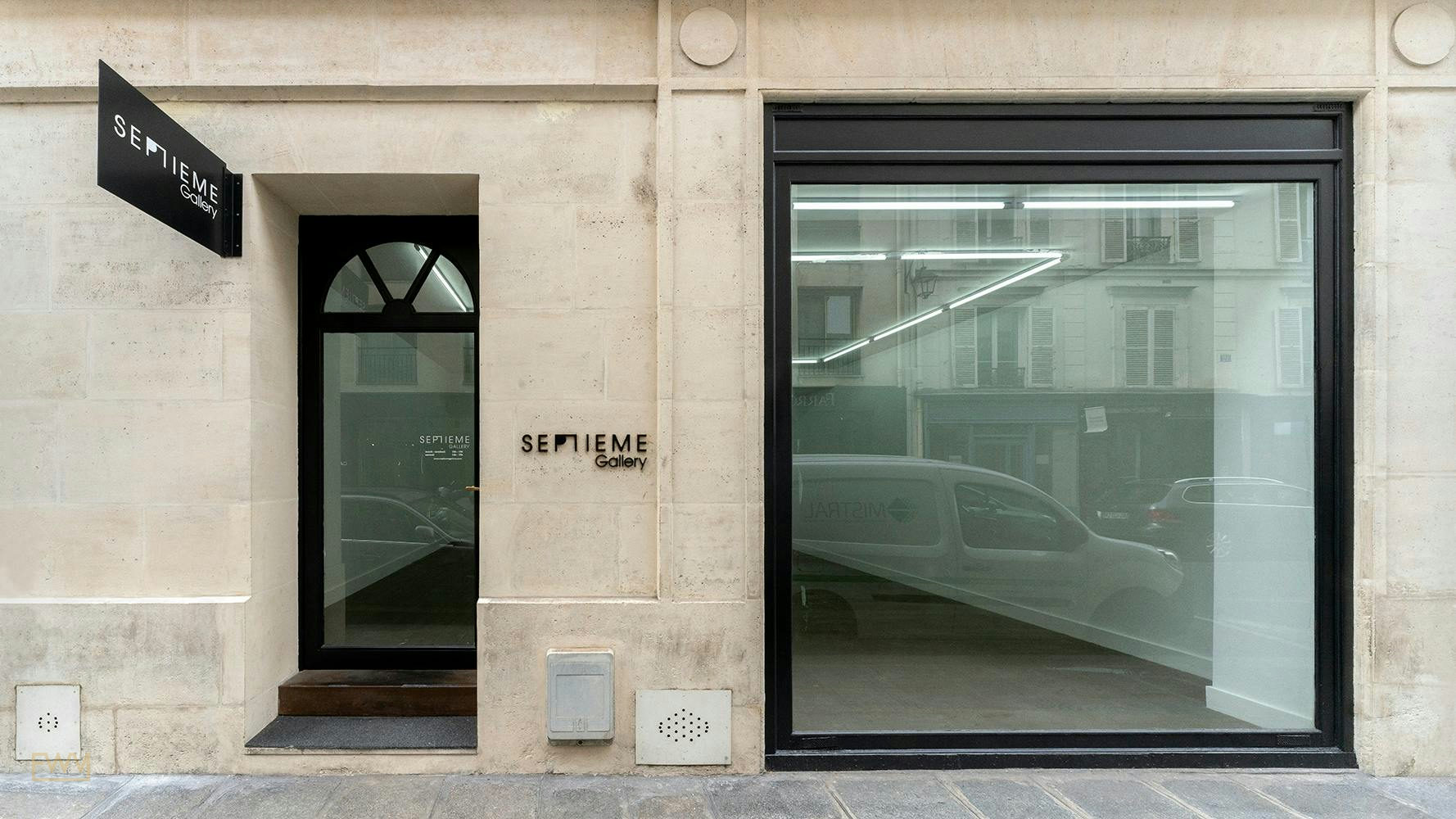
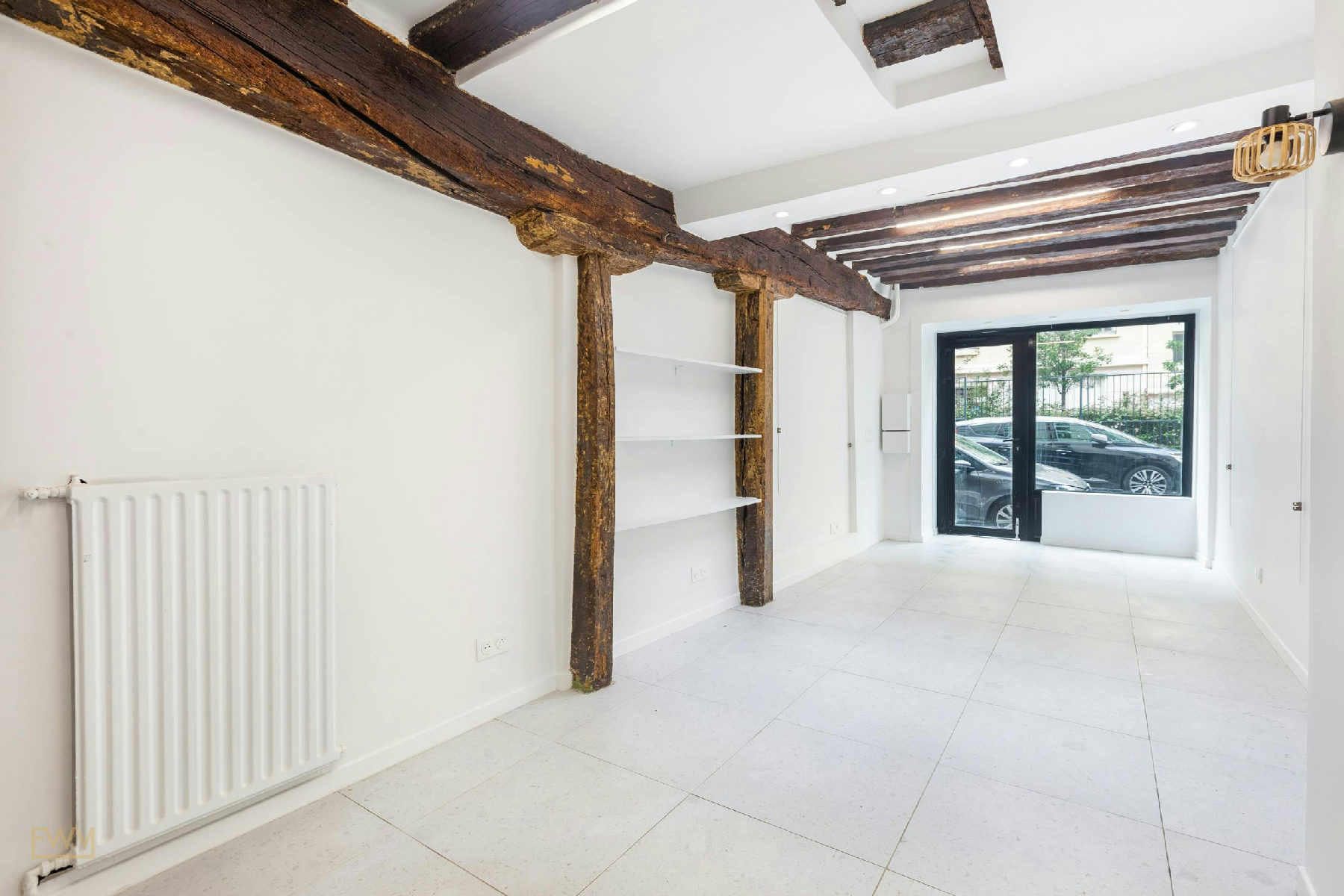
The physical fabric of the neighbourhood also matters for pop-up retail. Streets such as Rue Beaurepaire and Rue des Vinaigriers are lined with 19th-century Haussmann buildings whose ground floors convert naturally into retail spaces. Former workshops, light industrial units, and converted storage areas have become some of the most sought-after short-term retail venues in Paris. Spaces with white walls, concrete floors, exposed brickwork, and large street-facing windows create the kind of minimal, photogenic interior that works equally well for fashion presentations, product launches, and concept store formats.
The district is also genuinely accessible. Canal Saint-Martin sits within walking distance of République and Gare de l'Est, with multiple metro lines, bus routes, and cycling infrastructure serving the area. The neighbourhood's growing café and restaurant culture means that consumers already spend extended time in the area, increasing dwell time and the probability of spontaneous visits to a new retail activation.
KEY TAKEAWAY: Canal Saint-Martin combines high aesthetic credibility, an engaged local consumer base, accessible transport links, and a variety of flexible short-term spaces, making it one of the most strategically effective districts in Paris for brand pop-ups, concept store formats, and fashion activations aimed at culturally literate audiences.
Understanding what makes the canal corridor compelling also requires understanding how it compares to competing Paris districts, which is addressed directly in the next section.
Canal Saint-Martin vs Other Paris Neighbourhoods: Choosing the Right Location for Your Pop-Up
Quick answer: Canal Saint-Martin suits brands prioritising authenticity, creative credibility, and organic social reach. Le Marais offers higher tourist foot traffic and proximity to established luxury retail. Saint-Germain-des-Prés targets affluent Parisian consumers. Champs-Élysées and Saint-Honoré deliver maximum visibility but at significantly higher rental costs and with a more mainstream consumer profile.
Choosing the right Paris neighbourhood for a pop-up store is one of the most consequential decisions a brand makes before committing to a space. Each district attracts a different consumer, generates different media attention, and requires different budgetary commitments. The following breakdown covers the major options alongside Canal Saint-Martin to help brand teams make an informed decision.
Le Marais
Le Marais, centred on rue Vieille-du-Temple, rue des Francs-Bourgeois, and Rue des Rosiers, is Paris's most established neighbourhood for concept stores and premium retail. It attracts a mix of tourists and affluent Parisian consumers, with significant foot traffic throughout the week. Brands including Louis Vuitton maintain a presence here, and the neighbourhood is well-recognised globally. However, premium retail space in Le Marais commands higher rents than Canal Saint-Martin, and the density of existing stores can make it harder for newer brands to stand out. The neighbourhood also skews more toward established labels than emerging or experimental formats.
Saint-Germain-des-Prés
Saint-Germain is an affluent, residential district with a strong legacy in French culture and a consumer profile weighted toward older, higher-income Parisians. It works exceptionally well for luxury goods, lifestyle brands, and design-led activations with a mature target audience. The neighbourhood is less suited to brands seeking youthful, trend-forward audiences or organic social media amplification from local influencers and creative communities.
Champs-Élysées and Saint-Honoré
These are Paris's global luxury corridors. Visibility is unmatched, but rental costs are among the highest in the city, tourist traffic is heavily dominant, and activations here are typically associated with established global brands rather than experimental or emerging formats. Unless your brief requires maximum international exposure and your budget supports it, these corridors are rarely the right choice for a first Paris pop-up.
Canal Saint-Martin and the 10th District
The 10th arrondissement, anchored by the canal corridor, targets a consumer profile that is younger, more creative, and more deeply embedded in Paris's emerging fashion scene than any of the above. Rent is generally more accessible than in the Marais or Saint-Germain. The neighbourhood's cultural calendar, which includes live performances, DJ sets, and events at venues like Point Ephémère and Comptoir Général, creates natural audience crossover for retail activations. Brands in the sustainability, artisanal, or independent fashion space find particular resonance here.
| Neighbourhood | Primary Consumer | Foot Traffic Type | Best For | Relative Cost |
|---|---|---|---|---|
| Canal Saint-Martin | Creative Parisians, locals, emerging brand shoppers | High organic, low tourist | Brand experience, emerging fashion, lifestyle | Moderate |
| Le Marais | Mix of tourists and affluent locals | High tourist and local | Concept stores, premium streetwear, established brands | Moderate to high |
| Saint-Germain-des-Prés | Affluent Parisian residents | Moderate, quality-weighted | Luxury lifestyle, heritage brands | High |
| Champs-Élysées / Saint-Honoré | International tourists and global luxury consumers | Very high, tourist-dominant | Global brand flagships, Haute Couture runway activations | Very high |
| République / Bastille | Young Parisians, arts community | Moderate, event-driven | Events, music, streetwear, social commerce | Moderate |
KEY TAKEAWAY: Canal Saint-Martin offers brand teams a rare combination of genuine cultural credibility, accessible rental costs, and a consumer profile that responds powerfully to well-executed temporary retail activations. It is particularly strong for brands in fashion, lifestyle, sustainability, and design whose audiences skew toward culturally engaged, independent-minded Parisian consumers.
Once you have confirmed the neighbourhood, the next step is understanding what types of spaces are available and what they offer operationally.
Types of Pop-Up Spaces Available Around Canal Saint-Martin
Quick answer: Spaces around Canal Saint-Martin range from compact boutique storefronts of 30 to 80 square metres to mid-size industrial lofts, former workshops, gallery spaces, and dual-use event and retail venues. The district is known for white walls, concrete floors, large windows, and photogenic facades that suit contemporary retail and brand experience formats.
The physical stock of available temporary retail spaces in the Canal Saint-Martin corridor is genuinely diverse. Unlike purpose-built retail districts where spaces follow a predictable template, the 10th arrondissement's mix of 19th-century architecture, converted industrial buildings, and cultural venues produces a range of spatial types that can be adapted to different brand briefs.
Boutique Storefronts on Rue Beaurepaire and Rue des Vinaigriers
These are typically compact spaces between 30 and 100 square metres, street-facing with display windows, and designed to operate as conventional retail outlets. Many have been recently renovated with contemporary interiors featuring white walls and concrete floors that photograph well and provide a neutral backdrop for garment racks, product displays, and branded installations. These spaces work best for single-brand fashion launches, product lines, or small-format concept stores where the priority is controlled brand experience rather than volume traffic.
Industrial Lofts and Converted Workshops
The industrial heritage of the 10th arrondissement has left a legacy of former workshops and warehouses that have been converted into flexible event and retail spaces. These spaces typically offer higher ceilings, exposed structural elements, natural light through large windows or skylights, and a raw aesthetic that suits experimental retail formats, runway presentations, and brand experience events. A space like the Atelier industriel verrière format, with its glass roof and open floor plan, can be configured as a showroom, a temporary boutique, or a combined retail and event space within the same footprint.
Gallery and Cultural Hybrid Spaces
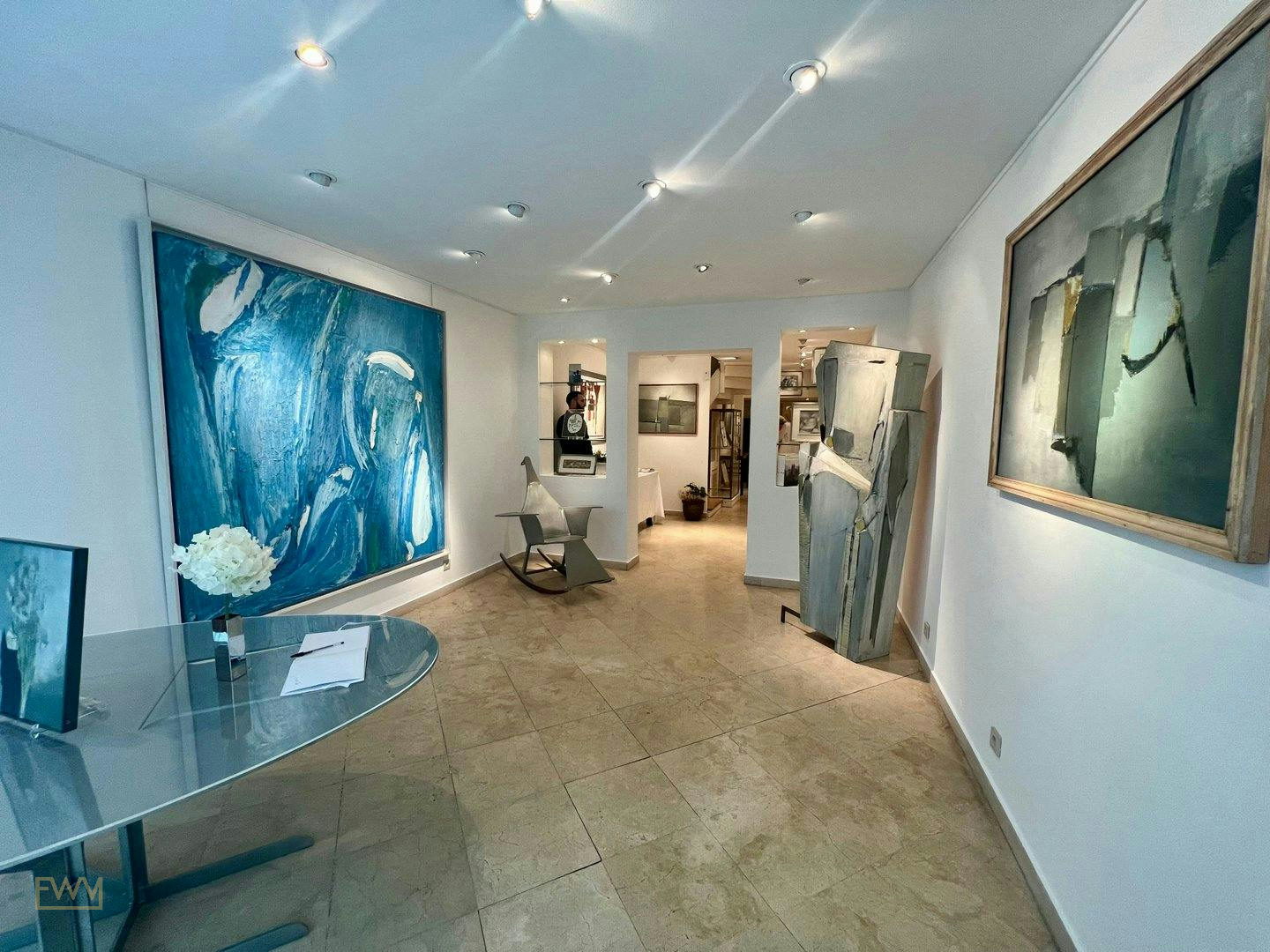
Canal Saint-Martin and the surrounding area include a number of spaces that operate primarily as cultural venues but are available for commercial activations during specific periods. Spaces in the Galerie culturelle vivante category offer high design credentials and an existing audience of arts and culture visitors. These spaces are particularly effective for brands that want to frame their activation within a broader cultural narrative rather than a purely commercial context.
Showrooms and Presentation Spaces
During Paris Fashion Week, the canal district sees significant demand for showroom formats used by brands to present collections to press, buyers, and wholesale partners. These spaces are typically quieter, more controlled environments than high-street pop-up shops, and may include meeting areas, garment rails, lighting rigs, and basic office equipment. Spaces such as Showroom FW Belleville and similar formats listed in the Fashion Week Venues portfolio are designed specifically for this purpose.
Rooftop and Exterior Venues
A smaller number of spaces in the broader 10th and surrounding arrondissements offer outdoor or rooftop configurations, such as the Espace rooftop Bastille or Rooftop Buttes-Chaumont formats. These spaces are highly effective for seasonal activations, product launches with a strong visual identity, or events combining retail with live performances and DJ sets.
| Space Type | Typical Size | Best Use | Key Features |
|---|---|---|---|
| Boutique storefront | 30 to 100 sqm | Single-brand pop-up, product launch | Street-facing, display windows, white walls |
| Industrial loft / atelier | 100 to 400 sqm | Multi-brand, events, runway, showroom | High ceilings, concrete floors, large windows |
| Gallery hybrid | 60 to 200 sqm | Brand experience, cultural activation | Gallery lighting, art-forward design |
| Showroom format | 50 to 150 sqm | Trade, press, buyers | Private, controlled, presentation-ready |
| Rooftop / exterior | Variable | Events, launches, seasonal activations | Outdoor, seasonal, highly photogenic |
DID YOU KNOW: Canal Saint-Martin's distinctive iron footbridges, lock gates, and tree-lined quays have made it one of the most photographed urban canals in Europe. A pop-up store with a well-designed facade facing the water or canal-adjacent street generates organic social media content from passers-by at a scale that more conventional retail streets cannot match.
KEY TAKEAWAY: The variety of space types in the Canal Saint-Martin corridor means that brands of different sizes, formats, and budget levels can find a space that serves their specific brief. The key is to match the space type to the activation format before beginning negotiations, not after.
Finding and securing the right space, however, is only part of the challenge. The operational and legal requirements for short-term retail in Paris require careful preparation, which is covered in the next section.
Permits, Leases, and Legal Requirements for a Paris Pop-Up Store
Quick answer: Operating a pop-up store in Paris requires a clear lease structure, appropriate insurance, compliance with fire safety and electrical safety standards, and in some cases an Autorisation d'Occupation Temporaire (AOT) for public space usage. Requirements vary significantly by space type, lease duration, and arrondissement. Always verify requirements with a qualified French legal advisor before signing.
One of the most common mistakes international brands make when planning a Paris pop-up is underestimating the legal and regulatory complexity of short-term retail in France. French commercial lease law is structured around a standard three-six-nine year lease, which is entirely unsuitable for temporary retail activations lasting days, weeks, or a few months. Several alternative legal frameworks exist, and understanding them is essential before committing to any space.
The Bail Dérogatoire
The bail dérogatoire, sometimes called a short-term commercial lease or convention d'occupation précaire, is the most commonly used legal framework for temporary retail in Paris. It allows landlords to let commercial space for a period of up to 36 months without granting the tenant the protections of a full commercial lease (bail commercial). For pop-up retail activations lasting between one week and several months, the bail dérogatoire is typically the most appropriate instrument. However, its terms, conditions, and the rights it grants vary between landlords and spaces, and it must be drafted correctly to be enforceable. Lease start dates, availability calendar windows, and access conditions should all be explicitly defined in the agreement.
Autorisation d'Occupation Temporaire (AOT)
If your pop-up involves any use of public space, including pavement displays, outdoor signage structures, terrace seating, or promotional materials placed on public ground, you will need an Autorisation d'Occupation Temporaire from the relevant Paris arrondissement authority. AOT requirements, fees, and timelines vary by arrondissement, and approval is not guaranteed. Brands planning any exterior activation elements must factor AOT lead times into their planning calendar, particularly during Paris Fashion Week when demand for public space permissions is at its highest.
Insurance Requirements
Any brand operating a commercial space in Paris must carry appropriate public liability insurance for the duration of the activation. Landlords in Paris typically require proof of insurance before granting access to a space. The scope of cover required, the minimum insured amounts, and any specific exclusions will depend on the space, the activity, and the lease terms. Brands bringing their own fit-out elements, electrical equipment, or structural installations must ensure their cover extends to these elements.
Fire Safety and Electrical Safety
All commercial spaces in Paris are subject to French fire safety regulations (réglementation incendie), which cover matters including maximum occupancy, emergency exit requirements, fire extinguisher provision, and signage standards. Electrical safety compliance is also mandatory, particularly for spaces where brands are installing temporary lighting rigs, sound systems for DJ sets or live performances, or powered display elements. Failure to comply with fire or electrical safety requirements can result in a space being closed by authorities, with significant financial and reputational consequences. Always request copies of the space's most recent safety inspection records before committing.
IMPORTANT: French commercial lease and permit law is complex and subject to change. The information in this guide is provided for general orientation only. Always verify current requirements with a qualified French legal advisor and, where relevant, with the relevant Paris arrondissement authority before signing any lease or applying for any permit.
For practical permit guidance specific to your activation type and location, use the permit guidance tool on Fashion Week Venues as a starting point before consulting a legal professional.
KEY TAKEAWAY: The legal and regulatory framework for pop-up retail in Paris is more complex than many brands expect. Bail dérogatoire leases, AOT permits, insurance requirements, and fire and electrical safety compliance all require active management and specialist knowledge. Building lead time for these processes into your activation timeline is not optional.
Legal preparation runs in parallel with financial planning, and understanding the cost structure of a Canal Saint-Martin pop-up is the next essential step.
Budgeting for a Pop-Up Store on Canal Saint-Martin
Quick answer: Budget requirements for a Canal Saint-Martin pop-up vary significantly depending on space size, lease duration, fit-out scope, staffing model, and activation format. Canal Saint-Martin is generally more cost-accessible than Le Marais or Saint-Germain, but total activation costs including fit-out, permits, insurance, staffing, POS, and marketing should be modelled comprehensively before committing to a space. Use a dedicated planning tool for brand-specific estimates.
Many brand teams approach Paris pop-up planning with an incomplete view of total activation costs. Rental rates are typically the most visible line item, but the total cost of a Canal Saint-Martin pop-up involves a range of additional elements that can be as significant as or greater than the space rental itself.
Space Rental
Rental costs for short-term commercial space in the Canal Saint-Martin area vary depending on space size, street positioning, proximity to the canal, condition and specification of the space, and the duration of the rental. As a general principle, spaces on Quai de Valmy and Quai de Jemmapes with direct canal frontage command a premium over comparable spaces on side streets such as Rue Beaurepaire or Rue des Vinaigriers. Weekly and monthly rates vary, and most landlords and space platforms require a deposit in addition to the rental fee. For directional estimates relevant to your brief, use the budget estimation tool on Fashion Week Venues.
Fit-Out and Production
Unless you are renting a fully furnished, turnkey space, fit-out and production costs represent a major budget line. This includes branded store design, installation of garment racks and display fixtures, lighting, signage, flooring treatments, and any structural modifications permitted under the lease. Brands seeking distinctive aesthetic elements such as organic curves, coral floors, or bespoke millwork installations should budget accordingly and factor in the time required for design, fabrication, and installation.
Furniture Rental
For activations where permanent installations are not appropriate or cost-effective, furniture rental provides a flexible alternative. Branded retail furniture, display units, seating, and merchandising fixtures can be rented for the duration of the activation and returned at the end of the lease, eliminating the need to ship or store physical assets.
Staffing
Retail staffing in Paris requires compliance with French employment law, including contracts, social charges, and working time regulations. Brands without an existing French legal entity face additional complexity in engaging staff directly. Specialist retail staffing providers with established French payroll infrastructure can simplify this significantly.
POS, Payments, and Inventory
A fully operational pop-up requires a point-of-sale system, payment processing capability, and an inventory management approach. Cashflow planning and inventory decisions should be modelled before the activation opens to ensure that the store can trade effectively without overstocking or running out of key lines. Packaging, returns handling, and storage area requirements should also be factored into the operational plan.
Marketing and Social Media
Organic social media reach in the Canal Saint-Martin area is high relative to many other Paris districts, but a structured marketing programme, including influencer outreach, press notification, email newsletter communication, and social media content planning, will significantly amplify the activation's impact. Marketing costs should be budgeted as a distinct line item, not absorbed into contingency.
TIP: Build a detailed cashflow model covering all activation costs before committing to a space. Many brands underestimate the gap between the rental cost and the total cost of operating a compliant, well-staffed, and effectively marketed pop-up in Paris.
KEY TAKEAWAY: A Canal Saint-Martin pop-up activation is financially accessible compared to many Paris districts, but total activation costs go well beyond rental. A comprehensive budget covering fit-out, staffing, permits, insurance, POS, inventory, and marketing must be modelled and stress-tested before the activation begins.
To compare neighbourhoods and space types and align your budget with your location strategy, explore the Paris city hub on Fashion Week Venues and shortlist spaces that match your brief, budget, and calendar window.
Timing Your Activation: Paris Fashion Week and the Canal Saint-Martin Calendar
Quick answer: Paris Fashion Week, which takes place in January, February, June, July, and October each year, is the single most powerful calendar window for brand activations in Paris. The Canal Saint-Martin district experiences a concentrated surge of creative industry visitors, press, and buyers during Fashion Week periods, making it an exceptionally effective location for short-term retail, showrooms, and brand experience events. Spaces book out months in advance for these windows.
Paris operates on a fashion calendar that is denser and more internationally significant than almost any other city. Paris Fashion Week for Womenswear takes place in late September and early October. Haute Couture runway shows are held in January and July. Menswear weeks follow their own calendar. Each of these windows brings a concentrated influx of international press, buyers, stylists, influencers, and creative industry professionals who are specifically looking for new brands, new spaces, and new retail experiences.
The October Window: Paris Fashion Week Womenswear
The October Paris Fashion Week period, typically running from late September into early October, is the most commercially significant window of the year for pop-up retail and brand activations in the canal district. Brands that open a Canal Saint-Martin pop-up store during this window benefit from the combined draw of the official Fashion Week calendar, the concentration of international buyers and press in the city, and the neighbourhood's own programme of events, exhibitions, and activations. The Residence concept store format, which has established an October activation tradition in the 10th arrondissement, exemplifies how the district uses Fashion Week timing to create extended brand experience events that combine fashion, design, and music over multiple evenings.
Paris Fashion Week for Womenswear 2026 is scheduled from late September into early October. Brands planning activations during this window should begin space sourcing and booking no later than five to six months in advance. For the July 2026 Haute Couture week running from July 6 to 9, spaces in the canal corridor and central Paris districts become similarly competitive.
The Off-Calendar Window
While Fashion Week windows command the highest visitor numbers and media attention, Canal Saint-Martin maintains strong retail trading conditions throughout the year. The neighbourhood's year-round population of creative professionals, its active café and restaurant culture, its proximity to Parc de la Villette and Canal de l'Ourcq, and its growing status as a tourism destination in its own right mean that brands can run successful activations outside of Fashion Week periods with proper planning and marketing. Off-calendar activations typically face lower rental premiums and more space availability, which can be an advantage for brands with tighter budgets or longer activation windows.
Planning Your Timeline
Successful pop-up activations in Paris require a structured planning timeline covering space identification and booking, legal and permit preparation, fit-out design and production, staffing recruitment and training, marketing campaign development, and operational setup. Compressed timelines increase risk significantly. Use a dedicated planning framework to align all workstreams before committing to an activation date.
| Phase | Activity | Recommended Lead Time |
|---|---|---|
| 1. Strategy and Brief | Define activation format, budget, neighbourhood, and calendar window | 6 to 9 months before activation |
| 2. Space Sourcing | Identify, view, shortlist, and negotiate spaces | 5 to 6 months before activation |
| 3. Legal and Permits | Finalise lease, insurance, and permit applications | 4 to 5 months before activation |
| 4. Design and Production | Concept design, fit-out planning, furniture sourcing, build | 3 to 4 months before activation |
| 5. Staffing and Operations | Recruit staff, install POS, plan inventory, train team | 6 to 8 weeks before activation |
| 6. Marketing and PR | Press outreach, influencer briefing, social media campaign, newsletter | 4 to 6 weeks before activation |
| 7. Activation | Trading, events, content capture, customer feedback | On-site during activation window |
| 8. Close and Review | Derig, data review, ROI assessment, next-step planning | Immediately post-activation |
KEY TAKEAWAY: Timing your Canal Saint-Martin activation to align with Paris Fashion Week, particularly the October Womenswear week or the July Haute Couture window, dramatically increases your brand's reach and relevance. However, this requires booking spaces and beginning planning at least five to six months in advance. Off-calendar windows offer strong trading conditions with more flexibility and lower premiums.
Getting the timing right is closely connected to getting the activation concept right, and the next section covers how design, aesthetics, and brand experience come together in the canal district context.
Designing a Pop-Up Store on Canal Saint-Martin: Aesthetics, Experience, and Brand Identity
Quick answer: Canal Saint-Martin pop-up stores are most effective when the interior design responds to the neighbourhood's aesthetic language, combining the raw industrial character of the district with a clear brand identity. Photogenic facades, distinctive interior treatments, and experience-driven layouts that encourage content creation and extended dwell time consistently outperform conventional retail setups in this location.
The design of a Canal Saint-Martin pop-up store carries more commercial weight than it does in many other retail contexts. The neighbourhood's consumer base is visually literate, design-aware, and highly active on social media platforms. A store that looks generic, uninspired, or inconsistent with the neighbourhood's aesthetic values will struggle to attract attention regardless of how well it is located or marketed. Conversely, a space with a distinctive visual identity, a clear concept, and photogenic qualities will generate organic content creation, social sharing, and press attention at a scale that justifies the design investment.
Responding to the Neighbourhood's Visual Language
The Canal Saint-Martin aesthetic draws on the district's industrial heritage: exposed concrete, raw brickwork, steel window frames, aged wood, and the green iron structures of the canal's lock mechanisms and footbridges. Effective pop-up designs in this context either work with this language by incorporating similar materials and textures, or create a deliberate contrast by introducing warmth, colour, or softness that reads as an intentional aesthetic statement. Spaces featuring organic curves, coral floors, or warm tonal palettes have created significant social media traction in the area precisely because they contrast productively with the cool industrial surroundings.
The Importance of Photogenic Facades
Quai de Valmy and Quai de Jemmapes are among Paris's most photographed streets. A pop-up store with a carefully designed exterior, strong window display, and a facade treatment that works as a backdrop for photography will generate spontaneous content from passers-by that extends the store's reach far beyond its immediate trading footprint. Brands that invest in facade design, exterior signage, and window display as part of their activation budget consistently see higher social media impressions and press pick-up than those that treat the exterior as secondary to the interior.
Multi-Sensory and Event-Integrated Formats
Some of the most successful Canal Saint-Martin activations have integrated retail with events, blurring the boundary between shopping and experience. Spaces configured with a main retail floor and an event zone capable of hosting DJ sets, live performances, or product launch presentations create multiple reasons for consumers to visit on different occasions during the activation window. The 10th arrondissement's existing culture of music, live events, and arts programming means that consumers in this neighbourhood are particularly receptive to experience-driven retail formats that offer something beyond transactional shopping.
Sustainability and Brand Positioning
Canal Saint-Martin's consumer base has a strong orientation toward sustainability, independent brands, and conscious consumption. Pop-up stores that communicate a genuine commitment to sustainability, whether through packaging choices, sourcing transparency, overproduction reduction, or the use of reclaimed materials in the fit-out, tend to generate stronger brand loyalty and more meaningful consumer engagement in this district than in more tourist-dominated Paris neighbourhoods. This should be reflected not only in the brand's product or service offering but in the physical design and operational choices of the activation itself.
DID YOU KNOW: The concept store format, which combines curated retail with cultural programming, events, and food and drink, has been closely associated with the Canal Saint-Martin neighbourhood since the early 2010s. Brands that adopt a concept store structure for their pop-up, even temporarily, benefit from an established consumer expectation in the area of discovering something new and culturally meaningful in a retail space.
For brands that want professional support translating a creative brief into a fully executed physical space, concept direction services from Fashion Week Venues offer end-to-end creative and strategic guidance from brief to build.
KEY TAKEAWAY: Design investment in a Canal Saint-Martin pop-up is not a luxury. It is a commercial necessity in a neighbourhood where the visual quality of your space directly determines your organic reach, press coverage, and consumer engagement. A well-designed space with a distinctive identity, photogenic qualities, and an experience-driven layout consistently outperforms generic retail setups in this location.
Design and aesthetics are closely connected to brand strategy and the question of whether a Canal Saint-Martin pop-up is the right next step for your brand's Paris ambitions, which is addressed in the following section.
How Fashion Week Venues Supports Canal Saint-Martin Pop-Up Activations
Fashion Week Venues operates as a full-service pop-up shop agency and space marketplace with deep operational expertise in Paris and the other major fashion capitals. For brands planning a pop-up store on Canal Saint-Martin or anywhere in the 10th arrondissement, Fashion Week Venues offers a structured pathway from initial brief to fully operational activation, covering every stage of the process.
Space Discovery and Venue Sourcing
The Fashion Week Venues space marketplace provides access to a curated portfolio of short-term retail and event spaces across Paris, including the Canal Saint-Martin corridor. Brands can browse, filter, and compare spaces by size, type, neighbourhood, availability, and capacity. The venue sourcing service goes further, with specialist teams actively identifying and negotiating spaces that match your specific brief, including off-market opportunities that do not appear on public listings.
Concept, Design, and Production
Once a space is confirmed, Fashion Week Venues can manage the full creative and production process, from initial concept direction through to fit-out, furniture installation, branded store design, and build completion. This integrated approach reduces the coordination burden on brand teams and ensures that the physical space is delivered on time, on budget, and to the standard required for a high-visibility Paris activation.
Operational Services
Fashion Week Venues provides retail staffing, POS and payments infrastructure, and data and analytics services to support the trading phase of an activation. For brands without a French legal entity or an established Paris operational presence, these services remove the complexity of setting up and running a compliant retail operation in France. The activation management service coordinates all operational elements across the lifespan of the pop-up.
Planning and Budget Tools
A suite of online tools supports the planning process. The budget calculator helps brands model total activation costs before committing to a space. The ROI calculator helps assess the likely return on investment from a Canal Saint-Martin activation. The timeline tool structures the planning process against a target activation date. The compare tool allows side-by-side evaluation of shortlisted spaces. The locator tool maps available spaces against target neighbourhoods. These tools are available at fashionweekvenues.com/tools.
Influencer Marketing and Social Media Amplification
Canal Saint-Martin's organic social media reach is one of its greatest commercial assets, but structured influencer marketing multiplies this further. Fashion Week Venues provides influencer marketing services that connect brands with relevant creators in the Paris fashion and lifestyle space, ensuring that the activation reaches the right audiences at the right moment in the activation calendar.
Twin Co-Activation
For brands exploring shared-cost or collaborative activation models, the twin co-activation concept allows two complementary brands to share a single space and activation costs while delivering separate but complementary brand experiences. This format is particularly effective on Canal Saint-Martin, where the neighbourhood's creative audience is accustomed to multi-brand concept store formats and responds positively to collaborative retail experiences.
IMPORTANT: Fashion Week Venues does not guarantee space availability, permit approvals, or specific commercial outcomes. All spaces are subject to availability, and permit requirements are determined by French regulatory authorities. Brand teams should begin the planning process as early as possible to maximise optionality.
KEY TAKEAWAY: Fashion Week Venues provides Canal Saint-Martin pop-up brands with an integrated service model that covers space sourcing, creative production, operational management, and marketing amplification. For brands without deep Paris operational experience, this full-service approach significantly reduces execution risk and planning complexity.
The following section addresses some of the most persistent misconceptions about running a pop-up in Paris, which affect how brands plan and budget for activations.
Common Myths About Paris Pop-Up Stores Debunked
MYTH: You need a French legal entity to rent a pop-up space in Paris.
FACT: International brands without a French legal entity can and do rent pop-up spaces in Paris through a bail dérogatoire or similar short-term lease instrument. However, certain operational requirements, particularly around staffing and tax compliance, may require specialist support or a local partner. Working with a specialist agency that has established French operational infrastructure is the most effective way to manage this.
MYTH: Paris Fashion Week is the only viable calendar window for a Canal Saint-Martin pop-up.
FACT: While Fashion Week periods generate the highest concentration of industry visitors and media attention, Canal Saint-Martin trades strongly throughout the year. The neighbourhood has a year-round consumer base of creative Parisians, growing tourism, and a packed cultural calendar of events, exhibitions, and live performances. Brands with longer activation windows or tighter budgets can run highly effective pop-ups outside of Fashion Week, often at more accessible rental rates and with more space availability.
MYTH: Commission brokers are the only way to find a short-term pop-up space in Paris.
FACT: A growing number of curated space marketplaces and full-service agencies now provide direct access to short-term retail spaces in Paris, including in the Canal Saint-Martin corridor, without requiring brands to work through traditional commission-based intermediaries. These platforms offer transparent listings, availability calendars, and in many cases integrated service packages that cover the full activation lifecycle.
MYTH: Short-term retail leases in Paris are legally straightforward and do not require specialist help.
FACT: French commercial lease law is complex, and bail dérogatoire agreements, while simpler than full commercial leases, still carry significant legal obligations for both landlord and tenant. Permit requirements, insurance obligations, fire and electrical safety compliance, and the specific terms of each individual lease all require careful review. Brands that sign short-term leases without legal advice or specialist support frequently encounter unexpected costs, compliance issues, or disputes that could have been avoided with proper preparation.
MYTH: Canal Saint-Martin is only suitable for small or emerging brands.
FACT: The canal district has hosted activations by internationally recognised brands including Supreme and Glossier, alongside independent and emerging labels. The neighbourhood's strength is not its exclusivity to small brands but its ability to convey authenticity and creative credibility to a discerning consumer base. Large brands that want to communicate a more considered, culturally engaged identity find Canal Saint-Martin as effective as emerging brands for that purpose.
Frequently Asked Questions About Pop-Up Stores on Canal Saint-Martin
What makes Canal Saint-Martin a good location for a pop-up store in Paris?
Canal Saint-Martin sits at the intersection of Paris's most culturally active neighbourhood and a rapidly growing destination for independent retail, concept stores, and brand activations. The 10th arrondissement attracts a consumer base of culturally literate, design-aware Parisians who actively seek out new brands and share discoveries through social media. The district's year-round calendar of events, arts programming, and nightlife, combined with strong transport links and a diverse stock of flexible short-term retail spaces, makes it one of the most strategically effective districts in Paris for brands seeking authentic local engagement.
How long in advance do I need to book a Canal Saint-Martin pop-up space?
For activations during Paris Fashion Week, particularly the October Womenswear window or the July Haute Couture week, spaces in the Canal Saint-Martin corridor typically book out five to six months in advance. For off-calendar windows, lead times are generally shorter, but popular spaces with distinctive features, canal frontage, or large footprints are competitive year-round. Beginning your space search at least four to five months before your intended activation date gives you the best range of options and the most negotiating flexibility.
Do I need a French legal entity to rent a pop-up space in Canal Saint-Martin?
International brands without a French legal entity can rent short-term commercial spaces in Paris using a bail dérogatoire or similar agreement. However, operating requirements including staff employment, tax registration, and certain insurance arrangements may be more complex without a local legal presence. Working with a specialist agency or a local partner with established French operational infrastructure is the most practical solution for brands entering the Paris market without an existing French entity. Always verify the specific requirements of your intended lease with a qualified French legal advisor.
What is a bail dérogatoire and how does it work for pop-up retail?
A bail dérogatoire is a short-term commercial lease instrument under French law that allows landlords to let commercial space for up to 36 months without granting the tenant the protections of a full commercial lease. It is the most commonly used legal framework for pop-up retail in Paris. The lease must be drafted correctly to be enforceable, and its terms, including duration, rental amount, deposit, access conditions, and permitted uses, should be reviewed carefully before signing. Unlike a standard commercial lease, a bail dérogatoire does not renew automatically and does not grant the tenant an automatic right of renewal.
What permits do I need to open a pop-up store on Canal Saint-Martin?
Requirements vary depending on the nature and scale of the activation. A standard indoor retail pop-up in a space already classified for commercial use typically requires a compliant lease, appropriate insurance, and adherence to fire and electrical safety standards. If your activation involves use of any public space, outdoor displays, or external signage structures, you will also need an Autorisation d'Occupation Temporaire from the relevant Paris arrondissement authority. Permit requirements and timelines vary, and approval is not guaranteed. Use the permit guidance resources available through Fashion Week Venues as a starting point, and always verify requirements with a qualified French legal advisor.
Which streets and areas within Canal Saint-Martin are best for a pop-up store?
Quai de Valmy and Quai de Jemmapes offer the highest visibility and the most distinctive photogenic settings due to their direct canal frontage. Rue Beaurepaire and Rue des Vinaigriers provide a denser mix of boutique storefronts and converted spaces at slightly more accessible rental rates. The area around Point Ephémère and Hotel du Nord on Quai de Valmy benefits from strong event-driven foot traffic. The best location within the district depends on your space size requirements, budget, target consumer, and activation format.
Can I use a Canal Saint-Martin pop-up space for both retail and events?
Yes. Many spaces in the Canal Saint-Martin corridor are configured or adaptable for dual retail and event use. Industrial lofts, gallery hybrid spaces, and larger atelier formats can typically accommodate a retail floor alongside an event zone for DJ sets, live performances, product launches, or press presentations. However, combined retail and event use may require additional permits, particularly for amplified music or public gatherings. Confirm permitted uses with your landlord and verify any additional regulatory requirements before planning an event programme within your pop-up space.
How does Canal Saint-Martin compare to Le Marais for a pop-up store?
Le Marais offers higher overall foot traffic, a stronger tourist presence, and established premium retail associations. Canal Saint-Martin offers a more authentic, community-oriented consumer profile, lower rental premiums, and stronger organic social media generation. The right choice depends on your brand's target audience, budget, and activation objectives. Brands prioritising cultural credibility, emerging fashion positioning, or organic social reach typically find Canal Saint-Martin more effective. Brands seeking maximum tourist exposure or proximity to established luxury retail may prefer the Marais.
What types of brands work best in the Canal Saint-Martin pop-up space?
The Canal Saint-Martin district is particularly effective for brands in fashion, lifestyle, independent retail, sustainability, design, artisanal products, and creative activations targeting a culturally engaged Parisian audience. The neighbourhood has also hosted successful activations from internationally recognised streetwear and contemporary fashion brands. Brands that communicate authenticity, creative direction, and a genuine point of view on their category tend to perform better in this location than those with a purely commercial or tourist-facing proposition.
How important is social media for a Canal Saint-Martin pop-up?
Social media is central to the commercial success of a Canal Saint-Martin pop-up. The neighbourhood's consumer base is highly active on visual platforms and has an established culture of discovering and sharing new retail spaces. A well-designed space with photogenic qualities, a distinctive brand identity, and a structured social media and influencer marketing programme can generate reach that is disproportionate to the scale of the physical activation. Brands that treat social media as an afterthought consistently underperform compared to those that build content creation and influencer activation into the core activation plan from the outset.
What is the minimum rental period for a pop-up space on Canal Saint-Martin?
Minimum rental periods vary by space and landlord. Some spaces are available for as few as three to seven days, while others require a minimum commitment of two to four weeks. Spaces with higher specifications, canal frontage, or event capability typically require longer minimum terms. Availability calendars for individual spaces should be confirmed directly with the landlord or through a space marketplace. The closer the intended activation date is to a Paris Fashion Week window, the more likely it is that minimum terms will be longer due to competing demand.
What operational support do I need for a Canal Saint-Martin pop-up?
A fully operational Canal Saint-Martin pop-up requires a compliant lease, insurance, staffing, a point-of-sale and payments system, inventory management, and a customer-facing service model. For brands without an existing Paris operational presence, specialist support covering staffing, POS setup, retail operations, and compliance management significantly reduces execution risk. Data and analytics capabilities help brands track performance in real time and make informed inventory and merchandising decisions during the activation window. Customer feedback mechanisms, both in-store and digital, generate insights that inform post-activation brand strategy decisions.
Can two brands share a Canal Saint-Martin pop-up space?
Yes. Co-activation or shared pop-up formats are increasingly common in the Canal Saint-Martin area and are well-suited to the neighbourhood's concept store culture. Two complementary brands sharing a single space can divide costs while delivering a combined offer that is more compelling to consumers than either brand could achieve alone. This model requires clear agreement between the brands on space division, staffing, POS arrangements, marketing, and cost allocation before the activation begins. The twin co-activation format offered through Fashion Week Venues is designed specifically to manage this complexity.
How do I measure the ROI of a Canal Saint-Martin pop-up store?
ROI measurement for a pop-up activation should cover direct sales revenue, new customer acquisition, press and media coverage value, social media impressions and engagement, wholesale or trade leads generated, and brand awareness uplift among target consumer segments. Not all of these are easily quantifiable in financial terms, but setting clear KPIs before the activation opens ensures that you have a structured framework for assessing performance. Data and analytics services, POS data, customer feedback, and influencer reporting all contribute to a comprehensive post-activation ROI assessment. Use a dedicated ROI planning tool to model expected returns before committing to a budget.
What happens after my Canal Saint-Martin pop-up ends?
Post-activation, brands should conduct a structured performance review covering sales data, customer acquisition metrics, social media performance, press coverage, and qualitative consumer feedback. This review informs the decision about whether to extend the activation, return for a subsequent window, expand to another Paris neighbourhood, or take the learnings into a permanent retail or broader market entry strategy. For guidance on the decision-making process that follows a Paris pop-up activation, the guides and case studies available through Fashion Week Venues provide practical frameworks for next-step planning.
Conclusion: Making Your Canal Saint-Martin Pop-Up Work
A pop-up store on Canal Saint-Martin represents one of the most strategically compelling retail activation opportunities available to fashion brands, lifestyle labels, and creative businesses entering or expanding in Paris. The combination of a culturally engaged consumer base, a visually distinctive physical environment, accessible rental costs relative to other central Paris districts, a packed cultural calendar, and strong organic social media generation makes the 10th arrondissement a genuinely differentiated choice for brands that want more than just foot traffic. What Canal Saint-Martin delivers, when an activation is properly planned and executed, is brand resonance, community connection, and a story that travels far beyond the physical space.
That outcome, however, depends on getting the fundamentals right: the right space for the right brief, a legally compliant short-term lease structure, a well-designed and distinctive interior, a realistic and comprehensive budget, a properly timed activation calendar, and an operational infrastructure that allows the brand to focus on the consumer experience rather than logistics. None of these elements can be left to chance or sorted out after a space has been signed.
The brands that succeed on Canal Saint-Martin treat the activation as a full strategic project from the first day of planning, not as a pop-up in the informal sense of something spontaneous or quickly assembled. They invest in design, legal preparation, operational quality, and marketing with the same rigour they would apply to a permanent retail opening. The temporary nature of the activation is a commercial strategy, not an excuse for reduced standards.
For brand teams ready to move from research to execution, exploring available spaces and building a detailed brief is the most productive next step. To move from research to activation, start exploring available spaces on the Fashion Week Venues marketplace and build a focused brief for your target neighbourhood, space type, and calendar window. Whether you are planning for the October Paris Fashion Week window, the July Haute Couture season, or an off-calendar activation, the earlier you begin the process, the stronger your range of options and the better your ability to secure the right space at the right terms.
Canal Saint-Martin rewards the brands that take it seriously. With the right preparation, the right space, and the right execution, a pop-up store on the canal can do what very few retail activations anywhere in the world can: make a consumer feel that discovering your brand was their idea.