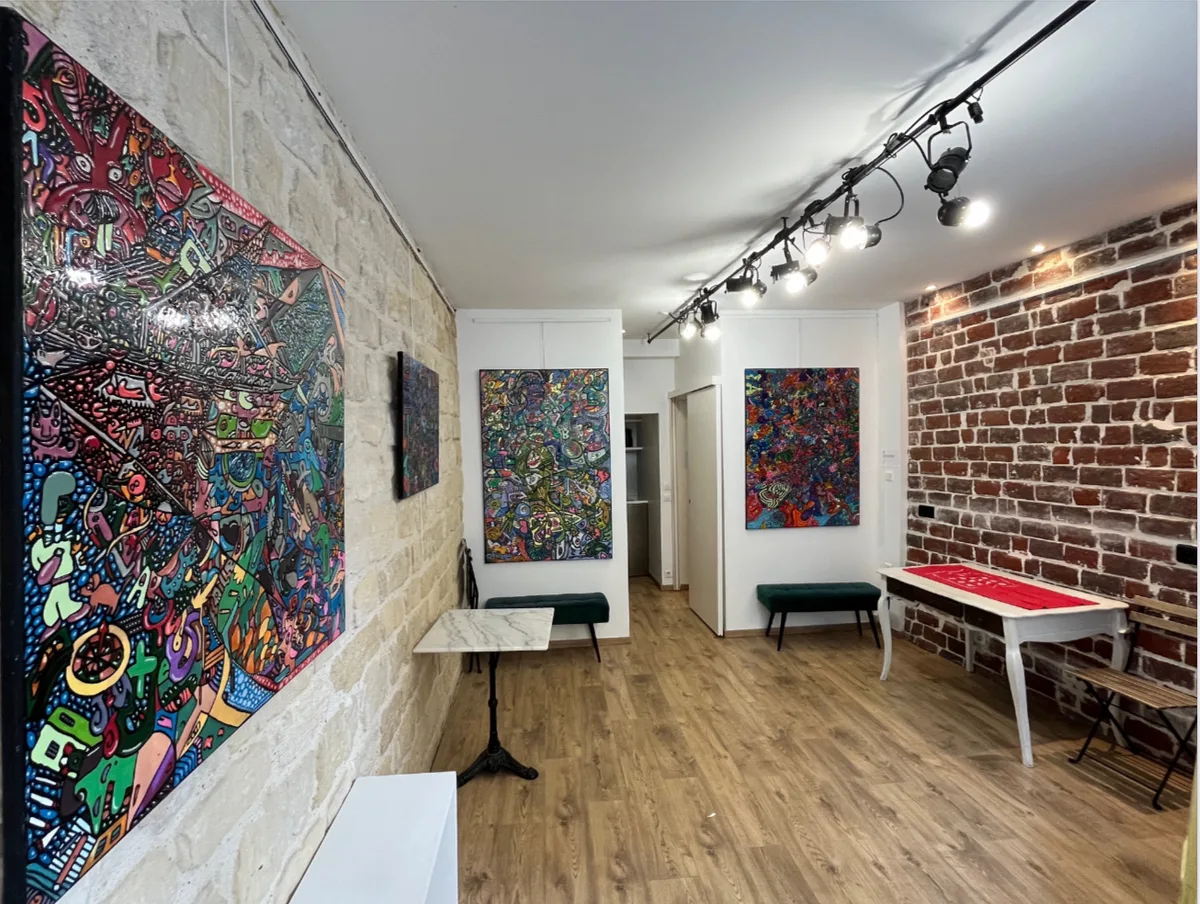
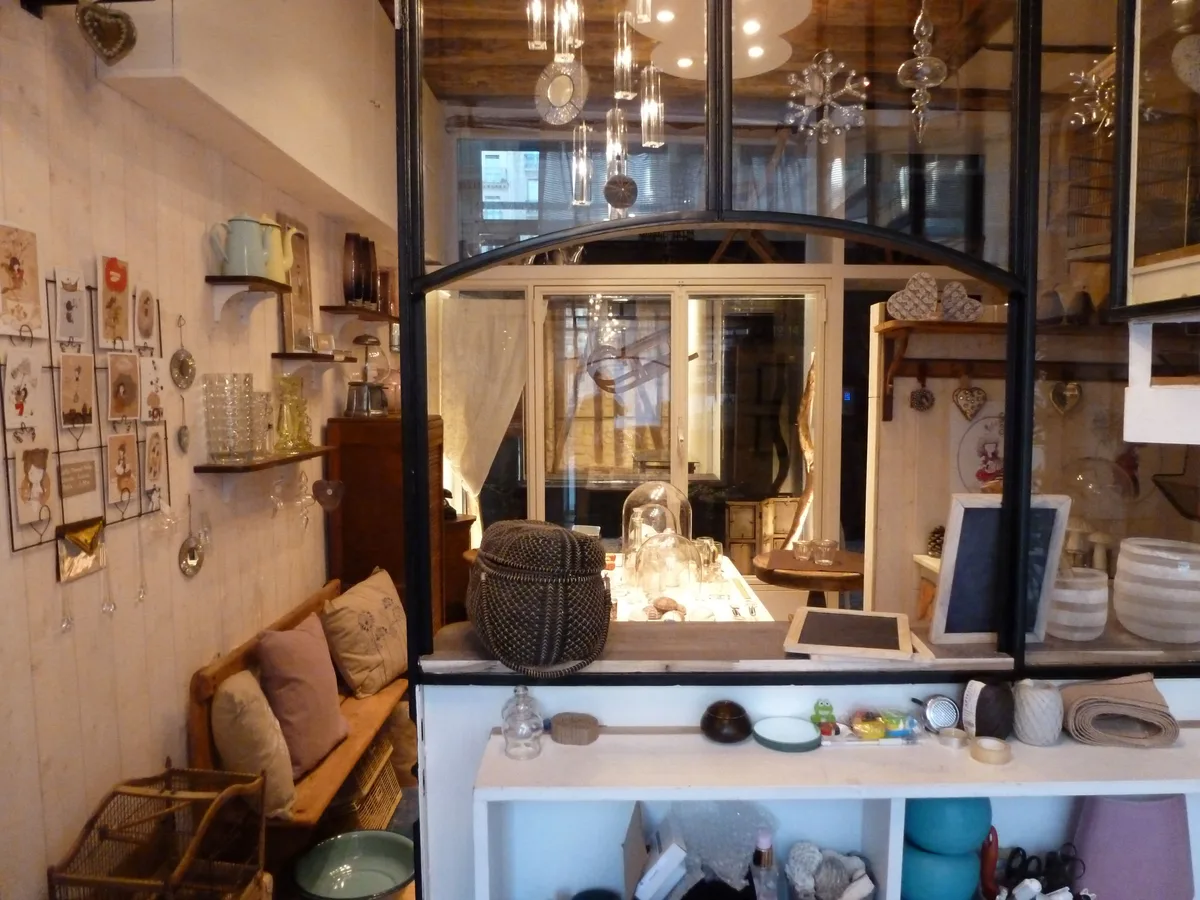
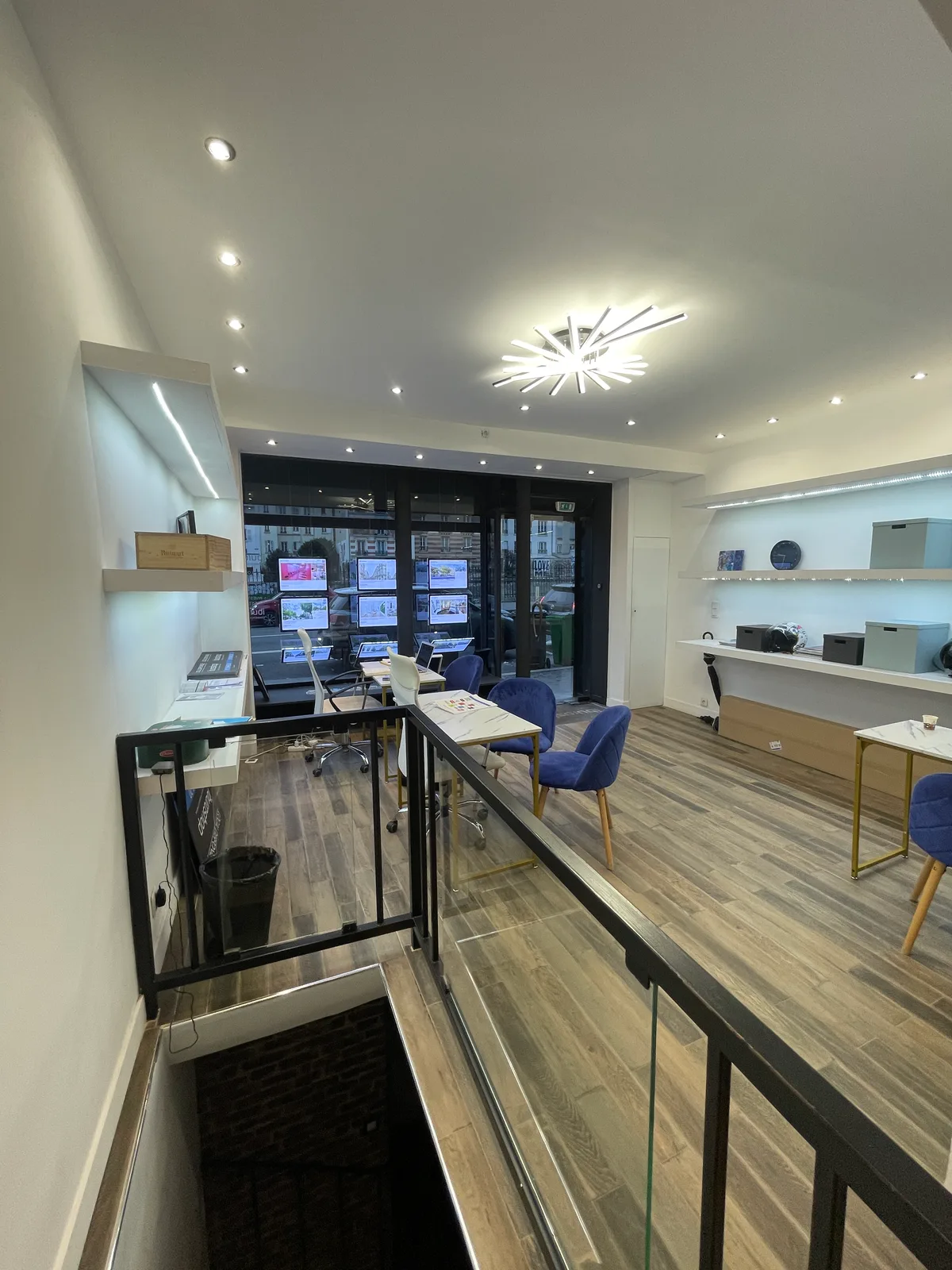
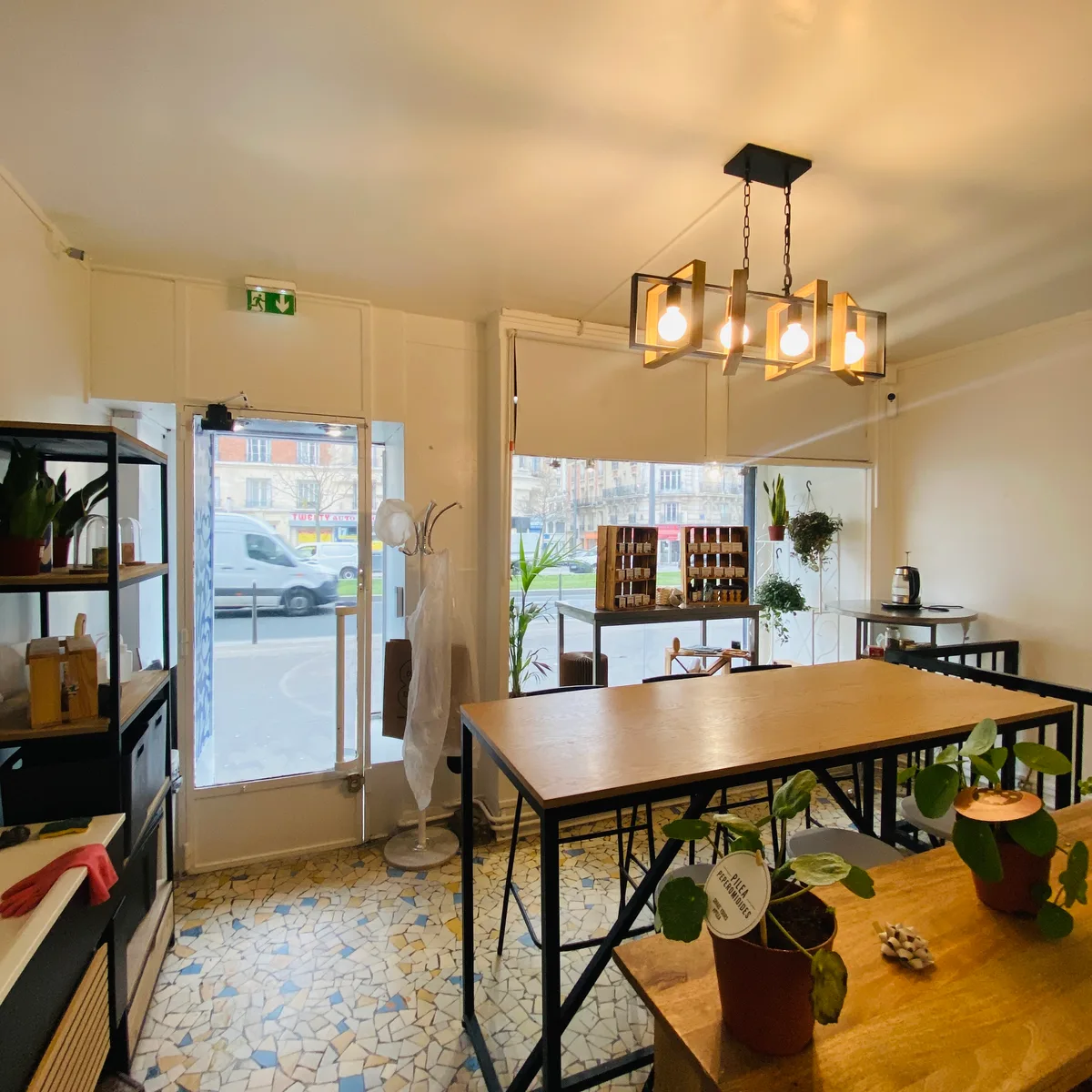
Finding the right boutique for rent in Bastille requires more than browsing listings. It demands a precise understanding of the neighbourhood's commercial character, the legal framework governing short-term retail leases in Paris, the practical features that make a space workable for fashion and creative activations, and the realistic costs and timelines involved. Bastille sits at the intersection of the 11th and 12th arrondissements, offering a rare combination of heavy foot traffic, architectural variety, creative energy, and strong transport links that few other Paris districts can match. Whether you are planning a pop-up shop, a showroom, a collection presentation, a photo shooting studio, or a full brand event, this guide covers everything your team needs to make a confident, well-informed decision. Fashion Week Venues supports brands seeking pop-up spaces in Paris across all arrondissements, including Bastille and its surrounding neighbourhoods.
Why Bastille Is One of Paris's Most Compelling Retail Destinations
Quick answer: Bastille combines historic cultural significance, excellent multimodal transport links, a diverse mix of local and international visitors, and a stock of varied commercial spaces that suit fashion brands, lifestyle concepts, and creative activations. The neighbourhood's density, energy, and reputation as a nightlife and cultural hub make it commercially viable across multiple dayparts.
The Bastille neighbourhood in Paris occupies a uniquely layered position in the city's commercial geography. At its heart sits Place de la Bastille, the historic square marking the site of the Bastille fortress demolished during the French Revolution in 1789. The Colonne de Juillet, rising 51 metres above the square, remains one of Paris's most recognisable monuments. The square connects directly to Port de l'Arsenal and the Canal Saint-Martin waterway to the north, making it a focal point for both Parisians and visitors navigating between the Marais, the 11th arrondissement, and the eastern districts.
For retail brands, Bastille's transport accessibility is a defining advantage. Metro lines 1, 5, and 8 all converge at Bastille station, making it reachable from virtually every corner of Paris without a change. The Opéra Bastille, formally the Opéra national de Paris, anchors the western edge of the square and generates a steady stream of culturally engaged visitors who represent a strong demographic for premium and lifestyle brands. The Viaduc des Arts, running along Avenue Daumesnil into the 12th arrondissement, houses artisan workshops and specialist boutiques beneath a repurposed railway viaduct, while the Promenade Plantée runs above it as one of Paris's earliest elevated garden walks, predating New York's High Line by nearly two decades.
To the northwest, Faubourg Saint-Antoine and rue du Faubourg Saint-Antoine extend from Place de la Bastille through the 11th arrondissement toward Nation, historically the city's furniture and craft district. Today this corridor is home to a dense mix of independent retailers, concept stores, galleries, and creative studios, including celebrated names such as FrenchTrotters and Aujourd'hui Demain. The Boulevard Richard Lenoir hosts the Marché Bastille, one of Paris's largest open-air markets, which operates twice weekly and draws thousands of local shoppers, creating strong ambient foot traffic on market days.
The surrounding streets include Rue de la Roquette, a pedestrian-heavy artery connecting Bastille to Père Lachaise and lined with cafés, bars, and independent shops. Square Trousseau sits nearby, offering a calm residential pocket with a well-regarded market and the restaurant Le Cotte Rôti, reflecting the neighbourhood's blend of everyday Parisian life and culinary destination culture. Avenue de la République connects northward through the 11th arrondissement toward the Canal Saint-Martin area, extending the neighbourhood's reach into one of Paris's most trend-conscious zones.
Cultural anchors extend further. The Pavillon de l'Arsenal on Boulevard Morland houses Paris's architecture and urban planning centre. The Maison de Victor Hugo on the nearby Place des Vosges and the Mémorial de la Shoah in the Marais both draw culturally literate audiences whose interests align naturally with premium retail and experiential brand activations. The proximity to Place des Vosges, the oldest planned square in Paris, provides an added dimension of heritage and prestige for brands seeking to associate their activation with a wider Parisian cultural narrative.
Local lifestyle anchors include Marché d'Aligre, one of the most diverse and affordable daily markets in Paris, the natural wine bar Baron Rouge, pastry shops, Cucina Napoletana, and a growing ecosystem of plant-forward, vegan, and sustainable retail concepts such as Plantes Pour Tous. The neighbourhood's ISART school for digital arts, video game, and 3D animation studies brings a younger, creative demographic that coexists with long-established residents and a thriving nightlife circuit.
KEY TAKEAWAY: Bastille is not a single-use destination. Its combination of historic significance, major transport convergence, diverse demographics, cultural institutions, and active street life makes it one of the most commercially versatile neighbourhoods in Paris for short-term retail, brand activations, and showroom concepts.
Understanding what makes Bastille distinctive as a location is only the first step. The next decision concerns the type of commercial space that will actually serve your activation's specific requirements.
Commercial Space Types Available for Boutique Rental in Bastille
Quick answer: Bastille and its immediate surrounds offer a broad spectrum of rentable commercial spaces, from ground-floor storefronts with motorized roller shutters and large door entrances on busy streets, to basement workshop spaces, loft-style industrial units, and curated showroom environments with natural light and parquet floors. Understanding which space type suits your activation format is essential before viewing or booking.
The Bastille area's architectural diversity reflects its layered history as a working-class manufacturing district transformed gradually into a cultural and creative hub. This architectural diversity directly translates into the variety of short-term commercial space available for brands seeking a boutique for rent in the Bastille neighbourhood.
Ground-Floor Storefronts and Rue Passante Boutiques
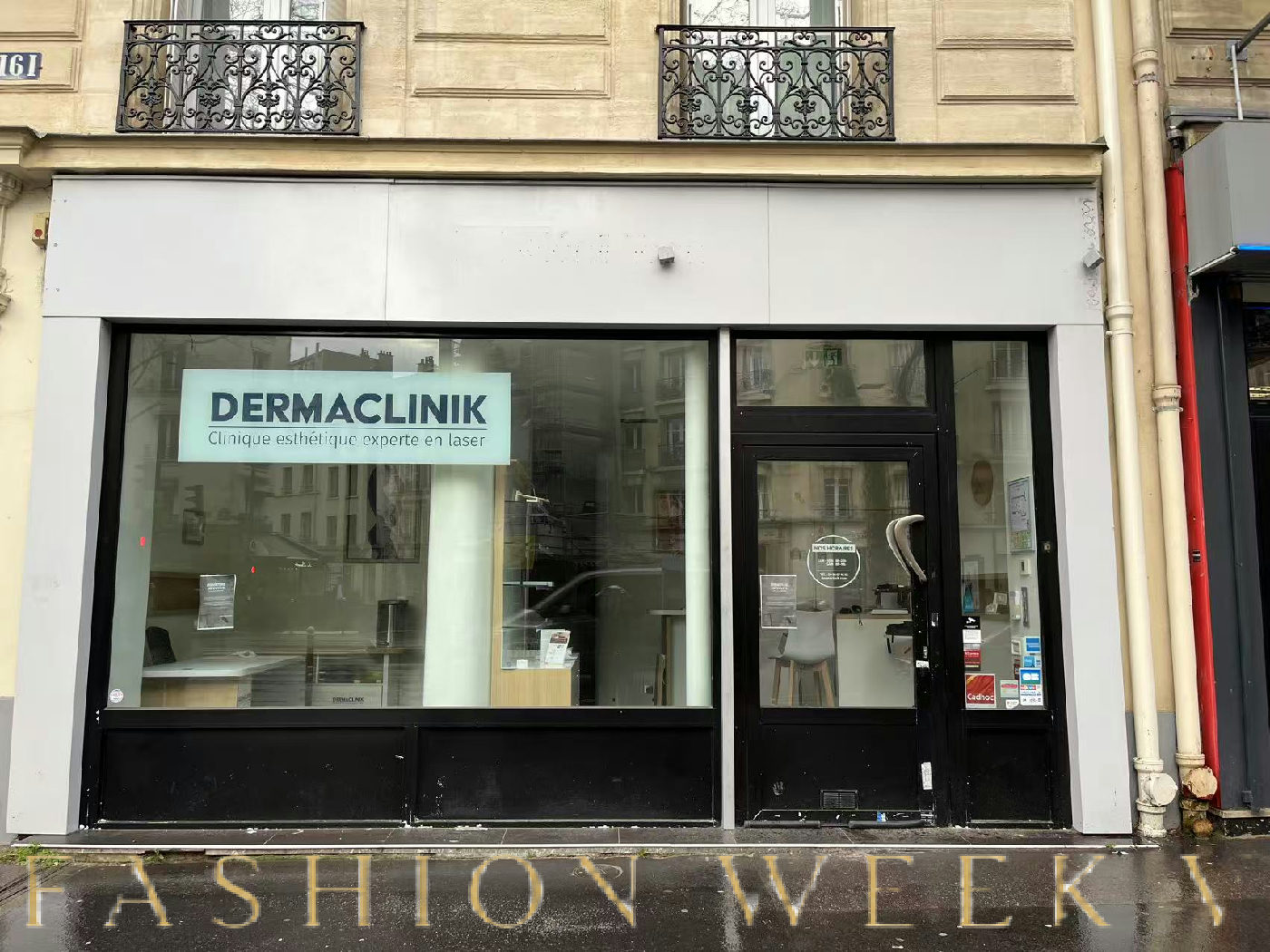
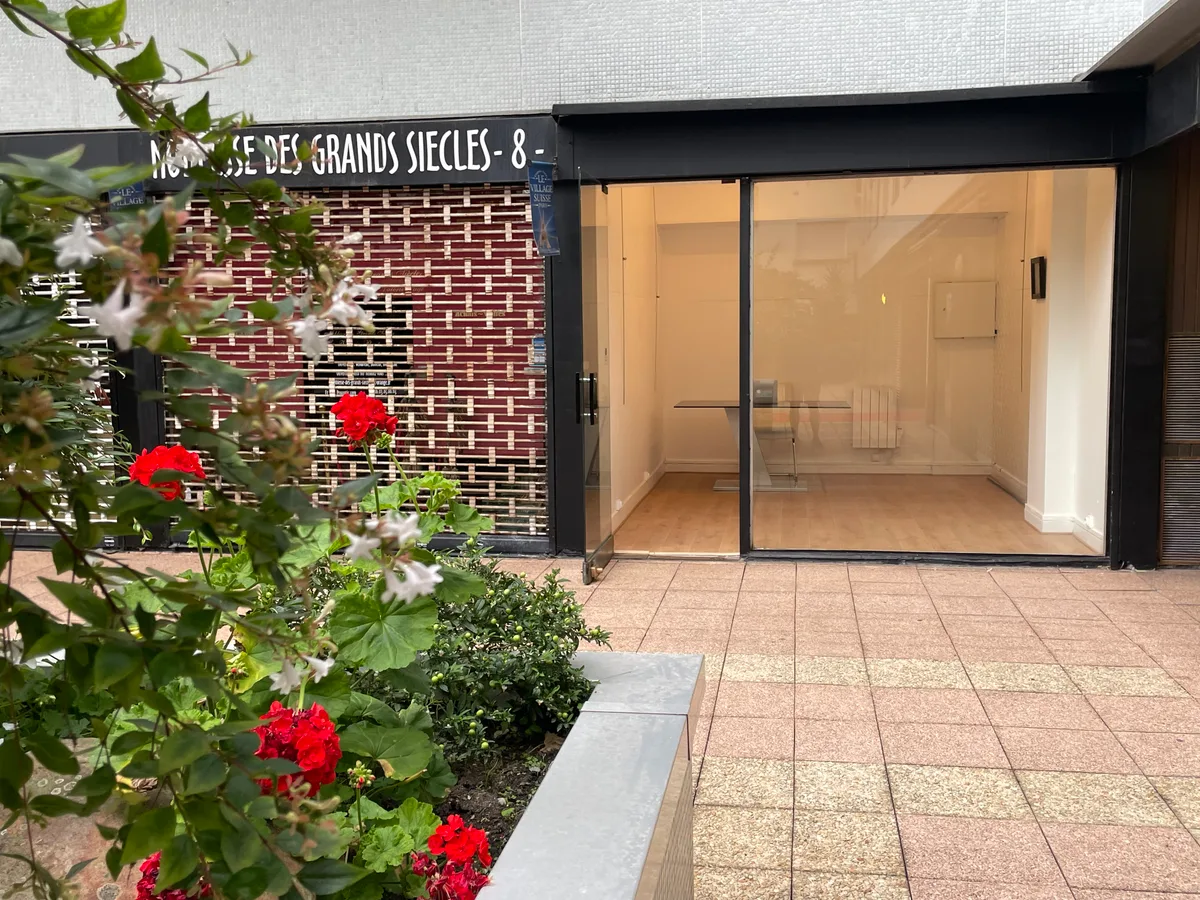
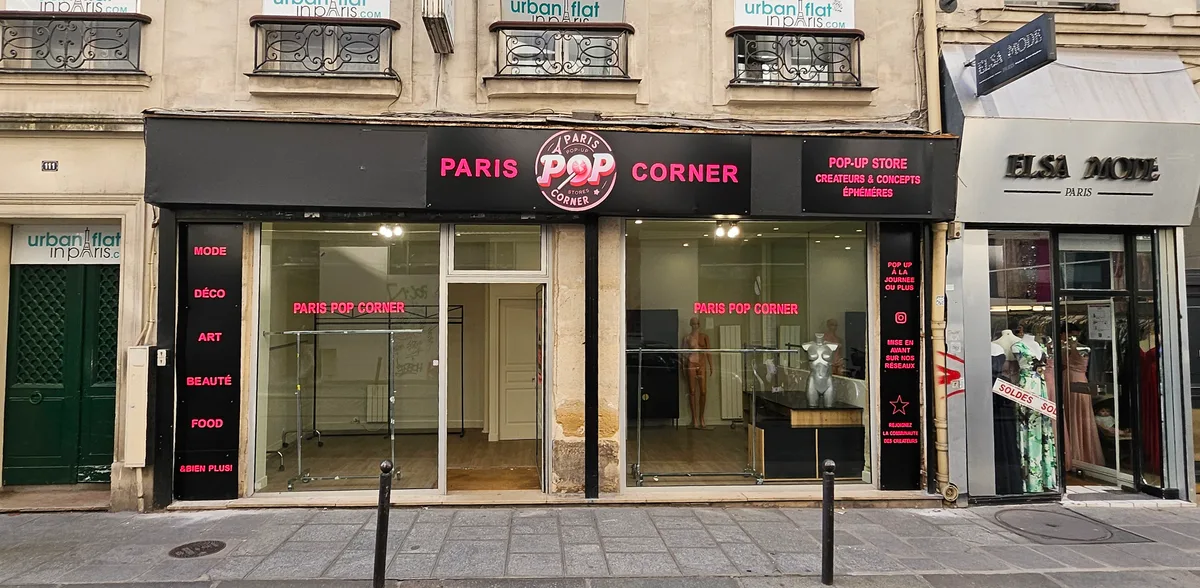
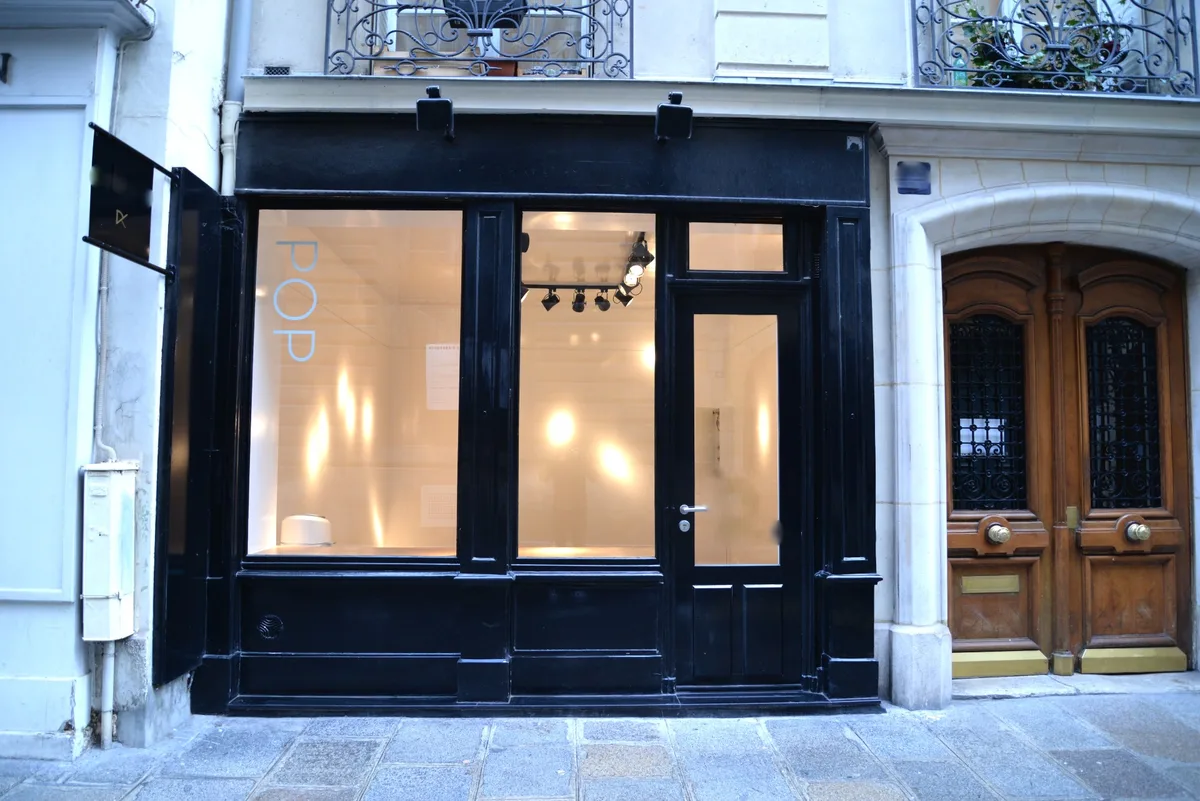
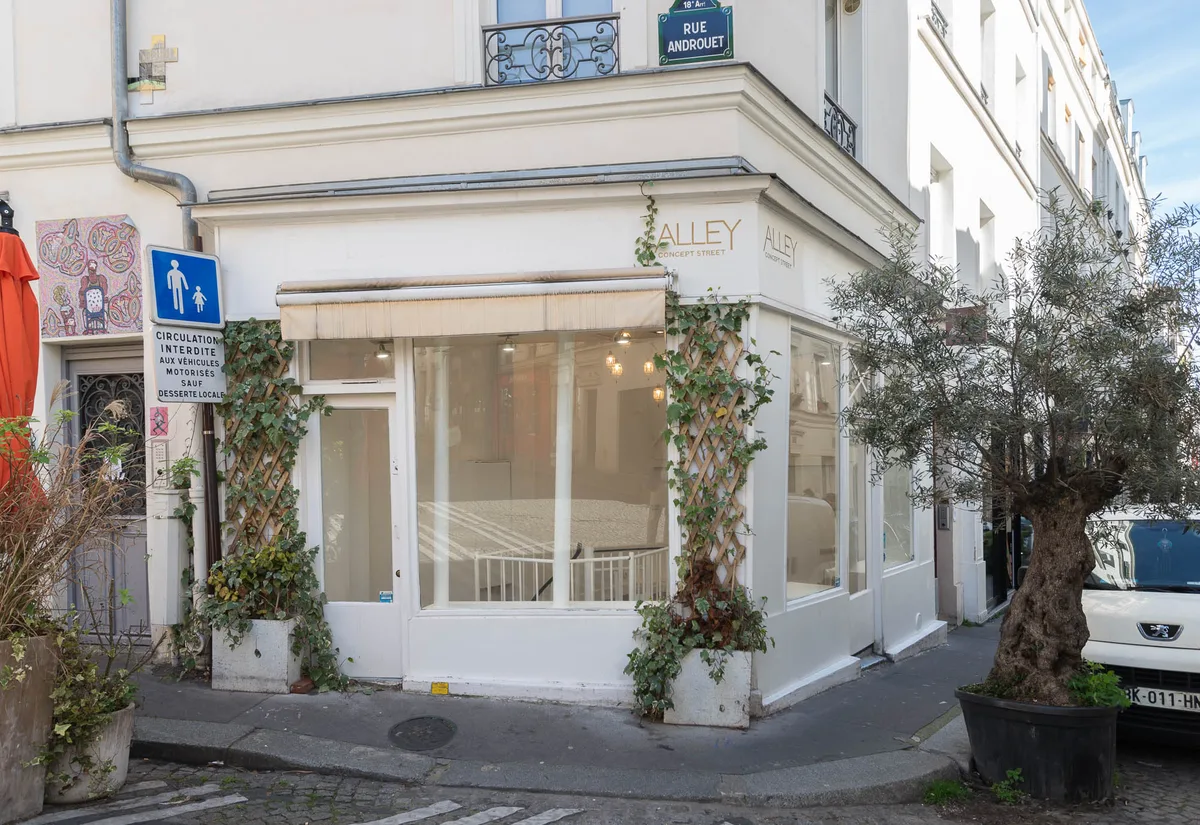
The most visible and commercially direct option is a ground-floor storefront on a high-footfall street, often described in French listings as a boutique on a Bastille rue passante. These spaces typically feature large glazed facades, motorized roller shutters, a shop floor suitable for retail display, and direct pavement access. On streets such as rue du Faubourg Saint-Antoine and Rue de la Roquette, these storefronts can attract significant passing trade without any additional marketing spend, making them well-suited to brands launching a product, testing a new market, or driving awareness during a concentrated activation window.
Key features to check in a ground-floor Bastille storefront include: the depth and width of the shop floor, ceiling height, the position and quality of natural light, the type of flooring (parquet floors, polished concrete, raw concrete, or poured resin), whether the space has a ground floor backyard for deliveries and storage, and whether there is a large door entrance to accommodate production trucks or large furniture pieces. Many Bastille storefronts include a production truck access point or a dedicated loading bay, which is particularly important for builds requiring significant fit-out.
Loft and Industrial Spaces
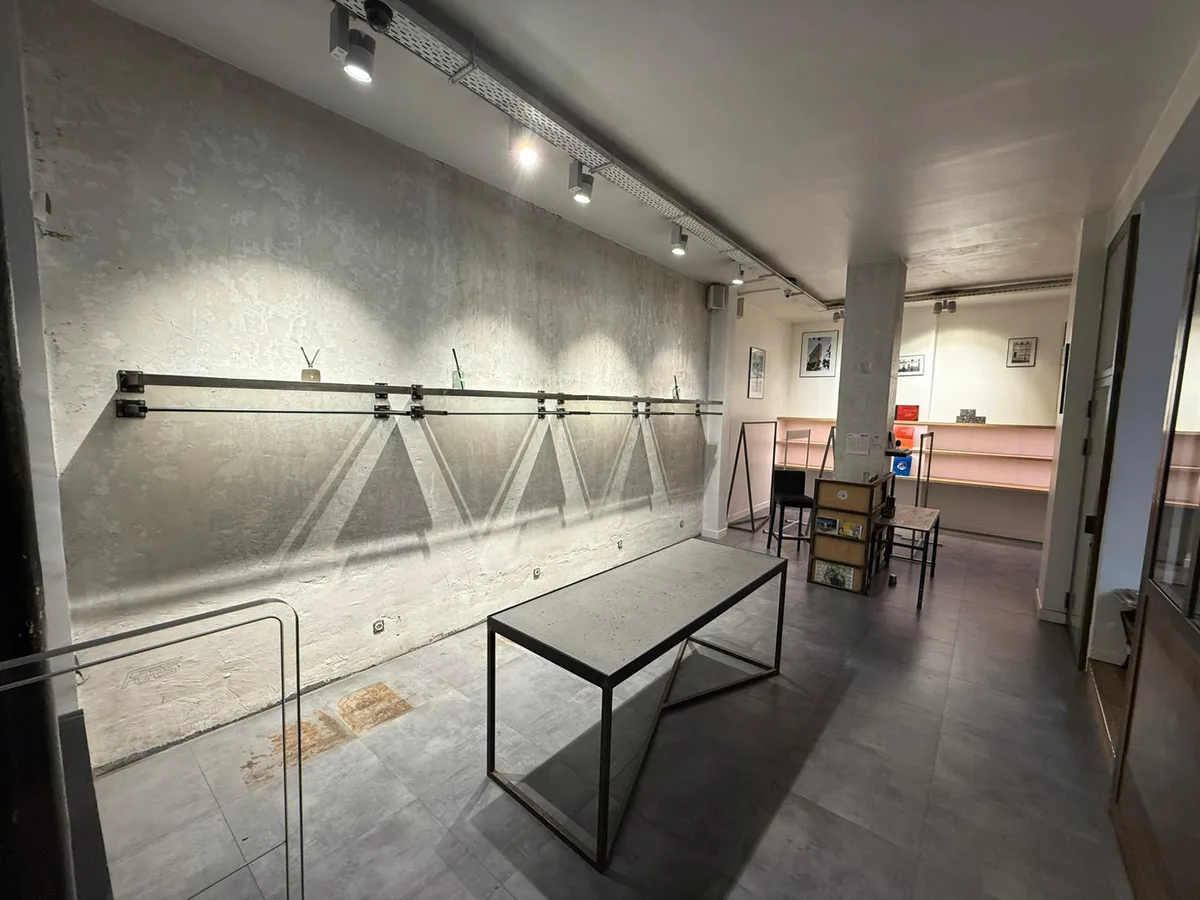
The heritage of Faubourg Saint-Antoine as Paris's traditional furniture and craft quarter means there is a relatively high concentration of loft-style industrial spaces in the Bastille area, particularly in the 11th arrondissement passages and courtyards. These spaces often feature exposed brick, high ceilings, raw or polished concrete floors, and wide open floor plates that can be configured flexibly for fashion shows, content production, collection presentations, or event organisation. Many have been partially renovated while retaining industrial character, making them attractive for brands seeking a distinctive backdrop that reads well in photography and video content.
Showroom and Boutique Showroom Spaces
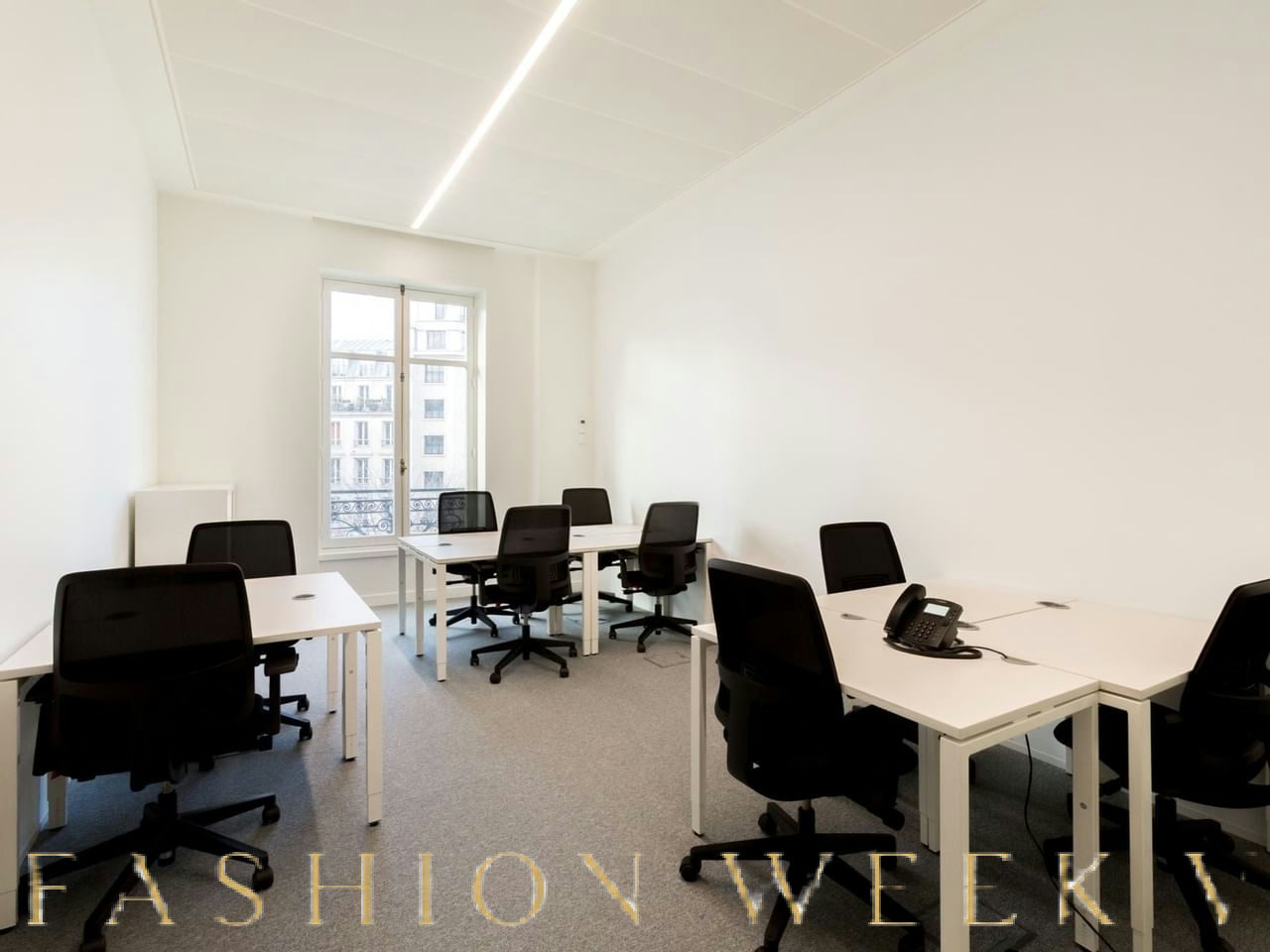
For brands focused on trade presentations, press appointments, or buyer showrooms, the Bastille area offers a range of fitted boutique showroom spaces with more refined finishes. Some listings in adjacent neighbourhoods market themselves as a Boutique Showroom Marais variant, given the proximity to the Marais district, which remains Paris's primary showroom quarter. These spaces typically include dressing rooms, fitting rooms, make-up stations, and reception areas, as well as strong natural light from full-height windows or skylights. Some include an espace insonorisé, a soundproofed zone suitable for presentations, private appointments, or content recording.
Basement and Lower-Ground Spaces
Basement spaces in Paris require careful evaluation. They can offer lower rental rates and privacy suitable for storage, production prep, or supporting a ground-floor main activation. However, basements in older Haussmann-era buildings may present challenges around natural light, ventilation, ceiling height, and loading access. Any basement space being considered for retail use, event organisation, or content production should be assessed against Paris fire safety regulations and building access requirements, which vary by use type and building age.
Photo Studio and Content Production Spaces
A growing category of short-term rental in the Bastille area is the dedicated photo shooting studio or content production space, often fitted with cyclorama walls, controllable lighting rigs, make-up stations, fitting rooms, and high-speed Wi-Fi. These spaces serve fashion brands running seasonal content production weeks, influencer visits, or campaign shoots alongside a retail or showroom activation. Some spaces in the Bastille neighbourhood have been purpose-adapted for this use, particularly in the courtyard buildings off rue du Faubourg Saint-Antoine.
| Space Type | Best For | Key Features to Check | Typical Floor Access |
|---|---|---|---|
| Ground-floor storefront | Pop-up retail, product launches | Shop floor size, natural light, motorized roller shutters, large door entrance | Ground floor, street-level |
| Loft and industrial space | Fashion shows, content production, events | Ceiling height, floor type, loading access, production truck access | Ground floor or first floor, often via courtyard |
| Boutique showroom | Trade presentations, press days, buyer meetings | Natural light, dressing rooms, fitting rooms, reception area | Ground or first floor |
| Basement space | Storage, prep, supporting activation | Ventilation, ceiling height, fire compliance, loading access | Lower ground, check access carefully |
| Photo and content studio | Campaign shoots, influencer content, collection films | Cyclorama, lighting rigs, make-up stations, high-speed Wi-Fi | Variable, often within courtyard buildings |
KEY TAKEAWAY: The space type you select should be matched precisely to your activation format. A storefront on a busy street maximises walk-in footfall; a loft or industrial space maximises creative flexibility; a boutique showroom maximises trade presentation quality; and a photo studio maximises content output efficiency. Do not default to the cheapest space without auditing whether it genuinely serves your specific programme.
Choosing the right space type is closely connected to understanding the neighbourhood micro-geography and which streets and positions within Bastille will deliver the footfall, visibility, and brand alignment your activation requires.
Bastille Neighbourhood Micro-Geography: Where to Position Your Boutique
Quick answer: Within the wider Bastille area, commercial positioning decisions should account for proximity to Place de la Bastille for maximum visibility, the rue du Faubourg Saint-Antoine corridor for heritage and independent retail associations, Rue de la Roquette for younger creative demographics, and Boulevard Richard Lenoir for high-volume residential foot traffic. Each sub-zone carries different brand associations and footfall dynamics.
The term "Bastille" covers a broader commercial geography than just the immediate square. For brands assessing where within the Bastille neighbourhood to position a boutique rental, understanding these micro-zones is essential for matching location to brand positioning.
The immediate Place de la Bastille perimeter offers maximum symbolic visibility and tourist flow, particularly given the Opéra Bastille's programme of evening performances and the Colonne de Juillet's role as a landmark orientation point. Brands seeking high awareness in a short activation window benefit from this position. However, rents near the square itself tend to reflect this premium visibility.
Rue du Faubourg Saint-Antoine running eastward from the square into the 11th arrondissement offers a more layered commercial environment with a mix of established independents, emerging concept stores, and heritage craft businesses. FrenchTrotters and Aujourd'hui Demain represent the kind of curated, design-conscious independent retail that characterises this corridor. For fashion brands with a strong aesthetic story to tell, this street offers strong contextual alignment.
Boulevard Richard Lenoir, running northward from Place de la Bastille toward Oberkampf and the Canal Saint-Martin neighbourhood, is primarily a residential boulevard with a large central reservation used for the Marché Bastille on Thursdays and Sundays. The market draws between 40,000 and 60,000 visitors on busy weekends according to local reports, creating exceptional ambient foot traffic on market days that nearby boutiques and pop-up activations can leverage directly.
The Avenue de la République corridor extending northward from the 11th arrondissement connects the Bastille area to the Canal Saint-Martin neighbourhood, which has developed into one of Paris's most influential zones for emerging fashion brands, independent lifestyle retail, and creative studios over the past decade. Brands seeking to position themselves in a trend-forward context sometimes use Bastille as a cost-effective entry point while maintaining proximity to the Canal Saint-Martin's creative ecosystem.
To compare neighbourhoods and space types, explore the Paris city hub on Fashion Week Venues and shortlist spaces that match your brief, budget, and calendar window.
For brands familiar with the Marais, proximity to Place des Vosges via the rue de Bretagne or rue Saint-Antoine axis means that some Bastille-area spaces can bridge between the Marais showroom quarter and the Bastille commercial district, combining the credibility of Marais adjacency with the energy and foot traffic of Bastille itself.
Rue de la Roquette extends eastward from Bastille toward Père Lachaise, offering a younger, nightlife-oriented demographic and a concentration of creative businesses that suit fashion brands targeting a 25-to-40 age bracket. Square Trousseau at the end of this axis provides a calmer residential counterpoint with its own commercial node and loyal local clientele.
DID YOU KNOW: The Bastille metro station serves over 40,000 passengers per day on average, making it one of the highest-traffic interchanges on the Paris metro network and giving any nearby boutique activation access to an exceptionally broad daily audience.
KEY TAKEAWAY: Bastille's commercial geography is not uniform. The right micro-position depends on your target demographic, your activation format, your budget, and the brand associations you want to cultivate. A high-traffic storefront near Place de la Bastille serves awareness-focused launches differently from a curated showroom space on rue du Faubourg Saint-Antoine serving press and buyers.
With the geographic picture clear, the next critical dimension is understanding the legal and leasing framework that governs short-term boutique rentals in Paris.
Legal Framework for Short-Term Boutique Rentals in Paris: What You Need to Know
Quick answer: Short-term commercial rentals in Paris are most commonly structured either as a bail dérogatoire (a derogatory lease outside the standard commercial lease statute) for durations up to 36 months, or as a convention d'occupation précaire for shorter or event-based use. An autorisation d'occupation temporaire (AOT) may also be required for certain public or semi-public spaces. Requirements vary significantly by space type, arrondissement, and intended use.
The French legal framework governing commercial property is materially different from the UK, US, or other common-law systems. Brands unfamiliar with French leasing law frequently underestimate the complexity of short-term commercial arrangements in Paris, which can result in delays, unexpected costs, or legally exposed occupancy situations.
Bail Dérogatoire: The Short-Term Commercial Lease Mechanism
The bail dérogatoire, governed by Article L145-5 of the French Commercial Code, allows landlords and tenants to agree a commercial lease outside the standard 3-6-9-year commercial lease framework (the statut des baux commerciaux). The maximum duration of a bail dérogatoire is 36 months. For brands renting a boutique in Bastille for a pop-up activation, showroom season, or short-term concept store, this is typically the most appropriate leasing instrument for durations of several weeks to several months.
A bail dérogatoire must be agreed in writing before or at the time of entry into occupation. If a tenant remains in the space after the lease expiry without a formal extension or new agreement, French law may treat the continued occupation as triggering the full statut des baux commerciaux, which carries substantially different rights and obligations, including the tenant's right to a nine-year lease and entitlement to renewal indemnity. This is a significant legal risk for brands occupying beyond their agreed term without formal documentation.
Convention d'Occupation Précaire and Other Short-Term Instruments
For very short activations, typically under a few weeks, a convention d'occupation précaire may be appropriate. This instrument is intended for situations where the temporary nature of the occupation is justified by genuine uncertainty about the space's future use, and it does not carry the same level of commercial tenant protections as a bail dérogatoire. In practice, many pop-up space platforms and specialist agencies use simplified short-term rental agreements adapted for event and activation use, which are designed to sit outside the full commercial lease framework.
Autorisation d'Occupation Temporaire (AOT)
For spaces on public domain, such as forecourts, covered markets, or publicly owned infrastructure, an autorisation d'occupation temporaire is required from the relevant public authority (the City of Paris, a public transport operator, or another public body). AOTs are specific to the space, the use type, and the intended duration. They are not transferable and must be obtained before occupation begins. Brands planning to use publicly managed spaces near Place de la Bastille or within the Port de l'Arsenal perimeter should factor AOT lead times and approval uncertainty into their planning timelines.
Additional Compliance Considerations
Beyond the lease instrument itself, brands renting a Bastille boutique for retail or event use should verify several practical compliance points. These include: fire safety classification for the intended use (classified as an ERP, or Etablissement Recevant du Public, if the public will be admitted), accessibility compliance under French disability access law, planning permissions for any temporary signage or external modifications, and insurance requirements covering both the space itself and the activation's liabilities.
IMPORTANT: None of the information in this guide constitutes legal advice. Requirements vary by space type, duration, arrondissement, and intended use. We strongly recommend verifying all leasing and compliance requirements with a qualified French legal advisor before committing to any rental agreement. Use the permit guidance tool on Fashion Week Venues as a starting reference for your planning.
KEY TAKEAWAY: Short-term boutique rentals in Paris are governed by a distinct legal framework that is materially different from standard commercial leases. Brands must ensure their leasing instrument, duration, and compliance obligations are correctly structured before occupation begins. Specialist agency support and qualified French legal advice both reduce the risk of costly errors.
Understanding the legal framework is essential but is only one element of a successful activation. The practical and logistical features of the space itself are equally critical to getting right.
What to Check Before Renting a Boutique in Bastille: Practical Space Audit Guide
Quick answer: Before committing to any boutique rental in Bastille, brands should audit the space against a structured checklist covering floor type, ceiling height, natural light, loading and storage, electrical capacity, internet connectivity, toilet and welfare provisions, opening hours flexibility, and building access for deliveries. Missing any of these points during the viewing stage can result in significant additional costs or operational constraints during the activation.
The practical inspection of a commercial space is one of the most commonly compressed steps in the rental process, particularly when brands are working under time pressure during the Paris fashion calendar. The following framework is designed to ensure your team asks the right questions before signing a lease or booking agreement.
Flooring and Finishes
Flooring has a direct impact on the visual quality of retail displays, content production output, and the overall brand environment you create. Parquet floors project warmth and heritage, suiting contemporary luxury, premium lifestyle, and heritage fashion brands. Polished concrete and raw concrete floors suit industrial-aesthetic and streetwear activations. Raw concrete and poured resin are increasingly common in Bastille's renovated industrial spaces. Assess floor condition carefully: deep scratches, uneven sections, or staining may require temporary floor covering at additional cost.
Ceiling Height and Natural Light
Ceiling height governs the scale of your VM scheme, the viability of certain event formats such as fashion shows, and the flexibility of lighting design. Spaces with ceiling heights above 3.5 metres offer substantially more creative latitude than standard retail units. Natural light quality varies significantly in Bastille depending on street orientation. South and west-facing facades with full-height glazing provide the kind of natural light that is highly valued for content production, photography, and showroom presentations. North-facing spaces may offer more consistent, softer light, which can actually be preferable for certain photography formats.
Loading, Storage, and Production Access
Loading and storage capacity is one of the most frequently overlooked practical factors in boutique rentals. Questions to ask include: Where do deliveries go? Is there a ground floor backyard accessible to vehicles? Is there a large door entrance wide enough for production furniture, display fixtures, or a production truck? Is there a service lift? Is there dedicated storage for packaging, stock, and operational supplies that is separate from the main shop floor? For activations requiring significant fit-out, the absence of rear or side loading access can add materially to labour costs and build time.
Electrical Capacity and Technical Infrastructure
Many older Bastille buildings have electrical infrastructure that was not designed for the demands of modern retail activations, which may include high-output lighting, AV systems, POS equipment, climate control, and multiple catering circuits running simultaneously. Check the building's electrical capacity before specifying your fit-out. For content production spaces, confirm the availability of three-phase power if you are bringing professional lighting or camera equipment. High-speed Wi-Fi and connectivity should be tested during the viewing rather than assumed from the listing description.
Access, Opening Hours, and Building Management
Confirm the permitted opening hours for the space, as some buildings in residential areas of the 11th arrondissement have restrictions on early morning setup, late evening operation, or weekend deliveries. Check whether a safety deposit is required and under what conditions it is refundable. Confirm whether the landlord provides any service staff, or whether building management support is available during your activation period. Verify the building's access arrangements for your team, contractors, and guests outside standard business hours.
| Audit Category | Questions to Ask | Why It Matters |
|---|---|---|
| Flooring | What type? What condition? Can it be covered or modified? | Affects brand environment, content quality, and potential remedial costs |
| Ceiling height | What is the clearance? Any beams or restrictions? | Governs VM scale, fashion show viability, and lighting design |
| Natural light | Which direction does it face? What are the glazing dimensions? | Critical for photography, showroom quality, and retail atmosphere |
| Loading and storage | Is there rear access? A large door entrance? A ground floor backyard? | Determines build feasibility and operational flow |
| Electrical capacity | What is the amperage? Is three-phase available? | Limits lighting, AV, and catering infrastructure |
| Connectivity | What internet speed is guaranteed? Who provides it? | Affects POS, content production, and guest experience |
| Access hours | What are the permitted opening hours and setup times? | Determines build schedule and operational logistics |
| Safety deposit | How much? What are the return conditions? | Affects cash flow planning and risk management |
TIP: Always conduct a second viewing with your production or build team before signing. Features that look acceptable in an initial walkthrough often reveal significant constraints when assessed against your specific technical brief.
KEY TAKEAWAY: A structured space audit conducted before booking a boutique in Bastille prevents the majority of the operational problems and unexpected costs that brands encounter during activations. Build your checklist before any viewing and apply it consistently across every space you assess.
Once the space audit is complete and a shortlist is in place, the next critical step is understanding what short-term boutique rentals in Bastille actually cost and how to build a realistic budget.
What Does It Cost to Rent a Boutique in Bastille? Budget Guidance for 2026
Quick answer: Short-term boutique rental costs in Bastille vary significantly based on space size, space type, street position, duration, season, and the services included in the agreement. The only reliable way to establish a brand-specific budget is to assess spaces matching your specific brief. Use a structured budgeting tool to account for all cost components, not just the rental rate.
Providing precise rental rate figures for Bastille boutiques without reference to a specific space, size, duration, and specification would be misleading. Rental rates are affected by a large number of variables, and any figures cited as typical benchmarks can quickly become inaccurate as market conditions change throughout 2026. That said, brands need directional guidance to begin their planning process.
Key Cost Components Beyond the Day Rate
The headline rental rate, whether expressed as a per-day figure, a weekly rate, or a monthly figure, is only one element of the total cost of renting a boutique in Bastille. Brands consistently underestimate the full cost of a short-term retail activation by focusing on the space rental alone and missing several other significant line items.
Fit-out and production costs, covering the design, supply, and installation of all fixtures, furniture, wall treatments, lighting, and signage within the space, typically represent the single largest cost component of any branded retail activation, often exceeding the rental cost itself for shorter activations. If you are renting a raw or unfitted space, budget for the full fit-out cycle including design, production, installation, activation, and deinstallation.
Furniture and prop rental can be managed as a separate cost stream if you are not commissioning a bespoke fit-out. Paris has a strong market of furniture rental suppliers serving the pop-up and event industry. A safety deposit is typically required by the landlord and should be factored into your cash flow plan from the outset, as it is usually payable before occupation and returned after a condition inspection at the end of the term.
Staffing costs for the activation period, covering sales staff, brand ambassadors, event hosts, and any security requirements, should be costed per head per day across the full activation period including setup and breakdown. Insurance, including public liability cover for the space and all activities within it, is a mandatory and sometimes overlooked cost. For activations involving the public, a tailored event insurance policy is typically required by the landlord and sometimes by the building's own insurance requirements.
DID YOU KNOW: For many short-term fashion activations in Paris, the total cost of fit-out, staffing, insurance, and operational expenses over a two-to-four week activation period can equal or exceed the rental cost of the space itself. Brands that budget only for rent consistently overspend their overall activation budget.
Seasonal Pricing Dynamics
Paris has a pronounced seasonal pricing dynamic for short-term commercial rentals, driven primarily by the Paris Fashion Week calendar. The menswear and haute couture calendar windows in January, the womenswear ready-to-wear windows in March and October, and the Paris trade show cluster around Who's Next, Première Vision, and Tranoï all create concentrated periods of high demand for commercial space. Brands planning to activate during these peak windows should expect premium pricing and limited availability, particularly for well-positioned storefronts near Place de la Bastille or in the Marais-adjacent showroom zone. Booking at least three to four months in advance is strongly advisable for peak calendar windows.
Outside peak fashion calendar periods, Bastille boutique rentals may offer better value and greater flexibility, which makes them attractive for brands running concept stores, residencies, or extended brand presence programmes that are not tied specifically to the fashion week calendar.
For a brand-specific budget estimate that accounts for your space type, duration, calendar window, fit-out requirements, and staffing needs, use the budget planning tool on Fashion Week Venues to build a realistic financial model before committing to a space.
KEY TAKEAWAY: The true cost of renting a boutique in Bastille is the total cost of the activation, not just the rental rate. Brands that model all cost components from the outset and plan their calendar window strategically are far better positioned to deliver an activation that is both impactful and financially viable.
Beyond the financial model, a successful Bastille boutique activation requires a well-sequenced planning and execution process. The following section maps out the end-to-end workflow.
Step-by-Step: How to Plan and Execute a Bastille Boutique Pop-Up in 2026
Quick answer: A successful Bastille boutique pop-up requires a minimum of 8 to 12 weeks of lead time for planning, permitting, fit-out, and staffing. Brands attempting to activate with shorter lead times risk compromised space quality, incomplete compliance, rushed production, and understaffed operations. The workflow below reflects best-practice planning for a Paris retail activation.
| Phase | Timing Before Opening | Key Actions |
|---|---|---|
| Strategic brief | 12 to 16 weeks | Define activation format, target neighbourhood, space type, budget range, calendar window, and KPIs |
| Space search and shortlist | 10 to 14 weeks | Browse marketplace listings, conduct viewings, apply space audit checklist, shortlist top three to five spaces |
| Legal and compliance | 8 to 12 weeks | Draft lease or booking agreement, verify permit requirements, obtain insurance, confirm AOT if required |
| Concept and design | 8 to 10 weeks | Develop concept direction, spatial design, VM scheme, and technical brief |
| Production and build | 4 to 8 weeks | Commission fit-out production, order furniture, arrange props and signage, confirm installation programme |
| Staffing and operations | 4 to 6 weeks | Recruit and brief activation staff, set up POS and payment systems, confirm operational procedures |
| Installation and setup | 1 to 5 days before opening | Install fit-out, merchandise space, test all systems, conduct final walkthrough |
| Activation live | Opening to closing date | Operate daily programme, manage data collection, run influencer and PR activities, monitor KPIs |
| Deinstall and close | 1 to 3 days after closing | Remove all fixtures and fittings, clean and restore space, conduct condition report with landlord |
This workflow applies to a boutique pop-up activation of two to four weeks in a fitted or semi-fitted space. Activations in raw spaces, or those involving significant structural or technical complexity, should allow additional lead time in the production and build phase. Brands commissioning bespoke furniture or custom fabrication elements should add at least two to three weeks to the production phase.
The staffing and retail operations phase is frequently underestimated. Recruiting, briefing, and training activation staff for a Paris boutique requires lead time to identify the right candidates, conduct brand orientation, and confirm contractual arrangements under French employment or freelance law. Partner service providers in Paris can assist with last-minute staffing requirements, but availability during peak fashion calendar windows is limited.
For brands managing a complex or high-budget activation, engaging a full-service agency that covers venue sourcing, concept direction, production and build, and activation management in a single coordinated brief significantly reduces the risk of coordination failures between multiple independent suppliers. The process page on Fashion Week Venues explains how this integrated approach works in practice.
KEY TAKEAWAY: A 12-week minimum lead time is the realistic baseline for a well-planned Bastille boutique pop-up in 2026. Brands that commit to a space before completing the strategic brief, compliance check, and concept development process consistently encounter avoidable delays, cost overruns, and quality compromises.
Even with a strong plan in place, many brands benefit from specialist agency support to navigate Paris's specific market, regulatory, and operational landscape. The following section explains how Fashion Week Venues can provide that support.
How Fashion Week Venues Supports Brands Seeking a Boutique for Rent in Bastille
Quick answer: Fashion Week Venues operates as a full-service pop-up agency and space marketplace for brands seeking short-term retail, showroom, and event space in Paris and other fashion capitals. For Bastille specifically, Fashion Week Venues provides venue sourcing, concept direction, production build, activation management, retail staffing, POS and payments, data and analytics, and influencer marketing, alongside a suite of planning tools to support decision-making at every stage of the process.
Fashion Week Venues was built specifically for the demands of brand activation in major fashion capitals. The Paris market, with its specific legal framework, seasonal calendar pressures, competitive space inventory, and high standards of brand presentation, requires a level of local knowledge and operational expertise that generalist event or real estate agencies rarely possess.
Venue Sourcing and Space Marketplace
Fashion Week Venues operates a dedicated space marketplace covering Paris and other fashion capitals. Brands can browse available spaces by neighbourhood, space type, size, and available dates, with listings in Bastille and the wider 11th and 12th arrondissement area included in the inventory. For brands with a specific brief that requires more active sourcing beyond the listed inventory, the venue sourcing service provides a managed search process using the agency's established relationships with Paris landlords and space owners.
Concept Direction and Branded Store Design
For brands that need more than a raw space and want to create a fully designed activation environment, Fashion Week Venues provides concept direction and branded store design services. These services cover spatial planning, VM scheme development, material and finish specification, signage design, and the creative brief that guides the production and build phase. The team can work with your brand's existing guidelines or develop a concept direction from scratch that translates your brand identity into a three-dimensional retail environment in Bastille.
Production, Build, and Furniture Rental
The production and build phase is where most independently managed pop-up activations encounter problems. Fashion Week Venues coordinates fit-out production, installation logistics, furniture sourcing and rental, and the deinstallation programme as a managed service, reducing the coordination burden on your internal team and ensuring that the activation environment meets both the creative brief and the practical constraints of the space. The production and build service covers the full cycle from technical drawings to final condition handover.
Retail Staffing, POS, and Data
Operating a boutique activation in Paris requires French-speaking, brand-competent retail staff who can deliver the brand experience your activation is designed to create. Fashion Week Venues provides retail staffing support including recruitment, briefing, and scheduling. POS and payment systems are configured for the space and the activation's commercial requirements, including card payment processing compliant with French consumer requirements. Data and analytics services allow brands to track footfall, dwell time, transaction data, and conversion metrics throughout the activation period, providing the commercial evidence base needed to justify future Paris investment.
Planning Tools
For brands in earlier planning stages, Fashion Week Venues provides a suite of self-service planning tools including a budget calculator, an ROI calculator, a timeline planner, a space comparison tool, a space locator, and a permit guidance tool. These tools are designed to help brand teams structure their thinking, stress-test their financial assumptions, and identify the critical path of their Bastille boutique activation before committing to any space or supplier. Explore all available timeline and planning tools on Fashion Week Venues to structure your activation calendar.
What Fashion Week Venues Cannot Guarantee
Fashion Week Venues does not guarantee the availability of any specific space, permit approval, or commercial outcome from any activation. Space availability changes continuously and is subject to landlord decisions, competing bookings, and market dynamics outside the agency's control. Permit applications are subject to the relevant public authority's review and approval process. Commercial results from any activation depend on a wide range of factors including brand strength, product quality, marketing investment, and market conditions. Fashion Week Venues provides tools, expertise, and managed services that improve the probability of a successful outcome but cannot guarantee any specific result.
KEY TAKEAWAY: Fashion Week Venues provides a genuinely integrated support structure for brands seeking a boutique for rent in Bastille, covering the full activation lifecycle from space discovery to data analysis. Brands that engage the full service offering benefit from local knowledge, operational coordination, and reduced risk compared to managing the process independently or through multiple uncoordinated suppliers.
Before concluding, it is worth addressing some of the most persistent misconceptions about renting boutique space in Bastille and Paris more broadly, as these myths regularly lead brands to make suboptimal decisions.
Local Amenities, Lifestyle, and the Bastille Commercial Ecosystem
Quick answer: Bastille's surrounding neighbourhood offers a rich ecosystem of food, culture, nightlife, and independent retail that significantly enhances the value of any boutique activation in the area. Understanding this ecosystem helps brands craft activations that feel genuinely embedded in the neighbourhood rather than imposed upon it.
The lived environment around a boutique activation shapes the experience of everyone who visits it, from press and buyers to retail consumers and local residents. Bastille's neighbourhood character is one of its most distinctive assets. Unlike the more tourist-facing retail districts around the Eiffel Tower or Montmartre, Bastille retains a strong Parisian residential and creative character that lends authenticity to activations staged there.
The food and restaurant scene around Bastille is exceptionally diverse. Le Cotte Rôti near Square Trousseau offers classic French bistro cooking in a neighbourhood setting. Cucina Napoletana represents the neighbourhood's strong Italian culinary tradition. The Baron Rouge wine bar on rue Théophile Roussel near Marché d'Aligre is a beloved Parisian institution. Aux Merveilleux de Fred on rue Saint-Antoine offers some of Paris's finest pastry. The Marché d'Aligre itself, running daily and hosting a flea market on weekends, is one of the most atmospheric and affordable markets in the city and draws a fiercely loyal local clientele.
For brands hosting press days, buyer meetings, or influencer visits in a Bastille boutique, the surrounding neighbourhood offers a wealth of options for hospitality, dining, and experiential programming that can extend the visit beyond the boutique itself. The combination of the Opéra Bastille's cultural programme with the neighbourhood's restaurant, bar, and market culture means there is genuinely something to offer every type of visitor across every daypart.
The neighbourhood also reflects Paris's growing interest in sustainable consumption. Shops offering houseplants, vegan products, and sustainable apparel have become increasingly common in the 11th arrondissement, reflecting a demographic shift toward conscious consumption that aligns well with contemporary fashion brands with strong sustainability credentials.
Boutique hotels in the area, including Hotel Clarisse, offer accommodation options for visiting brand teams and international guests that are well-positioned relative to Bastille's commercial zone without the price premium of luxury hotels in the 1st or 8th arrondissements. Furnished apartment rentals through platforms serving the Paris market provide longer-stay options for teams managing extended activation programmes.
For brands considering the ISART digital arts school community as a potential audience or partner, the school's proximity to the Bastille area creates an interesting crossover with gaming, animation, and digital culture that emerging fashion brands in particular may find valuable for content partnerships or experiential activations.
TIP: Build the neighbourhood's character into your activation concept from the outset. Bastille residents and regulars respond well to activations that demonstrate genuine local knowledge and respect for the neighbourhood's culture. Referencing Marché Bastille, Marché d'Aligre, local food culture, or the area's artisan heritage in your concept storytelling creates a level of authenticity that purely brand-centric activations rarely achieve.
KEY TAKEAWAY: The Bastille neighbourhood ecosystem is a commercial asset in its own right. Brands that understand and engage with the local food, culture, and lifestyle context create activations that resonate more deeply with local audiences and generate more compelling content for press and social media.
Common Myths About Renting a Boutique in Bastille and Paris
MYTH: You need a French legal entity to rent a commercial space in Paris.
FACT: Foreign companies can rent short-term commercial space in Paris without establishing a French legal entity, provided the lease structure is appropriate for a non-French tenant and all contractual and compliance obligations are met. Many landlords and space platforms regularly work with international brands. However, certain lease types and some landlords may require a French bank account, a local guarantor, or other forms of financial security, so these requirements should be clarified before beginning negotiations.
MYTH: Paris Fashion Week is the only viable calendar window for a Bastille boutique activation.
FACT: While the Paris Fashion Week windows in March and October represent peak demand periods for short-term commercial space, Bastille maintains strong commercial and footfall dynamics year-round thanks to the Opéra Bastille's programme, the Marché Bastille, local cultural events, and its large residential population. Brands willing to activate outside peak fashion calendar windows often secure better spaces at more competitive rates, with more time available for planning and production.
MYTH: Commission-based brokers are the only way to find short-term commercial space in Bastille.
FACT: The Paris short-term commercial space market has become significantly more accessible through dedicated space marketplaces and full-service pop-up agencies that offer transparent pricing, curated listings, and integrated support services. Commission-based brokers remain one route to market, but brands now have the option of using digital platforms, specialist agencies, and direct landlord relationships to find and secure space without relying solely on traditional brokerage.
MYTH: Short-term commercial leases in Paris are straightforward to arrange without specialist help.
FACT: French commercial property law is complex, and short-term leasing instruments such as the bail dérogatoire carry specific legal conditions that must be correctly drafted and observed to avoid unintended legal consequences. The risk of inadvertently triggering the full statut des baux commerciaux through an incorrectly structured or over-run short-term lease is real and potentially very costly. Specialist agency support and qualified French legal advice are both strongly recommended for any brand entering a Paris commercial lease for the first time.
MYTH: A boutique in Bastille is only suitable for established brands with large budgets.
FACT: Bastille offers a range of space types and sizes at different price points, including smaller storefronts on side streets, shared activation concepts, and co-activation formats that allow emerging brands to access the neighbourhood at a lower cost. The twin co-activation model, for example, allows two complementary brands to share a space and split costs while maintaining distinct brand identities within the activation.
Frequently Asked Questions
Why rent a pop-up shop or boutique in Bastille rather than another Paris neighbourhood?
Bastille offers a combination of transport accessibility, cultural footfall, architectural variety, and neighbourhood authenticity that few other Paris districts match at a comparable price point to the Marais or Saint-Germain. The convergence of metro lines 1, 5, and 8 at Bastille station ensures that the area is reachable from across Paris without interchange. The Opéra Bastille, Marché Bastille, and Marché d'Aligre generate consistent daily and weekly footfall from diverse demographics. The neighbourhood's stock of commercial spaces includes ground-floor storefronts, loft and industrial units, and showroom environments suitable for a wide range of activation formats, making it one of the most versatile areas in Paris for short-term boutique rental.
What floor types are most common in Bastille boutique spaces?
Bastille boutique spaces offer a wide variety of floor types reflecting the neighbourhood's architectural diversity. Parquet floors are common in older residential-to-commercial conversions and in spaces on established shopping streets such as rue du Faubourg Saint-Antoine. Polished concrete and raw concrete floors are prevalent in the industrial loft spaces common to the 11th arrondissement's converted furniture and craft workshops. Some spaces feature poured resin or ceramic tile floors. The floor type has a significant impact on the visual tone of your activation and on practical requirements such as temporary floor covering or protection during installation.
How much does it cost to rent a boutique in Bastille for a pop-up activation?
Rental costs vary considerably depending on the space's size, type, street position, condition, and the duration of the rental. Peak calendar windows such as Paris Fashion Week in March and October command premium rates due to concentrated demand from fashion brands, showrooms, and event producers. The total cost of an activation includes not just the rental rate but also fit-out and production costs, staffing, insurance, a safety deposit, and operational expenses, all of which often collectively exceed the space rental cost. For a brand-specific estimate that accounts for all these variables, use the budget planning tool on Fashion Week Venues to build a realistic financial model.
What is a bail dérogatoire and does it apply to Bastille boutique rentals?
A bail dérogatoire is a short-term commercial lease under French law that operates outside the standard nine-year commercial lease framework. It is governed by Article L145-5 of the French Commercial Code and allows landlords and tenants to agree commercial occupancy for a maximum total duration of 36 months without triggering the full statutory protections and obligations of a standard commercial lease. It is one of the most commonly used leasing instruments for pop-up shops, showrooms, and short-term concept stores in Paris, including in Bastille. It must be agreed in writing, and tenants should seek qualified French legal advice before signing to ensure the instrument is correctly structured and does not carry unintended legal consequences.
Do I need a permit to operate a pop-up boutique in Bastille?
Permit requirements for pop-up boutiques in Paris depend on the space type, the intended use, the duration, and whether the space is on public or private domain. Spaces admitting members of the public will typically require compliance with ERP (Etablissement Recevant du Public) classification, which carries fire safety, accessibility, and insurance obligations. Activations involving temporary external signage, public space use, or operation within a publicly managed space may require an autorisation d'occupation temporaire from the City of Paris or another public authority. Requirements vary by arrondissement and use type. Consult the permit guidance tool on Fashion Week Venues as a starting reference and verify all requirements with a qualified French legal advisor before proceeding.
How far in advance should I book a boutique in Bastille for Paris Fashion Week?
For peak Paris Fashion Week windows in March (womenswear ready-to-wear) and October (womenswear ready-to-wear), brands should aim to begin their space search at least three to four months in advance. Well-positioned storefronts on high-footfall streets near Place de la Bastille, rue du Faubourg Saint-Antoine, and Rue de la Roquette are frequently booked out two to three months before the fashion week window opens. Brands activating during the menswear and haute couture windows in January and July should apply similar lead times. Outside these peak periods, more flexibility is typically available, though popular spaces in the area remain in consistent demand throughout the year.
Can two brands share a Bastille boutique space to reduce costs?
Yes. Co-activation, where two complementary brands share a commercial space and divide the costs while maintaining distinct brand identities within the activation, is an increasingly common approach in Paris and is particularly well-suited to the Bastille area given its diverse and open-minded consumer base. This model can reduce space rental, fit-out, and staffing costs significantly while allowing both brands to benefit from each other's audiences and marketing reach. Fashion Week Venues operates a dedicated twin co-activation concept for brands interested in this model. Careful planning of the spatial division, the brand story linking the two activations, and the operational logistics is essential to ensure the shared space feels coherent rather than congested.
What types of activations work best in Bastille boutique spaces?
Bastille boutique spaces are well-suited to a broad range of activation formats. Ground-floor storefronts on high-footfall streets such as rue du Faubourg Saint-Antoine work well for direct-to-consumer pop-up retail, product launches, and brand experience activations. Loft and industrial spaces suit fashion shows, content production, campaign shoots, collection presentations, and event organisation. Boutique showroom spaces in or near the Marais adjacency zone work well for trade presentations, press days, and buyer meetings. Photo shooting studios with controlled lighting and fitted production infrastructure suit brands running concentrated content programmes. The Bastille neighbourhood's mix of demographics and cultural infrastructure makes it viable for both consumer-facing and trade-facing activation formats.
Is the Bastille area suitable for luxury fashion brands?
Bastille is not traditionally associated with the top tier of Parisian luxury retail, which is concentrated in the 1st, 6th, and 8th arrondissements. However, several factors make Bastille an interesting choice for luxury brands seeking an alternative positioning: the neighbourhood's cultural credibility, its proximity to Place des Vosges and the Marais, the quality of available space in terms of architectural character and finish, and the Opéra Bastille's affluent audience base. For luxury brands seeking to project accessibility, cultural engagement, or creative credibility alongside their core luxury positioning, Bastille can be a strategically interesting choice that commands attention precisely because it diverges from expected luxury geography.
What staffing support is available for a Bastille boutique pop-up?
Brands operating a boutique pop-up in Bastille need French-speaking, brand-competent staff who can deliver the intended consumer experience, manage transactions, handle enquiries, and represent the brand appropriately. Fashion Week Venues provides retail staffing support as part of its activation management service, covering recruitment, brand briefing, scheduling, and supervision. For brands managing staffing independently, the Paris market has a range of specialist agencies and freelance platforms serving the fashion retail and events sector. Staffing for peak Paris Fashion Week windows should be arranged well in advance due to competition for experienced bilingual retail staff during these periods.
Can I visualise how my brand will look in a Bastille space before committing?
Yes. Fashion Week Venues provides an Imagine tool for space visualisation that allows brand teams to explore how a concept will look within a specific space before committing to a booking or a fit-out brief. This tool is particularly useful for brands that want to test multiple spatial configurations, VM schemes, or brand environments against the constraints and character of a specific space. Combining the Imagine visualisation tool with the Compare tool, which allows side-by-side assessment of multiple shortlisted spaces, significantly improves the quality of space selection decisions and reduces the risk of committing to a space that does not serve the activation brief.
Are furnished apartment rentals available in Bastille for brand teams?
Yes. The Bastille area and the wider 11th arrondissement have a strong supply of furnished apartment rentals available for short and medium-term stays, suitable for visiting brand teams, production crews, or international guests working on an activation in the neighbourhood. Platforms serving the Paris furnished rental market offer a range of options from studio rentals to larger apartments. Boutique hotels in the area, including Hotel Clarisse, offer an alternative for smaller teams or for visits of shorter duration. When booking accommodation for a brand team managing a Paris activation, proximity to the activation space, transport links, and practical amenities including Wi-Fi are the primary practical considerations.
What is the Viaduc des Arts and how is it relevant to Bastille boutique rentals?
The Viaduc des Arts is a repurposed 19th-century railway viaduct running along Avenue Daumesnil in the 12th arrondissement, immediately adjacent to the Bastille area. Its arched spaces beneath the viaduct have been converted into workshops and showrooms for artisans, designers, and creative businesses, creating a unique commercial environment that is directly relevant to fashion brands seeking distinctive boutique spaces with an artisanal narrative. The Promenade Plantée elevated garden walk above the Viaduc des Arts is one of Paris's most distinctive public spaces and generates a steady flow of culturally engaged visitors throughout the year. Spaces in and near the Viaduc des Arts offer a specific kind of heritage and craft credential that suits certain fashion brand positionings very precisely.
What role does the Paris fashion calendar play in Bastille boutique rental planning?
The Paris fashion calendar significantly shapes the demand, pricing, and availability of short-term boutique spaces in Bastille throughout the year. The primary demand peaks are the womenswear ready-to-wear season weeks in March and October, the menswear and haute couture weeks in January, and the July haute couture and menswear windows. Secondary demand peaks occur around major Paris trade shows such as Première Vision, Who's Next, and Tranoï, which attract international buyers, brands, and press to Paris outside the main fashion week windows. Brands that synchronise their Bastille activation with these calendar windows benefit from the concentration of industry professionals, press, and buyers in the city. Brands that activate between these windows face less competition for spaces but must drive their own audience building more actively.
Conclusion: Making the Right Decision on Your Bastille Boutique Rental
Renting a boutique in Bastille in 2026 is a significant commercial and creative decision that rewards thorough research, careful legal preparation, and strategic alignment between space, concept, calendar, and budget. The Bastille neighbourhood offers a genuinely compelling combination of transport accessibility, cultural depth, architectural variety, and neighbourhood authenticity that few other Paris districts can match at comparable price points. Whether your brand is planning a pop-up shop on a Bastille rue passante, a curated showroom for press and buyers, a content production programme in an industrial loft, or a full brand experience activation anchored by the energy of Place de la Bastille, the neighbourhood has space to accommodate your ambition.
The most important decisions are made before you sign a lease: choosing the right space type for your activation format, selecting the right micro-location within Bastille for your target demographic, structuring your lease correctly under French commercial law, and budgeting for the full cost of the activation rather than just the rental rate. Brands that invest time and expertise in these upstream decisions consistently deliver better activations with fewer surprises and stronger commercial returns.
To move from research to activation, start exploring available spaces on the Fashion Week Venues marketplace and build a focused brief for your target neighbourhood, space type, and calendar window. Use the planning tools, consult the guides, and engage the agency's team for tailored support at every stage of the process. Bastille is waiting.