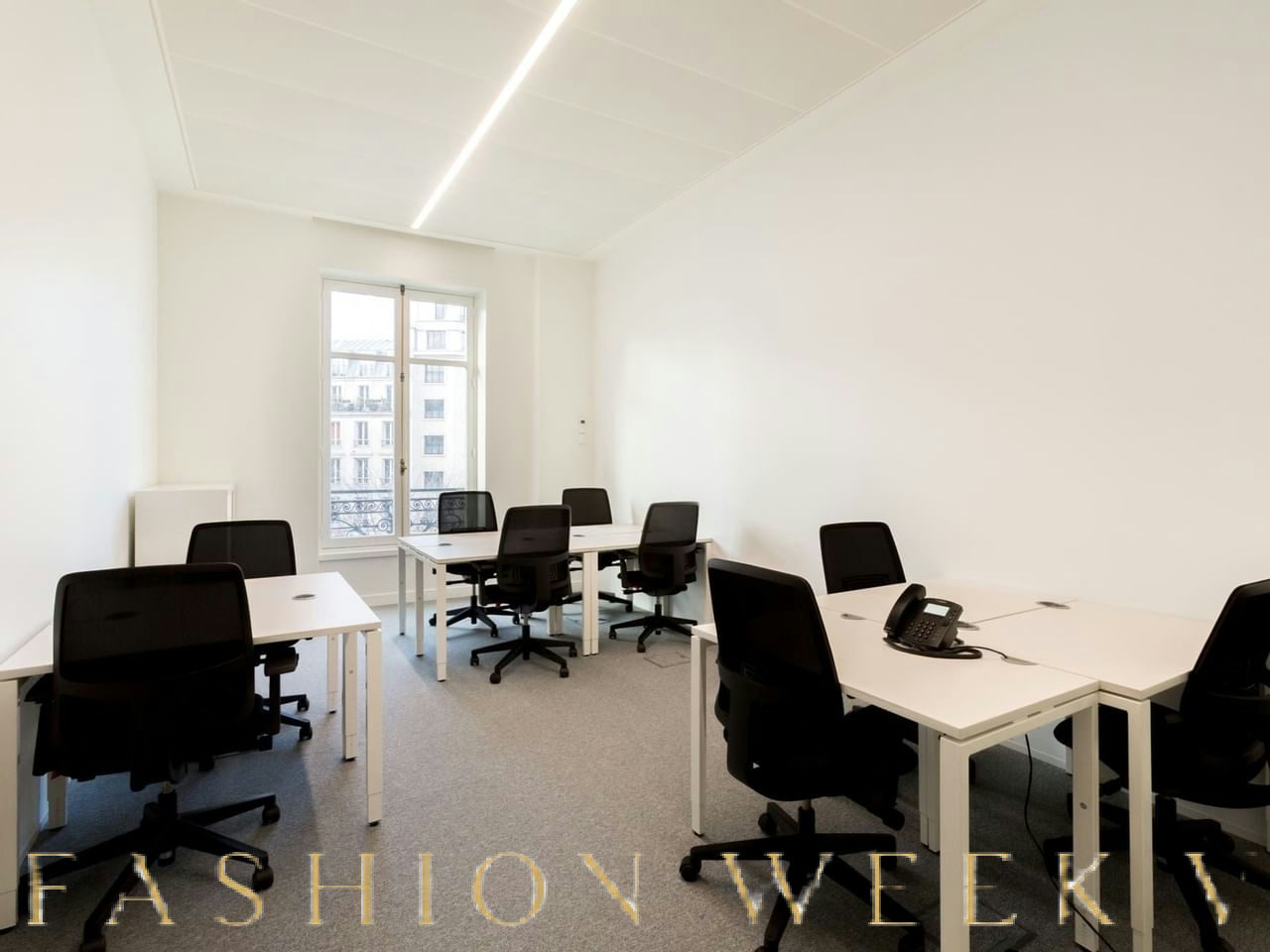
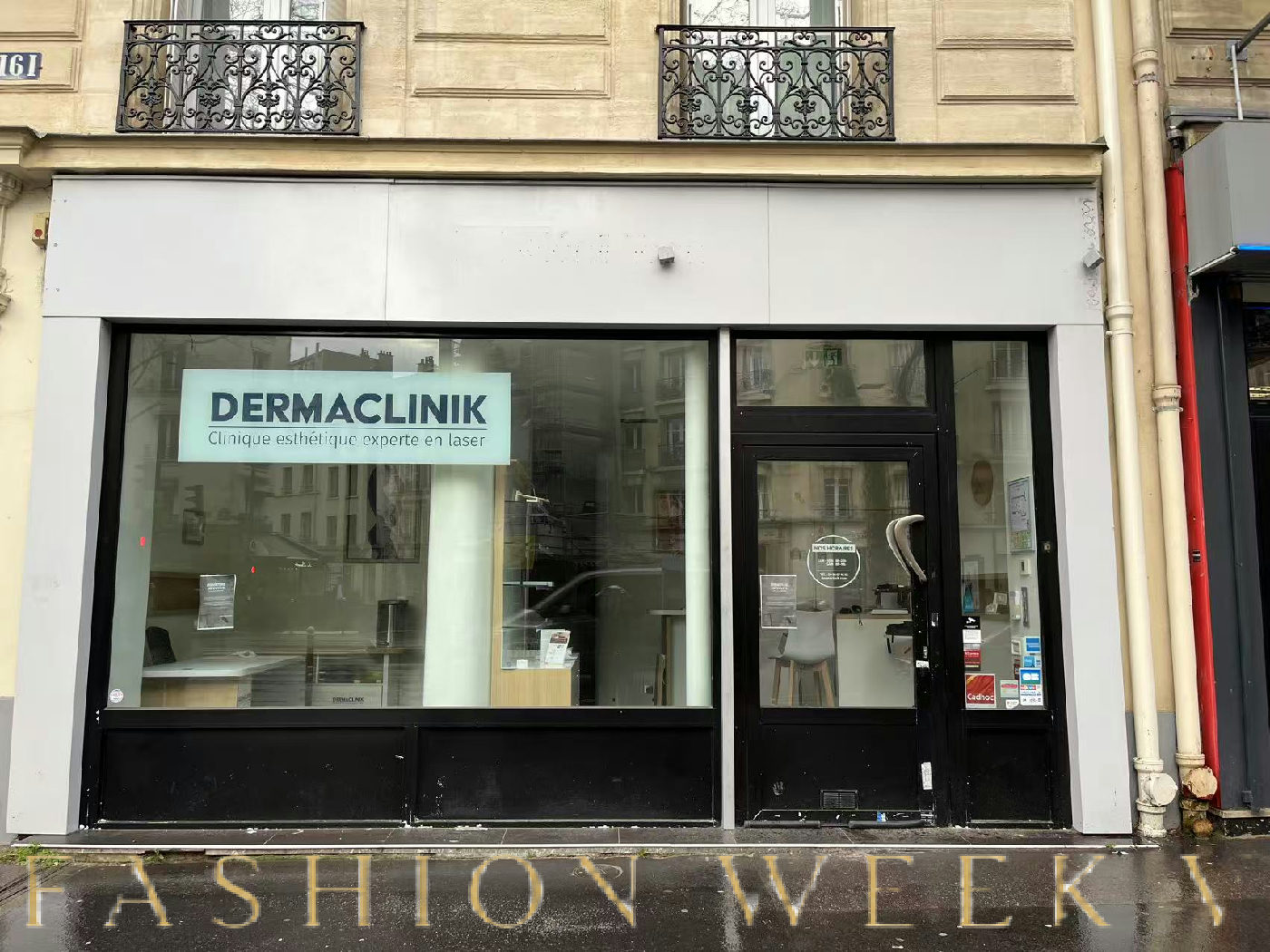
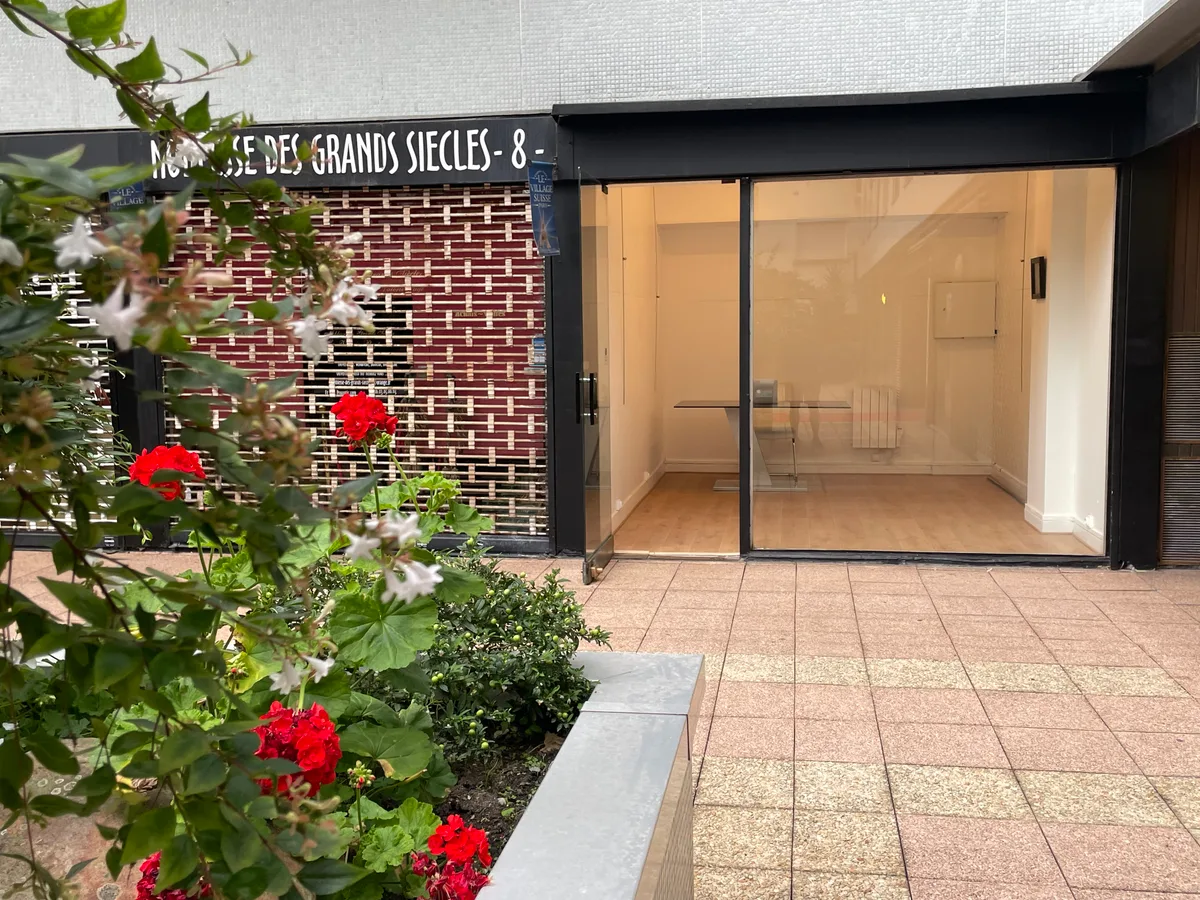
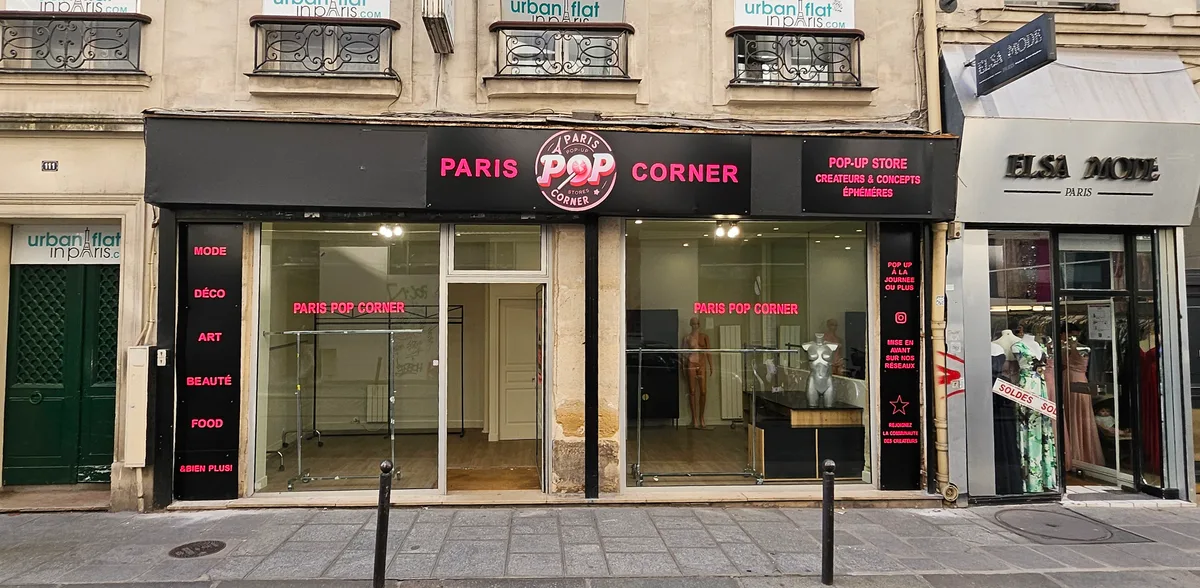
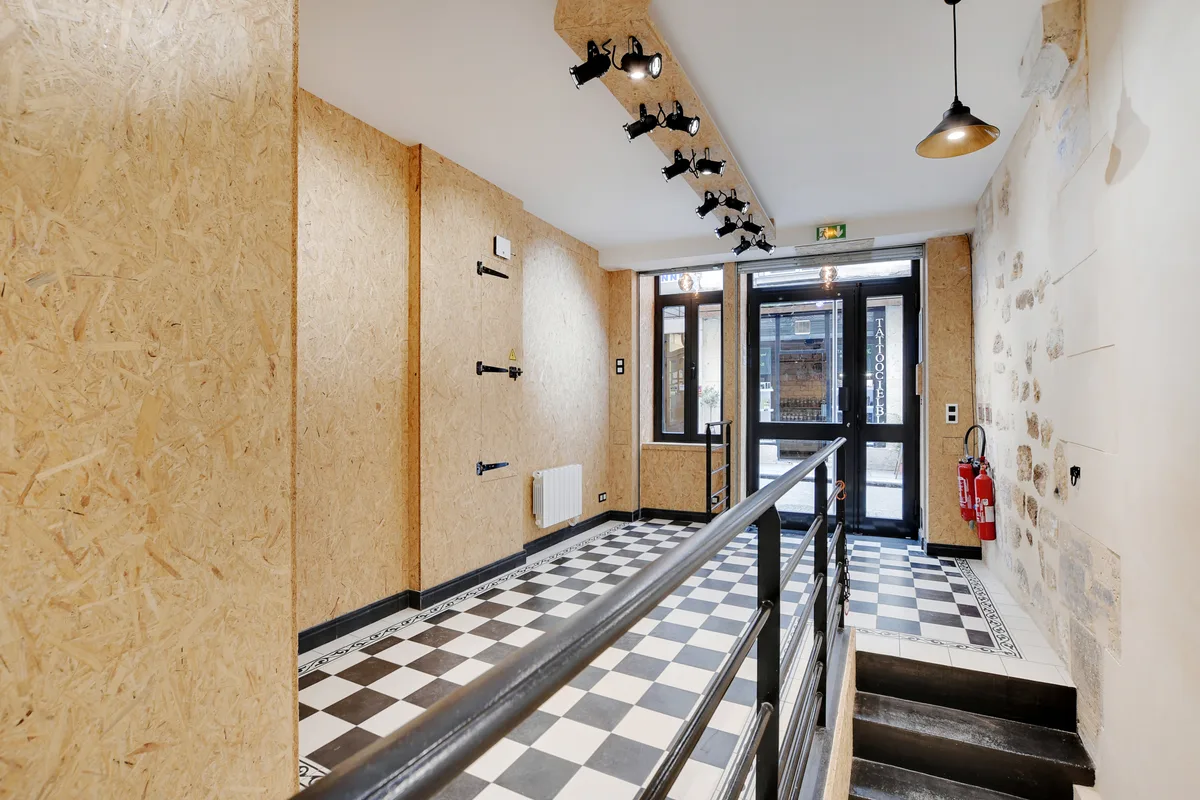
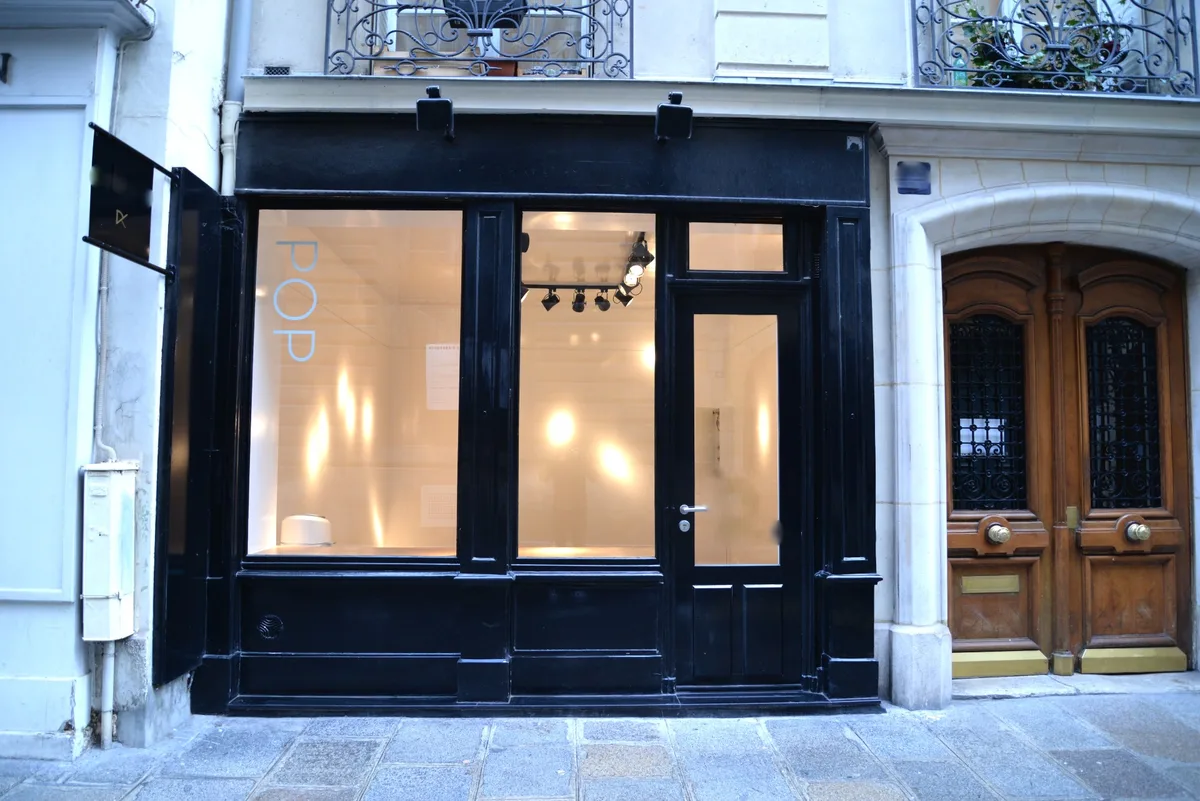
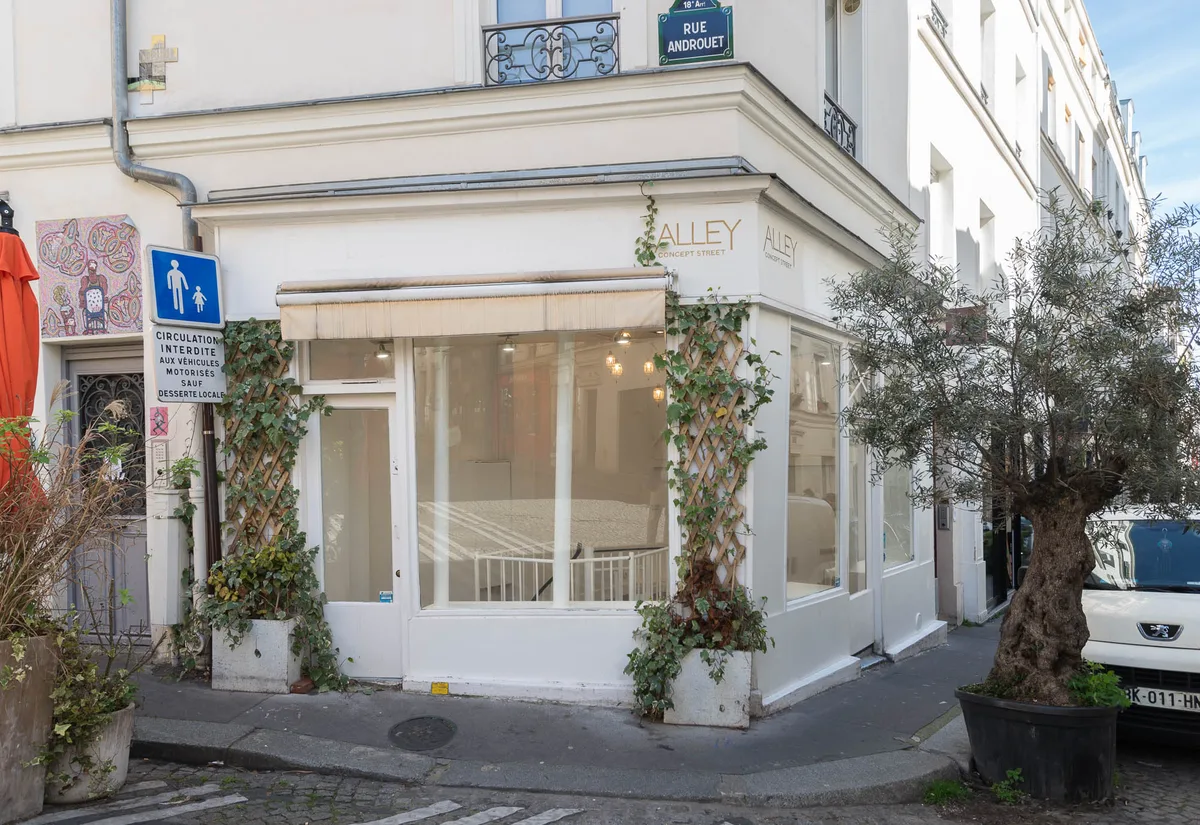
When brands, designers, and retail teams set out to hire retail space in Bastille, they enter one of Paris's most commercially dynamic and culturally layered neighbourhoods. Bastille sits at the intersection of the 4th, 11th, and 12th arrondissements, offering a distinctive blend of foot traffic, creative identity, and retail flexibility that few Parisian districts can match. Whether your objective is a pop-up store ahead of Fashion Week, a fashion showroom for press and buyers, or a short-term storefront for a product launch, the Bastille quarter delivers both visibility and character. Fashion Week Venues works with brands seeking pop-up spaces in Paris across every arrondissement, with curated listings, permit guidance, production support, and end-to-end activation management to help teams move from brief to launch with confidence.
Understanding the Bastille Retail Market in 2026
The Bastille retail market occupies a distinct position within the broader Paris commercial real estate landscape. Unlike the trophy corridors of the Golden Triangle, such as Avenue des Champs-Elysées, Rue du Faubourg Saint-Honoré, and Place Vendôme, Bastille offers accessible rental rates, flexible short-term lease structures, and a neighbourhood identity that resonates strongly with independent brands, emerging designers, and experiential retail concepts.
Quick answer: Hiring retail space in Bastille typically involves securing a space through a bail dérogatoire or a temporary use agreement. Rental rates are significantly lower than in prime corridors such as the Champs-Élysées or Saint-Germain-des-Prés, making Bastille a practical entry point for brands testing the Paris market with a pop-up store or short-term activation.
The neighbourhood draws a broad and loyal clientele. The area around Place de la Bastille and Boulevard Richard-Lenoir attracts both local Parisians and international visitors, creating consistent foot traffic across the week. The weekend market along Boulevard Richard-Lenoir amplifies visitor numbers significantly, making Saturday and Sunday among the highest-footfall days in the district. For pop-up stores, gallery activations, and fashion showrooms, this rhythm of visitors creates natural commercial opportunity.
The Bastille retail zone borders Le Marais to the northwest, one of Paris's most established retail and gallery districts. This proximity means that brands activating in Bastille can benefit from the overflow audience generated by Marais boutiques, galleries, and concept stores. The Rue de Lappe and Rue de la Roquette corridors, in particular, offer a concentration of smaller retail units and ground-floor storefronts that suit boutique-scale activations and pop-up stores ranging from approximately 30 to 150 square metres.
Submarkets within the Bastille zone vary considerably. The immediate surrounds of Place de la Bastille itself attract tourist volumes comparable to areas near Galeries Lafayette or Printemps on the Grands Boulevards. Moving east along Avenue Daumesnil or south into the 12th arrondissement, spaces become larger, quieter, and more suitable for trade showrooms, photo studios, or fashion showroom operations that do not depend on passing foot traffic.
The Viaduc des Arts, located on Avenue Daumesnil, deserves particular mention. This converted railway viaduct houses a series of arched brick boutiques, studios, and ateliers that have attracted artisan brands, design studios, and concept retailers for decades. Spaces here carry a distinctive architectural identity and suit brands that want craftsmanship and design credibility to be embedded in the physical environment.
DID YOU KNOW: The Viaduc des Arts along Avenue Daumesnil in the 12th arrondissement contains over fifty arched workshop and boutique spaces that have housed designers, artisans, and retailers since the 1990s, making it one of the most architecturally coherent retail corridors in Paris outside the Golden Triangle.
Market trends in 2026 reflect a continuing shift toward short-term, high-concept retail activations. Brands that previously committed to multi-year commercial leases are increasingly opting for temporary retail strategies, using pop-up stores during Fashion Week and adjacent calendar windows to test new markets, build brand awareness, and generate sales and content simultaneously. The Paris retail market has responded, with more landlords accepting bail dérogatoire structures and short-term occupation agreements than at any point in recent memory.
KEY TAKEAWAY: Bastille offers a commercially accessible, culturally credible, and logistically flexible retail environment for brands seeking to hire space in Paris. Its proximity to Le Marais, its weekend foot traffic, and its range of space types make it suitable for pop-up stores, fashion showrooms, galleries, and boutique activations across a wide range of budgets and brand profiles.
Understanding how Bastille fits within the wider Paris arrondissement map is essential before beginning any space search, and the next section covers the broader neighbourhood context brands need to evaluate before committing to a location.
Paris Retail Neighbourhoods: Where Bastille Sits in the Broader Picture
Hiring retail space in Paris requires understanding how different arrondissements and districts serve different commercial and brand objectives. Bastille is one of several viable neighbourhoods for pop-up stores, showrooms, and short-term retail, but each district carries its own footfall profile, clientele type, rental rate range, and brand association.
Quick answer: Paris retail neighbourhoods divide broadly into luxury prime zones, such as the Golden Triangle and Place Vendôme, high-footfall tourist and mainstream zones, such as Galeries Lafayette and Printemps near the Grands Boulevards, and creative and independent zones, such as Le Marais, Bastille, Montmartre, and Pigalle. Each zone serves a different brand positioning and budget profile.
The following table maps Paris's primary retail neighbourhoods against space types, typical tenant profiles, and relative rental positioning to help brands calibrate where Bastille fits their brief.
| Neighbourhood | Arrondissement(s) | Best Suited For | Relative Rental Rate | Typical Space Type |
|---|---|---|---|---|
| Avenue des Champs-Elysées | 8th | Global flagship brands | Very high | Large flagship storefronts |
| Golden Triangle / Saint-Honoré | 8th / 1st | Luxury, haute couture, fine jewellery | Highest in Paris | Boutique, maison |
| Place Vendôme | 1st | Haute joaillerie, luxury watches | Very high | Small boutique, maison |
| Saint-Germain-des-Prés | 6th | Contemporary luxury, lifestyle brands | High | Boutique, gallery, concept store |
| Le Marais | 3rd / 4th | Independent fashion, emerging brands, galleries | Medium to high | Boutique, gallery, pop-up store |
| Bastille | 4th / 11th / 12th | Pop-up stores, showrooms, creative brands | Medium | Storefront, showroom, studio |
| Pigalle / South Pigalle | 9th / 18th | Streetwear, youth culture, concept retail | Medium | Pop-up store, studio, gallery |
| Montmartre | 18th | Artisan brands, tourism-driven retail | Low to medium | Boutique, atelier, gallery |
| Rue de Rivoli | 1st / 4th | Mid-market retail, tourist-facing brands | Medium to high | Street-level storefront |
For brands with a defined positioning between independent credibility and accessible luxury, Bastille and Le Marais represent the strongest pairing in Paris. Many brands operating showrooms during Fashion Week choose a Marais showroom for trade and press appointments while running a consumer-facing pop-up store in Bastille to capture a broader, younger, and more diverse audience.
Brands comparing Paris to other fashion capitals should understand that the Paris market operates under French commercial real estate law, which differs substantially from lease structures in Manhattan, London, Milan, or Tokyo. The bail dérogatoire, which allows short-term commercial leases of up to thirty-six months without creating tenant security of tenure rights, is the most relevant instrument for pop-up stores and temporary retail. Standard commercial leases in France, known as baux commerciaux, carry a minimum nine-year term and significantly more tenant protections, making them inappropriate for short-term activations.
IMPORTANT: Short-term retail leases in Paris require careful legal structuring. The bail dérogatoire is not automatically granted and depends on both parties agreeing to waive standard commercial lease protections. Always verify the legal structure of any proposed lease with a qualified French legal advisor before signing.
The Paris retail market also features a concept known as pas de porte or key money, a premium paid by incoming tenants to acquire the right to occupy a space in high-demand locations. Key money is common in prime corridors such as Saint-Germain-des-Prés and the Marais but is less prevalent in Bastille, making the district more accessible for brands entering Paris without substantial upfront capital reserves.
To explore how Bastille compares against Le Marais, Pigalle, and other Paris districts in real terms, teams can use the space comparison tool on Fashion Week Venues to evaluate locations against their specific brief, audience profile, and budget.
KEY TAKEAWAY: Bastille occupies a commercially strategic middle ground in the Paris retail map, offering lower rental rates than prime luxury corridors, strong creative credibility, and proximity to the high-footfall Marais district. For most emerging and mid-market brands entering Paris, Bastille represents an excellent balance of cost, audience, and brand environment.
Knowing where Bastille sits in the Paris retail hierarchy is only the first step. The next section examines the practical mechanics of how to actually hire retail space in Bastille, from identifying available listings to understanding lease terms, floor plans, and space specifications.
How to Hire Retail Space in Bastille: Step-by-Step Process
Hiring retail space in Bastille involves a sequence of interconnected decisions covering space type, lease structure, compliance, fit-out, and operations. Brands that approach this process without a structured workflow frequently encounter delays, unexpected costs, and permit complications that could have been avoided with proper planning.
Quick answer: To hire retail space in Bastille, a brand must define its space brief, identify available listings, evaluate floor plans and space features, negotiate lease terms with landlords or their agents, complete the necessary legal and permit steps under French law, and then plan production, fit-out, and activation. Each stage requires specialist input and should be started at least eight to twelve weeks before the intended opening date.
The following workflow table outlines the complete process from initial brief to activation launch.
| Stage | Action Required | Key Considerations | Recommended Lead Time |
|---|---|---|---|
| 1. Define Brief | Set space size, budget, duration, and use type | Square metres needed, floor access, loading dock requirements | 10 to 12 weeks before opening |
| 2. Search Listings | Browse available spaces in the Bastille zone | Ground floor vs. upstairs vs. basement, natural light, ceiling height | 9 to 10 weeks before opening |
| 3. Site Visits | Visit shortlisted spaces in person or via agent | Check lighting, floor condition, power supply, storage | 8 to 9 weeks before opening |
| 4. Negotiate Lease | Agree terms with landlord or their retail broker | Bail dérogatoire vs. standard lease, rental rate, deposit, break clauses | 7 to 8 weeks before opening |
| 5. Legal and Permits | Finalise lease documentation and obtain required permits | AOT for public space use, local mairie notifications, insurance | 6 to 7 weeks before opening |
| 6. Design and Build | Commission fit-out, furniture, signage, and lighting | Polished concrete floors, spotlights, branded store design | 4 to 6 weeks before opening |
| 7. Staffing and Operations | Recruit retail staff, set up POS and payments | French labour law, bilingual staff, customer service standards | 2 to 3 weeks before opening |
| 8. Launch and Activation | Open the space, begin marketing and influencer activity | Foot traffic monitoring, data capture, daily reporting | Opening day and ongoing |
Ground Floor, Upstairs, or Basement: What Floor Access Means for Retail
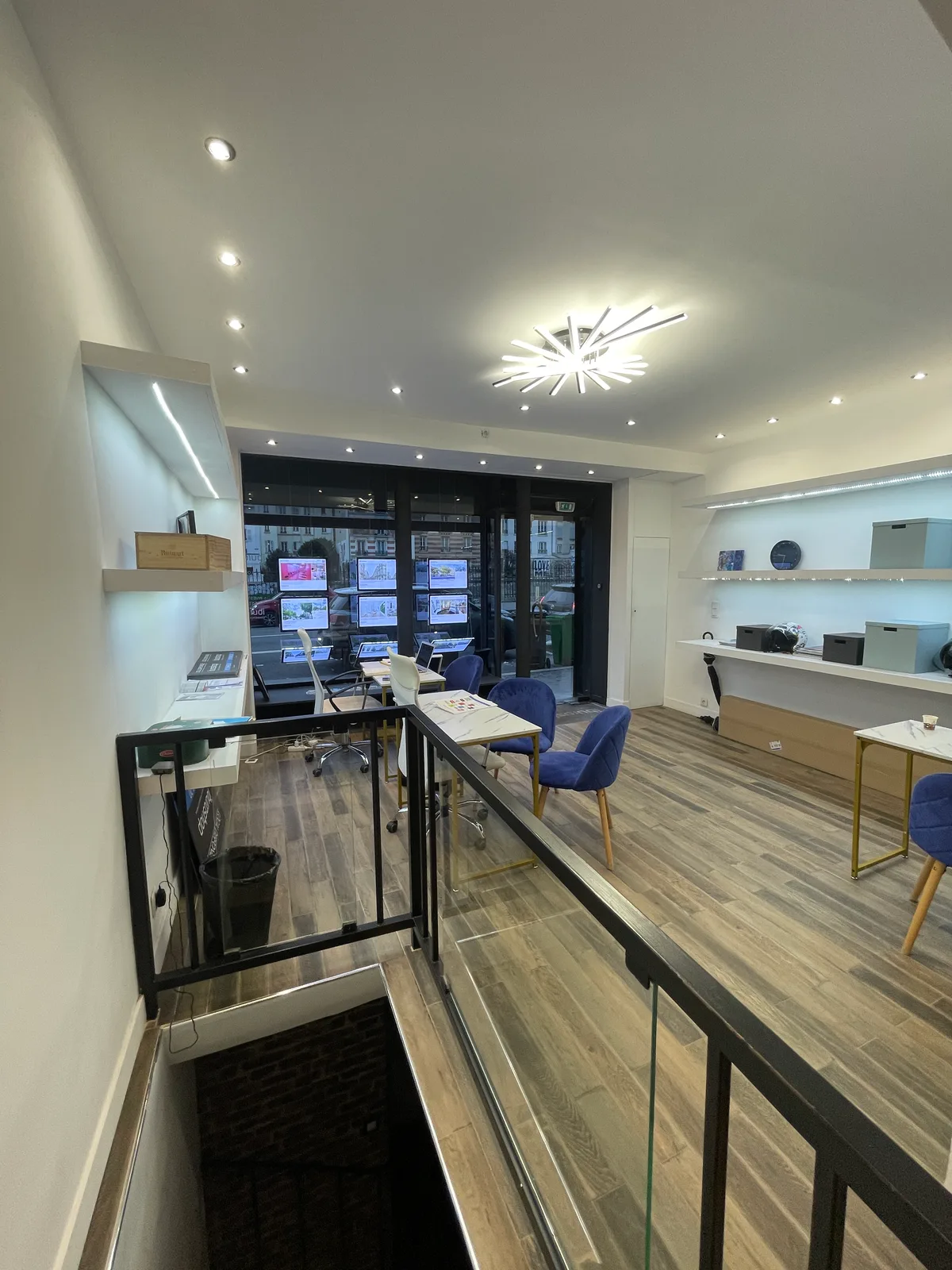
Floor access is one of the most consequential specifications when evaluating retail space in Bastille. Ground-floor storefronts with direct street access command the strongest foot traffic and are most suitable for pop-up stores, charming boutiques, and brand activations designed to attract passing visitors. Upstairs spaces work well for fashion showrooms, private appointments, and trade events where the audience is invited rather than spontaneous. Basement spaces are most appropriate for storage, studio photography operations, or production areas rather than customer-facing retail, unless they are part of a dual-level concept with strong ground-floor visibility.
When evaluating floor plans, brands should assess ceiling height carefully. Paris retail spaces in older Haussmann-era buildings vary significantly, with ground floors often offering three to four metre ceilings that suit dramatic visual merchandising, while upper floors may have lower ceiling heights that limit hanging rail configurations and large-format display installations.
Loading and Storage: Where Deliveries Go and Where Inventory Lives
Loading dock access and storage provision are frequently overlooked in the initial site assessment but become critical during the operational phase of any pop-up store or retail activation. Bastille spaces, particularly those in converted residential buildings, often lack dedicated loading bays. Deliveries must therefore be coordinated during restricted Paris delivery hours, which are regulated by the City of Paris to protect residential amenity. Failure to plan for loading access can result in significant operational delays on installation days.
Storage within the retail space itself should be assessed for capacity relative to the inventory volume expected. A fashion pop-up store running for three to four weeks will cycle through multiple deliveries, requiring adequate back-of-house storage that does not compromise the customer-facing floor plan.
TIP: Always ask the landlord or their agent about delivery access windows, loading bay dimensions, elevator capacity, and proximity to freight parking before finalising any retail space lease in Bastille. These logistics details should be confirmed in writing as part of the lease negotiation.
Lighting, Floors, and Finishes: What to Check Before You Sign
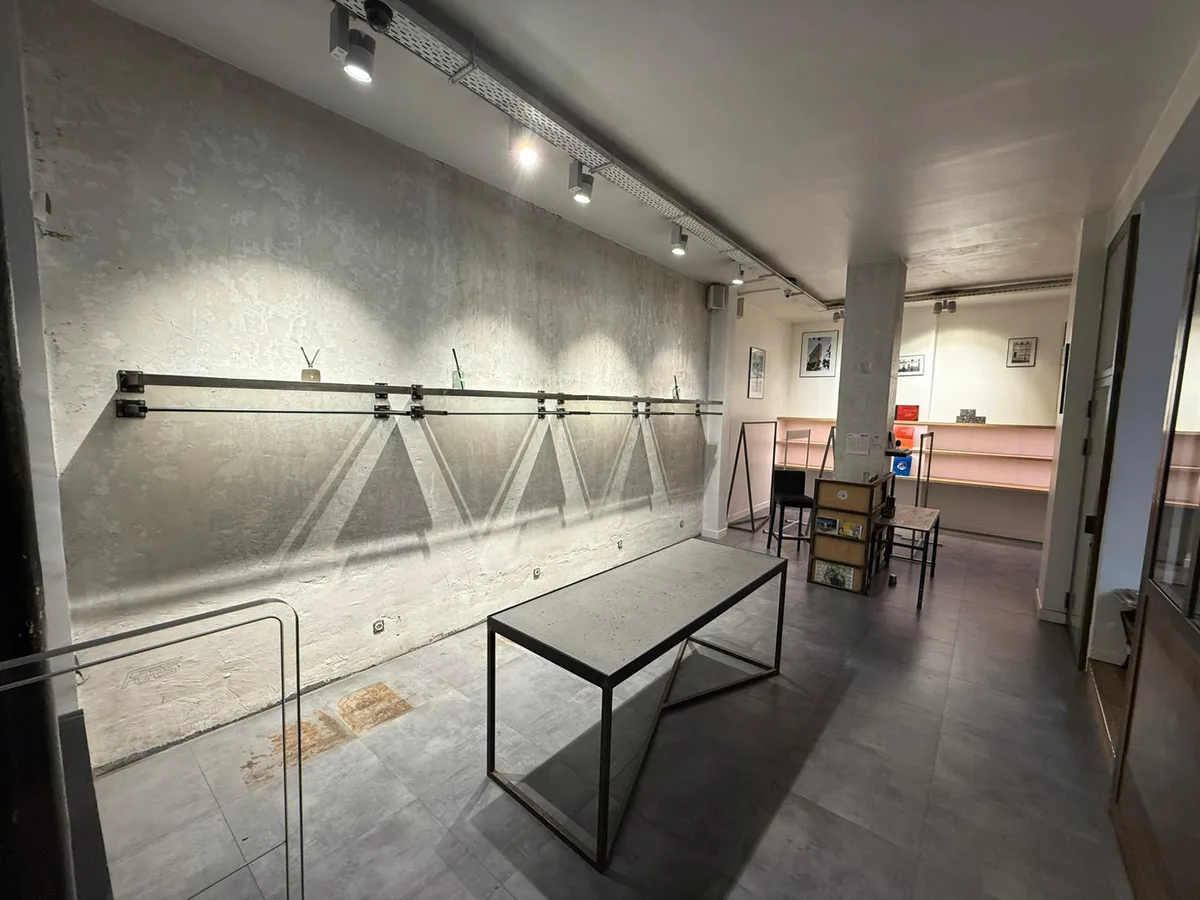
The physical condition and specification of a retail space directly affects fit-out cost and timescale. Polished concrete floors and raw concrete floors are common in converted spaces in the Bastille area, offering a versatile and aesthetically strong base for branded installations. However, brands should verify whether the existing floor surface is in good condition, whether additional acoustic treatment is required, and whether the landlord permits drilling, painting, or structural modifications during the tenancy.
Lighting infrastructure is equally important. Spaces equipped with existing spotlight tracks reduce fit-out costs substantially compared to spaces requiring a full electrical installation from scratch. Brands planning a fashion showroom or gallery-style activation should prioritise spaces with adjustable track lighting or high-quality natural light exposure.
Use the timeline planning tool to map out your specific installation, opening, and deinstallation schedule against the Paris Fashion Week calendar and your own team's availability.
KEY TAKEAWAY: Hiring retail space in Bastille is a multi-stage process that requires parallel workstreams covering legal, design, operations, and marketing. Starting the process at least ten to twelve weeks before the intended opening date gives brands the best chance of securing the right space at the right terms without compromising on quality or compliance.
Space Types Available for Hire in Bastille and the Surrounding Districts
The range of space types available for hire in the Bastille area is broader than many brands expect. Beyond the standard street-level storefront, the district offers art galleries, fashion showrooms, photo studios, charming boutiques, converted ateliers, and hybrid event venues that suit a wide range of brand activation formats.
The following table summarises the primary space types available in Bastille and the adjacent 11th and 12th arrondissement zones, along with their typical characteristics and best-fit use cases.
| Space Type | Typical Size (sq m) | Floor Access | Key Space Features | Best For |
|---|---|---|---|---|
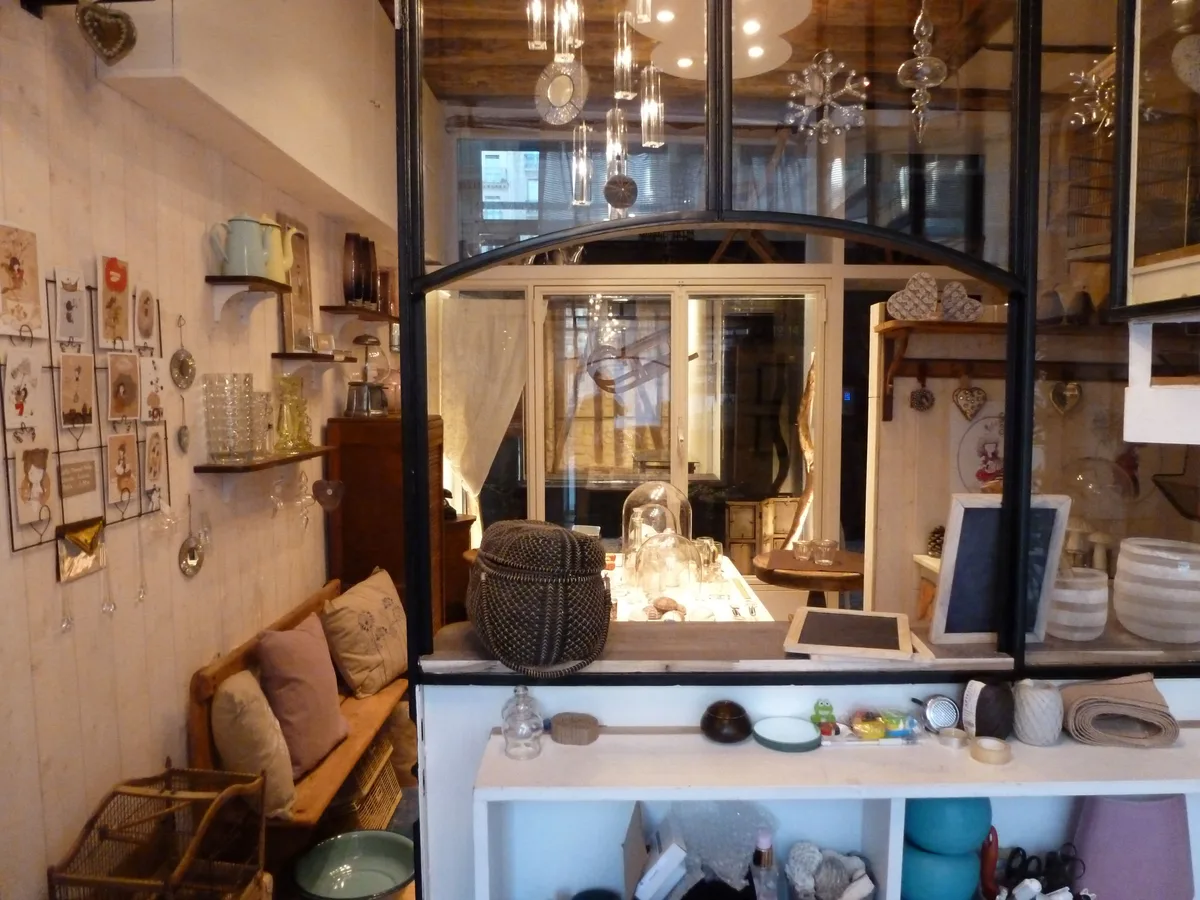
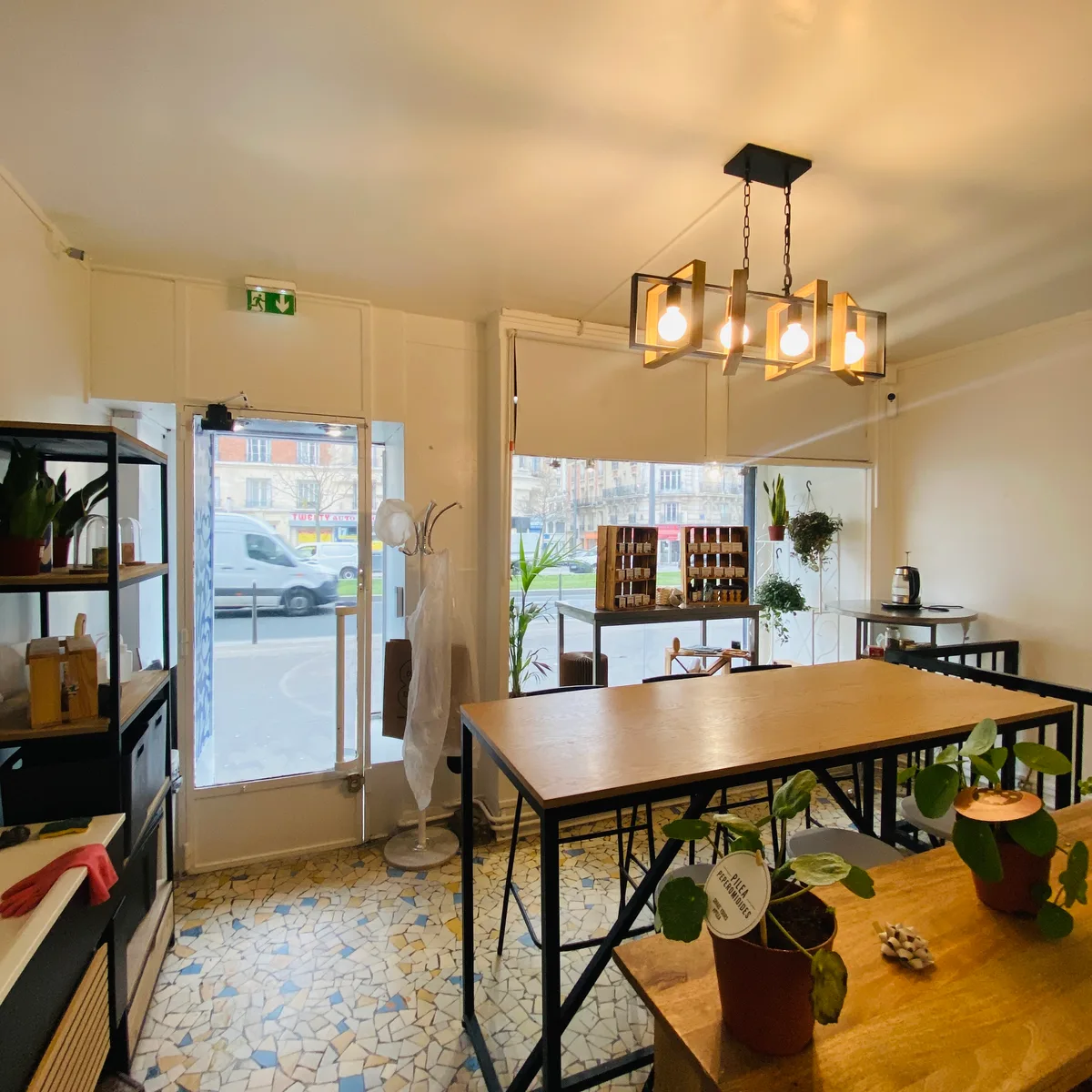
| Storefront / Charming Boutique | 30 to 80 | Ground floor | Shop window, direct street access, existing retail fit | Consumer pop-up, product launch, seasonal retail |
| Fashion Showroom | 80 to 250 | Ground or first floor | Open plan, high ceilings, neutral finishes | Press appointments, buyer presentations, trade events |
| Art Gallery | 60 to 200 | Ground floor | White walls, track lighting, polished concrete or wood floors | Brand installations, art-fashion collaborations, events |
| Studio Photo | 50 to 150 | Ground or lower ground | High ceilings, neutral backdrop, power supply, blackout options | Campaign shoots, lookbook production, content creation |
| Pop-Up Store | 40 to 300 | Ground floor preferred | Flexible fit-out, good natural light, signage-ready facade | Short-term consumer retail, brand experience, Fashion Week |
| Converted Atelier / Workshop | 100 to 400 | Ground or courtyard access | Industrial finish, raw concrete, exposed structure | Immersive brand experiences, large-scale installations |
| Event Venue | 150 to 600 | Varies | Flexible layout, catering access, AV infrastructure | Fashion Week presentations, brand launches, press events |
The Showroom Format in Bastille During Fashion Week
Fashion showrooms represent one of the most commercially important space hire formats in the Bastille and Marais corridor during Paris Fashion Week. A fashion showroom in this context is not simply a space to display products; it functions as a carefully orchestrated commercial environment where buyers, press, influencers, and stylists visit to review collections, place orders, and generate editorial coverage.
Bastille showrooms during Fashion Week are typically occupied on a bail dérogatoire or a licence agreement for the duration of the fashion week calendar window, which runs across womenswear, menswear, haute couture, and the various adjacent trade and showroom events that extend the commercial calendar across several weeks. Brands hiring a showroom in Bastille for this period should plan for intensive scheduling across morning, afternoon, and evening appointment slots, requiring staff coverage, catering provision, and reliable security arrangements.
DID YOU KNOW: Paris Fashion Week generates an estimated 30,000 professional visitors per season across shows, showrooms, and trade events, making it one of the most commercially concentrated periods in global fashion retail. Showroom spaces in Bastille and Le Marais are among the most sought-after for brands that want proximity to the action without paying prime Marais or Vendôme rates.
Gallery-Style Spaces and Art-Fashion Crossover Activations
The art gallery format has become one of the most effective vehicles for brand storytelling in Paris. Bastille's existing gallery infrastructure, combined with its reputation as a neighbourhood that supports independent creative culture, makes it well suited to brands that want to position their pop-up store as a cultural event rather than a commercial transaction.
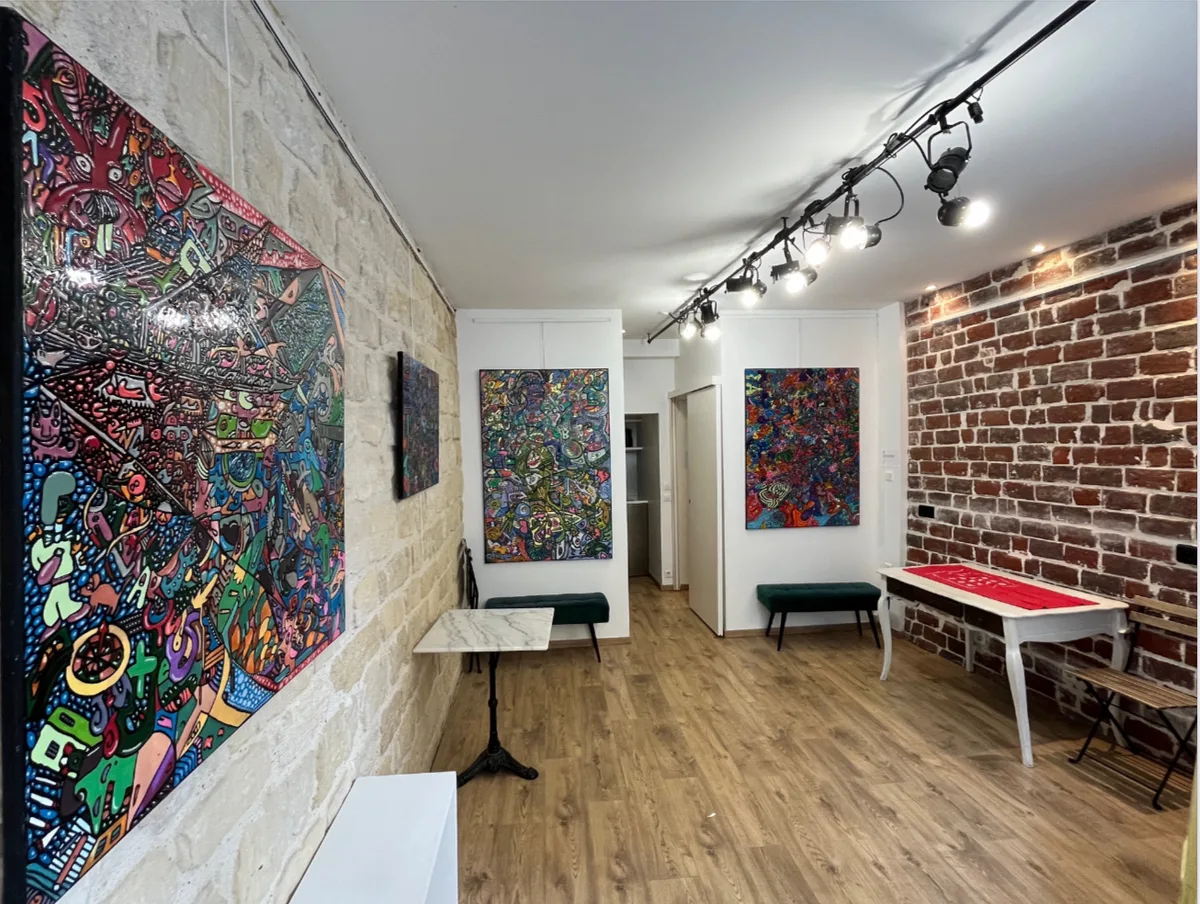
Gallery spaces in Bastille typically feature white walls, polished concrete or wood floors, and track spotlights that allow brands to control the presentation of products, art objects, and brand narratives with precision. The gallery format also benefits from strong press and influencer engagement, as the art-fashion crossover generates broader media interest than a standard retail pop-up.
Brands looking to visualise how a gallery or showroom space might look before committing can use the Imagine space visualisation tool to explore different layout configurations and design concepts for specific space types.
KEY TAKEAWAY: Bastille offers a diverse portfolio of space types, from street-level pop-up stores and charming boutiques to gallery formats, photo studios, and large-scale event venues. The right space type depends on the brand's audience, commercial objectives, calendar window, and budget, and should be selected before beginning any lease or permit process.
Lease Terms, Rental Rates, and What It Costs to Hire Retail Space in Bastille
Understanding the cost structure of hiring retail space in Bastille is essential for accurate budget planning. Rental rates in Paris vary substantially by arrondissement, space type, floor access, space condition, and duration of hire. Bastille occupies a middle tier in the Paris retail rental market, offering significantly more accessible rates than the Golden Triangle, Saint-Germain-des-Prés, or prime Marais addresses, while delivering a credible creative environment for brand activations.
Quick answer: Rental rates for retail space in Bastille depend on space size, duration, condition, and specific location within the district. Rather than publishing fixed figures, which change with market conditions, brands should use specialist tools and agency guidance to obtain current directional estimates for their specific brief. The budget planning tool on Fashion Week Venues is designed specifically for this purpose.
The cost of hiring retail space in Paris encompasses several components beyond the base rental rate. Brands should account for the following categories when building a total activation budget.
Components of a Paris Pop-Up Space Budget
The base rent for the space is only one element of the total cost. A realistic Paris pop-up or showroom budget must include a security deposit, which is typically equivalent to one to three months' rent depending on the landlord and lease structure. Insurance is mandatory and must comply with French requirements, covering both public liability and property damage.
Fit-out and production costs represent a significant proportion of total spend for most activations. Brands that hire a bare space and commission a full branded interior build should anticipate design fees, build labour costs, materials, furniture rental, lighting installation, and deinstallation costs at the end of the tenancy. Using furniture rental services rather than purchasing and disposing of furniture is standard practice for temporary retail activations and significantly reduces both cost and logistical complexity.
Operational costs include retail staffing, point-of-sale systems, payment processing, security, cleaning, and any marketing or influencer activity tied to the activation. French employment law applies to all staff working in France, regardless of the employing company's country of incorporation, so brands must either engage a local staffing agency or work with an agency partner that manages payroll and employment compliance on their behalf.
Key money, known in French as pas de porte, is a one-time premium charged by some landlords in high-demand locations to transfer occupancy rights. This practice is less common in Bastille than in prime Marais or Saint-Germain-des-Prés addresses but should be clarified early in the negotiation process.
To build a detailed and realistic budget for your specific activation, use the budget estimation tool on Fashion Week Venues, which accounts for space size, duration, space type, fit-out level, and operational requirements.
Lease Terms: What to Expect in Bastille
The bail dérogatoire is the primary lease instrument for short-term retail in France. This agreement allows commercial tenants and landlords to contract for a period of up to thirty-six months without triggering the automatic renewal rights and nine-year minimum term that apply under standard French commercial lease law. The bail dérogatoire is not a standard short-term lease in the way that a licence agreement operates in the United Kingdom or a month-to-month arrangement operates in the United States; it requires specific contractual language and mutual agreement between both parties.
For activations shorter than thirty days, many landlords in Bastille will agree to a licence agreement or a convention d'occupation précaire, which provides even greater flexibility but offers fewer protections for the tenant. Brands should understand that these structures place more risk on the occupying party and that eviction without notice is theoretically possible in certain circumstances under precarious occupation arrangements.
Free rent periods, known as franchise de loyer in French, are sometimes negotiated for the fit-out period at the beginning of a tenancy, allowing brands to build and install their activation before the commercial rent clock begins. This is more commonly available when a brand is committing to a longer bail dérogatoire term of six months or more and less common for short-term pop-up agreements of two to four weeks.
Lease terms should always specify the permitted use of the space, as French commercial leases restrict premises to the use categories stated in the agreement. A space leased as a showroom cannot automatically be used as a retail shop without the landlord's express consent, and vice versa. This distinction matters for brands planning hybrid activations that combine trade showroom functions with consumer retail sales.
IMPORTANT: Lease negotiation in Paris is a specialist process governed by French commercial property law. Requirements vary by space type, duration, arrondissement, and the specific terms offered by individual landlords. Always verify any proposed lease structure with a qualified French legal advisor before signing. Fashion Week Venues can connect brands with appropriate legal and compliance support as part of the agency process.
KEY TAKEAWAY: The cost of hiring retail space in Bastille includes base rent, security deposit, insurance, fit-out, furniture, staffing, permits, and operational costs. The bail dérogatoire is the standard short-term lease instrument for pop-up stores and showrooms in France, but its terms must be carefully reviewed by legal specialists. Use dedicated budget and ROI tools to model total activation costs accurately.
Permits, Compliance, and French Regulations for Temporary Retail in Bastille
Navigating permits and compliance requirements is one of the most complex and frequently misunderstood aspects of hiring retail space in Bastille or anywhere in Paris. French regulations governing temporary retail, public space use, signage, food service, and commercial activity are detailed and strictly enforced, particularly in central arrondissements where commercial activity is subject to close oversight by the local mairie and the City of Paris.
Quick answer: Temporary retail activations in Bastille require compliance with French commercial lease law, potential Autorisation d'Occupation Temporaire permits for any use of public pavement or outdoor space, local mairie notification for certain event formats, building-specific regulations from the co-propriété or landlord, and health and safety requirements covering public access spaces. Requirements vary by space type, duration, and specific location.
The Bail Dérogatoire and AOT Explained
The bail dérogatoire is a contractual instrument that allows two parties to agree on a short-term commercial tenancy without invoking the protections of the standard French commercial lease statute. The maximum duration under current French law is thirty-six months, and the agreement must be renewed or converted to a standard commercial lease at expiry. Both parties must explicitly agree in writing to waive the protections of the standard commercial lease regime for the bail dérogatoire to be legally valid.
The Autorisation d'Occupation Temporaire, commonly referred to as an AOT, is a separate instrument governing the temporary use of public domain space. This is relevant for brands planning to extend their retail activation into the public pavement, set up outdoor displays, or erect signage that occupies public space. AOTs are issued by the local arrondissement authority and require advance application with supporting documentation about the intended use, duration, and physical footprint of the activity.
For activations taking place entirely within a private space, an AOT is not required. However, any activity that crosses the threshold into public space, including A-board signage on the pavement, product demonstrations outside the shopfront, or queuing infrastructure that occupies public space, will require the appropriate authorisation from the relevant mairie.
TIP: Applications for AOTs in Paris require advance notice, supporting documentation, and in some cases insurance confirmation. Brands planning outdoor elements for their Bastille activation should begin the permit process at least six to eight weeks before the intended activity date. Use the permit guidance tool on Fashion Week Venues to understand the specific permit requirements for your activation format.
Insurance, Security, and Compliance for Paris Pop-Ups
All brands hiring retail space in France must hold appropriate insurance covering public liability, property damage, and in some cases employer liability if they are engaging staff directly. French landlords and managing agents will typically require proof of insurance before handing over keys, and some will specify minimum coverage levels in the lease documentation.
Security arrangements for pop-up stores and showrooms in Bastille will depend on the nature and value of the goods on display. High-value fashion and jewellery brands typically engage specialist security personnel in addition to installing alarm systems and CCTV, while lower-value activations may rely on standard building security and the presence of retail staff during opening hours.
Brands from outside France should be aware that French data protection law under GDPR applies to any customer data capture activity conducted in a French retail space. Consent mechanisms, data storage protocols, and privacy notices must comply with GDPR requirements regardless of the brand's country of incorporation.
KEY TAKEAWAY: Permit and compliance requirements for temporary retail in Bastille are substantive and must be addressed in parallel with space and lease negotiations. The bail dérogatoire governs the tenancy structure, while AOTs govern any use of public space. Insurance, data protection, and employment compliance must all be addressed before the activation opens. Specialist agency support significantly reduces compliance risk.
How Fashion Week Venues Helps Brands Hire Retail Space in Bastille
Fashion Week Venues operates as a full-service pop-up shop agency and space marketplace with Paris as its primary market, supporting brands through every stage of the process from initial space search to post-activation reporting. For brands looking to hire retail space in Bastille, Fashion Week Venues provides a structured combination of marketplace access, specialist services, and practical tools that reduce the complexity and risk associated with temporary retail in France.
Quick answer: Fashion Week Venues helps brands hire retail space in Bastille and across Paris by providing access to curated available listings, specialist venue sourcing, end-to-end production and build services, activation management, retail staffing, permit guidance, and a suite of planning tools. The agency is particularly well suited to international brands entering Paris for the first time, teams without in-house Paris retail expertise, and brands planning activations aligned with the Fashion Week calendar.
Services That Apply to Bastille Activations
The venue sourcing service is the starting point for most brands. The Fashion Week Venues team maintains active relationships with landlords, managing agents, and property holders across the Bastille, Marais, and broader Paris market, enabling faster access to spaces that are not yet publicly listed and reducing the time spent on cold outreach to landlords who are unfamiliar with short-term retail formats.
Once a space is secured, the production and build team manages the complete fit-out process, from initial concept through to installation and deinstallation. This includes sourcing and coordinating architects, lighting designers, display furniture suppliers, and signage contractors, all working within the specific constraints of the hired space and the approved lease use. The branded store design service ensures that the physical space reflects the brand's identity with precision, whether the format is a charming boutique, a gallery-style installation, or a fashion showroom.
Activation management covers the day-to-day operational running of the pop-up store or showroom, including staff management, supplier coordination, customer service standards, visitor flow, and real-time reporting. This service is particularly valuable for brand teams that cannot be physically present in Paris throughout the full activation period.
The retail staffing service provides bilingual French and English-speaking staff who are experienced in luxury retail, contemporary fashion, and customer service at the standard expected in the Paris market. Staff are recruited, trained, and managed in compliance with French employment law, removing a significant administrative burden from the brand team.
For brands wanting to understand the ROI potential of their Bastille activation before committing to a space, the ROI calculation tool allows teams to model projected returns based on space size, duration, foot traffic estimates, average transaction value, and operational costs.
Tools Available for Bastille Space Planning
Fashion Week Venues provides a range of planning tools specifically designed for the complexity of temporary retail in Paris. The budget calculator helps brands build realistic total activation cost models. The timeline tool maps the full process from brief to launch against specific calendar windows. The permits tool provides guidance on the permit requirements applicable to different space types and activation formats. The locator tool helps brands identify spaces within specific Bastille sub-zones that match size, price, and feature requirements.
The twin concept is particularly relevant for brands wanting to activate in two complementary Paris locations simultaneously, for example a trade showroom in the Marais and a consumer pop-up in Bastille. The twin format allows both spaces to be managed as a single coordinated activation rather than two separate projects, with shared production, staffing, and logistics infrastructure.
Fashion Week Venues works with brand teams of all sizes, from solo founders launching a debut Paris pop-up to global creative directors managing multi-market Fashion Week activations. The agency does not guarantee specific spaces, permit approvals, or commercial outcomes, but it provides the expertise, network, and operational infrastructure that gives brands the best possible foundation for a successful Paris activation.
To explore past activations and understand the range of projects Fashion Week Venues has delivered, the work and case study section provides detailed examples across space types, brand profiles, and Paris locations.
KEY TAKEAWAY: Fashion Week Venues provides comprehensive support for brands hiring retail space in Bastille, from marketplace listings and venue sourcing through to production, staffing, compliance, and activation management. The agency is most valuable for international brands, time-constrained teams, and first-time Paris entrants who need specialist local knowledge alongside practical operational support.
Fashion Week Calendar and Timing Your Bastille Activation
The Paris Fashion Week calendar is the single most important external timing factor for brands planning a pop-up store, showroom, or retail activation in Bastille. Fashion Week drives a concentrated surge in professional visitors, press, buyers, and consumer traffic that creates exceptional commercial and media opportunity for brands with an active presence in Paris during these windows.
Quick answer: Paris Fashion Week runs four major seasonal events each year: Haute Couture in January and July, Menswear in January and June, and Womenswear Ready-to-Wear in March and October. Each season attracts a distinct professional audience, and brands should select the calendar window that best matches their product category, target audience, and commercial objectives.
Which Fashion Week Season is Right for Your Bastille Activation?
Womenswear Ready-to-Wear in March and October is the largest and most commercially significant season, attracting the highest volume of international press, buyers, influencers, and consumers. Pop-up stores in Bastille during these windows benefit from elevated organic foot traffic and heightened social media amplification as the global fashion industry converges on Paris.
Haute Couture weeks in January and July attract a more specialised audience of luxury clients, high-net-worth individuals, and specialist press. Brands in the accessible luxury, contemporary, or emerging designer categories may find the menswear seasons in January and June more aligned with their audience and commercial targets.
Brands should also consider the broader Paris retail calendar, which includes key shopping periods such as les soldes (official sales periods in January and July), major public holidays, and the August slowdown when Parisian resident traffic falls significantly while tourist volumes remain high. Activations planned for August should be calibrated to a predominantly tourist and international visitor audience rather than a local Parisian one.
The Paris trade show calendar also matters. Trade events such as Première Classe, Who's Next, Tranoi, and Tranoï run in close proximity to Fashion Week windows and generate additional professional visitor traffic that can benefit showroom activations in the Bastille and Marais corridor.
DID YOU KNOW: Paris Fashion Week's womenswear ready-to-wear season typically spans approximately nine to ten days but the commercial activity around it, including pre-season showroom appointments and post-show press follow-ups, extends the commercially active period to three to four weeks on either side of the official schedule. Brands that activate for the full extended window rather than the core Fashion Week days maximise their investment in space hire and production costs.
KEY TAKEAWAY: Timing a Bastille retail activation to align with the Paris Fashion Week calendar or adjacent trade show windows significantly amplifies foot traffic, press engagement, and commercial return. Brands should select the season most relevant to their product category and plan their space search at least twelve weeks in advance of the target window to secure the best available spaces.
Common Myths About Hiring Retail Space in Bastille and Paris
MYTH: You need a French legal entity to rent retail space in Paris.
FACT: International brands without a French legal entity can hire retail space in Paris through several recognised mechanisms, including entering into a bail dérogatoire in the name of the foreign company with appropriate guarantees, or working through an agency intermediary that holds the lease on the brand's behalf. Requirements vary by landlord and lease structure, and specialist legal advice is essential to structure the arrangement correctly.
MYTH: Paris Fashion Week is the only viable calendar window for a Bastille pop-up store.
FACT: While Fashion Week drives the highest concentration of professional and media visitors, Bastille generates strong commercial foot traffic year-round, particularly during weekends, public holidays, and the summer tourist season. Brands with a consumer-facing product and a strong digital presence can generate excellent results from Bastille activations outside the Fashion Week calendar, often at significantly lower space rental rates due to reduced competition for prime spaces.
MYTH: Commission brokers are the only way to find available retail space in Paris.
FACT: While traditional retail brokers play a role in the Paris commercial property market, brands can now access curated available listings through specialist agencies and space marketplaces that operate specifically within the short-term retail and pop-up category. Fashion Week Venues maintains a dedicated marketplace of available spaces across Paris, including Bastille, that is accessible without requiring an exclusive brokerage relationship or upfront commission commitment.
MYTH: Short-term retail leases in Paris are legally straightforward and do not require specialist help.
FACT: French commercial property law is complex, and the bail dérogatoire is not a simple short-term lease equivalent to arrangements available in other markets. Incorrect structuring of a short-term lease in France can inadvertently trigger standard commercial lease protections, creating significant obligations for both parties. Specialist legal advice from a French commercial property lawyer is strongly recommended for any lease of commercial premises in France, regardless of duration.
MYTH: Bastille is a secondary or compromised location compared to Le Marais for fashion brands.
FACT: Bastille serves a distinct and complementary function to Le Marais in the Paris retail landscape. Its lower rental rates, strong weekend foot traffic, and creative neighbourhood identity make it the preferred choice for brands seeking accessible luxury, contemporary fashion, and experiential retail positioning. Many successful Paris activations use Bastille and Marais as complementary locations within a single campaign rather than treating them as competing choices.
Frequently Asked Questions About Hiring Retail Space in Bastille
What is the typical process for hiring retail space in Bastille for a pop-up store?
The typical process begins with defining your brief, covering space size in square metres, duration, budget, and intended use, followed by a curated search of available listings in the Bastille area. Shortlisted spaces are visited in person or via agent, after which lease negotiations take place with the landlord or their representative. Legal documentation is prepared and signed, permits are secured where required, and the production and fit-out phase begins. The full process from initial brief to activation launch typically takes eight to twelve weeks for a well-prepared brand team working with specialist support.
Do I need a French company to hire retail space in Bastille?
You do not necessarily need a French legal entity to hire retail space in Bastille, but the process of contracting as a foreign company in France requires careful structuring. Some landlords will accept a foreign entity as a tenant under a bail dérogatoire with appropriate financial guarantees, while others prefer to work with a French intermediary. Working with a specialist agency that can hold or facilitate the lease arrangement on your behalf is a practical option for international brands. Always verify the specific requirements of your proposed lease with a qualified French legal advisor before proceeding.
What is a bail dérogatoire and how does it apply to temporary retail in Paris?
A bail dérogatoire is a short-term commercial lease agreement permitted under French law for a maximum duration of thirty-six months. It allows both parties to contract outside the standard French commercial lease statute, which otherwise imposes a minimum nine-year term and automatic renewal rights. The bail dérogatoire must explicitly state that both parties waive the protections of the standard commercial lease regime to be legally valid. It is the most commonly used lease instrument for pop-up stores, fashion showrooms, and temporary retail activations in Paris, including in the Bastille district.
What permits are required to run a pop-up store in Bastille?
Permit requirements depend on the nature and format of the activation. Activations confined entirely to a private retail space generally require only the appropriate lease documentation and insurance. Any use of public pavement or outdoor space, including signage, outdoor displays, or queuing infrastructure, requires an Autorisation d'Occupation Temporaire from the relevant arrondissement authority. Some event formats and food service operations require additional permits. Requirements vary by arrondissement, space type, and activation format, and specialist guidance is strongly recommended. Use the permit guidance tool on Fashion Week Venues to understand the requirements applicable to your specific situation.
How much does it cost to hire retail space in Bastille?
Rental rates for retail space in Bastille vary significantly based on space size, specific location within the district, floor access, space condition, and duration of hire. Bastille occupies a middle rental tier in the Paris market, offering more accessible rates than prime corridors such as the Champs-Élysées, Vendôme, or Saint-Germain-des-Prés. Total activation costs include base rent, security deposit, insurance, fit-out, furniture, staffing, and marketing. Directional budget estimates for your specific activation format are available through the budget planning tool on Fashion Week Venues, which is designed to model total costs based on your brief parameters.
How far in advance should I book retail space in Bastille for Paris Fashion Week?
Brands targeting Fashion Week windows should begin their space search at least twelve weeks before the intended opening date. Prime spaces in Bastille and the surrounding Marais corridor are often claimed six to eight months in advance by returning brands and agencies that book early in the season. Brands entering the Paris market for the first time should start their search as early as possible, particularly for the womenswear ready-to-wear seasons in March and October, which generate the highest demand for short-term retail and showroom space across all Paris arrondissements.
Can I use a Bastille retail space as both a showroom and a consumer store?
A retail space can serve a dual showroom and consumer store function, but this must be explicitly permitted in the lease documentation. French commercial leases specify the permitted use of premises, and a space leased solely as a showroom cannot automatically be used for consumer retail sales without the landlord's written consent. Brands planning a hybrid format should clarify the full range of intended uses before entering into any lease agreement and ensure that the lease documentation accurately reflects the dual-use nature of the activation.
What are the best streets in Bastille for a fashion pop-up store?
The strongest locations for a consumer-facing fashion pop-up store in Bastille include the immediate surrounds of Place de la Bastille, Boulevard Richard-Lenoir, Rue de la Roquette, and Rue de Lappe. These streets offer the combination of foot traffic, neighbourhood credibility, and accessible rental rates that make Bastille commercially viable for emerging and mid-market fashion brands. For showroom operations, the quieter streets in the 11th arrondissement and the Viaduc des Arts corridor in the 12th arrondissement offer distinctive and well-appointed spaces with lower footfall but stronger architectural character.
Does Fashion Week Venues handle the full activation, or just the space search?
Fashion Week Venues operates as a full-service agency covering venue sourcing, concept direction, production and build, activation management, branded store design, furniture rental, retail staffing, POS and payments, data and analytics, and influencer marketing. Brands can engage the agency for the full end-to-end process or for specific service components depending on their existing capabilities and requirements. The agency also provides a range of self-service planning tools for teams that want to research and plan independently before engaging specialist support.
What is key money (pas de porte) and is it common in Bastille?
Pas de porte, or key money, is a one-time premium paid by an incoming tenant to a landlord to acquire the right to occupy a commercial space. It is most common in high-demand prime retail corridors in Paris such as Saint-Germain-des-Prés, the Marais, and the Golden Triangle. Key money is less prevalent in Bastille, making the district more accessible for brands without large upfront capital reserves. Whether key money is applicable to a specific space in Bastille should be clarified during initial lease negotiations, as it is not always disclosed upfront and can represent a substantial additional cost if not identified early in the process.
Can international brands without Paris experience successfully activate in Bastille?
International brands without prior Paris experience can successfully activate in Bastille, but they should expect to encounter a combination of language, legal, regulatory, and operational complexities that are substantially different from their home market. Working with a specialist agency that provides local market knowledge, French language capability, established landlord relationships, and end-to-end operational support significantly reduces the risk and complexity of a first Paris activation. The process page on Fashion Week Venues outlines how the agency works with new clients from initial brief through to post-activation reporting.
How does the Bastille retail market compare to Le Marais for brand activations?
Bastille and Le Marais serve complementary but distinct functions in the Paris brand activation landscape. Le Marais offers higher foot traffic from an established international fashion and tourism audience, stronger press and buyer concentration during Fashion Week, and a broader range of gallery and boutique formats with premium brand associations. Bastille offers lower rental rates, a younger and more local clientele, stronger creative neighbourhood identity, and a broader range of larger industrial and converted spaces. Many brands choose to activate in both districts simultaneously, using the twin co-activation concept to serve trade and consumer audiences from two complementary locations.
What types of retail staff are available for a Bastille pop-up store?
Retail staffing for a Bastille pop-up or showroom typically requires a combination of floor sales staff, a store manager or showroom coordinator, and in some cases security personnel and a visual merchandiser. Bilingual French and English-speaking staff are standard for fashion brands targeting both local and international visitors. Staff sourced through specialist retail staffing agencies are recruited with experience in the Paris luxury and contemporary fashion market and are familiar with the customer service expectations of a Paris retail environment. Fashion Week Venues provides retail staffing as a dedicated service, managing recruitment, training, scheduling, and employment compliance under French law.
What is the difference between a pop-up store and a fashion showroom in the context of Paris retail?
A pop-up store is a consumer-facing temporary retail environment where visitors browse, experience, and purchase products directly. A fashion showroom is a trade-facing environment where professional buyers, press, and stylists attend by appointment to review collections, place orders, and gather editorial information. Both formats can operate from similar physical spaces in Bastille, but they require different staffing, scheduling, security, and operational structures. Some brands run a hybrid format, using the space for trade appointments during the day and consumer retail in the evenings, which requires explicit permission in the lease documentation and careful operational planning.
How do I compare multiple spaces in Bastille before making a decision?
Comparing multiple spaces across size, location, floor access, space features, rental rate, and availability requires a structured evaluation framework. Visiting each space in person and documenting key specifications, including ceiling height, floor condition, natural light, power supply, loading access, and storage provision, is essential. The space comparison tool on Fashion Week Venues allows brands to evaluate multiple shortlisted spaces against a consistent set of criteria simultaneously, helping teams make a more informed and objective final decision.
Conclusion: Hiring Retail Space in Bastille with Confidence
Bastille represents one of Paris's most commercially accessible and creatively credible districts for brands seeking to hire retail space for a pop-up store, fashion showroom, gallery installation, or short-term boutique. Its position at the intersection of the 4th, 11th, and 12th arrondissements gives it strong connectivity to Le Marais, consistent weekend foot traffic, and a neighbourhood identity that resonates with the independent and contemporary fashion audience that increasingly drives Paris's retail vitality.
Hiring retail space in Bastille successfully requires a structured approach covering space identification, lease negotiation under French commercial property law, permit compliance, production and fit-out planning, staffing and operations, and marketing. The bail dérogatoire is the key legal instrument for short-term retail in France, but it must be correctly structured with specialist legal input. Permit requirements, insurance obligations, and employment compliance under French law add further layers of complexity that are best managed with experienced local support.
For brands planning their first Paris activation or scaling an existing presence, Fashion Week Venues provides the specialist knowledge, established relationships, and operational infrastructure to execute a Bastille pop-up or showroom from brief to launch. The agency's combination of a curated space marketplace, end-to-end services, and practical planning tools makes it a comprehensive resource for brand teams at every stage of the activation process.
To move from research to activation, start exploring available spaces on the Fashion Week Venues marketplace and build a focused brief for your target neighbourhood, space type, and calendar window. The right Bastille space, secured at the right terms, with the right operational support, can make a Paris activation one of the most commercially and creatively impactful investments a brand makes in 2026.