
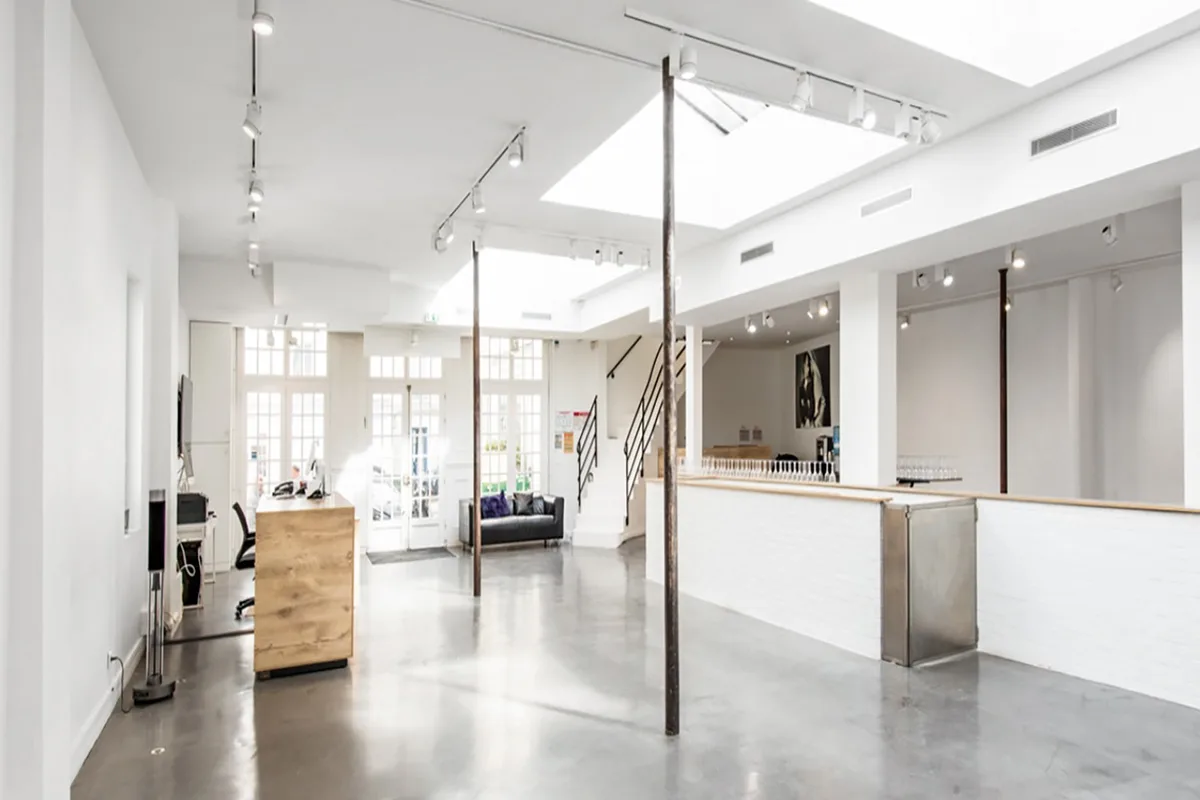
A short term retail lease Le Marais offers international brands, emerging designers, and established houses one of the most commercially and culturally powerful locations in Paris. Le Marais sits at the intersection of fashion, art, heritage, and high footfall, making it the natural first choice for pop-up stores, showrooms, product launches, and seasonal activations tied to Paris Fashion Week and beyond. Whether your brand needs a boutique-style ground floor on Rue de Turenne, a gallery-format space near Place des Vosges, or a fully equipped showroom a short walk from the Pompidou Museum of Modern Art, understanding how short-term retail works in this arrondissement is essential before committing to a space. This guide covers every dimension of the process, from space types and lease structures to permits, neighbourhoods, amenities, and how Fashion Week Venues supports brands activating in Paris.
Why Le Marais Is Paris's Most Strategically Valuable Retail District
Le Marais commands attention from brands for reasons that go well beyond aesthetics. It is one of the few districts in Paris where medieval architecture, contemporary art institutions, luxury boutiques, and neighbourhood culture exist in genuine proximity, creating a layered audience of tourists, Parisians, fashion professionals, collectors, and press that few other districts can replicate.
Geographically, Le Marais straddles the 3rd and 4th arrondissements of Paris, with the Paris 4ème arrondissement anchoring the district's most iconic landmarks. Place des Vosges, the oldest planned square in the city, draws visitors year-round. The Pompidou Museum of Modern Art on the western edge anchors a cultural credibility that no amount of marketing spend can manufacture. The Seine River lies to the south, Notre Dame Cathedral sits across the water, and the Louvre is reachable within minutes by foot or Metro from the northern edges of the district. Rue Saint-Antoine serves as a major arterial route through the arrondissement, while Rue de Turenne connects the upper Marais to République, threading through one of the highest concentrations of independent fashion boutiques in the city.
For brands operating short-term retail activations, the commercial logic is straightforward. Le Marais has historically maintained lower commercial vacancy rates than comparable premium districts in other European capitals, partly because landlords in the district have historically preferred long-term tenants in sectors like fashion, food, and galleries. This preference creates real scarcity for brands seeking short-term access, which is precisely why specialist agencies and marketplaces play such a critical role in unlocking available inventory.
The district also sits at the centre of Paris Fashion Week's satellite geography. While the official runway shows often take place at the Grand Palais, Palais Royal, and elsewhere, the showrooms, presentations, press appointments, and private events that surround Fashion Week cluster heavily in Le Marais. Designers use the area's gallery spaces, Haussmannian apartments, and converted courtyard buildings as showroom venues, and brands use the district's retail streets for pop-up store activations timed to coincide with the international press and buyer traffic that Fashion Week generates.
The cultural density of the district also makes it unusually well suited to brand storytelling. A brand activating near the Picasso Museum, for example, benefits from an audience that is predisposed to engage with artistic and material culture. A brand on Rue Etienne Marcel, which connects Le Marais to the Montorgeuil district and the broader right bank fashion corridor, reaches a younger, more style-conscious streetwear and contemporary fashion audience. These micro-location decisions matter enormously in Le Marais because the district contains multiple distinct commercial and cultural micro-zones within a compact geography.
KEY TAKEAWAY: Le Marais is not a single retail environment but a cluster of distinct commercial micro-zones, each with different footfall profiles, audience demographics, and brand adjacency dynamics. Choosing the right street within the district is as important as choosing the district itself.
Understanding this internal geography prepares brands to engage meaningfully with the lease structures and space types available in the district, which vary considerably depending on the specific location and intended use.
Understanding Short-Term Retail Lease Structures in Le Marais
Short-term retail leases in Le Marais operate under French commercial law, which differs significantly from lease structures in the UK, US, or other markets. Brands entering Paris without familiarity with these structures frequently encounter delays, unexpected costs, or compliance issues that a specialist agency can help navigate.
Quick answer: A short-term retail lease in Le Marais typically takes the form of a bail dérogatoire or a convention d'occupation précaire, rather than a standard commercial bail commercial. These structures allow landlords and tenants to agree on occupancy periods without triggering the full protections and obligations of a nine-year commercial lease, making them the standard instrument for pop-up stores, temporary showrooms, and seasonal retail activations.
Bail Dérogatoire: The Standard Short-Term Commercial Agreement
The bail dérogatoire, sometimes called a bail précaire, is the primary legal instrument for short-term commercial occupancy in France. Under French law, this type of agreement can cover a period of up to three years in total, with successive short-term agreements between the same parties permissible provided the cumulative duration does not exceed that limit. Once the cumulative occupancy reaches three years, French law may convert the arrangement into a full bail commercial, which carries substantially greater tenant protections and landlord obligations, including the right of renewal.
For brands seeking a short-term retail lease in Le Marais for Paris Fashion Week or a seasonal activation, the bail dérogatoire typically covers periods ranging from one week to six months. The agreement specifies the space, the permitted use, the rental amount, the deposit terms, and any restrictions on fit-out or alteration. Brands should note that the permitted use clause is significant in French commercial law. If a space is leased for use as a showroom and the brand uses it for direct retail sales, the landlord may have grounds to challenge the agreement or apply a different regulatory framework. Verifying the permitted use against your actual activation programme before signing is essential.
Autorisation d'Occupation Temporaire (AOT)
For spaces on public land, including certain courtyards, public squares adjacent to private buildings, or ground-floor units with frontage on public infrastructure, an Autorisation d'Occupation Temporaire may be required in addition to or instead of a private lease agreement. AOTs are issued by the relevant municipal authority and are subject to separate conditions, fees, and timelines. The requirements vary by space type, duration, arrondissement, and the nature of the planned activation. Brands seeking outdoor space, open-air pop-up structures, or activations in public-facing locations in Le Marais should allow additional lead time for AOT applications and should verify requirements with a French legal advisor before committing to a timeline.
IMPORTANT: Short-term commercial leases in France are not legally straightforward instruments. The legal framework governing bail dérogatoire agreements, permitted use classifications, deposit structures, and termination provisions is distinct from most other European markets. Always verify your specific lease terms with a qualified French legal advisor before signing. Fashion Week Venues can provide contextual guidance and refer brands to specialist advisors, but does not itself provide legal advice.
What Landlords in Le Marais Typically Require
Landlords in Le Marais operating commercial properties for short-term rental generally require a combination of the following: a completed occupancy application or enquiry specifying the brand, intended use, dates, and fit-out plans; proof of company registration and financial standing; a security deposit typically equivalent to one to three months of the agreed rent; and in some cases evidence of public liability insurance or commercial activity insurance valid in France. Landlords with gallery or boutique spaces in premium locations near Place des Vosges or along Rue de Turenne may also impose restrictions on the nature of the display, the use of digital screens, and the types of structural modifications permitted during the occupancy period.
Commercial real estate agents and specialist space agencies operate across Le Marais and can facilitate introductions to landlords, but brands should understand the difference between a traditional commission broker, who typically charges a percentage of the total lease value, and a full-service agency that manages the end-to-end process including concept, production, permits, and activation. The guide on selecting the right agency for your activation covers this distinction in useful detail.
KEY TAKEAWAY: The bail dérogatoire is the standard legal instrument for short-term retail in Paris. Understanding its limitations, particularly the cumulative three-year cap and the importance of permitted use clauses, protects brands from unintended legal consequences and landlord disputes.
Once you understand the lease structure, the next practical question is which types of space are available in Le Marais and how different space formats serve different brand objectives.
Space Types Available for Short-Term Retail in Le Marais
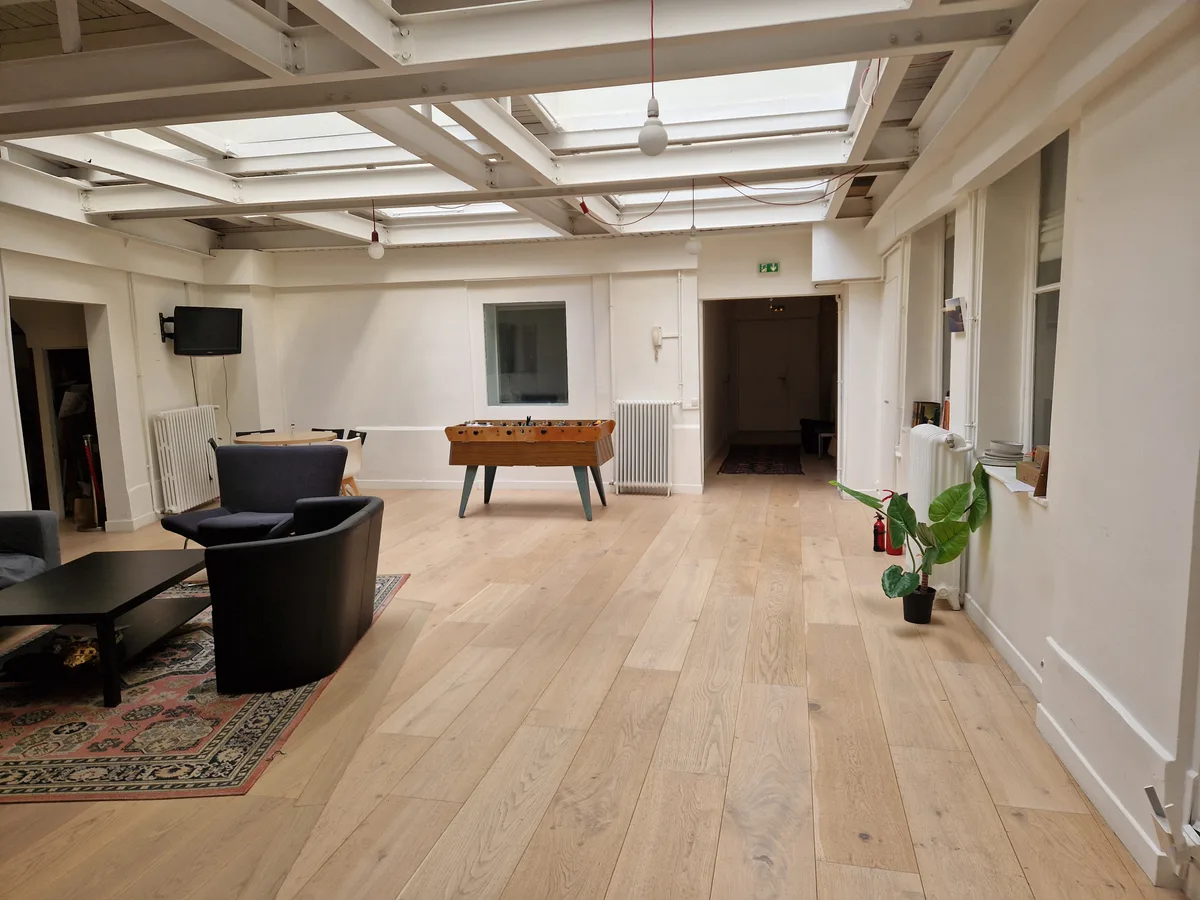
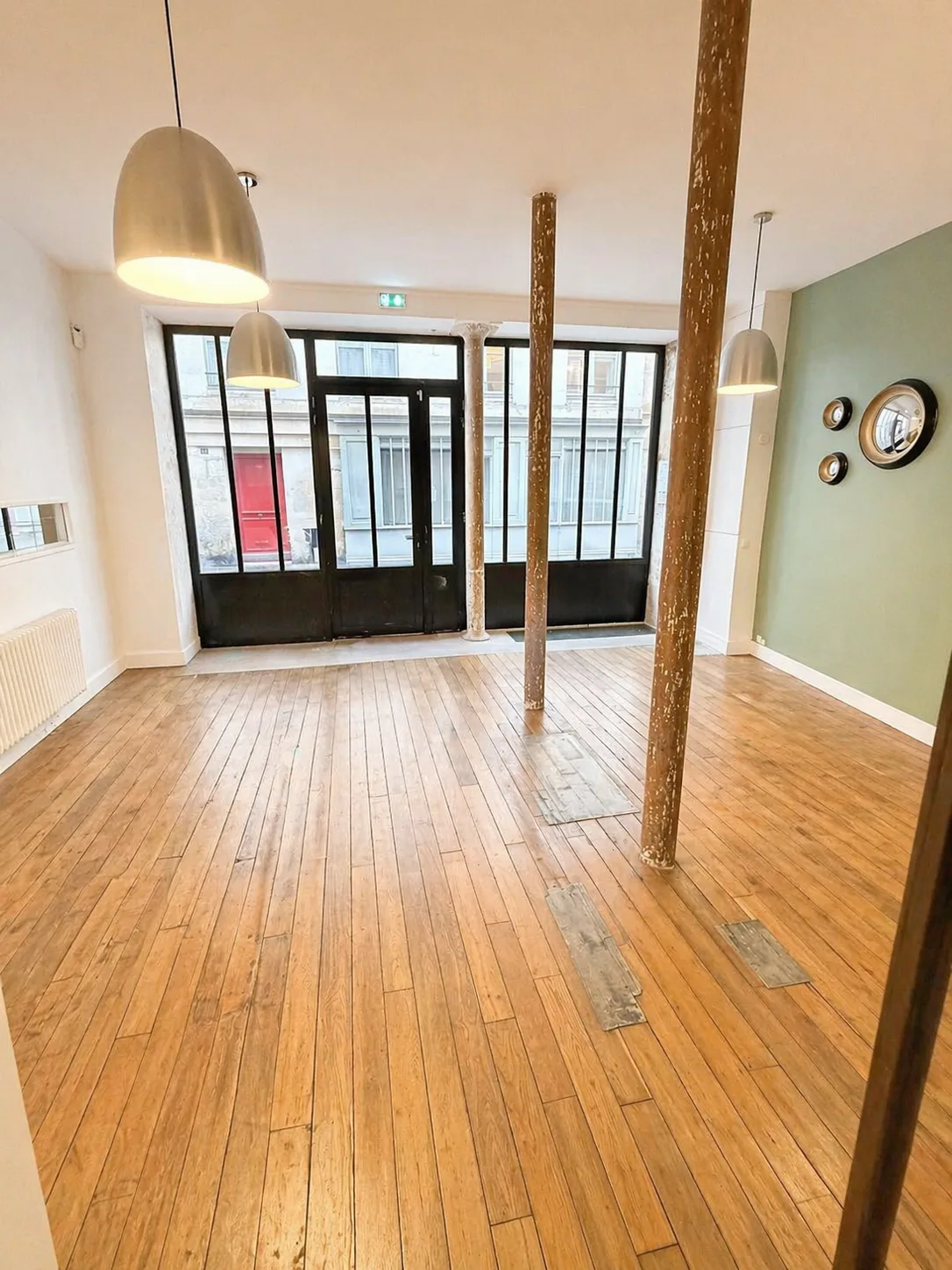
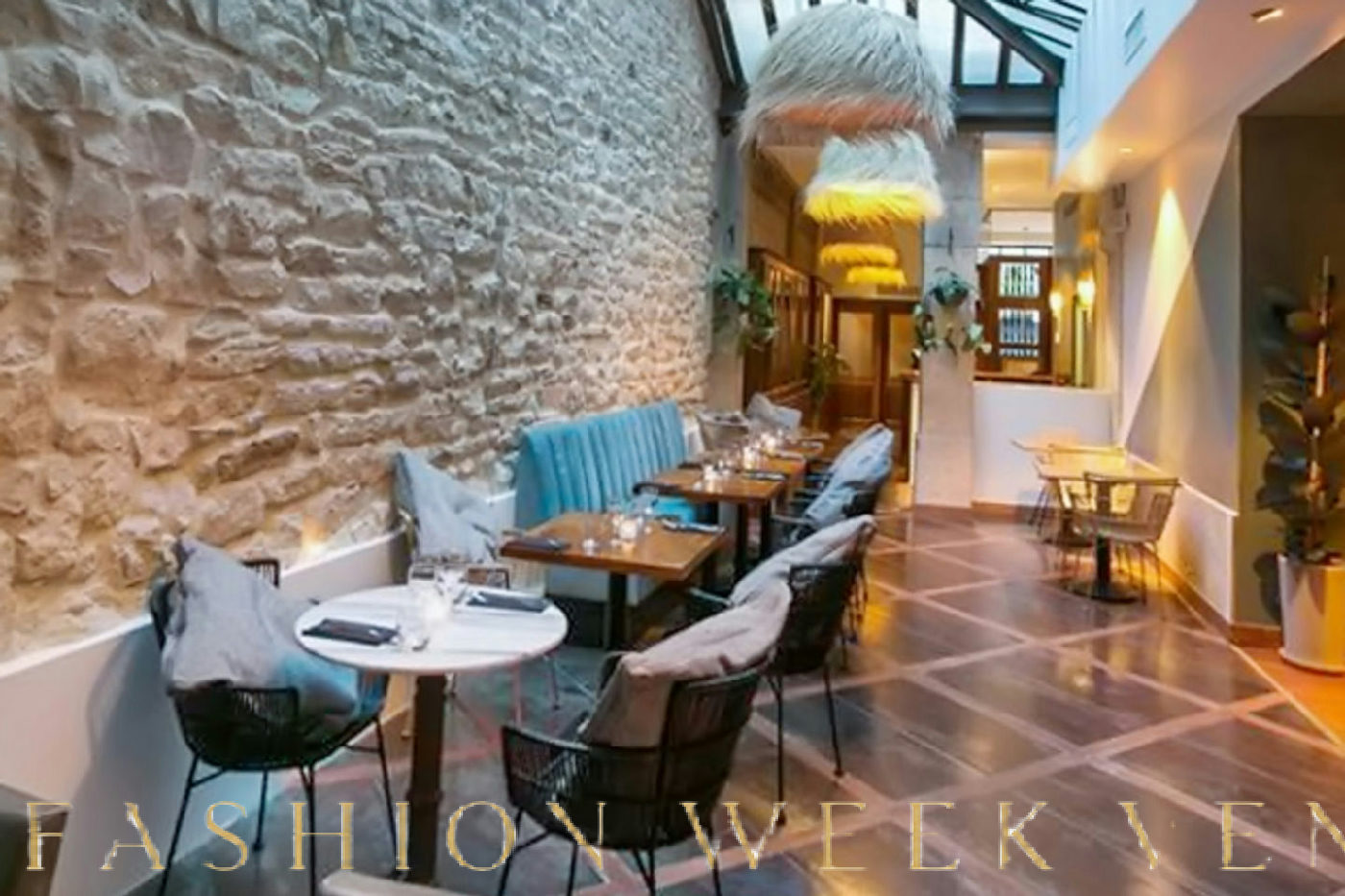
Le Marais offers a broader range of short-term commercial space typologies than almost any other district in Paris. The architectural diversity of the district, which spans medieval townhouses, Haussmannian buildings, converted industrial workshops, and purpose-built gallery pavilions, creates a genuinely varied inventory for brands with different spatial and operational requirements.
Quick answer: Short-term retail spaces in Le Marais range from ground-floor boutique units with Parisian window displays and garment racks to gallery-format white-box spaces, private courtyard studios, and fully equipped showroom apartments with high-speed WiFi, natural light, fitting rooms, and dedicated reception areas.
| Space Type | Typical Size Range | Best Suited For | Key Characteristics |
|---|---|---|---|
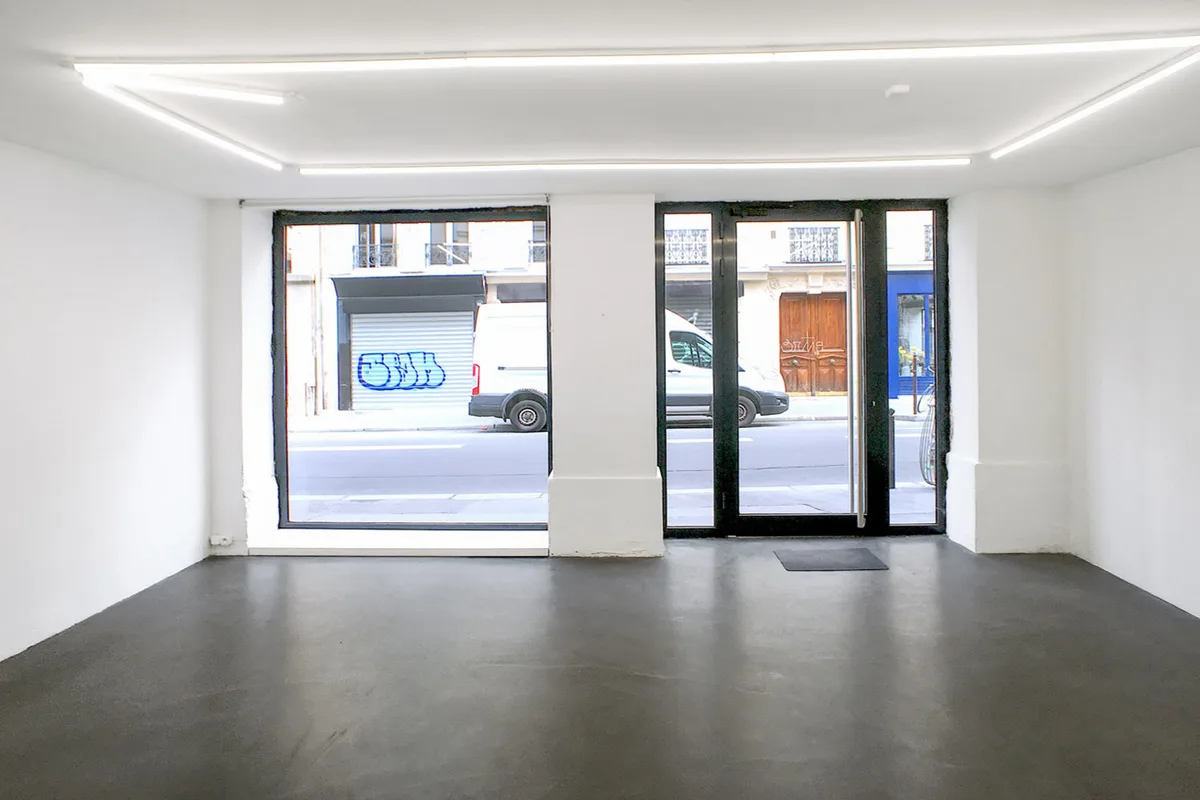
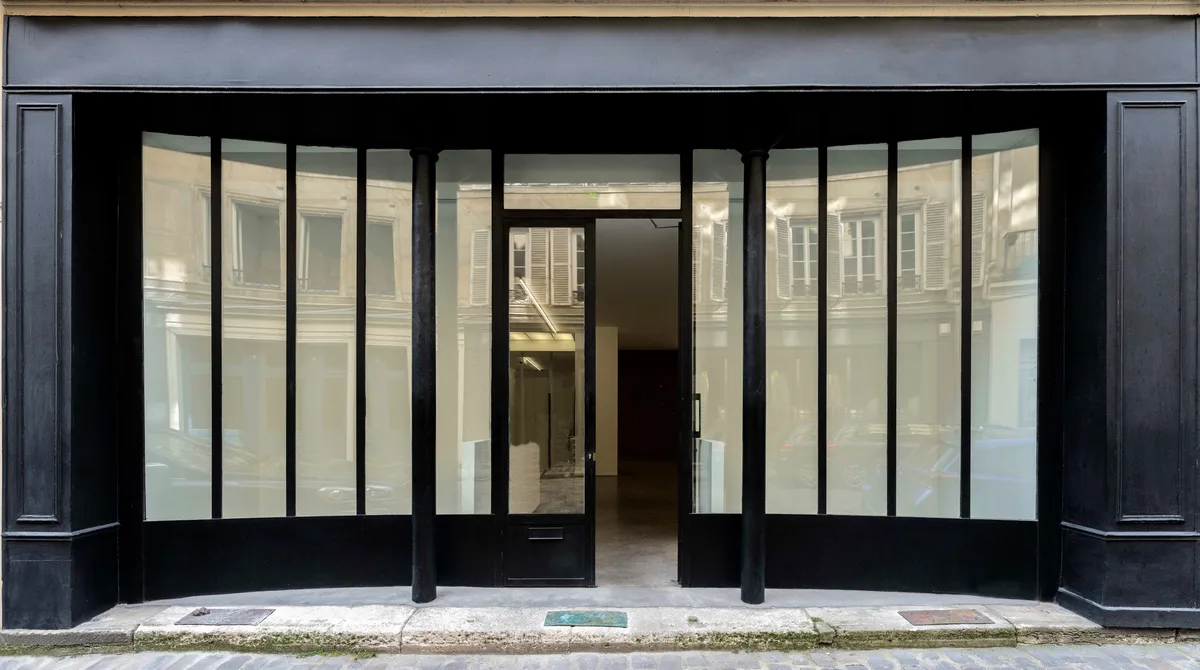
| Ground-Floor Boutique Unit | 30 to 120 sqm | Direct-to-consumer retail, seasonal pop-up stores, brand flagships | Street frontage, Parisian window display, garment racks, fitting rooms |
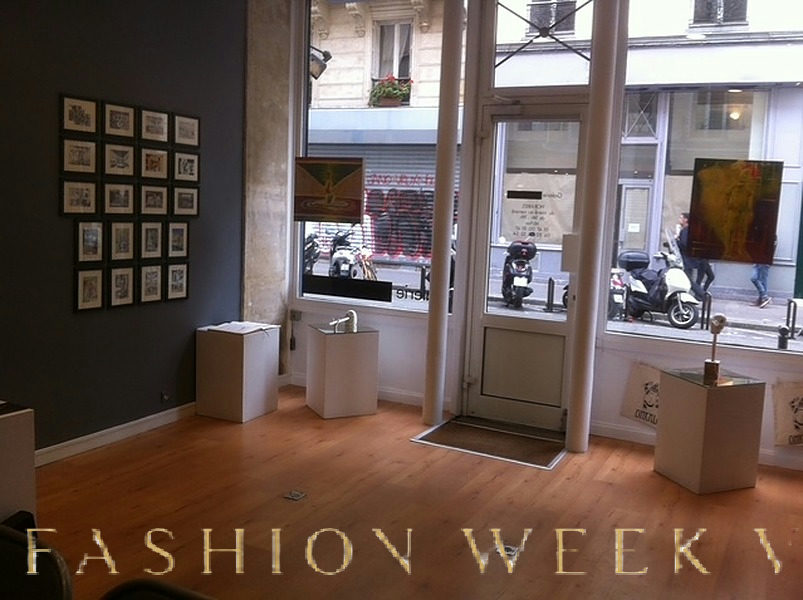
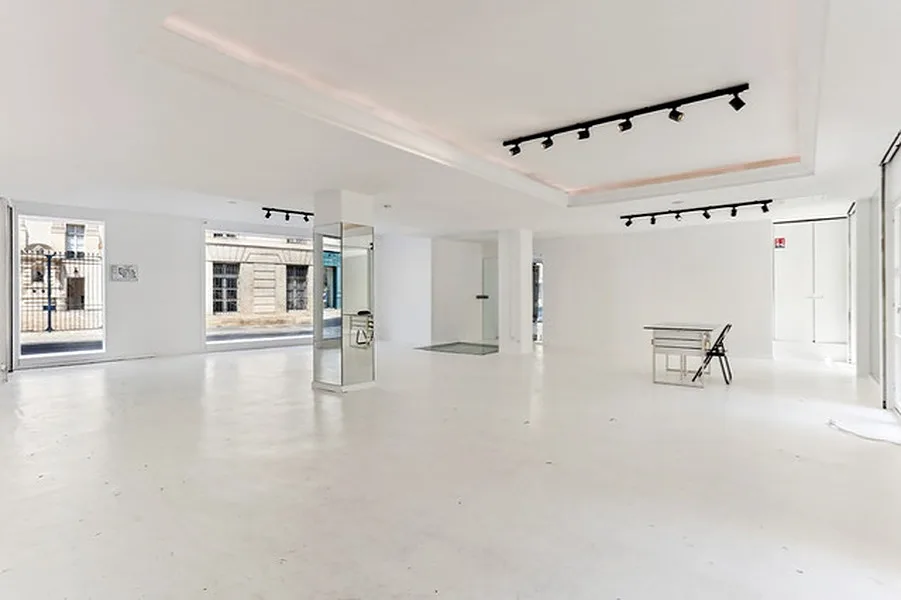
| Gallery-Format White Box | 60 to 300 sqm | Art exhibitions, product launches, installations, press previews | High ceilings, natural light, minimal fit-out, flexible layout |
| Private Courtyard Studio | 40 to 150 sqm | Showrooms, appointment-only presentations, intimate brand events | Private access, architectural character, flexible configuration |
| Furnished Showroom Apartment | 50 to 200 sqm | Fashion week showrooms, buyer appointments, designer presentations | Natural light, WiFi, modular furniture, kitchen, bathroom, fitting room |
| Multi-Floor Haussmannian Building | 150 to 600 sqm | Full brand activations, multi-category launches, large-scale events | Period architecture, leaded windows, multiple zones, high footfall frontage |
| Outdoor and Open-Air Space | Variable | Market-style activations, seasonal events, experiential installations | Subject to AOT permits, high vehicular and pedestrian visibility |
Showroom Spaces and Their Role During Fashion Week
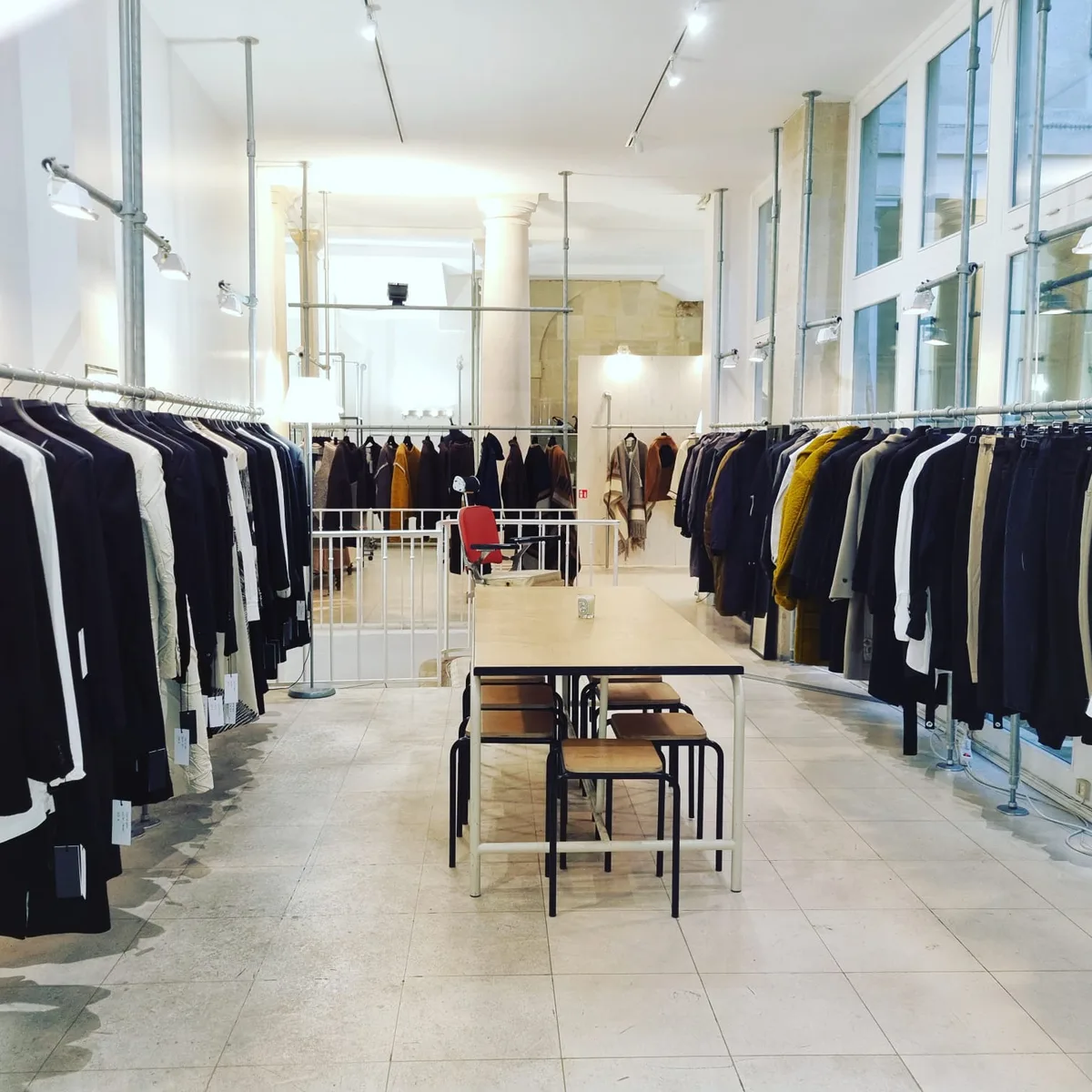
During Paris Fashion Week, the demand for furnished showroom spaces in Le Marais intensifies considerably. Designers and brands from across the world seek spaces that can function simultaneously as a professional showroom environment and a hospitality setting for buyers, press, and clients. The ideal showroom space in Le Marais combines natural light, which is essential for accurate fabric and colour assessment, with practical amenities including high-speed WiFi for digital lookbooks and order processing, a fitting room for sample presentations, garment racks, and a reception or waiting area. Many of the most sought-after showroom spaces in the district also feature period architectural details, including leaded windows, decorative plaster ceilings, and Parisian Haussmannian building facades, which add visual richness to brand presentations without requiring significant investment in scenic design.
Fully equipped spaces that include a kitchen, bathroom, and toilets are particularly valued for multi-day showroom use, allowing brands to host extended appointments without requiring guests to leave the building. Some spaces in the district also include Italian coffee machines, still and sparkling water facilities upon arrival, and hotel-quality linen equivalents in adjacent residential areas that brands use for visiting team accommodation during Fashion Week weeks.
Gallery Spaces and Art Gallery Conversions
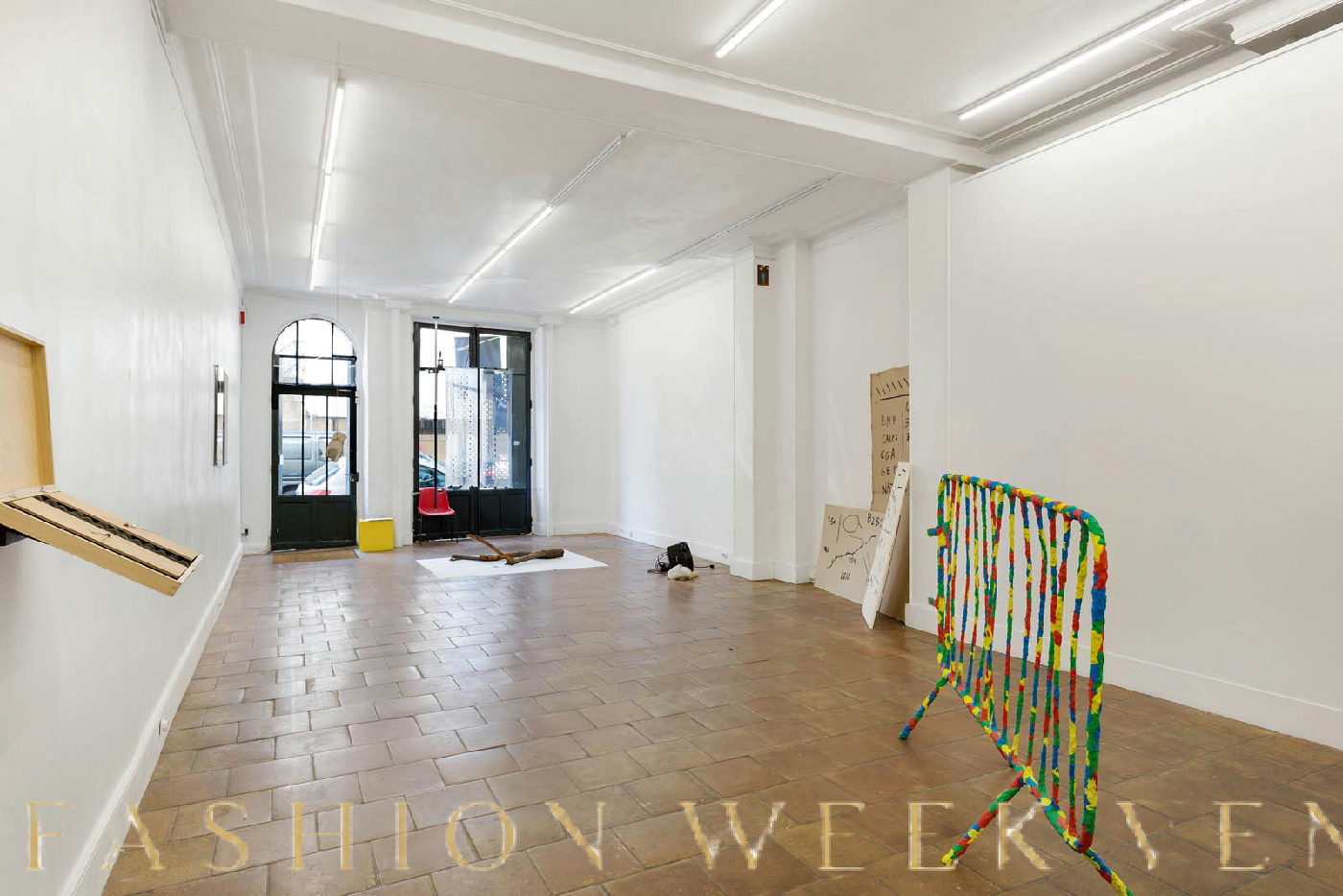
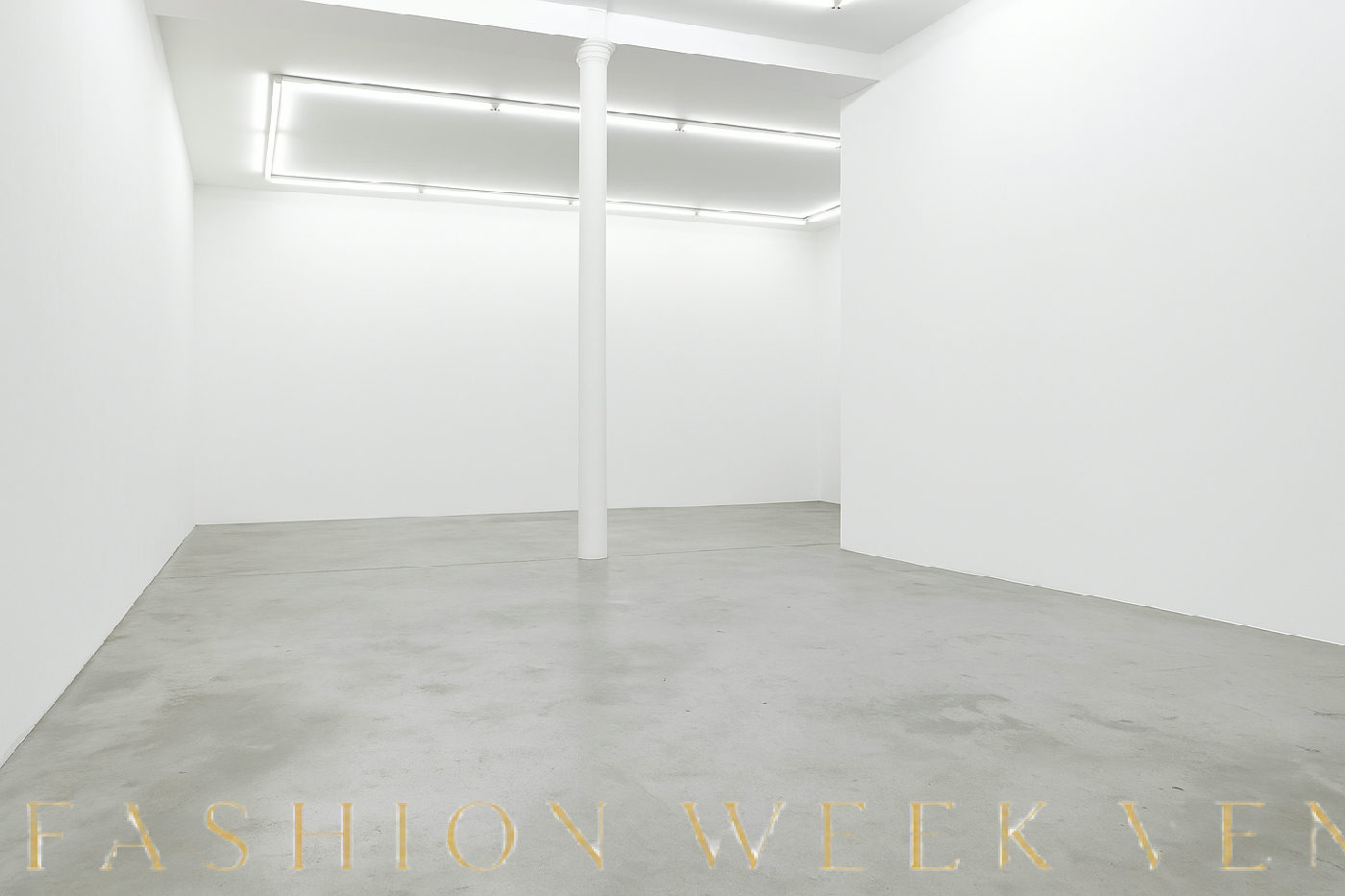
Le Marais has one of the highest concentrations of commercial art galleries in Paris, clustered particularly around Rue de Turenne, Rue Vieille du Temple, and the streets immediately surrounding the Pompidou Museum of Modern Art. Many of these gallery spaces offer short-term rental arrangements outside of their own exhibition calendars, making them available to brands for product launches, installations, and press activations. The gallery format, with its white walls, polished concrete or parquet floors, high ceilings, and considered lighting, transfers naturally to fashion and luxury brand presentations without requiring substantial additional investment in set dressing or production.
Brands considering gallery spaces should confirm with landlords and their own legal advisors whether the planned activation qualifies as a commercial activity under the space's existing use classification, particularly if direct retail sales are planned during the occupancy period.
DID YOU KNOW: The concentration of ART GALLERIES in Le Marais makes it one of the few retail districts in Europe where a brand can activate in a space with genuine curatorial heritage, lending a level of cultural credibility to the activation that purpose-built retail units cannot replicate.
Understanding what spaces are available is only part of the equation. Knowing where within Le Marais to position your activation has a direct impact on footfall, brand adjacency, and commercial outcome.
Key Streets and Micro-Locations Within Le Marais for Retail Activations
Le Marais is not a monolithic retail environment. Within its boundaries, distinct commercial corridors serve different brand profiles, audience demographics, and activation formats. Choosing the right street within the district significantly affects the commercial and reputational outcome of a short-term retail lease.
| Street or Location | Character | Audience Profile | Best For |
|---|---|---|---|
| Rue de Turenne | Fashion-forward, high footfall | Fashion buyers, Parisian residents, international tourists | Contemporary fashion boutiques, designer pop-ups, showrooms |
| Place des Vosges | Heritage, prestige, gallery culture | Affluent tourists, collectors, press, art audiences | Luxury brand activations, art-led exhibitions, high-end presentations |
| Rue Saint-Antoine | High-traffic arterial, mixed retail | Broad Parisian public, commuters, local residents | High-visibility seasonal activations, accessible brand pop-ups |
| Rue Etienne Marcel | Streetwear, contemporary fashion corridor | Younger fashion audience, streetwear enthusiasts, creative industry | Streetwear launches, sneaker activations, youth-oriented brand events |
| Near Pompidou Museum | Art, design, cultural tourism | International cultural tourists, design professionals, press | Culturally positioned brand activations, design-led exhibitions |
| Montorgeuil District Fringe | Food, lifestyle, emerging retail | Young Parisians, lifestyle audience, food and hospitality sector | Lifestyle brands, food and beverage activations, crossover retail |
Rue de Turenne and the Upper Marais Fashion Corridor
Rue de Turenne runs north from the Place de la République boundary through the heart of the upper Marais, connecting to the fashion and design ecosystem that has made this part of the district internationally recognised. The street and its immediate surroundings host a concentration of independent fashion boutiques, concept stores, and designer ateliers that attract a fashion-literate audience with genuine purchasing intent. For brands seeking a short-term retail lease in Le Marais with direct exposure to fashion buyers and international press during Fashion Week, the Rue de Turenne corridor is consistently one of the most strategically valuable locations.
Spaces along and adjacent to Rue de Turenne tend to feature the Parisian window display format that is characteristic of the district, with deep window boxes that allow brands to create visible, street-facing installations that draw passing foot traffic into the space. Garment racks, modular furniture, and custom-made designer fittings are common inclusions in the better-equipped spaces, reducing the fit-out investment required for a short-term activation.
Place des Vosges and the Prestige Southern Marais
The arcaded galleries surrounding Place des Vosges represent some of the most prestigious short-term commercial space in the city. The location combines unparalleled architectural heritage with a consistent flow of affluent international visitors, local art collectors, and fashion and design press. Brands that activate here benefit from an address that communicates quality and permanence without requiring long-term commitment. The gallery units beneath the arcades are particularly well suited to luxury brand presentations, limited-edition product launches, and invitation-only press events where the setting itself contributes materially to the brand narrative.
It is worth noting that spaces in and around Place des Vosges are subject to heritage and planning considerations that may affect the extent of fit-out and signage permitted. Brands should clarify these restrictions with their landlord and, where relevant, with the local planning authority before committing to a production concept.
To compare neighbourhoods and space types, explore the Paris city hub on Fashion Week Venues and shortlist spaces that match your brief, budget, and calendar window.
KEY TAKEAWAY: Location within Le Marais is a strategic brand decision, not just a logistics choice. Each major street and sub-district carries distinct audience demographics, brand adjacency dynamics, and commercial visibility profiles that directly affect the return on your activation investment.
With location defined, the next critical planning dimension is understanding the calendar windows that create the most commercially productive environment for a short-term retail activation in Le Marais.
Paris Fashion Week and Other Key Calendar Windows for Le Marais Activations
Paris Fashion Week is the most commercially significant calendar window for short-term retail and showroom activations in Le Marais, but it is by no means the only productive period. Brands that plan their activations exclusively around the official Fashion Week calendar miss multiple high-value commercial windows in which competition for space is lower, rental rates may be more favourable, and the district's audience is still commercially active.
Quick answer: Paris Fashion Week occurs twice annually, with Womenswear typically in late September to early October and February to March, and Menswear in January and June. Showroom demand in Le Marais peaks in the ten days surrounding each edition. However, high-value activation windows also exist around major exhibitions, public holidays, and the summer and winter tourist peaks.
Paris Fashion Week: When and Why Le Marais Is Central
Paris Fashion Week draws an estimated 100,000 or more accredited guests across each edition, including buyers, international press, influencers, photographers, stylists, brand representatives, and retail partners. While the official runway calendar spans locations across the city, the showroom and presentation circuit that runs in parallel is heavily concentrated in Le Marais. Designers without runway shows use the district's spaces for press and buyer appointments, and major brands use Le Marais pop-up stores and activations as commercial complements to their runway presence elsewhere in the city.
The commercial consequence is that demand for short-term retail space in Le Marais during Paris Fashion Week periods is substantially higher than at other times of year. Brands that secure space for Fashion Week benefit from a concentrated, commercially qualified audience that is actively engaged with fashion, luxury, and design. The risk is that lead times are short, available inventory is limited, and the most desirable spaces book out months in advance of the event dates.
Non-Fashion-Week Windows: Year-Round Activation Potential
Le Marais maintains strong footfall outside of Fashion Week periods for several reasons. The district's cultural institutions, including the Pompidou Museum of Modern Art, the Picasso Museum, and the network of commercial galleries, generate consistent visitor traffic year-round. The Seine River and the proximity to Notre Dame Cathedral attract international tourism throughout the year. The district's food, lifestyle, and boutique retail offering ensures that Parisian residents continue to spend time in the area on weekends and evenings even during quieter professional periods.
Key non-Fashion-Week windows include the Christmas and New Year period, when retail footfall across Le Marais rises sharply; the summer months of July and August, when international tourism is at its annual peak; and the spring and autumn shoulder seasons, which benefit from favourable weather and sustained tourist and professional traffic. Brands targeting the mass consumer market may find these windows more commercially productive than Fashion Week periods, which skew heavily toward trade and press audiences.
TIP: If your brand's primary objective is direct-to-consumer sales rather than trade or press engagement, consider activating during peak tourist windows rather than Fashion Week. Competition for space is lower, the consumer audience is larger, and the conversion dynamics are more favourable for retail-format activations.
KEY TAKEAWAY: Paris Fashion Week is the highest-profile but not the only commercially productive calendar window for a short-term retail lease in Le Marais. Brands with consumer-facing objectives should evaluate the full annual calendar before defaulting to Fashion Week as the default activation window.
Planning your calendar window and space type leads naturally to the question of what a short-term retail activation in Le Marais actually costs and what factors drive the budget.
Budget Considerations for a Short-Term Retail Lease in Le Marais
Budgeting accurately for a short-term retail lease in Le Marais requires brands to account for multiple cost components beyond the headline rental figure. The rental cost itself varies considerably based on location within the district, space size, amenity level, season, and duration. But the total activation budget must also absorb fit-out and production costs, staffing, permits, insurance, technology, logistics, and agency fees where applicable.
Quick answer: Rental costs for short-term retail space in Le Marais vary widely depending on size, location, duration, and season. Directional estimates are available through specialist tools, but brands should plan for the total activation budget to be two to four times the headline rent depending on the level of production, staffing, and service required.
The headline rental figure for a short-term boutique space in Le Marais during a non-Fashion-Week period will differ substantially from the same space during Paris Fashion Week, when demand is at its peak and landlords apply seasonal premiums. Gallery-format spaces in prestigious locations near Place des Vosges command higher rates per square metre than comparable spaces on secondary streets. Spaces with full amenity inclusions, such as high-speed WiFi, modular furniture, fitted kitchens, bathrooms, garment racks, and digital screens, will reflect those inclusions in the rental rate, but typically represent better value than sourcing the space and the amenities separately.
Cost Components Beyond Rent
Brands new to the Paris short-term retail market frequently underestimate the cost components beyond the headline rent. The main additional cost categories include the following. Production and build costs cover the fit-out of the space, including any scenic design, branded elements, custom-made designer features, shelving, lighting modifications, and the restoration of the space to its original condition at the end of the occupancy period. Staffing costs cover the recruitment, training, and management of sales associates, brand ambassadors, and event staff for the duration of the activation. Permit costs may apply depending on the space type and planned activation format, including any AOT applications for outdoor or public-facing elements. Insurance costs cover the commercial activity and public liability requirements that most Le Marais landlords will require as a condition of the short-term lease. Technology costs cover POS systems, payment processing, digital screens, and any e-commerce or CRM integration required during the activation. Agency management fees cover the coordination, oversight, and specialist expertise that an end-to-end agency provides across all of the above.
For brand-specific budget estimation, the Fashion Week Venues budget calculator allows teams to input their space type, location, duration, and service requirements and receive a directional cost estimate calibrated to the Paris market.
IMPORTANT: Do not use publicly available residential rental data for Le Marais, including platforms that list apartments and studios for short-term stays, as a proxy for commercial retail rental rates. Residential and commercial rental markets in Paris operate under entirely different legal frameworks, pricing structures, and landlord expectations. Comparing the two will produce a materially inaccurate budget baseline.
KEY TAKEAWAY: The headline rental figure for a short-term retail space in Le Marais is typically the smaller portion of the total activation budget. Brands that plan only to the headline rent and underestimate production, staffing, permits, and agency costs frequently find their activations underfunded at execution stage.
Understanding budget realism prepares brands to engage productively with the process of finding and securing the right space, which is the next major challenge in executing a successful Le Marais activation.
How to Find and Secure a Short-Term Retail Space in Le Marais
Finding a short-term retail space in Le Marais involves navigating a market that is simultaneously in high demand, limited in available short-term inventory, and largely inaccessible through conventional commercial real estate channels. Understanding the practical mechanics of space discovery and securing in this market saves brands significant time and reduces the risk of committing to an unsuitable space.
| Stage | Action | Who Leads | Typical Timeframe Before Activation |
|---|---|---|---|
| 1. Brief Definition | Define space type, size, location, dates, budget, and intended use | Brand team | 6 to 12 months before Fashion Week, 2 to 4 months for off-peak |
| 2. Market Scan | Search marketplace, agency inventory, and specialist networks for available spaces | Agency or brand team | Within 2 weeks of brief definition |
| 3. Shortlisting | Assess shortlisted spaces against brief, visit in person or via virtual tools, compare options | Brand team with agency support | 4 to 8 weeks before target booking |
| 4. Landlord Engagement | Submit formal enquiry, provide company documentation, negotiate terms | Agency or brand's legal team | 4 to 8 weeks before activation |
| 5. Lease Agreement | Review and sign bail dérogatoire, pay deposit, confirm insurance | Brand legal advisor | 4 to 6 weeks before activation |
| 6. Permit Applications | Apply for any required AOT or local authority permits for the planned activation | Agency with local authority | 6 to 10 weeks before activation, depending on permit type |
| 7. Production and Fit-Out | Execute design, build, installation, and technology setup | Production and build team | 1 to 2 weeks before opening |
| 8. Activation | Run the pop-up, showroom, or event programme | Brand team with staffing support | Activation period |
| 9. Closeout | Deinstall, restore space, reconcile costs, compile data | Agency and brand team | Within 48 to 72 hours of closing |
Using a Space Marketplace Versus a Commission Broker
The traditional route to finding commercial space in Paris involves engaging a commercial real estate agent or commission broker who holds relationships with landlords in the target district. These intermediaries typically operate on a commission basis calculated as a percentage of the total lease value, which incentivises them to direct clients toward higher-value spaces and longer occupancy periods regardless of whether these match the brand's actual requirements.
Space marketplaces offer a different model, allowing brands to browse available inventory directly, filter by location, size, dates, and space type, and engage landlords or their representatives through a structured enquiry process without commission pressure. The Fashion Week Venues space marketplace operates on this model for Paris and other major fashion capitals, providing brands with direct access to curated short-term commercial space inventory alongside tools for comparison, timeline planning, and permit guidance.
Lead Times: The Most Commonly Underestimated Planning Factor
The single most common planning error brands make when seeking a short-term retail lease in Le Marais is underestimating the required lead time. For Fashion Week periods, the most desirable spaces in the district are typically secured six months or more in advance. Brands that begin their search eight weeks before their target activation date are already operating in a constrained inventory environment and may find that their preferred streets, space types, or size requirements are unavailable at any price.
For off-peak activations, a lead time of eight to twelve weeks from brief to lease is more realistic, provided the brand brief is well defined and the budget is commercially credible for the target market. Using the Fashion Week Venues timeline planning tool can help brand teams map the full activation workflow against their target dates and identify where the critical path constraints lie.
KEY TAKEAWAY: Lead time is the most frequently underestimated planning variable in Le Marais retail activations. Brands that begin their space search late rarely secure their preferred location, space type, or terms, and frequently compromise on one or more of these dimensions as a result.
Once space is secured and timelines are confirmed, brands face the operational challenge of delivering a high-quality activation in a market with specific cultural, logistical, and regulatory characteristics.
Designing and Producing a Retail Activation in Le Marais
The design and production of a short-term retail activation in Le Marais must account for both the creative ambitions of the brand and the practical constraints of operating in a historic urban district with heritage considerations, neighbour sensitivities, and specific landlord requirements. Getting the balance right between bold brand expression and operational discipline is what separates successful activations from costly underperformers.
Quick answer: Effective retail activations in Le Marais combine a clear spatial concept, fit-out materials and methods that respect the host building's character, a technology setup that supports both the customer experience and the brand's data collection requirements, and a close-out plan that restores the space to its original condition without penalty.
Concept Direction and Spatial Strategy
The concept for a Le Marais retail activation should be developed with the host space in mind from the outset rather than imposed on the space as an afterthought. Spaces in Le Marais carry architectural character, whether that is the stripped-back industrial aesthetic of a converted atelier, the ornate plasterwork of a Haussmannian apartment, or the gallery-white neutrality of a purpose-built exhibition space. The most effective activations work with this existing character rather than against it, using modular furniture, custom-made designer elements, and targeted lighting to define the brand environment without overwhelming the spatial qualities that made the location desirable in the first place.
Digital screens have become an increasingly common component of Le Marais retail activations, used for brand storytelling content, product videos, look-book display, and wayfinding within multi-zone spaces. The use of digital screens should be balanced against the character of the host space. In a heritage gallery setting near Place des Vosges, for example, a large freestanding LED screen may conflict visually with the architectural context in ways that reduce rather than enhance the brand experience. In a contemporary white-box gallery or street-level boutique unit, digital integration tends to work more naturally.
Production, Fit-Out, and Restoration
Production for a short-term Le Marais activation involves sourcing, fabricating, and installing all scenic, branded, and functional elements within the space for the duration of the occupancy, then removing them and restoring the space to its original condition before the end of the lease period. This two-directional production requirement, build and strike, means that all materials and fittings must be designed for temporary installation without causing permanent damage to the fabric of the building.
Common fit-out elements for Le Marais retail activations include garment racks, display tables, modular shelving systems, custom-made designer display units, branded signage, lighting rigs, point-of-sale stations, and customer seating. All of these must be installed and removed without drilling into protected wall surfaces, permanently altering floor finishes, or leaving residue or damage that would trigger restoration charges under the lease agreement.
The production and build service at Fashion Week Venues manages this end-to-end process for brands activating in Paris, coordinating fabrication, logistics, installation, and close-out in compliance with the specific terms of each space agreement.
Staffing and Customer Experience
The staffing model for a Le Marais pop-up store or showroom activation requires careful planning. French labour law applies to all commercial activity in France, including temporary event staffing, and brands that engage staff without proper employment or contractor arrangements risk compliance issues that can be both commercially and reputationally damaging. Working with a specialist retail staffing provider who operates within the French regulatory framework is strongly advisable for international brands unfamiliar with local employment law.
Beyond compliance, the customer-facing staffing model should reflect the nature of the activation. A showroom appointment environment requires brand ambassadors with genuine product knowledge and language capability across the relevant buyer markets. A consumer pop-up store requires staff who can manage both the brand experience and the operational reality of a busy retail environment, including POS transactions, queue management, and security. The Fashion Week Venues retail staffing service provides trained, bilingual staff for Paris activations across both showroom and consumer retail formats.
KEY TAKEAWAY: Production quality and staffing professionalism are the two factors that most directly affect customer perception of a Le Marais retail activation. Underinvesting in either typically results in a brand experience that fails to justify the cost of the space and the location.
Delivering an effective activation also requires the right technology infrastructure, from payments to data, to ensure that the brand captures the commercial and intelligence value that the activation generates.
Technology, Data, and ROI for Le Marais Pop-Up Stores
Short-term retail activations in Le Marais generate commercial value not only through direct sales but through the data, brand awareness, press coverage, influencer reach, and customer relationship intelligence that a well-executed activation produces. Brands that treat their Le Marais pop-up purely as a transactional retail exercise miss a substantial portion of the available return.
Quick answer: A fully instrumented Le Marais pop-up store should capture footfall data, transaction data, customer acquisition data, social media engagement metrics, and press mention tracking across the activation period. This data forms the foundation of the ROI calculation and informs future activation decisions.
POS and Payment Systems for Short-Term Retail in France
Payment processing for a Le Marais pop-up store must comply with French fiscal regulations, including the requirement for certified electronic point-of-sale systems for businesses conducting retail sales in France. International brands using their home-market POS systems may not meet French compliance requirements, particularly regarding the anti-fraud and receipt issuance rules that apply to retail transactions in France. Working with a payment provider familiar with the French regulatory environment is advisable. The Fashion Week Venues POS and payments service configures and deploys compliant payment solutions for short-term retail activations in Paris.
Data Collection and Analytics
The data a Le Marais activation generates is most valuable when it is collected consistently, attributed accurately, and analysed in context. Footfall counters provide gross traffic data but must be interpreted alongside dwell time, conversion rates, and average transaction value to provide meaningful commercial insight. Customer acquisition data, collected through loyalty registration, newsletter sign-up, or digital interaction at the point of sale, enables brands to convert a temporary physical presence into a long-term customer relationship. Social media monitoring during the activation period captures organic reach generated by visitors who post from the space, providing an earned media value metric that contributes directly to the ROI calculation.
The Fashion Week Venues ROI calculator allows brand teams to model the expected return from a Le Marais activation across multiple value dimensions, including direct sales, brand awareness, customer acquisition, press value, and influencer reach.
Influencer Marketing and Press Amplification
Le Marais is one of the most photographed retail districts in Europe, and a well-designed pop-up store in the right location generates significant organic social media content from visitors, fashion press, and local tastemakers. Brands can amplify this organic activity through structured influencer partnerships, coordinated press appointments, and in-space content creation zones that are designed to facilitate high-quality photography and video.
The Fashion Week Venues influencer marketing service connects brands activating in Paris with relevant French and international influencers, coordinating visit scheduling, content briefing, and post-campaign reporting to maximise the earned media value of the Le Marais activation.
KEY TAKEAWAY: The ROI of a short-term retail lease in Le Marais extends well beyond direct sales. Brands that instrument their activations for data collection, earned media tracking, and customer acquisition consistently demonstrate higher total return than those focused exclusively on transaction volume.
The full picture of what it means to execute a successful Le Marais activation is most useful when assessed alongside common misconceptions that prevent brands from engaging with the market effectively.
How Fashion Week Venues Supports Short-Term Retail Activations in Le Marais
Fashion Week Venues operates as a full-service pop-up shop agency and space marketplace with Paris as its primary anchor market. For brands seeking a short-term retail lease in Le Marais, the agency provides a range of services that address the practical, creative, logistical, and commercial dimensions of executing a successful activation in one of Europe's most competitive retail districts.
The core services most relevant to a Le Marais retail activation include venue sourcing, which identifies and evaluates available short-term spaces across the district's key streets and sub-zones; concept direction, which develops the spatial and brand narrative strategy for the activation; production and build, which manages fit-out, installation, and close-out in compliance with the lease and heritage requirements of the host space; activation management, which coordinates all operational elements during the live activation period; retail staffing, which provides trained bilingual staff for consumer and trade-facing formats; and POS and payments, which deploys compliant payment infrastructure for French fiscal requirements.
The agency's tool suite extends these services with digital resources that brand teams can use independently or in conjunction with agency support. The permits guidance tool provides orientation on the French regulatory requirements for different types of short-term commercial activation in Paris, including bail dérogatoire structures, AOT applications, and commercial signage permissions. The space comparison tool allows teams to evaluate multiple shortlisted spaces against a consistent set of criteria, reducing the time required to reach a shortlisting decision. The space locator tool maps available inventory across Le Marais and other Paris districts, enabling geographic filtering by arrondissement, street, and proximity to key landmarks.
Brand teams that benefit most from the Fashion Week Venues service model include international brands entering the Paris market for the first time without established landlord relationships or local legal support; emerging designers seeking curated short-term spaces for Fashion Week showroom presentations without the overhead of a full agency retainer; and established brands planning large-scale multi-zone activations that require coordinated production, staffing, and data management across multiple spaces or floors.
The agency's twin co-activation concept, available through the Fashion Week Venues twin programme, enables two complementary brands to share a single Le Marais space across a coordinated activation period, reducing the individual rental and production cost while maintaining distinct brand environments within a shared footprint. This model is particularly relevant for brands with overlapping audiences but non-competing product categories, such as a fashion brand and a fragrance house, or an accessories brand and a lifestyle publication.
Fashion Week Venues does not guarantee the availability of specific spaces, the outcome of permit applications, or the commercial result of any activation. The agency's role is to provide specialist knowledge, market access, coordination capability, and creative and operational support to brand teams who want to activate in Le Marais with confidence and efficiency.
For brands that want to understand how the agency has supported previous clients in Paris and other markets, the Fashion Week Venues work and case study section documents past activations with contextual detail on the brief, the space, the approach, and the outcome.
KEY TAKEAWAY: Fashion Week Venues operates as a full-service partner for Le Marais retail activations, combining space marketplace access, end-to-end agency services, and a specialist tool suite that addresses every stage of the planning and execution process from brief to close-out.
Common Myths About Short-Term Retail Leases in Le Marais Debunked
MYTH: International brands need a French legal entity to rent commercial space in Le Marais.
FACT: A French legal entity is not always required to enter into a bail dérogatoire for a short-term commercial space in Paris. Many landlords will contract directly with a foreign company provided appropriate documentation and deposit terms are met. However, the specific requirements vary by landlord, space, and lease structure, and working with a local advisor who understands the nuances of commercial tenancy law in France is strongly recommended to confirm your eligibility and protect your interests under the agreement.
MYTH: Paris Fashion Week is the only viable calendar window for a Le Marais retail activation.
FACT: Paris Fashion Week creates the highest concentration of trade and press traffic in Le Marais, but it is not the only commercially productive activation window. Peak tourist periods in summer and winter, major exhibition openings at the Pompidou Museum and Picasso Museum, and the spring and autumn shoulder seasons all generate strong footfall in the district. Brands with consumer-facing objectives often achieve better conversion rates during non-Fashion-Week periods when the audience is broader and the competition for attention is lower.
MYTH: Commission brokers are the only way to access short-term retail space in Le Marais.
FACT: Commission brokers are one route to market, but not the only one. Space marketplaces, full-service pop-up agencies, and direct landlord engagement through specialist networks all provide access to short-term commercial inventory in Le Marais. Brands that rely exclusively on commission brokers may find themselves directed toward spaces that maximise the broker's fee rather than the brand's strategic requirements. A specialist marketplace or agency with transparent fee structures can offer a more brand-aligned route to the right space.
MYTH: Short-term commercial leases in Paris are simple, low-risk legal documents.
FACT: The bail dérogatoire is a specific legal instrument that operates within a complex framework of French commercial tenancy law. Permitted use clauses, cumulative duration limits, restoration obligations, and deposit terms all carry legal implications that may not be immediately obvious to brands unfamiliar with the French legal environment. Signing a short-term lease without specialist legal review exposes brands to risks including lease conversion to a full bail commercial, restoration cost disputes, and compliance issues arising from using the space in ways not explicitly covered by the agreement.
MYTH: A Le Marais pop-up store only generates value through direct retail sales.
FACT: The commercial value of a Le Marais pop-up extends well beyond transaction revenue. Brand awareness, press coverage, influencer-generated content, customer data acquisition, trade relationship development, and market intelligence all contribute to the total return from a well-executed activation. Brands that measure their Le Marais pop-up exclusively on sales miss the majority of the available value and are likely to underinvest in the elements, such as design quality, influencer programming, and data infrastructure, that generate the broader return.
Frequently Asked Questions
What is a short-term retail lease in Le Marais and how does it differ from a standard commercial lease in France?
A short-term retail lease in Le Marais typically takes the form of a bail dérogatoire, which is a French legal instrument allowing temporary commercial occupancy without the full protections and obligations of a standard nine-year bail commercial. The key differences include the duration, which can range from a few weeks to a maximum cumulative three years with the same landlord; the absence of automatic renewal rights; and the specific permitted use restrictions that govern what commercial activities are allowed in the space. Brands should always have the lease terms reviewed by a qualified French legal advisor before signing, as the legal implications differ significantly from commercial lease structures in the UK, US, and other markets.
How far in advance should a brand start looking for a short-term retail space in Le Marais for Paris Fashion Week?
For Paris Fashion Week activations, brands should ideally begin their space search six to nine months before the target activation dates. The most desirable spaces in the district, particularly those on Rue de Turenne, near Place des Vosges, and adjacent to the Pompidou Museum, are typically secured well in advance of the Fashion Week period. Brands that begin searching fewer than three months before their target dates will find inventory significantly constrained. For off-peak activations during non-Fashion-Week periods, a lead time of eight to twelve weeks from brief definition to lease signing is more realistic, provided the brand brief is well defined and commercially credible.
Do I need a French company or a French bank account to rent commercial space in Le Marais?
Not always. Many landlords in Le Marais will contract with a foreign company for a bail dérogatoire, particularly for established international brands with demonstrable financial standing. Requirements vary by landlord and may include a security deposit, proof of company registration, insurance documentation, and sometimes a French guarantor. The specific requirements for any given space should be confirmed with the landlord or their representative before submitting a formal application. A specialist agency with established landlord relationships in the district can facilitate introductions and advise on documentation requirements on a case-by-case basis.
What types of spaces are most commonly available for short-term retail use in Le Marais?
The short-term retail space inventory in Le Marais includes ground-floor boutique units with street frontage and Parisian window displays, gallery-format white-box spaces with high ceilings and natural light, private courtyard studios suitable for appointment-only showrooms, fully furnished Haussmannian showroom apartments with kitchens and bathrooms, and outdoor or open-air spaces subject to AOT permit requirements. The most appropriate space type depends on the brand's intended activation format, audience profile, production budget, and operational requirements for the occupancy period.
What permits or authorisations are required for a pop-up store or showroom in Le Marais?
Permit requirements for a short-term retail activation in Le Marais vary depending on the space type, the nature of the planned activation, the duration of the occupancy, and the specific arrondissement. For standard indoor activations in private commercial spaces, the bail dérogatoire is typically the primary legal instrument and no additional permit is required beyond standard commercial activity compliance. For activations involving outdoor elements, public-facing signage, structural modifications, or spaces on public land, an Autorisation d'Occupation Temporaire from the relevant municipal authority may be required. Requirements should be verified with a French legal advisor and the relevant local authority well in advance of the planned activation dates. The Fashion Week Venues permits tool provides general orientation on permit types and processes for Paris activations.
How much does a short-term retail space in Le Marais cost?
Rental costs for short-term commercial space in Le Marais vary considerably based on location within the district, space size, amenity level, season, and duration. Spaces in premium locations near Place des Vosges or along Rue de Turenne during Paris Fashion Week command the highest rates per square metre. Off-peak rates for secondary locations are substantially lower. The headline rental figure is also only one component of the total activation budget, which must also account for production, staffing, permits, insurance, technology, and agency fees. Directional budget estimates calibrated to the Paris market are available through the Fashion Week Venues budget calculator tool, and brands should use this as a starting point rather than relying on publicly available residential rental data for the district.
Can a non-French brand use the space for direct retail sales, or only for showroom presentations?
Whether a non-French brand can conduct direct retail sales from a Le Marais space depends on the permitted use clause in the lease agreement and the space's existing use classification under French commercial and planning law. Many spaces are leased specifically for showroom or exhibition use, which may not include direct-to-consumer retail sales. Using a space for activities outside its permitted use can expose brands to lease termination, legal challenge, and financial penalty. Brands intending to conduct retail sales should confirm that the space is classified for commercial retail activity and that the lease agreement explicitly permits this use before committing to the space.
What amenities should a brand look for in a Le Marais showroom space for Fashion Week?
The most practical amenities for a Le Marais showroom during Fashion Week include reliable high-speed WiFi for digital lookbooks and order processing, natural light for accurate fabric and colour presentation, dedicated garment racks or display fittings, a fitting room for sample try-ons, a reception or waiting area for guest management, a kitchen or catering-capable area for hospitality during appointments, and at least one bathroom and toilet for staff and guests. Additional desirable features include modular furniture for flexible layout configuration, digital screens for brand content display, Parisian window display visibility for street-level brand presence, and a private entrance or courtyard access for appointment-only formats requiring controlled visitor flow.
Is it possible to activate in two spaces simultaneously in Le Marais during Fashion Week?
Yes, brands with sufficient budget and operational capacity sometimes activate across two spaces simultaneously in Le Marais during Fashion Week, using one space for trade and press showroom appointments and a second space for consumer-facing retail or events. Fashion Week Venues also offers a twin co-activation model that allows two complementary brands to share a single space in a structured format, reducing individual costs while maintaining distinct brand environments within the shared footprint. This approach is particularly effective for brands with overlapping audiences and non-competing product categories.
How does the Paris Fashion Week calendar affect space availability and rental rates in Le Marais?
Paris Fashion Week creates the most acute demand spike for short-term commercial space in Le Marais of any annual calendar event. Available inventory drops significantly in the weeks surrounding each Fashion Week edition, and rental rates in desirable locations typically reflect the seasonal premium. Landlords with spaces in high-demand locations near Place des Vosges, on Rue de Turenne, or adjacent to key cultural institutions are aware of the Fashion Week premium and price accordingly. Brands that have flexible activation dates may achieve better value by shifting their activation to the week immediately before or after the official Fashion Week calendar, when footfall remains elevated but competition for space and landlord pricing pressure are somewhat reduced.
What is the difference between a pop-up store and a showroom in Le Marais, and does the distinction matter legally?
A pop-up store in Le Marais is a temporary direct-to-consumer retail environment where products are sold to members of the public. A showroom is a trade or press-facing environment where products are presented by appointment to buyers, journalists, and brand partners, without necessarily involving direct-to-consumer sales transactions. The legal distinction matters in the context of the permitted use clause in the lease agreement and the commercial use classification of the space. Spaces classified and leased for showroom use may not be legally appropriate for direct retail sales without a change of use or an additional agreement with the landlord. Clarifying this distinction before signing the lease is essential for brands planning any form of commercial transaction in the space.
What are the key streets in Le Marais for a fashion brand pop-up store?
The most strategically valuable streets for a fashion brand pop-up store in Le Marais depend on the brand's target audience and price positioning. Rue de Turenne is the primary choice for contemporary and luxury fashion brands seeking exposure to fashion buyers and style-conscious Parisians. Rue Etienne Marcel, connecting Le Marais to the Montorgeuil district, is particularly effective for streetwear and youth-oriented brands. The arcaded streets surrounding Place des Vosges are ideal for heritage, luxury, and art-adjacent brands. Rue Saint-Antoine offers high vehicular and pedestrian visibility for brands with broader consumer appeal. Each of these micro-locations carries distinct audience and brand adjacency dynamics that should be matched carefully to the brand's profile and activation objectives.
How does the French system for short-term commercial leases protect landlords and tenants differently?
The bail dérogatoire structure in French law is designed primarily to protect landlords from the obligations of the full bail commercial, including the tenant's right to lease renewal and the statutory protections that apply after a three-year cumulative occupancy period. For tenants, the bail dérogatoire provides less security than a standard commercial lease, as the landlord can decline to renew without statutory compensation. However, it provides flexibility that a standard nine-year lease does not. Tenant protections that do apply include the landlord's obligation to maintain the property in a condition appropriate for the agreed use and the tenant's right to the peaceful enjoyment of the space for the agreed period. Both parties benefit from having the agreement reviewed by a qualified French commercial lawyer before execution.
Can a brand use the Le Marais activation as a test market before committing to a permanent Paris location?
Yes, and this is one of the most strategically compelling use cases for a short-term retail lease in Le Marais. A well-instrumented pop-up activation generates consumer response data, product performance data, price point feedback, brand awareness metrics, and operational learnings that are directly applicable to the decision about permanent market entry. Brands that activate in Le Marais before committing to a long-term lease have a substantial advantage over those that make permanent location decisions based on market research alone. The data infrastructure required for this kind of market intelligence exercise, including footfall counters, POS analytics, customer acquisition tracking, and social sentiment monitoring, should be planned into the activation from the outset rather than retrofitted after the space opens.
How can a brand measure the success of a short-term retail activation in Le Marais?
Measuring the success of a Le Marais retail activation requires defining success metrics before the activation opens and building the data collection infrastructure to capture them during the live period. The most commonly tracked metrics include total footfall, conversion rate from visitor to buyer, average transaction value, total revenue, customer acquisition rate, social media reach and engagement generated from the activation, press mentions and earned media value, and brand awareness uplift among target audience segments. Trade-facing showroom activations additionally track buyer appointments completed, orders placed or progressed, and relationship metrics with key accounts. ROI should be calculated across all measurable value dimensions, not only direct revenue, to reflect the full commercial return from the activation investment.
Conclusion: Securing a Short-Term Retail Lease in Le Marais
A short-term retail lease in Le Marais represents one of the most commercially and culturally powerful activation opportunities available to fashion brands, emerging designers, and international houses in the European market. The district's combination of heritage architecture, cultural institution density, fashion industry concentration, and consistent high-quality footfall creates conditions that few other districts in any European capital can match for brand activation purposes.
Executing that opportunity successfully requires a level of market knowledge, legal literacy, production discipline, and operational coordination that differs meaningfully from what brands require in their home markets. The French legal framework governing bail dérogatoire agreements, the micro-geographic nuance of different streets and sub-districts within Le Marais, the compressed lead times required for Fashion Week space booking, and the full-budget realism that includes production, staffing, permits, and technology alongside headline rent are all dimensions that brand teams must plan for explicitly rather than assume they can address reactively once on the ground in Paris.
The reward for getting it right is substantial. A well-designed, well-located, and well-managed Le Marais activation generates commercial value across multiple dimensions: direct sales, brand awareness, press and influencer coverage, customer acquisition, and market intelligence that informs long-term strategic decisions. Brands that approach the Le Marais market with the rigour, the lead time, and the specialist support it requires consistently outperform those that treat it as a simpler exercise than it actually is.
To move from research to activation, start exploring available spaces on the Fashion Week Venues marketplace and build a focused brief for your target neighbourhood, space type, and calendar window. The tools, services, and specialist knowledge to take your brand from brief to open doors in Le Marais are ready when your team is.