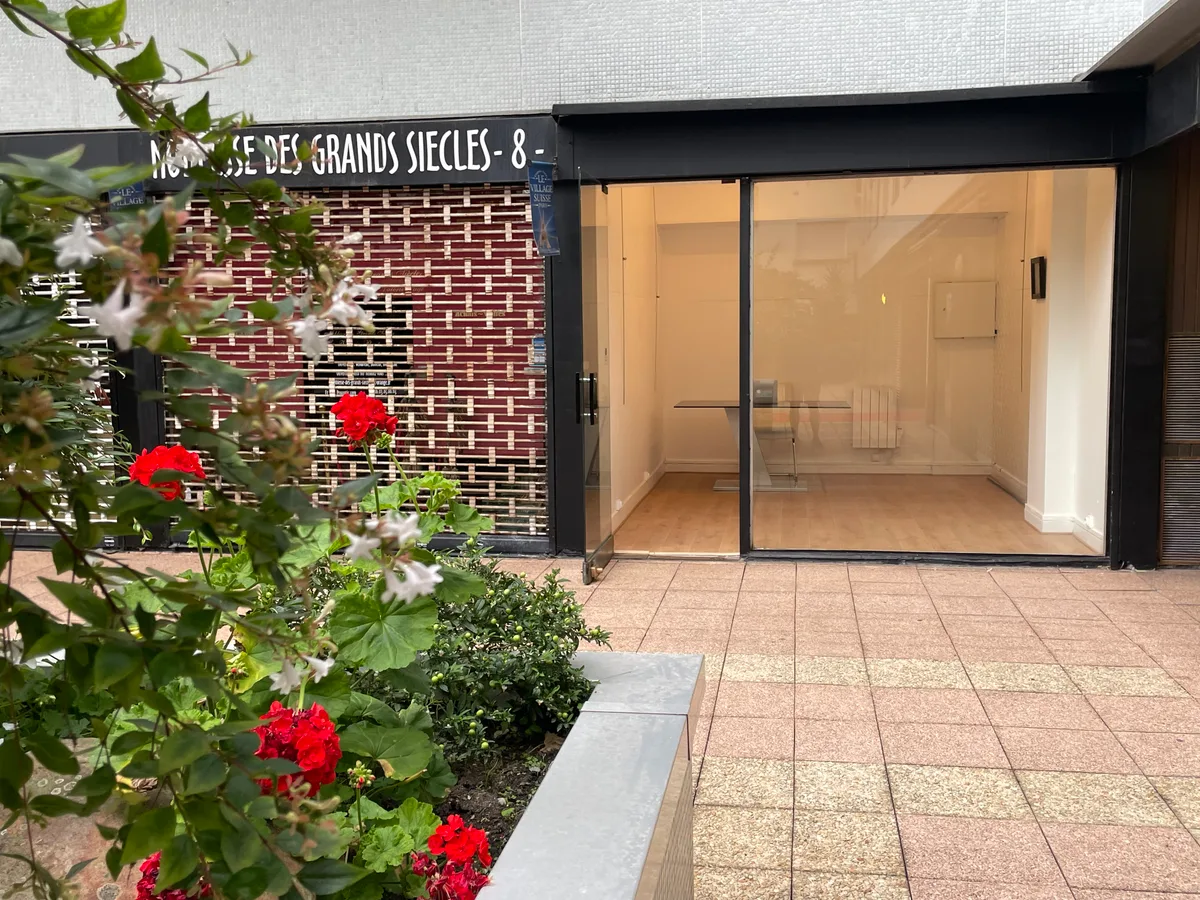
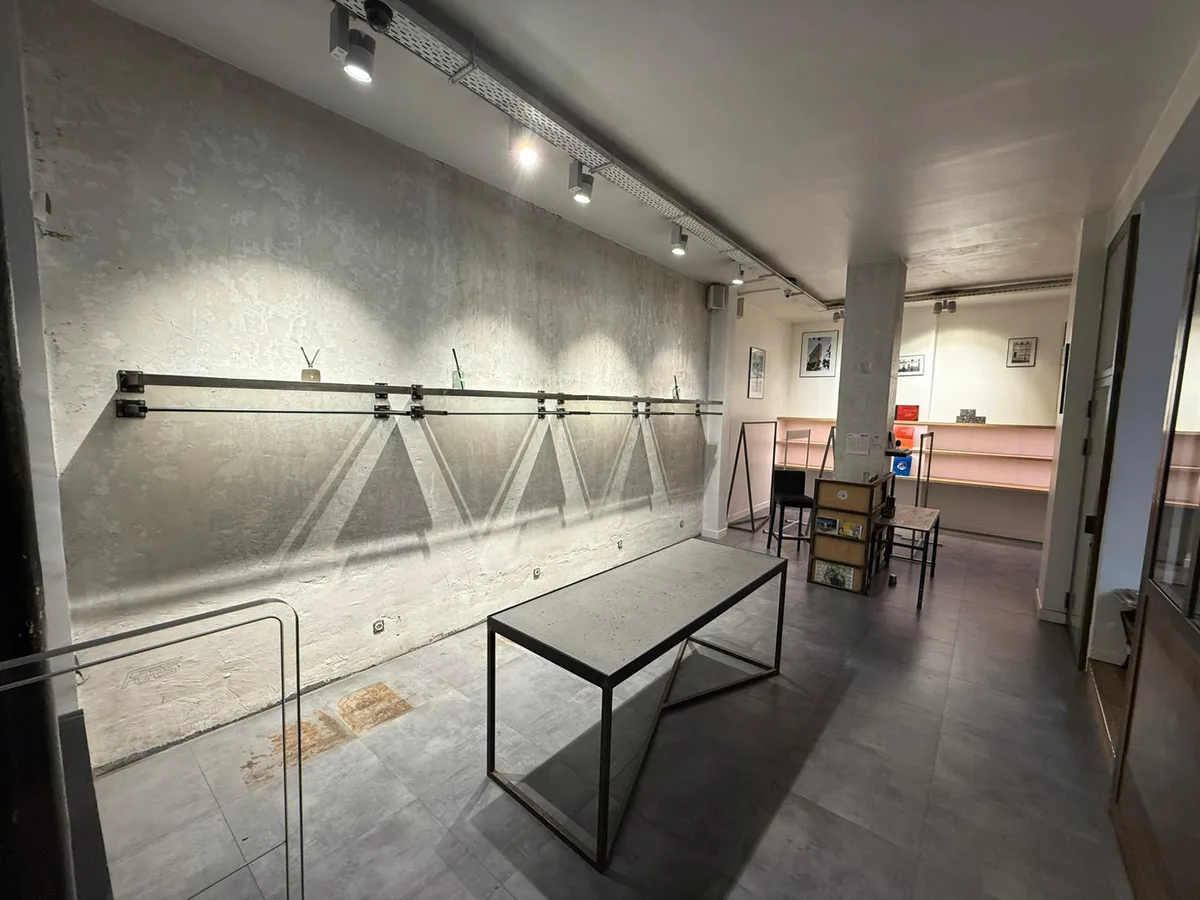
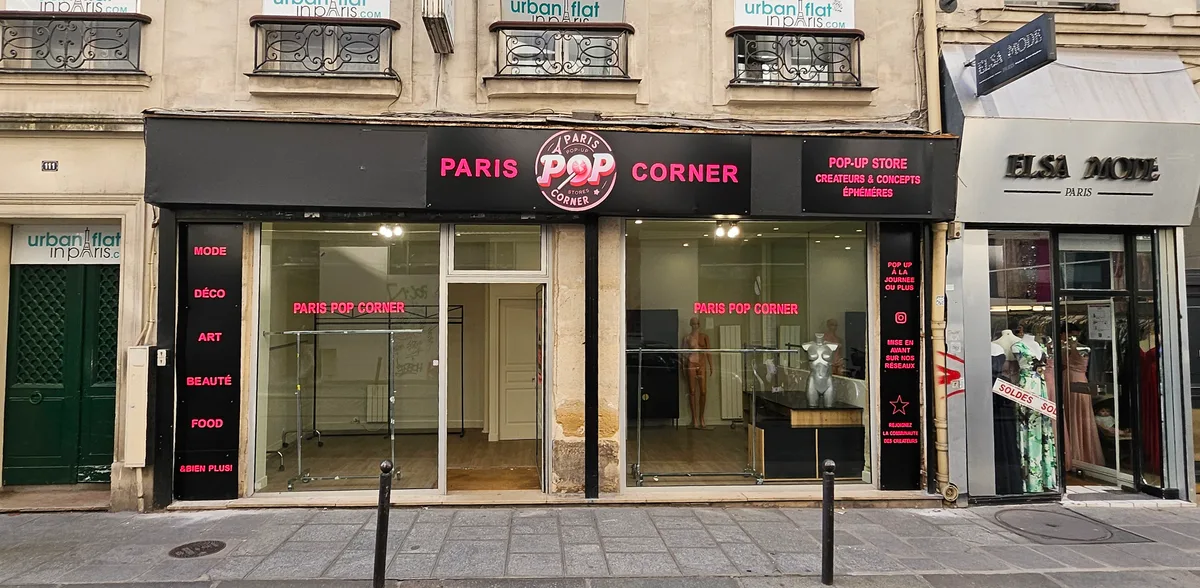
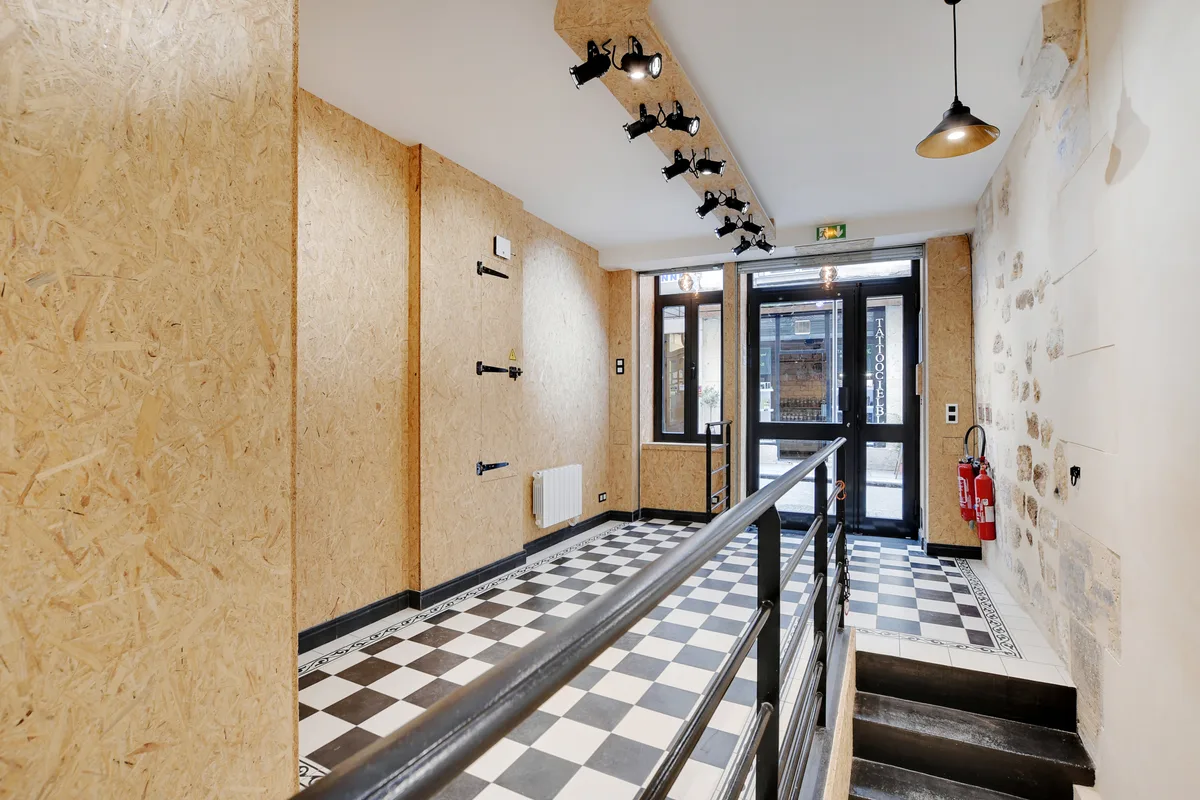
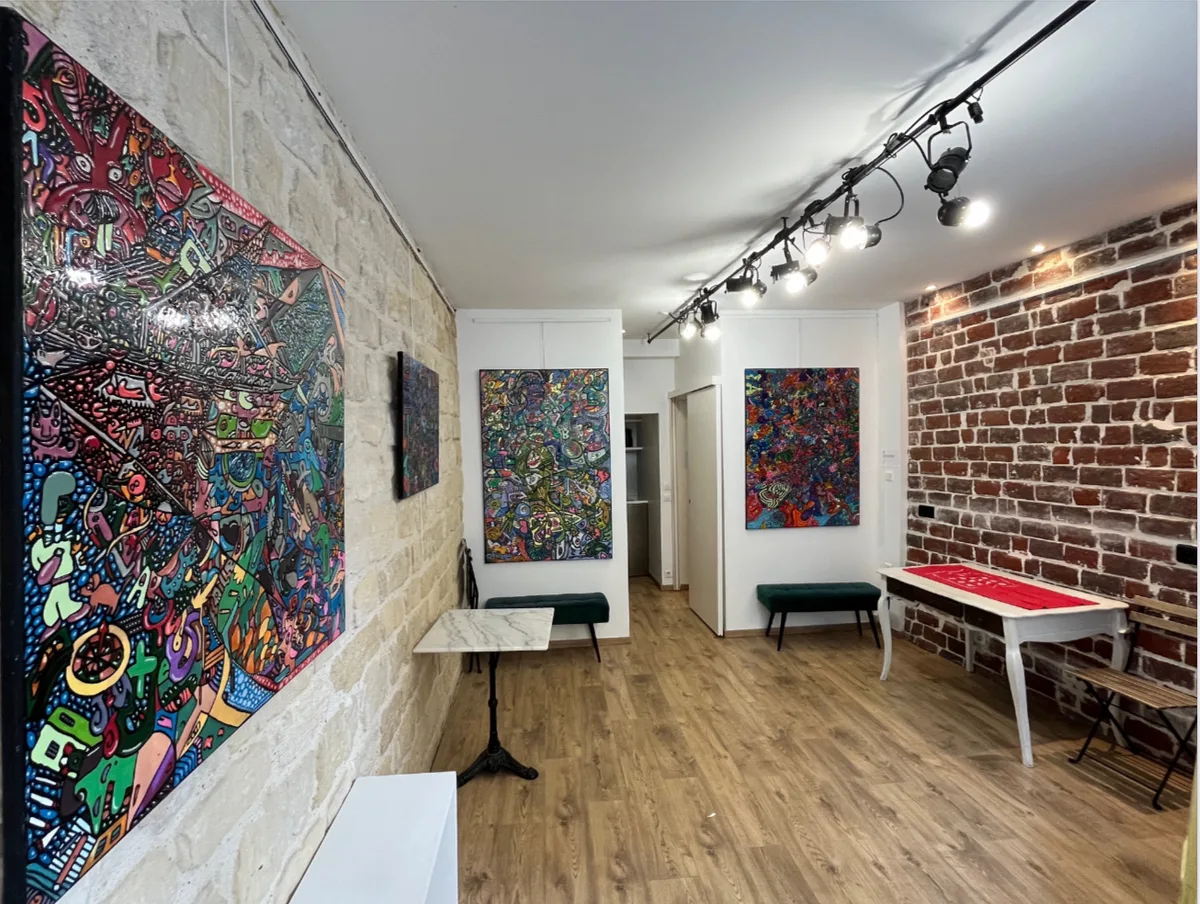
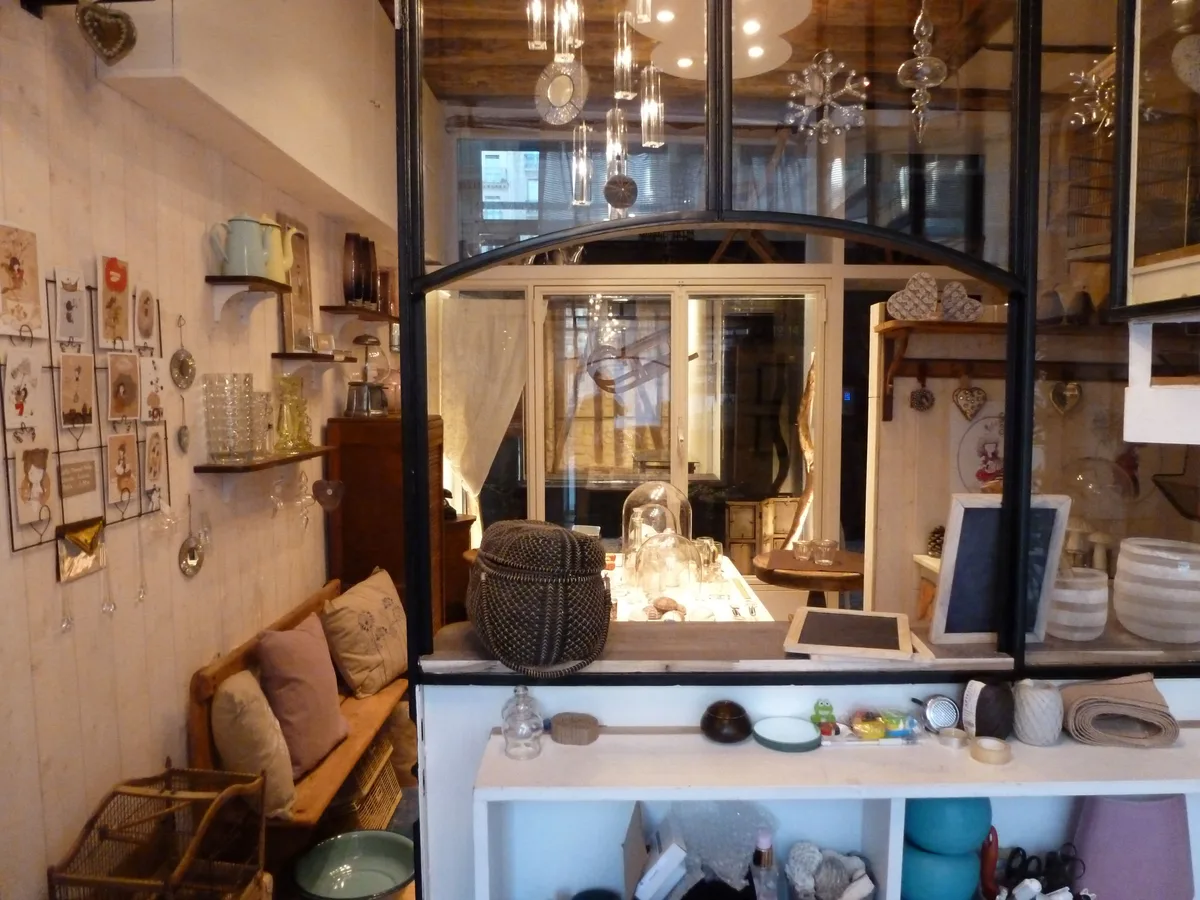
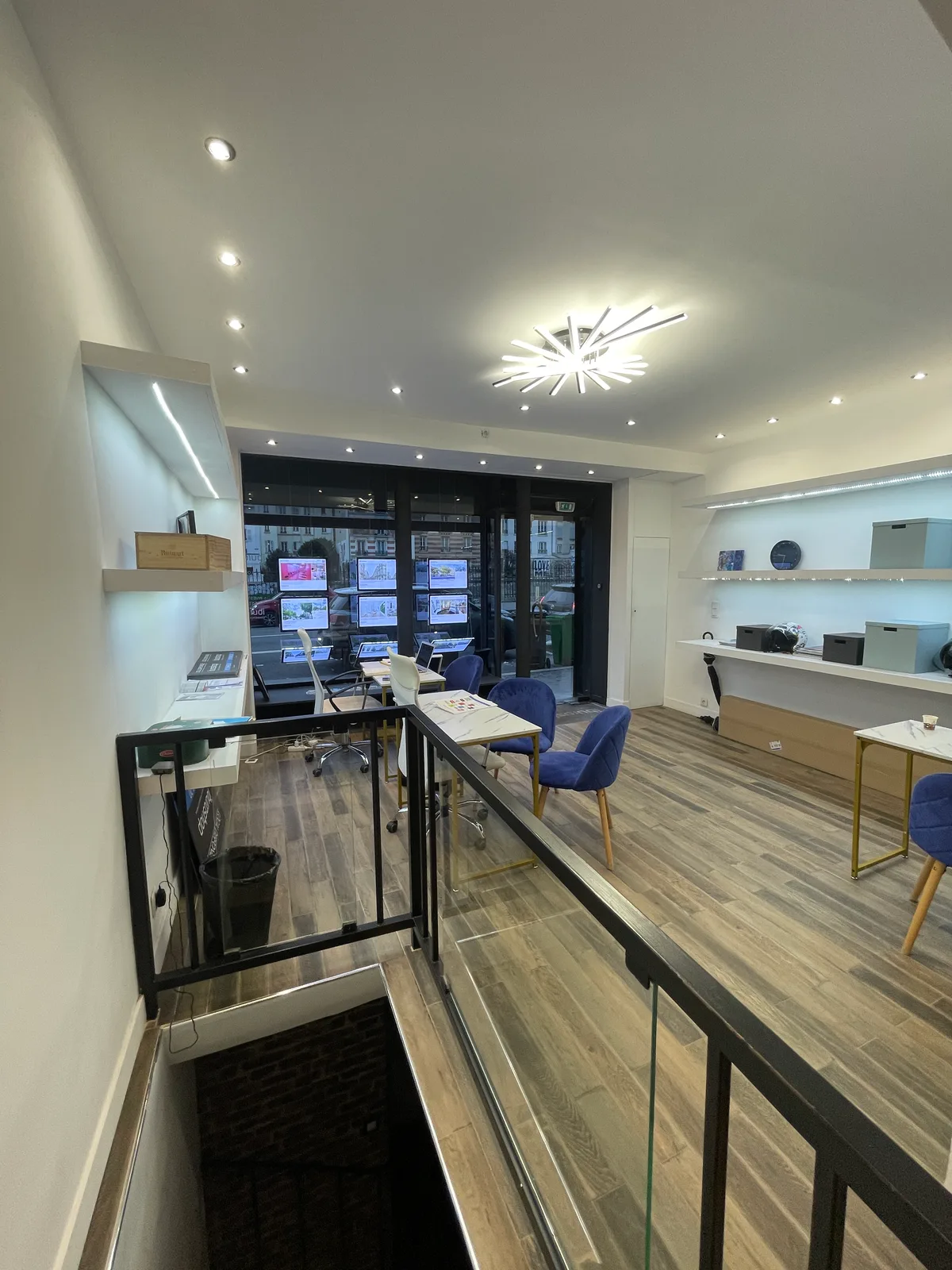
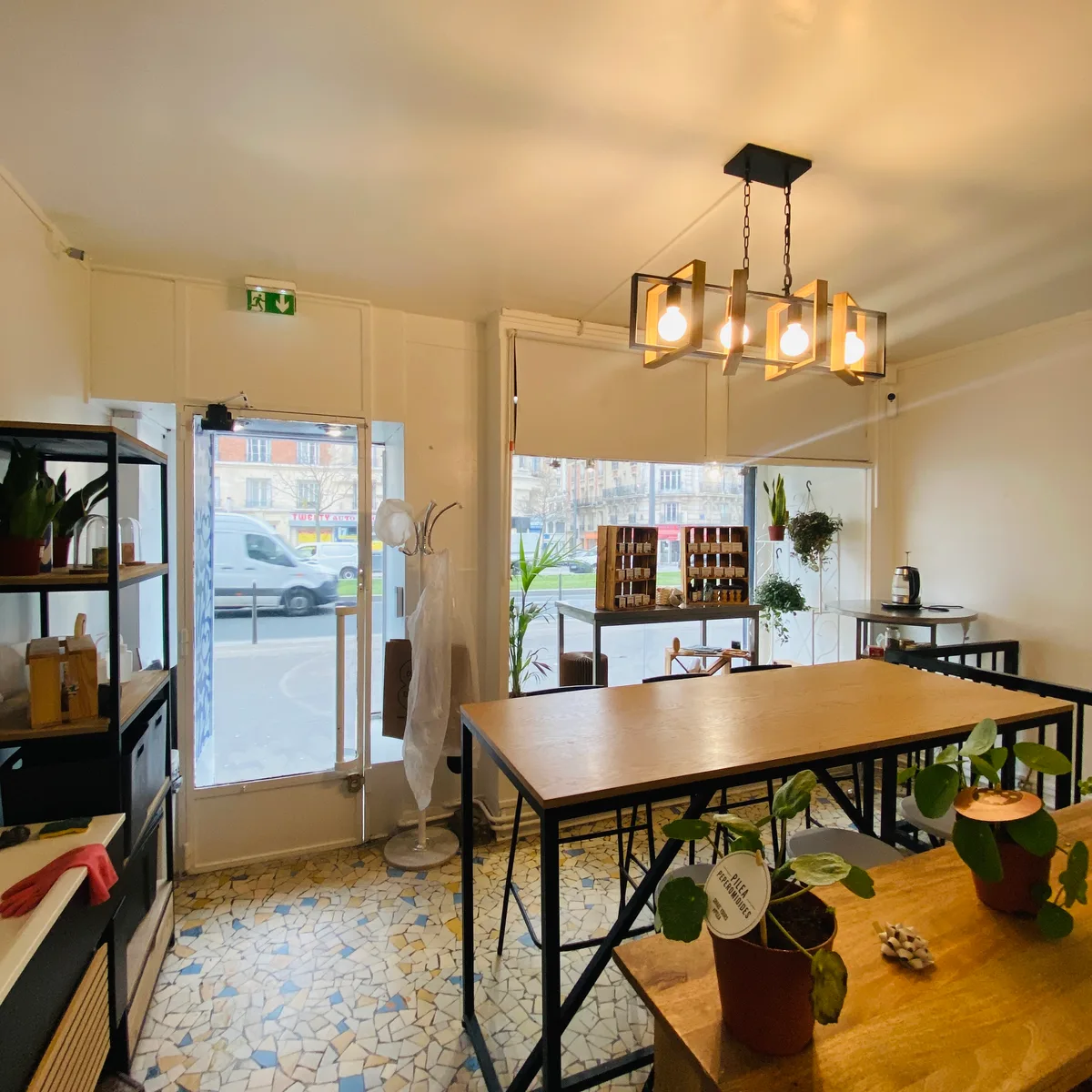
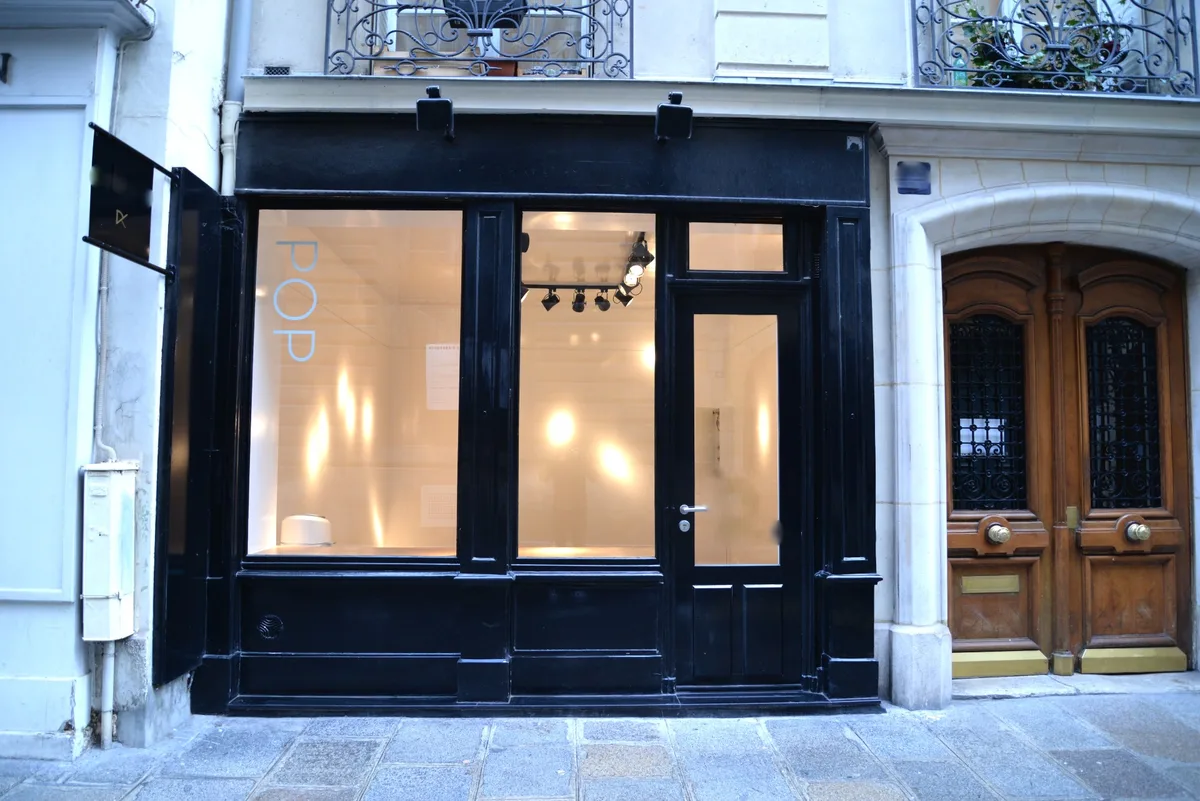
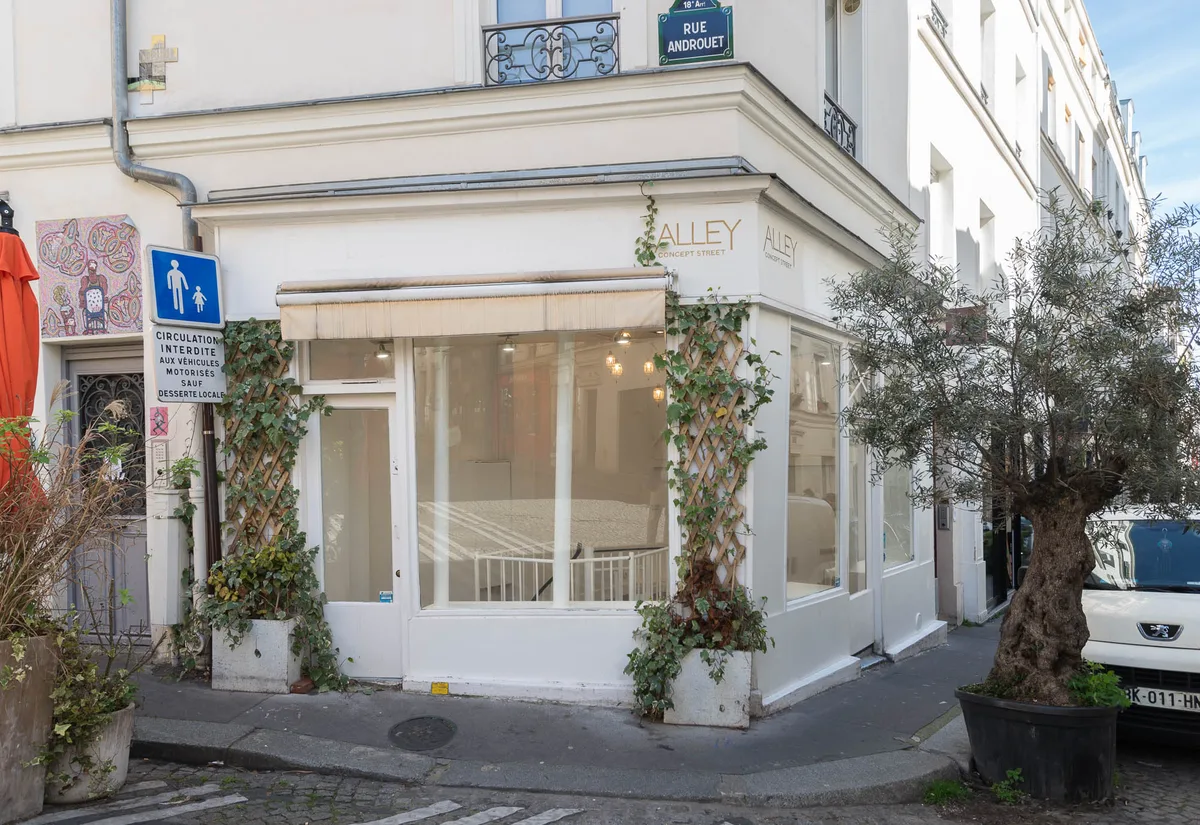
Short term retail in the 2nd arrondissement Paris offers brand teams, creative directors, and retail strategists one of the most commercially and culturally compelling activation addresses in Europe. The 2nd arrondissement is compact, historically rich, and strategically positioned between the luxury corridors of the 1st and the creative energy of the 3rd and 4th, making it an unusually versatile territory for temporary retail. Whether you are looking for a Haussmannian storefront on Rue Montorgueil, a showroom in the Sentier tech district, or a gallery space tucked inside one of Paris's legendary covered passages, this arrondissement delivers depth and variety that larger districts rarely match. Fashion Week Venues supports brands activating across Paris, including in the 2nd, with end-to-end services from space sourcing to activation management.
What Makes the 2nd Arrondissement a Strong Choice for Short Term Retail
The 2nd arrondissement punches well above its weight as an activation territory. It is the second smallest arrondissement in Paris, covering roughly one square kilometre, yet it sits at the intersection of several of the city's most important commercial, cultural, and gastronomic ecosystems. For brands planning a pop-up shop, showroom, or experiential retail activation, this concentration of footfall, character, and connectivity is genuinely rare.
The arrondissement is anchored by four distinct micro-zones, each with its own commercial logic and customer demographic. The Sentier quarter in the north, historically Paris's textile and garment district, has evolved into what many now call Silicon Sentier, a dense cluster of technology startups, creative agencies, media companies, and independent food businesses. This makes it particularly relevant for contemporary fashion brands, tech-enabled retail concepts, and DTC brands seeking a culturally credible Paris address. The Bourse quarter, clustered around the Palais Brongniart, still carries its financial district identity and attracts an affluent professional clientele. The Grands Boulevards axis running through the south of the arrondissement generates enormous daily footfall from tourists, Parisians, and commuters using metro lines 3, 4, 8, 9, and 14. And the covered passages, including the Galerie Vivienne, Passage des Panoramas, Passage Choiseul, and Passage des Princes, offer a completely different retail typology, one that is intimate, heritage-rich, and deeply photogenic.
For brands activating around Paris Fashion Week or seeking to establish a temporary retail presence in a neighbourhood that rewards discovery, the 2nd arrondissement balances accessibility with authenticity in a way that few other Paris addresses can offer.
Quick answer: The 2nd arrondissement is ideal for short term retail because it combines high daily footfall on the Grands Boulevards with quieter discovery zones in the covered passages and creative energy in the Sentier tech cluster. Its compact geography means a well-positioned pop-up can draw from multiple customer segments within a single activation window.
DID YOU KNOW: The Sentier quarter earned the nickname Silicon Sentier in the early 2000s when French internet and media startups clustered around Rue Montmartre and Boulevard de Bonne Nouvelle, transforming what had been a legacy wholesale garment district into one of Paris's most dynamic creative and commercial neighbourhoods.
Understanding the geography and commercial logic of the 2nd arrondissement is the foundation for any successful short term retail strategy here. The next step is understanding which streets and passages best suit specific brand profiles and activation formats.
KEY TAKEAWAY: The 2nd arrondissement offers brands a rare combination of heritage architecture, creative credibility, and strong transit connectivity, making it one of Paris's most commercially versatile short term retail addresses outside the luxury corridors of the 1st and 8th.
The Main Streets and Passages of the 2nd Arrondissement for Pop-Up Retail
Each street and passage in the 2nd arrondissement carries a distinct retail identity. Choosing the right address is not simply about finding available space; it is about matching your brand to a micro-environment that amplifies your activation rather than working against it.
Rue Montorgueil: Paris's Most Famous Market Street
Rue Montorgueil is arguably the most photographed street in the 2nd arrondissement and one of the most visited pedestrian market streets in central Paris. It runs roughly north to south through the western side of the arrondissement, connecting the old Les Halles neighbourhood to the lower Sentier. The street is lined with patisseries, fromageries, fishmongers, cafes, and independent boutiques, giving it an intensely local, gastronomic, and sensory character that attracts both Parisian residents and visitors in significant numbers throughout the day.
For pop-up retail, Rue Montorgueil works particularly well for food and lifestyle brands, artisan product launches, concept boutiques, and any activation that benefits from a lively, curious street audience. Stohrer, one of Paris's oldest patisseries founded in 1730, anchors the street's heritage credentials and signals the kind of quality-conscious, experience-oriented consumer who gravitates here. Grom gelato and Frenchie To Go, the casual spin-off of Chef Grégory Marchand's celebrated Frenchie restaurant on nearby Rue de Nil, both draw food-oriented footfall to the area. Sezane, the Parisian DTC fashion brand that built its identity partly around this neighbourhood, has also used the area's aesthetic to reinforce its brand story.
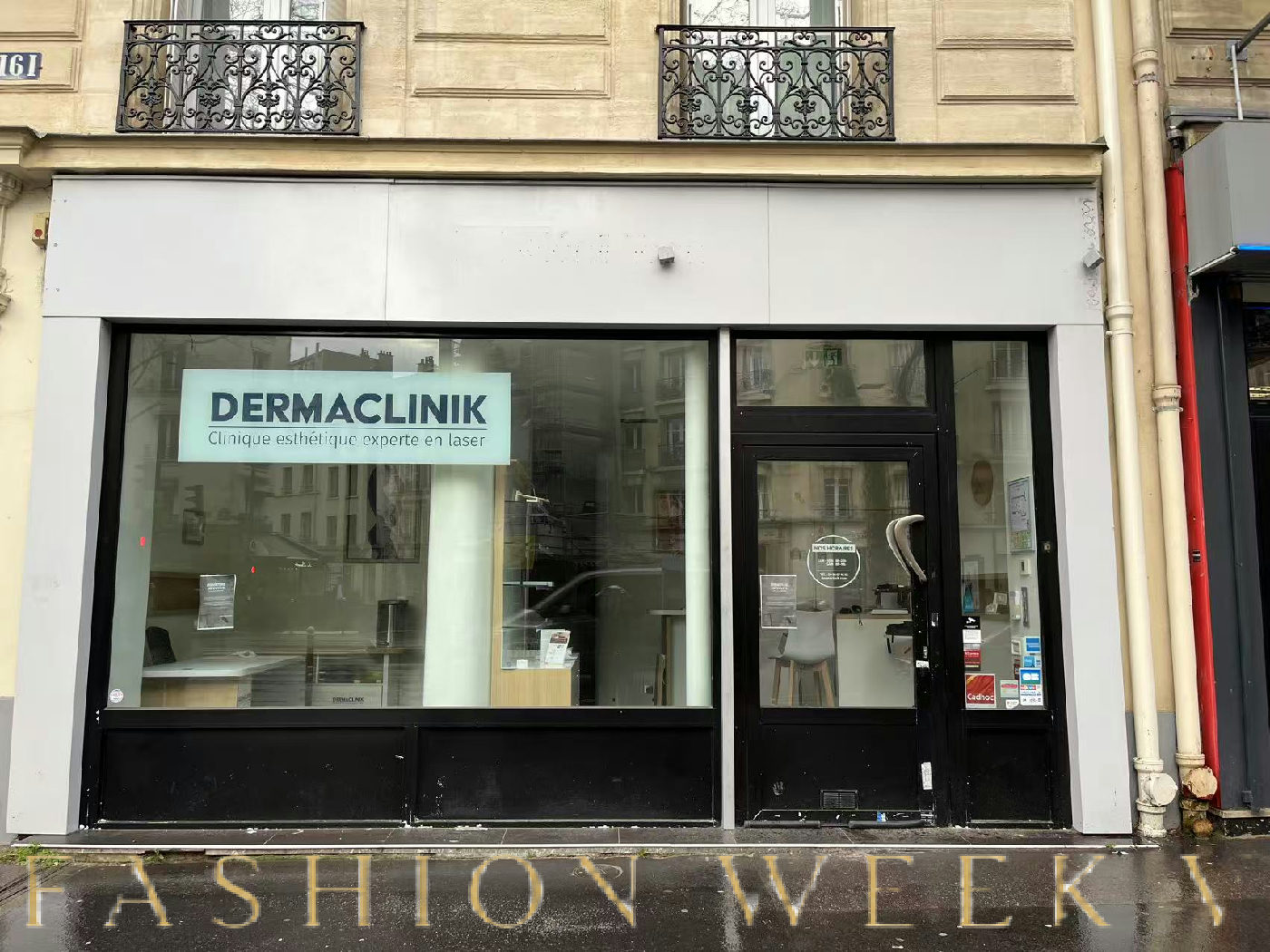
Storefronts and boutique spaces on Rue Montorgueil tend to be smaller in footprint, with ground floor retail typical in heritage Haussmannian buildings, often featuring exposed stone, original tiling, and high ceilings. Brands activating here should plan for intensive pedestrian-facing retail with strong visual merchandising at street level.
Rue de Nil and the Frenchie Ecosystem
Rue de Nil is one of the shortest and most talked-about streets in Paris. Running only a few dozen metres off Rue Montorgueil, it has become synonymous with a particular vision of modern Parisian gastronomy, built largely around Chef Grégory Marchand's portfolio of Frenchie concepts. Frenchie the restaurant, Frenchie To Go, Frenchie Bar à Vins, and Frenchie Cave occupy this tiny street, creating a micro-destination with a devoted following among food-oriented Parisians and visiting food culture enthusiasts. Frenchie is quite famous and booking several months in advance is widely advised. If you have forgotten to make a reservation, the wine bar operates on a walk-in basis and remains a worthwhile stop.
For brands that align with premium food culture, independent craft, or the aesthetics of the contemporary Parisian table, a pop-up or showroom activation in or around Rue de Nil carries strong associative value. The footfall here is deliberate and quality-conscious rather than mass tourist, which makes it valuable for brands targeting a sophisticated, engaged consumer rather than high-volume throughput.
The Covered Passages: Galerie Vivienne, Passage des Panoramas, Passage Choiseul, and Passage des Princes
The covered passages of the 2nd arrondissement are among the most distinctive retail environments in Paris. Built primarily in the early nineteenth century, these glass-roofed arcades were the precursors to the modern department store and shopping mall, offering covered, curated retail in a period before indoor commercial space was standard. Today they function as a mix of heritage tourism destinations, working retail strips, and art and antique markets, with footfall that combines curious visitors, regulars, and researchers.
Galerie Vivienne, running between Rue de la Banque and Rue Vivienne, is widely regarded as the most beautiful of the Paris passages and is classified as a historic monument. Its mosaic floors, ornate ironwork, and glass ceiling create a genuinely spectacular retail environment that is difficult to replicate anywhere else in the city. For luxury brands, art galleries, jewellers, and fashion houses wanting a heritage-charged environment during Paris Fashion Week, Galerie Vivienne offers rare short term availability.
Passage des Panoramas, the oldest of the surviving Paris passages dating from 1799, occupies a section of Boulevard Montmartre and has a distinct character mixing philately dealers, contemporary restaurants, and independent boutiques. Boulevard des Italiens and Boulevard Poissonniere flank this area, feeding the passage with theatre-goers, tourists, and Grands Boulevards foot traffic. Passage Choiseul, slightly further east, is longer and more everyday in character, connecting Rue Saint-Augustin to Rue des Petits-Champs with a mix of small shops and food outlets. Passage des Princes, near the Grands Boulevards, has a primarily toy-and-children's retail focus today but remains a functioning covered passage with its original Second Empire architecture.
The Passages couverts Parisiens collectively represent a retail format unlike anything available in newer commercial spaces. Guided tours of the passages are popular among visitors, which generates a consistent stream of architecturally and culturally interested footfall that is very different from mass street traffic. Brands occupying passage spaces often benefit from extended visitor dwell time and a natural inclination to browse and discover.
Avenue de l'Opéra, Rue de la Paix, and the Approaches to Place Vendôme
The southern edge of the 2nd arrondissement brushes against the luxury axis of the 1st. Avenue de l'Opéra runs from the Palais Garnier opera house at the north down through the arrondissement boundary toward the Louvre-Rivoli metro stop and the 1st. Rue de la Paix, connecting the Place de l'Opéra to Place Vendôme, is one of the highest-value retail streets in Paris, home to major jewellery and luxury brands. Rue Sainte-Anne, running parallel and just east, has developed a strong identity as Paris's Japanese street, with a concentration of authentic Japanese restaurants and food shops serving the Japanese community and Japan-interested Parisians.
For fashion brands wanting to position within reach of the Place Vendôme and Rue Saint-Honoré luxury ecosystem without committing to the rent levels of the 1st arrondissement, the Avenue de l'Opéra and the streets immediately north of Place Vendôme can offer strategically adjacent address value. The Palais Garnier itself, home to the Paris Opera, anchors this zone with strong cultural footfall and an affluent visitor demographic.
Etienne Marcel, Les Halles, and the Western Gateway
The metro stop at Etienne Marcel marks the western approach into the 2nd arrondissement from Les Halles and the 1st. The Rue Etienne Marcel corridor connects the Forum des Halles shopping centre with the lower Sentier, and the streets around it, including lower Rue Montmartre and the streets radiating off the Rue Saint-Denis, carry a creative and fashion-oriented energy that suits contemporary brand activations. The metro stop Les Halles and Chatelet, one of the largest metro interchanges in Europe, makes this western edge of the arrondissement extraordinarily accessible from virtually any point in the city.
KEY TAKEAWAY: The 2nd arrondissement is not a single retail environment but a series of distinct micro-zones, each with its own customer profile, architectural character, and commercial logic. Successful short term retail here begins with selecting the right micro-zone for your brand rather than simply finding available square metres.
With the geography mapped, the practical question becomes which space types are available for short term rental in these locations, and what the operational realities look like for international brands.
Space Types Available for Short Term Retail in the 2nd Arrondissement
The range of commercial spaces available for short term pop-up retail and showroom activation in the 2nd arrondissement is broader than most international brands initially expect. The neighbourhood's layered architectural history means that very different space typologies exist within a few streets of each other, offering genuine choice for brands with different aesthetic, operational, and commercial requirements.
| Space Type | Typical Location in the 2nd | Best Suited For | Typical Features |
|---|---|---|---|
| Haussmannian Storefront | Rue Montorgueil, Grands Boulevards, Etienne Marcel | Fashion pop-up, lifestyle retail, DTC brand launch | High ceilings, large windows, original tiling, ground floor access |
| Covered Passage Unit | Galerie Vivienne, Passage des Panoramas, Passage Choiseul | Luxury brand, art gallery, jewellery, heritage-positioned concepts | Glass roof, mosaic floors, pedestrian-only flow, extended visitor dwell time |
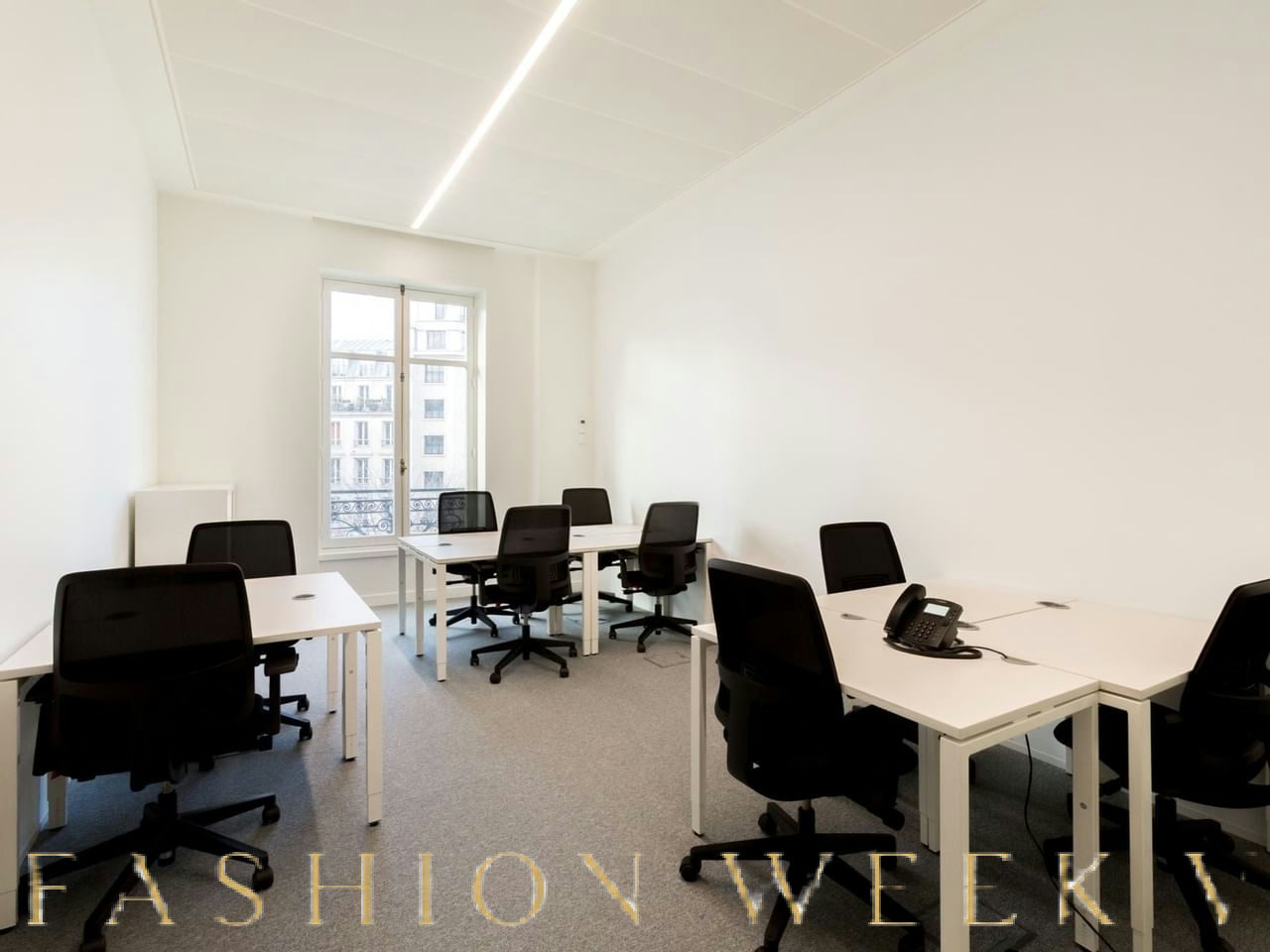
| Showroom / Loft | Sentier, Bourse, Rue Réaumur | Trade showroom, press preview, wholesale buying, fashion brand PR | Open plan, exposed brick or stone, freight access, flexible configuration |
| Apartment / Flat Space | Throughout the arrondissement | Intimate brand experience, private client events, editorial shoots | Residential scale, natural light, Parisian architectural detail |
| Espace Créatif / Gallery | Sentier, near Rue Montmartre | Art-forward retail, installation, fashion editorial activation | White walls, polished concrete, flexible hanging and display systems |
| Commercial Basement / Cave | Across the arrondissement | Intimate pop-up, wine and spirits, underground events | Vaulted stone, intimate atmosphere, limited natural light |
Quick answer: The 2nd arrondissement offers storefronts, covered passage units, showrooms and lofts, apartment spaces, creative galleries, and commercial basements for short term retail. Each type suits a different brand positioning and activation format, and the right choice depends on your target clientele, merchandise category, and activation duration.
The Rue Réaumur corridor running east to west through the arrondissement is particularly notable for brands seeking larger format showroom or loft spaces. Built largely during the early twentieth century for the textile and press industries, Réaumur Sébastopol and the surrounding streets are lined with buildings featuring large windows designed to maximise natural light for workshops and editorial offices, making them immediately attractive for photography, press events, and showroom activations. Metro access at Réaumur Sébastopol on lines 3 and 4 connects these spaces efficiently to the wider city.
For brands interested in a twin-space activation or a paired co-activation across two adjacent or complementary spaces, the density of the 2nd arrondissement means that interesting combinations are operationally viable within the same neighbourhood. The twin co-activation concept at Fashion Week Venues is designed for exactly this type of paired approach.
TIP: When selecting between space types in the 2nd arrondissement, consider the floor level and access carefully. Ground floor street-facing spaces on the major pedestrian routes generate organic footfall, while upper floor apartments and showrooms require deliberate destination visits, which shifts your marketing and invitation strategy significantly.
KEY TAKEAWAY: The 2nd arrondissement's architectural diversity means that space type selection is a creative and commercial decision, not just a logistical one. Match your space format to your brand positioning and activation purpose, not simply to what is available.
The General Vibe, Demographics, and Accessibility of the 2nd Arrondissement
Understanding who lives in, works in, and visits the 2nd arrondissement is essential for brands planning a short term retail activation here. The neighbourhood's demographic and cultural mix directly shapes the commercial opportunity and determines which activation formats and brand positions are most likely to resonate.
What Is the General Vibe of the 2nd Arrondissement?
The 2nd arrondissement feels neither as tourist-heavy as the 1st nor as selfconsciously hip as the 3rd. It occupies a middle ground that is distinctly Parisian, commercially active, and culturally layered. On Rue Montorgueil, the vibe is lively, gastronomic, and neighbourhood-oriented from breakfast through to late evening, with a consistent mix of locals doing their daily food shopping alongside food tourists drawn by the street's reputation. In the Sentier, the energy is younger, tech-oriented, and increasingly international, with a startup and creative agency workforce that is culturally engaged and commercially curious. Around the Bourse and the passage areas, the atmosphere is quieter and more deliberate, attracting antique and art collectors, architecture enthusiasts, and visitors specifically seeking out the passages on guided tours or independent exploration.
For brands positioning themselves as premium but not intimidatingly exclusive, creative but commercially grounded, and Parisian in sensibility rather than merely Paris-located, the 2nd arrondissement's tonal range is genuinely valuable. It allows a brand to be discovered rather than simply encountered, which is a distinction that matters in luxury and contemporary fashion.
How Touristy Is the 2nd Arrondissement?
The 2nd arrondissement receives significant visitor footfall, primarily through its proximity to the Palais Garnier opera house, the covered passages which appear on most Paris heritage and architecture itineraries, and Rue Montorgueil's reputation as a gastronomic destination. However, it is not predominantly a mass tourist neighbourhood in the way that the areas around Notre-Dame or the Eiffel Tower are. The majority of daytime footfall on most streets is a mix of local residents, nearby workers, and food and culture-oriented visitors rather than pure sightseeing crowds. This means that a pop-up or boutique activation here is more likely to be encountered by a self-directed, quality-conscious visitor than by a package tourist, which is commercially relevant for most fashion and lifestyle brands.
Is the 2nd Arrondissement Safe?
The 2nd arrondissement is generally considered a safe and well-functioning urban neighbourhood. Like any central Paris arrondissement, it benefits from strong local infrastructure, active street life throughout the day and evening, and good police presence around major transit hubs and cultural sites. International brands operating retail activations here typically do not encounter safety concerns that would be materially different from operating in central London, Milan, or New York. Standard retail security protocols, POS security, and staff briefings are appropriate, as they would be anywhere in central Paris. The area around the Grands Boulevards and the passages is well-lit and busy, and Rue Montorgueil is pedestrianised and highly active. The northern parts of the Sentier, particularly closer to the boundary with the 9th and 10th arrondissements near Gare du Nord and Gare de l'Est, carry slightly more urban edge but are still perfectly manageable for retail operations within normal business hours.
How Accessible Is the 2nd Arrondissement?
Transit accessibility is one of the 2nd arrondissement's strongest commercial assets. Metro lines 3, 4, 8, 9, and 14 all serve the arrondissement either directly or via adjacent stops. The Louvre-Rivoli stop on line 1 sits on the southern boundary, and the metro stop at Les Halles and Chatelet, one of the largest transit interchanges in Europe, is within walking distance of the western edge of the arrondissement. Réaumur Sébastopol on lines 3 and 4 serves the heart of the Sentier. Grands Boulevards on lines 8 and 9, and Bourse on line 3, cover the central and southern zones. This density of metro access means that a pop-up or activation in the 2nd can draw visitors from across Paris with minimal friction, which is a genuinely significant competitive advantage over locations in more peripheral arrondissements.
Gare du Nord and Gare de l'Est, both within 15 to 20 minutes by metro, connect the 2nd arrondissement to international arrivals via Eurostar and high-speed rail from Brussels, Amsterdam, and cities across France, making it particularly relevant for brands during Paris Fashion Week when international press, buyers, and industry visitors arrive in significant numbers.
Quick answer: The 2nd arrondissement is highly accessible by metro, with lines 3, 4, 8, 9, and 14 all serving the neighbourhood. Proximity to the Les Halles and Chatelet interchange and to Gare du Nord makes it one of the most transit-connected activation addresses in central Paris.
KEY TAKEAWAY: The 2nd arrondissement's demographic mix of local residents, Sentier creatives, financial professionals, food tourists, and heritage architecture visitors creates a multi-layered customer opportunity that suits a range of short term retail formats from mass boutique to invitation-only showroom.
Paris Fashion Week and the 2nd Arrondissement Activation Calendar
Paris Fashion Week is the most commercially intense period for short term retail activation across the city, and the 2nd arrondissement sits at a strategic distance from both the historic runway venues around the Louvre and the Palais Royal and the newer venue clusters in the Marais and the 10th arrondissement. For brands that want to be accessible to the Fashion Week circuit without being buried in the most competed-for real estate, the 2nd arrondissement offers a compelling alternative with strong transit connections and a sophisticated local audience.
Paris Fashion Week for womenswear typically takes place twice a year, in late February and early March for the autumn and winter collections, and in September and October for the spring and summer collections. Menswear weeks in January and June, as well as Haute Couture weeks in January and July, extend the calendar and create additional activation windows that brands in adjacent sectors increasingly use for press events, trade showrooms, and consumer pop-up experiences.
DID YOU KNOW: Paris Fashion Week, particularly the womenswear edition, is attended by an estimated 70,000 industry professionals per season, including international press, buyers, stylists, and brand representatives. The concentration of this audience in a relatively small geographic area over approximately ten days creates a uniquely intensive window for brand visibility and commercial activation.
For brands specifically targeting the Fashion Week audience with a showroom or press preview space, the Sentier and Bourse quarters of the 2nd arrondissement offer showroom and loft typologies that are well-suited to trade and press formats, with freight access, flexible configuration, and the kind of raw Parisian architectural character that reads well in editorial coverage and social media documentation.
For brands targeting a broader consumer audience during the wider Fashion Week period, the foot traffic on Rue Montorgueil and the Grands Boulevards sustains strong daily volumes that are largely independent of the industry calendar, meaning that a consumer pop-up here has a base level of commercial opportunity even outside the specific Fashion Week calendar.
Spaces in the covered passages, particularly Galerie Vivienne and Passage des Panoramas, require early planning for Fashion Week periods. These spaces are limited in number and tend to be sought after for their visual distinctiveness and architectural drama, which makes them highly competitive during peak seasons. Brands wanting passage spaces for Fashion Week activations should begin their search at least three to six months in advance of their target activation dates.
Quick answer: The 2nd arrondissement is a viable and strategically positioned base for Paris Fashion Week activations, with showroom and loft spaces in the Sentier suited to trade and press formats, and Rue Montorgueil and the Grands Boulevards supporting consumer-facing pop-ups across all seasons.
To compare neighbourhoods and space types, explore the Paris city hub on Fashion Week Venues and shortlist spaces that match your brief, budget, and calendar window.
KEY TAKEAWAY: Paris Fashion Week creates the most intense activation window in the 2nd arrondissement, but the neighbourhood's transit accessibility and base footfall levels make it commercially viable for short term retail across all seasons and not only during the industry calendar.
Permits, Leases, and Legal Structures for Short Term Retail in Paris
Short term retail in Paris operates within a legal framework that differs meaningfully from standard long-term commercial leases, and international brands entering the market for the first time frequently encounter complexity at the permit and lease structure stage. Understanding the basic framework before committing to a space is essential for avoiding delays, unexpected costs, or compliance issues during your activation.
The Bail Dérogatoire: Short-Term Commercial Lease
The bail dérogatoire, sometimes called a bail précaire or short-stay commercial lease, is the primary legal instrument used for short term retail in France. Under French commercial law, a standard commercial lease carries a minimum nine-year term. The bail dérogatoire is an explicit exception to this, permitted for durations of up to thirty-six months under specific conditions. Critically, to use a bail dérogatoire, both parties must agree in writing before the lease begins that the short-term regime applies. If the tenant remains in occupation beyond the agreed term without this being properly managed, the lease can convert to a standard nine-year commercial lease by default, with significant legal and financial consequences.
For brands planning a pop-up shop or temporary showroom of a few days to several months, the bail dérogatoire is typically the appropriate instrument. However, requirements and implications vary by space type, duration, and the specific terms negotiated, and verifying the details with a French legal advisor before signing is strongly recommended.
Autorisation d'Occupation Temporaire (AOT)
An Autorisation d'Occupation Temporaire, commonly referred to as an AOT, is the permit required for temporary use of public or semi-public space in Paris. This is relevant for activations that involve external display elements, temporary structures on or adjacent to public pavements, or use of spaces within publicly owned or managed properties such as the covered passages that include any public realm component. The AOT is issued by the relevant municipal authority and carries specific conditions regarding dimensions, materials, opening hours, and signage. The process and requirements vary by arrondissement and by the specific nature of the occupation.
IMPORTANT: The permit and legal requirements for short term retail in Paris vary significantly depending on space type, ownership structure, duration, and specific arrondissement regulations. This guide provides a general orientation only. Always verify requirements with a qualified French legal advisor before signing any lease or committing to a space.
For a structured starting point on the permit landscape relevant to your specific activation, use the permit guidance tool at Fashion Week Venues, which maps the key permit requirements by space type, duration, and location.
VAT, Commercial Registration, and Operating Without a French Legal Entity
One of the most common practical questions from international brands entering Paris for a short term retail activation is whether they need to establish a French legal entity before they can rent space or trade legally. The short answer is that it depends on the nature of the activity, the duration, and the revenue model. Brands operating a pure brand experience or press event without direct retail sales often have different requirements from brands conducting live consumer sales with French VAT implications.
International brands conducting direct-to-consumer retail sales in France are generally required to register for French VAT and comply with French consumer protection regulations regardless of whether they have a permanent French legal presence. The mechanics of how this is structured depend on whether the brand operates through a French distributor, a temporary commercial entity, or a simplified foreign registration. Engaging a French accountant or commercial lawyer early in the planning process is highly advisable.
Quick answer: International brands do not always need a French legal entity to rent a short term retail space in Paris, but they must ensure that their trading activity is compliant with French VAT, consumer protection, and commercial registration requirements. The specific obligations depend on the activation format and revenue model, and specialist legal advice is essential before launch.
KEY TAKEAWAY: The bail dérogatoire provides the primary legal framework for short term retail in Paris. The AOT governs temporary public space usage. International brands must address VAT and trading registration regardless of legal entity status. All requirements should be verified with a qualified French legal advisor before any commitment is made.
Arts, Culture, Gastronomy, and the Consumer Experience of the 2nd Arrondissement
One of the most compelling arguments for activating in the 2nd arrondissement is that the neighbourhood itself functions as a destination experience that amplifies whatever brand activation you place within it. The richness of the surrounding cultural, culinary, and architectural environment means that a well-positioned pop-up or showroom benefits from halo effects that are difficult to manufacture in purpose-built retail districts.
The Gastronomic Scene Around Rue Montorgueil and Rue de Nil
The gastronomic scene of the 2nd arrondissement is one of its most powerful consumer draws. Rue Montorgueil functions as a living, daily market street where Parisians do serious food shopping alongside tourists and food media enthusiasts. The combination of Stohrer's patisserie, the fish and produce markets, independent cheese shops, and a dense run of cafes and restaurants creates a sensory experience that encourages lingering and browsing that naturally extends into adjacent retail.
Rue de Nil, off Rue Montorgueil, concentrates this food culture intensity into a single remarkable micro-address. Chef Grégory Marchand's Frenchie restaurant on this street has become a genuine pilgrimage destination for serious food travellers and Parisian food culture enthusiasts, with reservations typically booked several months in advance. The Frenchie Bar à Vins on the same street operates without reservations and provides an accessible entry point to the Frenchie experience, making it a worthwhile stop for activation guests and brand team members exploring the neighbourhood. Frenchie To Go, the casual American-influenced sandwich and brunch outlet, draws morning and lunchtime queues that animate the street and generate foot traffic that spills naturally onto Rue Montorgueil.
For brands hosting client dinners, press events, or influencer activations alongside a retail pop-up in the 2nd arrondissement, the neighbourhood's gastronomic density means that the evening programme almost writes itself. The combination of a well-curated pop-up space and a carefully chosen neighbourhood dinner creates the kind of layered Paris experience that resonates with international guests and generates lasting editorial value.
The Covered Passages as Cultural Destinations
The covered passages of the 2nd arrondissement are not simply retail environments. They function as living architectural museums and cultural destinations that appear on guided tours of Paris's nineteenth-century commercial heritage. Galerie Vivienne, with its classified mosaic floors and spectacular glass roof, is frequently cited among the most beautiful interiors in Paris and appears in countless design, travel, and fashion editorial contexts. Passage des Panoramas, as the oldest surviving covered passage in Paris dating to 1799, carries historical significance that gives any brand activating within it an implicit context of Parisian heritage.
Guided tours of the passages couverts parisiens are a regular feature of the cultural tourism offer in central Paris, bringing architecturally and historically curious visitors into the passages in organised groups, which supplements the independent visitor footfall. For art galleries or gallery-format retail activations, the passages provide a context that is visually and historically impossible to replicate elsewhere.
Music, Opera, and the Palais Garnier Audience
The Palais Garnier, home to the Paris Opera Ballet and a significant part of the Paris Opera's performance calendar, sits at the junction of the 2nd and 9th arrondissements and drives substantial affluent cultural footfall through Avenue de l'Opéra and the surrounding streets on performance days. Opera and ballet performances draw an international audience with high disposable income and cultural engagement, and the streets immediately north of the Palais Garnier, which includes the upper end of Avenue de l'Opéra as it enters the 2nd, benefit from this pre- and post-performance footfall. Comic opera, which is one of the performance formats at the Palais Garnier, attracts a slightly more playful and varied audience than grand opera, and the mix of performance types throughout the season creates varied footfall profiles that brands can align with their activation calendar.
The Tour Saint-Jean-sans-Peur, one of the rare surviving medieval towers in central Paris, sits near the junction of the 2nd and 1st arrondissements and is a smaller cultural site that contributes to the archaeological and historical interest of the neighbourhood for visitors on heritage itineraries.
KEY TAKEAWAY: The cultural, gastronomic, and architectural richness of the 2nd arrondissement creates a consumer environment where brand activations benefit from significant neighbourhood halo effects. Activating here is not just about occupying a space; it is about participating in one of Paris's most layered and discovery-oriented urban experiences.
Budget, ROI, and Planning Timelines for Short Term Retail in the 2nd Arrondissement
Effective planning for a short term retail activation in the 2nd arrondissement requires honest budget modelling from the outset. The costs of running a pop-up shop, showroom, or experiential retail space in Paris are influenced by a range of factors including space type, location within the arrondissement, duration, fit-out requirements, staffing, permit costs, and ancillary operational expenses.
Cost Drivers and Budget Planning
Space rental in the 2nd arrondissement varies considerably by micro-location, space type, and season. Rue Montorgueil storefronts and covered passage units typically command a premium during Paris Fashion Week and the summer tourist peak, while Sentier showroom and loft spaces may offer more flexibility outside peak periods. Haussmannian buildings with heritage features and strong natural light generally attract higher short term rental rates than more utilitarian commercial spaces.
Beyond the base rental, brands should budget for production and fit-out costs, which in Paris typically include everything from structural alterations and custom fixtures to furniture rental, lighting, AV installation, and signage. The costs of meeting French safety and accessibility standards within a temporary fit-out should not be underestimated, particularly for spaces that have not been used for public retail previously.
Staffing is a material cost line for any consumer-facing activation in Paris. French employment law includes specific requirements around minimum wage, working hours, and employment contracts that apply to temporary retail staff, and brands should budget for these requirements explicitly rather than treating staffing as a variable afterthought.
Use the budget estimation tool at Fashion Week Venues to build a brand-specific cost model for your 2nd arrondissement activation before committing to a space or a production brief.
ROI Framework for Paris Pop-Up Retail
Return on investment for a short term retail activation in Paris should be measured across multiple dimensions rather than direct revenue alone. For most fashion and lifestyle brands, the primary value drivers from a Paris pop-up or showroom include brand awareness among international press and buyers, social media and editorial coverage generated by the space and the activation, direct consumer revenue during the trading period, wholesale and B2B relationships developed through showroom access, and the data and CRM value of in-person consumer engagement that is difficult to replicate in digital channels.
Brands that measure only direct retail revenue against total activation cost frequently underestimate the return on a Paris presence, particularly during Fashion Week, when the density of industry and media attendance amplifies every element of the brand experience into channels with far greater reach than the physical footfall alone.
Activation Timeline for the 2nd Arrondissement
| Phase | Timing Before Activation Launch | Key Activities |
|---|---|---|
| Strategic Brief | 5 to 6 months | Define objectives, target audience, budget envelope, activation format, and calendar window |
| Space Search and Shortlisting | 4 to 5 months | Identify candidate spaces, review floor plans, conduct site visits, assess technical requirements |
| Legal and Permit Preparation | 3 to 4 months | Review lease terms with French legal advisor, begin permit applications, confirm VAT registration requirements |
| Concept and Design | 3 to 4 months | Develop spatial concept, finalise design brief, brief production partners, order custom elements |
| Production and Build | 4 to 8 weeks | Execute fit-out, install fixtures, test AV and POS systems, complete final safety checks |
| Staffing and Operations | 3 to 6 weeks | Recruit and brief retail staff, confirm schedules, set up POS and payments, finalise logistics |
| Activation Launch and Management | Day 0 onwards | Open activation, manage daily operations, capture data and analytics, execute influencer and media programme |
| Closedown and Review | 1 to 2 weeks post-close | Dilapidations, space return, data consolidation, ROI review, post-activation reporting |
Quick answer: A well-planned short term retail activation in the 2nd arrondissement Paris should begin the space search and planning process at least four to five months before the intended launch date, with additional lead time for Paris Fashion Week periods when space availability tightens significantly.
Use the timeline planning tool at Fashion Week Venues to build a custom activation calendar for your 2nd arrondissement project.
KEY TAKEAWAY: Budget planning for a Paris pop-up must extend beyond space rental to include fit-out, staffing, permits, legal compliance, and operational costs. ROI measurement should capture brand exposure, press and editorial value, and CRM data alongside direct revenue to reflect the full commercial return of a Paris activation.
How Fashion Week Venues Supports Brands Activating in the 2nd Arrondissement
Fashion Week Venues operates as a full-service pop-up agency and space marketplace with deep operational experience in Paris, including the 2nd arrondissement and its various micro-zones. For brand teams approaching a Paris activation for the first time, or for experienced operators who want a more efficient and lower-risk process, the combination of marketplace access and end-to-end services that Fashion Week Venues provides is designed to address the specific complexity of short term retail in Paris.
The marketplace gives brand teams direct access to shortlisted spaces across the 2nd arrondissement and wider Paris, with the ability to filter by space type, neighbourhood, size, features, and availability. The venue sourcing service goes beyond marketplace browsing to include active space identification, landlord negotiation, site assessment, and lease review coordination, which is particularly valuable for brands that need access to off-market spaces or require spaces with specific technical characteristics that are not always visible from listing descriptions alone.
Beyond space, Fashion Week Venues offers concept direction, production and build management, branded store design, furniture rental, retail staffing, POS and payments infrastructure, data and analytics, and influencer marketing support. This breadth means that brands can engage Fashion Week Venues at whatever level of support matches their internal capabilities and budget, from a full turnkey activation managed end-to-end to a more selective engagement focused on specific gaps such as local staffing or French permit navigation.
The tools suite at Fashion Week Venues is designed to support informed decision-making before brands commit budget. The budget calculator, ROI calculator, compare tool, timeline tool, and locator tool are all accessible for initial planning work, allowing brand teams to test scenarios and build a grounded brief before engaging in space negotiations or production commitments.
Brands that benefit most from Fashion Week Venues's Paris support typically include international fashion labels entering the French market for the first time, established brands launching new product lines or collections, DTC brands building their first physical retail presence, luxury brands seeking elevated experiential environments for press and VIP client engagement, and beauty and lifestyle brands wanting to leverage the Paris Fashion Week calendar for brand positioning.
IMPORTANT: Fashion Week Venues does not guarantee space availability, permit approval, or specific commercial outcomes for any activation. Availability of specific spaces and permit status must always be verified at the point of engagement, and all legal and permit requirements should be confirmed with qualified French advisors.
For brands that want to understand the full range of activation support available, the process page at Fashion Week Venues outlines how a typical engagement progresses from initial brief through to activation and closedown.
KEY TAKEAWAY: Fashion Week Venues provides both marketplace access and full-service agency support for brands activating in the 2nd arrondissement and across Paris. The combination of space sourcing, production, staffing, and tools support addresses the specific operational complexity of short term retail in Paris for international brands.
Comparing Short Term Retail Neighbourhoods in Paris: Where the 2nd Arrondissement Fits
The 2nd arrondissement does not exist in isolation. Brands planning a Paris activation typically consider several neighbourhoods, and understanding how the 2nd compares to adjacent and competing alternatives helps sharpen the decision-making process.
| Neighbourhood | Key Strengths | Typical Space Types | Primary Footfall Profile | Best For |
|---|---|---|---|---|
| 2nd Arrondissement | Heritage passages, Silicon Sentier energy, Rue Montorgueil gastronomy, strong transit links | Storefronts, passages, showrooms, lofts, apartments | Mixed: locals, foodies, creatives, heritage tourists | Fashion pop-up, showroom, discovery-oriented brands |
| Le Marais (3rd and 4th) | High fashion credibility, gallery density, Jewish Quarter, international visitors | Gallery, boutique, apartment, concept space | Fashion tourists, art collectors, weekend visitors | Luxury brand, gallery format, fashion editorial activation |
| Saint-Honoré (1st and 8th) | Premier luxury address, Rue Saint-Honoré, Place Vendôme, highest brand prestige | Luxury storefront, heritage building | International luxury shopper, fashion week insiders | Established luxury brands, flagship pop-up |
| Palais Royal (1st) | Architectural grandeur, gardens, fashion heritage from Colette era | Arcade unit, gallery, courtyard activation | Architecture tourists, fashion insiders, affluent locals | Artisan, editorial, luxury brand installations |
| Grands Boulevards (9th) | High footfall, theatre and entertainment proximity, accessible pricing | Storefront, basement, commercial space | Mixed urban, commuters, evening entertainment visitors | Volume-oriented consumer pop-up, entertainment brand |
Quick answer: The 2nd arrondissement occupies a middle ground between the commercial prestige of the Saint-Honoré luxury corridor and the creative intensity of the Marais, offering a versatile and transit-connected activation territory that suits a broad range of fashion, lifestyle, and experiential brand formats at somewhat more accessible price points than the 1st or 8th arrondissements.
For brands wanting to explore how the 2nd arrondissement compares to Le Marais, the 1st, or other Paris activation neighbourhoods in more detail, the activation management service at Fashion Week Venues includes neighbourhood-level strategic counsel as part of the activation planning process.
KEY TAKEAWAY: The 2nd arrondissement offers a strategically distinctive position in the Paris activation landscape: more authentic and less expensive than the luxury 1st and 8th, more commercially grounded than the purely gallery-driven Marais, and uniquely characterised by its covered passages, gastronomic streets, and Silicon Sentier creative energy.
Common Myths About Short Term Retail in Paris Debunked
MYTH: You need a French legal entity to rent a pop-up space in Paris.
FACT: International brands do not always require a French legal entity to enter into a bail dérogatoire for a short term retail space in Paris. However, brands that conduct direct-to-consumer sales in France must address French VAT registration and trading compliance regardless of their corporate structure. The specific requirements depend on the nature of the activity, the duration, and the revenue model, and should always be confirmed with a qualified French legal advisor before signing any lease.
MYTH: Paris Fashion Week is the only viable calendar window for a short term retail activation in the 2nd arrondissement.
FACT: Paris Fashion Week creates the most concentrated industry and media footfall, but the 2nd arrondissement sustains strong consumer and tourist footfall year-round, particularly on Rue Montorgueil and the Grands Boulevards. Showroom activations targeting trade and press can be effective during all four Fashion Week calendar windows, including menswear, Haute Couture, and womenswear weeks. Consumer pop-ups can operate successfully during spring and summer tourist peaks and in the pre-Christmas retail period as well.
MYTH: Commission brokers are the only way to find a short term retail space in Paris.
FACT: Dedicated pop-up space marketplaces and full-service agencies provide structured access to Paris short term retail spaces with greater transparency and operational support than traditional commission broker arrangements. Platforms like the Fashion Week Venues marketplace allow brands to browse, compare, and shortlist spaces with a clear understanding of terms and requirements before committing. Many of the most distinctive spaces in neighbourhoods like the 2nd arrondissement are accessible through marketplace and agency channels rather than through traditional broker networks.
MYTH: Short term leases in Paris are legally straightforward and do not require specialist advice.
FACT: French commercial lease law is specifically structured to protect long-term tenants, and the bail dérogatoire exception for short term use carries precise legal conditions that must be met correctly to avoid automatic conversion to a long-term commercial lease. Permit requirements, VAT obligations, and employment law for temporary retail staff add further layers of legal complexity. Specialist French legal and commercial advice before signing any lease or making any operational commitment is not optional; it is a core part of responsible planning for any brand activating in Paris.
MYTH: The 2nd arrondissement is only interesting for food brands because of Rue Montorgueil.
FACT: While Rue Montorgueil and the Rue de Nil gastronomic cluster are among the neighbourhood's most famous assets, the 2nd arrondissement also encompasses Silicon Sentier's creative and tech startup ecosystem, the covered passages with their extraordinary architectural heritage, the financial district around the Bourse, and the luxury approaches via Avenue de l'Opéra and Rue de la Paix toward Place Vendôme. This diversity makes the arrondissement relevant to fashion, technology, luxury, art, and lifestyle brands well beyond the food and gastronomy sector.
Frequently Asked Questions About Short Term Retail in the 2nd Arrondissement Paris
Why rent a temporary retail space in the 2nd arrondissement Paris?
The 2nd arrondissement offers a combination of attributes that is difficult to find in a single address elsewhere in Paris. Strong transit connectivity via metro lines 3, 4, 8, 9, and 14, a diverse footfall mix of local residents, creative and tech workers, food tourists, heritage architecture visitors, and Grands Boulevards commuters, a remarkable range of space types from Haussmannian storefronts to covered passage units and Silicon Sentier lofts, and the cultural and gastronomic halo of Rue Montorgueil and Rue de Nil collectively make it an unusually versatile short term retail address. It also offers more accessible price points than the Saint-Honoré or Vendôme corridors while still delivering strong brand positioning within central Paris.
What is the 2nd arrondissement most known for?
The 2nd arrondissement is most known for its nineteenth-century covered passages, particularly Galerie Vivienne and Passage des Panoramas, for Rue Montorgueil as one of Paris's most celebrated gastronomic market streets, and for the Sentier quarter which has evolved from its legacy as the textile and garment wholesale district into Silicon Sentier, Paris's original creative and digital technology cluster. The Bourse, the nineteenth-century stock exchange building now used as a contemporary arts venue, and the proximity to the luxury corridors of the 1st arrondissement and Place Vendôme also define the arrondissement's identity.
What space types are available for short term retail in the 2nd arrondissement?
Brands can access a wide range of space types in the 2nd arrondissement for short term retail. These include ground floor Haussmannian storefronts with street-facing retail potential on Rue Montorgueil and the Grands Boulevards axis, covered passage units within Galerie Vivienne, Passage des Panoramas, Passage Choiseul, and Passage des Princes, showroom and loft spaces along the Rue Réaumur corridor and in the Sentier, apartment and residential-format spaces for intimate brand experiences and private client events, Espace Créatif and gallery-format spaces suited to art-forward or fashion editorial activations, and commercial basement and cave spaces for intimate or underground concept pop-ups.
How far in advance should a brand start planning a 2nd arrondissement pop-up?
For Fashion Week periods, brands should ideally begin their space search and strategic planning process at least four to six months in advance of their intended activation launch date. Covered passage spaces and signature storefronts on Rue Montorgueil tend to be competed for early, particularly for September and October Fashion Week windows. For non-Fashion Week periods, a lead time of two to four months is generally workable for most space types in the arrondissement, though this should be extended for spaces requiring significant fit-out work, complex permit applications, or French legal entity structuring.
Do international brands need a French company to rent a short term retail space in Paris?
Not automatically. International brands can in principle enter into a bail dérogatoire for a short term retail space in Paris without establishing a French legal entity, depending on the structure of the lease and the nature of the trading activity. However, brands conducting direct-to-consumer sales in France must address French VAT registration and trading compliance requirements regardless of their corporate structure. This is a nuanced legal question that depends on the specific activity, the duration, and the revenue model, and should always be addressed with a qualified French legal advisor before making any commitment to a space or signing any lease agreement.
What is a bail dérogatoire and how does it apply to pop-up retail?
A bail dérogatoire is a short-term commercial lease exception under French law, typically available for durations of up to thirty-six months, that allows landlords and tenants to agree on a short-term occupancy without triggering the default protections of a standard nine-year commercial lease. For pop-up shops, temporary showrooms, and short-term brand activations in Paris, the bail dérogatoire is usually the appropriate lease structure. Critically, the parties must explicitly agree in writing before the lease begins that the bail dérogatoire regime applies. If this is not done correctly, the lease can convert to a full commercial lease by default, with significant implications. Specialist French legal advice is essential.
What permits are required for a pop-up shop in the 2nd arrondissement?
Permit requirements in the 2nd arrondissement depend on the nature of the space, the type of activation, and whether any external display elements, temporary structures, or public realm components are involved. An Autorisation d'Occupation Temporaire may be required for activities involving the use of public space adjacent to the premises, external signage, or temporary structures visible from the street. Spaces within covered passages may have specific landlord and municipal requirements around signage, opening hours, and fit-out materials. Requirements vary by space type and arrondissement regulations, and all permit needs should be verified with a qualified French advisor before committing to an activation plan.
How does the Sentier district work for fashion showrooms during Paris Fashion Week?
The Sentier district, broadly centred on the streets between Rue Réaumur, Boulevard de Bonne Nouvelle, and Rue du Sentier, offers a concentration of loft and showroom spaces in buildings originally constructed for the textile and press industries. These spaces typically feature large windows, high ceilings, open plan layouts, and freight access, making them well suited to trade showroom, press preview, and buying appointment formats during Paris Fashion Week. The Réaumur Sébastopol metro stops on lines 3 and 4 provide strong connectivity to the rest of the city and to international arrivals. Sentier showroom spaces tend to be more competitively priced than equivalent spaces in the Marais or the luxury arrondissements while still delivering strong Parisian architectural character.
Is the 2nd arrondissement safe for a retail activation?
The 2nd arrondissement is generally considered a safe and well-functioning central Paris neighbourhood. Active street life, good transit infrastructure, and consistent police presence around major commercial streets and cultural sites mean that standard retail security protocols are appropriate and sufficient for most activations. The busiest pedestrian zones around Rue Montorgueil and the Grands Boulevards are among the most animated and well-observed public spaces in Paris. As with any central urban retail operation, brands should brief staff appropriately on local protocols and ensure that POS and cash handling procedures follow standard best practice.
What is the gastronomic scene like around Rue Montorgueil for brand activation guests?
The gastronomic scene around Rue Montorgueil is one of the richest and most varied in central Paris. The street itself is a working market street with fromageries, patisseries including the historic Stohrer, fish and produce shops, and a dense run of cafes and restaurants. Nearby Rue de Nil concentrates several of Chef Grégory Marchand's Frenchie concepts, including the restaurant which requires reservations several months in advance, the walk-in wine bar, and Frenchie To Go for casual daytime eating. Grom gelato and Sezane's Paris flagship also contribute to the neighbourhood's quality-conscious consumer character. For brand teams hosting press events, influencer activations, or client dinners alongside a retail pop-up in the 2nd, the neighbourhood provides an exceptional range of dining options without needing to venture far from the activation space.
Can a brand activate in a covered passage like Galerie Vivienne for Fashion Week?
Yes, units within Galerie Vivienne and the other covered passages in the 2nd arrondissement can be available for short term rental, including during Paris Fashion Week. However, these spaces are limited in number and typically subject to specific conditions regarding signage, fit-out materials, opening hours, and the nature of the commercial activity, given the heritage classification of the passages. Competition for passage spaces during Fashion Week periods is significant, and brands targeting these locations should begin their search well in advance. The architectural and visual distinctiveness of covered passage spaces makes them highly sought after for luxury brand, jewellery, art gallery, and heritage-positioned fashion activations.
What metro lines serve the 2nd arrondissement?
The 2nd arrondissement is served by metro lines 3, 4, 8, 9, and 14, covering stops including Réaumur Sébastopol, Bonne Nouvelle, Grands Boulevards, Bourse, Quatre-Septembre, and Opéra, as well as the enormous Les Halles and Chatelet interchange on the western boundary. This transit density makes the arrondissement exceptionally accessible from any point in Paris, from the airports via direct RER connections at Chatelet Les Halles, and from Gare du Nord and Gare de l'Est for international arrivals by Eurostar or high-speed rail. For brands hosting international press, buyers, or guests during Fashion Week, the transit accessibility of the 2nd arrondissement is a genuine operational advantage.
How does Fashion Week Venues help brands find and activate spaces in the 2nd arrondissement?
Fashion Week Venues provides both marketplace access to shortlisted spaces across the 2nd arrondissement and Paris more broadly, and a full-service agency offer that covers venue sourcing, concept direction, production and build, branded store design, furniture rental, retail staffing, POS and payments, data and analytics, and influencer marketing. Brands can engage Fashion Week Venues at whatever level of support matches their internal capabilities, from browsing the marketplace independently to commissioning a fully managed end-to-end activation. The tools suite, including budget, ROI, timeline, permit, and compare tools, supports informed decision-making before any commitment is made. All engagements are subject to space availability and specific terms at the time of enquiry.
What is the difference between a pop-up shop and a showroom activation in the 2nd arrondissement?
A pop-up shop in the 2nd arrondissement is typically a direct-to-consumer retail experience, open to the public, with merchandise for sale and a branded environment designed to attract street footfall and generate revenue, brand awareness, and consumer data. A showroom activation is usually a trade or press format, invitation-based, focused on product presentation for wholesale buyers, press, and industry contacts rather than general consumers. The 2nd arrondissement supports both formats, with storefronts on Rue Montorgueil and the Grands Boulevards better suited to consumer pop-ups and the Sentier and Réaumur loft spaces better suited to trade and press showrooms. Many brands run both formats simultaneously or sequentially within the same Paris activation window.
Conclusion: Making the Most of Short Term Retail in the 2nd Arrondissement Paris
The 2nd arrondissement Paris offers brand teams a rare combination of architectural heritage, creative energy, gastronomic culture, and transit connectivity within one of the most compact and walkable territories in the French capital. Whether you are planning a pop-up shop on Rue Montorgueil, a showroom in Silicon Sentier, a gallery-format activation in Galerie Vivienne, or a press preview in a Réaumur loft, the arrondissement provides a commercially and culturally credible backdrop that amplifies the brand story you are trying to tell.
Successful short term retail here requires early planning, honest budget modelling, appropriate legal and permit preparation, and a clear understanding of which micro-zone and space type best serves your brand positioning and activation objectives. The neighbourhood is not homogenous, and the right address within the 2nd arrondissement can make a material difference to both the commercial performance and the editorial resonance of your activation.
For brands that want specialist support navigating the space market, the legal and operational complexity of short term retail in Paris, and the full production and activation process, Fashion Week Venues offers the combination of marketplace access and end-to-end agency capability that makes Paris activations more efficient, more strategically grounded, and more likely to deliver on their commercial and brand objectives.
To move from research to activation, start exploring available spaces on the Fashion Week Venues marketplace and build a focused brief for your target neighbourhood, space type, and calendar window.