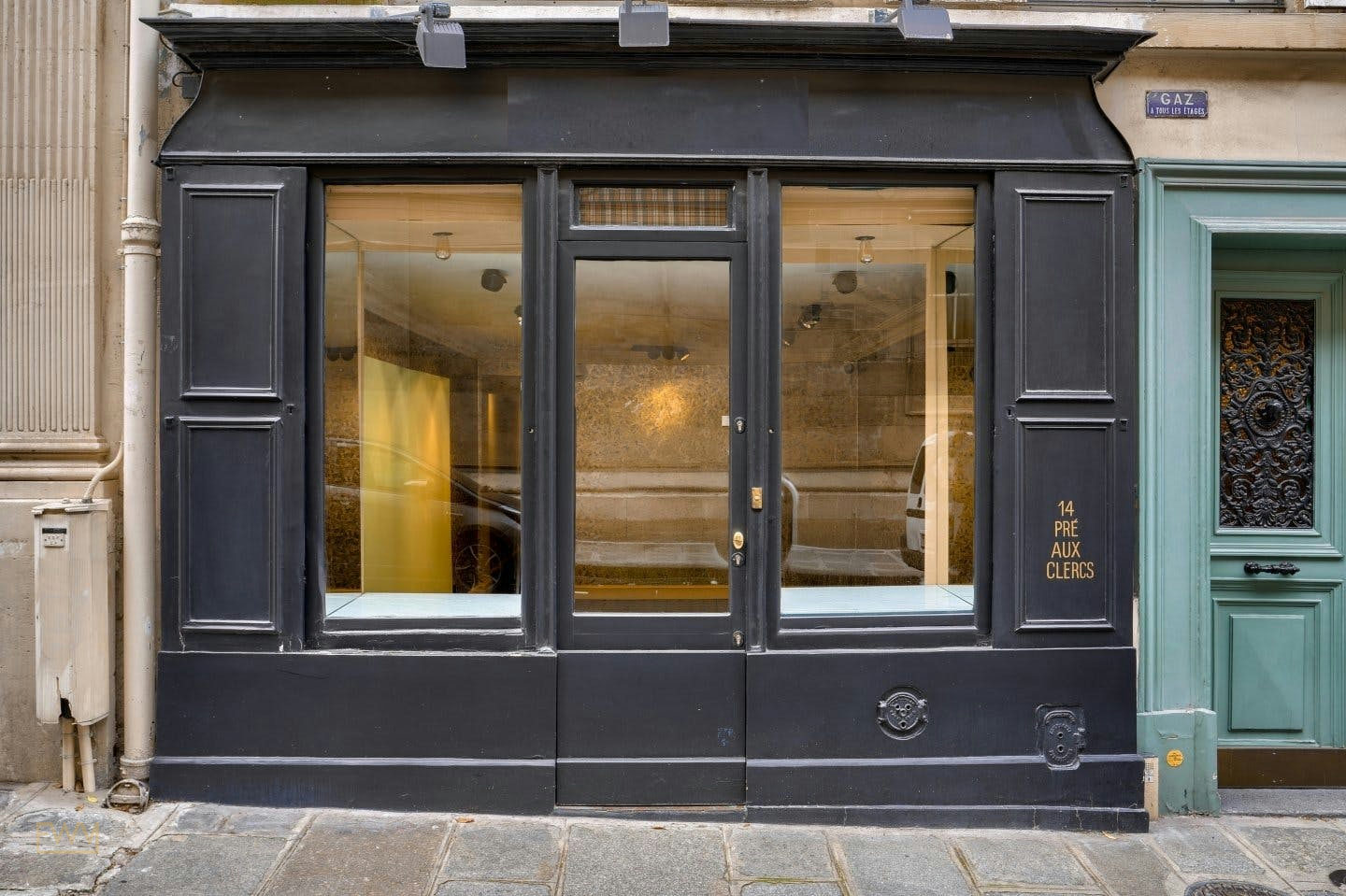
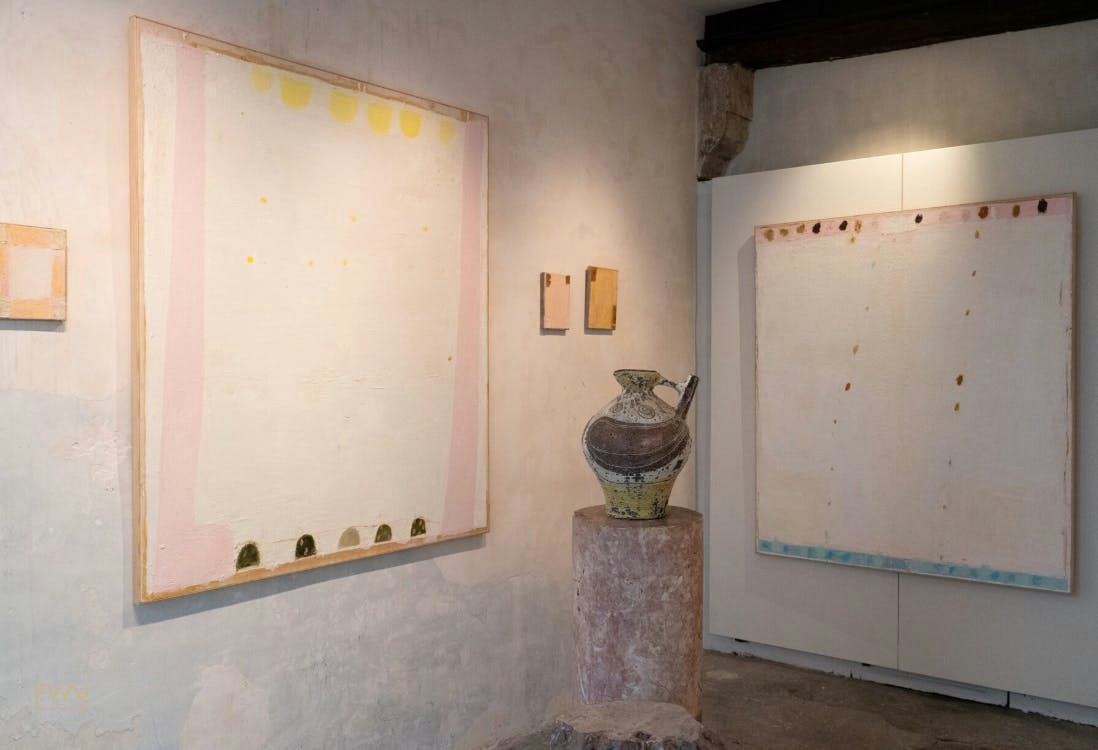
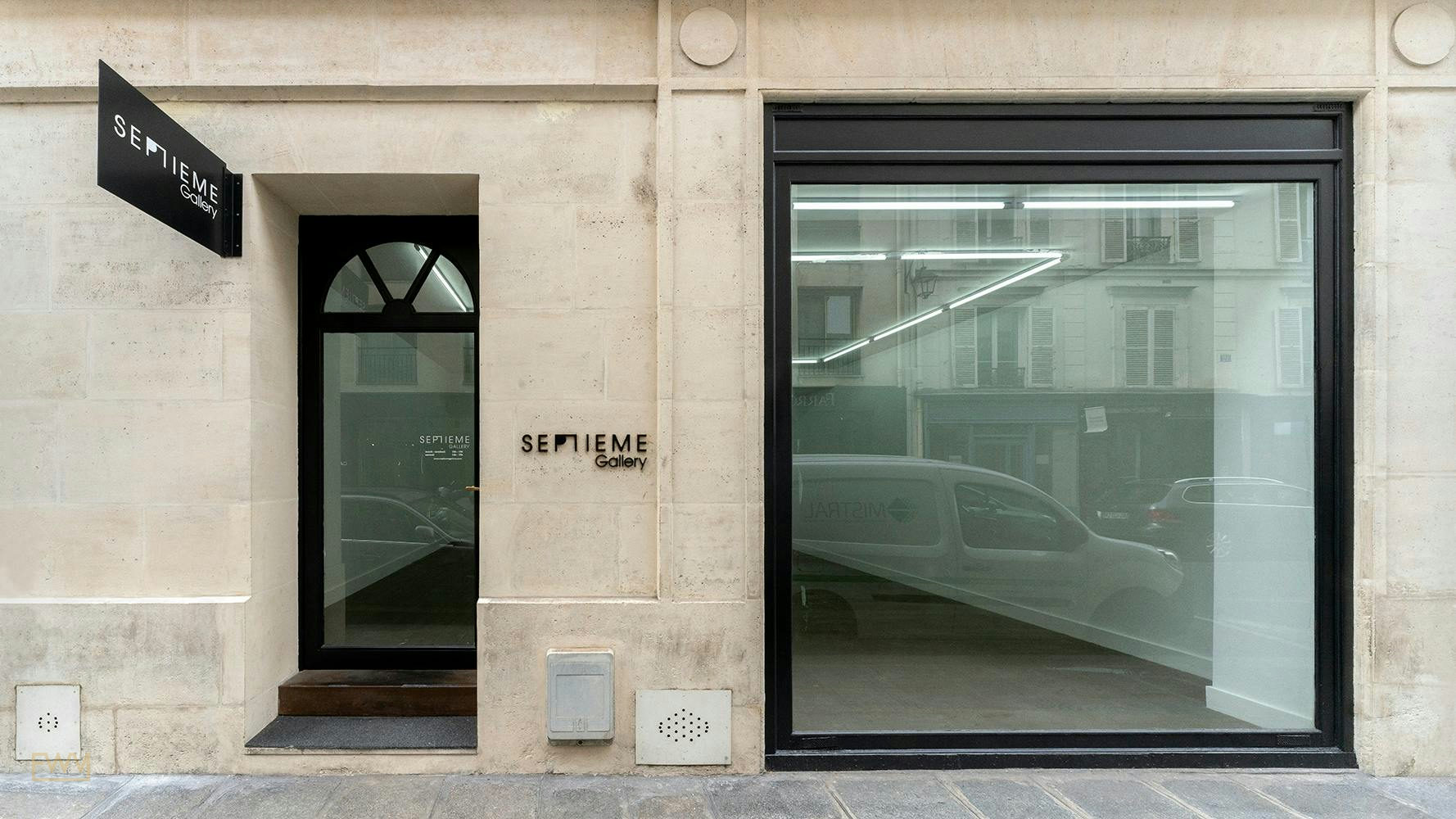
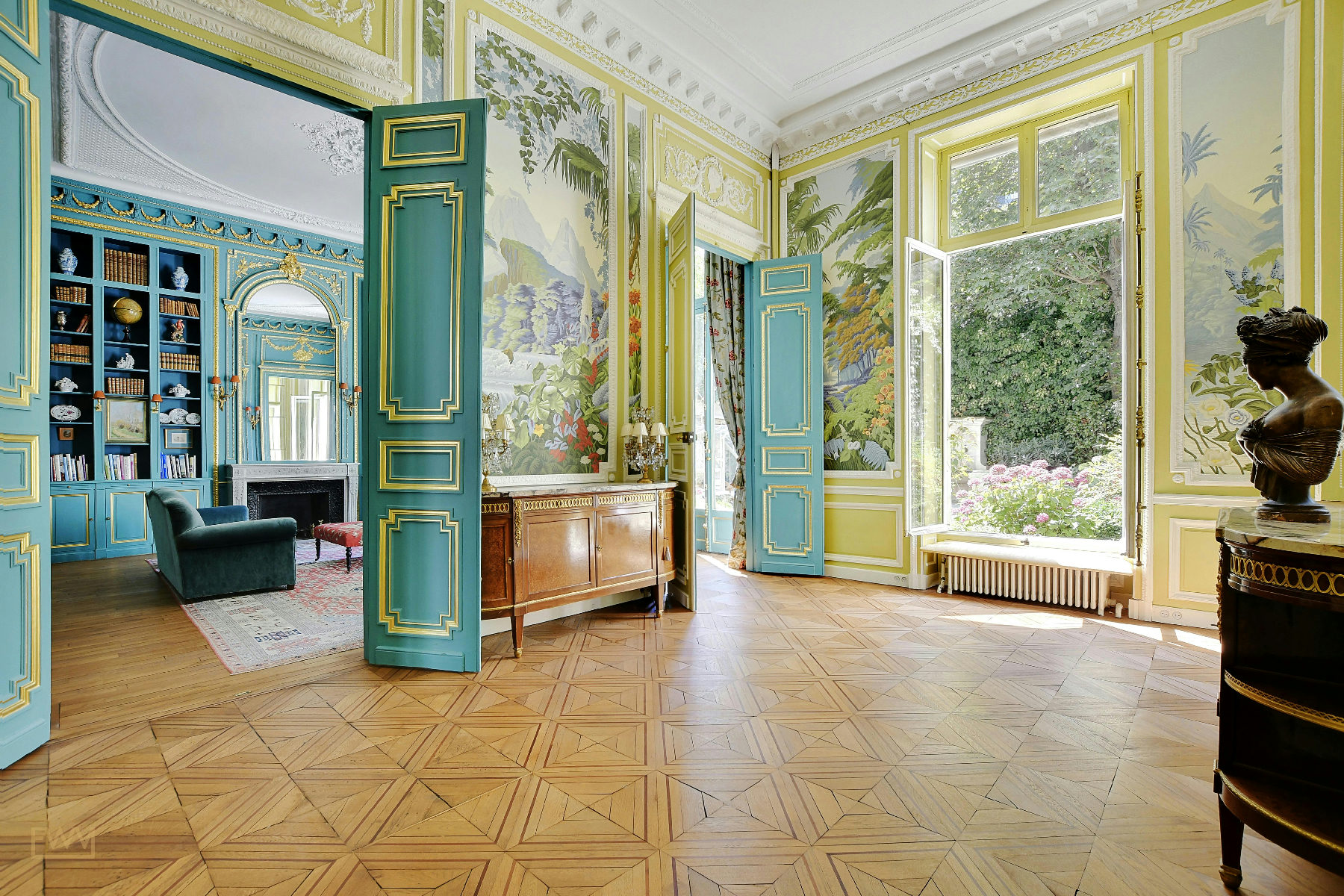
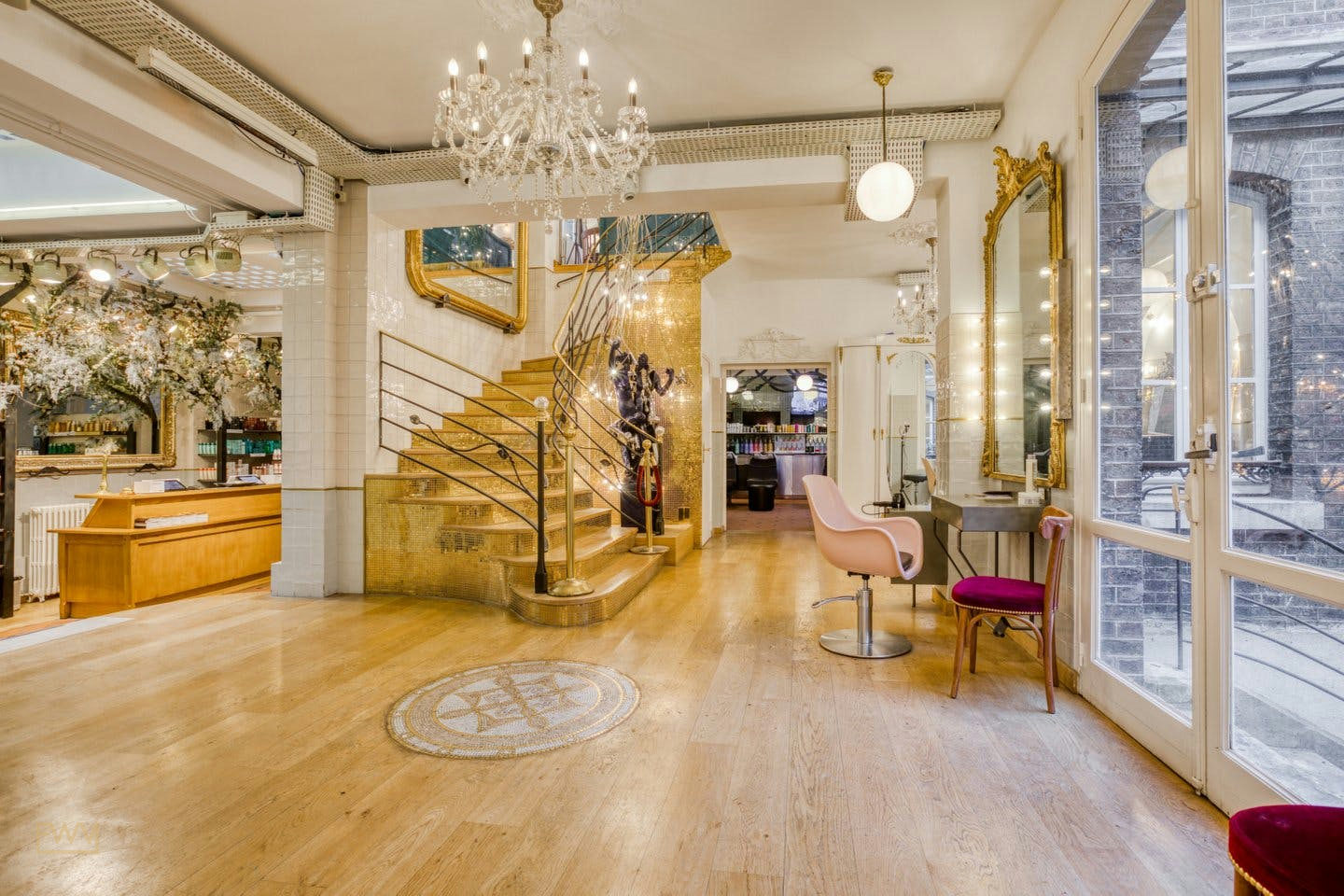
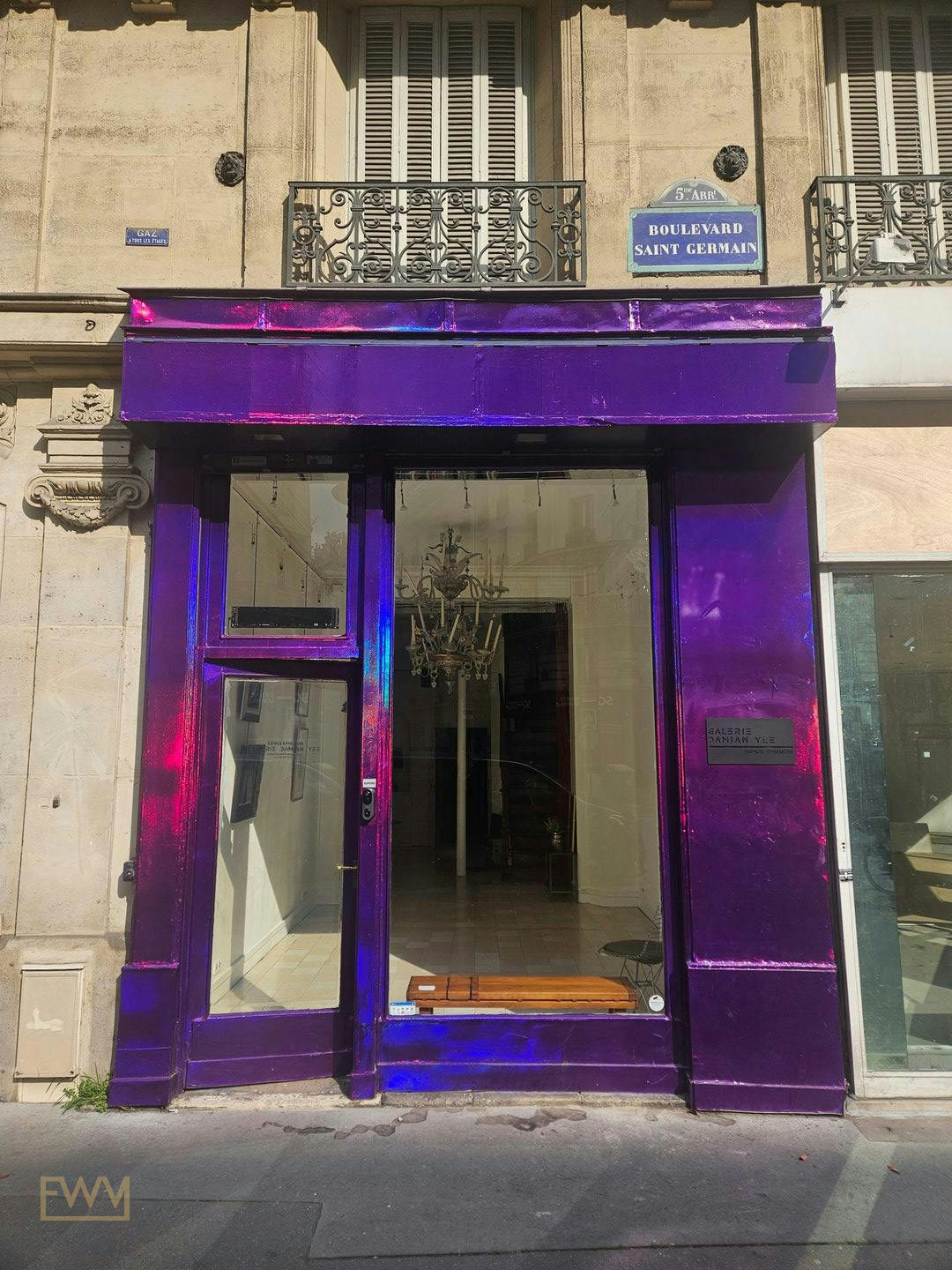
When brands and creative directors look to rent a pop-up shop in the Latin Quarter, they are choosing one of Paris's most storied and culturally dense neighbourhoods for a reason. The 5th arrondissement offers a combination of intellectual heritage, genuine foot traffic from students, tourists, and Parisian locals, and a proximity to Saint-Germain-des-Prés that gives any brand activation genuine credibility and reach. Whether you are launching a capsule collection, hosting a showroom during Paris Fashion Week, or running a week-long brand experience, the Latin Quarter delivers the kind of authentic urban context that manufactured retail environments cannot replicate. Fashion Week Venues supports brands activating across Paris, including the Latin Quarter, the Marais district, and beyond, providing full-service support from space sourcing through to production and staffing.
Why the Latin Quarter Is a Serious Choice for Pop-Up Retail in Paris
Quick answer: The Latin Quarter, centred in Paris's 5th arrondissement, combines sustained pedestrian foot traffic, a globally recognised cultural identity, and proximity to key retail corridors including Saint-Germain-des-Prés and the Marais. For brands seeking authentic Parisian context without the saturation of the most commercially dense arrondissements, it offers a compelling and often underutilised alternative.
The Latin Quarter occupies the left bank of the Seine, running through the 5th arrondissement and bleeding into the 6th. It is home to the Sorbonne, the Panthéon, and one of the highest concentrations of bookshops, café terraces, and independent boutiques in the city. This is not a neighbourhood built around chain retail. That distinction matters enormously to brands seeking spaces where their presence will be noticed and remembered rather than absorbed into a wall of commercial sameness.
Foot traffic in the Latin Quarter is genuinely diverse. On weekdays, you have Sorbonne students, academics, and Paris residents going about their daily lives. On weekends and during school holidays, the area draws significant international tourist volumes, particularly along the Rue Saint-Jacques, Rue Mouffetard, and the quays near Notre-Dame. Brands activating during Paris Fashion Week benefit from an editorial and creative community that already treats the 5th and 6th arrondissements as natural territory. Fashion journalists, buyers, and stylists frequently base themselves in the Saint-Germain and Latin Quarter area during the week-long show schedule.
The neighbourhood sits directly adjacent to Saint-Germain-des-Prés, which contains some of Paris's most recognised concept stores and luxury boutiques. Le Bon Marché Rive Gauche, located on the Rue de Sèvres at the edge of the 7th arrondissement, is a short walk away and sets the commercial tone for the entire left bank. Brands activating in the Latin Quarter benefit from this gravitational pull without paying the premiums that direct proximity to Le Bon Marché or the Rue du Faubourg Saint-Honoré would demand.
The cultural layering of the neighbourhood also provides ready-made storytelling context. A pop-up that positions itself within a building near the Musée de Cluny, in a ground-floor studio with exposed stone, or in a light-filled gallery space above an art bookshop is not simply renting square footage. It is borrowing the accumulated meaning of a neighbourhood that has shaped European intellectual and artistic life for centuries. For brands that operate in fashion, design, beauty, art, or culture, that context is not incidental. It is part of the product experience.
Space types available in the Latin Quarter range from converted apartments and ground-floor ateliers to proper gallery spaces, studio venues with natural light, and boutique storefronts on pedestrianised or semi-pedestrianised streets. Unlike Le Marais, where competition for the best locations is intense and lead times for securing spaces during Fashion Week can extend to six months or more, the Latin Quarter frequently offers more negotiating flexibility and more unusual property types that have not been institutionalised as default pop-up addresses.
KEY TAKEAWAY: The Latin Quarter is not simply a fallback for brands that cannot secure a Marais address. It is a first-choice location for brands whose identity connects to culture, design, creativity, and authentic Paris. The foot traffic is real, the context is rich, and the space inventory includes genuinely interesting property types across the 5th arrondissement and into Saint-Germain-des-Prés.
Understanding what distinguishes the Latin Quarter from other Paris neighbourhoods helps clarify the right type of space to target. The next section examines Paris's key pop-up neighbourhoods in detail so that brand teams can make a properly informed comparison.
Paris Pop-Up Neighbourhoods: Comparing the Latin Quarter, Le Marais, and Saint-Germain-des-Prés
Quick answer: Paris's most active pop-up neighbourhoods each serve different brand profiles and budgets. Le Marais remains the most competitive and highest-footfall district for contemporary fashion and streetwear brands. Saint-Germain-des-Prés suits luxury and lifestyle positioning. The Latin Quarter provides cultural depth, mixed foot traffic, and more flexible space options at generally more accessible rental rates.
For brands entering Paris for the first time, understanding the city's neighbourhood logic is essential before committing to a space. Paris is not a uniform retail landscape. Each arrondissement has its own commercial character, consumer profile, and rental market dynamics, and choosing the wrong neighbourhood for your brand profile can undermine an otherwise excellent activation.
Le Marais and Le Marais District
Le Marais, spanning parts of the 3rd and 4th arrondissements, is Paris's most active short-term retail district. The area around Place des Vosges, Rue des Archives, and Rue de Bretagne draws a consistent mix of Parisian consumers and international visitors with strong purchasing intent. The Marais district is home to the Musée Picasso, the Carreau du Temple, and dozens of established concept stores and galleries including Galerie Joseph and Galerie Turenne. Rental rates in Le Marais during Paris Fashion Week are among the highest in the city, and the best spaces are routinely booked four to six months in advance.
For streetwear, contemporary fashion, accessories, and brands with existing Paris awareness, the Marais is a natural address. For smaller brands or those making their first Paris activation, the cost and lead time may present practical barriers. Spaces in the Marais range from intimate boutique storefronts to loft-style gallery spaces with raw concrete floors, spotlights, and steel pillars, and from the Galerie d'exception category through to more modest showroom studios.
Saint-Germain-des-Prés
Saint-Germain-des-Prés, covering much of the 6th arrondissement, carries a distinct luxury and intellectual character. The neighbourhood draws on a legacy of literary cafés, luxury leather goods houses, and a consumer base that trends older, wealthier, and more discerning than the Marais. Brands in fine jewellery, premium beauty, literary fashion, and art-adjacent lifestyle categories find Saint-Germain-des-Prés a natural fit. Le Bon Marché Rive Gauche's proximity reinforces the area's positioning as the left bank's most credible luxury corridor.
Space types here tend toward the refined: former gallery spaces, first-floor apartments with parquet floors and tall windows, and ground-floor boutiques on streets that have maintained their independent character. Rental rates are significant, and availability during Paris Fashion Week is competitive, though less extreme than the Marais.
The Latin Quarter and the 5th Arrondissement
The 5th arrondissement sits between the cultural intensity of Saint-Germain-des-Prés and the residential quietness of the 13th. It offers spaces that range from intimate ateliers and converted apartments to proper gallery and exhibition spaces along the Rue Mouffetard and adjacent streets. The neighbourhood's foot traffic peaks around the Panthéon, the Jardin des Plantes, and the corridors connecting it to the left bank quays. Brands in art, design, craft, heritage fashion, and culturally informed consumer goods find the Latin Quarter's profile an excellent match.
The table below compares the three key left bank neighbourhoods across the dimensions most relevant to pop-up retail decisions.
| Neighbourhood | Primary Consumer Profile | Best Brand Fit | Typical Space Types | Rental Demand During Fashion Week | Relative Accessibility |
|---|---|---|---|---|---|
| Le Marais (3rd and 4th) | Young Parisians, international tourists, fashion-forward buyers | Streetwear, contemporary fashion, accessories, concept stores | Loft, gallery space, boutique storefront, Charlot' Store type venues | Very high, six-month lead times common | Lower, highest rental rates |
| Saint-Germain-des-Prés (6th) | Affluent Parisians, luxury tourists, editorial community | Luxury, premium lifestyle, fine jewellery, art | Boutique, apartment, gallery space | High, four to six month lead times | Moderate |
| Latin Quarter (5th) | Students, Parisian locals, cultural tourists, international visitors | Design, art, heritage fashion, culture-led brands, showrooms | Atelier, studio, converted apartment, gallery space | Moderate, more flexible availability | Higher, more negotiable terms |
DID YOU KNOW: The Latin Quarter takes its name from the medieval tradition of Latin being the common language of the University of Paris, making it one of the oldest continuously inhabited intellectual districts in Europe. For brands with a story to tell, few streets carry more embedded cultural meaning.
KEY TAKEAWAY: There is no single best Paris neighbourhood for every brand. The right choice depends on your consumer profile, brand positioning, budget, and the type of experience you want to create. The Latin Quarter is a genuinely competitive option for brands where cultural context, design identity, and authentic Parisian character take precedence over maximum commercial footfall.
To compare neighbourhoods and space types directly, explore the Paris city hub on Fashion Week Venues and shortlist spaces that match your brief, budget, and calendar window.
What Is a Pop-Up Shop? Definitions, Space Types, and Formats for Paris
Quick answer: A pop-up shop is a temporary retail or brand activation space rented for a defined period, ranging from a single day to several months. In Paris, pop-up formats include standalone boutique storefronts, showroom studios, gallery spaces, loft venues, and apartment-style spaces. The format you choose should match your activation goal, brand profile, and target neighbourhood.
A pop-up shop, sometimes called a pop-up store, pop-up retail space, or temporary retail activation, is fundamentally a short-term tenancy agreement that allows a brand to occupy a physical space without entering into a long-term commercial lease. The pop-up format has evolved significantly from its origins as a discount-driven clearance mechanism. Today, a pop-up shop in Paris is as likely to be a sophisticated multi-week brand experience, a press and buyer showroom during Paris Fashion Week, or an art exhibition with retail elements as it is a straightforward product sales point.
Pop-Up Shop Formats Available in the Latin Quarter and Paris
The Latin Quarter and adjacent neighbourhoods offer a range of space formats suited to different activation goals. Understanding the distinctions between these formats is essential before beginning your space search, because the wrong format can create practical problems around layout, licensing, customer flow, and brand presentation.
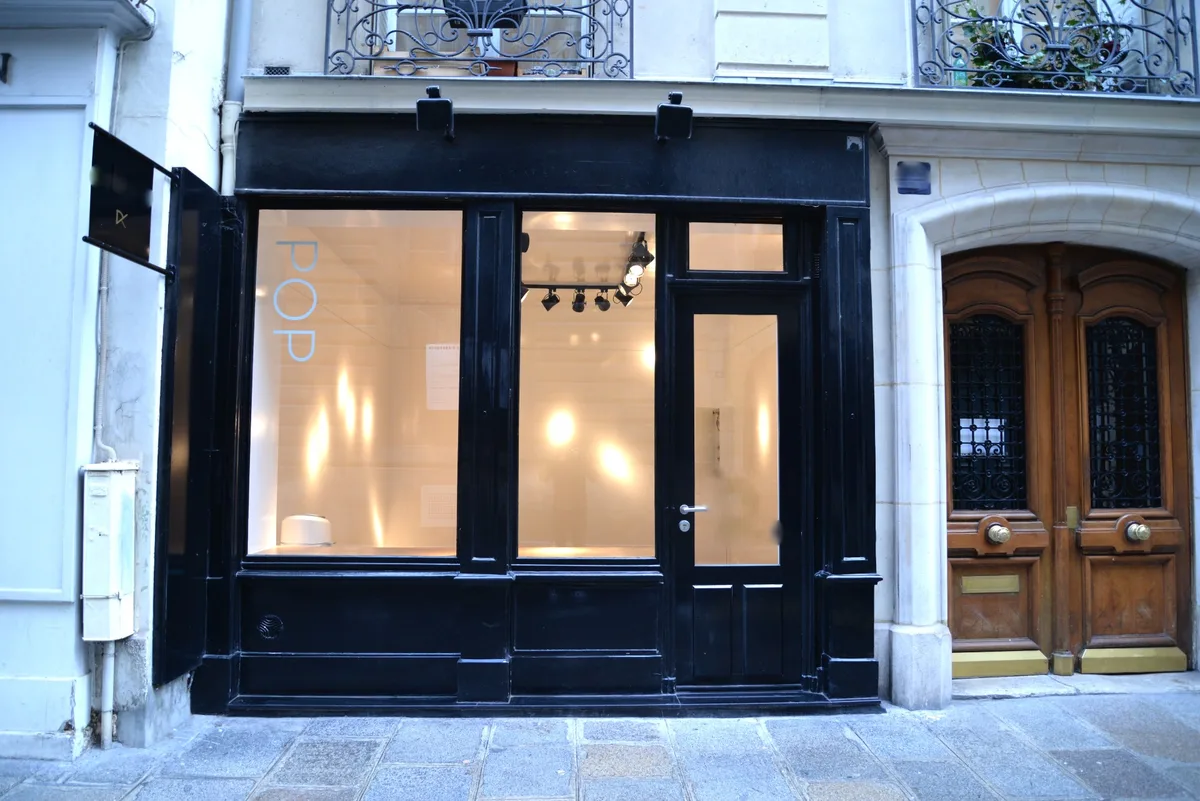
A boutique storefront is a ground-floor space with direct street frontage, typically with a shop window that allows for visual merchandising and passive visibility. These spaces are ideal for brands seeking genuine retail foot traffic and impulse discovery. In the Latin Quarter, boutique storefronts on streets like Rue Mouffetard or the pedestrian lanes near Saint-Germain-des-Prés deliver consistent passing trade.
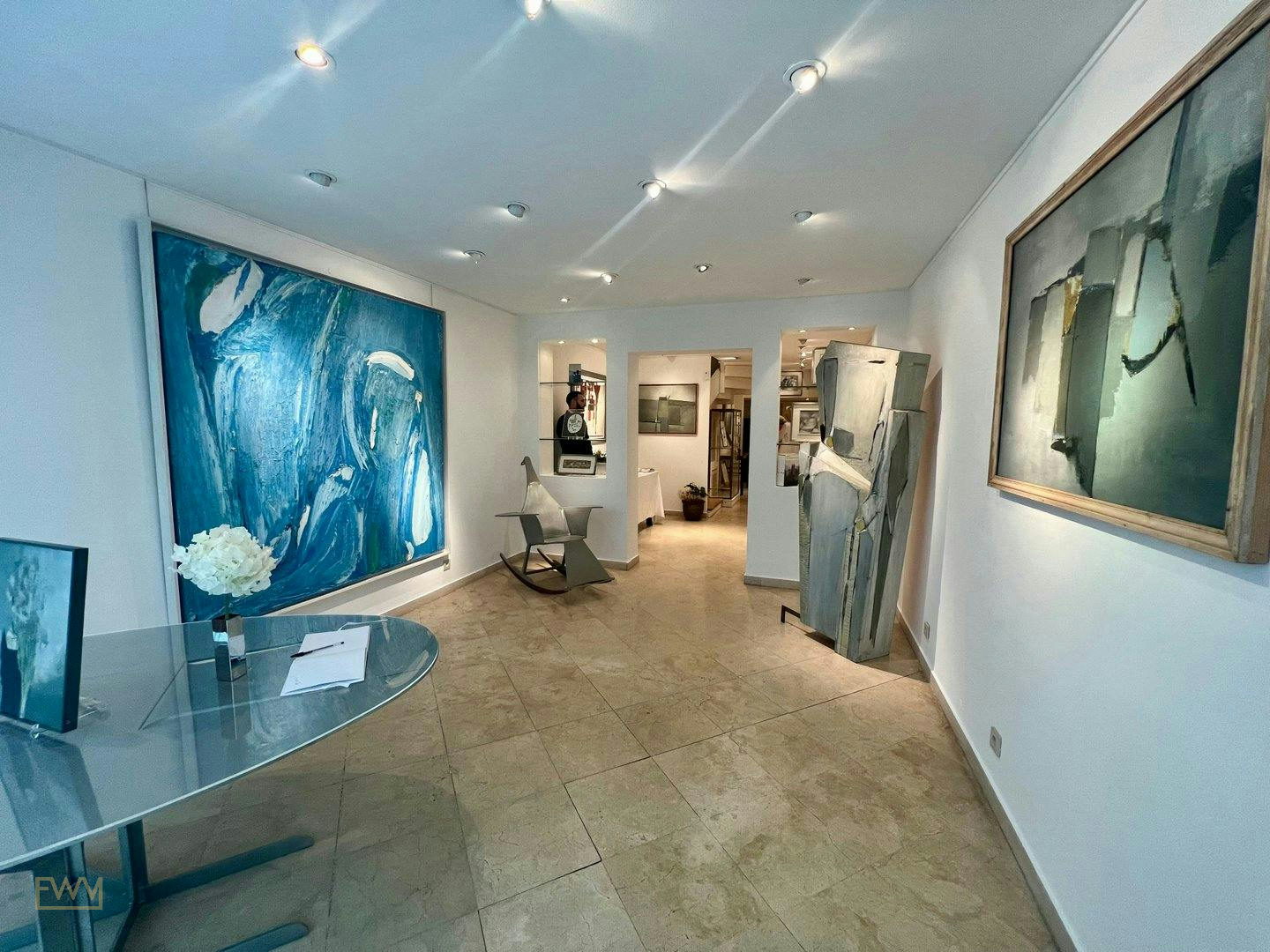
A gallery space or galerie d'art offers clean white walls, professional lighting including spotlights and track lighting, and a neutral environment suited to product presentation, art exhibitions, or private exhibition formats. Gallery spaces in the Marais district and the 5th arrondissement are popular for brands in fashion, jewellery, beauty, and design who want a presentation-quality environment without the clinical feel of a conventional trade show booth.
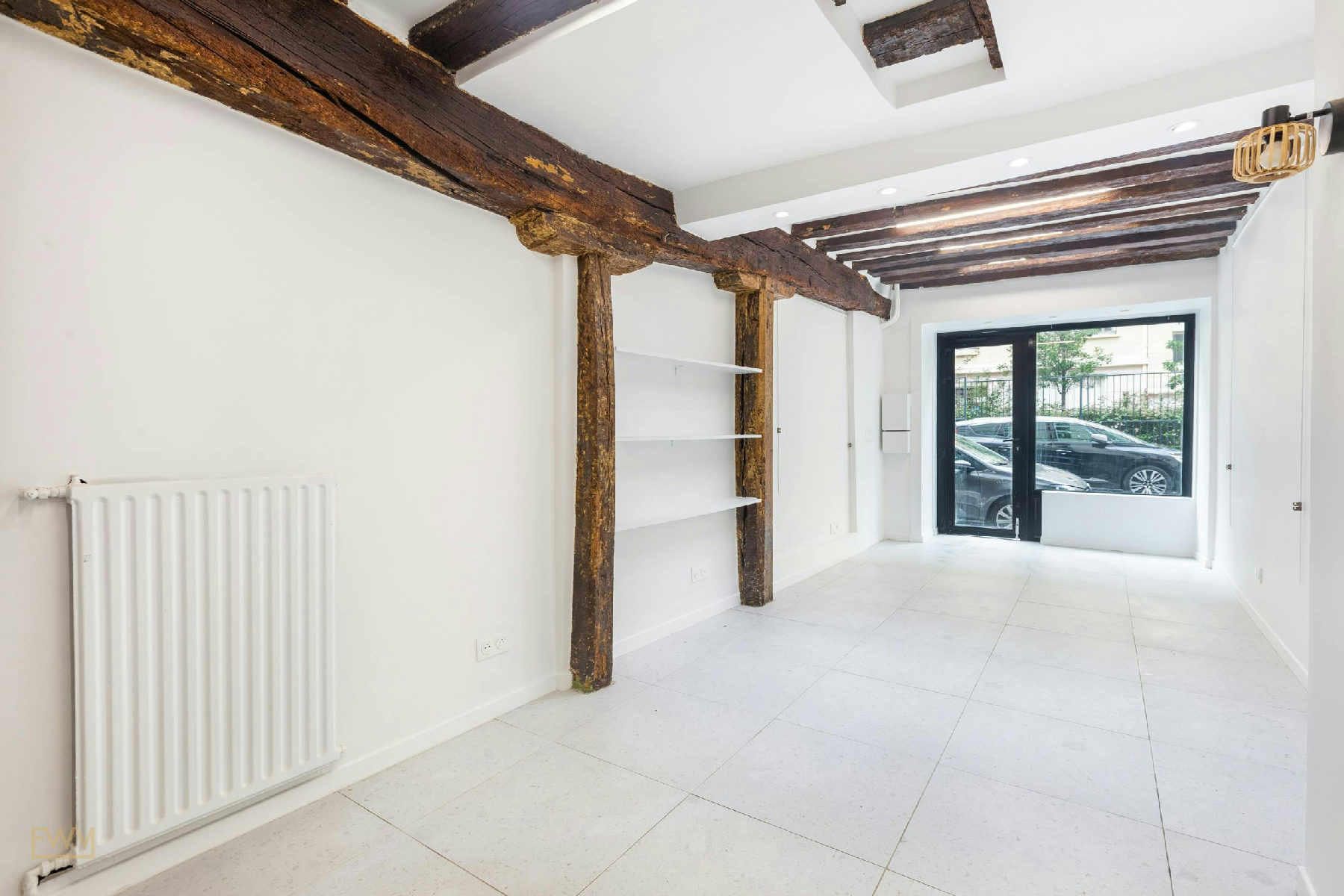
A studio or atelier space is typically a first or second-floor space used for production, design, or creative work that has been cleared and made available for temporary occupancy. Studios in the Latin Quarter often retain exposed stone, original timber floors, and the informal warmth of a working creative environment. These spaces suit showroom formats, press appointments, and intimate retail experiences where discovery and intimacy are more important than volume throughput.
A loft is a large, open-plan space, frequently on an upper floor or in a converted industrial or commercial building. Lofts with raw concrete floors, steel pillars, high ceilings, and flexible layouts are popular for brand activations requiring production builds, installations, or multi-zone experiences. In Paris, loft-style spaces are more common in the Marais and the 10th arrondissement, but genuine loft-character spaces do exist in the 5th and 6th arrondissements.
An apartment or apartment-style space gives a brand the opportunity to present products in a fully styled domestic environment. These spaces work well for home, lifestyle, beauty, and heritage fashion brands seeking an intimate, curated atmosphere. Many of the most distinctive short-term rental spaces in the Latin Quarter are former apartments converted for commercial use while retaining their original architectural character.
A showroom is a space configured specifically for trade appointments and press presentations rather than direct consumer retail. Showrooms during Paris Fashion Week serve a distinct operational function from retail pop-ups, and space selection criteria differ accordingly: you are optimising for professional visitor experience, appointment management, product presentation quality, and proximity to the hotels and venues where buyers and press are based.
KEY TAKEAWAY: Defining your activation format before beginning your space search saves significant time and prevents costly mismatches between space type and operational need. In the Latin Quarter, the most available and distinctive formats are gallery spaces, studios, and apartment-style spaces. Boutique storefronts exist but require earlier booking.
Understanding the format options leads directly into the practical question of what it costs to rent a pop-up space in Paris and what the key cost drivers are.
Pop-Up Shop Rental Costs in Paris: What Brands Need to Understand
Quick answer: Pop-up shop rental costs in Paris vary significantly based on neighbourhood, space size, space type, rental duration, time of year, and the scope of additional services included. Rental rates during Paris Fashion Week are substantially higher than off-peak periods. Brands should build a full cost model that includes the space itself, production and fit-out, staffing, permits, and operational costs before committing to a budget.
One of the most common mistakes brands make when planning a Paris pop-up is treating the space rental cost as the only significant line item. In reality, the rental rate is one component of a total activation budget that includes multiple moving parts, each of which can materially affect the overall investment required.
The Components of a Pop-Up Budget in Paris
The primary cost categories for a Paris pop-up activation include the space rental itself, the production and build required to prepare and dress the space, staffing costs for the duration of the activation, permits and compliance costs, furniture rental and equipment, technology and point-of-sale systems, insurance, and any marketing or influencer activity that supports the activation. For brands activating in the Latin Quarter during Paris Fashion Week, all of these categories will apply simultaneously.
Rental rates in the Latin Quarter are generally more accessible than equivalent spaces in prime Marais locations, but this does not mean they are low in absolute terms. The Paris short-term rental market has become increasingly sophisticated, and space owners in the 5th and 6th arrondissements are well aware of the demand dynamics during Fashion Week. Rates increase during the Fashion Week calendar window, with some space owners applying a seasonal premium of 30 to 100 percent compared to standard monthly rates.
Production and fit-out costs depend entirely on the condition of the space and the level of branded transformation required. A gallery space that already has professional lighting, clean walls, and an appropriate floor finish may require minimal intervention. A raw atelier or unconverted studio may require significant work to create a brand-ready environment. Brands should request detailed floor plans and condition information before calculating their build budgets.
TIP: Use the Fashion Week Venues budget planning tool to build a cost model specific to your space type, activation duration, and service requirements before approaching space owners or agents.
Insurance is a non-negotiable component of any Paris pop-up activation. Liability and property damage insurance must be in place before any activation opens to the public or to trade visitors. Some space owners require specific policy types or named insurers. Damage protection coverage requirements vary by space type and owner. Clarifying insurance obligations before signing any rental agreement is essential.
Staffing costs in Paris are governed by French labour law, which has specific requirements around minimum wage, working hours, social charges, and employment declarations. Brands cannot simply bring staff from their home market without understanding the French employment compliance framework. Using a specialist retail staffing partner with experience in the Paris market is strongly advisable.
IMPORTANT: All cost figures for Paris pop-up spaces should be treated as directional estimates only. Actual costs vary based on specific space conditions, seasonality, negotiated terms, and service scope. Do not commit to a budget without obtaining formal quotes from space owners and service providers.
| Cost Category | Relevance to Latin Quarter Activation | Key Variables |
|---|---|---|
| Space rental | Core cost, higher during Fashion Week | Size, location, duration, season |
| Production and fit-out | Varies by space condition and build scope | Existing finishes, brand transformation required |
| Furniture rental | Often required for showrooms and gallery formats | Quantity, style, rental duration |
| Retail staffing | Essential for consumer-facing activations | Hours, language requirements, French employment law |
| Permits and compliance | Required for commercial activity and public events | Space type, arrondissement, activity type |
| Insurance | Mandatory for any public or trade activation | Policy type, coverage amounts, space owner requirements |
| Technology and POS | Required for any direct consumer retail | Payment methods, WiFi, data and analytics needs |
| Marketing and influencer activity | Optional but high-impact for Fashion Week activations | Social media strategy, influencer tier, local PR |
KEY TAKEAWAY: The space rental rate is only the starting point for budgeting a Paris pop-up. Brands that underestimate the total cost of a well-executed activation, including production, staffing, permits, and insurance, are likely to face either budget overruns or a compromised activation quality. Build the full cost model before committing.
Closely related to the cost question is the legal and permit framework that governs commercial activity in the Latin Quarter and across Paris. The next section addresses this directly.
Permits, Leases, and Legal Requirements for Pop-Up Shops in the Latin Quarter
Quick answer: Operating a pop-up shop in Paris requires understanding the French short-term lease framework, including the bail dérogatoire and the autorisation d'occupation temporaire (AOT). Permit requirements vary by space type, activity, duration, and arrondissement. Brands should verify all permit and compliance obligations with a qualified French legal advisor before signing any rental agreement.
The French legal framework for short-term commercial tenancy differs significantly from the frameworks many international brands are familiar with in markets like the United States, the United Kingdom, or Australia. Understanding the key instruments available and the obligations they create is essential before any commitment is made.
Bail Dérogatoire
The bail dérogatoire, sometimes called a short-term commercial lease or lease of up to 36 months, is the most common legal instrument used for pop-up retail, showroom, and temporary activation spaces in Paris. Unlike a standard commercial lease (bail commercial), the bail dérogatoire does not trigger the renewal protections and statutory rights that make standard commercial leases difficult to exit. This makes it the preferred structure for both space owners and occupying brands in the temporary retail context.
A bail dérogatoire can be agreed for any period up to 36 months and does not have to be renewed at the end of the agreed term. The parties to the agreement must explicitly note in the contract that it is being concluded under the bail dérogatoire provisions of the French Commercial Code. If this is not done correctly, the tenancy may be reclassified as a standard commercial lease with all the attendant protections and obligations this creates. Legal review of any bail dérogatoire agreement by a qualified French lawyer is strongly advisable.
Autorisation d'Occupation Temporaire (AOT)
For activations in public spaces, market squares, or on land controlled by the city or public authorities, an autorisation d'occupation temporaire may be required. This is a permission granted by the relevant public authority for temporary occupation of public domain, and it operates quite differently from a private rental agreement. AOTs are relevant for brands considering activations in public areas of the 5th arrondissement or adjacent spaces near the Seine quays or public gardens.
Activity-Specific Permits
Beyond the lease structure, specific activities may require their own permits. Selling food or beverages, operating as a licensed retailer of certain product categories, hosting events that draw significant public gatherings, using exterior signage or projections, and operating outside standard commercial hours may each trigger separate permit requirements. Requirements vary by arrondissement and in some cases by specific street or building type.
Urban planning regulations in the 5th arrondissement, as in much of central Paris, restrict changes to building facades and signage. Brands planning external visual elements must verify these restrictions before committing to a space or a design.
IMPORTANT: This article provides general orientation on the French permit and compliance framework for educational purposes only. It does not constitute legal advice. Requirements vary significantly based on specific circumstances, and brands must verify their obligations with a qualified French legal advisor and relevant Paris authorities before proceeding.
For a practical starting point on the permit landscape relevant to your specific activation type and location, use the Fashion Week Venues permit guidance tool.
DID YOU KNOW: The Chamber of Commerce and Industry of Paris (CCI Paris Île-de-France) provides resources for businesses establishing temporary commercial activity in France, including guidance on registration requirements and local regulations. International brands without an existing French legal entity should consult these resources early in their planning process.
KEY TAKEAWAY: The French short-term tenancy framework offers genuine flexibility for pop-up brands, but it also contains specific legal requirements that must be met to avoid inadvertently creating long-term commercial lease obligations. Expert legal and compliance support is not optional for international brands activating in the Latin Quarter.
Understanding the legal framework leads naturally into the question of how to find and book the right space efficiently, which is where specialist agency support and platforms become practically important.
How to Find and Book a Pop-Up Shop Space in the Latin Quarter
Quick answer: Finding a pop-up shop space in the Latin Quarter requires a combination of local market knowledge, early planning, a clear brief, and either direct approaches to building owners or engagement with a specialist agency or marketplace. During Paris Fashion Week, the best spaces are committed four to six months in advance. Off-peak activations have more flexibility but still require systematic sourcing.
The Paris short-term rental market for pop-up and temporary retail spaces operates very differently from the residential or standard commercial property market. Many of the best spaces are not publicly listed. They are held by private owners, managed by specialist agents, or available only through networks with deep local connections. This reality makes the sourcing process both more opaque and more dependent on either local expertise or specialist intermediary support.
Approaches to Space Sourcing in Paris
The most common approaches to finding a pop-up space in the Latin Quarter include using a specialist pop-up marketplace, engaging a full-service pop-up agency with Paris market knowledge, approaching building owners directly, or using general event venue platforms. Each approach has different implications for access, speed, cost, and the quality of legal and operational support received.
General event venue platforms such as Peerspace, Tagvenue, Go-PopUp, and Storefront list spaces in Paris and can be useful for initial discovery and price benchmarking. However, these platforms typically operate as booking intermediaries and do not provide the specialist retail activation support, permit guidance, production management, or staffing services that a brand executing a serious Fashion Week activation will require. The booking experience may be described as hassle-free for straightforward short-term hires, but for complex brand activations, the platform alone is rarely sufficient.
A specialist pop-up agency with deep Paris experience and an established space network can provide end-to-end support from the initial brief through to space shortlisting, negotiation, permit navigation, production management, and post-activation data review. The agency relationship adds cost relative to a direct platform booking but typically reduces risk, saves time, and improves the quality of the final activation significantly.
The Fashion Week Venues Approach
Fashion Week Venues operates both a space marketplace for browsing available Paris spaces and a full-service agency model for brands requiring comprehensive activation support. The marketplace allows brand teams to browse space options by type, size, location, and availability, while the agency services cover every stage from concept direction through to post-activation analytics.
Key tools available to brands in the planning phase include a timeline planning tool to map the critical path from brief to opening, a compare tool to evaluate shortlisted spaces against each other, a space locator to map options across arrondissements, and a budget calculator to build a total cost model. These tools support more structured, evidence-based decision-making and reduce the risk of committing to a space that does not match the operational or financial brief.
| Step | Action | Recommended Tool or Resource | Timeline Guidance |
|---|---|---|---|
| 1 | Define activation brief including format, size, duration, and neighbourhood priority | Internal brand planning, agency briefing | Six months before Fashion Week, earlier for complex builds |
| 2 | Build total budget model including space, production, staffing, and permits | Budget planning tool | Alongside brief development |
| 3 | Browse and shortlist available spaces by type, location, and availability | Marketplace and locator tool | Five to six months before activation |
| 4 | Compare shortlisted spaces against brief criteria | Compare tool | Four to five months before activation |
| 5 | Verify permit requirements for chosen space and activity type | Permits tool, French legal advisor | Four months before activation |
| 6 | Negotiate and agree rental terms, confirm insurance requirements | Agency support or direct negotiation | Three to four months before activation |
| 7 | Commission concept direction and production build planning | Concept direction service, build planning tool | Three months before activation |
| 8 | Confirm staffing, POS, and operational requirements | Retail staffing and POS payments services | Six to eight weeks before activation |
| 9 | Execute build, soft open, and full activation | Production and build service, activation management | Build window as specified in production plan |
| 10 | Review data, capture learnings, and calculate ROI | Data and analytics service, ROI calculator | Immediately post-activation |
TIP: For brands activating in Paris for the first time, reviewing the guide to hiring a pop-up shop agency before committing to any approach will help clarify what to expect from a full-service partner and what questions to ask during the agency selection process.
KEY TAKEAWAY: Space sourcing in the Latin Quarter during Paris Fashion Week requires early action, a clear brief, and structured evaluation. Brands that begin the process fewer than three months before their intended opening date are likely to find the best spaces already committed and to face higher rental rates for what remains available.
Finding the space is one challenge. Designing and building it to brand standard within the constraints of a short-term tenancy and a historic Parisian property is another. The next section addresses the production and concept side of a Latin Quarter activation.
Designing and Building a Pop-Up Shop in the Latin Quarter: Production and Concept Considerations
Quick answer: Designing a pop-up shop in the Latin Quarter requires balancing creative ambition with the practical constraints of short-term tenancy, historic building regulations, tight build windows, and the specific architectural character of 5th arrondissement spaces. The most effective Latin Quarter activations work with the existing character of the space rather than attempting to disguise it.
The physical character of spaces in the Latin Quarter is one of the strongest arguments for choosing the neighbourhood. Exposed stone walls, original parquet floors, high ceilings with ornamental cornicing, deep-set windows, and the warm patina of genuinely old Parisian buildings are design assets that brand teams in other markets pay significant production budgets to recreate synthetically. In the Latin Quarter, these elements already exist. The design challenge is to activate them intelligently.
Working With the Architecture
Unlike the raw loft spaces of the Marais district, which offer a blank canvas for high-intervention builds, Latin Quarter spaces typically carry more inherent architectural character. This is an advantage for brands whose identity connects to craft, heritage, design, or culture. It is a more complex proposition for brands whose visual language requires a completely neutral white-cube environment.
Brands considering the Latin Quarter should discuss with their production partner how to work with existing wall textures, floor finishes, and ceiling heights rather than covering them. Temporary fixtures and furniture from a furniture rental partner, combined with branded graphics, lighting, and product presentation systems designed for the specific space, will usually create a more distinctive and photogenic result than a generic fit-out that ignores the host architecture.
Lighting
Lighting is one of the most impactful and often underbudgeted elements of a pop-up build. In gallery spaces and ateliers in the 5th arrondissement, professional spotlights, track lighting, and supplementary ambient fixtures can transform a modest space into a compelling brand environment. Space owners in the Latin Quarter vary significantly in the quality and flexibility of their existing lighting infrastructure. Brands should obtain detailed information about the existing lighting setup and electrical capacity before finalising their production plan.
Build Windows and Reinstatement
Short-term lease agreements in Paris typically specify tight build and strip-out windows. A brand renting a space for ten days during Paris Fashion Week may have access from the morning of day one to the evening of the final day, with no additional time for build or break-down unless specifically negotiated. This reality requires that all production work is planned with extreme precision, that all fixtures and installations can be assembled and removed within the allotted time, and that the space is returned to its original condition to avoid reinstatement charges.
Using a production partner with experience in the Paris market is essential here. Parisian building regulations, lift access limitations in historic buildings, and the practical logistics of delivering materials through narrow 5th arrondissement streets require local knowledge that cannot be improvised.
Brands can use the Fashion Week Venues build planning tool to map their production requirements, build timeline, and reinstatement obligations before committing to a space.
KEY TAKEAWAY: The architectural character of the Latin Quarter's best spaces is a design asset, not a constraint. Brands that build their concept around the existing character of the space will create more memorable, more photogenic, and more brand-coherent activations than those that try to create a generic retail environment in a historic Parisian building.
Beyond the physical build, the question of how to staff, manage, and measure the activation is equally important for brands treating their Latin Quarter pop-up as a serious commercial investment rather than a purely marketing exercise.
How Fashion Week Venues Supports Brands Activating in the Latin Quarter and Paris
Quick answer: Fashion Week Venues provides end-to-end support for brands renting pop-up spaces in the Latin Quarter and across Paris, covering venue sourcing, concept direction, production, staffing, technology, and post-activation data. Brand teams benefit most when they engage the agency early in their planning cycle and with a clear activation brief.
Fashion Week Venues was built specifically for the needs of brands and brand teams navigating the pop-up and short-term retail landscape in major fashion capitals. Its Paris presence covers the full range of districts relevant to fashion and brand activations, including the Latin Quarter, Saint-Germain-des-Prés, Le Marais, and other arrondissements where temporary retail makes commercial sense.
Services Available to Brands
The service range covers every stage of a pop-up activation. Venue sourcing provides brands with access to the agency's network of space owners, agents, and available properties across the city, including spaces that are not publicly listed on general booking platforms. The sourcing process is informed by the brand's brief, budget, timeline, and neighbourhood priorities.
Concept direction and branded store design services support brands in developing a spatial concept that is coherent with their brand identity and appropriate for the specific space being activated. Production and build management covers the physical fit-out from floor plans through to installation, ensuring the build is delivered on time, within budget, and in compliance with the space owner's requirements and Parisian building regulations.
Retail staffing, POS and payments, and data and analytics services cover the operational dimension of a consumer-facing activation. Brands using the full service suite can walk into a ready-to-open space without having to manage the individual contractors and service providers that a piecemeal approach would require.
The influencer marketing service supports brands seeking to extend the reach of their Latin Quarter activation onto social media platforms and into the editorial media ecosystem during Paris Fashion Week. Given the concentration of fashion media professionals in Paris during Fashion Week, a well-timed influencer strategy can significantly extend the reach of a physical activation beyond its immediate footfall.
Tools That Support Decision-Making
Beyond the services, Fashion Week Venues provides a suite of planning and decision-support tools. The ROI calculator helps brand teams model the expected return on their activation investment based on projected footfall, sales conversion, and brand awareness metrics. The timeline tool maps the critical path from brief to opening. The compare tool allows side-by-side evaluation of shortlisted spaces. The imagine tool supports space visualisation before any commitment is made.
Who Benefits Most
Fashion Week Venues is most valuable to international brands entering Paris for the first time and lacking an established network of local contacts, to brands activating during Paris Fashion Week where timing precision and market knowledge are critical, and to brand teams who need to deliver a high-quality activation quickly without building an in-house Paris production capability. The agency is not the only route to a Paris pop-up, and brands with deep existing Paris networks and in-house production teams may find a more selective use of specific services more appropriate than a full-service engagement.
KEY TAKEAWAY: Fashion Week Venues provides a structured, expert pathway from brief to activation for brands seeking pop-up spaces in the Latin Quarter and across Paris. The most effective engagements begin with a clear brief and early outreach, giving the agency sufficient time to secure the right space and build a coherent activation plan.
Paris Fashion Week and the Latin Quarter: Timing, Calendar, and Activation Strategy
Quick answer: Paris Fashion Week takes place twice annually in January and February for menswear and couture, and in September and October for womenswear. These calendar windows drive the highest demand and rental rates for pop-up spaces in the Latin Quarter and across Paris. Brands should plan activations to align with the specific Fashion Week calendar relevant to their category and audience.
The Paris Fashion Week calendar is the single most important external variable in planning a Latin Quarter pop-up activation. The city's hotel occupancy, media presence, buyer concentration, and consumer energy during Fashion Week create conditions that are genuinely difficult to replicate at other times of year. For brands whose target audience includes fashion buyers, press, stylists, and industry professionals, an activation timed to Fashion Week offers access to a concentrated audience that is already in the right city, in the right mindset, and actively seeking new discoveries.
Womenswear Fashion Week in Paris runs in late September and early October, following the Milan and New York show schedules and preceding the final days of the international calendar. This is the highest-profile window for most fashion brands, and it drives the most intense competition for pop-up spaces. The Latin Quarter is particularly active during this period, with Sorbonne-adjacent streets and the Rue de la Huchette corridor seeing increased foot traffic from industry visitors staying in the 5th and 6th arrondissement hotel clusters.
Menswear and couture weeks in January and February offer a different energy: smaller in scale but concentrated in the same central Paris geography, with a more focused audience of editors and buyers who are specifically attending the menswear and couture schedules. Brands in tailoring, luxury, and culture-adjacent menswear categories often find this window more appropriate than the larger womenswear week.
DID YOU KNOW: Paris Fashion Week is one of the four major fashion weeks alongside London, Milan, and New York, but it commands the highest global editorial attention, the greatest concentration of international luxury and fashion buyers, and the most significant social media coverage of any single fashion event in the European calendar.
Brands activating outside the Fashion Week windows should not assume that the Latin Quarter is quiet. The neighbourhood's year-round foot traffic, driven by the university calendar, tourism, and Parisian daily life, means that well-positioned pop-up activations can generate genuine commercial results in non-Fashion Week periods. Off-peak rental rates may also allow brands to access better spaces for longer durations at more manageable costs.
For brands operating across multiple fashion capitals, Fashion Week Venues also supports activations in London, Milan, New York, and other cities, enabling a coordinated multi-city activation strategy that follows the international fashion calendar from September through February.
KEY TAKEAWAY: Timing a Latin Quarter pop-up to align with Paris Fashion Week maximises exposure to industry professionals and fashion-forward consumers but demands early planning, higher budgets, and strong operational execution. Off-peak activations offer more accessible entry points for brands building their Paris presence over time.
Specific Venue Types and Amenities to Expect in Latin Quarter Pop-Up Spaces
Quick answer: Latin Quarter pop-up spaces vary widely in their amenity provision. Brands should verify the availability of WiFi, kitchen access or kitchenette, lighting infrastructure, floor plans, wall text or display systems, and loading access before confirming any space. Not all spaces described as retail-ready will meet the specific operational needs of a fashion or brand activation.
When evaluating a potential pop-up space in the 5th arrondissement, the headline rental rate and general description are starting points, not endpoints. The operational suitability of a space depends on a range of specific amenity and infrastructure factors that significantly affect both the quality of the activation and the cost of making the space functional.
Key Amenities to Evaluate
WiFi and connectivity are essential for any modern retail activation, from card payment processing through to social media content sharing and data capture. Some Latin Quarter spaces, particularly older residential buildings converted for commercial use, have limited connectivity infrastructure. Brands should confirm internet speed and reliability before assuming that the space will support their technology requirements.
Lighting is particularly variable in the Latin Quarter's older building stock. A space with deep-set windows and limited natural light in October will feel very different from a bright studio in June. Confirming the existing lighting setup and the capacity to add temporary track lighting or spotlights is essential for fashion and jewellery brands where product presentation quality is directly dependent on lighting.
Floor plans and dimensions should be obtained in accurate, to-scale form before any design or production planning begins. Many space listings provide approximate dimensions that may be misleading when it comes to furniture layout, fixture placement, and flow planning. A space that appears comfortably sized on a listing may present practical layout challenges when actual dimensions and structural features like columns, alcoves, or fixed fittings are taken into account.
Kitchen access or kitchenette matters for activations that include catering, press event hosting, or VIP experience elements. Many Latin Quarter commercial spaces do not include dedicated kitchen facilities, and brands planning food or beverage service will need to either confirm kitchen access in the space itself or contract with a catering partner who brings their own equipment.
Loading and delivery access in the Latin Quarter is often constrained by narrow streets, pedestrian zones, and restricted vehicle access hours. Brands planning significant fit-out builds or product deliveries must confirm the logistics of access before committing to a space. Some streets in the 5th arrondissement restrict vehicle access to morning windows only, which requires careful scheduling of deliveries and removals.
Security is particularly relevant for brands activating with high-value product. Space owners vary in the security provision included in the rental agreement. Brands should clarify whether access control, alarm systems, and overnight security are included and whether additional security service provisions are permitted under the lease terms.
KEY TAKEAWAY: Amenity verification is not a secondary step in the space evaluation process. For Latin Quarter pop-up spaces, connectivity, lighting, floor plan accuracy, loading access, and security provision are all factors that directly affect operational viability and production cost. Verify before committing.
Common Myths About Renting a Pop-Up Shop in the Latin Quarter and Paris
MYTH: You need a French legal entity to rent a pop-up space in Paris.
FACT: Many Paris space owners and short-term rental platforms accommodate international brands without a registered French company. That said, some space types and activities may require French registration or a registered local representative. Requirements vary by space, activity type, and rental structure. Brands should verify their specific obligations with a qualified French legal advisor before assuming they can or cannot proceed without local registration.
MYTH: Paris Fashion Week is the only worthwhile calendar window for a Latin Quarter pop-up activation.
FACT: While Paris Fashion Week creates the highest-intensity environment for fashion industry activations, the Latin Quarter generates year-round foot traffic from students, Parisian residents, and international tourists. Brands in design, art, lifestyle, beauty, and culture-adjacent categories can achieve strong results in off-peak windows at significantly lower rental rates. A longer off-peak activation may deliver more consumer touchpoints than a shorter Fashion Week activation at a much higher cost.
MYTH: Commission brokers and generic property agents are the standard route to finding a pop-up space in Paris.
FACT: While some commission-based agents do operate in the Paris short-term rental market, the most relevant and distinctive pop-up spaces are increasingly accessed through specialist pop-up agencies, dedicated marketplaces, and direct space owner relationships. Commission brokers may have limited access to the best curated spaces and typically provide no operational, production, or compliance support. A specialist pop-up marketplace or full-service agency provides a more structured and risk-managed pathway.
MYTH: Short-term leases in Paris are legally simple and do not require specialist review.
FACT: Short-term commercial leases in France, including the bail dérogatoire, contain specific legal requirements that must be correctly observed to avoid inadvertently creating a standard commercial lease with long-term obligations. Provisions around permitted use, reinstatement, insurance, and termination can expose brands to significant financial liability if not understood and negotiated correctly. Expert legal review of any Paris rental agreement is strongly recommended.
MYTH: Pop-up spaces in the Latin Quarter are mainly suited to art exhibitions rather than fashion retail.
FACT: While the Latin Quarter's gallery and studio space inventory does make it naturally suited to art exhibitions and design presentations, the neighbourhood's foot traffic profile and proximity to Saint-Germain-des-Prés make it genuinely viable for fashion retail, showroom, and brand activation formats. Several of Paris's most successful independent boutiques and concept stores operate in or adjacent to the 5th arrondissement, demonstrating that fashion retail in the area has an established and engaged consumer base.
Frequently Asked Questions
Why rent a pop-up shop in Paris's 5th arrondissement?
The 5th arrondissement offers a distinctive combination of cultural heritage, sustained foot traffic, and a diverse consumer base including students, Parisian residents, and international tourists. For brands in fashion, design, art, and lifestyle categories, the Latin Quarter's intellectual and creative identity provides ready-made storytelling context. Rental rates are generally more accessible than equivalent spaces in the Marais or Saint-Germain-des-Prés, and the space inventory includes genuinely interesting gallery, studio, and atelier formats that suit immersive brand experiences. The neighbourhood's proximity to Saint-Germain-des-Prés also positions it within the broader left bank cultural and retail corridor.
How much does it cost to rent a pop-up shop in Paris?
Pop-up shop rental costs in Paris vary significantly based on neighbourhood, space size, space type, rental duration, and timing relative to the Paris Fashion Week calendar. Costs are substantially higher during Fashion Week windows. A complete activation budget must include the space rental plus production and fit-out, staffing, permits, insurance, furniture rental, and technology. Brands should build a total cost model before committing to any space. The Fashion Week Venues budget planning tool provides a structured starting point for cost modelling specific to your activation format and requirements.
Do I need a permit to operate a pop-up shop in the Latin Quarter?
Permit requirements for pop-up retail in the Latin Quarter depend on the specific space, activity type, duration, and the nature of any public-facing events or external signage. Commercial activity in Paris is regulated by French commercial law, urban planning rules, and arrondissement-specific restrictions. Selling products, hosting public events, using temporary external signage, or operating outside standard commercial hours may each require separate authorisation. Requirements vary by circumstance and must be verified with a qualified French legal advisor and the relevant Paris authorities before your activation opens.
What is a bail dérogatoire and why does it matter for pop-up shops in Paris?
A bail dérogatoire is a short-term commercial lease agreement permitted under French law for tenancies of up to 36 months that explicitly derogates from the standard commercial lease protections of the French Commercial Code. It is the most commonly used legal instrument for pop-up retail and temporary brand activations in Paris because it does not trigger the automatic renewal rights and statutory protections that standard commercial leases create. The agreement must be correctly drafted and explicitly identified as a bail dérogatoire. Expert legal review before signing is strongly recommended to avoid inadvertently creating a long-term commercial tenancy obligation.
How far in advance should I book a pop-up space in the Latin Quarter for Paris Fashion Week?
For Paris Fashion Week activations, brands should begin the space sourcing process at least four to six months before the intended opening date. The best spaces in high-demand locations including the Latin Quarter, Le Marais, and Saint-Germain-des-Prés are typically committed well before the Fashion Week calendar window. Brands that begin their search fewer than three months before their target date will find reduced availability and higher rental rates for remaining spaces. For complex production builds, the planning horizon should extend further to allow sufficient build time and permit processing.
Can I rent a pop-up space in Paris without a French company registration?
Many Paris space owners and pop-up platforms accommodate international brands operating without a registered French company. However, specific activities, product categories, or space types may require local registration or the appointment of a French-registered representative. Requirements vary by activity type, space, and the terms negotiated with the space owner. Brands should verify their specific legal and tax obligations with a qualified French legal and tax advisor before assuming that their existing corporate structure is sufficient for their intended Paris activation.
What types of pop-up spaces are available in the Latin Quarter?
The Latin Quarter's space inventory includes boutique storefronts with street frontage, gallery spaces suited to product and art exhibition formats, studio and atelier spaces with artistic character, apartment-style spaces with original Parisian architectural features, and showroom formats configured for trade and press appointments. Space sizes range from intimate single-room formats to multi-room venues suited to larger brand experiences. The most distinctive spaces in the 5th arrondissement typically feature exposed stone, original parquet floors, high ceilings, and the warm architectural character of genuinely historic Parisian buildings.
What is the difference between a pop-up shop and a showroom in Paris?
A pop-up shop is primarily a consumer-facing retail activation, open to the public and designed to generate direct sales, brand discovery, and consumer experience. A showroom in Paris is primarily a trade and press environment, configured for appointment-based presentations to buyers, journalists, stylists, and industry professionals during Paris Fashion Week. The two formats have different space requirements, operational setups, staffing needs, and permit profiles. Some brands run both simultaneously from the same space at different times of day or through different access protocols, though this requires careful operational planning.
What neighbourhoods are best for pop-up shops in Paris?
The best neighbourhood for a Paris pop-up depends on your brand profile and activation goal. Le Marais is the highest-footfall and most commercially active district for contemporary fashion, streetwear, and accessible luxury. Saint-Germain-des-Prés suits premium lifestyle, luxury, and art-adjacent brands. The Latin Quarter is ideal for brands where cultural identity, design heritage, and authentic Parisian context are priorities. Emerging neighbourhoods in the 10th, 11th, and 18th arrondissements offer different consumer profiles and may suit brands with a more independent or urban creative positioning.
How do I compare pop-up spaces in Paris to find the right one?
Comparing pop-up spaces in Paris requires evaluating each option against a structured set of criteria including location and neighbourhood fit, size and layout, space type and architectural character, available amenities including WiFi, lighting, and loading access, rental rate and total cost, availability relative to your target dates, and permit profile for your intended activity. The Fashion Week Venues compare tool supports structured side-by-side evaluation of shortlisted spaces against these criteria, making it easier to identify the best fit for your specific brief rather than selecting on headline rental rate alone.
What operational services do I need for a Latin Quarter pop-up activation?
A well-executed Latin Quarter pop-up activation typically requires venue sourcing, concept direction and branded store design, production and fit-out management, retail staffing, point-of-sale and payments technology, WiFi and connectivity, insurance, and post-activation data and analytics. For activations during Paris Fashion Week, influencer marketing and PR support are also relevant. Not all brands will require every service, and the specific combination depends on the activation format, duration, and budget. Fashion Week Venues offers all of these services individually or as part of a full-service engagement.
How does Paris Fashion Week affect pop-up rental rates in the Latin Quarter?
Paris Fashion Week creates a significant seasonal premium on pop-up rental rates across central Paris including the Latin Quarter. Space owners are aware of the concentrated demand during Fashion Week calendar windows and price accordingly. Brands should expect rental rates during Fashion Week to be materially higher than standard monthly rates for the same space, in some cases by 30 to 100 percent or more. This premium reflects genuine market demand and is consistent across the most desirable neighbourhoods. Building the Fashion Week premium into budget planning from the outset avoids budget shortfalls at the negotiation stage.
Can I use a pop-up space in the Latin Quarter for both retail and events?
Many Latin Quarter spaces are suitable for hybrid retail and event formats, hosting product sales during the day and press or influencer events in the evening. However, mixing retail and event use within the same tenancy may affect the permit and insurance requirements for the space, particularly if evening events involve alcohol service, amplified sound, or capacity levels above the space's standard public gathering threshold. Brands should clarify the intended use profile with the space owner and their legal advisor before finalising the rental agreement and event programme.
Conclusion: Making Your Latin Quarter Pop-Up Activation Work
Renting a pop-up shop in the Latin Quarter is a genuine strategic choice for brands that understand what the 5th arrondissement offers and how to activate it well. The neighbourhood's cultural depth, architectural character, diverse foot traffic, and proximity to Saint-Germain-des-Prés make it one of the most compelling and underutilised pop-up addresses in the City of Light. For fashion brands, design houses, lifestyle companies, and creative agencies seeking a Paris presence that is both commercially grounded and editorially credible, the Latin Quarter delivers a combination of qualities that the Marais and Saint-Germain-des-Prés alone cannot fully replicate.
The practical requirements for executing a Latin Quarter pop-up well are significant but manageable with the right preparation. Early planning, a clear and detailed brief, a realistic total budget model, expert legal and compliance support, and a production partner with genuine Paris market knowledge are the foundation of any successful activation. Brands that approach the Latin Quarter with the same rigour they apply to their other major market activations will find that the neighbourhood rewards the investment.
For brands still building their understanding of what Paris has to offer, the full range of neighbourhoods, space types, and activation formats is worth exploring in detail before committing to a specific location. The Latin Quarter is one outstanding option within a rich and varied city. Understanding how it compares to the Marais, Saint-Germain-des-Prés, and other arrondissements ensures that your final choice is the right one for your brand, your audience, and your budget.
To move from research to activation, start exploring available spaces on the Fashion Week Venues marketplace and build a focused brief for your target neighbourhood, space type, and calendar window.