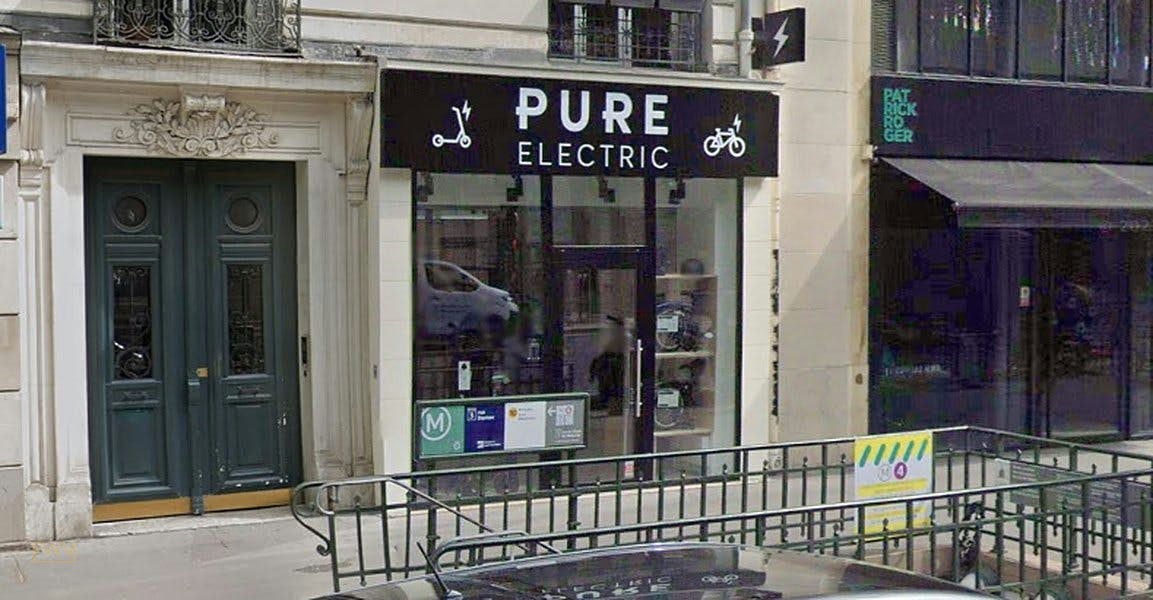
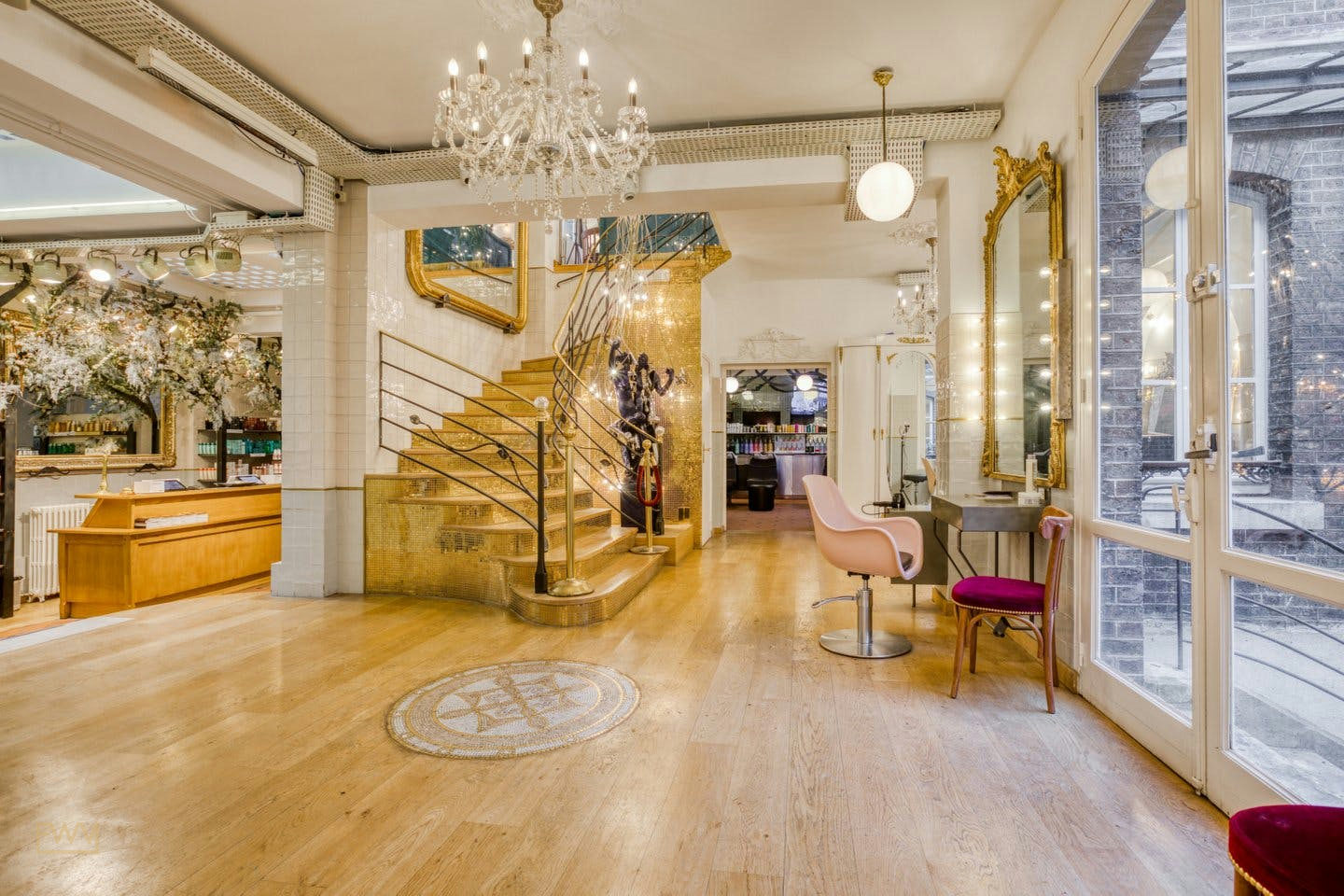
To book a pop-up shop in Montorgueil is to plant your brand at the intersection of Old Paris charm and contemporary retail energy. The quartier Montorgueil, tucked into the 2nd arrondissement of Paris between Les Halles and Sentier, draws a dense daily footfall of locals, international visitors, food lovers, creatives, and fashion professionals who choose this pedestrianised street over more touristy alternatives. Rue Montorgueil and its surrounding streets including Rue Tiquetonne, Rue d'Aboukir, and Rue Réaumur offer a concentration of short-term retail opportunity that few other Paris neighbourhoods can match. Fashion Week Venues supports brands seeking pop-up spaces in Paris with full-service sourcing, production, and activation management across all major quartiers, including Montorgueil.
What Is the Quartier Montorgueil and Why Does It Matter for Pop-Up Retail?
The quartier Montorgueil is one of the most historically layered and commercially active neighbourhoods in central Paris. Located in the 2nd arrondissement, it sits directly north of Les Halles and the Forum des Halles, east of the Etienne Marcel metro area, and borders the Sentier district, historically the heart of the French textile and garment trade. The Sentier Metro station provides excellent transit access, making the area easy to reach from every major Paris hub including the Marais, Saint-Germain-des-Pres, and beyond.
Rue Montorgueil itself is a fully pedestrianised market street stretching approximately 500 metres, lined with some of Paris's most iconic food institutions. Stohrer, founded in 1730 and widely regarded as the oldest patisserie in Paris, sits at number 51 and has been serving its celebrated rum baba since the time of Louis XV. The recipe is said to have been popularised at Versailles before finding its permanent home here. Au Rocher de Cancale, one of the neighbourhood's most storied dining addresses, dates to the early nineteenth century and is associated with the oysters of Cancale, celebrated by writers including Balzac. L'Escargot Montorgueil, a Belle Epoque brasserie that has welcomed figures from Victor Hugo to Claude Monet, anchors the upper end of the street with its gilded snail above the door.
These gastronomic landmarks are not merely historical curiosities. They generate consistent, year-round footfall from visitors who treat Rue Montorgueil as a destination rather than a thoroughfare. The bakeries and food shops including Eric Kayser, Maison Collet, and multiple artisan fromageries attract a morning and lunchtime crowd, while restaurants including Frenchie, Honorine, and Cul de Cochon pull an evening audience. This layered rhythm of daily visitors creates retail activation windows across morning, afternoon, and evening that few streets in Paris can replicate.
The surrounding streets expand the opportunity considerably. Rue Tiquetonne has developed a reputation for independent boutiques, vintage shops, and creative retail. Rue Greneta and Rue Beauregard offer quieter streets that transition into the Sentier textile district, where lace trim, patchwork fabric, thread, and buttons have supplied Parisian fashion makers for generations. Young creatives and emerging designers still frequent this area for materials, making it a natural home for fashion-adjacent brand activations. Rue d'Aboukir connects the neighbourhood to the Etienne Marcel area and broadens the perimeter of potential spaces available for short-term retail.
The proximity to cultural landmarks adds further context. The Saint-Eustache church, a Gothic and Renaissance masterpiece that dominates the skyline to the south, has stood since the sixteenth century and remains one of the most visited monuments in Paris. The Passage du Grand Cerf, a nineteenth-century covered arcade running between Rue Saint-Denis and Rue Dussoubs, offers a perfectly preserved example of Parisian commercial architecture and hosts a cluster of independent artisan shops. The Tour Jean-sans-Peur, a medieval fortified tower on Rue Etienne Marcel, marks the western boundary of this historically dense neighbourhood. The Louvre Museum is reachable on foot in under twenty minutes, drawing additional visitor flows through the quartier.
KEY TAKEAWAY: The quartier Montorgueil is not simply a charming food street. It is a commercially active, culturally layered, multi-hour destination that generates consistent footfall across the full day and supports a wide range of pop-up retail concepts, from food and lifestyle to fashion, publishing, art, and brand experience.
Understanding the neighbourhood's character helps brands make sharper decisions about space type, activation concept, and calendar window, all of which the next section covers in detail.
What Types of Pop-Up Spaces Are Available in Montorgueil?
Quick answer: Montorgueil and its surrounding streets in the 2nd arrondissement offer boutique retail units, ground-floor gallery spaces, former restaurant premises, showroom-style spaces, photo studios, and shared or co-activation formats. Space sizes typically range from compact 20 to 50 square metre units up to larger 150 to 300 square metre ground-floor spaces, though availability and configuration vary significantly by street and season.
The diversity of space types available in and around Rue Montorgueil reflects the neighbourhood's evolution from a traditional market and textile quarter into a mixed-use creative and retail destination. Brands operating in fashion, beauty, food, publishing, lifestyle, and cultural sectors all find relevant formats here.
Boutique Retail Units
The most common format along Rue Montorgueil and Rue Tiquetonne is the compact boutique retail unit, typically occupying a single ground floor with a glazed shopfront and direct pedestrian access. These spaces suit brands wanting high street visibility, immediate customer interaction, and a format that works for product sales, brand discovery, and experiential retail. The relatively modest square metrage keeps fit-out costs manageable while the footfall density compensates for smaller floor space.
Showrooms and Appointment Spaces
The Sentier district adjacent to Montorgueil has a long tradition of showroom use from its garment trade heritage. First-floor and upper-floor spaces in buildings on Rue Réaumur, Rue d'Aboukir, and Rue Beauregard offer quieter environments suited to trade showrooms, press appointments, buyer previews, and wholesale presentations. During Paris Fashion Week in January, March, and October, these spaces are in particularly high demand from international brands presenting collections outside the official show calendar.
Gallery and Cultural Spaces
The Passage du Grand Cerf and several converted spaces on the streets east of Rue Montorgueil offer gallery-style environments with high ceilings, natural light, and a curatorial aesthetic that suits art-adjacent brands, limited edition releases, and cultural activations. These spaces appeal to brands that want to position themselves within Paris's creative culture rather than its mainstream retail circuit.
Photo Studios and Production Spaces
Studios with controlled lighting, flexible floor plans, and loading access are available in the broader Sentier and Etienne Marcel area. Brands using Paris activations to generate campaign content, social content, or editorial photography find these spaces practical for combining activation with production work.
Second-Hand and Resale Formats
The growing interest in circular fashion and vintage retail is reflected in the rise of second-hand pop-up formats in this part of Paris. Brands exploring resale, like the model developed by Good_Again Goodwill-style concepts, find the independent and creative audience around Montorgueil receptive to this positioning.
| Space Type | Best Located On | Typical Use | Best Brand Profile |
|---|---|---|---|
| Boutique retail unit | Rue Montorgueil, Rue Tiquetonne | Direct-to-consumer sales and brand experience | Fashion, beauty, food, lifestyle |
| Trade showroom | Rue Réaumur, Rue d'Aboukir | Buyer and press appointments | Fashion, accessories, homeware |
| Gallery space | Passage du Grand Cerf, Rue Greneta | Art, limited edition, cultural brand experience | Art-adjacent brands, publishers, luxury |
| Photo studio | Sentier, Etienne Marcel area | Campaign and content production alongside activation | Fashion, beauty, digital brands |
| Co-activation space | Flexible across the quartier | Shared brand presence, cost-sharing, cross-audience reach | Complementary brands in any sector |
KEY TAKEAWAY: Montorgueil offers more space diversity than its famous market street suggests. Brands should look beyond Rue Montorgueil itself to the surrounding streets of Sentier, Etienne Marcel, and the covered passages for formats that match their specific activation brief and budget.
Choosing the right space type is inseparable from understanding the calendar windows that make Montorgueil most commercially effective for each brand category.
The Best Calendar Windows to Book a Pop-Up Shop in Montorgueil
Quick answer: The highest-value calendar windows for a pop-up in Montorgueil align with Paris Fashion Week in January, March, and October, the summer visitor peak from June through August, and the December gifting and holiday season. Each window attracts a distinct audience mix and demands a different activation strategy.
Paris operates on a fashion and cultural calendar that shapes retail footfall in ways that brands from outside France sometimes underestimate. The quartier Montorgueil sits close enough to the main Paris Fashion Week venues and showroom districts to benefit directly from the professional and consumer traffic those events generate, while also drawing independent visitors who have no connection to the fashion industry.
Paris Fashion Week Windows
Paris Fashion Week takes place three times annually. The menswear and couture editions run in January and July respectively, and the womenswear ready-to-wear edition runs in late September and early October. The schedule includes runway shows, exhibitions, and happenings across the city, and the July 2026 edition is scheduled to run from approximately July 6 to 9, 2026. During these periods, the concentration of international press, buyers, stylists, and brand professionals in Paris creates a unique opportunity for brands to activate alongside the official calendar.
Brands that cannot afford or access official Fashion Week show formats use pop-up activations in Sentier and Montorgueil as an alternative route to press and buyer attention. The proximity to established showroom buildings on Rue Réaumur and the creative audience of the quartier makes this a credible positioning for emerging and independent labels. Brands like Colette, which defined the concept of the curated Parisian retail experience before closing in 2017, demonstrated how a single well-chosen address in central Paris could become a global fashion destination. The legacy of Colette and the curatorial vision of figures like Sarah Andelman continue to influence how brands think about Paris retail activations.
Summer Visitor Peak
The summer months, particularly June through August, bring the highest volume of international visitors to Paris. Rue Montorgueil becomes one of the most visited pedestrian streets in central Paris during this period, with visitors from across Europe, North America, and Asia drawn by its reputation as an authentic Parisian food street that has avoided the most aggressive forms of mass tourism. Brands targeting international consumers, travel-adjacent categories, or lifestyle positioning find summer activations in Montorgueil particularly effective for brand discovery.
December Gifting Season
The December calendar is consistently the strongest retail period in Paris. Brands using Montorgueil for gifting-focused pop-ups benefit from the combination of local Parisians shopping for quality food and artisan gifts along the market street and the continued presence of international visitors during the European Christmas travel period. Pop-up bookstores, limited edition product releases, and experiential gifting concepts all perform well in this window.
Strategic Off-Peak Windows
Brands with more flexible briefs sometimes find better value in the shoulder seasons of November and February to March, when rental rates may be more negotiable and competition for premium spaces is lower. These windows suit trade showrooms, press previews, and brand events that depend less on street footfall and more on targeted invitation lists.
DID YOU KNOW: Paris Fashion Week's womenswear ready-to-wear edition brings an estimated 80,000 to 100,000 international professionals and media to Paris over approximately ten days, creating a concentrated audience of brand-relevant decision-makers across the city.
KEY TAKEAWAY: The calendar window you choose for a Montorgueil pop-up should be driven by your audience profile, activation objectives, and budget. Fashion Week windows offer the highest-quality professional audience. Summer windows offer maximum volume and international reach. December offers gifting-season purchasing intent. Each requires a distinct approach to space, staffing, and activation design.
Understanding the calendar is only half the planning equation. The other half is understanding the permit and legal framework that governs short-term retail in Paris.
Permits, Leases, and Legal Considerations for a Montorgueil Pop-Up
Quick answer: Operating a short-term retail pop-up in Paris requires understanding the difference between a bail dérogatoire, a standard commercial lease, and an autorisation d'occupation temporaire, commonly called an AOT. Requirements vary by space type, duration, arrondissement, and the specific building's status. Professional guidance is strongly recommended before signing any agreement.
One of the most common mistakes international brands make when planning a Paris pop-up is assuming that because the duration is short, the legal framework is simple. This assumption creates risk. French commercial property law is specific and the obligations of both tenant and landlord under even a short-term arrangement can be consequential if misunderstood.
The Bail Dérogatoire Explained
The bail dérogatoire, sometimes called a convention d'occupation précaire, is the legal instrument most commonly used for short-term commercial occupancy in France. It allows a landlord and tenant to agree on a temporary occupation of commercial premises for a fixed period, typically up to three years in total across consecutive agreements, without triggering the full protections of a standard commercial lease under French law. For pop-up purposes, agreements of one week to three months are common, and the bail dérogatoire is the instrument that makes these short durations legally viable.
However, the bail dérogatoire does not mean the arrangement is informal. The document must be correctly drafted, must clearly state the temporary nature of the occupancy and the reason for it, and must be signed before the tenant takes possession. A landlord who fails to correctly constitute a bail dérogatoire may find that the tenant acquires standard commercial lease rights, which would be a significant unintended outcome for both parties.
Autorisation d'Occupation Temporaire
For activations on public domain, terraces, kiosks, or shared public spaces, an autorisation d'occupation temporaire is required from the relevant municipal authority, typically the mairie of the arrondissement or the city of Paris directly. AOT applications require advance notice, supporting documentation, and compliance with the specific conditions attached to the public space in question. In the 2nd arrondissement, spaces near pedestrianised sections of Rue Montorgueil, the Forum des Halles, or the passages will each have their own regime of rules.
Building Classification and Heritage Constraints
Several buildings in the quartier Montorgueil are classified as historical monuments or are located within protected urban zones. Spaces within or adjacent to classified buildings, such as Stohrer at 51 Rue Montorgueil or the listed facades of the Passage du Grand Cerf, may be subject to additional fit-out restrictions from the Architectes des Bâtiments de France. This does not prevent pop-up activity but it does constrain the scope of permitted alterations, signage, and installation work. Brands planning significant fit-out or exterior branding should verify the classification status of any shortlisted space before committing.
IMPORTANT: Do not assume that a verbal agreement or a simple letter from a landlord constitutes legally valid authorisation to operate a commercial pop-up in Paris. Always engage a qualified French legal advisor before signing any occupancy agreement, and verify permit requirements with the relevant mairie well in advance of your activation date.
For a structured overview of permit categories relevant to Paris pop-ups, the permit guidance tool on Fashion Week Venues provides a useful starting framework alongside professional advice.
KEY TAKEAWAY: Short-term leases in Paris are legally defined instruments, not informal arrangements. The bail dérogatoire and AOT each have specific requirements that must be met correctly. Brands without French legal support should seek specialist help before committing to any space in Montorgueil or anywhere else in Paris.
With the legal framework understood, brands can turn their attention to the practical question of how to find, evaluate, and secure the right space.
How to Find and Secure a Pop-Up Space in Montorgueil
Finding the right space in Montorgueil requires a combination of neighbourhood knowledge, timing, and the right sourcing approach. The market for short-term retail spaces in Paris is not fully systematised and the best spaces rarely appear on mainstream commercial property listings. Understanding how the market works gives brands a significant advantage.
Direct Landlord Approaches
Some spaces in Montorgueil are managed directly by building owners or by small independent property managers who do not list spaces publicly. These opportunities require direct canvassing of the neighbourhood, familiarity with which buildings have had recent vacancy, and the ability to communicate effectively in French. For international brands without a Paris-based team, this approach is time-consuming and often unsuccessful within the compressed timelines of fashion and event activations.
Using a Space Marketplace
Dedicated short-term retail space marketplaces aggregate available spaces across Paris neighbourhoods including Montorgueil, Sentier, Marais, Saint-Germain-des-Pres, and other key quartiers. Browsing a curated marketplace allows brands to filter by location, size, duration, price range, and space type before making initial enquiries. The Fashion Week Venues space marketplace lists curated short-term spaces across Paris and other major fashion capitals, with verified details on each listing.
Working with a Full-Service Agency
For brands with complex briefs, tight timelines, or limited experience of the Paris market, working with a full-service pop-up agency that handles both space sourcing and activation management is typically the most efficient route. An agency with established relationships in Montorgueil and the broader 2nd arrondissement will have access to spaces that are not publicly listed and will know how to structure the occupancy agreement correctly.
The Sourcing Process Step by Step
| Step | Action | Timeline Before Activation |
|---|---|---|
| 1 | Define brief: neighbourhood, space type, size, duration, budget, objectives | 12 to 16 weeks |
| 2 | Search marketplace and agency networks for available spaces | 10 to 14 weeks |
| 3 | Shortlist 3 to 5 spaces and arrange viewings or virtual walkthroughs | 8 to 12 weeks |
| 4 | Evaluate spaces against brief, footfall data, and fit-out feasibility | 7 to 10 weeks |
| 5 | Negotiate terms, engage legal advisor, agree bail dérogatoire | 6 to 8 weeks |
| 6 | Begin permit applications for AOT or fit-out permissions if required | 6 to 8 weeks |
| 7 | Commission fit-out design and begin production planning | 4 to 6 weeks |
| 8 | Complete fit-out, install POS and security systems, brief staff | 1 to 2 weeks |
| 9 | Activate, manage, measure | During activation |
| 10 | De-rig, restore space to original condition, collect data and report | Immediately post-activation |
To compare available spaces by neighbourhood and build a focused brief before committing, explore the Paris city hub on Fashion Week Venues and shortlist spaces that match your calendar window, audience profile, and budget.
TIP: The best spaces in Montorgueil during Paris Fashion Week and the December gifting season are often secured three to six months in advance. If your target activation window is a major calendar event, begin your search earlier than you think necessary.
KEY TAKEAWAY: Securing a great pop-up space in Montorgueil is a process that rewards early preparation, clear briefing, and either strong local market knowledge or professional support. Brands that approach the search without a defined brief or realistic timeline frequently end up with a compromise space secured under pressure.
Once a space is secured, the quality of the activation depends on the concept, design, and operational execution, which is where specialist expertise creates a measurable difference.
Designing a Pop-Up Shop Concept for the Montorgueil Audience
Quick answer: The Montorgueil audience is a mix of knowledgeable Parisian locals, international food and culture tourists, fashion professionals in transit between appointments, and creative independents drawn to the neighbourhood's artisan and boutique character. A successful pop-up concept for this audience must feel considered, authentic, and worth stopping for.
The neighbourhood has a strong visual and sensory identity. The market street character of Rue Montorgueil, with its canopied food stalls, patisserie windows, and informal restaurant terraces, sets a benchmark of quality and craftsmanship that pop-up activations need to meet. Brands that import a generic retail concept without adapting it to the neighbourhood context tend to underperform against those that invest in a Montorgueil-specific execution.
Concept Directions That Work in Montorgueil
Fashion and lifestyle brands with a craft, artisan, or independent positioning align naturally with the neighbourhood's identity. A brand that tells a story about materials, provenance, or process will find an engaged audience here. The creative class that populates the neighbourhood, from the jeunes créateurs who still visit the Sentier textile district for fabric and trim to the food professionals who supply and patronise the market street, respects quality and authenticity over mass-market appeal.
Experiential concepts that invite participation rather than passive browsing perform well on Rue Montorgueil and Rue Tiquetonne. Brands that incorporate a making element, a tasting, a customisation service, or a cultural programme create a reason to stop that goes beyond a standard retail window. The pop-up bookstore format, as demonstrated by initiatives like Bokbar and the Swedish Institute's cultural programming in Paris, shows how a non-retail concept can generate significant organic attention in an environment where people already stop, sit, and spend time.
The Swedish Institute, which operates a Scandinavian cultural center in Paris at the Hôtel de Marle in the Marais, has long demonstrated how cultural programming, Nordic literature events, and design exhibitions can build a dedicated audience among Parisian intellectuals and international visitors. Authors associated with the Nordic literary wave, including Jón Kalman Stefánsson, Sara Stridsberg, Sofi Oksanen, and Karl Ove Knausgård, have all had significant followings in France, and pop-up bookstore activations built around Nordic crime novels or the playful universe of Tove Jansson's Moomins have found receptive audiences in Paris's independent retail circuit. The illustrator Jean Jullien, known for work that bridges art, humour, and cultural commentary, represents the kind of French-adjacent creative voice that resonates with the Montorgueil audience.
Visual Identity and Fit-Out
The fit-out aesthetic should acknowledge the neighbourhood's architectural character without being derivative of it. Exposed stone, natural materials, warm lighting, and restrained graphic treatments typically outperform heavily branded, high-gloss retail executions in this context. The brands that have made the strongest cultural impact in Paris, from Colette's curatorial minimalism to Harry Nuriev's maximalist spatial experiments for global fashion labels, understand that the space itself is the first communication.
Interior designer and architect Aline Asmar d'Amman, known for projects including the Hôtel de Crillon, demonstrates how layered historical references and contemporary restraint create spaces that feel both deeply Parisian and entirely current. While few pop-up activations operate at that level of investment, the underlying principle, that the space should feel intentional and contextually aware, applies at every budget level.
Digital and Physical Integration
The most effective Montorgueil pop-ups in the current retail environment treat the physical space as a content generator as well as a sales environment. Brands invest in visual moments designed for organic social sharing, integrate QR-based discovery tools, and use the activation to generate the kind of content that performs on YouTube and across editorial travel platforms including newsletters like the ENTREE TRAVEL NEWSLETTER. Creators and independent travel writers including France With Vero and similar voices actively feature well-executed Paris retail activations when they align with the neighbourhood storytelling their audiences expect.
KEY TAKEAWAY: A successful pop-up concept for Montorgueil requires neighbourhood-specific thinking, not a generic rollout. The most effective activations here feel like they belong to the quartier while clearly expressing the brand's own identity. The combination of physical craft, experiential programming, and content-generating visual design creates the conditions for both strong in-person performance and extended digital reach.
The financial dimension of planning a Montorgueil pop-up deserves the same rigour as the creative dimension, and that is where budget planning and ROI modelling become essential tools.
Budgeting and ROI for a Pop-Up Shop in Montorgueil
Quick answer: Budget requirements for a Montorgueil pop-up vary significantly based on space size, duration, fit-out scope, staffing model, and marketing investment. Rather than publish figures that may not reflect current market conditions, brands should use a structured budget planning tool calibrated to their specific brief.
The cost of a Paris pop-up activation breaks into several distinct categories, each of which requires separate planning and each of which carries different levels of flexibility depending on the brief.
Space Rental
Short-term rental rates in Montorgueil and the surrounding 2nd arrondissement vary by street, space size, duration, and season. Premium-facing spaces on Rue Montorgueil command higher rates than equivalent spaces on Rue Tiquetonne or Rue d'Aboukir, and Fashion Week windows typically carry a premium over standard weeks. Rates should be treated as directional estimates only and verified through direct enquiry or agency negotiation. For a structured estimate calibrated to your specific brief, the Fashion Week Venues budget planning tool provides a useful starting framework.
Fit-Out and Production
The cost of fitting out a short-term retail space in Paris depends on the scope of work, the complexity of the design, and the level of bespoke fabrication required. Brands working with an existing design kit, modular furniture systems, and a light-touch installation will spend considerably less than those commissioning bespoke joinery, structural alterations, or complex lighting design. Production costs in Paris are subject to French labour regulations and local supplier pricing, which differ from costs in London, New York, or other markets brands may be more familiar with.
Operational Costs
Staffing, POS systems, security, insurance, utilities, and shipping for product and materials all form part of the operational budget. French employment law governs staffing arrangements, including the minimum wage, working hours, and social contributions, and brands should not assume that informal arrangements are legally acceptable. POS systems need to be compliant with French fiscal requirements, and credit card acceptance requires appropriate payment infrastructure including encryption-compliant terminals.
Marketing and Amplification
The budget for marketing, influencer engagement, PR, and digital amplification is often underfunded relative to space and production in first-time Paris activations. Brands that invest in pre-activation awareness building, partnerships with local voices, and a structured content strategy consistently achieve stronger footfall and better ROI than those that rely on organic discovery alone.
Measuring ROI
Return on investment for a Paris pop-up is rarely measured on direct sales alone. Brands that track only transaction revenue against space cost typically undervalue the activation. A fuller ROI model incorporates direct sales, new customer acquisition, press and editorial coverage equivalent value, social reach and engagement, data capture for CRM, influencer content generated, and the long-term brand equity impact of a credible Paris presence. For a structured ROI modelling framework, the Fashion Week Venues ROI calculator provides a multi-variable model designed for pop-up and short-term retail activations.
| Cost Category | Flexibility Level | Key Variables |
|---|---|---|
| Space rental | Medium | Street, size, duration, season, negotiation |
| Fit-out and production | High | Design complexity, bespoke vs modular, supplier choice |
| Staffing | Low | French labour law, hours required, specialist vs general |
| POS and payments | Low | Compliance requirements, transaction volume |
| Insurance and security | Low | Space classification, product value, local requirements |
| Marketing and amplification | High | Channel mix, influencer strategy, paid vs organic |
KEY TAKEAWAY: Budgeting for a Montorgueil pop-up requires category-by-category planning, not a single round number estimate. Brands that plan each cost category separately and model ROI across multiple value dimensions make better decisions and avoid the under-budgeting that is the most common cause of failed Paris activations.
With budget clarity in place, the final planning dimension is understanding how Fashion Week Venues as a full-service agency can support brands across every stage of the process.
How Fashion Week Venues Helps Brands Book and Activate in Montorgueil
Fashion Week Venues is a full-service pop-up shop agency and space marketplace with Paris as its anchor market. The agency supports international and domestic brands across every stage of the pop-up process, from initial space search and brief development through to full activation management and post-activation reporting.
For brands targeting the quartier Montorgueil specifically, Fashion Week Venues provides value across several dimensions that are genuinely difficult for brand teams to replicate independently. The agency's knowledge of the Paris market, its relationships with landlords and building managers across the 2nd arrondissement, and its understanding of the permit and legal landscape for short-term retail in France reduce the risk and time cost of securing and activating a space significantly.
Space Sourcing and Marketplace
The Fashion Week Venues venue sourcing service covers both marketplace-listed spaces and off-market opportunities sourced through the agency's direct relationships. For Montorgueil and the wider 2nd arrondissement, the agency can identify spaces that match a brand's specific brief in terms of location, size, aesthetic, duration, and budget, including spaces on Rue Tiquetonne, Rue d'Aboukir, Rue Réaumur, and the covered passages that would not be findable through a standard property search.
Concept, Design, and Production
The agency's concept direction and fit-out and production services cover the full creative and build process, from initial concept development through to completed installation. For brands activating in Montorgueil for the first time, the concept direction service ensures that the activation feels appropriate to the neighbourhood context while clearly expressing the brand's identity. Production and build services manage the Paris-specific complexities of sourcing local suppliers, navigating heritage building constraints, and delivering on time within French regulatory requirements.
Activation Management and Staffing
Running a pop-up in Paris without a dedicated on-the-ground team is one of the most common sources of operational failure for international brands. Fashion Week Venues provides activation management and retail staffing services that ensure the space is properly resourced and managed throughout the activation period. Staffing for Montorgueil activations typically requires French-speaking team members with retail experience and cultural fluency in the Paris market.
Tools for Independent Planning
Brands that prefer to plan independently before engaging the agency can use the full suite of tools available on the Fashion Week Venues platform, including budget estimation, ROI modelling, space comparison, timeline planning, permit guidance, and space location mapping. These tools are designed to help brand teams build a realistic brief and understand the scope of what a Paris activation requires before committing to any spend.
The Twin Co-Activation Model
For brands that want a Paris presence in Montorgueil but face budget constraints that make an independent space impractical, the Fashion Week Venues twin concept offers a co-activation format in which two complementary brands share a space and split the associated costs while maintaining distinct brand expressions within the shared environment. This model has proven particularly effective for brands with overlapping but non-competing audiences and for international brands using a Paris activation primarily for press and brand discovery rather than direct sales volume.
KEY TAKEAWAY: Fashion Week Venues does not guarantee spaces, approvals, or specific commercial outcomes. What the agency provides is a structured, experienced, and locally knowledgeable resource that materially reduces the risk of a Paris pop-up activation and increases the probability of delivering against clearly defined objectives. Brands should engage the agency early in their planning process to benefit fully from the sourcing and advisory services available.
Rue Montorgueil as a Cultural and Visitor Destination: What Brands Need to Know
Beyond its commercial function, Rue Montorgueil operates as one of the most visited and genuinely enjoyed streets in Paris. Understanding its character as a destination, and the people it attracts at different times of day and different seasons, is essential for brands designing activations that connect with the audience rather than simply occupying space within it.
Is Rue Montorgueil Worth Visiting? Who Goes There?
Rue Montorgueil consistently appears in guides to Paris for its combination of historical food addresses and living neighbourhood character. Unlike parts of the Marais or Saint-Germain-des-Pres where tourism has largely displaced the local life that originally made those quartiers interesting, Montorgueil retains a functional neighbourhood identity. Parisian families shop here for bread, cheese, and vegetables. Chefs from surrounding restaurants buy ingredients here in the morning. Local office workers from the Sentier and Réaumur districts lunch here. The quartier also attracts food-aware tourists who have done their research and specifically want the experience of a working Parisian food street rather than a tourist precinct.
The street is genuinely worth visiting even for the time-constrained traveller. The concentration of quality within a short pedestrianised stretch means a visitor can eat a croissant from Maison Collet, browse the cheese counter at La Fromagerie, try an oyster at Au Rocher de Cancale, and sit at a terrace with a glass of wine watching the parade of Parisian life, all within two hours. Travel writers and bloggers including France With Vero and contributors to the ENTREE TRAVEL NEWSLETTER regularly feature the street as an essential Paris experience precisely because it rewards the kind of slow, observational visit that Paris does better than anywhere else in Europe.
What Is the Best Time of Day to Visit Rue Montorgueil?
Morning, from around 8am to 11am, is when the street is most alive as a food market. The bakeries are at their freshest, the produce stalls are fully stocked, and the neighbourhood operates at a rhythm that feels genuinely local rather than performatively Parisian. Midday through early afternoon is the peak dining period, when the restaurant terraces and wine bars including Cul de Cochon fill with a mix of professionals and visitors. Late afternoon and early evening, from around 5pm to 8pm, brings a second wave of footfall as the neighbourhood transitions into its aperitif and dinner mode.
For pop-up activations, this rhythm has direct implications. A brand targeting food-adjacent discovery and organic social content should plan its most active programming for the morning and early afternoon window. A brand targeting the fashion and creative professional audience should focus on the late afternoon through evening window, when the Sentier and Etienne Marcel crowd are in the neighbourhood and the pace is more social and exploratory.
Is Rue Montorgueil Too Touristy?
The honest answer is that Rue Montorgueil has become more popular with tourists over the past decade, partly due to its presence in travel guides, social media content, and the general shift of food tourism toward neighbourhood experiences over landmark sites. However, compared to the Champs-Elysées, the area around the Louvre Museum, or the most visited sections of the Marais, Montorgueil retains a genuinely local character that makes it feel qualitatively different. The presence of working food businesses with serious reputations, suppliers to the restaurant trade, and a residential population above the commercial ground floors means the street has not yet tipped into the purely performative tourism of some Paris addresses. For brands, this balance is commercially useful because it means the audience includes both visitors with purchasing intent and locals with repeat visit patterns.
How Do You Get to Rue Montorgueil?
The street is well served by public transport. The Sentier Metro station on line 3 is the closest, approximately three minutes on foot from the northern end of Rue Montorgueil. Etienne Marcel on line 4 is equally convenient for the southern end and the Rue Tiquetonne area. Les Halles and Châtelet, major interchange stations served by multiple metro and RER lines, are within ten minutes on foot and connect Montorgueil to every arrondissement in Paris and to the main rail terminals for train travel to and from Île-de-France and beyond.
Quick answer: Rue Montorgueil is best visited in the morning for food market atmosphere, midday for dining, and early evening for aperitif culture. The closest Metro stations are Sentier on line 3 and Etienne Marcel on line 4. The street is lively, mixed in audience, and genuinely local enough to reward multiple visits at different times of day.
KEY TAKEAWAY: Brands activating in Montorgueil benefit from understanding the daily rhythm of the street and designing their operational hours, programming, and staffing to align with the audience windows that match their objectives. A morning activation for a food-adjacent brand serves a fundamentally different audience than an evening activation for a fashion or lifestyle brand.
Pop-Up Bookstores and Publishing Activations in Montorgueil
Quick answer: The pop-up bookstore format, including traditional printed books, pop-up book format titles, artist books, and printed matter activations, has found a particular resonance in Montorgueil and the broader Sentier and Etienne Marcel area, where the creative and intellectual audience is receptive to non-traditional retail concepts that combine publishing, art, and cultural programming.
The pop-up bookstore is one of the most distinctive activation formats available in Paris. It operates at the intersection of retail, cultural event, and brand expression in a way that few other formats can match. The distinction between a pop-up bookstore as a retail event and the pop-up book as a physical format, those intricately engineered paper constructions associated with French paper engineers like Dominique Ehrhard and the tradition of non-traditional book design, is worth clarifying for brands considering this territory.
The Pop-Up Bookstore as a Retail Activation
A pop-up bookstore in the retail sense is a temporary curated book shop, typically focused on a specific theme, author, publisher, or cultural territory. Examples include the Bokbar concept, which created a Nordic-focused book and culture space that combined titles by Scandinavian authors with programming around Nordic design and literature. The Swedish Institute's cultural presence in Paris at the Hôtel de Marle in the Marais has provided a template for how national cultural organisations can use temporary retail and event formats to build visibility for Nordic culture in France, including the work of illustrators like Sara-Vide Ericson, whose distinctive figurative work has found a following among French readers and collectors. Authors including Jón Kalman Stefánsson, Sara Stridsberg, Sofi Oksanen, and Karl Ove Knausgård have all benefited from the French market's receptiveness to Nordic literature, which extends from literary fiction into the Nordic crime novel genre and even the beloved universe of Tove Jansson's Moomins.
In Montorgueil specifically, a pop-up bookstore concept aligns naturally with the neighbourhood's independent, artisan character. Paris-based independent bookshops including Pages, Mise en Page, and several others in the 2nd arrondissement and nearby Marais have demonstrated that the book-buying audience in this part of Paris is genuine, knowledgeable, and willing to engage with curated editorial choices rather than Amazon bestseller lists. A pop-up bookstore in Montorgueil that offers a genuinely differentiated selection, a cultural programme of author events or readings, and a physical design that rewards discovery will find an engaged audience.
The Pop-Up Book as a Physical Format
The pop-up book in the paper engineering sense, a printed format that creates three-dimensional structures through folded, slotted, or mechanically animated pages, has a long tradition in France. French paper engineers including Dominique Ehrhard have worked on titles published by international publishers including Rizzoli Universe and others, creating works where the physical object itself is the primary value proposition. These non-traditional book formats, which may be categorised as printed matter, artist books, or book-shaped boxes depending on their construction and ISBN status, represent a category of publishing activation that sits outside the mainstream retail book trade and therefore operates with different commercial and distribution logic. Brands in the luxury, art, fashion, and cultural sectors have used limited edition publication formats of this kind for brand activations in Paris that generate significant press and collector attention. The Louvre Museum's own publication programme, collaborations between fashion houses and publishers, and the tradition of livre d'artiste in French culture all demonstrate the credibility and commercial viability of this territory.
Digital Amplification for Publishing Activations
Publishing activations in Montorgueil benefit from digital amplification through channels that reach the book-adjacent and culture-curious audience. Creator platforms including YouTube and Patreon support long-form content that documents the activation, the editorial selection, or the production of the physical object itself. Vero and other social platforms with a creative and visual arts focus provide an alternative distribution channel to mainstream social media. Independent travel and culture newsletters including the ENTREE TRAVEL NEWSLETTER and creator-led guides like France With Vero actively cover cultural retail activations that have genuine editorial interest for their audiences.
KEY TAKEAWAY: The pop-up bookstore format is one of the most culturally credible activation concepts available in Montorgueil, and the neighbourhood's creative, intellectual, and internationally curious audience makes it a natural home for publishing, literary, and printed matter activations. Brands should approach this format with genuine editorial rigour to maximise its cultural impact.
Common Myths About Booking a Pop-Up Shop in Paris
MYTH: You need a French legal entity to rent a pop-up space in Paris.
FACT: International brands without a French company or French VAT registration can rent short-term commercial spaces in Paris under a bail dérogatoire, typically by providing alternative forms of financial guarantee or security deposit. The specific requirements vary by landlord and space, and working with a Paris-based agency or legal advisor who understands the practical arrangements available to foreign brands is strongly recommended. Requirements vary by space type, duration, and arrondissement, and you should verify your specific situation with a qualified French legal advisor before proceeding.
MYTH: Paris Fashion Week is the only viable calendar window for a pop-up in Montorgueil.
FACT: Paris Fashion Week windows in January, March, and October offer exceptional access to fashion industry professionals and create premium demand for certain space types, but they are not the only commercially viable windows for a Montorgueil activation. The summer visitor peak from June through August, the December gifting season, and even well-timed shoulder season activations in November or early February can generate strong results depending on the brand's target audience and activation objectives. The best calendar window depends on who you are trying to reach, not on which period the fashion industry considers most prestigious.
MYTH: Using a commission broker is the only way to find a short-term space in Paris.
FACT: Commission brokers are one option for space sourcing in Paris but they are not the only or necessarily the best option for brands seeking short-term retail spaces. Dedicated pop-up space marketplaces, full-service agencies with direct landlord relationships, and in some cases direct approaches to building owners all offer viable alternatives. Different sourcing routes have different cost structures, different levels of service, and different levels of access to off-market opportunities. Brands should evaluate the full range of sourcing options relative to their brief before defaulting to a commission broker arrangement.
MYTH: Short-term leases in Paris are legally straightforward and do not require specialist help.
FACT: Short-term commercial occupancy in Paris is governed by specific French legal instruments including the bail dérogatoire and the autorisation d'occupation temporaire, both of which have precise requirements that must be correctly constituted for the arrangement to be legally valid. An incorrectly drafted bail dérogatoire can inadvertently grant a tenant standard commercial lease rights, which carry significantly greater obligations for the landlord. Brands without French legal support should always engage a qualified French legal advisor before signing any occupancy agreement for a Paris pop-up, regardless of the duration of the proposed activation.
MYTH: A pop-up in Montorgueil is only viable for food and lifestyle brands because of the street's food market character.
FACT: While the food and gastronomic identity of Rue Montorgueil is undeniable and commercially powerful, the broader quartier including Rue Tiquetonne, Rue d'Aboukir, the Passage du Grand Cerf, and the Sentier and Etienne Marcel areas supports a far wider range of brand categories. Fashion, beauty, publishing, art, technology, lifestyle, and cultural brands all have successful precedents for activations in this neighbourhood. The key is choosing the right street, the right space type, and the right concept for the specific audience segment the brand is targeting.
Frequently Asked Questions About Booking a Pop-Up Shop in Montorgueil
What is the quartier Montorgueil and where exactly is it in Paris?
The quartier Montorgueil is a historic neighbourhood in the 2nd arrondissement of Paris, located north of Les Halles and the Forum des Halles, east of Etienne Marcel, and bordering the Sentier textile district. Its centre is Rue Montorgueil, a fully pedestrianised market street running approximately 500 metres from Rue Rambuteau in the south to Rue Réaumur in the north. The area is bordered by Rue Tiquetonne to the west, Rue d'Aboukir to the east, and connects via Rue Greneta and Rue Beauregard toward the Bonne Nouvelle area. The Sentier Metro station on line 3 and Etienne Marcel on line 4 are the closest transit access points.
How far in advance should a brand book a pop-up space in Montorgueil?
For activations aligned with major calendar windows such as Paris Fashion Week or the December gifting season, brands should begin their search and brief development a minimum of three to six months in advance. Premium spaces on Rue Montorgueil and Rue Tiquetonne during Fashion Week periods can be secured even earlier by brands with established agency relationships. For off-peak activations with more flexible timing, a ten to fourteen week lead time from brief to activation is a realistic planning horizon, though shorter timelines are possible in specific circumstances. Earlier preparation consistently produces better space options and more manageable fit-out and permit processes.
Do I need a French company or VAT number to rent a pop-up space in Paris?
Not necessarily, but the requirements vary by landlord, space type, and the specific terms of the proposed occupancy agreement. Many landlords will work with international brands under a bail dérogatoire provided appropriate financial security can be demonstrated. Some landlords require a French guarantor or a larger security deposit when the tenant is a foreign entity. Working with a Paris-based agency or qualified French legal advisor who regularly handles short-term commercial occupancy for international brands is the most reliable way to navigate this question for your specific situation. Requirements should always be verified with a qualified French legal advisor before signing any agreement.
What is a bail dérogatoire and do I need one for a Montorgueil pop-up?
A bail dérogatoire is the French legal instrument used for short-term commercial occupancy that falls outside the protections of a standard commercial lease. It is the appropriate legal structure for most pop-up retail activations in Paris, including Montorgueil. The agreement must be correctly drafted and signed before the tenant takes possession of the space. It allows for durations from a few days up to a maximum of three years across consecutive agreements. If incorrectly constituted, it can inadvertently trigger standard commercial lease rights. All parties should work with a qualified French legal advisor to ensure the bail dérogatoire is properly drafted for the specific activation.
What types of brands work best in a Montorgueil pop-up?
The quartier Montorgueil suits brands across food and drink, fashion, beauty, lifestyle, publishing, art, and cultural sectors. The neighbourhood's audience is intellectually engaged, quality-conscious, and receptive to independent and artisan positioning. Brands with a craft narrative, a strong visual identity, or a cultural or editorial angle find particularly receptive audiences here. Mass-market brands with no connection to the neighbourhood's character tend to underperform compared to brands that genuinely belong in the environment. The Rue Tiquetonne and Passage du Grand Cerf areas are particularly strong for fashion, art, and culturally positioned concepts.
Can I run a pop-up bookstore or publishing activation in Montorgueil?
Yes, and the neighbourhood's creative and intellectual audience makes it one of the better-suited locations in Paris for this format. Pop-up bookstores with a specific cultural or editorial focus, limited edition publication launches, artist book activations, and printed matter concepts all have precedents in the Montorgueil and broader 2nd arrondissement area. The key success factors are a genuinely differentiated editorial selection or concept, a physical space design that rewards discovery and browsing, and ideally a programme of events or cultural activity that gives people a reason to visit beyond simple browsing and purchasing.
What is the best time of year to book a pop-up in Montorgueil?
The answer depends on your target audience and objectives. Fashion Week windows in January, March, and October give access to the densest concentration of fashion professionals and press in Paris. The summer peak from June through August maximises international visitor volume and organic discovery. December is the strongest period for gifting-focused concepts and premium lifestyle brands. Shoulder seasons in November and February offer potentially better value on space rental with lower competition, which suits trade showrooms, press events, and activations with invitation-based rather than footfall-dependent strategies.
How is the Montorgueil neighbourhood different from the Marais or Saint-Germain-des-Pres for a pop-up?
Montorgueil retains more of a working, everyday neighbourhood character than the Marais or Saint-Germain-des-Pres, both of which have seen their local populations and independent businesses partially displaced by premium tourism and luxury retail. Montorgueil's audience includes a stronger proportion of actual Parisian locals alongside food-aware international visitors, which creates a more mixed and in some respects more authentic footfall profile. The neighbourhood also connects directly to the Sentier textile and creative district, giving it a fashion and creative professional adjacency that is less present in Saint-Germain. Rental rates are generally more competitive than in the most premium Marais or Saint-Germain locations.
What permits do I need to operate a pop-up shop in Montorgueil?
The specific permits required depend on the nature of your activation, the type of space, and the specific address. For a private commercial space operated under a bail dérogatoire, you typically need the agreement itself plus standard business registration or equivalent documentation. For activations on public domain, terraces, kiosks, or shared public areas, an autorisation d'occupation temporaire from the relevant municipal authority is required. Buildings with heritage classification may require additional approval from the Architectes des Bâtiments de France for fit-out work. Requirements vary by space type, duration, and arrondissement, and verifying with a French legal advisor is strongly recommended. The permit guidance tool on Fashion Week Venues provides a structured framework for understanding the permit landscape.
How do I estimate the budget for a Montorgueil pop-up?
Budget estimation for a Paris pop-up requires category-by-category planning across space rental, fit-out and production, staffing, POS and payments, insurance and security, shipping and logistics, and marketing and amplification. Each category has different levels of flexibility and different Paris-specific cost drivers. Directional figures vary significantly based on the size of the space, the duration of the activation, the scope of the fit-out, and the season. The Fashion Week Venues budget planning tool provides a structured framework for generating a brand-specific budget estimate calibrated to your brief rather than relying on generic industry averages.
What food and cultural landmarks should brands reference when developing a Montorgueil pop-up concept?
The quartier Montorgueil's identity is shaped by several landmarks that define its character. Stohrer at number 51, the oldest patisserie in Paris, is associated with the rum baba and the reign of Louis XV. Au Rocher de Cancale references the oysters celebrated by Balzac and generations of French writers. L'Escargot Montorgueil is a Belle Epoque institution connected to Victor Hugo and Claude Monet. Saint-Eustache church is one of Paris's greatest Gothic and Renaissance monuments. The Passage du Grand Cerf is one of the finest surviving covered arcades in the city. Brands that demonstrate awareness of this cultural context in their concept development build credibility with the neighbourhood audience and with the local press and creative community.
Can two brands share a pop-up space in Montorgueil?
Yes, and co-activation formats are increasingly common in the Paris market as a way for brands to share the costs of space rental, fit-out, and activation while reaching each other's audiences. The Fashion Week Venues twin co-activation concept provides a structured framework for two complementary brands to share a space in a way that maintains distinct brand expression within a coherent shared environment. This format is particularly useful for brands that want a Paris presence during a premium calendar window but face budget constraints that make an independent space impractical for the duration required.
Is it possible to do a pop-up in Montorgueil during Paris Fashion Week 2026?
Yes, and the July 2026 Paris Fashion Week edition, scheduled for approximately July 6 to 9, represents a specific window for brands wanting to activate during the men's and couture calendar. The Montorgueil and Sentier area, while not the primary hub for official Fashion Week shows and presentations, benefits from the general increase in fashion professional and media presence across Paris during this period. Brands should begin planning and space search well in advance of this window, as the premium spaces in the quartier will be in demand. The Fashion Week Venues timeline planning tool can help structure a realistic preparation schedule for a July 2026 activation.
What role does digital and social media play in a Montorgueil pop-up activation?
Digital amplification is as important as the physical space for maximising the reach and ROI of a Montorgueil activation. The most effective strategies combine pre-activation awareness building through social and editorial channels, real-time content generation during the activation designed for organic sharing, partnerships with credible Paris-based or France-focused creators and editorial voices, and post-activation content that extends the life of the physical event. Creator platforms including YouTube and Patreon, travel and culture newsletters including the ENTREE TRAVEL NEWSLETTER, and social-first creators covering Old Paris and New Paris respectively all represent relevant amplification channels for well-executed Montorgueil activations with genuine editorial interest.
How does Fashion Week Venues support brands planning a pop-up in Montorgueil?
Fashion Week Venues offers space sourcing, concept direction, fit-out and production, activation management, retail staffing, POS and payments, data and analytics, and influencer marketing services, alongside a suite of planning tools including budget estimation, ROI modelling, space comparison, timeline planning, and permit guidance. For brands targeting Montorgueil specifically, the agency provides local market knowledge, landlord relationships across the 2nd arrondissement, and experience navigating the French permit and legal framework for short-term retail. The agency does not guarantee specific spaces, permit approvals, or commercial outcomes, but provides a structured and experienced resource for every stage of the planning and activation process.
Conclusion
The quartier Montorgueil is one of the most commercially and culturally compelling locations in Paris for a short-term retail activation. Its combination of high daily footfall, genuine neighbourhood character, food and cultural heritage, creative audience, and strategic position between Les Halles, Sentier, and Etienne Marcel creates conditions that few other Paris neighbourhoods replicate. Brands from fashion, beauty, lifestyle, publishing, food, and cultural sectors all find valid reasons to activate here, and the range of space types available across Rue Montorgueil, Rue Tiquetonne, Rue d'Aboukir, and the surrounding streets provides options at multiple budget levels and for multiple activation formats.
Successfully booking a pop-up shop in Montorgueil requires early planning, a neighbourhood-specific concept, a clear understanding of the French legal and permit framework, rigorous budget planning across all cost categories, and either strong local market knowledge or professional support from a specialist agency. The risks of under-preparing for a Paris pop-up are real, but so are the returns when the activation is properly planned and executed.
Fashion Week Venues supports brands at every stage of this process, from initial space search and brief development through to concept direction, production, activation management, and post-activation reporting. The agency's knowledge of the Paris market, its relationships across the 2nd arrondissement, and its full-service capability make it a practical resource for international and domestic brands that want to activate in Montorgueil with confidence.
To move from research to activation, start exploring available spaces on the Fashion Week Venues marketplace and build a focused brief for your target neighbourhood, space type, and calendar window.